

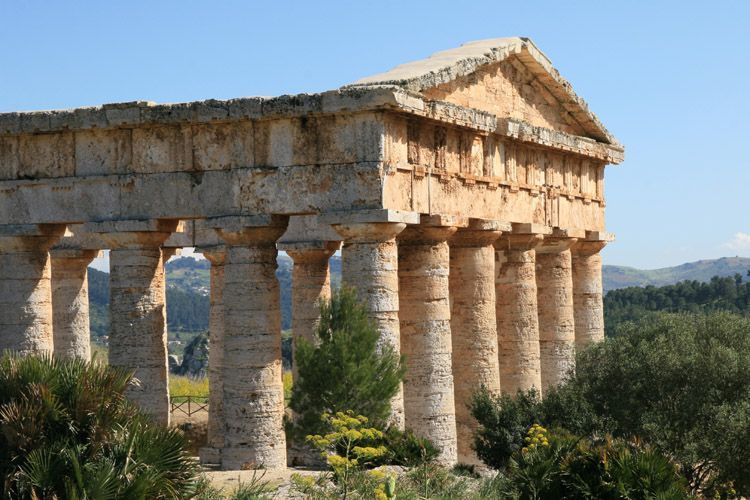
Segesta was an ancient Greek city, whose site is renowned notably for two major edifices located on two distinct hills of the archaeological site: the unfinished Doric temple, dating back to the end of the 5th century BC, and the Greek theatre.
Historical overview of Segesta
On Monte Barbaro, a site that was probably occupied by the Sicels, the city of Segesta is said to have been founded by the Elymians, a people of Sicily who, according to legend, were descended from the Trojans.
It was one of the main cities of this people, who shared the Hellenic culture and played an important role in the Mediterranean.
With the help of Carthage, Segesta destroyed Selinunte in 409 BC, a city that had become a hereditary enemy.
Nearly a century later, the Greek tyrant Agathocles took revenge, in 307 BC, killing 10,000 Elymians and repopulating the city with Greeks. He renamed it Diceopolis (“the city of justice”).
It later took back its name and came under Roman control during the First Punic War (264 – 241 BC). It prospered again and was granted a vast territory by the Romans.
The city remained inhabited for several centuries, until the Arabs and the Normans, whose castle stood on Monte Barbaro.
Archaeological site of Segesta
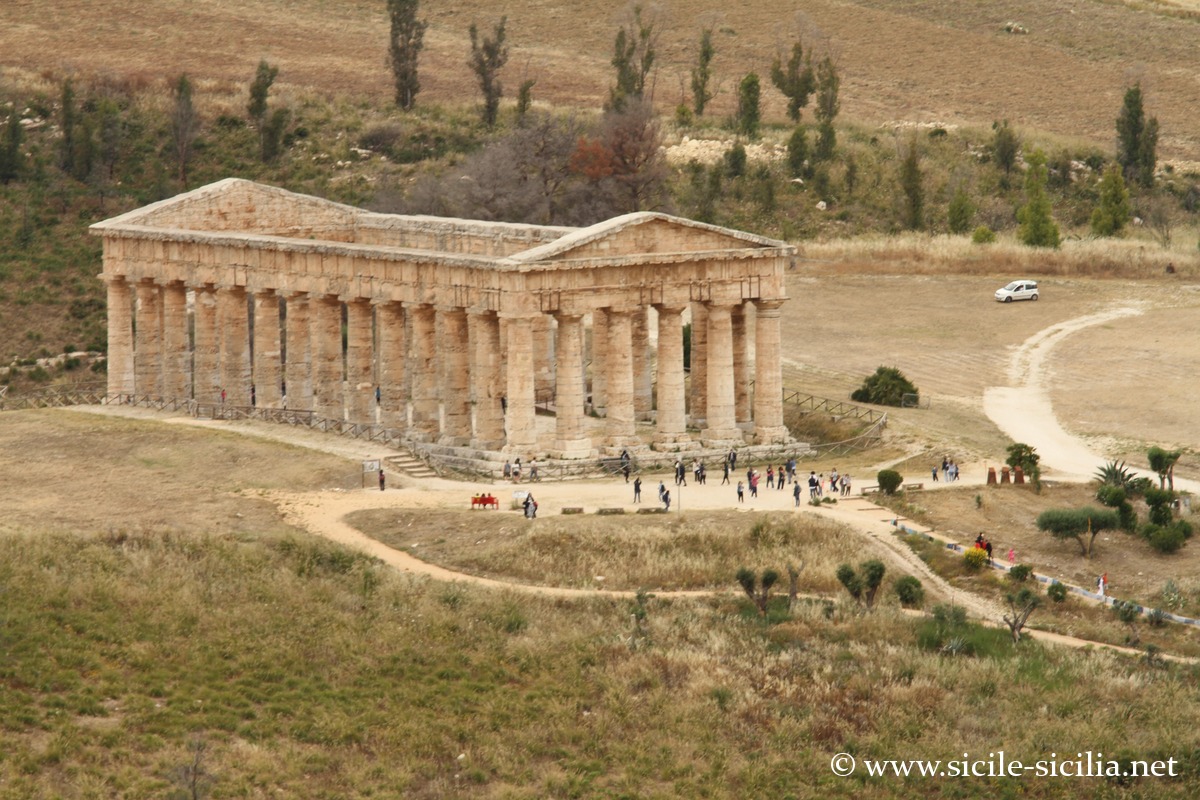
Doric temple
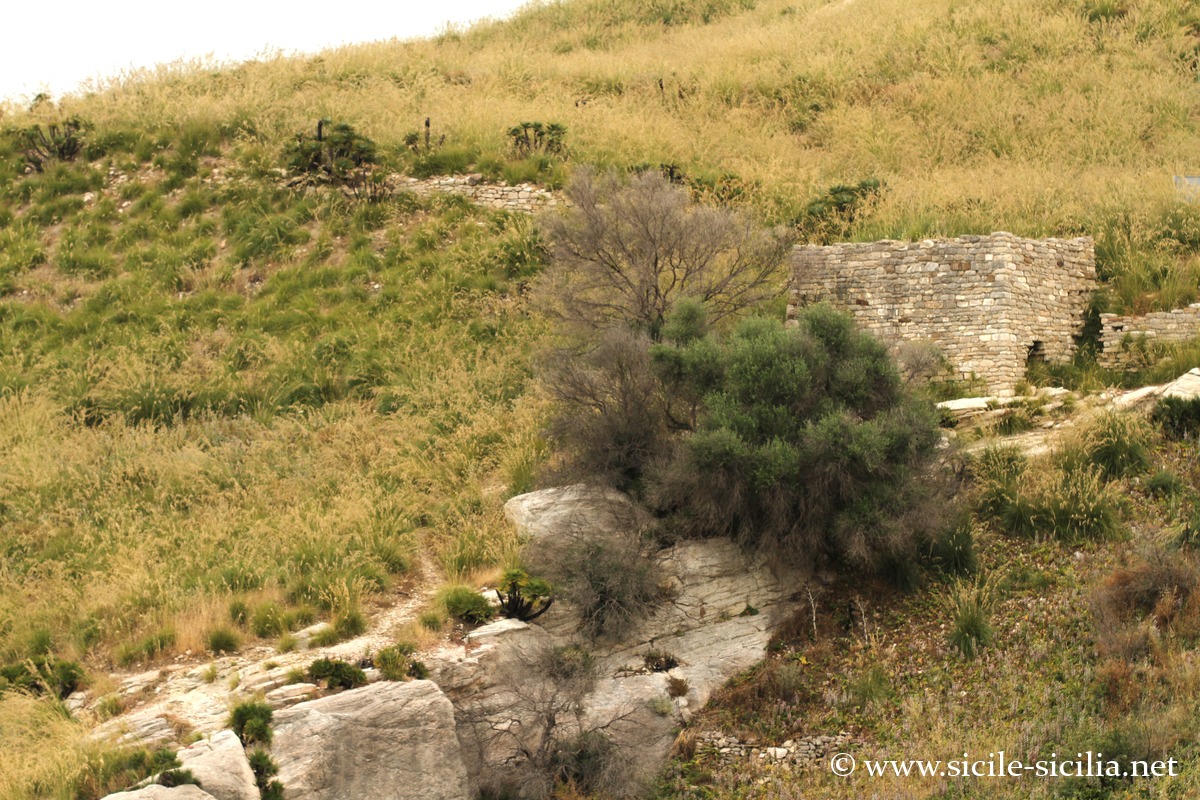
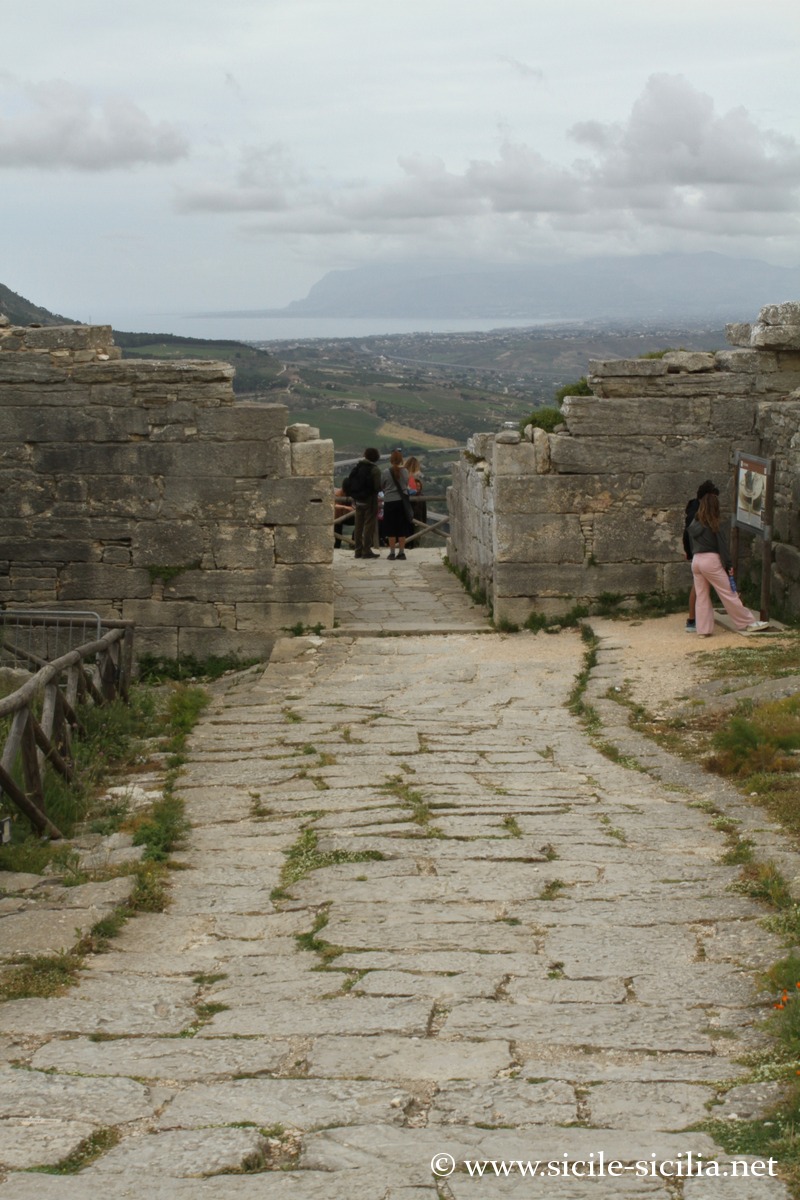
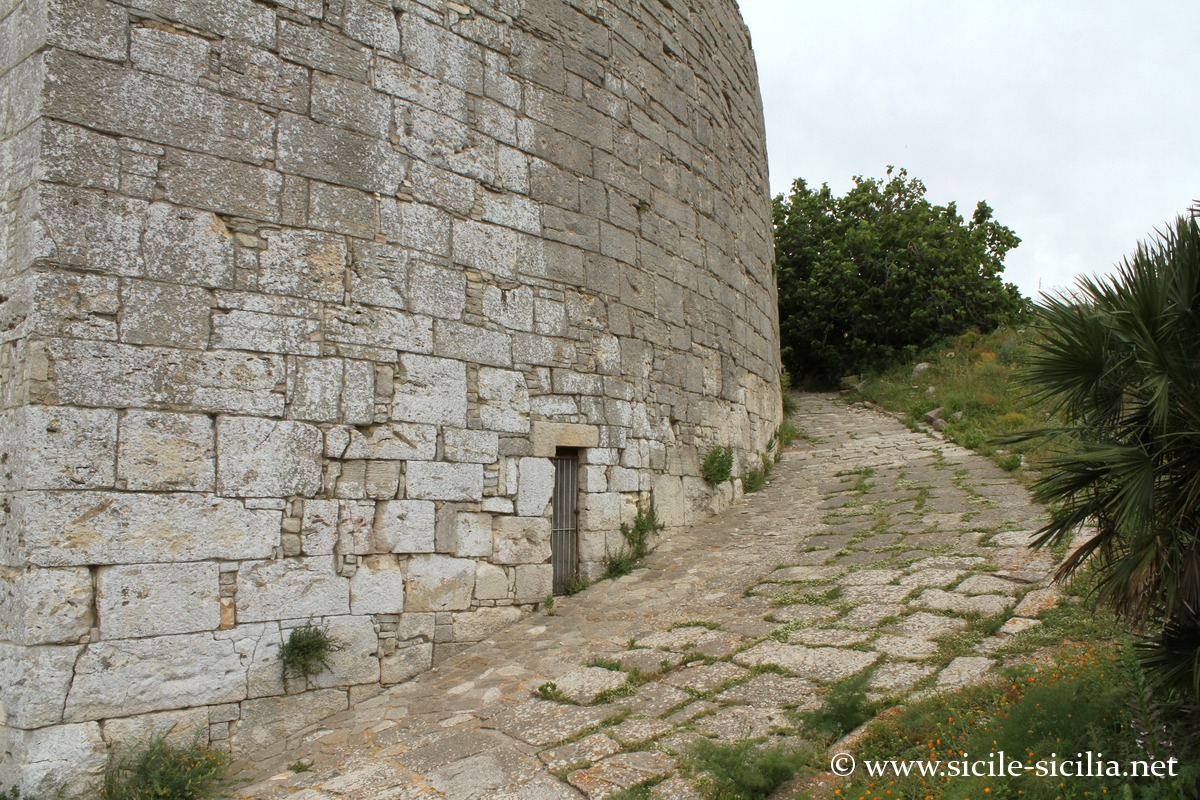
the city occupied Monte Barbaro with its two acropolises separated by a small valley, protected by cliffs on the south and east sides, while to the north, since Greek times, walls pierced with monumental gates stood (lower wall circuit), later replaced by higher walls (upper wall circuit) under the Roman Empire.
The first monumental fortifications are generally attributed to the 4th–3rd centuries BC, with successive modifications in the Hellenistic and then Roman periods.
Two sacred sites are located outside the city walls, along the ancient access roads: the Doric temple of the late 5th century BC, and the Mango sanctuary, of the 6th-5th century BC. This extra-urban placement of the sanctuaries is consistent with the cult practices of the Elymian and Greek cities of Sicily.
Outside the city there is also a Hellenistic necropolis, mainly dated between the 3rd and 1st centuries BC, with inhumation and cremation tombs.
Remains of dwellings, paved streets and urban drainage systems have also been identified on the slopes of Monte Barbaro, bearing witness to a dense urban fabric in the Hellenistic and Roman periods.
Overview of the archaeological park
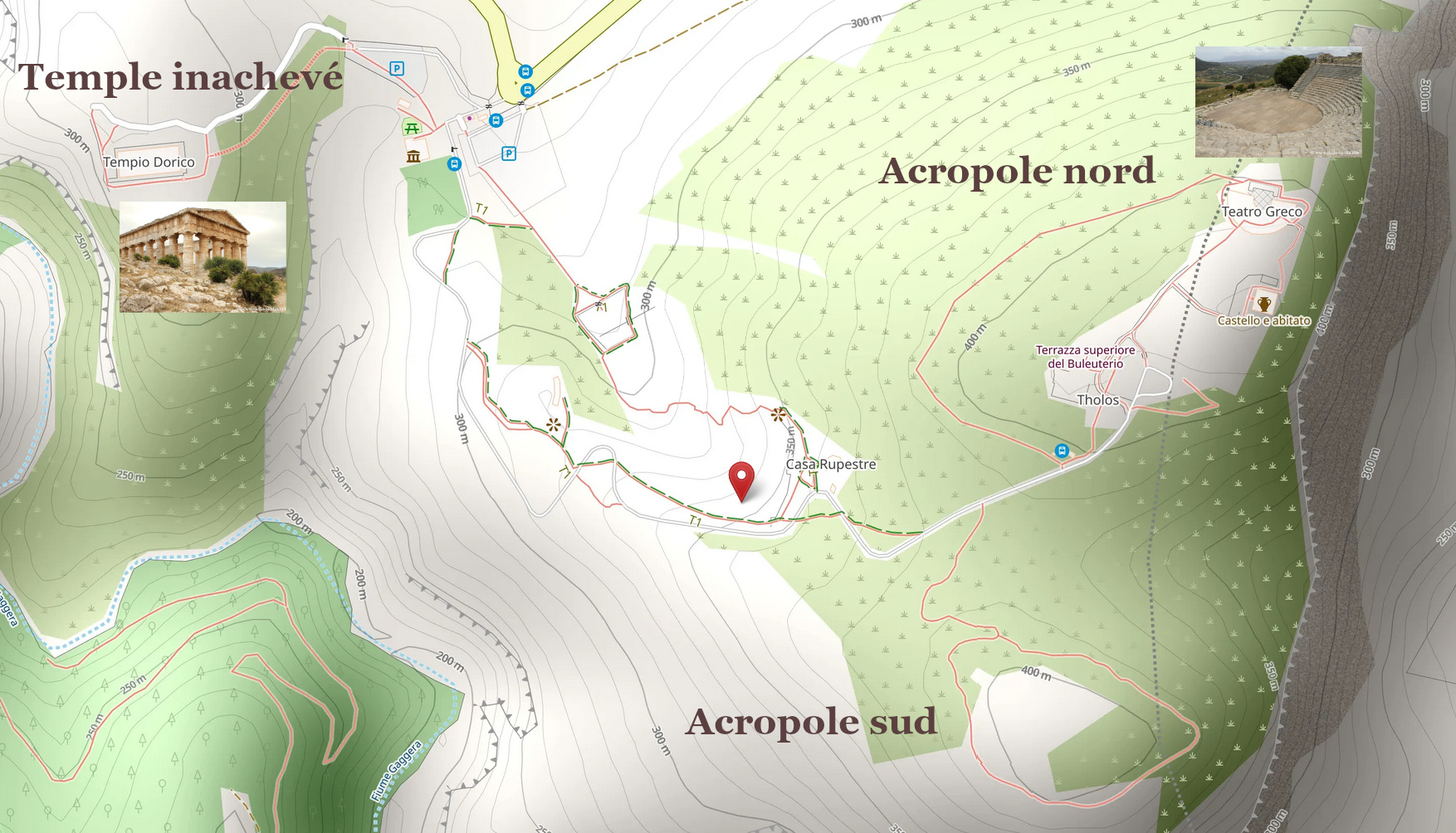
Map of the archaeological park of Segesta
The Archaeological Park of Segesta is explored on foot, with its remains divided between two hills; a shuttle offers transport from one site to the other, with nearly 1.5 km separating the Doric temple from the north acropolis.
The park indeed covers an extensive area, also including residential sectors, stretches of ancient roadways, etc.
On the westernmost of the hills stands the unfinished temple, from which one descends eastward through the Valle gate and part of the walls. It was one of the main monumental entrances of the ancient city.
One then climbs the hill of the Agora, where the north acropolis is located, with the remains of the most recent occupation, including the Norman castle built in the 12th century on older structures, the mosque or 15th-century church, as well as the ancient theatre and the fortified wall circuit. The south acropolis was less dense, with the Mango sanctuary at its foot.
Doric temple
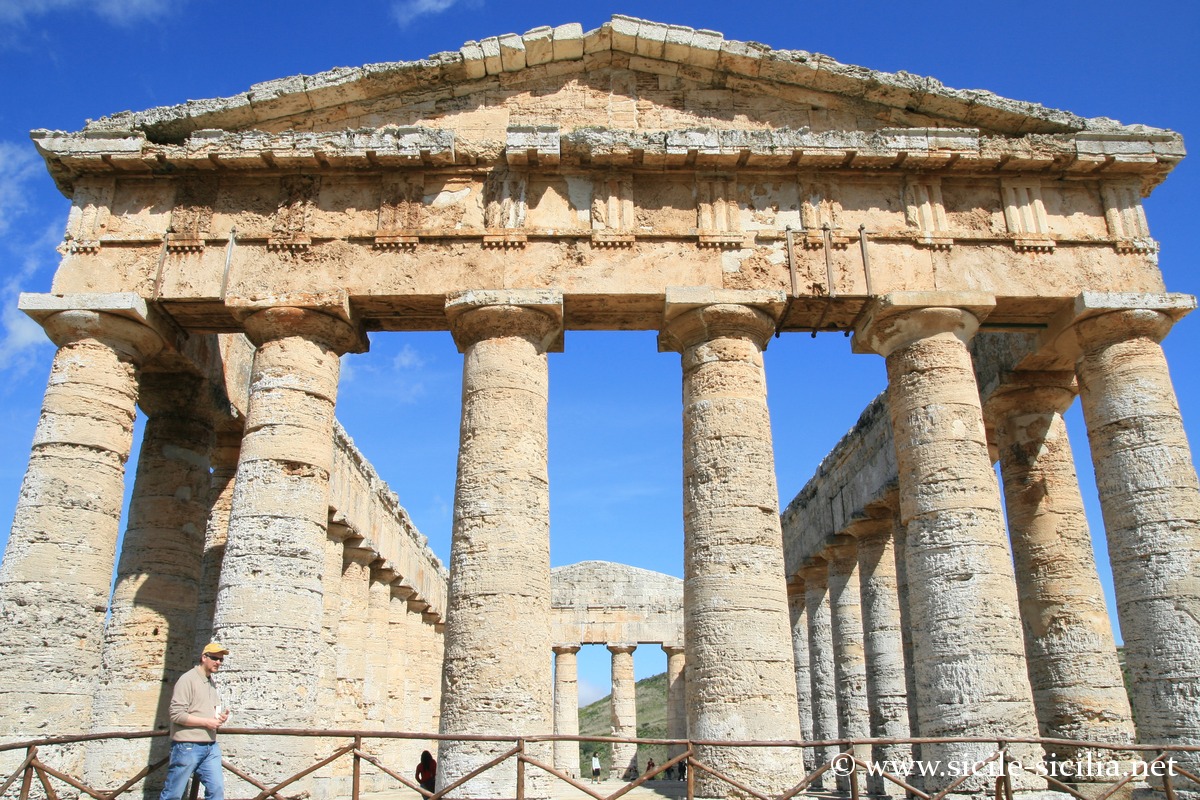
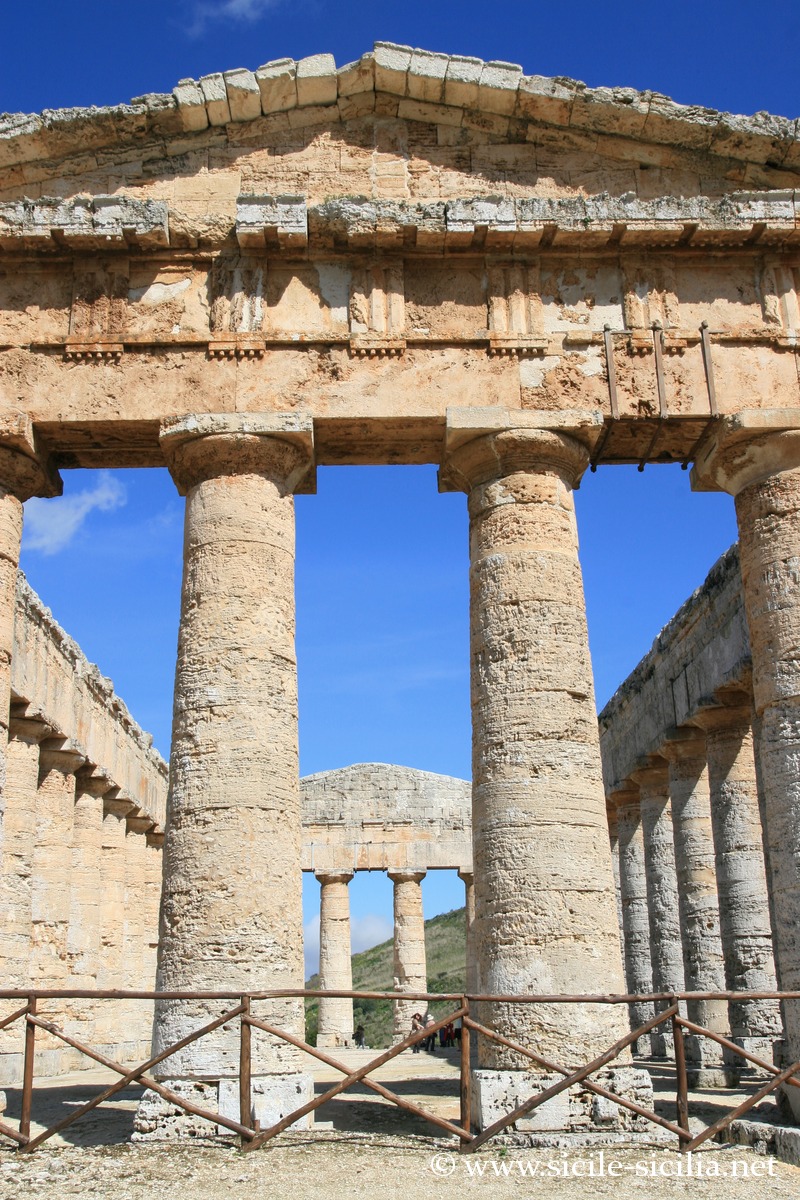
Pediment of the Doric Temple
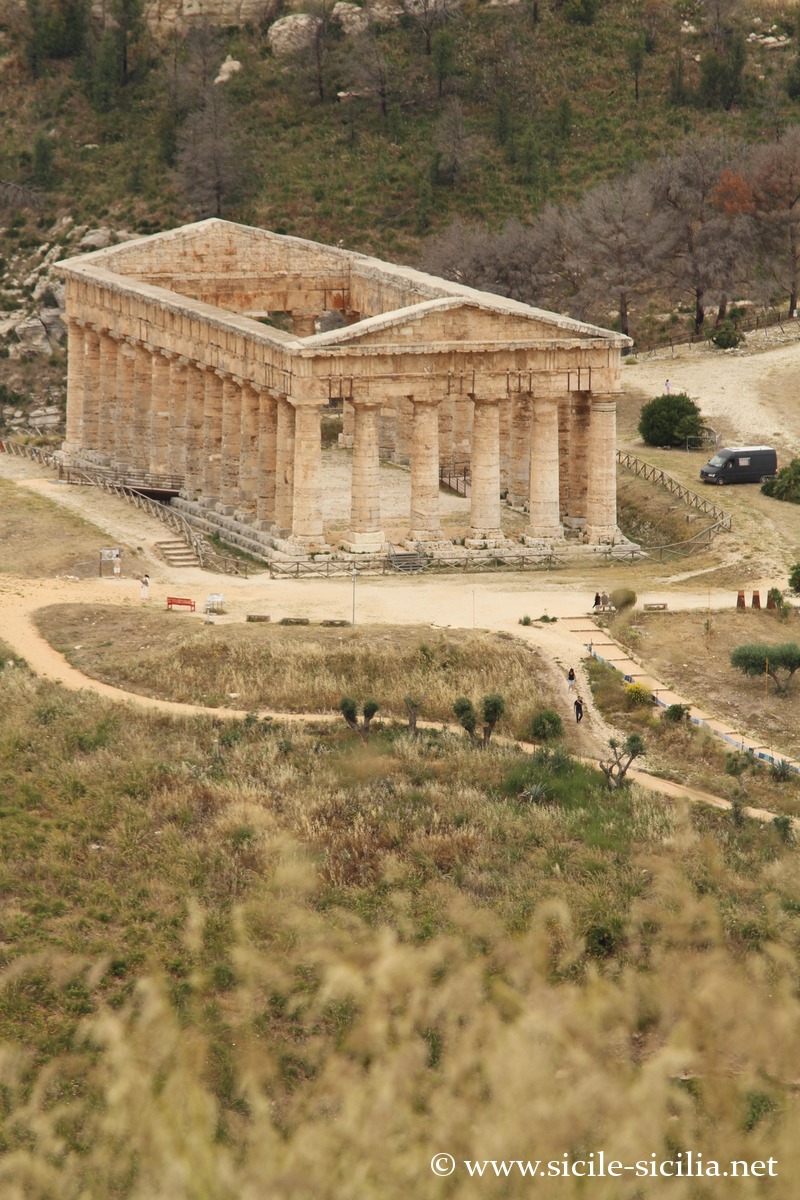
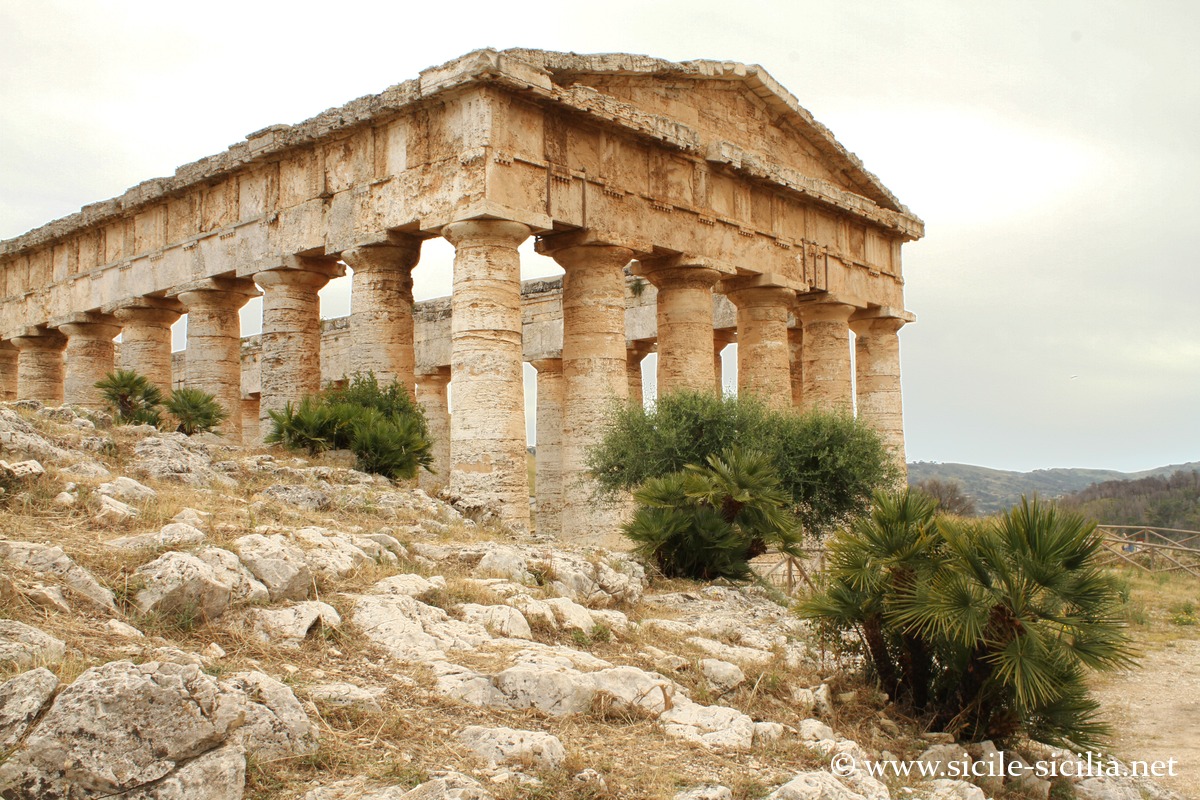
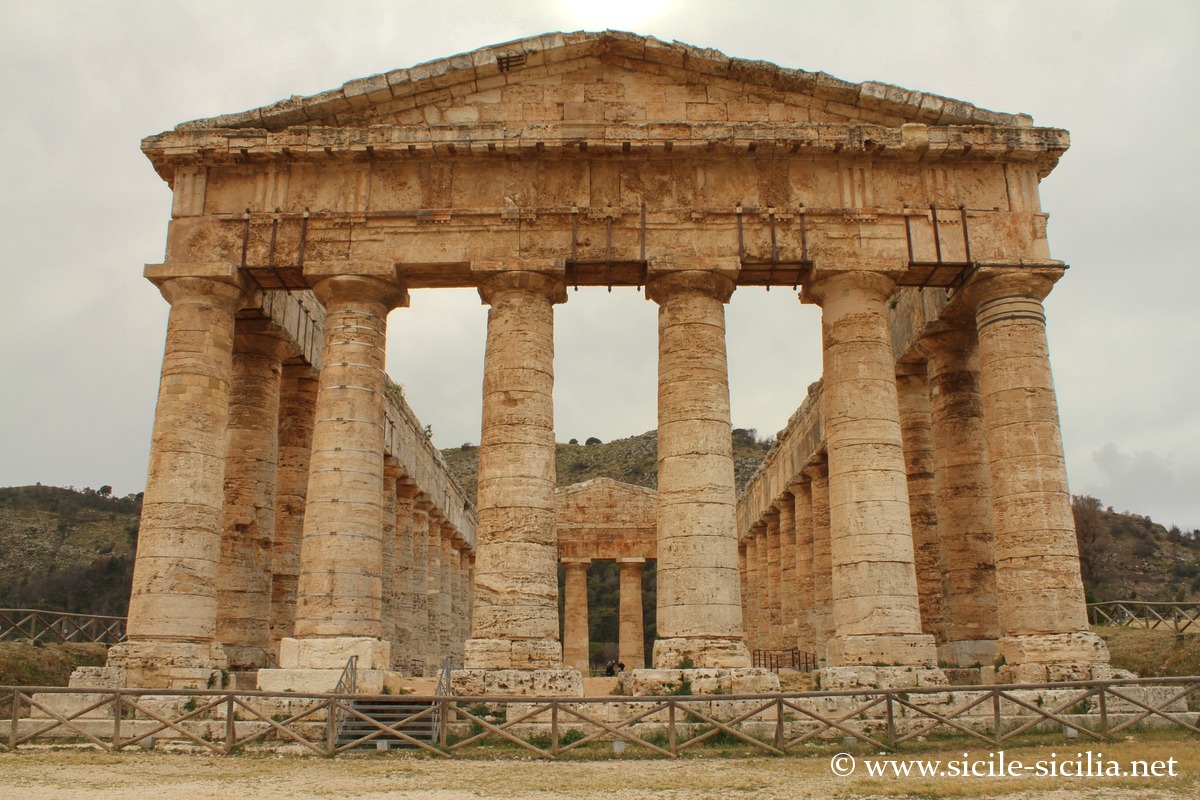
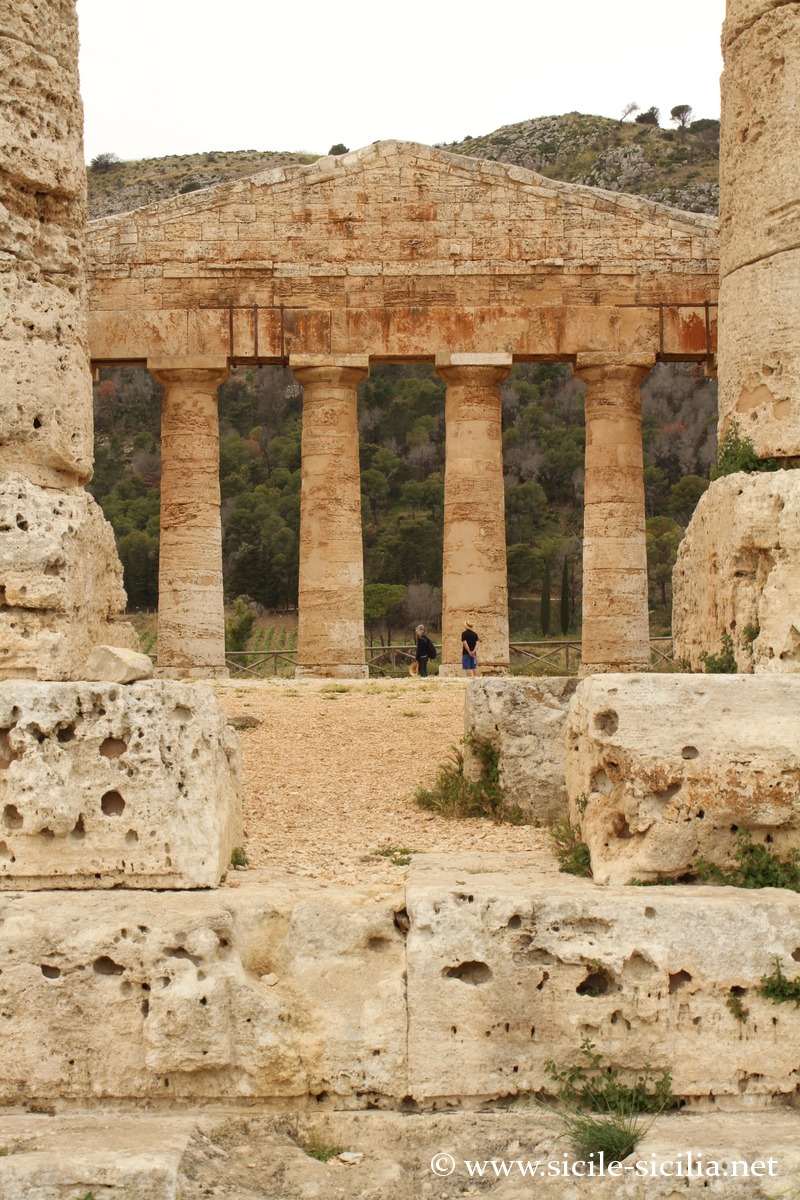
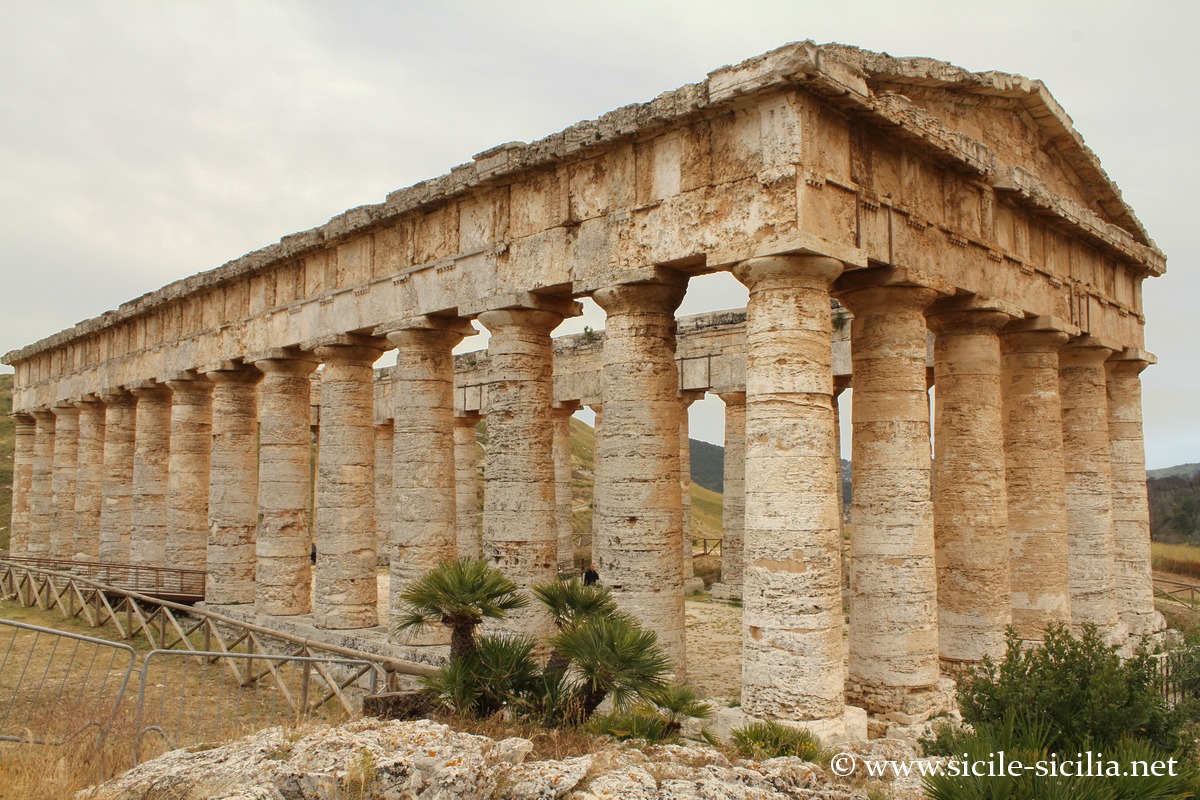
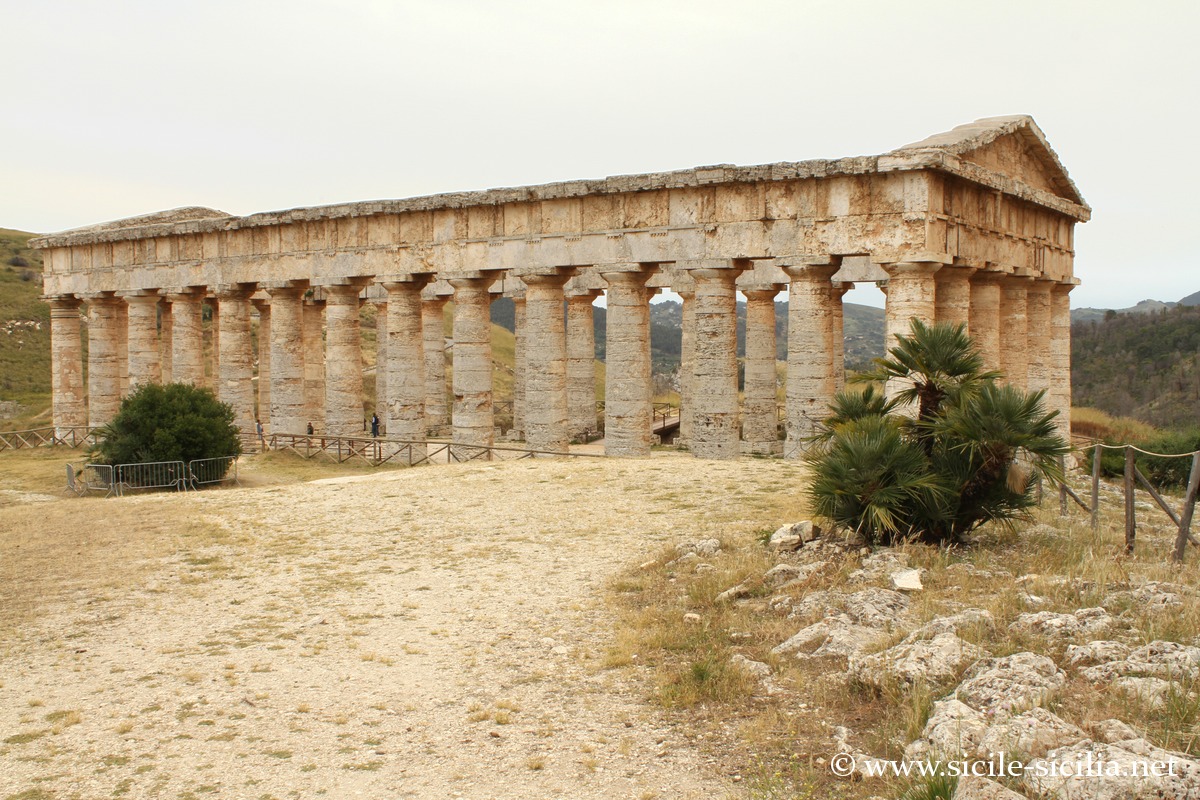
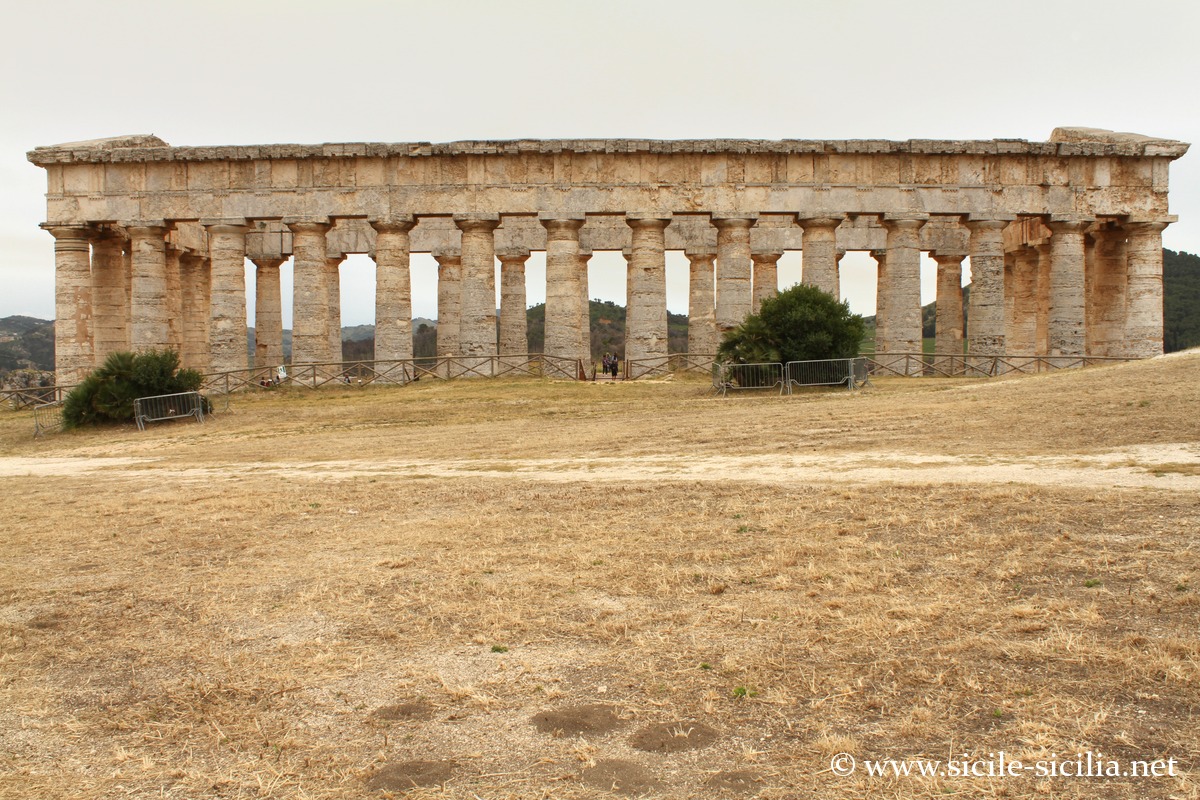
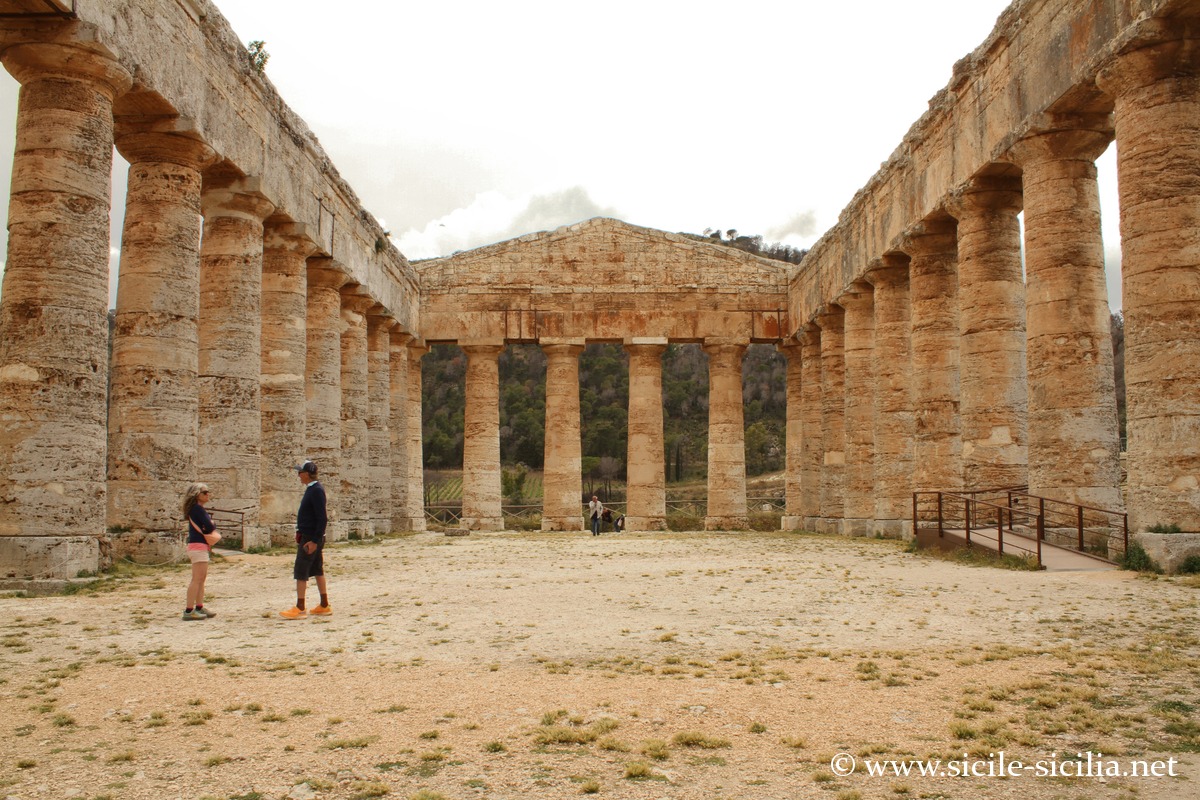
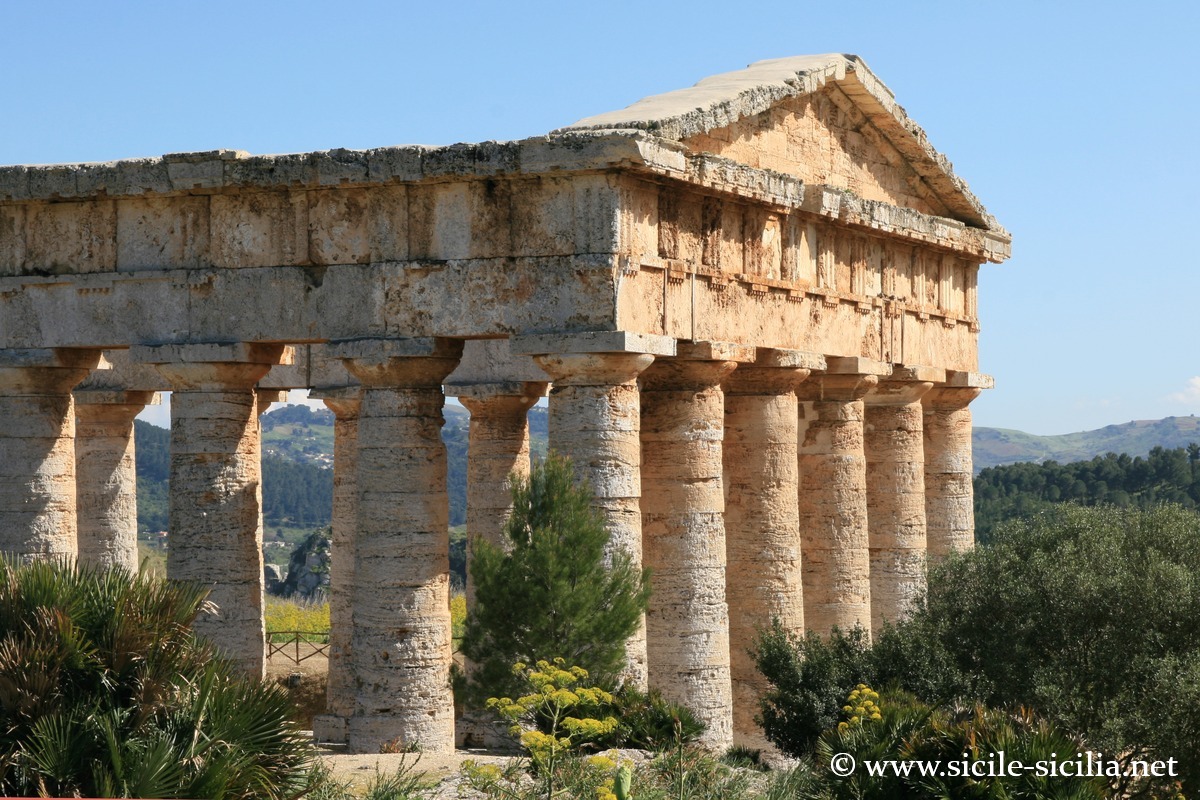
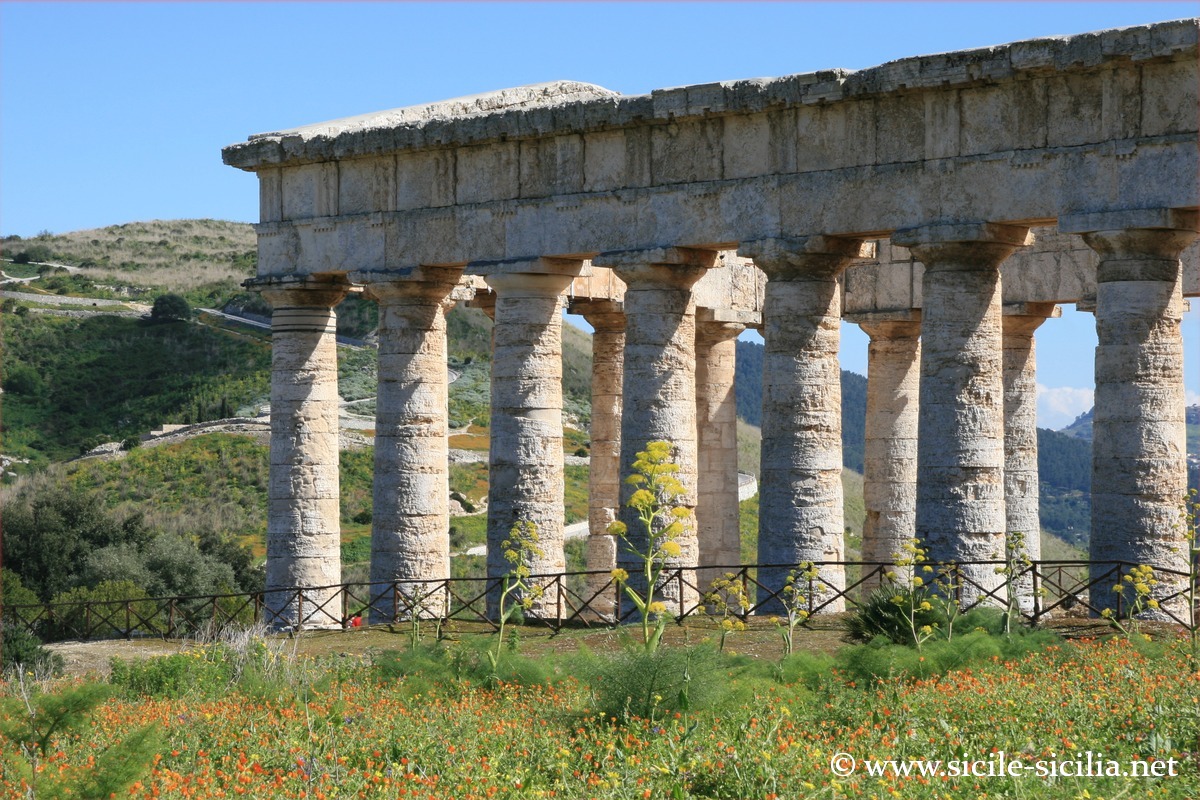
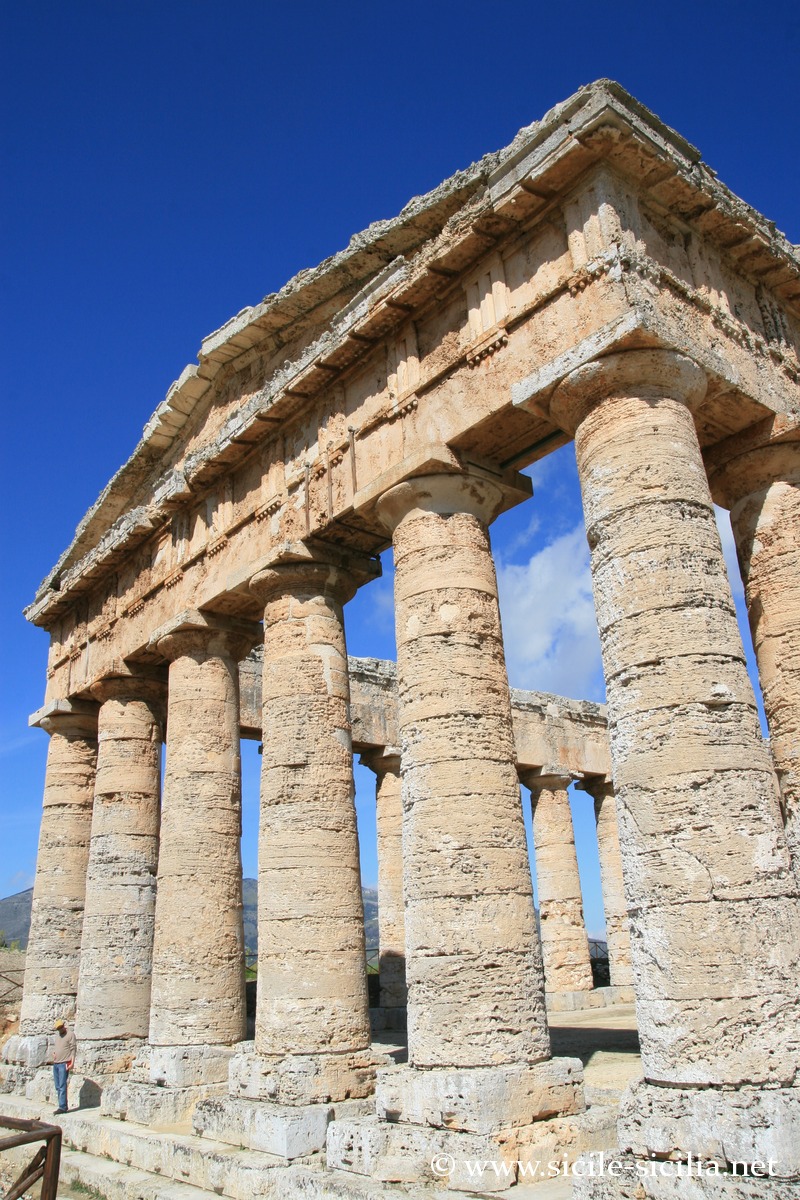
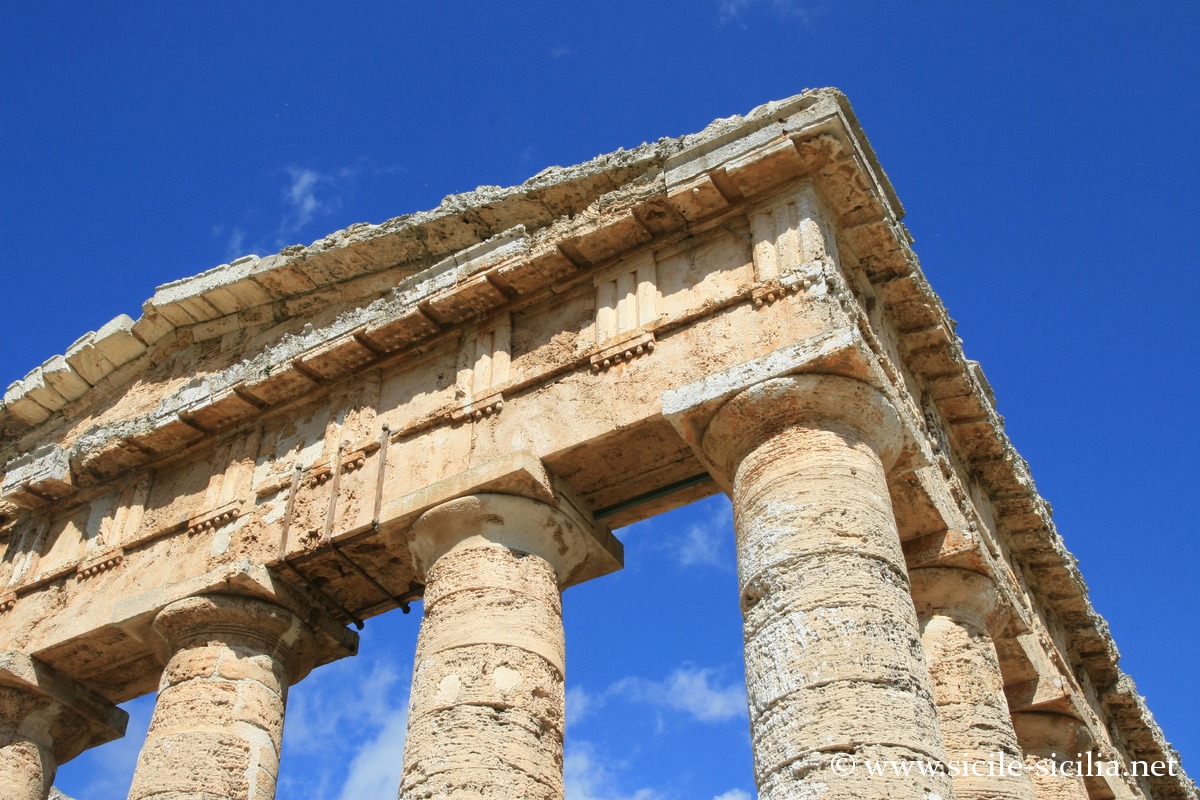
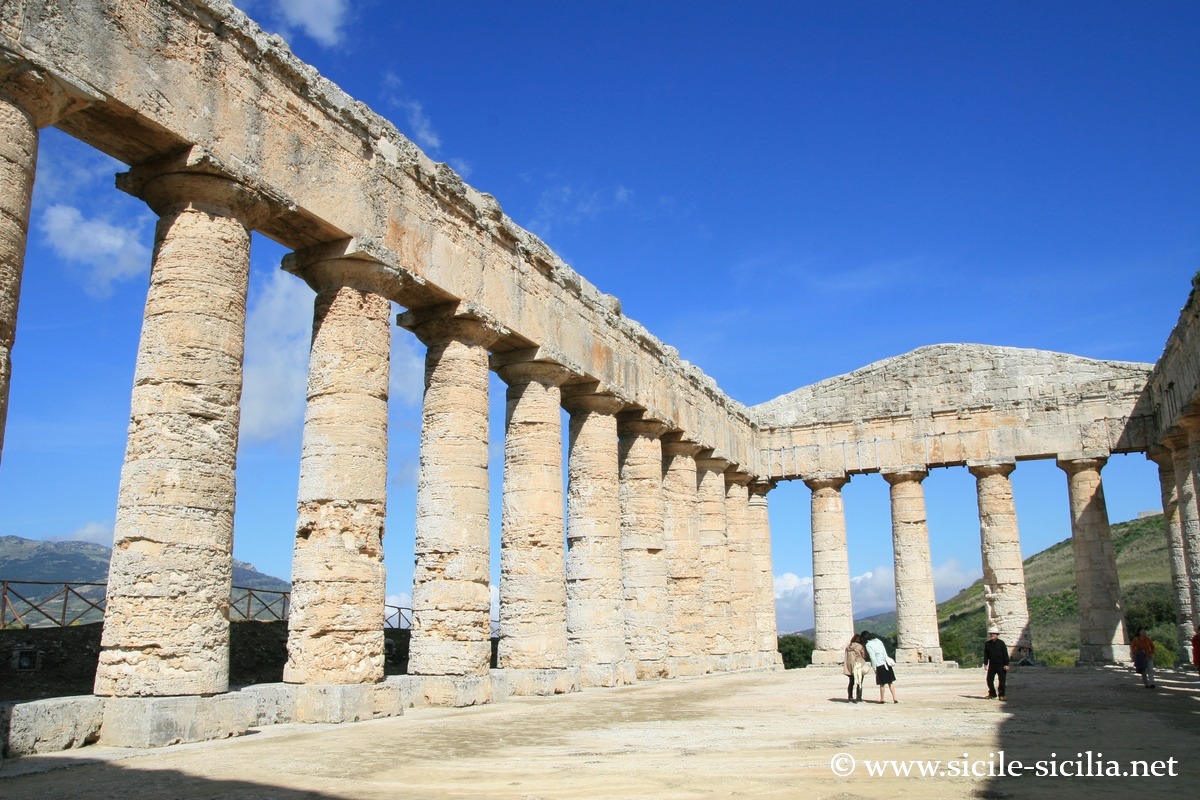
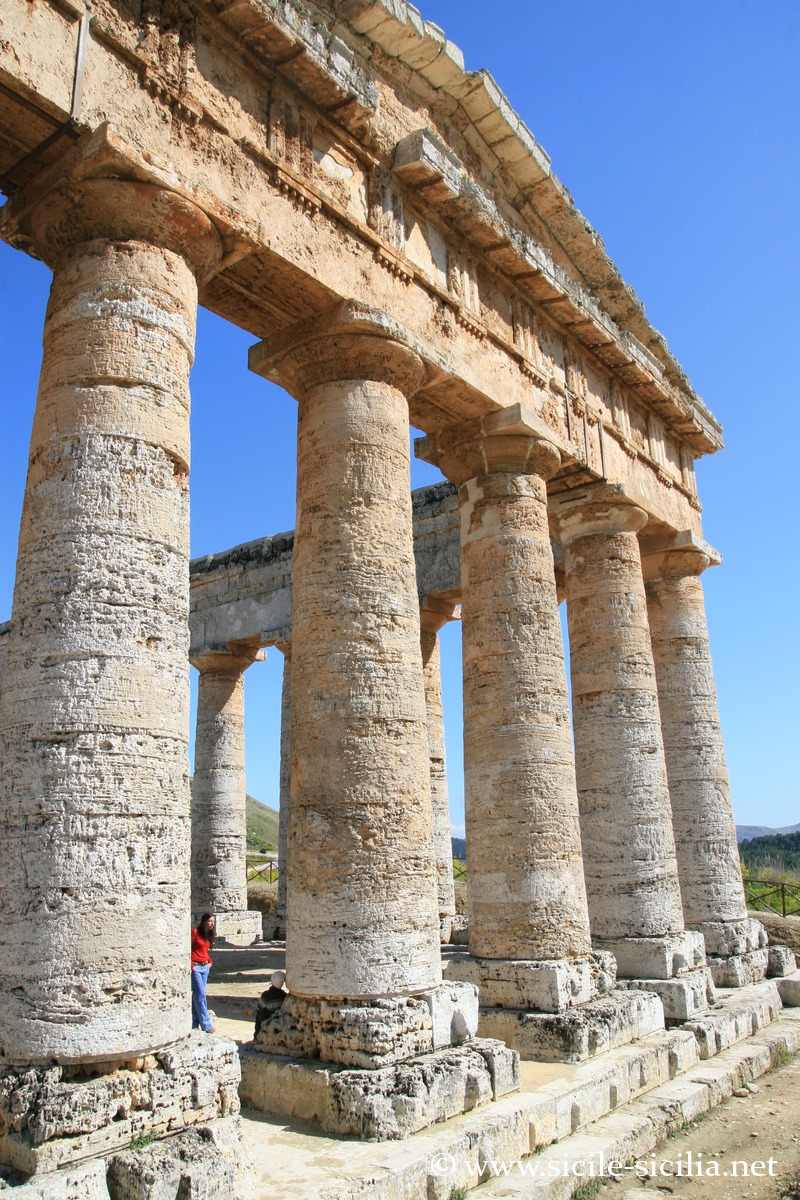
The Greek Temple of Segesta is a peripteral temple in the Doric style with 6 by 14 columns, which remained unfinished. The absence of fluting on the columns and the non-completion of the stylobate confirm the abrupt interruption of the worksite.
Construction began around 420 BC and was probably interrupted in 409 BC, when Segesta came under Carthaginian domination. The cella was probably begun shortly before the interruption of the worksite.
On the stones of the outer steps one finds drafts that are ordinarily erased when construction is completed. These mason’s marks constitute a precious source for the study of construction methods and the organisation of ancient worksites in Sicily.
There is no knowledge about the cult or deity that would have been honoured there; perhaps its purpose was political or identity-related, in order to affirm the symbolic Hellenisation of the Elymian city.
The proportions, technical and stylistic characteristics, such as the capitals, cornices, angles and curvature of the horizontal lines, are typical of the classical architectural models of the Greek cities of Sicily. Elements contemporary with the constructions of Greece of the period are also found.
In any case, it constitutes one of the most homogeneous examples of classical Doric in western Sicily, despite its incompletion.
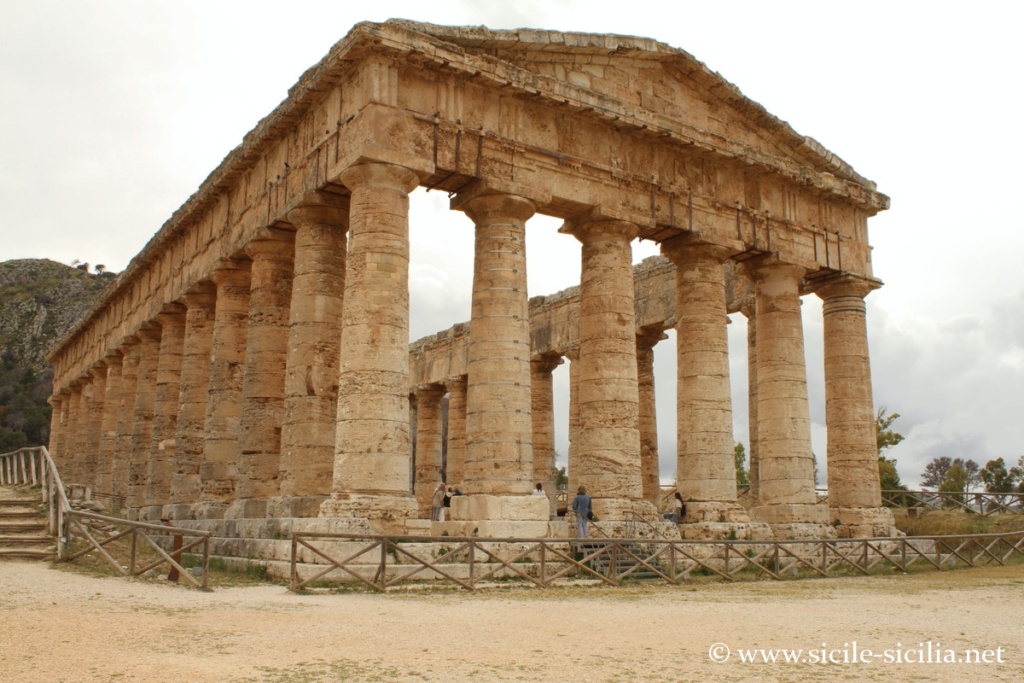

Unfinished Doric temple

Greek theatre
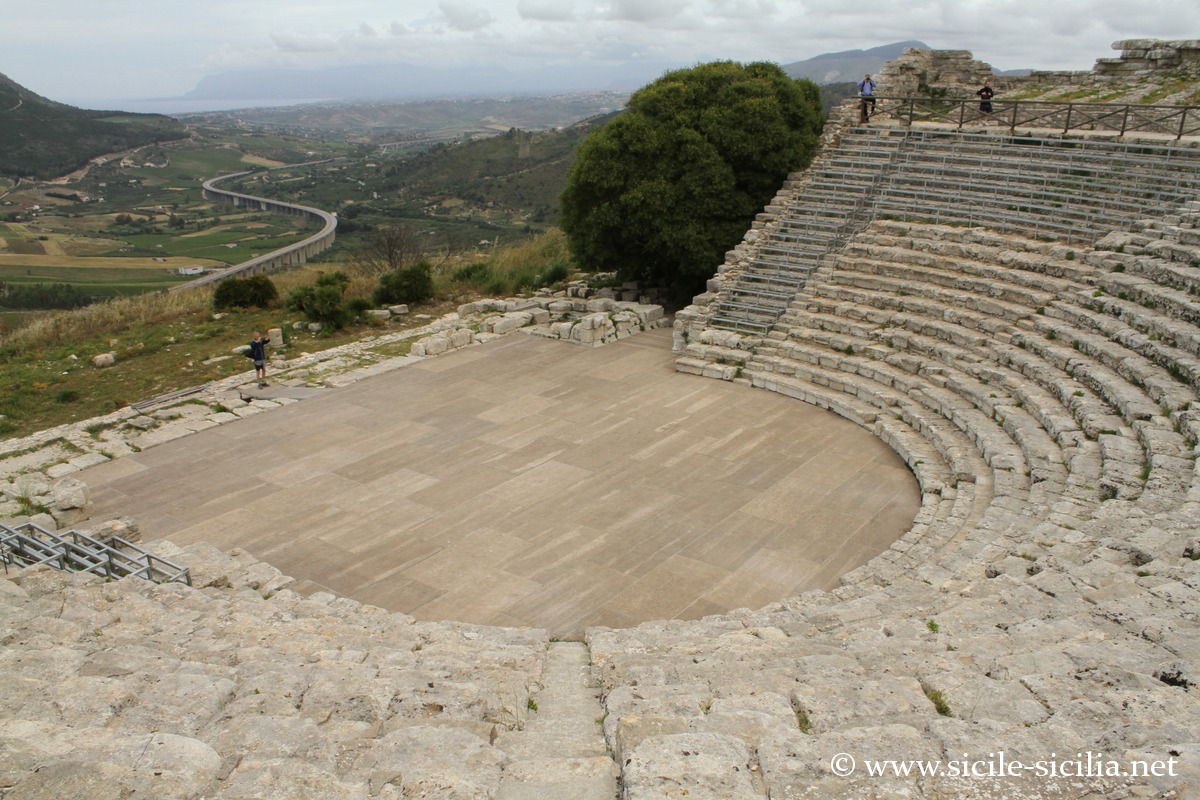
Greek theatre
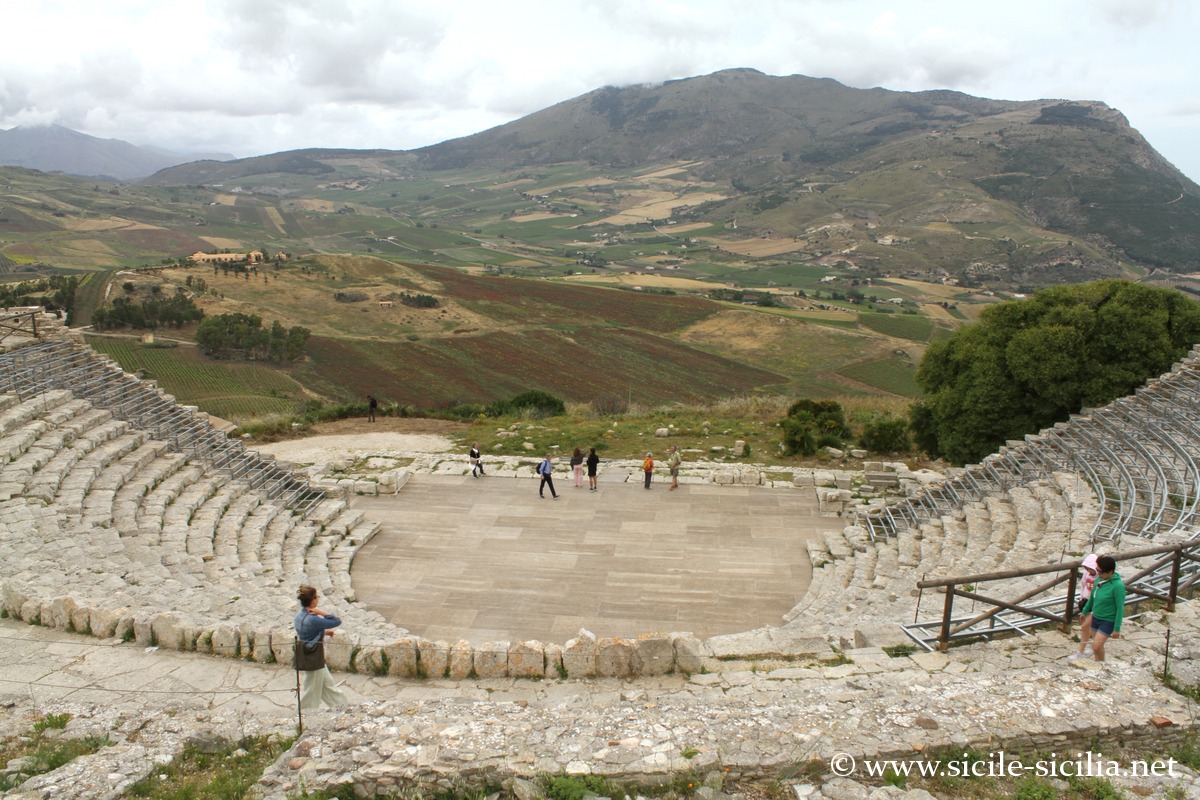
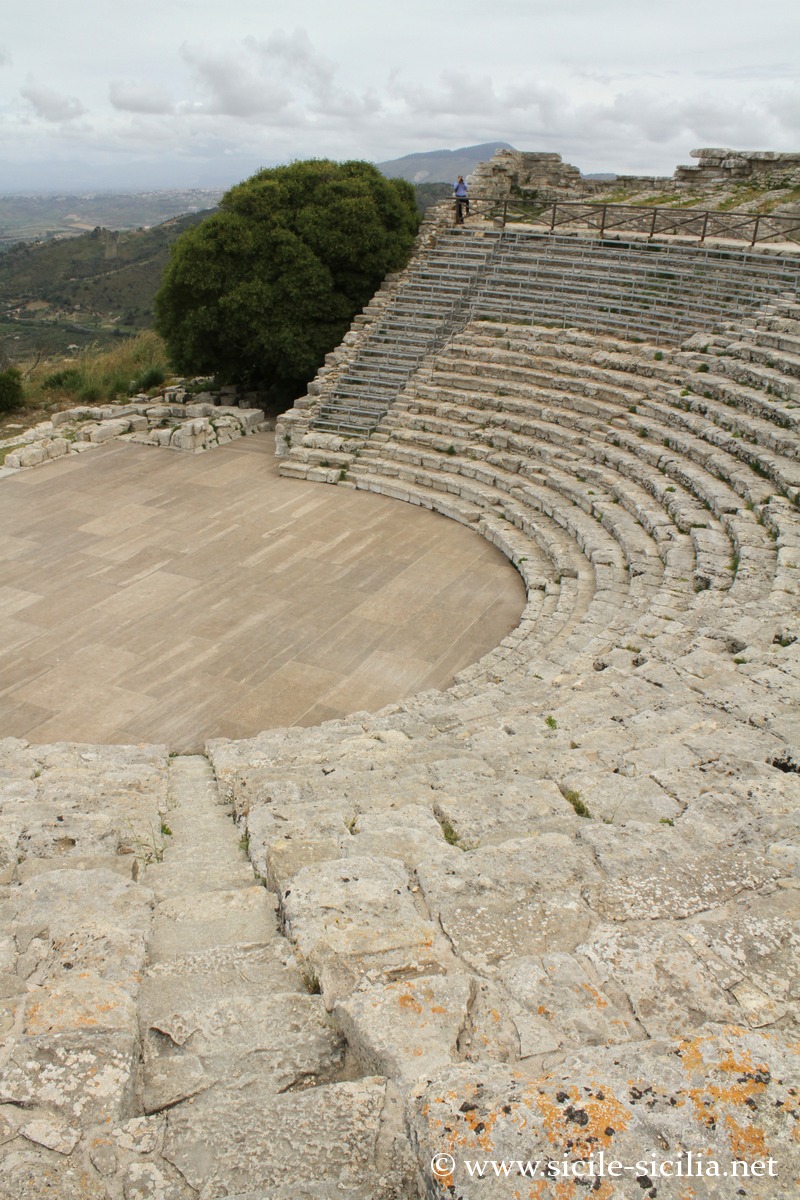
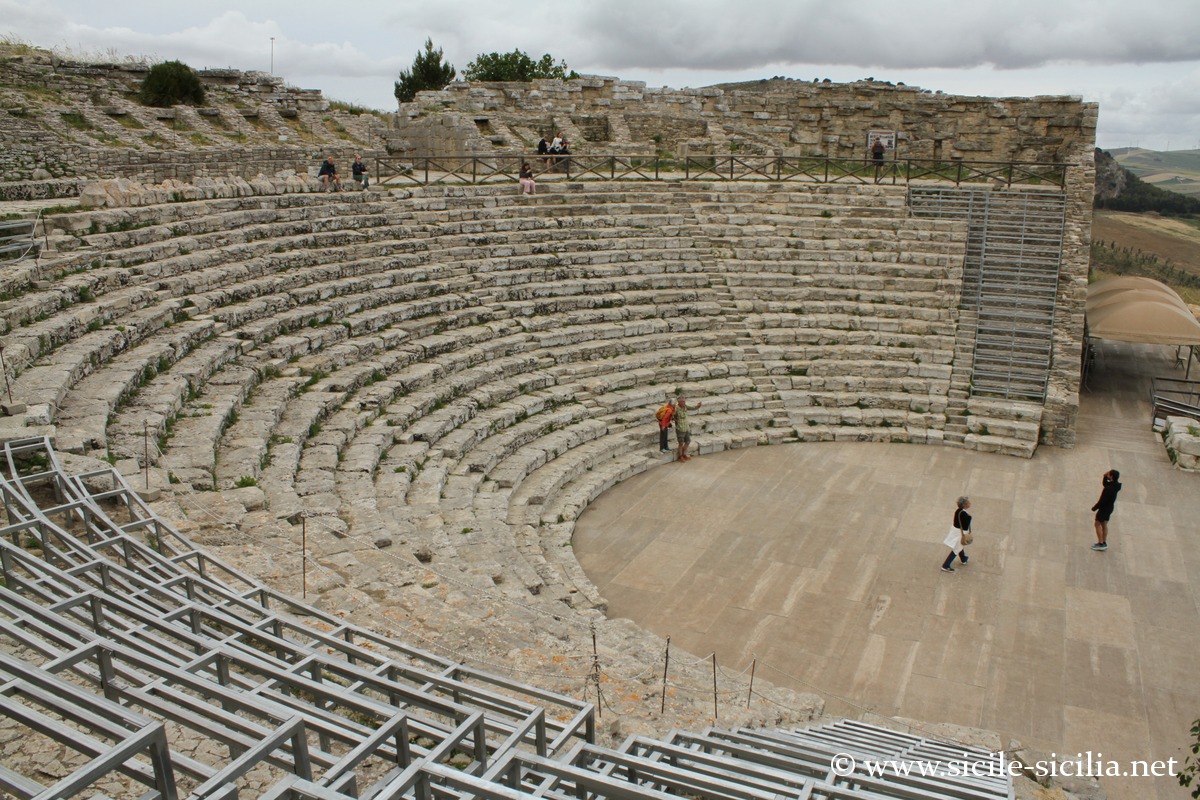
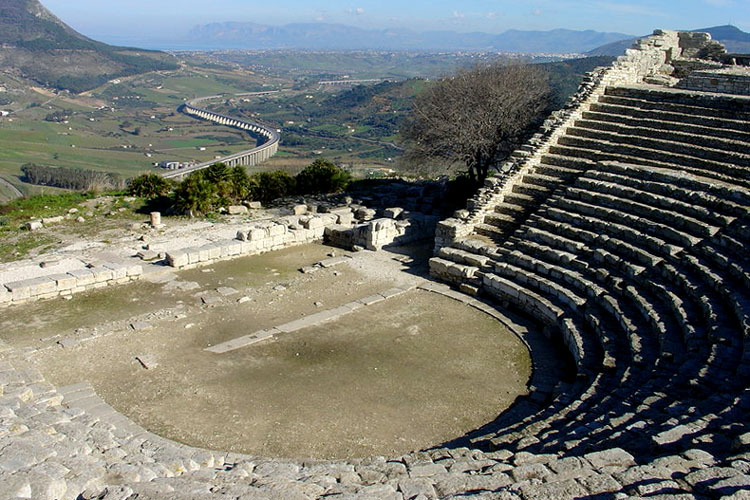
This ancient theatre 63 metres in diameter was erected from the 2nd century BC on the north acropolis, where several public buildings such as a gymnasium or a bouleuterion were located.
Its placement fully exploits the natural slope of the terrain, in accordance with Greek principles of landscape integration.
Its style is typically Greek, with the difference of a retaining wall for the seating area (cavea).
The capacity of its cavea was about 4000 spectators. It was divided horizontally by a large passageway and vertically by 6 stairways.
In the upper, poorly preserved part, a Muslim necropolis and remains of medieval houses have been found.
The retaining wall conceals an ancient spring, and nearby there is a cistern and a well.
Little remains of the Roman stage, which must have had two levels in the Ionic and Doric styles, and was decorated with satyrs. It was transformed under the Romans, who enlarged the orchestra. Then in the Middle Ages, it was partly included in the urban landscape.
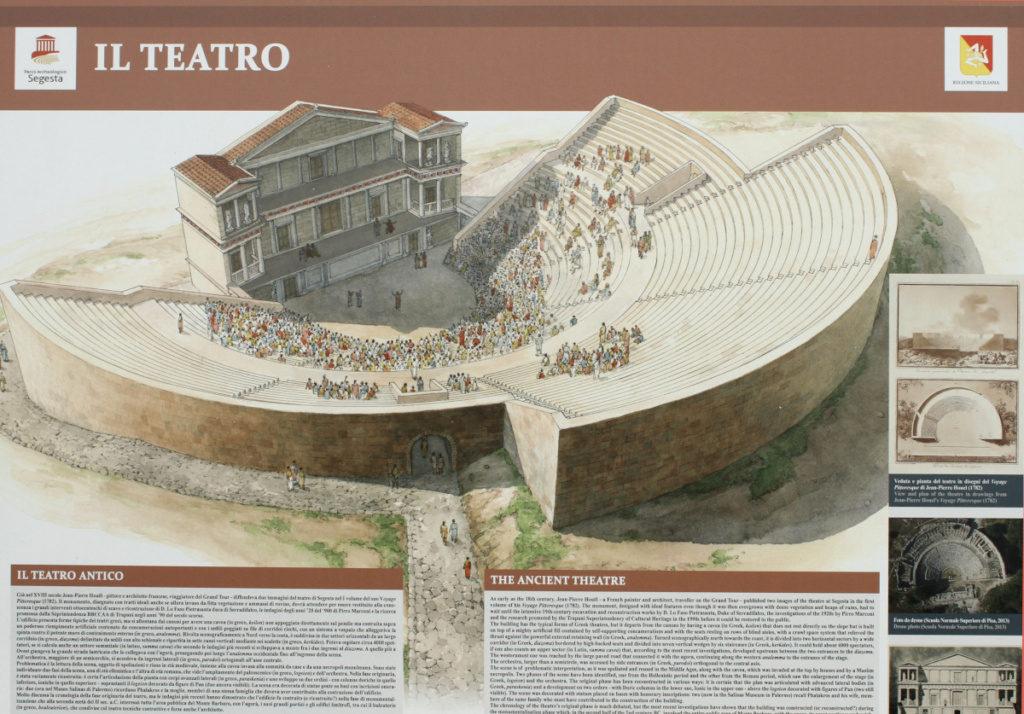

Reconstruction of the theatre

North acropolis and urban centre

Remains of the acropolis castle
The north acropolis brings together the main remains of the civic and monumental life of Segesta. Here can be identified the Hellenistic agora, laid out in terraces, around which public buildings such as the bouleuterion and the gymnasium developed, essential to the political and educational functioning of the city, as well as the Greek theatre already described. The fortifications, reinforced in the Hellenistic and then Roman periods, included towers, walkways and monumental gates. The medieval occupation is marked by a fortified village and a Norman castle, largely reusing the ancient structures.
South acropolis and cult spaces
Less densely built, the south acropolis appears to have had a mainly defensive and religious purpose. At its foot lies the sanctuary of Mango, frequented from the Archaic period, which bears witness to the continuity of local cult practices and to the symbolic importance of this space in the sacred landscape of the city.
Necropolises and outside the walls
Outside the city walls are several major elements of the site, including the unfinished Doric temple, but also the Hellenistic and Roman necropolises, arranged along the roads. They reflect the evolution of funerary practices and the gradual Romanisation of the population. The whole forms part of a structured chora, marked by traces of agricultural exploitation, paths and terraces, which underlines the close integration between city, sanctuaries and territory.
Where Segesta is located and map
If you see this after your page is loaded completely, leafletJS files are missing.
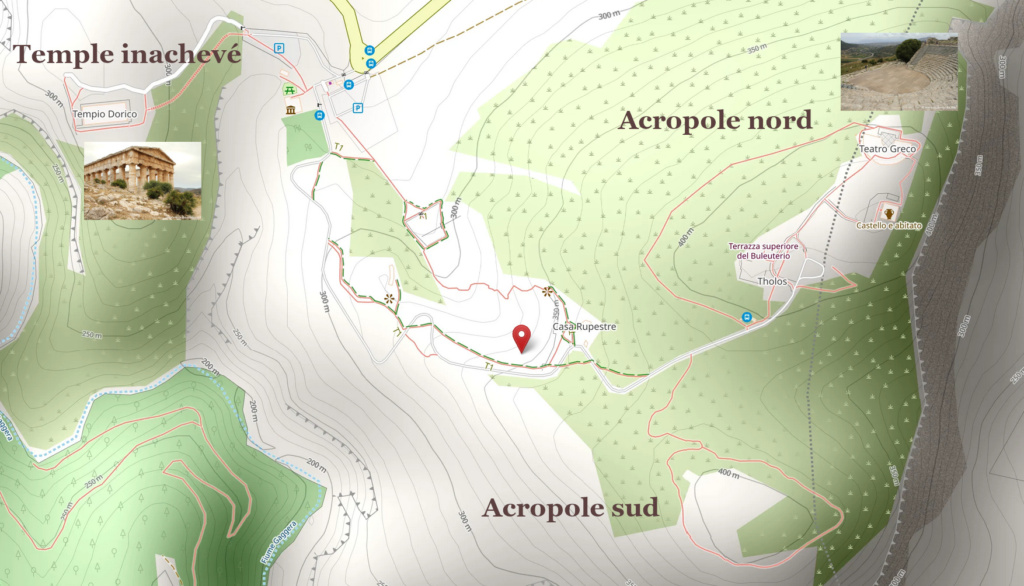

map of the Segesta archaeological park 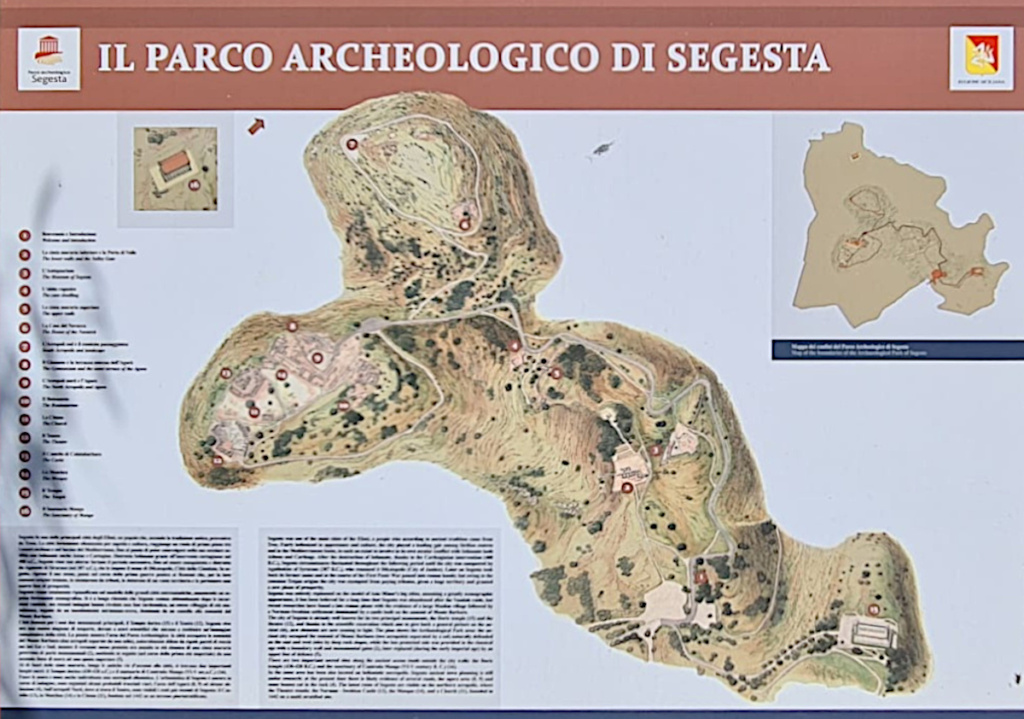

Map of the archaeological park
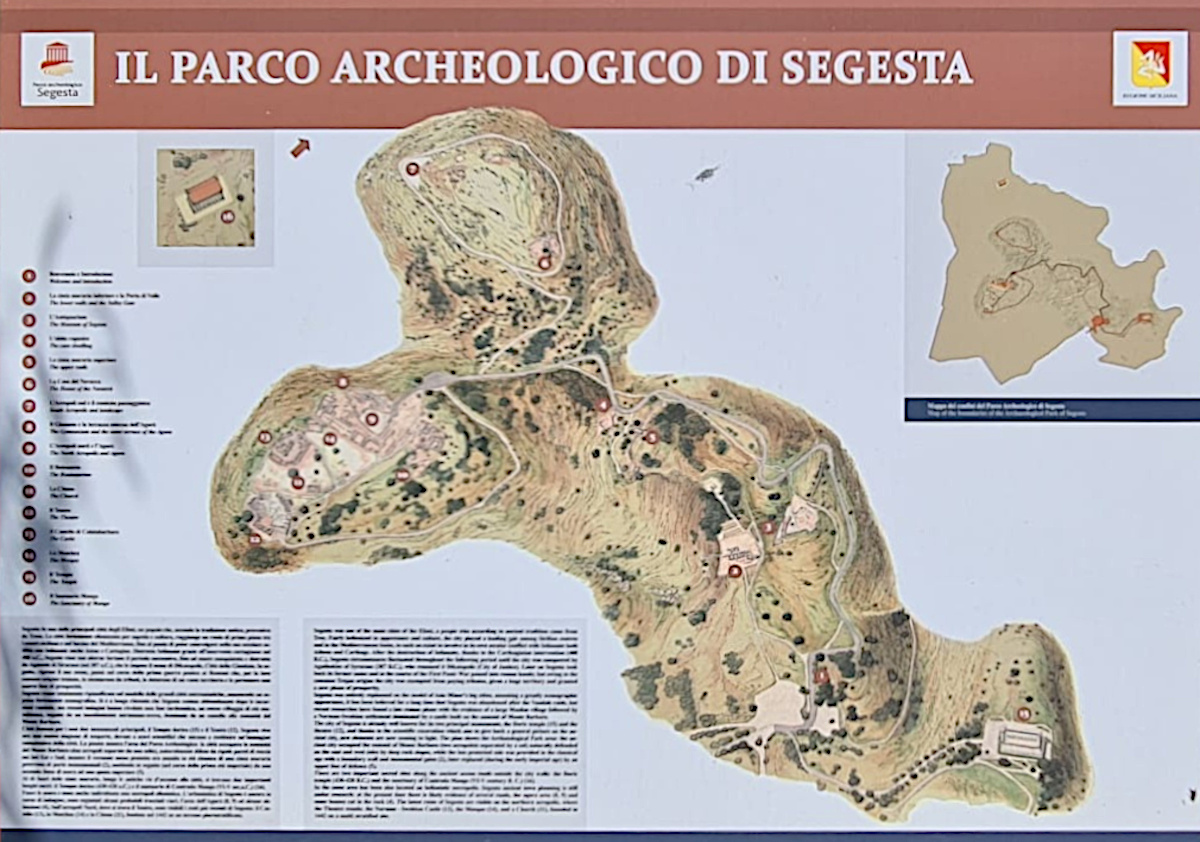
Photo gallery of the archaeological park


Doric temple 

Doric temple 
Doric temple 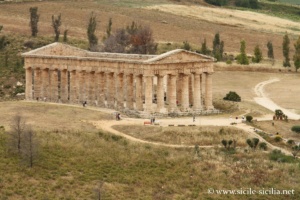
Doric temple 
Doric temple 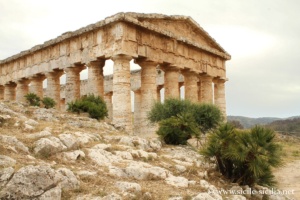
Doric temple 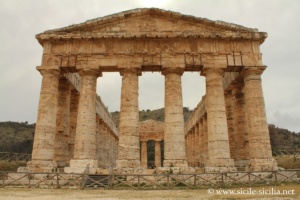
Doric temple 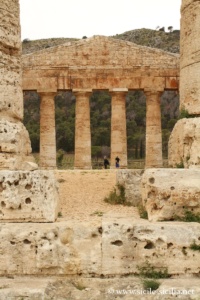
Doric temple 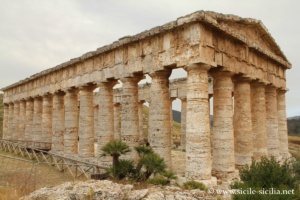
Doric temple 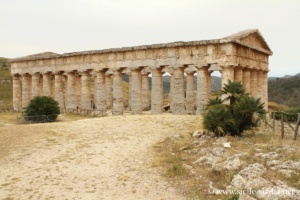
Doric temple 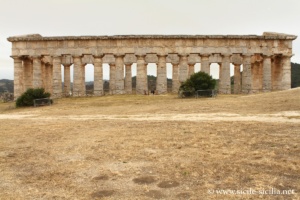
Doric temple 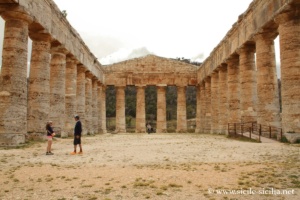
Doric temple 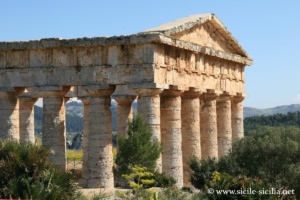
Doric temple 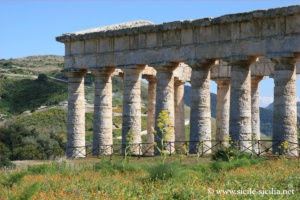
Doric temple 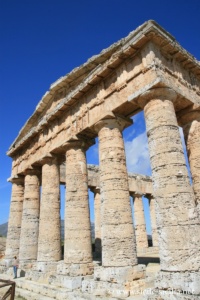
Doric temple 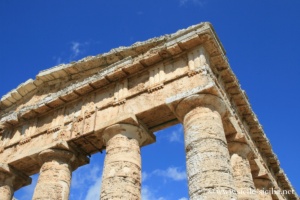
Doric temple 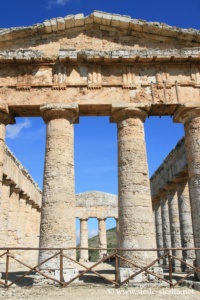
Doric temple 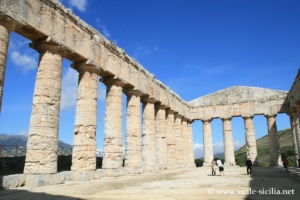
Doric temple 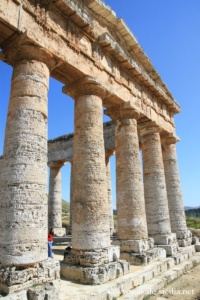
Doric temple 
Walls of the acropolis 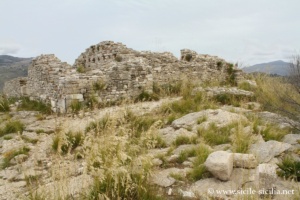
Remains of the acropolis castle 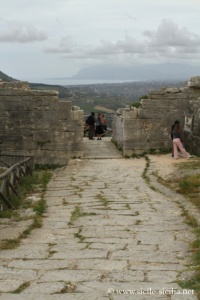
Greek theatre 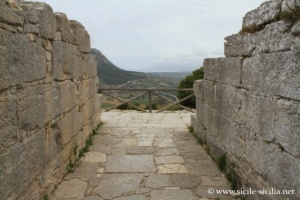
Greek theatre 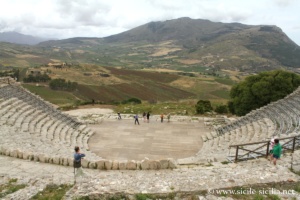
Greek theatre 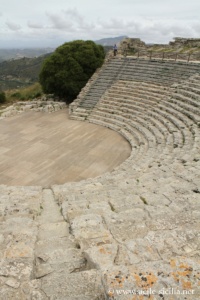
Greek theatre 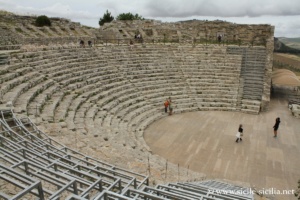
Greek theatre 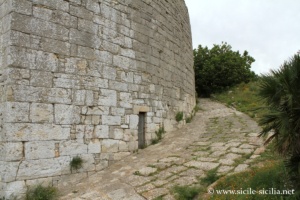
Greek theatre 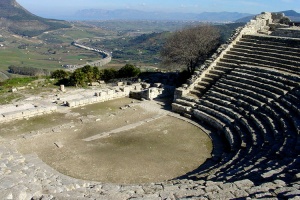
Greek theatre of Segesta 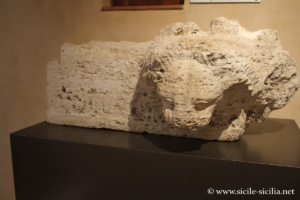
Antiquarium 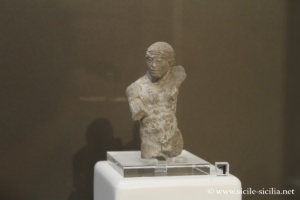
Statuette of an athlete, antiquarium 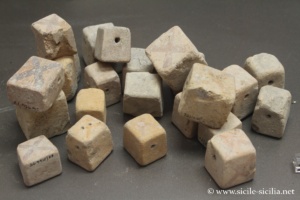
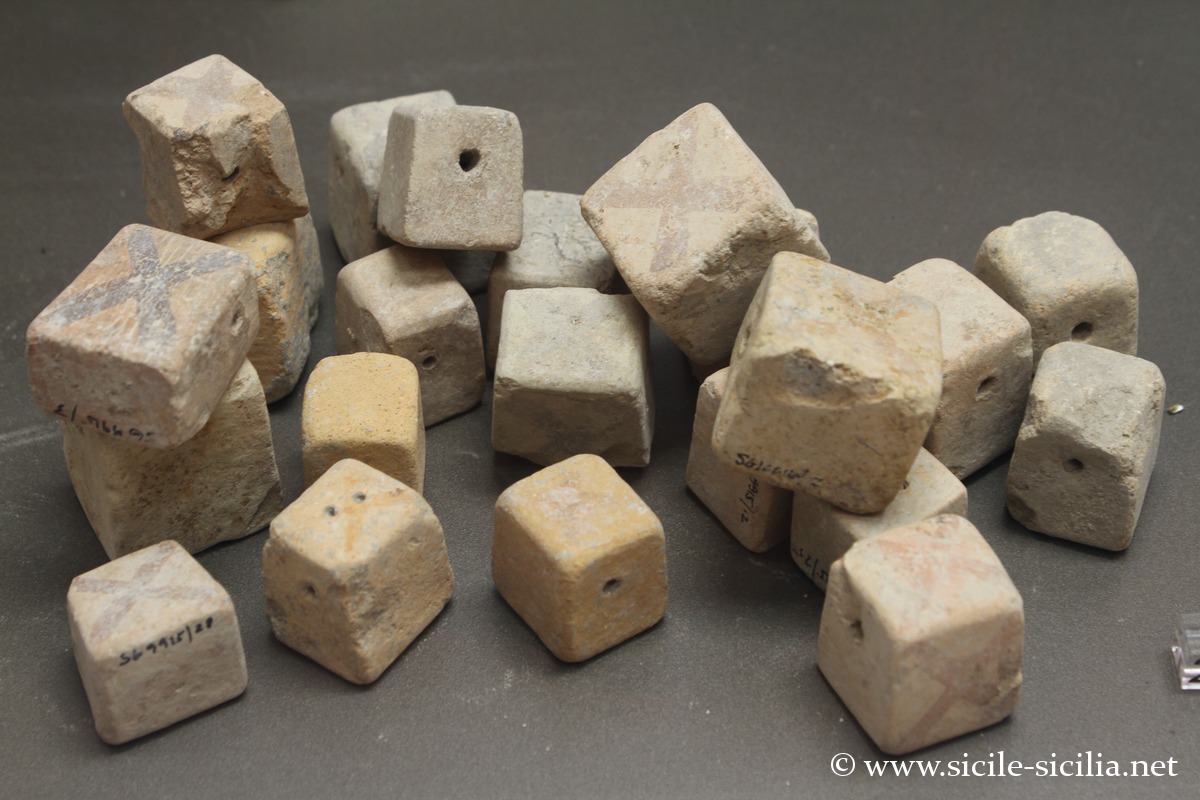
Dice, antiquarium 

Segesta in Sicily 

Segesta in Sicily

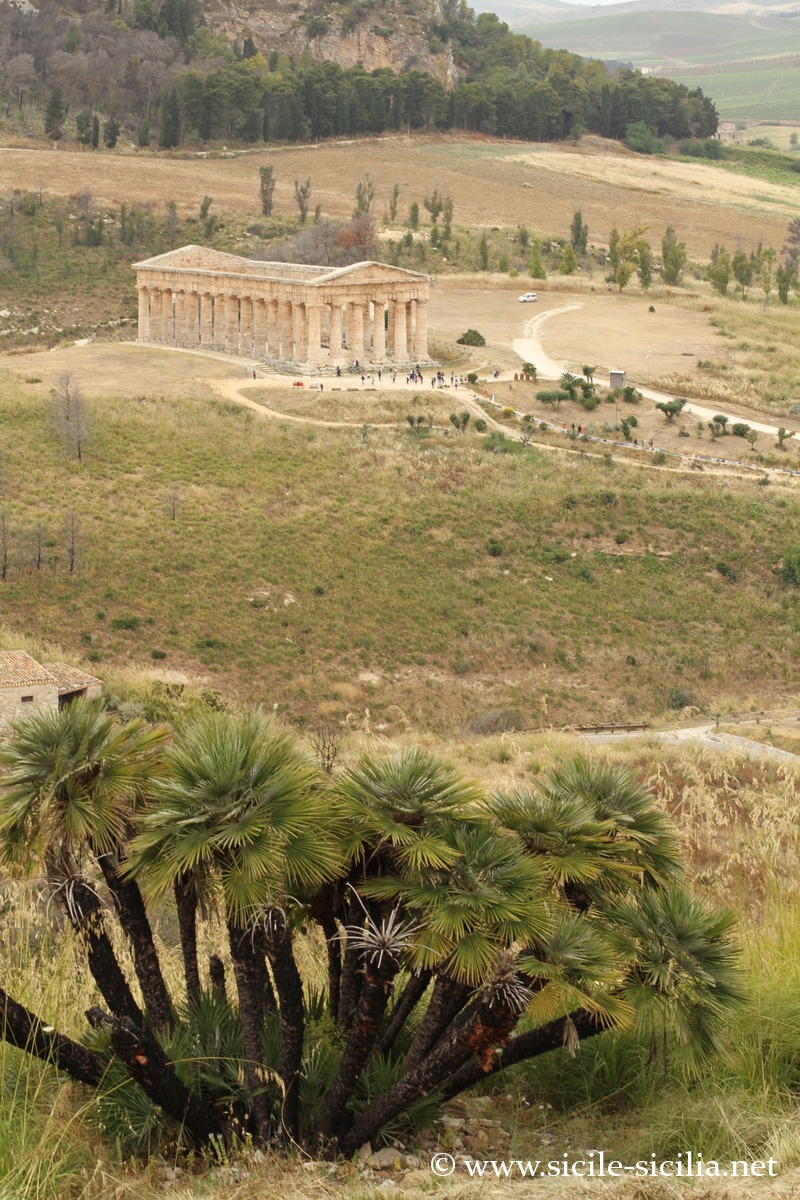





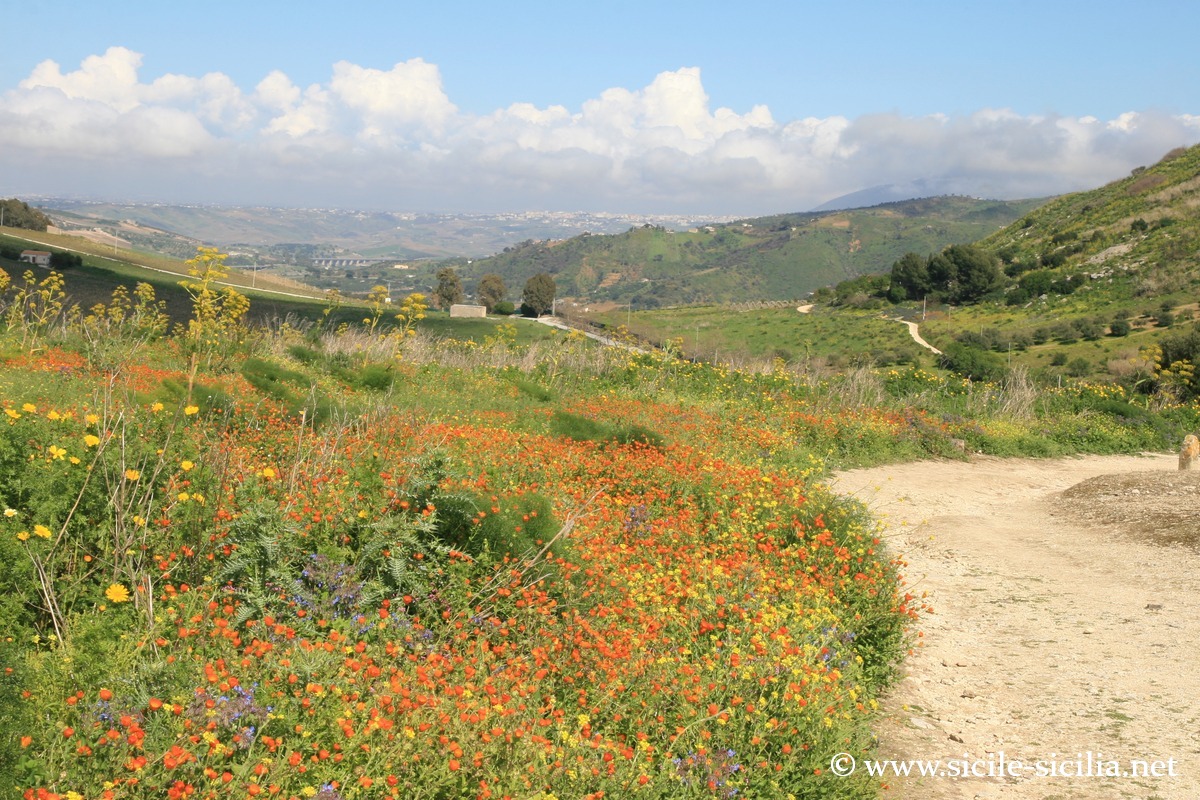
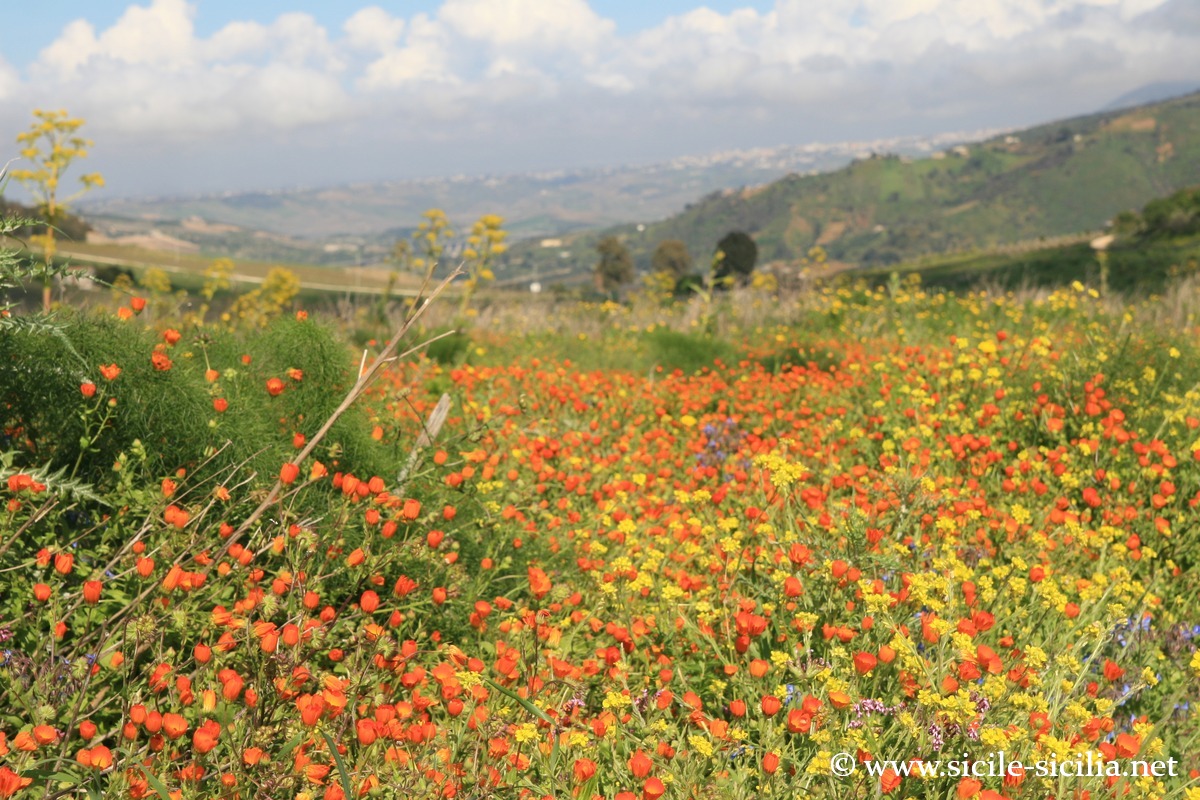
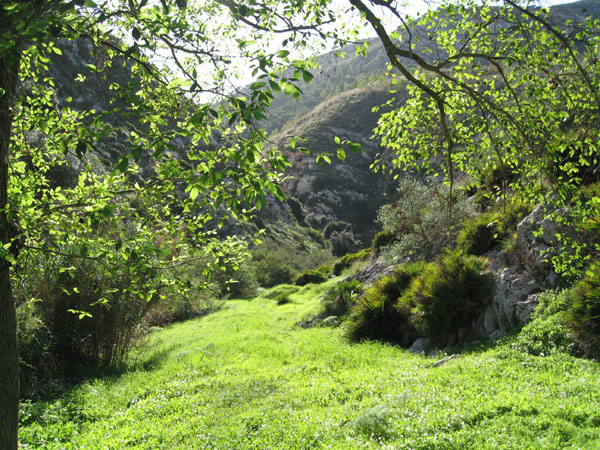
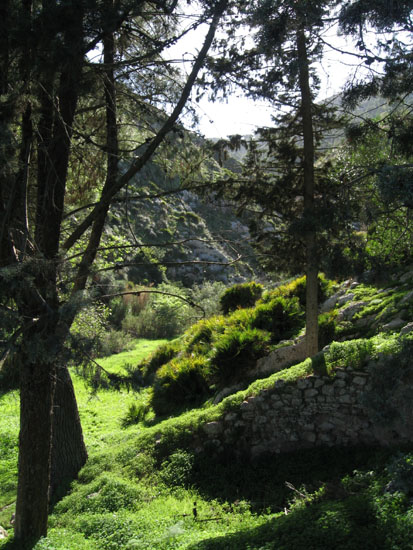
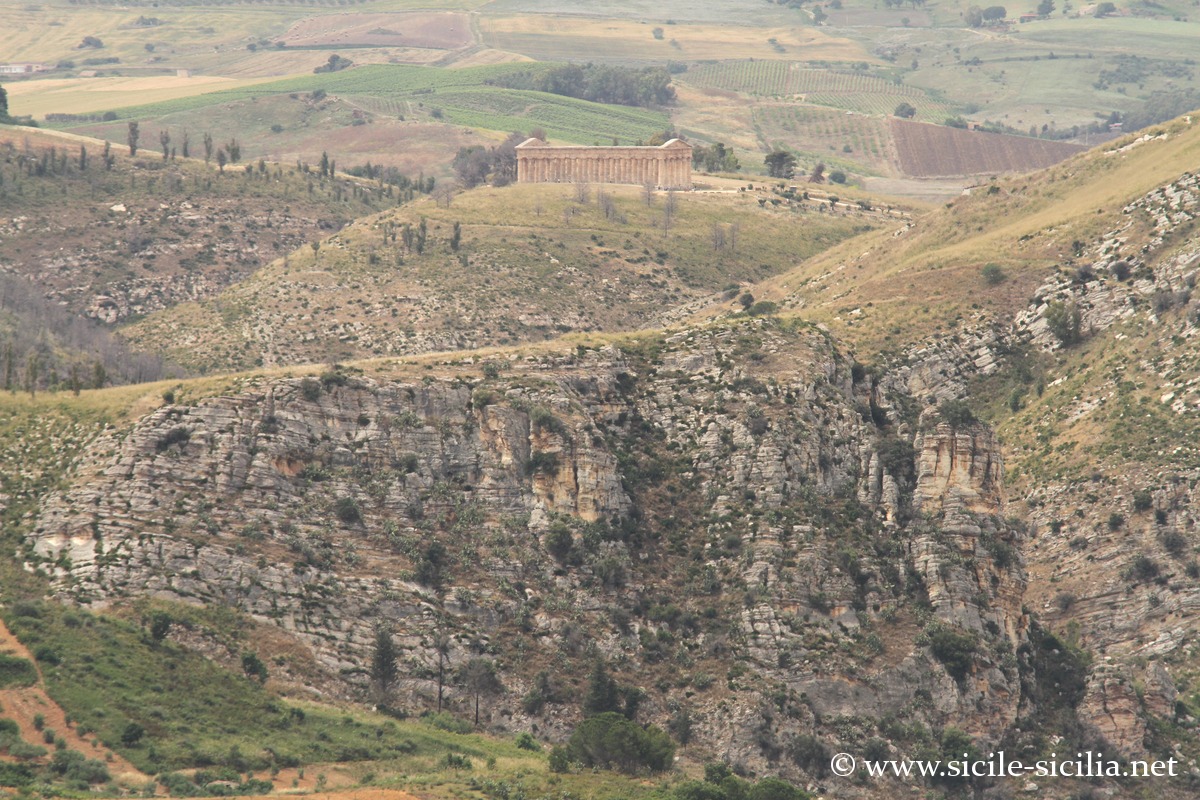
Panorama from the Eufemio Castle
Calatafimi Segesta
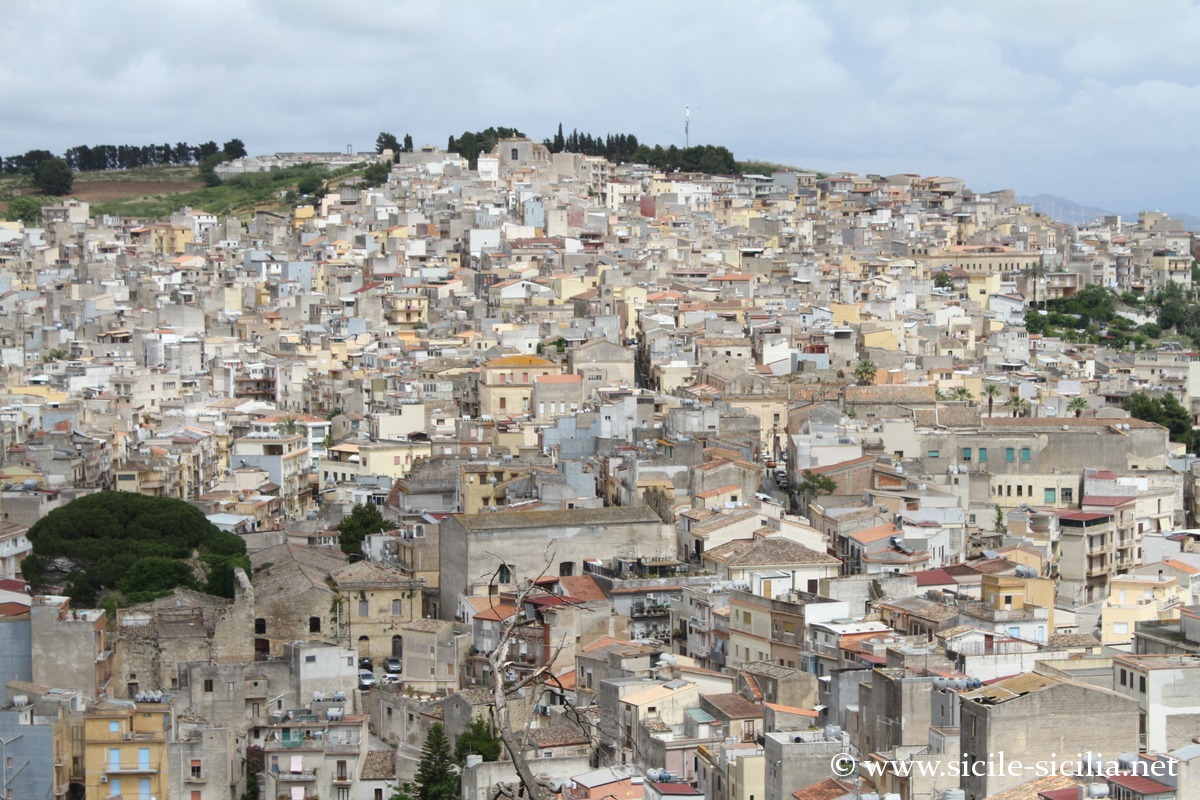
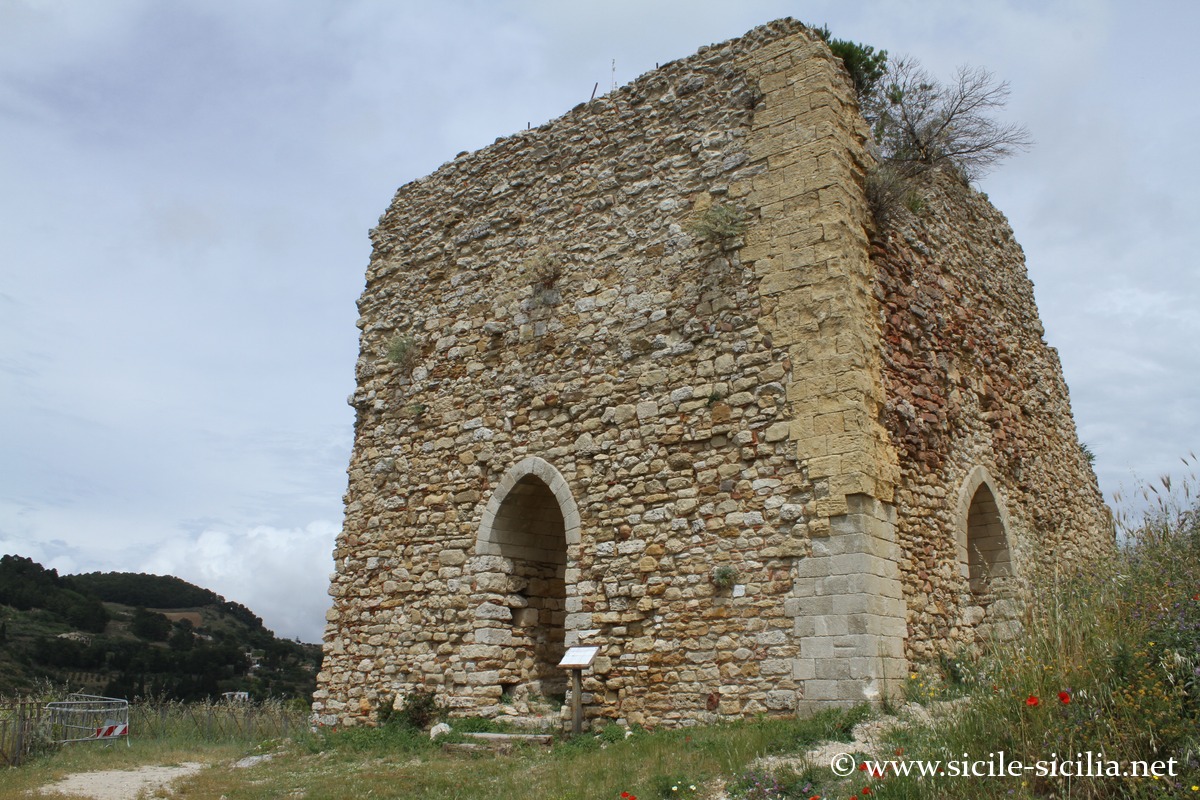
Calatafimi Segesta is a town of about 7,000 inhabitants that developed in the Arab period around the 9th century around the Eufemio castle, of which remains survive at the top of the town. One can also discover the mausoleum of Pianto Romano a few kilometres away, dedicated to the dead of a battle between Garibaldi’s troops and the Bourbon soldiers on 15 May 1860.
Calatafimi photo gallery
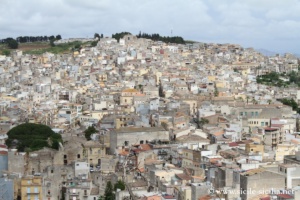
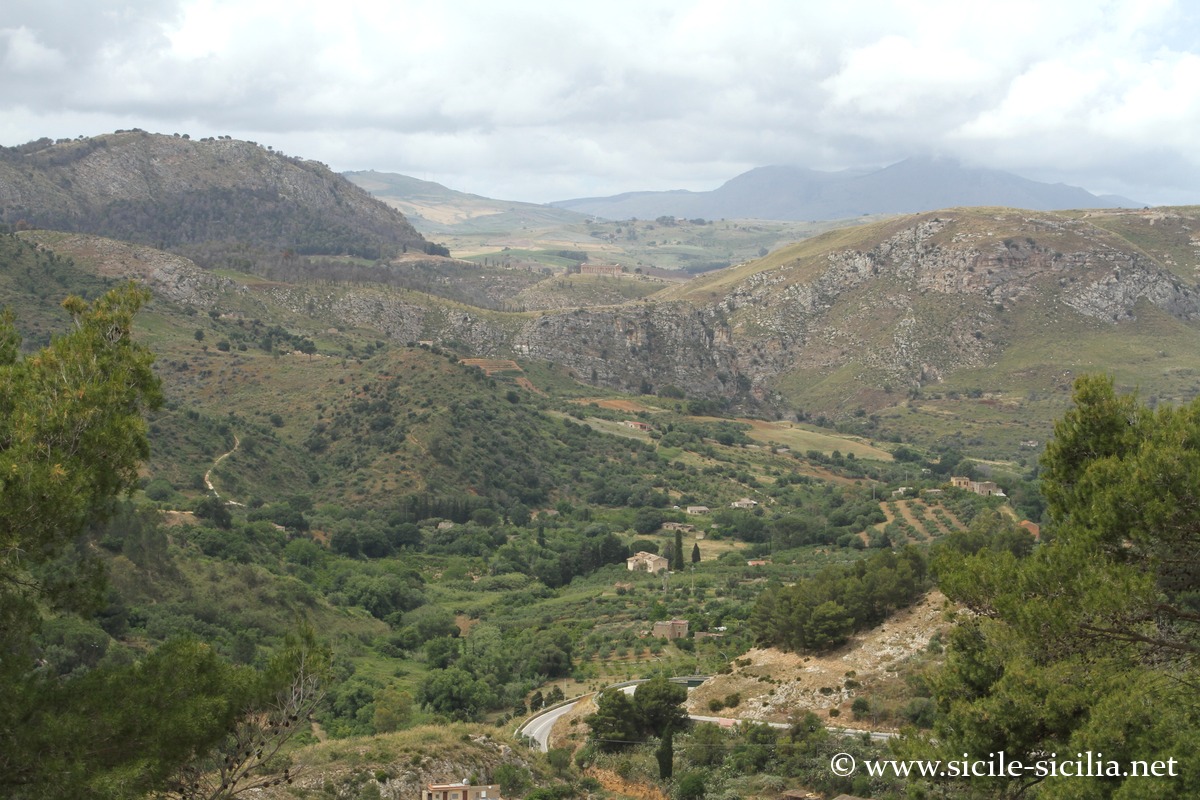
View of Calatafimi from the Eufemio castle 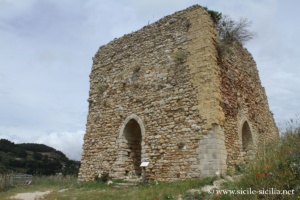
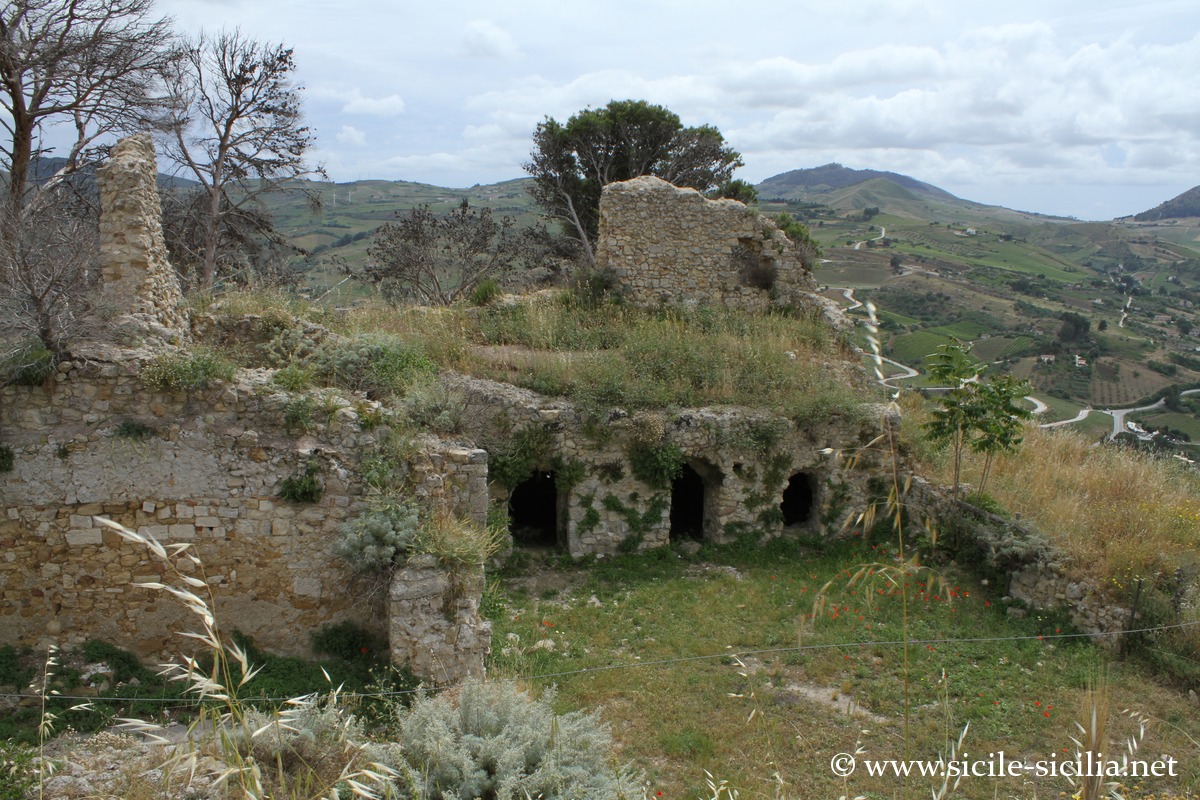
Eufemio Castle of Calatafimi 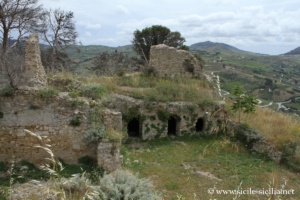
Eufemio Castle of Calatafimi 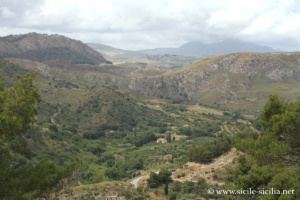
Panorama from the Eufemio Castle of Calatafimi 
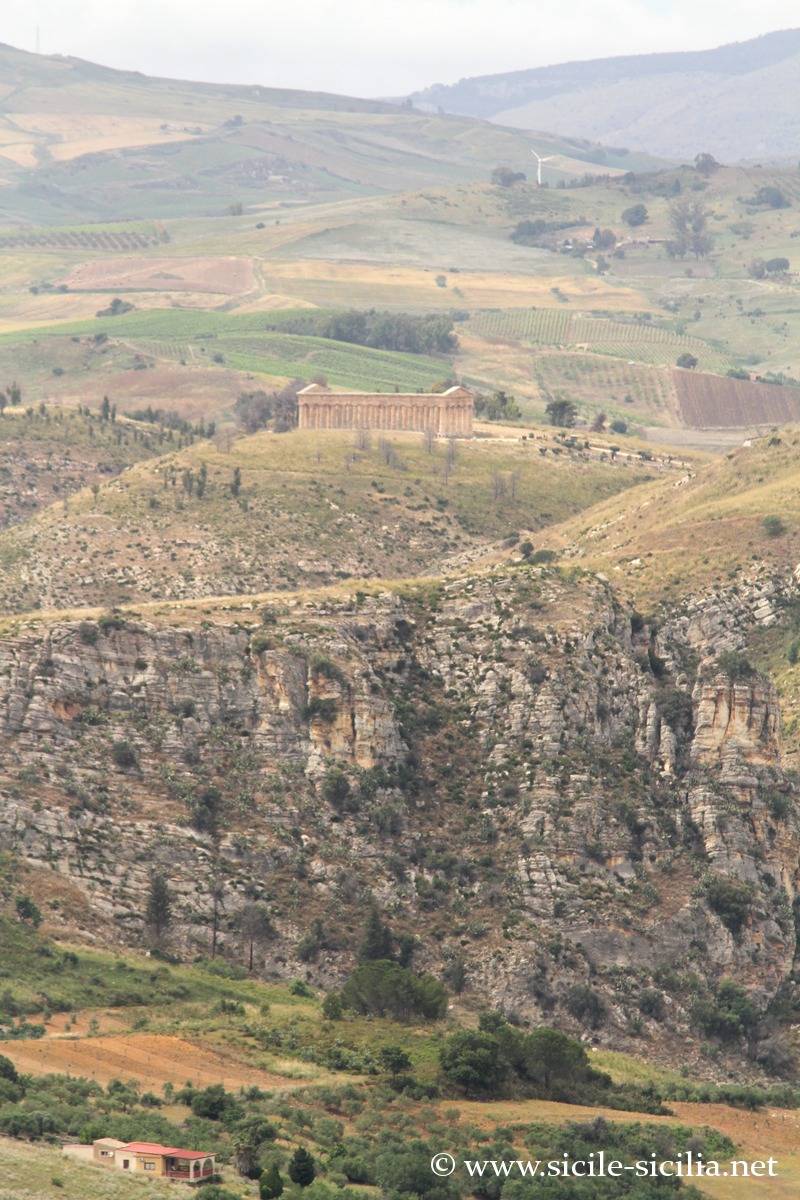
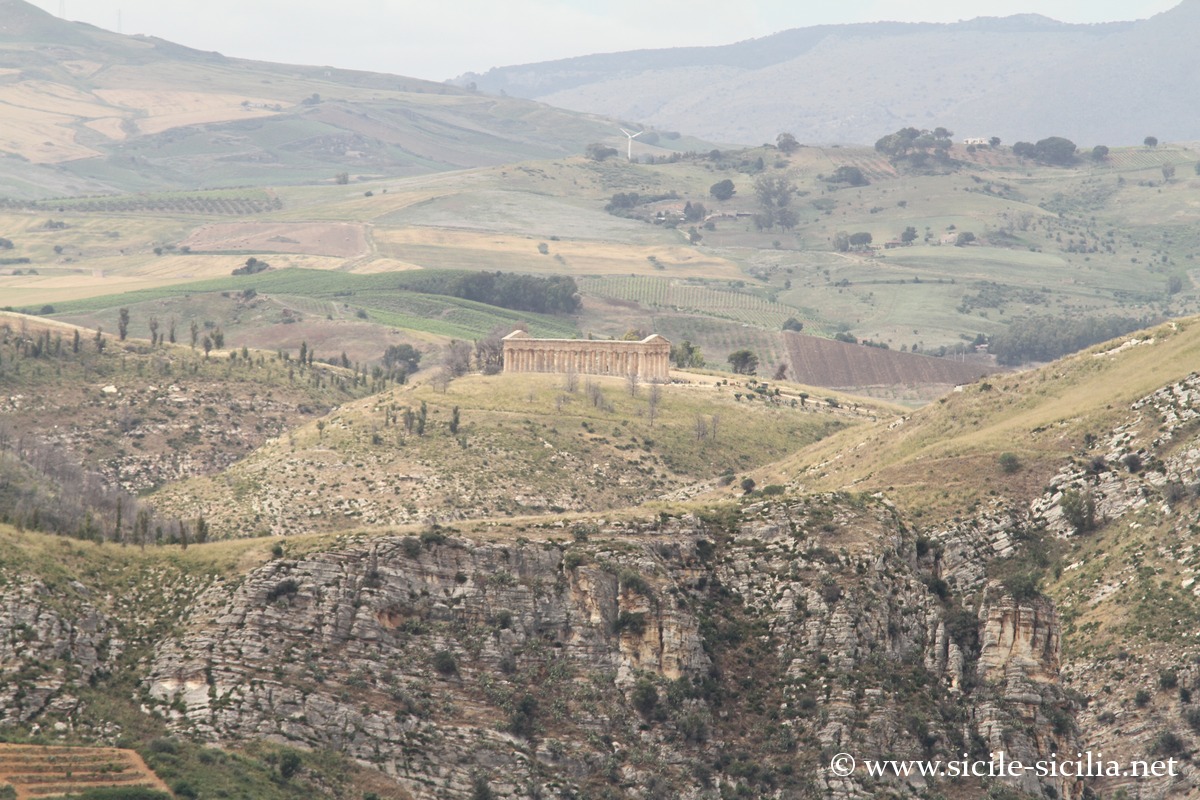
View of Segesta from the Eufemio castle 
View of Segesta from the Eufemio castle
Articles: Segesta Category
Information
External sites
- Archaeological park: www.parcodisegesta.com
- Sicily Region website: parchiarcheologici.regione.sicilia.it/segesta, www2.regione.sicilia.it
- Wikipedia page: en.wikipedia.org
Comments in other languages
After all that effort wandering through the ruins, in the neighboring town of Calatafimi you can treat yourself to cassatelle (fried turnovers filled with ricotta and chocolate), the local specialty. The bakeries and pastry shops in the town center also sell the local bread with its thick crust and homemade almond cookies.
The theater’s orientation is no accident: it opens directly onto the landscape toward the Gulf of Castellammare. Performances are still staged there in the summer.
You can reach the theater area on foot or by shuttle (an extra charge applies for the latter), but on foot from Porta del Valle you can much better discover the intermediate urban structures (roads, terraces, cisterns) that the shuttle bypasses.