
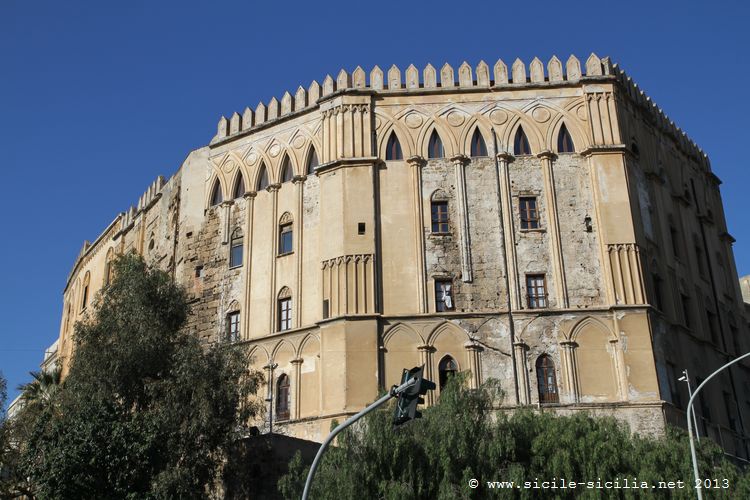

The Norman Palace of Palermo, also known as the Royal Palace, has become the seat of the Regional Assembly of Sicily. It occupies the highest part of the city, on a site already fortified in Punic and then Roman times, later integrated into Byzantine and Islamic structures. Punic remains have been brought to light beneath […]
Tag: Unesco
Map of the Sicilian sites inscribed on the Unesco World Heritage list
Travelers' Map is loading...
If you see this after your page is loaded completely, leafletJS files are missing.
If you see this after your page is loaded completely, leafletJS files are missing.
Tangible heritage
Unesco has inscribed the following seven Sicilian sites on the tangible heritage of humanity, by date of inscription:
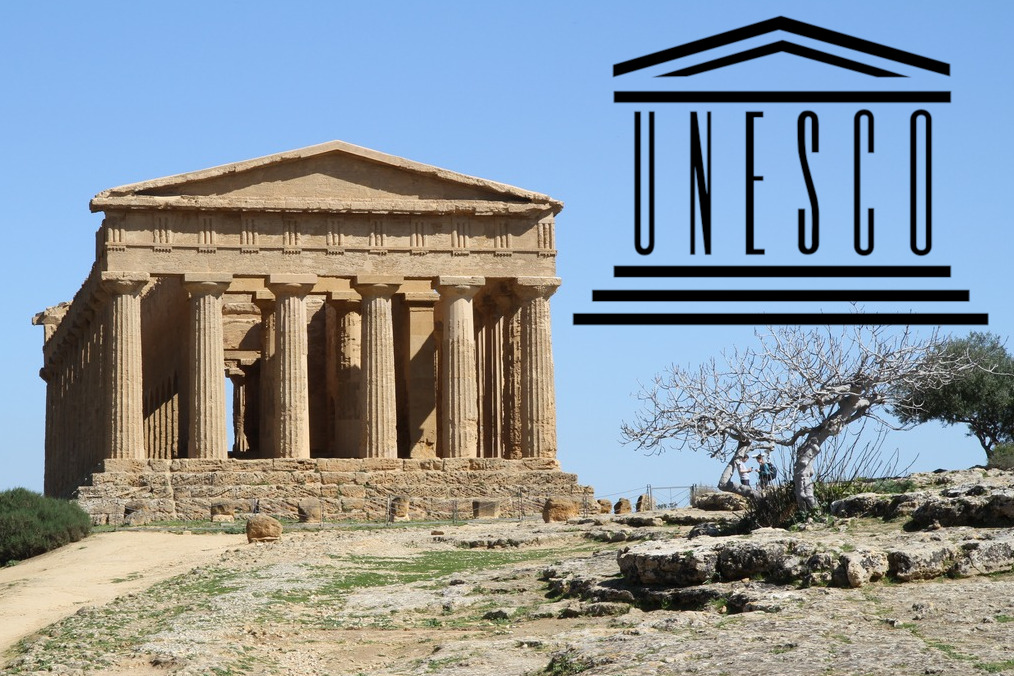
The archaeological area of the Valley of the Temples of Agrigento (in 1997), famous for its Greek temples built around the 6th-5th centuries BCE near the ancient city of Akragas.
The Roman villa of Casale (in 1997), an exceptional example of a luxurious Roman villa, whose vast mosaic floors illustrate the life of the era.
The Aeolian Islands (in 2000), which form a remarkable volcanic archipelago, with its active manifestations such as the fumaroles of Vulcano or the explosions of Stromboli.
The late Baroque towns of the Val di Noto (in 2002), rebuilt thanks to a powerful artistic and material commitment after the 1693 earthquake, a unique testimony to the late Baroque.
Syracuse and the necropolises of Pantalica (in 2005), with on the one hand the vast heritage of Syracuse that goes back to antiquity and spans all eras, and on the other hand the site of Pantalica located inland, one of the largest necropolises with thousands of tombs carved into the rock (13th – 7th centuries BCE).
Etna (in 2013), the highest active volcano in Europe, with its vast natural park, its impressive landscapes, its craters, and its regular eruptions.
Nine Arab-Norman sites of Sicily (in 2015), seven of which are in Palermo, plus the cathedrals of Cefalù and Monreale. These palaces and churches from the Norman era, built during the 12th century, illustrate the socio-cultural symbiosis of the time between Western, Islamic and Byzantine cultures.
Intangible heritage
In addition to tangible heritage, Unesco has also inscribed Sicilian traditions on the intangible heritage of humanity, including those it shares with other regions, such as dry stone walls (unesco.org) or the Mediterranean diet (unesco.org), but also the local practices of the Sicilian puppet theatre “Opera dei Pupi” or the particular bush vine cultivation on the island of Pantelleria (unesco.org).
Sources: unescosicilia.it, www.visitsicily.travel
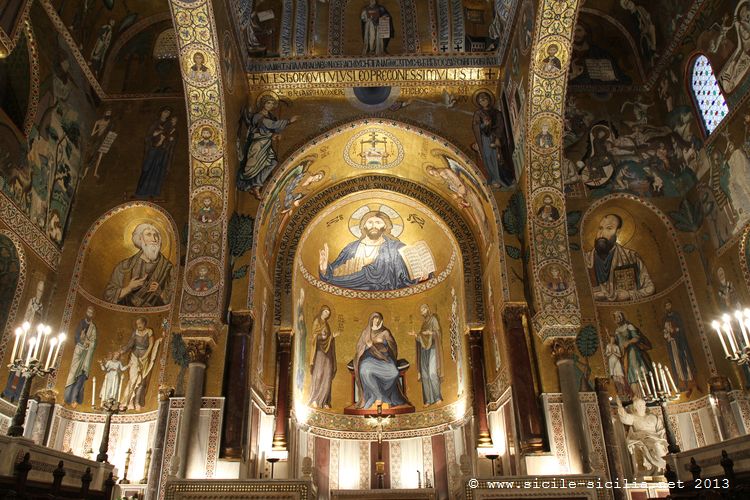
The Palatine Chapel, located on the first floor of the Norman Palace, is the jewel of Palermo with its extraordinary mosaic decoration. It is considered one of the most accomplished examples of 12th-century Arab-Norman-Byzantine stylistic synthesis, reflecting the cultural coexistence in Sicily at that time. It has been inscribed on the UNESCO World Heritage List […]
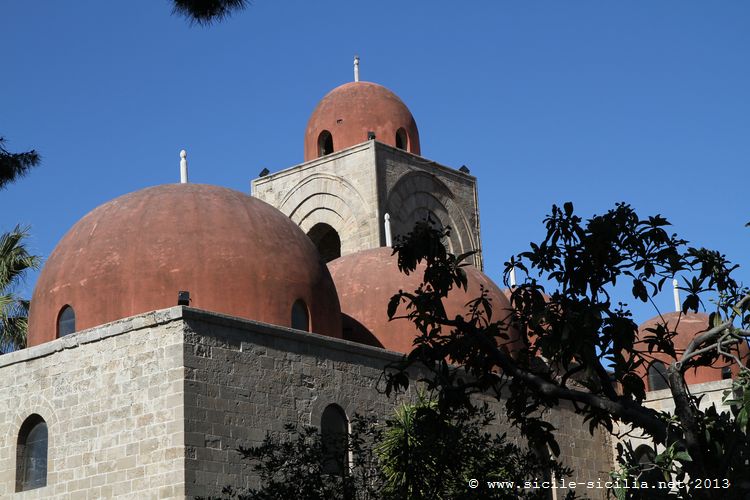

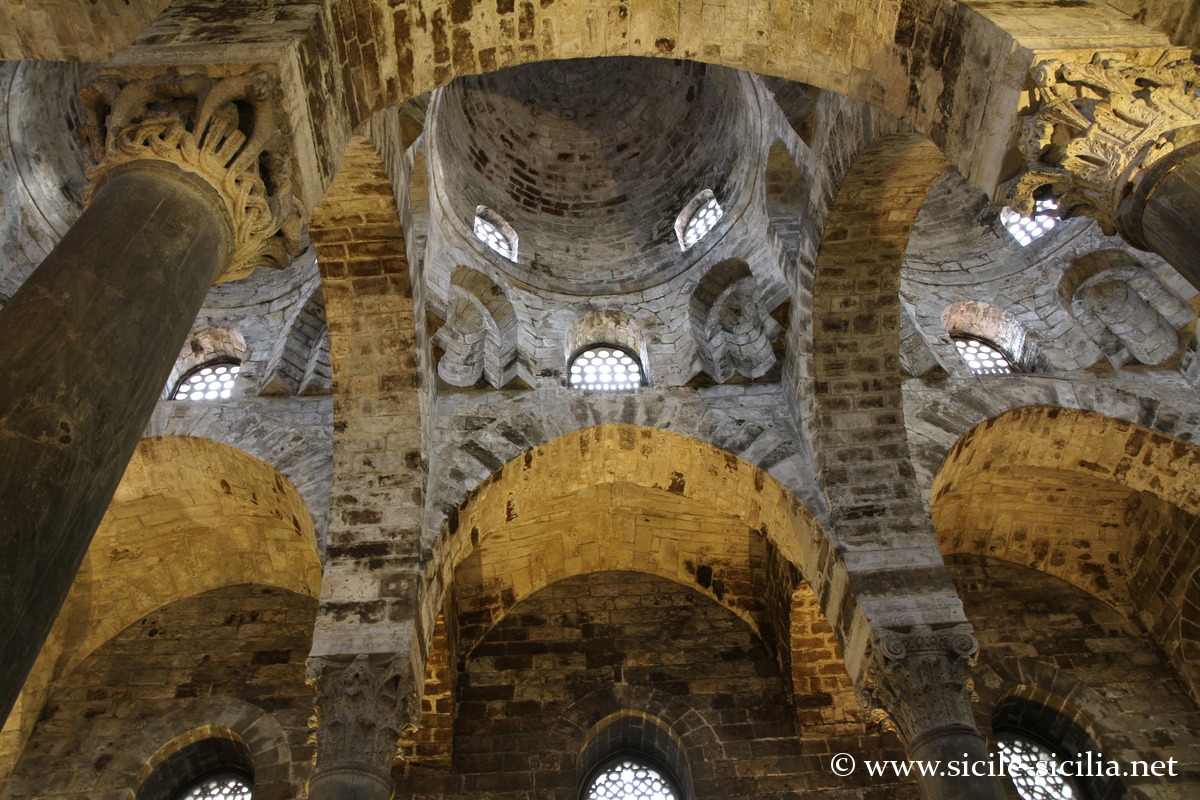
The Church of Saint John of the Hermits (San Giovanni degli Eremiti in Italian), one of the most emblematic monuments of Palermo, a Norman church of medieval origin, marked by the Arab-Norman style of the period. Historical overview In the 6th century, a church already existed there, where previously there had been a pagan place […]
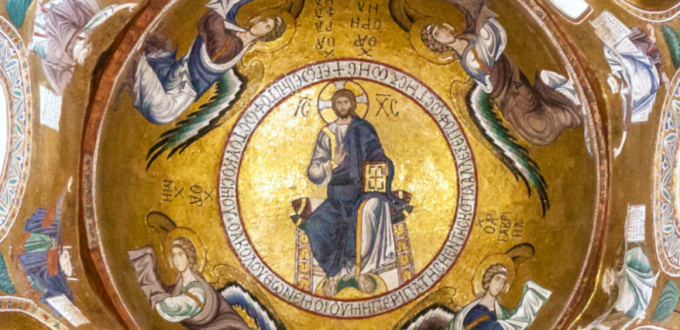

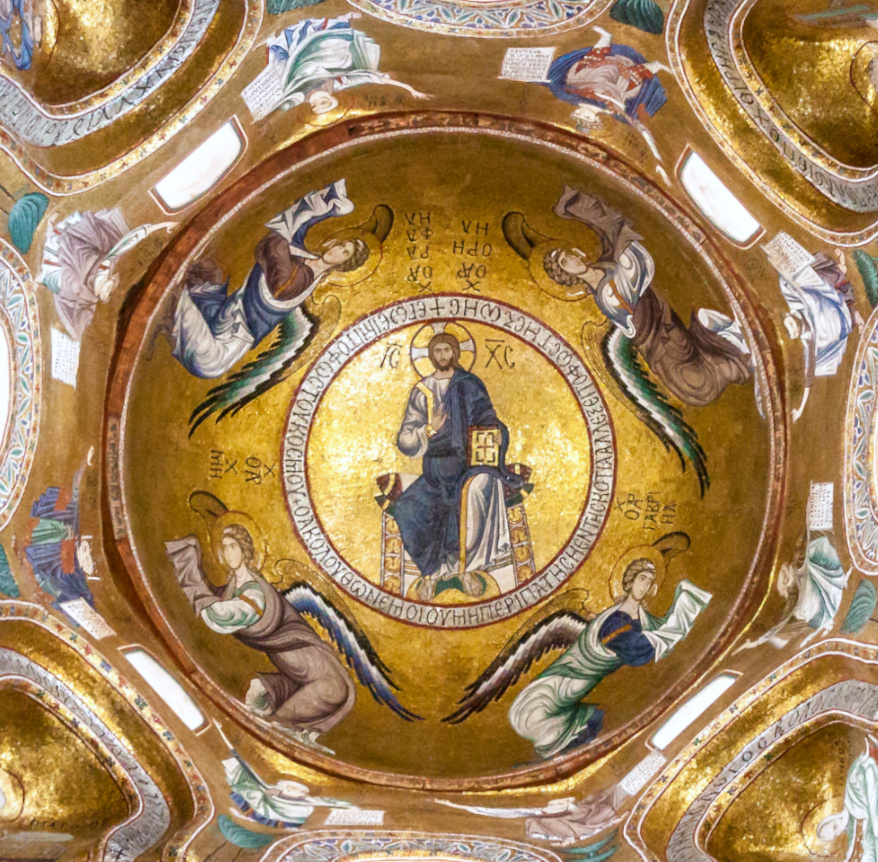
The church of la Martorana, or Santa Maria dell’Ammiraglio, standing on Piazza Bellini, stands out for the splendid Byzantine mosaics and gilding of the interior, dating mainly from the 12th century and representing a major example of Byzantine art with Arab influence in Norman Sicily. Historical overview Dedicated to Eloisa Martorana, who was the founder […]
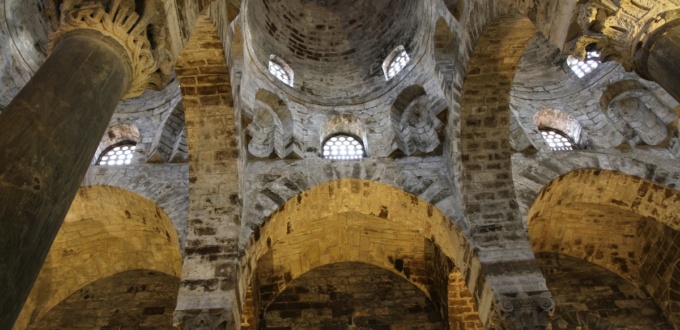
The church of San Cataldo is located on Piazza Bellini. It is one of the city’s examples of Arab-Norman architecture, of parallelepiped shape and covered by its three small red domes aligned. The church is notable for its minimalist exterior and sober interior, contrasting with the ornamental richness of other contemporary churches, such as Palermo […]
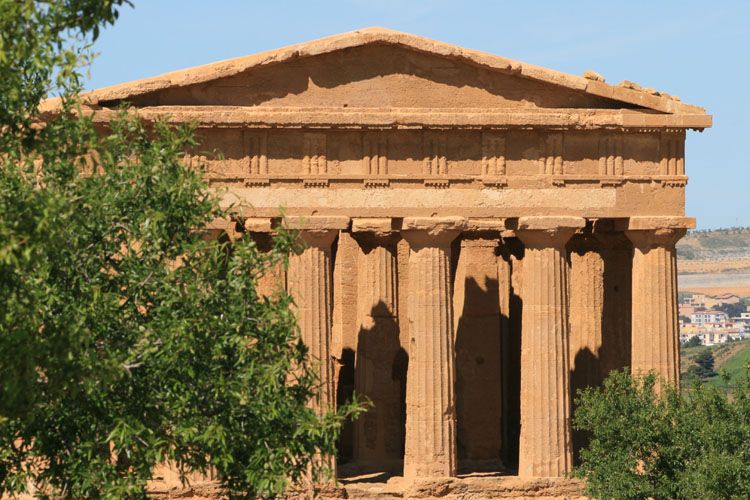

In antiquity, Agrigento was one of the most powerful Mediterranean cities of Magna Graecia. Its archaeological area of the Valley of the Temples, listed by UNESCO, is remarkable for the preservation of its buildings, with its Doric temples that are among the most important in the Greek world, dating back to the 6th-5th centuries BCE.
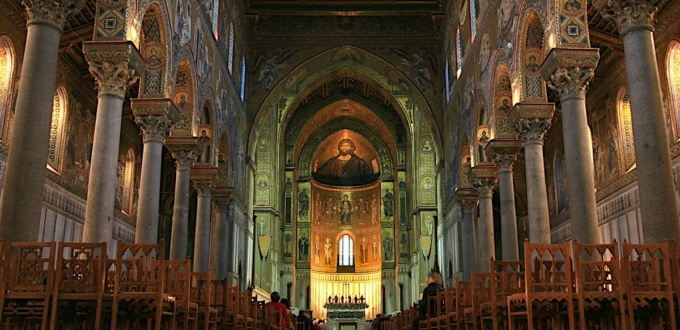
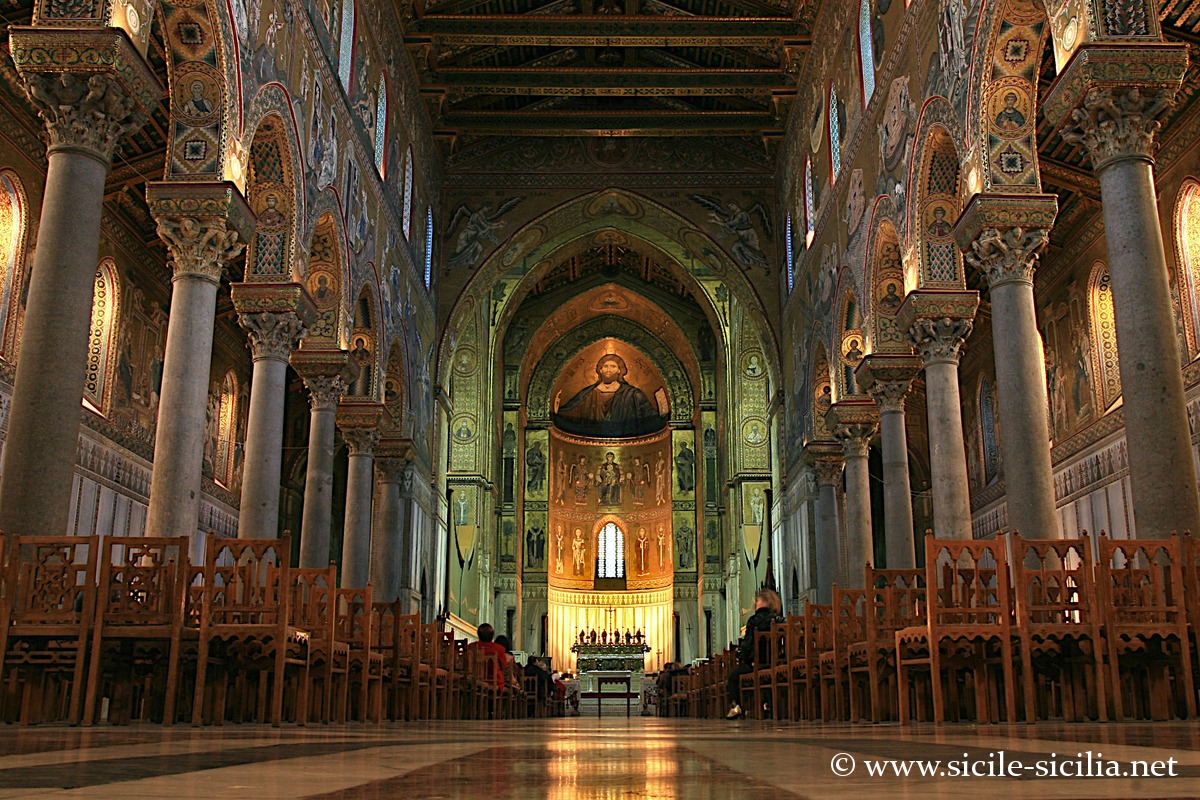
The Cathedral of Monreale, or Santa Maria la Nuova, is a cathedral and a minor papal basilica dedicated to the Virgin Mary, located in the centre of Monreale, on the heights less than 10 km south-west of Palermo.Built in the 12th century, this exceptional monument is notable in particular for its cloister and its vast […]
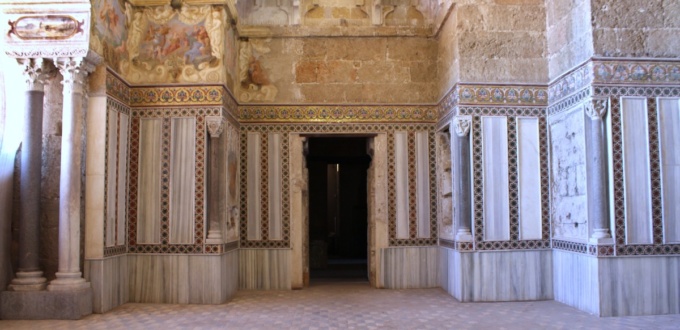
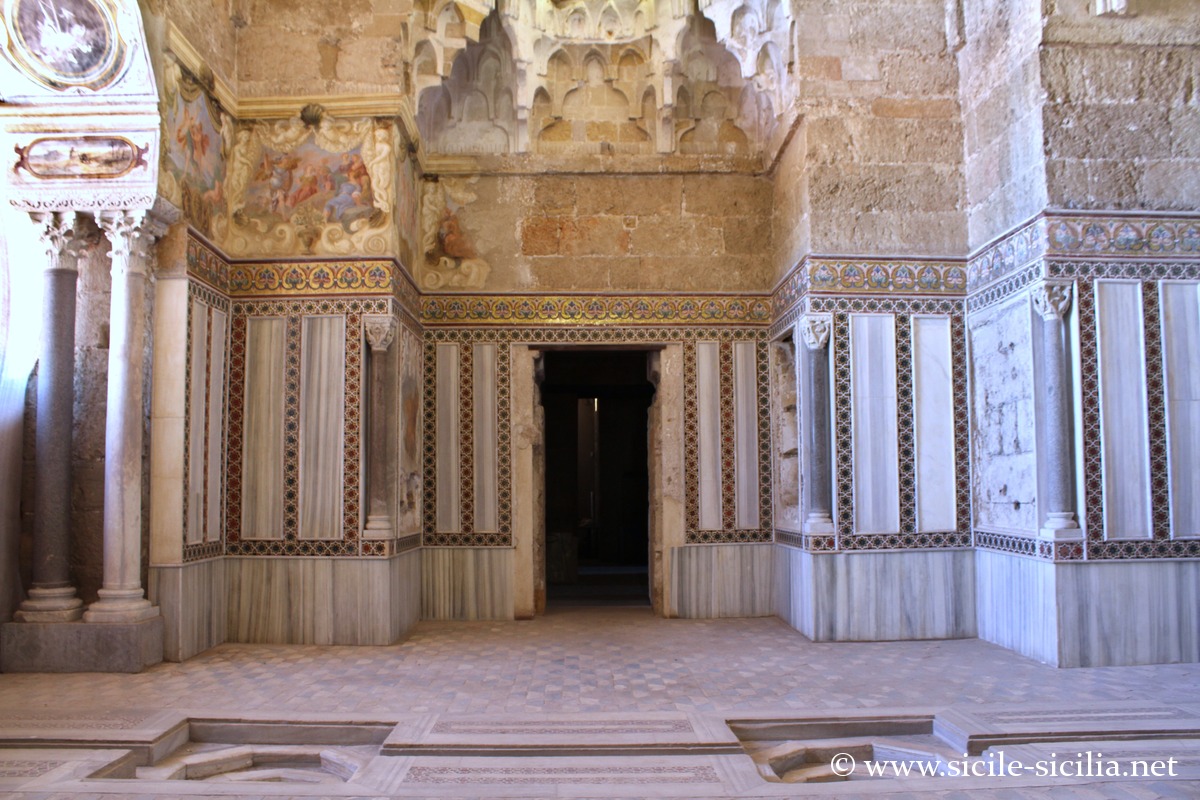
The Zisa Palace in Palermo is a masterpiece of Arab-Norman architecture, built in the 12th century for the Norman court. It is part of the group of Norman royal suburban residences (the solatia), conceived as pleasure palaces outside the city walls, within a landscape of gardens and hydraulic installations.Very well preserved, behind its refined facade […]