
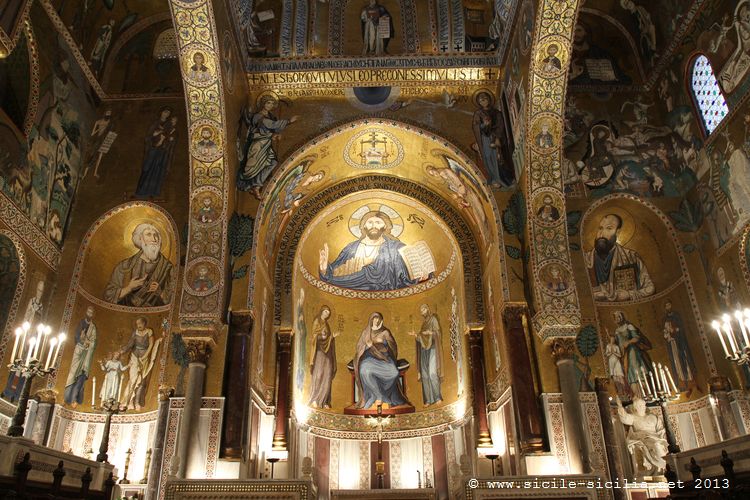

The Palatine Chapel, located on the first floor of the Norman Palace, is the jewel of Palermo with its extraordinary mosaic decoration. It is considered one of the most accomplished examples of 12th-century Arab-Norman-Byzantine stylistic synthesis, reflecting the cultural coexistence in Sicily at that time. It has been inscribed on the UNESCO World Heritage List […]
Category: Churches of Palermo
The churches of Palermo are numerous and varied, from the beautiful cathedral to Saint John of the Hermits, or other churches of Arab-Norman style such as Saint John of the Lepers, Santa Maria dell’Ammiraglio, San Cataldo or the impressive Palatine Chapel within the Palace of the Normans.
The city also preserves more recent churches, often dating from the Spanish occupation and the Baroque period, such as Santa Maria della Catena, Saint Dominic or the Gesù church.
Travelers' Map is loading...
If you see this after your page is loaded completely, leafletJS files are missing.
If you see this after your page is loaded completely, leafletJS files are missing.
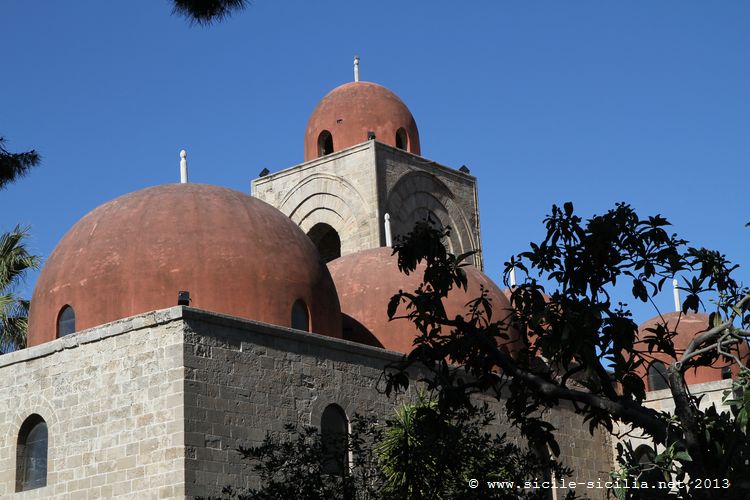

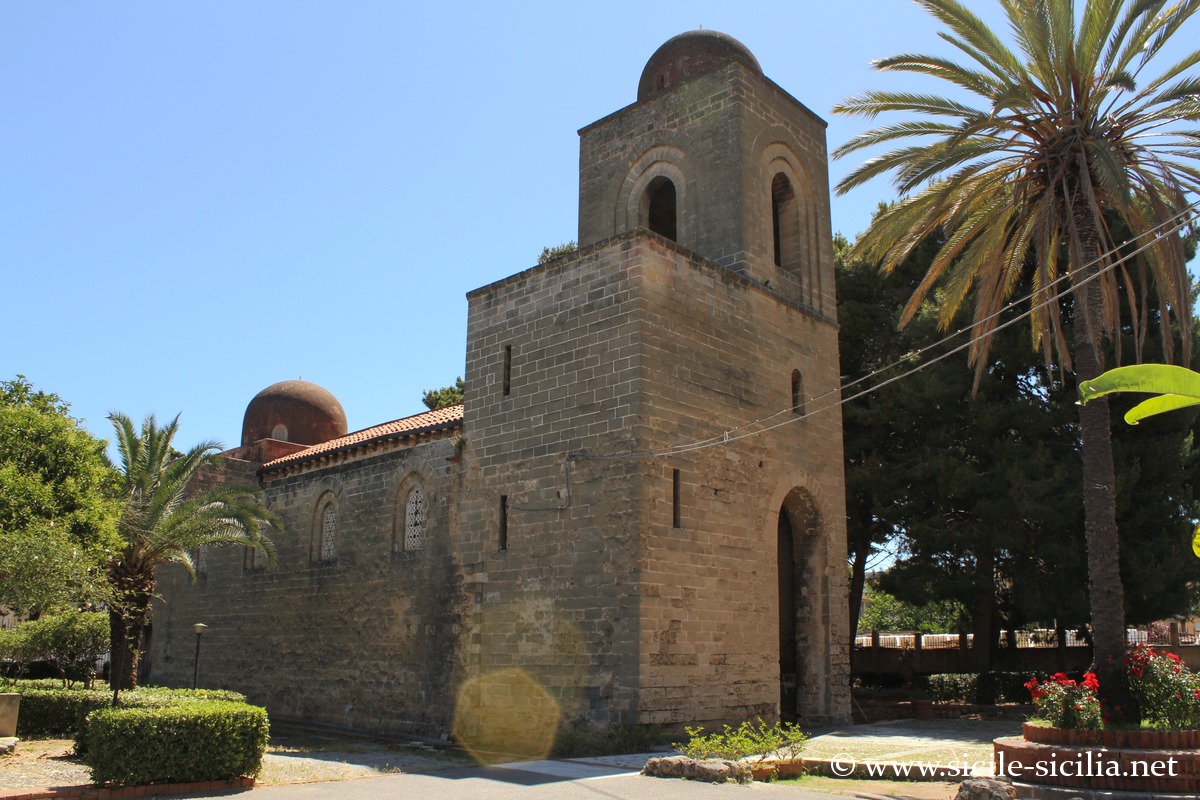
The Church of Saint John of the Hermits (San Giovanni degli Eremiti in Italian), one of the most emblematic monuments of Palermo, a Norman church of medieval origin, marked by the Arab-Norman style of the period. Historical overview In the 6th century, a church already existed there, where previously there had been a pagan place […]
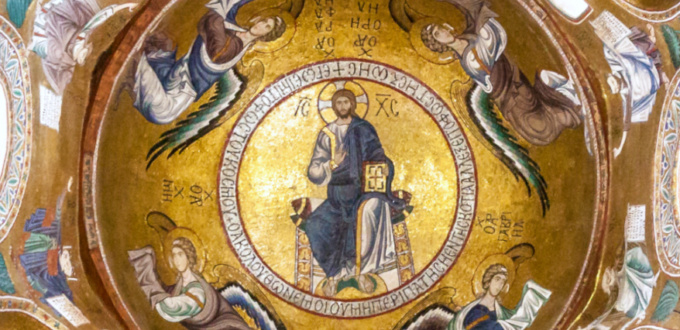

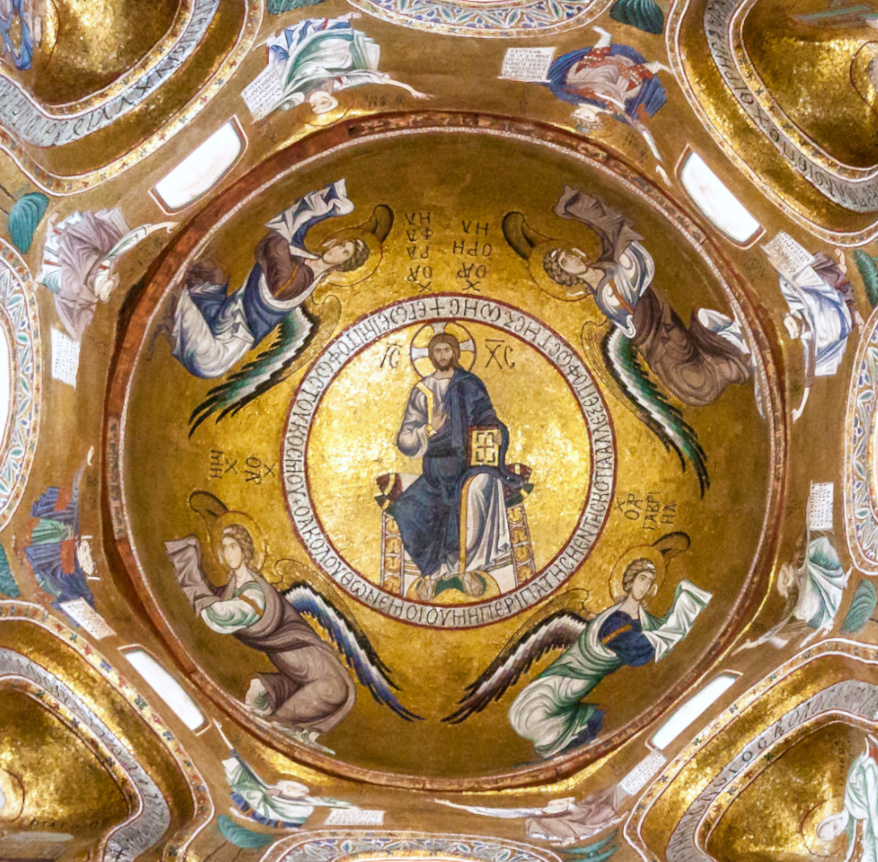
The church of la Martorana, or Santa Maria dell’Ammiraglio, standing on Piazza Bellini, stands out for the splendid Byzantine mosaics and gilding of the interior, dating mainly from the 12th century and representing a major example of Byzantine art with Arab influence in Norman Sicily. Historical overview Dedicated to Eloisa Martorana, who was the founder […]
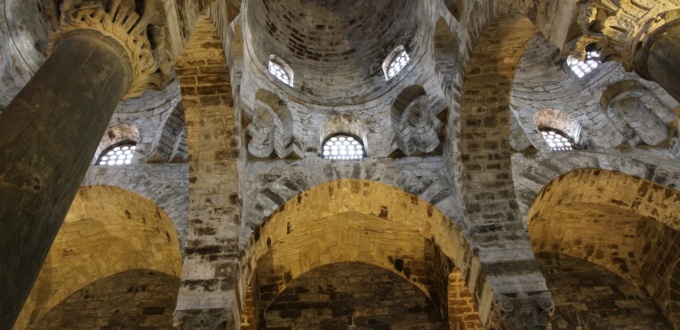
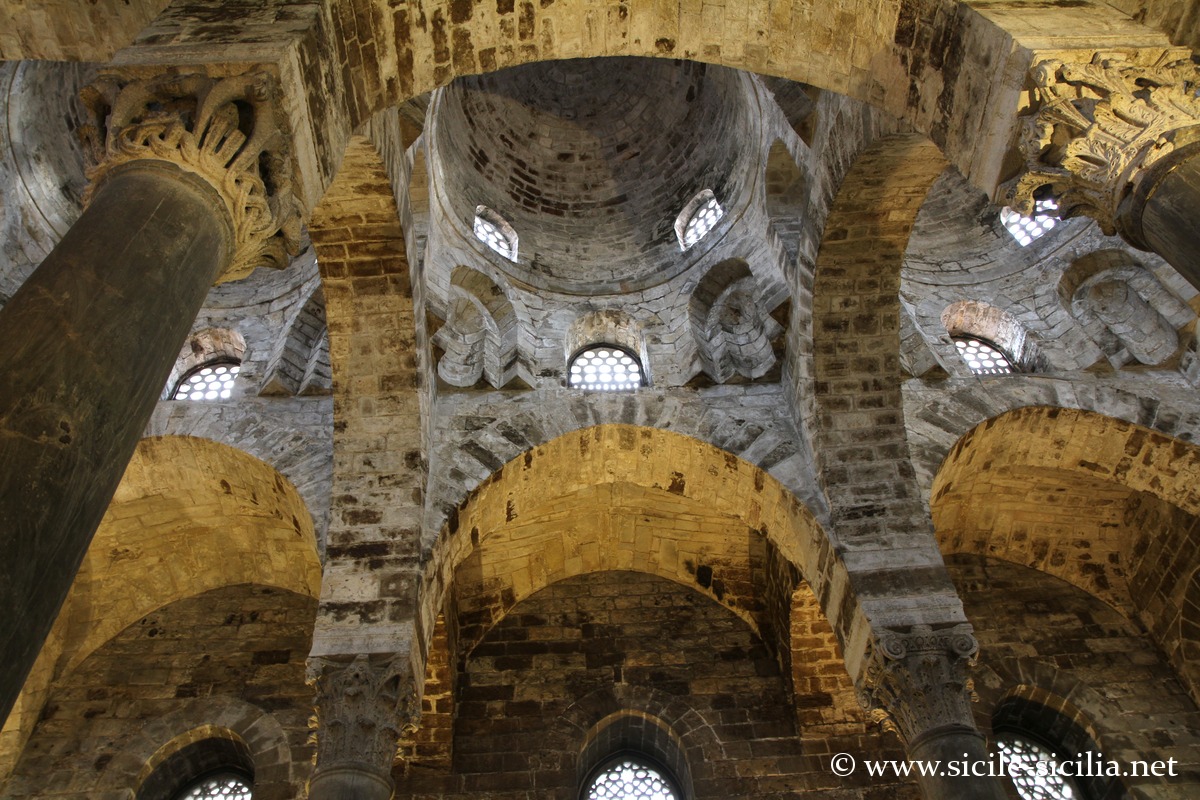
The church of San Cataldo is located on Piazza Bellini. It is one of the city’s examples of Arab-Norman architecture, of parallelepiped shape and covered by its three small red domes aligned. The church is notable for its minimalist exterior and sober interior, contrasting with the ornamental richness of other contemporary churches, such as Palermo […]
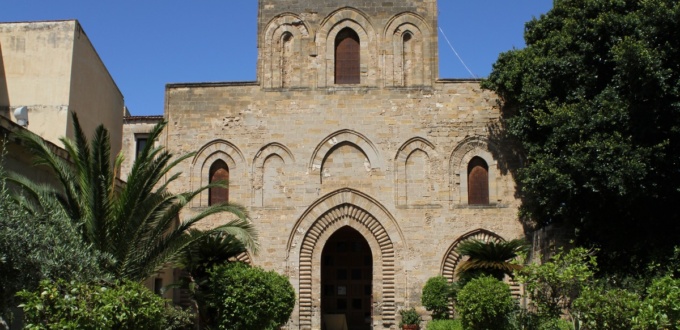
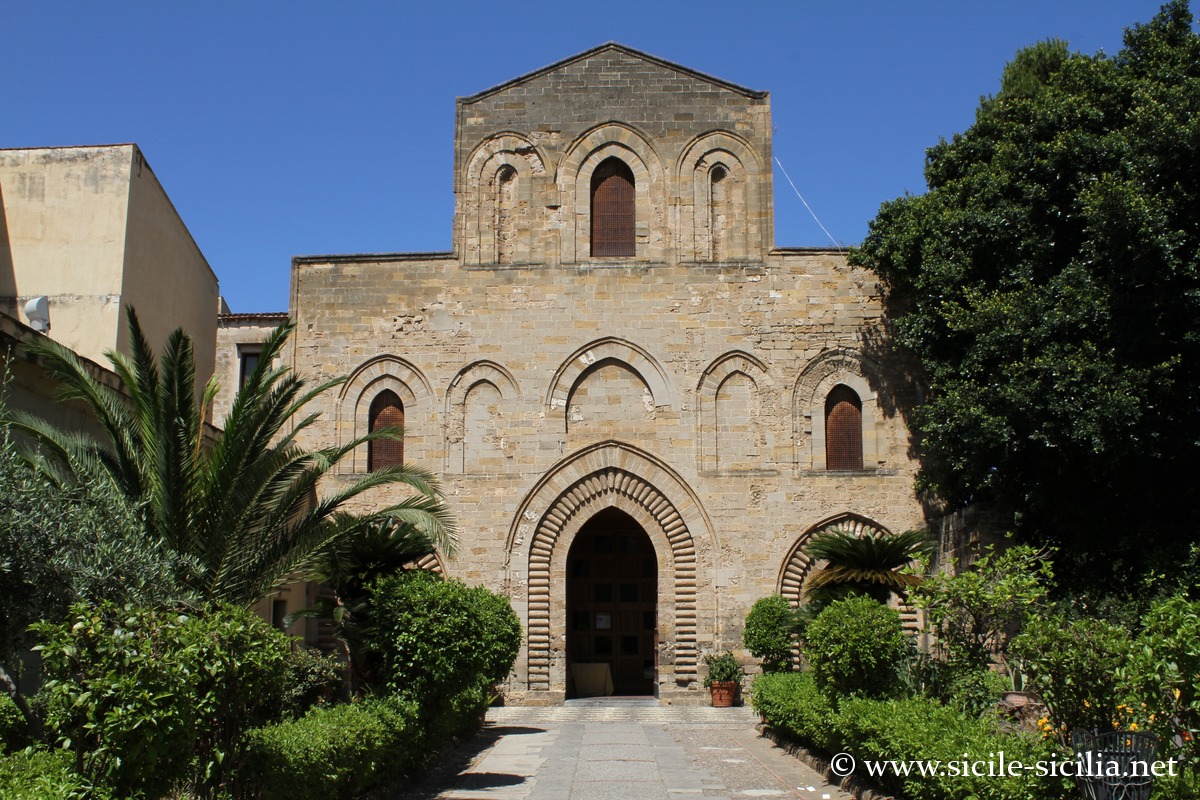
In the Middle Ages this area south of the city was occupied by gardens and orchards. The sanctuary of the Holy Trinity, which was built at the end of the 12th century, probably on the site of a mosque, was one of the last Norman achievements, founded in 1191 shortly after the completion of the […]
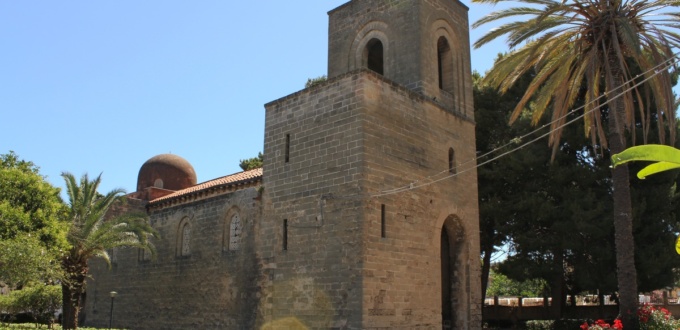
Saint-Jean des Lépreux (San Giovanni dei Lebbrosi in Italian) is perhaps the oldest building in the Arab-Norman style in Palermo. Its foundation is thought to date back to 1071, in the aftermath of the siege of the city, by the Norman brothers Robert Guiscard and Roger of Hauteville. But it is not known on what […]
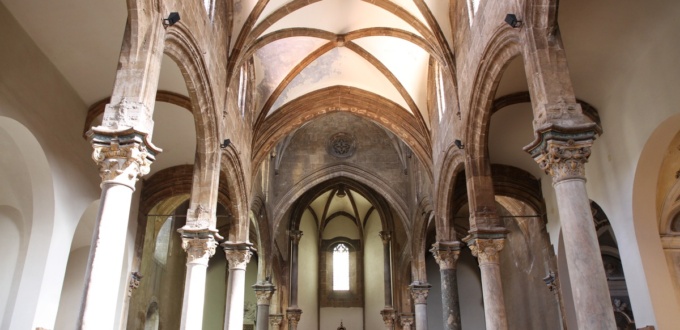
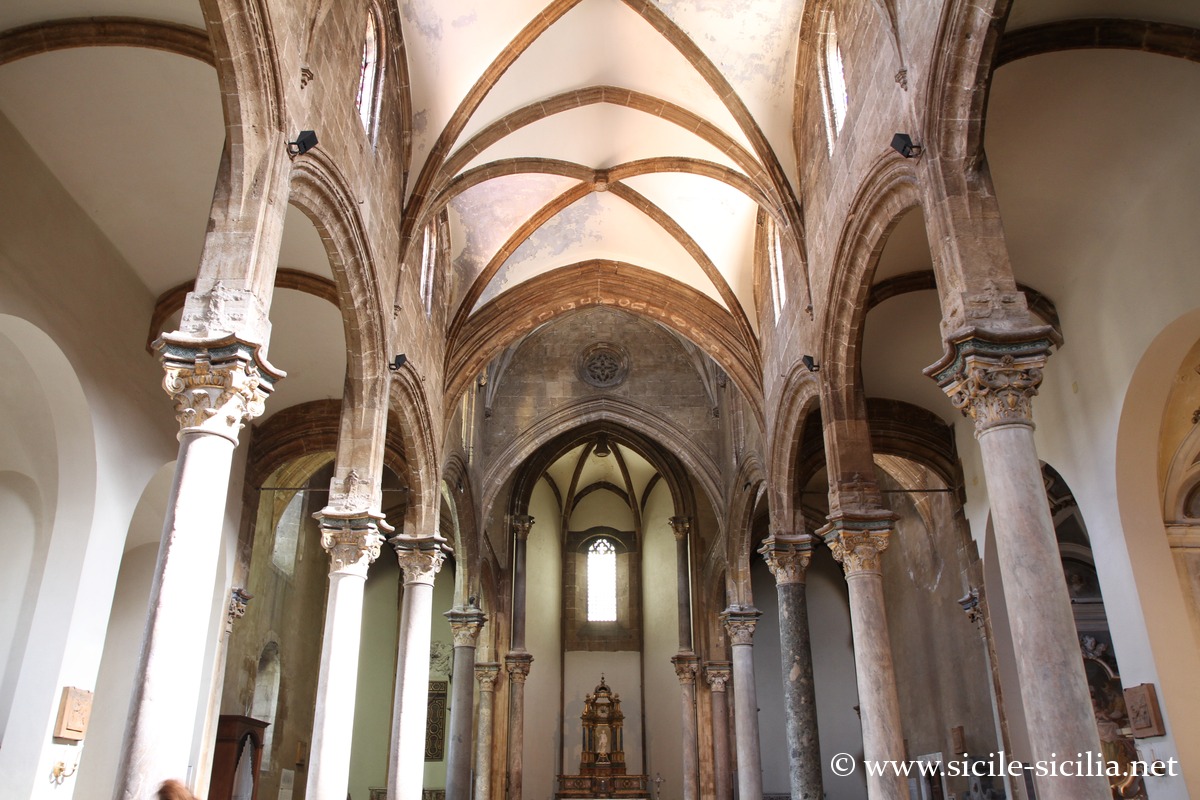
The church of Santa Maria della Catena (Saint Mary of the Chain in English) dates back to the era of Catalan Gothic, located near the port of Cala, the oldest port of Palermo.It was built between 1490 and 1520 by the architect Matteo Carnilivari to replace a small chapel.It is named this way because on […]
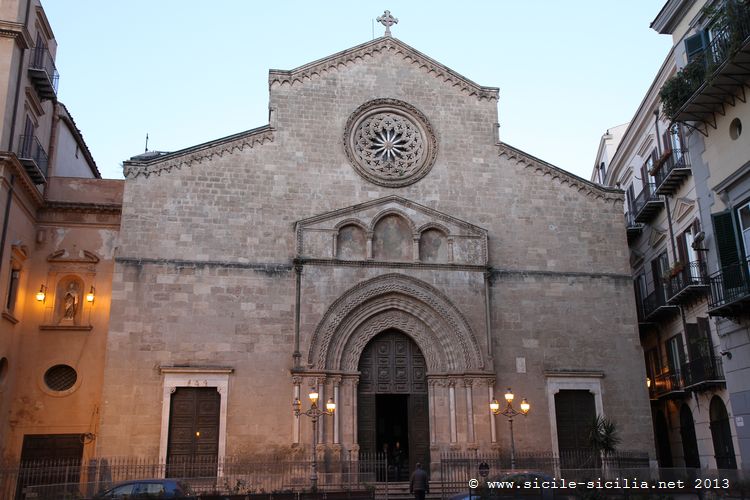
A beautiful Roman-Gothic church, built in the 13th century and remodelled in the 14th, dedicated to Saint Francis of Assisi, in the heart of the Kalsa district. It is one of the first manifestations of Renaissance art in Palermo. Historical elements and exterior First built in 1235, the church of Saint Francis of Assisi was […]
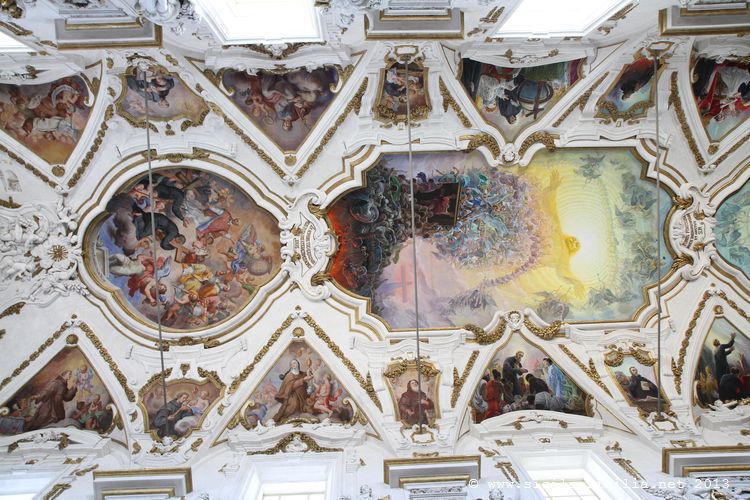
The Church of the Gesù (Chiesa del Gesù in Italian), also called Casa Professa, is the most important Baroque building in Palermo. Built by the Jesuits, it was consecrated in 1564.Its interior decoration, a profusion of Baroque elements, was begun in 1658 and completed at the end of the 18th century. The dome was completed […]
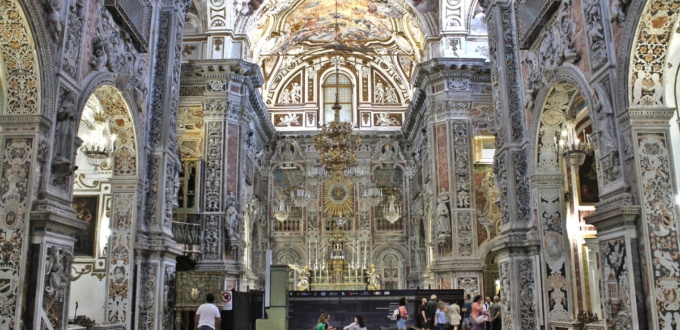
The church of Saint Catherine of Palermo, completed in the 16th century, faces onto two squares: the Piazza Pretoria with its famous fountain, and the Piazza Bellini opposite the Arab-Norman Byzantine churches of San Cataldo and the Martorana.The dome and the choir were added in the mid-18th century and in 1863 respectively.It adjoins a monastery […]
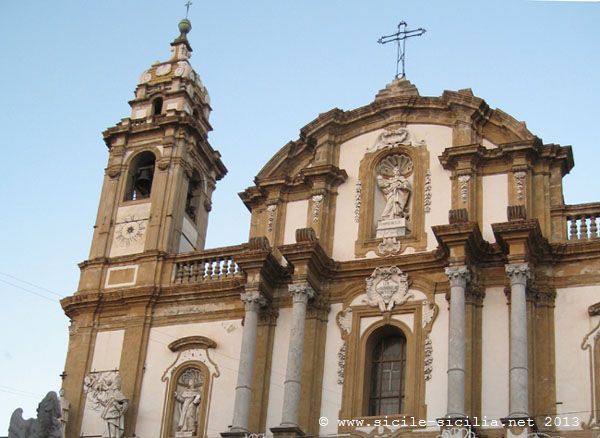
The church of San Domenico, on the square of the same name, is located in the district of La Loggia.It was built in the 14th century and was an important medieval religious center, but was completely rebuilt in 1640, and then the facade in 1726.During the Sicilian revolution of 1848, it served as a meeting […]

Presentation The Cistercian monastery and the Church of the Holy Spirit (Santo Spirito in Italian) were built between 1173 and 1178 south of Palermo, near the Oreto river. First inhabited by the monks of Sambucina in Calabria, it came in 1232 under the dependence of the Cistercian abbey of Casamari, near Rome. It is also […]
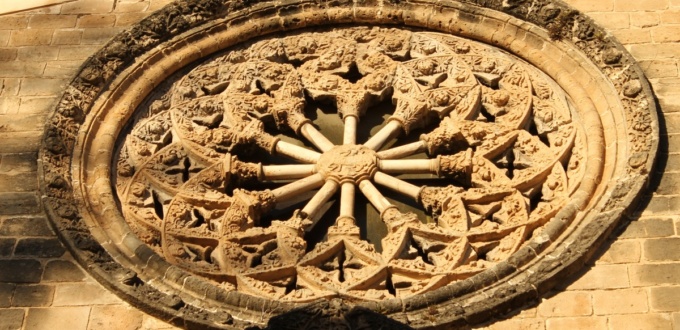
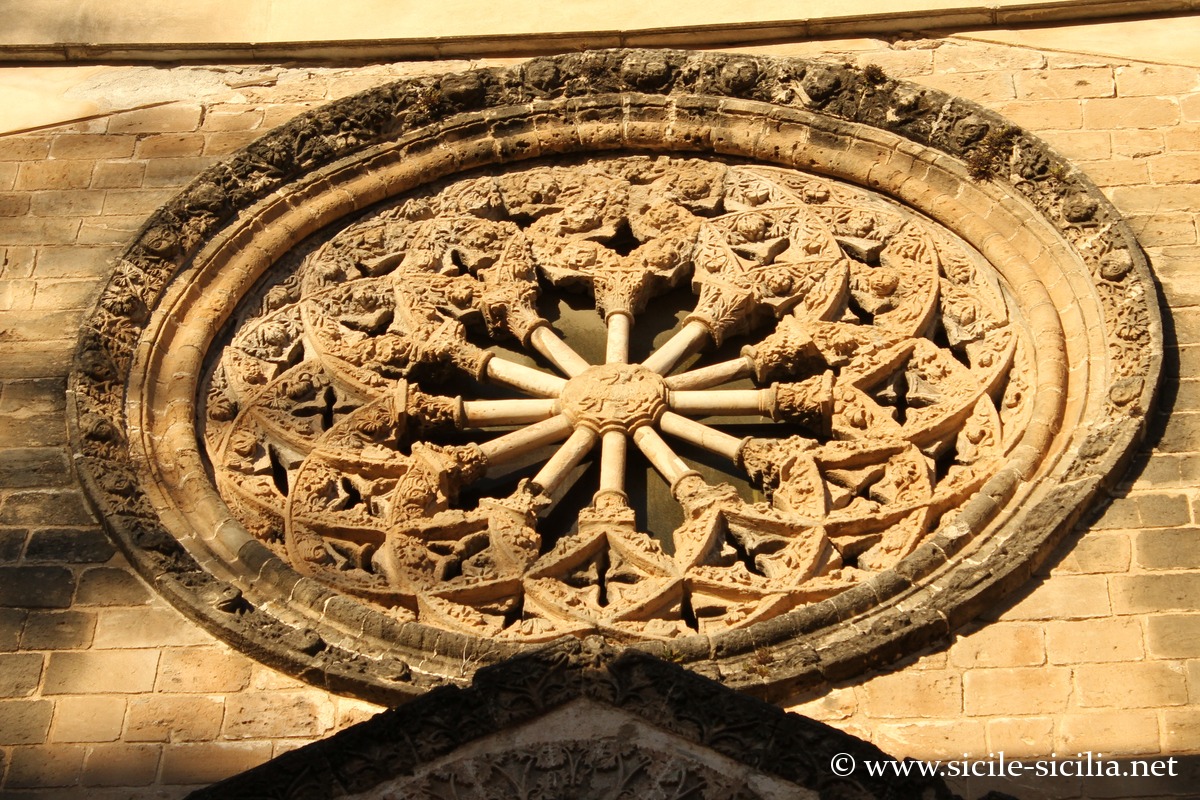
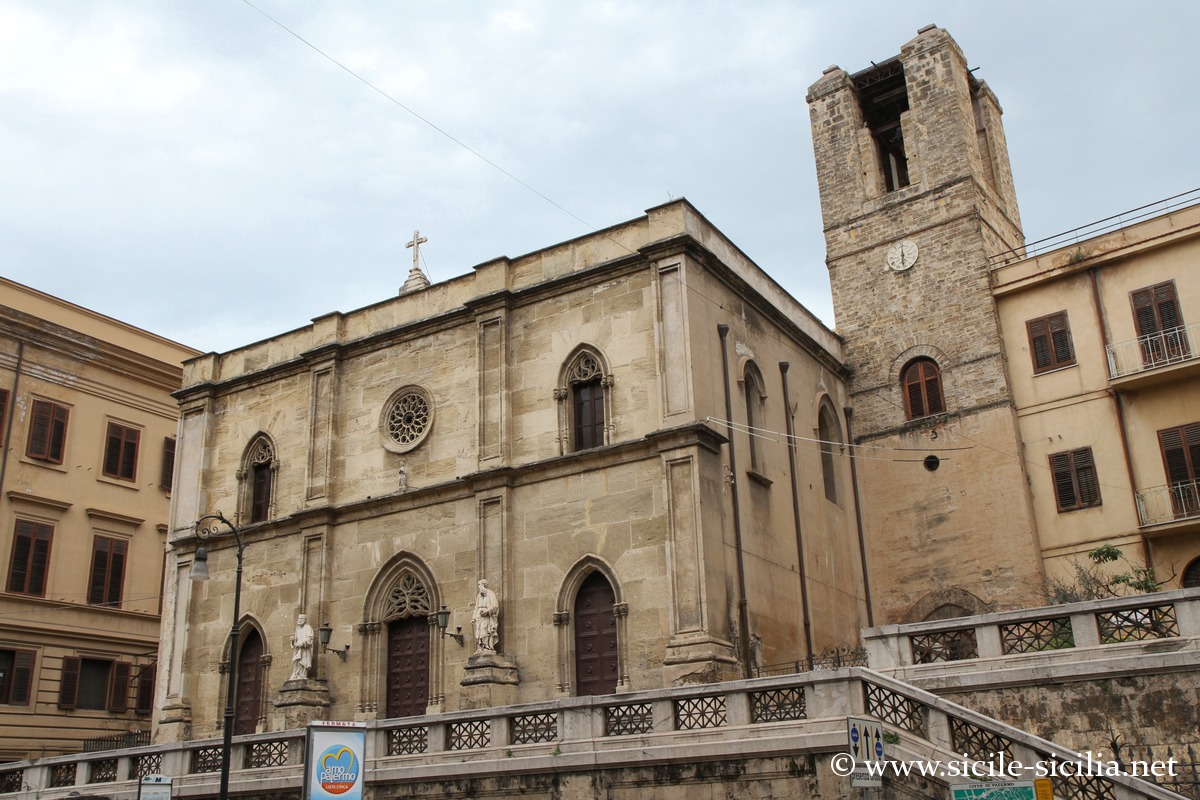
The Church of Saint Augustine (Chiesa di Sant’Agostino), located in the Capo district (Seralcadi), is a building of Sicilian Gothic origin, constructed at the end of the 13th century over an older church, under the influence of the Augustinian order. Presentation and visit The facade of the church is distinguished by a large Gothic rose […]
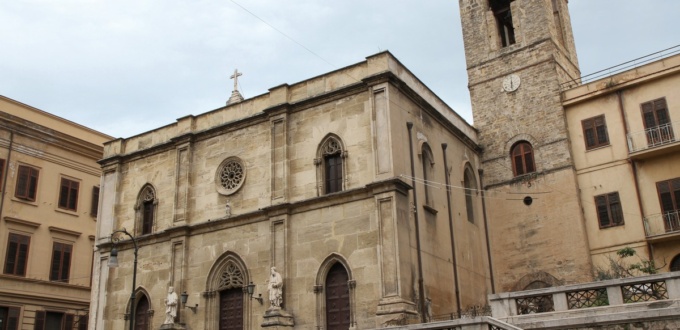
The church of Saint Anthony Abbot (Sant’Antonio Abate) was built around the beginning of the 13th century, on the site of the Muslim gate known as Bab al Bahr (Gate of the Sea). In 1302, the Chiaramonte family added the bell tower, whose base is said to be an ancient tower. Presentation and visit Its […]
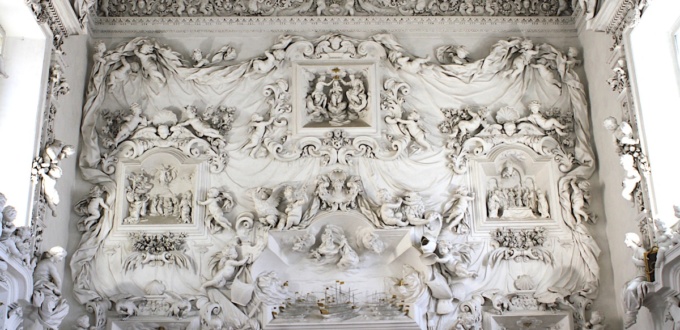
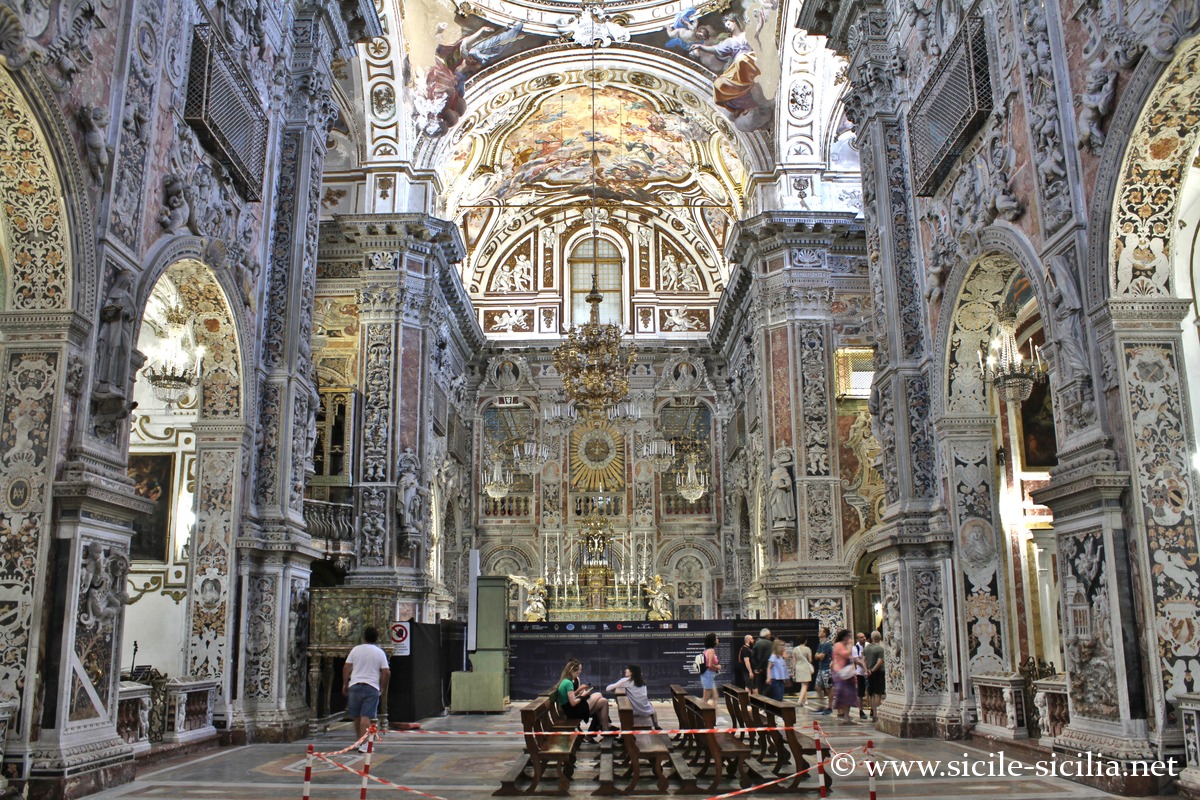
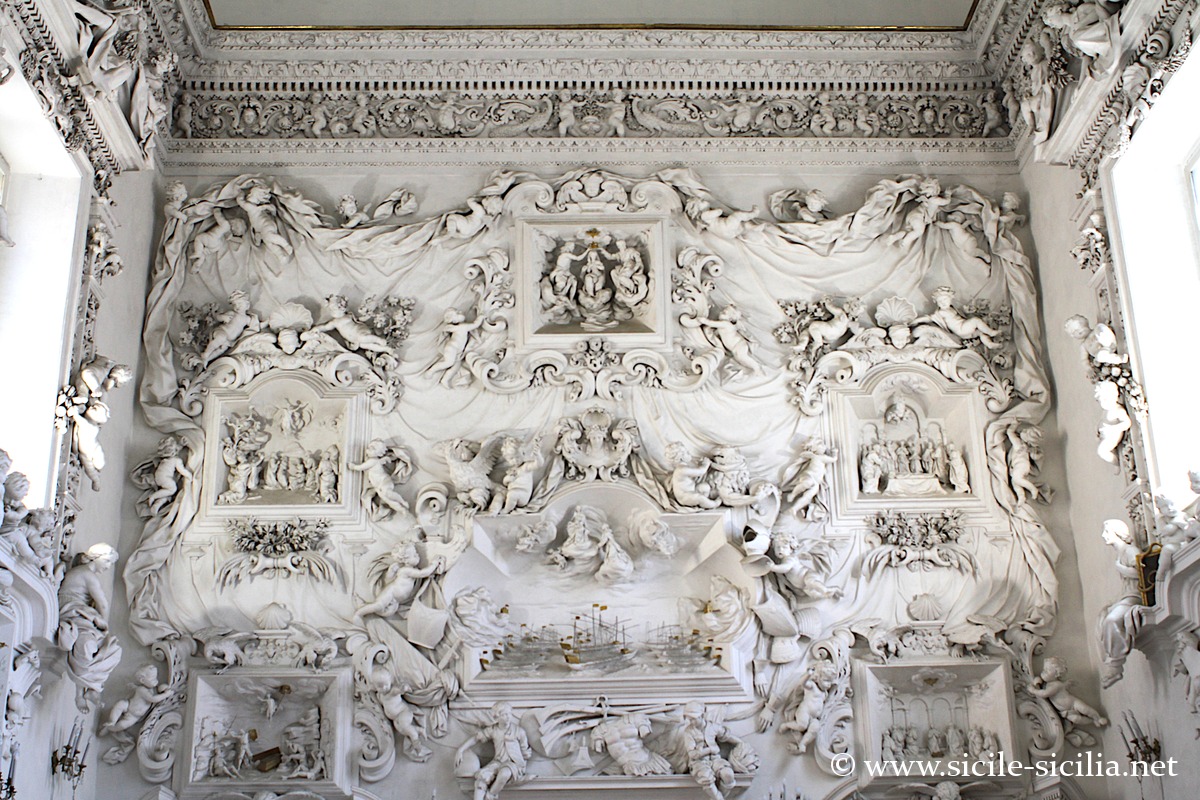
Presentation and visit The Oratory of the Rosary of Santa Cita is one of the most famous Baroque sites in Palermo, with its ornamental richness. It was founded in 1590 by the Company of the Rosary, then transformed between 1673 and 1686. It reflected the wealth and status of the members of the company, with […]
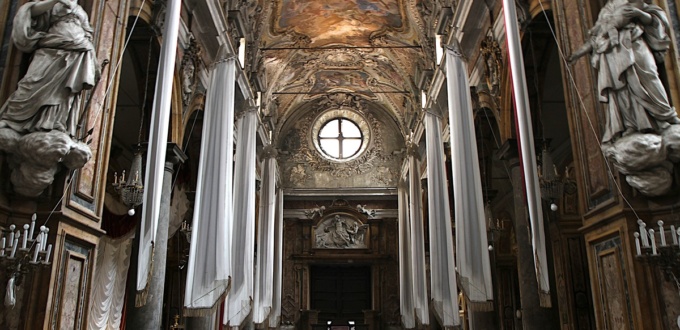
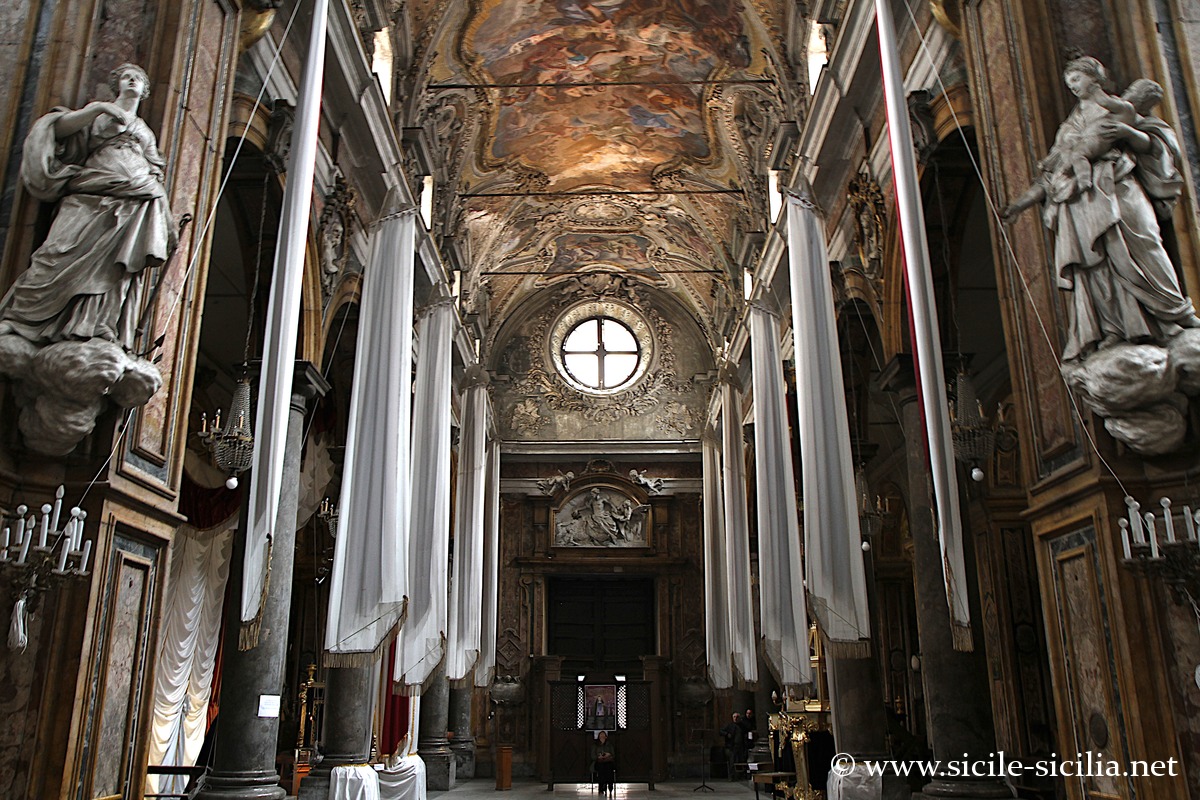
The Church of Saint Matthew (San Matteo al Cassaro) is a typically Baroque building, begun in 1634 for the Confraternity of the Miserenimi, founded by the Franciscan friar Fra Leonardo Galici, with the aim of bringing mercy to the penitents of Purgatory. In the 12th century, there was a church dedicated to the same saint […]
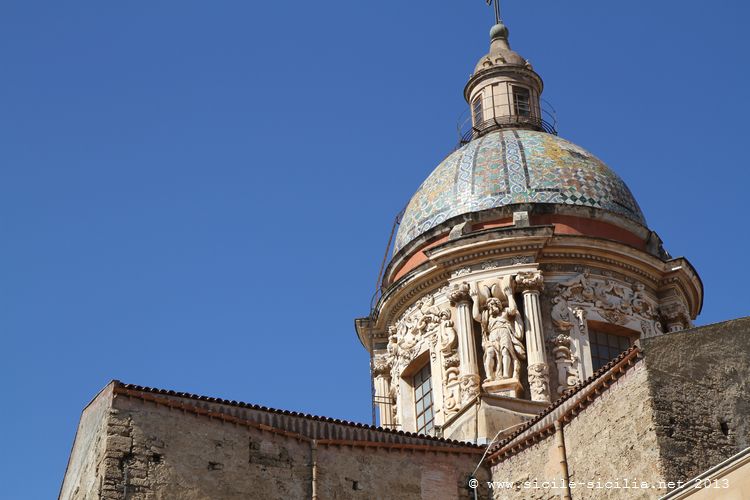
Presentation of around fifteen churches in Palermo, as a complement to the section churches in Palermo, which are of historical or architectural interest, and are worth a visit if you stay some time in the city.These monuments cover several periods, with Norman, Gothic, Baroque buildings, etc.See also the map with the churches at the end […]
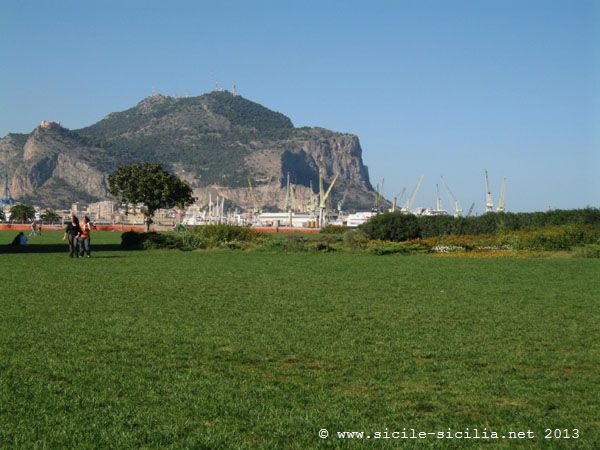
Mount Pellegrino, located in a nature reserve, is part of the life of all Palermitans, commonly referred to as “the Mount”. Its imposing silhouette has been depicted many times by artists from all over the world. It is important not only for its beauty, but also for its sacred character, indeed for being the protector […]