
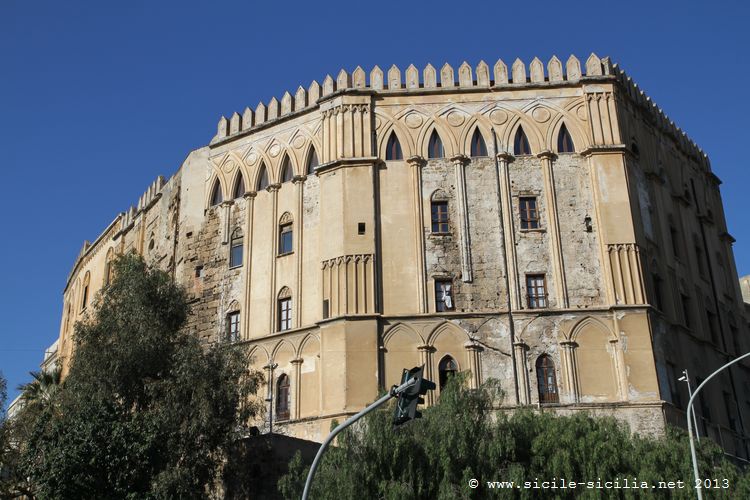

The Norman Palace of Palermo, also known as the Royal Palace, has become the seat of the Regional Assembly of Sicily. It occupies the highest part of the city, on a site already fortified in Punic and then Roman times, later integrated into Byzantine and Islamic structures. Punic remains have been brought to light beneath […]
Tag: Arab-Norman
UNESCO has classified among the greatest Arab-Norman achievements of Sicily several emblematic monuments: the sites of Palermo — including two palaces, three churches, a cathedral and a bridge — as well as the cathedrals of Cefalù and Monreale. This ensemble constitutes the Arab-Norman itinerary inscribed on the World Heritage list since 2015. However, other large-scale achievements, also from this period, can be discovered, which we present below.
It was after the Norman conquest of the island (1061-1091), which put an end to nearly three centuries of Arab-Muslim domination, that this style flourished, mainly in the 12th century.
The Normans did not expel the Muslim communities and instead integrated much of the Muslim administrative, scientific and artistic heritage. Arabic remained an administrative language alongside Latin and Greek.
The achievements thus remarkably illustrate the socio-cultural symbiosis between Western Latin, Islamic and Byzantine traditions, particularly under the reigns of Roger II, William I and William II.
Architecture, Byzantine mosaics, geometric decorations of Islamic inspiration, technical innovations and political organisation bear witness to a fruitful dialogue between cultures, making Norman Sicily one of the most accomplished examples of cultural coexistence in medieval Europe.
Travelers' Map is loading...
If you see this after your page is loaded completely, leafletJS files are missing.
If you see this after your page is loaded completely, leafletJS files are missing.
The architecture combines massive Western Romanesque structures with decorative elements of Islamic inspiration (pointed arches, muqarnas) made by Muslim craftsmen, while the interiors are often adorned with Byzantine gold-ground mosaics made by Greeks.
The palaces also incorporated gardens and hydraulic systems from the Islamic tradition.
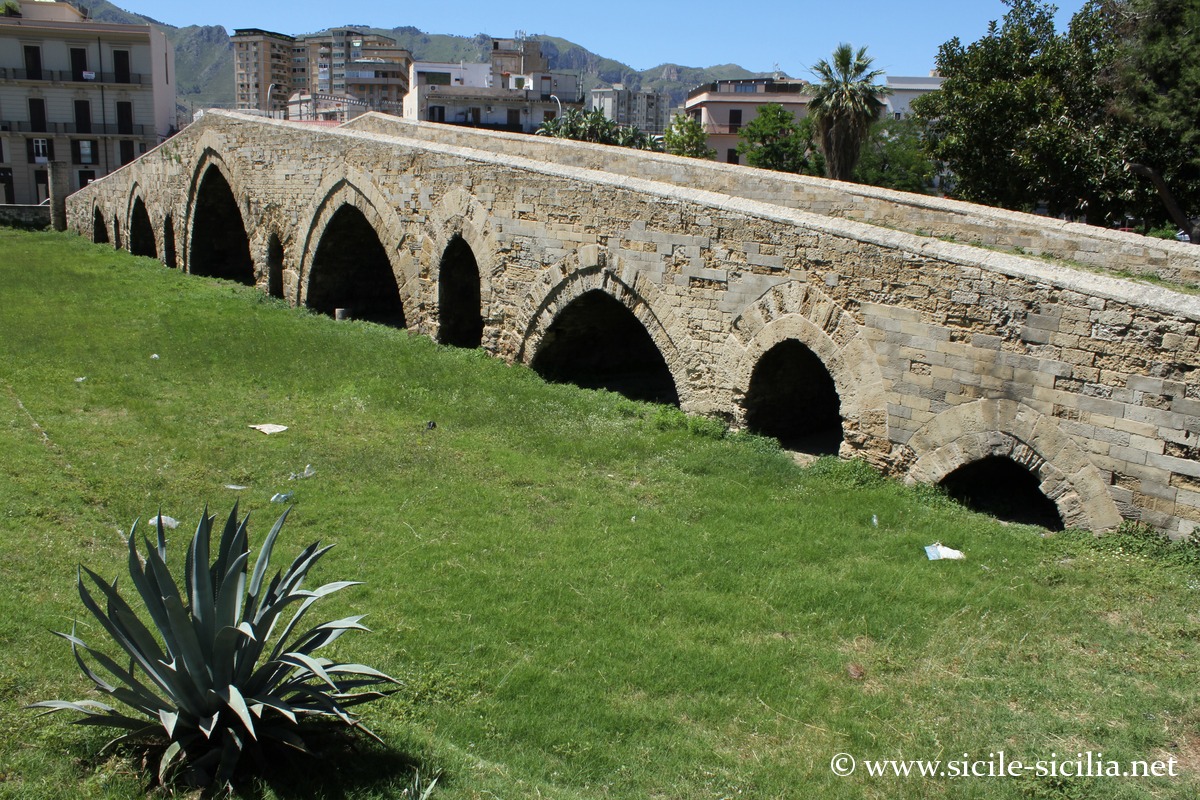
Classified by UNESCO, in Palermo there are the Norman Palace and the Palatine Chapel; the Zisa Palace; the Cathedral of Palermo; the Church of Saint John of the Hermits; the Church of Santa Maria dell’Ammiraglio; the Church of San Cataldo and the Admiral’s Bridge; and outside Palermo: the Cathedral of Cefalù and the Cathedral of Monreale (source: unesco).
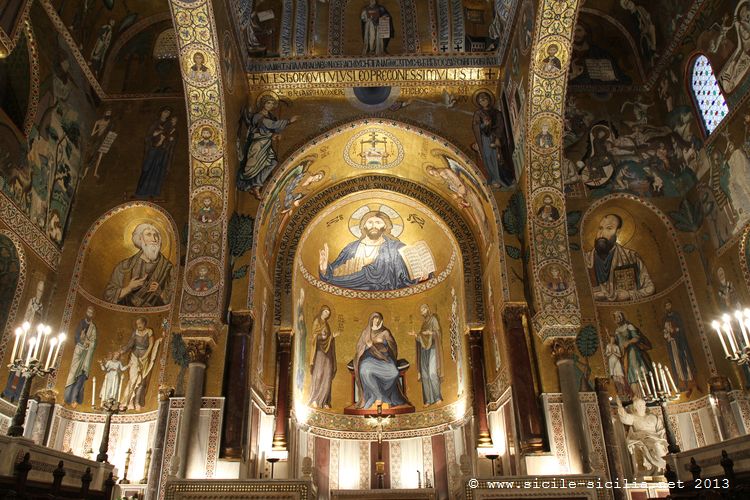
The Palatine Chapel, located on the first floor of the Norman Palace, is the jewel of Palermo with its extraordinary mosaic decoration. It is considered one of the most accomplished examples of 12th-century Arab-Norman-Byzantine stylistic synthesis, reflecting the cultural coexistence in Sicily at that time. It has been inscribed on the UNESCO World Heritage List […]
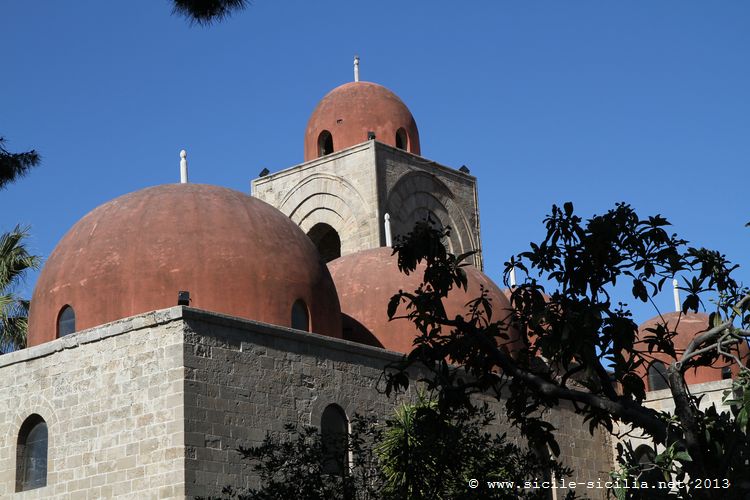

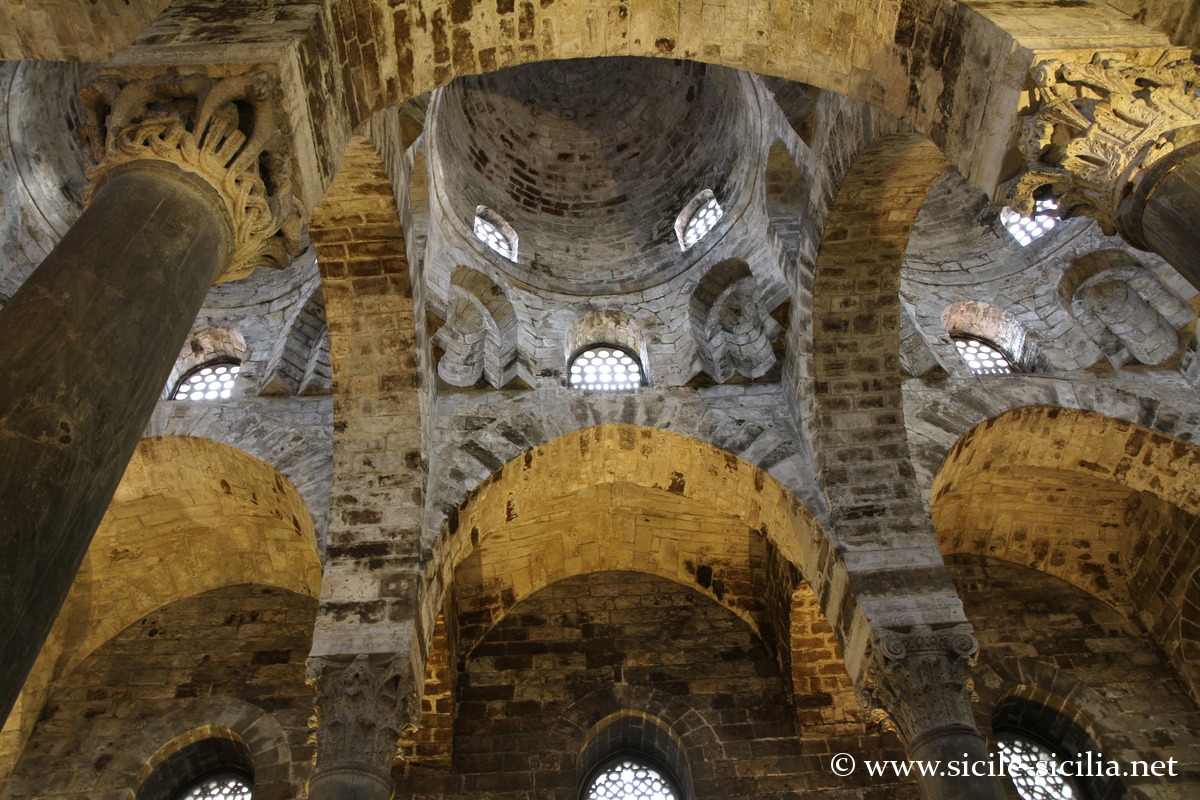
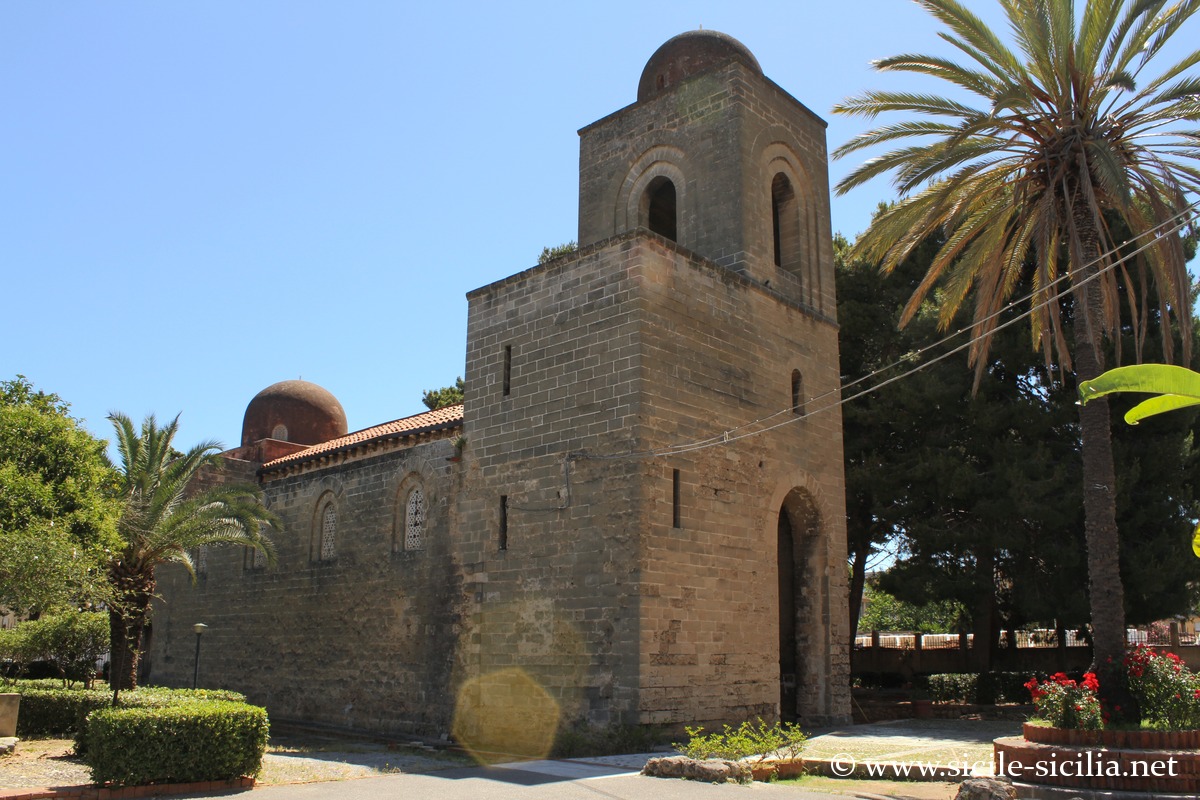
The Church of Saint John of the Hermits (San Giovanni degli Eremiti in Italian), one of the most emblematic monuments of Palermo, a Norman church of medieval origin, marked by the Arab-Norman style of the period. Historical overview In the 6th century, a church already existed there, where previously there had been a pagan place […]
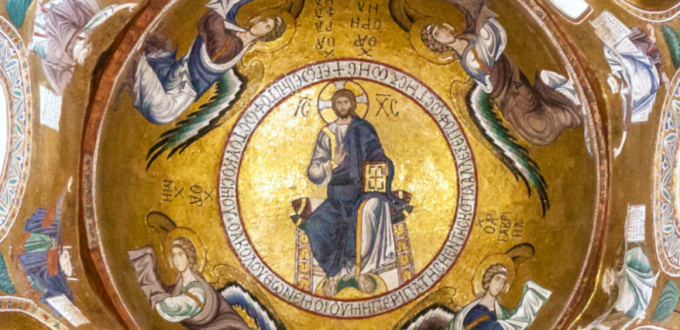

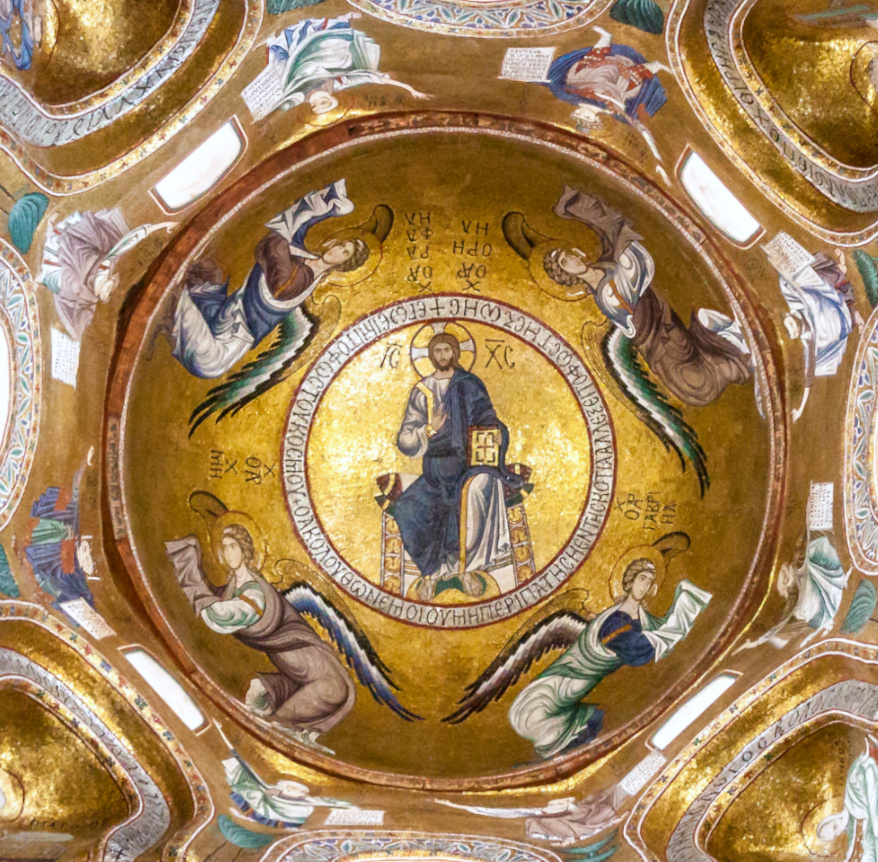
The church of la Martorana, or Santa Maria dell’Ammiraglio, standing on Piazza Bellini, stands out for the splendid Byzantine mosaics and gilding of the interior, dating mainly from the 12th century and representing a major example of Byzantine art with Arab influence in Norman Sicily. Historical overview Dedicated to Eloisa Martorana, who was the founder […]
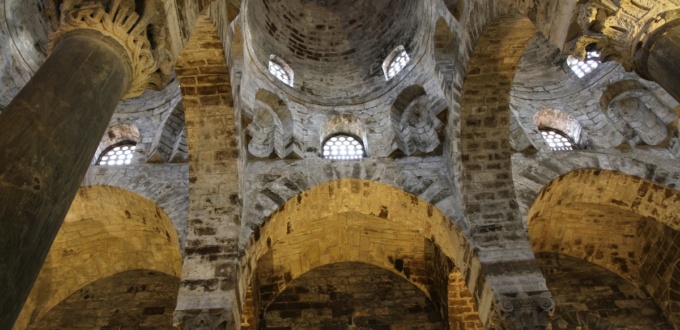
The church of San Cataldo is located on Piazza Bellini. It is one of the city’s examples of Arab-Norman architecture, of parallelepiped shape and covered by its three small red domes aligned. The church is notable for its minimalist exterior and sober interior, contrasting with the ornamental richness of other contemporary churches, such as Palermo […]
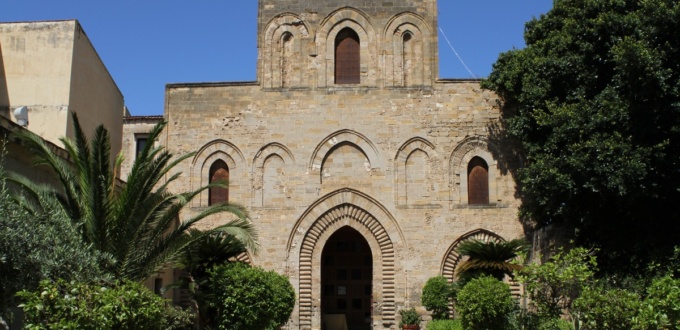
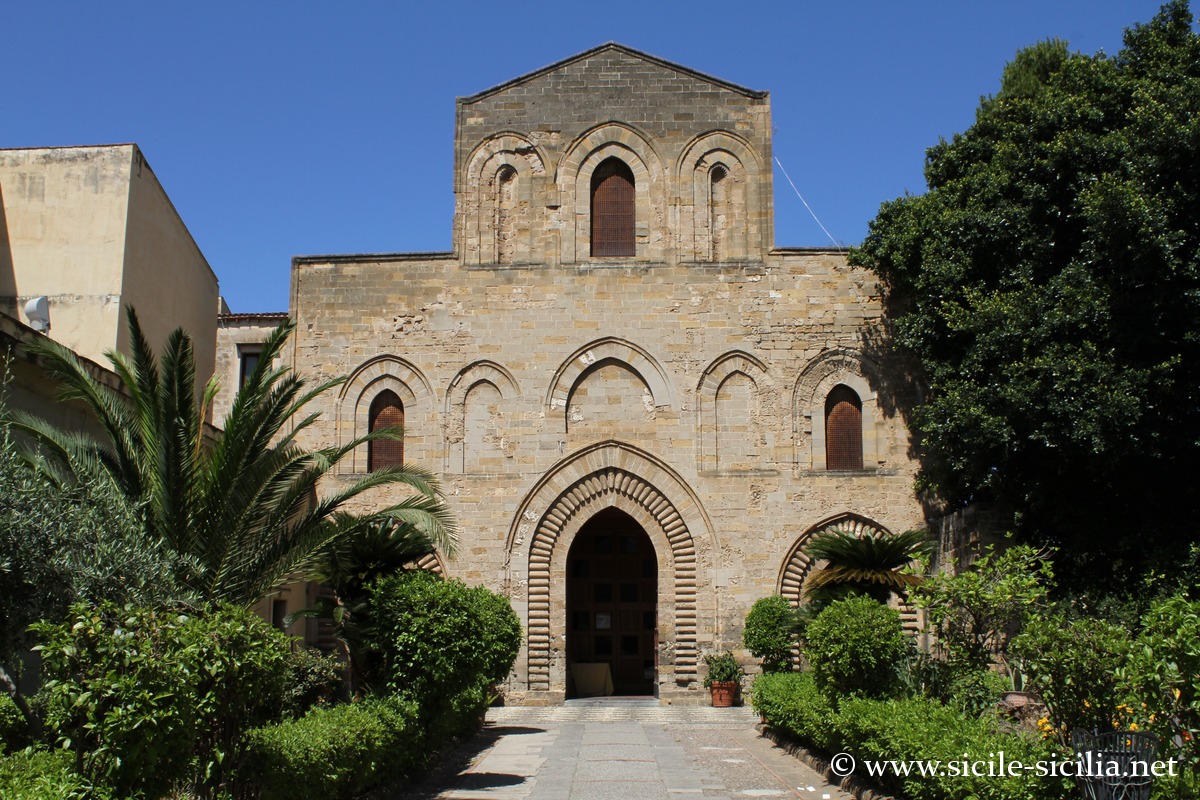
In the Middle Ages this area south of the city was occupied by gardens and orchards. The sanctuary of the Holy Trinity, which was built at the end of the 12th century, probably on the site of a mosque, was one of the last Norman achievements, founded in 1191 shortly after the completion of the […]
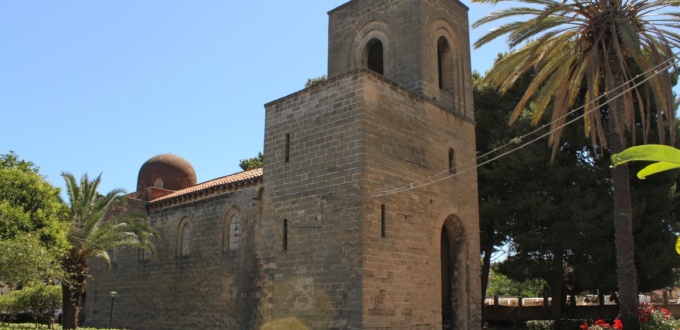
Saint-Jean des Lépreux (San Giovanni dei Lebbrosi in Italian) is perhaps the oldest building in the Arab-Norman style in Palermo. Its foundation is thought to date back to 1071, in the aftermath of the siege of the city, by the Norman brothers Robert Guiscard and Roger of Hauteville. But it is not known on what […]
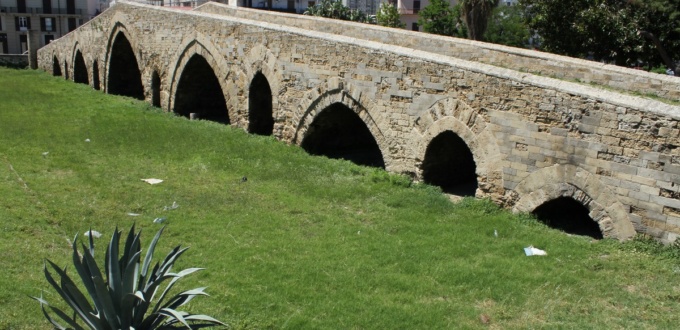
On this page are presented other Arab-Norman buildings that can be discovered in Palermo, after the sites inscribed by UNESCO (see the Arab-Norman sites inscribed by UNESCO), the main ones of which are the Cathedral of Santa Vergine Maria Assunta, the Royal Palace with the Palatine Chapel, the Church of the Martorana, San Cataldo, Saint […]
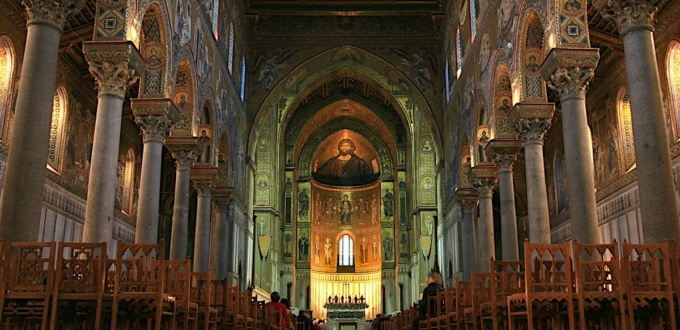
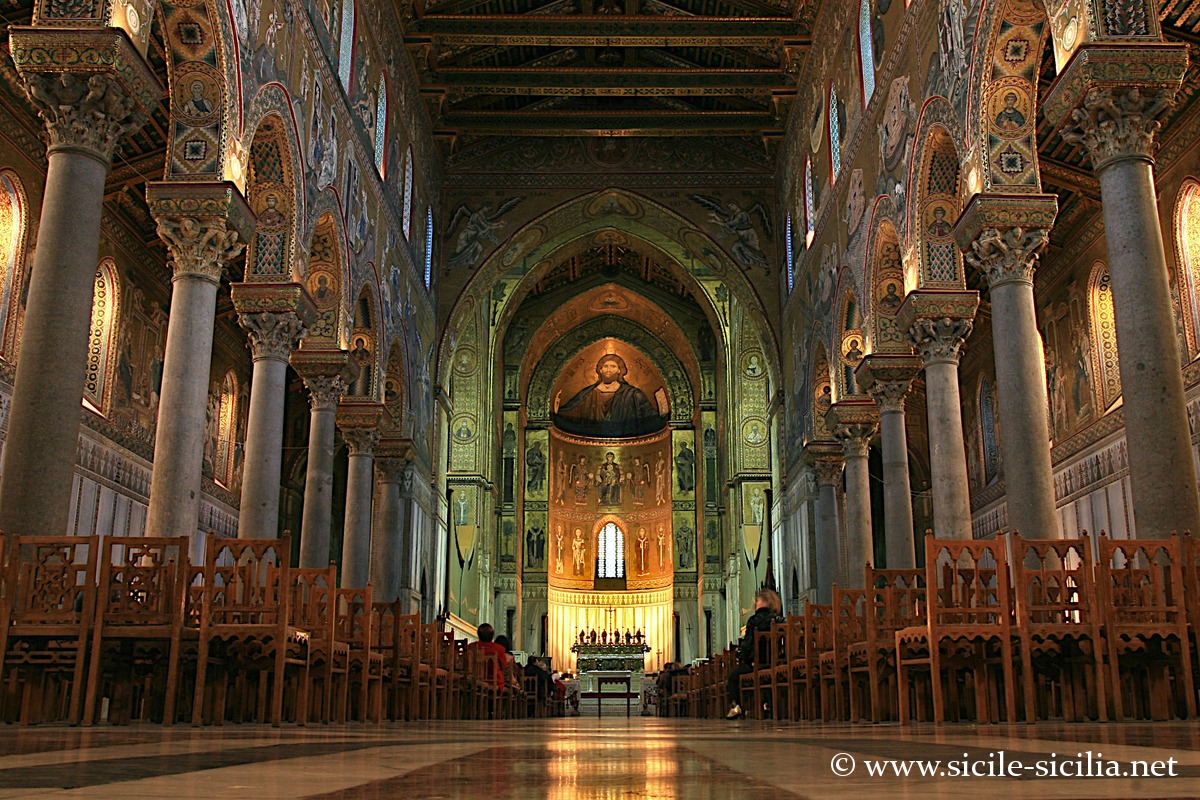
The Cathedral of Monreale, or Santa Maria la Nuova, is a cathedral and a minor papal basilica dedicated to the Virgin Mary, located in the centre of Monreale, on the heights less than 10 km south-west of Palermo.Built in the 12th century, this exceptional monument is notable in particular for its cloister and its vast […]
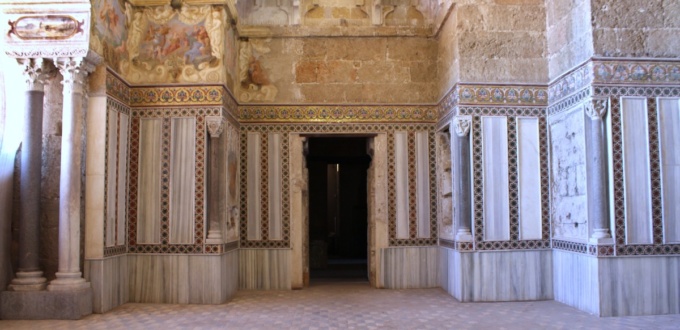
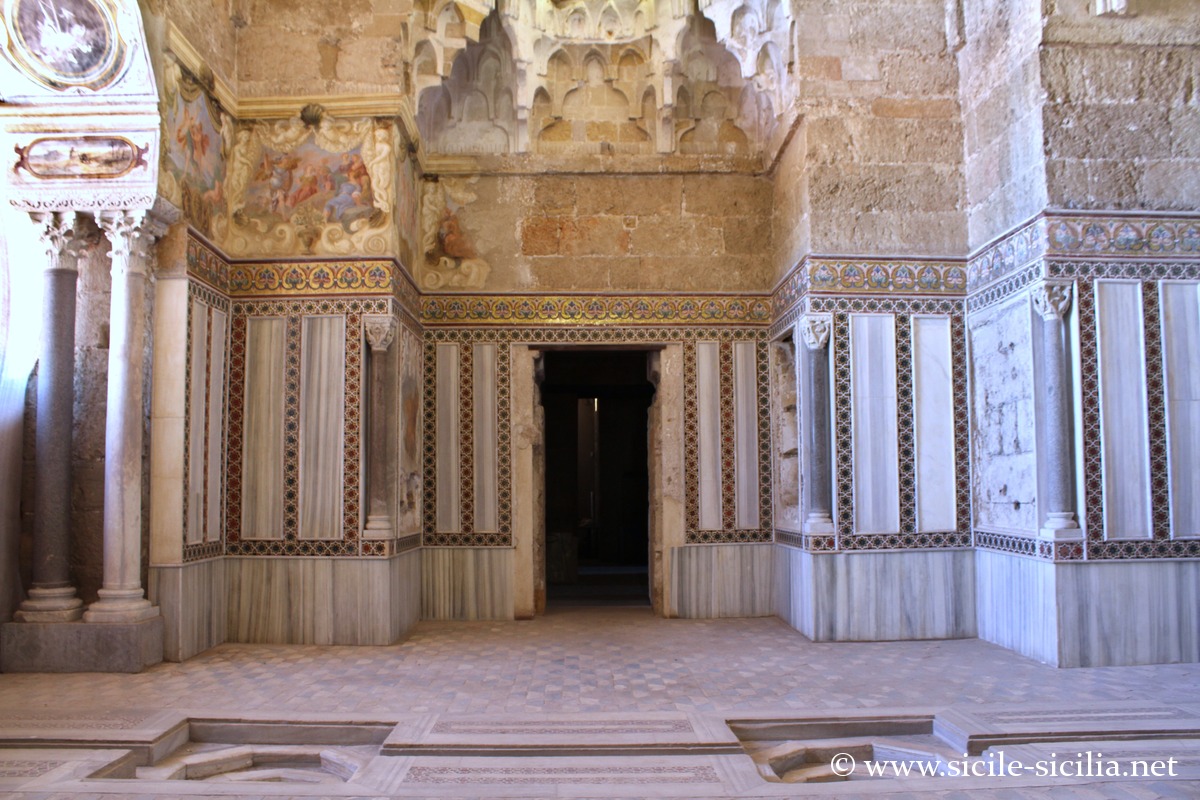
The Zisa Palace in Palermo is a masterpiece of Arab-Norman architecture, built in the 12th century for the Norman court. It is part of the group of Norman royal suburban residences (the solatia), conceived as pleasure palaces outside the city walls, within a landscape of gardens and hydraulic installations.Very well preserved, behind its refined facade […]
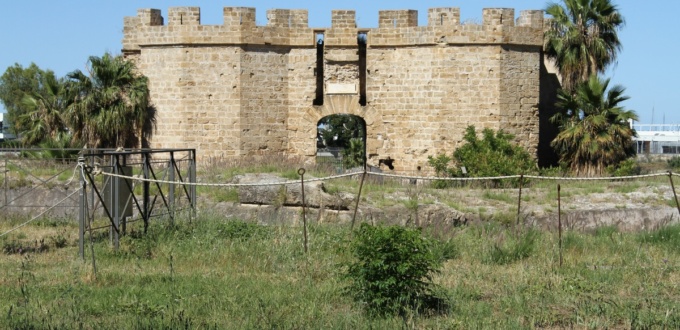
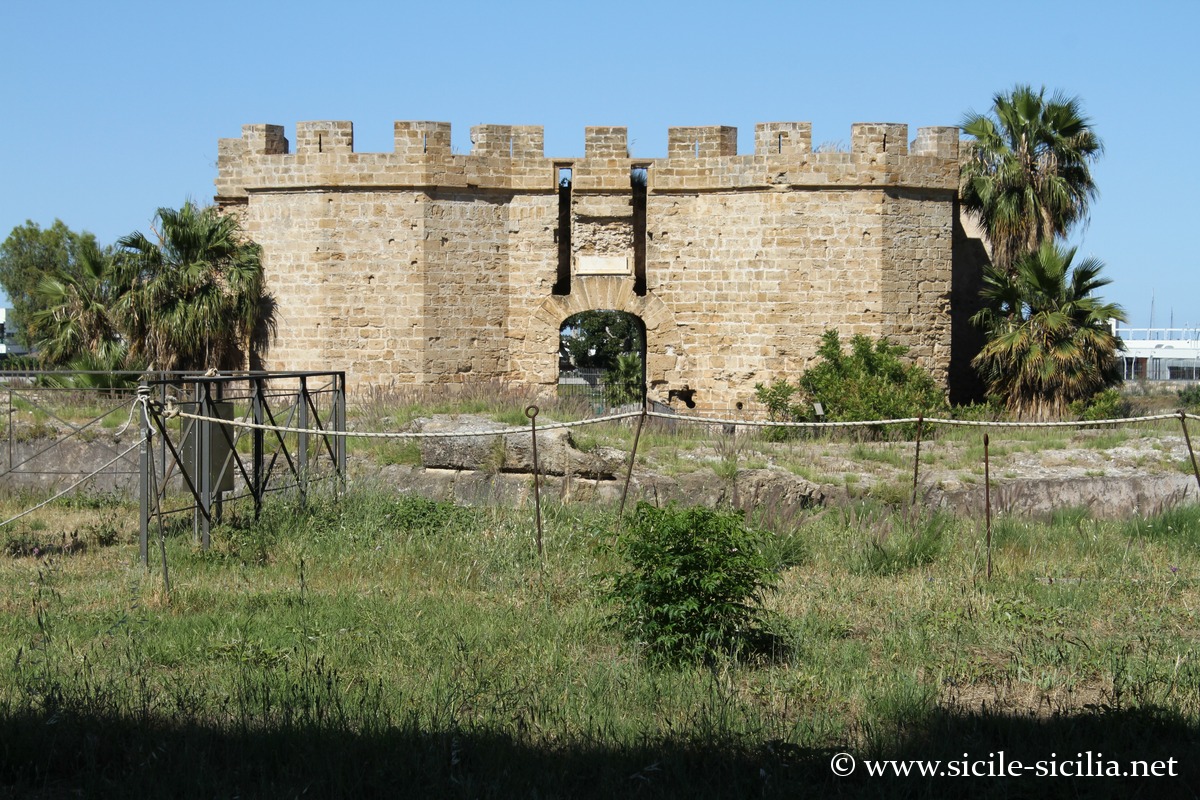
The Castello a Mare Archaeological Park is a green space just north of the Cala Port, around the ancient fortress of Castello a Mare, which was almost completely destroyed after Italian unification. History of the Castello a Mare The origin of the castle dates back to the Normans, who took over a Muslim fort. An […]
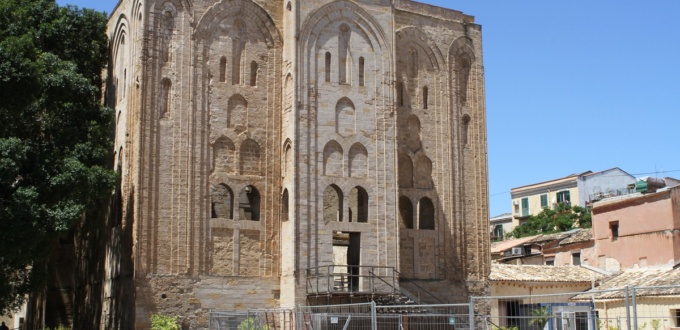
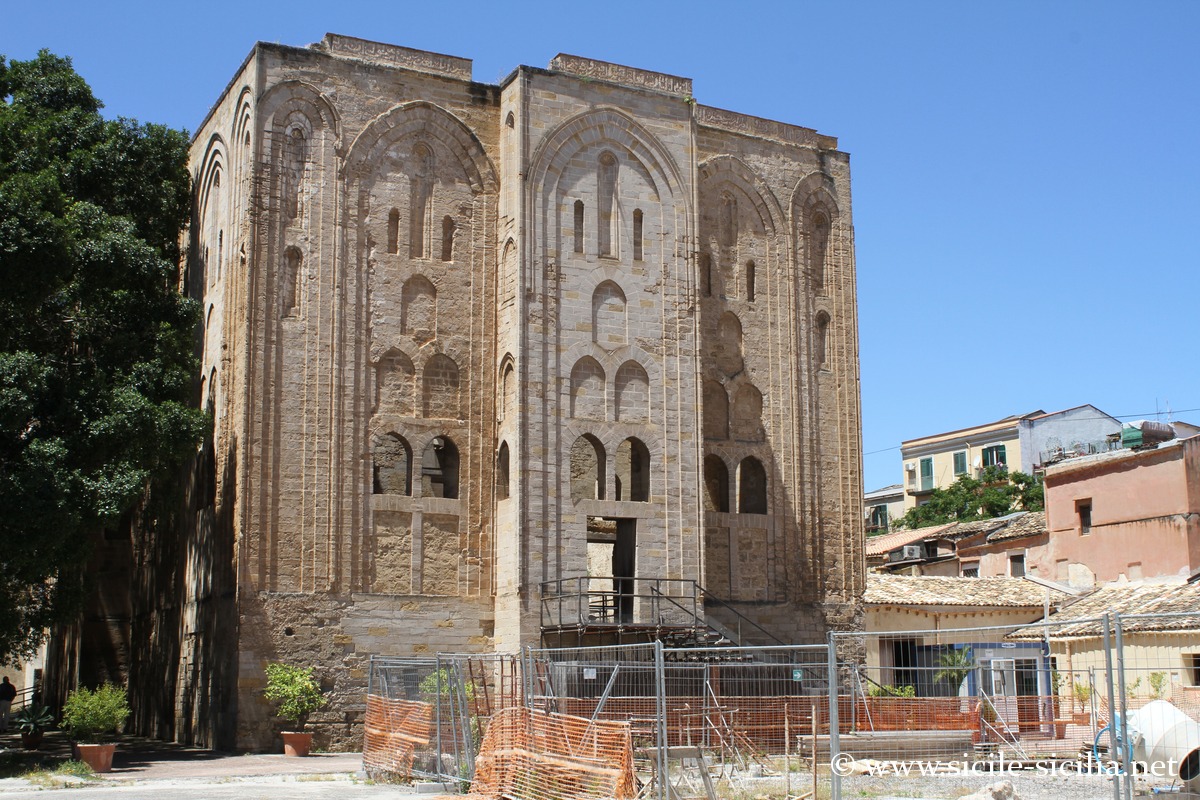
It was in the middle of the vast park called Genoardo – from the Arabic “Jannatt al-ard” meaning “paradise on earth” – that King William II had the Cuba Palace built around 1180. Its name comes from the Arabic “Qubba,” which means “dome.” It is also known as Cuba Sottana or Cuba Castle.It was surrounded […]
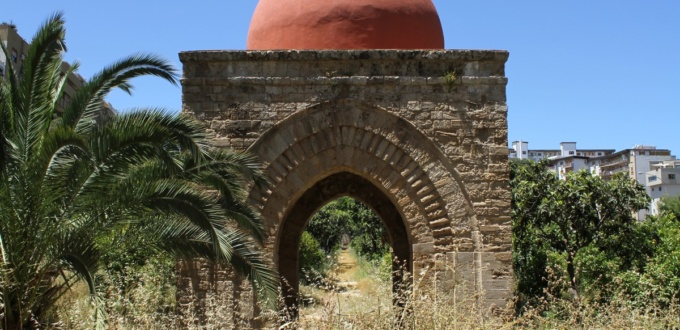
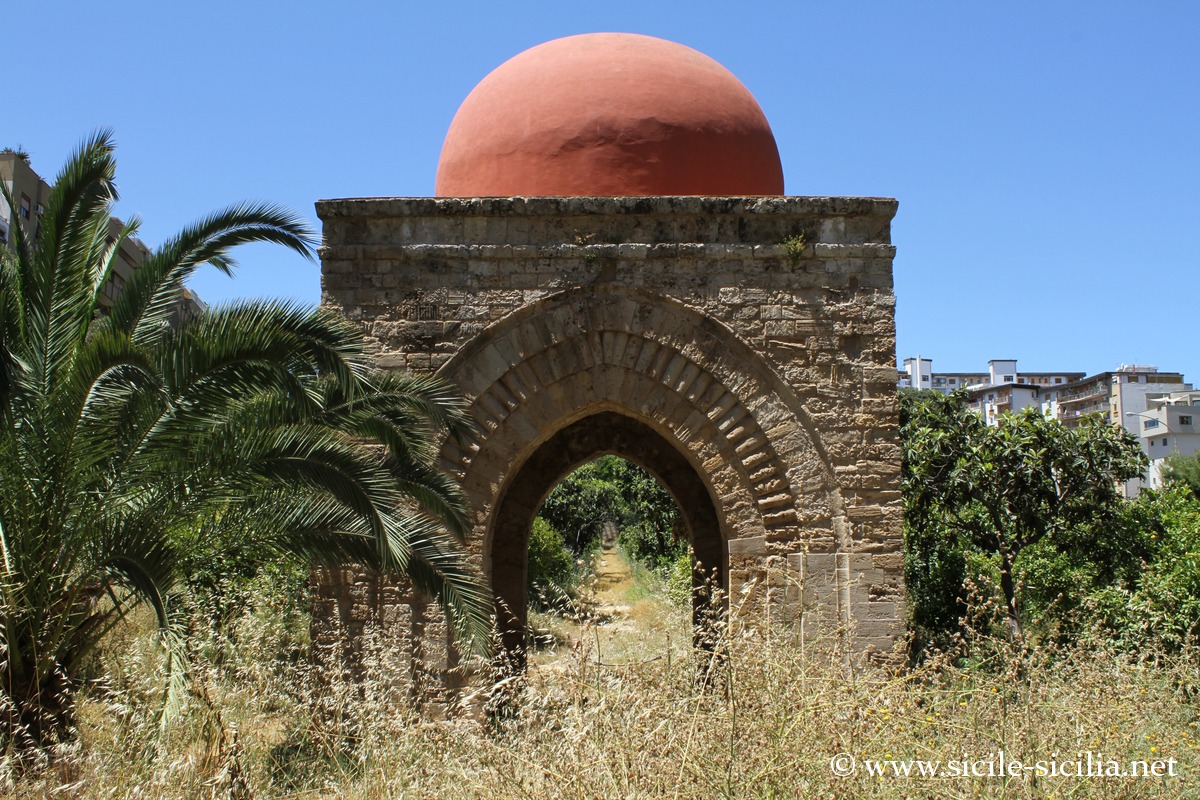
Cubula and Genoardo Park The building of the Cubula was probably linked to the palace of the “Cuba Soprana” (or Torre Alfaina), a 12th-century structure located 200 metres further west.Built in 1184 by North African architects and workers, this monument also called “Little Cuba” stands 500 metres west of the Palace of the Cuba, within […]