
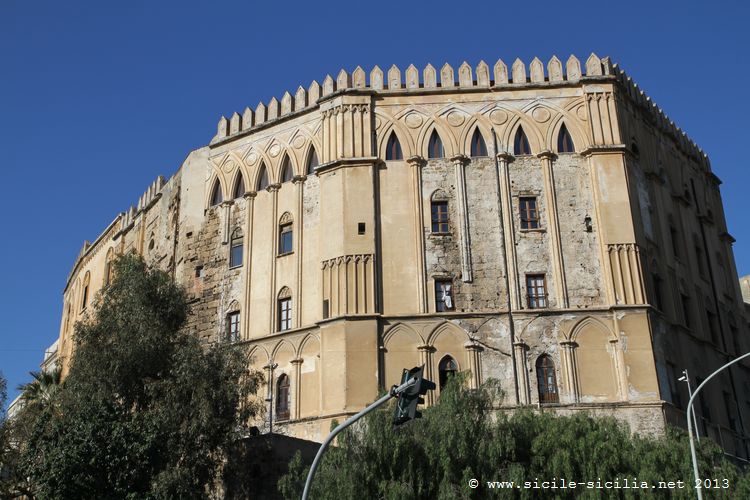

The Norman Palace of Palermo, also known as the Royal Palace, has become the seat of the Regional Assembly of Sicily. It occupies the highest part of the city, on a site already fortified in Punic and then Roman times, later integrated into Byzantine and Islamic structures. Punic remains have been brought to light beneath […]
Category: Palace of Palermo
Section dedicated to the palaces and theatres of the city of Palermo, interactive map, descriptions and photo galleries.
The most famous palace in Palermo is the Norman Palace of the 12th century, also called the Royal Palace, built by the Norman kings and within which they erected the medieval jewel of the Palatine Chapel.
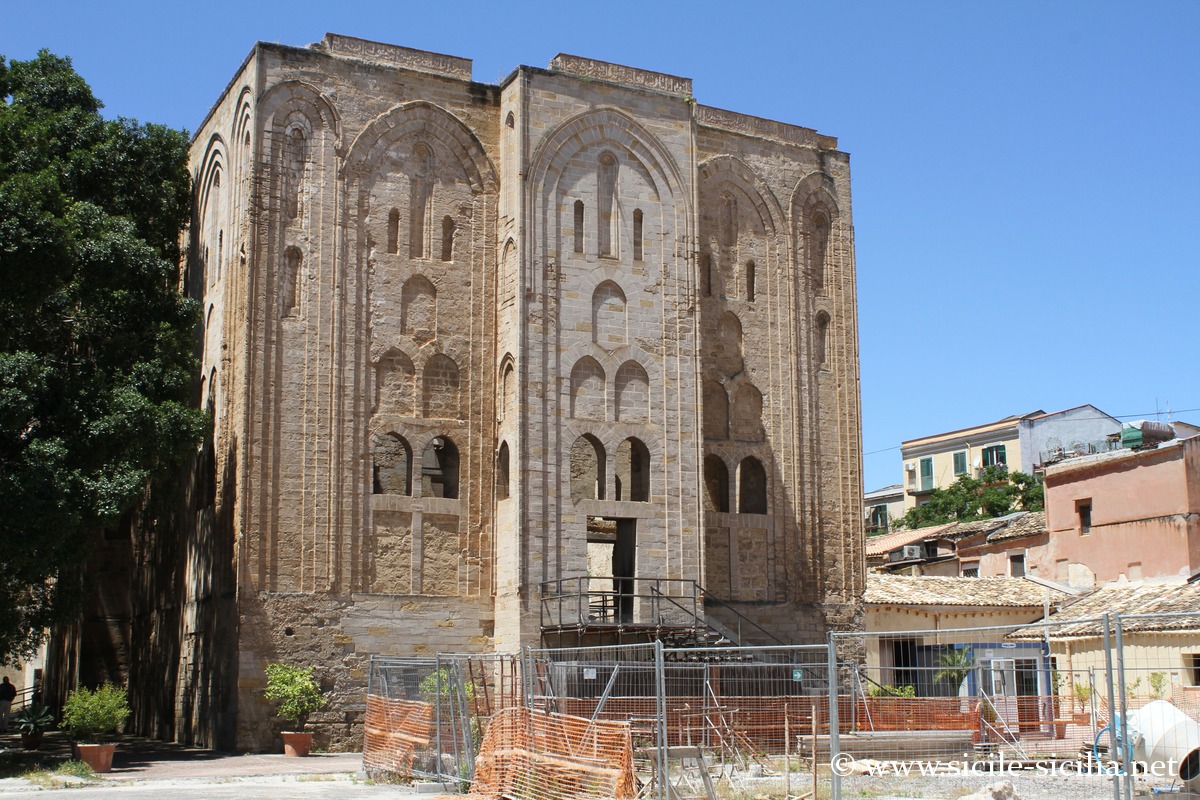
Other medieval palaces are beautiful testimonies of Arab-Norman art, beginning with the Zisa Palace and the Cuba.
Some palaces bear the marks of the Swabian then Aragonese era, such as the examples of the Chiaramonte Steri Palace (early 14th century), the Galletti Palace (late 13th century).
We then find many buildings in the Catalan Gothic style, then of the Renaissance (Archbishop’s Palace and Abatellis Palace), and of the Baroque such as the Valguarnera Palace or the Butera Palace.
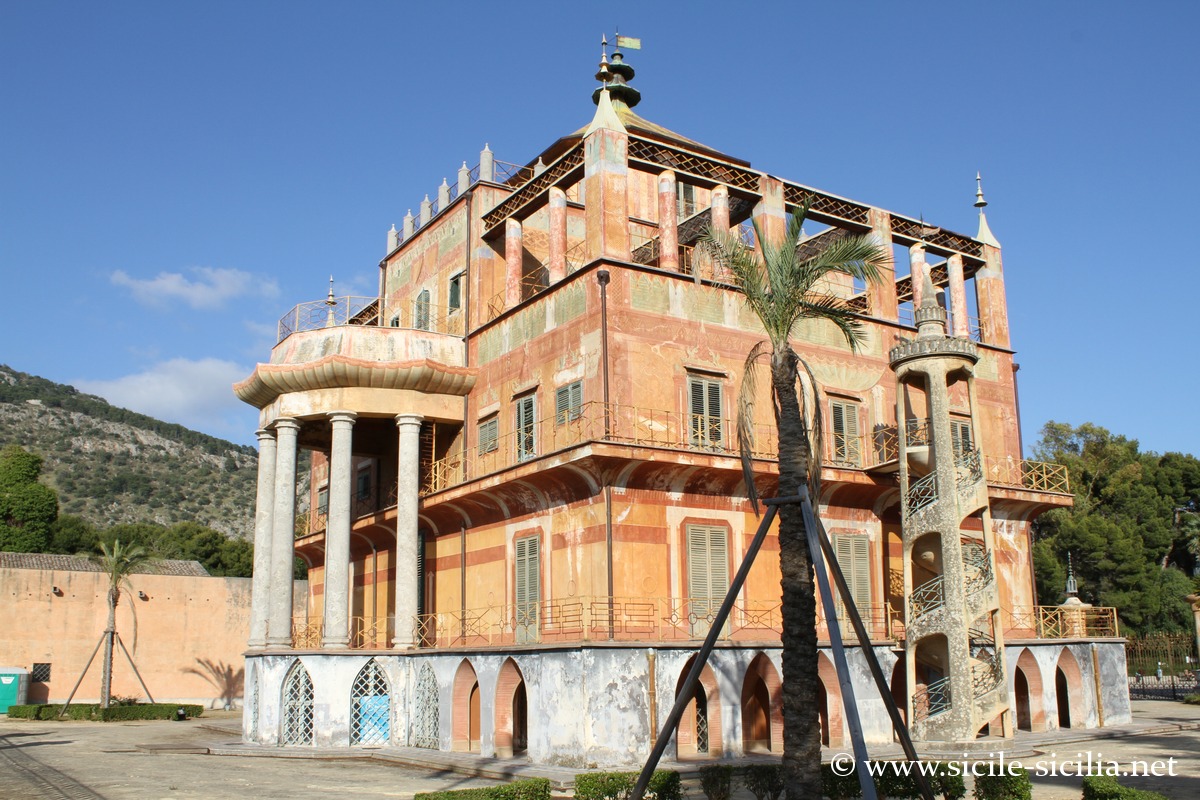
Outside the centre, on the slopes of Monte Pellegrino, the curious Chinese Palace was the royal residence of Ferdinand III of Bourbon.
The two largest theatres in the city are the Politeama Theatre and the Victor Emmanuel Theatre.
Travelers' Map is loading...
If you see this after your page is loaded completely, leafletJS files are missing.
If you see this after your page is loaded completely, leafletJS files are missing.
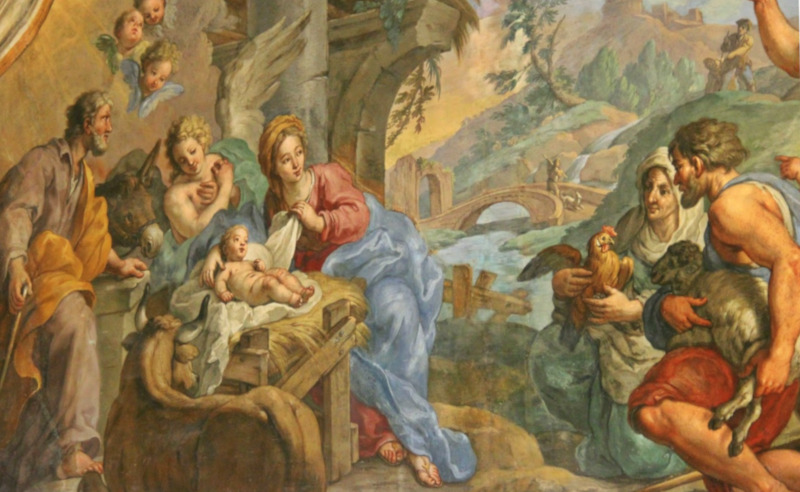

The Archbishop’s Palace of Palermo (palazzo arcivescovile in Italian) is the seat of the archbishopric, located a few metres from the cathedral, to which it is connected by arched bridges. It now houses the Diocesan Museum (museo Diocesano). Archbishop’s Palace of Palermo The palace was commissioned in the mid-15th century by Archbishop Simone Beccadelli of […]
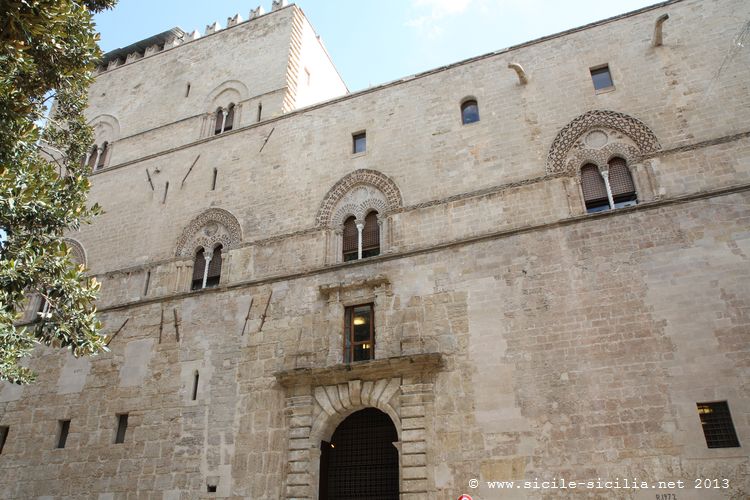
The Chiaramonte Palace (also called Steri, from Hosterium, fortified palace), is located on Piazza Marina.It was built at the beginning of the 14th century, by Manfred Chiaramonte, the powerful count of Modica. The Chiaramonte family, of Franco-Norman origin, left its mark on the entire island in the 14th century. History and description of the palace […]
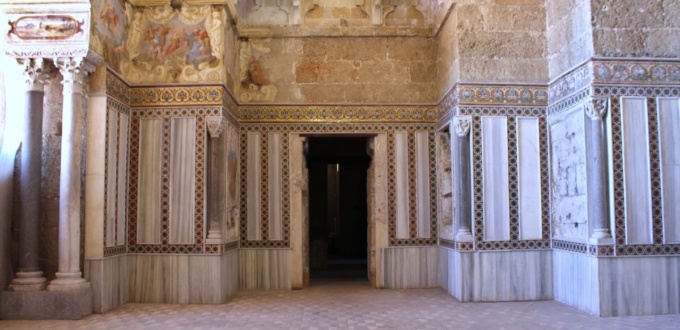
The Zisa Palace in Palermo is a masterpiece of Arab-Norman architecture, built in the 12th century for the Norman court. It is part of the group of Norman royal suburban residences (the solatia), conceived as pleasure palaces outside the city walls, within a landscape of gardens and hydraulic installations.Very well preserved, behind its refined facade […]

Abatellis Palace in Palermo The construction of the majestic Abatellis Palace dates back to the end of the 15th century, in a Gothic-Catalan style. It was intended to become the “Domus Magna” of Francesco Abatellis, the master of the port of the kingdom and praetor of the city, built by the great Sicilian architect Matteo […]
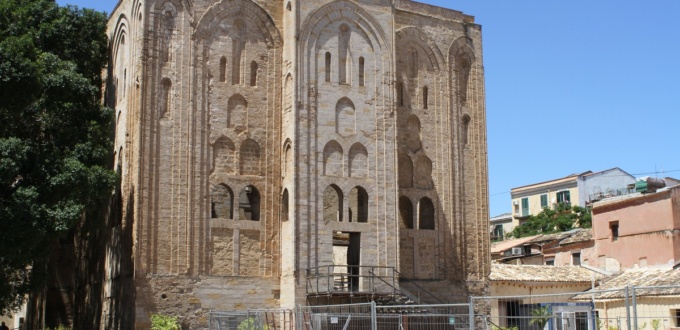
It was in the middle of the vast park called Genoardo – from the Arabic “Jannatt al-ard” meaning “paradise on earth” – that King William II had the Cuba Palace built around 1180. Its name comes from the Arabic “Qubba,” which means “dome.” It is also known as Cuba Sottana or Cuba Castle.It was surrounded […]
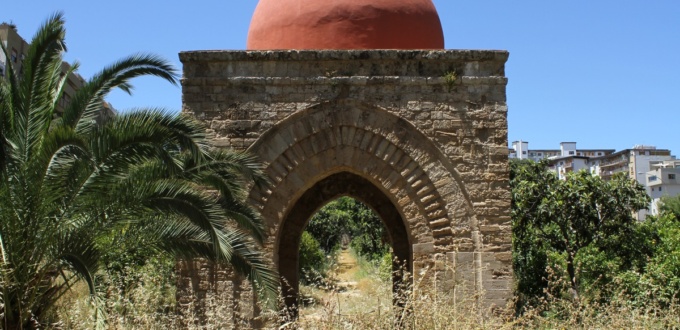
Cubula and Genoardo Park The building of the Cubula was probably linked to the palace of the “Cuba Soprana” (or Torre Alfaina), a 12th-century structure located 200 metres further west.Built in 1184 by North African architects and workers, this monument also called “Little Cuba” stands 500 metres west of the Palace of the Cuba, within […]
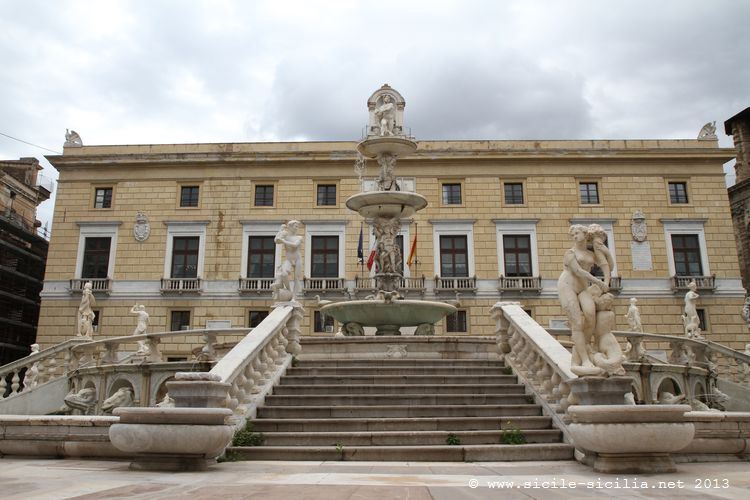
The Praetorian Palace, or Palazzo delle Aquile (Palace of the Eagles in English), is the seat of the municipality of Palermo. It was built starting in 1470 by the architect Giacomo Bonfante, and later transformed. In 1553, the main entrance was moved from Piazza Bellini to Piazza Pretoria. It was also remodelled at the end […]
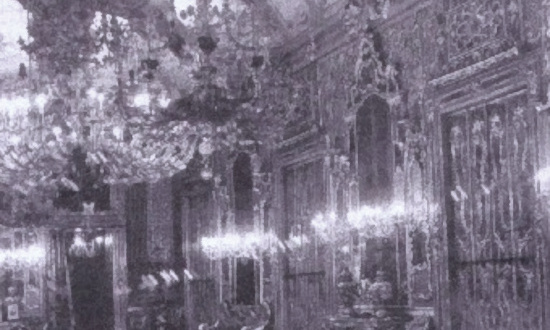
The Palazzo Gangi Valguarnera is a prestigious Palermitan palace that was built by Andrea Gigenti between 1750 and 1780 at the wish of Prince Pietro di Valguarnera to rebuild a family palace. It is remarkable for the perfect preservation of all its interior furnishings, its architectural qualities, its Sicilian Baroque style, and its decorations. Architecture […]
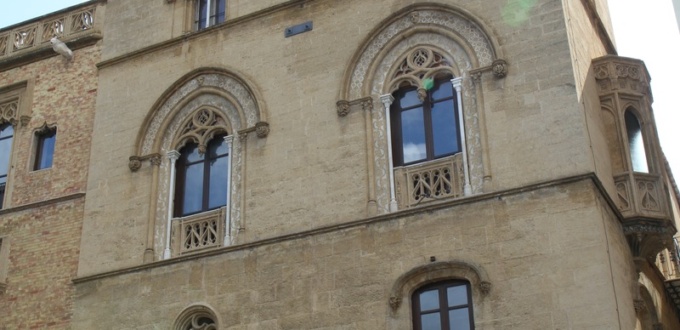
Standing on Piazza Marina, the beautiful Galletti Palace, acquired by the Marquis of San Cataldo Nicolo Galletti in the 18th century, dates back to the late Gothic of the late 13th century, modified in the 16th. The Galletti also held titles and fiefs in Sicily, such as Princes of Fiumesalato. This palace, located at no. […]
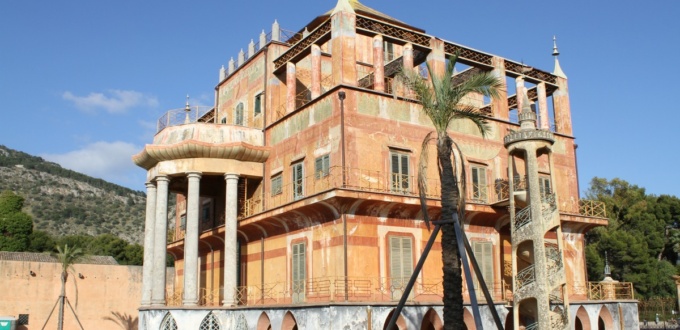
Located inside the Parco della Favorita on Mount Pellegrino, the intriguing Chinese Palace (Palazzina cinese in Italian) with its oriental style was built by the Bourbon king Ferdinand III of Sicily in 1799 (also named Ferdinand Ist of the Two Sicilies) to be his residence. The architect Venanzio Marvuglia blended neoclassical and oriental inspirations, creating […]

Located in the Kalsa district of Palermo, that of the former Arab citadel, the Mirto Palace belonged to the Filangeri family, a famous family from southern Italy of Norman origin, descended from the legendary knight Angerio, who arrived with Tancred from Normandy in the 11th century and who overthrew the Lombards of southern Italy. These […]
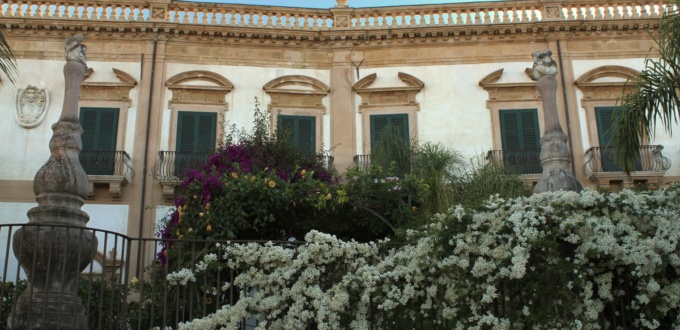
The Butera Palace was the principal residence of the Branciforte family, princes of Butera, a title linked to the town in the hinterland of Gela from 1580. The building was constructed in the 17th century and then profoundly transformed in the 18th century, when the Branciforte made it their principal residence in Palermo.The spectacular façade […]
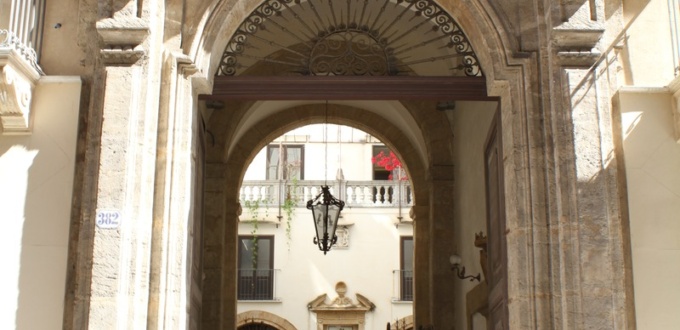
Presentation and tour The Drago Ajroldi di Santa Colomba Palace is a historic palace in the Cassaro district, located along the present-day Corso Vittorio Emanuele, a major urban axis of Palermo of ancient origin.The origin of the building is unknown, but it stands on Roman and Arab remains.In the 18th century it was a possession […]
The Palazzo Conte Federico is a historic palace in Palermo built around an ancient 12th-century Norman tower, the Torre di Scrigno, on the old walls of the original Punic city. It is still inhabited by Count Alessandro Federico, whose family descends from the Swabian emperor Frederick II. Architecture and tour What remains of the 12th-century […]
Presentation and tour The late 16th-century Branciforte Palace was owned by the Branciforte and Lanza families. The Branciforte were one of the most influential families of the Palermo nobility, connected to the political and cultural affairs of the city. It was enlarged in the early 17th century to become one of the most luxurious residences […]
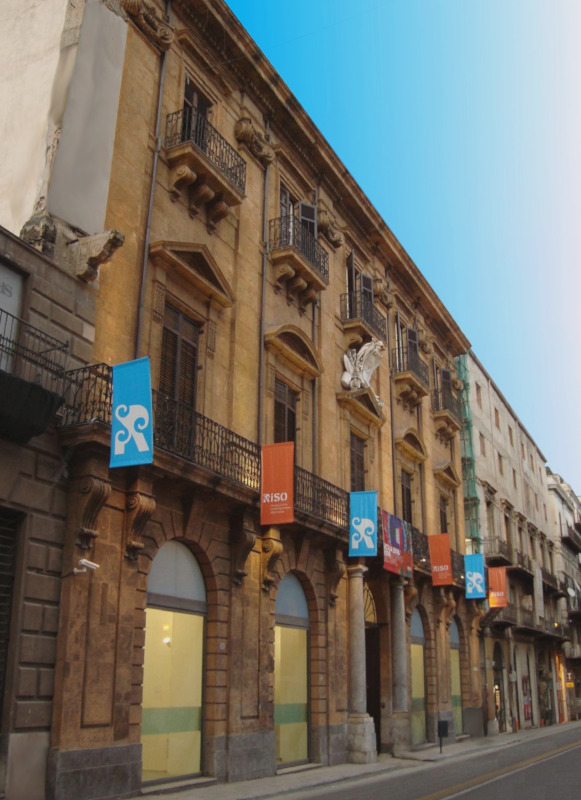
The Riso Palace is the seat of the Museum of Contemporary Art of Sicily (Museo d’Arte Contemporanea della Sicilia). Presentation of the Riso Palace Since the end of the 16th century, the Afflitto Palace stood here, rebuilt in the 18th century, and which changed owners several times, including the Baron Riso in the 19th century. […]
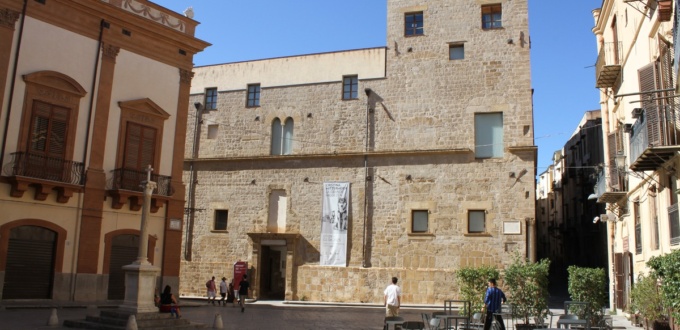
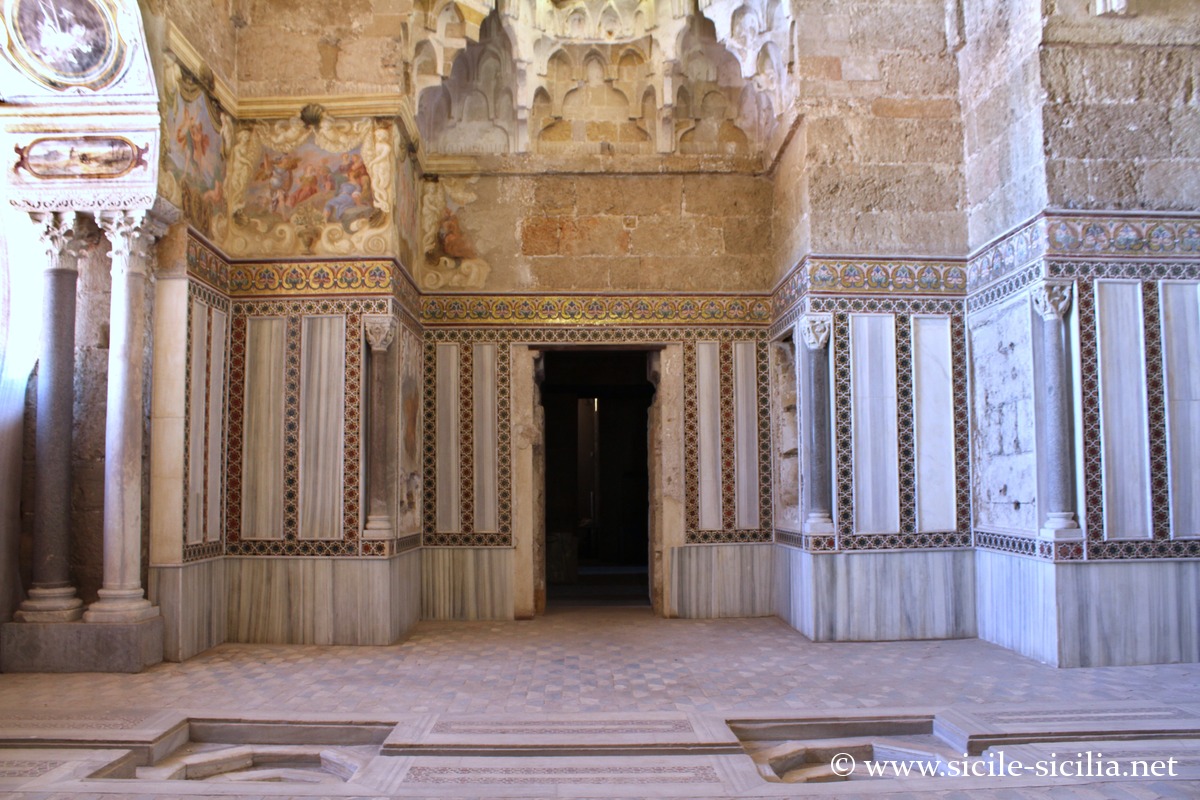
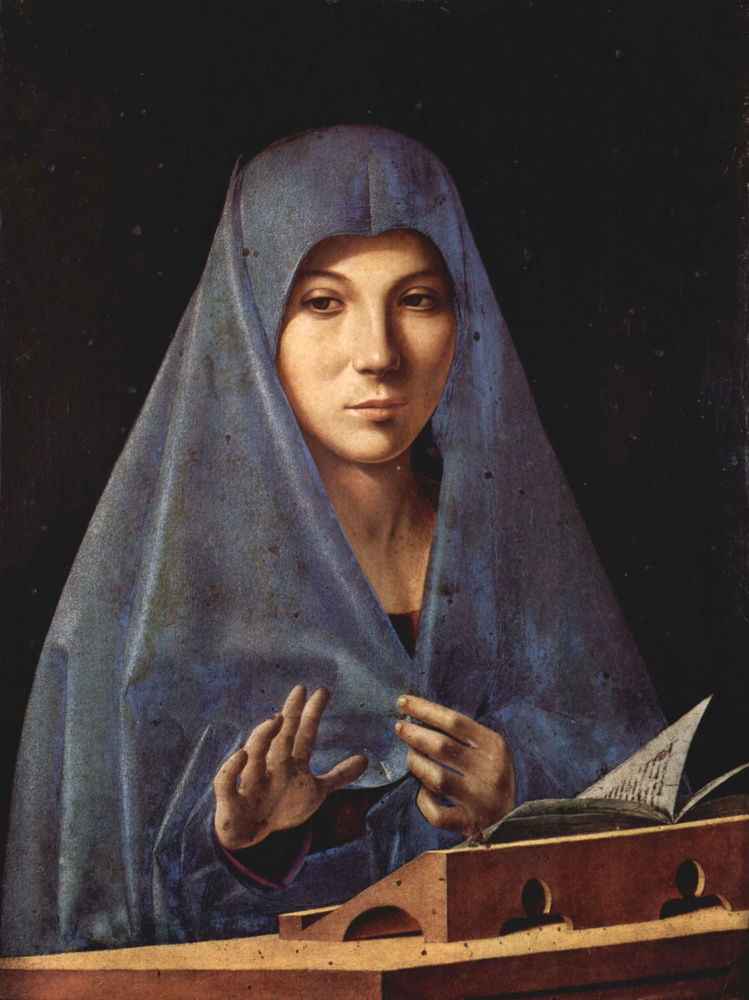
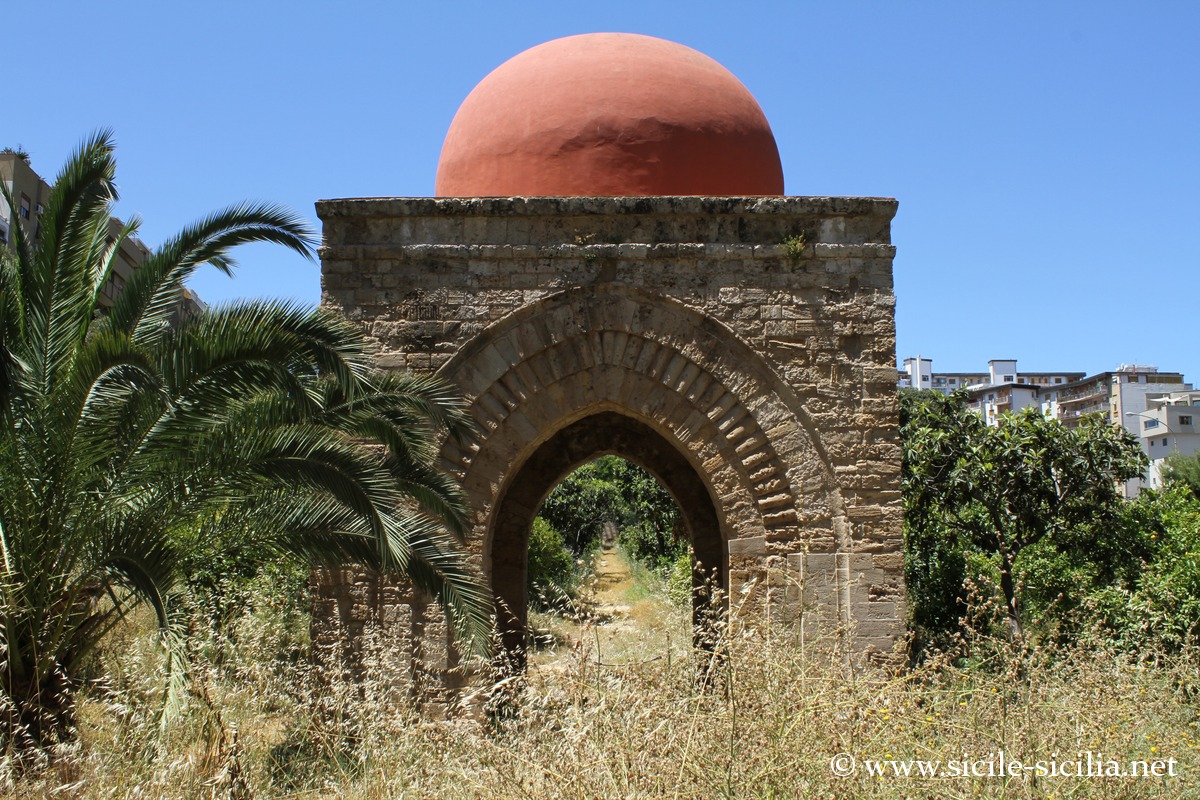
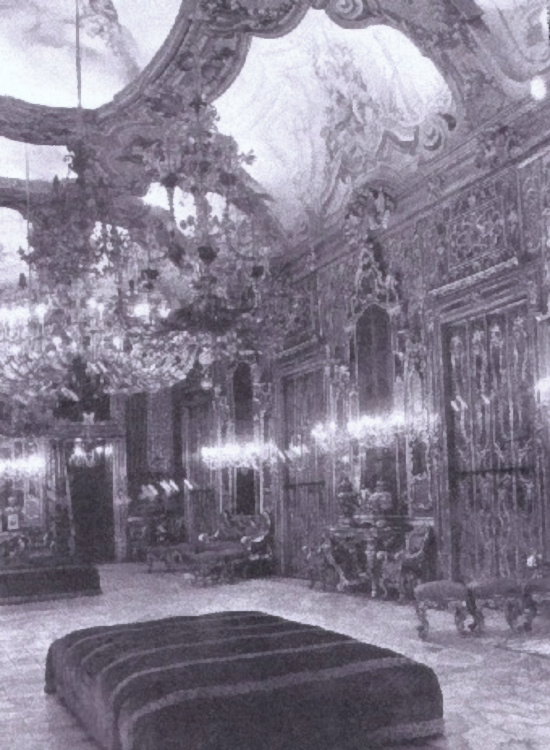
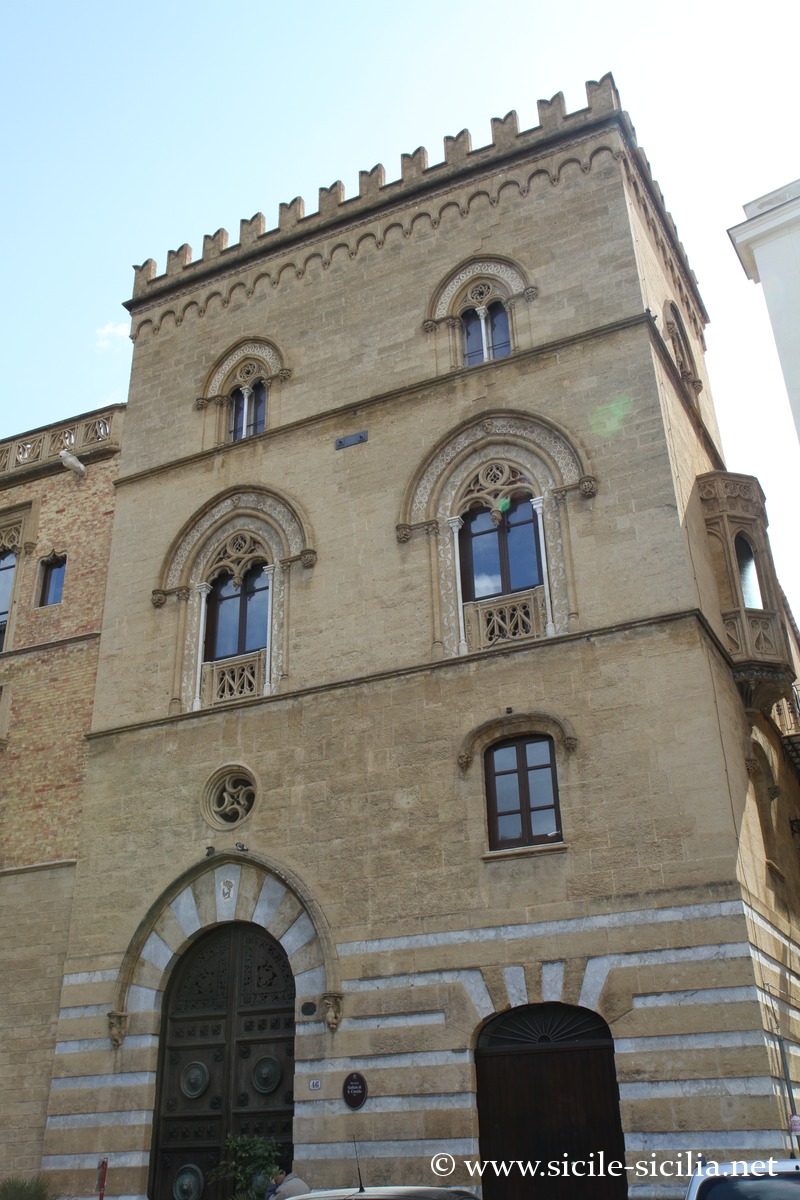
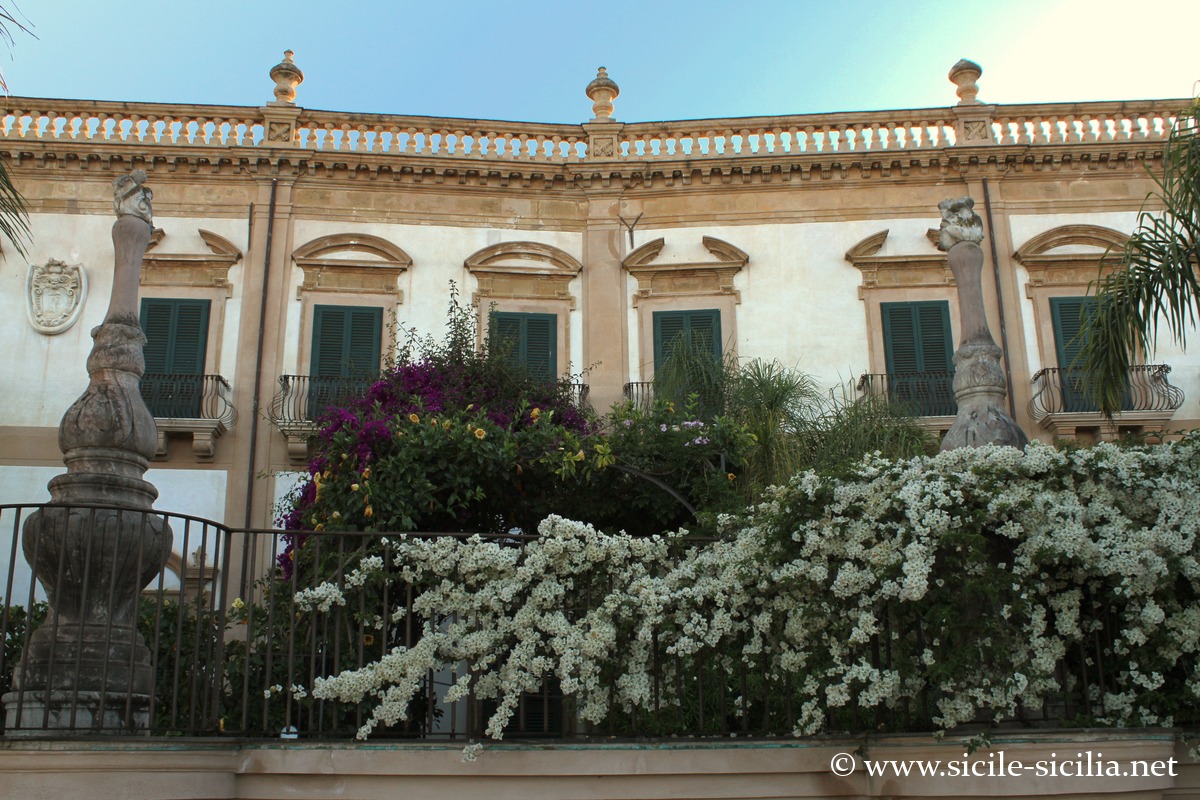
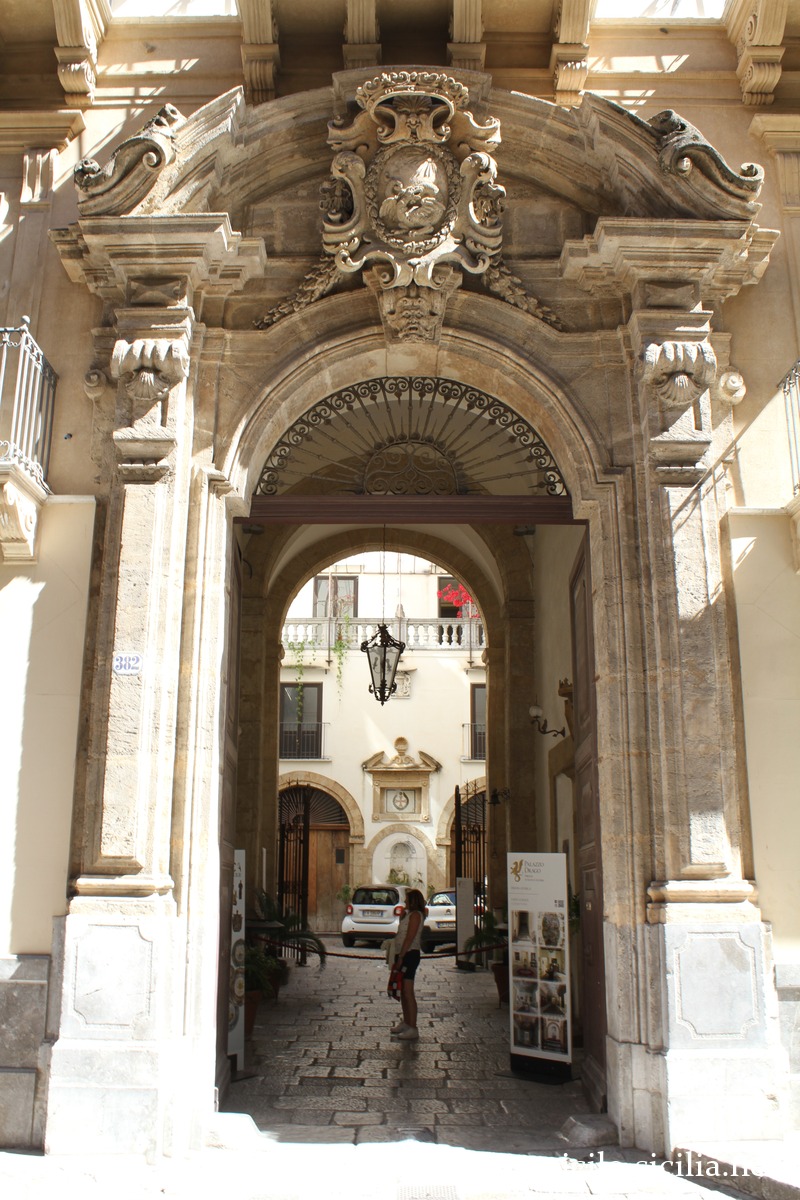
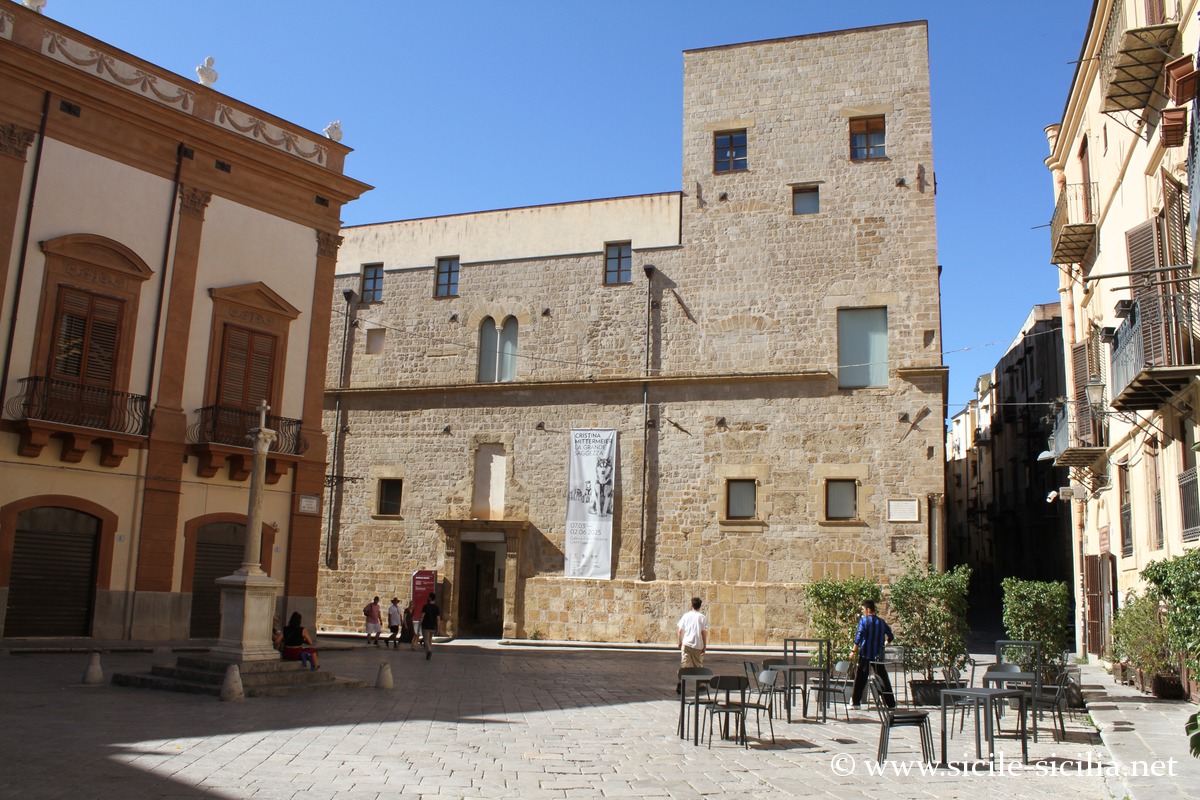
Palermo has many palaces; here is a selection to complement those presented in the main category of Palaces of Palermo. See the map with the other palaces of Palermo at the end of the page. Palazzo Alliata di VillaFranca This ancient palace, dating back to the 16th century, first belonged to the da Bologna family, […]