
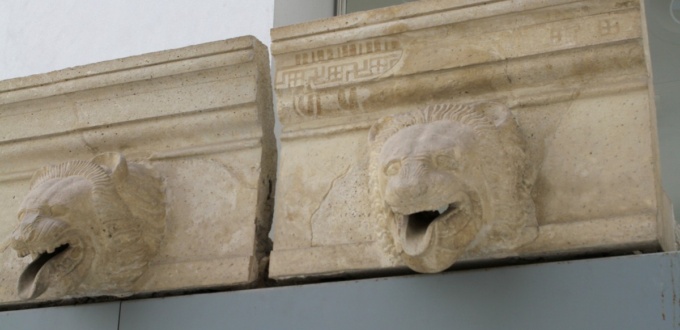
The Antonio Salinas Archaeological Museum is housed in the former convent of the Philippine Fathers, whose Oratory of Saint Ignatius. It is one of the most important archaeological museums in Sicily for Punic, Greek and Roman art. It takes its name from the archaeologist Antonio Salinas who excavated in Sicily after 1873 and bequeathed a […]
Tag: ancient
Map of the main ancient sites in Sicily listed on sicile-sicilia.net: Greek, Roman or older, with the remains of sanctuaries, cities, necropolises and the main archaeological museums.
It is certainly the Valley of the Temples that is the most spectacular site on the island, where on the ridge overlooking the coast several temples follow one another, near the remains of the ancient city of Akragas.
To the west of the island, one can discover the remains of two ancient abandoned Greek cities: Selinus on the southern coast, and Segesta to the north.
On the eastern side of Sicily, Syracuse preserves substantial remains: on its island of Ortygia and especially the archaeological park of Neapolis.
Inland, one can discover the Roman villa of Casale, a unique site thanks to its vast floors of very well preserved mosaics.
Several ancient sites are also revealed in the Hyblaean Mountains, including the necropolises of Pantalica of prehistoric origin with their thousands of tombs dug into the cliff faces.
There are many other ancient sites in Sicily, from the other cities of ancient origin (Akrai, Tyndaris), the Greco-Roman theatre of Taormina, the scattered remains of Catania, etc.
Travelers' Map is loading...
If you see this after your page is loaded completely, leafletJS files are missing.
If you see this after your page is loaded completely, leafletJS files are missing.

AntiqueDestination
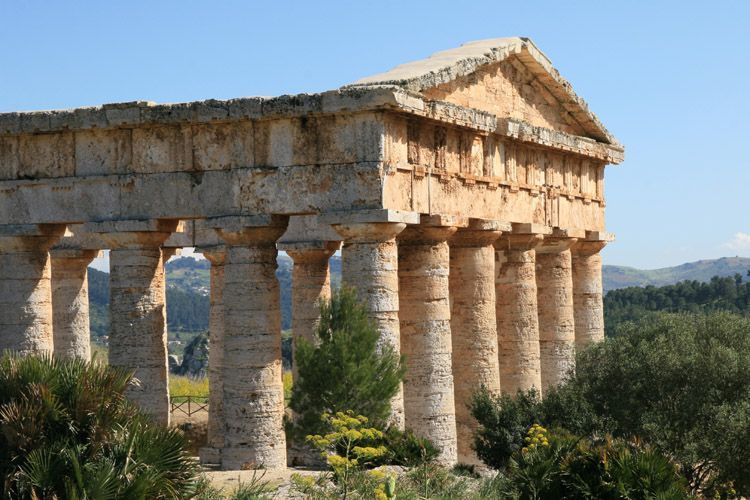
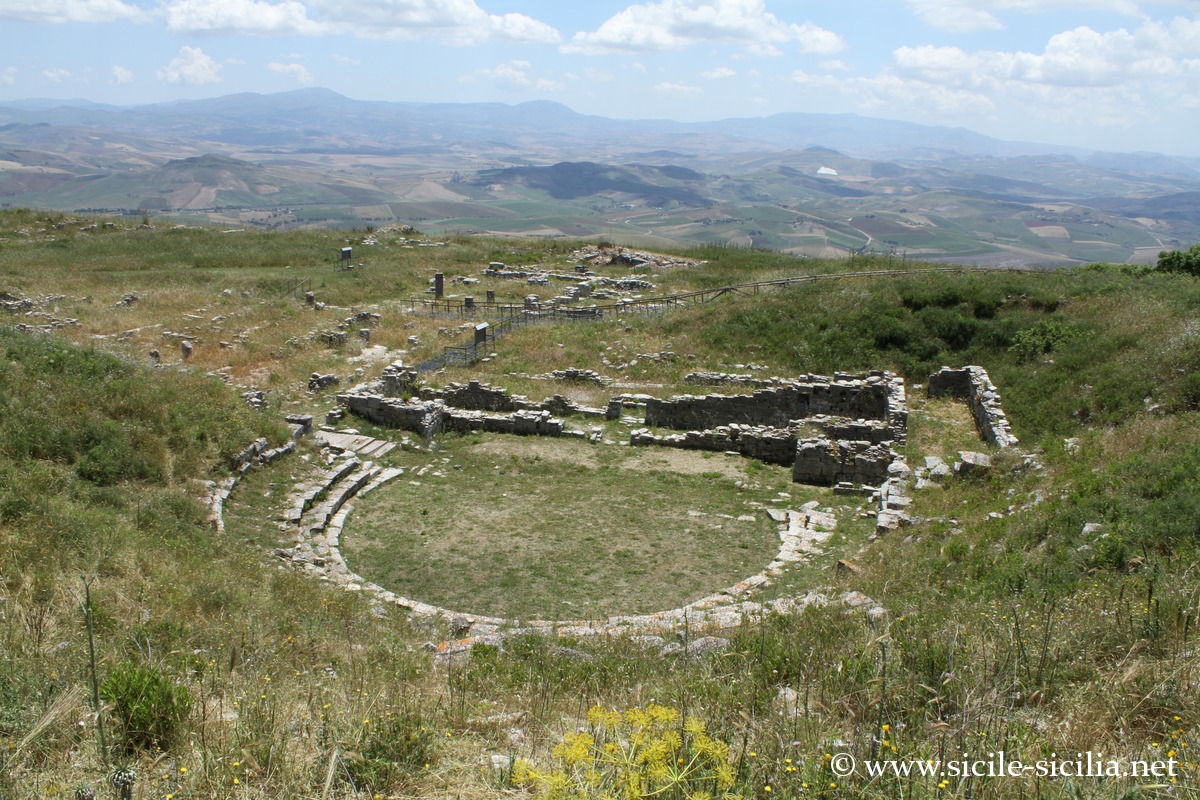
Segesta was an ancient Greek city, whose site is renowned notably for two major edifices located on two distinct hills of the archaeological site: the unfinished Doric temple, dating back to the end of the 5th century BC, and the Greek theatre. Historical overview of Segesta On Monte Barbaro, a site that was probably occupied […]
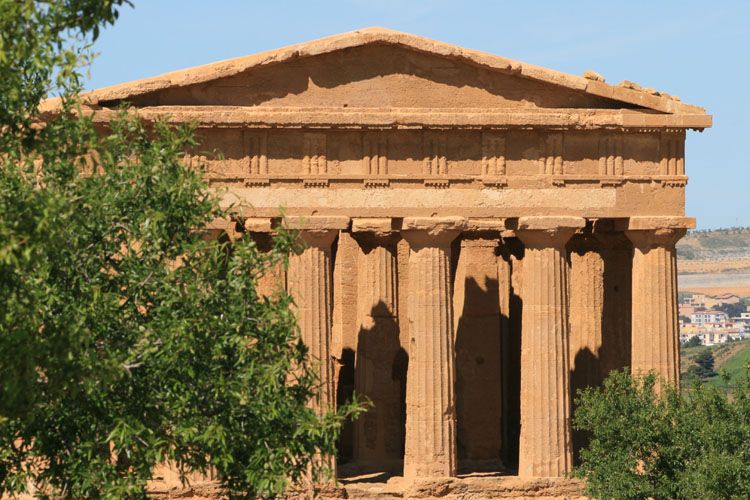

In antiquity, Agrigento was one of the most powerful Mediterranean cities of Magna Graecia. Its archaeological area of the Valley of the Temples, listed by UNESCO, is remarkable for the preservation of its buildings, with its Doric temples that are among the most important in the Greek world, dating back to the 6th-5th centuries BCE.
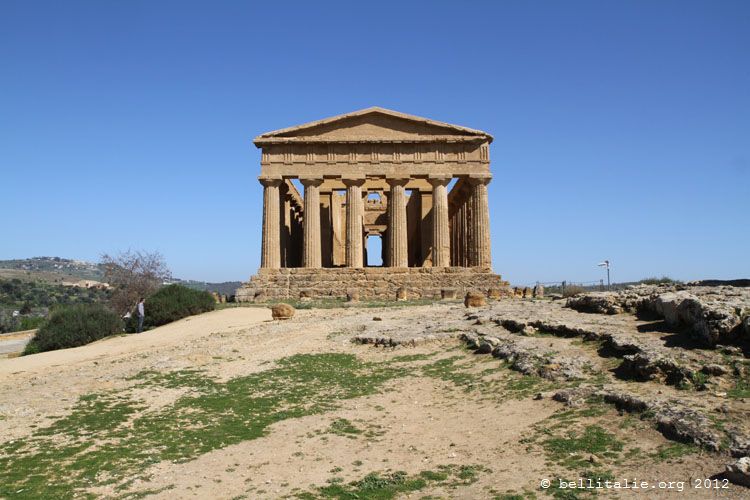
Built between 440 and 430 BC, the Temple of Concordia, located on the ridge of the Valley of the Temples of Agrigento, is among the best-preserved Doric buildings of the Greek world. This dating is connected to the phase of monumental development of Akragas at the heart of the classical period, after the tyranny of […]
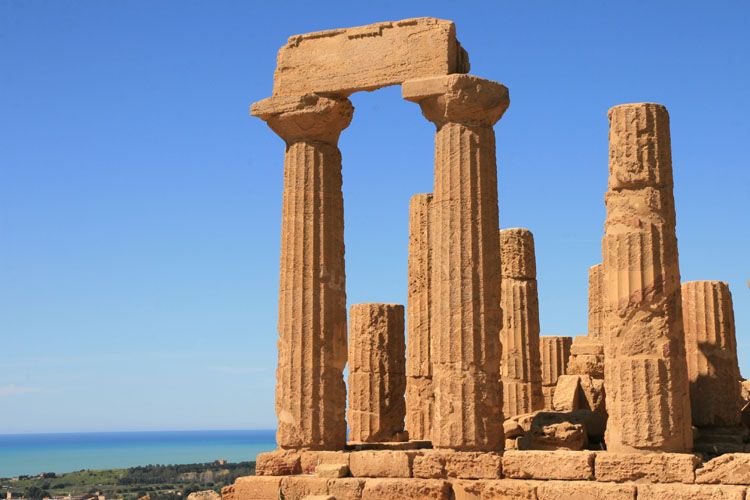
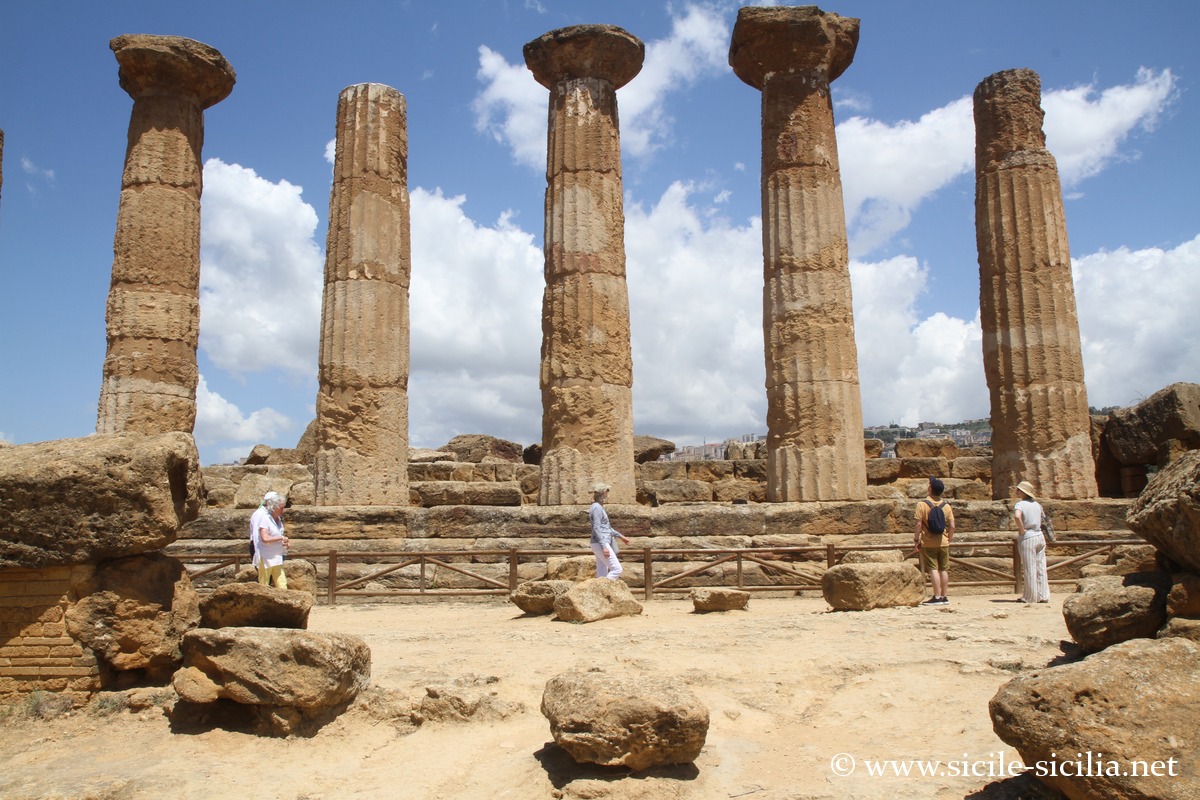
Situated at the end of the ridge, the Temple of Hera, also known as the Temple of Juno Lacinia or Temple D, overlooks a large area between the Valley of the Temples of Agrigento and the Mediterranean. On its eastern side is an altar intended for sacrifices, attesting to ritual practices in antiquity and confirming […]
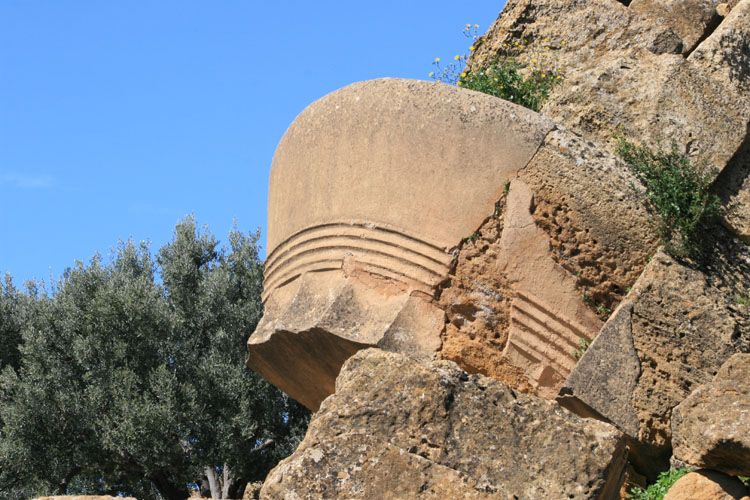
Located in the Valley of the Temples of Agrigento, the Temple of Olympian Zeus, or Olympieion, was a monumental building that remained unfinished. It is the largest Doric temple in the West. Its construction was never completed. It also presents a unique architectural case in the Greek world, with the statues of giants that stood […]
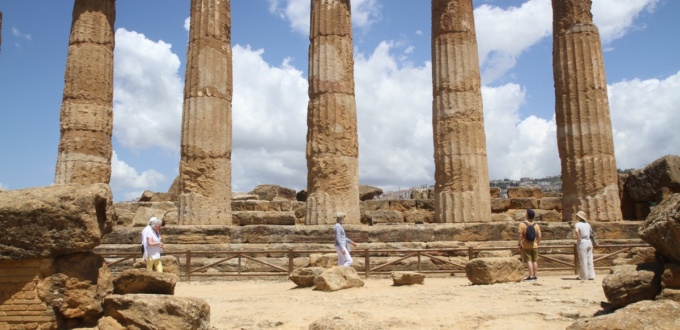
Although its remains are more modest than those of other monuments in the Valley of the Temples of Agrigento (ancient Akragas), the Temple of Hercules, in the archaic Doric style, is considered the oldest sanctuary on the site. Its construction dates back to the end of the 6th century BCE, a dating based on the […]
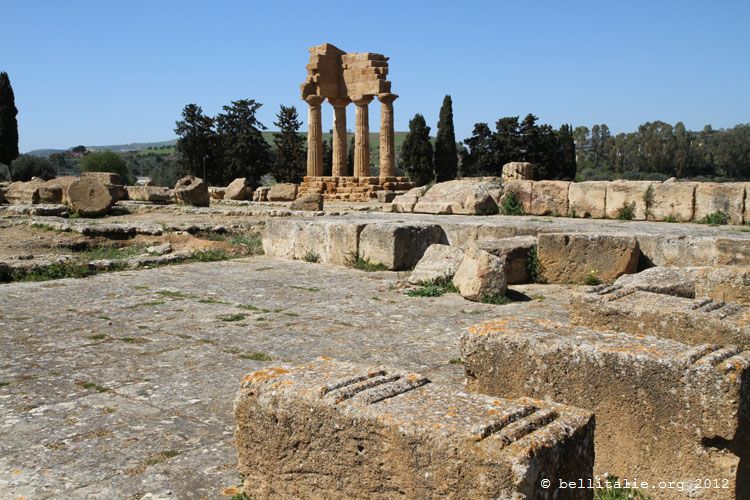
To the west of the Temple of Zeus extends a residential sector, followed by a sacred area up to Gate V, then the sacred area of the Chthonian Deities and finally at the end of the hill an archaic sacred area. Sector between the Temple of Zeus and Porta V To the west of the […]
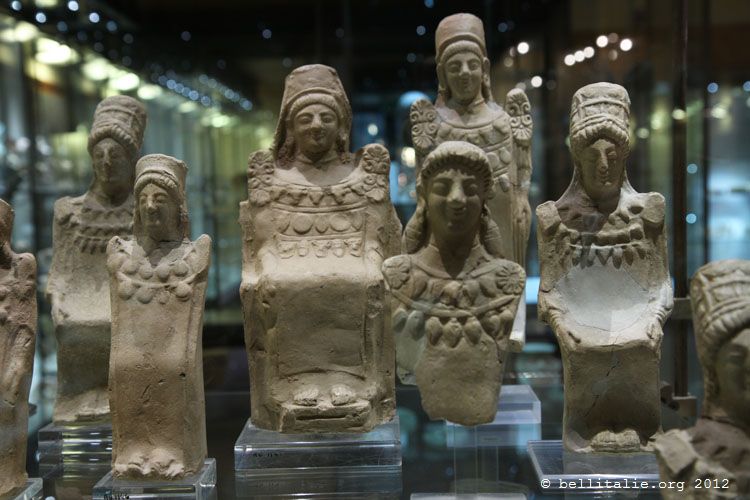
The Regional Archaeological Museum of Agrigento, officially named Museo Archeologico Regionale “Pietro Griffo”, is located on the hill of San Nicola (known as Poggetto San Nicola), overlooking the Valley of the Temples, to the south of the city.Inaugurated in 1967, it occupies the structures of a former Cistercian monastery from the 14th century, to which […]
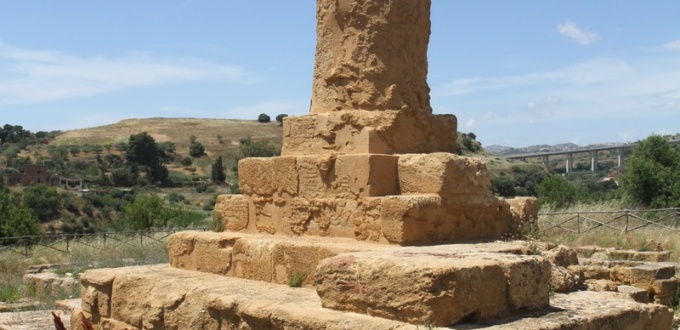
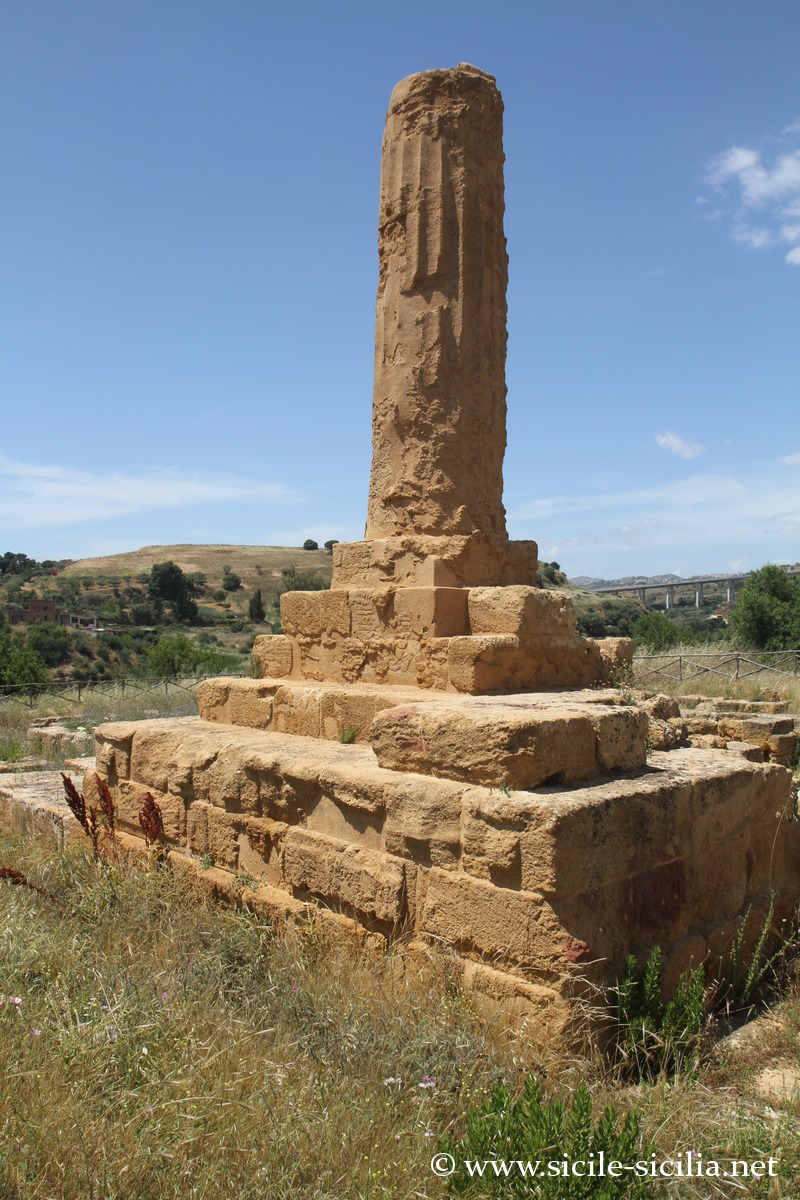
The Temple of Vulcan occupies the western tip of the rocky spur that forms the Valley of the Temples of Agrigento, on the ridge outside the modern settlement. It dates from the Classical period, around 430 BC, with a peripteral Doric plan, hexastyle, 6 × 13. Presentation and historical overview The Temple of Vulcan can […]

Antique
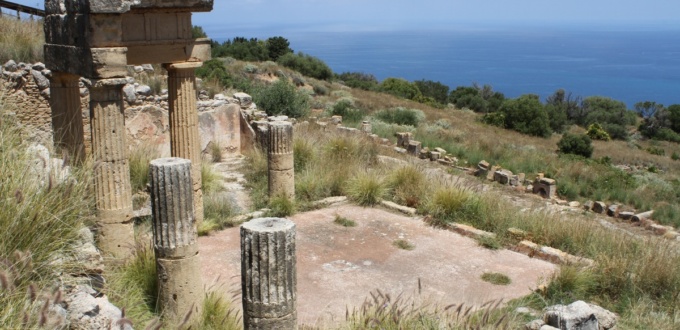
On the south-eastern slopes of Mount Catalfano, which rises to 376 metres, and a few kilometres from the centre of Bagheria, the ancient remains of Solunto occupy a panoramic position facing the sea and Cape Zafferano, about 20 kilometres east of Palermo. Phoenician Kafara In the time of Thucydides, Kafara (meaning village in Phoenician) was […]
Antique
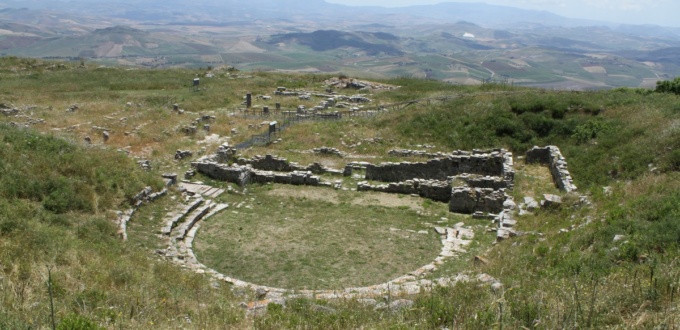
At the summit of Mount Jato (852 metres), the archaeological site of the ancient city of Laitas (or Laetia) occupies a very beautiful spot overlooking the Iato valley in the municipality of San Cipirello. The urban area covered about 40 hectares, protected on three sides by steep cliffs and on the south-east side by a […]
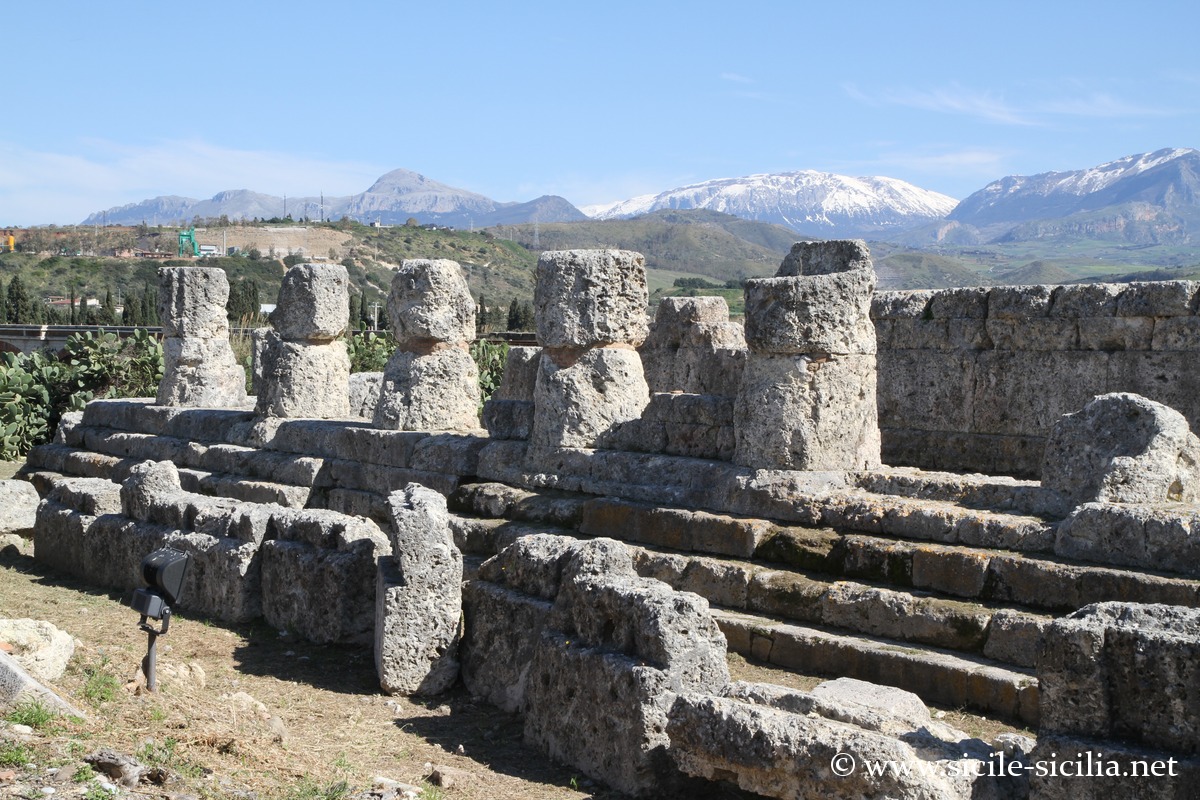
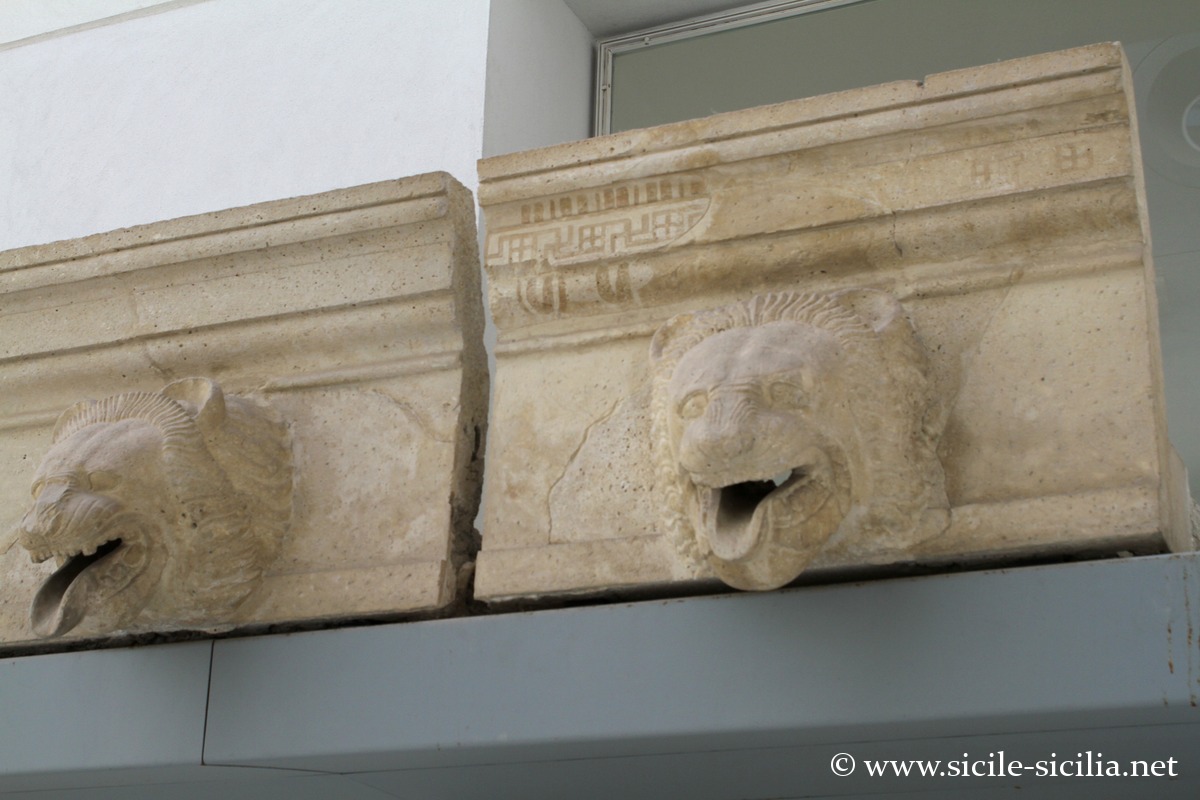
Termini Imerese, on the coast between Palermo and Cefalù, could be a potential stop during a visit to the region, although it is not very touristy, with a few buildings dating back to Roman times, a pretty viewpoint and an interesting museum that preserves ancient remains from Himera and the Middle Ages.The most interesting sites […]
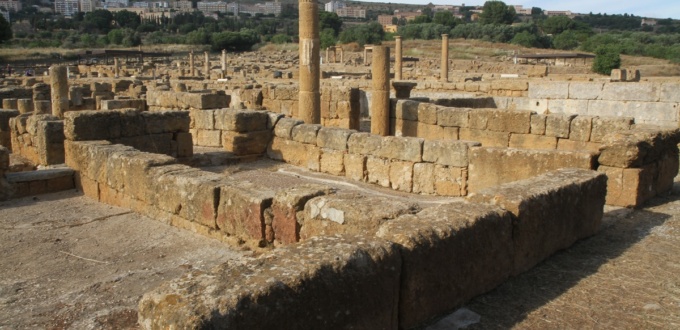
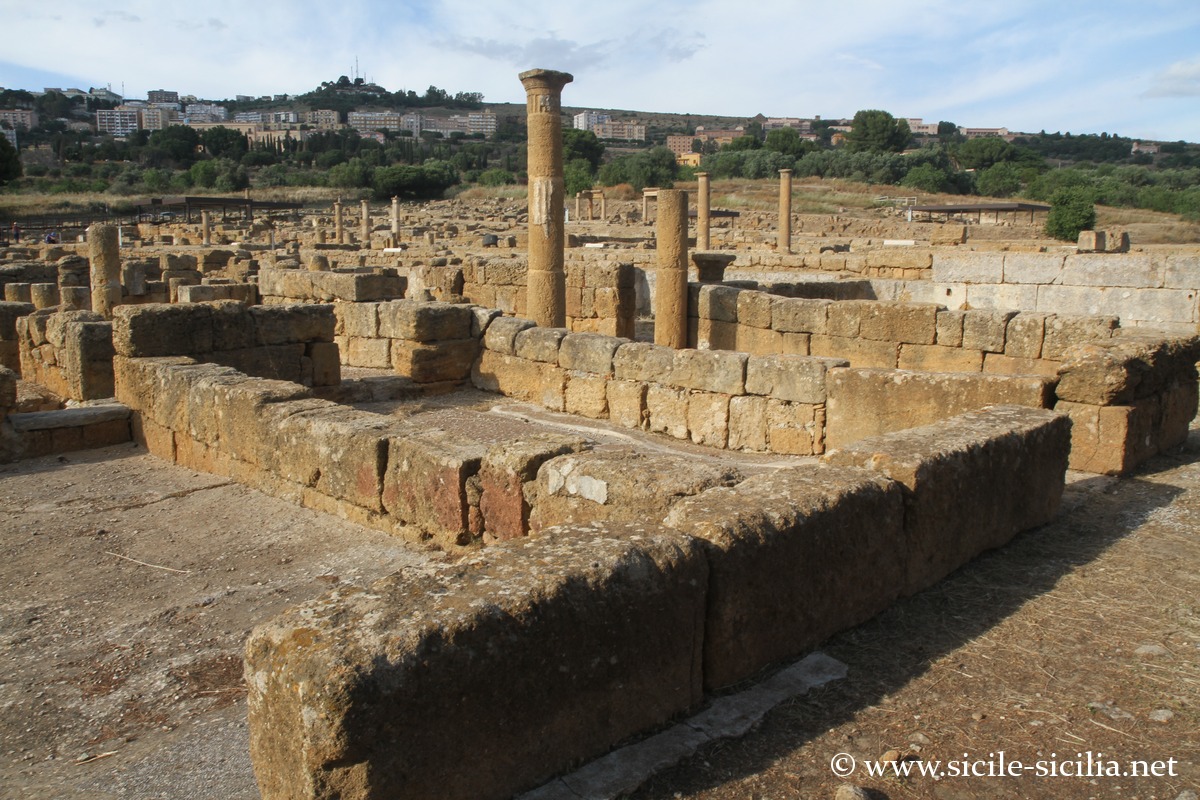
Near the Archaeological Museum of Agrigento are several areas of remains, including the upper agora and the Ekklesiasterion on the one hand, and the vast Hellenistic quarter on the other. Hellenistic-Roman Quarter This large residential sector represents the most significant documentation of the urban history of ancient Akragas. All the visible monumental remains date to the […]
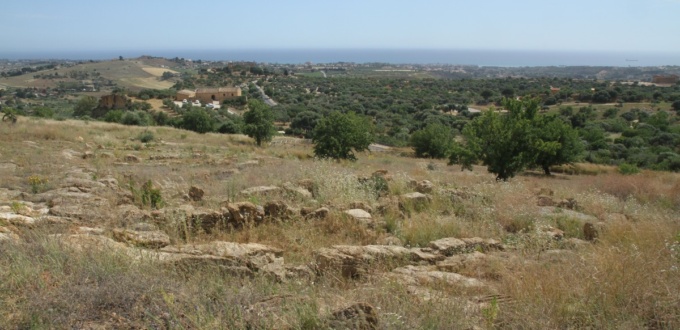
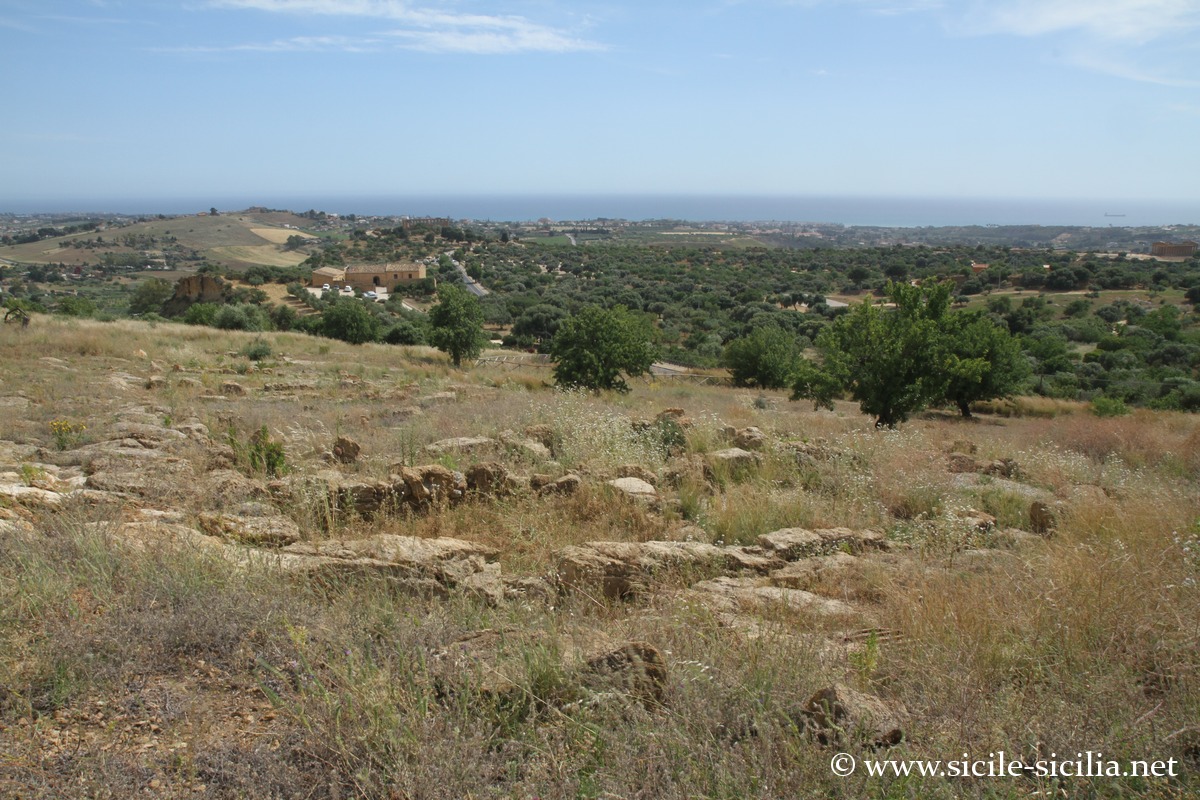
The Rupe Atenea constitutes the highest point and the natural acropolis of ancient Akragas, dominating to the north the Valley of the Temples and bounded to the west by the Girgenti hill. It served both sacred and defensive functions, while the settlement, sanctuaries and necropolises spread across the plateau and the surrounding hills. In the […]