

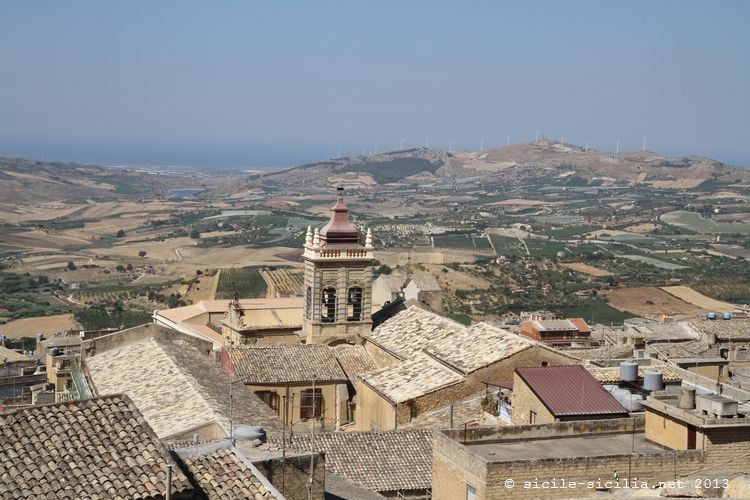
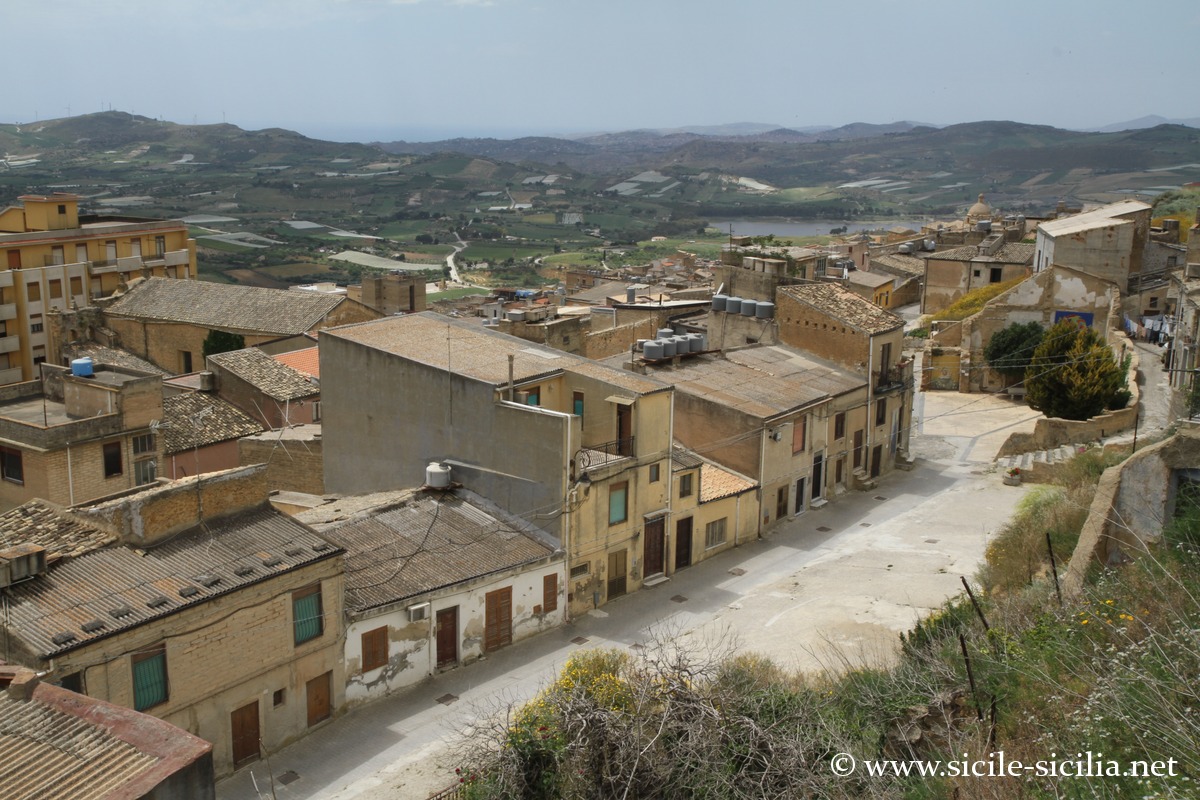
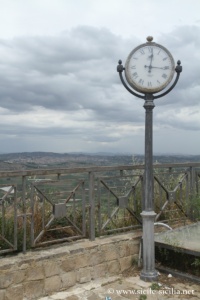
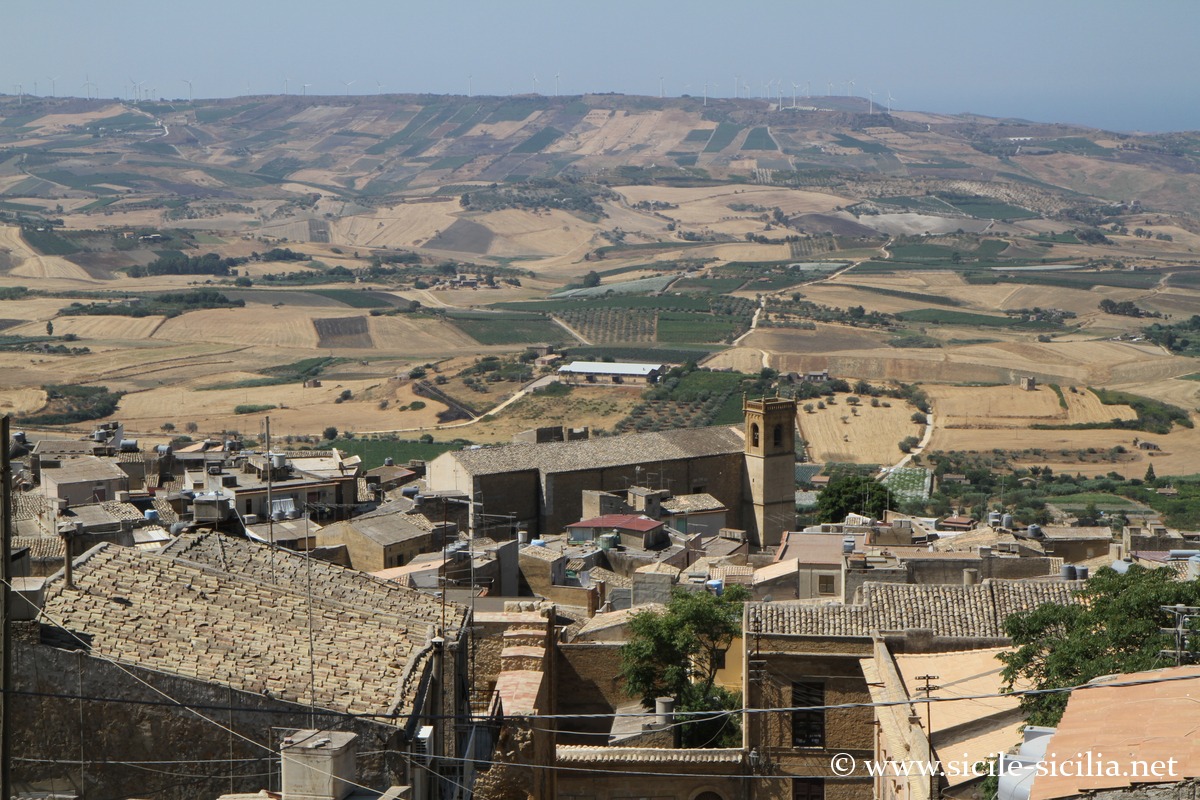
In the hinterland of Licata, Naro is a small town that rises on a promontory at an altitude of 600 metres with a striking panorama over the “Valle del Paradiso” and its surroundings.
Its rich heritage bears witness to a very ancient continuity of occupation. Archaeological research indicates a human presence as early as the Neolithic, continuing into the Bronze Age and the Iron Age. Later, the region came under Greek and Roman rule before experiencing an important Arab phase, followed by integration into the Norman kingdom. Under Frederick II, the town received several privileges, and the Baroque era marked a moment of urban expansion visible in numerous religious and civil buildings.
From the Middle Ages and the Arab period remain one of the seven ancient city gates, the former Jewish quarter, the mosque transformed into a Norman cathedral at the top of the rocky spur, as well as the imposing fortress of Chiaramonte Castle (13th–14th centuries).
It also preserves numerous churches in medieval and Baroque styles.
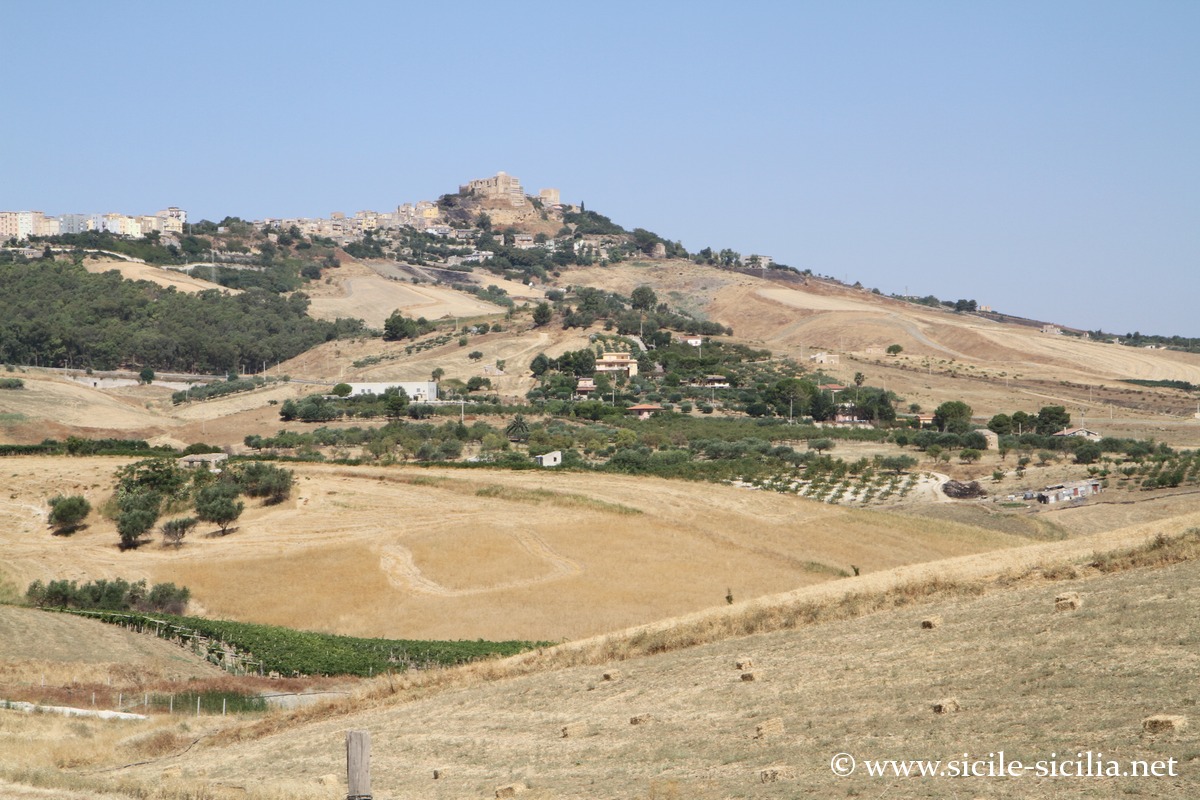
Naro
Itinerary in Naro
This medieval/Baroque itinerary is inspired directly by the PDF brochure published by the municipality
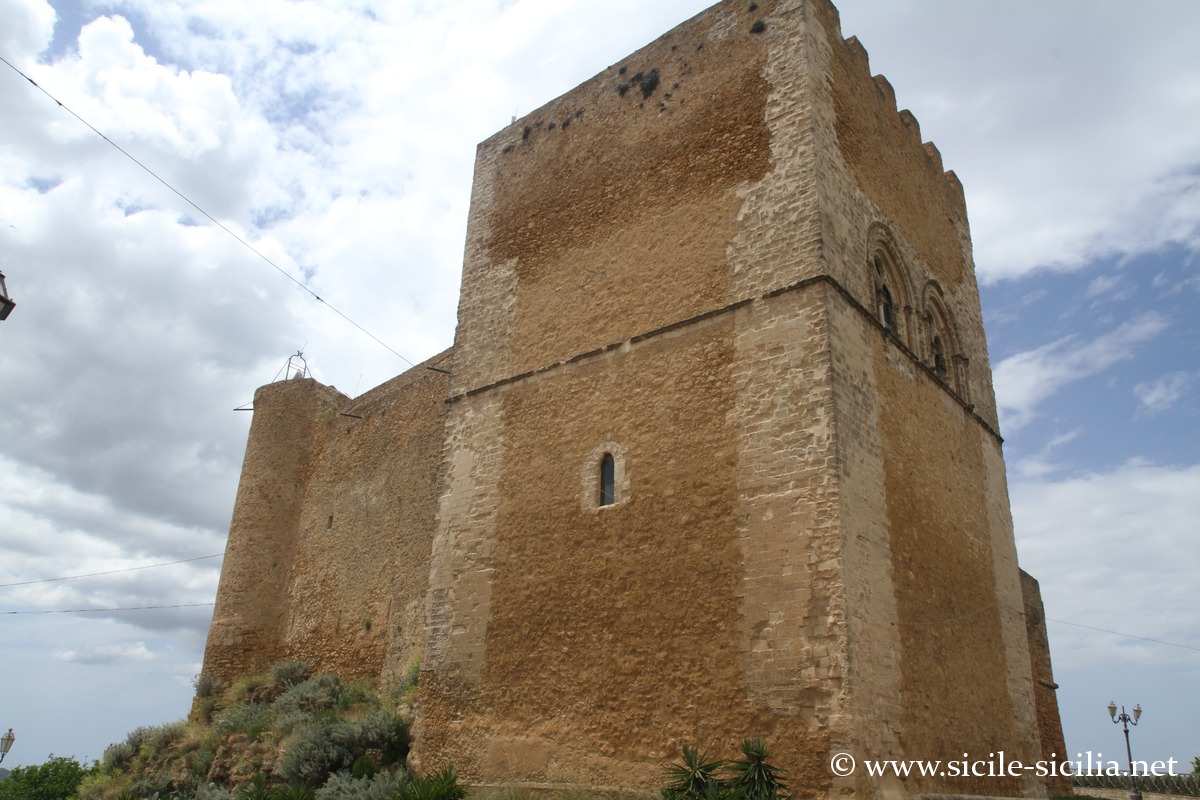
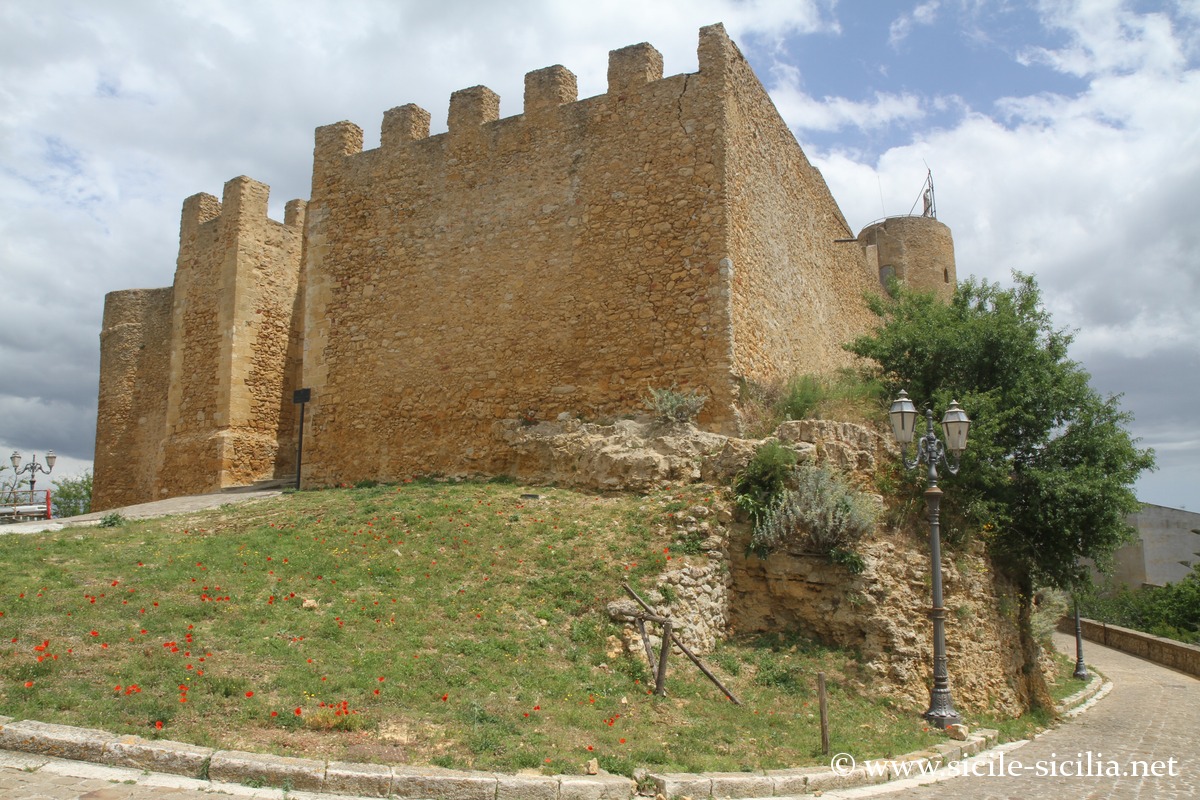
- Castello dei Chiaramonte : The medieval castle dominates Naro from “Monte Agragante”
- Duomo Normanno : A few metres past the castle, you arrive at the old Norman Duomo, erected in 1089 by Roger of Hauteville on the site of a mosque, preceded by a staircase of 209 steps from Via Dante.
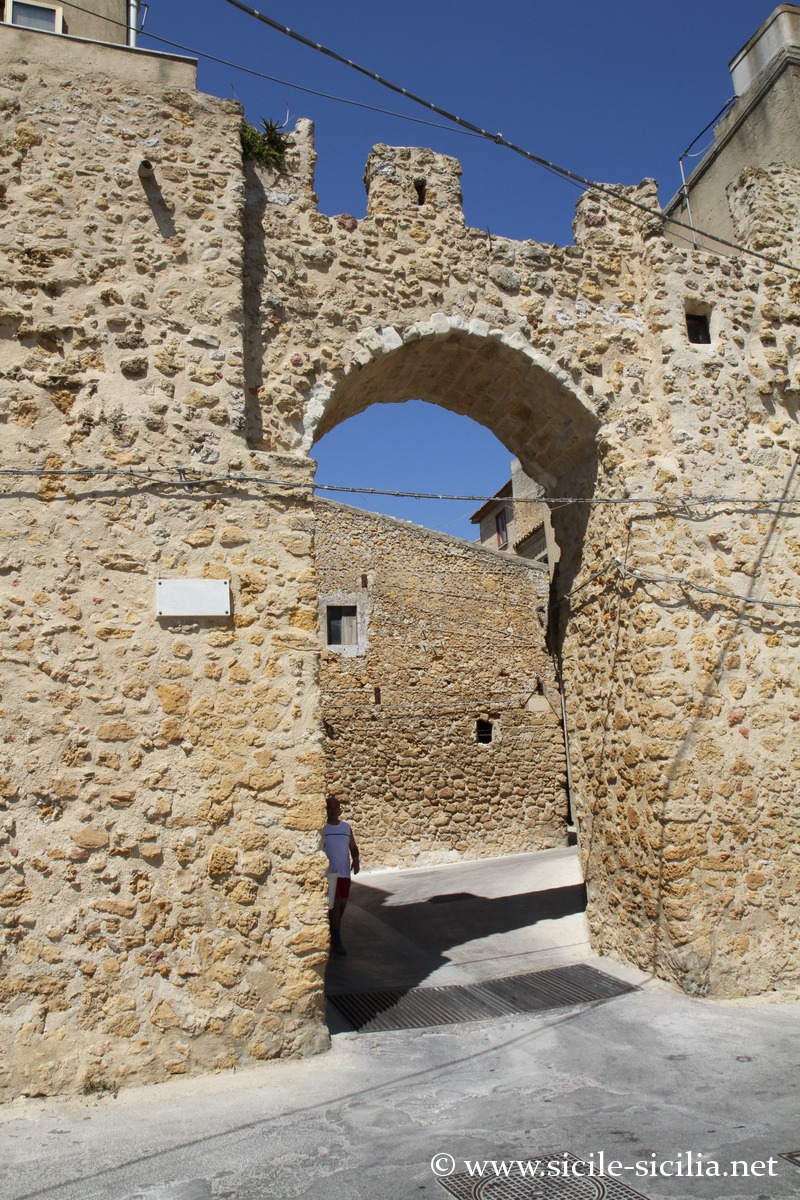
- Porta d’Oro : This is the only medieval gate still visible.
- Chiesa del SS. Salvatore : Located on Via Dante, this Baroque church was founded in 1398 and remodelled in the 17th century.
- Chiesa di Santa Caterina : Built by Matteo Chiaramonte in the 14th century on the ruins of a mosque,
- Palazzo Malfitano Giacchetto : 15th-century palace with Catalan elements, housing the Museum of Graphics.
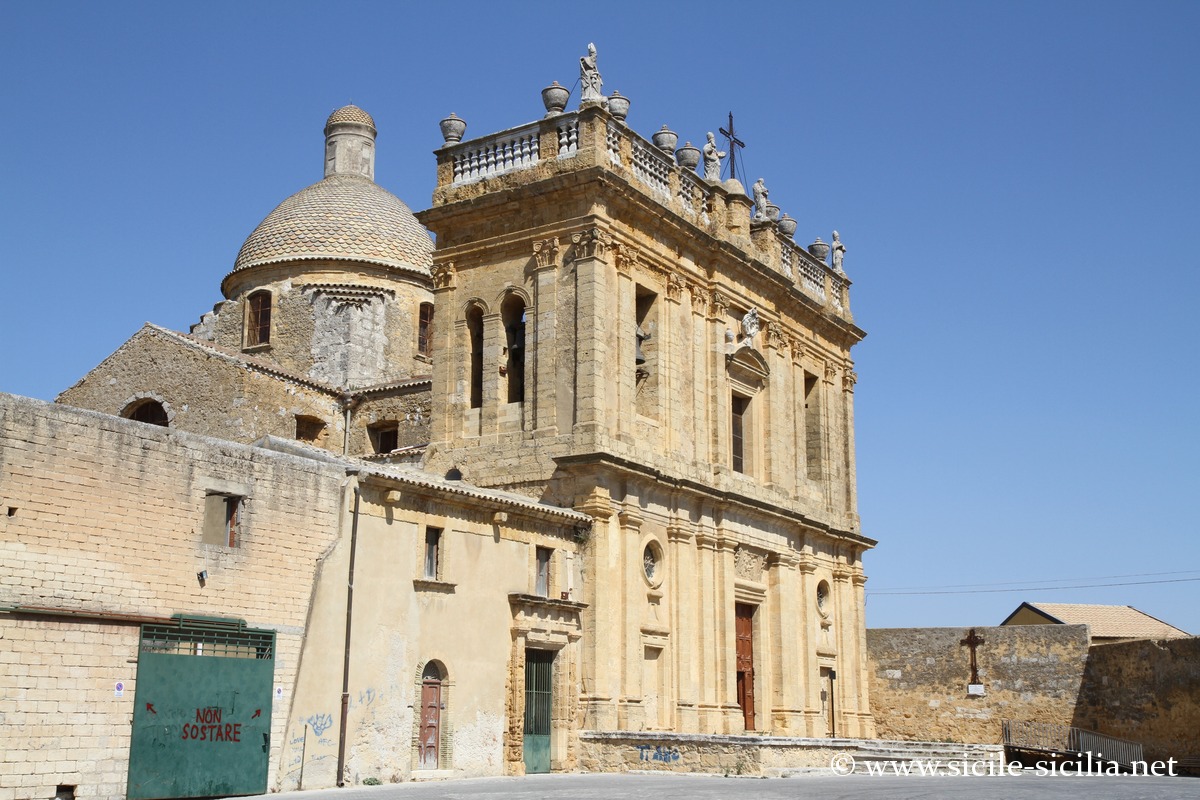
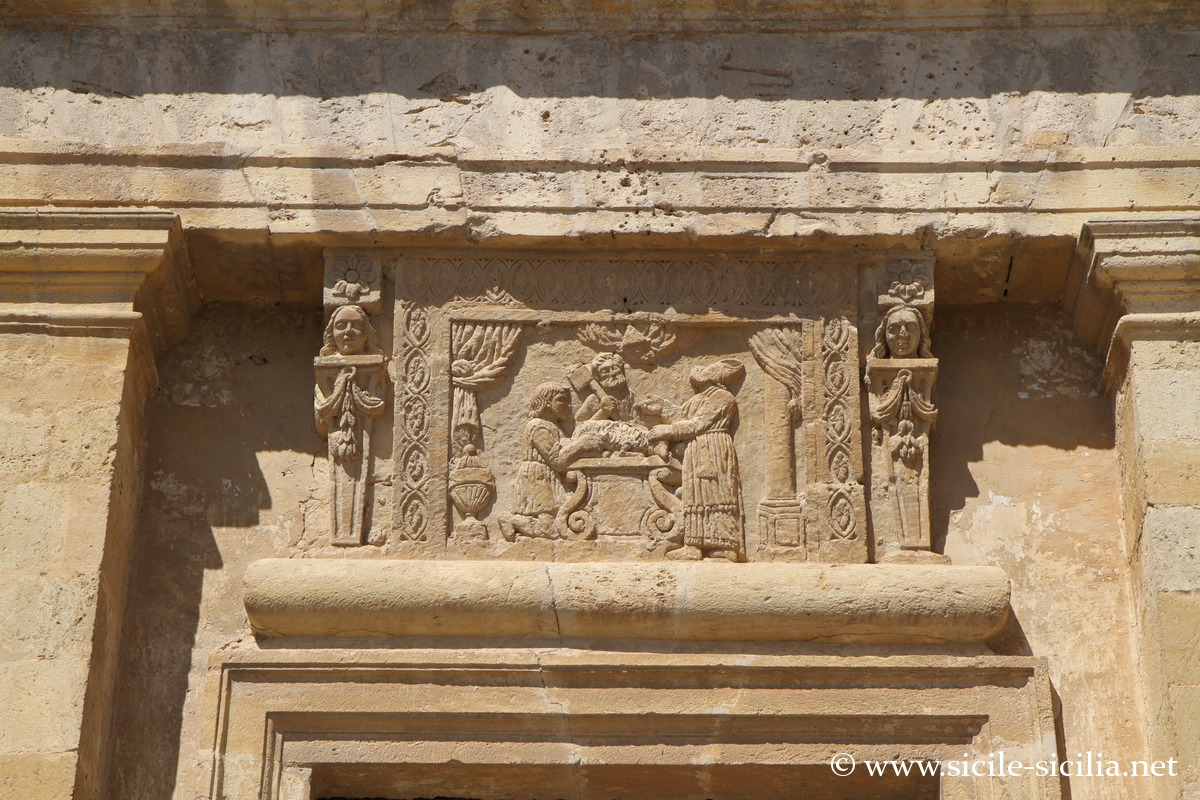
- Chiesa di San Francesco / Ex-Convento : the church of San Francesco (origins 13th century) has a façade with Mannerist and Hispanic elements,
- Chiesa Madre & Collegio dei Gesuiti : Built between 1610 and 1619, one attached to the other.
- Chiesa di San Nicolò di Bari : Built in 1618. Its façade combines Mannerist and Baroque motifs
- Chiesa di Sant’Agostino (650 metres west of the town hall) : 18th-century church, with a dome, altars by Provenzani, crypt.
- Sanctuary of San Calogero (1 km east of the town hall) : Located in Piazza Roma, built over a cave where the holy hermit lived.
Heritage of Naro
Chiaramonte Castle of Naro
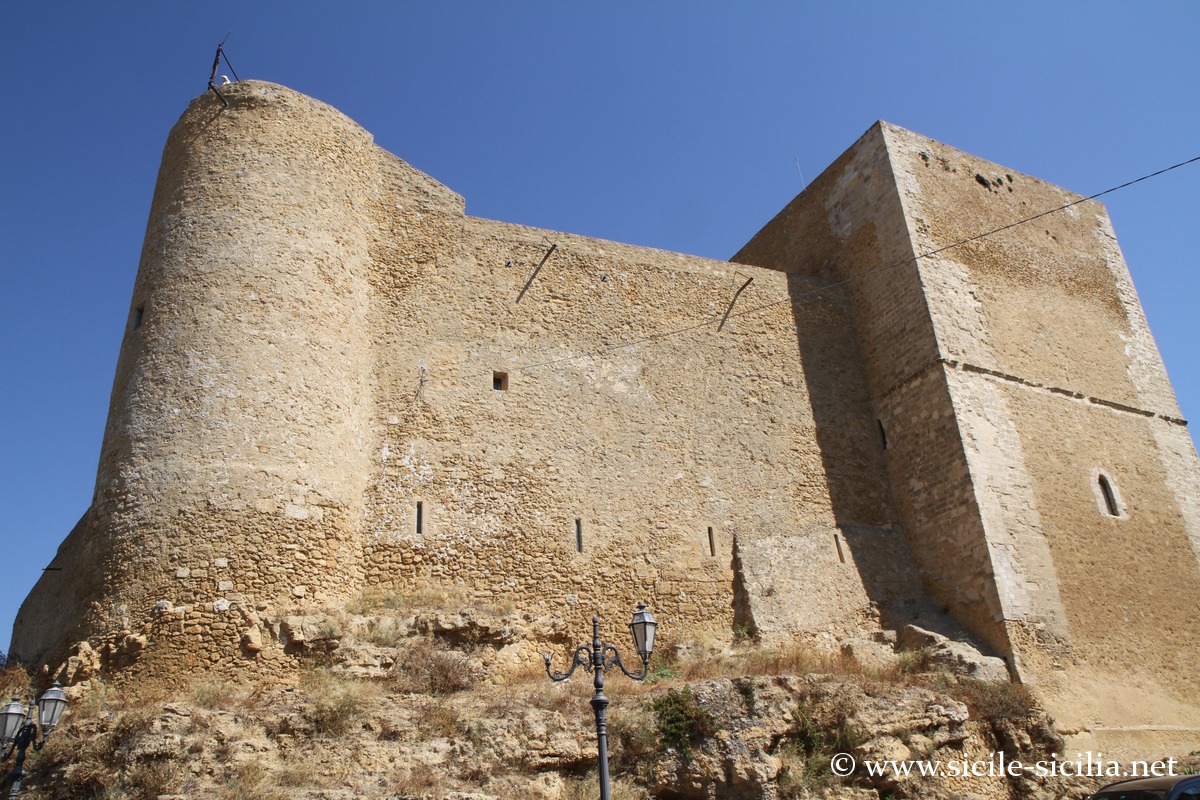
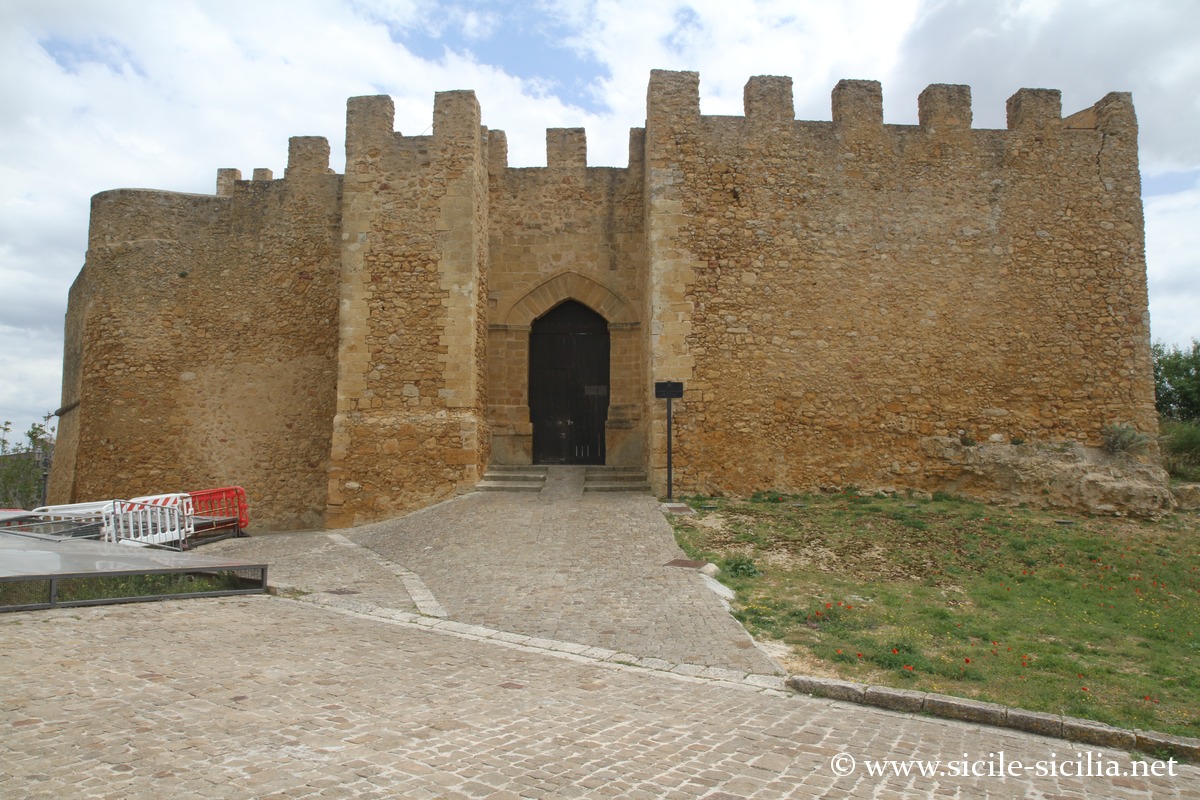
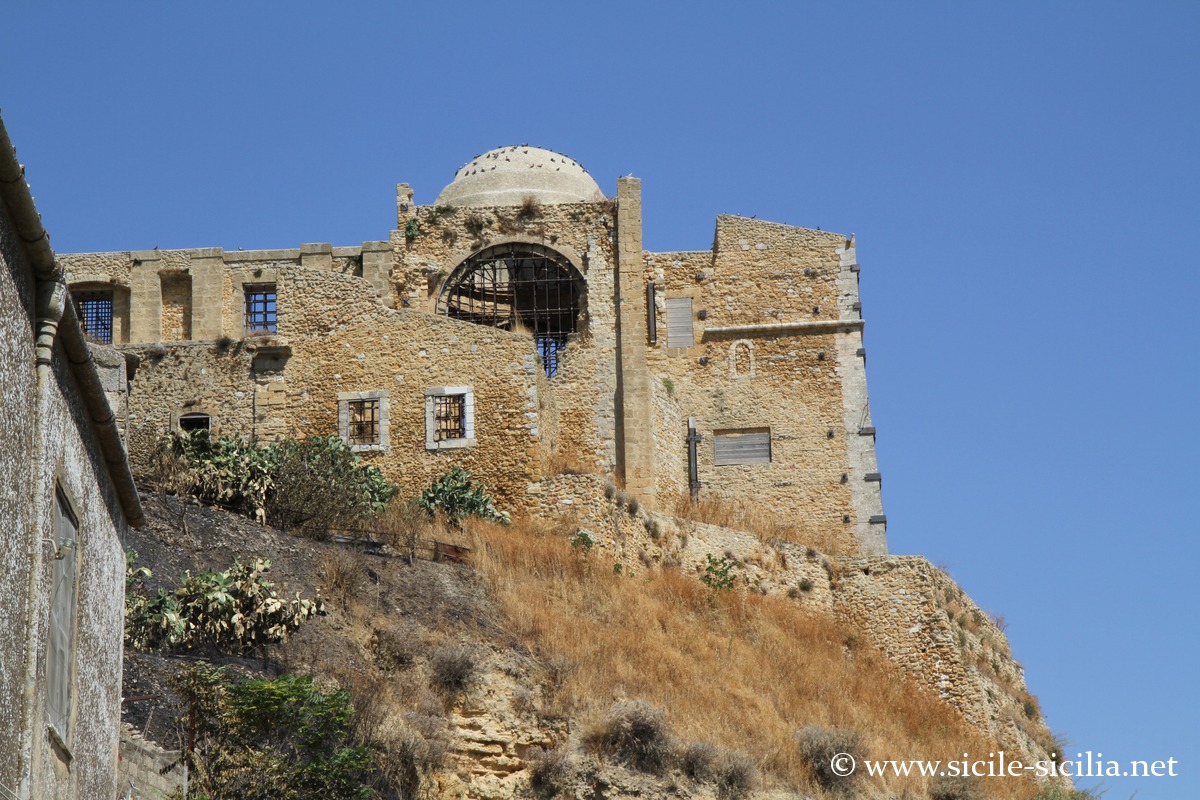
The Chiaramonte Castle of Naro, built on an ancient Arab fort, occupies a strategic spur dominating the entire valley. The Normans consolidated this first structure before the Aragonese transformed it profoundly: in the 1330s, Frederick III had the great square keep of 21 m erected and reorganised the defensive complex. The complex then adopted its current configuration, with two cylindrical towers, two quadrangular towers, an ogival portal and a vast central courtyard with a well and a cistern. Around this courtyard were arranged the military buildings, the stables and a chapel, while the “Hall of the Prince” featured Gothic elements characteristic of the Chiaramonte style. A feudal residence of the Chiaramonte family in the late Middle Ages, the castle bears witness to a succession of superimposed eras. Today, it houses two permanent exhibitions: one on the inventions of Leonardo da Vinci and another bringing together 19th-century women’s dresses and accessories from the notable families of Naro.
Château de Naro 
Château de Naro
Norman Cathedral
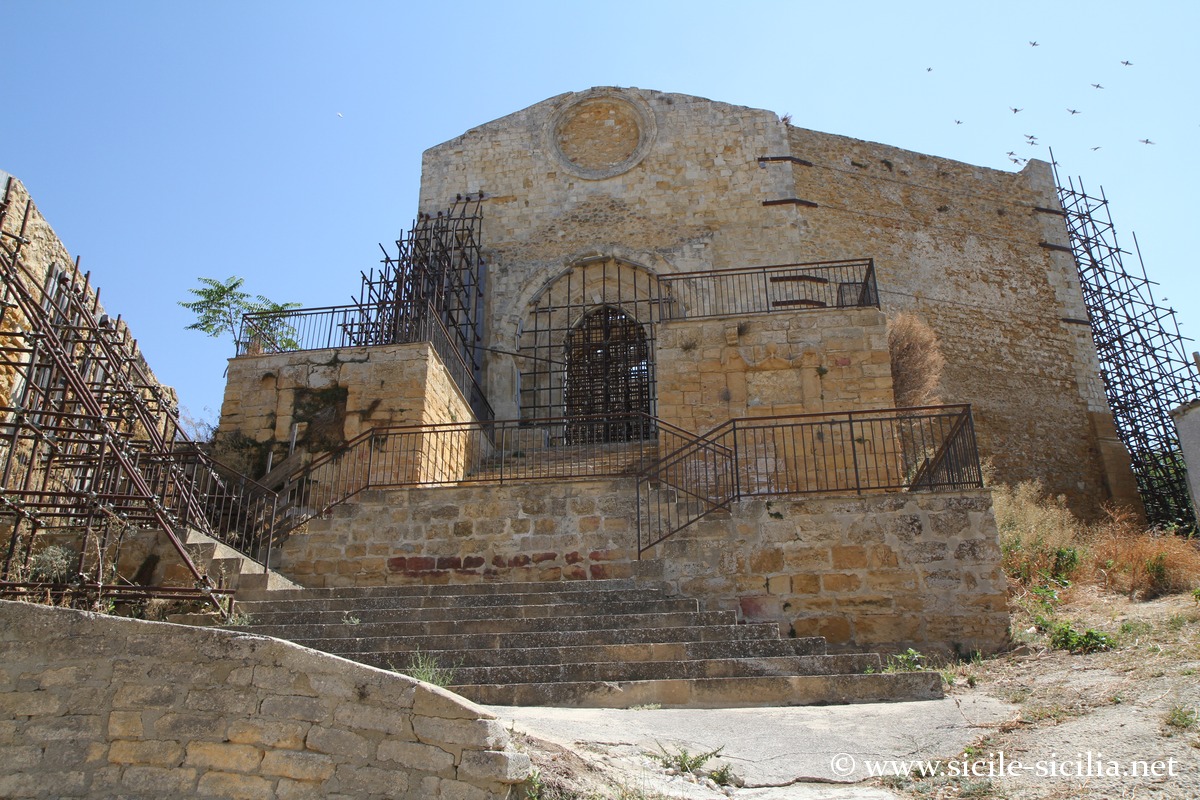
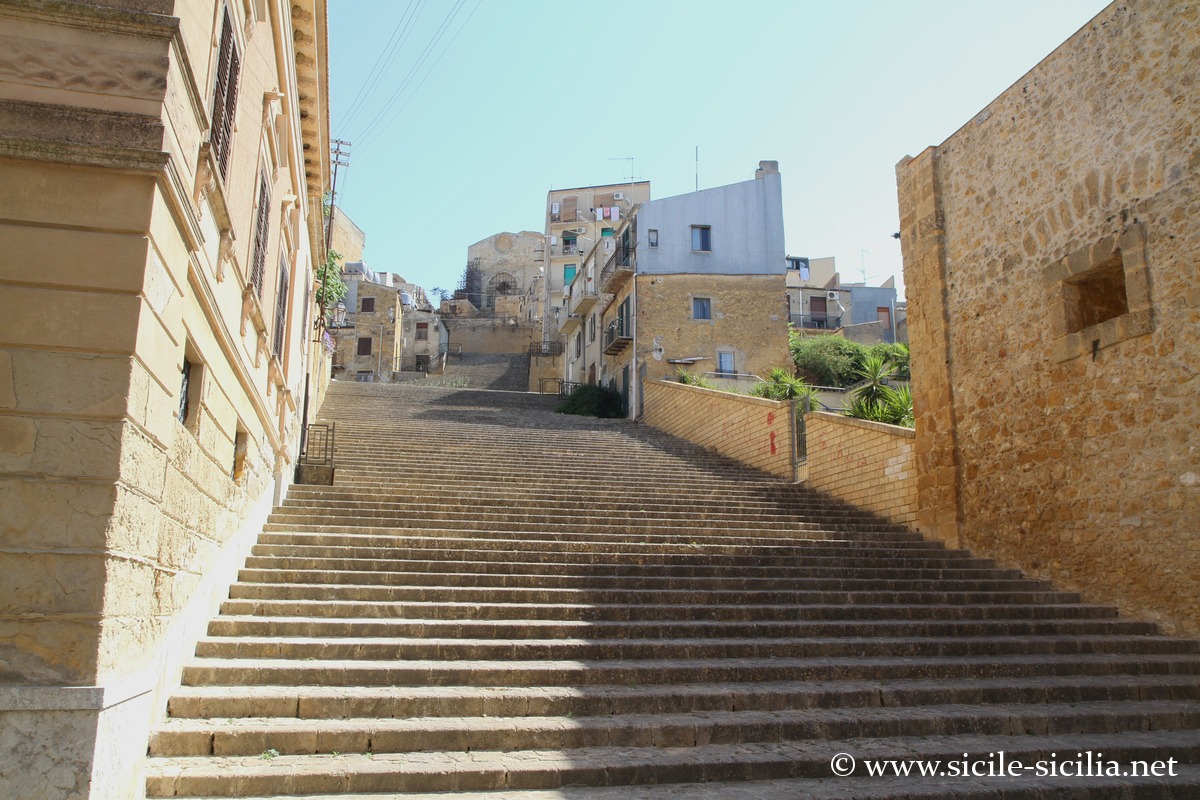
Located at the top of a monumental staircase of 209 steps that links Via Dante to the acropolis, the Norman cathedral of Naro, or “Duomo Normanno”, was erected in 1089 by Roger of Altavilla on the site of an ancient Arab mosque.
It adopts a Latin cross structure with a single nave, with a dome at the intersection of the transept.
The entrance portal, in the Chiaramonte style, is adorned with an ogival arch supported by fourteen finely decorated small columns.
The interior was richly decorated with frescoes by Domenico Provenzani, but the building is now unstable: it was closed for worship as early as 1867 and remains partially restored following a collapse in 2005.

Norman Cathedral of Naro 
Norman Cathedral of Naro
Other buildings of Naro
Chiesa Madre
Among the religious heritage, the Chiesa Madre (Maria Santissima Annunziata) was built from 1619 by the Jesuits, associated with a theological college of which only the ruins of the former cloister remain today.
The interior, with three naves according to some descriptions, is decorated with floral stuccoes typical of the 18th century and canvases by the painter Domenico Provenzani, including an Annunciation.
Among the important works: a late Gothic carved baptistery (dated 1424 according to some sources) representing the twelve apostles and the baptism of Christ.
A marble statue of the Madonna della Catena, from the Gagini school – begun by Antonello Gagini and completed by his son Giacomo – is also present.
In the church’s sacristy, one can see old wooden furniture from the former Duomo.
Church of Santa Caterina
The church of Santa Caterina in Naro is a major example of Chiaramonte Gothic; it was built from 1366 by Matteo Chiaramonte on the remains of an earlier mosque.
The building, which has three naves separated by 14 cylindrical pillars and topped with ogival arches, preserves a wooden truss roof with exposed beams, originally painted.
Inside, one can still distinguish fragments of medieval frescoes attributed to Cecco da Naro, notably representations of the Virgin and Child and the Archangel Michael.
The marble baptistery, dated to the 15th century, is richly carved: it features Aragonese coats of arms, cherubs and even the wheel of Saint Catherine, recalling the saint’s story.
Beneath the church, the crypt was brought back to light during recent restoration work. It contains a central burial pit and benches against the walls (“sedie-scolatoio”), typical of medieval burial spaces.
The church also houses a 15th-century marble Pietà attributed to Giuliano Mancini, as well as a large 14th-century wooden crucifix.
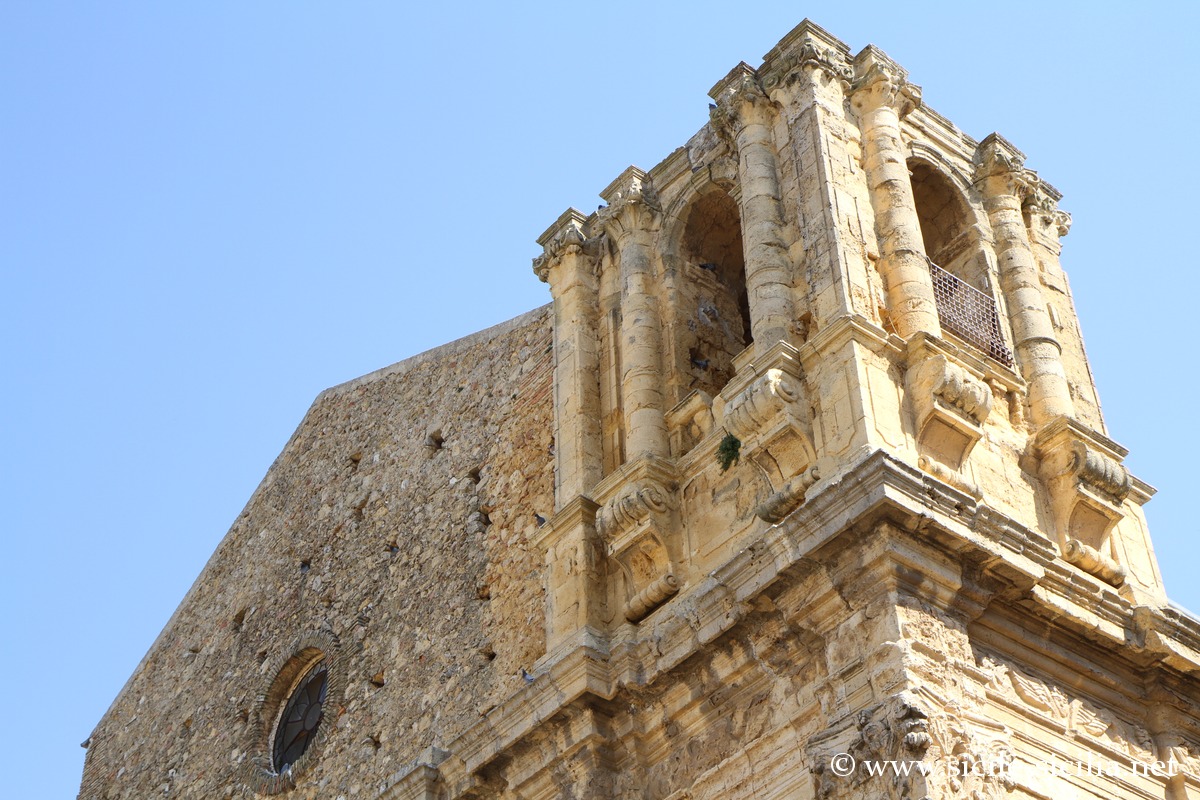
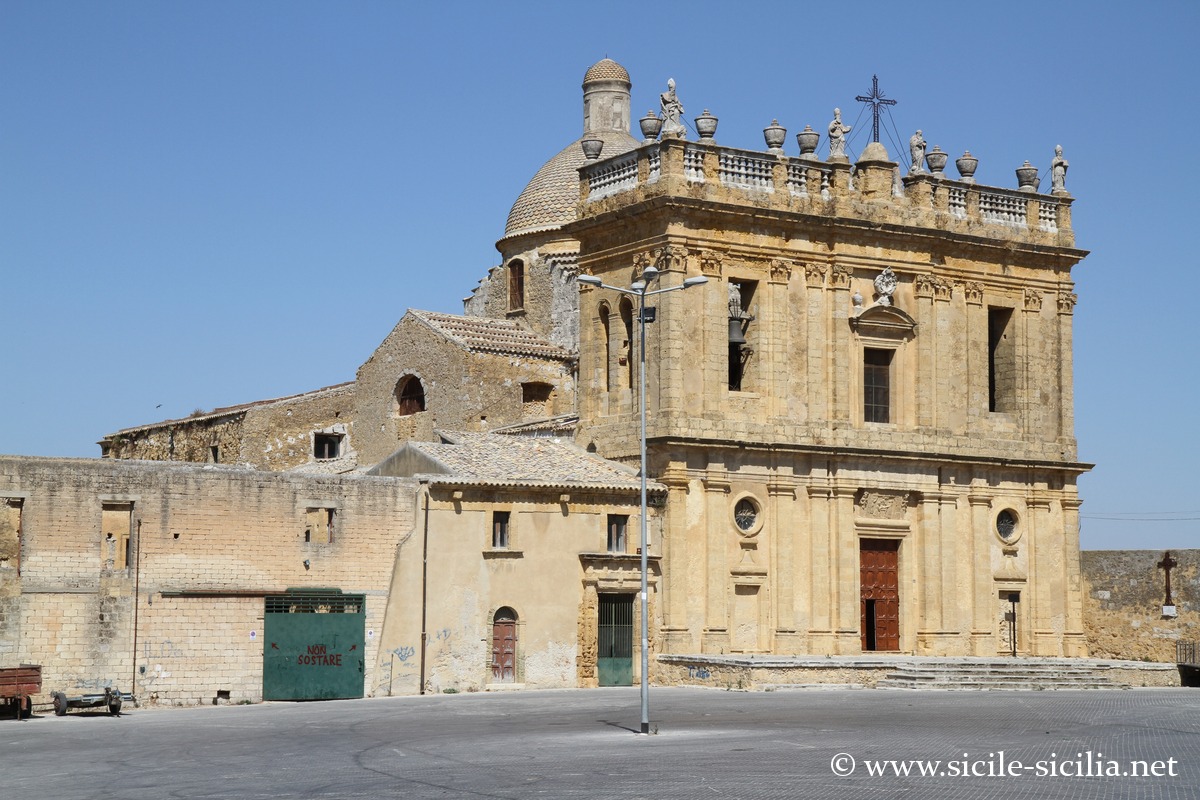
Church of Santissimo Salvatore
The Benedictine church of Santissimo Salvatore, founded at the end of the 14th century, was subsequently remodelled with a Baroque façade with Hispanic influences. It preserves several frescoes attributed to Domenico Provenzani.
It was accompanied by a monastery of Benedictine nuns.
The building was then remodelled between the 17th and 18th centuries in a Baroque style.
Church of San Francesco
The church of San Francesco, originating from an ancient Franciscan convent founded in the 13th century and then rebuilt in 1330 by Giovanni Chiaramonte, is one of the most elaborate complexes in the city. Its façade features 16th-century Hispanic elements and a portal framed by caryatids. The interior, with a single nave, is distinguished by its stucco decorations executed in the 18th century, a ceiling painted by Domenico Provenzani, a rococo statue of the Immaculate Conception made in 1719 and a painting depicting the Marriage of the Virgin, inspired by an 18th-century Roman model, as well as works by Fra Felice da Sambuca (biblical scenes).
At the entrance, two paintings evoke “The Good Death” and “The Bad Death”.
The monumental staircase to the Duomo Normanno
An 18th-century monumental staircase of 209 steps connects the Duomo to Via Dante, structuring the urban topography between the upper and lower parts of the city.
Panorama of Naro 
Church of Santissimo Salvatore 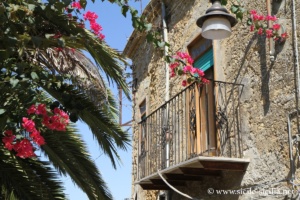
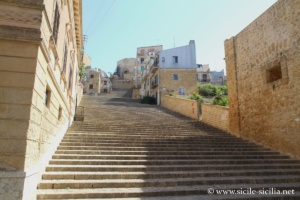
Staircase of the Duomo 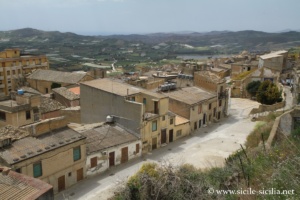
Panorama of Naro
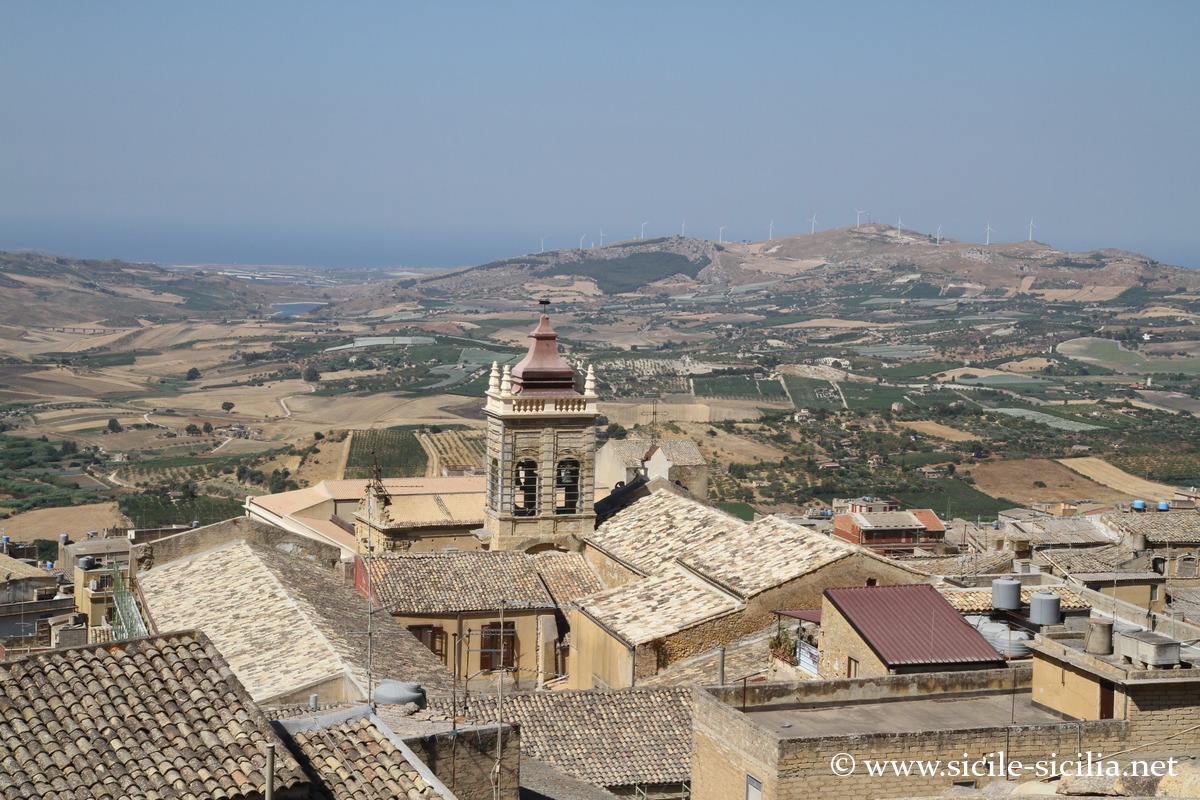
Porta d’Oro
The Porta d’Oro is one of the surviving elements of Naro’s medieval defensive system. It marked the main access to the upper town and formed part of the line of the ancient walls, of which it remains today one of the best-preserved witnesses. Its structure in local stone, with a round arch and visible sockets, illustrates the successive phases of adaptation of the fortifications between the Norman era and the interventions of the Chiaramonte in the 14th century.
Church of Saint Augustine
The church of Sant’Agostino, located on Piazza Padre Favara, was built in the 18th century and features Baroque architecture with a Latin cross plan and a dome over the transept. Its façade is adorned with statues sculpted by Calogero Vinci and it preserves an interior with three naves and cross vaults. The church houses numerous works of art, including a 16th-century crucifix, a monumental organ from 1770 and canvases by Domenico Provenzani. The choir and the antisagrestia present remarkable sculpted and painted elements, as well as several Baroque funerary monuments. Beneath the building, the crypt served as a burial place for the Augustinian monks and today contains commemorative niches.
Church of San Calogero
The church of San Calogero, dedicated to the patron saint of Naro, was established in the 16th century on the site where the hermit lived. The current sanctuary, built towards the end of the 16th century, is associated with a cave where the statue of the saint, made in 1556, is found, as well as with several painted works depicting episodes from the Franciscan tradition. The annual celebration of the saint in June remains one of the most important events in the city.
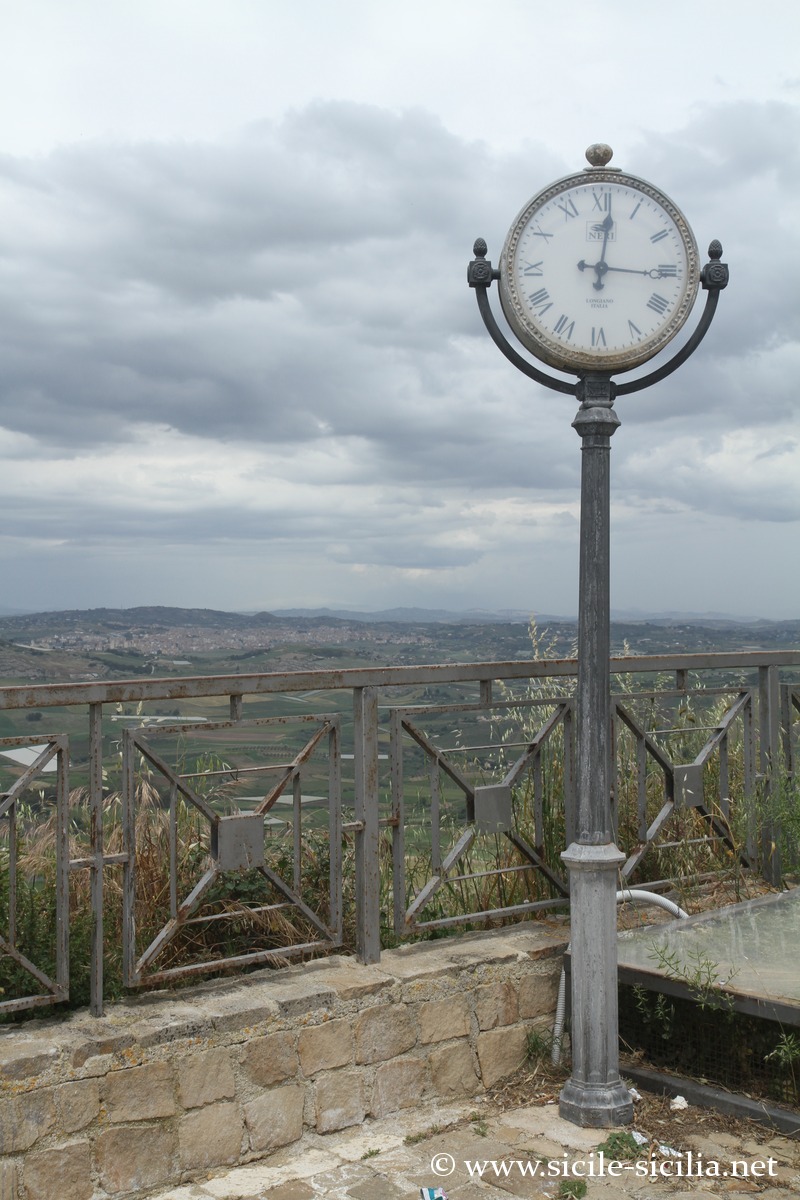
The heights around the San Calogero sanctuary offer several natural viewpoints over the Naro valley, the southern coast and the ridges of the Sicani mountains.
Malfiatano Palace and Feliciana Library
The Malfitano Palace, built in the 15th century, today houses the Civic Museum, structured around an important graphic collection bequeathed by Bruno Caruso and enriched by numerous holdings. The collection preserved includes several hundred modern and contemporary graphic works.
The Feliciana Library, founded in the 17th century and housed in the former Franciscan convent now occupied by the town hall, preserves more than thirteen thousand volumes, including manuscripts, incunabula, early editions from the 15th and 16th centuries, as well as a precious illuminated parchment codex dating from the 12th–13th century.
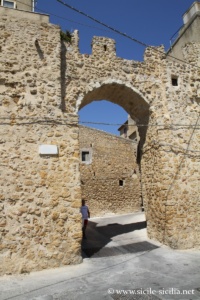

Porta d’Oro 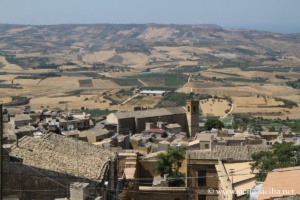
Panorama over Naro 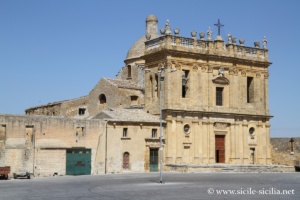
Church of Sant’Agostino 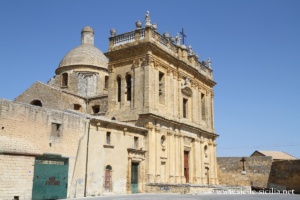
Church of Sant’Agostino 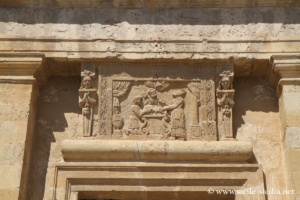
Portal of Sant’Agostino 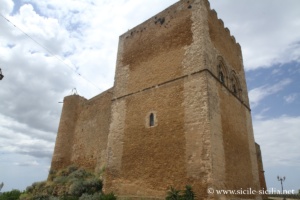
Medieval castle of Naro 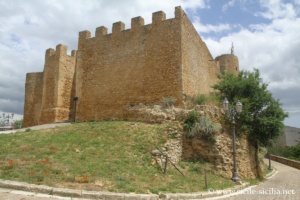
Medieval castle of Naro 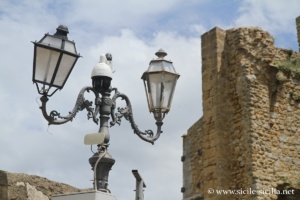
Panorama of the castle
Other churches and sites of Naro
- In the Canale district, the paleochristian catacombs, used between the 4th and 6th centuries, comprise several hypogea (A, B, C, D) served by a dromos and structured by long side galleries with funerary niches. The main hypogeum, sometimes called “Grotta delle Meraviglie”, features fourteen niches arranged symmetrically
- Located at the southern end of the historic centre, the Chiesa dei Cappuccini, also called Santo Spirito, is a building linked to the establishment of the mendicant orders in the region from the 15th century onwards. The building, remodelled several times, preserves an interior with a single nave characteristic of Capuchin conventual constructions. The side chapels still present marble altars and sober decorative elements corresponding to the Franciscan tradition.
- The Chiesa del Carmelo occupies an area near the southern gate of the town and dates back to the 16th–17th centuries, a period during which Carmelite foundations spread in Sicily. The building preserves a simple façade framed by pilasters and a carved stone portal. The interior houses several votive statues and paintings linked to Marian worship, some of which probably come from the adjoining convent once active on the site.
- Among the former parishes of Naro, the Chiesa di San Nicolò di Bari constitutes another point of reference in the local religious fabric. Its construction probably dates back to the late medieval period, before being restructured in a more sober style during the 17th century. The church has a main altar dedicated to San Nicolò and preserves various liturgical objects, testifying to the role of the parish in the daily life of the community up to the modern era.
Surroundings of Naro
Two kilometres south-east of Naro, on a hill (Monte Akragante) the site of the Castellaccio corresponds to an ancient fortress attributed to the Sicani population (13th century BC). Large cyclopean foundations, traces of staircases and a still-visible tower testify to the strategic importance of the plateau. The site also offers a vast panorama over the region.
South-west of the town, at the Serra di Furore, the relief north of the lake, are several rock-cut tombs dating from the Bronze Age.
The solfara Barriera is an ancient sulphur mine located in the surroundings of Naro, abandoned in the 20th century.
The Diga San Giovanni, built in the 20th century, gave rise to a vast artificial basin located a few kilometres south-east of Naro. The lake is now integrated into natural itineraries.
Where Naro is located: map
If you see this after your page is loaded completely, leafletJS files are missing.
Information
External sites
- Naro: en.wikipedia.org, www.comune.naro.ag.it, livingagrigento.it
- PDF guide of the municipality to visit Naro
Articles: surroundings of Agrigento
- Visit to Agrigento and surroundings
 C’est sur une colline, nommée Girgenti, que s’étend le centre historique d’Agrigente, formé de ruelles tortueuses et d’escaliers parfois un ...
 - Sicani Mountains
 The Sicani Mountains are a mountain range in the hinterland of western Sicily, straddling the provinces of Palermo and Agrigento, ...
 - Sutera
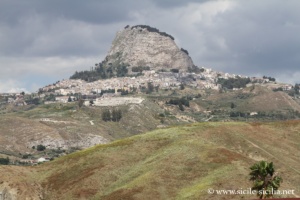 12 kilometres south of Mussomeli and near the beautiful Platani valley, the medieval village of Sutera is listed among “the ...
 - Scala dei Turchi
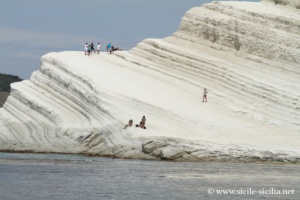 La Scala dei Turchi («escalier des Turcs» en français) est une paroi rocheuse dominant une partie de la côte près ...
 - Coastal itinerary west of Agrigento towards Sciacca
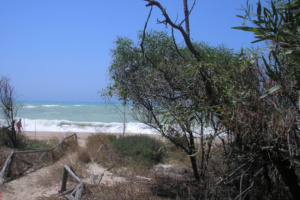 Itinéraire à l’ouest d’Agrigente, en partant de la maison natale de Pirandello au sud de la ville, poursuivant par Port ...
 - Favara, Racalmuto and Aragona
 If, after visiting the most attractive sites of Agrigento and its coastal strip, you are looking for a short getaway ...
 - Siculiana
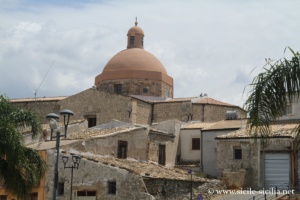 Siculiana is a pretty little village 20 km west of Agrigento, set on a promontory overlooking the coastal plain and ...
 - Campobello di Licata and Ravanusa
 Campobello di Licata is a small town in the province of Agrigento, in Sicily, founded in the Middle Ages and ...