
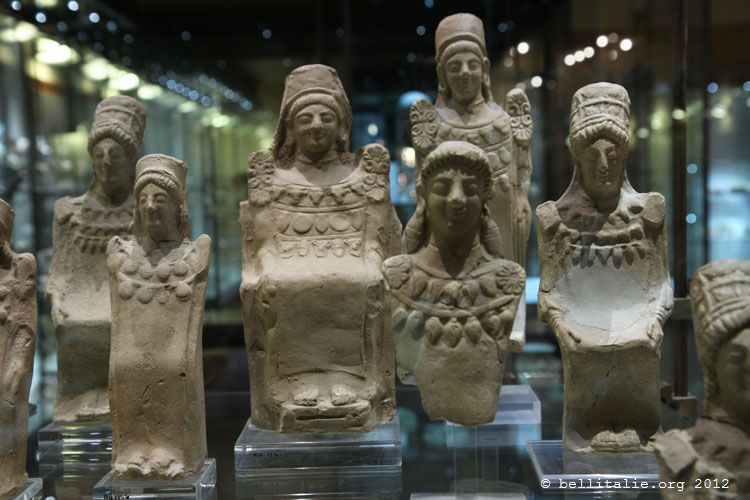
The Regional Archaeological Museum of Agrigento, officially named Museo Archeologico Regionale “Pietro Griffo”, is located on the hill of San Nicola (known as Poggetto San Nicola), overlooking the Valley of the Temples, to the south of the city.
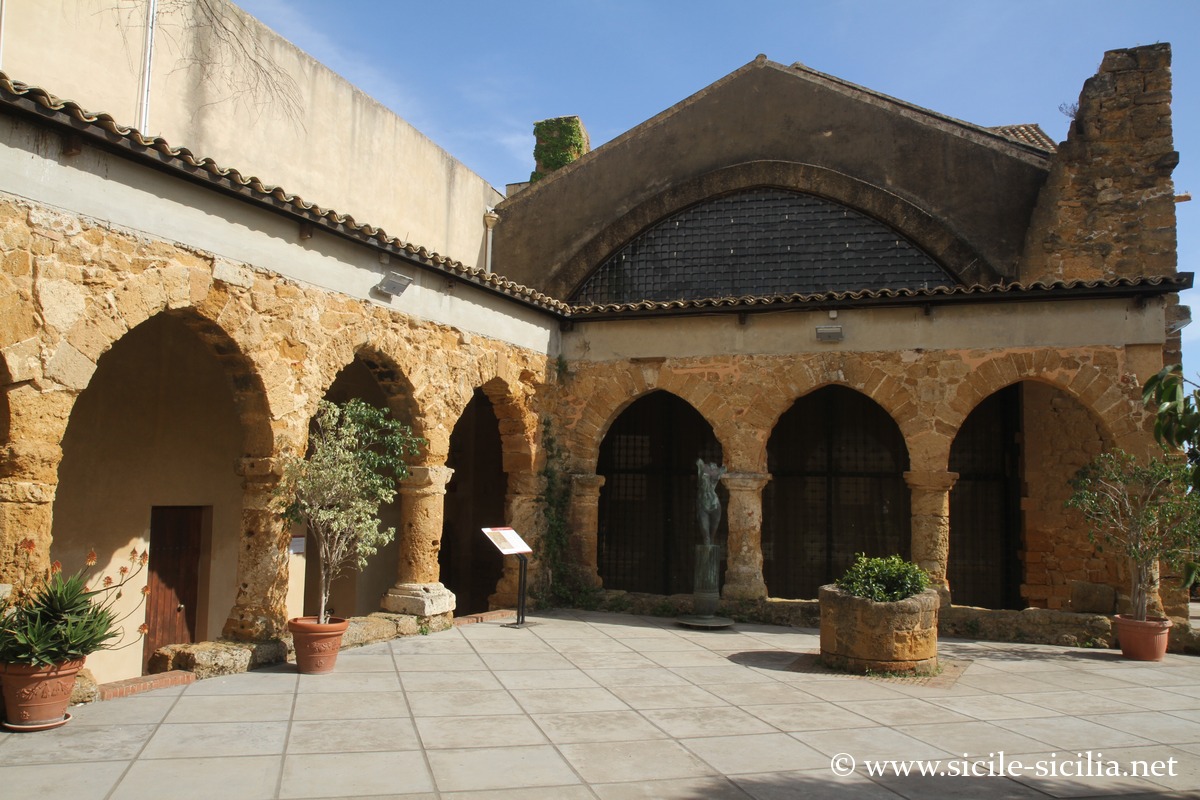
Inaugurated in 1967, it occupies the structures of a former Cistercian monastery from the 14th century, to which a modern building designed in the 1960s was added. The main entrance corresponds to the former cloister, integrated into the museum route.
Route and collections
The museum presents the history of Agrigento and its territory, from prehistory to the Greek, Punic, and Roman periods, with a collection of approximately 5,688 objects from excavations, old collections, and donations. The permanent exhibition spans 18 to 21 rooms (depending on groupings), organized into two main sections:
- The ancient city of Akrágas/Agrigentum (rooms 1 to 11)
- The extra-urban territory and pre-Greek / indigenous cultures (from room 12)
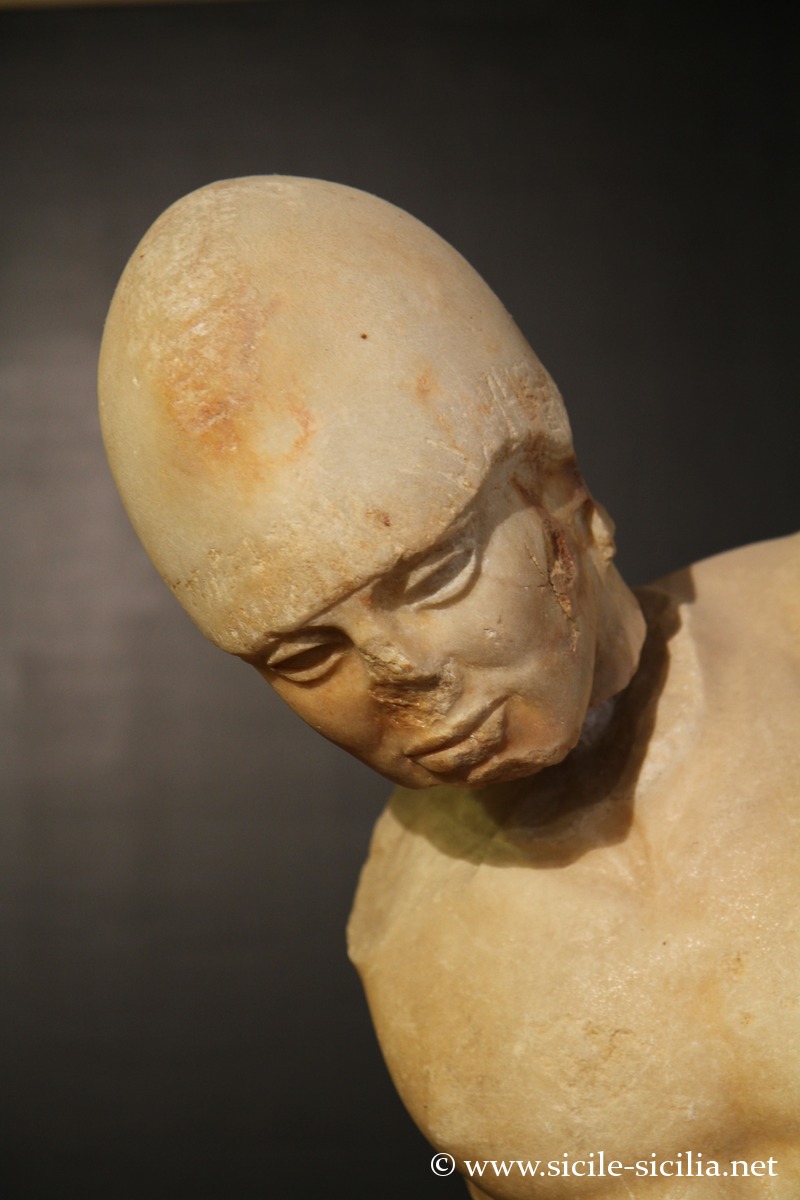
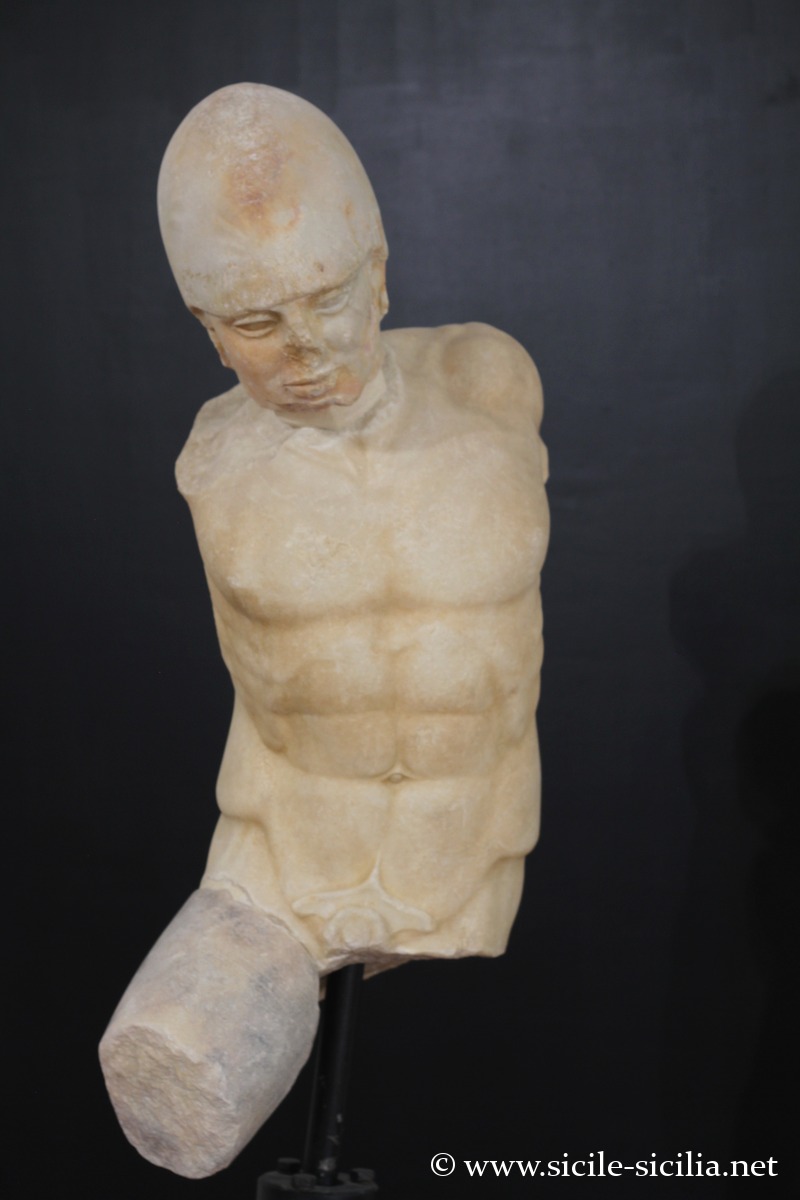
Warrior statue
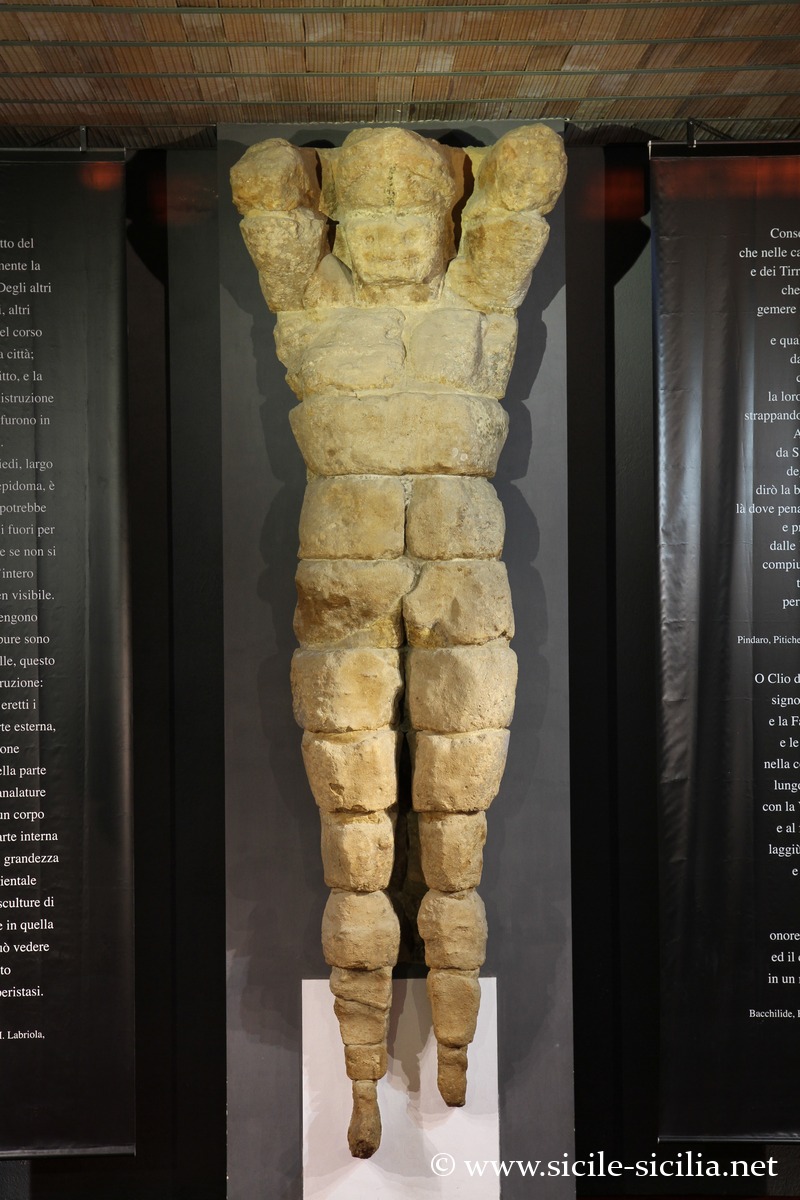
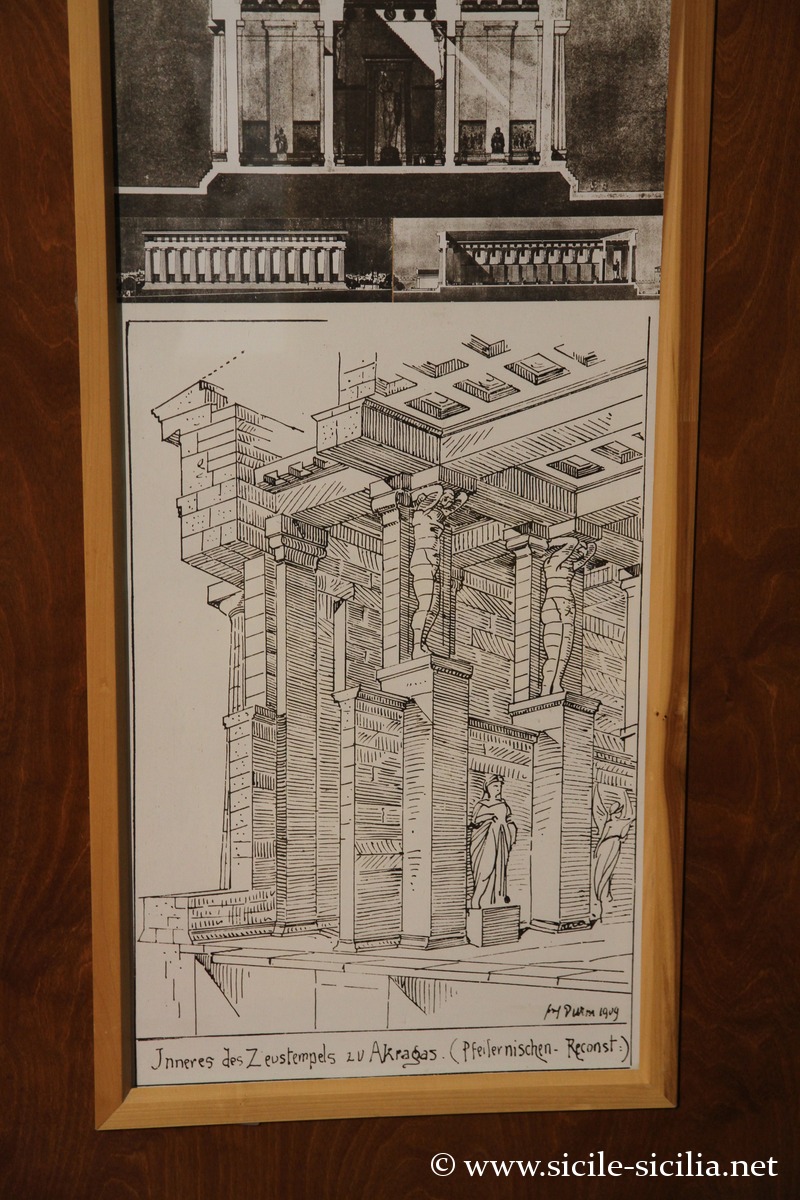
Among the most prestigious pieces is a monumental Telamon from the Temple of Olympian Zeus, dated to the 5th century BC. This colossal statue, about 7.65 meters high, is exhibited in a specially designed double-height room. It is one of the rare examples of anthropomorphic representation integrated into the architecture of a temple, attesting to the exceptional character of this building.
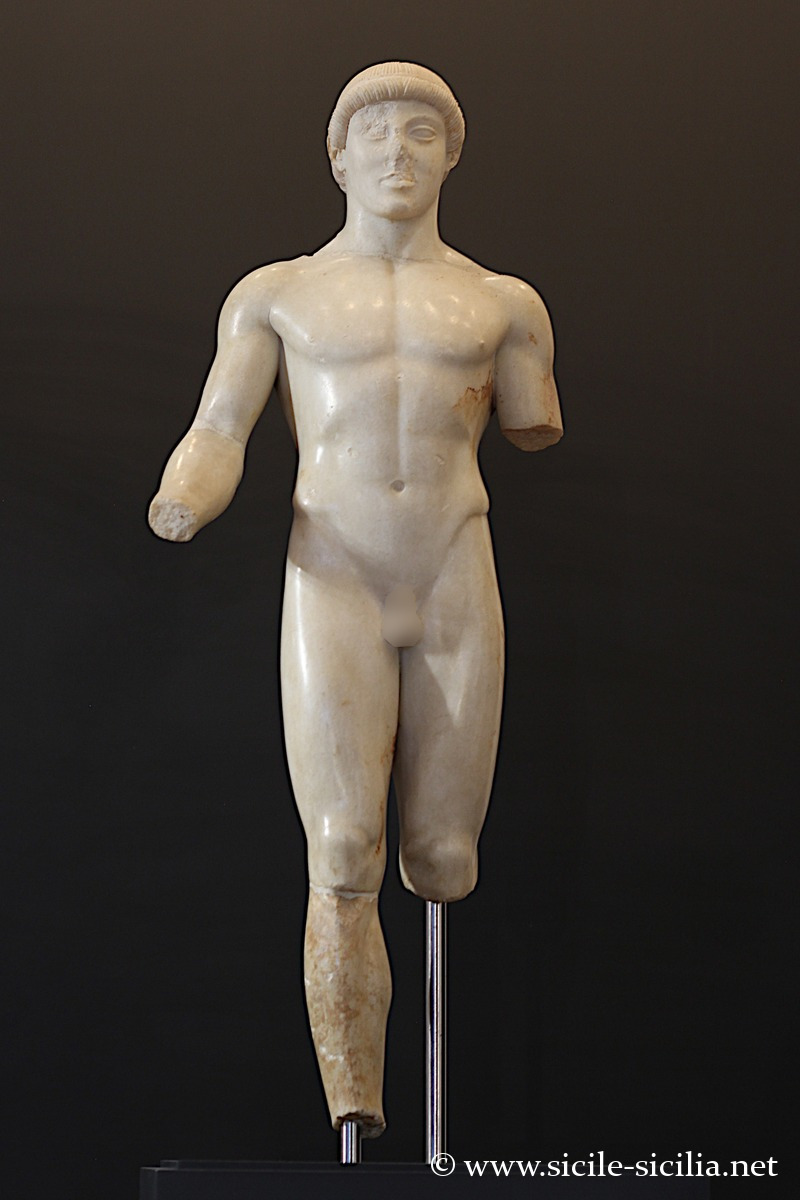
The collection also includes the Ephebe of Agrigento, or kouros of Agrigento, a marble sculpture dated to around 480–470 BC, representative of the Greek Severe style. It is exhibited in room X, within the route devoted to the city of Akrágas.
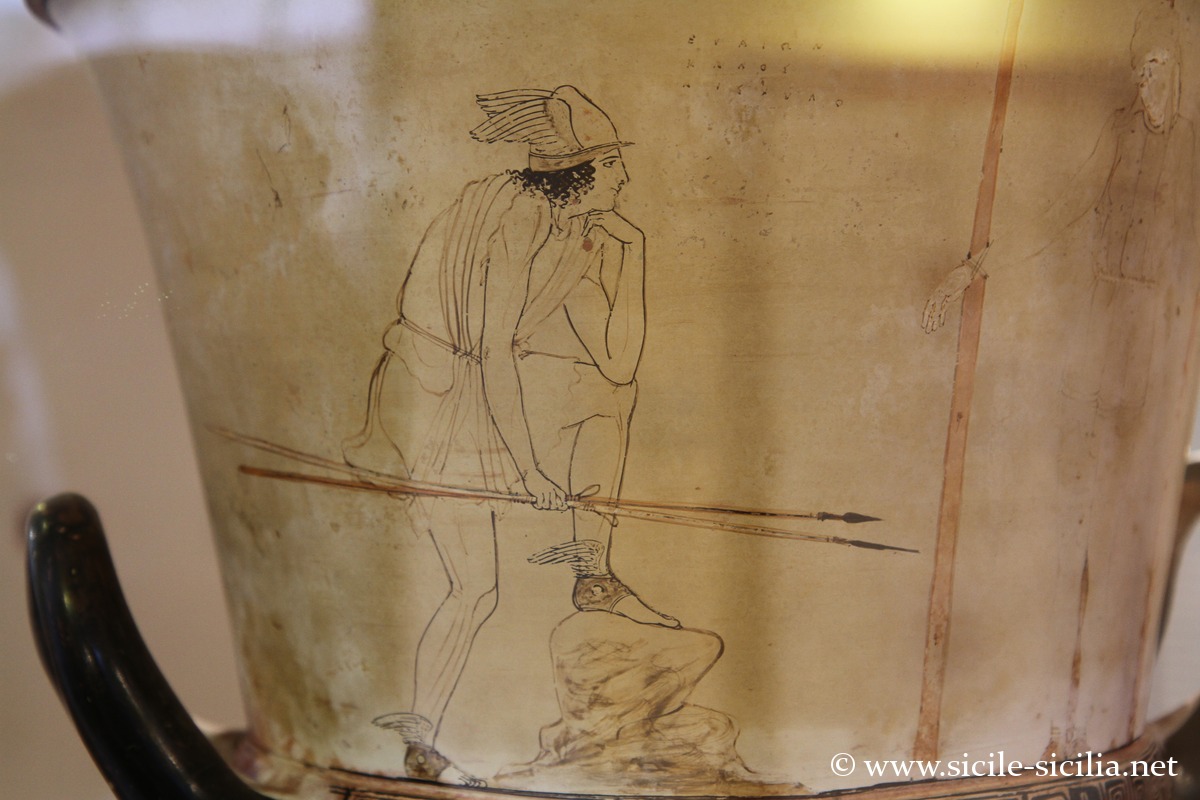
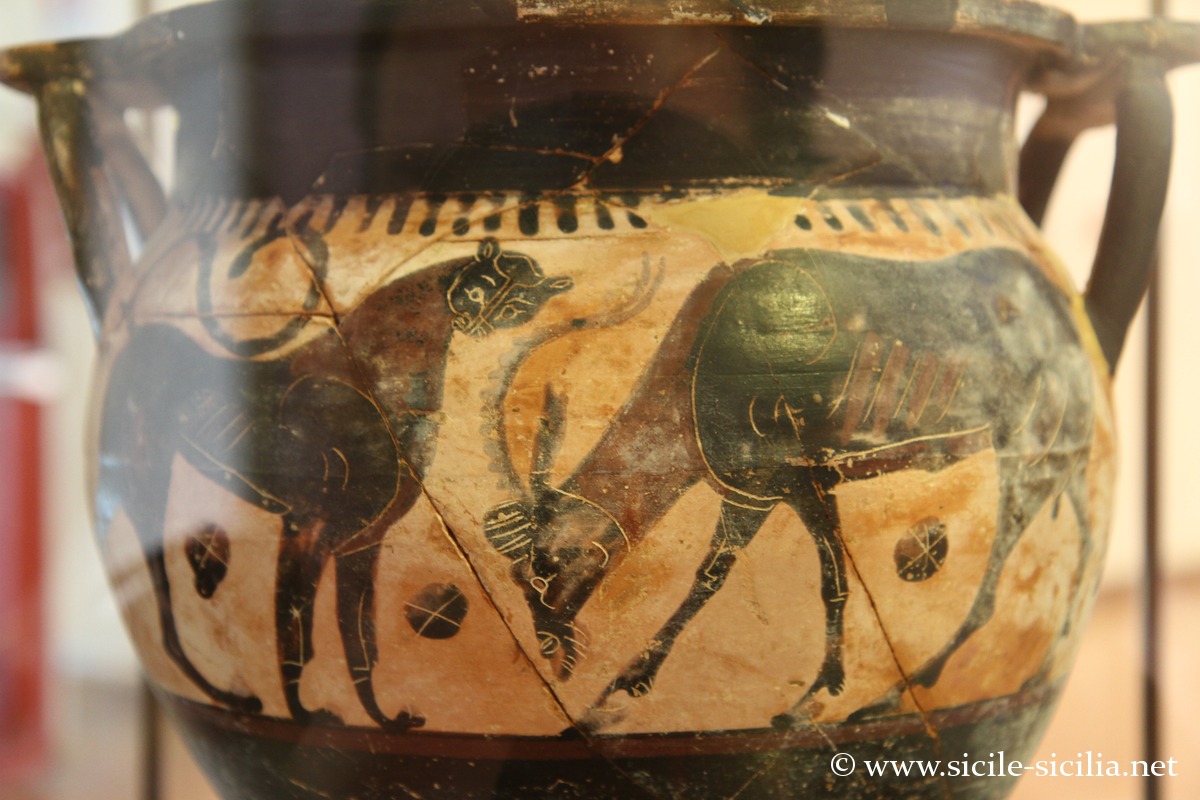
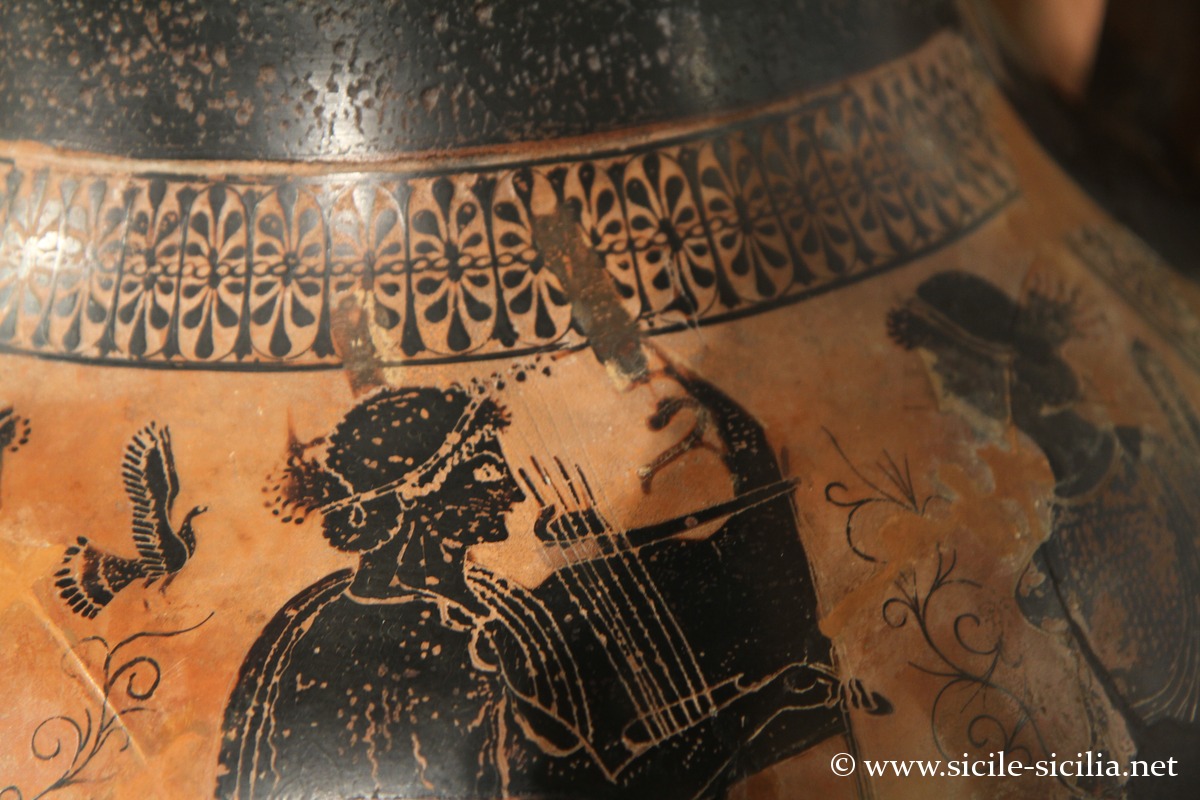
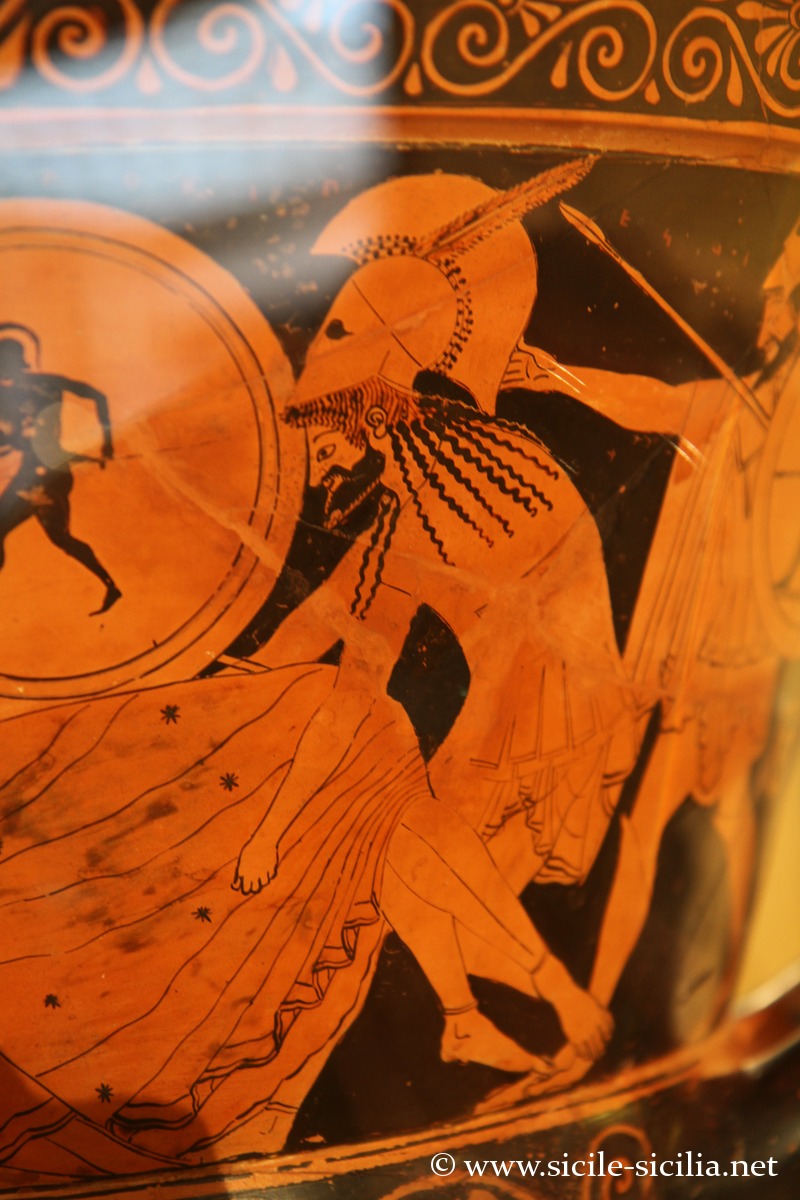
A remarkable section of the museum is dedicated to ancient vases from the 6th and 5th centuries BC, including Attic and Italic productions. There are black-figure, red-figure, and white-ground vases, coming notably from the Greek necropolises of Agrigento. Among the major works, a white-ground krater depicting Perseus and Andromeda, dated to around 430 BC, stands out.
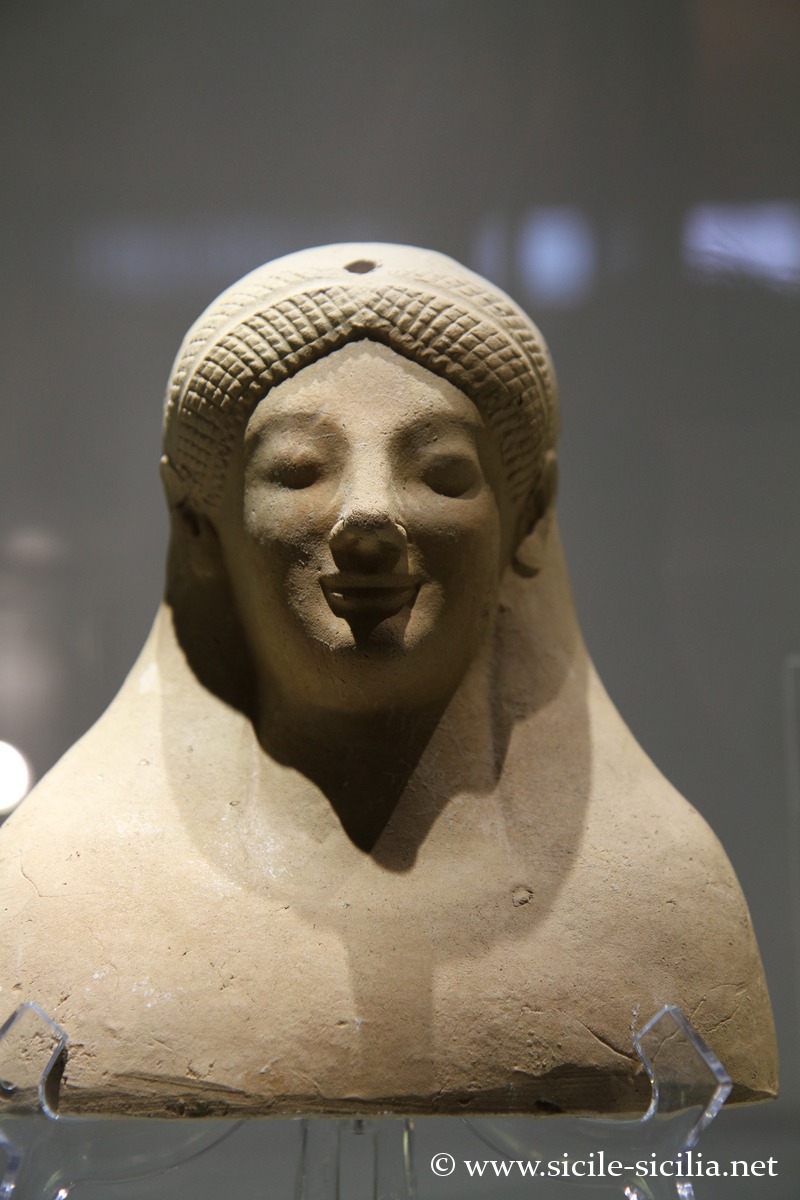
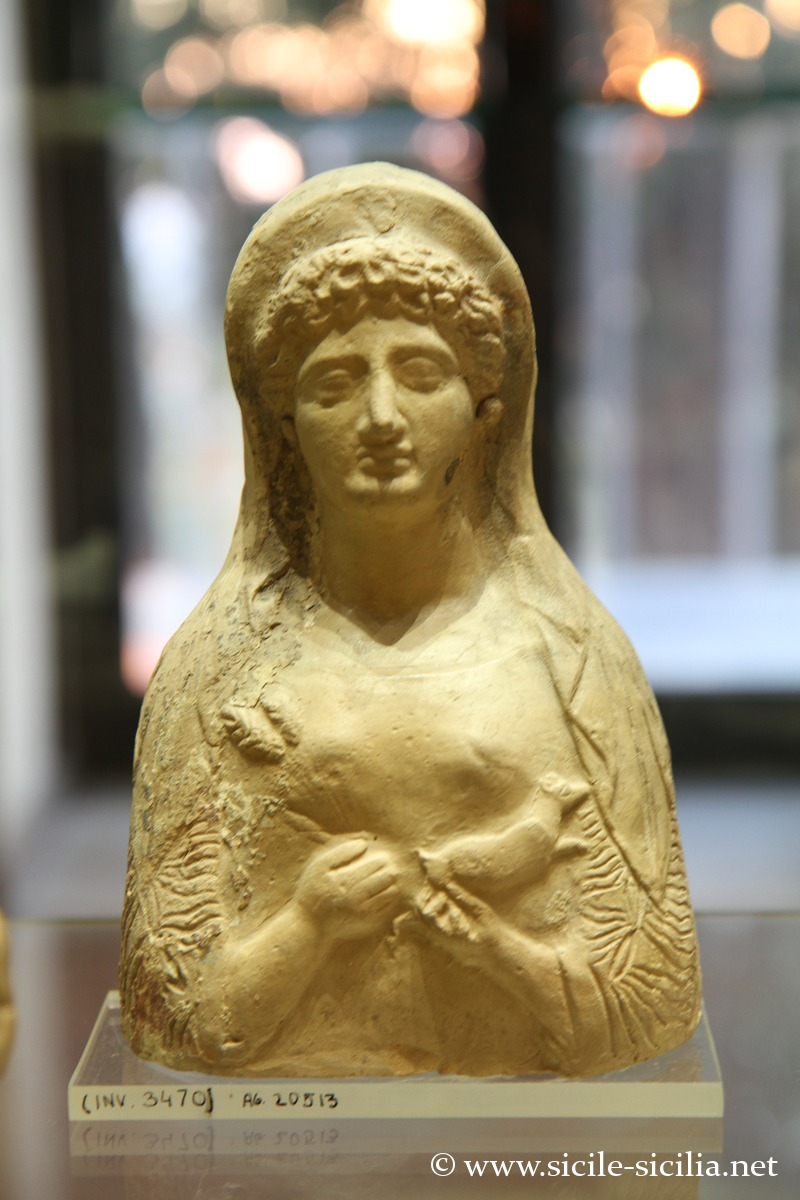
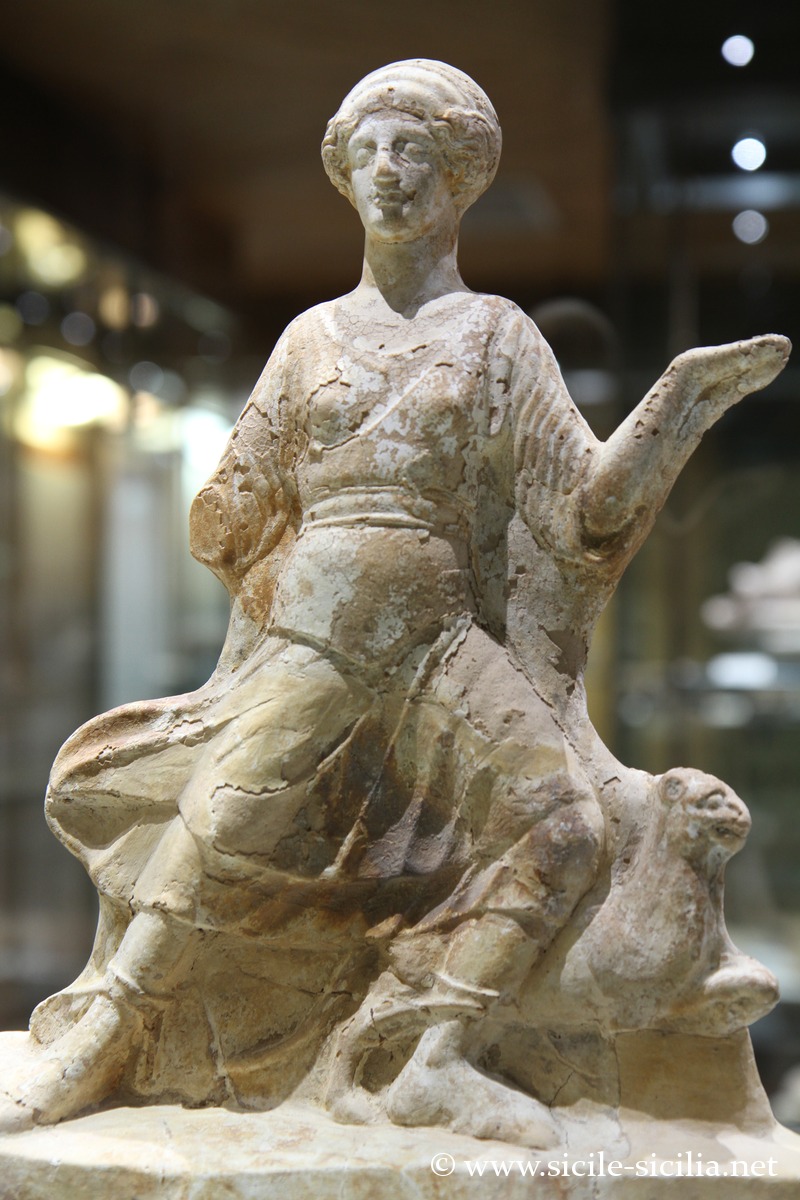
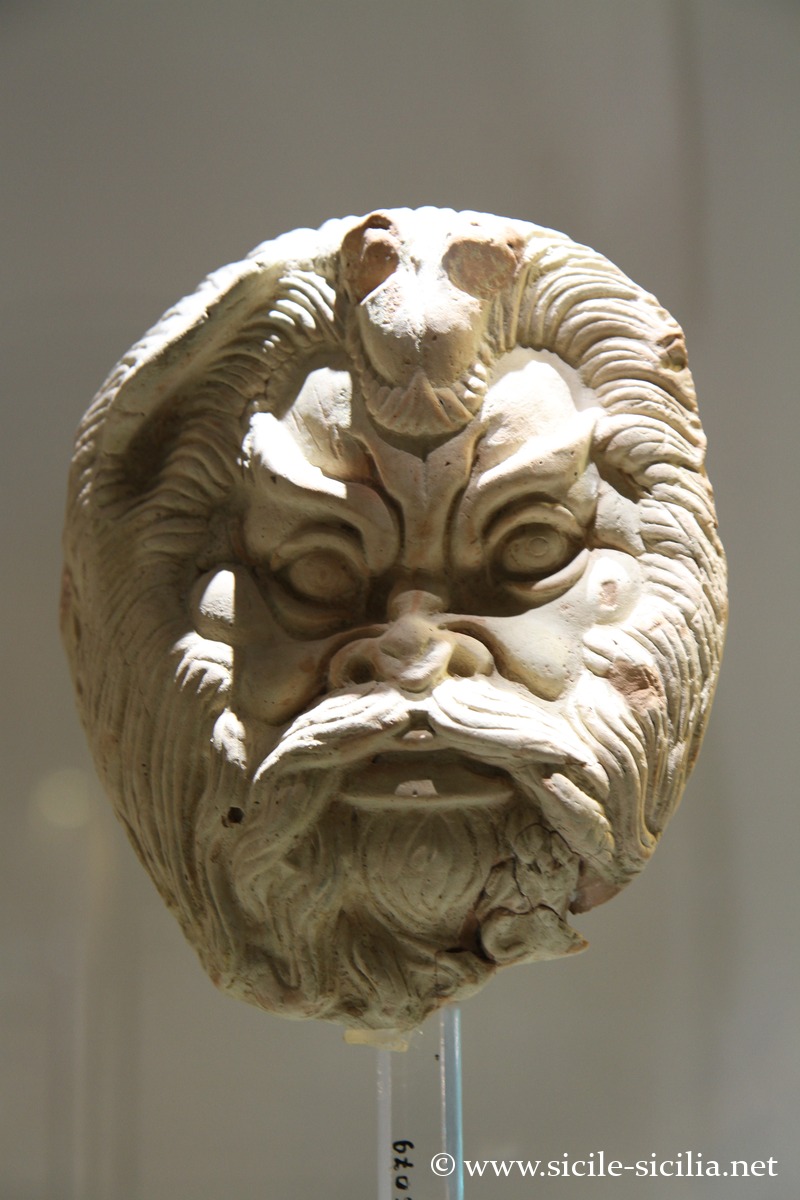
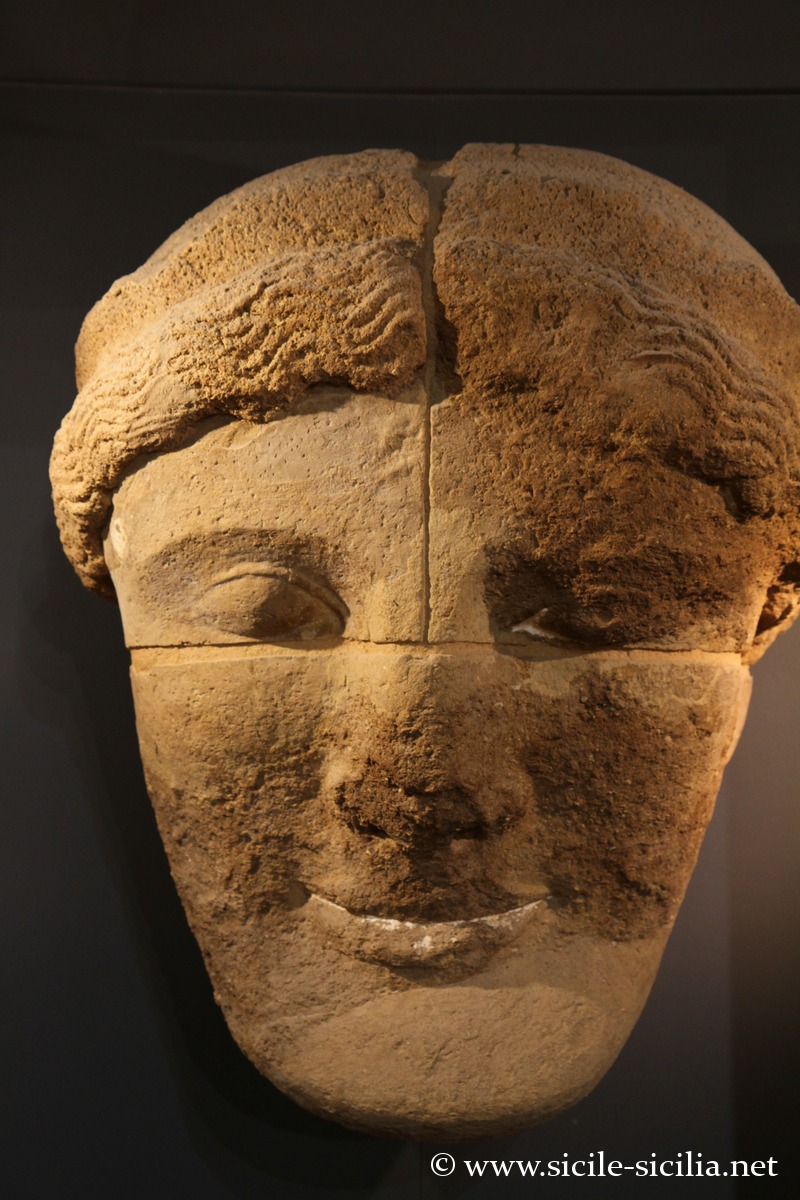
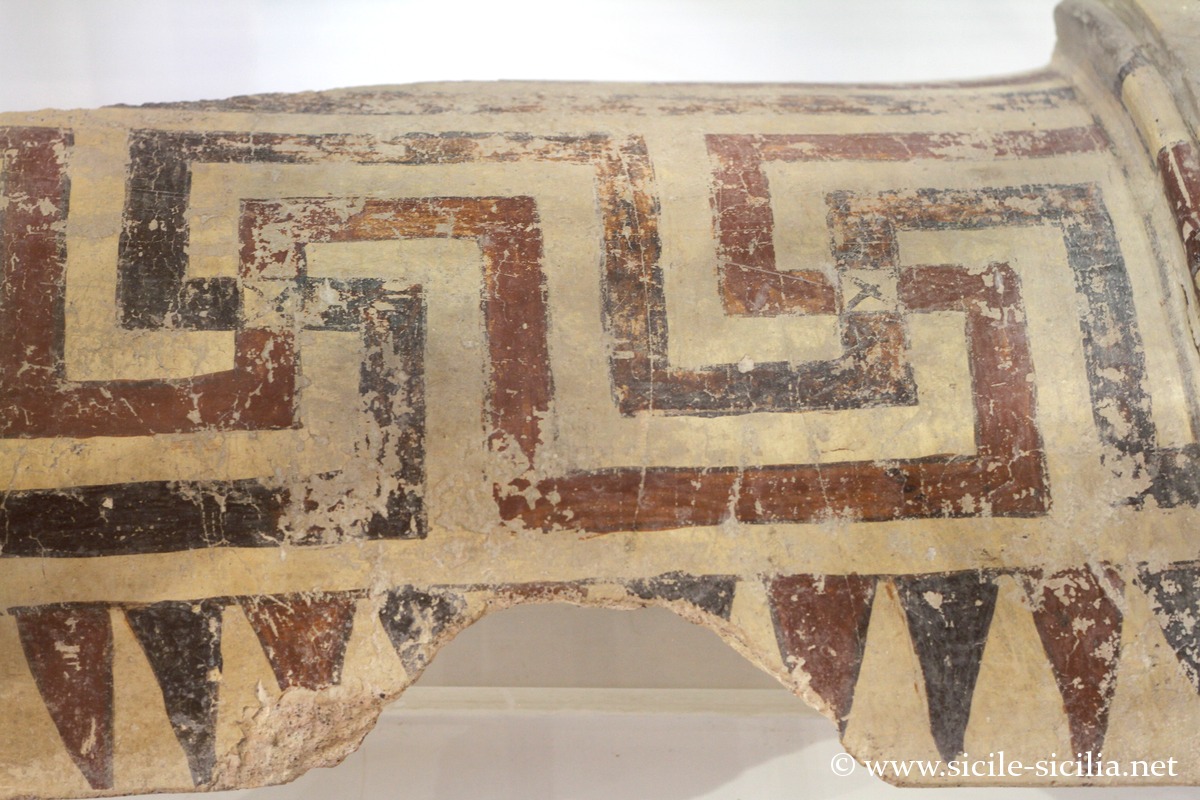
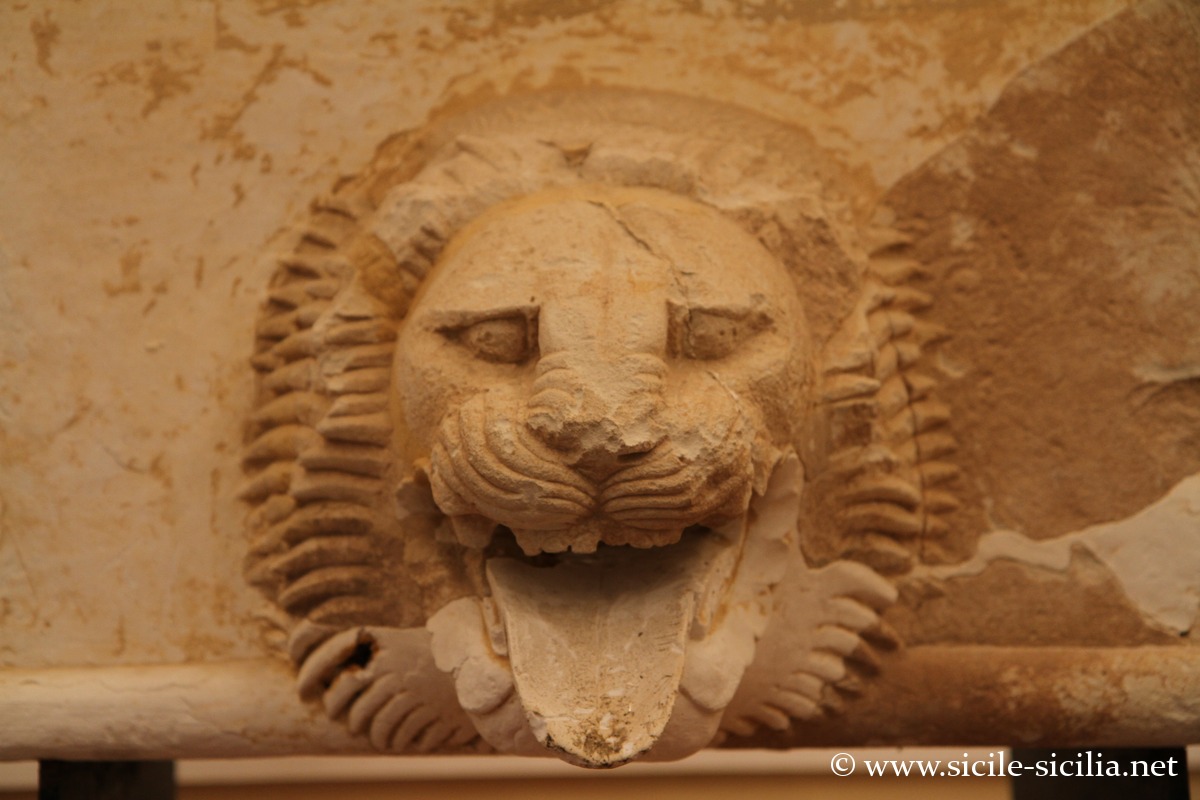
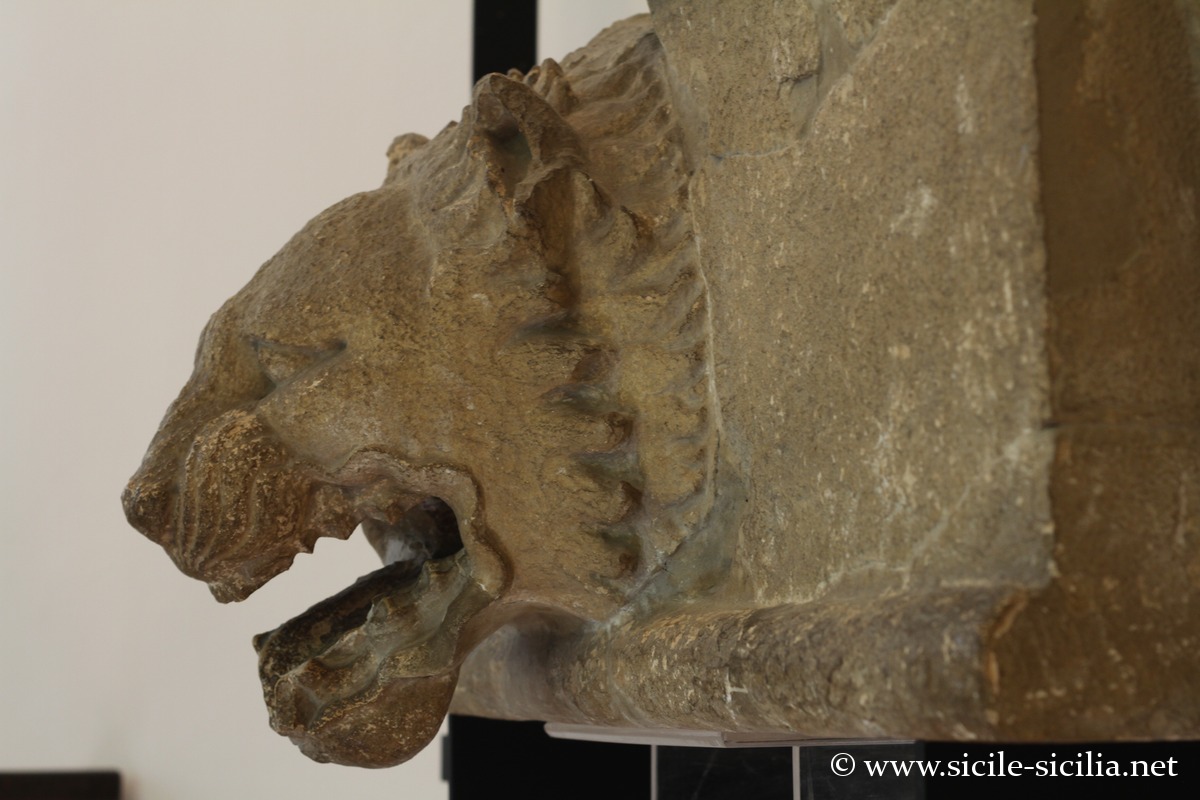
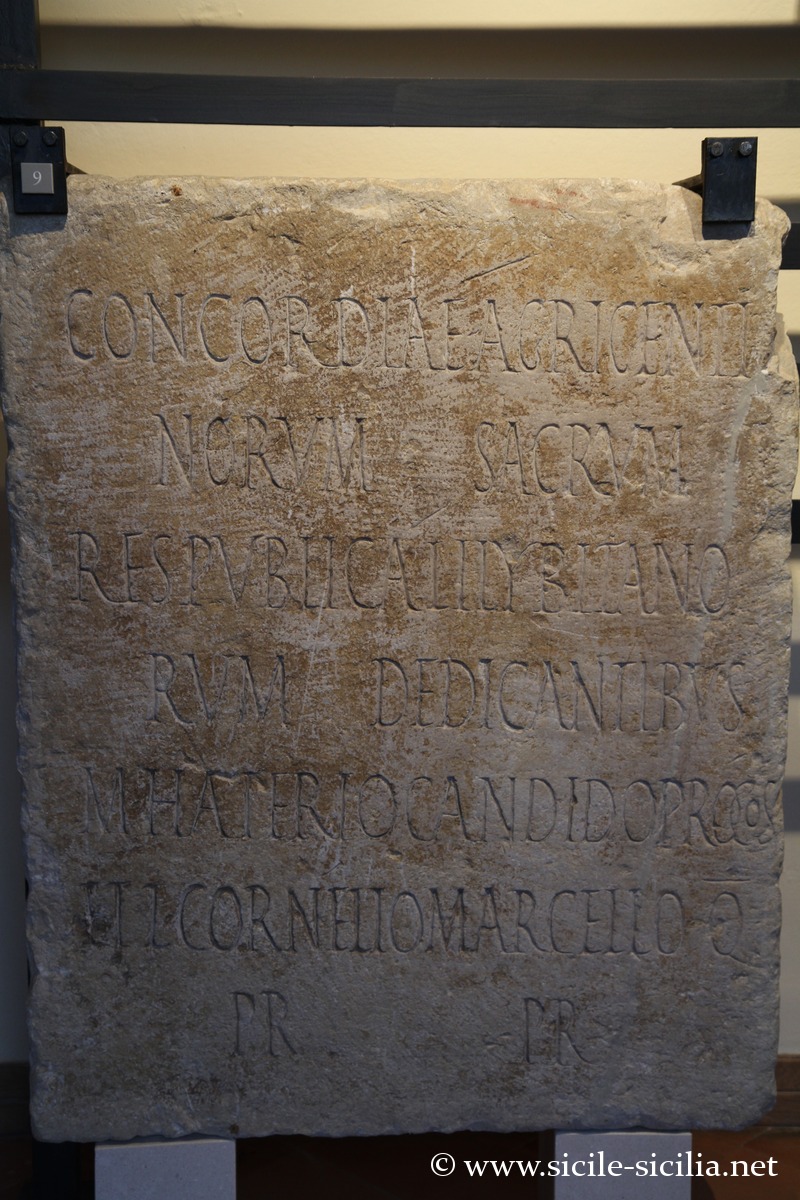
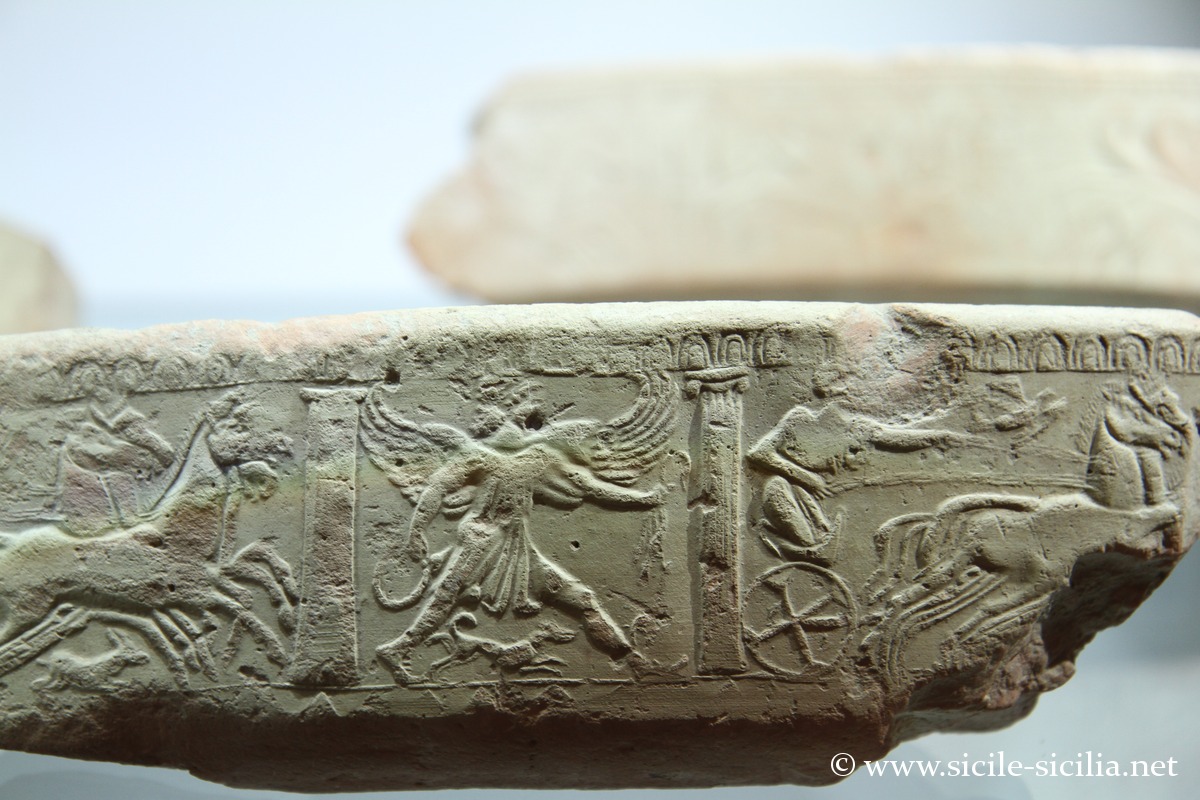
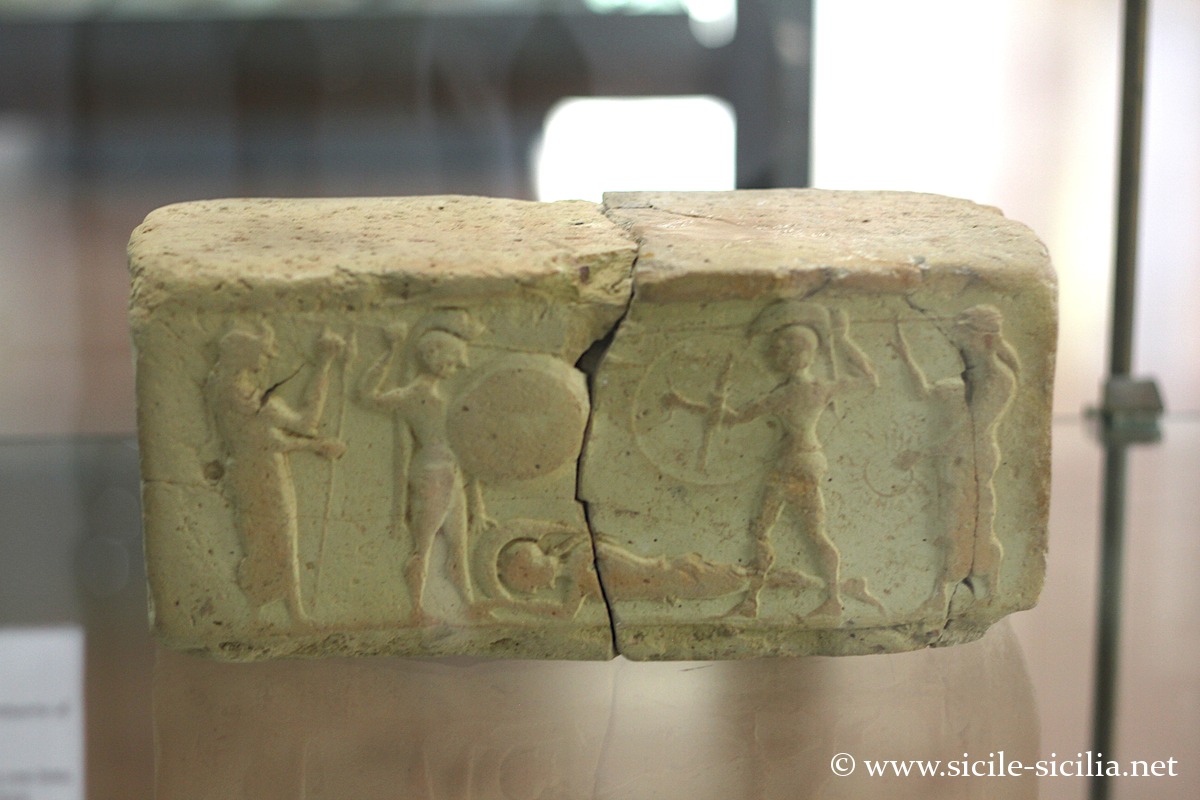
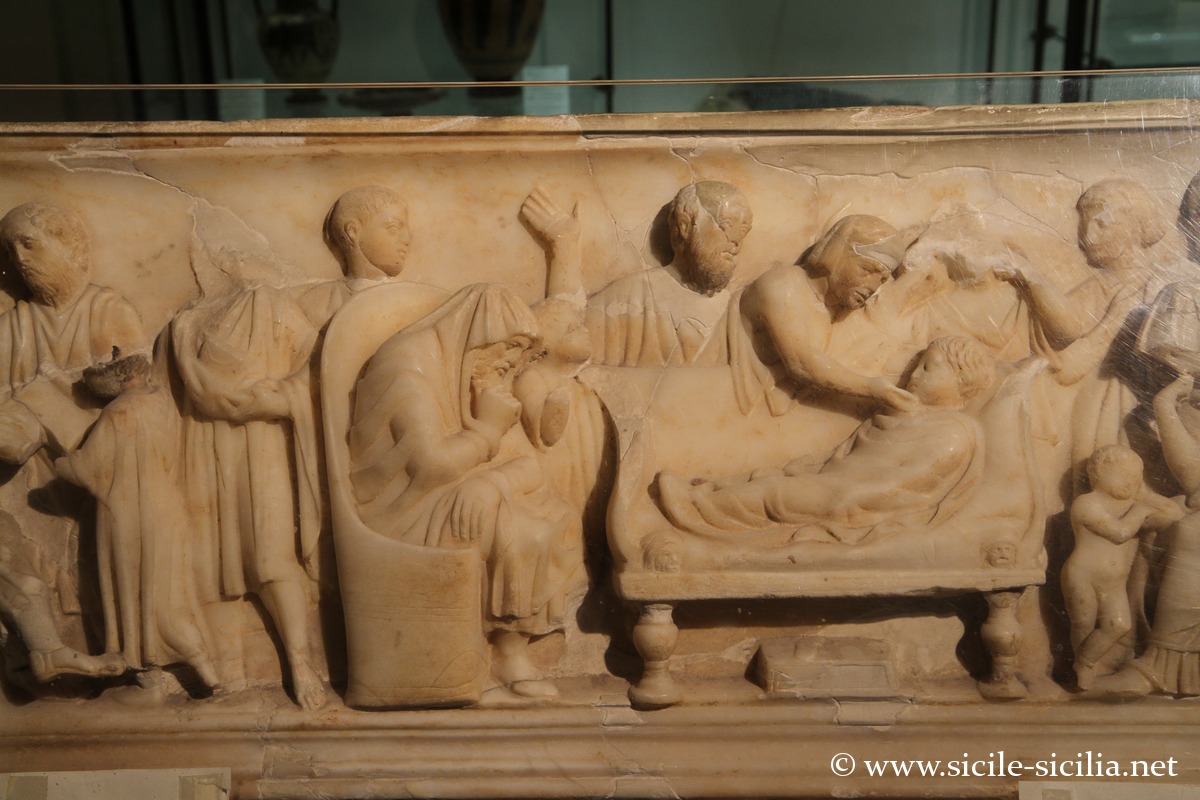
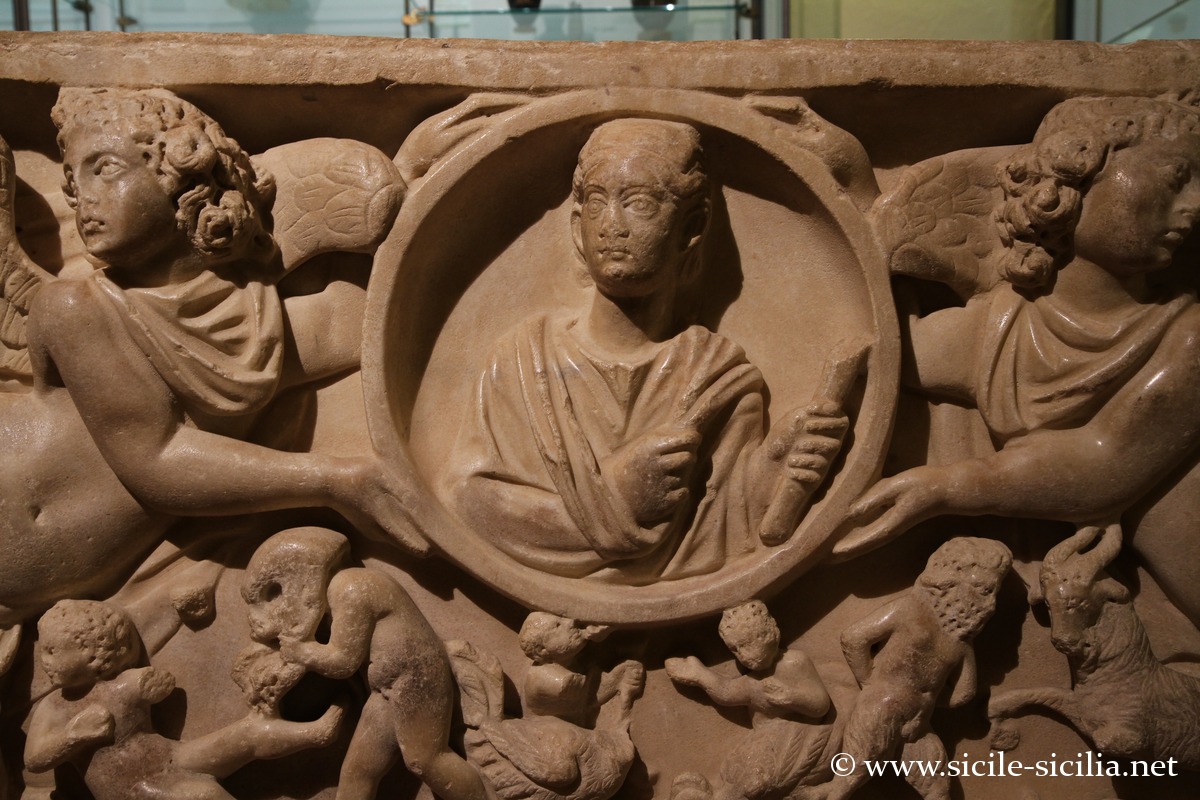
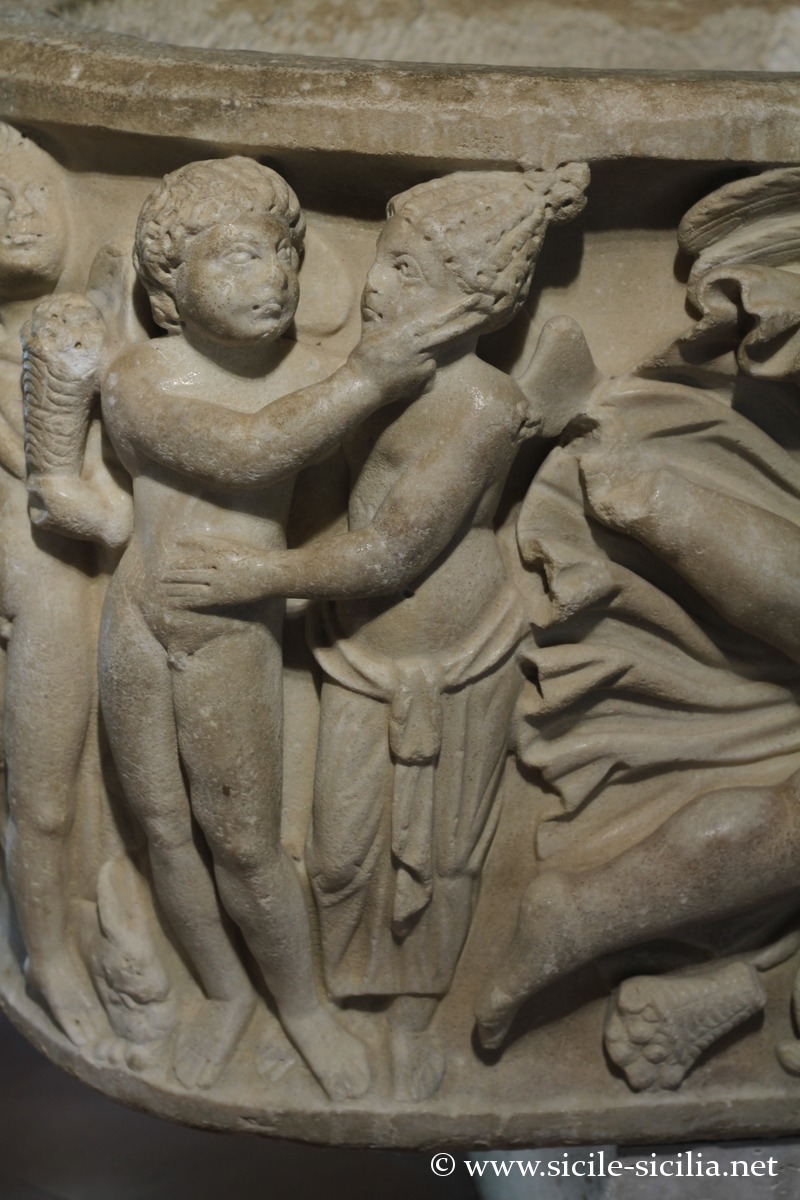
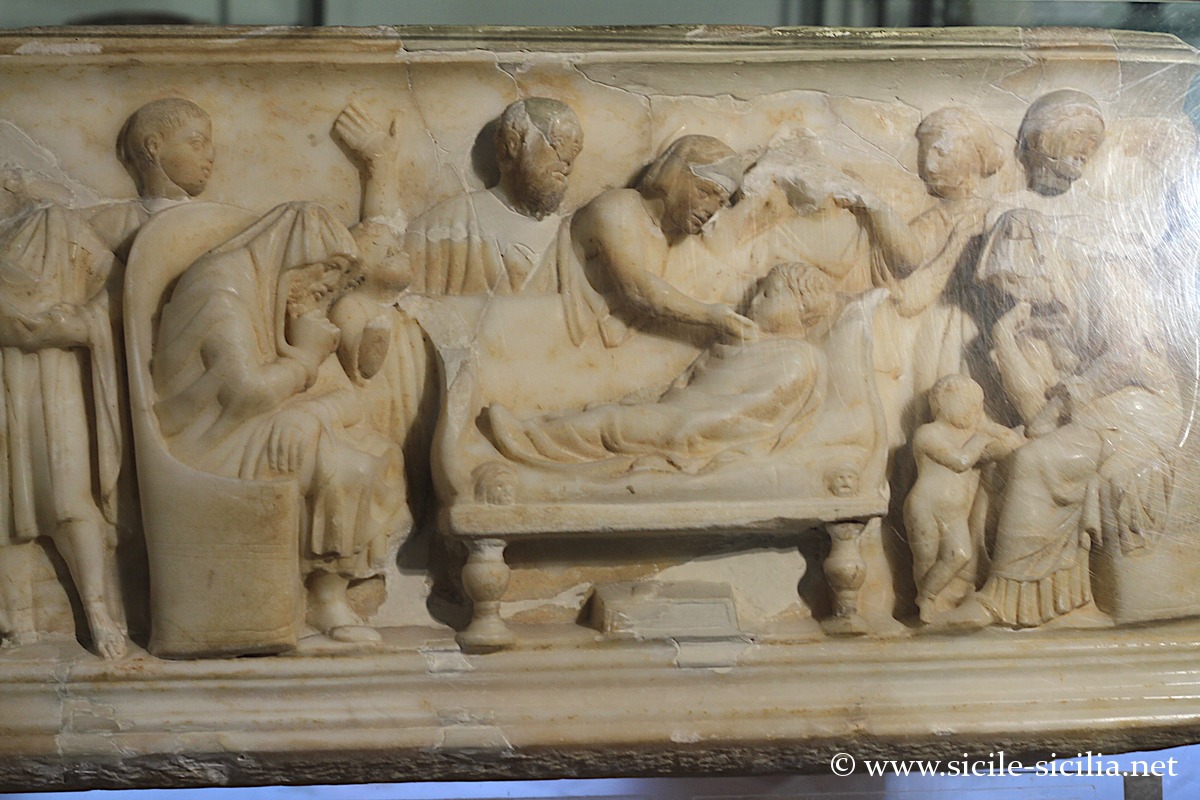
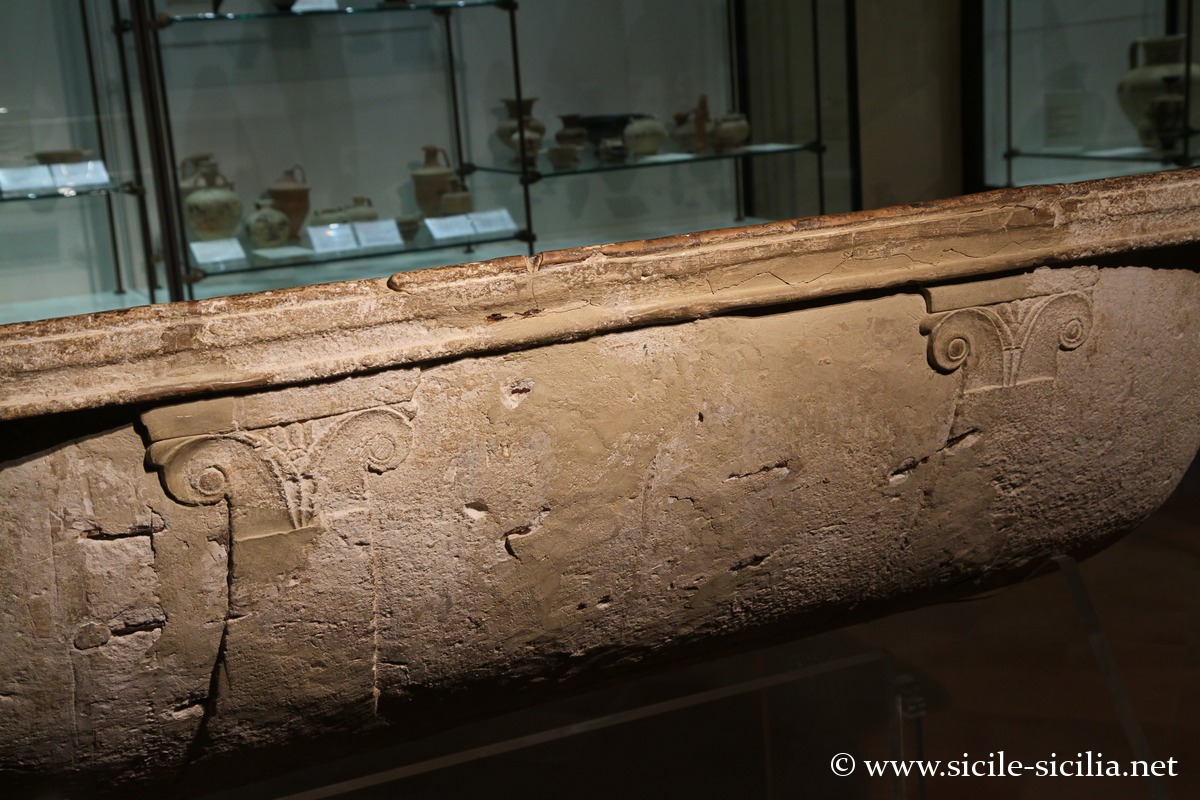
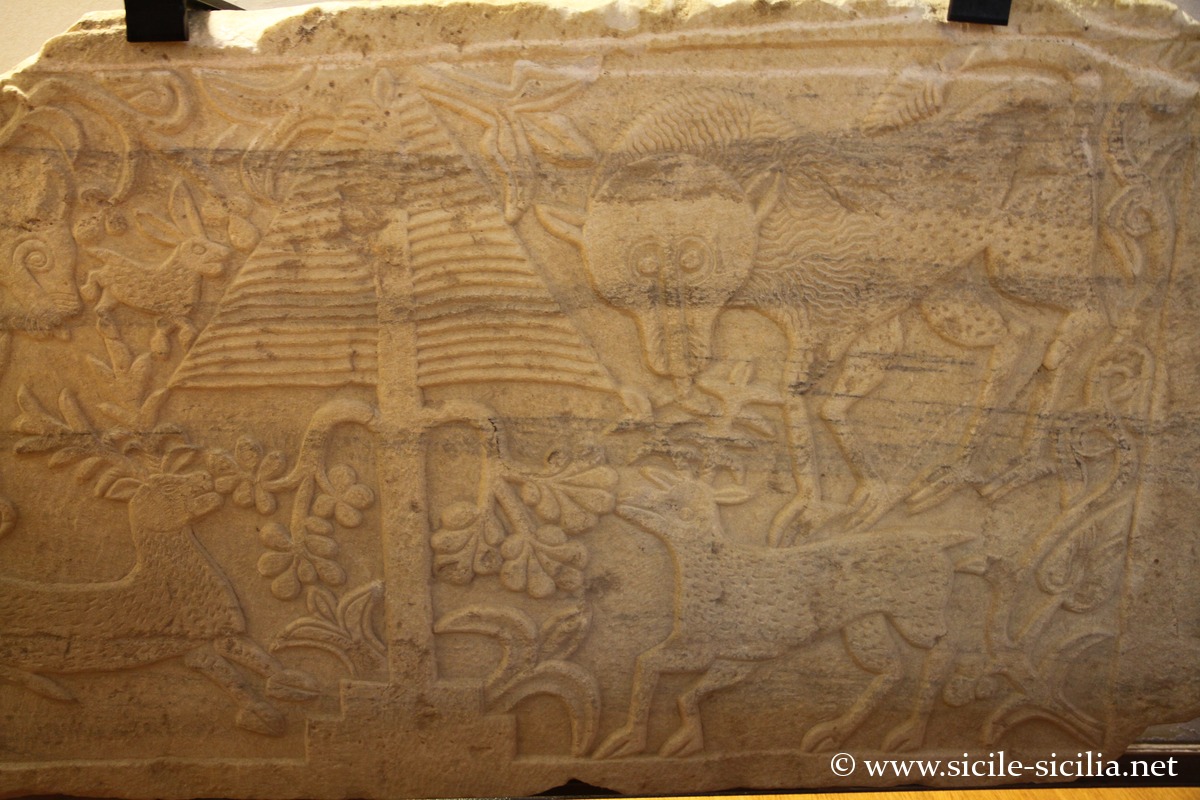
The museum also holds a collection of sarcophagi, mainly Roman and dated to the 2nd century AD, from the necropolises that surrounded the ancient city. In addition, there is an important numismatic section (presented in room 9), epigraphs (room 8), as well as architectural objects (simas, decorative elements, votive terracottas linked to the cults of Demeter and Kore), molds, mosaics, and various artifacts from the excavations of the site.
Where is the archaeological museum of Agrigento: map
If you see this after your page is loaded completely, leafletJS files are missing.
Museum gallery
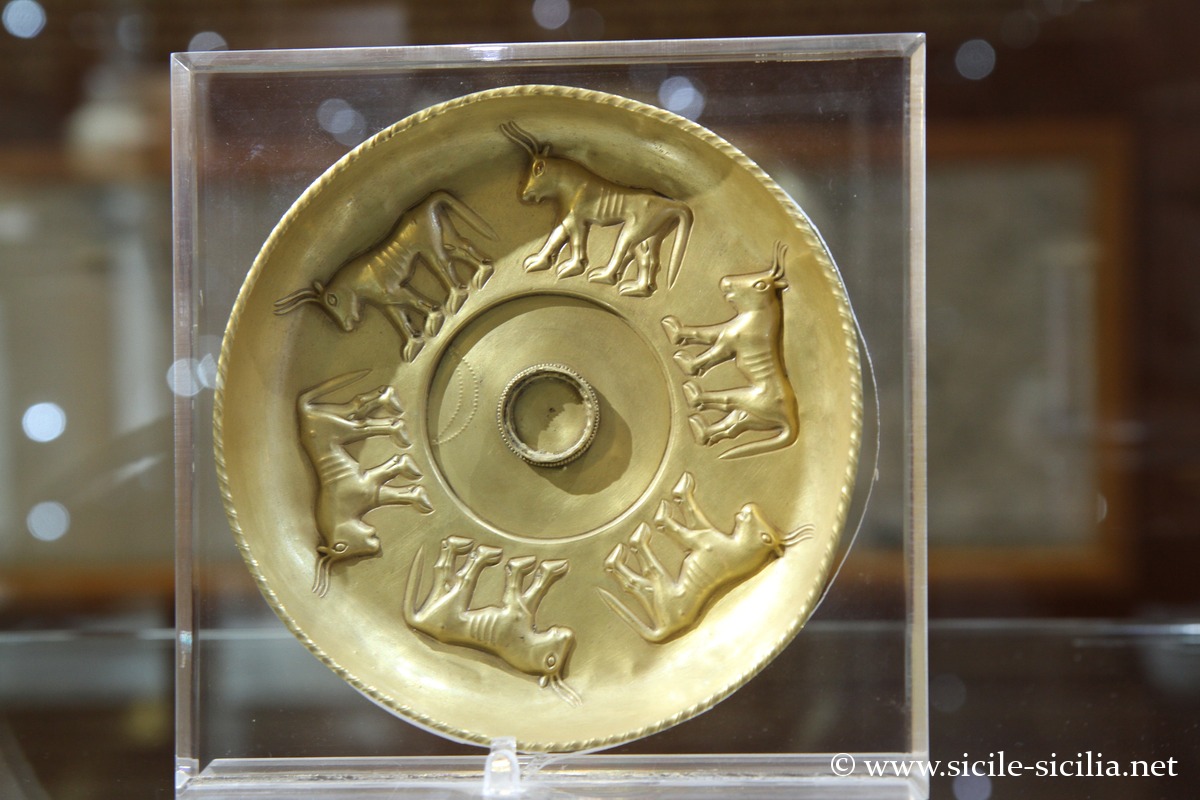
Patera d’oro (copy) 
Warrior (5th century BC) 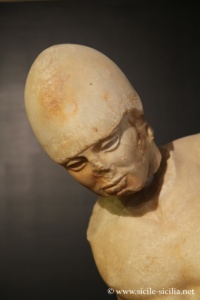
Warrior torso 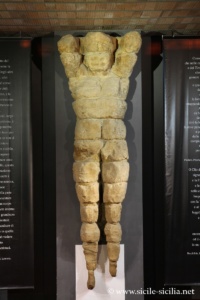
Original Telamon from the Temple of Zeus 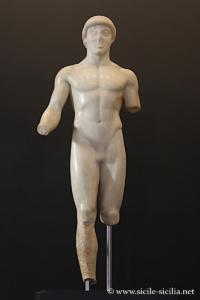
Ephebe of Agrigento (Kouros) 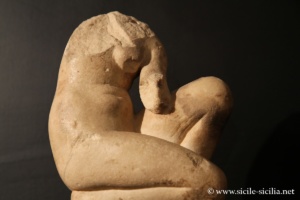
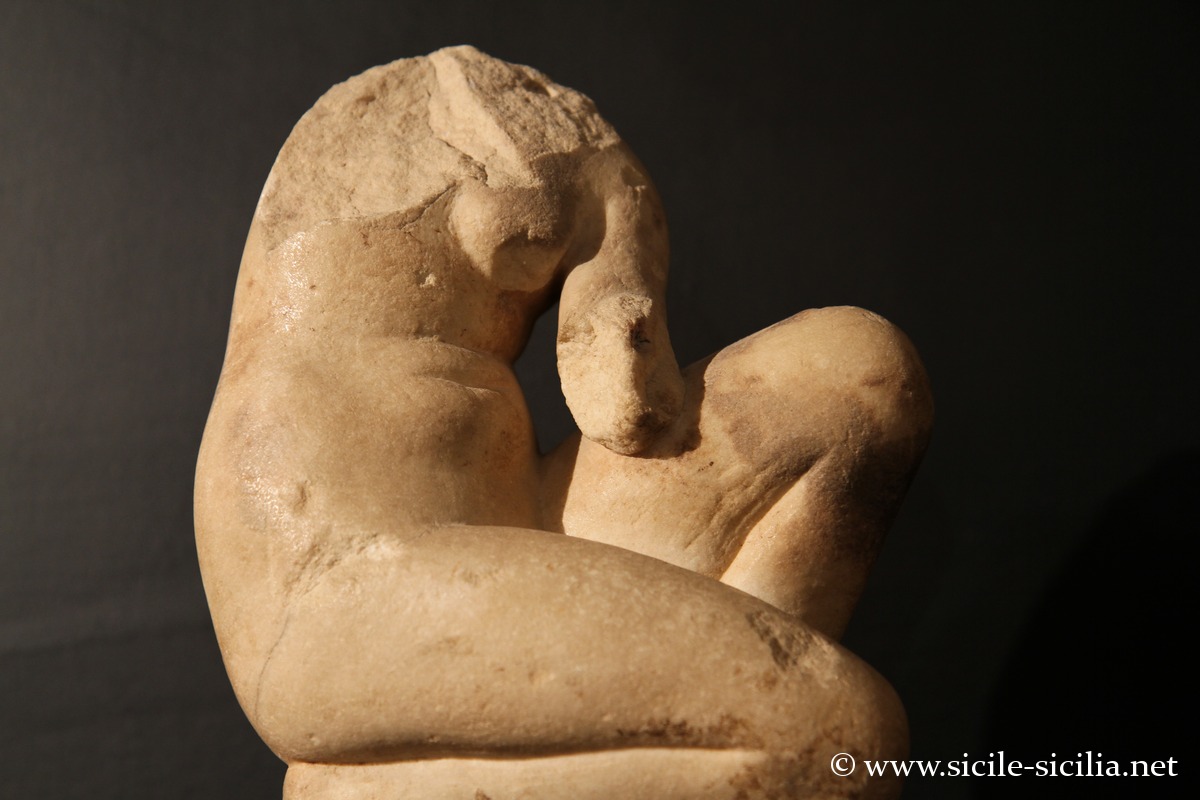
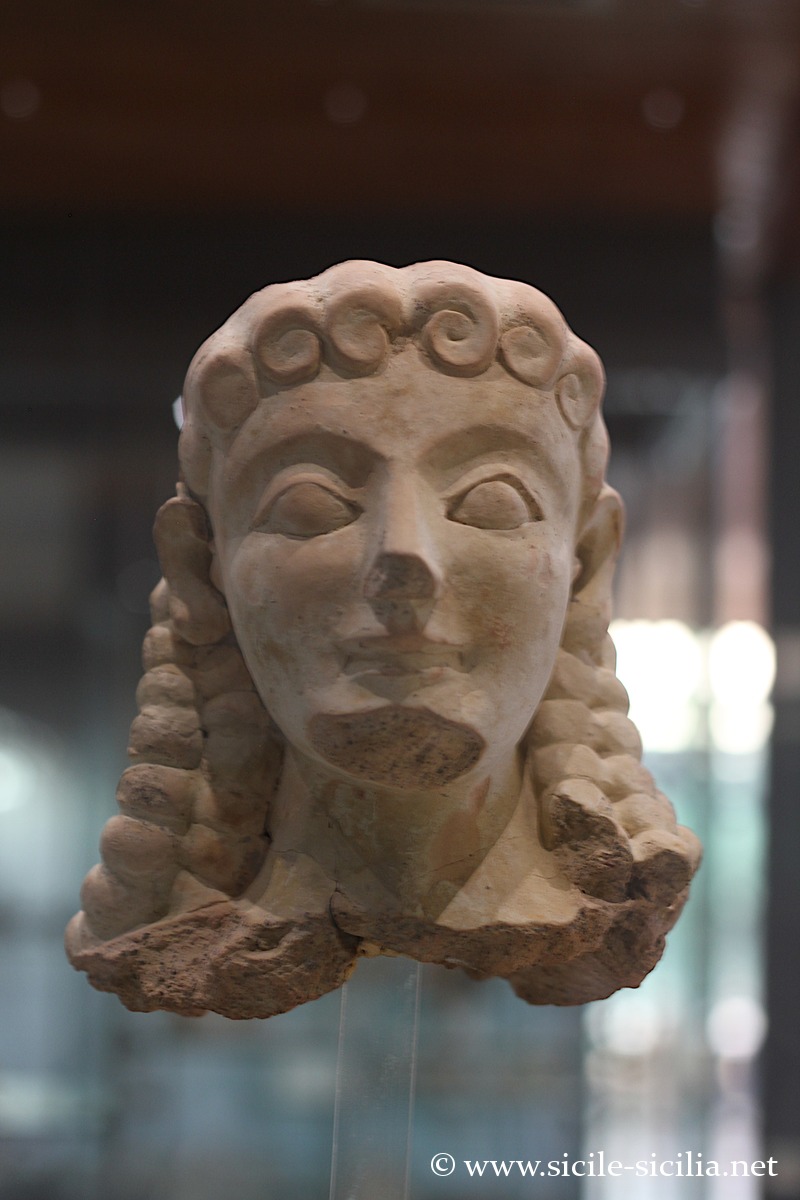
Aphrodite 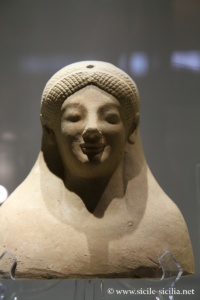
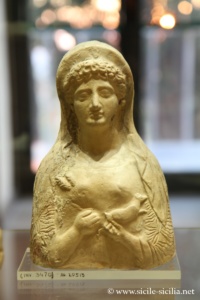
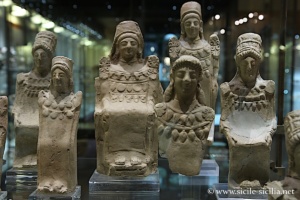
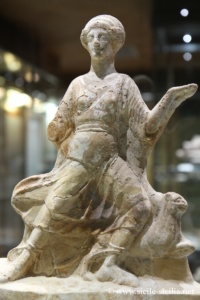
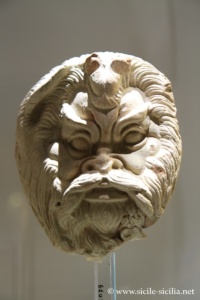
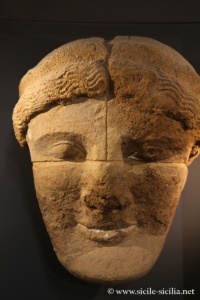
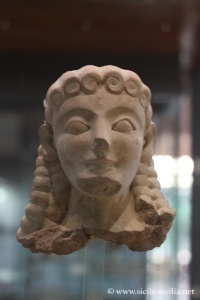
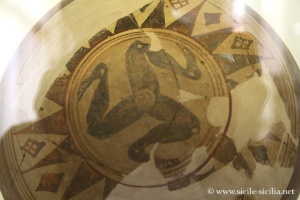
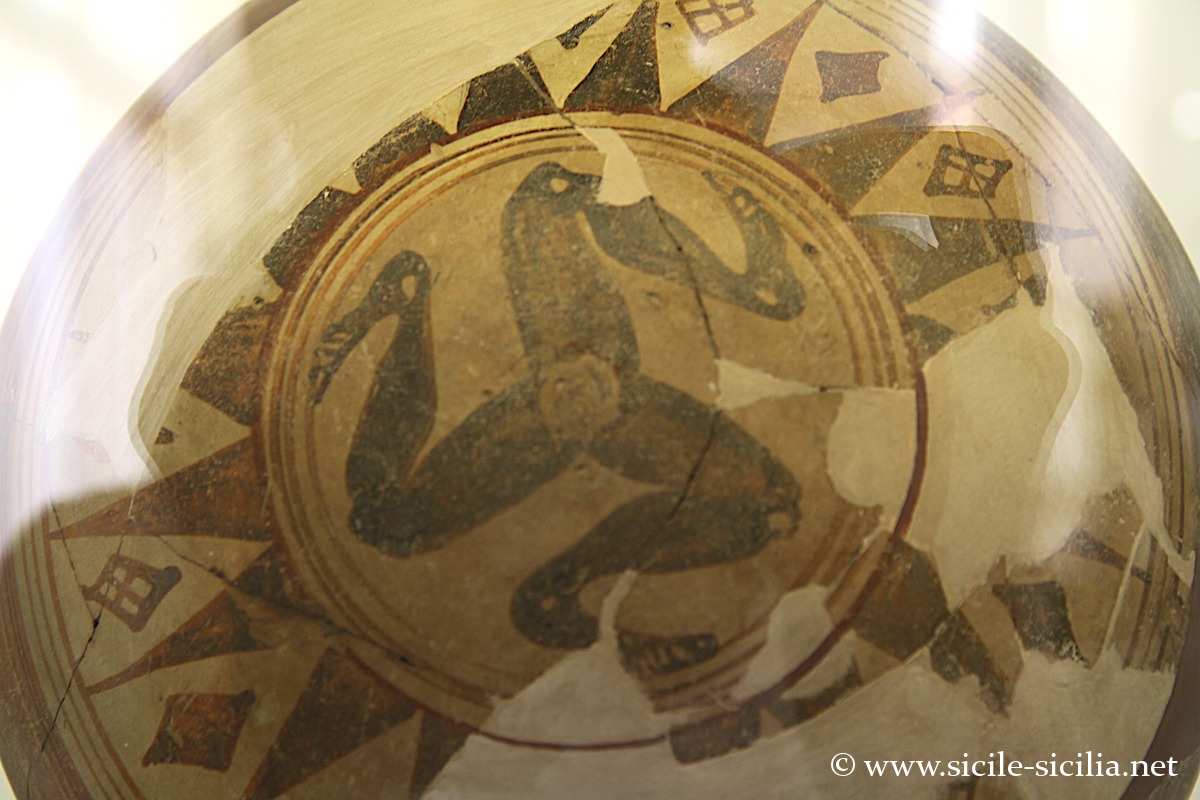
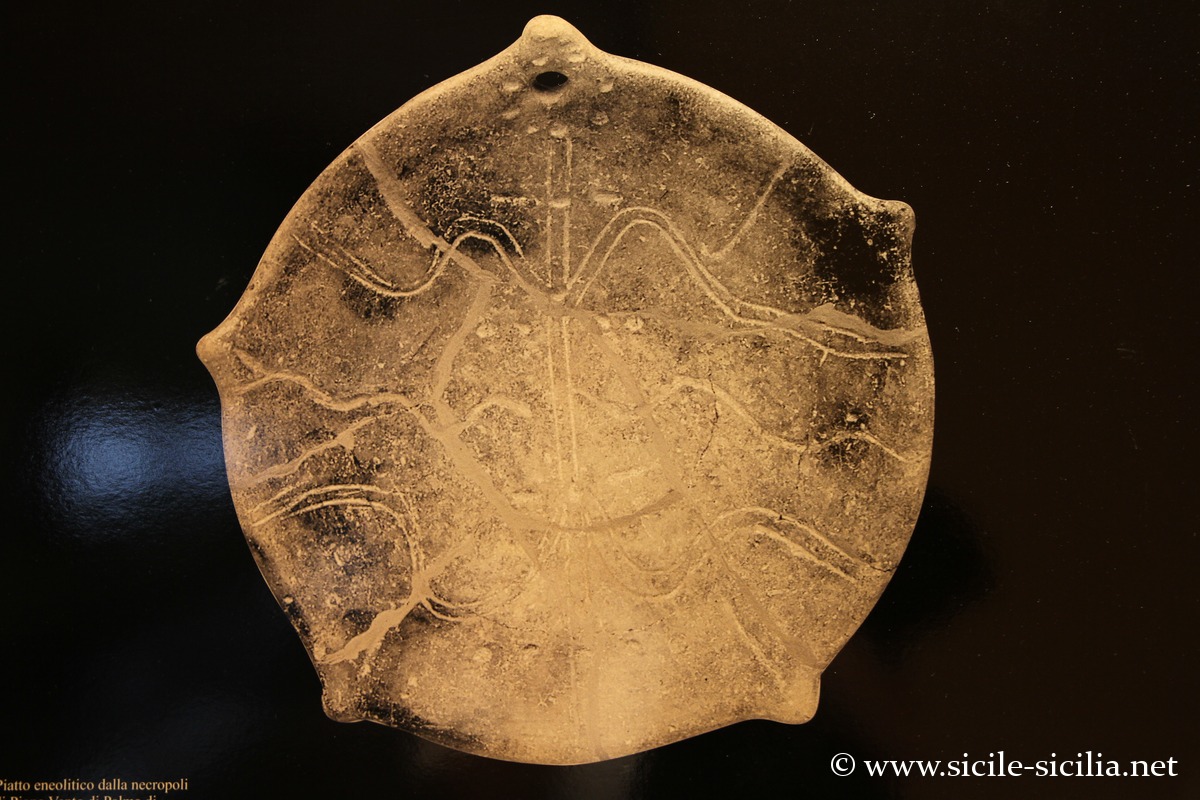
Plate with Trinacria 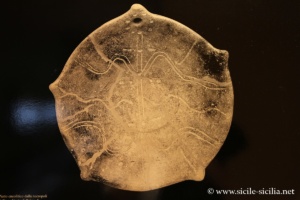
Neolithic plate 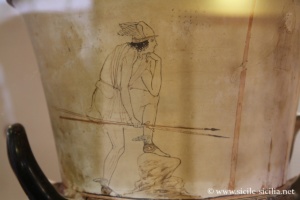
Krater with Perseus 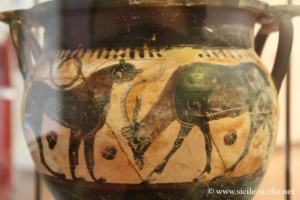
Krater 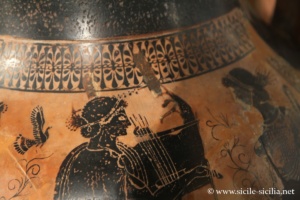
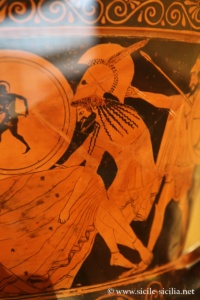
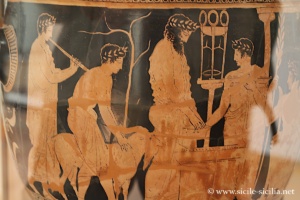
Greek vase 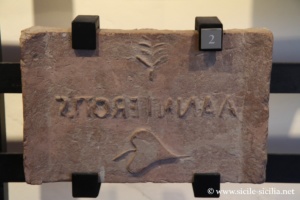
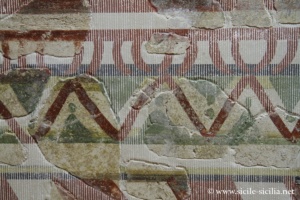
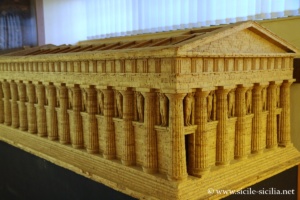
Reconstruction of the Temple of Zeus 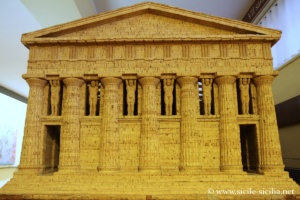
Reconstruction of the Temple of Zeus 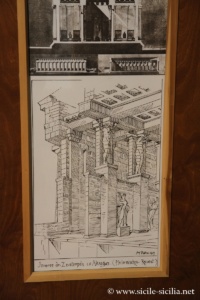
Temple of Zeus 
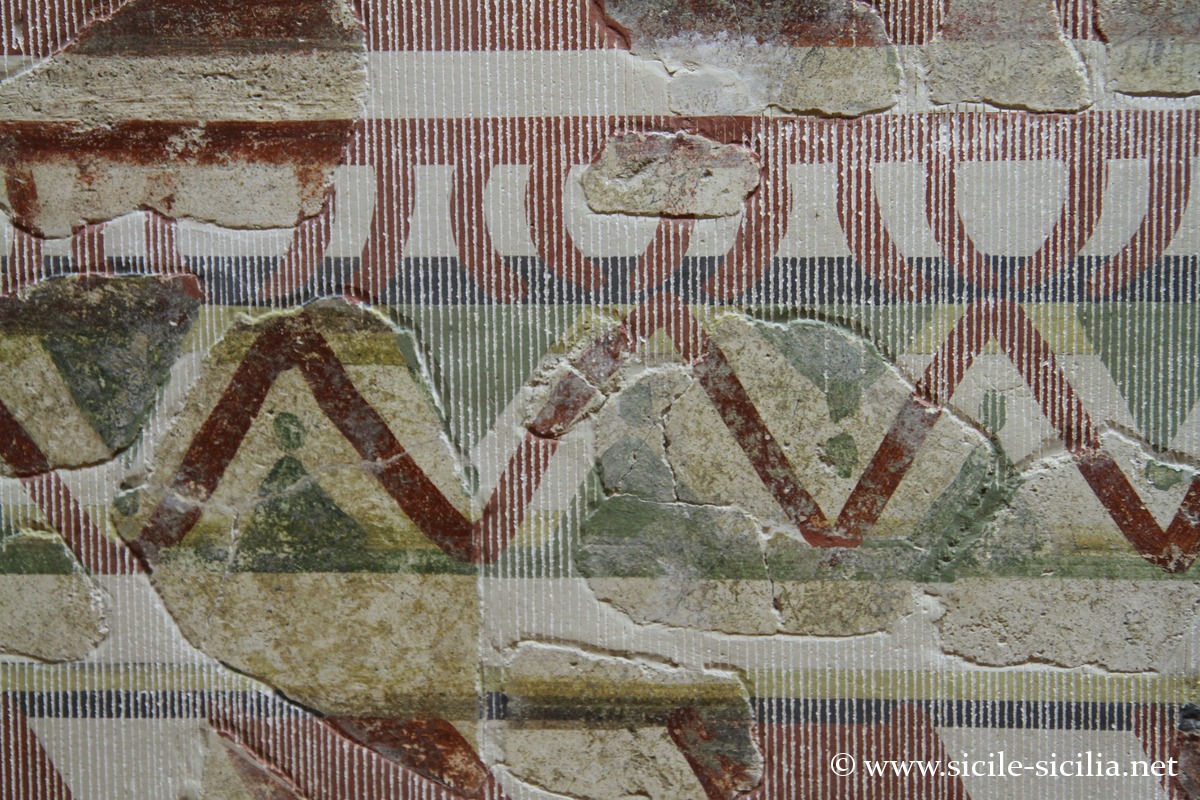
Ornament of the Temple of Zeus 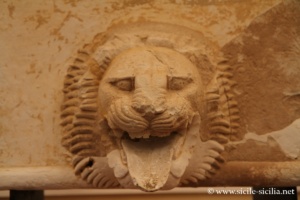
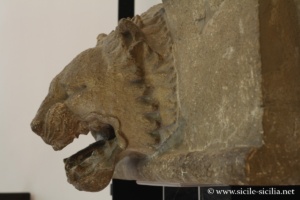
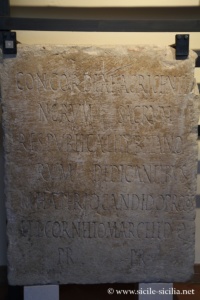
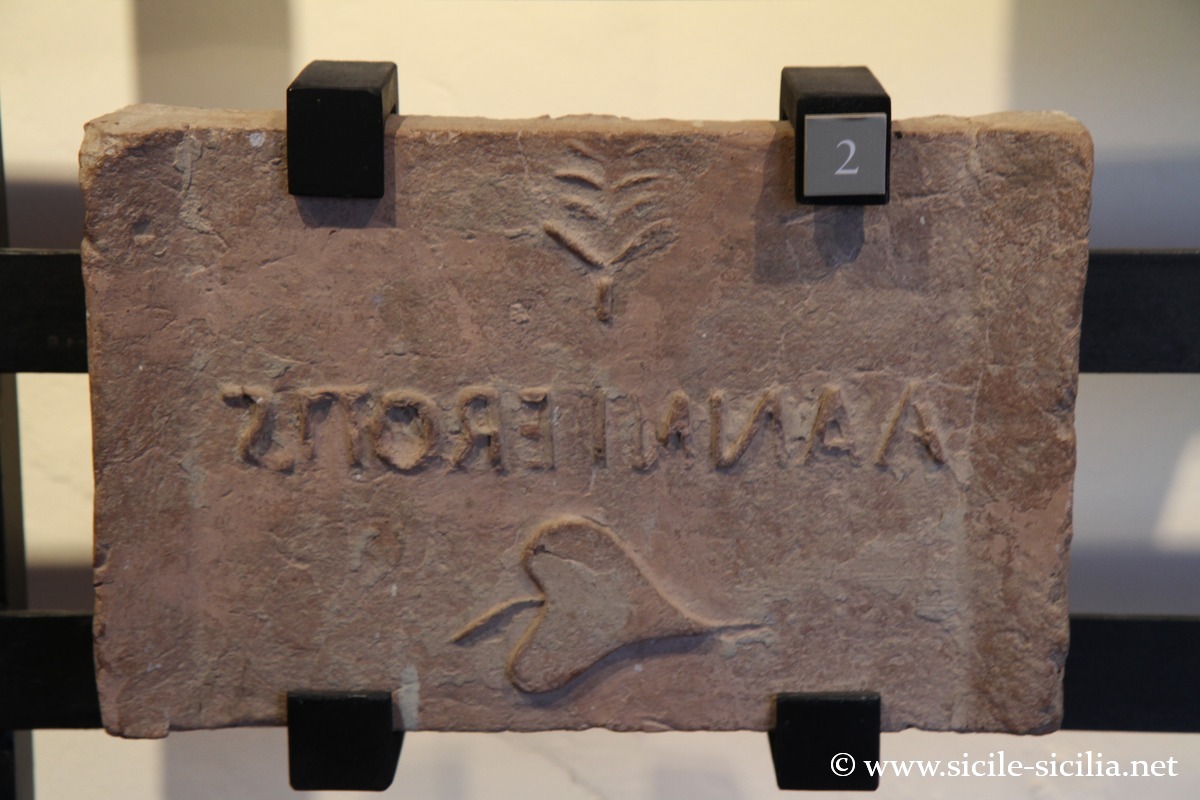
Inscription of the Temple of Concord 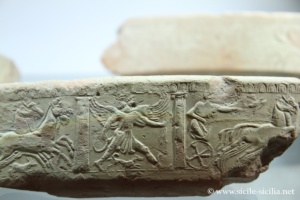

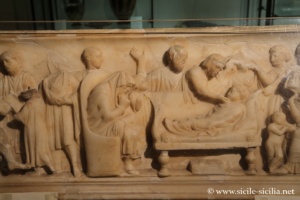
Roman sarcophagus 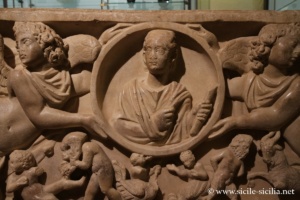
Roman sarcophagus 
Roman sarcophagus 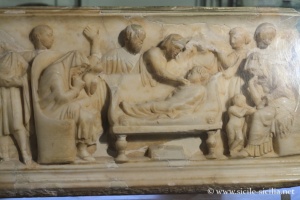
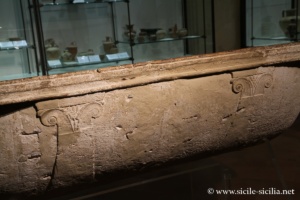
Sarcophagus 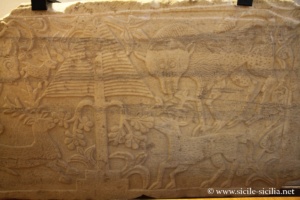
From the Christian basilica




Church of Saint Nicholas of Agrigento
The church of San Nicola of Agrigento, built in the 12th century by the Cistercian monks under Norman rule, features an austere Romanesque architecture in local stone, with a plain facade and a pointed portal characteristic of Cistercian influence.
The interior, with a single nave, is punctuated by sober arcades and preserves several medieval elements, including a raised choir typical of Norman monastic foundations. The adjacent convent, also of Cistercian origin, was organized around a quadrangular cloister that has now largely disappeared.
This monastic complex once controlled several lands and roads toward the plain of Akragas, playing a strategic role in the structuring of the medieval territory. The site underwent various transformations in the modern era, but remains one of the major witnesses of medieval Cistercian settlement in Sicily.
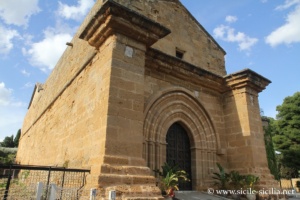
Church of Saint Nicholas 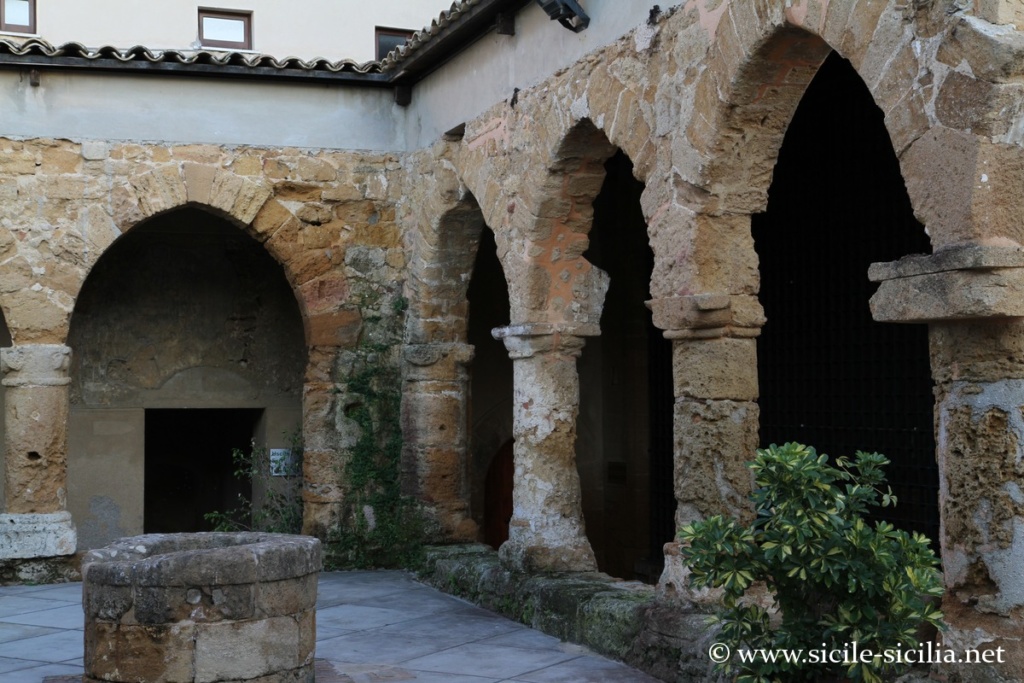
Portico of Saint Nicholas 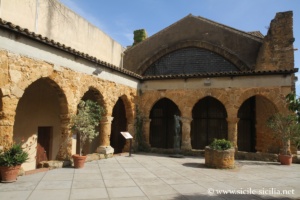
Portico of Saint Nicholas
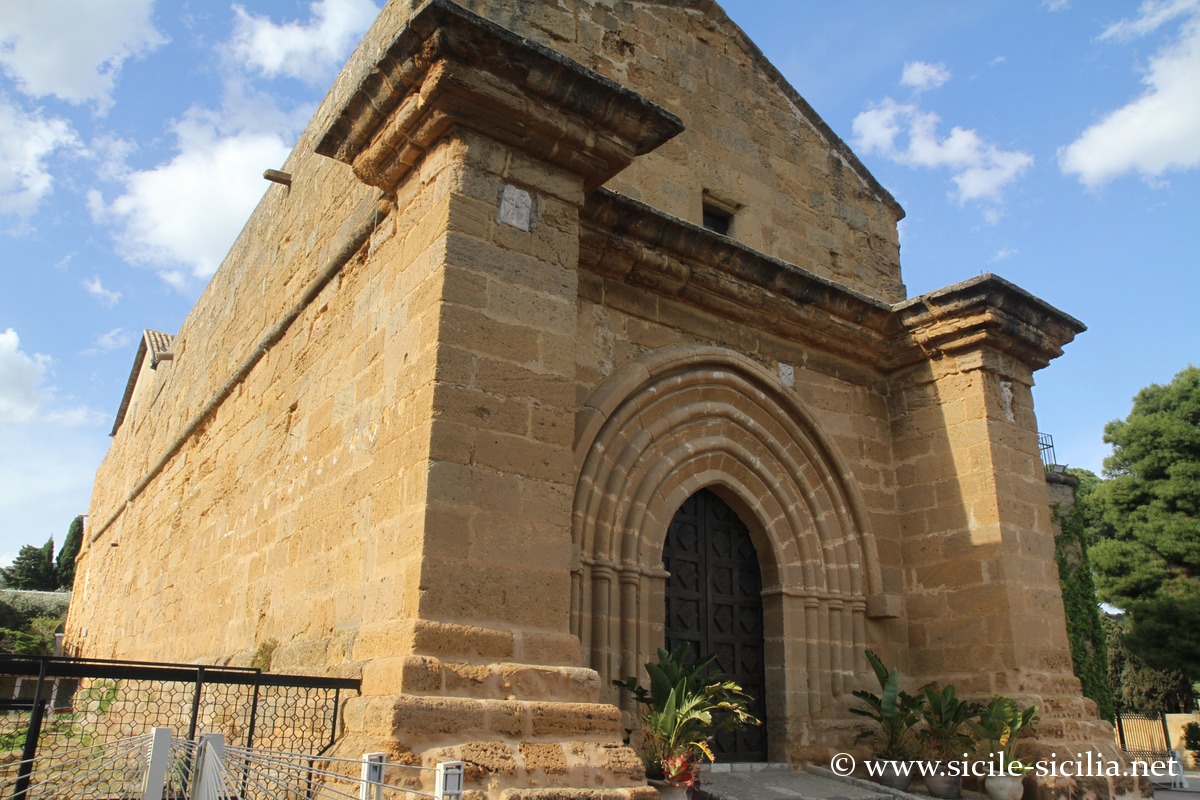

Information
| Museo archeologico regionale Pietro Griffo Contrada San Nicola, 12, 92100 Agrigento AG |
External sites
- Archaeological Museum of Agrigento:Official website Valley of the Temples, Wikipedia page, booking
- Sites about Saint Nicholas: www.visitvalledeitempli.it
Articles: Valley of the Temples
- Valley of the Temples of Agrigento
 In antiquity, Agrigento was one of the most powerful Mediterranean cities ...
- Temple of Concordia in Agrigento
 Construit entre 440 et 430 avant J.-C., le Temple de la ...
- Temple of Hera or Juno in Agrigento
 Situated at the end of the ridge, the Temple of Hera, ...
- Temple of Olympian Zeus in Agrigento
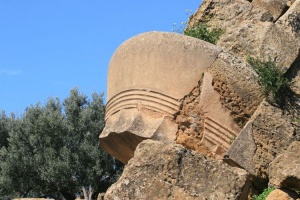 Situé dans la Vallée des Temples d’Agrigente, le Temple de Zeus ...
- Temple of Hercules in Agrigento
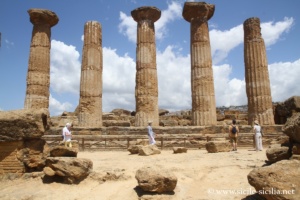 Bien que ses vestiges soient plus modestes que ceux d’autres monuments ...
- Temple of the Dioscuri in Agrigento and western sector
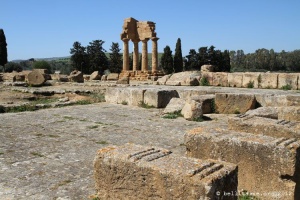 To the west of the Temple of Zeus extends a residential ...
- Kolymbethra Garden in Agrigento
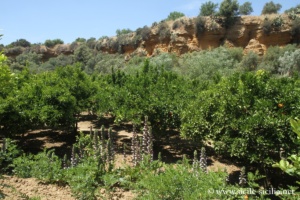 The Kolymbethra Garden lies in the heart of the archaeological park ...
- Temple of Vulcan at Agrigento
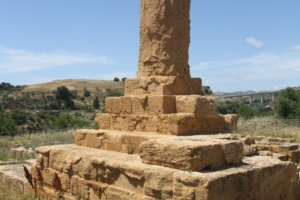 Le Temple de Vulcain occupe la pointe occidentale de l’éperon rocheux ...
- Hellenistic-Roman Quarter and Upper Agora
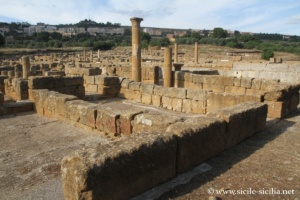 Near the Archaeological Museum of Agrigento are several areas of remains, ...
- Rupe Atenea and Temple of Demeter
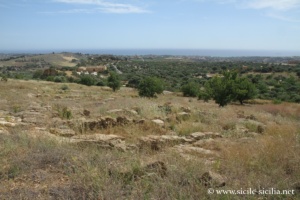 The Rupe Atenea constitutes the highest point and the natural acropolis ...
- Maps of Agrigento
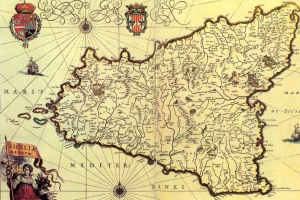 Interactive map of Agrigento, the Valley of the Temples, the ancient ...
Articles: Agrigento category
- Agrigento
- Visit to Agrigento and surroundings
- Hotels in Agrigento
- Valley of the Temples of Agrigento
- Scala dei Turchi
- Torre Salsa Nature Reserve and Heraclea Minoa
- Coastal itinerary west of Agrigento towards Sciacca
- From Licata to Agrigento
- Favara, Racalmuto and Aragona
- Siculiana
- Maps of Agrigento
- Gastronomy and traditions in Agrigento
- Near Agrigento
- Activities in Agrigento, guided tours and excursions