
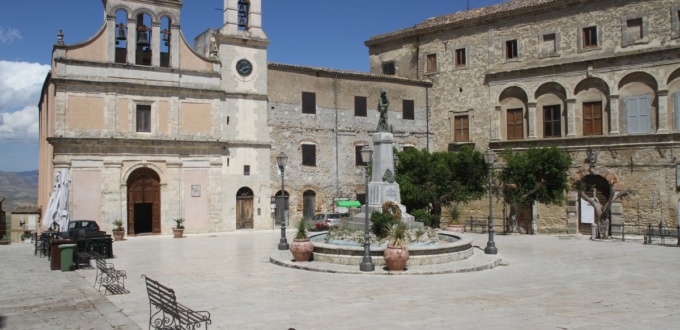
If, after visiting the most attractive sites of Agrigento and its coastal strip, you are looking for a short getaway of about a day in the surroundings, combining art and culture, we suggest a tour of Favara to discover the contemporary art district “Farm Cultural Park”, of Racalmuto which preserves a picturesque centre inland to the north-east, as well as a detour to Aragona to discover its central square and the “mud volcanoes”.
Favara
The small town of Favara, which inherited its name from the Arabs, is notably known as the “Città dell’Agnello Pasquale” (town of the Easter lamb), a name linked to a local pastry: the agnello pasquale is a cake made from almond paste and pistachio.
Outside the historic centre, modern urban planning has developed in an anarchic way and the result is aesthetically unfortunate, as in many medium-sized Sicilian towns.
The Feast of the Easter Lamb is organised in early May at the same time as Holy Week, offering tourists the opportunity to visit and admire the architectural heritage.
Besides 19 March, Saint Joseph’s Day is celebrated with a rich programme of festivities between late August and early September.
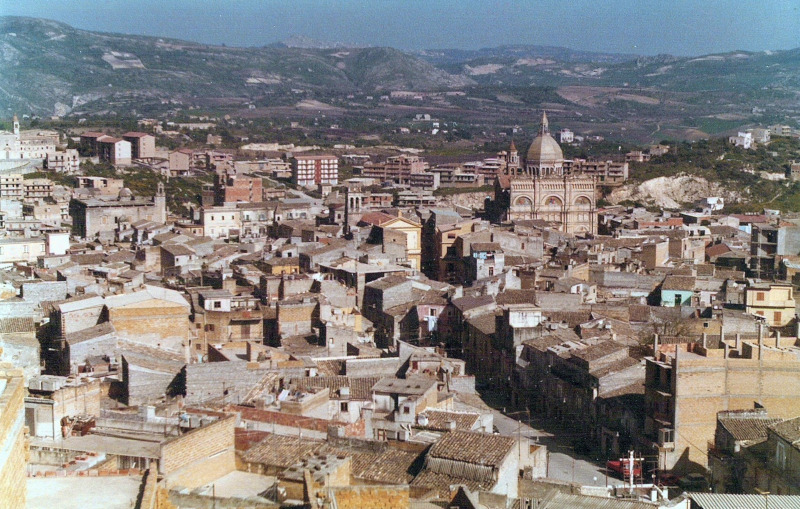
View of Favara with the Chiesa Madre
Heritage of Favara
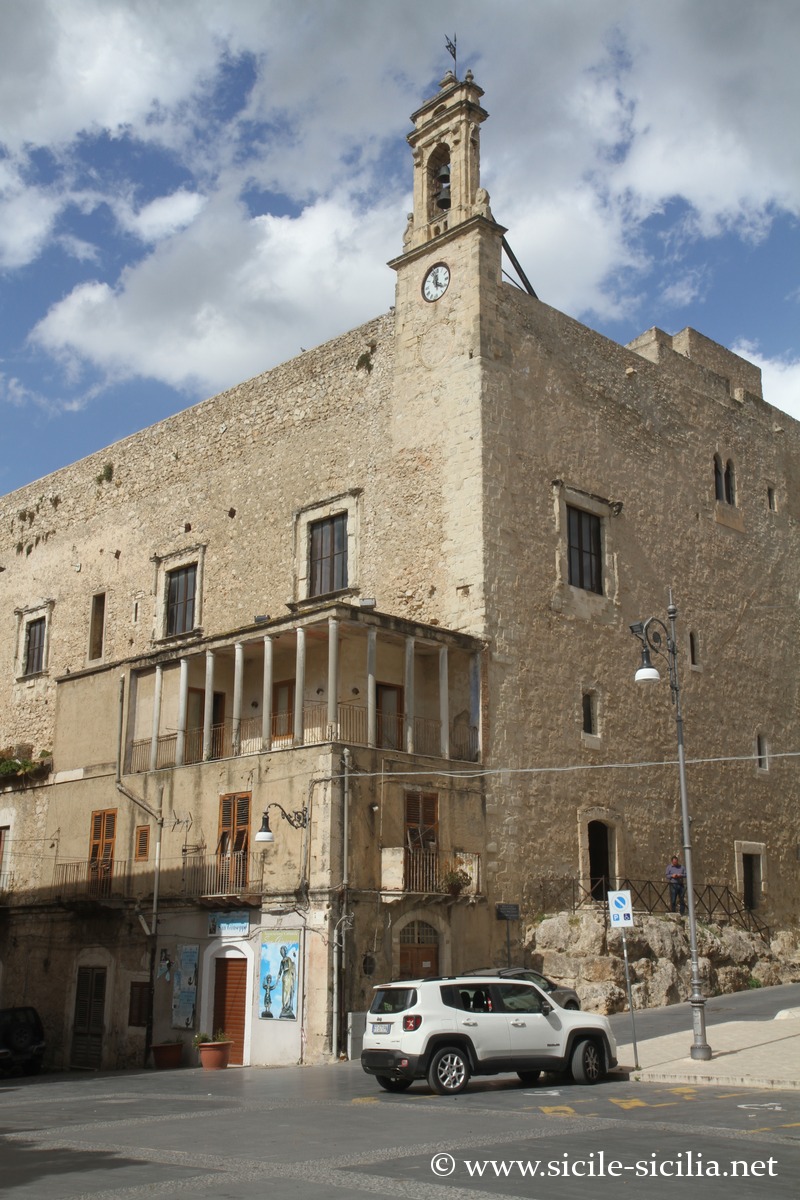
In the centre of the town lies the vast Piazza Cavour, dominated by the Castello Chiaramontano, erected around 1270 by the Chiaramonte family, probably as a hunting residence for Frederick II.
Around the square, one also notices prestigious 18th‑19th-century palaces, including the Palazzo Mendola, which serves as the municipal library and museum, with about 8,000 volumes and a collection of minerals and stuffed birds. This Mendola museum-library therefore preserves precious books, some of them old (for example from the 17th century).
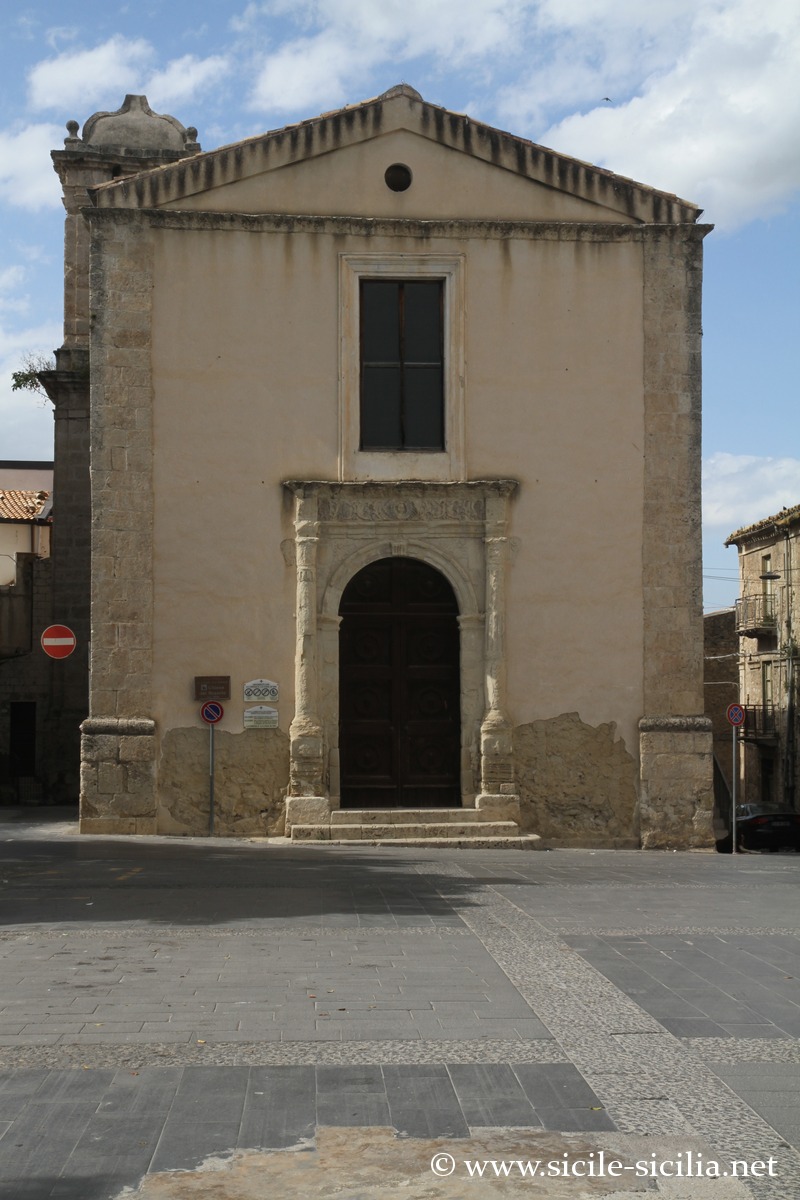
At the corner of Piazza Cavour is the Rosary church (Chiesa del Santissimo Rosario). Inside, one can admire Baroque stuccoes, a wooden coffered ceiling (probably from the 16th century according to some sources) and a majolica floor.
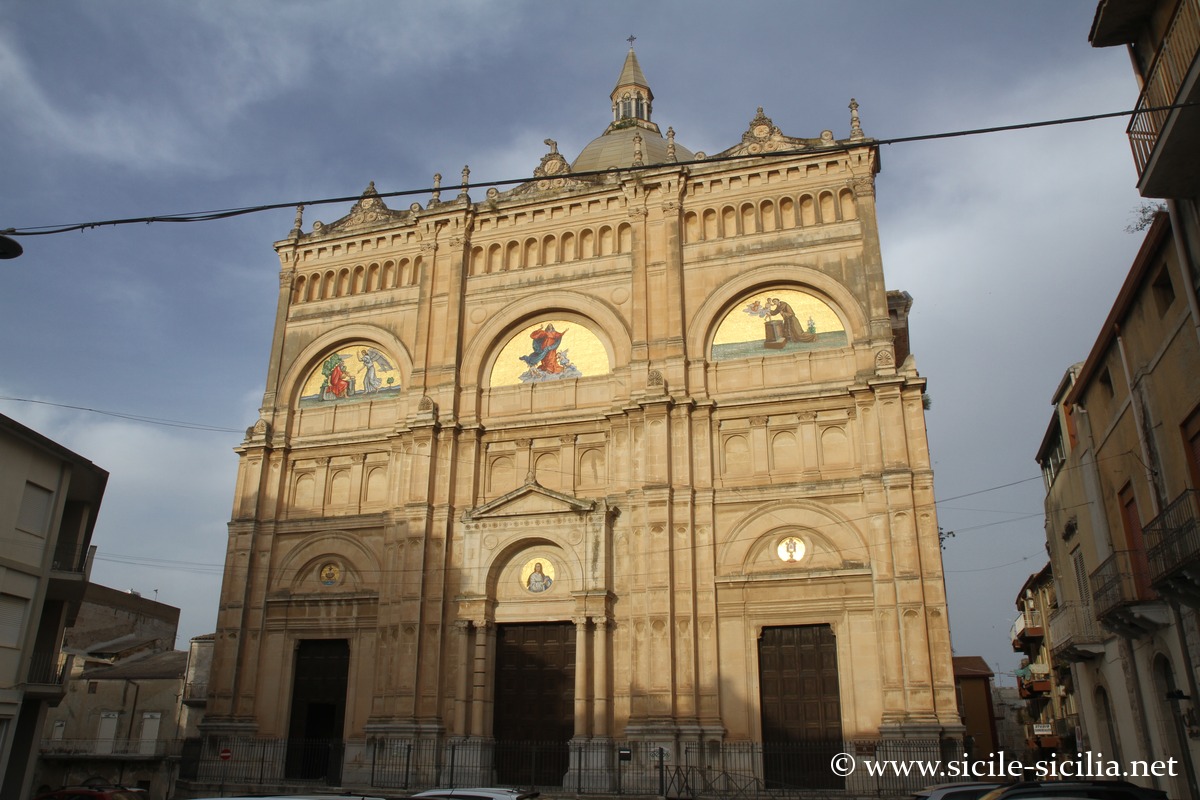
Not far away, less than 200 metres to the south, stands the Chiesa Madre (mother church), dedicated to the Madonna Assunta, rebuilt between the late 18th and the 19th century, with a façade in Syracuse stone and a tall dome (about 56 m).
The interior is richly decorated: frescoes, mosaics (made by Tuscan artists according to Kalat) and an ancient wooden crucifix are mentioned.
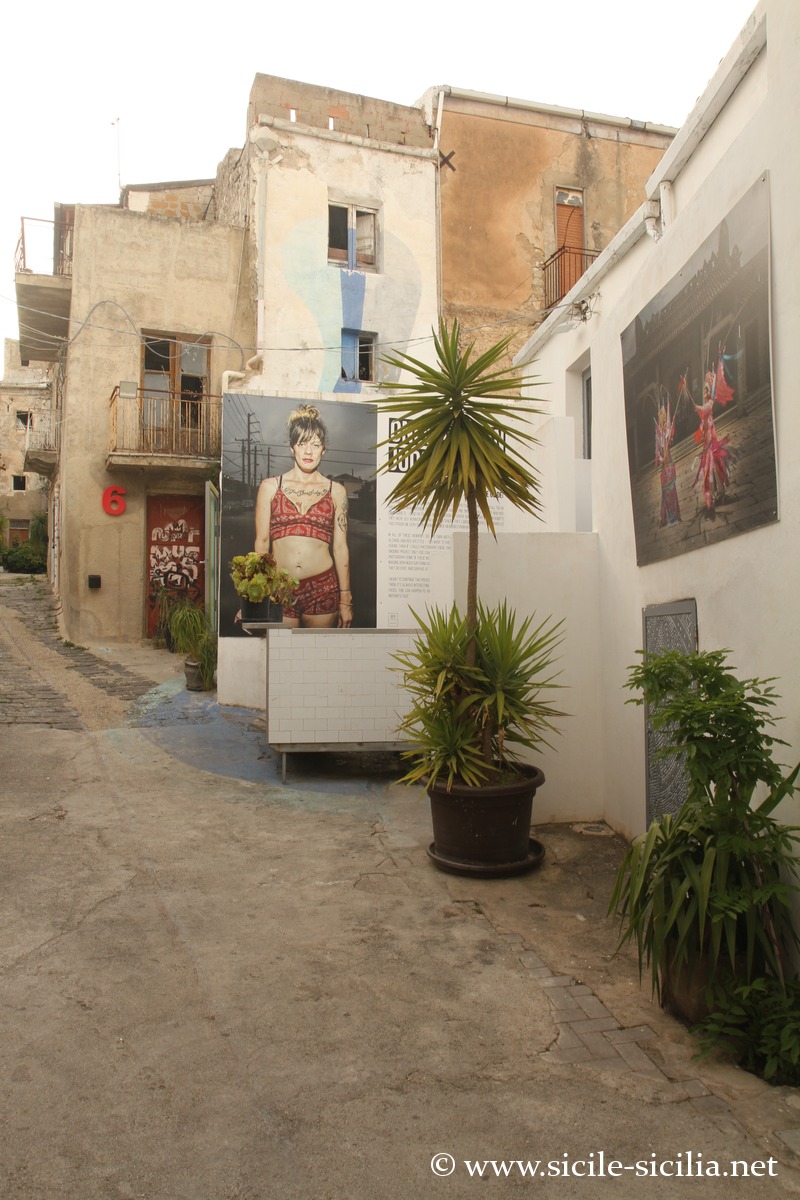
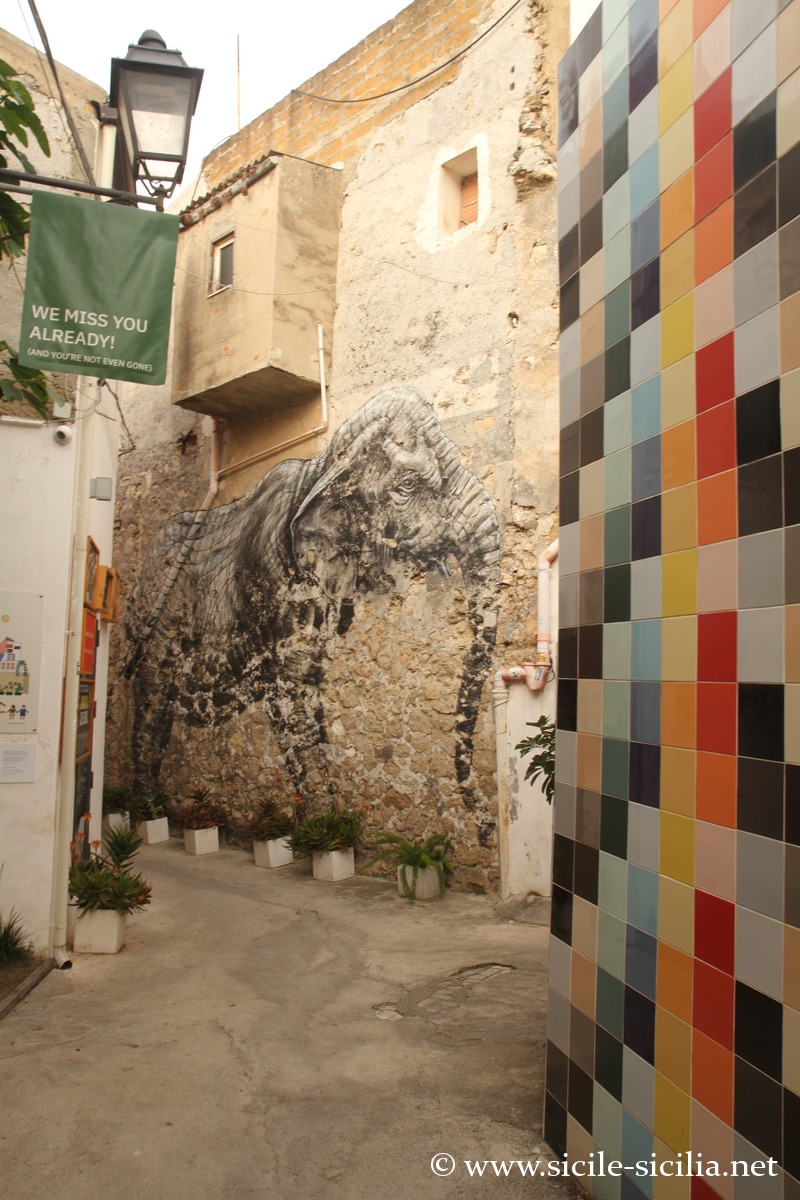
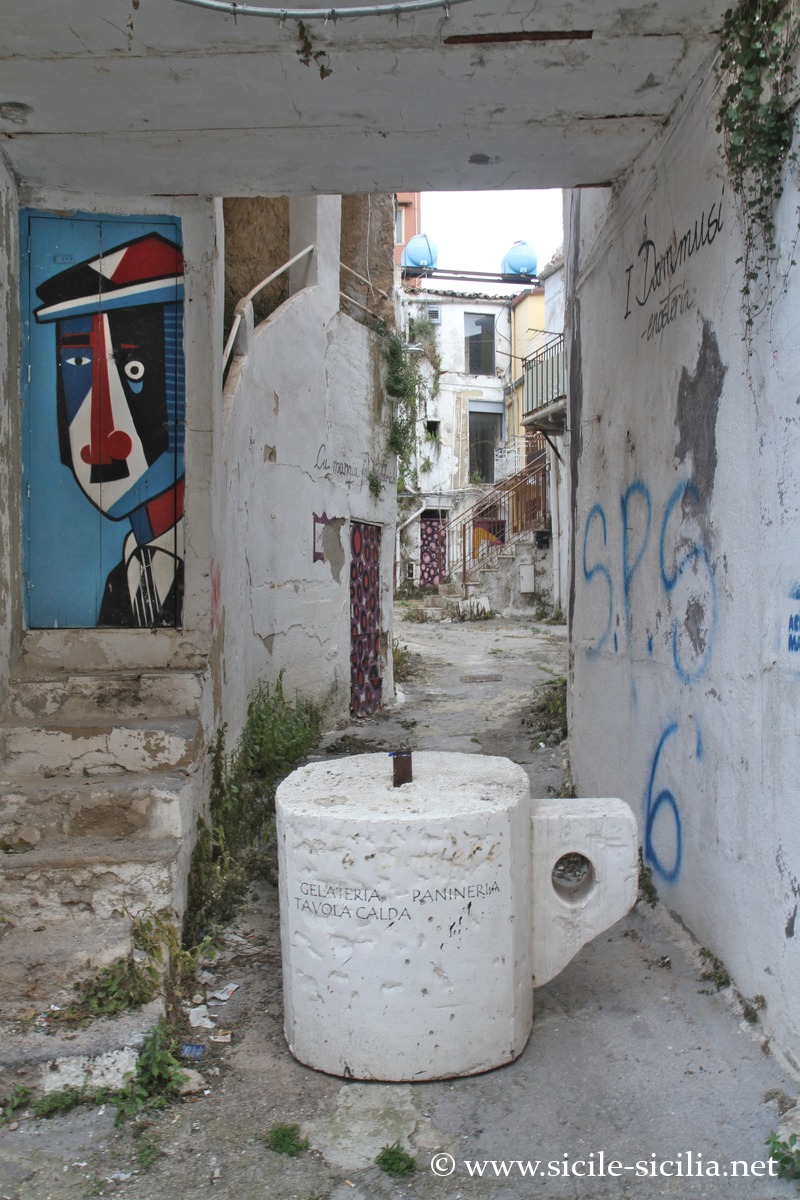
About 200 metres south-west of Piazza Cavour, one arrives at the Bentivegna courtyard, where the Farm Cultural Park is located, founded in 2010. This project is the work of Andrea Bartoli and his wife Florinda Saieva, who converted seven small courtyards of Arab origin into a contemporary art space, gallery, artists’ residencies, bookshop, cafés, and other cultural structures. A multicultural atmosphere emanates from it, with its artists’ residencies who come to stay there and leave their mark.
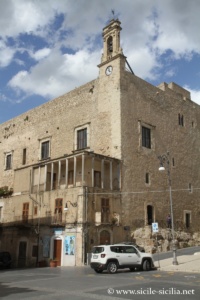
Chiaramontano Castle 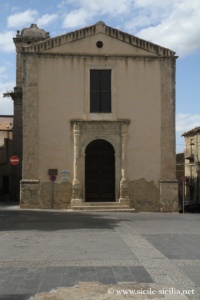
Rosary Church, Piazza Cavour 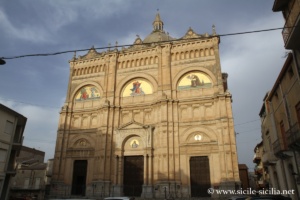
Chiesa Madre 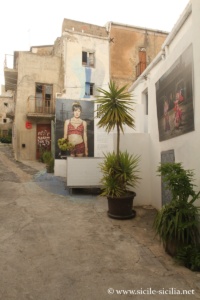

Farm Cultural Park 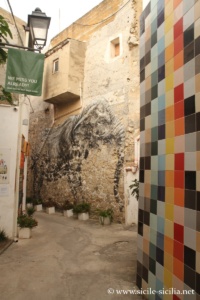
Farm Cultural Park 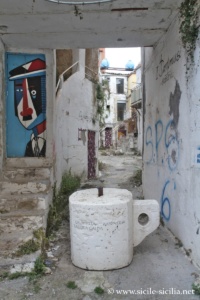
Archaeological sites near Favara
Necropolis of Contrada Stefano
In the Stefano district, a flat area located east of Favara, there are remains dating from the early Bronze Age and from the Roman-Byzantine and Norman periods. There is also an important early Christian necropolis, with more than a hundred tombs carved into the rock.Mount Caltafaraci
To the north-west of the town, in the immediate vicinity of the town centre, rises Monte Caltafaraci, rich in archaeological remains dating from the early Bronze Age up to the 13th century. It is one of the most interesting sites in the entire province of Agrigento, offering exceptional natural, geomorphological and landscape heritage. Its summit reaches 533 metres above sea level, offering a panorama of the valley and even of Etna.- Roman villa Contrada Saraceno
A few hundred metres north of the town centre, in the Saraceno district, is the Roman-Byzantine villa, dating from the late 1st century to the early 2nd century AD.
Where Favara is located, map
If you see this after your page is loaded completely, leafletJS files are missing.
Racalmuto
Racalmuto is known for being the birthplace of the writer Leonardo Sciascia (1921‑1989), where he spent a large part of his life. A local biscuit, the “taralli”, flavoured with lemon, has also long been made there.
Heritage of Racalmuto
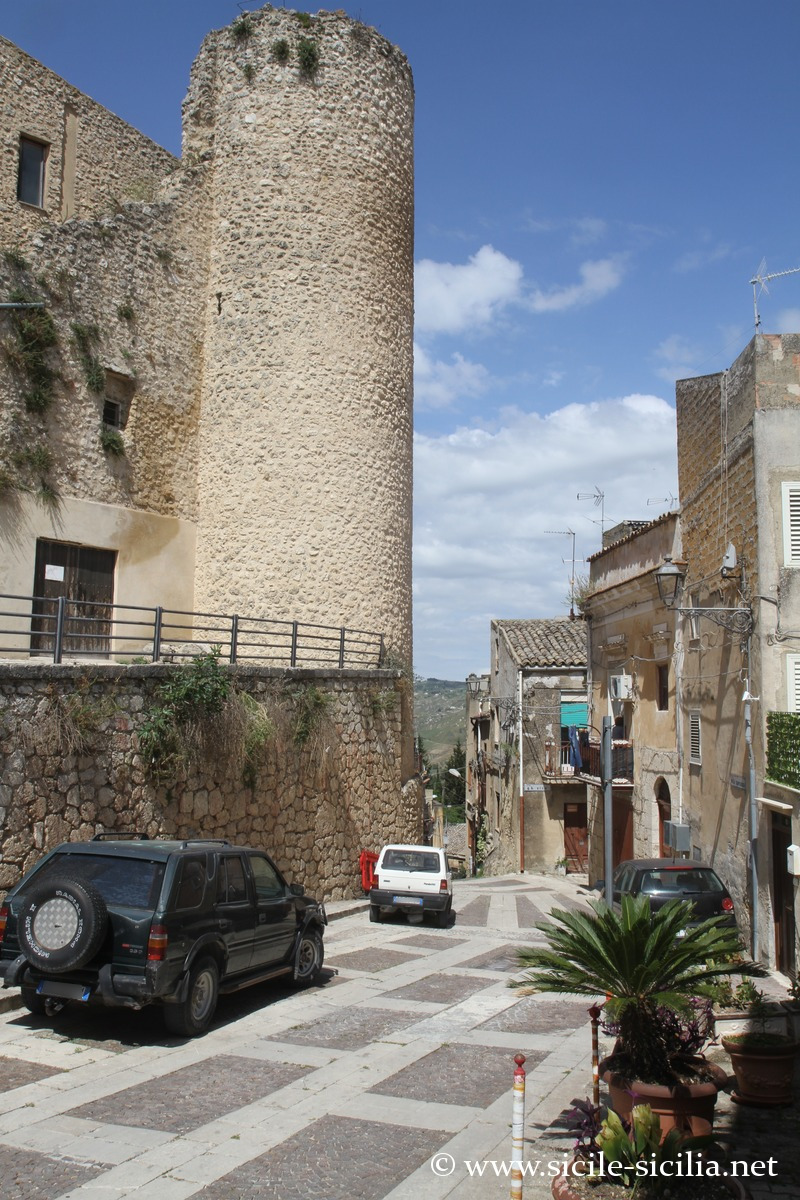
To the north of the town rises the Chiaramontano castle, of medieval origin: it has Norman origins, based on 13th-century military structures, and was then remodelled in the 14th century by the Chiaramonte family.
Its walls are about 2 m thick, there are two large circular towers, and rows of windows on the north side.
The Regina Margherita theatre is one of the town’s prides, built between 1870 and 1880.
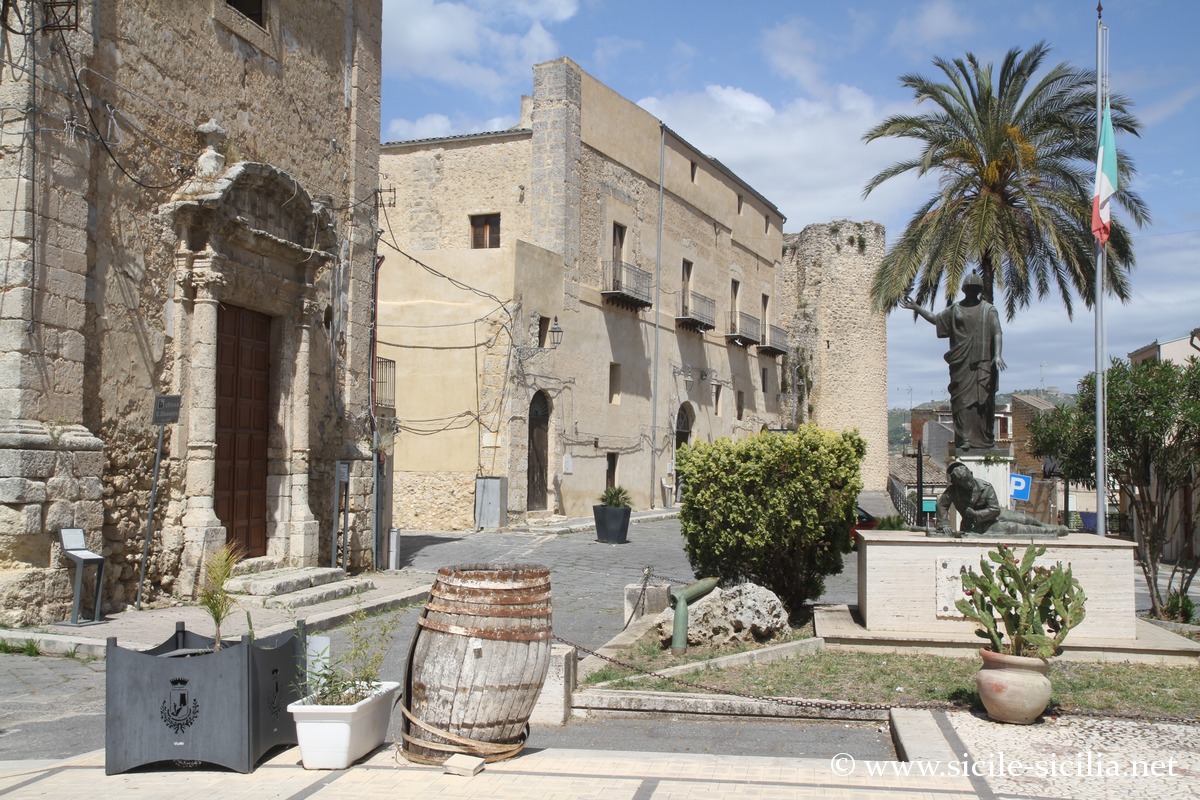
On the boulevard (the Corso Garibaldi), one comes across a bronze statue of Leonardo Sciascia, depicting him walking, cigarette in hand, a work by the local sculptor Giuseppe Agnello, inaugurated in 1997.
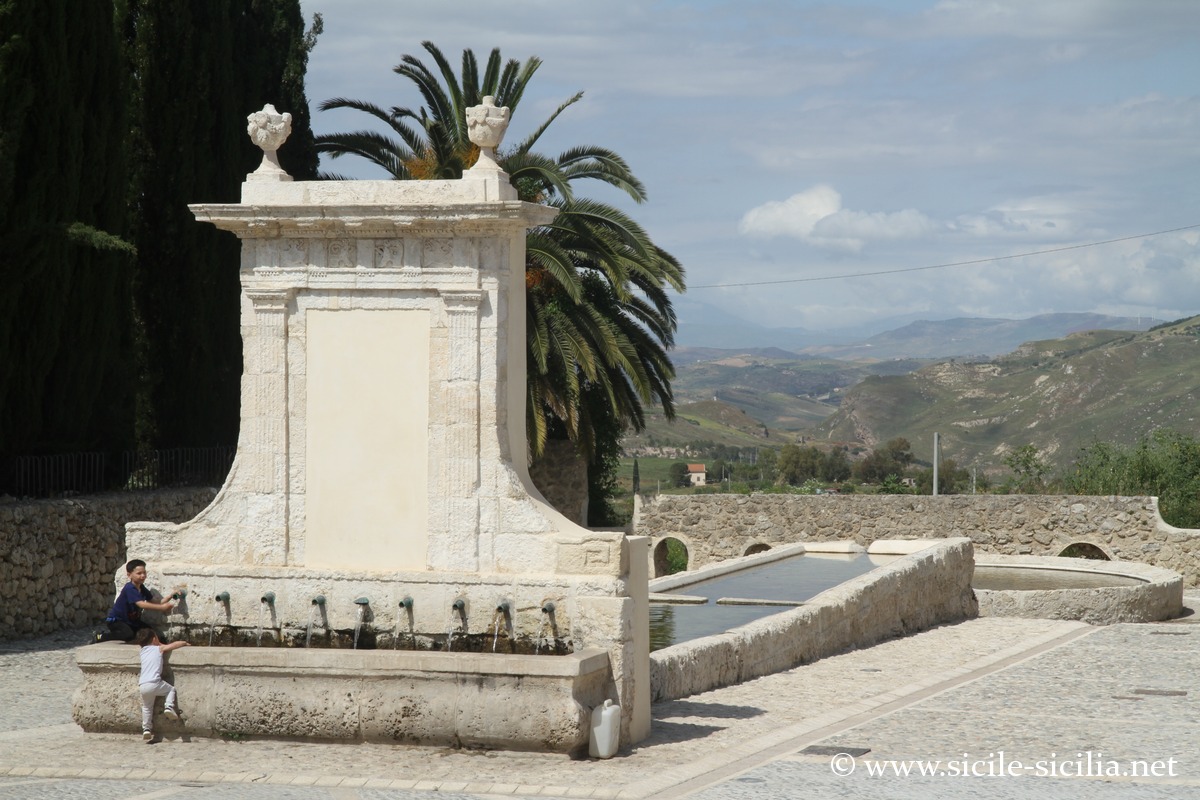
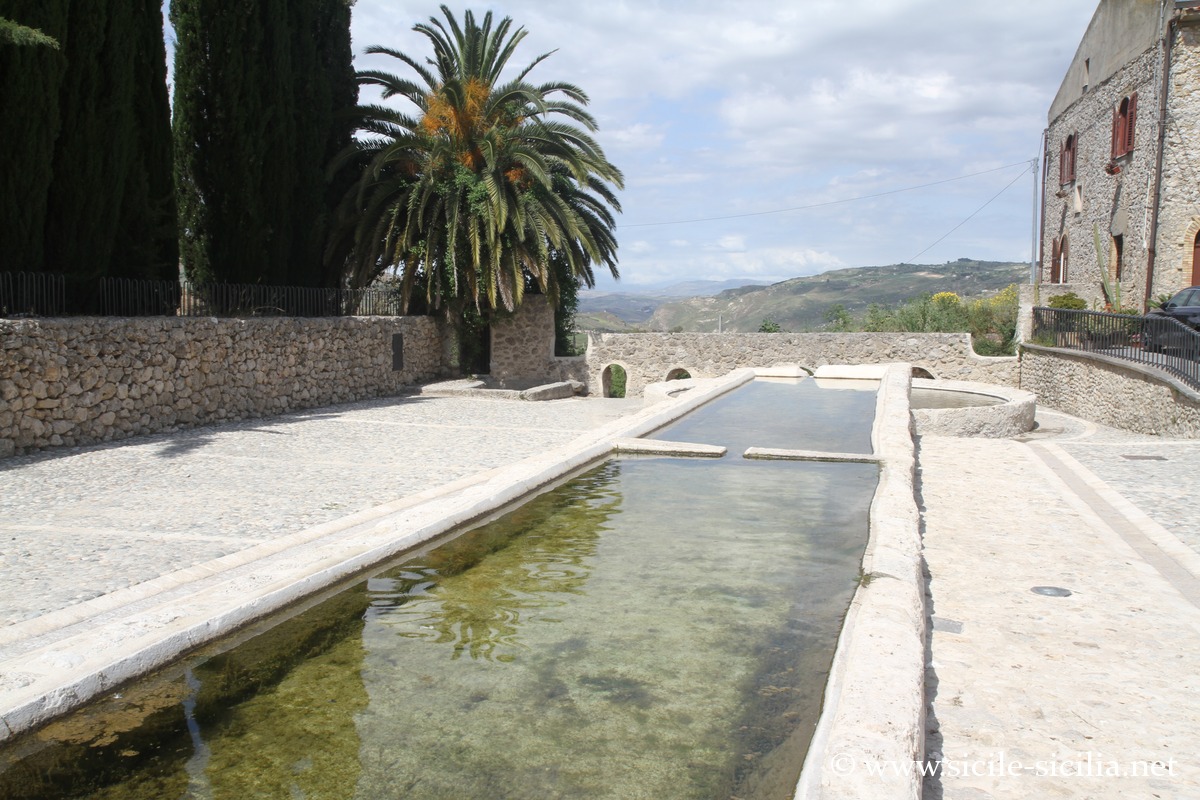
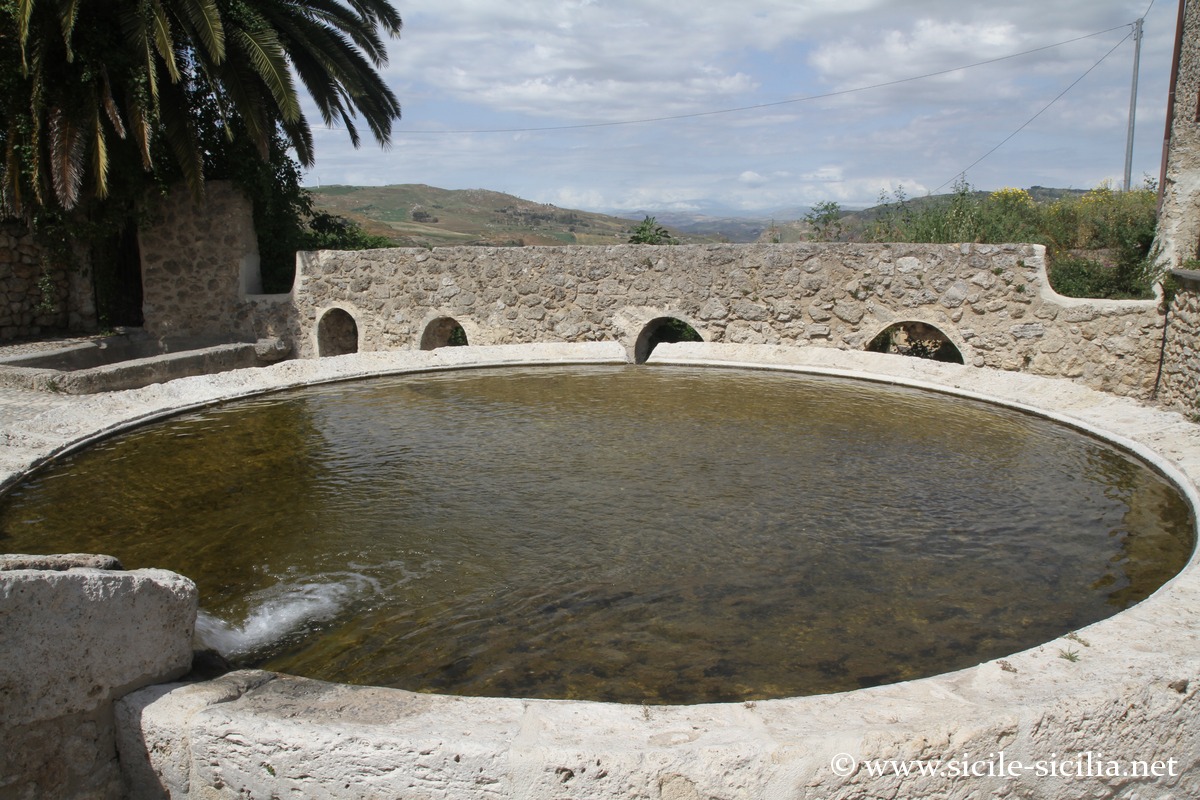
The fountain known as ‘dei Nove Cannola’ (Fontana Novi Cannola) is particularly remarkable, inaugurated on 12 April 1847 with its nine water jets, a circular wash-house and an animal trough.
Surroundings of Racalmuto: archaeological sites
Outside the town, to the east on the Montedoro road, the caves of Fra Diego La Matina are Sican tombs carved into the rock.
About 7 km to the east, on a rocky spur at nearly 720 metres, stand the remains of the Castelluccio Svevo (or Castello di Gibellina), a fortress built under Frederick II in the 1230s, with a rectangular plan.

Piazza Umberto I 
Chiaramontano Castle 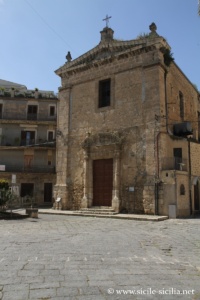
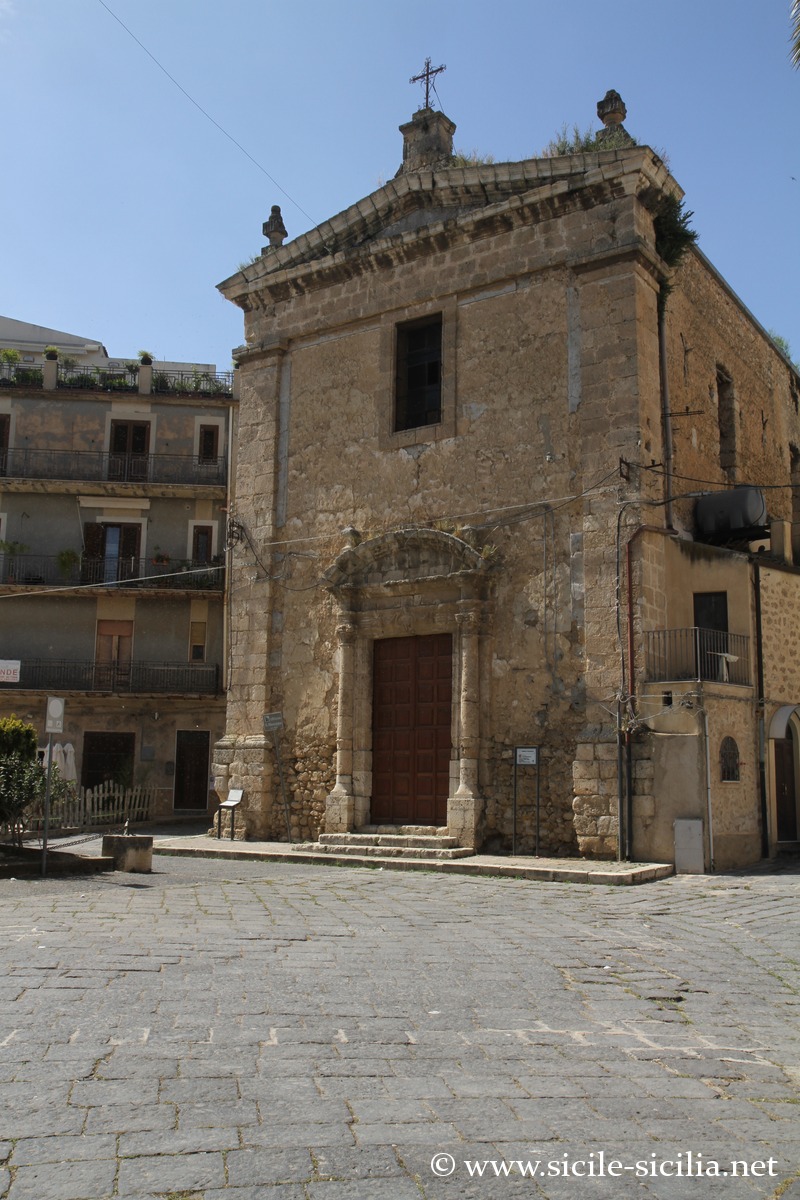
Church of San Giuseppe 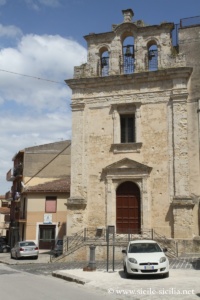
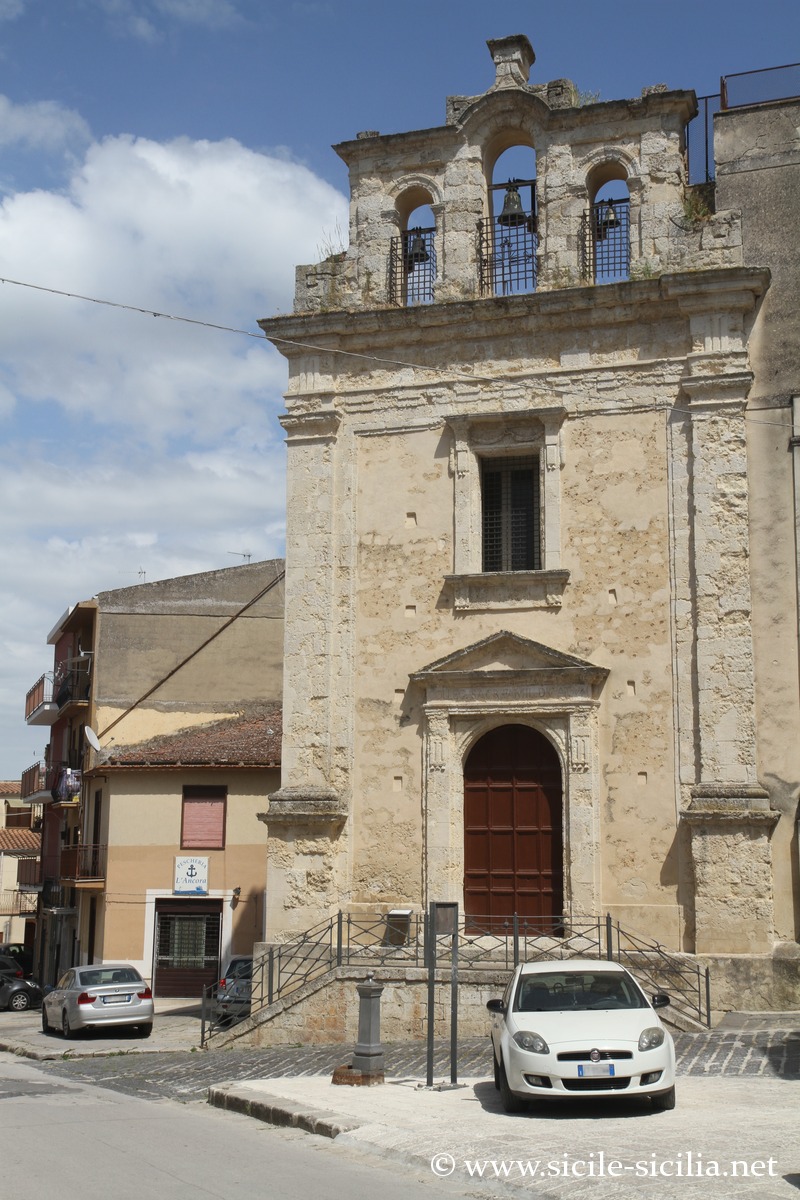
Church of San Michele Arcangelo 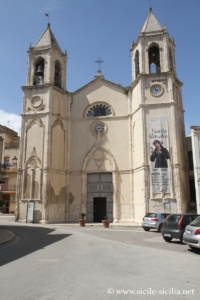
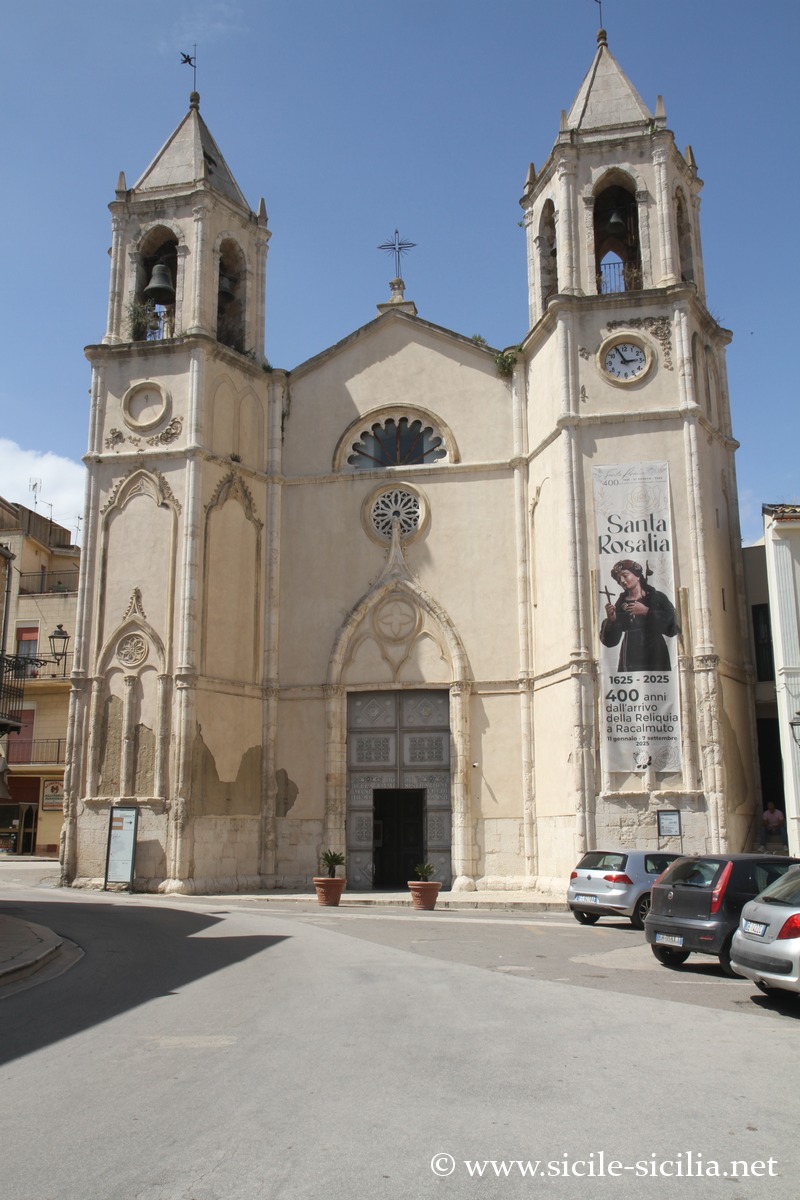
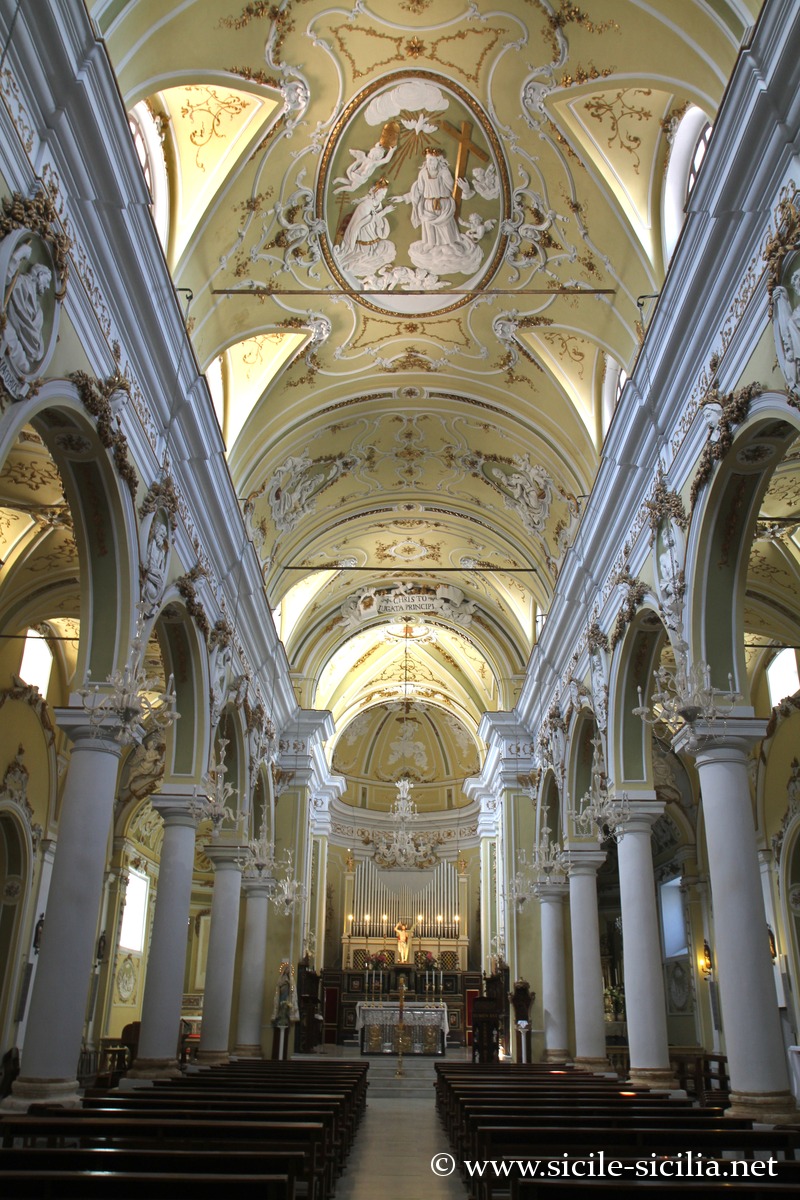
Duomo Santa Maria Assunta 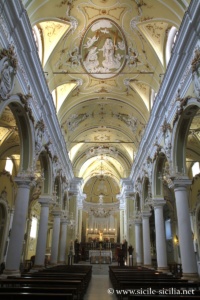
Duomo Santa Maria Assunta 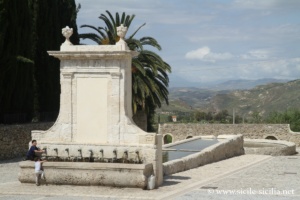
Fountain of the Nine Spouts 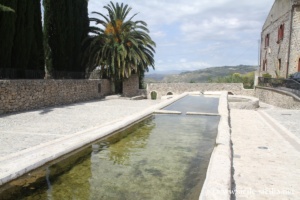
Fountain of the Nine Spouts 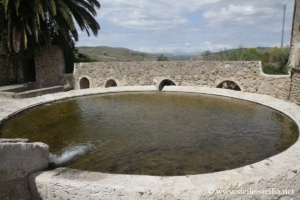
Fountain of the Nine Spouts
Where Racalmuto is located: map
Aragona
Aragona is a small town 15 km north of Agrigento, in the heart of an agricultural region (almonds, olives, wheat, pistachios, vegetables and livestock) that was named at its founding in 1606 by the Count of Comiso Baldassare III Naselli, in honour of his mother Beatrice Aragona Branciforti.
Aragona’s heritage
The Maccalube
A singular phenomenon of “mud volcanoes” can be seen near the town (4 km to the south-west), the “ Maccalube “, now within a nature reserve. In an area devoid of vegetation, these small volcanoes emerge from clayey mud, where cones form on the surface through the rising of gas, sometimes with explosions or flames.
The name of the site derives from the Arabic “maqlùb” (literally meaning “overturning”), and is locally called the Occhiu di Macalubi. There are local legends around the Maccalube: according to tradition, in 1087, after a bloody battle between Arabs and Normans, greyish mud emerged and was called “sangu di li Saracini” (“blood of the Saracens”).
The gas that rises to the surface is mainly methane, of biogenic origin, accompanied by low concentrations of CO₂, helium and traces of other gases.
Public access is very restricted: the most sensitive area (zone A) is closed to free visits, reserved for scientific research, since 2014, when a paroxysmal event (mud explosion) caused the death of two children.
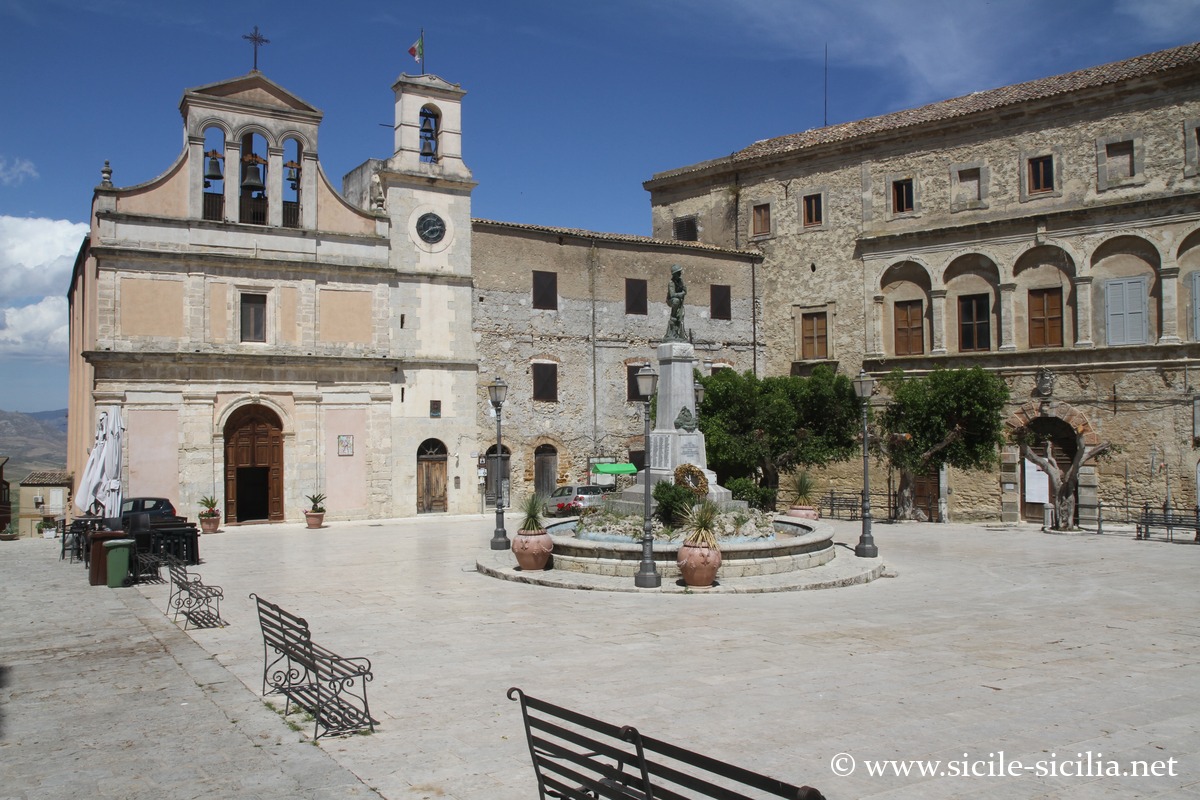
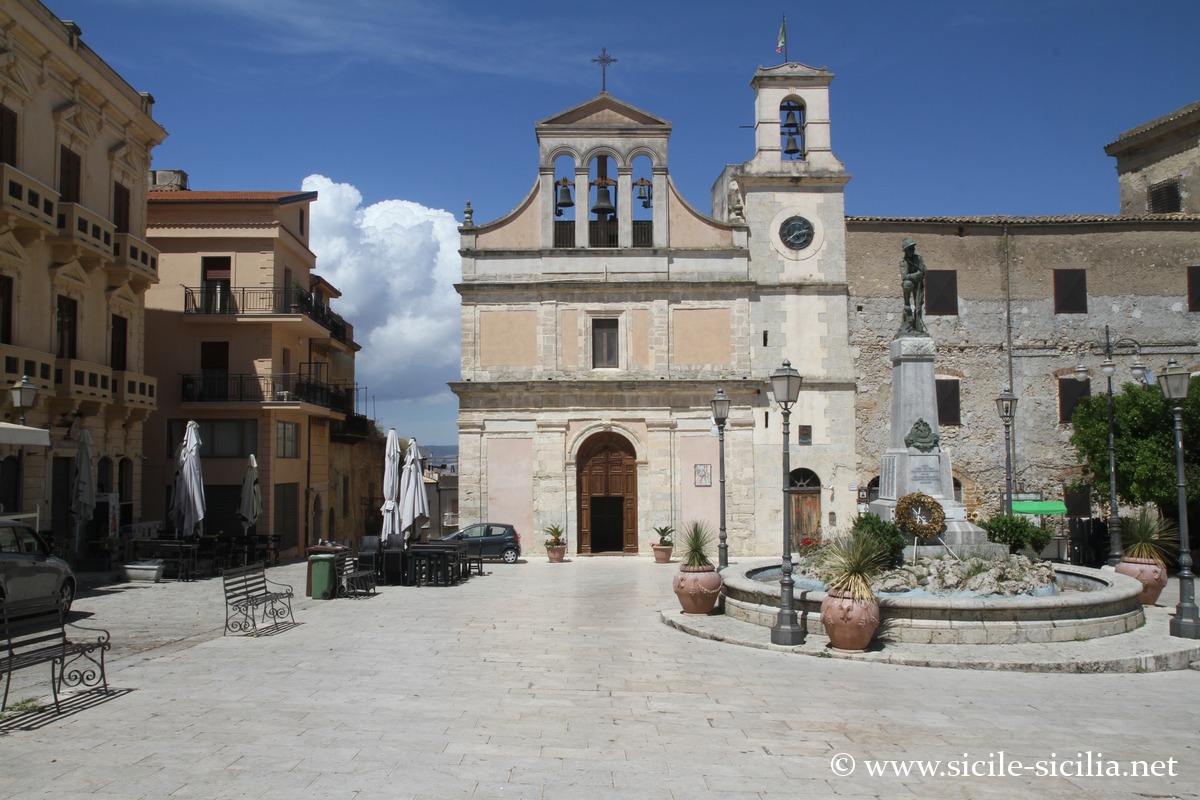
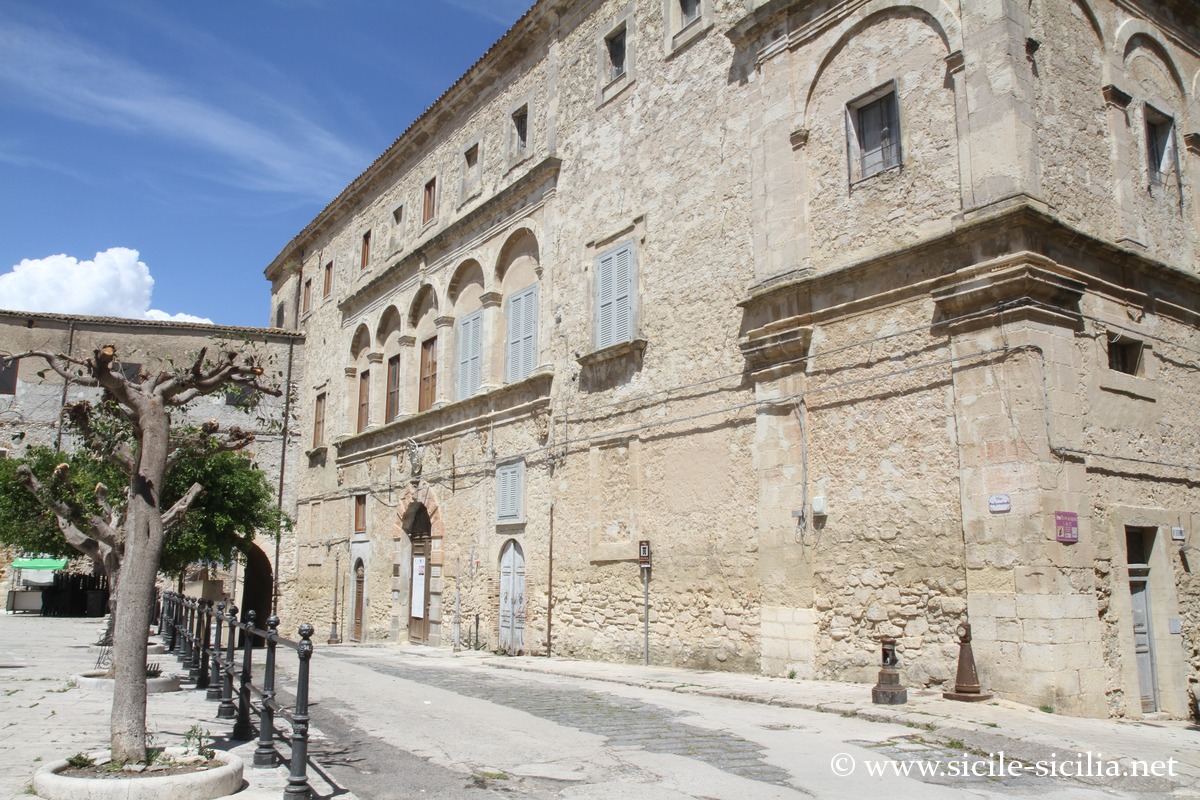
The former baronial palace, the Palazzo Principe Naselli from the 18th century, stands on Piazza Umberto I in the centre of the town.
It is adorned with frescoes by Borremans.
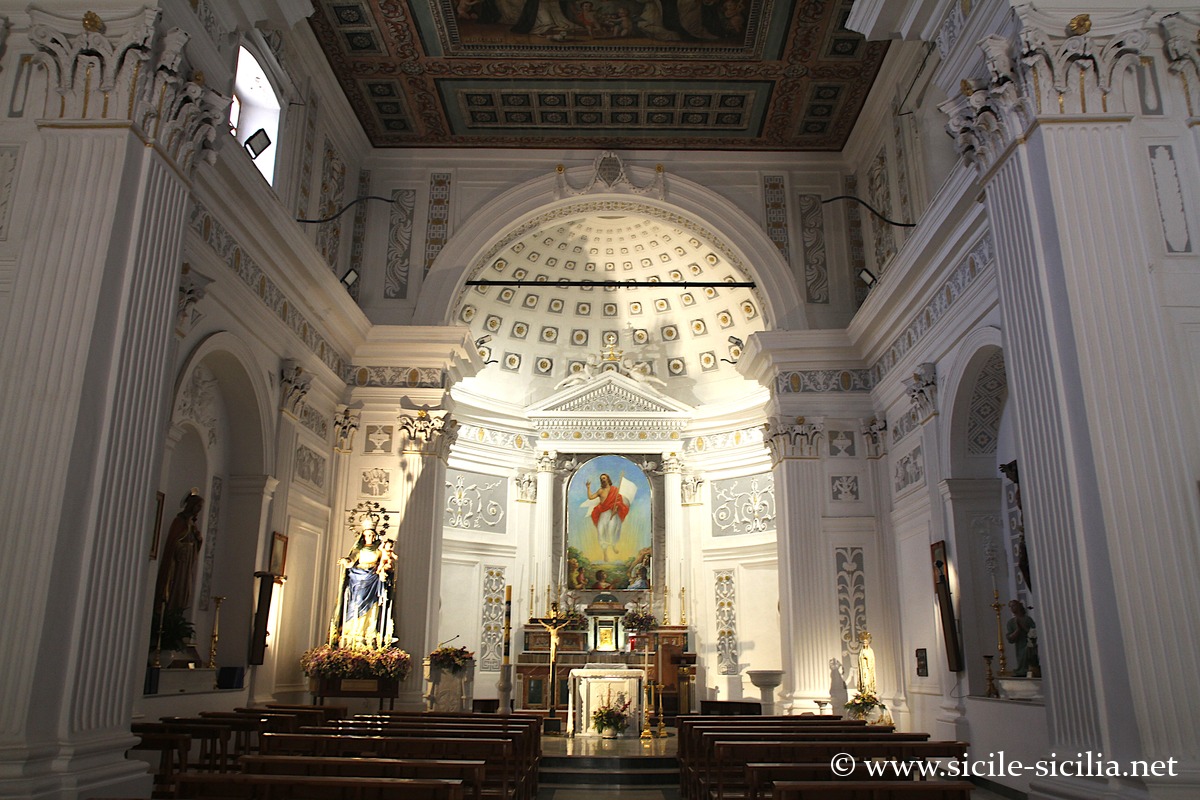
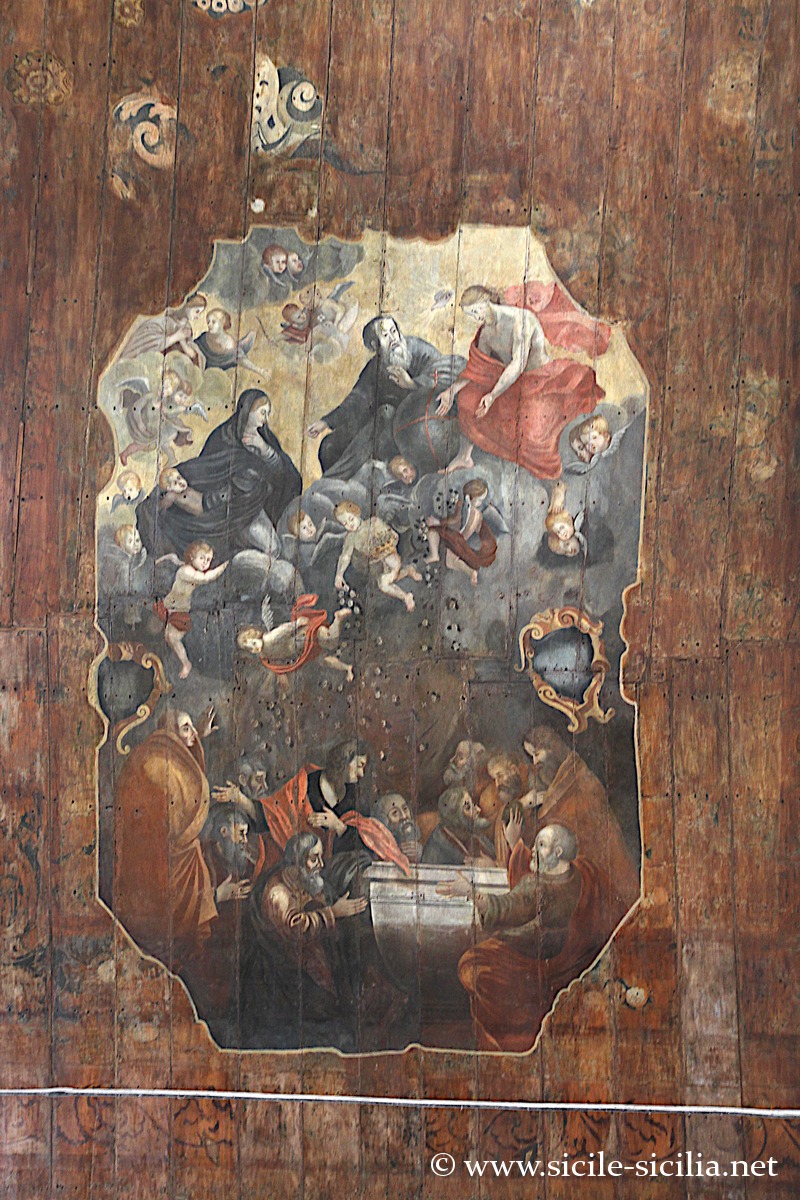
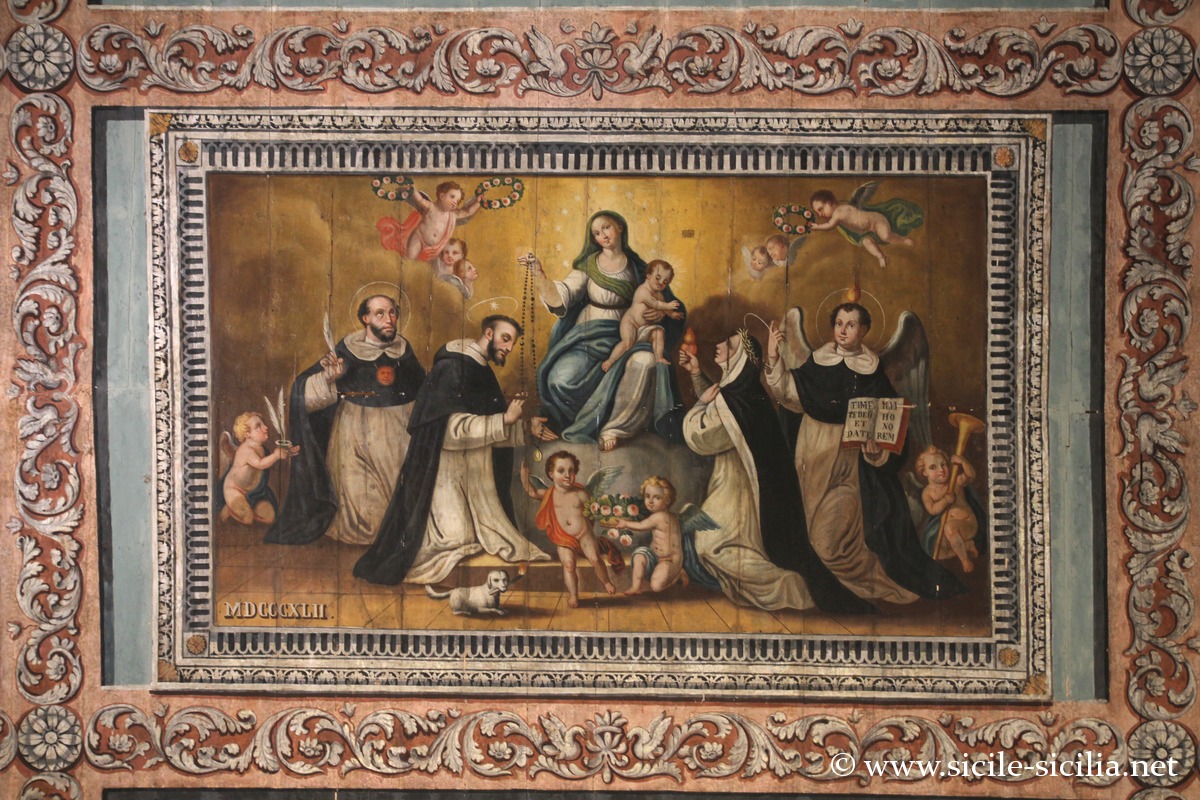
Next to it, the Church of the Rosary (Chiesa del SS. Rosario), erected in 1689 on the foundations of an old chapel of the Holy Crucifix, preserves a decorated wooden ceiling dating from the late 17th / early 18th century. It has a crypt where a treasure is found, notably a silver reliquary-urn that housed two small pieces of the Sacra Sindone, commissioned by Baldassare Naselli in 1684.
The mother church, the Chiesa Madre of Aragona (initially dedicated to Santa Maria dei Tre Re Magi), built from 1606 at the initiative of Baldassare III Naselli, was later enlarged. It has several important works: a canvas of the Adoration of the Magi dated 1607 and paintings by the Capuchin monk Fra Felice da Sambuca. The church is part of the “MUDIA”, the diocesan museum of Aragona, which displays liturgical works and objects of the parish heritage.
Surroundings of Aragona
5 km north of Aragona stands the powerful 13th or 14th century tower known as the “ Salto d’Angiò ” tower, now private property. The Monreale order acquired the barony and the tower at the end of the 18th century, and the two upper floors were replaced.
The necropolises of Caldare and San Vincenzo, near Aragona, would date back to very ancient times: around ~ 3500 BC and ~ 1300 BC
6 km to the north, “Occhio Bianco” presents another phenomenon of mud volcanoes.
Between Racalmuto and Aragona, at nearly 8 km, the Petra di Calathansuderj, also known as Rocca Petra, is an imposing limestone rock, 30 metres high. It houses a troglodyte complex on four levels (caves, corridors, silos), dating from the 6th century Byzantine period, and served as a fortress until the 13th century. Excavations have unearthed pit tombs and ceramics ranging from the Bronze Age to the Middle Ages.

Church of Madonna del Rosario, Piazza Umberto I 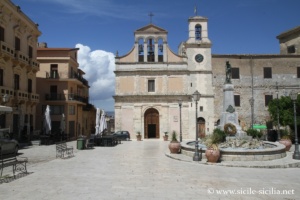
Church of Madonna del Rosario, Piazza Umberto I 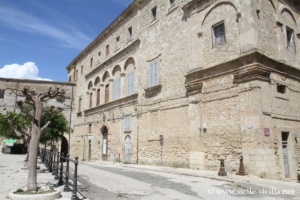
Palace of Prince Naselli, Piazza Umberto I 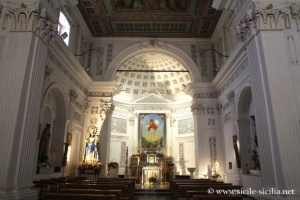
Church of Madonna del Rosario 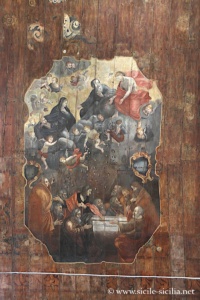
Church of Madonna del Rosario 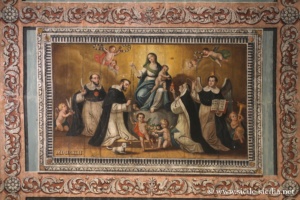
Church of Madonna del Rosario
Where Aragona is located: map
Information
External sites
- Favara: it.wikipedia.org/wiki/Favara
- Raclmuto: it.wikipedia.org/wiki/Racalmuto
- Aragona: it.wikipedia.org/wiki/Aragona_(Italia)
- The macalube of Aragona: fr.wikipedia.org
Category Agrigento
- Visit to Agrigento and surroundings
 C’est sur une colline, nommée Girgenti, que s’étend le centre historique d’Agrigente, ...
 - Hotels in Agrigento
 Hotels in Agrigento in Sicily and accommodations near the Valley of the ...
 - Valley of the Temples of Agrigento
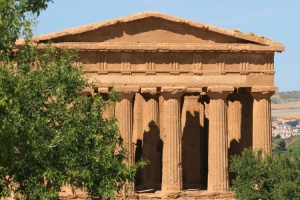 In antiquity, Agrigento was one of the most powerful Mediterranean cities of ...
 - Regional Archaeological Museum of Agrigento and San Nicola
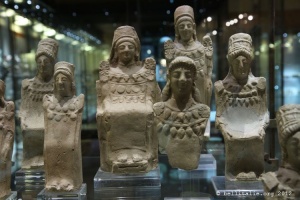 Le Musée Archéologique Régional d’Agrigente, officiellement nommé Museo Archeologico Regionale “Pietro Griffo”, ...
 - Scala dei Turchi
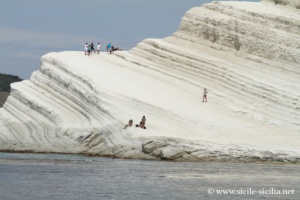 La Scala dei Turchi («escalier des Turcs» en français) est une paroi ...
 - Coastal itinerary west of Agrigento towards Sciacca
 Itinéraire à l’ouest d’Agrigente, en partant de la maison natale de Pirandello ...
 - Favara, Racalmuto and AragonaIf, after visiting the most attractive sites of Agrigento and its coastal ...
- Siculiana
 Siculiana is a pretty little village 20 km west of Agrigento, set ...
 - Gastronomy and traditions in AgrigentoGastronomic specialities in Agrigento The gastronomy of Agrigento revolves mainly around seafood, with ...