

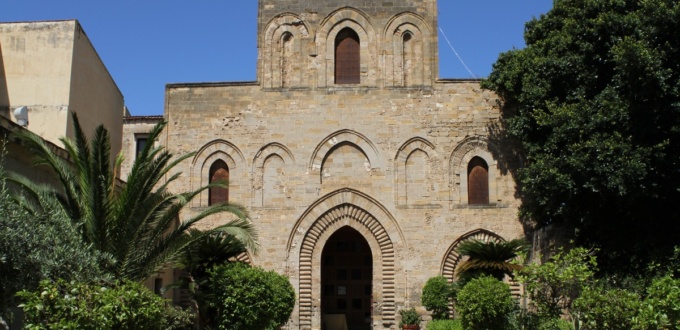
In the Middle Ages this area south of the city was occupied by gardens and orchards. The sanctuary of the Holy Trinity, which was built at the end of the 12th century, probably on the site of a mosque, was one of the last Norman achievements, founded in 1191 shortly after the completion of the great cathedral, by Matteo D’Aiello, the chancellor of Tancred, the last Norman King of Sicily.
Historical overview and visit
In 1197 Henry VI of Swabia expelled the Cistercians, who were replaced by the Teutonic Knights until 1492.
The complex was enlarged in the 15th century, and side chapels were opened. The church was greatly modified in the Baroque period, and around the beginning of the 20th century the original structure was restored. Further restorations followed after the bombings of World War II.
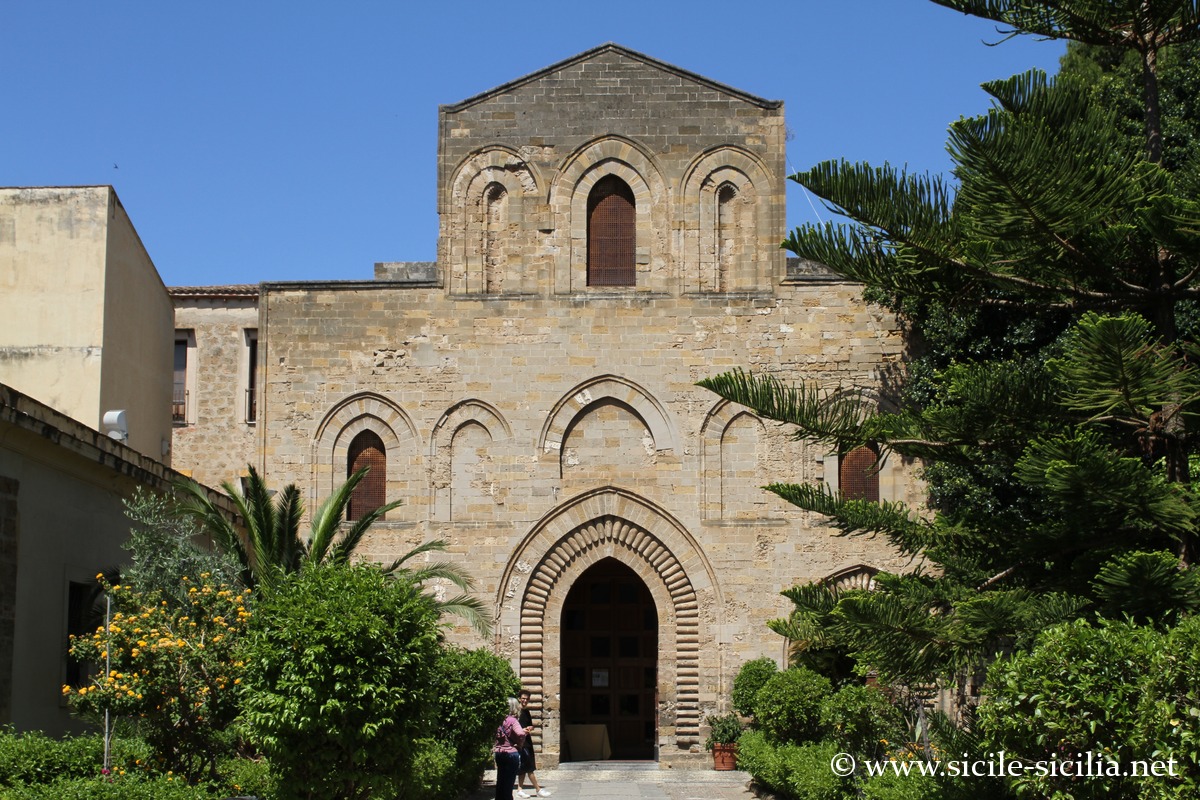
Facade of the basilica
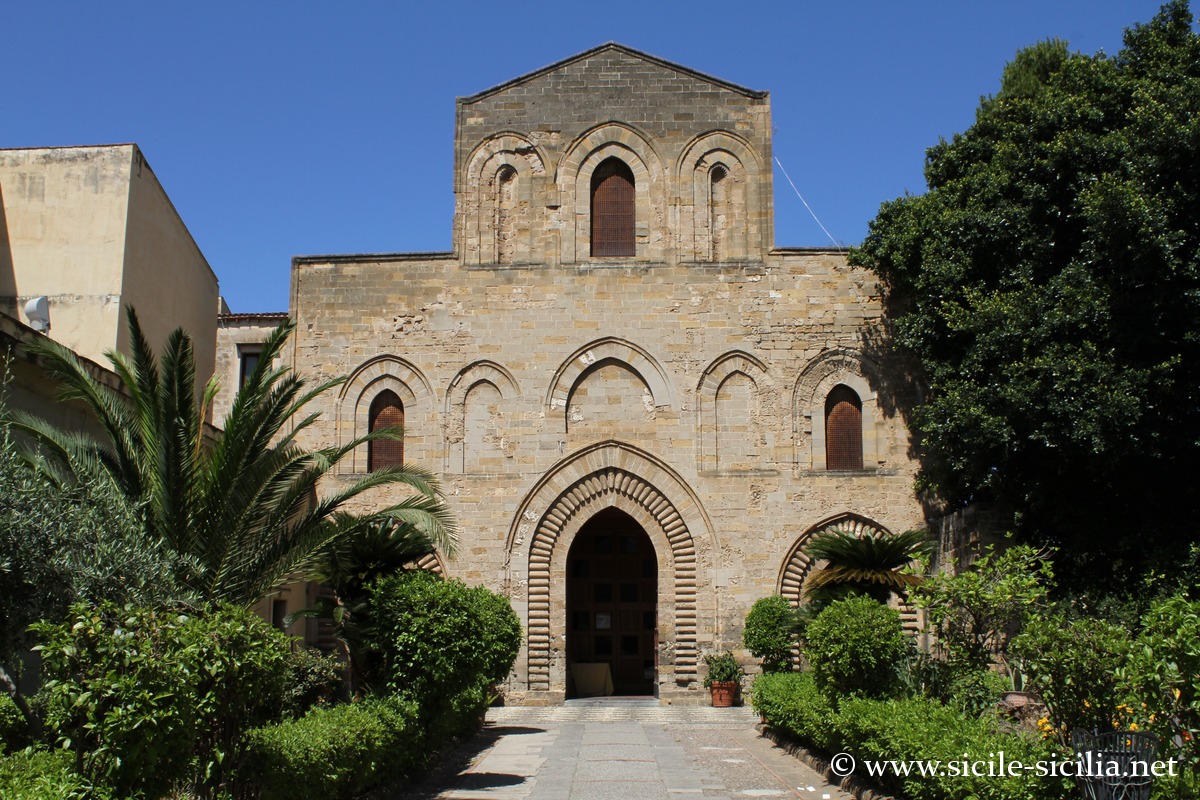
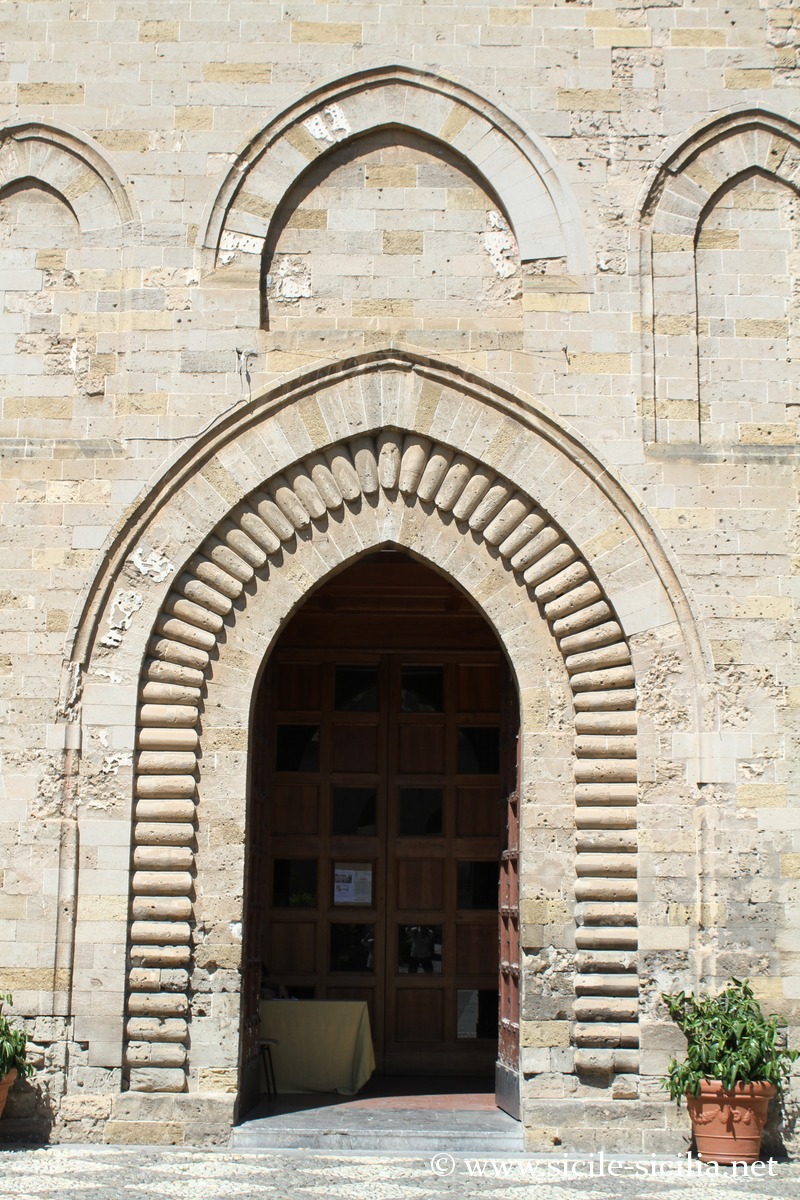
A garden precedes the church, which is entered through a Baroque door.
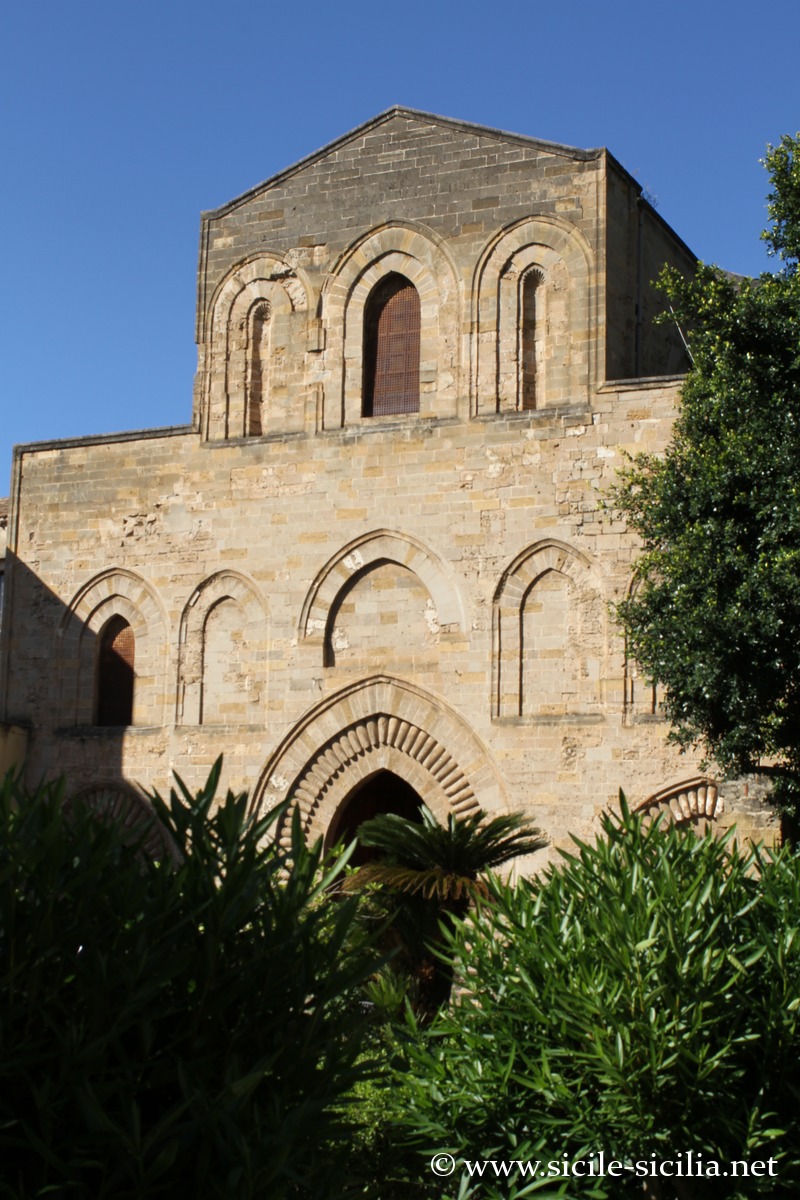
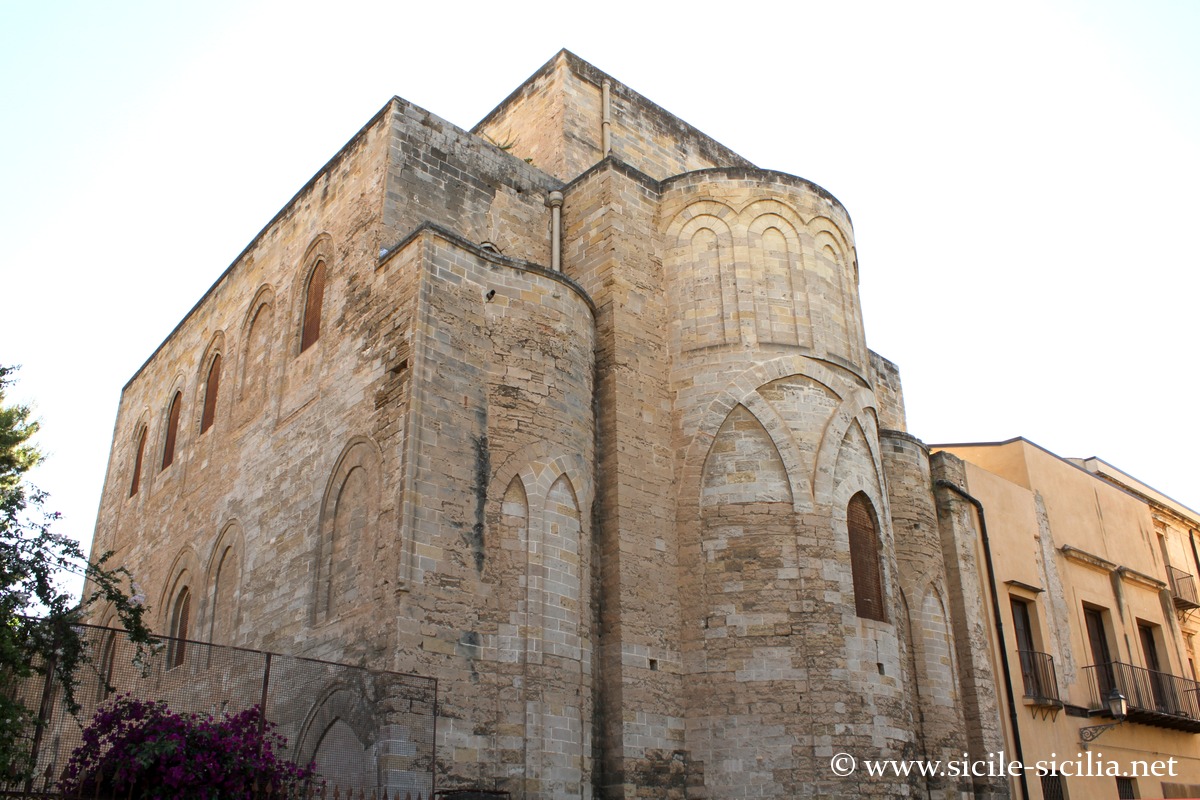
The facade is characterised by Islamic influence, like all Arab-Norman works, with, for example, pointed arches surrounded by mouldings.
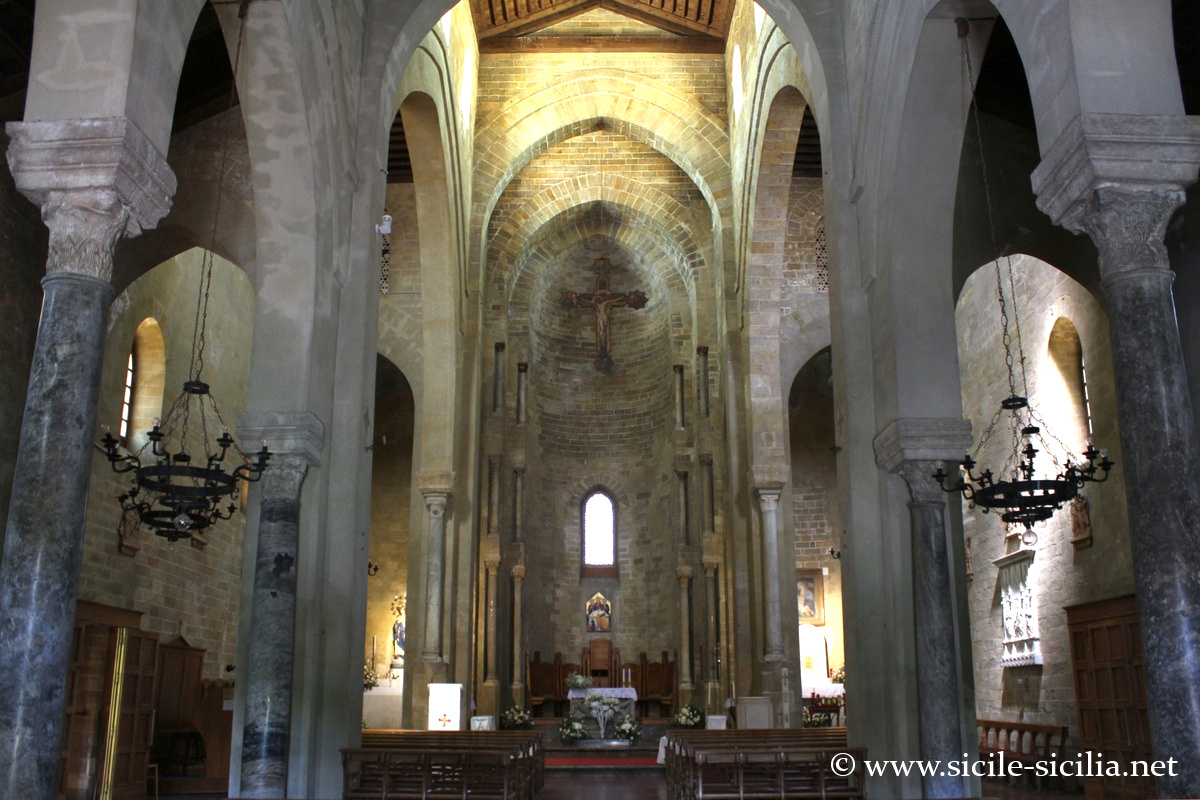
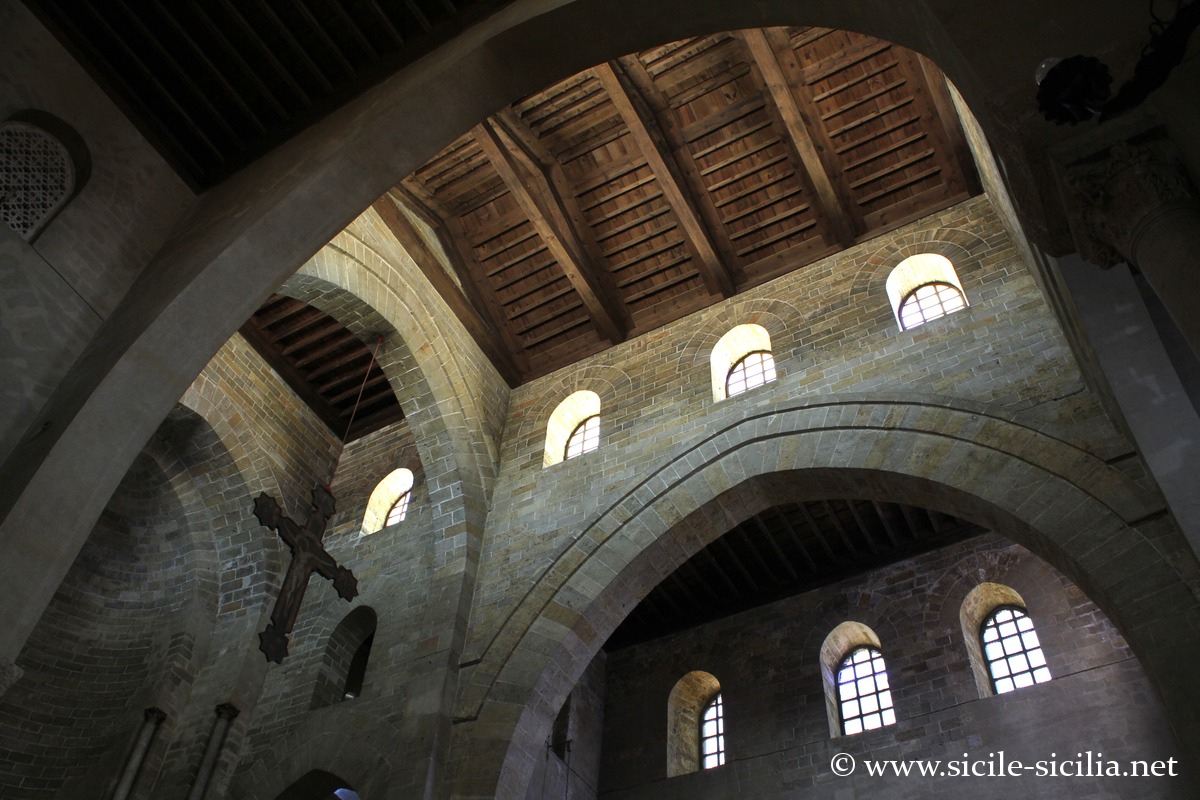
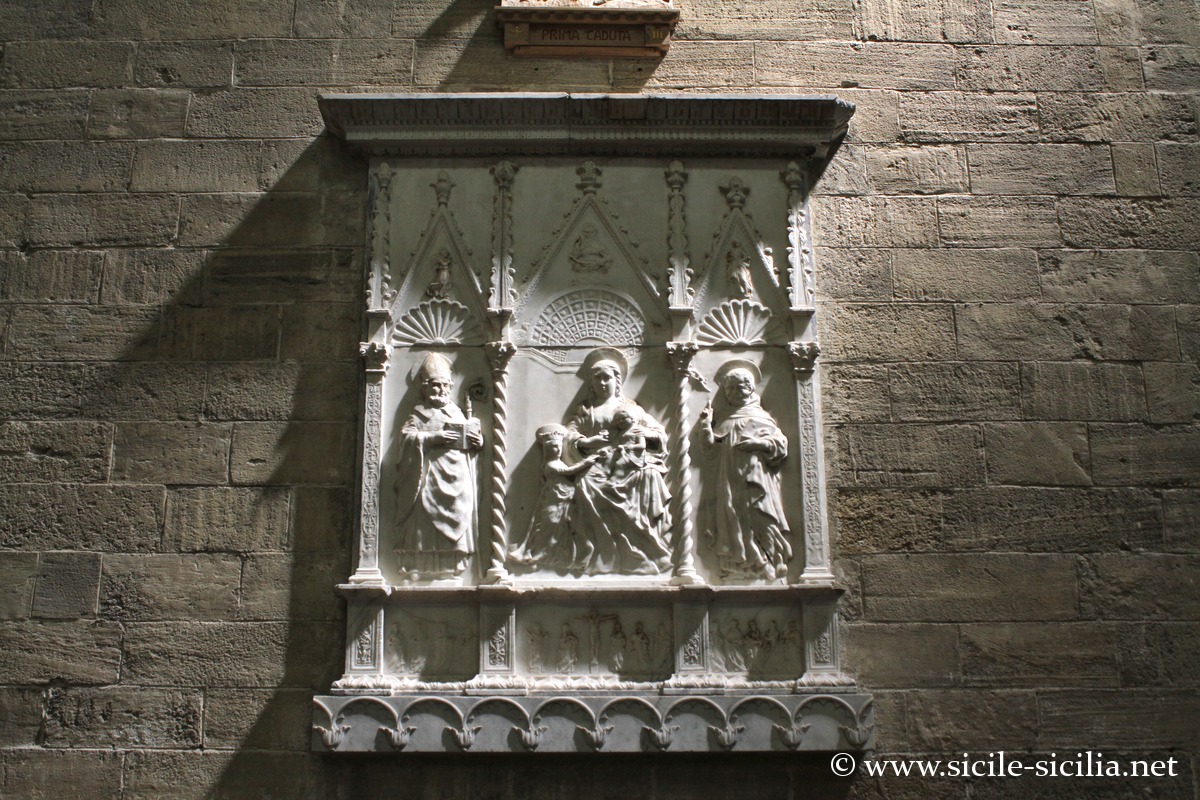
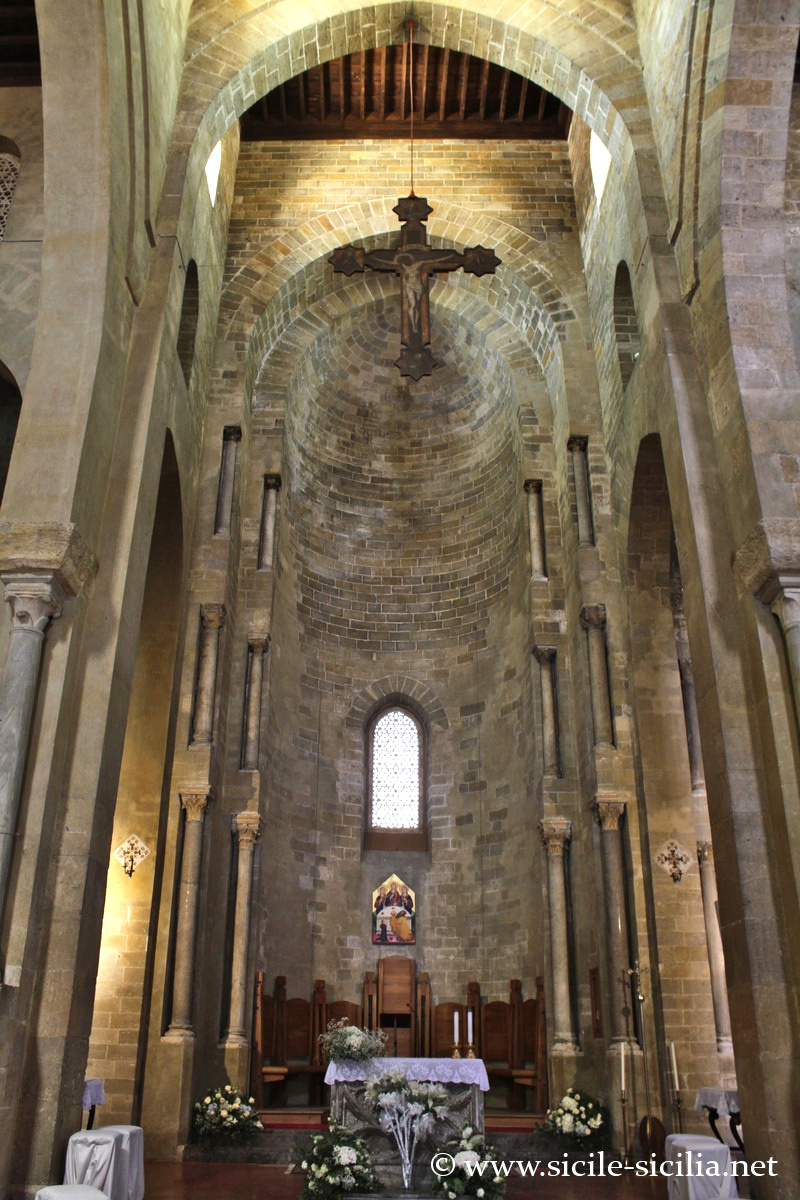
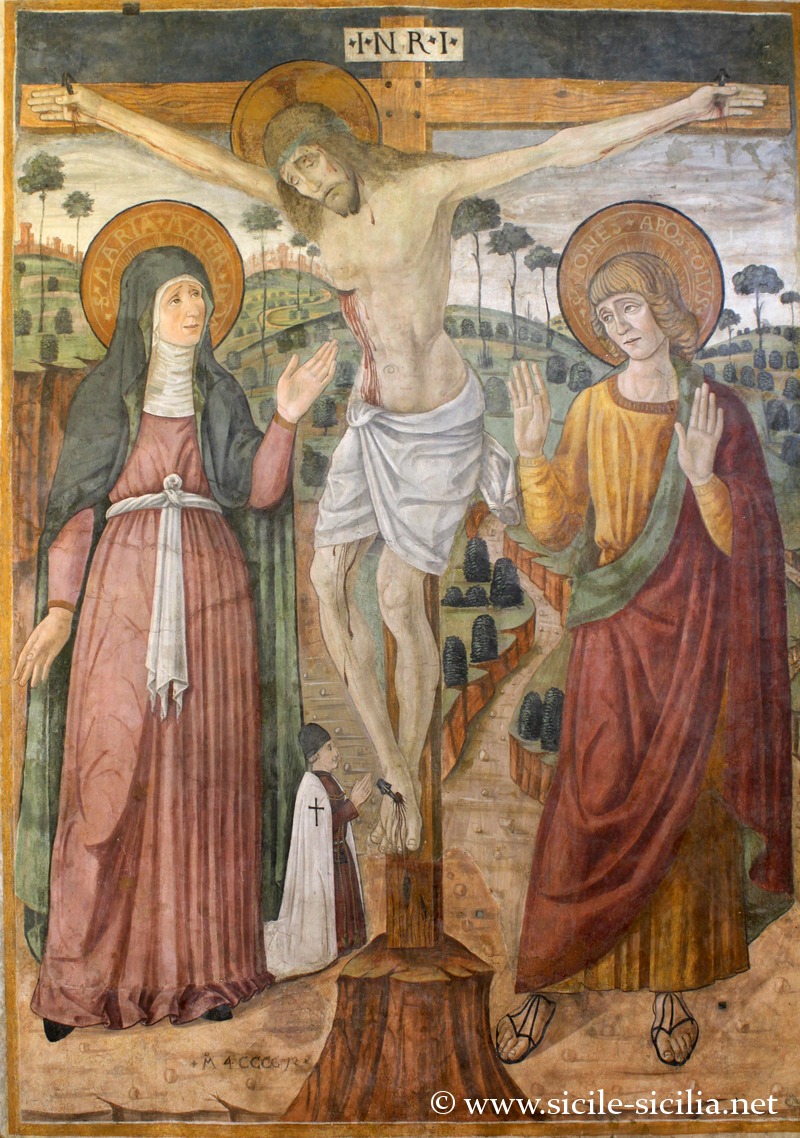
The interior is grandiose and typically Gothic, with pointed arches supported by large columns and three apses. Beautiful works from the 15th and 16th centuries are preserved there. The Baroque oratory behind the baptistery preserves a marble altar and a 17th-century crucifix.
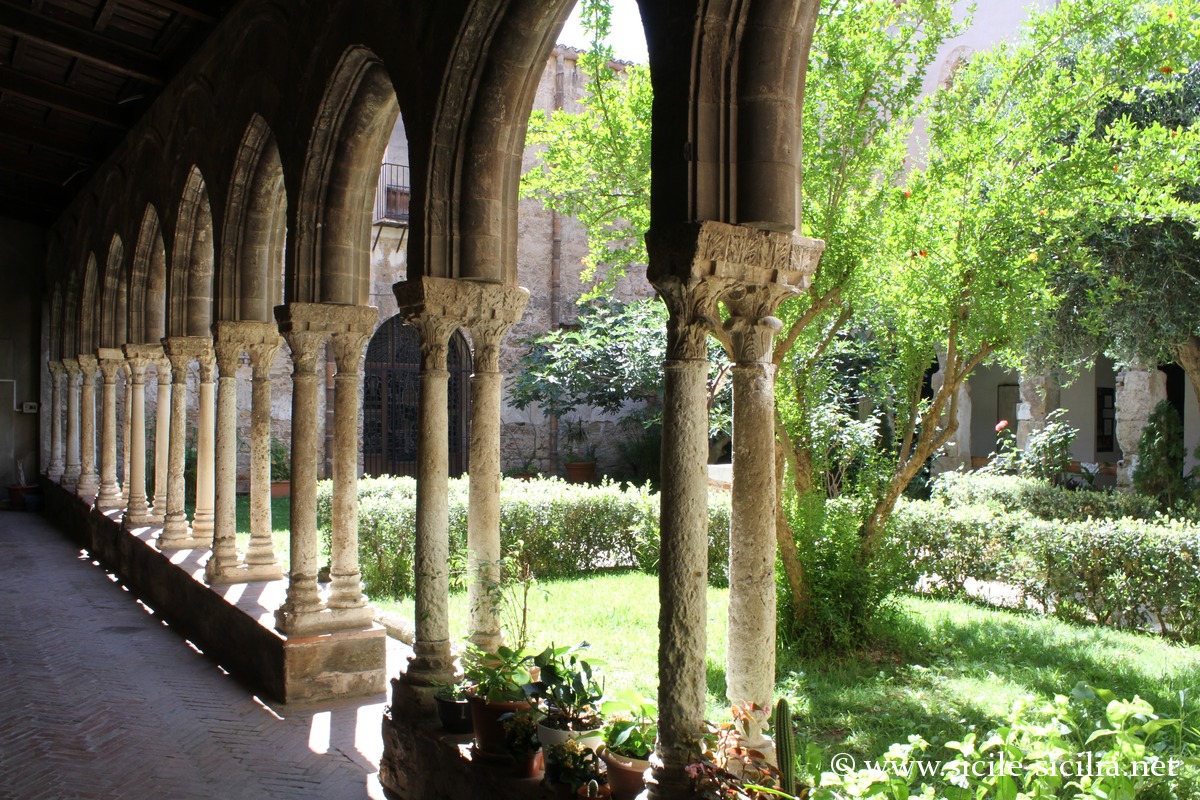
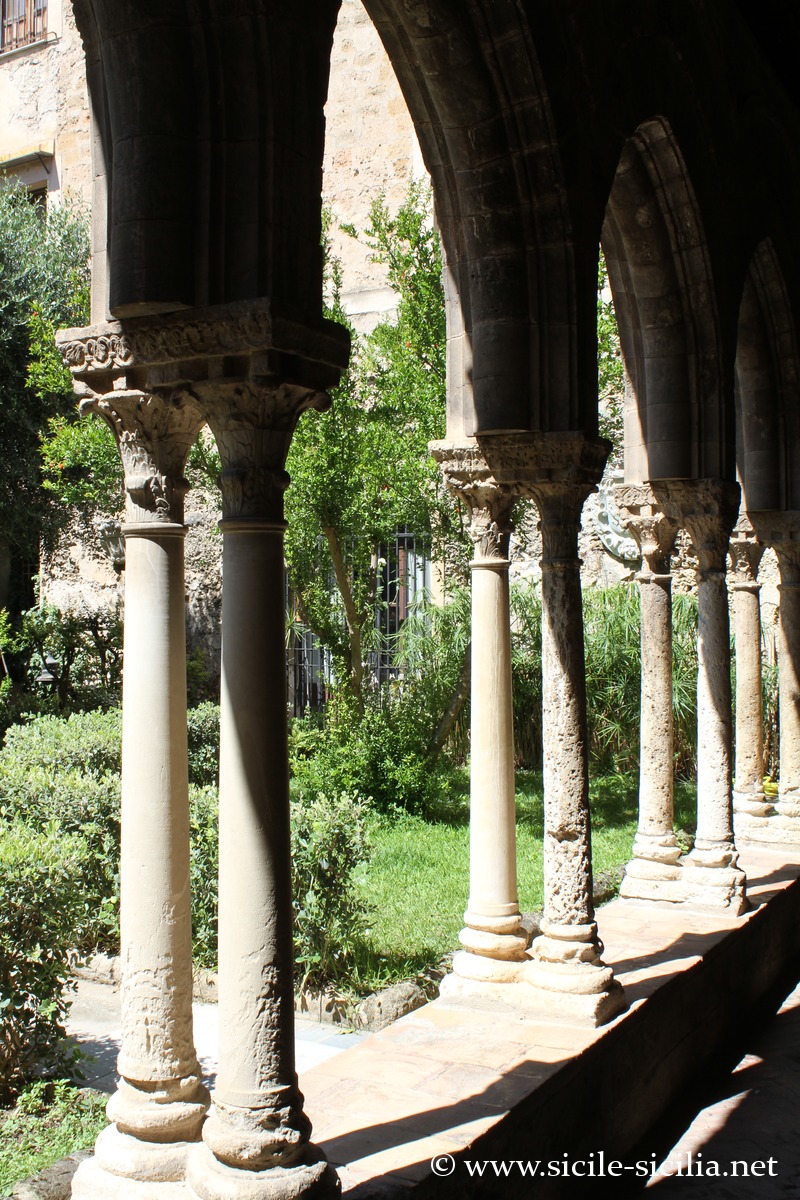
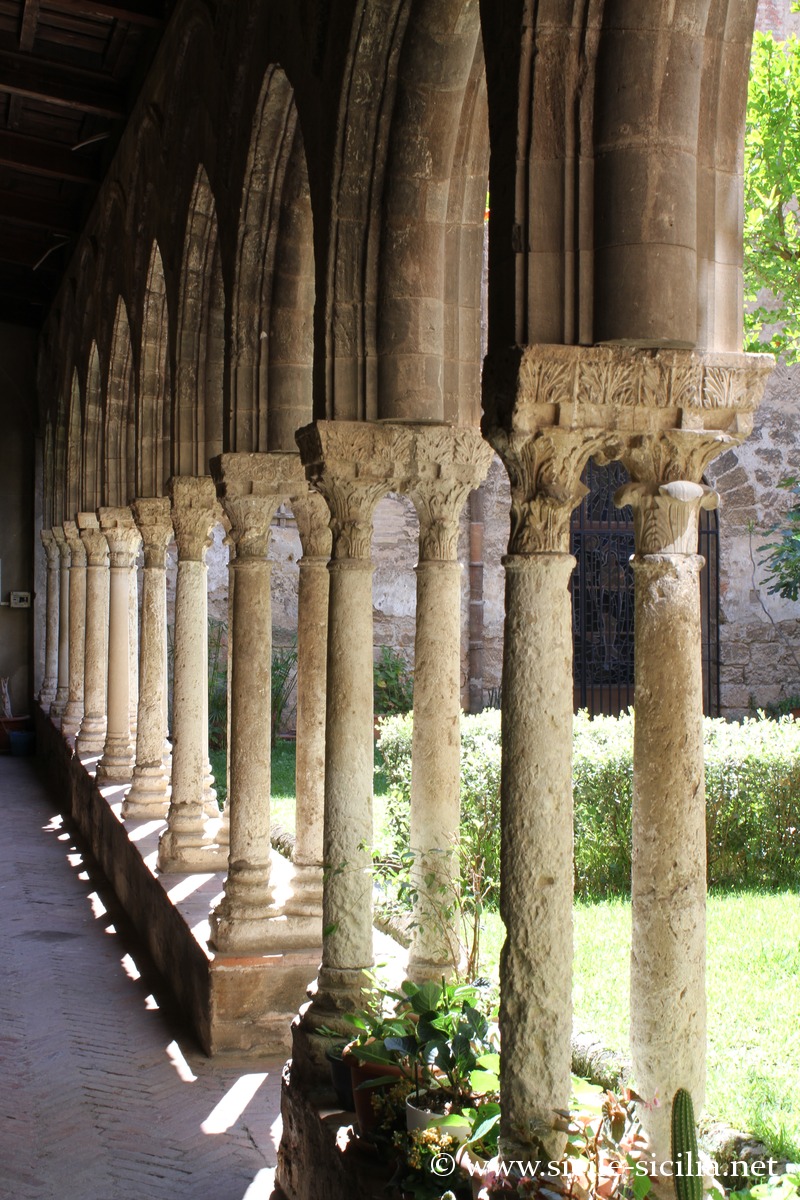
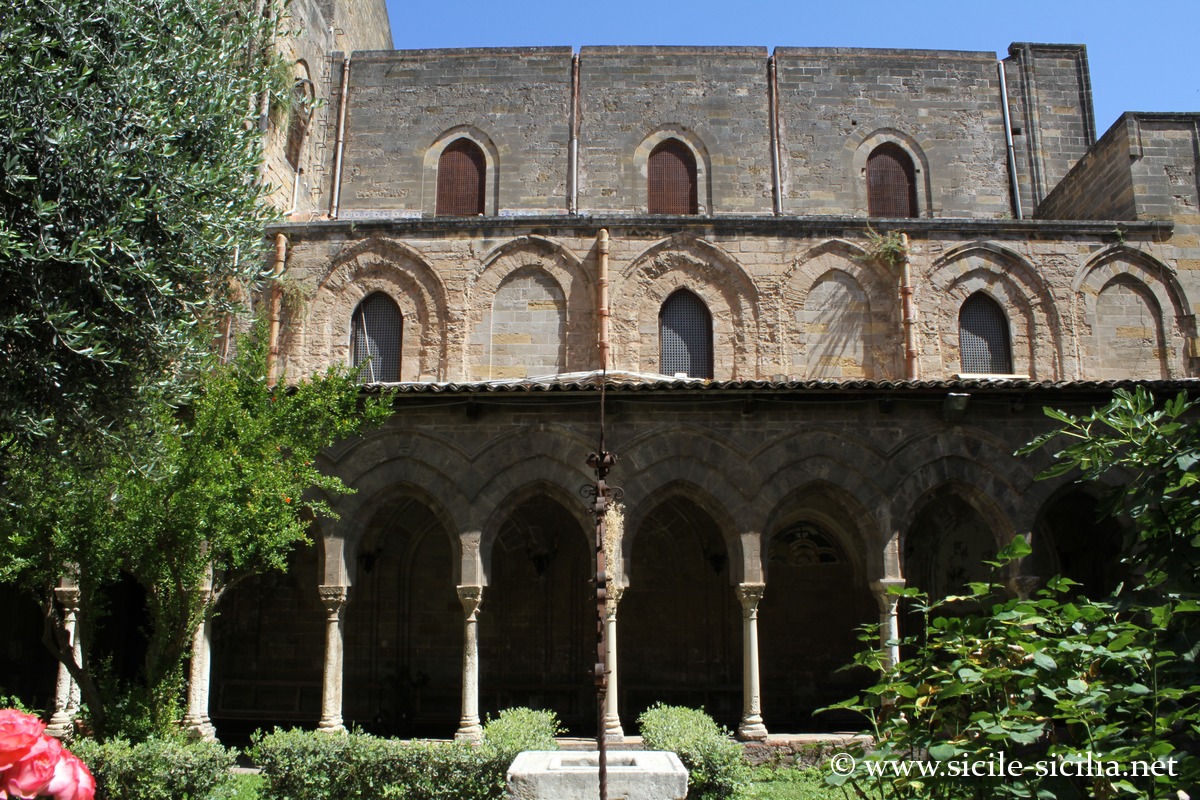
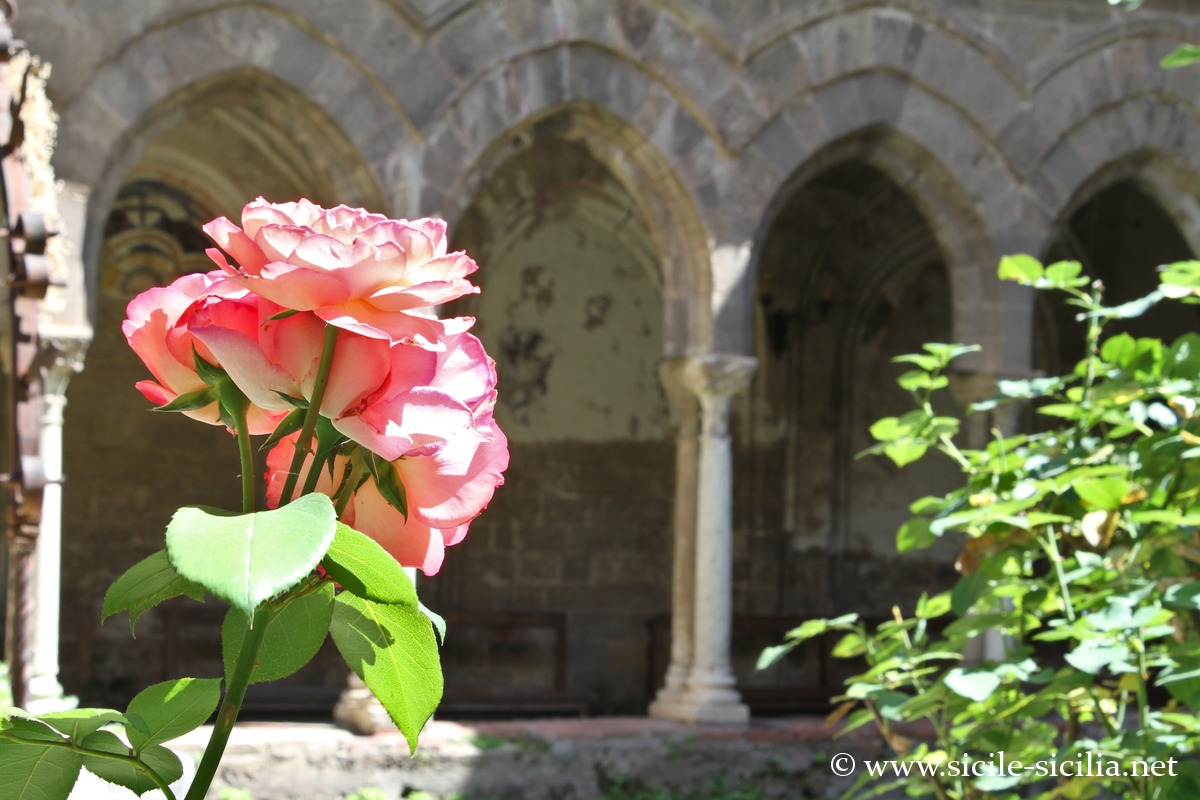
The cloister on the north side preserves two of the original arcades with their elegant columns.
Part of the wooden roof structure has been preserved, with its Islamic paintings and inscriptions.
Photo gallery
Facade of the basilica 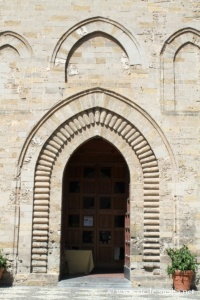
Portal 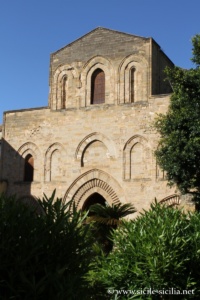

Facade 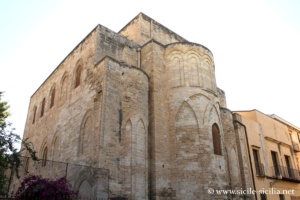

Apses 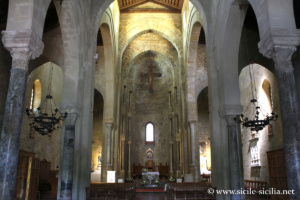
Central nave 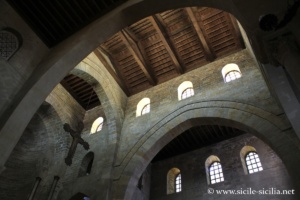
Interior 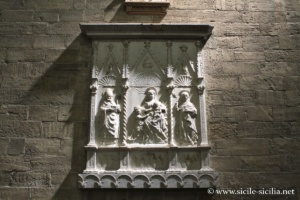
Interior 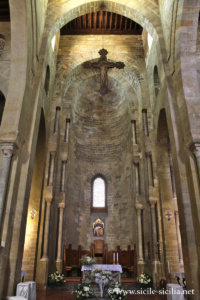
Interior 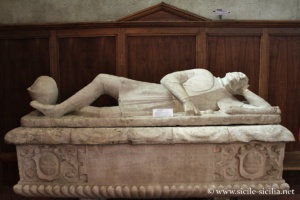
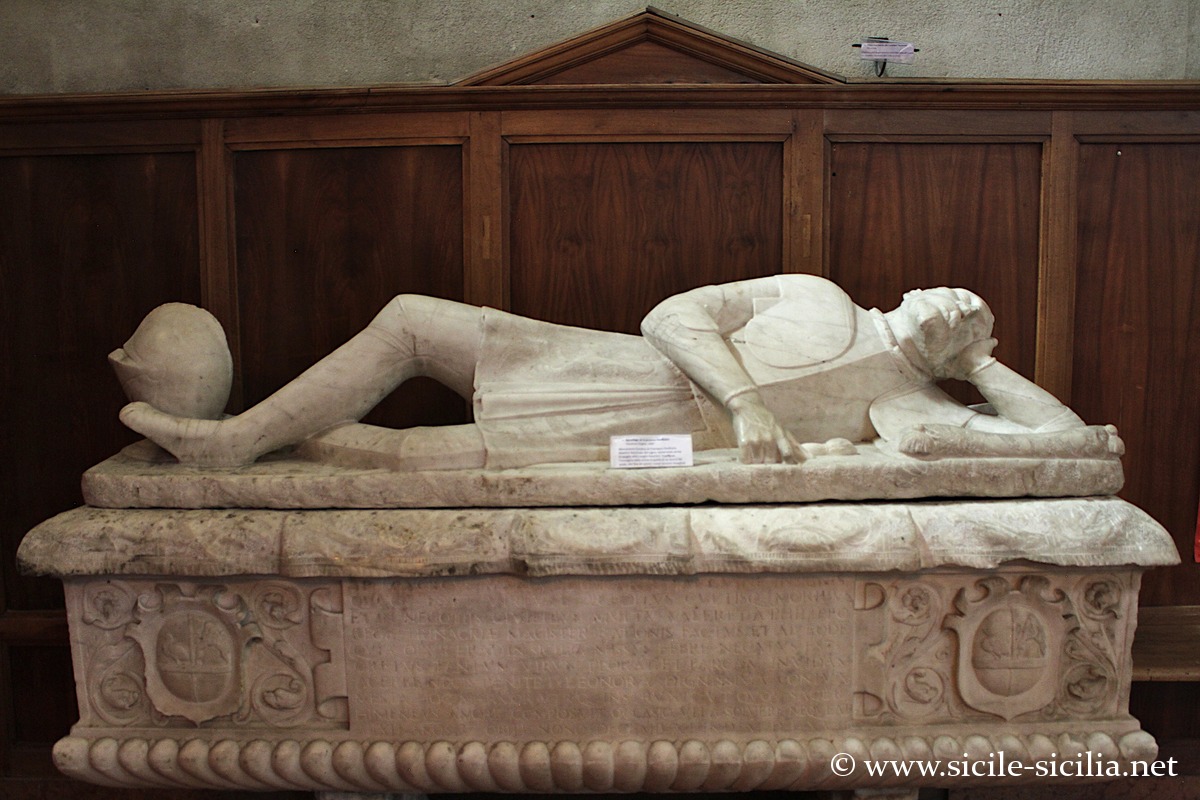
Perdicaro Sarcophagus 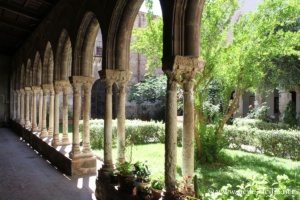
Cloister 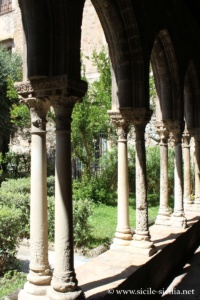
Cloister 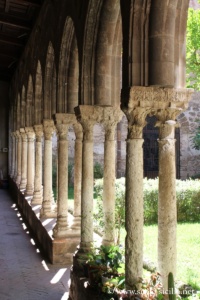
Cloister 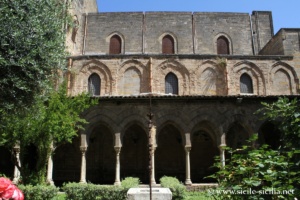
Cloister 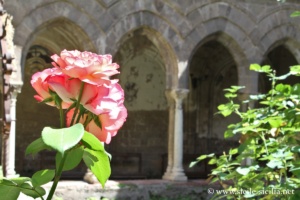
Cloister 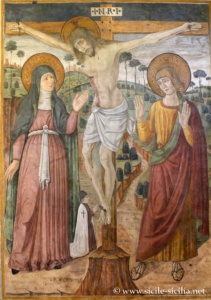

Oratory of Saint Cecilia
Where the Basilica of the Magione in Palermo is located
If you see this after your page is loaded completely, leafletJS files are missing.
Basilica della Santissima Trinità del Cancelliere (Basilica della Magione)
Via Magione, 44, 90133 Palermo
Information
Sources and external websites
- La Magione on Wikipedia (Italian)
- Tourist portals: turismo.comune.palermo.it, www.palermoviva.it