
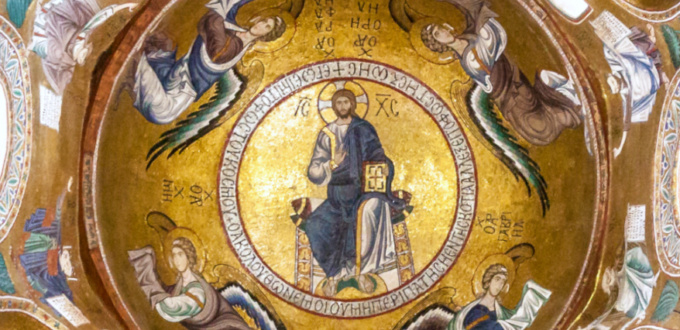
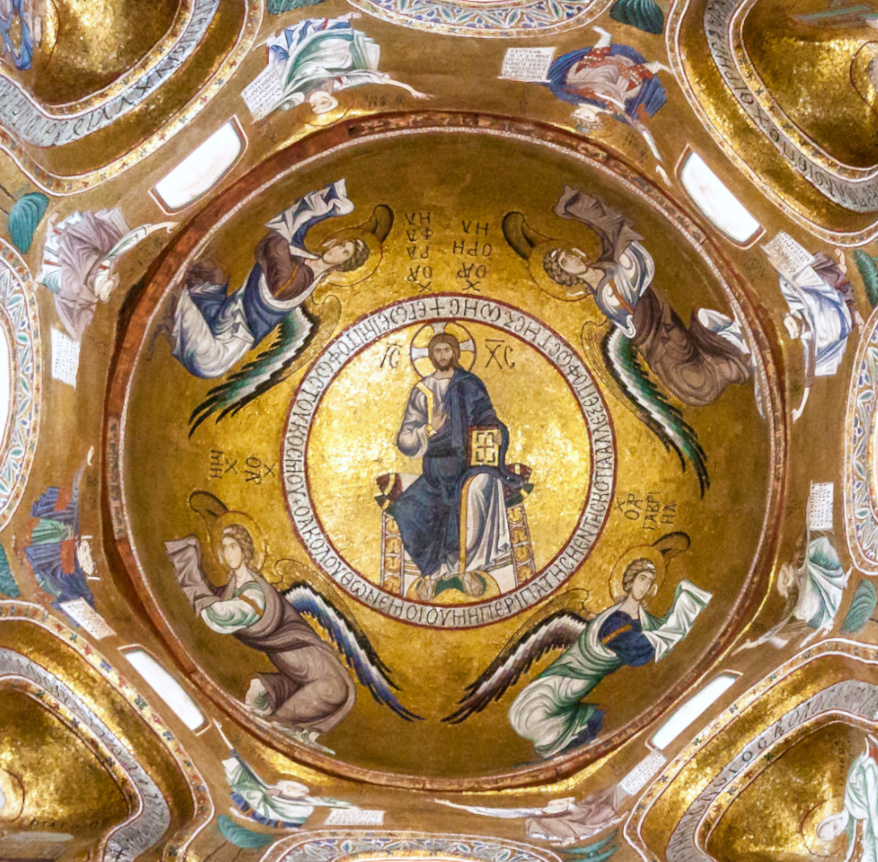
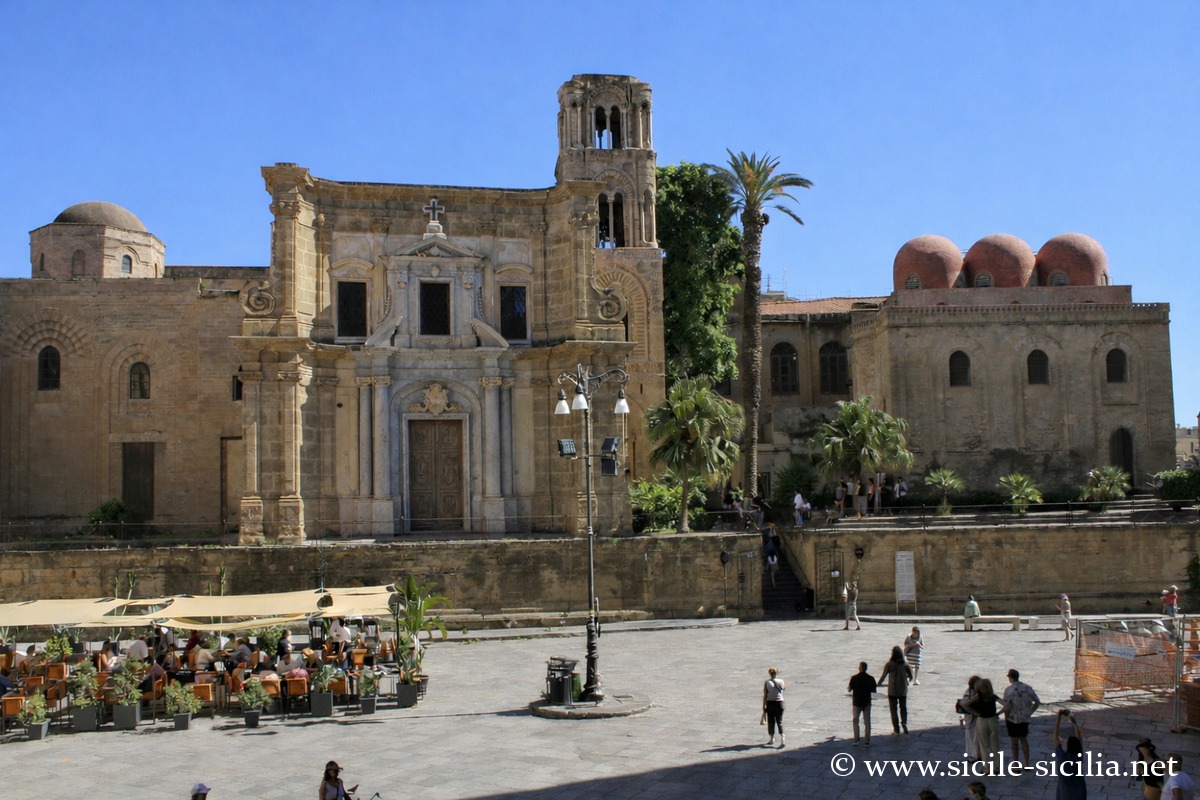
The church of la Martorana, or Santa Maria dell’Ammiraglio, standing on Piazza Bellini, stands out for the splendid Byzantine mosaics and gilding of the interior, dating mainly from the 12th century and representing a major example of Byzantine art with Arab influence in Norman Sicily. Historical overview Dedicated to Eloisa Martorana, who was the founder […]
Category: Kalsa District
This section lists the main places and monuments, with a map, located in the Kalsa District of Palermo, whose presentation you can discover on the Kalsa District page.
Travelers' Map is loading...
If you see this after your page is loaded completely, leafletJS files are missing.
If you see this after your page is loaded completely, leafletJS files are missing.
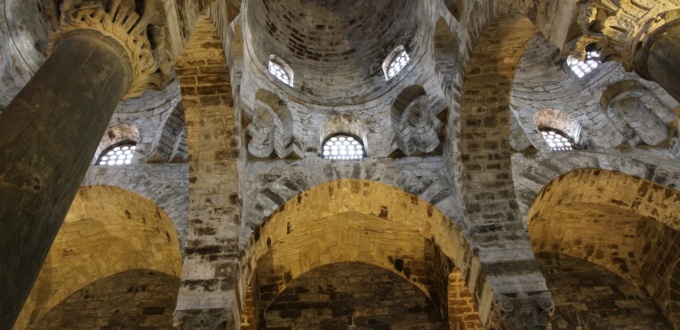
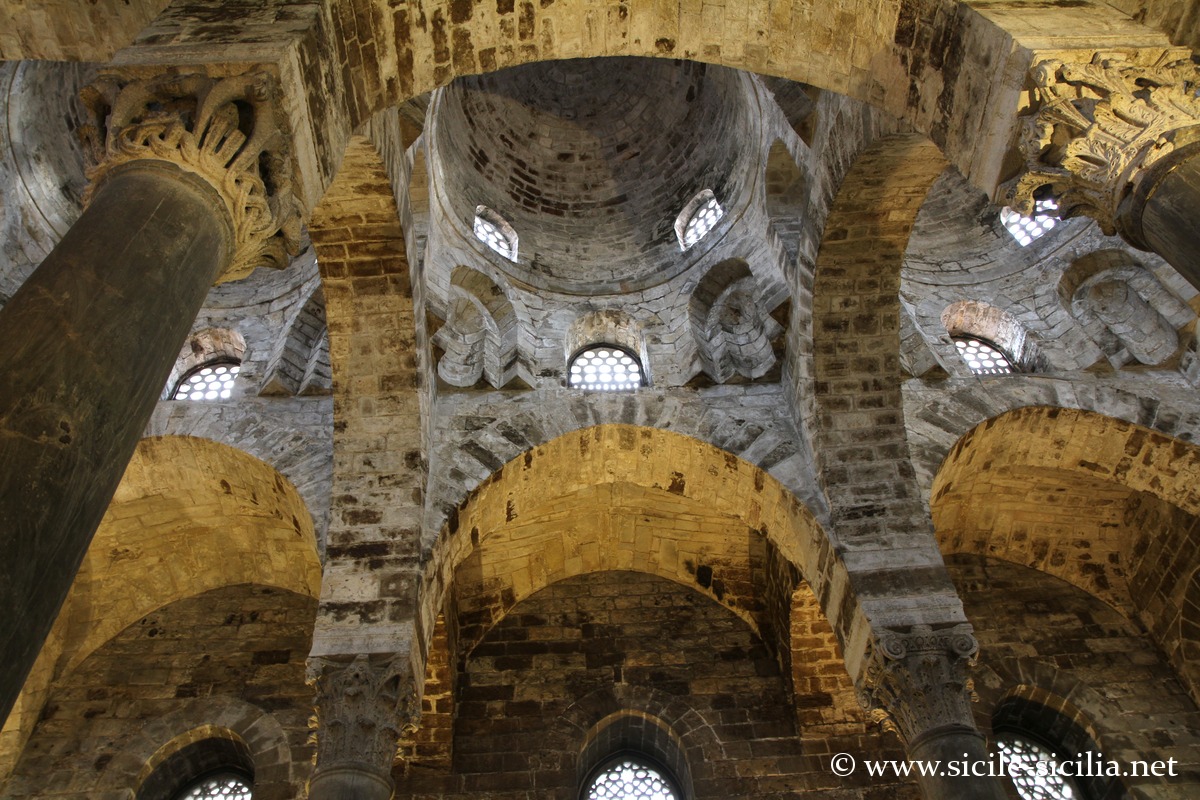
The church of San Cataldo is located on Piazza Bellini. It is one of the city’s examples of Arab-Norman architecture, of parallelepiped shape and covered by its three small red domes aligned. The church is notable for its minimalist exterior and sober interior, contrasting with the ornamental richness of other contemporary churches, such as Palermo […]
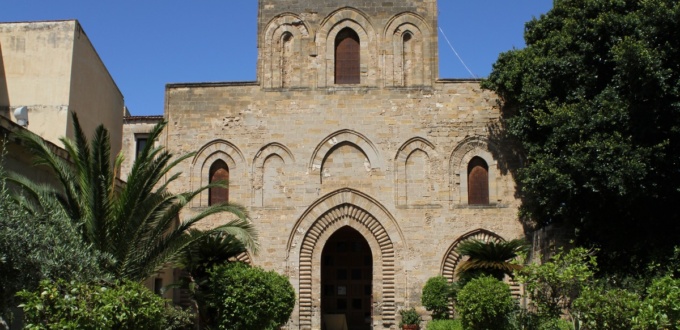
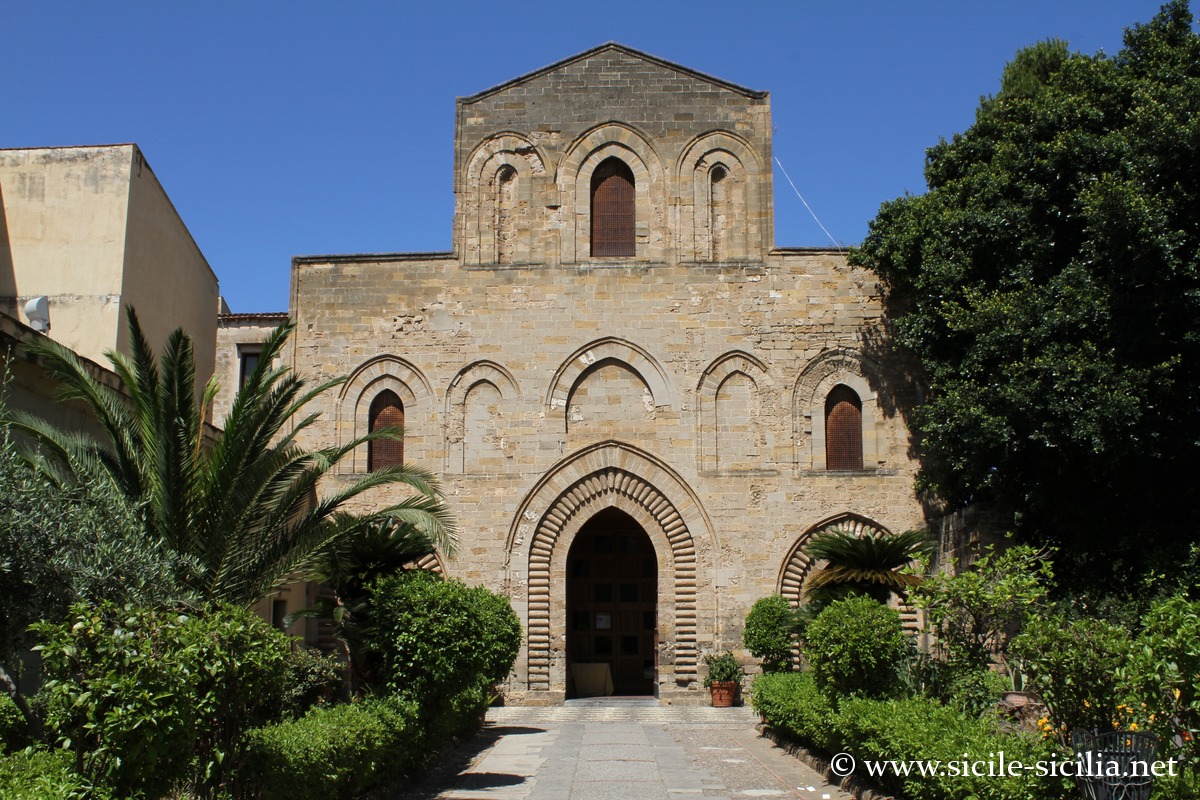
In the Middle Ages this area south of the city was occupied by gardens and orchards. The sanctuary of the Holy Trinity, which was built at the end of the 12th century, probably on the site of a mosque, was one of the last Norman achievements, founded in 1191 shortly after the completion of the […]
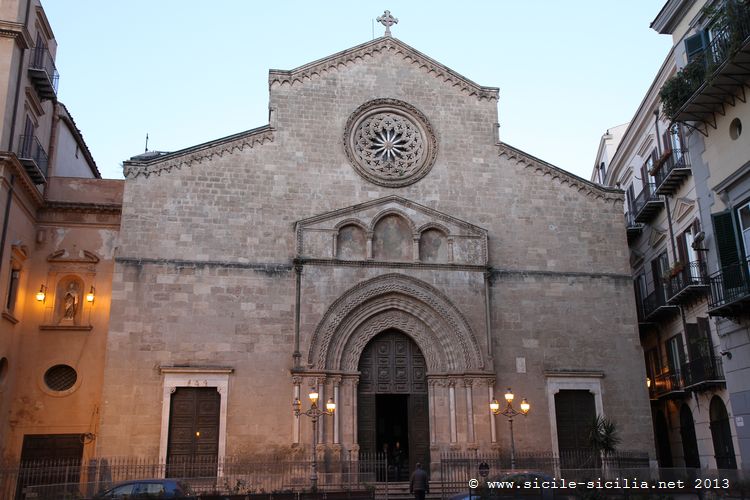
A beautiful Roman-Gothic church, built in the 13th century and remodelled in the 14th, dedicated to Saint Francis of Assisi, in the heart of the Kalsa district. It is one of the first manifestations of Renaissance art in Palermo. Historical elements and exterior First built in 1235, the church of Saint Francis of Assisi was […]
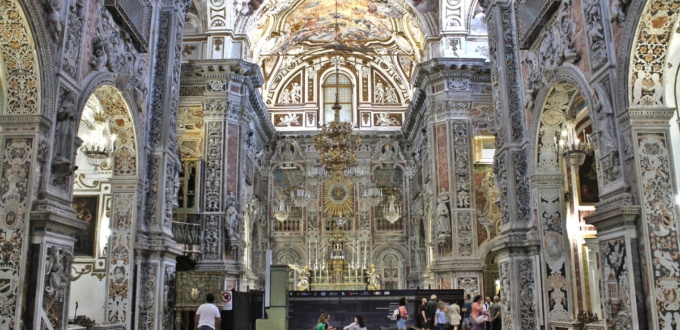
The church of Saint Catherine of Palermo, completed in the 16th century, faces onto two squares: the Piazza Pretoria with its famous fountain, and the Piazza Bellini opposite the Arab-Norman Byzantine churches of San Cataldo and the Martorana.The dome and the choir were added in the mid-18th century and in 1863 respectively.It adjoins a monastery […]
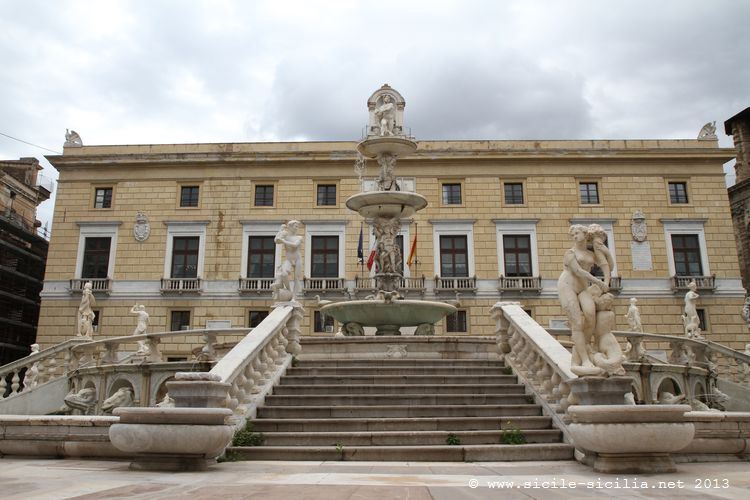
The Piazza Pretoria is also known as the Piazza della Vergogna (“Square of Shame” in English). It is located near the intersection of the Quattro Canti, considered the center of the historic city, at the crossing of via Maqueda and the Cassaro (now via Vittorio Emanuele). In the center stands the city’s most famous fountain, […]
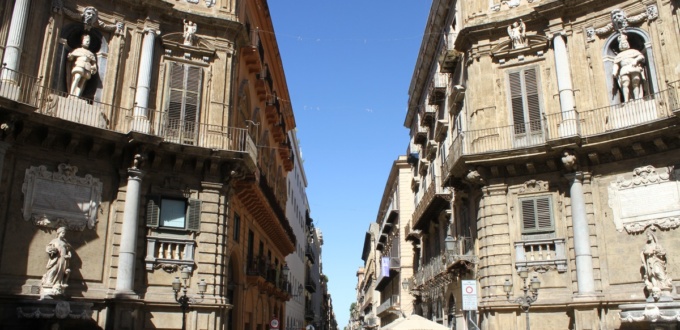
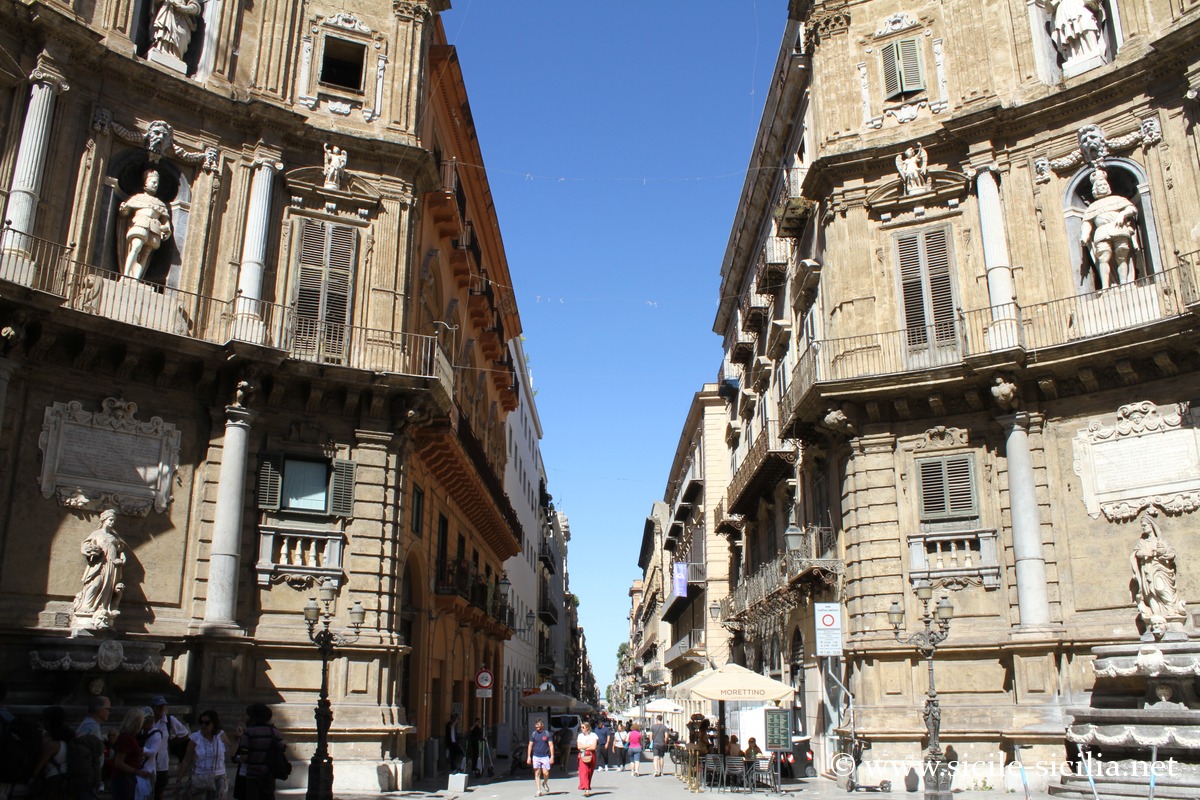
The Quattro Canti (literally Four Songs in English), also known as Piazza Vigliena, or the octagon of the sun or Theater of the Sun, is the square in Palermo located at the intersection of the two main streets that cross the city: via Maqueda and the Cassaro now called Corso Vittorio Emanuele.It is also the […]
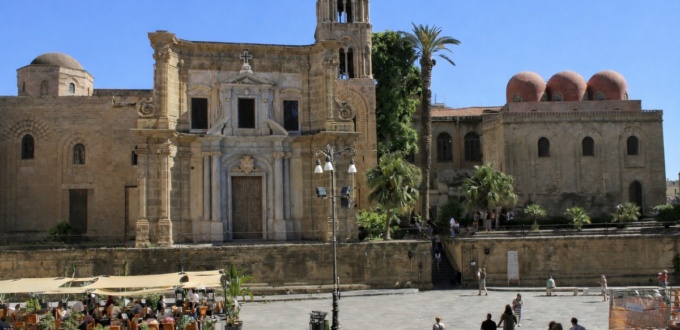

The charming Piazza Bellini is one of the most charming places in Palermo, very close to the Piazza Pretoria in the Kalsa district, a nodal point of the medieval historic centre, located at the intersection of Via Maqueda (created in the 16th century) and several historic urban axes. Buildings around the square Two important churches […]
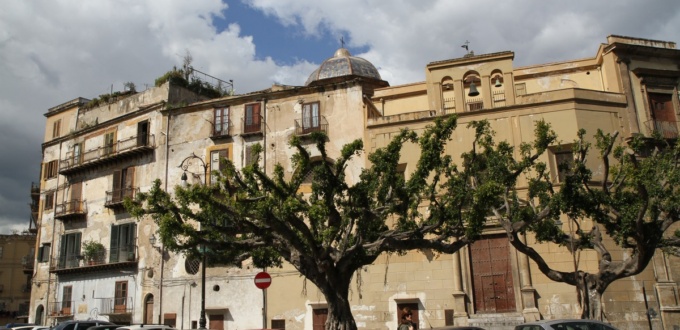
The Piazza Marina is a square in the historic centre of Palermo located in the Kalsa district, on the western edge of the ancient Islamic port district of the Kalsa, between the historic seafront and the city’s medieval aristocratic fabric.In the centre of the square is the small public garden of the Villa Garibaldi designed […]
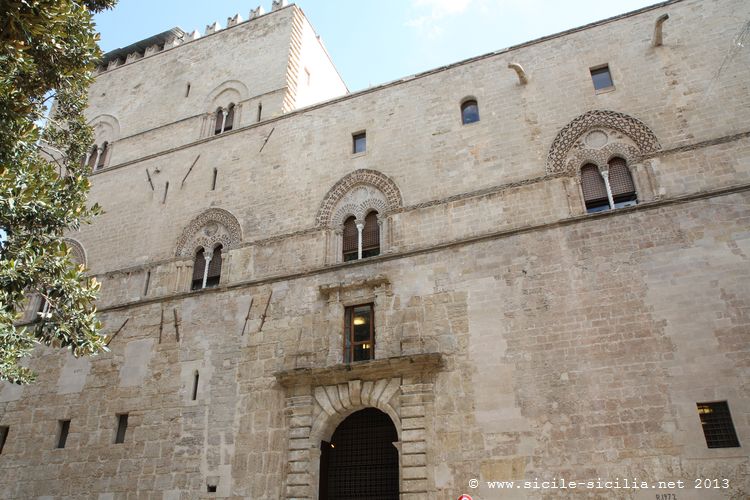
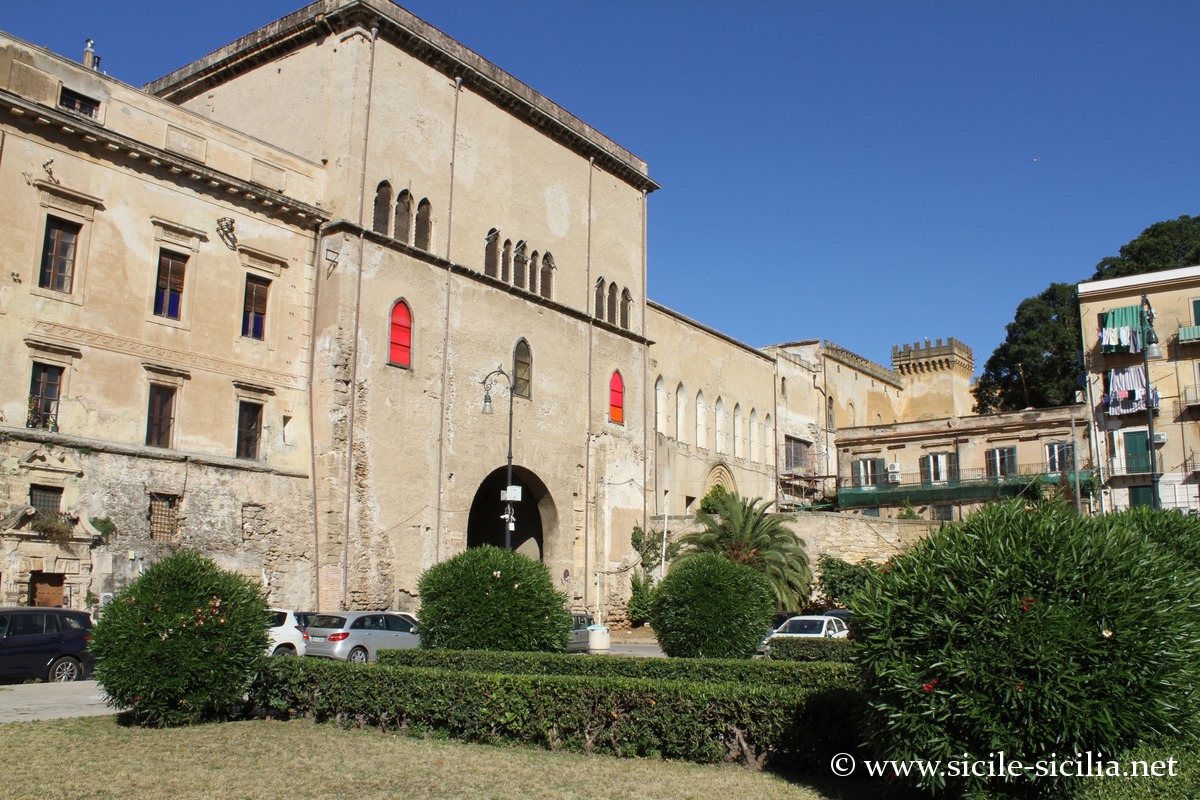
The Chiaramonte Palace (also called Steri, from Hosterium, fortified palace), is located on Piazza Marina.It was built at the beginning of the 14th century, by Manfred Chiaramonte, the powerful count of Modica. The Chiaramonte family, of Franco-Norman origin, left its mark on the entire island in the 14th century. History and description of the palace […]
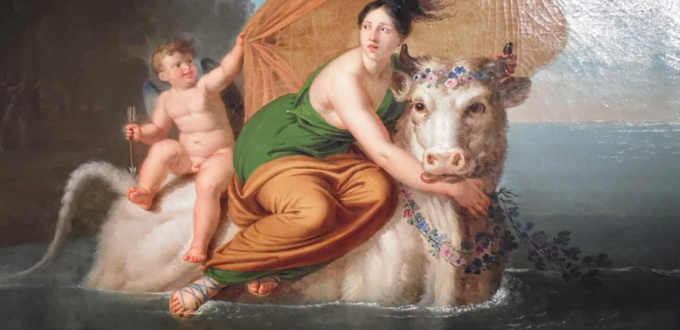
The Modern Art Gallery of Palermo (GAM), located in the historic Kalsa district, is a museum dedicated to modern art that has occupied two historic buildings since 2006: the former Franciscan convent of the Church of Sant’Anna, in Baroque style (17th century), and the Palazzo Bonet, in Spanish Gothic style (15th century), built in 1480 […]
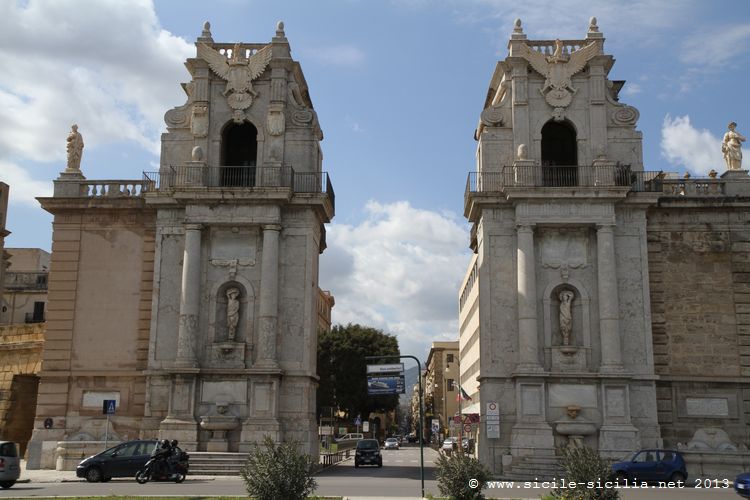
The Porta Felice is located near the port of La Cala. It opens onto the Corso Vittorio Emanuele (or Cassaro), the main axis of the city, ending at the Porta Nuova 2 kilometers away. Presentation of the Porta Felice It took its name from Felice Orsini, wife of the Spanish viceroy Marcantonio Colonna, who began […]

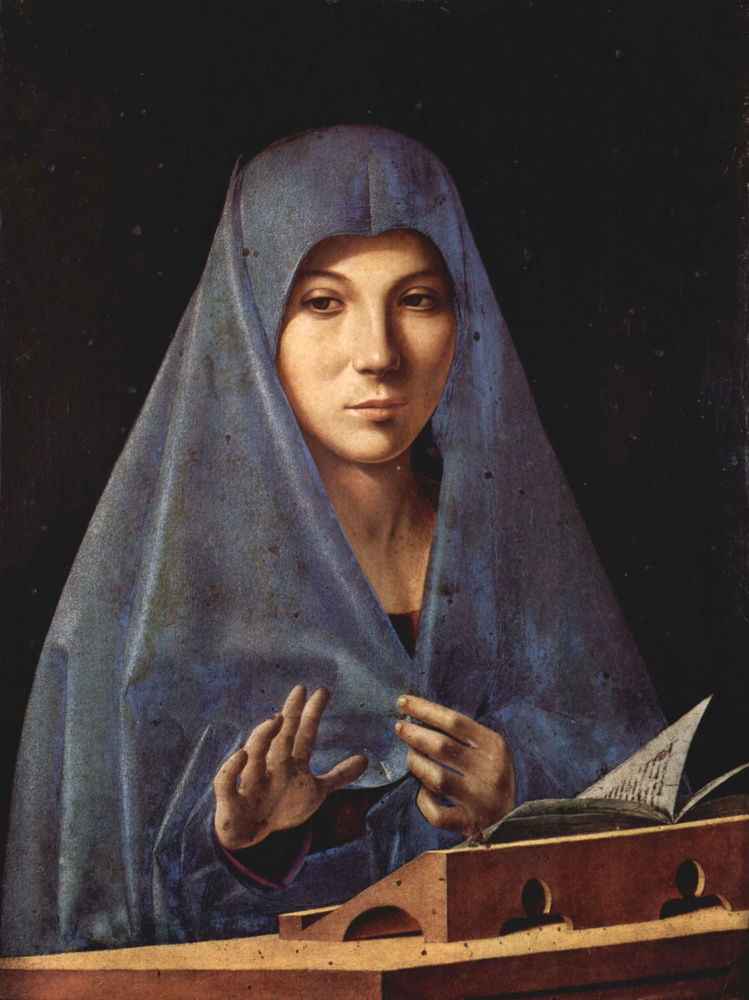
Abatellis Palace in Palermo The construction of the majestic Abatellis Palace dates back to the end of the 15th century, in a Gothic-Catalan style. It was intended to become the “Domus Magna” of Francesco Abatellis, the master of the port of the kingdom and praetor of the city, built by the great Sicilian architect Matteo […]
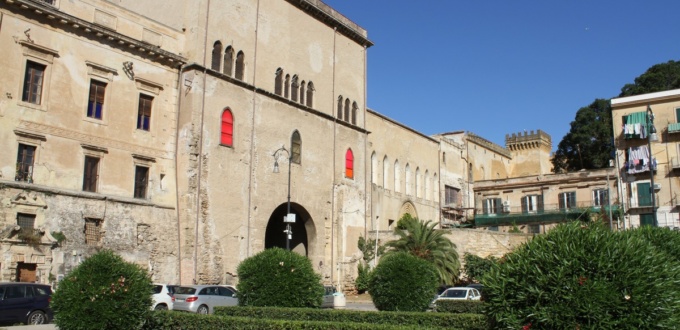
The Kalsa district is one of the four historic districts of Palermo; founded in the 9th century under Arab rule, it was a fortified administrative and residential citadel, whose medieval urban layout is still legible today.Located between Via Maqueda, Via Vittorio Emanuele and the Foro Italico on the seafront, it forms an ancient, dense and […]
The Praetorian Palace, or Palazzo delle Aquile (Palace of the Eagles in English), is the seat of the municipality of Palermo. It was built starting in 1470 by the architect Giacomo Bonfante, and later transformed. In 1553, the main entrance was moved from Piazza Bellini to Piazza Pretoria. It was also remodelled at the end […]
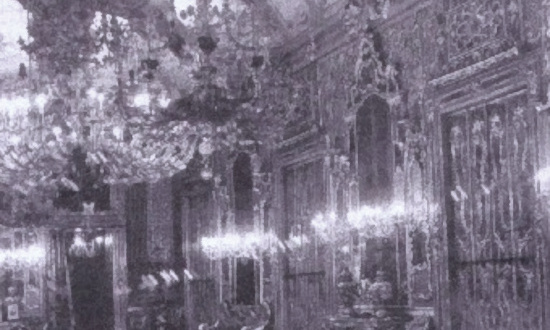
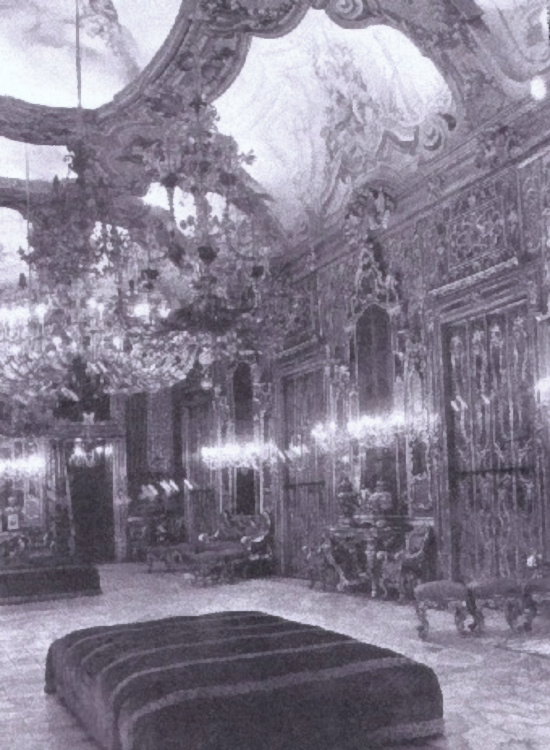
The Palazzo Gangi Valguarnera is a prestigious Palermitan palace that was built by Andrea Gigenti between 1750 and 1780 at the wish of Prince Pietro di Valguarnera to rebuild a family palace. It is remarkable for the perfect preservation of all its interior furnishings, its architectural qualities, its Sicilian Baroque style, and its decorations. Architecture […]
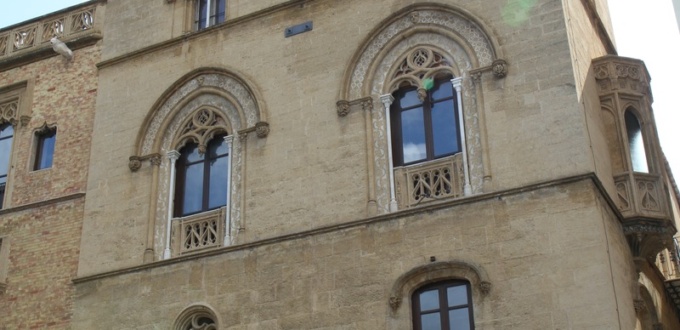
Standing on Piazza Marina, the beautiful Galletti Palace, acquired by the Marquis of San Cataldo Nicolo Galletti in the 18th century, dates back to the late Gothic of the late 13th century, modified in the 16th. The Galletti also held titles and fiefs in Sicily, such as Princes of Fiumesalato. This palace, located at no. […]

Located in the Kalsa district of Palermo, that of the former Arab citadel, the Mirto Palace belonged to the Filangeri family, a famous family from southern Italy of Norman origin, descended from the legendary knight Angerio, who arrived with Tancred from Normandy in the 11th century and who overthrew the Lombards of southern Italy. These […]
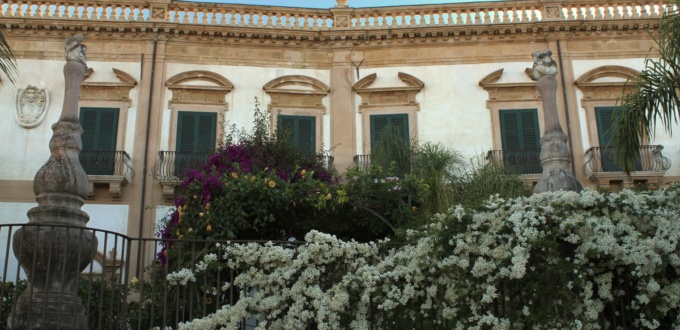
The Butera Palace was the principal residence of the Branciforte family, princes of Butera, a title linked to the town in the hinterland of Gela from 1580. The building was constructed in the 17th century and then profoundly transformed in the 18th century, when the Branciforte made it their principal residence in Palermo.The spectacular façade […]

Nature
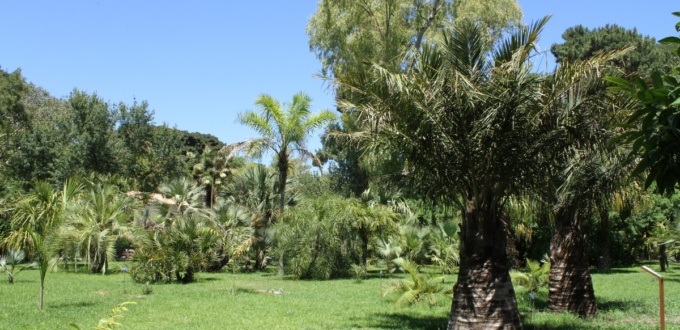
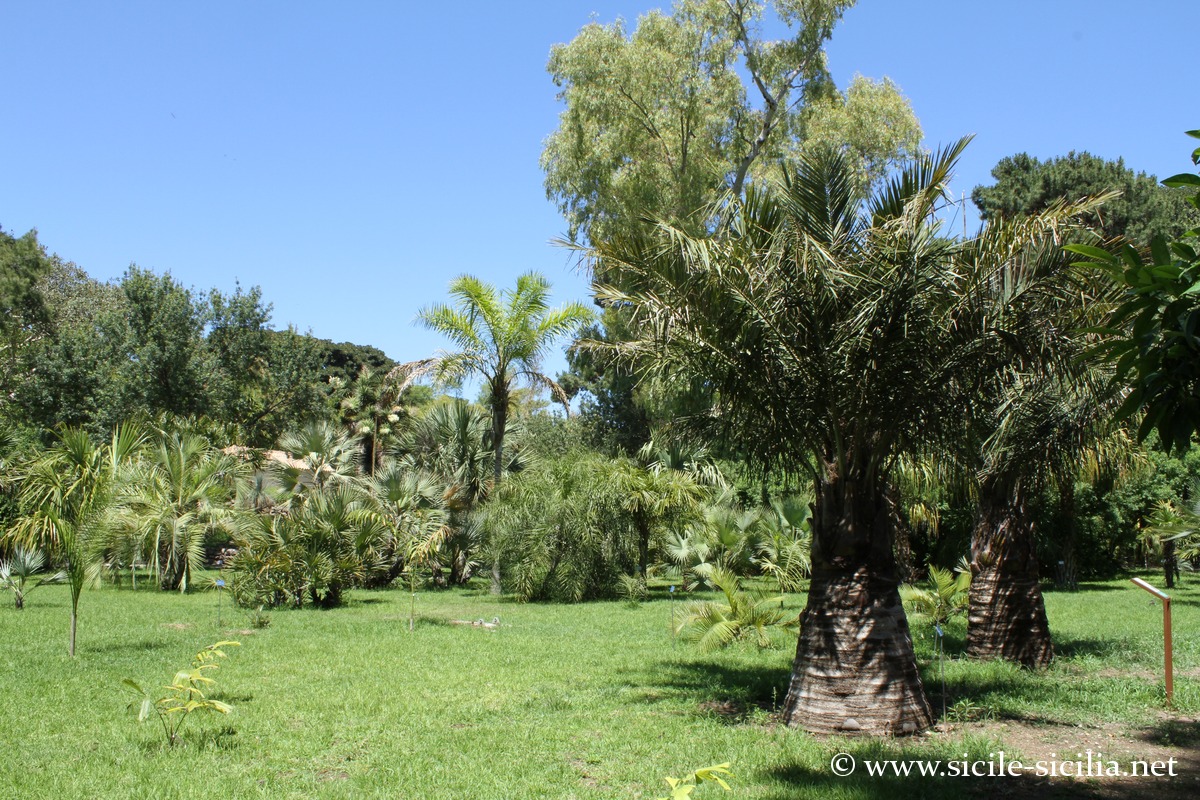
The Palermo Botanical Garden is of European interest, both historically and scientifically. Its creation in 1781 was part of the cultural climate of the “Enlightenment” followed in Sicily at the end of the 18th century, when the Accademia dei Regi Studi of Palermo (annexed to the current university) founded the chair of botany and natural […]
The Majolica Museum (Museo delle maioliche, Stanze al Genio in Italian) of Palermo occupies a “house museum” on the main floor of the Palazzo Torre Pirajno (16th century) in the historic Kalsa district. The Palazzo Torre Pirajno is an aristocratic building of Renaissance origin, remodelled in the following centuries. The name “Stanze al Genio” refers […]