
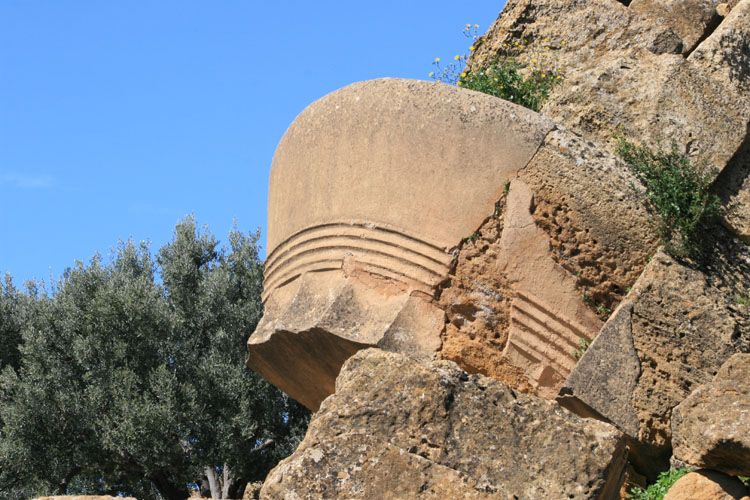
Located in the Valley of the Temples of Agrigento, the Temple of Olympian Zeus, or Olympieion, was a monumental building that remained unfinished. It is the largest Doric temple in the West. Its construction was never completed. It also presents a unique architectural case in the Greek world, with the statues of giants that stood between the pillars.
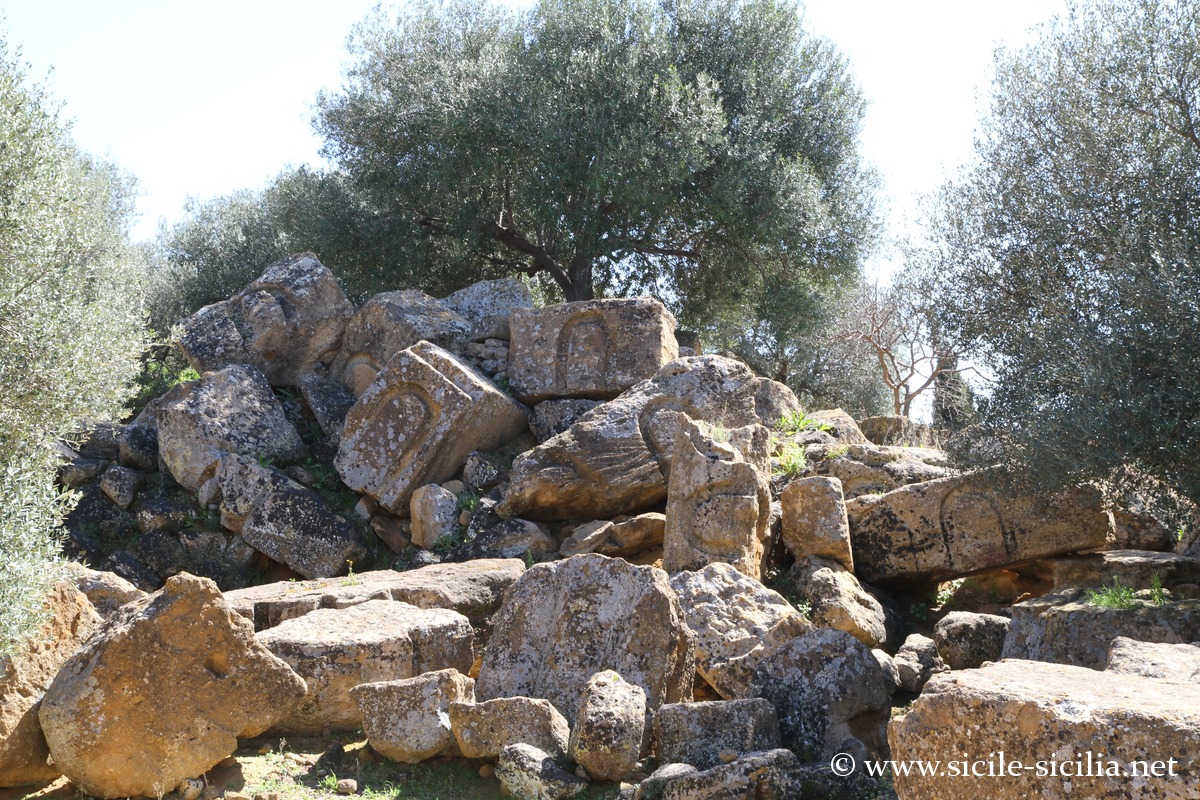
Today, the monument appears as an immense field of ruins, due to the ravages of time.
The cult would have been linked to chthonic Zeus, known for example in Hesiod as the dispenser of agricultural goods. This could explain the architectural design, with a closed and compact structure around the large inner hall.
History and context
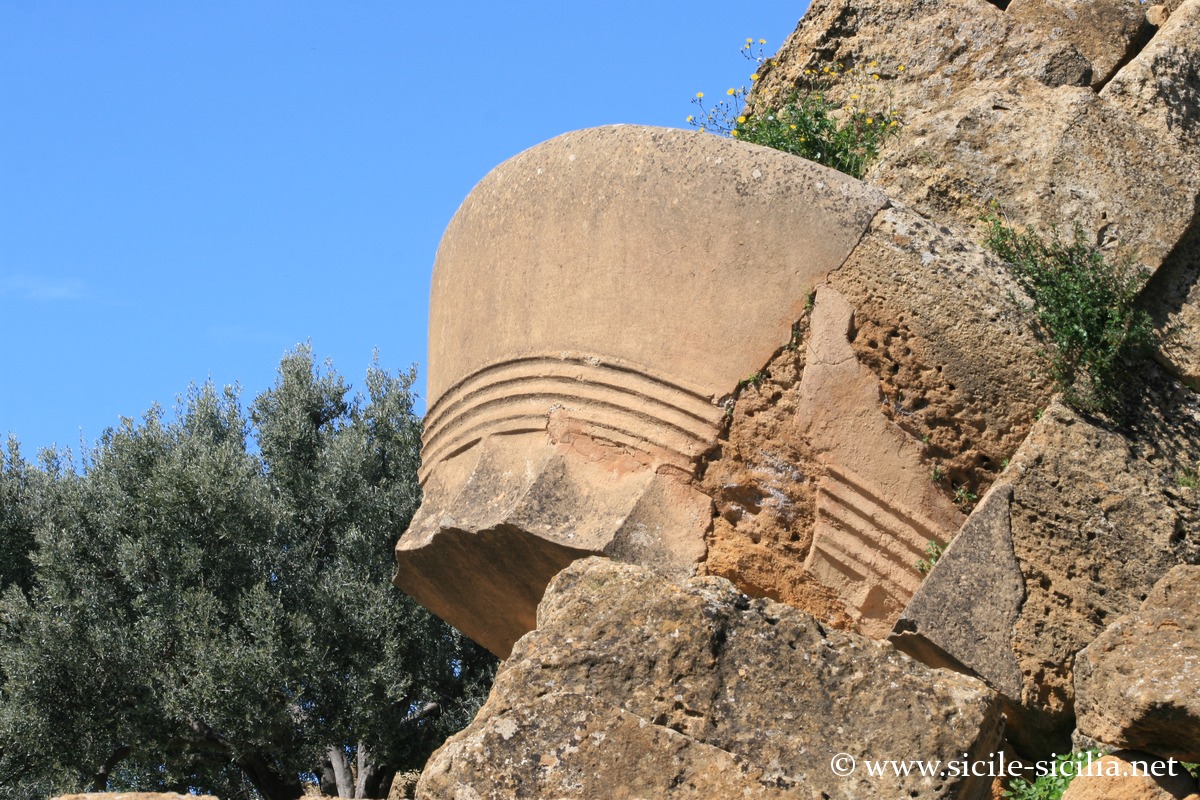
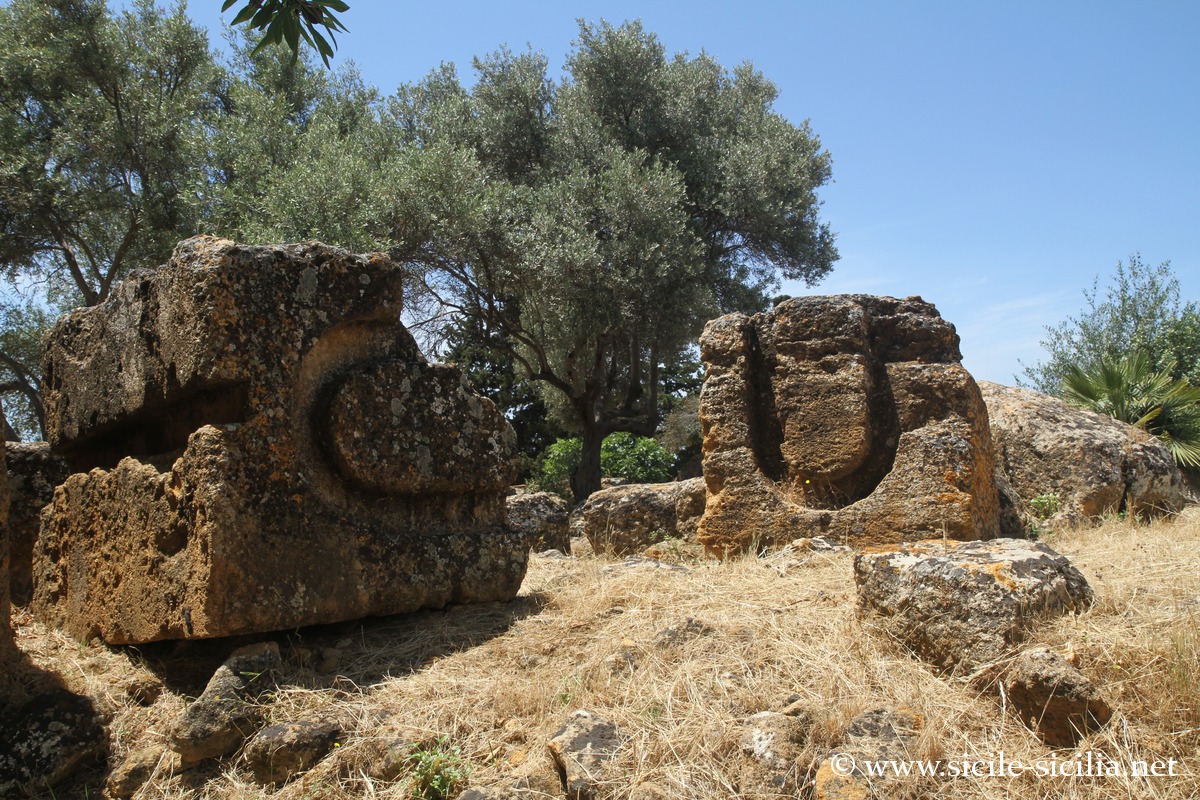
Capitals of the Temple of Jupiter
According to Diodorus Siculus, the construction of the temple was initiated by Theron following the victory at Himera against the Carthaginians in 480 BC. The exceptional scale of the worksite, combined with the political and military difficulties that marked Agrigento, seems to have led to the abandonment of the construction.
After the sack of the city by Carthage in 406 BC, the building remained unfinished. Later earthquakes, probably from the medieval period, subsequently contributed to its final collapse, then it was used in the 18th century as a stone quarry for the construction of the pier of Porto Empedocle.
Architecture of the temple
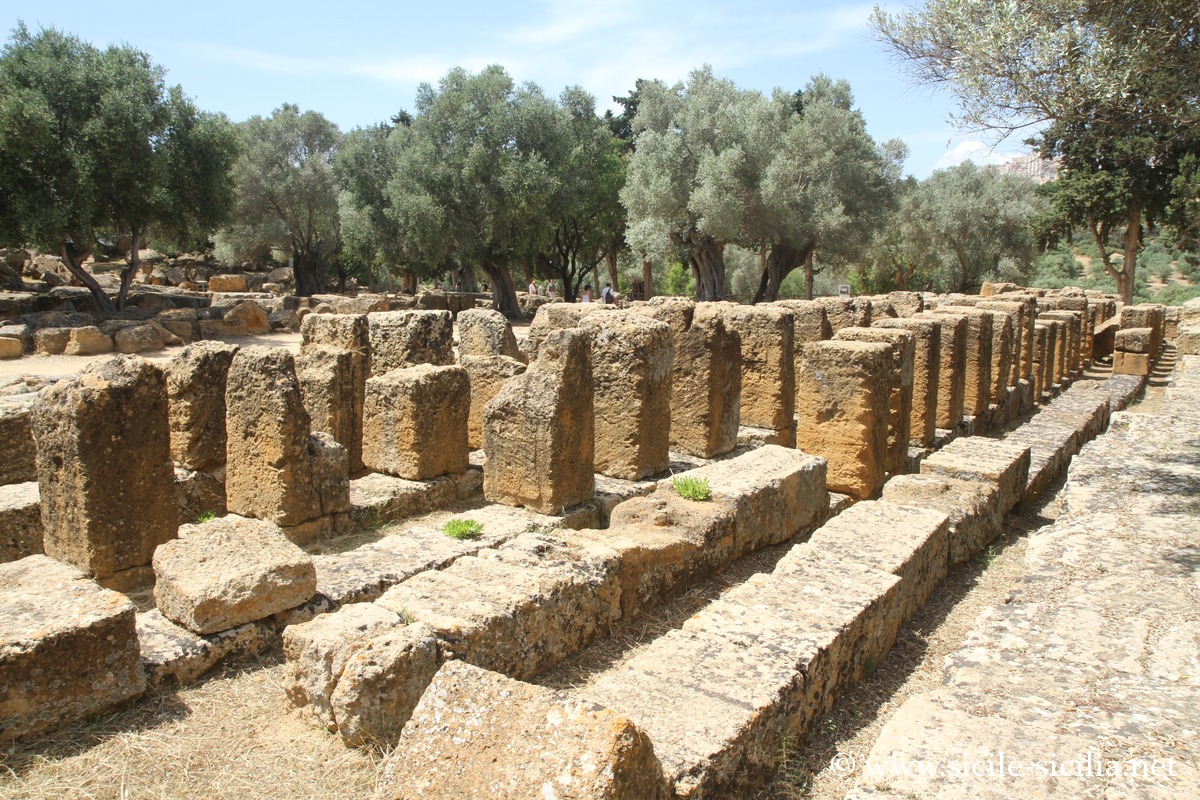
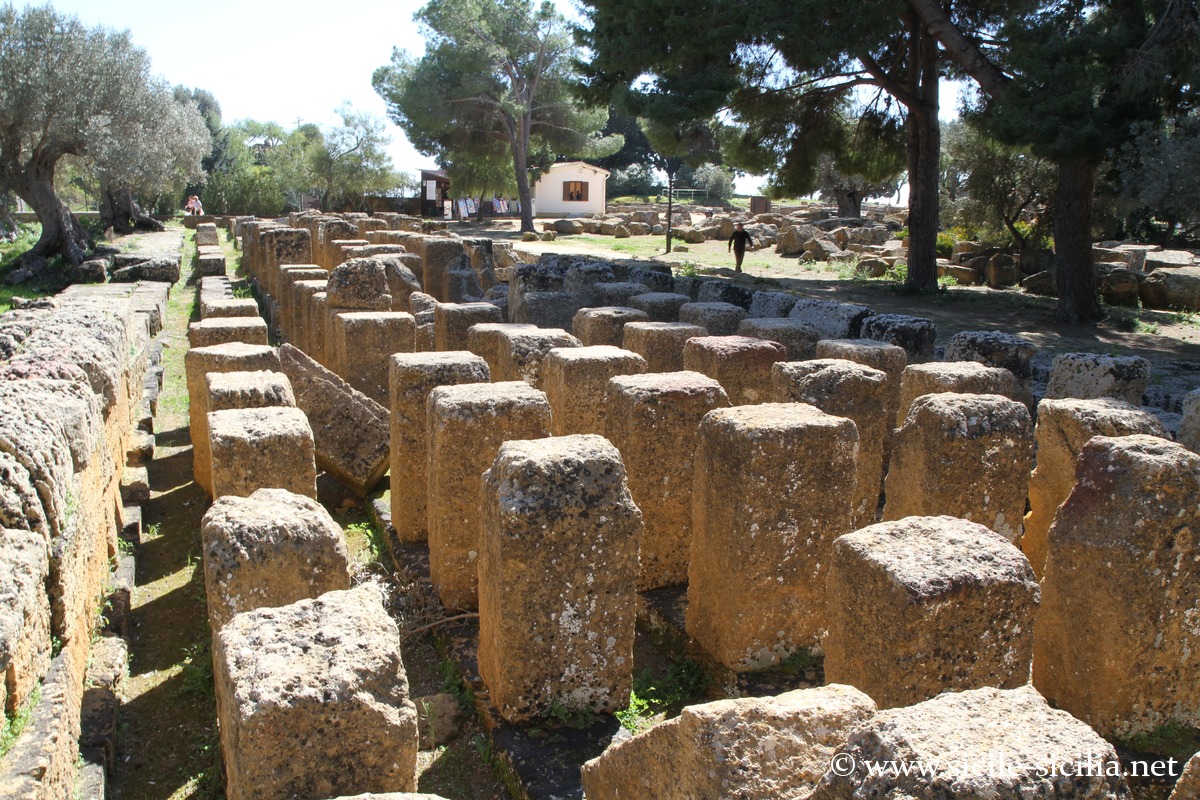
Although it is traditionally described as a Doric temple, it actually belongs to an atypical architectural type, unique in the Greek world, sometimes described as “pseudo-Doric”, characterized by a colonnade engaged in the walls rather than by free-standing columns.
The building was distinguished by its massive fluted pillars and by the presence of telamons, colossal statues integrated into the thickness of the walls. Today in ruins, it constitutes a major testimony to the architectural ambition of the ancient city of Akragas.
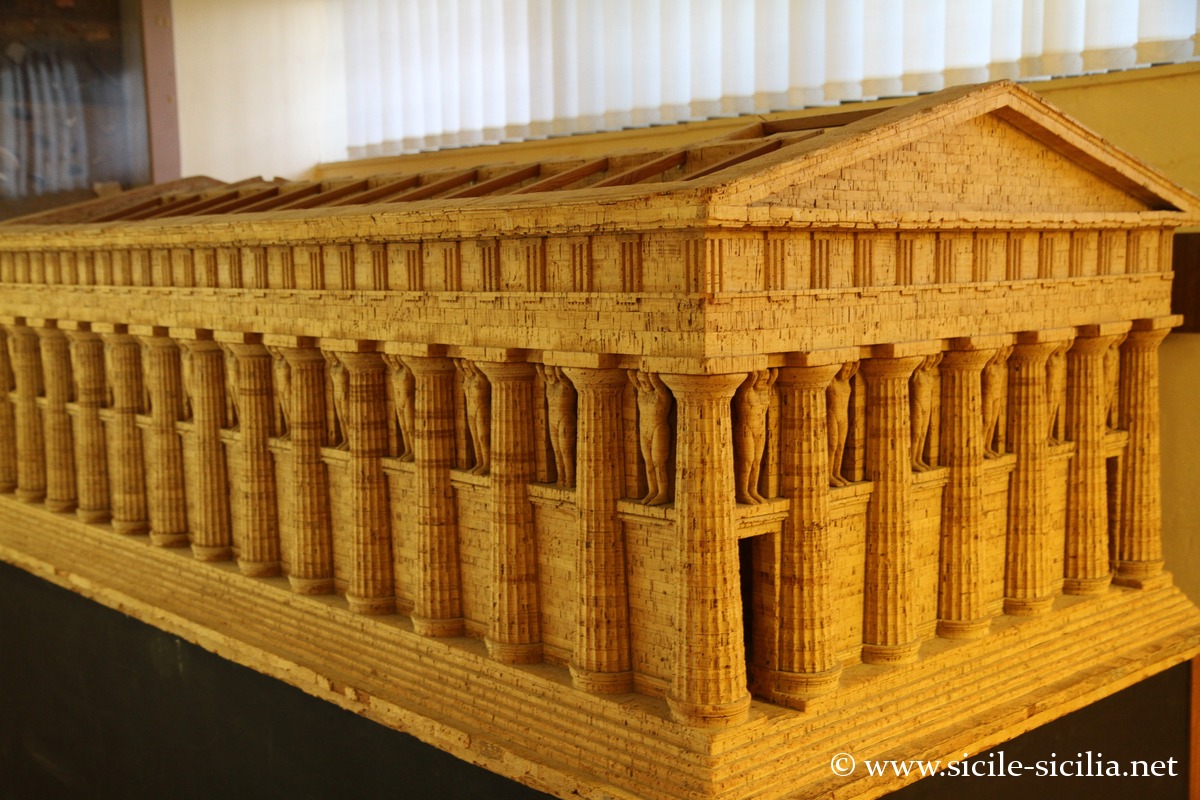
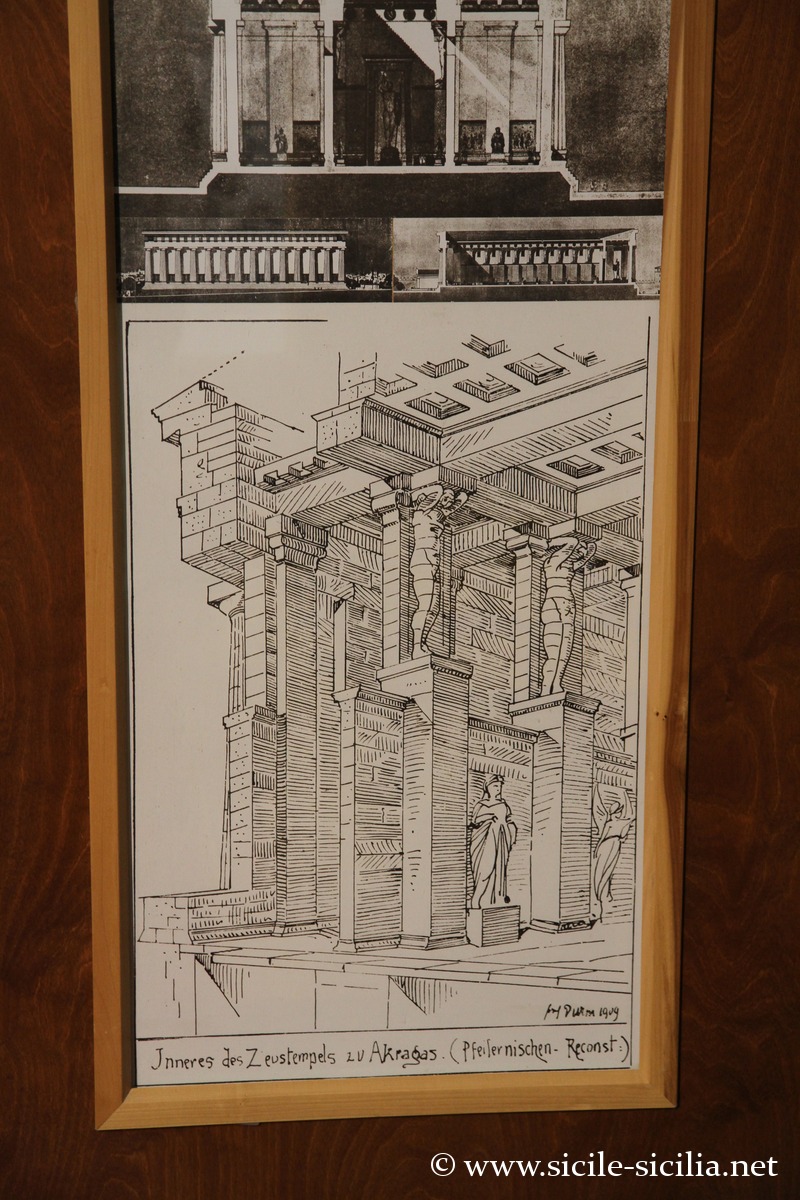
Reconstruction of the Temple of Zeus
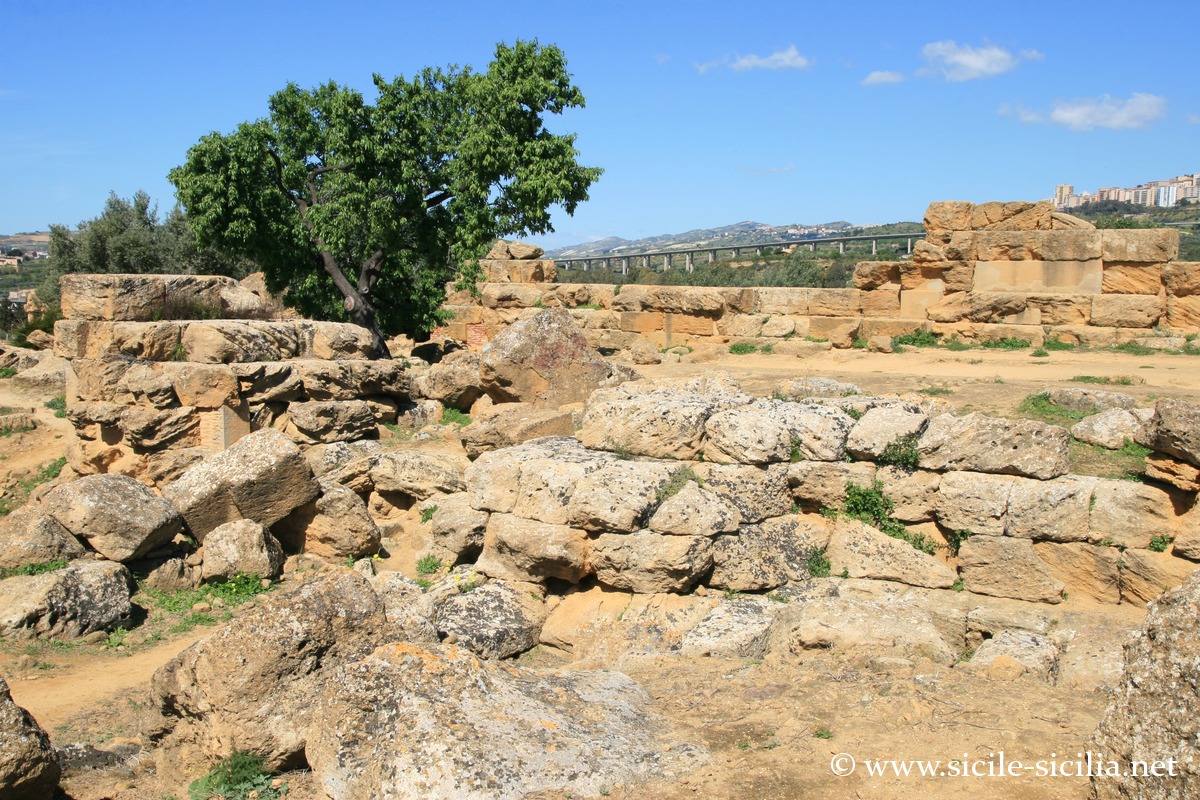
The temple stood on a colossal base of 56.30 × 113.45 m. The pillars—often described as columns—reached nearly 20 meters in height.
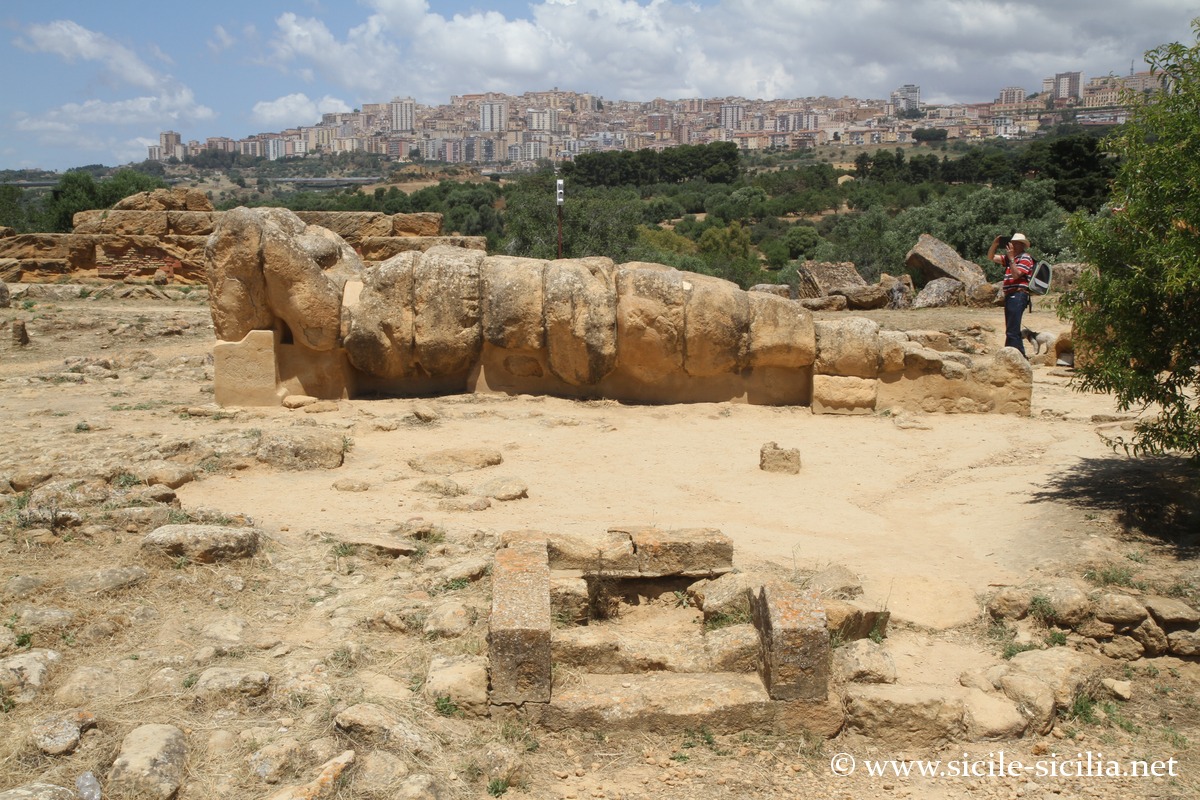
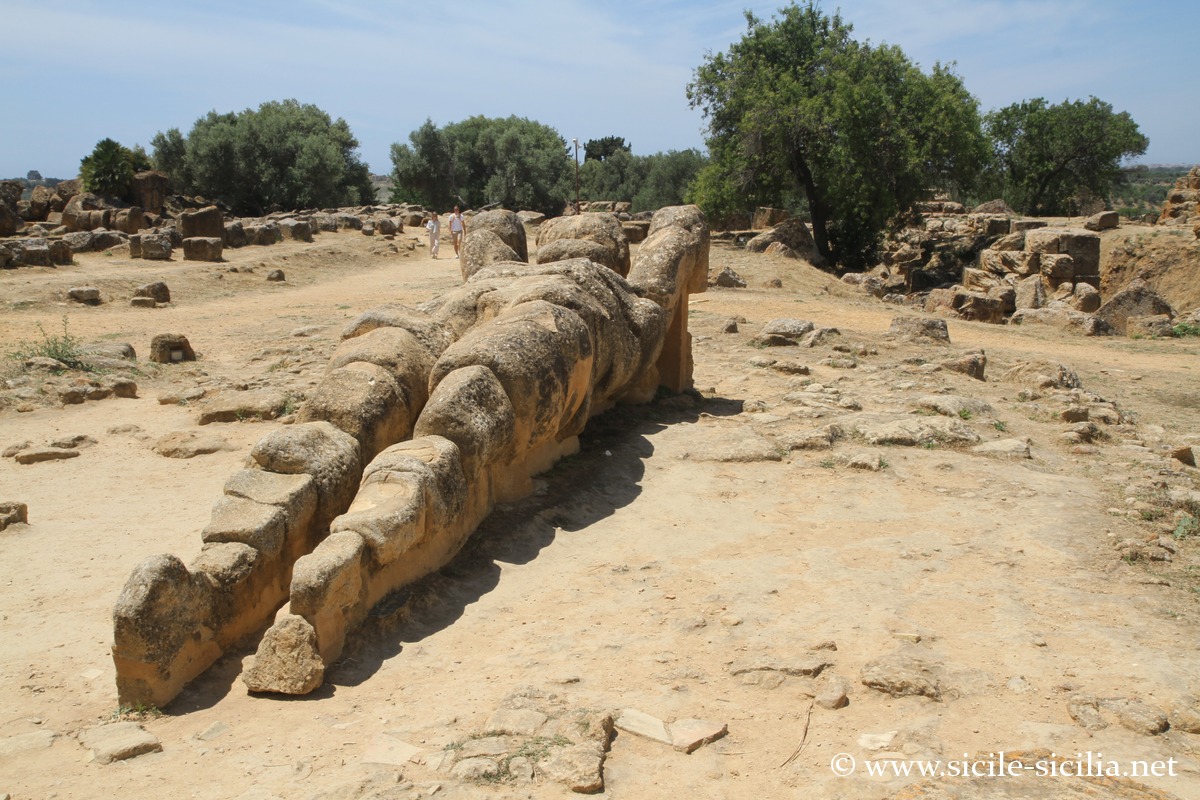
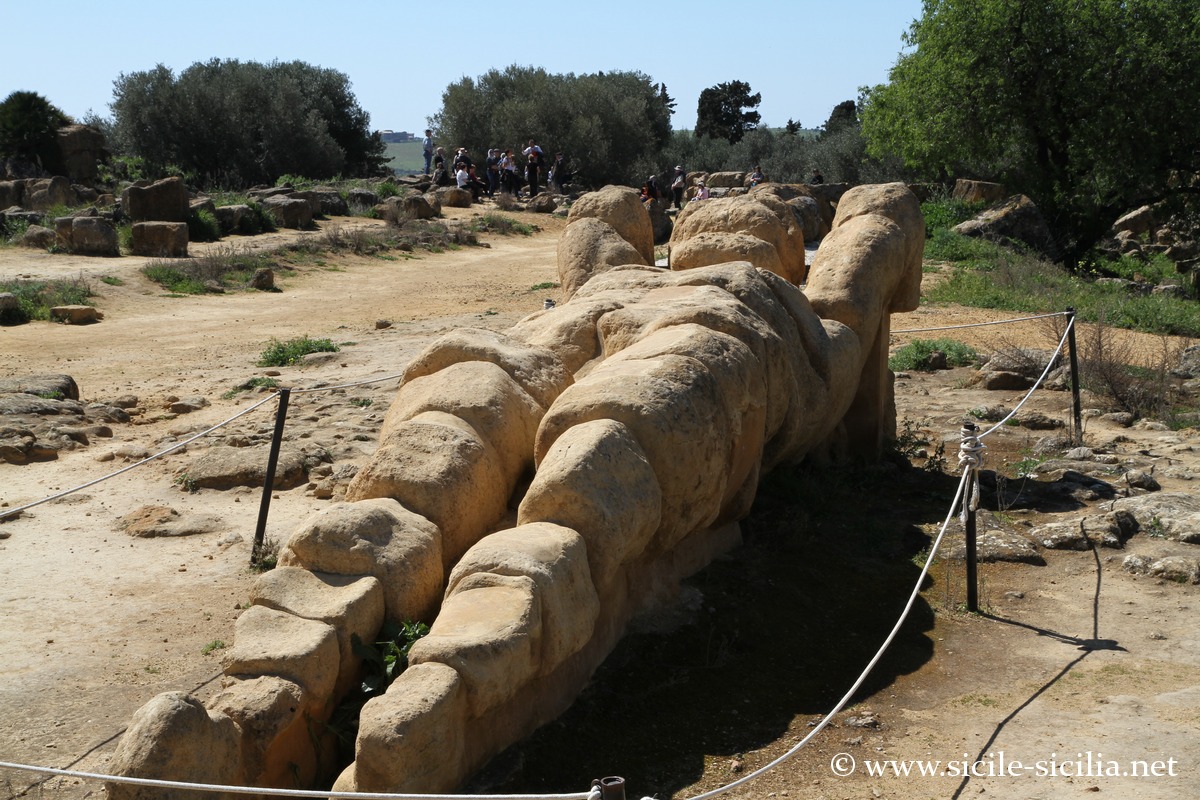
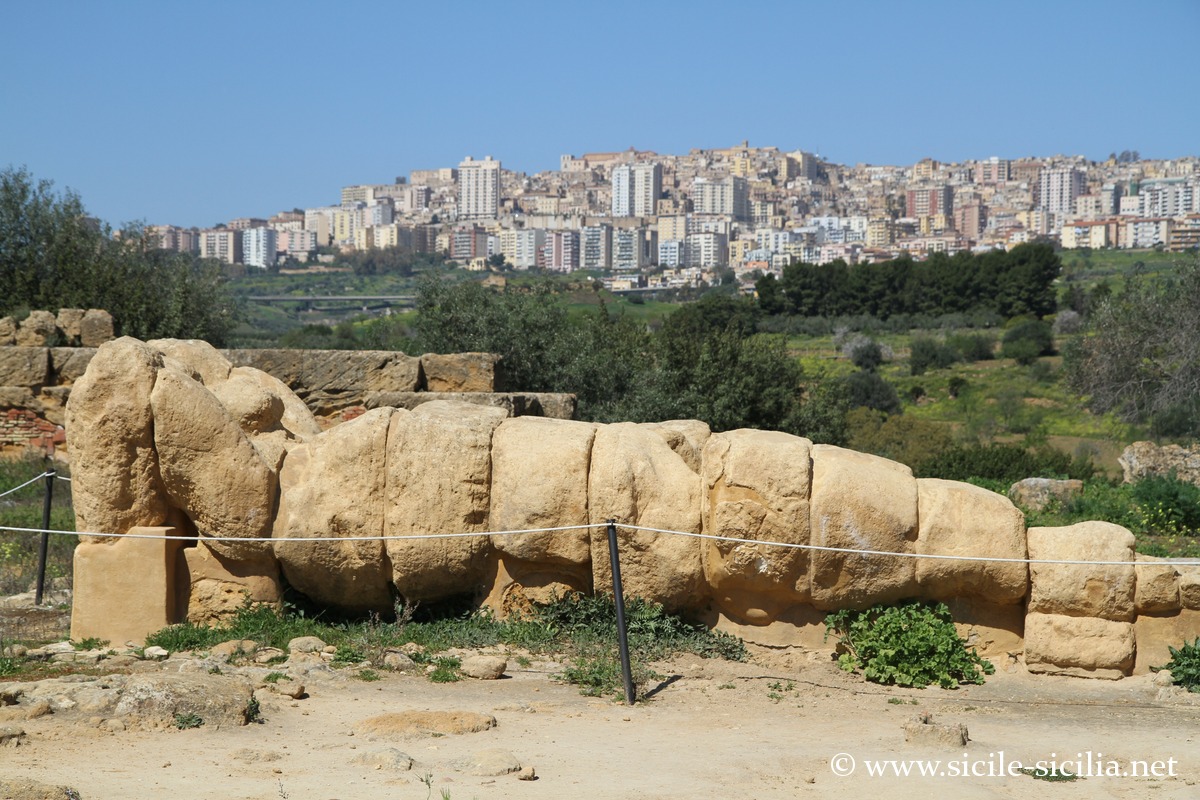
Between these pillars stood telamons about 7.5 to 7.8 meters high, figures of giants with raised arms, integrated into the outer wall structures. This architectural peculiarity is particularly remarkable.
Their function was essentially decorative and symbolic, and not structural.
One of these figures, reassembled in the 19th century from original fragments, is kept in a room of the Archaeological Museum (a copy was left in place, among the ruins of the temple).
The Olympieion was characterized by a unique architectural innovation in the Greek world: the exterior colonnade was entirely closed by walls, creating a massive envelope without known equivalent in Hellenic architecture.
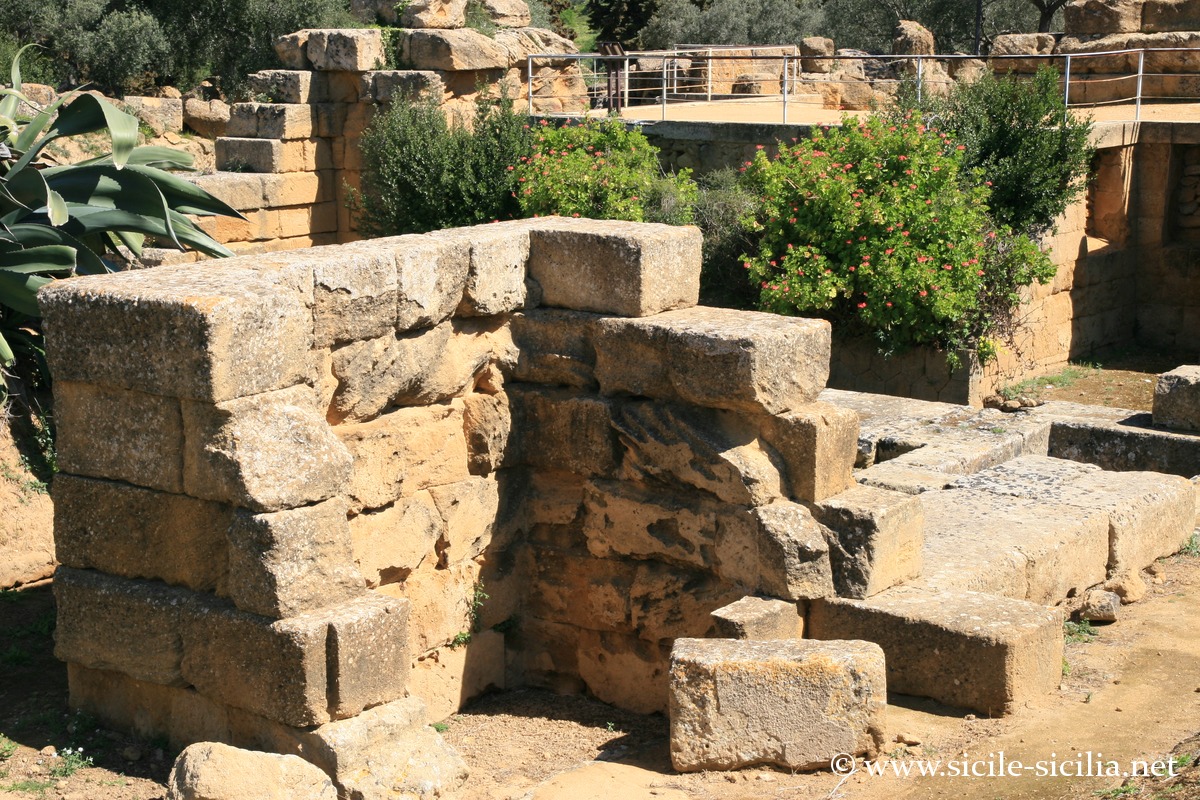
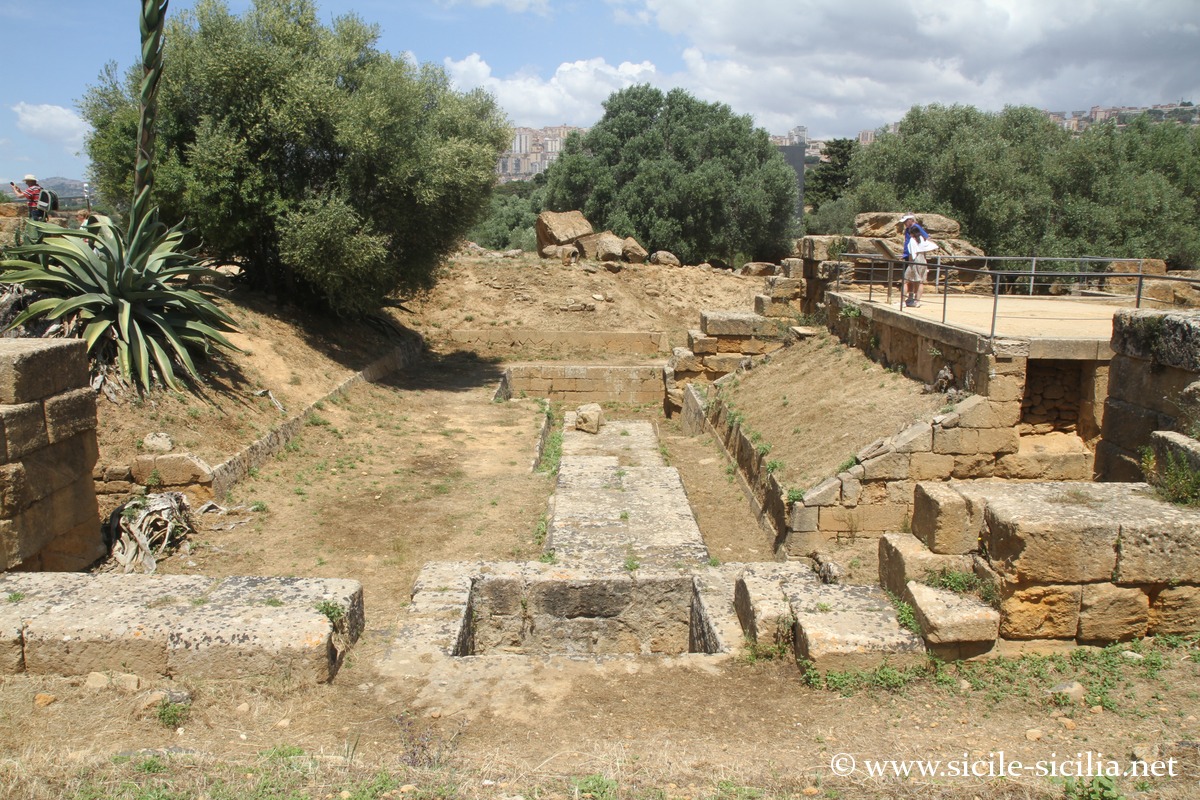
According to the testimony of Diodorus, the temple would have had both its pediments sculpted (representing respectively a Gigantomachy and the capture of Ilion). Less than 50 meters from the eastern facade are the remains of the monumental altar.
On certain blocks, U-shaped notches can still be distinguished, used for lifting by means of ropes and traction devices. These marks correspond to the construction techniques attested in the monumental buildings of Akragas, according to the archaeological surveys of the Museo Archeologico Regionale.
50 meters facing the eastern facade can be seen the remains of the altar of the temple.
Temple of Zeus, Olympieion 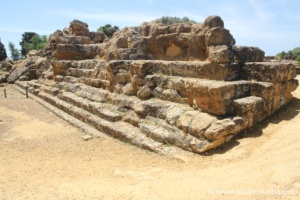
Temple of Zeus, Olympieion 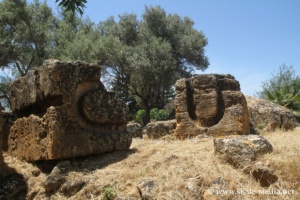

Temple of Zeus, Olympieion 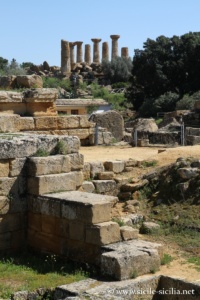

Temple of Zeus, Olympieion 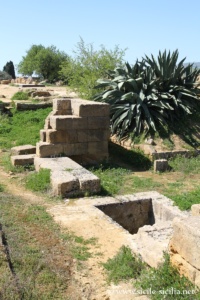
Temple of Zeus, Olympieion 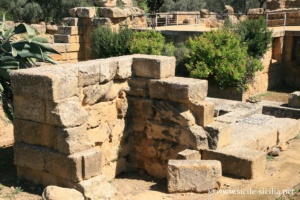
Temple of Zeus, Olympieion 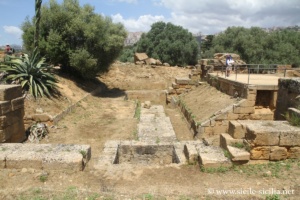
Temple of Zeus, Olympieion 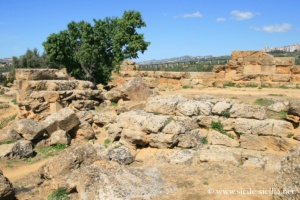
Temple of Zeus, Olympieion 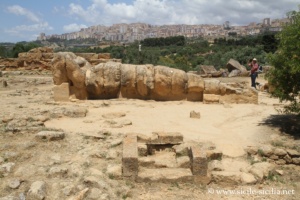
Telamon of the Temple of Zeus 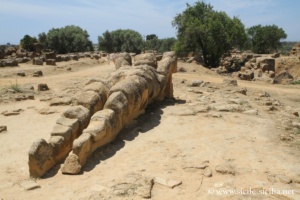
Telamon of the Temple of Zeus 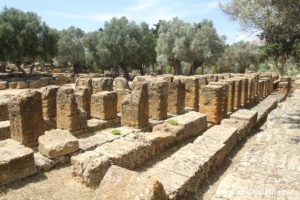
Altar of the Temple of Zeus 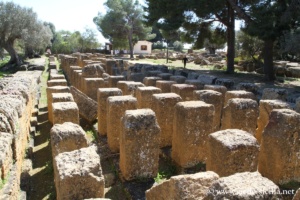
Altar of the Temple of Zeus
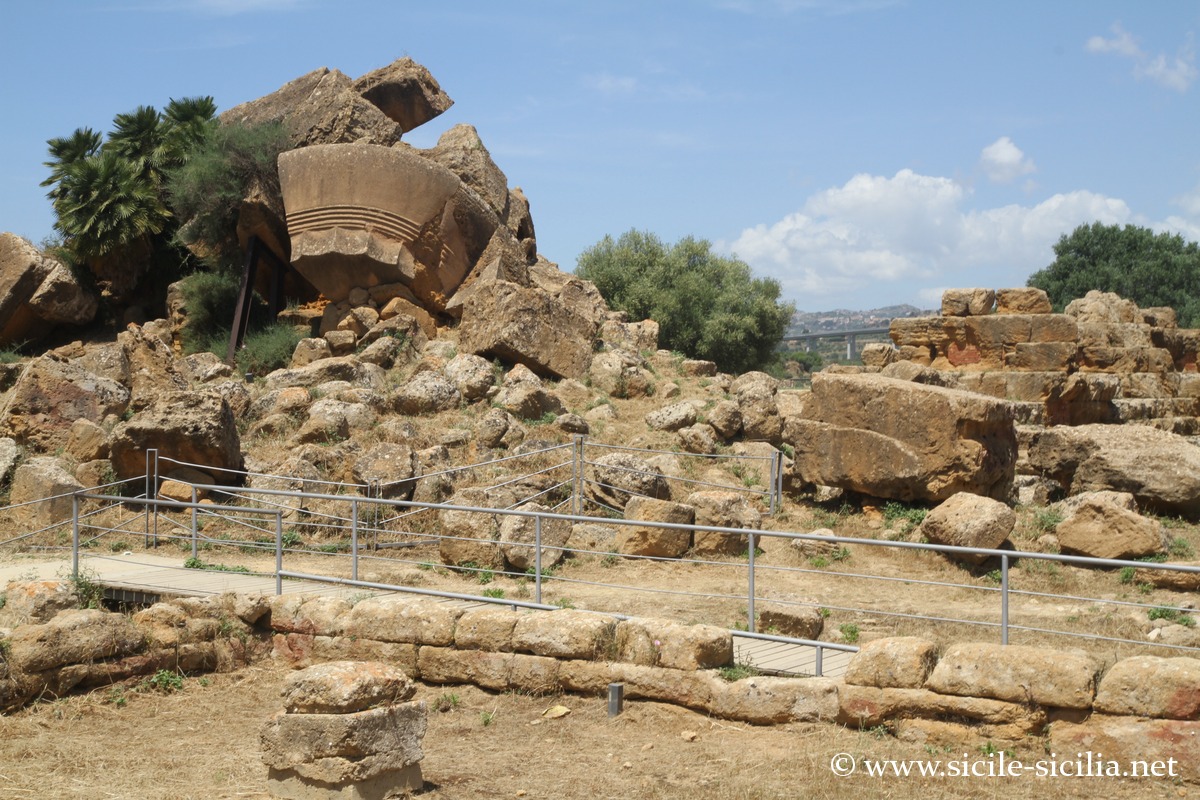
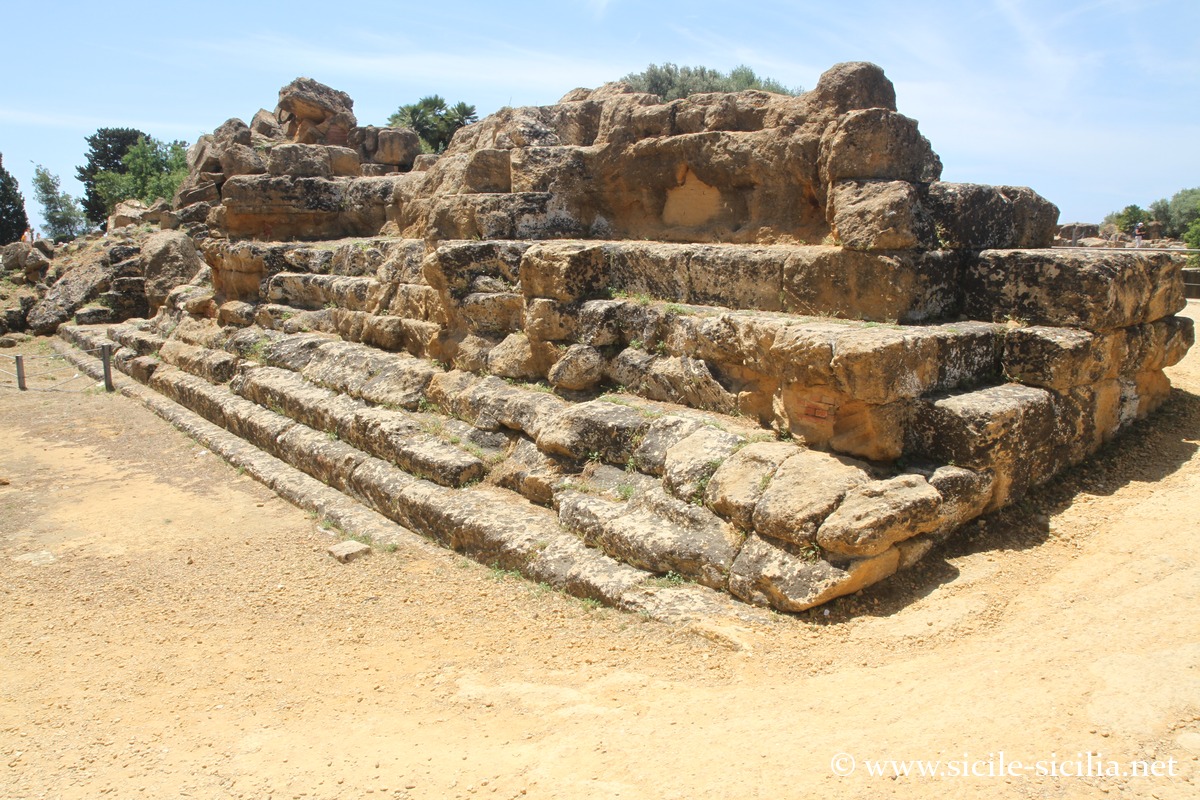
Altar of the Temple of Zeus 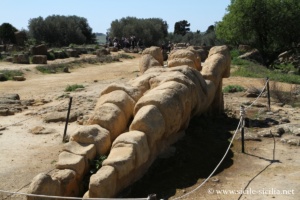
Telamon of the Temple of Zeus 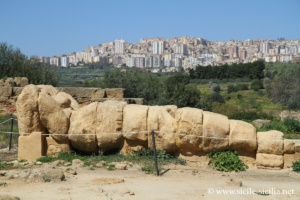
Telamon of the Temple of Zeus 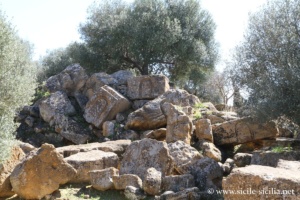
Temple of Olympian Zeus 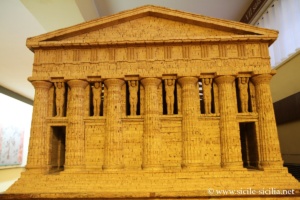
Reconstruction of the Temple of Zeus 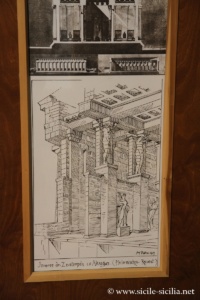
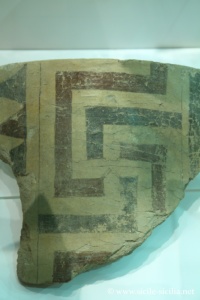
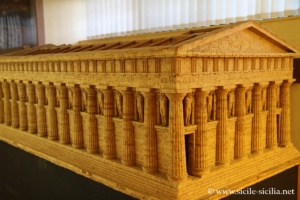
Reconstruction of the Temple of Zeus
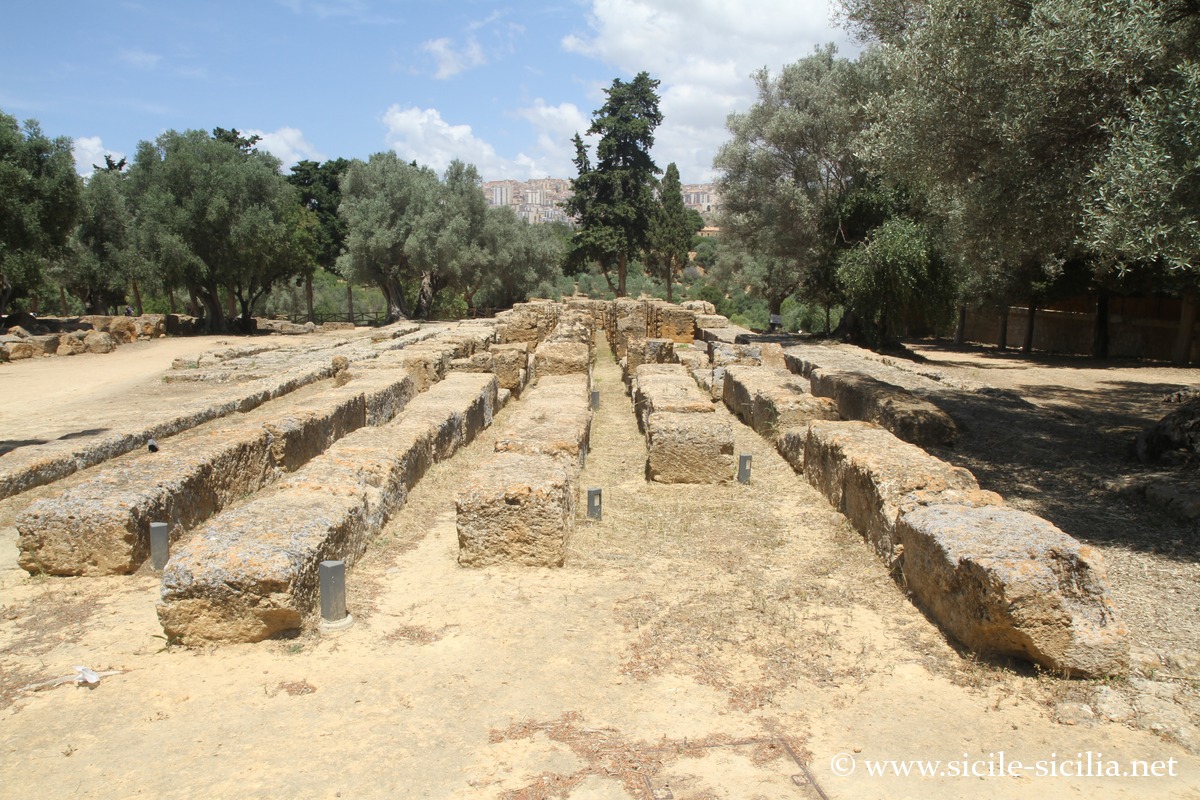

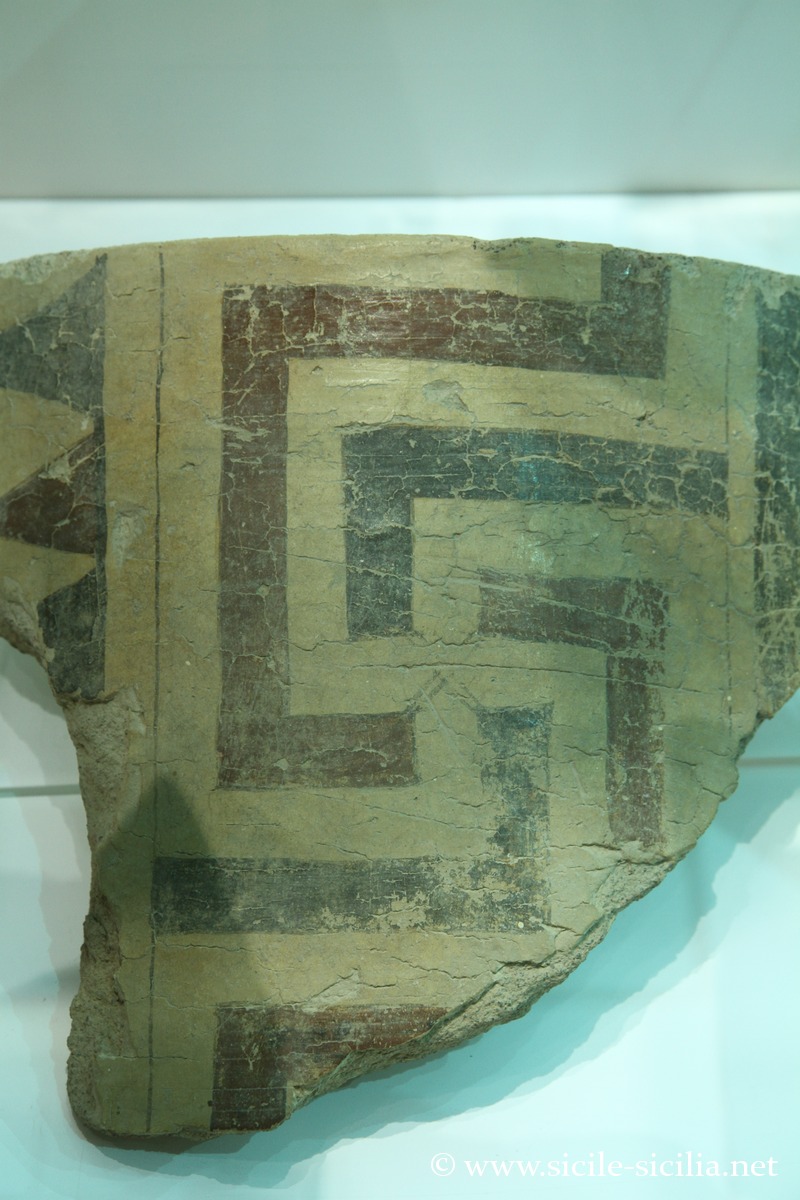
Sacred area southeast of the temple and gymnasium
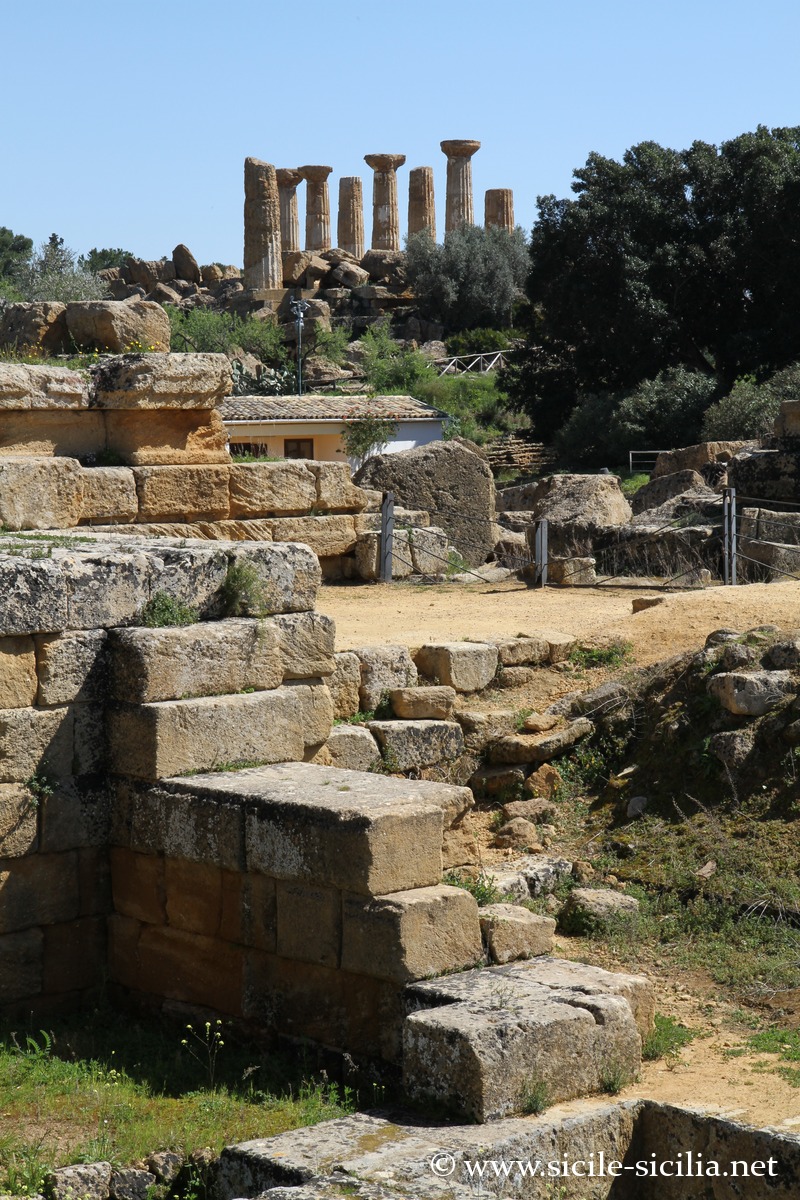
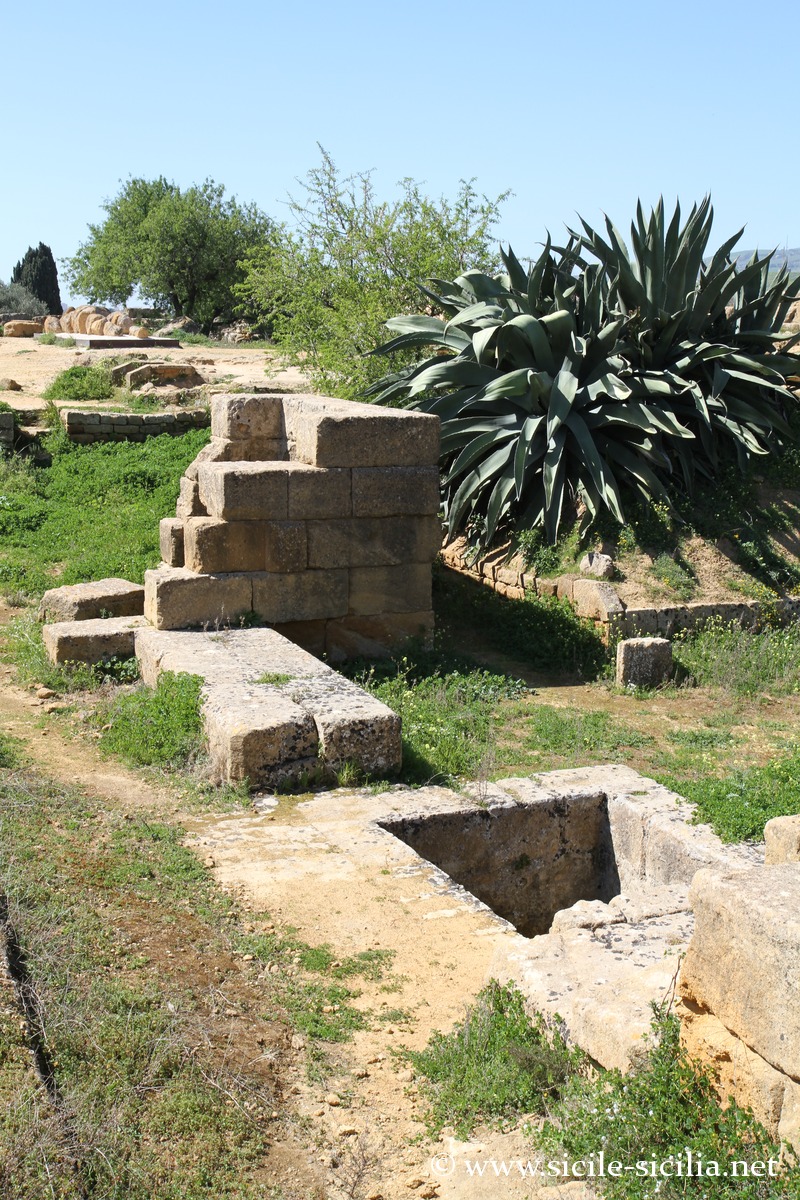
The sacred area located southeast of the Temple of Zeus dates from the second half of the 4th century BC, with a small temple and a forecourt dotted with small bothroi and small votive pits.
The small temple, preceded by a staircase cut into the rock, has a pronaos and a raised cella divided into two. The forecourt on the south side is delimited by a kind of portico-fountain.
At the southeast corner of the Temple of Zeus an oblong construction is a fortification wall connected to Porta IV, later than the First Punic War when the temple would have been converted into a defensive work.
To the northeast of the Temple of Zeus, a path leads to the area of the gymnasium, dated to the Augustan period, located south of the lower agora (located at the level of the current parking lot). Were brought to light the portion of a portico that would have been the place of covered exercises and some inscribed seats which, on the basis of the dedication to Hermes and Heracles.
Other buildings and structures from a later period: two rectangular buildings and a circular building that date back to a complex with a public function from the Constantinian period (4th century AD).
Where is the Temple of Zeus in Agrigento
If you see this after your page is loaded completely, leafletJS files are missing.
Information
External sites: www.lavalledeitempli.it, en.wikipedia.org
In the Valley of the Temples of Agrigento
- Valley of the Temples of Agrigento
 In antiquity, Agrigento was one of the most powerful Mediterranean cities of ...
 - Temple of Concordia in Agrigento
 Built between 440 and 430 BC, the Temple of Concordia, located on ...
 - Temple of Hera or Juno in Agrigento
 Situé à l’extrémité de la crête, le Temple d’Héra, également désigné sous ...
 - Temple of Hercules in Agrigento
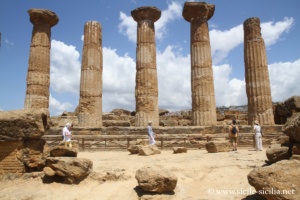 Although its remains are more modest than those of other monuments in ...
 - Temple of the Dioscuri in Agrigento and western sector
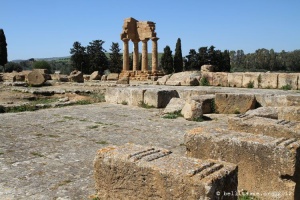 À l’ouest du Temple de Zeus se développe un secteur d’habitation, suivi ...
 - Regional Archaeological Museum of Agrigento and San Nicola
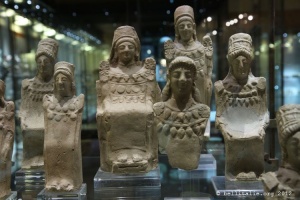 Le Musée Archéologique Régional d’Agrigente, officiellement nommé Museo Archeologico Regionale “Pietro Griffo”, ...
 - Kolymbethra Garden in Agrigento
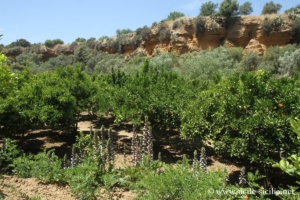 Le jardin de Kolymbethra se trouve au cœur du parc archéologique de ...
 - Temple of Vulcan at Agrigento
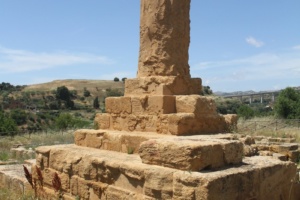 The Temple of Vulcan occupies the western tip of the rocky spur ...
 - Hellenistic-Roman Quarter and Upper Agora
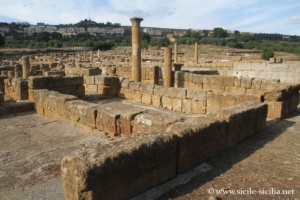 Près du musée archéologique d’Agrigente se trouvent plusieurs zones de vestiges, dont ...
 - Rupe Atenea and Temple of Demeter
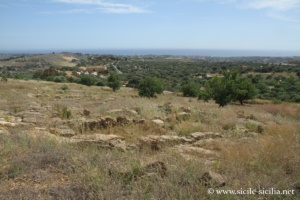 La Rupe Atenea constitue le point le plus élevé et l’acropole naturelle ...