
Termini Imerese, on the coast between Palermo and Cefalù, could be a potential stop during a visit to the region, although it is not very touristy, with a few buildings dating back to Roman times, a pretty viewpoint and an interesting museum that preserves ancient remains from Himera and the Middle Ages.
The most interesting sites are nearby, with on the one hand the archaeological remains of Himera, the ancient Greek city located 15 km east of Termini, and on the other hand the medieval castle of the small village of Caccamo 10 km inland to the south.
10 km to the west is San Nicola l’Arena, whose beautiful medieval castle watches over the charming little port.
Himera
Himera (Himera in Italian) is an ancient Greek city in Sicily that was founded near the mouth of the Himeras river in 648 BC by Chalcidian settlers from Zancle (Messina) and exiled Dorians. It is located on the northern coast of the island, facing the gulf between two promontories (that of Termini Imerese to the west and that of Cefalù 20 km to the east).
On the archaeological site you can discover the remains of the city, in particular those of the Temple of Victory, and an interesting museum (antiquarium)
The city was destroyed in 408 BC. It had thermal springs and had a rooster as its emblem. It boasted illustrious citizens such as the poet Stesichorus and athletes who won the Olympic Games.
Archaeological site of Himera
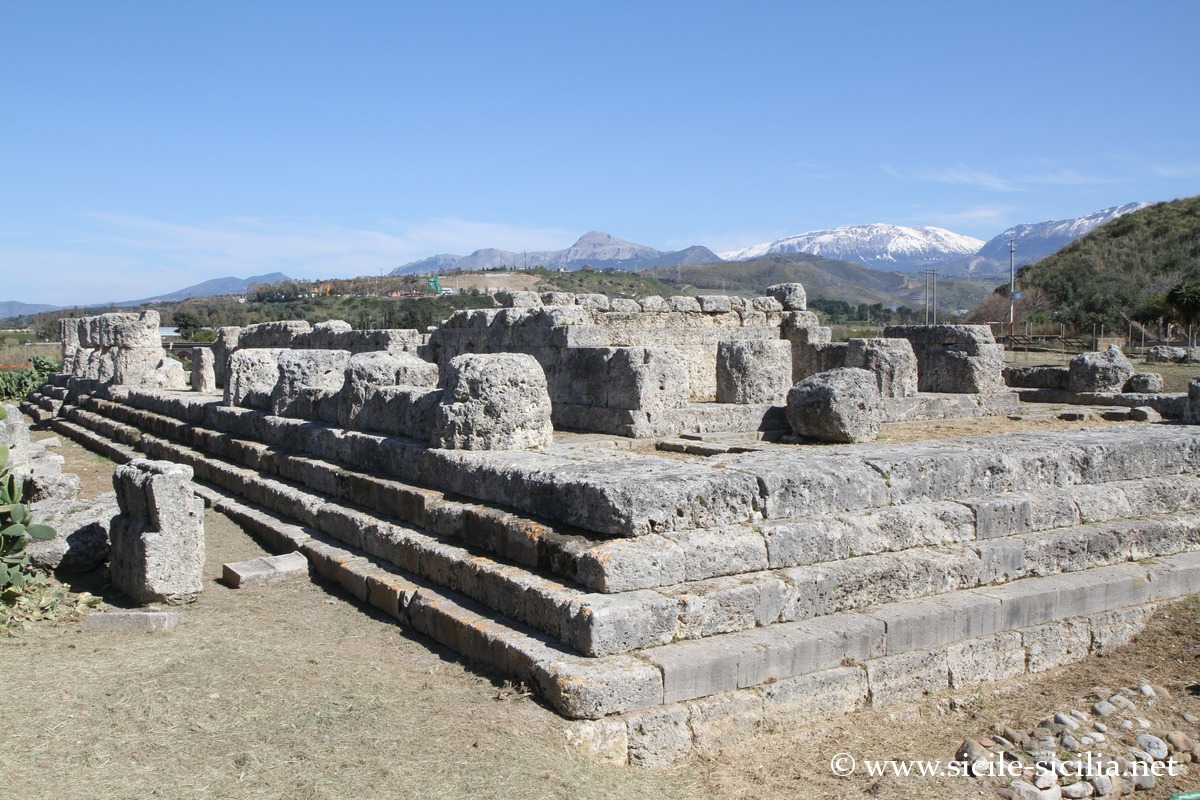
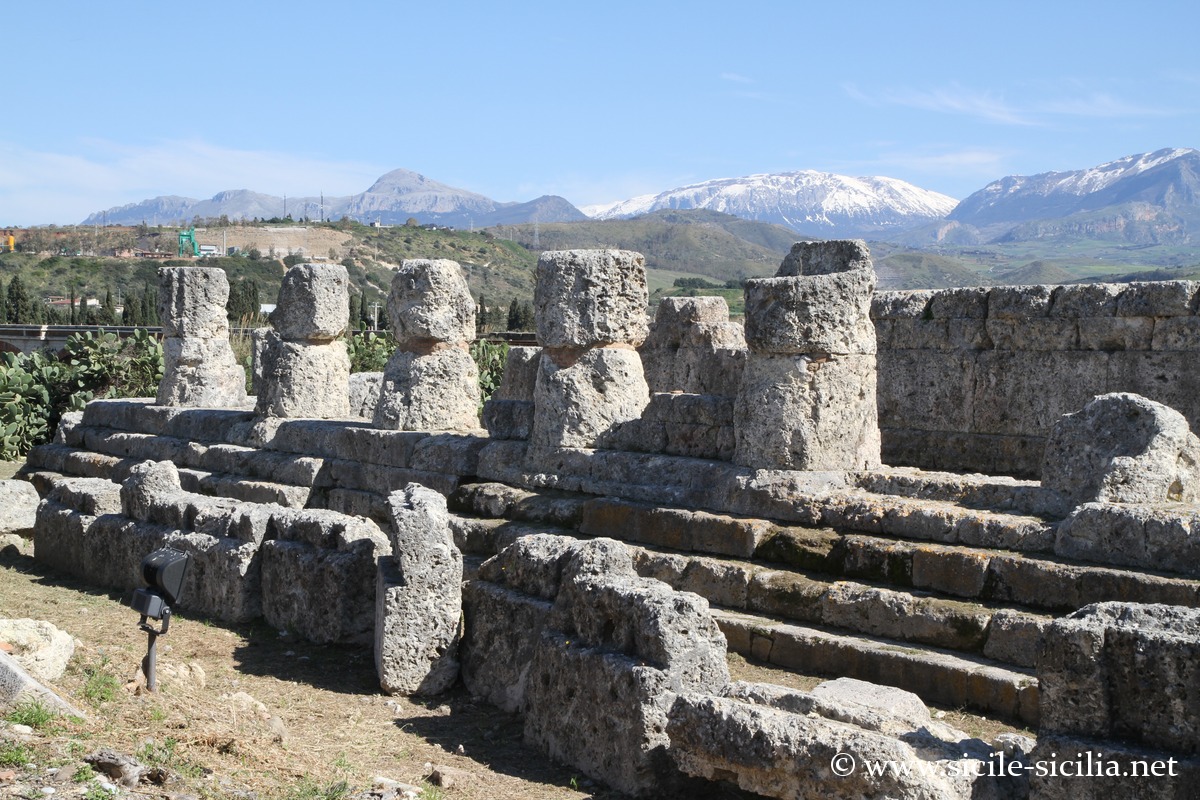
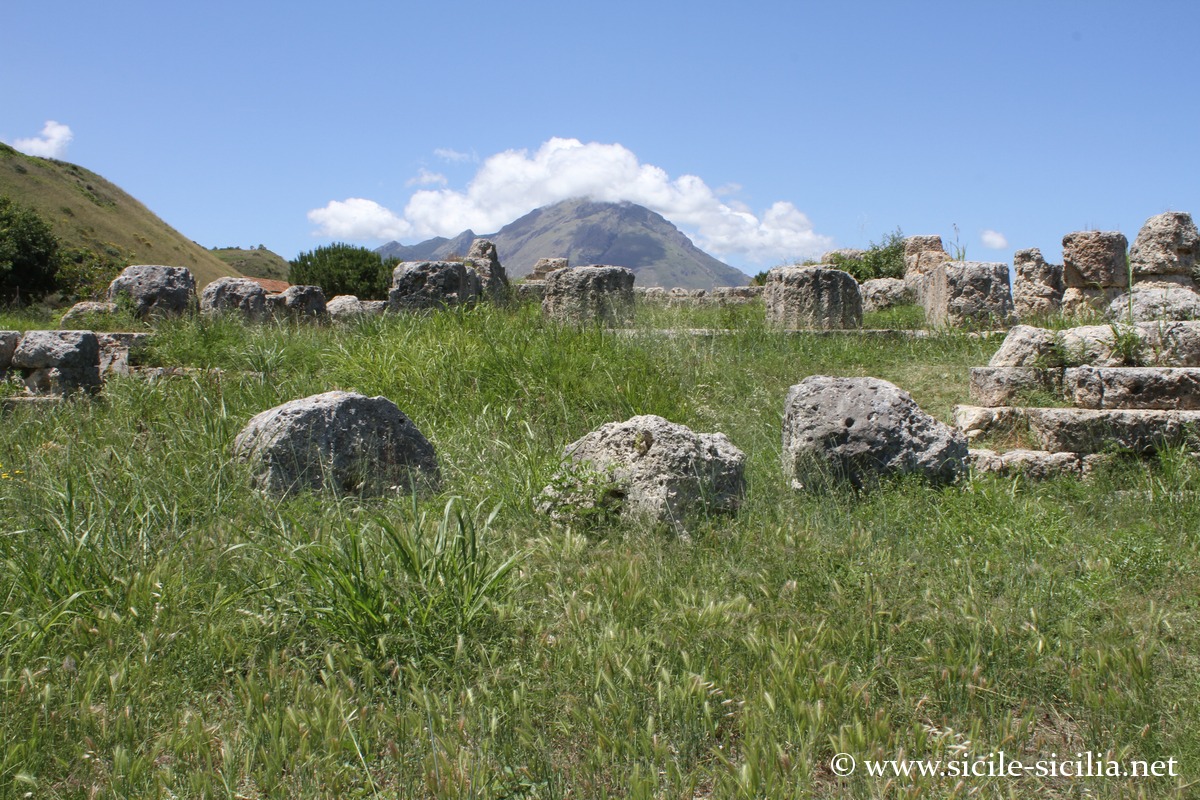
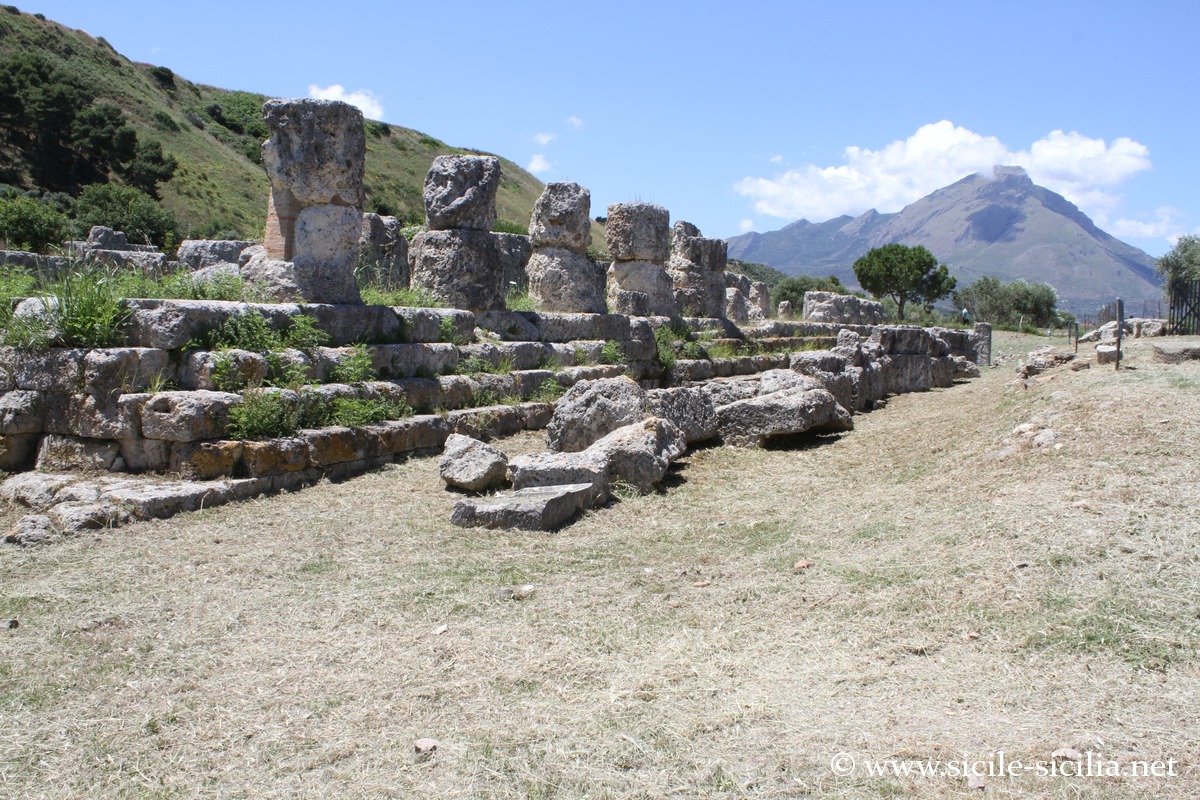
Temple of Victory, Himera
The archaeological remains of the city of Himera are not very impressive, but are not lacking in historical interest.
On the heights, the acropolis is framed by porticoes, with a monumental altar and four temples without colonnades (dated between the 7th century and the beginning of the 5th century BC), one of which is said to have been dedicated to Athena, according to a graffito.
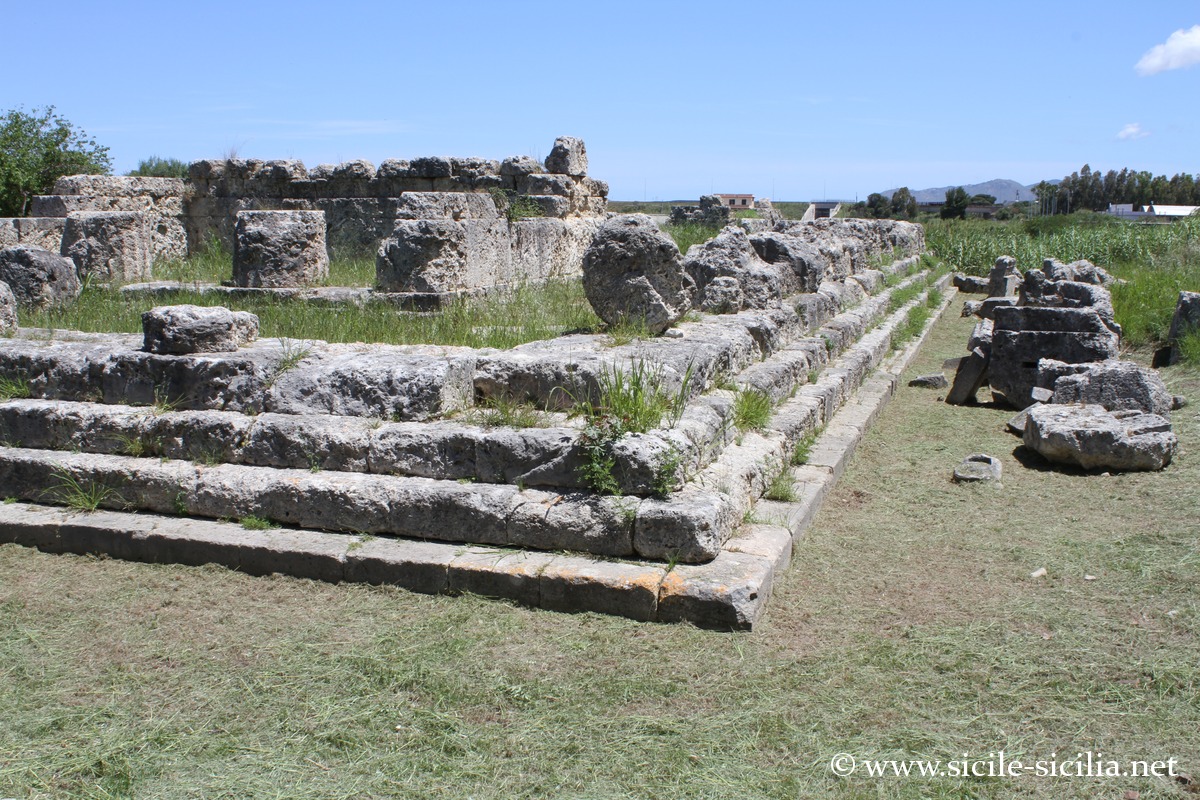
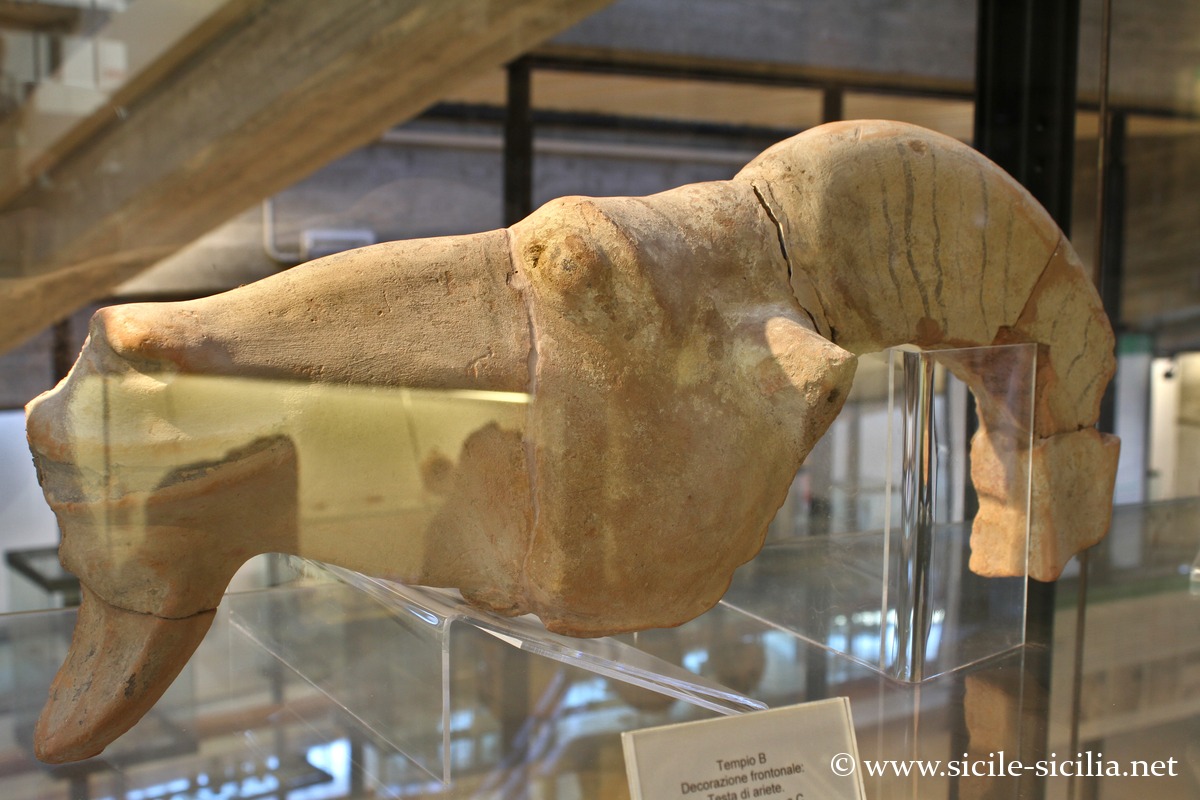
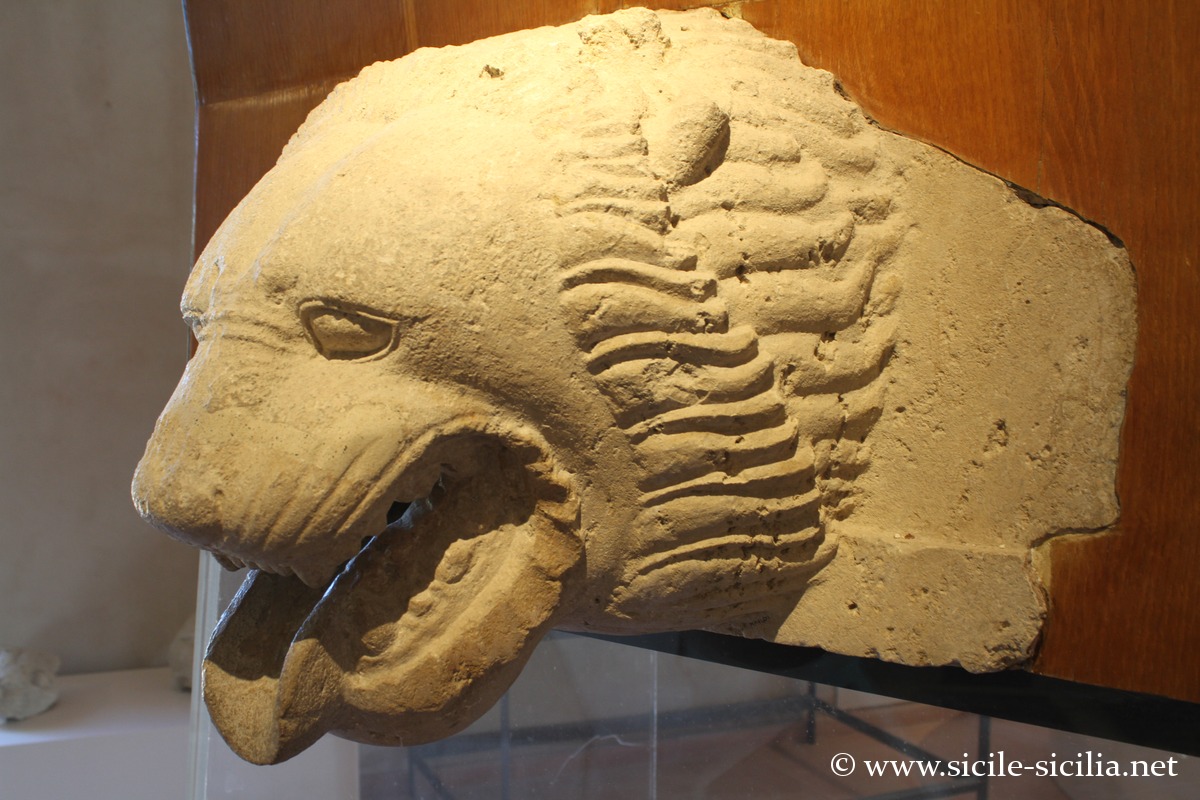
At the foot of the acropolis are the evocative remains of the Temple of Victory, a hexastyle peripteral temple of the Doric order, with 6 by 14 columns. A debated hypothesis would attribute its construction to the victory over Carthage in 480 BC. This temple was crowned with a frieze of lotus flowers and palm trees. The archaeological museum of Palermo preserves architectural elements from it, including lion-head gargoyles.
Several residential districts and remains of city walls have been brought to light, characterized by their plans with perpendicular streets.
Nearby, three necropolises have been discovered, one of them with around ten thousand tombs, as well as mass graves where the remains of soldiers and horses were found.
They were located along the main roads leaving the city. The eastern necropolis is located near the beach, east of the Himera river (Pestavecchia district). The southern one is located at Scacciapidocchi, near the road. To the west are two necropolises: on the slopes of Piano del Tamburino and on the plain of Buonfornello.
Temple of Victory 
Temple of Victory 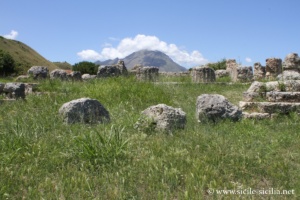
Temple of Victory 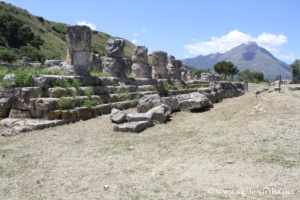

Temple of Victory
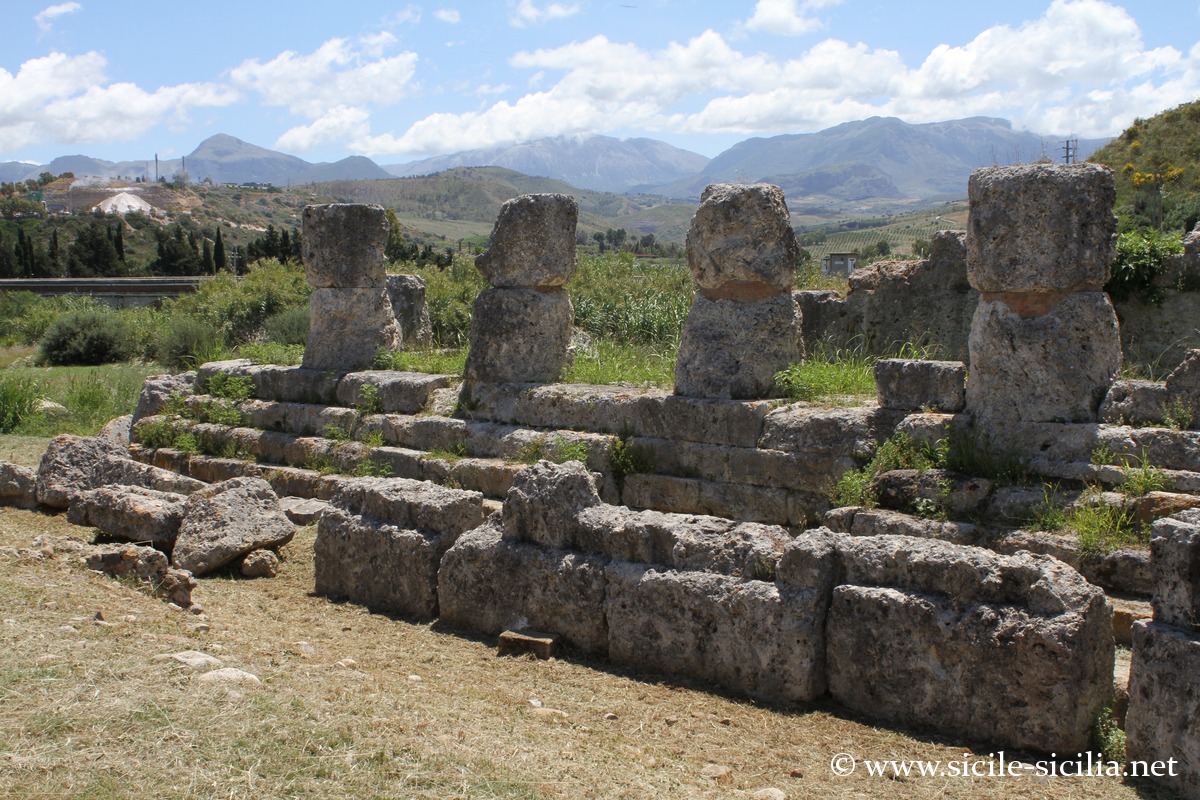
Antiquarium of Himera
A rich museum is located on the archaeological park of Himera, the Antiquarium, where the most important discoveries from the ancient Greek city and its surroundings are preserved, retracing its historical and cultural aspects.
In particular, the cornices of the Temple of Victory with lion heads are preserved.
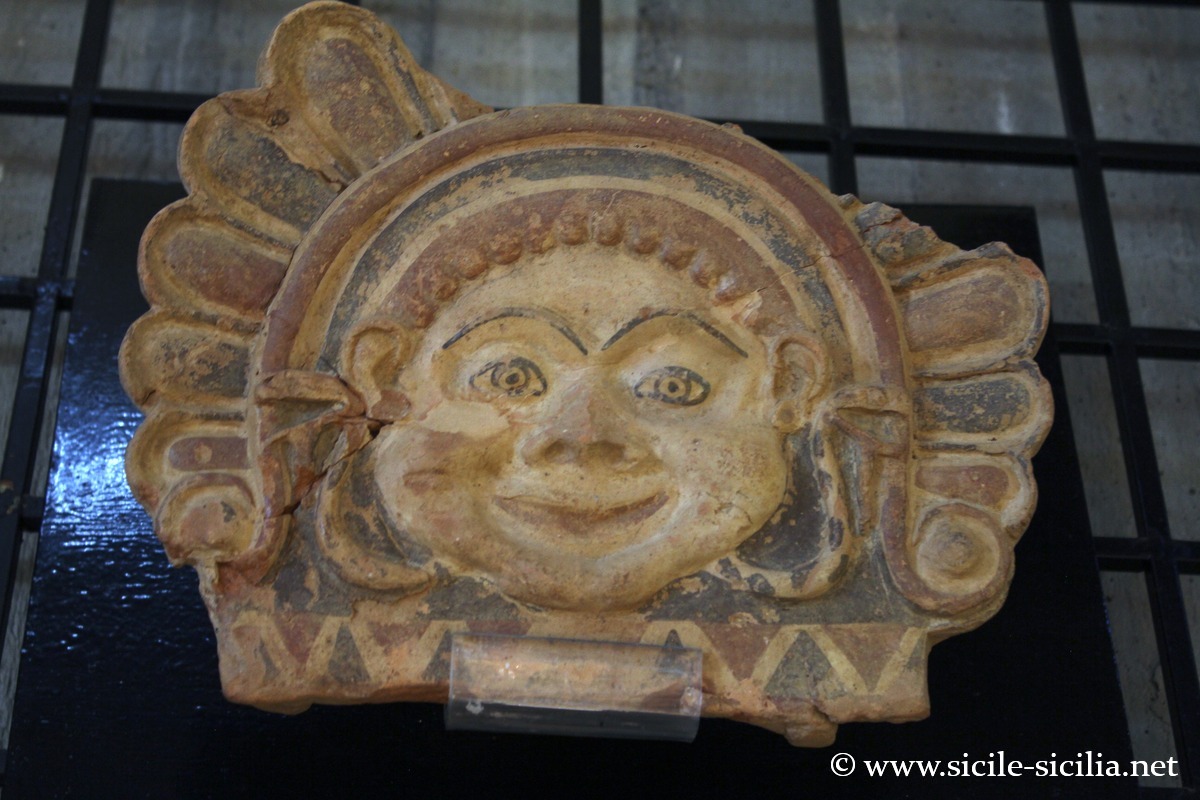
In the entrance hall, educational panels present the history and topography of the site, while an exhibition space is dedicated to a lion-head eaves tile, coins, ex-votos, vases, funerary objects from the necropolis, including two intertwined skeletons.
Sections are devoted to the sites of the region: Terravecchia di Cuti, Monte Riparato, Mura Pregne, Brucato, a Roman villa on the heights of Cefalù, and underwater discoveries.
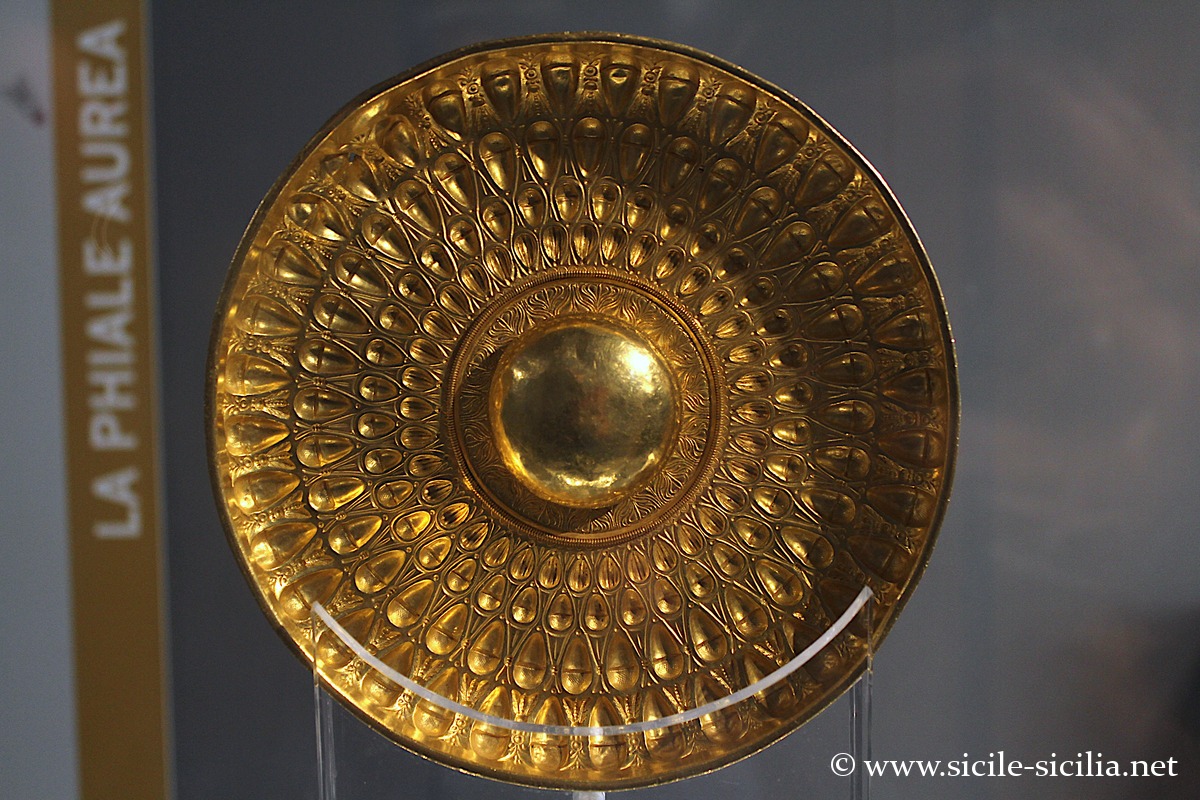
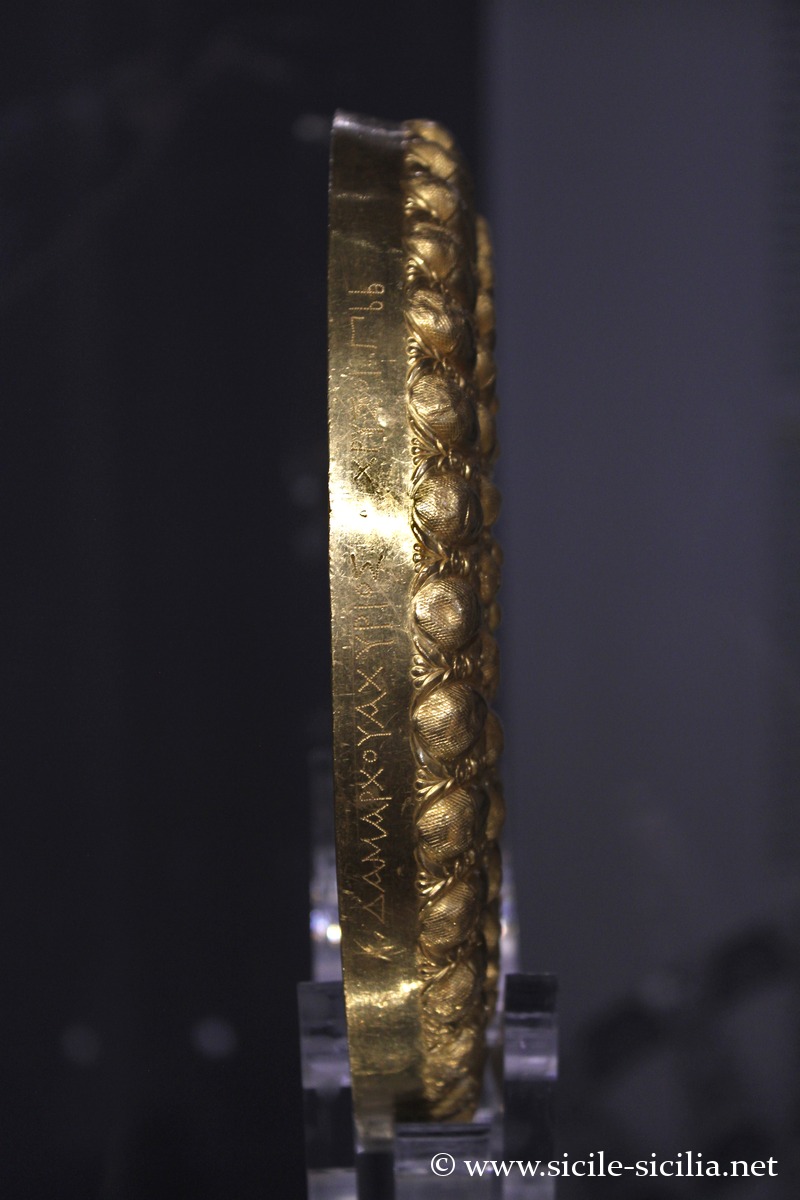
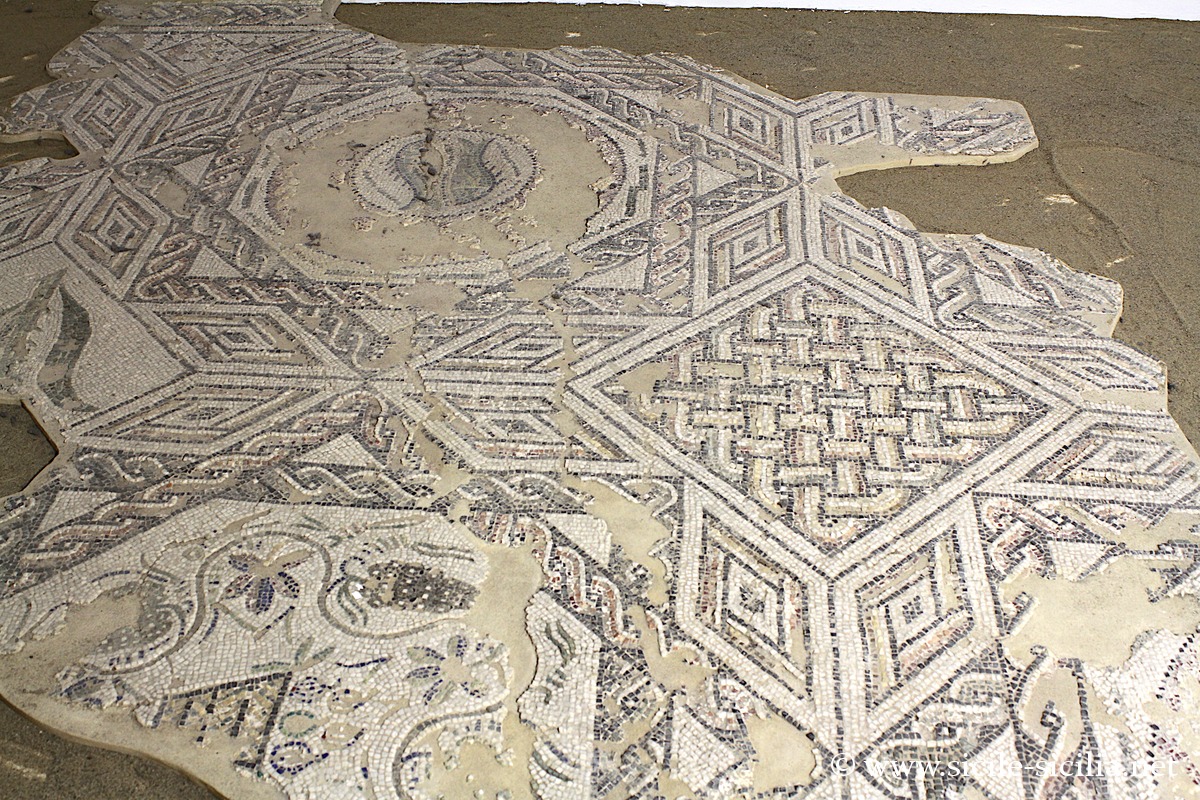
The most beautiful object on display is a gold cup (phiale d’oro), engraved with pine cones. The visit ends with the polychrome mosaic in African style, found in the Roman villa of Settefrati (west of Cefalù).
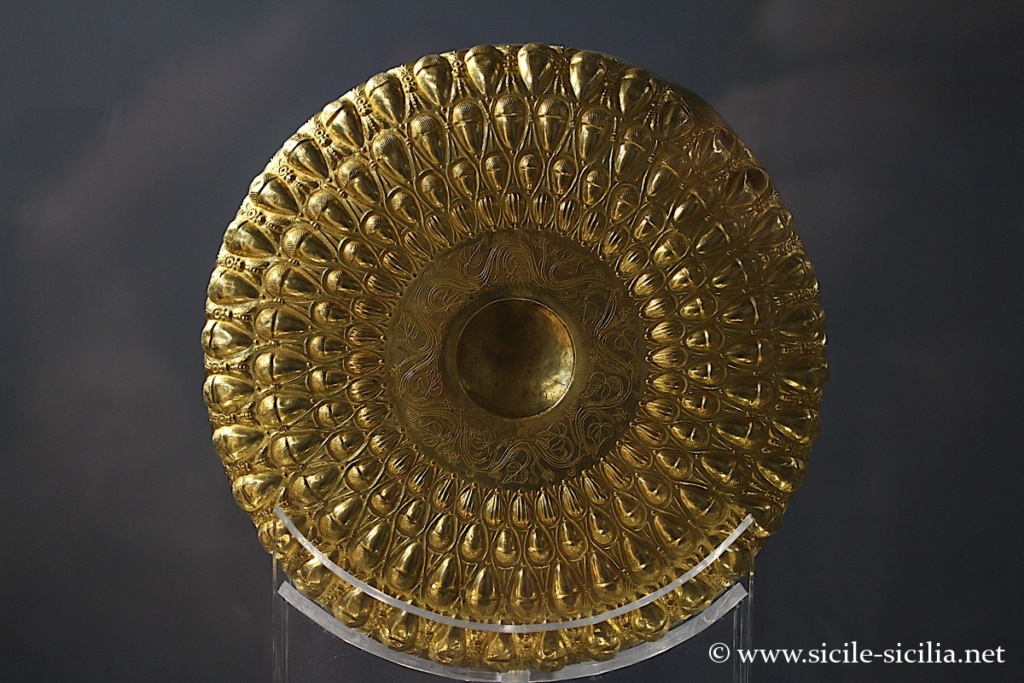

Gold phiale from Caltavuturo (4th-3rd century BC)
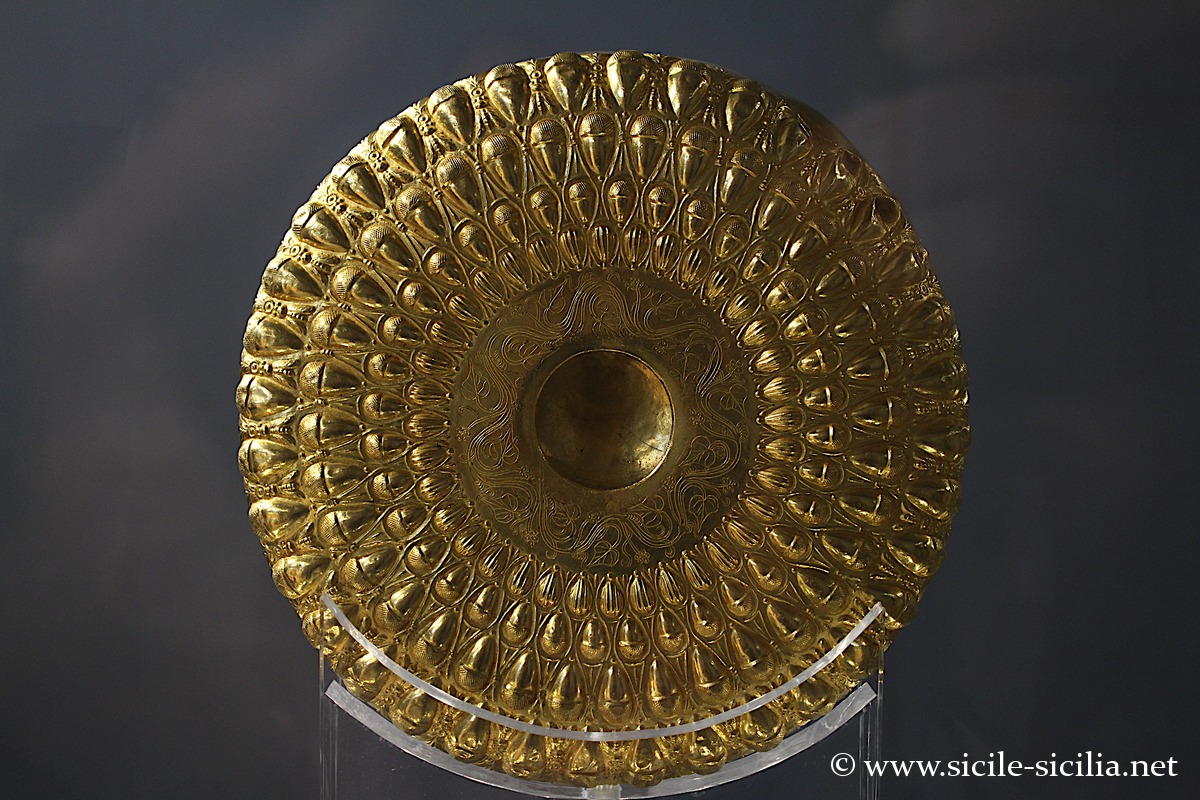
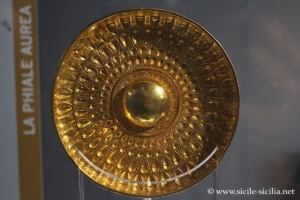
Gold phiale from Caltavuturo (4th-3rd century BC) 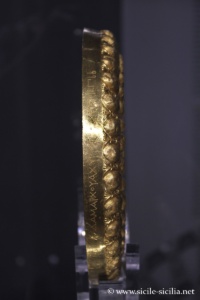

Gold phiale from Caltavuturo (4th-3rd century BC) 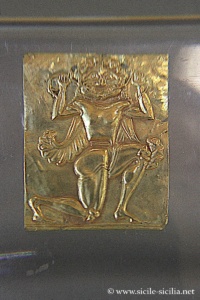
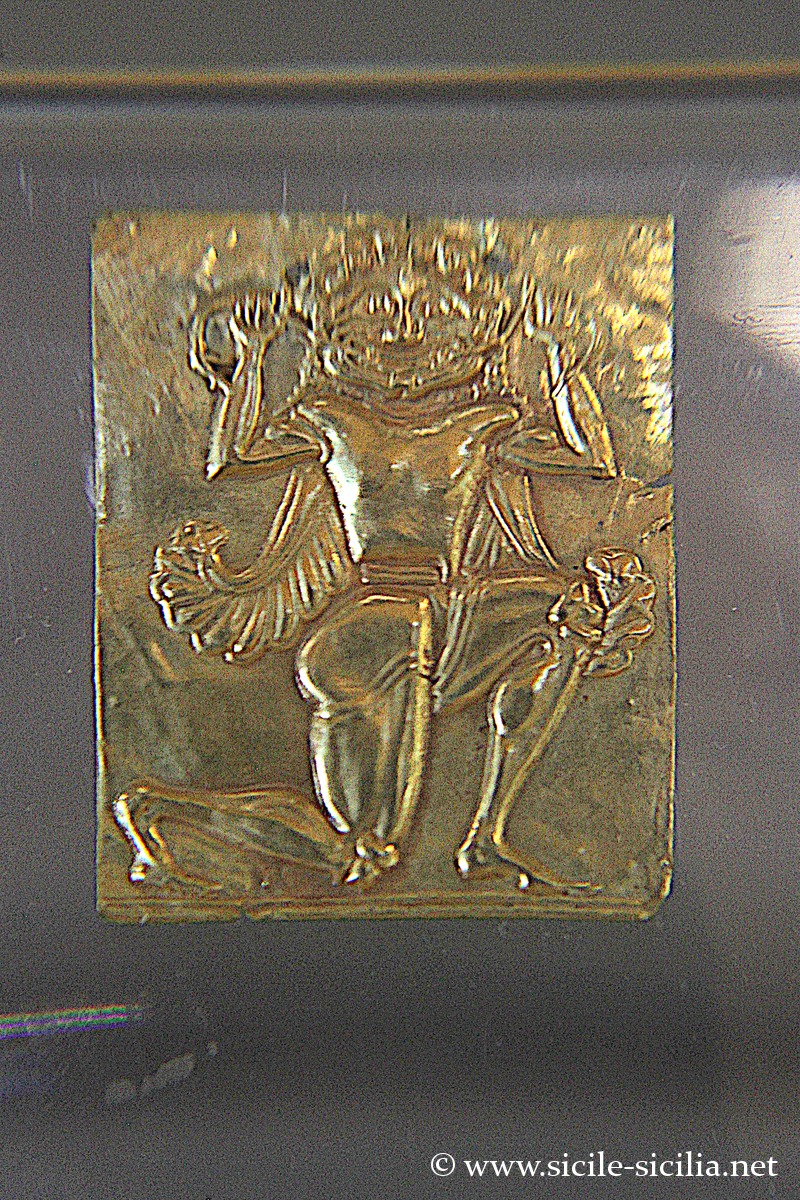
Gold leaf (7th – 6th century BC) 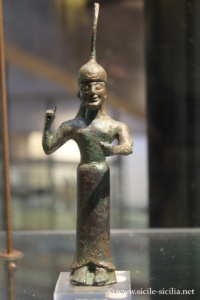
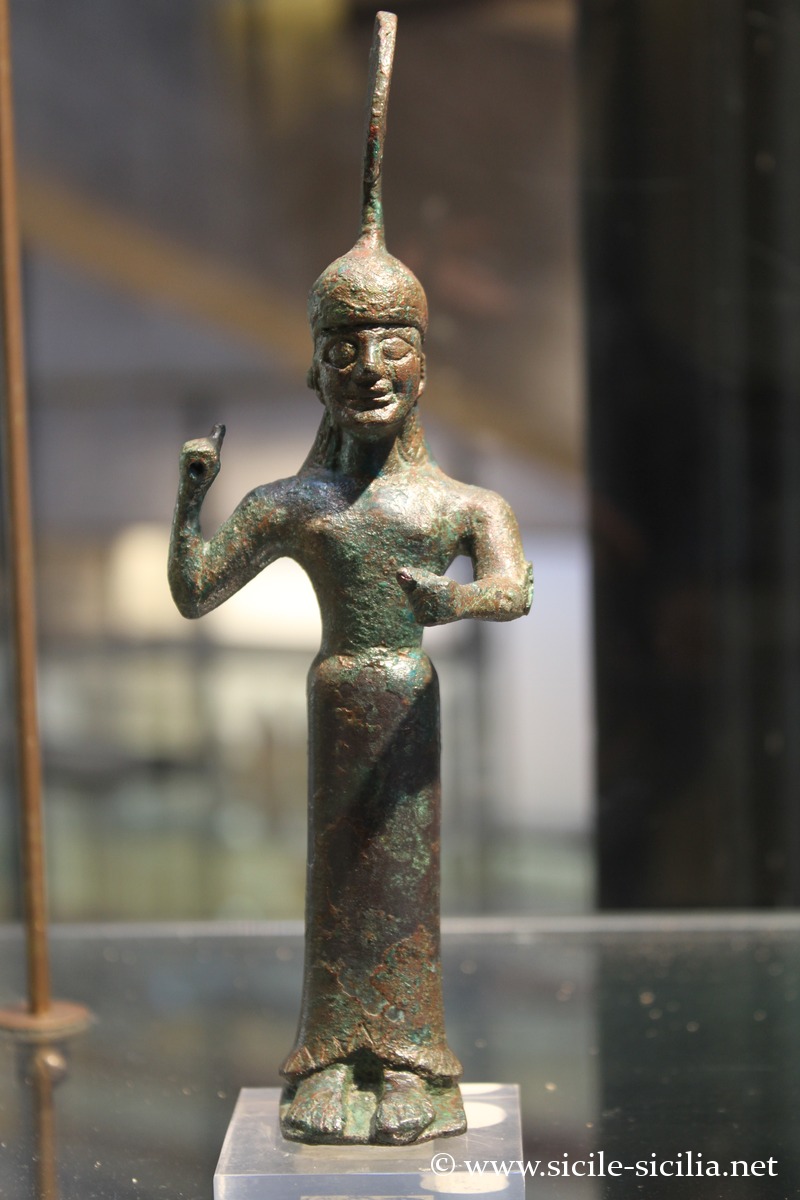
Bronze of Athena (6th century BC) 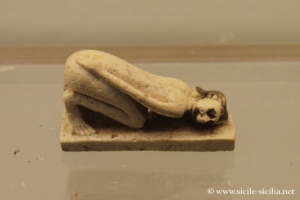
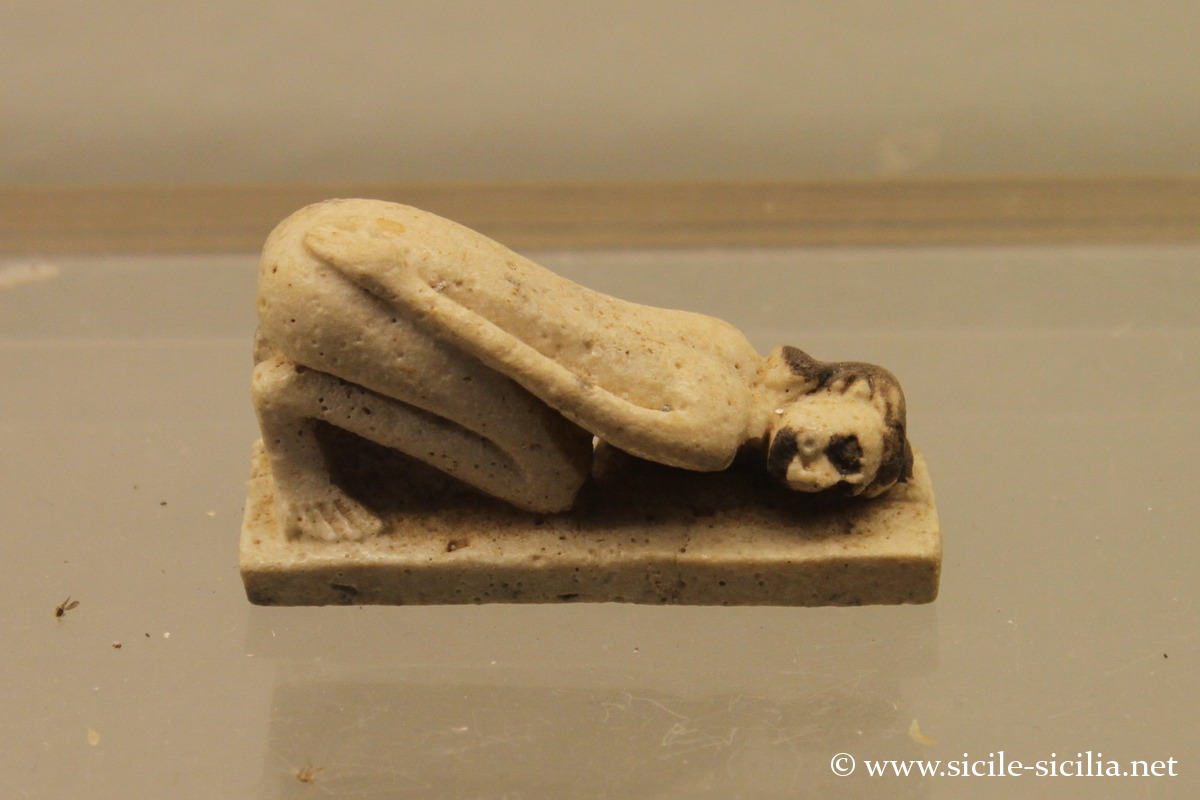
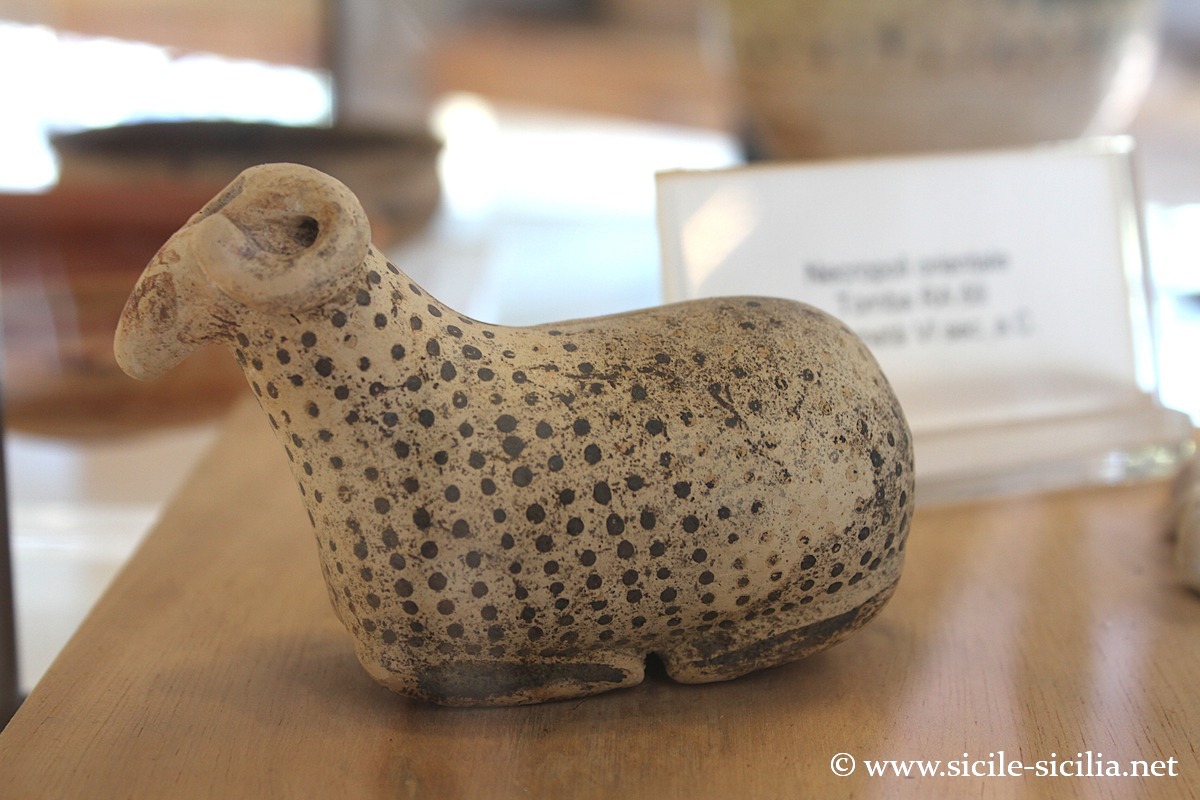
Figurine (7th century BC) 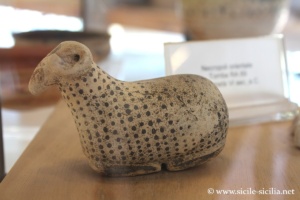
Figurine 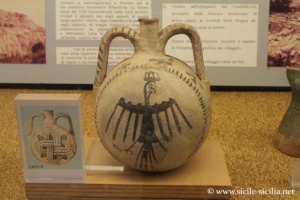
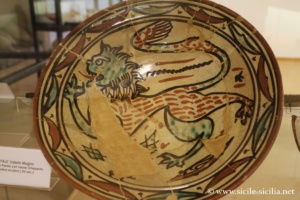
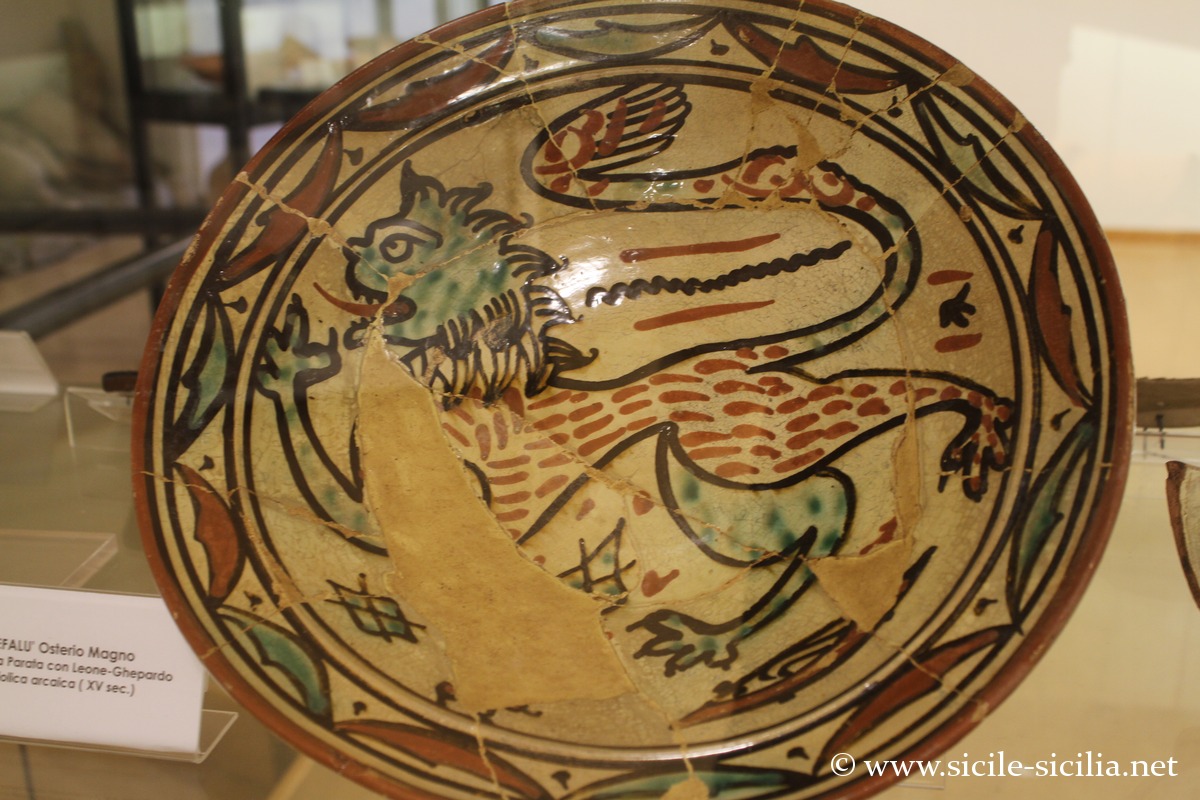
Majolica bowl, Osterio Magno, Cefalù 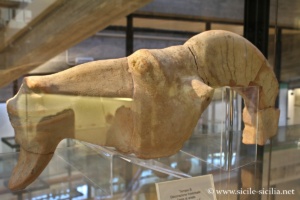
Temple ram frontal 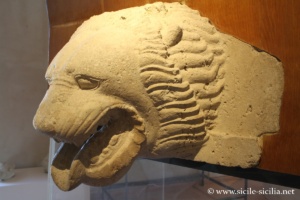
Temple lion frontal 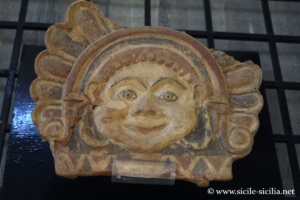
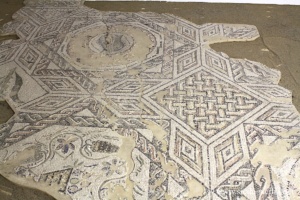
Mosaics
Where Himera is located: map
If you see this after your page is loaded completely, leafletJS files are missing.
Rovine di Himera, antiquarium
Strada Statale 113, 90018 Buonfornello PA
Termini Imerese and its thermal baths
Termini Imerese took its name thanks to the presence of thermal waters, which can still be enjoyed today in the prestigious Grand Albergo delle Terme complex (since 1860). This town of ancient origin, founded in Greek then Roman times, is historically known for its thermal baths. It has an extensive seafront and an urban identity marked by its industrial and port past. In the town, scattered and rather meager ancient remains emerge (aqueduct, amphitheater, etc).
Visit to Termini Imerese
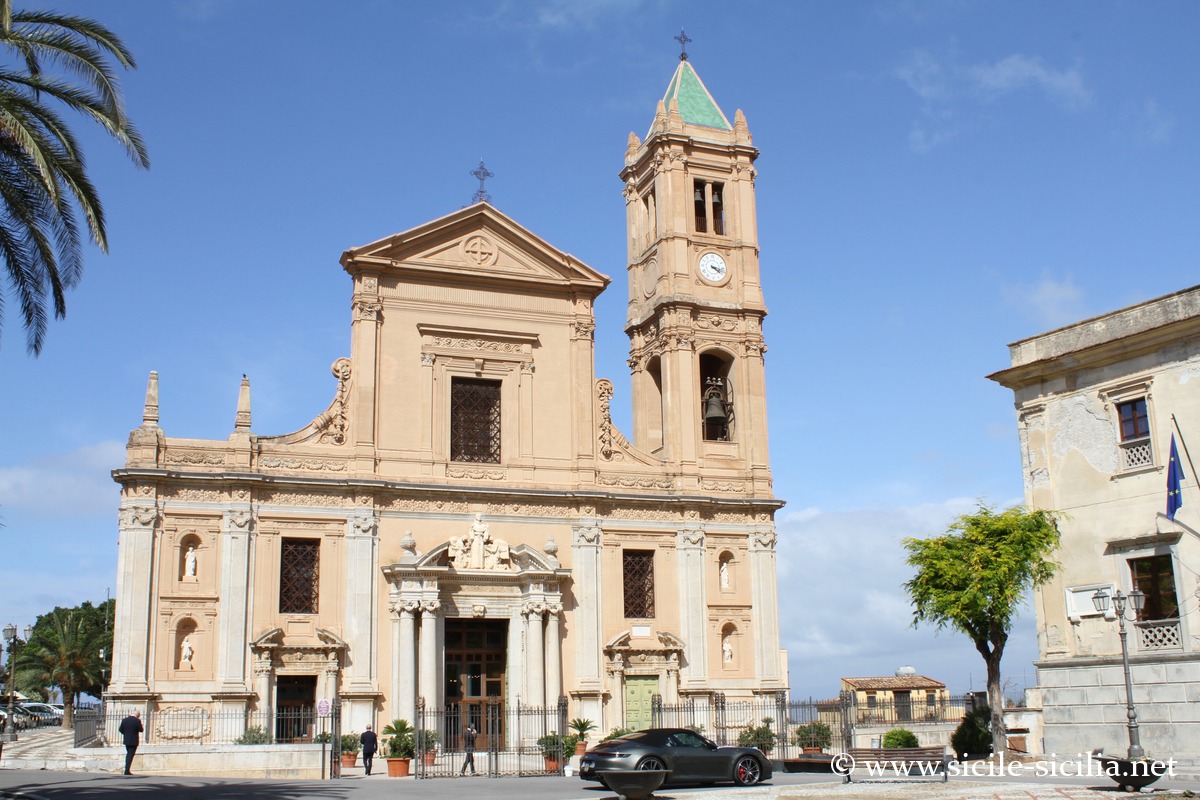
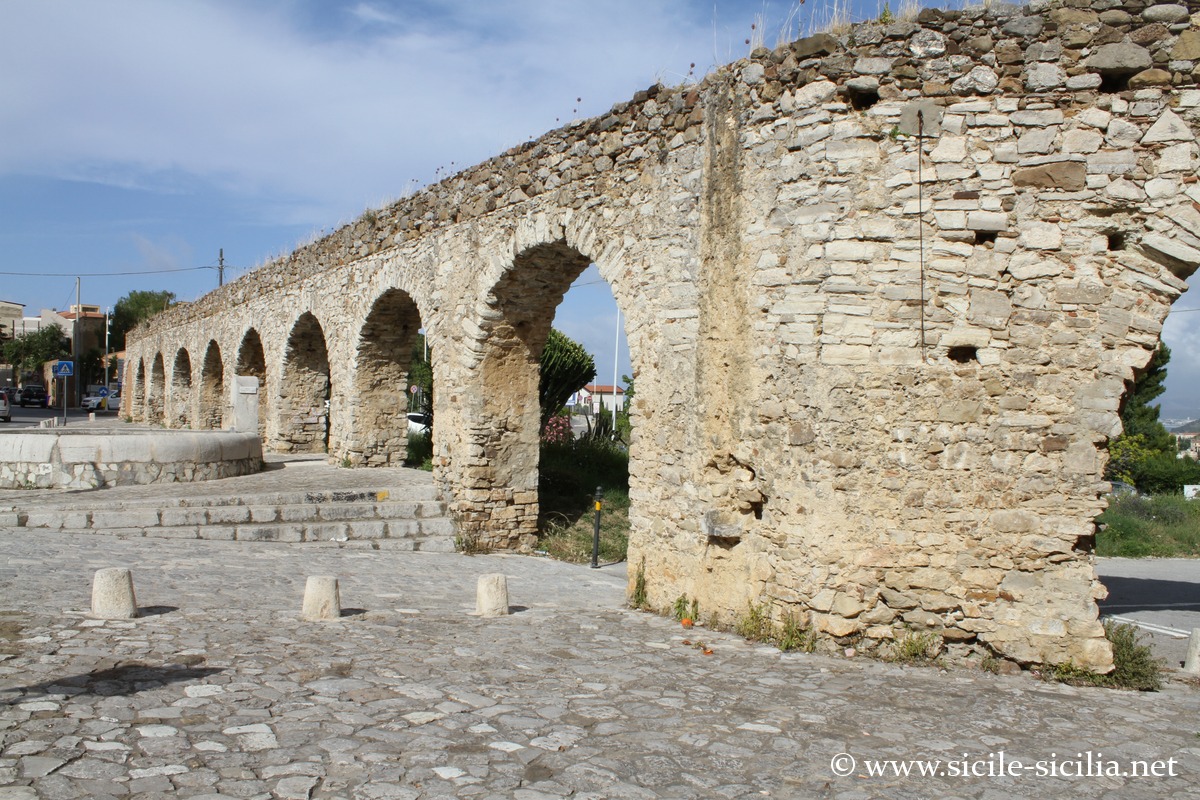
The most interesting sites are the remains of the Roman amphitheatre (in the garden of the former monastery of the Poor Clares), the duomo of San Nicola di Bari, the park of the Villa Palmeri (where Roman remains can be seen), the church of Santa Caterina d’Alessandria (beautiful old frescoes), the ancient Aqueduct Cornelio and the belvedere where the castle once stood, with its panorama over the town, the port, and the coast as far as Cefalù. Two kilometres west of the centre, the Ponte Leonardo was rebuilt for the seventh time in the 18th century.
The municipal museum is important and interesting, with ancient pieces including some from the ancient temple of Himera, others Arab, etc.
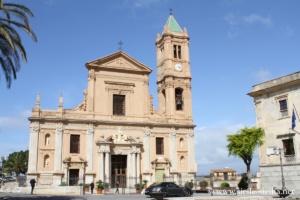
Cathedral of San Nicola in Termini 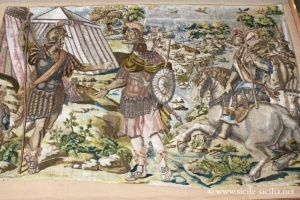
Fresco by Vincenzo la Barbera 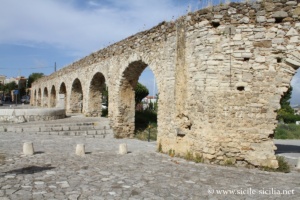
Roman aqueduct
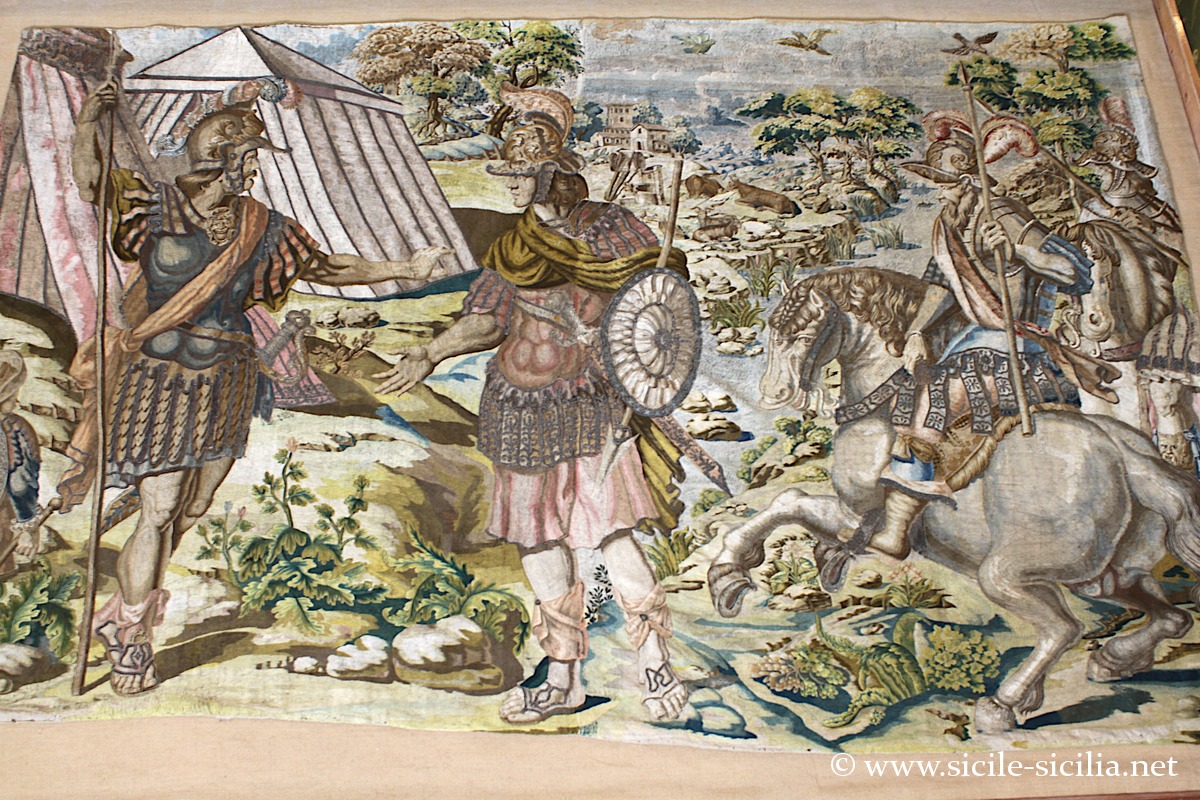
Historical overview
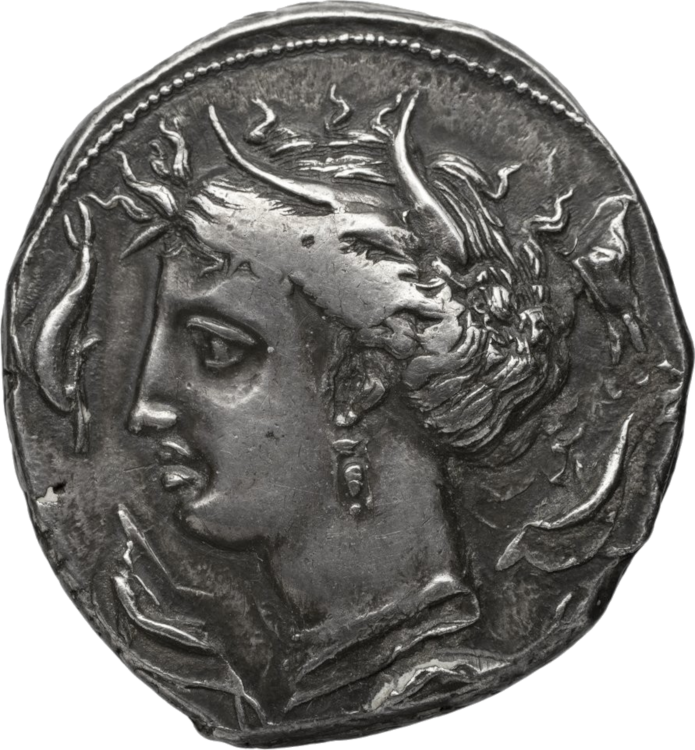
Tetradrachm (obverse)
Thermae Himerenses was founded two years after the destruction of the famous Greek Himera in 409 BCE by the Carthaginians (itself founded in 648 BCE), 12 km further east. It was the scene of bloody battles during the Punic Wars between Rome and Carthage, and was conquered by the Romans in 252 BCE.
Its name comes from nearby hot springs (still in use) that were known before the destruction of Himera, where the Roman baths were built. According to myth, Hercules bathed there to relax after his fight against Eryx, king of the Elymians.
It is assumed that its foundation was the work of the Carthaginians, where Libyan colonists may have settled, as well as survivors of Himera.
Agathocles, the future tyrant of Syracuse, was born here in 361 BCE, son of an exile from Reggio. He made Terme one of his bases in the struggle against the Carthaginians. In 260 BCE, the Romans suffered a severe defeat here against Hamilcar during the First Punic War, but took it in 253 BCE.
After Himera took the side of Pompey, when he was defeated the town was kept as a colony, probably to punish it.
The town declined after the fall of the Western Roman Empire. It remained a bishopric until the 12th century, and became a royal town under the Normans. From the Middle Ages until the early 19th century, it was one of the main ports for shipping the wheat produced in Sicily.
Where Termini Imerese is located: map
Historical overview of Himera
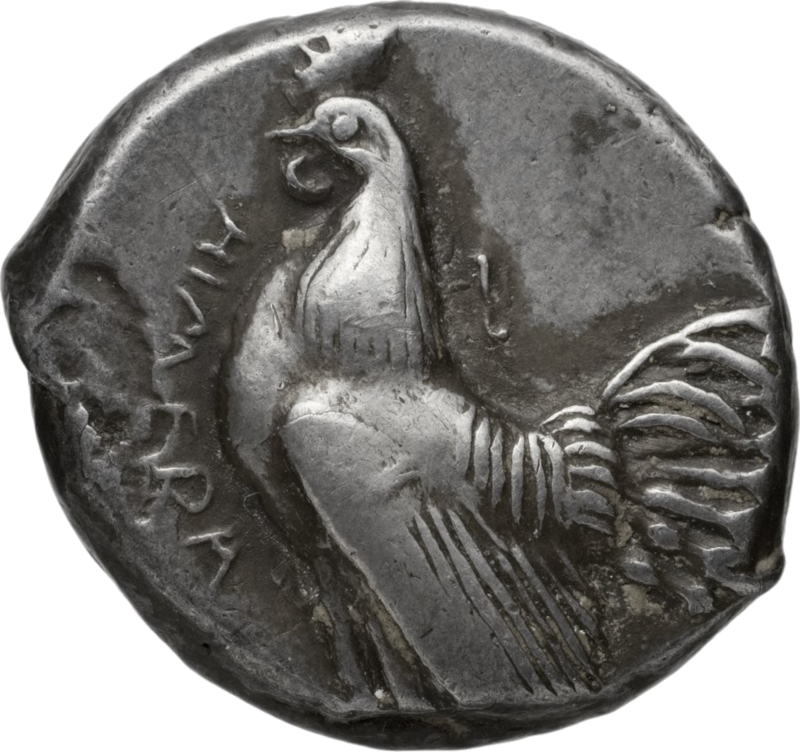
Didrachm of Himera
The city of Himera developed rapidly, particularly during the first part of the 6th century.
An epigraph found at Samo (a Greek town in Calabria) indicates that the city experienced tensions with the local Sicani populations of the hinterland. In the 6th century Himera even called for the help of Phalaris, tyrant of Agrigento. There were also difficulties with the Phoenician cities of Panormus (Palermo) and Soluntum.
The Greek cities had been in more or less intense conflict for decades, with the expansion of the Dorian cities. Led by the tyrant of Gela, Cleander, they conquered Zancle (Messina), Leontinoi, Naxos, Catania and Camarina; then his successor Gelon captured Syracuse in 485 and made it his capital. For his part, Akragas (Agrigento), together with the tyrant Theron (488-472), conquered lands of the Sicani and the Siceliotes (Greeks of Dorian origin).
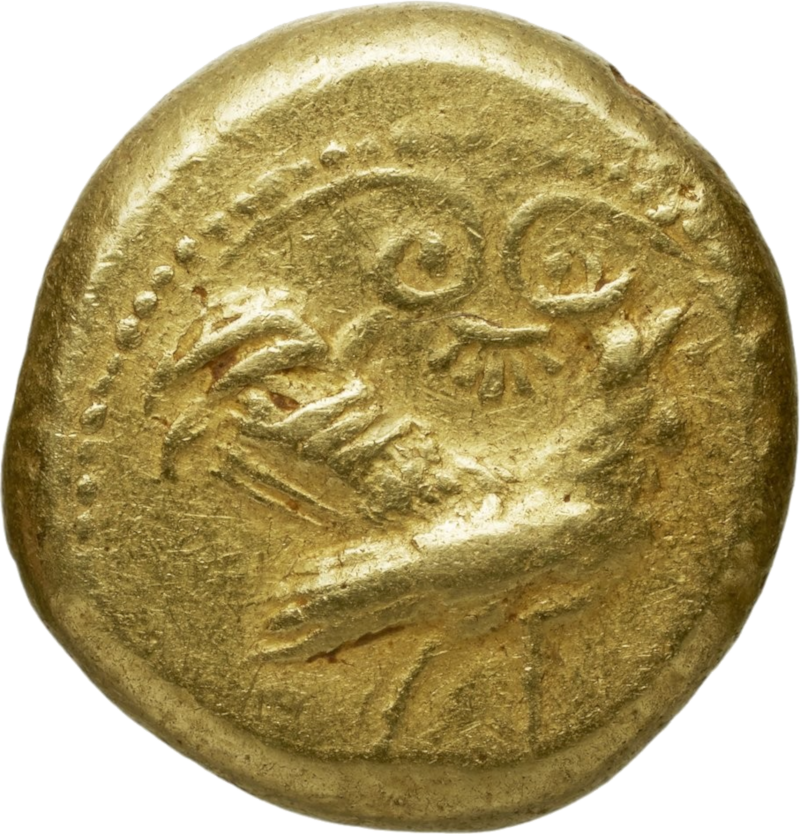
Stater of Himera
To counter the Dorians, the tyrants of Rhegion and Himera allied and drew closer to the Carthaginians around 490. Selinus allied with Gelon of Syracuse, but the Elymians (several cities of the west) joined Carthage.
In 483 Theron of Akragas deposed the tyrant of Himera, Terillus, who took refuge in Rhegion. The latter asked Carthage for help, which sent an expedition to Sicily.
In 480 BCE, the allied Greek armies of Syracuse and Akragas led by Gelon defeated the Carthaginian armies at the epic Battle of Himera, which took place on the plain overlooking the city.
During the clashes, the leader of the Punic expedition, the general Hamilcar of Giscon, perished.
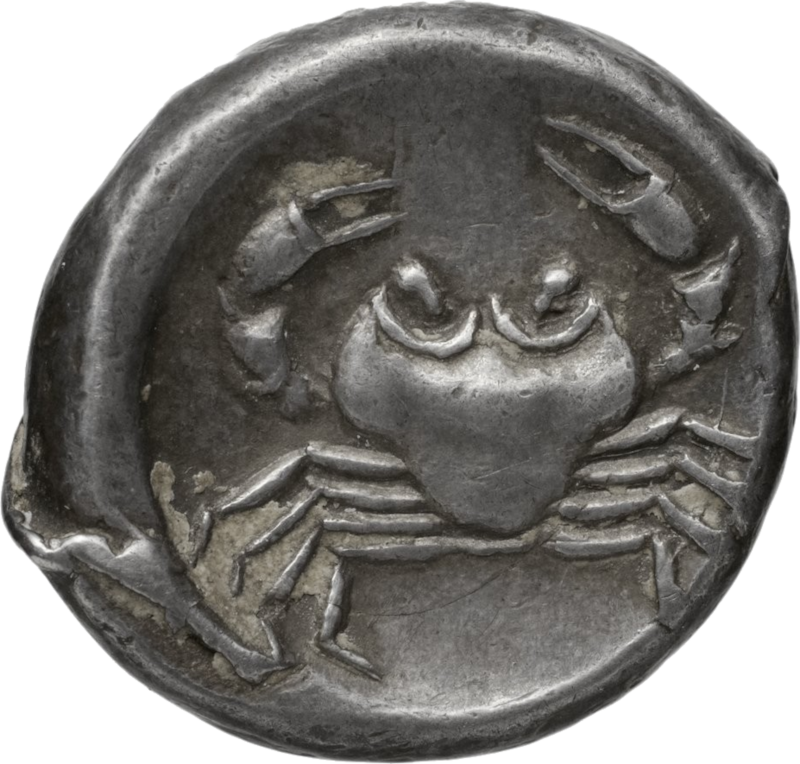
Didrachm of Himera
In 475 BCE, inhabitants of Himera tried to revolt against the oppression of their governor Thrasydaeus, son of the tyrant Theron of Agrigento. They tried to offer the city to Hieron I, tyrant of Syracuse, in exchange for support in the event of war against Theron. Hieron denounced them to Theron, who eventually identified and executed the opponents, killing many Himerans. On the death of Theron in 471, the inhabitants drove out Thrasydaeus.
During the Peloponnesian War, during the Athenian expedition to Sicily, the Spartan Gylippos allied with Syracuse landed at Himera in 415 BCE. He strengthened his army with reinforcements from Himera, Gela and Selinus, taking part in the Battle of Assinaro and eventually driving out the Athenians.
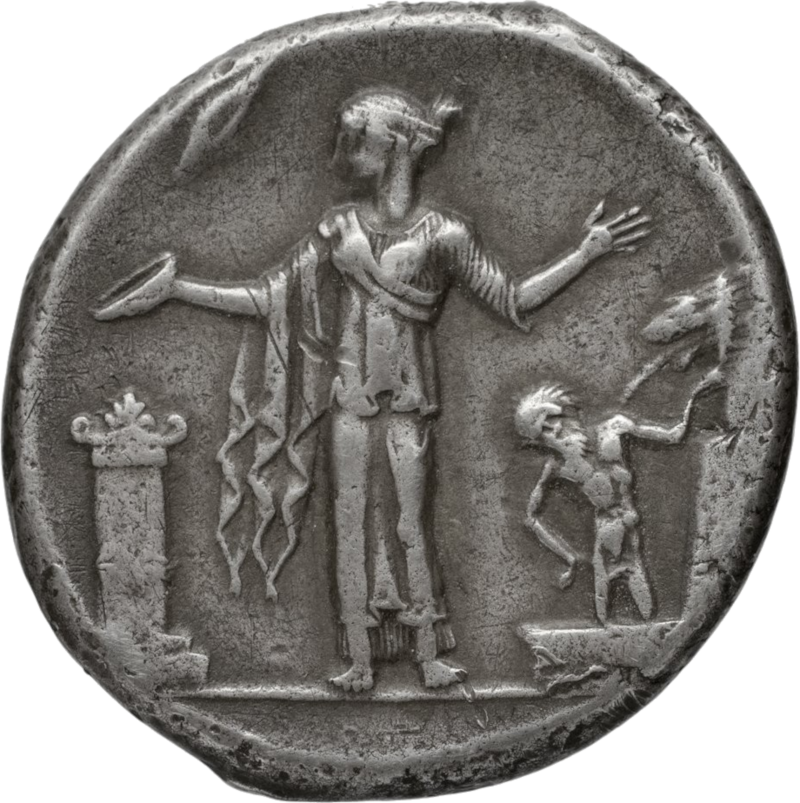
Tetradrachm of Himera
In 409 BCE the Carthaginians led an armed expedition to Sicily, at the call of the Elymians of Segesta in conflict with the Greeks of Selinus. They were led by Hannibal of Giscon, nephew of Hamilcar, the Punic general killed seventy years earlier at Himera.
The first city besieged and destroyed was Selinus, whose population that was not executed was reduced to slavery. The Carthaginians then headed for Himera. Having learned of the fate of Selinus, many inhabitants were evacuated to Zancle. The city was conquered and nearly 3000 people were executed on the orders of Hannibal, in the name of the death of his ancestor, killed here in 480.
After this episode, the city was razed and quickly abandoned.
Two years later, the exiles of Himera and Libyan colonists founded Termini Imerese 12 km west of the previous site. This new city survived over time, including in the Roman era.
Information
Sources and information
- Termini Imerese: en.wikipedia.org
- Region of Sicily page: www.regione.sicilia.it
- Wikipedia page: en.wikipedia.org
- Battle of Himera: ilportaledelsud.org
- Conference on discoveries in the necropolises (2016): www.inrap.fr/guerre-et-mort-himere-les-tombes-des-soldats-grecs-tues-lors-des-batailles-de-9336