

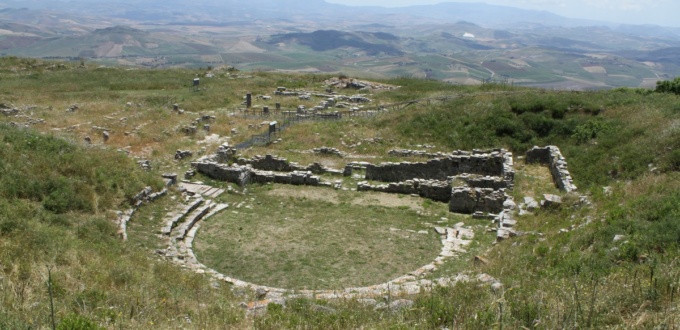
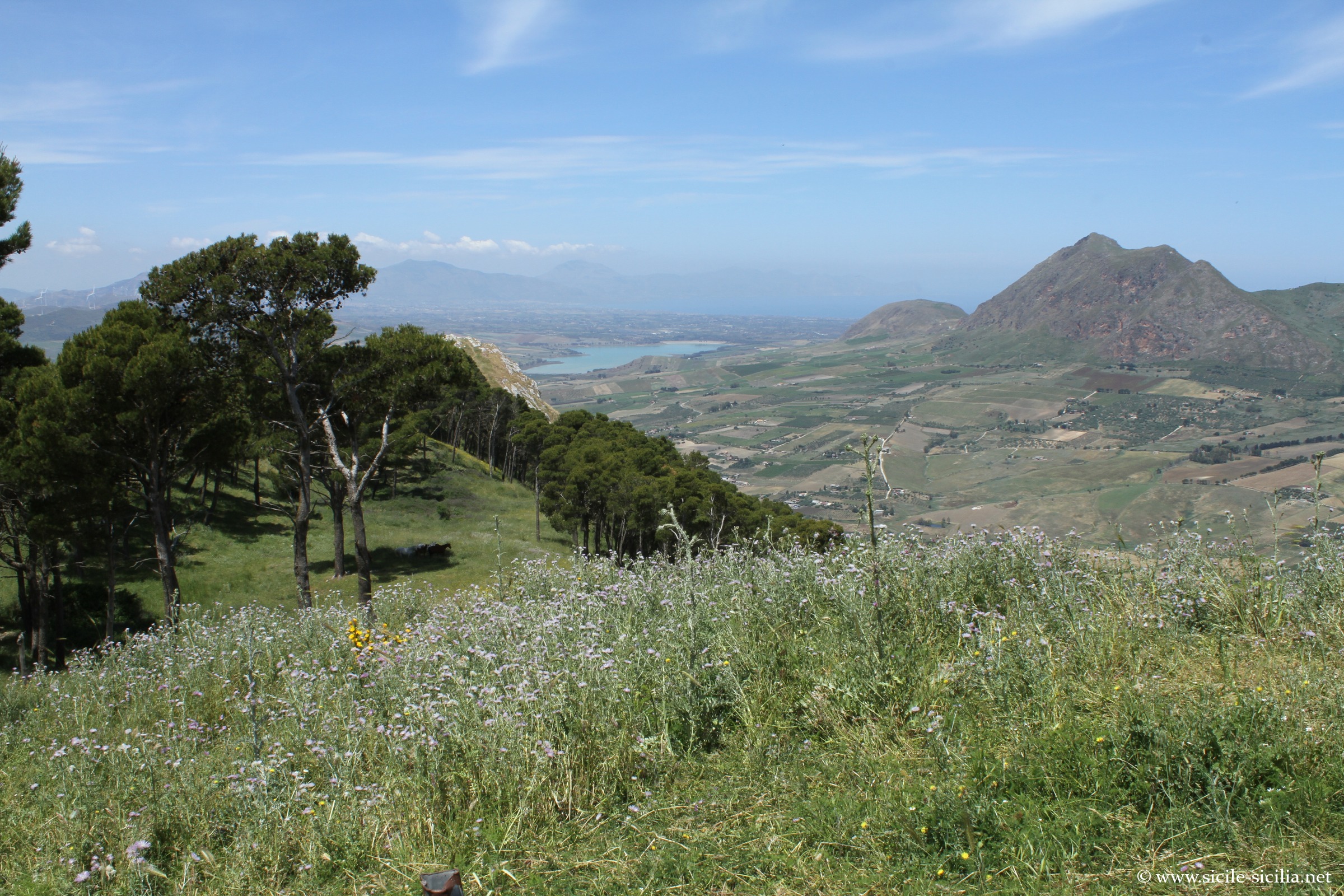
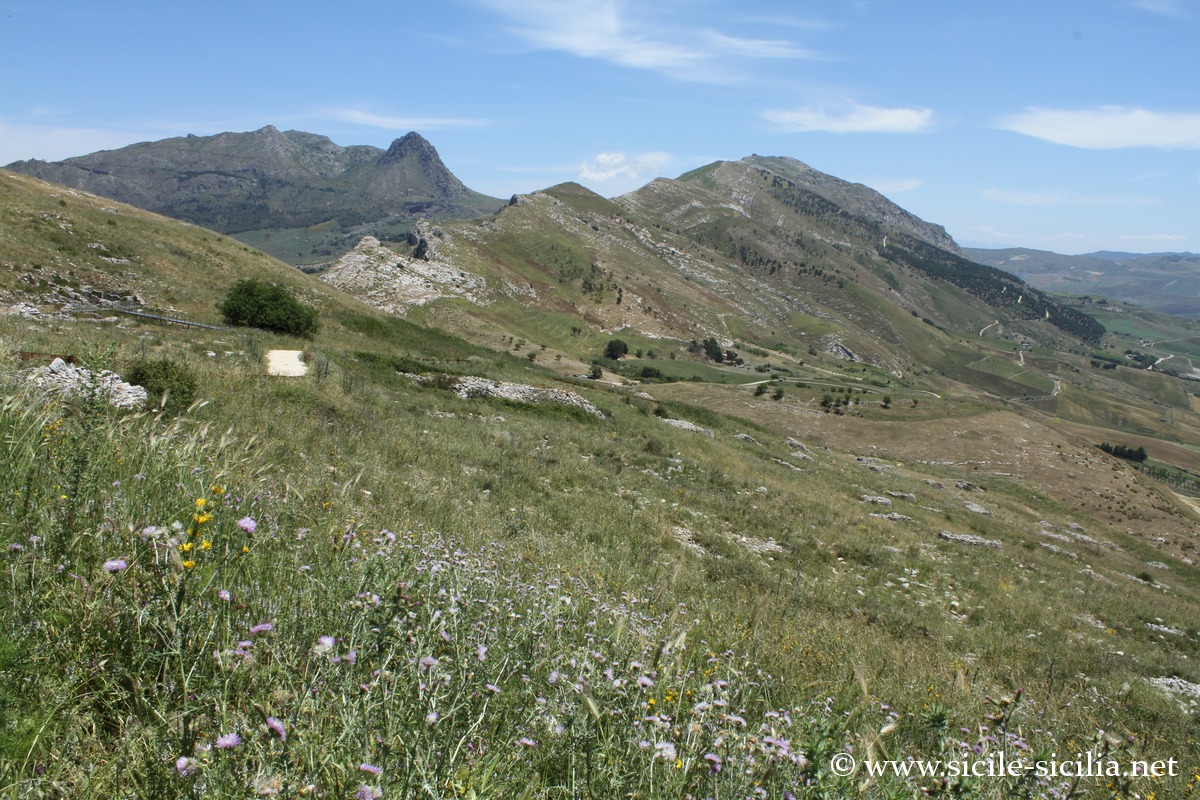
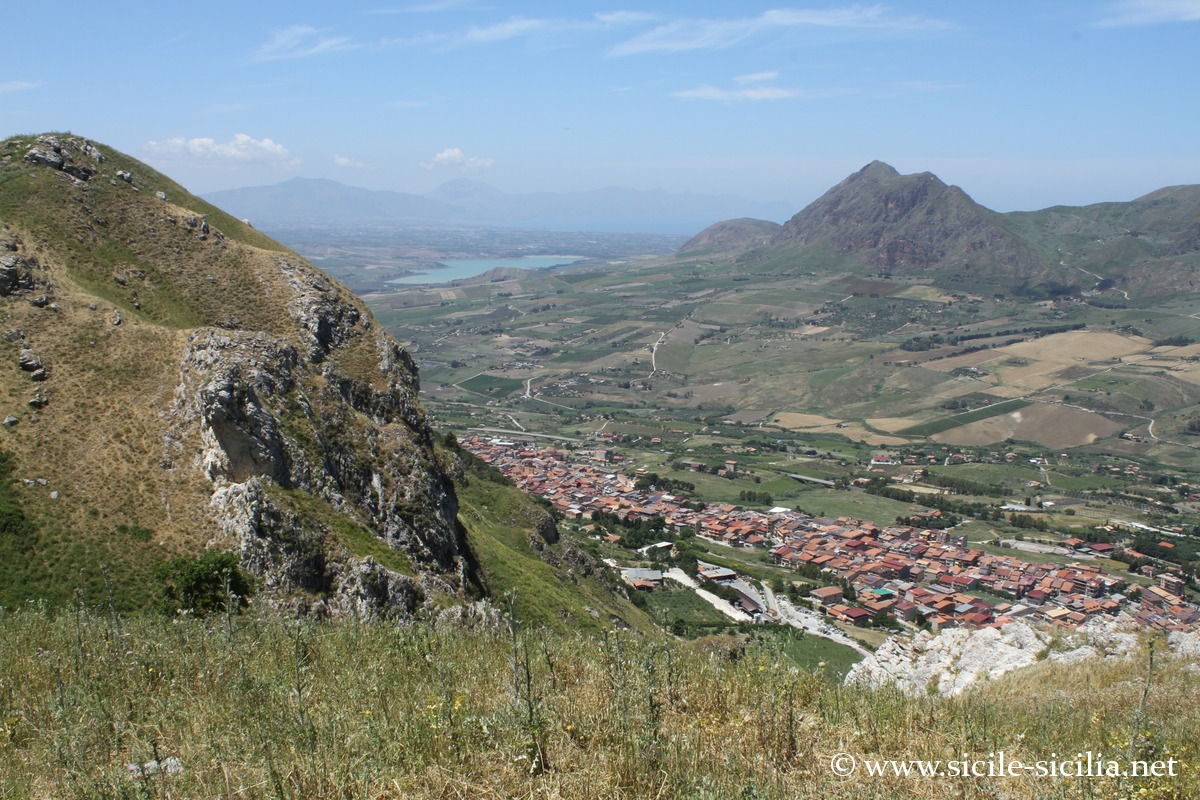
At the summit of Mount Jato (852 metres), the archaeological site of the ancient city of Laitas (or Laetia) occupies a very beautiful spot overlooking the Iato valley in the municipality of San Cipirello.
The urban area covered about 40 hectares, protected on three sides by steep cliffs and on the south-east side by a wall, probably built around the beginning of the 3rd century BCE.
The remains are essentially from the Greek period. The main occupation spans between the 6th and 3rd centuries BCE, with well-documented Hellenistic phases; earlier indigenous levels and medieval reoccupations are also attested.
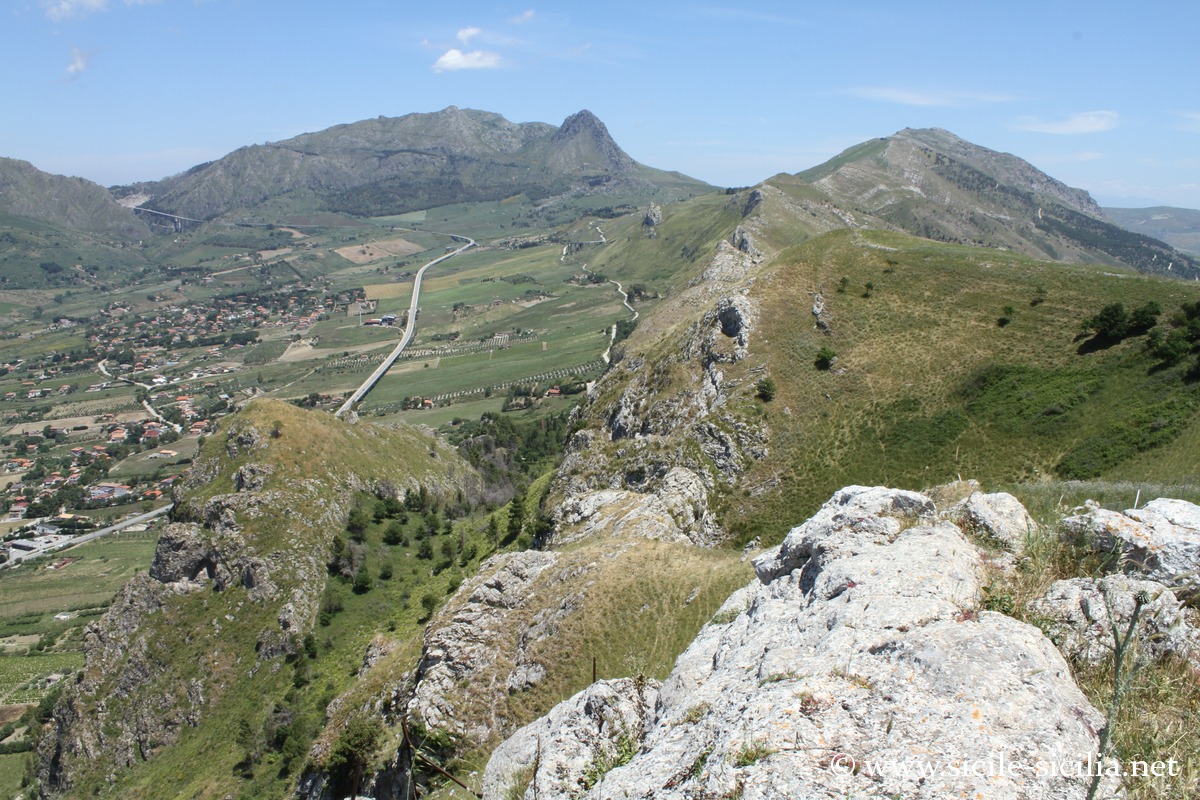
Panorama from the summit of Mount Iato
Little remains of the medieval town that was the last refuge of the Muslim populations, probably built using elements salvaged from the ancient city.
Archaeological park of Laitas
Eastern zone
Access to the archaeological zone is from the eastern side (if one takes the path from the museum) via a climb of nearly one kilometre.
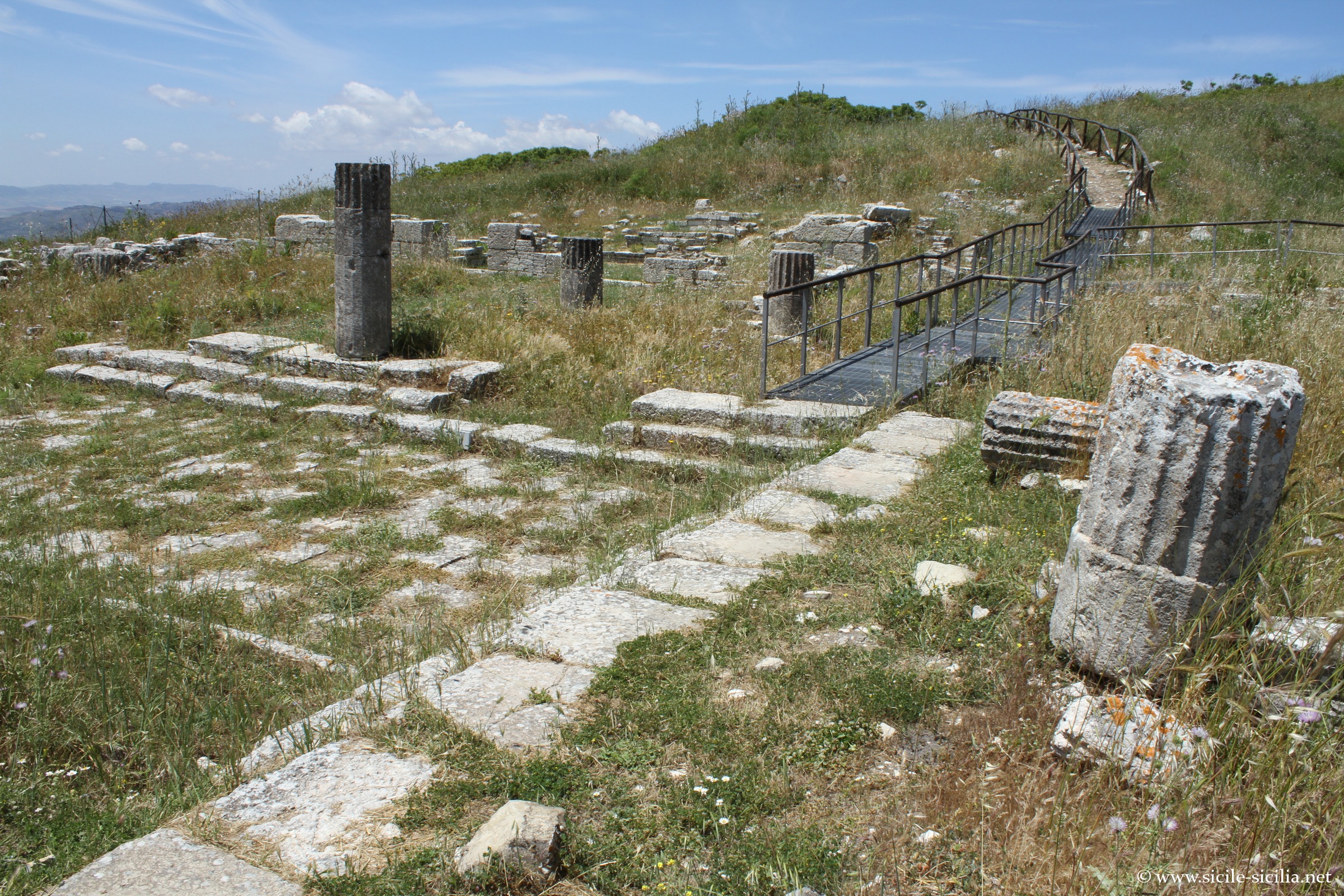
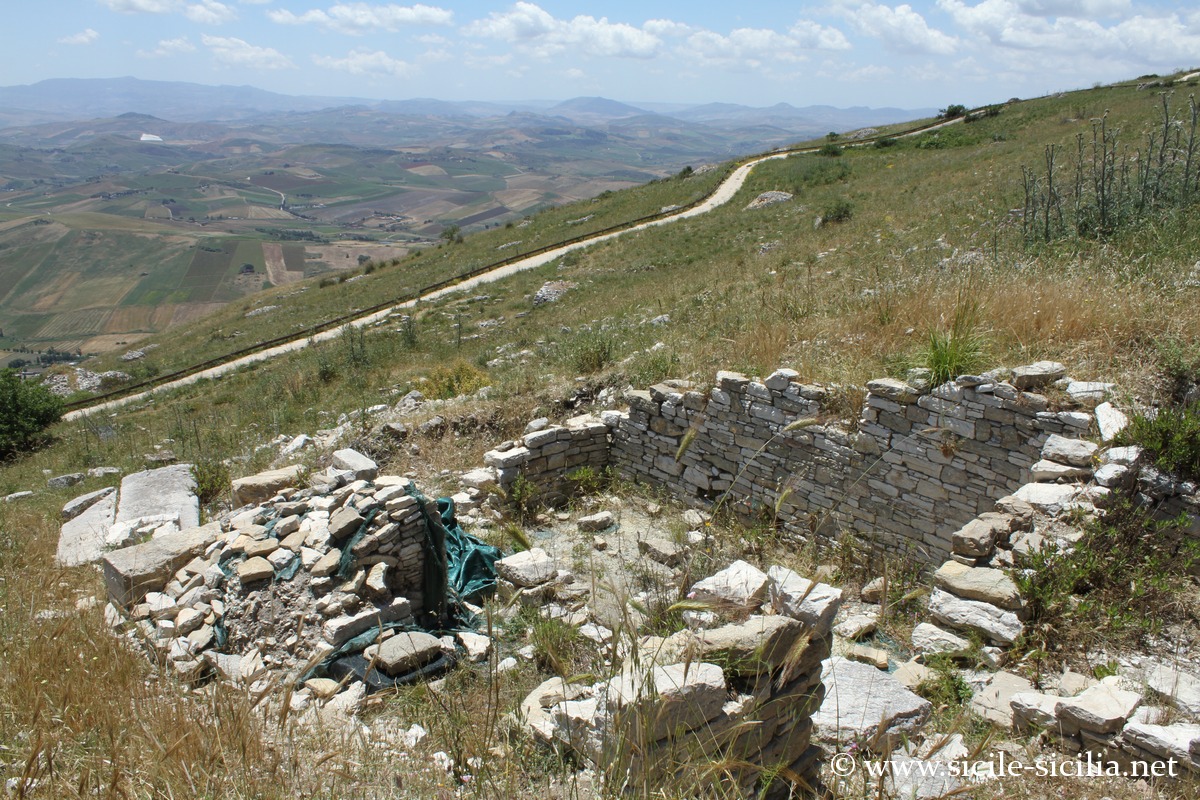
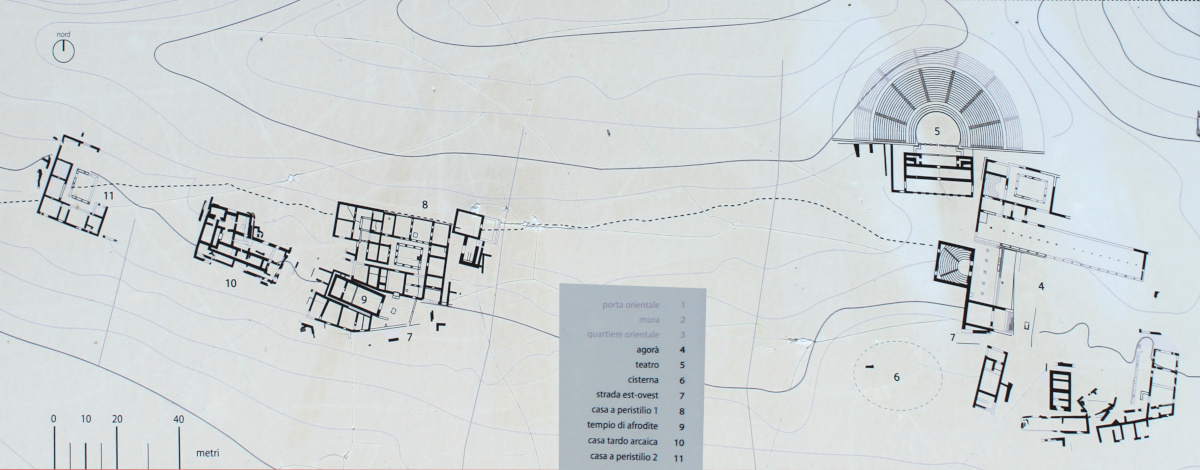
The eastern zone of Iato contains the remains of a tower and the ancient walls of the Greek period, and then a long paved street with some remaining sections ran across the whole town from east to west.
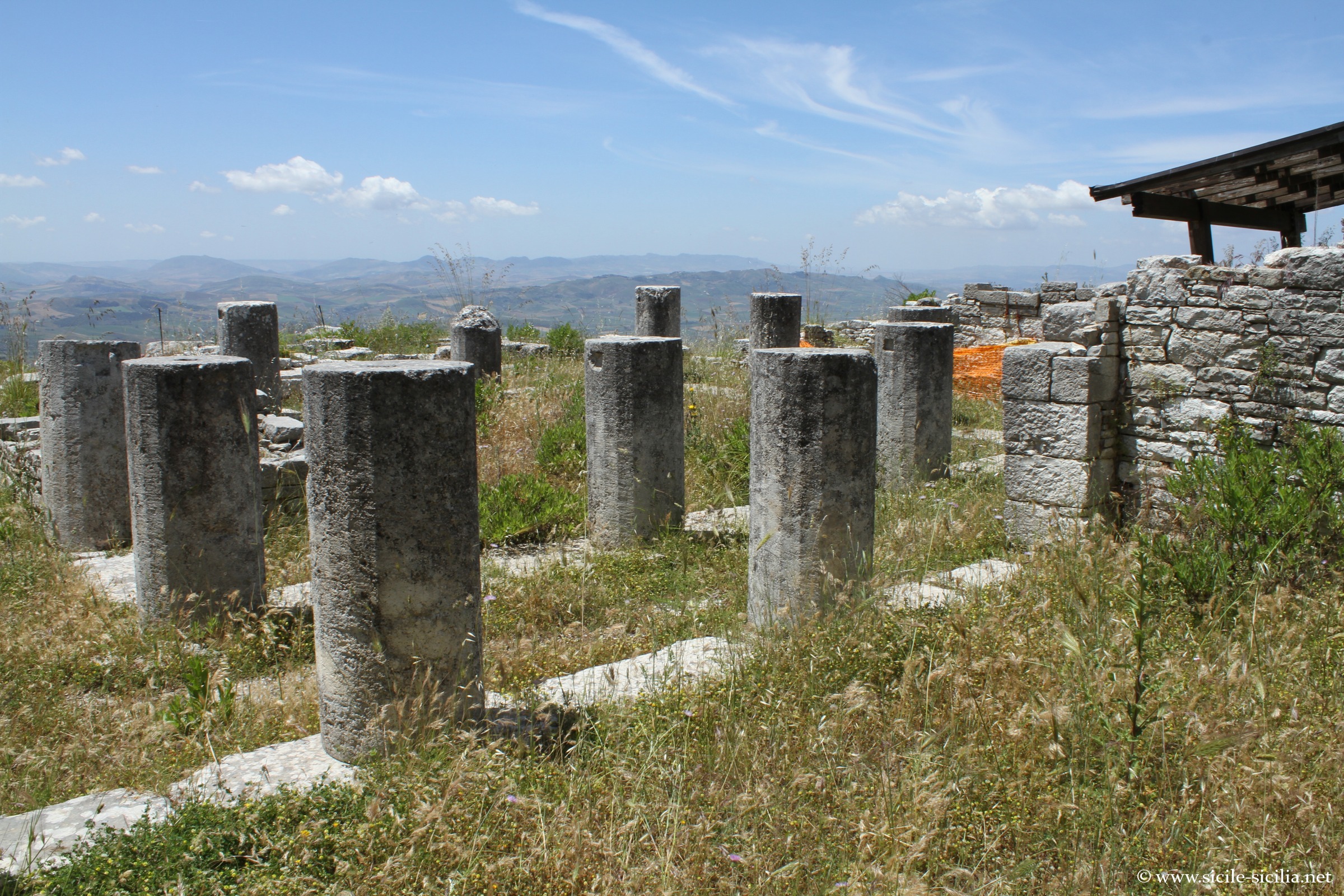
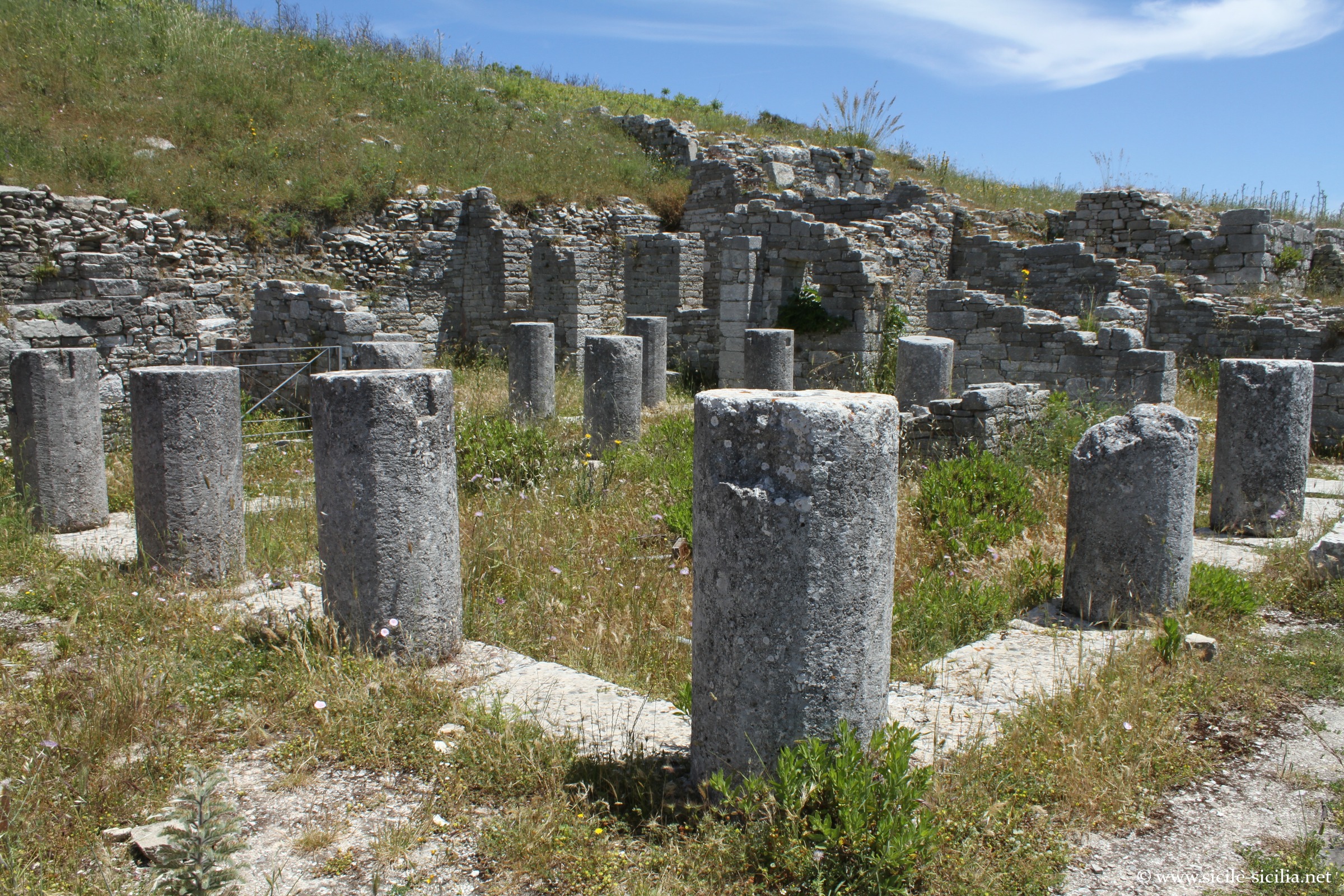
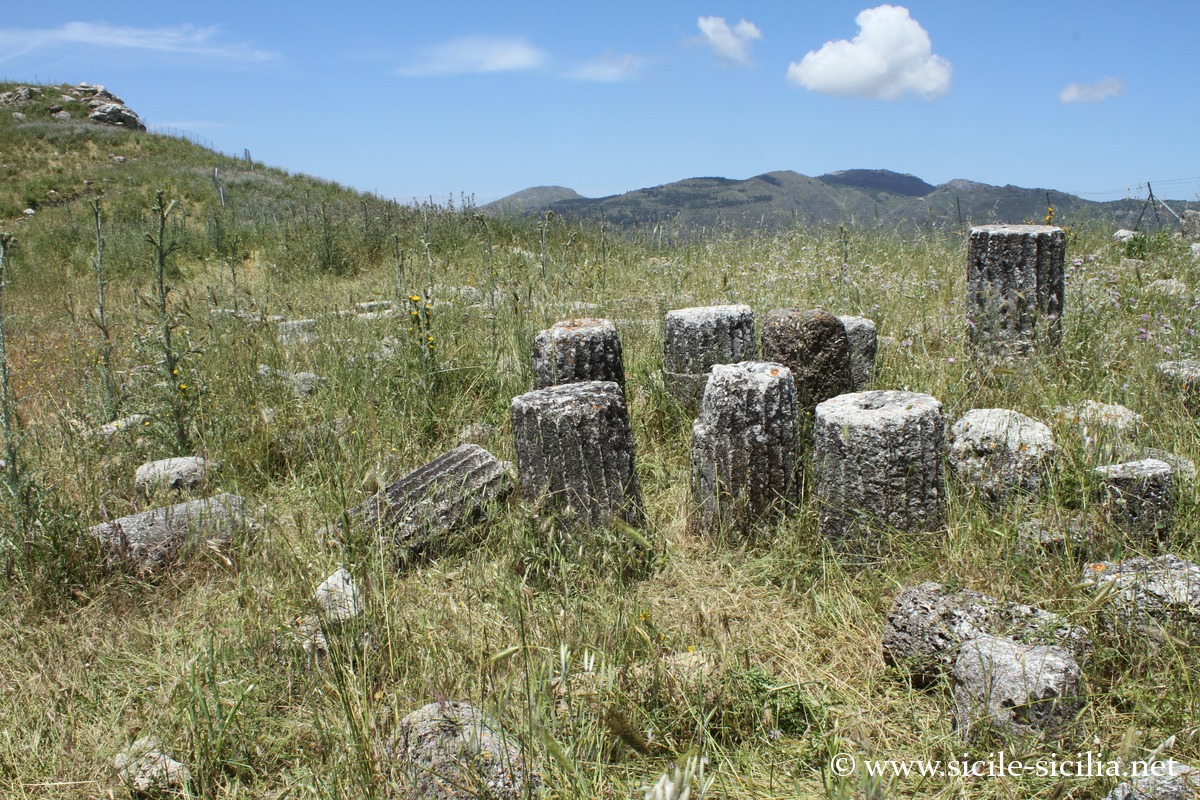
The eastern sector dates from the end of the 4th century BCE, with the remains of two large dwellings with an inner courtyard surrounded by columns.
Agora
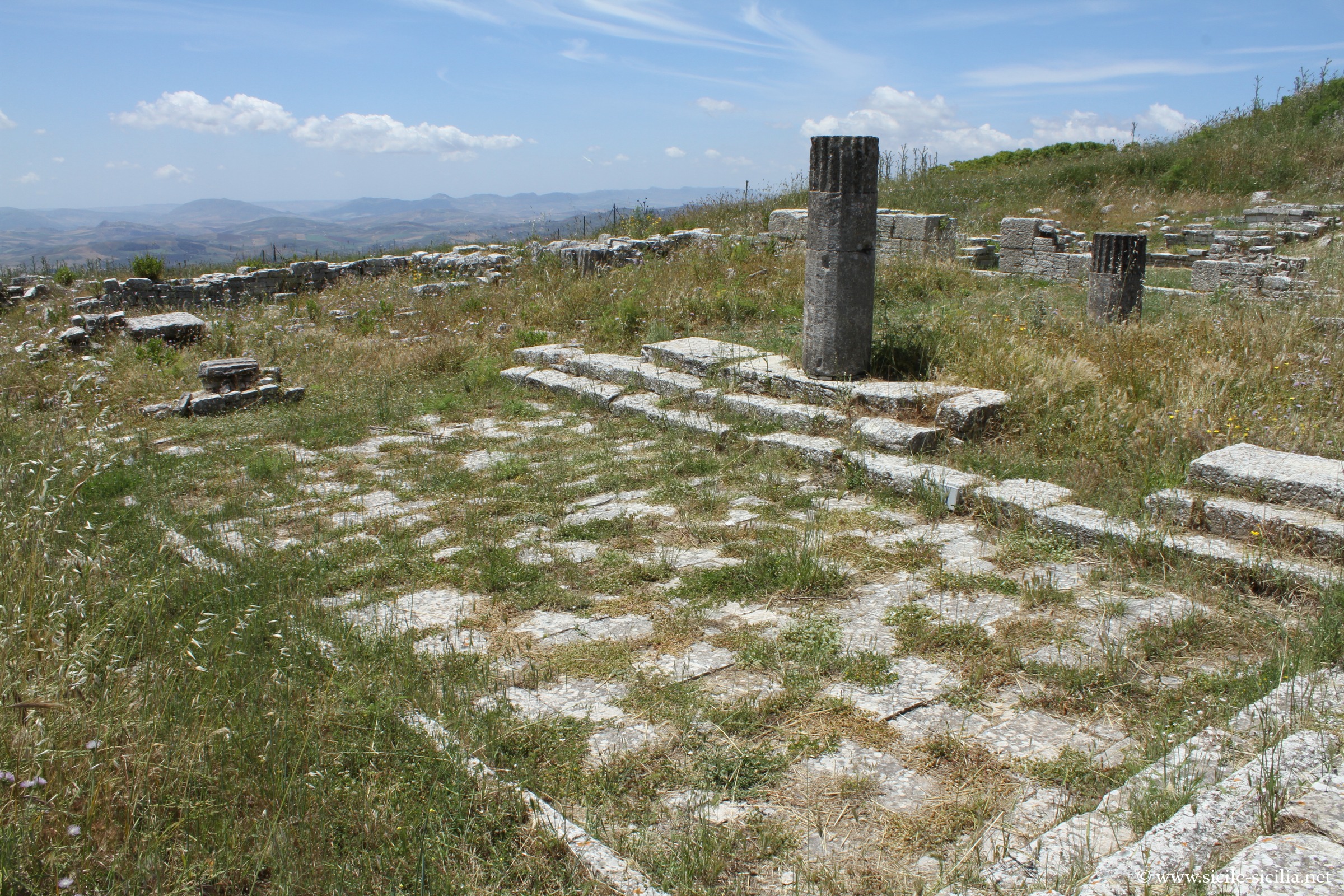
South side of the Agora
The agora, the public square, contains various public buildings and temples and was surrounded by porticoes, where dwellings were installed in the imperial era.
To the west, on a podium, are the remains of a Roman-Italic temple dedicated to Jupiter from the end of the Republican era, and to the south-west a Punic sanctuary and a small temple from the Classical era.
A boule where the notables gathered is located to the north, with a courtyard and white mosaic paving in a semicircle. To the west is another, more recent one of square shape, a larger council hall (bouleuterion), perhaps Roman, with nine semi-circular tiers.
Six steps near the portico led to a small temple from the Roman era that was perhaps dedicated to Jupiter.
To the west of the archaeological site are the remains of the ancient town, preceded by a vast cistern still visible.
Theatre
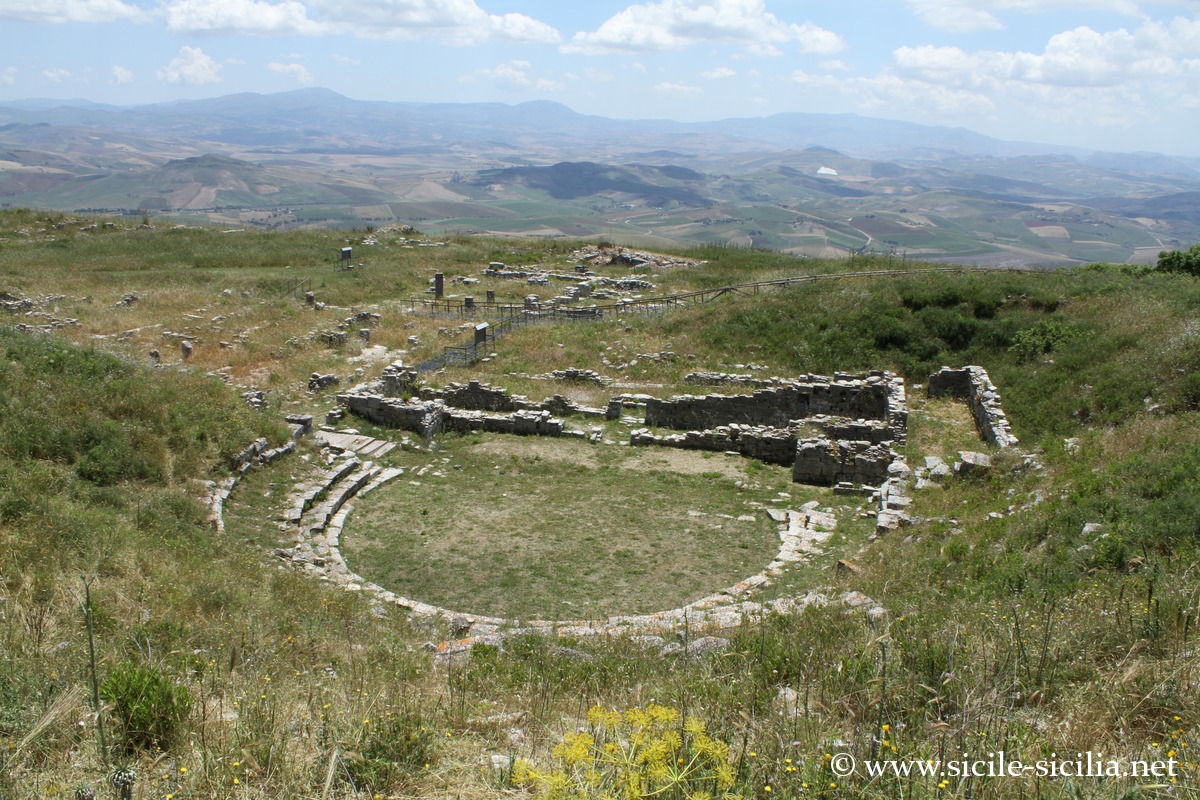
Greek theatre of Laitas
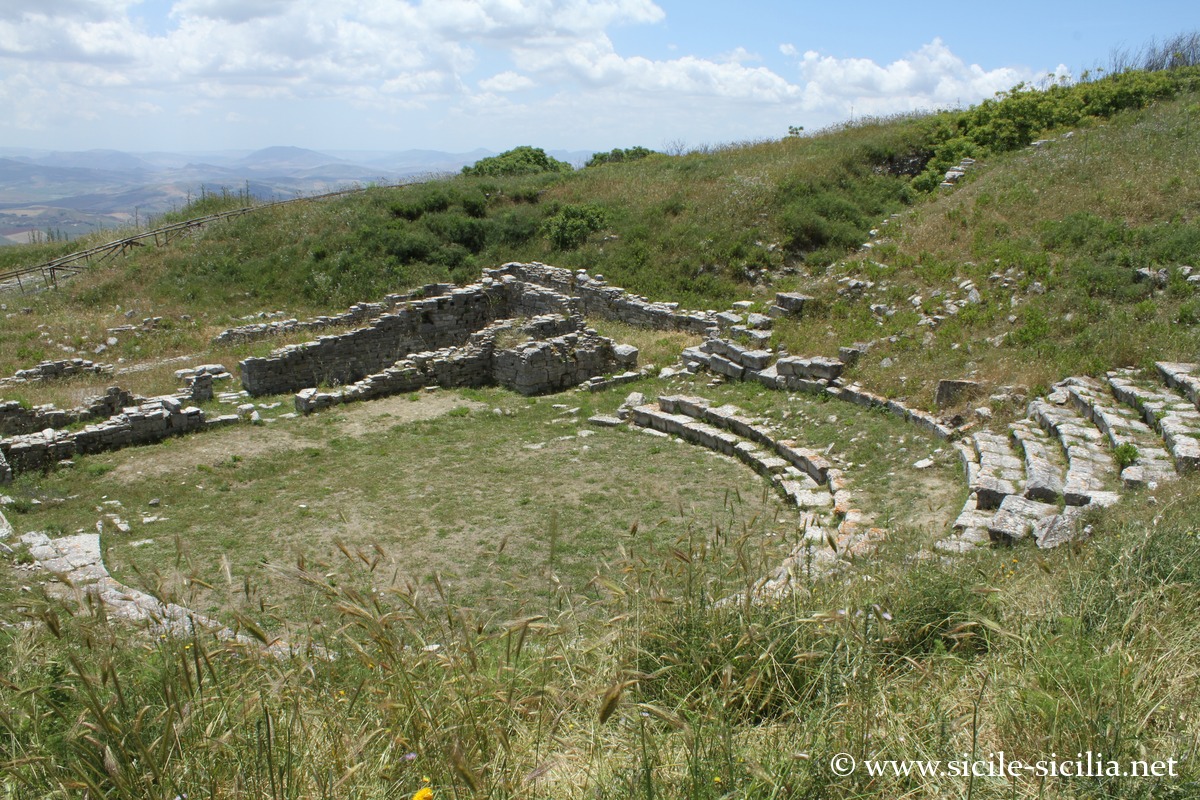
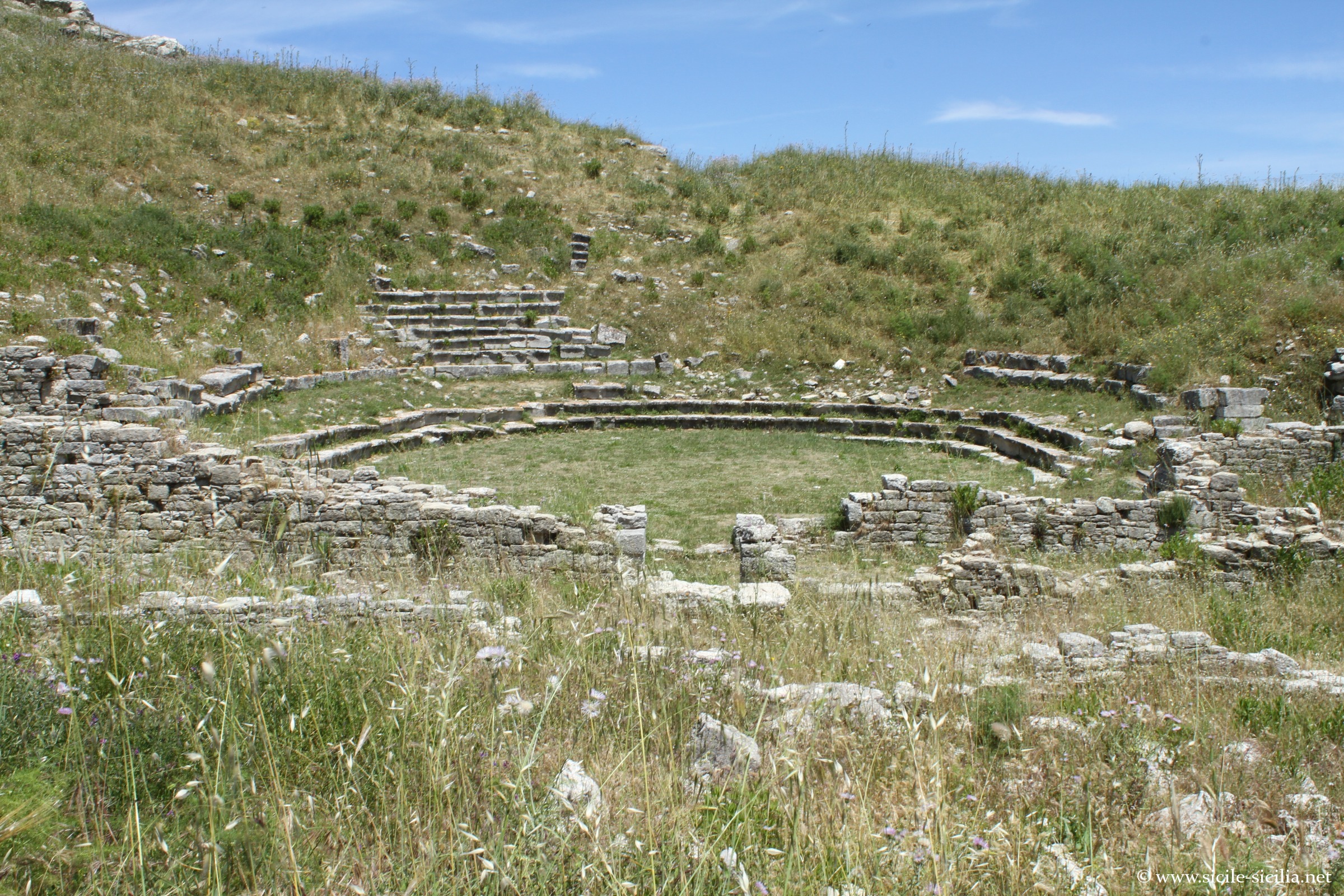
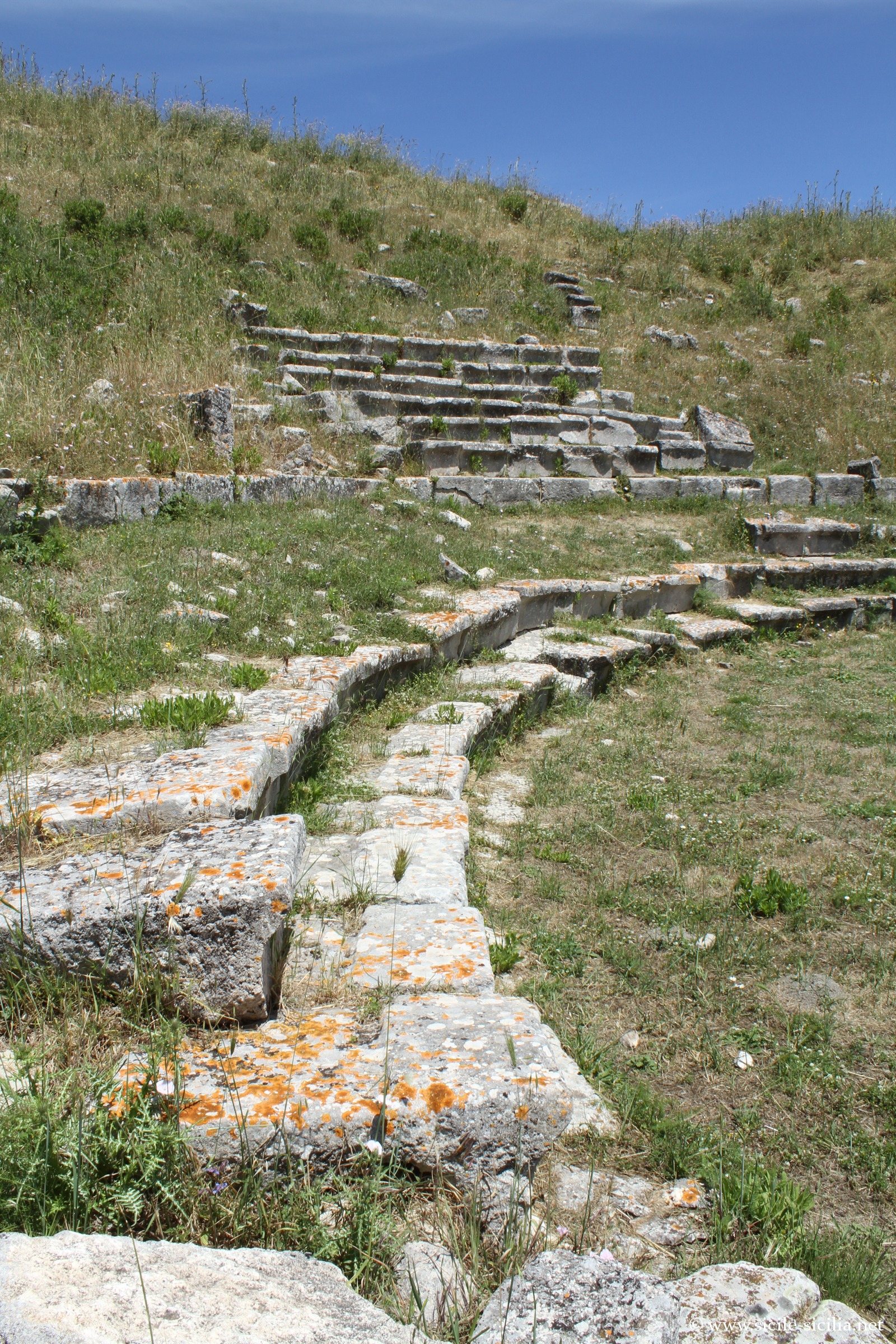
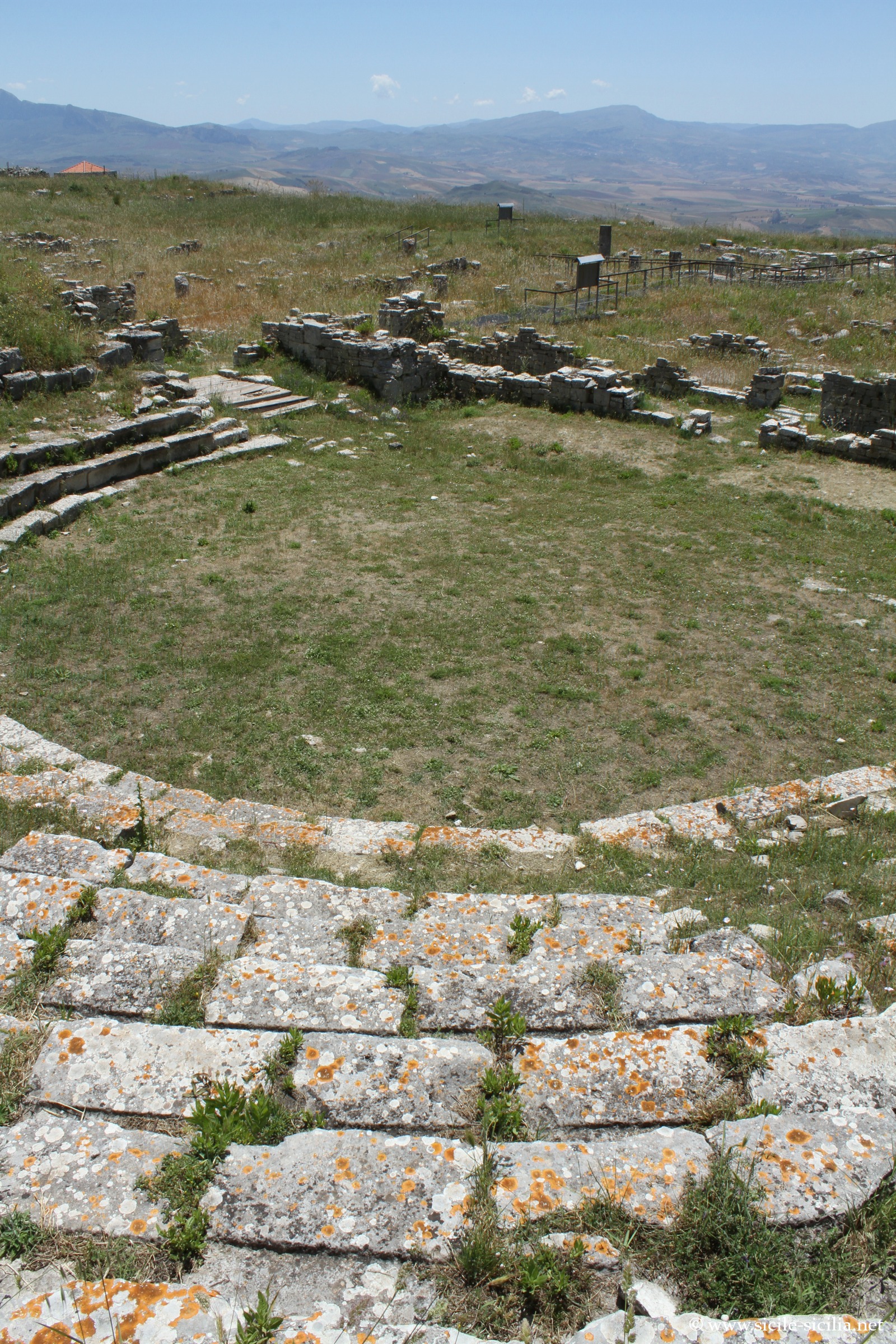
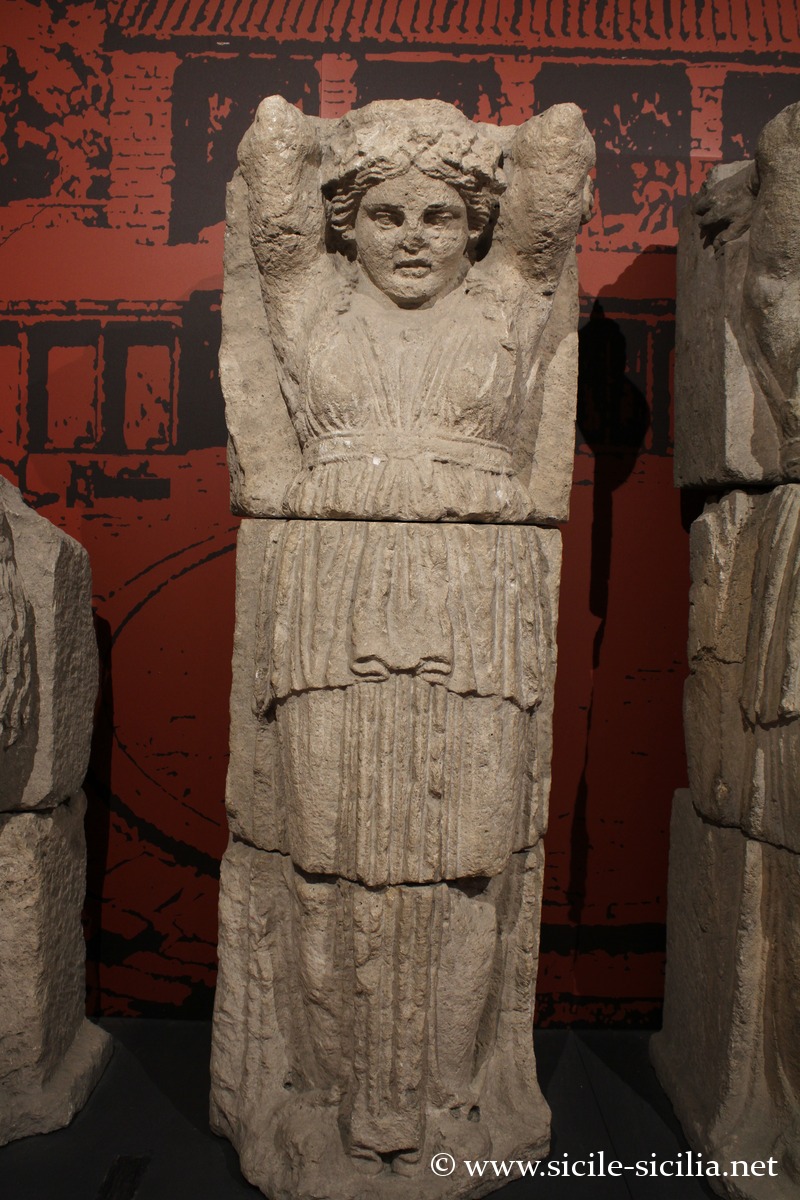
To the north-west of the agora, below the summit of the mountain, the theatre of Iaitas dates from the 4th century BCE and had a capacity of about 4500 people, with a stage whose facade was adorned with four statues linked to the cult of Dionysus (maenads and Atlantean satyrs), now kept in the Antiquarium.
It was therefore one of the largest theatres in Sicily, of which only a small portion remains, having served as a stone quarry in the Middle Ages.
Its cavea, backed against the slope, measured 68 metres in width and, with 35 rows of tiers divided into three sectors, of which only the 3 lower ones remain (the proedria), reserved for magistrates and notables.
The stage was remodelled several times.
Western quarter
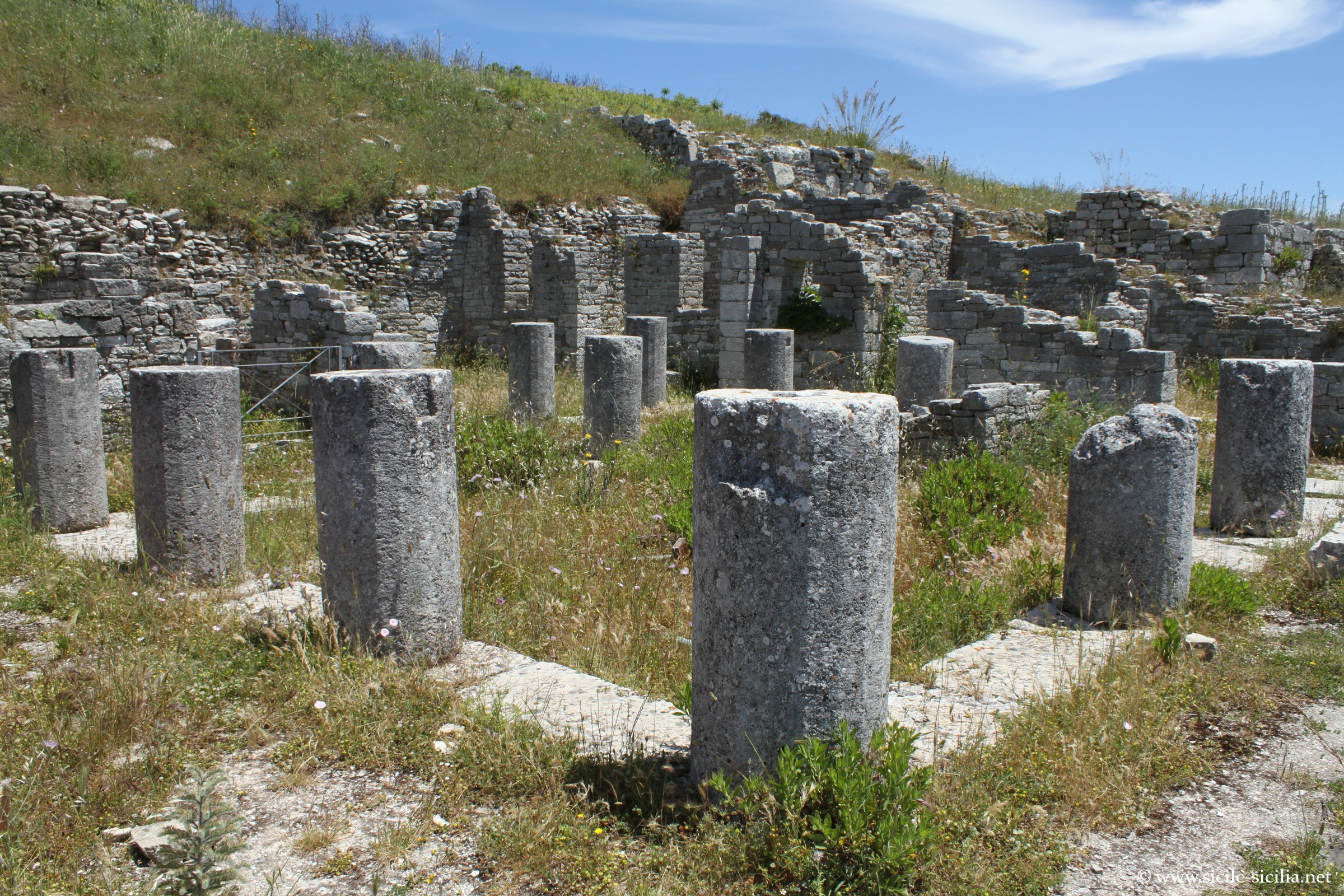
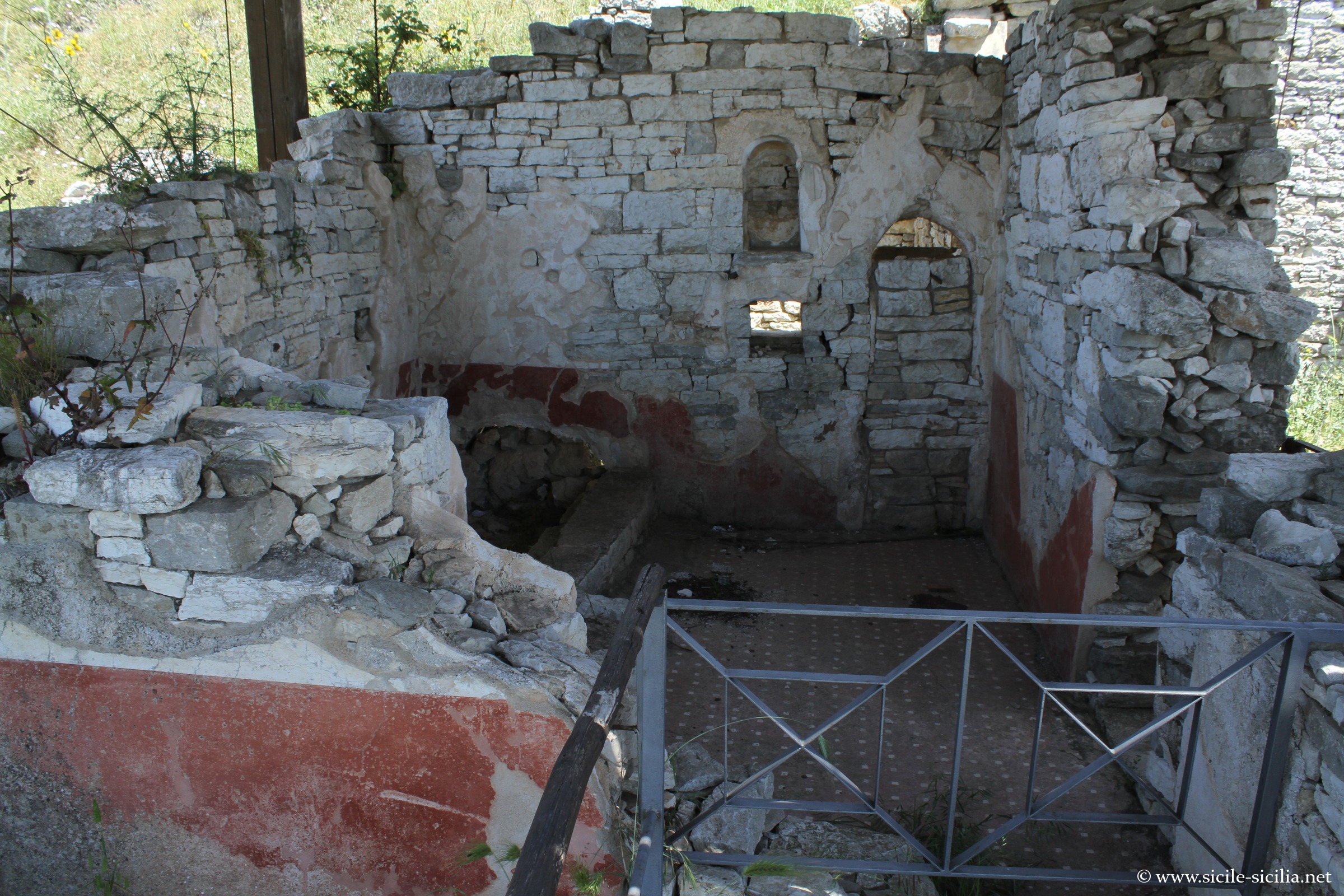
House with peristyle
One then reaches the foundation walls of the oldest area discovered. There was also the Temple of Aphrodite, built in the 6th century and renovated in the 4th century BCE. It had no colonnade; its attribution is deduced solely from an inscription engraved on a fragment of a cup found on site.
Nearby are two important houses with peristyles, among significant aristocratic residences of great quality. They had two storeys, organised around a paved inner courtyard surrounded by two orders of columns (Doric on the lower level, Ionic on the upper), with distinct spaces for men and women, a bathroom with hot water, etc. On the threshold, a Greek inscription reads: “Greetings… now you will go away joyful”.
Antiquarium of the archaeological park

Sculptures from the theatre stage
At the foot of the archaeological site, the Antiquarium of Monte Iato, a municipal museum, preserves the discoveries from the archaeological site, as well as photographs, drawings and reconstructions.
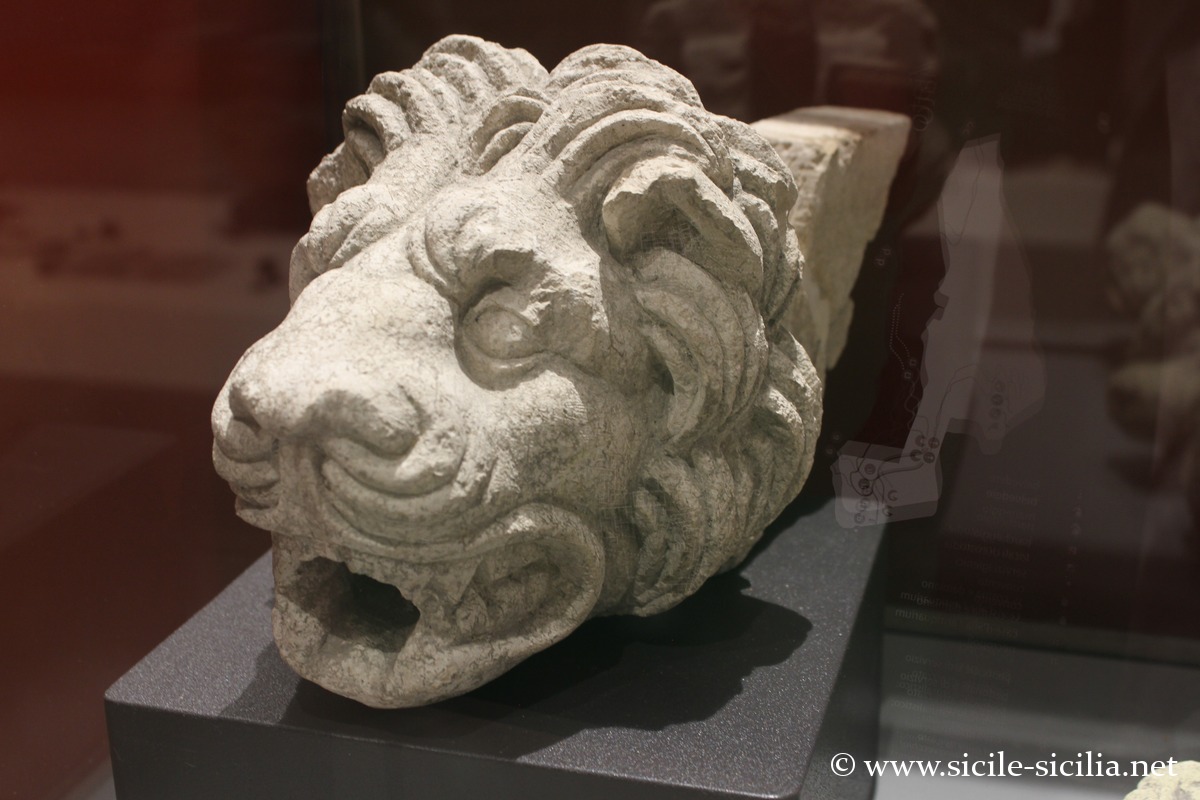
It houses four limestone statues that stood on the stage of the theatre, two metres high with their arms raised to support a lintel: two maenads (women with an ivy crown on their heads) and satyrs (men with horse ears). There are also two crouching lions that decorated the base of the cavea, etc.
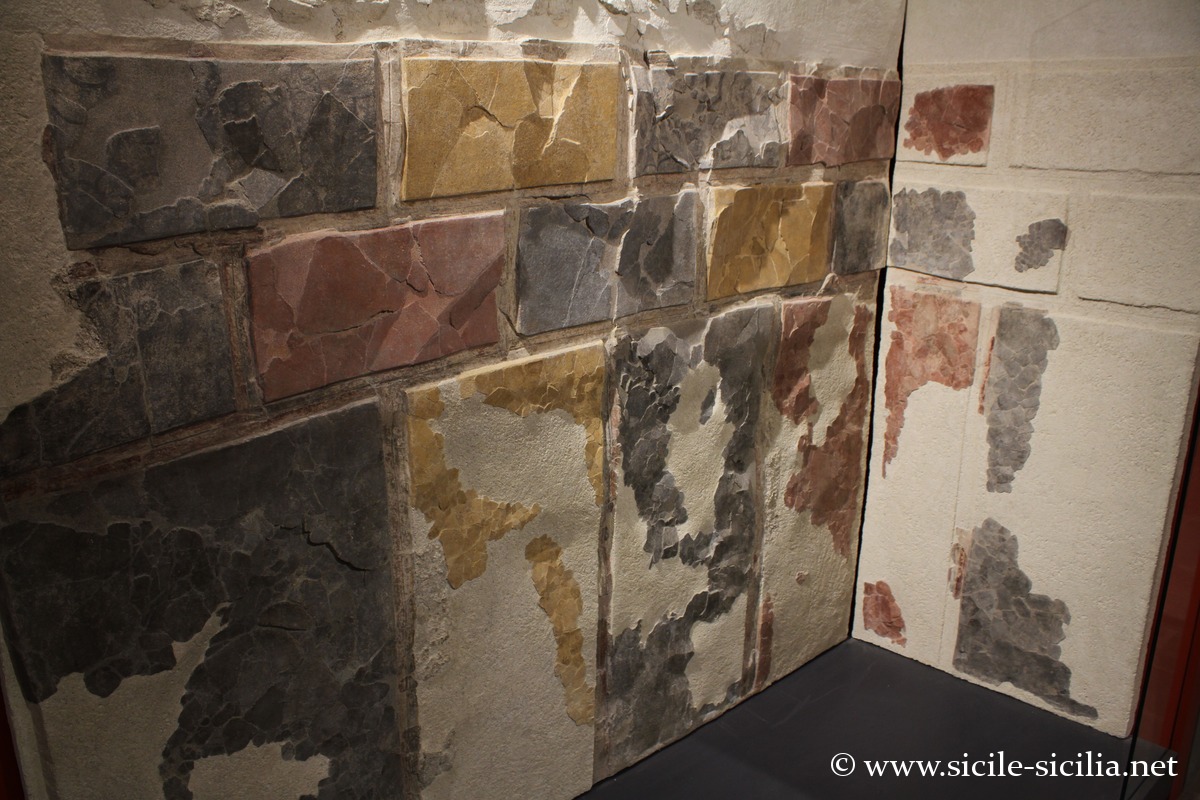
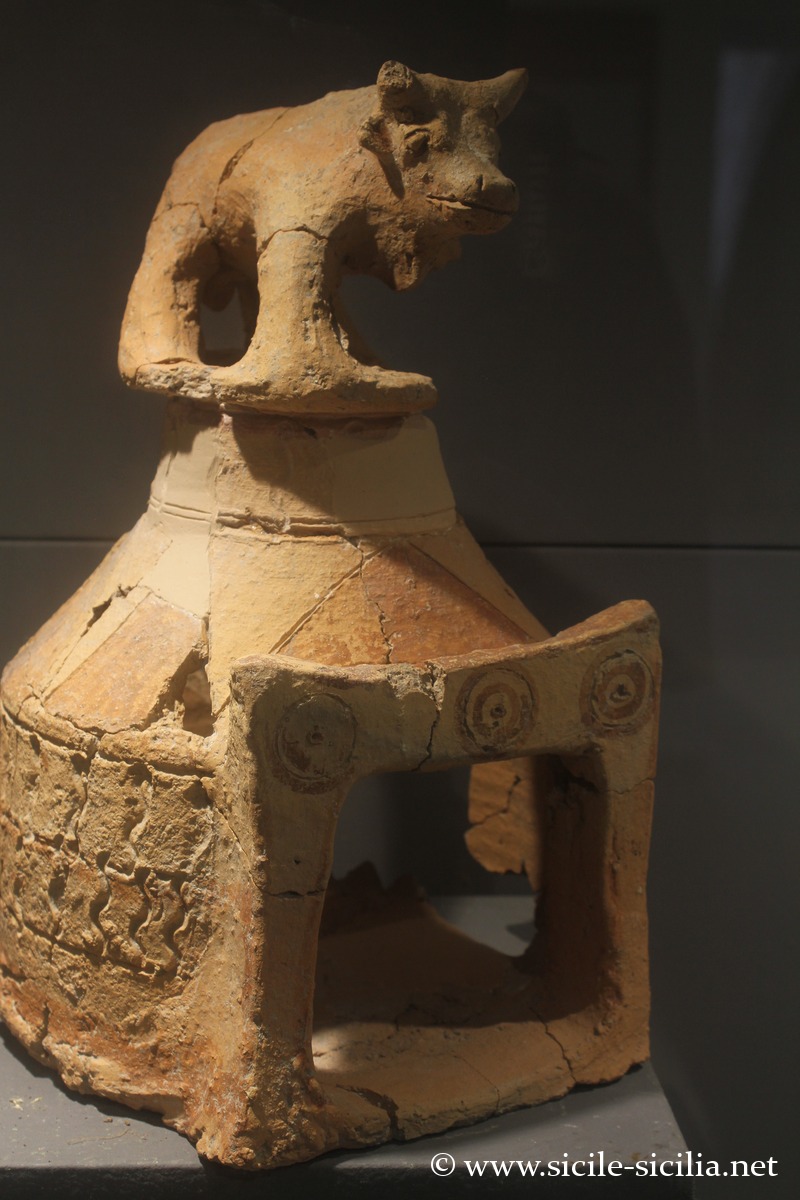
A few objects come from the temple of Aphrodite, and for the rest they are votive vases, pottery, capitals, cups, amphorae, or even medieval ceramics.
Tour gallery
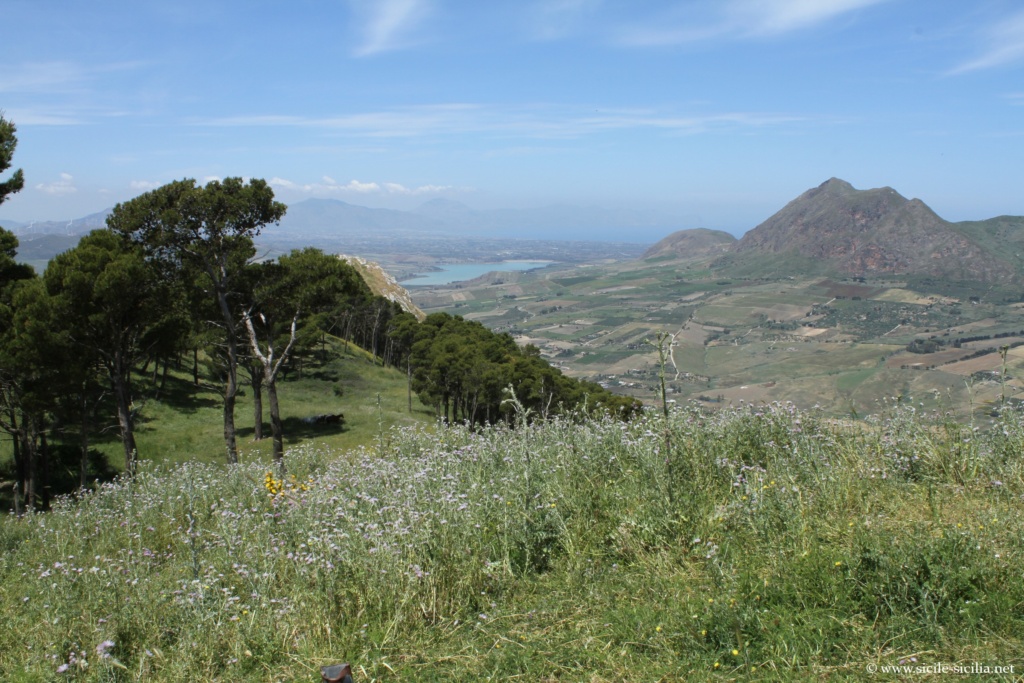

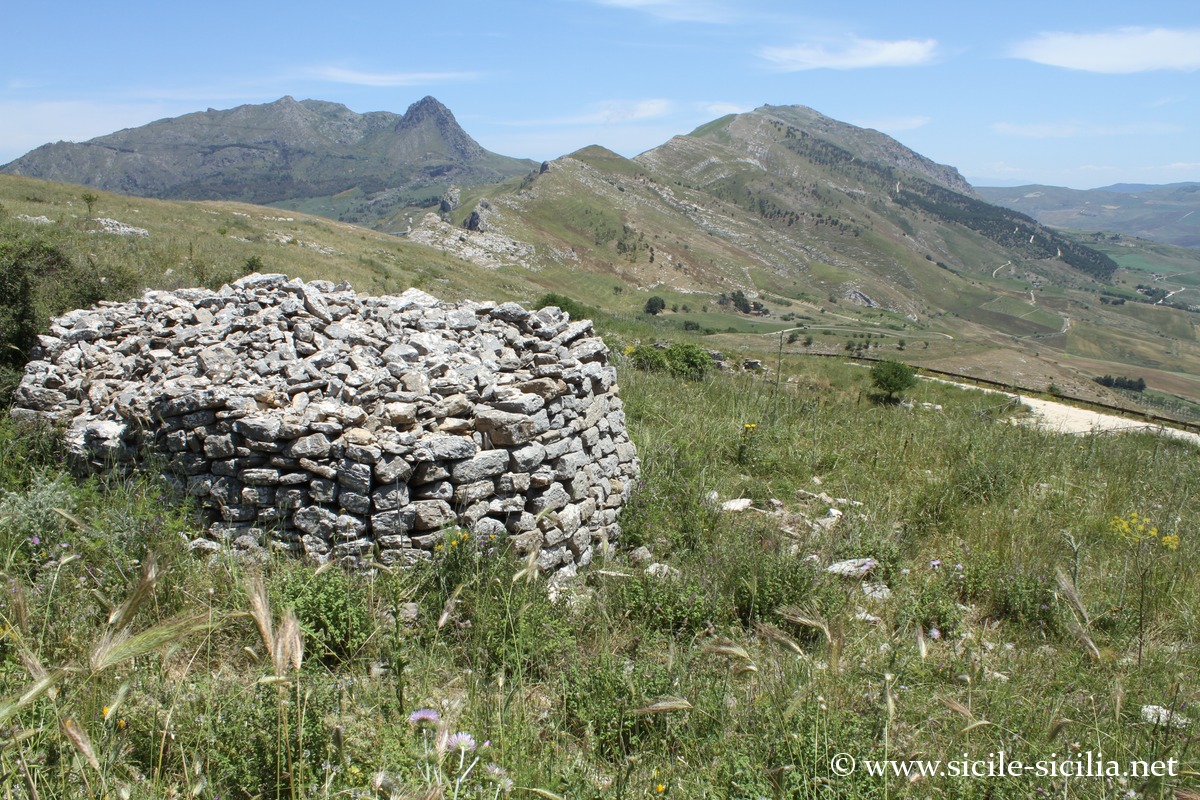
Panorama towards the north-west 

Panorama towards the north 
House with peristyle, western quarter 
House with peristyle, western quarter 
House with peristyle, western quarter 
Theatre of Laitas 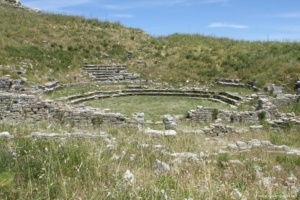
Theatre of Laitas 

Theatre of Laitas 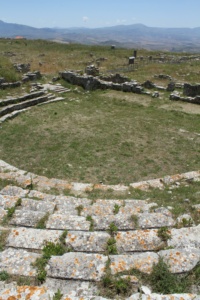
Theatre of Laitas 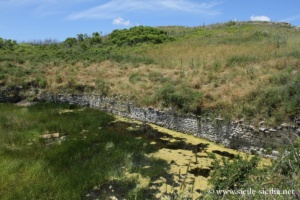
Cistern 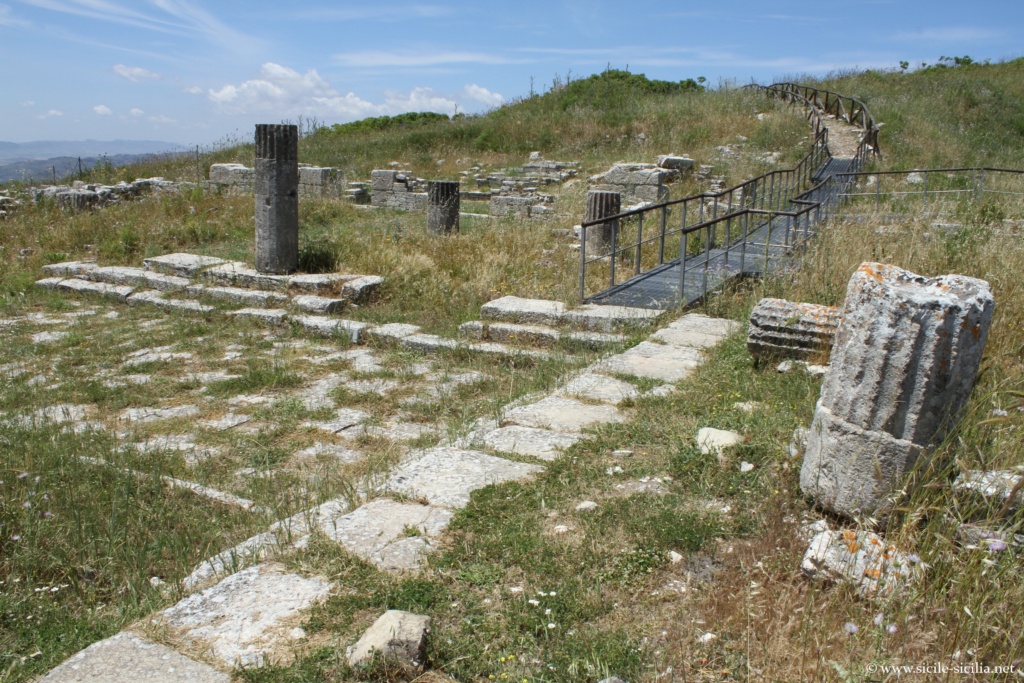
Agora 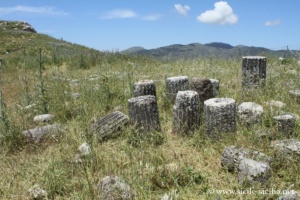
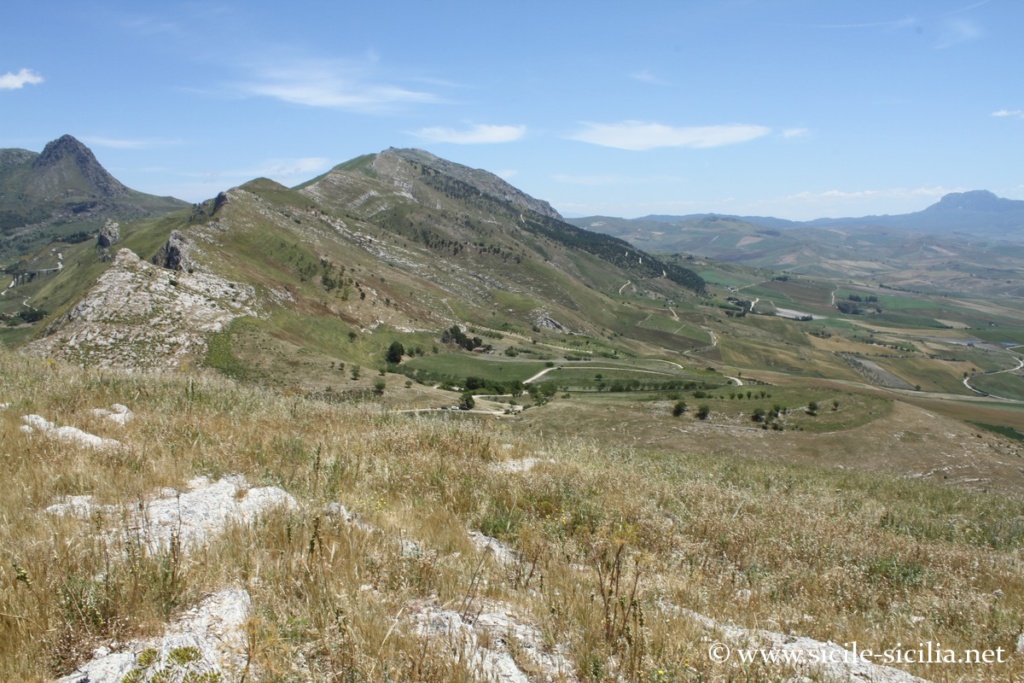
Panorama, towards the south-east 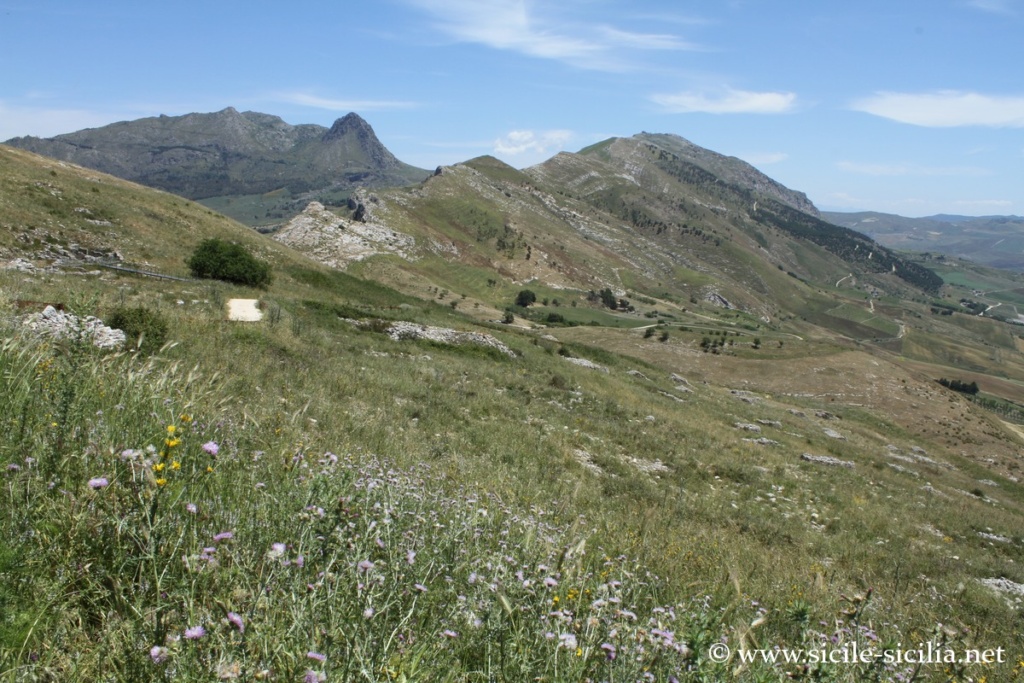
Panorama, towards the east 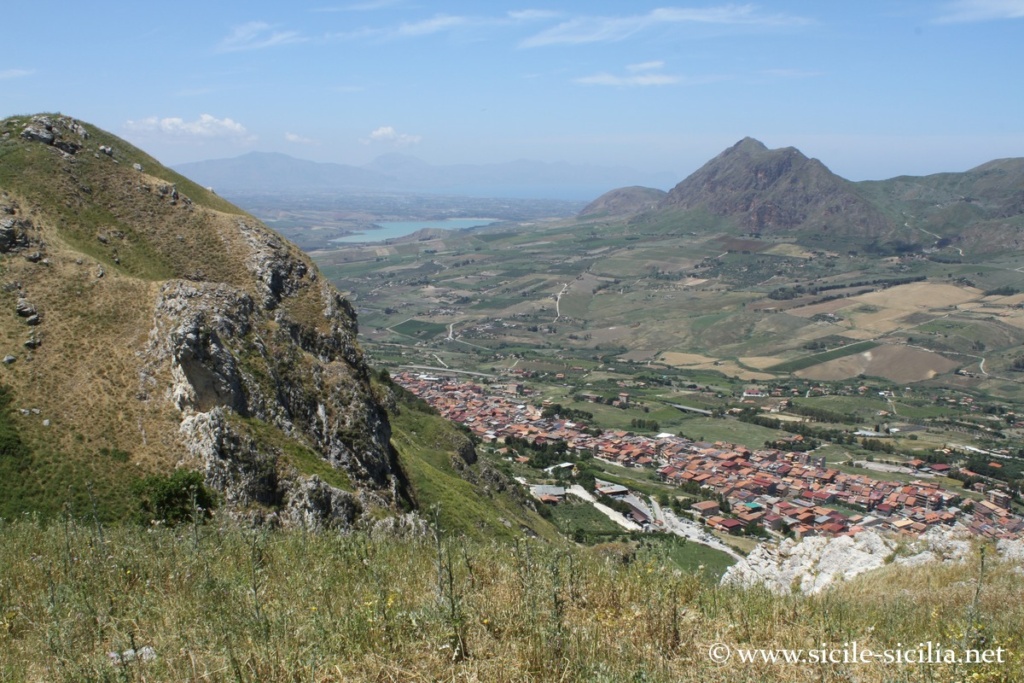
Panorama towards the north-west 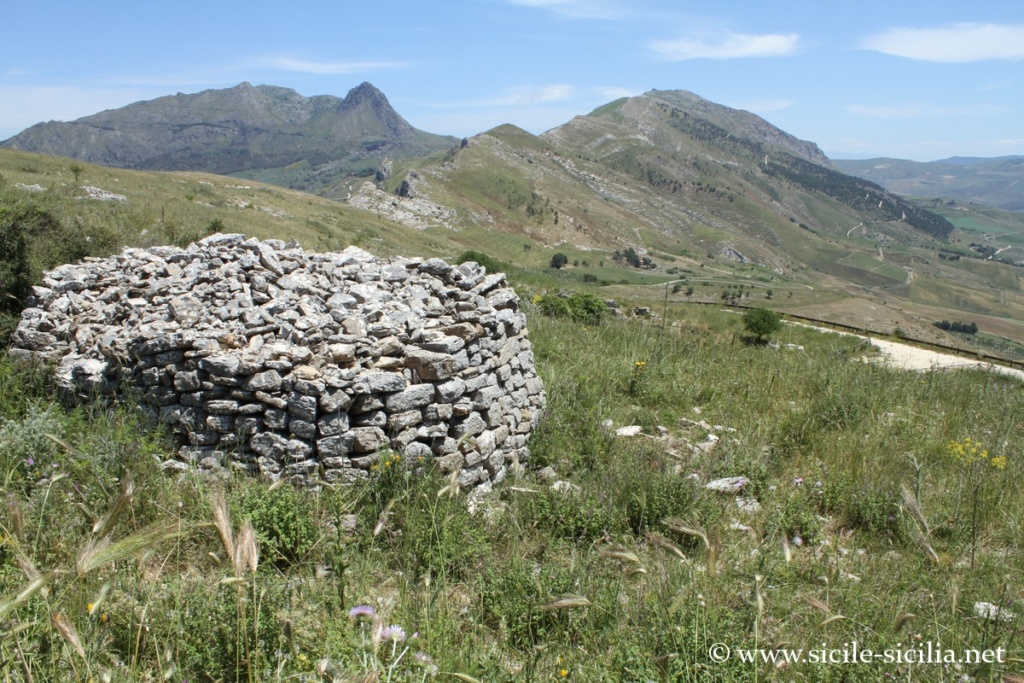
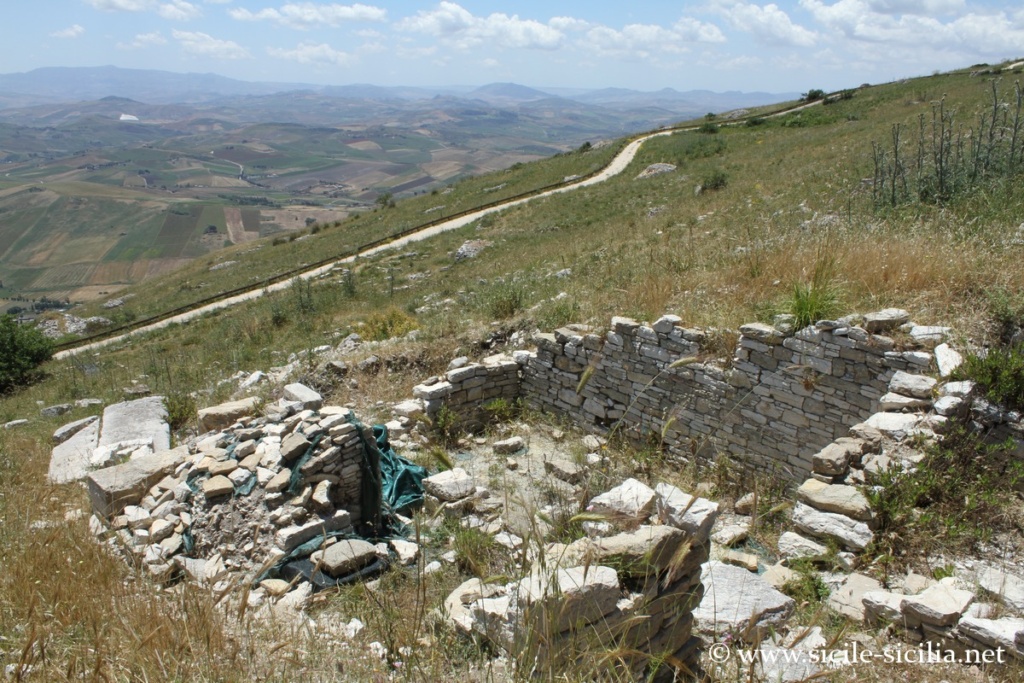
Eastern quarter 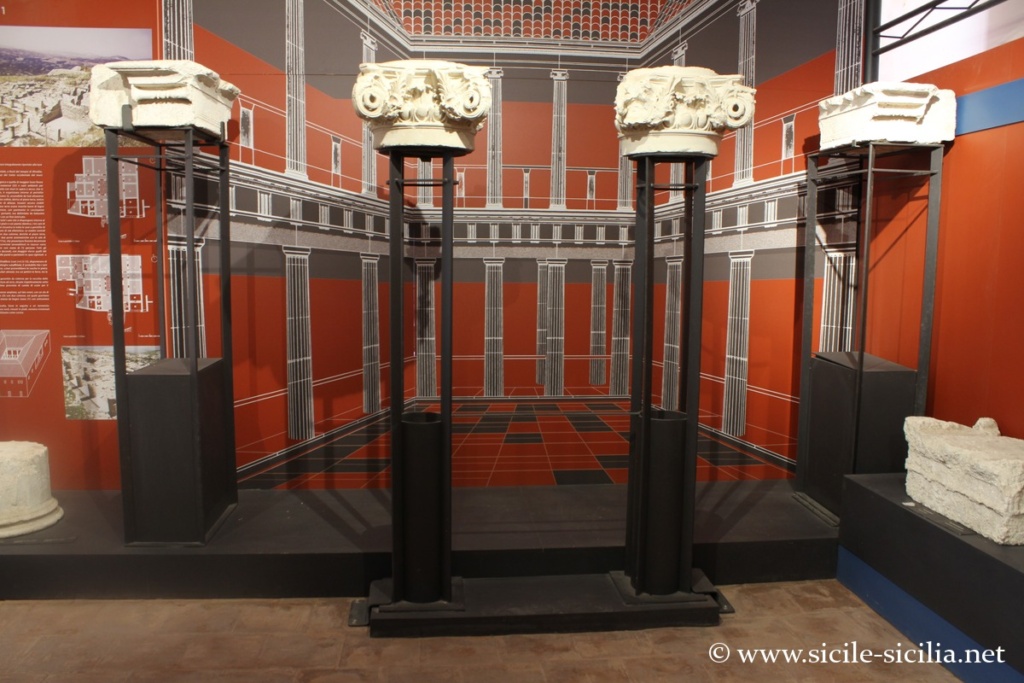
Columns of a house with peristyle 
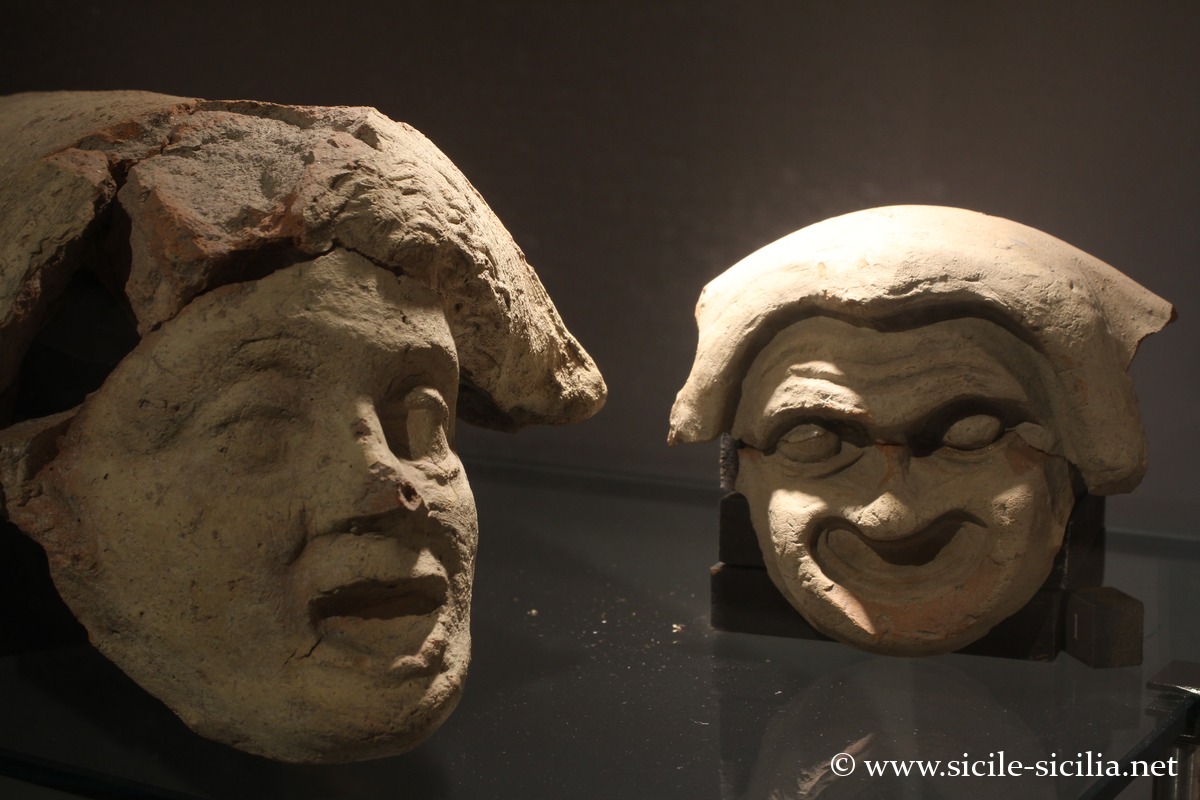
Protome of the theatre 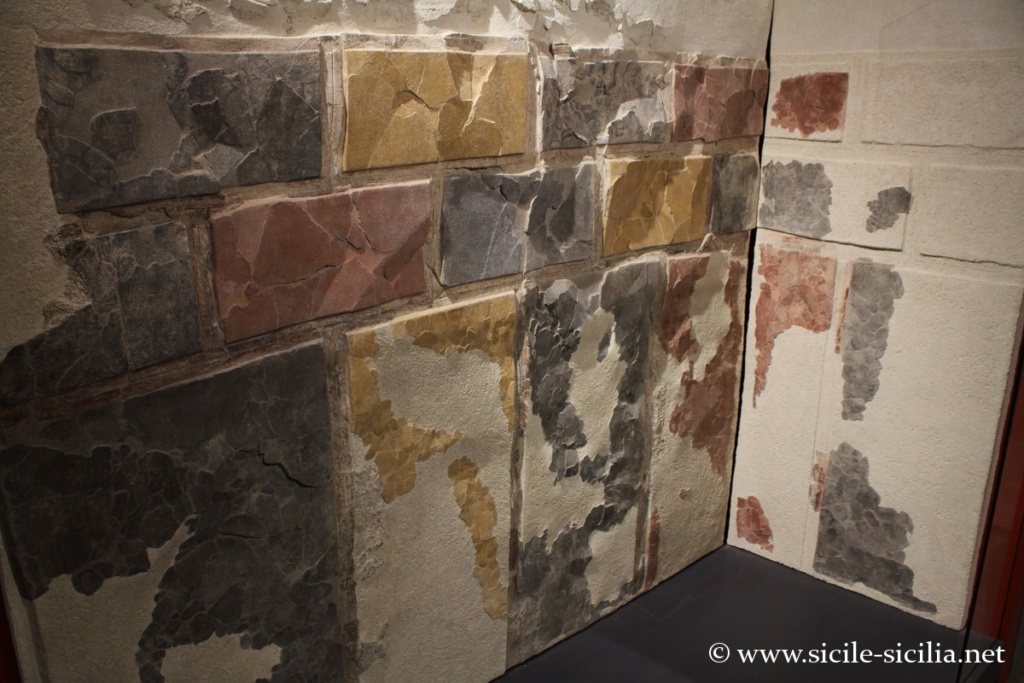
Eastern quarter, walls of the 2nd century BC 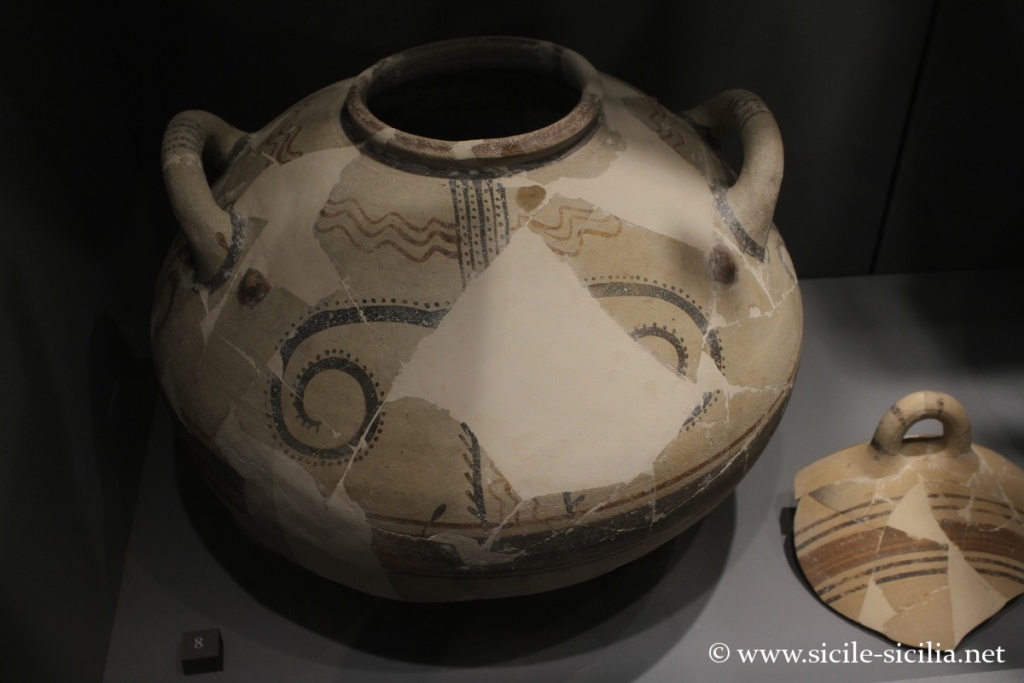
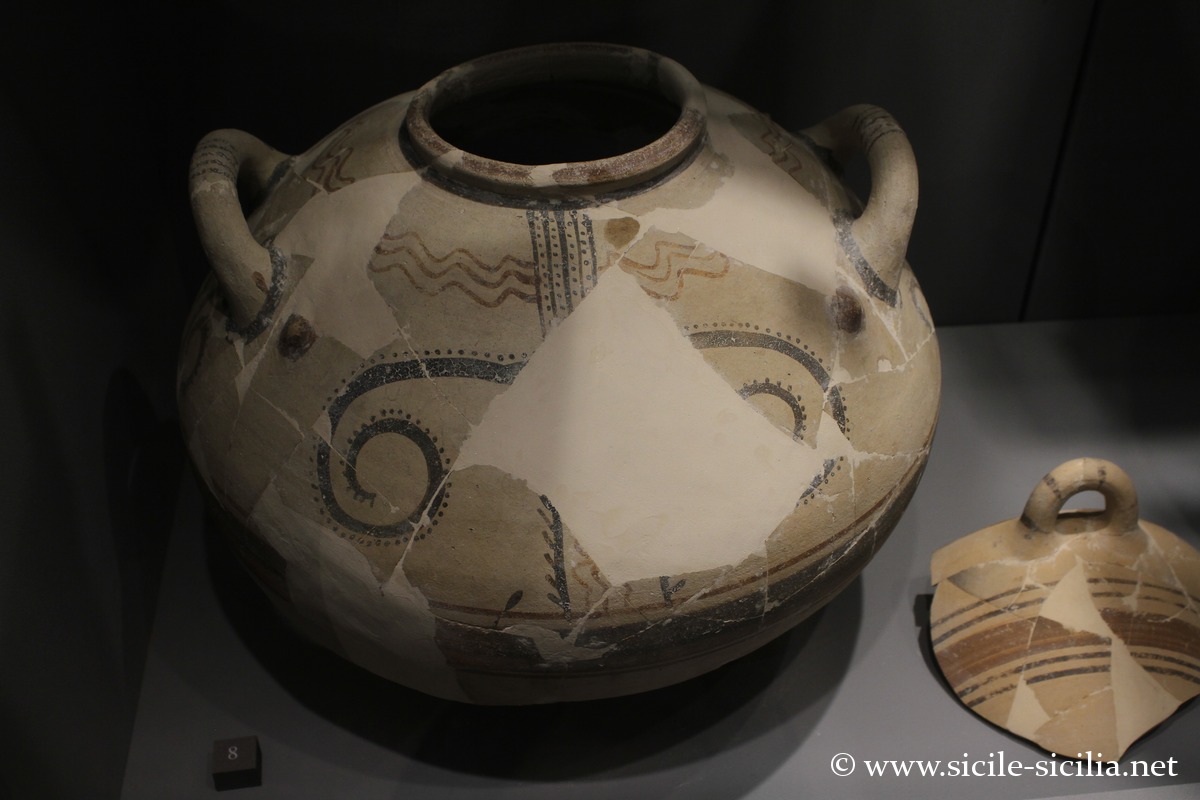
Krater, late archaic (6th century BC) 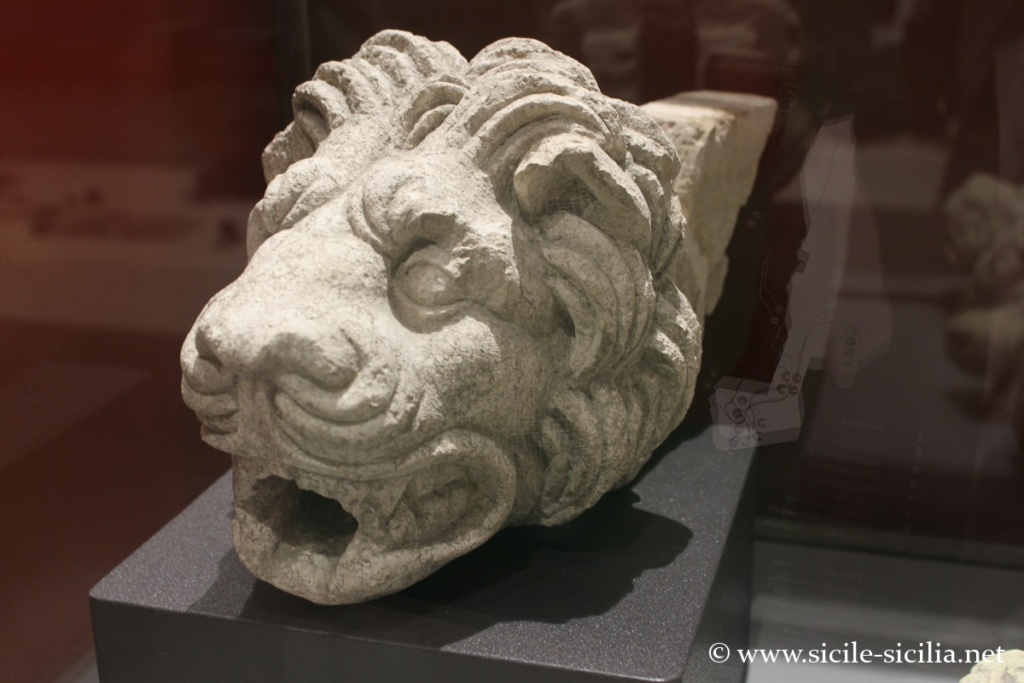
Limestone lion (3rd century BC) 

Tiles with stamps 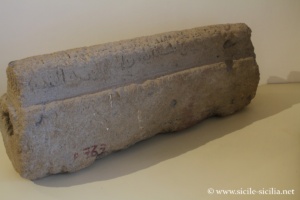
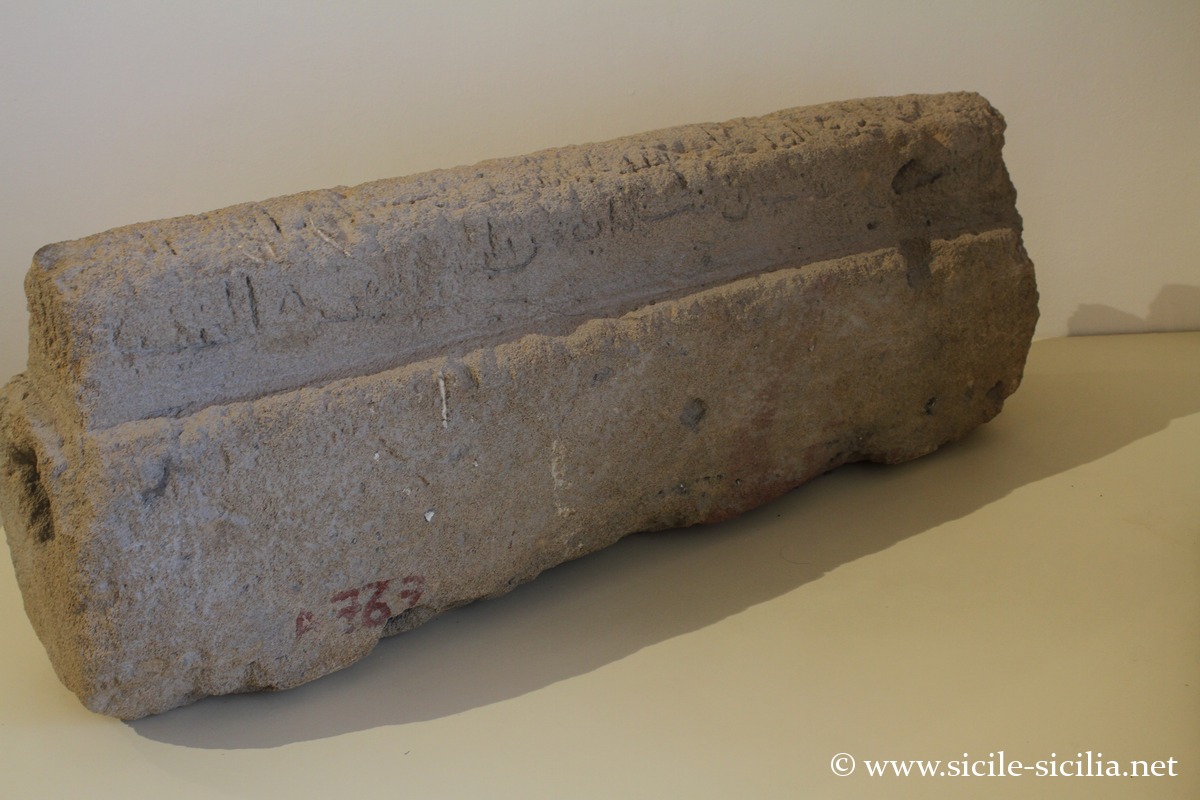
Arabic inscription





Where Laitas is located and map
If you see this after your page is loaded completely, leafletJS files are missing.
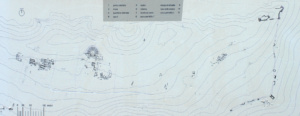

plan of the archaeological site 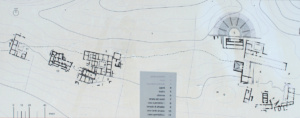

Agora and western quarter

History of Laitas
Although the surrounding area had been occupied since the Neolithic, evidence of a first village dates back to the 8th century BC, probably much older and inhabited by the Elymians.
It is located on one of the routes, the least rugged, that linked Panormos (Palermo) to Selinunte.
Archaeology has revealed Greek ceramics from the 6th century BC, and the introduction of the cult of Aphrodite. It was mainly between the 6th and 4th centuries BC that the city experienced its main developments, temples, the agora, and residential quarters. There were later Hellenistic rearrangements, and the theatre at the end of the Hellenistic period.
Of Punic culture and more or less subject to Carthage in the 4th century BCE like the western part of Sicily, Diodorus mentions that it was attacked by Pyrrhus I around 275 BC, then surrendered to the Romans during the First Punic War (264-241 BC).
It is known that it was subsequently occupied by the Arabs, but that under Frederick II of Swabia (after the Norman occupation) the city rebelled, during the conflict between the new Swabian regime and the Muslim populations of Sicily. Frederick II destroyed it and deported the inhabitants to Lucera in Apulia, in the years 1222-1223.
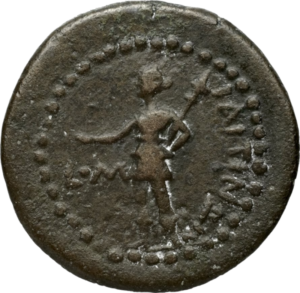

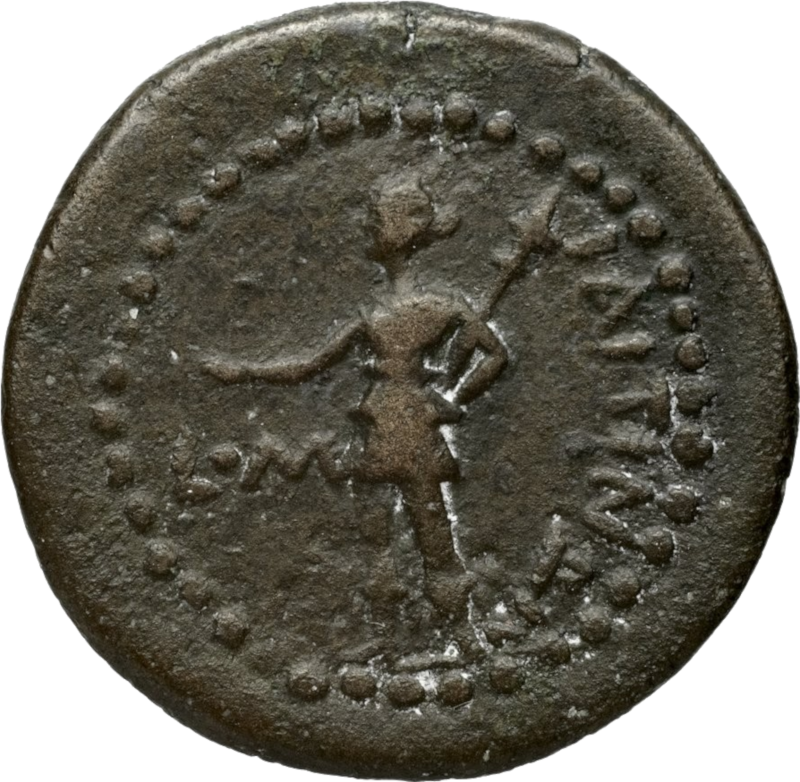
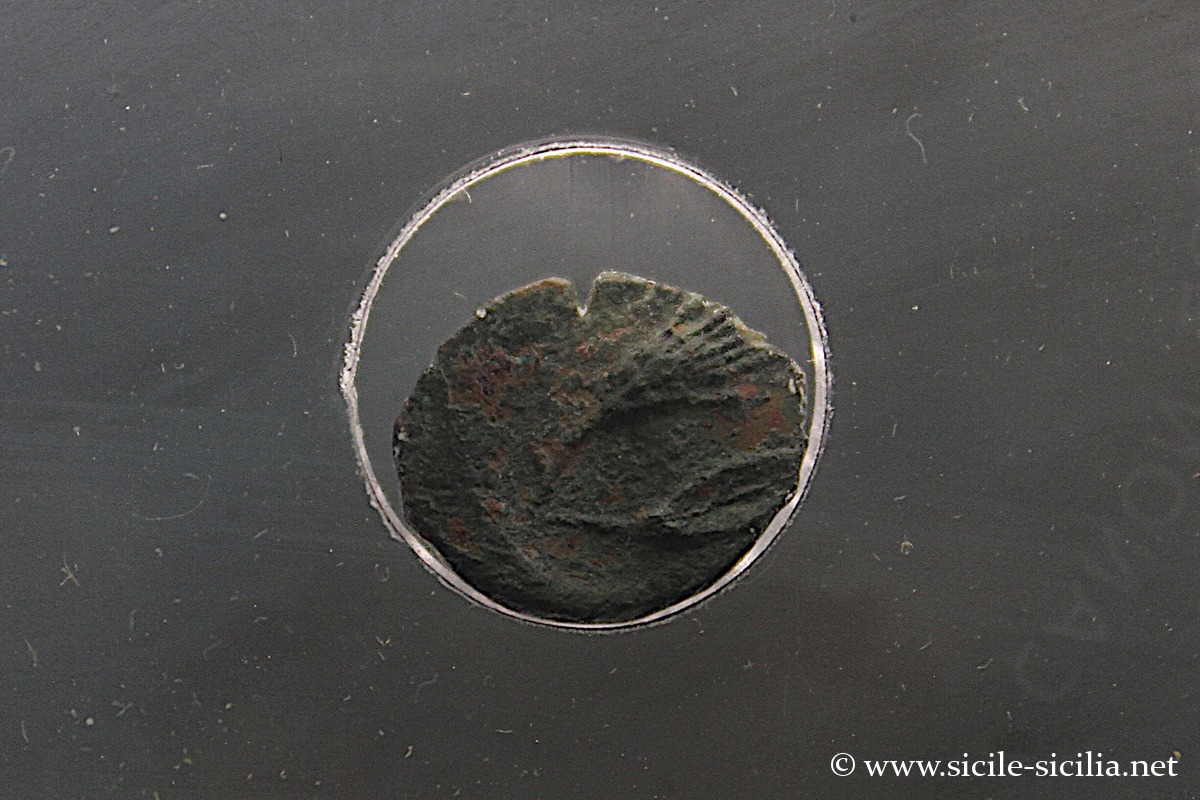
Bronze of Laitas 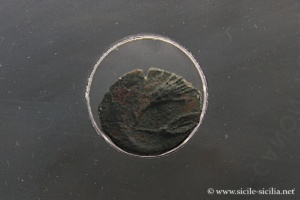
Onkia of Laitas, laurel leaf (approx. 400 BC) 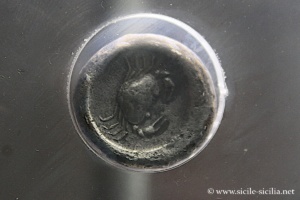
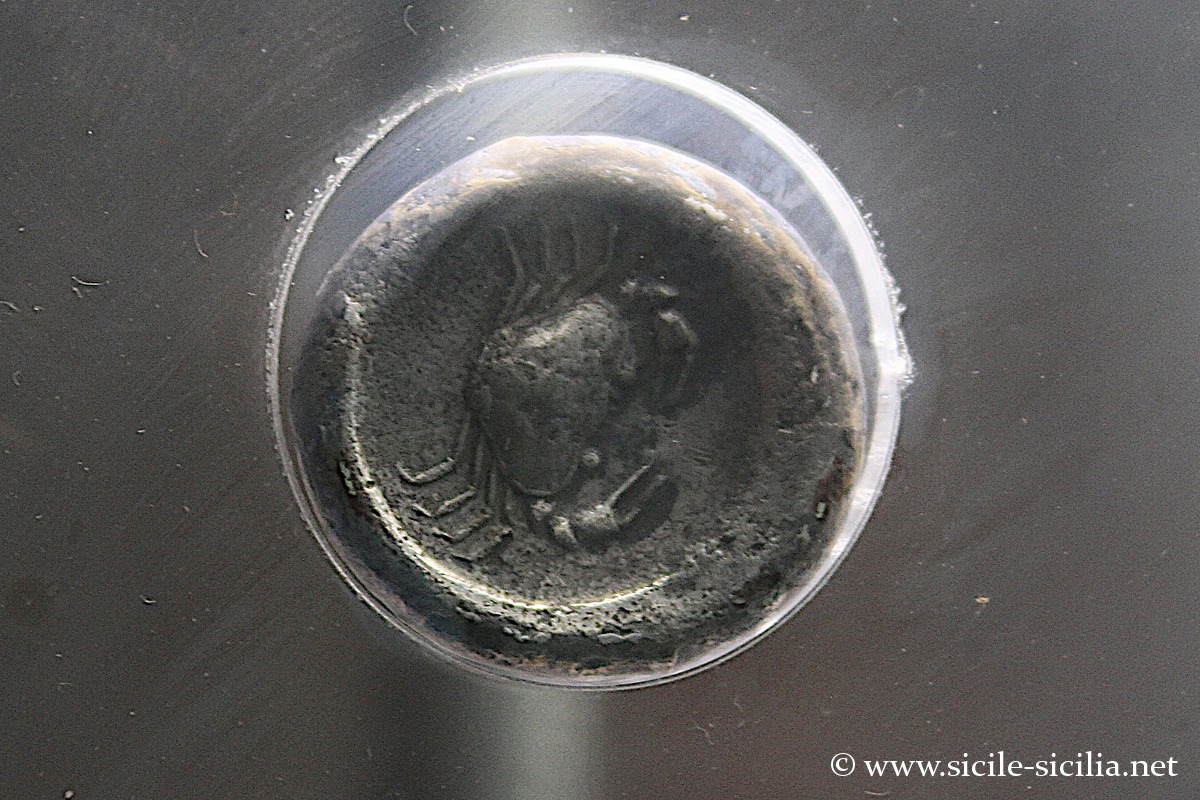
Didrachm of Agrigento (approx. 480 BC) 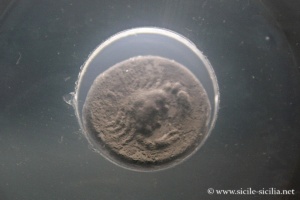
Drachma of Himera (approx. 478 BC)

Information
External sites
- Laitas: it.wikipedia.org/wiki/Iaitas
- Archaeological area of Monte Jato: parchiarcheologici.regione.sicilia.it, www.palermoviva.it, www.sitiarcheologiciditalia.it
- Antiquarium: parchiarcheologici.regione.sicilia.it
Surroundings of Palermo
- Sicani Mountains
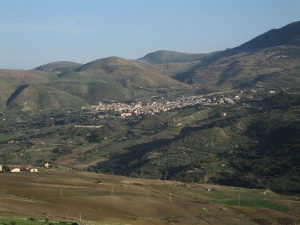
 The Sicani Mountains are a mountain range in the hinterland of western Sicily, straddling the ...
Comments in other languages
It is also possible to reach the archaeological site from the village of San Cipirello (1.7 km and 400 meters of elevation gain), or from San Giuseppe Iato (1.7 km and 300 meters of elevation gain). But the paths are poorly marked and not very safe.