

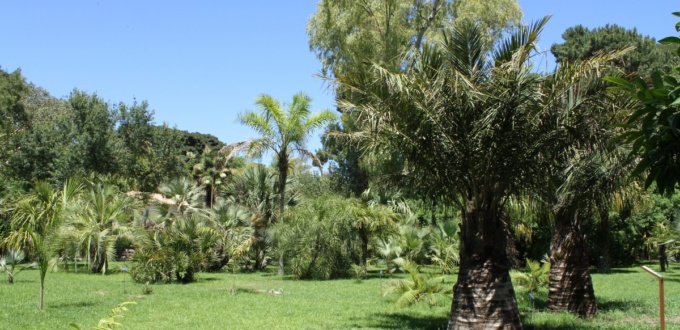
The Palermo Botanical Garden is of European interest, both historically and scientifically.
Its creation in 1781 was part of the cultural climate of the “Enlightenment” followed in Sicily at the end of the 18th century, when the Accademia dei Regi Studi of Palermo (annexed to the current university) founded the chair of botany and natural history with the aim of studying, classifying and disseminating botanical knowledge.
The garden was inaugurated in its modern form in December 1795.
Species and collections
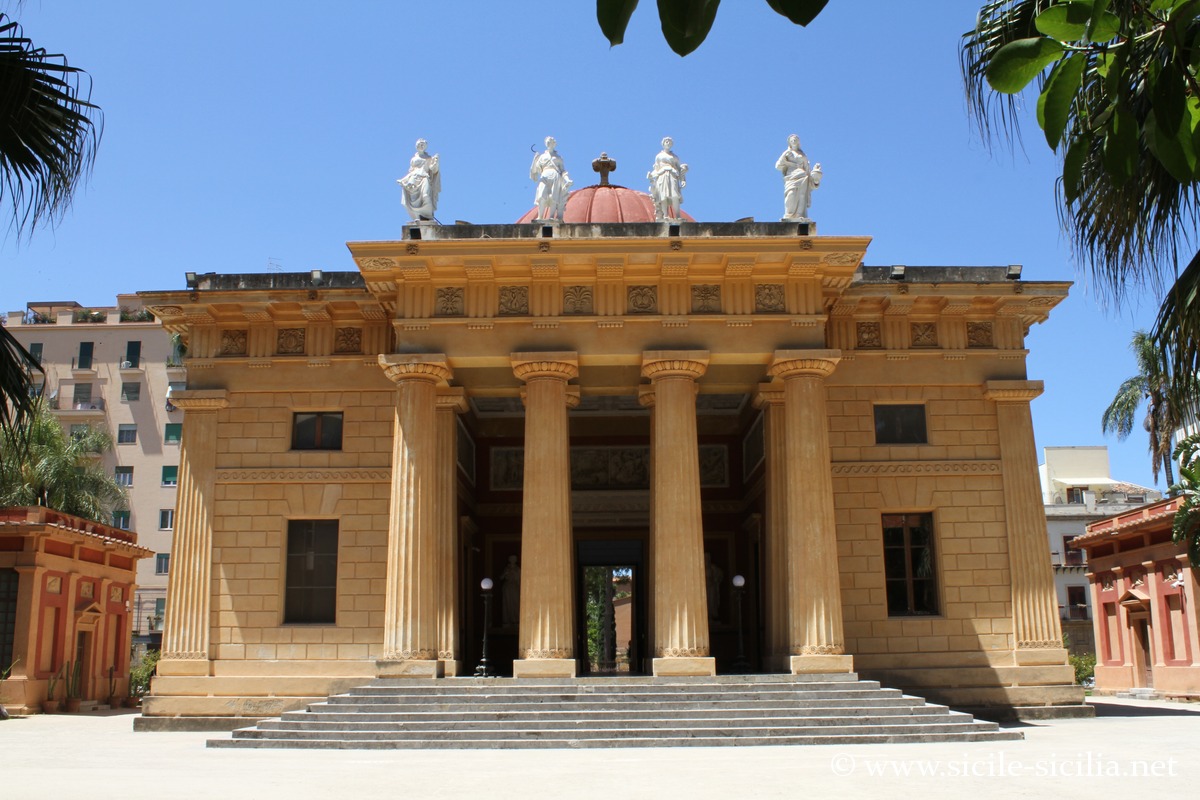
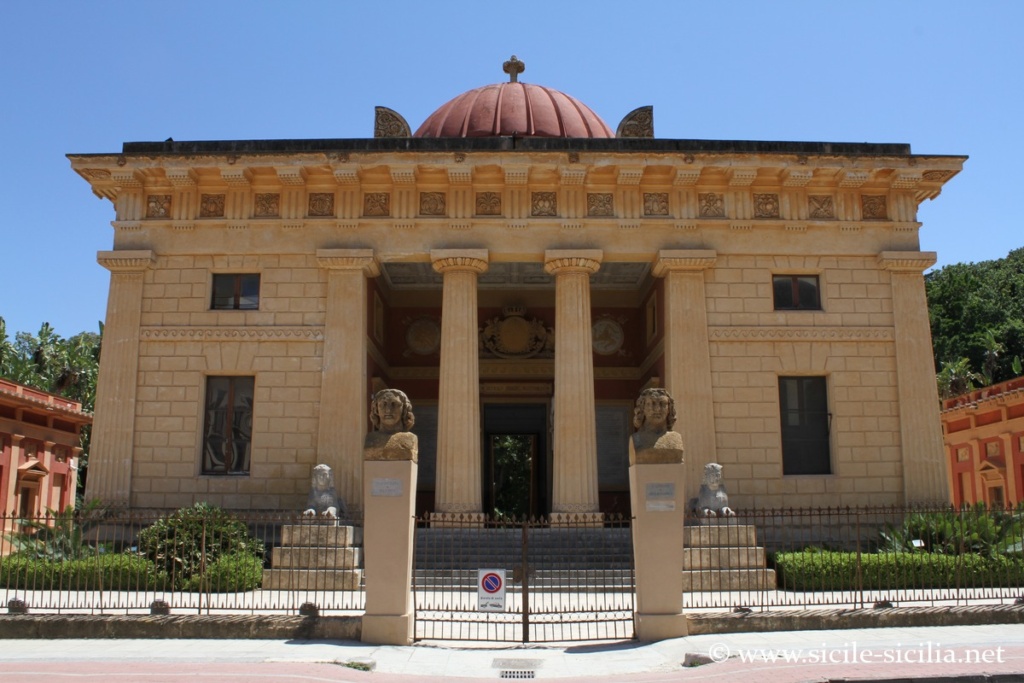
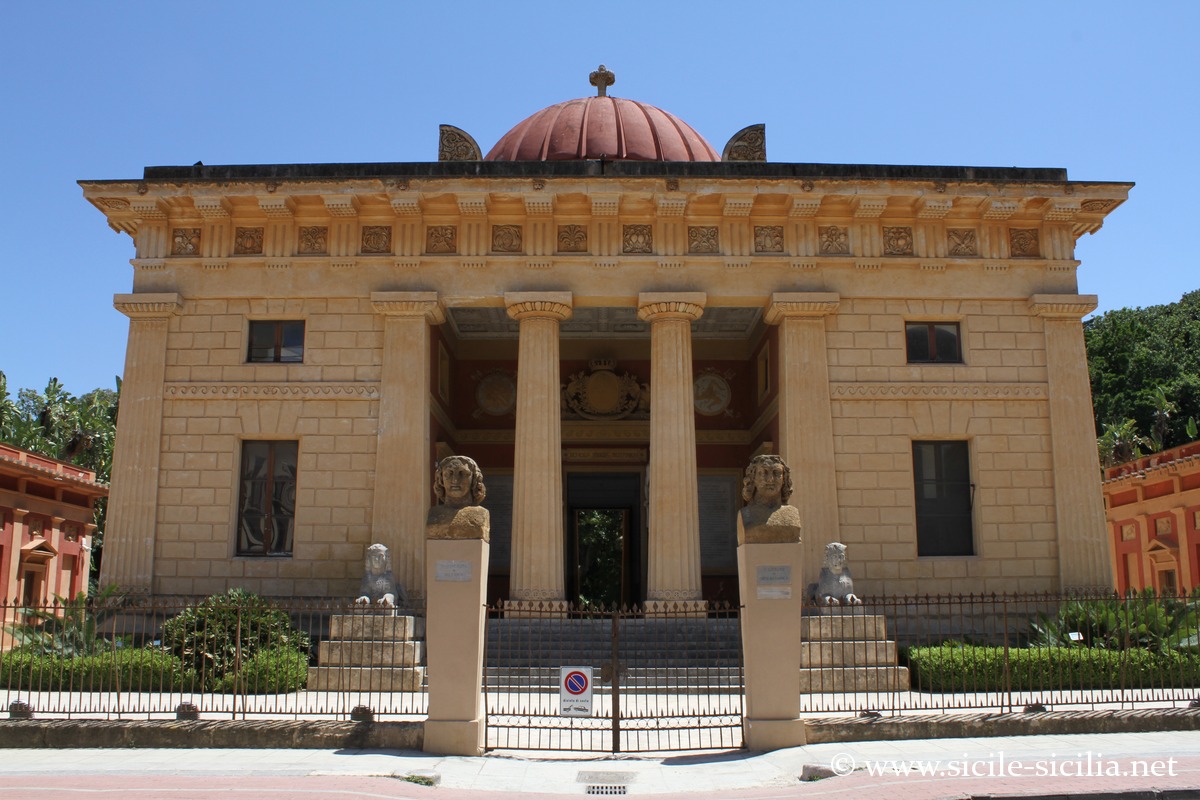
Gymnasium entrance
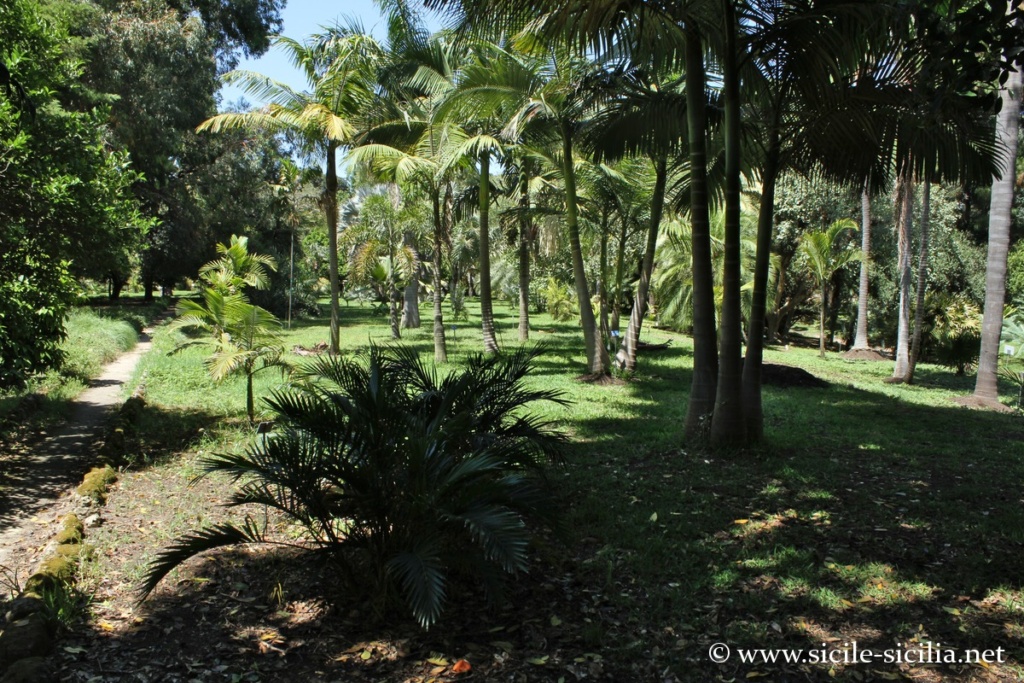
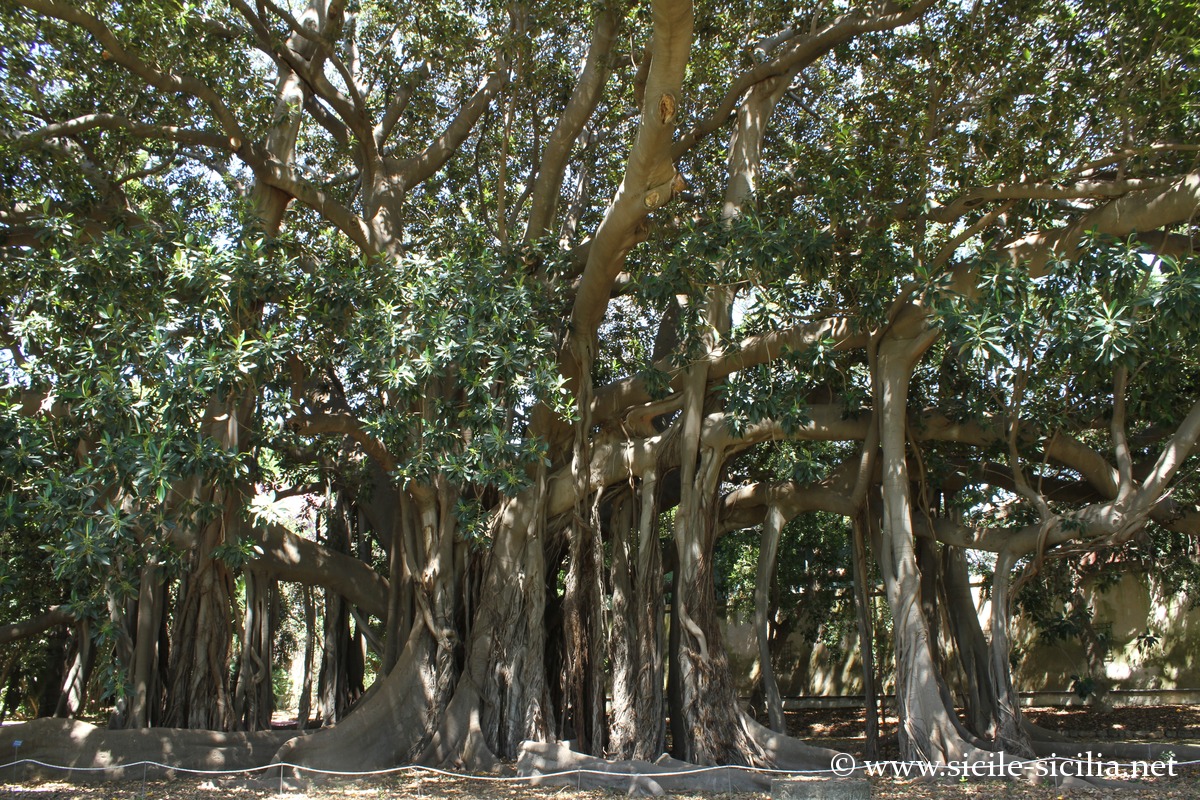
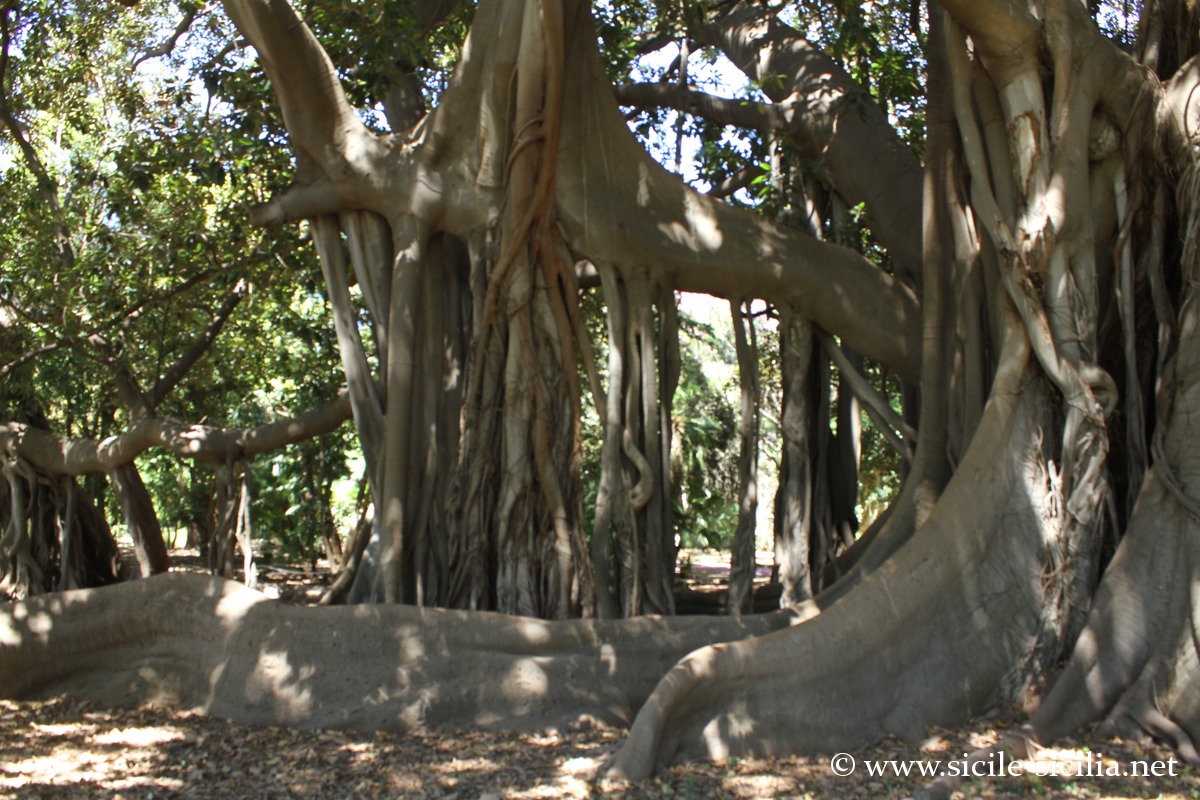
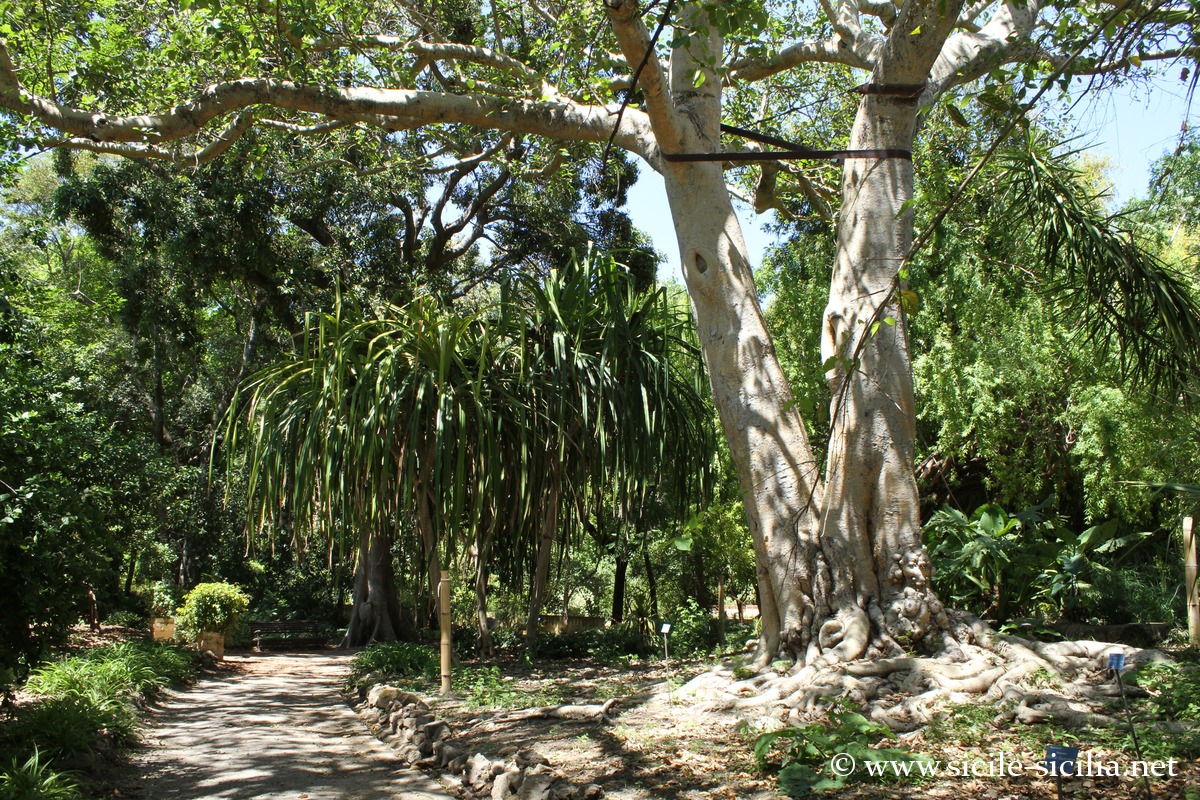
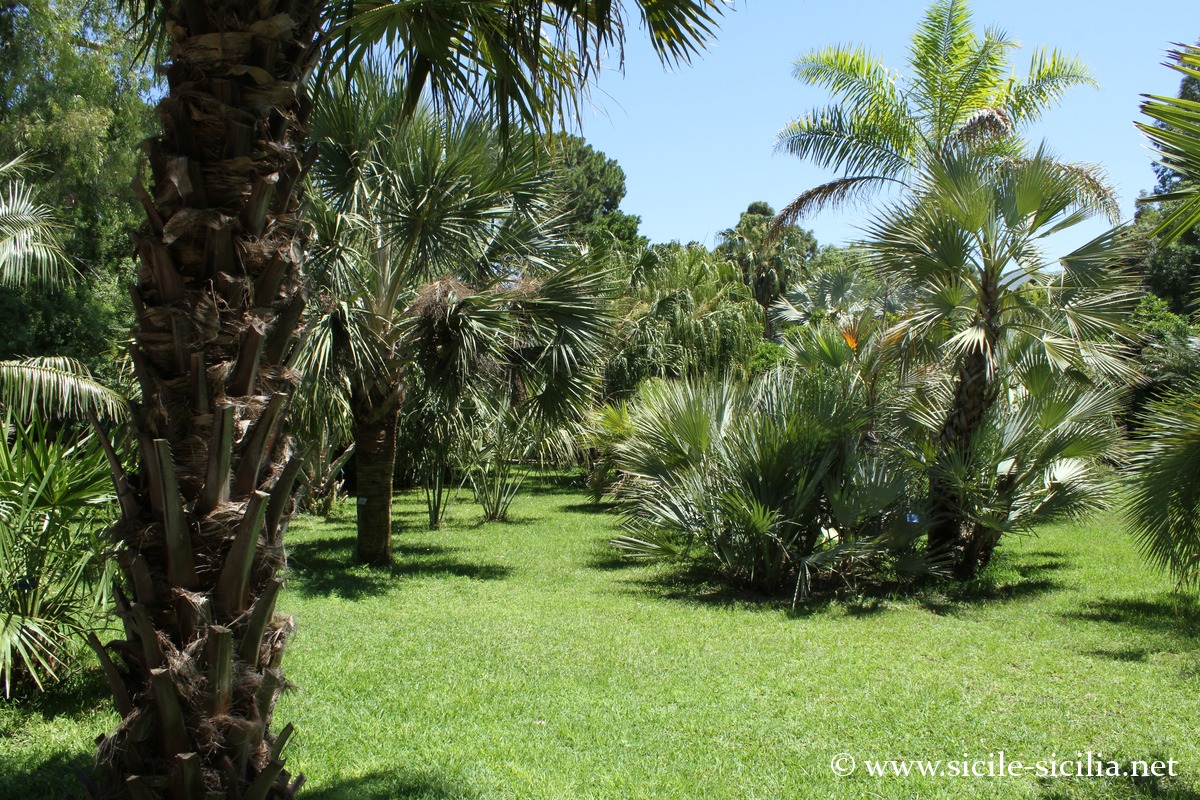
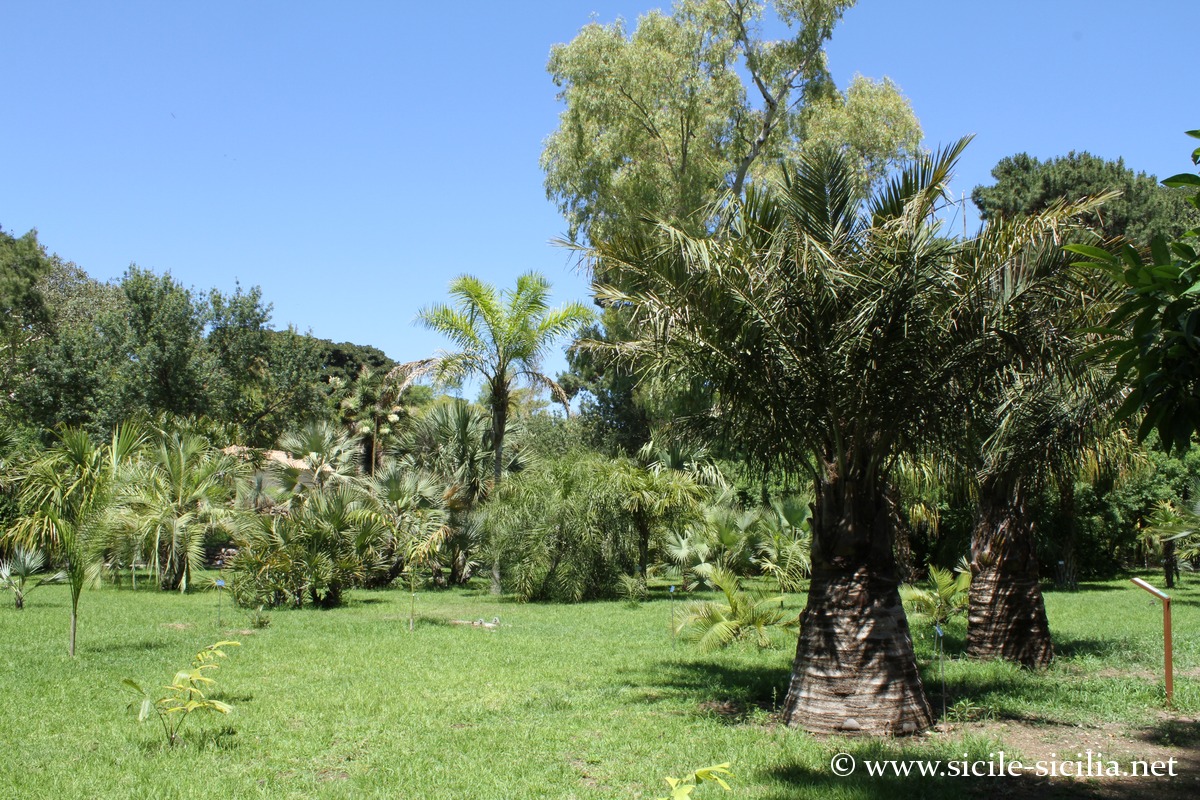
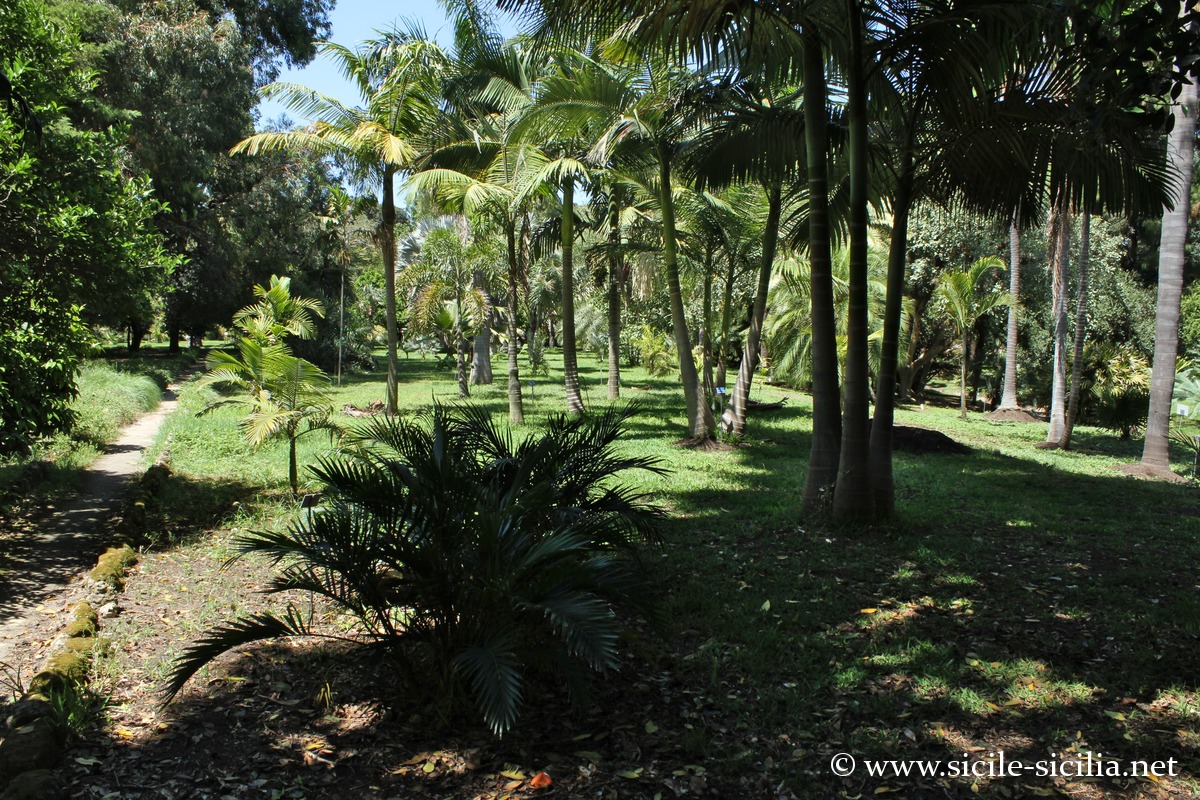
It contains nearly ten thousand species, some of which are rare. The collections cover around 250 plant families, encompassing Mediterranean, tropical, subtropical, succulent and aquatic taxa, with sections dedicated to endemics, rare species and plants useful for scientific research and teaching. One of the most remarkable trees is the Ficus macrophylla (Moreton Bay fig), imported from Australia in 1845, as well as the Ginkgo biloba, considered a true living fossil.
The building that houses the library and herbaria, in Greek neoclassical style, dates back to the 18th century and is known as the Gymnasium, designed by the architect Léon Dufourny. It historically housed the Schola Regia Botanice (school of botany), the Sicilian and general herbarium, and the botanical library (with tens of thousands of works/specimens).
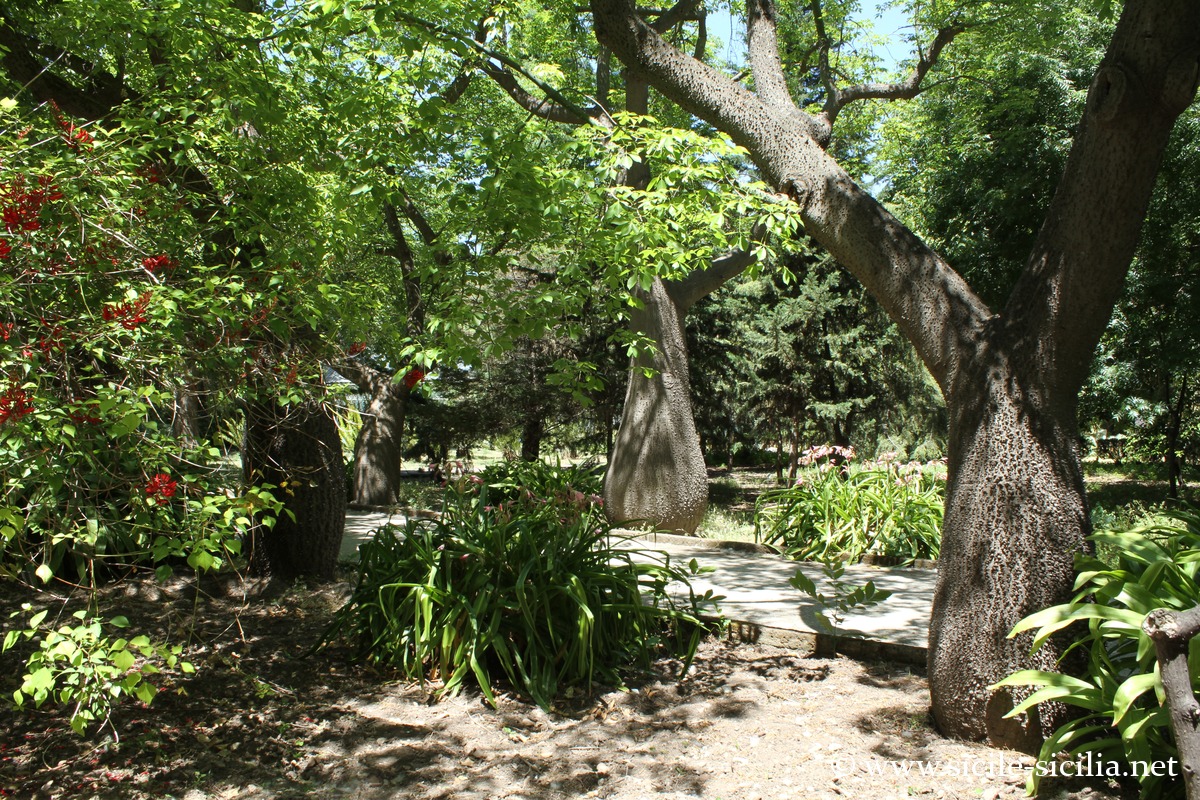
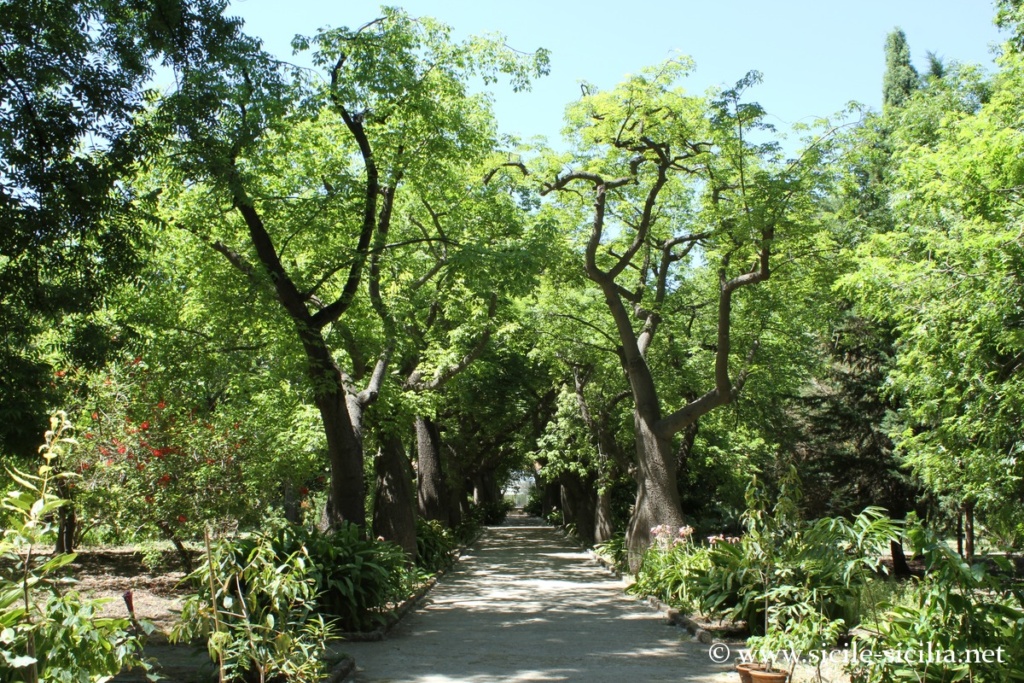
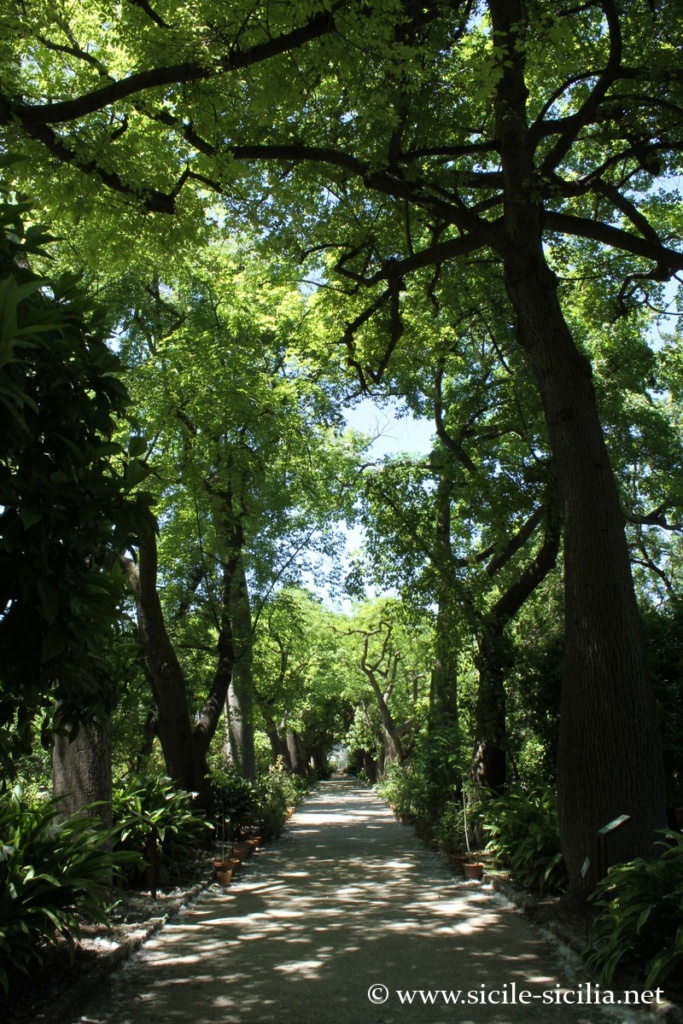
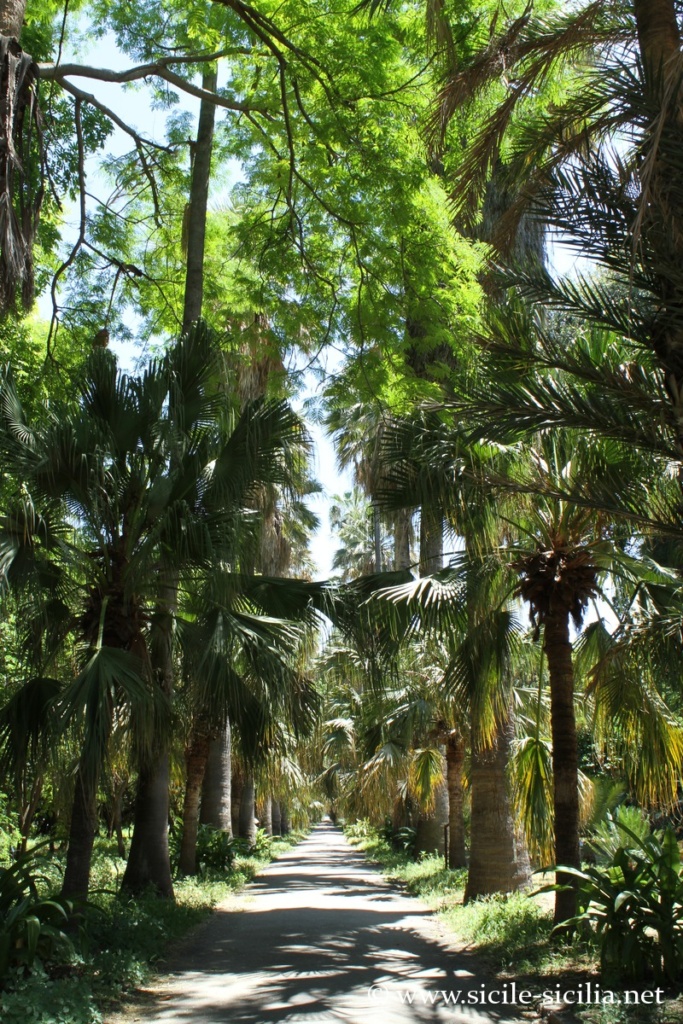
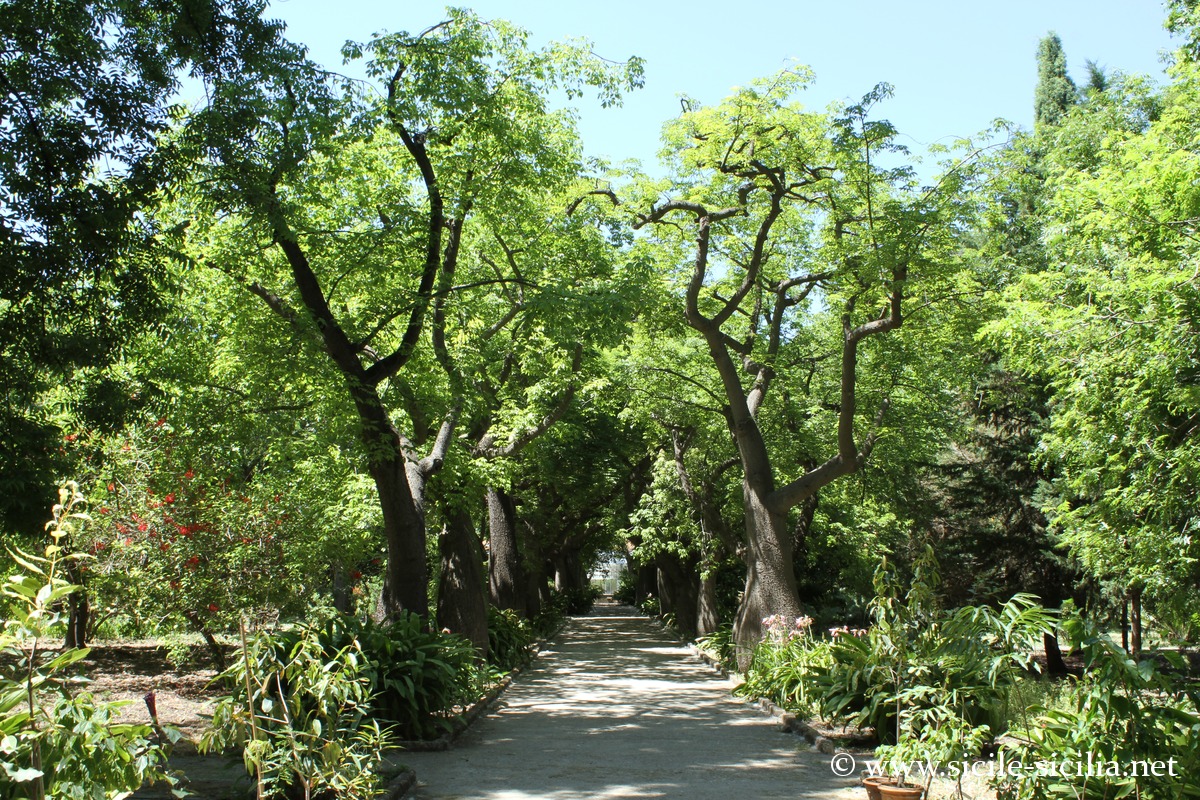
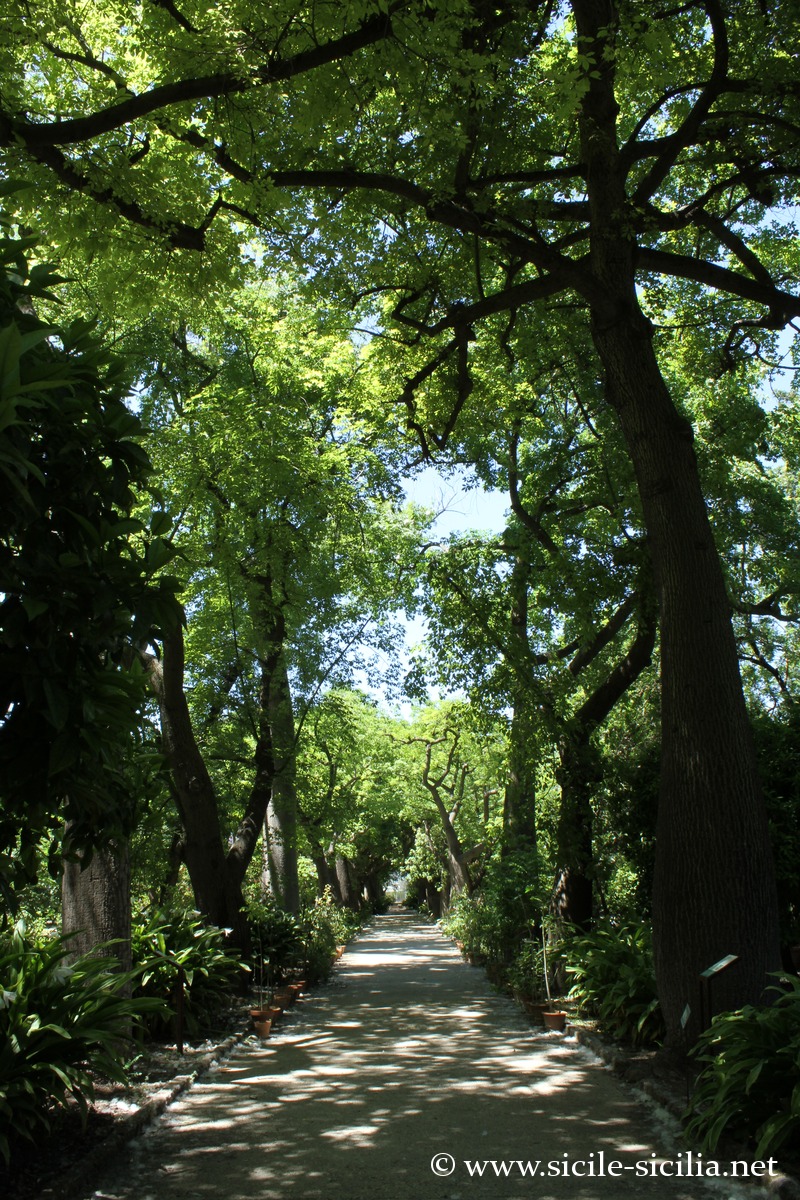
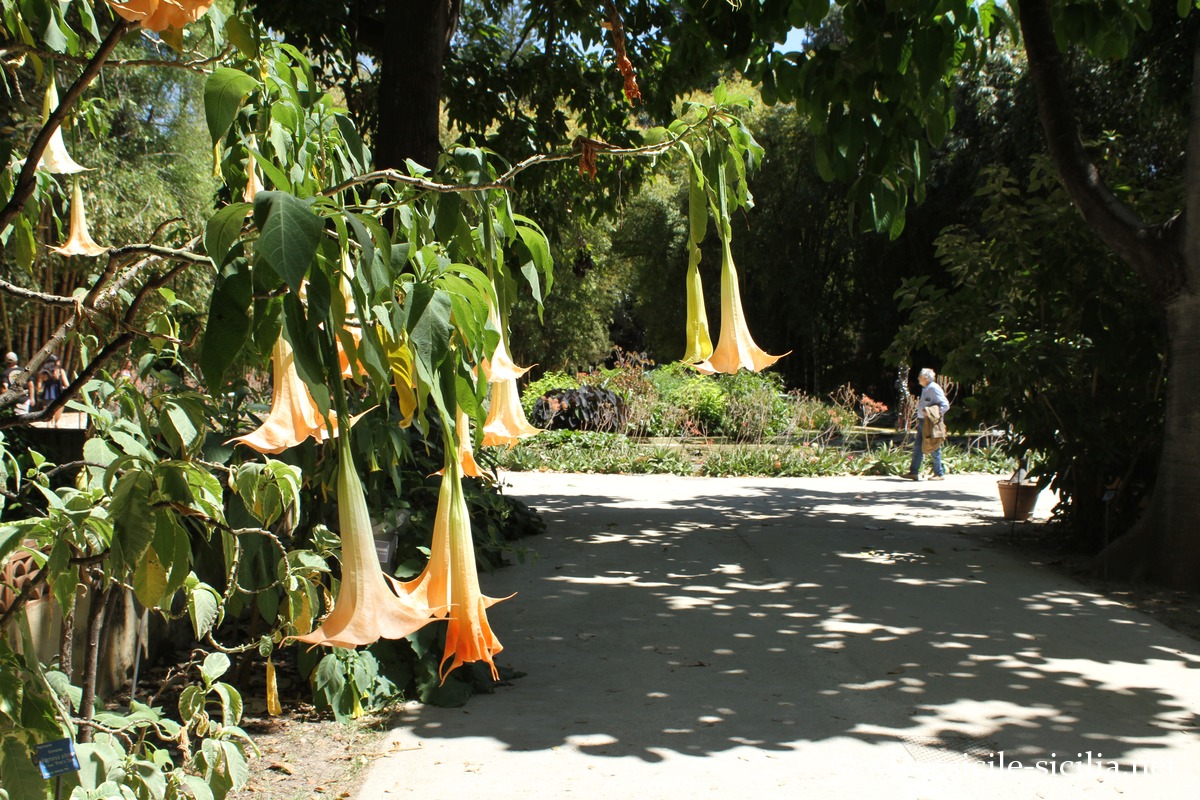
Botanical Garden avenue
The Calidarium and Tepidarium were built between 1790 and 1797. They are two twin buildings that symmetrically flank the Gymnasium: the Calidarium for plants from hot climates and the Tepidarium for those from temperate climates – an experimental climatic solution for acclimatising exotic species to the Mediterranean climate.
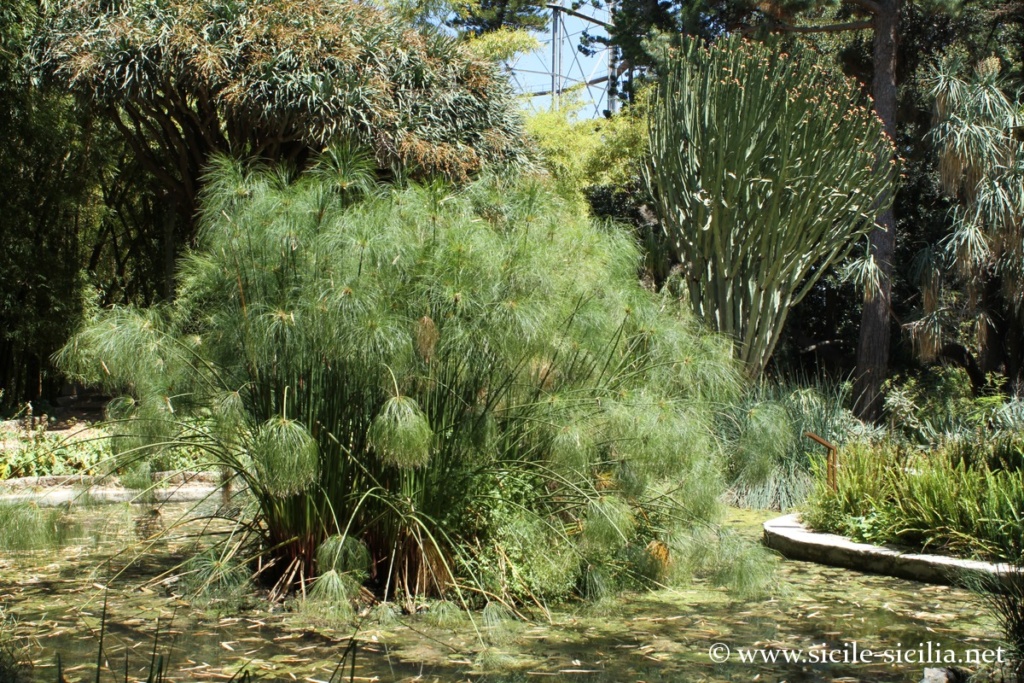
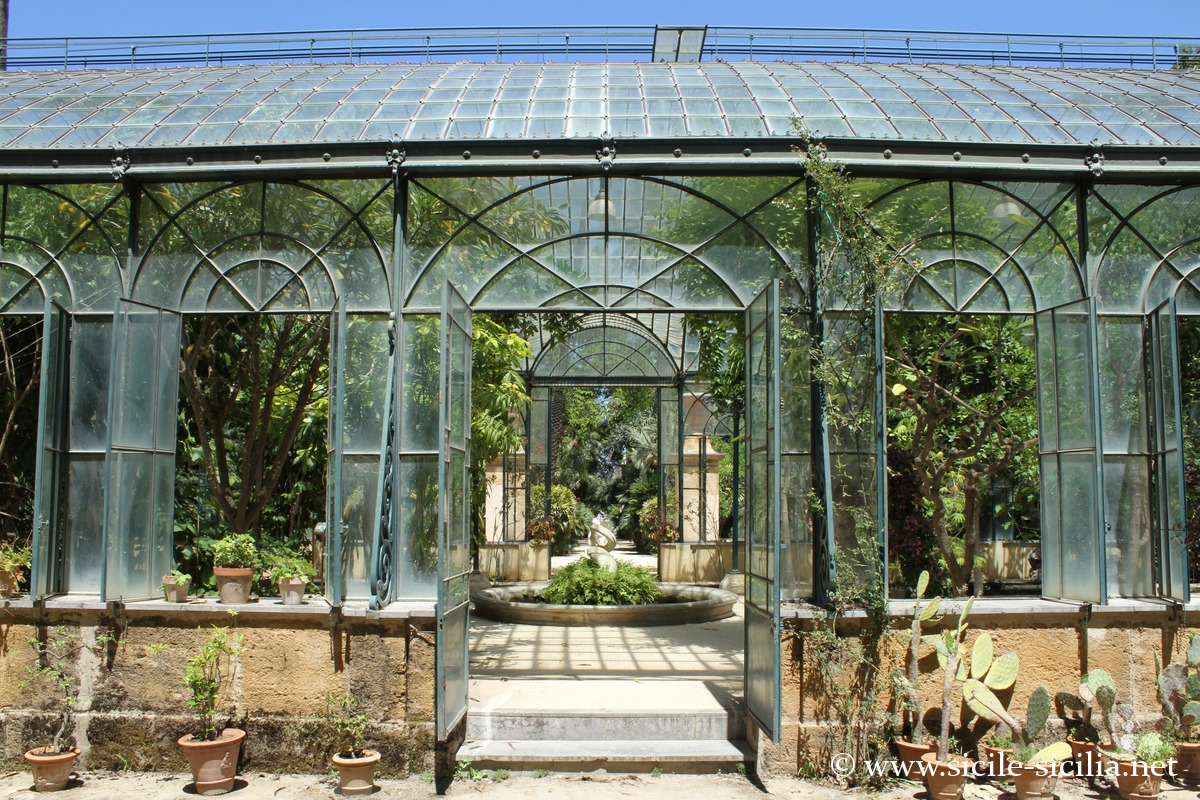
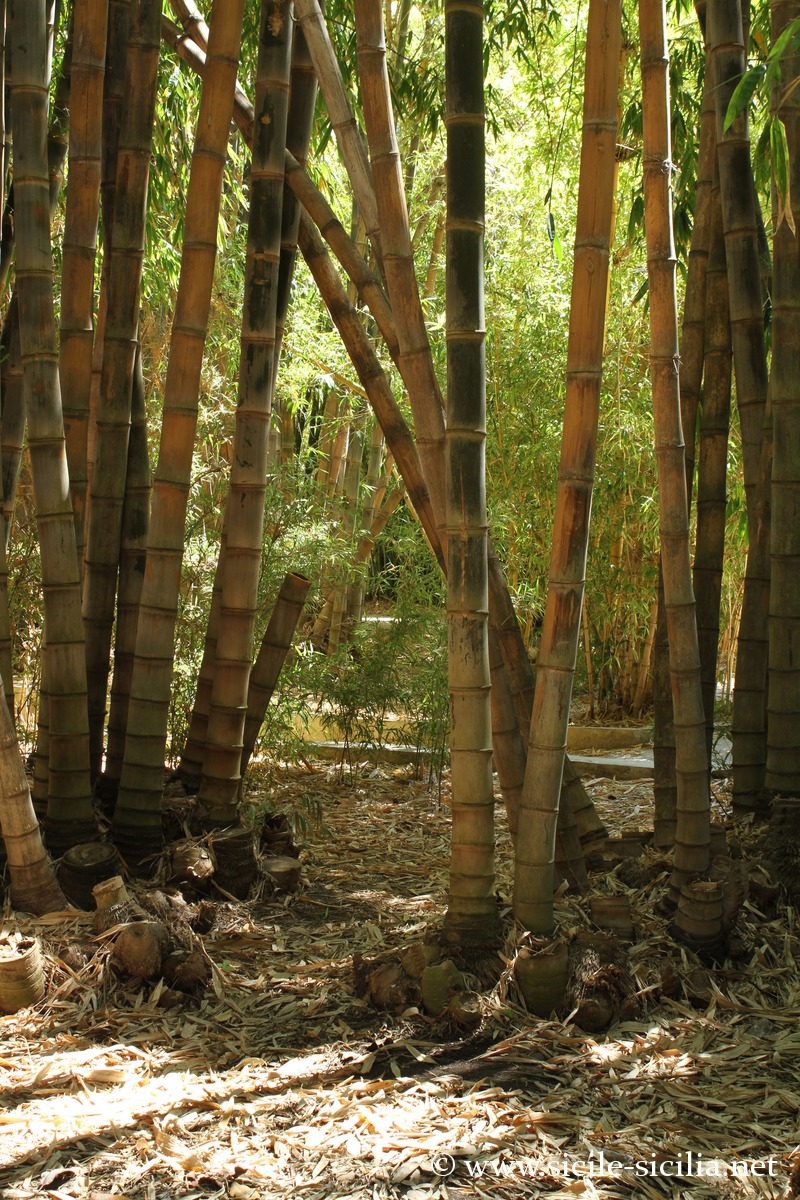
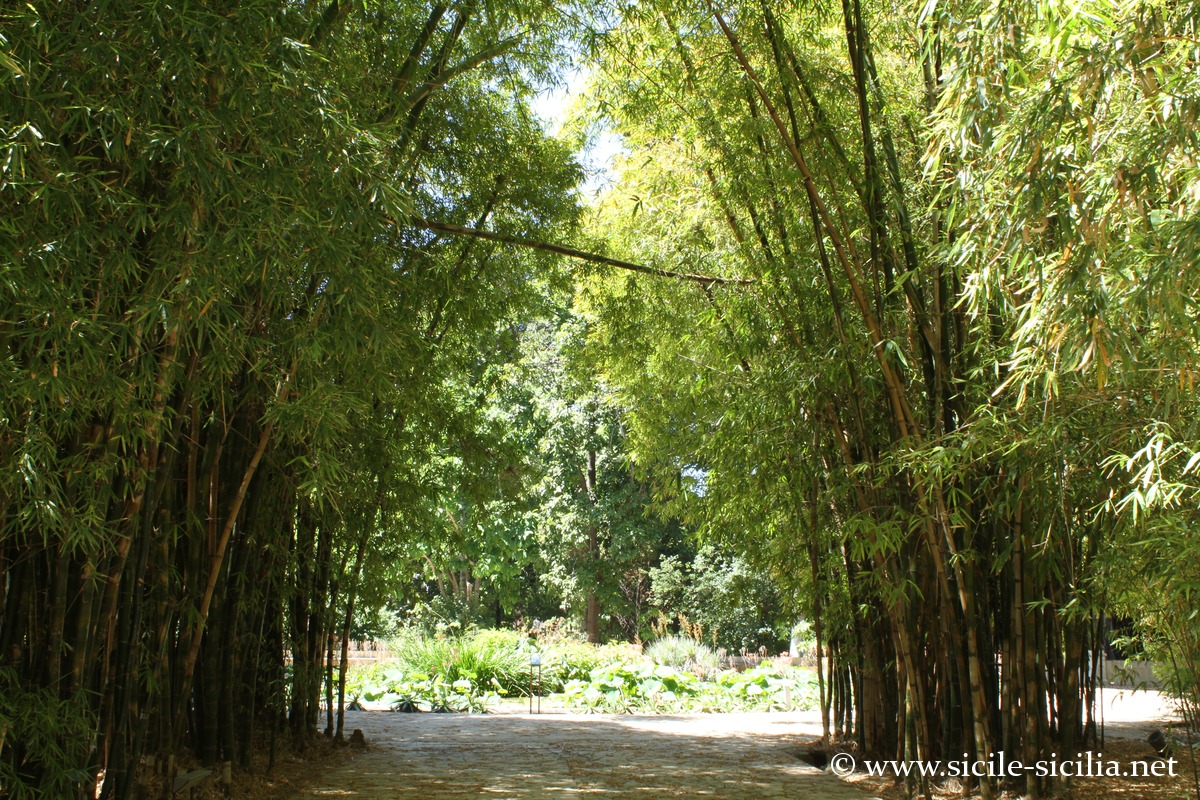
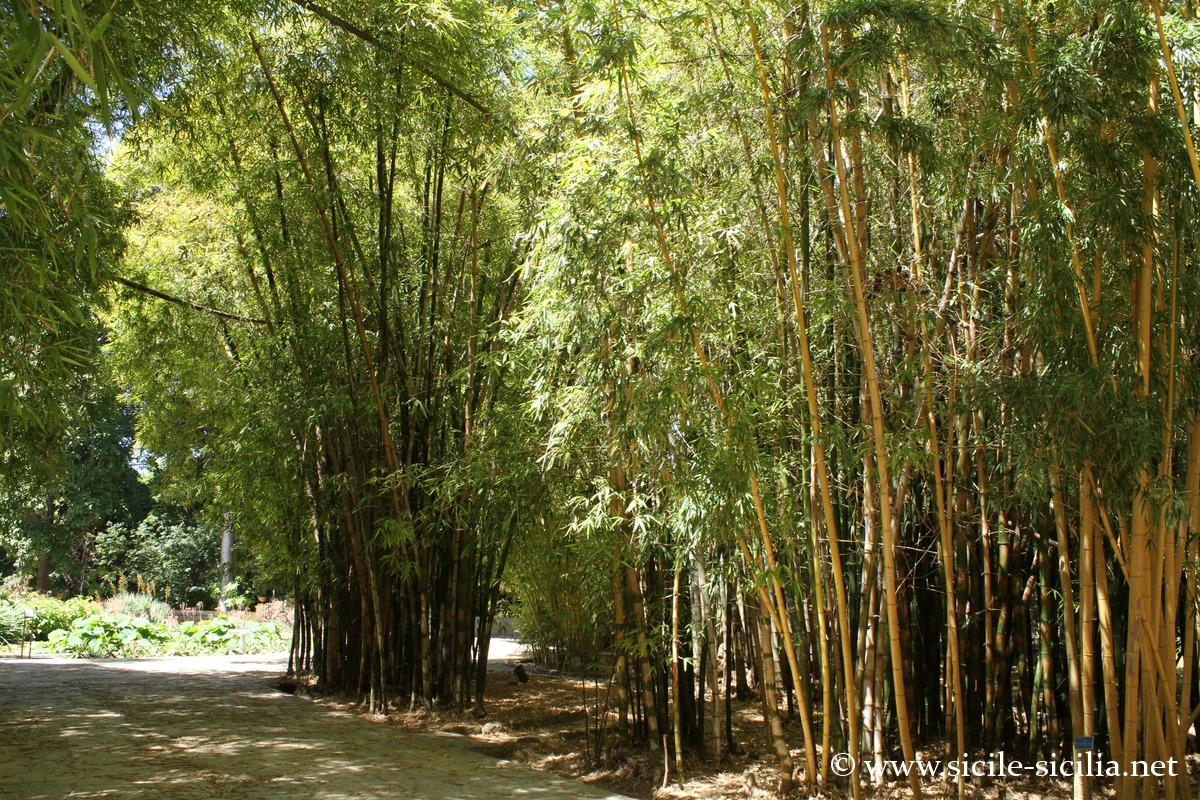
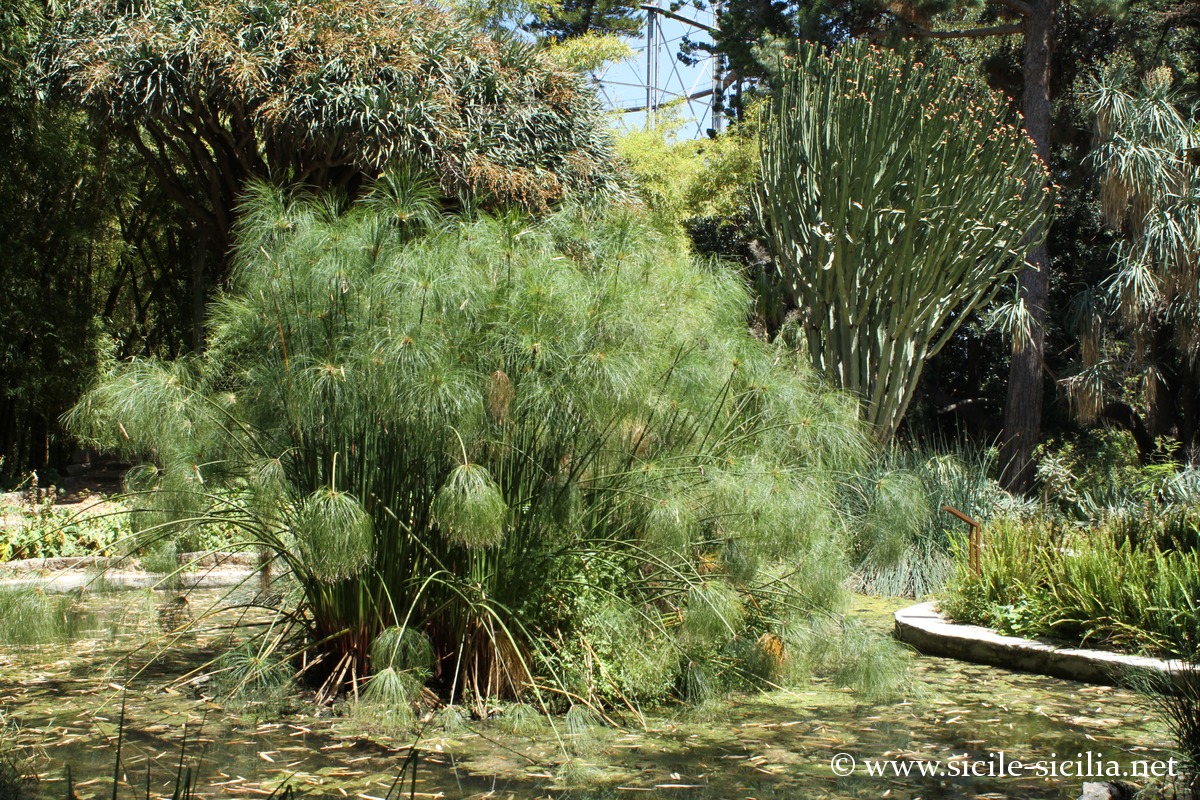
There is also the Aquarium with three concentric circular basins, a papyrus pond, a bamboo grove, or a winter garden with its glasshouse.
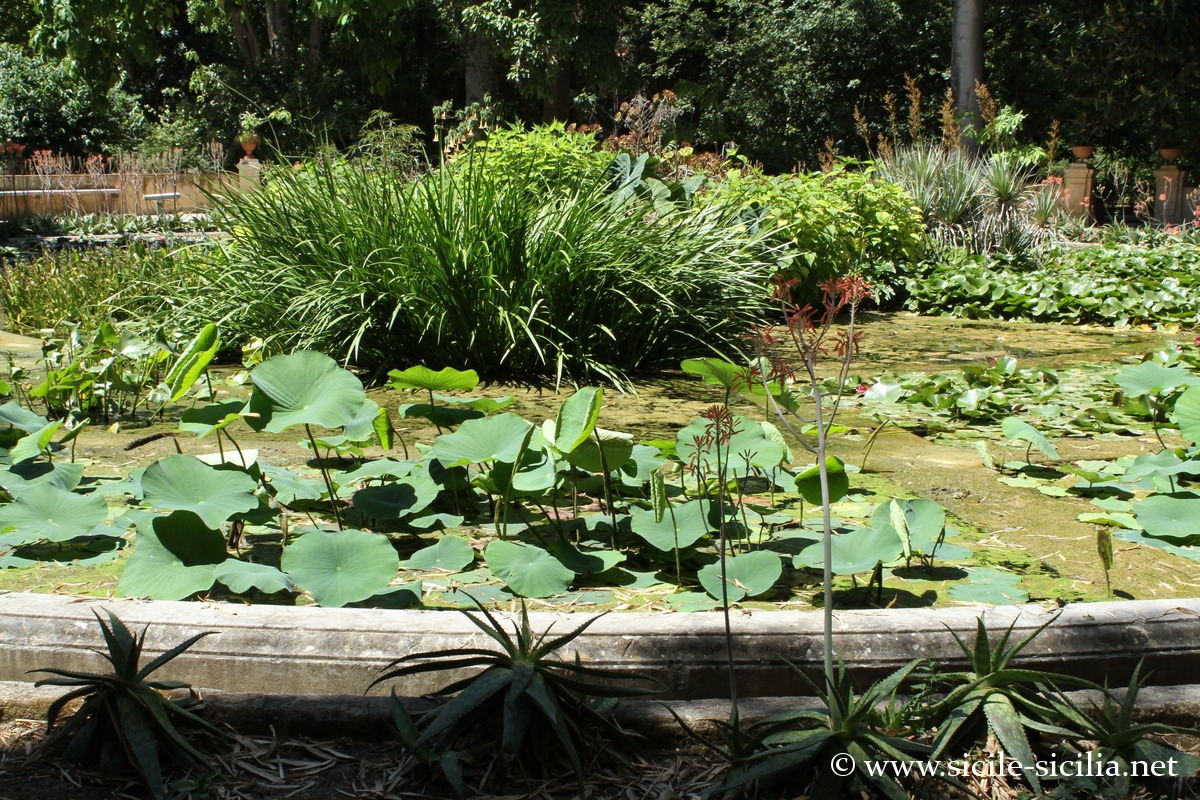
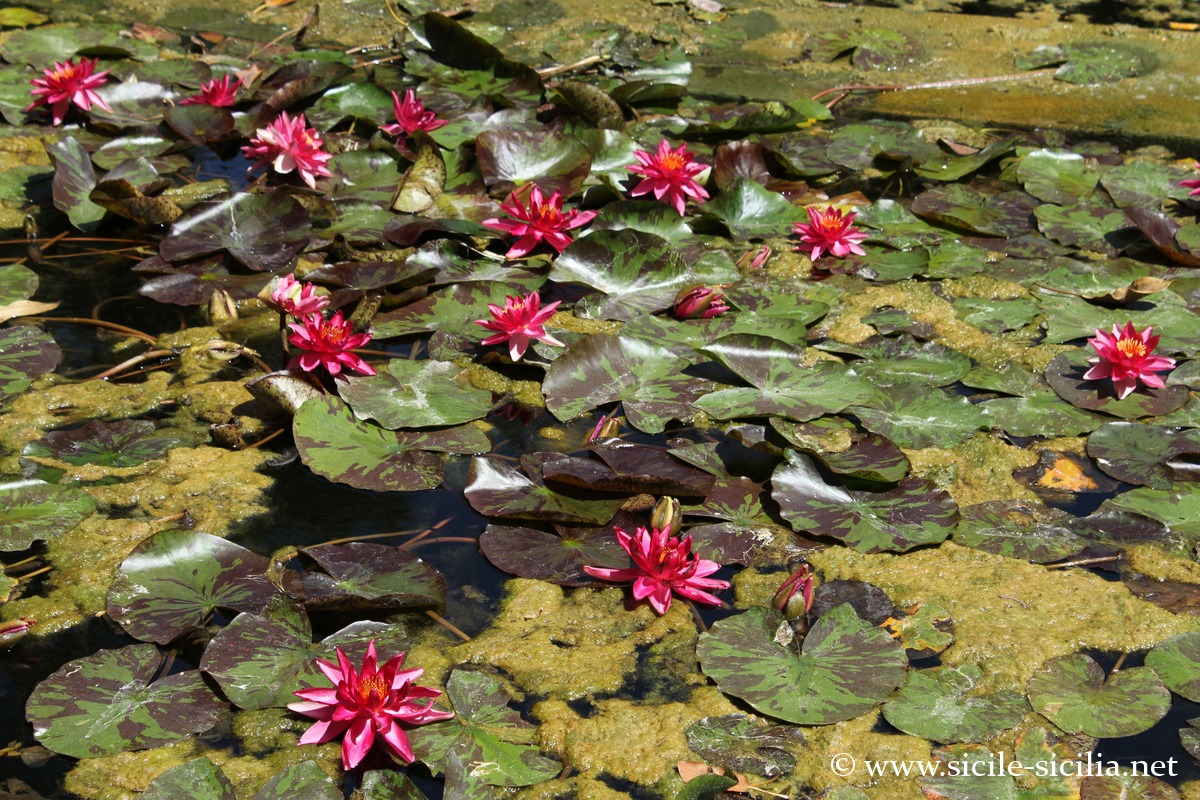
The Aquarium, built in 1798, is a large central basin subdivided into 24 compartments planted with various aquatic species, including water lilies, Indian lotus and hygrophilous plants; a small adjacent pond completes this ensemble.
The garden also has a series of modern themed greenhouses:
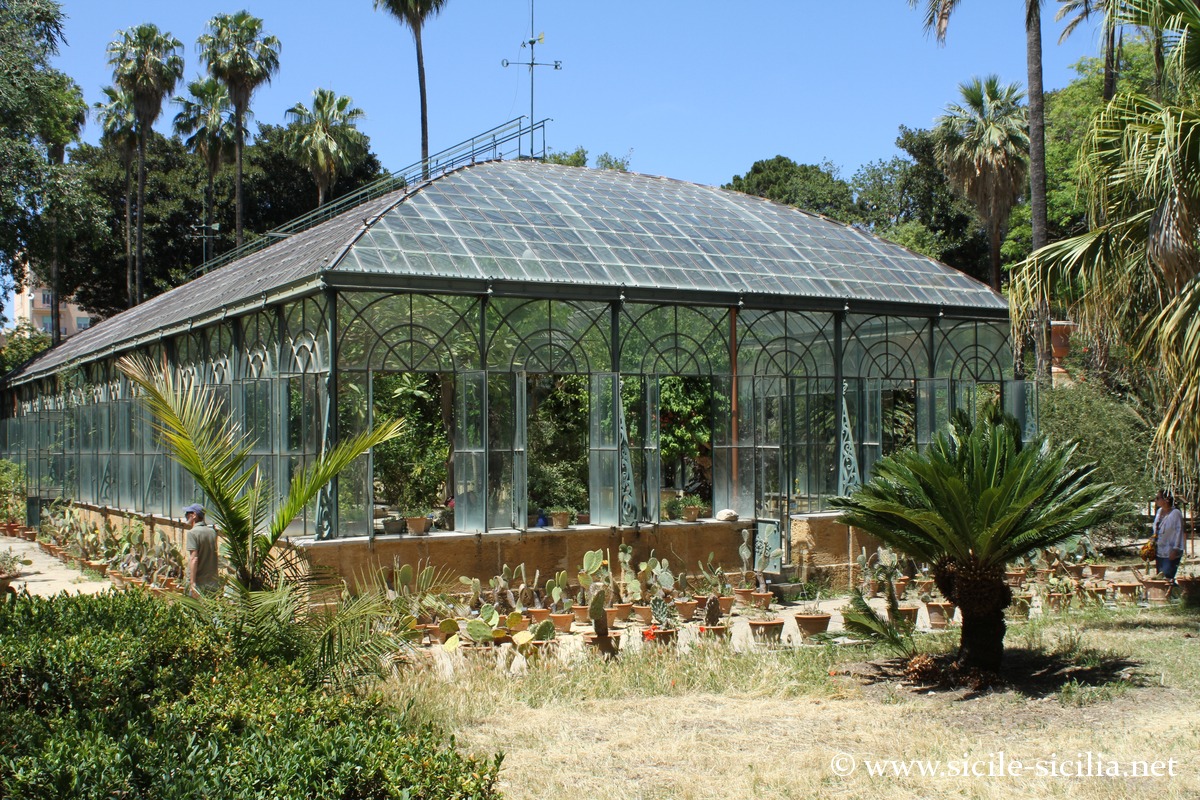
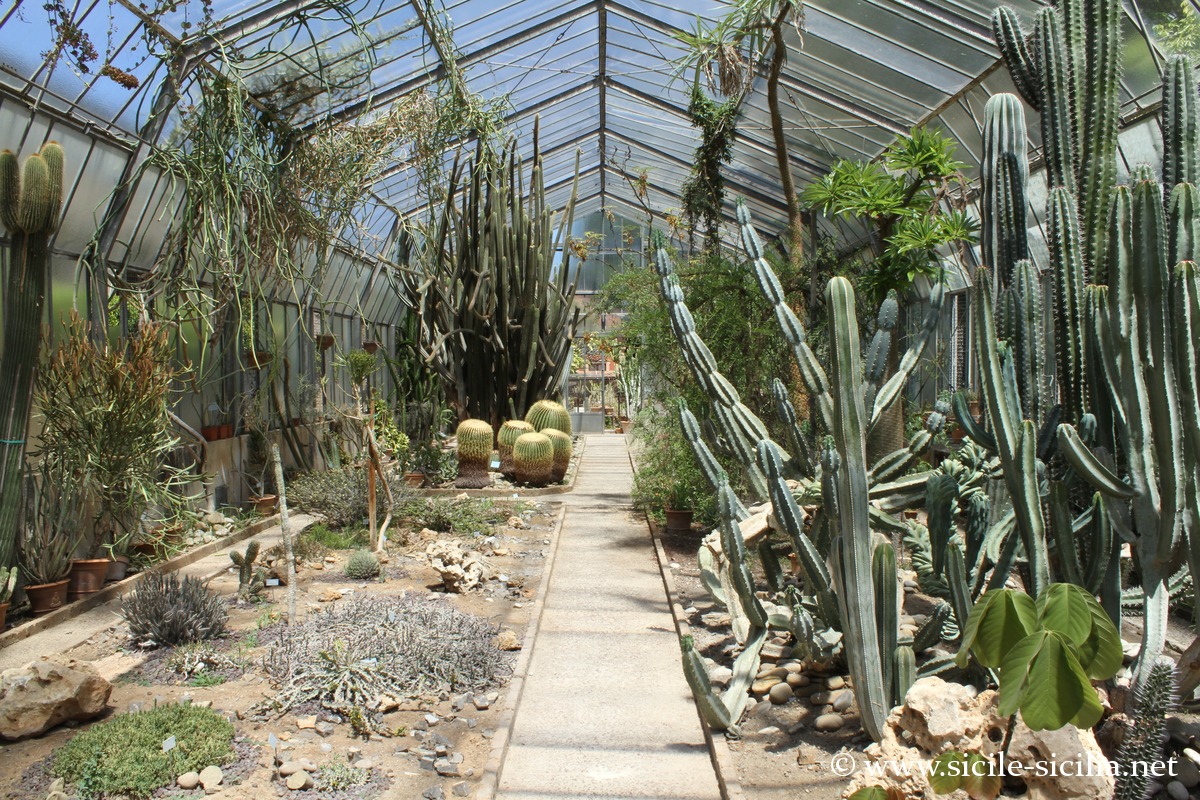
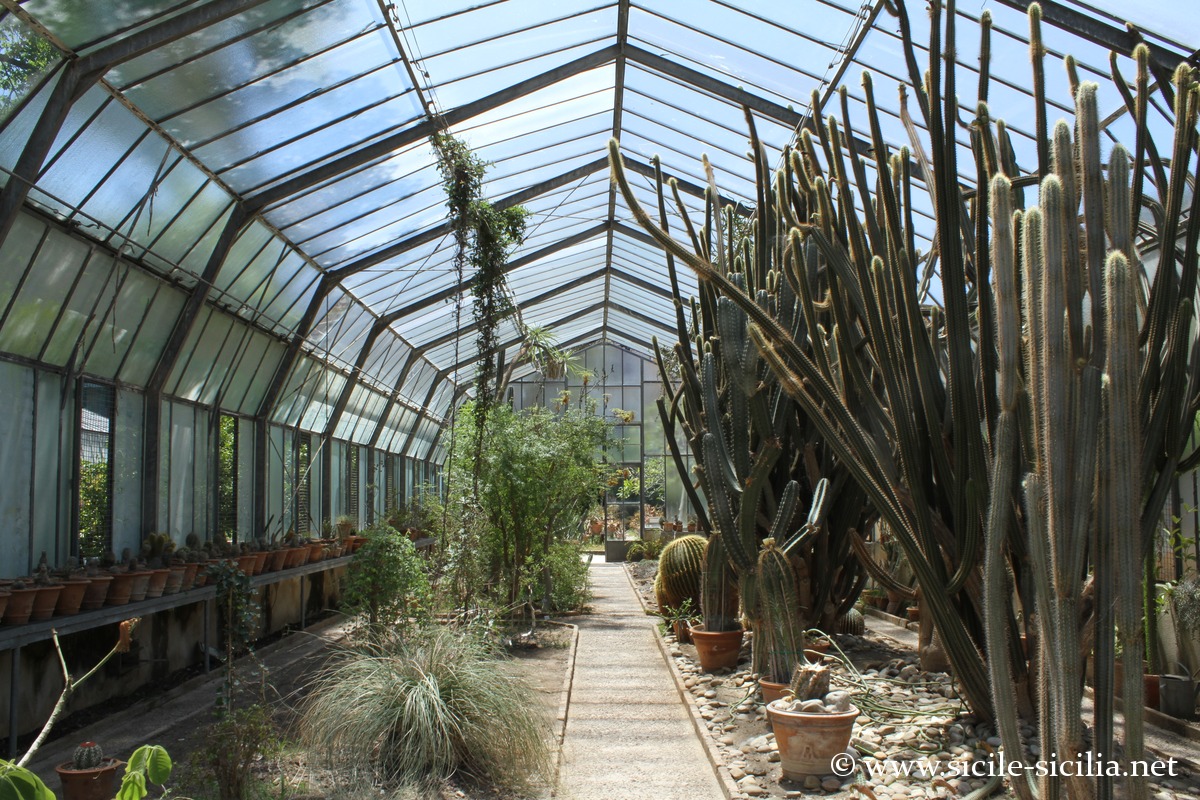
- The succulent and cactus greenhouse
- The experimental greenhouse, which currently houses banana trees, papaya trees and other tropical plants for agronomic studies
- The regional greenhouse, with species from hot and humid areas
- The fern greenhouse
Photo gallery


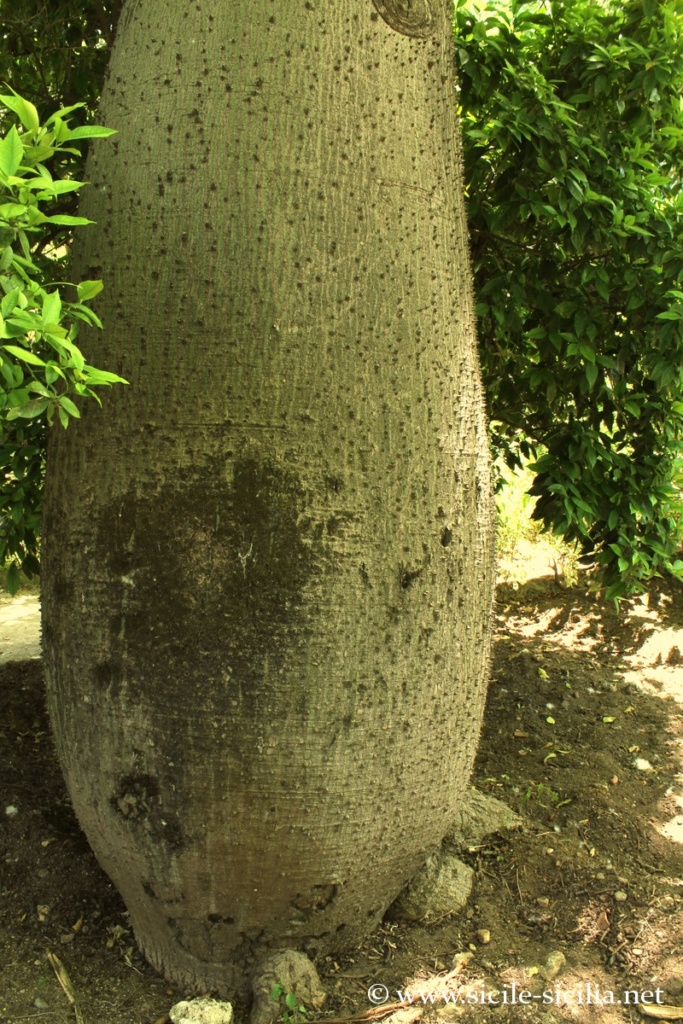
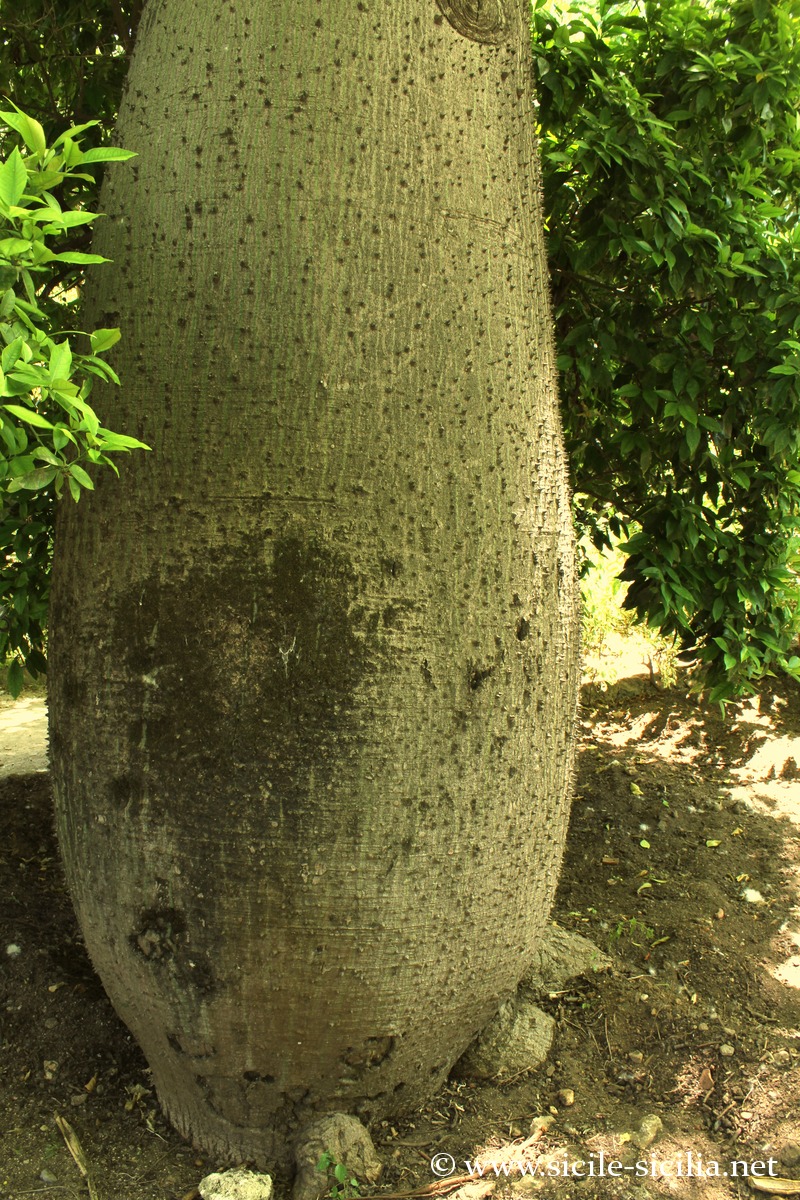
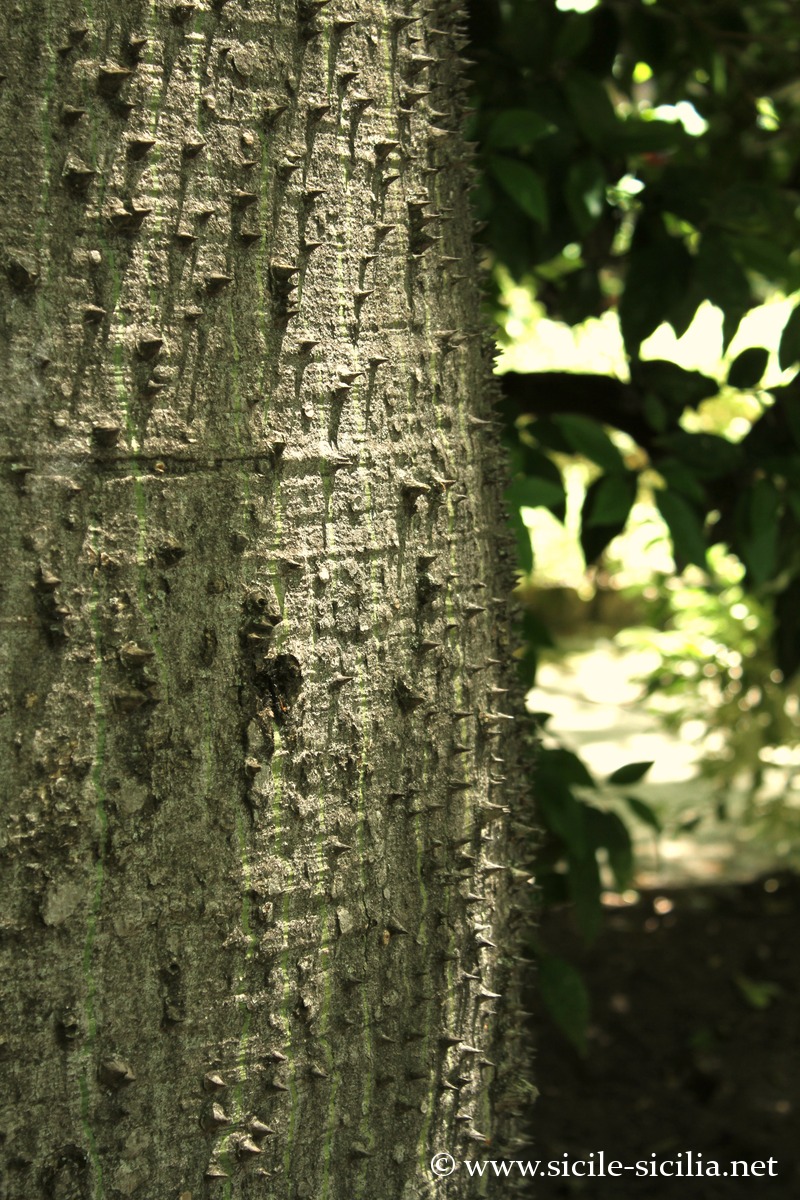
Ceiba Speciosa 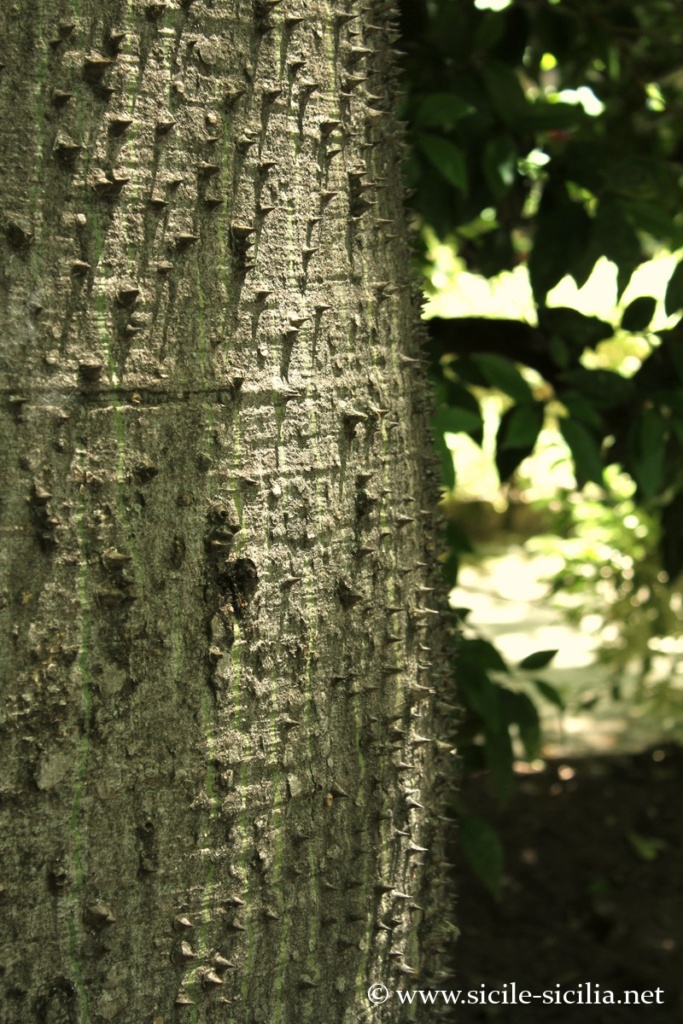
Ceiba Speciosa 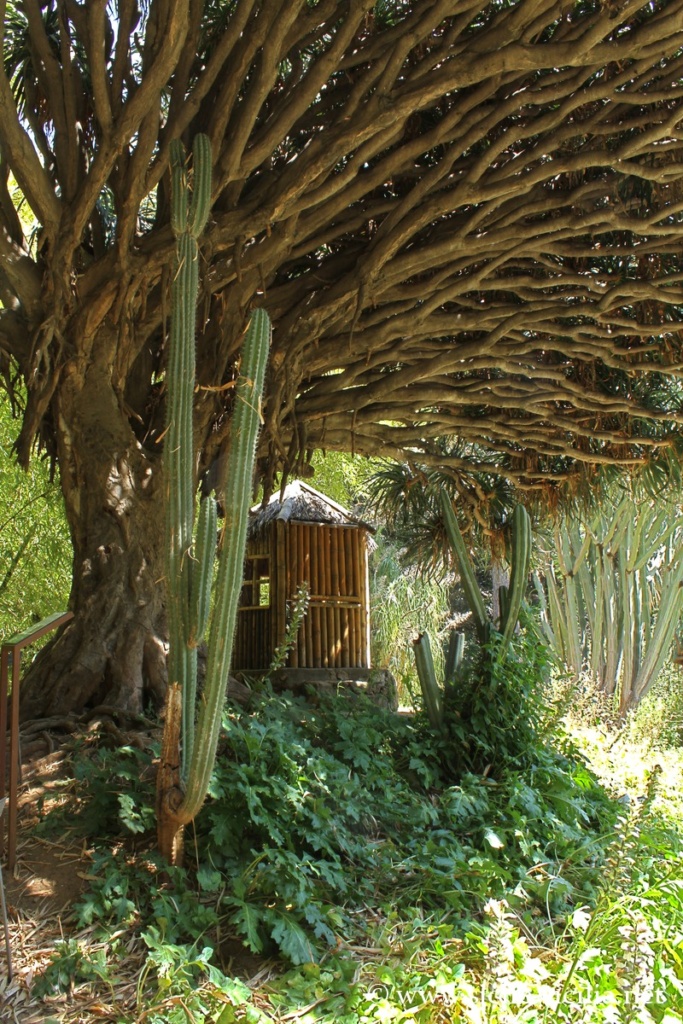
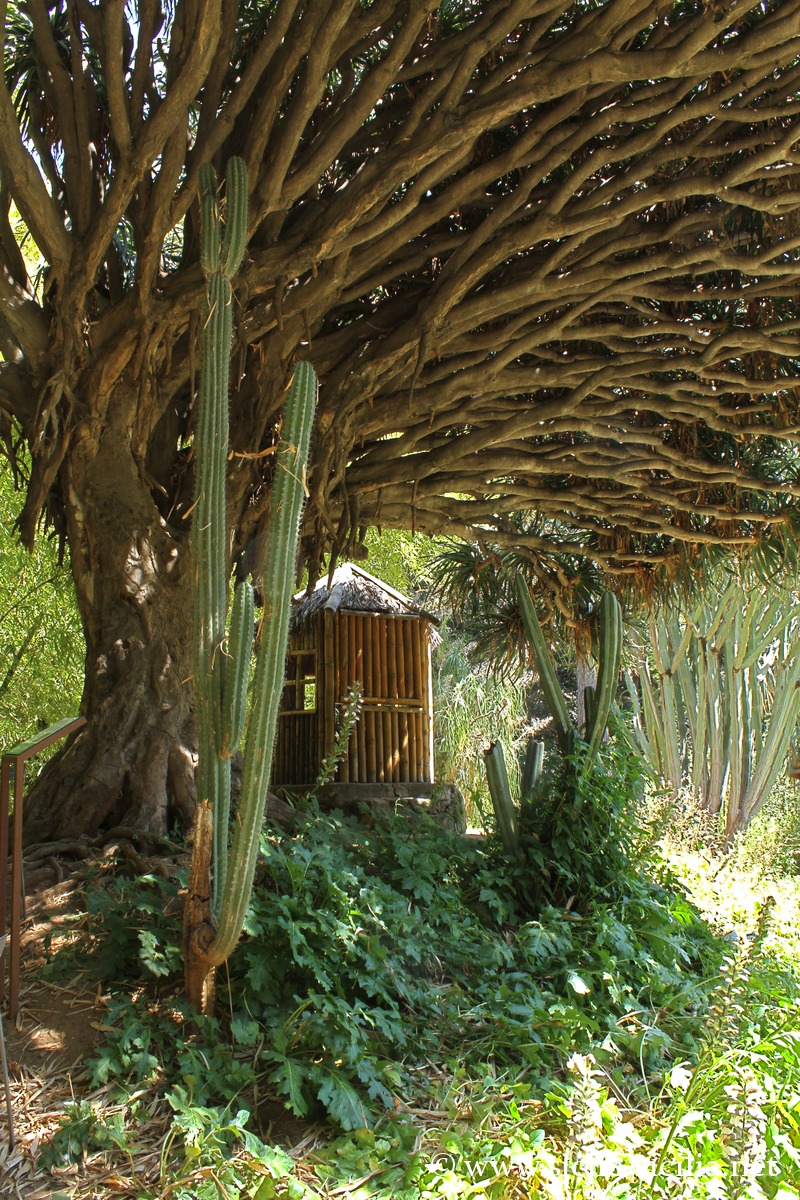
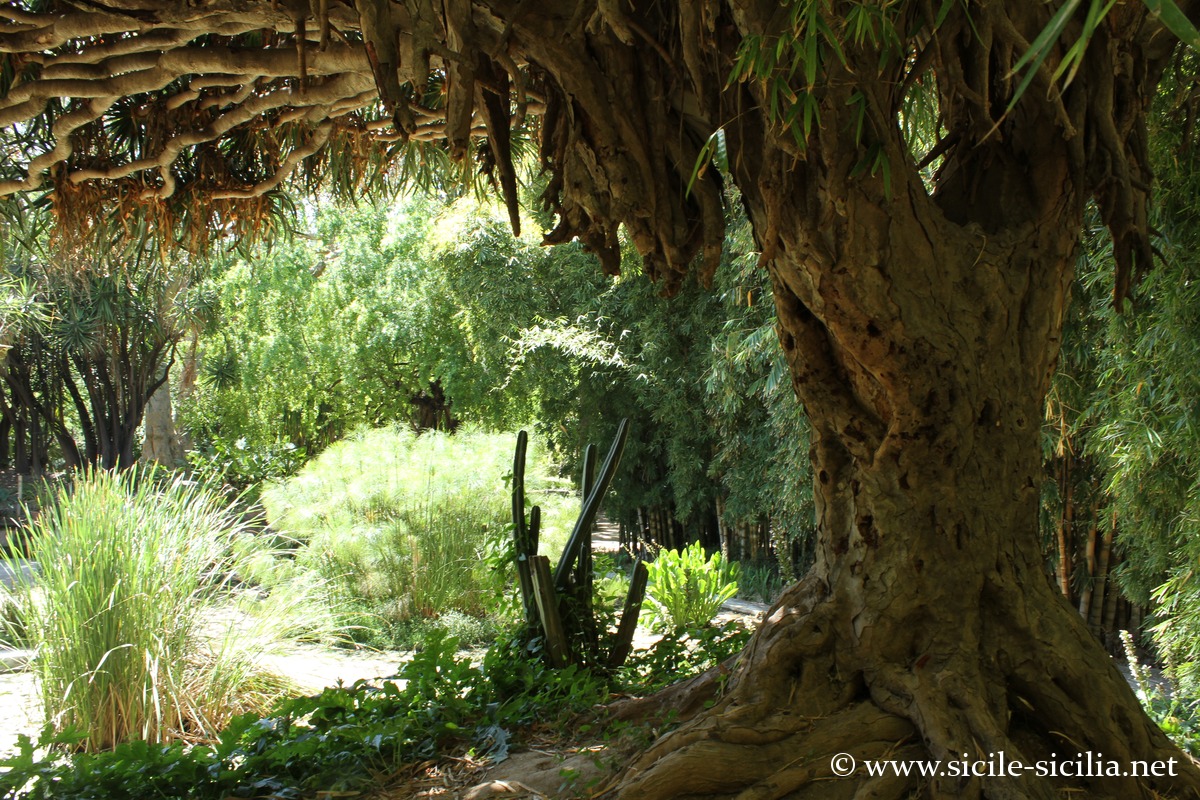
Dracaena Draco 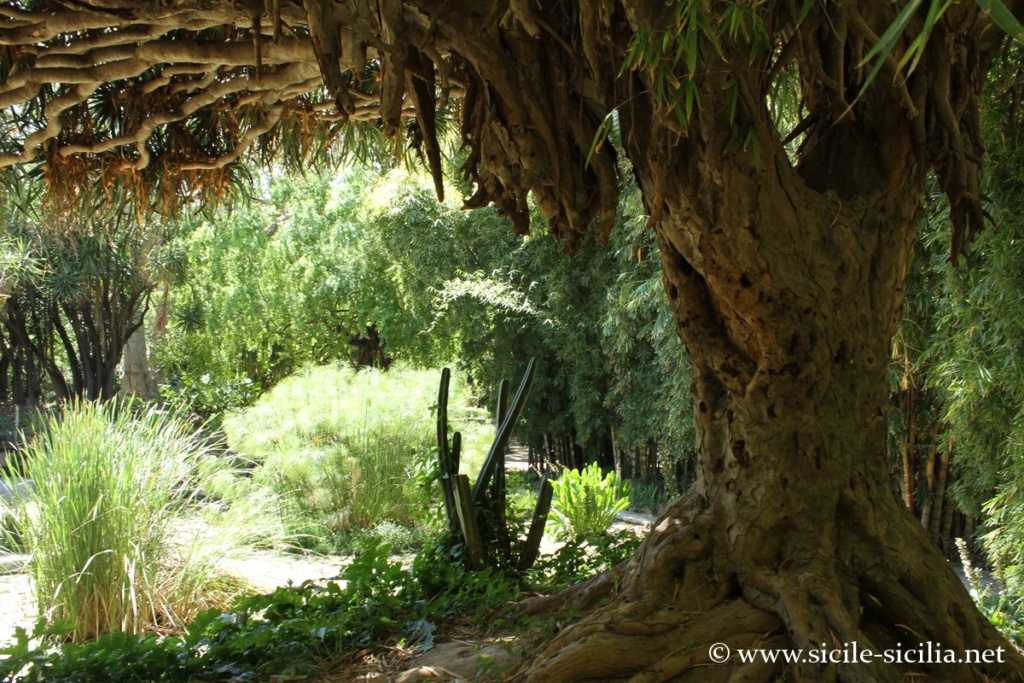
Dracaena Draco 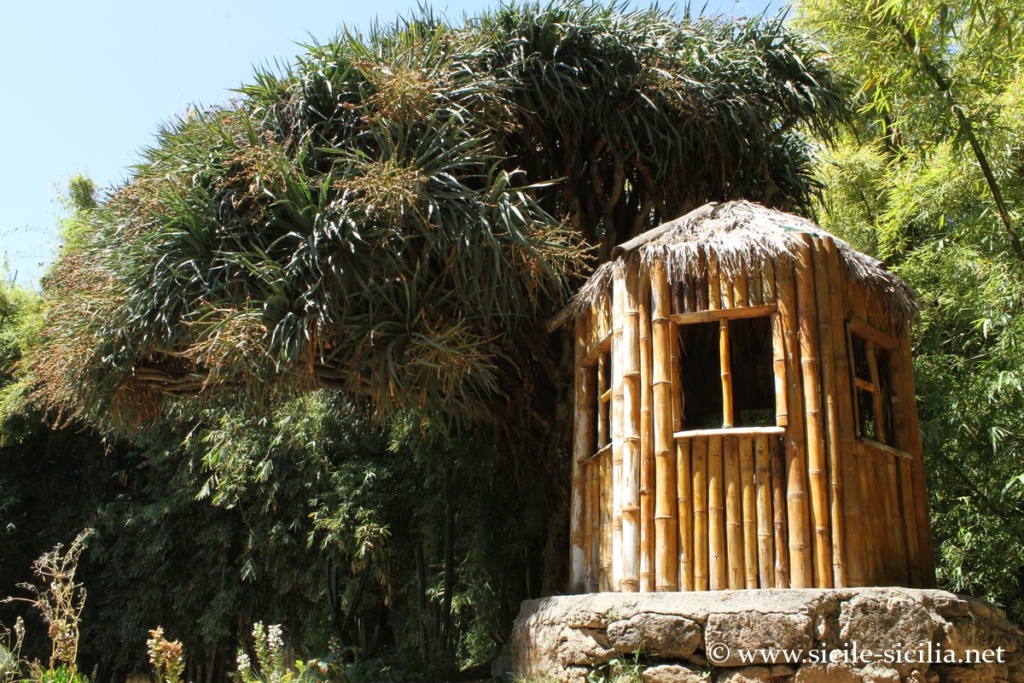
Dracaena Draco 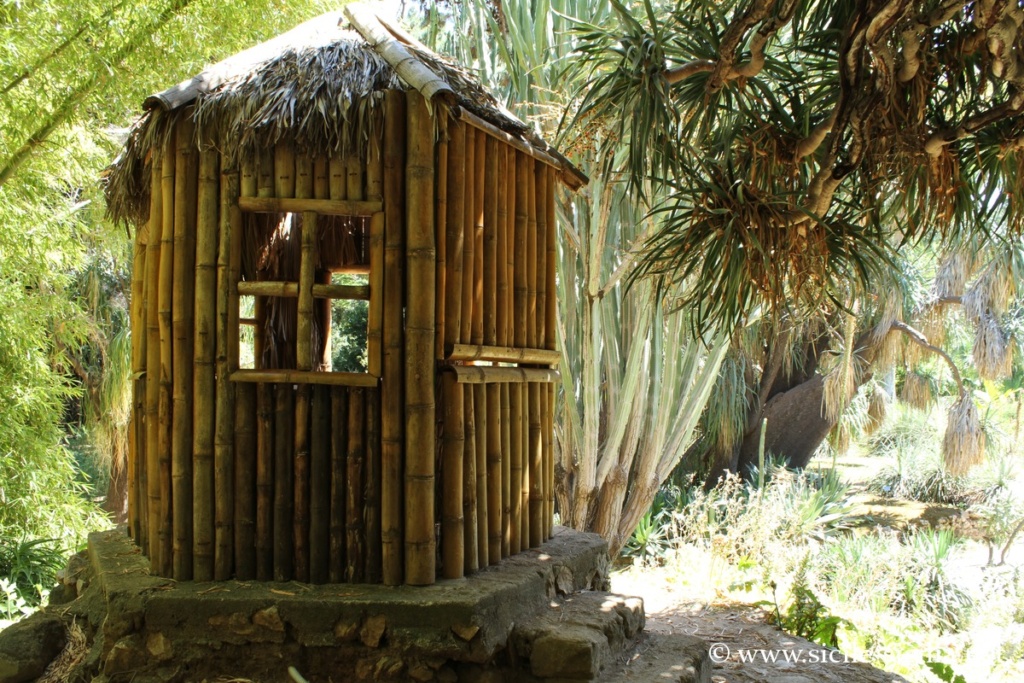
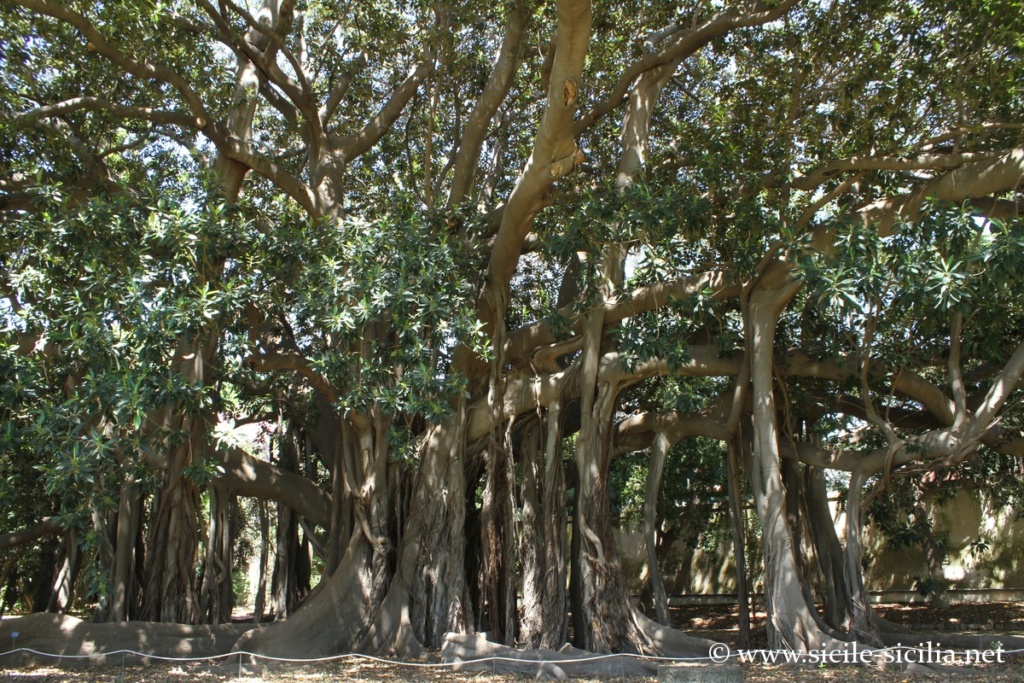
Ficus Macrophylla 

Ficus Macrophylla 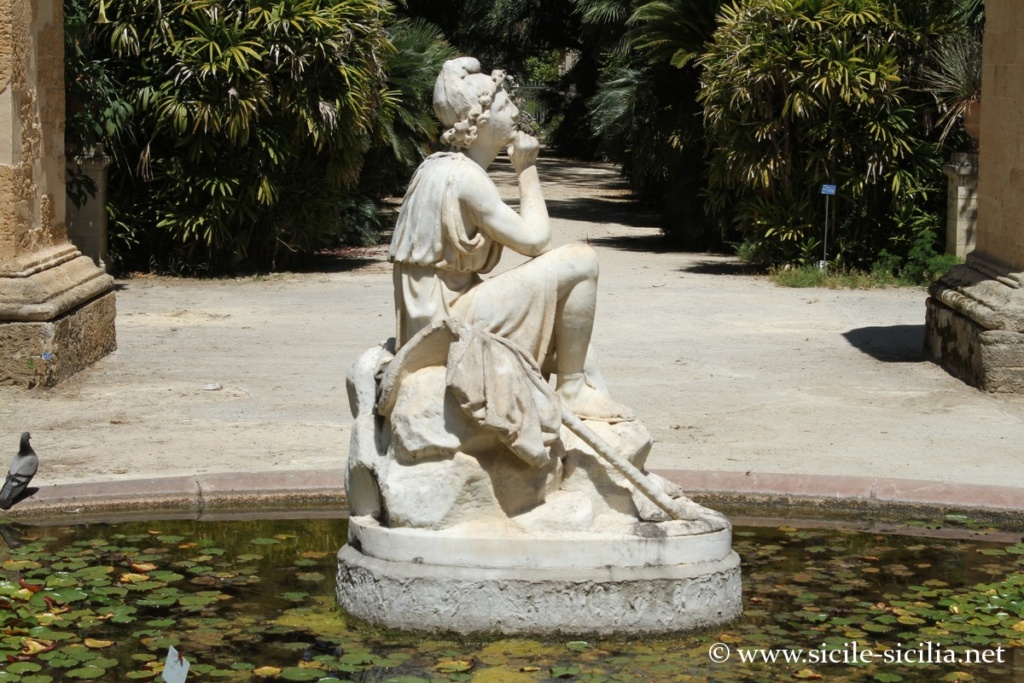
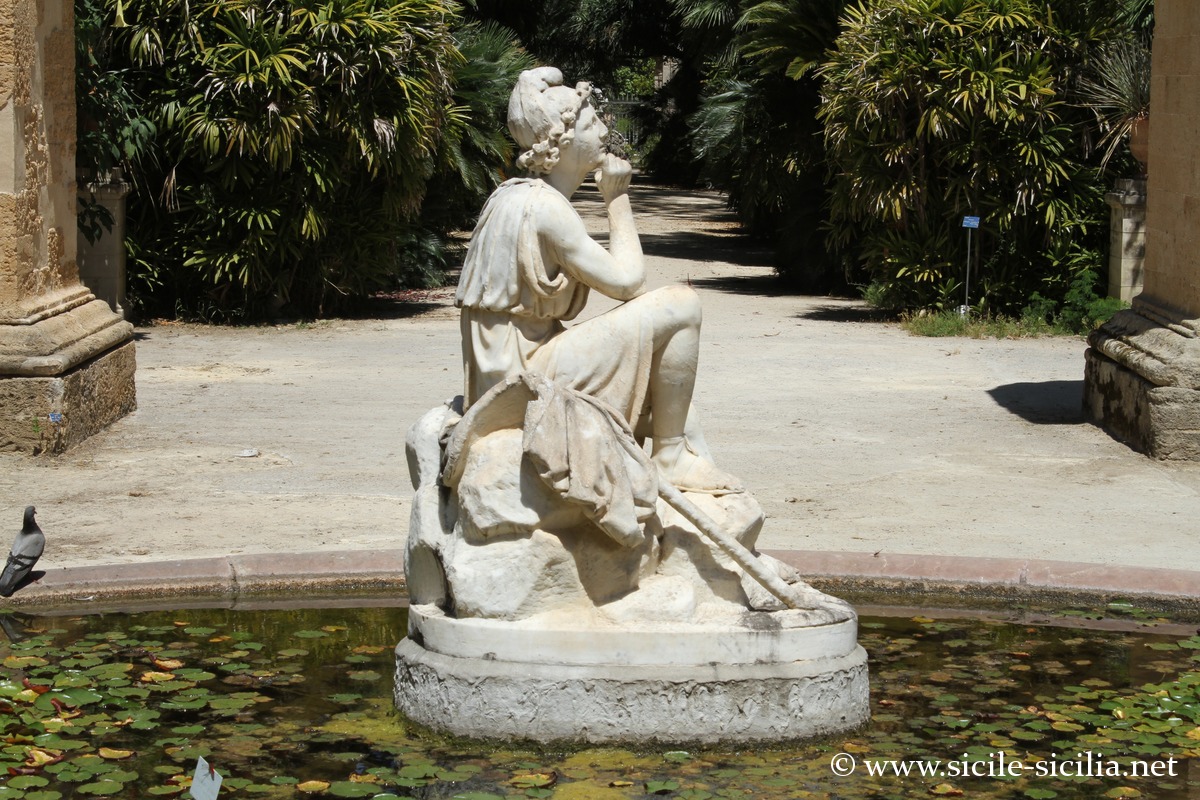
Fountain in front of the winter garden 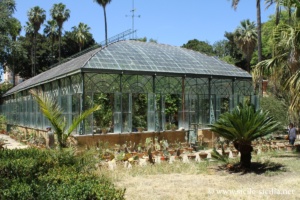
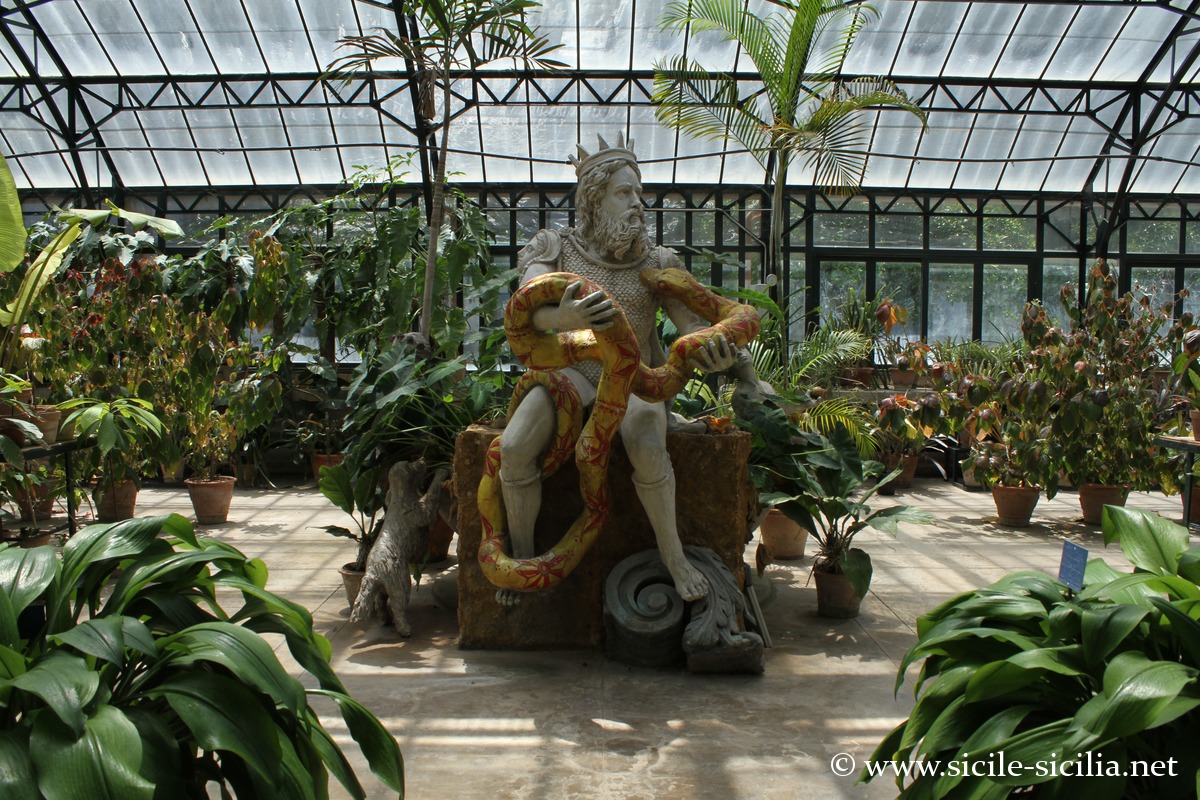
Winter garden 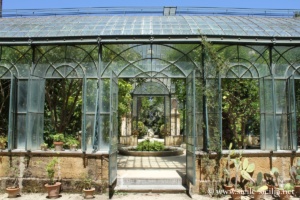
Winter garden 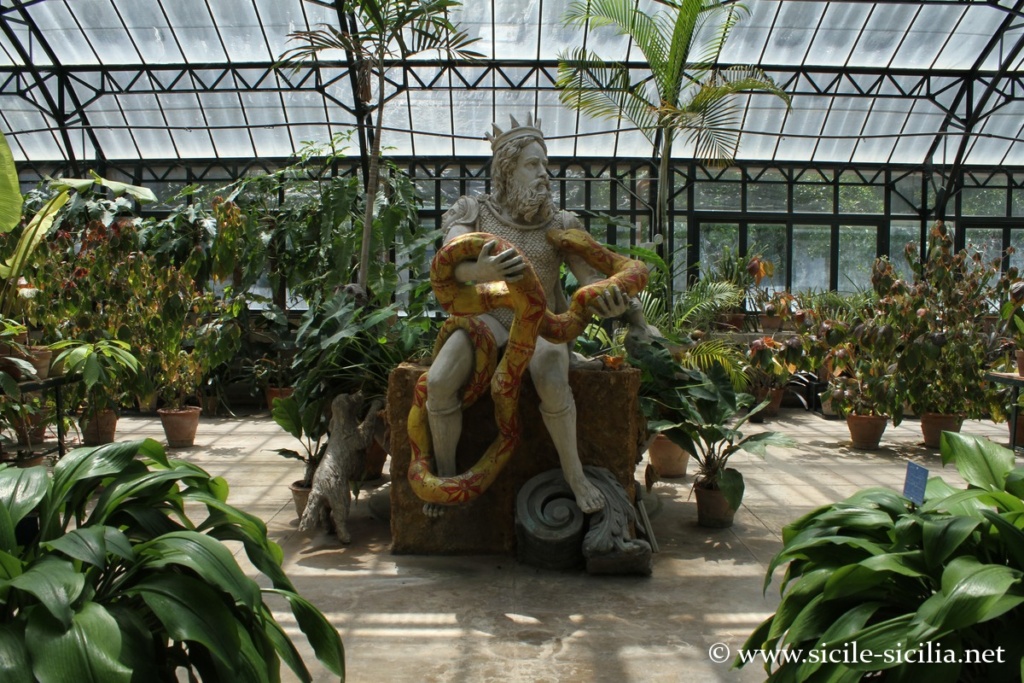
Winter garden 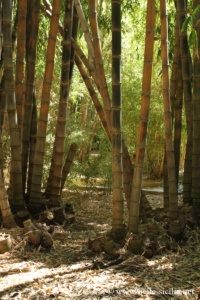

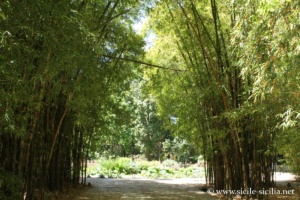
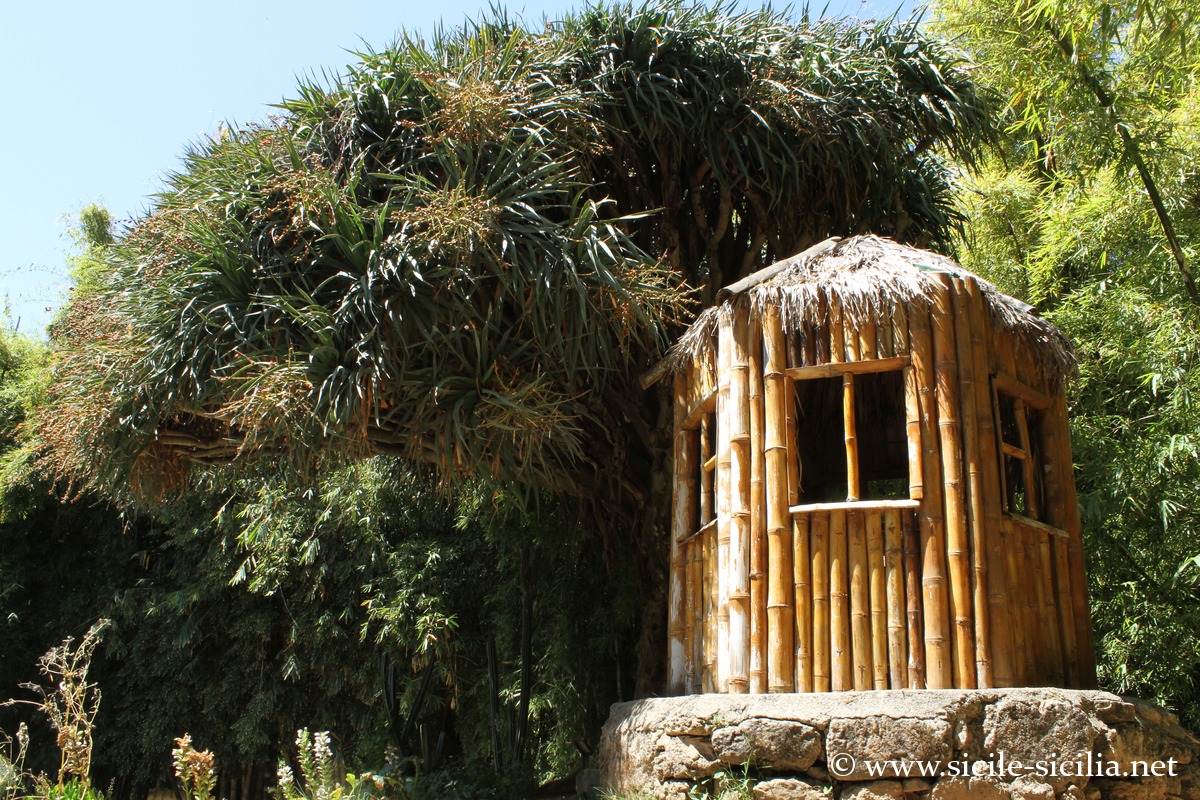
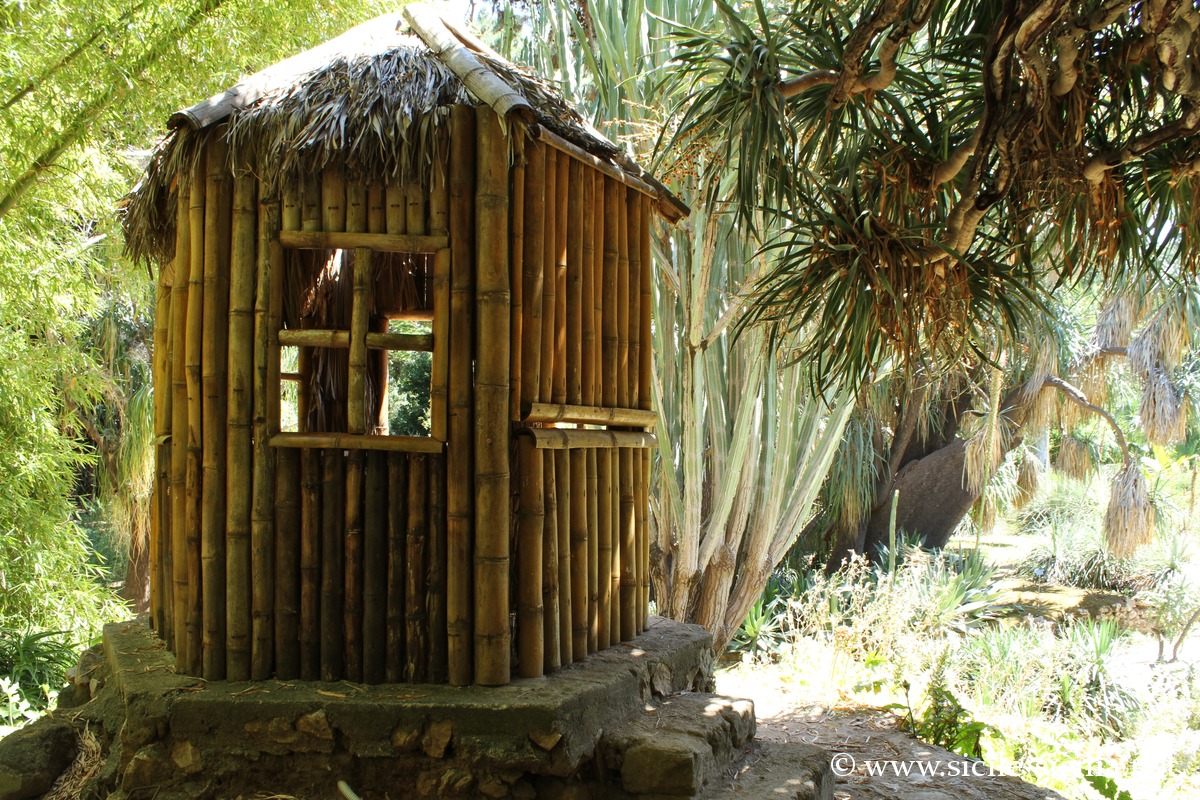
Bamboo grove 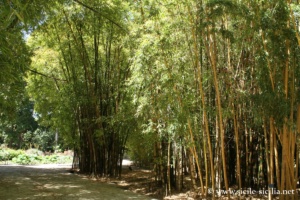
Bamboo grove 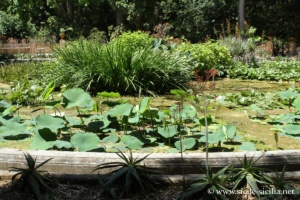
Aquarium: water lilies 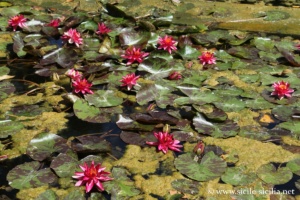
Aquarium: water lilies 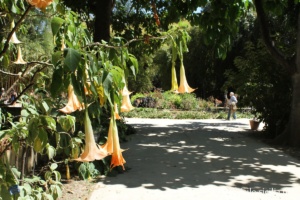
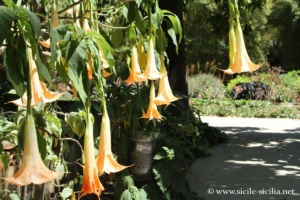
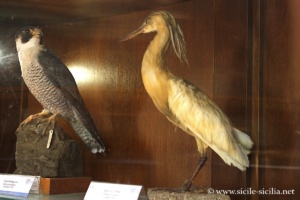
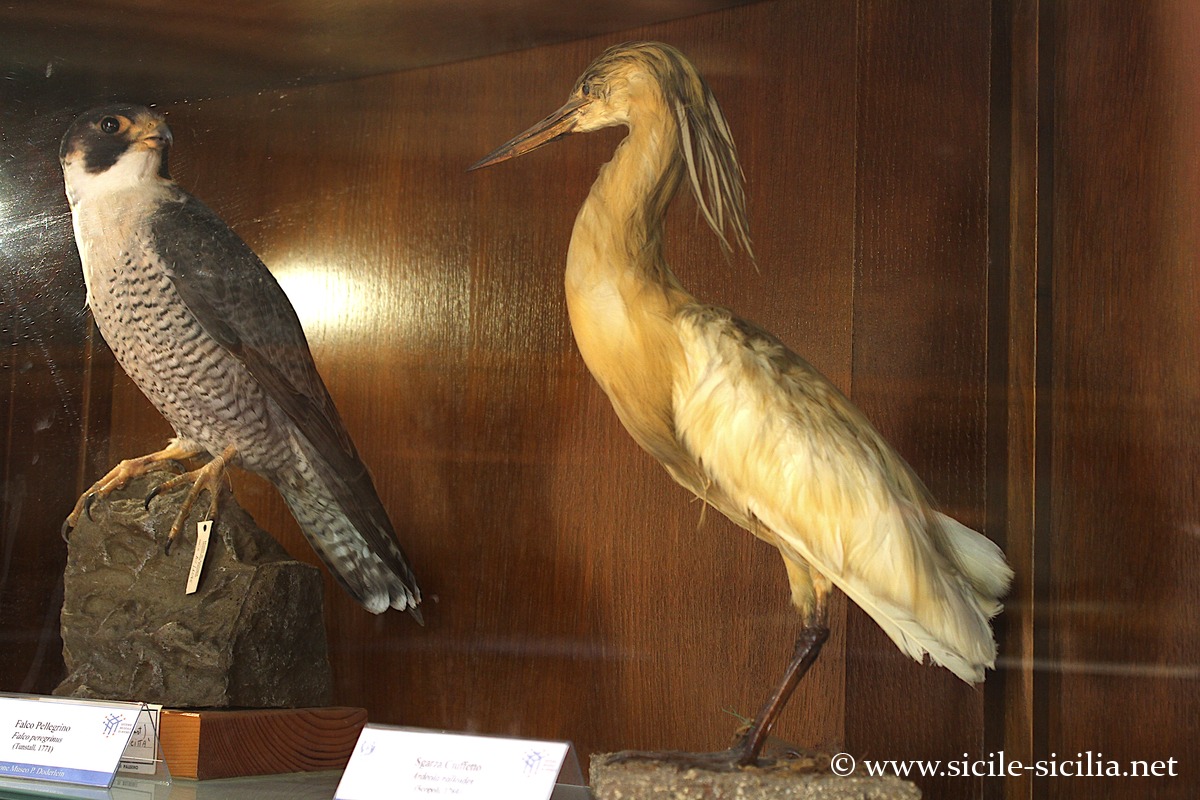
Museum 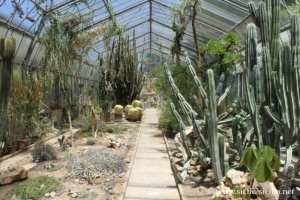
Cactus greenhouse 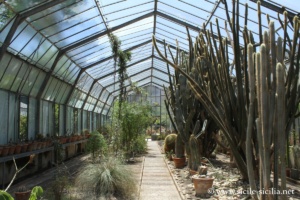
Cactus greenhouse 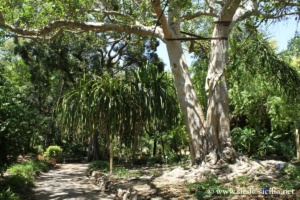
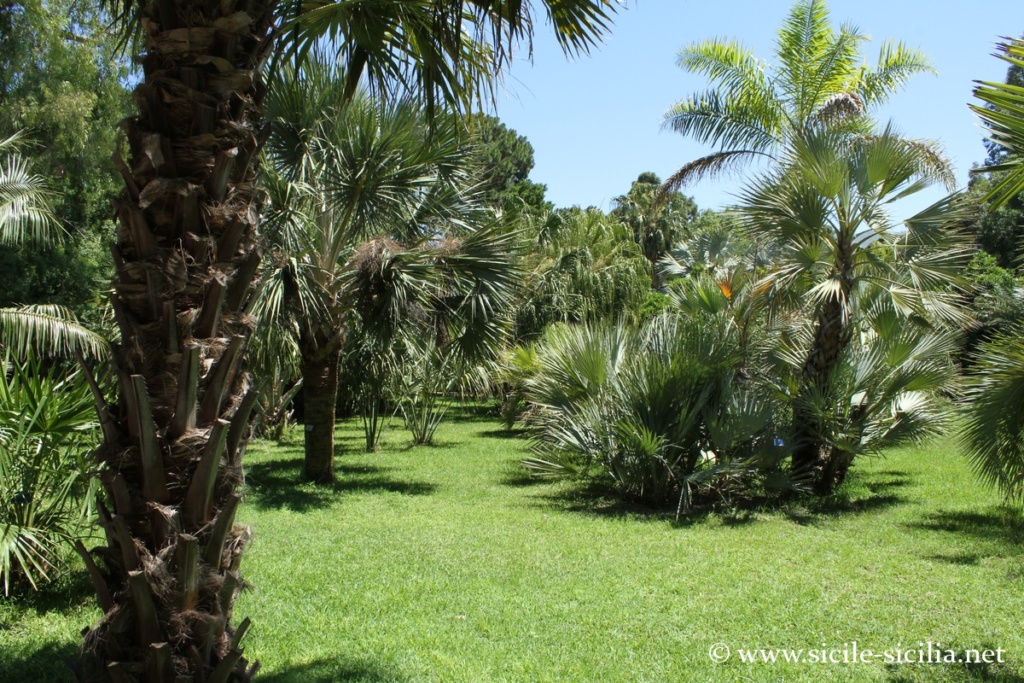
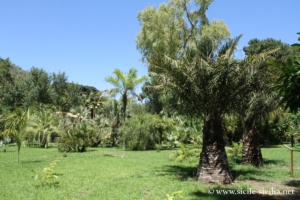
Where is the Palermo Botanical Garden
If you see this after your page is loaded completely, leafletJS files are missing.
Orto Botanico
Via Lincoln, 2, 90133 Palermo
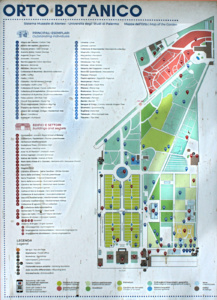

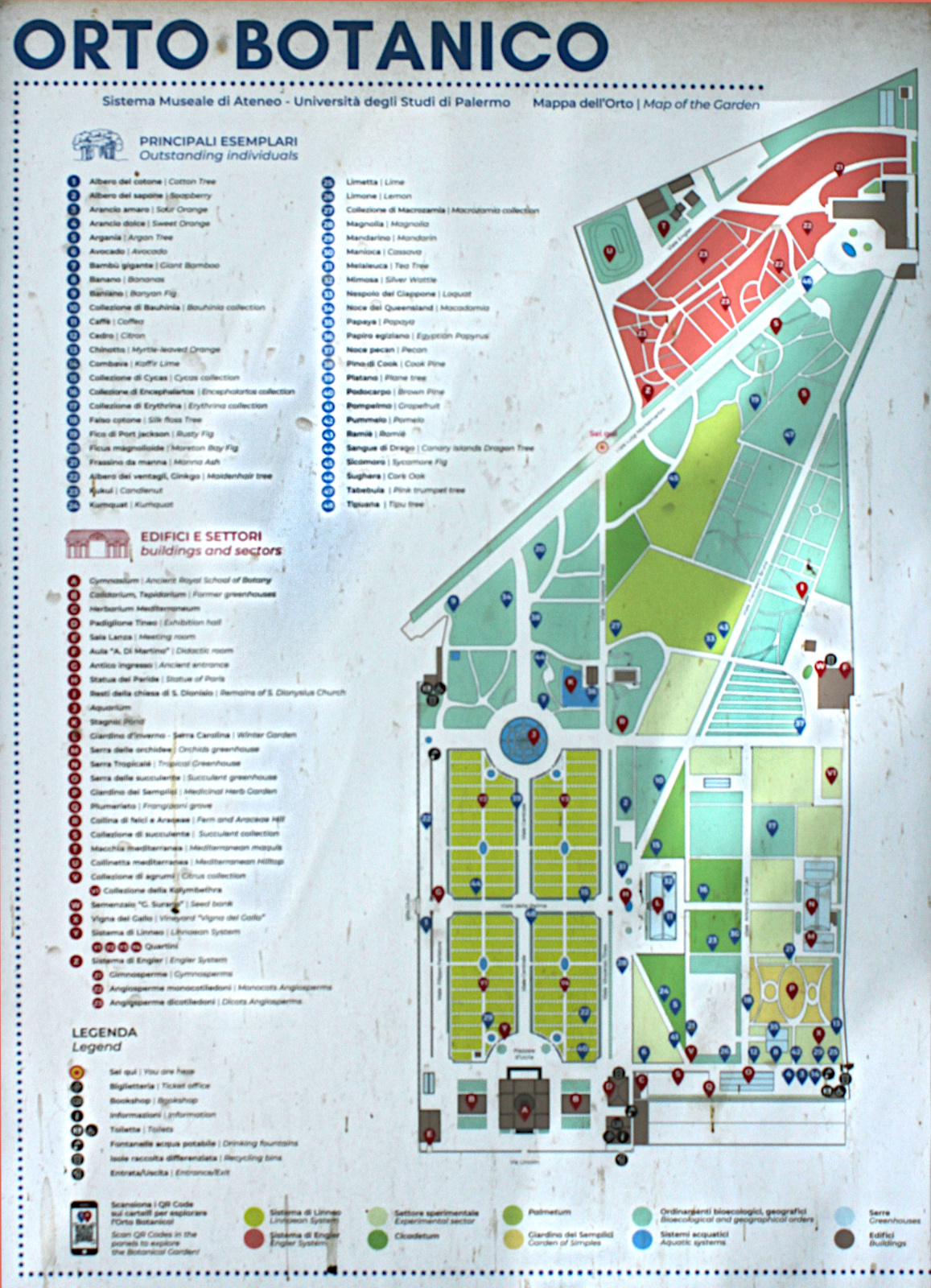
Garden map
Information
Sources and external sites
- Official website: www.ortobotanico.unipa.it
- City websites:
- Encyclopaedic sites and blogs: en.wikipedia.org