

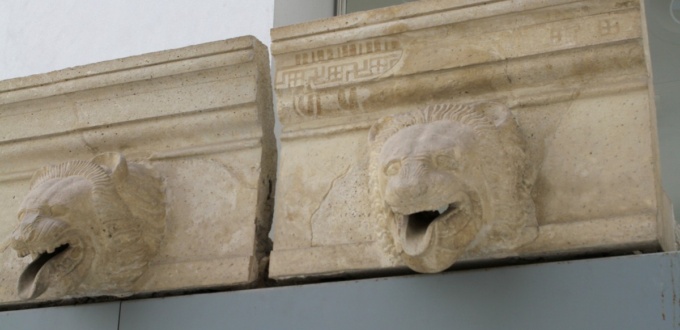
The Antonio Salinas Archaeological Museum is housed in the former convent of the Philippine Fathers, whose Oratory of Saint Ignatius. It is one of the most important archaeological museums in Sicily for Punic, Greek and Roman art.
It takes its name from the archaeologist Antonio Salinas who excavated in Sicily after 1873 and bequeathed a large part of his personal collection to the museum, including a vast collection of numismatic pieces and archaeological documents.
The first nucleus of the collection was established by the Jesuit Ignazio Salnitro in the 18th century.
The Philippine convent
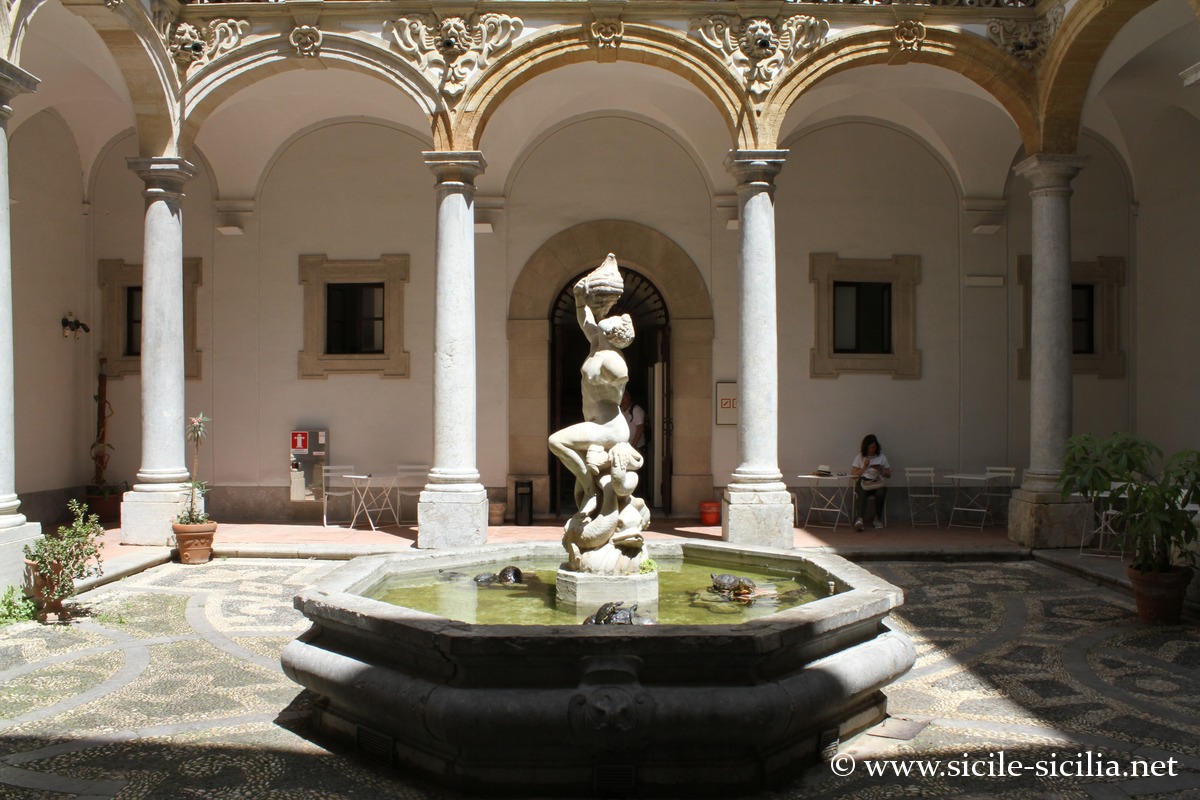
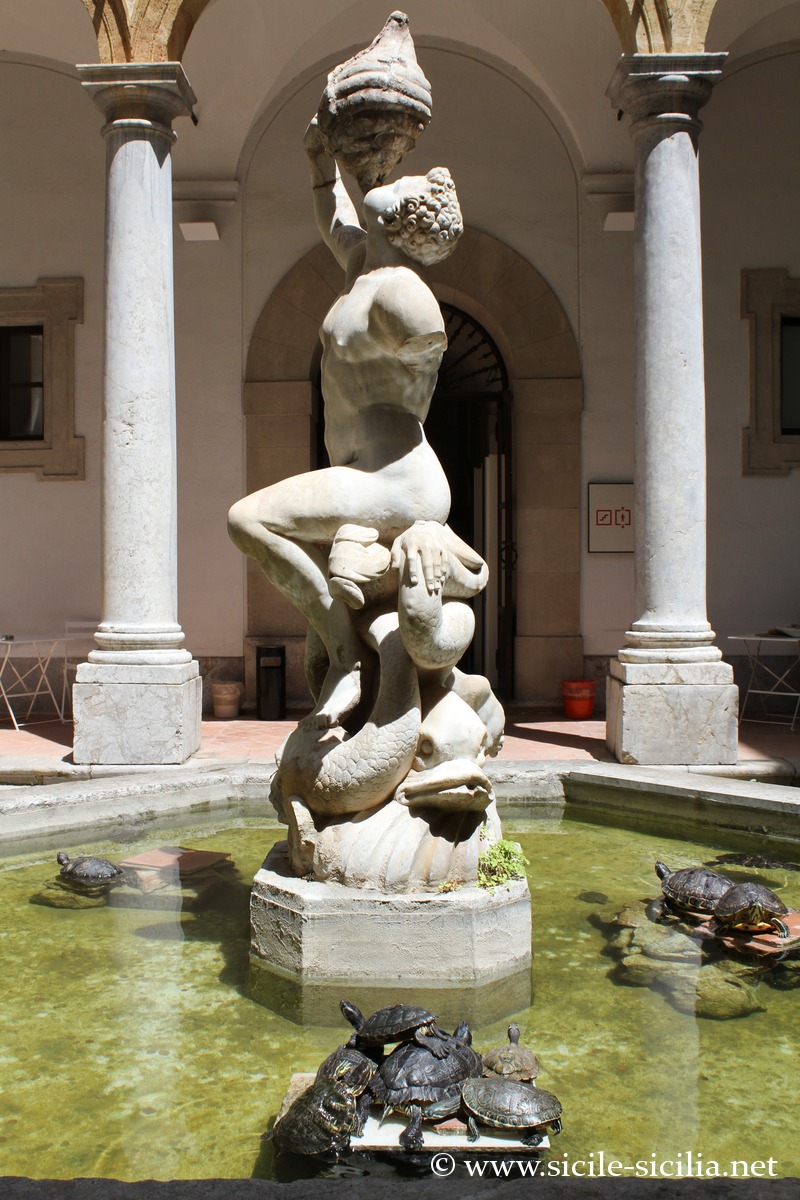
Entrance atrium, Fountain of the Triton
The building was constructed in the 16th century around three cloisters, two of which are still intact, with loggias, and chapels including the church of Sant’Ignazio and the oratory of San Filippo Neri. Only a few structures of the first Renaissance courtyard with its arches and columns remain.
The convent was confiscated from the congregation in 1866 to become the seat of the national museum.
In one of the courtyards, there are two 16th-century doors and in the centre the 16th-century Fountain of the Triton. On the first floor the chapel is adorned with 17th-century decorations and on the second floor is the beautiful 17th-century loggia with a majolica floor.
Visit to the archaeological museum
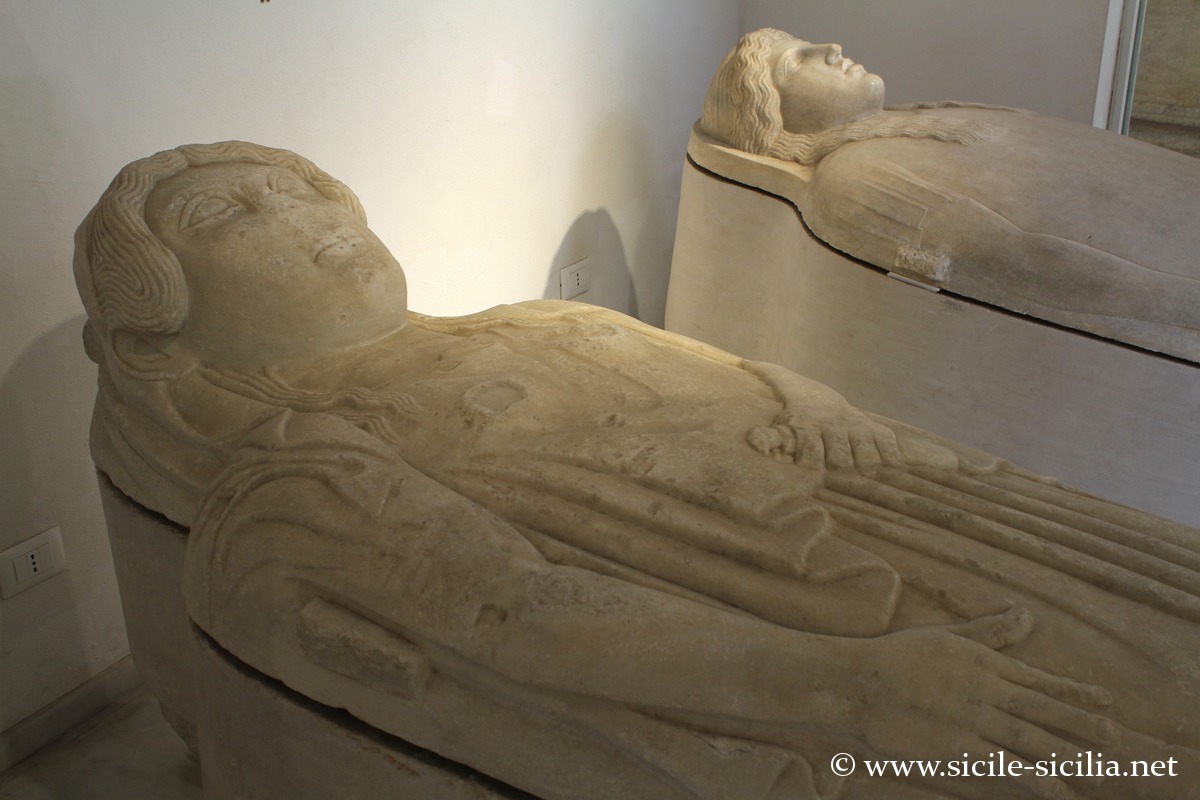
Phoenician sarcophagi from Pizzo Cannita (5th century BC)
The archaeological collections are spread over the ground floor and the two upper floors, with remains from all over Sicily dating from prehistory to the Roman period.
A section is dedicated to the discoveries found during the underwater excavations, with cargoes, important stone anchors, oil lamps, amphorae and others from the Punic age to the Roman one. It illustrates ancient Mediterranean maritime exchanges.
In the Punic and Phoenician section, there are in particular two large anthropomorphic sarcophagi from the 5th century BC (from the necropolis of Pizzo Cannita in Misilmeri), sculptures of Phoenician deities, steles, glassware, and a rich series of painted aediculae.
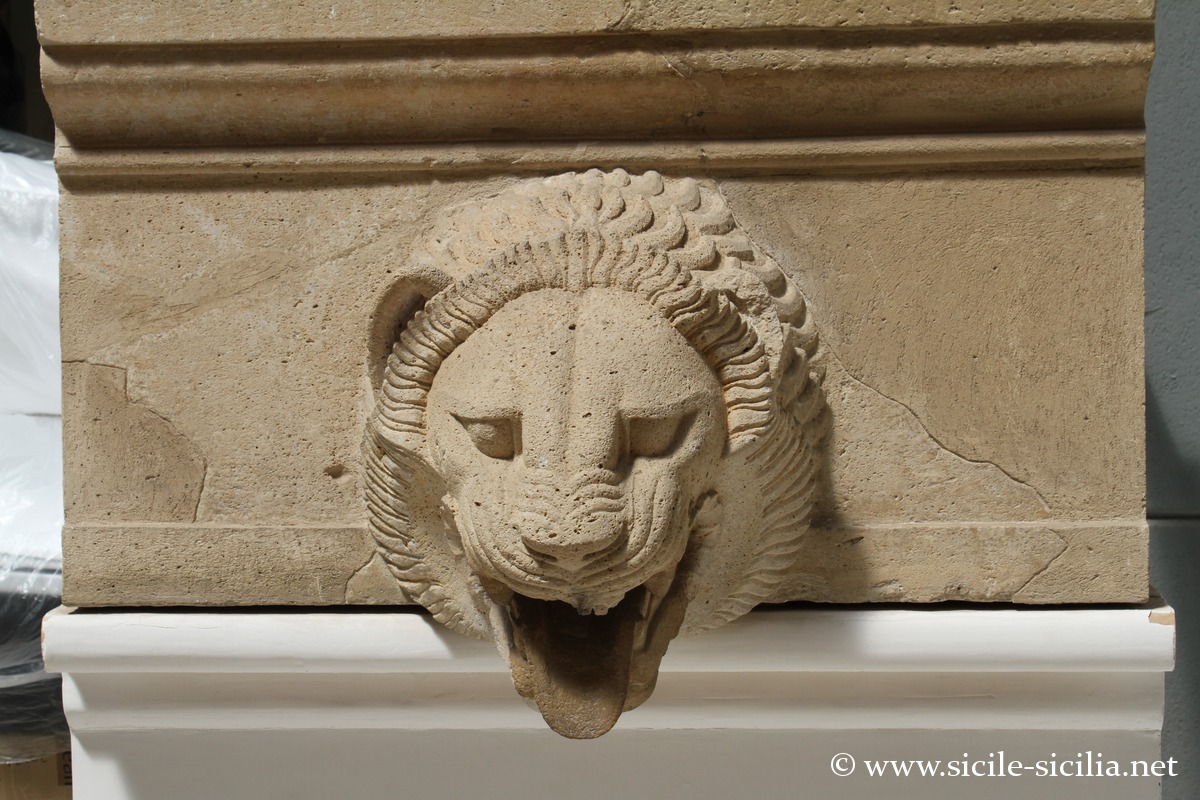
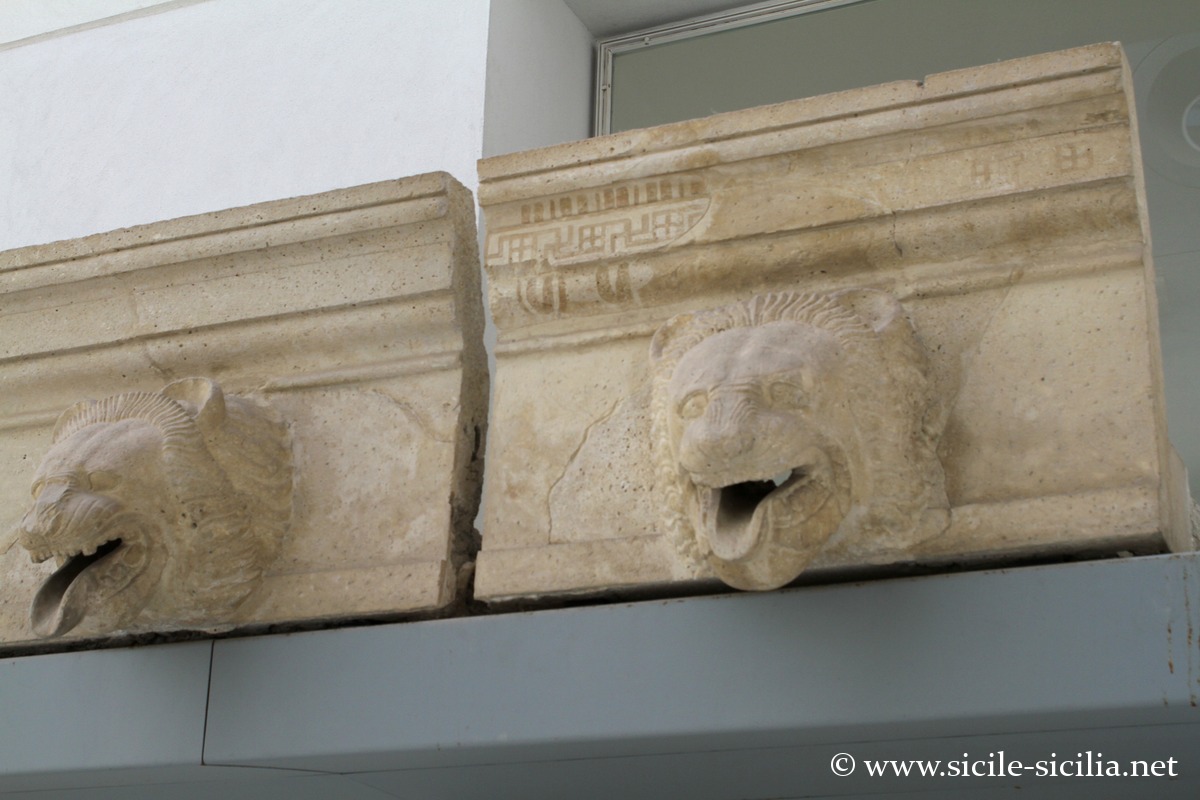
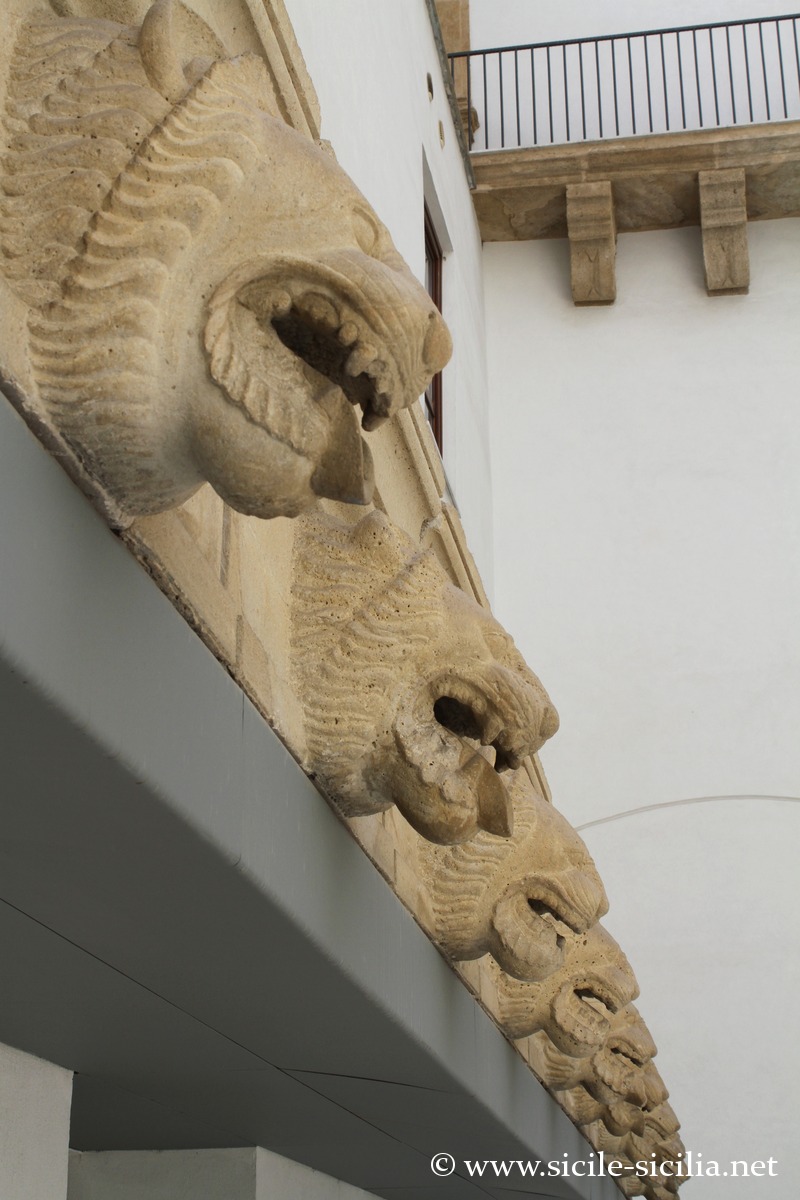
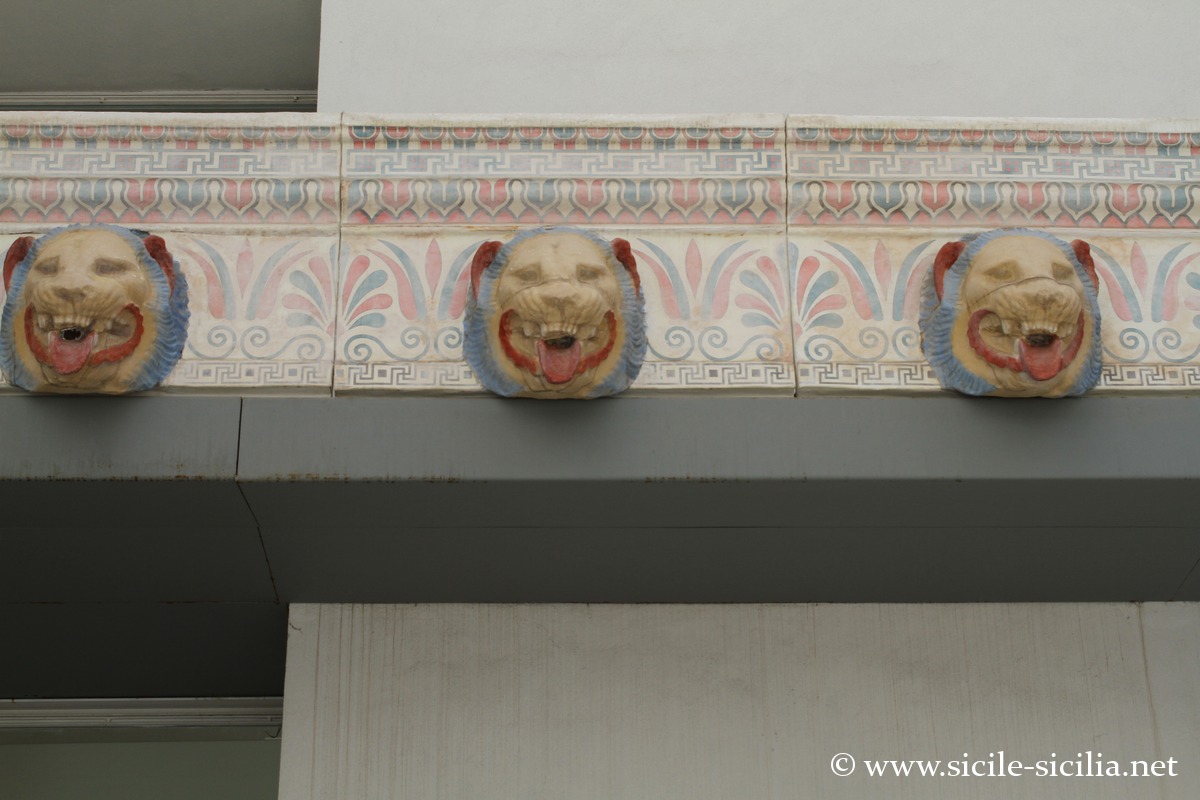
Lions from the pediment of the Temple of Victory at Himera (between 480 and 470 BC)
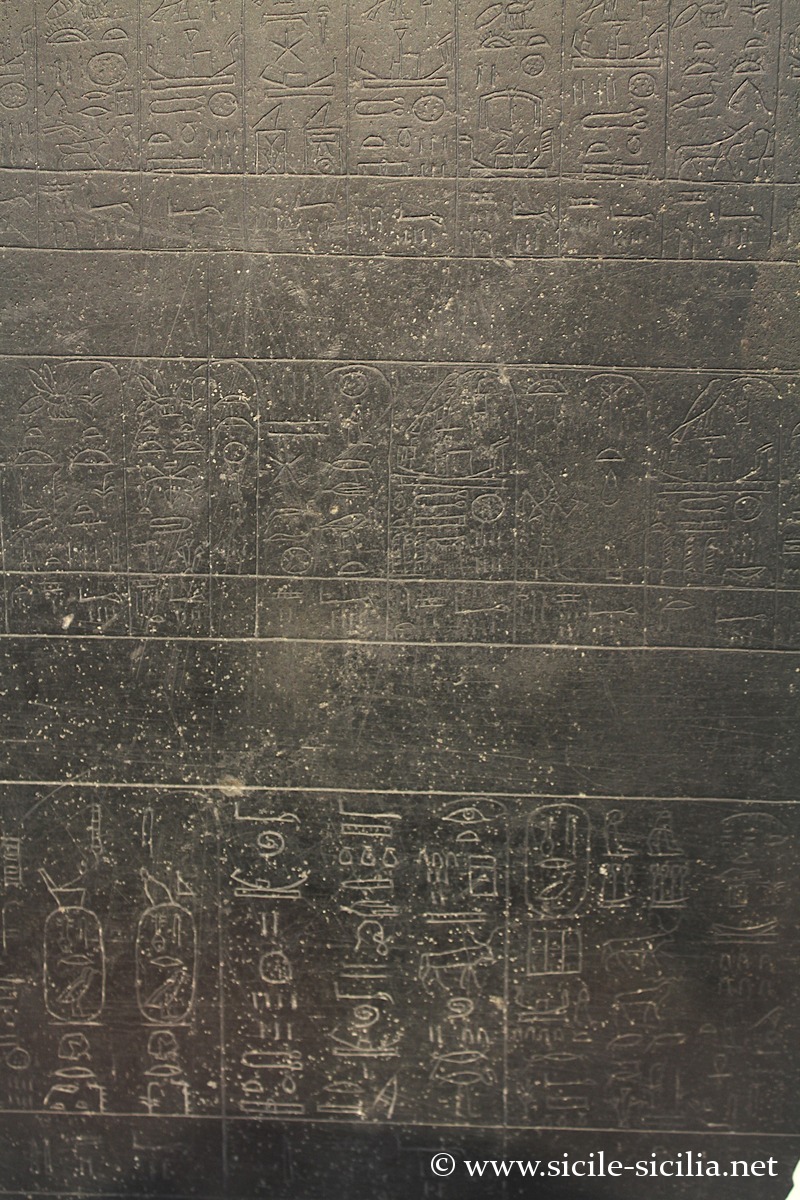
An epigraphic room is devoted to ancient written documentation, in particular Greek and Latin inscriptions and the “Palermo Stone”, an Egyptian hieroglyphic fragment that contains chronicles covering several centuries of ancient Egyptian history.
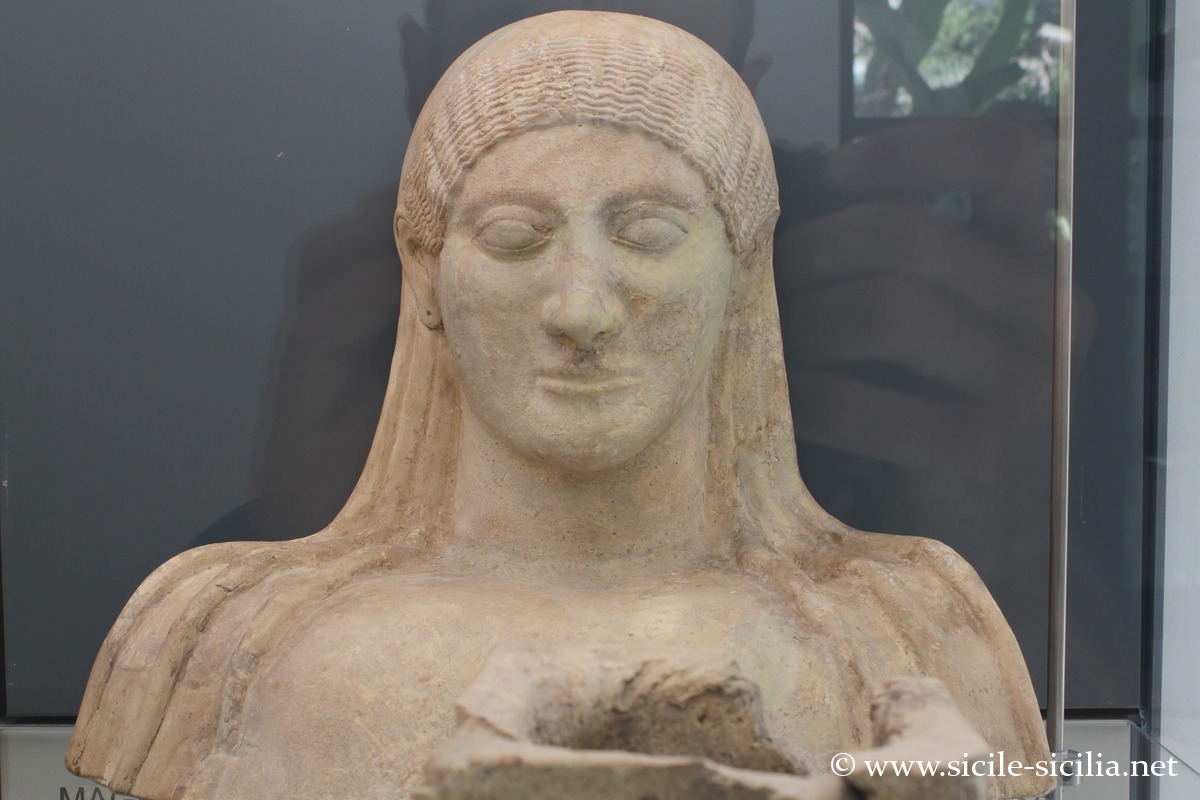
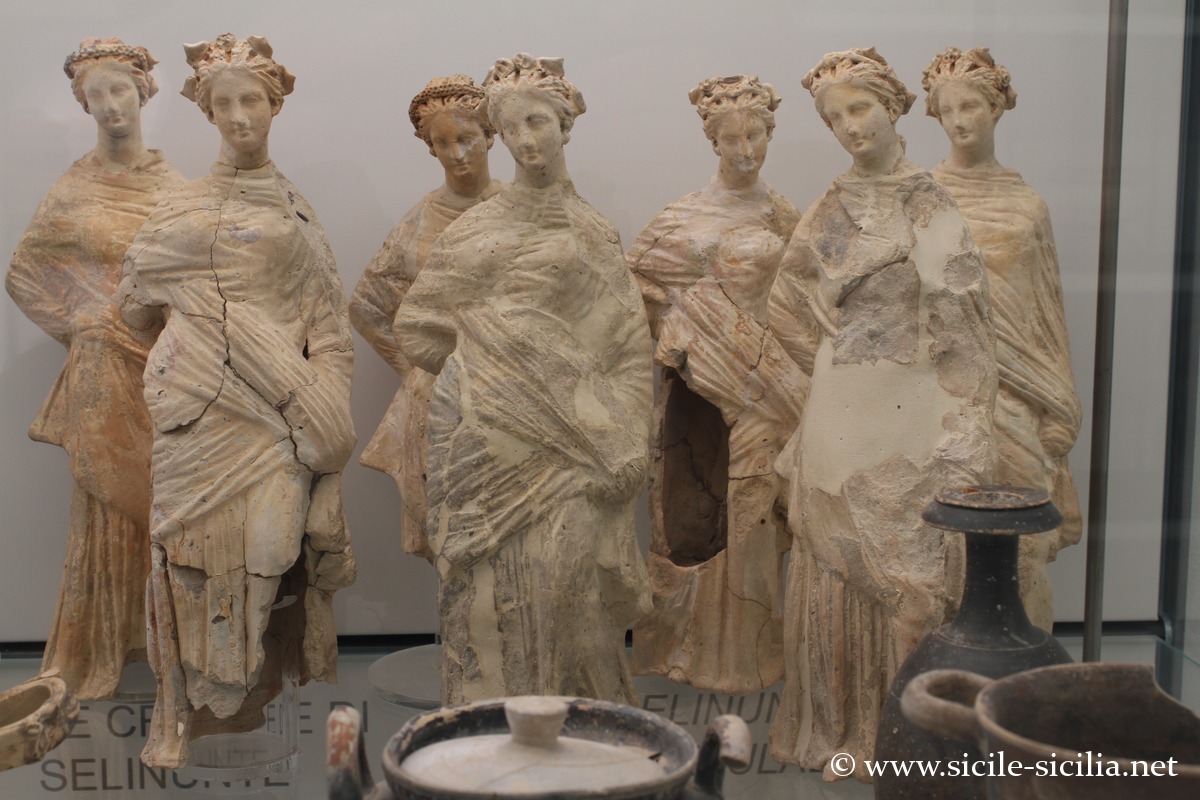
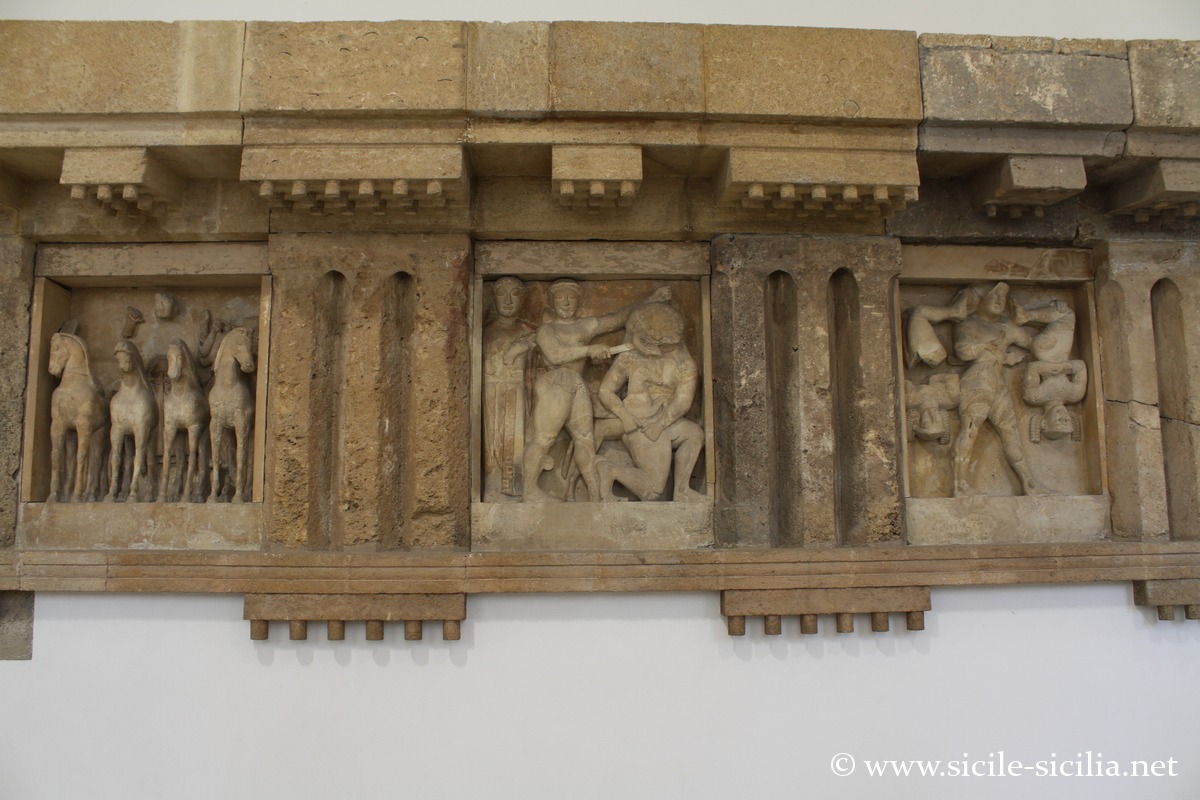
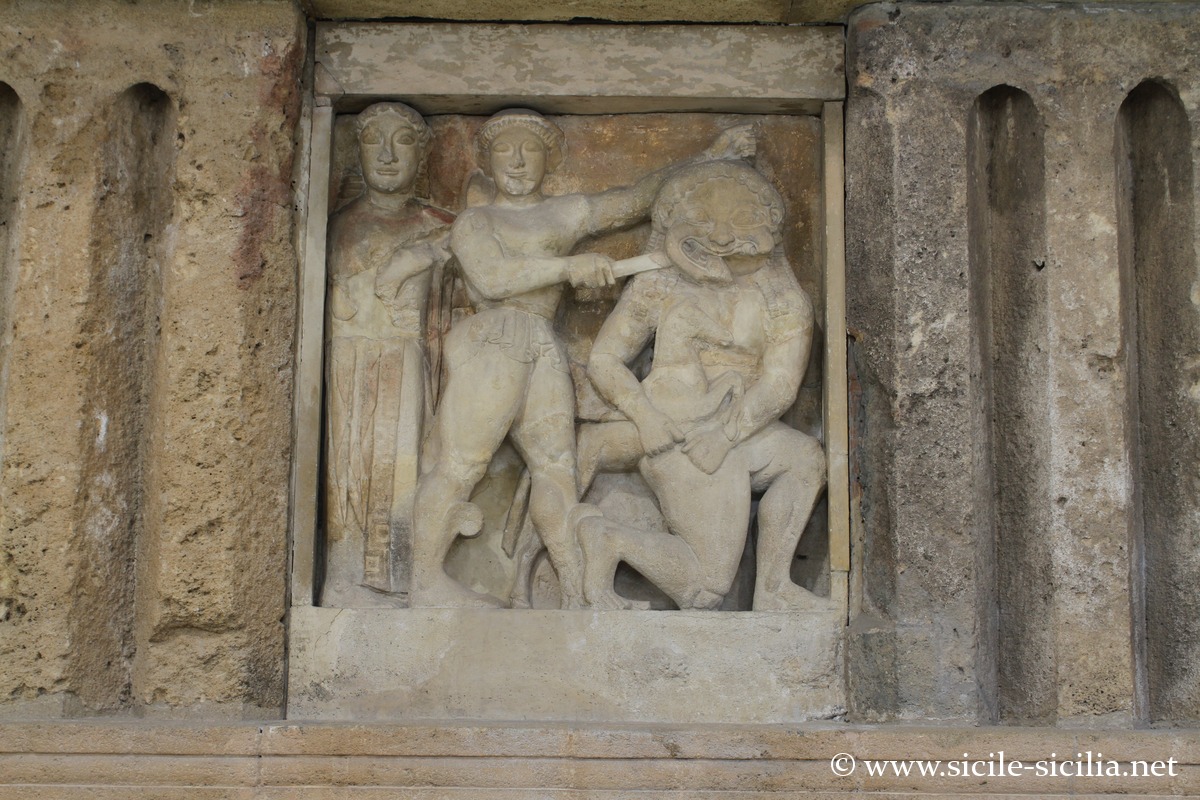
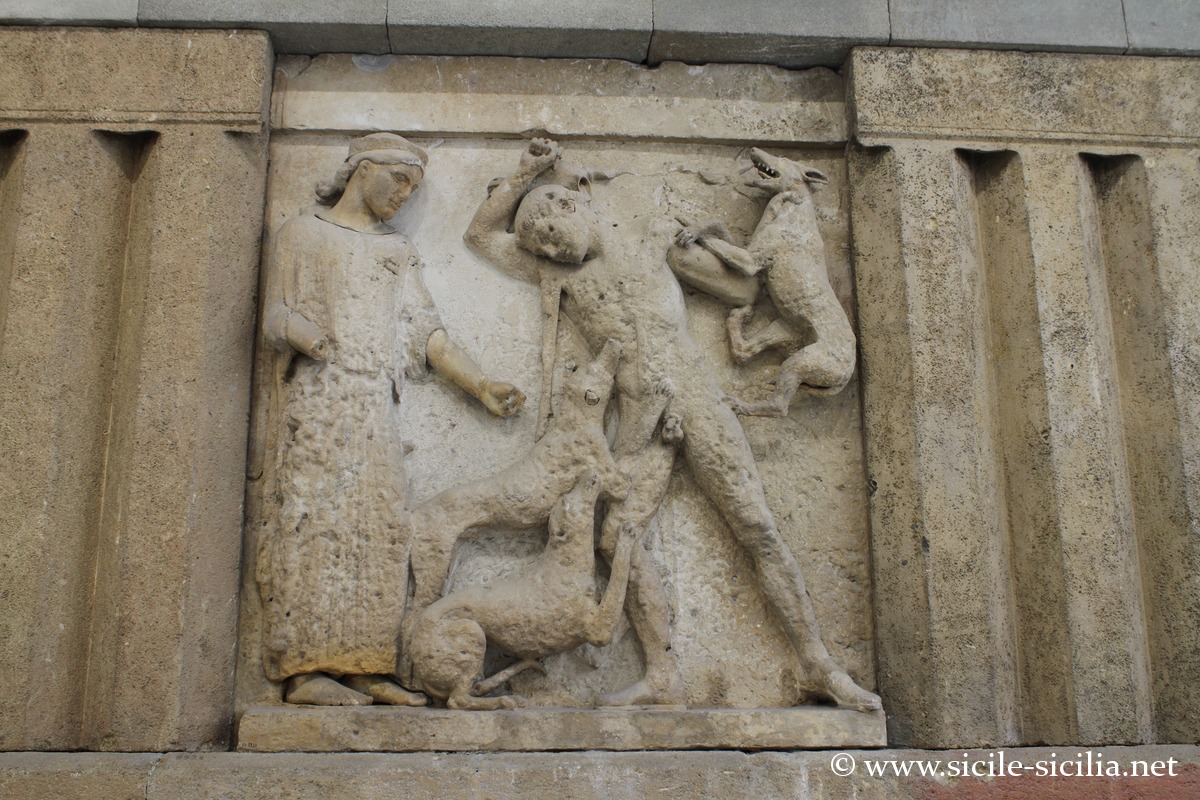
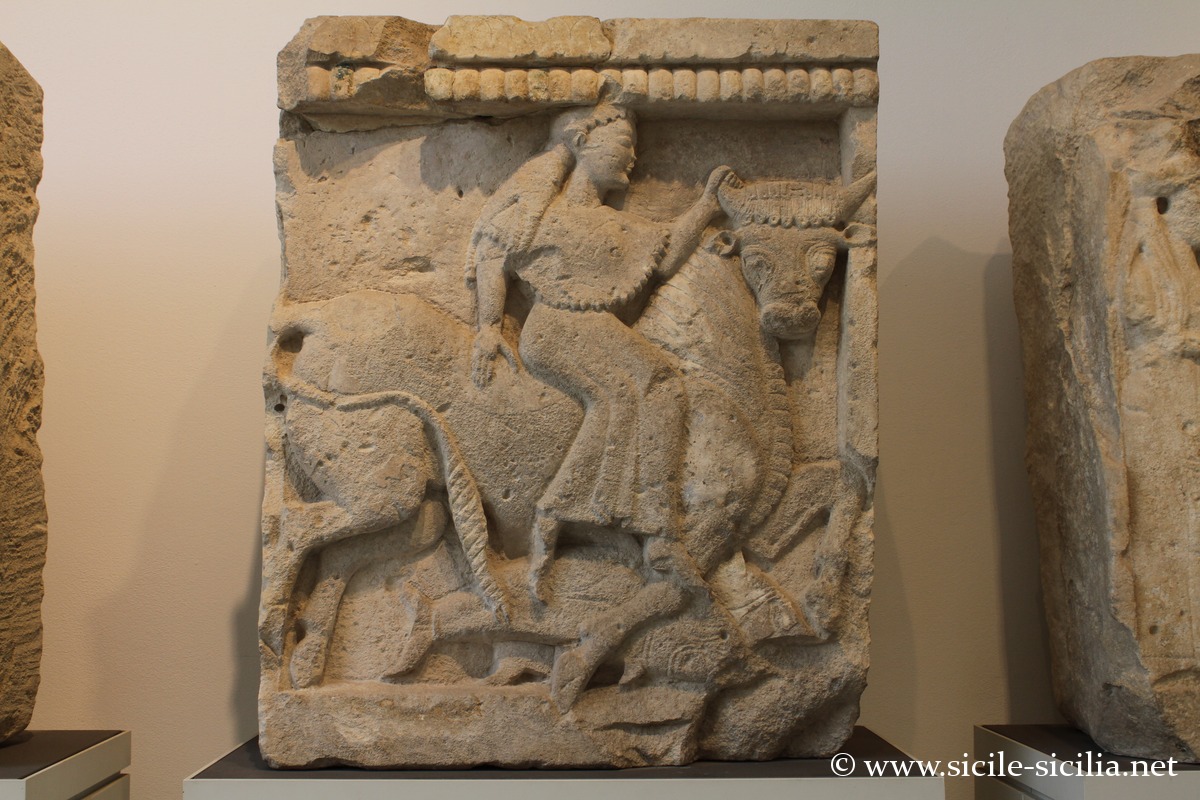
An important section is devoted to the archaeological site of Selinunte, with the metopes of the temples bearing mythological reliefs, and various sculptures from the archaic and classical periods. It has eight thematic rooms that present the architecture, sculpture and religious life of the Greek city. There is also a model of the ancient city and votive bronze objects, weapons, tools and ceramics that illustrate the daily life and cult practices of the inhabitants.
There is also a pediment with a Gorgon from temple C, the largest of its kind known in the Greek world.
Other rooms preserve discoveries from the sites of Greek colonies such as Solunto, Megara Hyblaea, Tyndaris, Camarina and Agrigento, or Himera with the sculpted cornices of lions dating from 480 BC
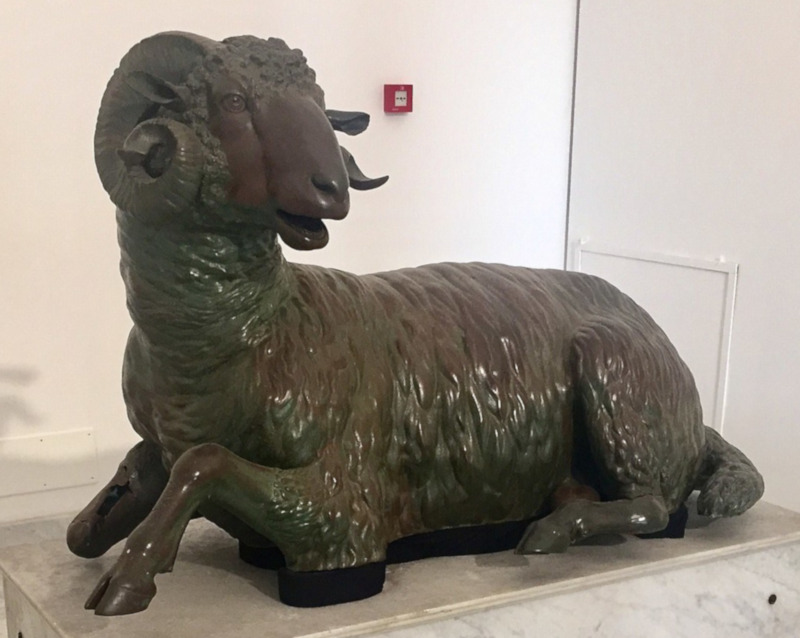
Bronze Ram (3rd century BC)
Among the most remarkable works, there is in the room of the bronzes the large Bronze Ram from the 3rd century BC from Syracuse, one of the few large Hellenistic bronzes preserved to this day.
Also worth mentioning are the Hercules Killing a Doe (a Roman copy of a Greek original), and a Roman marble copy of the Satyr facing Praxiteles.
In the section devoted to the Roman period there are sculptures and mosaics from Roman villas around Piazza Vittoria in Palermo.
On the second floor there is a section devoted to prehistory, with tools, ceramics and human remains from the Neolithic period discovered in the caves around Monte Pellegrino, as well as pieces illustrating the material culture of the prehistoric populations of Sicily.
The museum also houses the numismatic and archaeological collections bequeathed by Antonio Salinas, offering a complete panorama of Sicilian history from the Neolithic to the Roman Empire.
Photo gallery
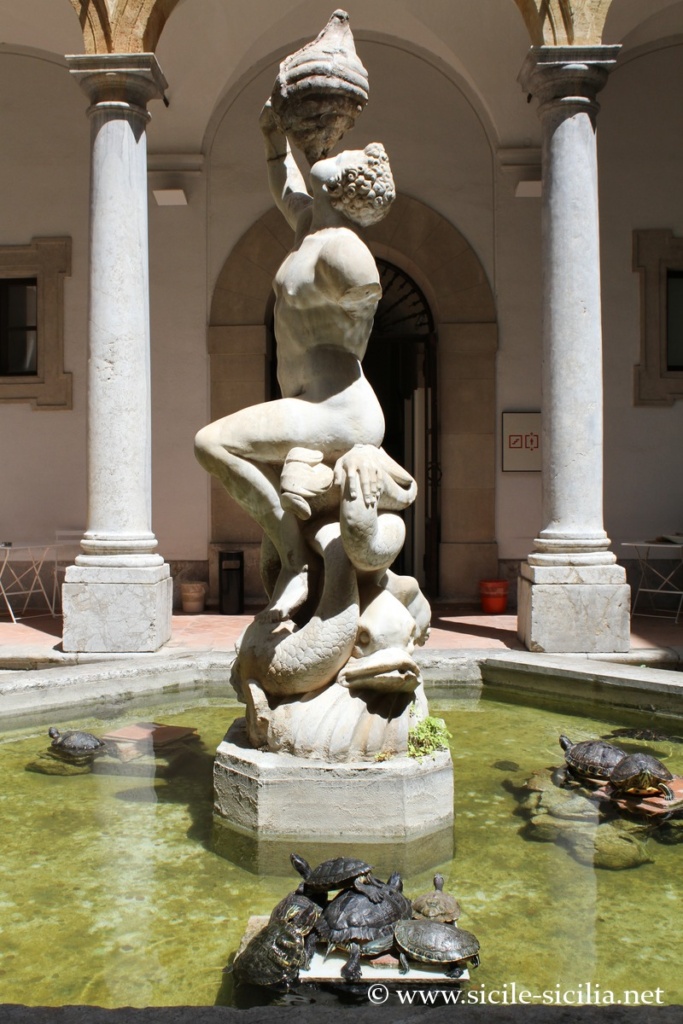

Fountain of the Triton 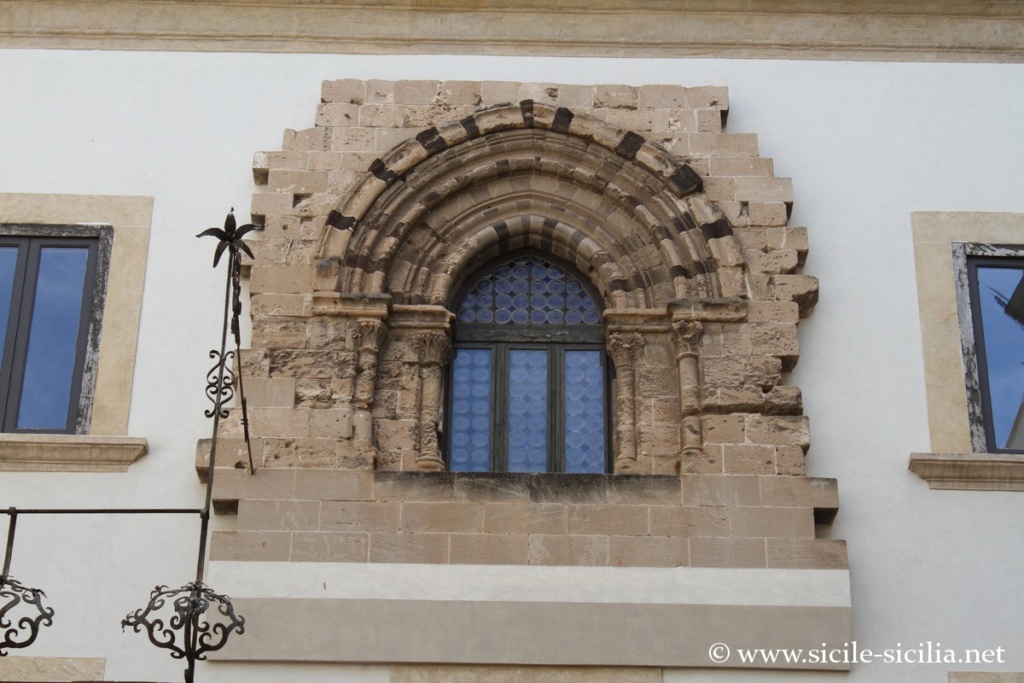

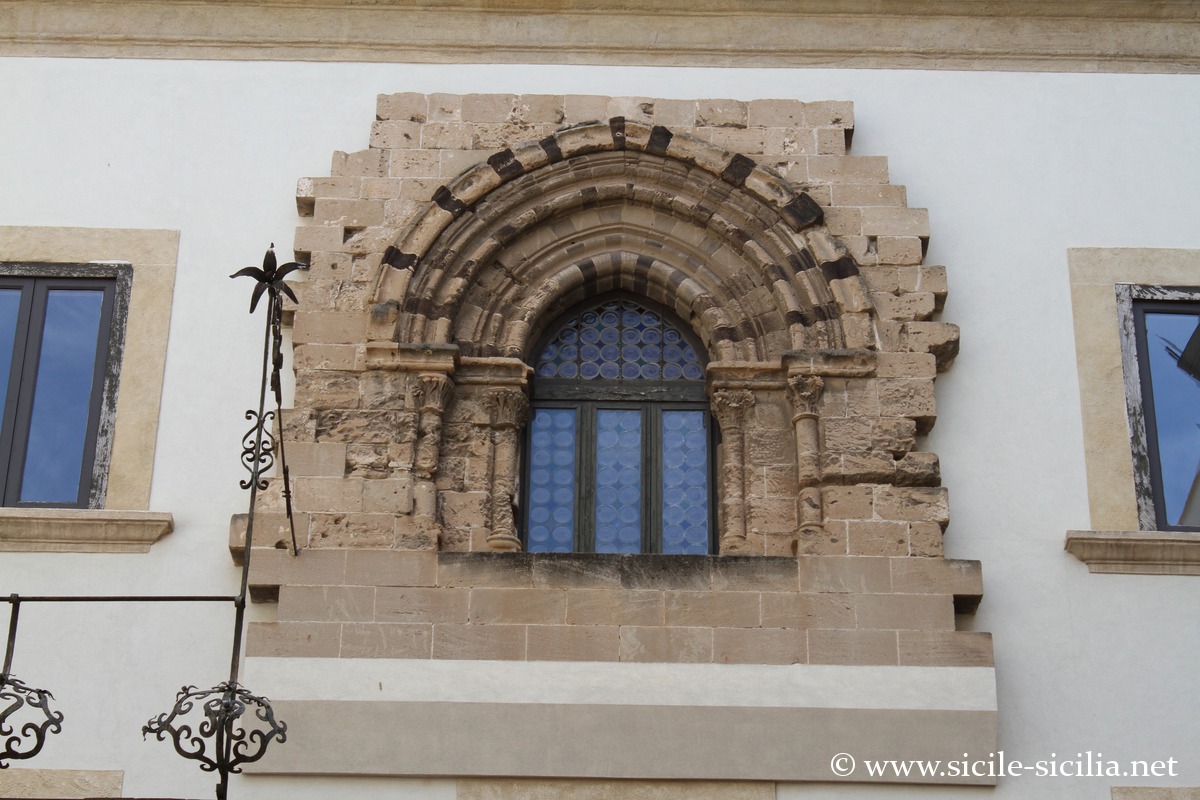
Window in the atrium 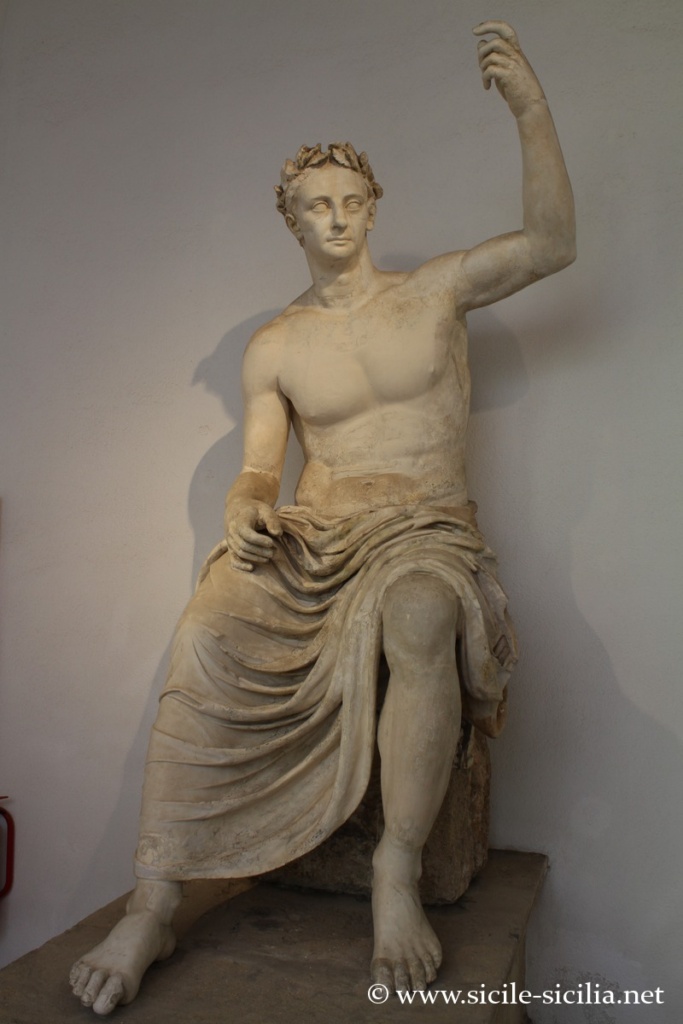
Statue of the Emperor Claudius (Tyndaris, 1st century AD) 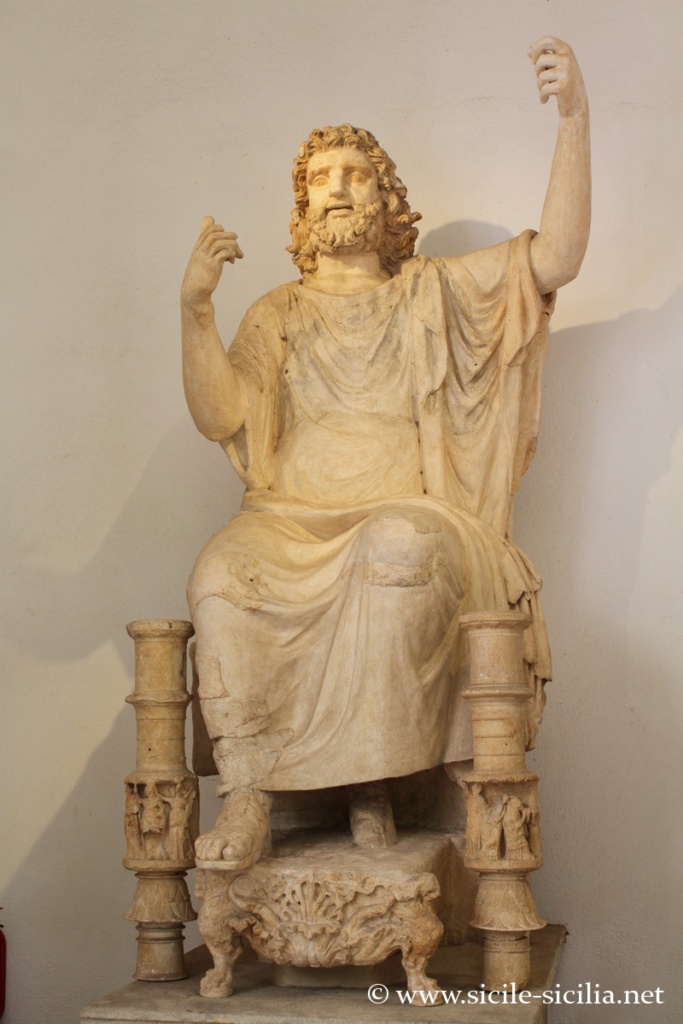
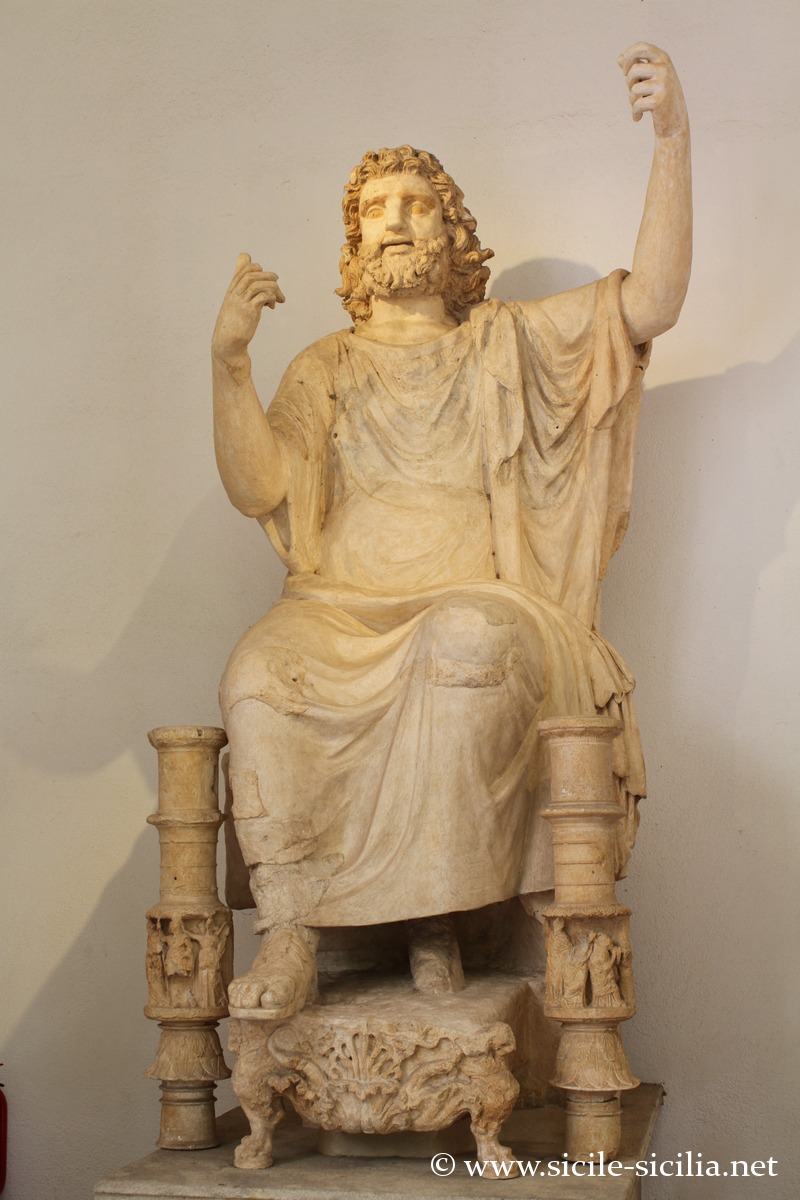
Statue of Zeus (Solunto, 2nd-1st century BC) 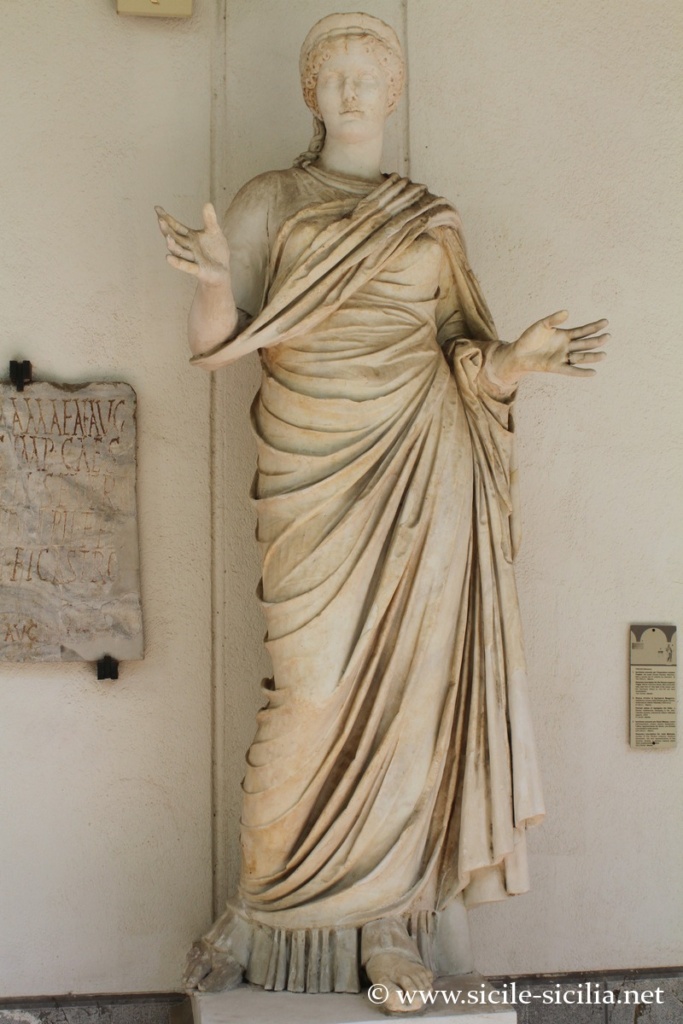
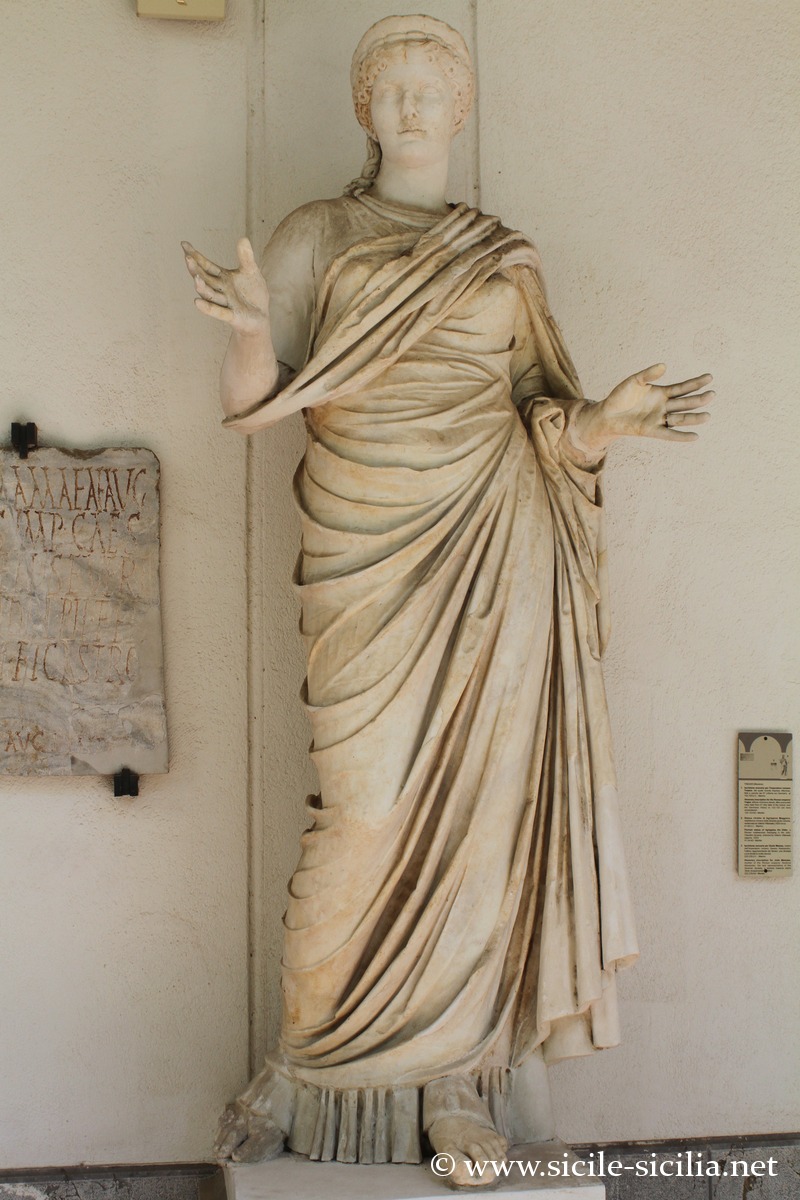
Roman statue 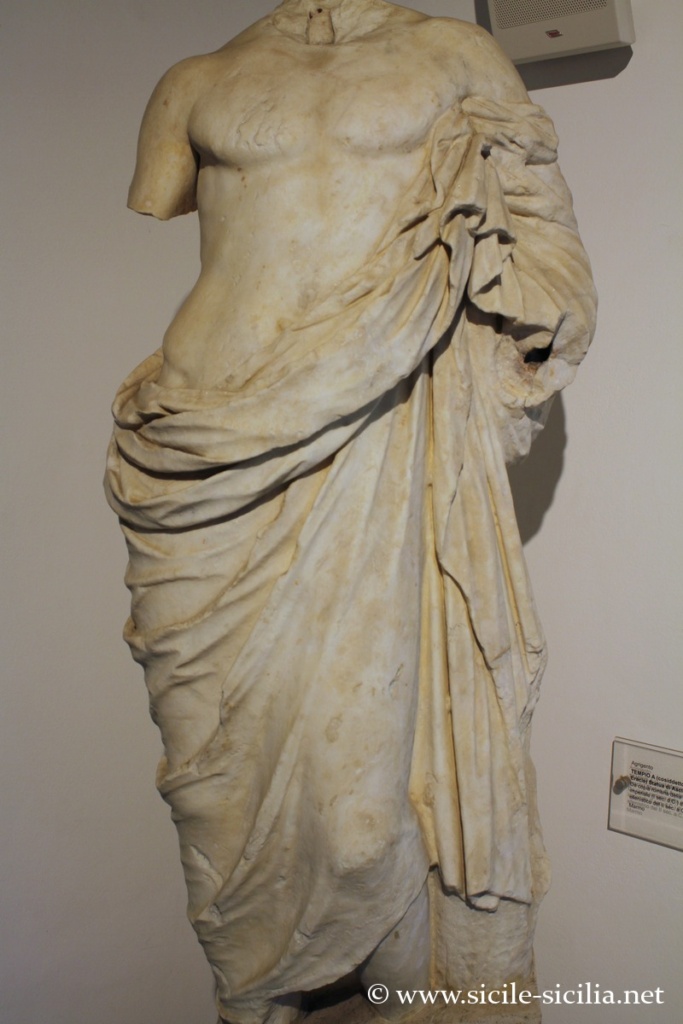
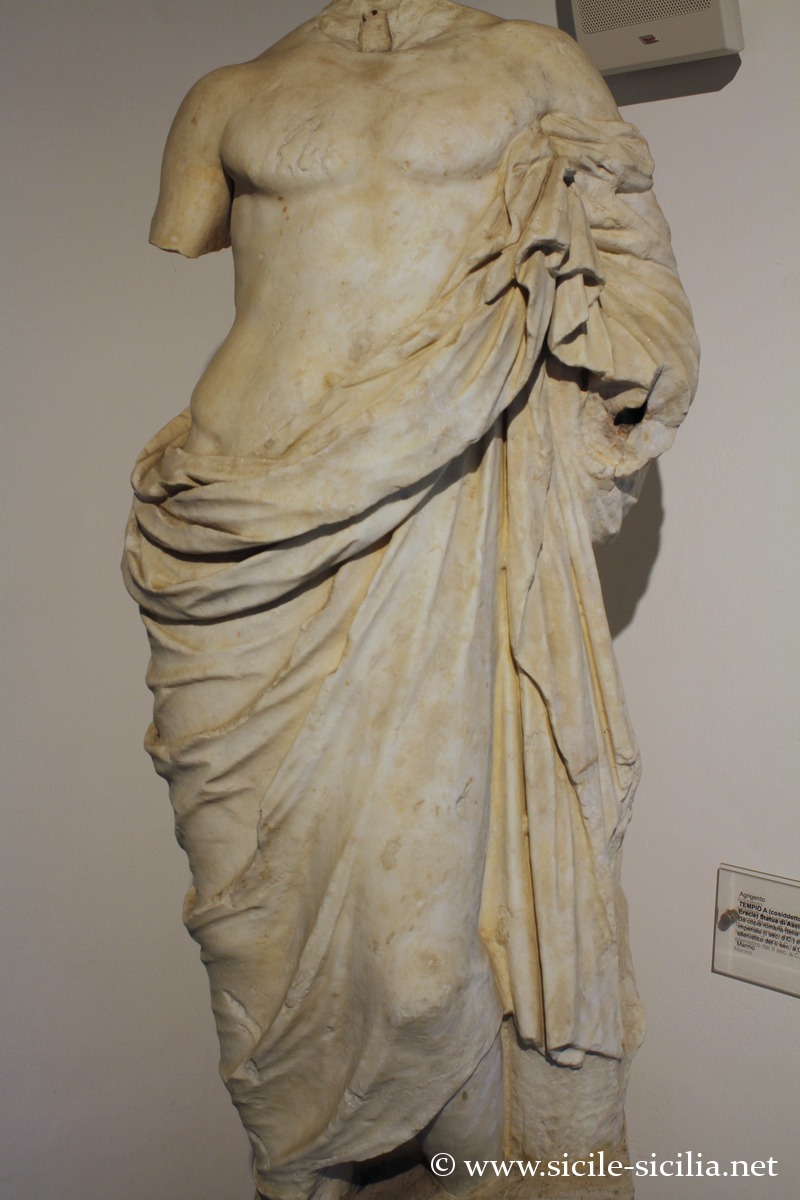
Statue of Asklepios (Agrigento, Roman marble copy of a Greek original from the 4th century BC) 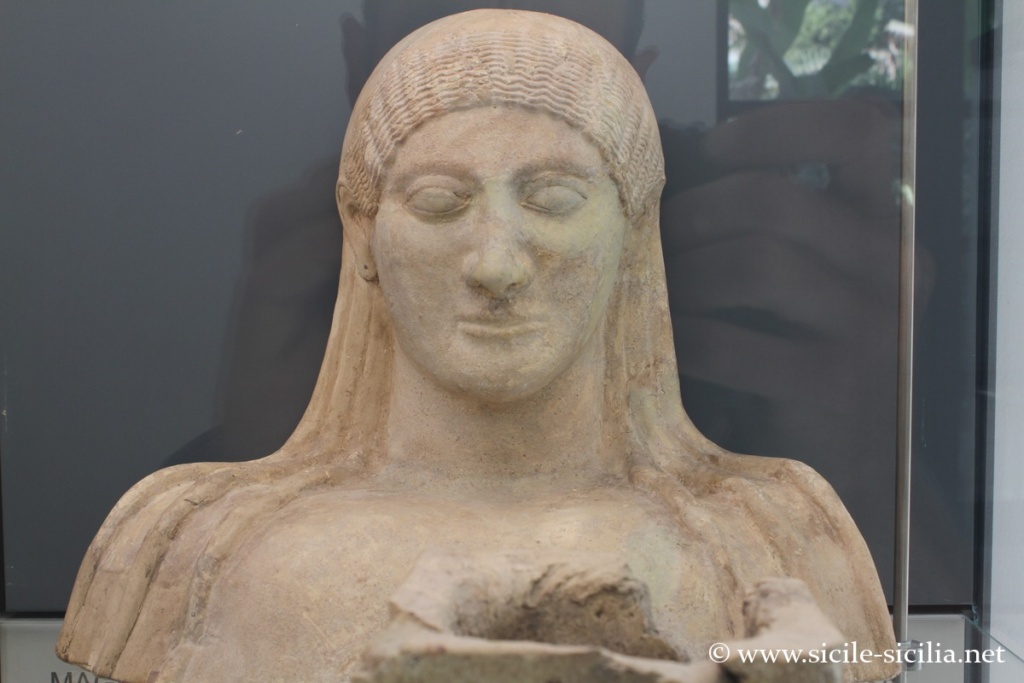
Sanctuary of Zeus Meilichios (Selinunte) 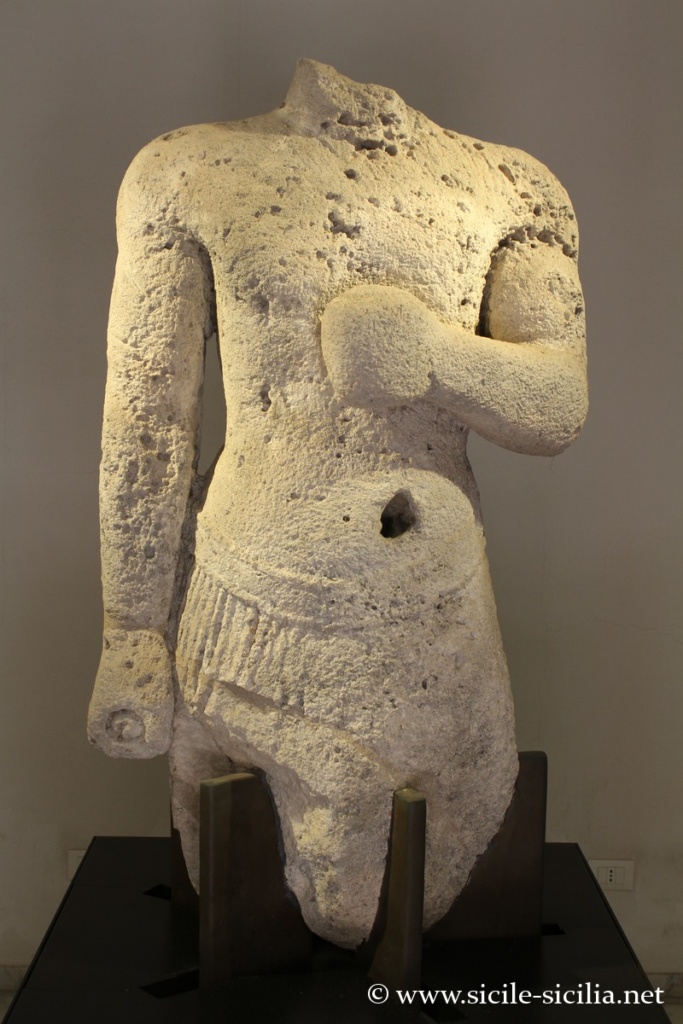
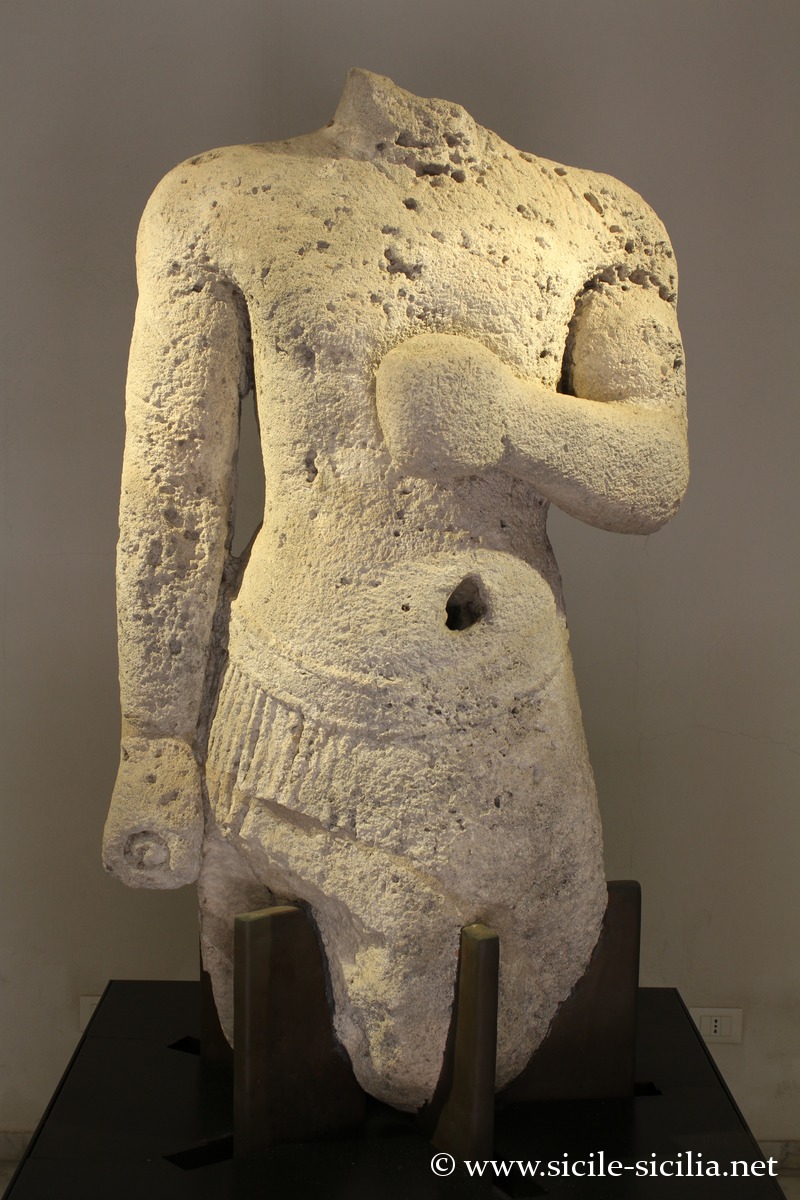
Phoenician statue (Motya, around 550-530 BC) 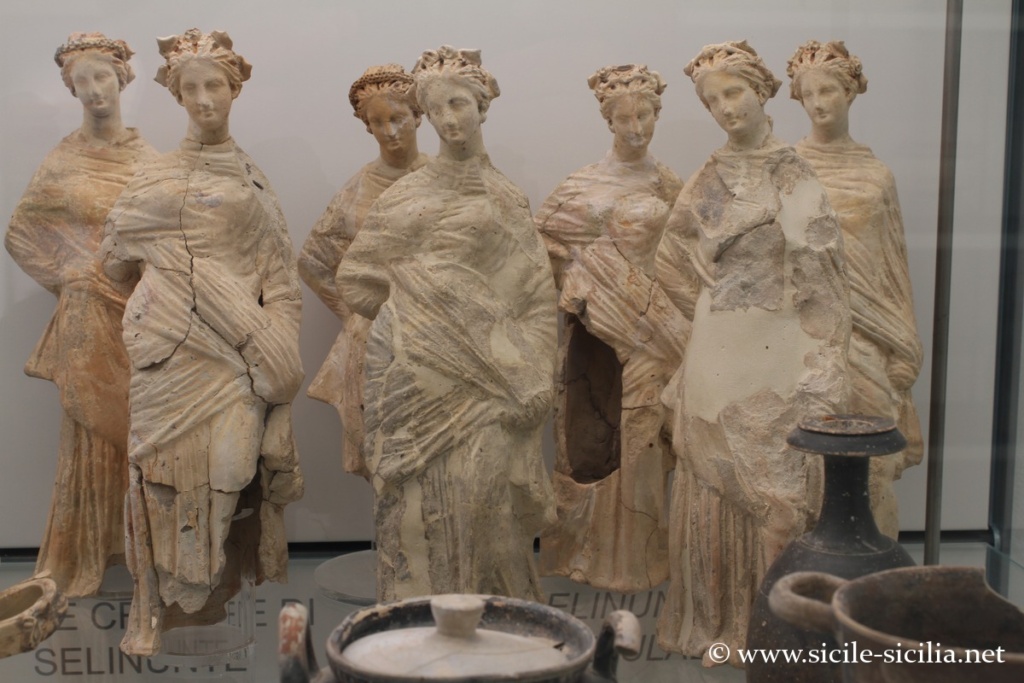
Plateau of Manuzza (Selinunte) 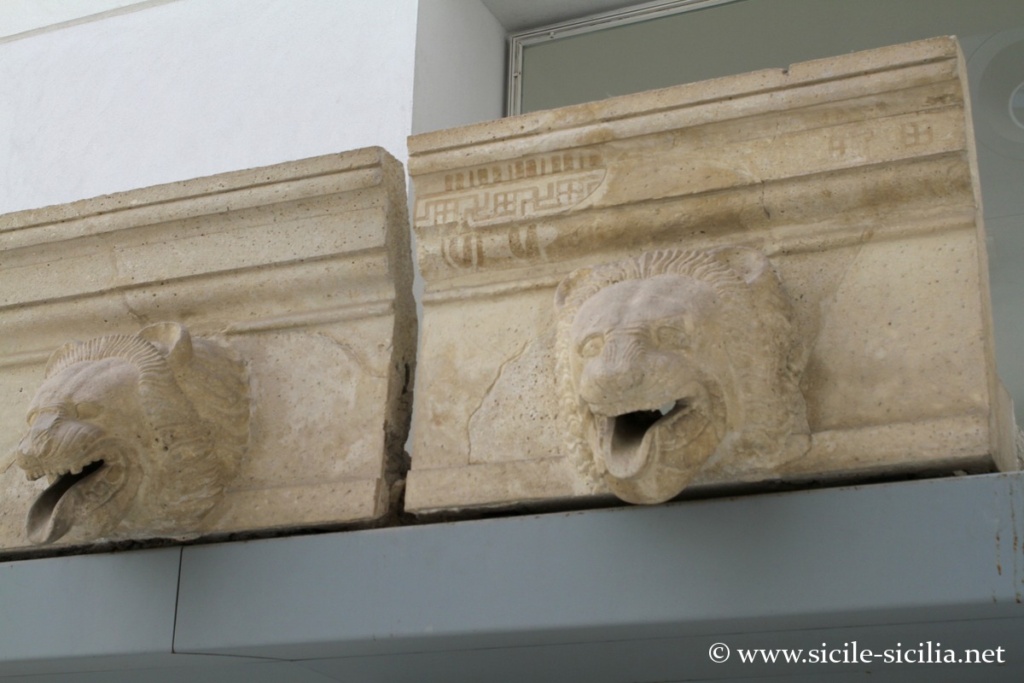
Pediment of the Temple of Victory (Himera, 480 and 470 BC) 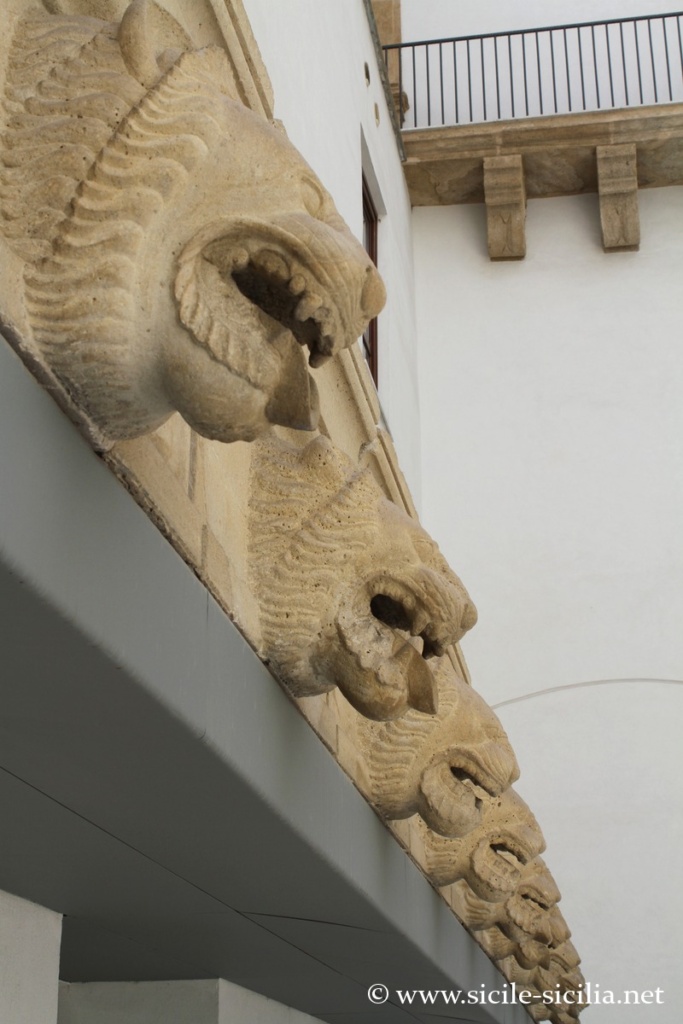
Pediment of the Temple of Victory (Himera, 480 and 470 BC) 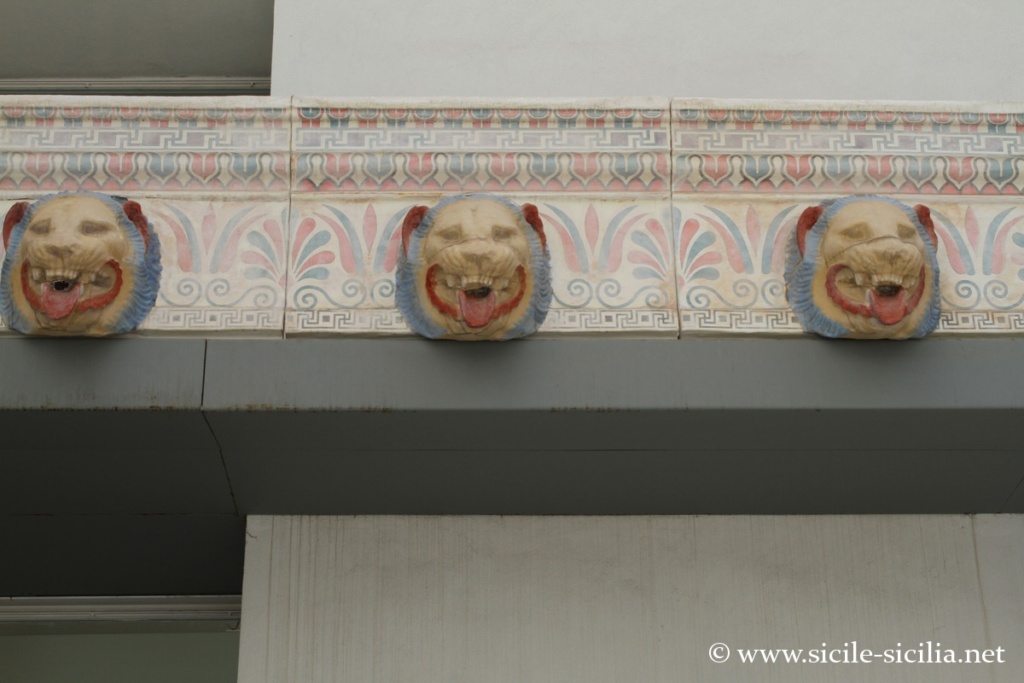
Pediment of the Temple of Victory (Himera, 480 and 470 BC) 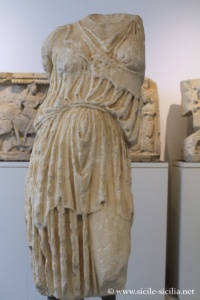

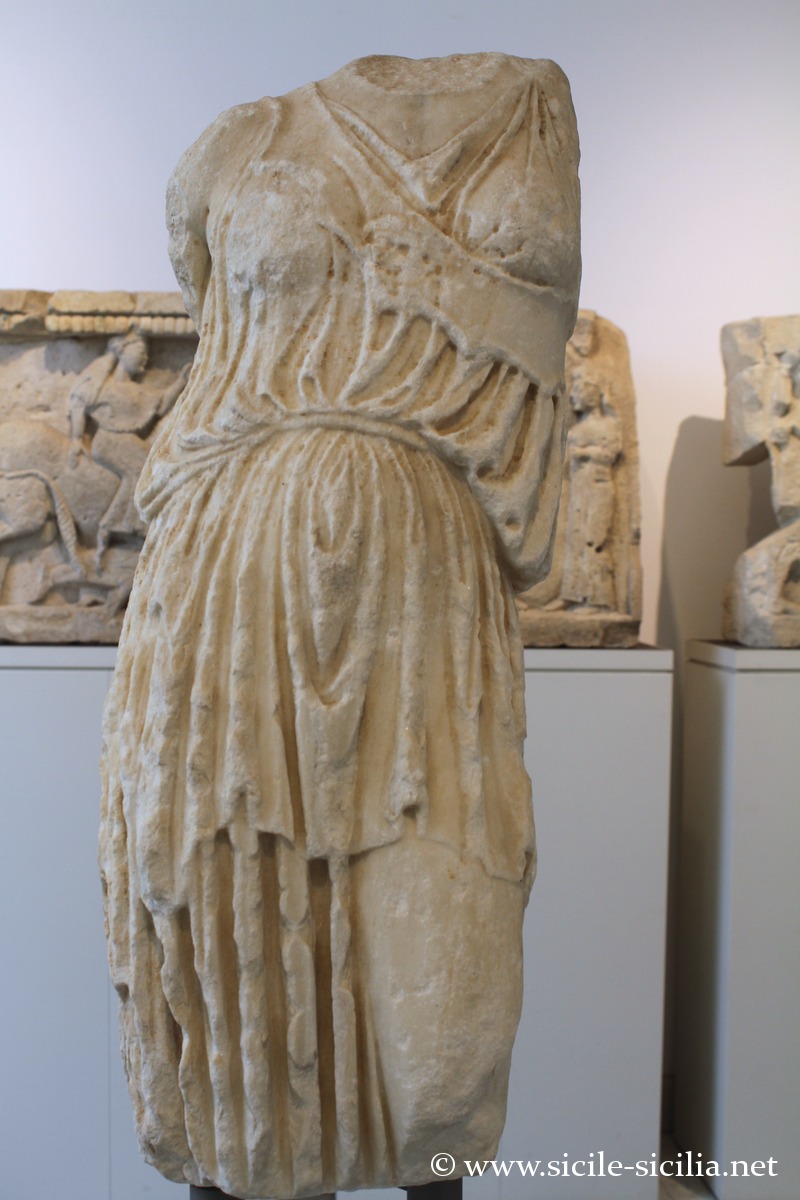
Statue of Athena (exchange with Athens, 5th century BC) 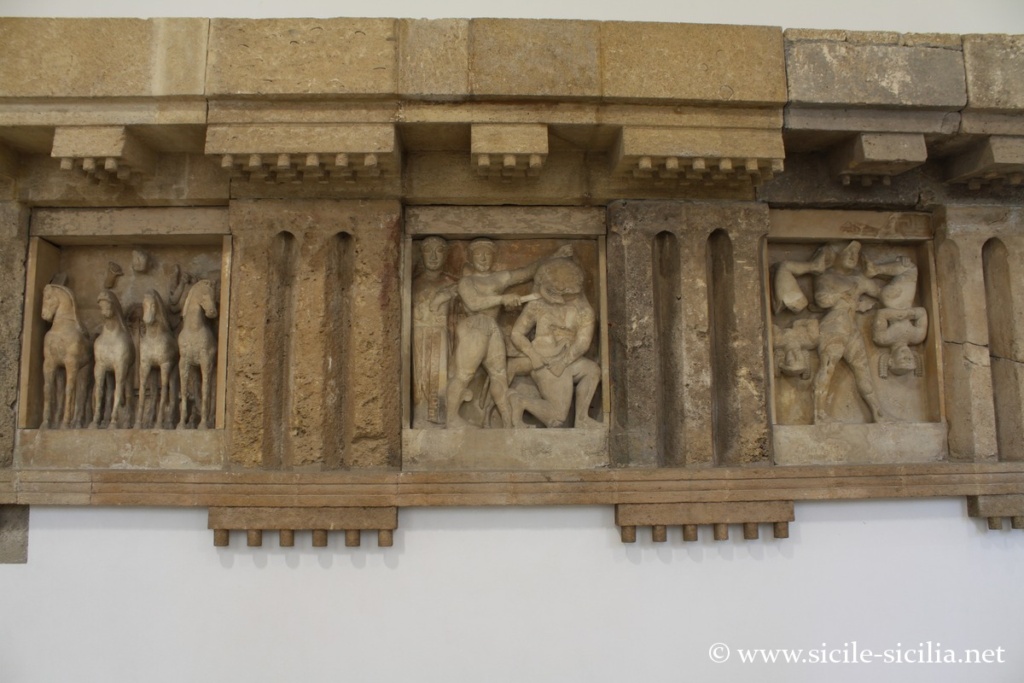
Metopes of the Temples of Selinunte (6th and 5th century BC) 

Metopes of the Temples of Selinunte (6th and 5th century BC) 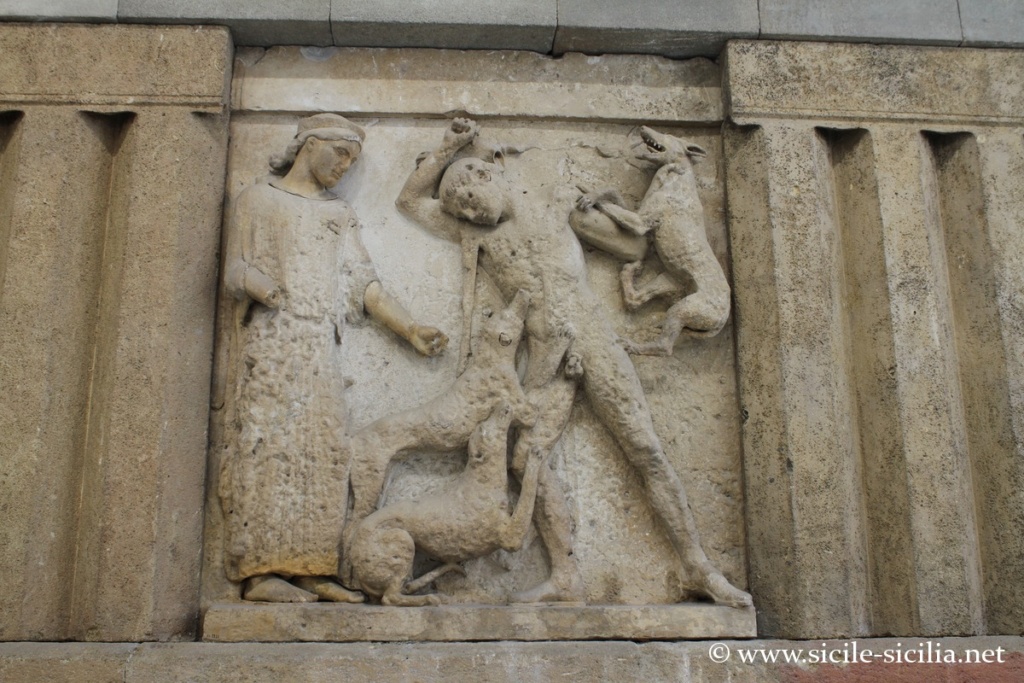
Metopes of the Temples of Selinunte (6th and 5th century BC) 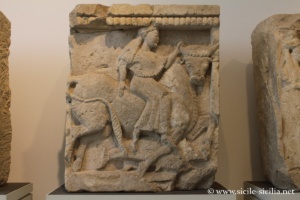
Metopes of the Temples of Selinunte (6th and 5th century BC) 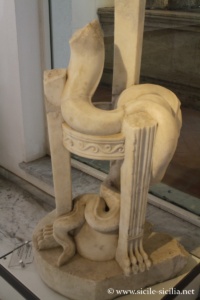
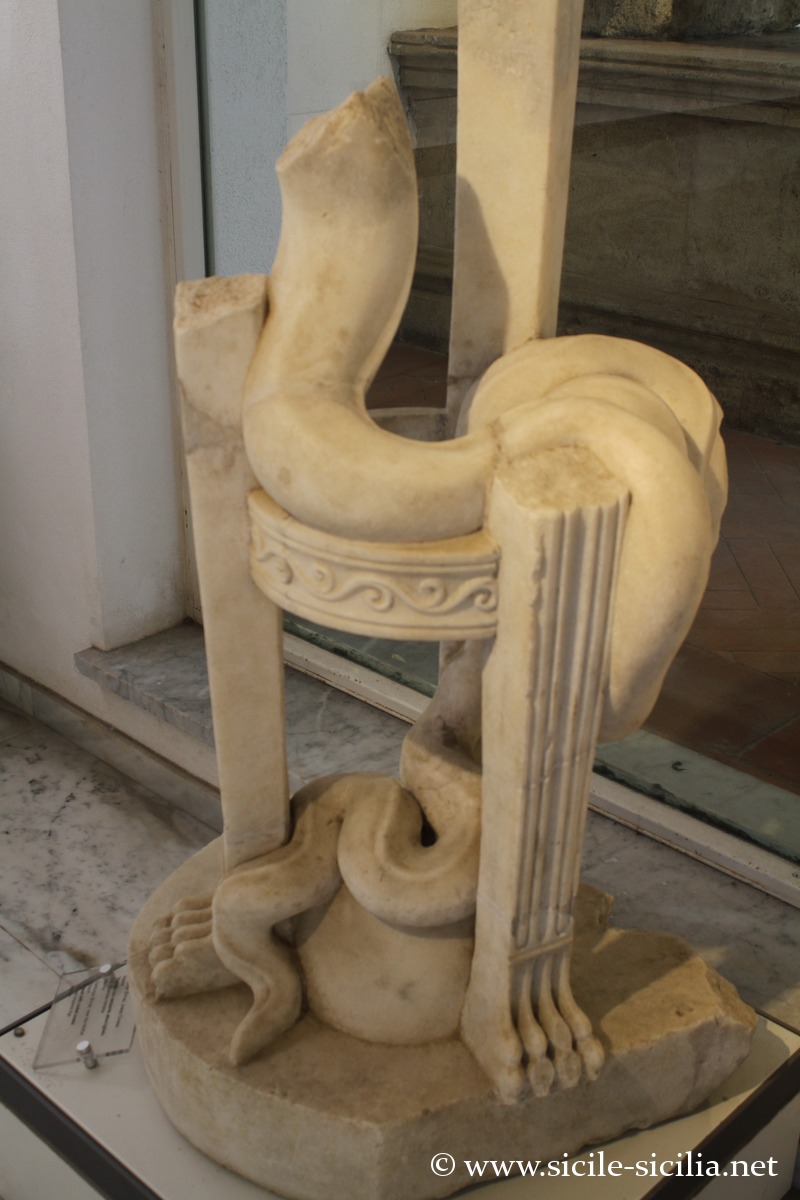
Tripod with serpent (1st century AD, Centuripe) 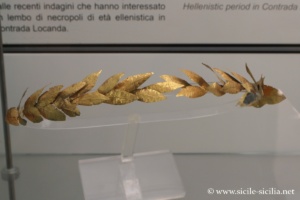
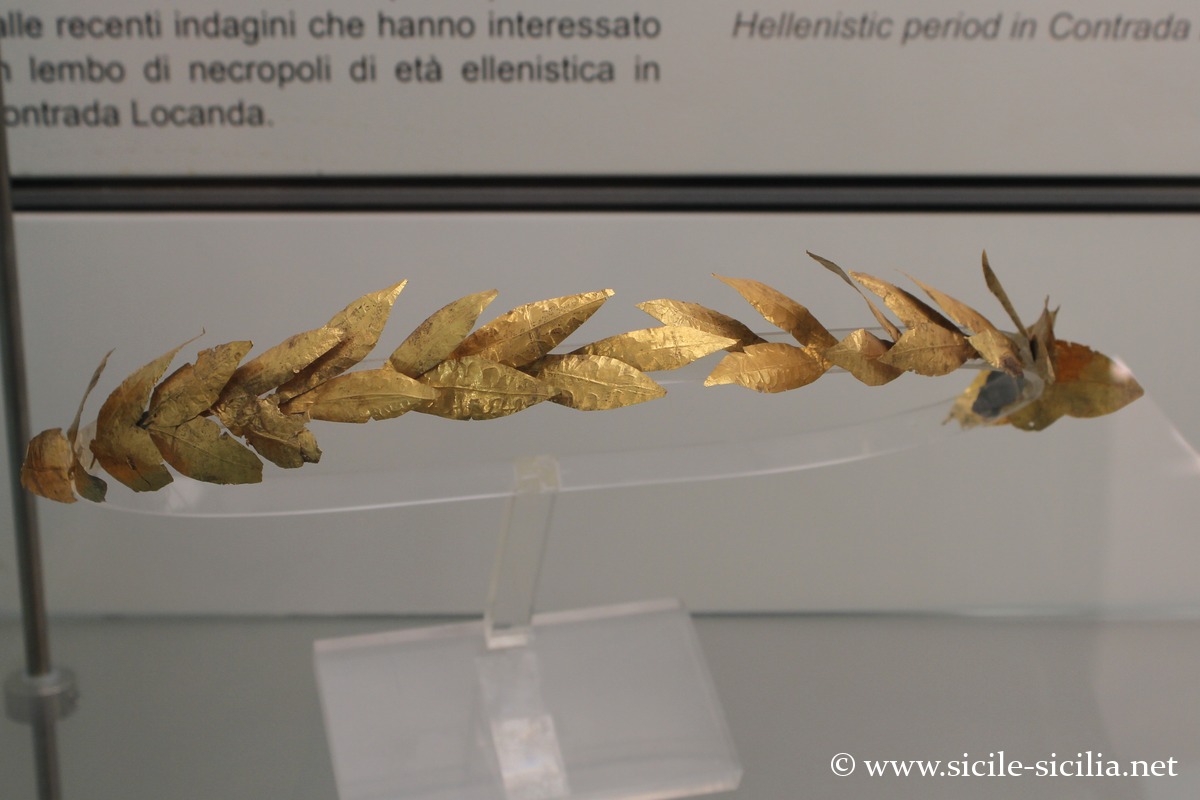
Gold crown from the necropolis of Tyndaris (2nd century BC) 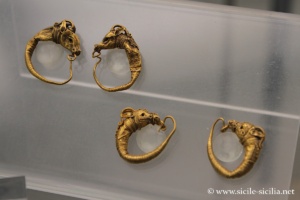
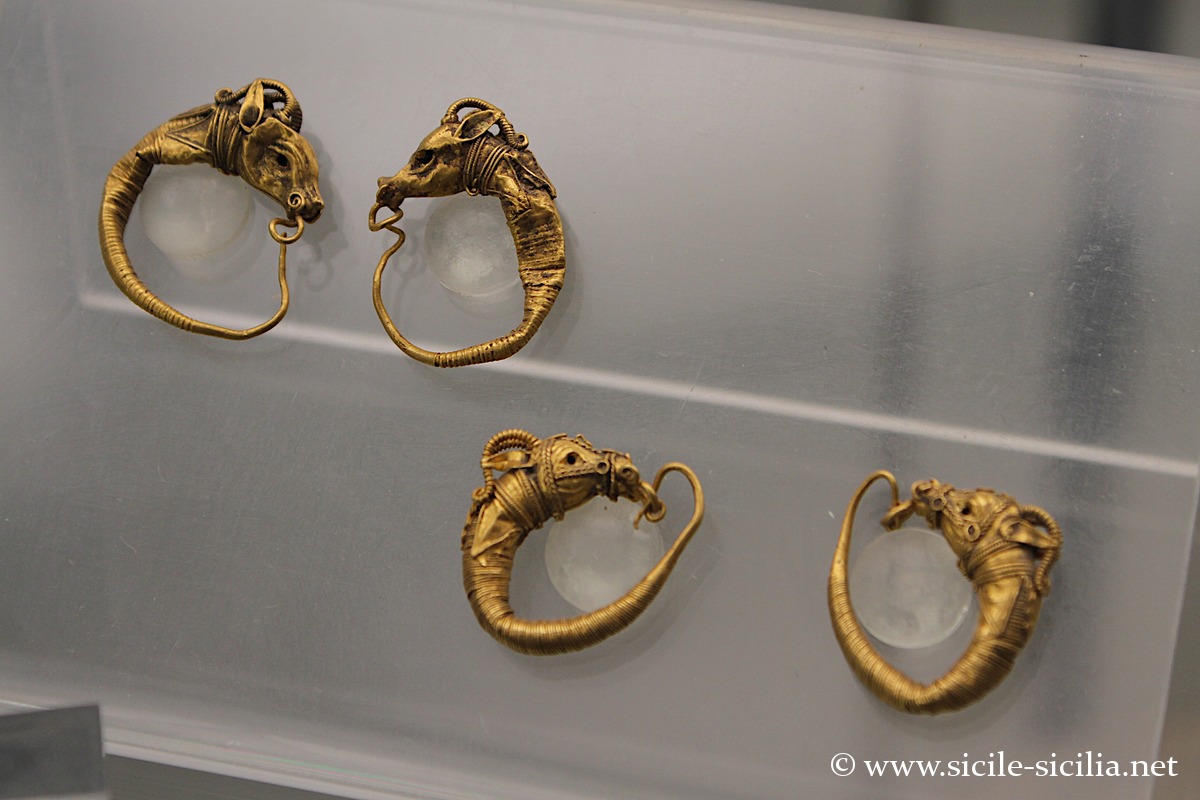
Gold earrings from the necropolis of Tyndaris (3rd century BC) 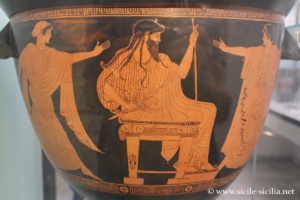
Vases from Akragas (6th to 5th century BC) 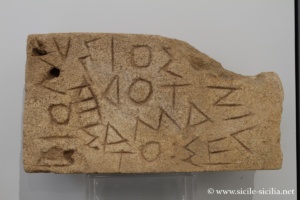
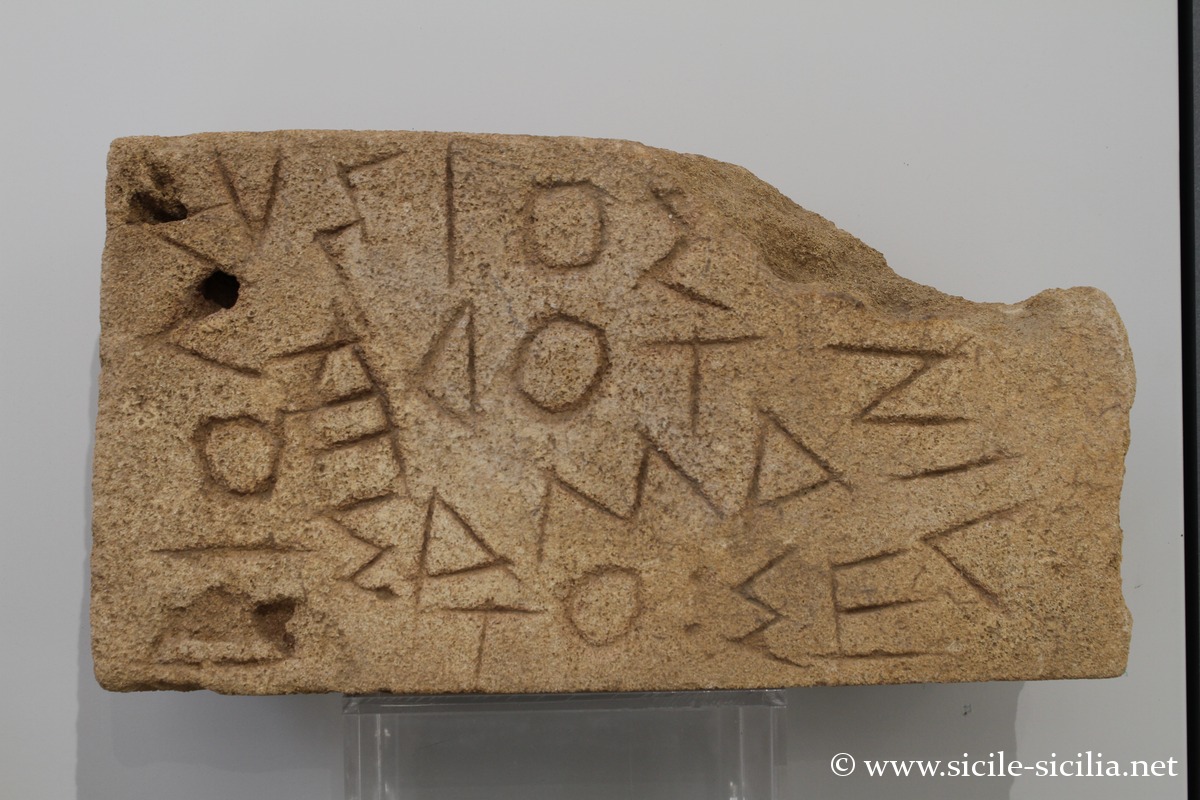
Block with inscription in ancient Greek 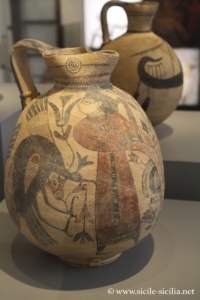
Phoenician jug (dating from 750-600 BC) 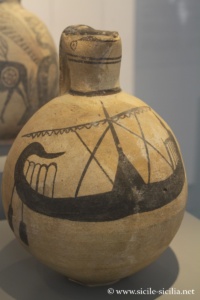
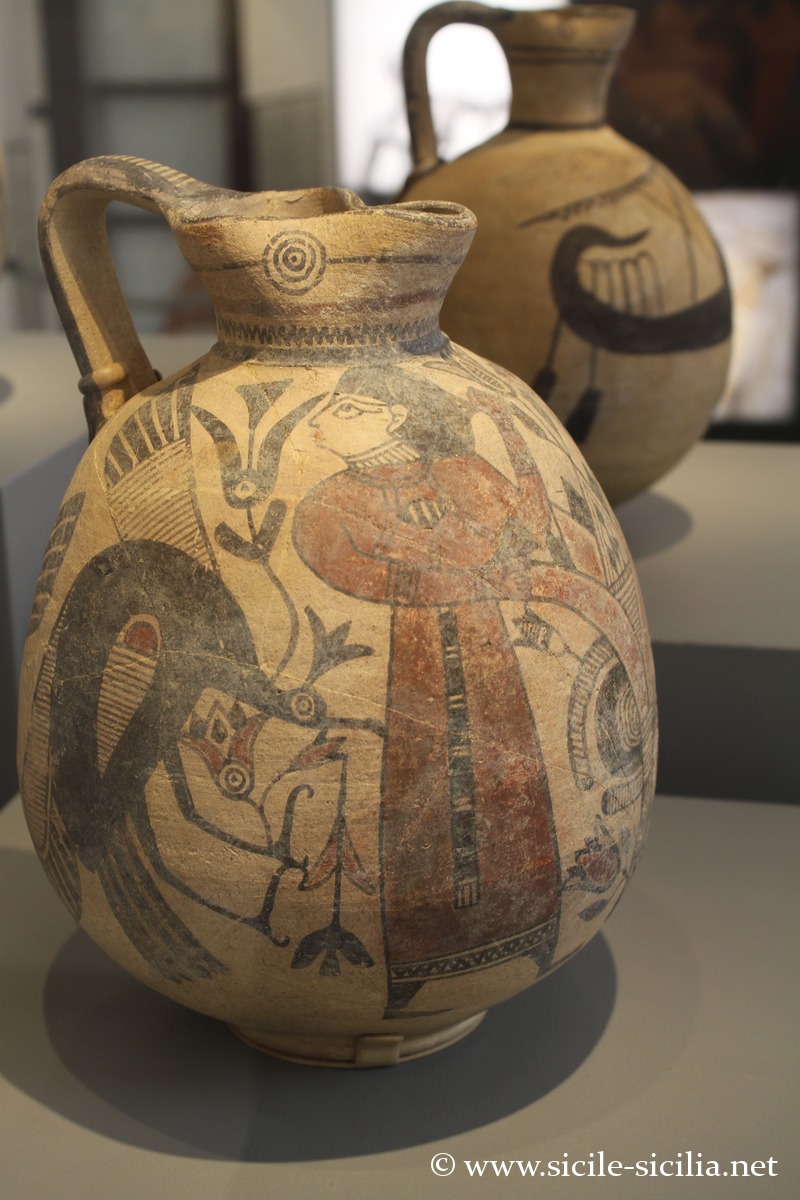
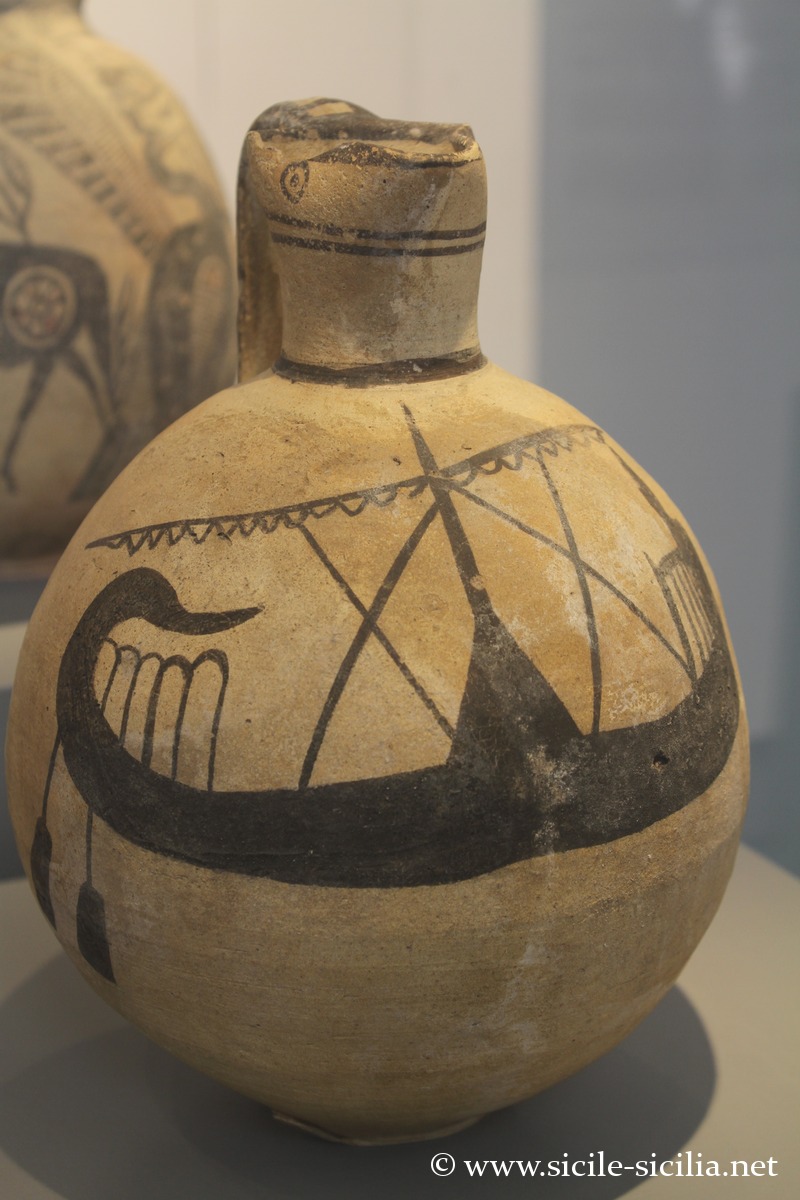
Cypriot jug with representation of a Phoenician ship (dating from 750-600 BC) 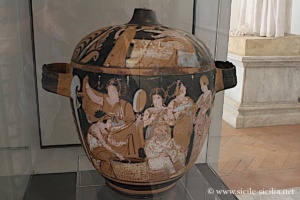
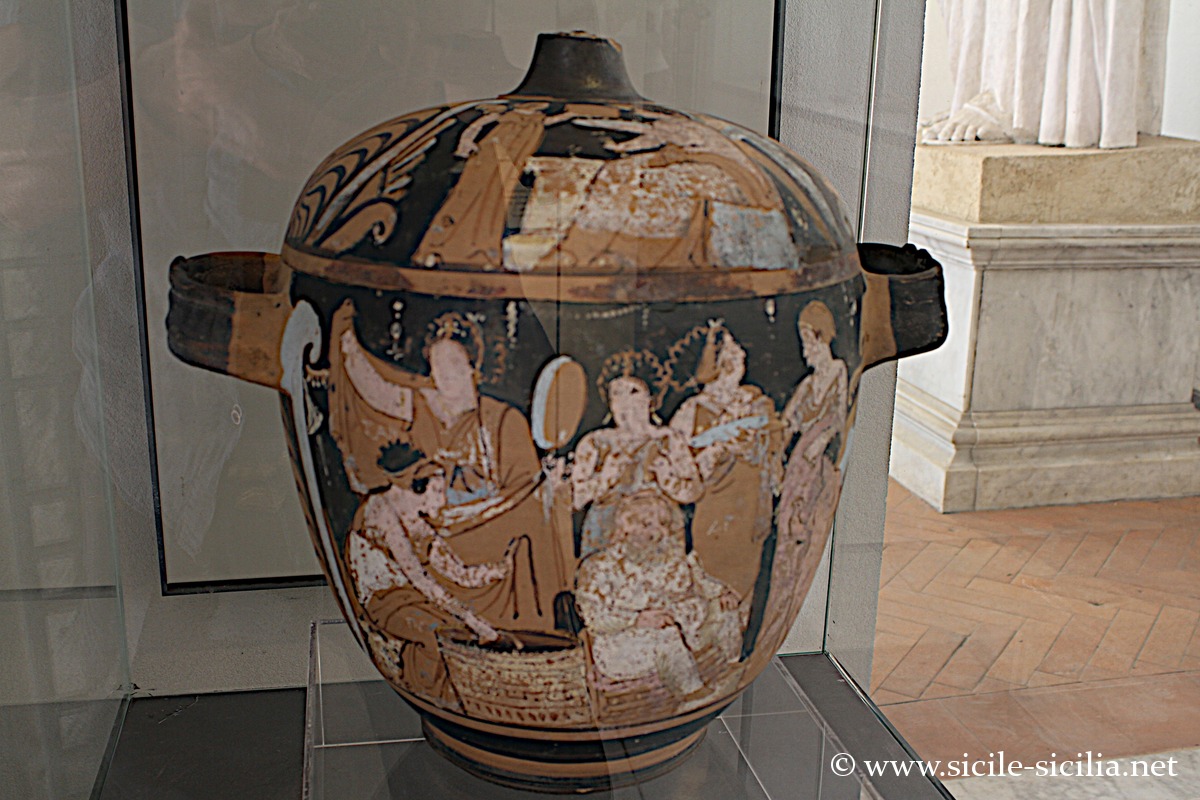
Ciborium of Falcone (4th century BC) 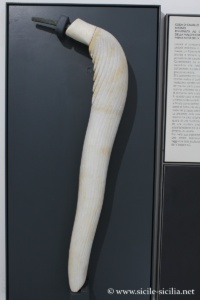
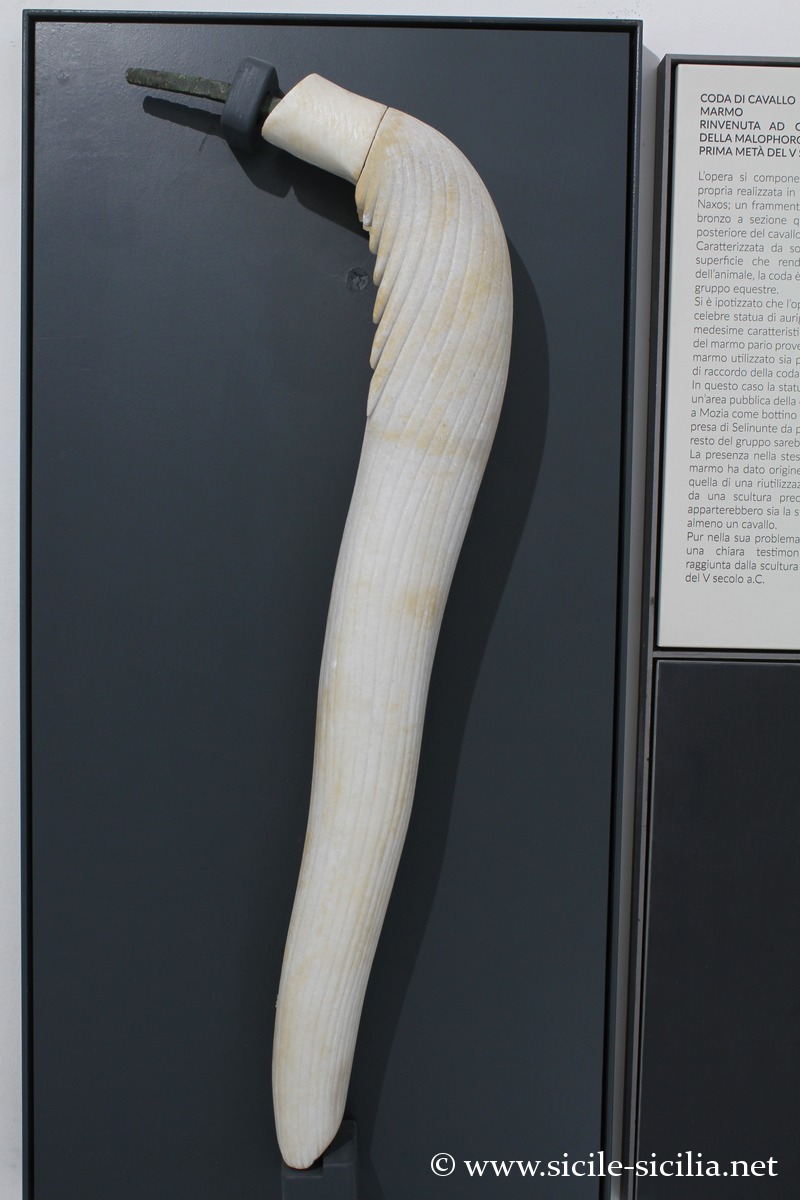
Marble horse tail from Selinunte (5th century BC) 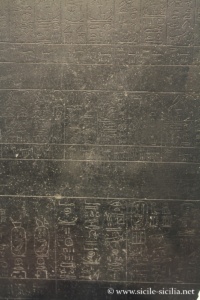
Palermo Stone (Hieroglyphs, 3rd millennium BC) 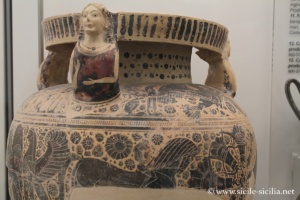
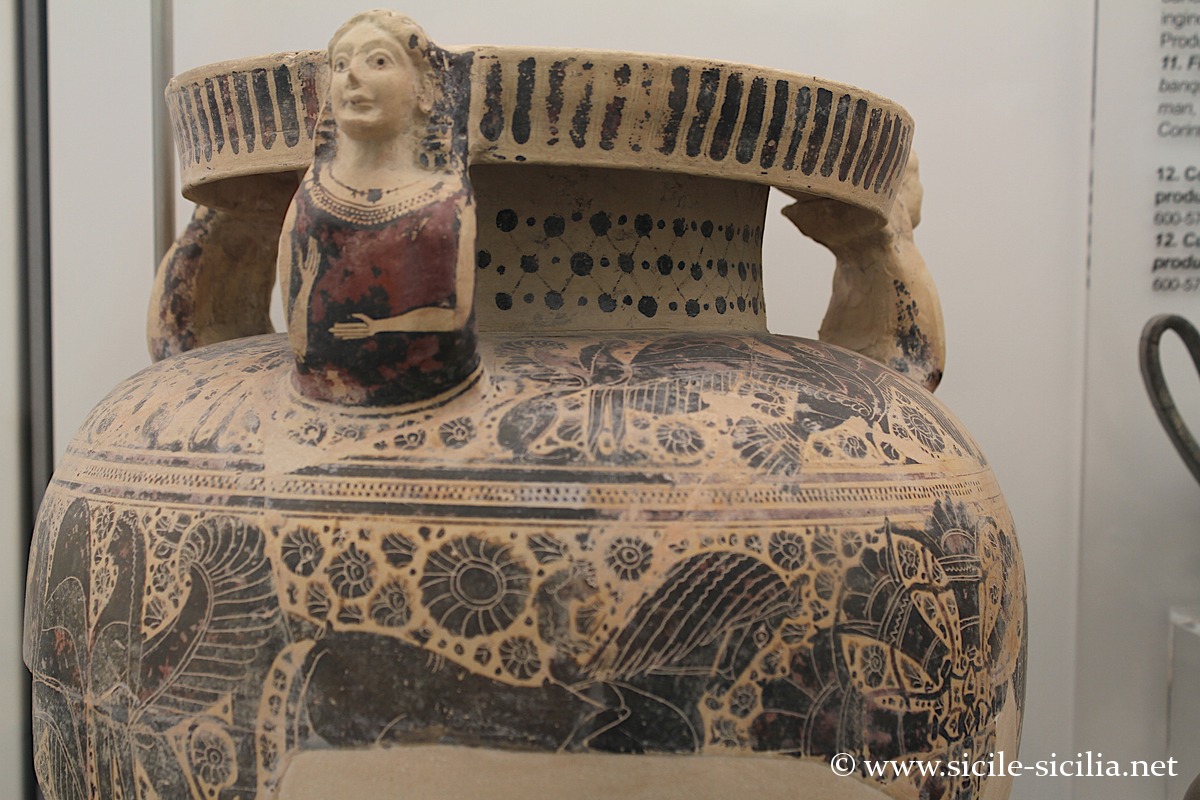
Krater from Agrigento 
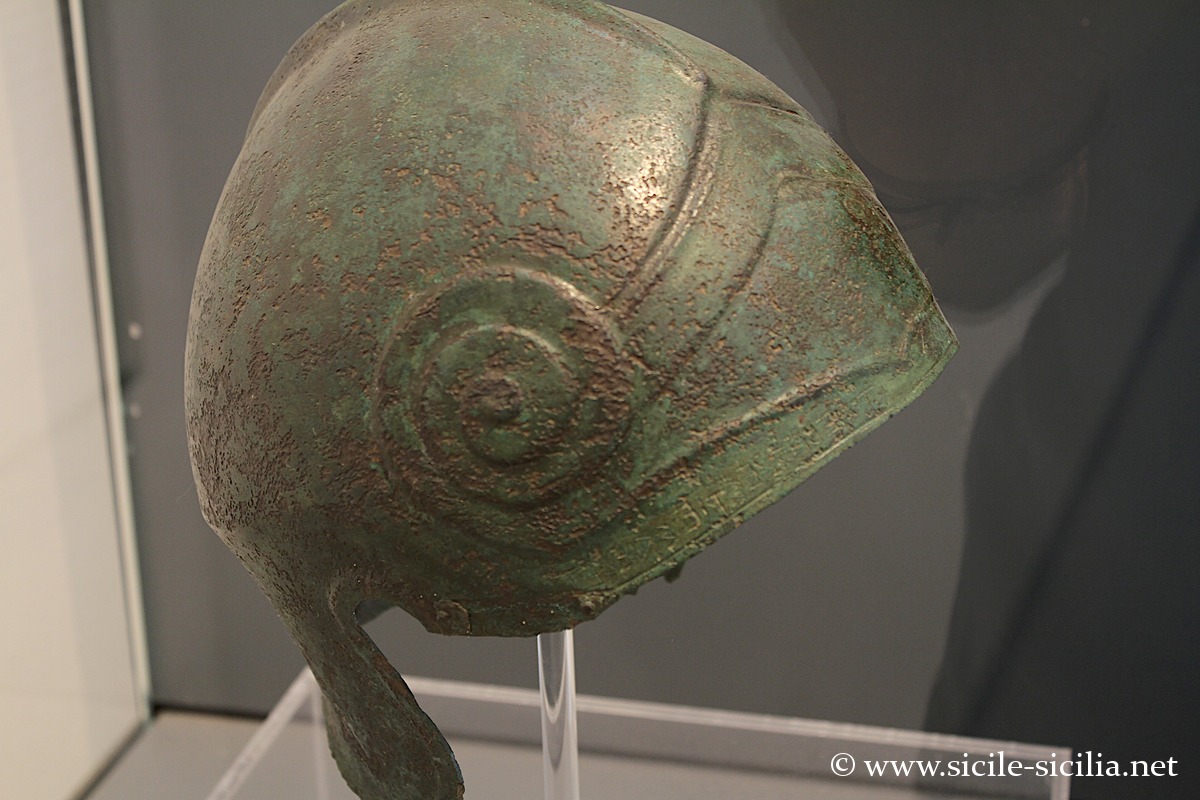
Helmet with Oscan inscriptions (4th century BC) 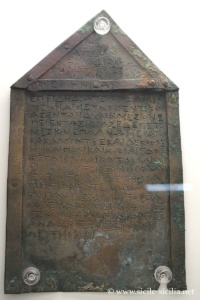
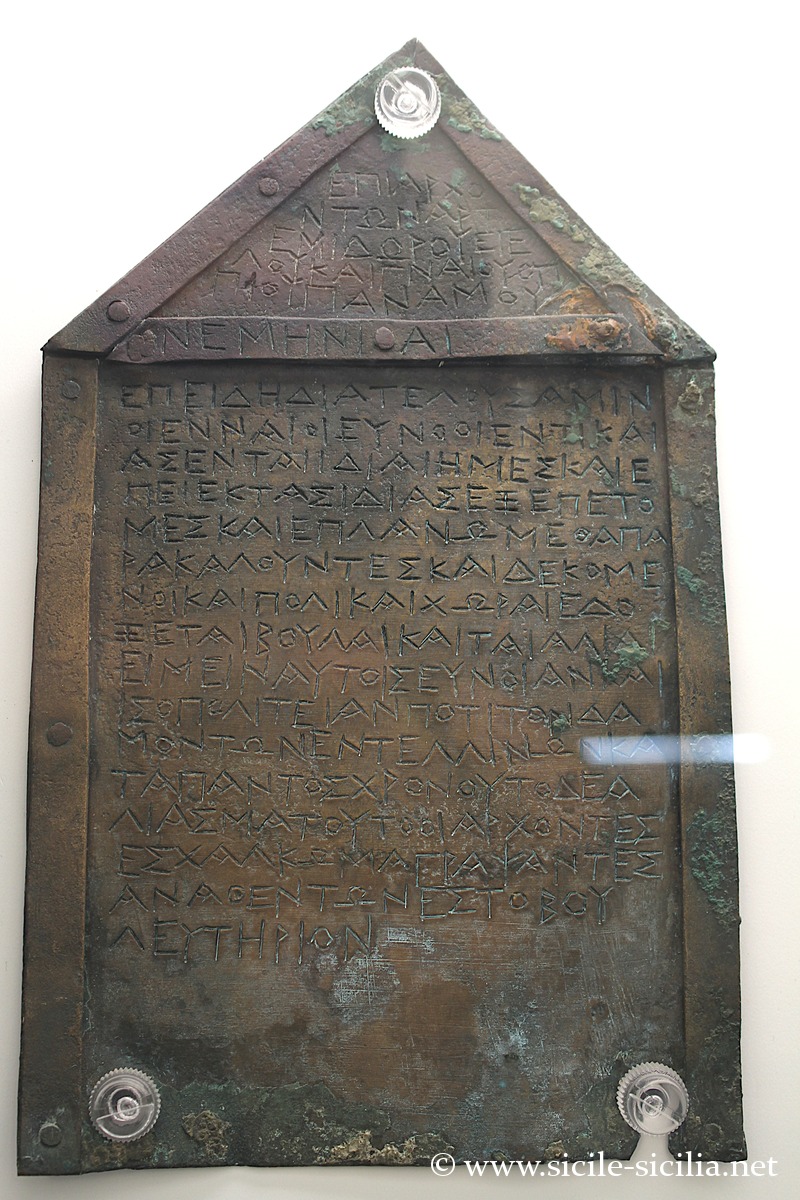
Tablets of the decrees of Entella (3rd century BC) 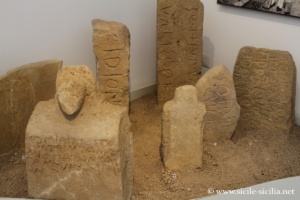
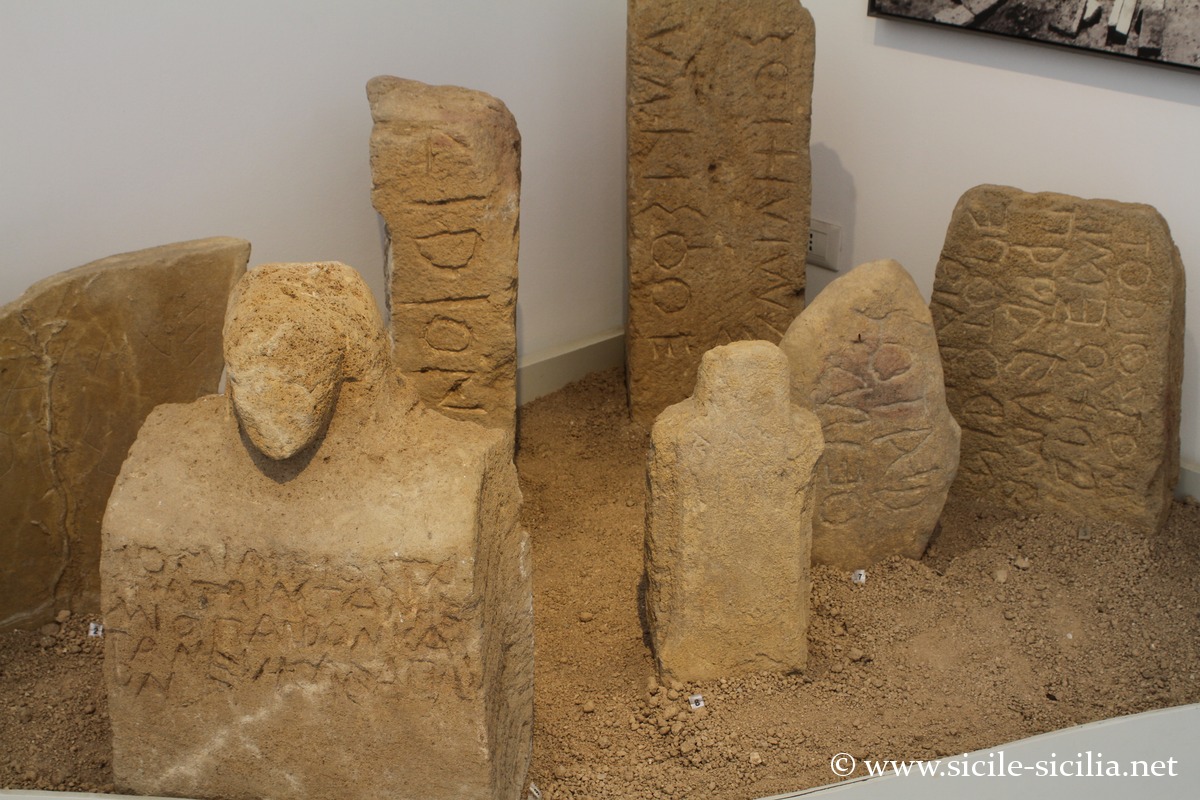
Steles, sanctuary of Zeus Meilichios (5th – 4th century BC) 
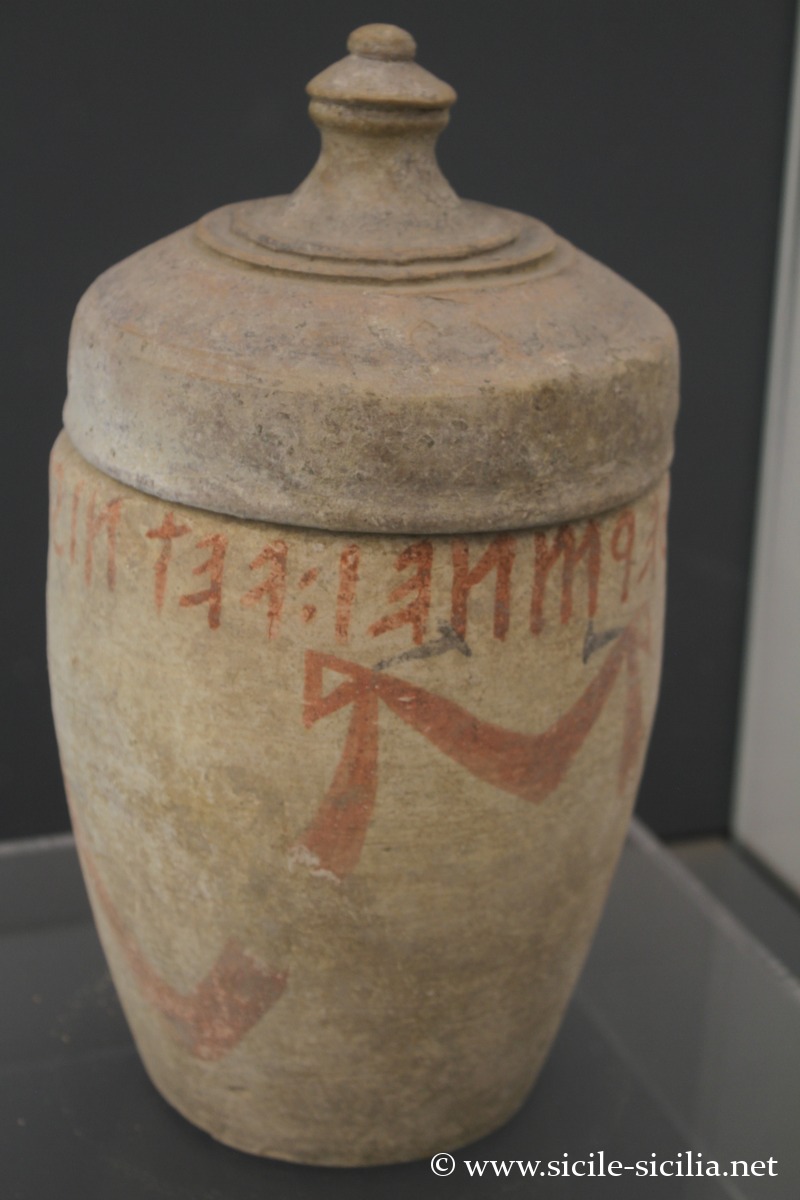
Urn with Etruscan inscription 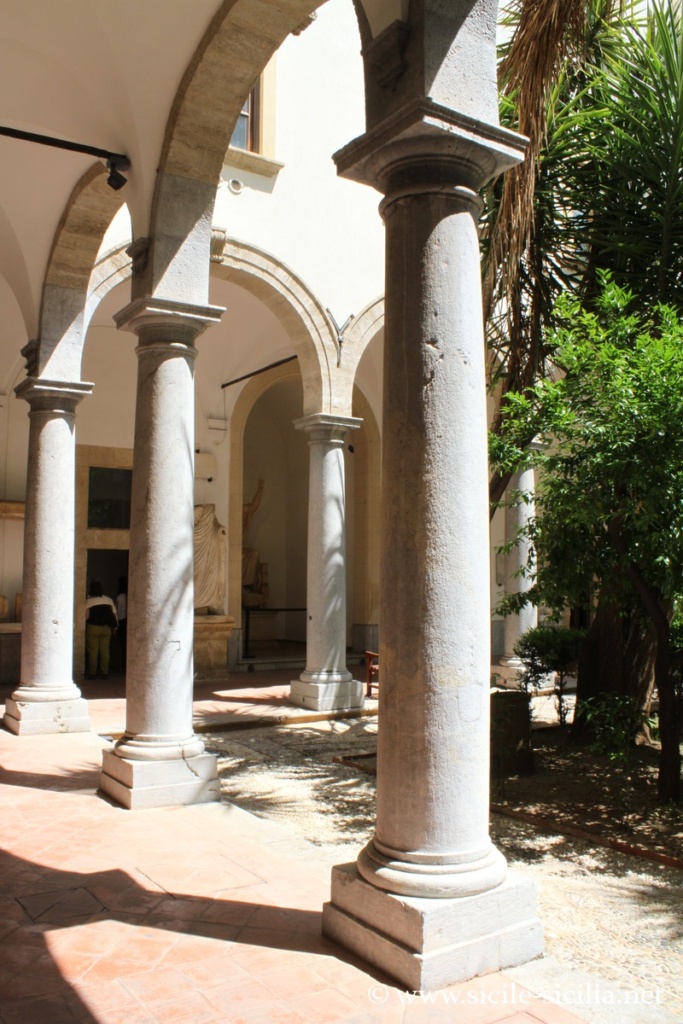
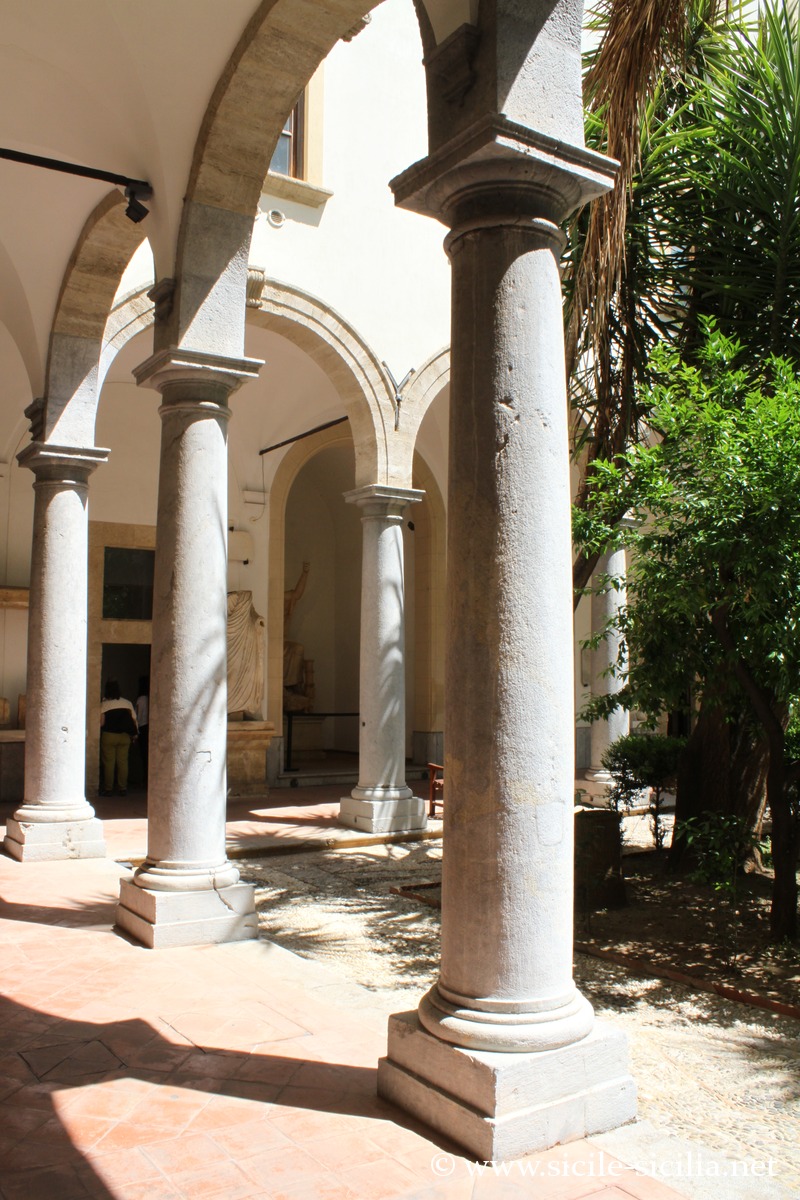
Atrium 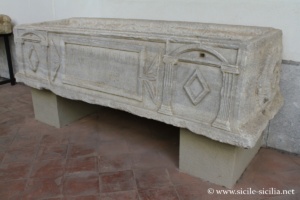
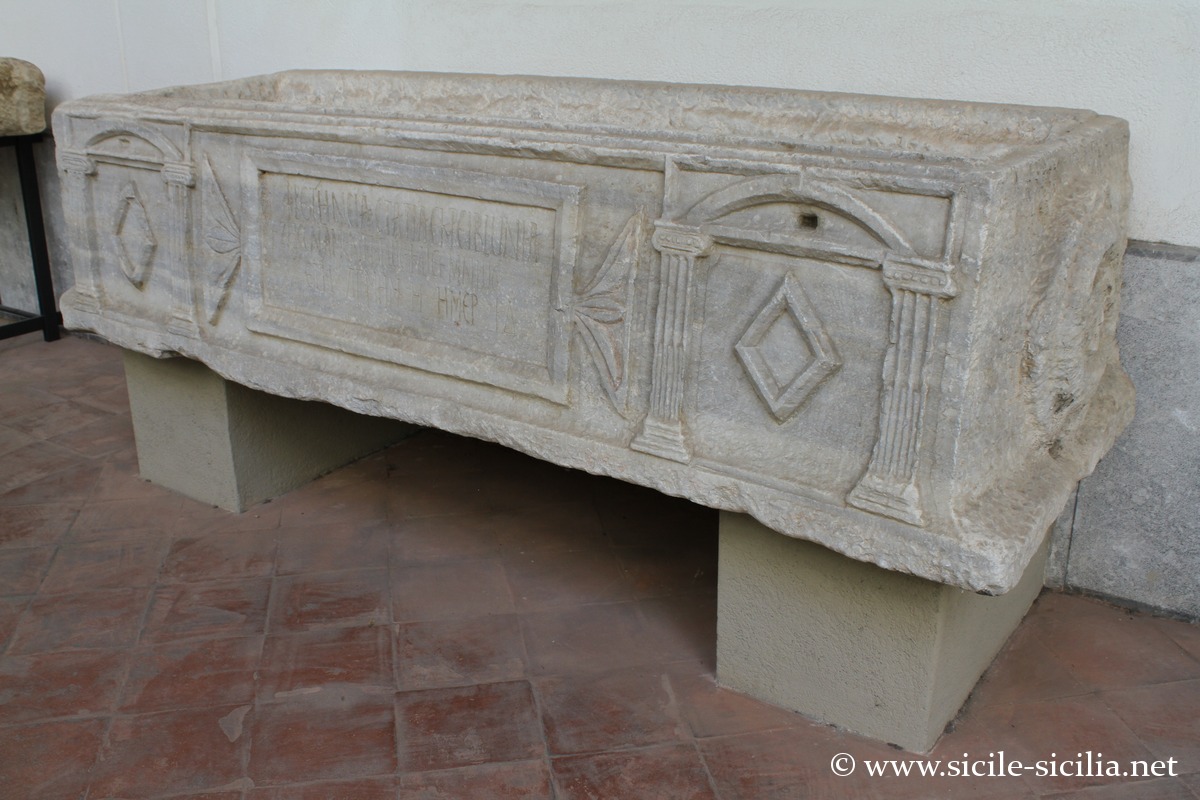
Sarcophagus from Syracuse 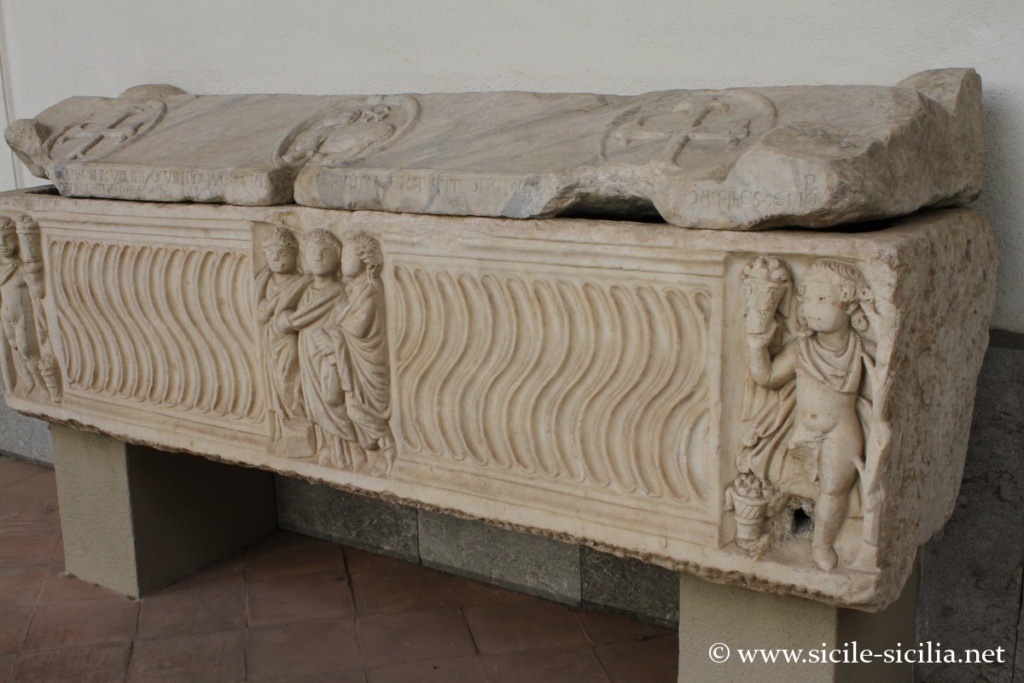
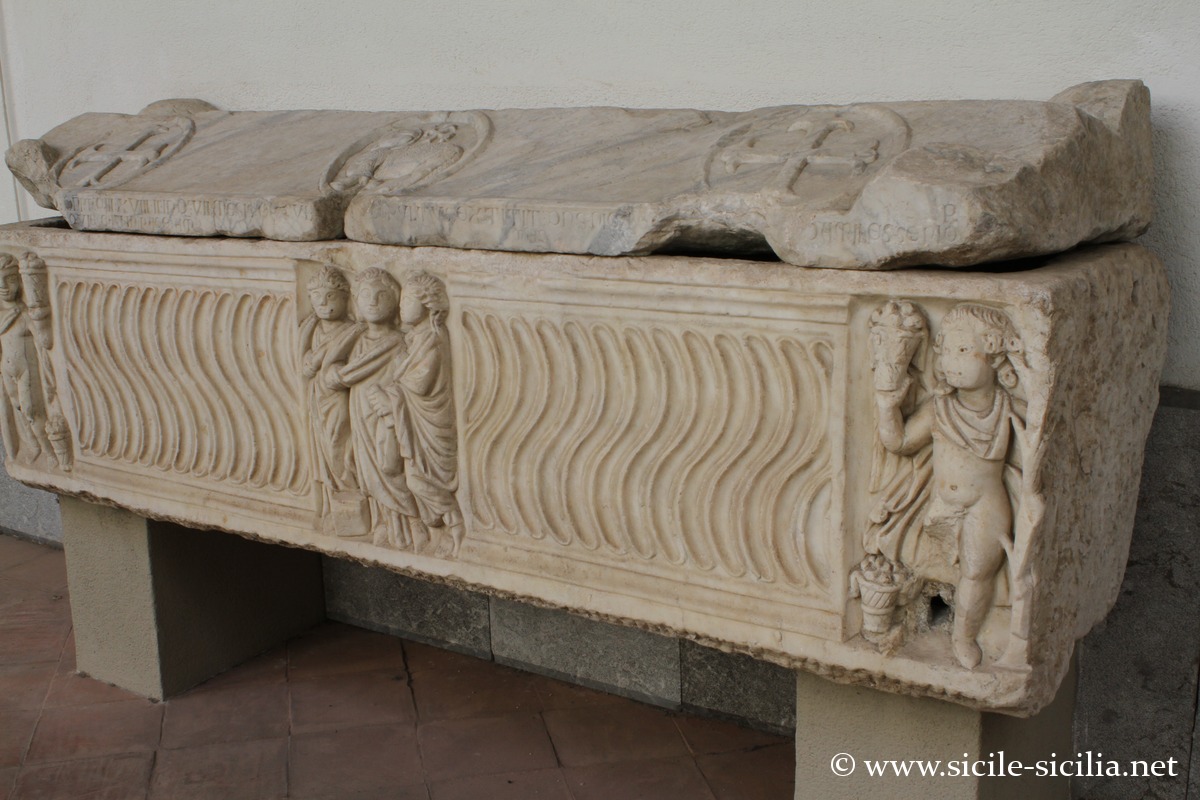
Roman sarcophagus 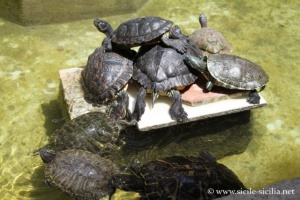
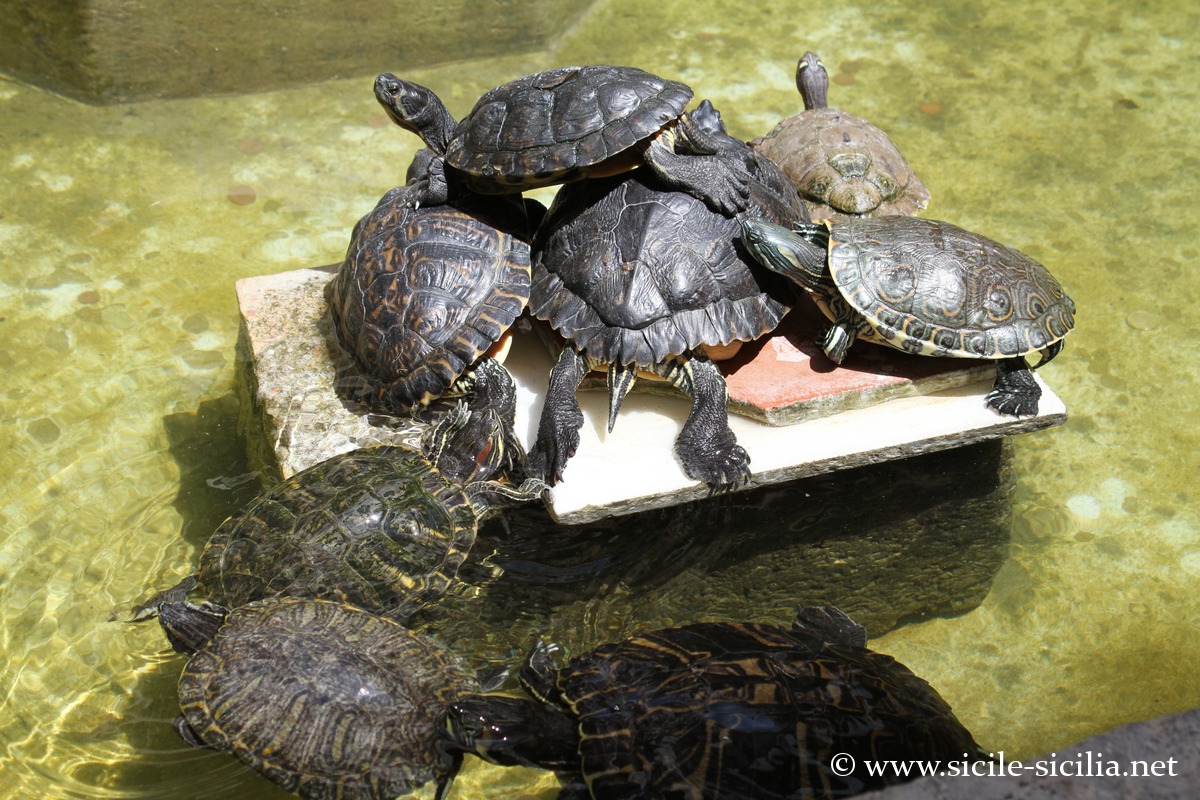
Turtles of the Fountain of the Triton


Where is the Archaeological Museum of Palermo
If you see this after your page is loaded completely, leafletJS files are missing.
Information
| Museo Antonio Salinas Piazza Olivella, 90133 Palermo Sources and external sites
|