

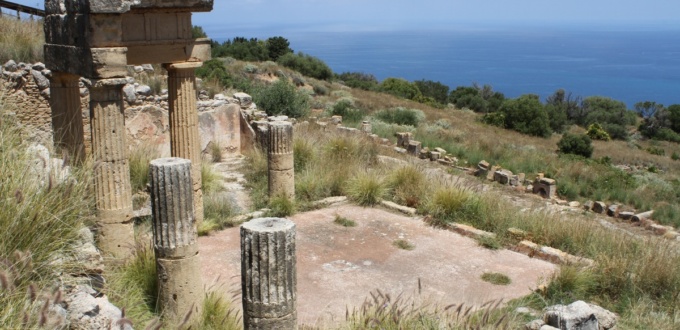
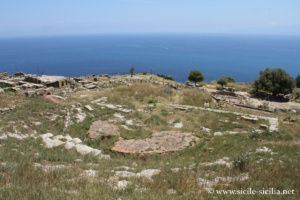
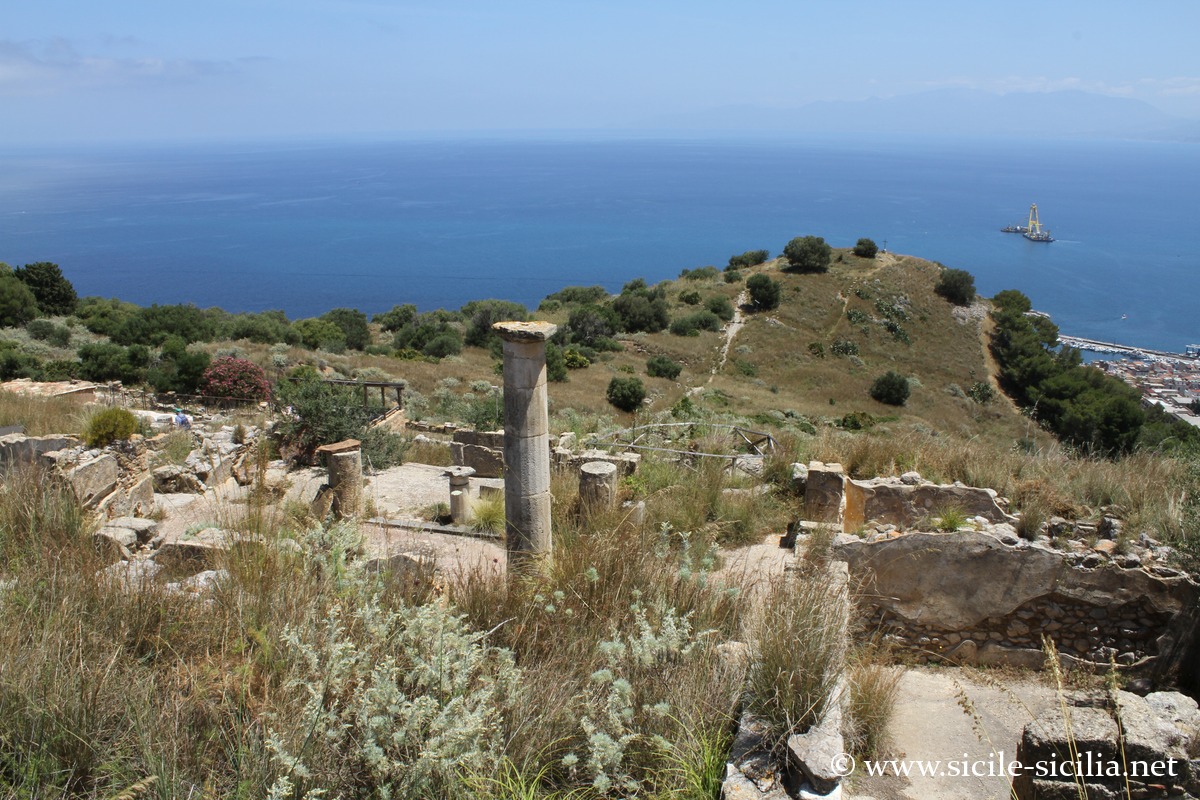
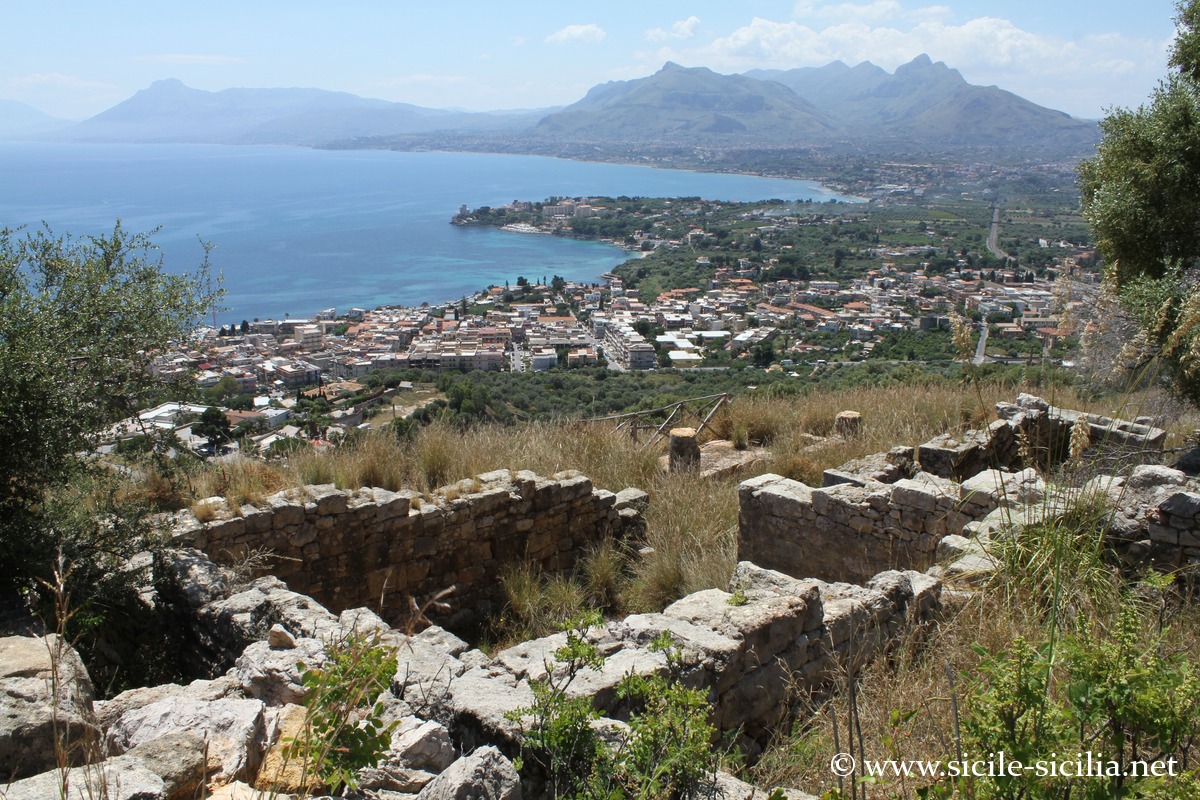
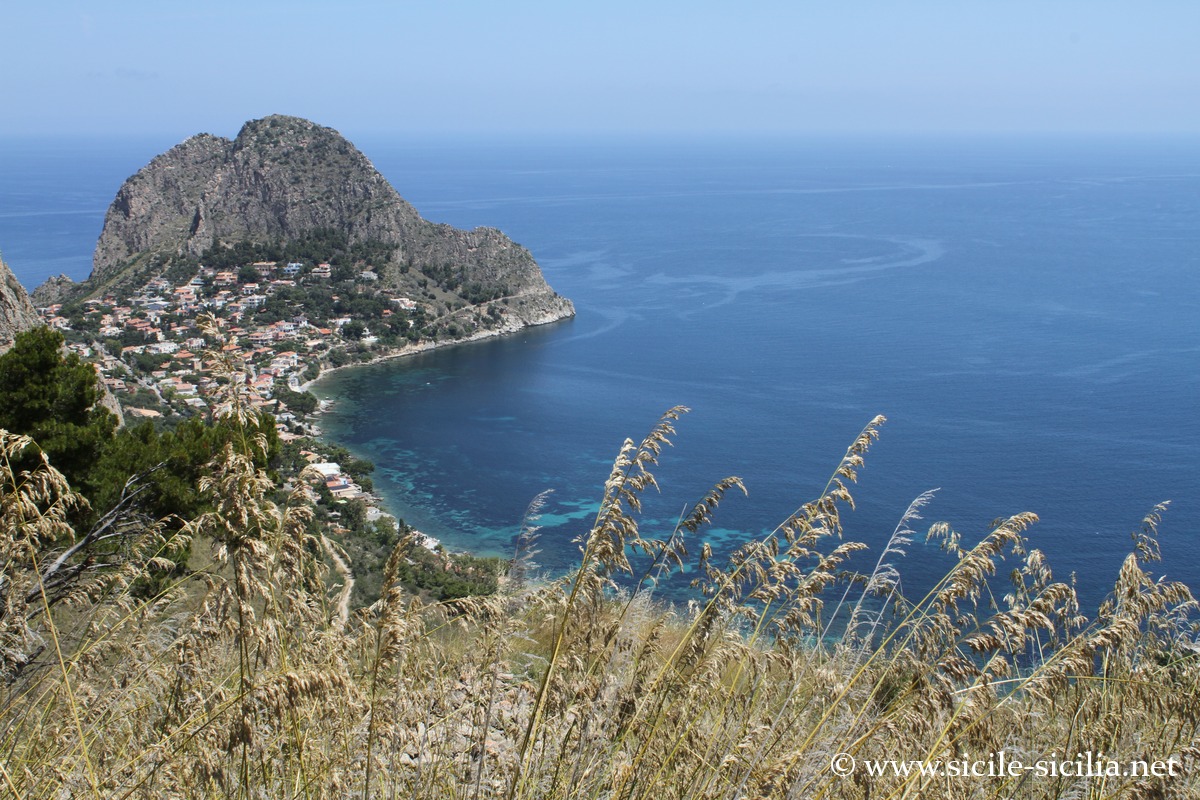
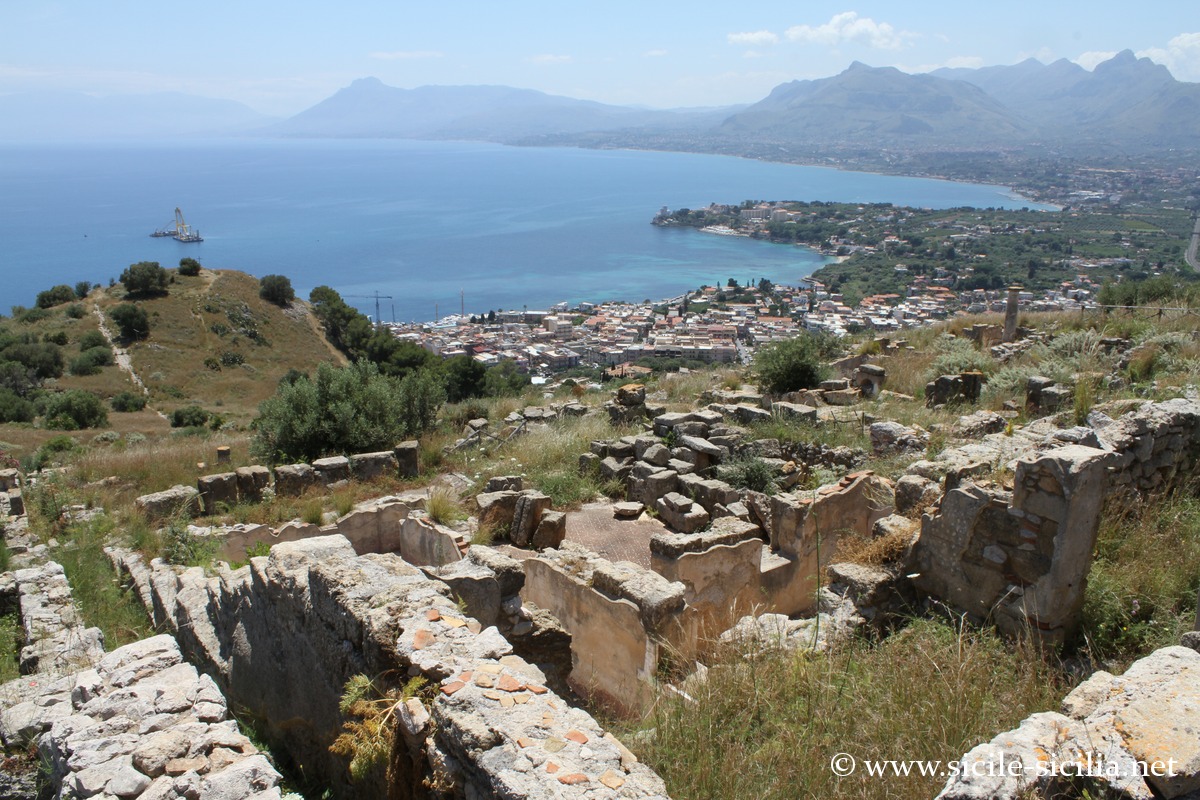
On the south-eastern slopes of Mount Catalfano, which rises to 376 metres, and a few kilometres from the centre of Bagheria, the ancient remains of Solunto occupy a panoramic position facing the sea and Cape Zafferano, about 20 kilometres east of Palermo.
Phoenician Kafara
In the time of Thucydides, Kafara (meaning village in Phoenician) was one of the three main Phoenician cities – together with Panormus (present-day Palermo) and Motya – founded around the 8th century BC. It stood further south of the remains of Solunto, towards the promontory of Sòlanto. Very few remains have been found there because of recent urbanisation, along with scattered traces in the surroundings, such as kilns and dwellings near the station and an underground necropolis in the Olivella district.
Archaeological site of Solunto
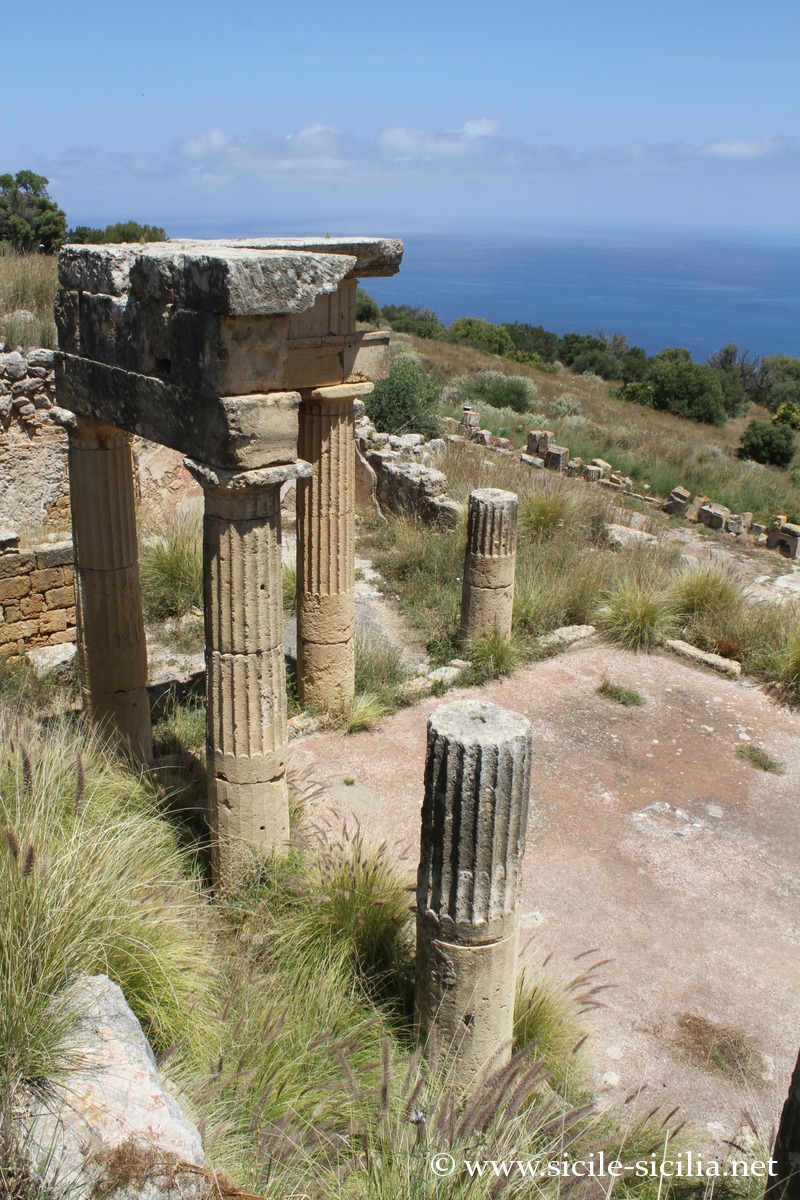
House of the Gymnasium
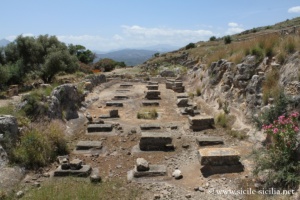
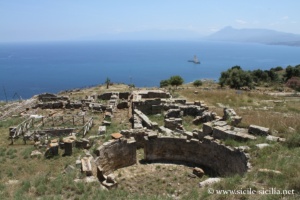
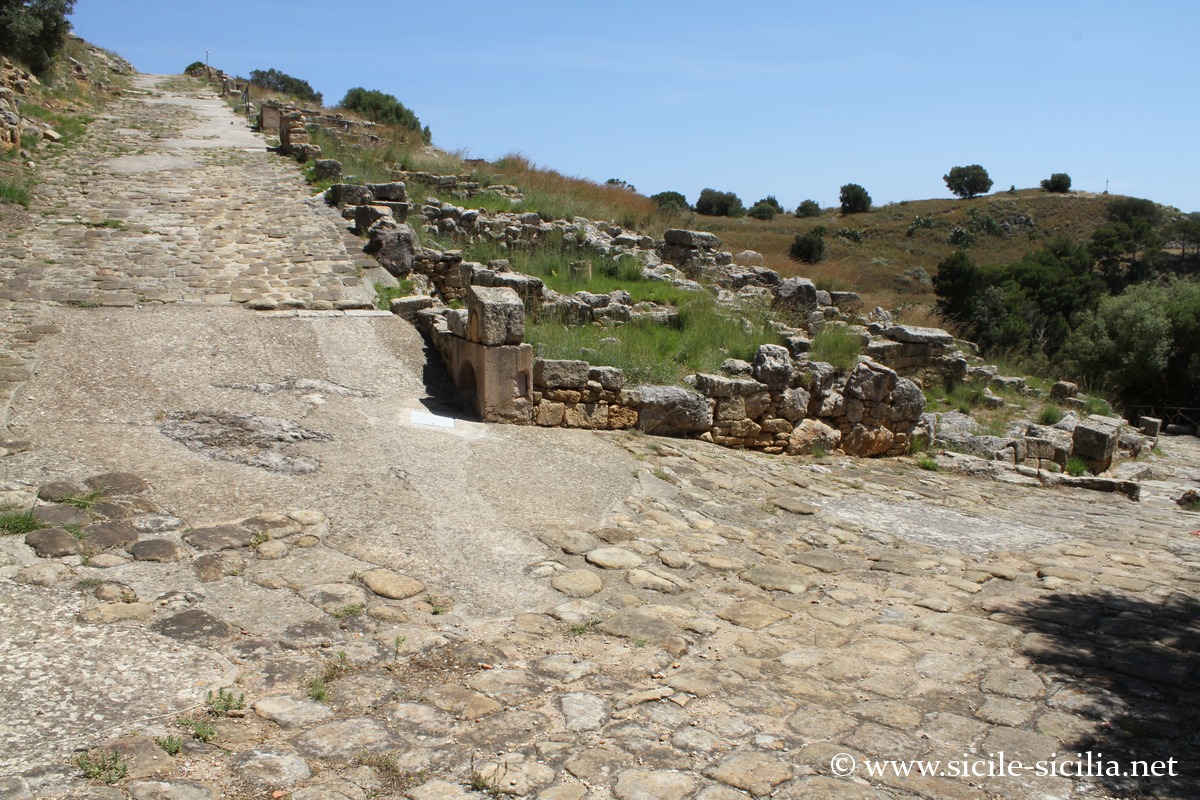
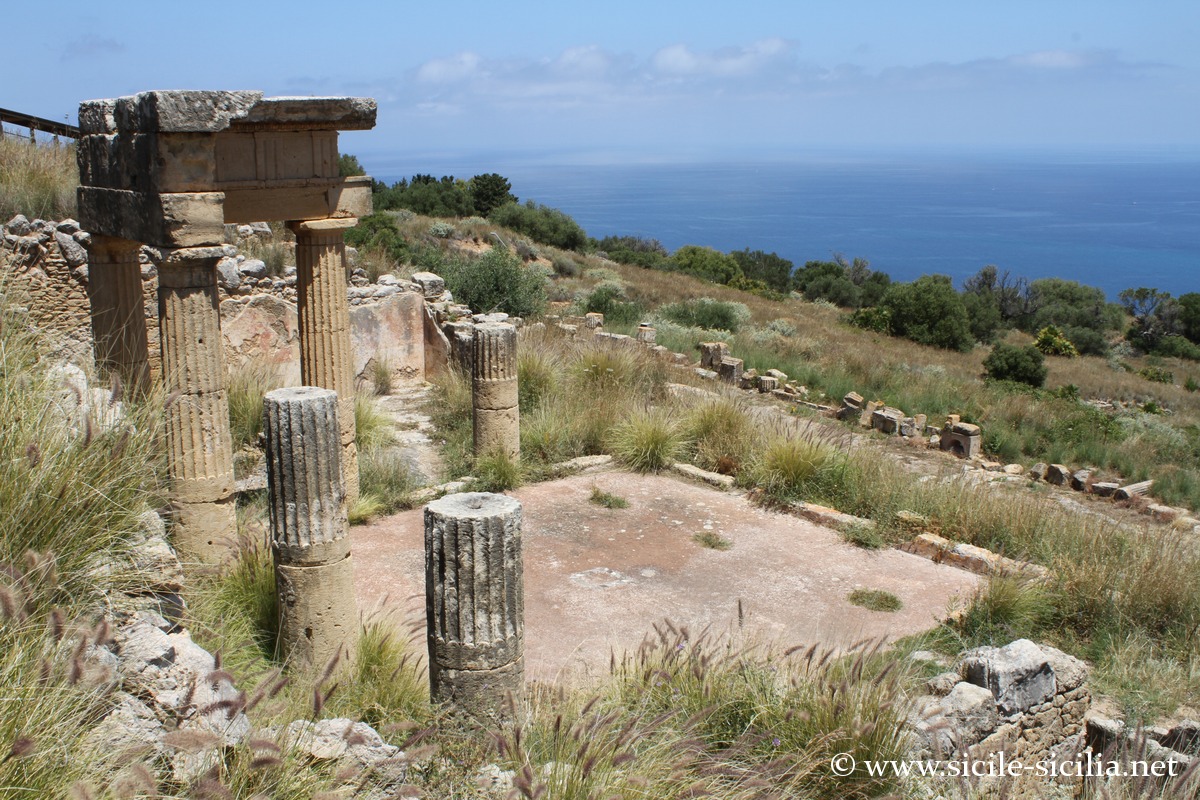
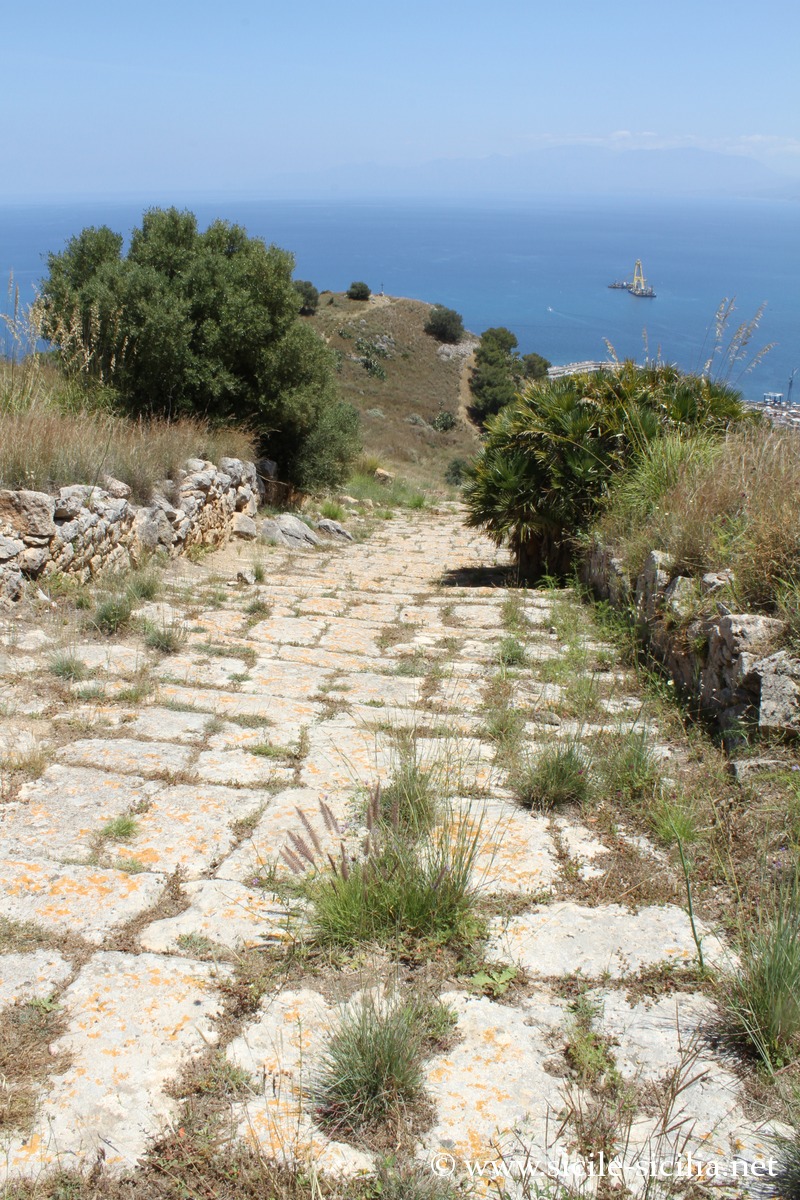
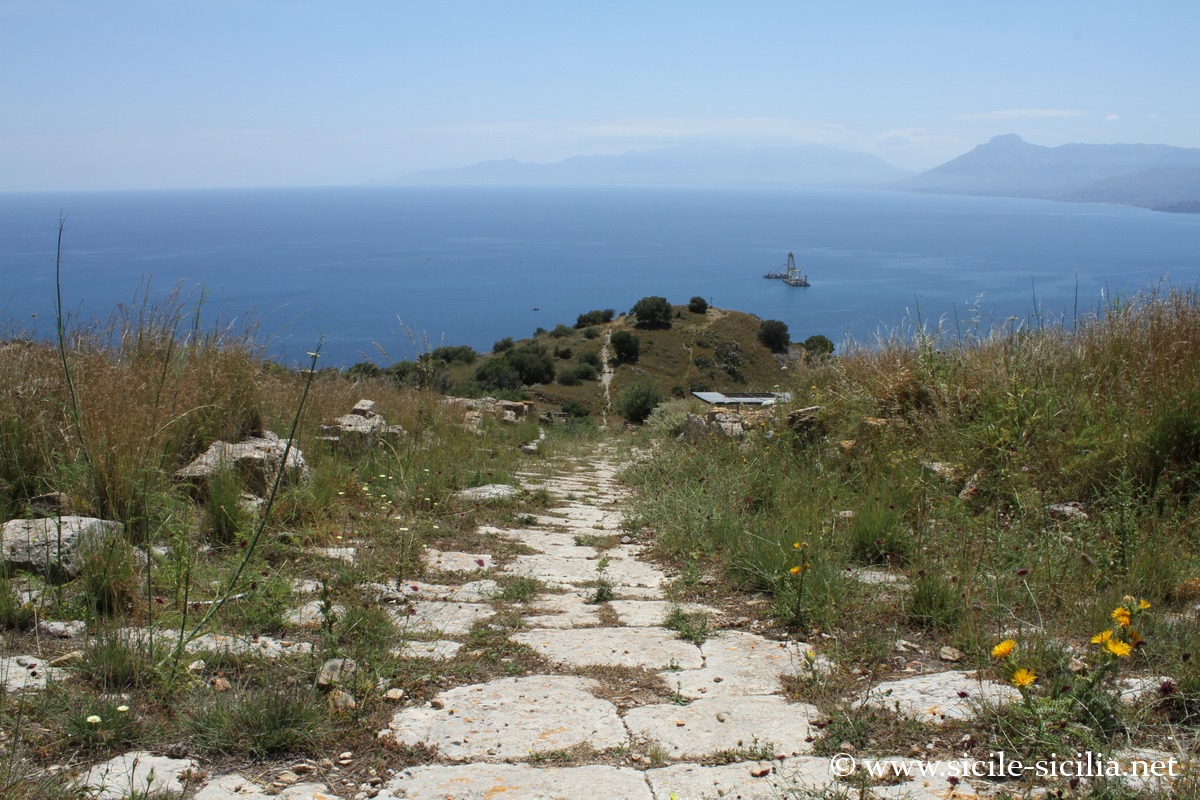
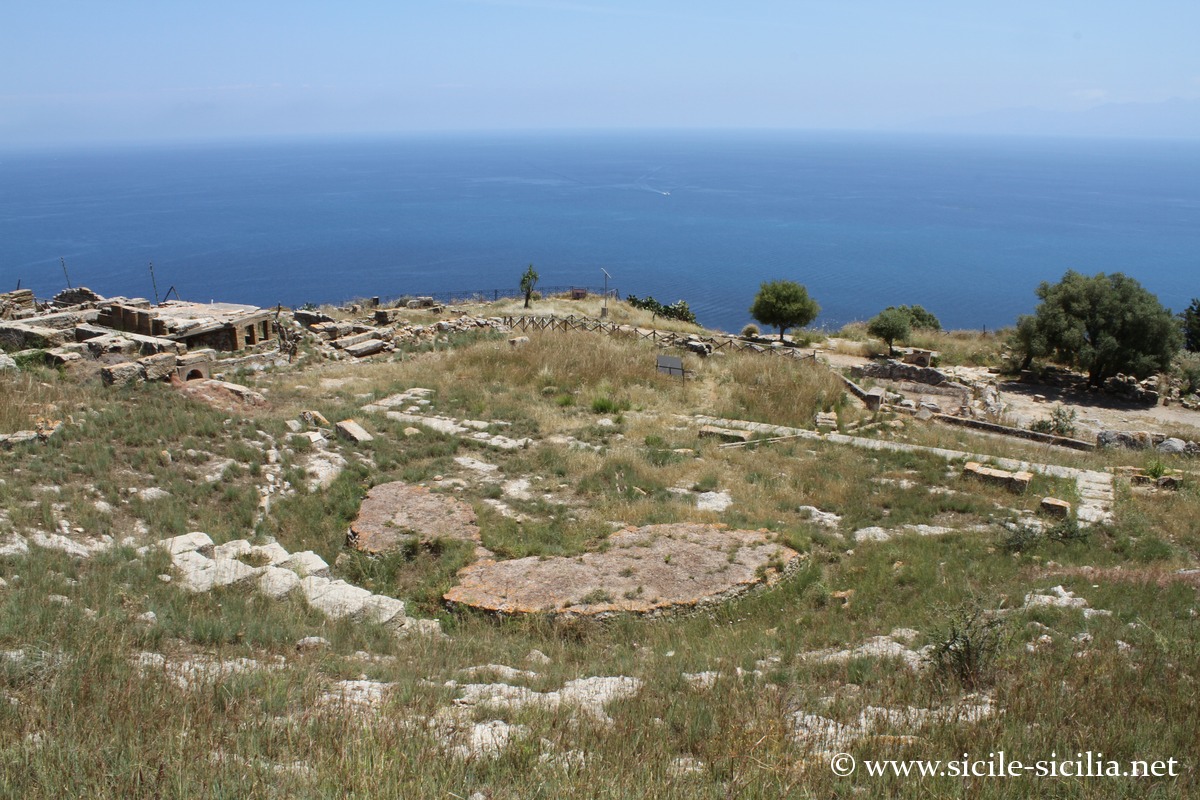
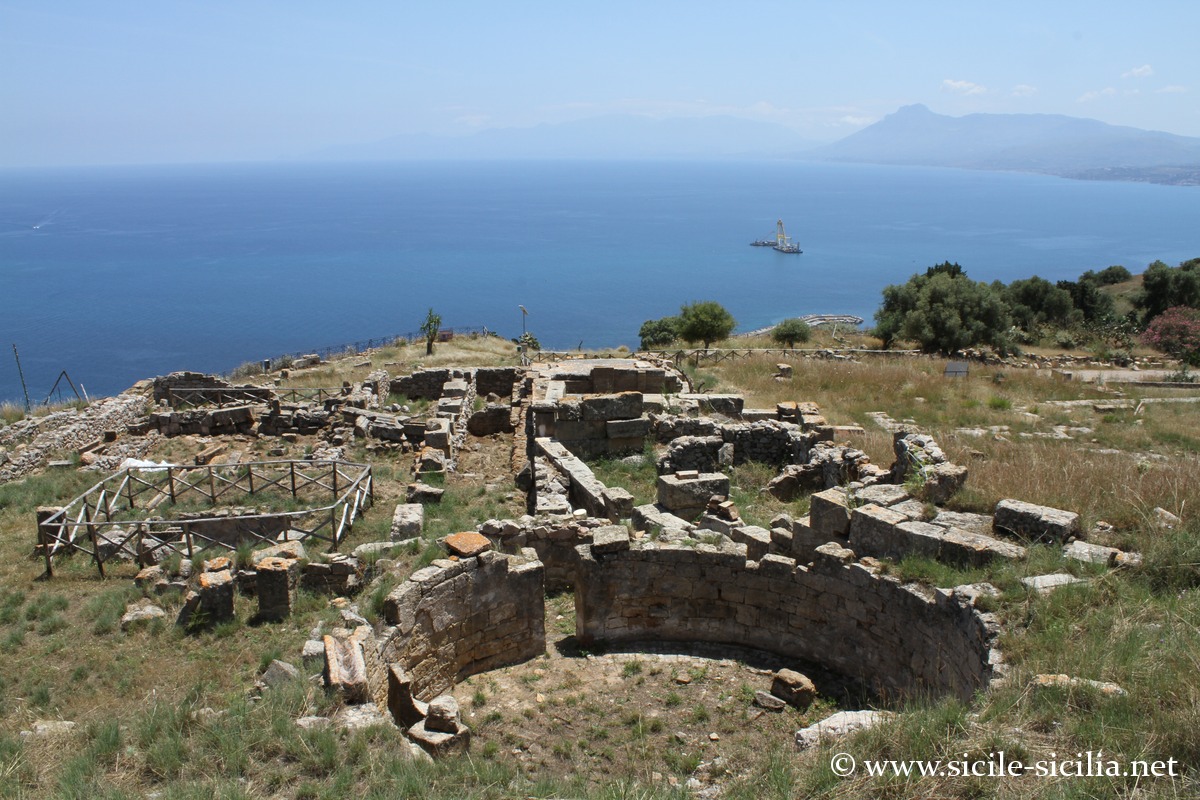
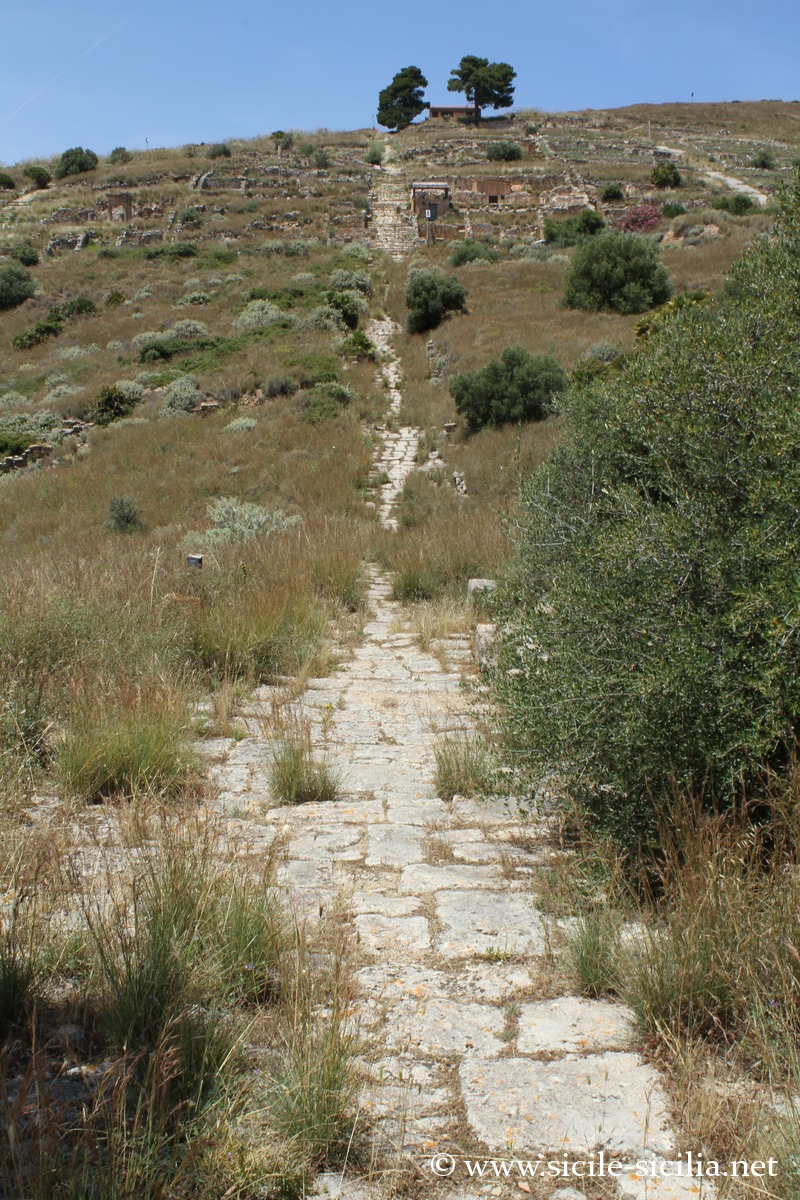
The town plan has a rectangular layout of Hellenistic type, crossed by streets that intersect at right angles, with a wide avenue leading to the agora, the public square and the theatre, passing by the “ginnasio”, one of the most sumptuous houses in the city, 15 metres high.
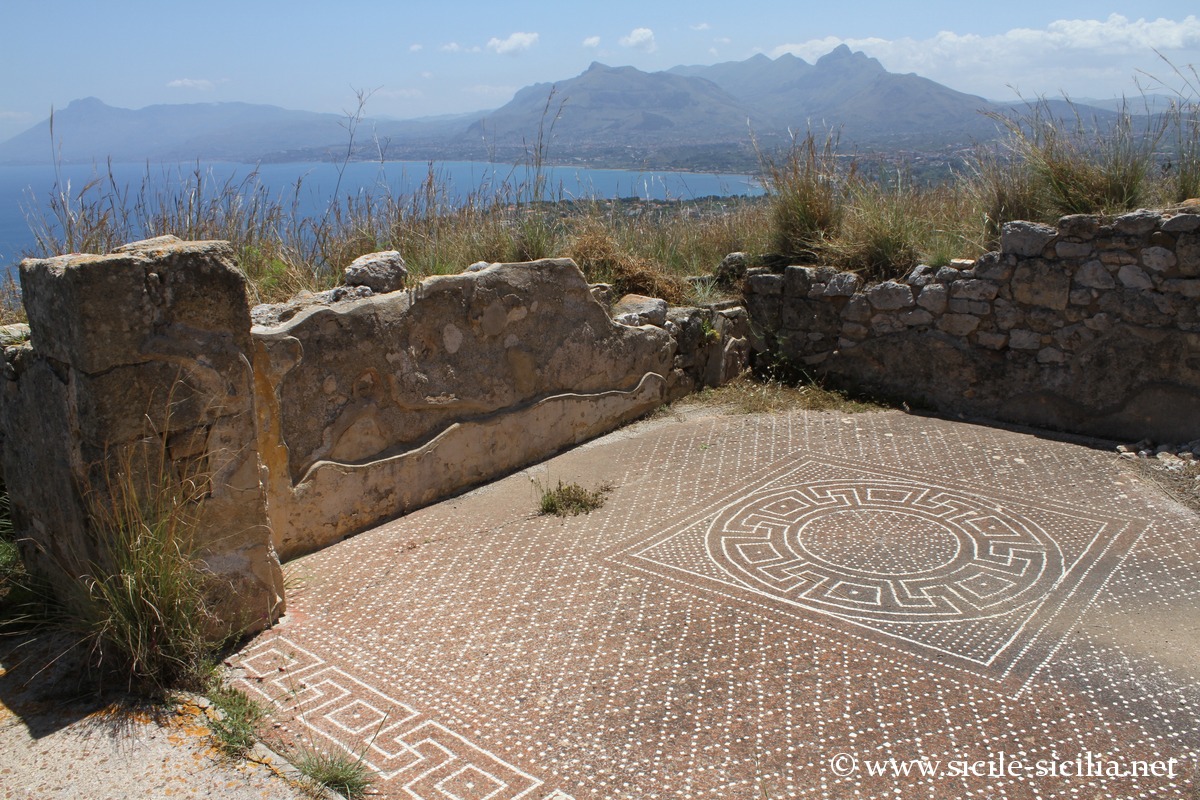
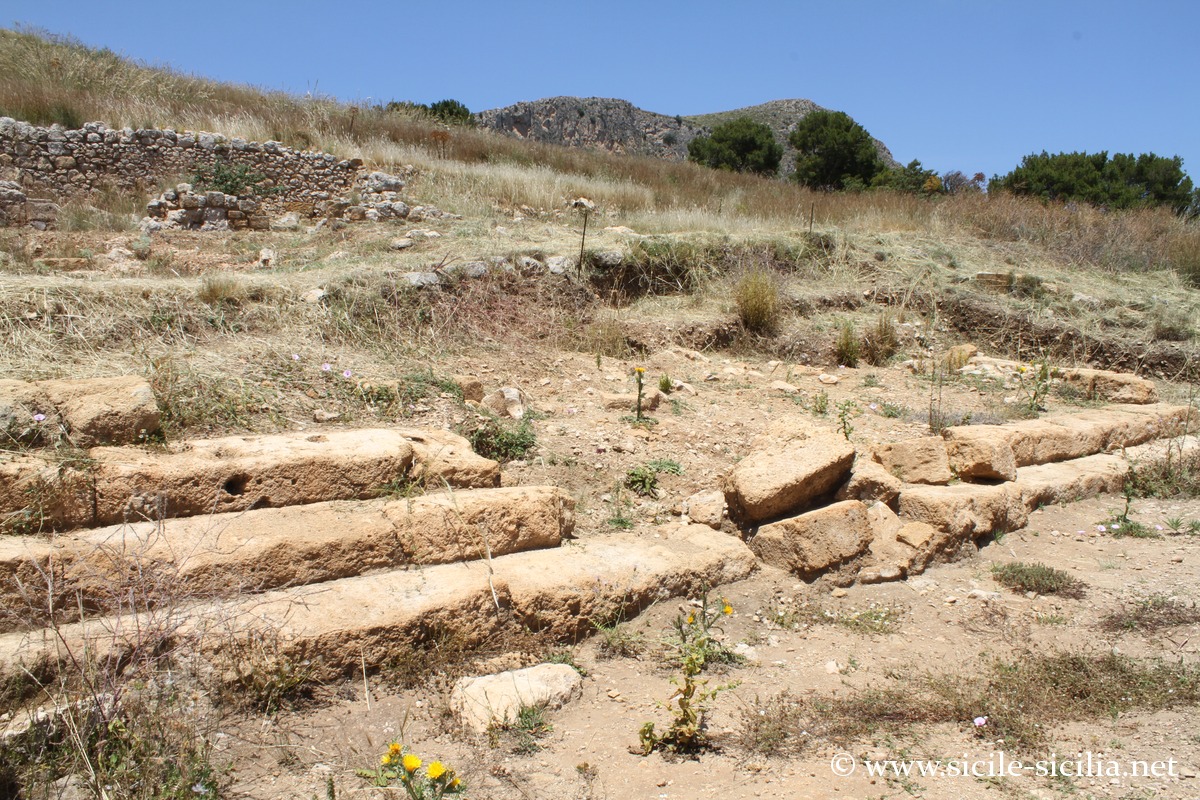
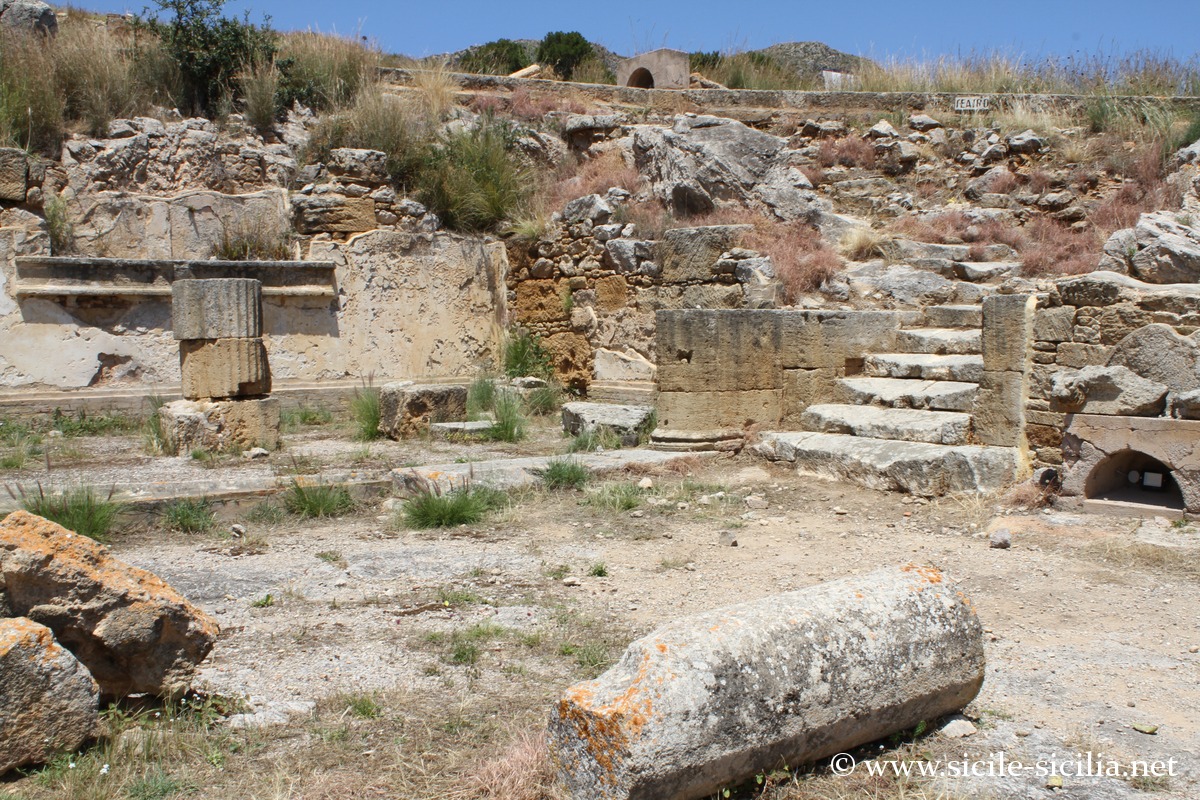
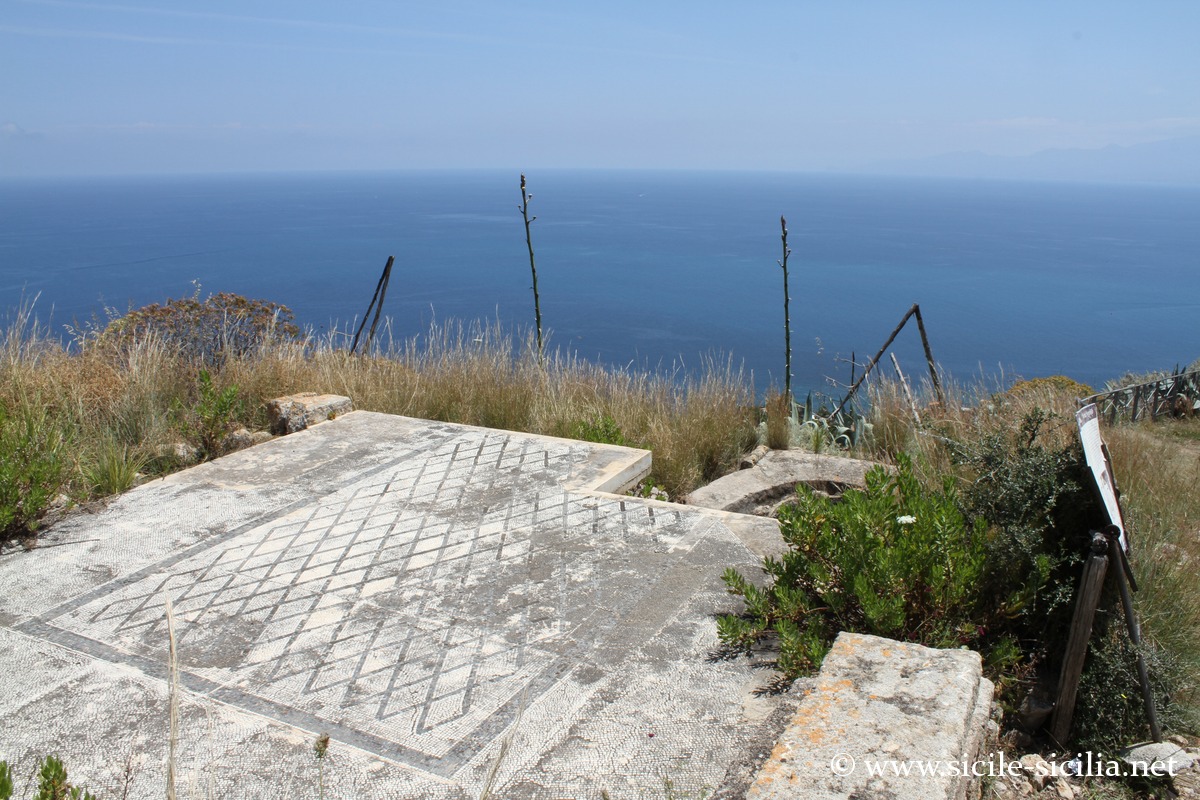
North-east of the agora is a large cistern, facing a thermal complex with mosaic floors. The theatre could hold nearly 1200 spectators. A sacred area dates back to the Punic period, with a sacrificial space, its altar and a reservoir to collect the blood of the animals.
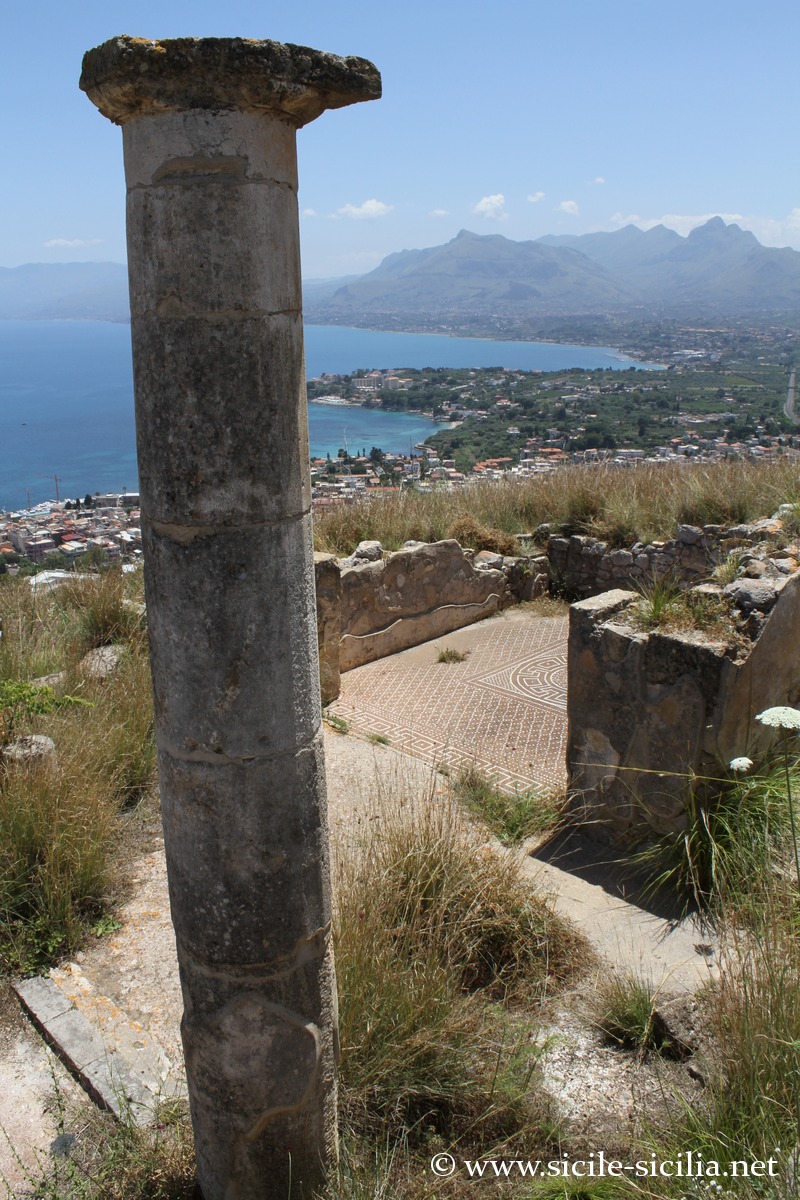
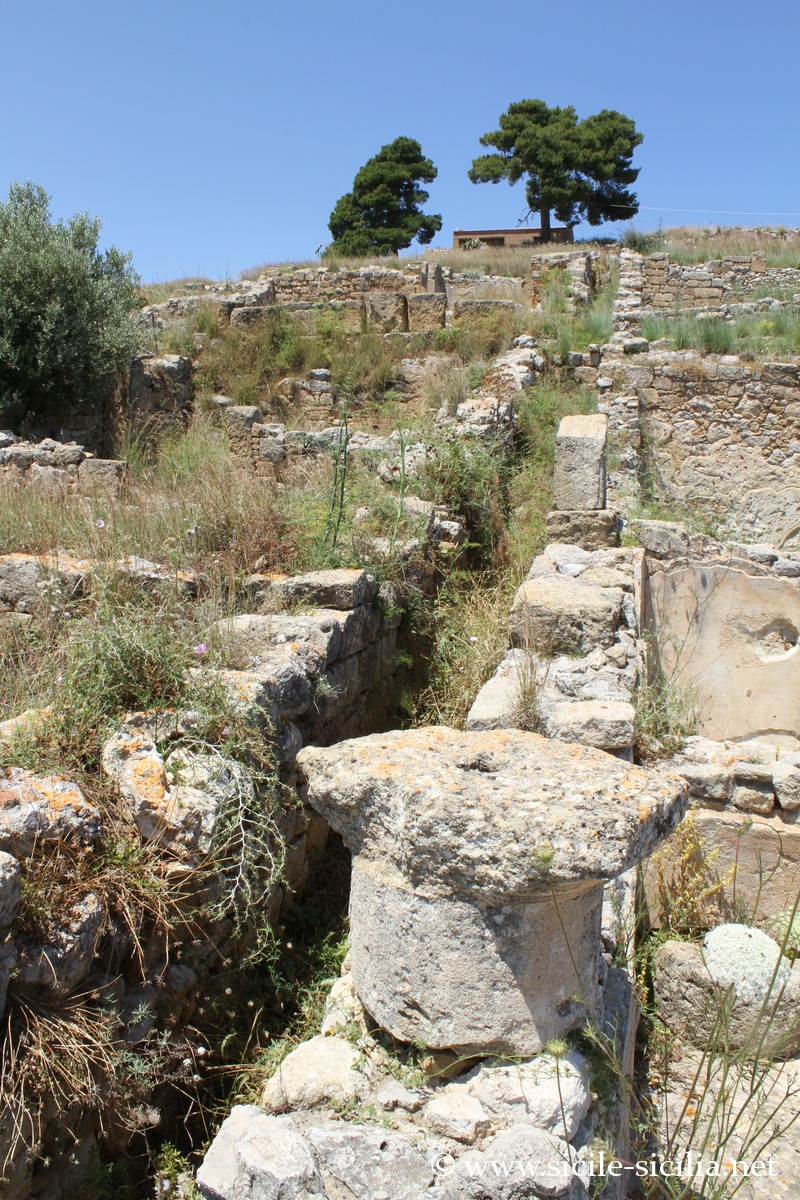
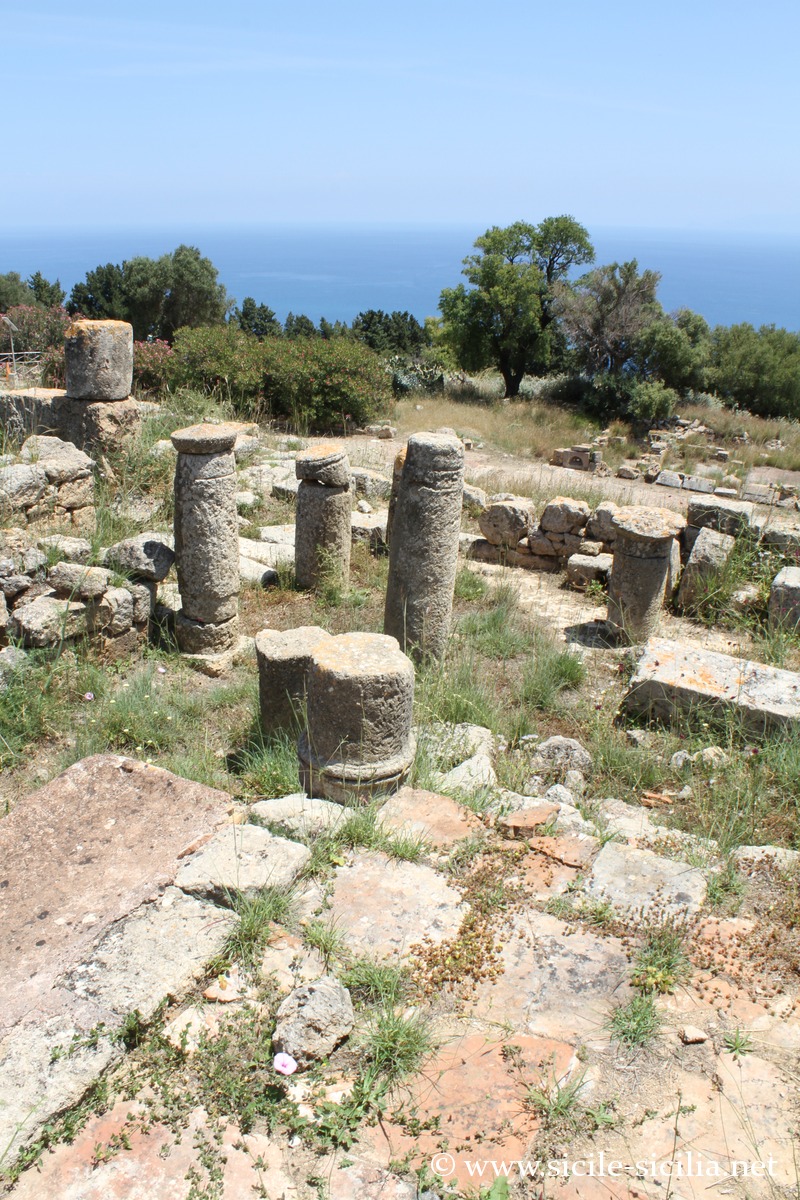
The rectangular residential blocks (insulae) are laid out in a grid of perpendicular streets, occupying terraces on the slope, connected by stairways. The houses had several storeys. In the central district the house blocks have peristyles (central courtyards with colonnaded porticoes), whereas other, less wealthy districts had only a simple central courtyard. The Casa di Leda deserves attention for its size and its mosaic floors.
Between the terraces, conduits (ambitus) channelled rainwater, notably for the water supply.
A thermal district lies to the south of the city.
Via dell’Agora 
Gymnasium 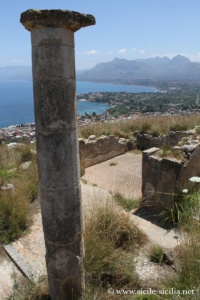

House of Harpocrates 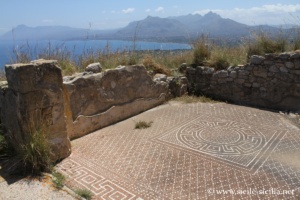

House of Harpocrates 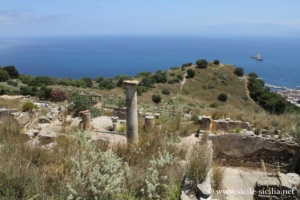
House of Leda 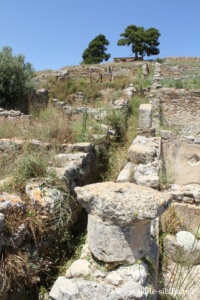
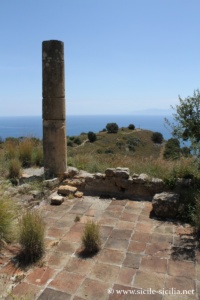
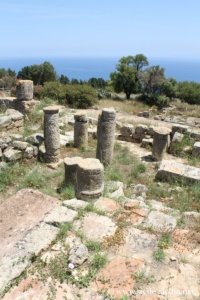
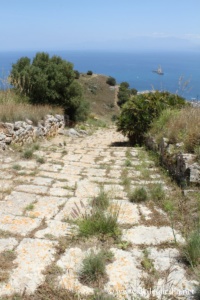
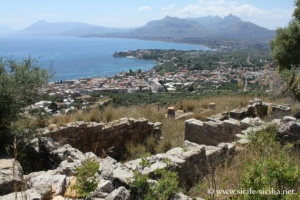
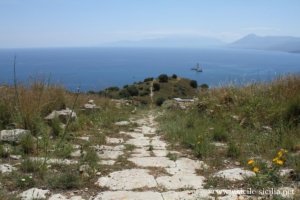
Via Ippodamo 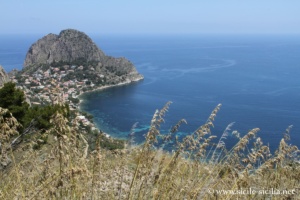
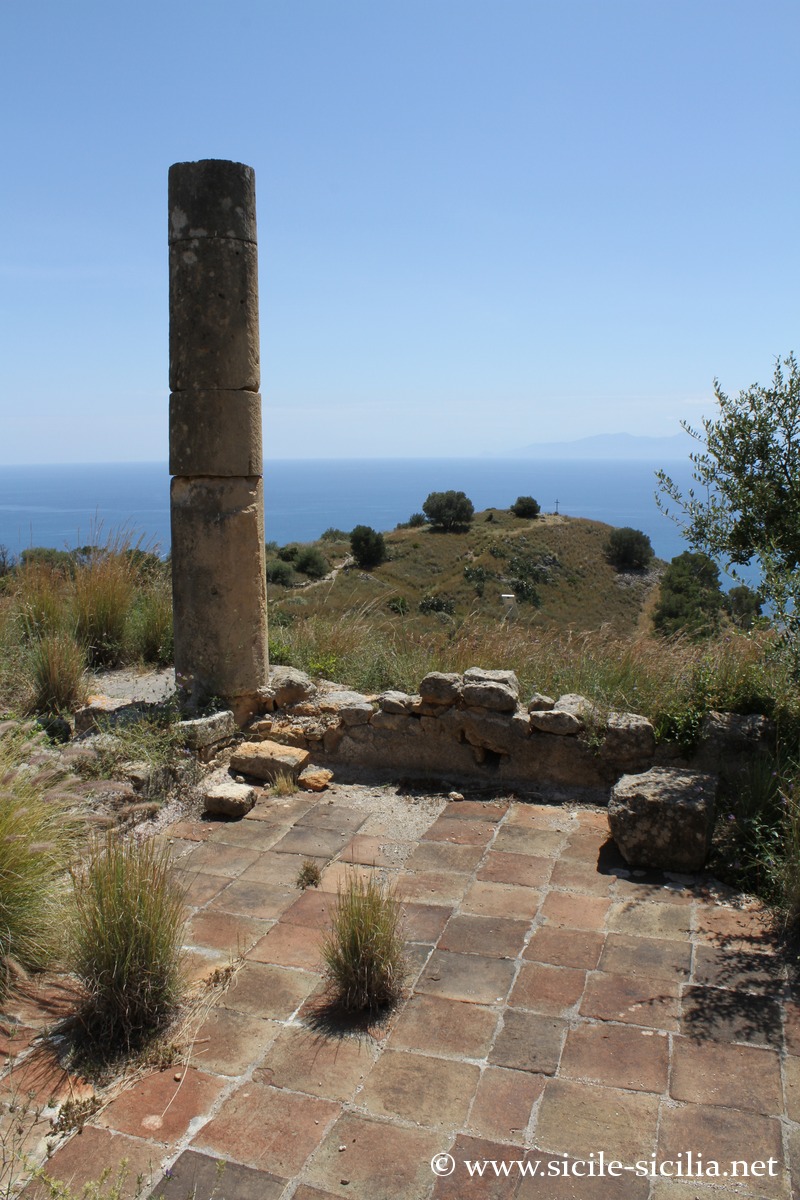
Panorama Cape Zafferano 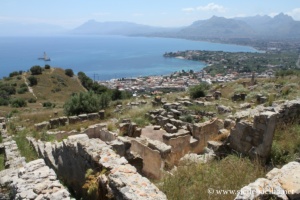
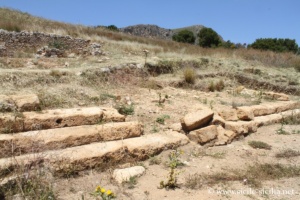
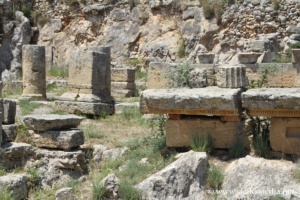
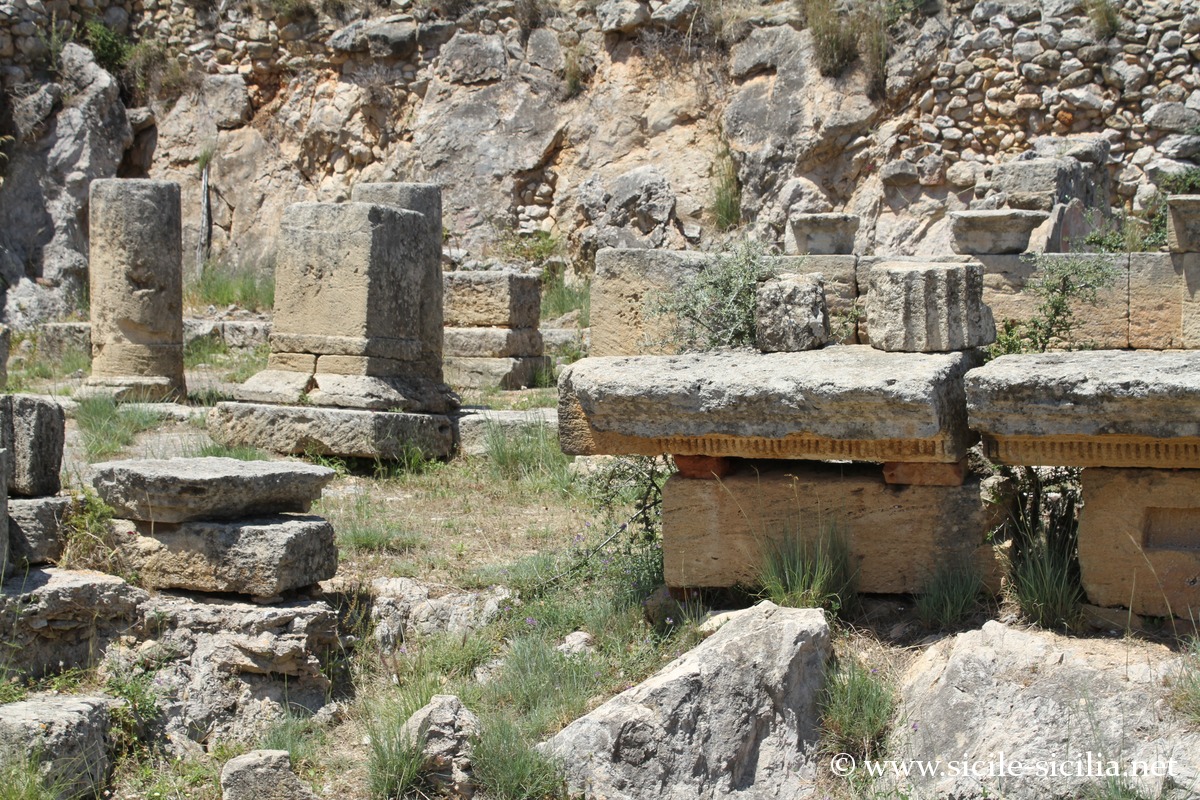
Remains of the stoa 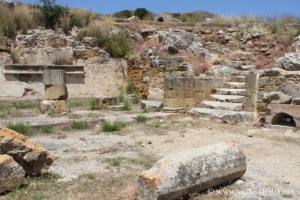
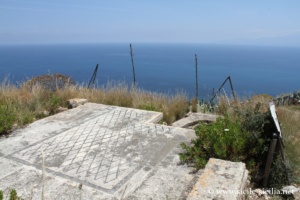
Mosaics, house 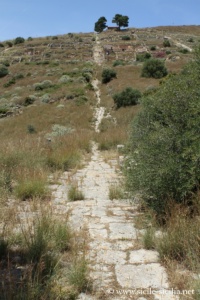
Via Ippodamo
Historical overview
Kafara was probably destroyed by the tyrant Dionysius of Syracuse in 396 BC, during the conflict against the Carthaginians, and a new city was founded further north by Greek mercenaries, on Mount Catalfano.
The new Hellenistic city, Solunto (from a Greek or Semitic word meaning “rock”) had a certain importance, and from it come the archaeological remains that have come down to us. It passed under Roman control in 254 BC during the First Punic War.
This city apparently declined during the 1st century AD, for unidentified reasons.
At the Regional Archaeological Museum Antonio Salinas in Palermo are kept several pieces found during the 19th-century excavations, such as the statue representing Zeus on his throne, with the body carved in local limestone and the head in white marble, while the throne is decorated with reliefs representing Ares crowned by Nike, Aphrodite, Eros and the Graces.
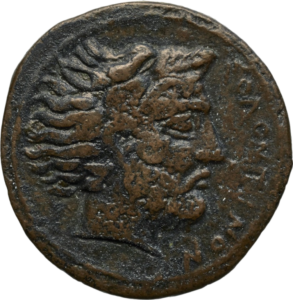

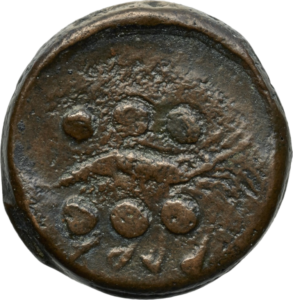
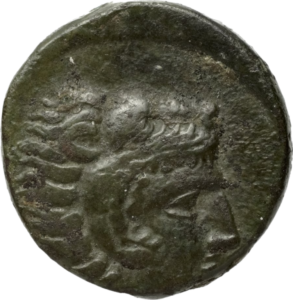
Bronze (obverse) 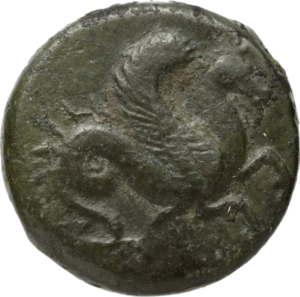

Bronze (reverse)
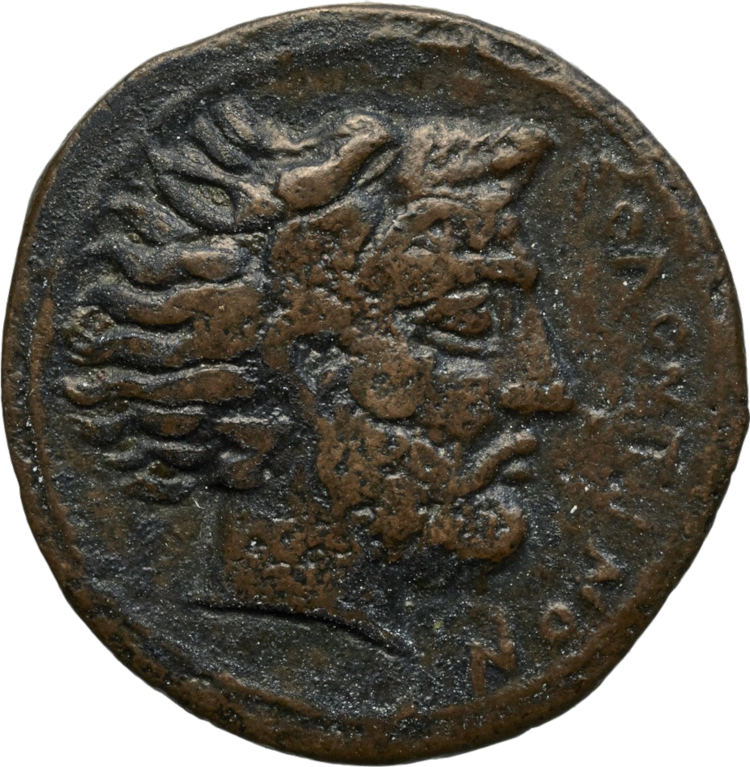
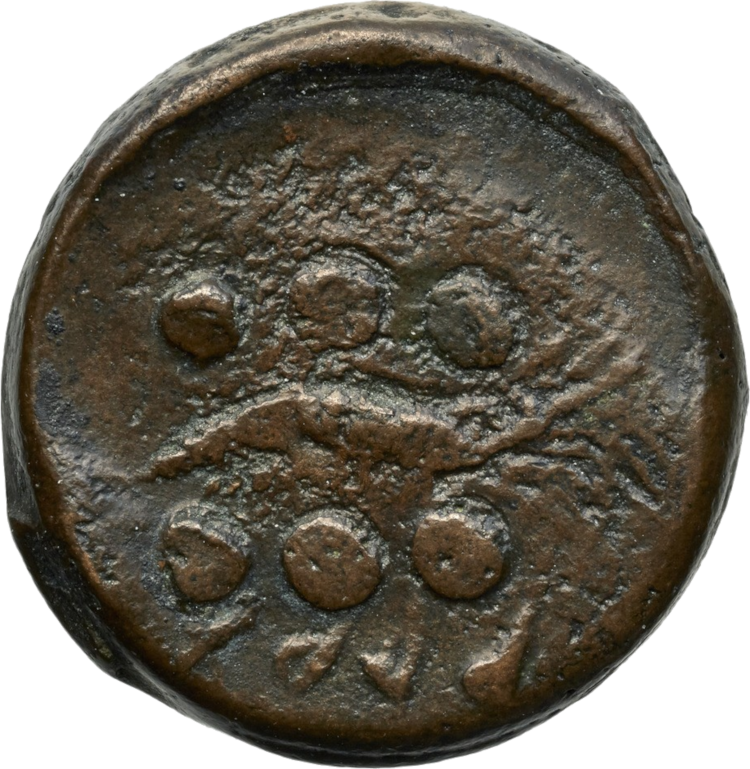
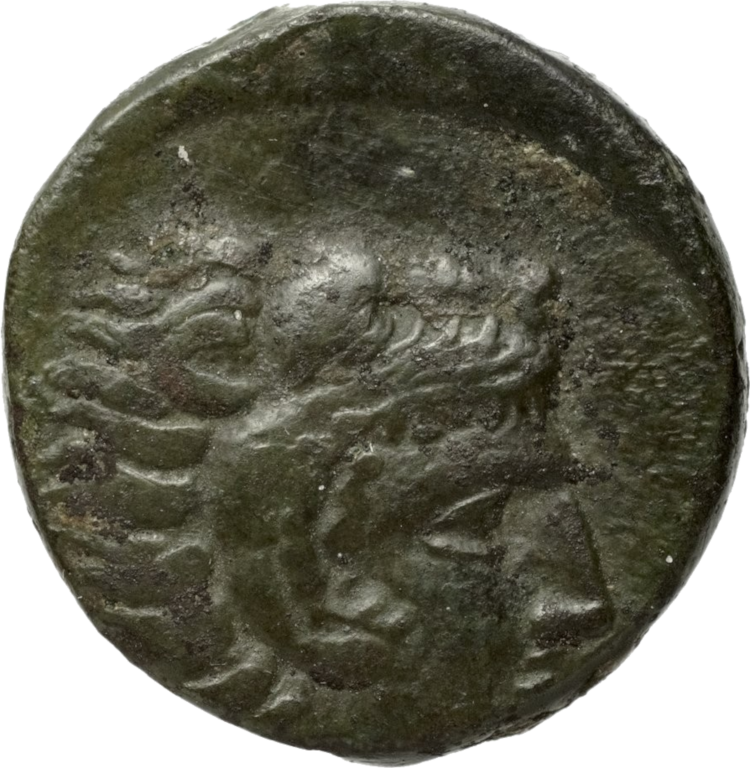
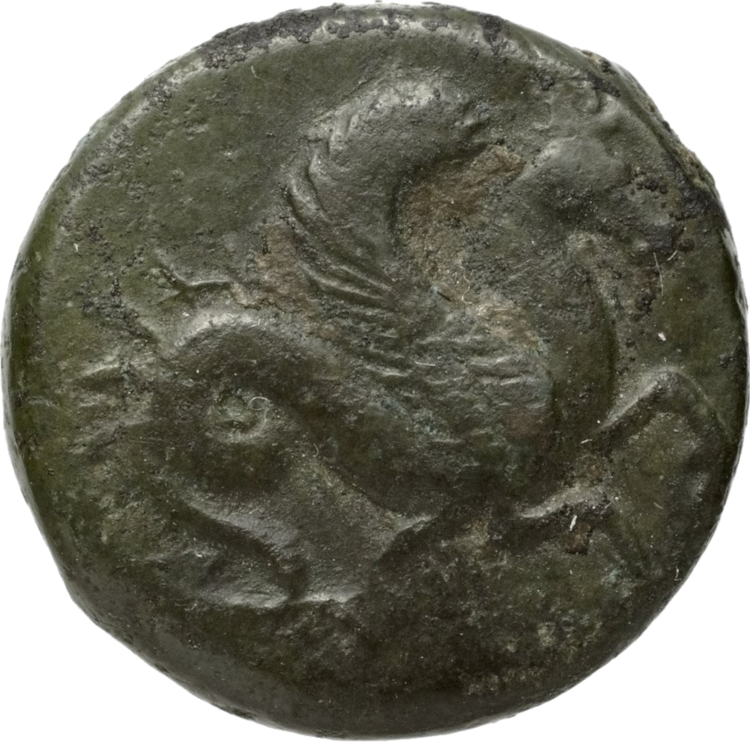
Antiquarium of Solunto
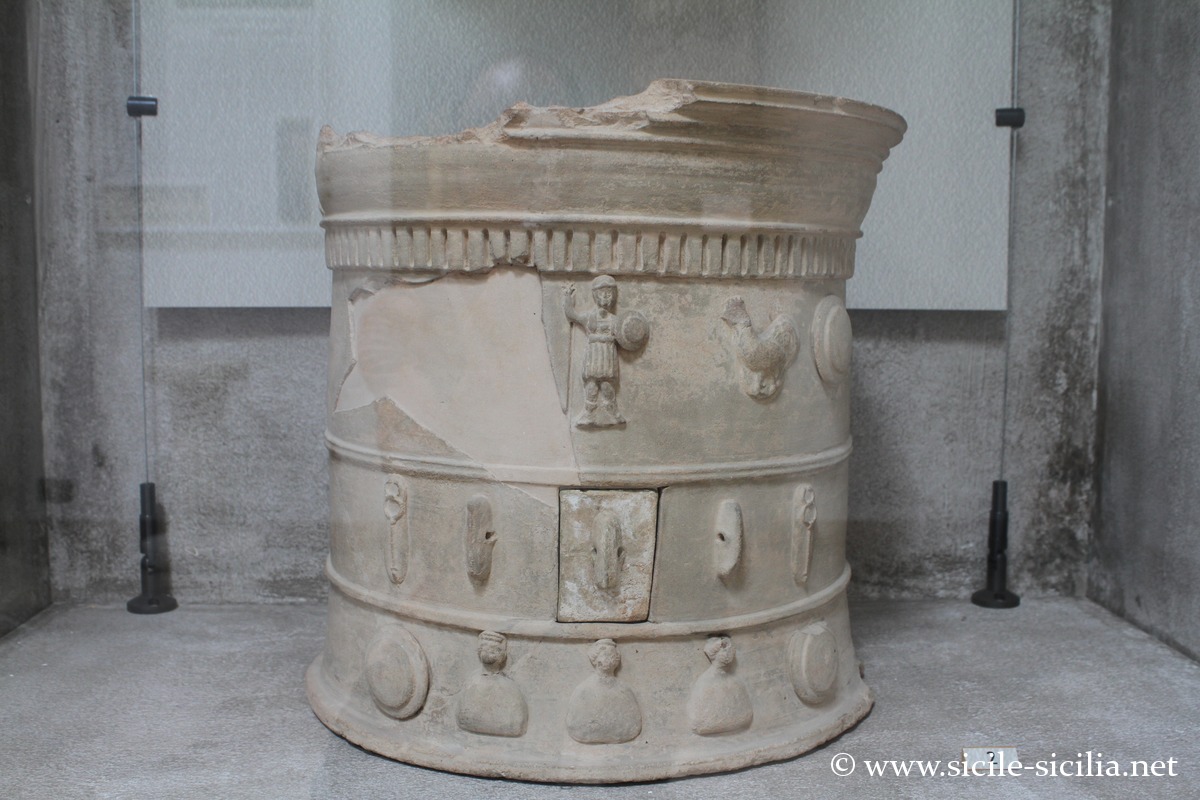
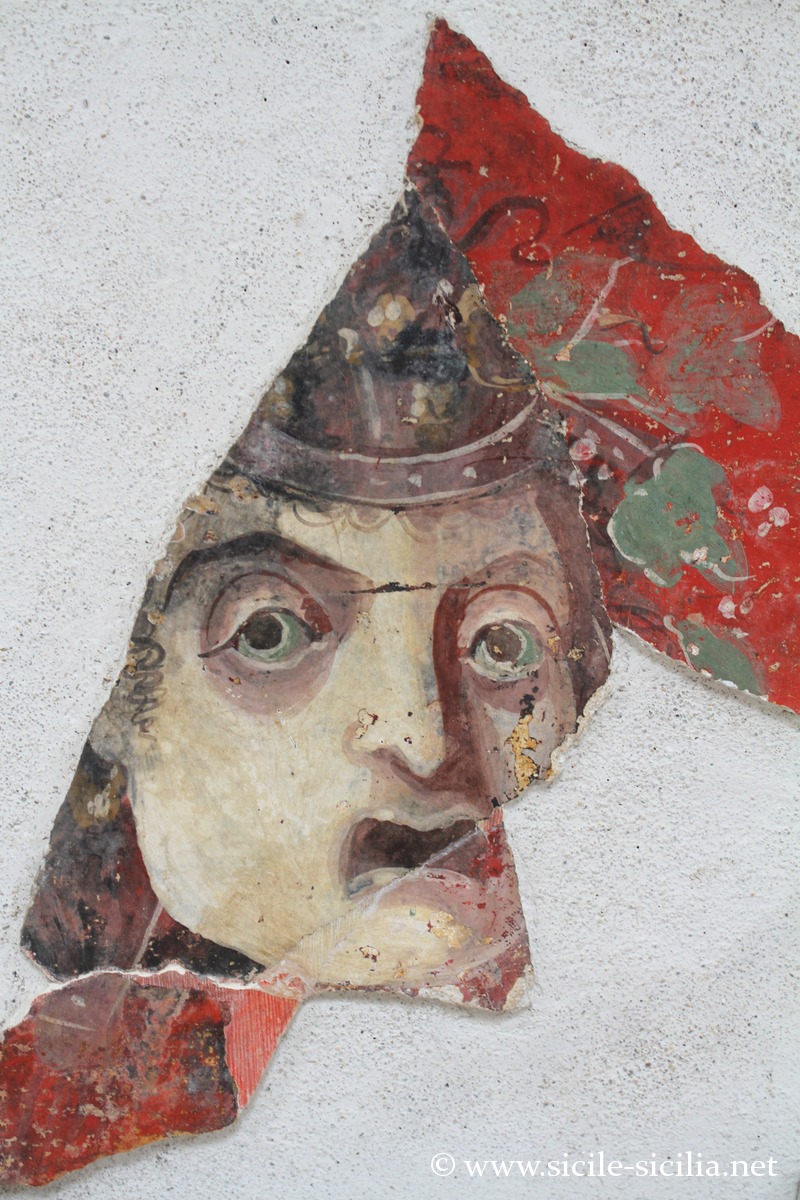
The antiquarium of Solunto has two different pavilions: one themed on the urban planning and architecture of the Hellenistic period, with capitals. The other is devoted to the documentation produced by the new excavations and to the culture of the city, from its Punic phase to the Roman period, with sections on cults and funerary practices, artistic and craft productions, Greek and Roman materials, and the underwater discoveries of the surroundings.
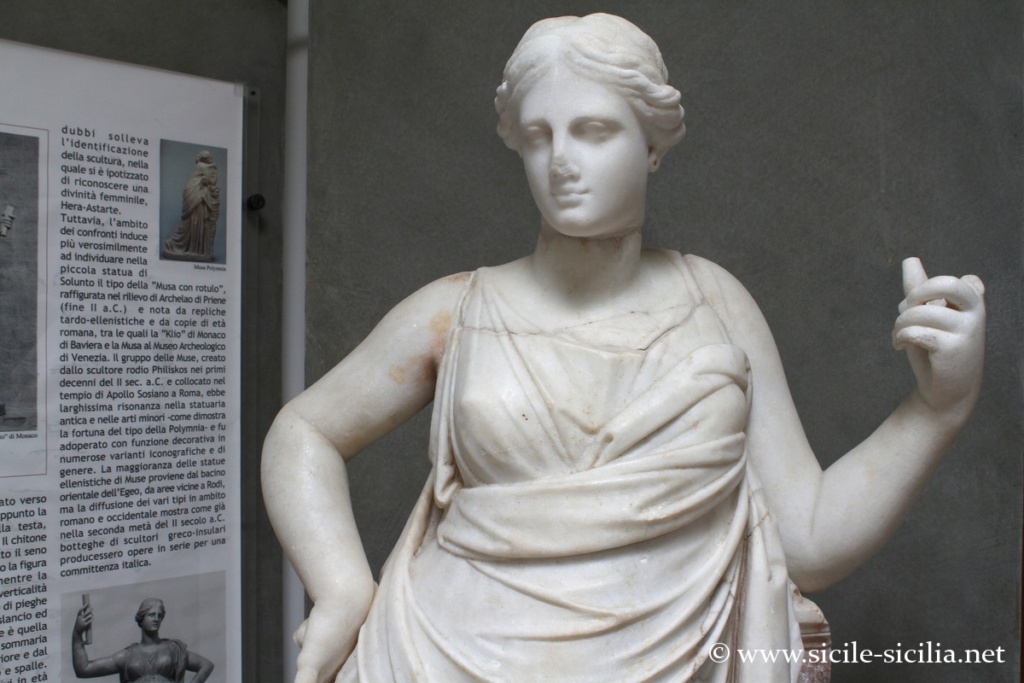

Statue of a muse 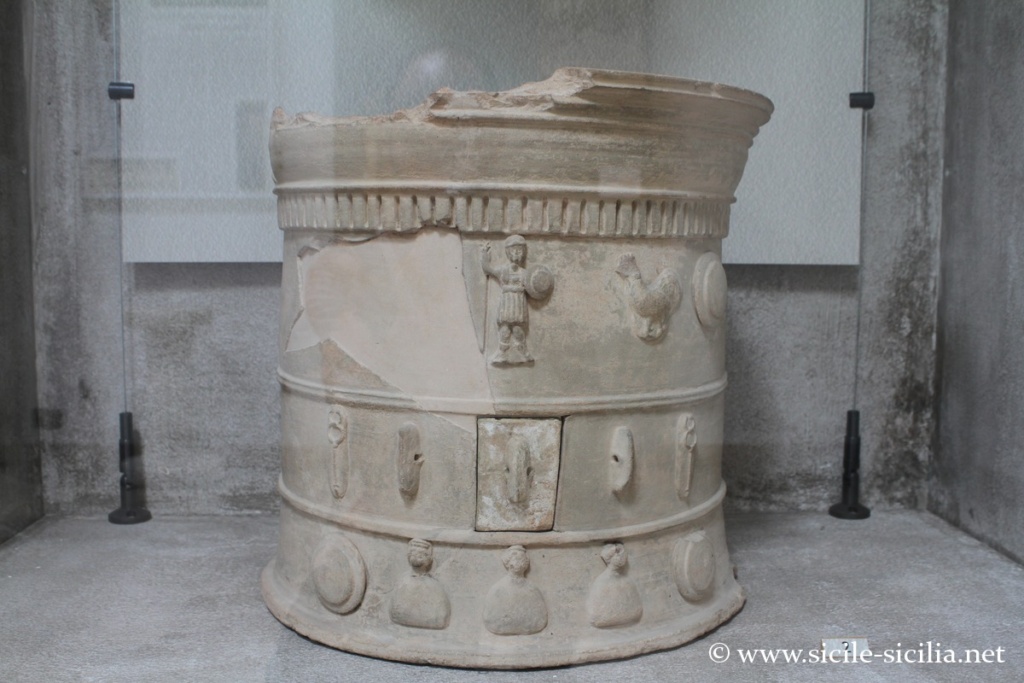
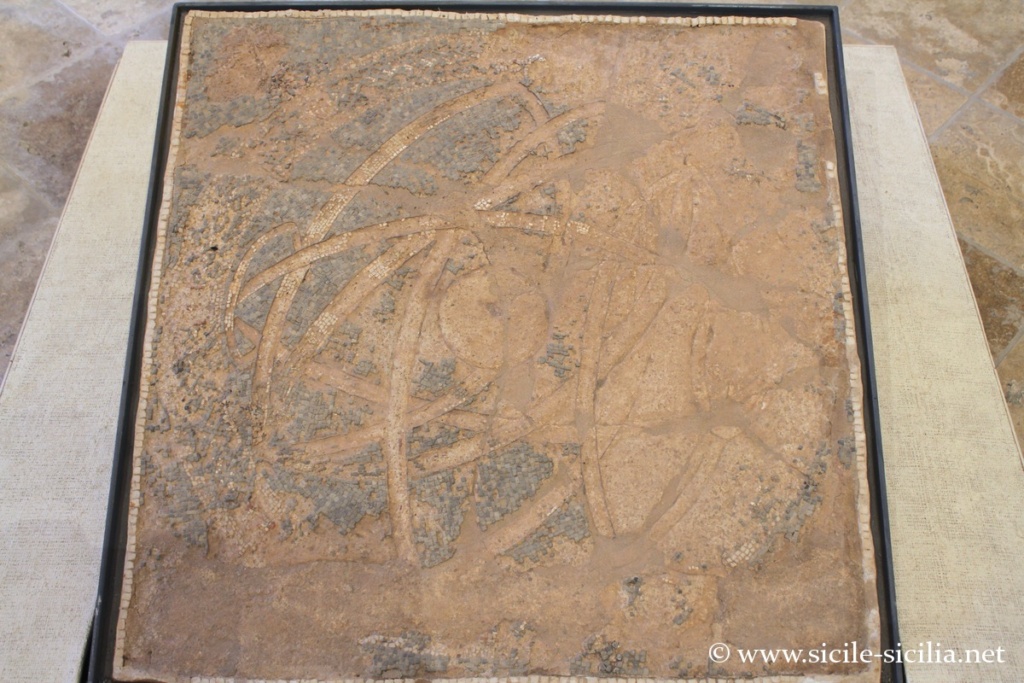
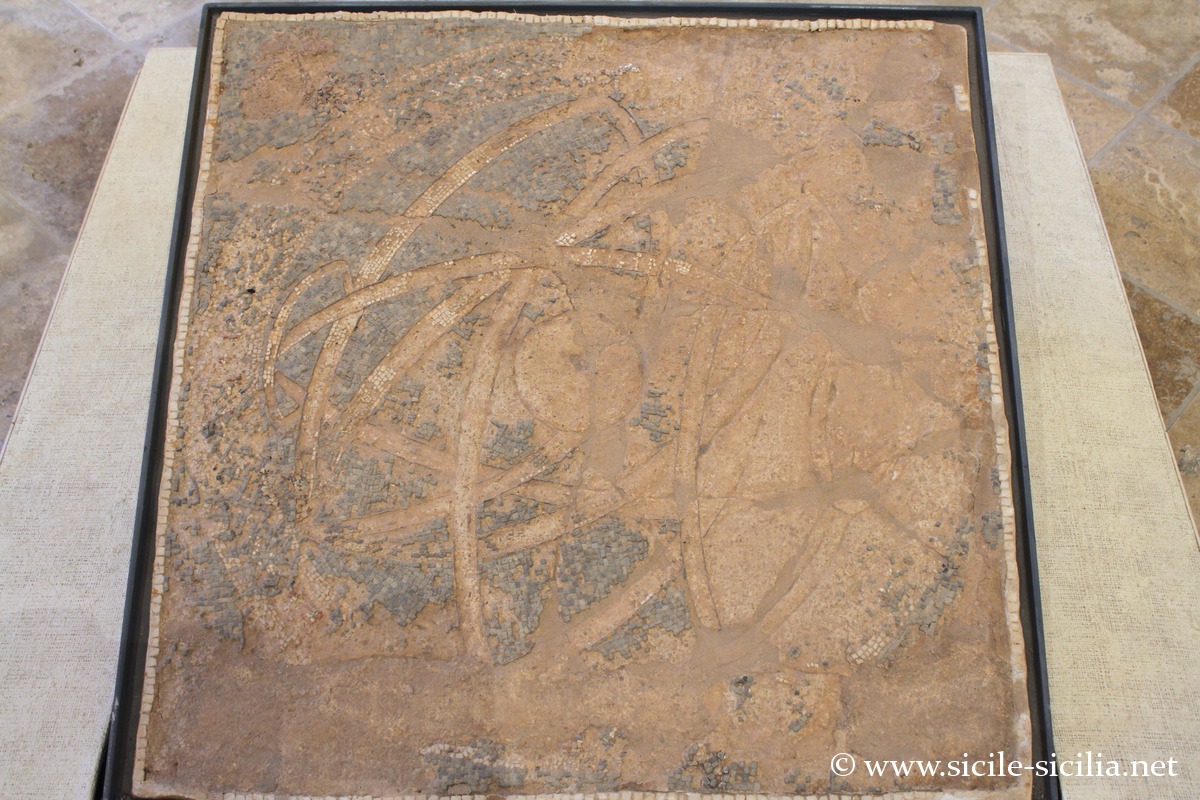
Armillary sphere, Villa di Leda 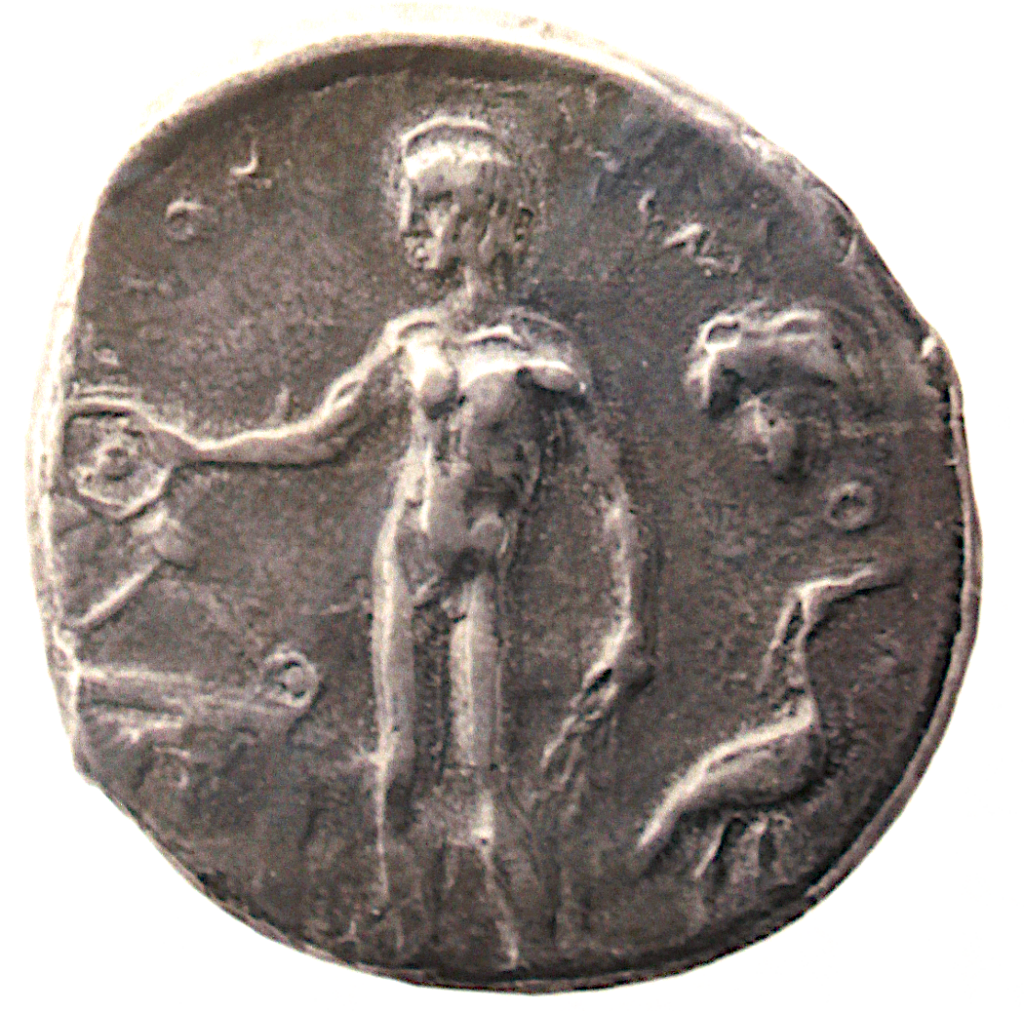

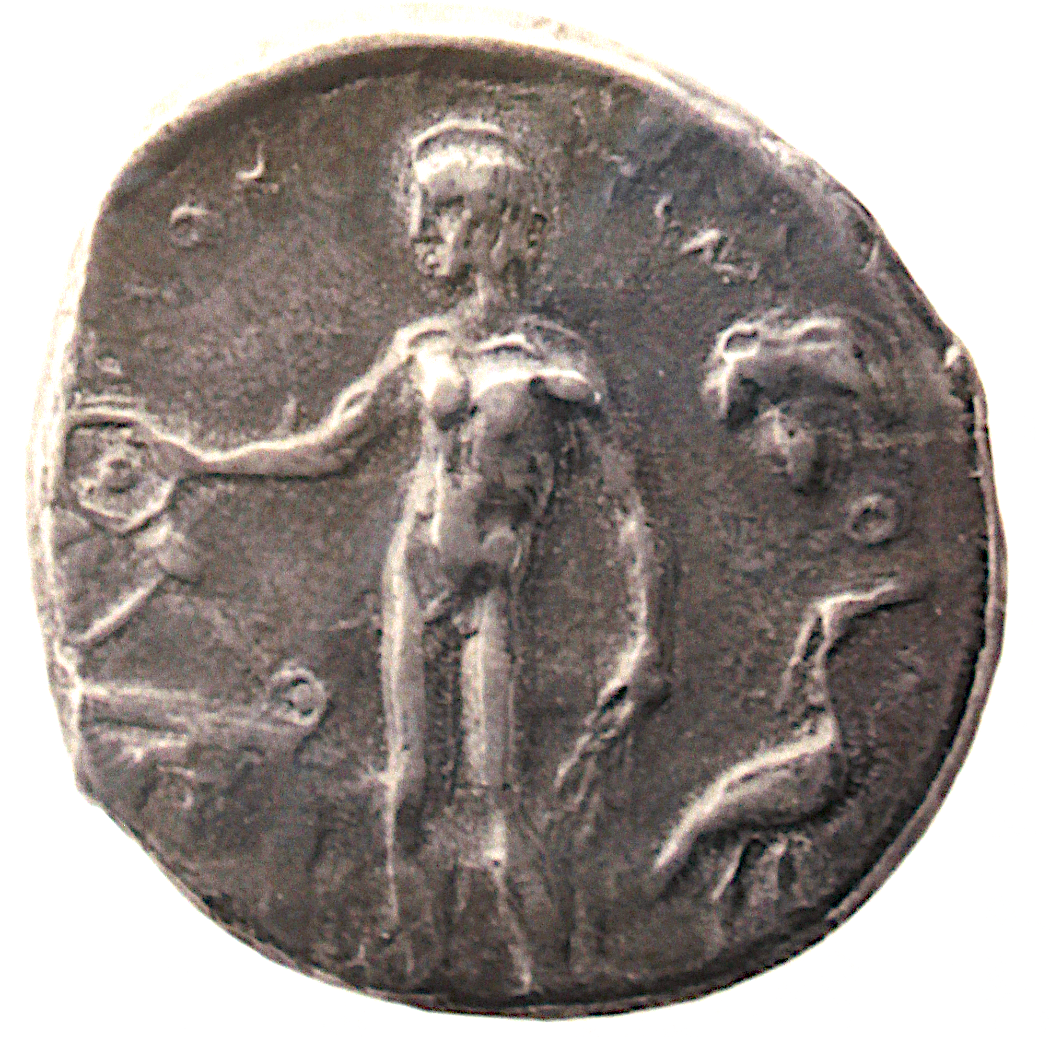
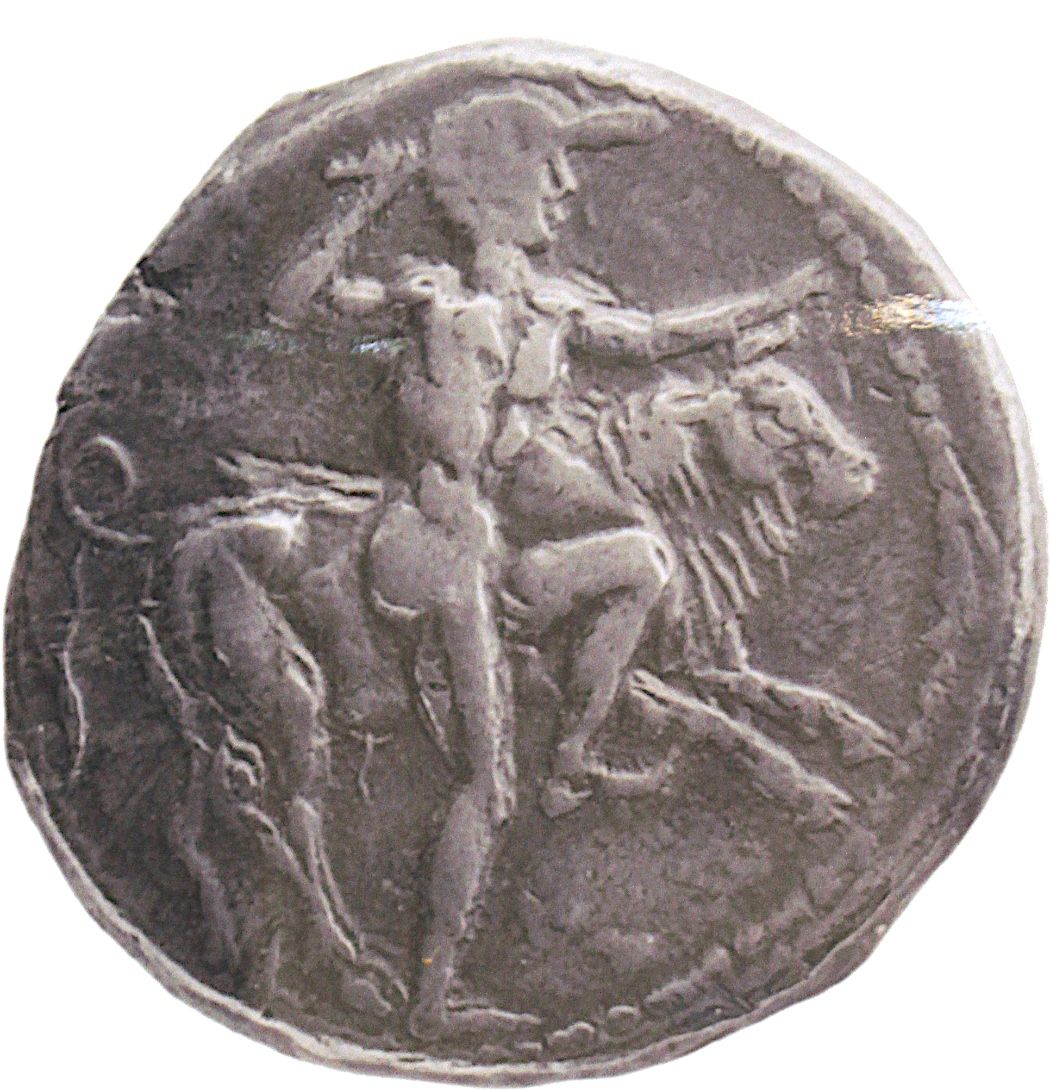
Obverse didrachm 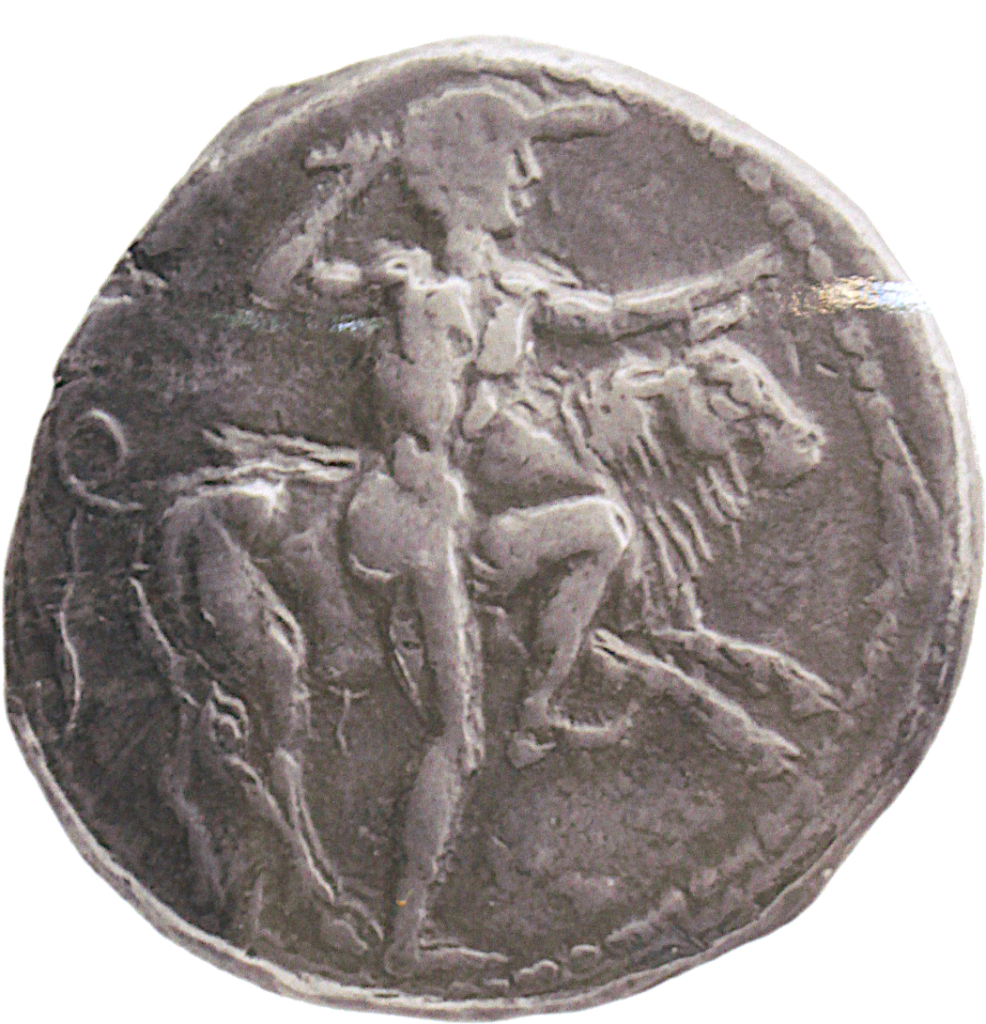

Reverse didrachm 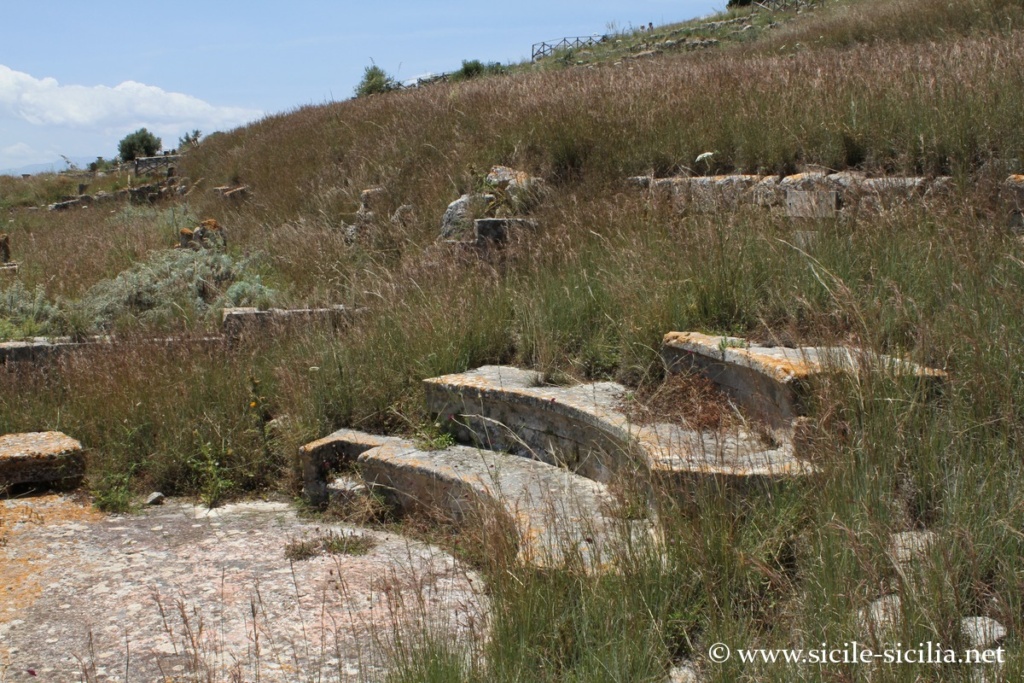
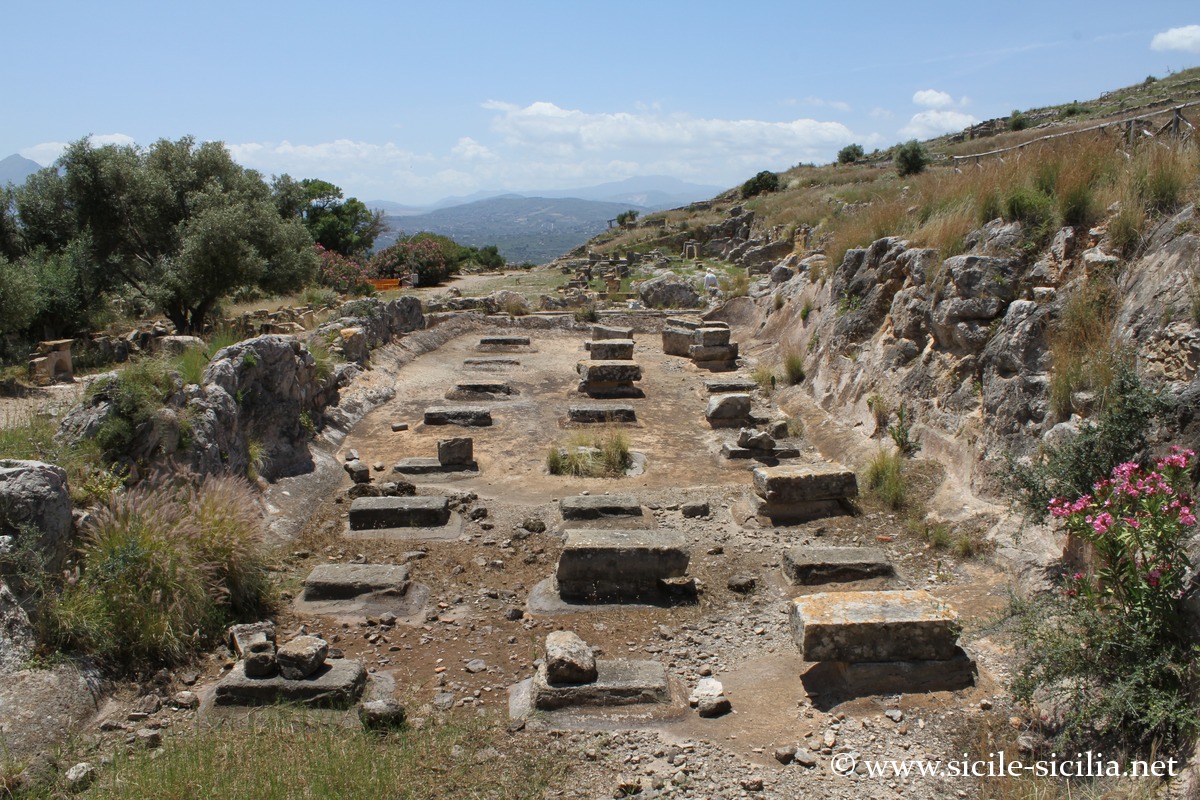
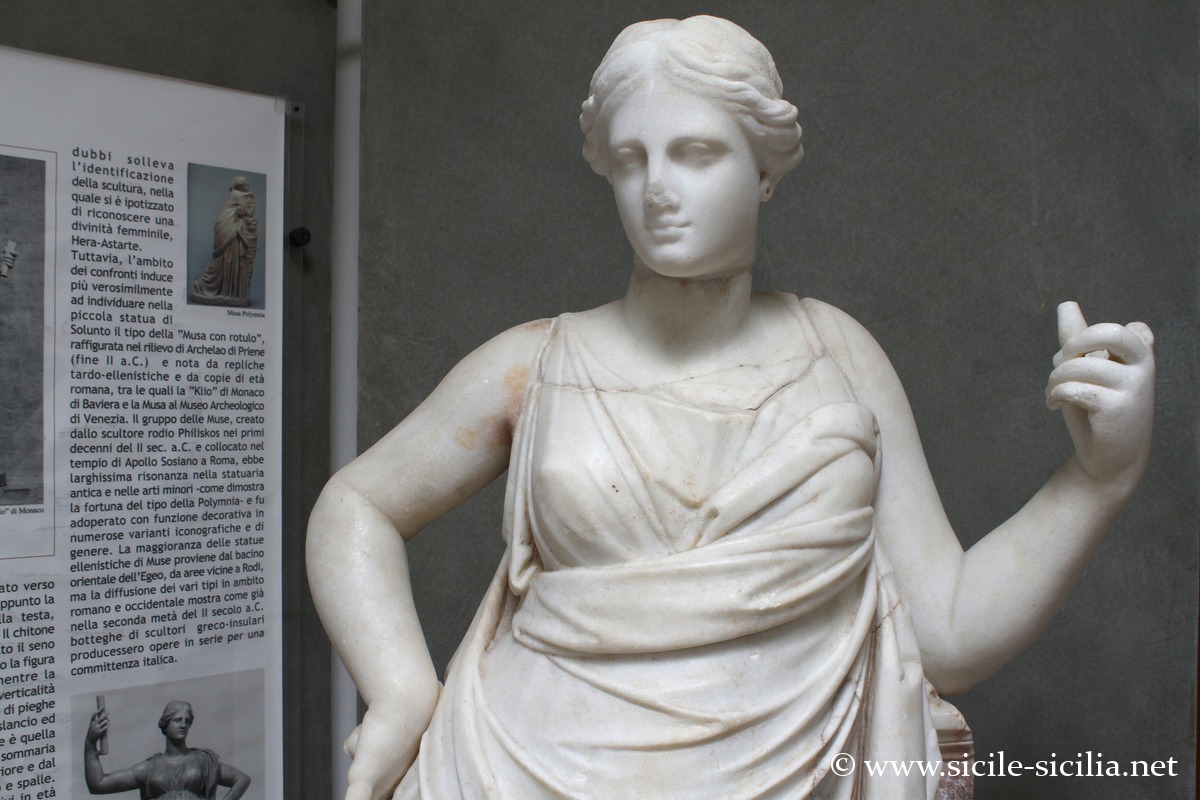
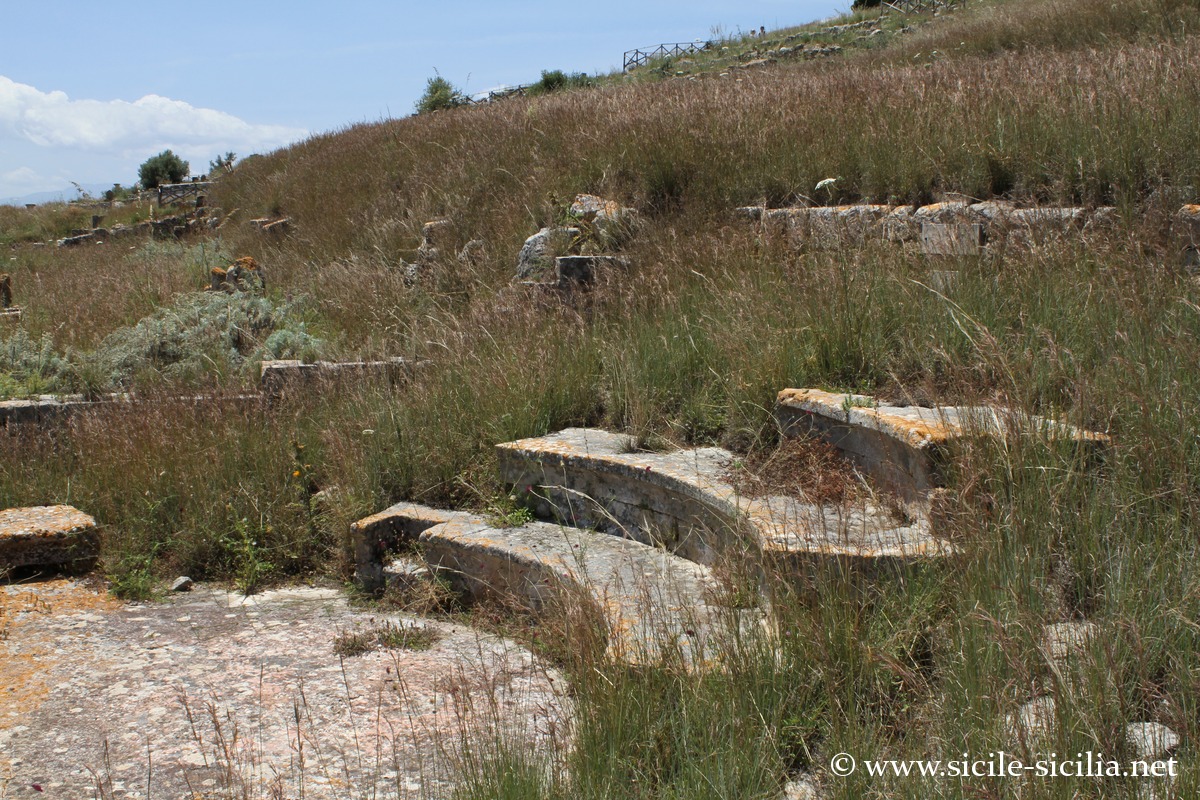
Bouleuterium
Where Solunto is: map
If you see this after your page is loaded completely, leafletJS files are missing.
Area archeologica di Solunto
Via Collegio Romano, 90017 Solunto, Santa Flavia PA
Information
Sources and information
- Page of the Region of Sicily: regione.sicilia.it
- Wikipedia page: en.wikipedia.org