

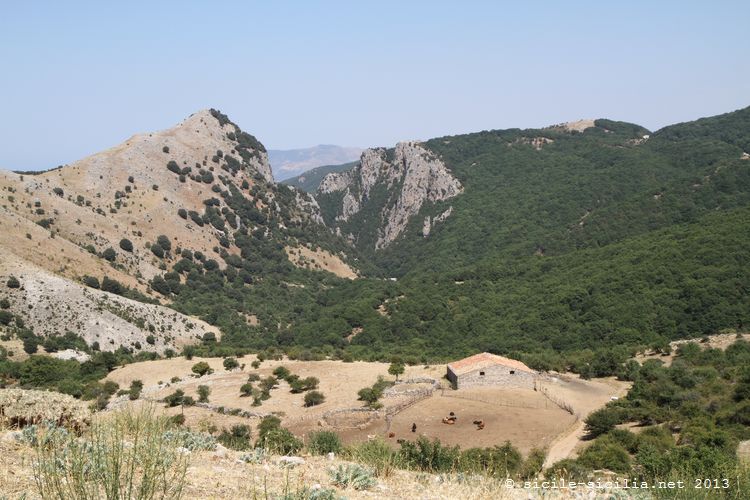
The Madonie are a mountain range of the Sicilian Apennines in the north of the island, between the Palermo mountains to the west, the Nebrodi mountains to the east and the coastline at their feet to the north.
Its highest peak is Pizzo Carbonara at 1,979 metres above sea level, the second highest in Sicily after Etna. Several other peaks are around 1,900 metres.
Its many springs supply Palermo and its metropolitan area with water.
Natural heritage of the Madonie
The vast natural heritage of these charming mountains has been protected by a park since 1989, where there are numerous historical sites bearing witness to a thousand-year and even prehistoric occupation, with religious buildings, monasteries, hermitages and rock churches, often isolated on the summits. The waterways have also seen many mills and farms, sometimes of Roman origin, which are falling into oblivion.
The oldest rocks of Sicily can also be discovered here, with many fossils in the limestone areas.
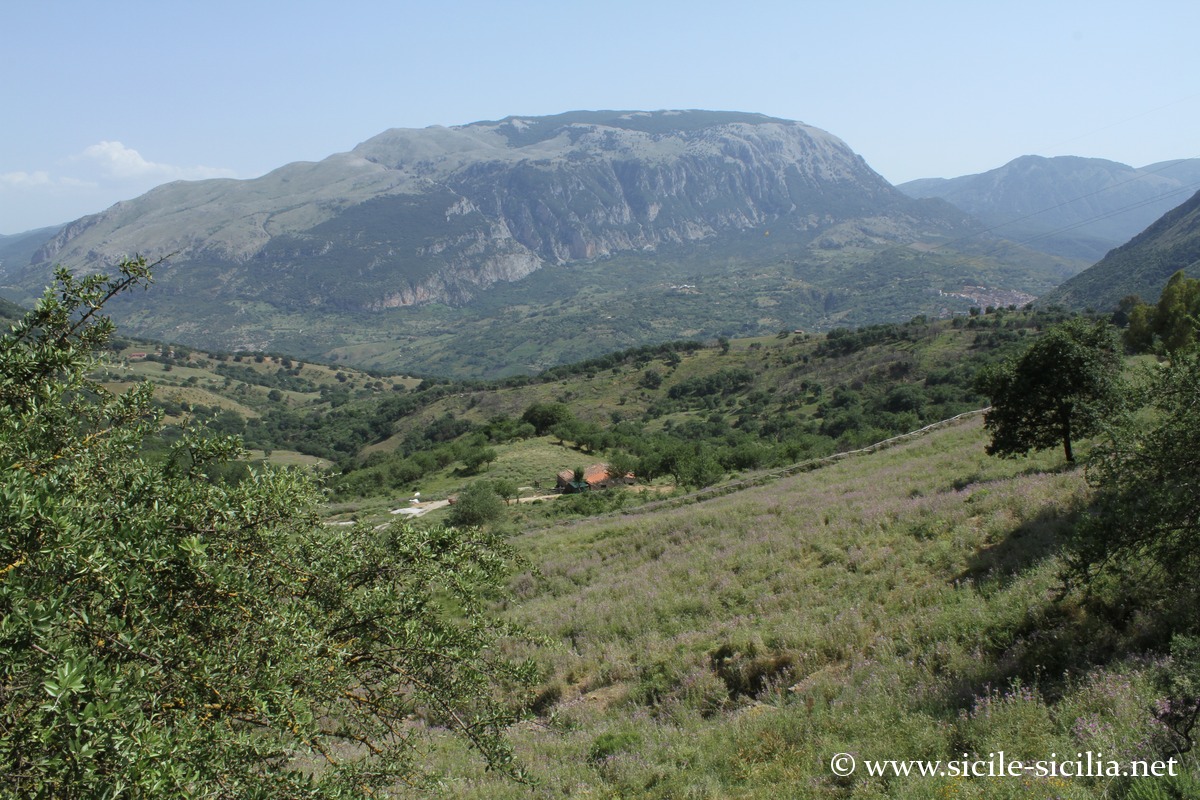
View of the north of the Madonie
The massif can be divided into three zones: the coastal strip of the northern slope, protected from African winds and home to the thickest woods (centuries-old olive trees, chestnut trees, oaks, etc.); the wooded central chain rich in endemic species; and the sunny southern slope, drier and more cultivated.
The Madonie occupy barely 2% of the island’s surface area, but more than half of Sicilian flora is found there, including many endemic species. All the mammals present in Sicily are found there, such as deer or foxes, as well as 70% of the island’s birds and 60% of its invertebrates. Species such as the wild boar, which had disappeared, have been reintroduced.
The massif can be discovered in many ways, by hiking, horse riding, mountain biking, or why not on donkey back.
Historic villages in the Madonie
There are many picturesque villages in this region, a selection of which follows, starting from the north-west of the massif and roughly going around it clockwise.
- Collesano is an old feudal town where monasteries were established, which has been renowned for its ceramics since the 16th century.
Isnello
Gratteri, a small village in a charming natural setting, with a pretty town centre, its “stone wells” with underground streams, or the Grattara cave park and its superb panorama stretching to the coast. A few kilometres away in the hills is the Norman abbey of San Giorgio.
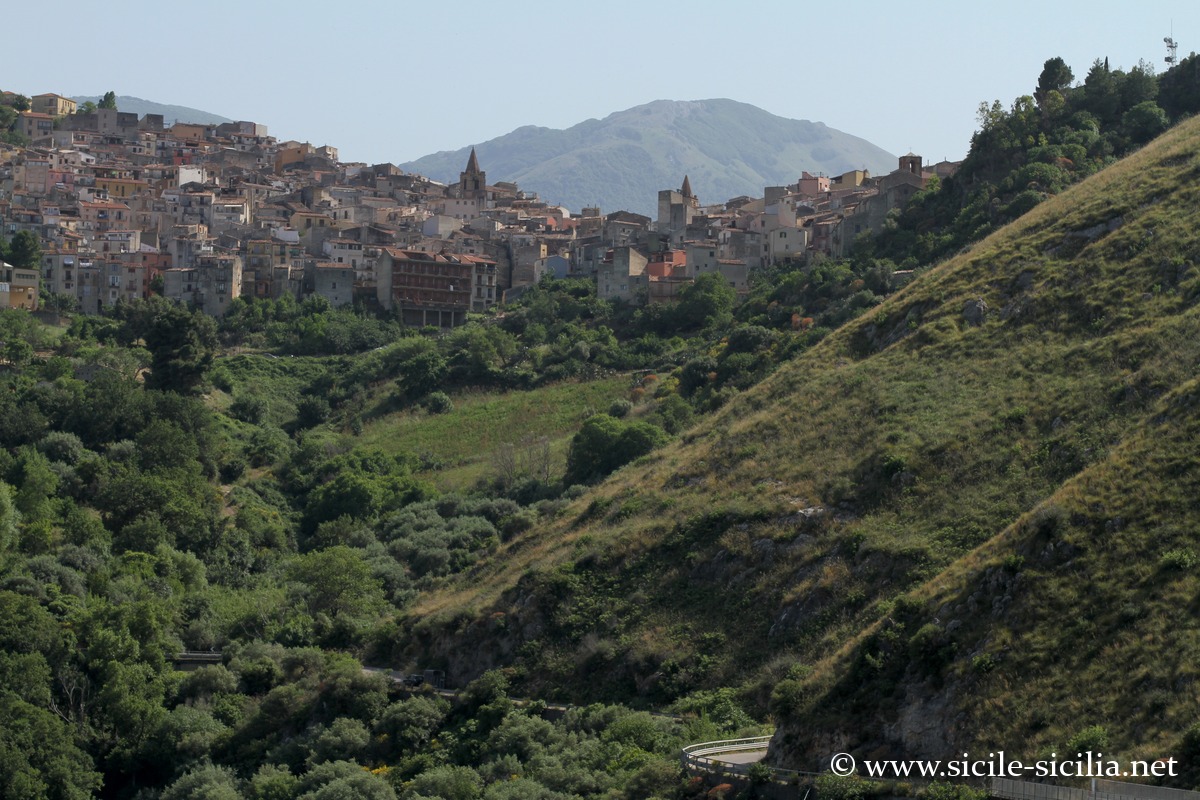
- In Isnello embroiderers still live, working with old spinning techniques, where a museum is dedicated to this craft.
- Castelbuono enjoys a commanding position, with its beautiful church of the Matrice Vecchia and a medieval castle from the 14th century.
- Geraci Siculo, listed among the most beautiful villages in Italy, rises to over 1,070 metres with the remains of its castle and the chapel of Sant’Anna.
- Gangi is also listed among the most beautiful villages in Italy, thanks to its important medieval centre, its churches and its monuments.
- Petralia Soprana also listed among the most beautiful villages in Italy, is perched at 1,147 metres, dominated by its church Matrice and Santa Maria di Loreto.
- Near the latter, Petralia Sottana occupies a rocky outcrop and preserves beautiful monuments. Nearby, the Grotta del Vecchiuzzo has kept traces of prehistoric occupation.
- Polizzi Generosa is a village of medieval origin, on a promontory embracing a beautiful panorama, off the tourist trail, which remained independent for a long time and flourished until the Renaissance. It preserves beautiful noble houses and churches.
- Piano Battaglia, in the heart of the Madonie massif, is a recent ski resort, from which one can reach, for example, Pizzo Carbonara (1979 m).
Main trails and peaks
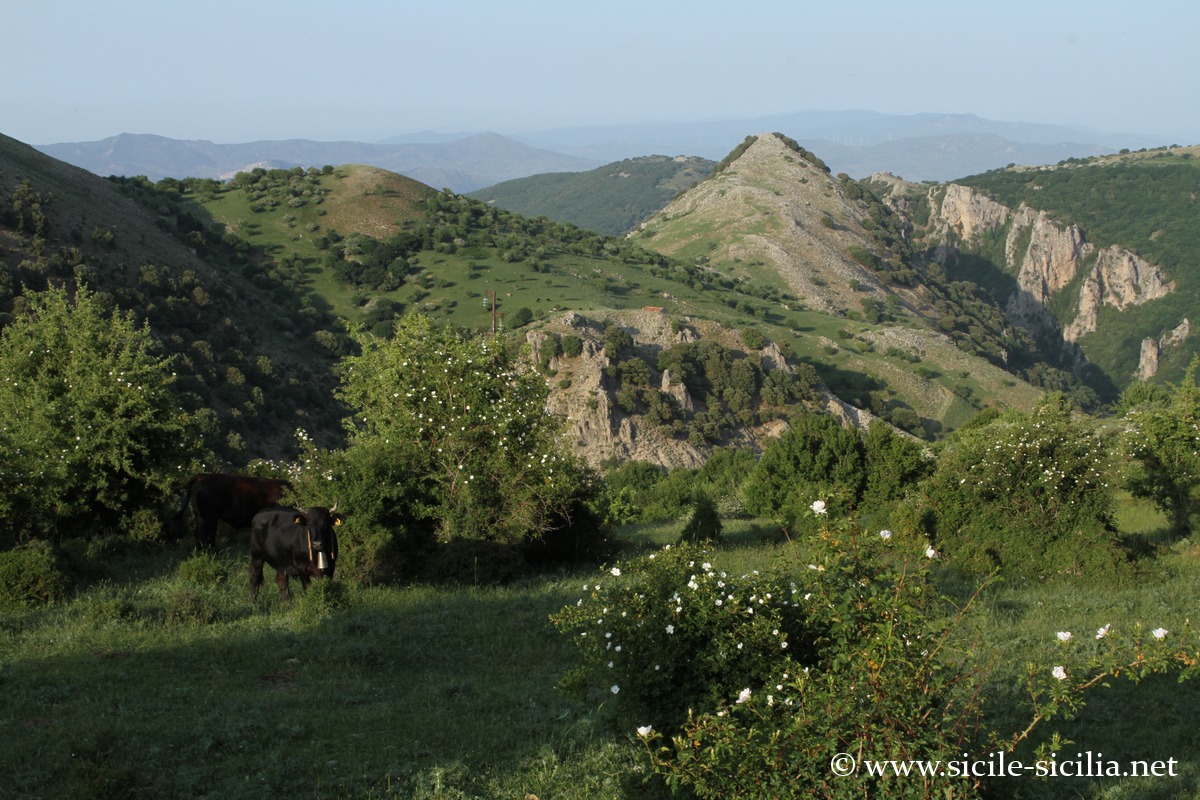
Madonie Natural Park
Several peaks exceeding 1,500 metres in the heart of the park, including Pizzo Carbonara (1,979 m), Pizzo Antenna (1,977 m) and Monte San Salvatore (1,912 m), forming the highest points of the regional park and offering extensive panoramas over the valleys, the other ridges and, on clear days, as far as the Tyrrhenian Sea.
The classic routes start from Piano Battaglia (1,572 m), on the SP 54 (between Collesano and Petralia), a vast access plateau used as a base for reaching Pizzo Carbonara via the Pizzo Scalonazzo trail, or other forest paths linking ridges and valleys.
Among the notable reliefs are Monte Mufara (1,865 m), in the immediate vicinity of Piano Battaglia, and the wooded ridges such as Monte Quacella. Further south, Monte San Salvatore (1,912 m) is another major peak, near which stands the Santuario della Madonna dell’Alto (1,817 m), one of the highest Marian sanctuaries in Italy, accessible via the old Sentiero della Pace or via variants of trails once used by pilgrims.
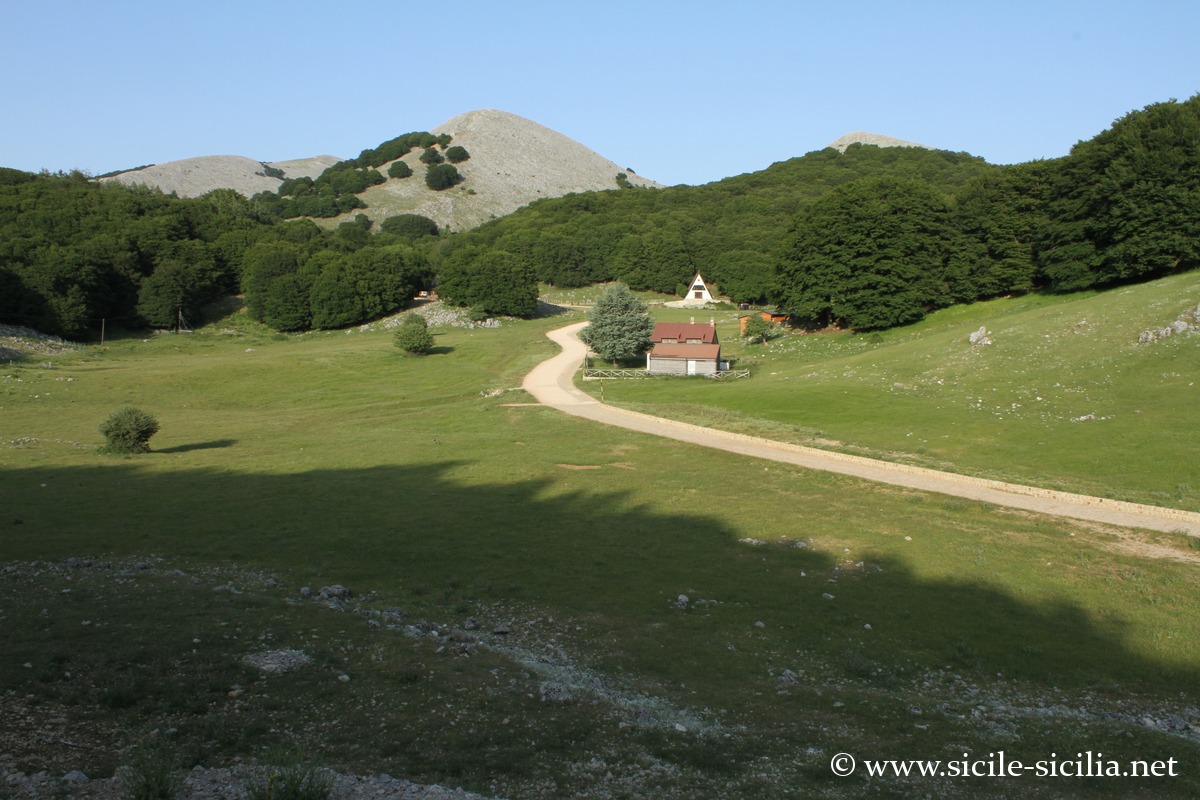
Piano Battaglia
The routes cross varied landscapes: mountain grasslands, densely wooded oak and beech forests (Vallone Madonna degli Angeli), karst formations and viewpoints on the slopes, plateaus (Piano Iola), panoramic ridges, etc.
Sanctuary of Madonna dell’Alto
The site of the sanctuary probably dates back to the 13th century, its foundation traditionally attributed to Brother Guglielmo Gnoffi of Polizzi (died in 1317), on a site already made sacred by a small ancient chapel. It is now also recognised for a marble statue of the Virgin dated 1471, attributed to the workshop of Domenico Gagini, placed in an 18th-century marble high altar. Popular tradition associates the origin of this cult with a legend according to which the statue, transported on an ox cart from the coast, stopped spontaneously on this mountain, prompting the permanent establishment of the sanctuary at this high location.
This place is the goal of local pilgrimages, particularly around 15 August, with processions and devotions rooted in the communities of the Madonie
Surroundings
- The unmissable town of Cefalù, on the coast at the northern foot of the massif, is one of the island’s most attractive destinations, with its beach and rich heritage, its Rocca and its Arab-Norman cathedral listed by UNESCO.
- Nearby, to the east of the massif, we should also mention Pollina and San Mauro Castelverde, between which lie the Tiberio gorges (Gole di Tiberio)
In the territories of Castelbuono and Pollina, the Sagra della Manna is held in August, where local agricultural products are celebrated, such as cheeses including provola, chestnuts, almonds, hazelnuts, beef and pork from animals raised semi-wild, salami, mushrooms, etc.
Photo gallery

North of the Madonie 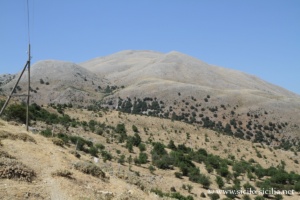
Monte Ferro 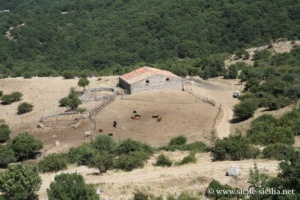
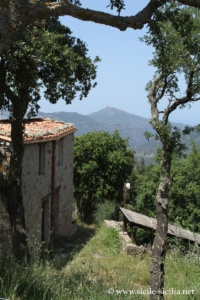

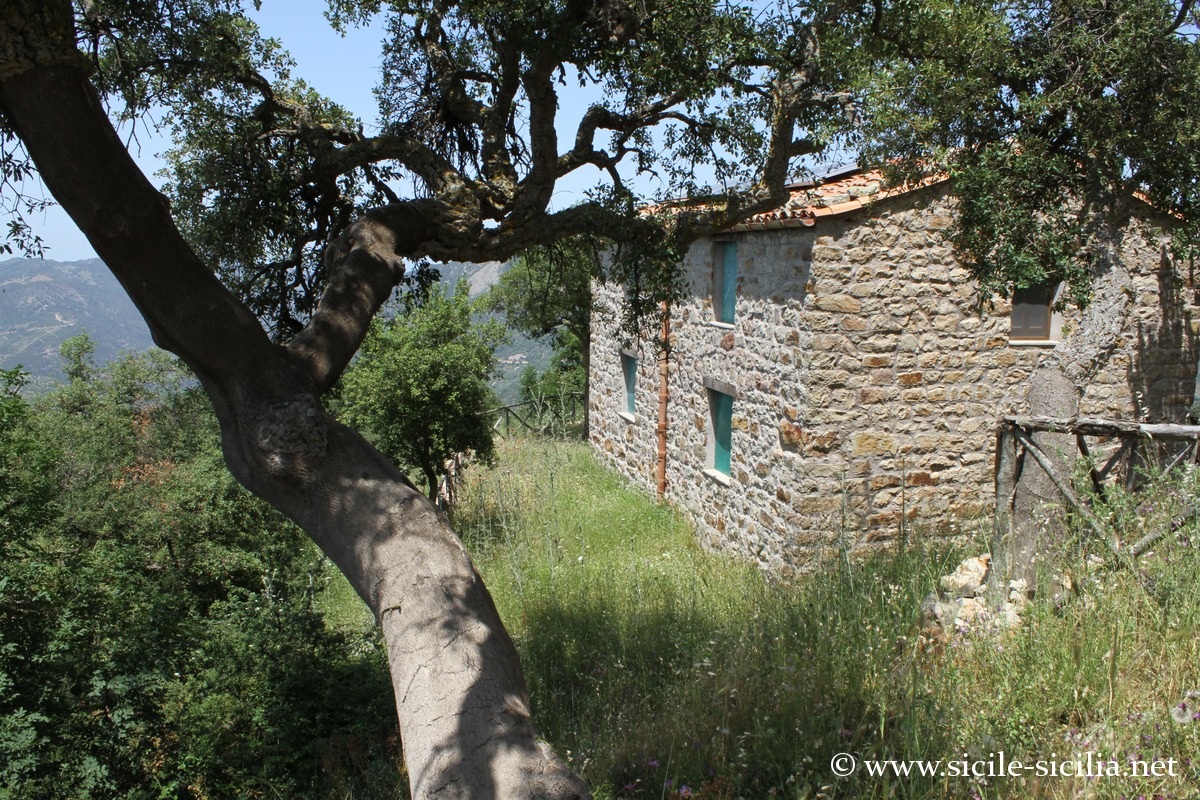
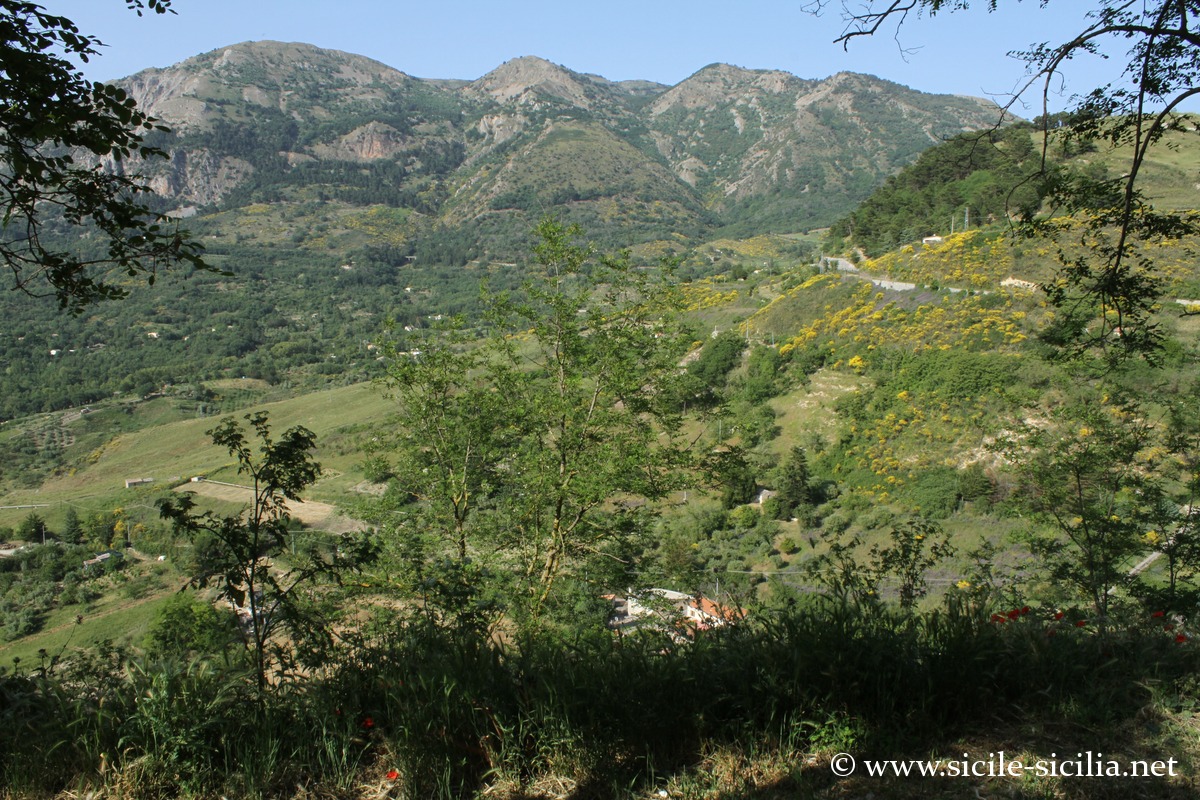
Between Geraci and Castelbuono 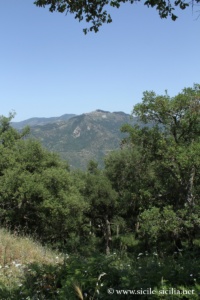
Between Geraci and Castelbuono 
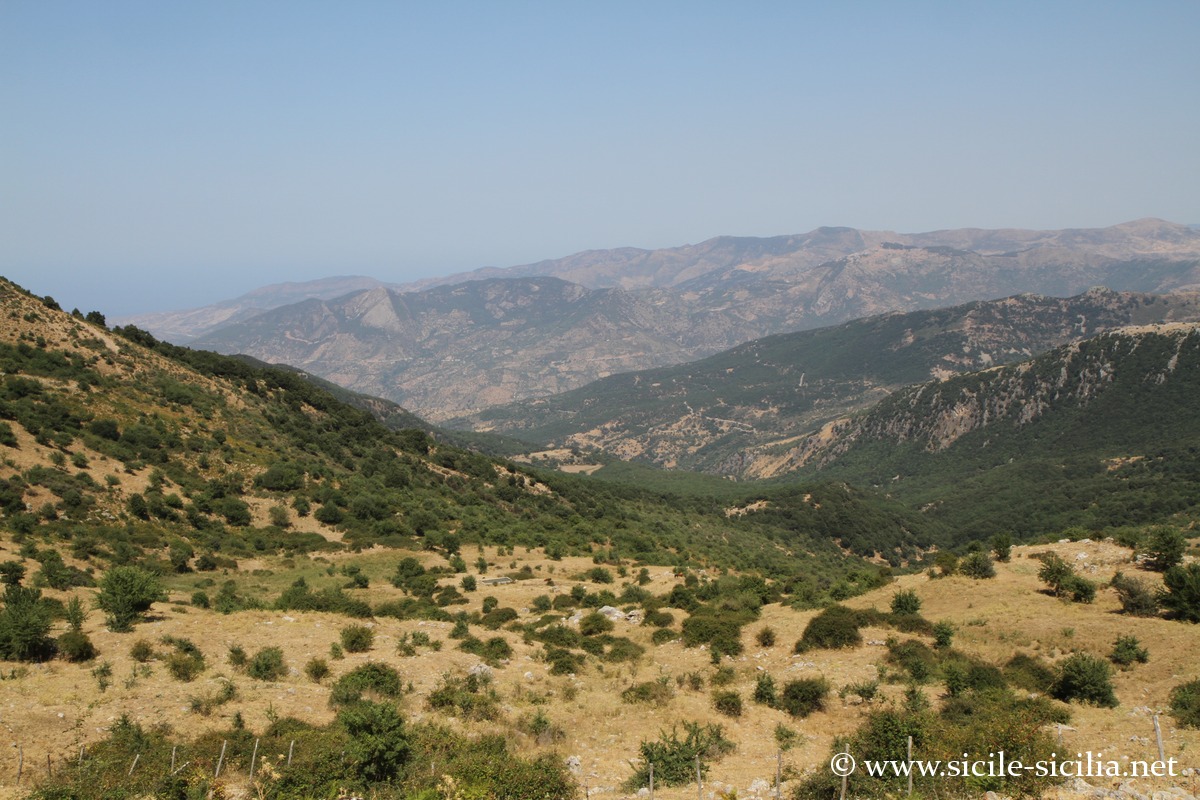
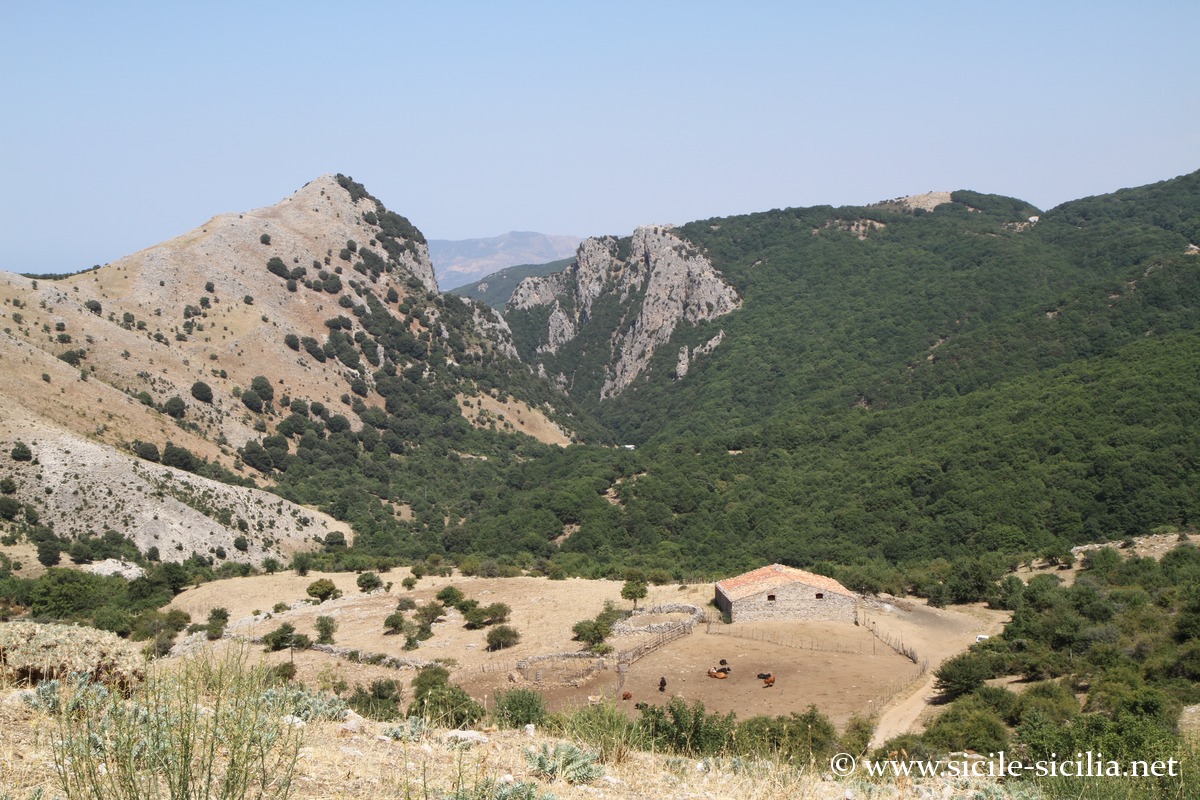
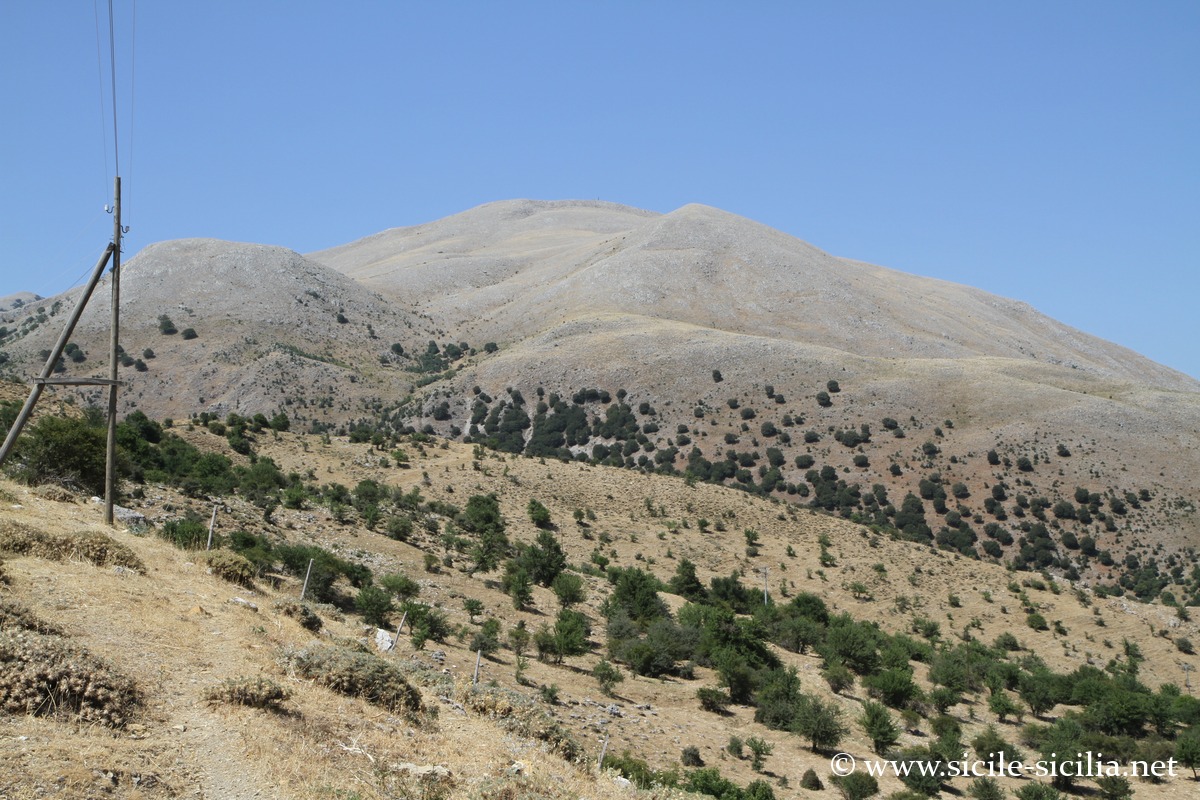
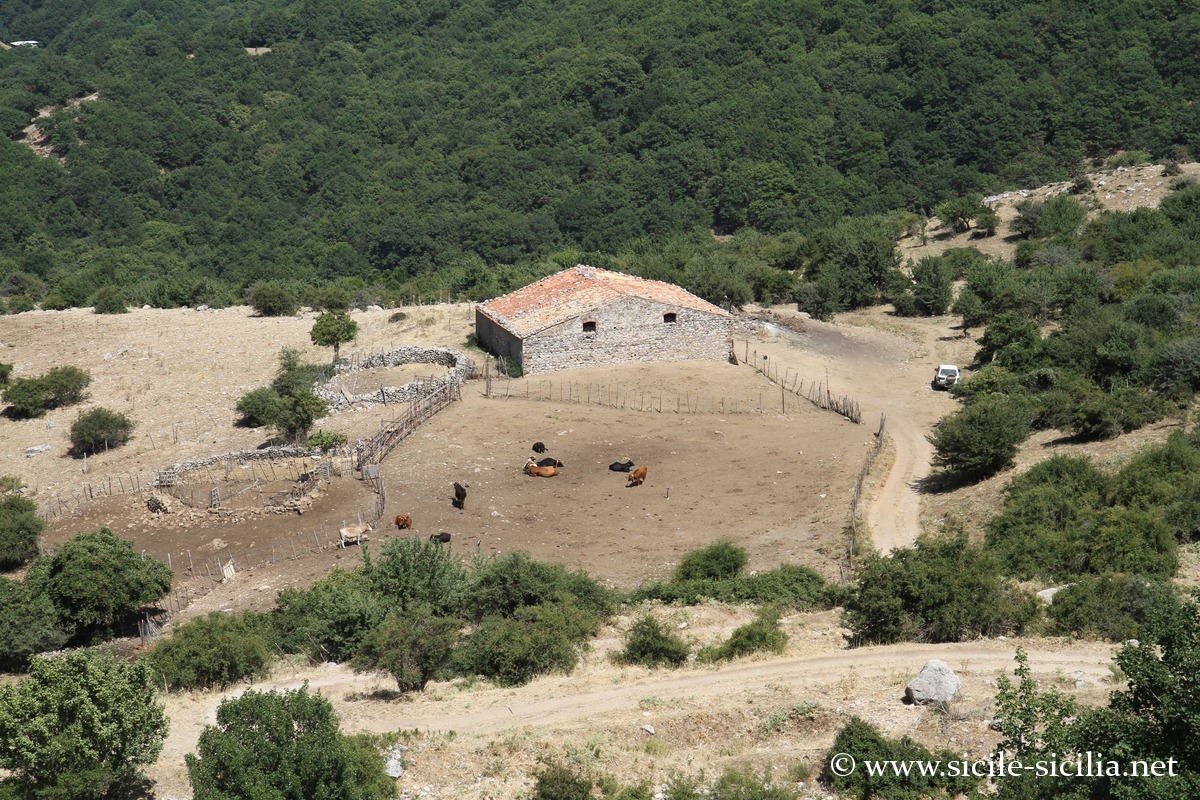
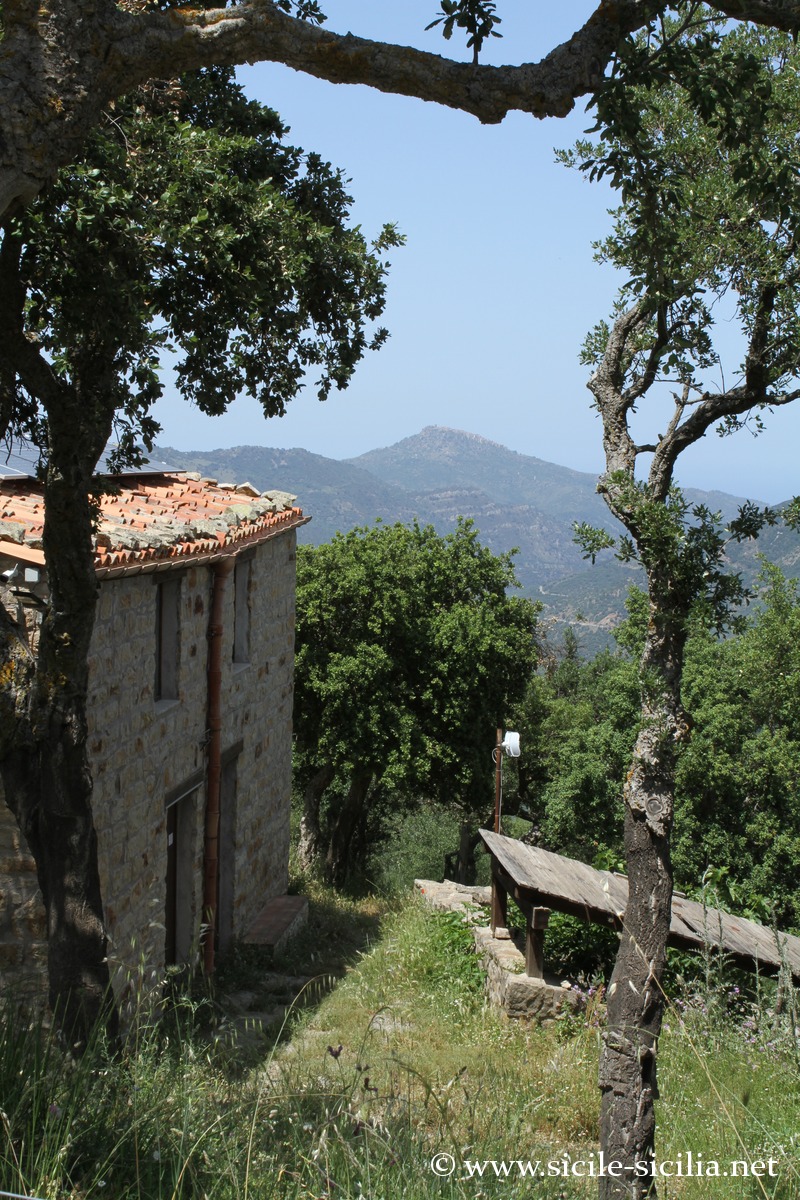
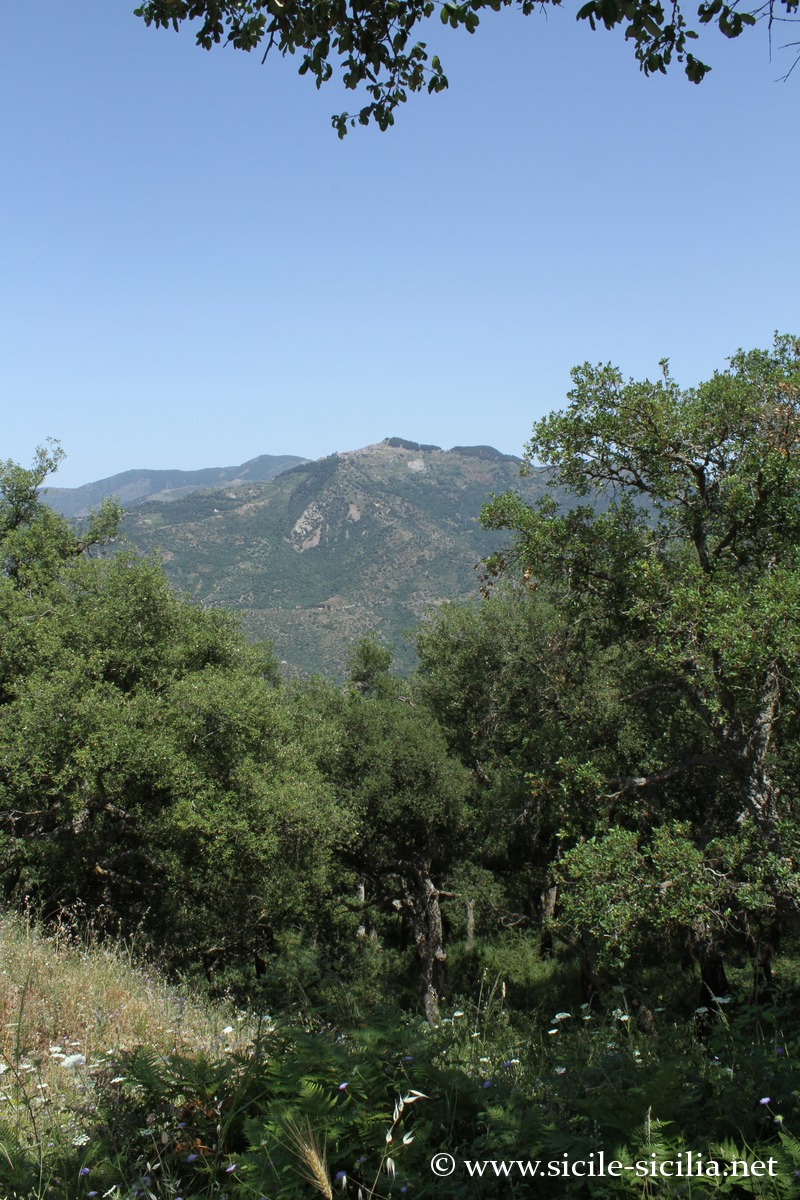
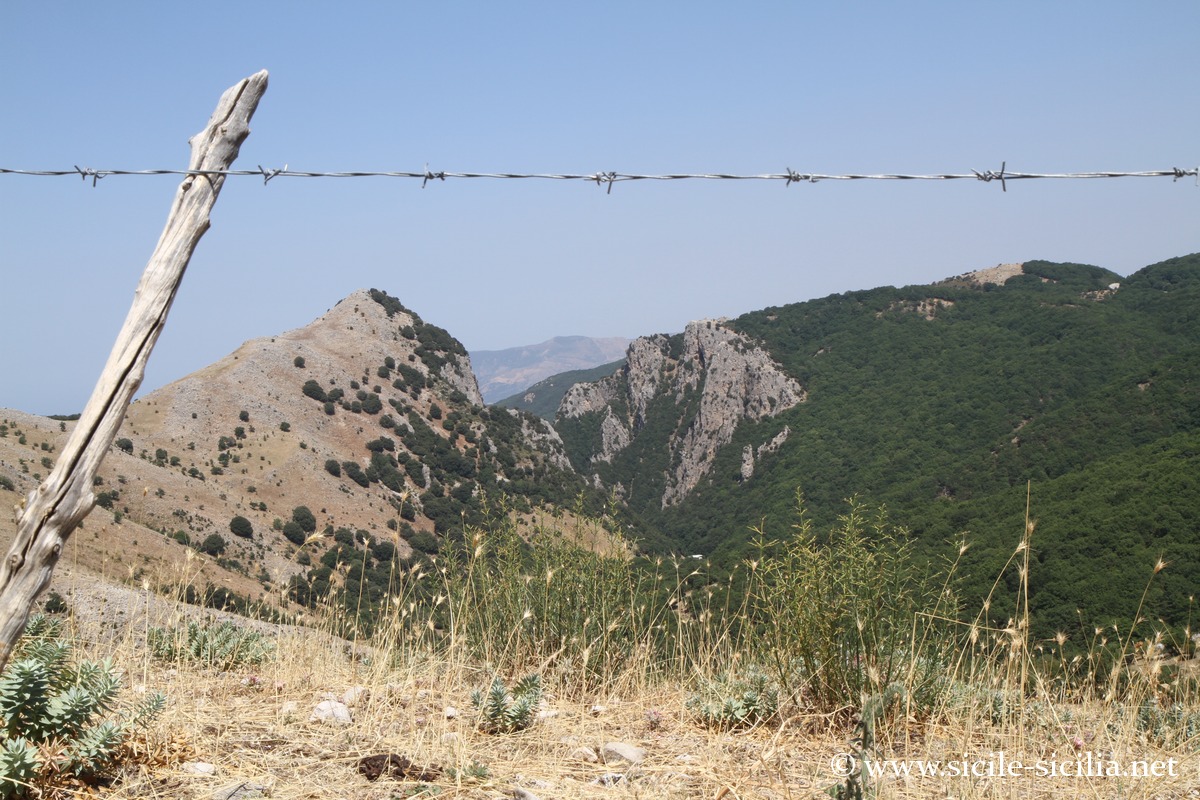
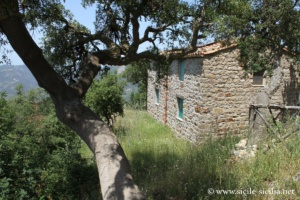
Between Geraci and Castelbuono 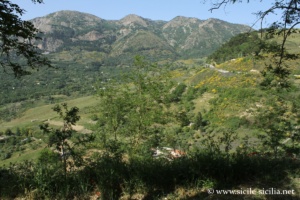
Towards Castellana Sicula
Where the Madonie are and map
If you see this after your page is loaded completely, leafletJS files are missing.
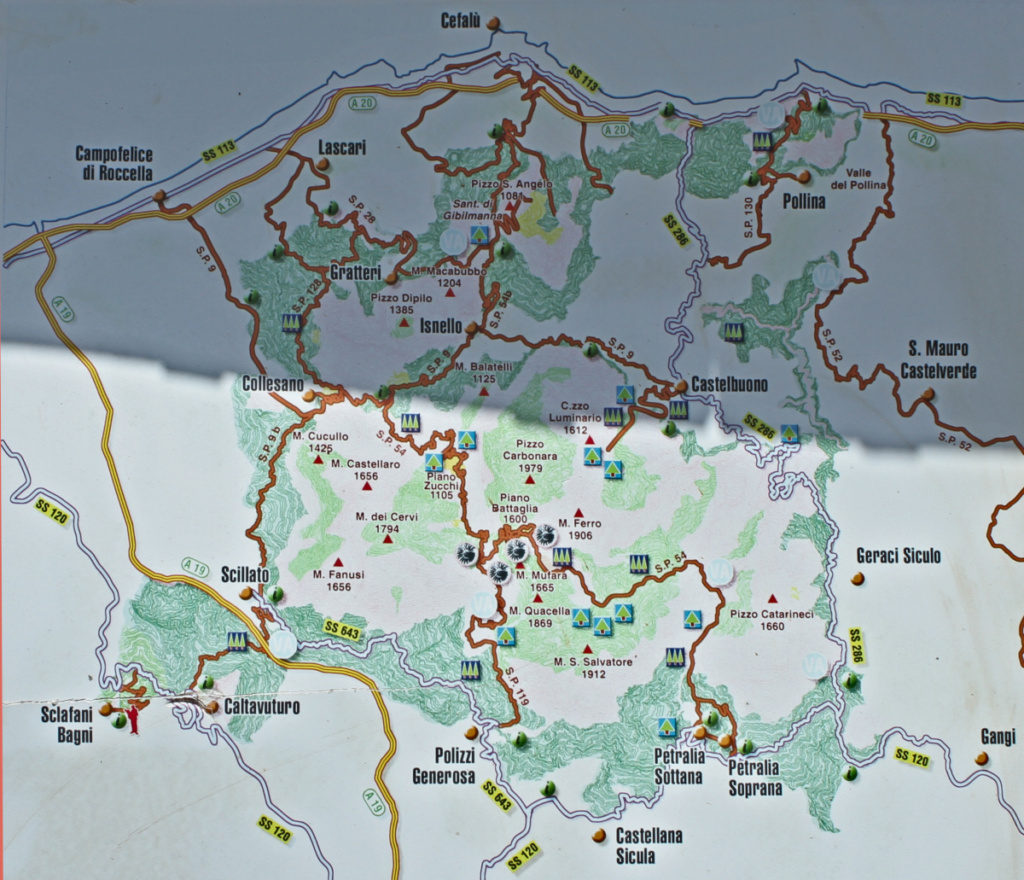

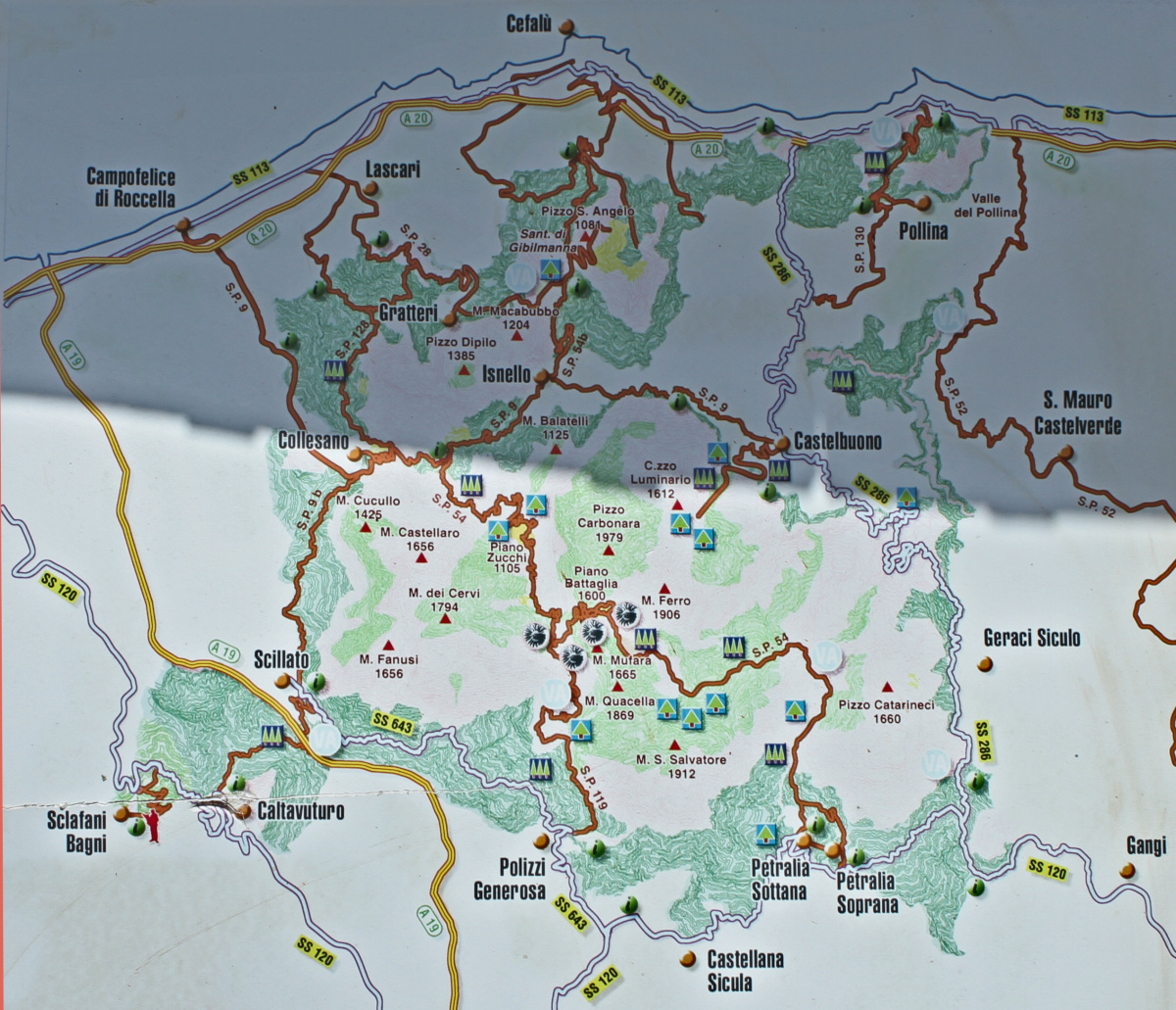
Map of the Madonie Park in Sicily
Information
Suggested visits
Source and external sites
- Official website of the Madonie Park: www.parcodellemadonie.it
- Official website of Italian parks: www.parks.it
- Blogs and tourist sites: www.cefalumadoniehimera.it
- Wikipedia page on the Madonie Natural Park
- Gratteri: www.visitgratteri.com, it.wikipedia.org
- Polizzi Generosa: www.italythisway.com, en.wikipedia.org
Comments in other languages
Near Isnello, there is the GAL Hassin Astronomical Park. It is very accessible, with observation evenings, telescopes, and an educational component. The night view of the Madonie is indeed often cited as a real plus, especially in summer.