

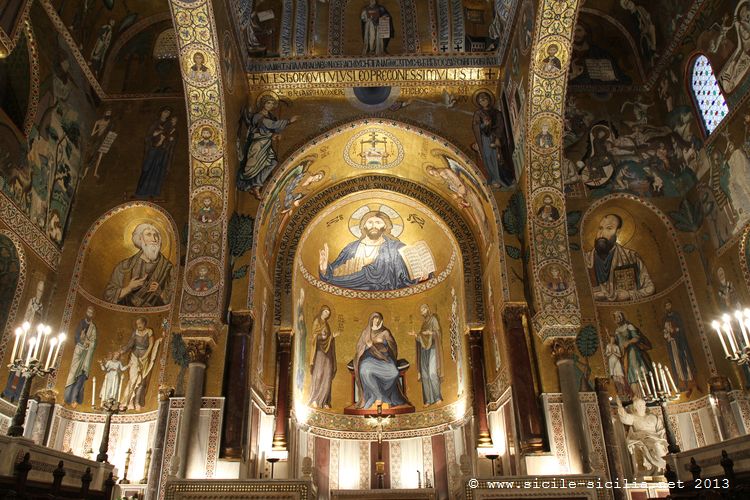
The Palatine Chapel, located on the first floor of the Norman Palace, is the jewel of Palermo with its extraordinary mosaic decoration. It is considered one of the most accomplished examples of 12th-century Arab-Norman-Byzantine stylistic synthesis, reflecting the cultural coexistence in Sicily at that time.
It has been inscribed on the UNESCO World Heritage List since 2015 along with other Arab-Norman monuments in Sicily.
It is a three-nave basilica dedicated to Saints Peter and Paul, built at the request of Roger from 1130 to become the church of the royal family. It was consecrated on 28 April 1140, and the decoration work continued for several years, incorporating Byzantine mosaics created by specialized workshops.
It synthesizes the Norman kings’ aspirations to restore the cultural world of the Christian faith, while employing Muslim art to create sumptuous decorations.
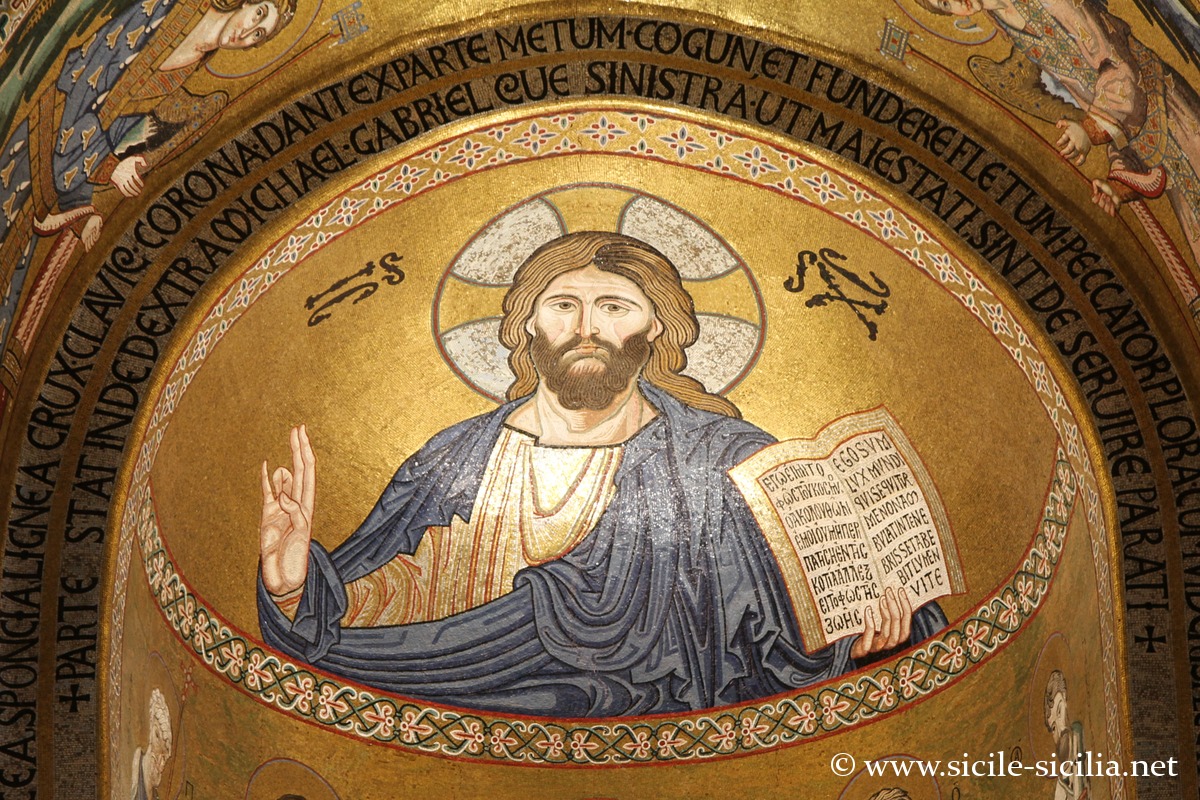
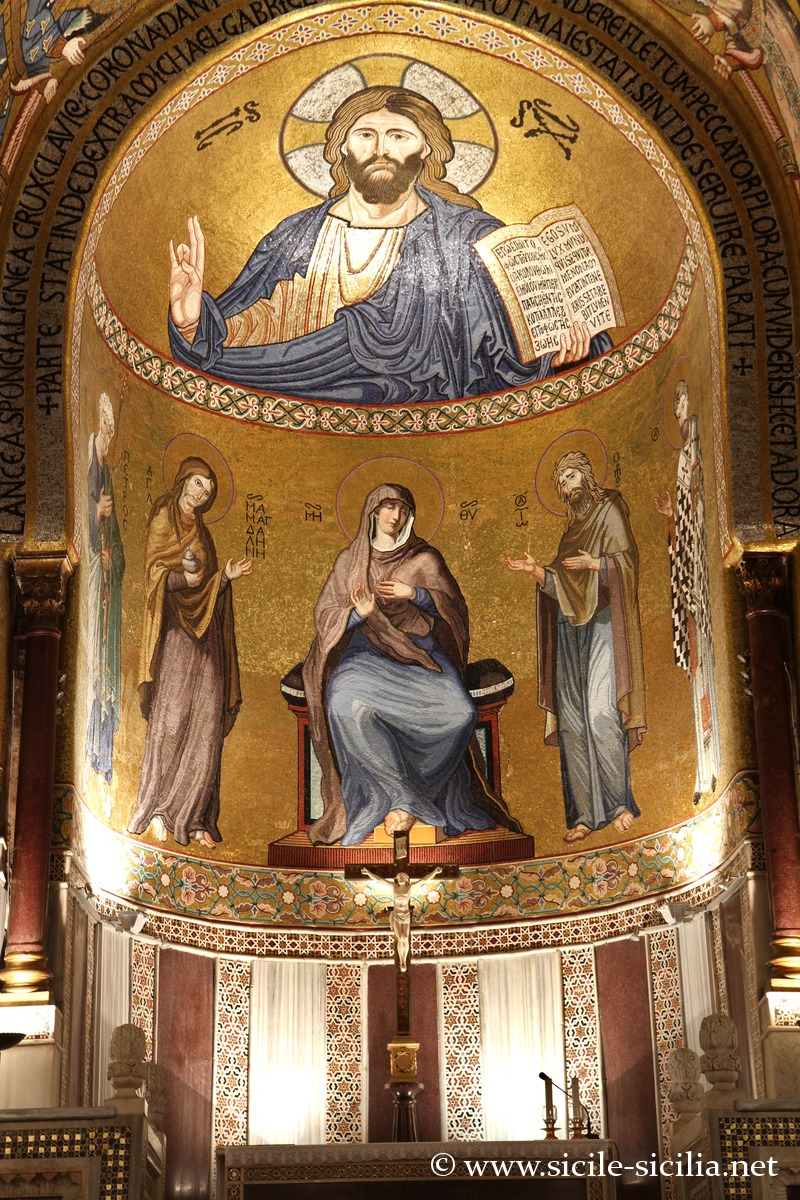
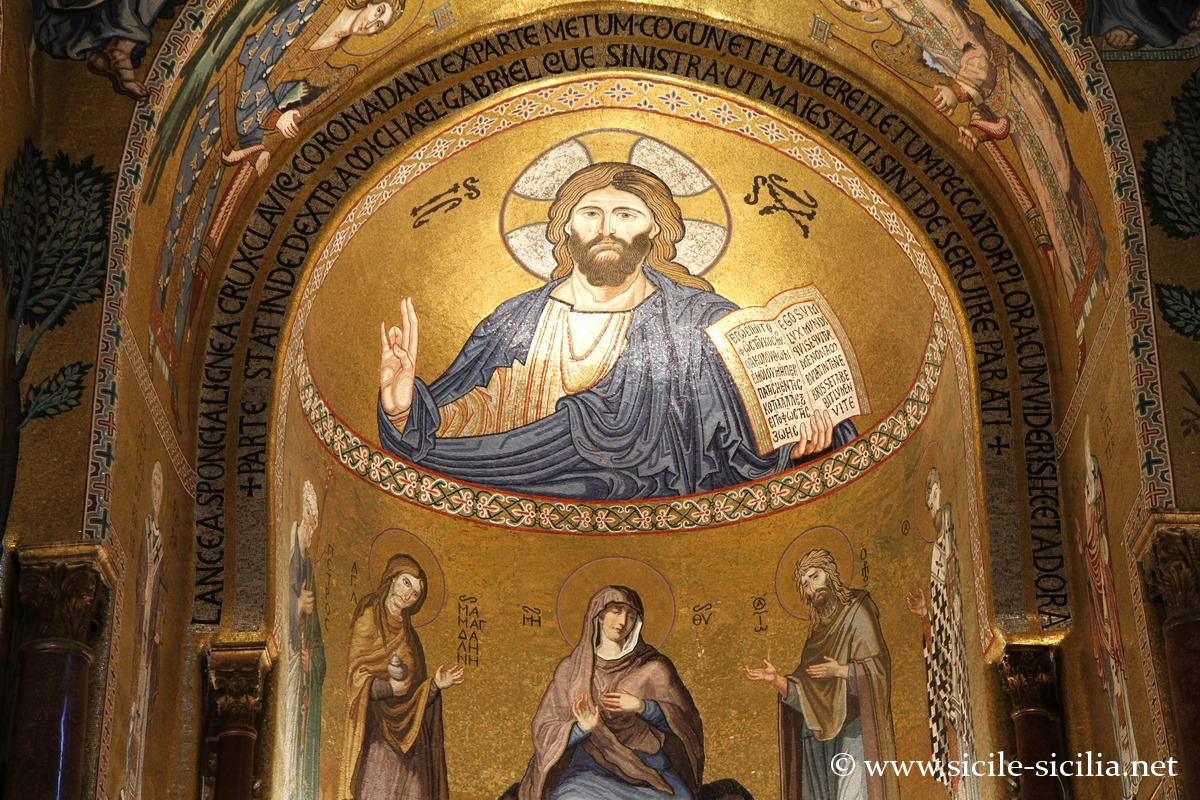
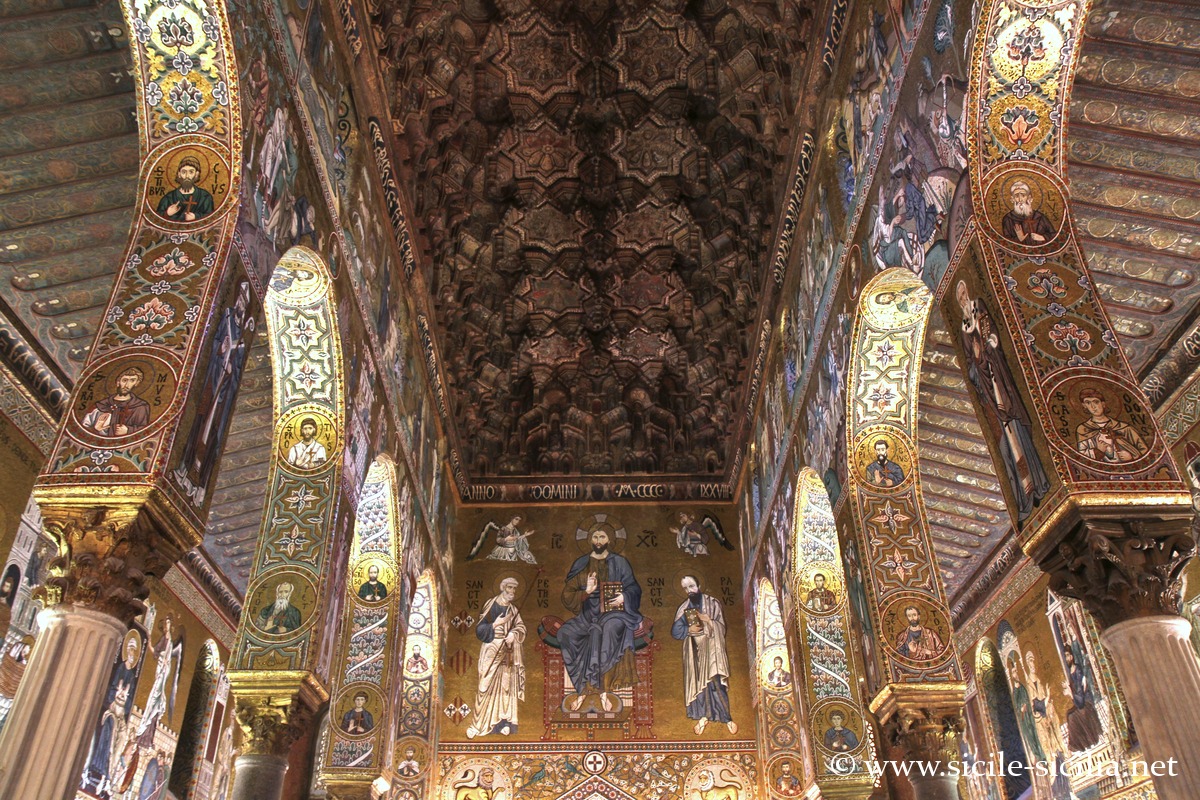
Mosaic of Christ
After the September 2002 earthquake, the subsequent restoration was completed in July 2008. It was notably carried out under the patronage of the Frederick II Foundation.
Mass is celebrated there every Sunday at 10 a.m.
Art and architecture of the chapel
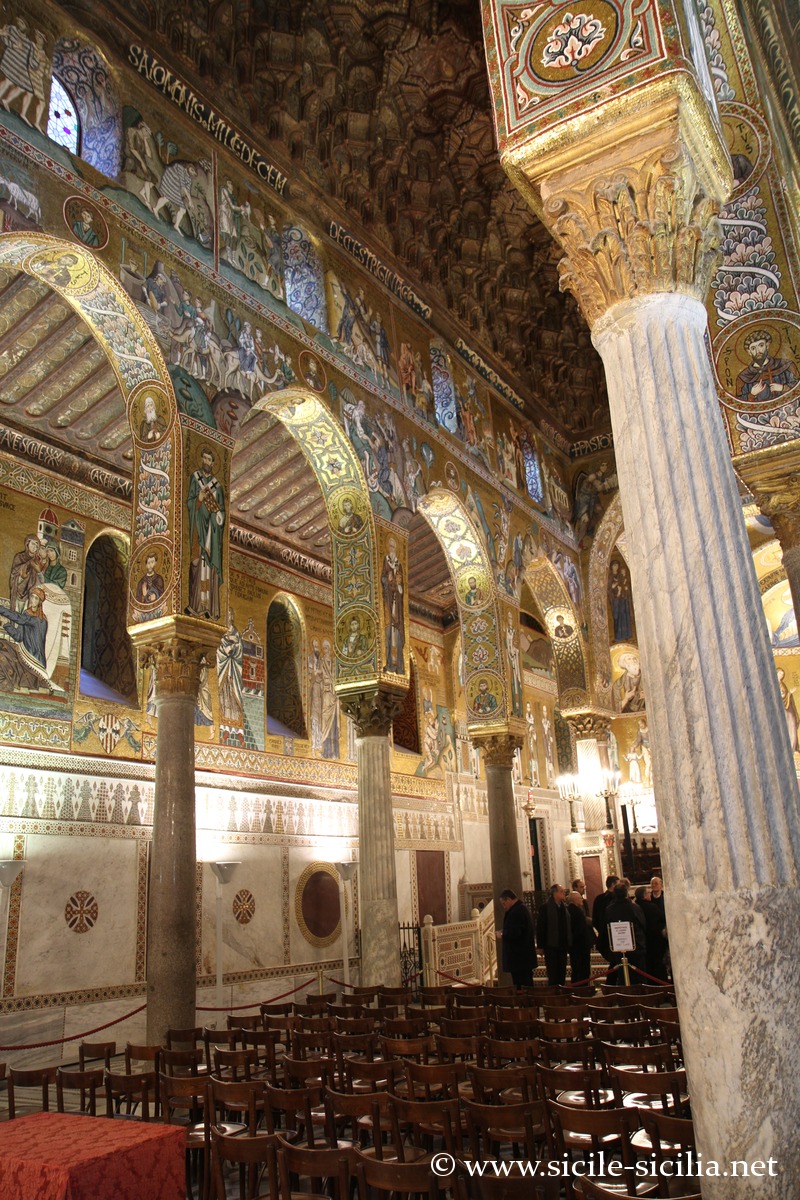
The Palatine Chapel combines elements of Western Norman, Eastern Byzantine and Islamic architecture in a configuration unique in the medieval Mediterranean.
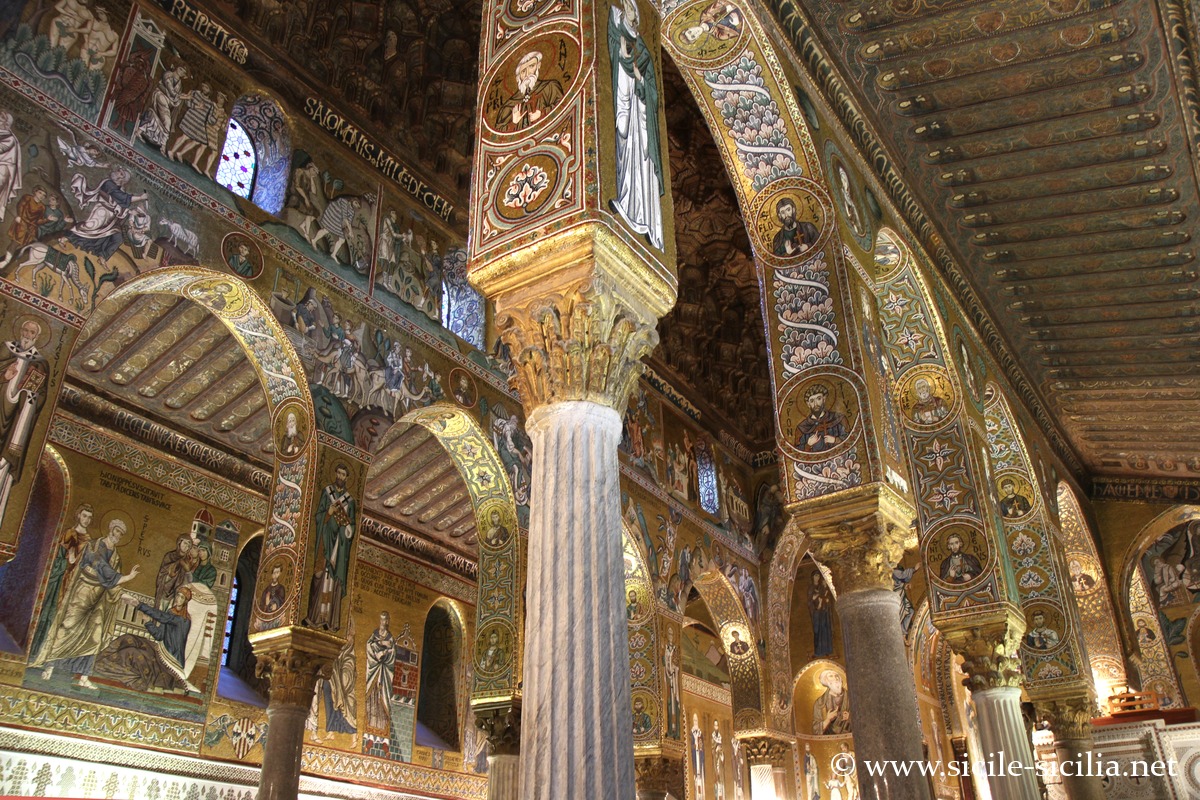
Two rows of columns separate the central nave from the side aisles, and a slightly raised choir ending in three vaulted apses.
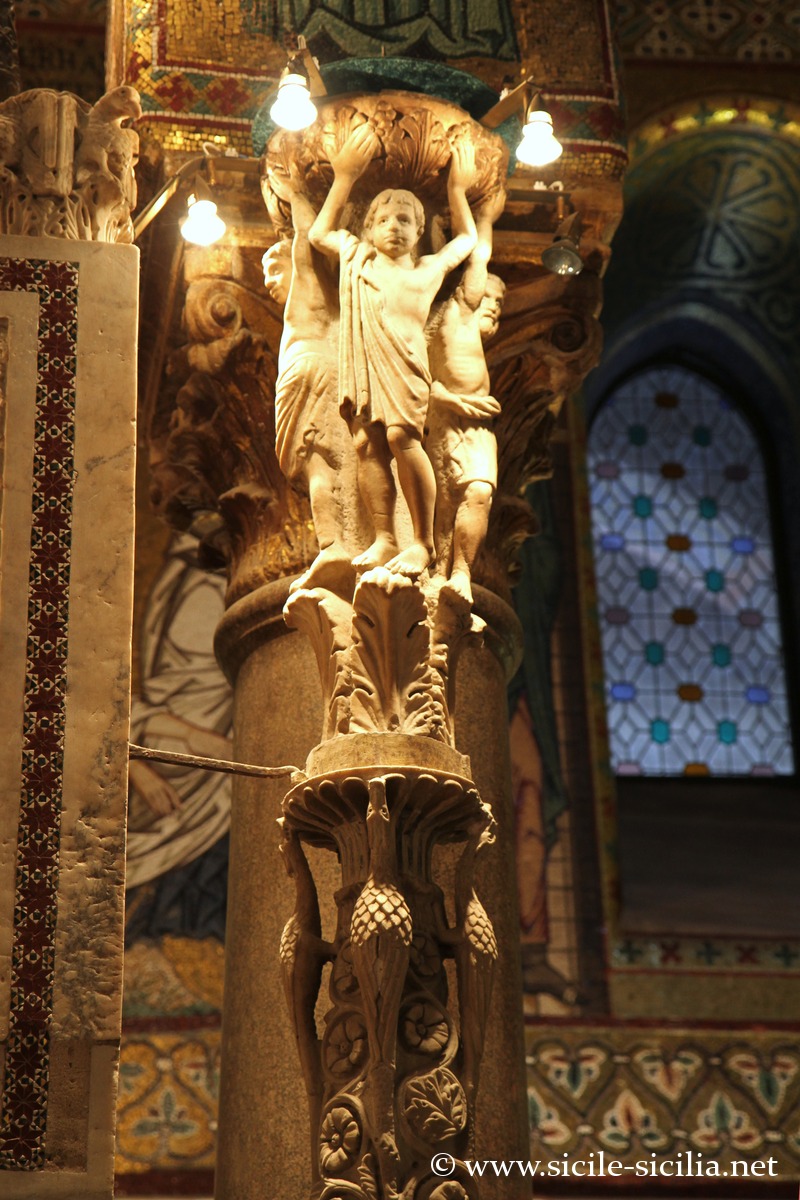
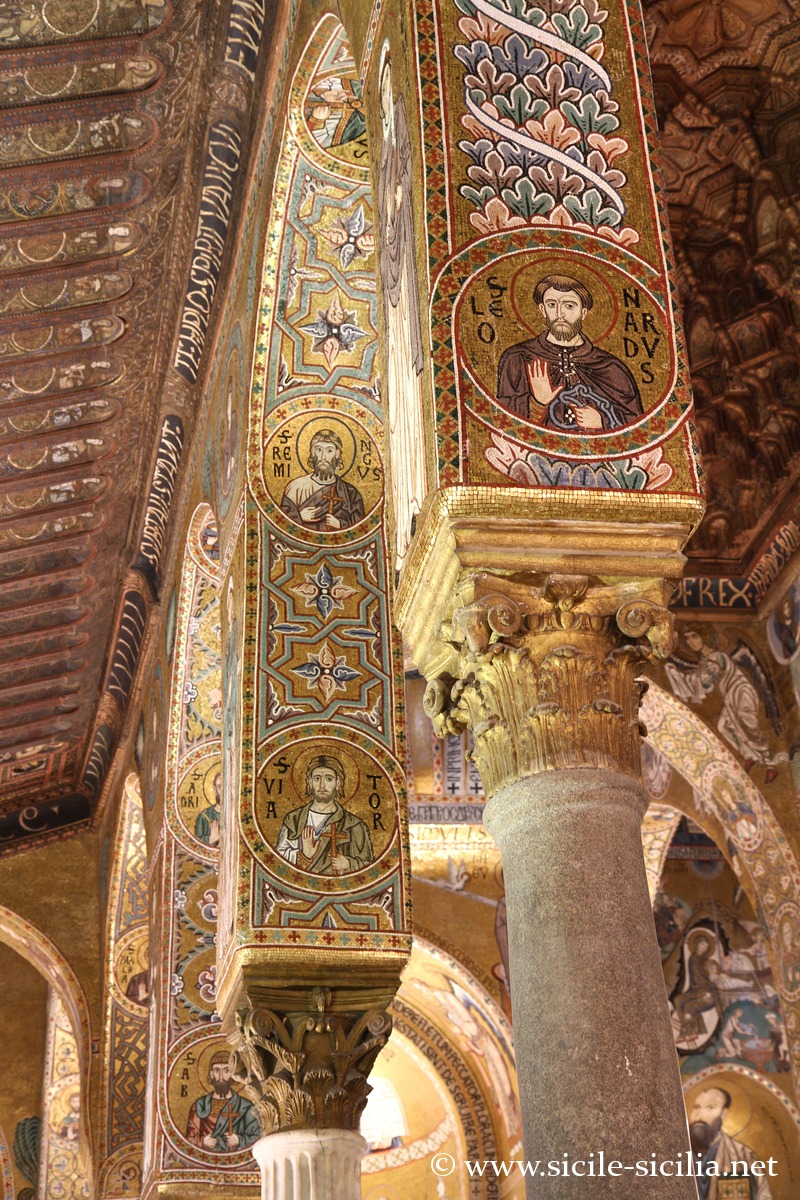
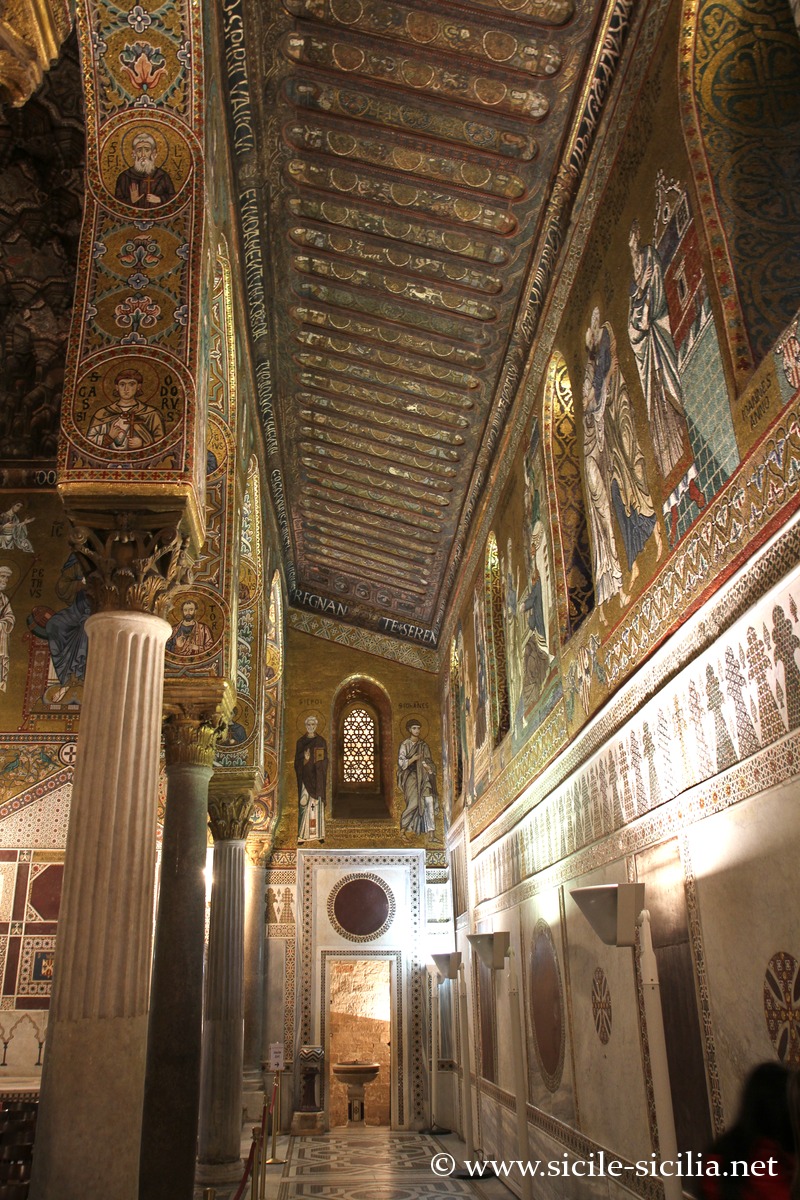
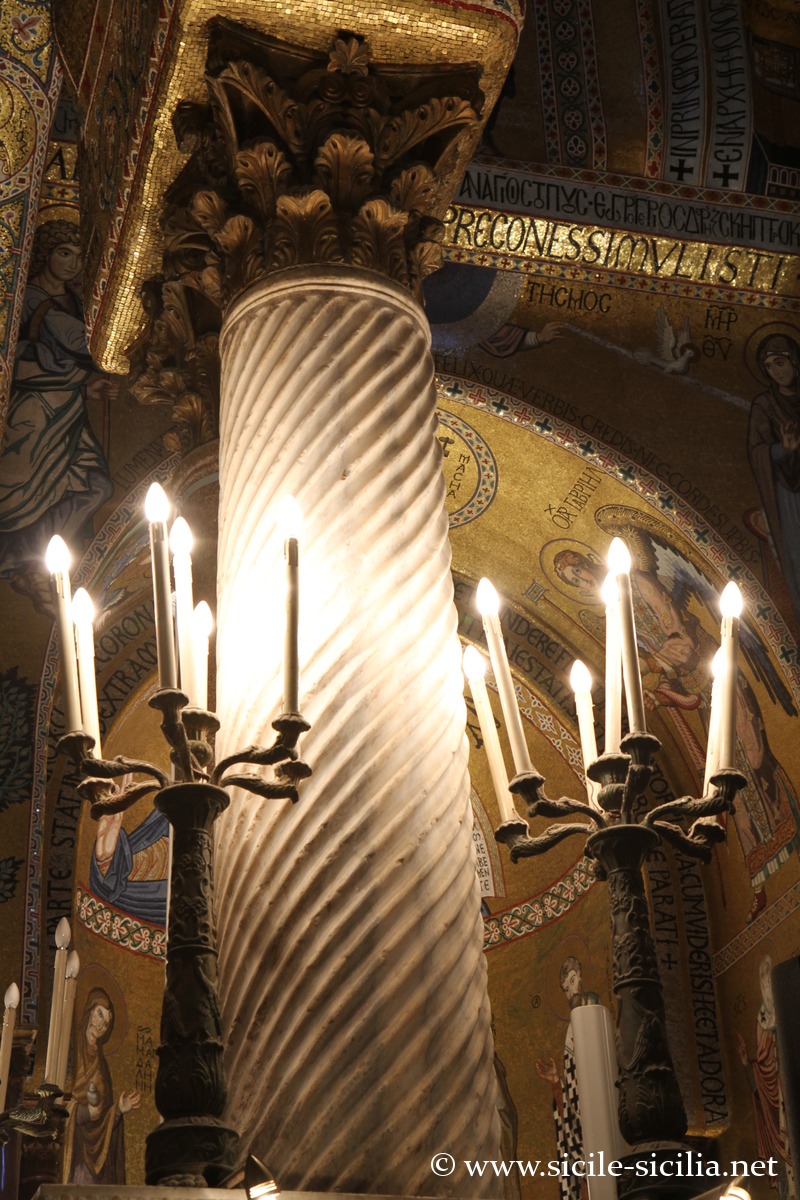
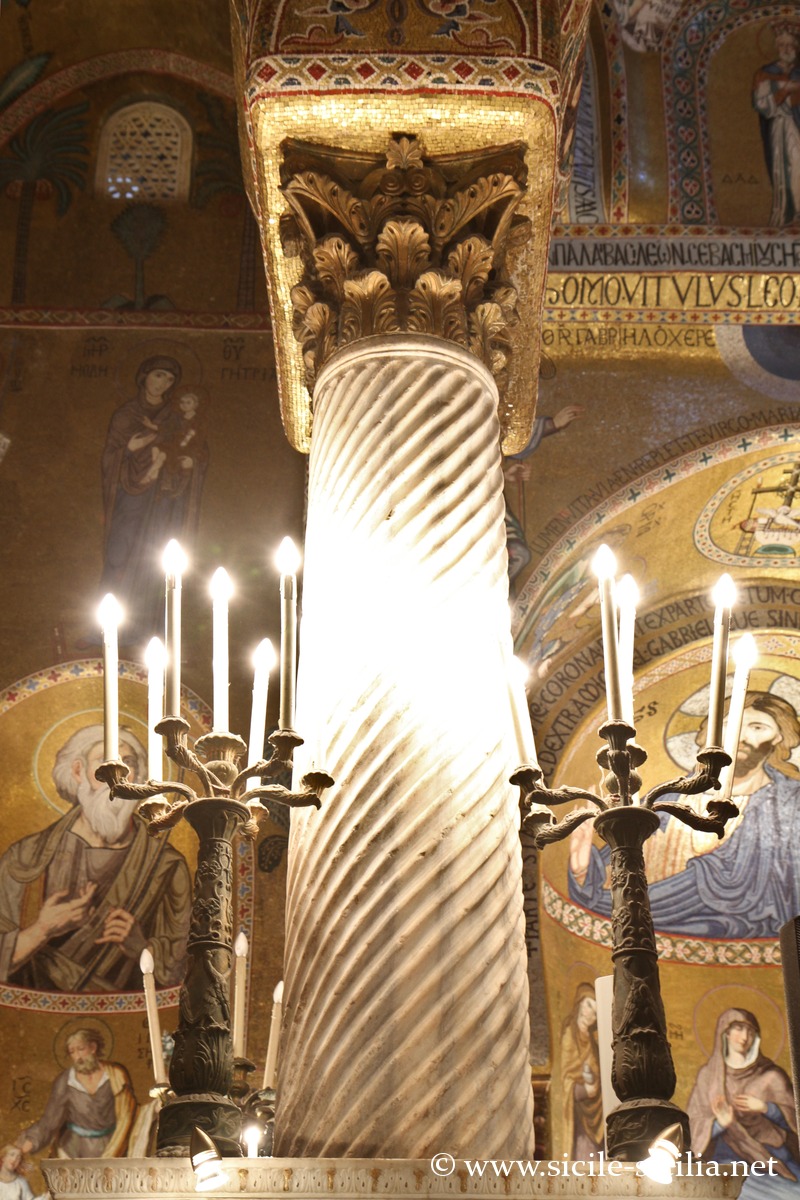
The columns are of ancient or medieval origin, in Egyptian granite and marble, supporting a structure of pointed arches. The capitals are also earlier reuses.
In the past, the dome and the bell tower were visible from the outside before being incorporated into the royal palace.
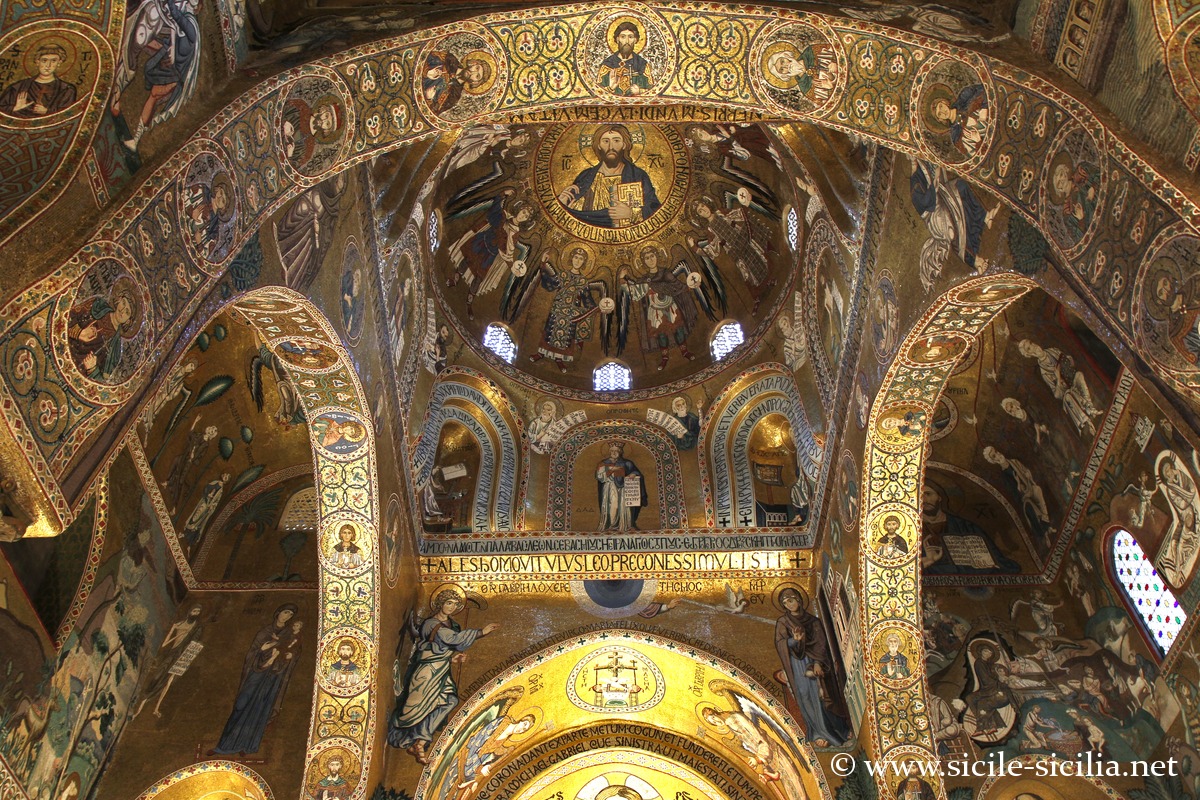
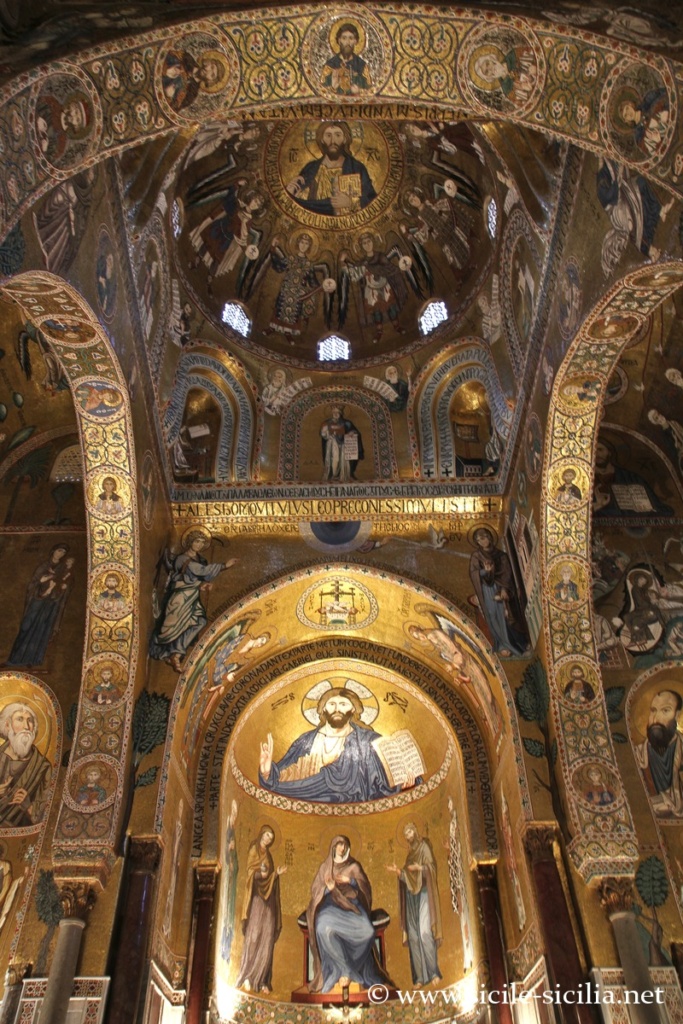
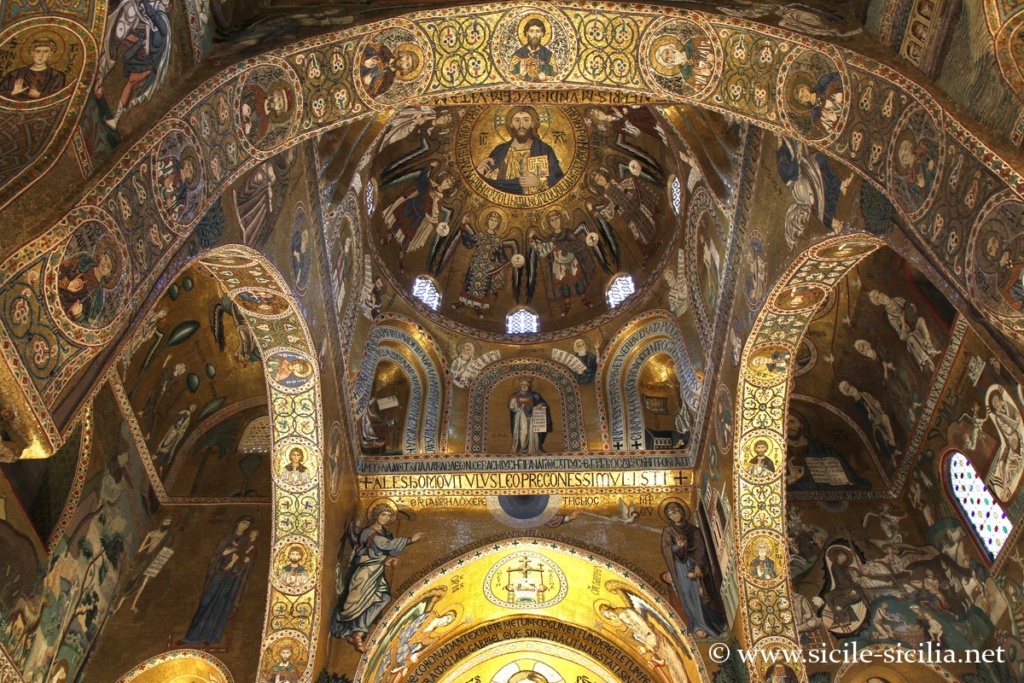
Interior and mosaics of the arches
The floor of the chapel is a remarkable example of opus sectile: a pavement made of polychrome marbles and porphyry tondos, arranged in complex geometric patterns (stars, quincunxes, interlaces), reflecting the Eastern and Byzantine influence on the Sicilian mosaic tradition.
Mosaics of the chapel
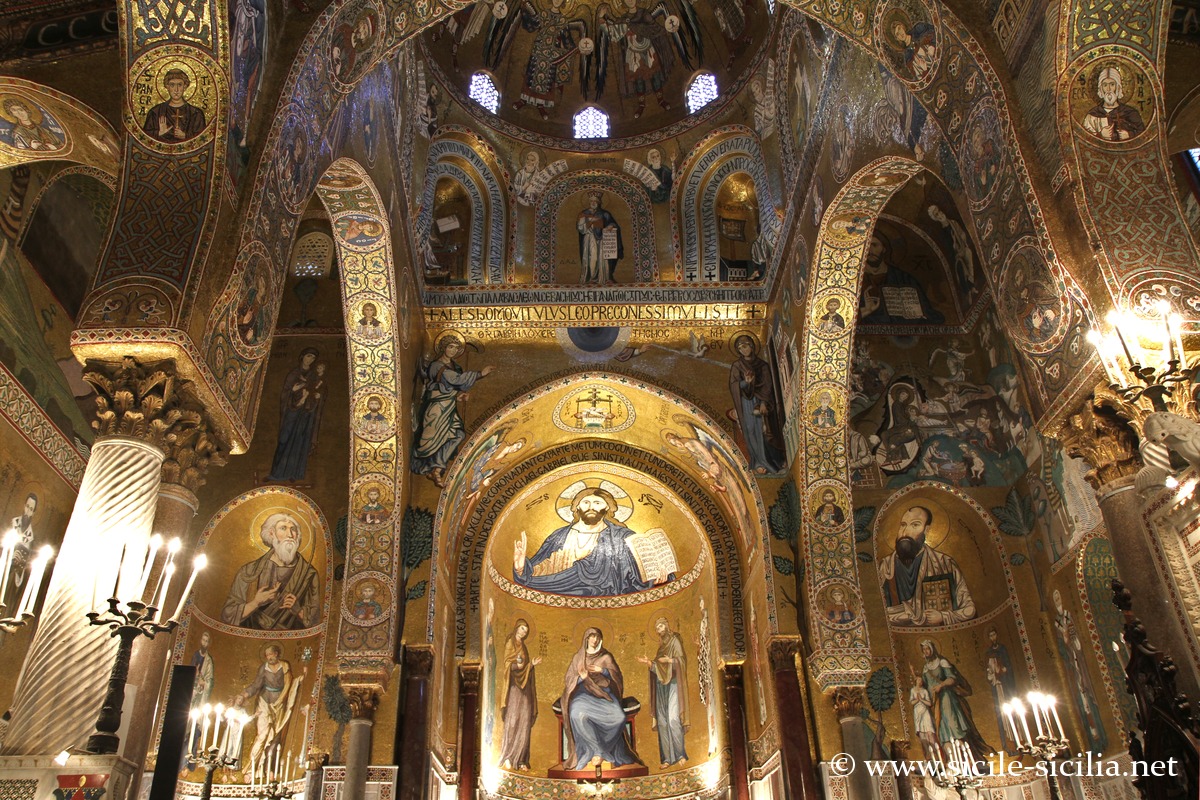
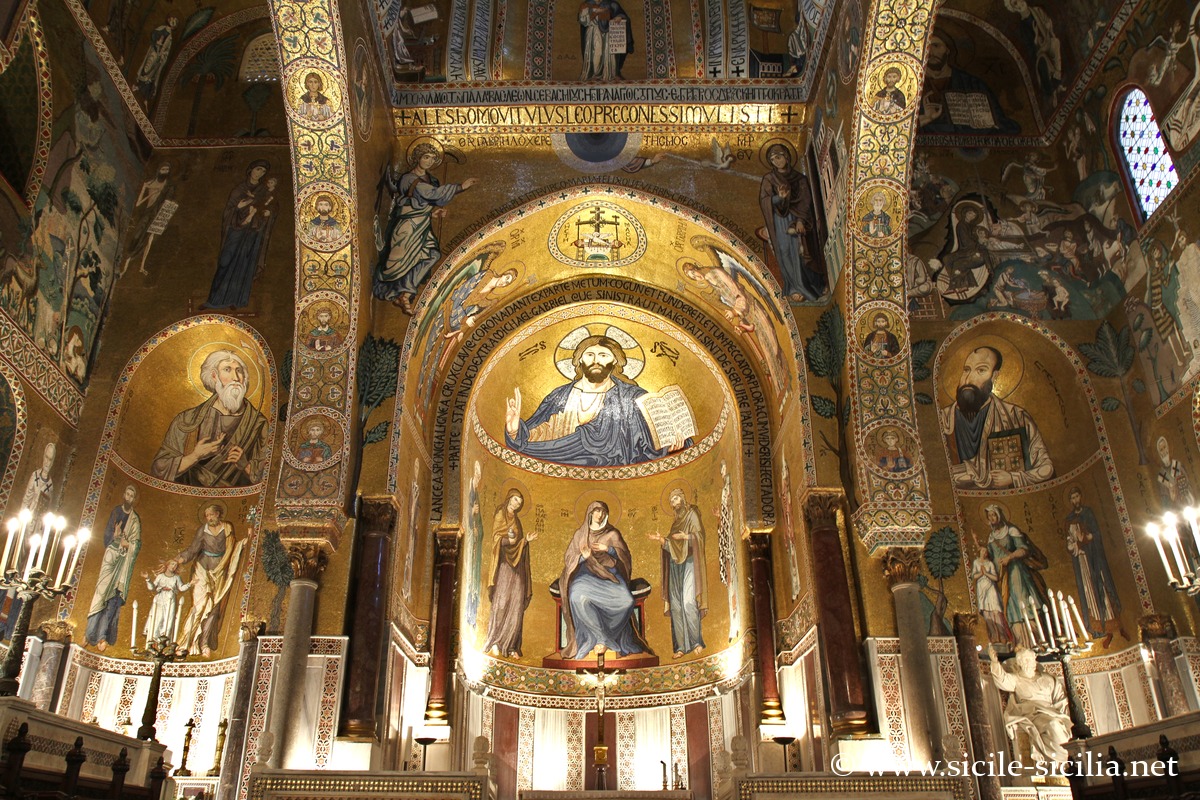
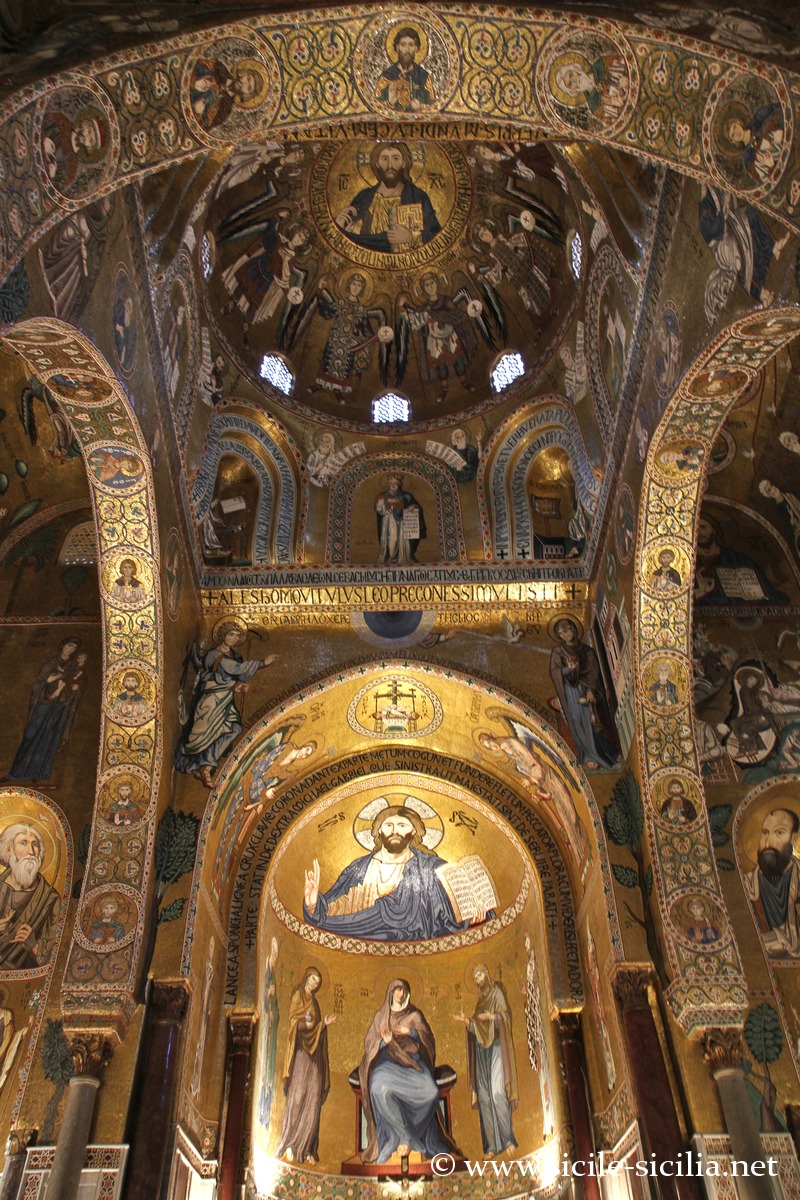
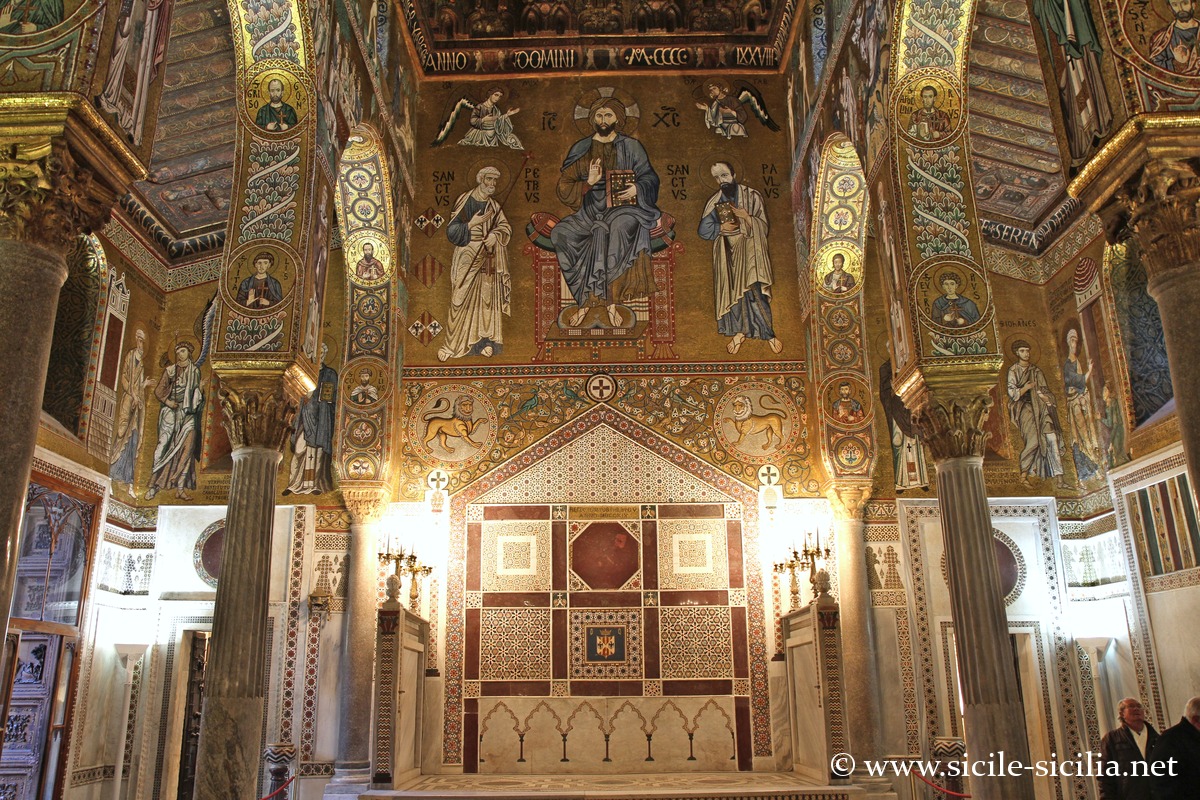
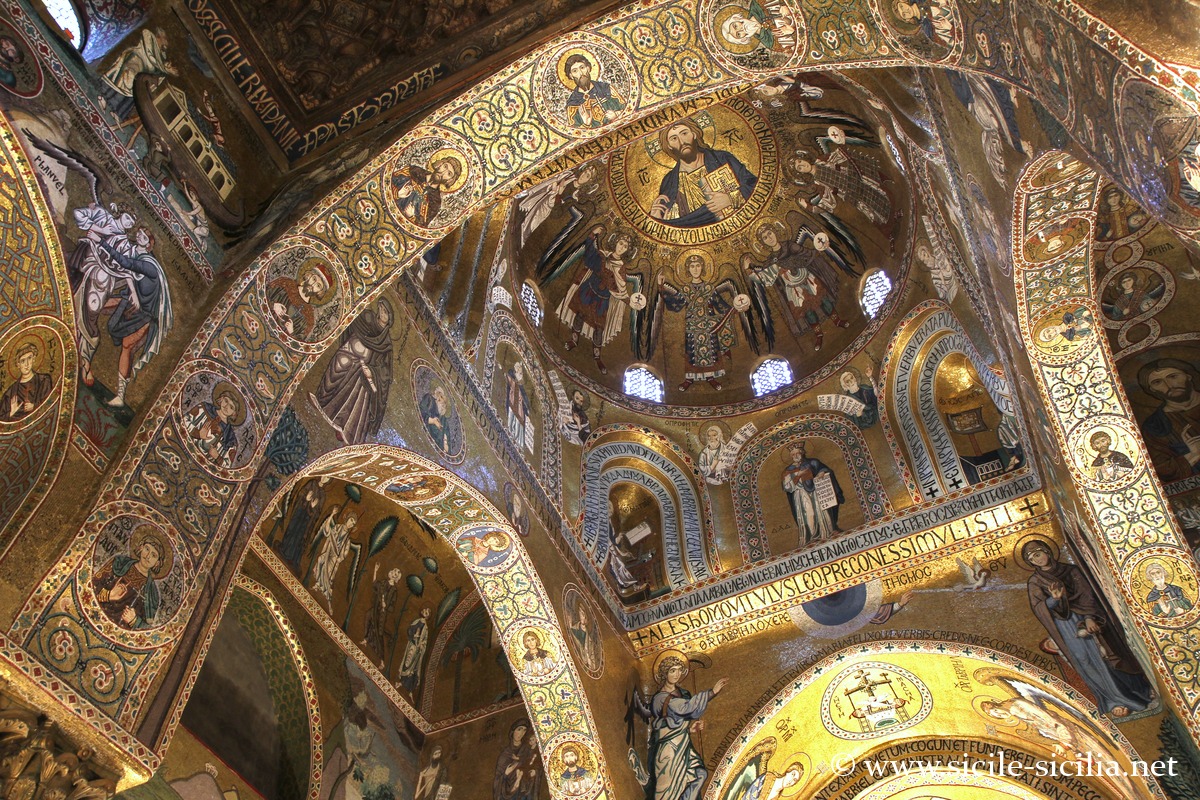
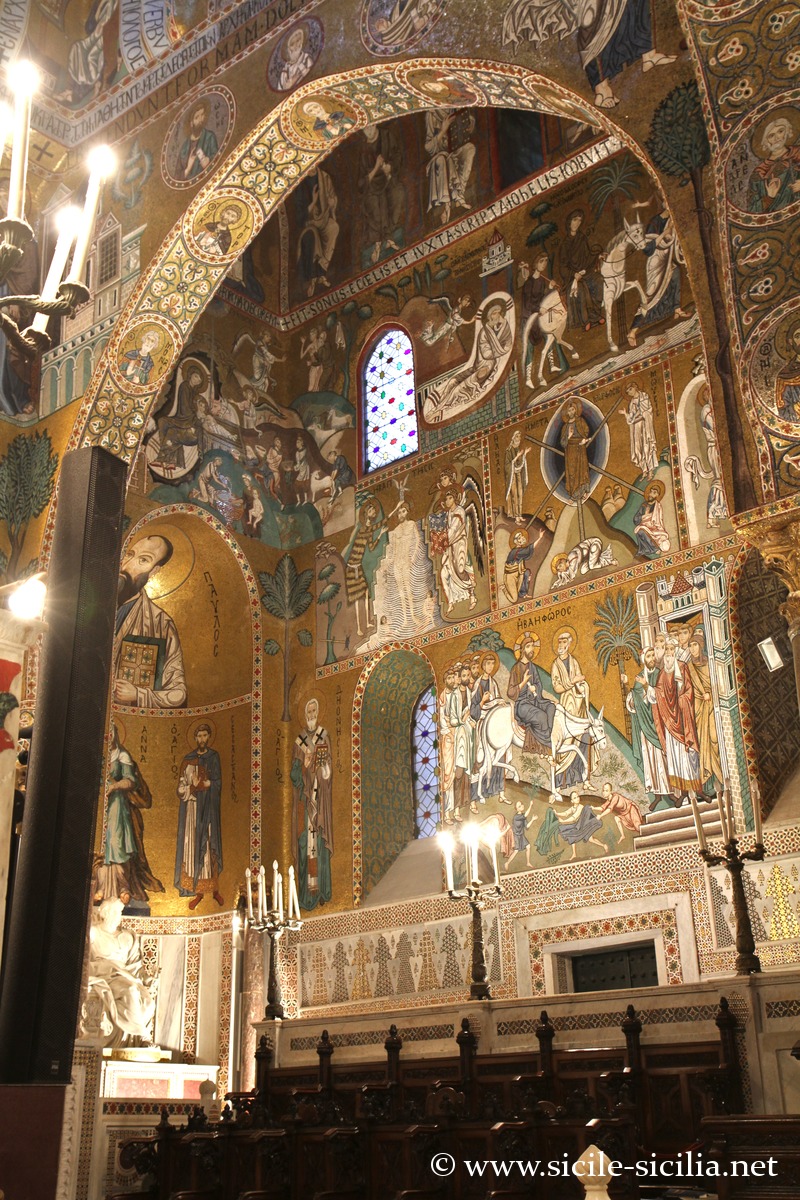
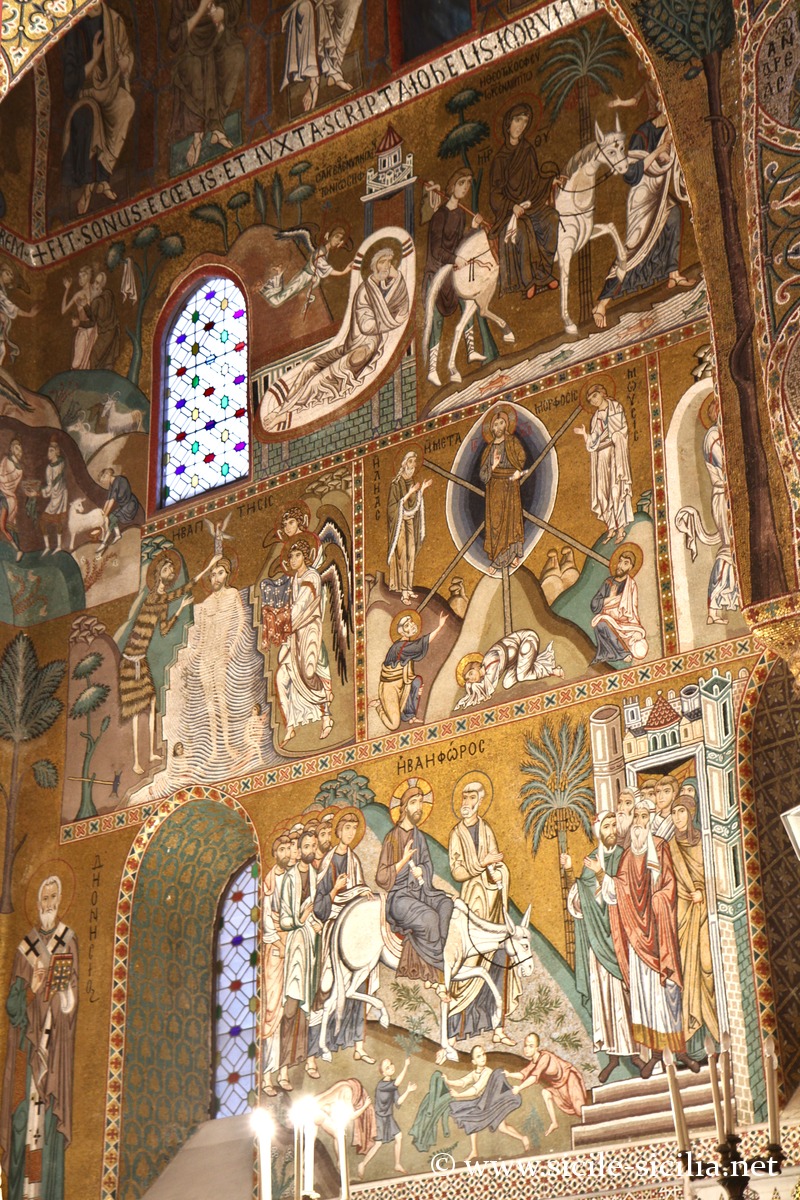
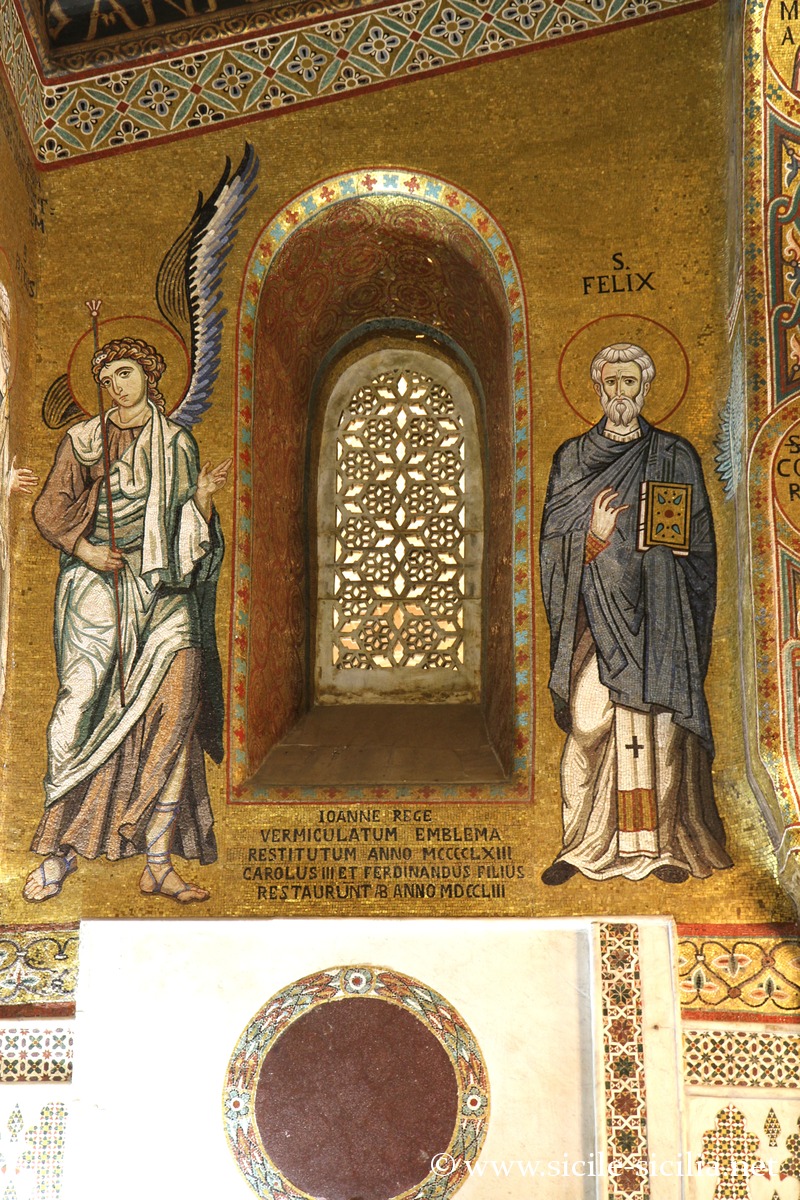
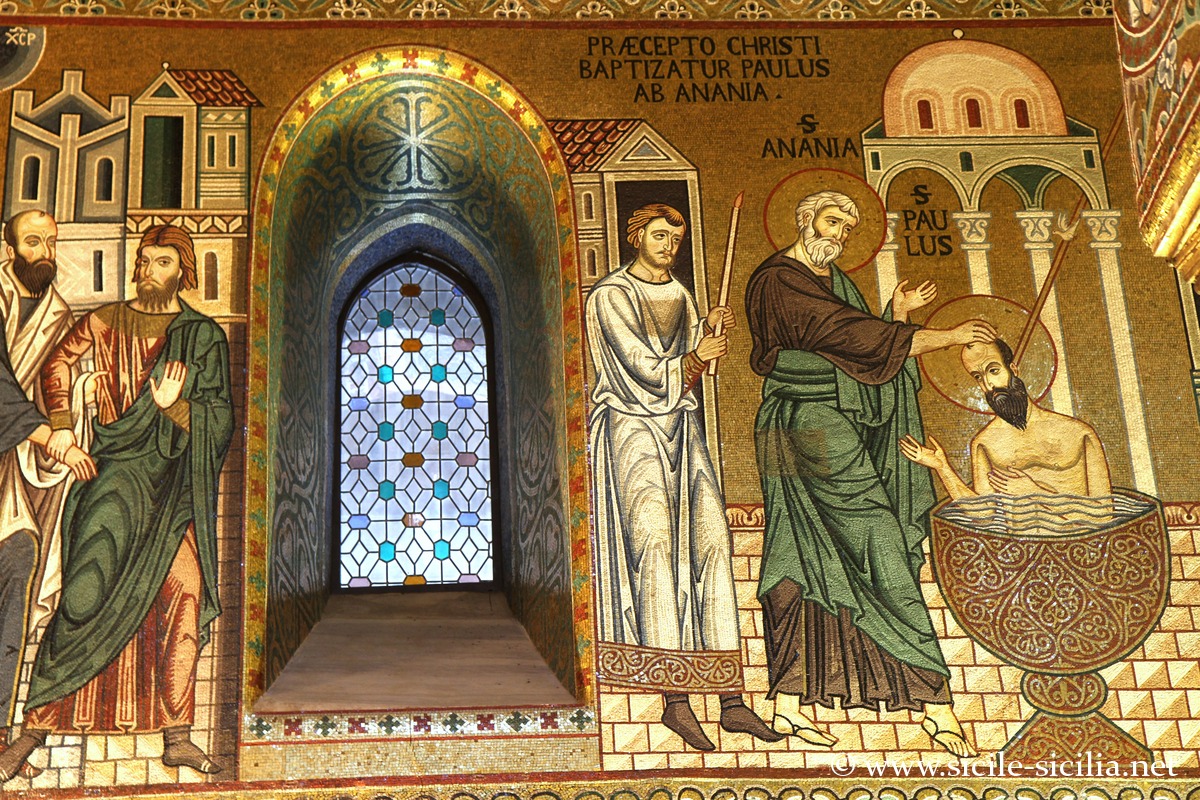
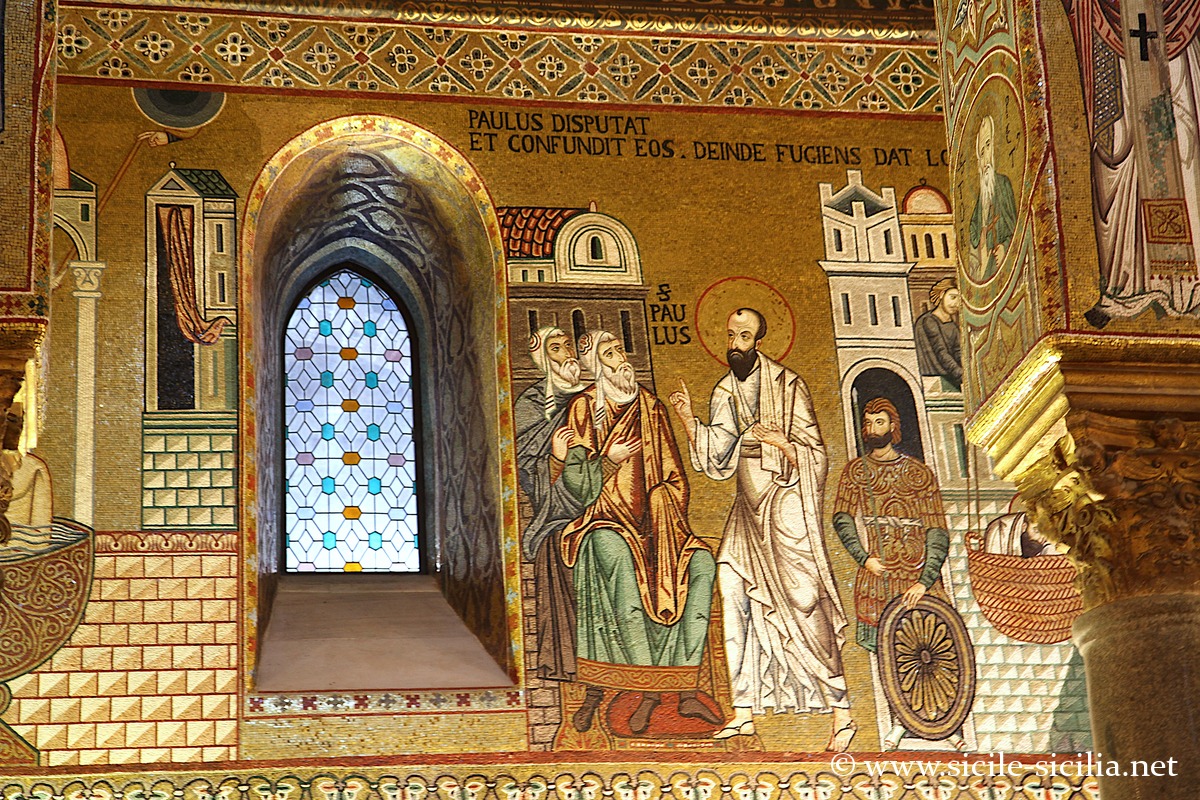
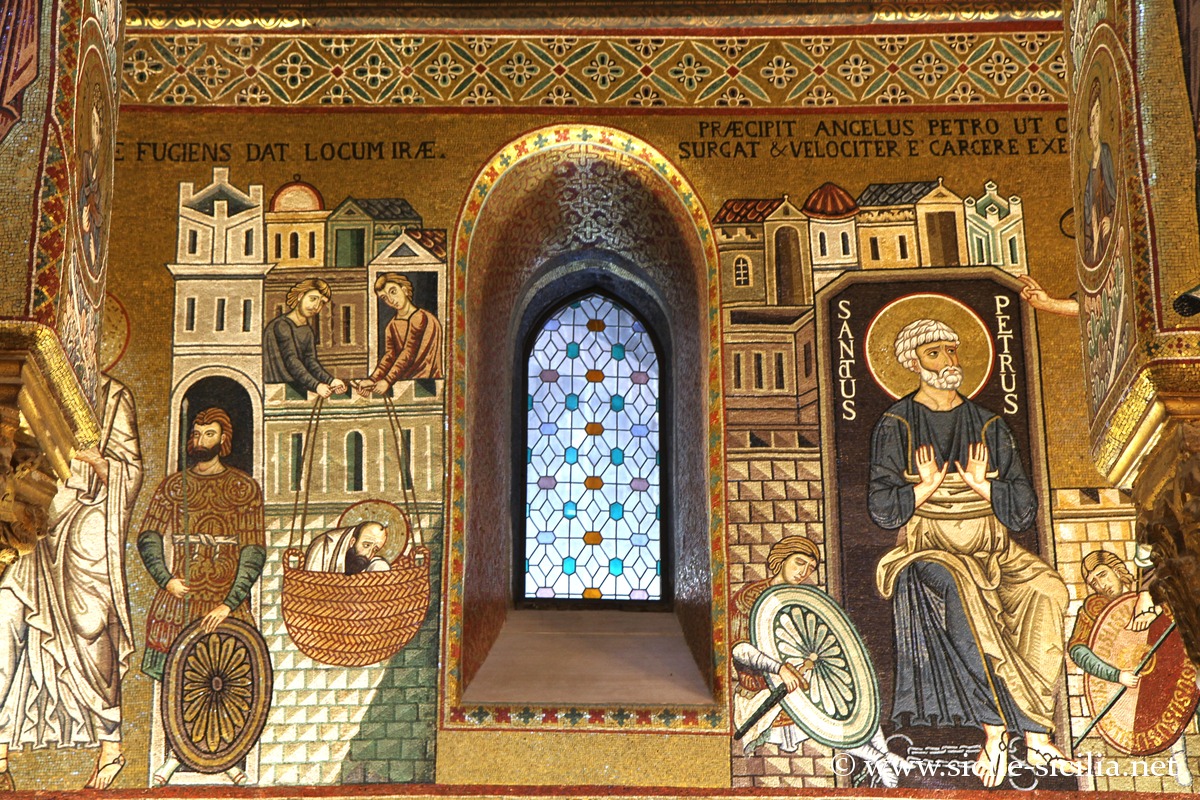
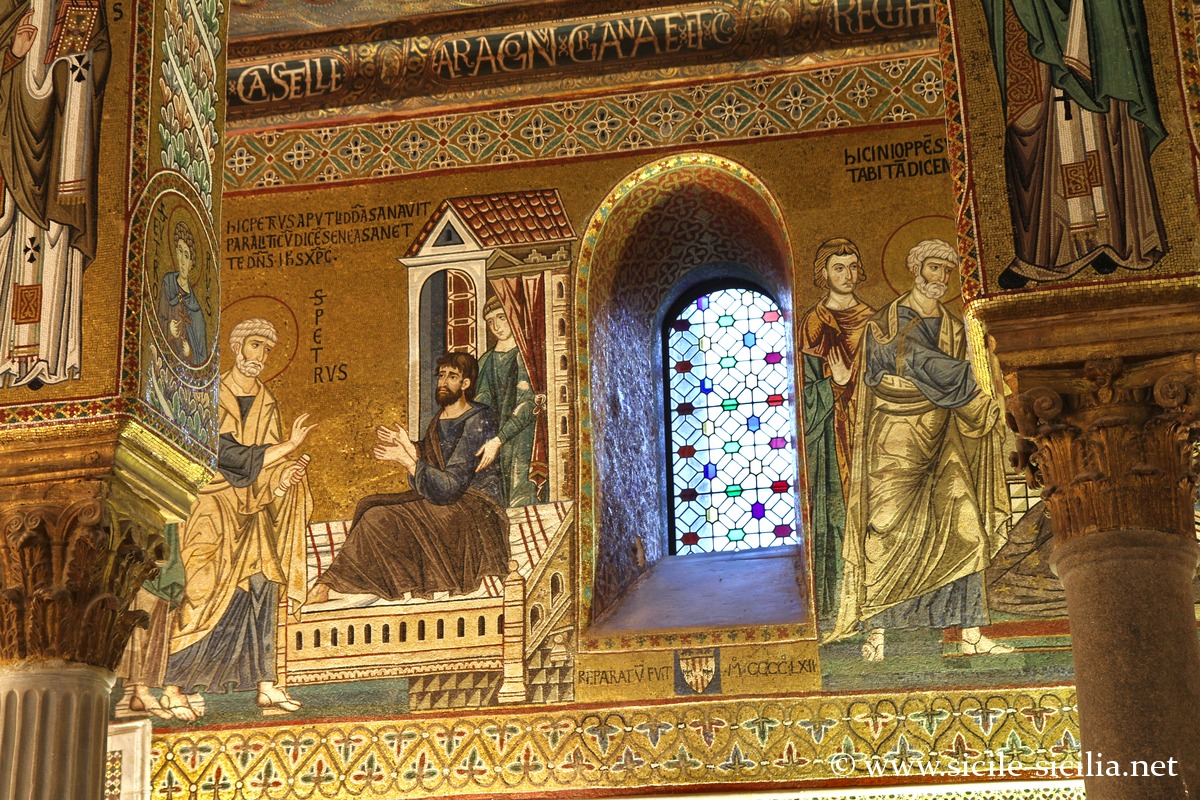
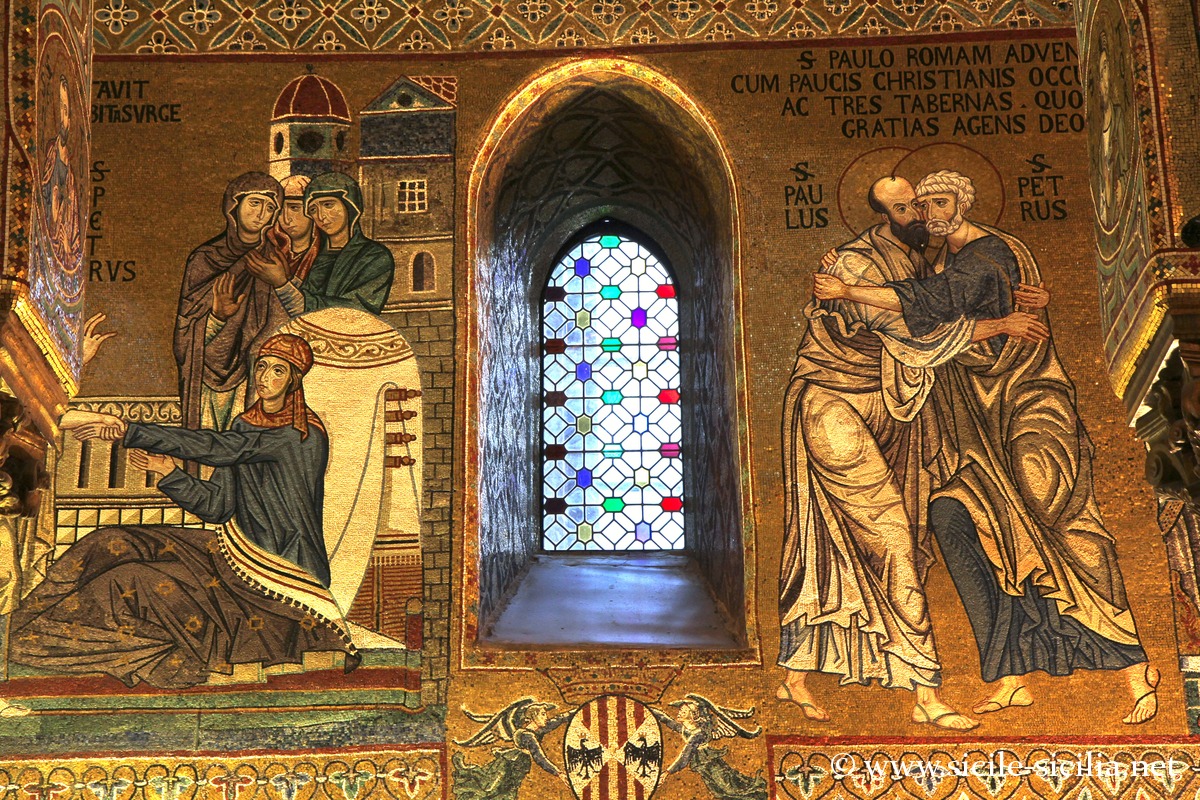
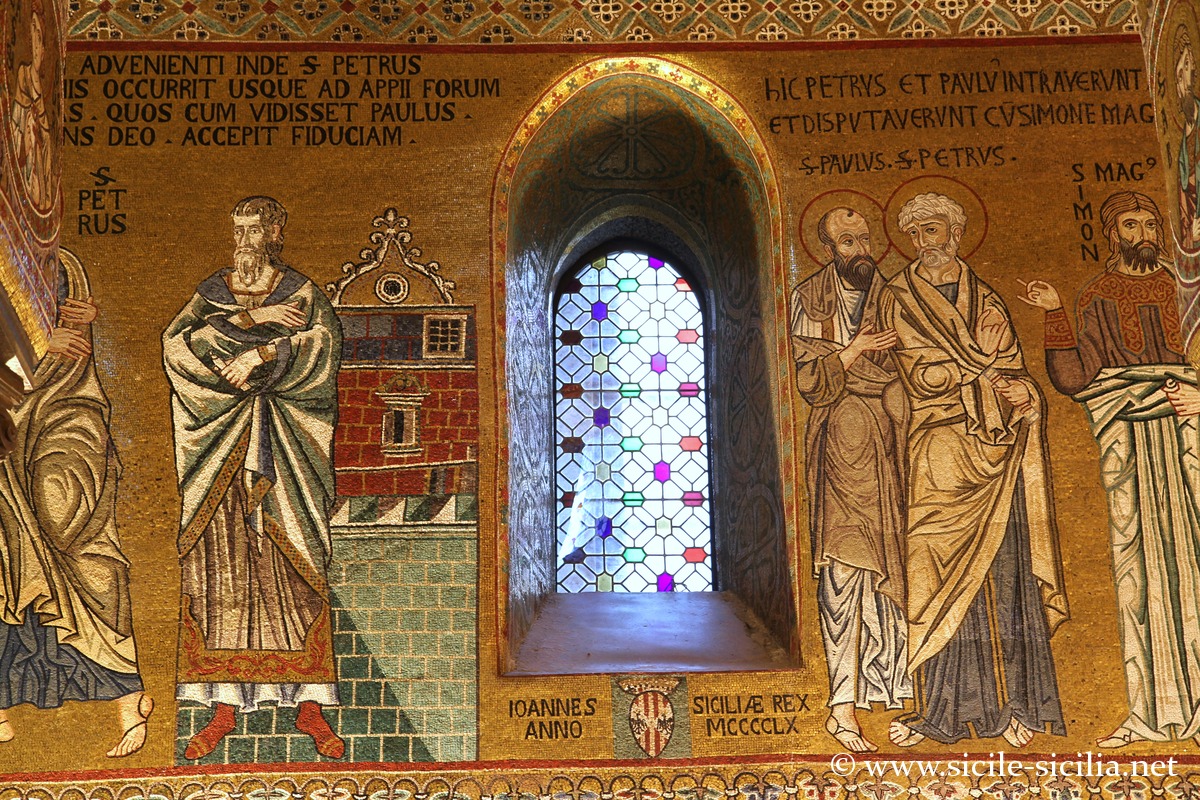
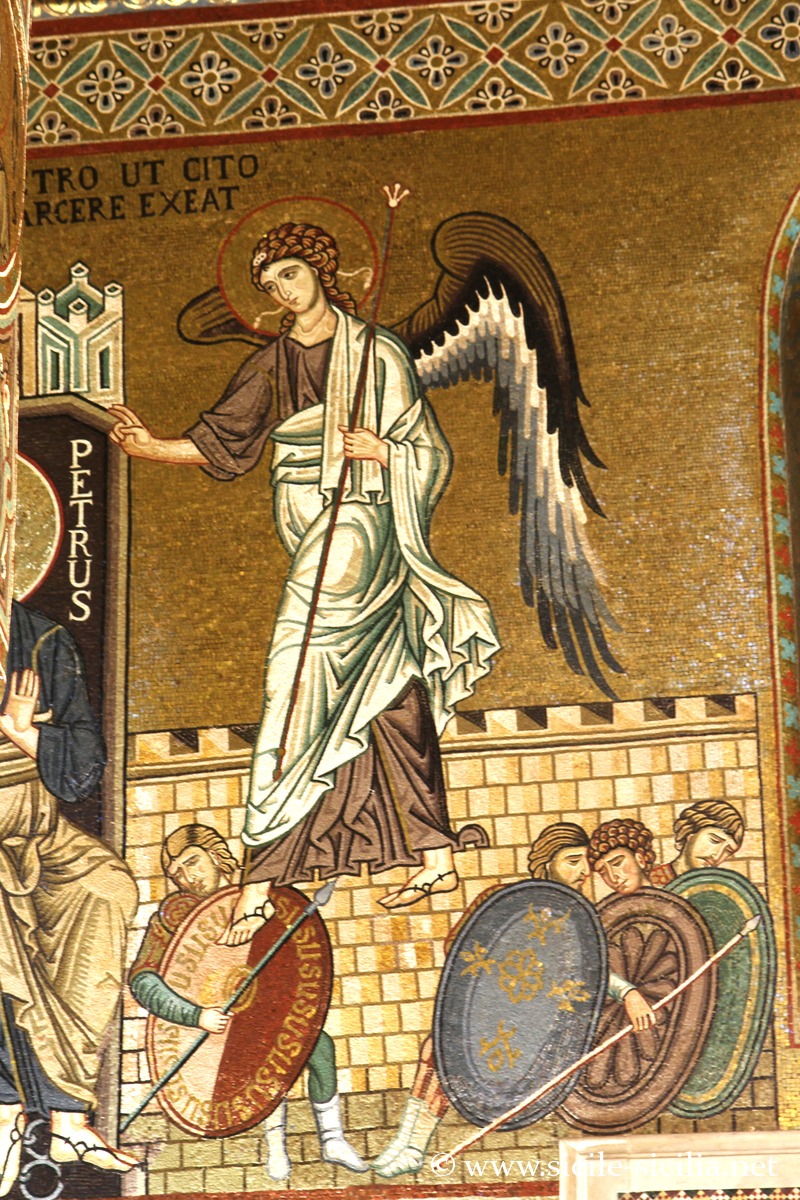
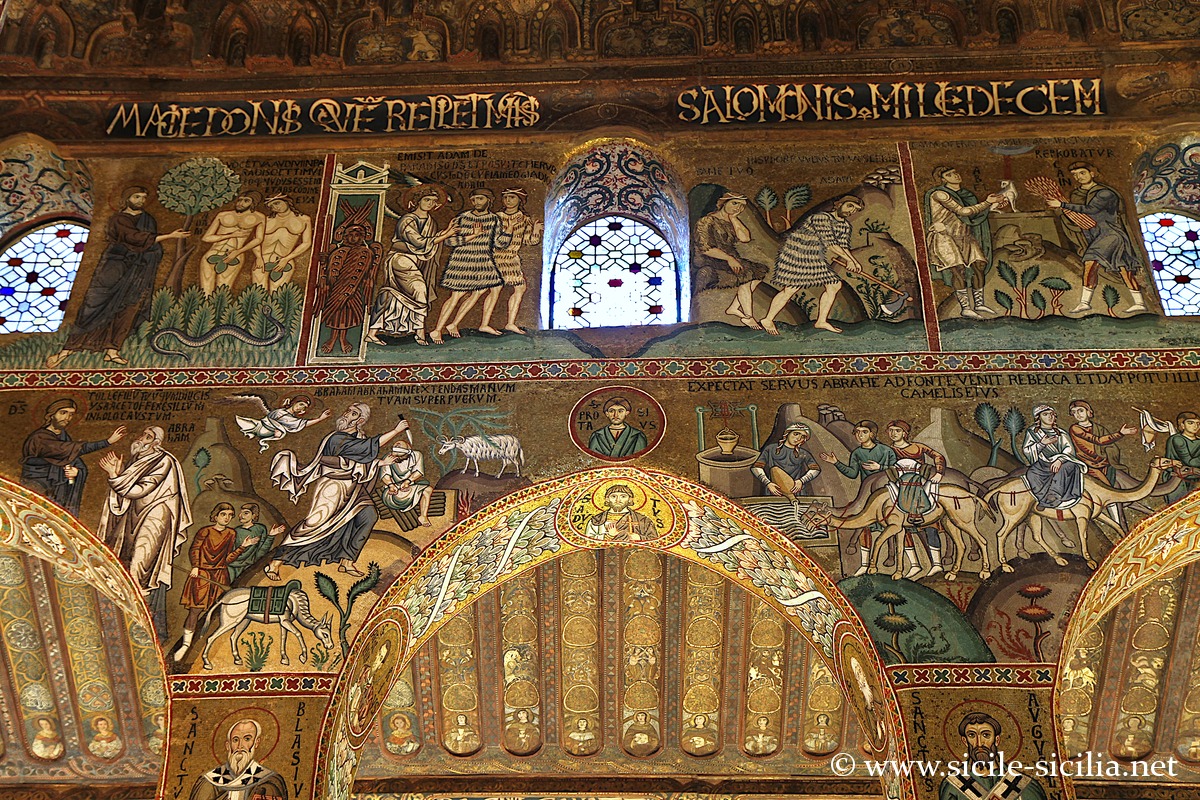
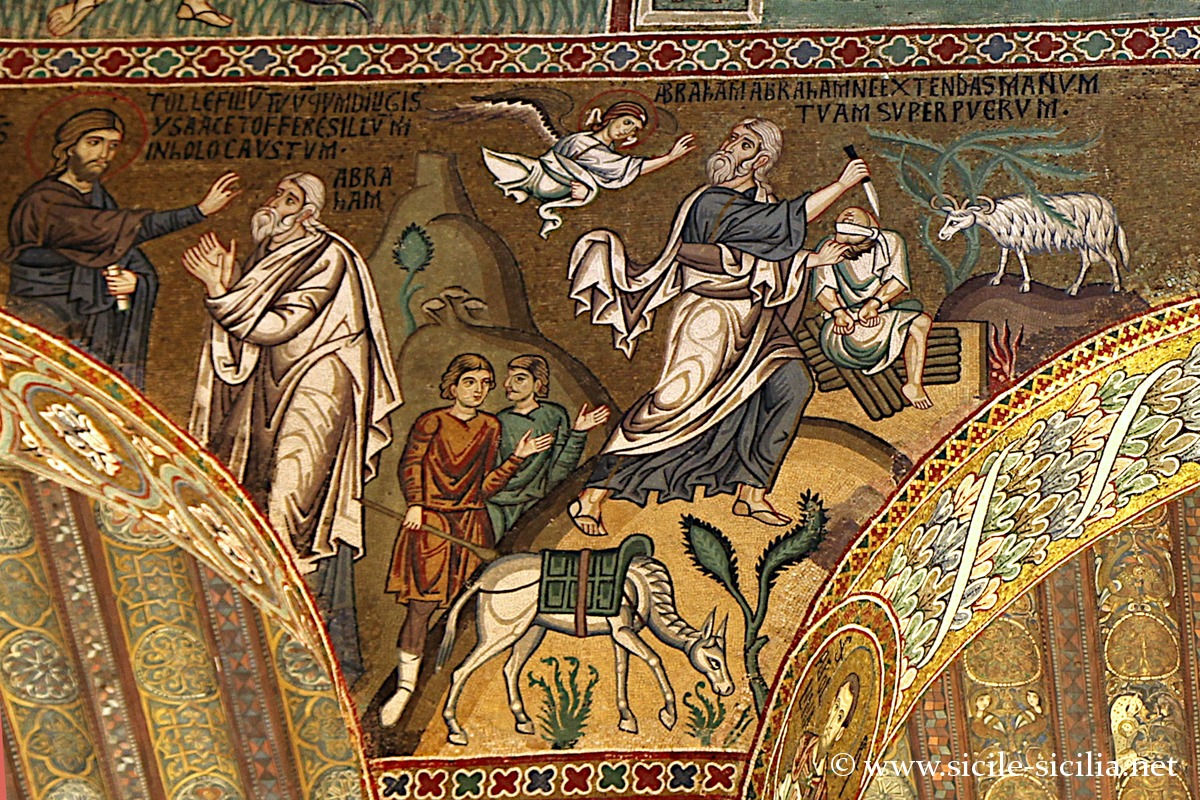
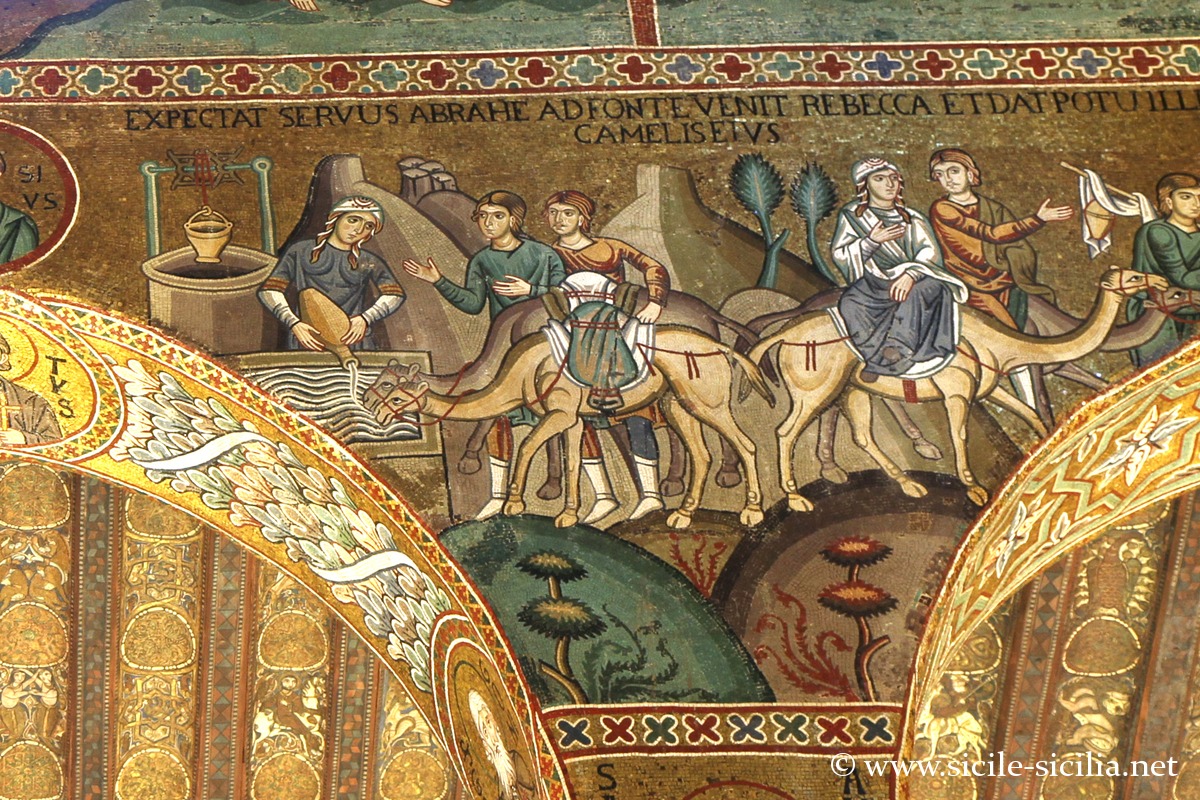
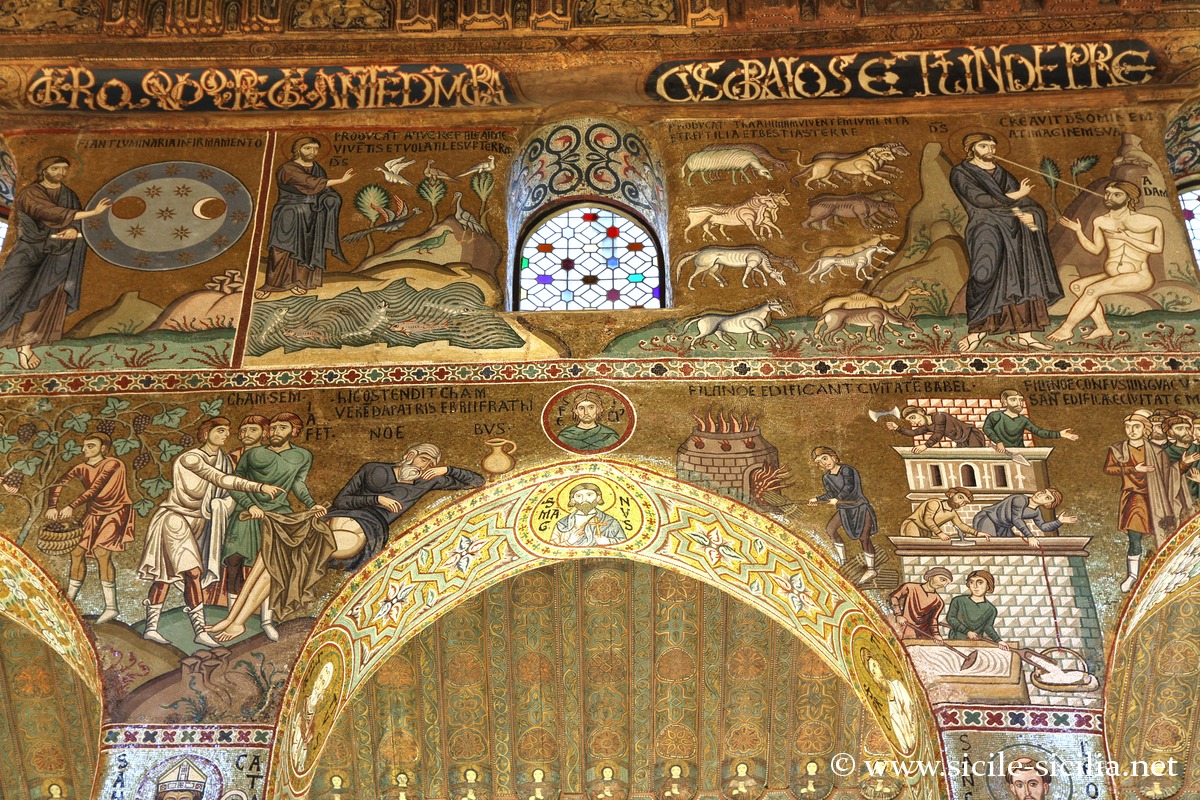
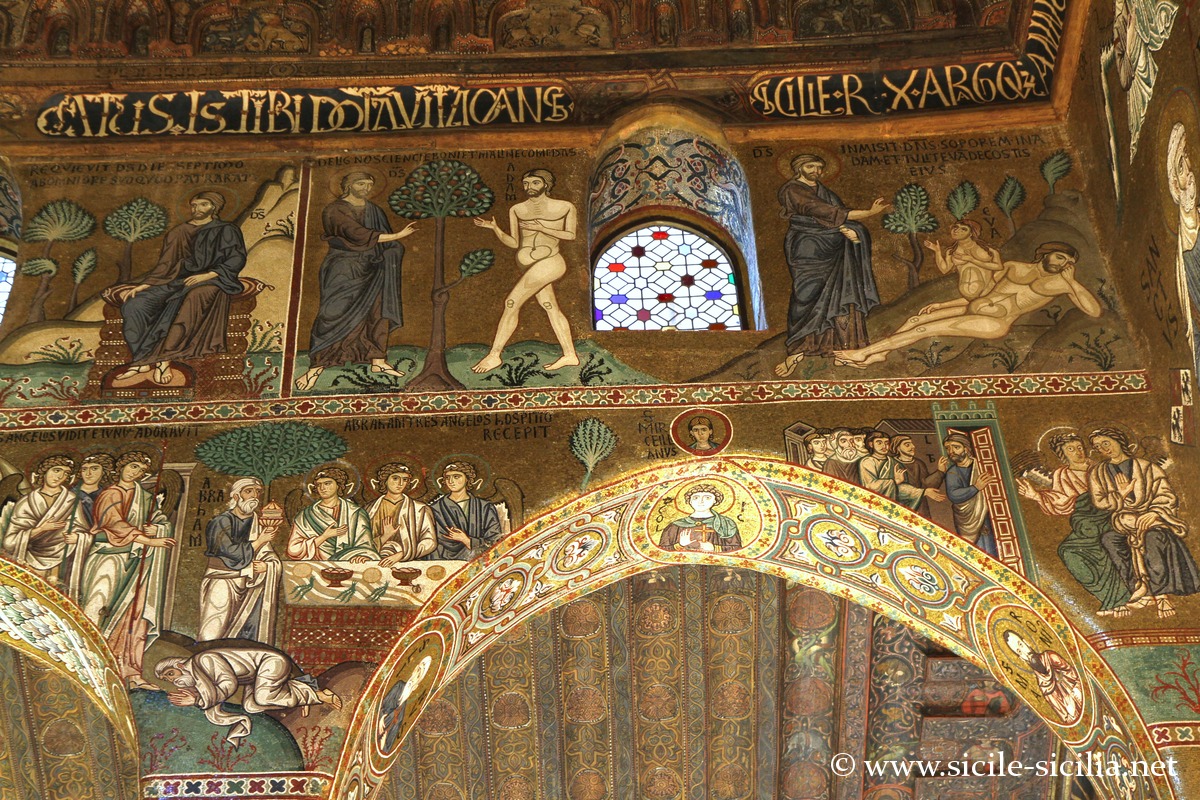
The sanctuary is entirely covered with splendid golden mosaics created by Byzantine craftsmen. They depict religious themes with a majestic Christ Pantocrator in the dome, surrounded by Angels and Archangels, the gospels and several biblical scenes. The oldest of them are those of the dome, dating back to the original construction of 1143.
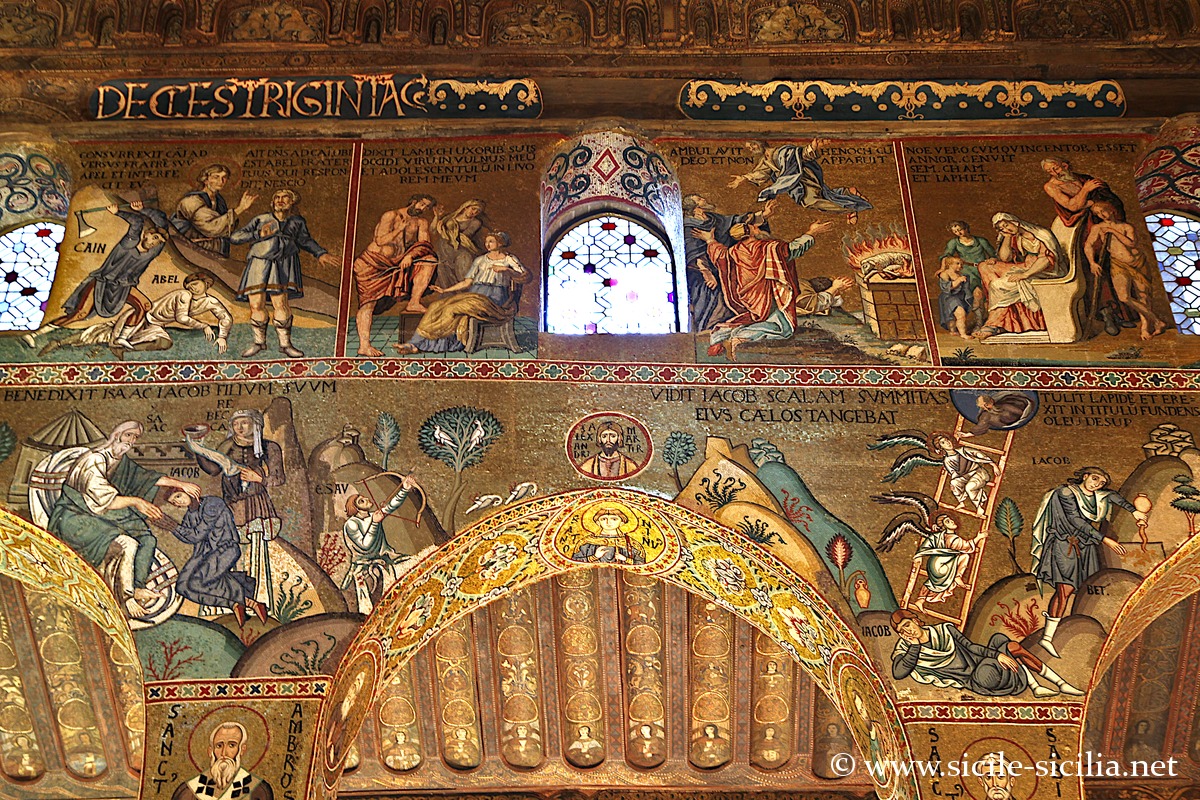
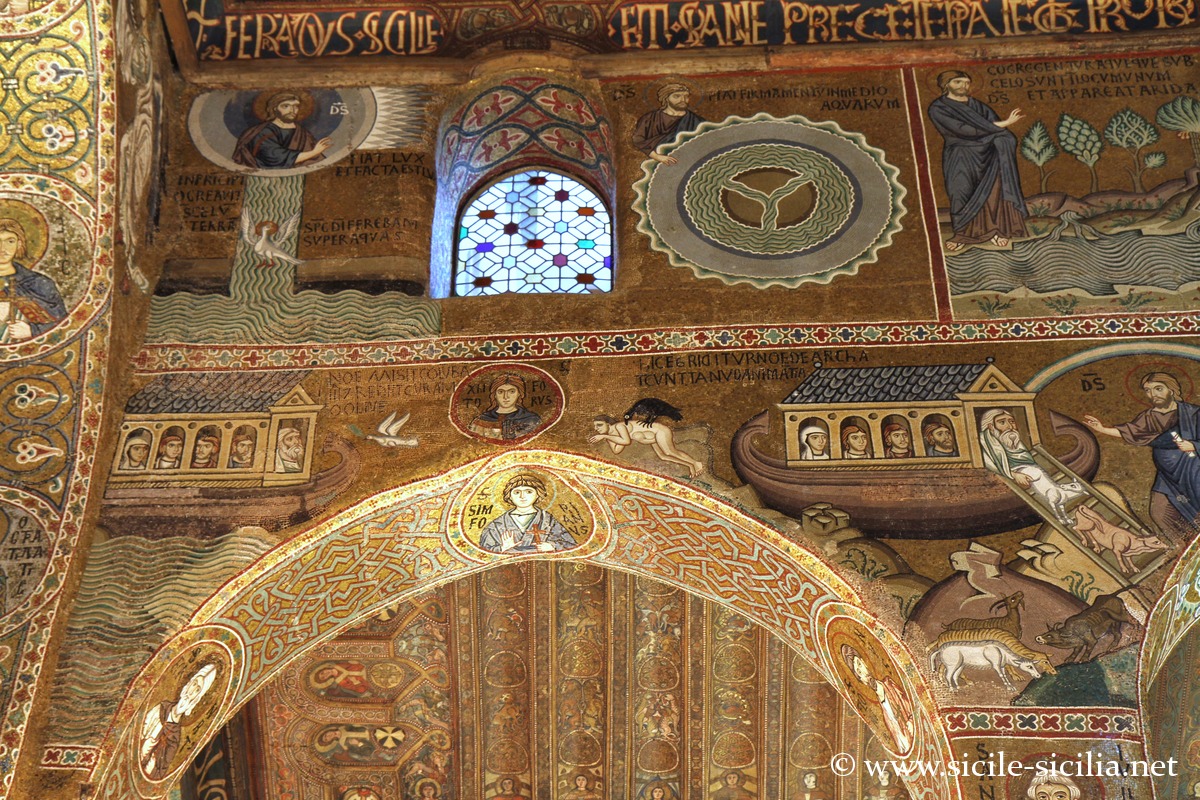
Old Testament Mosaics
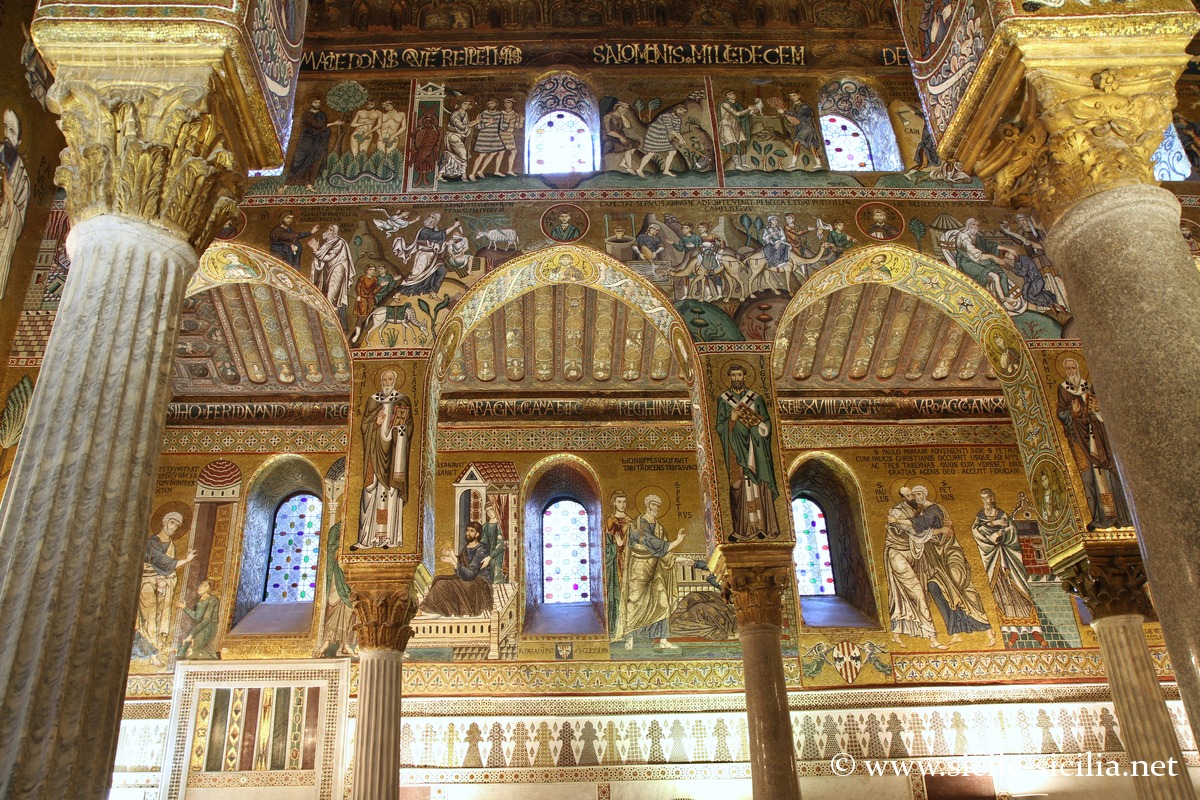
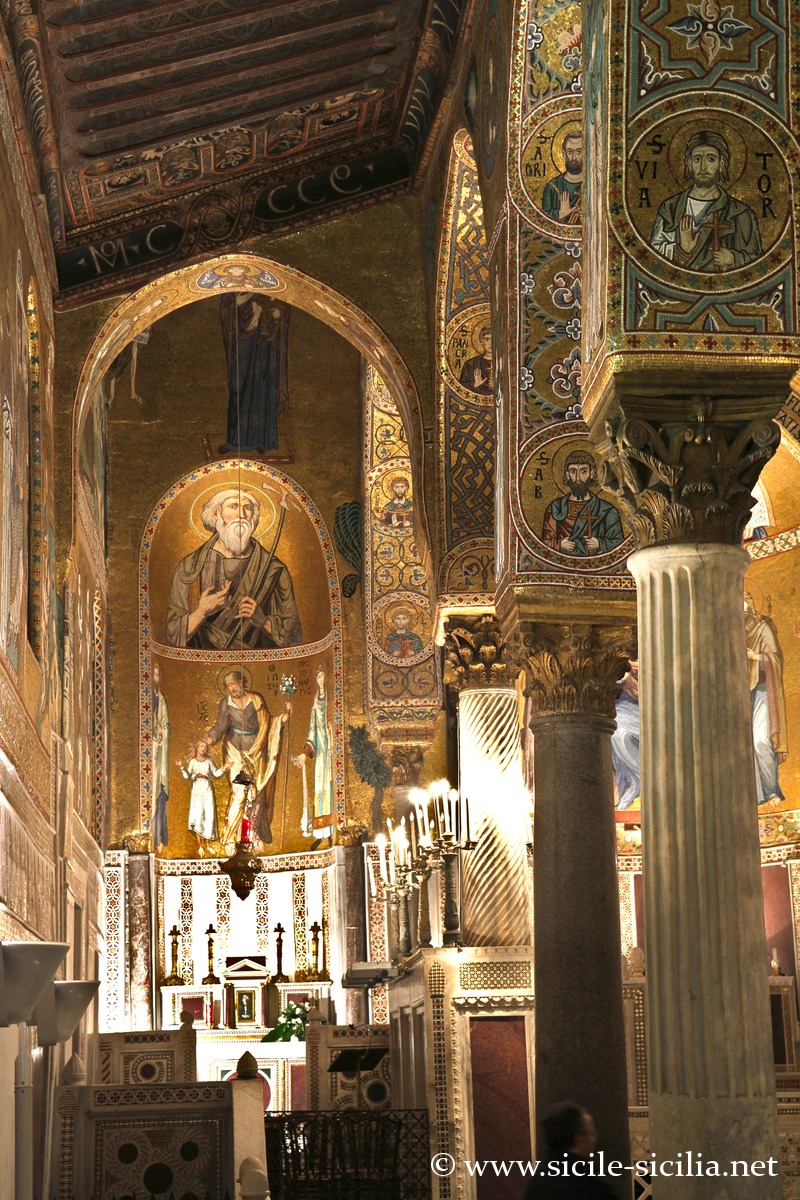
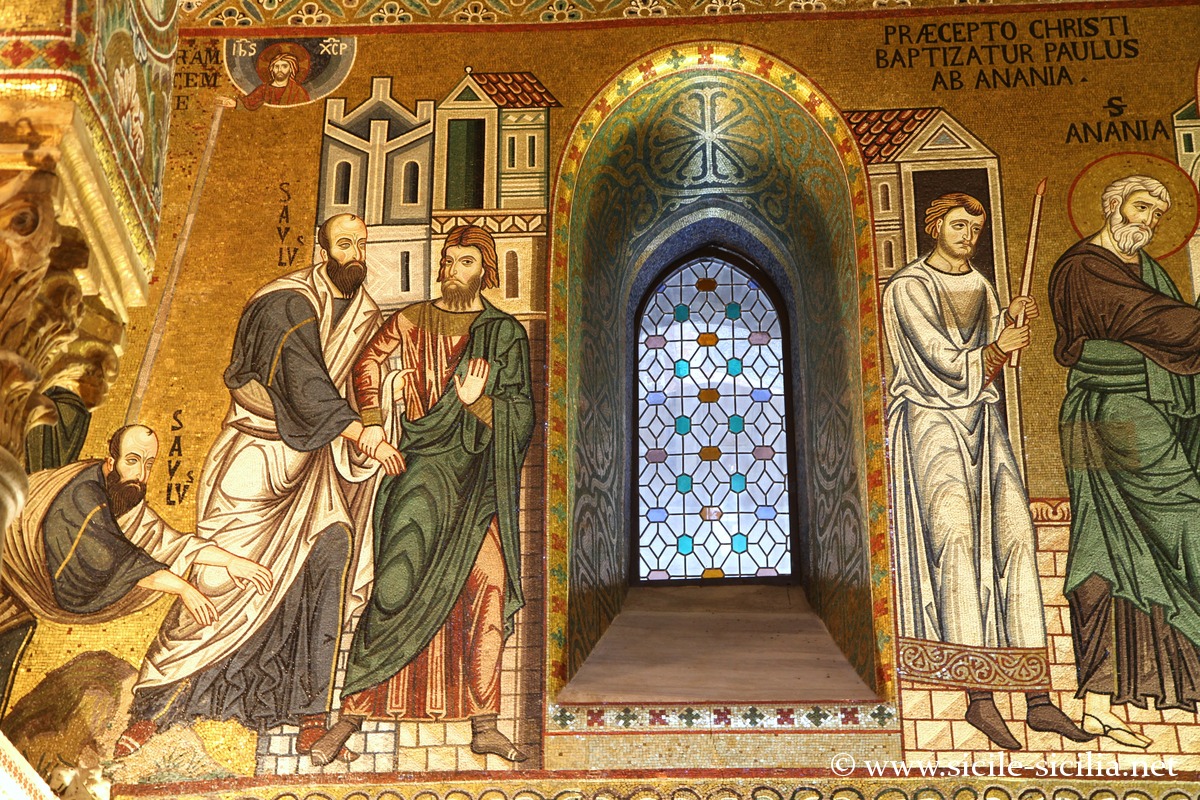
They also cover the apse and the arches, illustrating scenes from the Old and New Testaments, including the story of Genesis, the lives of the Apostles, prophets and saints. Some biblical scenes are depicted with a realism and expressiveness rare for the period.
Scenes from the life of Saint Paul are present in the right side nave and scenes from the life of Saint Peter in the left nave.
Wooden ceiling
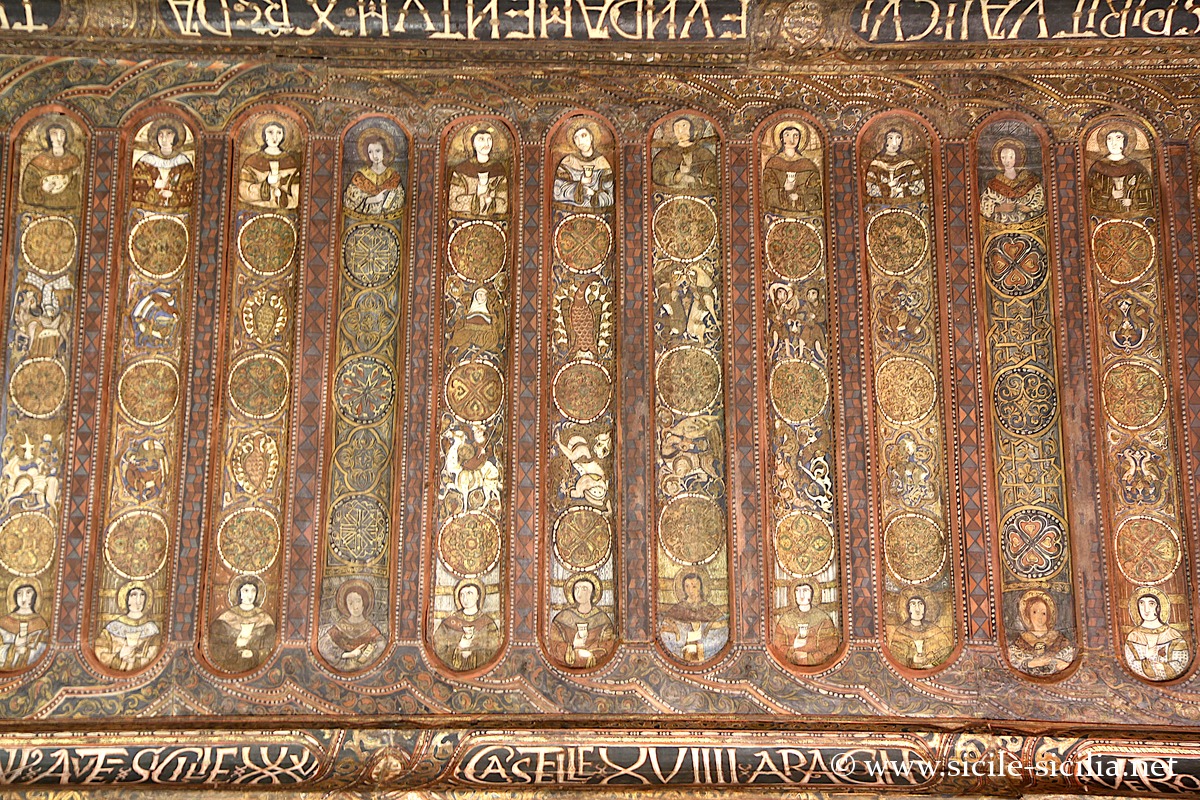
Panels of the side aisle ceilings
The coffered wooden ceiling, the work of Islamic master craftsmen, is adorned with muqarnas (decorative stalactites) and more than eight thousand painted and carved pieces that symbolize both paradise, courtly life and iconographic elements shared between Christian and Islamic cultures. This complex structure forms, seen from the nave, a stylized cross of star patterns.
The superb wooden ceiling of the side aisles is decorated with sculptures and paintings in Arab style. Each “plank” is divided by carved stars, filled with representations of animals, dancers and various scenes.
The ceiling panels include rare representations of scenes of daily life, dances and musicians, an iconographic innovation made possible by the multicultural atmosphere of the Norman kingdom.
Where is the Palatine Chapel of Palermo and map
If you see this after your page is loaded completely, leafletJS files are missing.
Photo gallery
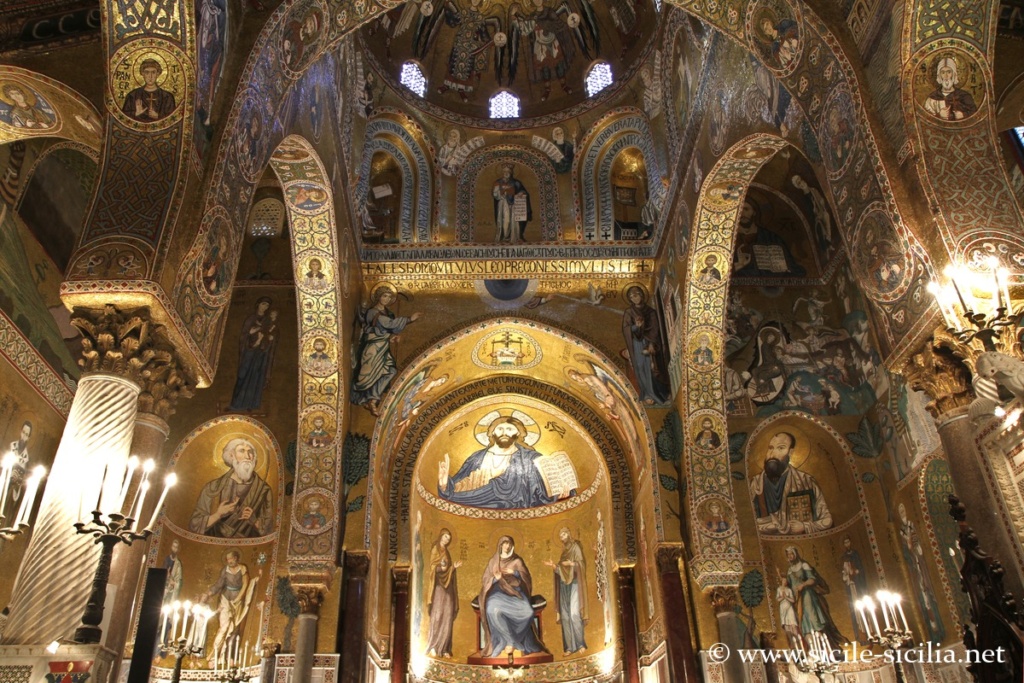

Palatine Chapel
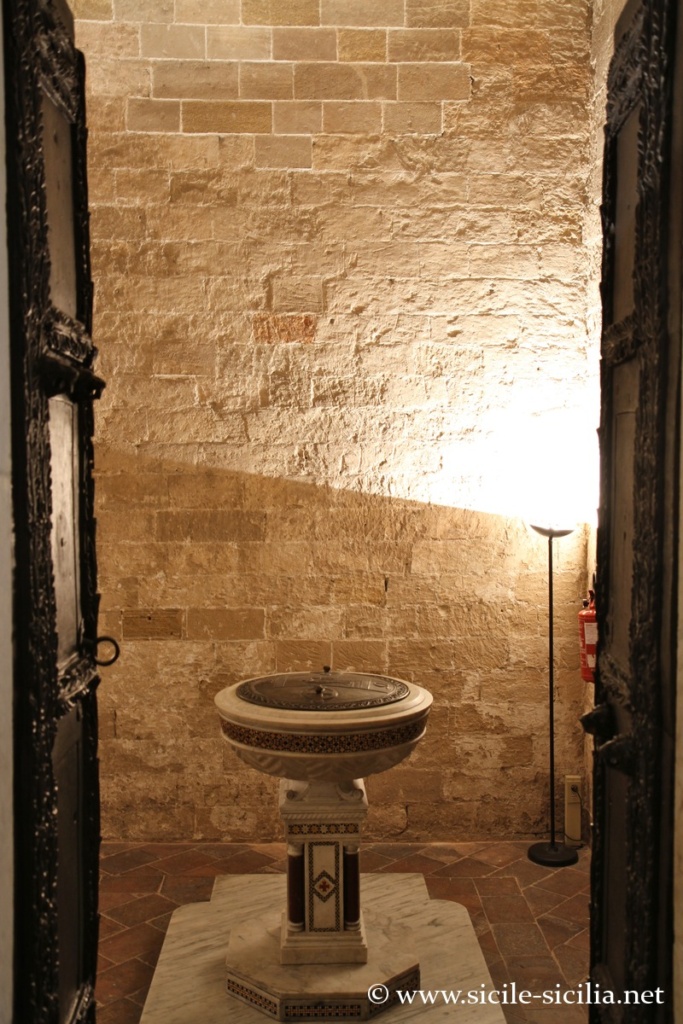

Vestibule 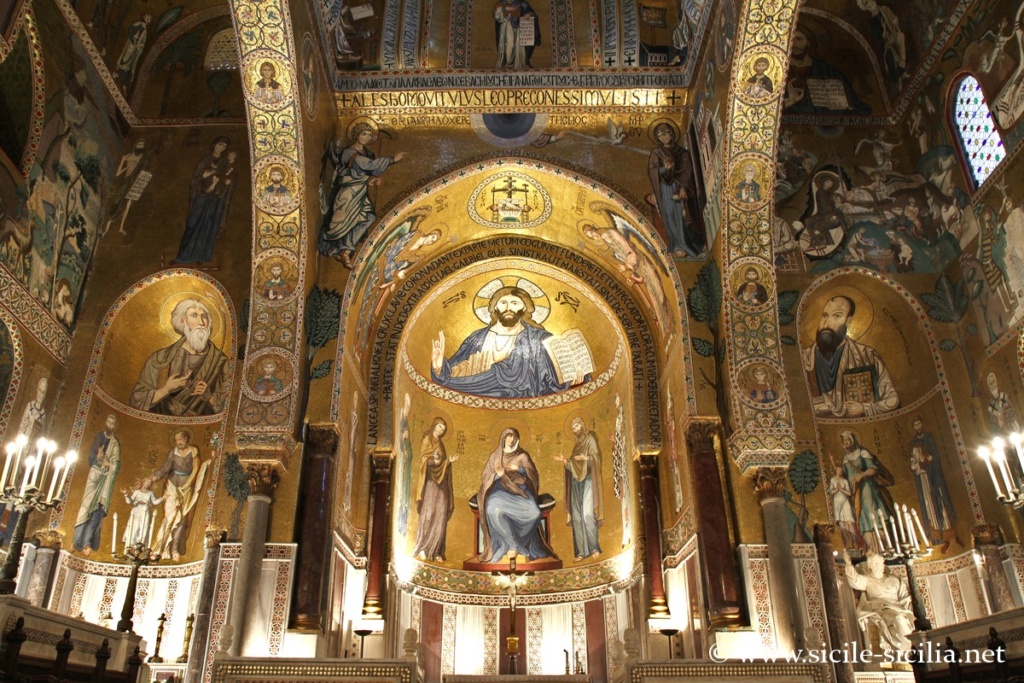
Interior and mosaics of the arches 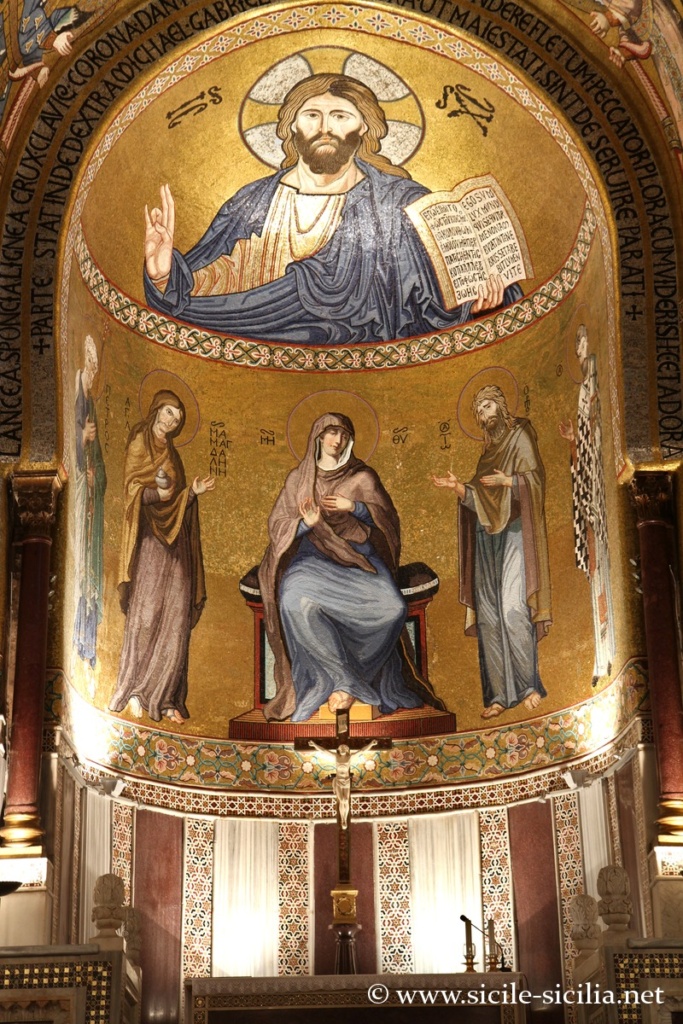
Apse 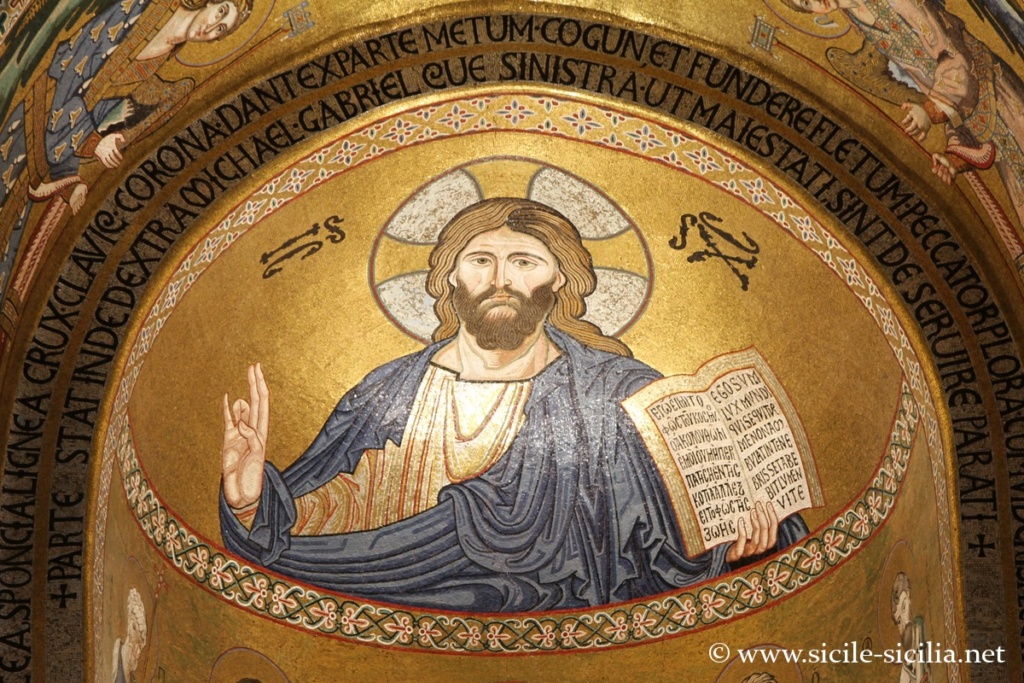
Mosaic of Christ 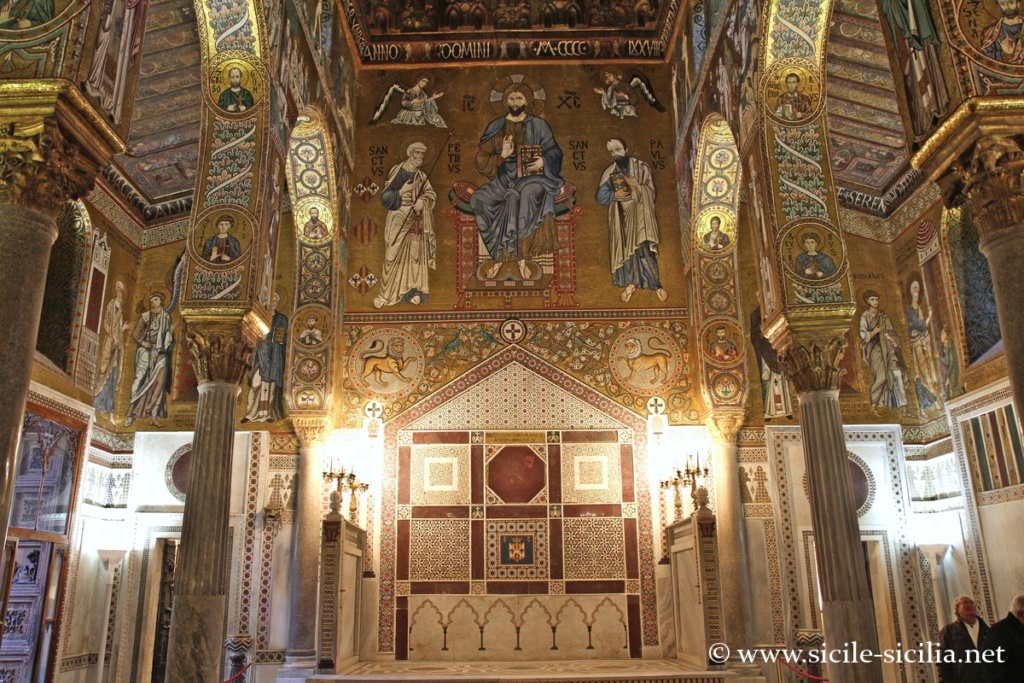
Rear wall of the Chapel 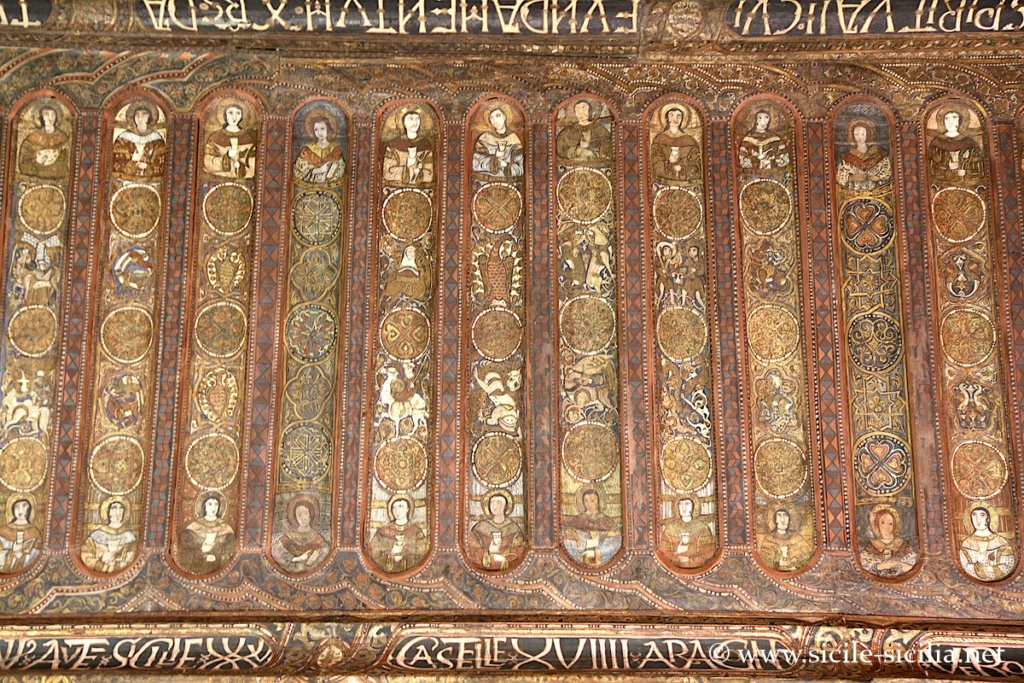
Panels of the side aisle ceilings 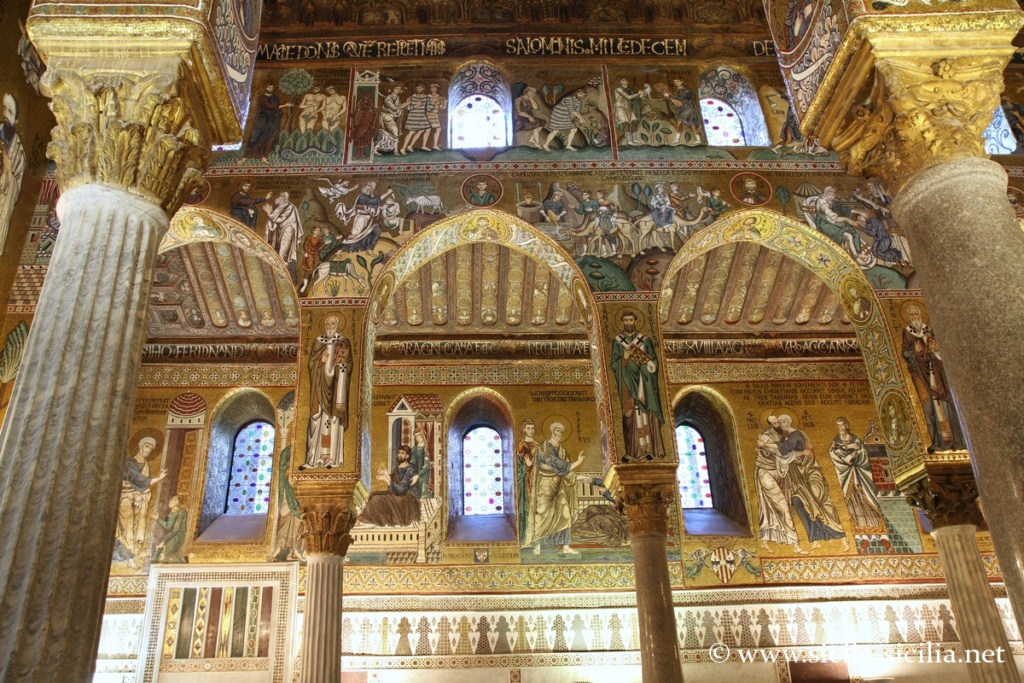
Palatine Chapel 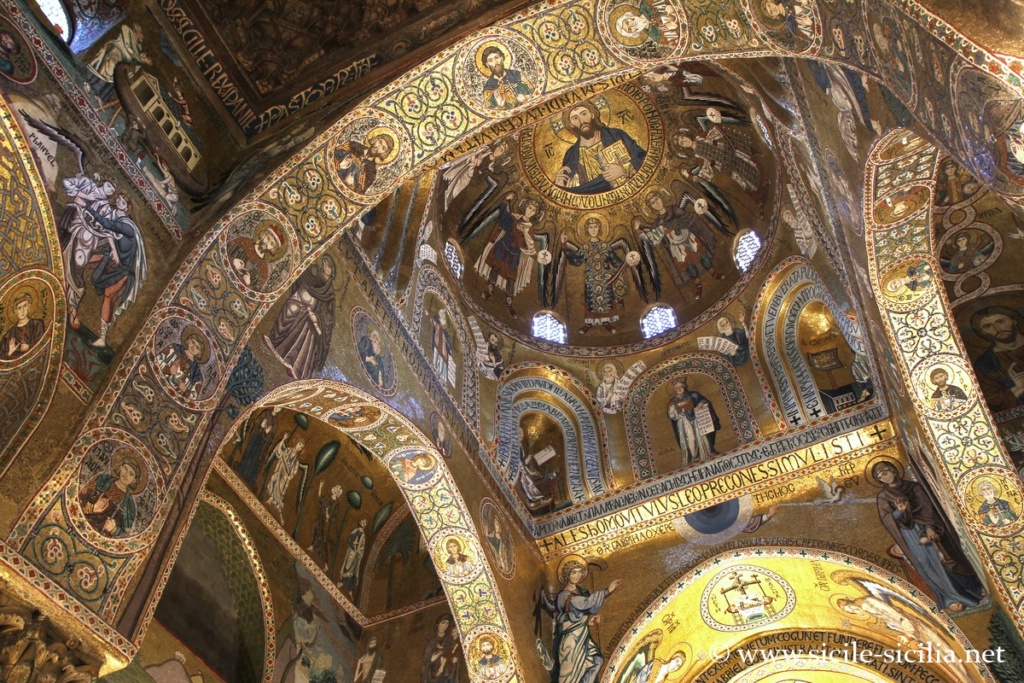
Arches 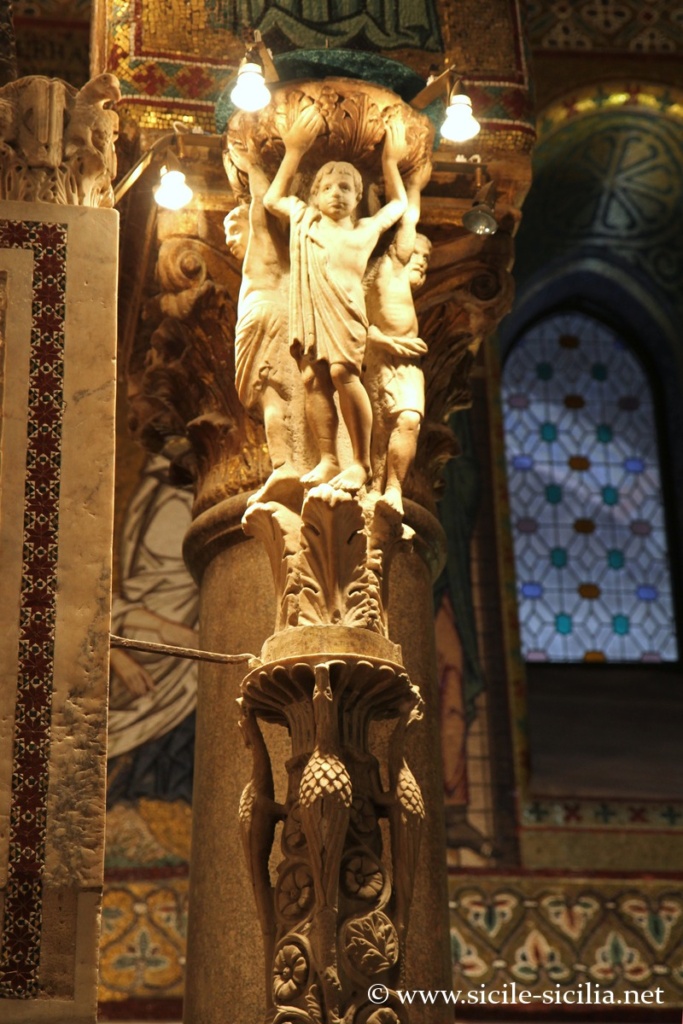
Statue 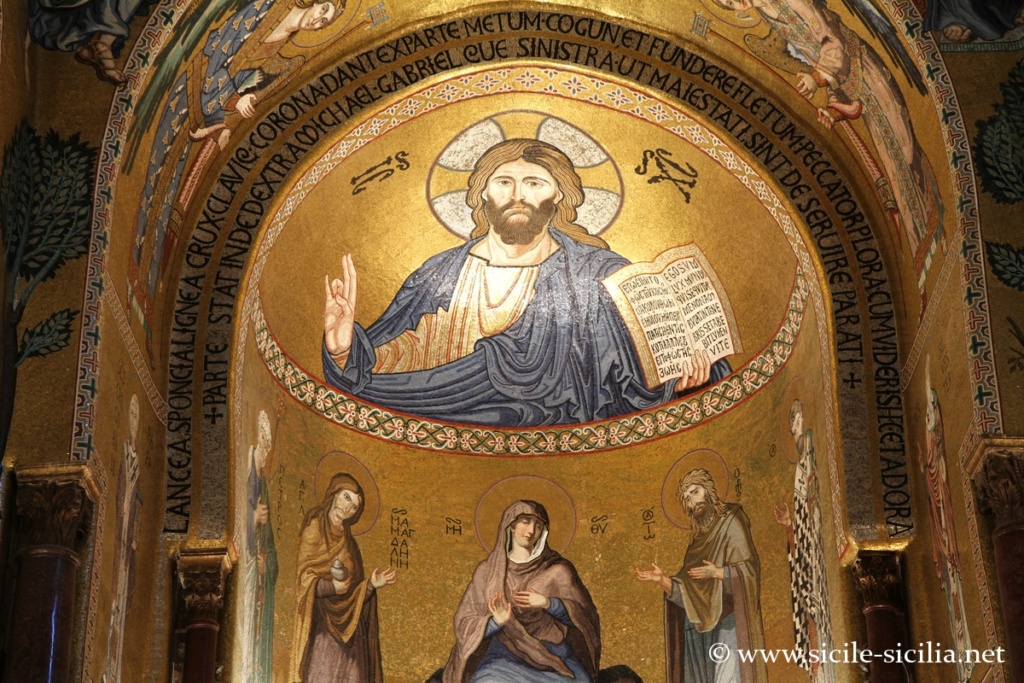
Apse 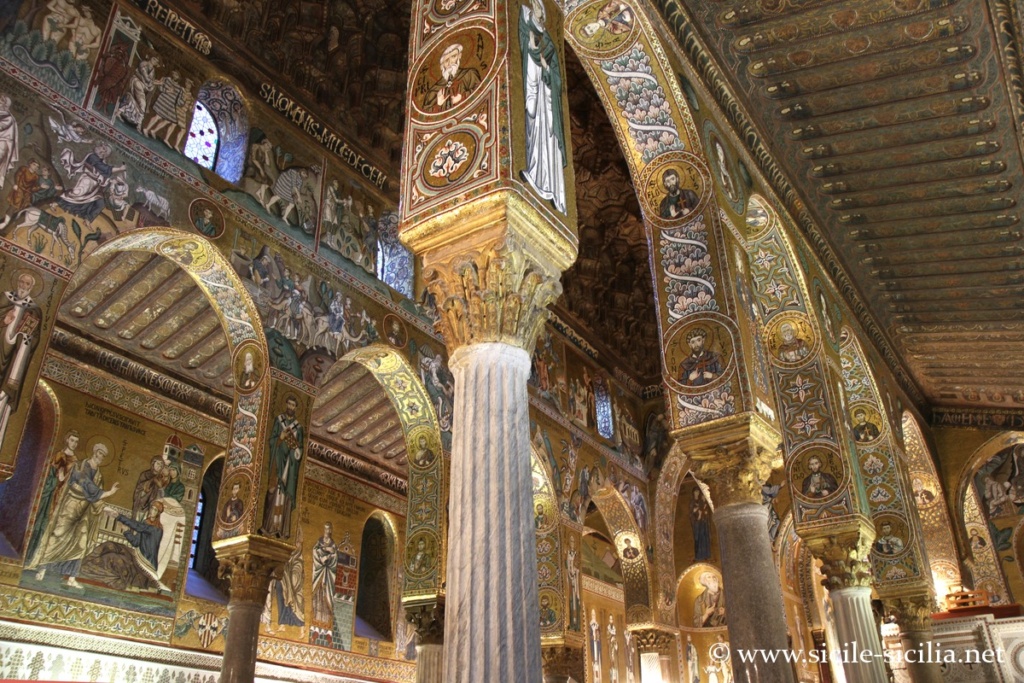
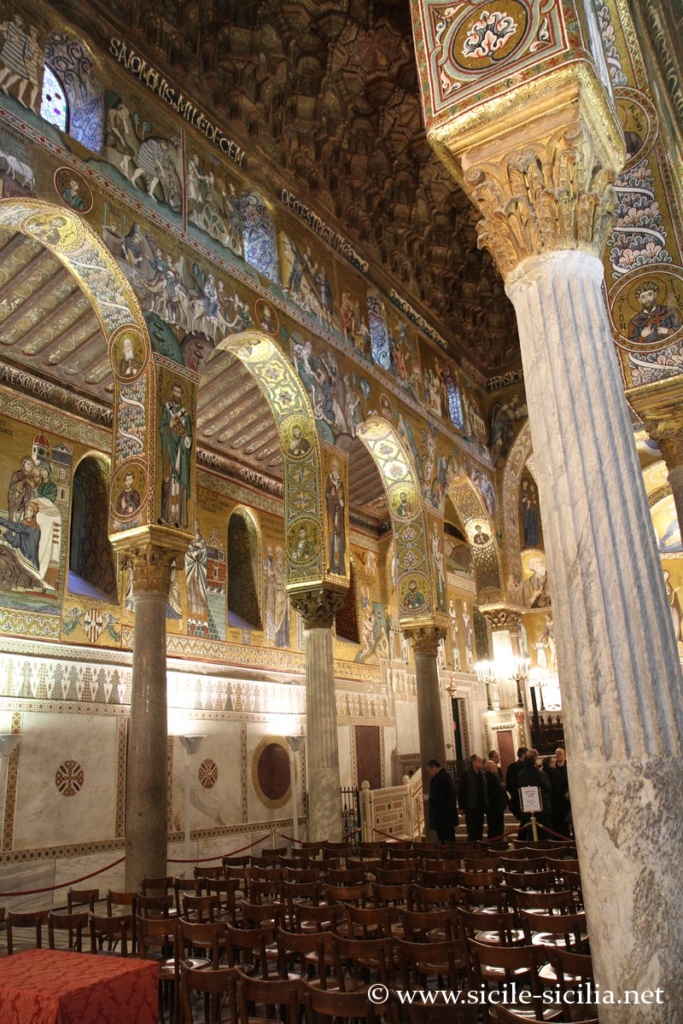
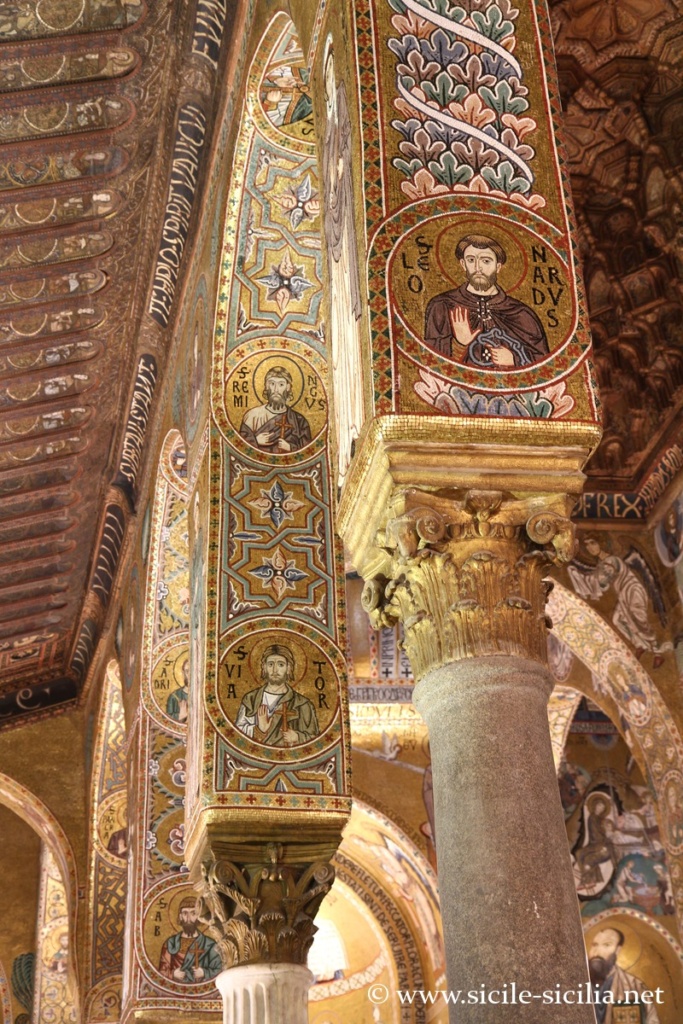
Columns of the Chapel 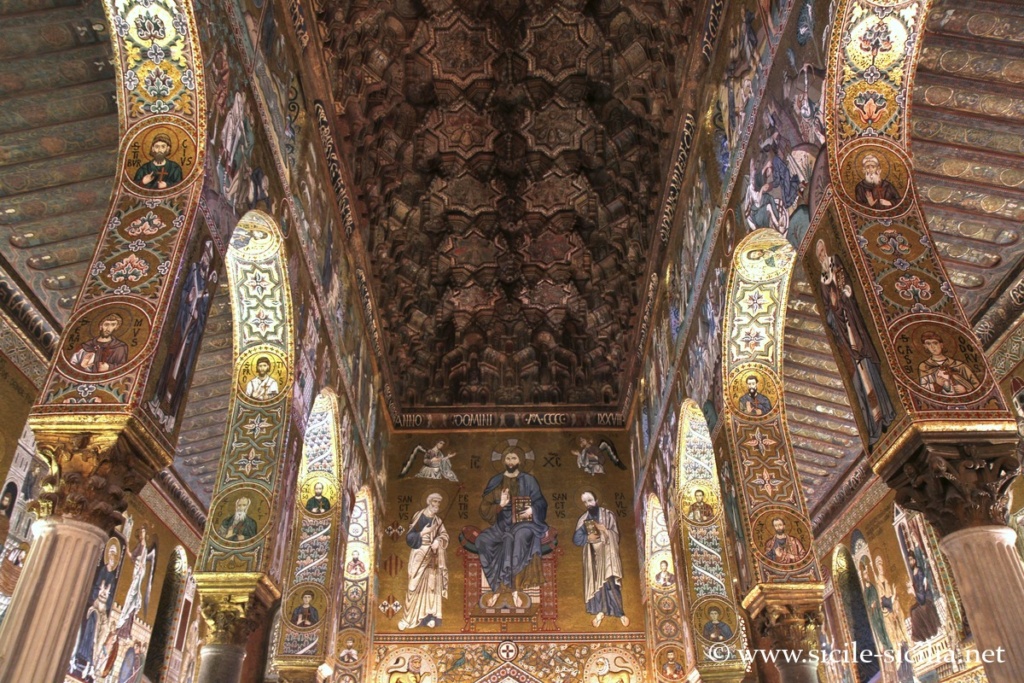
Coffered ceiling 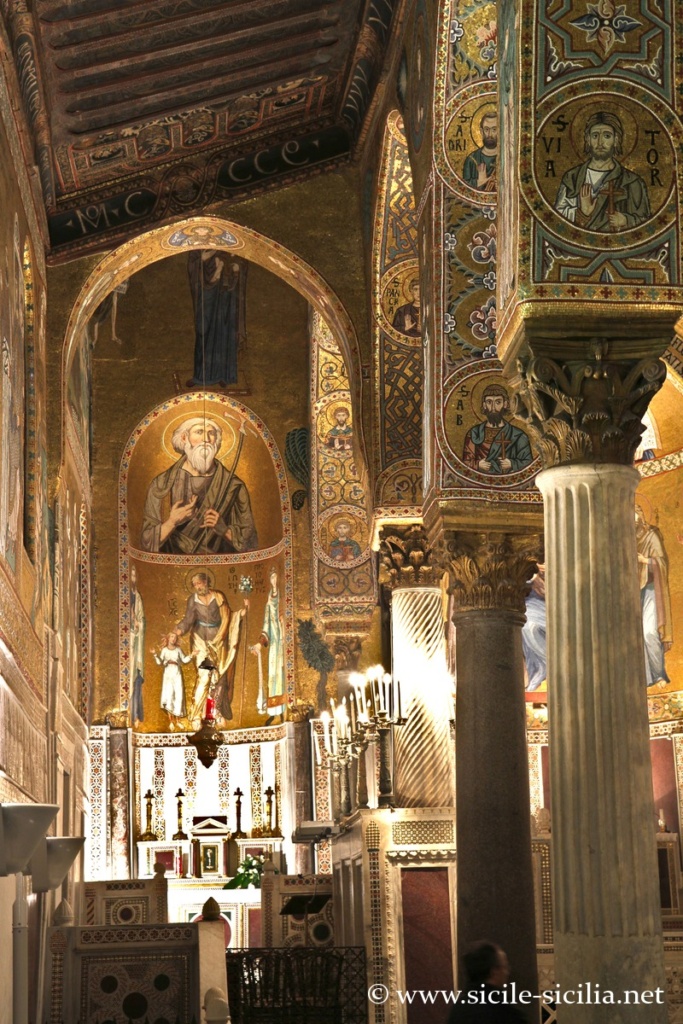
Side aisle of the Chapel 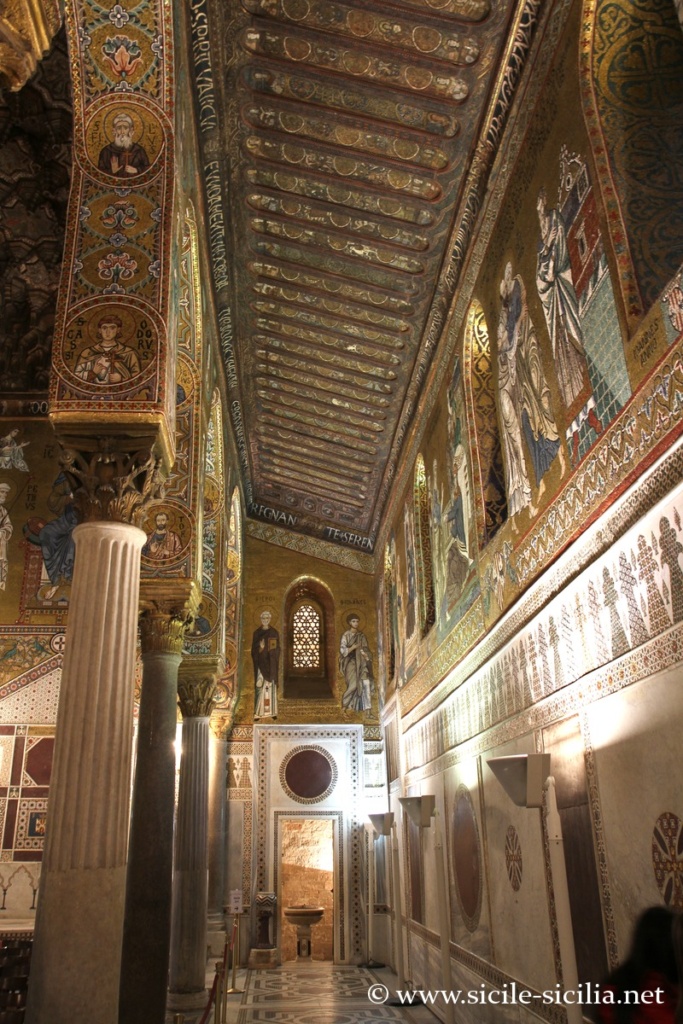
Side aisle of the Chapel 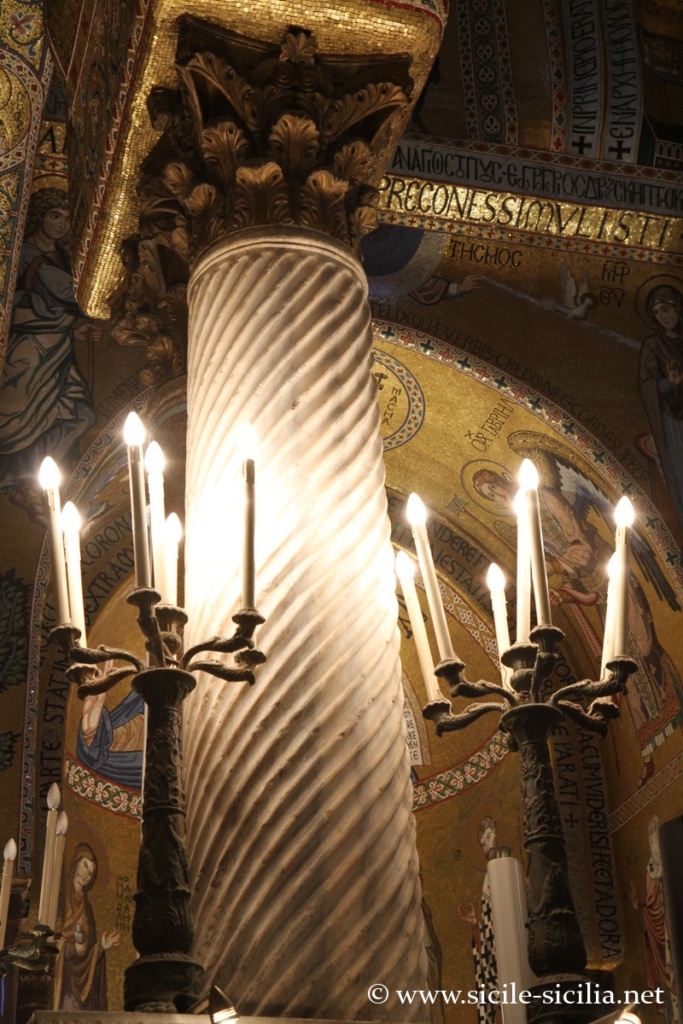
Columns of the Chapel 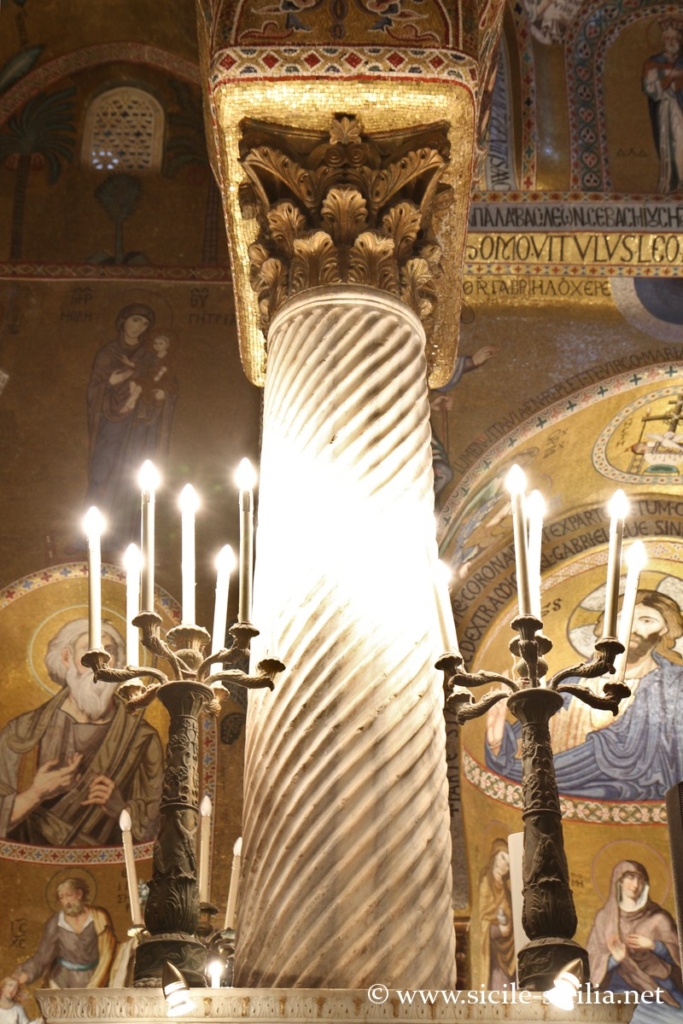
Columns of the Chapel 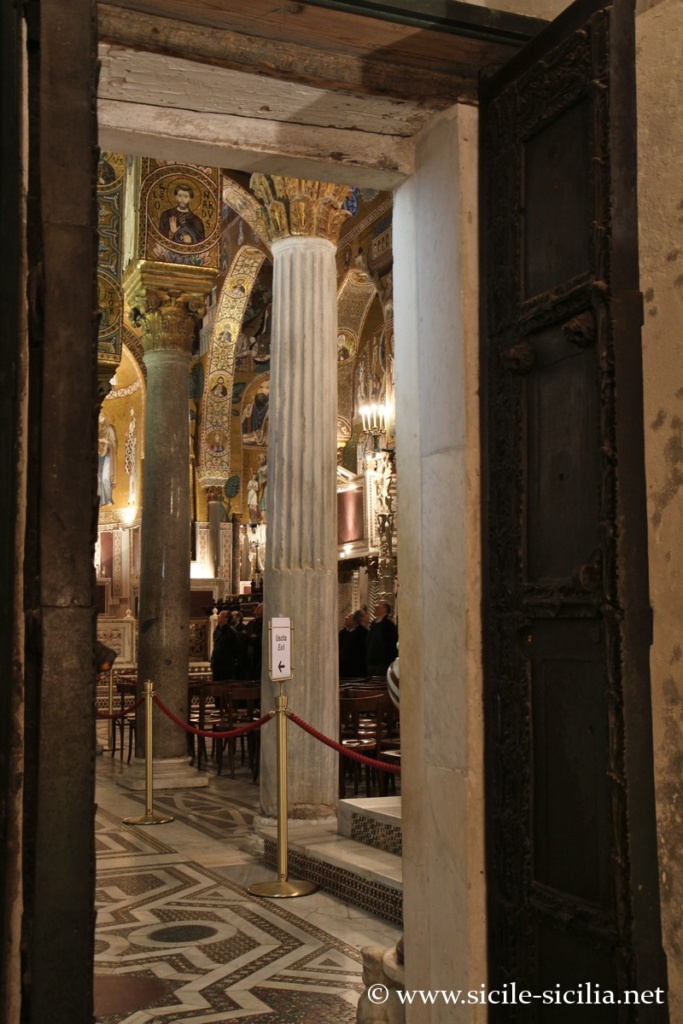
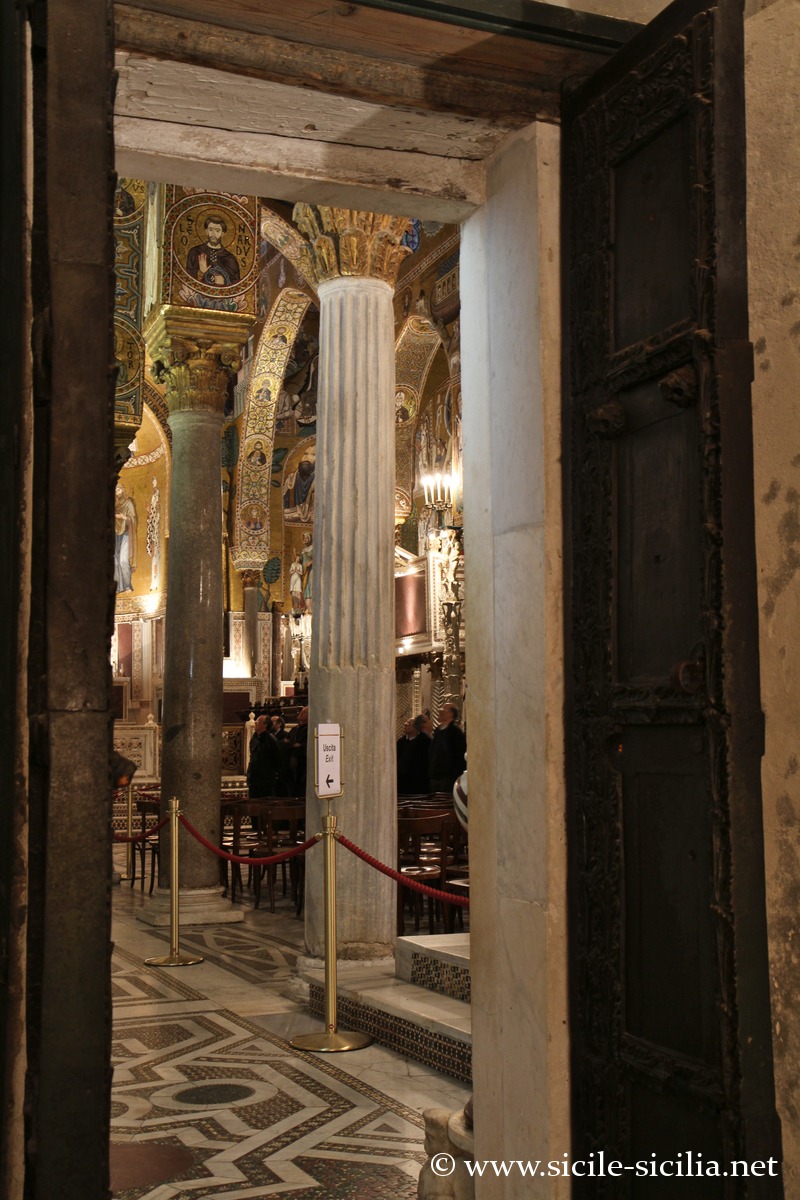
Entrance of the Chapel 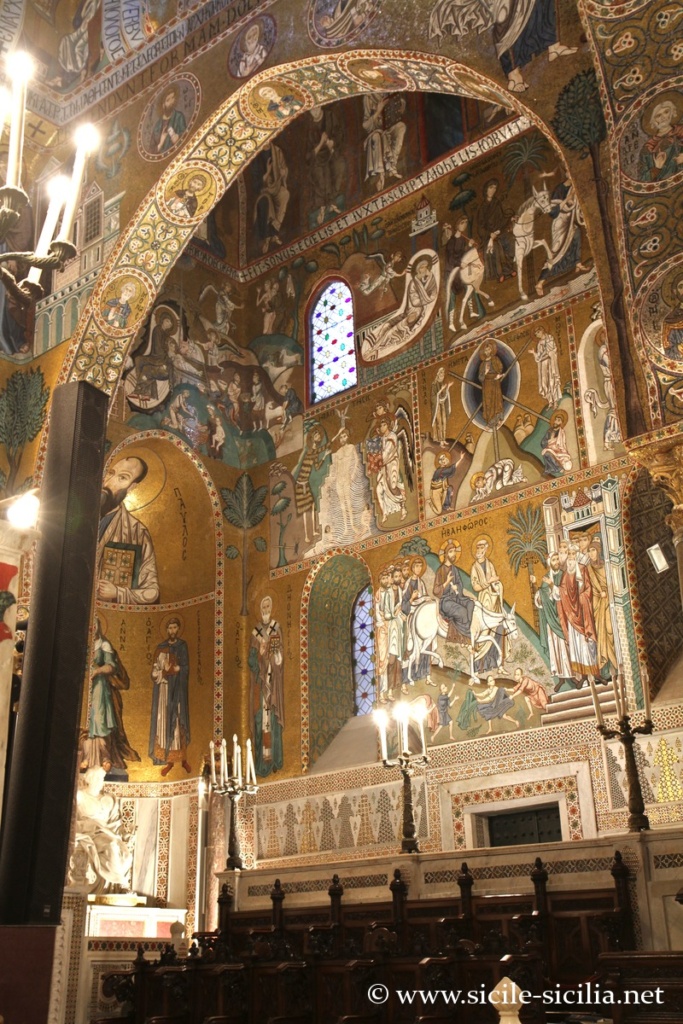
Wall mosaics 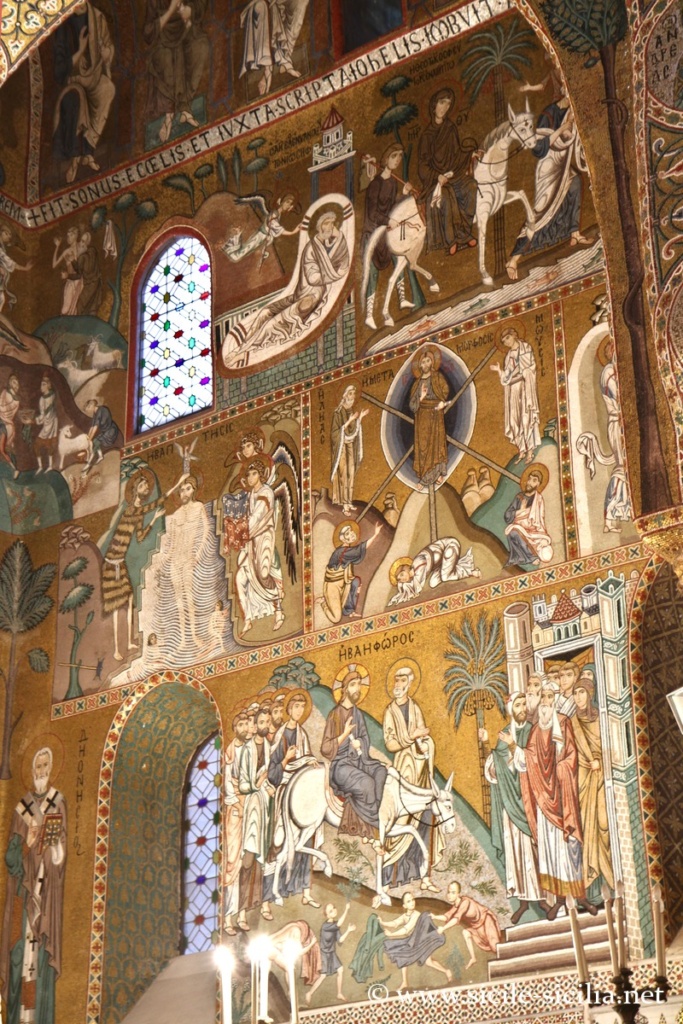
Exterior wall mosaics 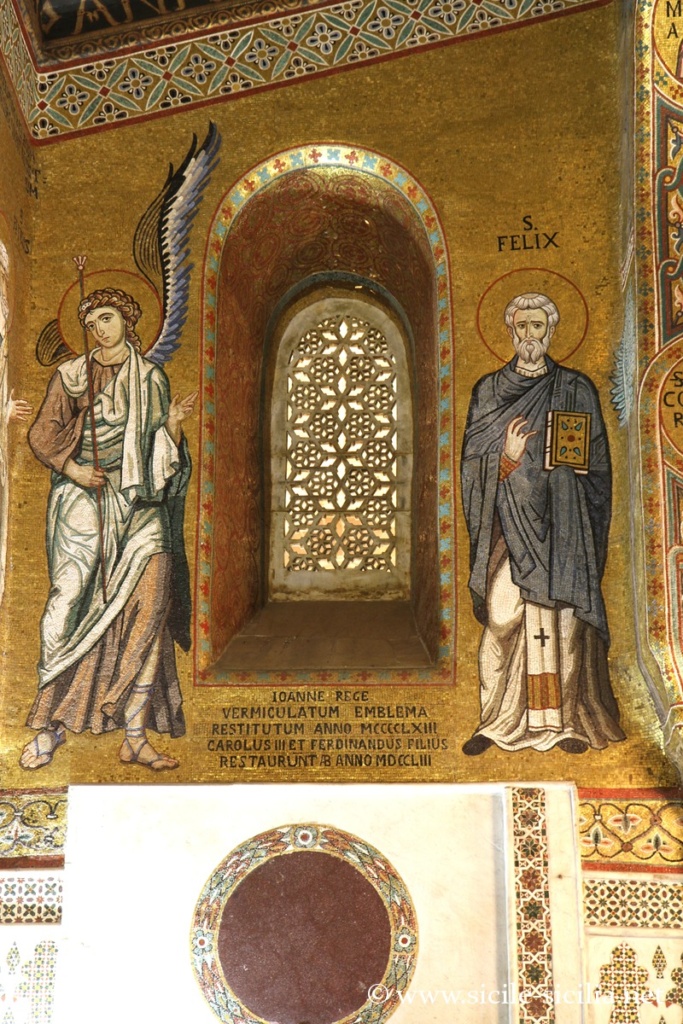
Exterior wall mosaics 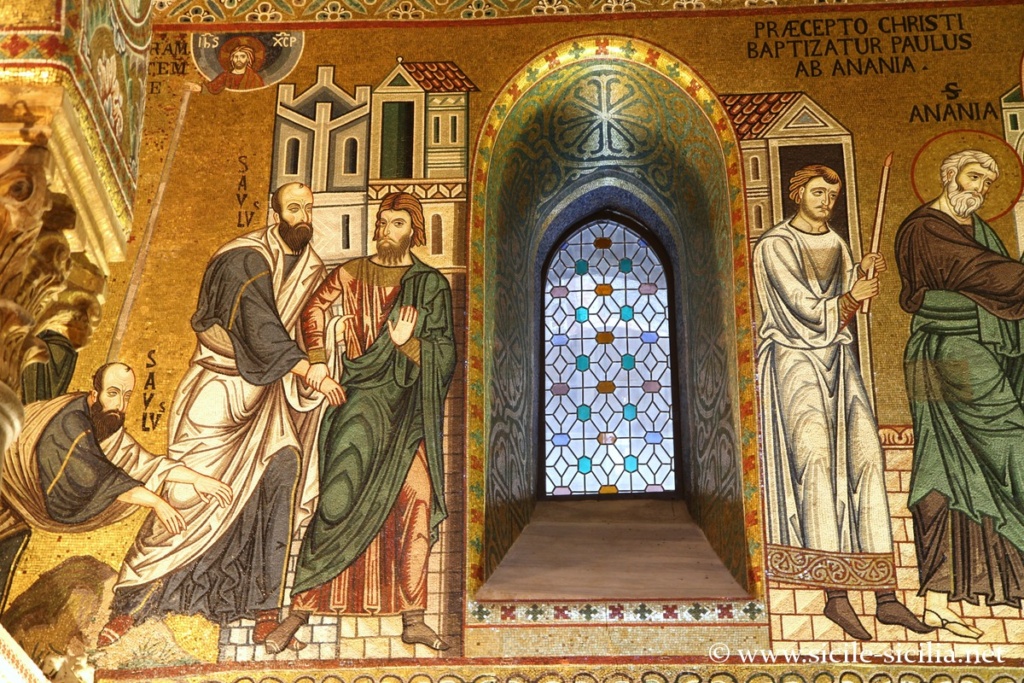
Exterior wall mosaics 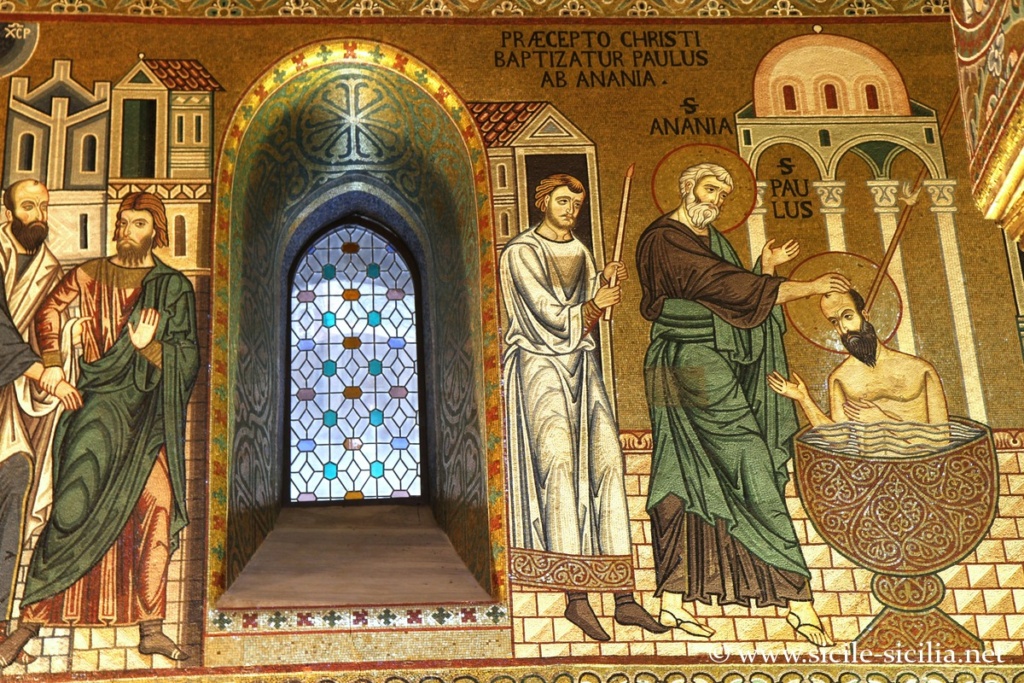
Exterior wall mosaics 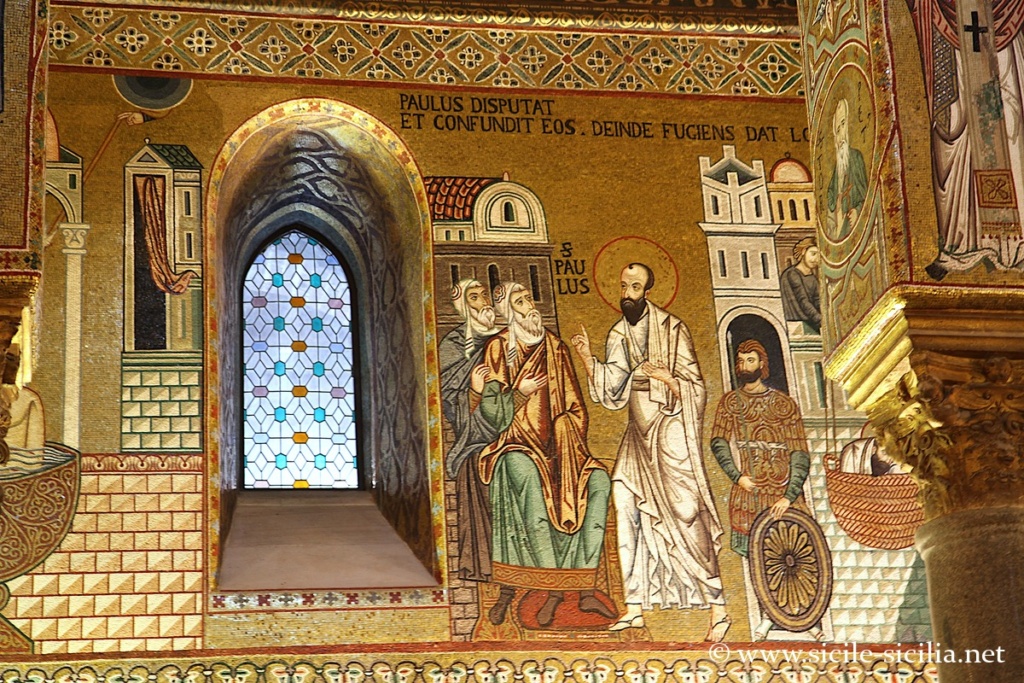
Exterior wall mosaics 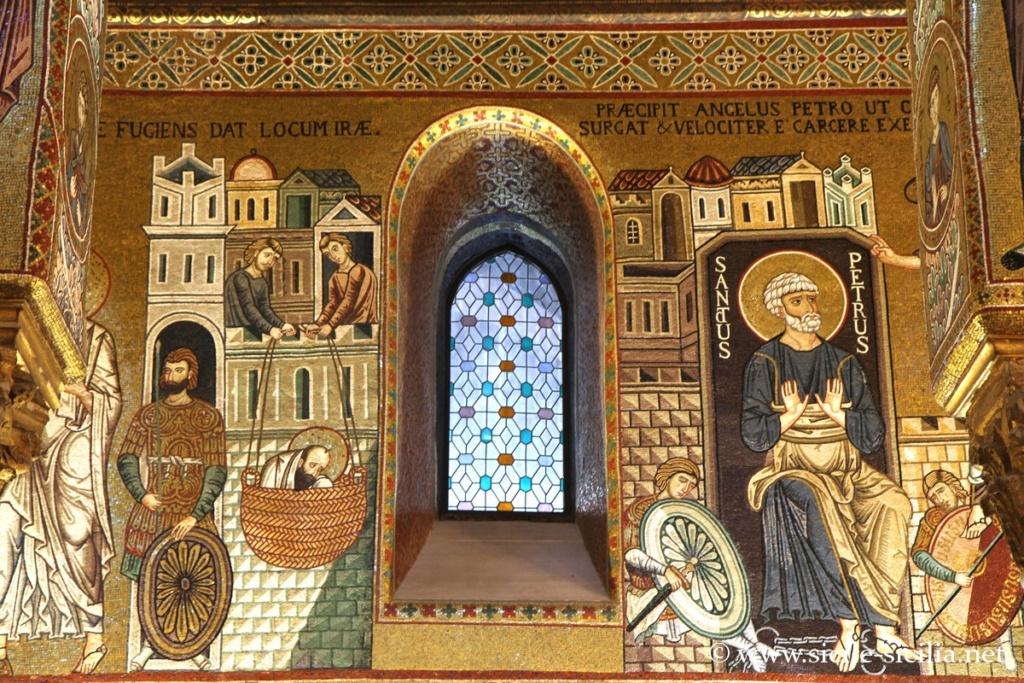
Exterior wall mosaics 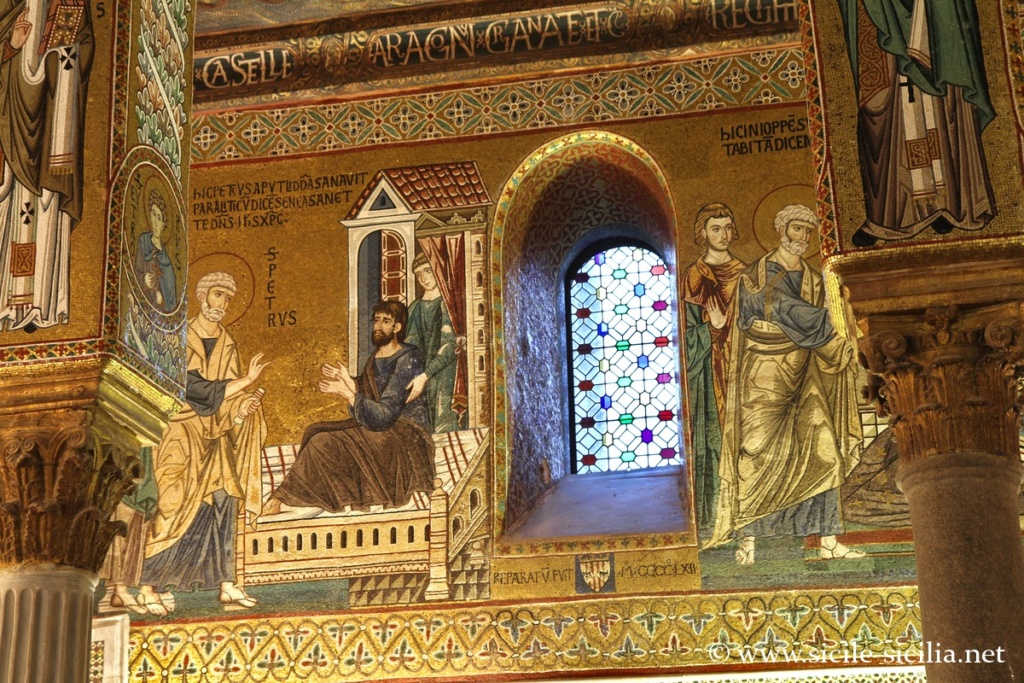
Exterior wall mosaics 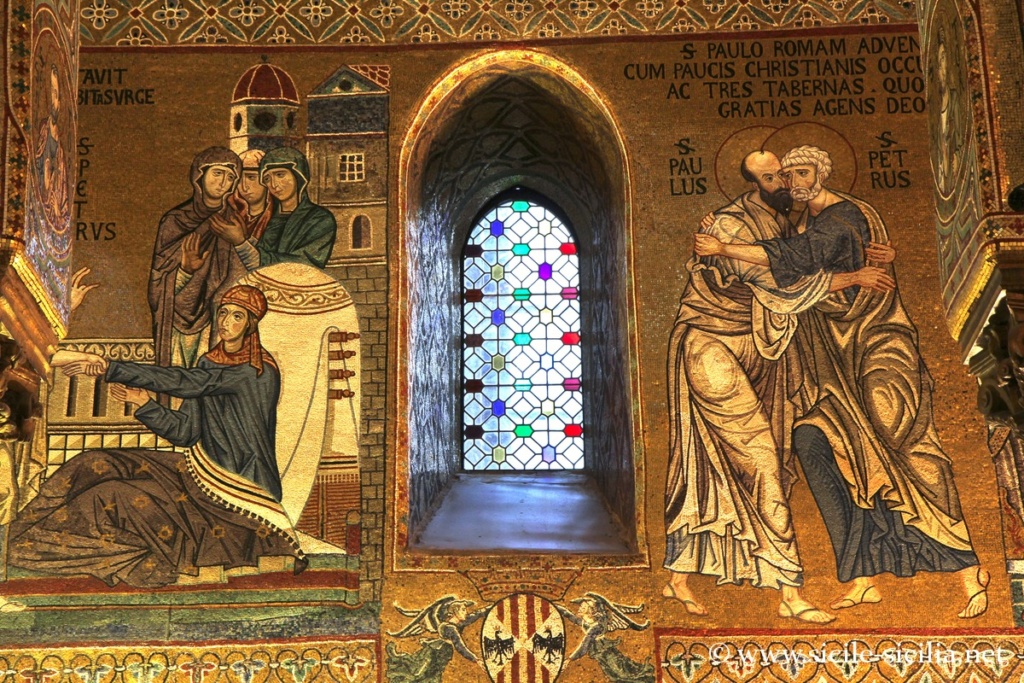
Exterior wall mosaics 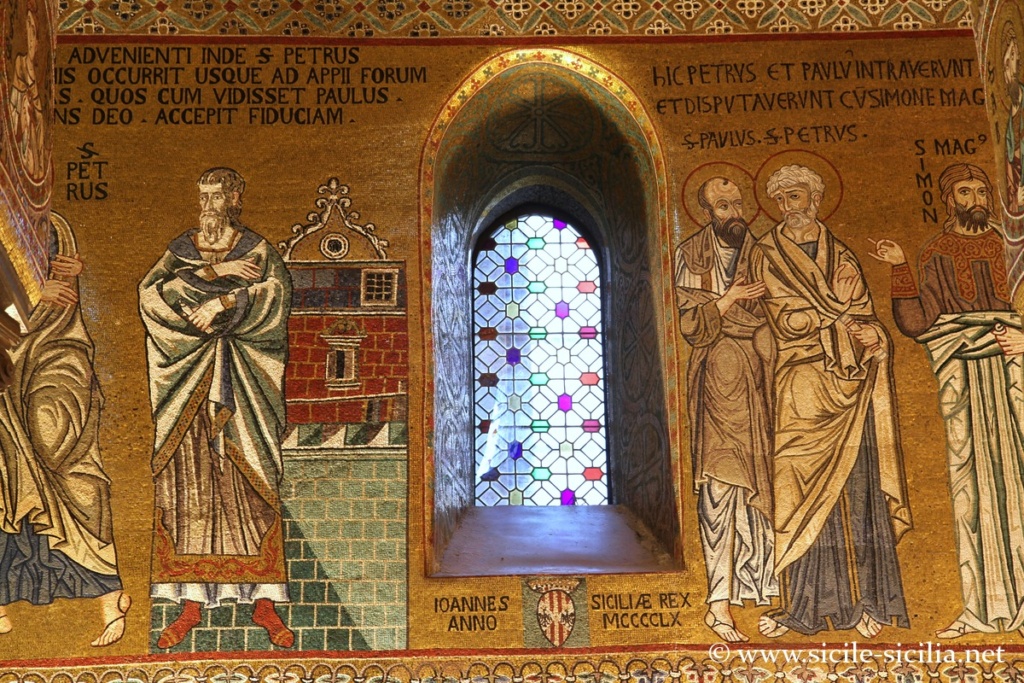
Exterior wall mosaics 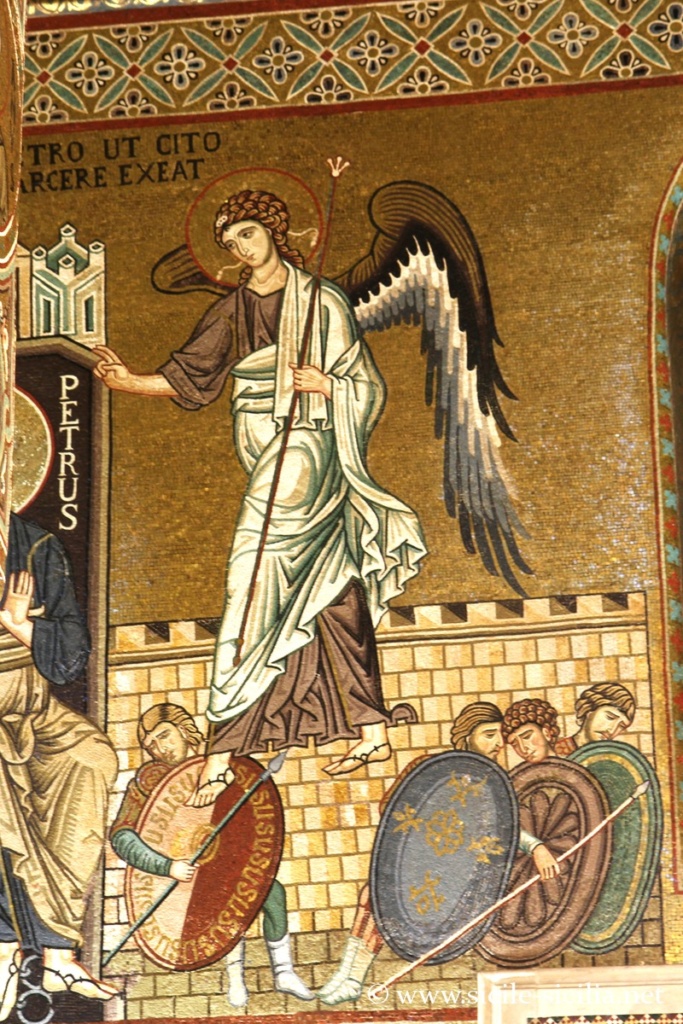
Exterior wall mosaics 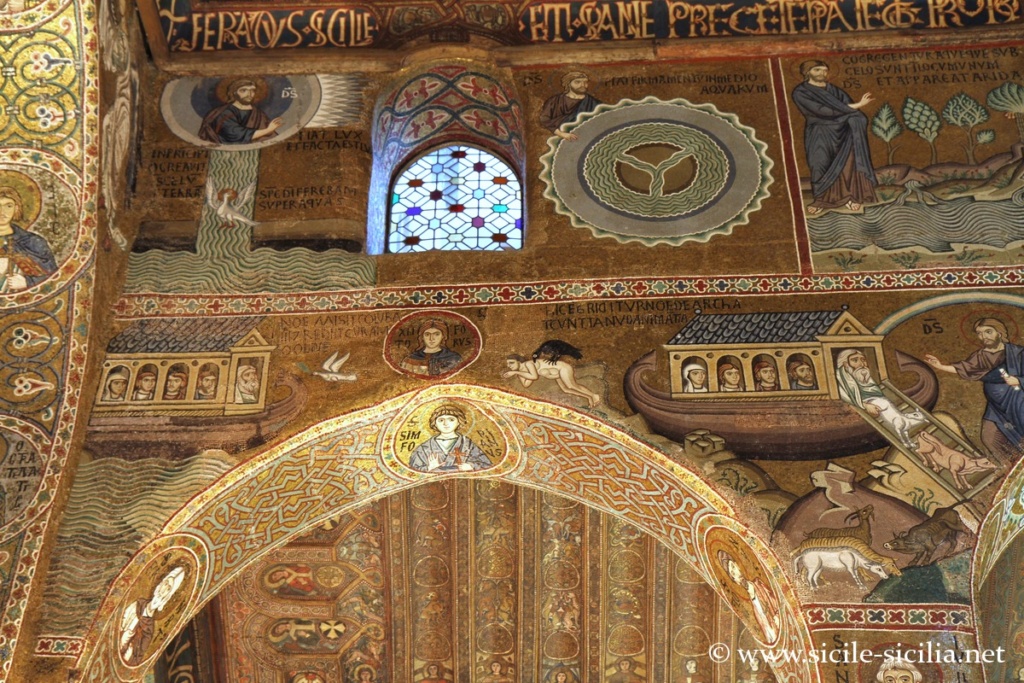
Old Testament Mosaics 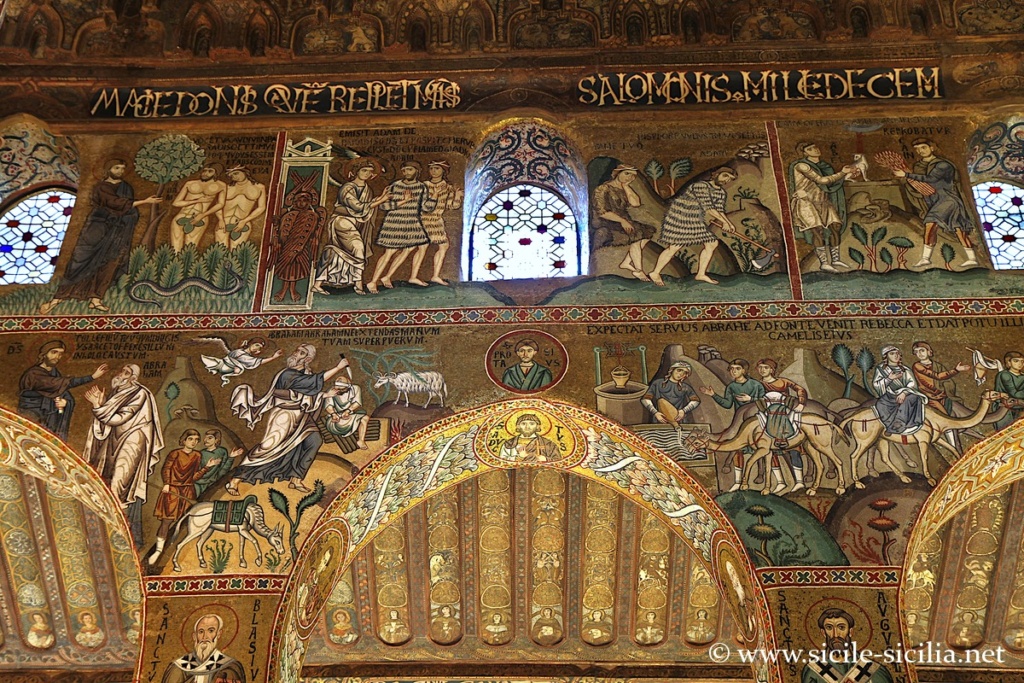
Old Testament Mosaics 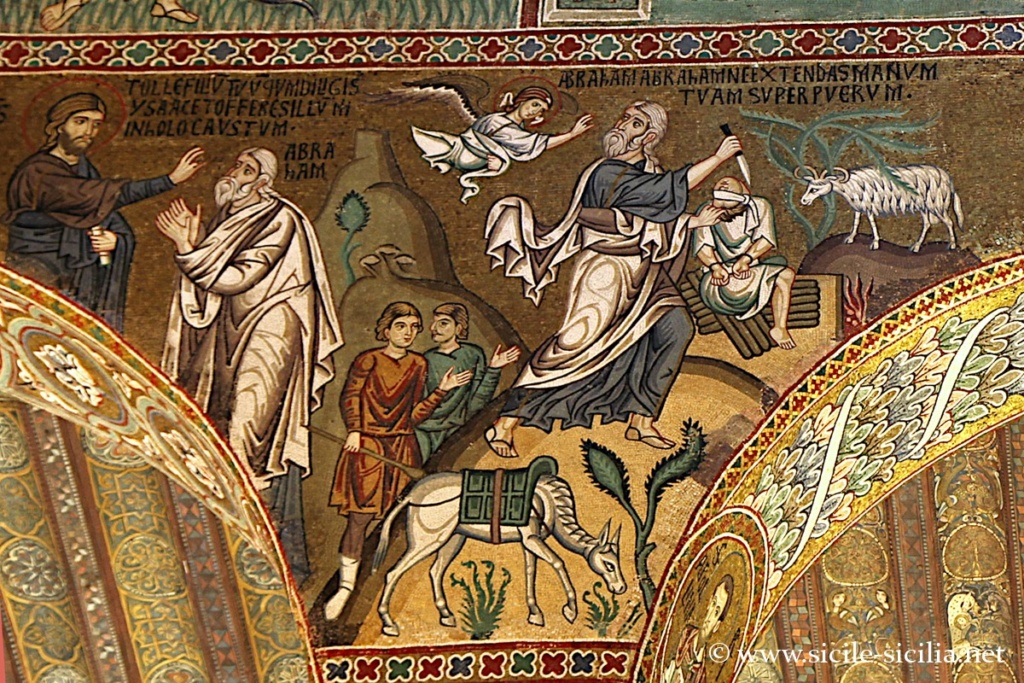
Old Testament Mosaics 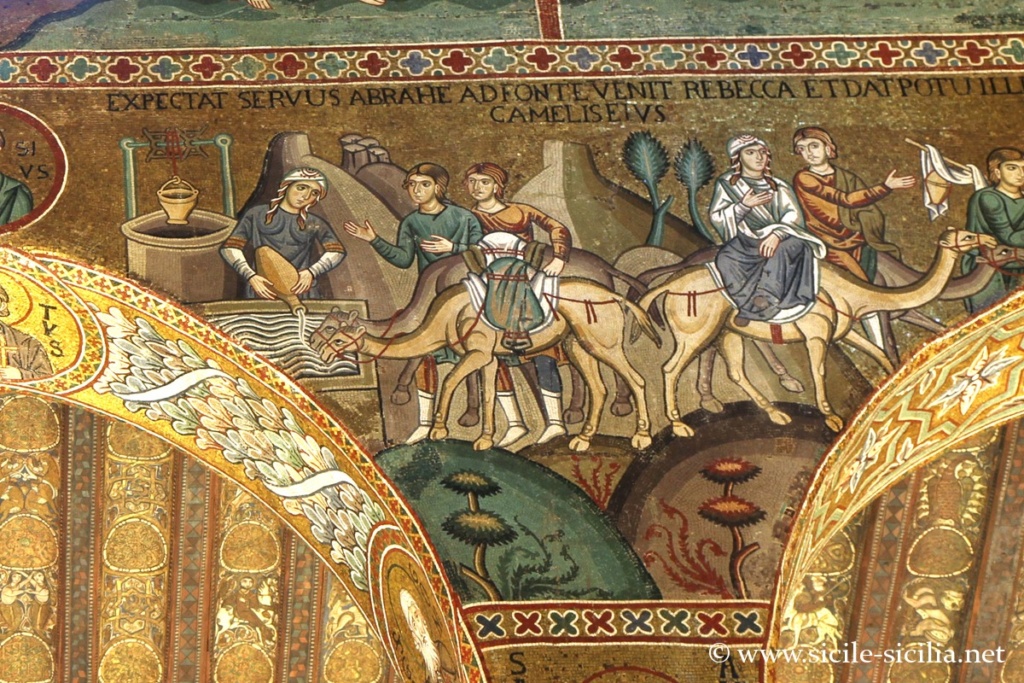
Old Testament Mosaics 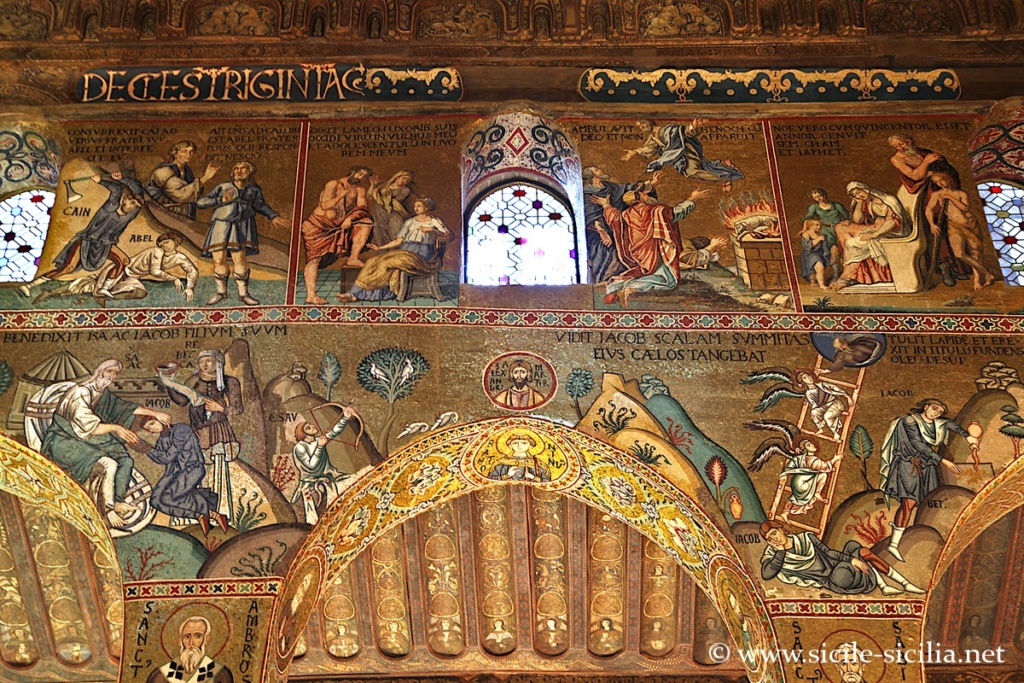
Old Testament Mosaics 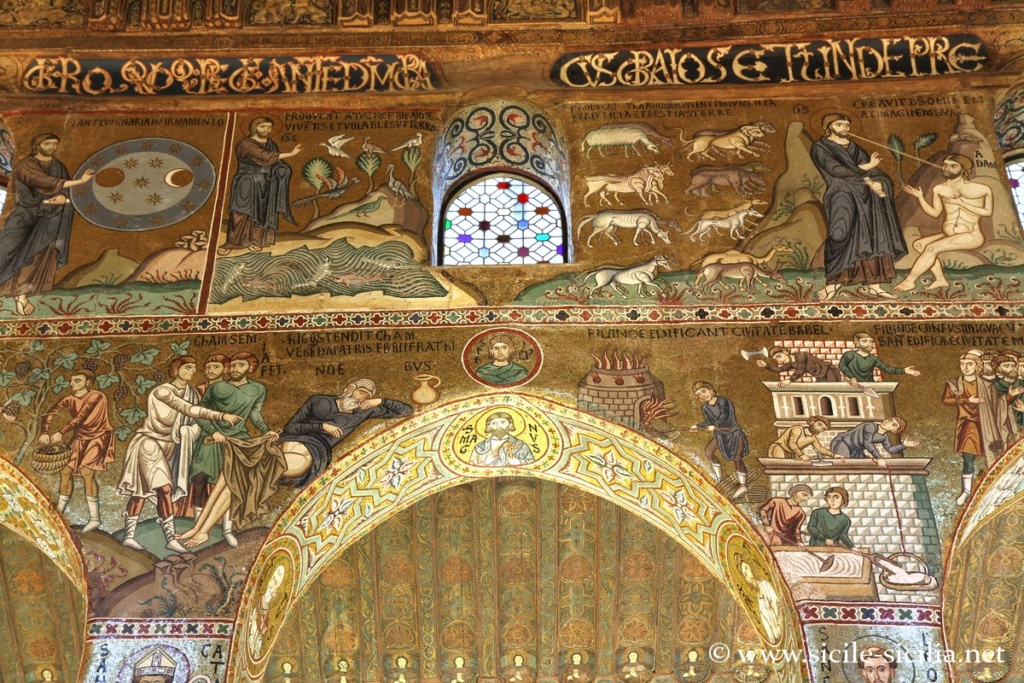
Old Testament Mosaics 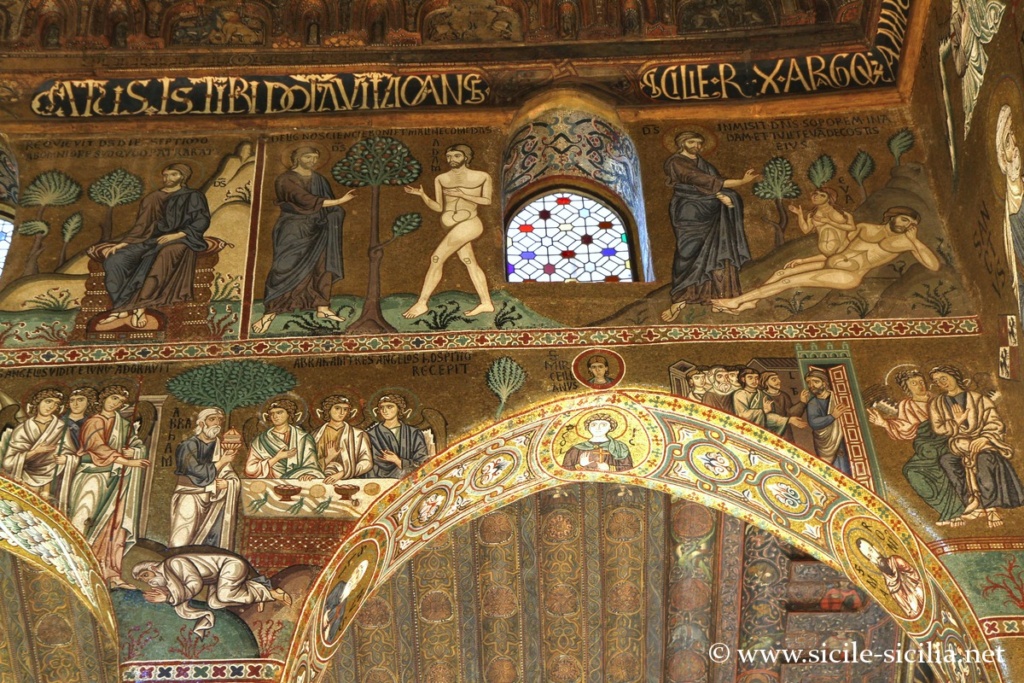
Old Testament Mosaics
Information
Cappella Palatina (Palazzo Reale)
Piazza del Parlamento, 1, 90134 Palermo
Sources and external sites
- Official website: Federico Secondo Foundation
- Palatine Chapel on Wikipedia
- Tourist portals: turismo.comune.palermo.it, www.palermoviva.it
- Blogs and others: www.medioevo.org