
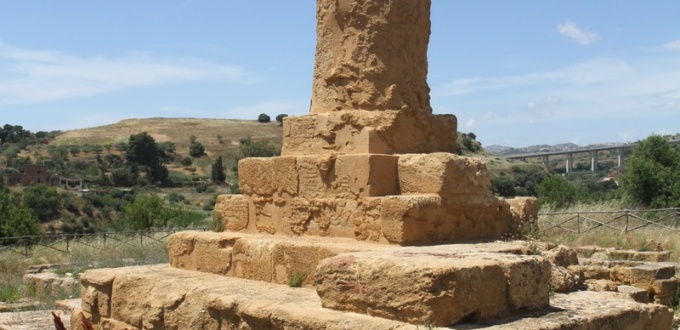
The Temple of Vulcan occupies the western tip of the rocky spur that forms the Valley of the Temples of Agrigento, on the ridge outside the modern settlement. It dates from the Classical period, around 430 BC, with a peripteral Doric plan, hexastyle, 6 × 13.
Presentation and historical overview
The Temple of Vulcan can be reached on foot, via the path that descends from the northern edge of the sanctuary of the chthonic deities down to the Kolymbetra, then climbs the hill up to the (disused) railway line. It can also be reached by car via the 115, then following a dirt track passing under the railway bridge.
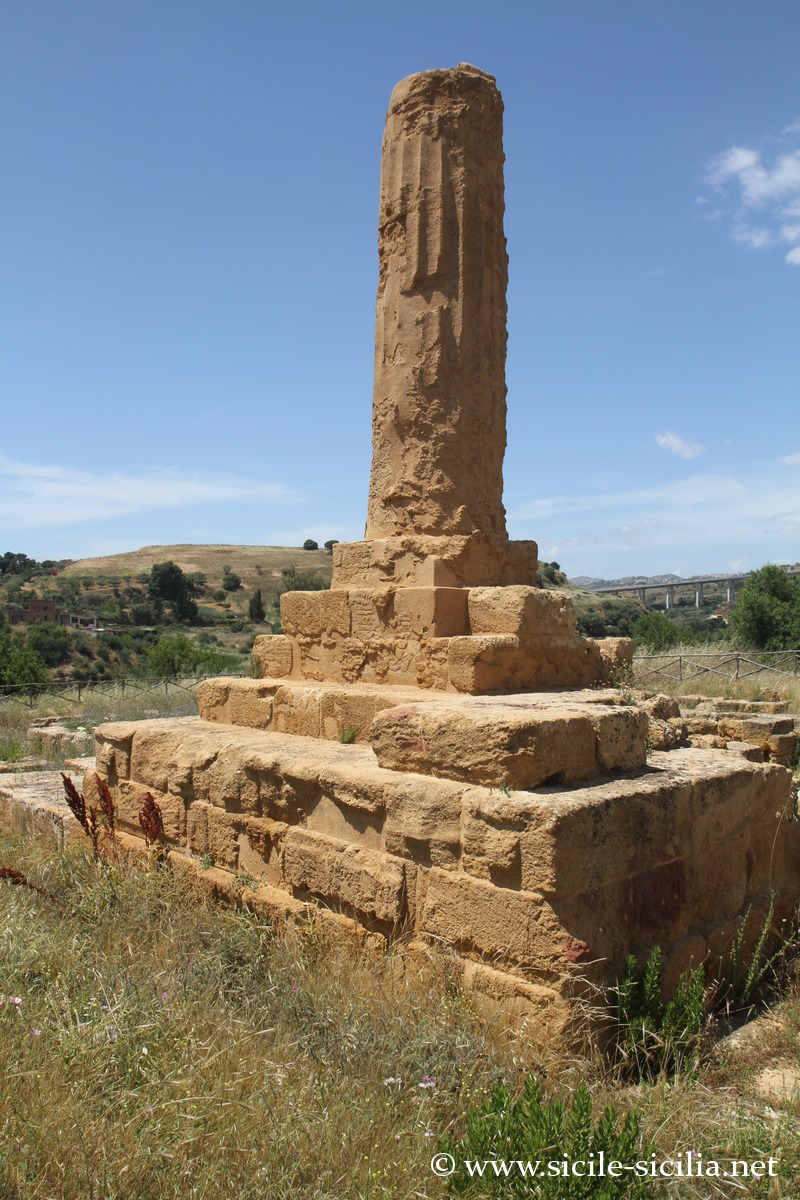
Temple of Vulcan
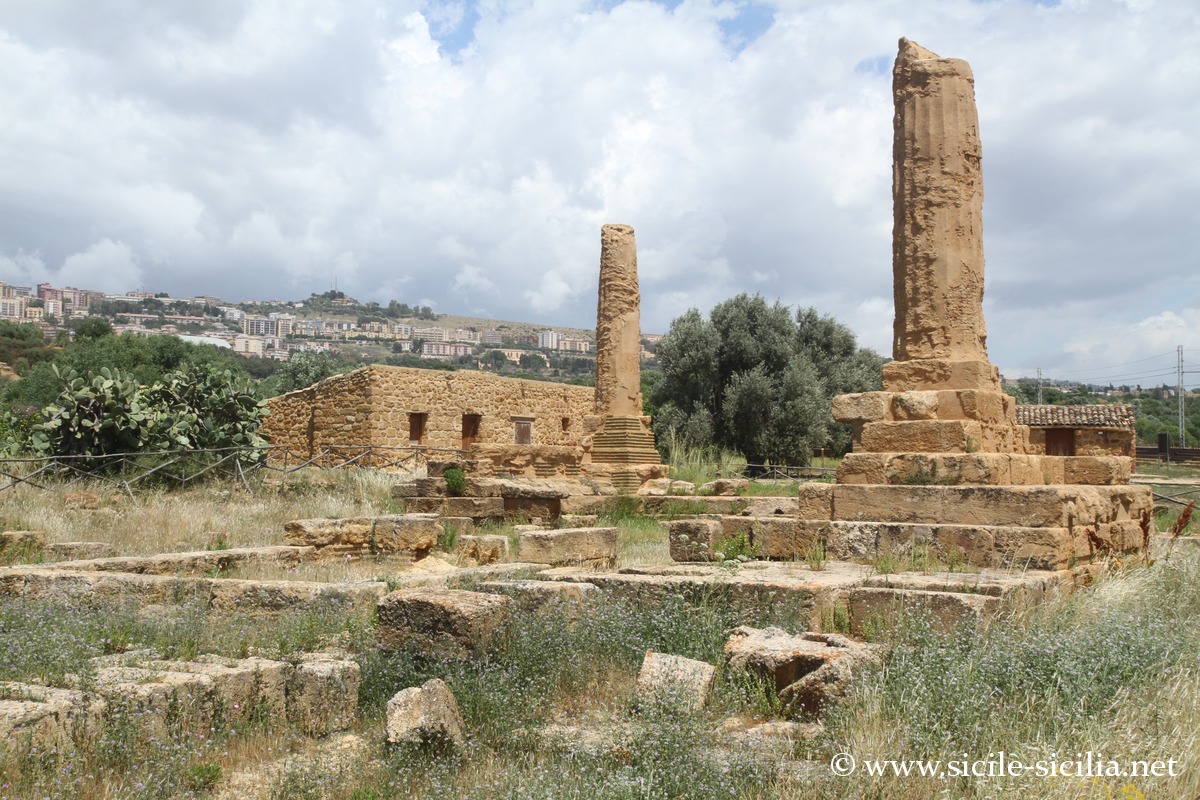
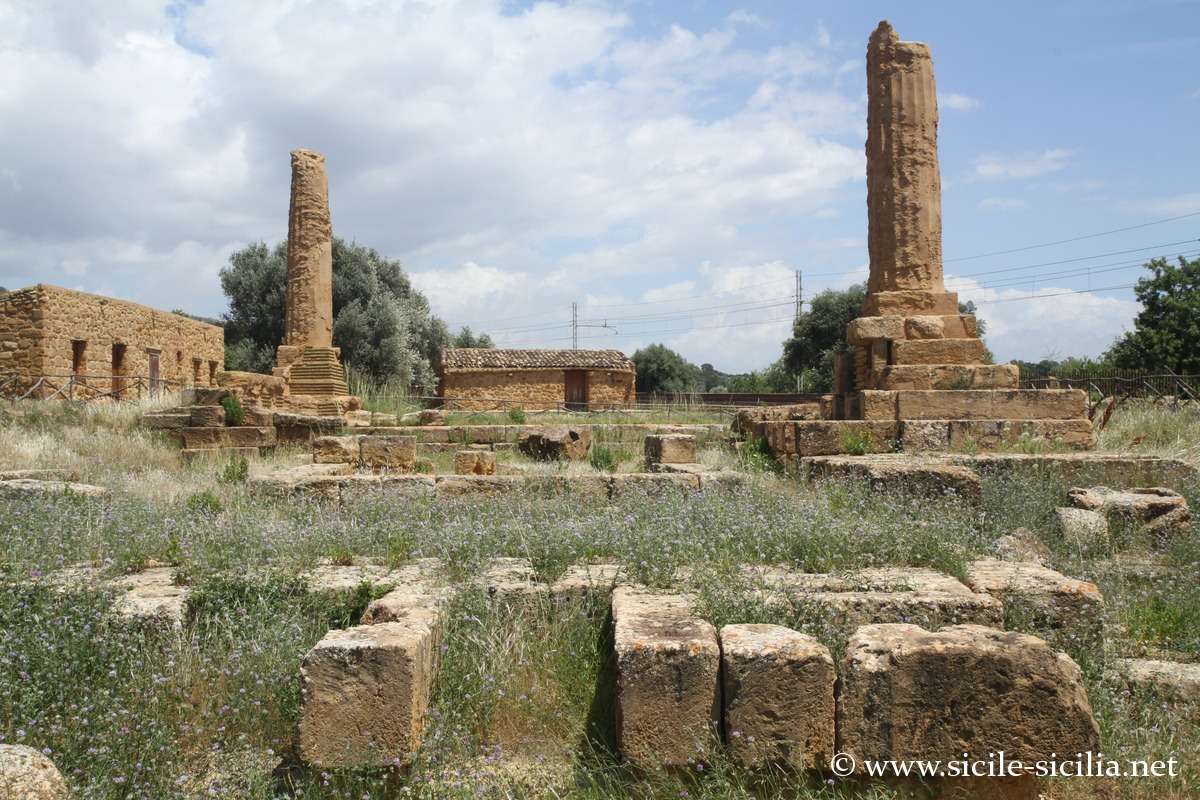
The temple was built on the remains of an archaic sacellum, incorporated into the foundations, whose terracotta decorative elements have been brought to light. Only portions of the crepidoma and a few columns survive.
The temple is of the peripteral type, Doric order, hexastyle, with thirteen columns on the long sides.
Little remains of the elevated part, with two portions of the crepidoma with four steps and two columns. Inside, the cella with pronaos and opisthodomos can be distinguished.
Certain elements show Ionic influences, such as the cornice decorated with egg-and-dart and dentils, or column shafts with a fluted face.
The name “Temple of Vulcan” is a conventional attribution based on an ancient Latin text mentioning a place called “Collis Vulcanius” near Akragas, and not on archaeological or epigraphic evidence. The actual origin of the cult practiced in this temple remains unknown
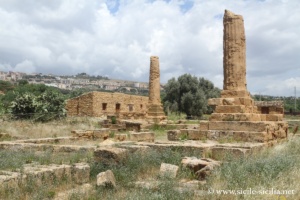
Temple of Vulcan 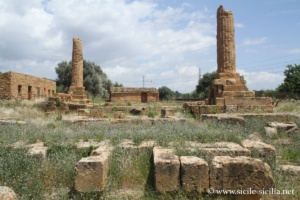
Temple of Vulcan
Where the Temple of Vulcan is located in Agrigento
If you see this after your page is loaded completely, leafletJS files are missing.
Information
External sites
- Official website: www.museionline.info/tipologie-museo/tempio-di-efesto-agrigento
- Wikipedia page: it.wikipedia.org
Articles on the Valley of the Temples of Agrigento
- Valley of the Temples of Agrigento
 In antiquity, Agrigento was one of the most powerful Mediterranean cities of ...
 - Temple of Concordia in Agrigento
 Built between 440 and 430 BC, the Temple of Concordia, located on ...
 - Temple of Hera or Juno in Agrigento
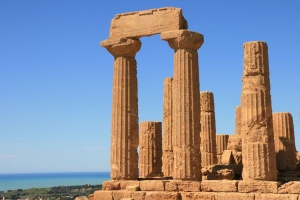 Situé à l’extrémité de la crête, le Temple d’Héra, également désigné sous ...
 - Temple of Olympian Zeus in Agrigento
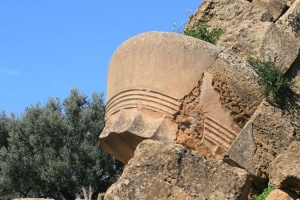 Located in the Valley of the Temples of Agrigento, the Temple of ...
 - Temple of Hercules in Agrigento
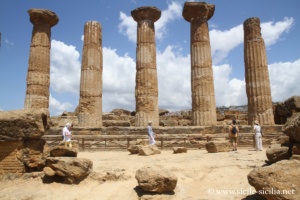 Although its remains are more modest than those of other monuments in ...
 - Temple of the Dioscuri in Agrigento and western sector
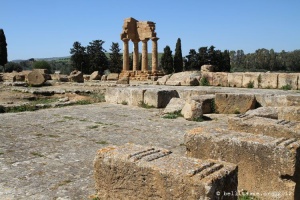 À l’ouest du Temple de Zeus se développe un secteur d’habitation, suivi ...
 - Regional Archaeological Museum of Agrigento and San Nicola
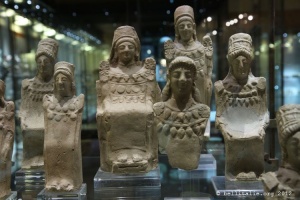 Le Musée Archéologique Régional d’Agrigente, officiellement nommé Museo Archeologico Regionale “Pietro Griffo”, ...
 - Kolymbethra Garden in Agrigento
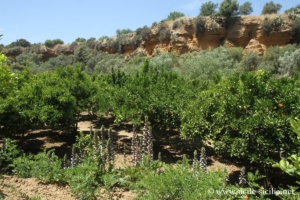 Le jardin de Kolymbethra se trouve au cœur du parc archéologique de ...
 - Hellenistic-Roman Quarter and Upper Agora
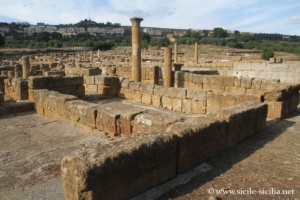 Près du musée archéologique d’Agrigente se trouvent plusieurs zones de vestiges, dont ...
 - Rupe Atenea and Temple of Demeter
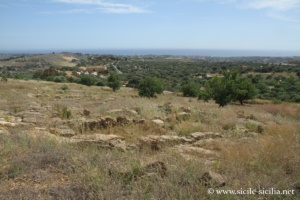 La Rupe Atenea constitue le point le plus élevé et l’acropole naturelle ...
Comments in other languages
Charming corner of the Valley of the Temples where few visitors take the trouble to venture. Admittedly, the remains there are modest in comparison with the rest of the site.