
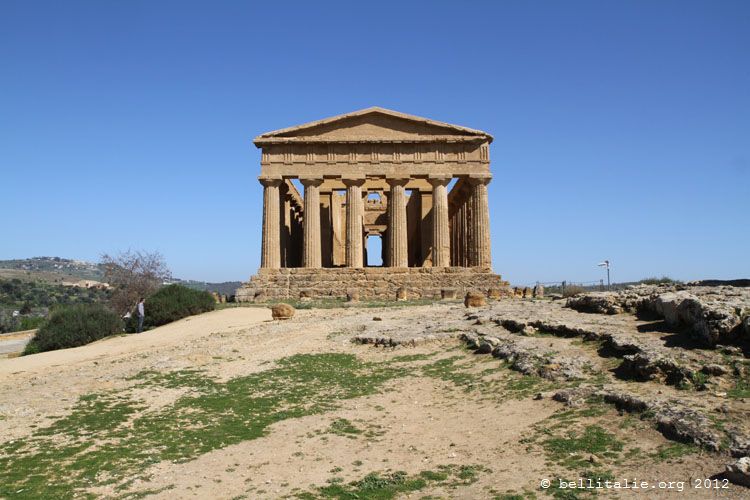
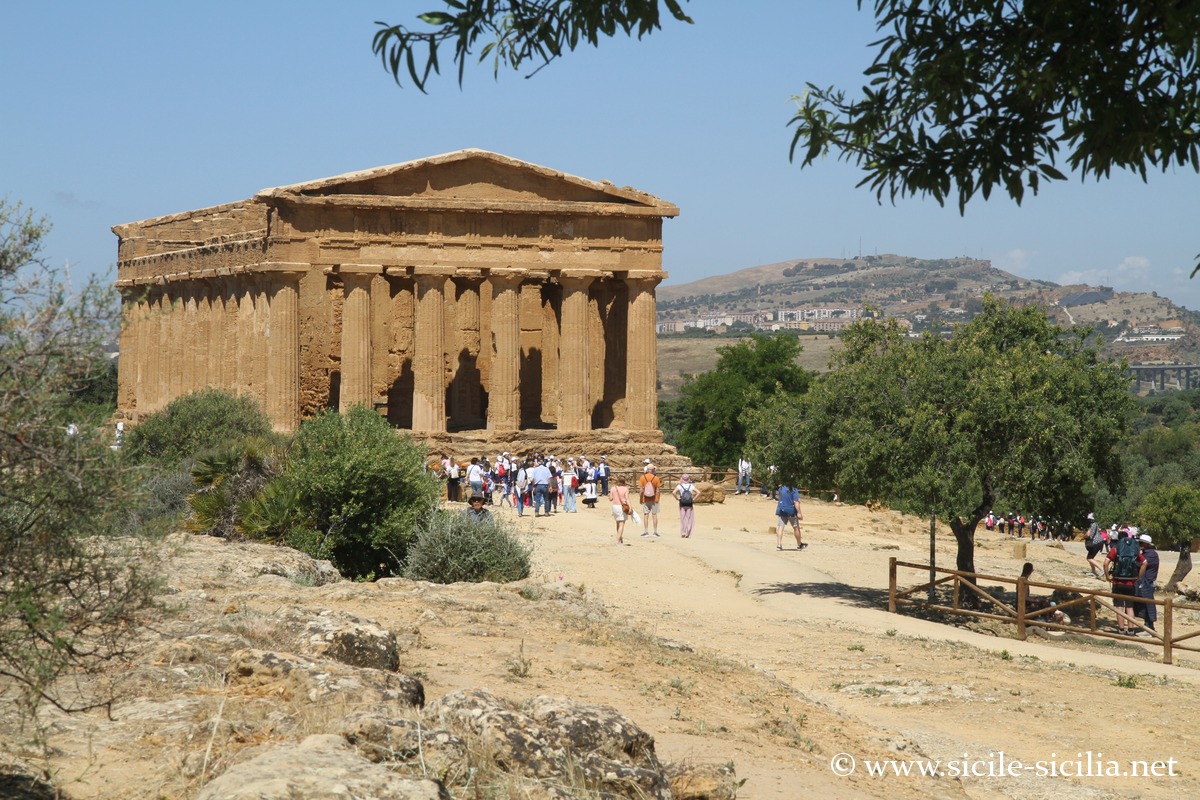
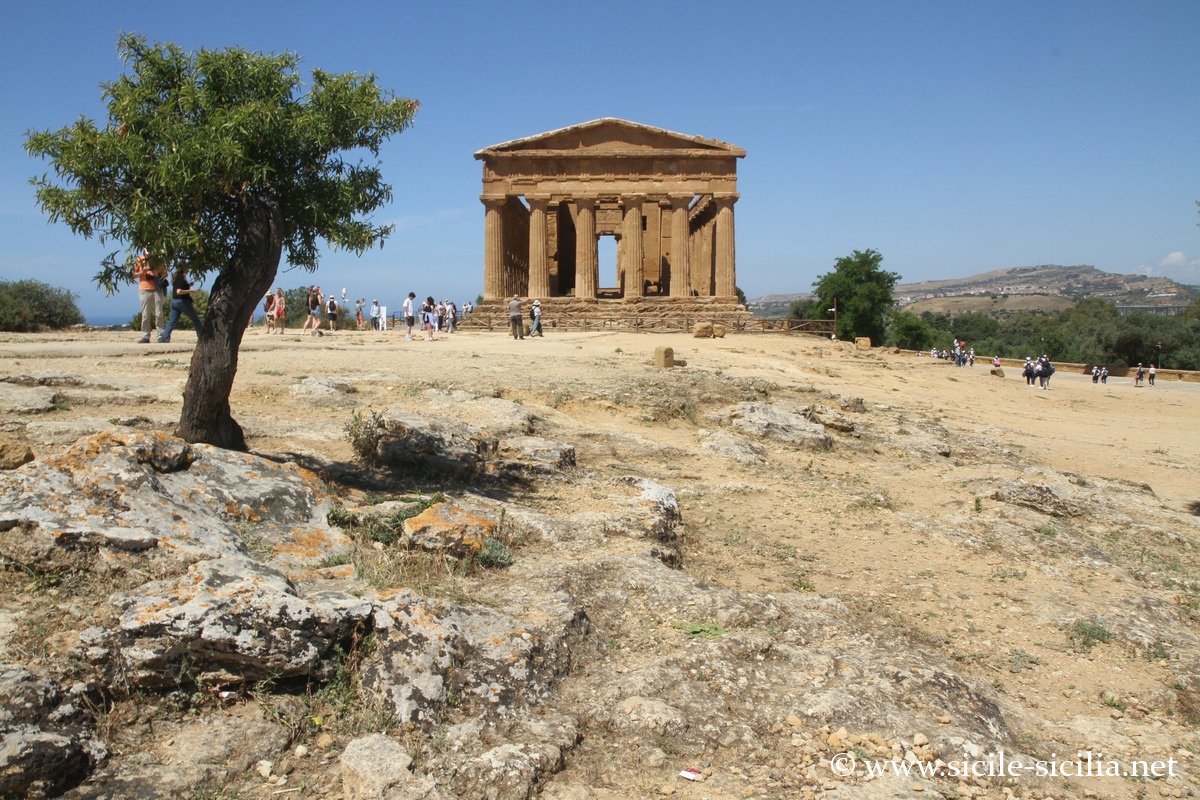
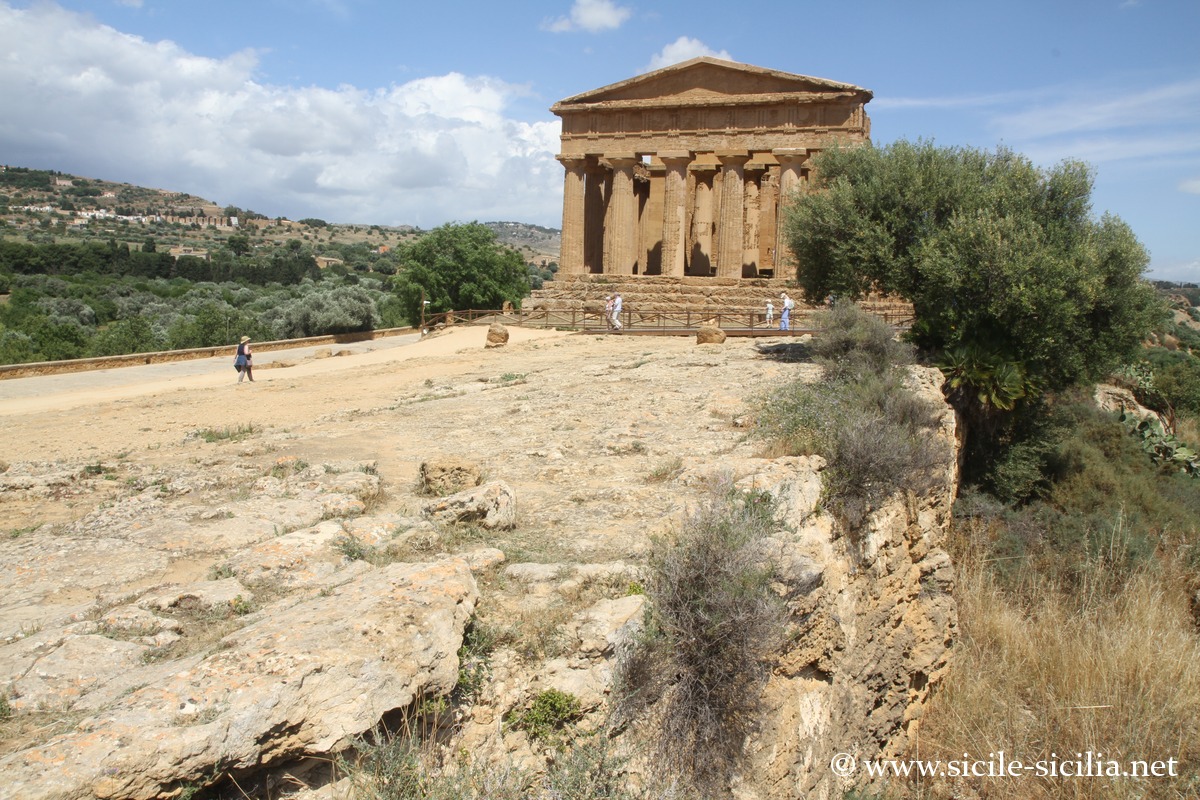
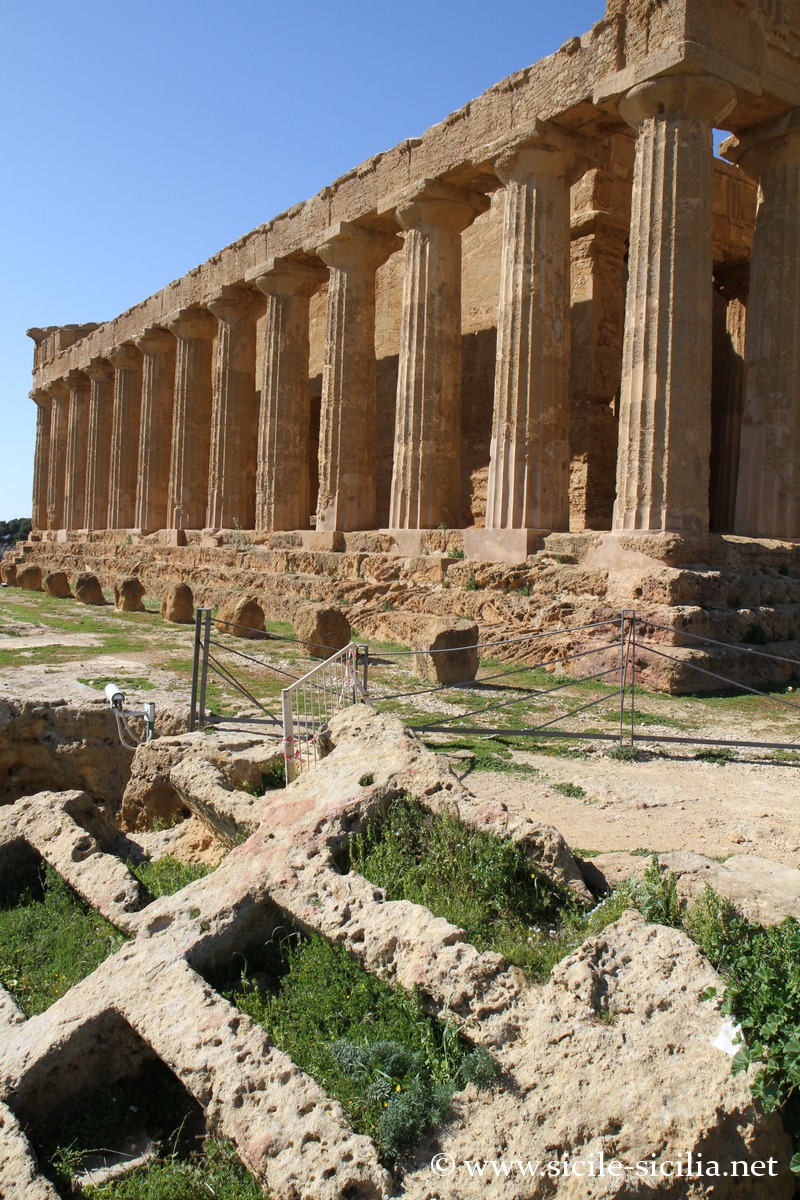
Built between 440 and 430 BC, the Temple of Concordia, located on the ridge of the Valley of the Temples of Agrigento, is among the best-preserved Doric buildings of the Greek world. This dating is connected to the phase of monumental development of Akragas at the heart of the classical period, after the tyranny of Theron.
Presentation and history of the temple
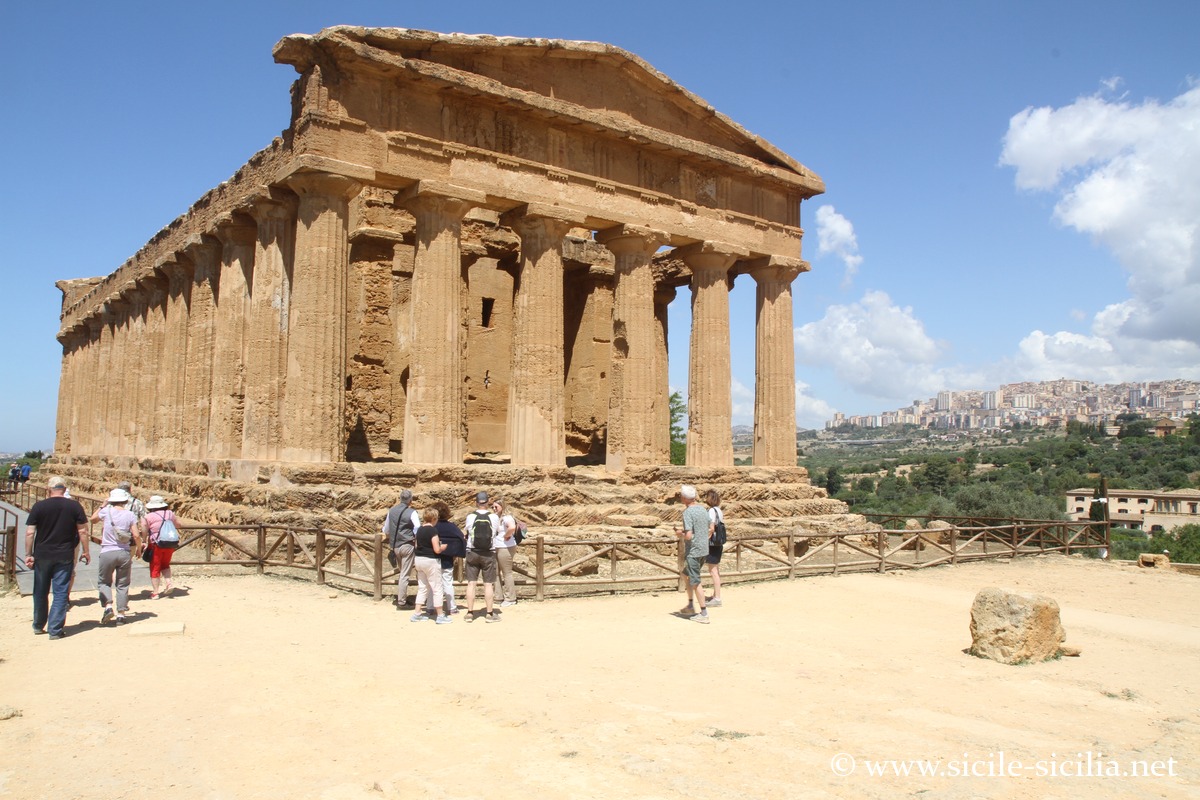
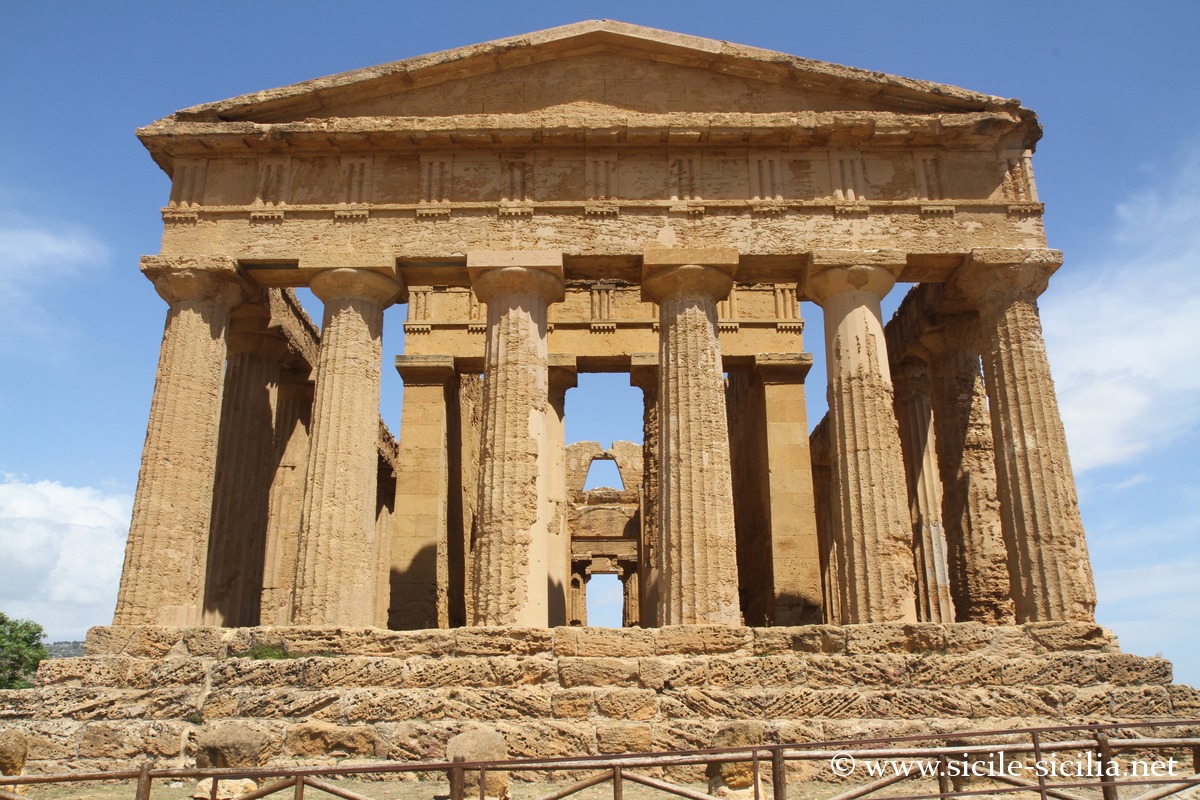
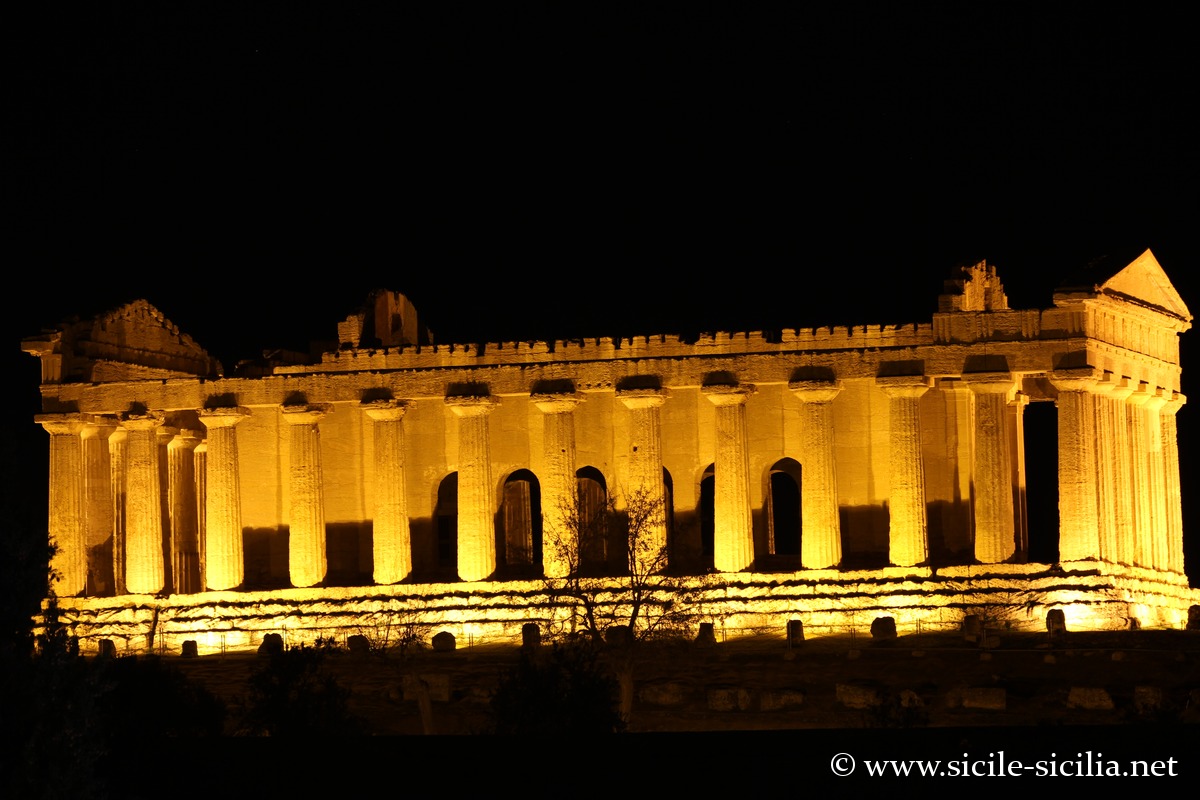
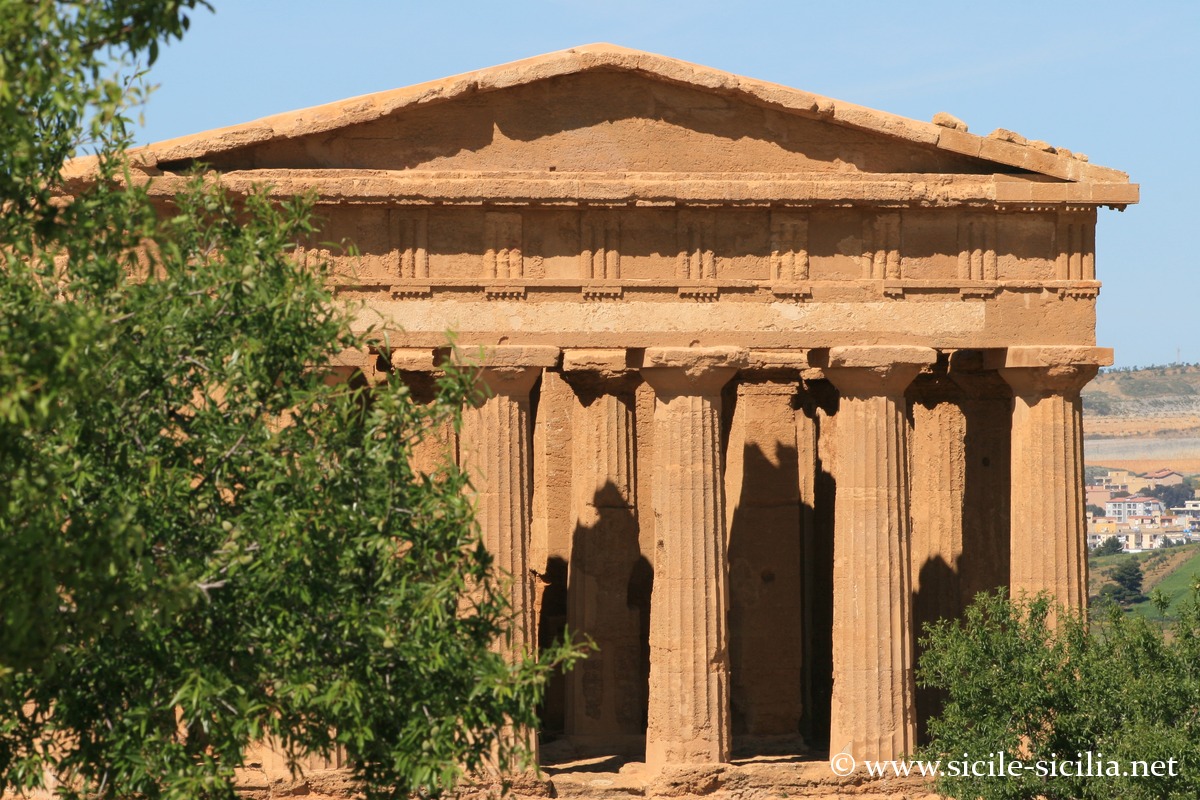
The exceptional condition of the Temple of Concordia is explained in particular by its conversion into a Christian basilica in the 6th century, a transformation generally attributed to Bishop Gregory of Agrigento. This adaptation included the sealing of the spaces between the columns and the opening of arcades in the walls of the cella.
It was restored from 1748, when the Duke of Serradifalco carried out a stabilization of the monument. The arcades visible today in the cella are directly linked to the phase of Christian use.
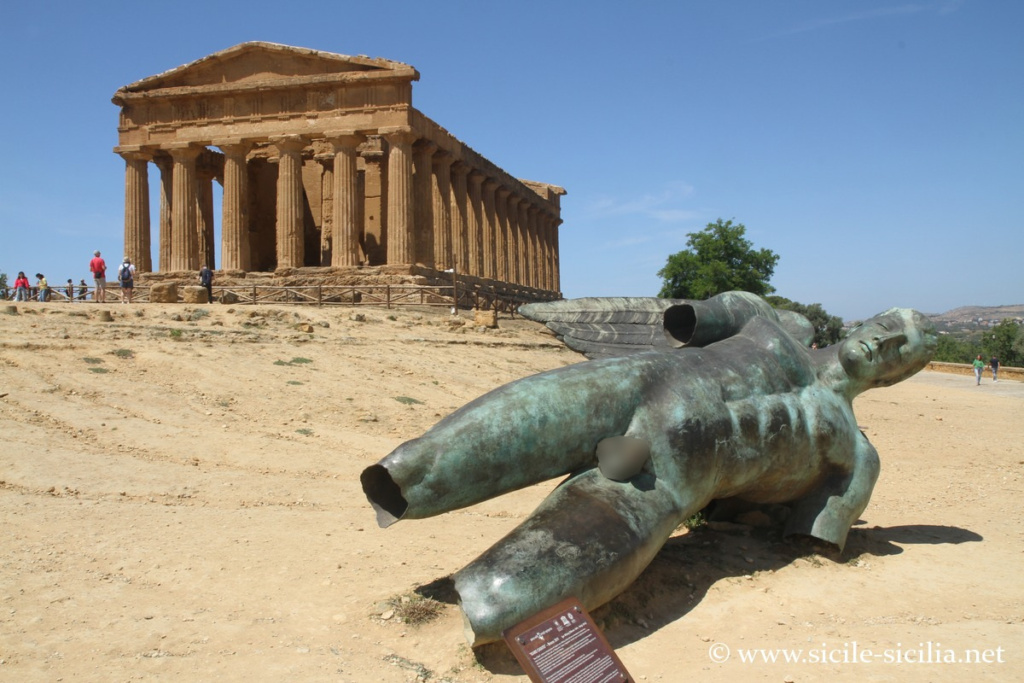
Temple of Concordia
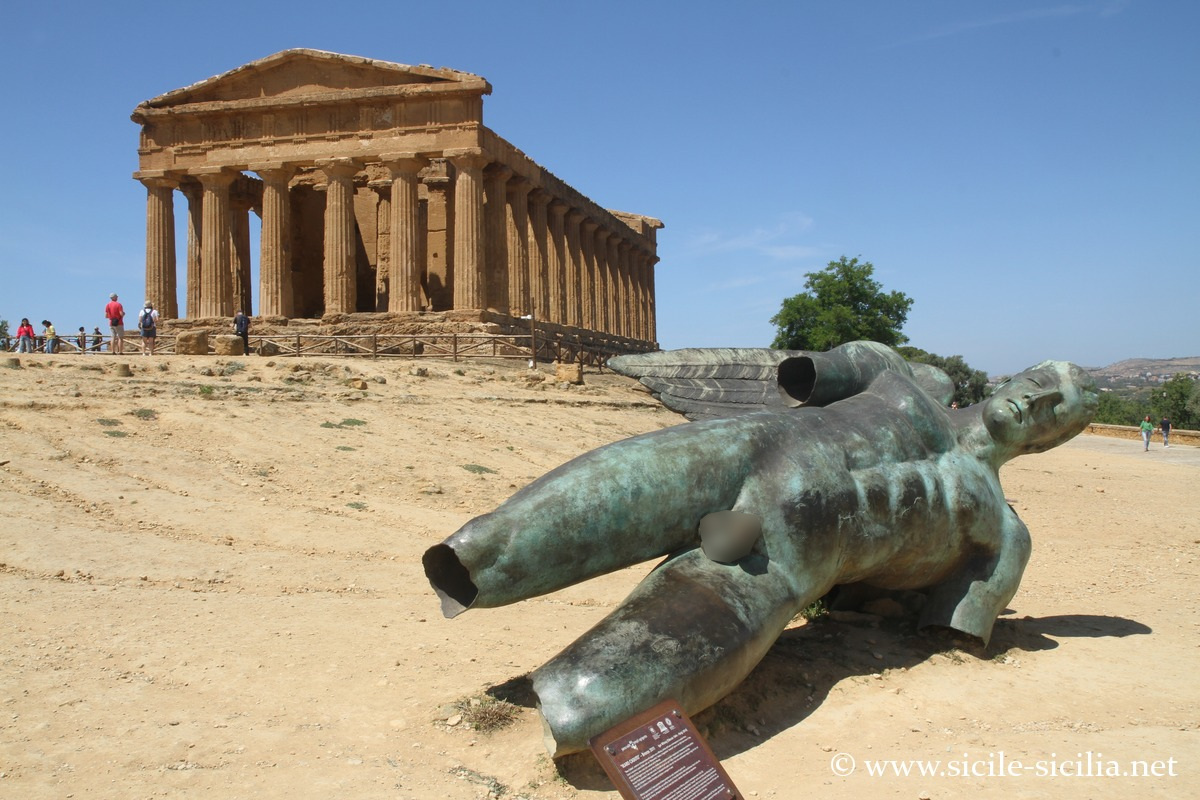
The deity to whom the temple was dedicated remains unknown. The name “Temple of Concordia” comes from Tommaso Fazello, who introduced it after the discovery of a Roman inscription mentioning concord, unrelated to the building. No hypothesis regarding a possible attribution to Hera, Apollo or Heracles could be confirmed for lack of material evidence.
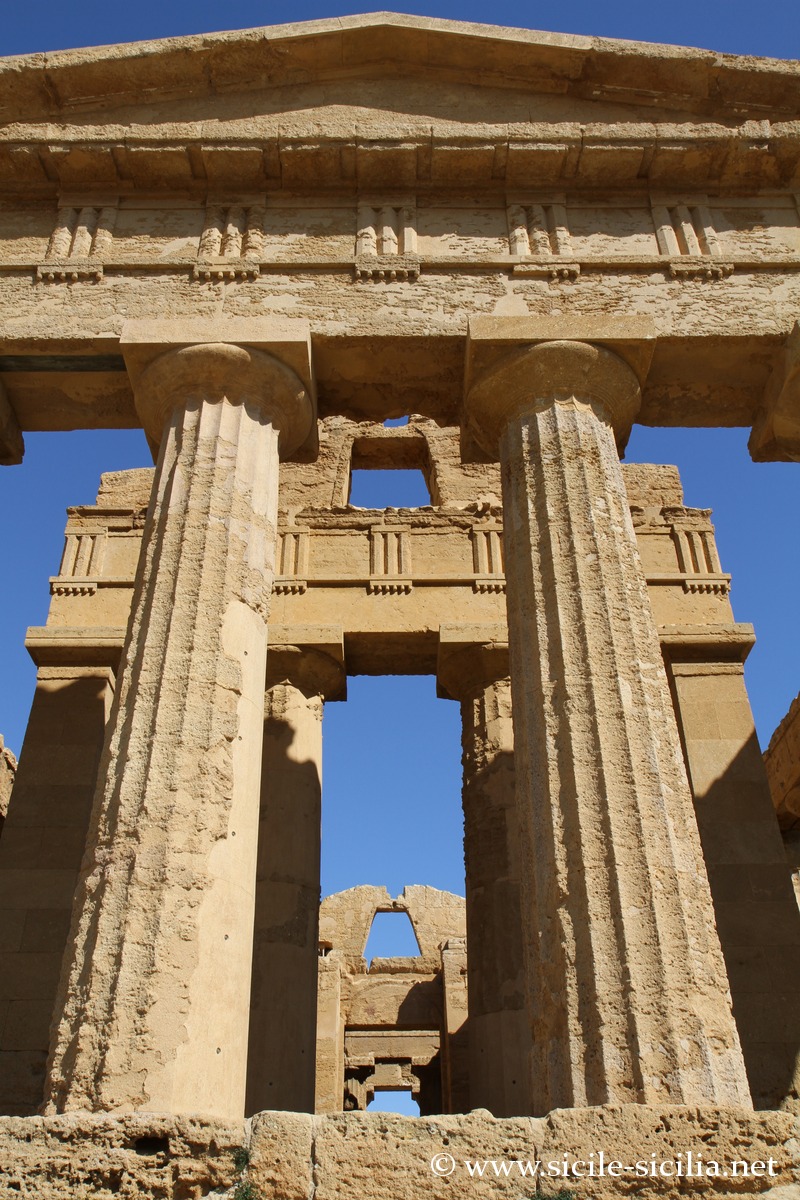
Temple of Agrigento
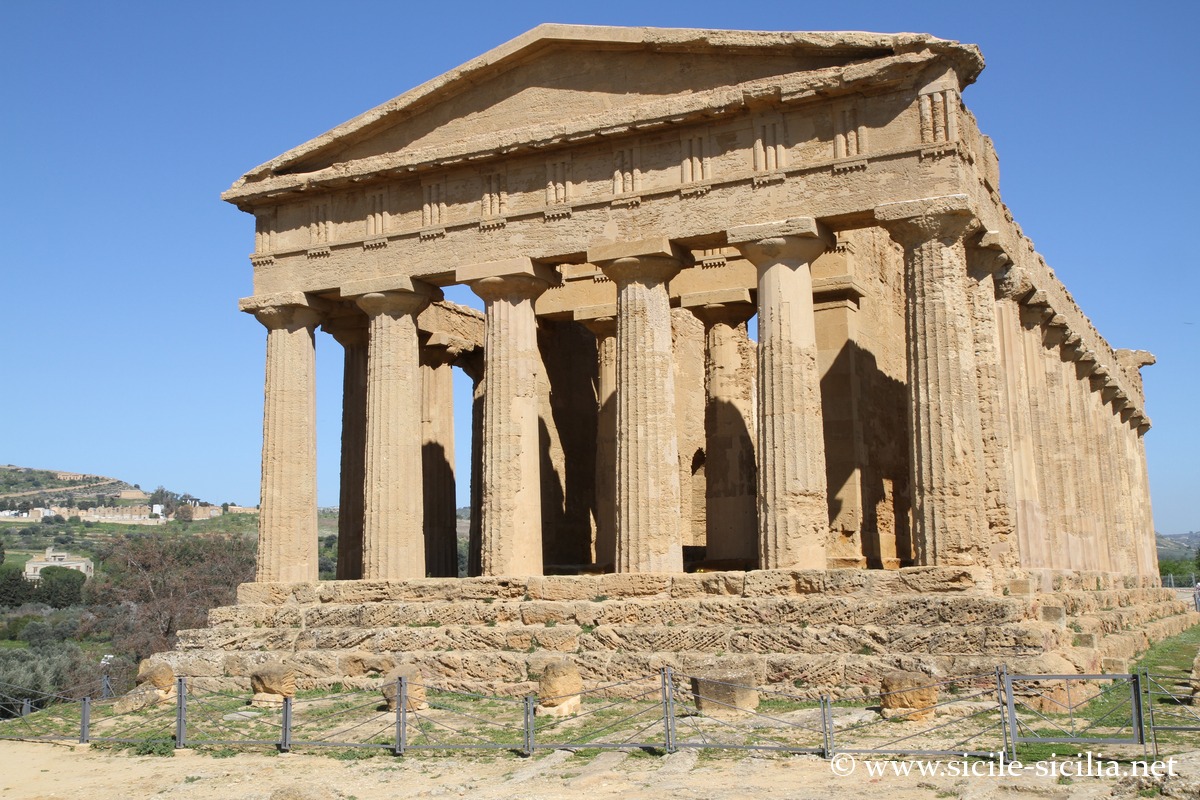
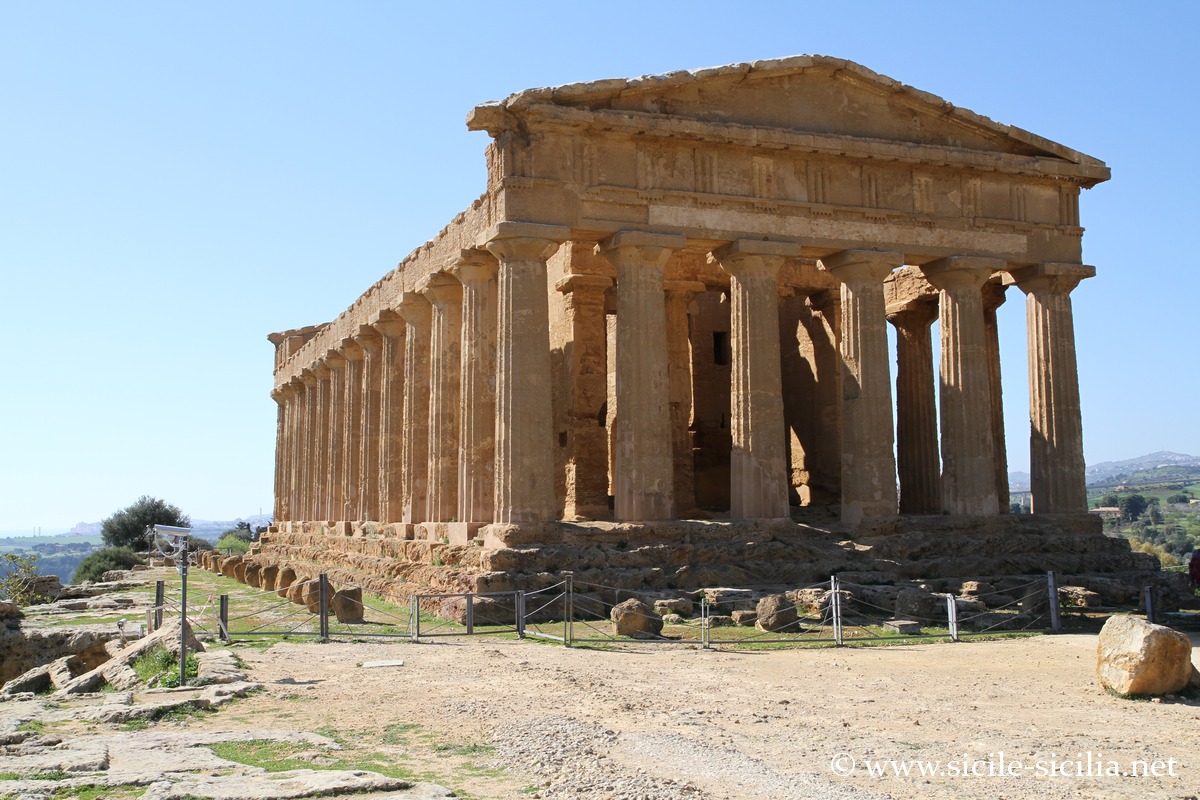
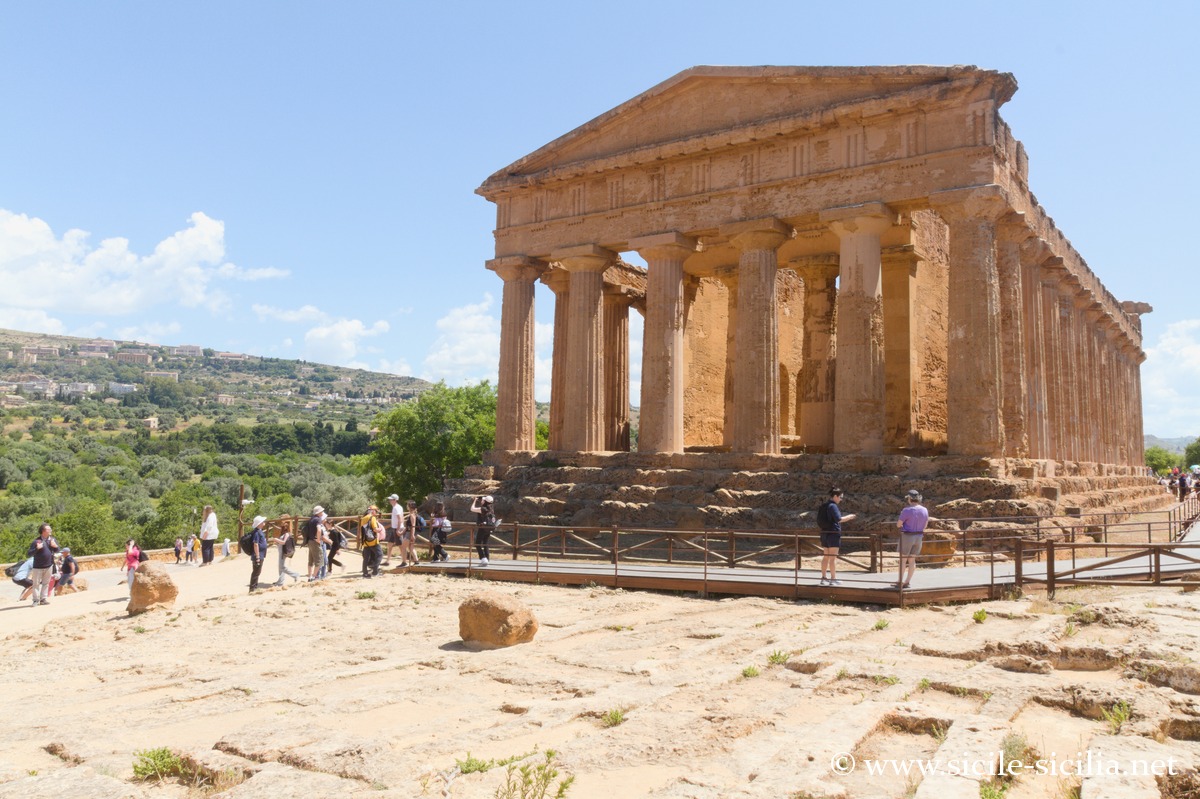
Architecturally, the temple is a Doric peripteros of 6 × 13 columns, resting on a stylobate of approximately 16.9 × 39.4 meters.
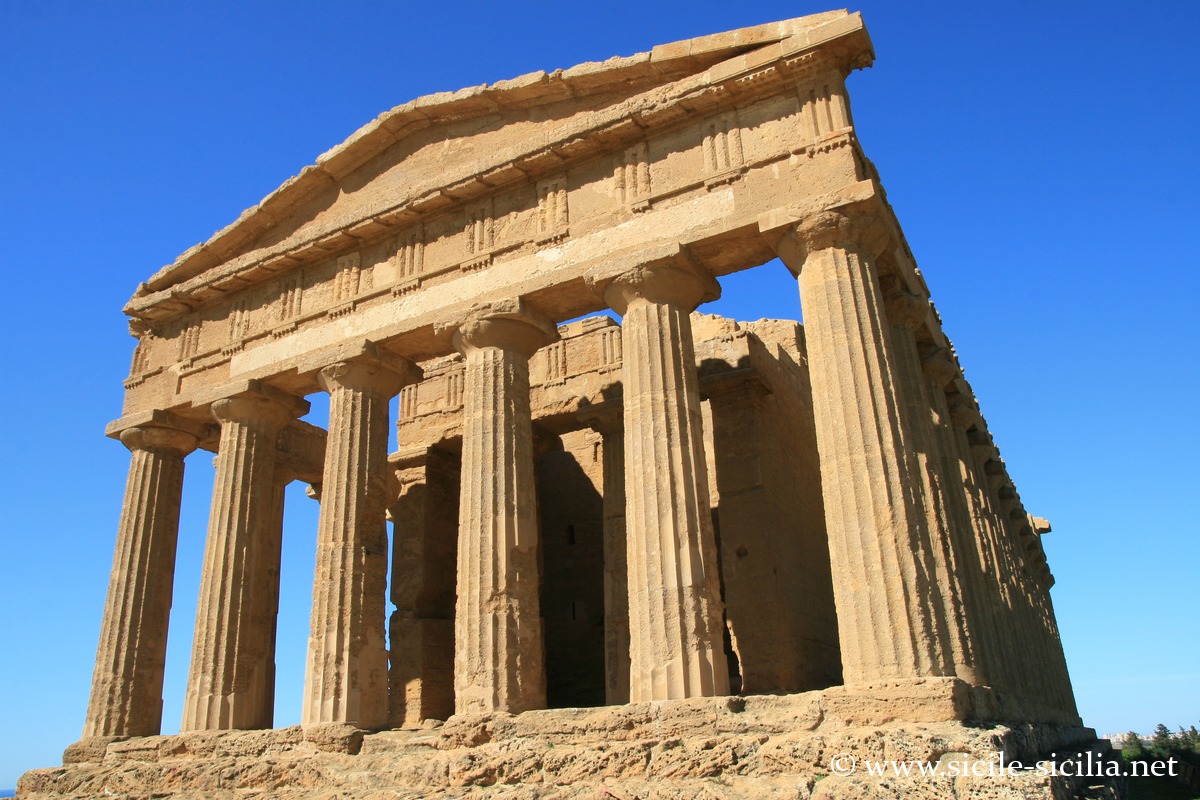
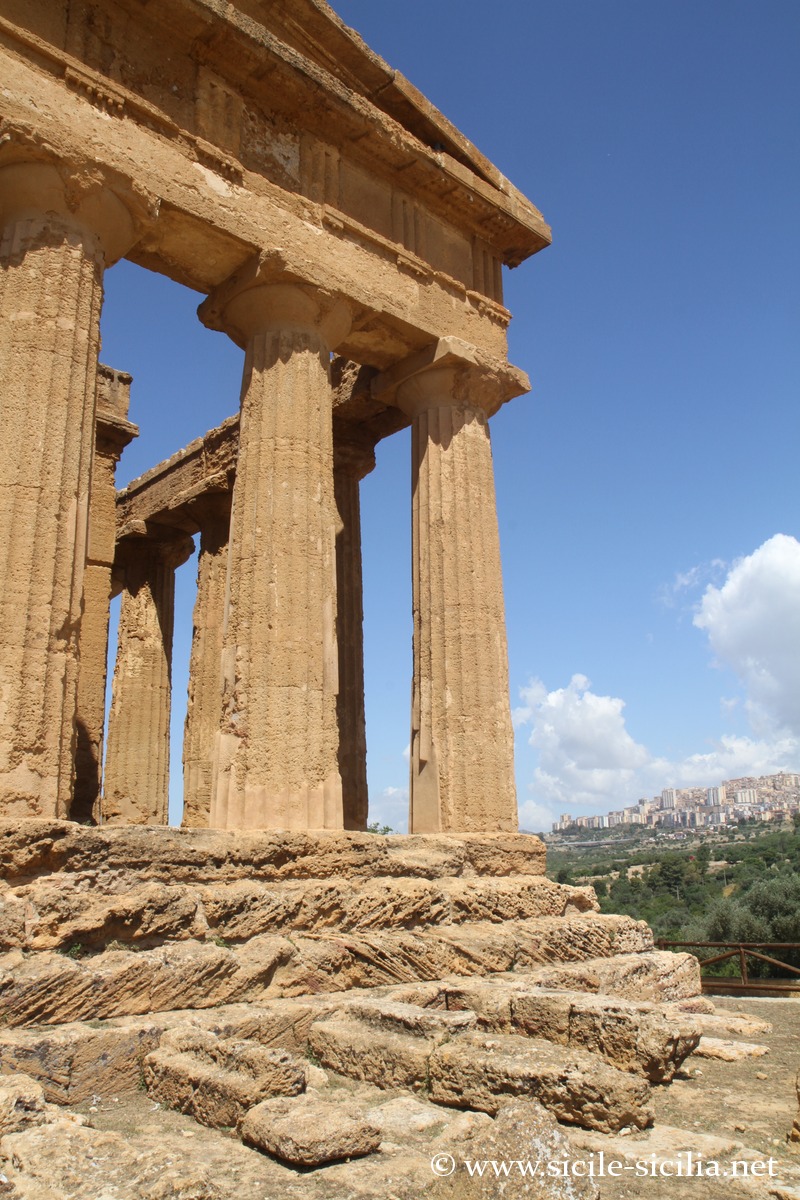
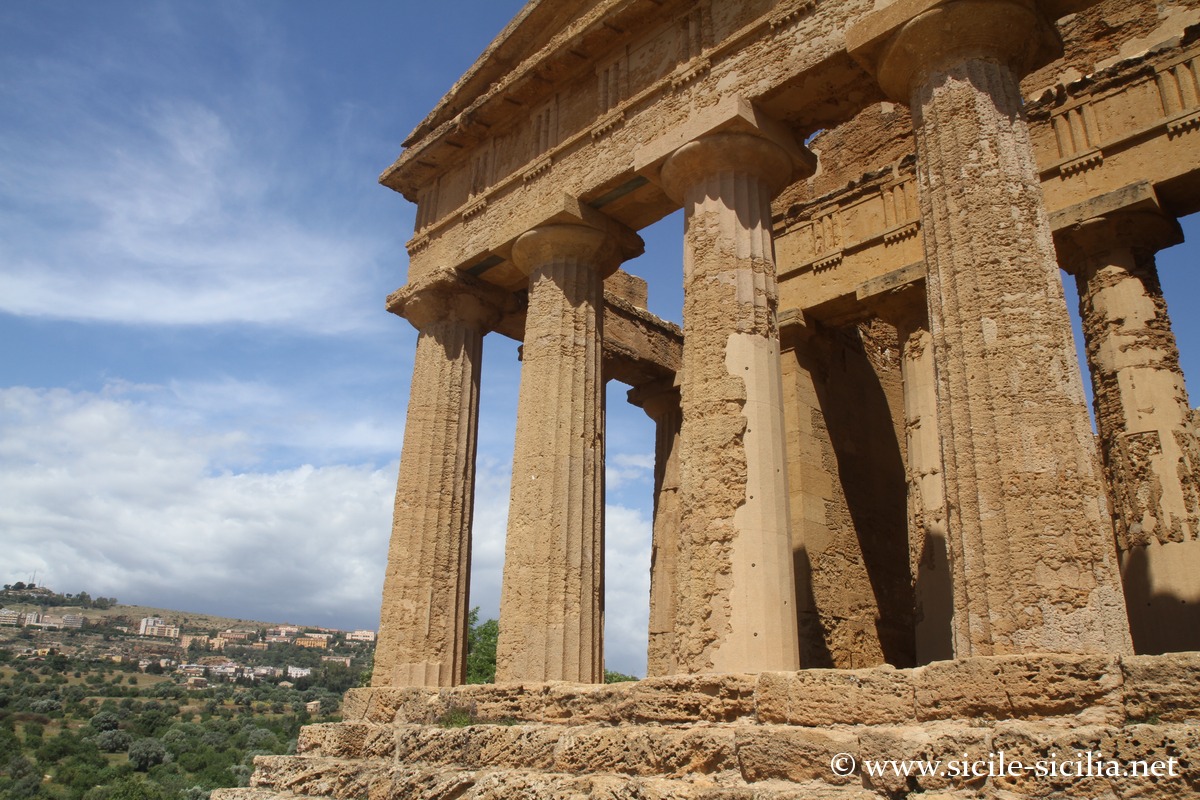
The builders applied to it the visual corrections characteristic of classical Doric architecture: entasis, which gives the columns a slight swelling toward the upper 2/3 to correct optical illusions, as well as the inward inclination of the columns at the edges of the facades to avoid any effect of divergence. The columns are tapered toward the top to make them appear illusorily larger. Thus an observer standing opposite at a certain distance perceives it as perfectly straight.
The building is constructed of local calcarenite, once covered with a stucco coating intended to imitate the appearance of marble. Unlike other temples in the valley, it was never entirely dismantled, which contributes to its remarkable state of preservation;
Where is the Temple of Concordia in Agrigento
If you see this after your page is loaded completely, leafletJS files are missing.
Photo gallery
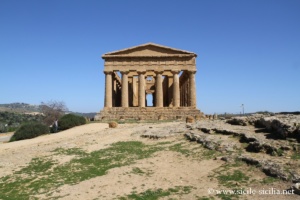
Temple of Concordia 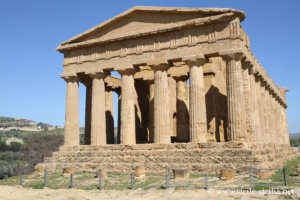


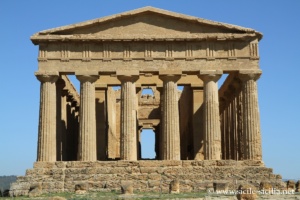
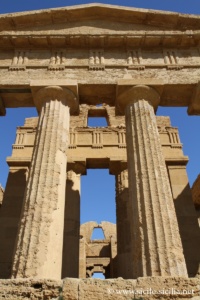

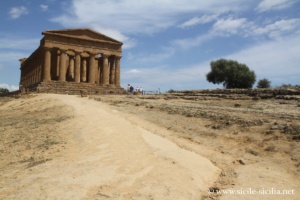
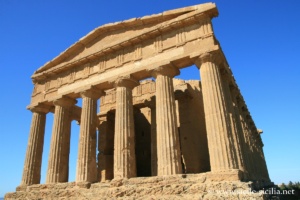
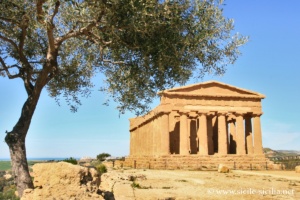
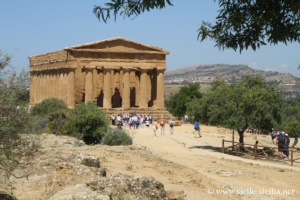
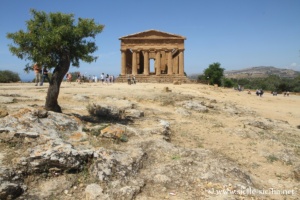
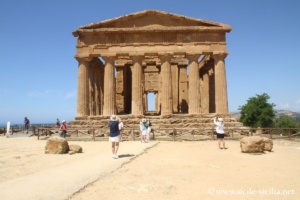



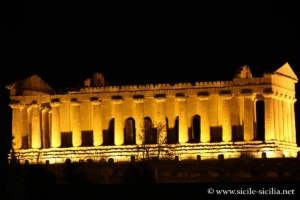
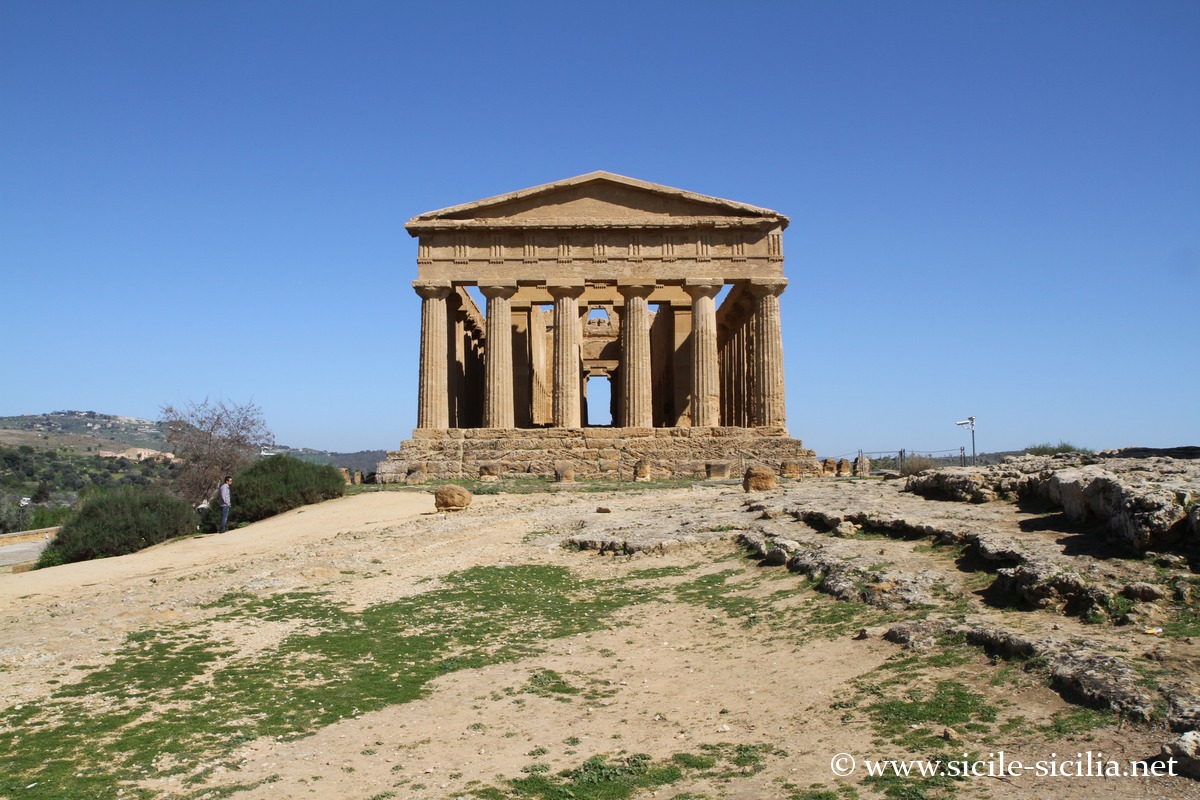
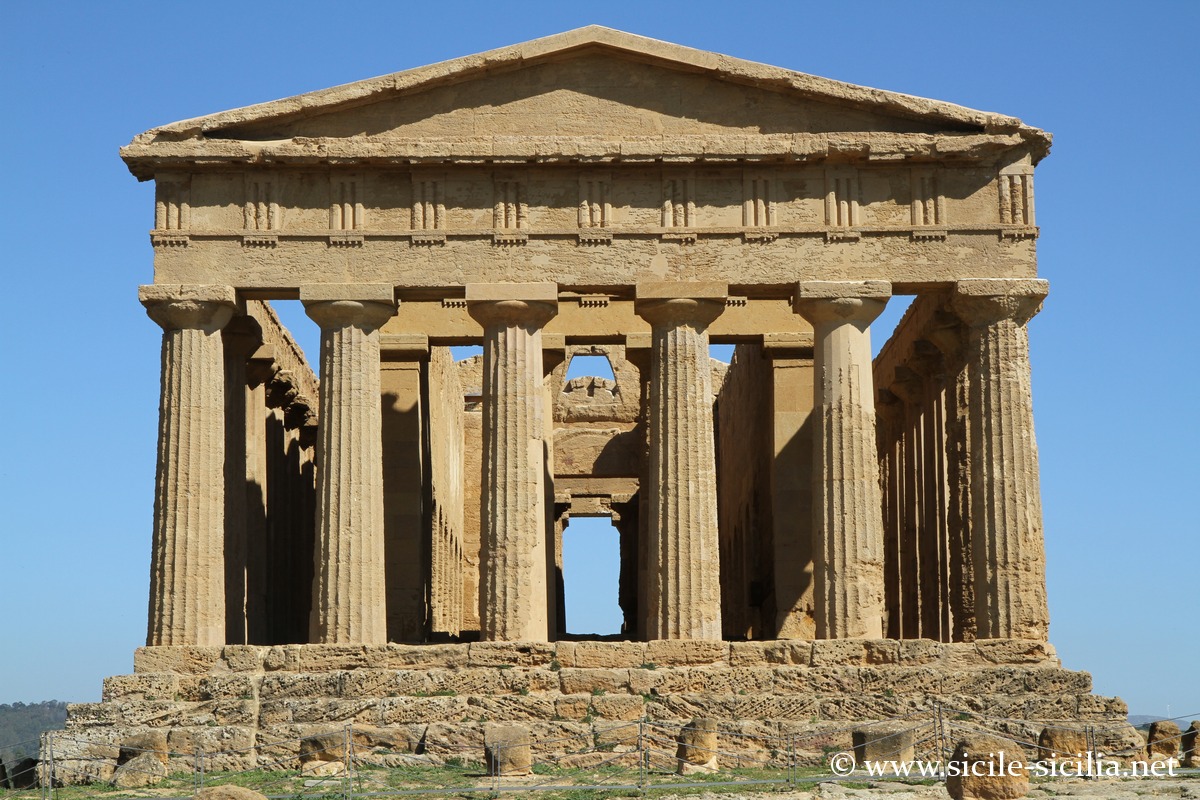
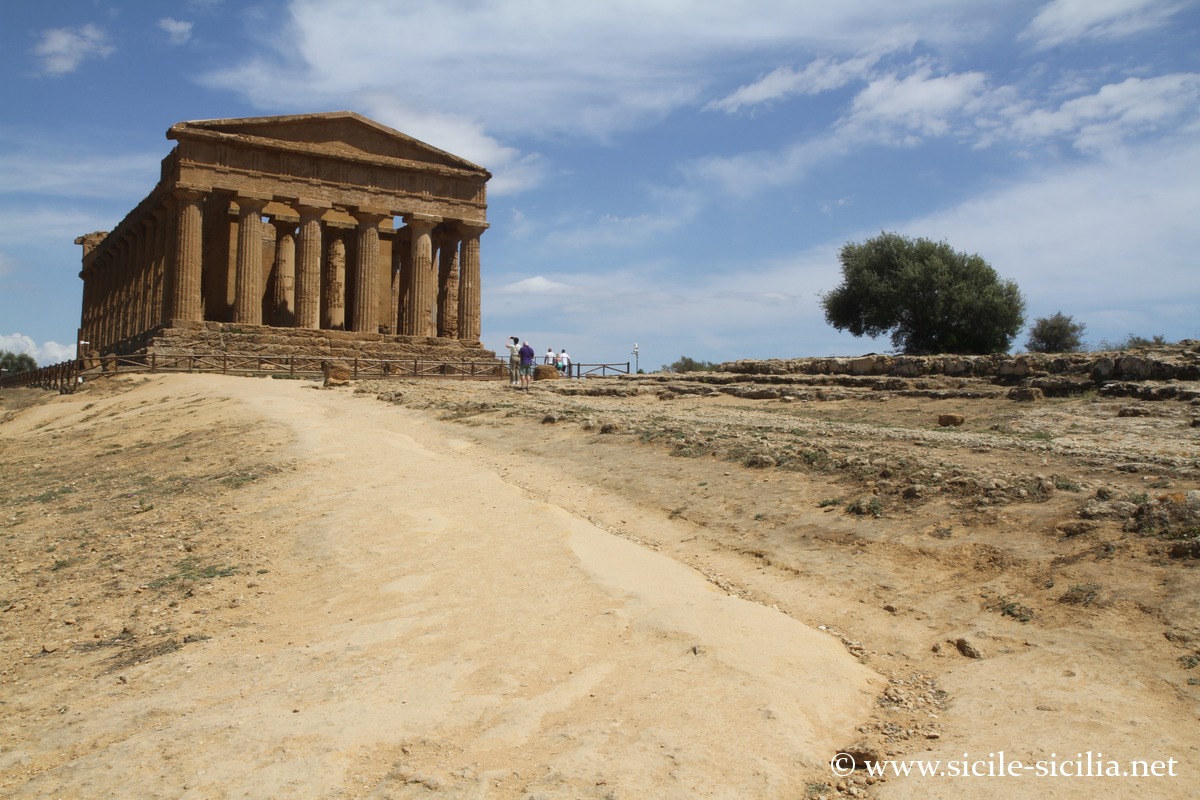
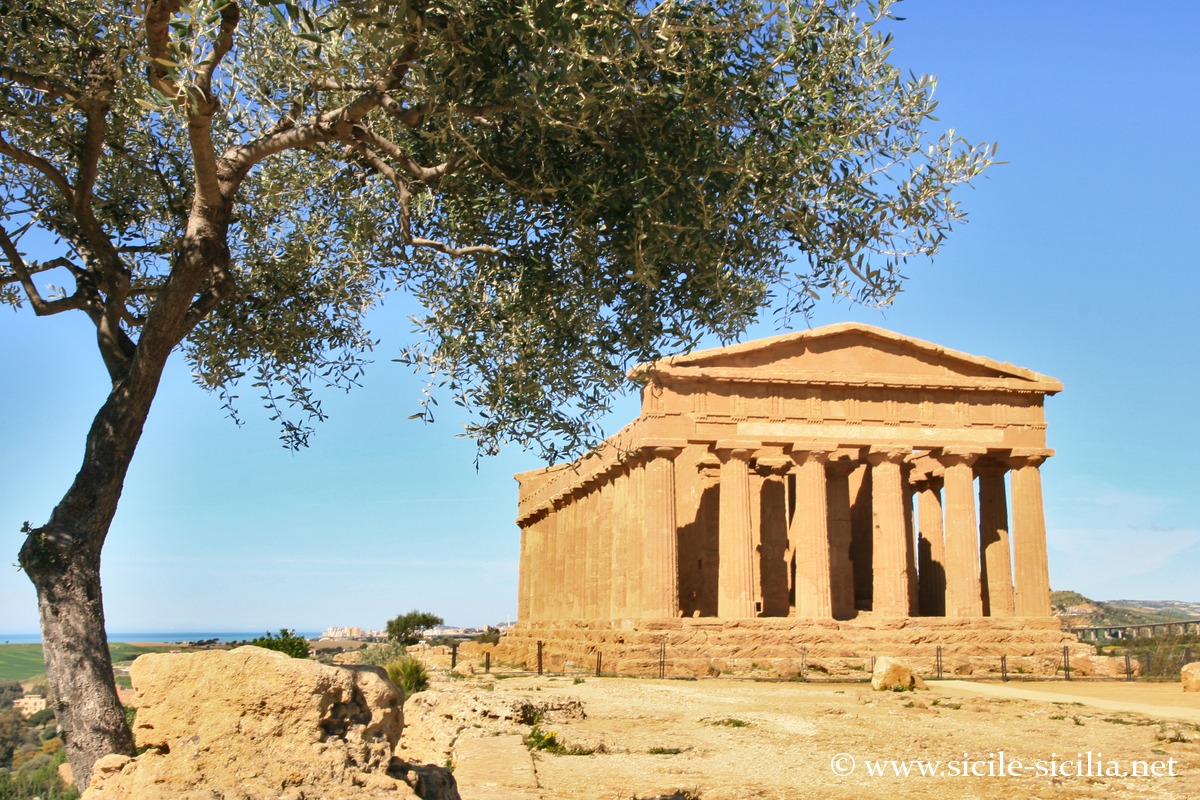
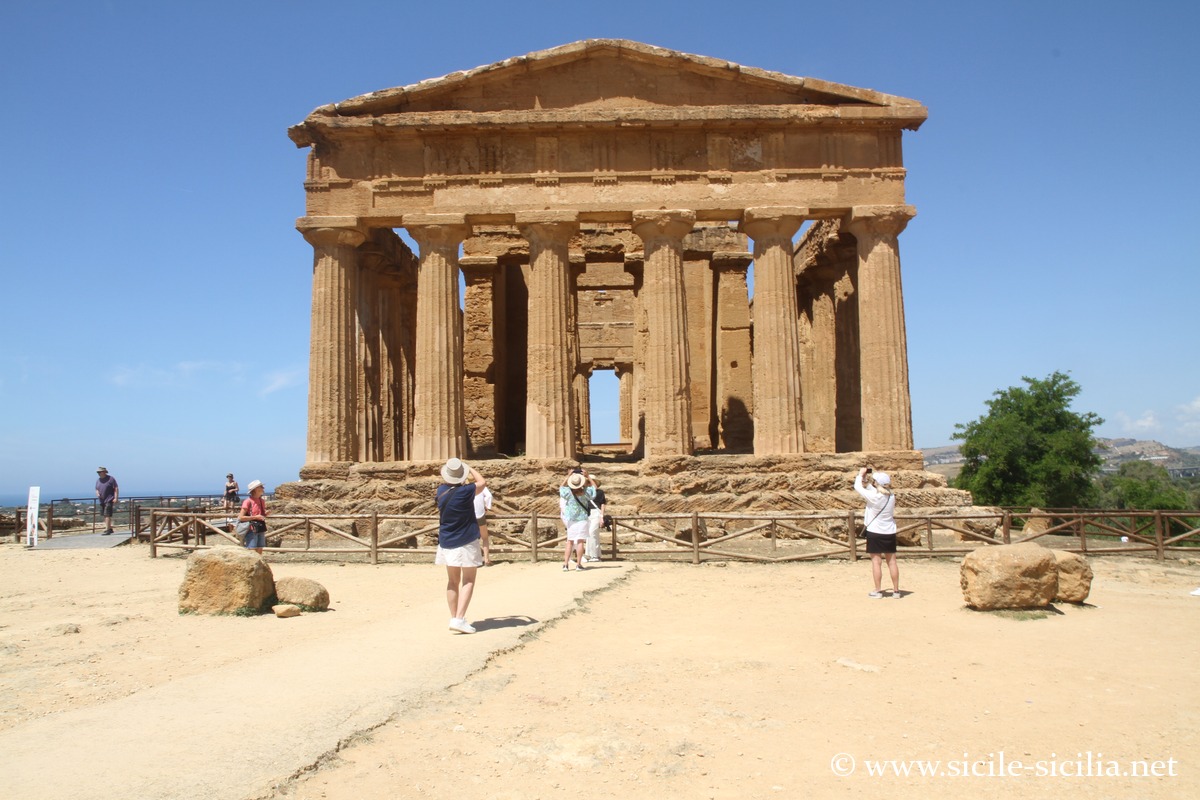
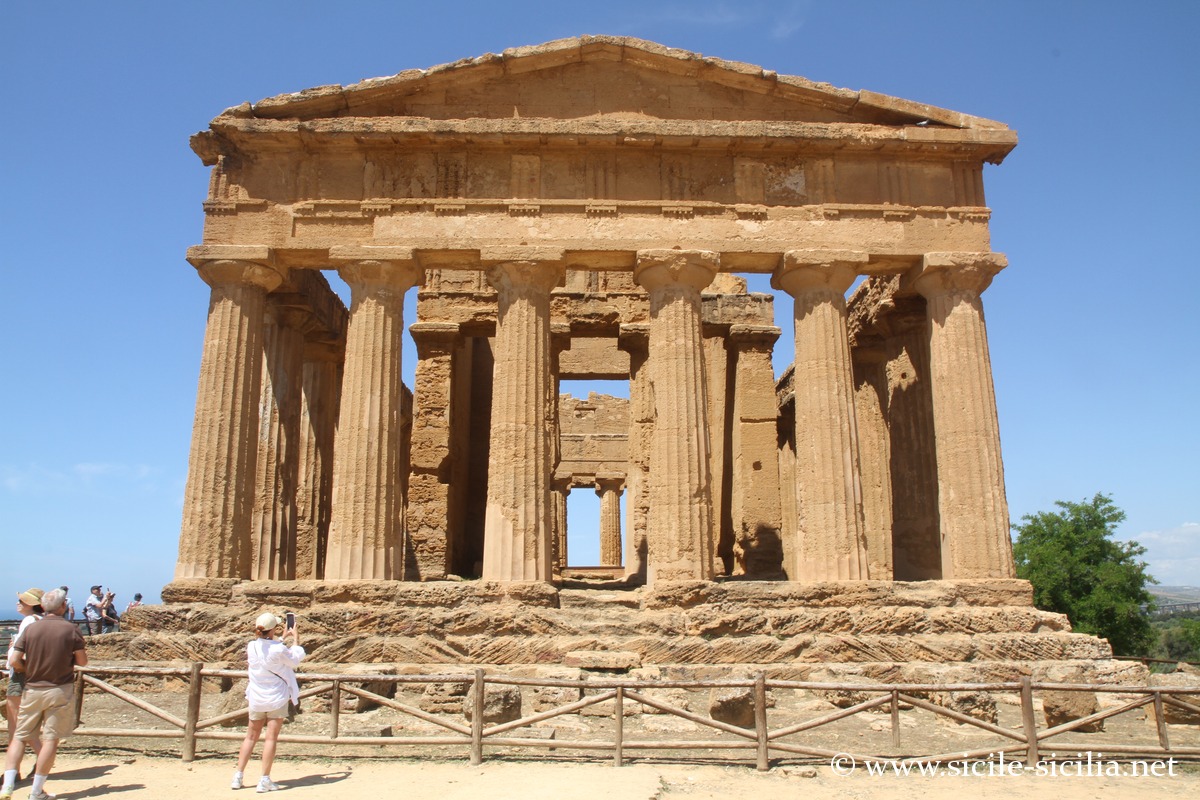
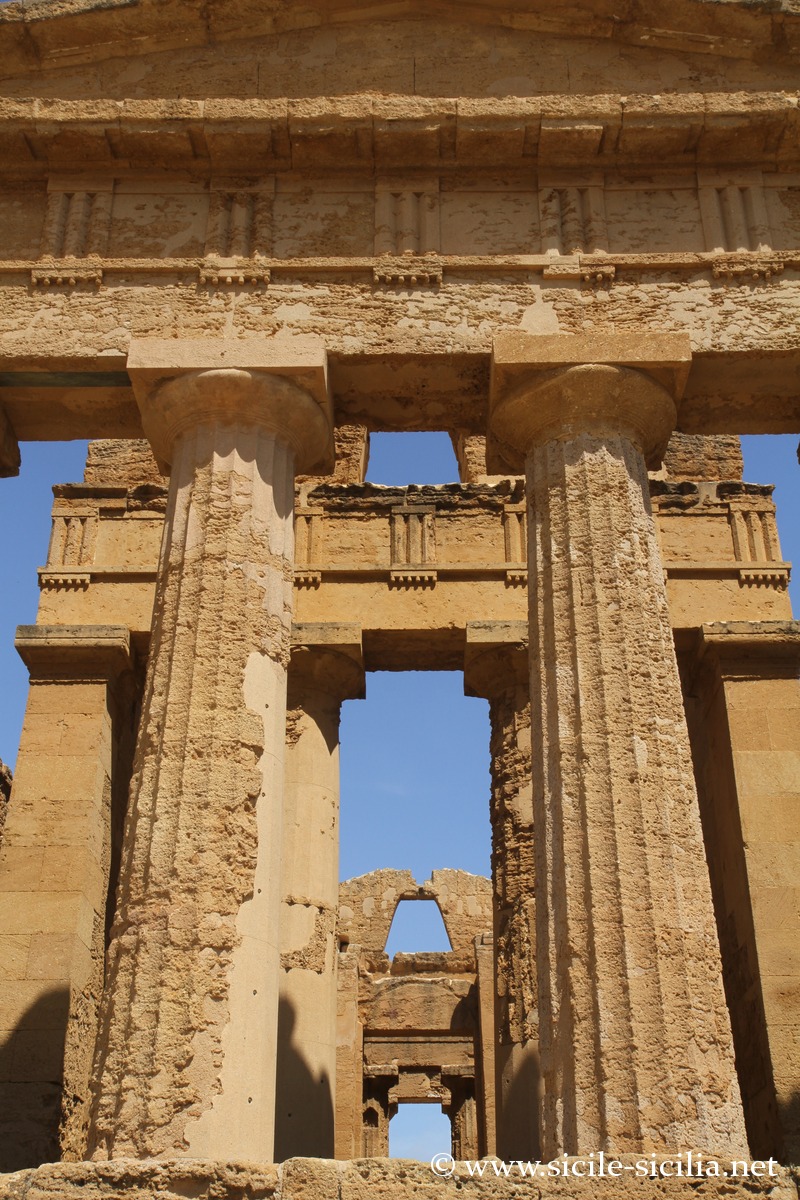
Western facade of the Temple of Concordia 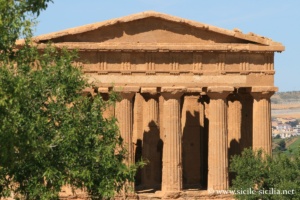
Eastern facade of the Temple of Concordia 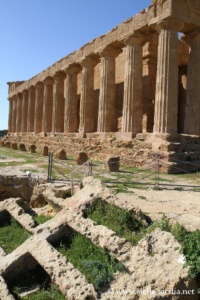
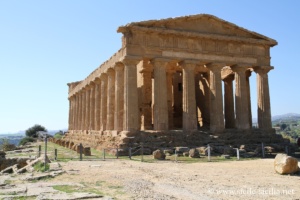
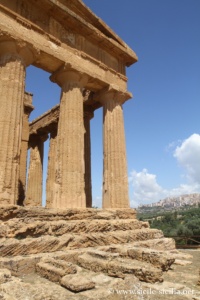
South side of the Temple of Concordia
Information
External sites: en.wikipedia.org, www.lavalledeitempli.it
Articles on the Valley of the Temples
- Valley of the Temples of Agrigento
 In antiquity, Agrigento was one of the most powerful Mediterranean cities of ...
 - Temple of Hera or Juno in Agrigento
 Situé à l’extrémité de la crête, le Temple d’Héra, également désigné sous ...
 - Temple of Olympian Zeus in Agrigento
 Located in the Valley of the Temples of Agrigento, the Temple of ...
 - Temple of Hercules in Agrigento
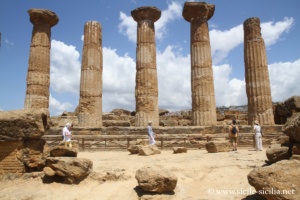 Although its remains are more modest than those of other monuments in ...
 - Temple of the Dioscuri in Agrigento and western sector
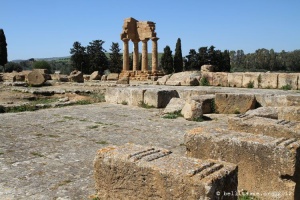 À l’ouest du Temple de Zeus se développe un secteur d’habitation, suivi ...
 - Regional Archaeological Museum of Agrigento and San Nicola
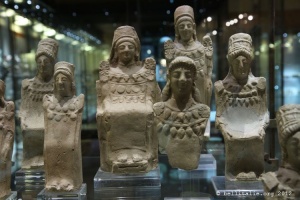 Le Musée Archéologique Régional d’Agrigente, officiellement nommé Museo Archeologico Regionale “Pietro Griffo”, ...
 - Kolymbethra Garden in Agrigento
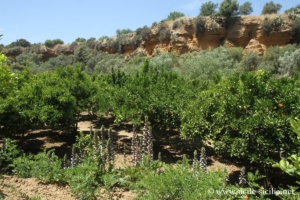 Le jardin de Kolymbethra se trouve au cœur du parc archéologique de ...
 - Temple of Vulcan at Agrigento
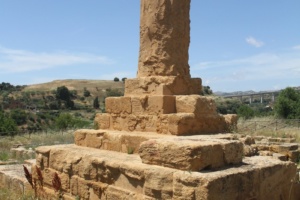 The Temple of Vulcan occupies the western tip of the rocky spur ...
 - Hellenistic-Roman Quarter and Upper Agora
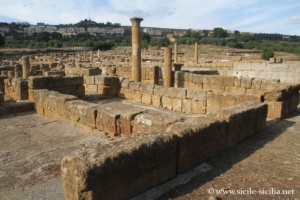 Près du musée archéologique d’Agrigente se trouvent plusieurs zones de vestiges, dont ...
 - Rupe Atenea and Temple of Demeter
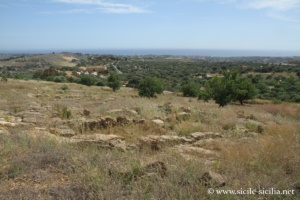 La Rupe Atenea constitue le point le plus élevé et l’acropole naturelle ...