


Abatellis Palace in Palermo
The construction of the majestic Abatellis Palace dates back to the end of the 15th century, in a Gothic-Catalan style. It was intended to become the “Domus Magna” of Francesco Abatellis, the master of the port of the kingdom and praetor of the city, built by the great Sicilian architect Matteo Carnalivari. Upon the death of Abatellis, the palace became a Benedictine monastery.
It is one of the finest examples of 15th-century Sicilian palatial architecture, a palace-fortress of Gothic-Catalan architecture in a refined style.
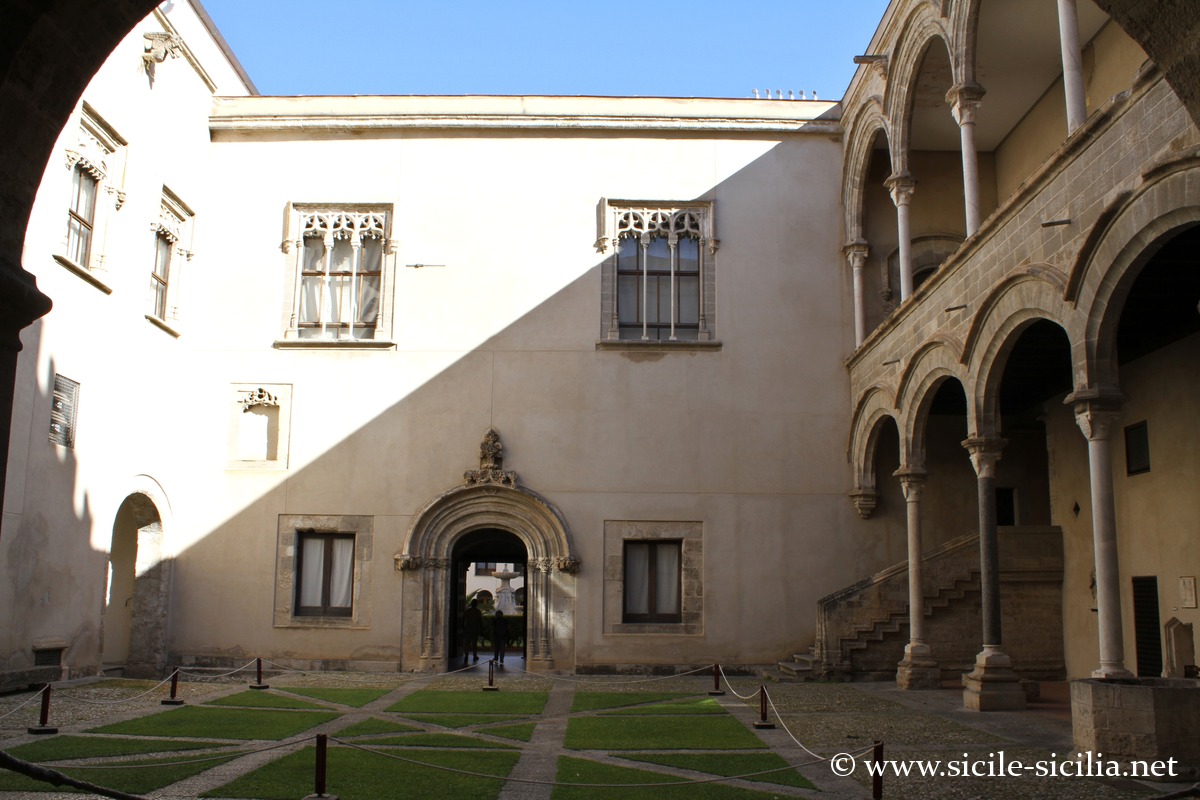
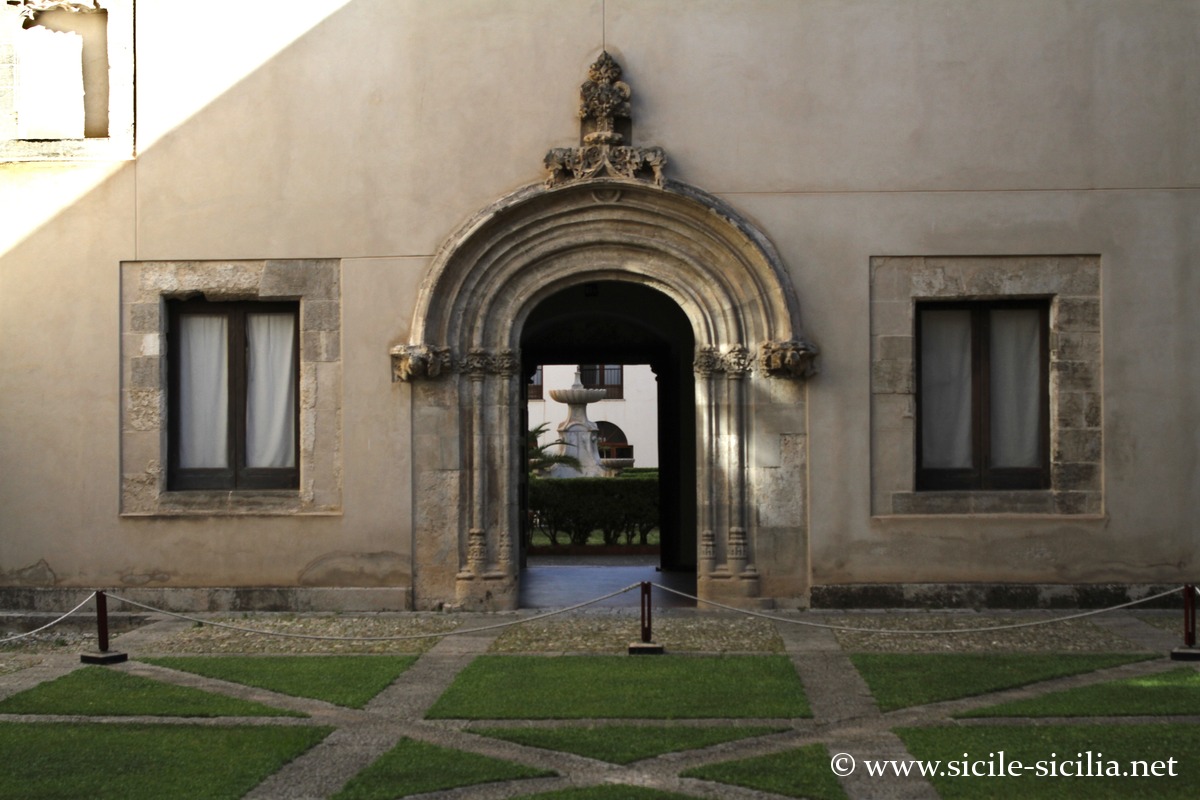
Courtyard of the Abatellis Palace
The rectangular building is arranged around an inner courtyard with porticoes and a corner tower. The two levels are connected by open-air staircases and a very beautiful two-storey loggia with arcades.
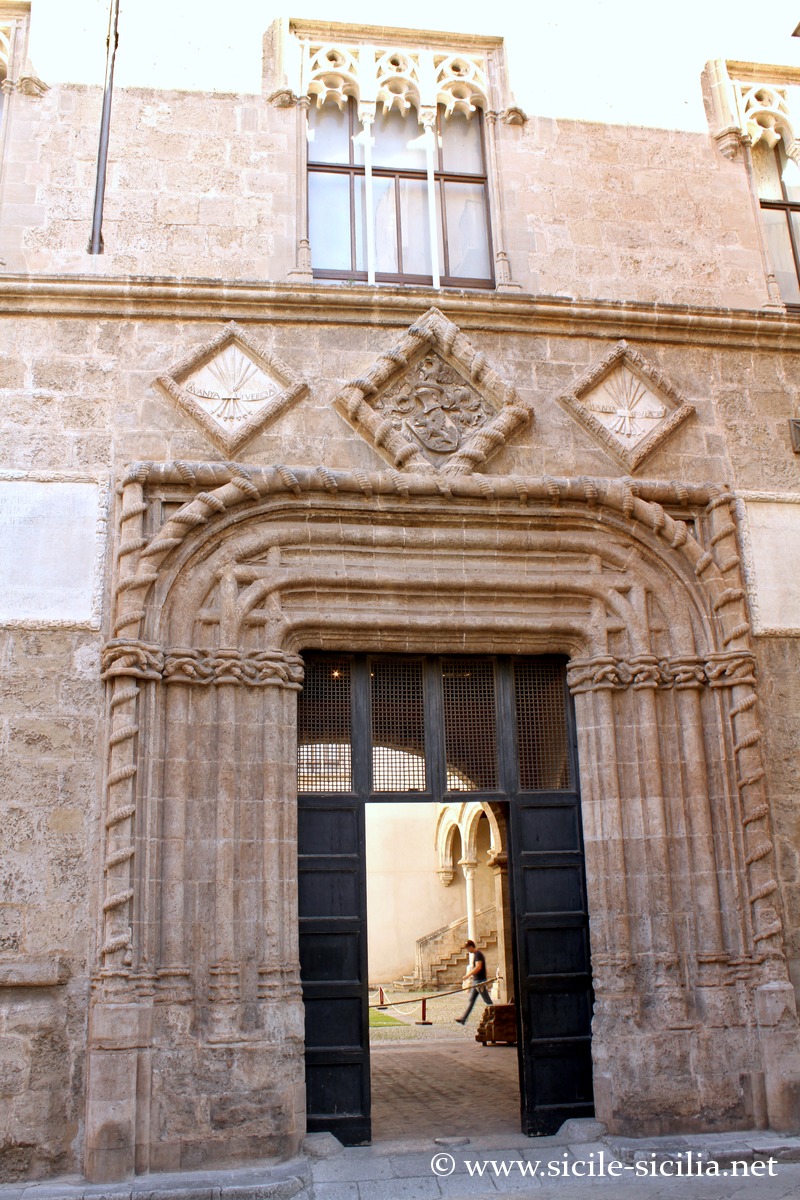
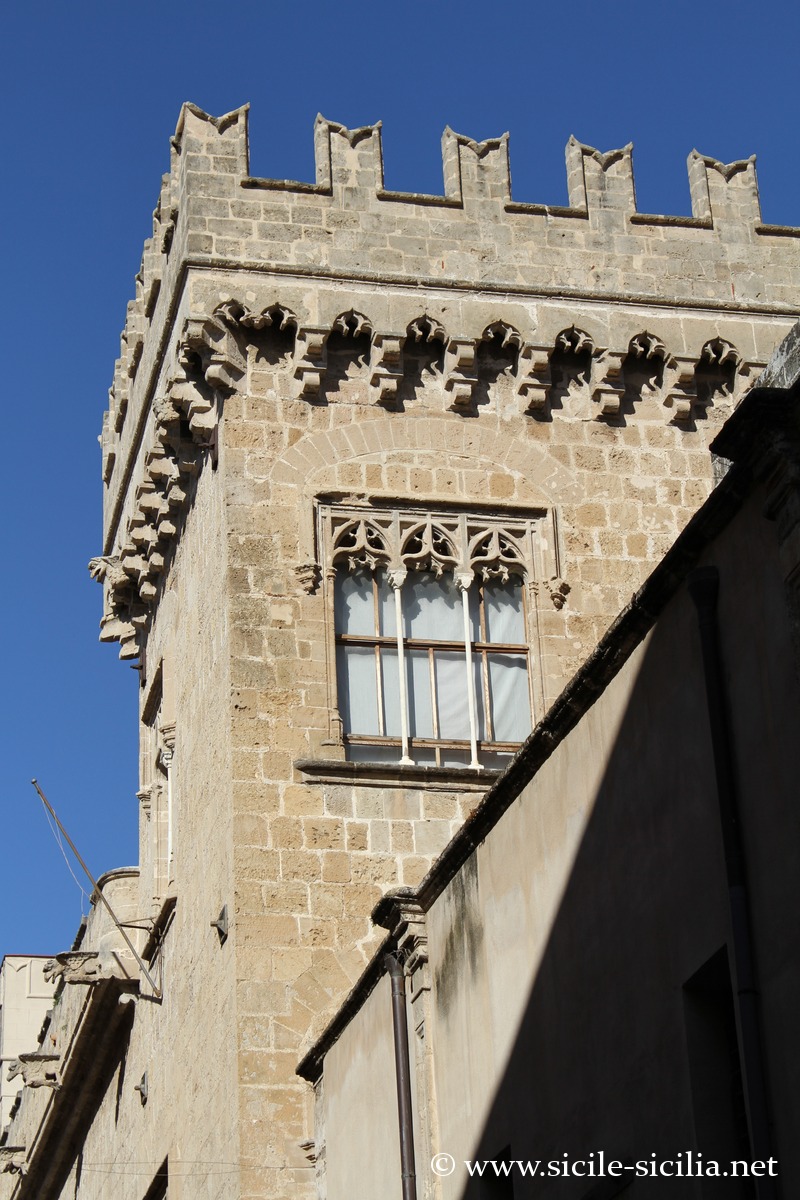
The entrance portal is located between the two crenellated towers, topped by the coat of arms of the Patella-Abatellis family. On the main facade, beautiful triple-mullioned windows stand out.
It was renovated after serious damage suffered during the Second World War. The transformation into a gallery was carried out by the architect Carlo Scarpa in the early 1950s, and the permanent collection is now arranged in about sixteen exhibition rooms spread over several levels.
Regional Gallery of Sicily
The palace has housed the Regional Gallery of Sicily since 1953, displaying works by Sicilian artists from the Middle Ages, as well as objects from the period, including Arab ones, and paintings from the 17th and 18th centuries.
Among these works, the most important include the superb fresco of the Triumph of Death painted in the 15th century; the Virgin of the Annunciation by Antonello da Messina painted around 1475; the bust of Eleanor of Aragon by Francesco Laurana; the Malvagna Triptych by Jan Gossaert; the Deposition by Jan Provost ; sculptures by Antonello Gagini, etc.
The gallery also displays works by Sicilian and European masters such as Pietro Novelli, Antoon Van Dyck, Filippo Paladini, as well as numerous painted wooden panels, medieval sculptures, pieces of painted majolica, metal chandeliers and architectural fragments.
Ground Floor
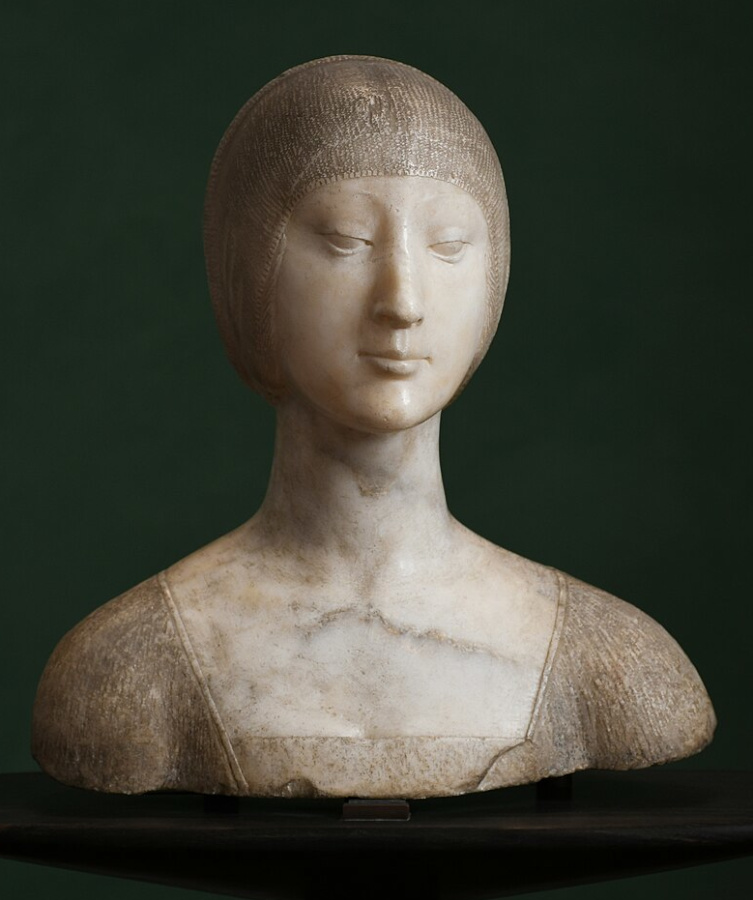
Portrait of Eleanor of Aragon (Francesco Laurana)
At the entrance and in the rooms of the ground floor, there are remarkable collections of 12th-century wooden sculptures, sculptures from the 14th and 15th centuries, bas-reliefs, artefacts and decorative elements from Sicilian churches and monasteries, which introduce the visitor to the medieval religious art of the island.
Among them are pieces by Antonello Gagini such as the Annunciation and the Ritratto di giovinetto, and by Domenico Gagini, such as the Madonna del latte.
A masterpiece is the bust of Eleanor of Aragon by Francesco Laurana (1471), distinguished by the elegance of its features and refined expression, often considered one of the finest sculptural representations of the Sicilian Renaissance.
One can also see metallic lustre majolica from the 14th-17th centuries, painted wooden ceilings and decorative medieval sculptures.
The Triumph of Death
Room II, dedicated to the famous Triumph of Death (Trionfo della Morte in Italian), displays this very large detached fresco, approximately 600 by 642 cm, dated around 1445. The work, whose author remains unknown, comes from the courtyard of the Sclafani Palace and is considered one of the masterpieces of late Gothic painting in Italy. It illustrates the allegorical figure of Death on a skeletal horse, sowing destruction among the living (nobles, clerics, sovereigns) while sparing the poor who beg for mercy, symbolising the vanity and inevitability of death.
Specific iconographic details, such as the depiction of religious and civil dignitaries, a pope, an emperor and even figures identifiable by their inscriptions, give this fresco a rare dramatic intensity.
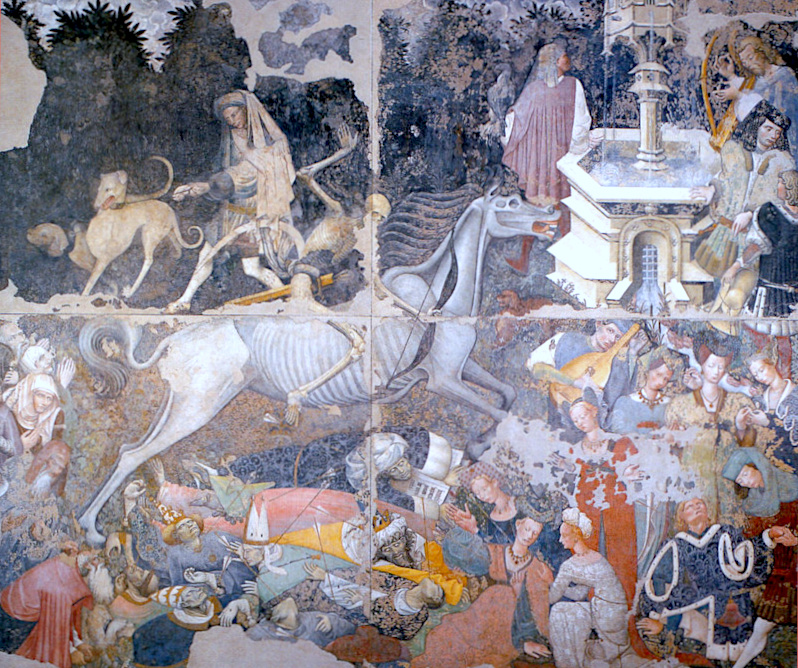
Triumph of Death
First Floor
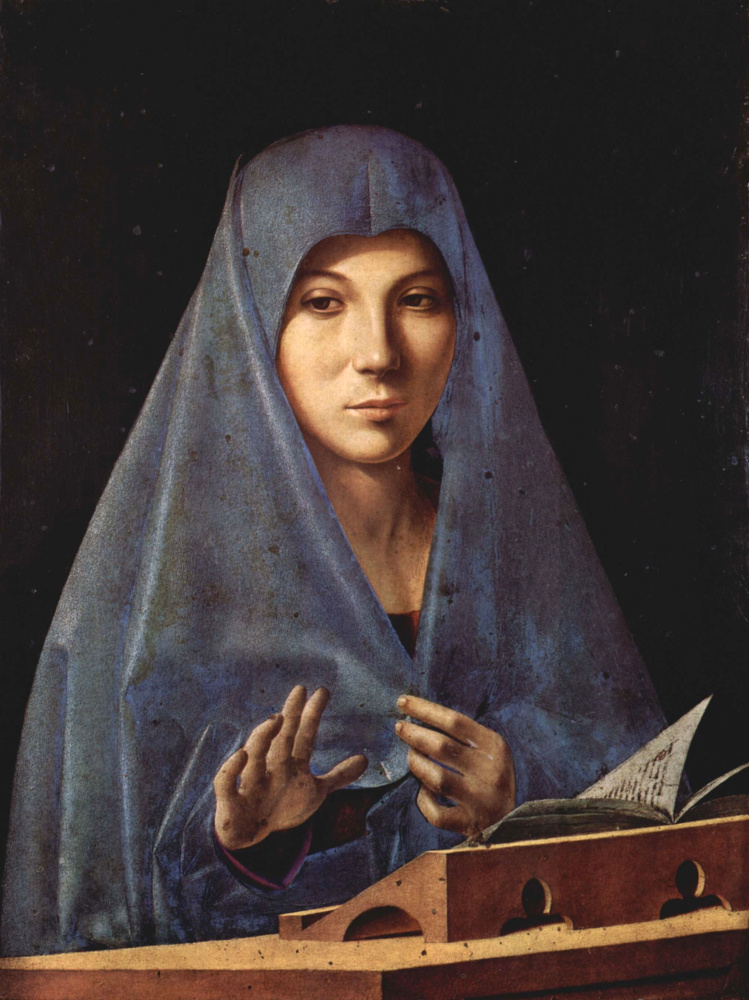
Virgin of the Annunciation (Antonello da Messina)
On the first floor, the masterpiece is the Virgin of the Annunciation by Antonello da Messina, a 15th-century icon, in which the Virgin is depicted at the moment of the Annunciation, in a subtle gesture and with a magnetic gaze.
In the same room, panels with three Doctors of the Church complete the lost series of the polyptych.
Before the Antonello Room, the visitor discovers the Last Supper by Jaume Serra and the Room of the Crosses with painted crosses by Pietro Ruzzolone and the Master of Galatina.
The rooms also contain works by Bartolomeo Camulio, Riccardo Quartararo and Antonello Crescenzio.
The works in the Antonello Room illustrate the transition between late Gothic pictorial methods and Renaissance innovations.
Room XIII displays Flemish paintings and Mannerism from the 15th-16th centuries, including the Malvagna Triptych by Jan Gossaert (around 1510) and the Deposition by Jan Provost.
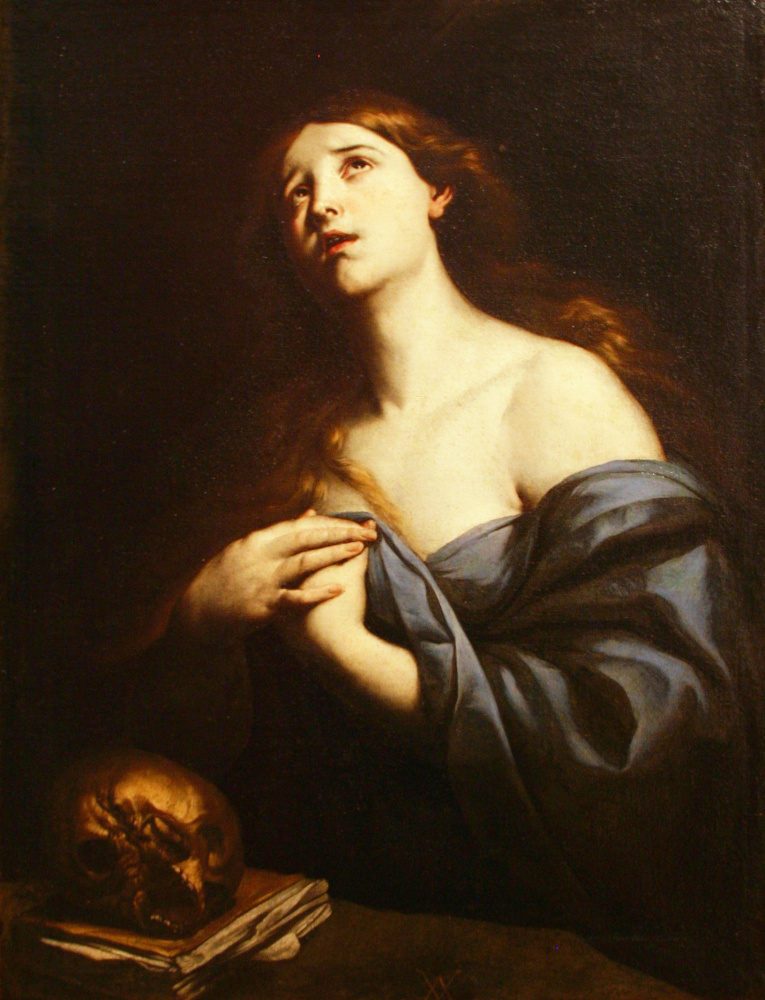
Magdalene (Andrea Vaccaro)
The following rooms display Vincenzo da Pavia, Jacopo Palma the Elder, Cavalier d’Arpino, Francesco Albani and Mannerist paintings by Vasari, Muziano and Marco Pino.
The new green and red rooms highlight Sicilian late Mannerism and the realistic 17th century.
The green room displays Paladini, Giuseppe d’Alvino, Gaspare Bazzano and Pietro D’Asaro, as well as the Golden Sphere, a Baroque ostensorium.
The red room illustrates Caravaggesque and Baroque influence with Simon Vouet, Battistello Caracciolo, Mathias Stomer, José de Ribera and Caravaggio.
There are also works by Van Dyck, Andrea Vaccaro, Cesare Fracanzano, Mattia Preti, Agostino Scilla and Luca Giordano.
Photo Gallery
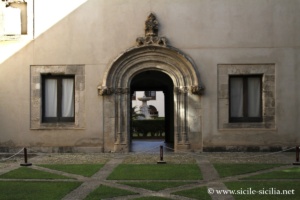

Courtyard of the Abatellis Palace 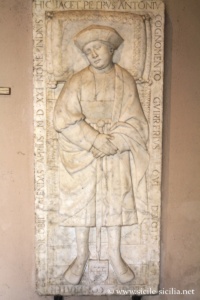

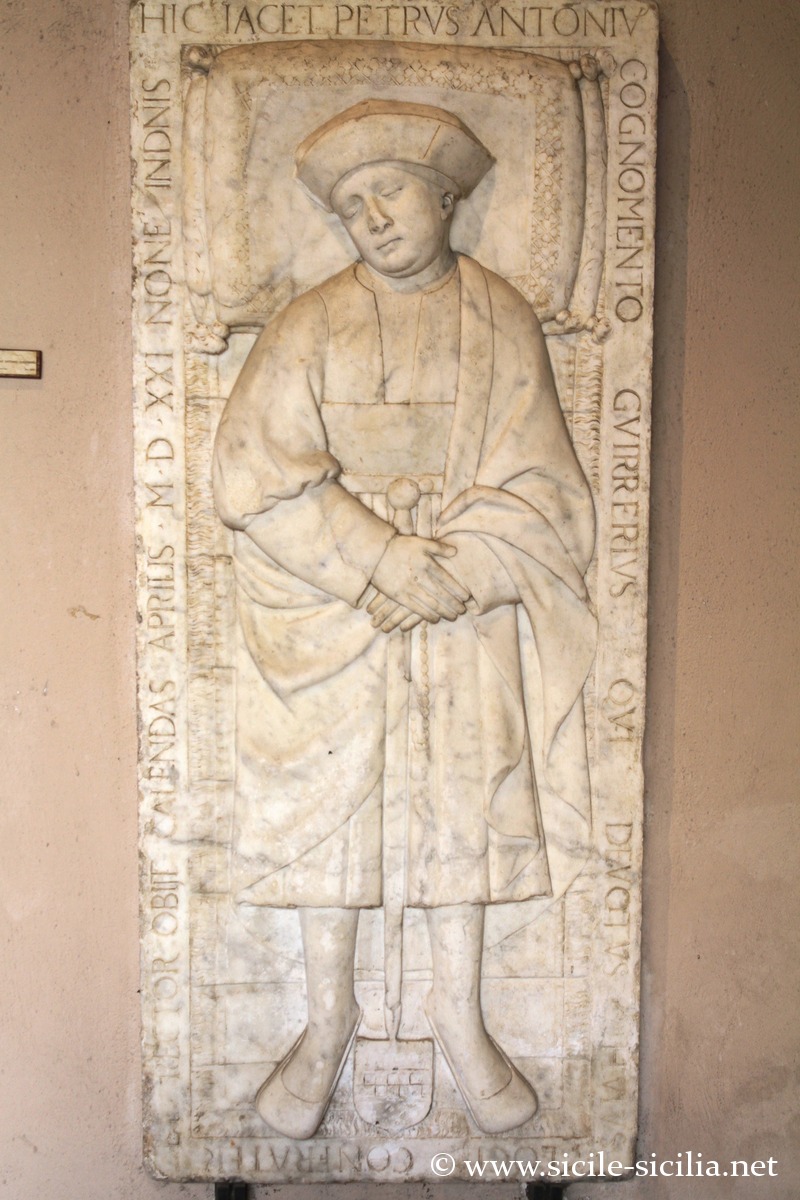
Tombstone in the courtyard 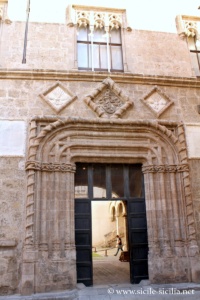
Portal of the Abatellis Palace 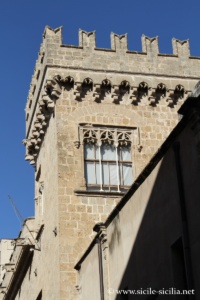
Tower of the Abatellis Palace 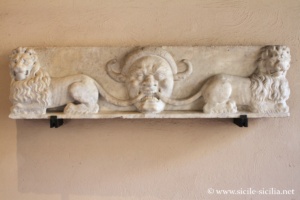
Palace courtyard 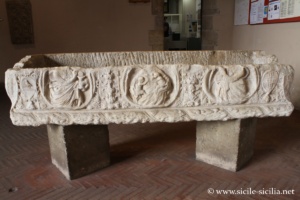
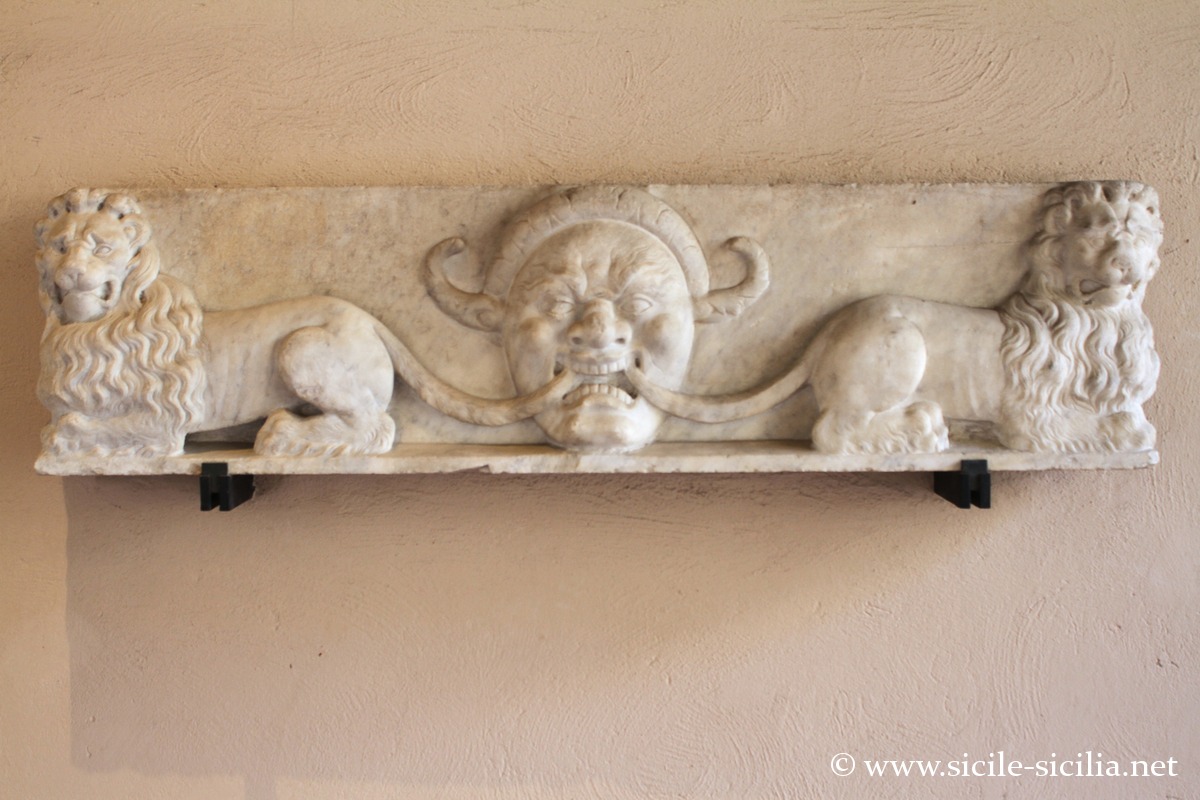
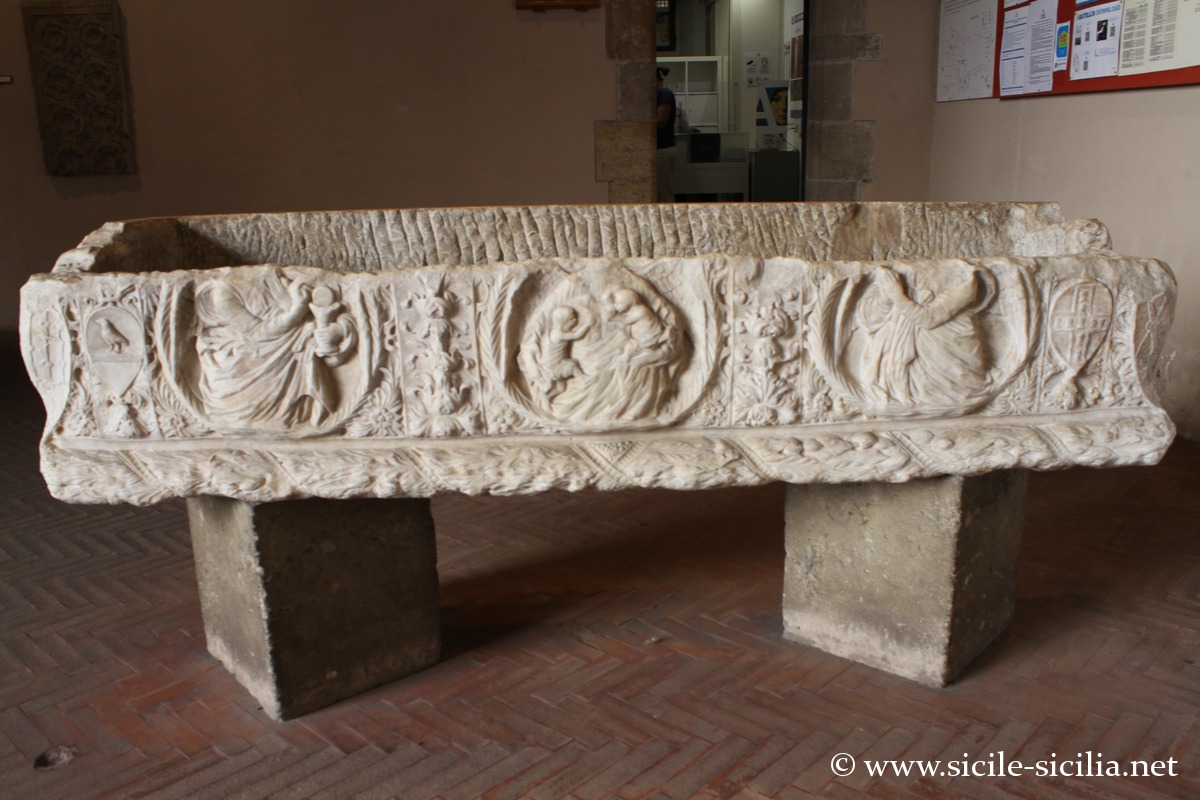
Sarcophagus 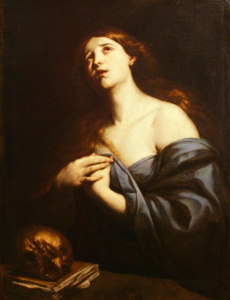

Magdalene (Andrea Vaccaro) 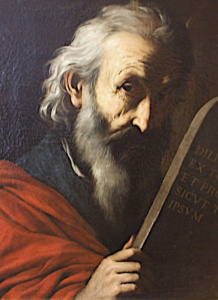

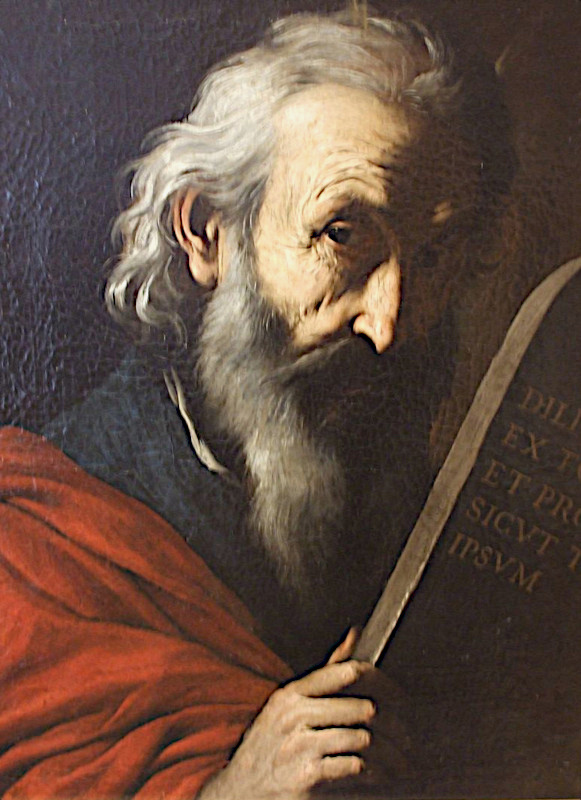
Moses (Pietro Novelli) 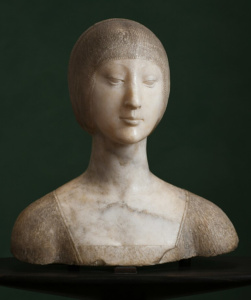

Portrait of Eleanor of Aragon (Francesco Laurana) 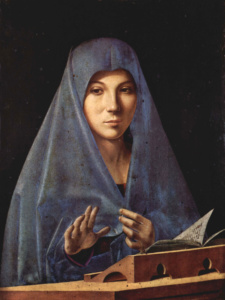

Virgin of the Annunciation (Antonello da Messina)
Where is the Abatellis Palace in Palermo
If you see this after your page is loaded completely, leafletJS files are missing.
Palazzo Abatellis
Via Alloro, 4, 90133 Palermo
Information
Visiting Conditions
Sources and external sites
|