

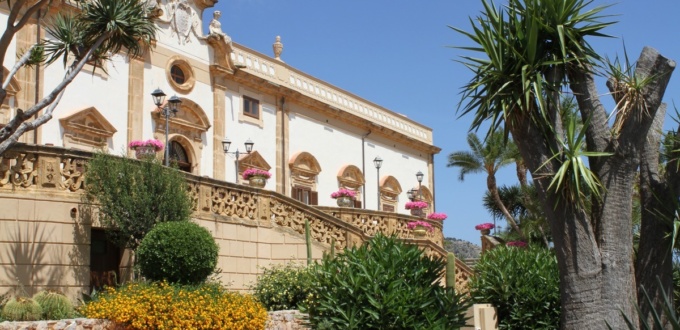
An original destination, off the beaten track for international tourists, Bagheria is full of treasures with its many Baroque villas built between the 16th and 19th centuries.
It is located about fifteen kilometres east of Palermo, close to the coastline from which it is separated by Mount Catalfano and Cape Zafferano, and neighbouring the remains of the ancient city of Solunto.
It constitutes one of the most significant ensembles of suburban Baroque architecture in Sicily: the town was, in the 17th–18th centuries, a holiday destination chosen by the Palermo aristocracy, who had more than twenty residences of architectural and artistic importance built there.
Presentation and historical overview
Villa Ramacca
The town is located east of the Gulf of Palermo, in a territory historically rich in gardens and citrus groves, crops that were developed in medieval times under the Muslims, including prickly pears, almonds and olives.
Its plain was populated by the Phoenicians, close to the city of Kafara (Solunto) on the eastern promontory.
In the 16th century, a few watchtowers were built to protect the farms. Urbanisation began in the 17th century when Giuseppe Branciforti, Count of Raccuja, settled there to build the Villa Butera. From that time until the 18th century, Bagheria was a favoured destination for the nobility of Palermo, becoming prosperous with the construction of numerous noble villas, summer residences of influential aristocratic families.
It is also the birthplace of Renato Guttuso (1912–1987), famous Italian painter to whom a museum is dedicated, and of Giuseppe Tornatore, Italian director, who filmed scenes here from Nuovo Cinema Paradiso and others.
The villas of Bagheria
The architecture of the villas is characterised by the Baroque and late Baroque style, often enriched with neoclassical motifs and elaborate landscaping.
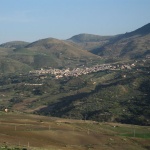
Bagheria
Villa Palagonia
Villa Palagonia
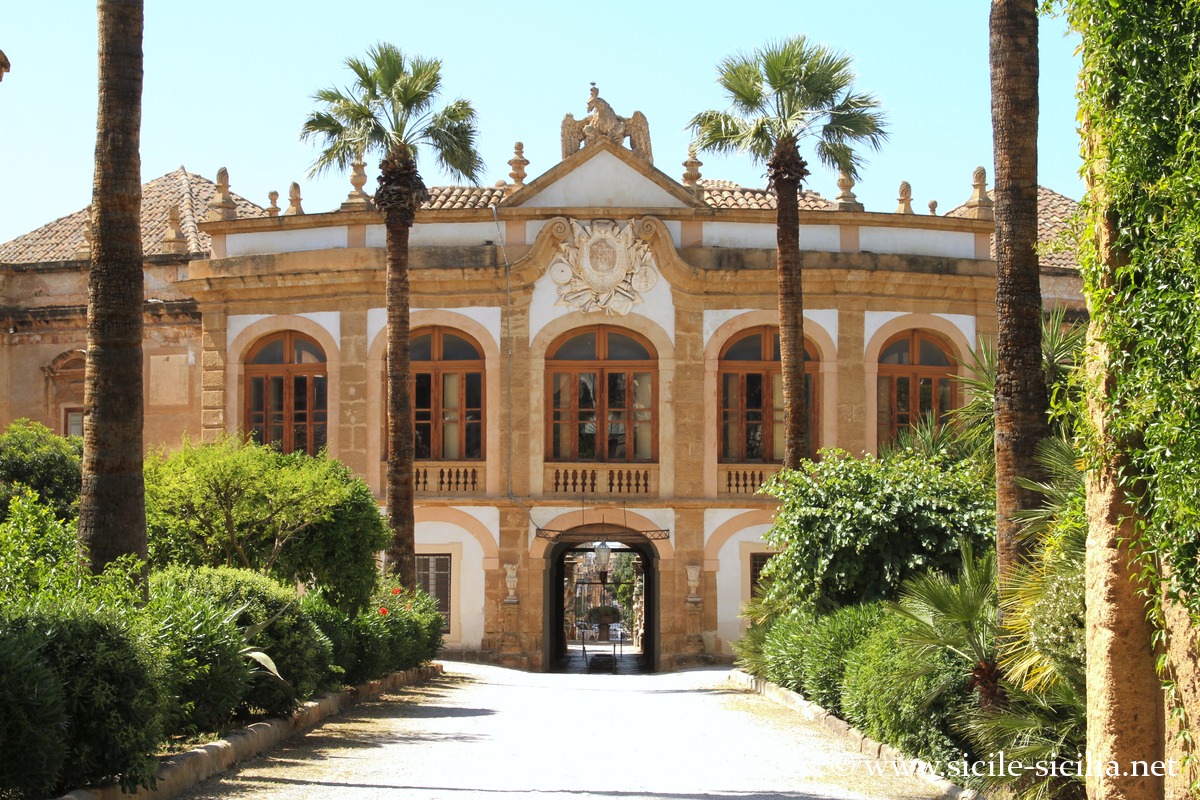
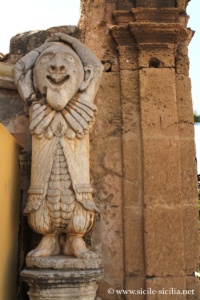
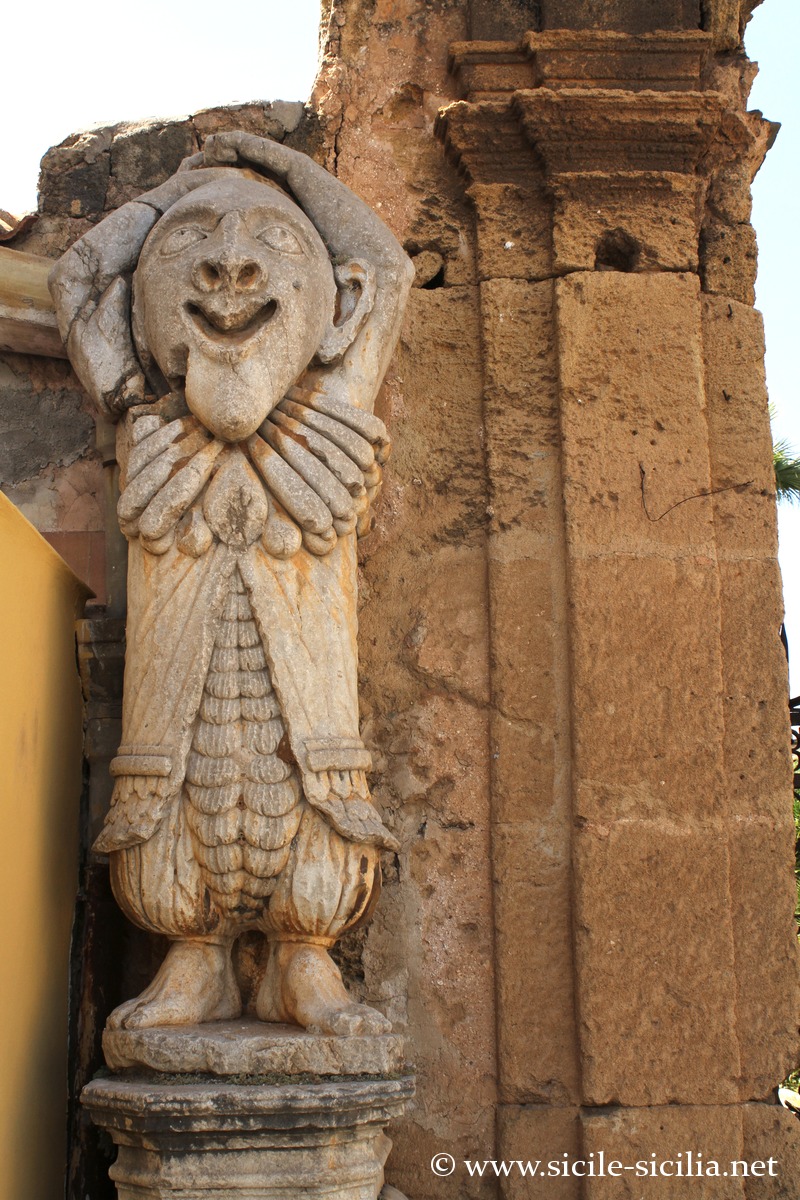
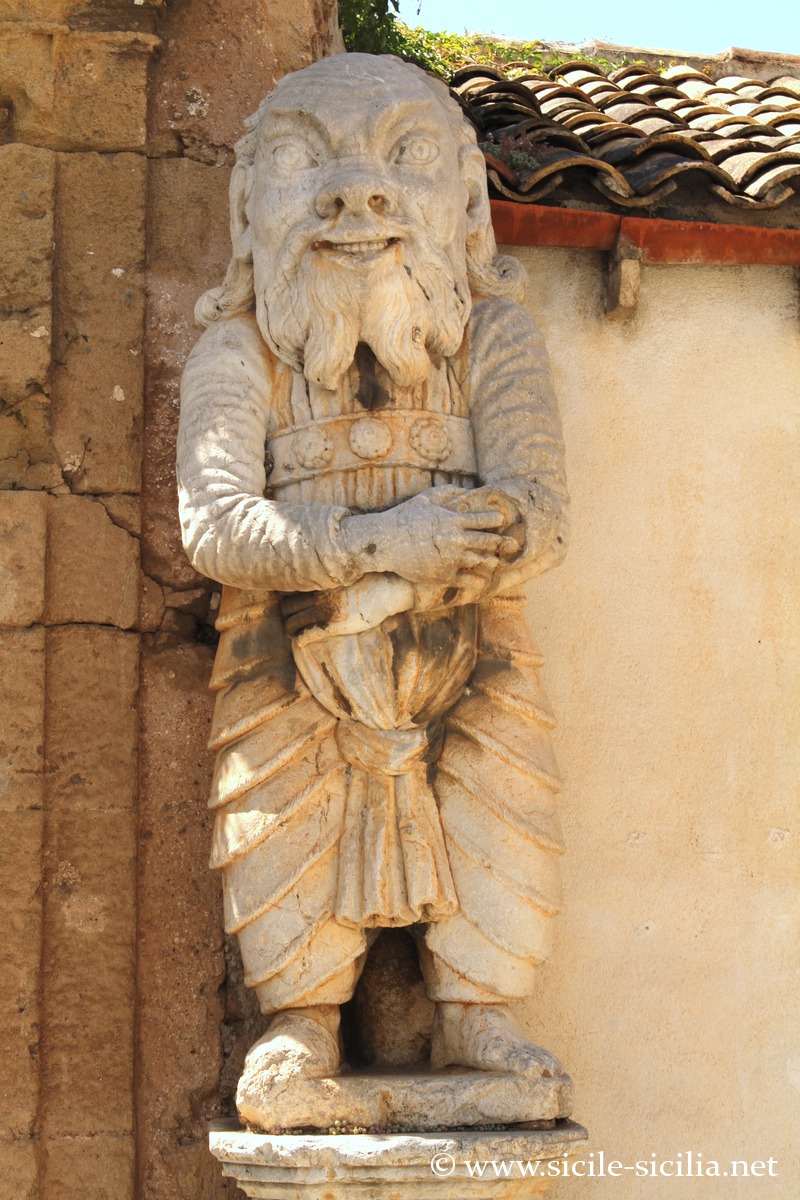
The best known of the villas of Bagheria is Villa Palagonia, also called the “Villa of the Monsters”, built from 1715 for Francesco Ferdinando Gravina. It acquired its European reputation from the 18th century for its grotesques and fantastic figures, a reflection of an exuberant Baroque aesthetic inspired by late Roman architecture and pleasure gardens.
There can be seen original statues adorning the 18th-century buildings (monsters, snakes, fantastic animals, knights, caricatures), a superb double-ramp staircase, a hall of mirrors decorated with marble reliefs of figures, and a remarkable ballroom with its mirrored ceiling and wall frescoes.
Villa Cattolica
Villa Cattolica
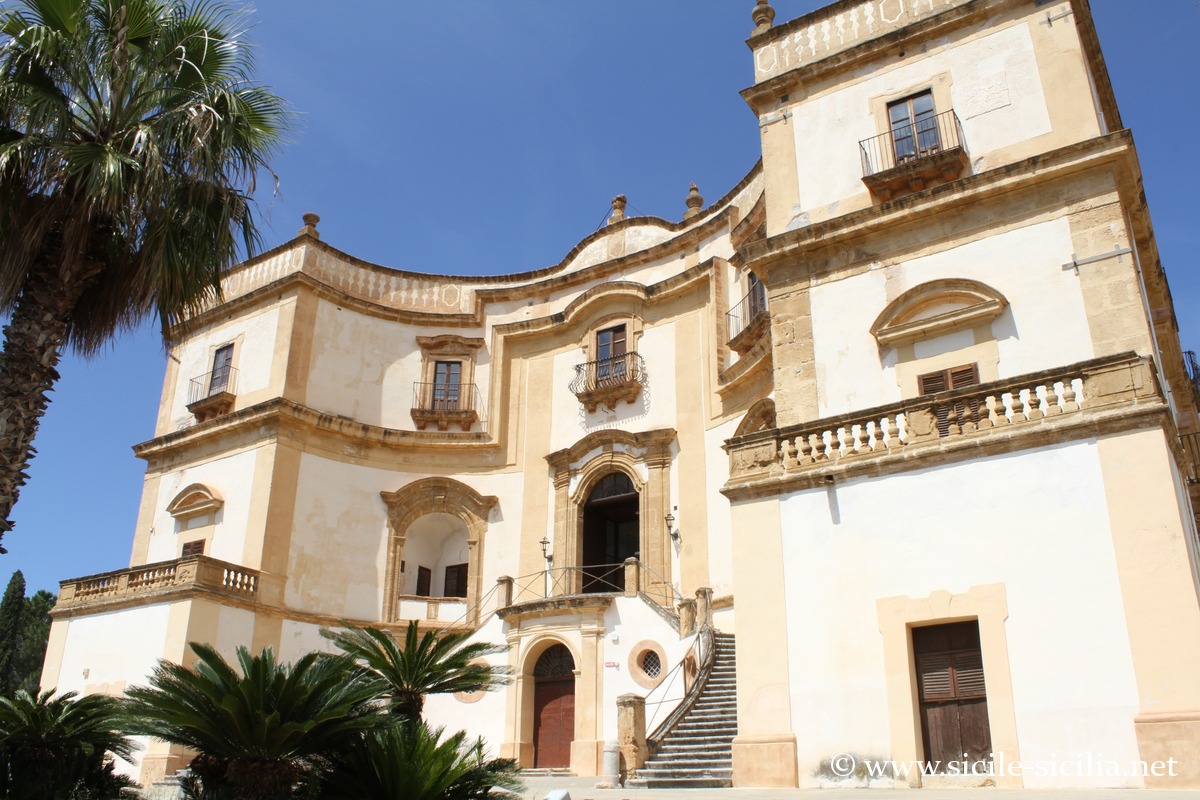
Villa Cattolica, built in 1736 by the Prince of Cattolica Francesco Bonanno, is inspired by castles with its quadrangular base and its battlements.
An artificial grotto beneath the dwelling, the Sirocco room, served as a refuge when the Sirocco coming from Africa blew.
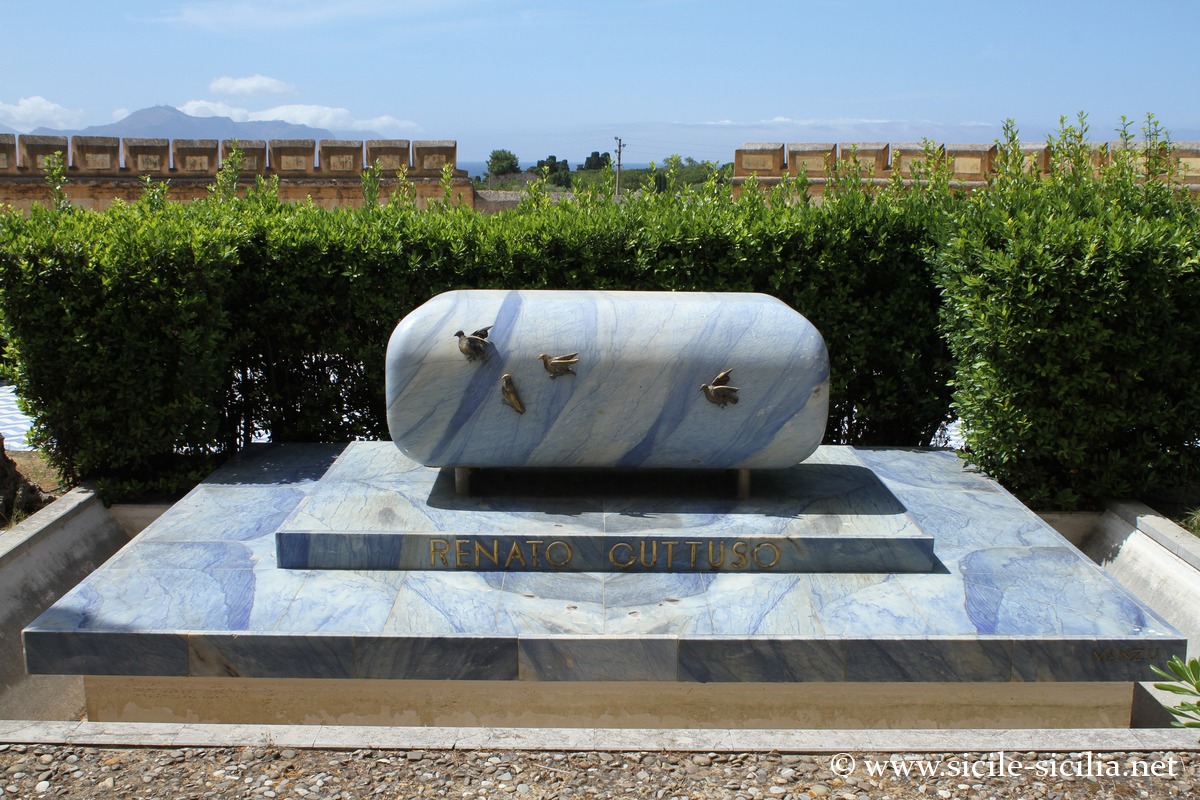
It has housed the Renato Guttuso Museum since the 1970s, with works by the latter and other contemporary artists. The painter’s tomb is in fact in the garden.
Villa Valguarnera
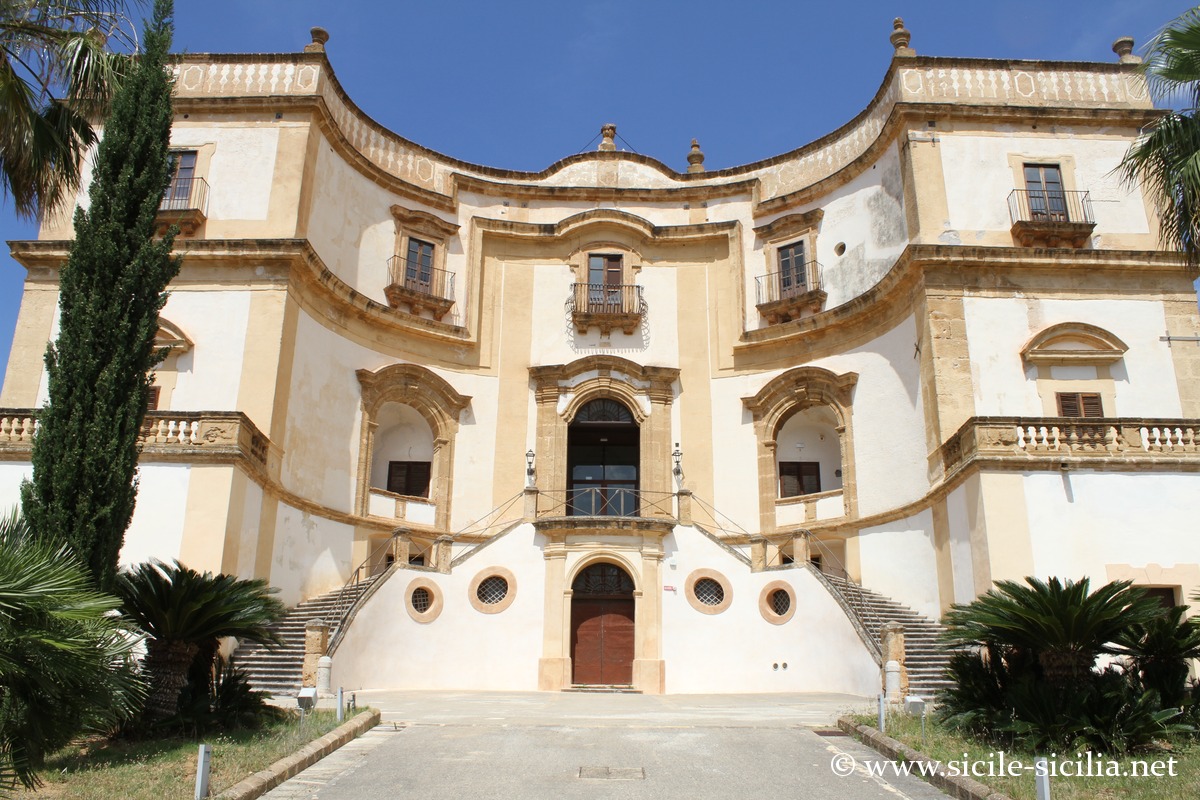
At the foot of its small hill of La Montagnola, Villa Valguarnera of the princes Alliata di Villafranca, which dates from the 18th century, is also remarkable for its style and its panoramic position, designed in particular by Tommaso Maria Napoli with a semicircular portico framing the central body. Its architectural composition blends Baroque and neoclassical influences and integrates symbolic themes linked to the surrounding landscape.
It preserves works of art and frescoes, as in the oval room.
Palazzo Butera
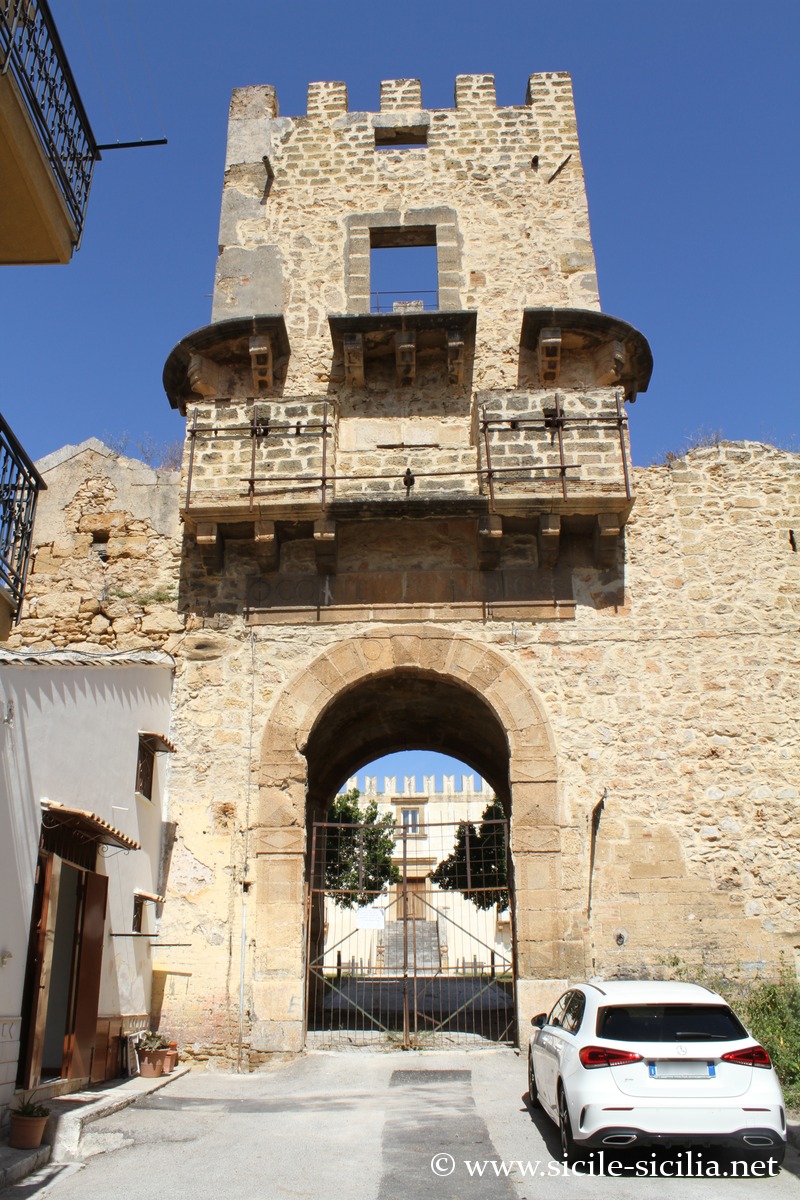
Tower of Palazzo Butera
Palazzo Butera is the oldest noble residence in Bagheria, built by Giuseppe Branciforti, Prince of Pietraperzia and Leonforte, who retired there after his failure to win the throne of Sicily. It was designed as a castle with two crenellated towers and courtyards.
The rooms are richly decorated, with frescoes, crystal chandeliers, etc. The terraces are charming, with their wrought-iron balustrades and old majolicas.
Today it is a cultural centre open to the public, organising temporary exhibitions and events.
Villa San Cataldo
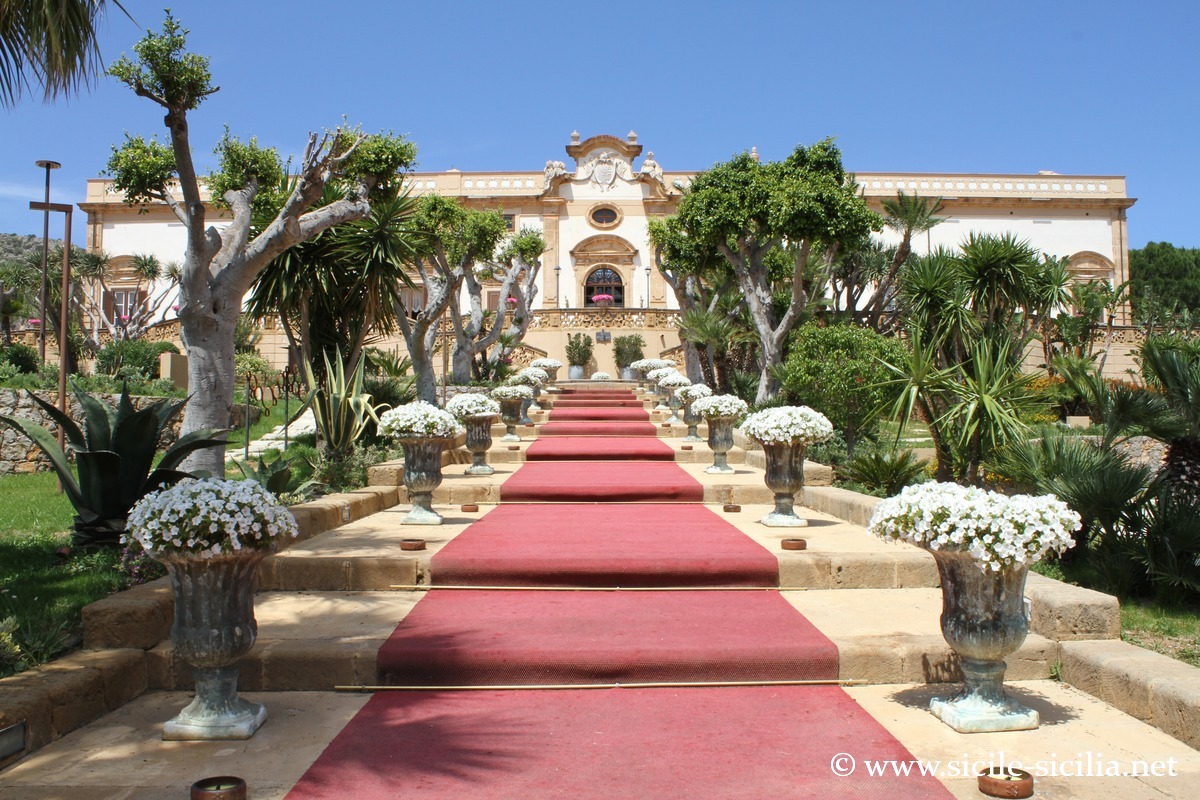
Built at the beginning of the 18th century by the family of the princes Galletti de San Cataldo, Villa San Cataldo was extensively remodelled at the end of the 19th century in Neo-Gothic style; only the small chapel and the vast Baroque Italian garden, laid out in orthogonal paths with decorative vases, survive from the original. The garden still preserves part of the ancient underground hydraulic system, inspired by qanats.
Villa Aragona Cutò
Villa Aragona Cutò, built at the beginning of the 18th century, today houses the municipal library, the local history museum “Bagnera” and the Museo del Giocattolo Pietro Piraino, which presents a collection of old toys and wax works.
Villa Ramacca
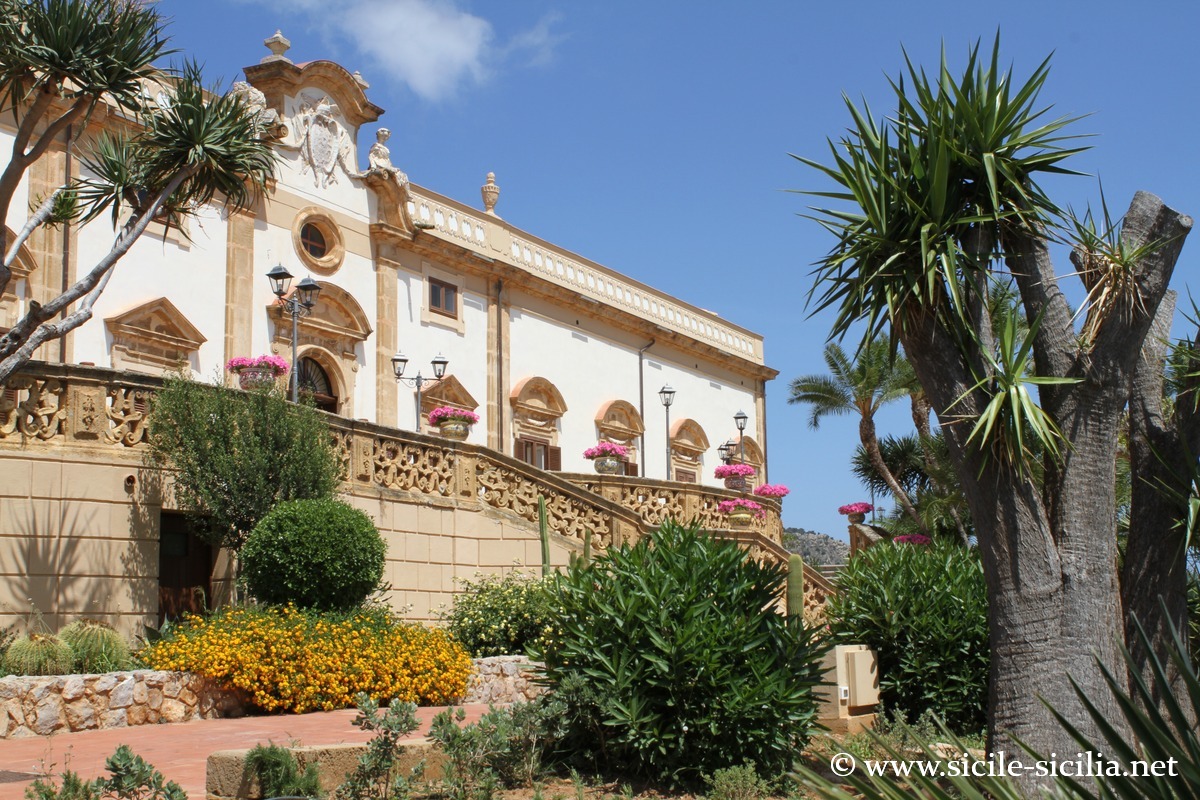
Villa Ramacca
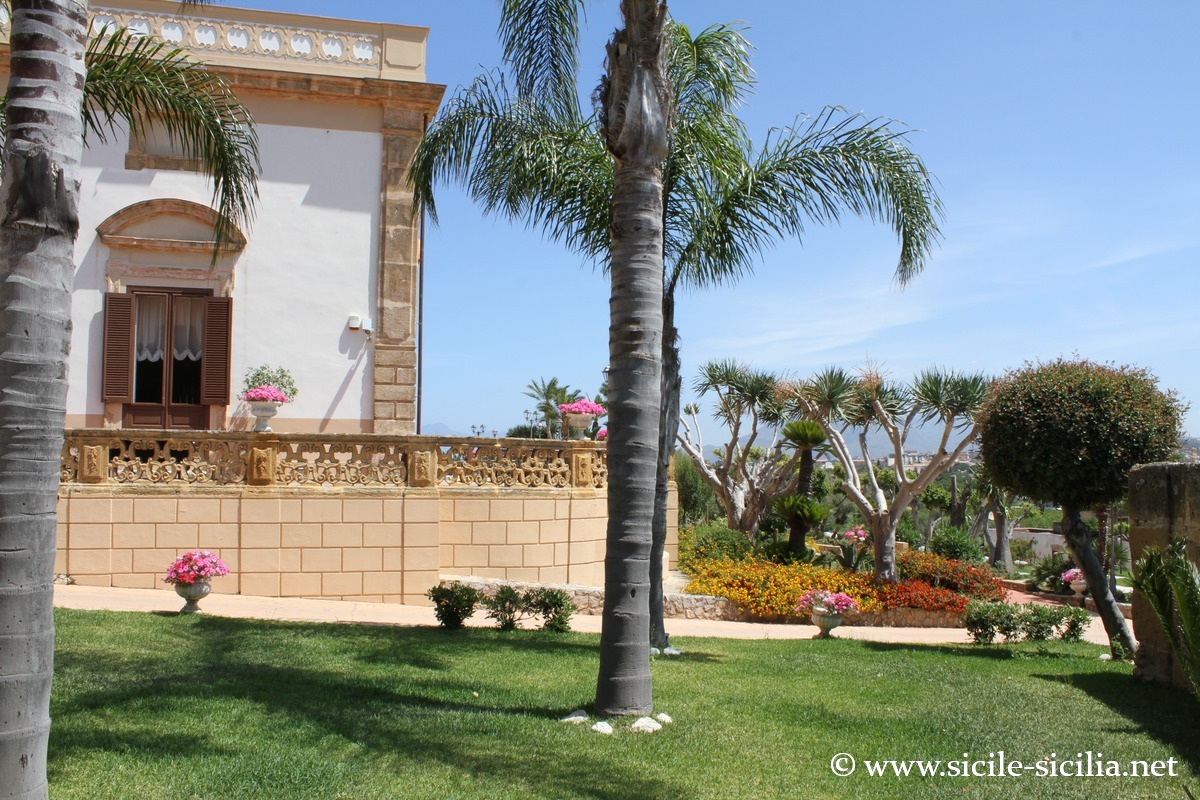
Villa Ramacca, on the slopes of Mount Catalfano, was built in the mid-18th century by Bernardo Gravina, Prince of Ramacca. It is rented out for events such as weddings, characterised by its broad terraces and its garden planted with exotic species, with a view over the urban and coastal landscape.
Other places and heritage of Bagheria
The Pietro Piraino Toy Museum (Museo del Giocattolo Pietro Piraino), housed in Villa Aragona Cutò, displays around 1600 historical toys and an important collection of 18th–19th century wax pieces, documenting the artisanal and cultural traditions of the region, including old porcelain dolls, automata and old mechanical toys.
The historic centre retains Baroque churches with the Chiesa delle Anime Sante del Purgatorio and the Chiesa del Santo Sepolcro, which preserve important sculptural and pictorial works, as well as 18th-century interior decorations.
14 km inland, one can discover the San Nicola waterfalls, a pretty, fairly wild site, and further on the Ficuzza reserve or Cefalà Diana.

Villa Palagonia 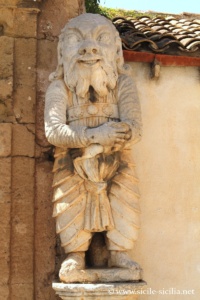
Villa Palagonia 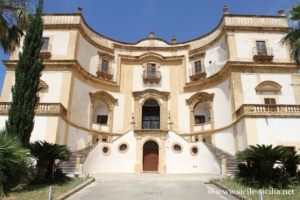

Villa Cattolica 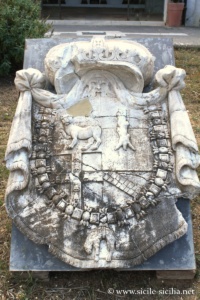
Villa Cattolica 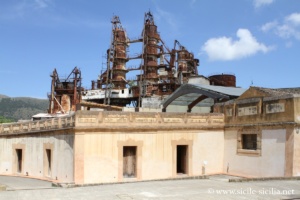
Villa Cattolica 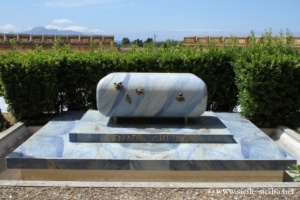
Tomb of Guttuso, Villa Cattolica 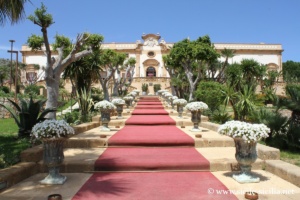
Villa Ramacca
Where Bagheria is located: map
If you see this after your page is loaded completely, leafletJS files are missing.
Information
Suggested visits
Sources and information
- Bagheria: en.wikipedia.org, citbagheria.it, comune.bagheria.pa.it, www.bagheriaexperience.it
- Mount Catalfano Park: it.wikipedia.org, laterradiguttuso.it, www.guidasicilia.it
- Toy Museum: www.museodelgiocattolo.org
Articles: Around Palermo
- Sicani Mountains
 The Sicani Mountains are a mountain range in the hinterland of western Sicily, straddling ...