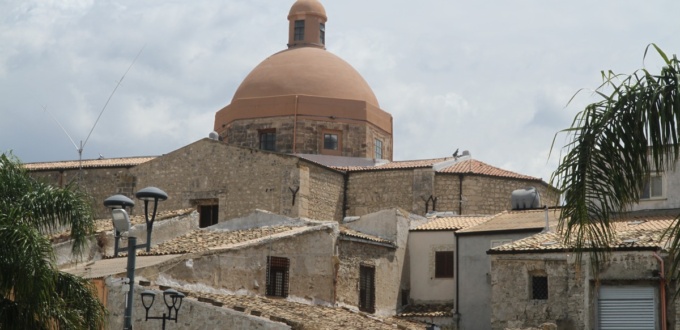
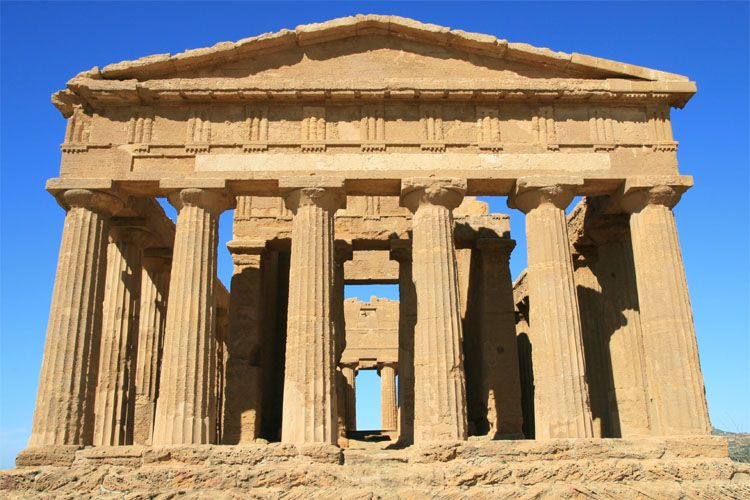
Agrigento is a city near the southern coast of Sicily, whose origins date back to 581 BC when Akragas was founded by settlers from Gela, located further east along the coast. Perched on a hill at nearly 230 metres above sea level, it offers a broad panorama over the Mediterranean Sea, and it has become […]
Category: Surroundings of Sciacca
Destinations near Sciacca, on the coast in south-western Sicily, including the temples and remains of the ancient city of Selinunte 35 km to the west. Inland, the Sicani Mountains rise to the north-east. Following the coastline eastwards, you reach Agrigento after 65 km of road.
If you see this after your page is loaded completely, leafletJS files are missing.
The Sicani Mountains are a mountain range in the hinterland of western Sicily, straddling the provinces of Palermo and Agrigento, which had a natural park created in 2010 whose status was revoked in 2018. There are several nature reserves: that of Palazzo Adriano and the Sosio Valley, that of Monte Carcaci, that of Monte Genuardo […]
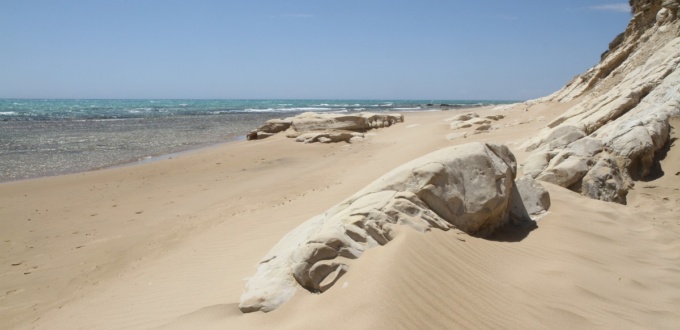
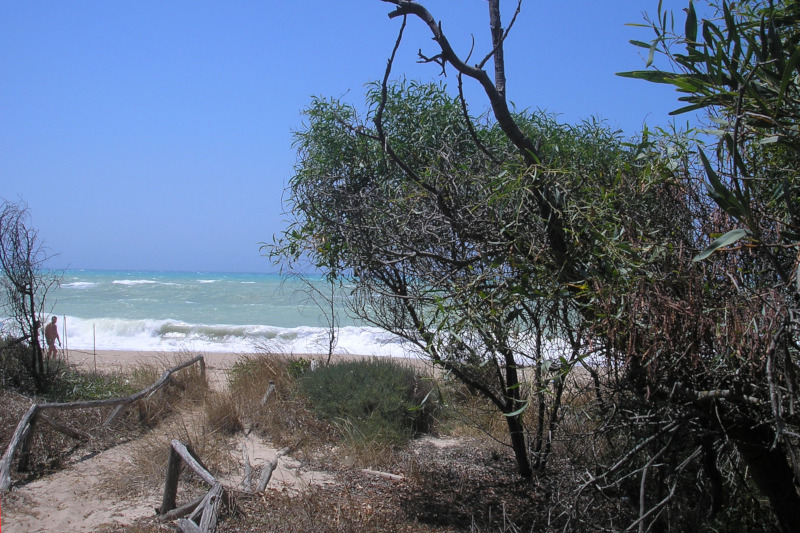
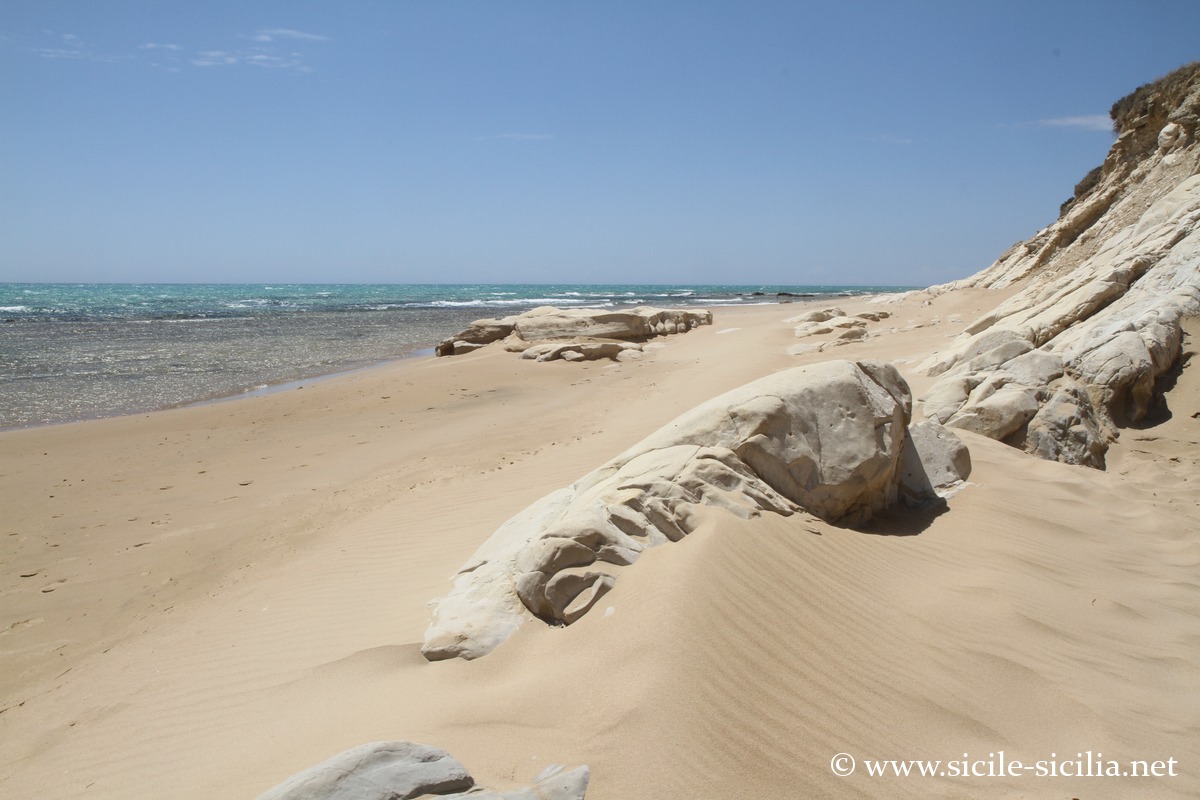
This stretch of coastline in southern Sicily, west of Agrigento and east of Sciacca, is one of the island’s most beautiful coastlines, benefiting from the protected area of the Torre Salsa Nature Reserve. Torre Salsa Nature Reserve The Torre Salsa Nature Reserve extends along the coast between Siculiana Marina and Eraclea Minoa over about 6 […]
Itinerary west of Agrigento, starting from Pirandello’s birthplace south of the town, continuing through Porto Empedocle to Seccagrande, following the coastline, passing by the Roman villa of Realmonte, the Scala dei Turchi, Siculiana, the Torre Salsa nature reserve, Capo Bianco and the mouth of the Platani. From Porto Empedocle to Siculiana, passing by the Pirandello […]
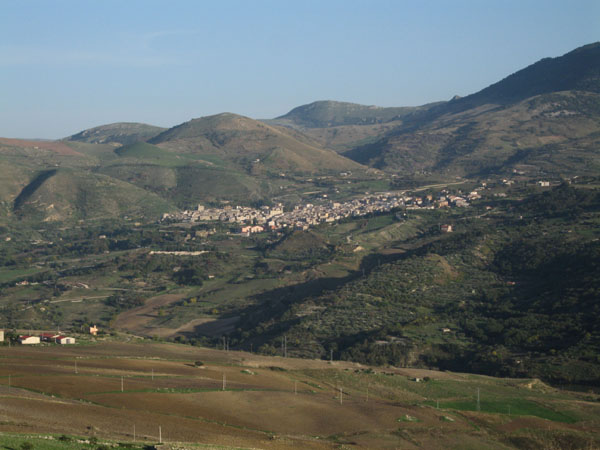
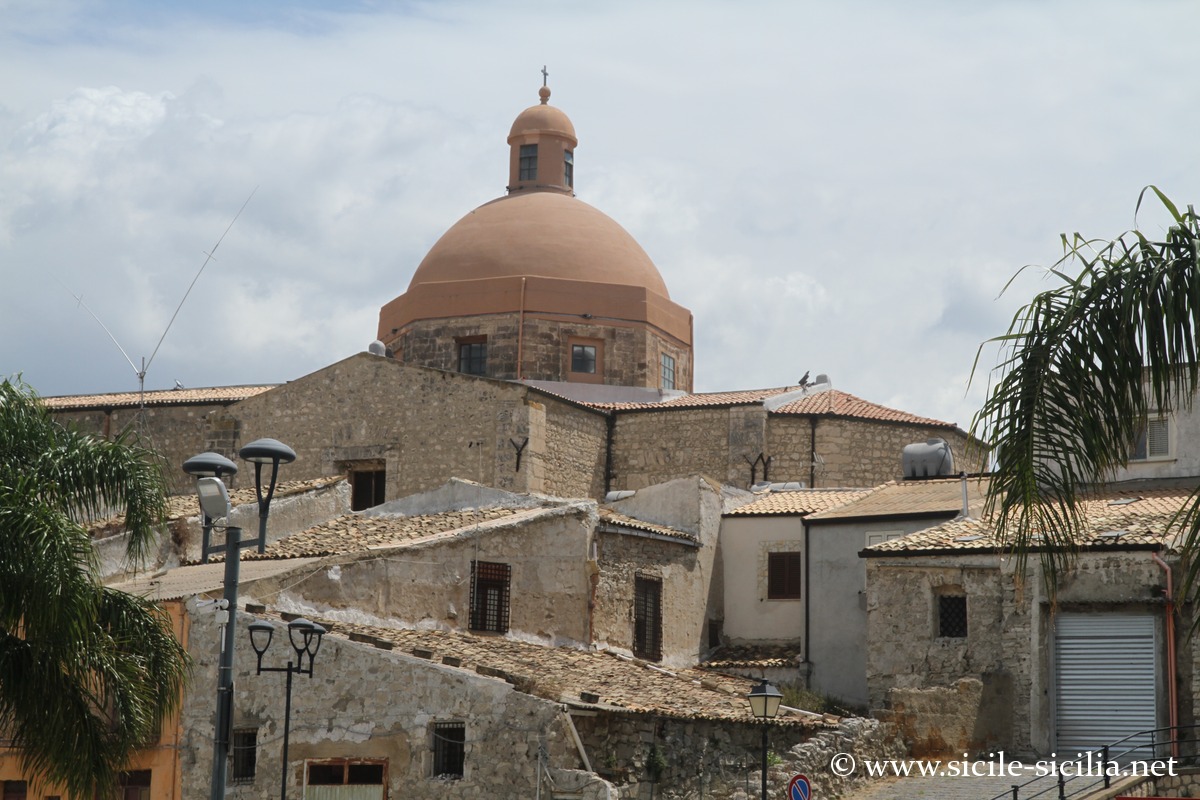
Siculiana is a pretty little village 20 km west of Agrigento, set on a promontory overlooking the coastal plain and the Mediterranean Sea. Its origins combine traces of ancient settlement (necropolises and Roman remains along the coast) and above all a medieval evolution marked by the presence of an important fort, which became the current […]