
A few kilometres further north of ancient Megara Hyblaea, Augusta was founded on an isthmus in the 13th century by Frederick II.
The town of Augusta is not a tourist destination, yet it retains a harmonious historic centre on the island, a fortress of Swabian origin and beautiful churches.
To the north, Brucoli is a beautiful natural and coastal site with a photogenic old castle.
Augusta
The town of Augusta, with a population of nearly 34,600 inhabitants, lies north of Syracuse, from which it is separated by nearly 35 kilometres, on a peninsula in the Gulf of Augusta.
It lives off the activity of its large commercial port linked to petroleum products, with the proximity of the large petrochemical complex “Augusta-Priolo”.
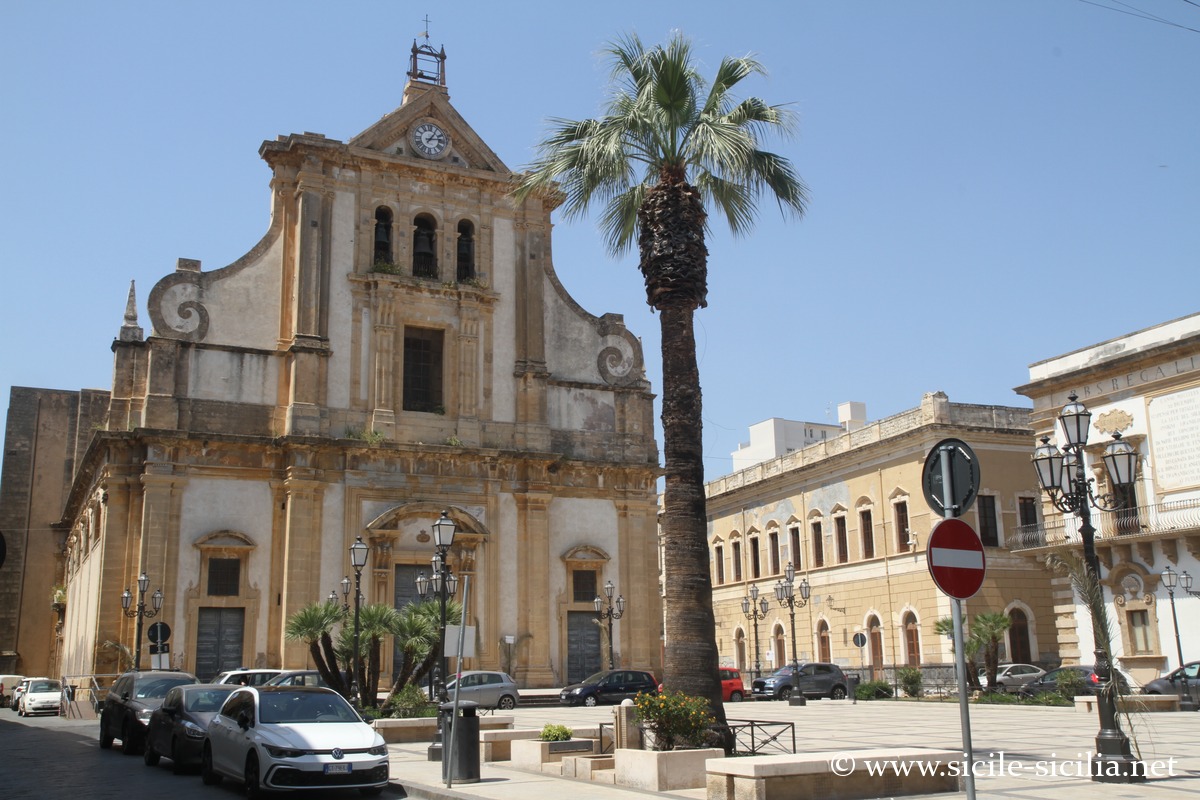
Augusta Cathedral
It was founded near the site of the ancient Doric Greek city of Megara Hyblaea by Emperor Frederick II of Swabia, in 1232, under the name Augusta Veneranda.
In 1676, the naval battle of Agosta took place in its port, between the German/Spanish fleets against the French, as part of the Franco-Dutch War.
After the 1693 earthquake the town was rebuilt.
During the Second World War it was a Royal Navy base and a landing port for the Anglo-American forces (on 10 July 1943).
Today, Augusta is home to one of the main Italian naval bases, the Marisicilia Naval Base, headquarters of the maritime command of Sicily.
Where Augusta is located: map
If you see this after your page is loaded completely, leafletJS files are missing.
Visiting Augusta and its surroundings
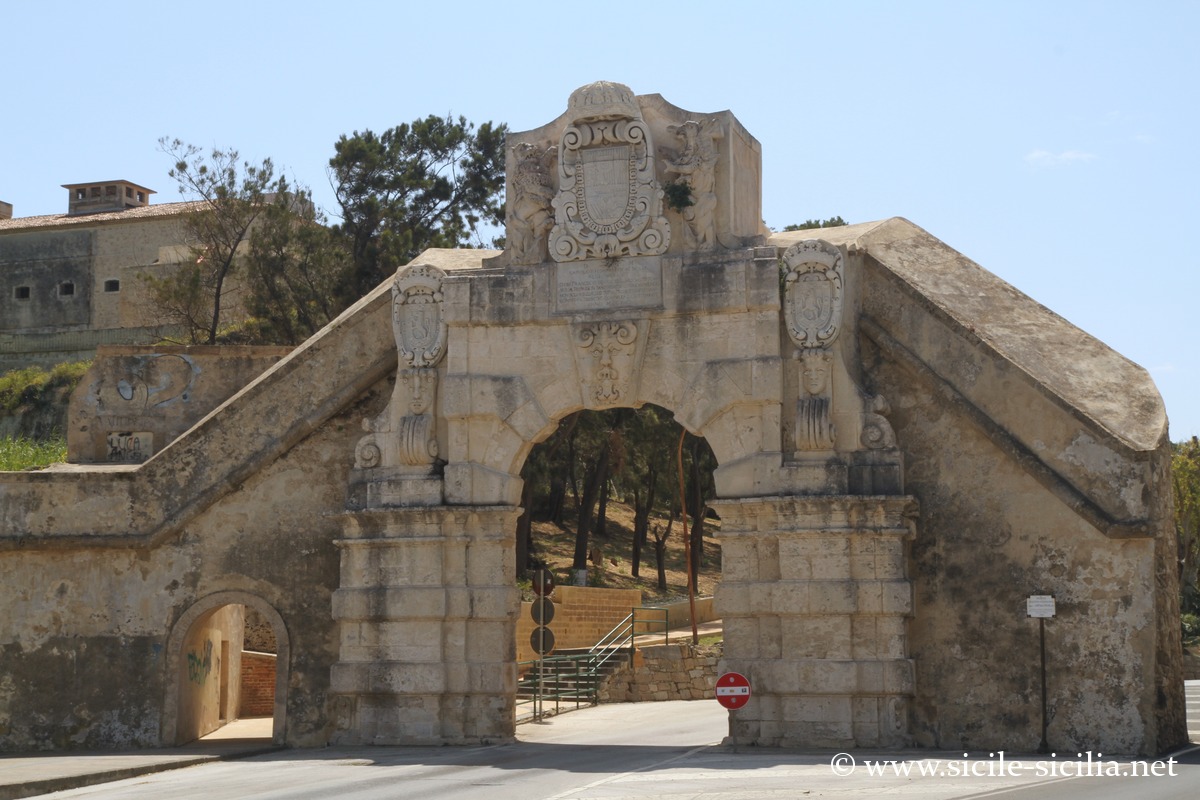
Porta Spagnola and Swabian castle
The historic centre occupies an island connected to the mainland by two bridges, the oldest of which enters the town through the Spanish gate (“porta spagnola”, from 1681-82), dominated by the Swabian castle built in the time of Frederick II and later remodelled. The island was previously a peninsula, until the isthmus was dug in the 16th century.
In the centre the two main monuments are the cathedral (Chiesa Madre Santa Maria Assunta) and the Dominican church (Chiesa di San Domenico).
In the surroundings, the “sbarcatore dei turchi” (landing place of the Turks) on the coast to the east is a pretty coastal site, but now located in an inaccessible military zone. The Faro di Capo Santa Croce lighthouse (1859) marks the north-eastern end of the Gulf of Augusta.
Every year local events are held linked to the sea, fishing and the town’s maritime tradition
Brucoli and its surroundings
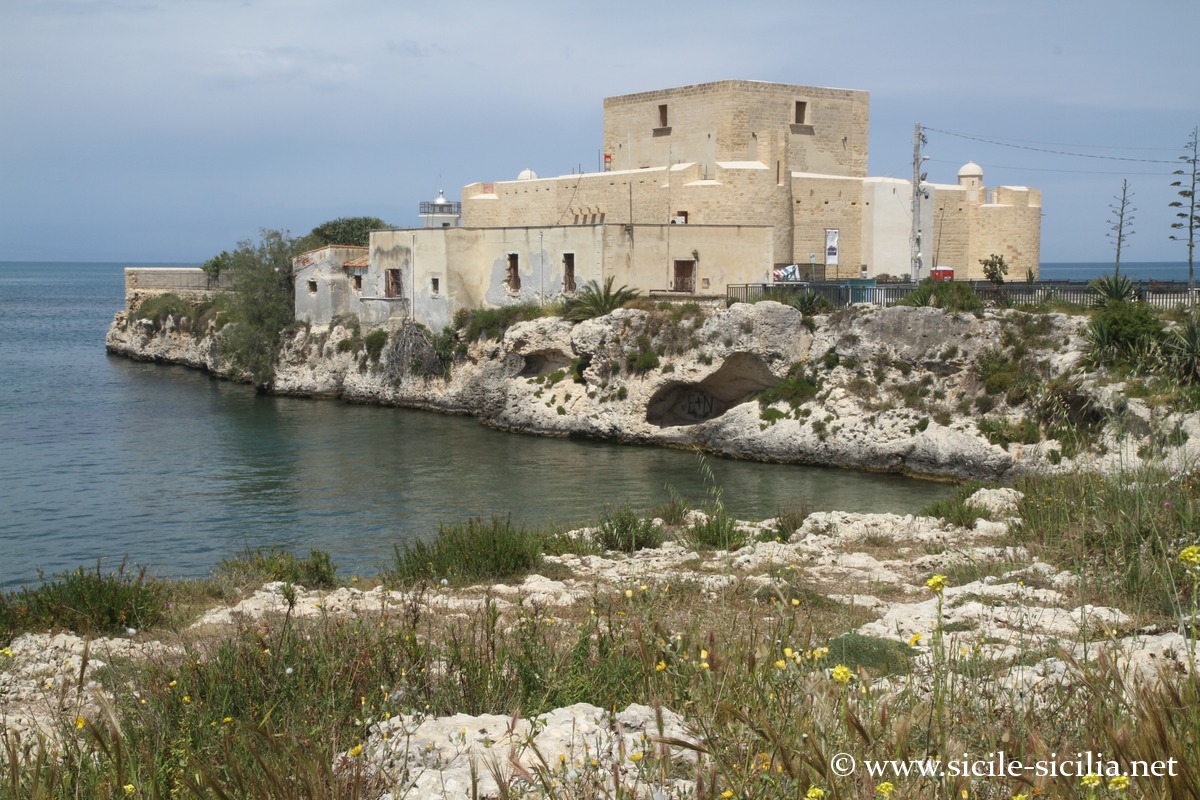
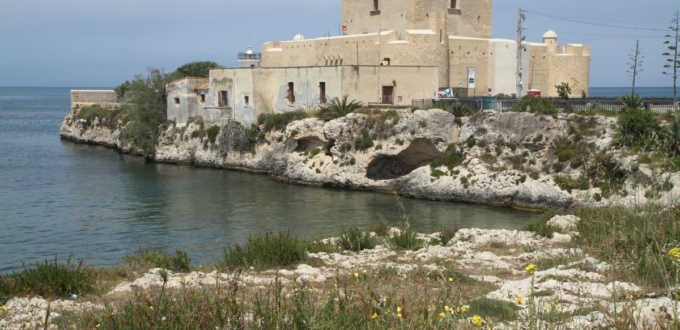
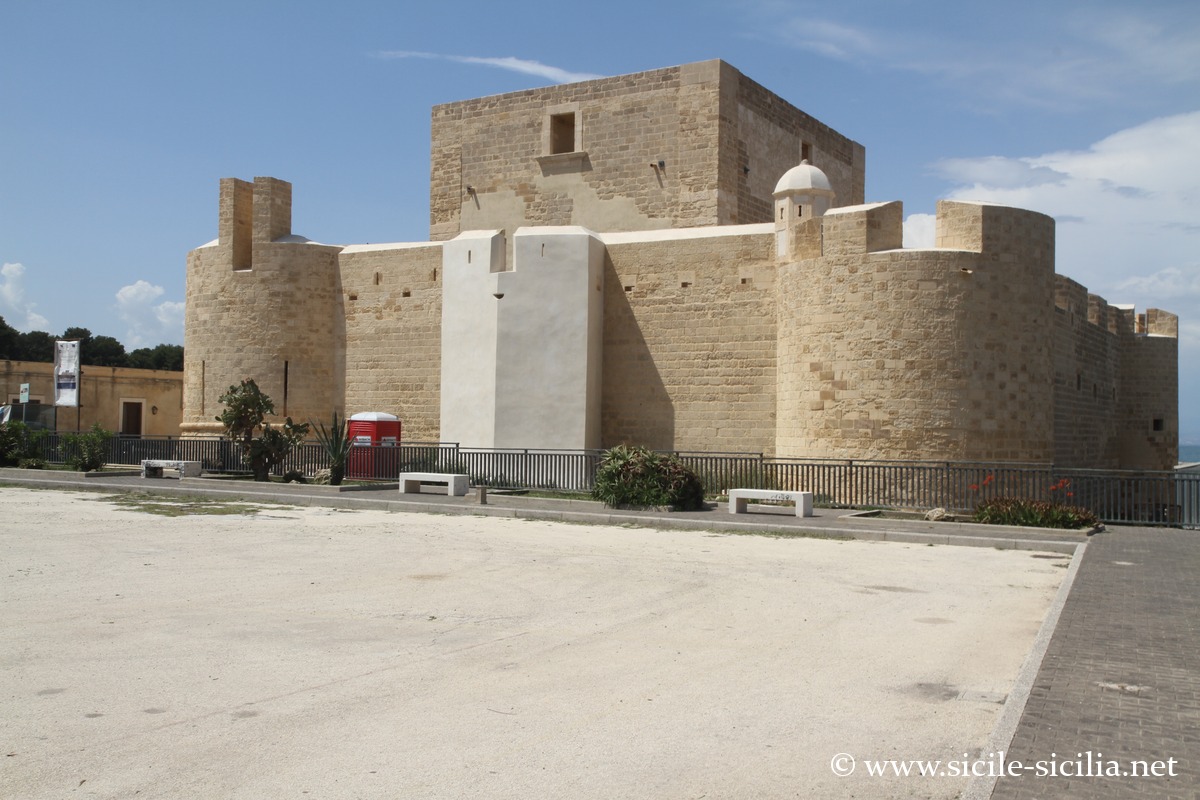
Brucoli Castle
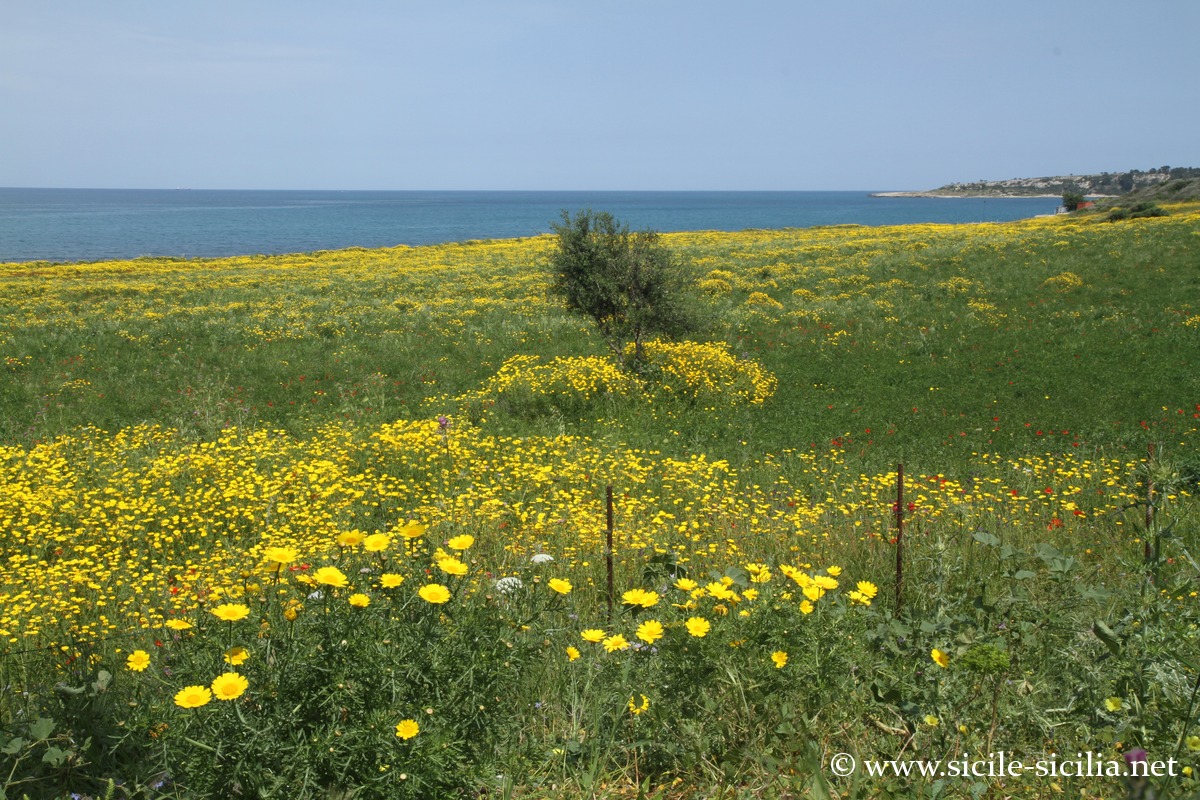
Brucoli is a picturesque coastal village located north of Augusta, in the province of Syracuse, in Sicily. It is renowned for its tranquil atmosphere, its lively fishing port and its picturesque coasts. Brucoli beach, although small, offers a pleasant setting.
Brucoli port, with its crystal-clear waters, is prized for boat trips and sea excursions.
The Brucoli Castle is a 15th-century Aragonese coastal fortress, erected by Giovanni Çabastida between 1462 and 1467. Facing the Gulf of Catania, it served as a watchtower to monitor and protect the coast against barbarian incursions. It features robust architecture with thick walls and circular towers added in the 16th century.
Currently open to the public, it hosts cultural events and temporary exhibitions.
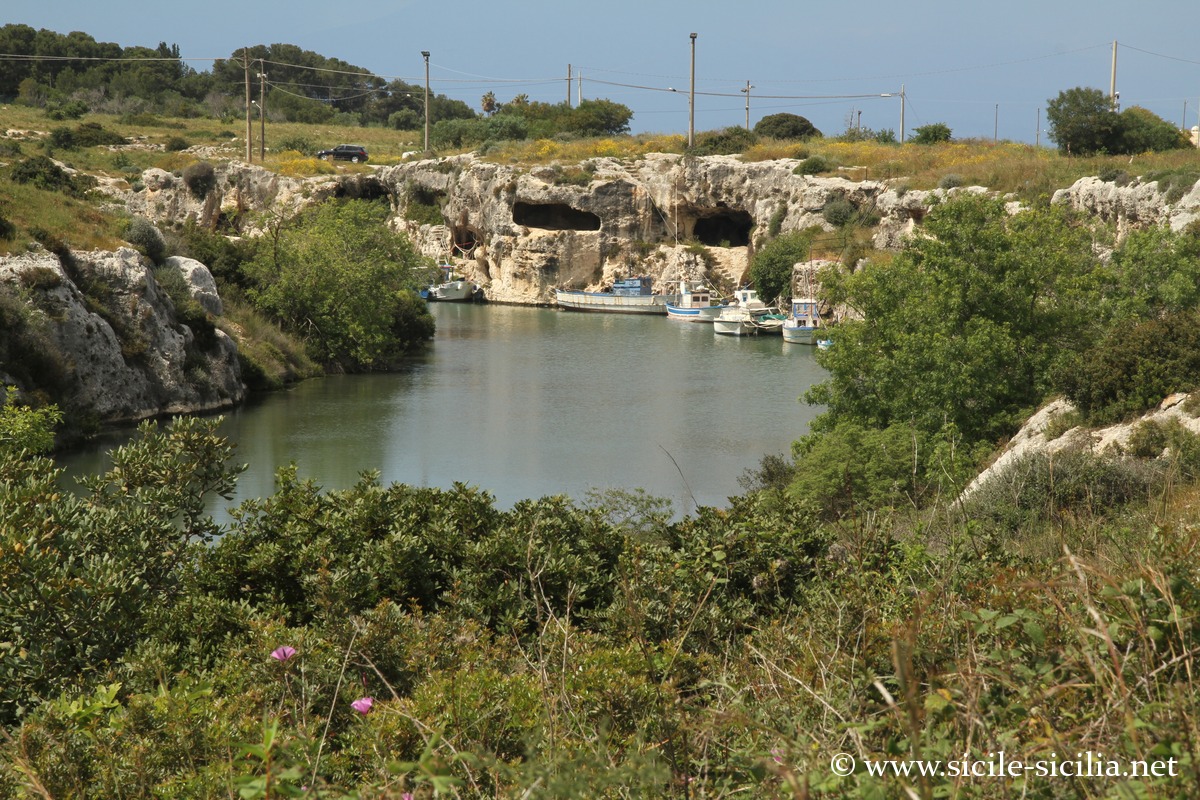
Brucoli Fjord
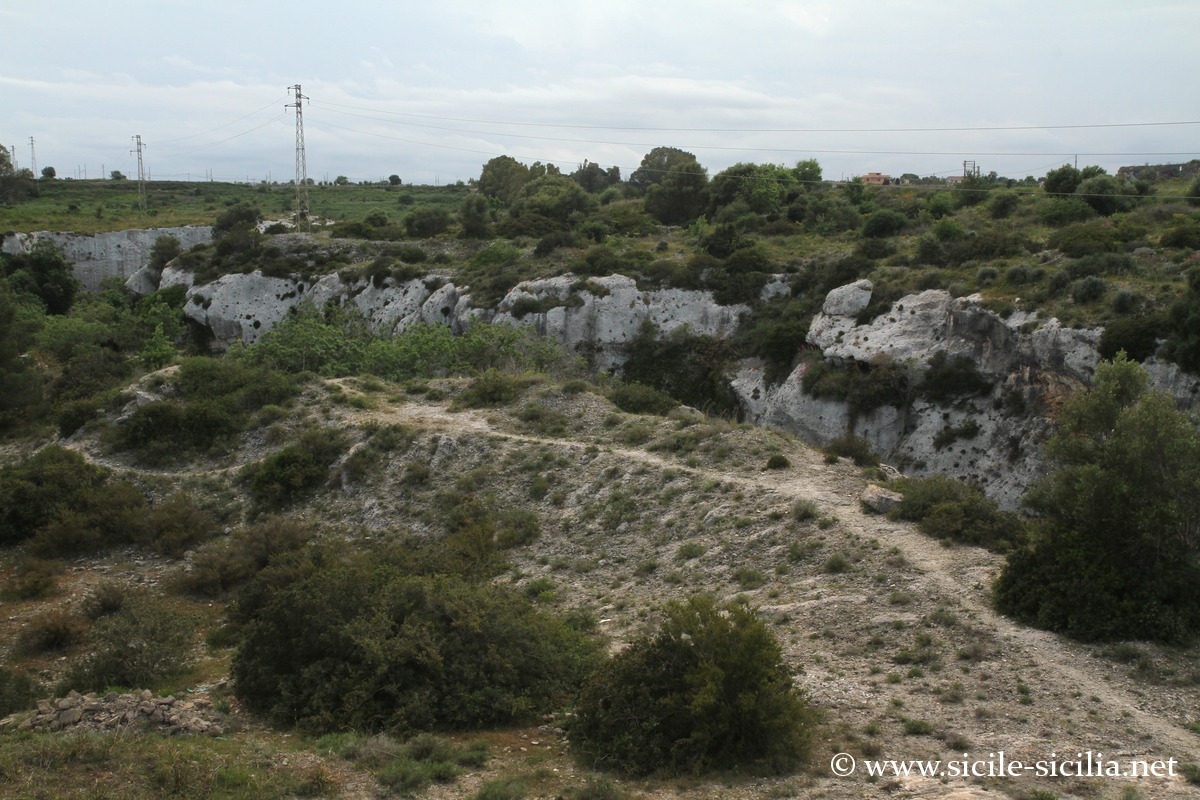
The Brucoli Fjord (Fiordo di Brucoli in Italian) is formed by the Porcaria torrent, creating a natural channel lined with limestone cliffs. This site is characterised by its calm waters and surrounding Mediterranean vegetation, a passageway for local fishermen and a picturesque setting for visitors.
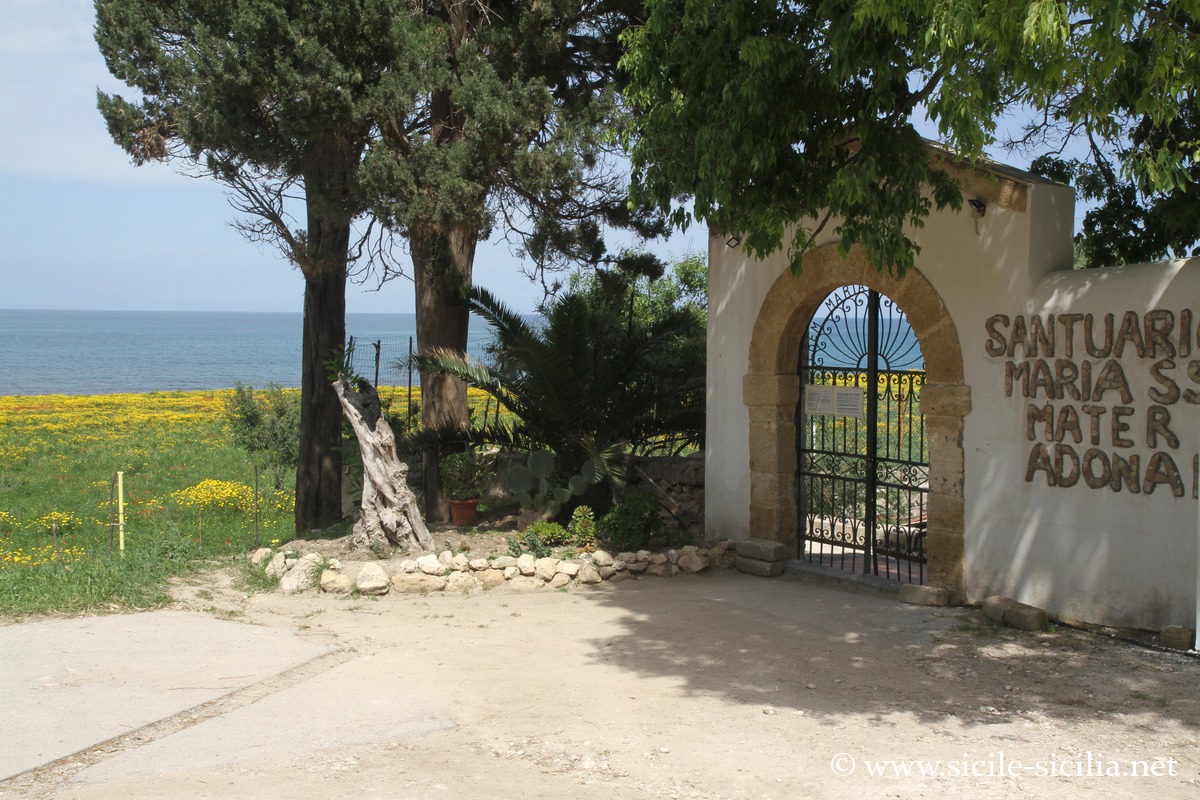
About one kilometre west of Brucoli, in a peaceful setting, is the Sanctuary of the Madonna dell’Adonai. It dates back to the 3rd century with a palaeo-Christian oratory from the 3rd century, founded by a Christian named Publio in the caves of the Greco, used since the Palaeolithic as sacred sites and burials. It served as a refuge for persecuted Christians and was decorated with frescoes attributed to Saint Agathon. Abandoned after the Edict of Constantine, it was rediscovered between the 16th and 17th centuries, enlarged and provided with a small convent. It preserves the image of the Madonna dell’Adonai, sometimes associated with the Black Madonnas, a symbol of the ancient cult of the Great Mother. Today, the site remains a place of pilgrimage and of historical and archaeological interest. The sanctuary is not open for interior visits.
The Pantakías-Gisira rock complex is an archaeological site that extends along the Porcaria torrent, where natural caves have been adapted since the Palaeolithic for funerary, residential and cultic uses. Traces of Neolithic and Byzantine villages, including post holes, bear witness to continuous human occupation.
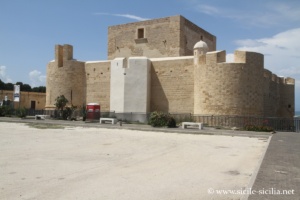

Brucoli Castle 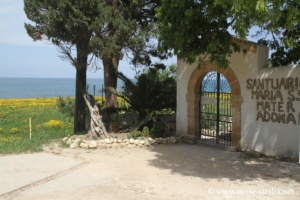
Sanctuary of Our Lady of Adonai 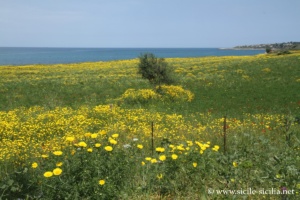
Sanctuary of Our Lady of Adonai 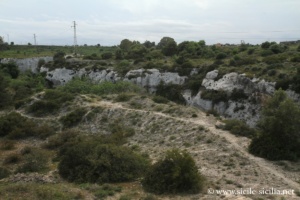
Pantakias-Gisira hypogeum rock site
Where Brucoli is located: map
If you see this after your page is loaded completely, leafletJS files are missing.
Information
External sites
- Augusta on Wikipedia
- Città di Augusta – Official municipality website Official portal of the town of Augusta, with the places of the town to discover.
- Brucoli – Wikipedia Encyclopaedic article
- Santuario della Madonna dell’Adonai – Wikipedia Historical and architectural presentation of the sanctuary
- Fiordo Canale di Brucoli – FAI Description of the Brucoli fjord