

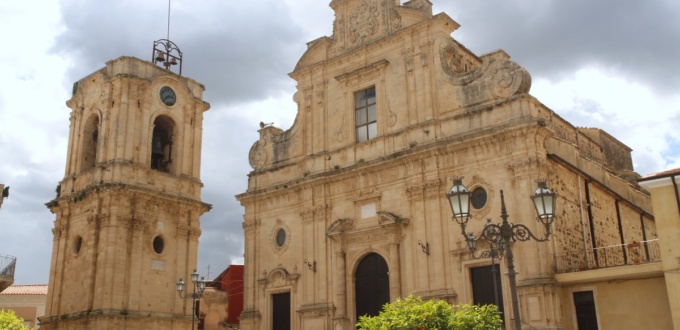
Set in the hills between the plain of Catania and the north of the Hyblaean Mountains, the beautiful town of Militello is one of the eight municipalities inscribed by Unesco among the late Baroque towns of the Val di Noto.
Historical overview
The name of Militello comes from “Militum Tellus” (land of soldiers in Latin), having according to tradition been founded by the Roman consul Marcellus, during the siege of Syracuse, in 212 BC, to escape the plague that was raging there.
The presence of the Byzantines is attested later and the town developed in the Middle Ages, as a fief of the Cammarana first, then of the Marquises Barresi and the Branciforte. It was with the latter, in the 16th and 17th centuries, under the rule of Prince Don Francesco Branciforte, that Militello was greatly embellished. The earthquake of 1693 destroyed almost everything, but the reconstruction in the Baroque period was a great success.
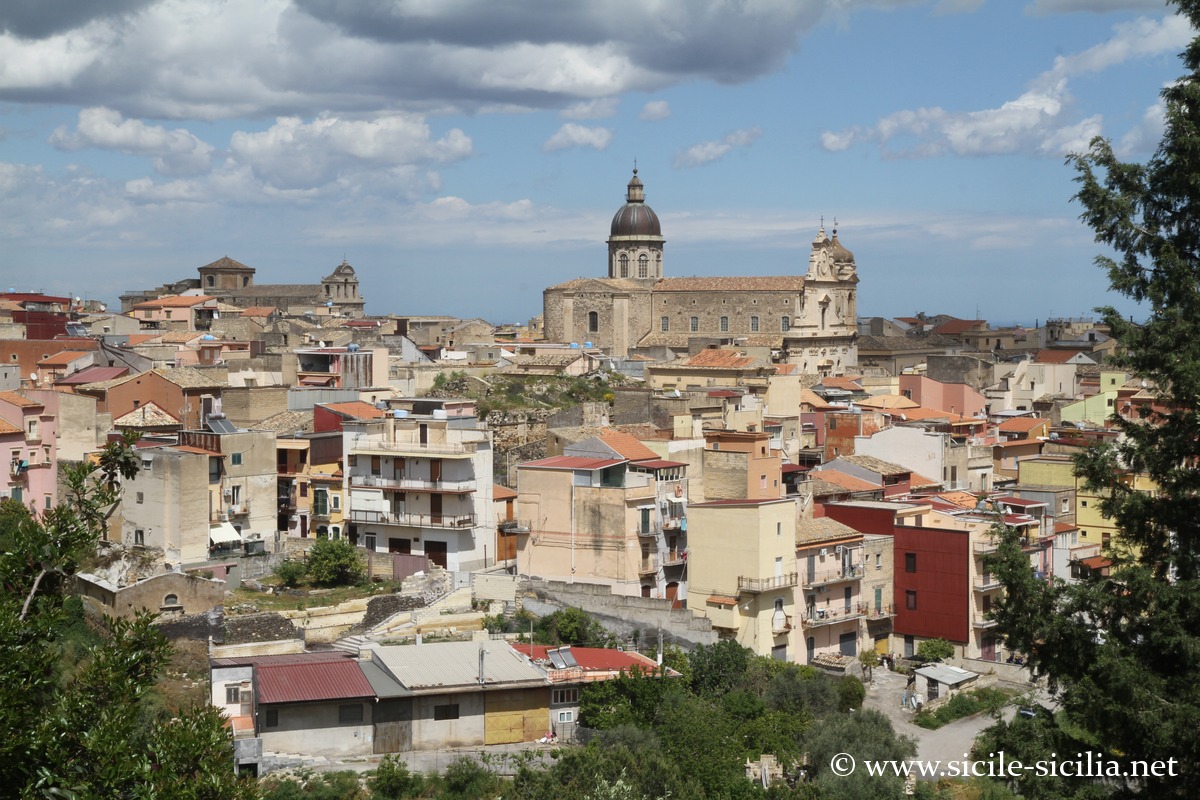
Militello in Val di Catania
Must-sees in Militello
- Chiesa Madre di San Nicolò – SS. Salvatore
The main Baroque church of the town, with its imposing dome and its 18th-century canvases. The adjacent museum of sacred art preserves ancient liturgical furnishings. - Sanctuary of Santa Maria della Stella
Church dedicated to the patron saint of Militello, remarkable for its separate bell tower and its preserved works of art. - Castello Barresi-Branciforte
Remains of the medieval castle with tower and bastion, integrated into the urban fabric, a testimony to the feudal history of Militello. - Oratorio di Maria Santissima della Catena
Small Baroque building decorated with stuccoes and statues of canonized virgins, with an intimate interior that illustrates local religious art. - Fontana della Ninfa Zizza
Monumental fountain from the early 17th century, an example of hydraulic engineering and Sicilian Baroque ornamentation. - Piazza Municipio
The church and the former Benedictine monastery stand on this square along with 17th-century Baroque palaces equipped with carved balconies. - Remains of Santa Maria la Vetere
On the site of the old church, one discovers a Norman tower and a Christian necropolis.
Heritage and visiting Militello
The historic center of Militello in Val di Catania is pleasant to discover on foot, among its winding alleys, its straight Baroque streets, and its nice squares. Here is a presentation by geographical area, which can thus serve as a support for an itinerary.
Central district
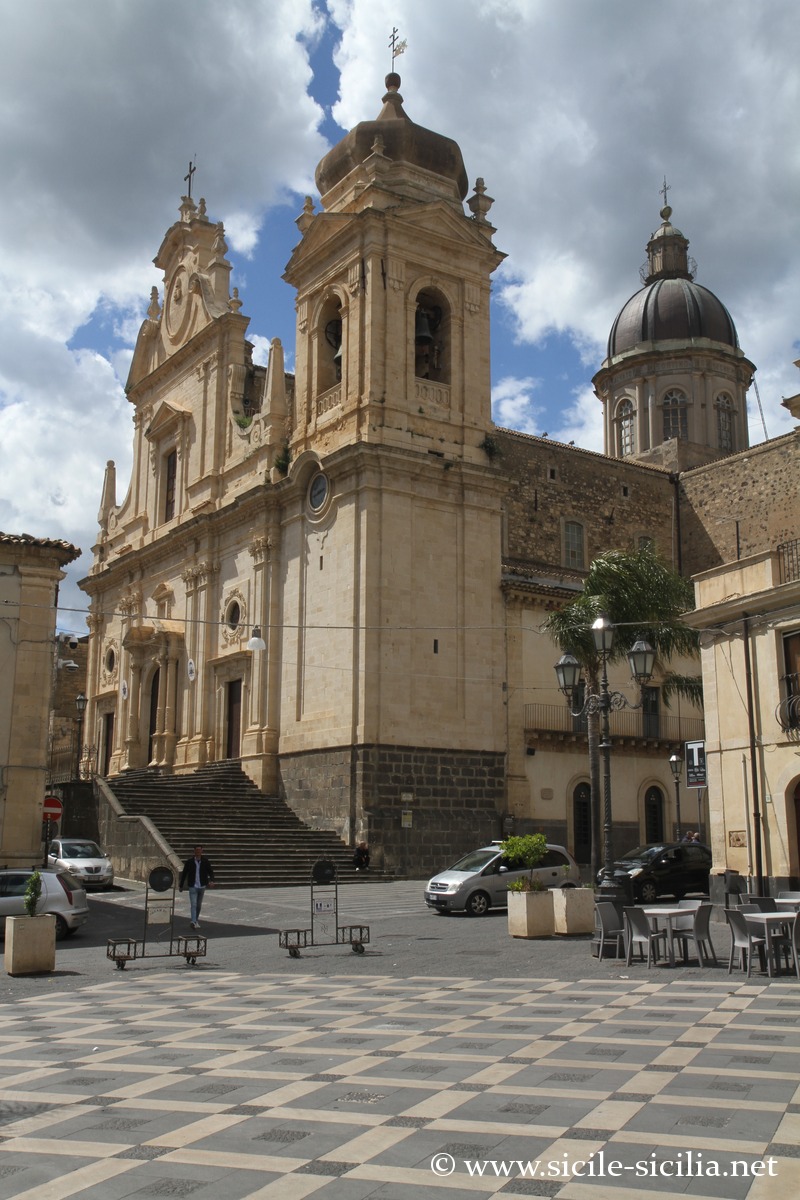
San Nicolo and SS Salvatore
At the top of a monumental staircase stands the Chiesa Madre di San Nicolò e del Santissimo Salvatore, dedicated to Saint Nicholas and the Holy Savior. This church, whose construction began in 1721, was completed in 1755 and was elevated to the rank of minor basilica in 2022. Its facade features a late 18th-century style, while its dome, 30 meters high and made of reinforced concrete, was added in 1904. It houses 18th-century canvases, including the large 1761 canvas depicting the Predication of San Nicolò by Vito D’Anna.
The Museum of Sacred Art San Nicolò is located in the former underground rooms of the church’s burial crypts, restored and transformed into a museum space. It displays ancient works and liturgical furnishings, offering a precious glimpse of local religious history.
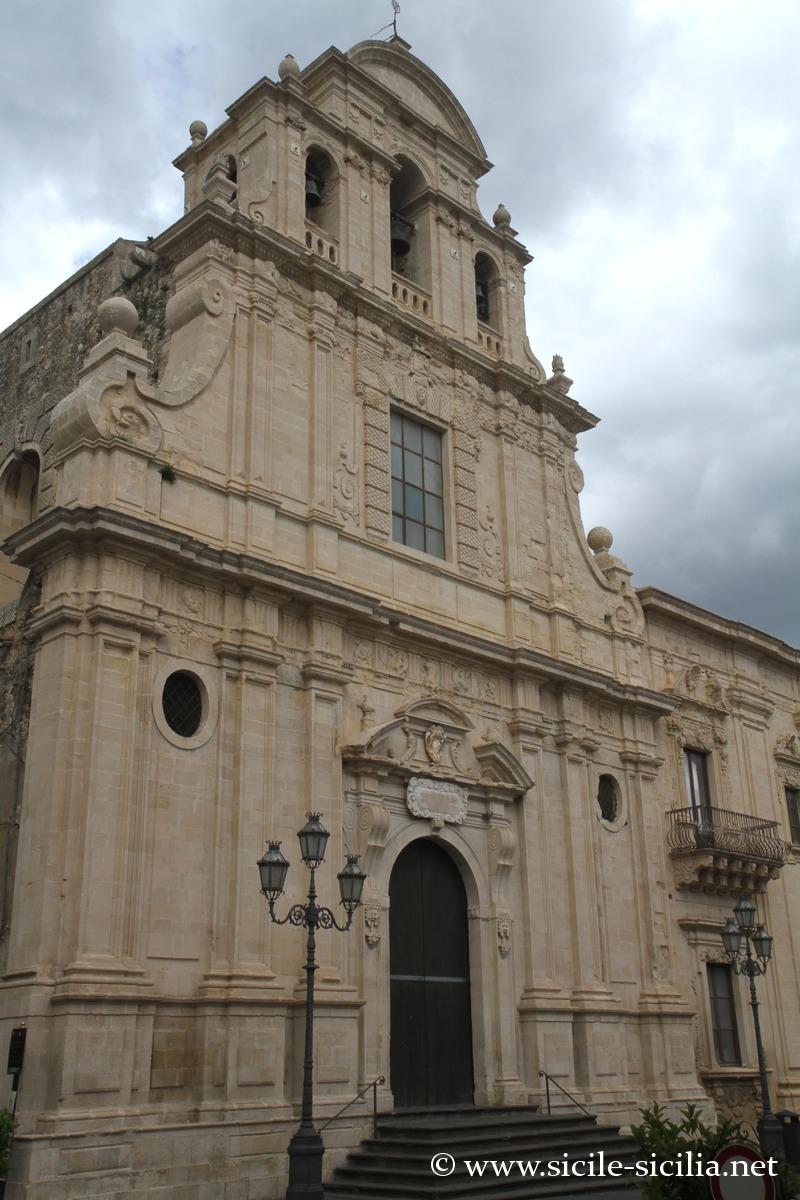
Church of San Benedetto
The Church of San Benedetto Abate, nearby to the north, built in the 17th century, has a bright interior with five side chapels and frescoes depicting Saint Benedict. The adjacent former monastery, inaugurated in the early 17th century, is now the seat of the Municipality.
TheChurch of Santa Maria della Catena is adorned with Baroque stuccoes and has a coffered ceiling, illustrating the refinement of the religious architecture of the time.
The district also houses the Oratorio di Maria Santissima della Catena, decorated with Baroque stuccoes and statues of canonized virgins, as well as Baroque palaces such as Palazzo Baldanza-Denaro, a remarkable example of Baroque civil architecture. Built in the 17th century, it stands out for its rich ornaments, its balconies decorated with corbels and grotesque masks, and its facade in San Barbara stone. Mention should also be made of other 17th- and 18th-century palaces: Palazzo Niceforo (18th century), Palazzo Liggieri, Palazzo Reburdone, Palazzo Reina, Arc de Militello.
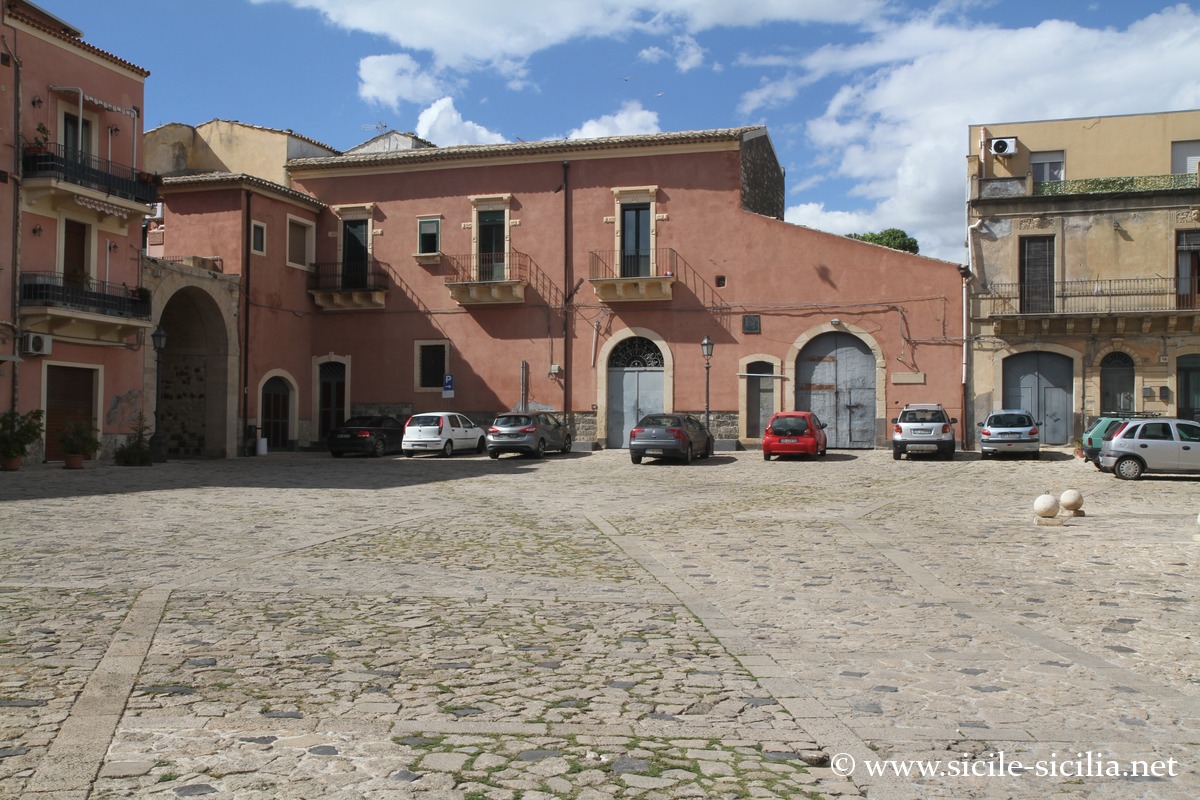
The Piazza Sant’Agata, a central public space, is often used for celebrations and traditional markets.
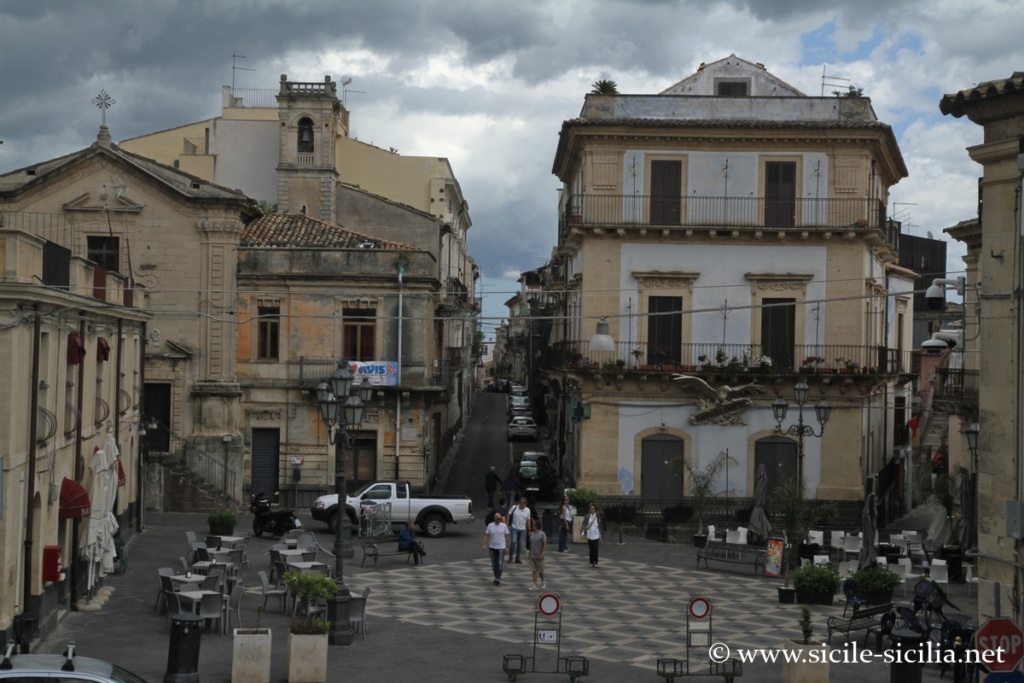

Piazza Vittorio Emanuele 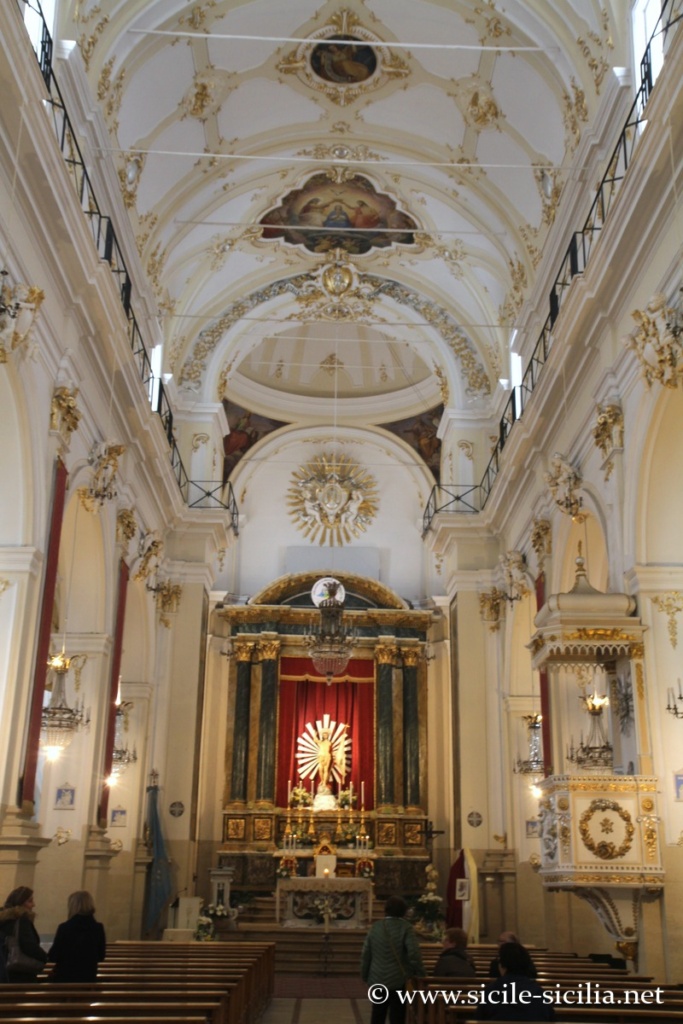

Church of San Nicolo 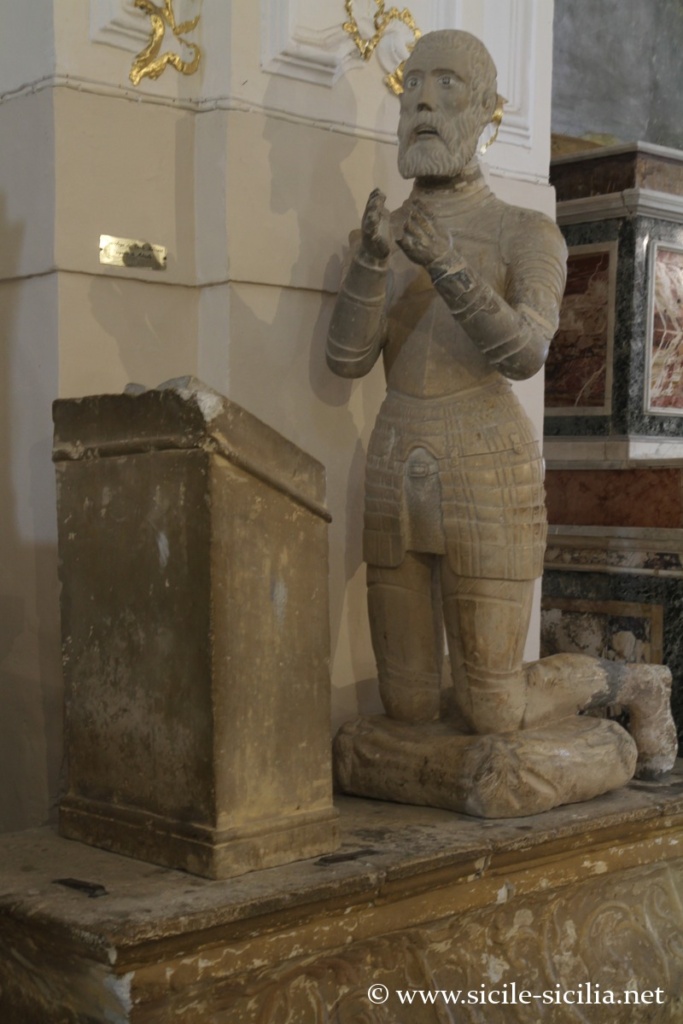
Church of San Nicolo 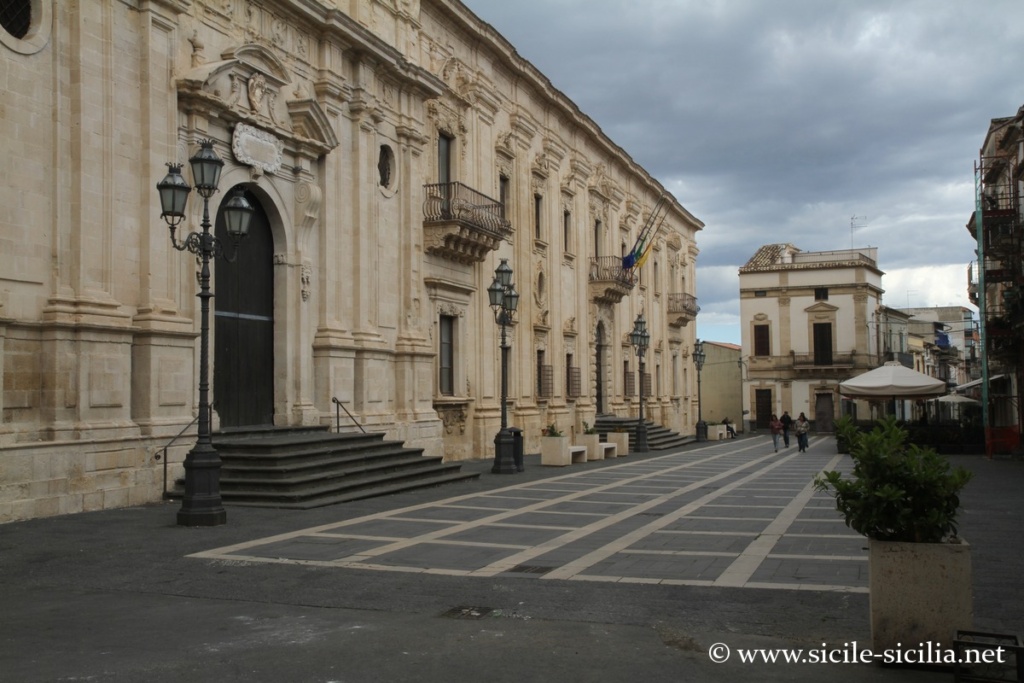
Former monastery of San Benedetto 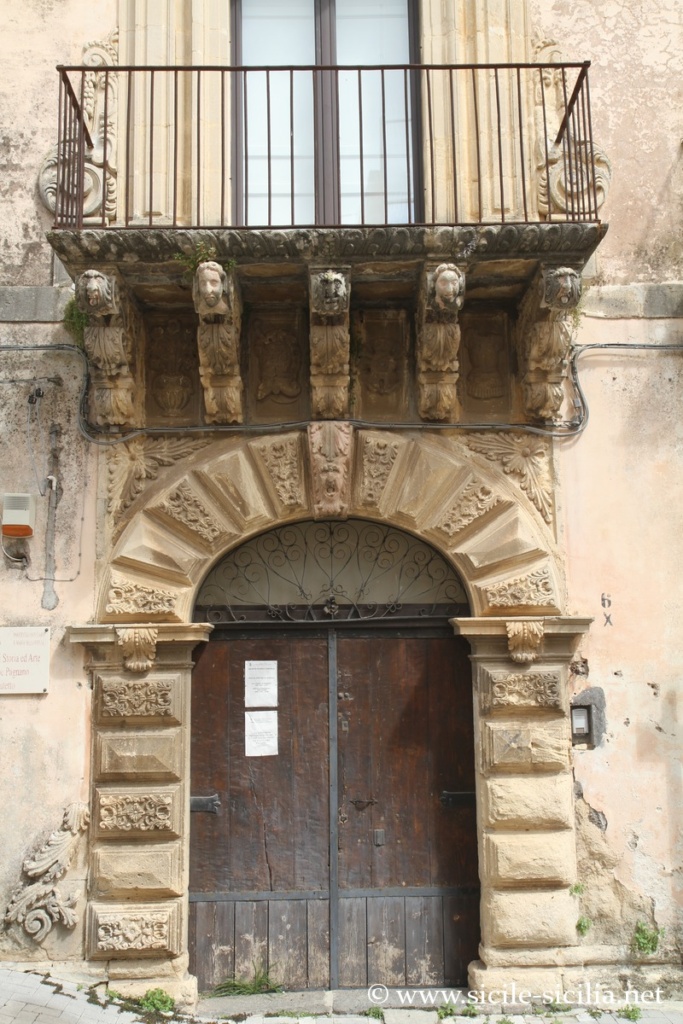
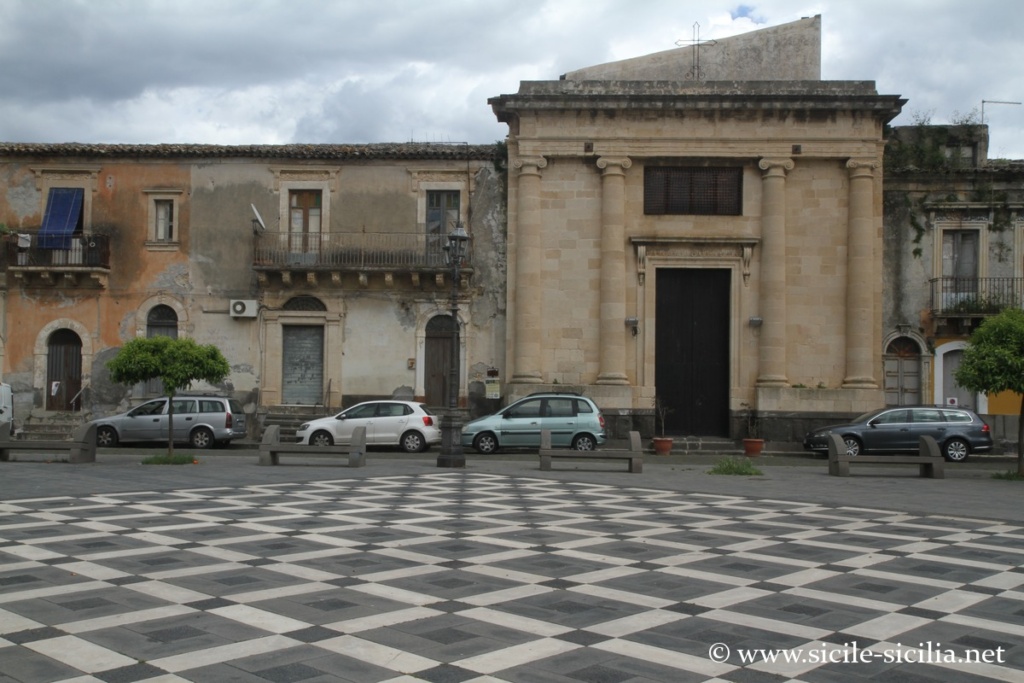
Piazza Sant’Agata
Southern district
Heading south, the district reveals monuments steeped in history.
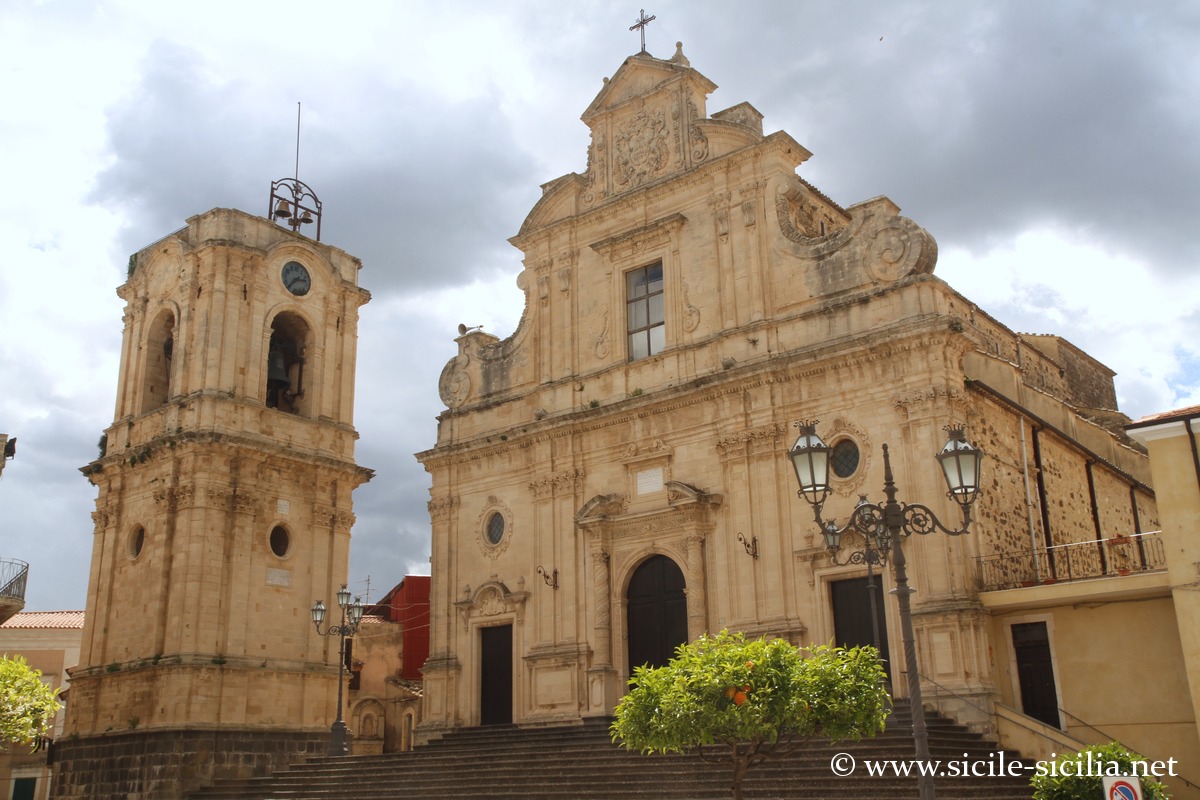
Santa Maria della Stella
The Sanctuary of Santa Maria della Stella, dedicated to the patron saint of the town, stands out for its separate bell tower and houses several remarkable works of art. This sanctuary is an important place of devotion for the inhabitants of Militello.
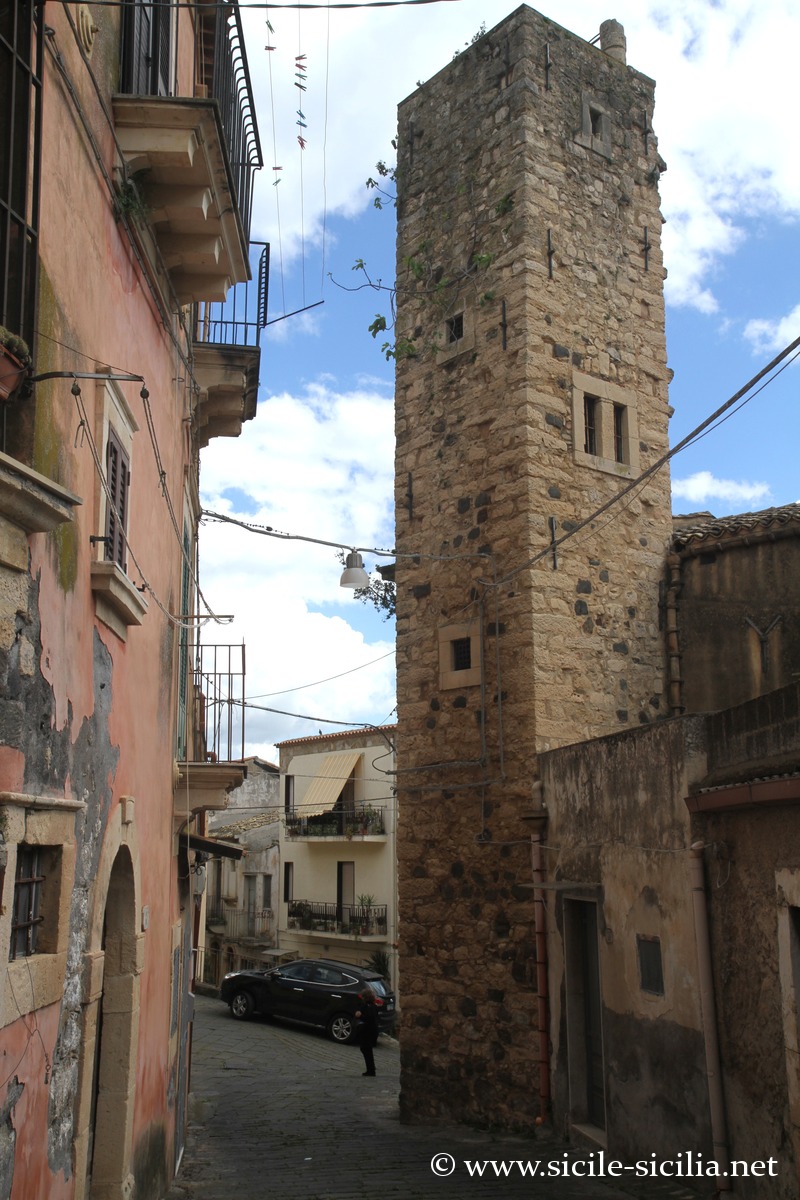
To the east, the Barresi-Branciforte Castle, dating from the 14th to the 17th century, has a gate, a tower and part of the bastion still visible, offering a glimpse of the military architecture of the time. Built in the early 14th century, it was the scene of many historical events, including a meeting of the Sicilian parliament in 1354.
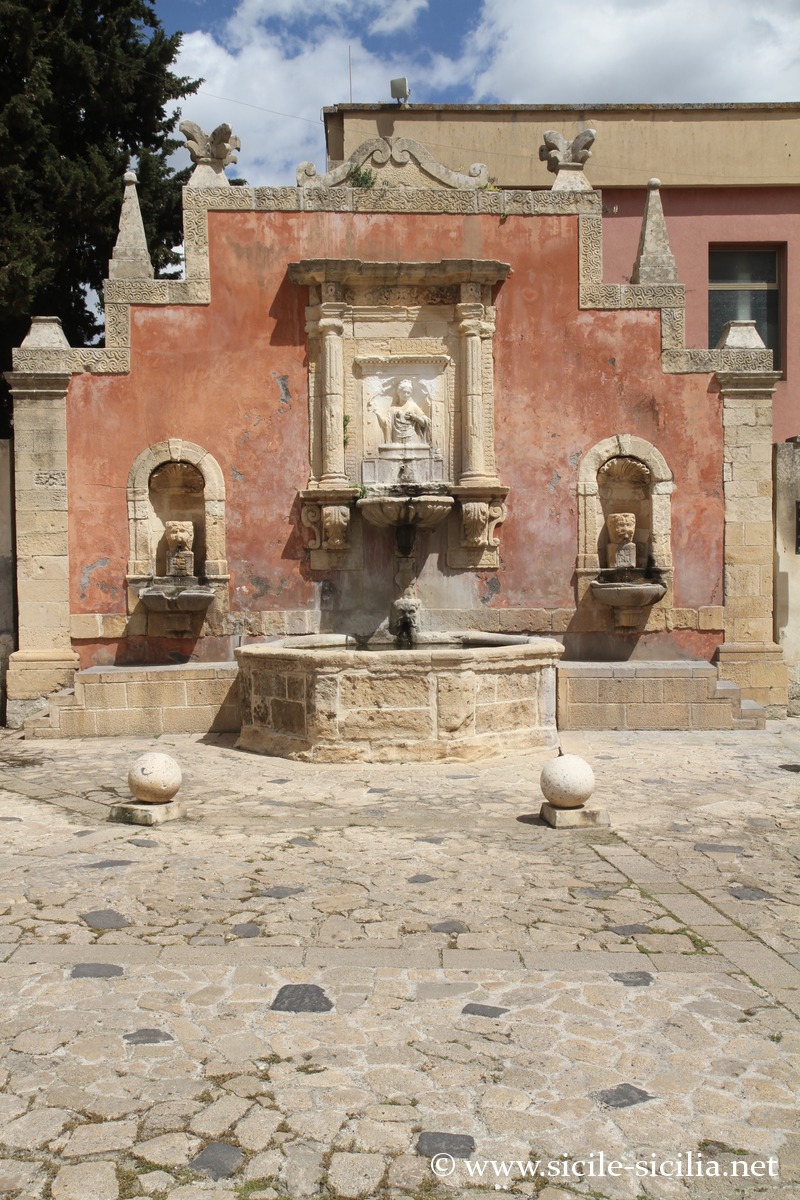
Nearby, the Fountain of the Nymph Zizza, built in 1607, is an example of the hydraulic architecture of the time. It was used for the town’s water supply and is adorned with decorative motifs characteristic of the Sicilian Baroque.
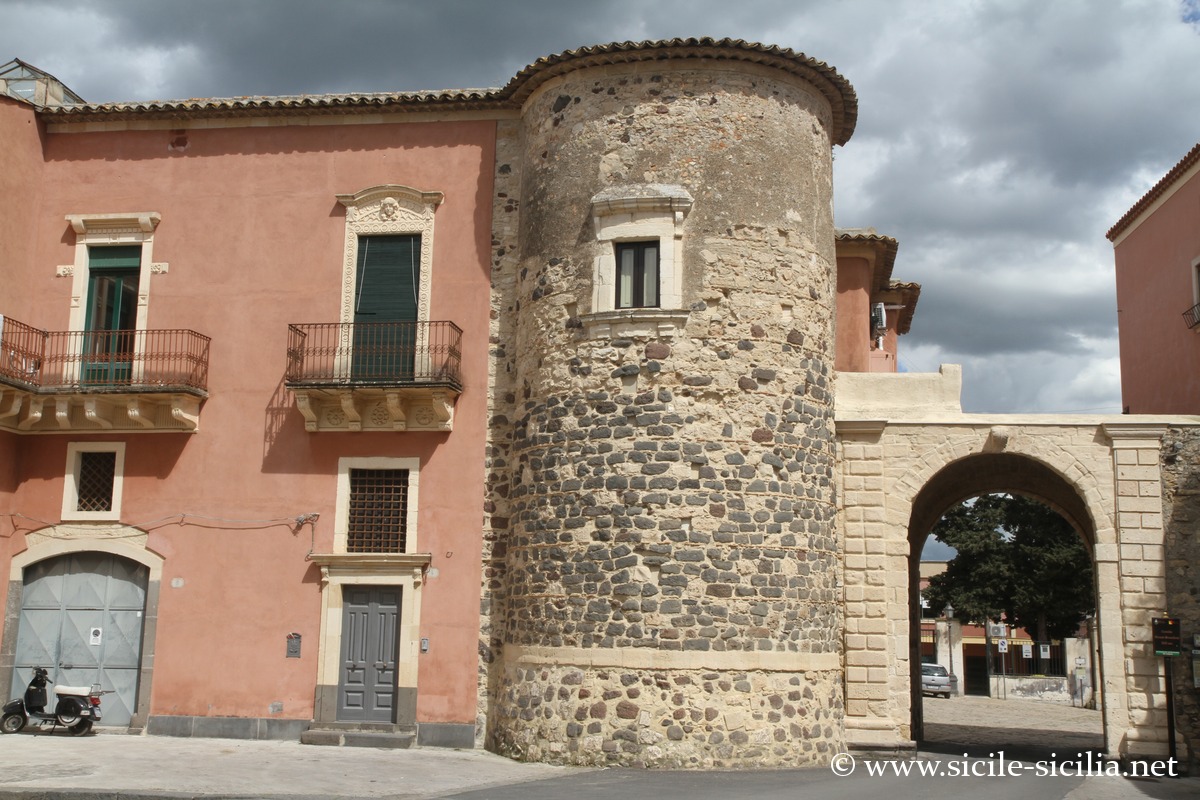
Tower of the Barresi Branciforte Castle
The southern district also houses the Sebastiano Guzzone Museum, dedicated to the local artist (currently reported to be closed), and the Treasure of Santa Maria della Stella, which preserves precious liturgical objects.
Santa Maria la Vetere presents the remains of this ancient church, dating from the 11th to the 17th centuries, comprising a Norman tower and a Christian necropolis, testifying to the religious evolution of the region.
The Oratory of the Angel (Oratorio dell’Angelo) is a small oratory featuring a majolica floor from Caltagirone dating to 1785, offering an example of the local craftsmanship of the time.
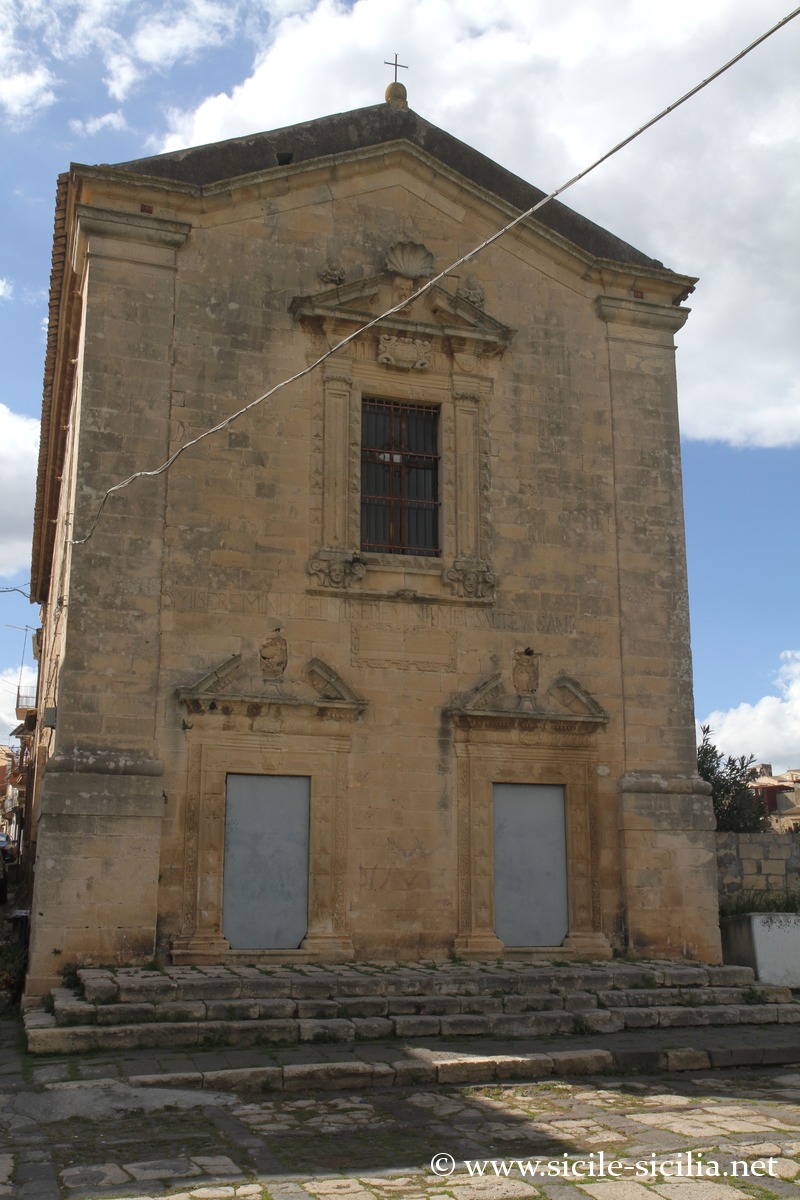
The Chiesa confraternale delle Anime Sante del Purgatorio, founded in 1613, is dedicated to the souls of purgatory as well as to Saint Vito and Saint Gregory the Great. Its Baroque facade, built in 1690 by Giacomo Barone, precedes an interior with a single nave and three altars adorned with polychrome stuccos. It also has an underground crypt.
Palazzo Iatrini: This palace, located in the southern district, is another example of the local architecture.
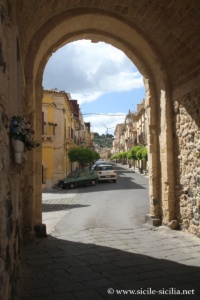

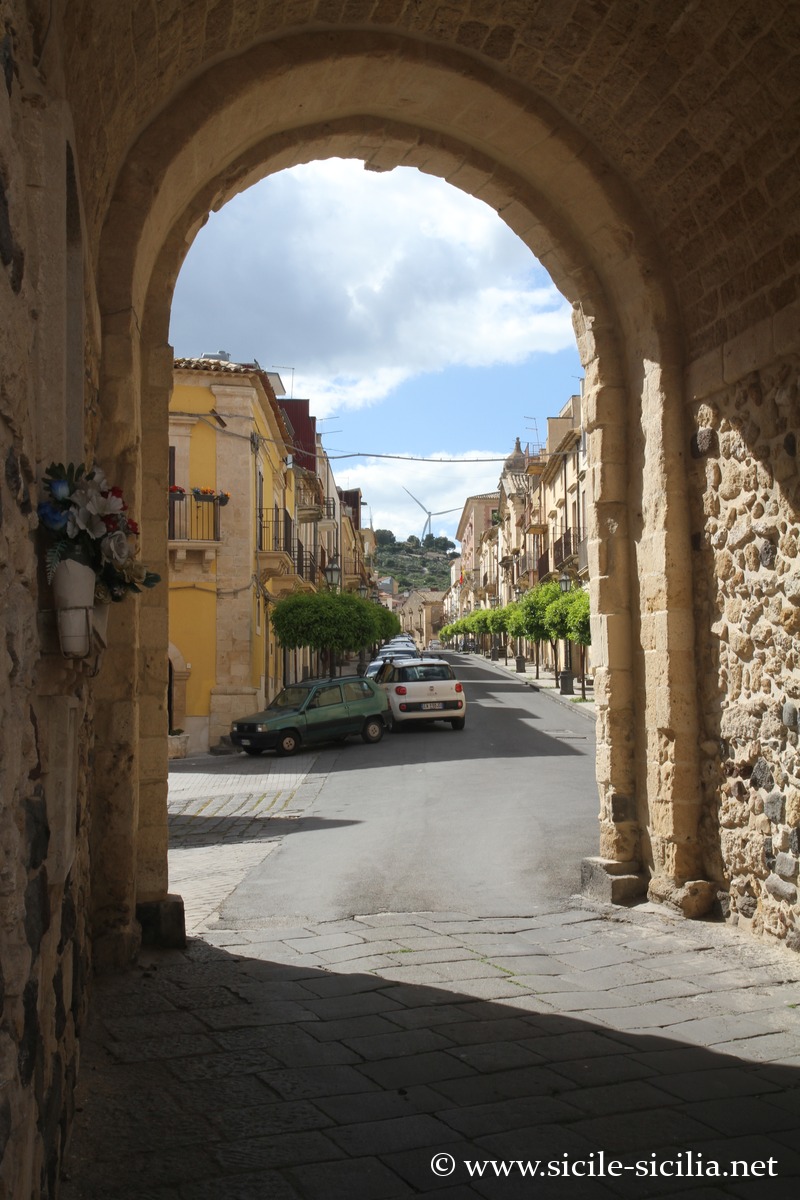
Passage of the Barresi Branciforte Castle 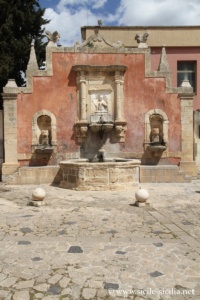
Fontana della Ninfa Zizza 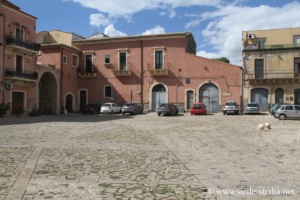

Largo Atrio del Castello 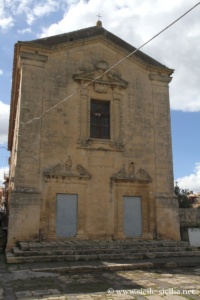
Church of Purgatory 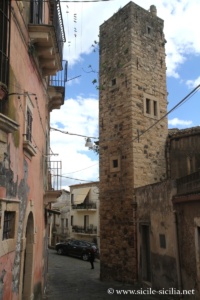
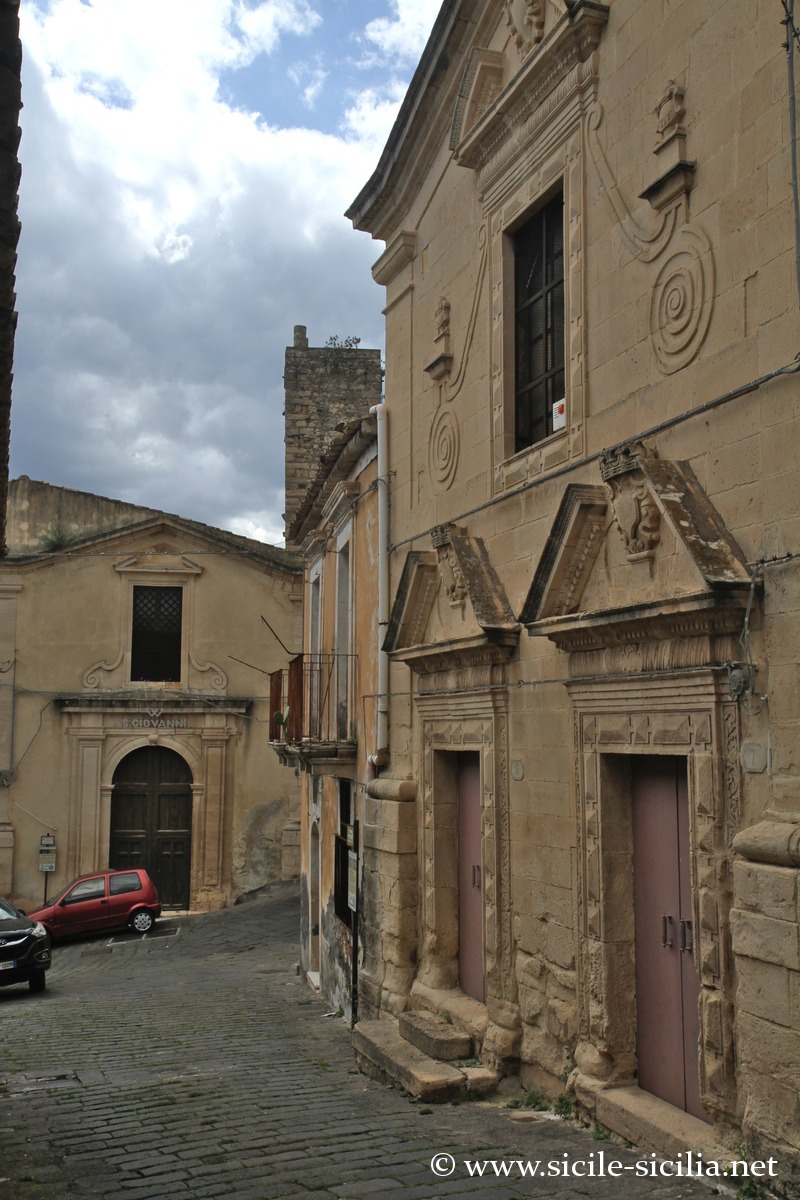
San Giovanni Battista 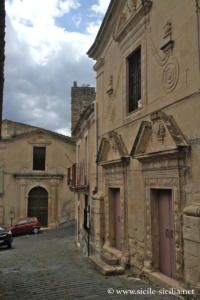
Via San Giovanni
Eastern District
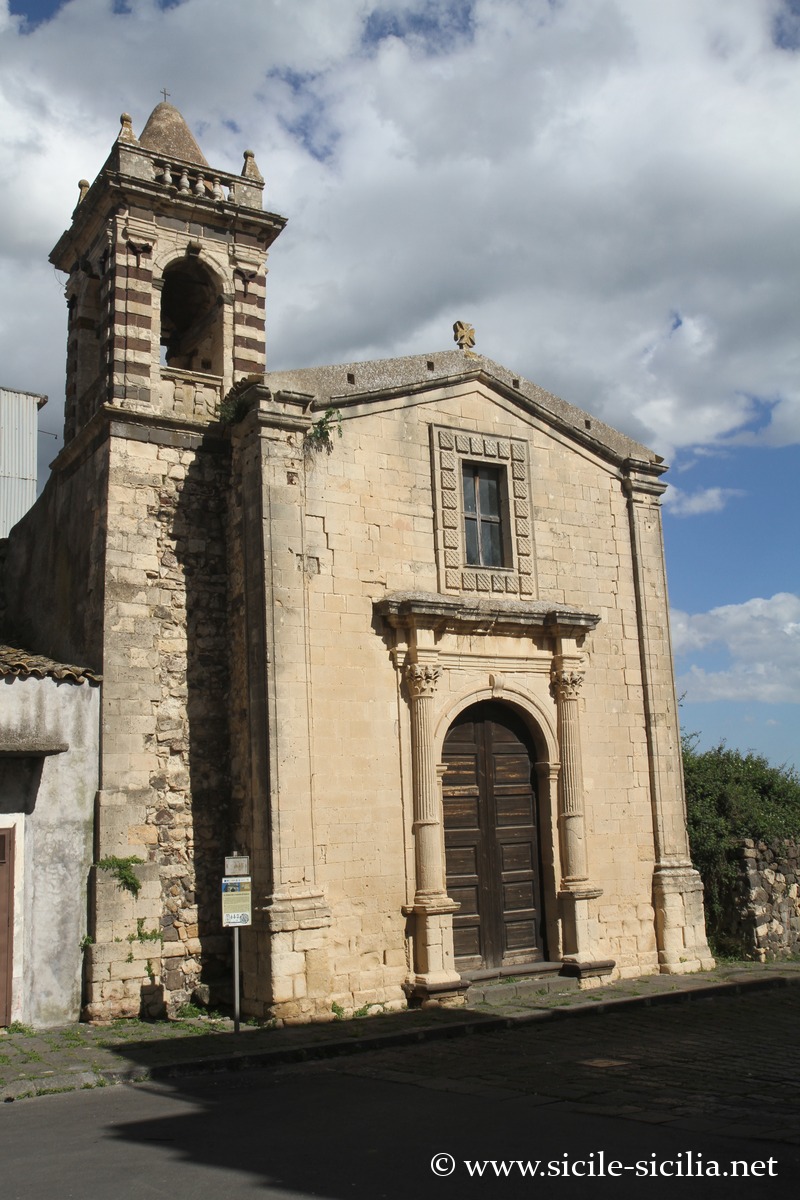
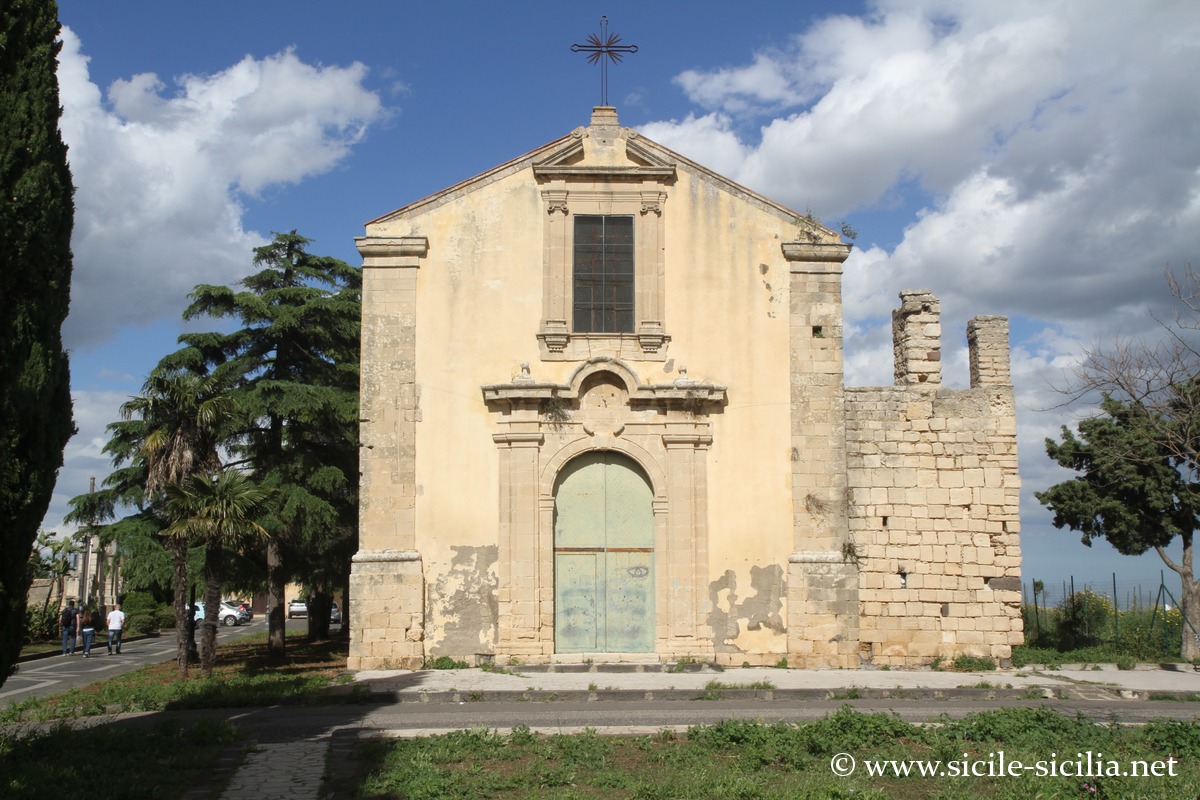
To the east, the urban landscape is less dense with monuments. The Chiesa di Sant’Antonio di Padova is built on the site of an aedicule where the saint himself is said to have rested in 1222 during his passage through Sicily. The confraternity dedicated to him commissioned this church in 1503, with a chapel added in 1574, dedicated to the Holy Sepulchre. Due to major structural problems. The icons were moved either to the city’s cathedral or to the San Nicolò Museum.
The Chiesa di San Francesco d’Assisi, for its part, is a typical example of religious Baroque architecture, with a facade adorned with stuccos and a richly decorated interior, testifying to the importance of the Franciscan order in the region.
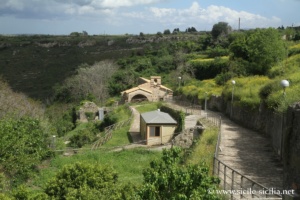
Rupestrian Church Santa Maria Vetere, Spirito Santo 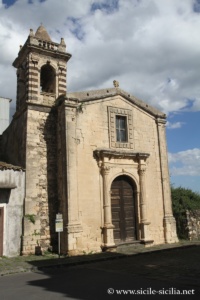
Sant Antonino 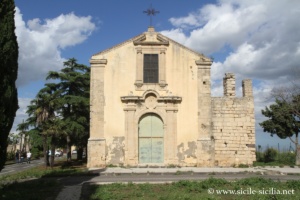
Chiesa del’Immacolata
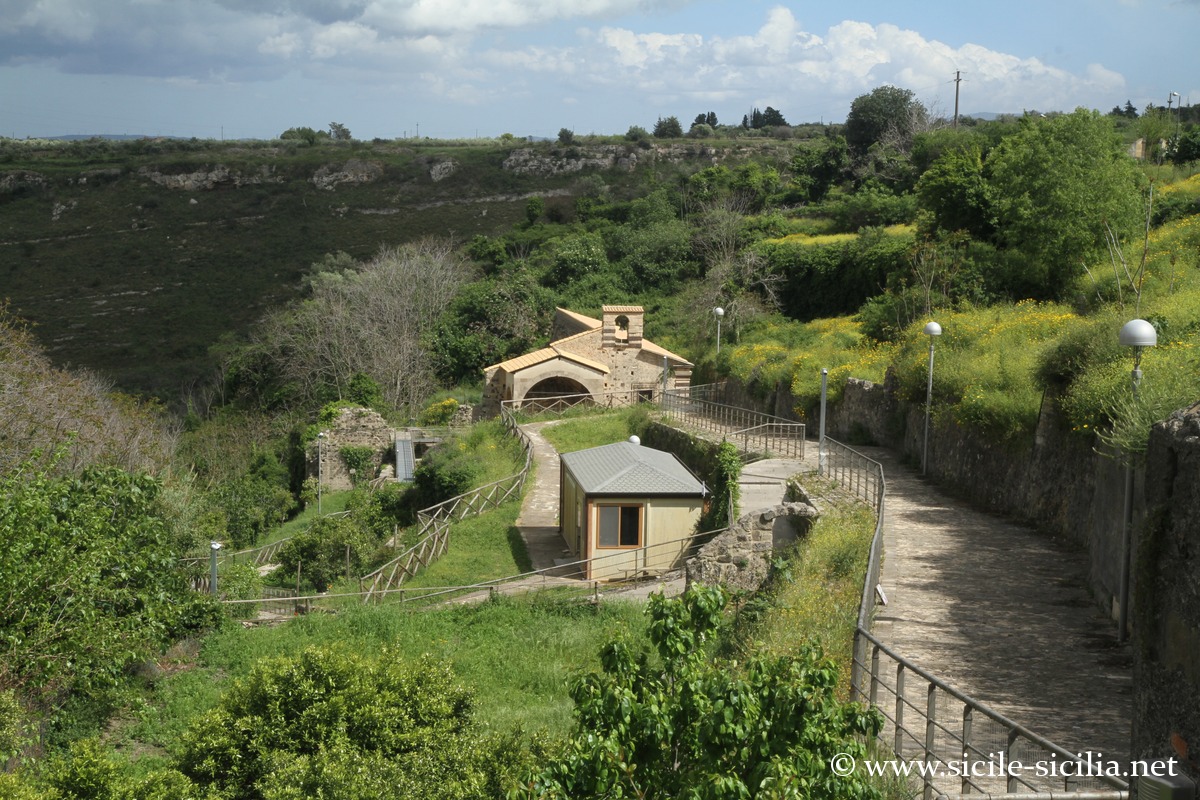
Nearby
To the west on the outskirts of the center, the Chiesa del Calvario features a simple but expressive architecture. It is a small sanctuary, dedicated to the Passion of Christ, in a calm and contemplative setting.
Chiesa di Santa Maria dello Spasimo: Located in the western district, this church is known for its distinctive architecture.
Traditions in Militello
Militello in Val di Catania, nestled in the heart of Baroque Sicily, is a true crossroads of living traditions, where history and local culture blend harmoniously.
Religious and popular festivals
- Feast of the Most Holy Savior (August 18): This celebration is one of the most important in the city. It begins on August 29 with the traditional “Cantata”, a musical procession that winds through the main streets, followed by the religious feast on August 18.
- Feast of the Madonna della Stella (September 8): Dedicated to the patron saint of the city, this feast begins on August 29 with the traditional “Cantata” procession through the main streets.
- Mustard and Prickly Pear Festival (mid-October): This festival celebrates two emblematic products of the region: mustard (mostarda) and prickly pear (fico d’india). It features parades of decorated Sicilian carts, folk dances and a festive atmosphere in the streets of the town.
- Feast of Saint Benedict Abbot (July 11): This celebration pays tribute to the patron saint of the city with religious processions, concerts and community events.
- Feast of Saint Joseph (March 19): Although less well known, this feast is celebrated with processions and local events.
Local gastronomy
The cuisine of Militello reflects a rich culinary heritage, influenced by monastic and peasant traditions, with recipes handed down from generation to generation.
Traditional savory dishes:
- Scacciata militellese: focaccia stuffed with vegetables, cheese, sausage or anchovies. Traditionally prepared for Christmas, it is enjoyed warm to fully appreciate its flavors.
- Pipirata: a dish based on cooked prickly pear wine, rice and pine nuts, consumed during local festivals and events.
- Other savory specialties: some preparations include seasonal vegetables, fresh ricotta or local cured meats, reflecting the richness of the Sicilian terroir.
Emblematic pastries:
- Cassatelline: small shortcrust pastry baskets filled with a mixture of almonds, jam, chocolate, liqueur and spices.
- Mostaccioli: winter biscuits prepared with cooked wine, often given during the Christmas season.
- Infasciatelli: Christmas sweets made from shortcrust pastry and toasted almonds, typical of the local tradition.
- Other sweets:
- Mostarda: a dessert made from prickly pear or grapes, sweet and fragrant, consumed during festivities.
- Giammelli: soft square biscuits covered with icing, often served on special occasions.
- Crespelle: prepared with mashed potatoes, flour, sugar and cinnamon, they testify to the rural influence on local pastry making.
Where is Militello in Val di Catania: map
If you see this after your page is loaded completely, leafletJS files are missing.
Information
Sources and external sites
- Wikipedia: Militello on it.wikipedia.org
- Municipality website: turistico.comunemilitello.it
- Visit Sicily – Militello in Val di Catania
- UNESCO – Late Baroque Towns of the Val di Noto
- Finestre sull’Arte – Militello in Val di Catania
Articles in the Calatino Category
- Caltagirone
 Long known for its pottery production, Caltagirone turned to artistic ceramics ...
 - The Calatino
 The Calatino, a historical region of southern Sicily centered on Caltagirone, ...