
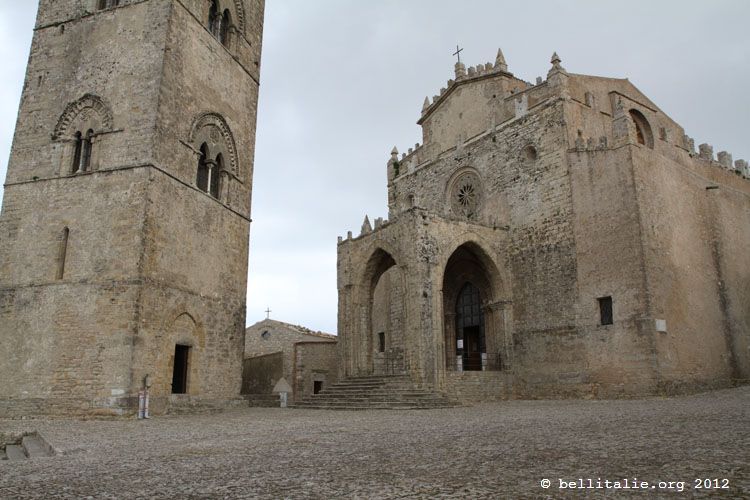
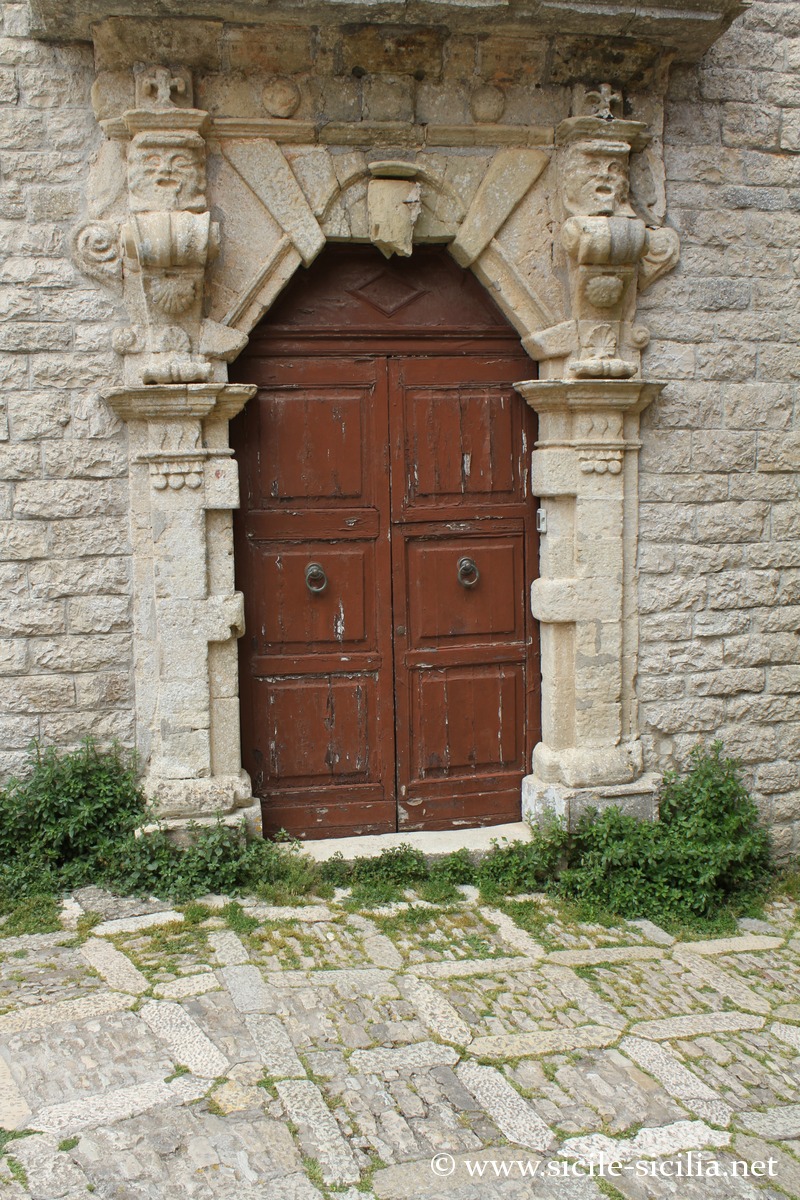
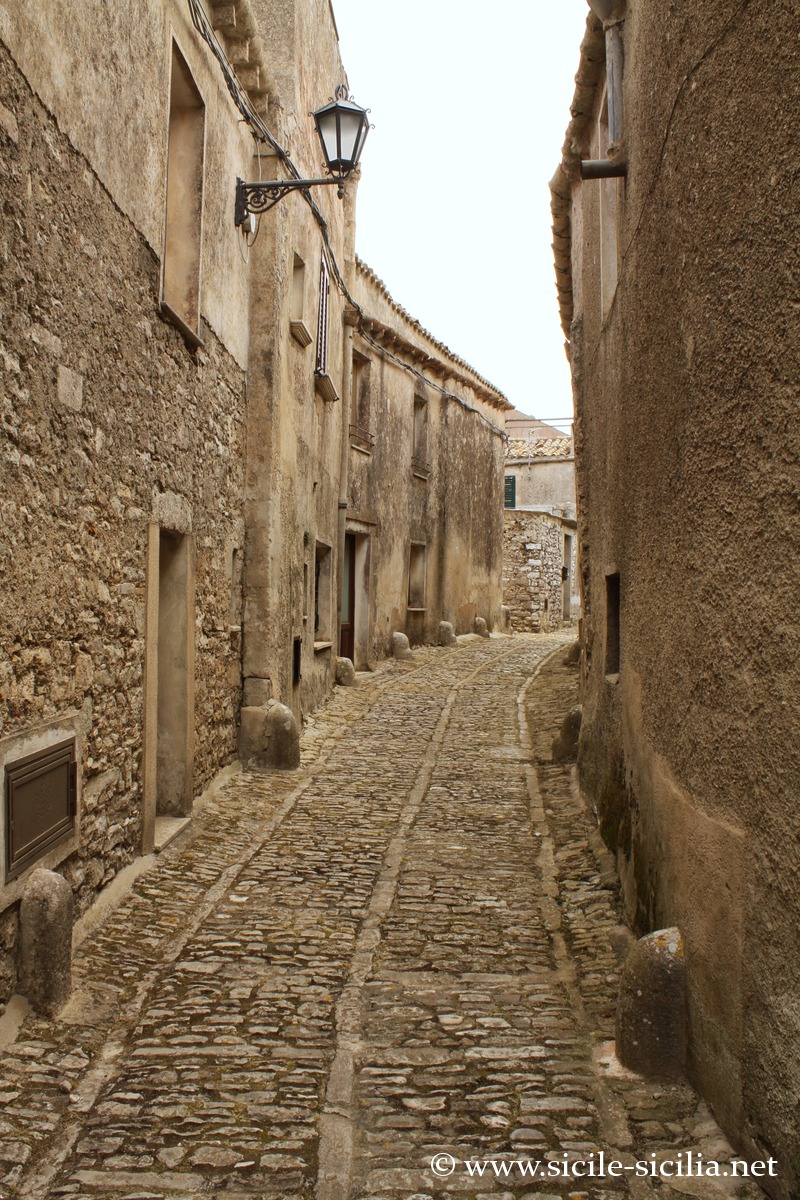
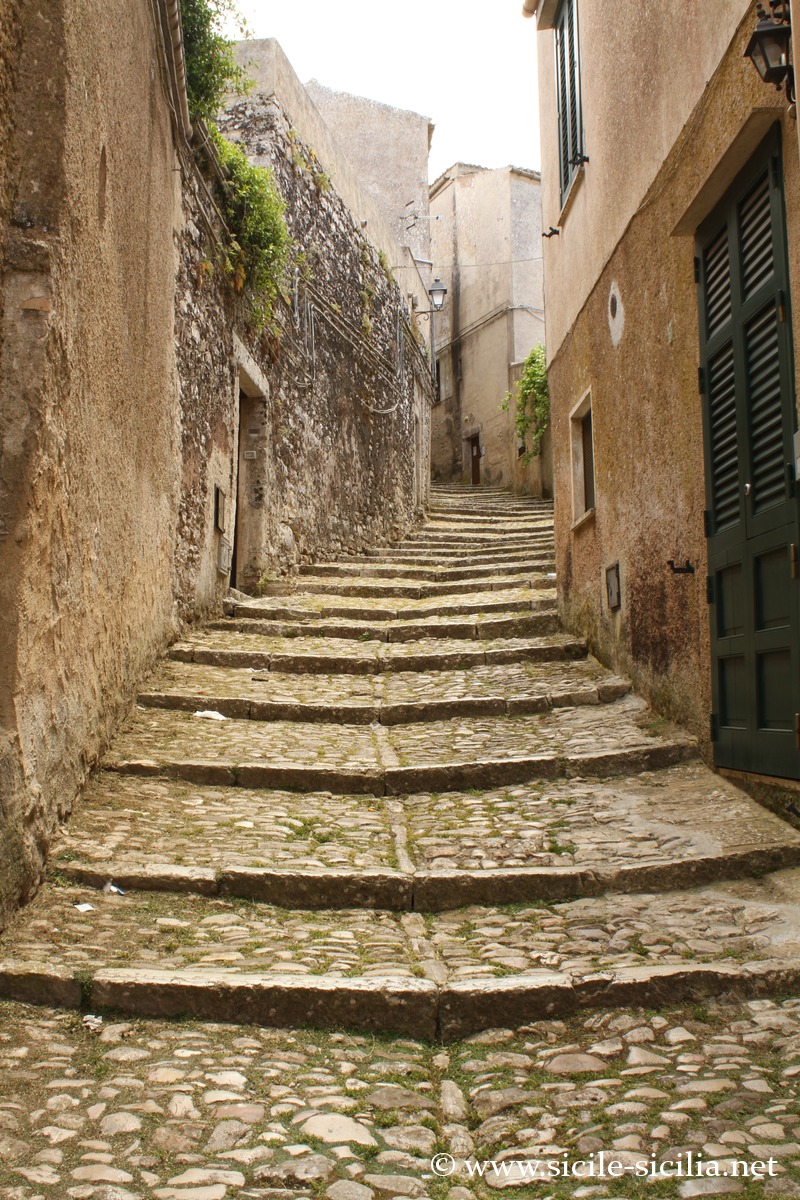
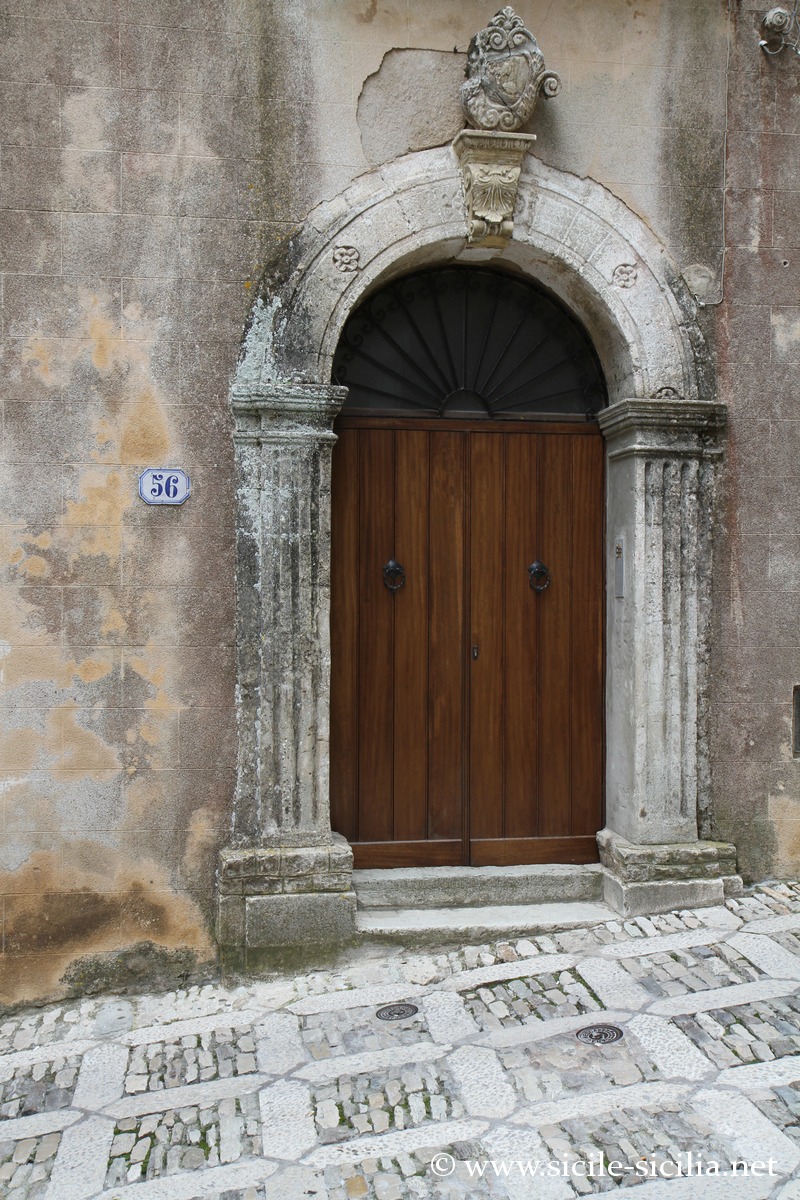
The historic centre of Erice is exceptionally well preserved, with a maze of paved alleys and stairways, of which two sites stand out: the Castle of Venus at the summit to the east of the village, built by the Normans in the 12th century on the remains of the temple of Venus, and the Chiesa Matrice in 14th-century Gothic style, located near the western entrance.
The town can be reached by a cable car connected to Trapani, or by the winding road that climbs the mountain.
Porta Trapani and Chiesa Madre
Entering the historic centre from the south-west side, through the Norman-origin Porta Trapani (near the car park), you soon reach on the left the remains of Elymian or Phoenician fortifications, with portions of cyclopean walls (7th– 3rd century BC).
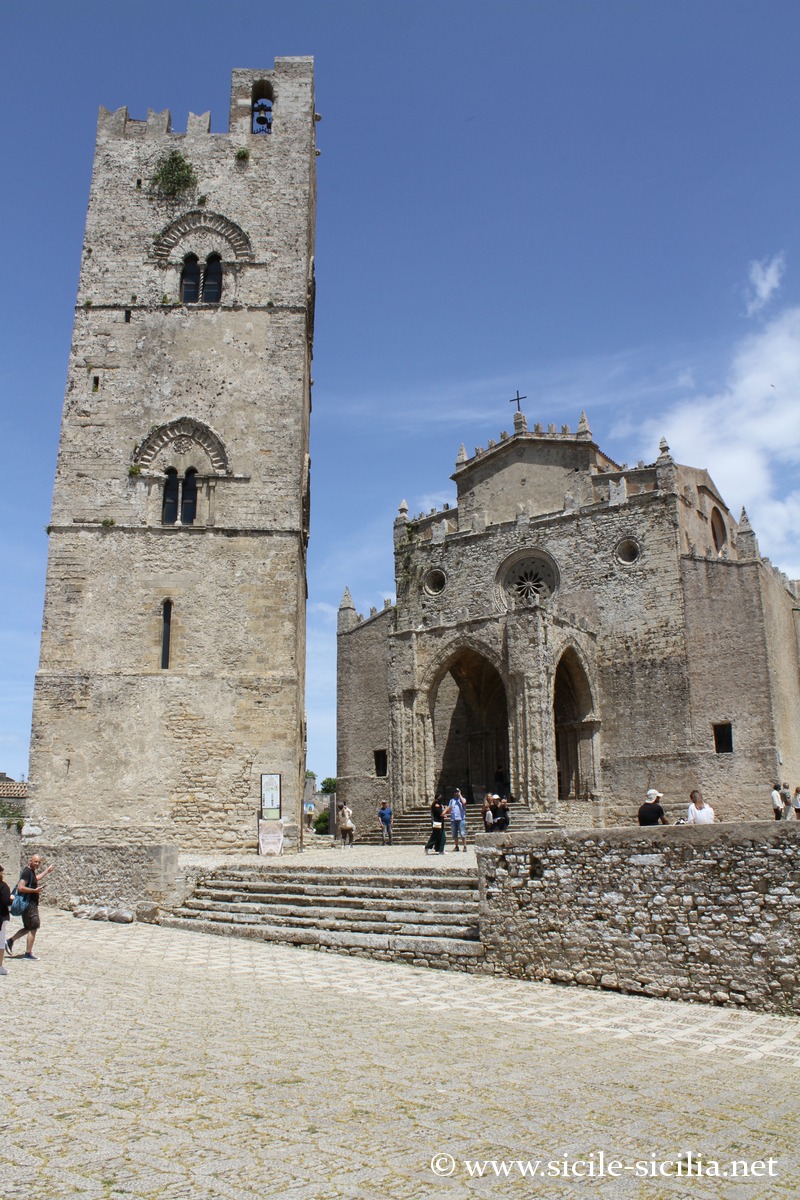
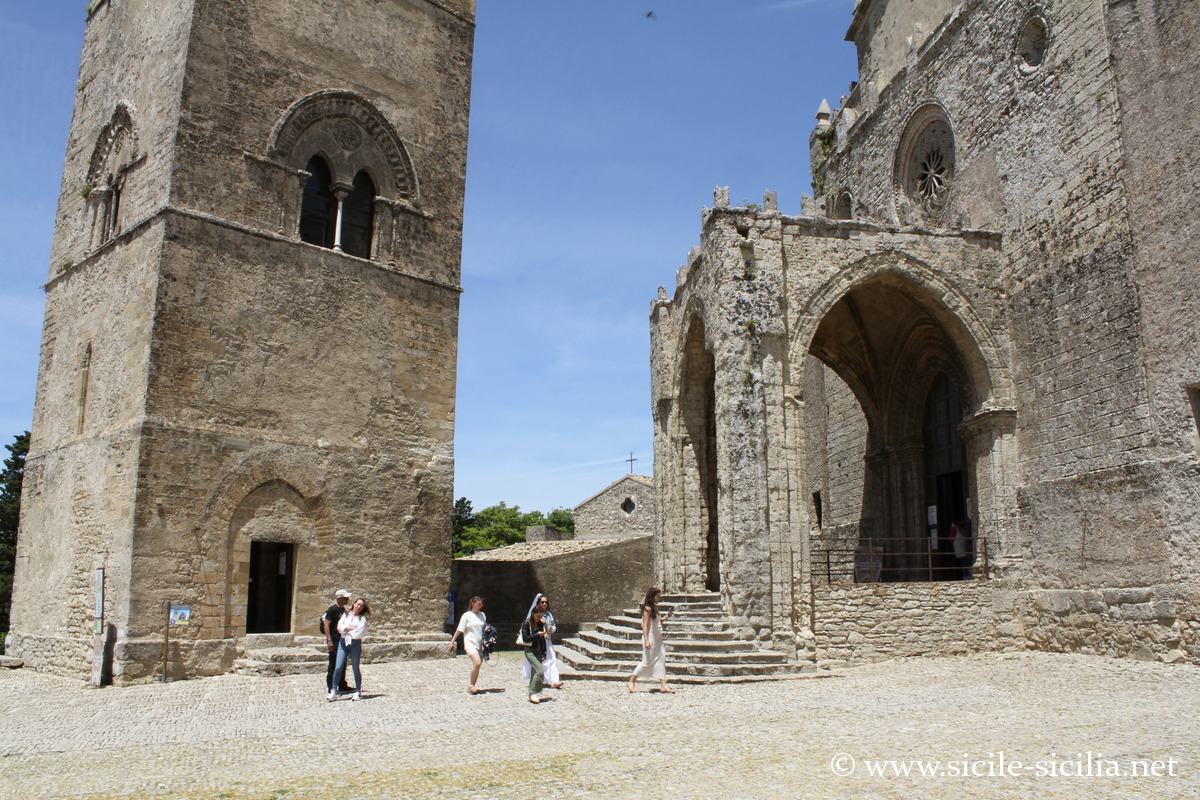
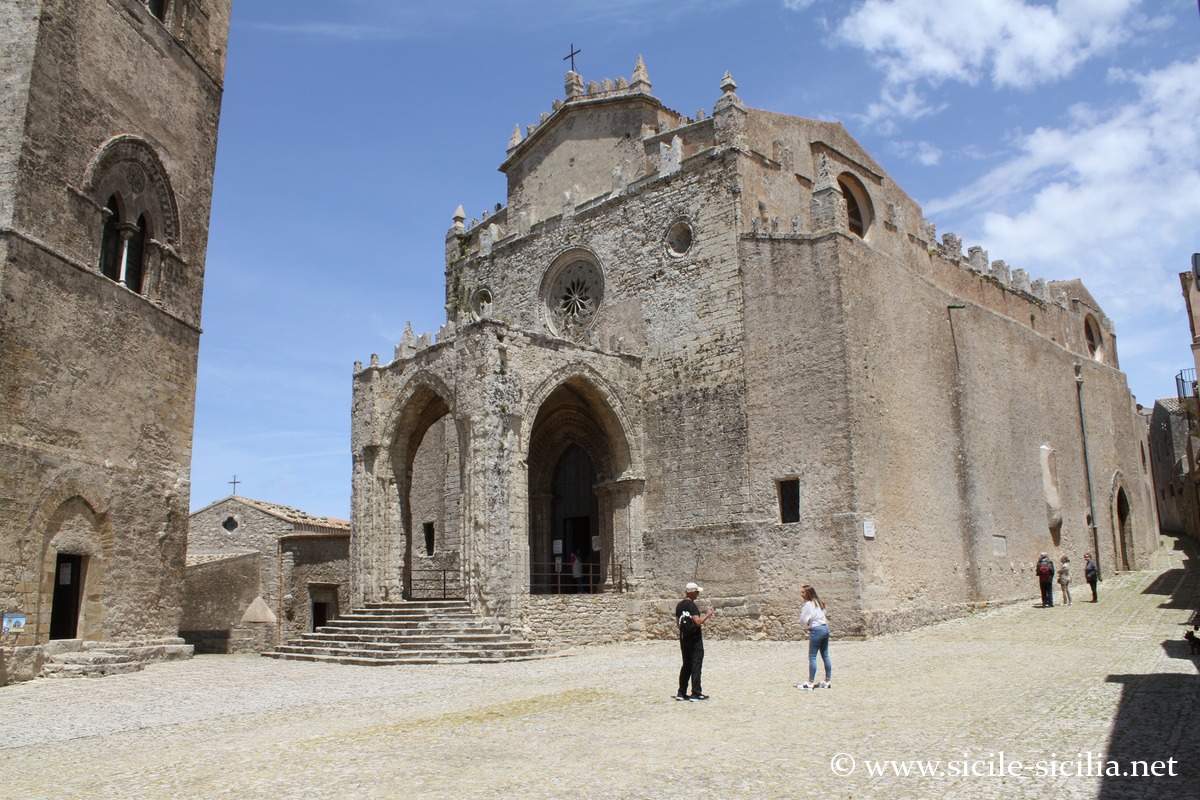
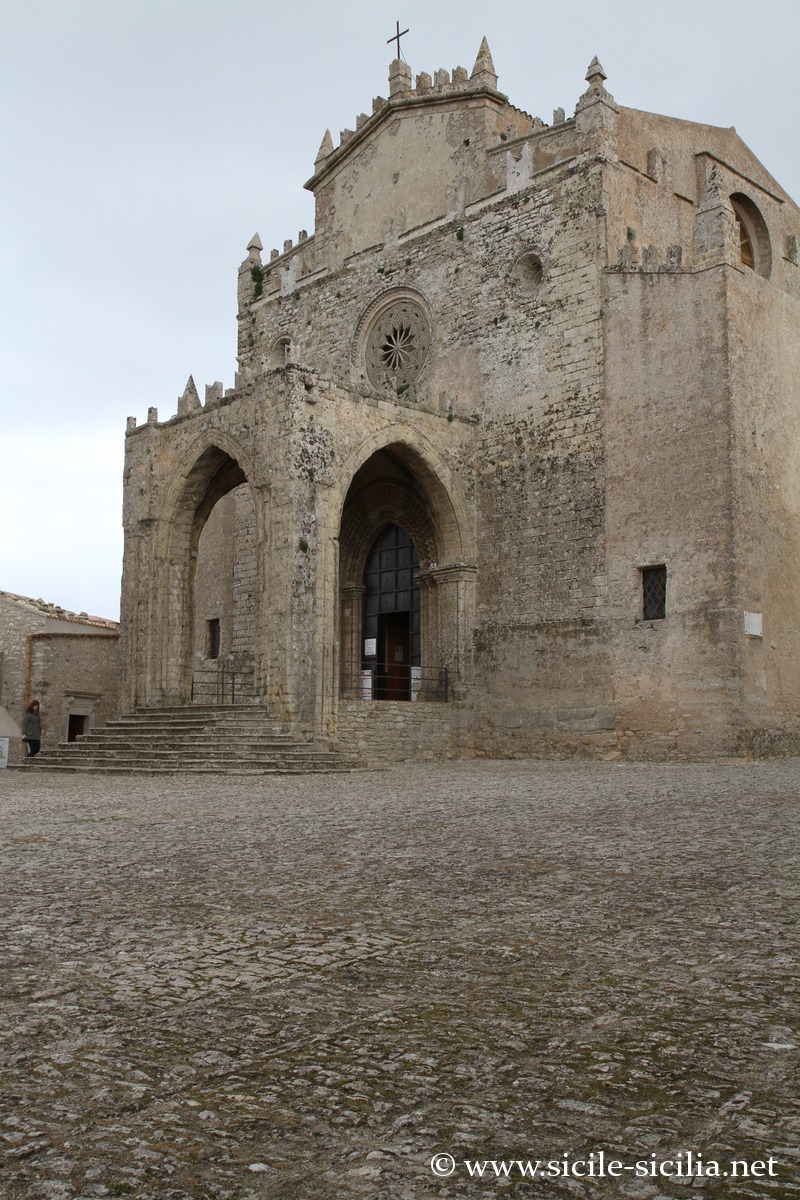
Opposite, you arrive at the esplanade of the Chiesa Madre or Duomo Santa María della Asunta.
Chiesa Madre
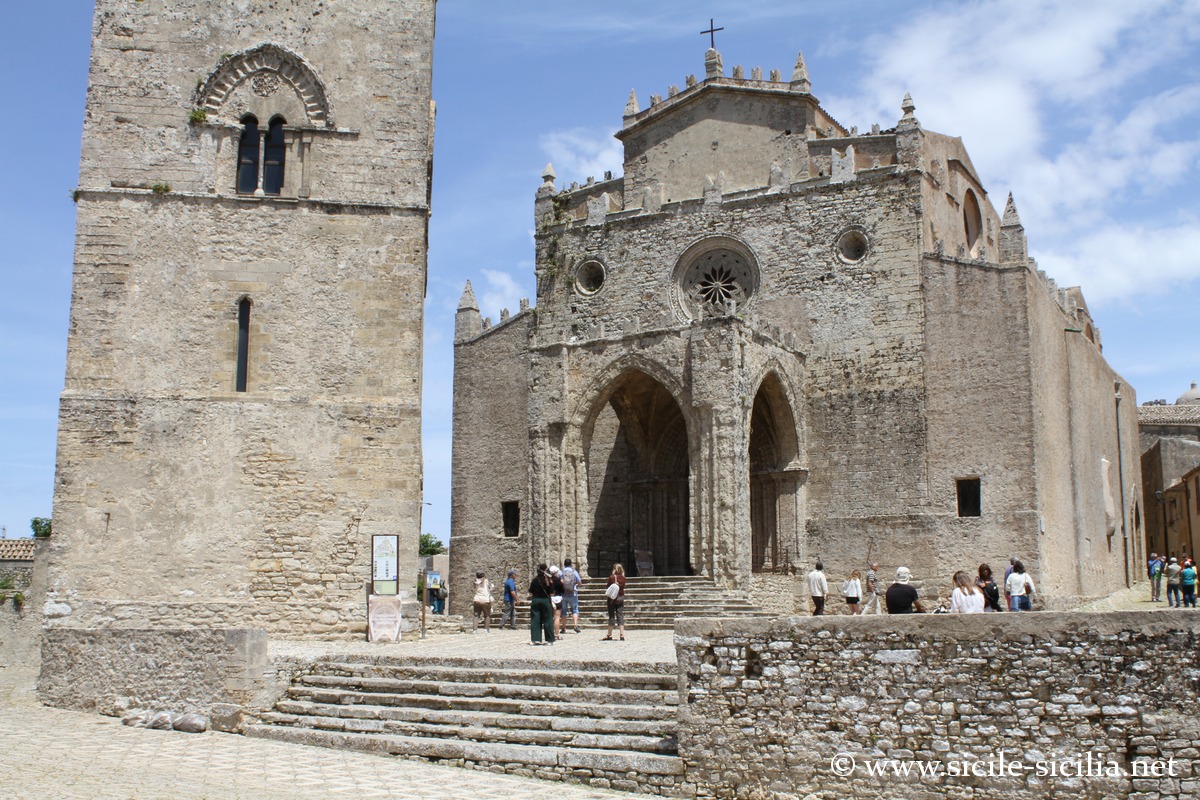
The Chiesa Madre (or Duomo Santa Maria Assunta) was built in the 14th century starting in 1314 under Frederick of Aragon. The bell tower, separate from the church, was originally a watchtower. The site even dates back to Antiquity, with the Temple of Venus Ericina which was replaced by a church.
This cathedral has suffered several earthquakes and was restored notably in the 19th century, which explains the combination of medieval, Gothic and neo-Gothic elements.
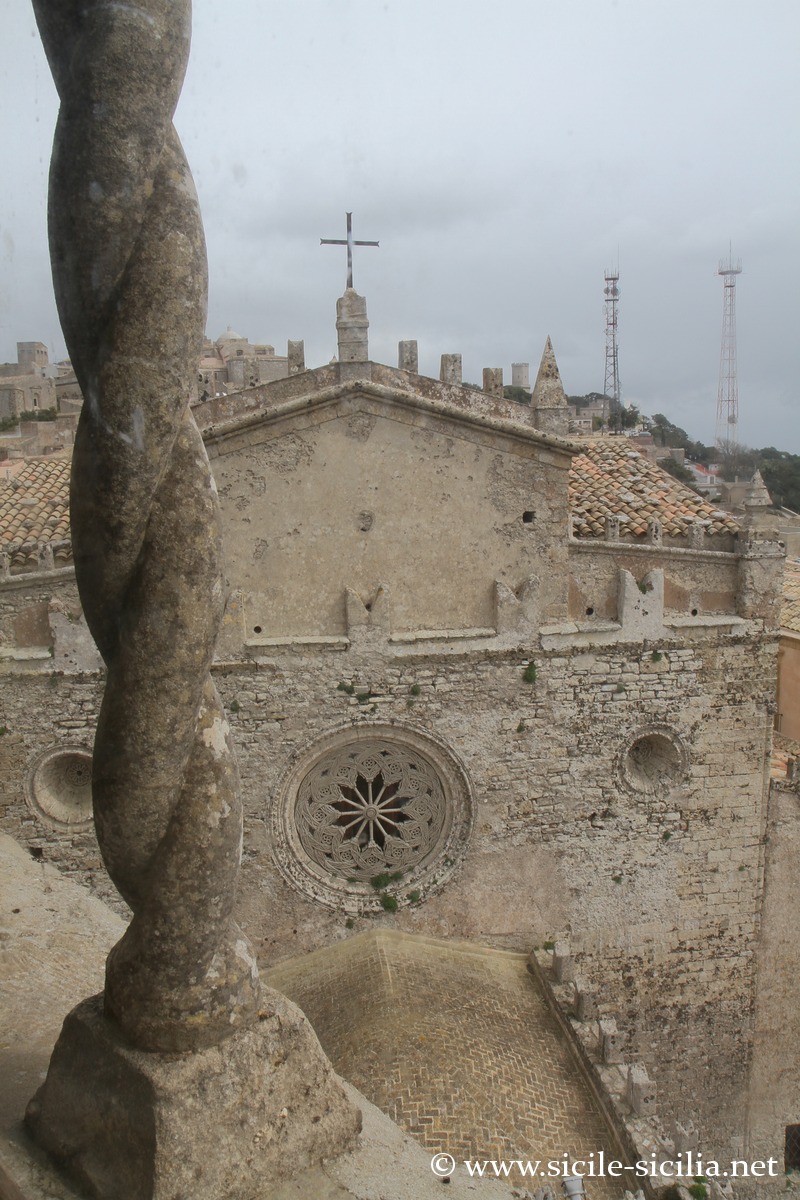
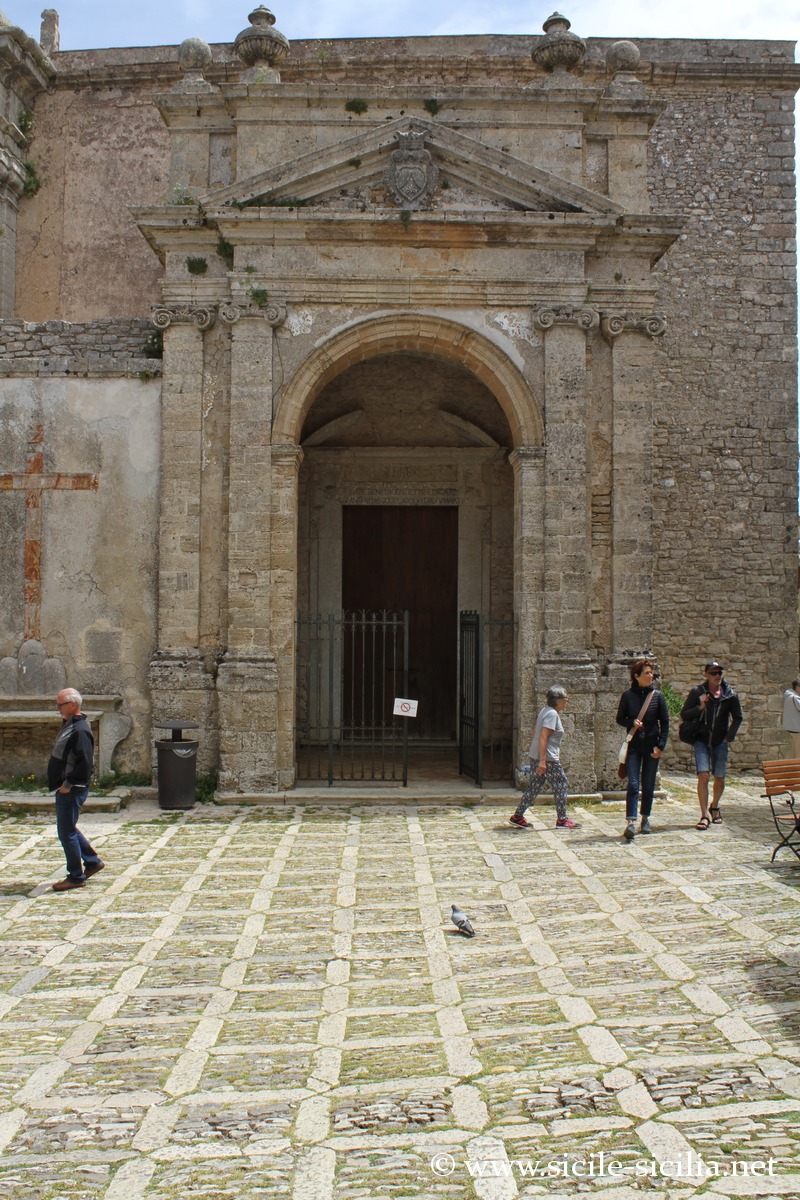
Its imposing Gothic facade features a remarkable portal dating from 1426. The portico that precedes it, the rose window and the staircase were added later.
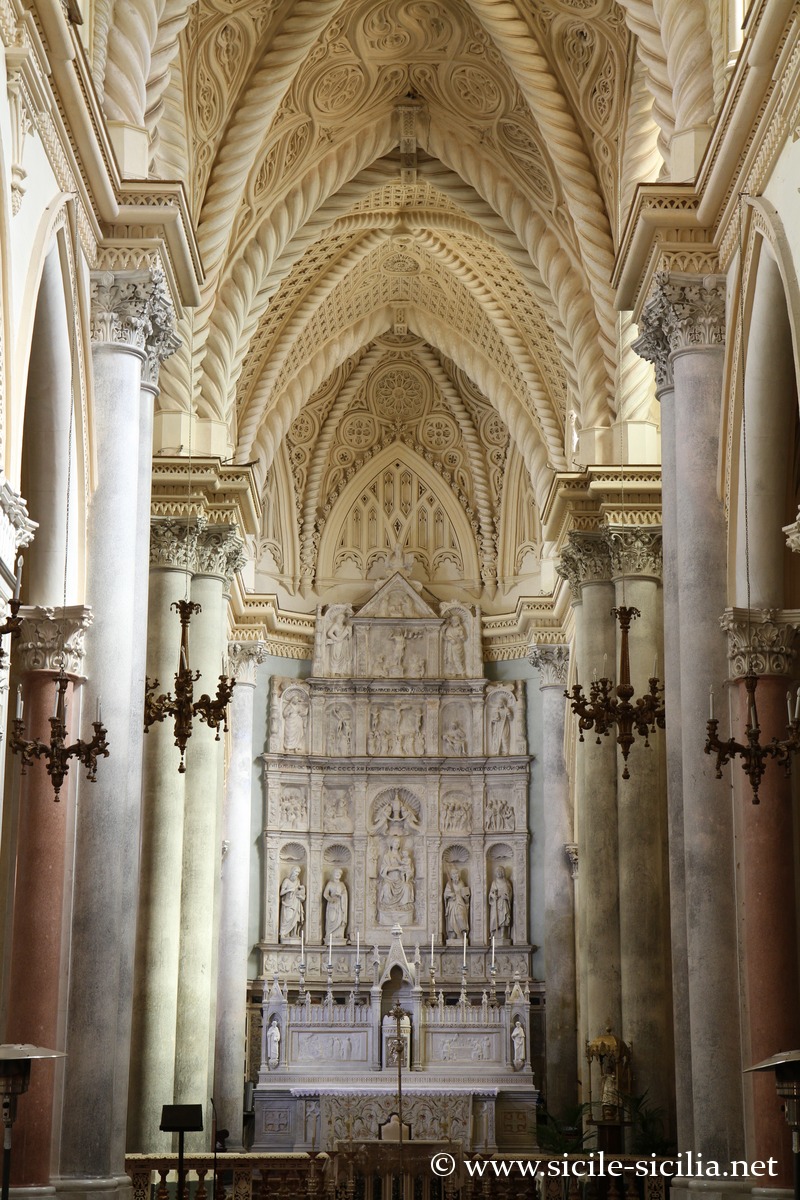
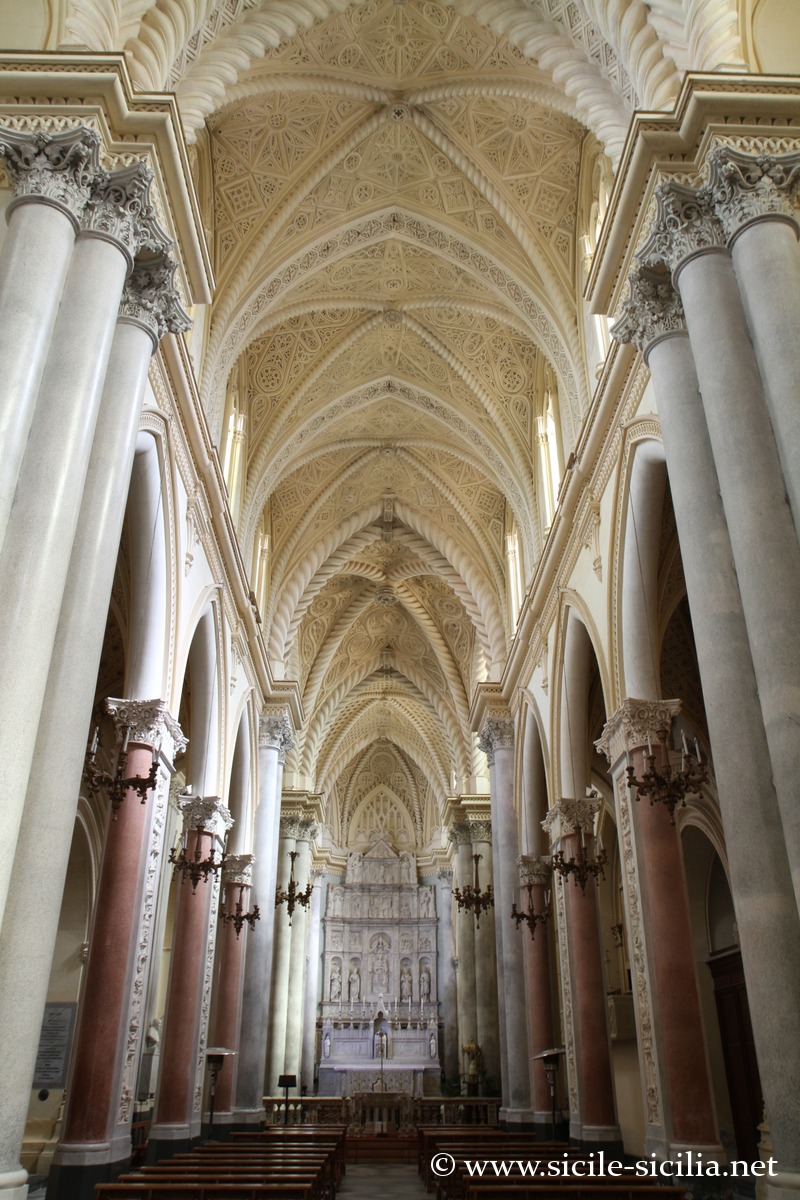
The interior was entirely renovated in the 19th century, and apart from the three-aisled plan, the colonnades with pointed arches, as well as four 16th-century chapels, remain original. The central nave is covered by a pointed barrel vault, while the side aisles retain lower vaults resting on the medieval Gothic arcades. The side chapels contain several altarpieces and sculptures from the 16th and 17th centuries, some attributed to Francesco Laurana or to local artists.
Apse of the cathedral
Most of the building materials come from earlier structures, including possibly reuse linked to the ancient temple of Venus Ericina, such as Greek crosses in marble inlaid in the exterior walls.
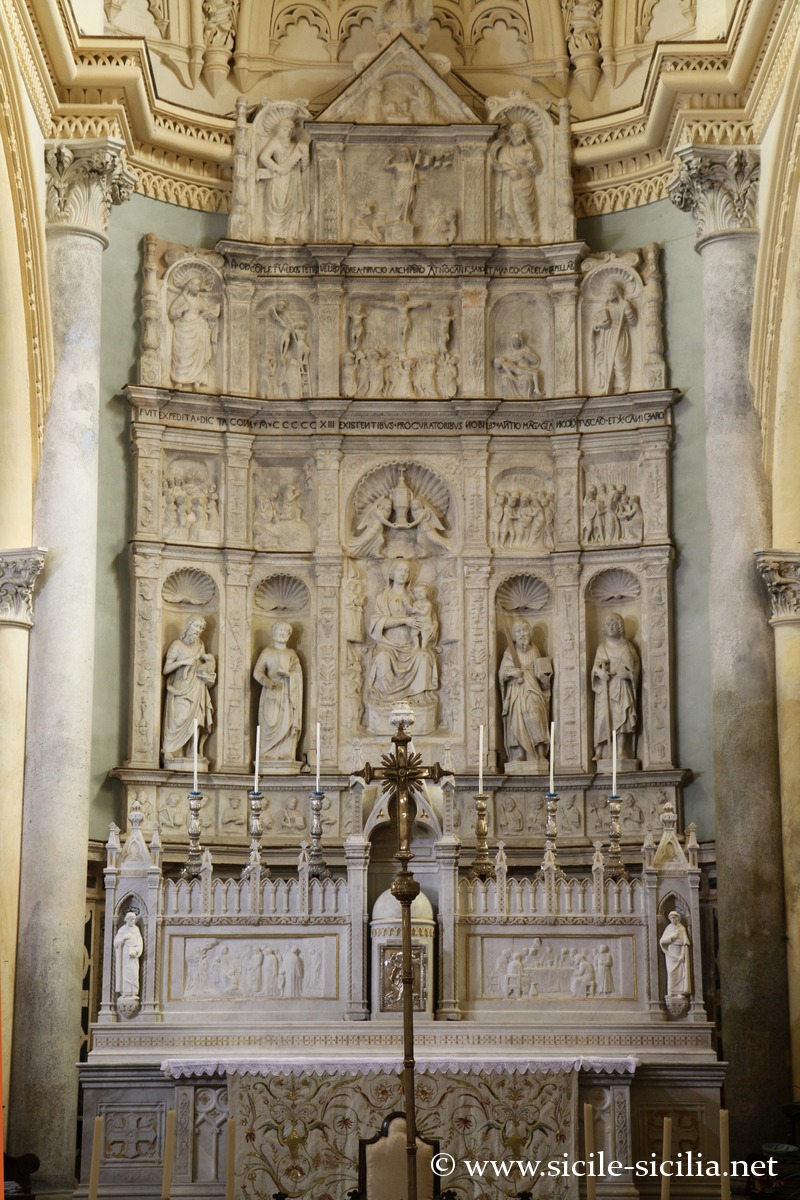
The apse houses the high altar and above all an important marble sculptural group of the Assumption of the Virgin, attributed to Antonello Gagini and his workshop (16th century), a central work of Renaissance sculpture in western Sicily. The choir also preserves carved wooden furnishings from the 17th-18th century, as well as stalls typical of the Baroque period.
Medieval and Baroque wall frescoes decorate certain chapels and side aisles, illustrating biblical scenes and local saints.
The sacristy and the treasury preserve a collection of goldsmith work, silverware, liturgical vestments, manuscripts and paintings from the 15th to the 19th century, including ancient shrines and reliquaries, censers and precious chalices.
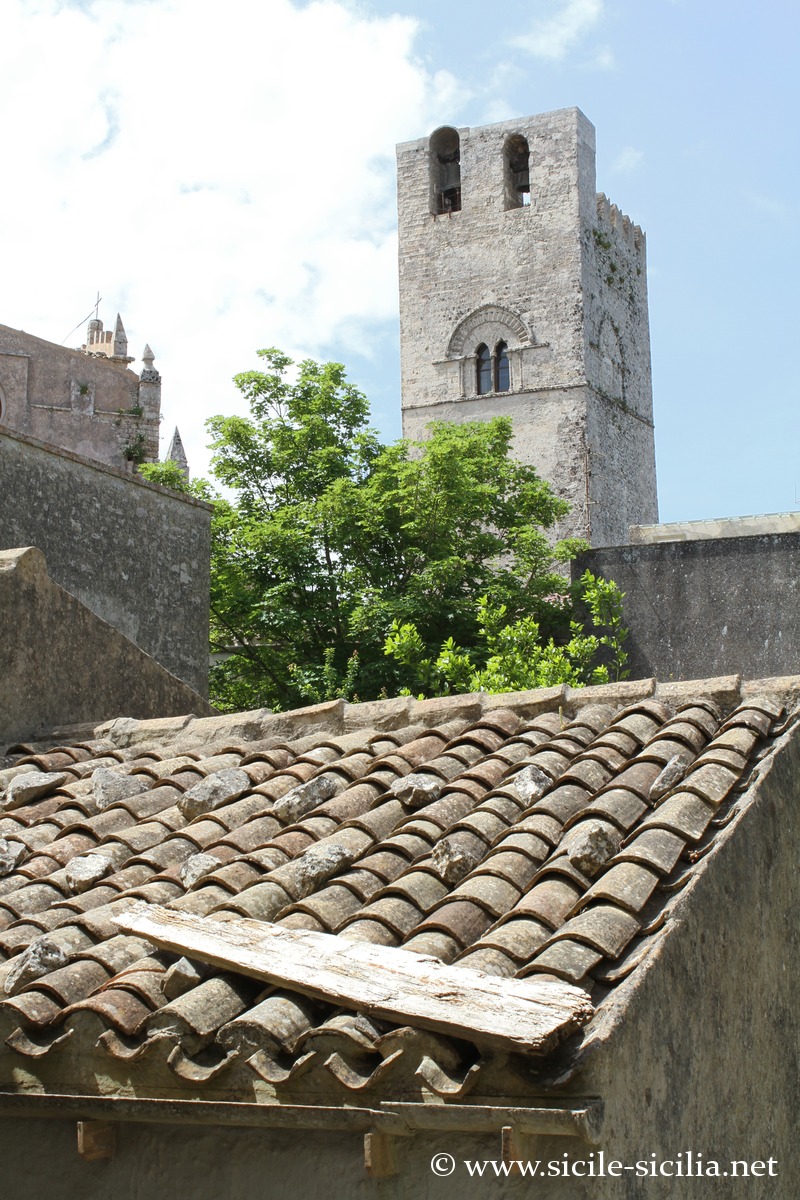
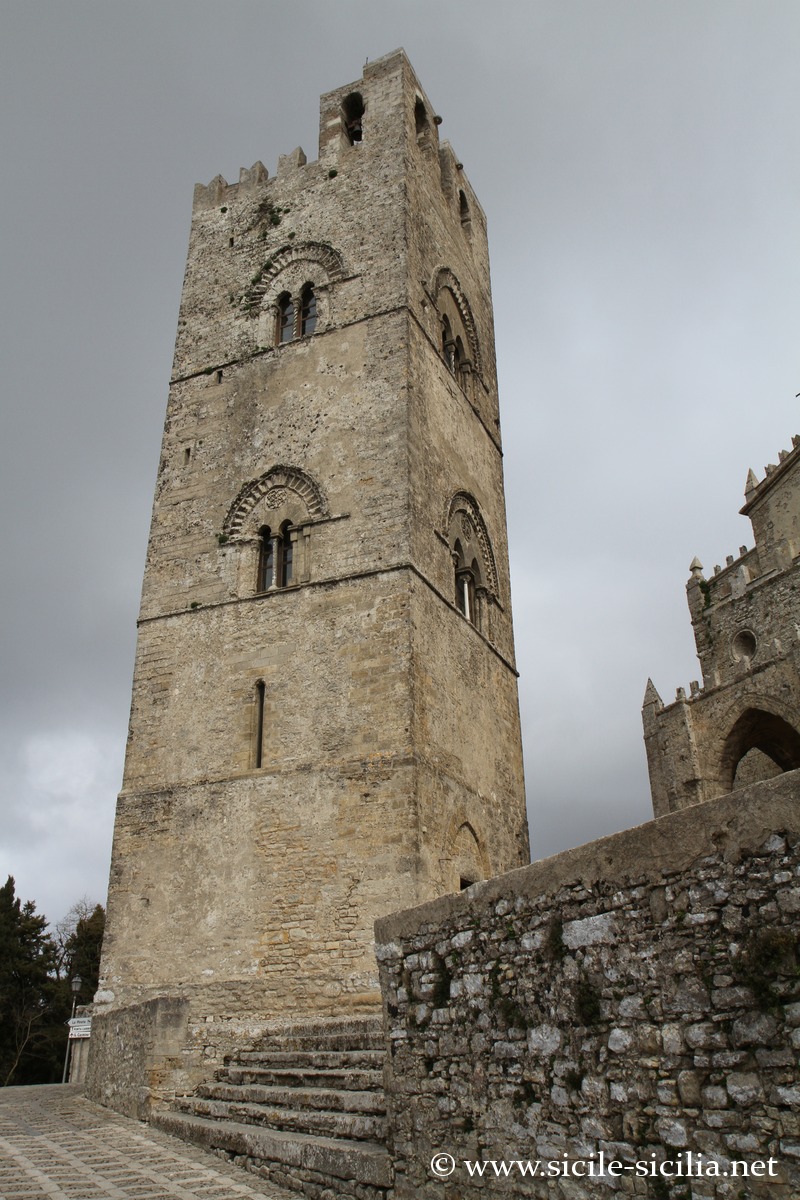
Next to the church, the bell tower is nearly 28 metres high, with its mullioned windows and six bells, from the top of which there is a panoramic view over the square.
The very nearby small church of Sant’Isidoro was built in 1666 on the traditional site of the birth of the blessed Luigi Rabatà.
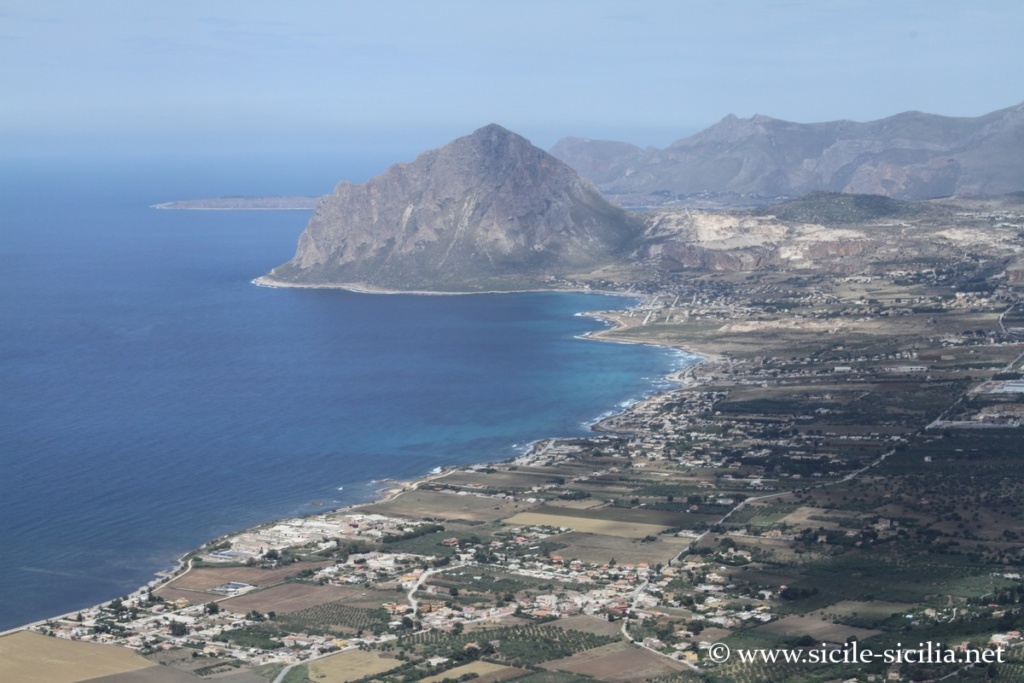
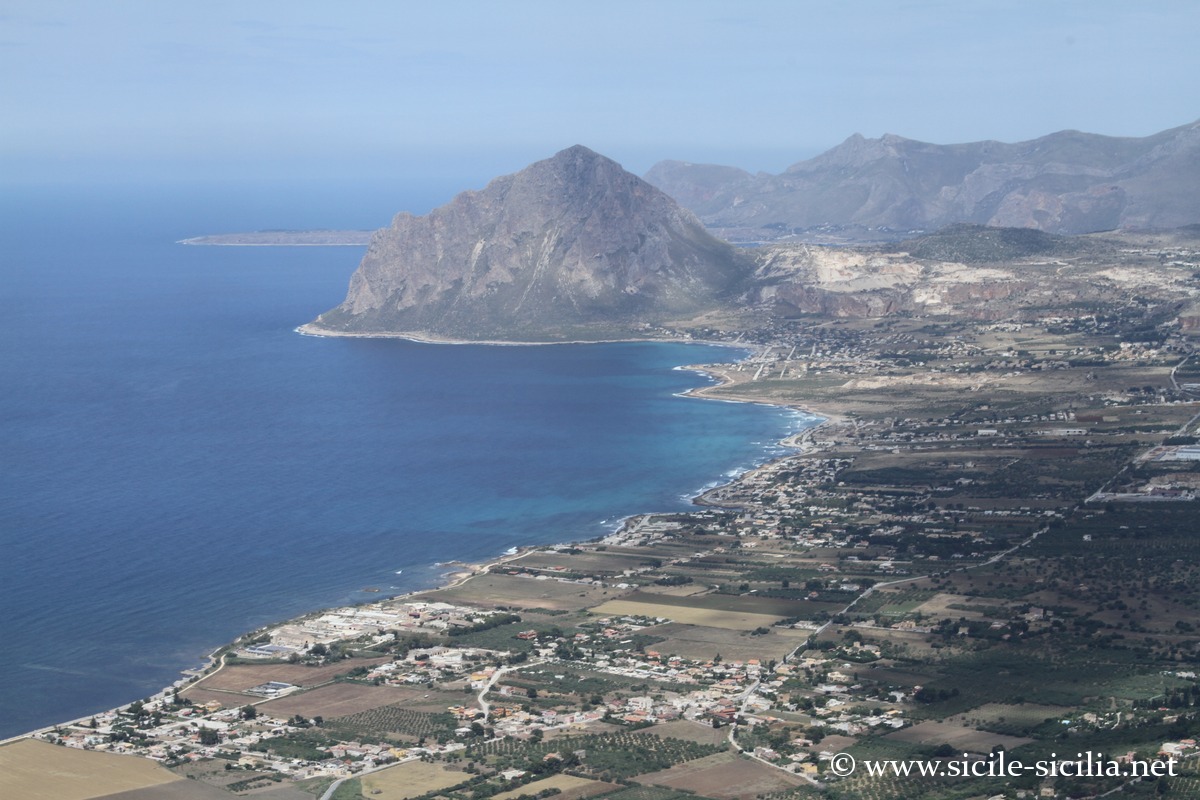
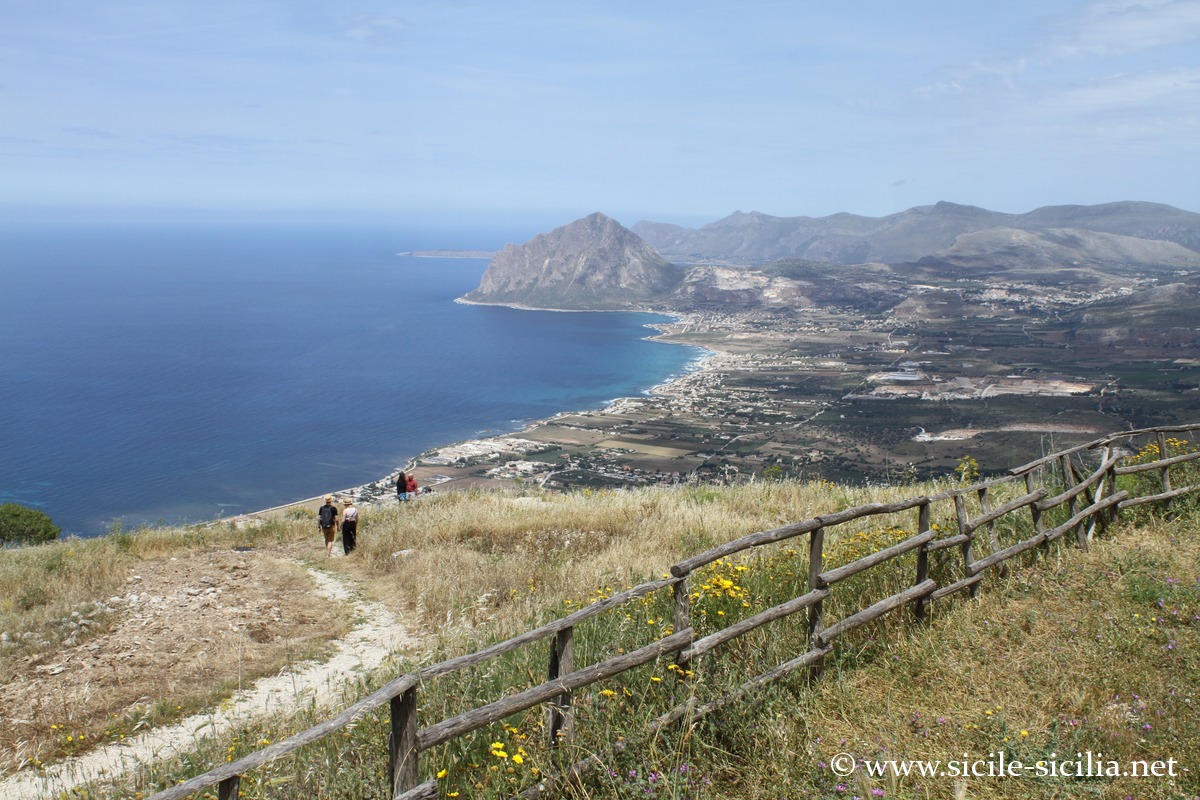
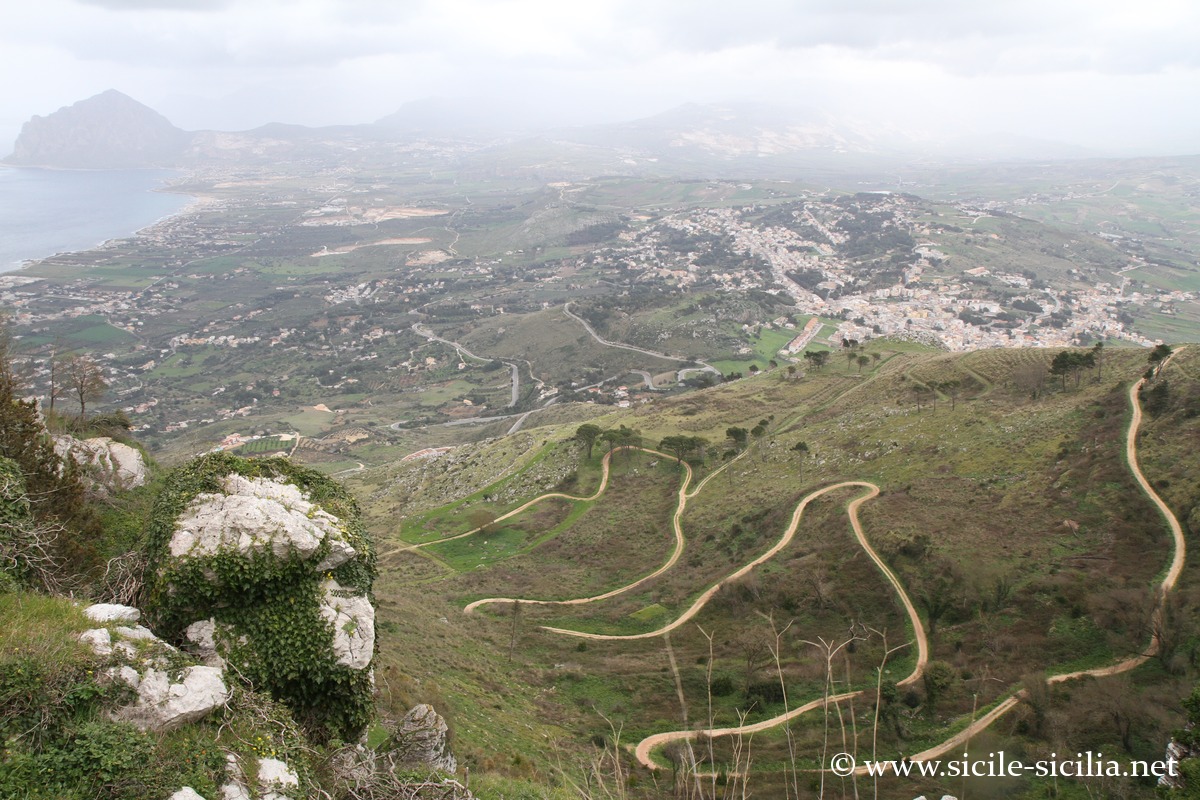
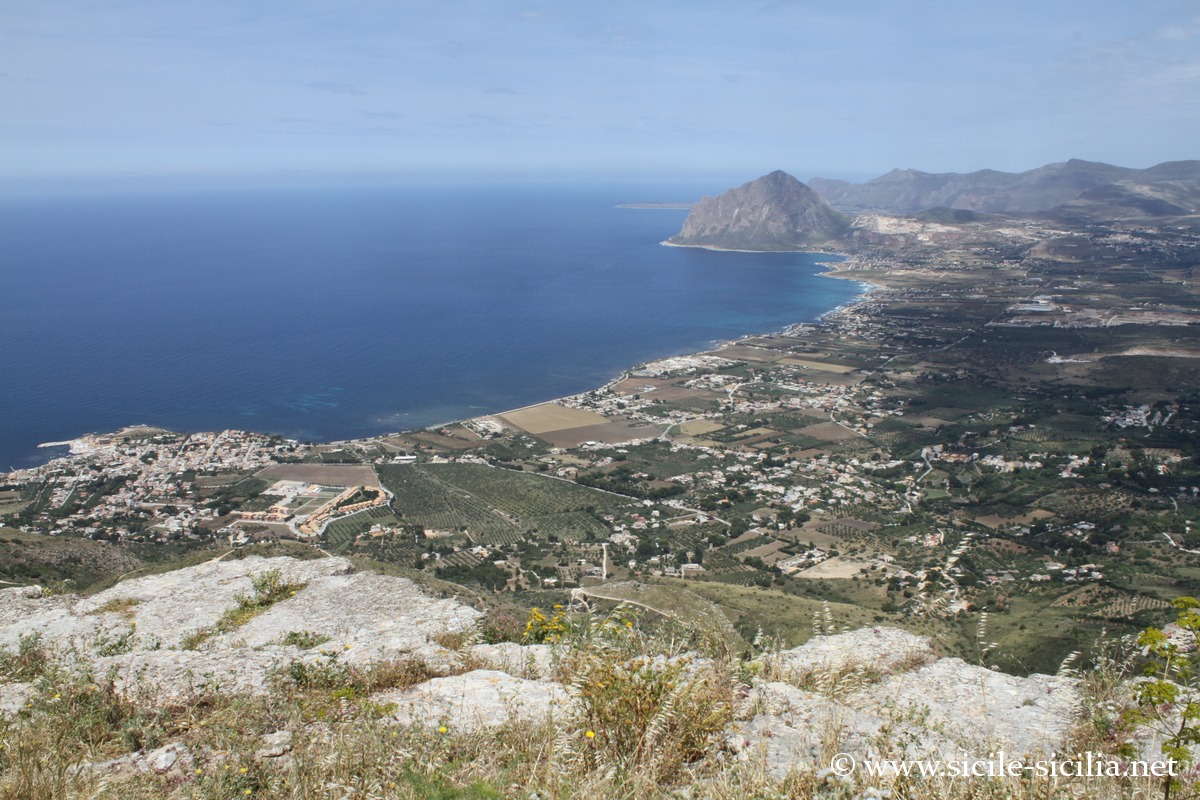
Panorama of the coast from Erice
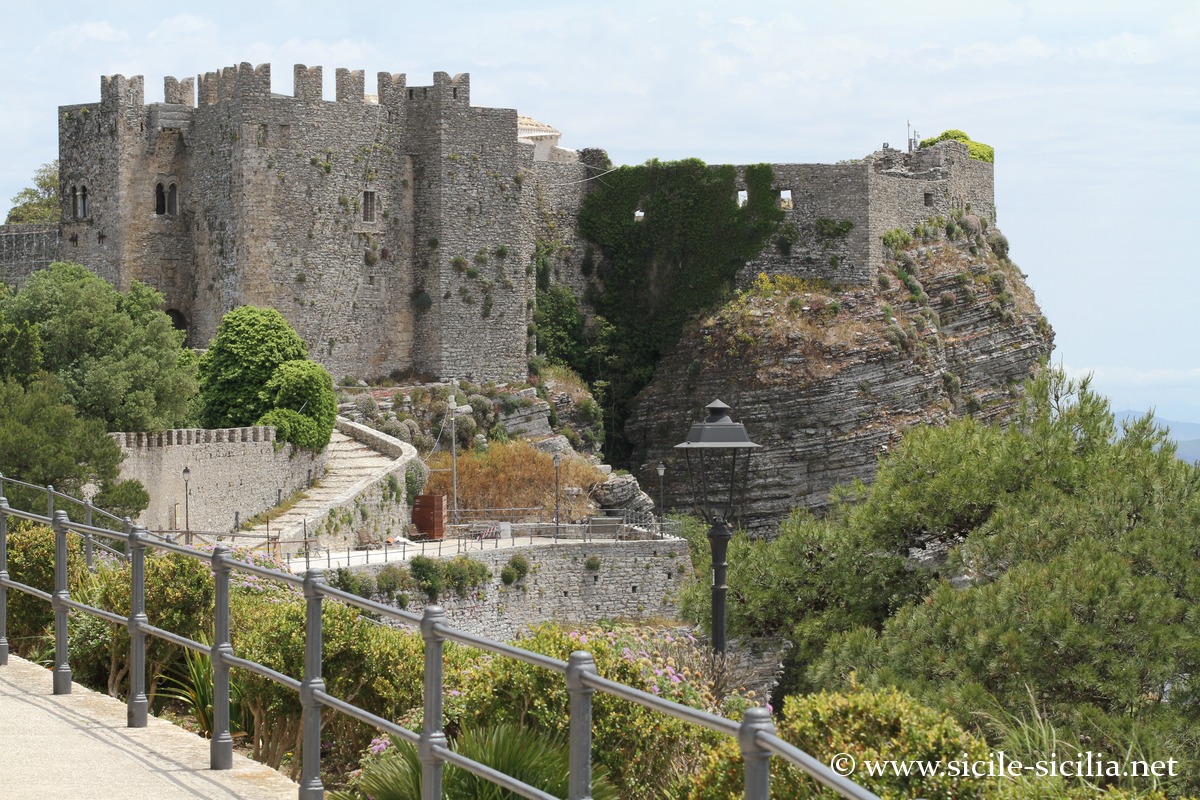
Castle of Venus
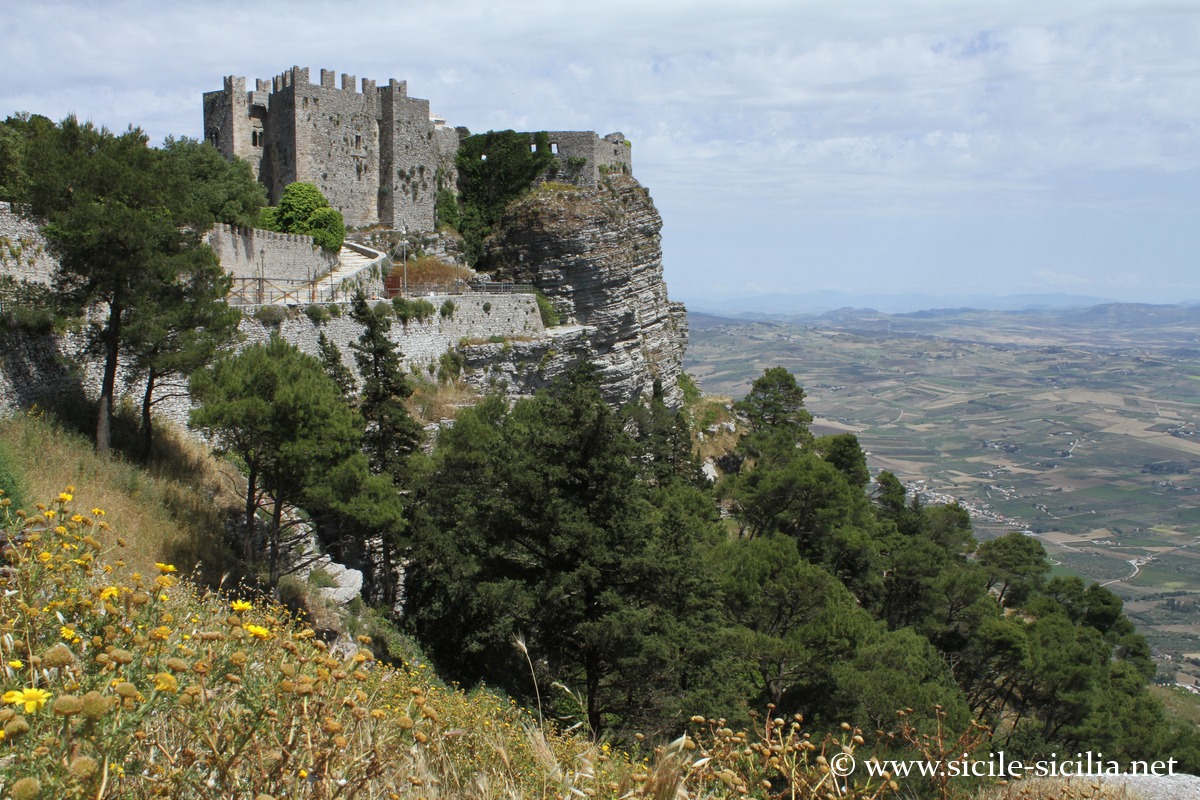
Castle of Venus
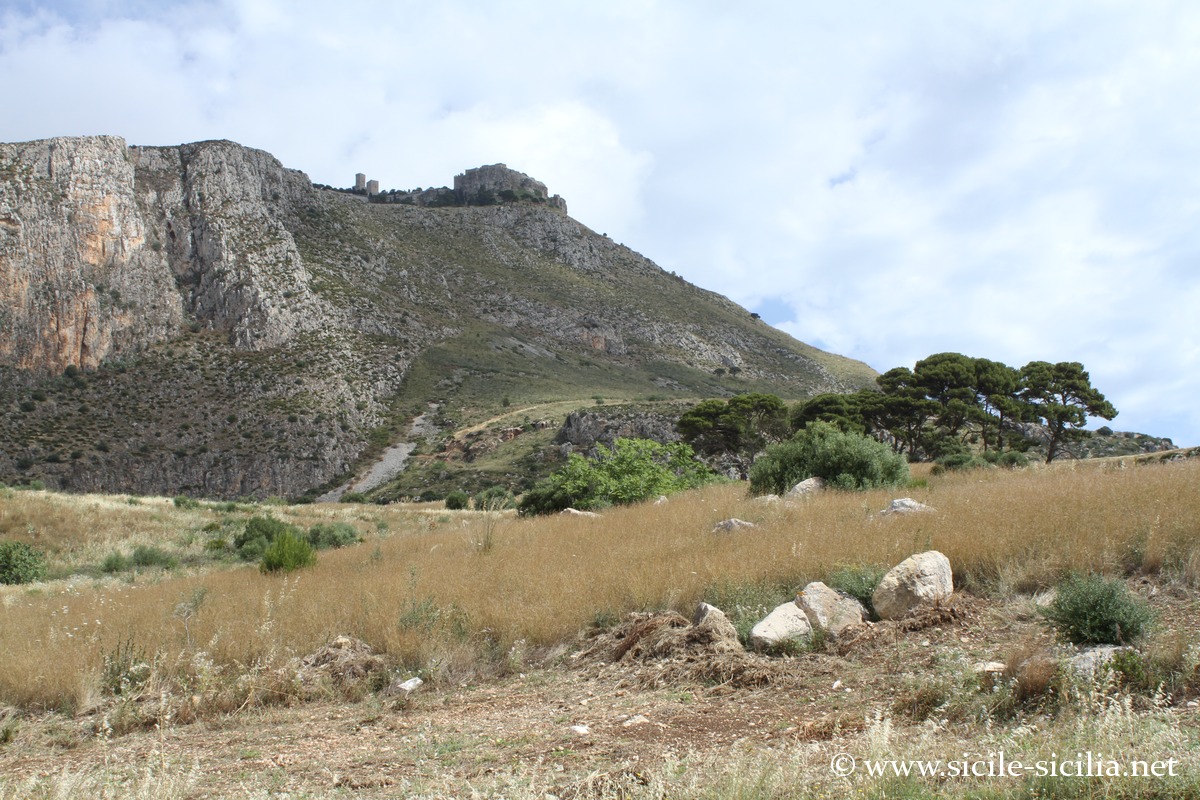
The Castle of Venus stands at the tip of the mountain, at the top of a cliff. It was erected in the 12th century by the Normans, on the site previously occupied by the Temple of Venus and which at the time was in ruins.
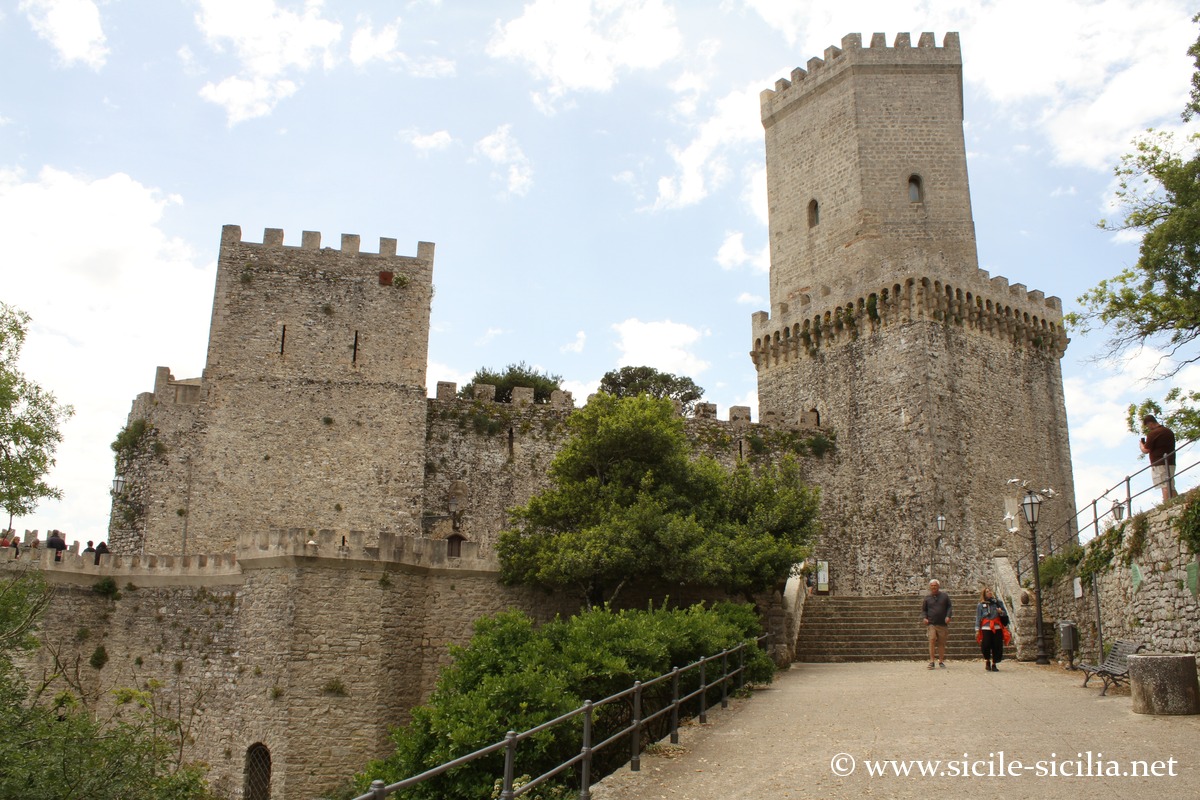
The powerful fortress with thick walls adorned with battlements was completed by the more advanced Balio Towers, which were originally connected to the castle by a drawbridge.
Above the castle entrance one can see the coat of arms of Charles V of the Habsburgs of Spain and above it a 14th-century mullioned window.
From the interior, one can admire an exceptional view and archaeological remains dating back to antiquity, with the remains of Roman baths, vestiges of the temple of Venus, a bridge, the Bourbon prisons, etc.
Some elements of the archaeological site, such as the so-called “Well of Venus” well, can be interpreted as ritual structures linked to the ancient sanctuary.
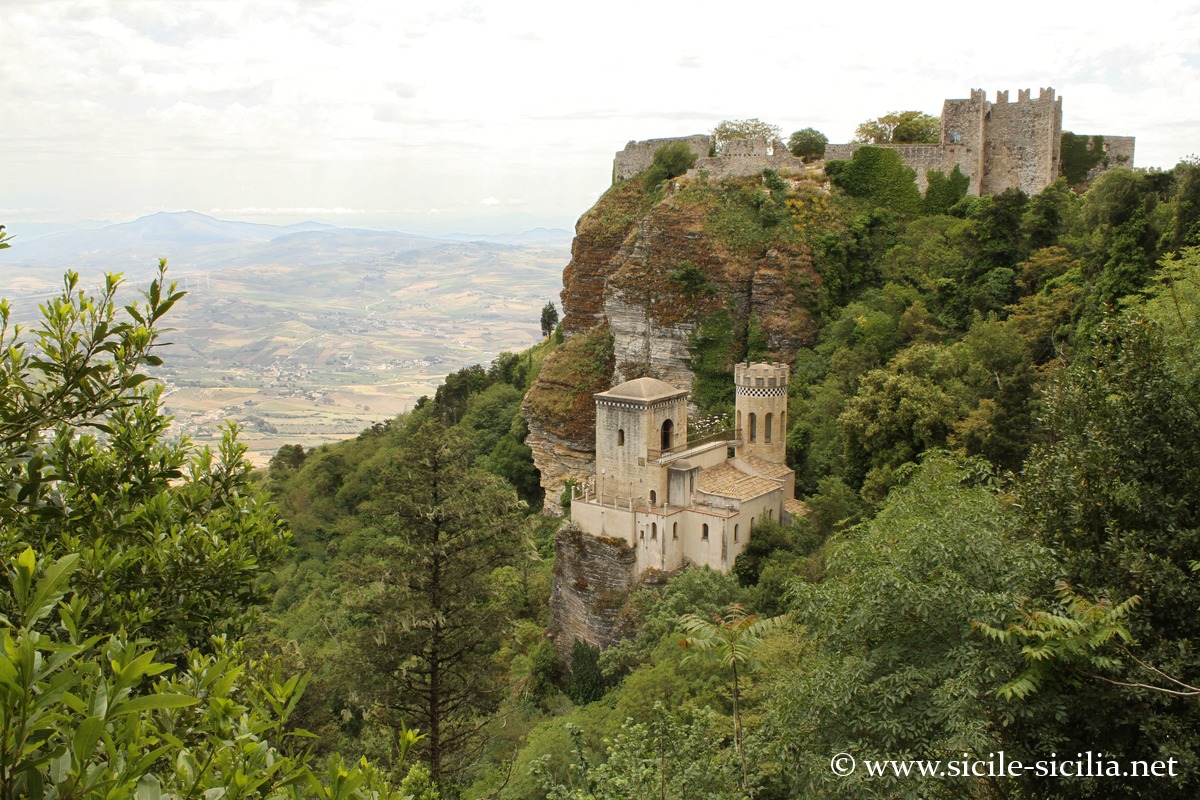
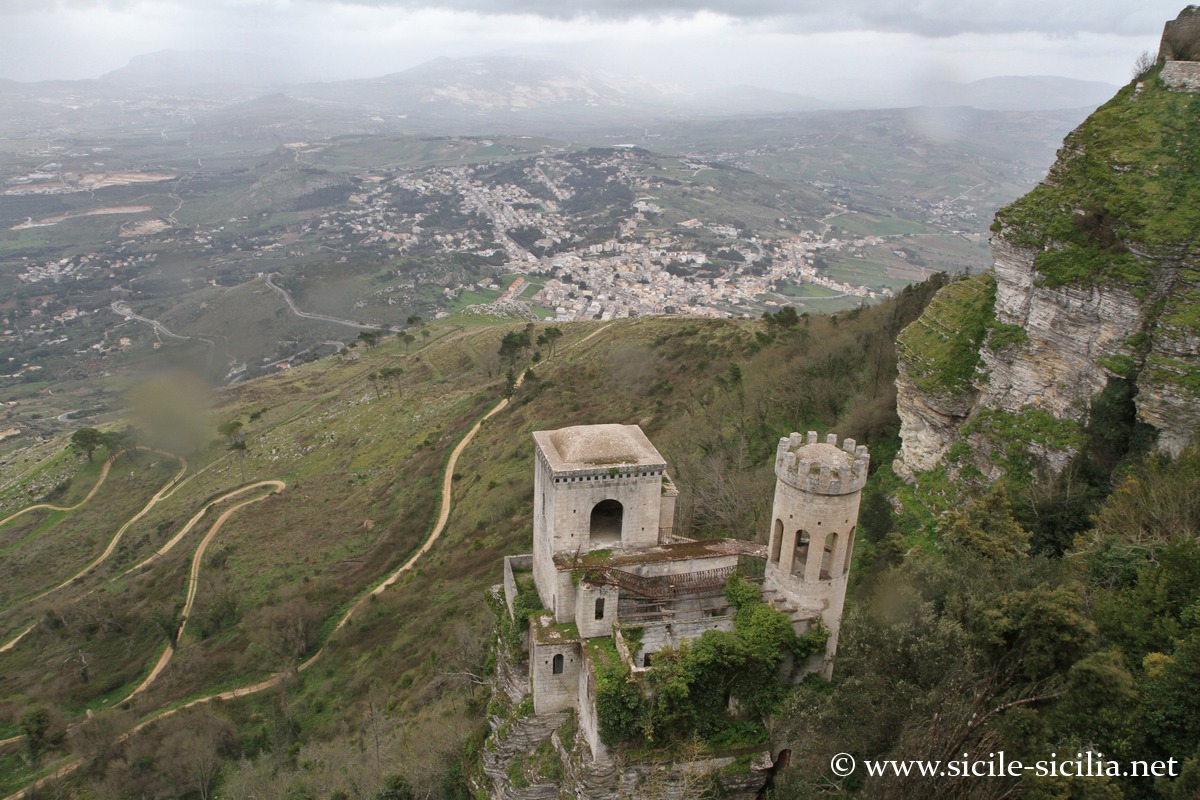
Below in the valley, the Pepoli Tower can be seen.
Temple of Venus
This ancient temple was a pan-Mediterranean sanctuary venerated first by the Elymian and Phoenician populations, then by the Greeks and Romans, and its cult gave rise to the goddess Venus Ericina, attested as far as Rome.
This temple is said to have been founded by the Sicans around the 12th century BCE. According to the accounts, in Phoenician times, sailors went there to pay homage to the goddess, then amused themselves with the priestesses who gave themselves to them.
Tour of the historic centre of Erice
From the Chiesa Madre, ascent to the Castle of Venus, making a loop through the historic centre.
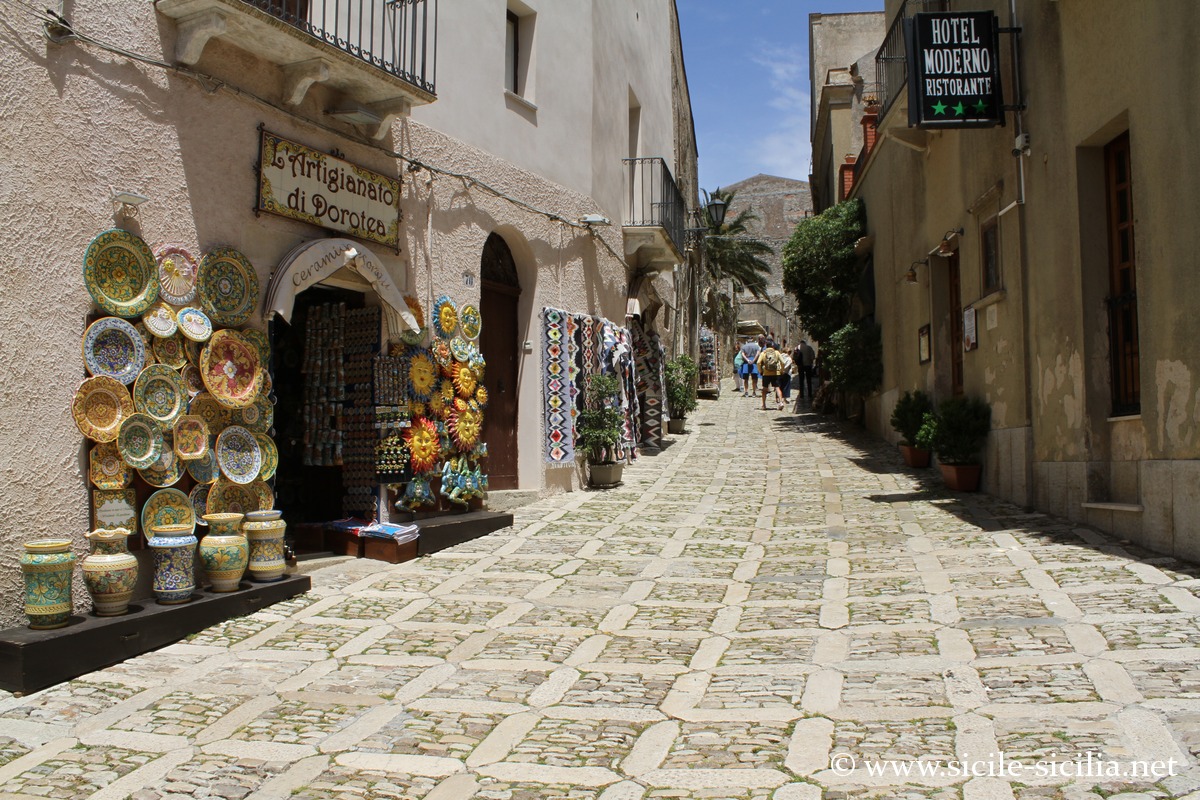
Via Vittorio Emanuele
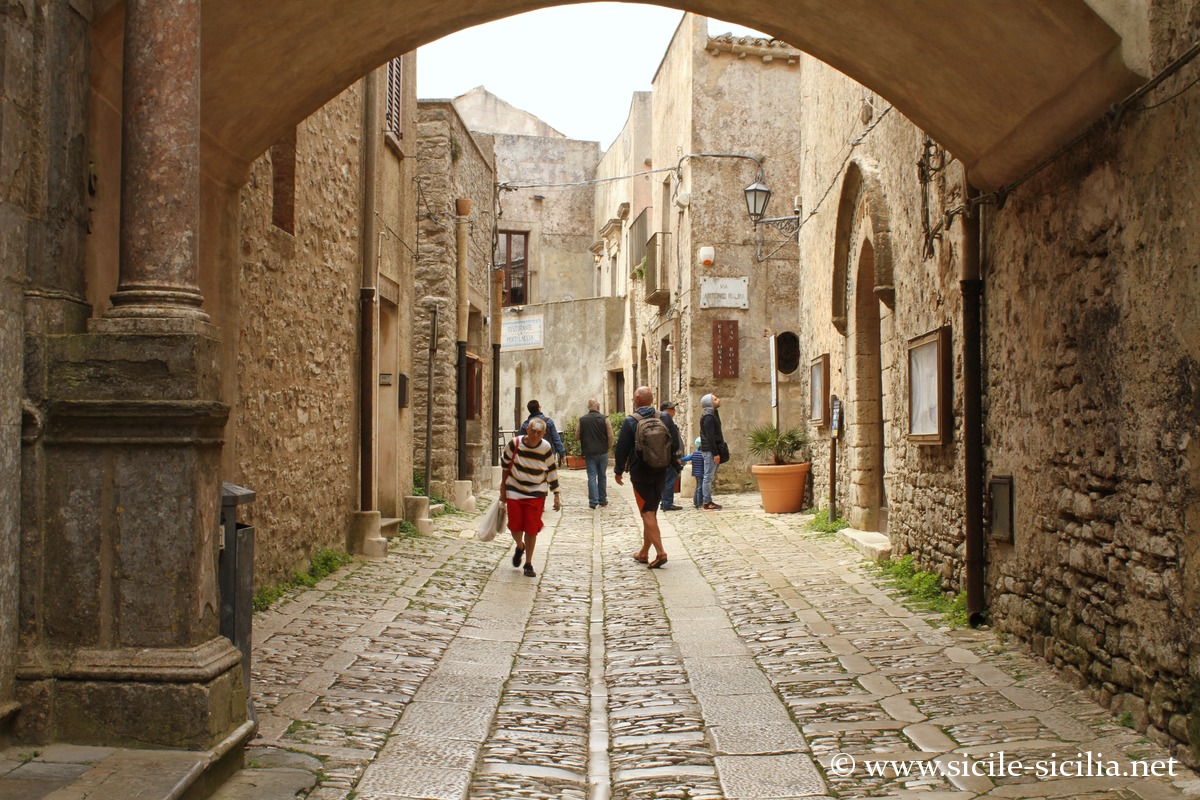
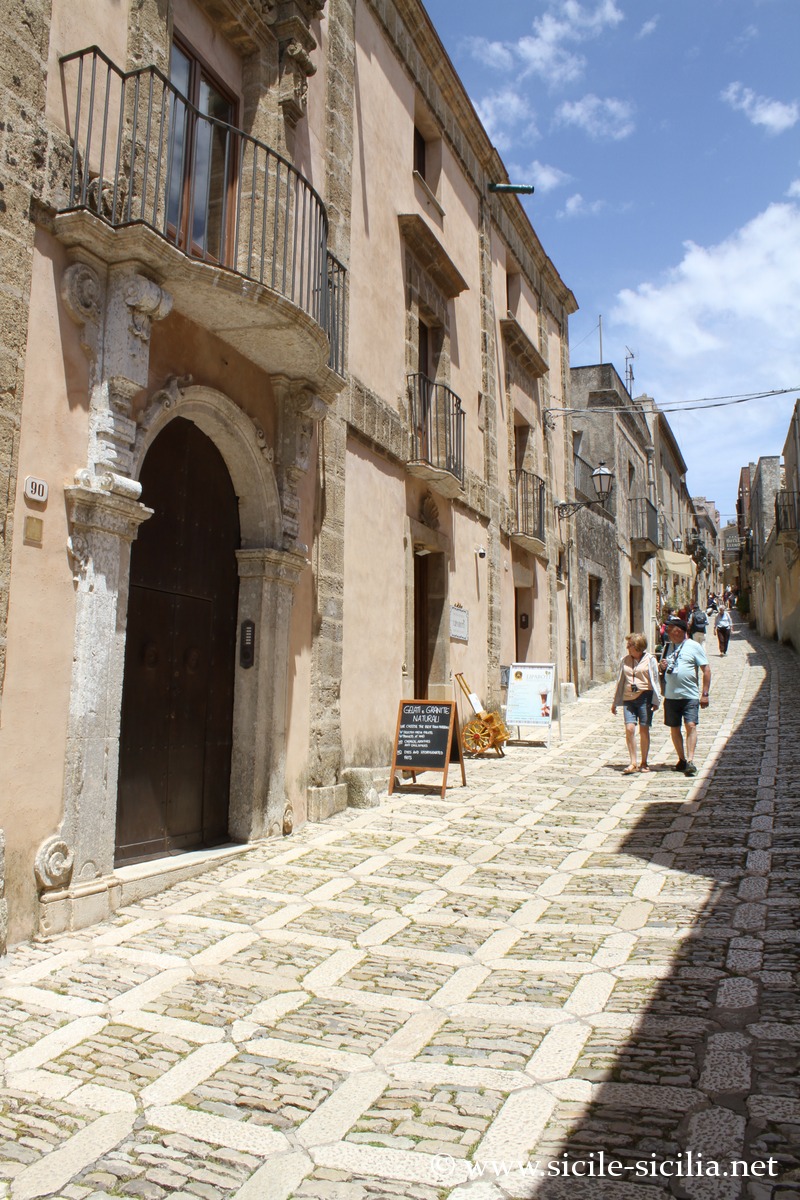
The street of the Via Vittorio Emanuele climbs towards the heart of the historic centre, lined with its tourist shops and Baroque façades of the 17th and 18th centuries.
The first church encountered is the church of Sant’Alberto dei Bianchi, of medieval origin, dedicated to Saint Albert of Trapani and founded under the aegis of the “Compagnia dei Bianchi”, which made it its seat in the 16th century. Long abandoned, it was recently reopened.
It presents an architecture enlarged in the 17th century with an interior with a single nave and four side altars, decorated at the end of the 18th century with white stuccos and wall paintings typical of the late Baroque period.
The most remarkable work is the marble statue of Sant’Alberto, attributed to Nicolò Travaglia (17th century).
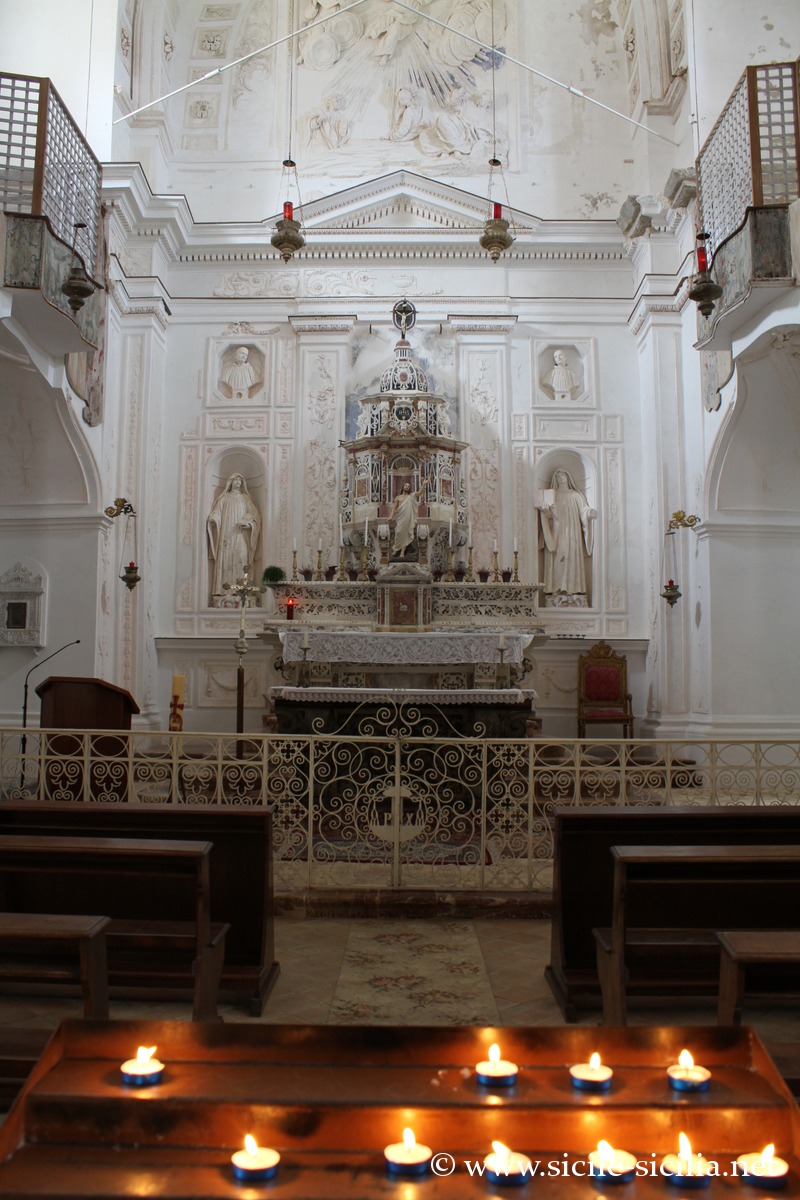
Chiesa del Santissimo Salvatore
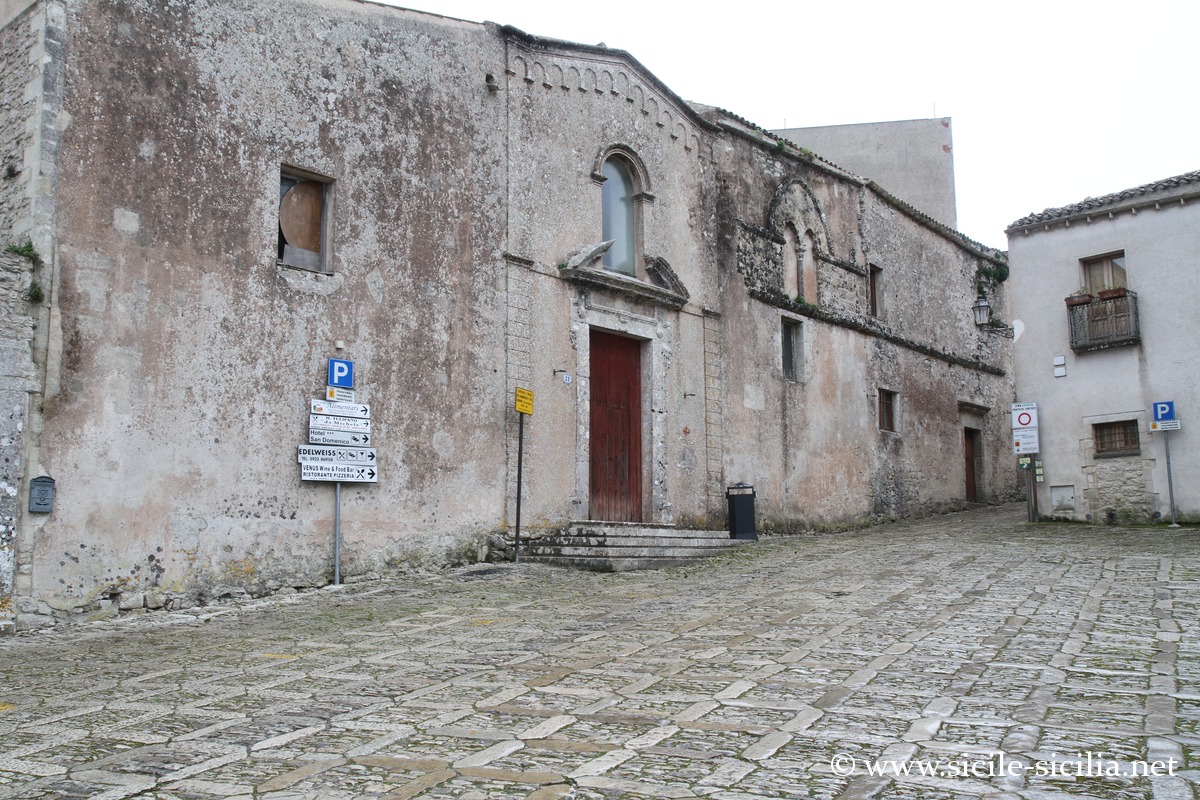
The church of the Santissimo Salvatore dates back to the beginning of the 14th century, integrated into an ancient Benedictine monastery founded inside a palace of the powerful Chiaramonte family. Remains of this ruined complex survive.
It was enlarged and rebuilt in the 17th century, before being decorated in 1794 with stuccos and arabesques by Pietro Dell’Orto.
The building combines Gothic Chiaramonte elements on its exterior façade (arches, two-light windows, single-light windows) with an interior with a single nave with side chapels and a raised presbytery. Several important works were once displayed there, some of which have been transferred to the Cordici museum.
After decades of closure, it was reopened for worship in 2017.
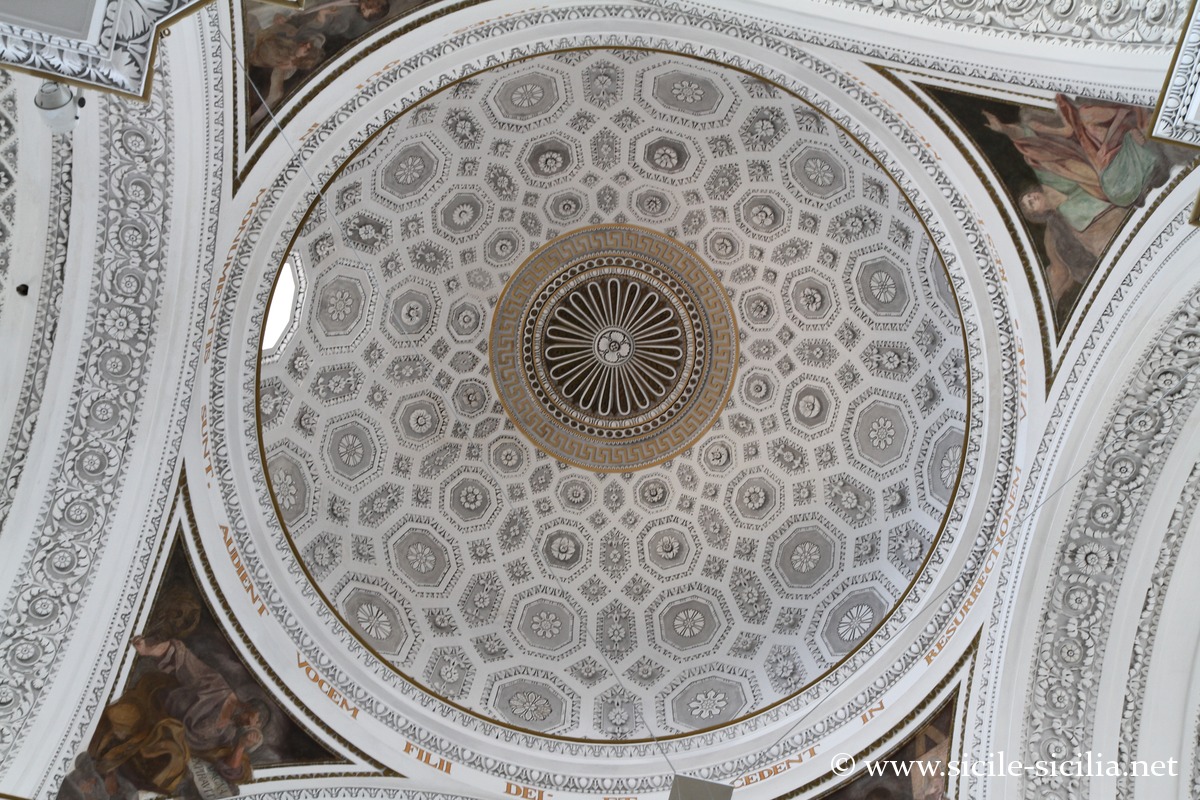
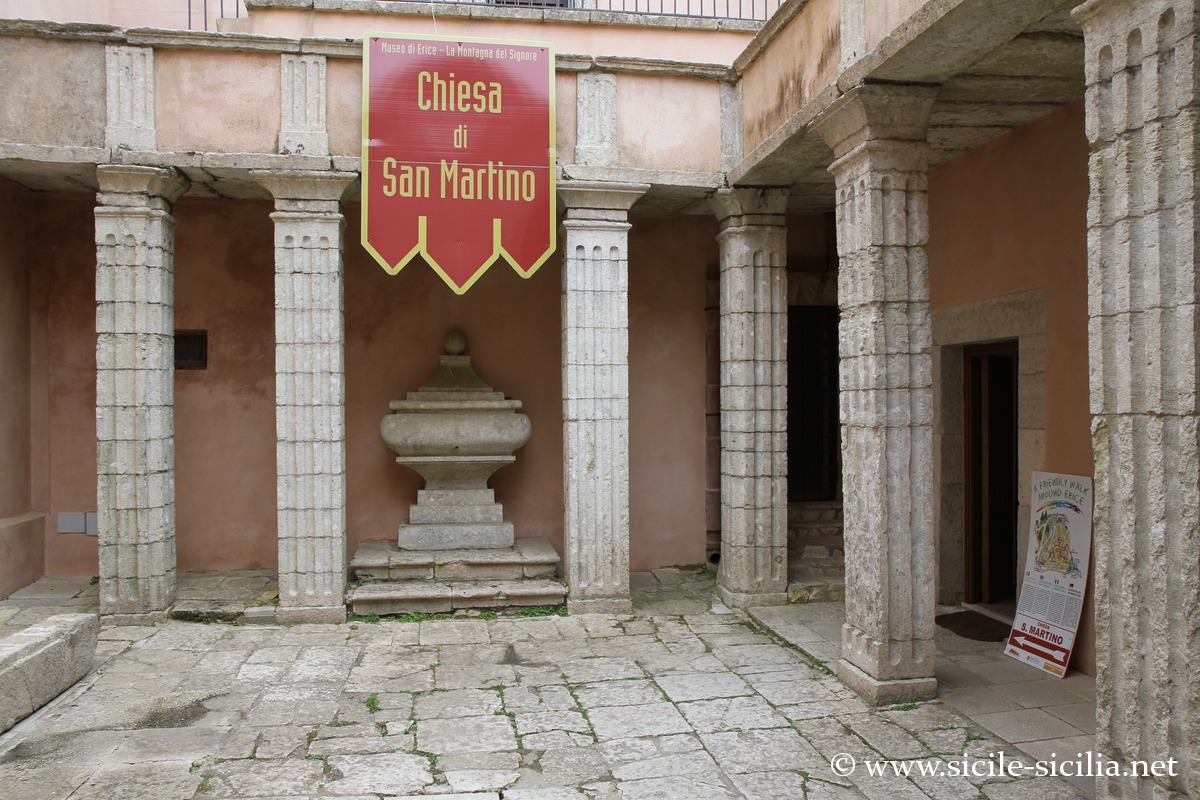
Church of San Martino
The church of San Martino, is one of the most elegant religious buildings in the historic centre of Erice, rebuilt in 1682 on an earlier church.
Its Baroque façade is dominated by a richly decorated portal and a small clock tower, while the interior follows a basilican plan with three naves, separated by ten Tuscan columns and vaulted with frescoes and stuccos of the 18th-19th centuries.
Among the church’s works of art, a monumental wooden statue of Saint Martin on horseback from the mid-16th century stands out, as well as a Rococo wooden choir and paintings by the brothers Antonio and Vincenzo Manno. On the floor, there are tomb slabs from the 17th-18th centuries and majolica tiles of ancient inspiration.
Linked to the Confraternita del Purgatorio, it also has adjoining spaces such as the Sala della Congrega, adorned with Rococo stuccos and frescoes.
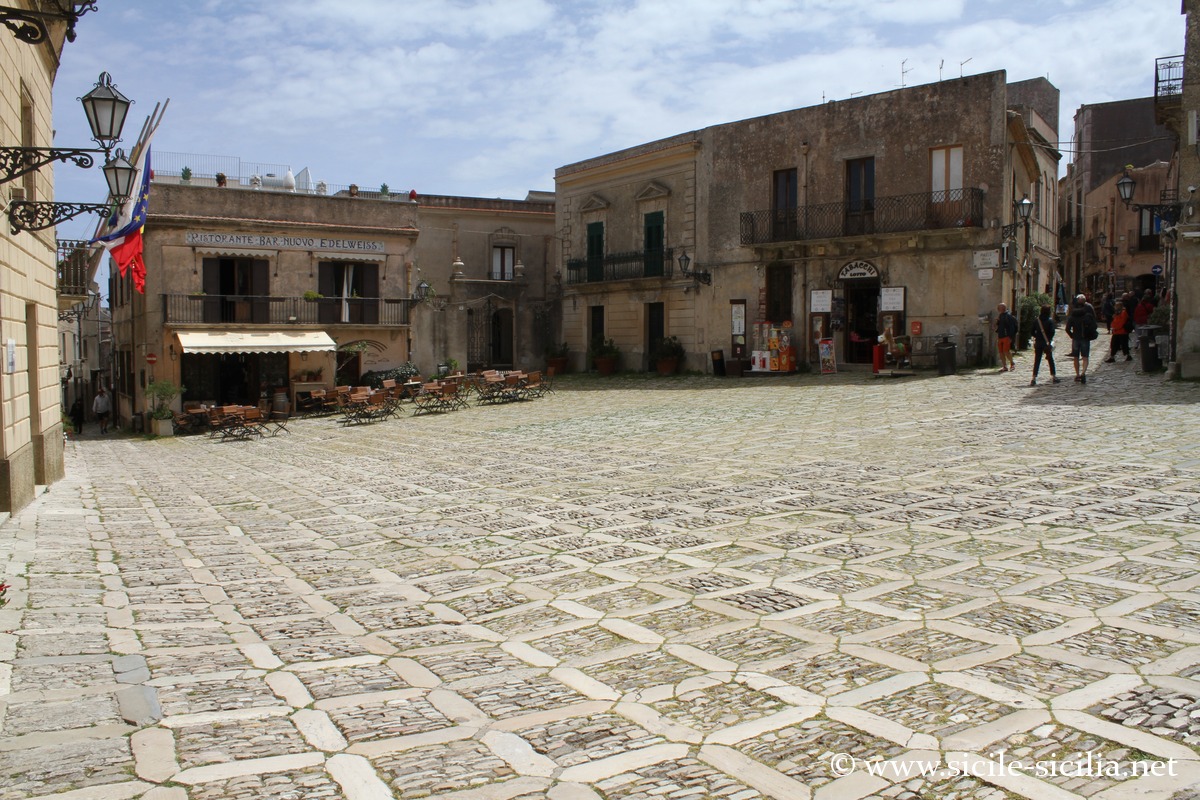
Piazza della Loggia
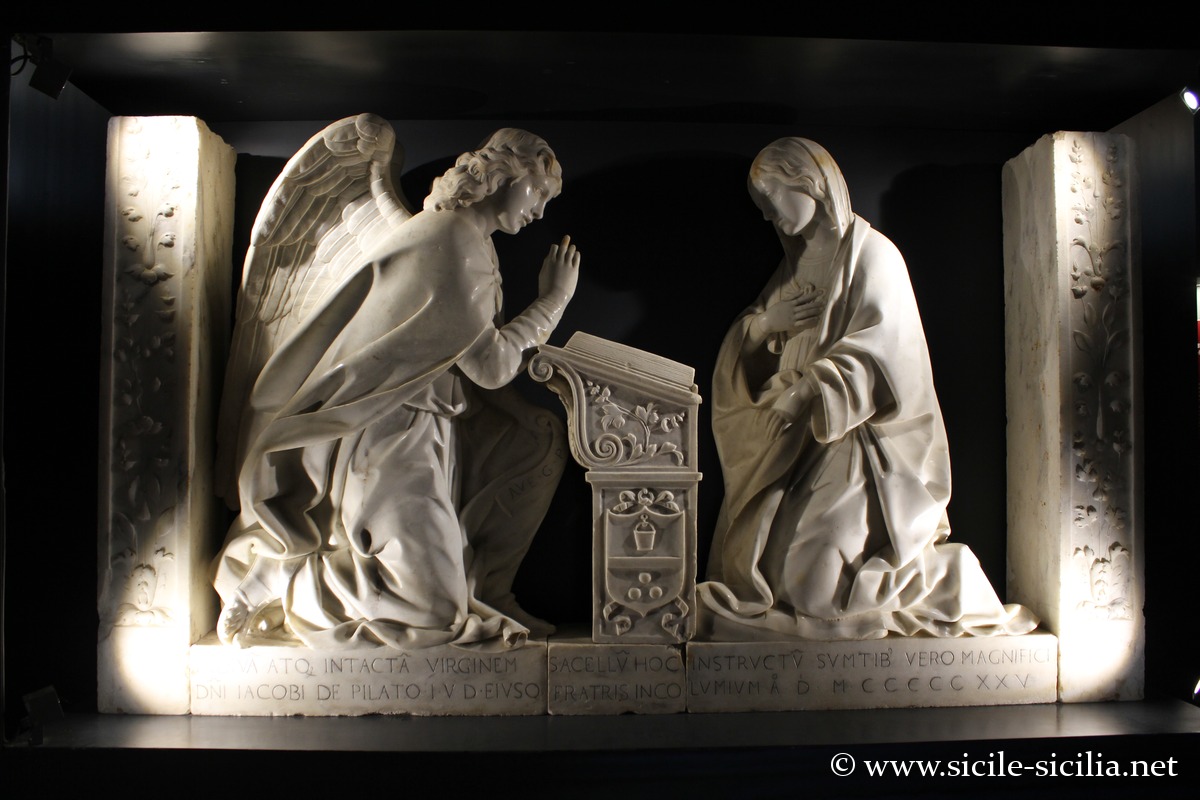
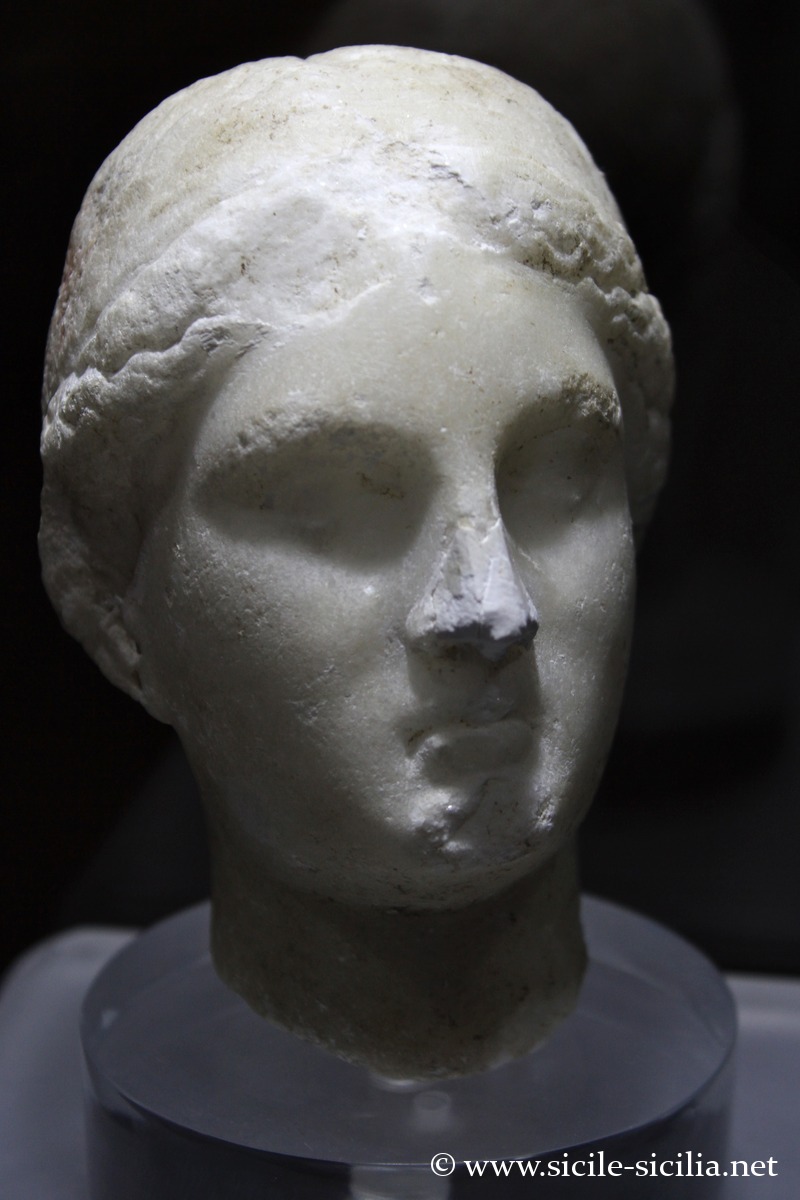
It joins the town hall square, the Piazza della Loggia, with its terraces and cafés. It gives access to the Cordici Museum, which occupies the former Franciscan convent. It preserves archaeological remains relating to the Elymian, Punic, Greek, Roman and medieval periods, including in particular a head of Venus from the 4th century BCE, ethnographic sections devoted to local rural traditions, with manuscripts, paintings and sculptures, among which the Annunciation by Antonello Gagini of 1525 stands out.
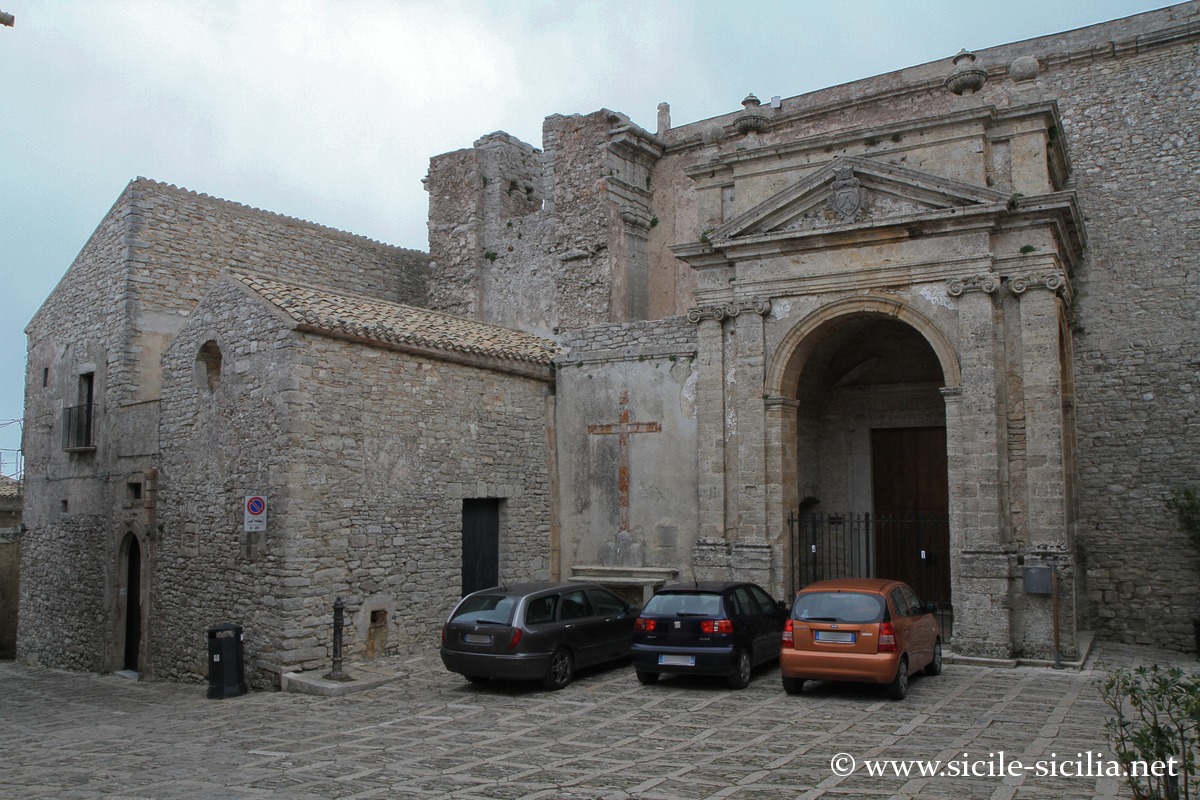
Church of San Domenico
Via Cordici leads to the nearby and pretty medieval Piazza San Domenico, dominated by the former Dominican convent founded in 1486, where the church of the same name is located. The church of San Domenico preserves a façade with a 15th-century portal embellished with a Renaissance-style pronaos added in the 19th century. The interior has three naves with decorated columns and vaults, now integrated into the cultural complex of the Ettore Majorana Foundation.
Continuing the ascent of the town, one can pass through the charming alleys around the church of San Carlo, a Baroque church built from 1617, dedicated to San Carlo Borromeo, integrated into a former monastery founded as a hospice for orphan girls. The exterior façade is simple, in exposed brick, while the interior is distinguished by a rich decoration of stuccoes and sacred paintings, an 18th-century Neapolitan majolica floor adorning the single nave, and contains five altars.
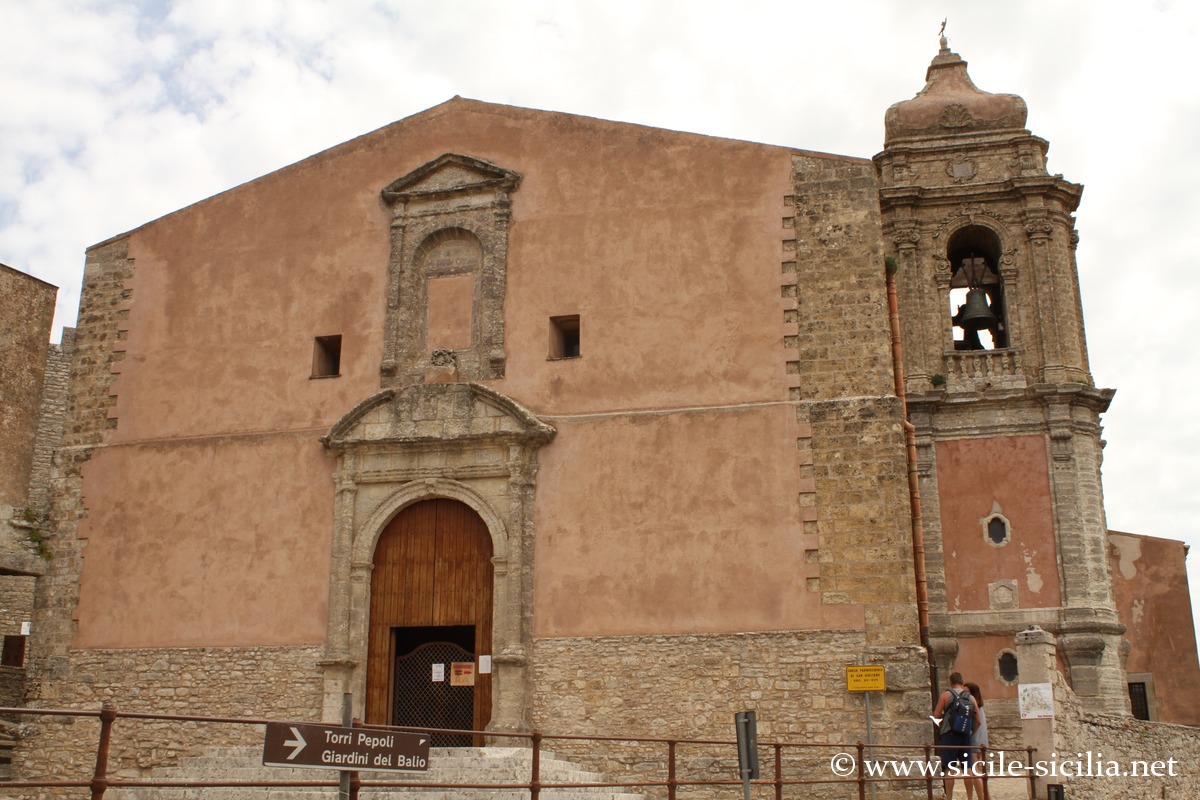
Church of San Giuliano
We then reach the church of San Giuliano via Via Roma. It is one of the oldest churches in Erice, of Norman origin, rebuilt between 1612 and 1615 on an older structure, the whole resulting from a superimposition of medieval and Baroque phases. Its Baroque bell tower with a “pagoda” profile was erected in 1770.
The building has a sober façade in local stone, the interior adopting a basilical plan with three naves covered by barrel vaults, marked by a strong verticality, with high massive pillars supporting round arches.
Campanile San Francesco d’Assisi
It houses the sculpted groups of the “Misteri” polychrome scenes of the Passion of Christ from the 18thᵉ century. The sacristy also preserves elements of goldsmithing and liturgical furnishings, including a remarkable silver Repositorio.
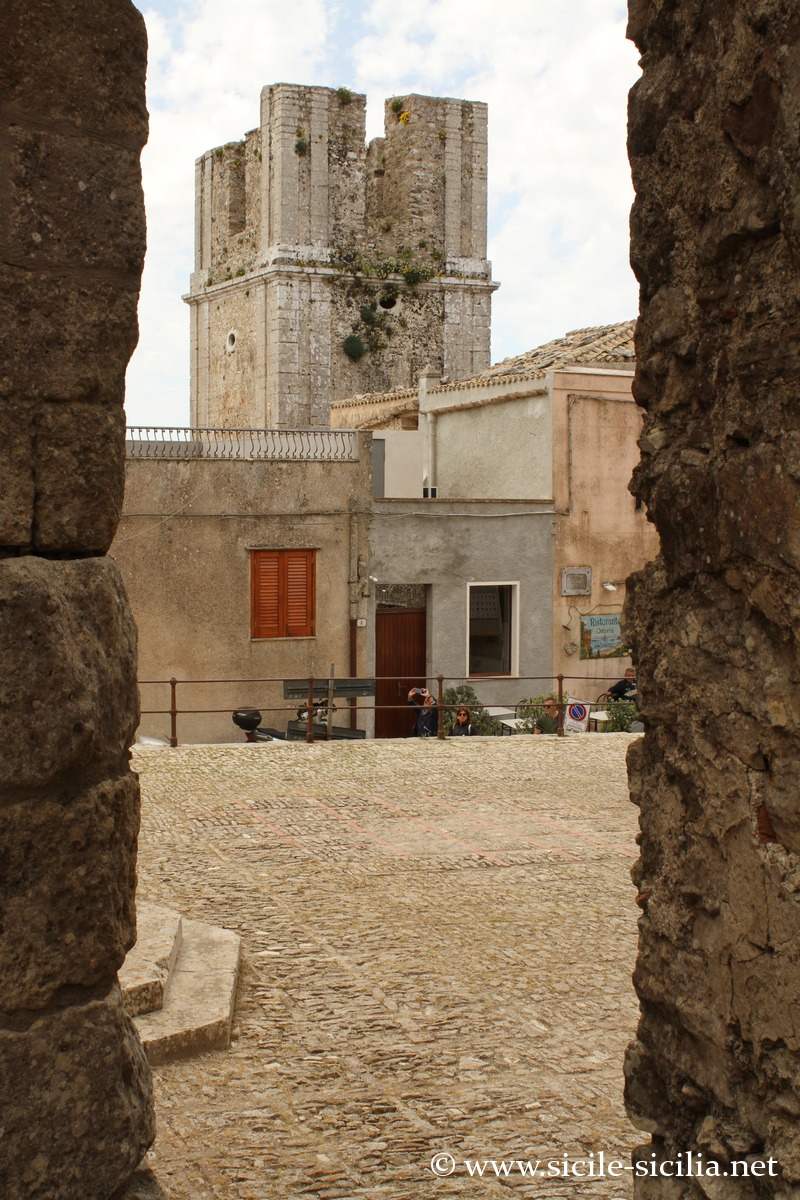
A little further down, the church of San Francesco d’Assisi, founded with the convent of the Franciscan friars minor in 1364, occupies part of the former medieval monastic complex.
In the 17th century, the complex was enlarged and renovated, the bell tower erected in 1631 housing the largest bell in the town. The structure, renovated several times, presents an austere architecture. It was closed for worship after the collapse of the nave in 1927. It houses one of the sections of the “Ettore Majorana” Foundation.
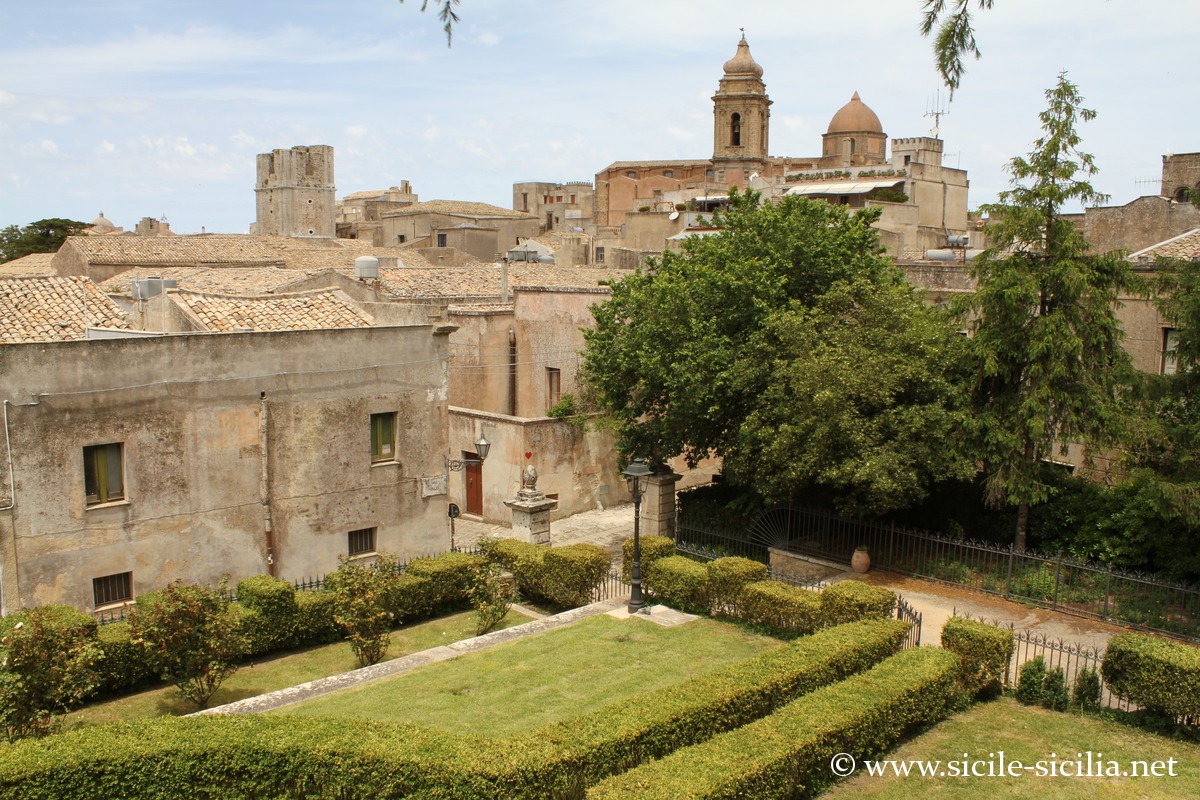
Higher up, we reach the gardens of the Balio (Giardini del Balio), created in the 19th century, which precede the Norman castle, also called the castle of Venus, and the towers of Ballo.
The panorama extends over a beautiful part of Sicily and beyond the sea as far as Cap Bon in Tunisia in very clear weather.

Mount Eryx 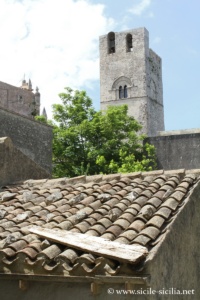

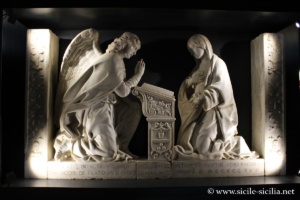
Annunciation by Gagini, Antonio Cordici Museum 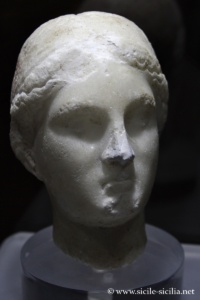
Head of Aphrodite, Cordici Museum 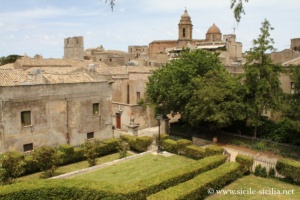
Gardens of the Balio 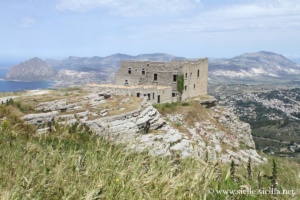
Spanish Quarter
Other places in Erice
Northern area
Porta Spada
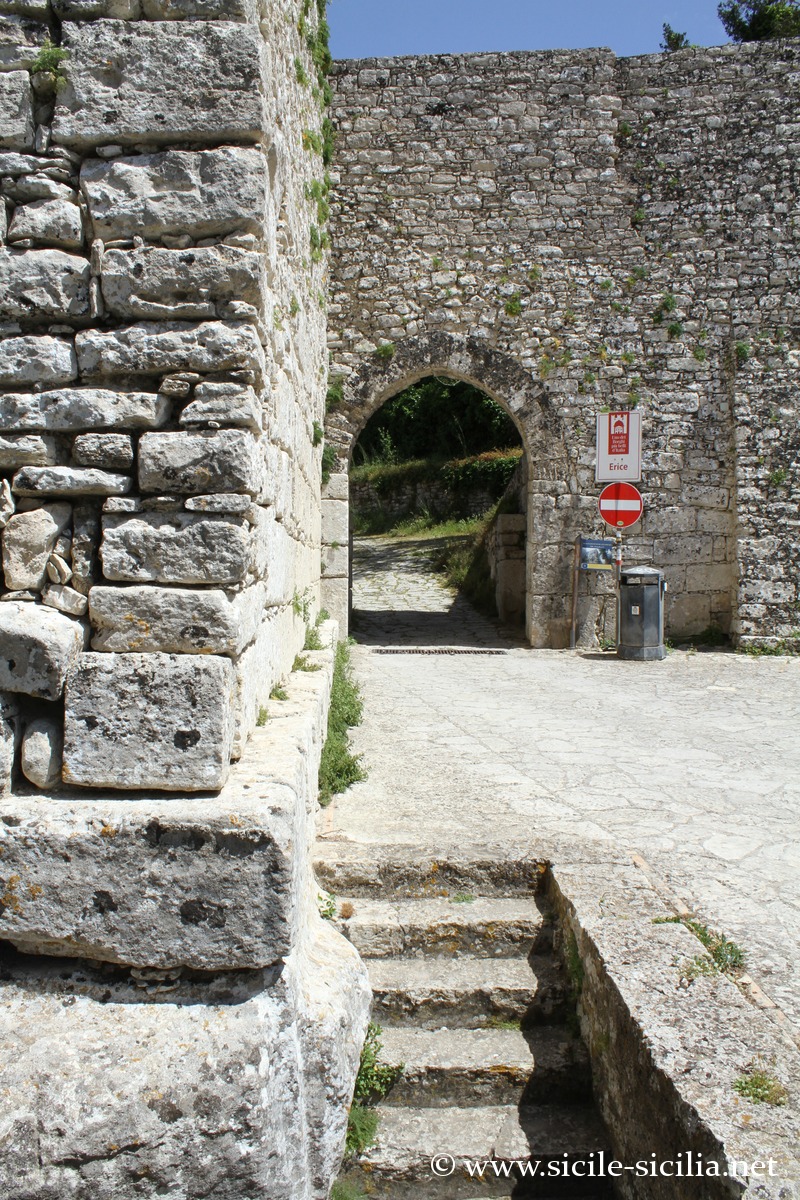
North of Erice, around the Porta Spada, one finds Phoenician or Elymian walls (8th‑6th century BCE). The best-preserved portion is between the Porta Carmine and Porta Spada gates, along the Via dell’Addolorata.
They include several towers and monumental gates, underlining the strategic and defensive importance of Eryx in Antiquity and the Middle Ages.
Near the Porta Spada, is the interesting church of Sant’Orsola (or of the Addolorata) which was built in 1413 and preserves its Gothic structure with its cross vault. It was enlarged in 1450 with a second nave dedicated to Santa Maria di Gesù. Its façade has a 15th-century portal in yellow tuff stone surmounted by a small bell tower.
Inside, the two juxtaposed naves are separated by three arches on cylindrical columns combining Romanesque and Gothic arches, and the floor preserves 16th-century majolica tiles.
Panorama from the Spanish Quarter
Historically linked to the Confraternita di Sant’Orsola, it formerly kept the sculpted groups of the “Misteri” from the 18th century, now kept in San Giuliano. Other works have been moved.
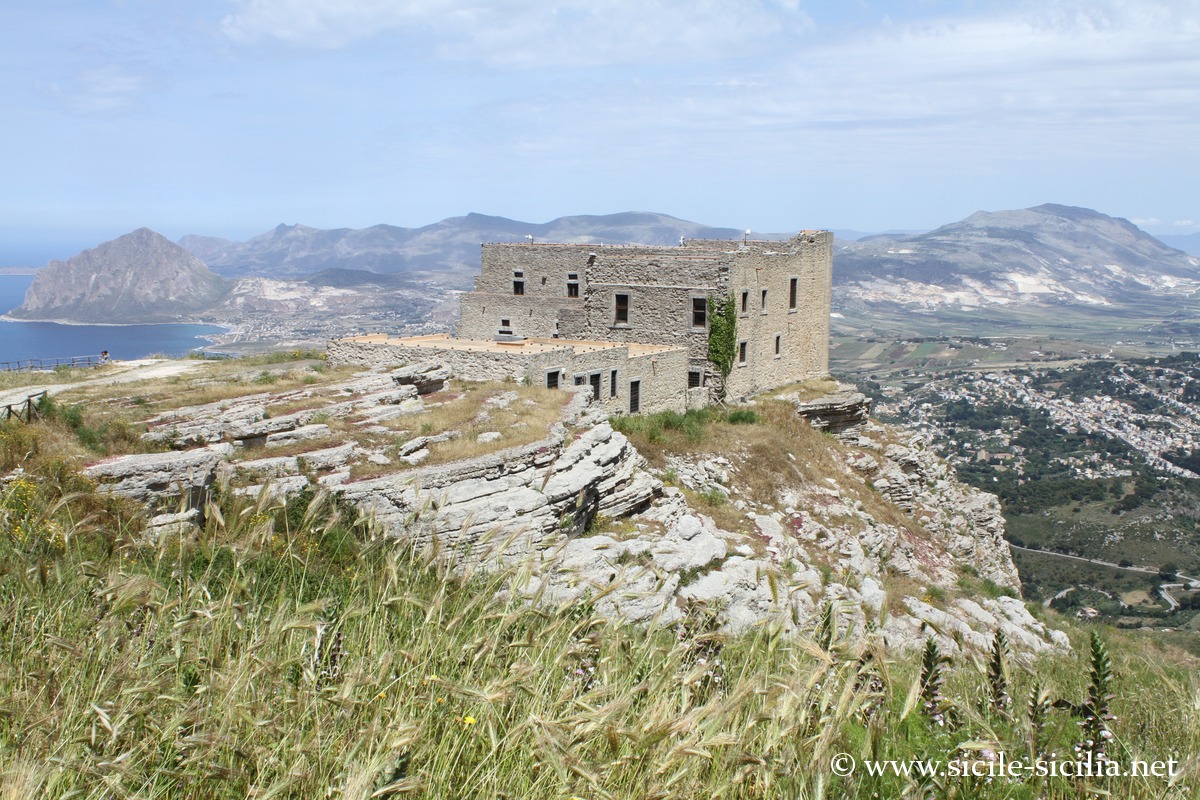
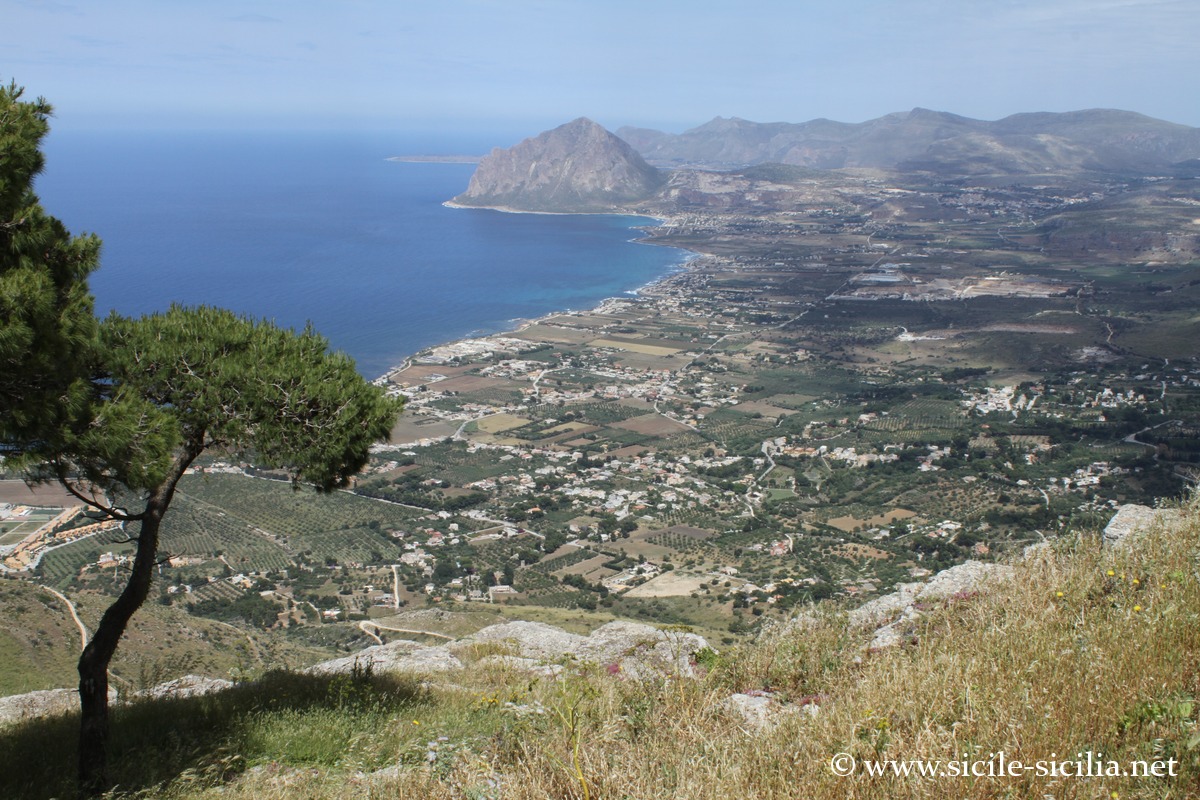
Nearby, the Spanish Quarter occupies the top of a rock where a 17th-century building that was never completed was intended to house Spanish soldiers. It now houses a small Museum of Arts and Crafts of Erice.
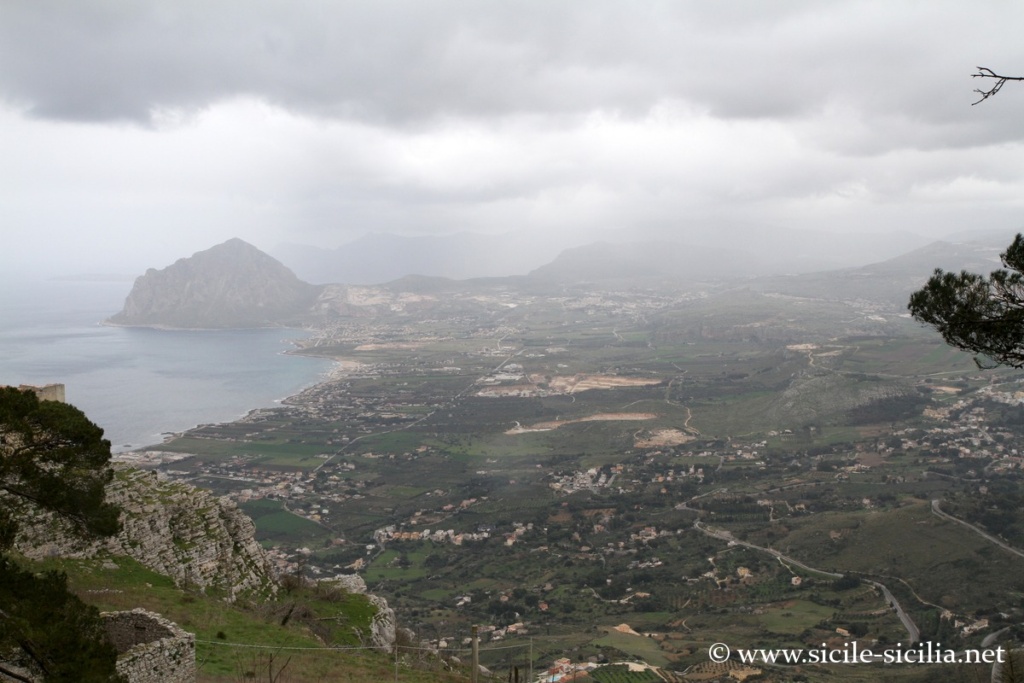
From there one enjoys a beautiful view over the Gulf of Monte Cofano and below, over the Tonnara di Bonagia.
Lower eastern part
Not far from the Castle of Venus, below it, stands the church of San Giovanni, in a panoramic position on the coast, mentioned as early as 1339 and probably older. Its late Gothic portico decorated with zig-zag motifs in the chiaramonte style, preceded by a monumental staircase.
It was substantially rebuilt and enlarged in the 15th century, then again in the 17th century, when its vast dome was added. The interior has a single nave with transept and square apse, preserving medieval elements, including traces of ancient frescoes. It notably houses a statue of Saint John the Baptist made by Antonello Gagini around 1539 and a statue of Saint John the Evangelist from the same workshop, as well as other sculptures of the Sicilian Renaissance.
The Pepoli Tower and its manor are an architectural fantasy built around the end of the 19th century by Count and patron Pepoli. It is built in an eclectic style mixing Neo-Gothic and Moorish influences, and today houses an interactive museum and a peace observatory.
In the surroundings of Erice
The Tonnara of Bonagia, on the coast just north of Erice, is 13 km away by road. This small fishing village was built in the 17th century. The Saracen tower houses the small Tonnara museum dedicated to fishing and its boats.
Photo gallery

Panorama of the coast and Mount Cofano 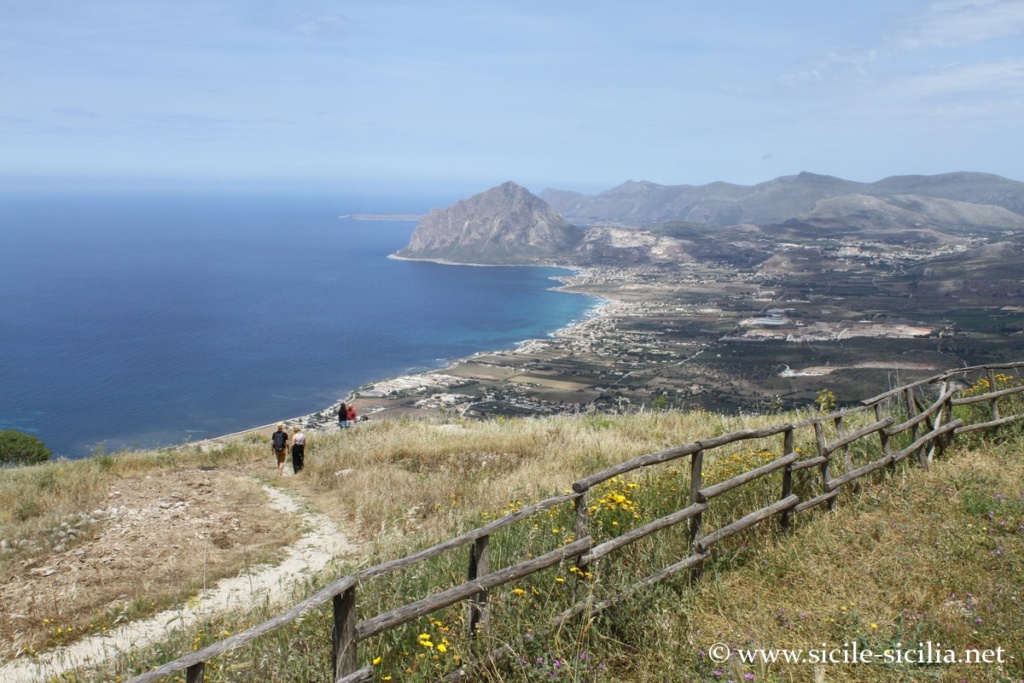
Panorama of the coast and Mount Cofano 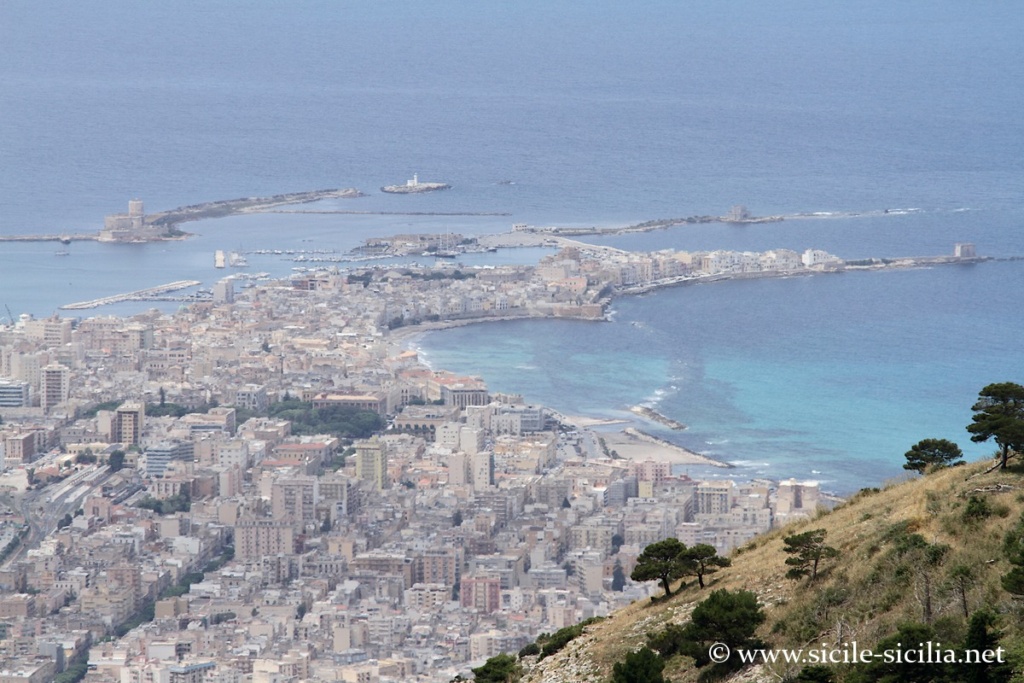
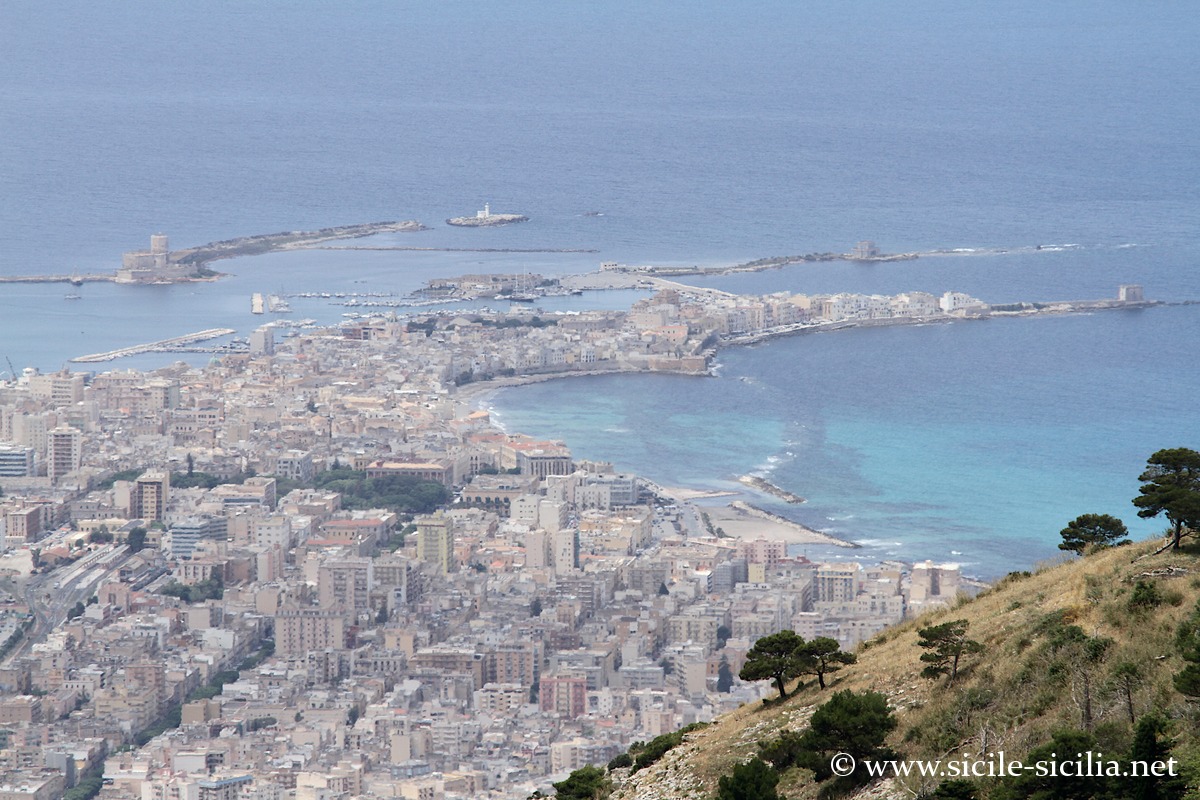
Panorama of Trapani and the salt pans 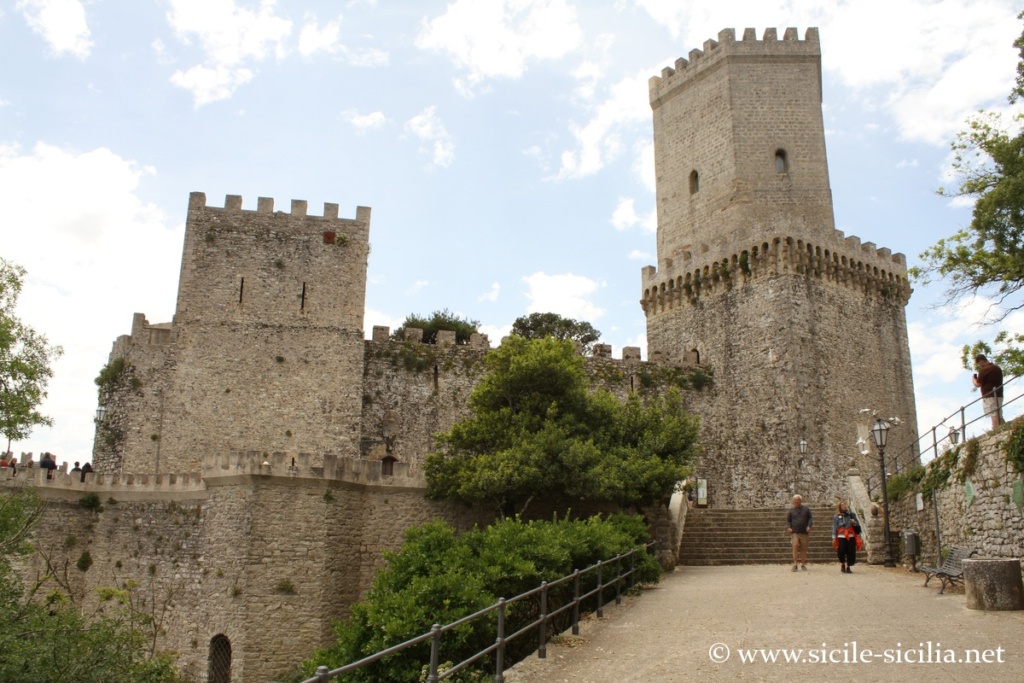
Castle of Balio 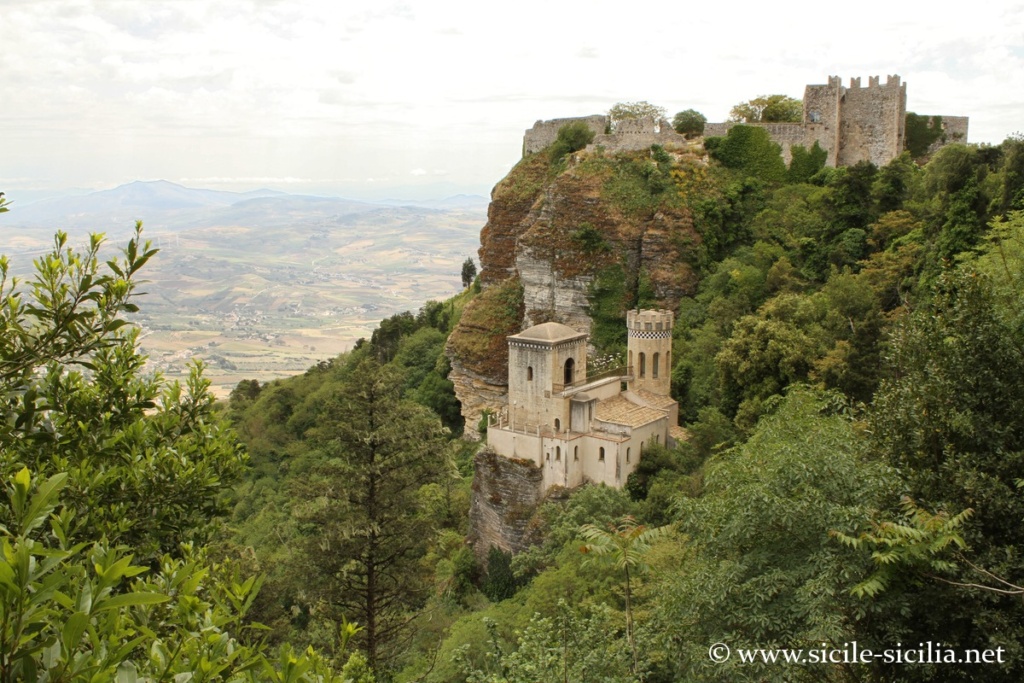
Castle of Venus and Pepoli Tower 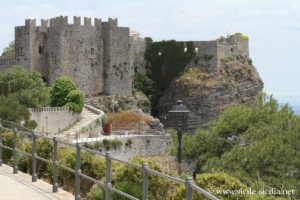
Castle of Venus 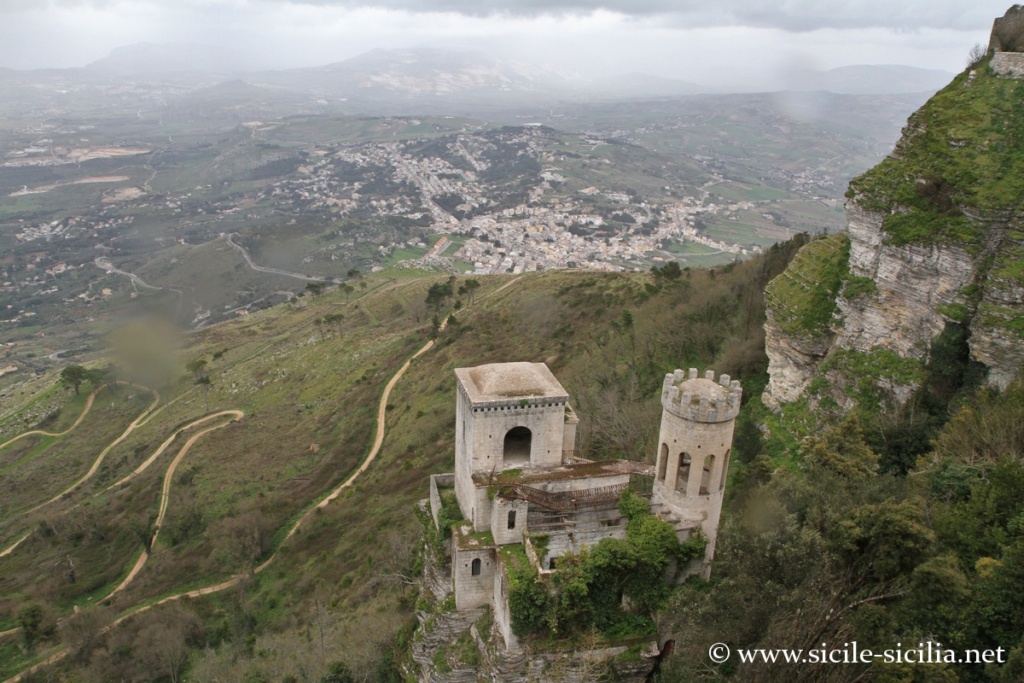
Castle of Venus and Pepoli Tower 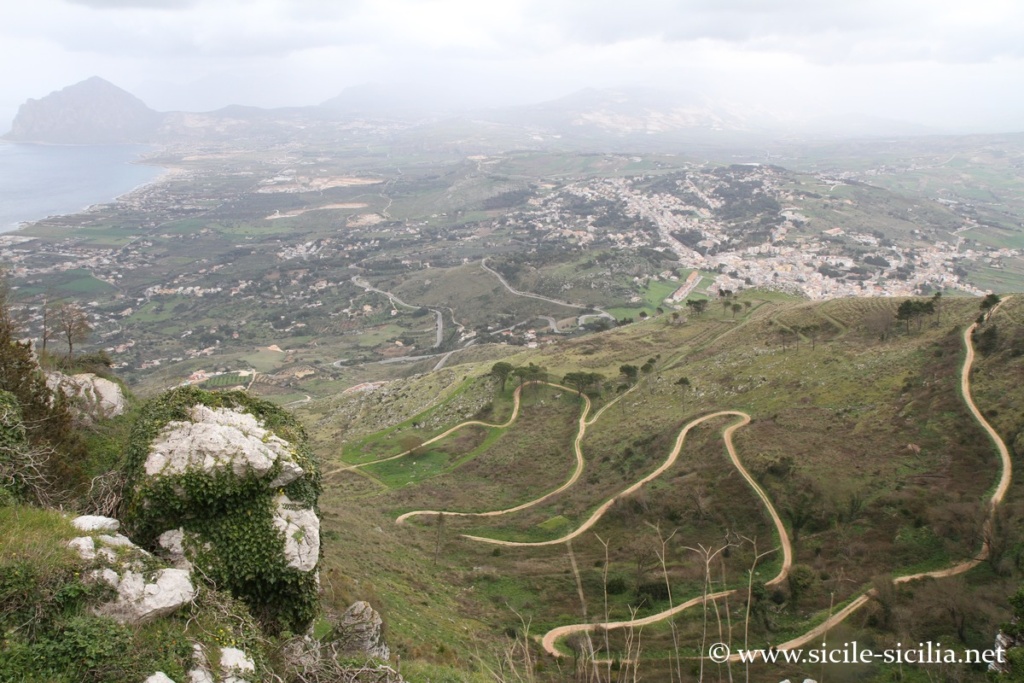
Panorama from Balio Castle 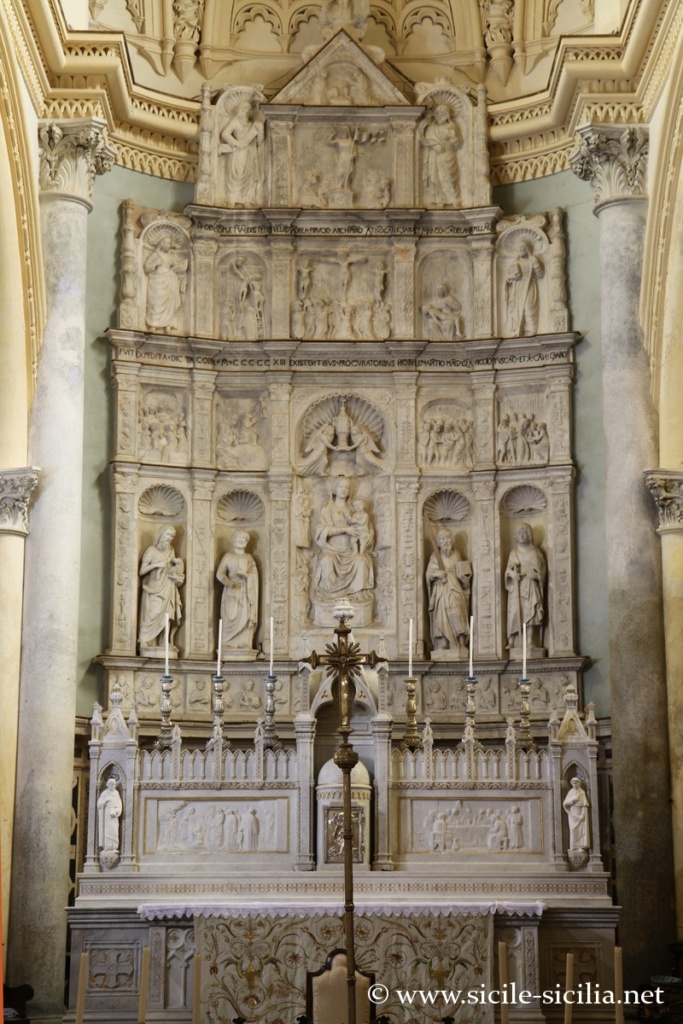

Assumption by Gagini, chiesa madre 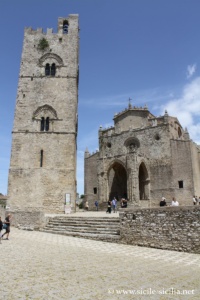
Chiesa Madre 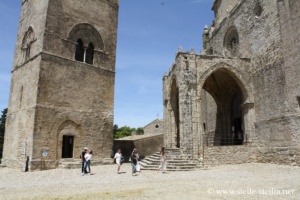
Chiesa Madre 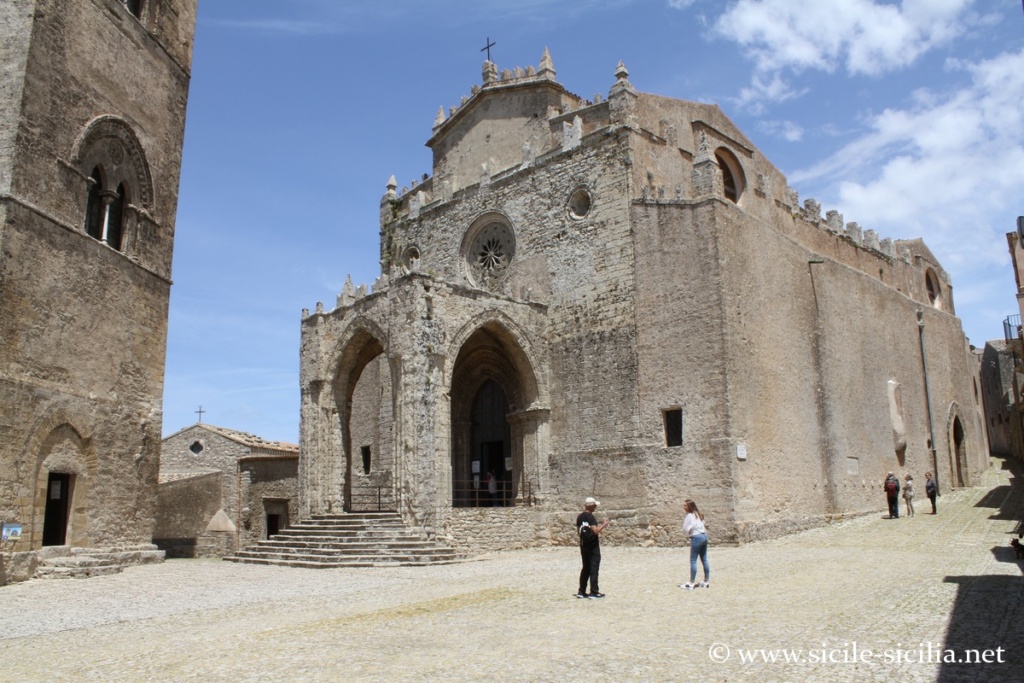
Chiesa Madre 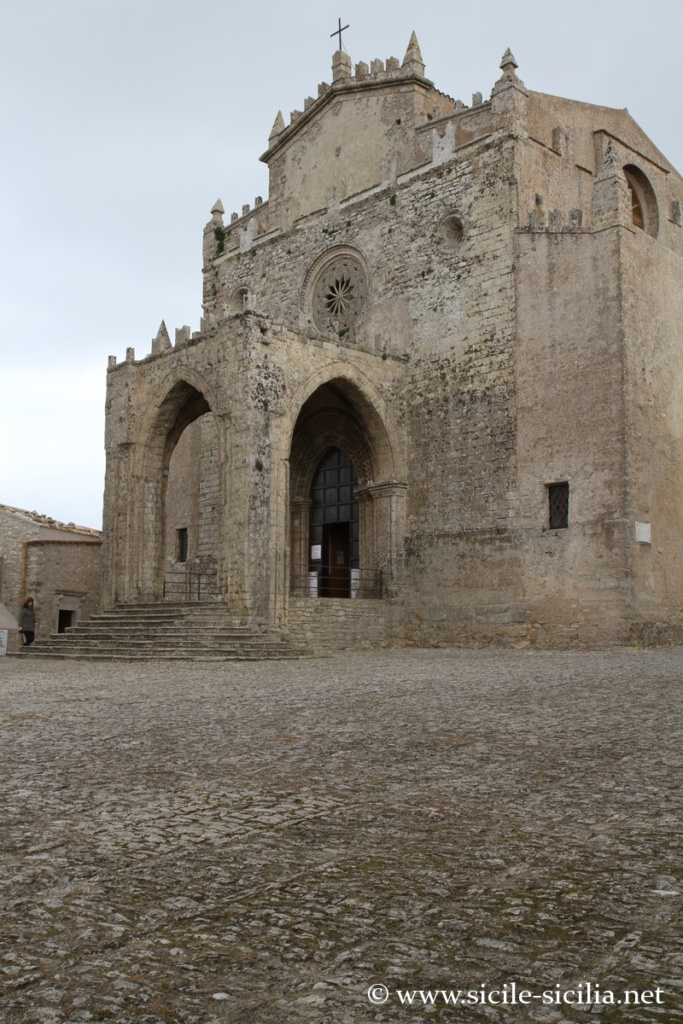
Chiesa Madre 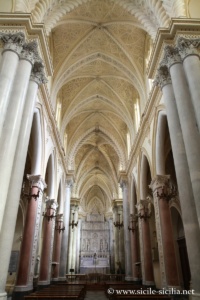
Vault of the Chiesa Madre 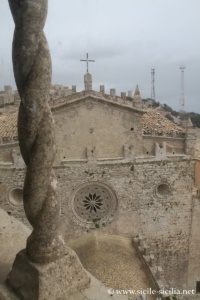
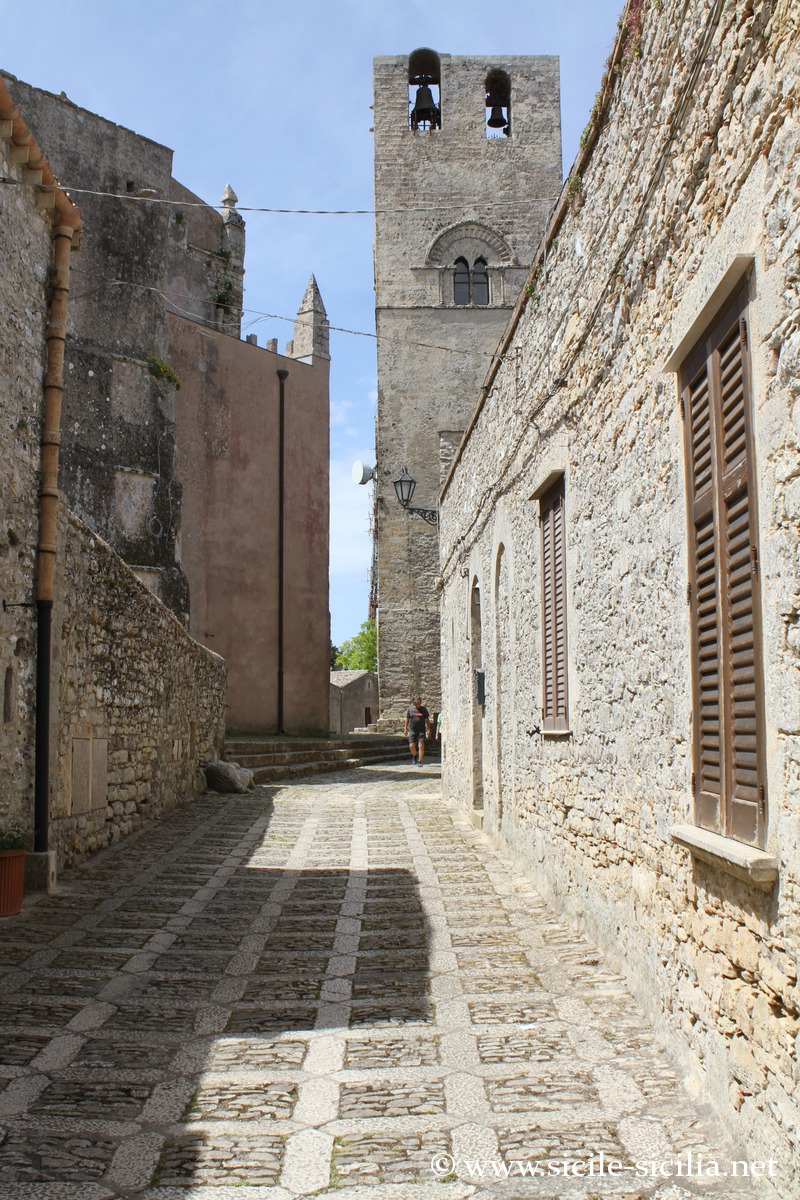
Tower of the chiesa madre 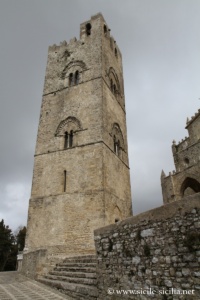
Tower of the chiesa madre 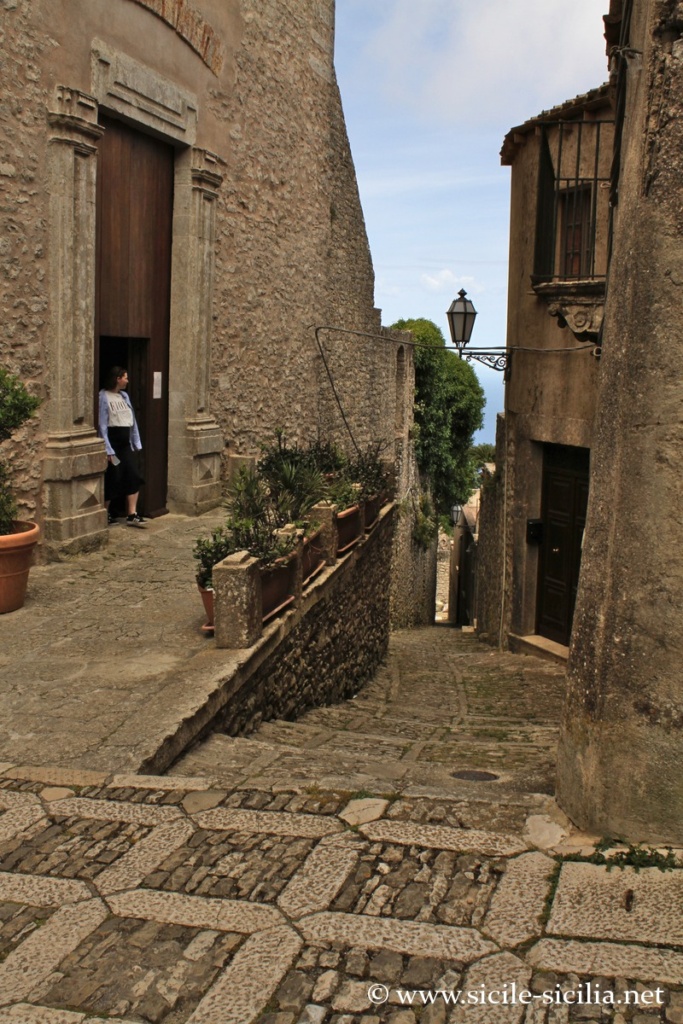
Chiesa del Santissimo Salvatore 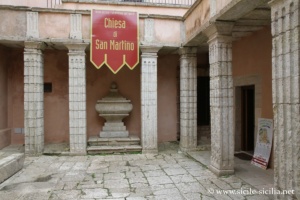
Church of San Martino 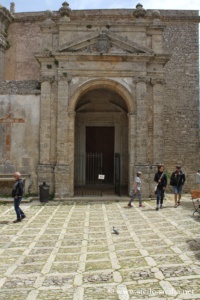
Church and convent of San Domenico 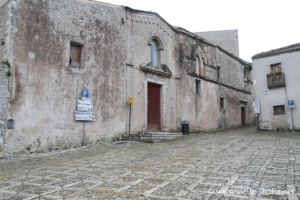
Convent and church of the Annunziata 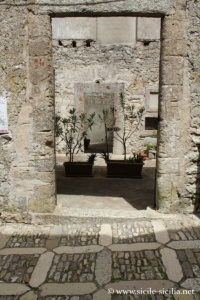
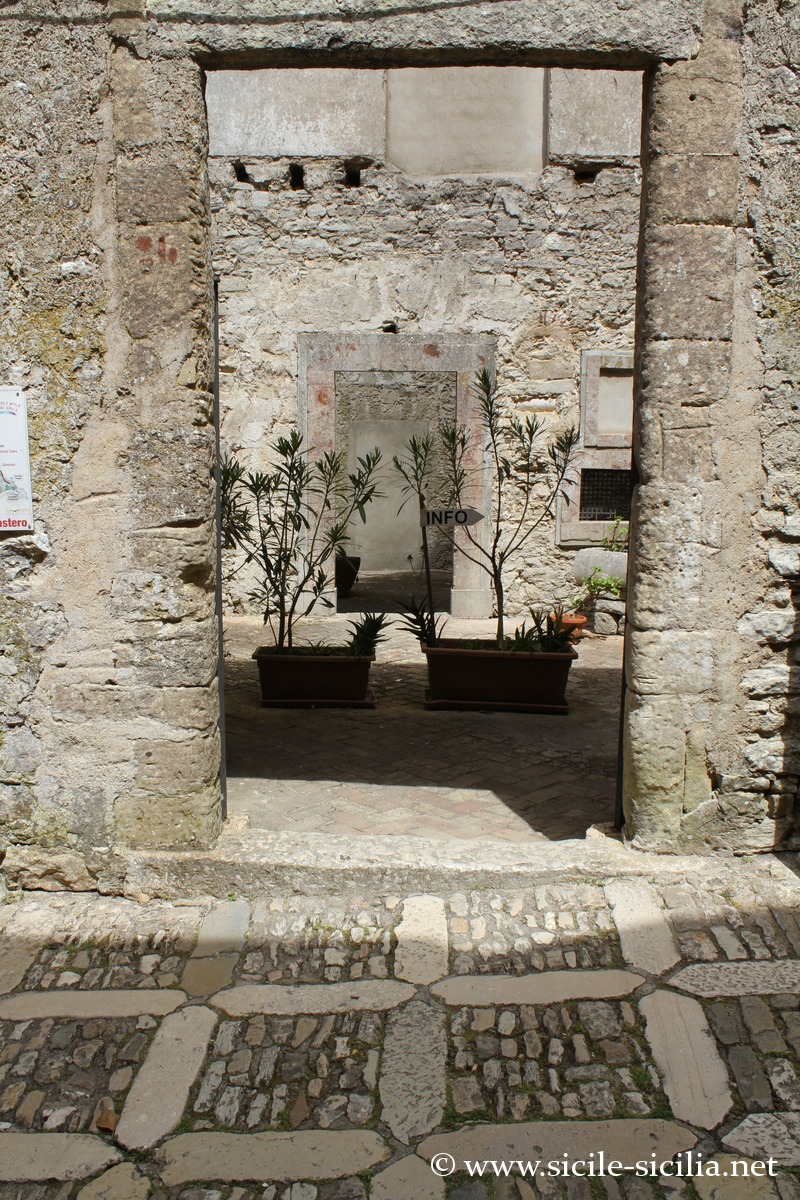
Ruins of the Santissimo Salvatore monastery 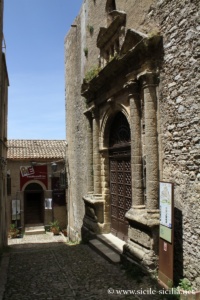
Vico San Rocco 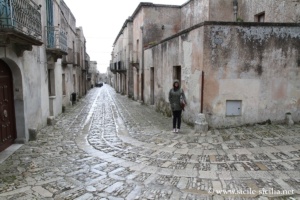
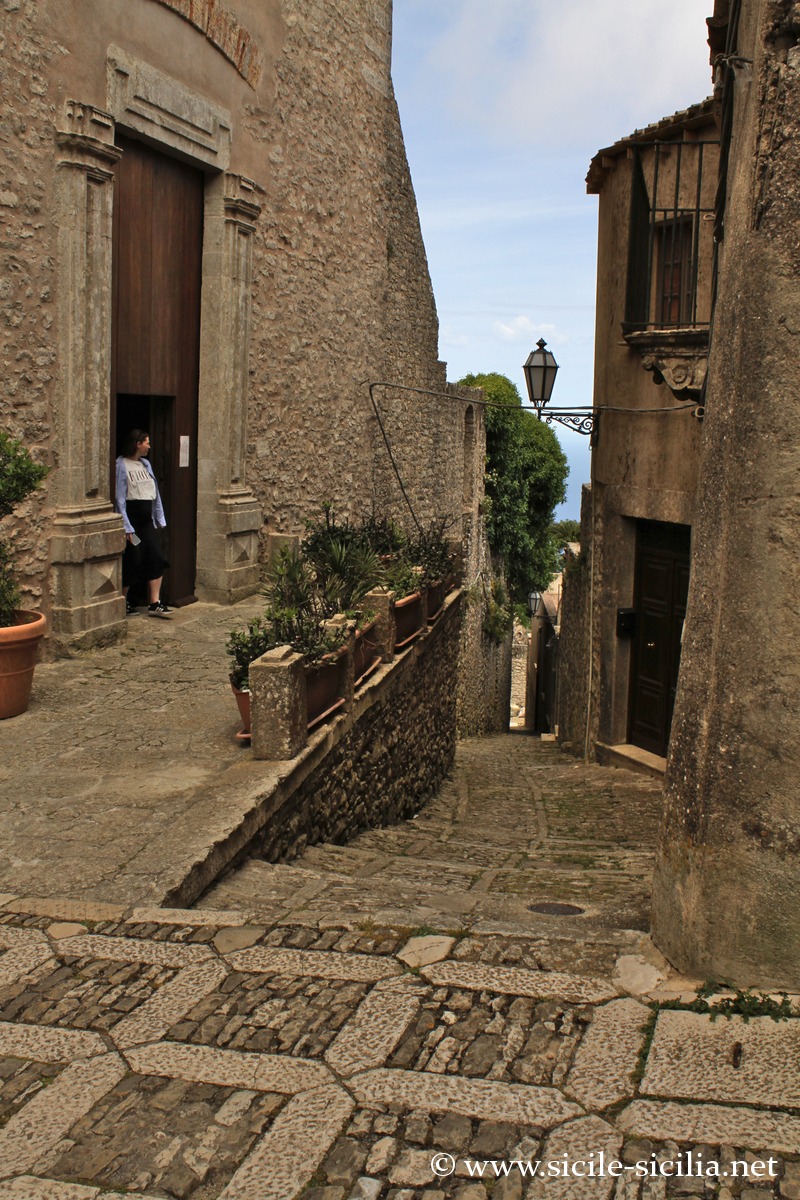
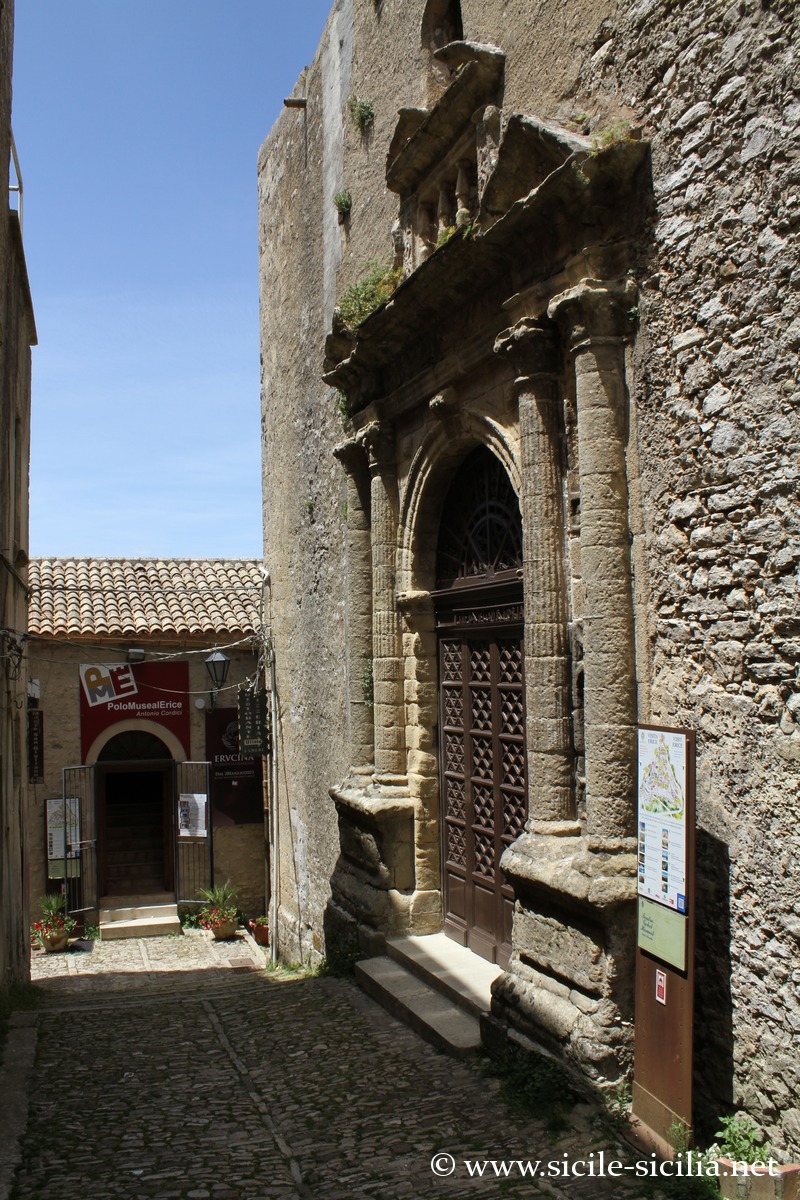
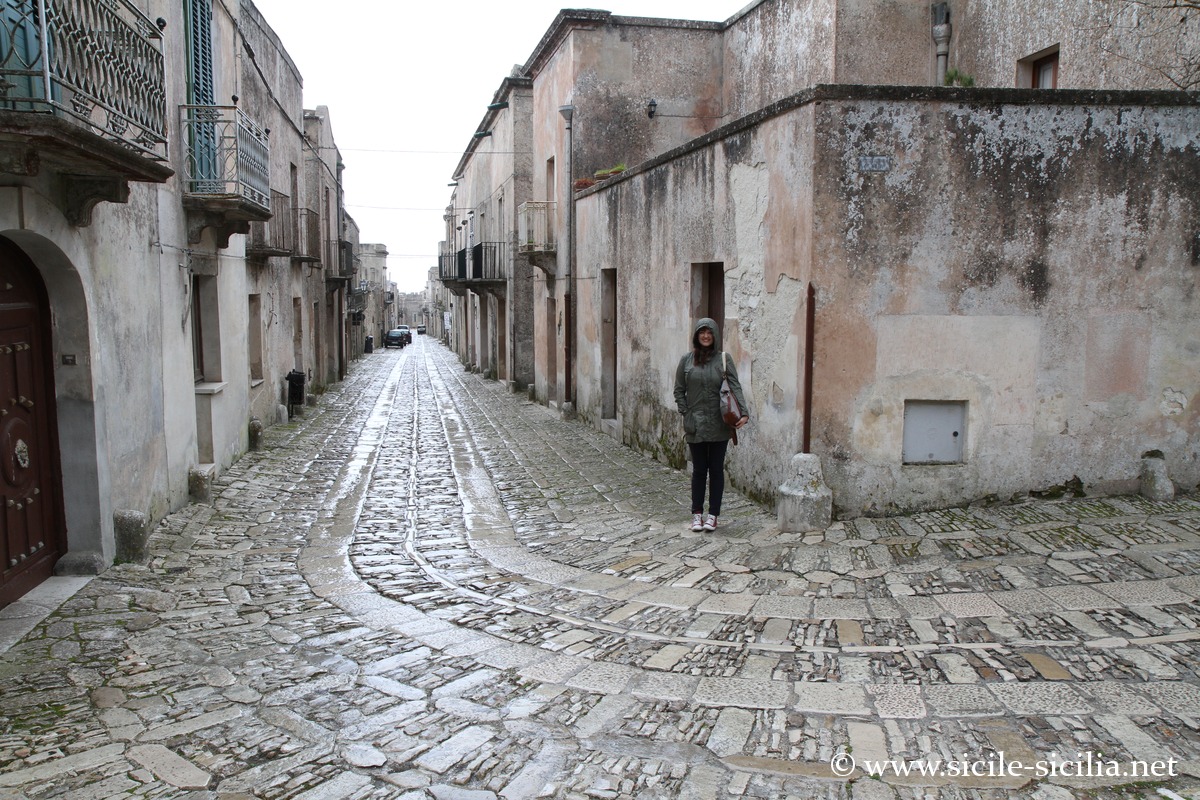
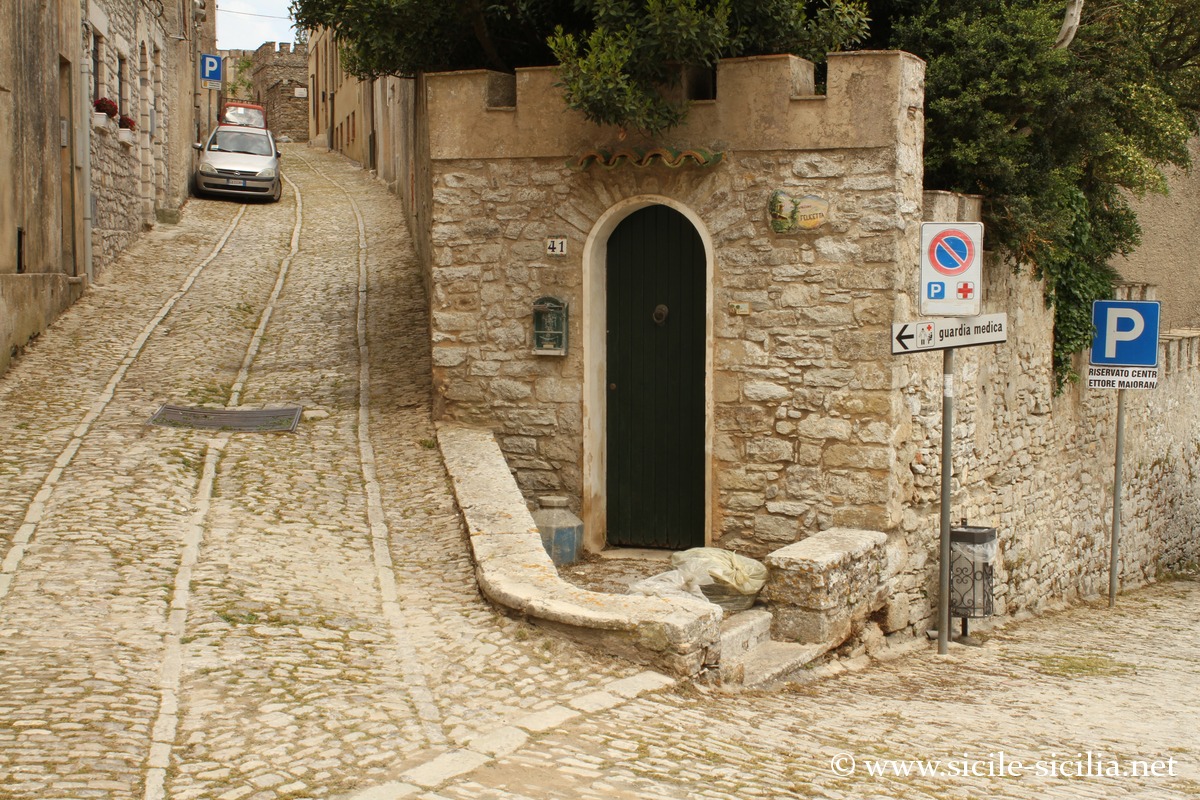
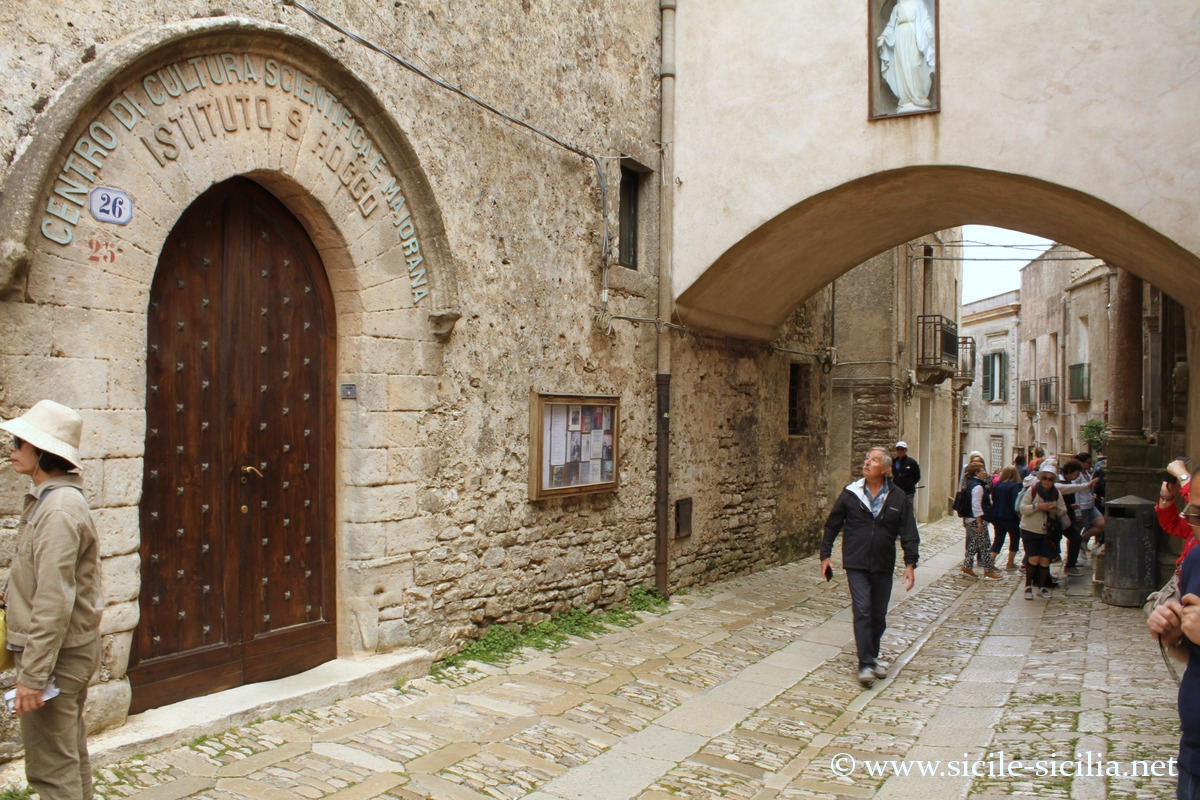
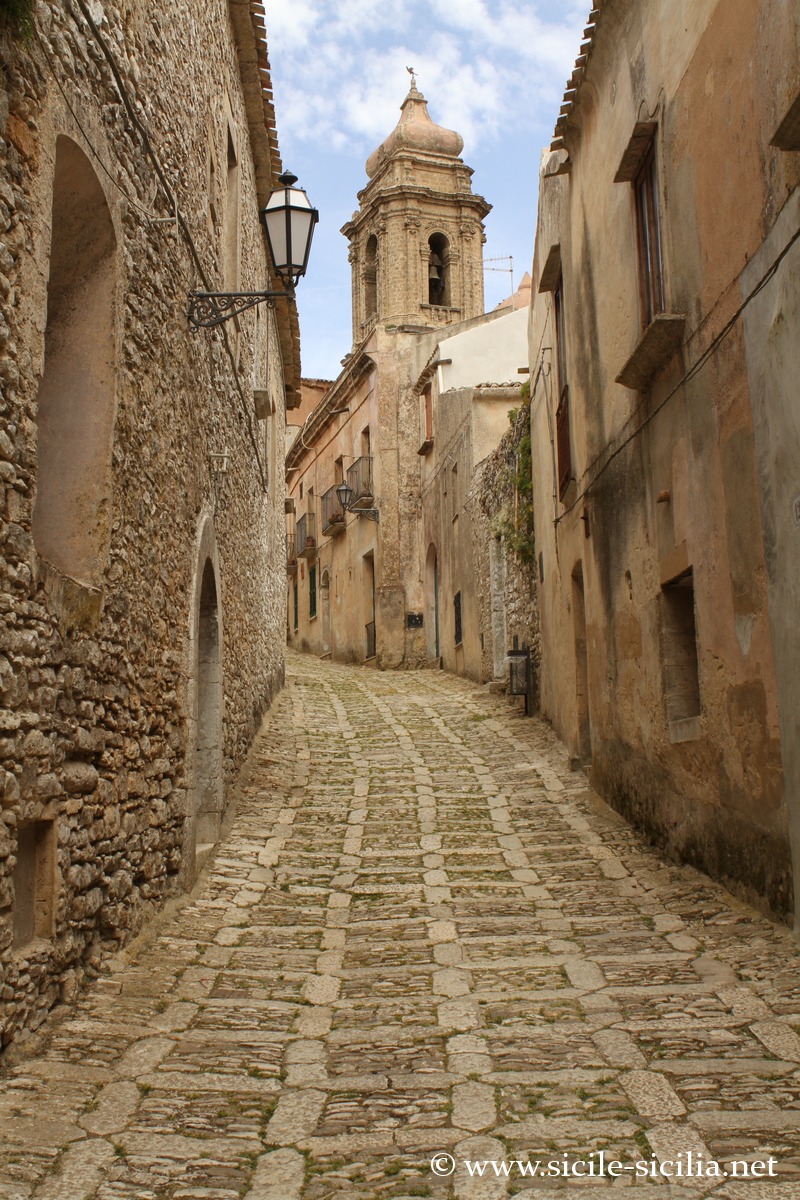
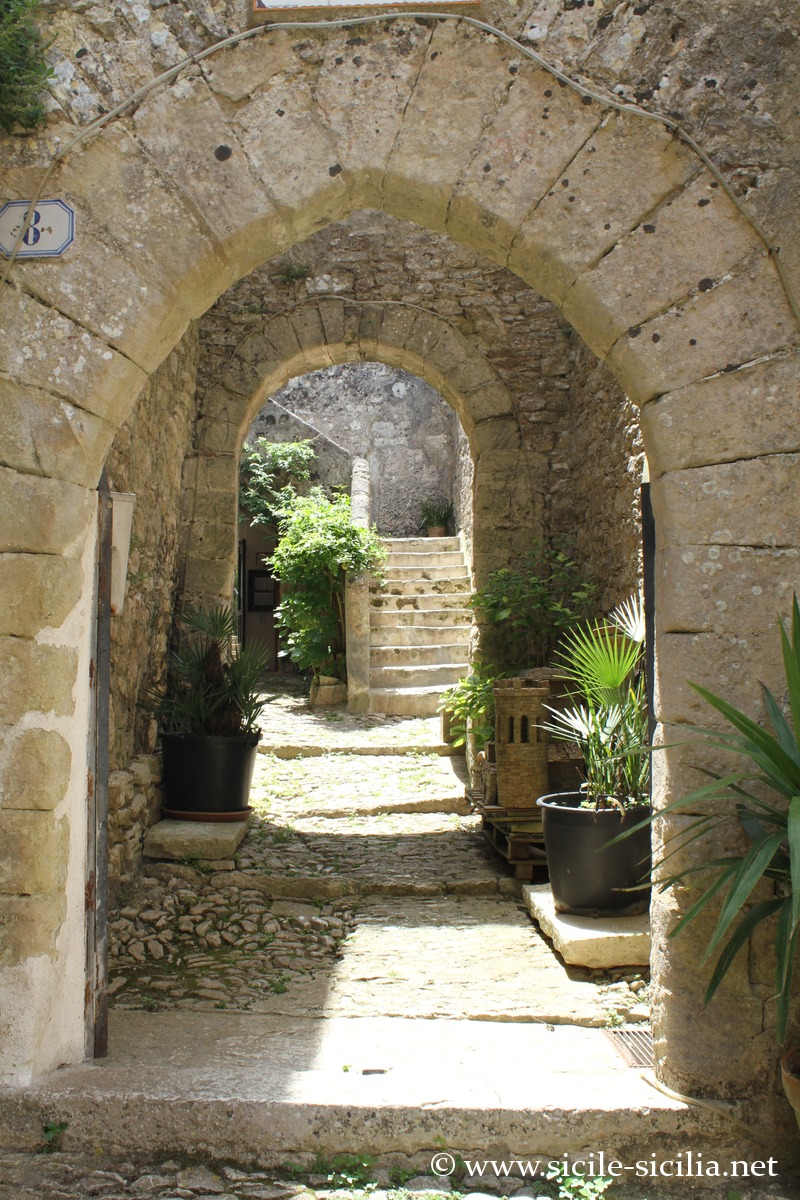
Historic centre, streets 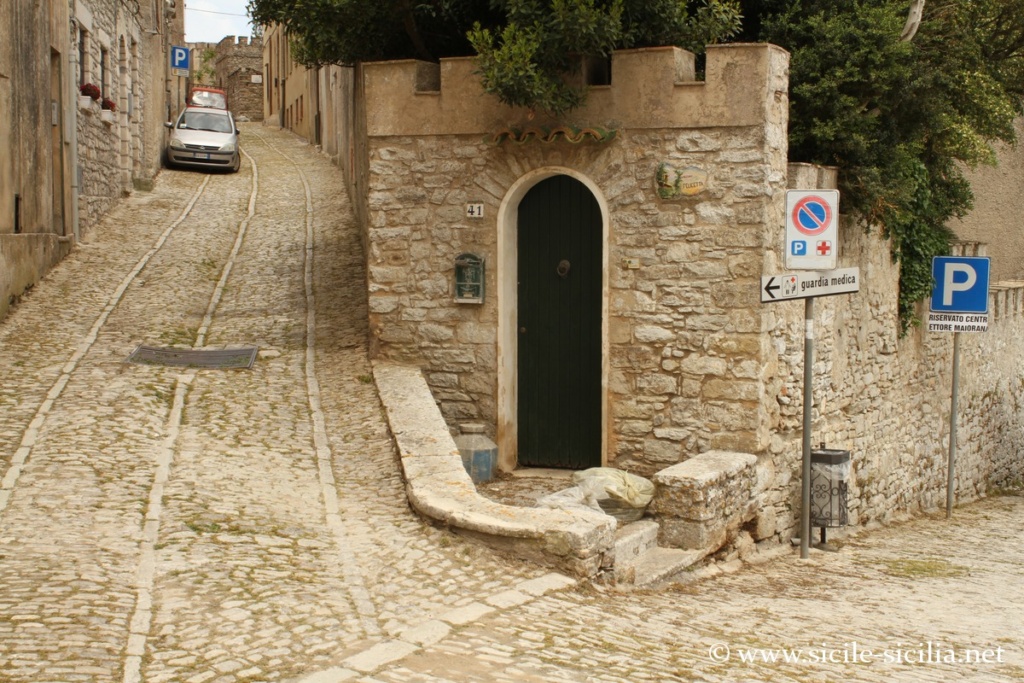
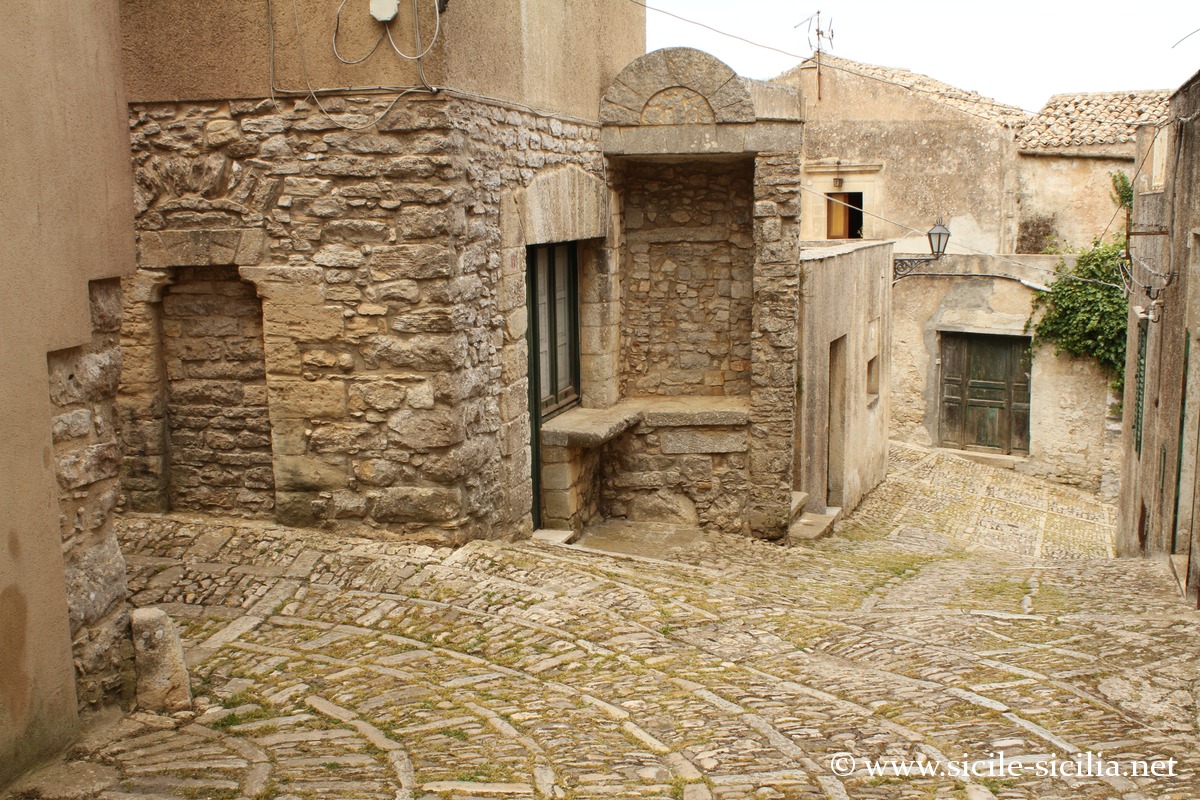
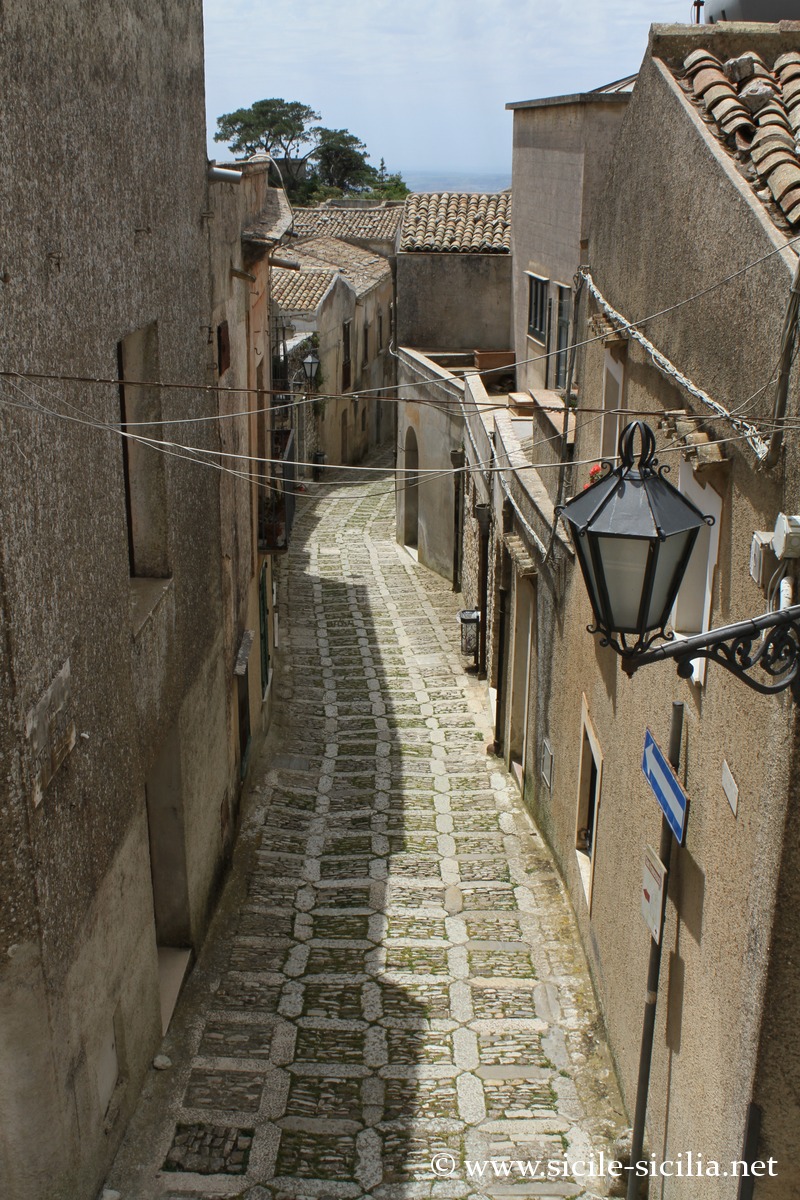
Historic centre, streets 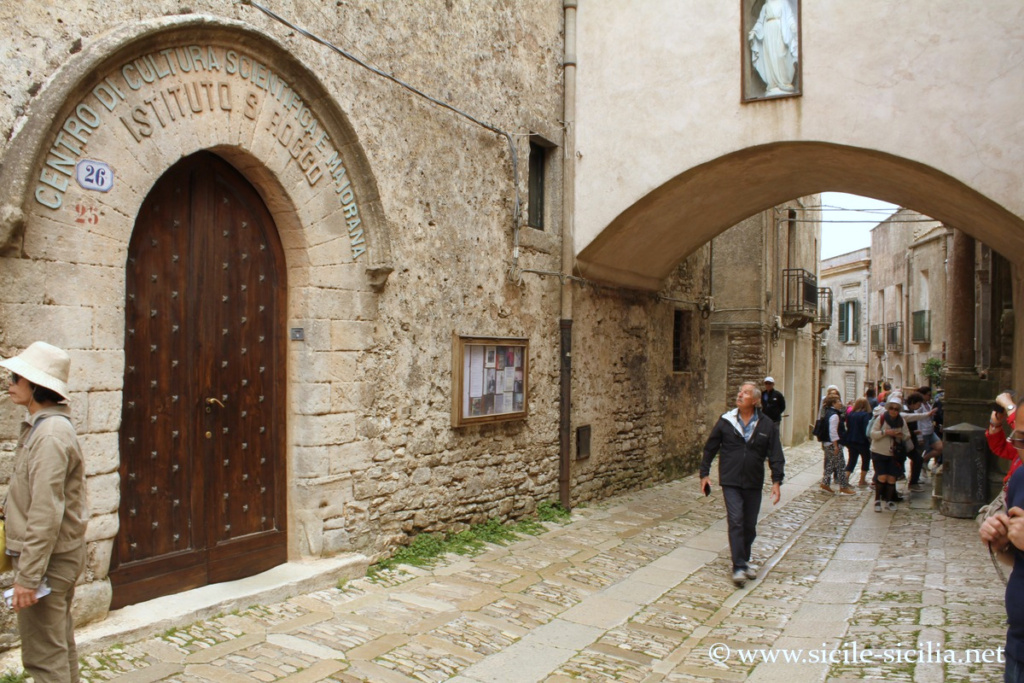
San Rocco centre, via Guarnotti 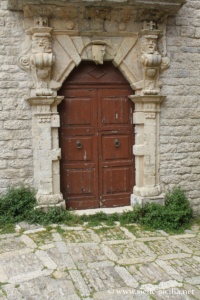
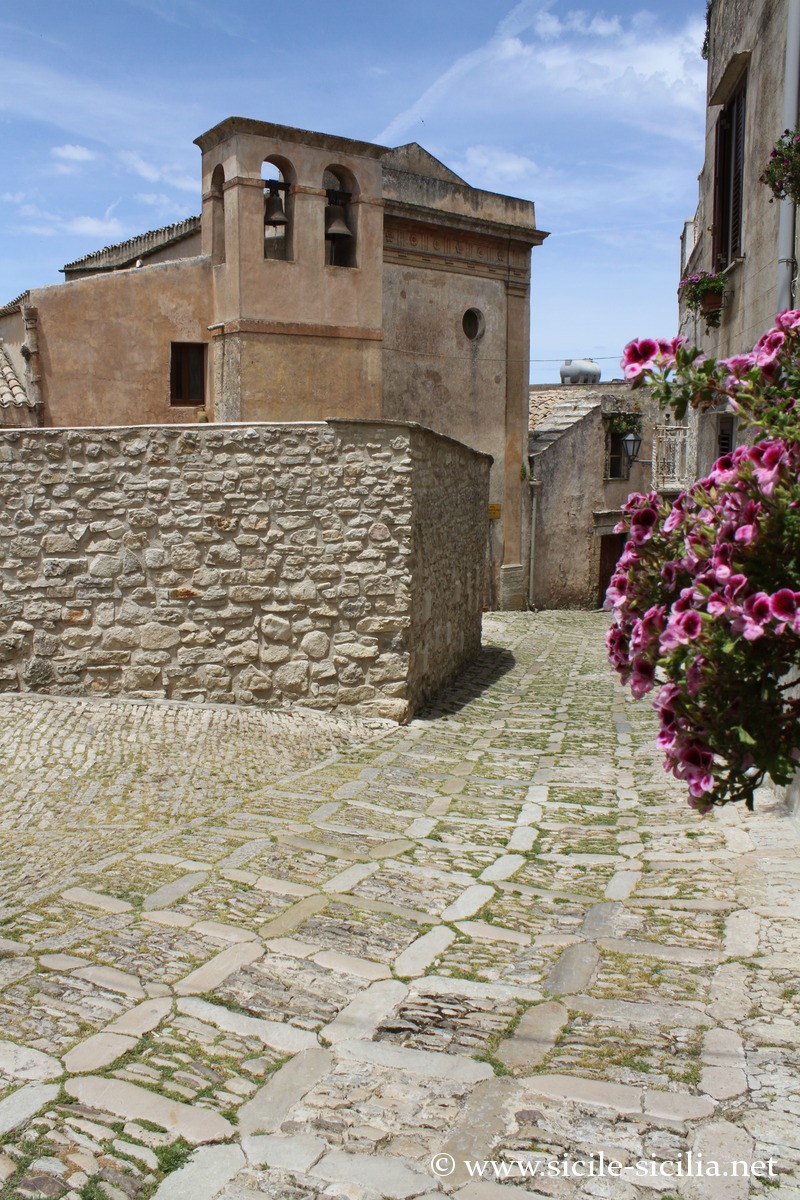
Historic centre, streets 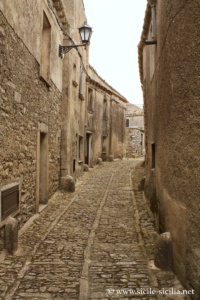
Historic centre, streets 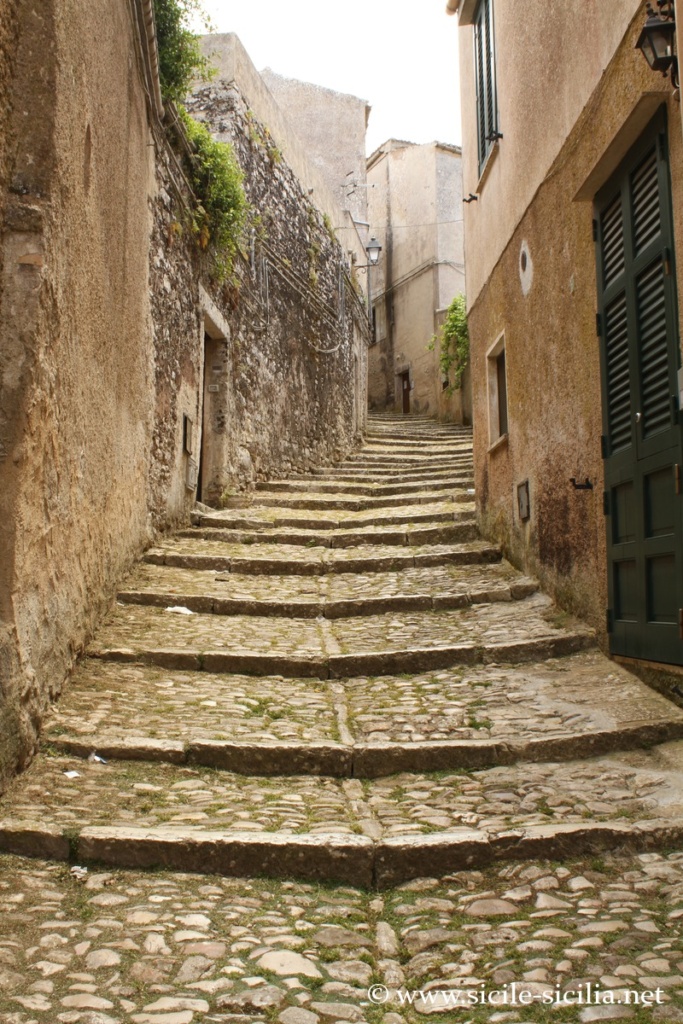
Historic centre, streets 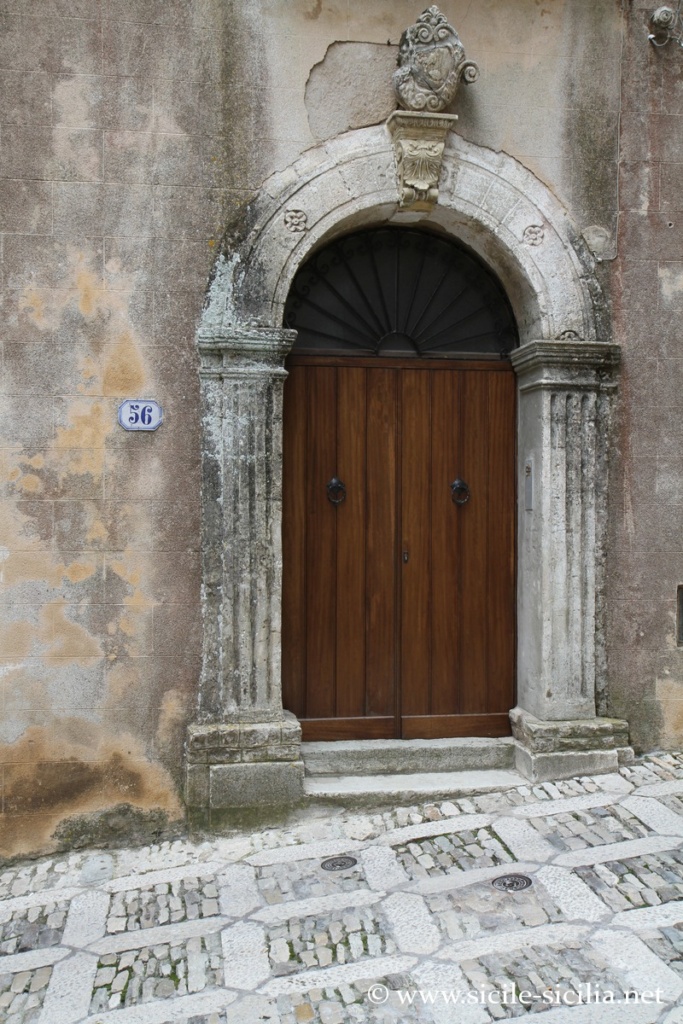
Historic centre, streets 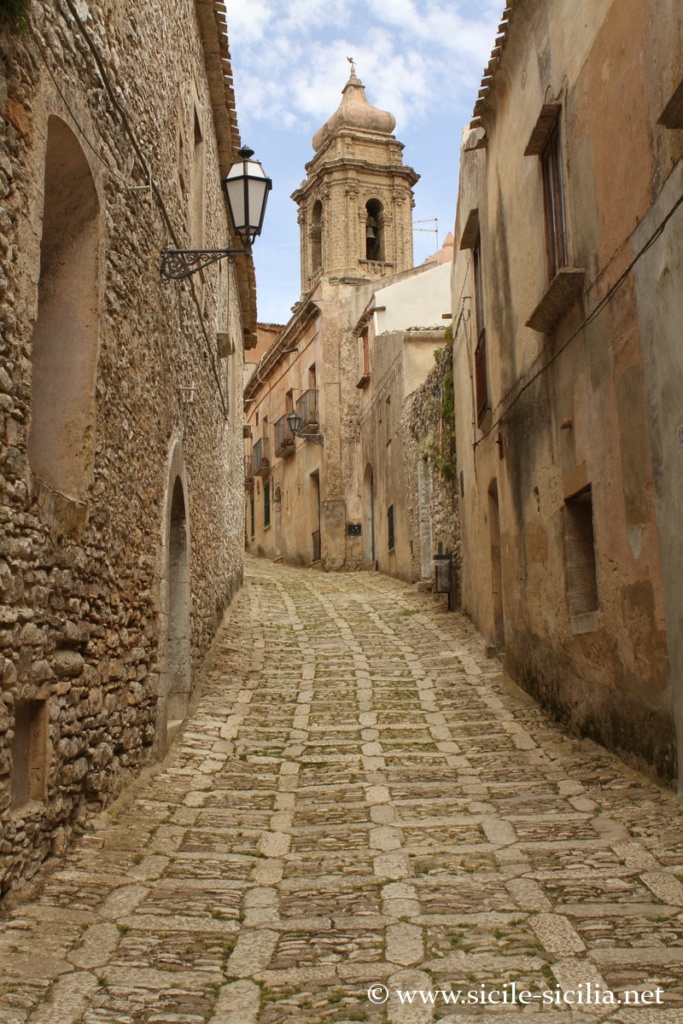
Historic centre, streets 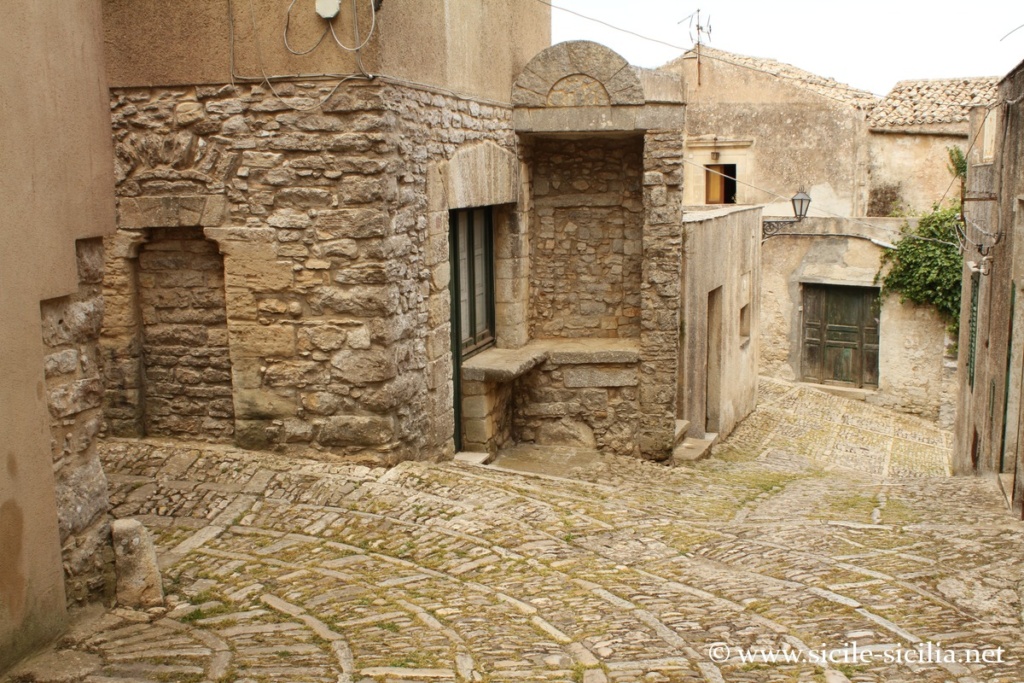
Historic centre, streets 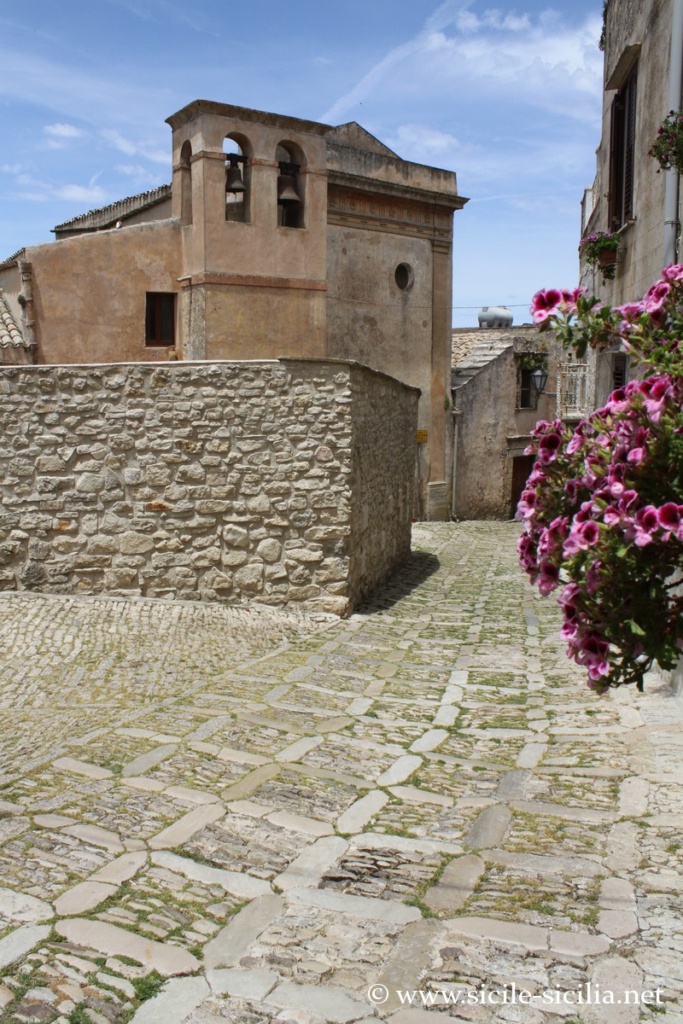
Historic centre, streets 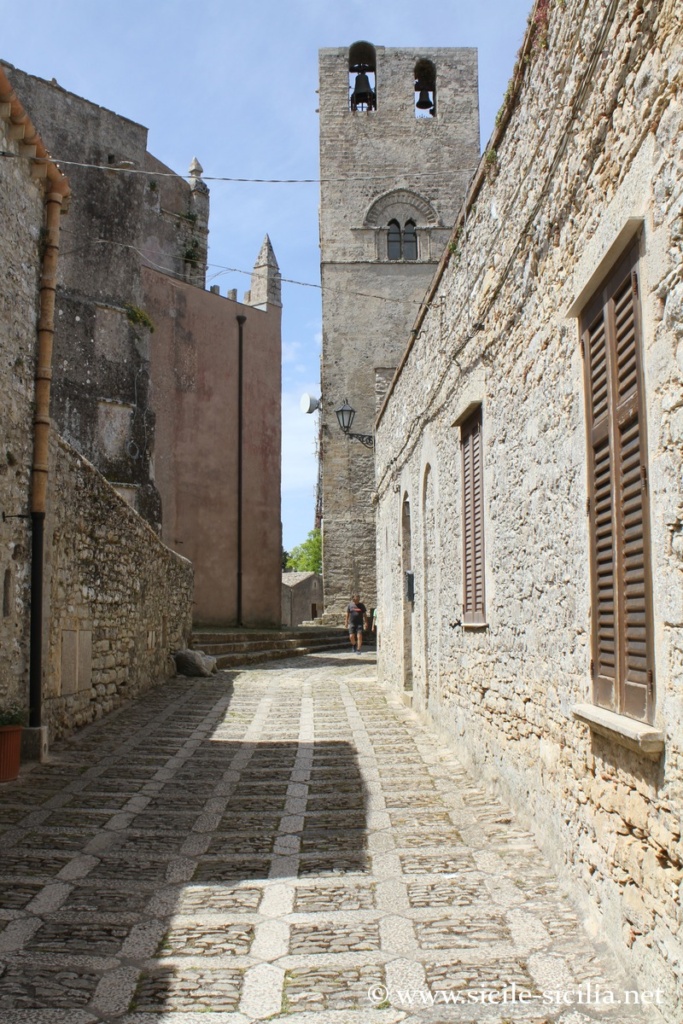
Historic centre, streets 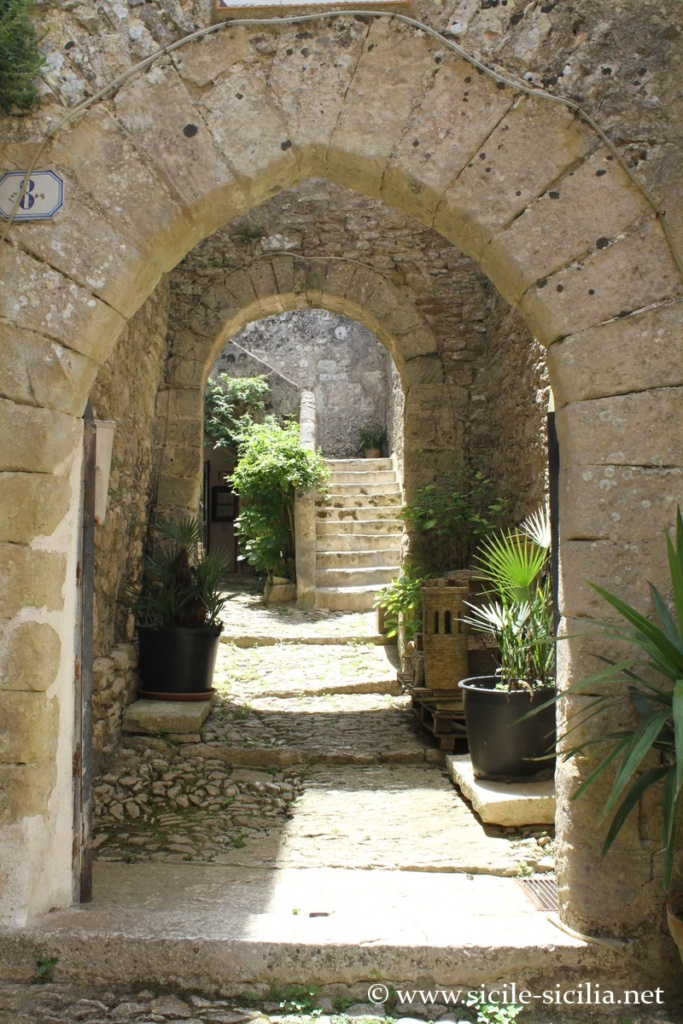
Mount San Giuliano, former San Francesco convent 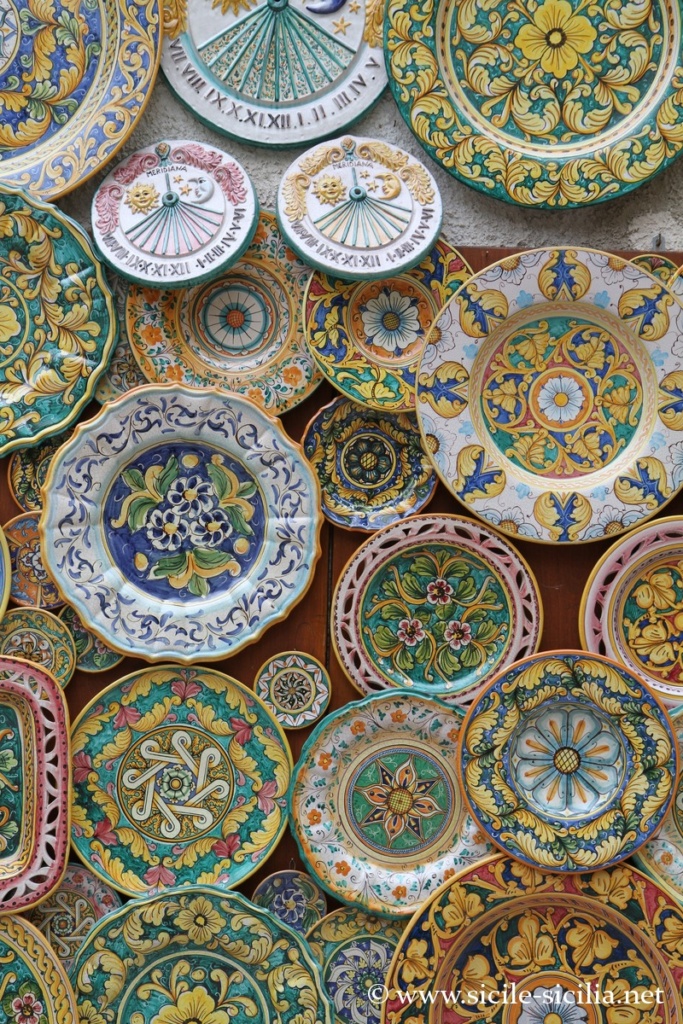
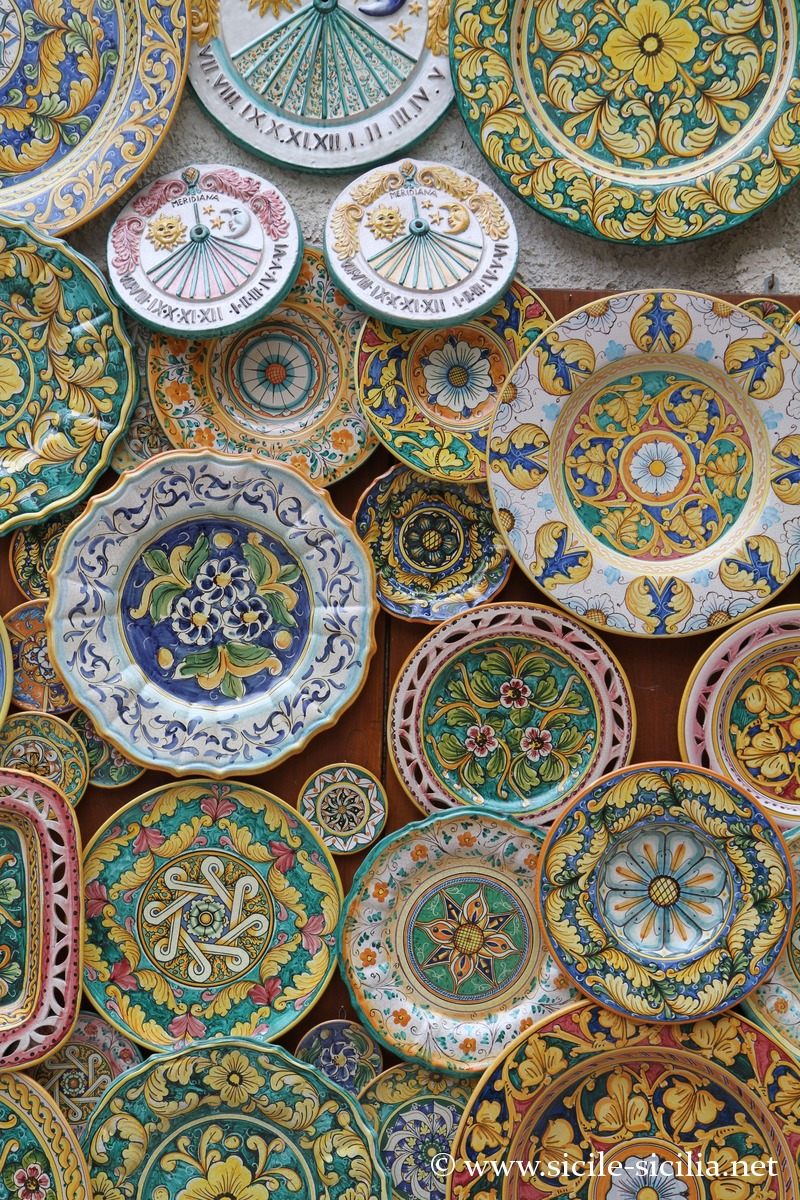
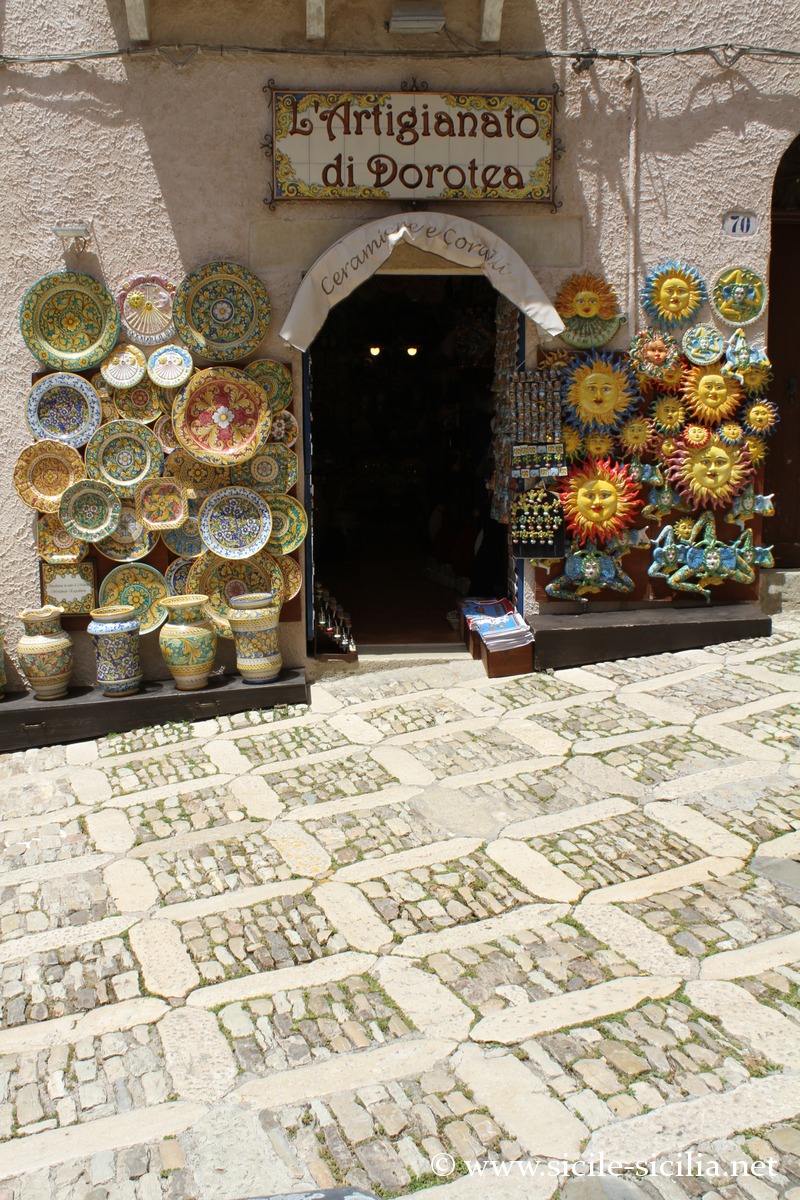
Ceramics 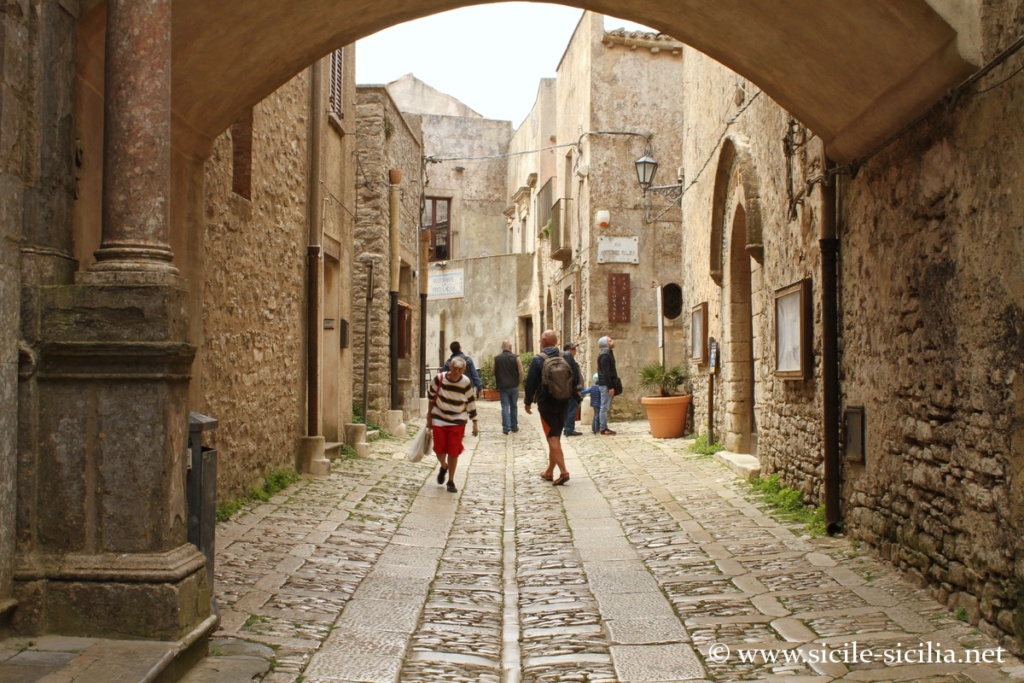
Via Guarnotti 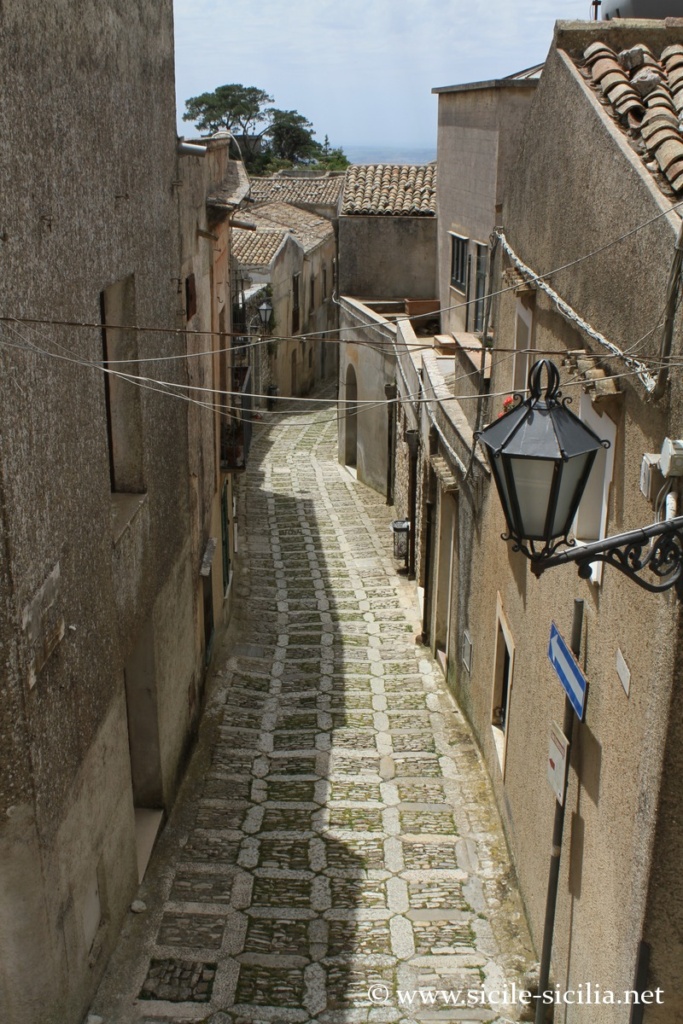
Via Roma 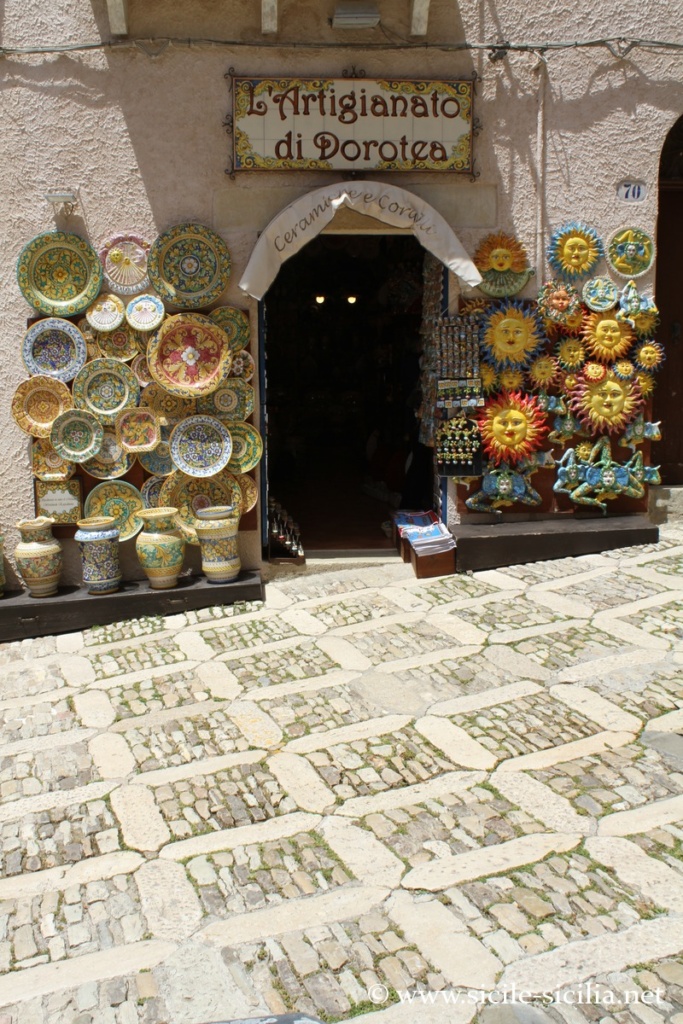
Via Vittorio Emanuele 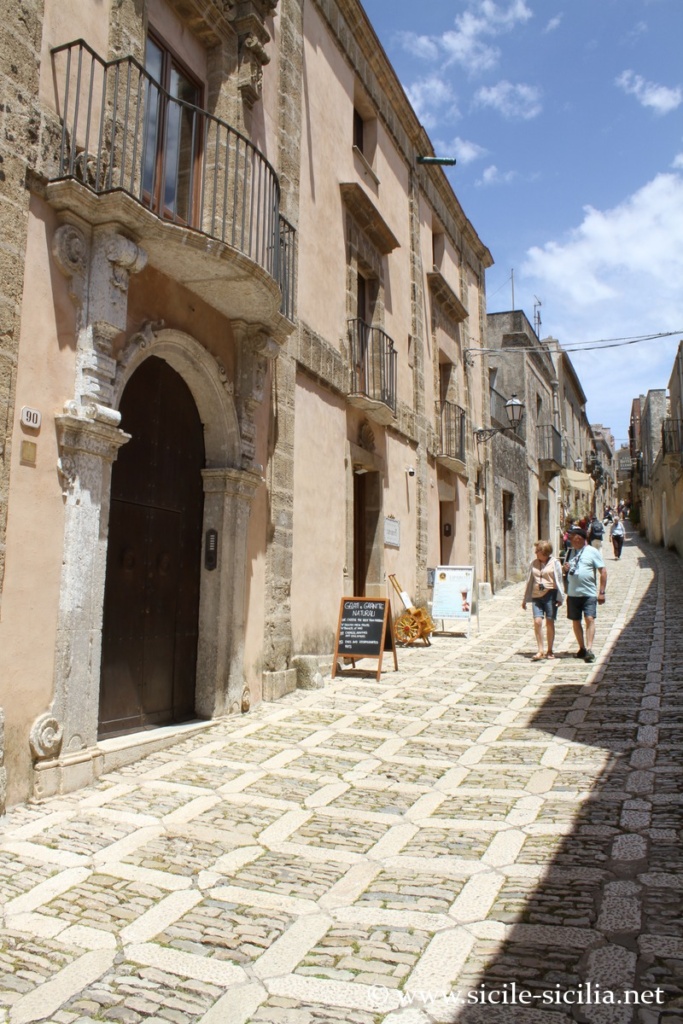
Via Vittorio Emanuele 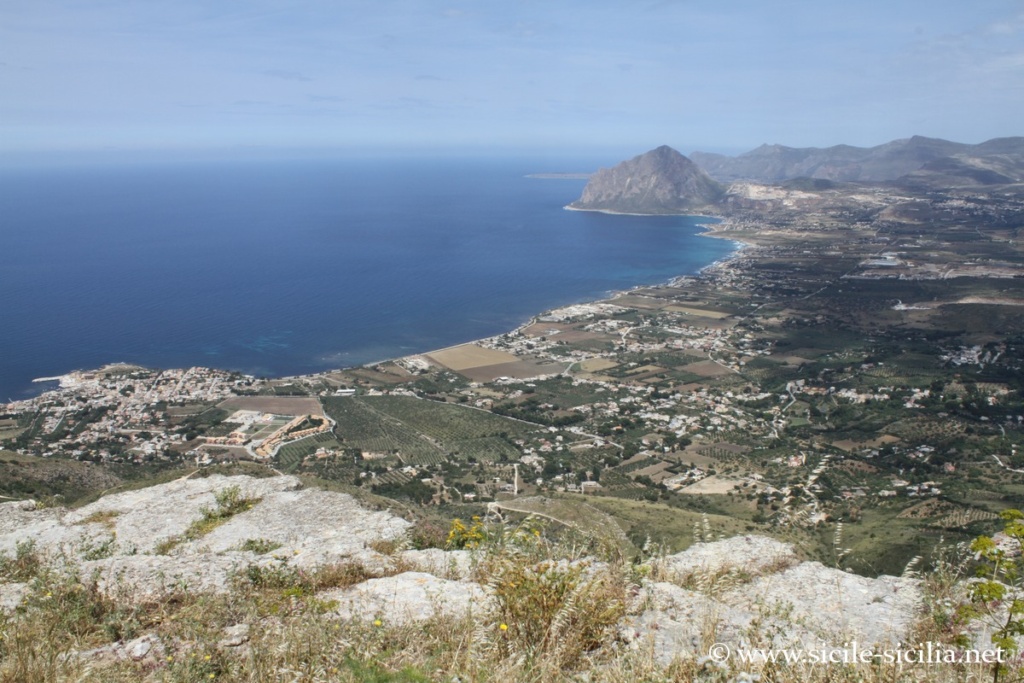
Panorama of the coast and Mount Cofano
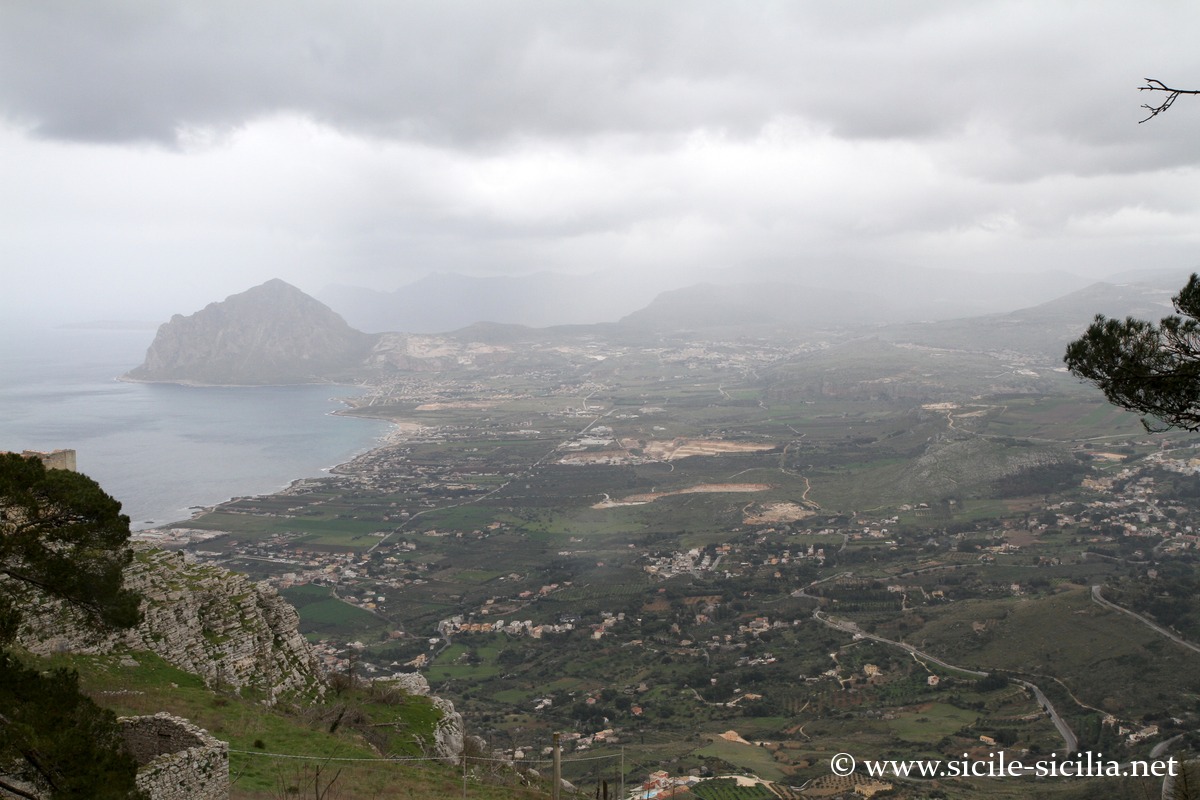
Information
Ideas for visits and excursions
Sources and external sites
- Tourism on the municipality website: places on www.comune.erice.tp.it, what to see on www.comune.erice.tp.it
- Tourist sites: www.turismo.trapani.it
- Wikipedia page: fr.wikipedia.org/wiki/Erice
Erice category
- Erice
 Erice is a small medieval and tourist town of about 26,000 ...
 - Hotels in Erice
 Hotels in Erice in Sicily, a medieval town near Trapani. Apartments, ...
 - Around Erice
 Sicilian destinations near Erice, including the coastal town of Trapani a ...