

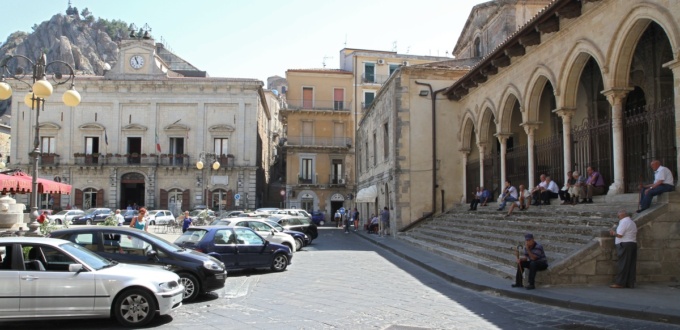
Nicosia is a pretty little town often wrongly overlooked by travellers, situated at the foot of the Nebrodi Mountains at over 700 metres of altitude in a valley in the province of Enna, where nearly 12,500 inhabitants live.
It preserves a heritage inherited from the Normans and the Aragonese, but also with a Byzantine and Lombard (Gallo-Italic) substratum, visible in the toponymy, religious architecture and local culture.
Historical elements
The town of Nicosia developed in the Byzantine era, when it took a name derived from Saint Nicholas, “Nikousia”. Subsequently, the Arabs settled there, followed by the Normans and the Swabians.
35 kilometres to the east lies Troina, the first castle of which the Normans of Count Roger took possession around 1061 during their conquest of Sicily, a provisional capital and one of the most important fortified strongholds under Norman rule in the 11th-12th centuries.
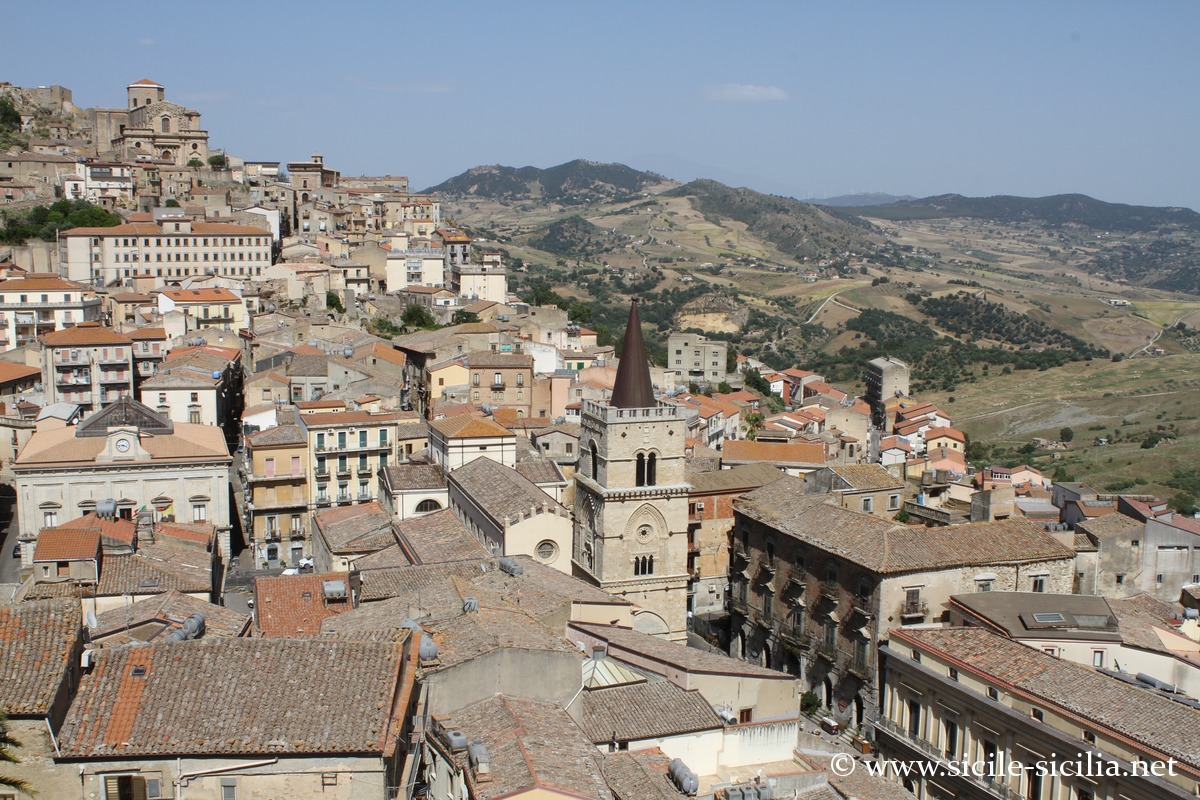 At that time, the withdrawal of the Saracens and the Norman advance were accompanied by significant immigration of Lombard peoples. The local dialect, of the Gallo-Italic type, is a legacy of that era.
Nicosia is one of the Sicilian centres known as “Lombard” (along with Piazza Armerina, Aidone, Sperlinga, etc.) where a Gallo-Italic dialect survives, originating from settlers who came from Piedmont and Liguria in the 11th-12th centuries. This linguistic phenomenon is studied by linguists as a unique case in Sicily.
→ Read the paragraph “Lombards of Sicily“
From the Middle Ages onwards the town was flourishing and one of the most important in the Val Demone of Sicily, elevated to the status of a crown city by Frederick II Hohenstaufen, dependent directly on the crown.
It was still very rich in the 18th century, with more than 90 churches, chapels and convents, many of which have disappeared or were transformed.
Nicosia was the seat of an autonomous diocese from 1817 to 1986, before being integrated into the archdiocese of Messina.
Visiting Nicosia: what to see
From its rich past Nicosia has preserved a substantial heritage, with a town centre made up of medieval alleyways at the foot of the old castle, occupying several successive terraces around the districts of Santa Maria Maggiore and San Nicolò, the two main ones in the town, which correspond to a historic urban division.
San Nicolò Cathedral
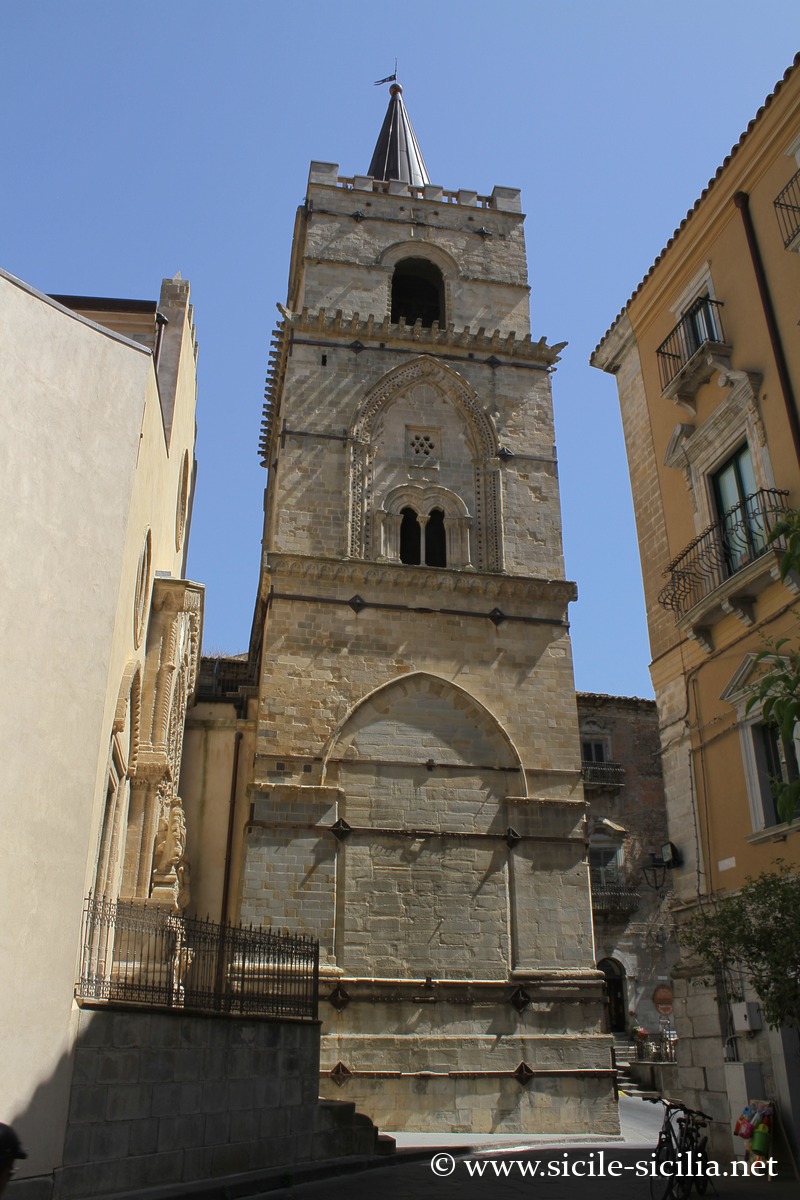
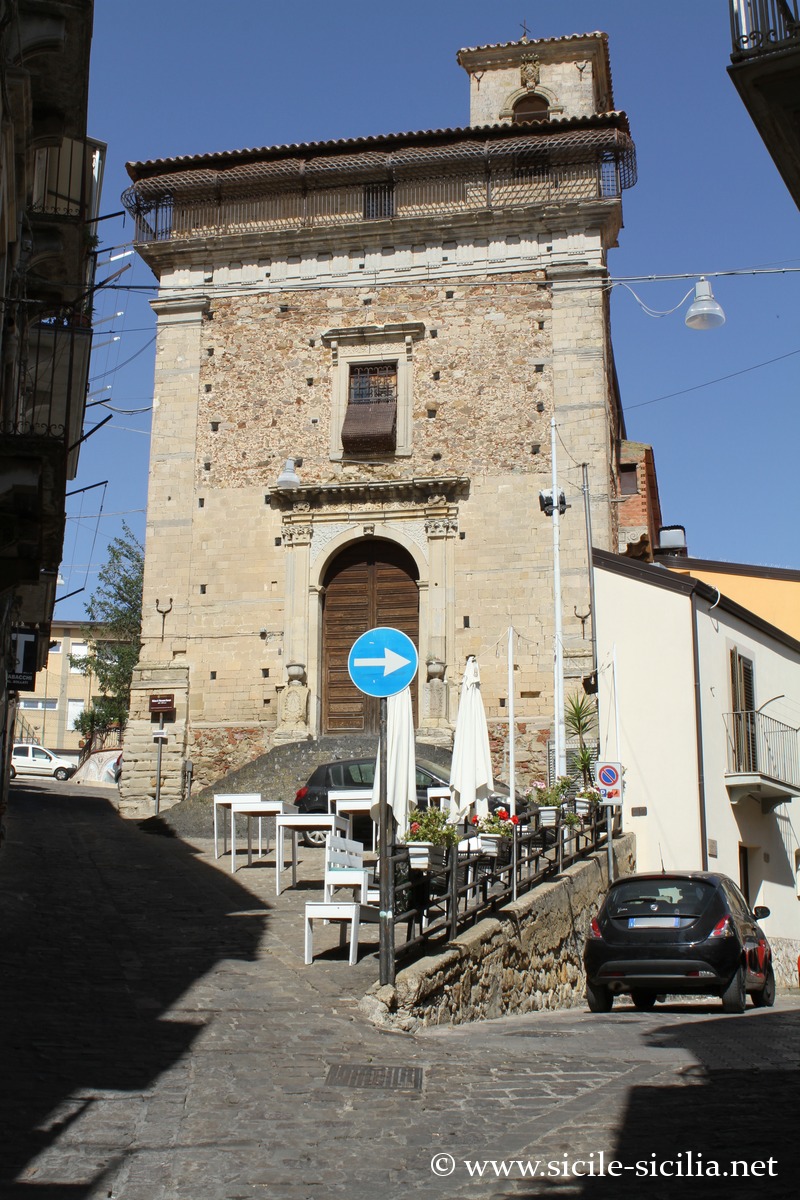
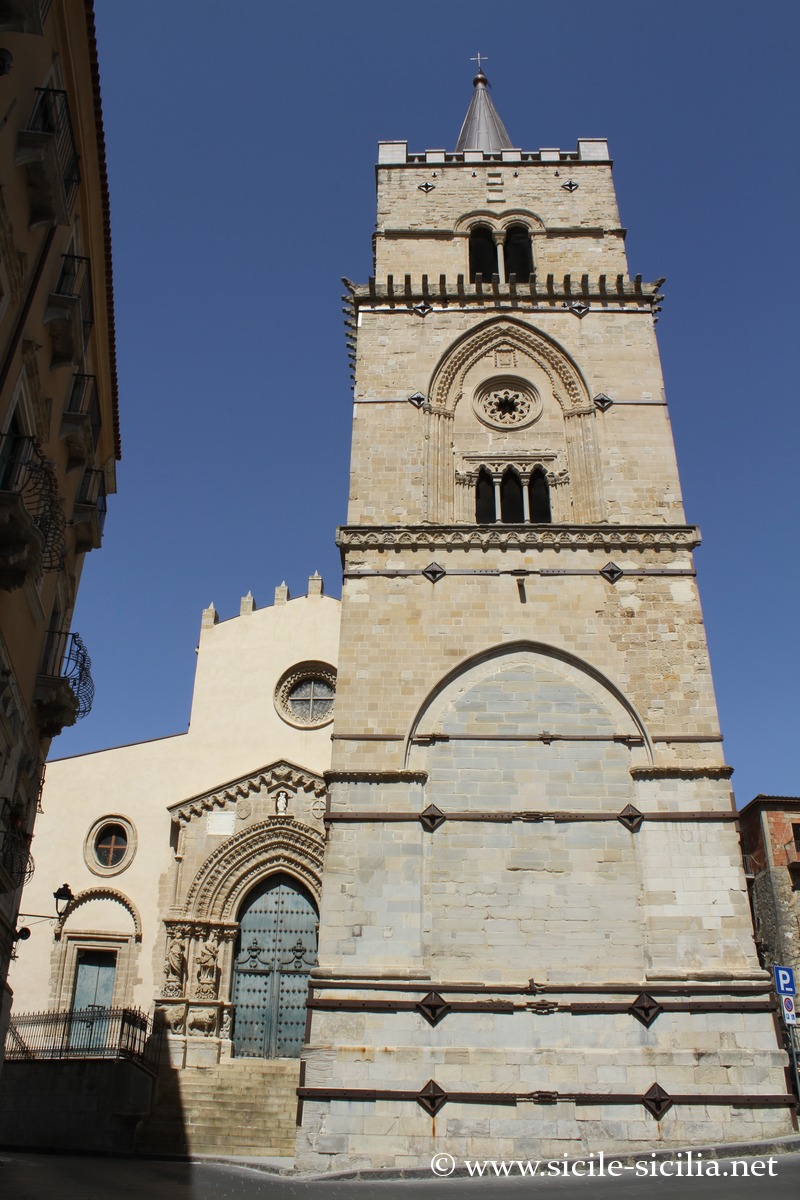
Campanaria Tower, San Nicolo Cathedral
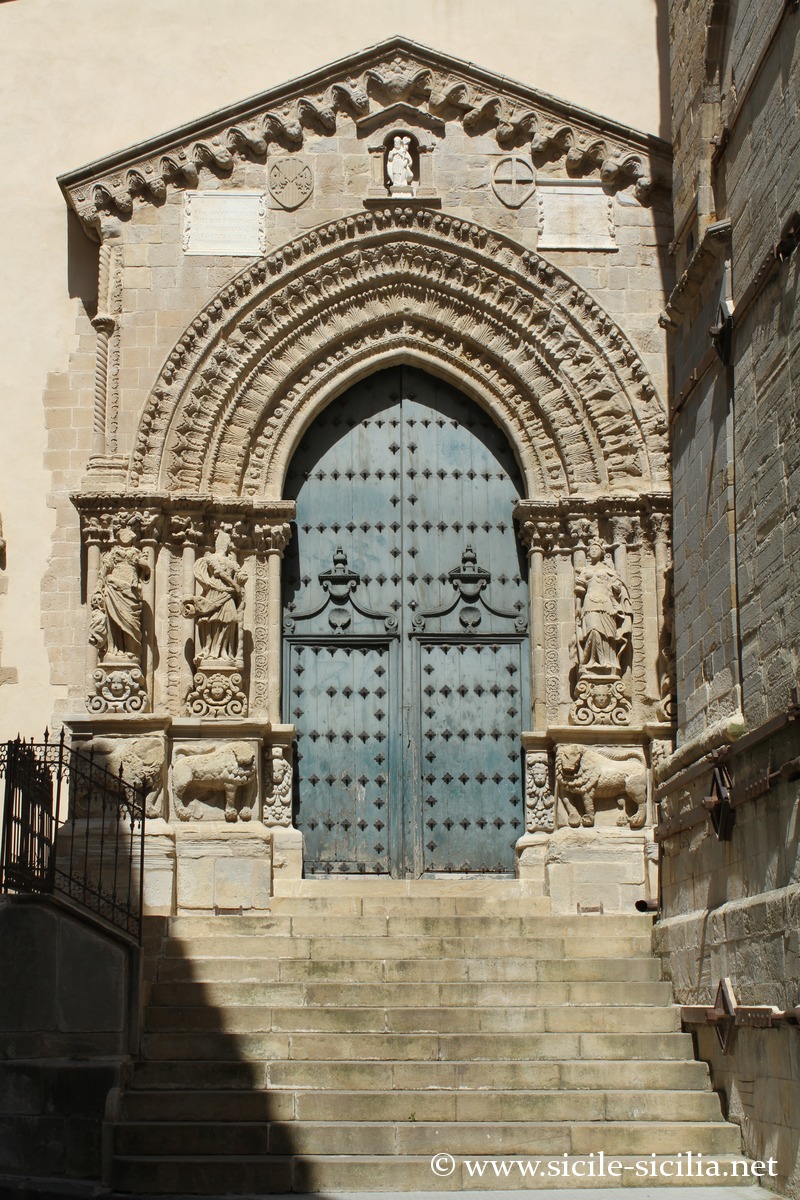
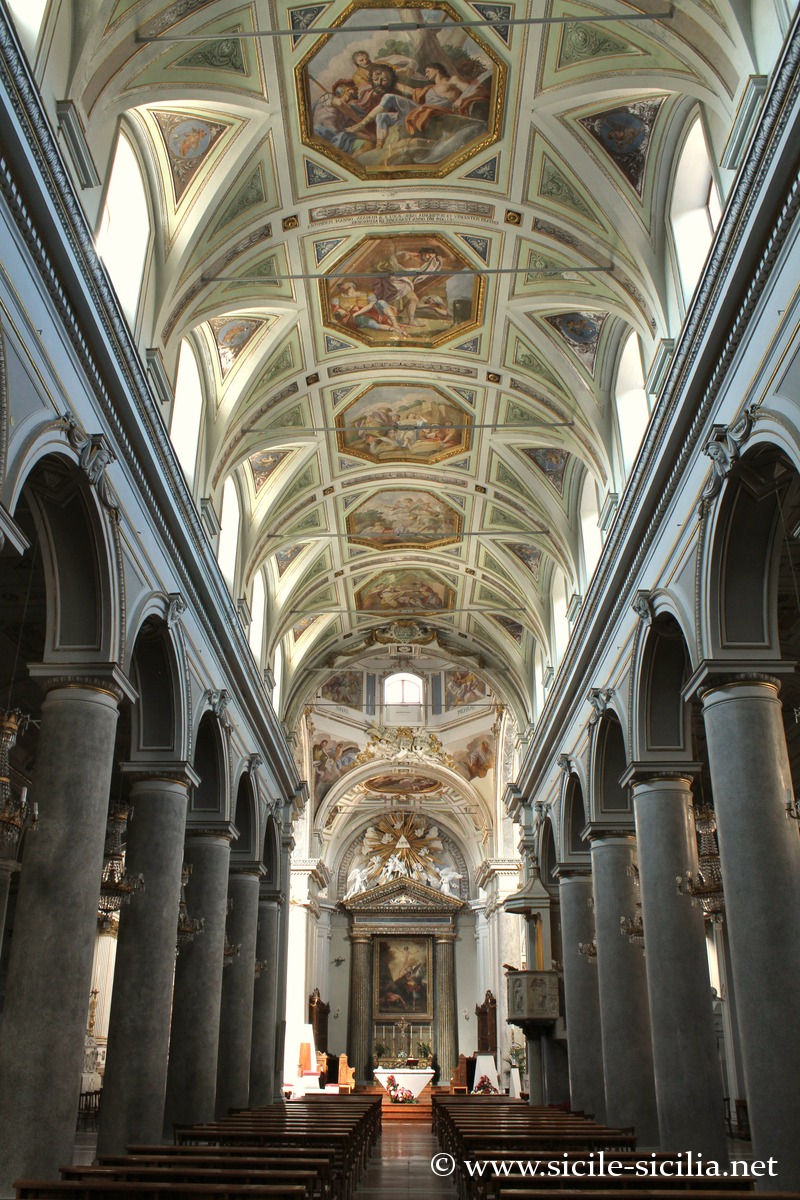
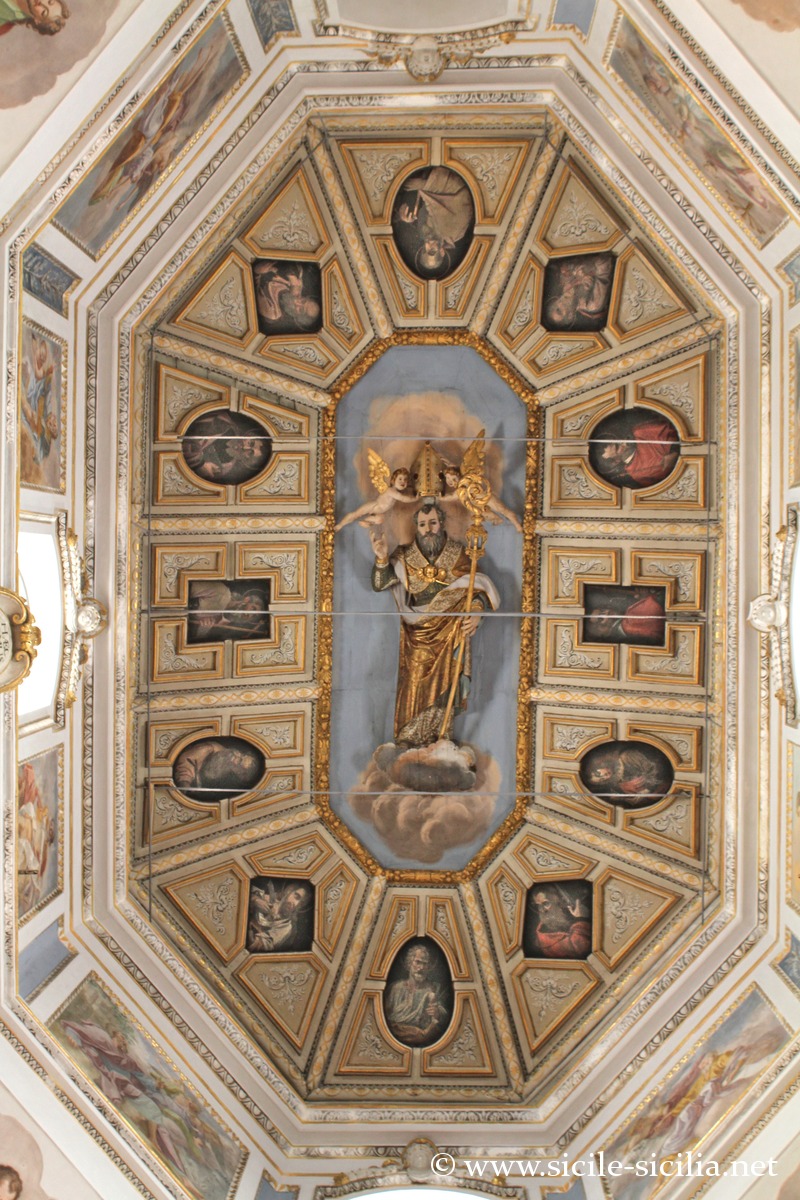
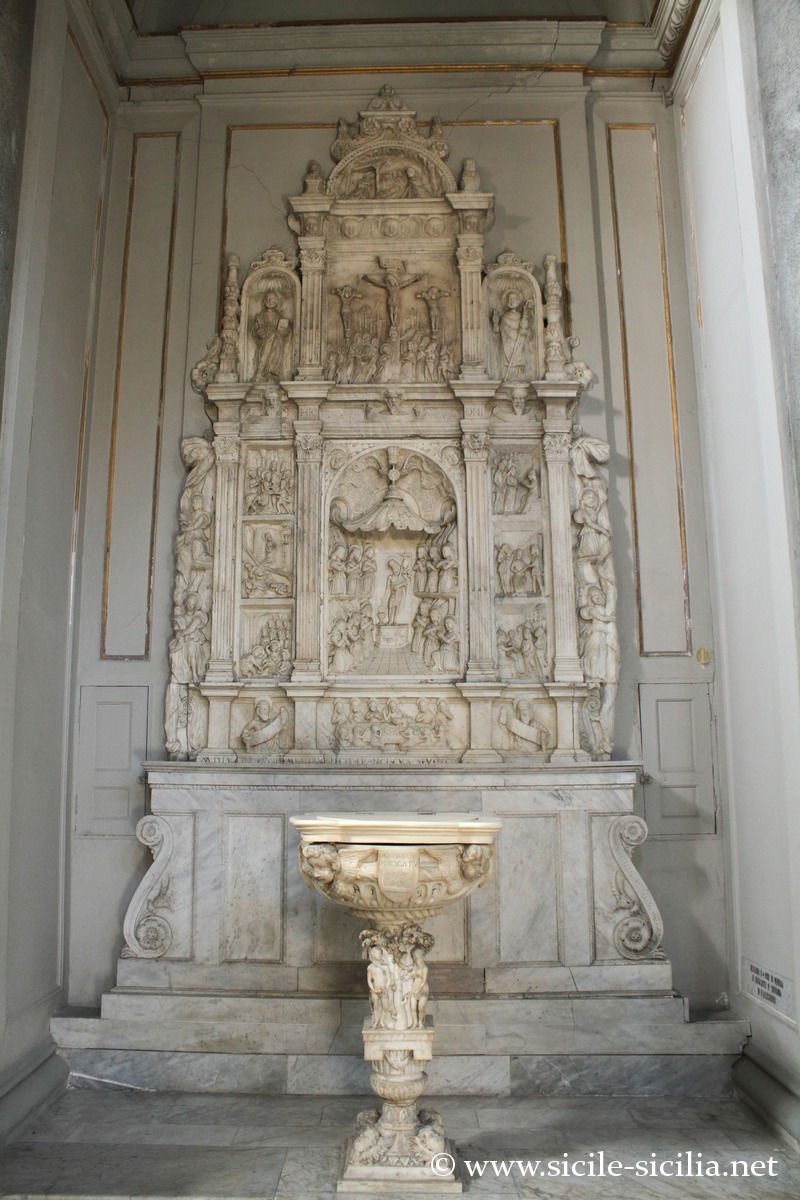
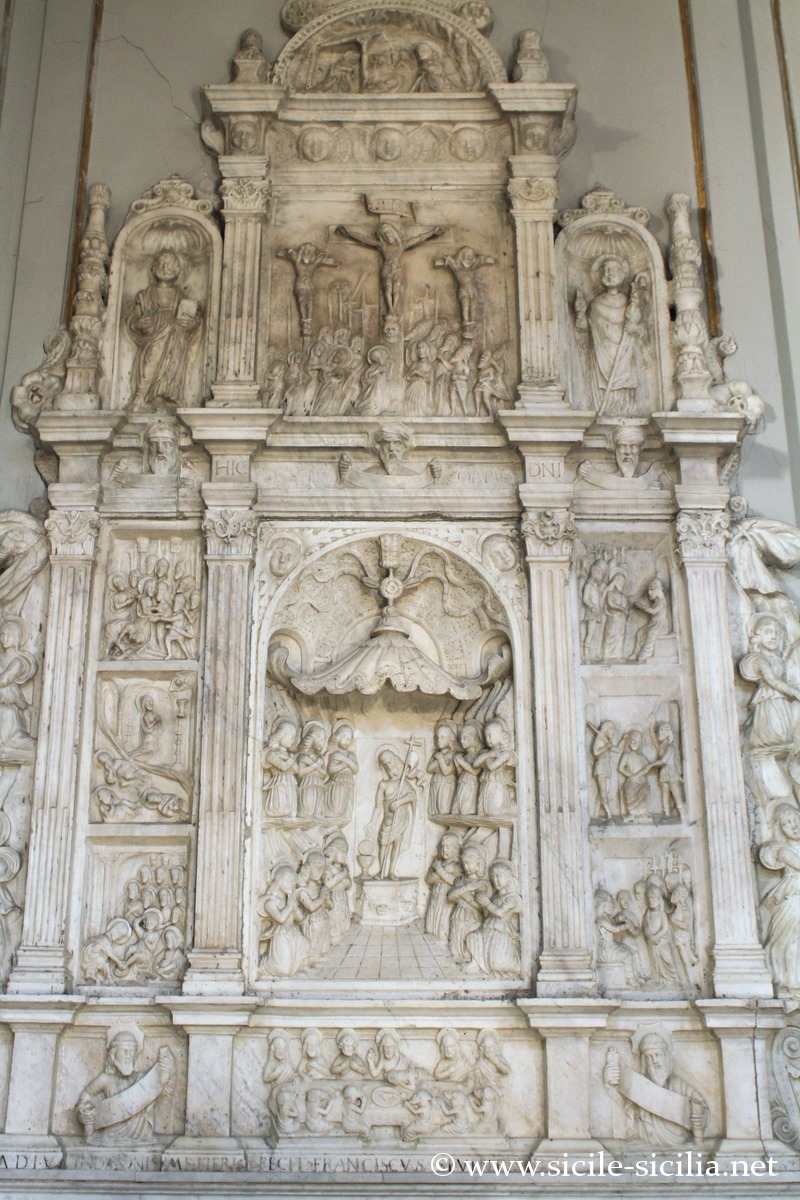
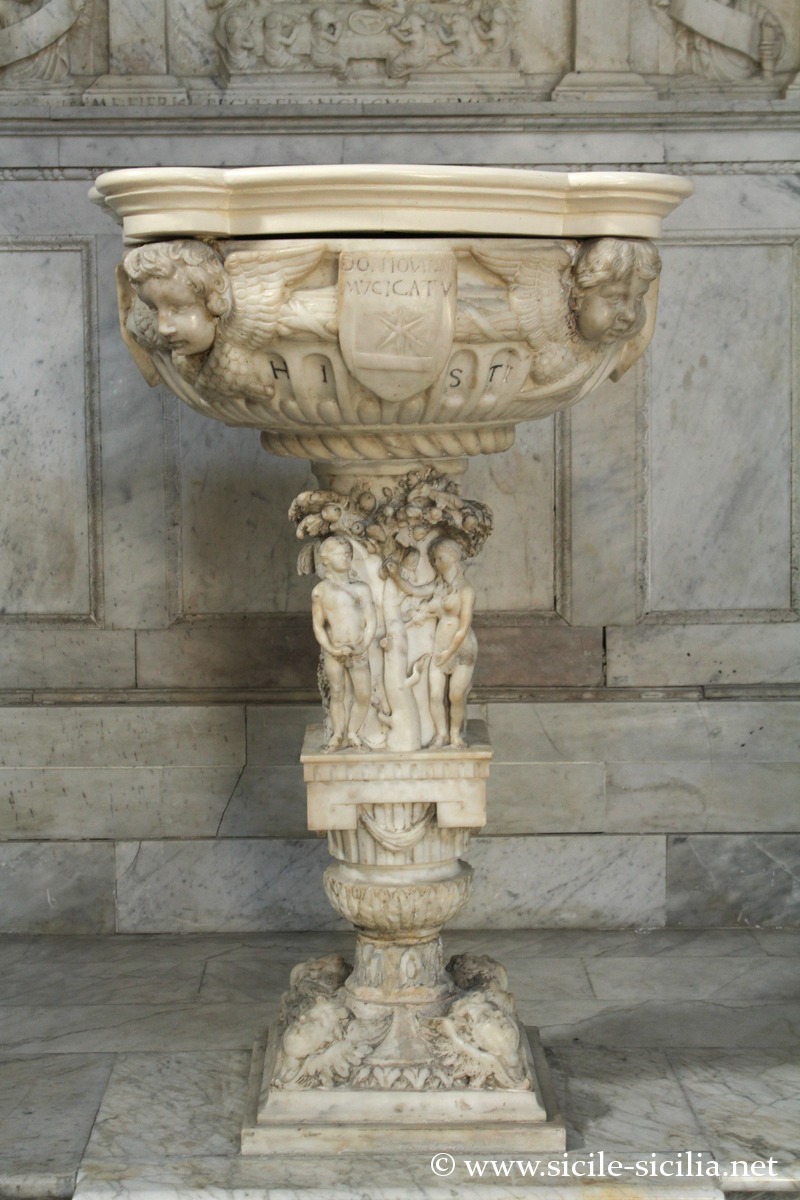
The main place of worship is San Nicolò Cathedral, in the Gothic style, built in 1340 and remodelled in the 15th-17th centuries. It preserves a rare wooden ceiling dating from the 15th century decorated with frescoes, a late Gothic portal, and marble sculptures by Antonelo Gagini, a major figure of the Sicilian Renaissance, such as a beautiful altarpiece or a baptismal font.
It also preserves a precious liturgical treasure comprising pieces of goldsmithing from the 17th-18th centuries.
Basilica of Santa Maria Maggiore
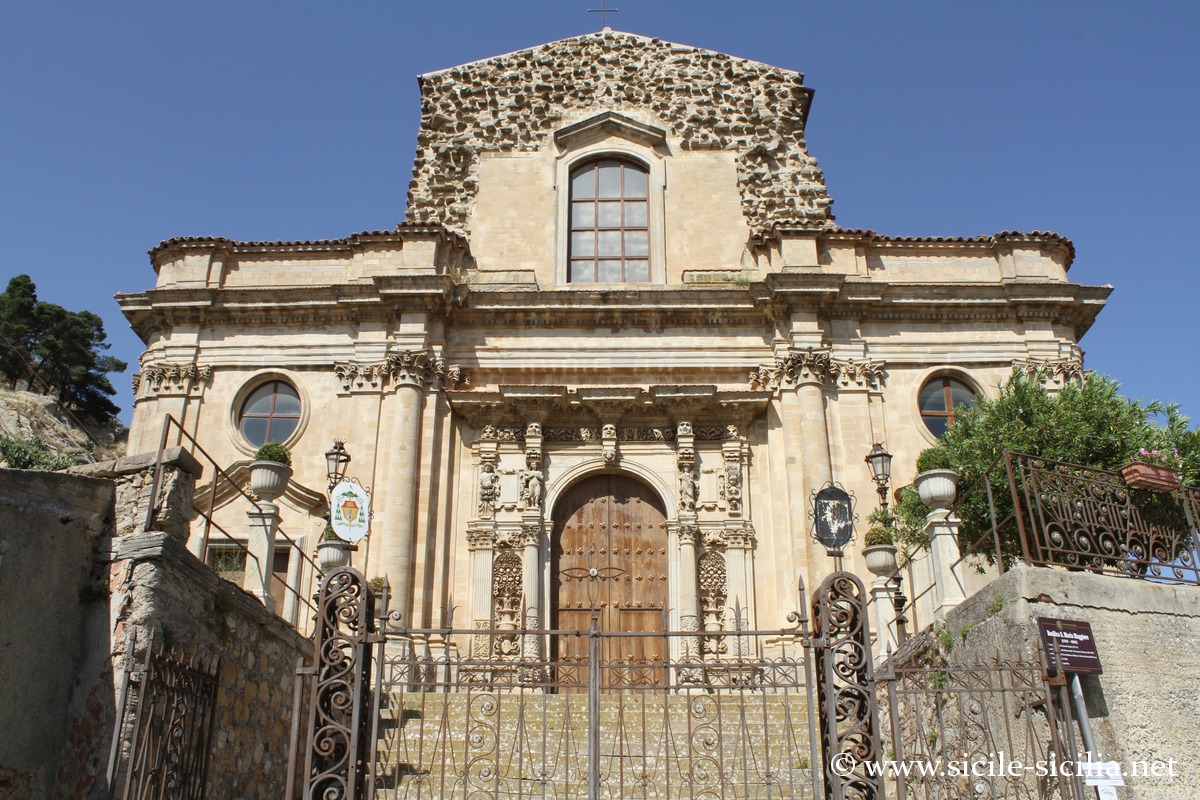
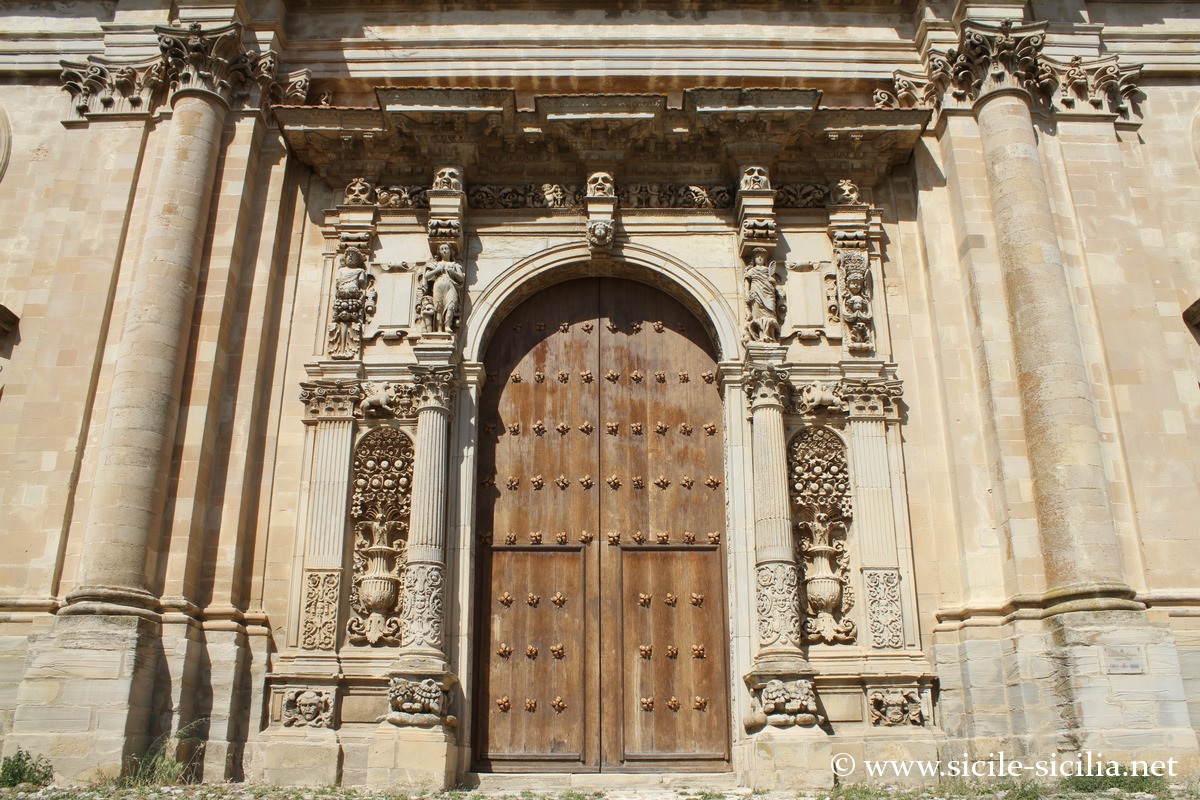
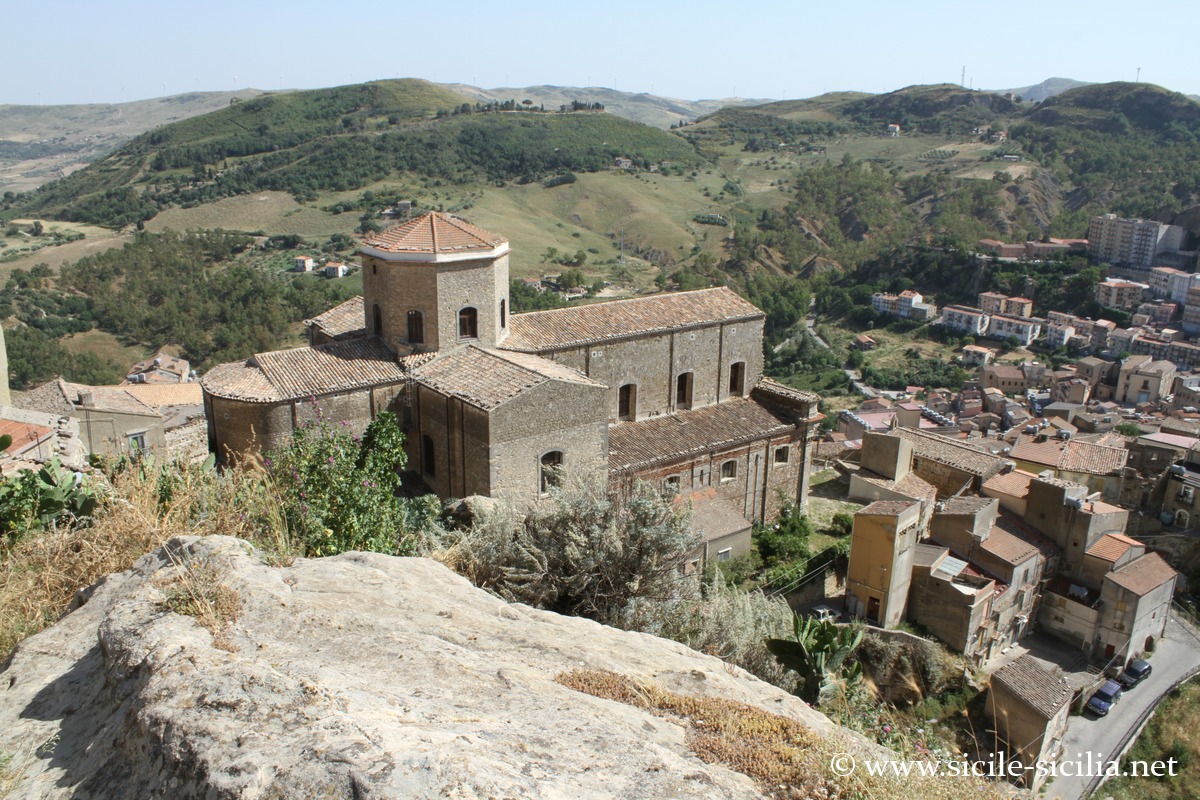
At the foot of the castle, the basilica of Santa Maria Maggiore is of medieval origin, remodelled in the 15th-16th centuries, presenting in particular a Catalan Gothic portal from the late 15th century.
It preserves beautiful sculpted marbles with a cycle on the life of the Virgin executed by Antonello Gagini in the 16th century, an altarpiece structured in several panels.
The massive bell tower, visible from the valley, bears witness to the defensive and symbolic role of religious buildings in the medieval urban organisation.
Remains of the medieval fortifications
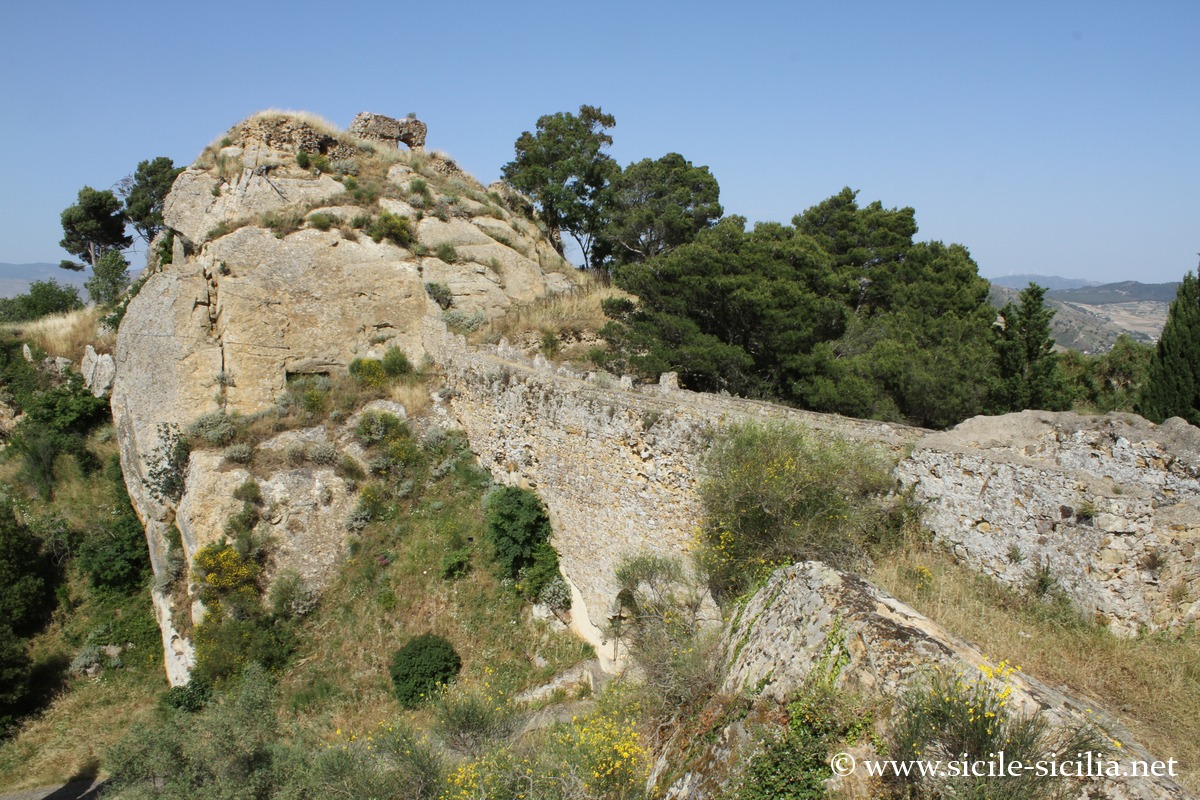
Norman castle enclosure
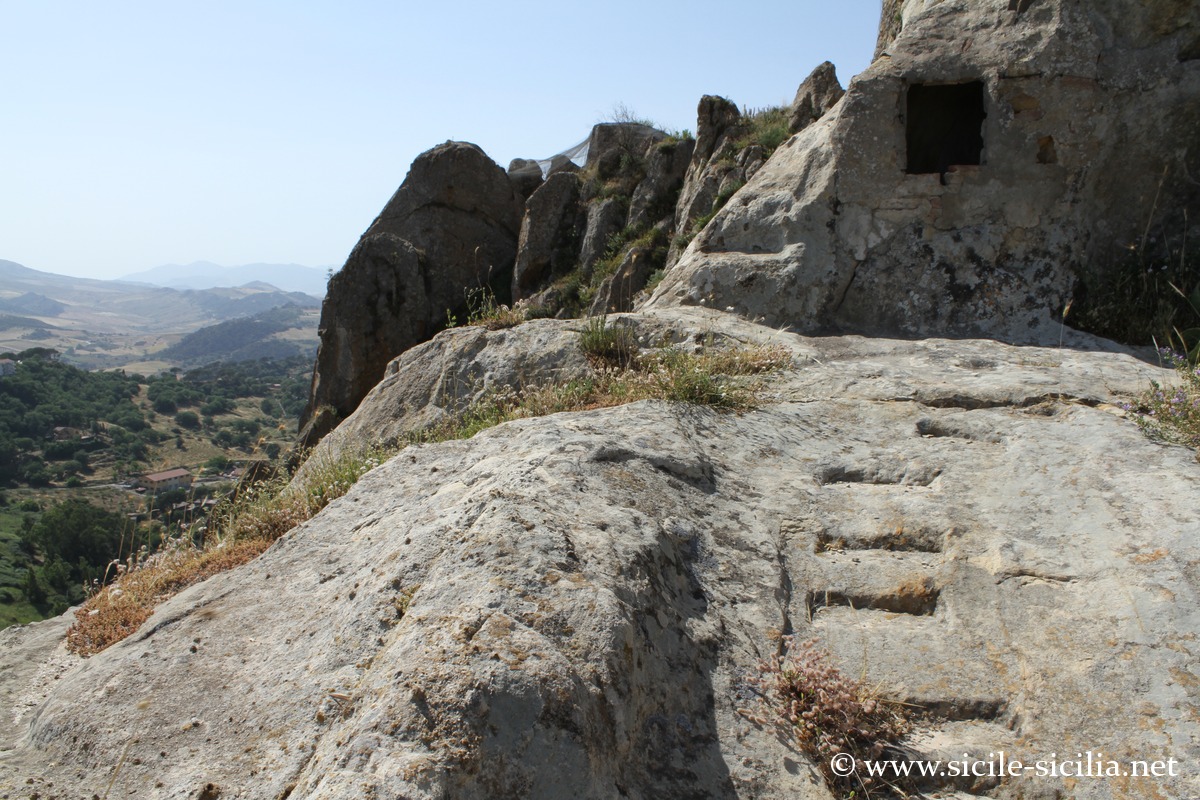
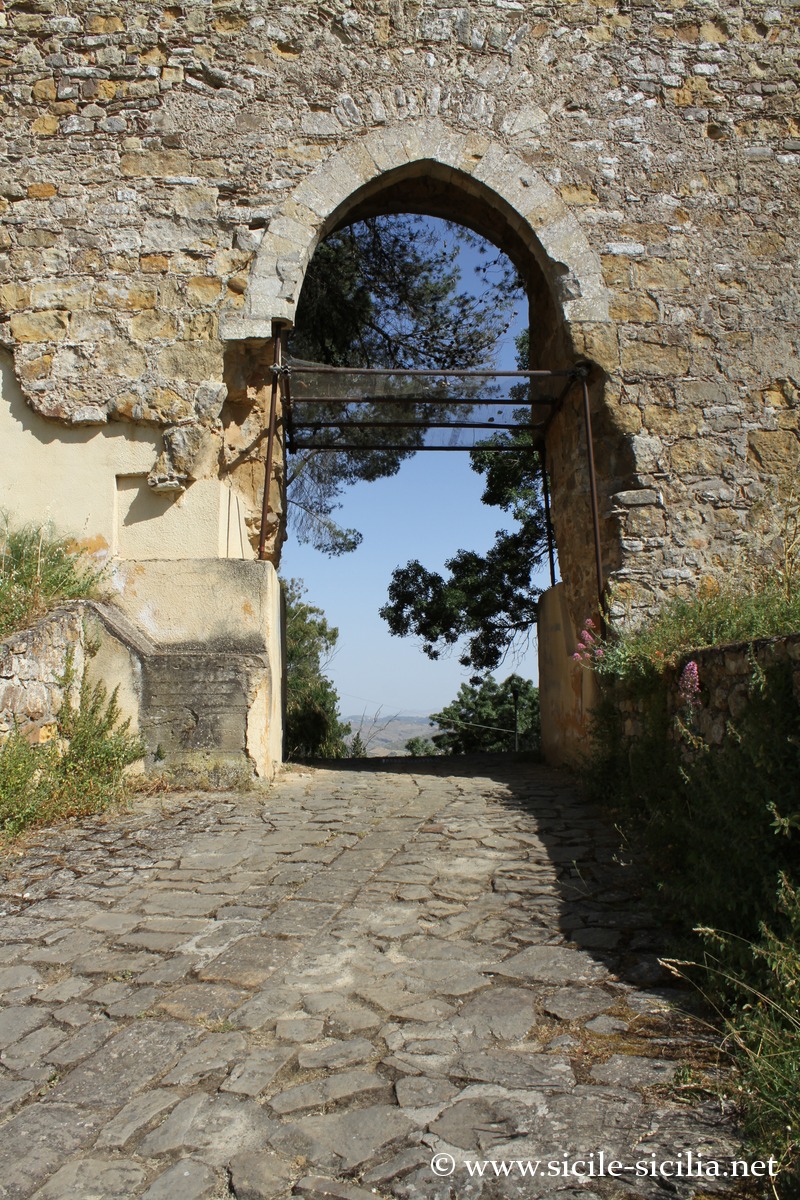
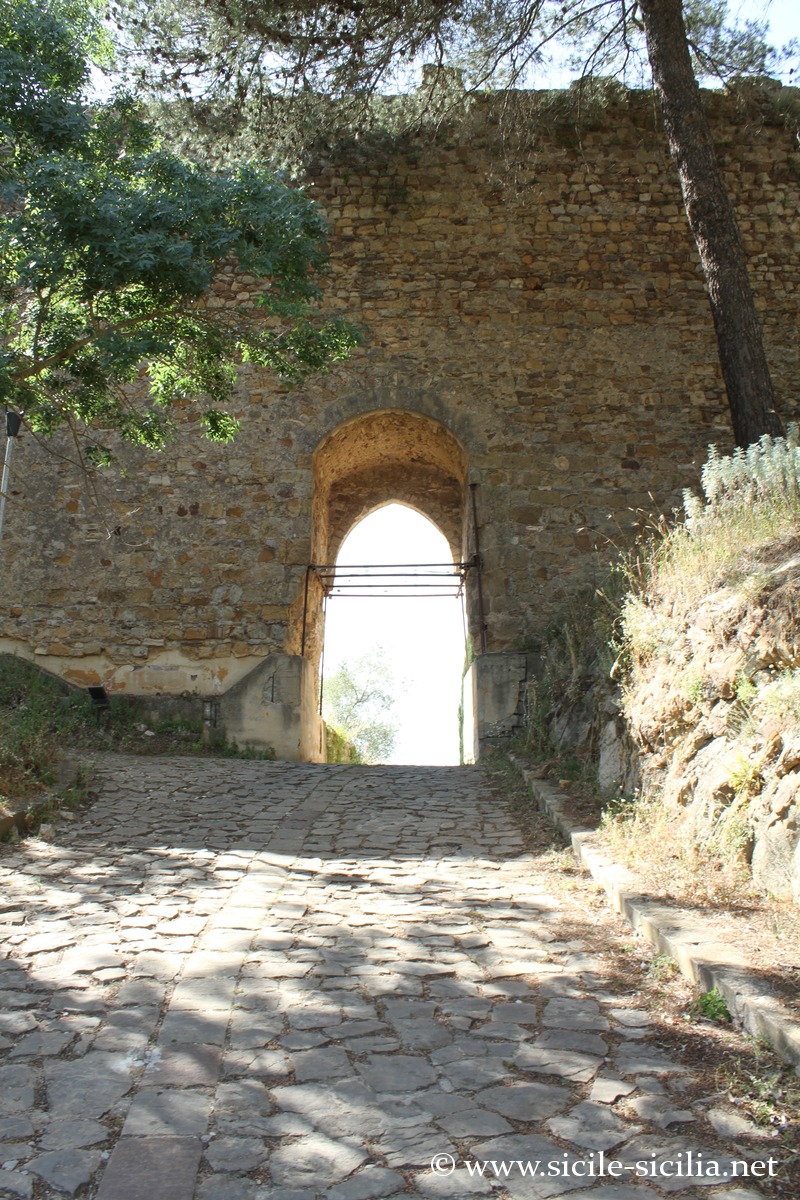
On the rock overlooking the town are the remains of the Norman castle, essentially vestiges of walls, probably from the 11th century with Swabian alterations. Cisterns cut into the rock and defensive structures are still visible.
Other remarkable churches of Nicosia
- San Vincenzo Ferreri preserves a pictorial cycle by Borremans from 1717 (a Flemish painter active in Sicily), depicting episodes from the life of the saint, a significant example of late Baroque in central Sicily.
- Sant’Antonio Abate
- San Calogero preserves Baroque paintings from Randazzo.
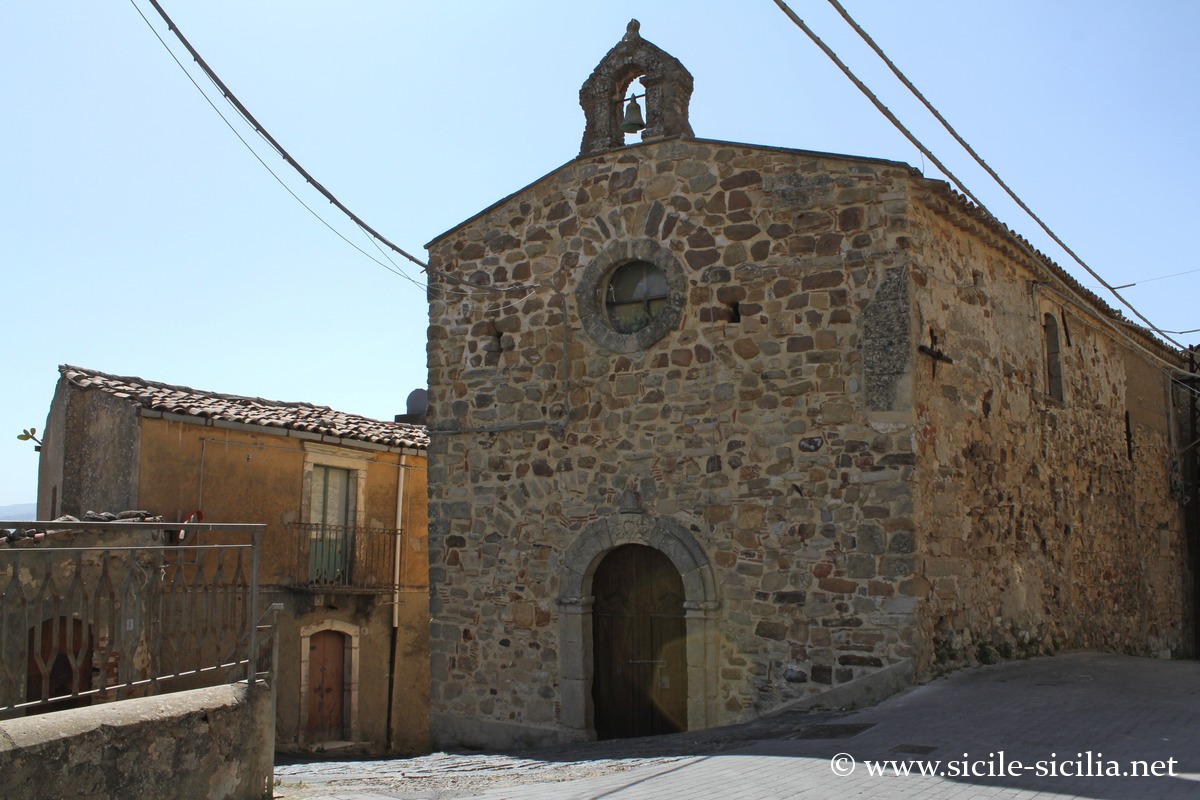
- San Salvatore is a 12th-century church perched on a rock with medieval structures, remodelled in the modern era.
- San Biagio preserves 18th-century Rococo stuccos and paintings by Velasco.
- The convent of the Capuchin friars minor was founded in the 16th century with the adjoining church of Santa Maria degli Angeli (late 19th century). It preserves burials and a Franciscan movable heritage.
- The church of San Michele Arcangelo is a building of medieval origin remodelled in the Baroque era, preserving pictorial works from the 17th-18th centuries.
- The church of Santa Croce preserves a portal in sculpted stone and Baroque decorative elements.
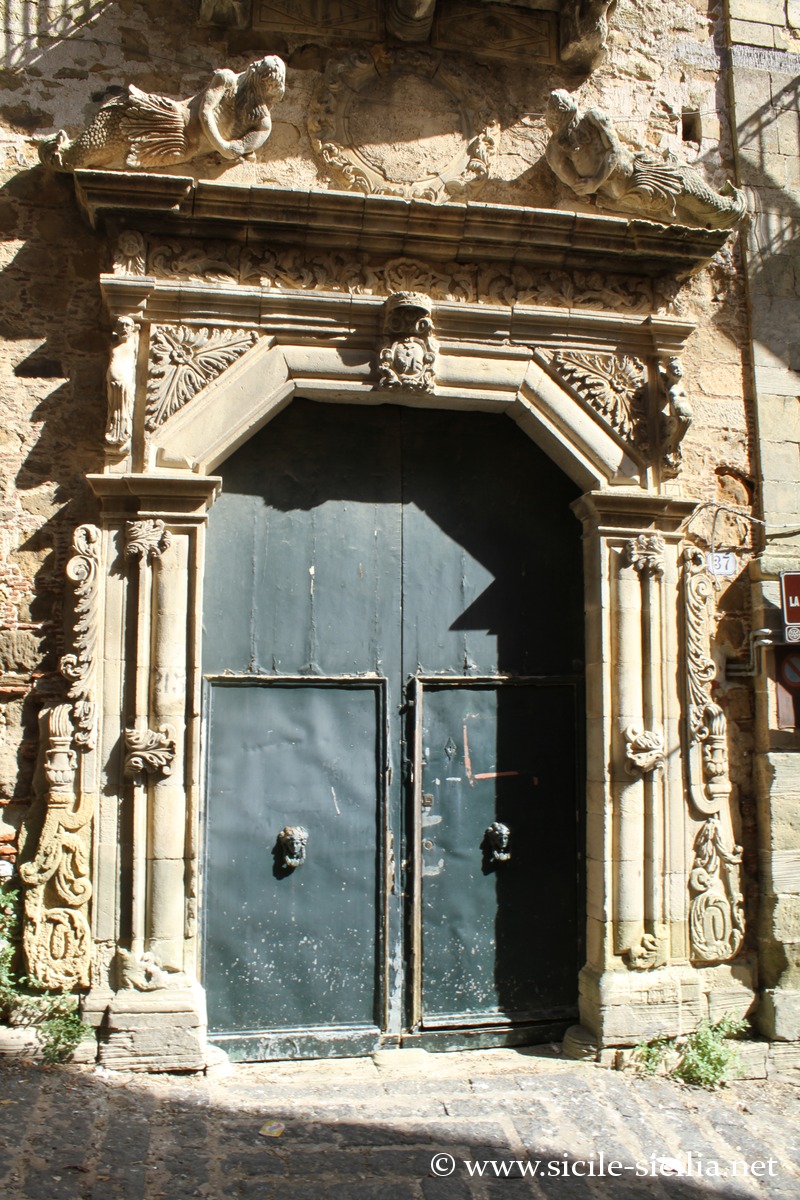
Palazzo Salomone
Other buildings and palaces
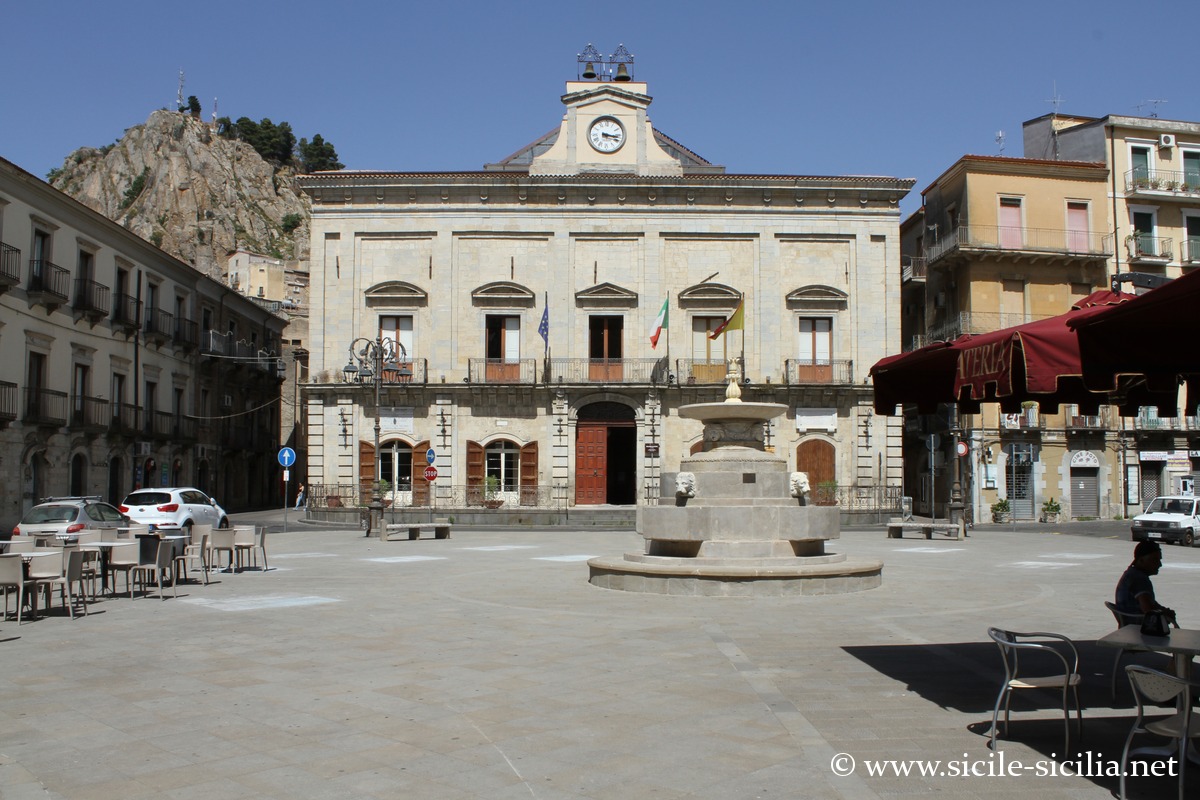
- The town hall, the Palazzo Comunale from the modern era, is located on the central square of Piazza Garibaldi, and the town has several baronial palaces, some of which can be visited, from the 16th-18th centuries.
- Palazzo Speciale: a noble palace from the 16th-17th centuries, presenting a portal in worked stone and decorative elements typical of post-medieval Sicilian civil architecture, preserving important interior wall frescoes.
- Palazzo Cirino: an elegant 19th-century palace, begun by Graziano Cirino and completed in the early 20th century, with a façade rhythmically punctuated by iron balconies and pilasters.
- Palazzo Marrocco: notable for its neoclassical façade opening onto Piazza Garibaldi, illustrating the influence of the aristocratic styles of the 18th-19th centuries.
- Palazzo Nicosia (or Palazzo Di Falco): presents an elegant Art Nouveau façade and late neoclassical details.
- Palazzo La Via (di Sant’Agrippina / Domus Peregrini): today the seat of the Domus Peregrini, it combines late Renaissance elements and later alterations, with sculpted decorations around the arches and windows.
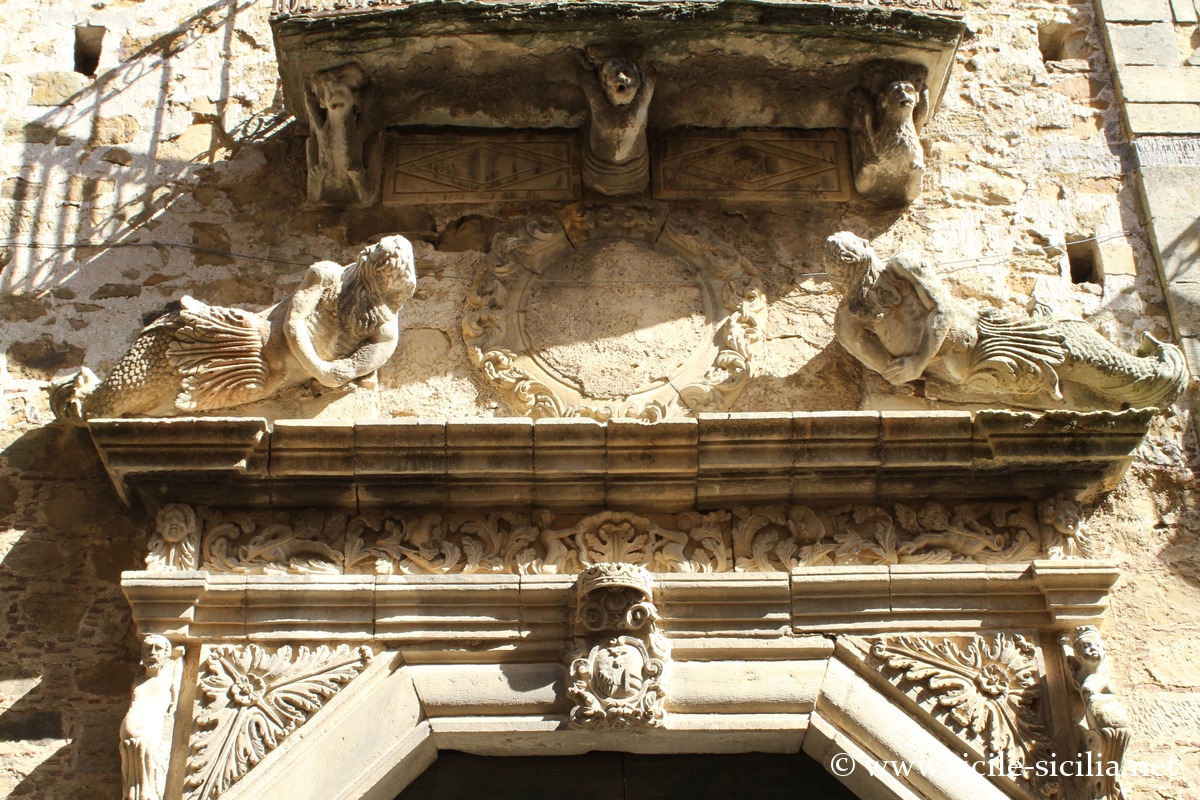
- Palazzo Salomone: located along the Salita Salomone, this majestic 18th-century palace stands out for its imposing structure and sculpted stone details.
- Palazzo dei baroni La Motta di San Silvestro: an imposing aristocratic palace visible from the heights of the town, it reflects the power of the La Motta barons, with sculpted stone details, between Baroque and Neoclassical.
- Palazzo Caprini-Russo: remarkable for its late Renaissance-style atrium, reflecting the integration of Lombard and Mediterranean motifs into aristocratic architecture.
In the surroundings
About five kilometres away, Sperlinga Castle, half carved into a rock, is one of the medieval jewels of the region, from the 12th-13th centuries, presenting rooms entirely excavated in the sandstone.
Traditions and gastronomy
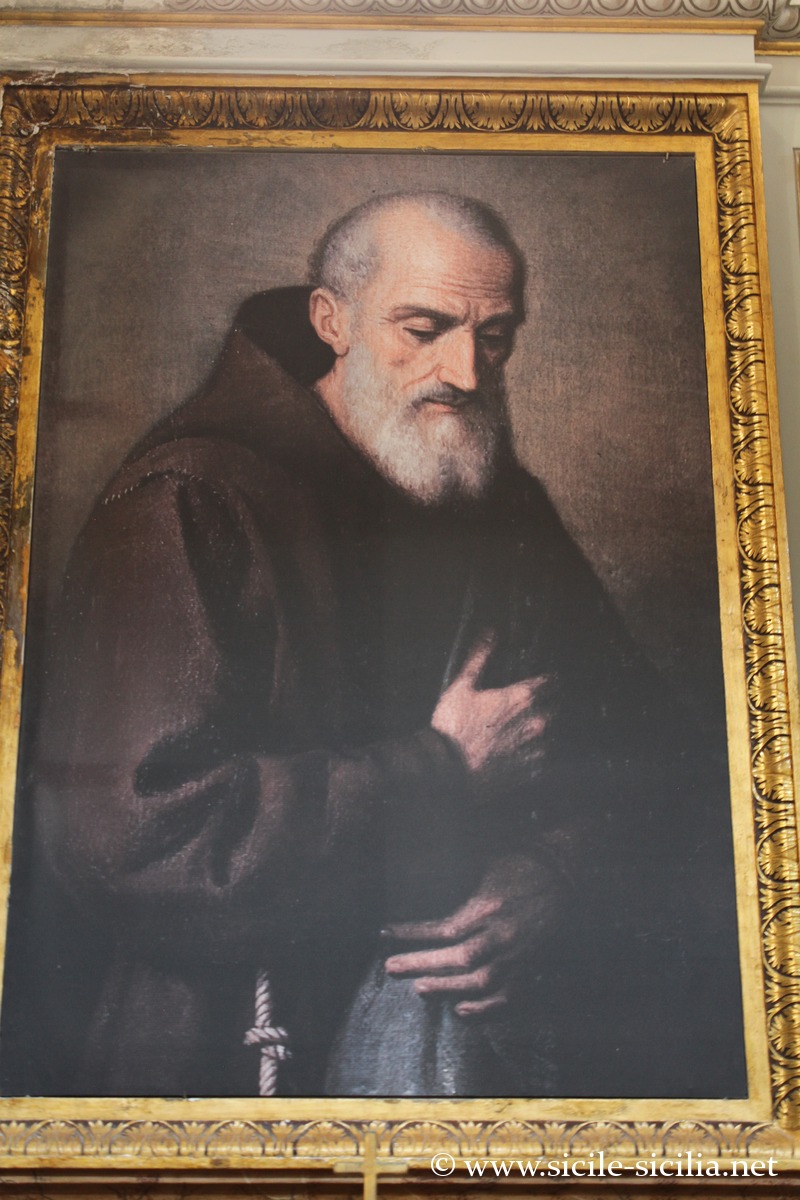
Nicosia preserves important religious and popular traditions, such as the celebrations of San Felice da Nicosia (1715-1787), a Capuchin friar native to the town and canonized in 2005.
Musical tradition and religious confraternities still play a central role during the celebrations of Holy Week.
The traditional economy is based on livestock farming and cereal agriculture, still visible in the surrounding rural landscape.
From a gastronomic point of view, the local cuisine is part of the tradition of the Sicilian interior: production of cheeses from the livestock farming of the Nebrodi; artisanal cured meats; dishes based on durum wheat and legumes; traditional pastries linked to religious festivals; – use of almonds and pistachios in regional confectionery.
Gallery
Nicosia: visit
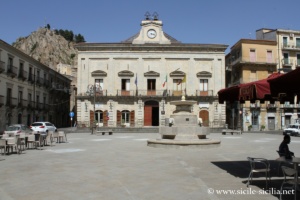

Municipio, Piazza Garibaldi 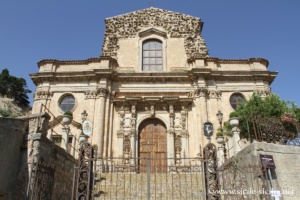
Basilica of Santa Maria Maggiore 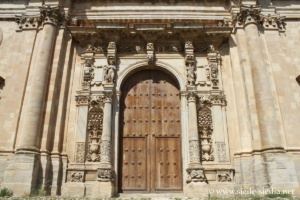
Basilica of Santa Maria Maggiore 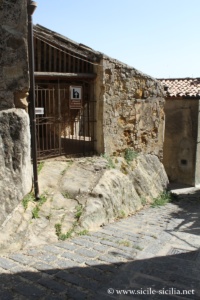

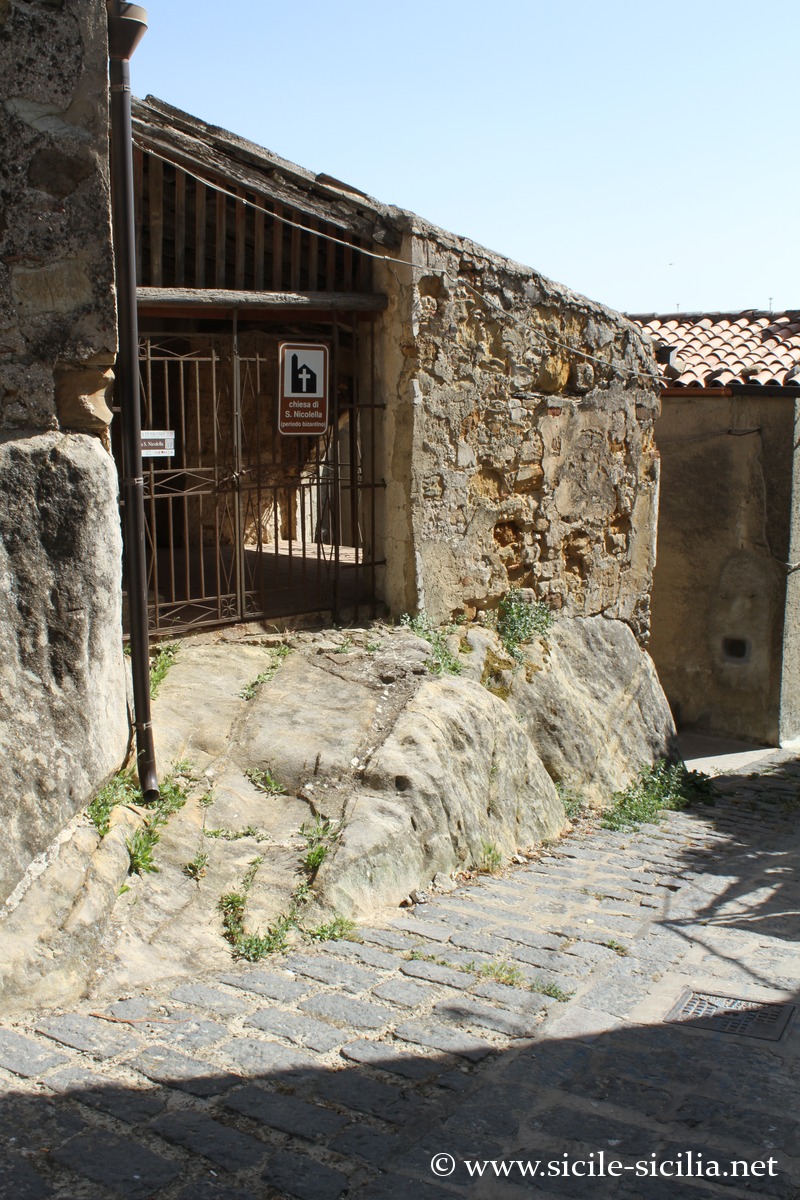
Church of Santa Nicolella 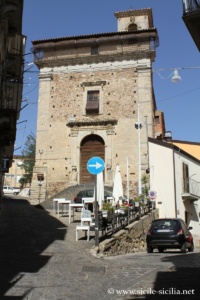
Church of San Vincenzo 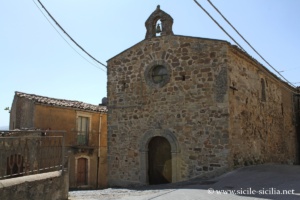
Oratory of the SS Trinità 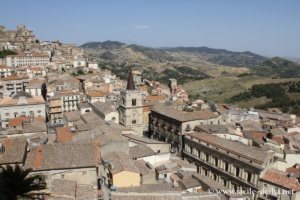
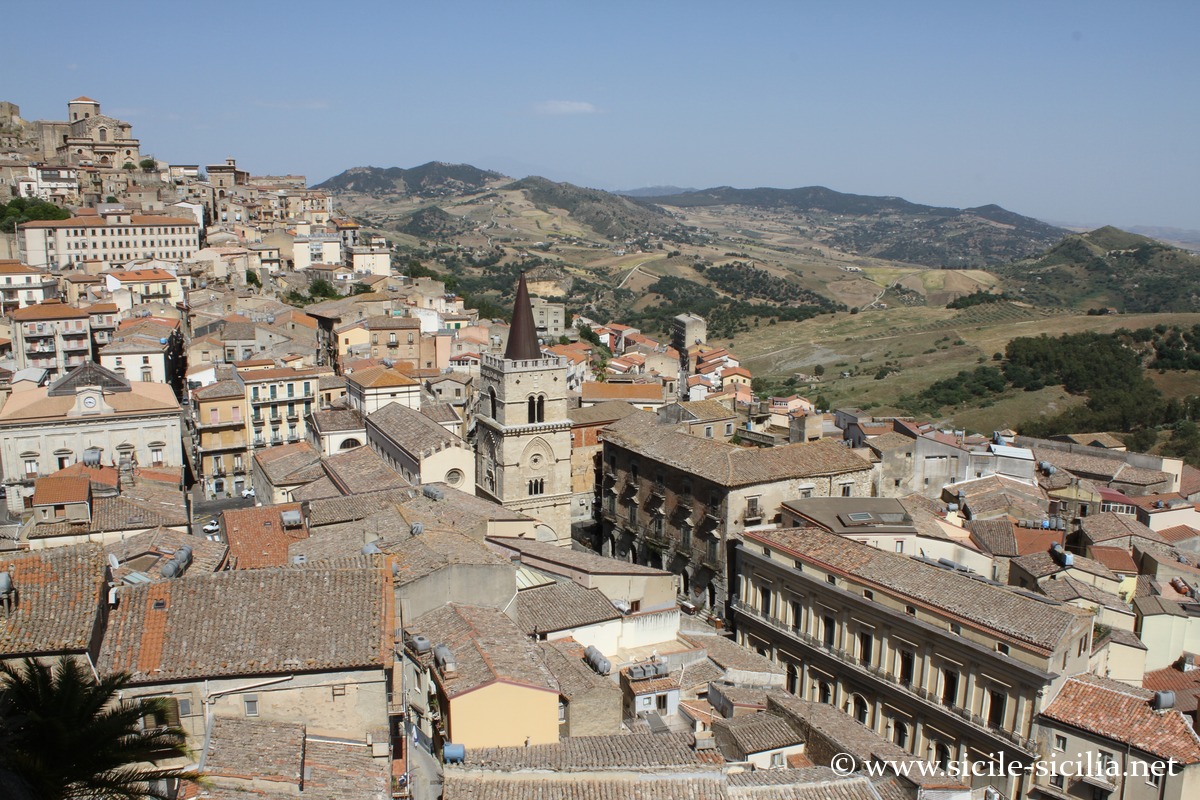
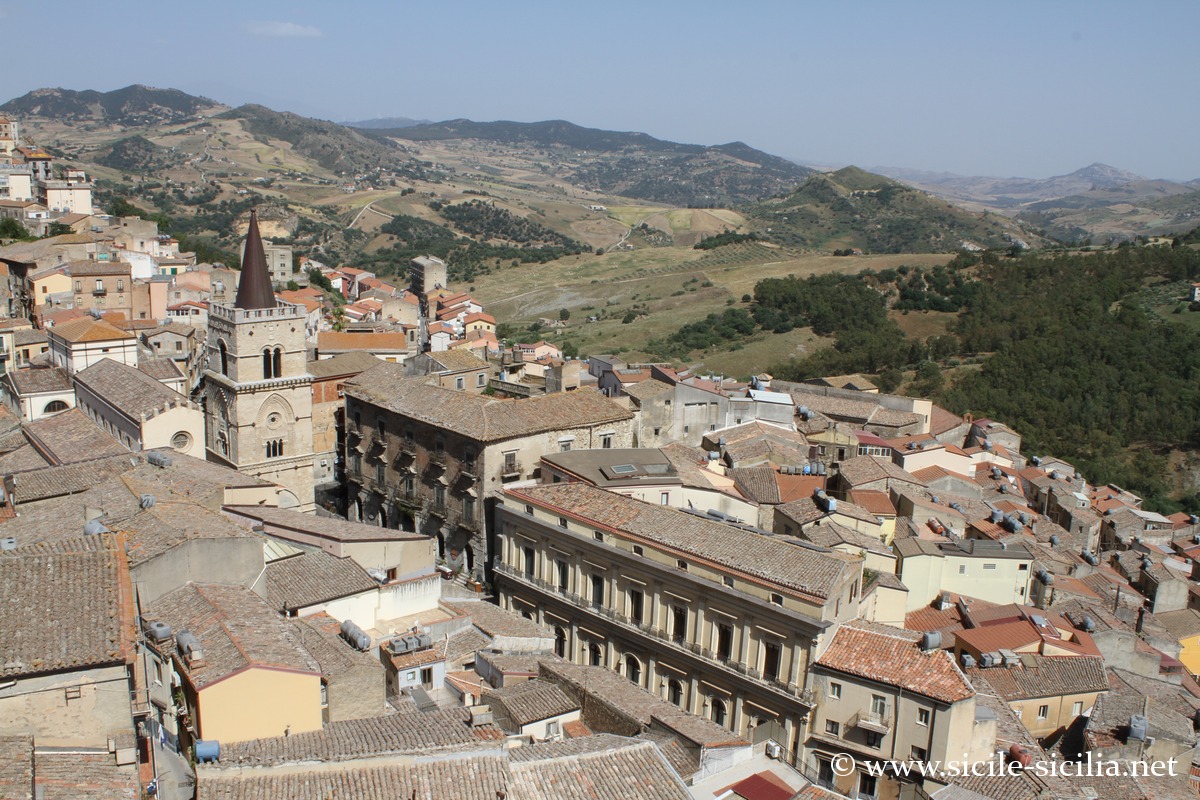
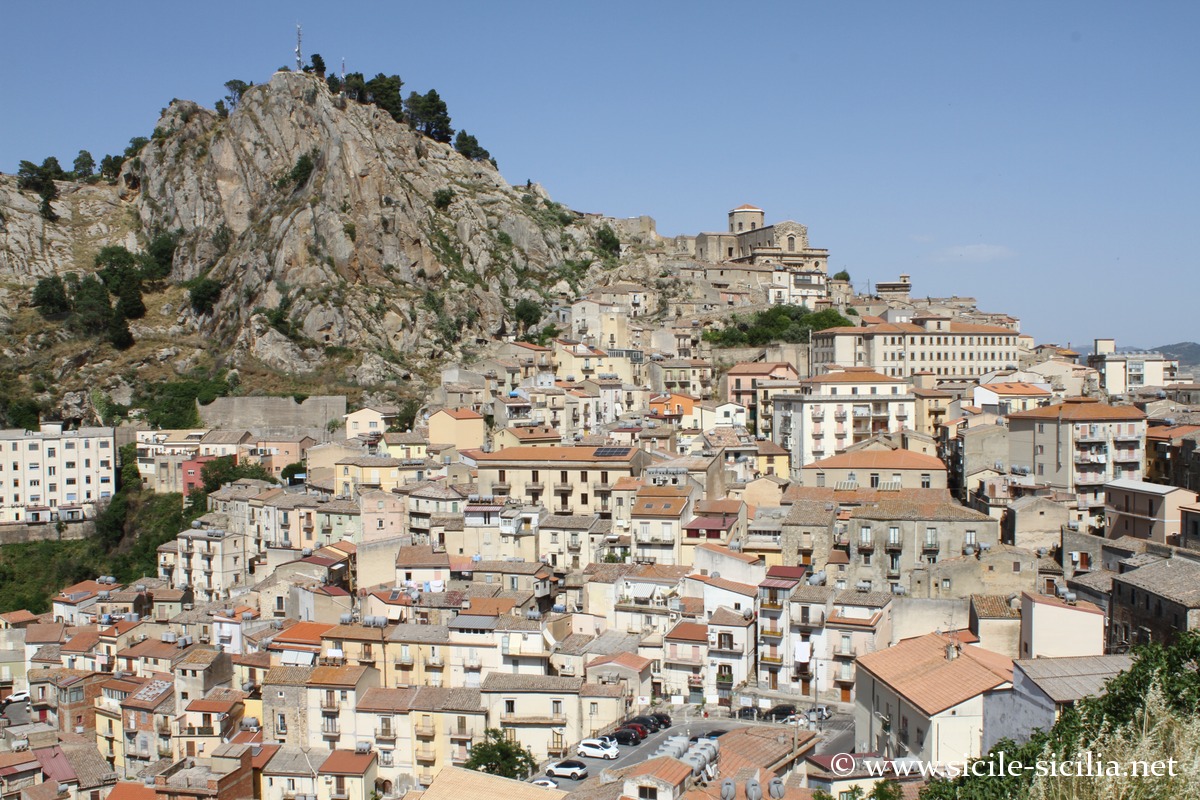
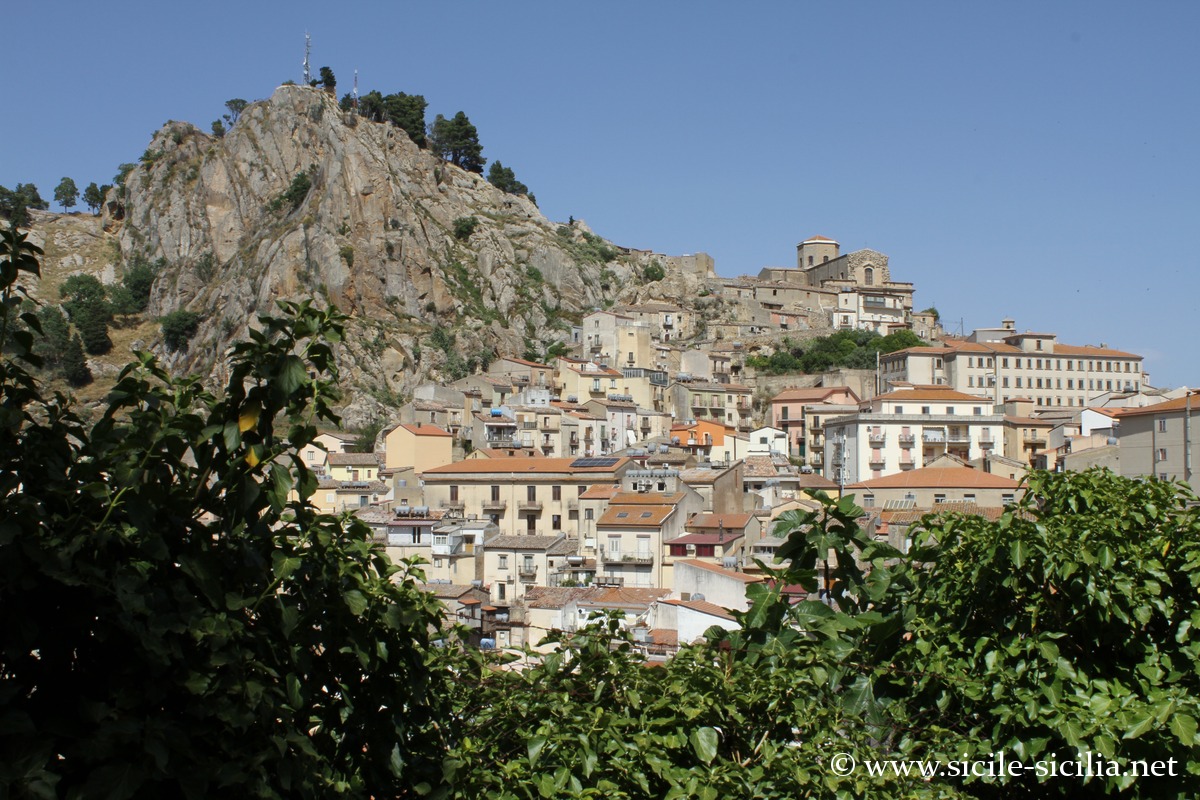
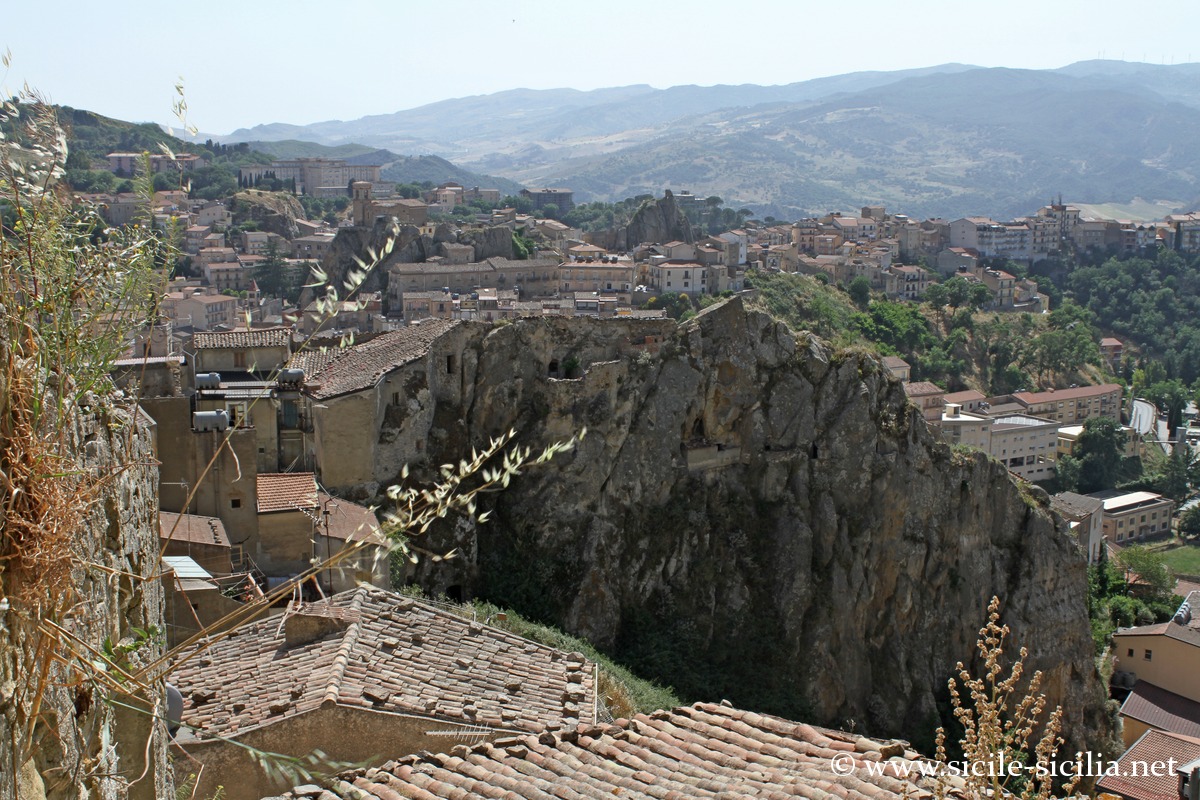
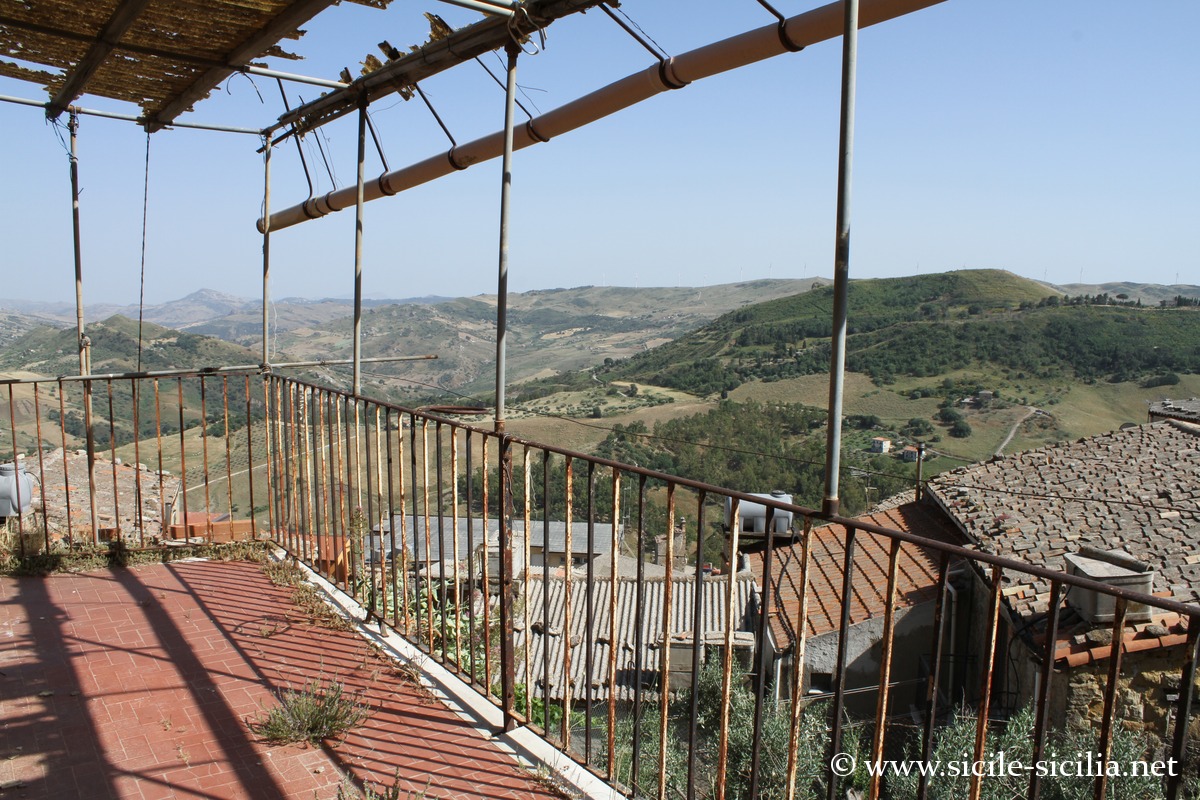
Panorama of Nicosia 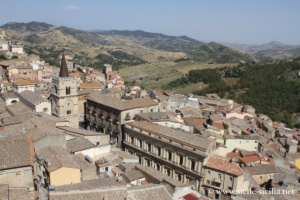
Panorama of Nicosia 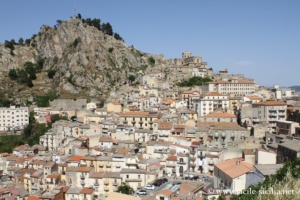
Panorama of Nicosia 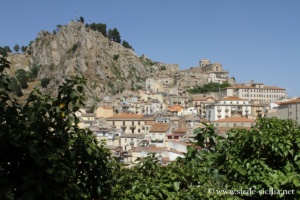
Panorama of Nicosia 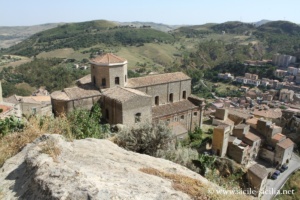
Panorama Via Castello 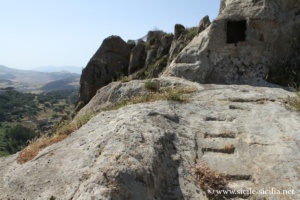
Via del Castello 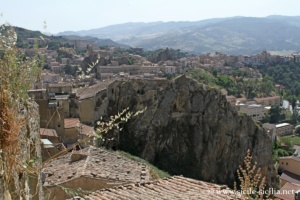
Panorama, via del Castello 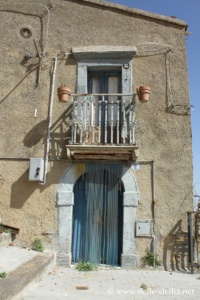
Via del Castello 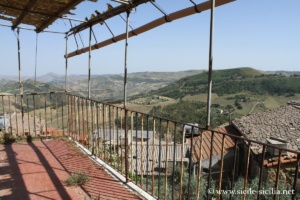
Via del Castello 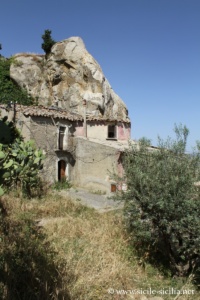
Via del Castello 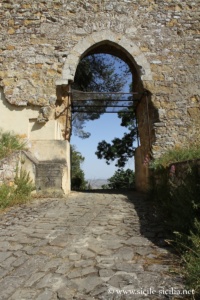
Bridge and Norman castle 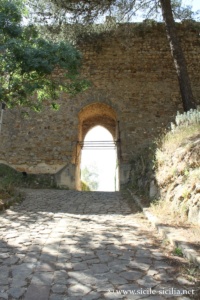
Bridge and Norman castle 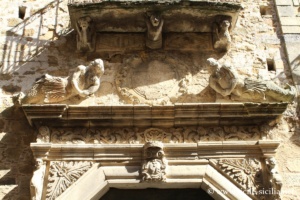
Palazzo Salomone 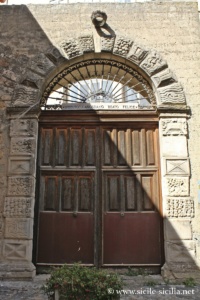
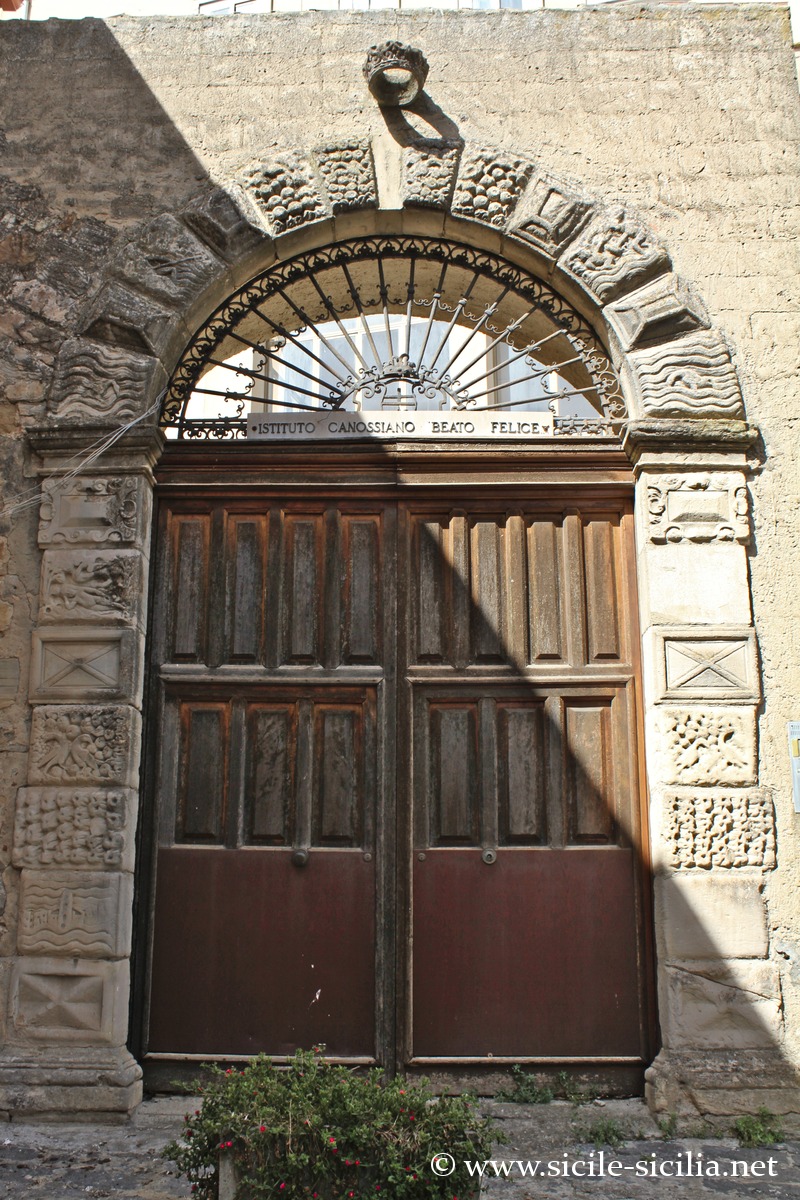
Baroque portal 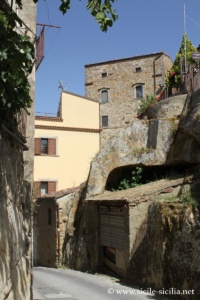
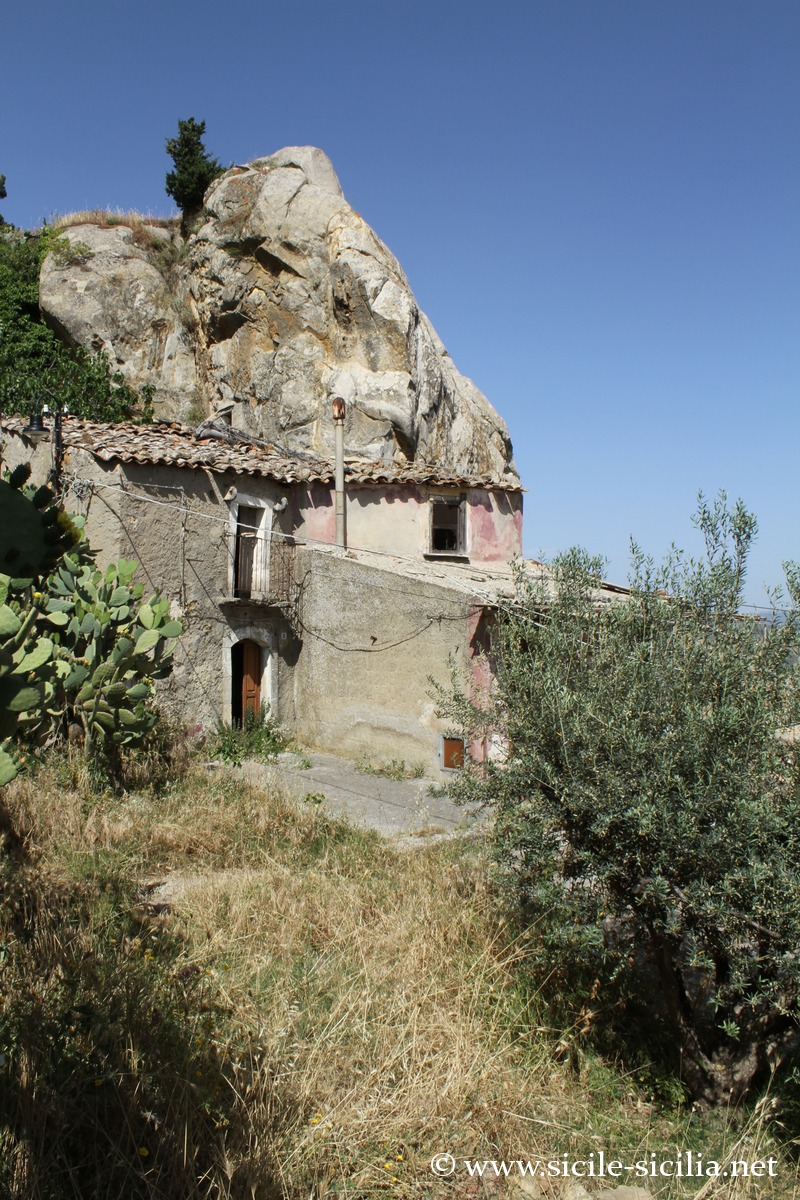
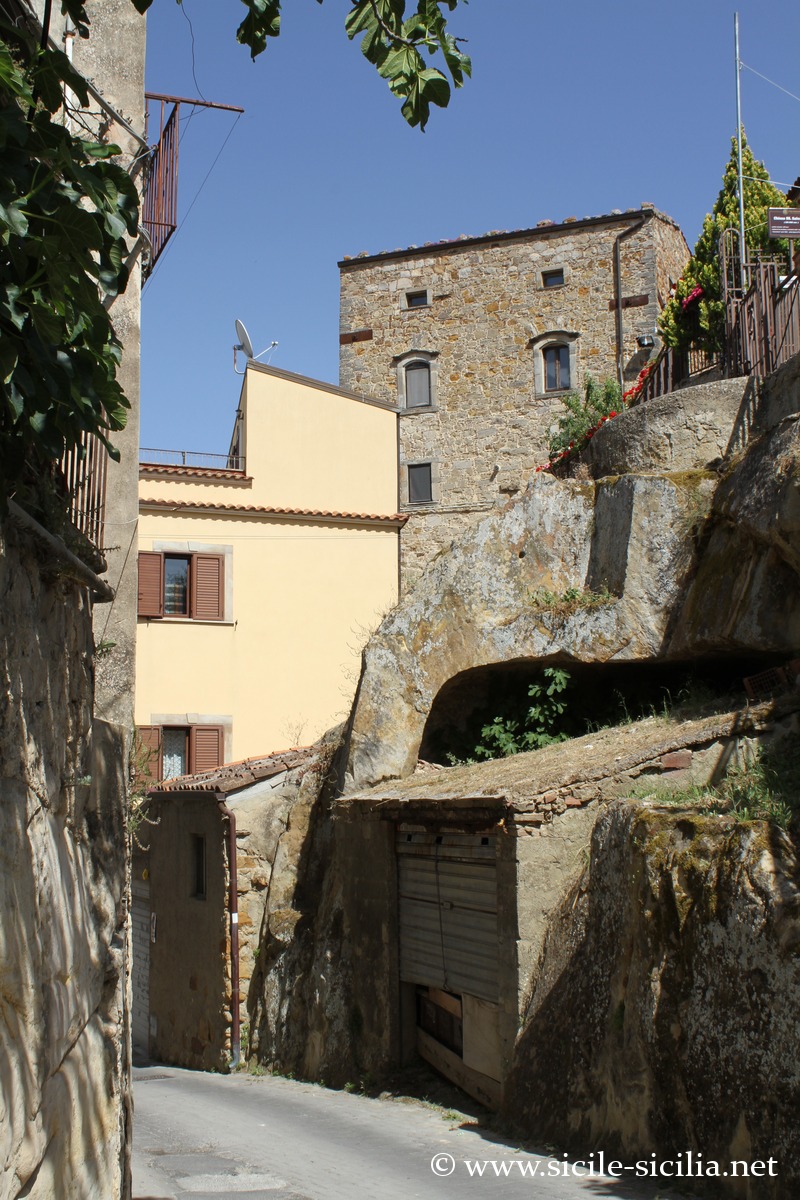
San Salvatore
Cathedral of San Nicolo
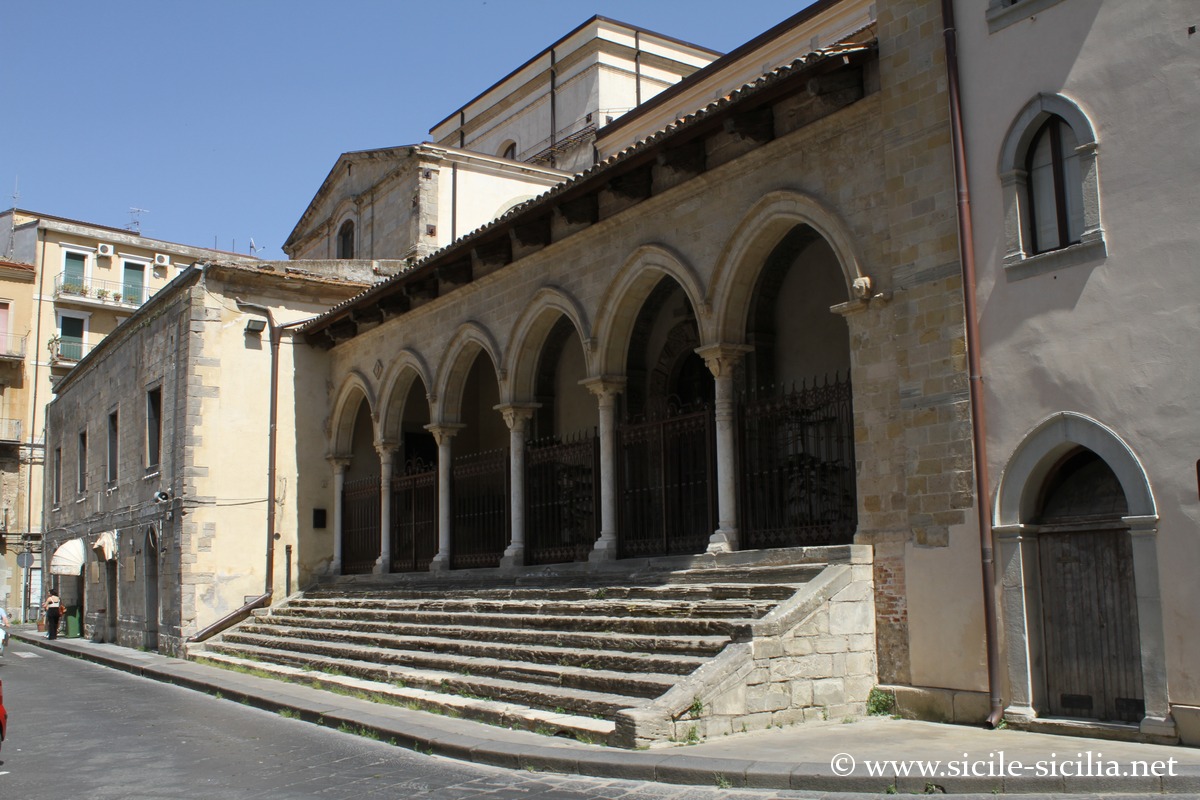
Portico, cathedral of Nicosia 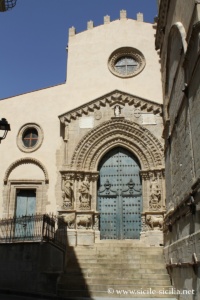
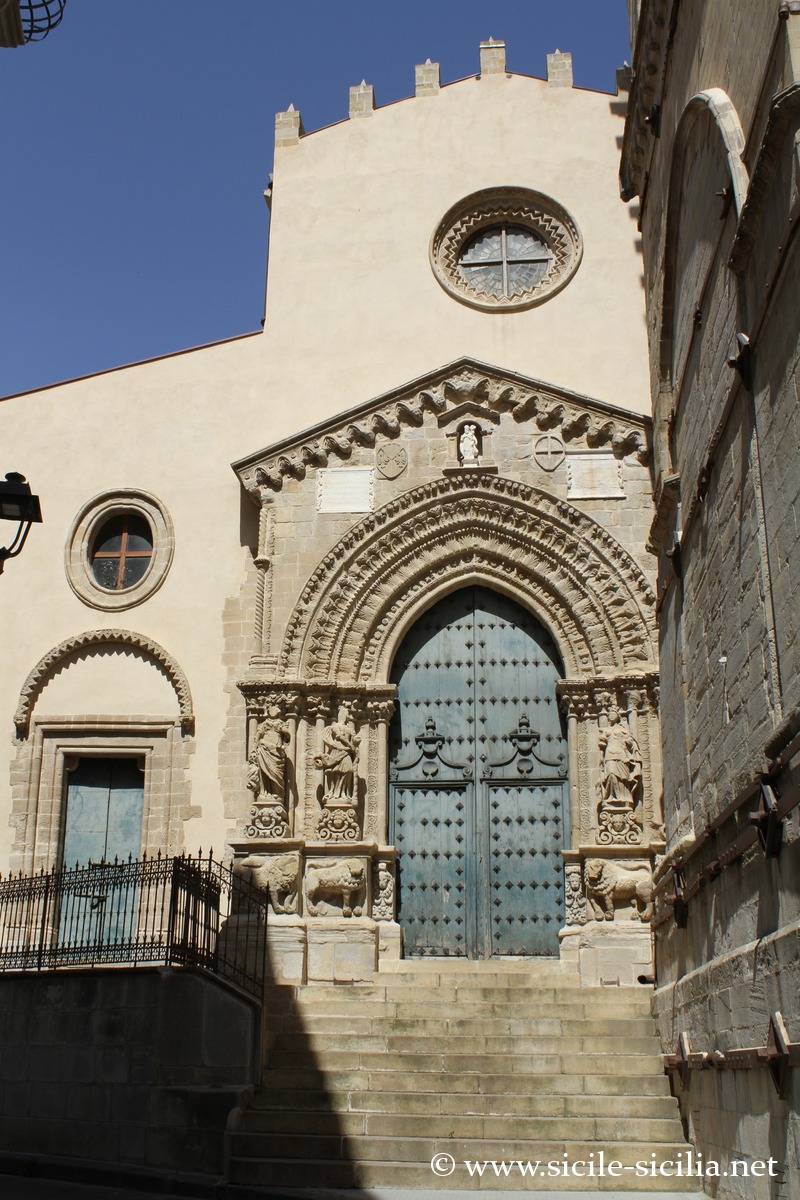
Catalan Gothic portal of the cathedral 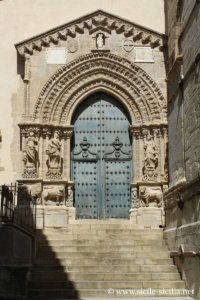
Catalan Gothic portal of the cathedral 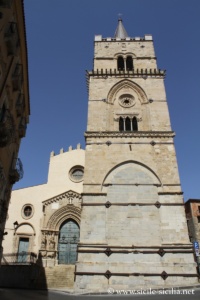
Campanaria Tower, cathedral 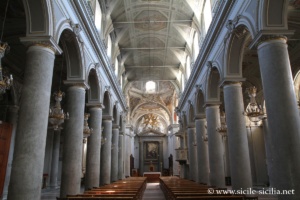
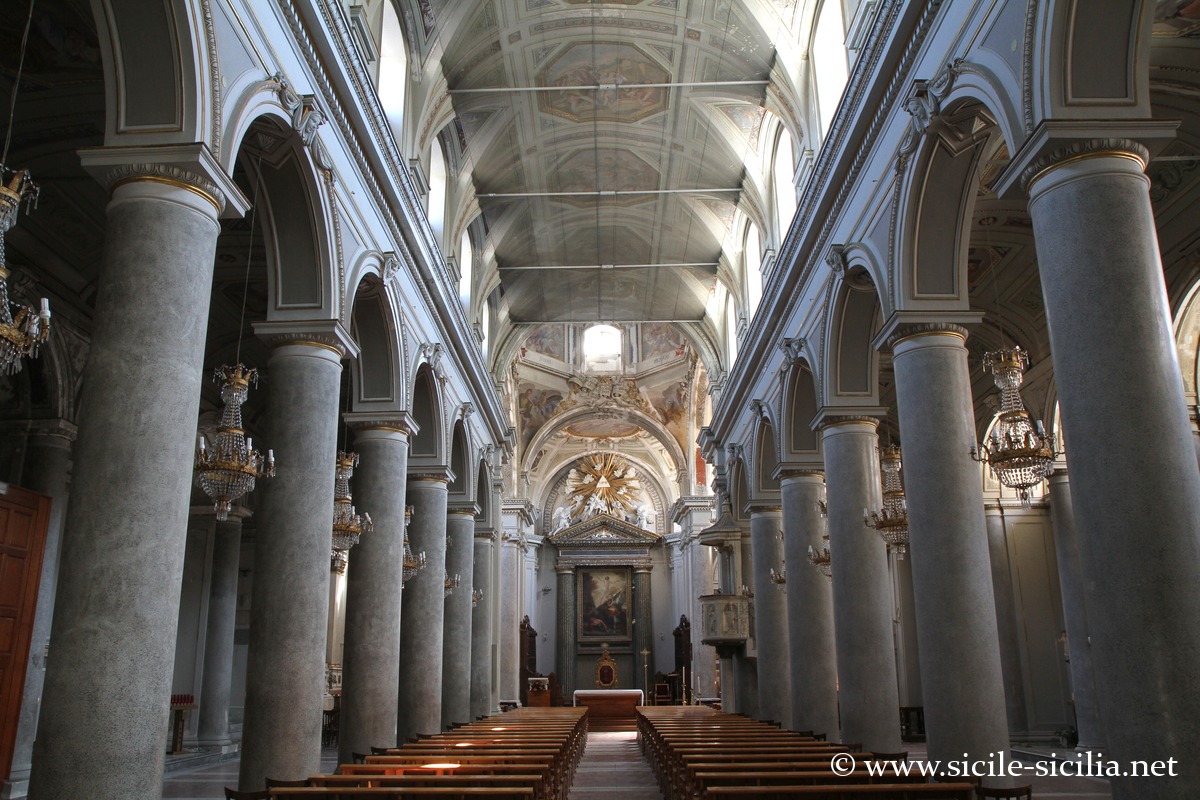
Central nave, cathedral of Nicosia 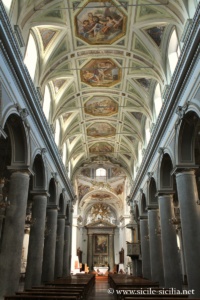
Central nave, cathedral of Nicosia 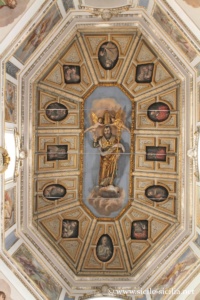
Vault of the cathedral of Nicosia 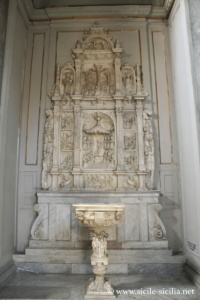
Marble altarpiece by Gagini, cathedral 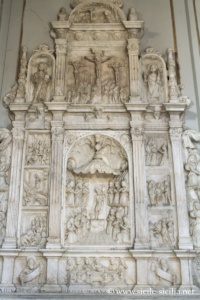
Marble altarpiece by Gagini, cathedral 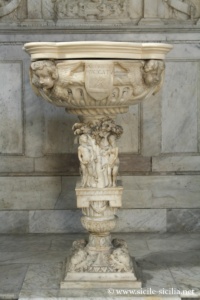
Baptismal font by Gagini, cathedral of Nicosia 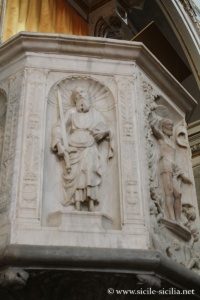
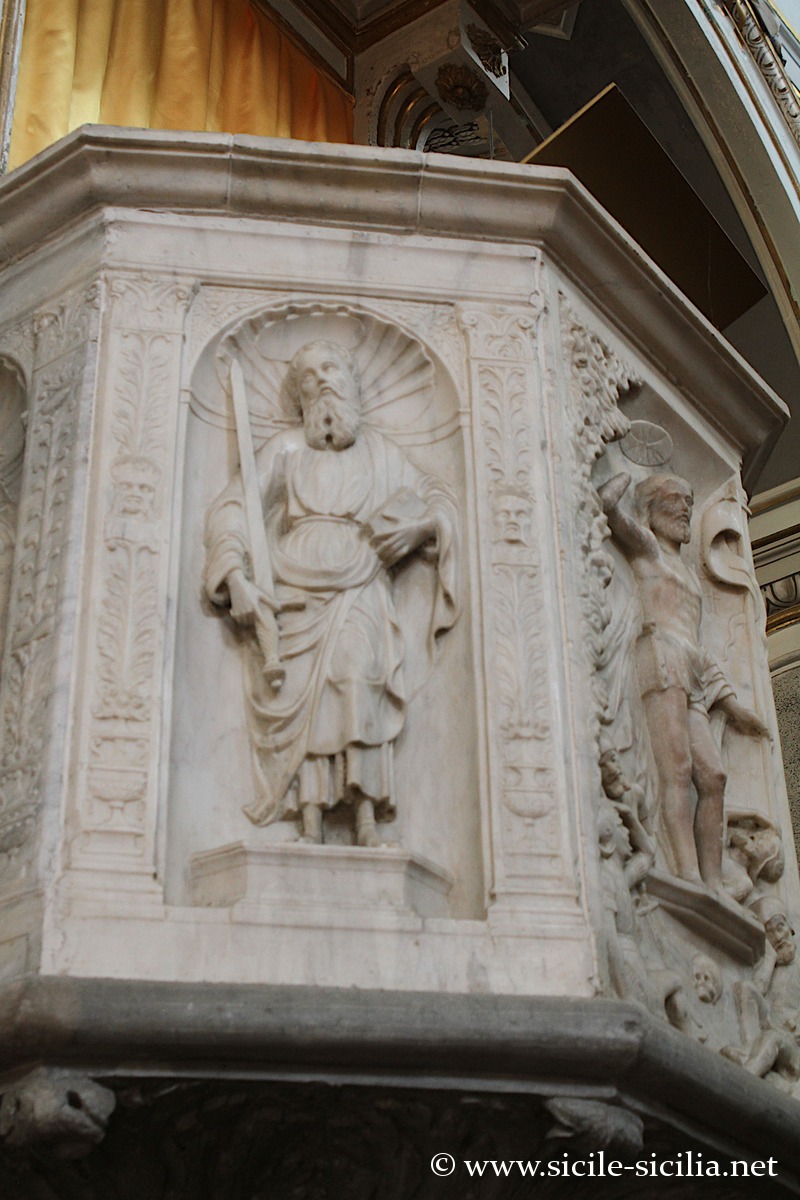
Marble pulpit, cathedral of Nicosia 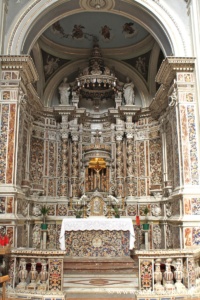
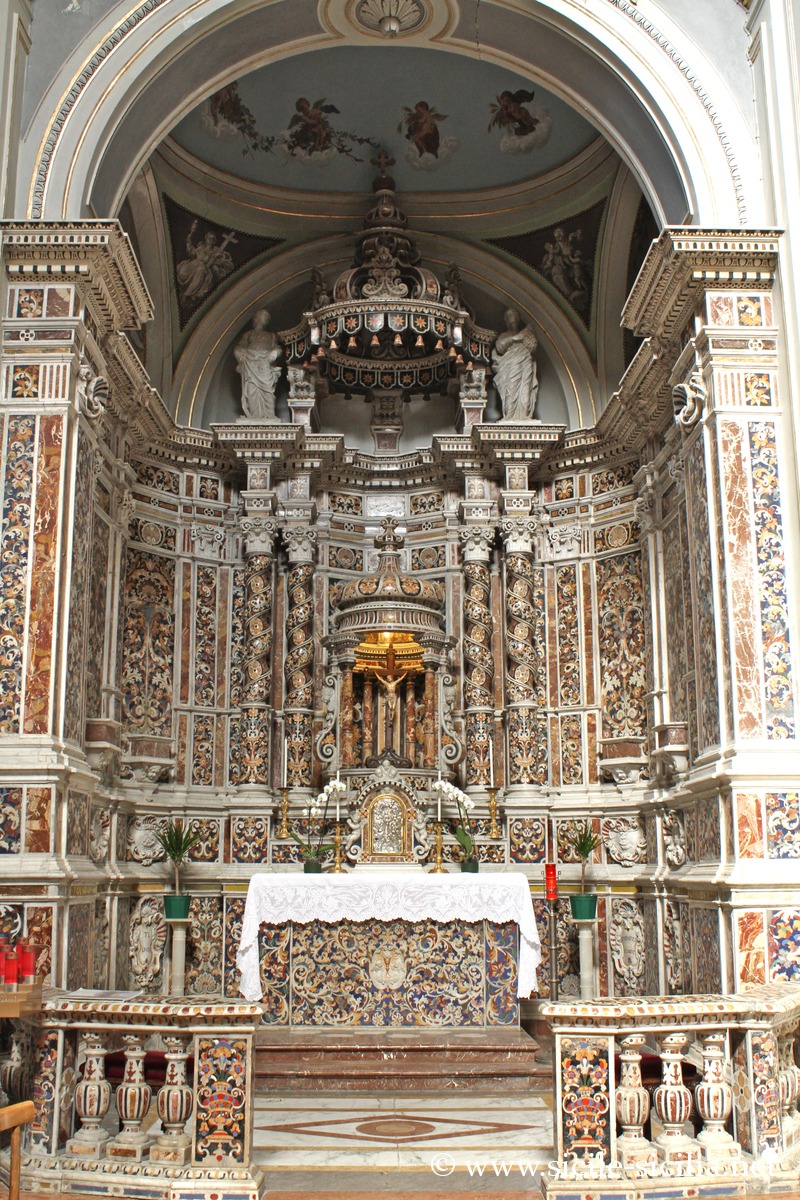
Chapel, cathedral of Nicosia 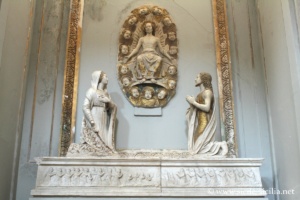
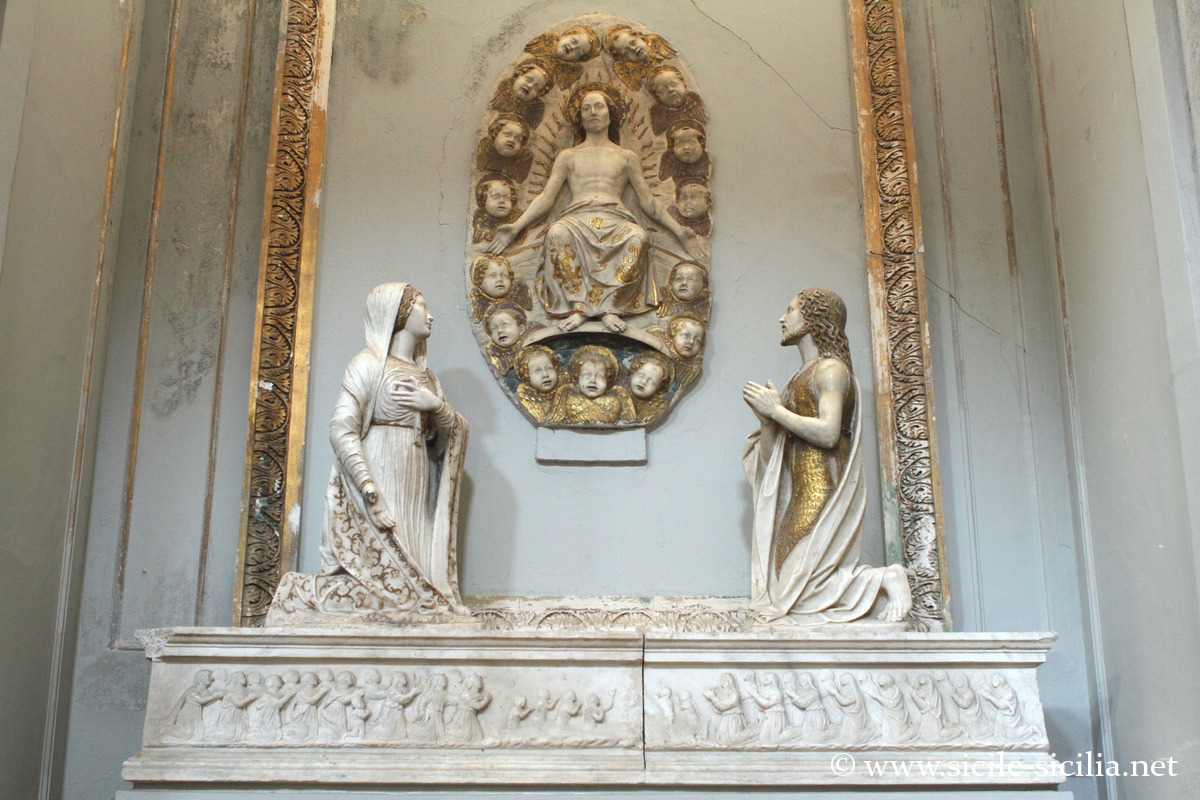
Work, cathedral of Nicosia 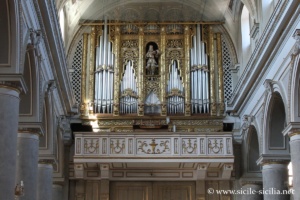
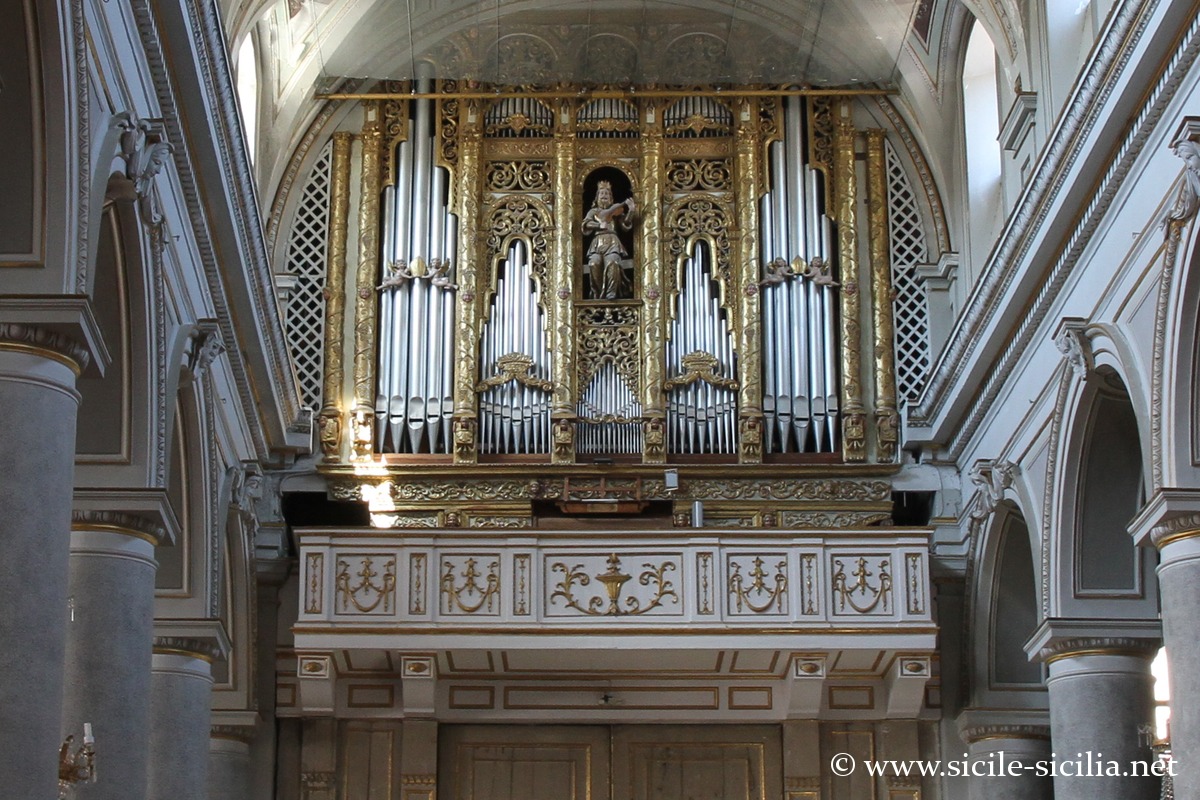
Organ, cathedral of San Nicolo 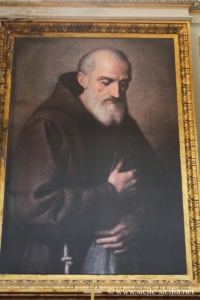
Canvas, cathedral of Nicosia
The Lombards of Sicily
The “Lombards of Sicily” refers to groups originating from northern Italy (Lombard, Piedmontese, Ligurian and Emilian areas) who settled on the island mainly between the end of the 11th and the 13th century, in the context of the Norman conquest. After the capture of Palermo (1072) by Roger I of Sicily and the consolidation of Norman power, repopulation policies were implemented in order to stabilize strategic areas of the interior.
These settlers, often described in the sources as Lombardi, received land and fiscal privileges, and their centers are sometimes called oppida Lombardorum. They thus settled in Nicosia, Piazza (today Piazza Armerina), Aidone Sperlinga, San Fratello, Novara di Sicilia and a few other localities.
Their settlement thus responded to political and military objectives: to strengthen control of the internal routes and to rebalance territories marked by previous Islamic domination.
Under the reign of Roger II of Sicily, these communities enjoyed distinct Latin legal and ecclesiastical usages in an environment that was still multilingual (Greek, Arabic, Latin). Medieval charters and monastic documentation attest to the existence of specific statutes and networks linked to religious foundations of continental origin.
The most visible legacy is linguistic: the dialects known as “Gallo-Italic of Sicily” present northern phonetic and morphological features (consonantism, vocalism, lexicon). These varieties partially survive in Nicosia, Piazza Armerina, Aidone or San Fratello, although strongly in decline. Their imprint thus remains perceptible in toponymy, certain local customs and linguistic heritage.
On the institutional and social level, the Lombards contributed to the feudal structuring of the island’s interior and to the lasting integration of Sicily into the political dynamics of medieval Latin Italy.
Sources and information
- Progetto Galloitalici – Sicilian Centre for Philological and Linguistic Sciences (catalogue of publications on Gallo-Italic dialects in Sicily): https://www.csfls.it/res/edizioni/catalogo/progettogalloitalici/
- The Lombards of Sicily on Wikipedia – Article in Italian: en.wikipedia.org
- Synthesis article “I Lombardi di Sicilia” (Patrimoni Linguistici) – history and explanation of the term Lombards and of the Gallo-Italic presence in Sicily: https://patrimonilinguistici.it/i-lombardi-di-sicilia/
- Page on the Gallo-Italic dialects of Sicily (Wikipedia-dialetti) – location of the Gallo-Italic centers and linguistic description: en.wikipedia.org
- Presentation of Gallo-Italic in Nicosia (Sicilia in Rete) – description of the alloglot variety and its inscription in the intangible heritage: https://www.lasiciliainrete.it/fr/directory-tangibili/listing/gallo-italico-parlata-alloglotta-nicosia/
Where Nicosia is located: map
If you see this after your page is loaded completely, leafletJS files are missing.
Information
Sources and external sites
- Wikipedia page: it.wikipedia.org/wiki/Nicosia_(Italia)
- Blogs and tourist sites: Nicosia on www.turismo.it
- Nicolosi — Italia.it (official Italian tourism website) — Tourism info, cultural and religious heritage, remarkable monuments.
- Comune di Nicolosi (official municipal website) — Official page of the municipality.
Articles in the category Monti Nebrodi
- Nebrodi Mountains (Nebrodes)
 The Nebrodi Mountains (Monti Nebrodi in Italian) are a mountain range, part ...
 - Sperlinga
 Sperlinga, a few kilometres from Nicosia, is a picturesque small town that ...