

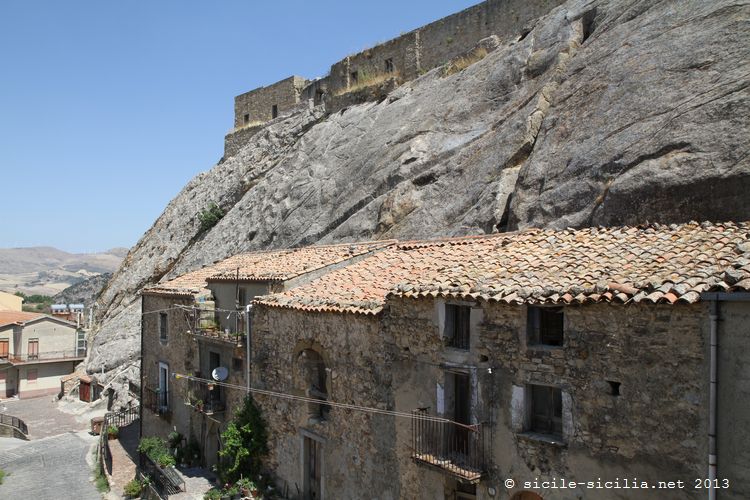
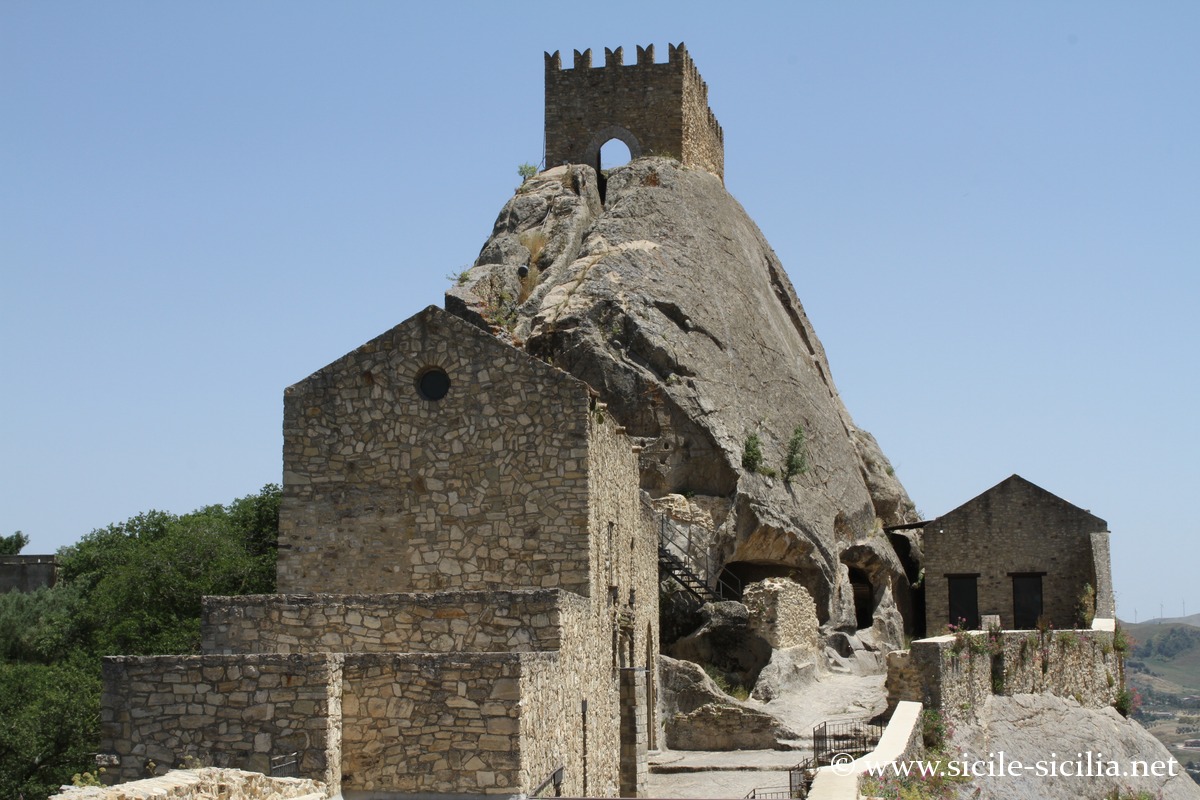
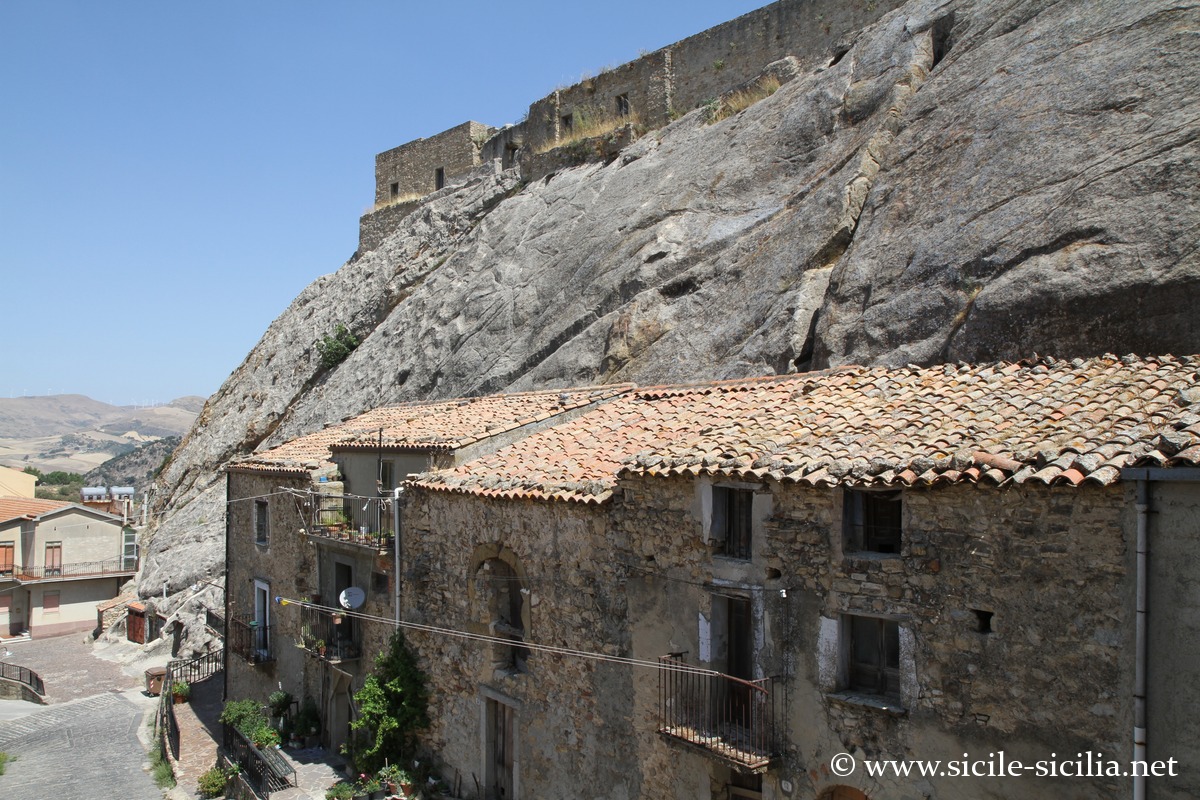
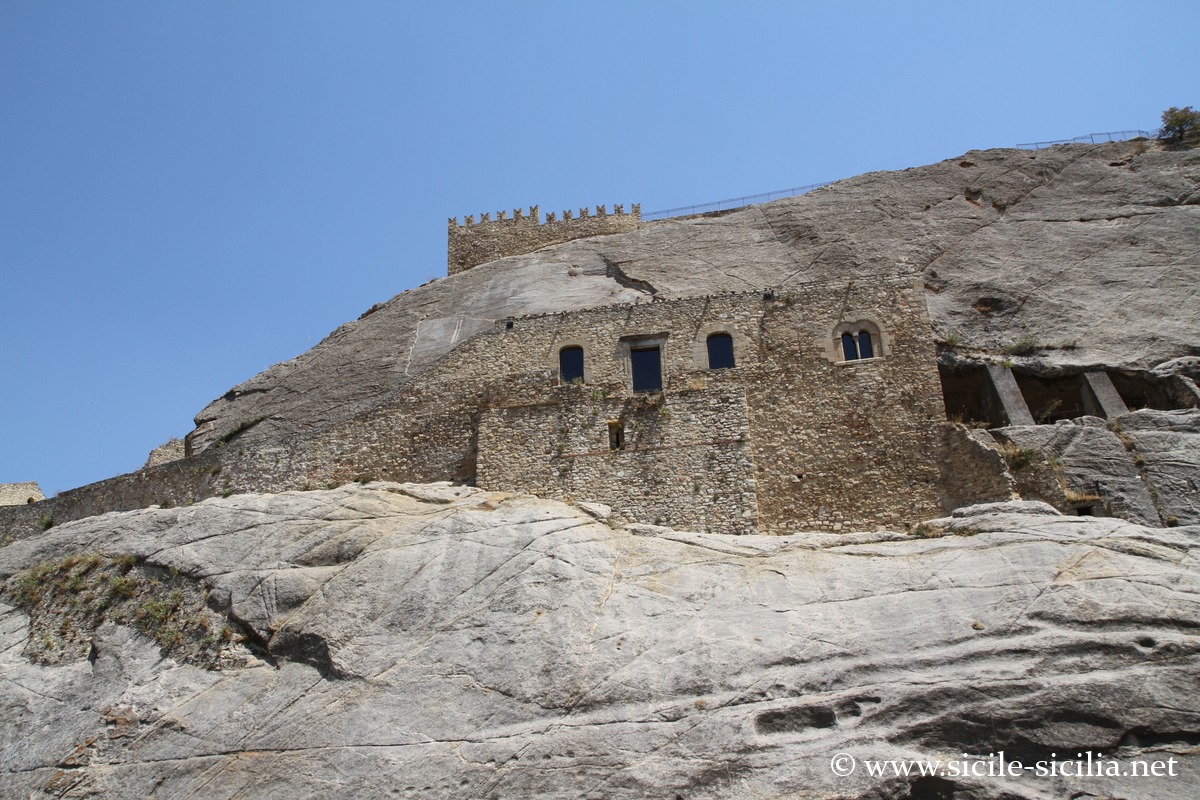
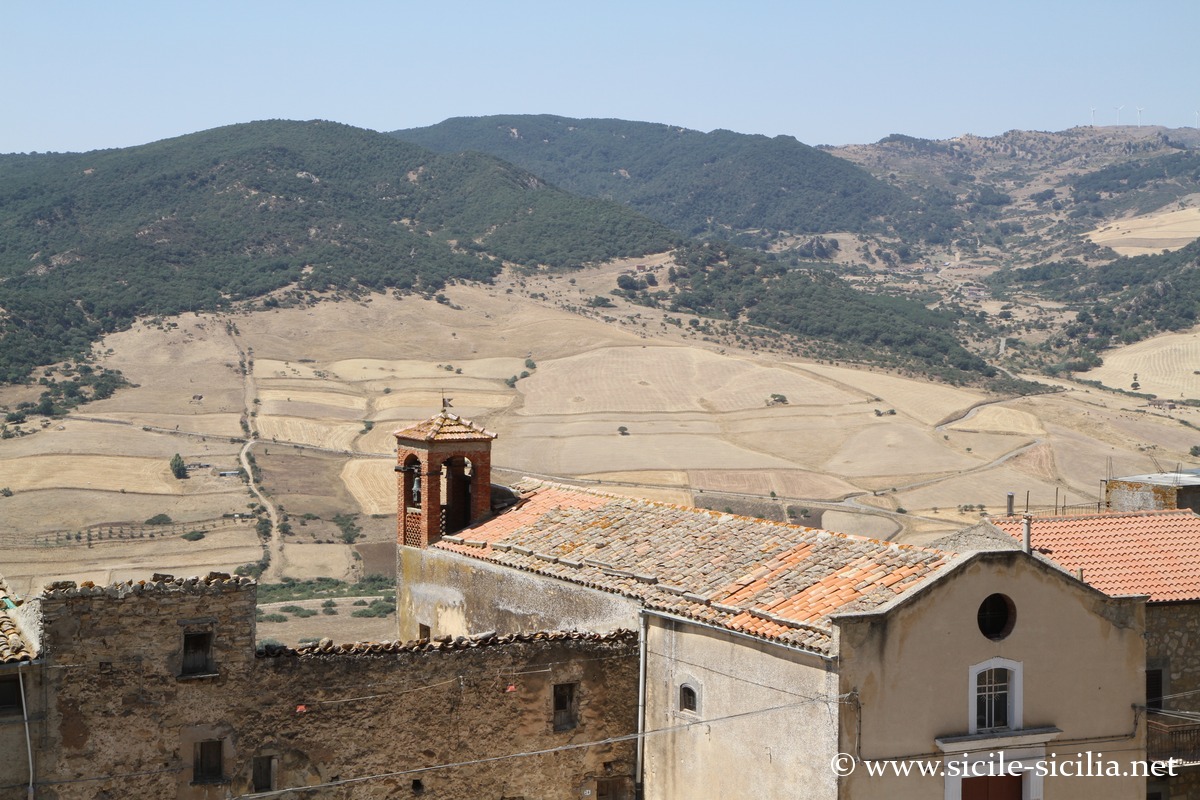
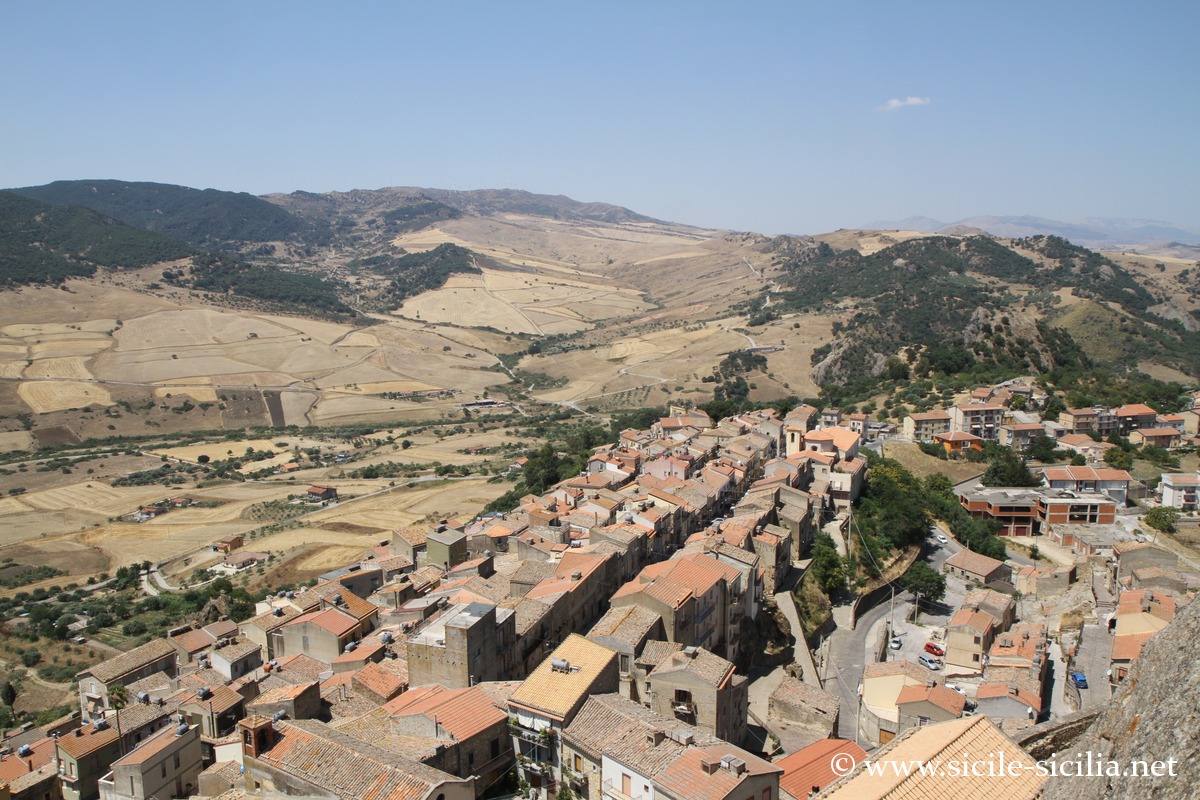
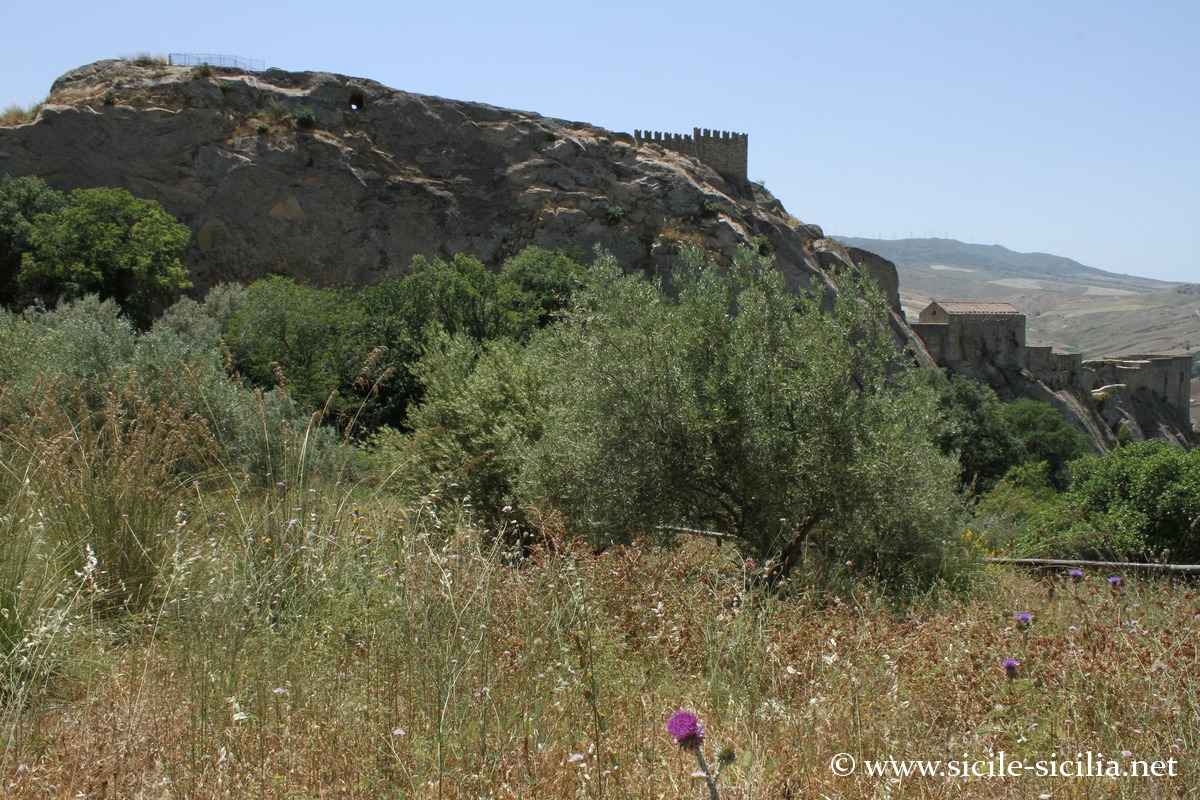
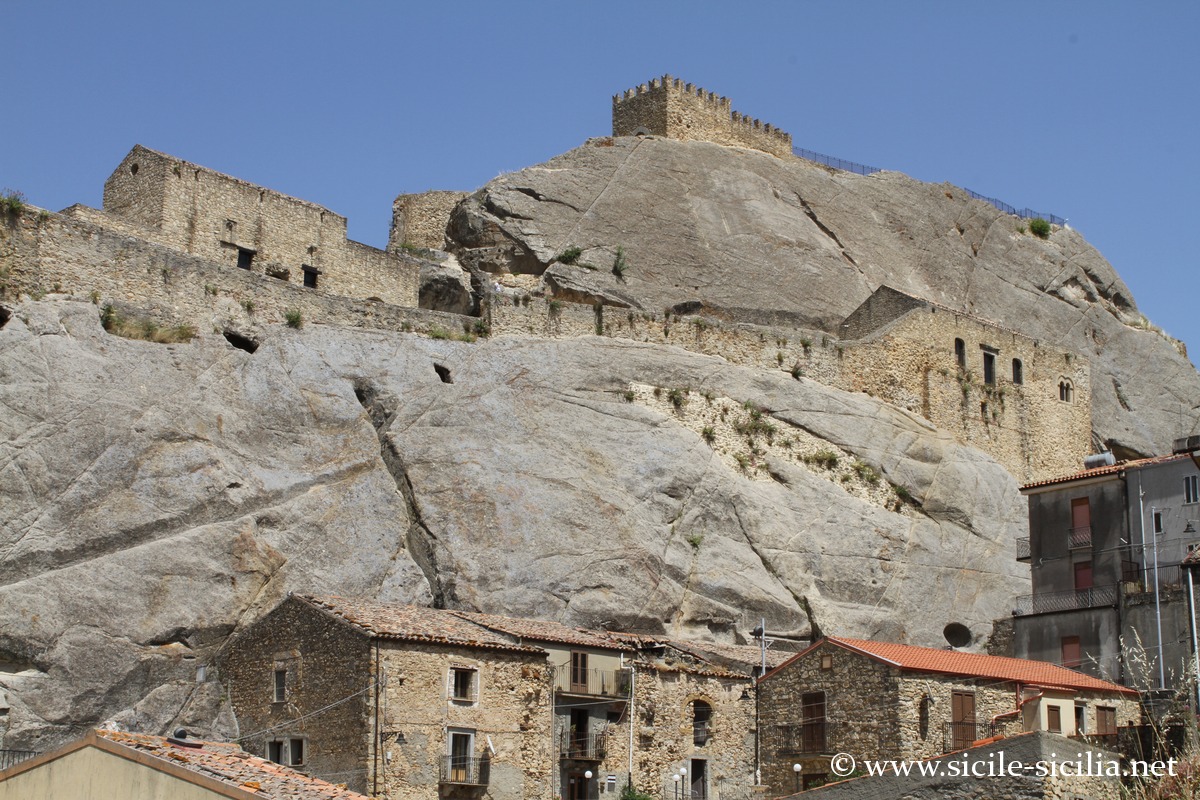
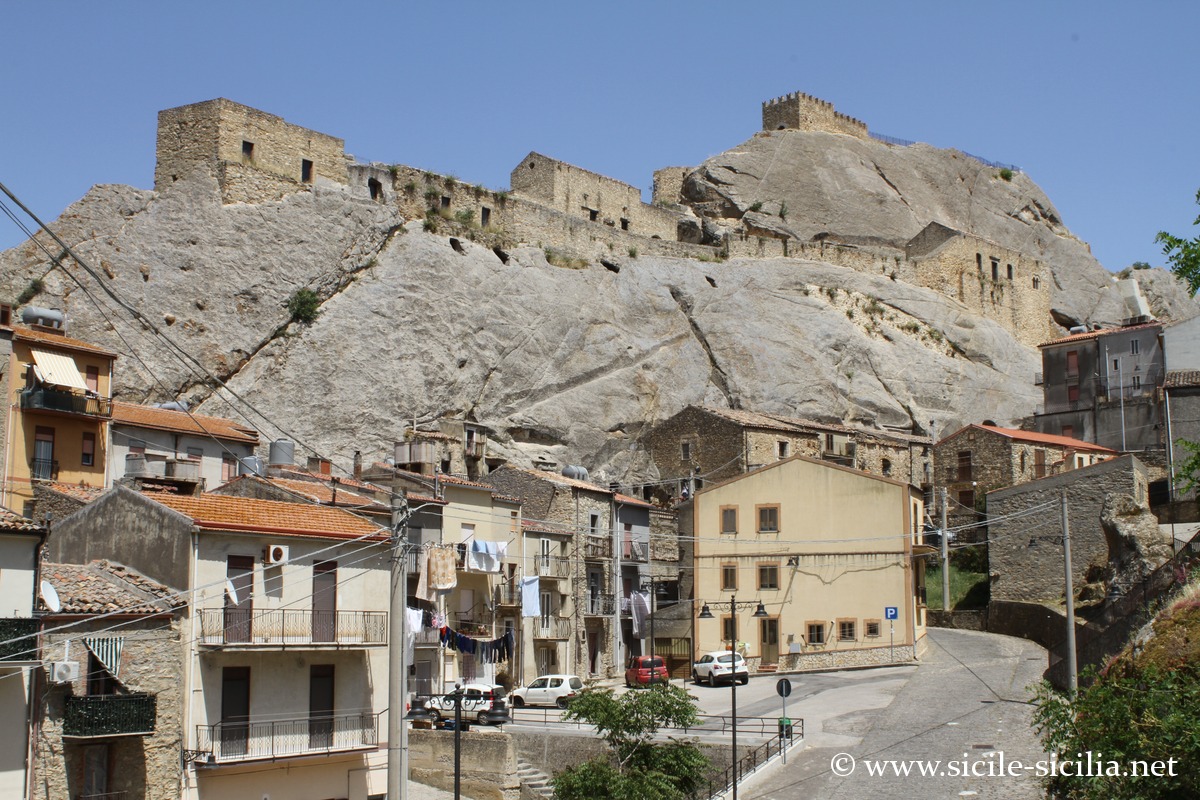
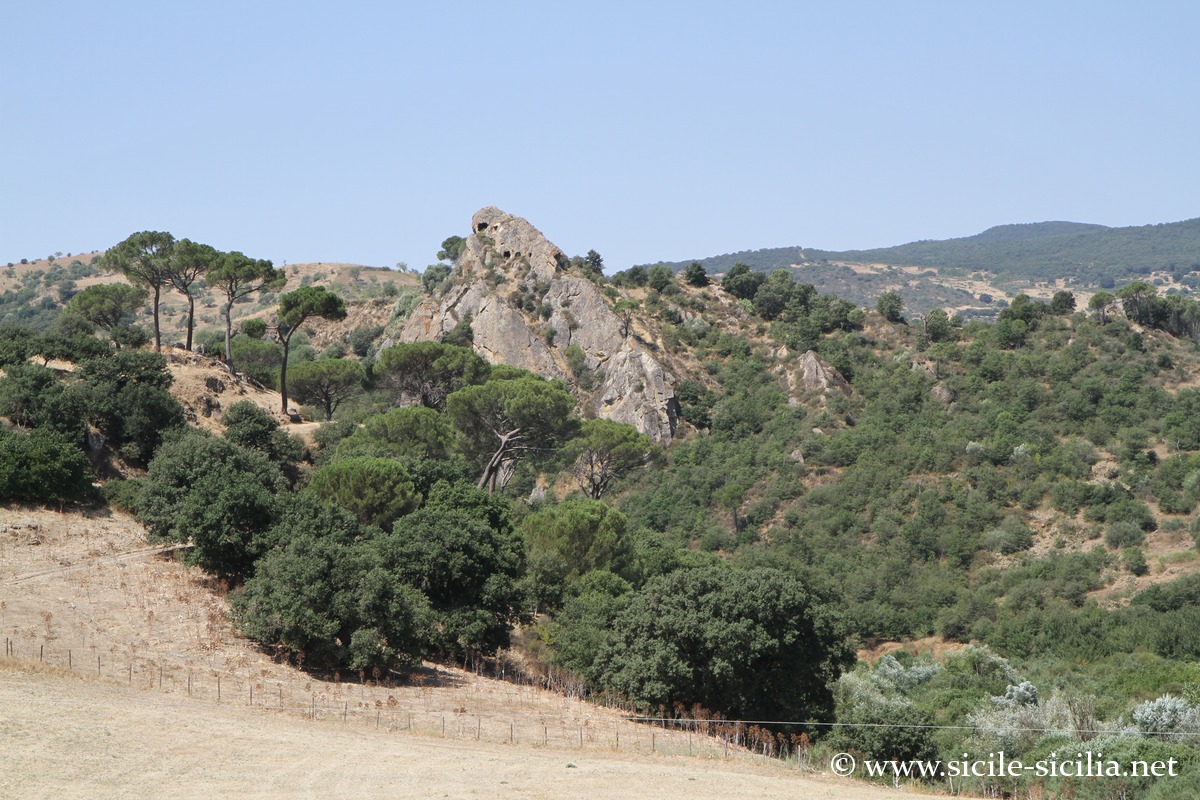
Sperlinga, a few kilometres from Nicosia, is a picturesque small town that stands out for its old castle half-carved into the rock that dominates the village. Listed among the association of “I Borghi più belli d’Italia”, it is a fascinating place that was probably already present in one form or another nearly 1000 years before our era in the time of the Sicels. Man may even have dug shelters there as early as prehistory.
The name “Sperlinga” derives from the Latin spelunca (cave), attesting to the importance of the natural and artificial cavities of the place.
The village hosts cultural events, including the Sagra del Tortone (around 16 August), celebrating a local speciality, as well as folk events linked to Sicilian traditions.
Historical elements
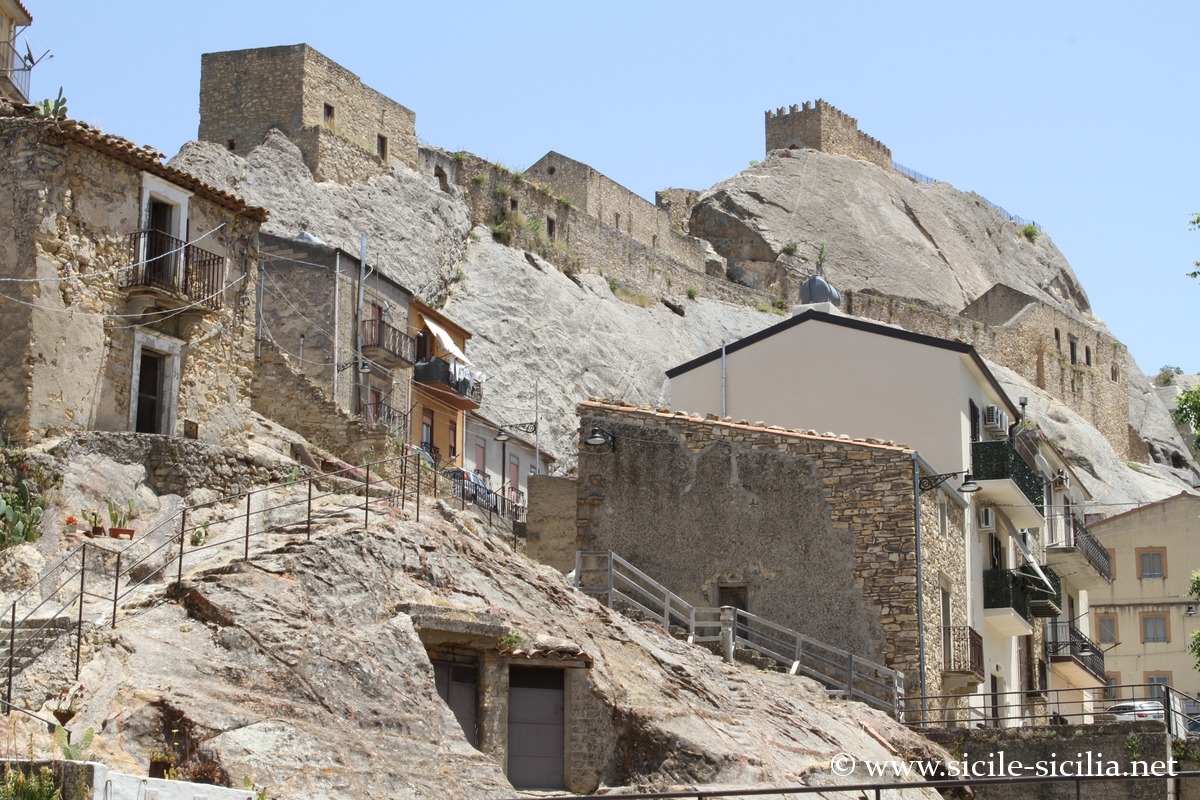
The castle of Sperlinga
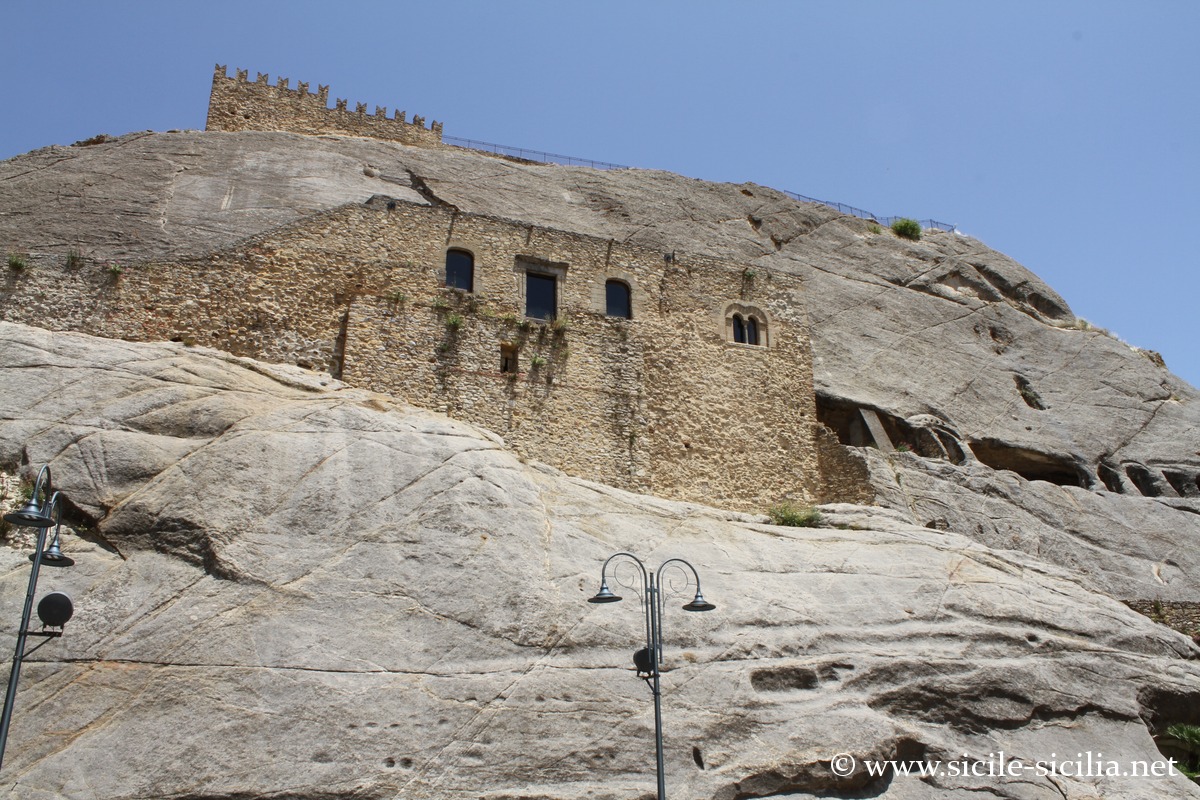
After the Saracen occupation, the rock of Sperlinga was mentioned in 1082 as a castrum in Norman documents, a stronghold whose castle construction was continued in the 12th century by the Normans.
In 1282, during the Sicilian Vespers when all of Sicily rose up against the Angevins, massacring them throughout the island, a French garrison resisted by occupying the castle for a year, before managing to flee.
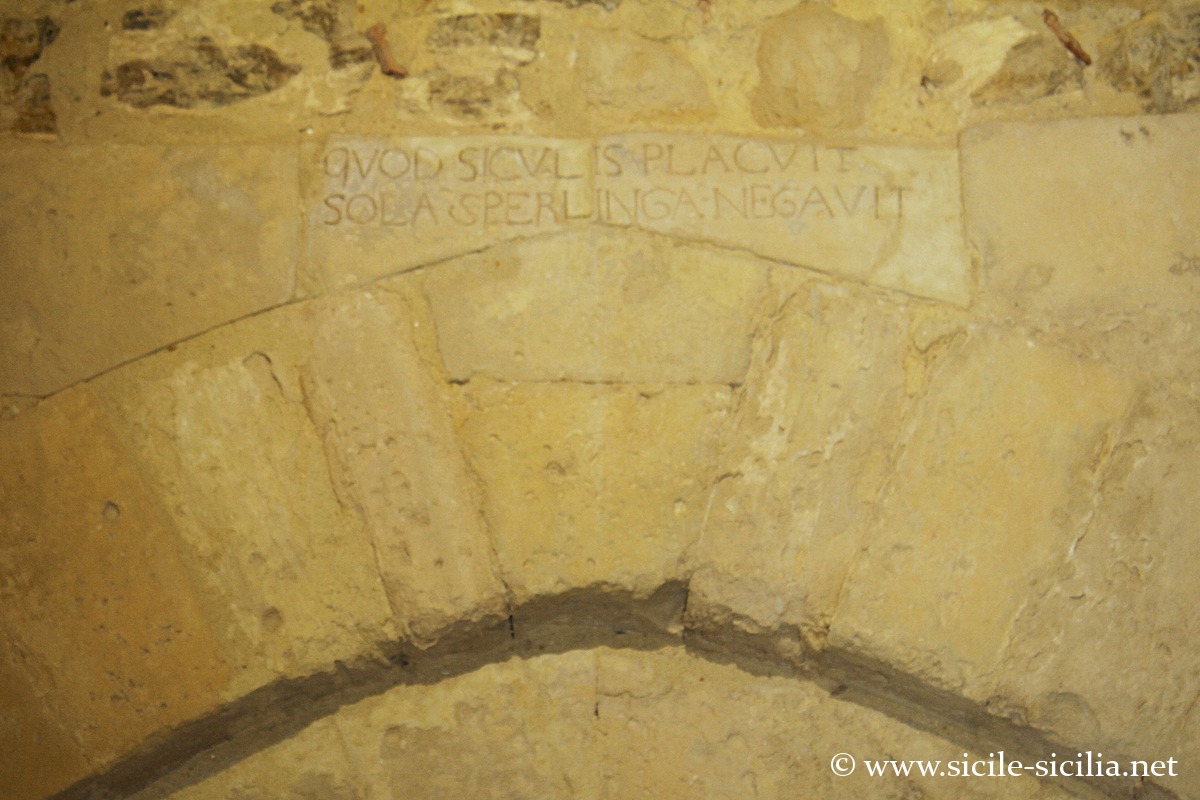
A posthumous inscription added in the 15th‑16th century is engraved above the entrance: “Quod Siculis placuit, sola Sperlinga negavit“, recalling the event, literally “what pleased the Sicilians, only Sperlinga refused”. It symbolises the fortress’s loyalty to the Angevins, while most Sicilian towns revolted.
The estate of Sperlinga changed over the centuries between great noble families such as the Ventimiglia, Natoli and Oneto. To the latter family was conferred the title of duke in the 17th century.
Castle and town of Sperlinga
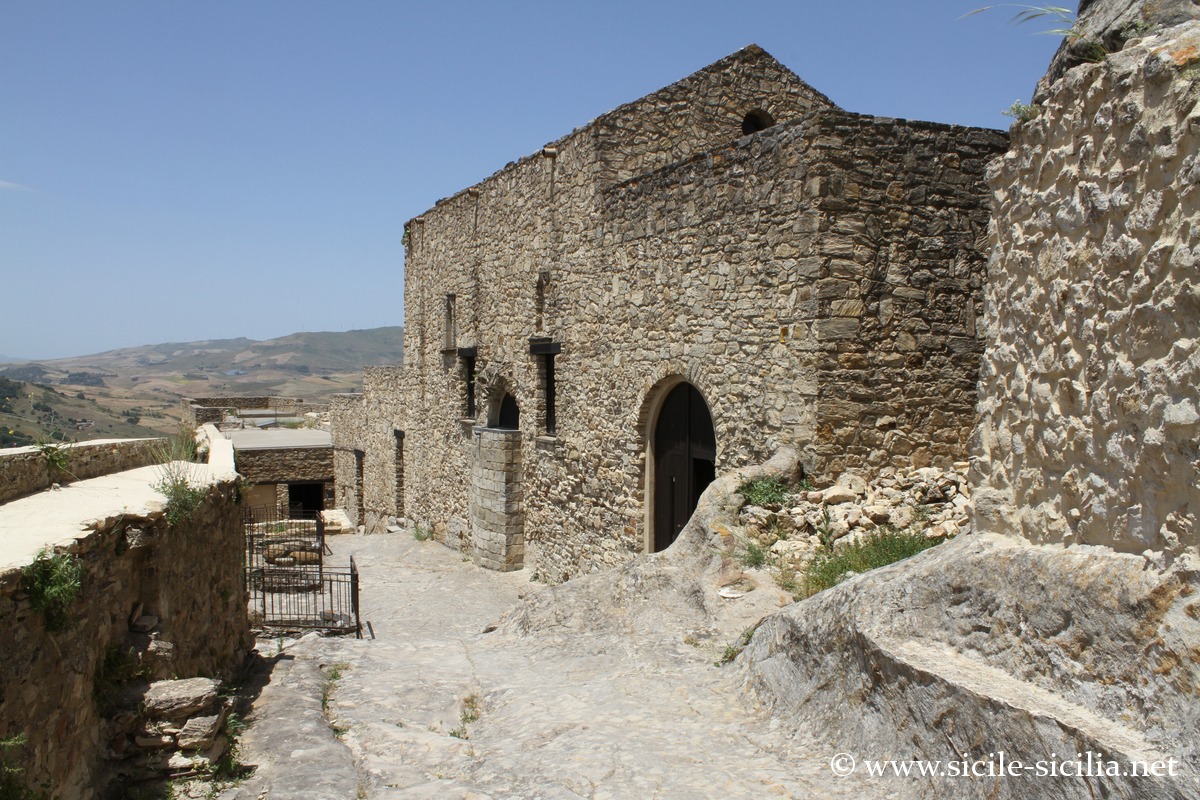
Castle of Sperlinga
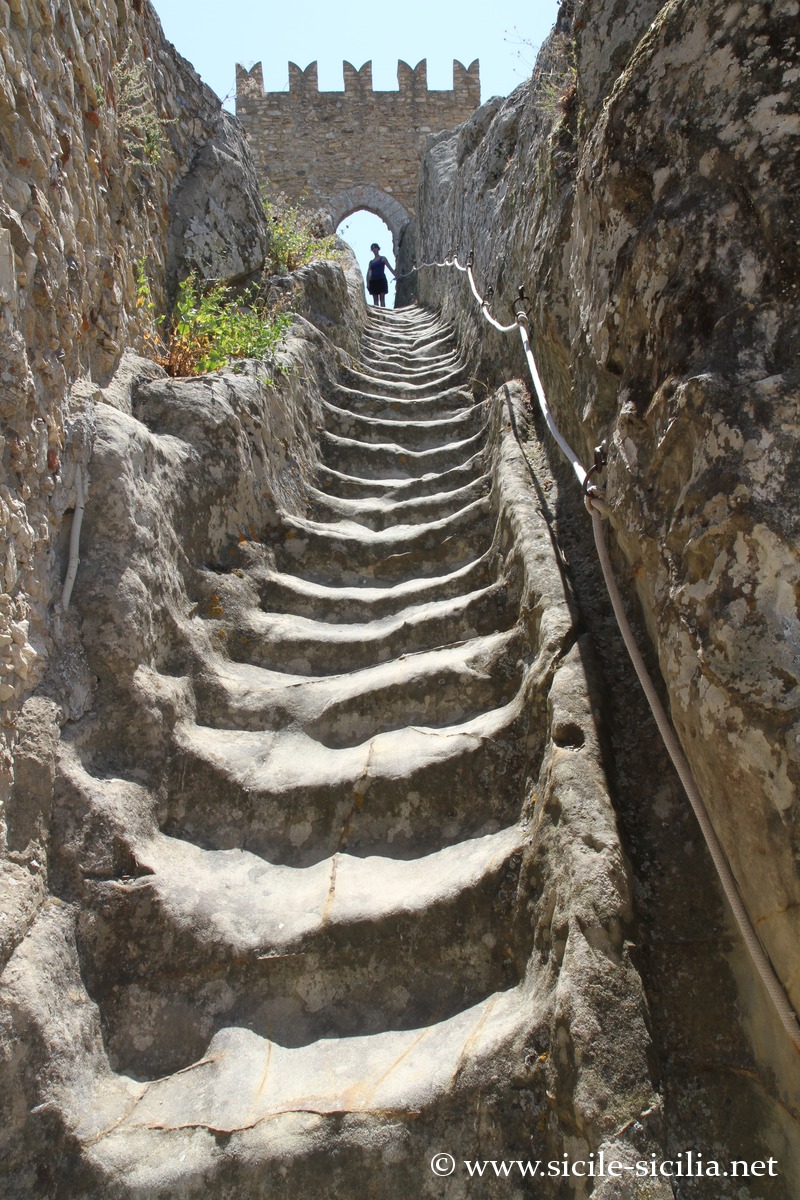
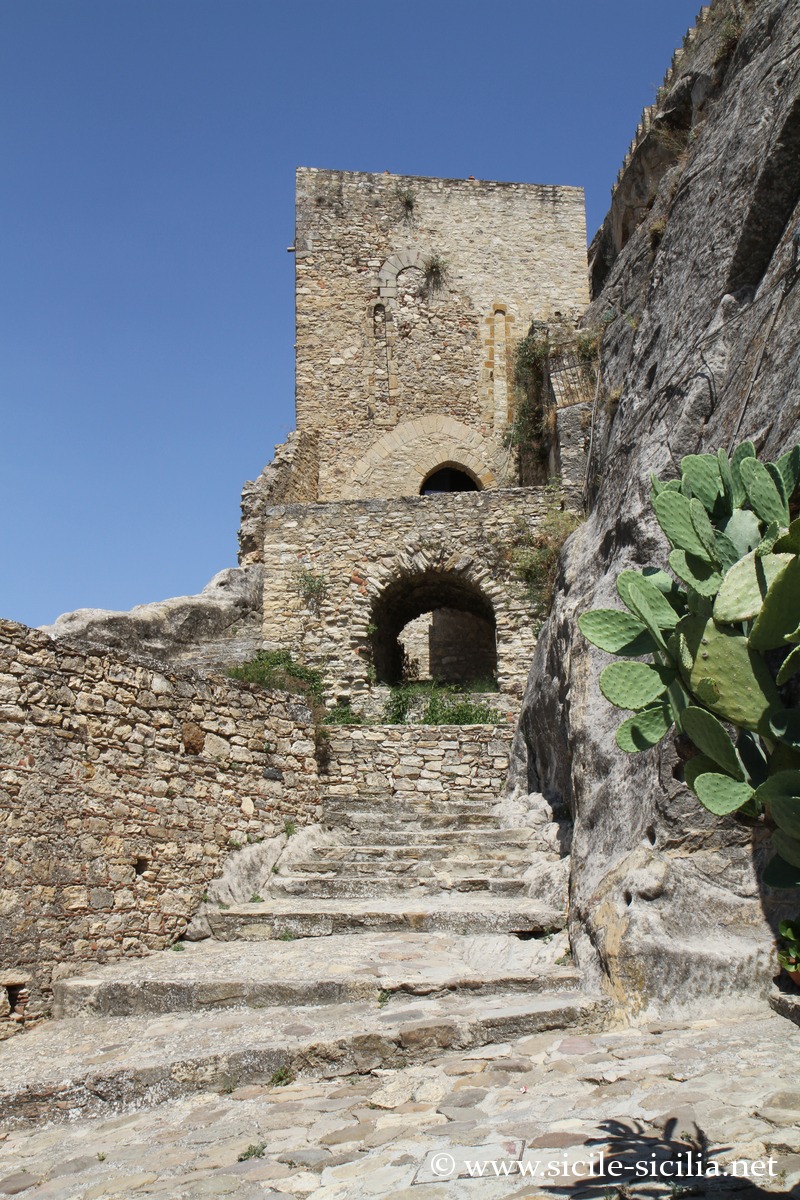
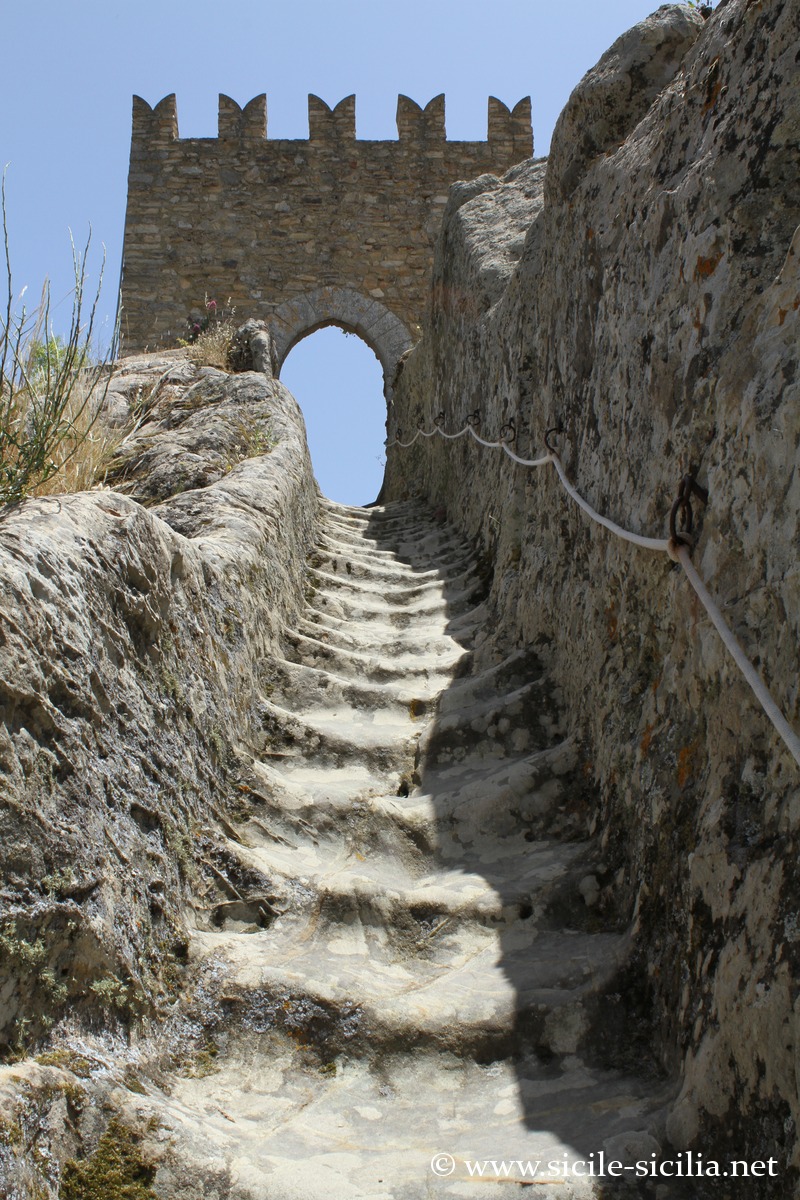
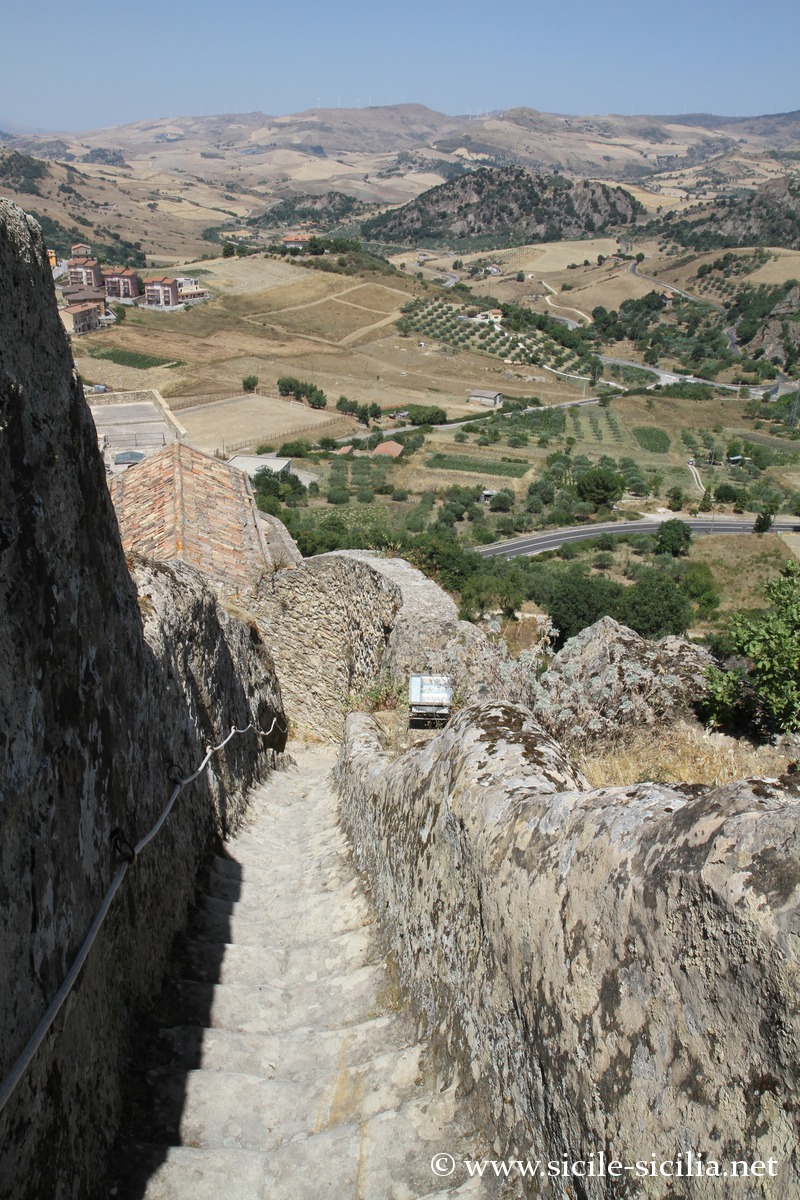
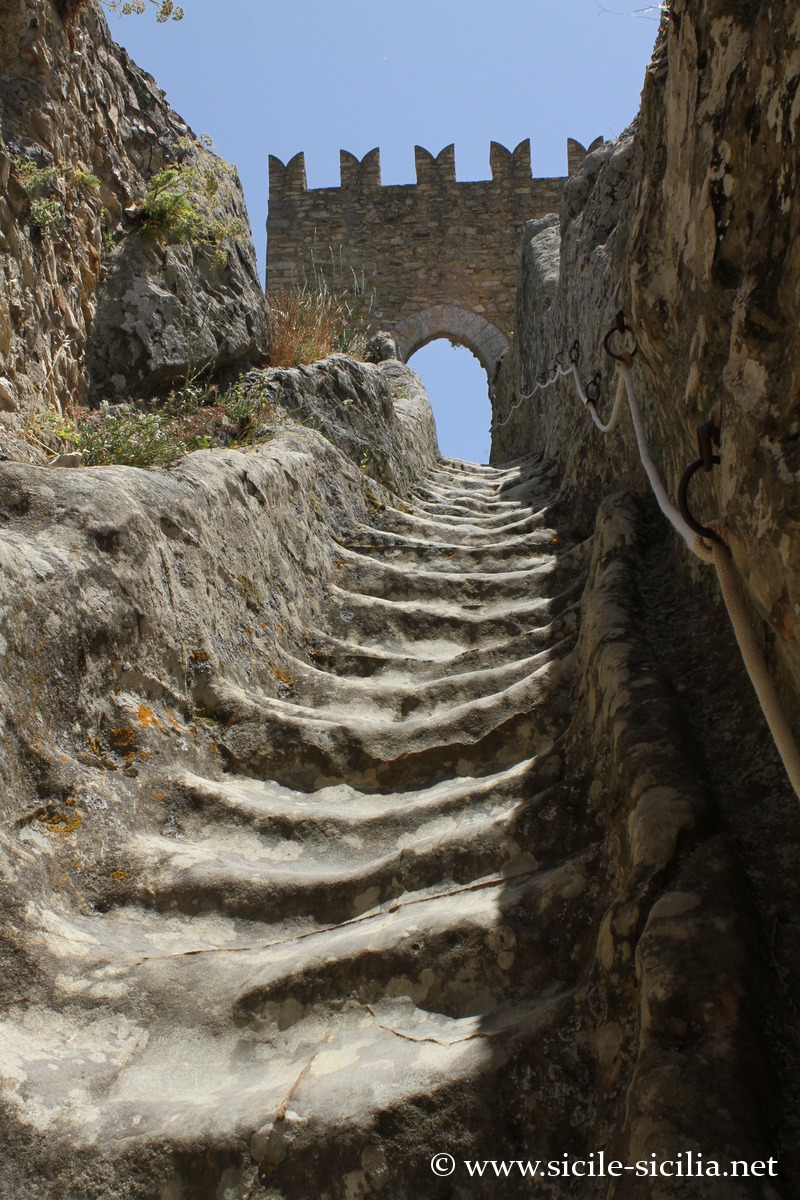
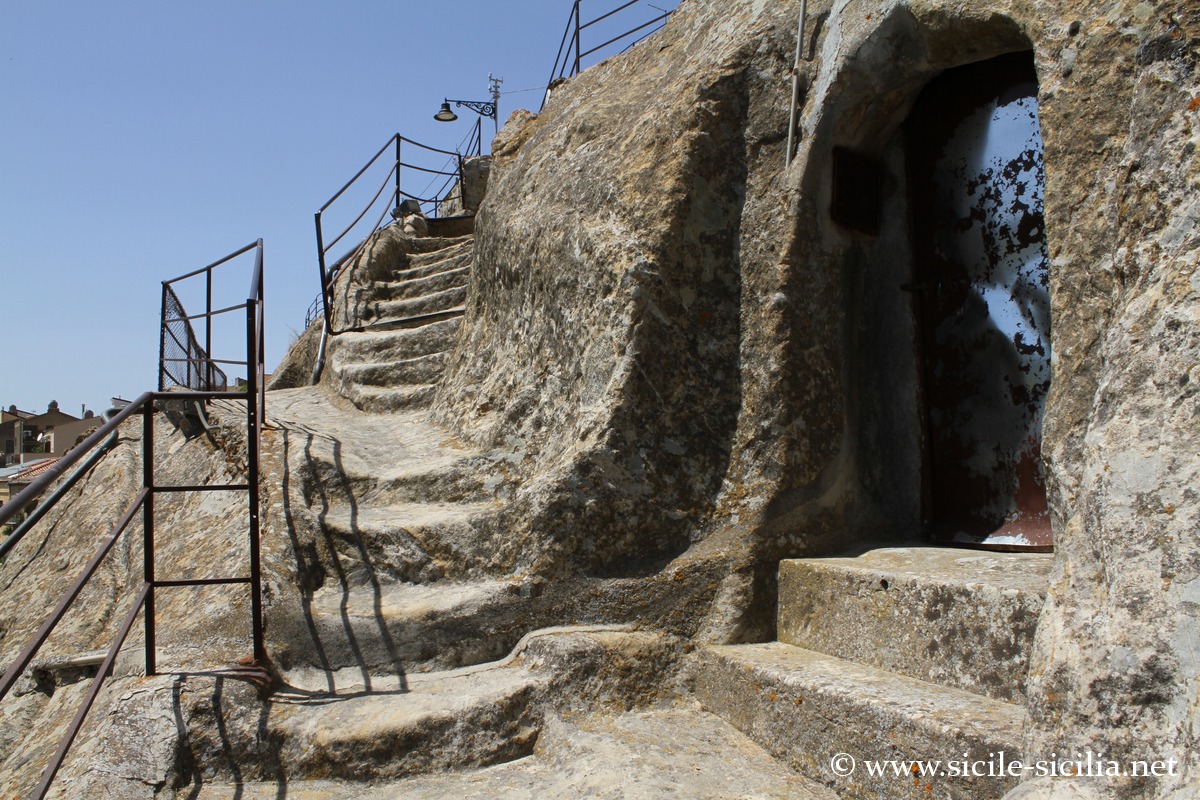
Castle staircase
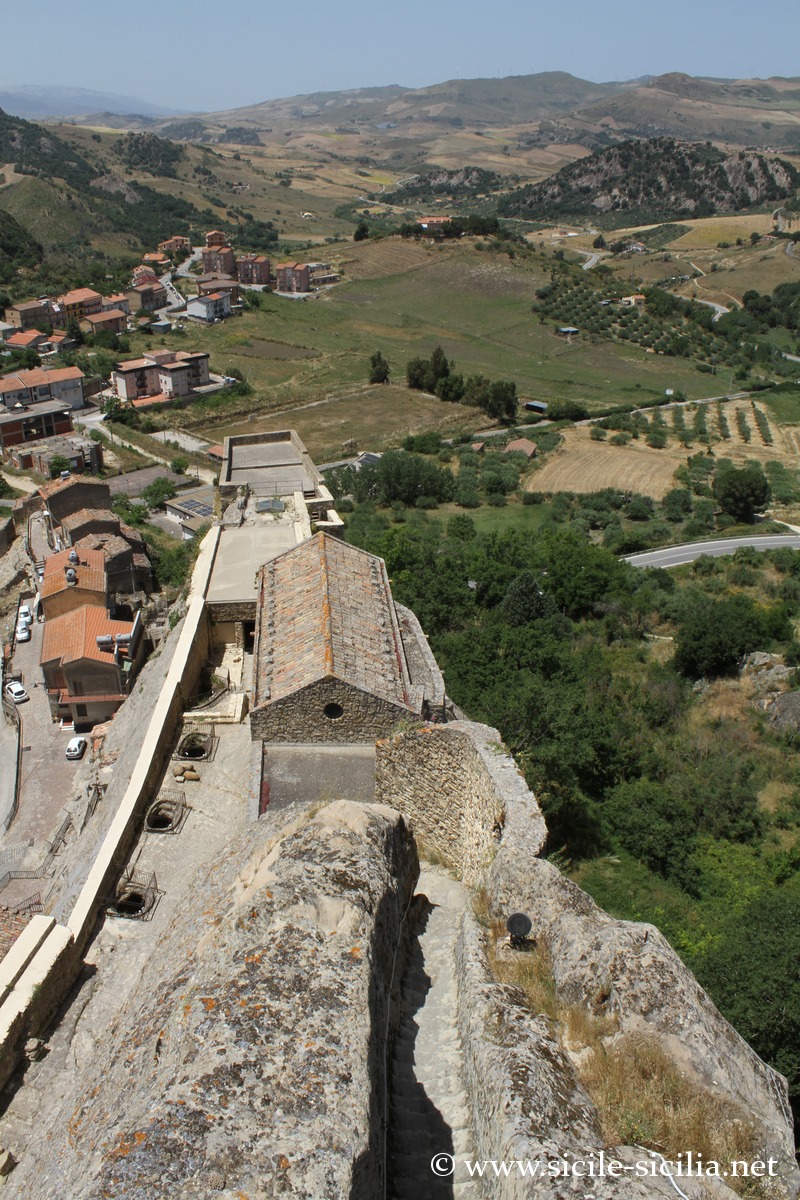
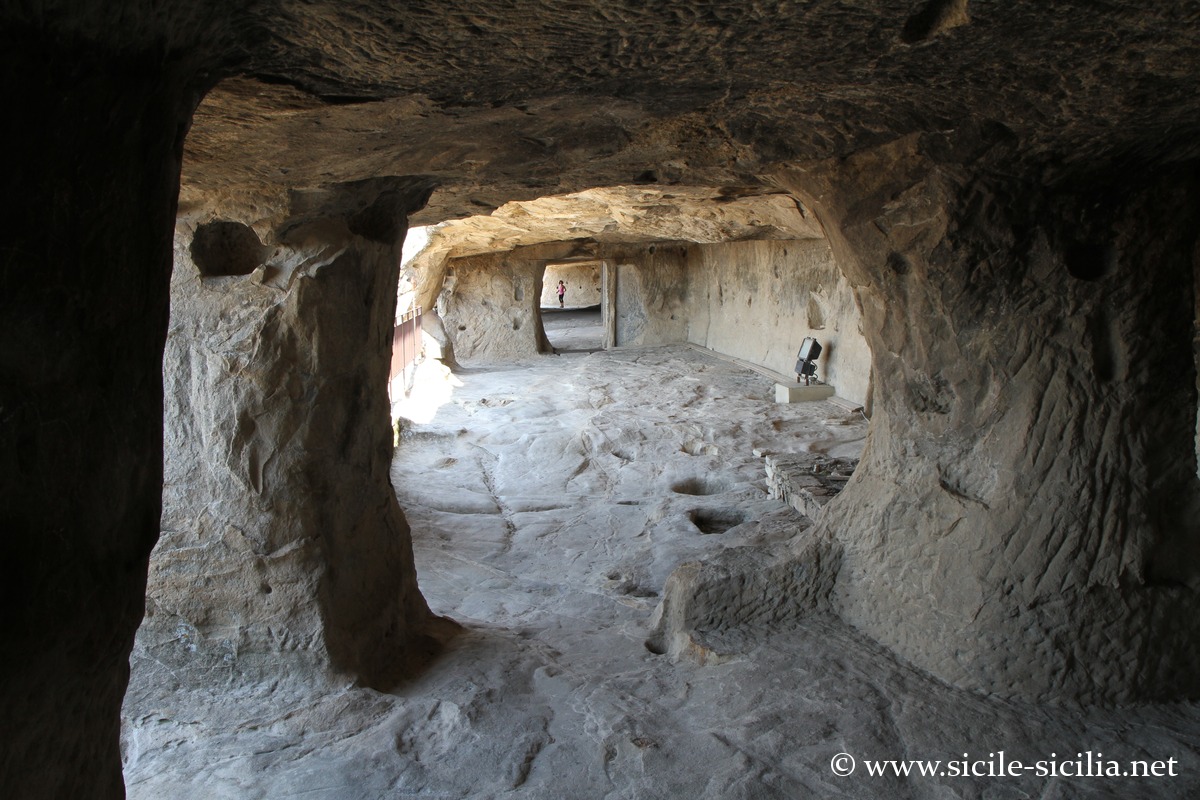
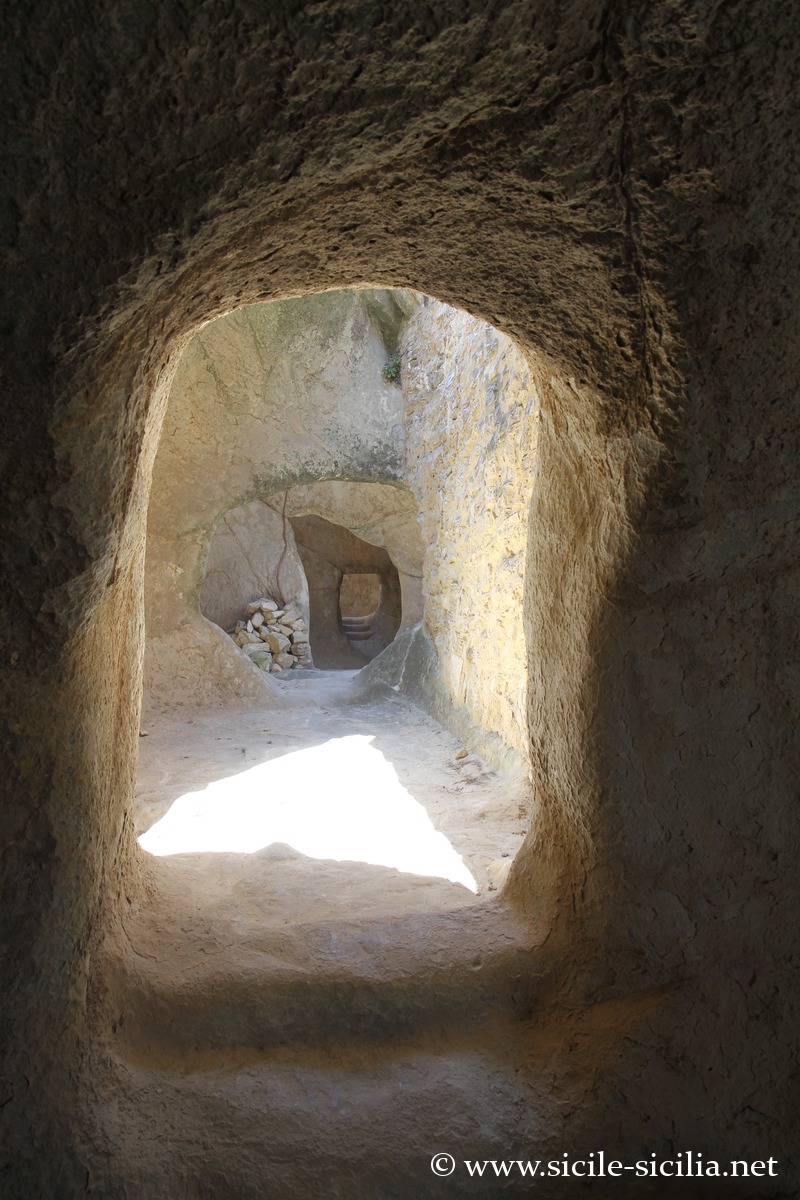
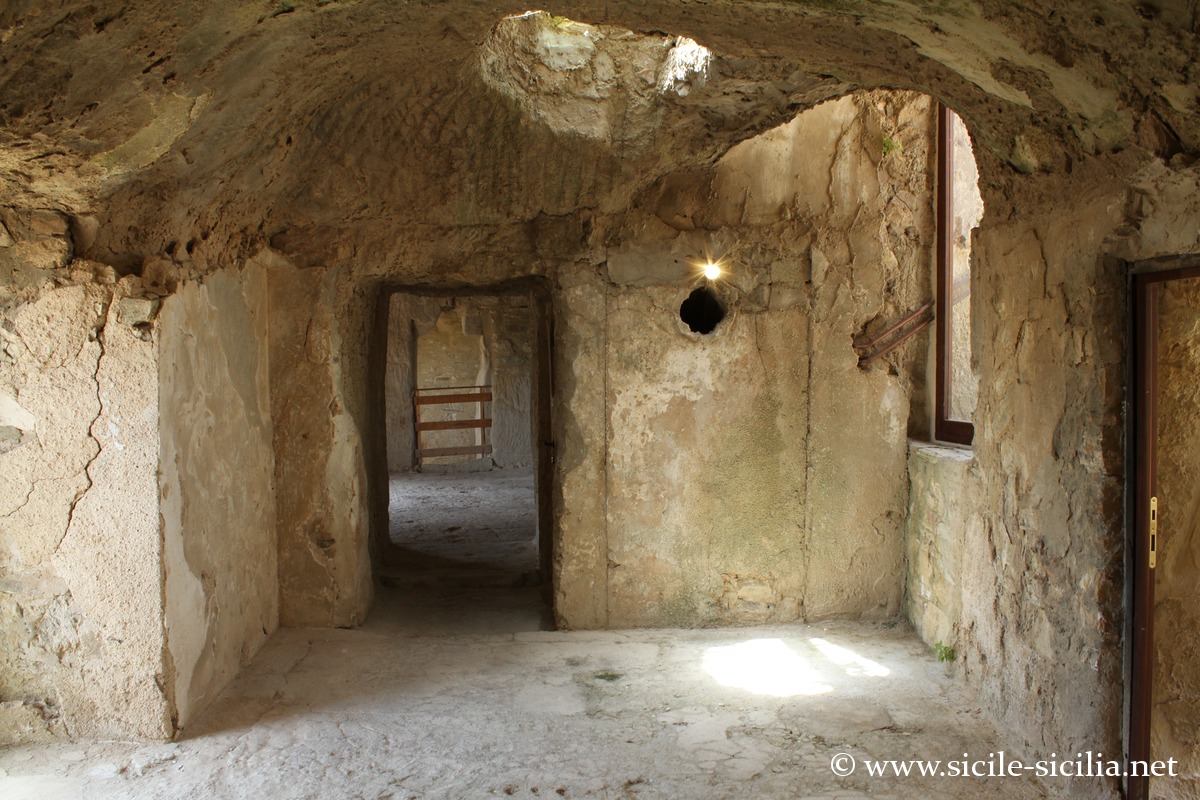
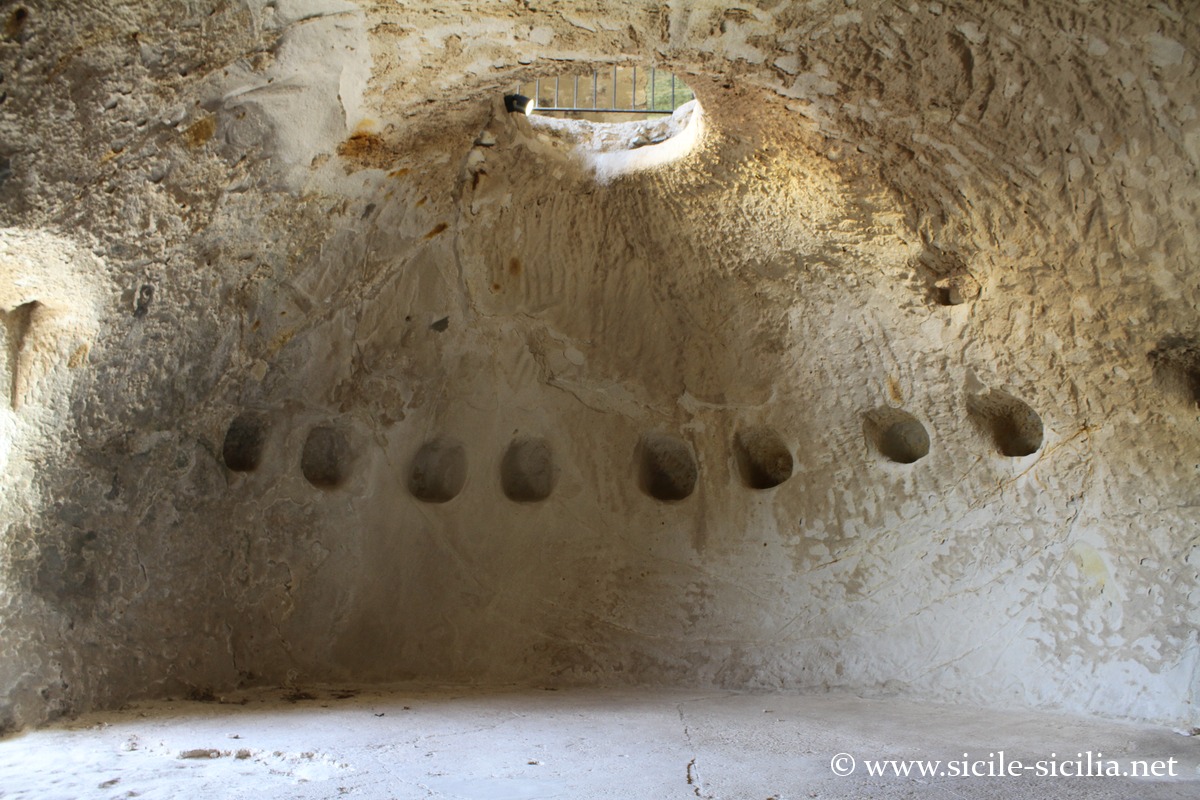
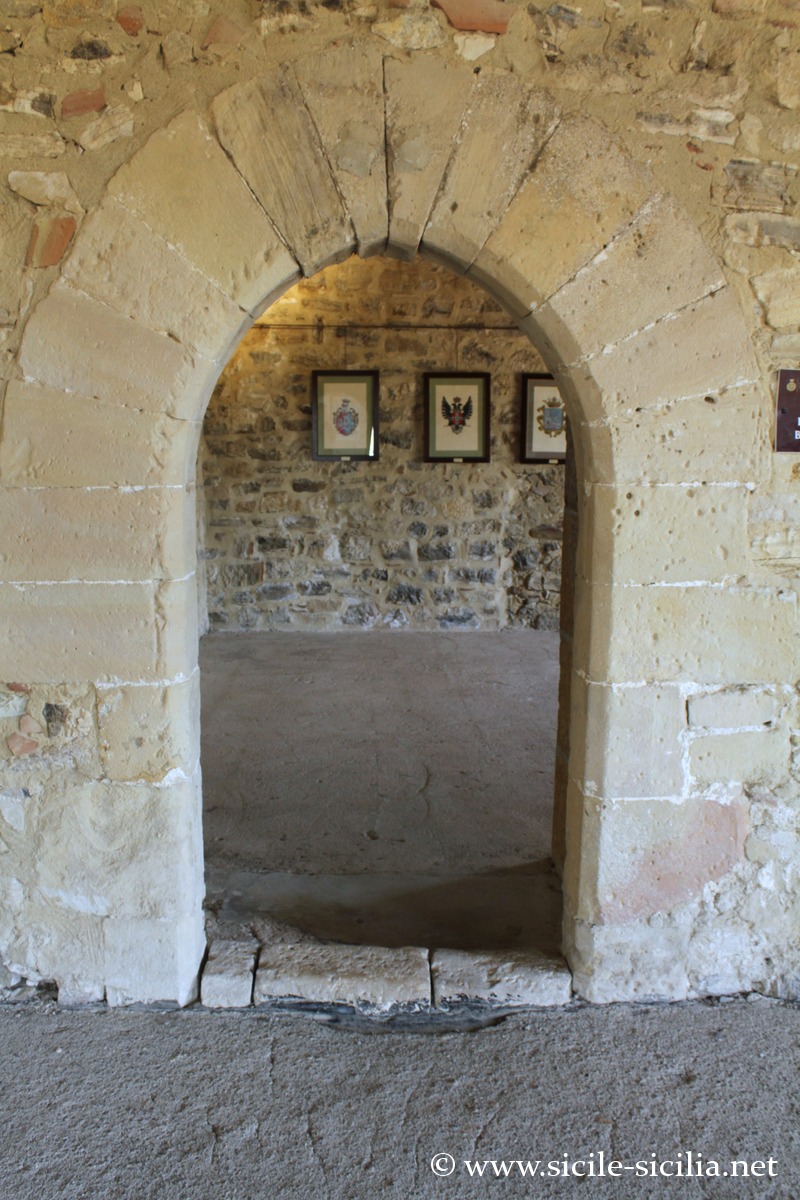
In the current remains of the castle of Sperlinga there are many rooms, whose functions evolved over time, becoming stables, workshops, prisons, water reservoirs or warehouses. A curious circular room has twelve small niches carved into the wall, with a progressive spacing between them. Some see in it a place of worship, others a kind of calendar.
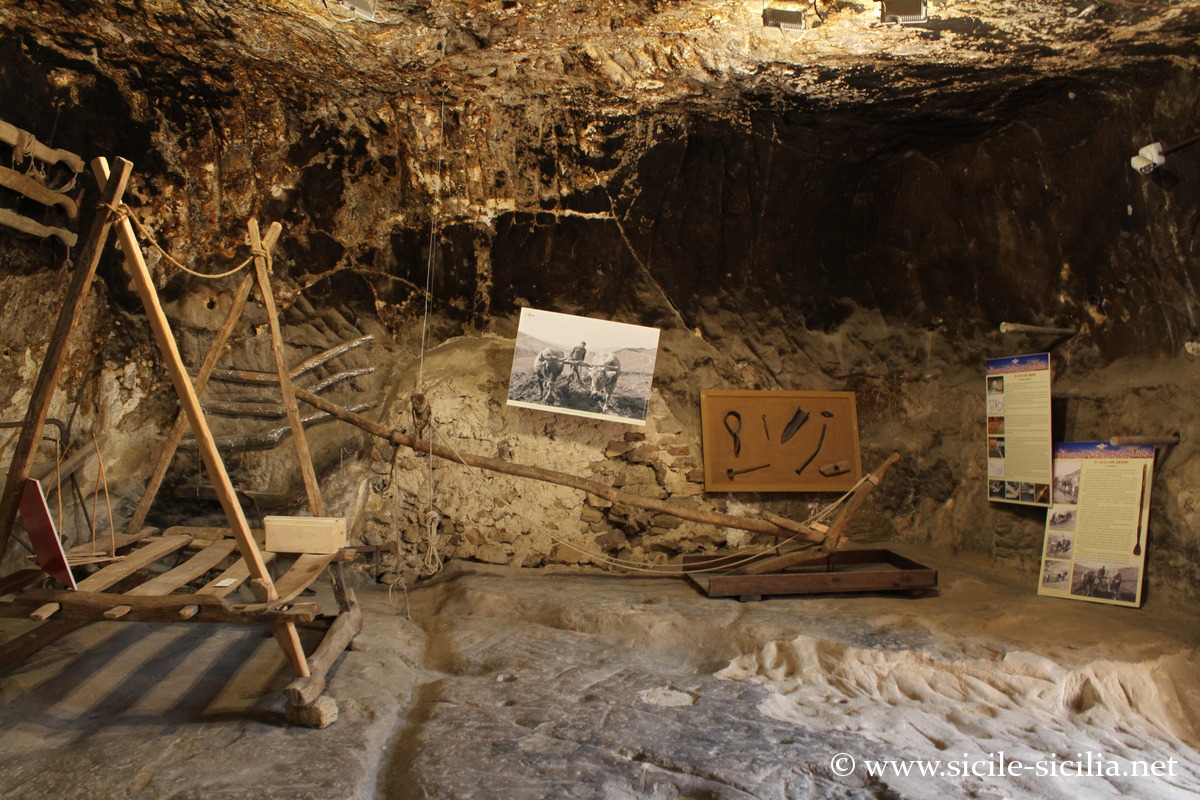
At the foot of the castle, the small ethno-anthropological museum of the Museo della Civiltà Contadina is set up in a rock cave. It exhibits remains of traditional Sicilian peasant culture and ancient local traditions, with tools, harnesses, agricultural equipment, etc.
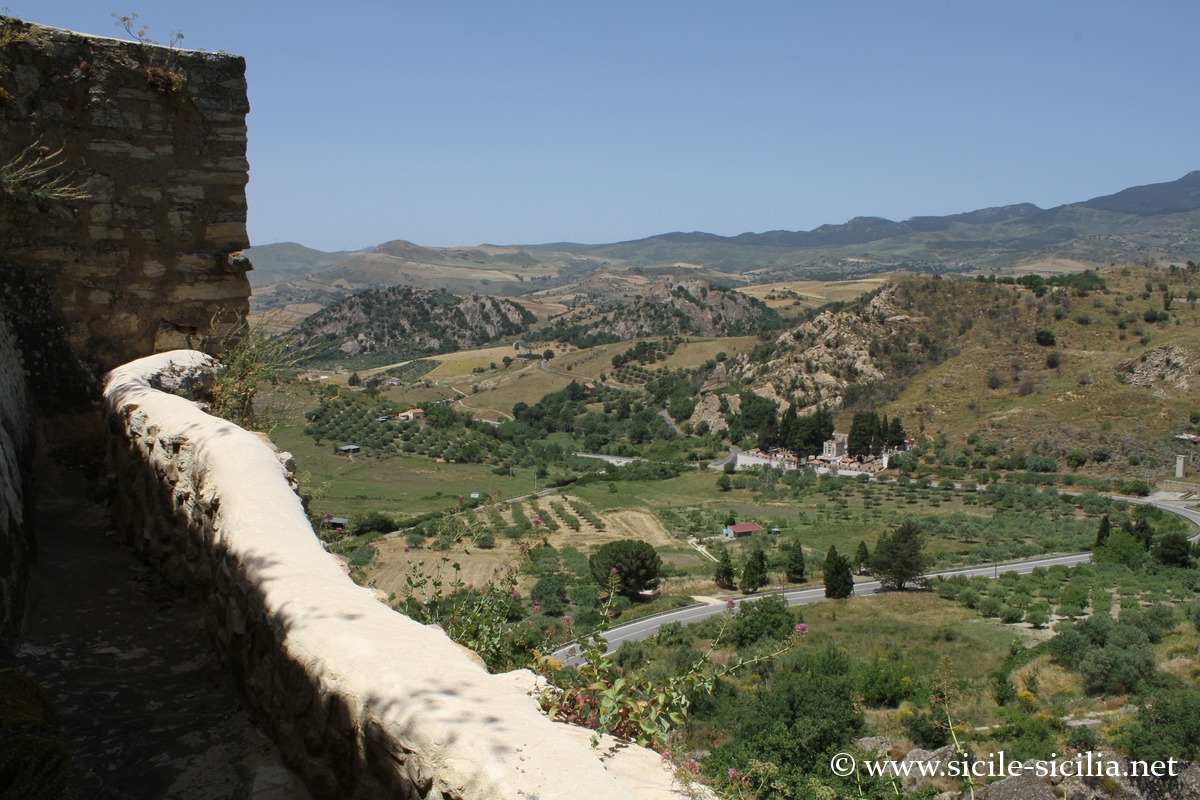
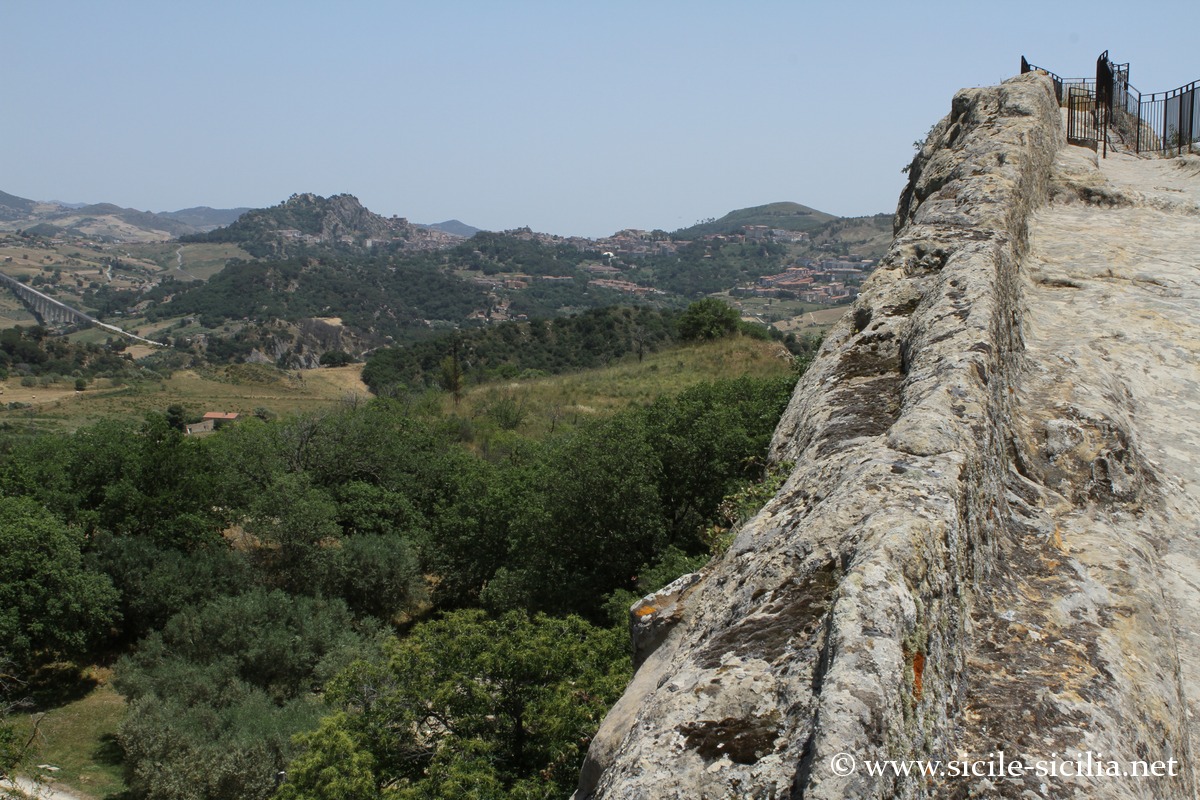
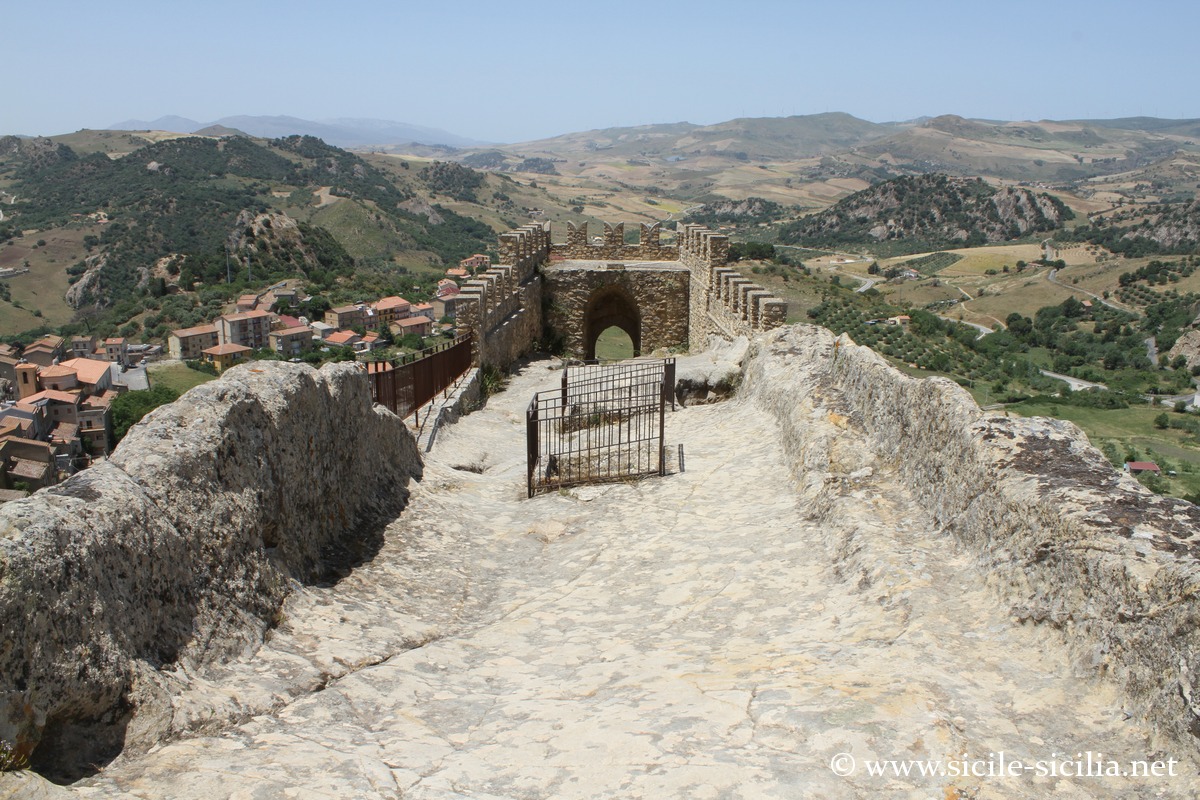
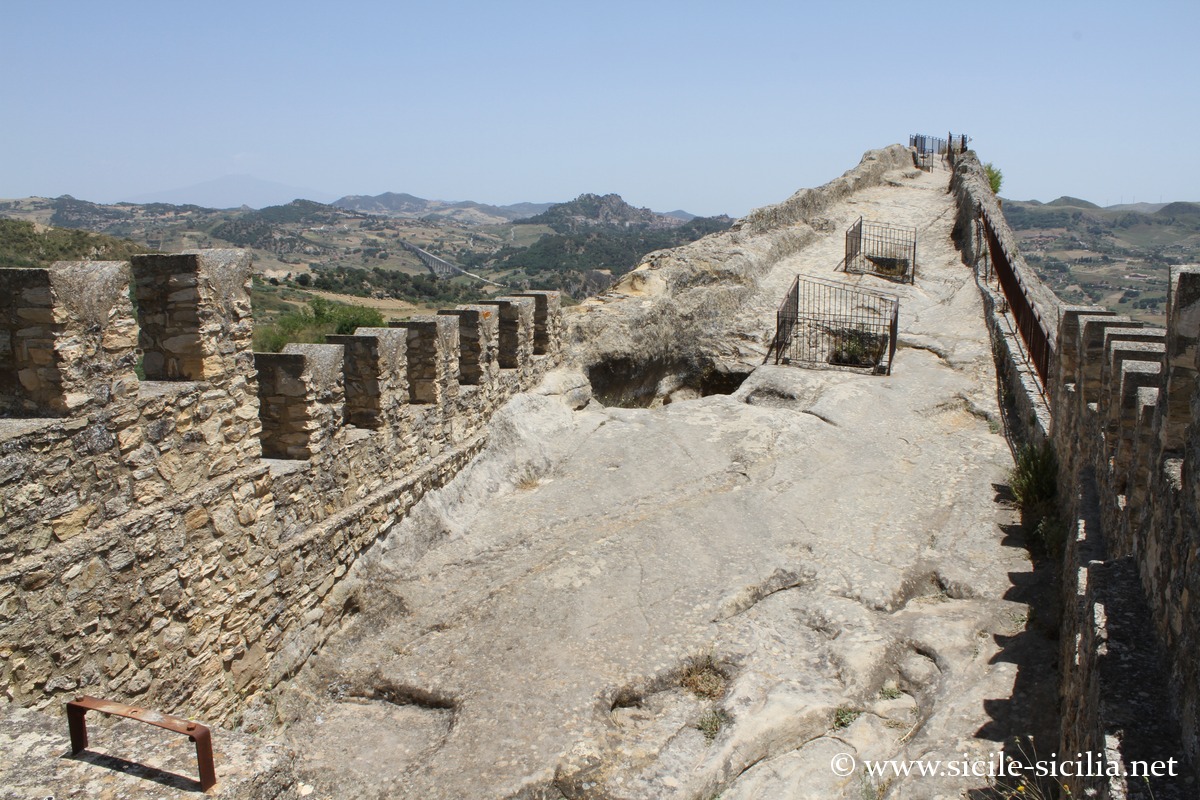
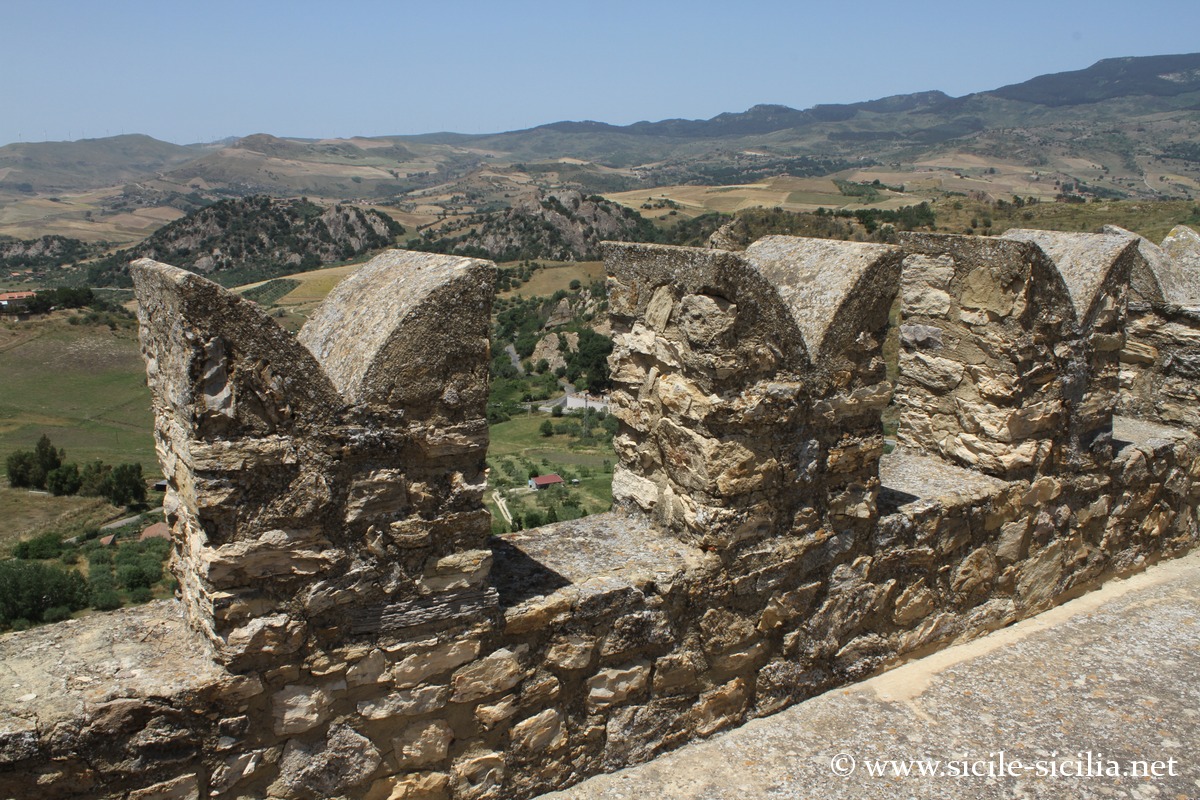
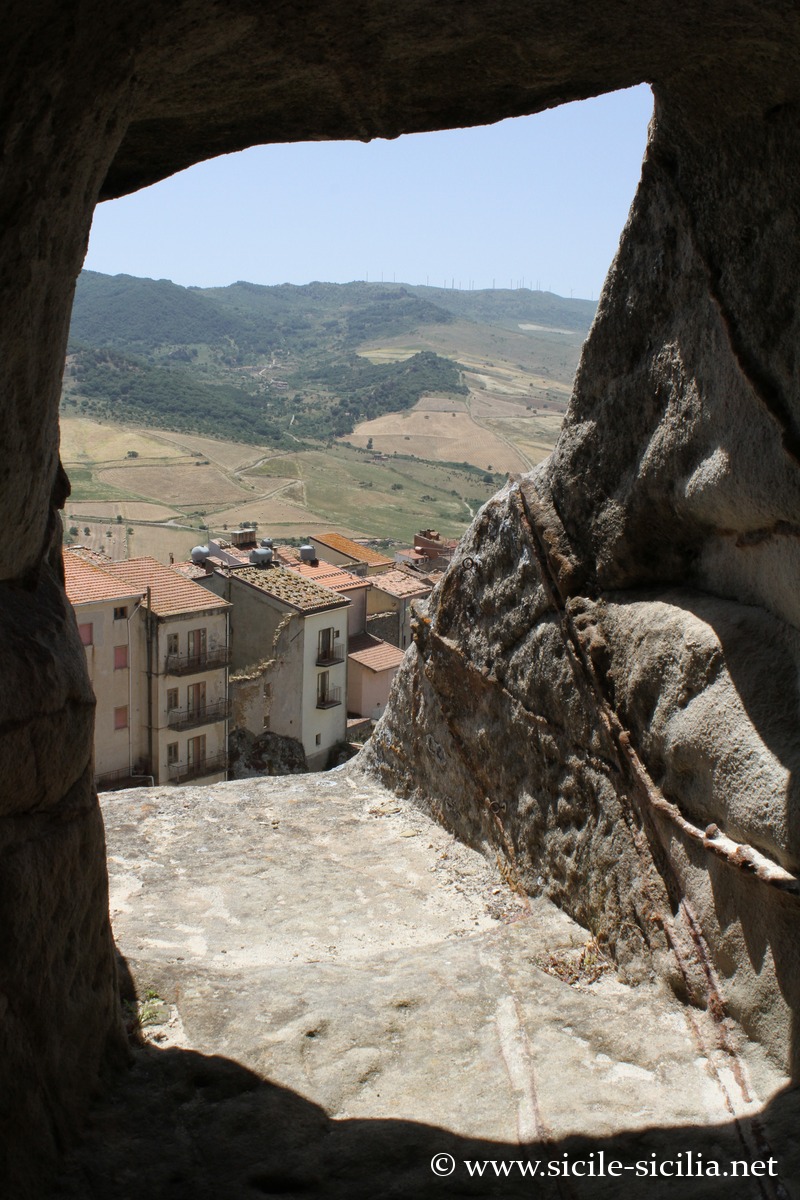
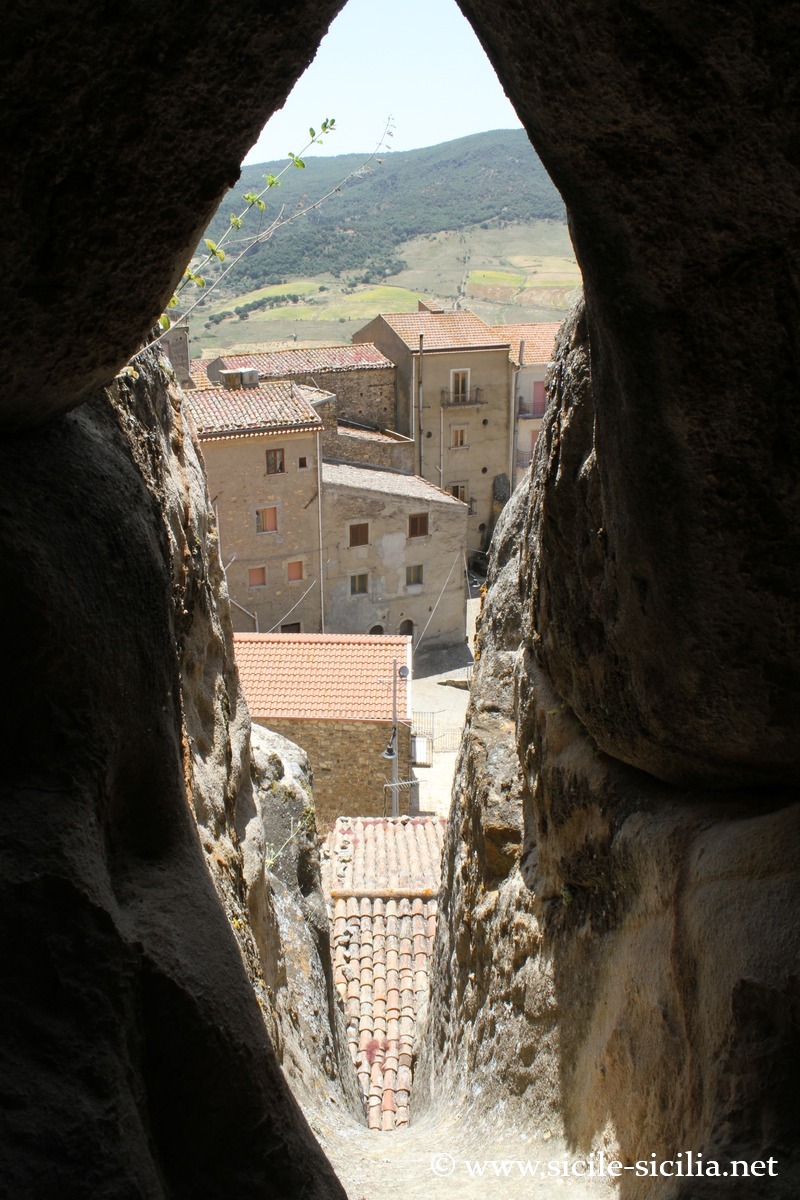
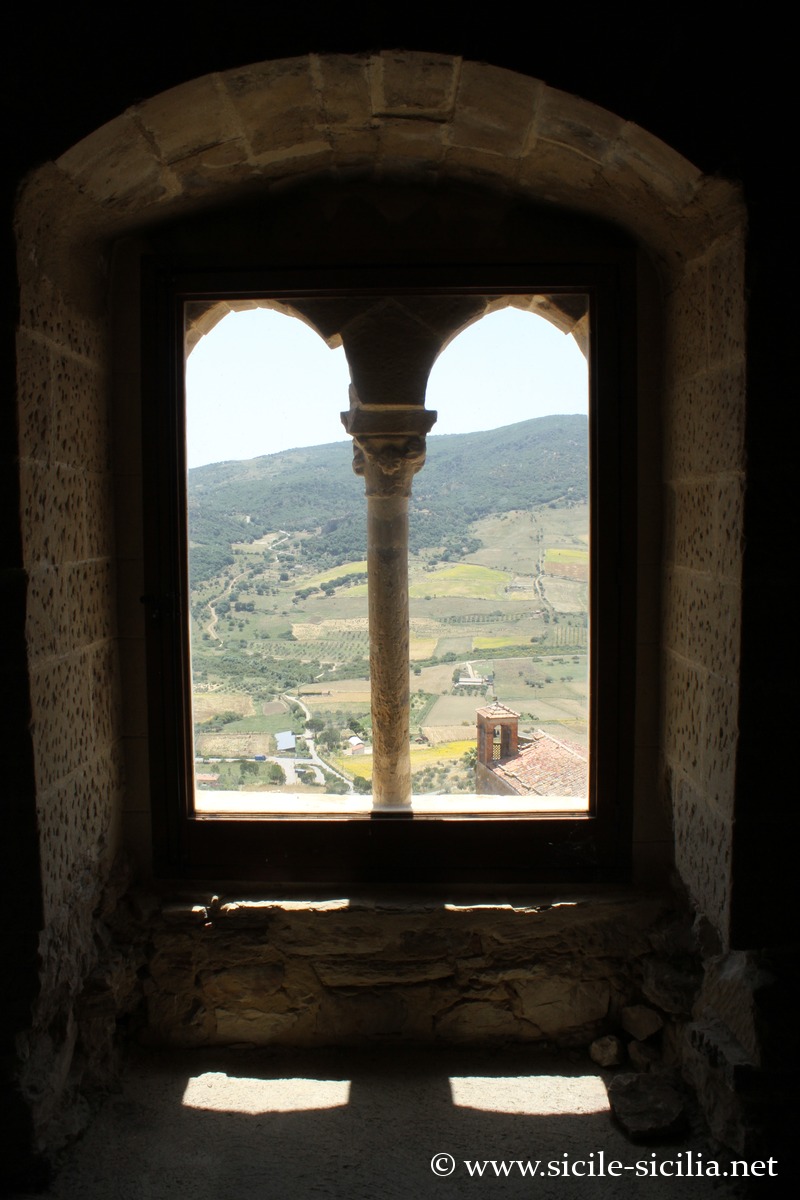
Steep staircases carved into the rock lead to the tower, with its terrace protected by medieval battlements, from which one enjoys beautiful views of the surroundings, the Nebrodi and Madonie ranges.
Rock village
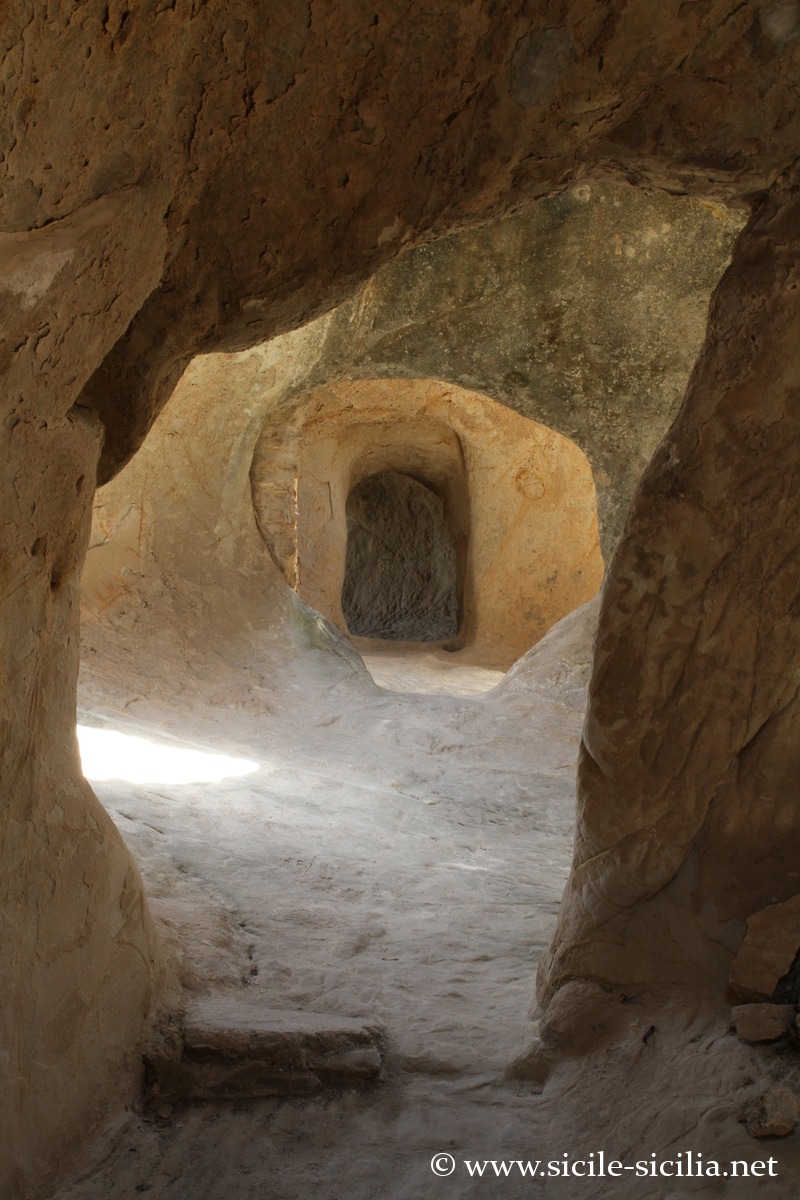
Rock interiors of the castle
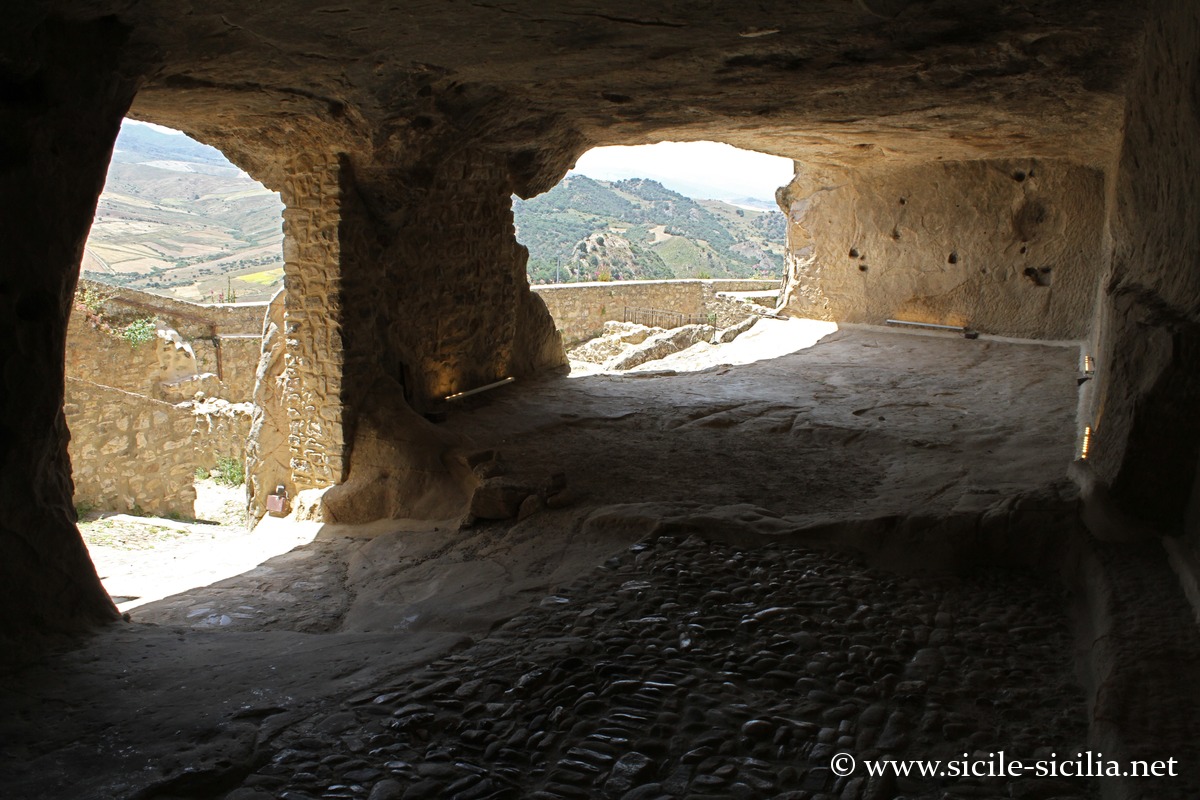
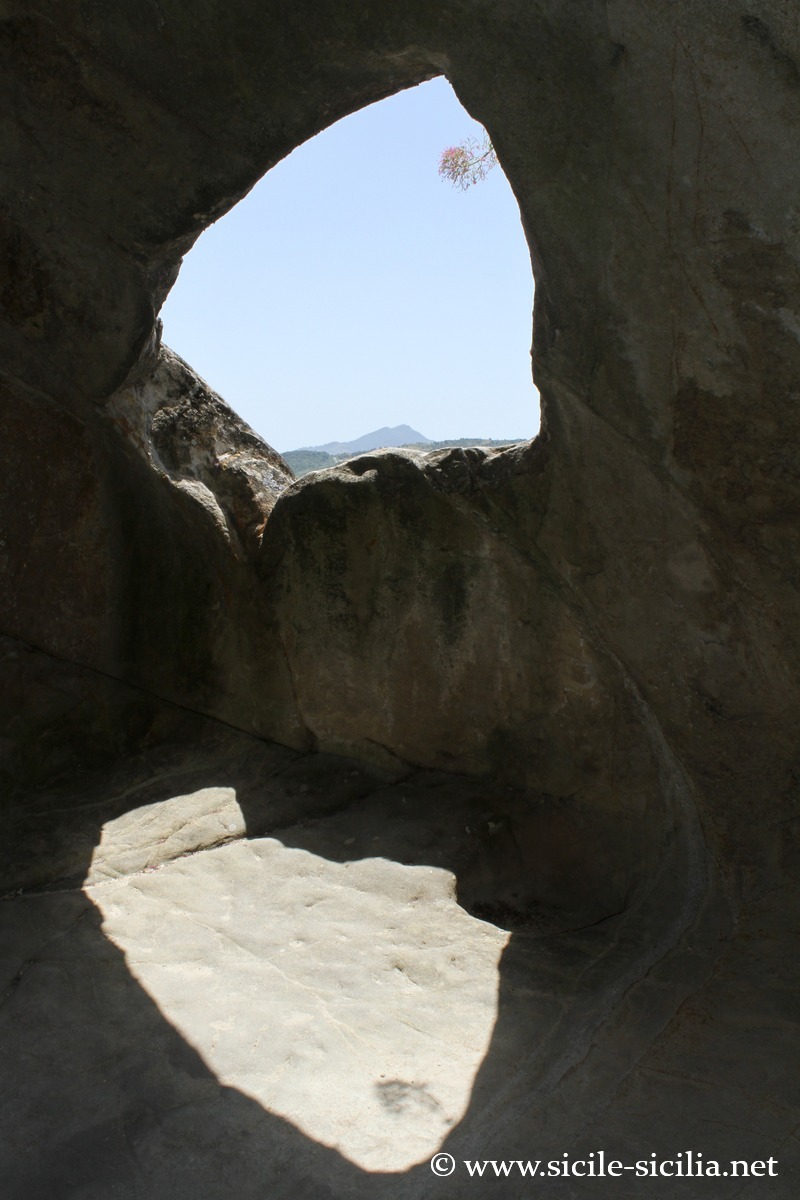
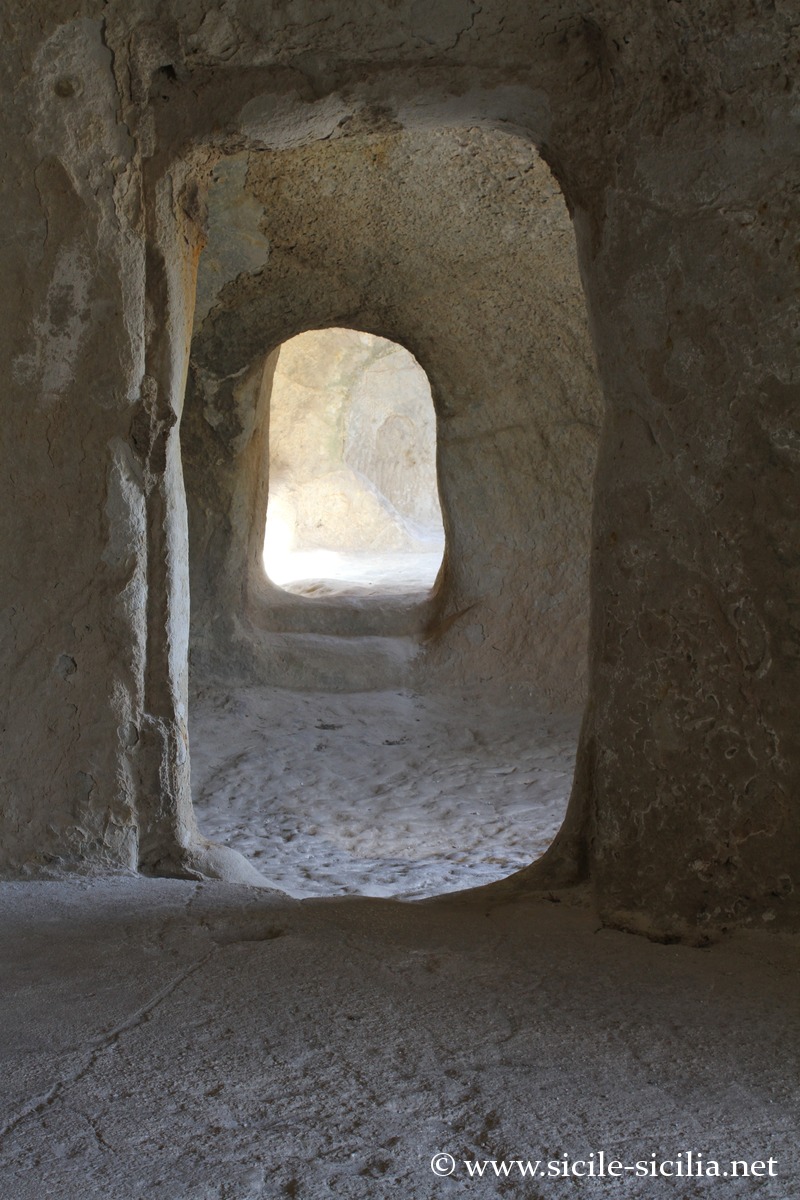
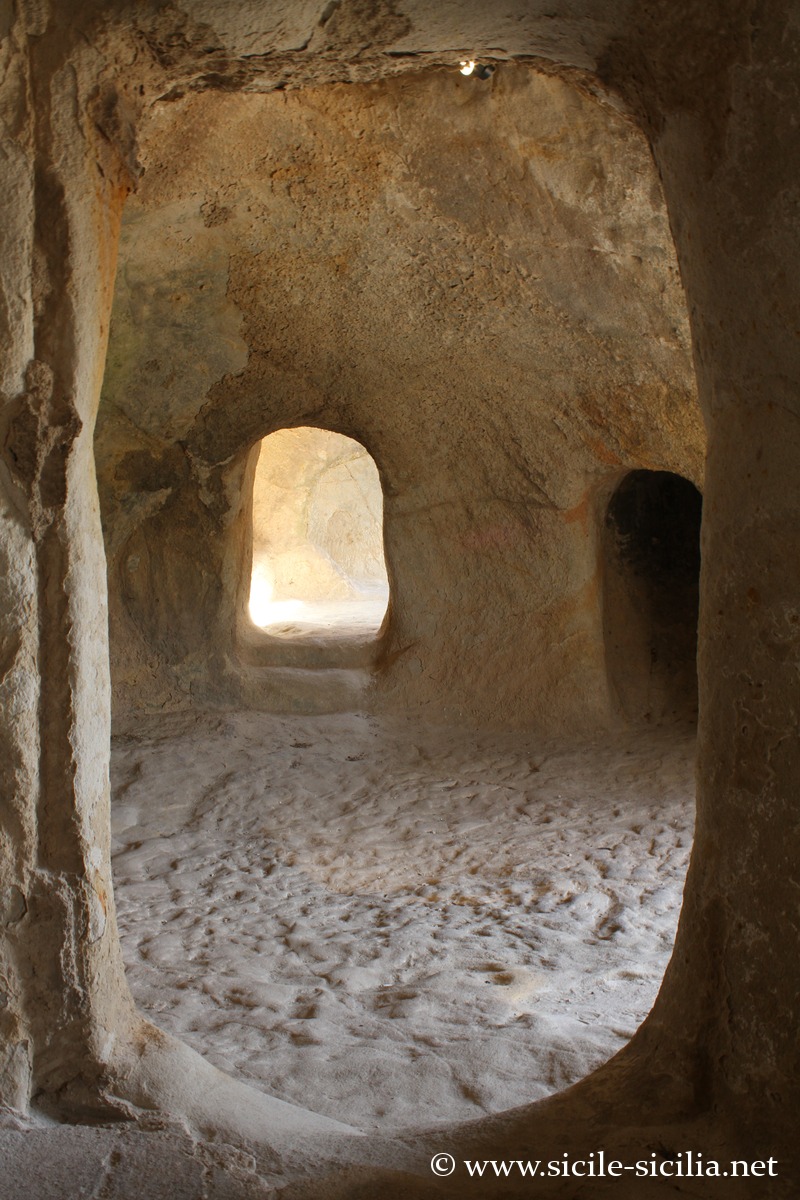
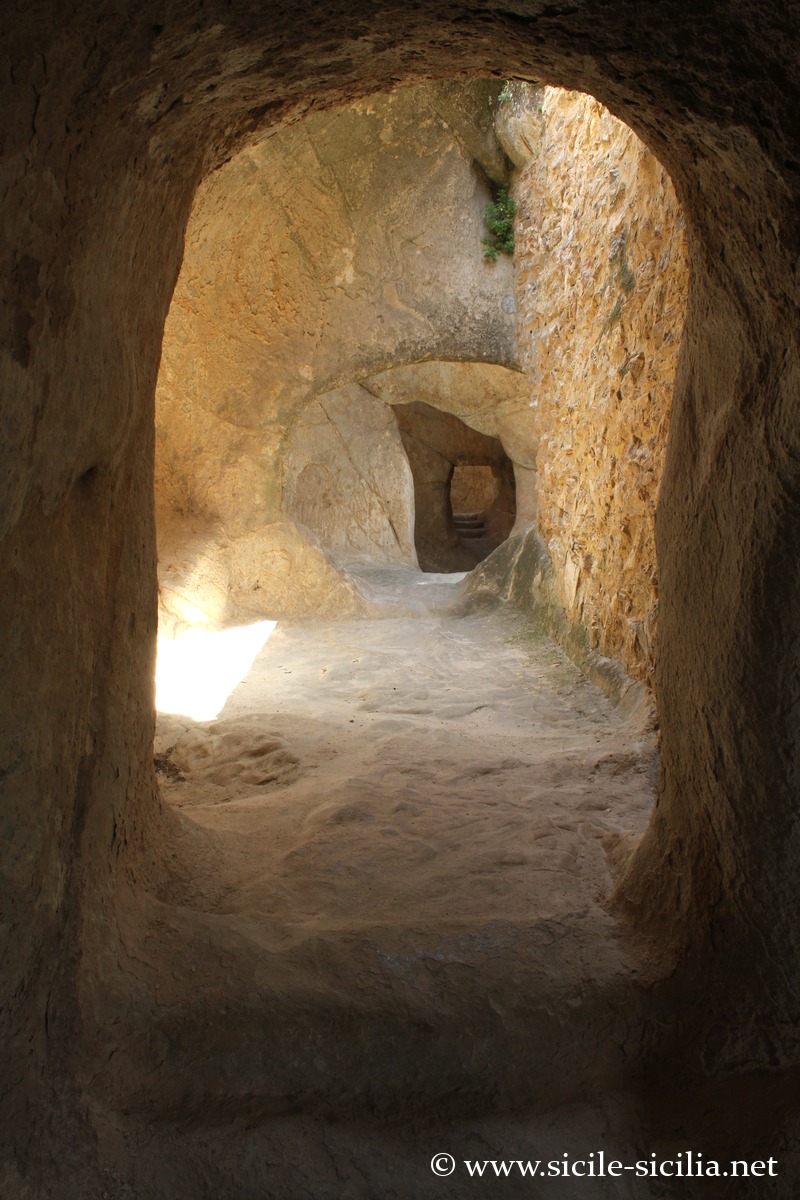
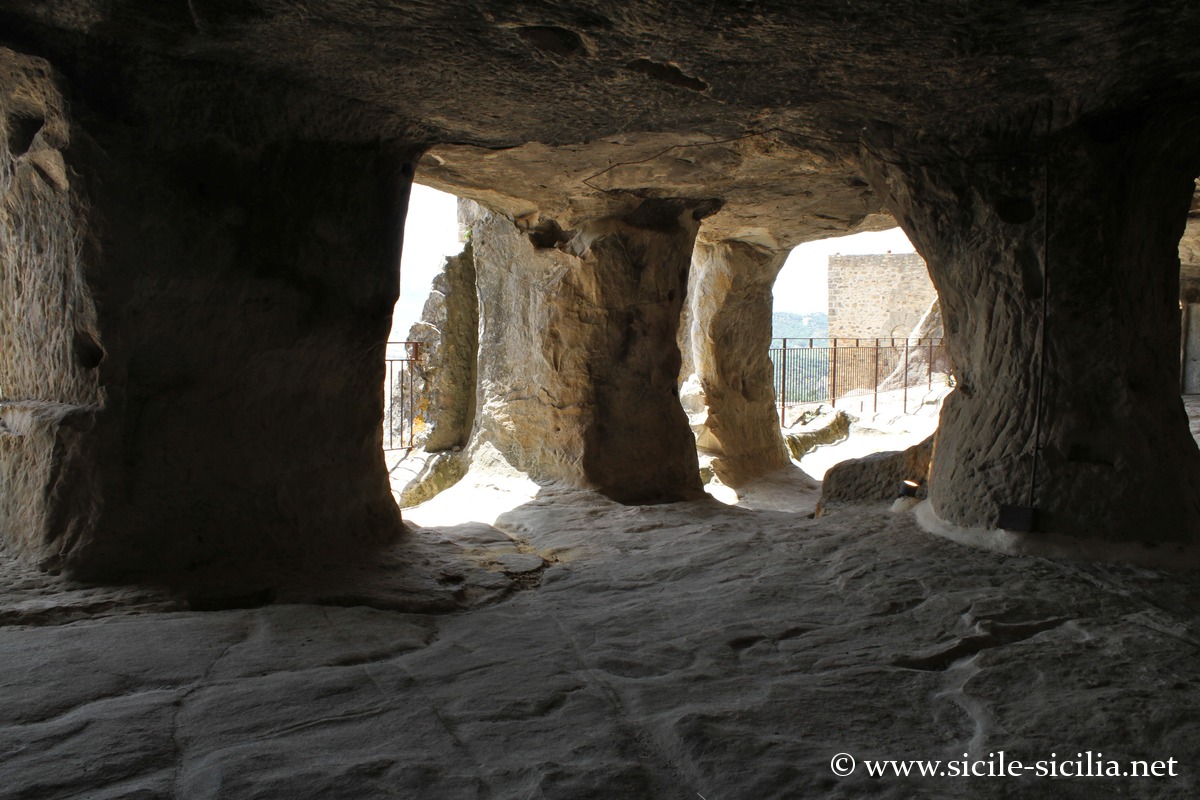
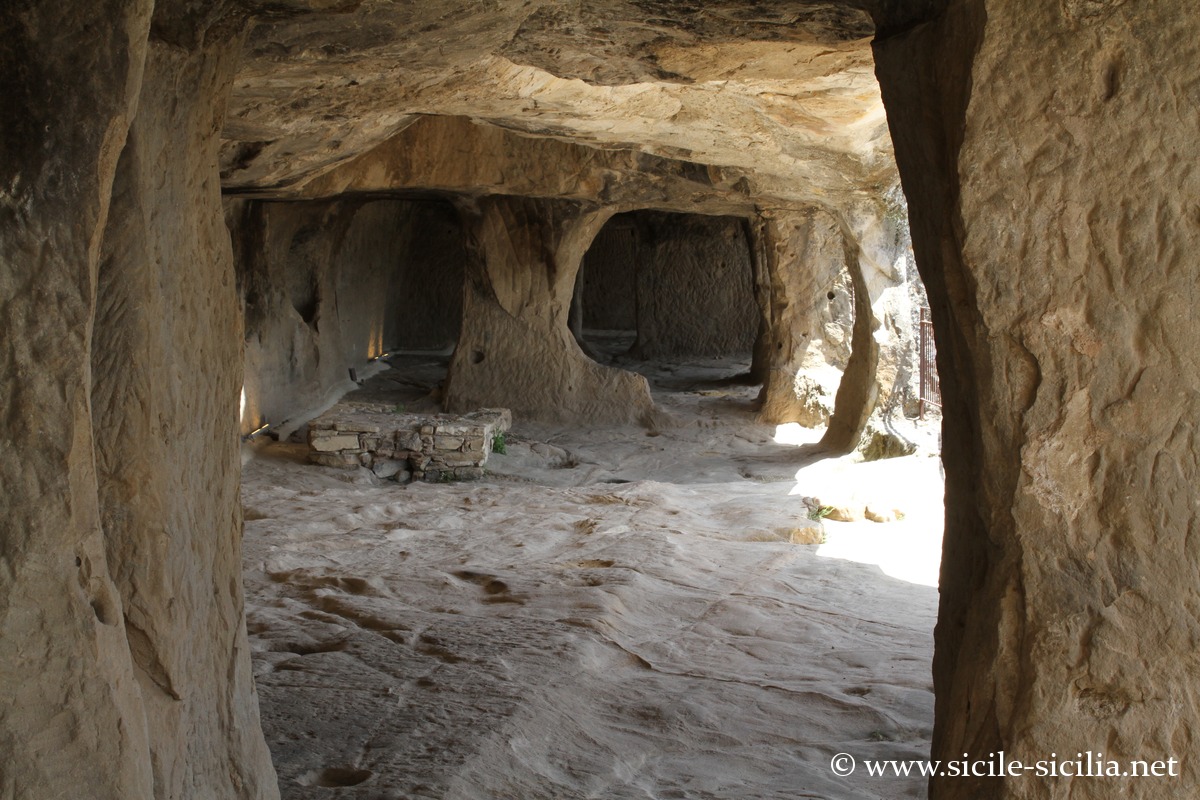
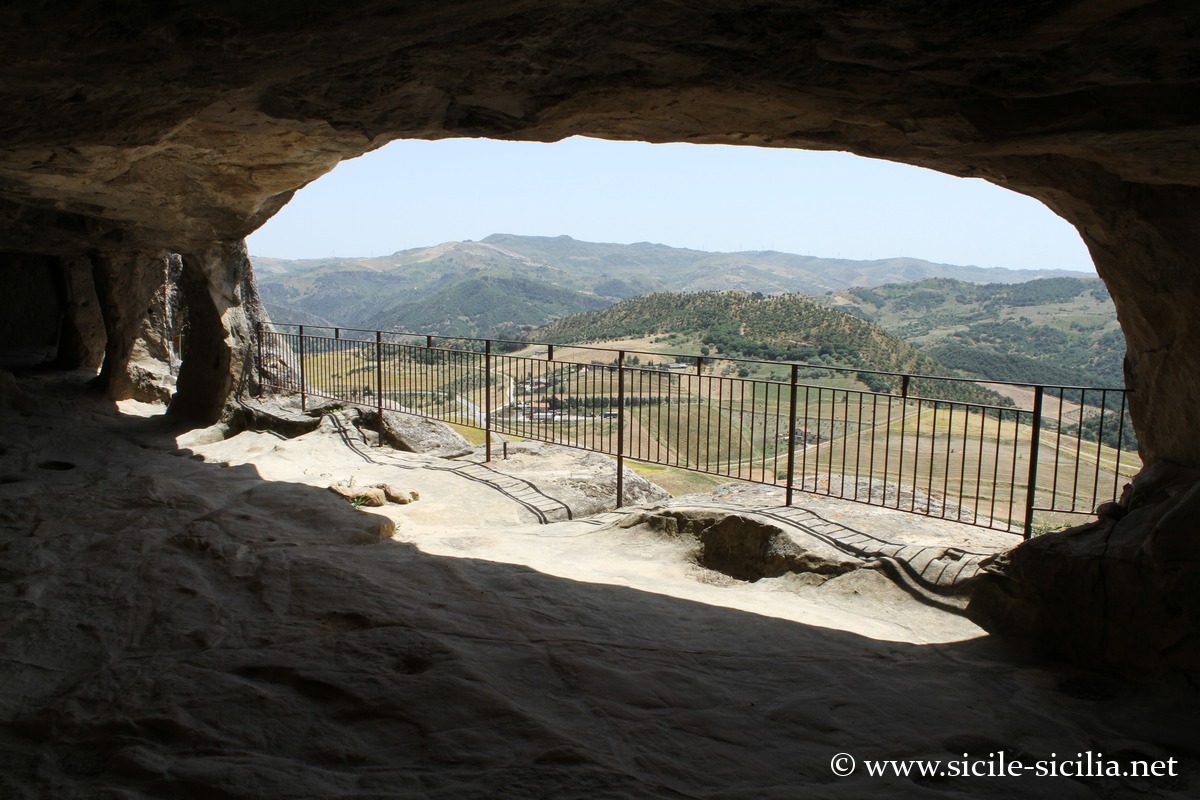
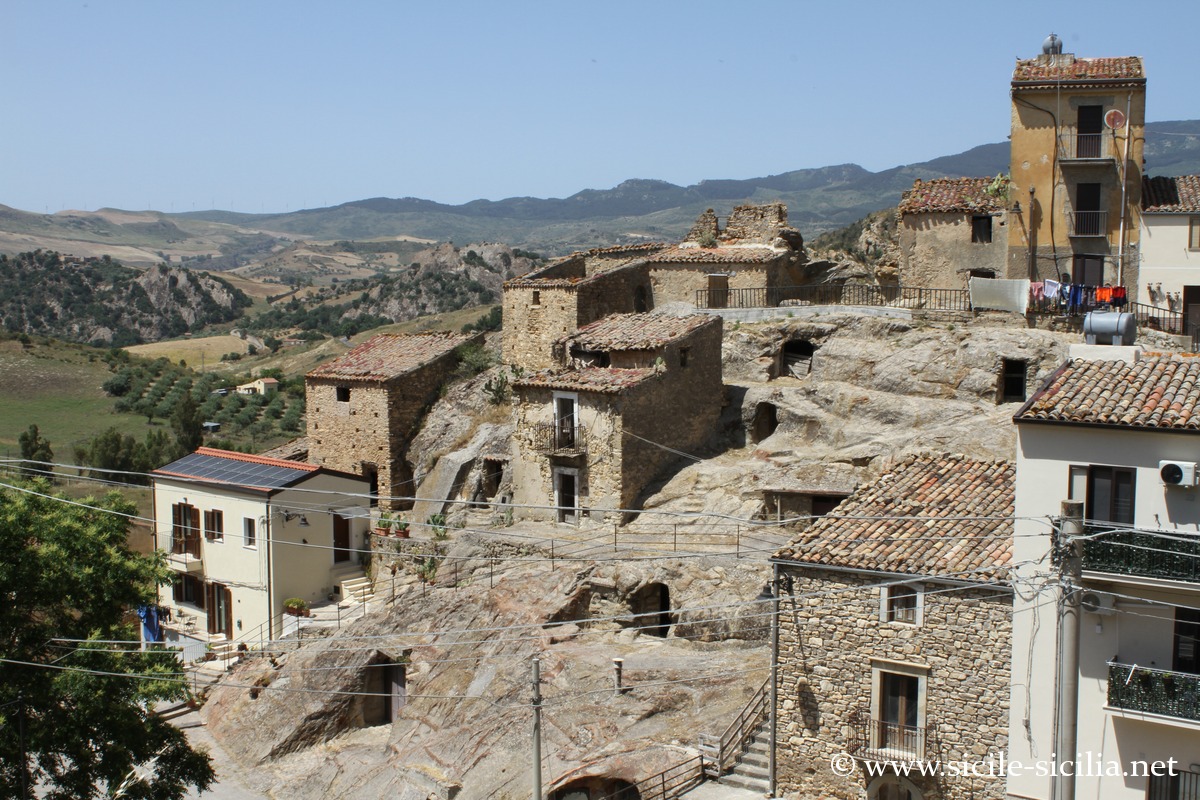
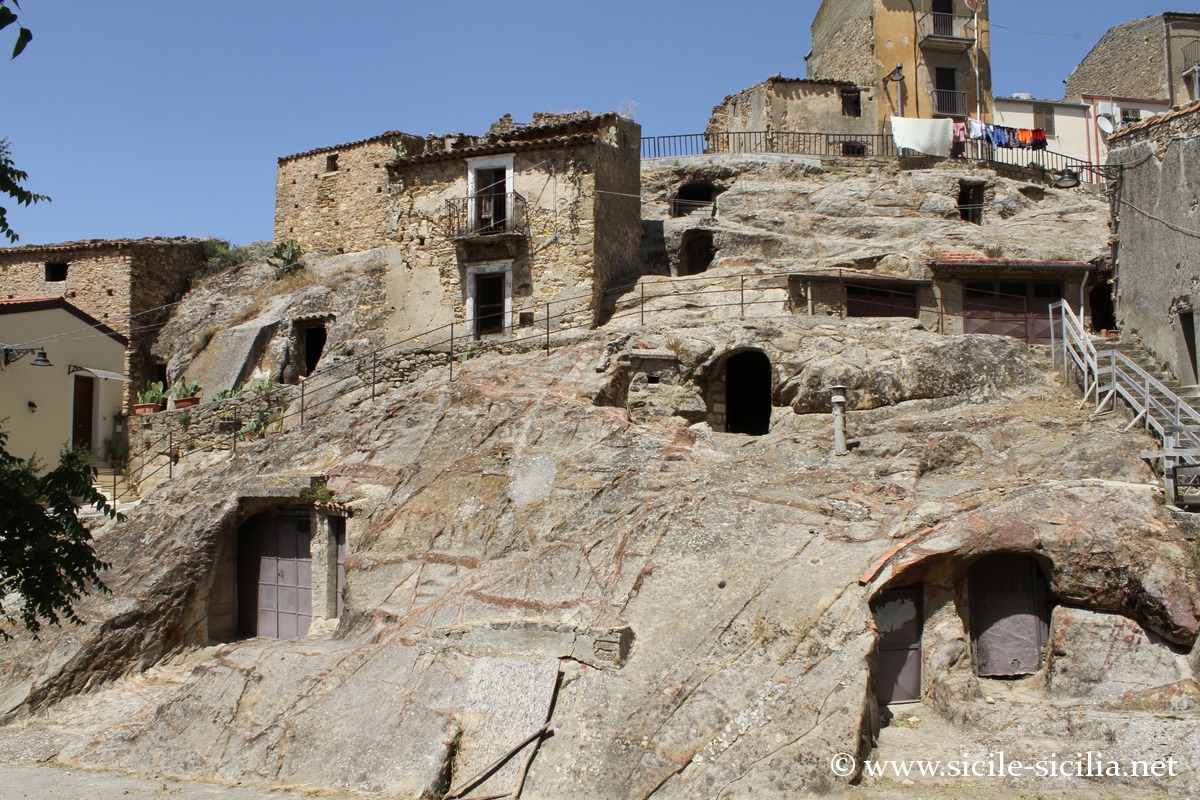
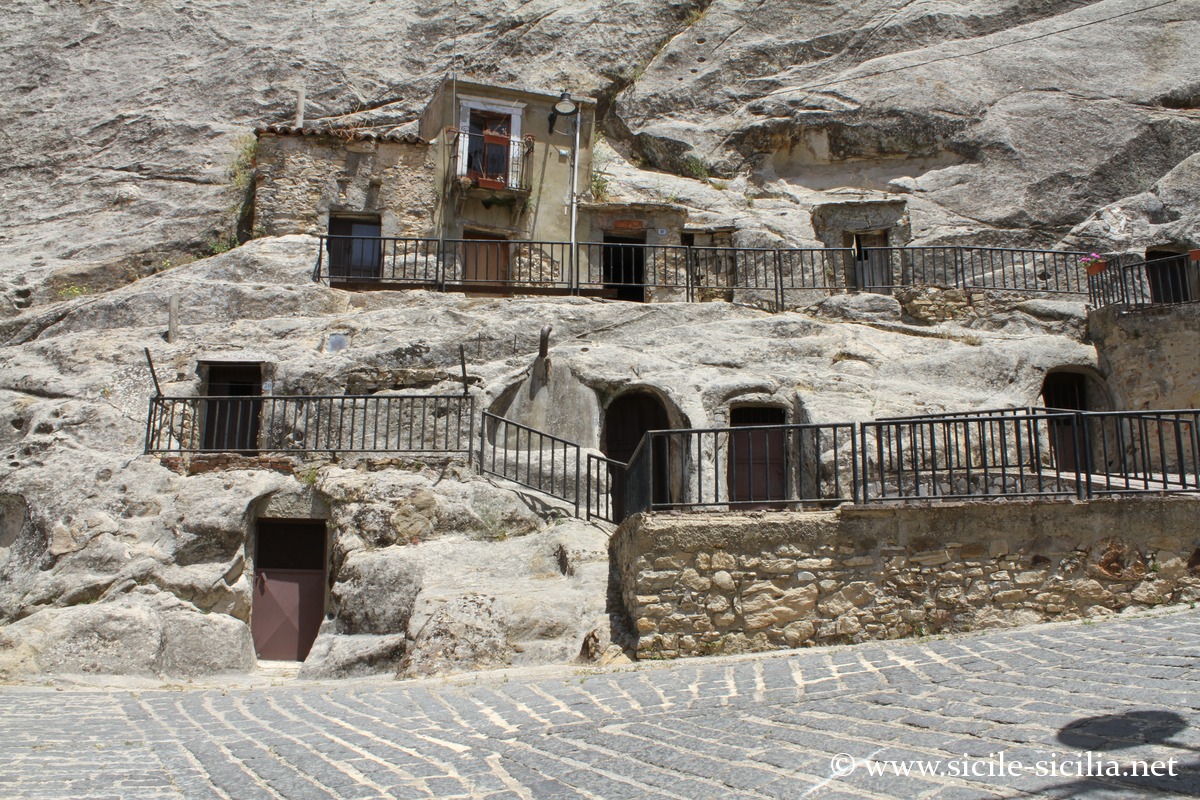
The rock that supports the castle has also been carved since antiquity with dozens of artificial caves and staircases, thus forming a troglodyte quarter. There are nearly fifty cavities interconnected by small alleys and staircases, formerly inhabited until the middle of the 20th century.
Village of Sperlinga
The village has three small churches, including the Chiesa della Madonna della Mercede at the foot of the castle, with a precious wooden crucifix from the late 16th century. It dates from the second half of the 18th century.
The Mother Church San Giovanni Battista, built in the early 17th century with the support of Prince Giovanni Natoli, is sober and preserves 18th-century works and a historic organ dating from around 1830.
The third is the church of Sant’Anna, linked to the Augustinian convent, which houses a crucifix attributed to the school of Frate Umile da Petralia, dating from the second half of the 17th century.
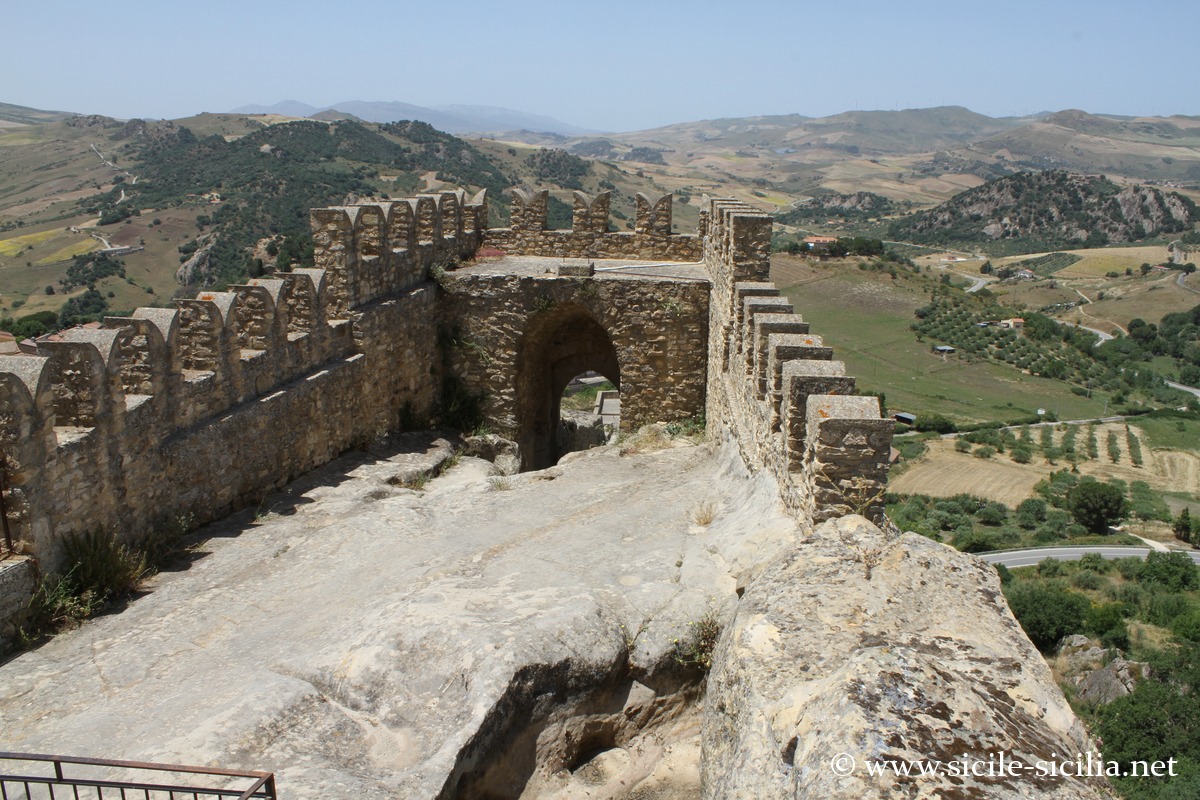
Tower of the castle of Sperlinga
Many caves and caverns are found in the surroundings, some used as necropolises, such as that of Contrada Rossa, where an early Christian community is said to have lived, whose church was transformed into a mosque.
At Contrada SS. Quaranta, the caves have sepulchral niches from the 4th‑6th centuries, and at Peirito there are palaeo-Christian tombs (These sites are on private property).
There are also secondary archaeological sites, Greek or older, such as at contrada da Vaccara where a Greek occupation existed that hypotheses identify with Imachara.
A few kilometres south-west of the village, the woods of Sperlinga Riserva naturale bosco di Sperlinga e dell’alto Salso preserve centuries-old oaks (not accessible to the public without authorisation).
Gallery

Castle of Sperlinga 
Sperlinga and castle 
Sperlinga and castle 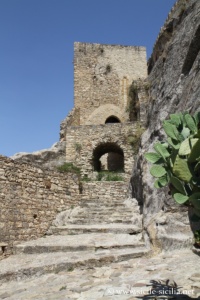

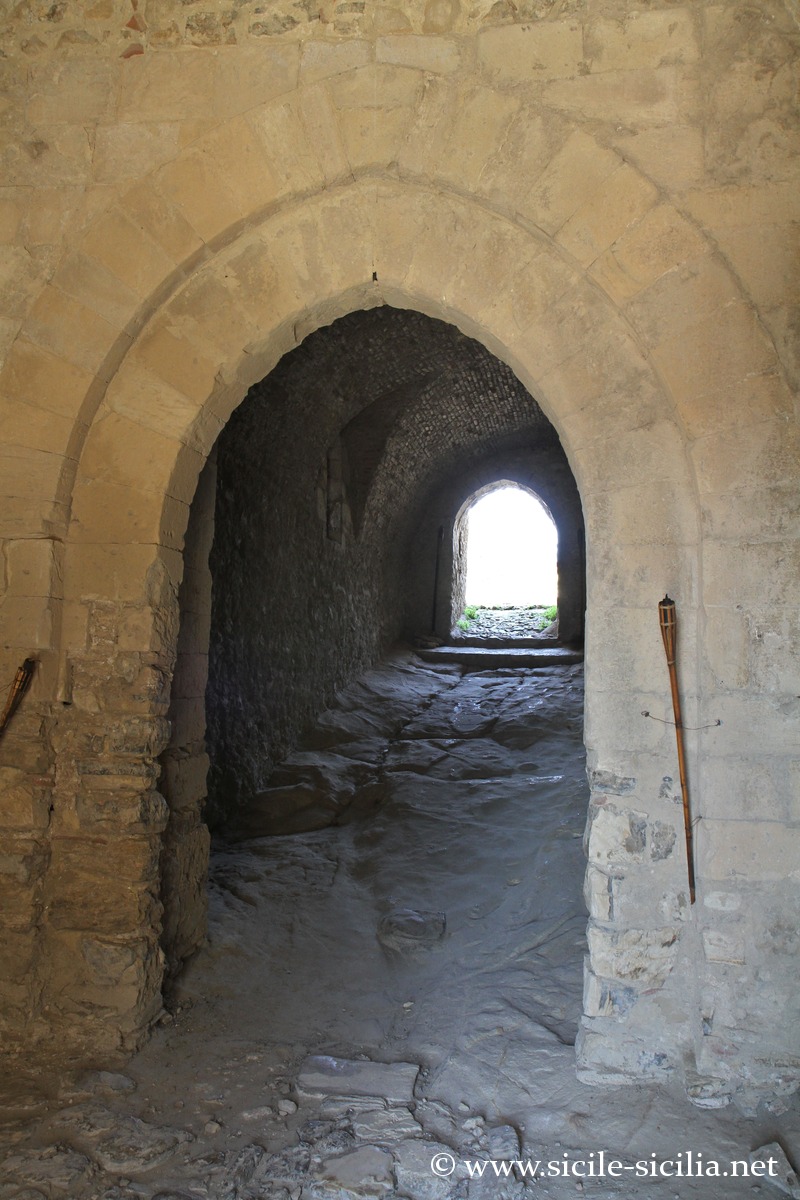
Castle entrance 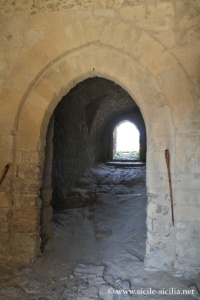
Castle entrance 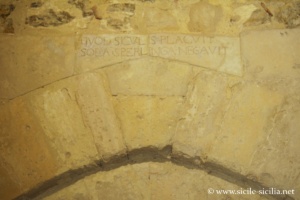
Inscription at the entrance of the Castle 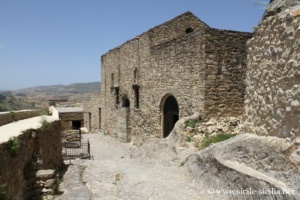
Castle 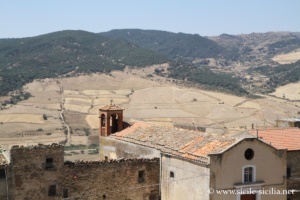
Panorama from the castle 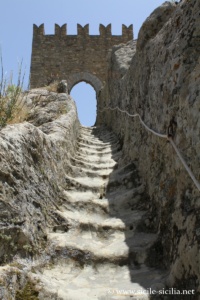
Castle staircase 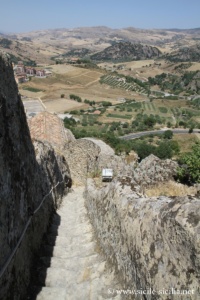
Castle staircase 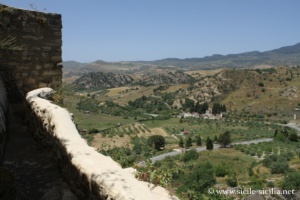
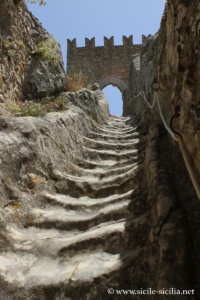
Castle staircase 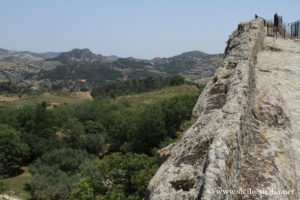
Castle terrace 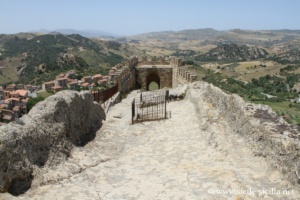
Castle terrace 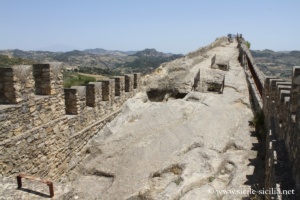
Castle terrace 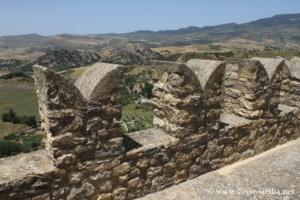
Castle terrace 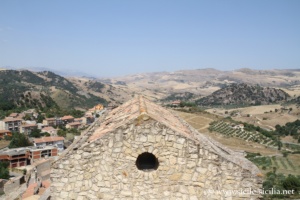
Castle terrace 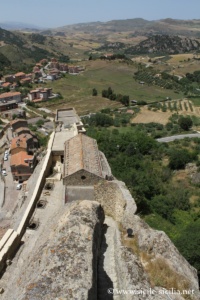
Castle terrace 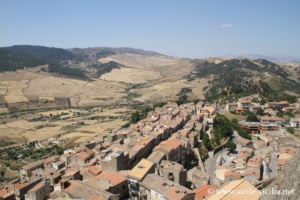
Panorama from the castle 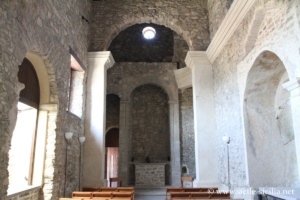
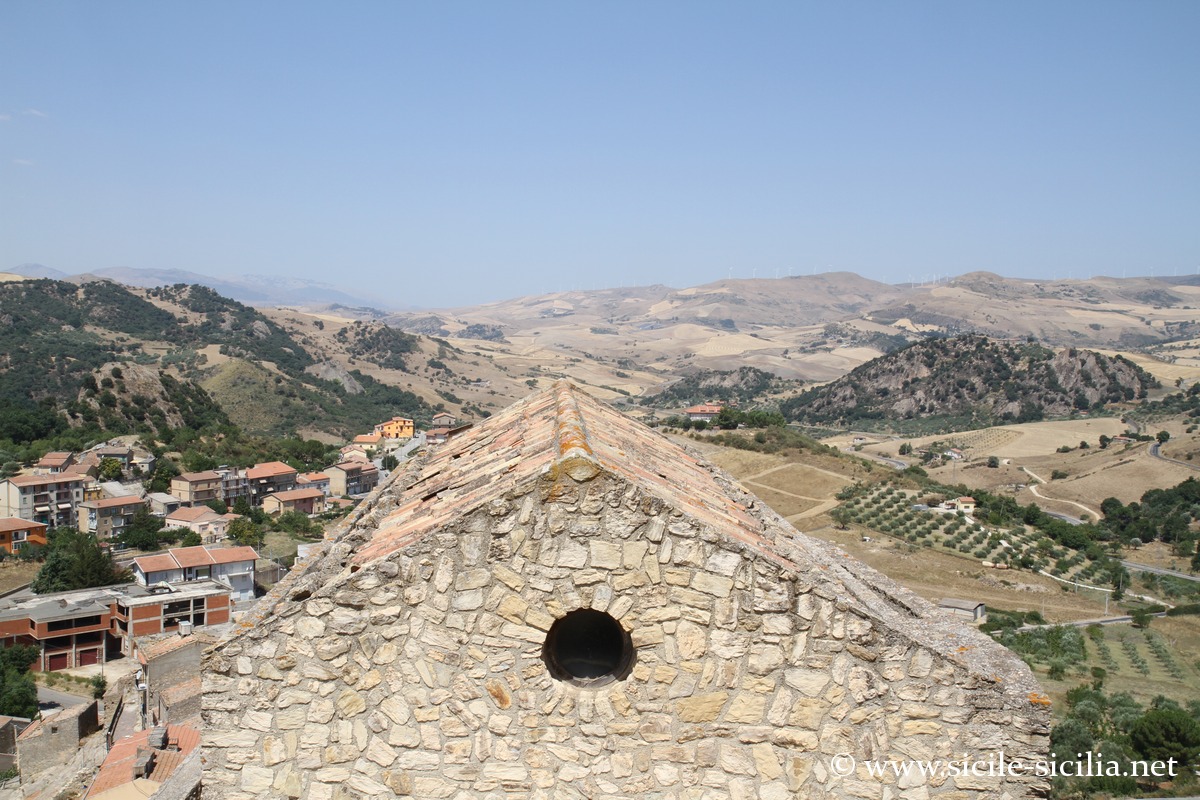
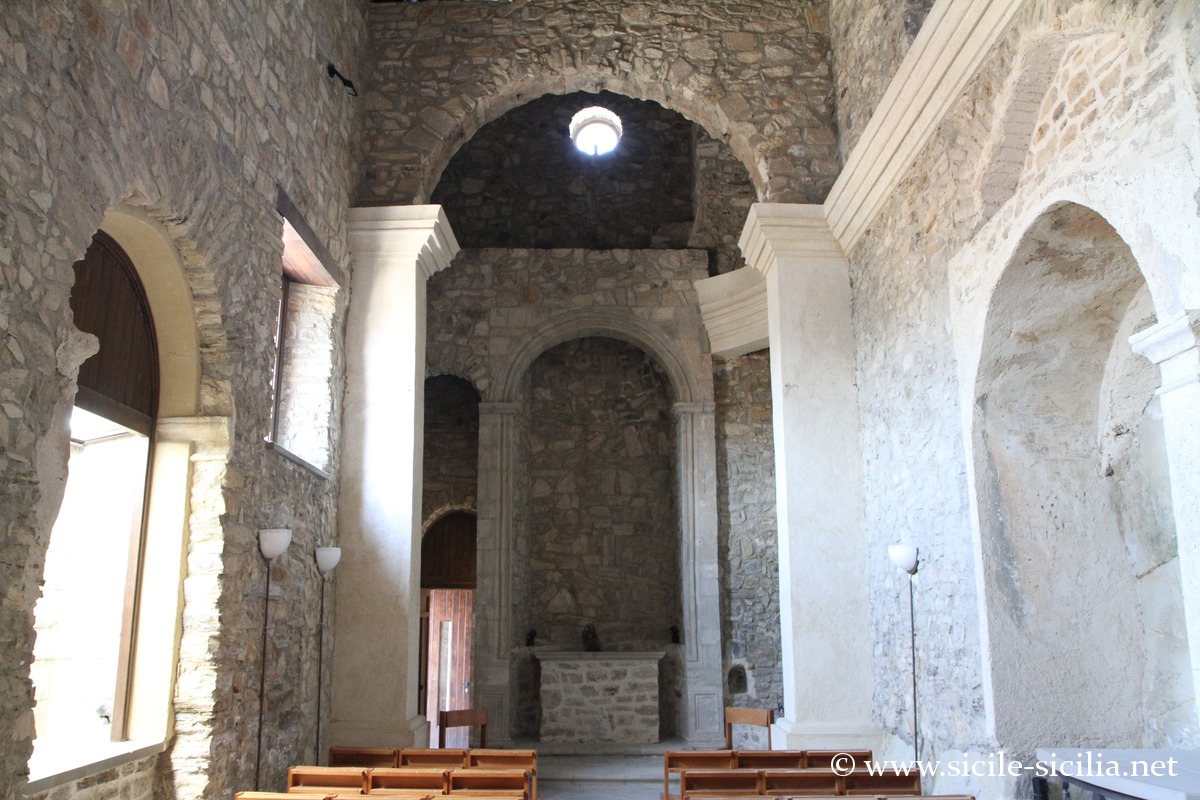
Castle chapel 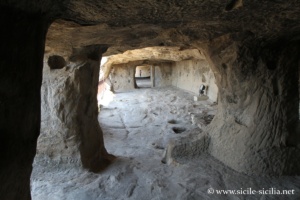
Troglodyte rooms of the castle 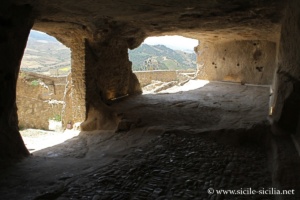
Troglodyte rooms of the castle 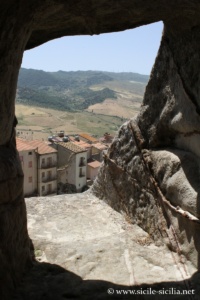
Troglodyte rooms of the castle 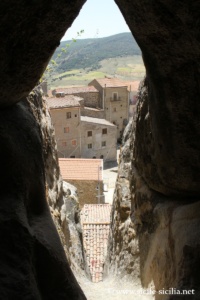
Troglodyte rooms of the castle 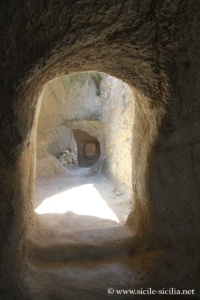
Troglodyte rooms of the castle 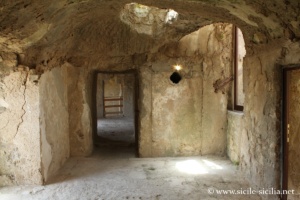
Troglodyte rooms of the castle 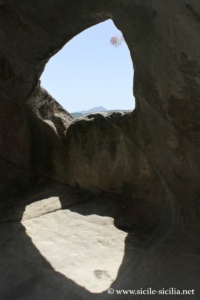
Troglodyte rooms of the castle 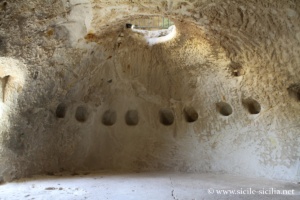
Troglodyte rooms of the castle 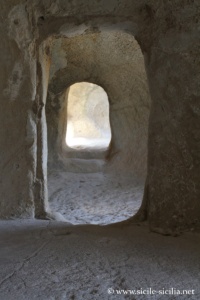
Troglodyte rooms of the castle 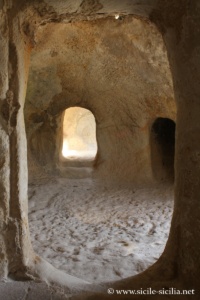
Troglodyte rooms of the castle 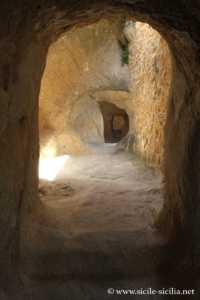
Troglodyte rooms of the castle 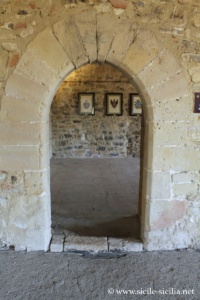
Rooms of the castle 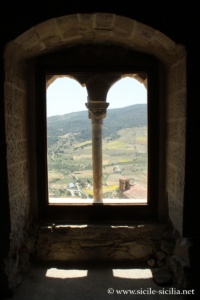
Rooms of the castle 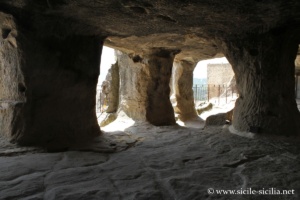
Troglodyte rooms of the castle 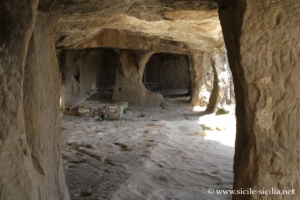
Troglodyte rooms of the castle 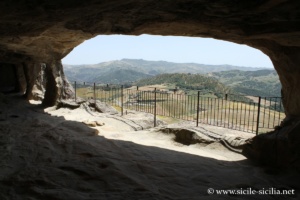
Troglodyte rooms of the castle 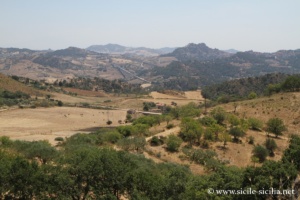
Panorama from the castle 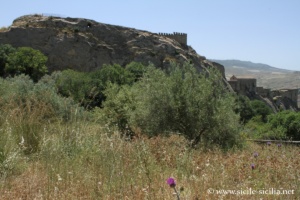
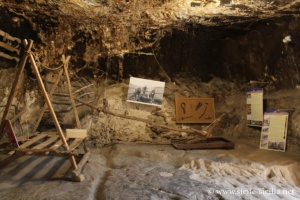
Ethnic museum of the castle 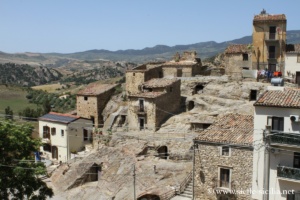
Troglodyte dwellings of Sperlinga 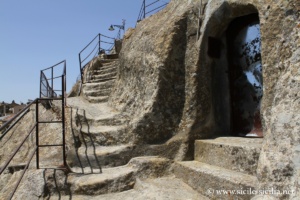
Troglodyte dwellings of Sperlinga 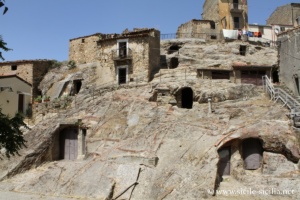
Troglodyte dwellings of Sperlinga 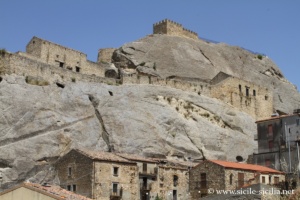
Sperlinga and castle 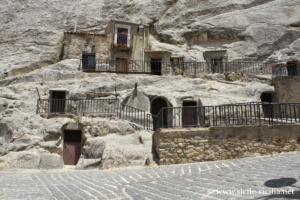
Sperlinga 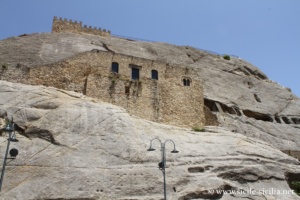
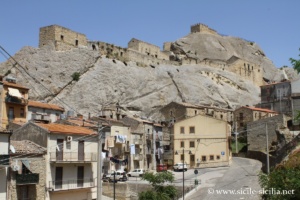
Sperlinga and castle 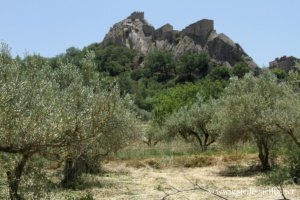
Sperlinga 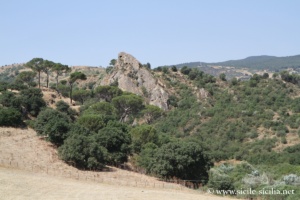
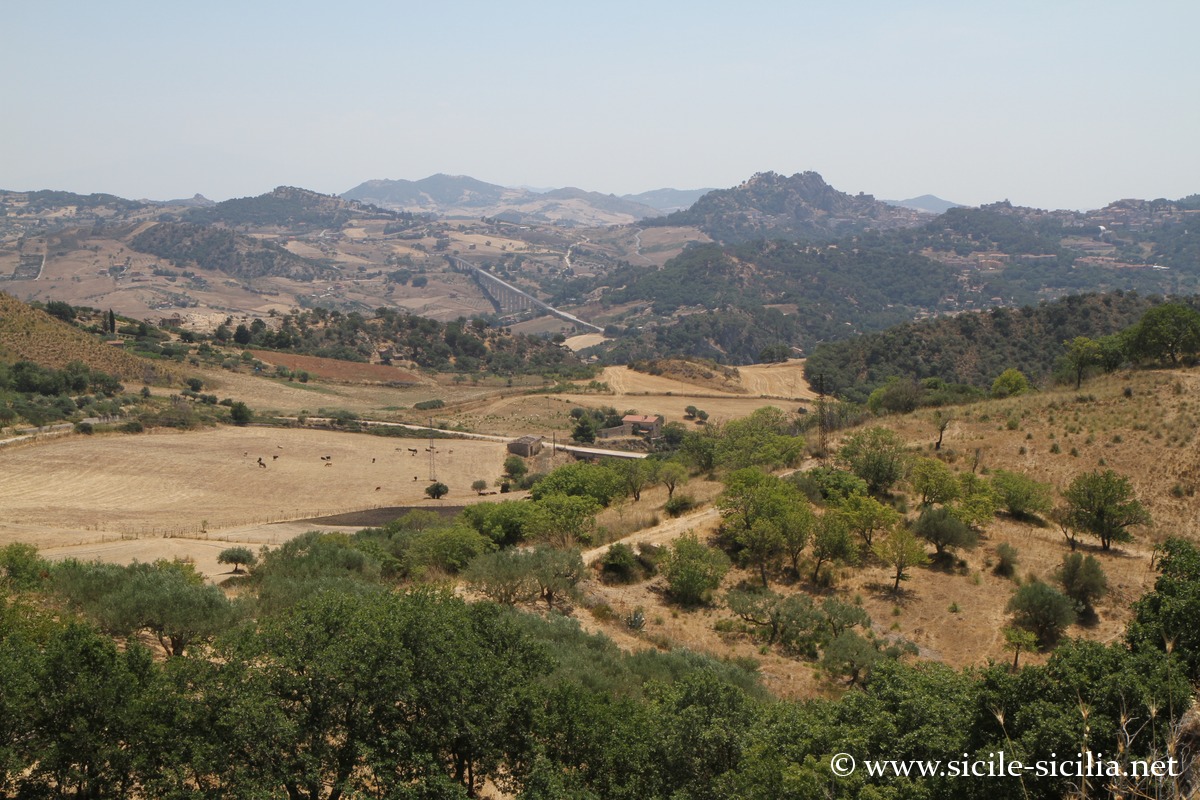
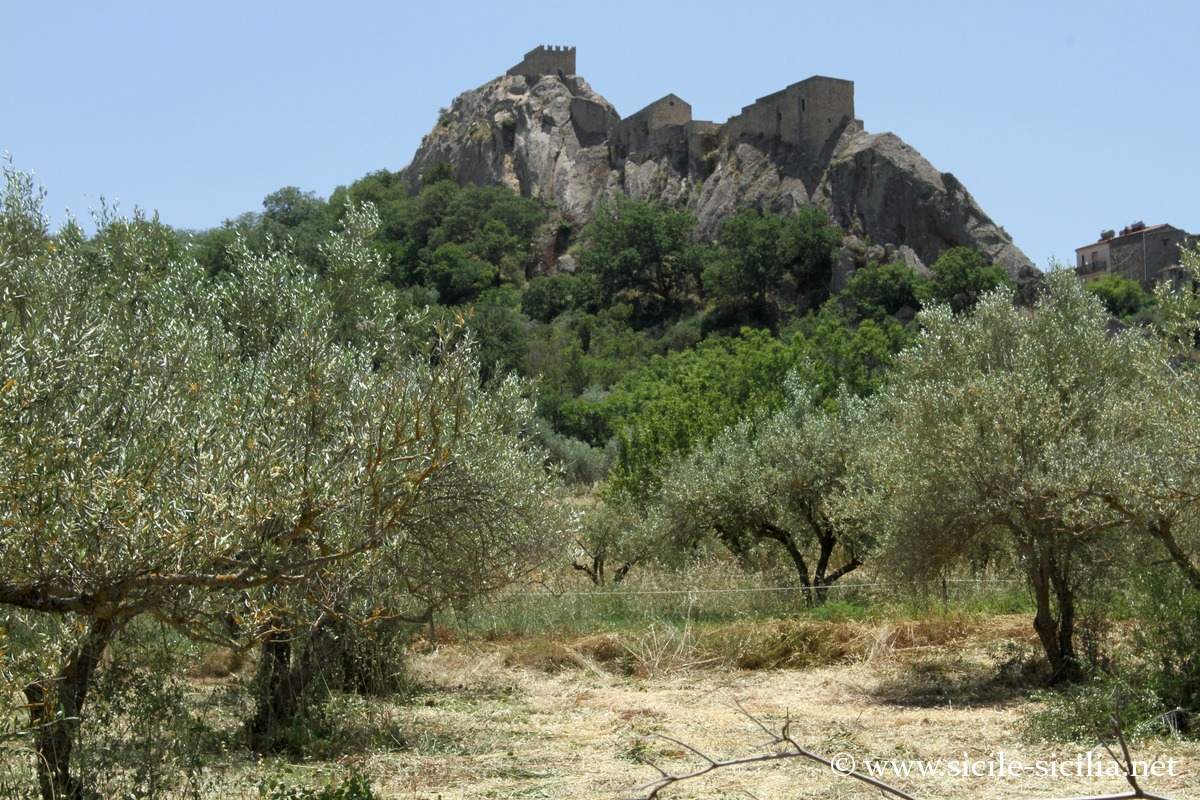
Surroundings of Sperlinga
Where Sperlinga is located
If you see this after your page is loaded completely, leafletJS files are missing.
Information
Sources and external sites
- Municipality website: www.sperlinga.net
- The most beautiful villages of Italy: borghipiubelliditalia.it
- Wikipedia page: fr.wikipedia.org/wiki/Sperlinga
Articles in the category Monts Nébrodes
- Nebrodi Mountains (Nebrodes)
 The Nebrodi Mountains (Monti Nebrodi in Italian) are a mountain range, part of ...
 - Nicosia
 Nicosia is a pretty little town often wrongly overlooked by travellers, situated at ...