

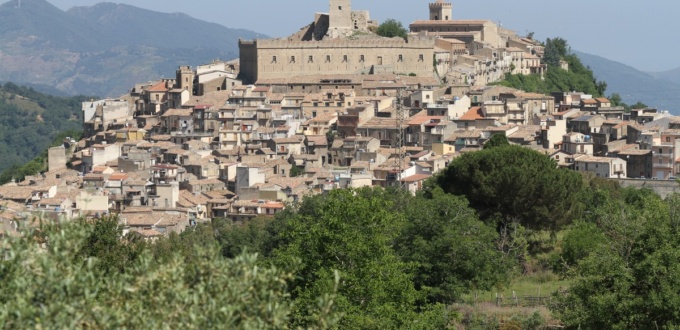
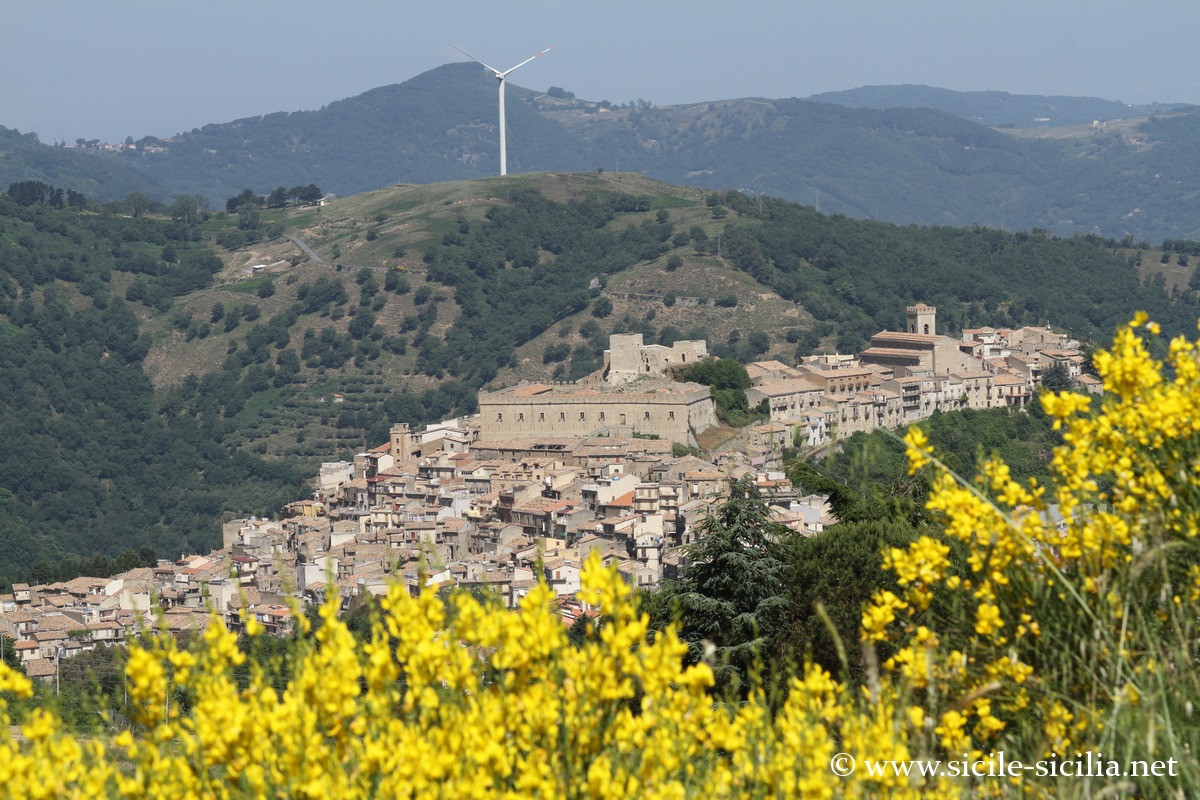
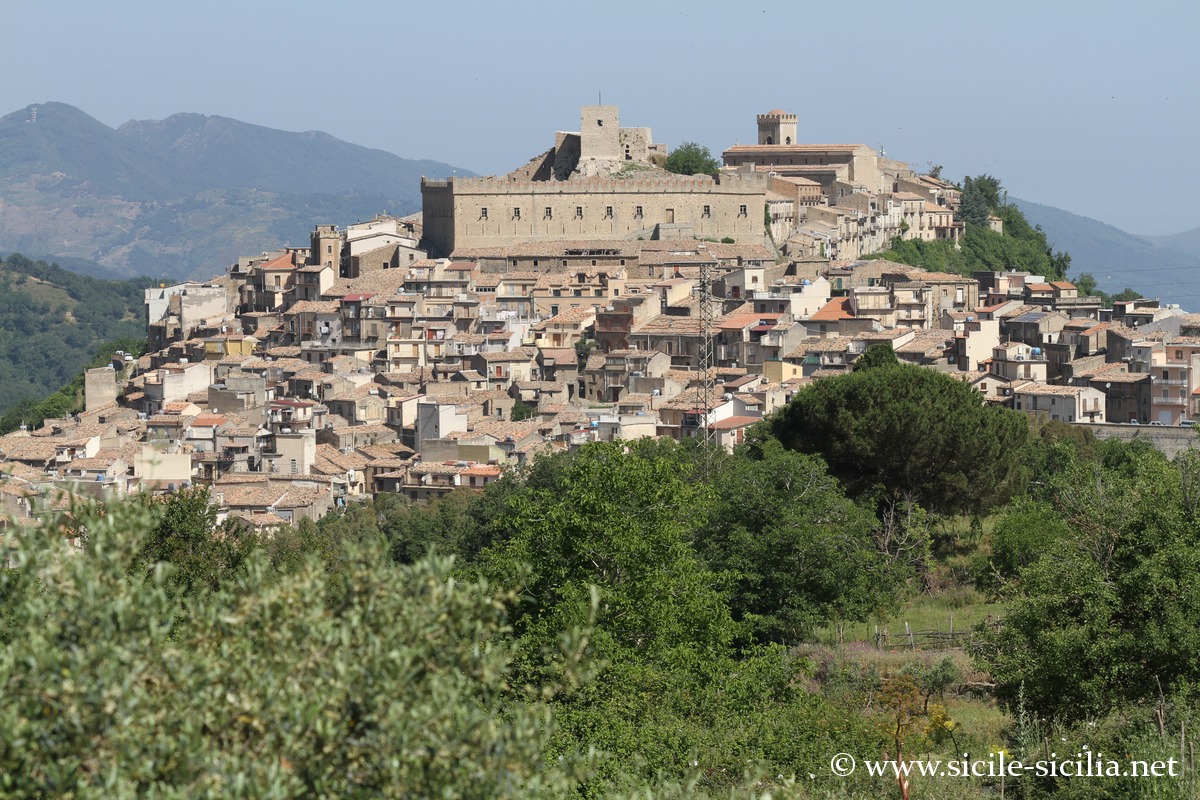
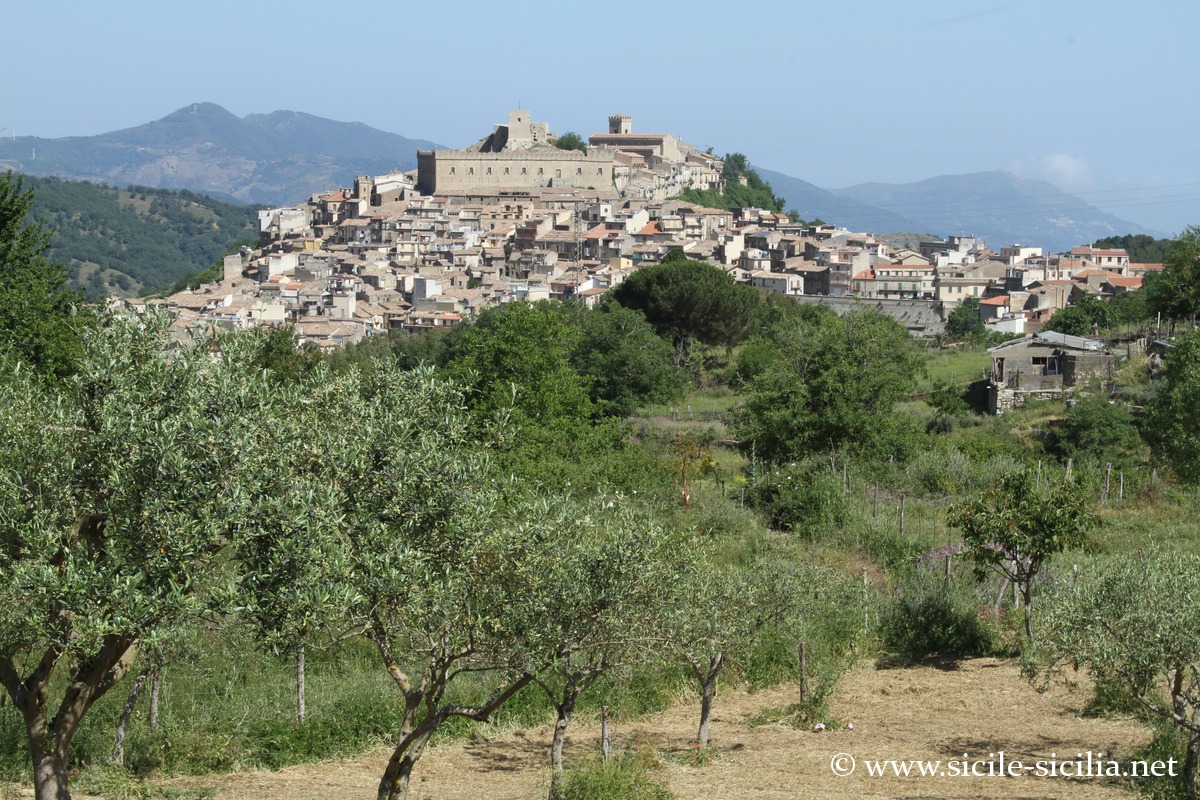
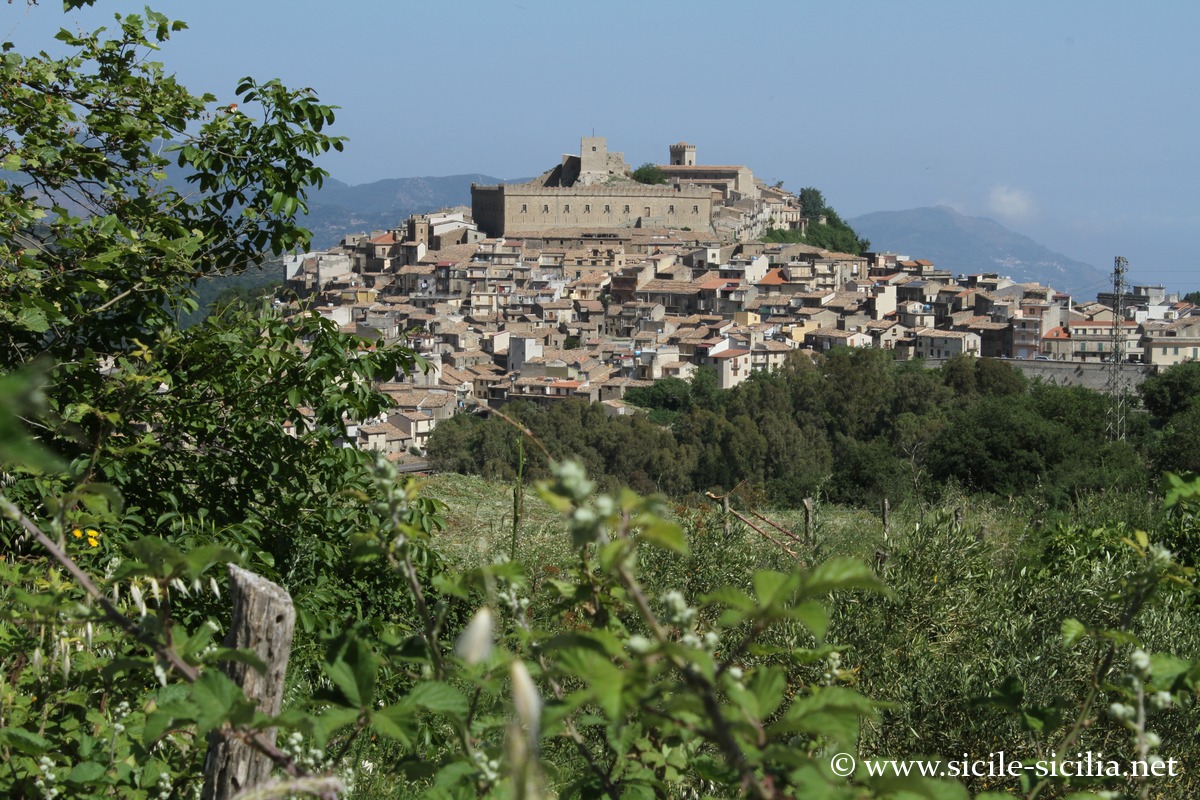
Montalbano Elicona is a beautiful medieval village perched at over 900 metres above sea level, between the Nebrodi mountains and the Peloritani mountains in north-eastern Sicily, and close to an ancient forest.
A medieval village and natural treasures
Its name may derive from the Latin mons albus (“white mount”) in reference to the sometimes snow-capped peaks, or from the Arabic al-bana, meaning “excellent place”. The name of the Elicona river is of Greek origin, from elikon meaning “winding”.
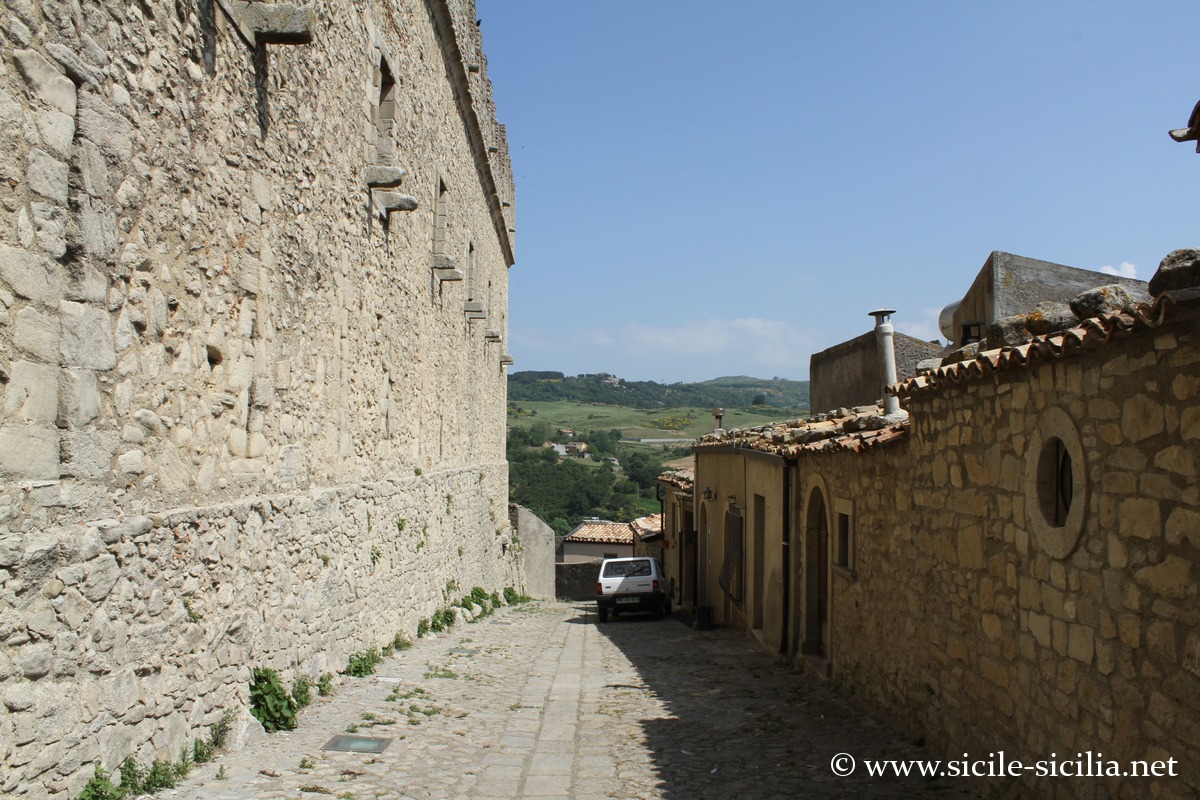
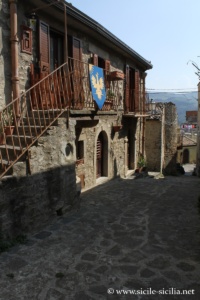
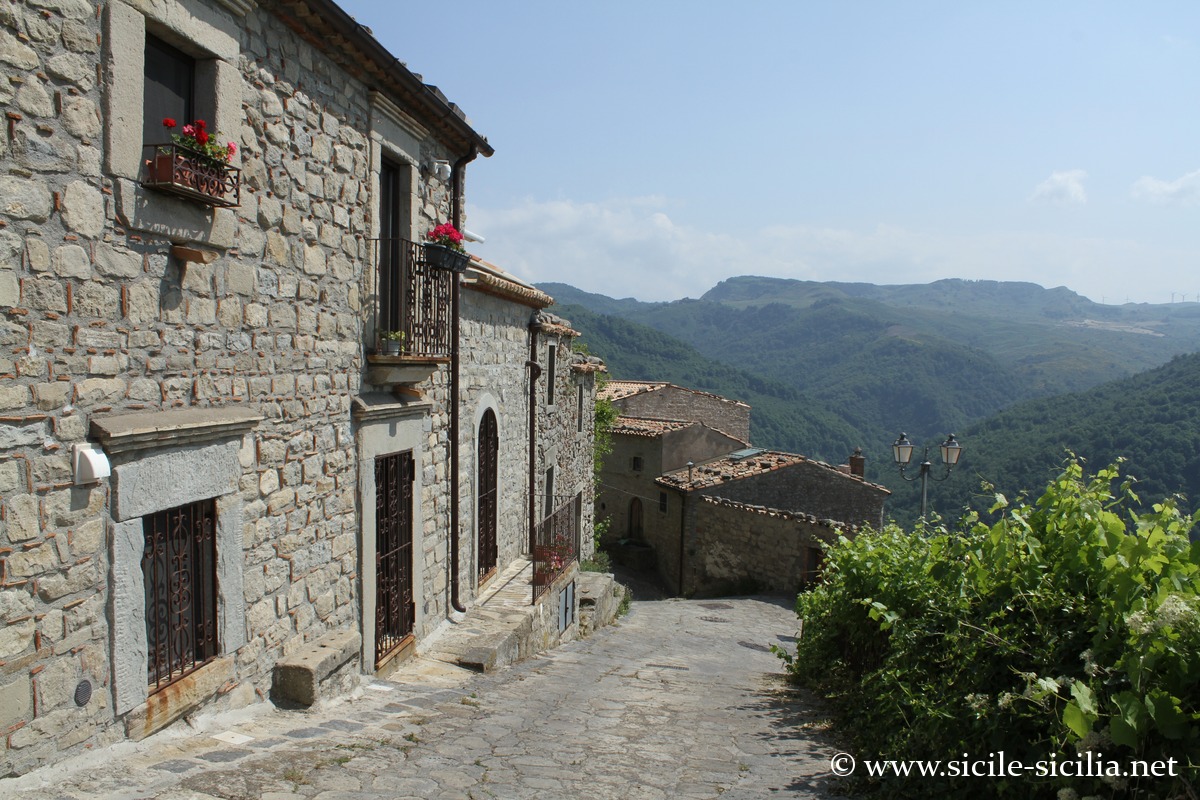
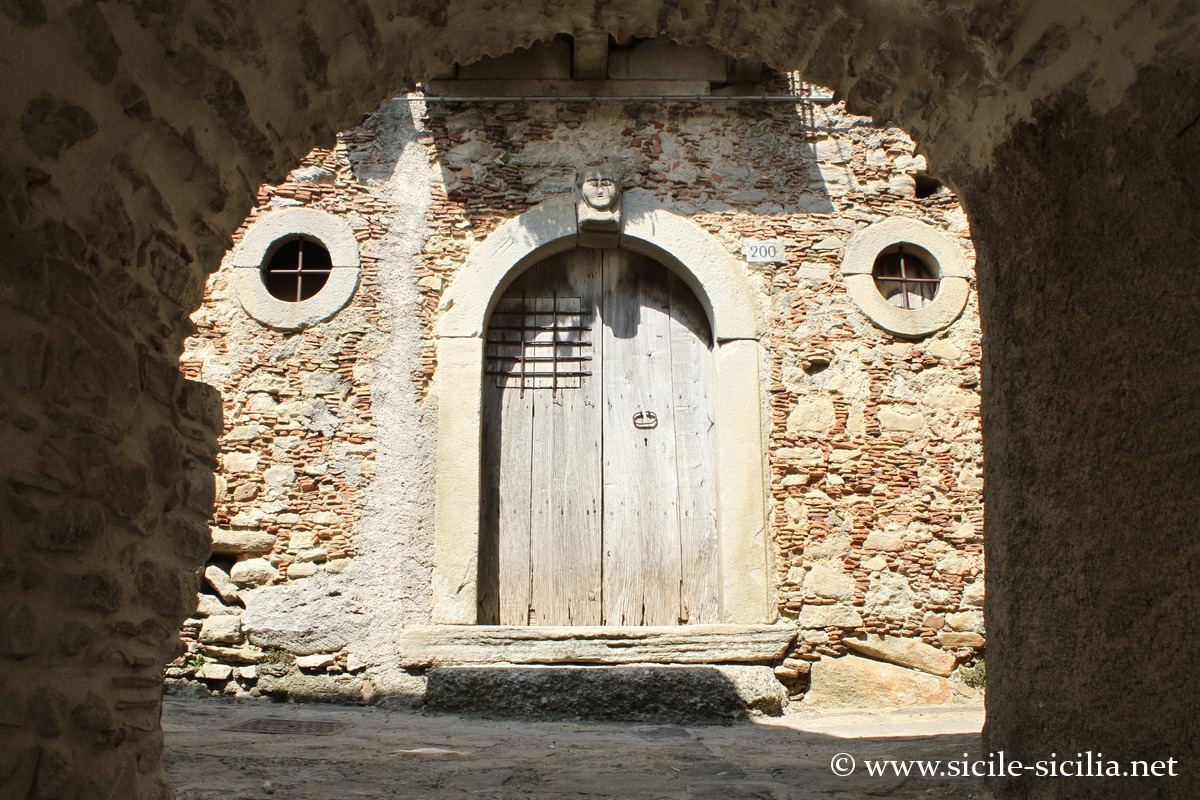
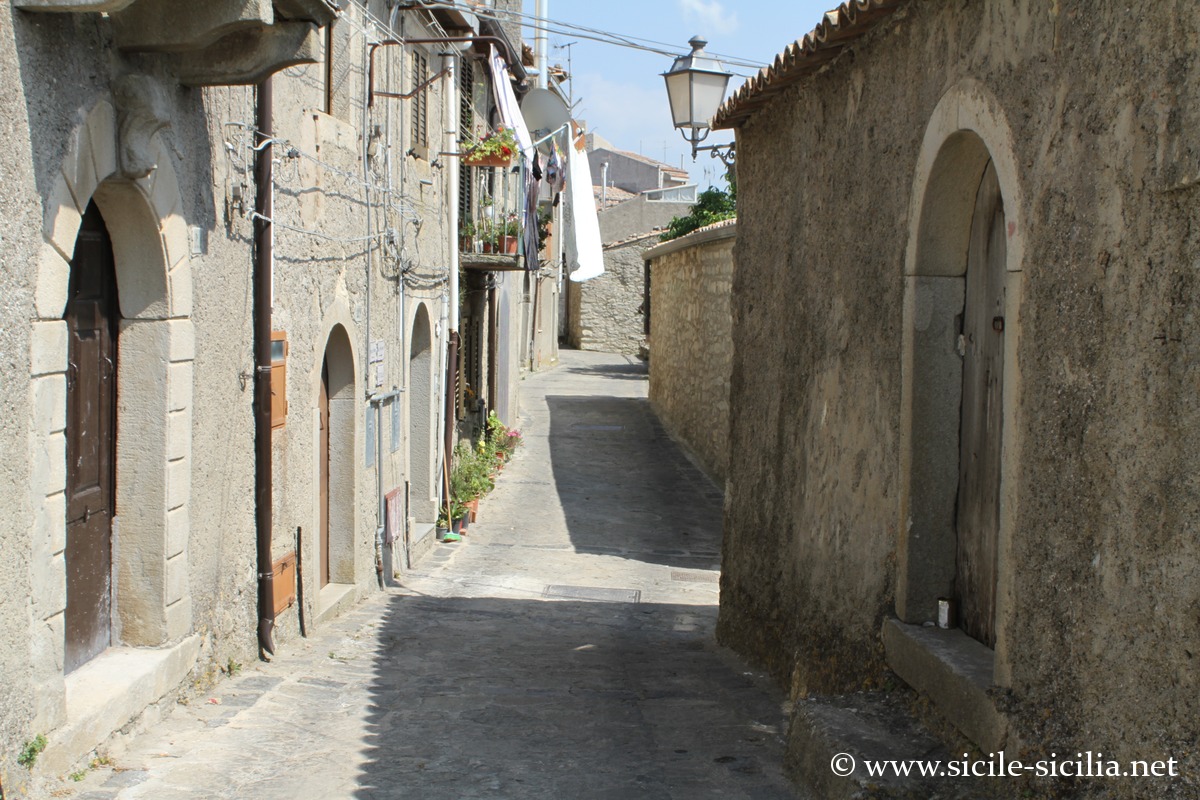
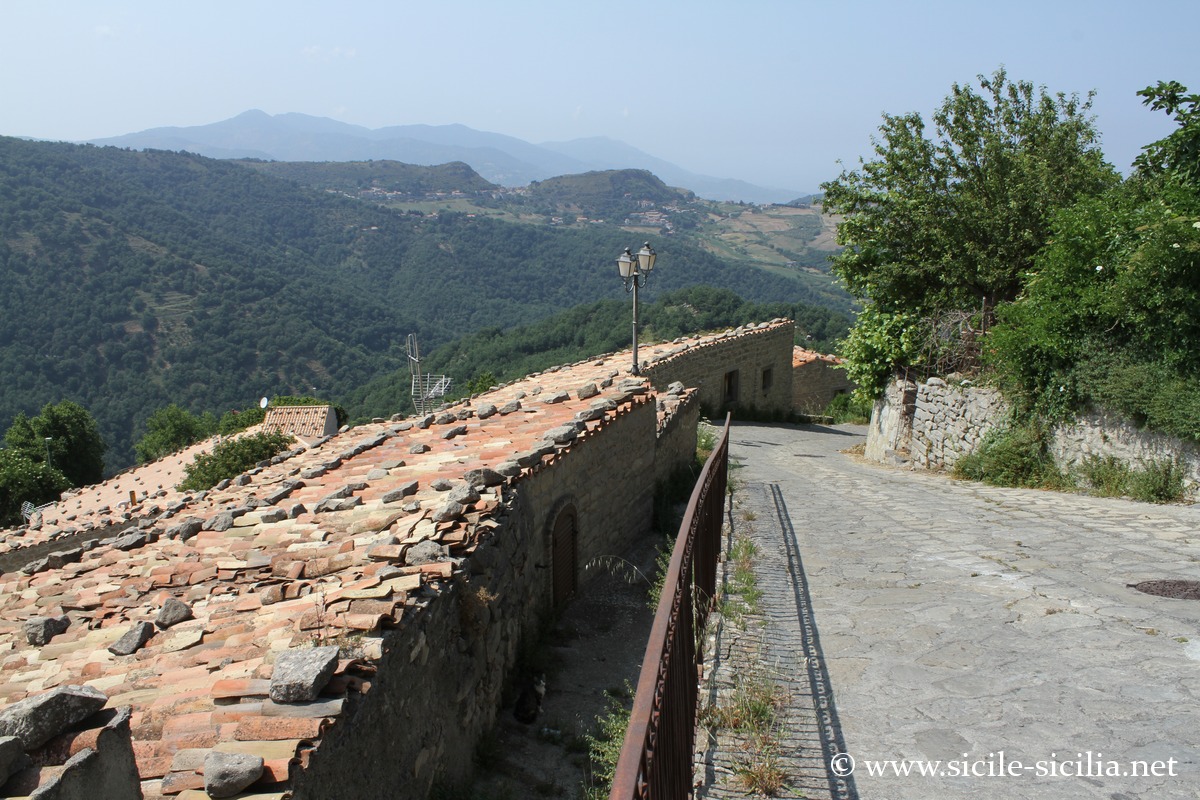
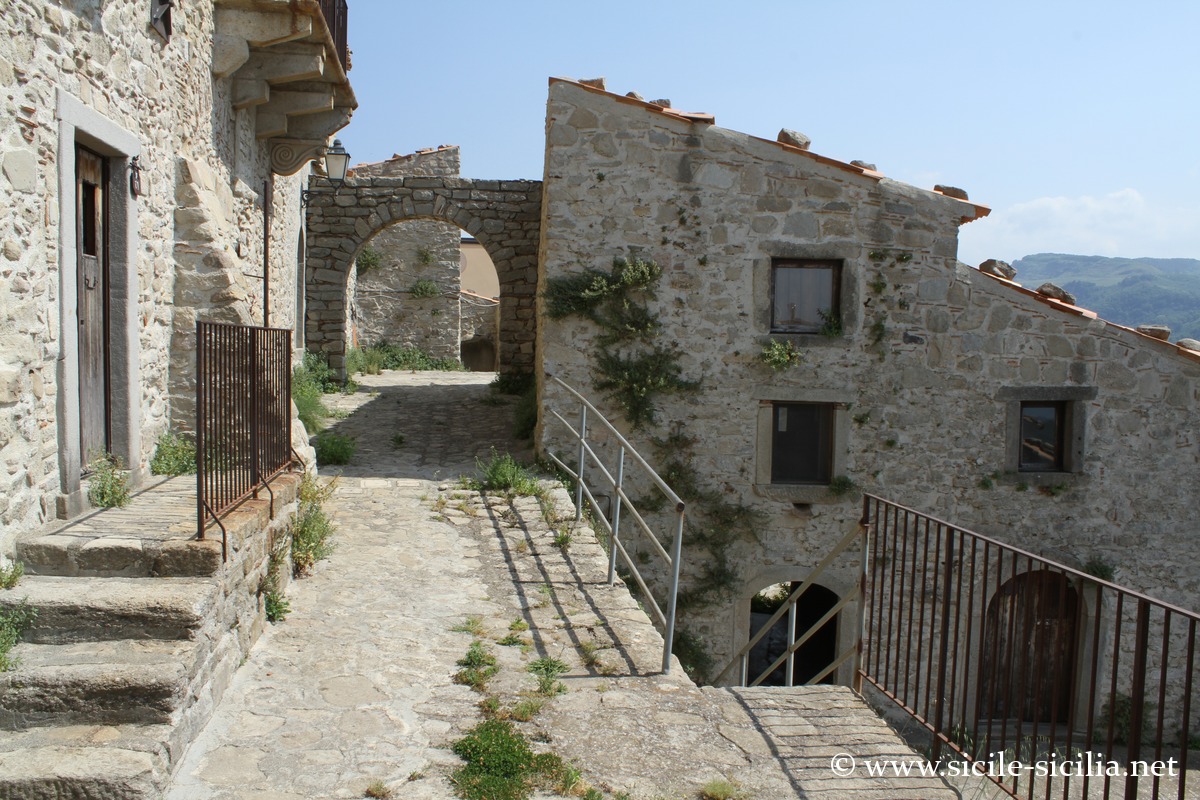
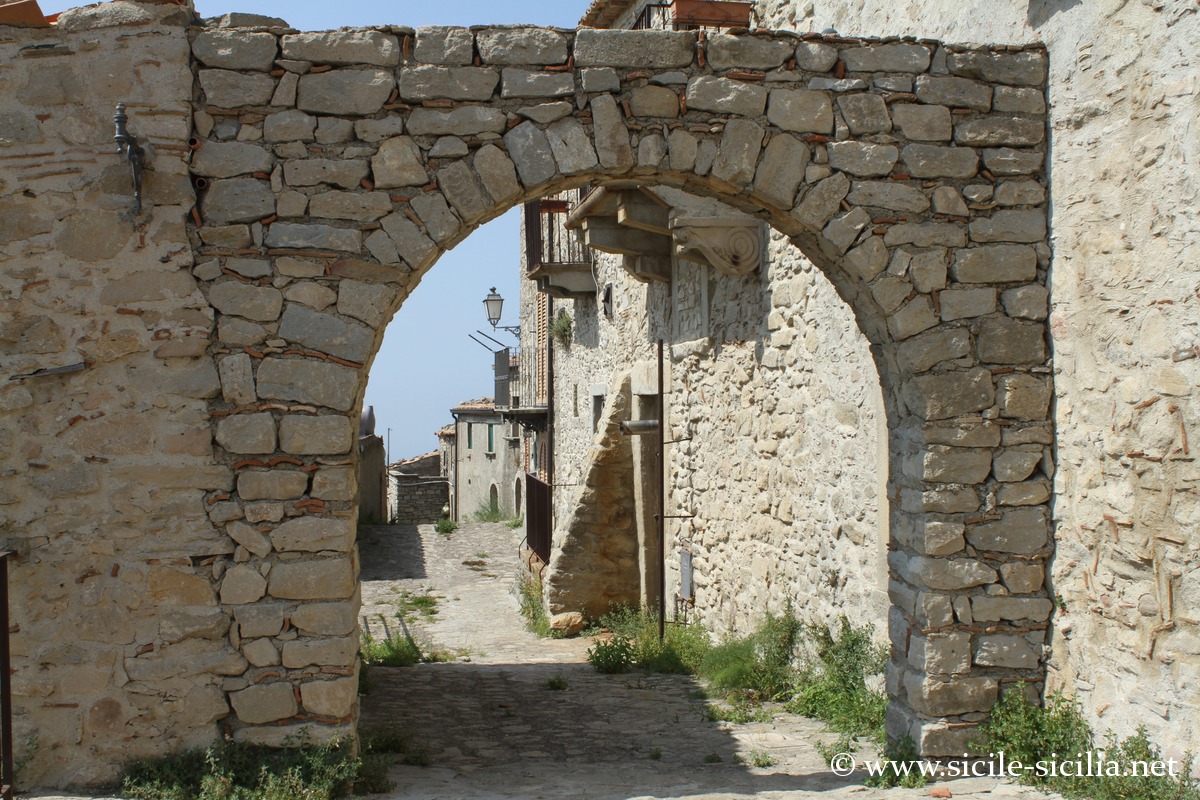
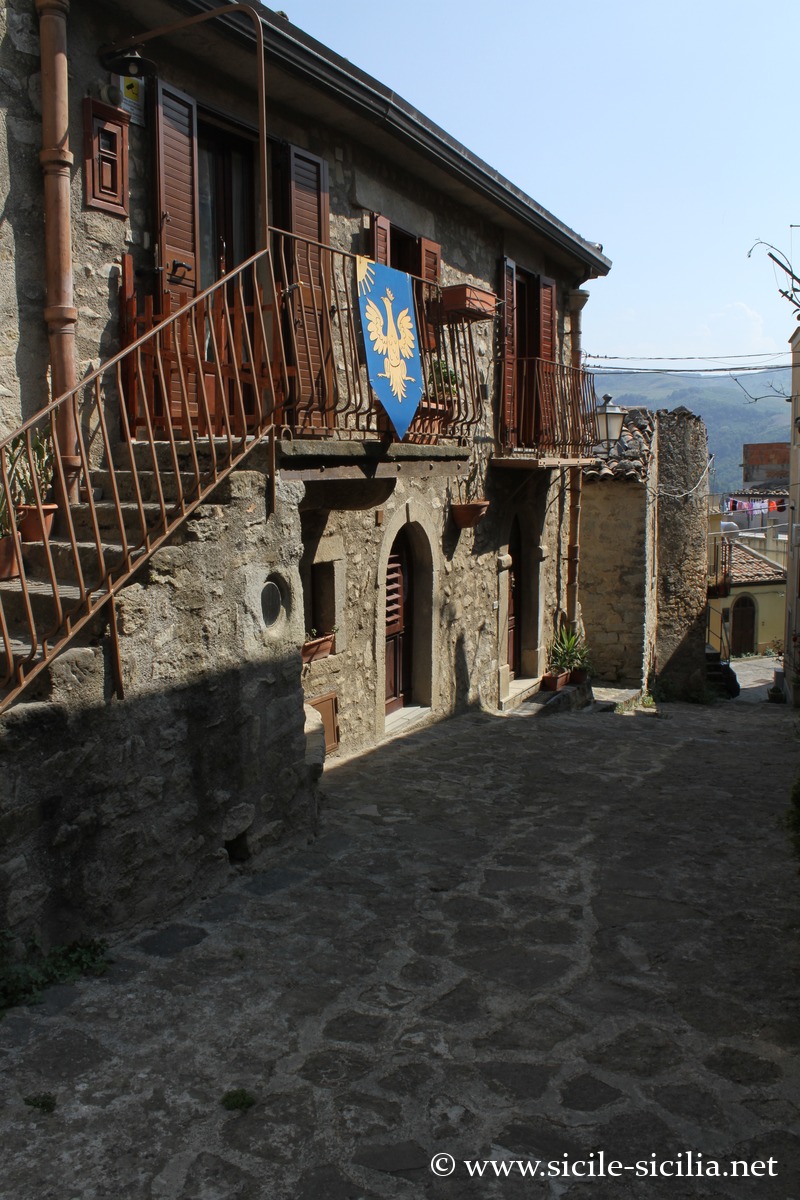
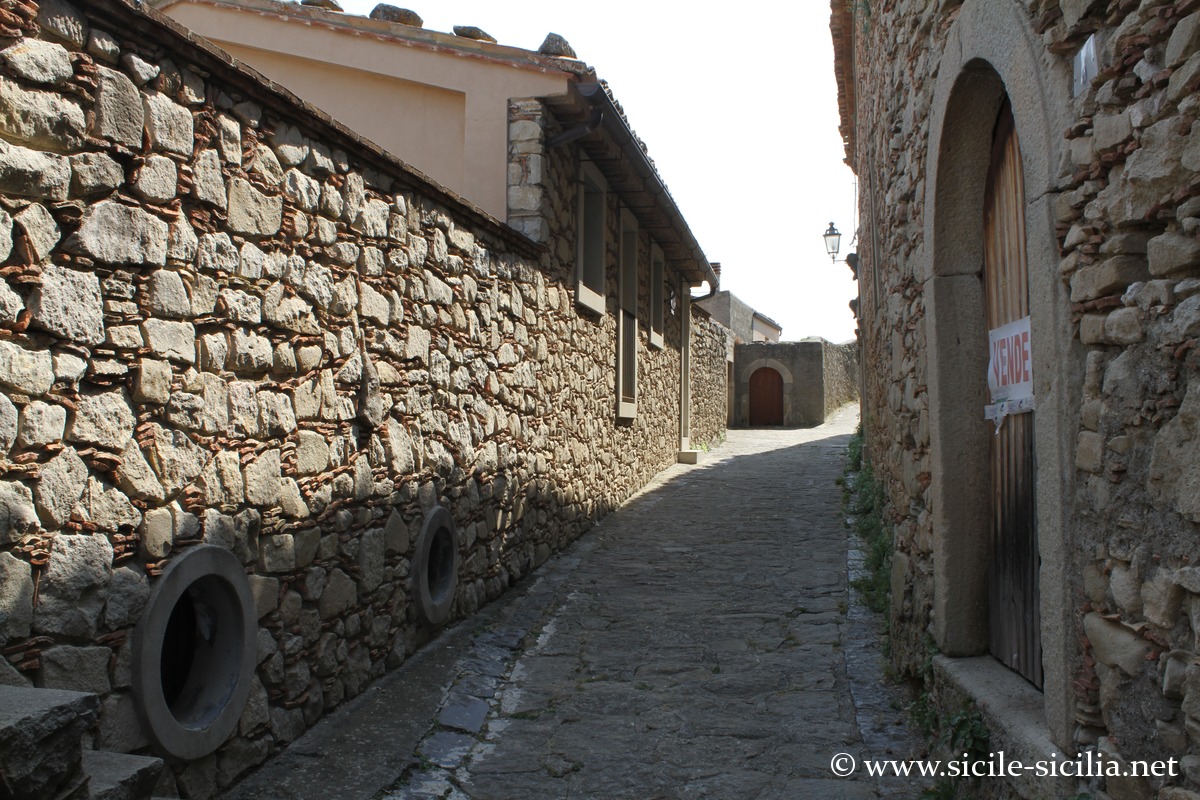
It stands out first of all for its castle, a legacy of the Middle Ages, whose oldest part is a fortress, and the most recent is a royal palace. Its charming historic centre is also one of its assets, made up of a labyrinthine complex of intact medieval alleyways, among sandstone houses, old porches, beautiful churches and works of art.
About 6 km from the village stretches the altopiano dell’Argimusco, a natural and archaeological site unique in Sicily, dotted with megaliths of suggestive shapes and spectacular panoramas. A little further on, the very ancient Malabotta forest is a site of great natural richness.
In the territory of Montalbano Elicona there are also ancient rural structures called “tholos” or “cùbburi”, small dry-stone constructions once used as shelters by shepherds.
This heritage earned Montalbano its inclusion among the “most beautiful villages in Italy“, and it was proclaimed “Borgo dei Borghi” at the 2015 edition of a national television competition.
Castle of Frederick II of Montalbano
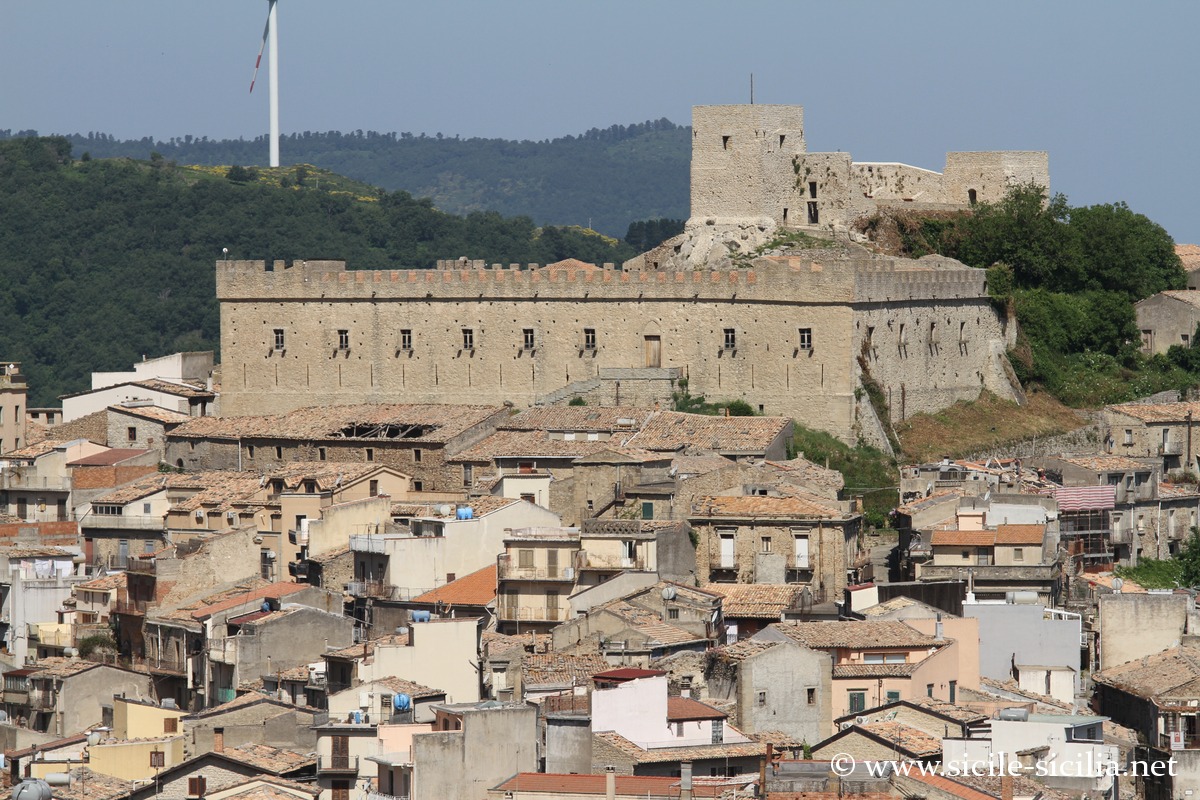
Montalbano Elicona
At the eastern end of the rocky spur that crowns the hill of Montalbano stands the most important building in the town, the castle of Frederick II (or Frederick III of Aragon), the King of Sicily who made the castle his summer residence between 1302 and 1308.
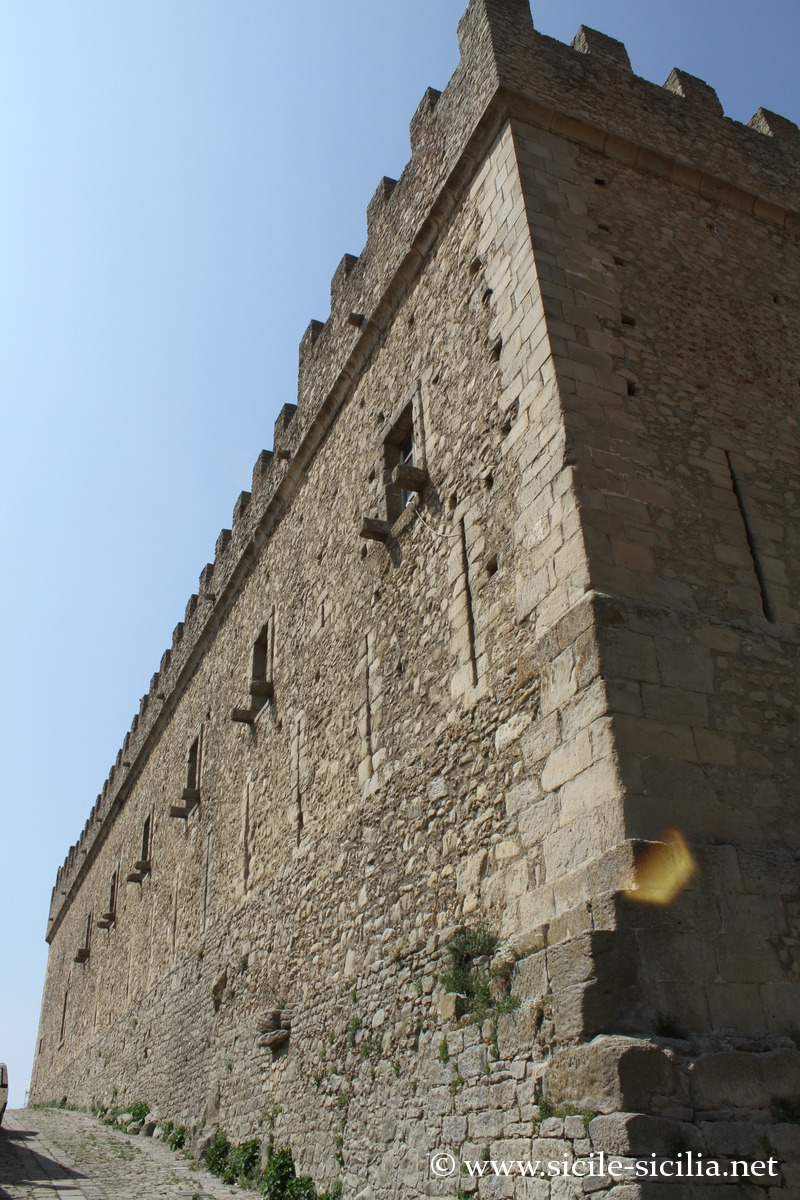
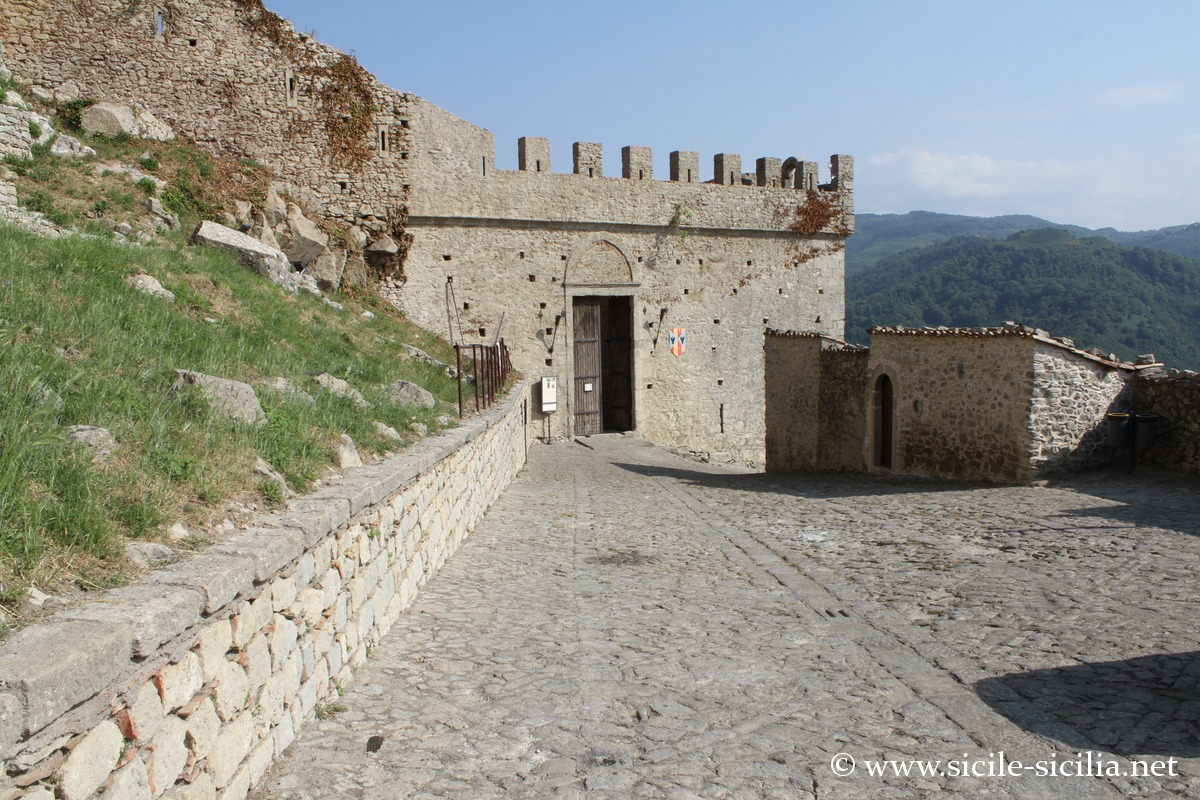
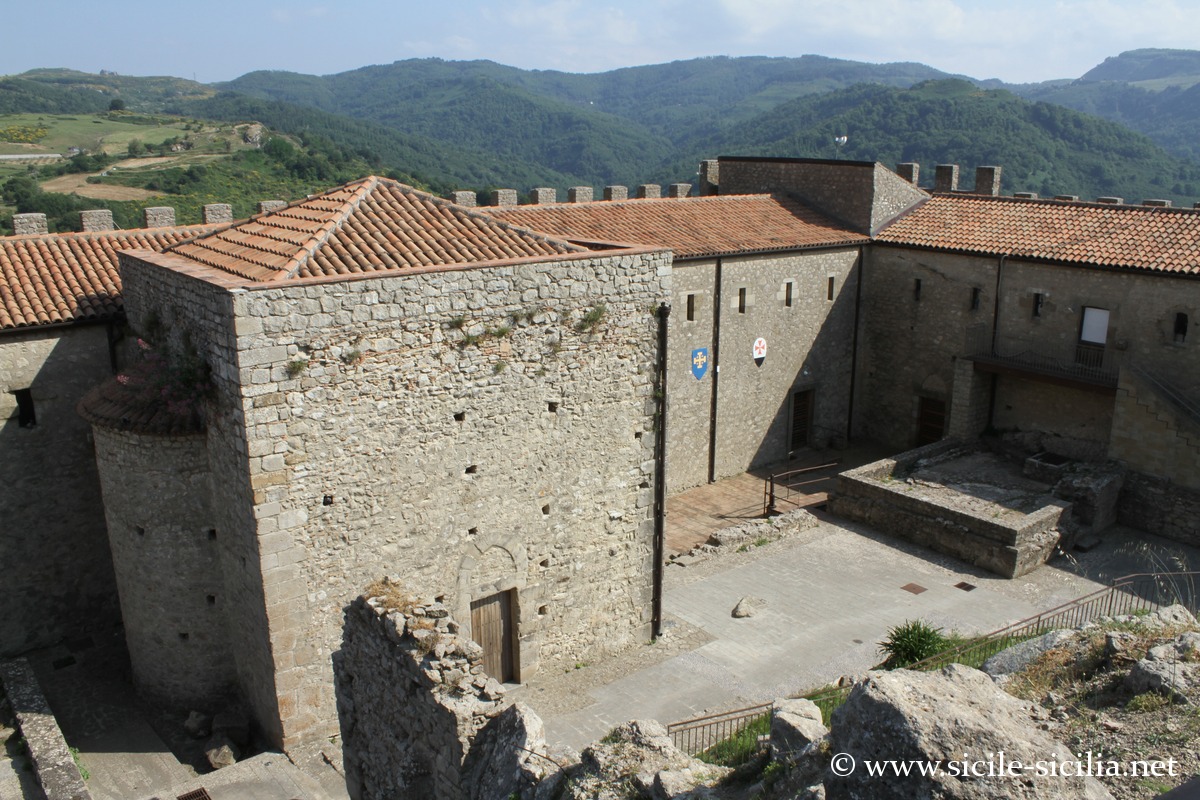
It is made up of two parts, one of Byzantine and Arab origin on the heights, fortified by the Normans and the Swabians, and the other an Aragonese fortified palace below the former. The first is a rectangular fortress with two towers attested in the 11th-12th centuries, one with a square section and the other pentagonal, with a crenellated curtain wall of Swabian origin that is well preserved (around 1270).
As for the royal palace built by Frederick III of Aragon, it is characterised by its large windows and doors that gave the building a structural harmony.
The most important room in the building is the royal chapel (Cappella Palatina) of Byzantine origin, which is said to house the remains of Arnaldo de Villanova, physician, alchemist and adviser to Frederick of Aragon.
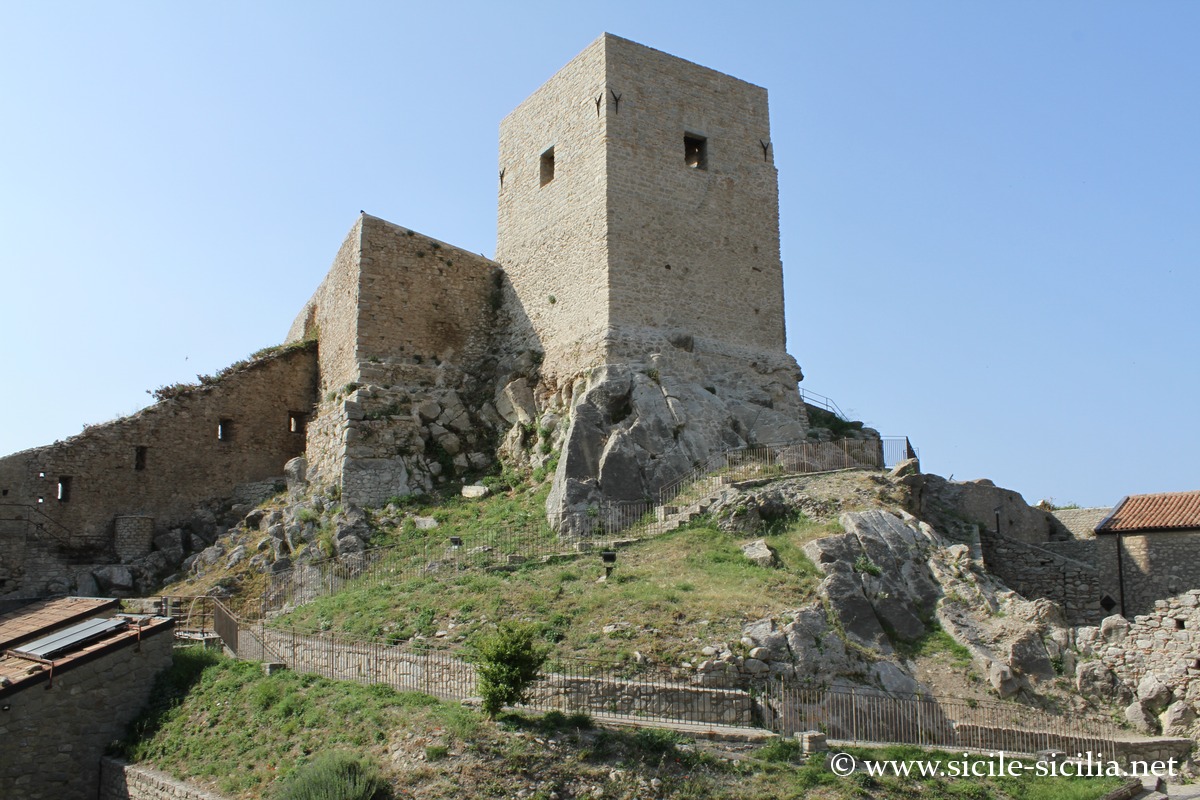
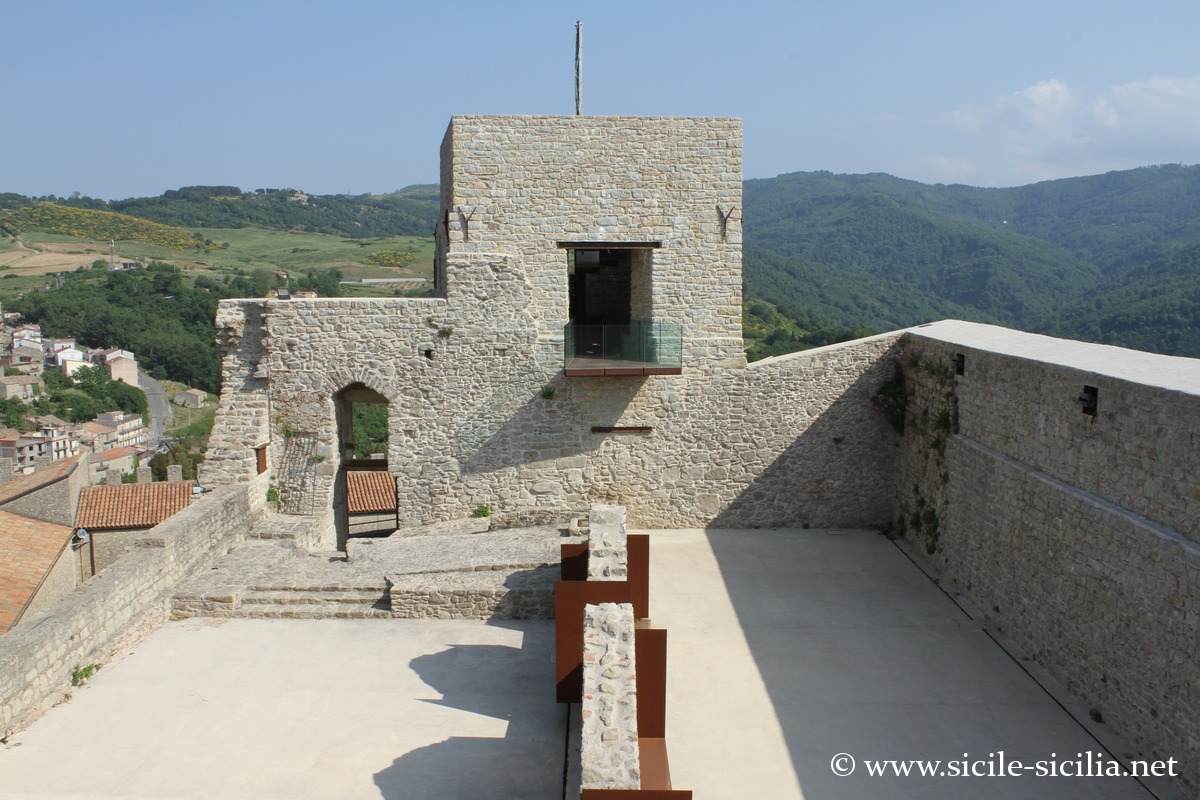
Medieval tower
A major restoration was carried out in the 1980s. However, the merlons of the battlements, which were originally swallow-tailed (according to the so-called Guelph practice, such as that of the Swabians and Aragonese), became rectangular (which is so-called Ghibelline architecture).
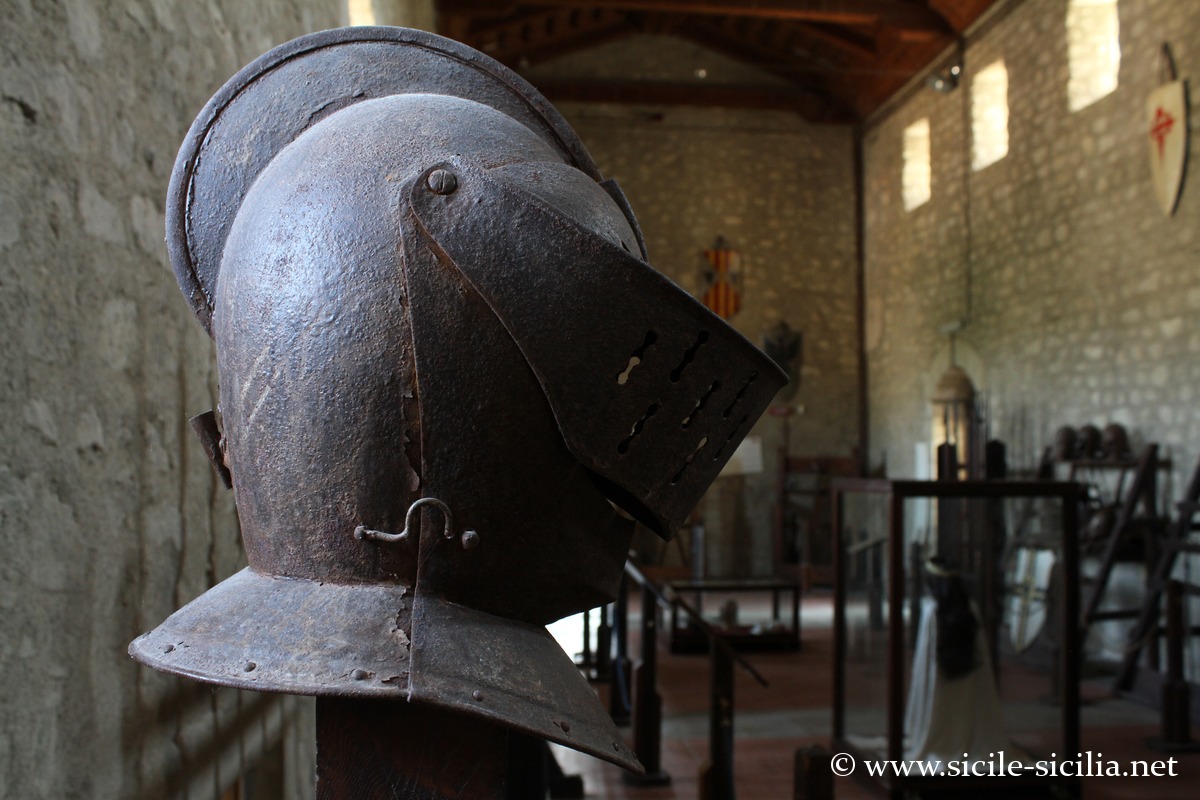
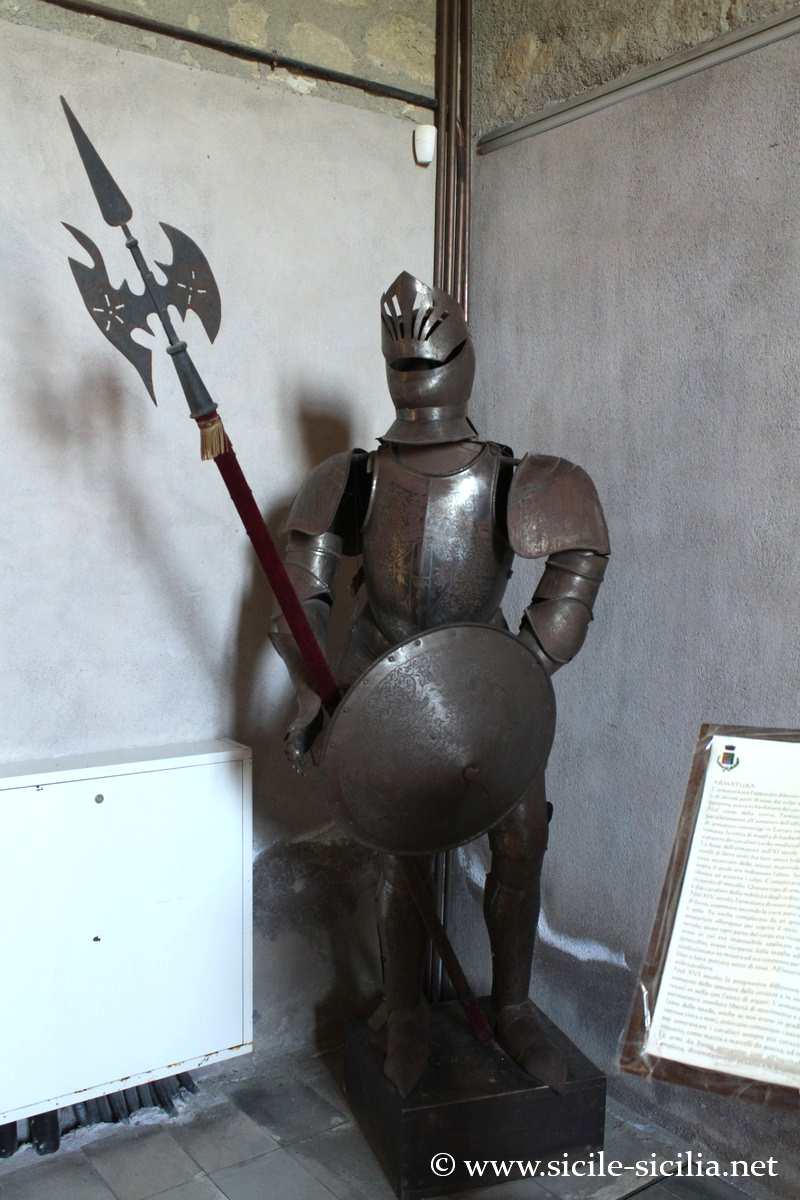
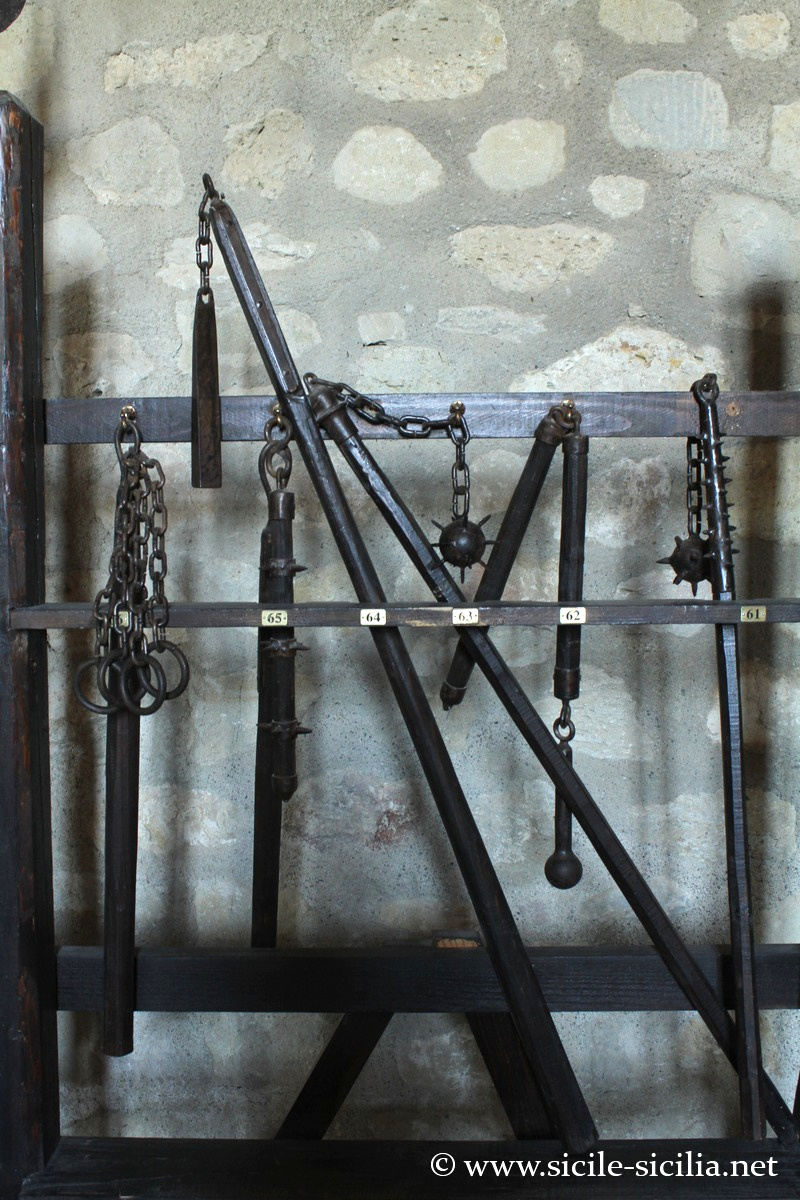
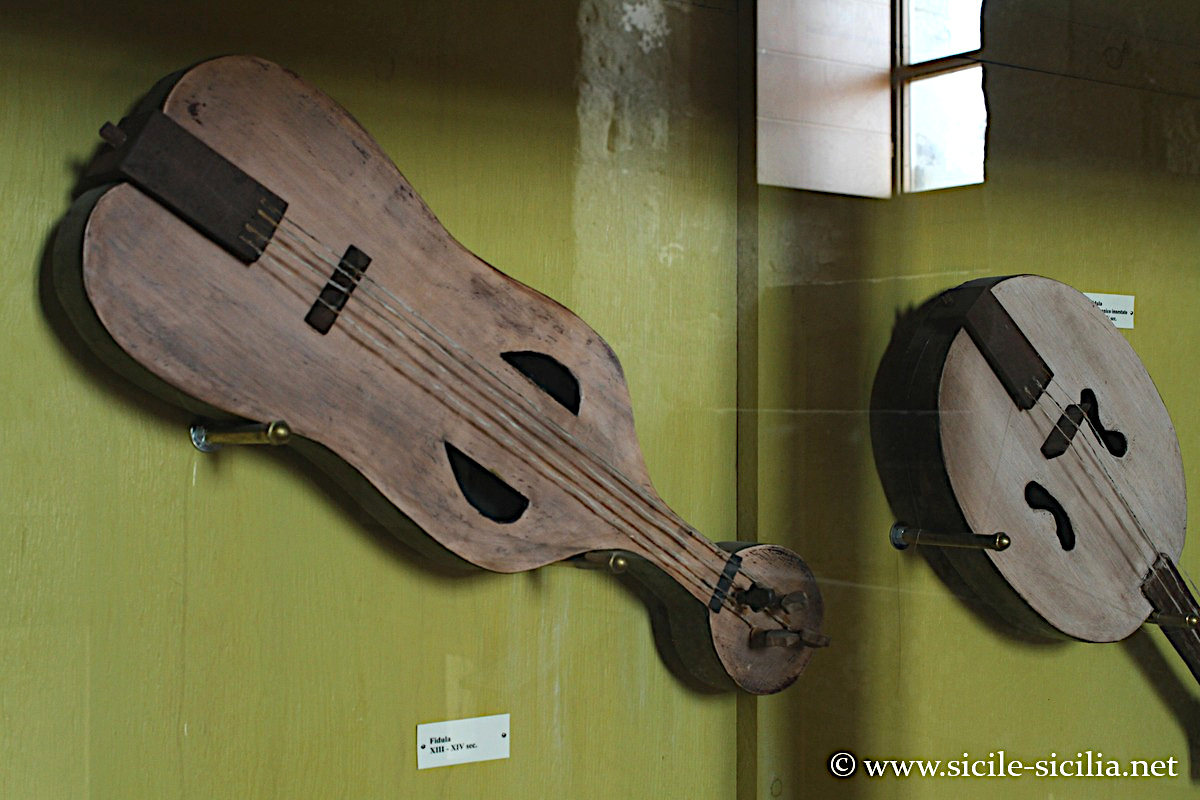
The castle houses two small medieval museums, one dedicated to weapons, with for example the knight’s panoply, the other devoted to the musical instruments of the period. The museum of bladed weapons covers a period from the 13th to the 17th century, displaying armour, lances and standards, while the museum of instruments traces five centuries of medieval and Renaissance music.
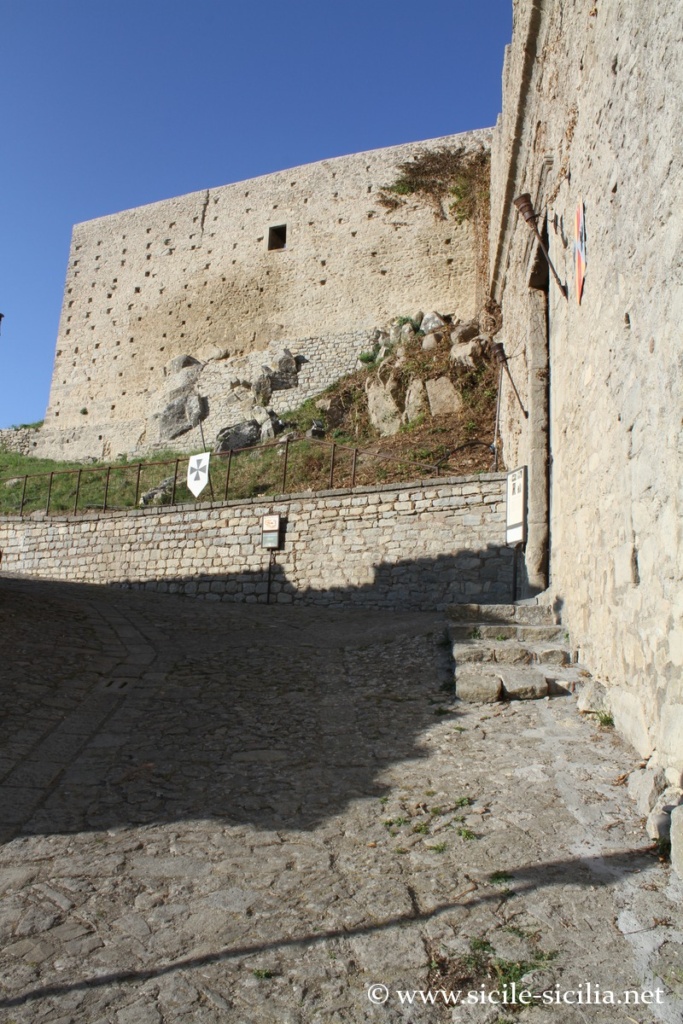
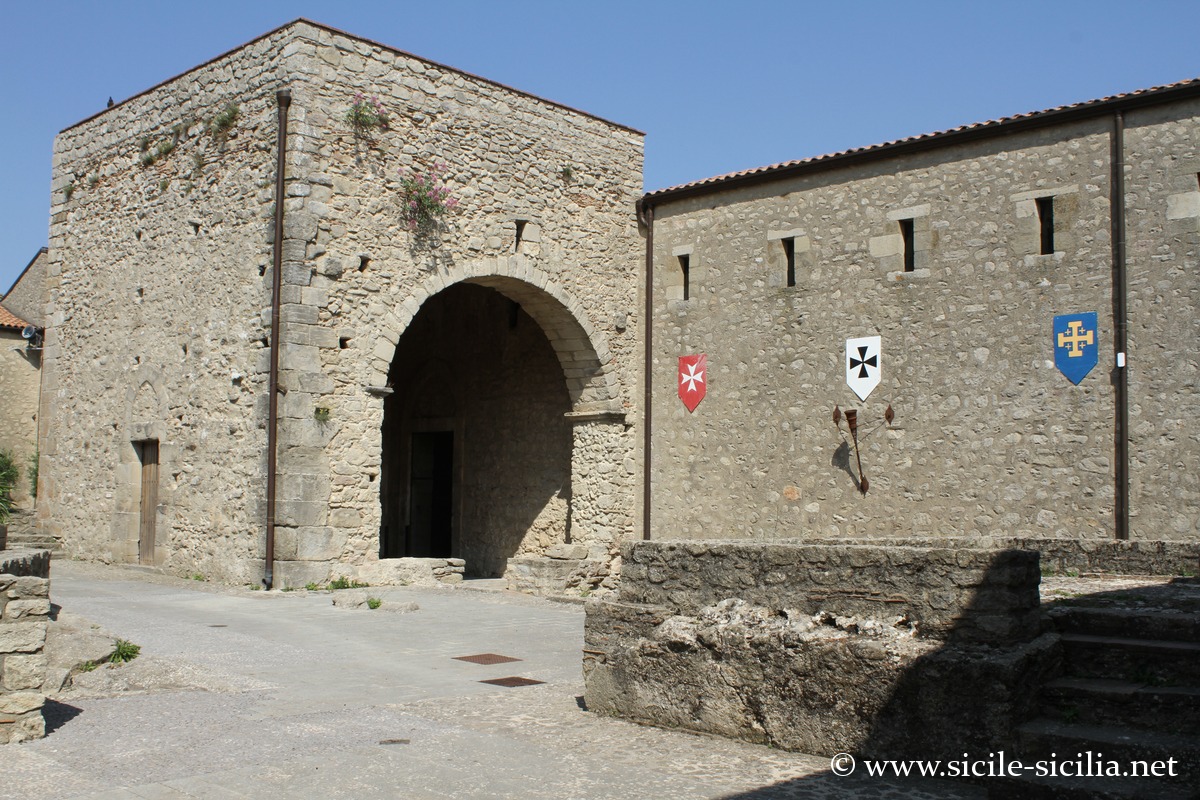
Exterior of the castle 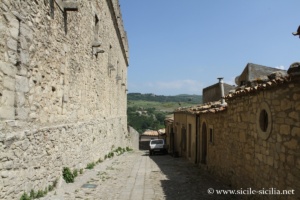

Exterior of the castle 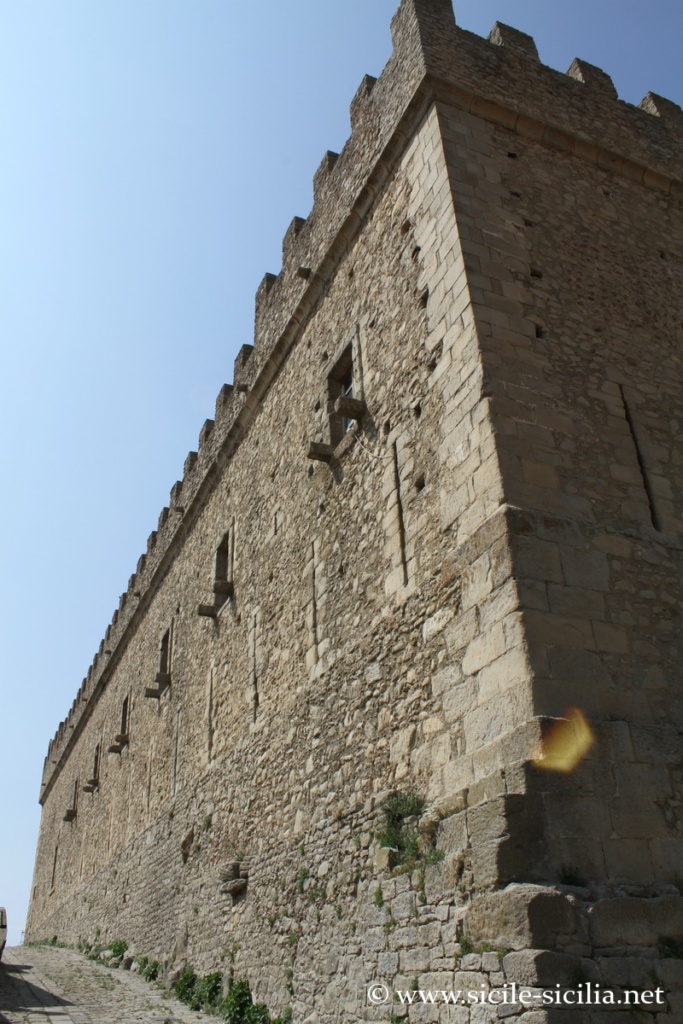

Exterior of the castle 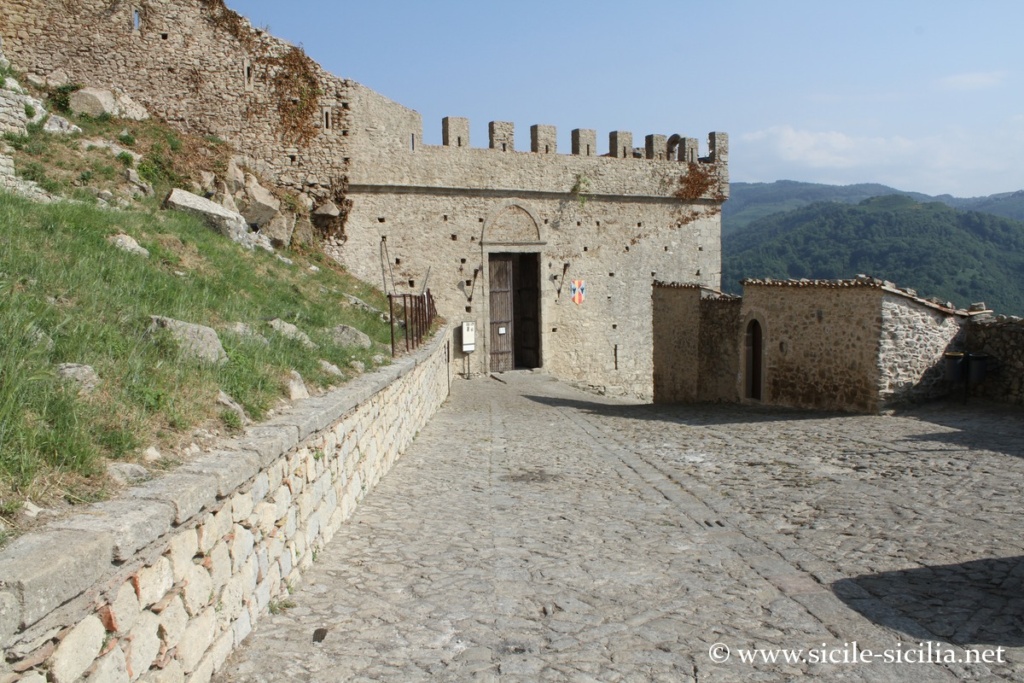

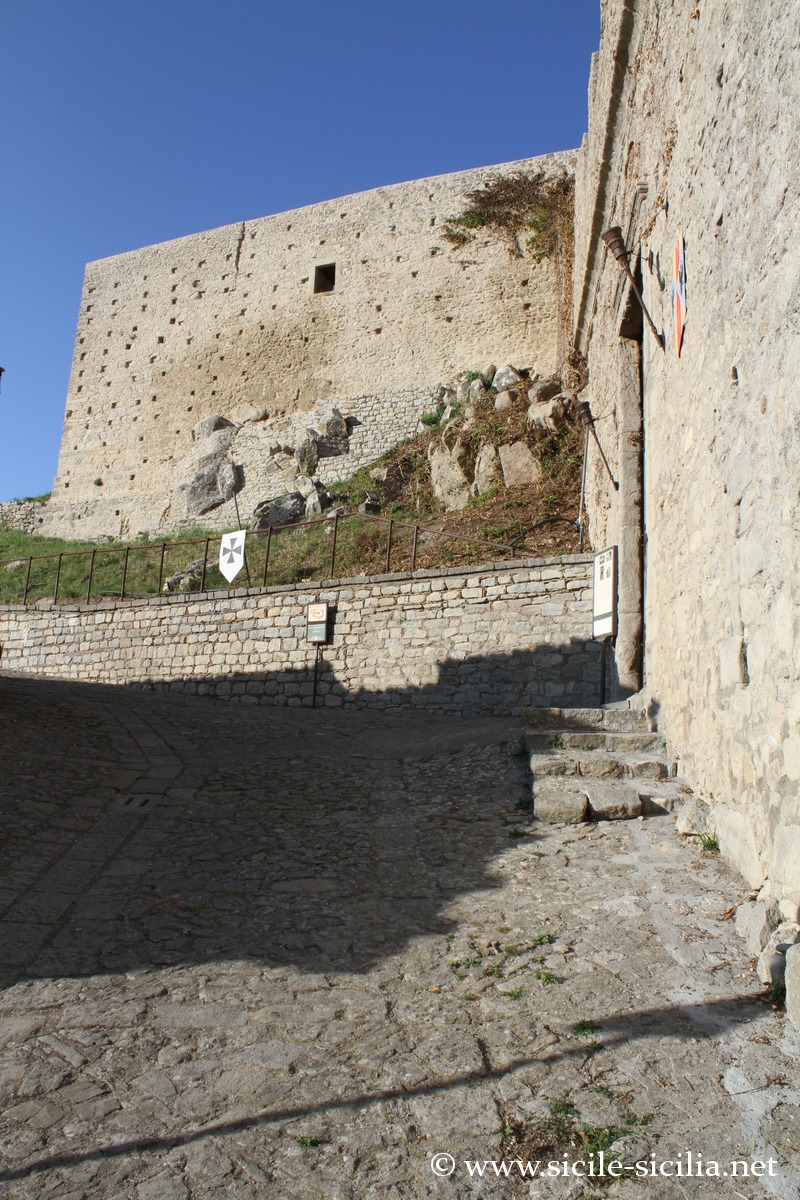
Castle gate 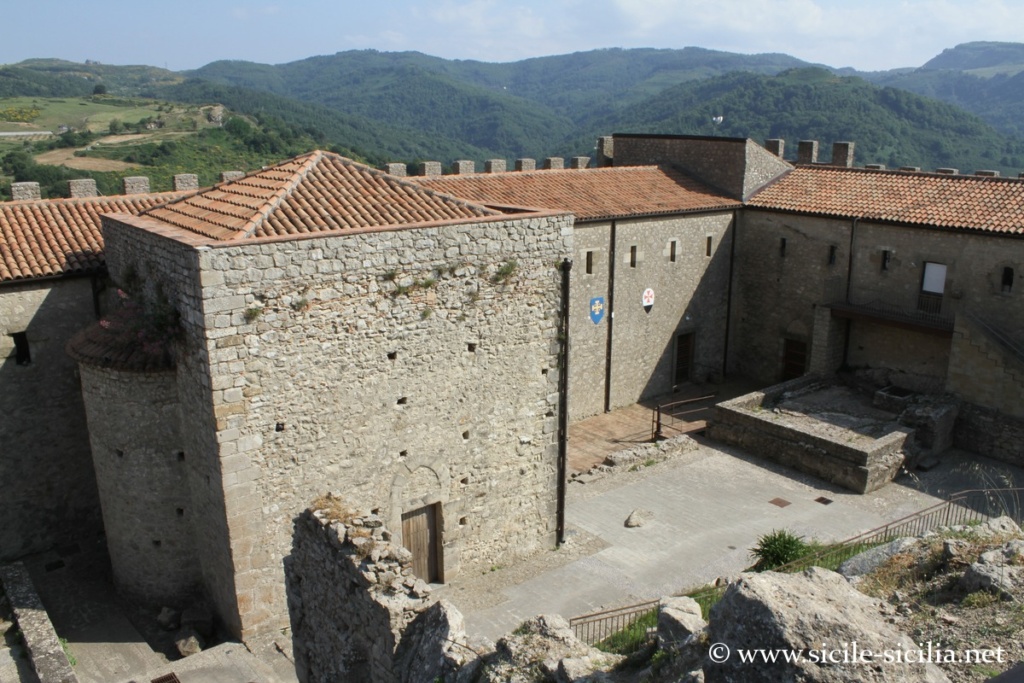
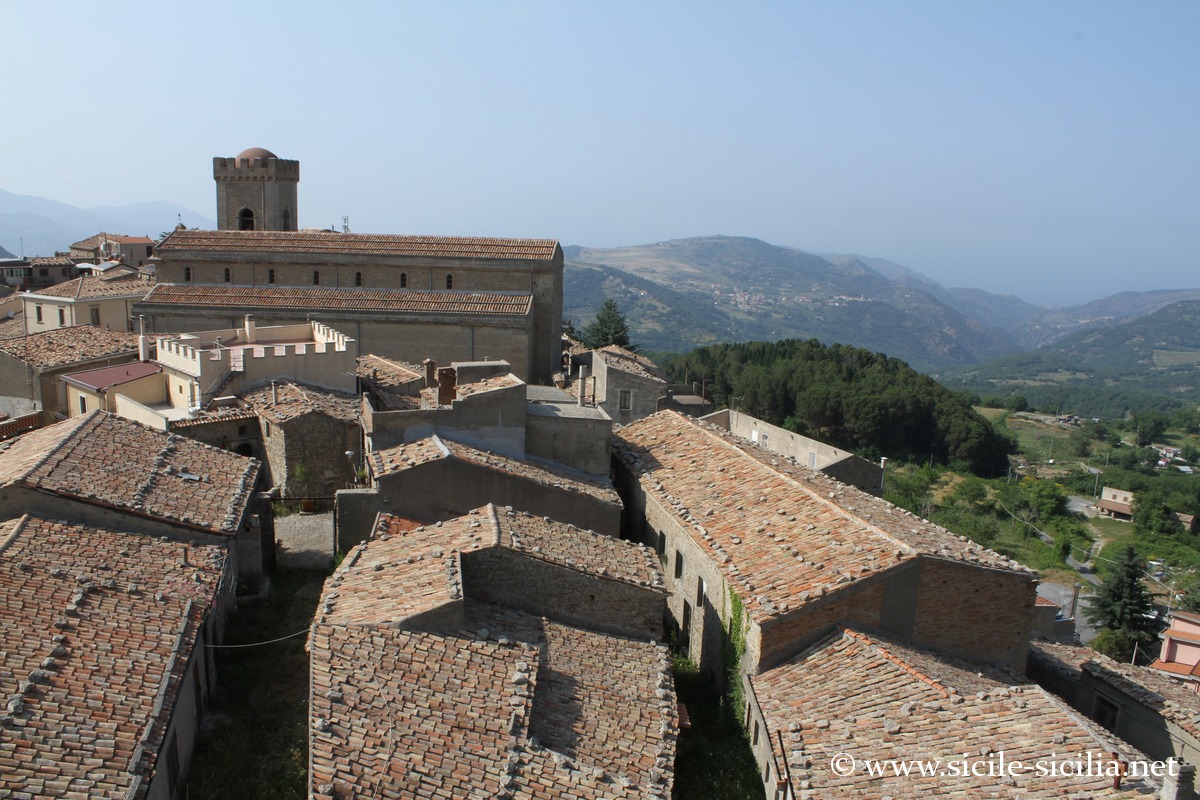
Panorama from the castle tower 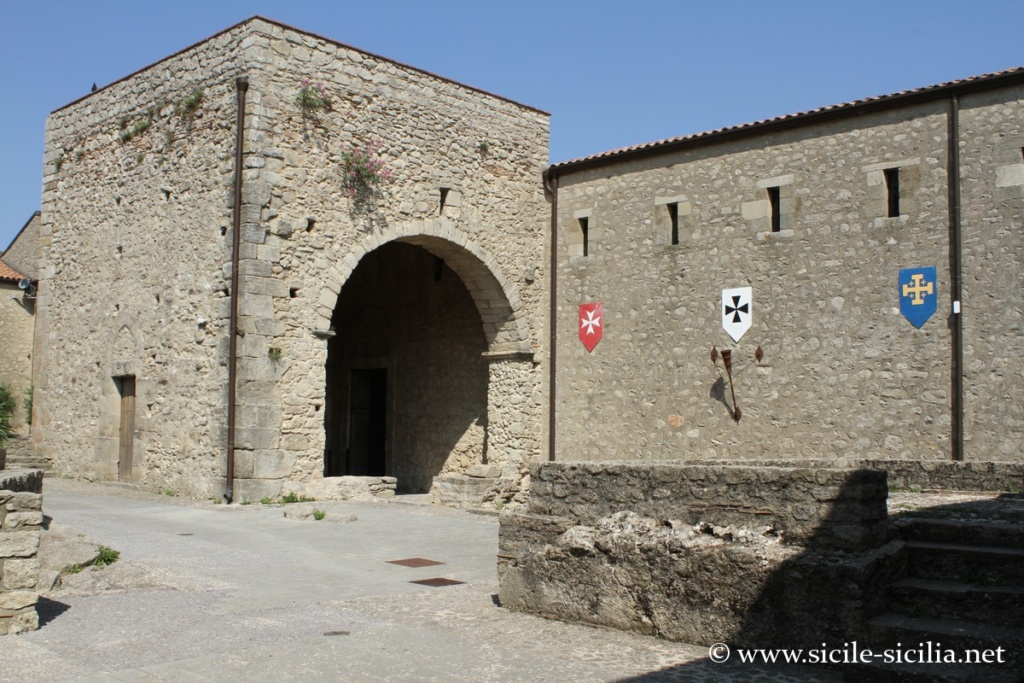
Palatine Chapel 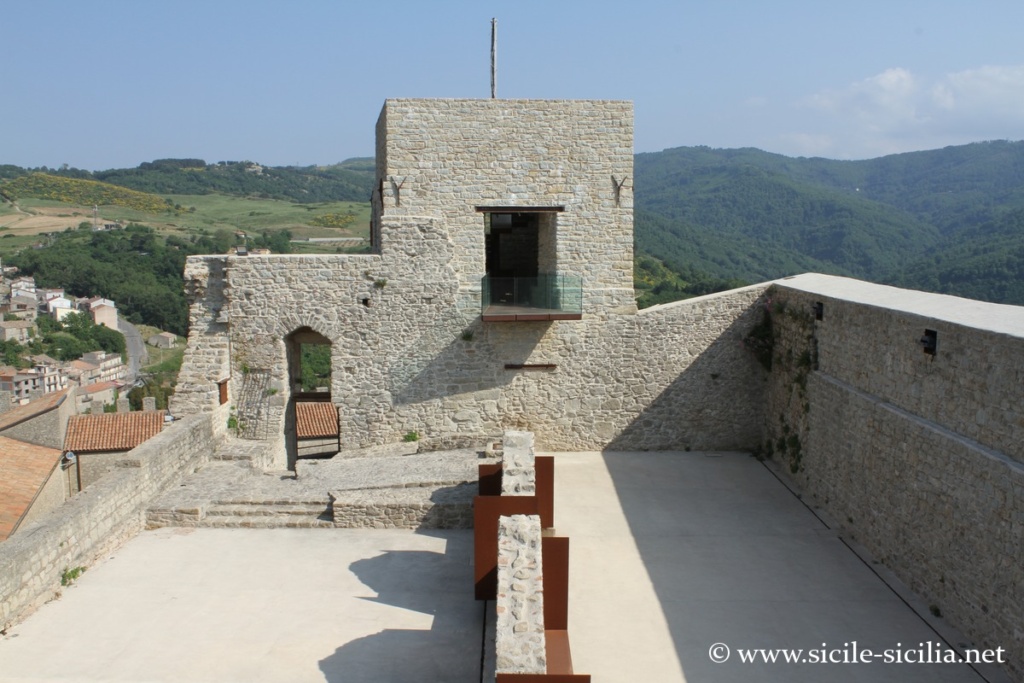
Castle terrace 
Panorama from the castle tower 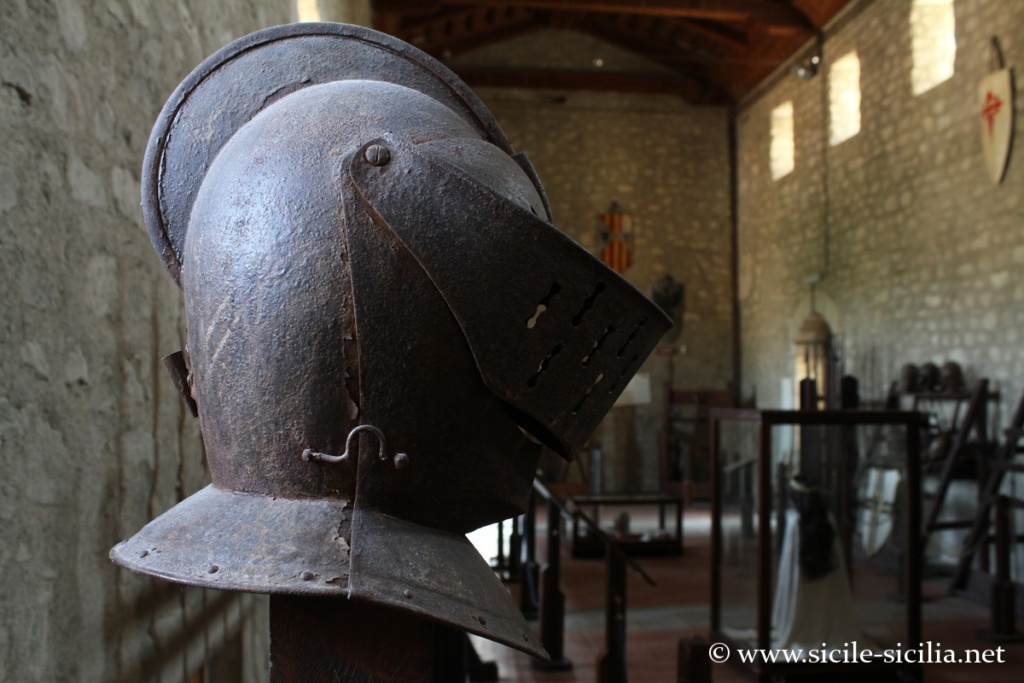
Museum of weapons and armour 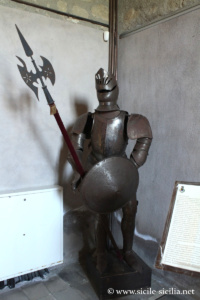

Museum of weapons and armour 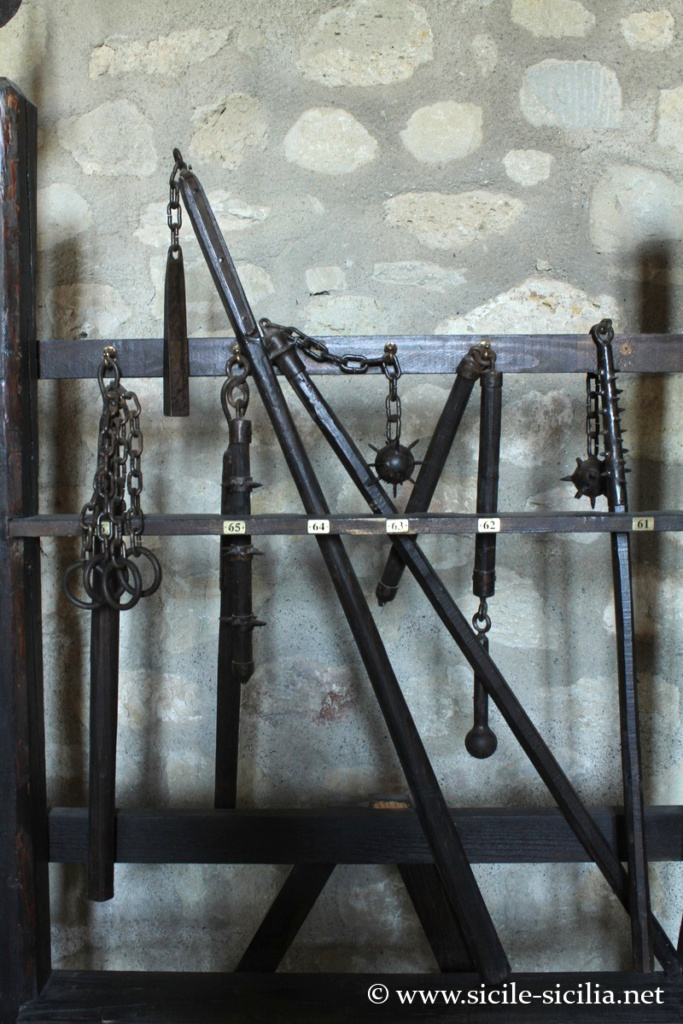
Museum of weapons and armour 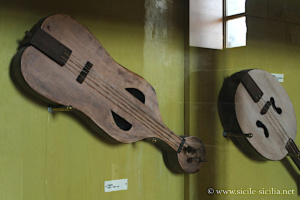
Museum of musical instruments
Historic centre and monuments of Montalbano
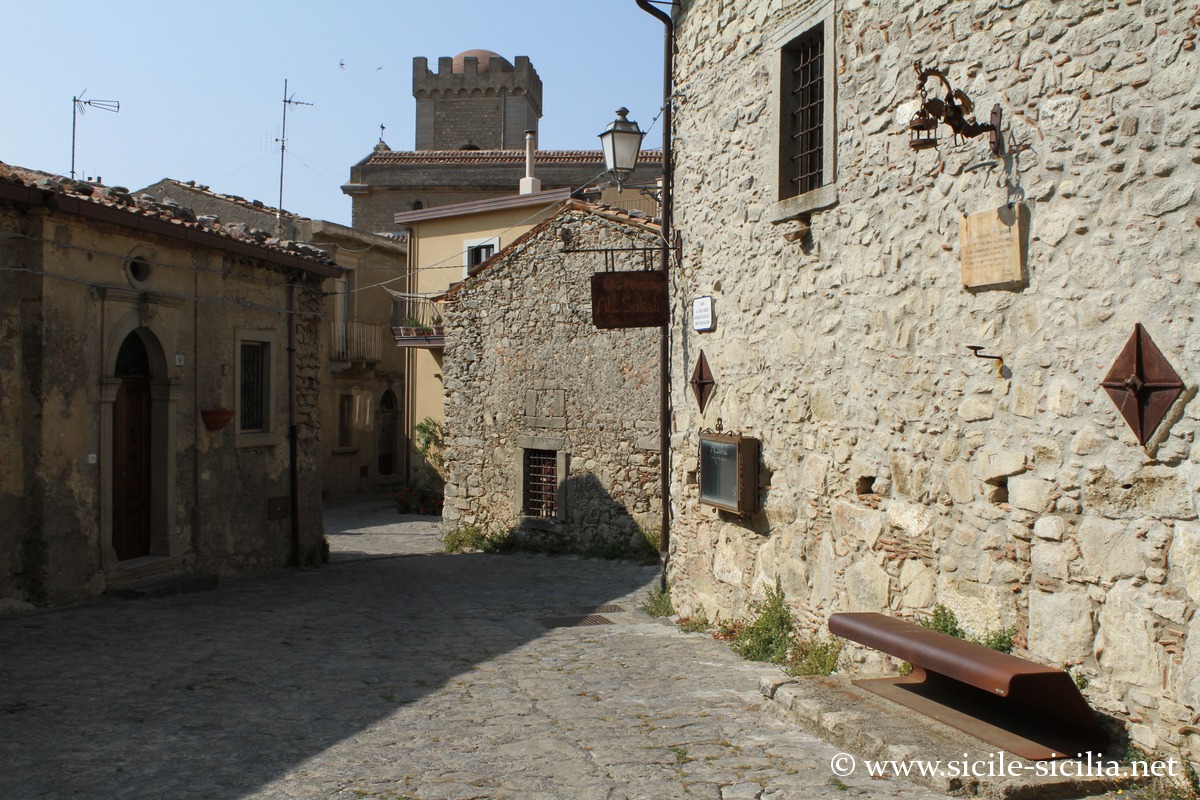
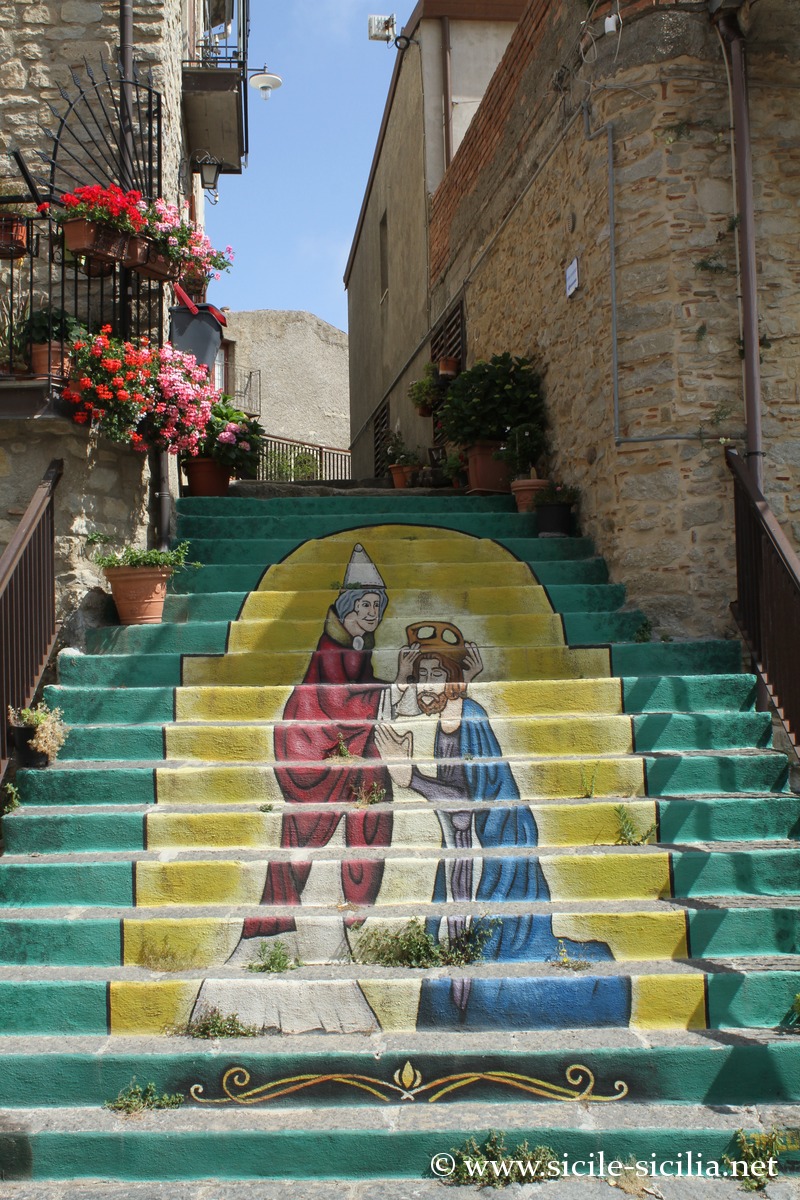
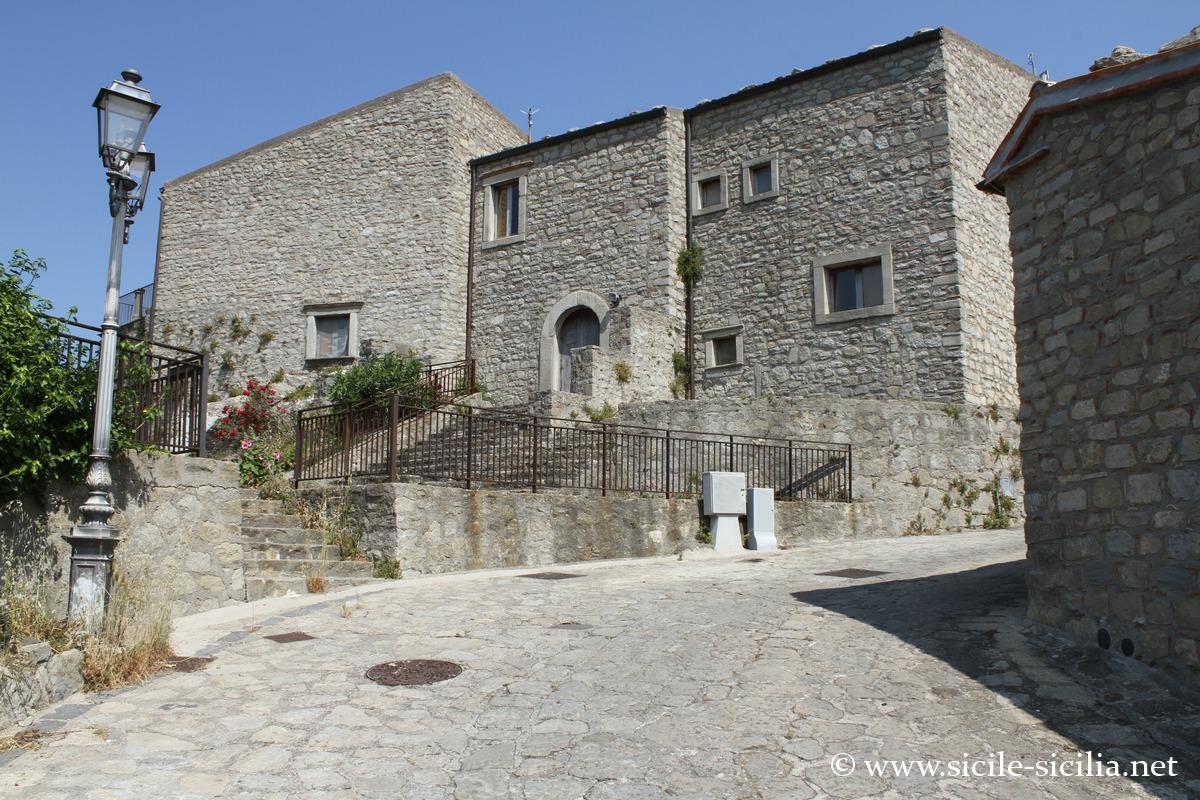
Historic centre of Montalbano
To the west of the castle, the cathedral dedicated to Santa Maria Assunta and San Nicolò Vescovo dominates the square from the top of a flight of steps.
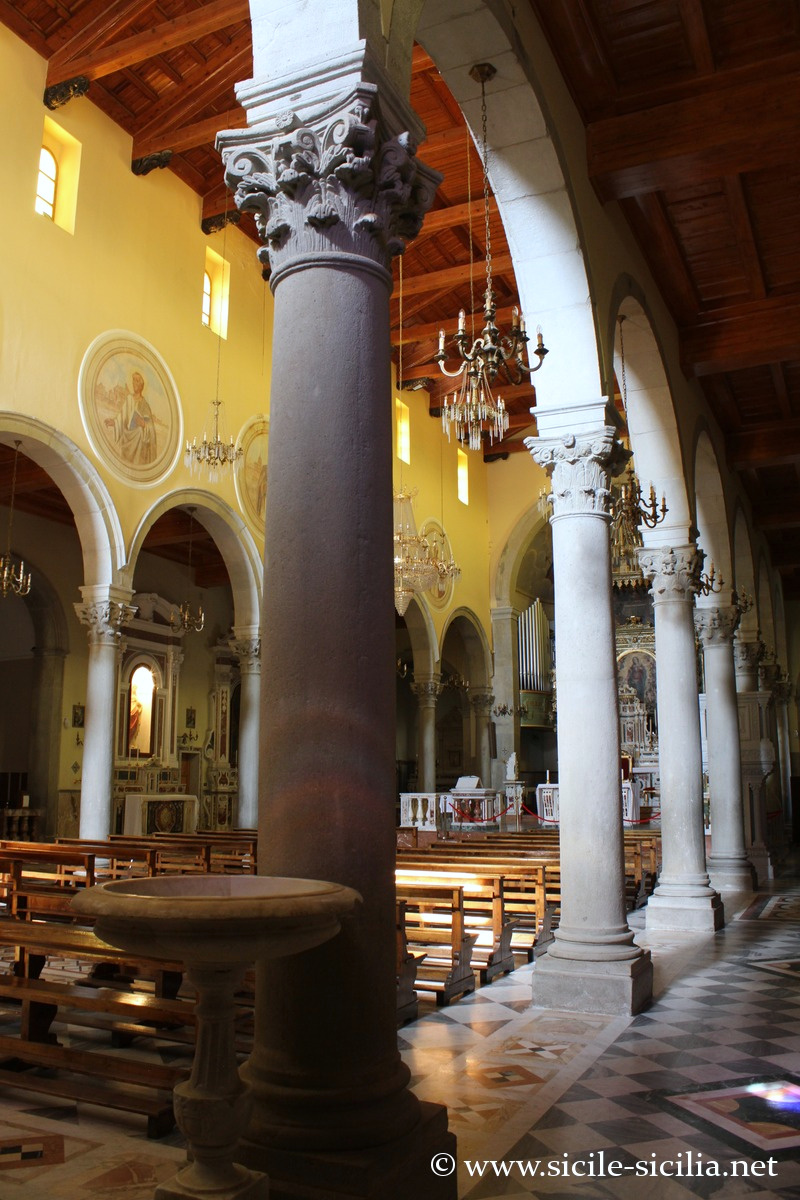
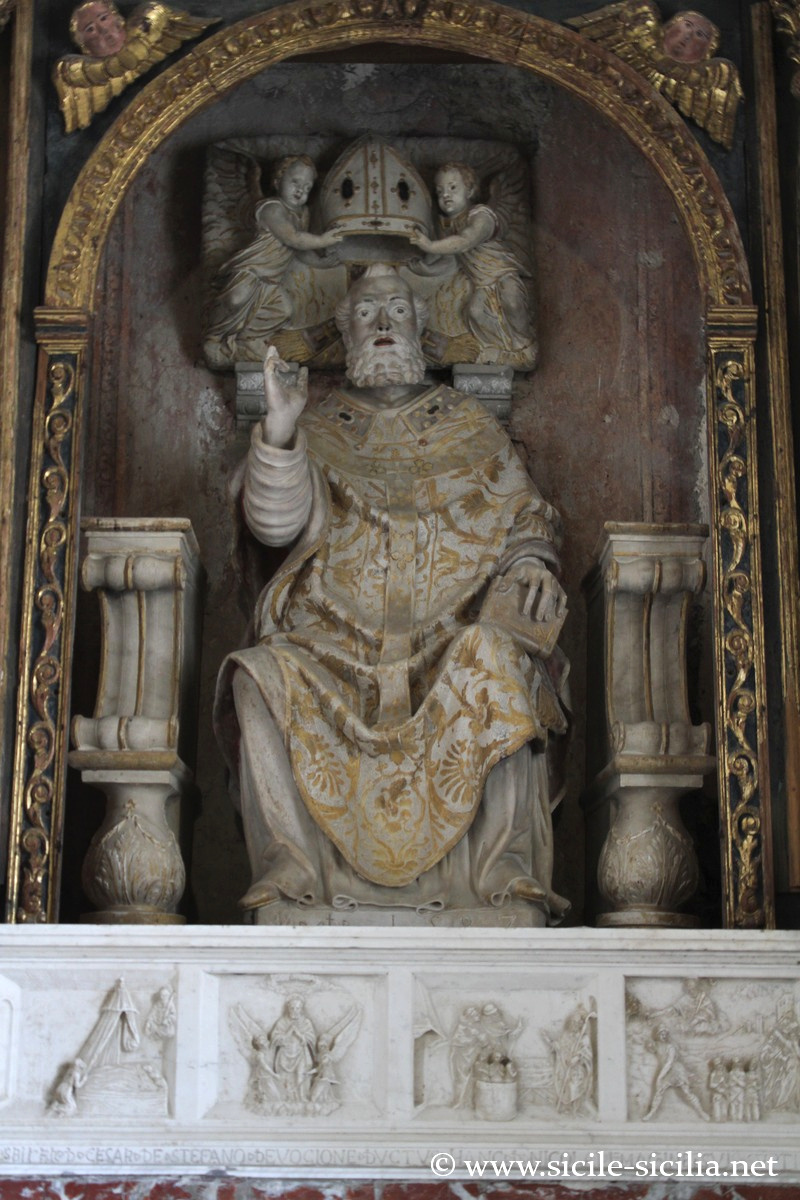
Of medieval origin, it was enlarged in 1654, with the side aisles and the bell tower. It preserves in particular a beautiful marble statue of Saint Nicholas attributed to the school of Gagini, a marble ciborium from the same school, a 15th-century wooden crucifix, or a Last Supper attributed to the school of Guido Reni.
To the north of the promontory, there is a beautiful panorama from the Portello viewpoint, which reaches as far as the coast and the Aeolian Islands.
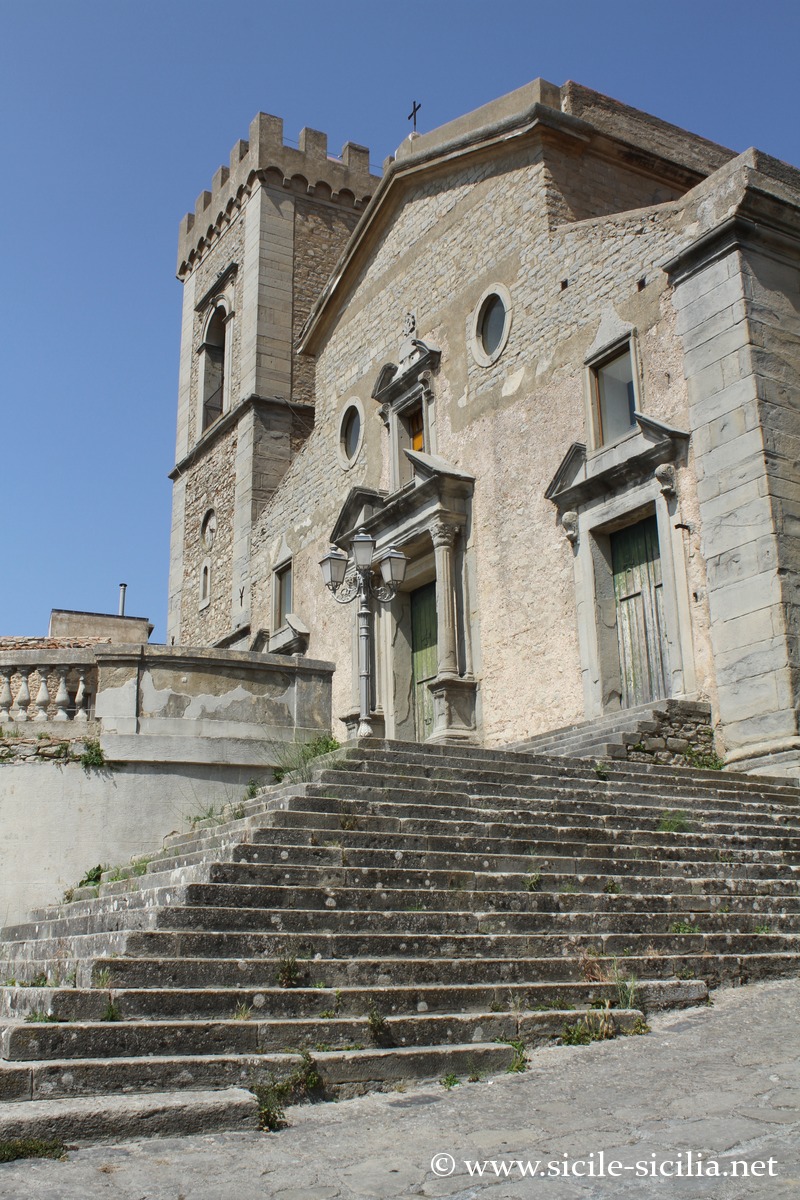
Duomo of Montalbano
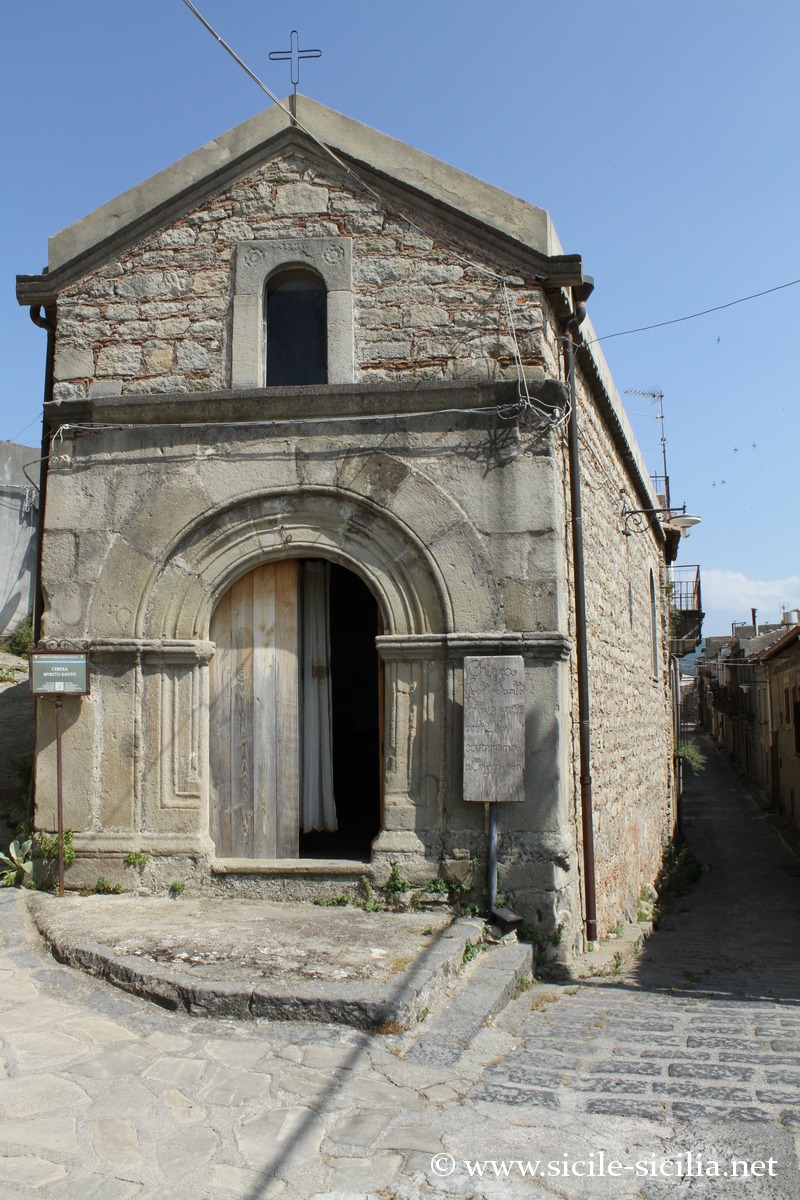
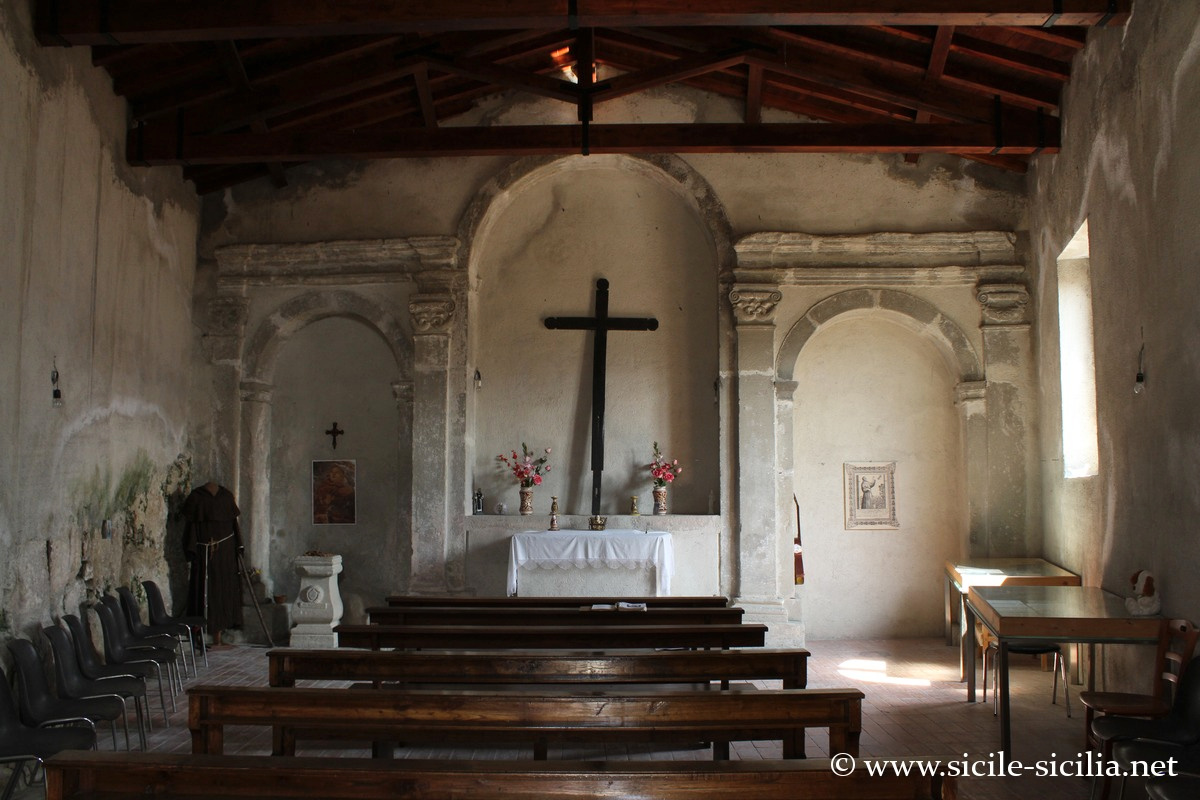
Further down, the pretty little church of Spirito Santo, dating from the 14th century, is located near the Giovan Guerino gate. It is built in a late Romanesque style and still has its original medieval portal.
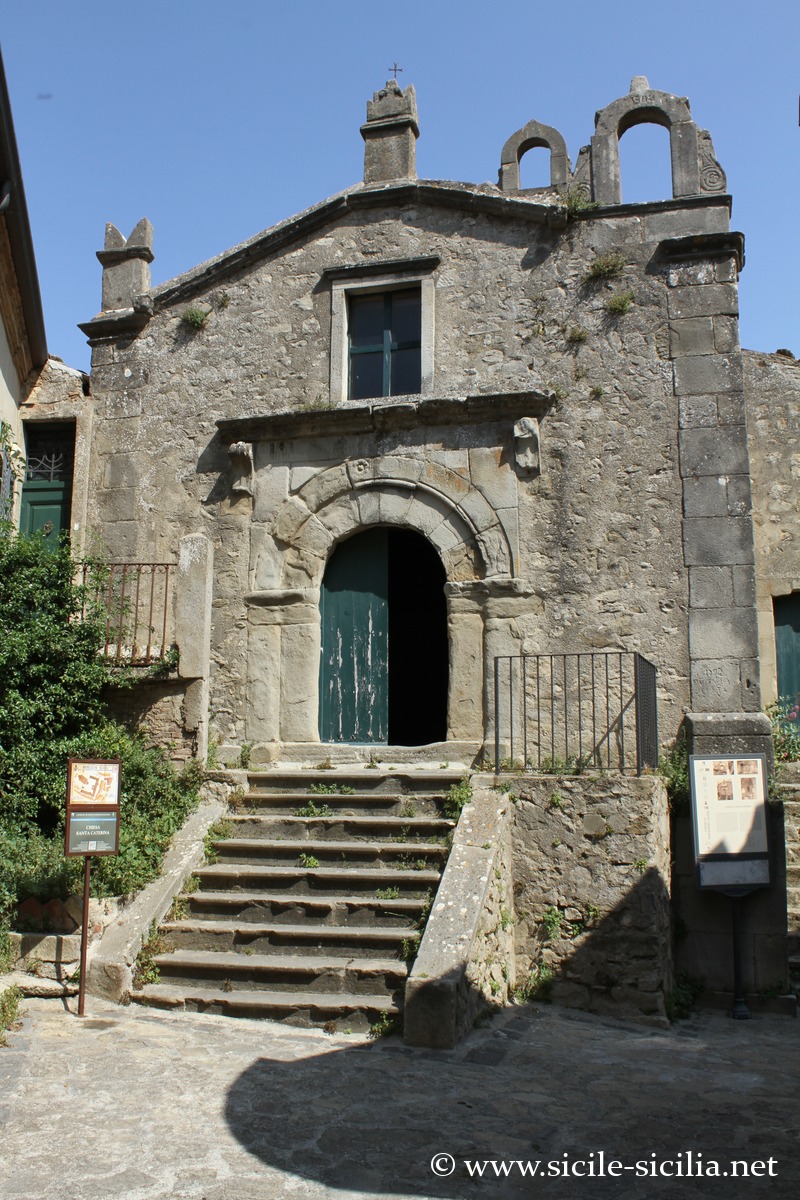
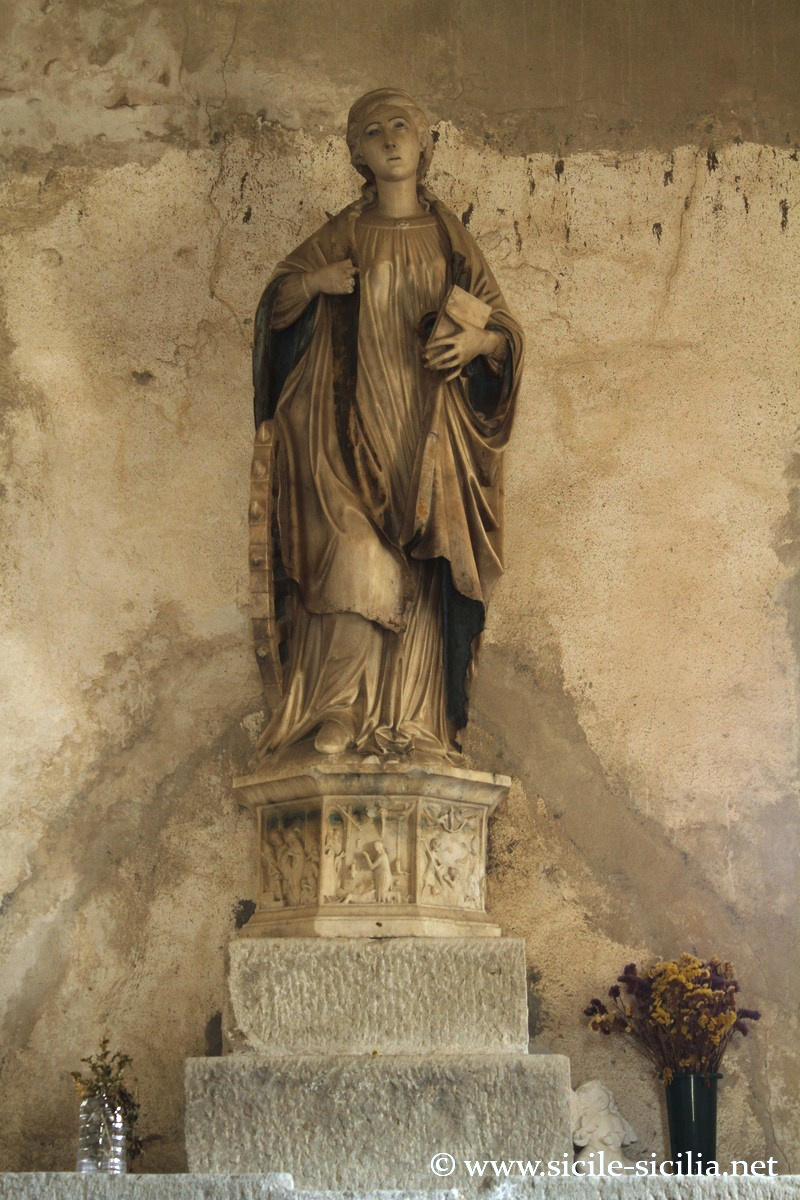
Just at the foot of the castle, to the east, the church of Santa Caterina keeps a beautiful Romanesque portal, from around the beginning of the 14th century, and preserves an important marble statue of the saint, attributed to Antonello Gagini (around 1510).
Beautiful portals can also be found on the town’s buildings, including those of the Messina-Ballarino house with its two 17th-century Baroque portals, or that of the Mastropaolo house from the 18th century.
To the east of this district, on the edge of the more recent urbanisation, the sanctuary of Maria Santissima della Provvidenza from the 17th century, formerly the church of San Domenico, preserves a 16th-century wooden statue of the Virgin which is carried in procession on 24 August.
Historical overview of Montalbano
Montalbano was already a fortified stronghold in Byzantine times, in the 9th century. With the arrival of the Normans around 1061 a colony of Lombard origin settled there, from the Monferrat region. Under direct control of the state, the castle was enlarged.
In 1211 the Emperor Frederick II of Swabia granted the fortress as a dowry to his first wife Constance of Aragon. However, like other Lombard colonies in Sicily, it rebelled against the emperor, taking the side of the Pope, and Frederick II destroyed it in 1233. Its inhabitants were deported to several towns. However, Frederick II rebuilt the castle because of the strategic importance of the site. In 1262, King Manfred I elevated Montalbano to a county.
The most prestigious period of the town began with the arrival of Frederick III of Aragon (Frederick II of Sicily) who installed his summer residence there from 1302 to 1308.
The fief was later the possession of various families, such as the Lancias in the 15th century. In the 17th century its status was raised to a duchy and remained governed by the Bonanno family until 1805.
Montalbano gallery
Panorama of Montalbano 
Panorama of Montalbano 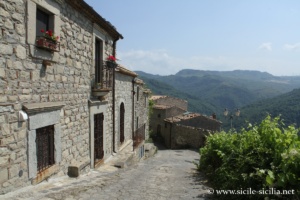
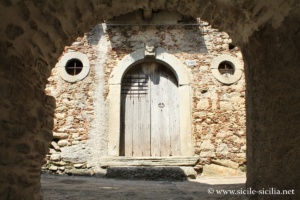
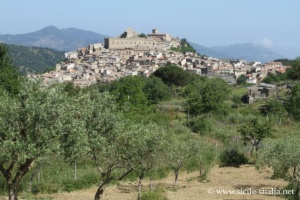
Panorama of Montalbano 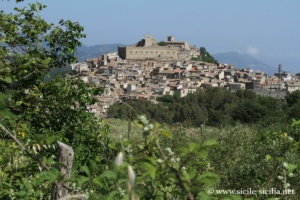
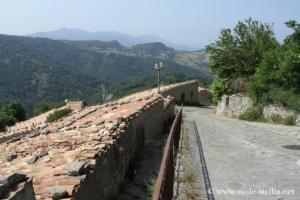
Panorama of Montalbano 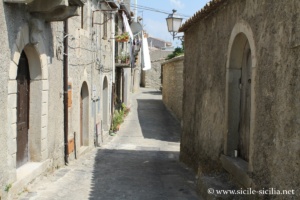
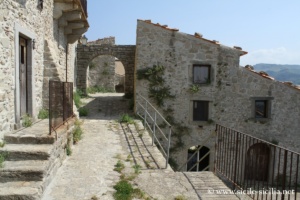
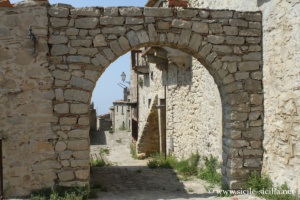
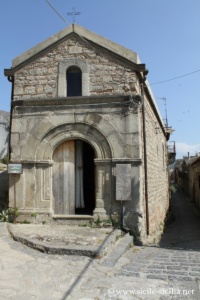
Church of Santo Spirito 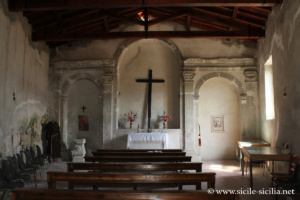
Church of Santo Spirito 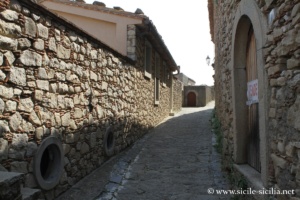
Historic centre 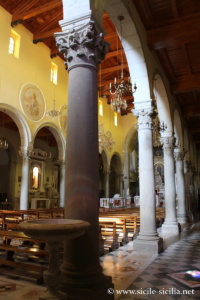
Interior of the duomo 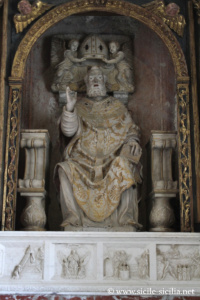
Statue of Saint Nicholas by Gagini, duomo 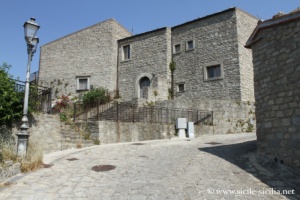
Historic centre 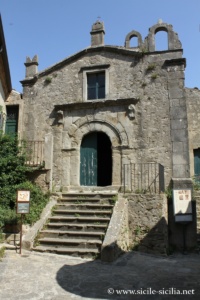
Church of Santa Caterina 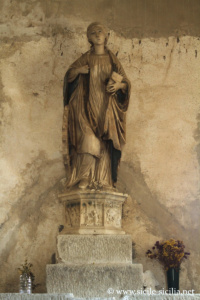
Santa Caterina 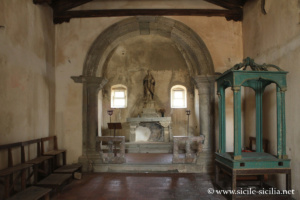
Church of Santa Caterina 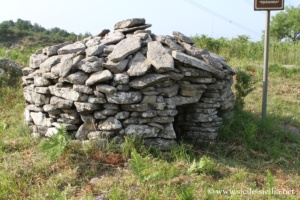
Tholos in the surroundings 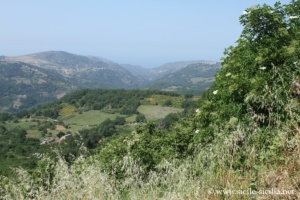
Panorama around Montalbano
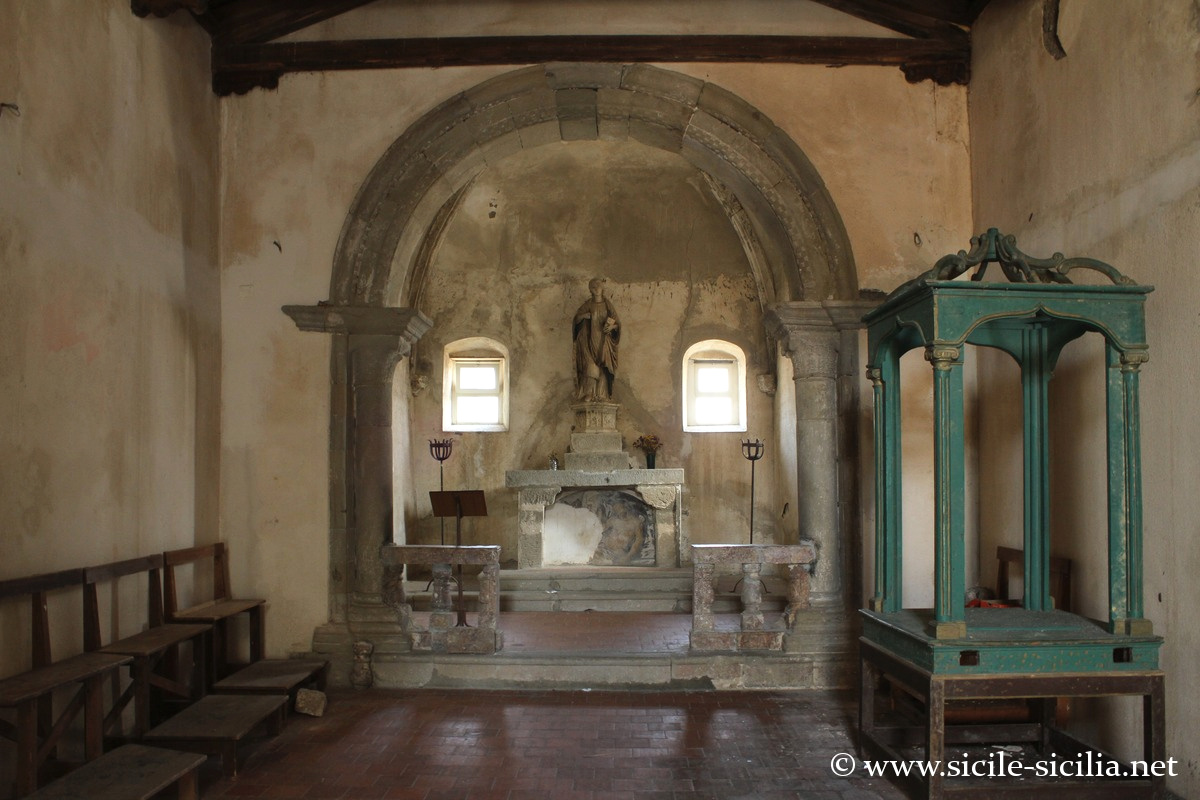
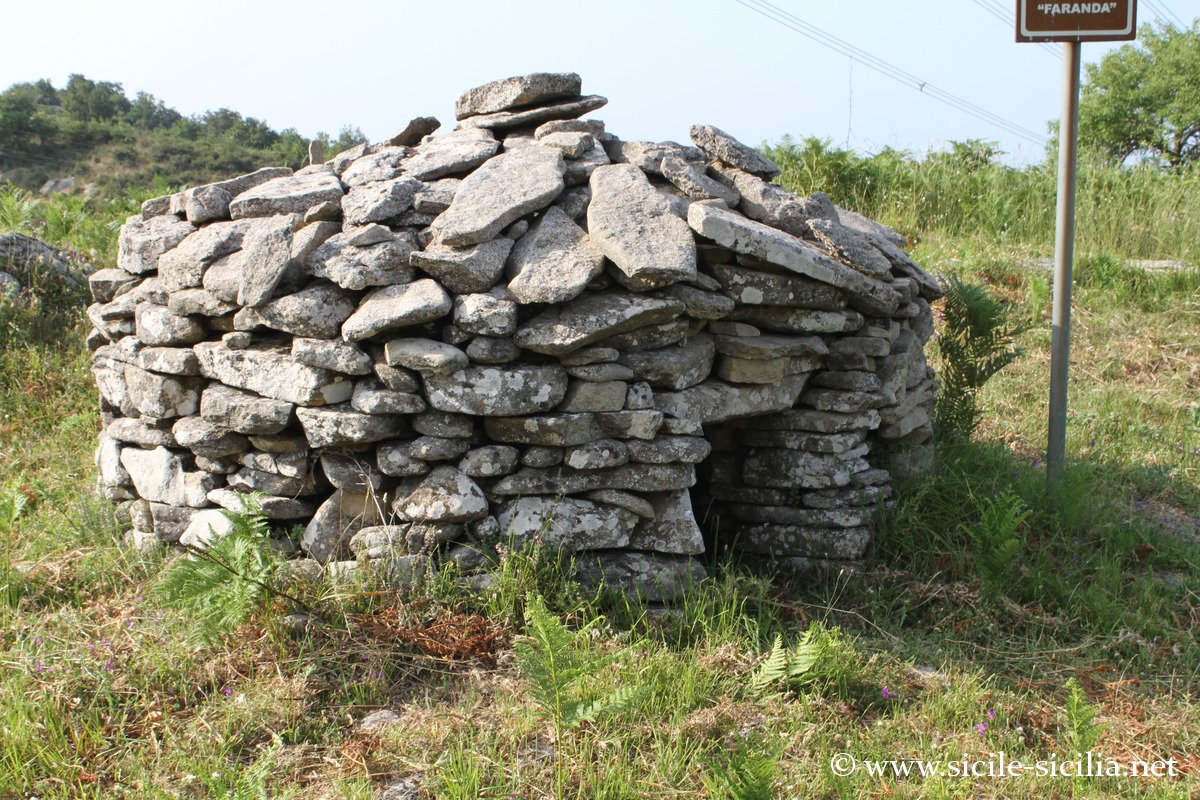
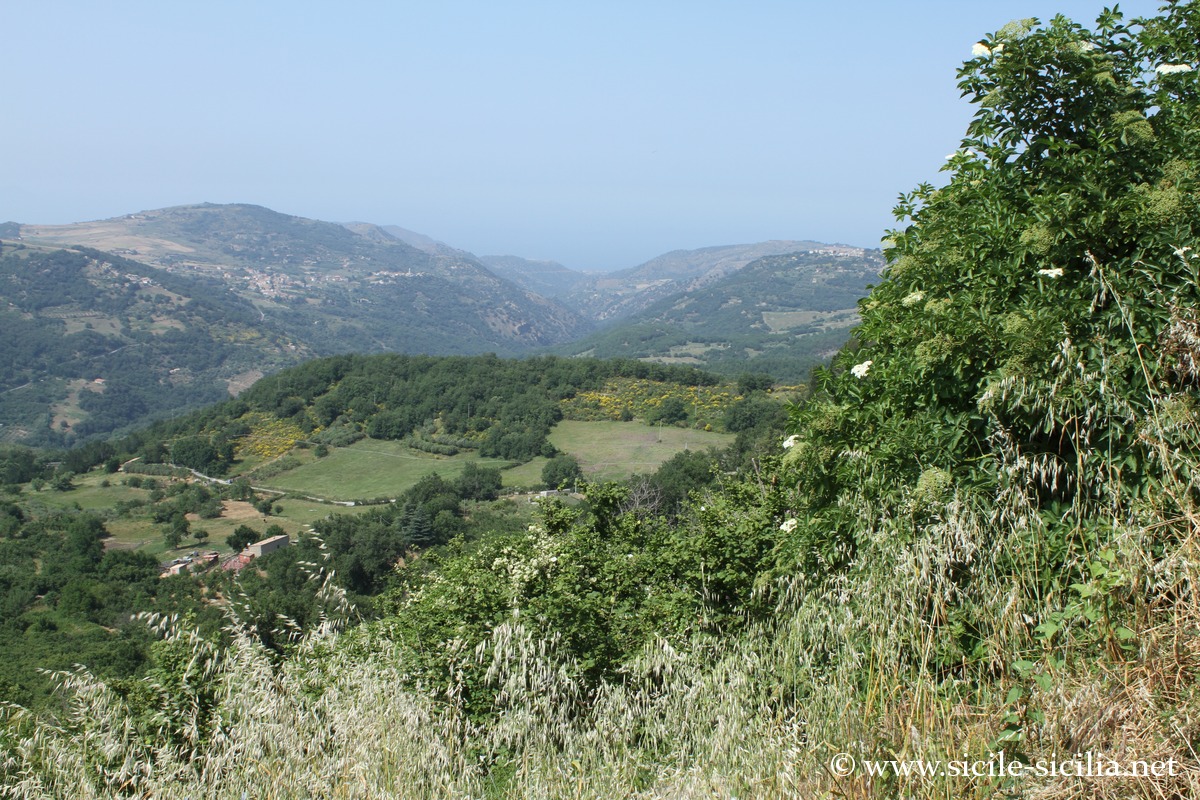
Argimusco and Malabotta Forest
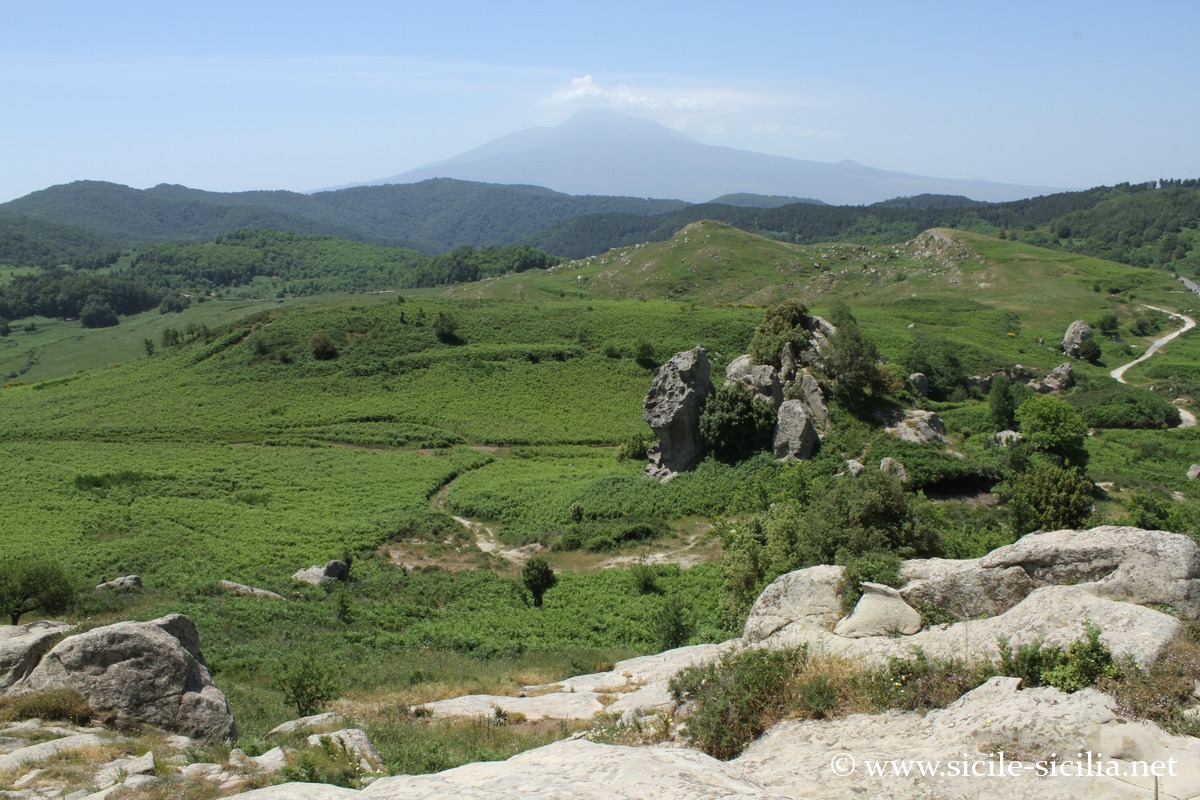
Argimusco Plateau
To the south of Montalbano, a nature reserve established in 1997, the riserva naturale orientata Bosco di Malabotta, extends along the boundary between the Nebrodi mountains (to the west) and the Peloritani mountains (to the east). It covers 3,200 hectares across the municipalities of Montalbano Elicona, Tripi and Roccella Valdemone.
It is one of the oldest and best-preserved forest massifs of north-eastern Sicily, representing an important ecological corridor between the mountain systems of the Nebrodi and the Peloritani.
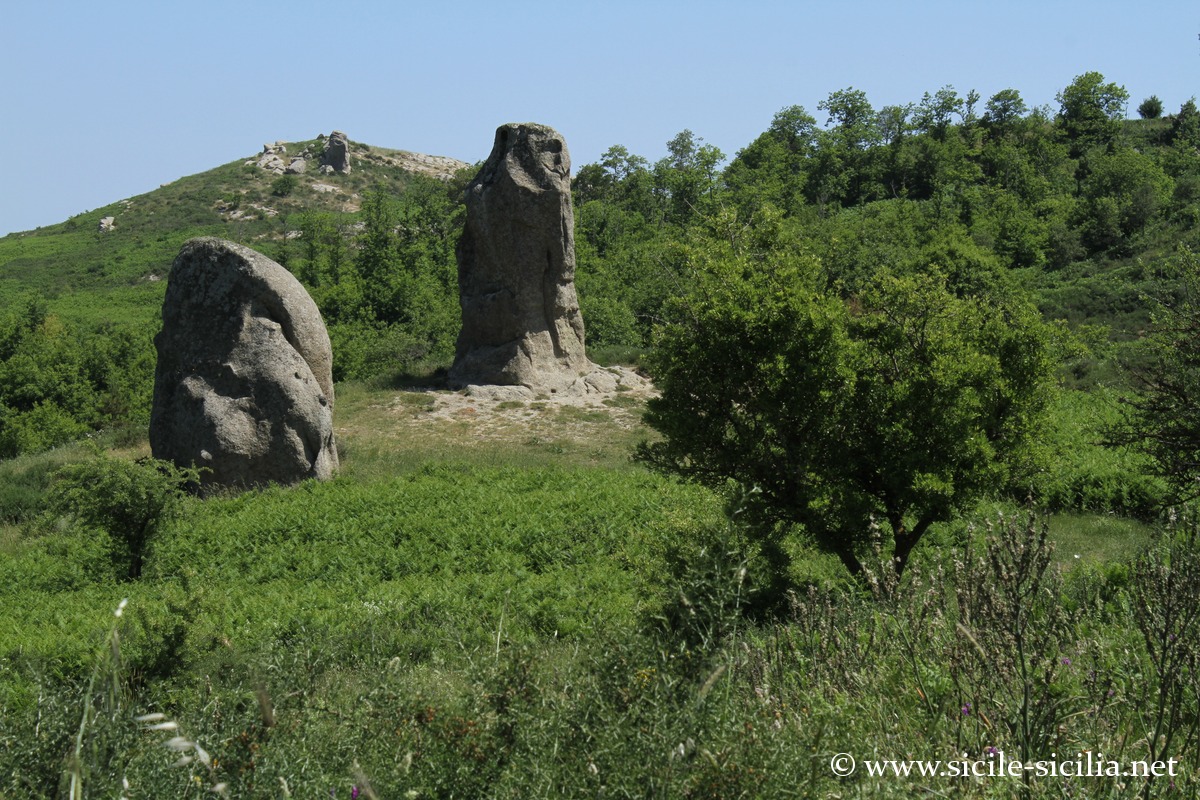
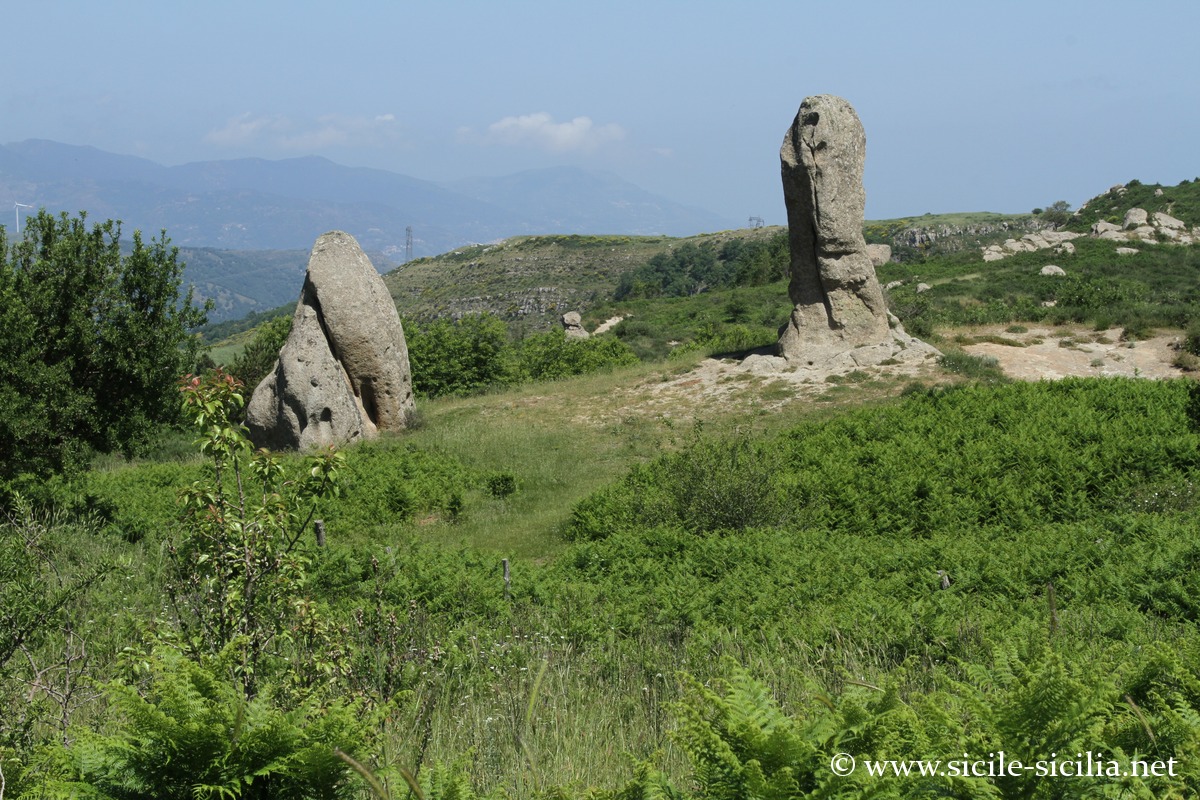
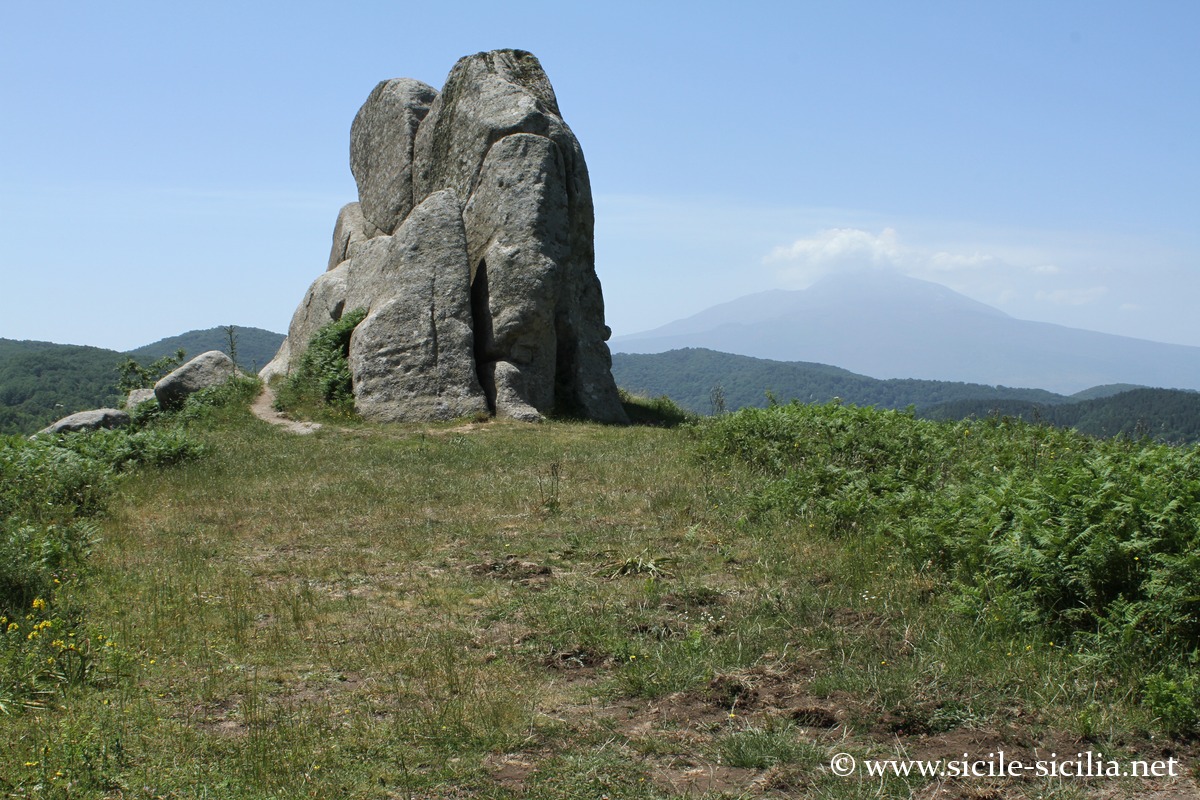
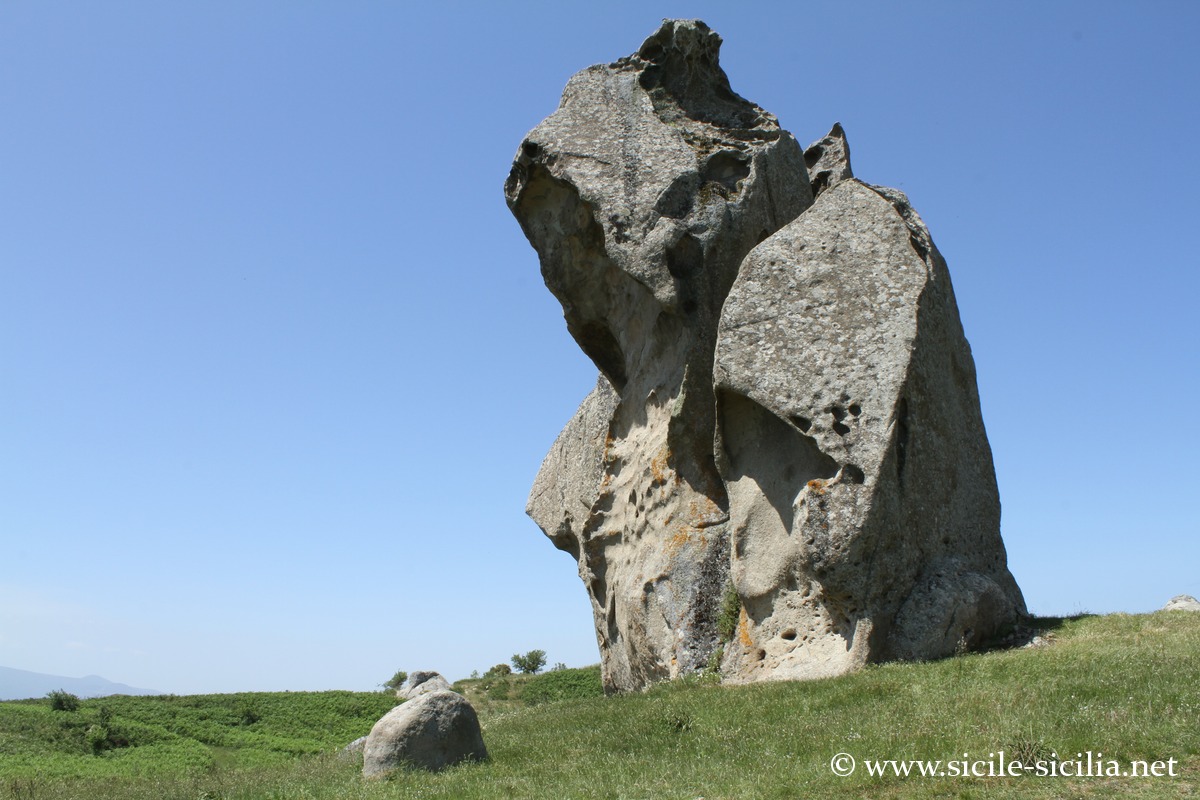
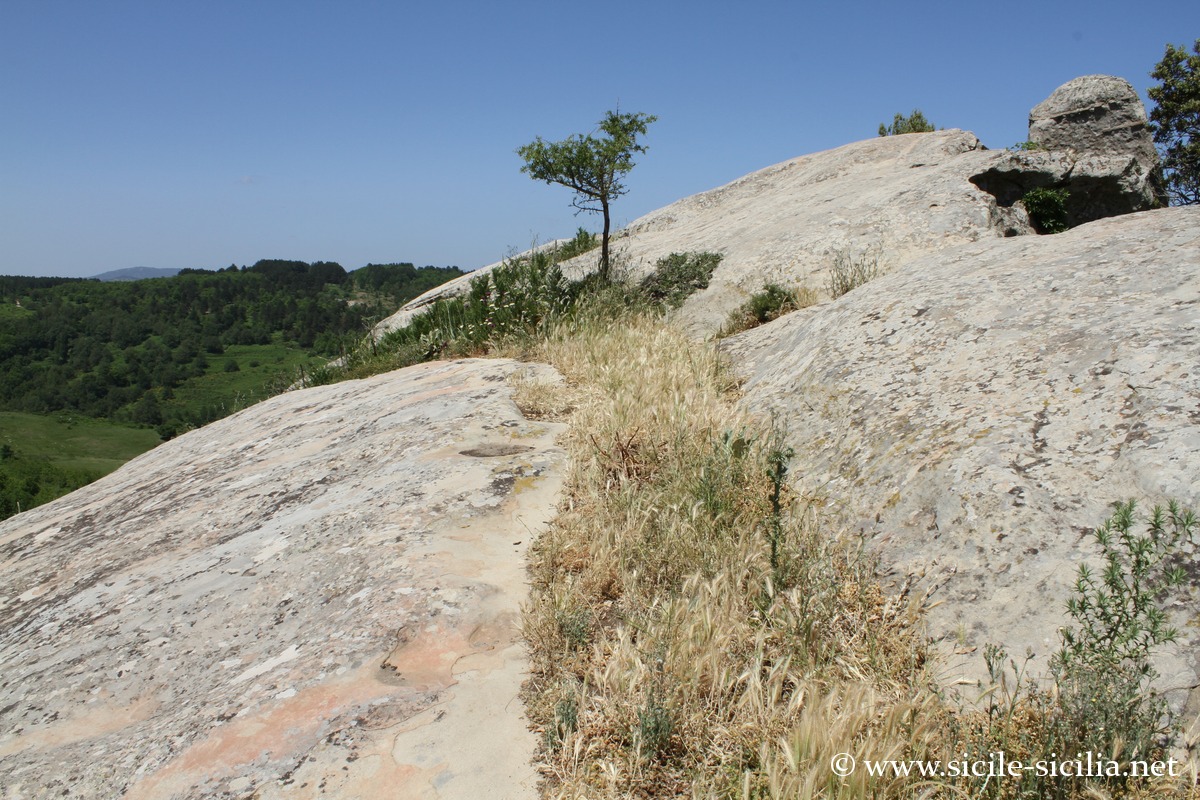
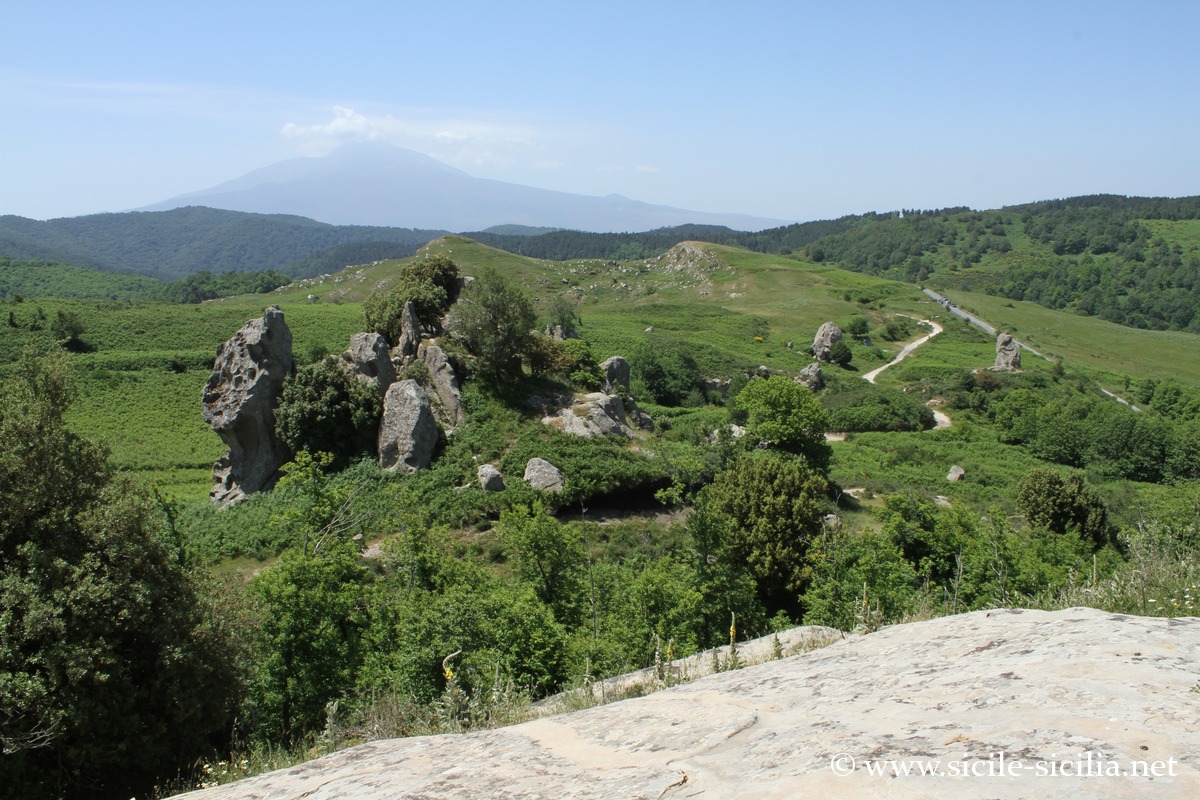
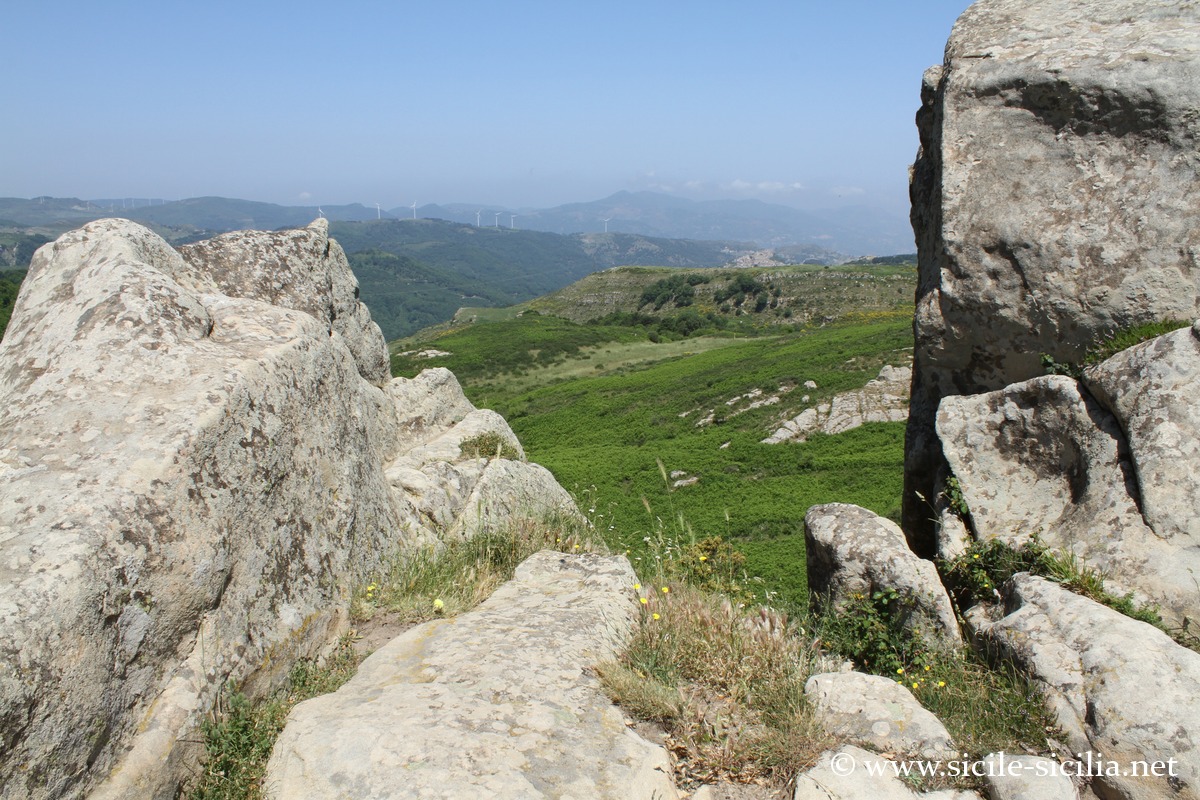
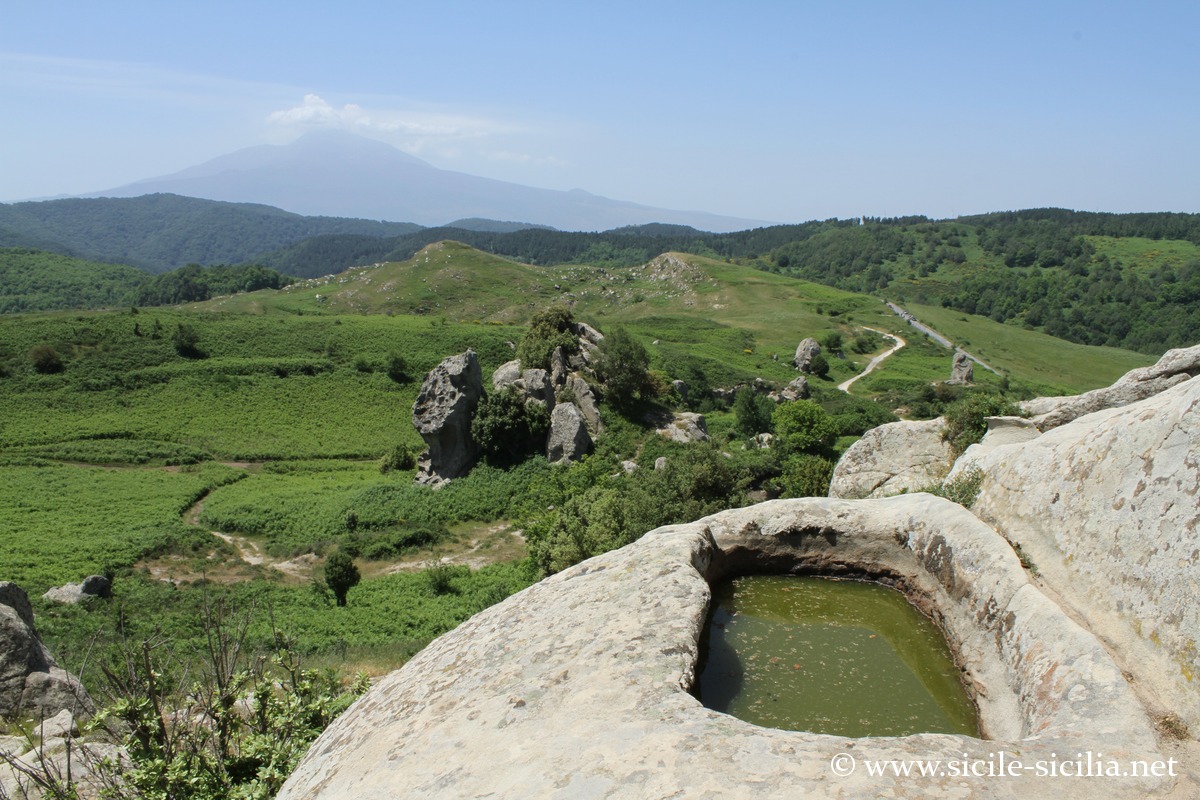
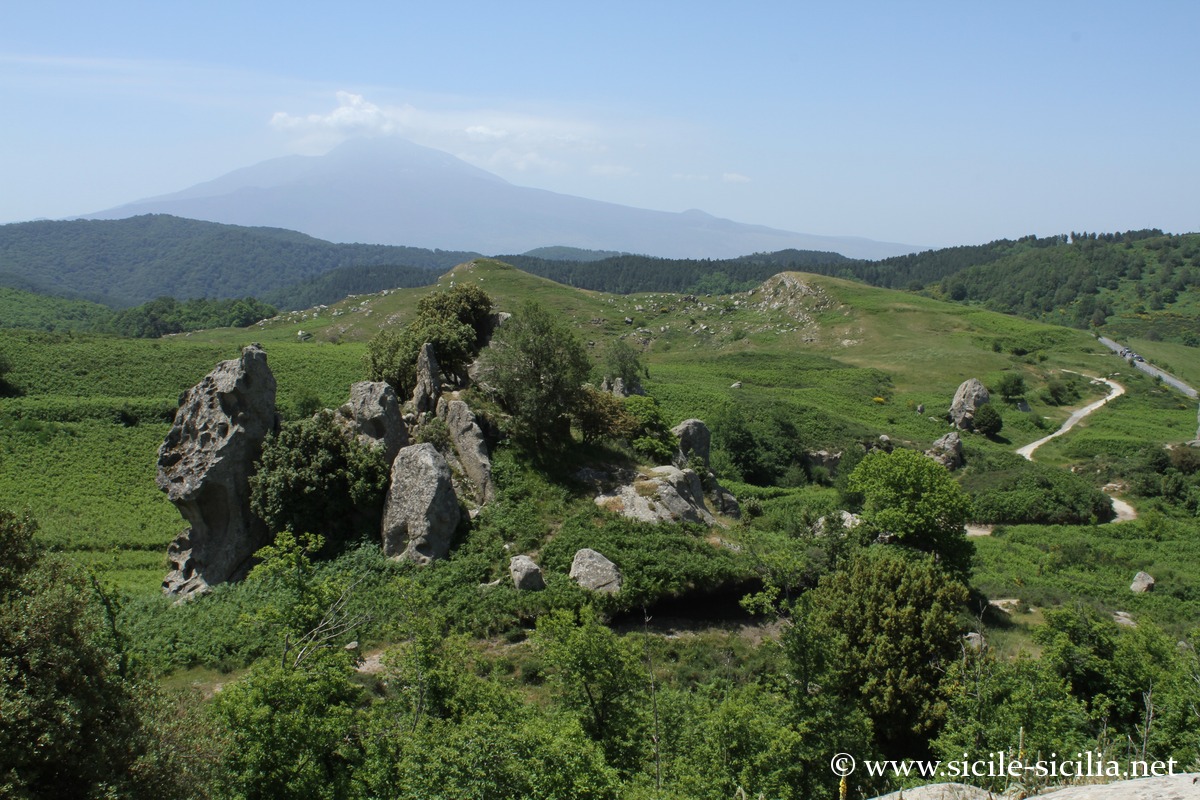
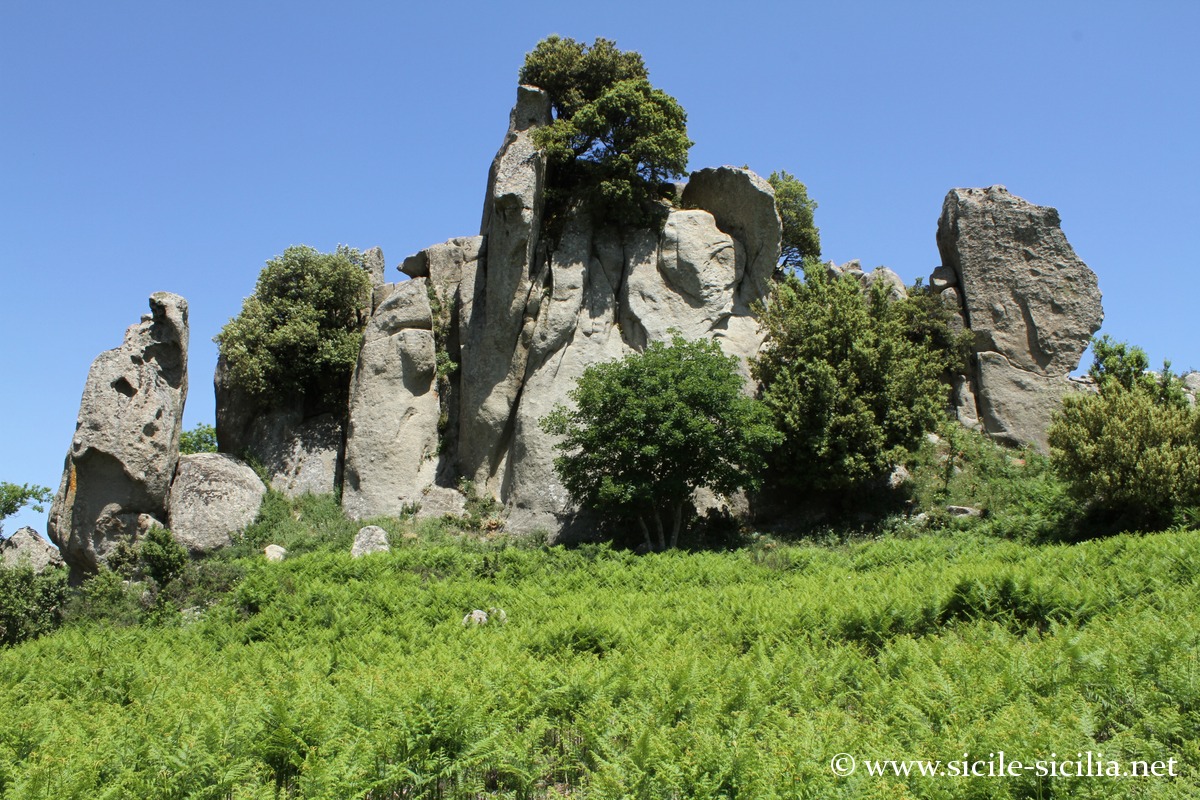
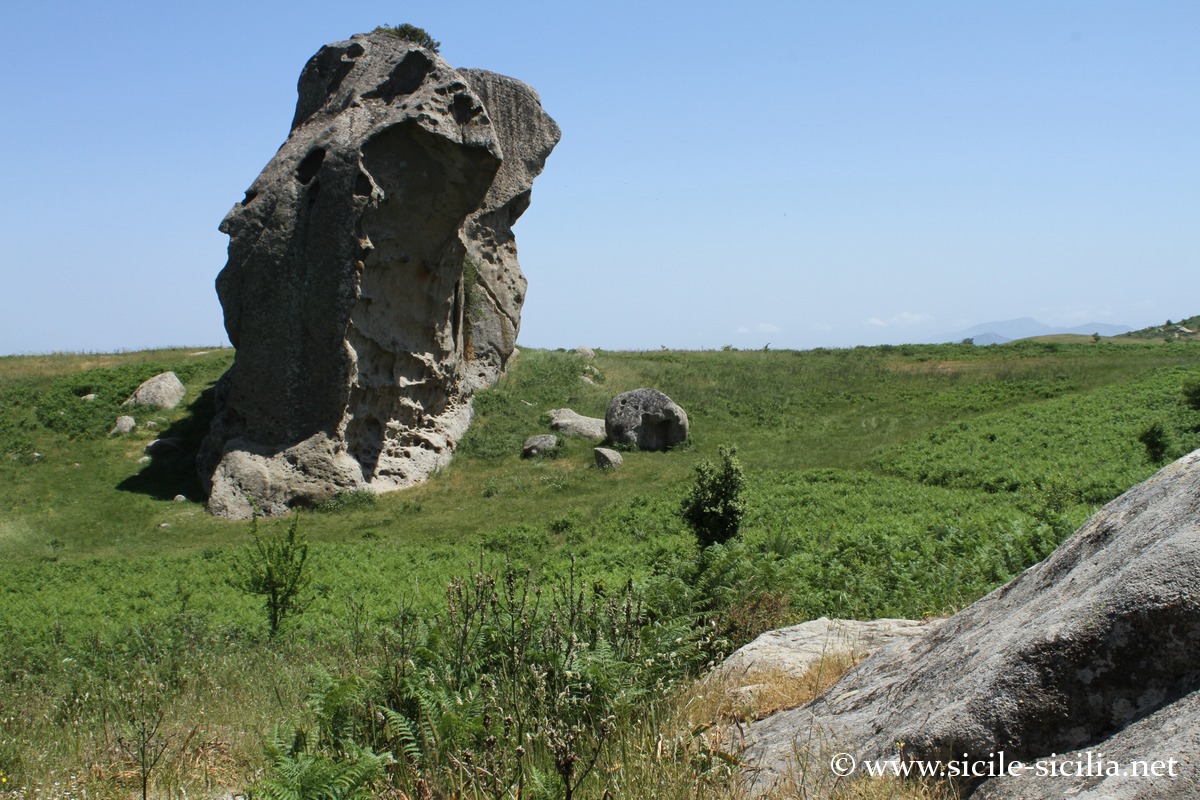
Towards the north of this area, the Argimusco plateau located at nearly 1,200 metres above sea level contains a group of sandstone megaliths with original and curious shapes, sometimes nicknamed the “Stonehenge of Sicily”, in a very beautiful natural and panoramic setting.
These rock formations are made of quartzy sandstone of Miocene origin, and were probably shaped by wind and rain erosion processes over a long geological period.
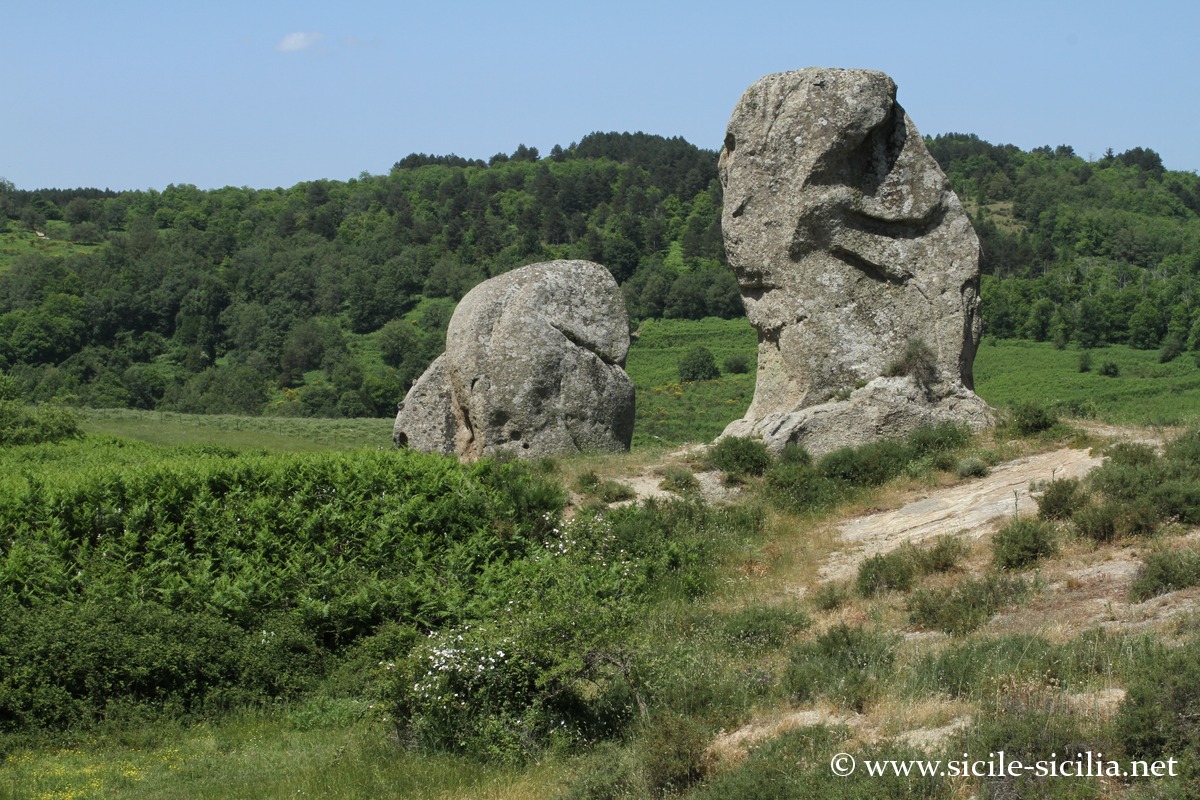
Megaliths of Argimusco
Some formations bear popular names such as “l’Aquila” (the eagle), “la Dea Orante” (the praying goddess), “il Monaco” (the monk) or “l’Orante”, due to their anthropomorphic or zoomorphic silhouettes.
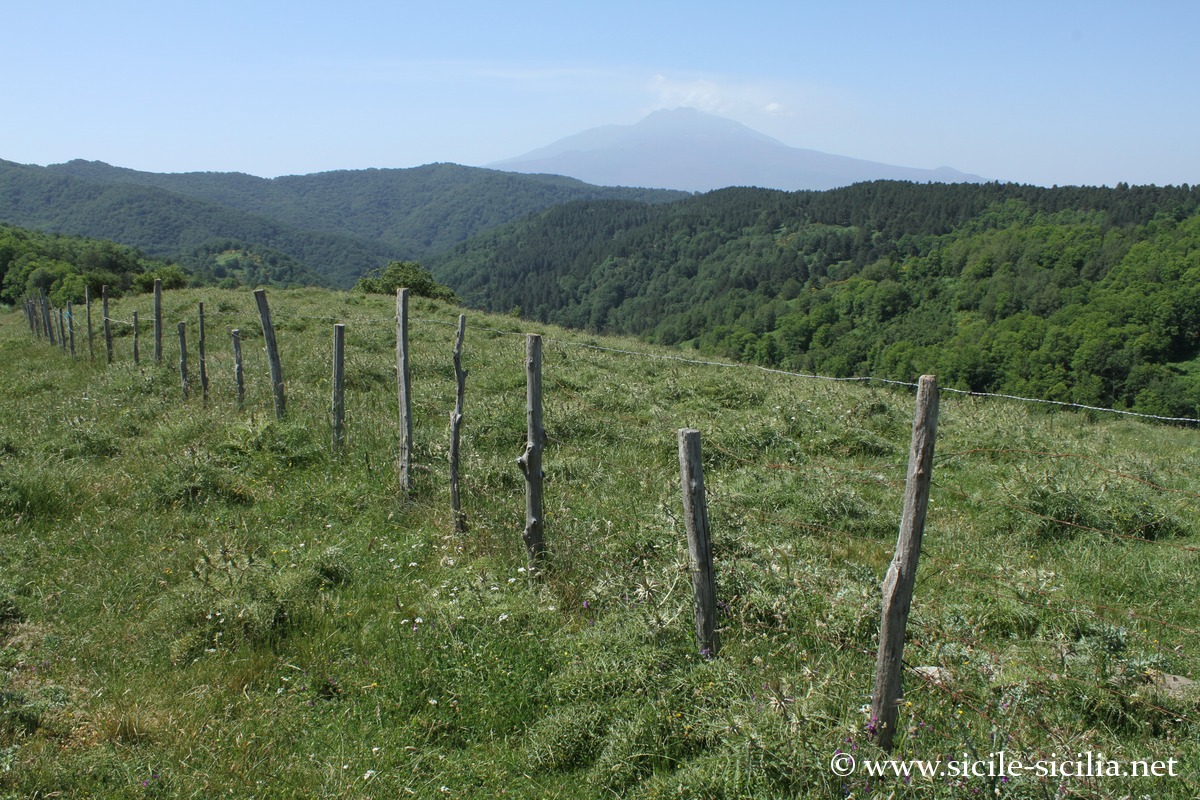
The site offers a vast panorama over Etna, the Aeolian Islands, Capo Milazzo and the Elicona river valley.
Some attribute astronomical properties to these rocks, which they claim were worked by humans; others speak of an “energy vortex” or “telluric forces”.
Hypotheses put forward by some independent researchers suggest a possible proto-astronomical or cultic function, based on supposed alignments with the solstices or certain cardinal points.
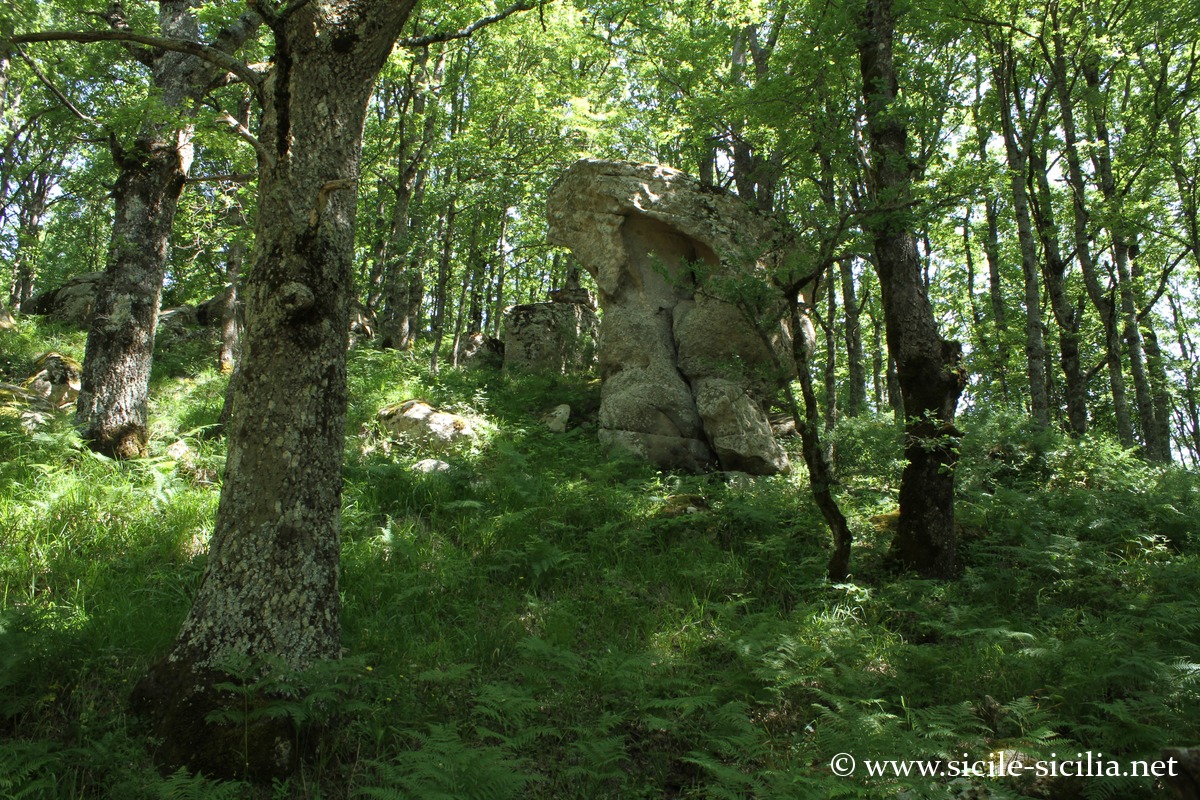
Malabotta Forest
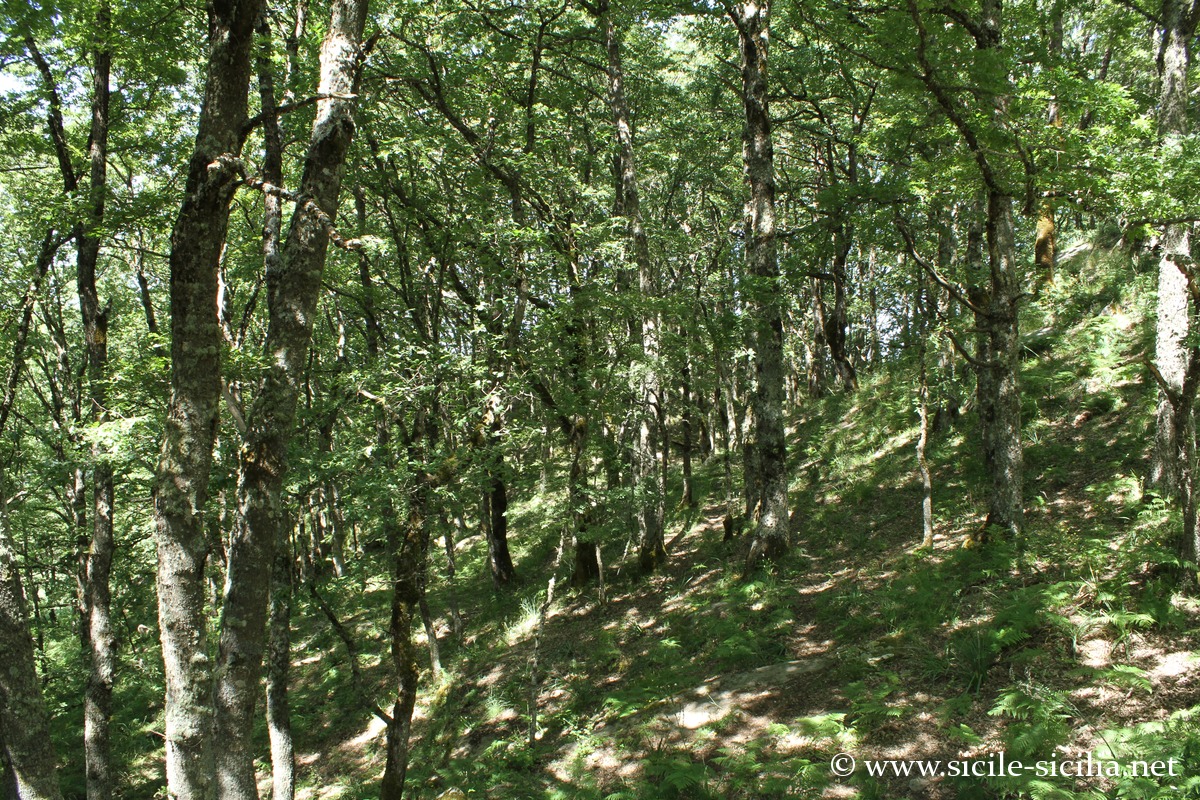
To the south, the beautiful Malabotta forest extends for a few kilometres with centuries-old trees, including oaks, holm oaks, Turkey oaks, as well as maples, hollies and hawthorns. Some specimens are several centuries old and have monumental trunks with characteristic twisted shapes.
The reserve is home to a diverse fauna including in particular the wildcat (Felis silvestris), the fox, the pine marten, as well as various species of birds of prey.
A network of marked trails allows hiking and nature observation.
Finally, the presence of old dry-stone pastoral structures bears witness to a historic agro-pastoral use of the territory.
Argimusco Plateau 
Argimusco Plateau 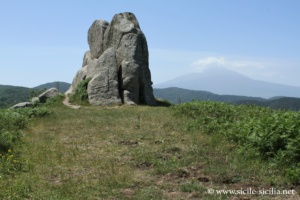
Argimusco Plateau 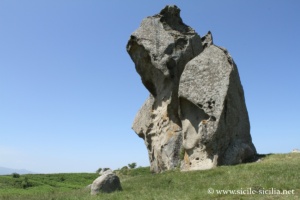
Argimusco Plateau 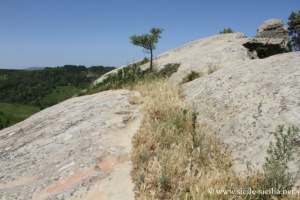
Argimusco Plateau 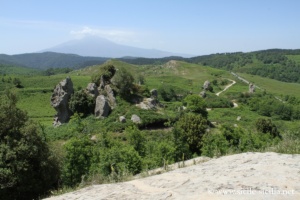
Argimusco Plateau 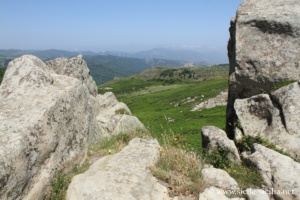
Argimusco Plateau 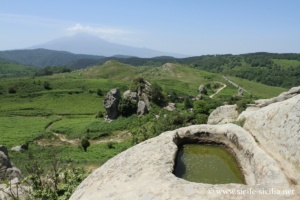
Argimusco Plateau 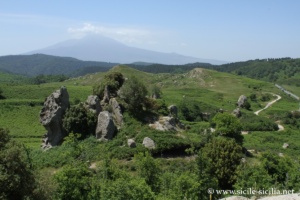
Argimusco Plateau 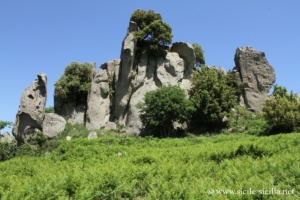
Argimusco Plateau 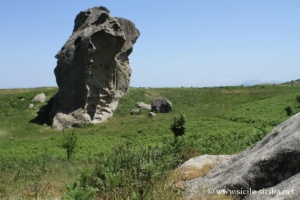
Argimusco Plateau 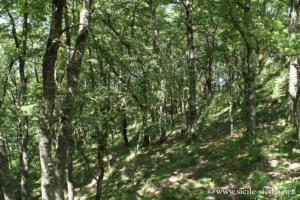
Malabotta Forest 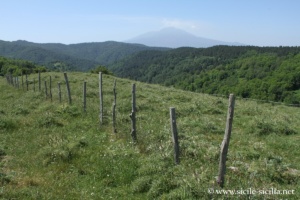
Argimusco Plateau
Gastronomy and traditions in Montalbano
The local agro-pastoral economy is historically linked to the transhumance of the Nebrodi mountains, favoured by the vast high-altitude pastures, including sheep farming.
It produces cheeses such as sheep’s ricotta, Provola dei Nebrodi (PDO), and also sausages, olives, legumes, and forest products from the Bosco di Malabotta (mushrooms, wild herbs).
We cook pasta and beans, including handmade macaroni garnished with products such as fennel, pork, ricotta, etc.
The maccu is an ancient preparation of peasant origin made from dried beans simmered for a long time, sometimes enriched with wild fennel (finocchietto selvatico), a characteristic ingredient of the region.
Traditional desserts are made with ricotta and sometimes with hazelnuts from extensively cultivated hazel trees (Nocciola dei Nebrodi).
Anise biscuits cu ciminu and cuddure cu l’ovu (sweet breads decorated with hard-boiled eggs) are traditionally enjoyed at Easter.
During the August festivities, ncasciata pasta is prepared, with veal and mutton ragù, meatballs, aubergines and breadcrumbs.
Another popular local dish is lempi e trori, a rustic legume soup with beans cooked with grass peas, maize, lentils, etc.
The frittuli is another winter speciality, combining several parts of pork (from domestic slaughter) cooked together and slowly cooked with lard, including lean meat, fat, rind, offal, heart and liver.
Main events and festivals
- Patronal feast of Maria Santissima della Provvidenza (24 August): this is the village’s main patronal feast. It combines religious devotion and folklore: mass, procession of the venerated statue of the Virgin carried by the faithful, music and collective participation, masses, concerts and fireworks (celebrations generally from 23 to 25 August).
- Holy Week (March or April): Good Friday procession and traditional Easter rites, with liturgical celebrations and local culinary traditions at Easter.
- Feste Aragonesi (Aragonese Festivals): every year in August, the village celebrates the history of the Aragonese lords with a historical parade, medieval re-enactments, music, games, characters in period costume, street entertainment and a staging of the arrival of King Frederick III of Aragon. It is a highlight of local identity and of bringing medieval heritage to life.
- Gastronomic events (mainly summer and early autumn): tastings and promotion of Provola dei Nebrodi DOP and local specialities.
Every September, NO.STRANO – Festival del Cibo e delle Tradizioni Popolari showcases local traditions (gastronomy, crafts, music, dances and popular culture) with stands of typical products and performances. - Seasonal craft markets (especially in August and during patronal feasts): agropastoral products and local crafts.
- Presepe Vivente (Living Nativity): a traditional living nativity scene is organised every year in the medieval quarter of Serro at Christmas (late December until 6 January).
Where Montalbano Elicona is located: map
If you see this after your page is loaded completely, leafletJS files are missing.
Tripi
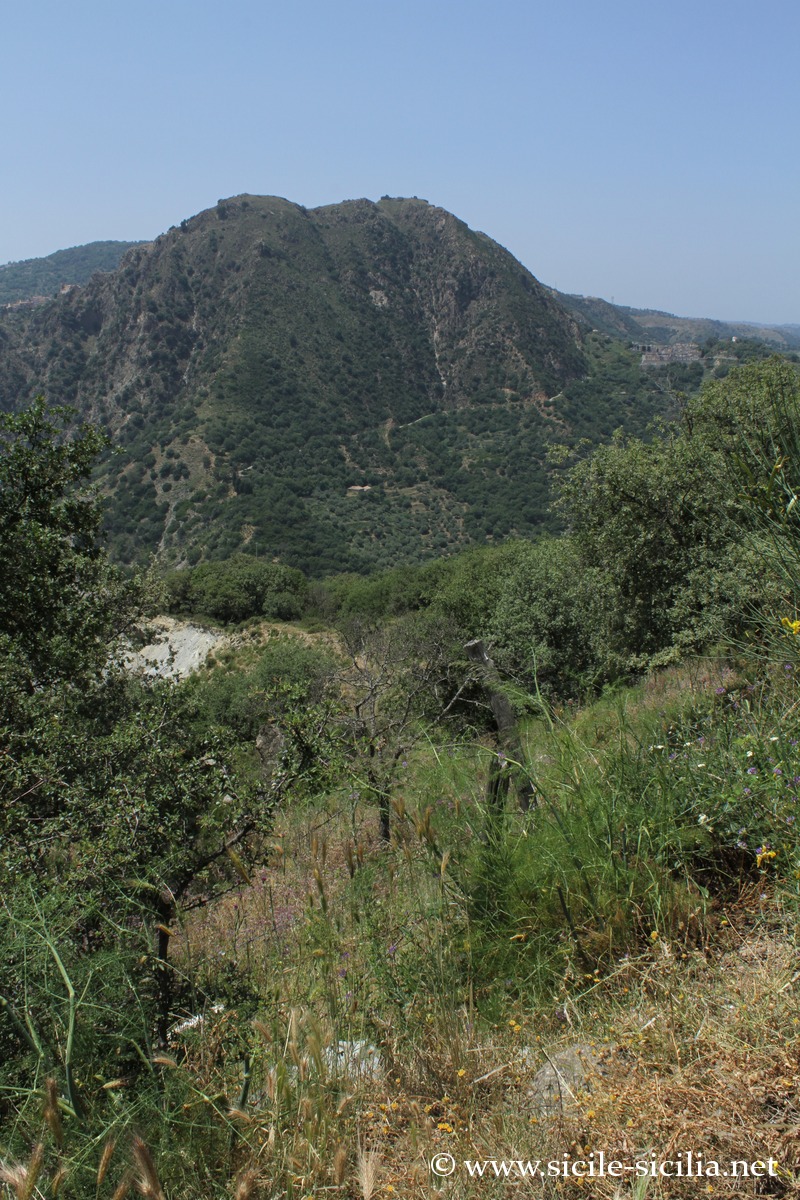
Monte Castello, Tripi
Tripi is a small village, less than 20 km from Montalbano, between it and Mazzarà, on a ridge of the massif dominating the Tyrrhenian coast and the surrounding valleys.
It is close to the remains of the ancient city of Abakainon, a Greek then Roman settlement mentioned in ancient sources. The archaeological site includes the remains of an agora with a large stoa.
The necropolis of Contrada Cardusa has yielded tombs dating from the 4th–2nd century BC, often accompanied by stelae with Greek inscriptions and rich objects (pottery, jewellery, weapons, coins).
The Santi Furnari Archaeological Museum houses materials from local archaeological excavations, including funerary objects and pottery, offering an insight into ancient settlement.
Above the village stand the ruins of a large medieval castle, which from its height dominated the valleys and the coast, and whose origin is said to be Byzantine or Arab.
The old town preserves several historic religious buildings: the Chiesa Madre de San Vincenzo Martire, the Chiesa della Santissima Trinità (16th–17th centuries) and others.
Information
External sites
- Montalbano Elicona:
- Wikipedia page (in Italian)
- Page on borghipiubelliditalia.it
- Montalbano Elicona – Visit Sicily (official Region of Sicily)
- Montalbano Elicona – Portale Turismo e Cultura (Metropolitan City of Messina) – heritage and cultural context of the “Borgo più bello d’Italia”.
- Castello di Montalbano Elicona — iCastelli.it — page dedicated to the medieval castle, history and practical information.
- Malabotta Wood Reserve: Wikipedia page (in Italian)
- Argimusco Plateau: Wikipedia page (in Italian)
Articles: Golfo di Patti category
- Novara di Sicilia
 Novara di Sicilia is a picturesque village in Sicily, ...
Articles: Nebrodi Mountains category
- Nebrodi Mountains (Nebrodes)
 The Nebrodi Mountains (Monti Nebrodi in Italian) are a ...
 - Sperlinga
 Sperlinga, a few kilometres from Nicosia, is a picturesque ...
 - Nicosia
 Nicosia is a pretty little town often wrongly overlooked ...
 - Randazzo
 Randazzo is a charming medieval village perched at about ...
Comments in other languages
Toward the Malabotta Forest, a beautiful walk is the “Path of the Patriarchs,” nearly 8 km long, with the starting point located beyond the Argimusco at the end of the paved road. Part of it follows a ridge (beautiful views toward Etna and the Aeolian Islands) and the other crosses through the woods. The “Patriarchs” are large ancient oaks rising along the route.