

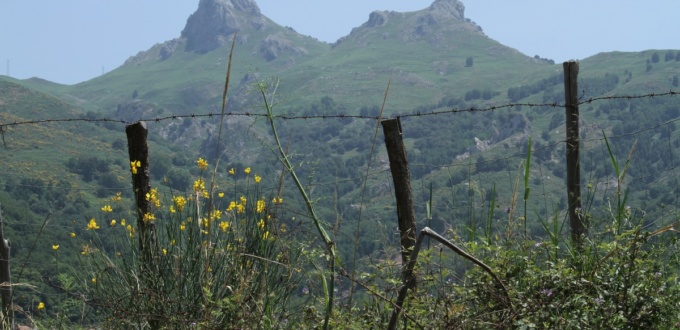
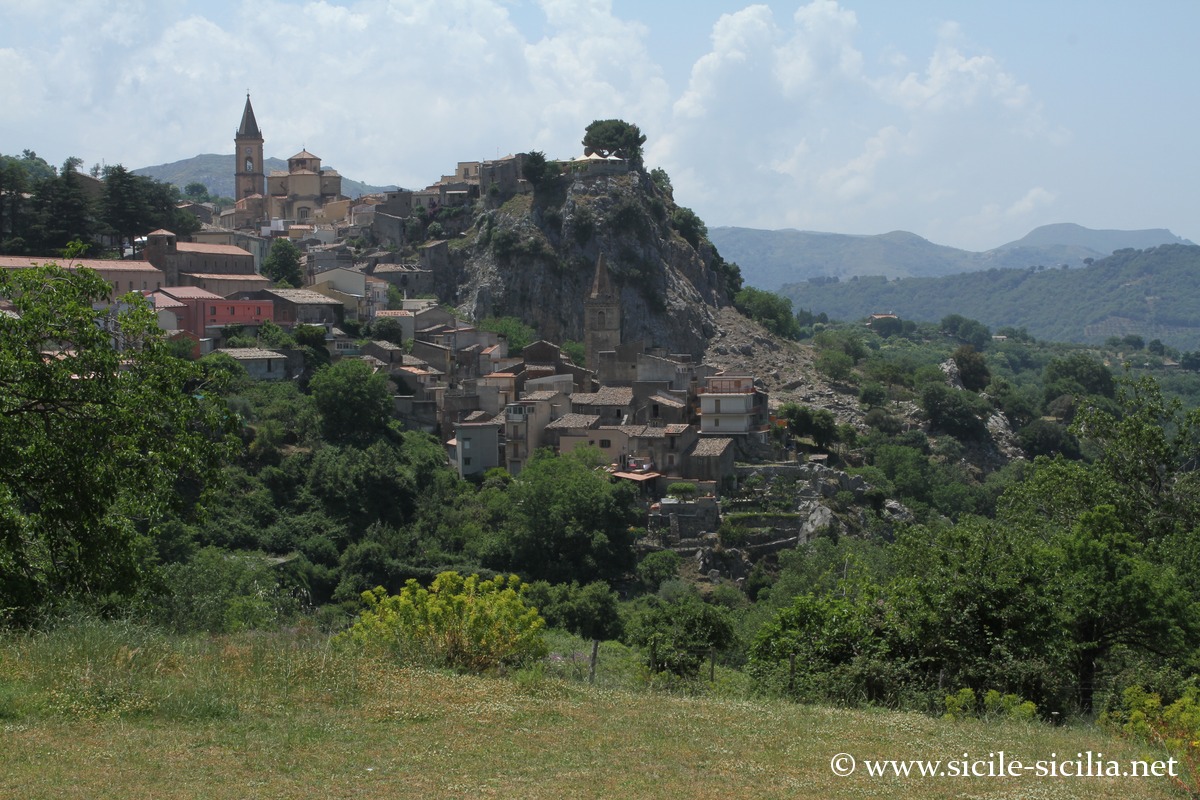
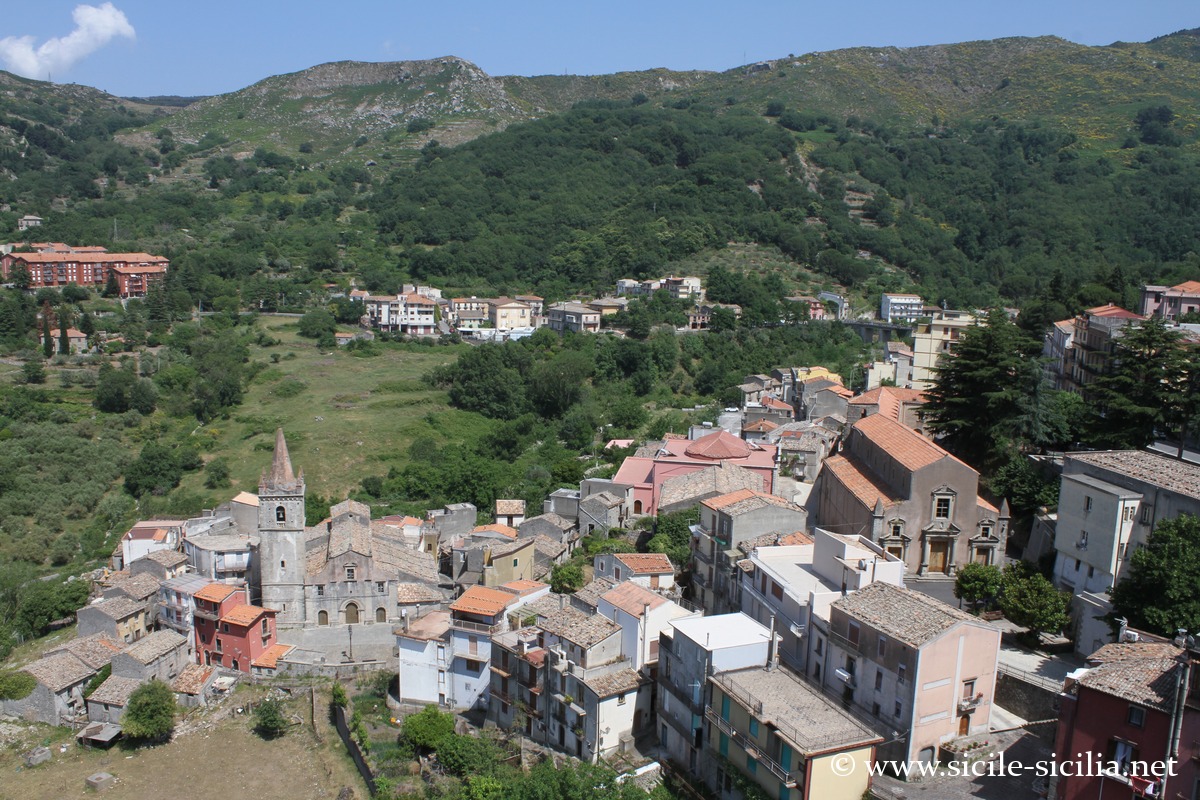
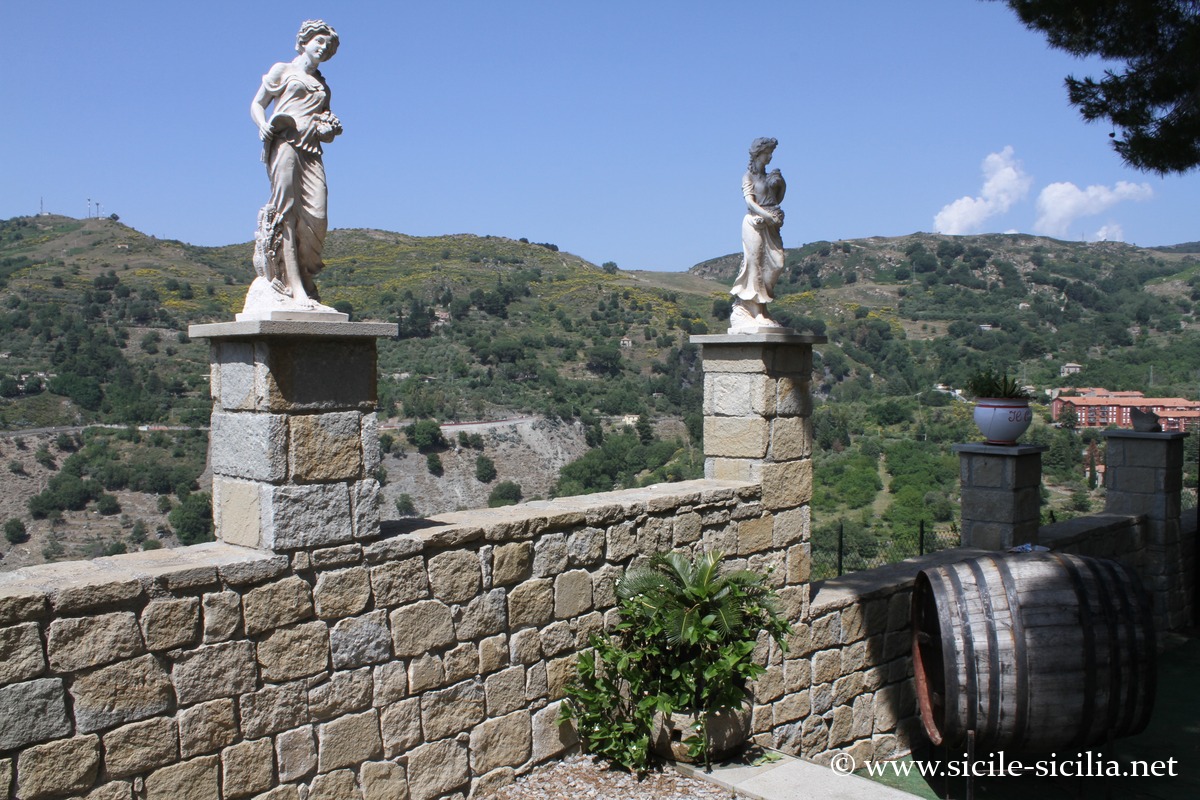
Novara di Sicilia is a picturesque village in Sicily, listed among the “most beautiful villages in Italy”, thanks to its medieval historic centre, and its location in the heart of a wooded region of the Peloritani Mountains, at 650 metres above sea level. It is built on the side of the mountain Rocca Salvatesta, from the top of which the panorama extends to the ancient remains of Tyndaris on the coast, and whose rocky peak reaches 1340 metres.
Occupied by the Saracens who built a castle there, Novara was colonised by Lombards, soldiers from northern Italy who accompanied the Normans in the Middle Ages, bequeathing to this region a Gallo-Italic dialect that is still spoken there. The village takes its name from Noara, deriving from the Latin Novalia.
Visiting Novara and monuments
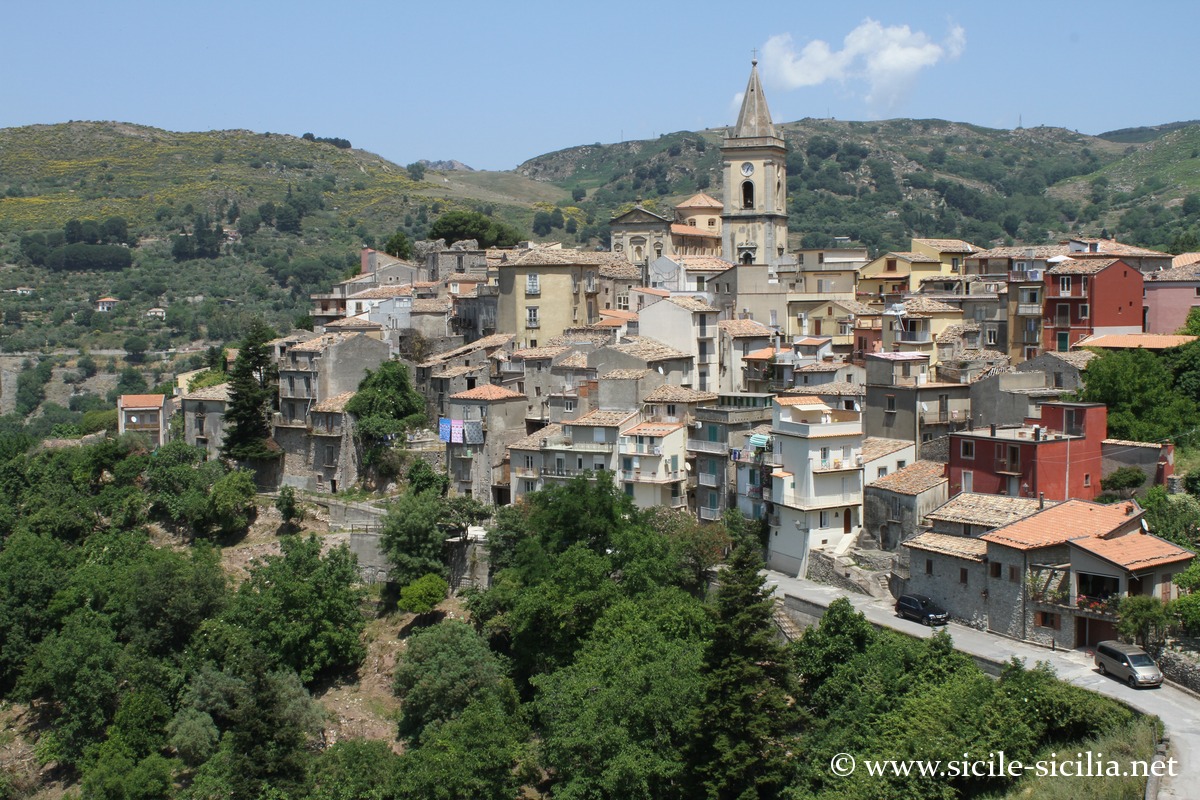
Novara di Sicilia
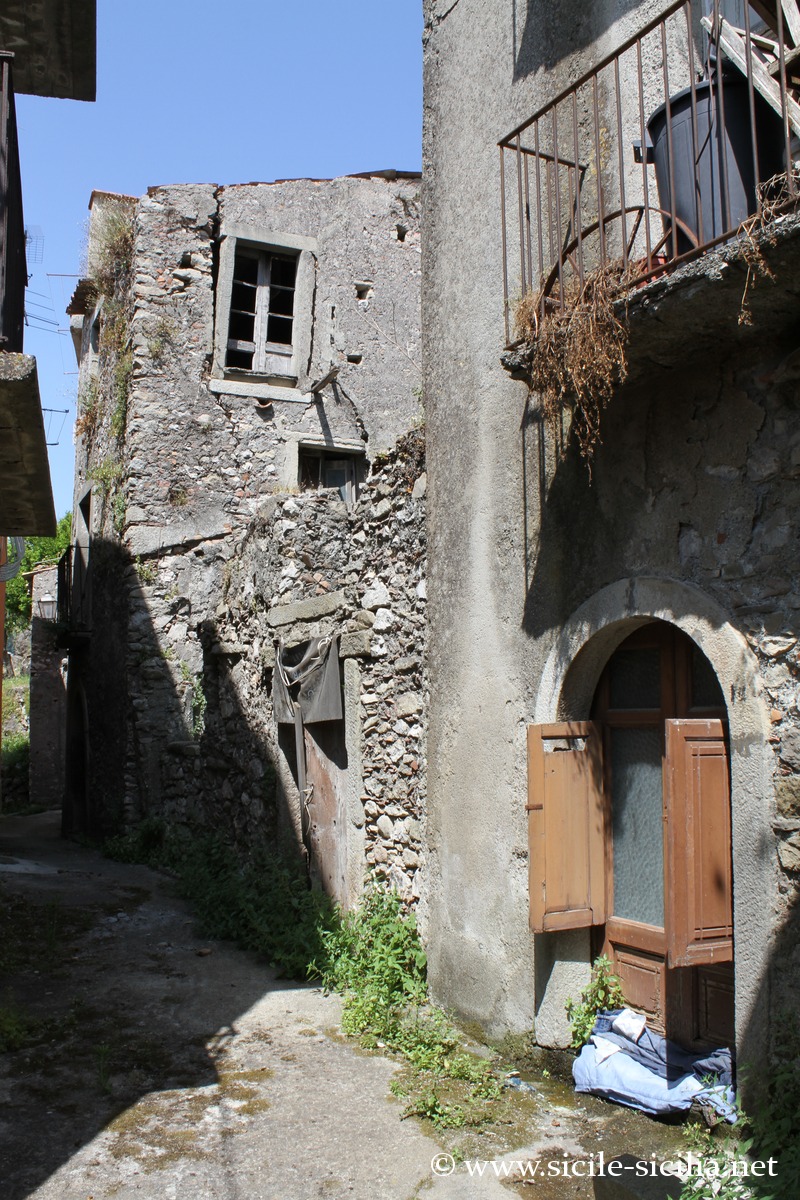
The medieval historic centre is made up of paved alleys that wind between the old small houses, sometimes covered with arches, with decorated façades and beautiful churches. The buildings stand out for the materials used, such as local sandstone and cipolin marble in the religious edifices.
From the top of Novara one discovers a beautiful terrace with the meagre remains of the castle, and in the town the beautiful church of San Giorgio with its columns and coffered ceiling; the church of Sant’Antonio Abate; the cathedral of Santa Maria Assunta from the 16th century; or the small church of San Francesco from the 13th century. 5 km away, the abbey of Santa Maria La Noara from the 12th century dates from the reign of Roger II. The latter is the oldest and most important example of Cistercian architecture in Sicily, founded in 1171 by Sant’Ugo Abate.
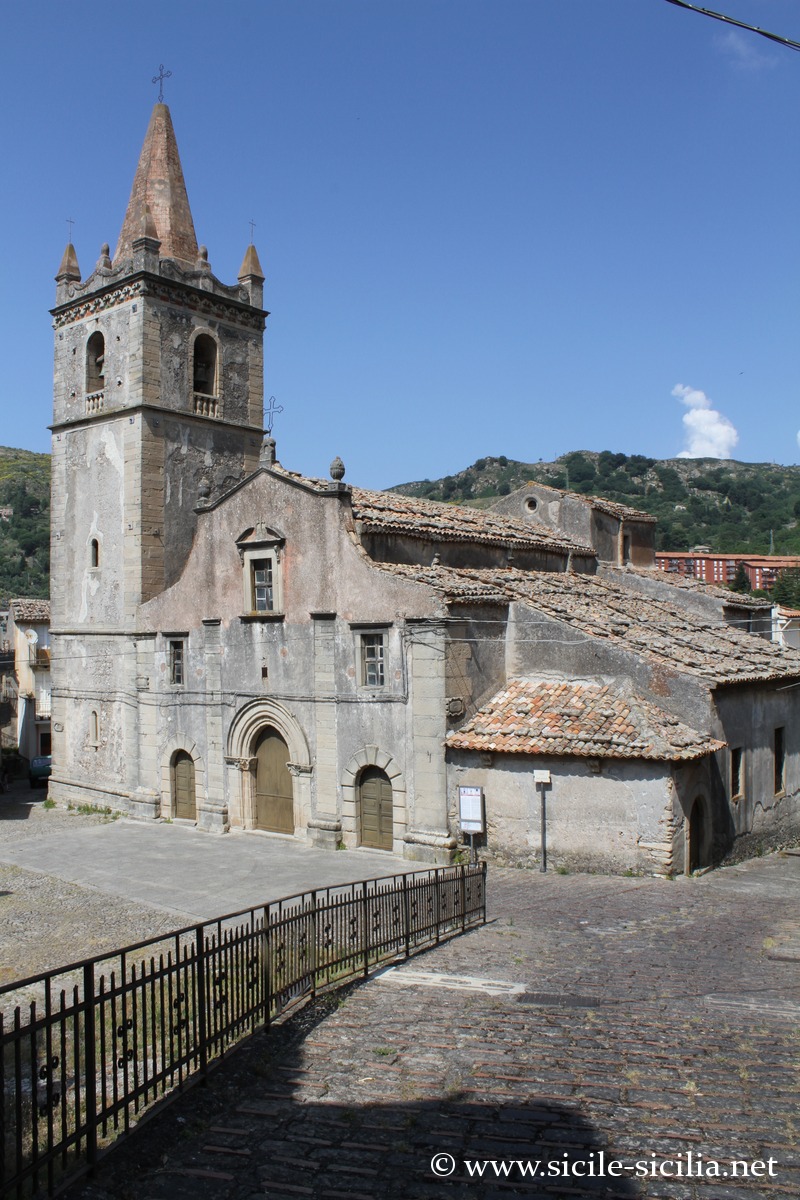
Church of Sant’Antonio Abate
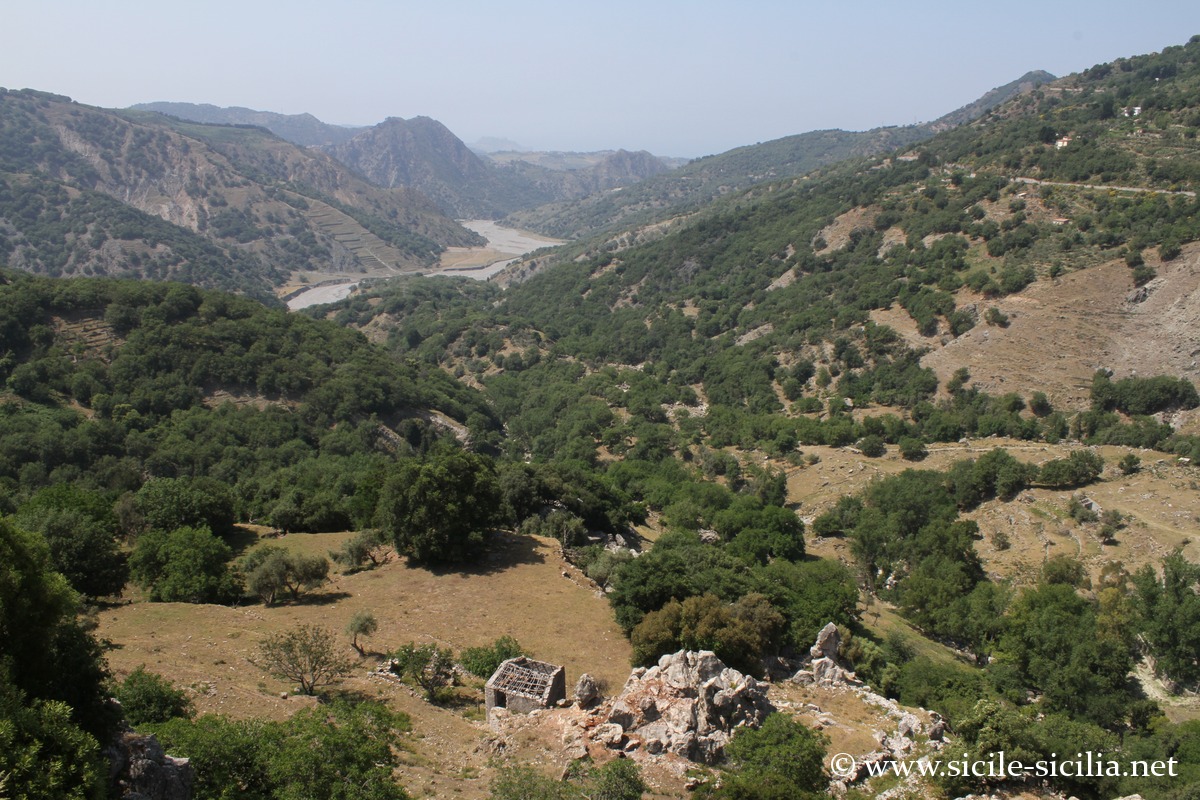
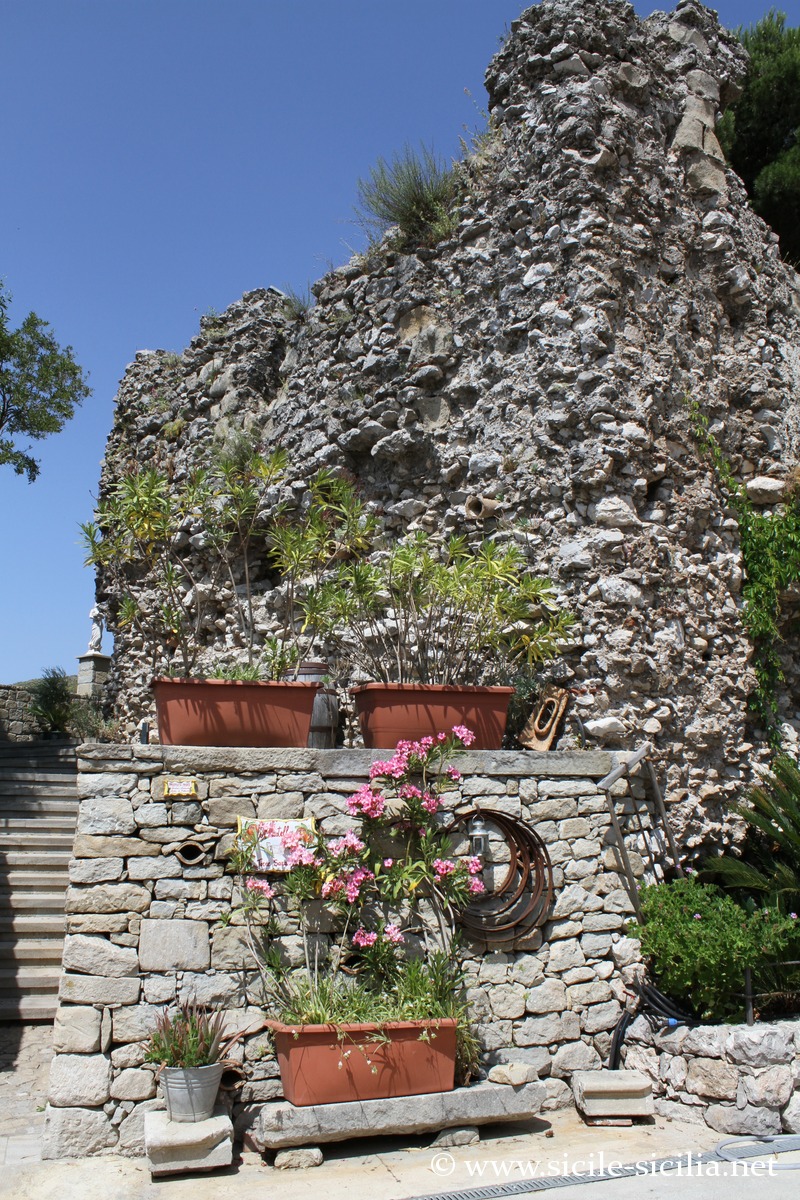
At the top of the village, only a few ruins of the old Saracen castle remain, with a beautiful terrace at the top of a cliff, offering a lovely view over the Novara valley, the woods and, on a clear day, as far as the sea.
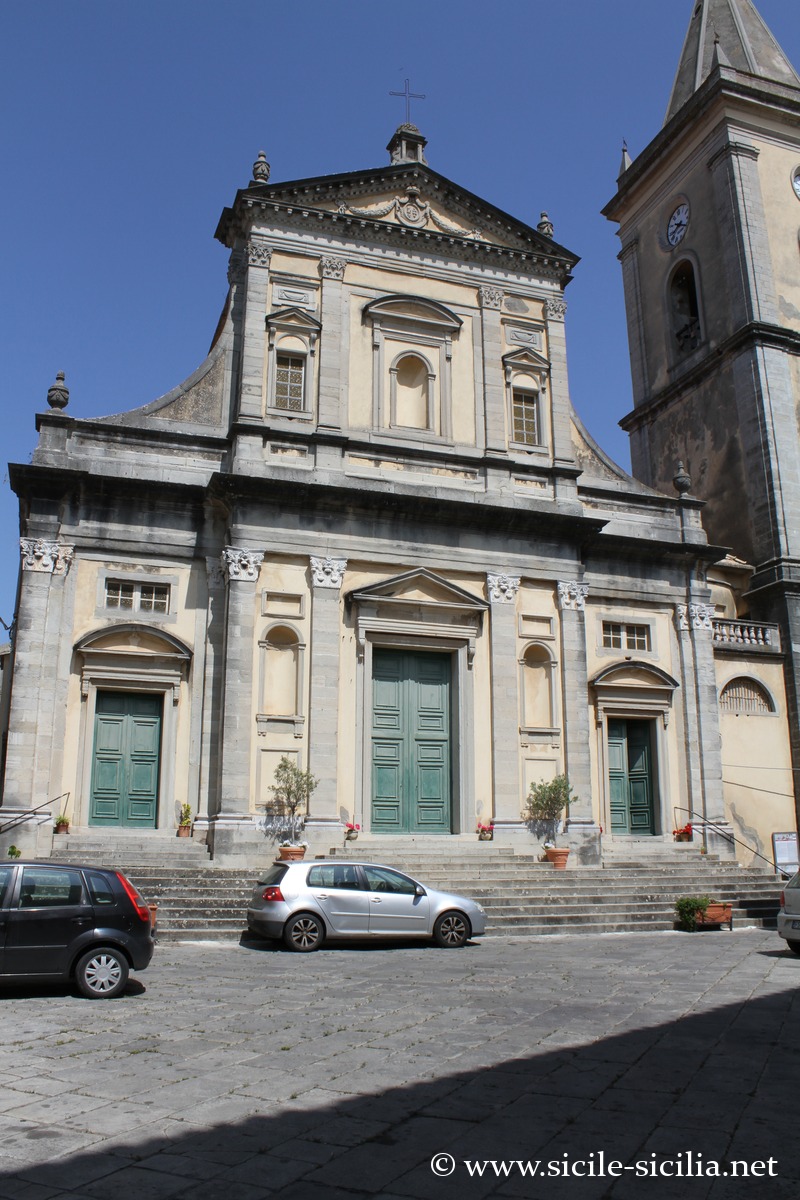
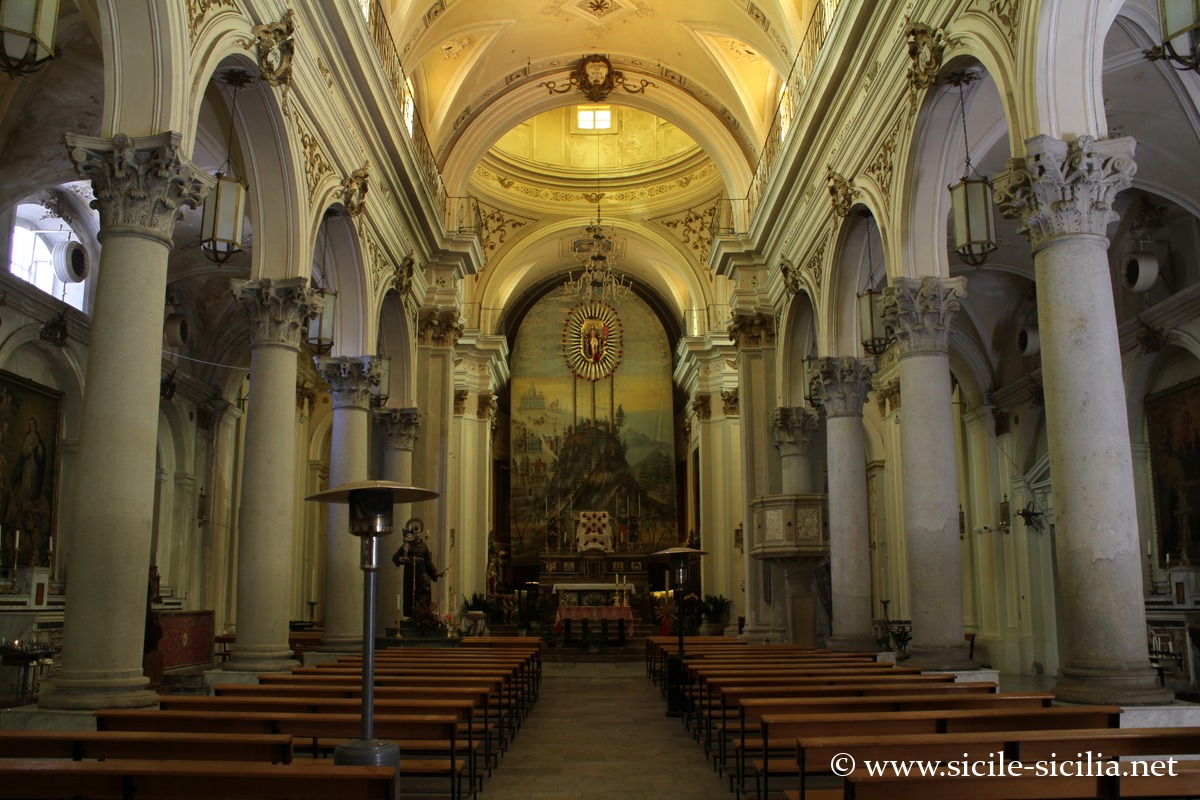
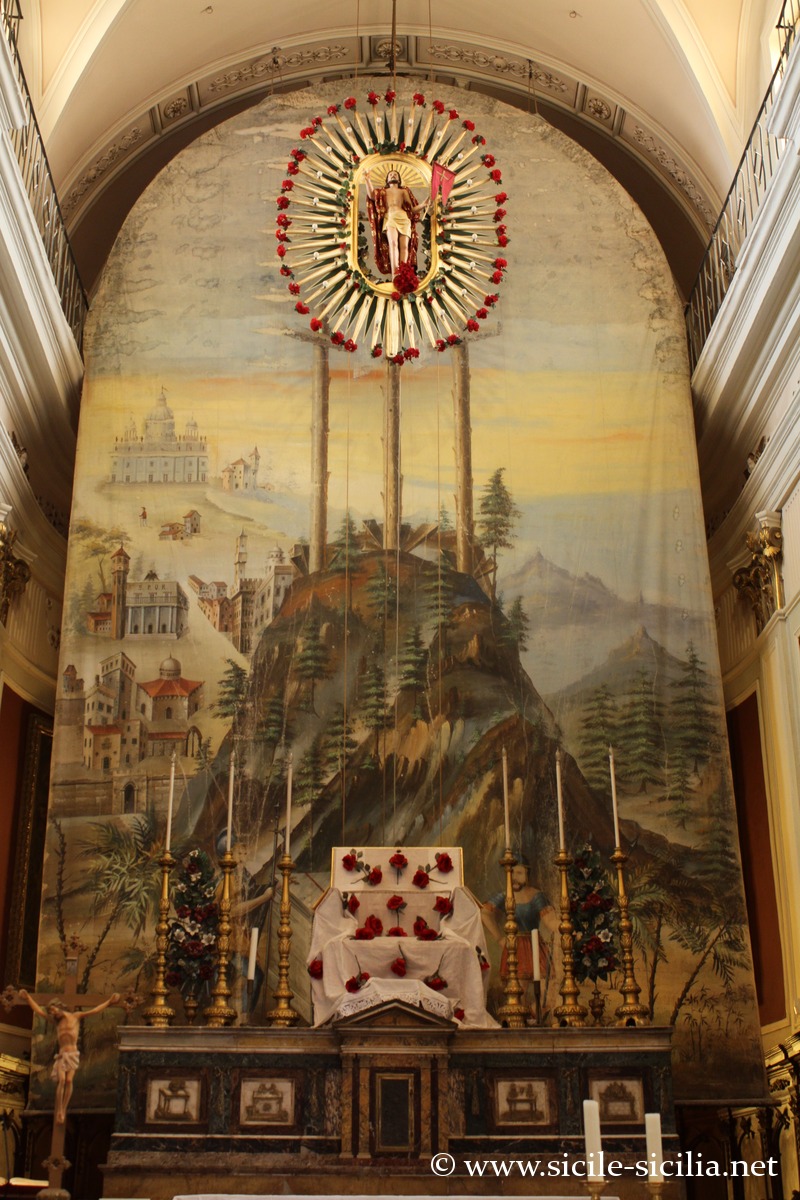
Below, the cathedral of Santa Maria Assunta dates back to the 16th century. The interior, in Renaissance style, is divided by three naves separated by monolithic columns. The wooden choir of the apse dates from the 18th century, with a precious marble altar, or a baptismal font in local cipolin marble, or a statue of the Assumption. It also has a crypt with the mummies of canons.
Continuing down, the church of San Francesco built in 1237 is not lacking in elegance, with its wooden roof, and is the oldest church in the town. It stands out for its Gothic sobriety and architectural simplicity.
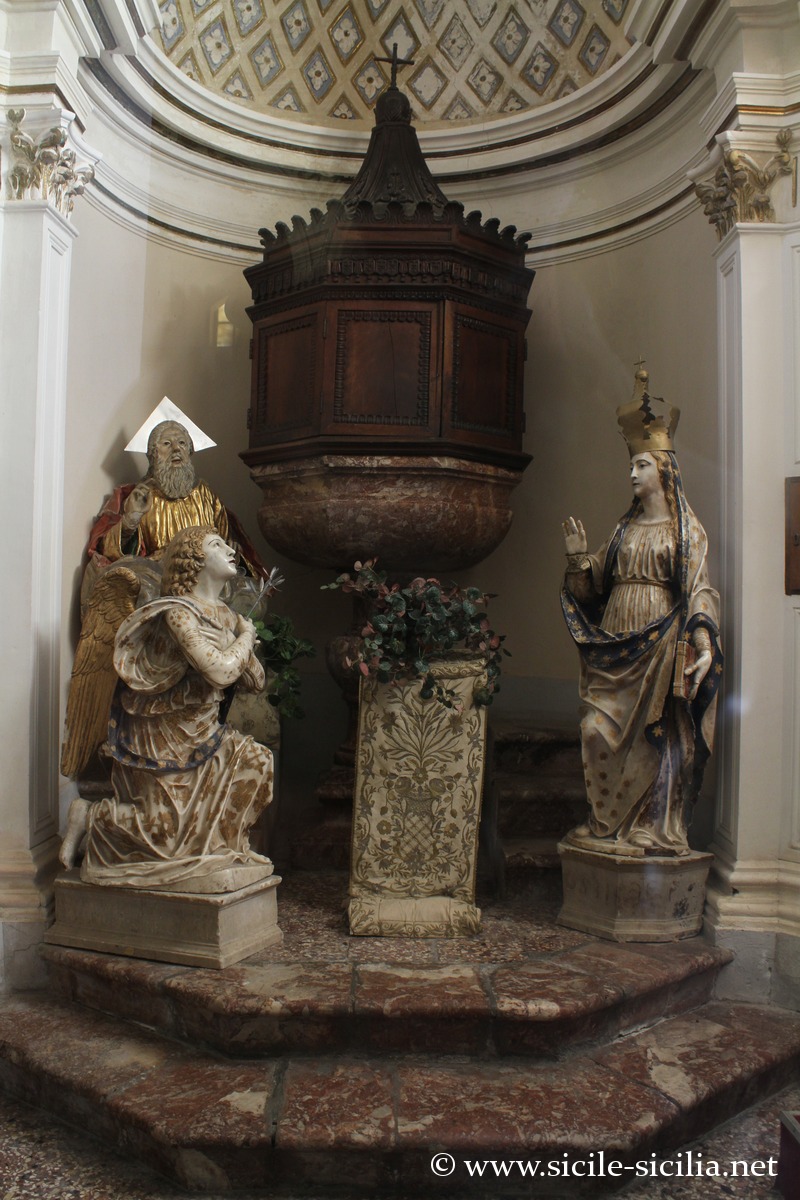
A little further west on Corso Emmanuele, the church of the Annunziata from the 17th century is divided by three naves separated by stone columns, preserving several remarkable works by local sculptors, including a sculpted group of the Annunciation in 16th-century marble. It has a historic 18th-century organ.
In the southern quarter of the town, the church of Sant’Ugo Abate from the 17th century of the Cistercian monastery, preserves an imposing wooden reliquary and a painting of the Annunciation by Stetera (1570). Hugh of Noara or of Novara is also the patron saint of the village and his relics are kept there.
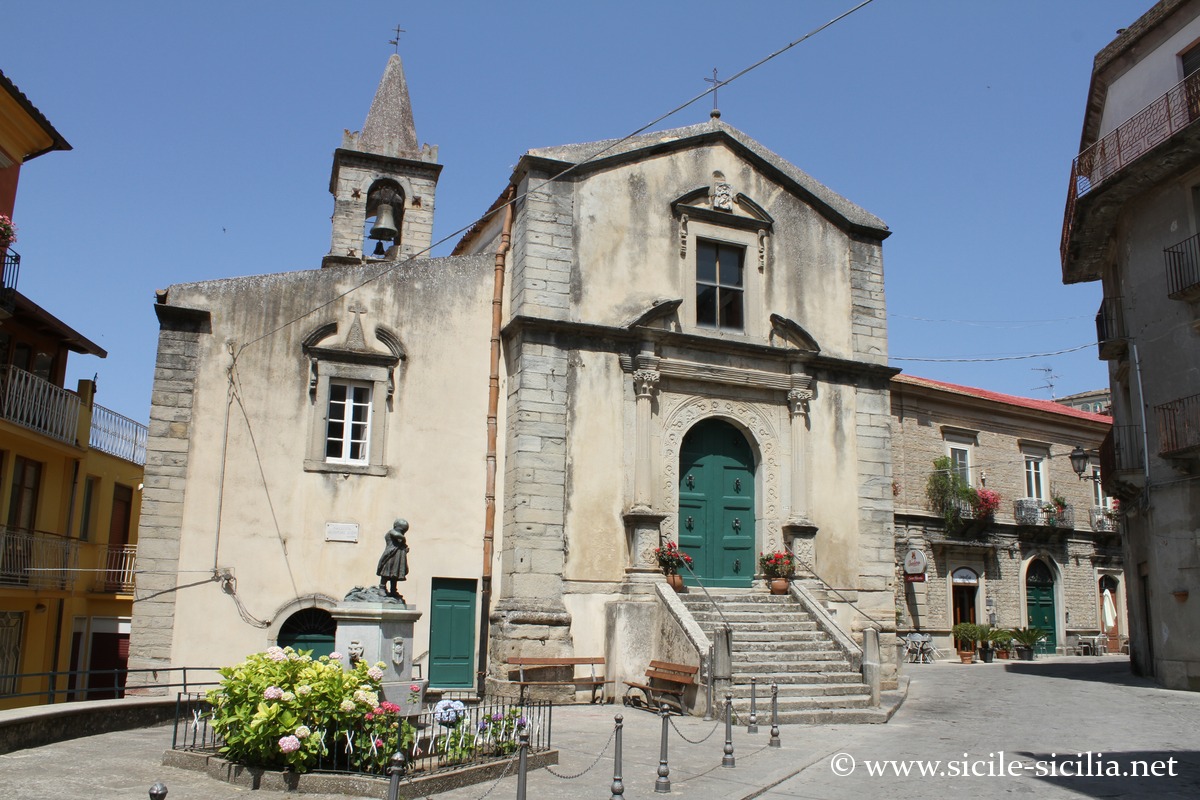
In the centre of the village the church of San Nicolò dates back to the 17th century, with a pretty portal on the façade, accessible by a monumental stone staircase.
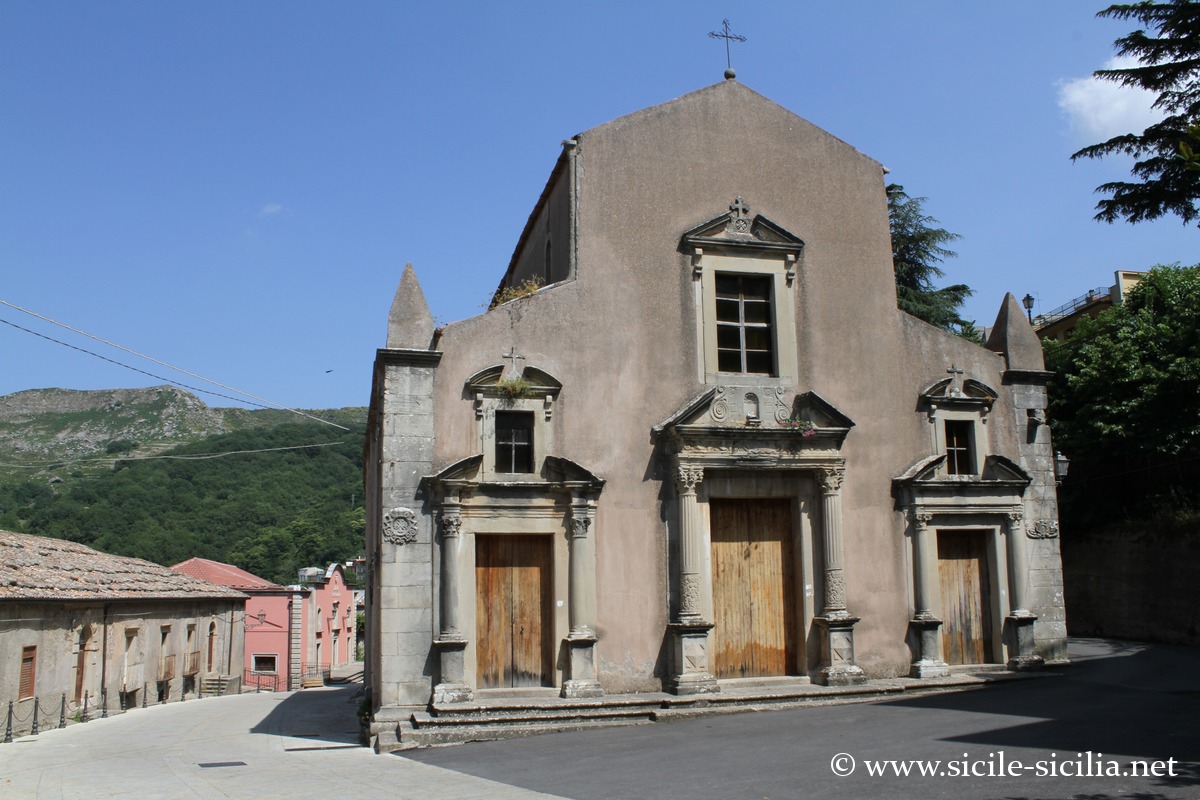
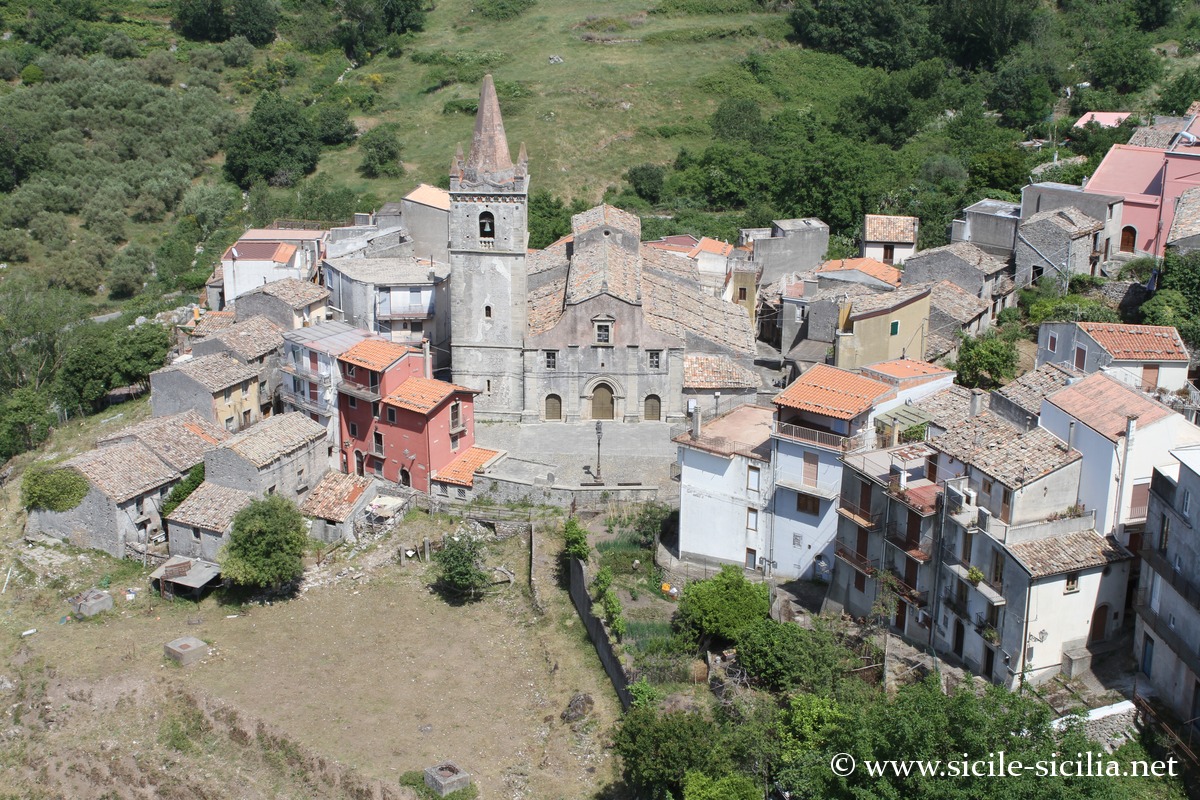
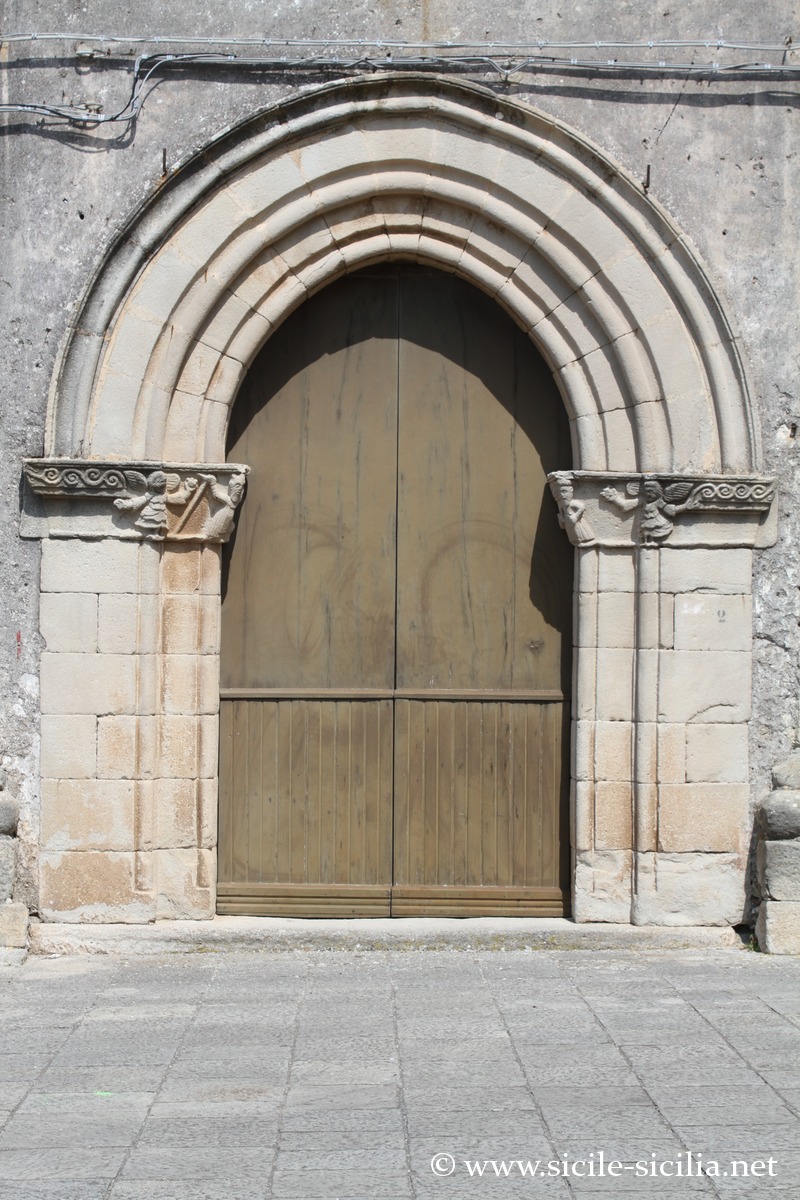
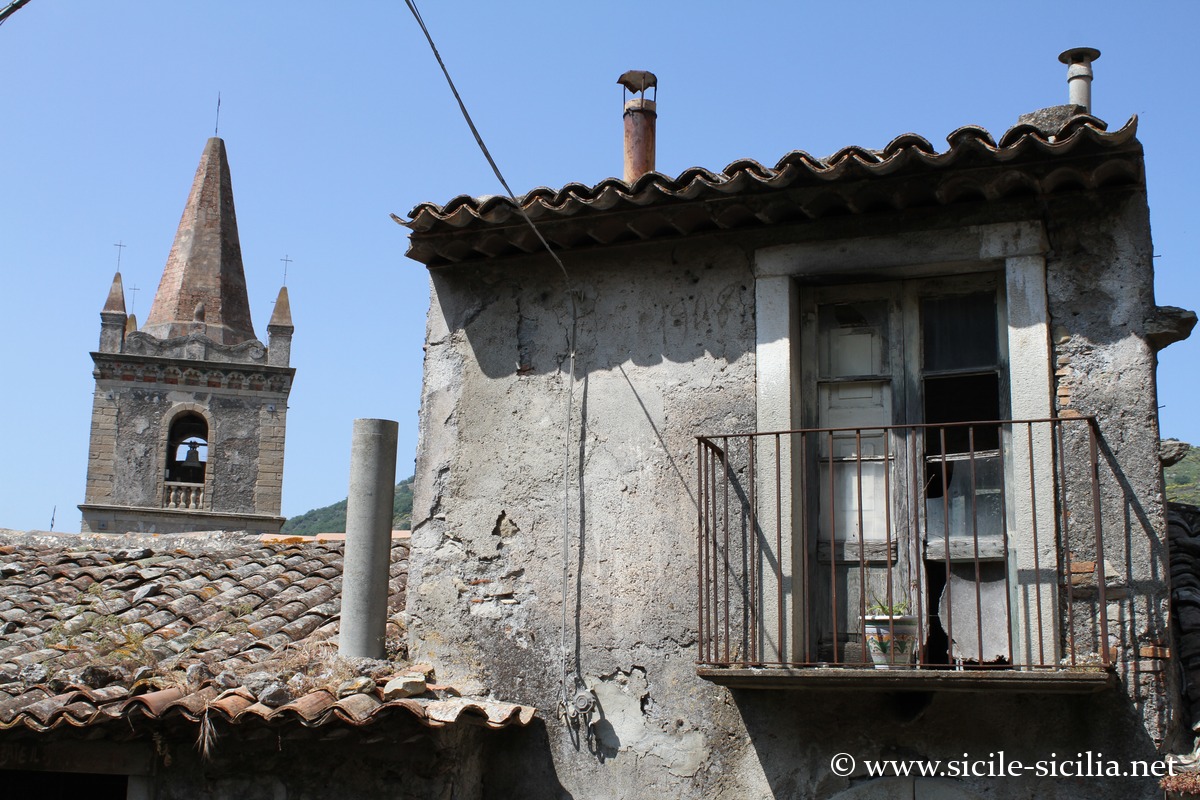
 In the lower part of the town, to the east, two other beautiful monumental churches can be discovered. San Giorgio Martire dates back to the 17th century and now serves as an auditorium, with beautiful Corinthian columns inside and a coffered ceiling. The church of Sant’Antonio dates back to the 16th century, with a Norman-style portal and a beautiful spire-shaped bell tower, preserving wooden statues and paintings. It merges Norman and Baroque styles.
Several palaces and buildings stand out, including the town hall which is a former oratory, the Stancanelli palace, the casa Fontana below the 18th-century cathedral with its 17th-century wall, and the Casalaina theatre, a historic 18th-century theatre, rare for a village of this size in Sicily.
A local museum (Museo Territoriale) presents tools, customs and objects of traditional rural life, as well as a historic mill still in operation, the Mulino Giorginaro.
Surroundings of Novara
5 km from Novara, the abbey of Santa Maria La Noara was founded in the 12th century by Sant’Ugo Abate under Roger II, the Norman king, and was the first Cistercian building in Sicily, characterised by the sobriety of its architecture. It is a major example of Cistercian architecture in southern Italy.
Traditions and gastronomy of Novara
One local product is the maiorchino cheese, made from sheep’s milk, also associated with a traditional competition during carnival, hard-paste, aromatic and matured for several months.
Other products are ricotta, provola, or hazelnuts, characteristic of the region.
Traditionally, during the August festivities, one eats Ncasciada pasta with veal and mutton ragout, with meatballs, aubergines and breadcrumbs.
One also eats lempi e trori, a mixture of legumes (beans, maize, lentils) and wheat.
The frittui is pork cooked with lard, rind, tripe, lungs, heart and liver of the same animal.
As for pastries, u risu niru is rice with roasted hazelnuts, cocoa, coffee, orange peel and cinnamon. The cassatelli is a shortcrust pastry with figs, honey, cinnamon, hazelnuts. The raviiò are fried ravioli stuffed with ricotta, flavoured with cinnamon and dipped in wine. The pignurada is a shortcrust pastry cut into cubes and fried, and the apostolo is a local cannolo with ricotta and a glaze.
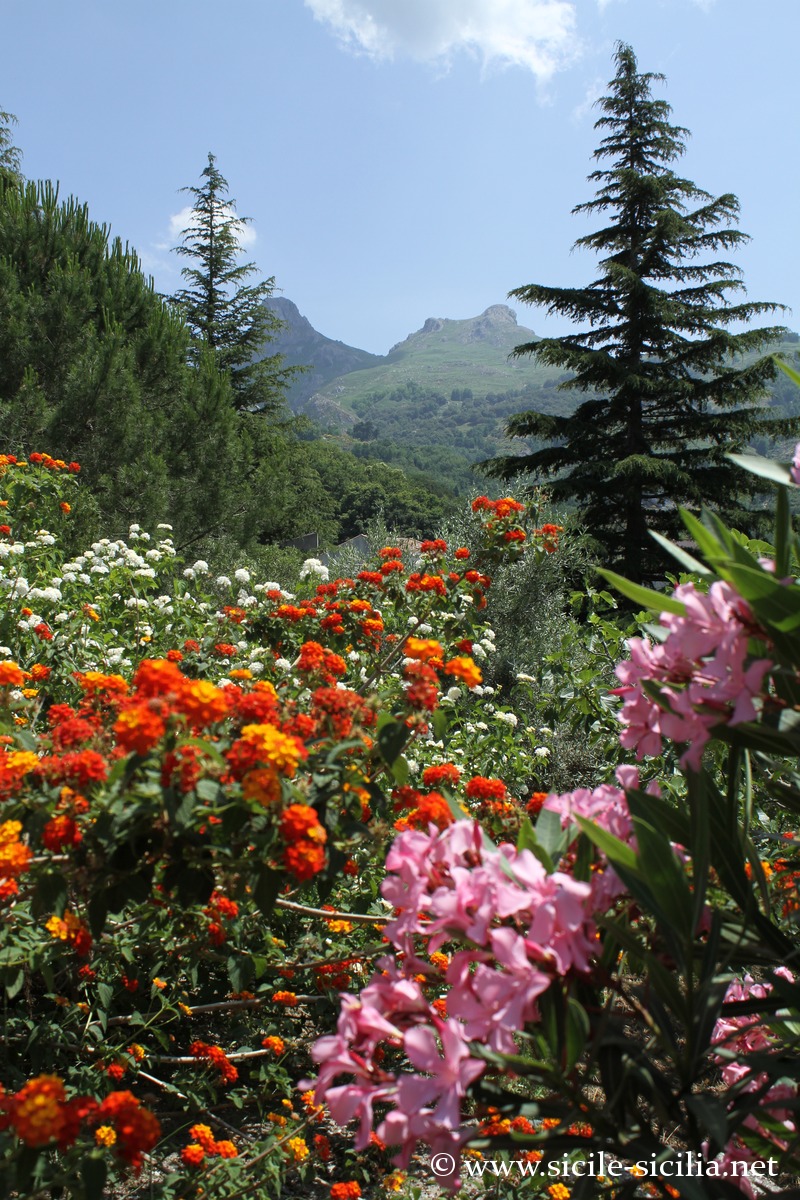
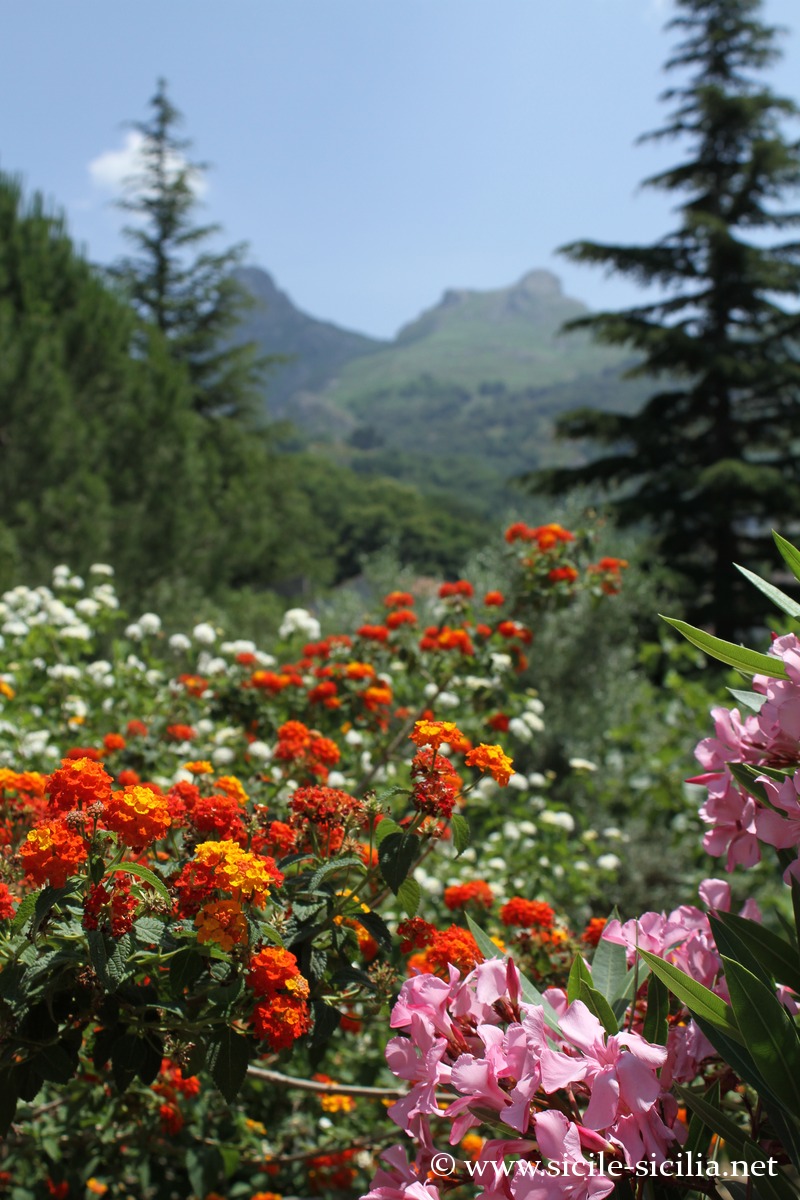
The Festa dell’Assunta, from 31 July to 15 August, is the great patronal festival with a procession of the Virgin, lights and fireworks; the Torneo o Gioco del Maiorchino takes place at Carnival; the Festa di Sant’Antonio Abate in January includes the blessing of animals, and in July a Festa dei Fiori and a symbolic ascent of the Rocca Salvatesta are celebrated.
Photo gallery
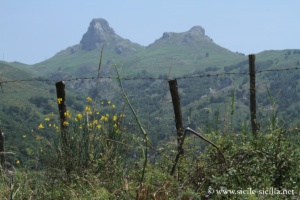

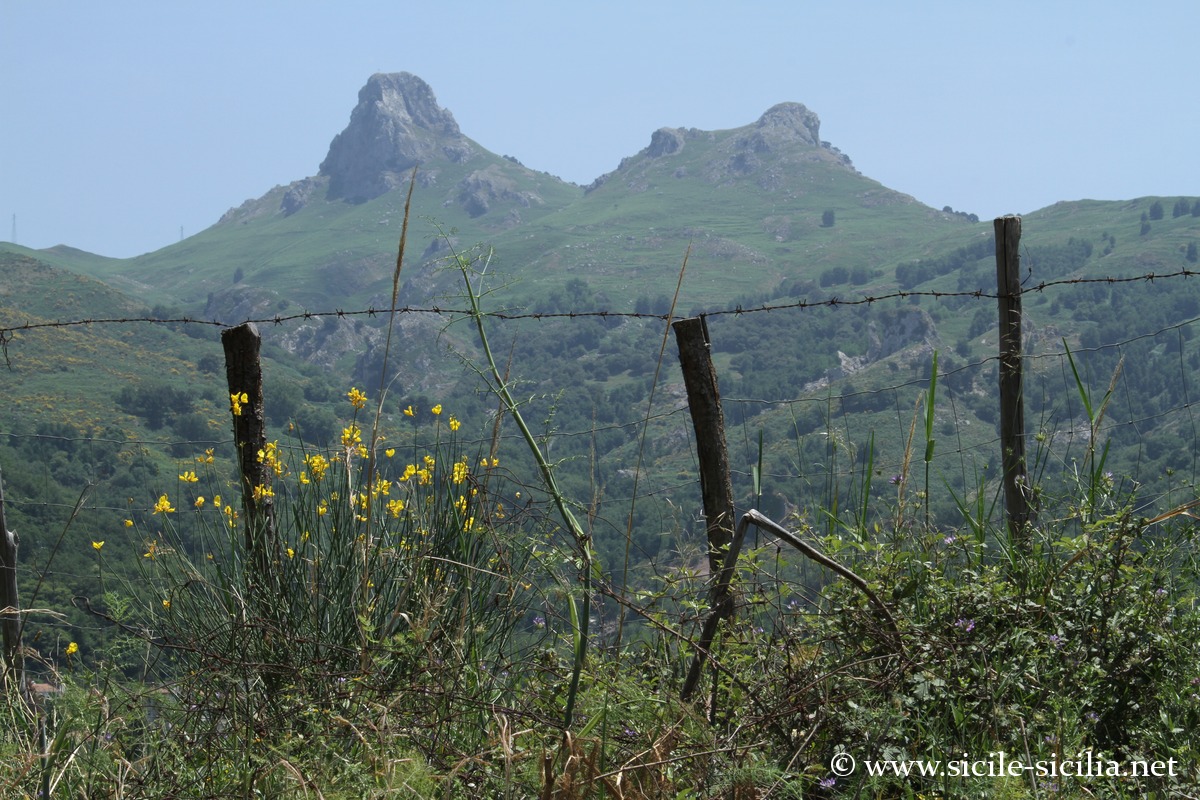
Rocca Leone and Novara 

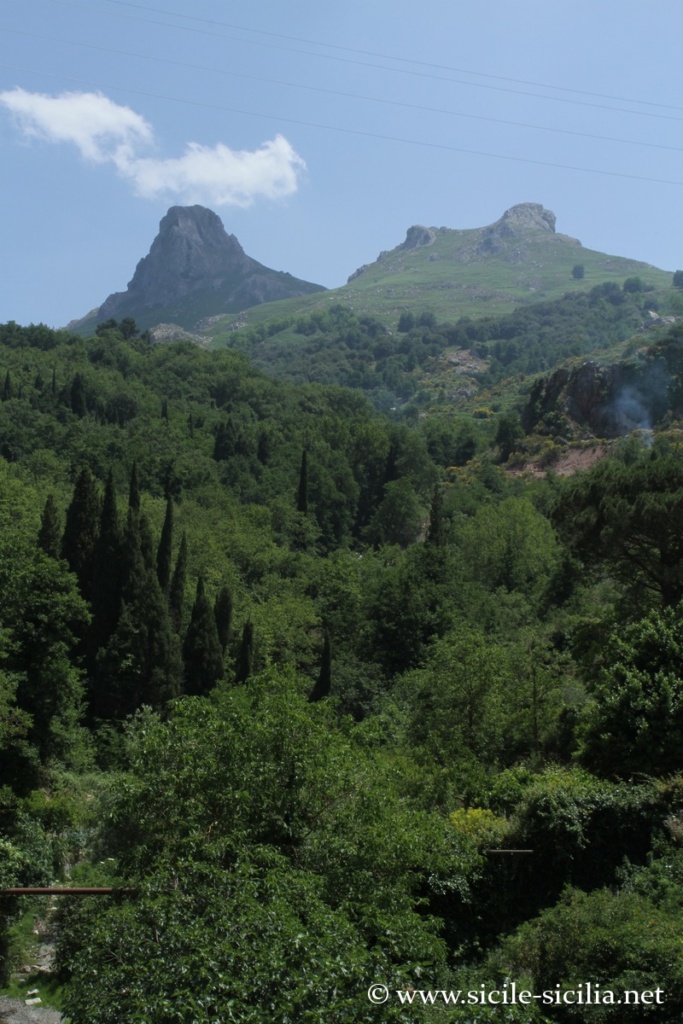

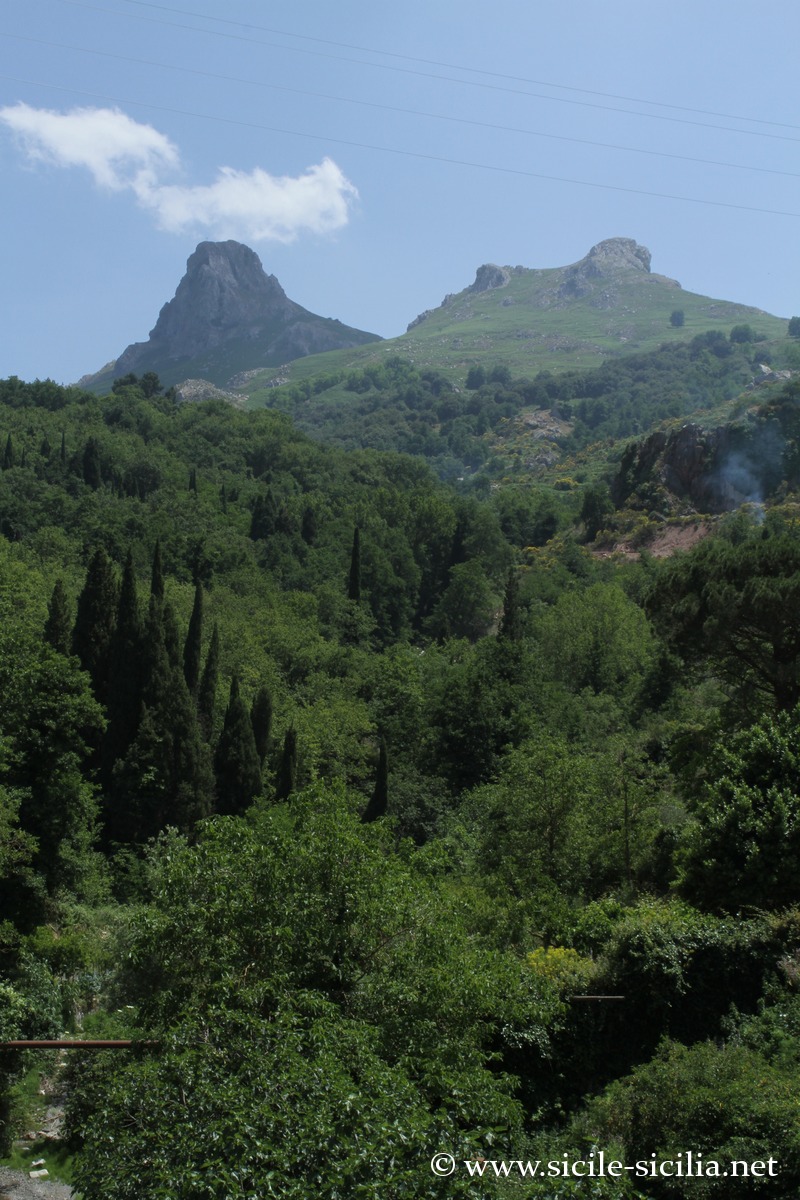
Rocca Novara and Rocca Leone 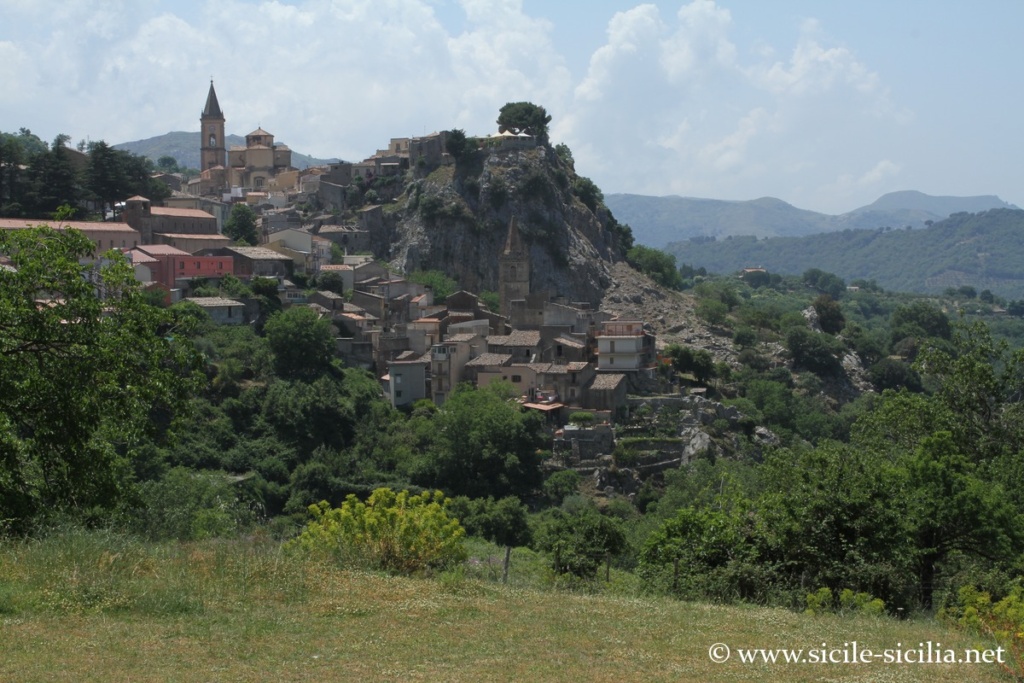

Novara di Sicilia 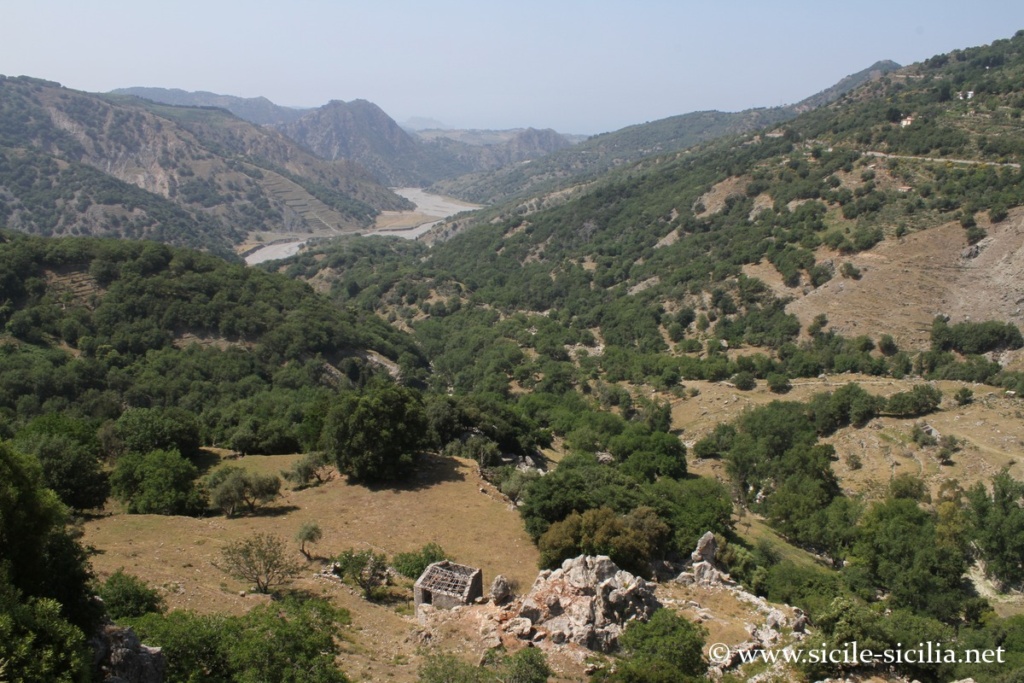
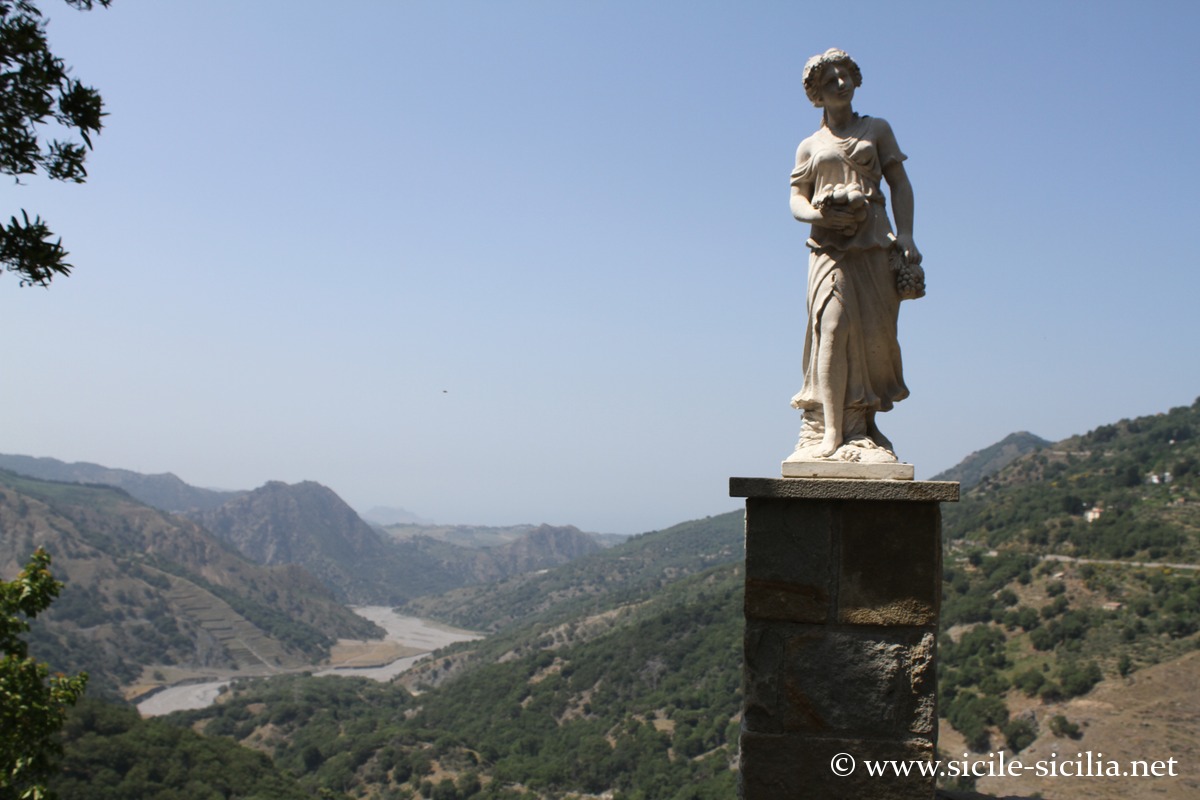
Novara valley 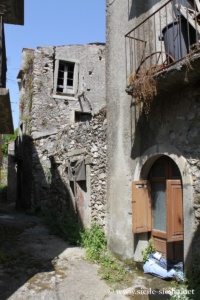
Novara di Sicilia 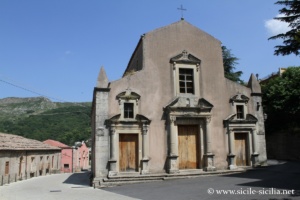
San Giorgio, auditorium 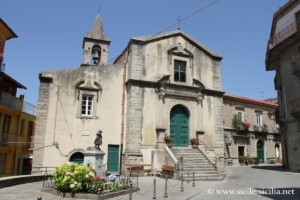
Church of San Nicolo 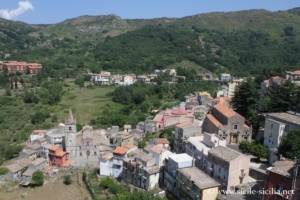
Panorama of Novara di Sicilia 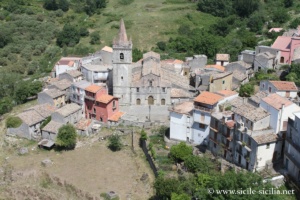
Panorama of San Antonio Abate 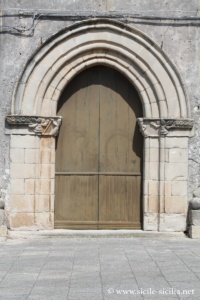
Portal of Sant’Antonio Abate 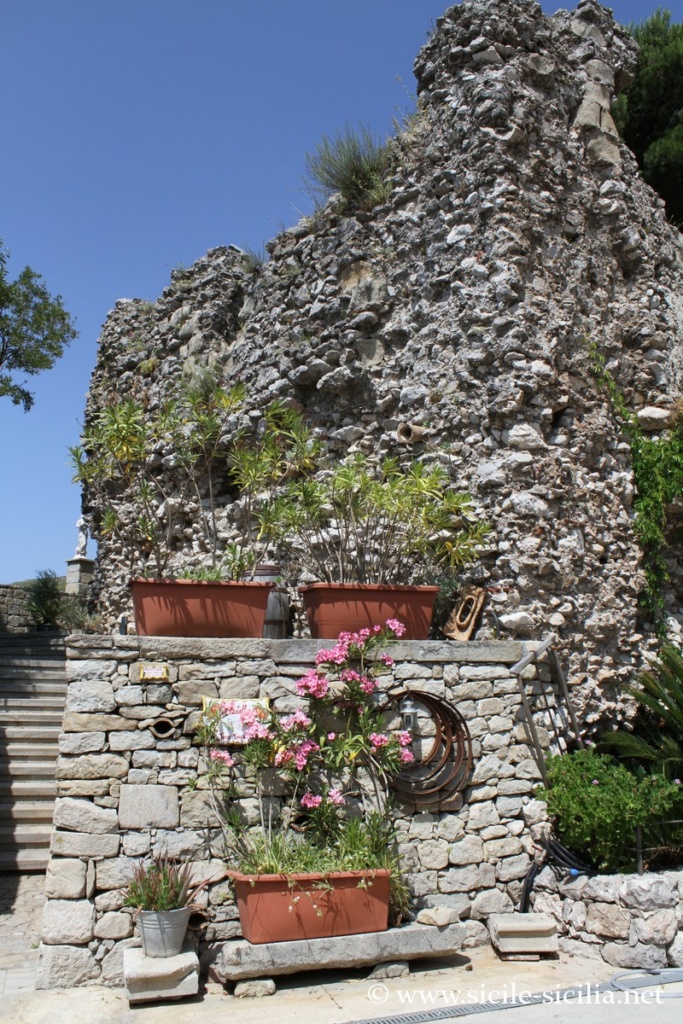
Ruins of a wall of the medieval castle 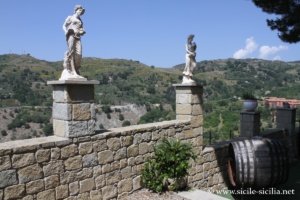
Castle terrace 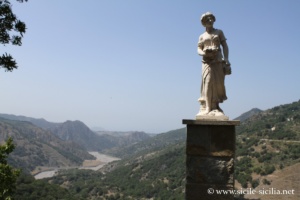
Castle terrace 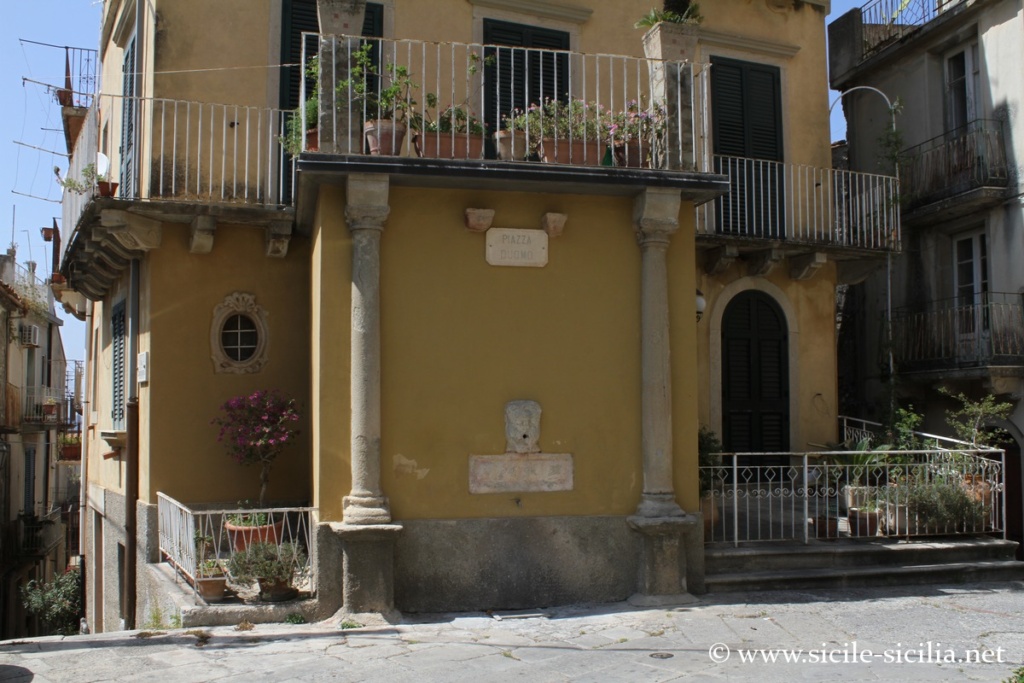
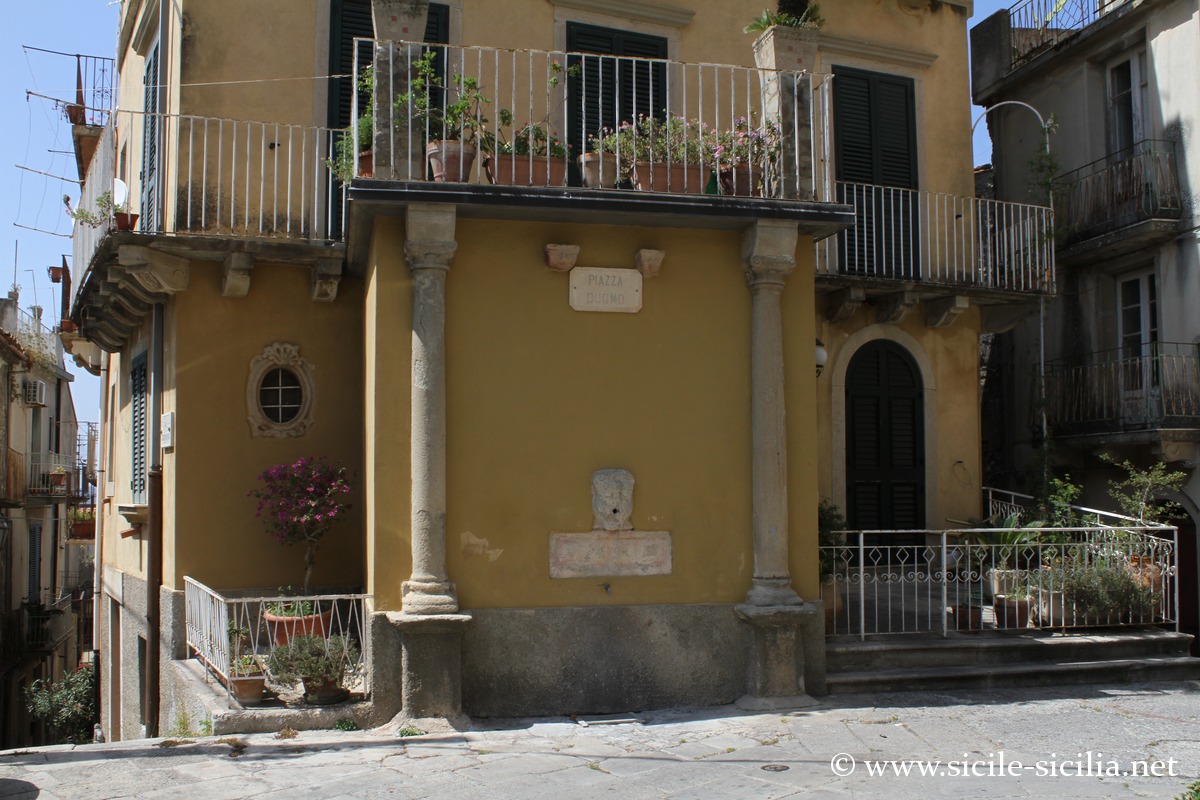
Piazza Duomo 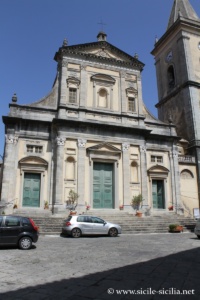
Duomo 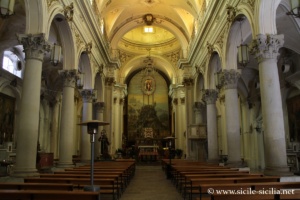
Interior of the duomo 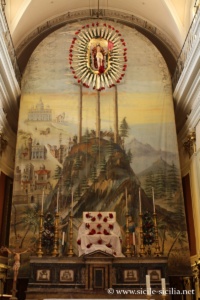
Interior of the duomo 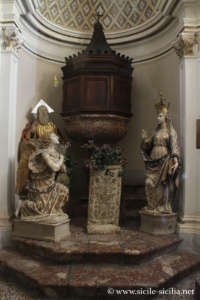
Interior of the duomo 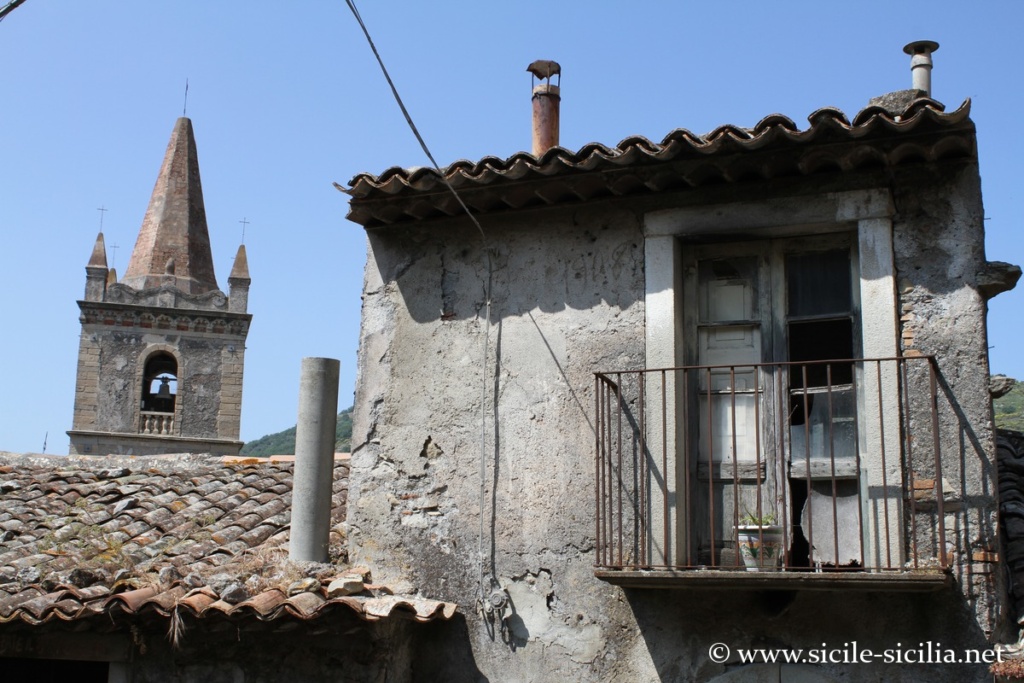
Where Novara is located and map
If you see this after your page is loaded completely, leafletJS files are missing.
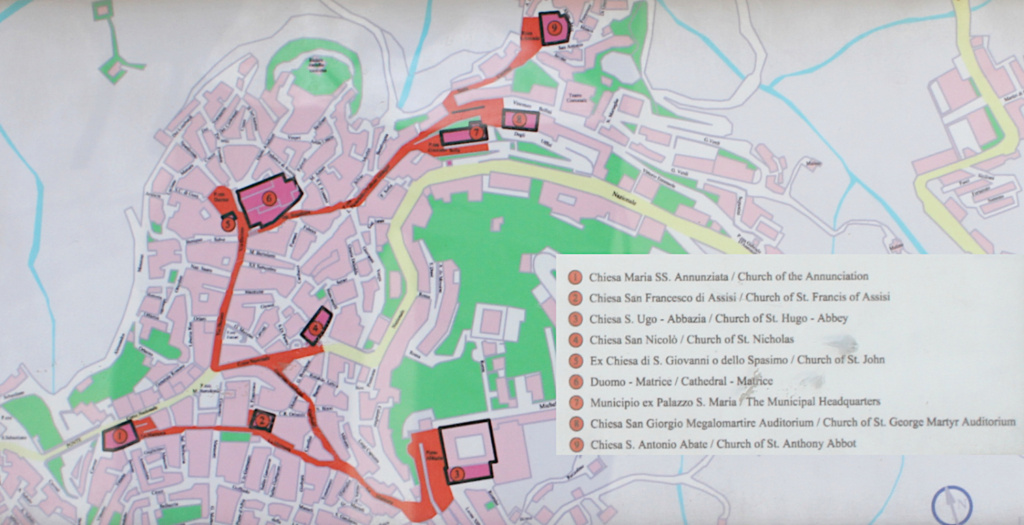

Map of the historic centre of Novara di Sicilia
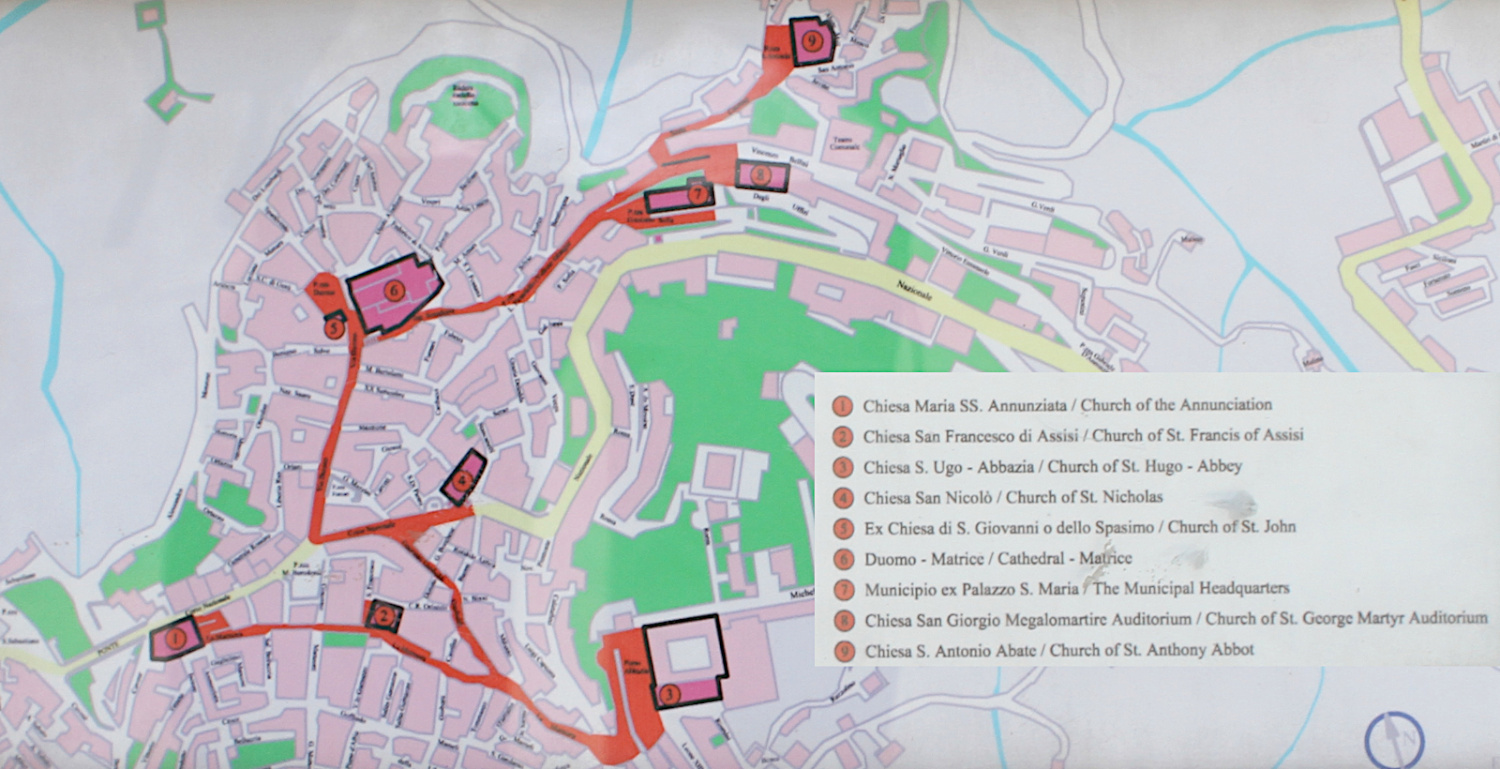
Information
Sources and external sites
- Novara on the website of the association borghipiubelliditalia.it.
- fr.wikipedia.org/wiki/Novara_di_Sicilia : Wikipedia page (FR).
- www.visitsicily.info/en/novara-di-sicilia : official website of the region’s tourism promotion.
- www.comune.novaradisicilia.me.it/it/page/informazioni-turistiche : official tourist information from the municipality’s website.
- www.comunedinovaradisicilia.me.it/patrimonio-culturale.html : cultural heritage page on the municipality’s website.
- www.proloconovaradisicilia.com : website of the Pro Loco Association: traditions, local history and events.
Articles in the Golfo di Patti category
- Montalbano Elicona
 Montalbano Elicona is a beautiful medieval village perched at ...