

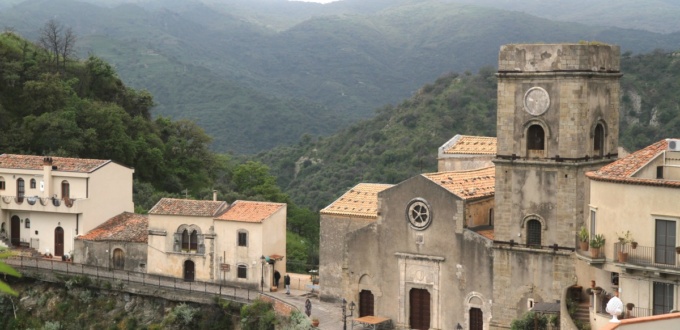
Together with Forza d’Agrò, a remarkable stop north of Taormina, known in particular for having served as the setting for several scenes of Francis Ford Coppola’s Godfather, is the medieval village of Savoca. It is listed among the “most beautiful villages in Italy”, and a few kilometres away lies an Arab-Norman abbey full of charm, the Abbey of Saints Peter and Paul of Agrò, situated upstream of the valley of the same name.
Savoca: one of the most beautiful villages in Italy
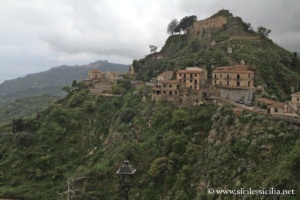
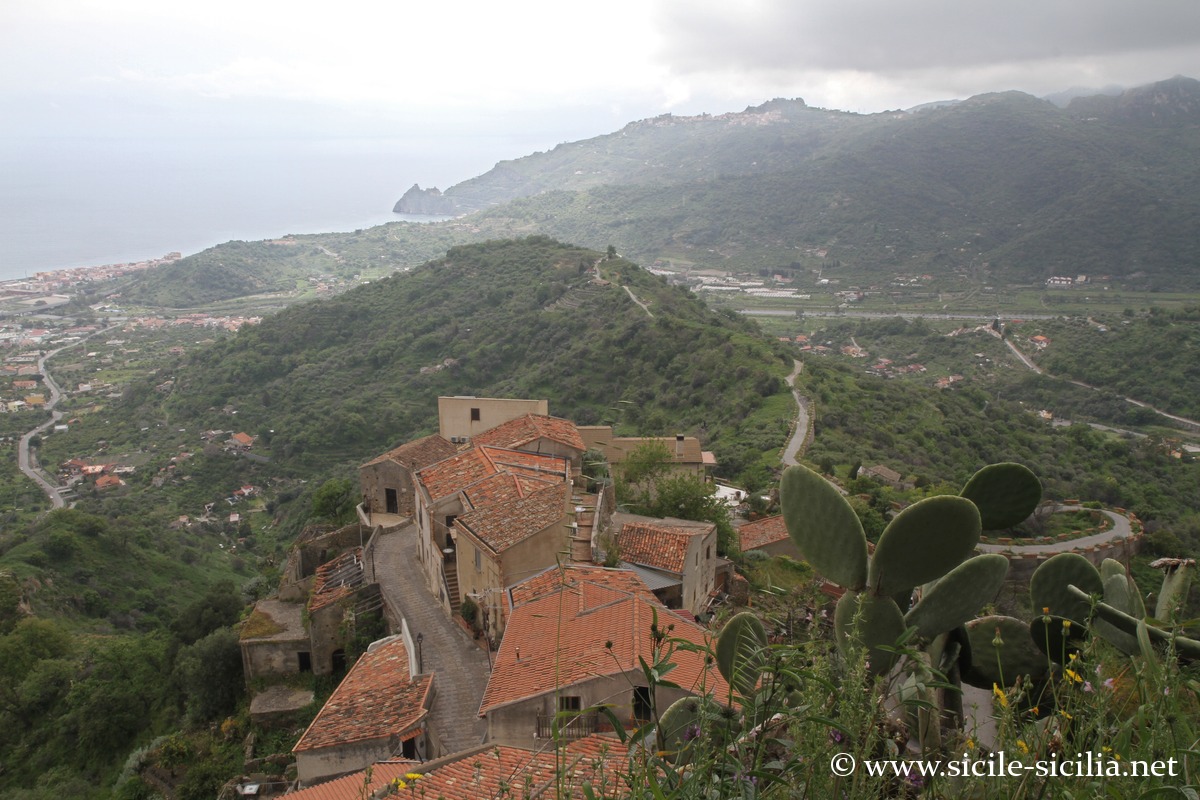
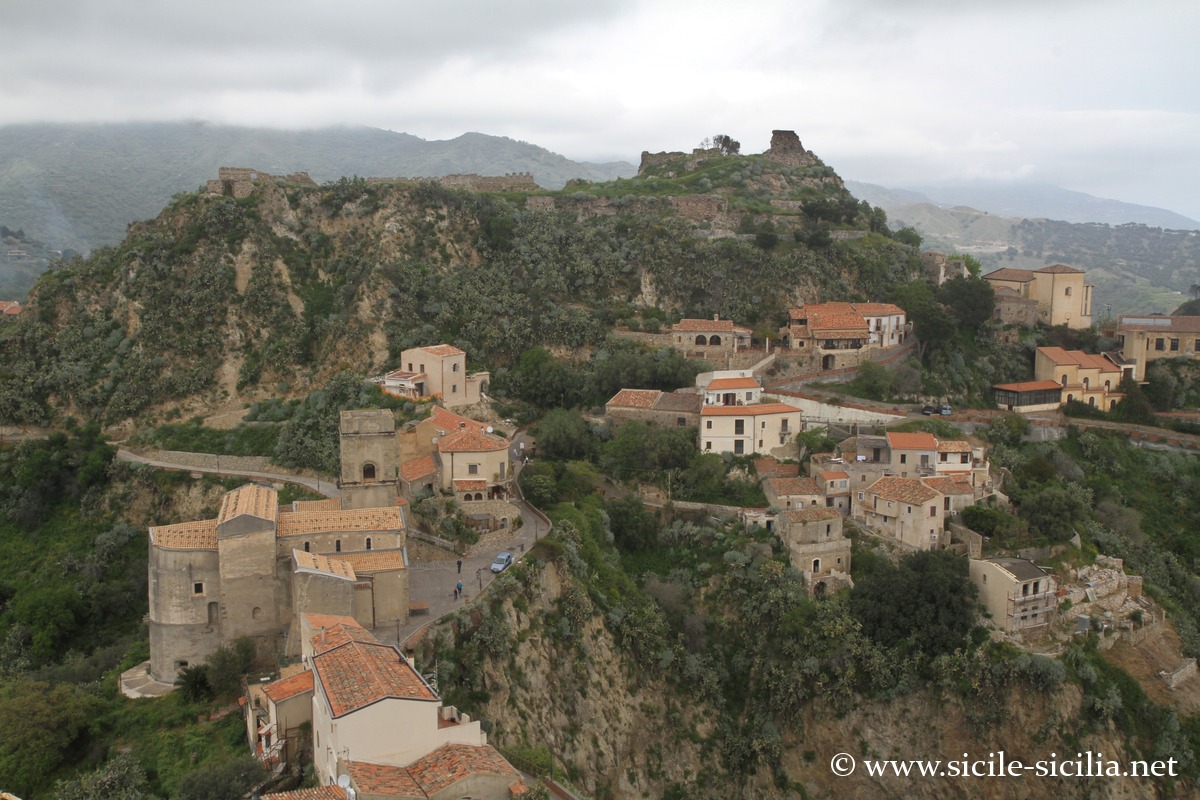
Savoca is a village of Arab origin perched on a ridge, dominated by the ruins of its medieval castle. Popular tradition attributes seven faces to it, in reference to the variety of its panoramas: the Ionian Sea, the rugged coast of Calabria, Etna, the Peloritani mountains.
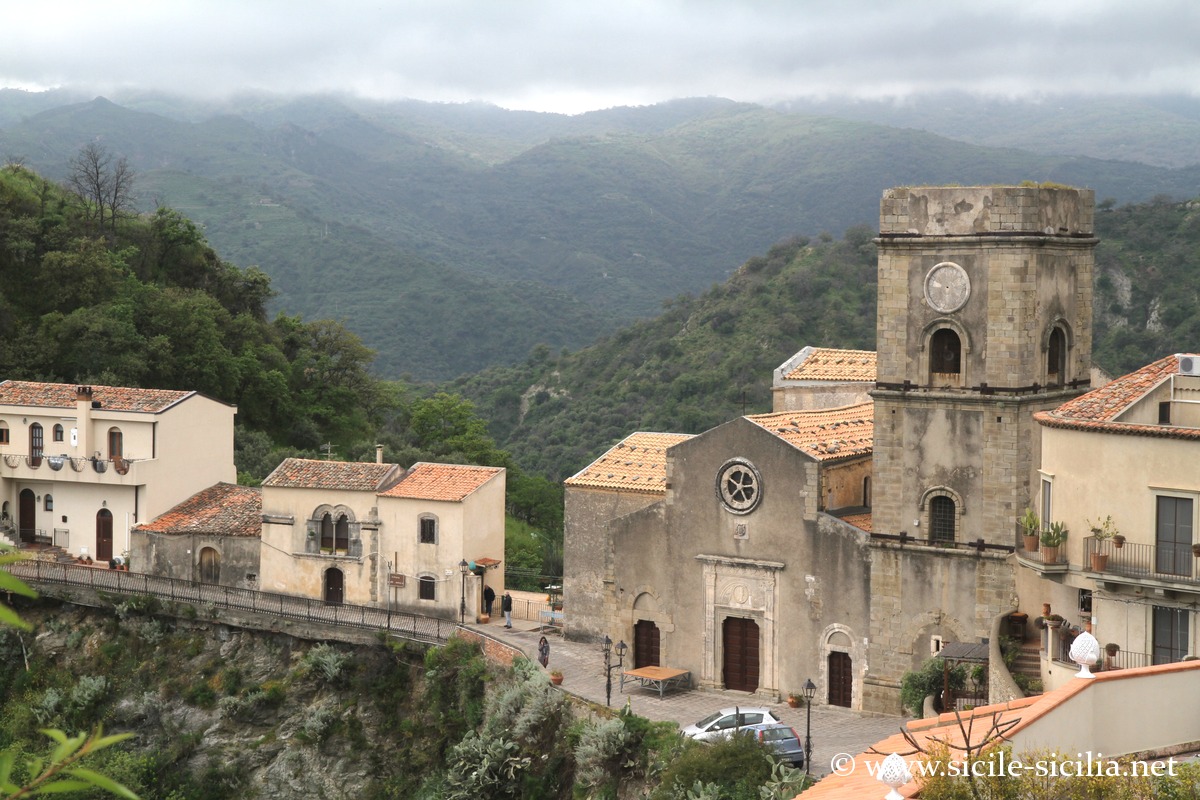
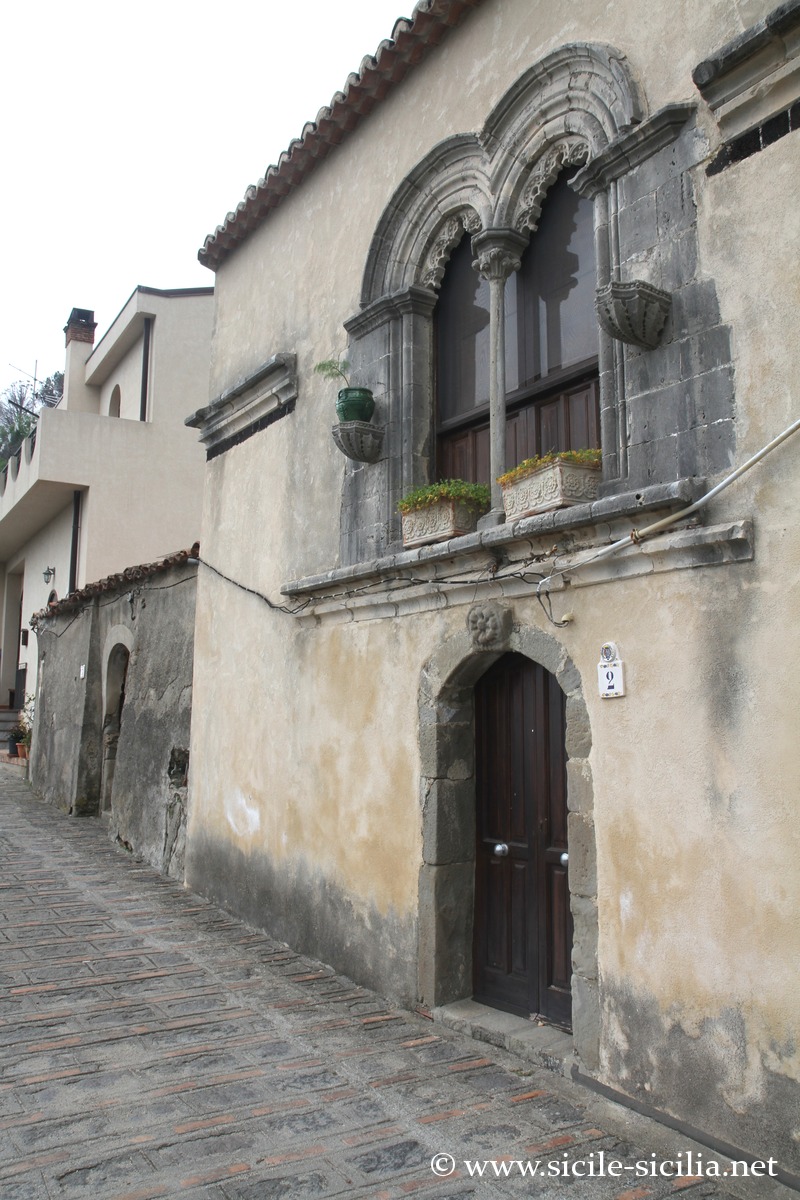
Its picturesque charm earned it its inclusion among the “most beautiful villages in Italy”, with its steep houses, ancient cisterns carved into the rock, medieval cobbled alleyways, 17th-century votive niches, and fragments of Byzantine walls still visible near via San Michele.
Route through Savoca
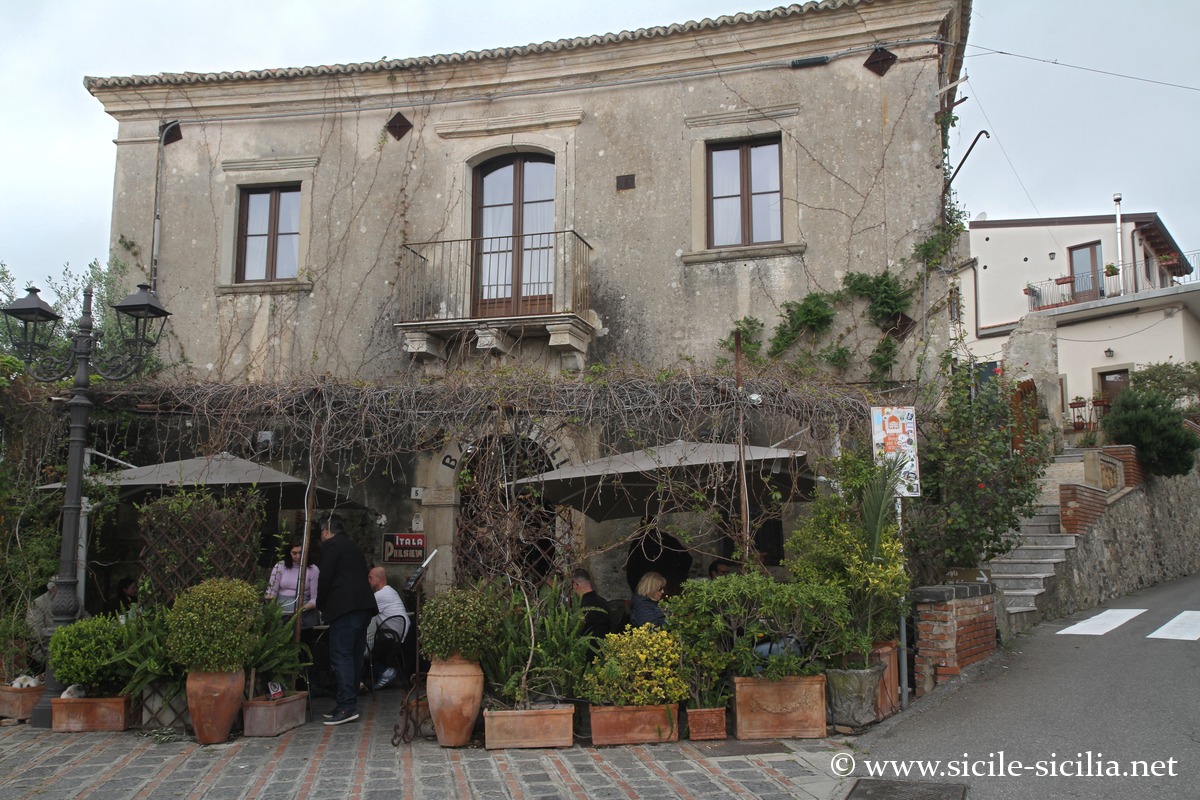
At the foot of the historic centre, near a panoramic terrace and a small square, the bar Vitelli was used by Coppola for the filming of the Godfather. It has been preserved as it was at the time.
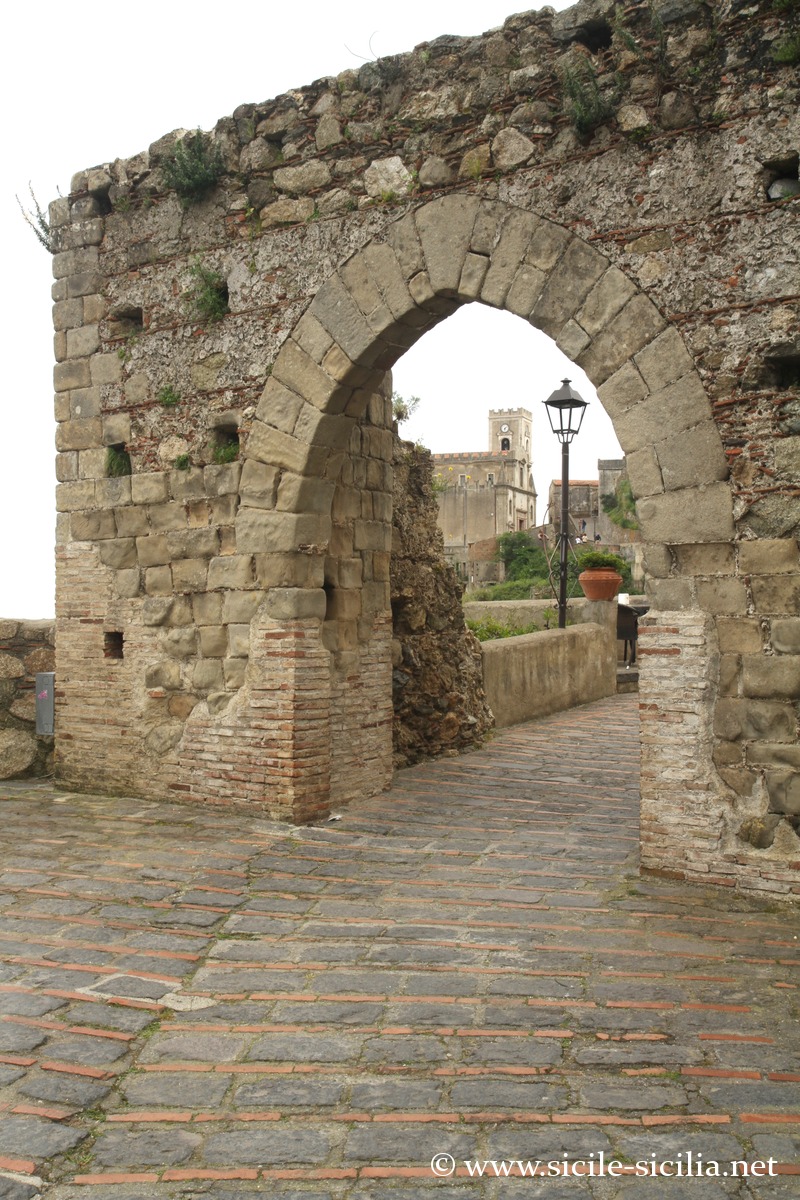
The town was fortified in the Middle Ages; people entered it through two gates, one of which still survives, the Porta della Città dating from the 14the century, with its pointed arch, once topped by a stone coat of arms bearing the arms of the Trimarchi family (from the small square before it: via Pentifuri, then 30 metres to the left, via S. Michele).
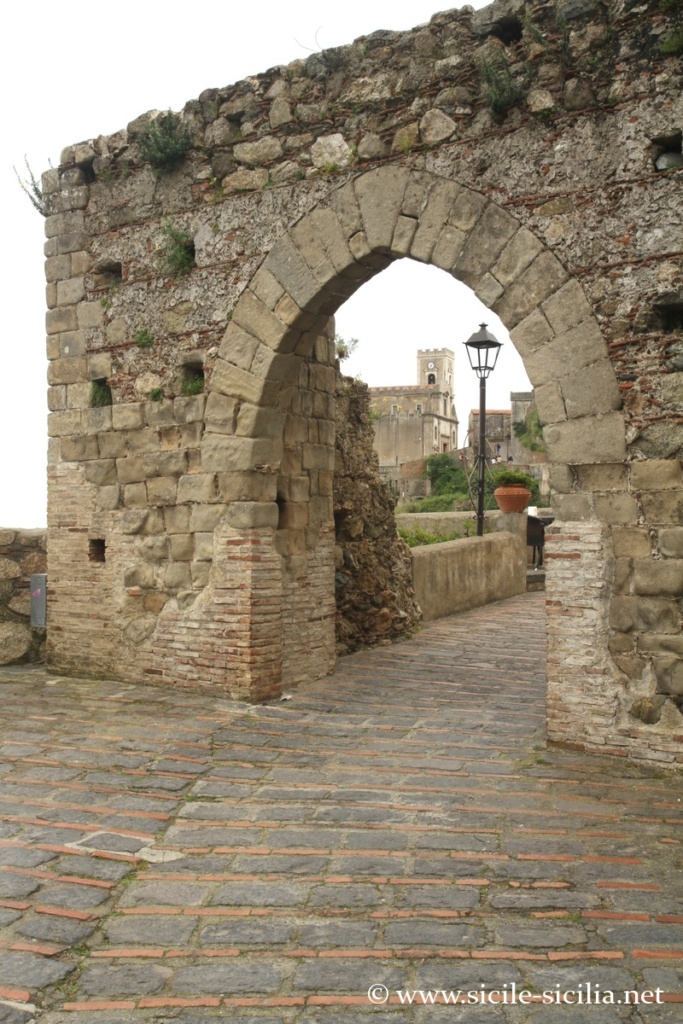
Porta della Città, Savoca 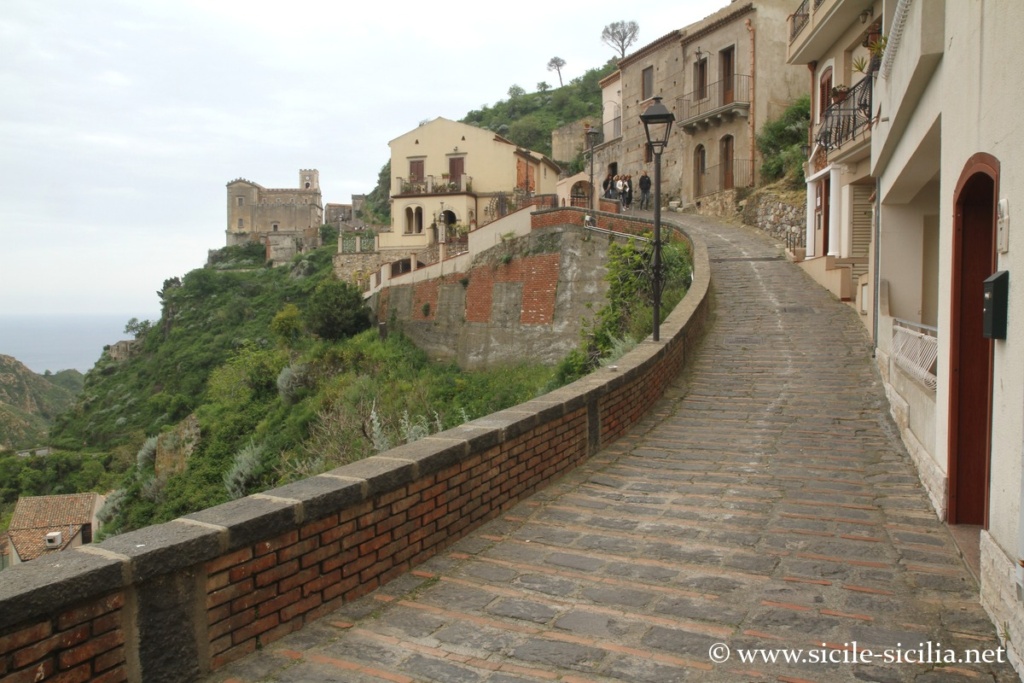
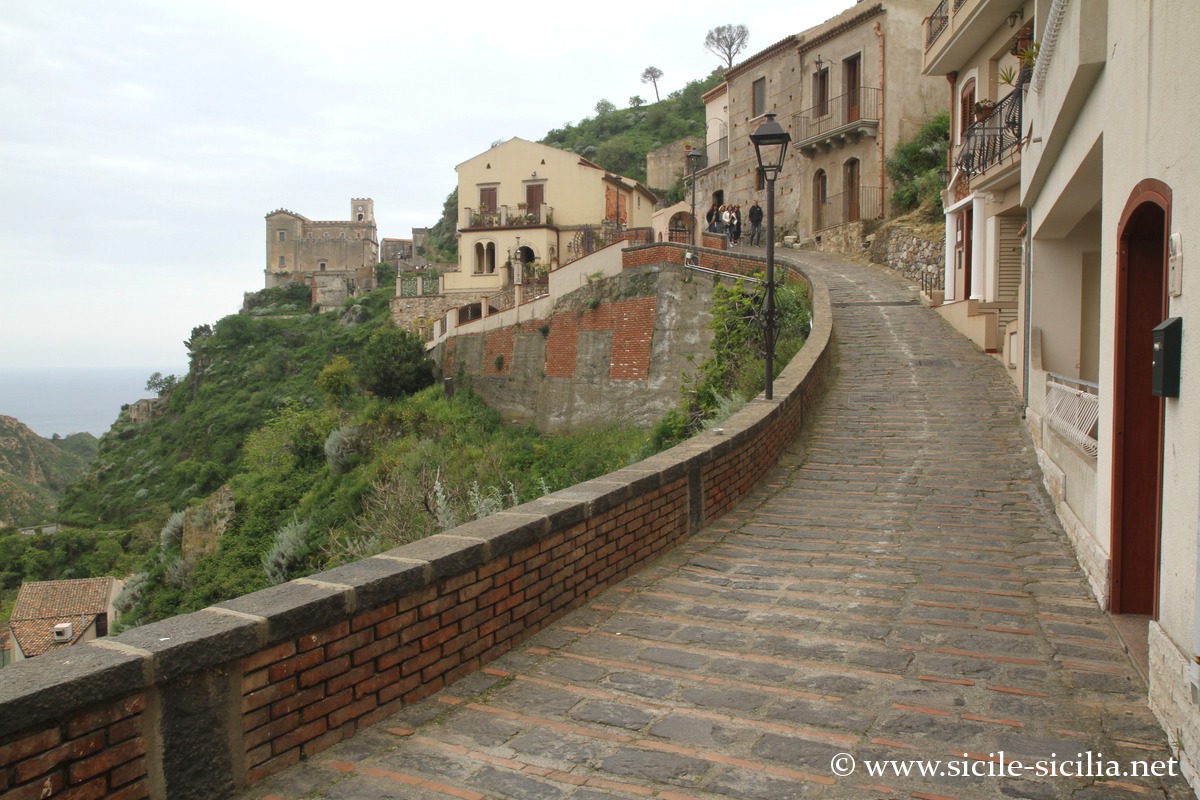
Street in Savoca 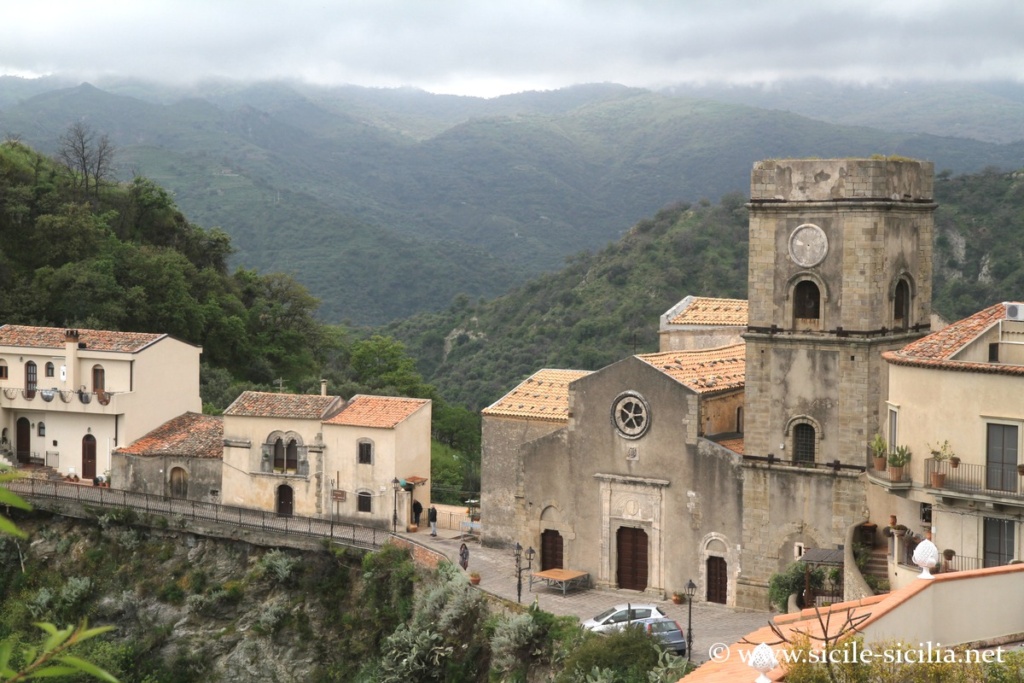

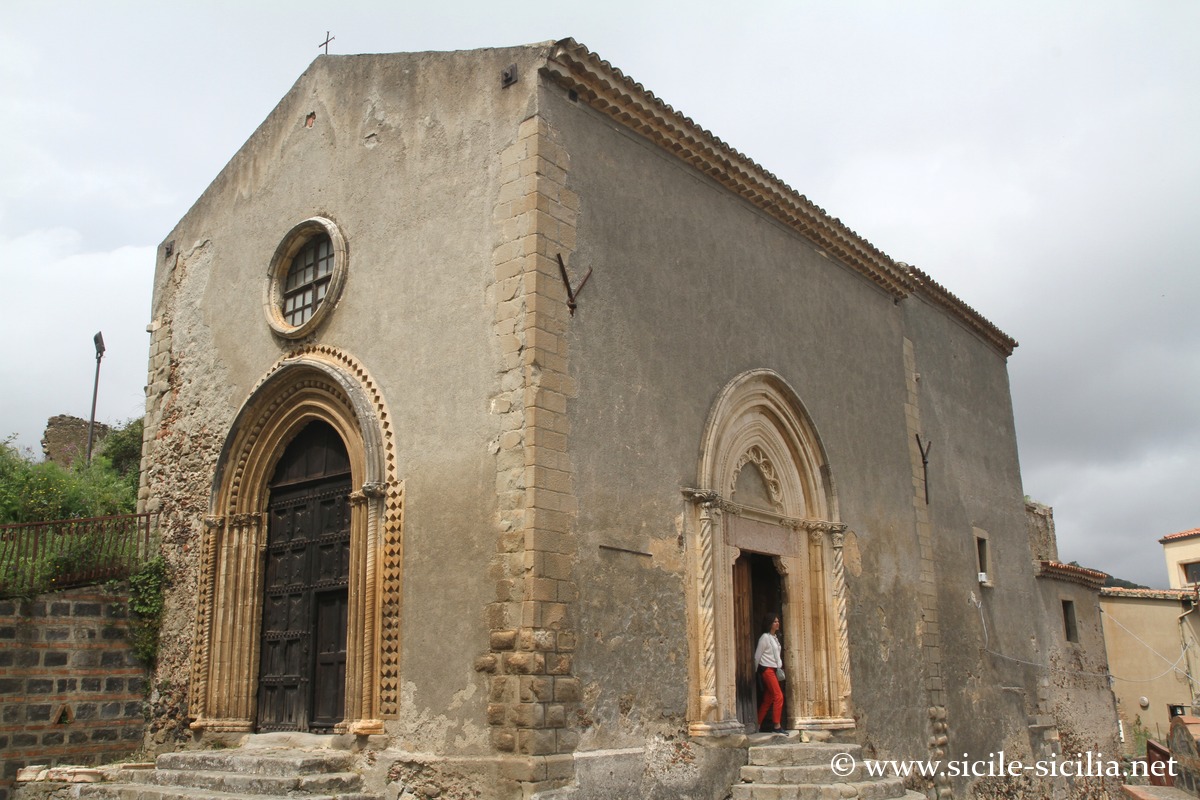
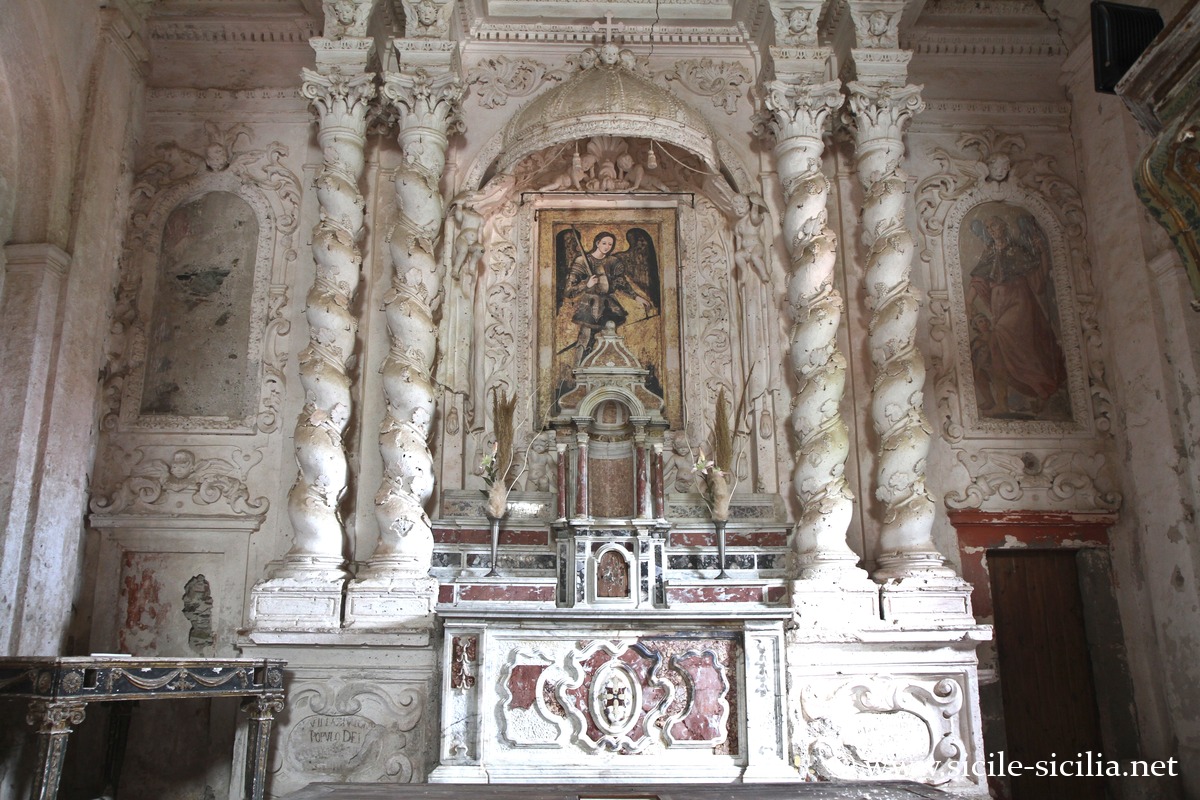
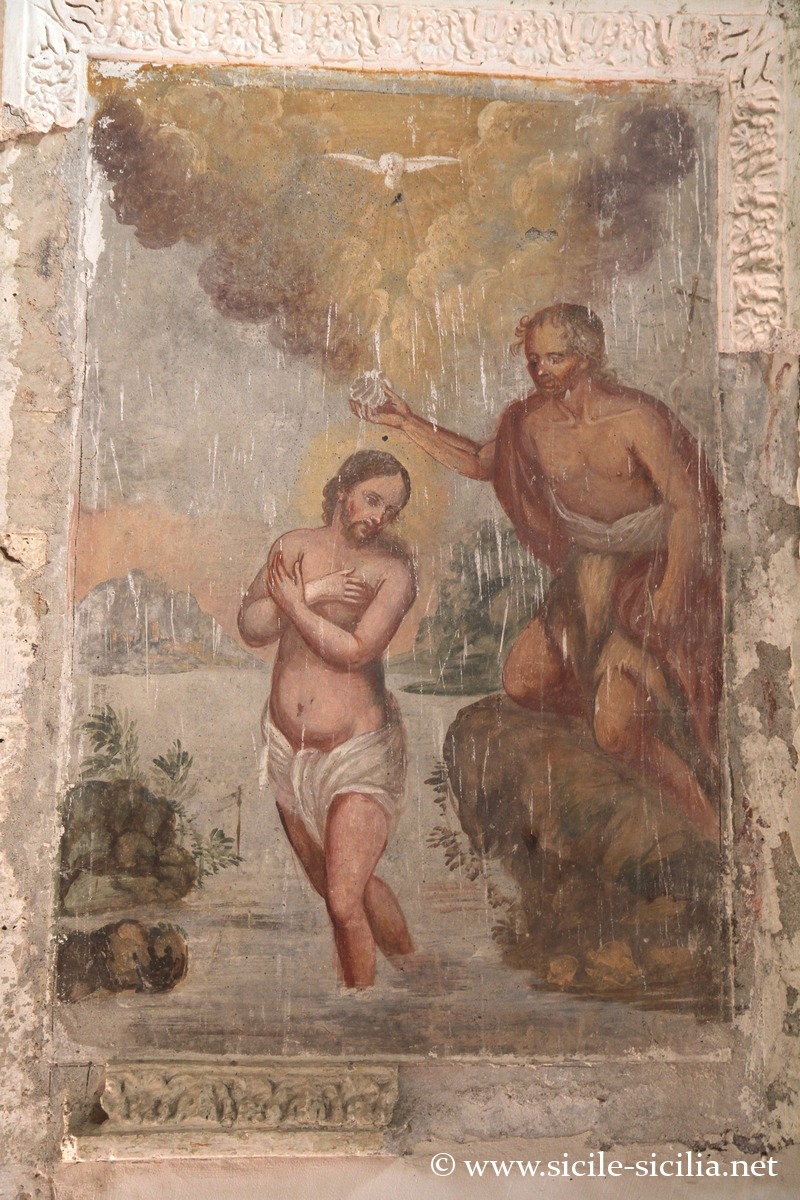
Past the latter, near the remains of a medieval synagogue, is the church of San Michele, built around 1250. It has two Gothic portals and an interior remodelled in the Baroque period, where old tombs survive. The frescoes on the vault depict the Archangels.
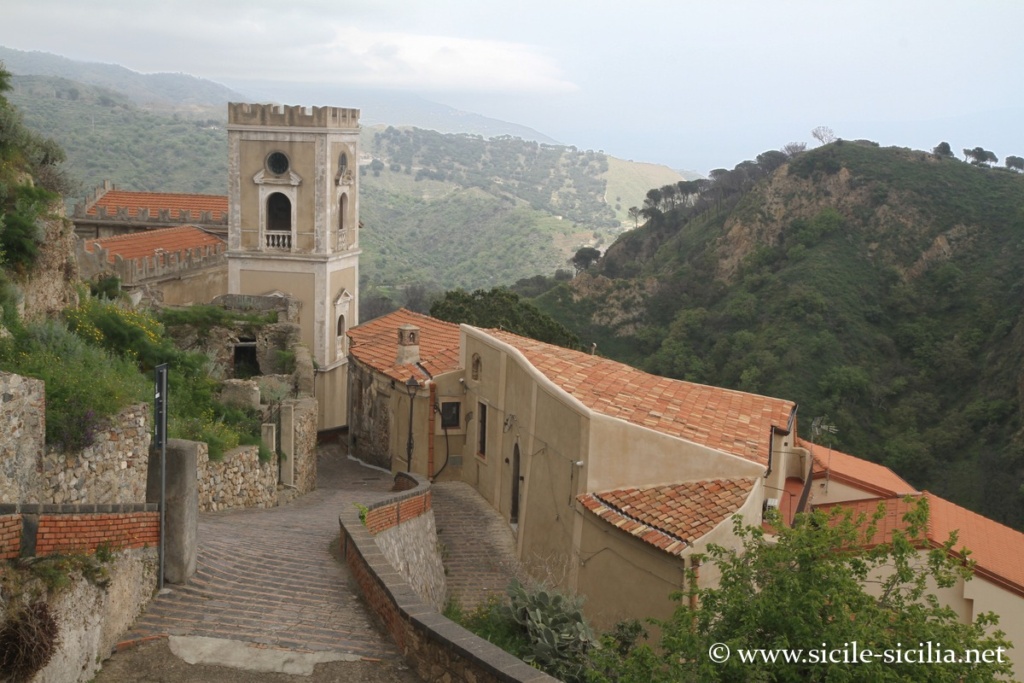
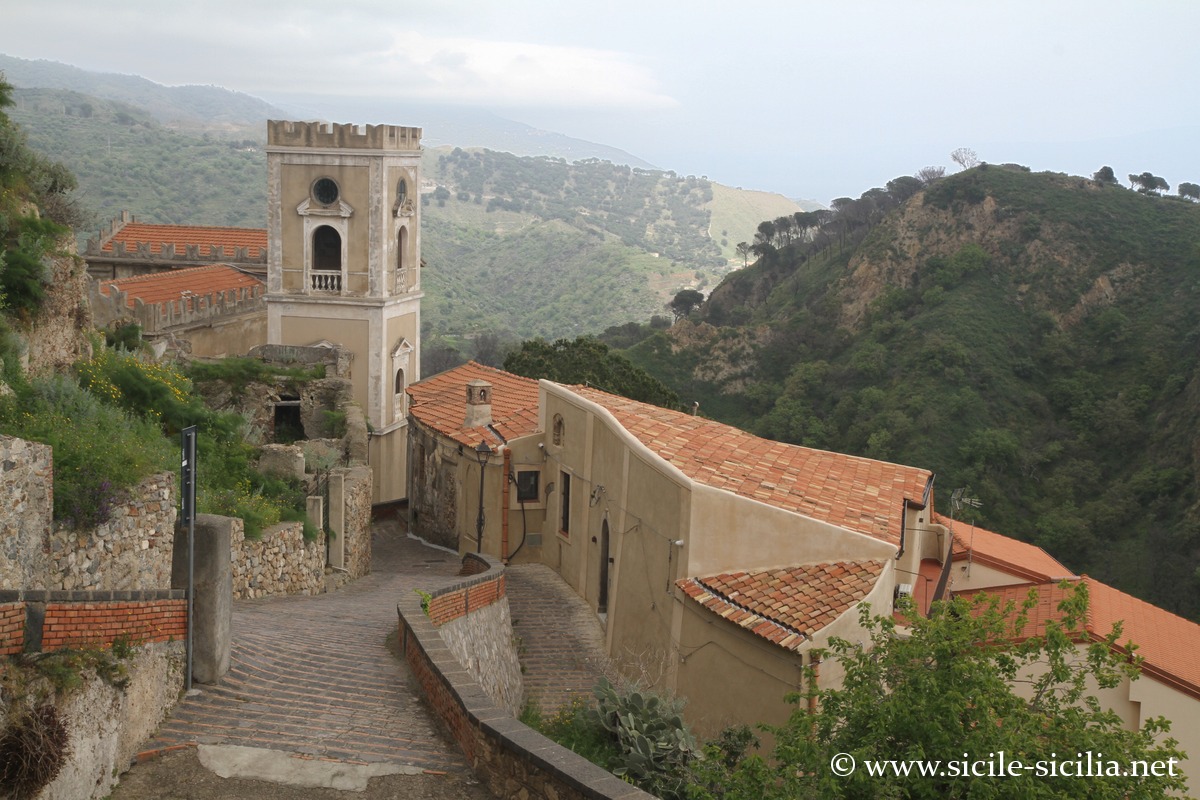
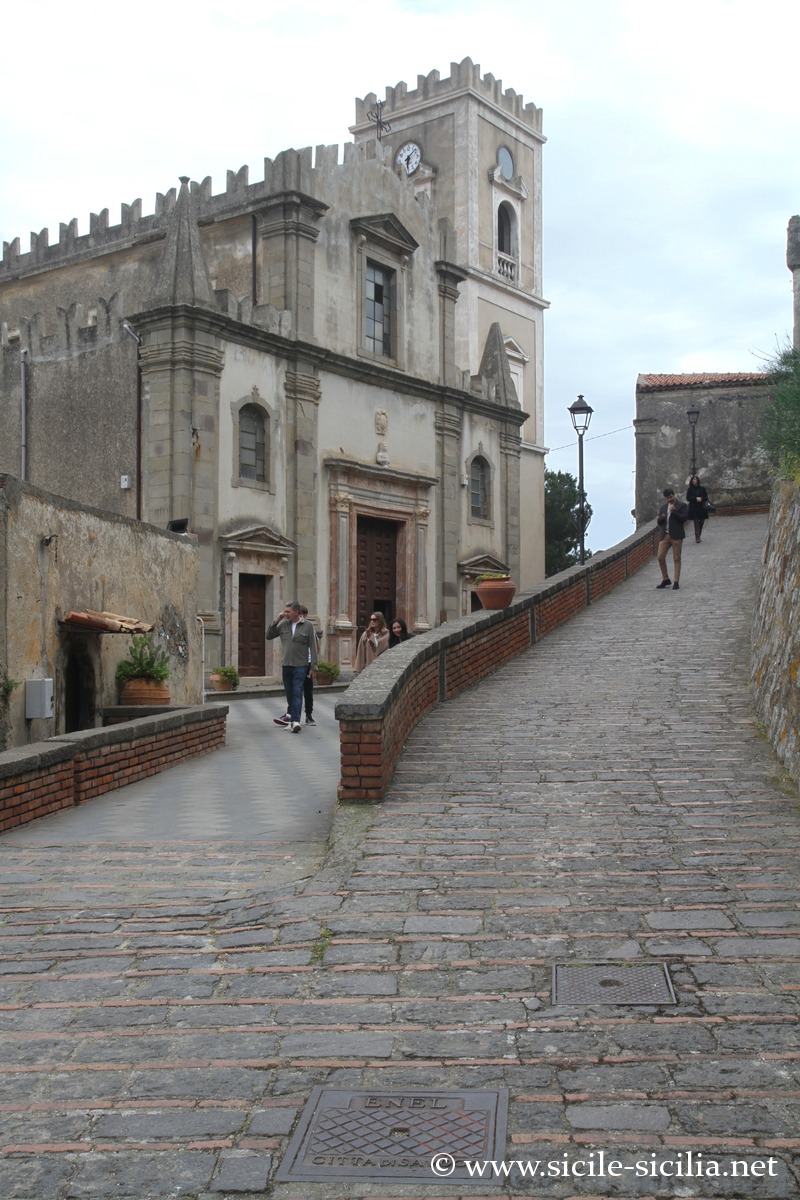
Continuing along the street that skirts the fortress above, the church of San Nicolò – wrongly called Santa Lucia – dates back to the early 13the century. Built on a spur, it is crowned with battlements giving it the appearance of a fortress. It was here that the wedding scene of the Godfather was filmed. It preserves an 18the-century polychrome marble altar and a quadrangular bell tower of medieval origin.
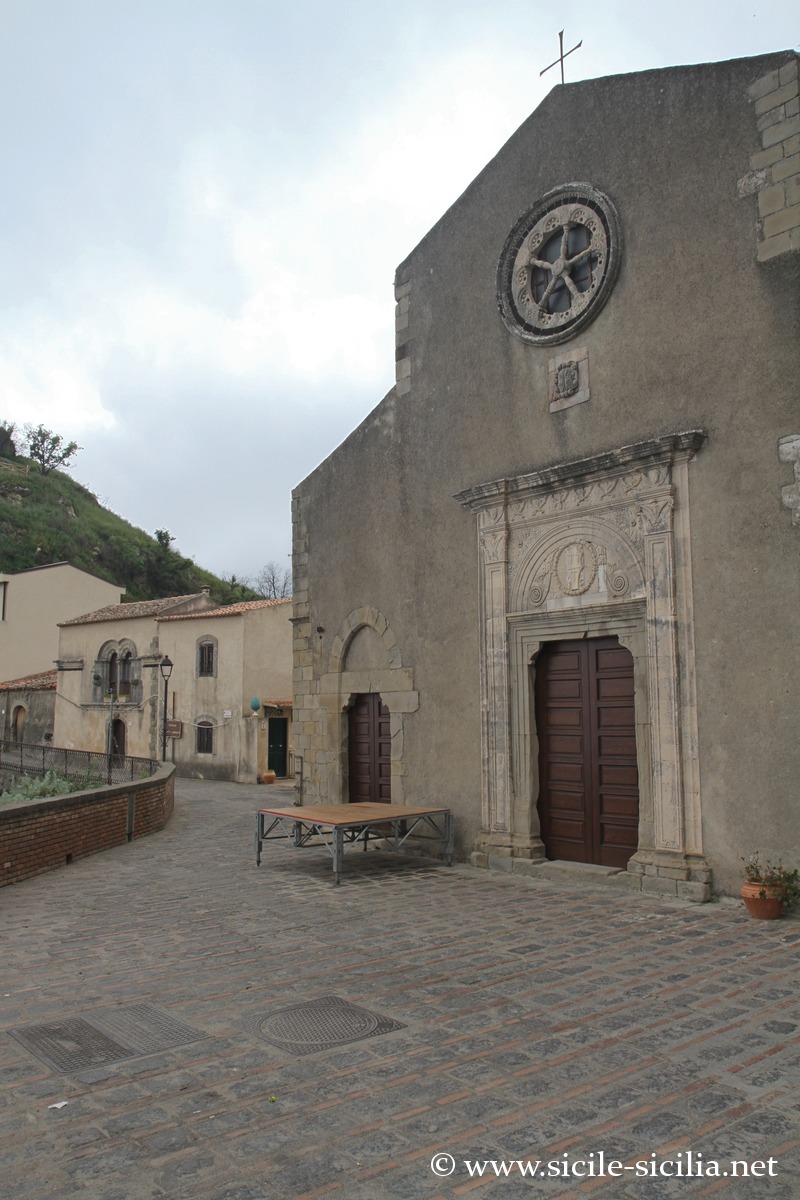
The most important building in Savoca is the Chiesa Madre, the 12the-century cathedral dating back to the Normans. The fine capitals of the columns separating the three naves are Romanesque in style. Remains of medieval wall frescoes have recently been brought to light. In its basement, corpses were mummified according to a custom inspired by Egyptian practices.
From the neighbouring rocky terrace, one can enjoy an extensive view over the surrounding valleys and the remains of the castle of Pentefur (11the–16the century), the former feudal seat of the barons of Savoca, then a Norman observation post overlooking the Agrò valley.
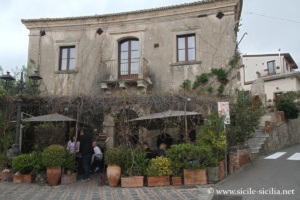

Bar Vitelli in Savoca 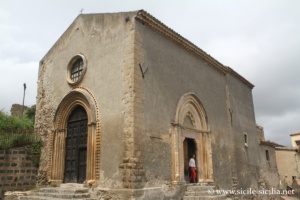
Church of San Michele, Savoca 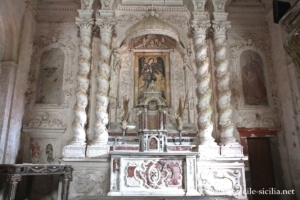
Interior of the church of San Michele, Savoca 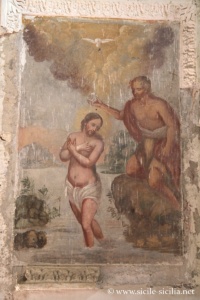

Interior of the church of San Michele, Savoca 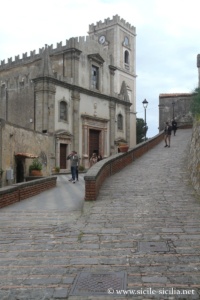
Chiesa San Nicolo, Savoca 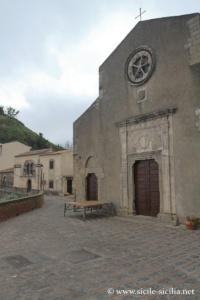
Chiesa Madre, Savoca 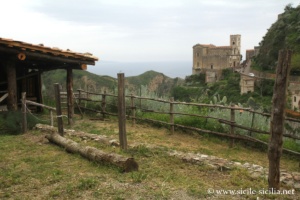
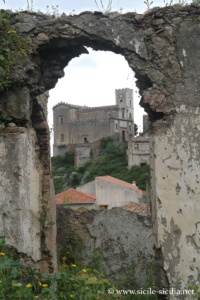
View of San Nicola 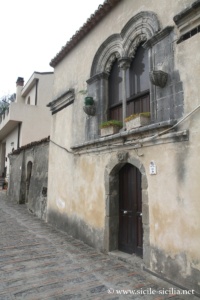
Alleyway in Savoca 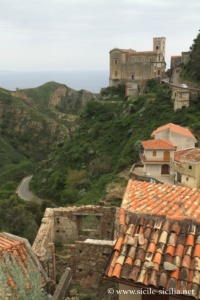
View of the calvary, Savoca
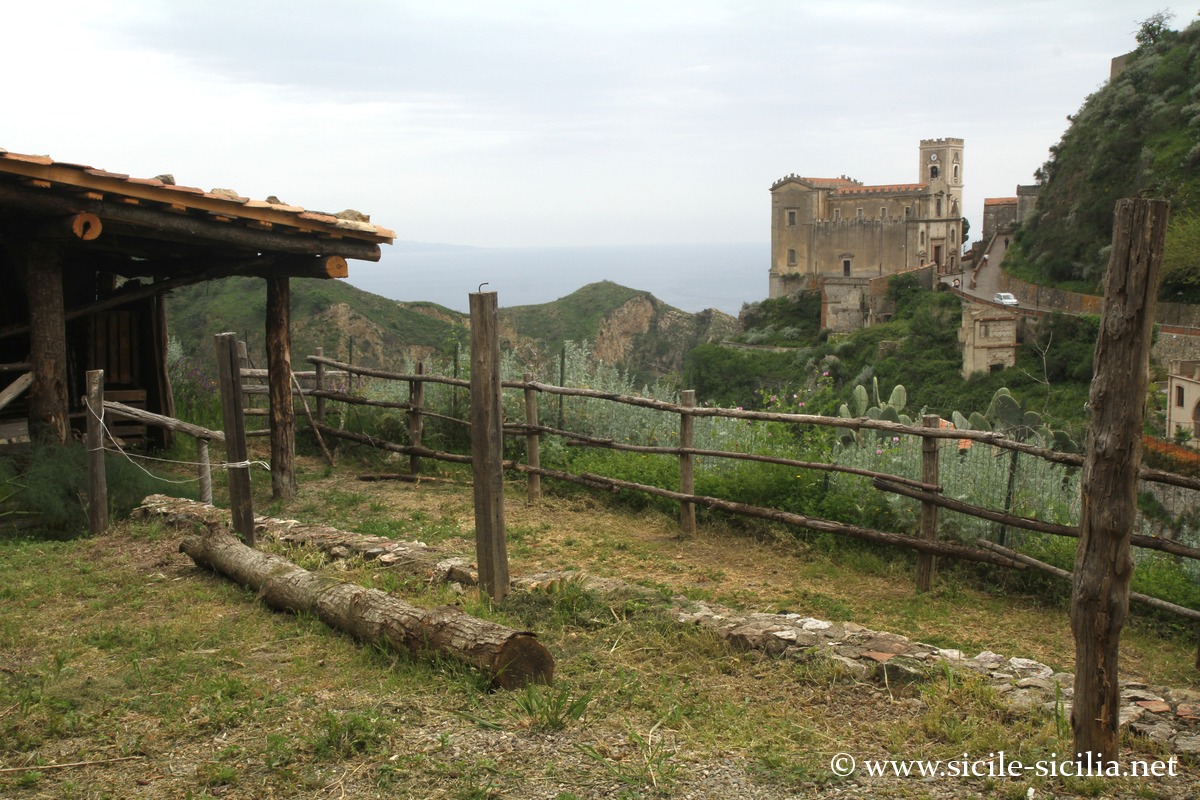
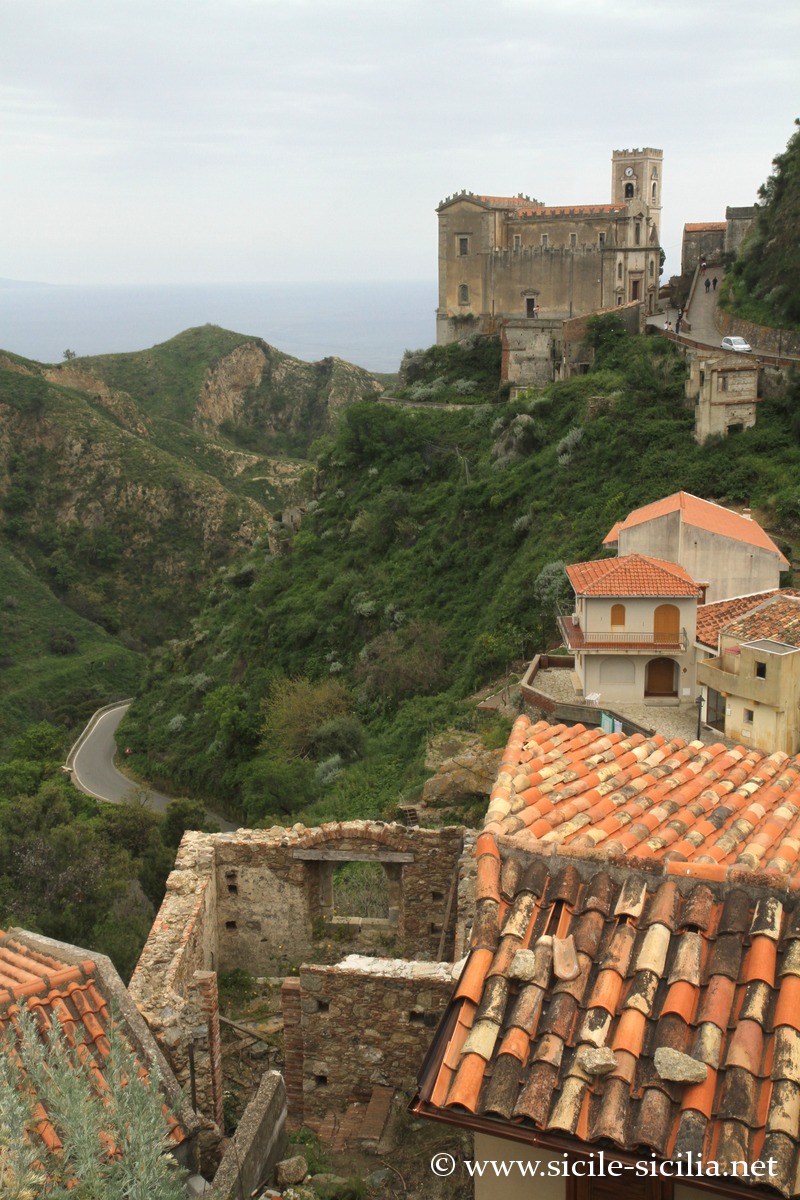
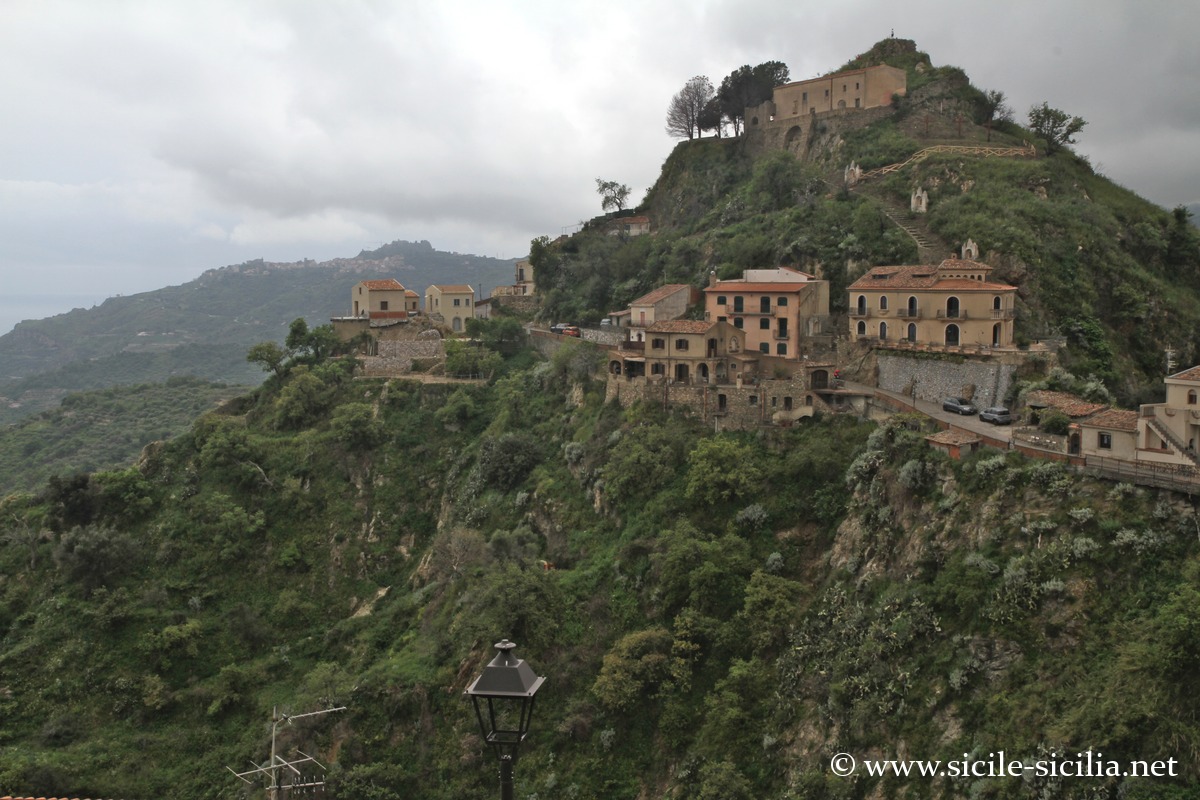
South of the cathedral, Mount Calvary is home to an old Jesuit hermitage converted into a church in the 18the century, accessible via a Stations of the Cross path. From there one has very beautiful views over Savoca and the surrounding hills.
The mummies of figures from the early 19the century rest in the crypt of the Capuchin convent (16the century), located at the foot of the old town. The convent also houses a small ethnographic museum devoted to the rural traditions of Savoca and the Agrò valley.
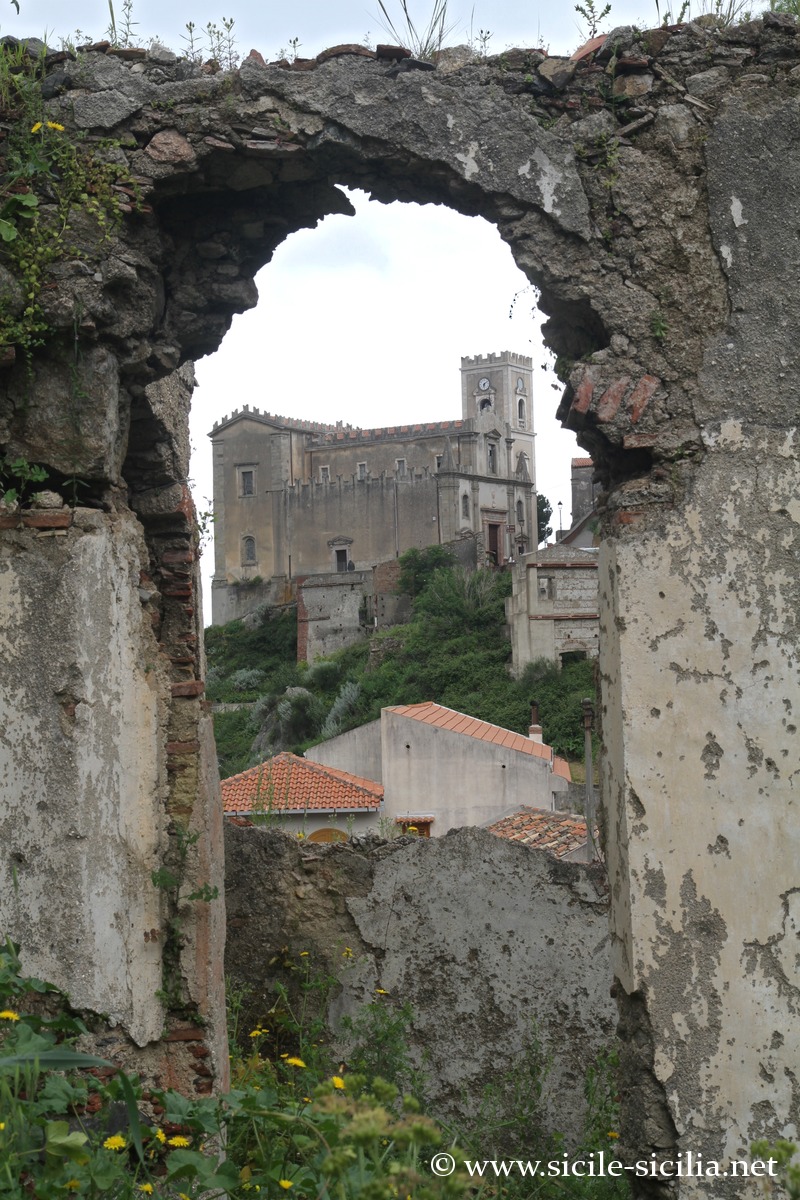
View of the Chiesa Madre 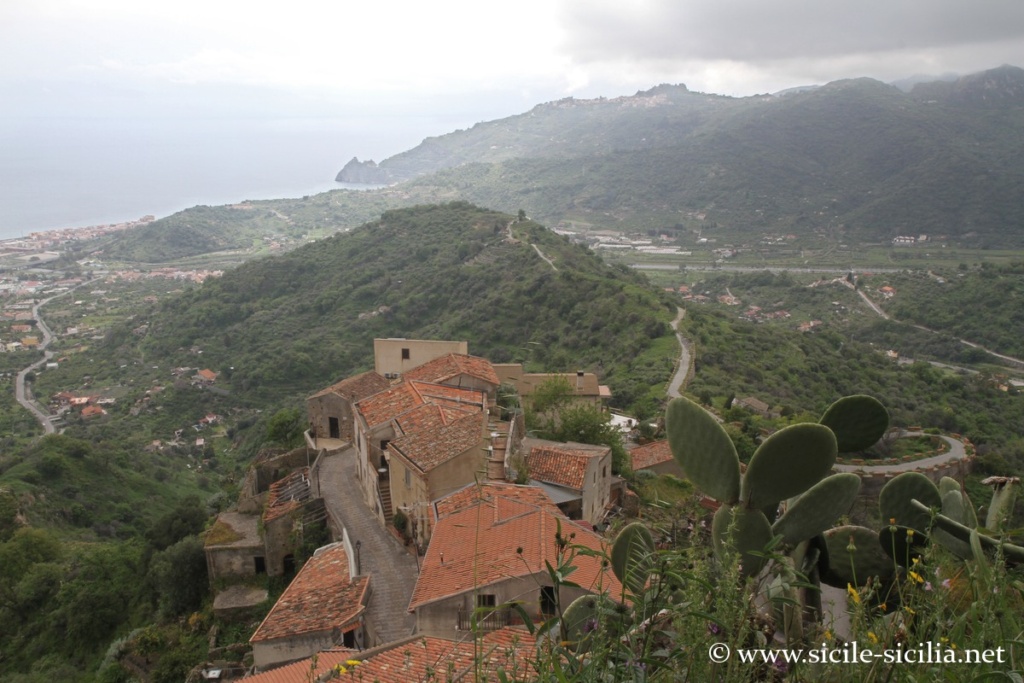
View from the calvary, Savoca 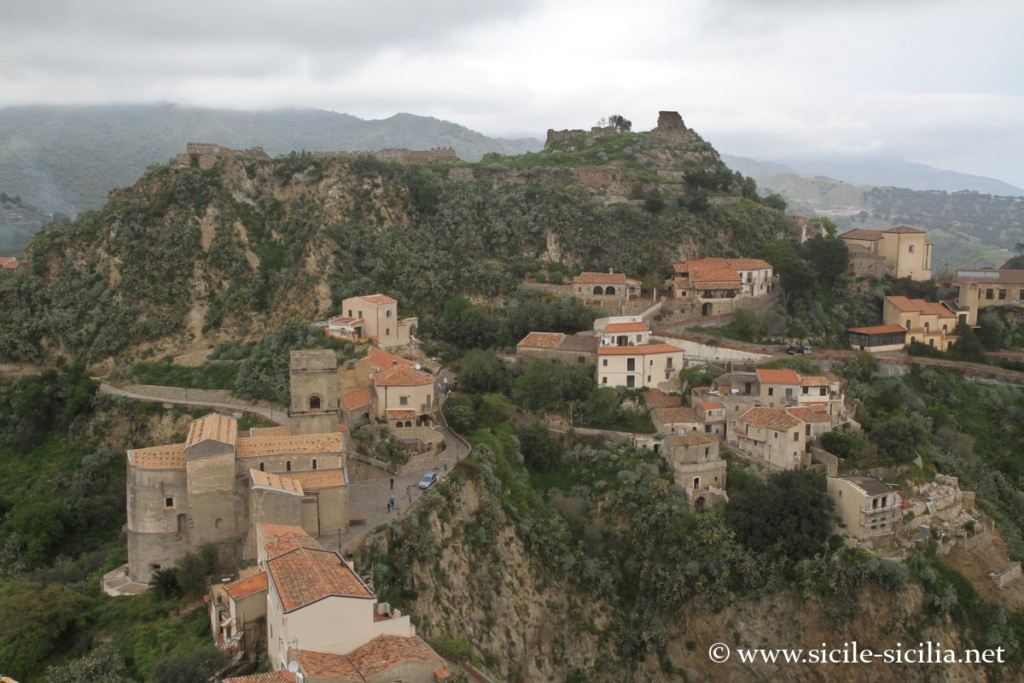
From Mount Calvary, Savoca
Where Savoca is located: map
If you see this after your page is loaded completely, leafletJS files are missing.
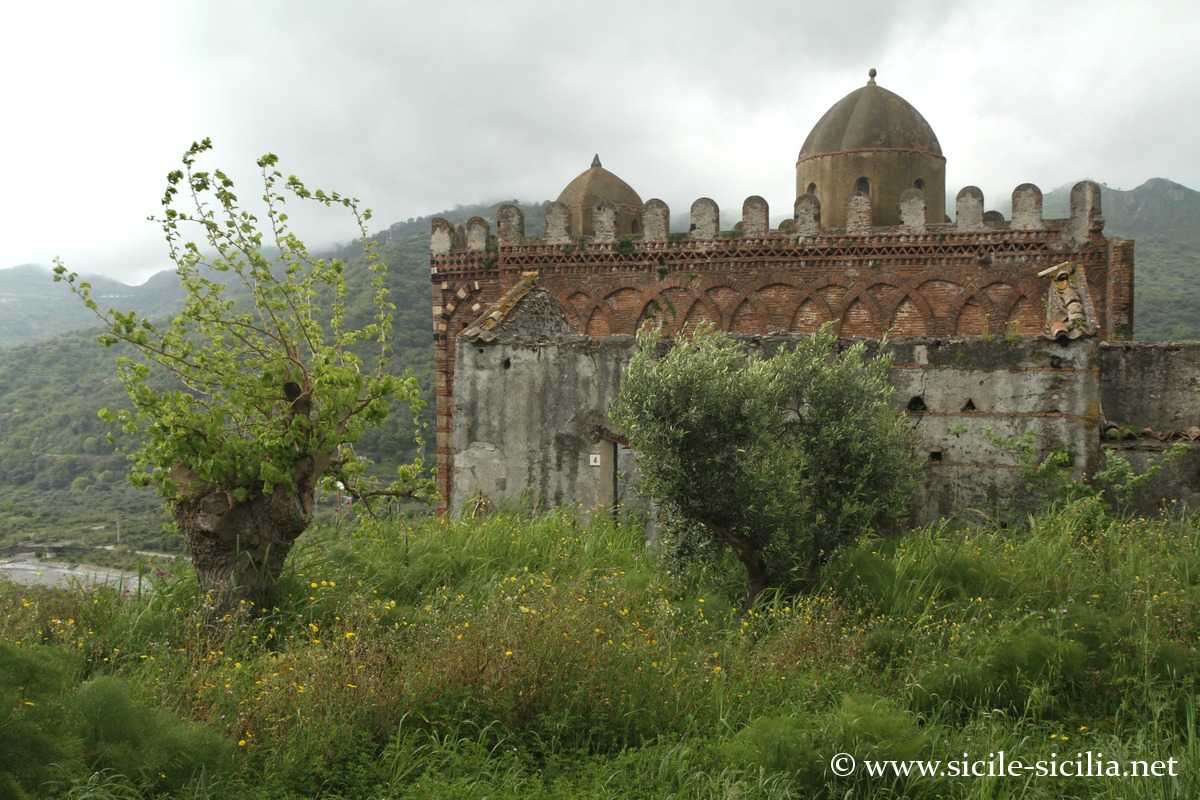
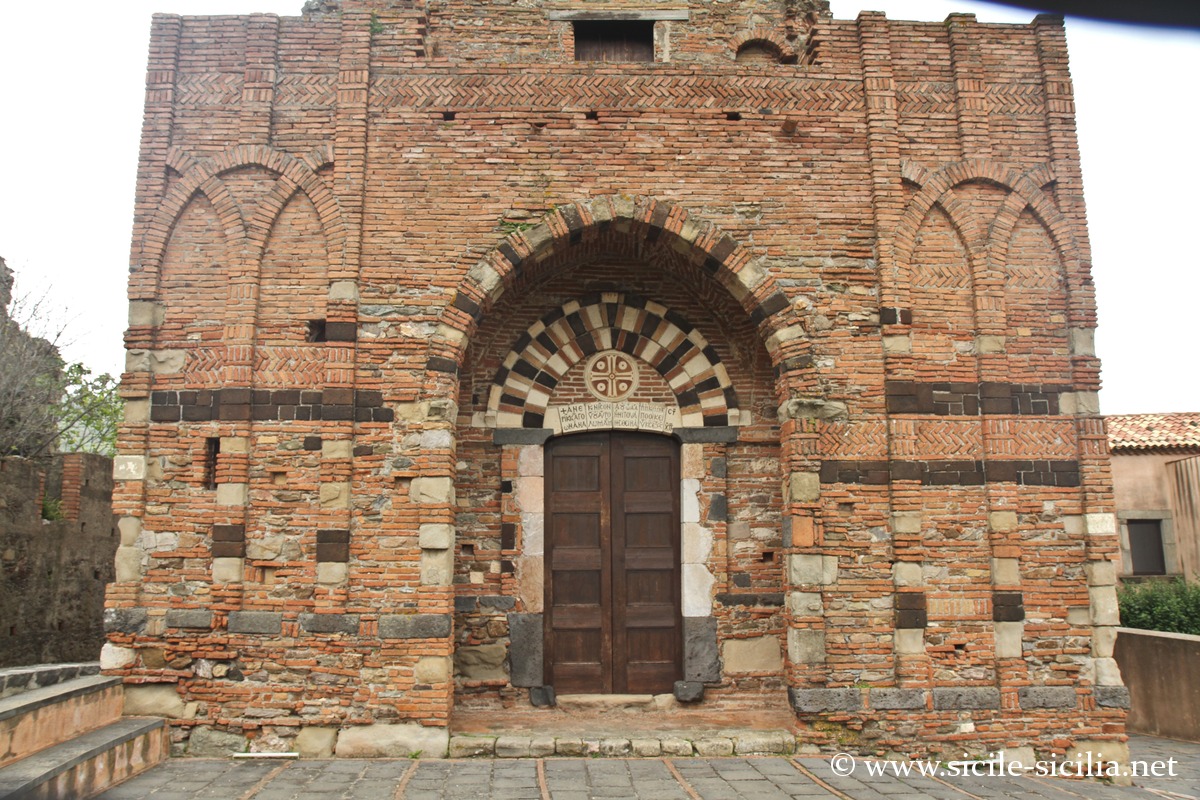
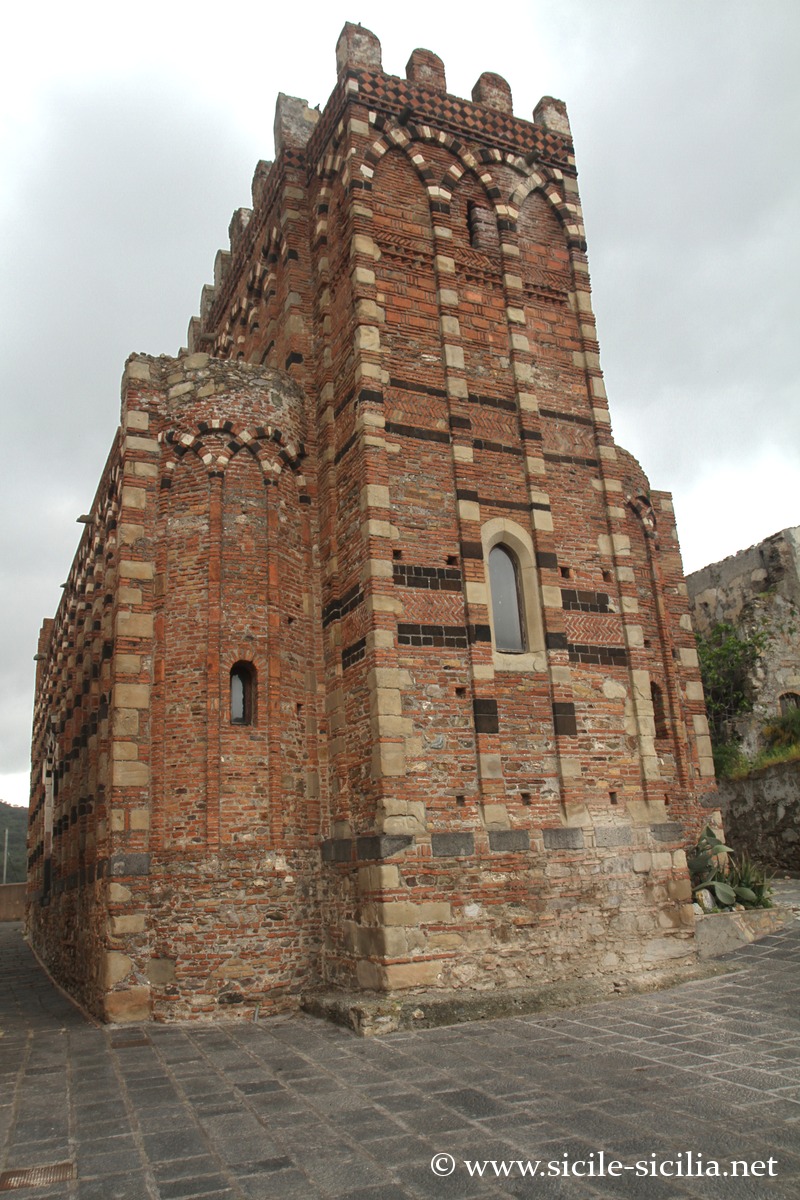
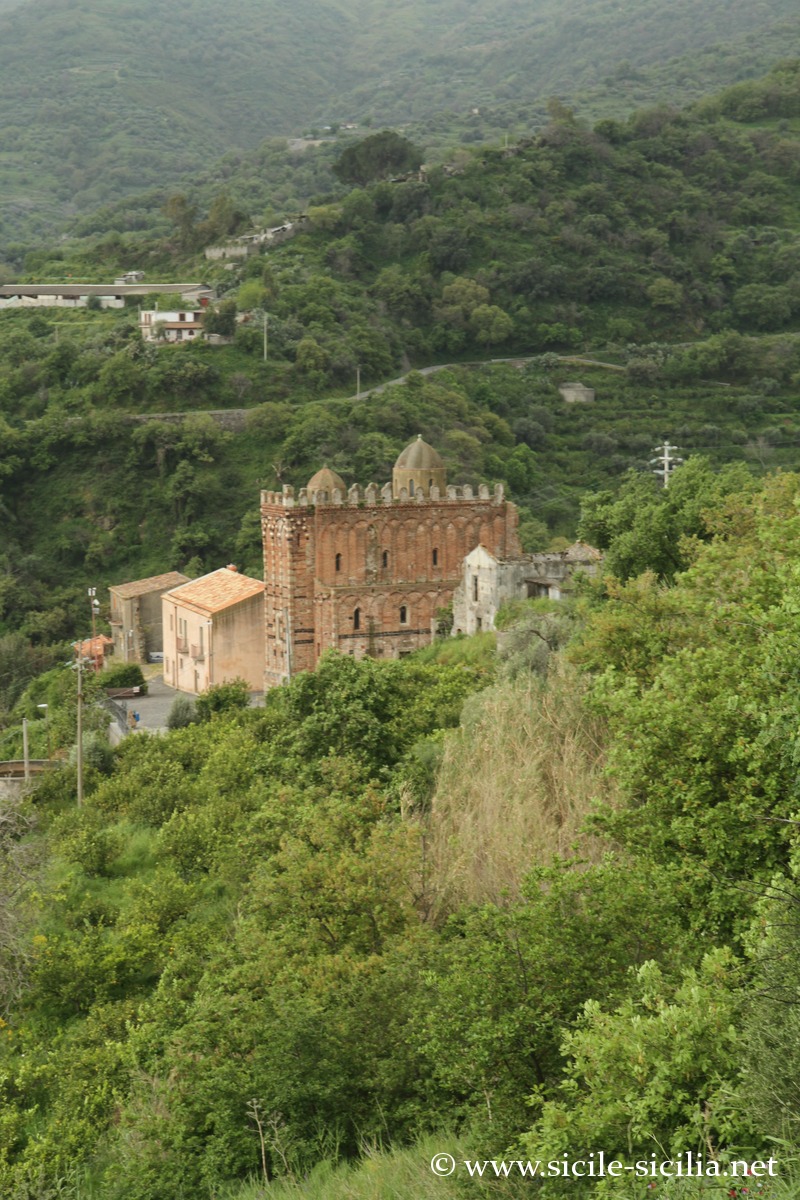
Abbey of Saints Peter and Paul of Agrò
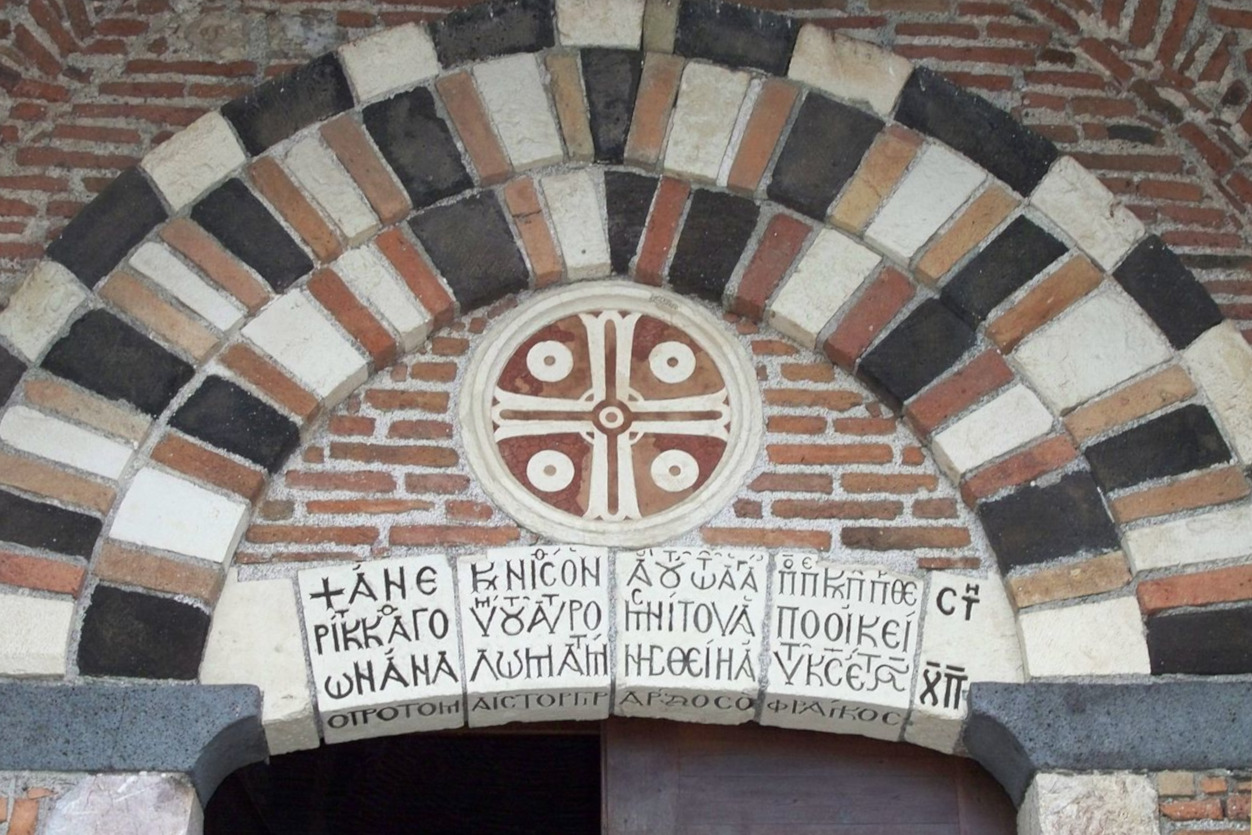
Photo source: Wikipedia
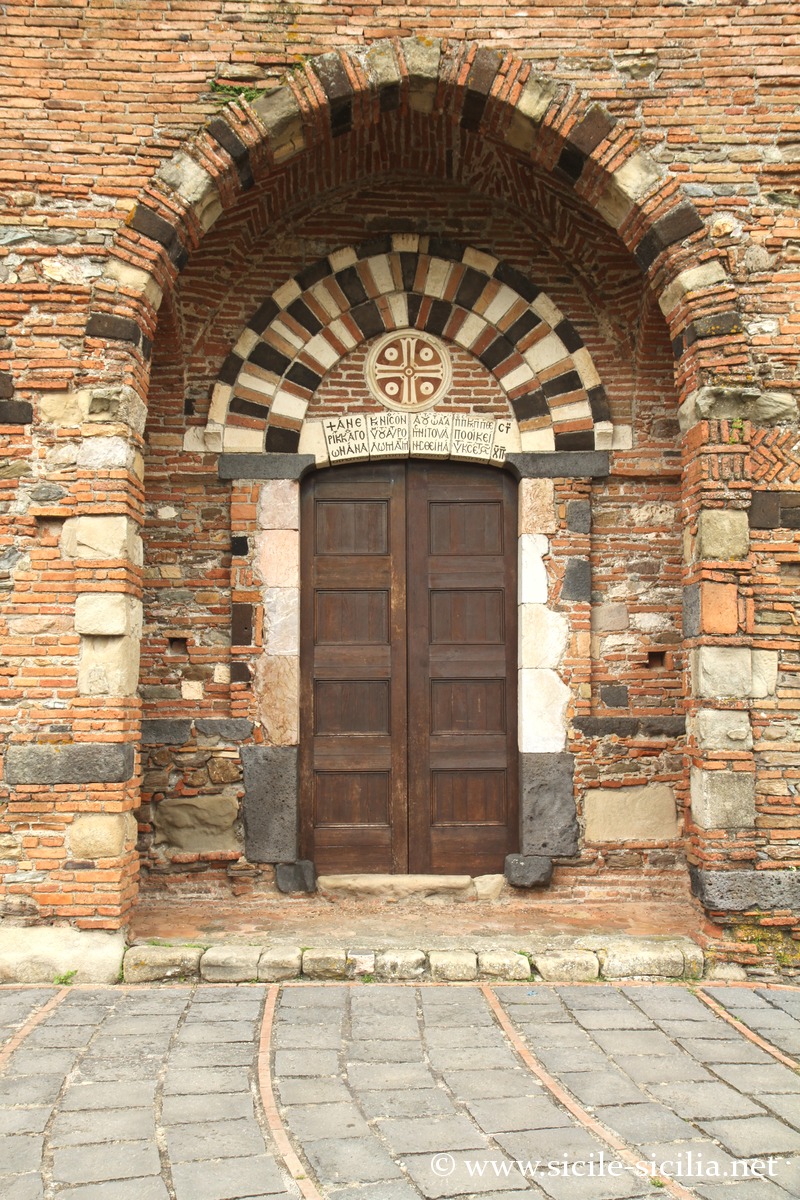
13 km by road inland, going up the Agrò valley, stands the remarkable abbey of Santi Pietro e Paolo d’Agrò (Saints Peter and Paul), built on a hill in Byzantine times and subsequently remodelled by the Arabs and the Normans.
The present church, erected in the 12the century, combines the Byzantine basilical plan with a decoration of alternating brick and stone, typical of Sicilian Norman art. It depended on the Basilian monastery of Saint John the Theologian of Messina.
The interior has three naves separated by grey marble columns and a raised choir adorned with fragmentary 13the-century frescoes. Excavations have revealed the remains of an older 10th-century monastery and a small monastic cemetery.
The abbey, today isolated in a preserved rural landscape, is accessible from Savoca by a panoramic road. It constitutes one of the oldest examples of Norman religious architecture in eastern Sicily.
Information
Suggested visits
External sites
- Abbey of Saints Peter and Paul of Agro: en.wikipedia.org
- Savoca: en.wikipedia.org, borghipiubelliditalia.it
Articles: Taormina category
- Taormina
 A charming tourist destination Located in a magnificent setting, between sea and ...
 - Alcantara Valley and Gorges
 The beautiful Alcantara Gorges are located in the valley of the ...
 - Castiglione di Sicilia
 At the foot of the northern slope of Etna, the village ...
 - Naxos and Giardini-Naxos
 Naxos, today the locality of Giardini-Naxos on the Ionian coast of ...
Comments in other languages
Beautiful, typically Sicilian village, a good opportunity for an interesting getaway during a stay in the area or in Taormina