
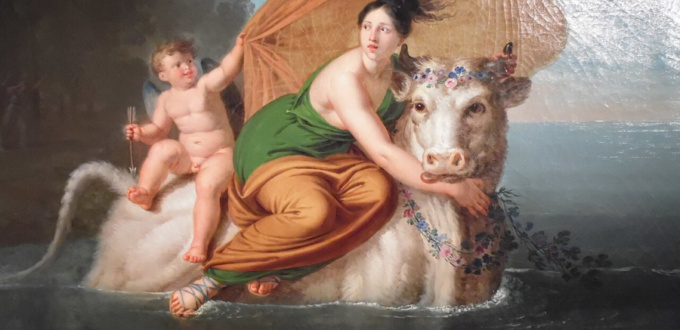
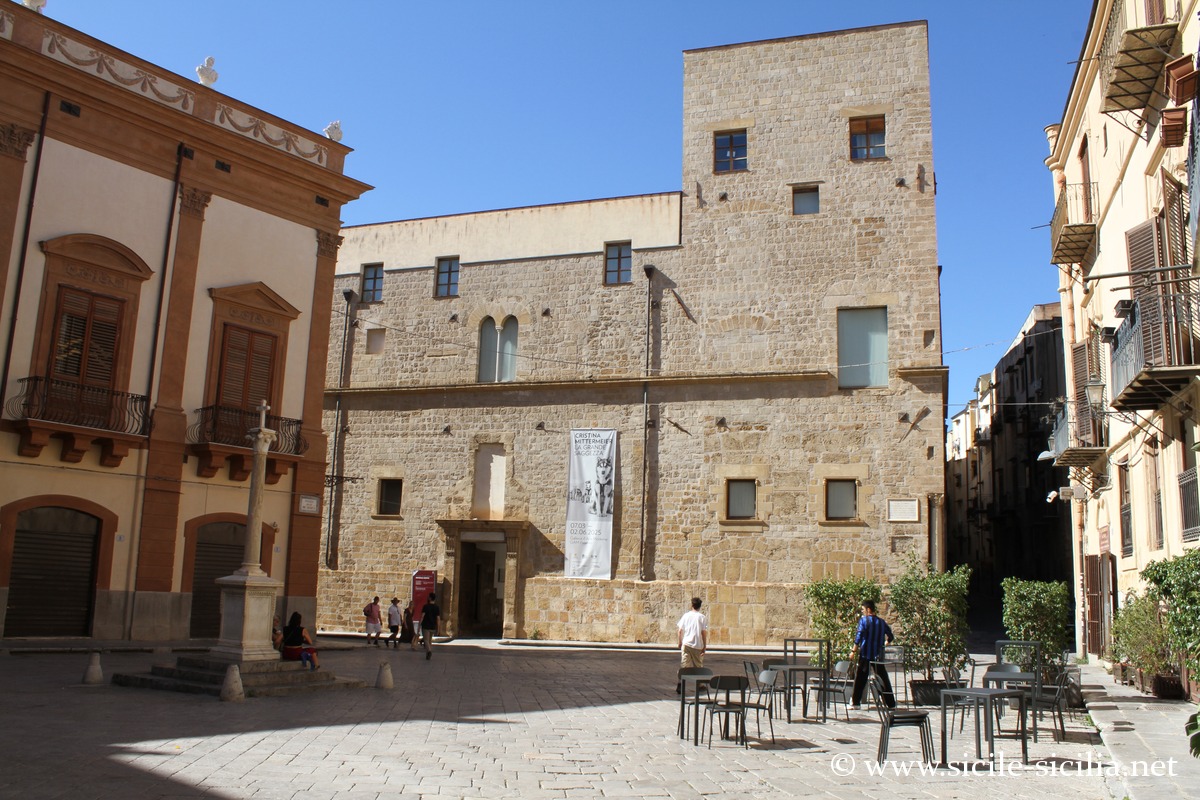
The Modern Art Gallery of Palermo (GAM), located in the historic Kalsa district, is a museum dedicated to modern art that has occupied two historic buildings since 2006: the former Franciscan convent of the Church of Sant’Anna, in Baroque style (17th century), and the Palazzo Bonet, in Spanish Gothic style (15th century), built in 1480 […]
Tag: Palermo
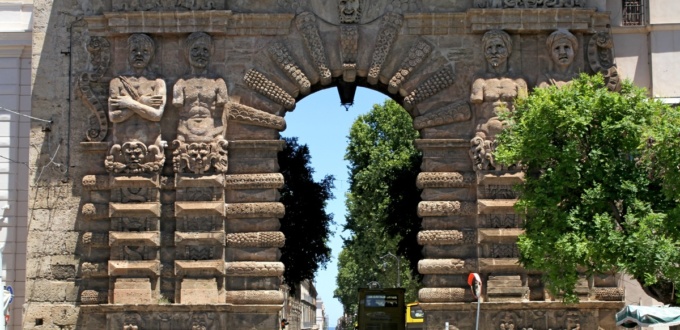
The fortifications of Palermo have a very ancient history, dating back to the Punic-Roman walls that surrounded the Paleapolis and the Neapolis, the first urban nuclei of the city, and exploited the beds of the Kemonia and Papireto rivers as natural moats to improve the defense. Under Arab rule (9th–11th c.), the city was given […]
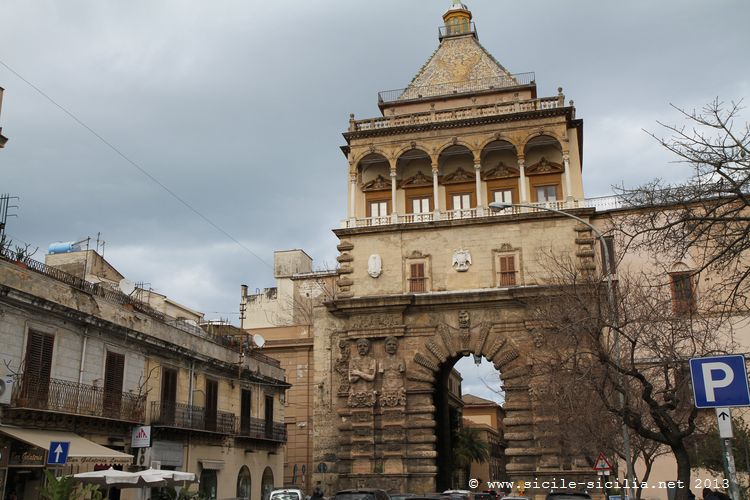
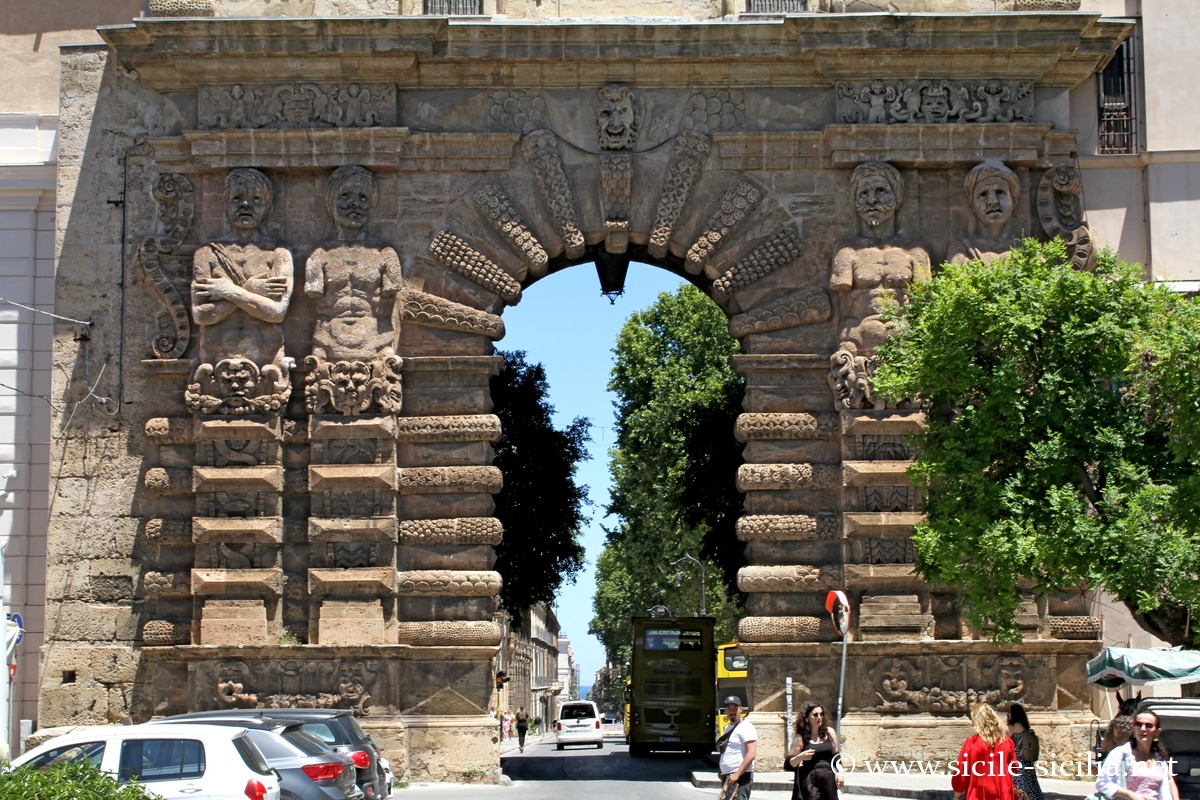
The Porta Nuova (New Gate in English) near the Norman Palace, was for a long time the main land access to the city. It gives access to the Corso Vittorio Emanuele (or Cassaro), the main artery of the city, while the outer road heads towards Monreale. Presentation of the Porta Nuova This gate was commissioned in 1583 […]
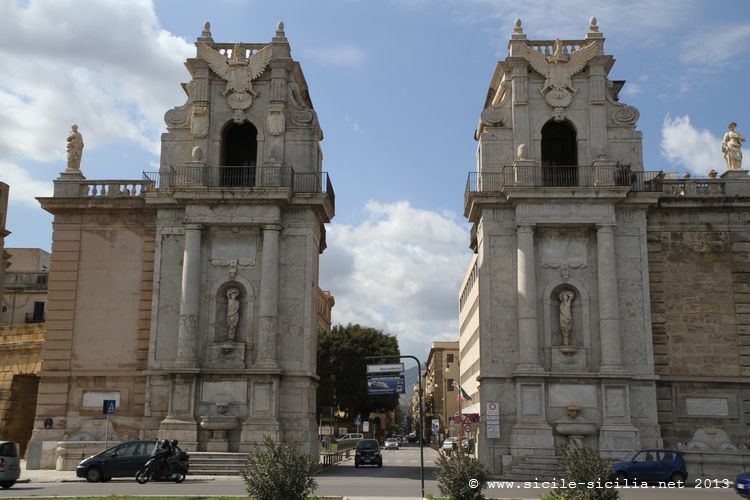
The Porta Felice is located near the port of La Cala. It opens onto the Corso Vittorio Emanuele (or Cassaro), the main axis of the city, ending at the Porta Nuova 2 kilometers away. Presentation of the Porta Felice It took its name from Felice Orsini, wife of the Spanish viceroy Marcantonio Colonna, who began […]
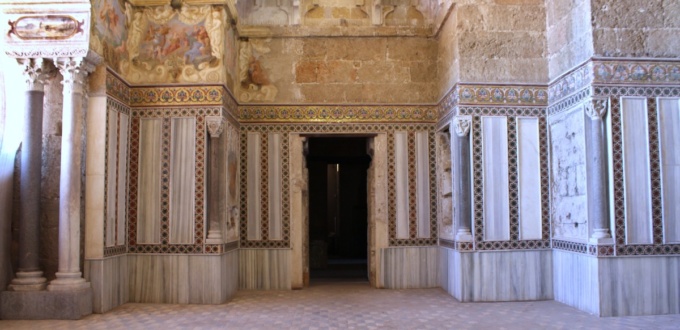
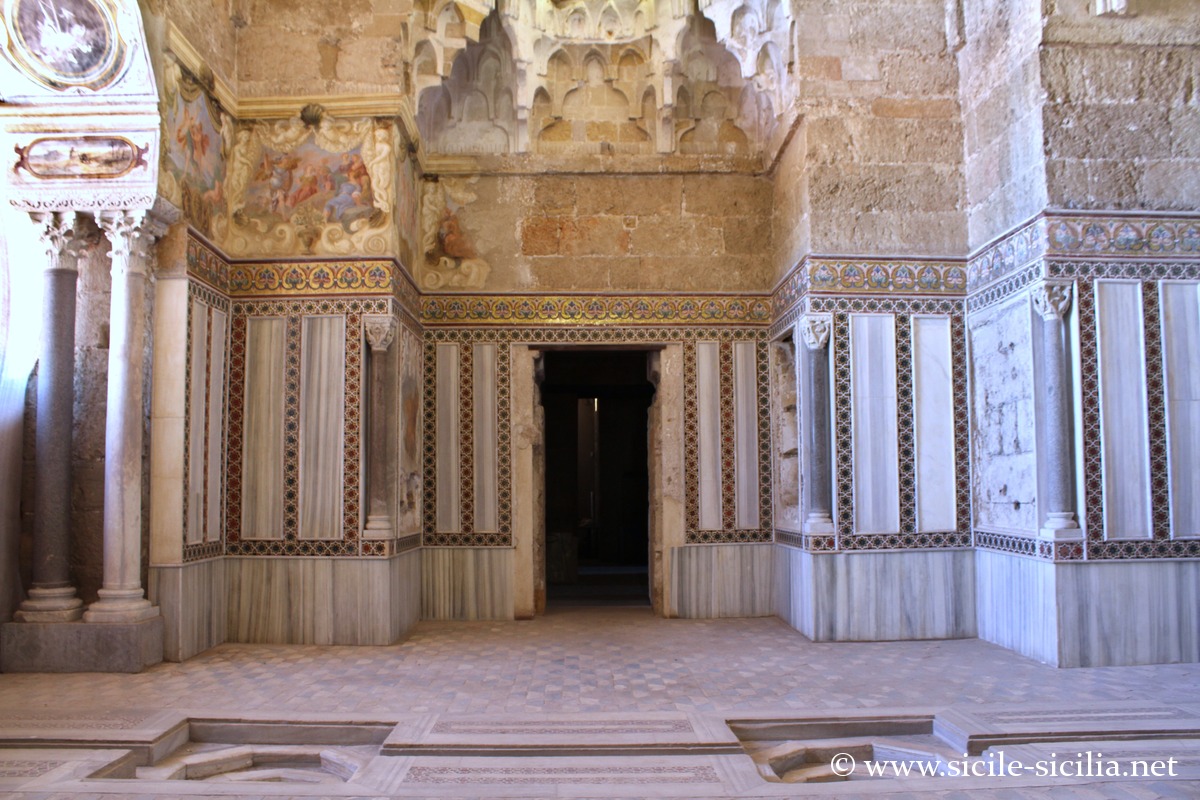
The Zisa Palace in Palermo is a masterpiece of Arab-Norman architecture, built in the 12th century for the Norman court. It is part of the group of Norman royal suburban residences (the solatia), conceived as pleasure palaces outside the city walls, within a landscape of gardens and hydraulic installations.Very well preserved, behind its refined facade […]

Abatellis Palace in Palermo The construction of the majestic Abatellis Palace dates back to the end of the 15th century, in a Gothic-Catalan style. It was intended to become the “Domus Magna” of Francesco Abatellis, the master of the port of the kingdom and praetor of the city, built by the great Sicilian architect Matteo […]
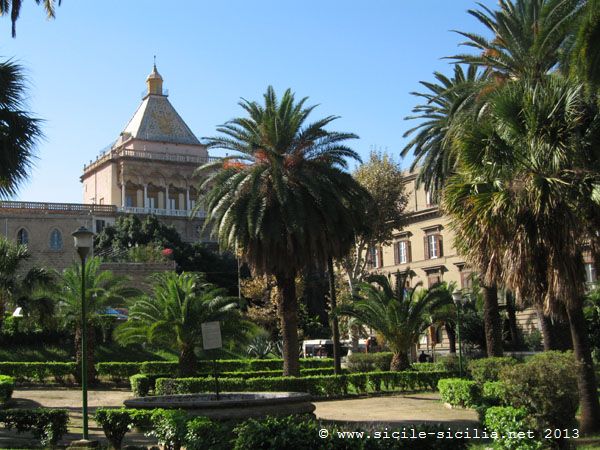
Overview of the main parks and gardens of Palermo, public parks, botanical garden, etc.Find the map with the parks at the bottom of the page. Orléans Park The Orléans Park is the historic garden adjoining the Orléans Palace, today the seat of the presidency of the Sicilian Region. It was created in the early 19th […]
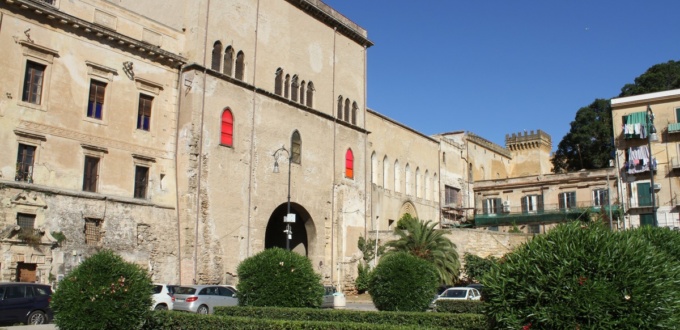
The Kalsa district is one of the four historic districts of Palermo; founded in the 9th century under Arab rule, it was a fortified administrative and residential citadel, whose medieval urban layout is still legible today.Located between Via Maqueda, Via Vittorio Emanuele and the Foro Italico on the seafront, it forms an ancient, dense and […]
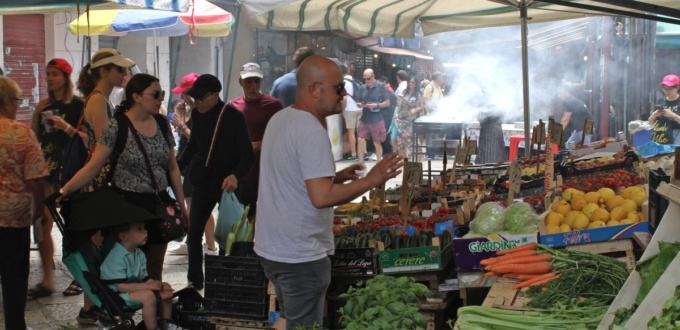
Monte di Pietà, also called Seralcadi, is one of the four historic districts of central Palermo, part of the old town between Via Vittorio Emanuele, Via Maqueda and the old course of the medieval walls.Here is held the Capo Market, one of the historic markets of the city, near the Porta Carini located in the […]
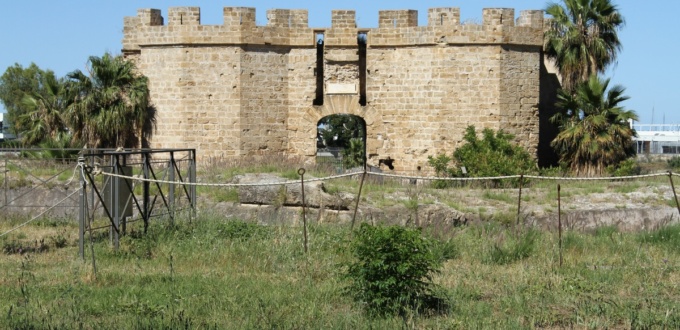
The Castello a Mare Archaeological Park is a green space just north of the Cala Port, around the ancient fortress of Castello a Mare, which was almost completely destroyed after Italian unification. History of the Castello a Mare The origin of the castle dates back to the Normans, who took over a Muslim fort. An […]
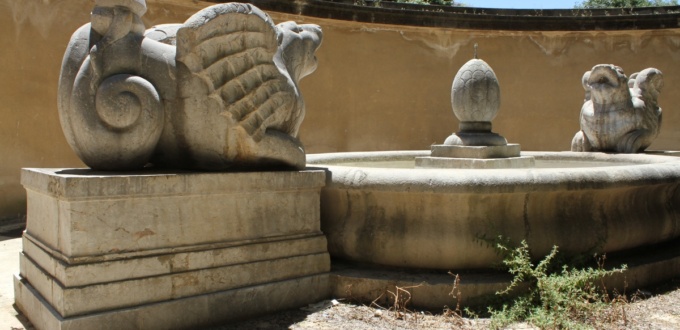
Water towers of Palermo The water towers (torri d’acqua) of Palermo – sometimes called “castelletti” – are historic vertical structures that were part of the city’s traditional water distribution system until the early 20th century. They exploited the principle of communicating vessels: water, captured from natural springs around the Conca d’Oro, was conveyed through underground […]
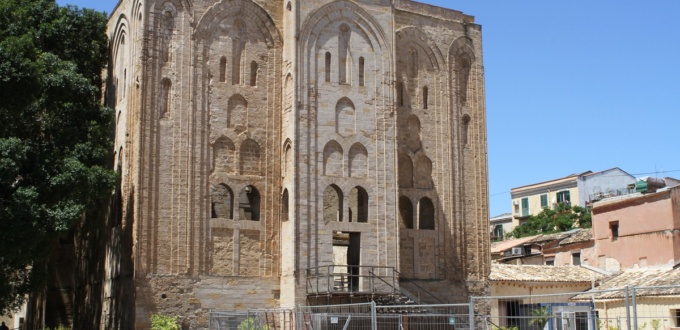
It was in the middle of the vast park called Genoardo – from the Arabic “Jannatt al-ard” meaning “paradise on earth” – that King William II had the Cuba Palace built around 1180. Its name comes from the Arabic “Qubba,” which means “dome.” It is also known as Cuba Sottana or Cuba Castle.It was surrounded […]
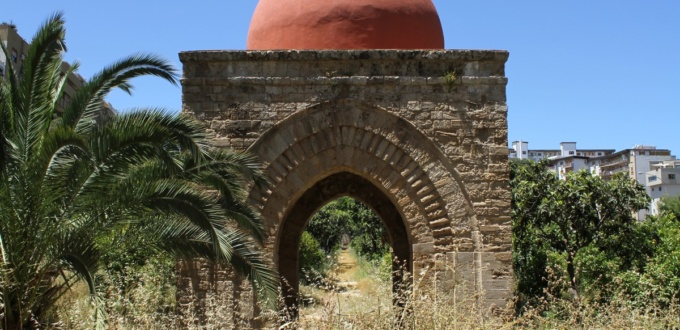
Cubula and Genoardo Park The building of the Cubula was probably linked to the palace of the “Cuba Soprana” (or Torre Alfaina), a 12th-century structure located 200 metres further west.Built in 1184 by North African architects and workers, this monument also called “Little Cuba” stands 500 metres west of the Palace of the Cuba, within […]
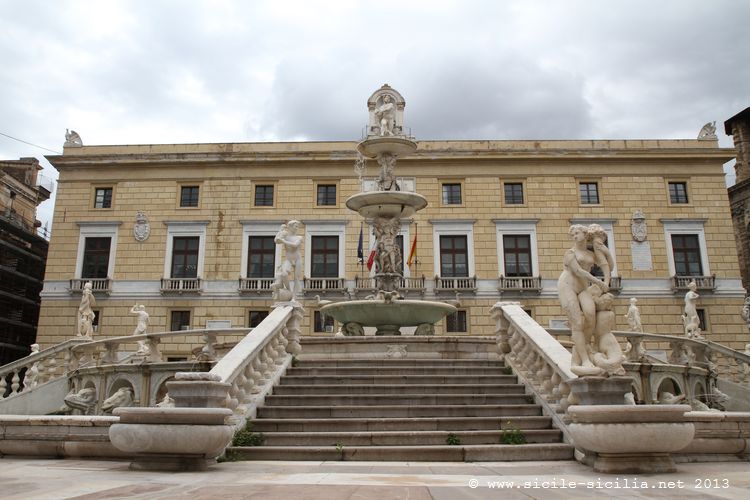
The Praetorian Palace, or Palazzo delle Aquile (Palace of the Eagles in English), is the seat of the municipality of Palermo. It was built starting in 1470 by the architect Giacomo Bonfante, and later transformed. In 1553, the main entrance was moved from Piazza Bellini to Piazza Pretoria. It was also remodelled at the end […]
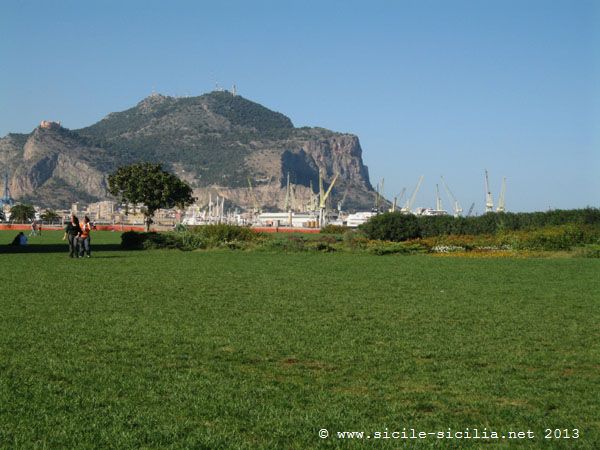
Mount Pellegrino, located in a nature reserve, is part of the life of all Palermitans, commonly referred to as “the Mount”. Its imposing silhouette has been depicted many times by artists from all over the world. It is important not only for its beauty, but also for its sacred character, indeed for being the protector […]
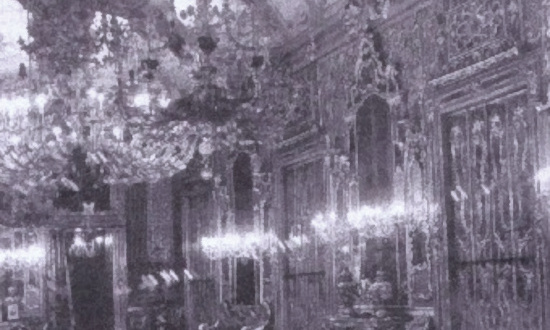
The Palazzo Gangi Valguarnera is a prestigious Palermitan palace that was built by Andrea Gigenti between 1750 and 1780 at the wish of Prince Pietro di Valguarnera to rebuild a family palace. It is remarkable for the perfect preservation of all its interior furnishings, its architectural qualities, its Sicilian Baroque style, and its decorations. Architecture […]
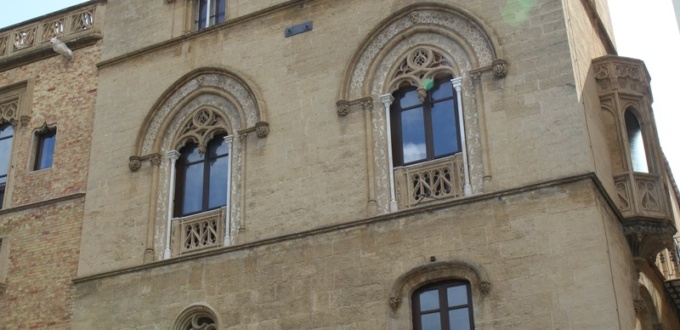
Standing on Piazza Marina, the beautiful Galletti Palace, acquired by the Marquis of San Cataldo Nicolo Galletti in the 18th century, dates back to the late Gothic of the late 13th century, modified in the 16th. The Galletti also held titles and fiefs in Sicily, such as Princes of Fiumesalato. This palace, located at no. […]
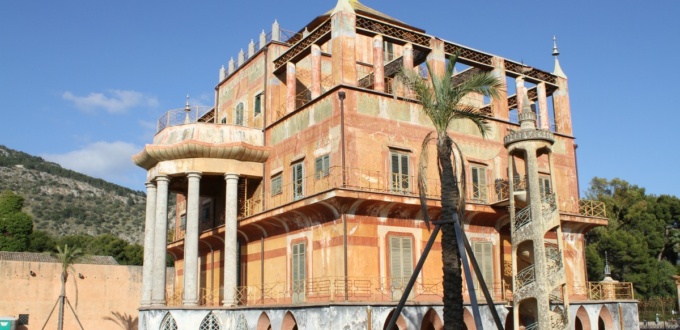
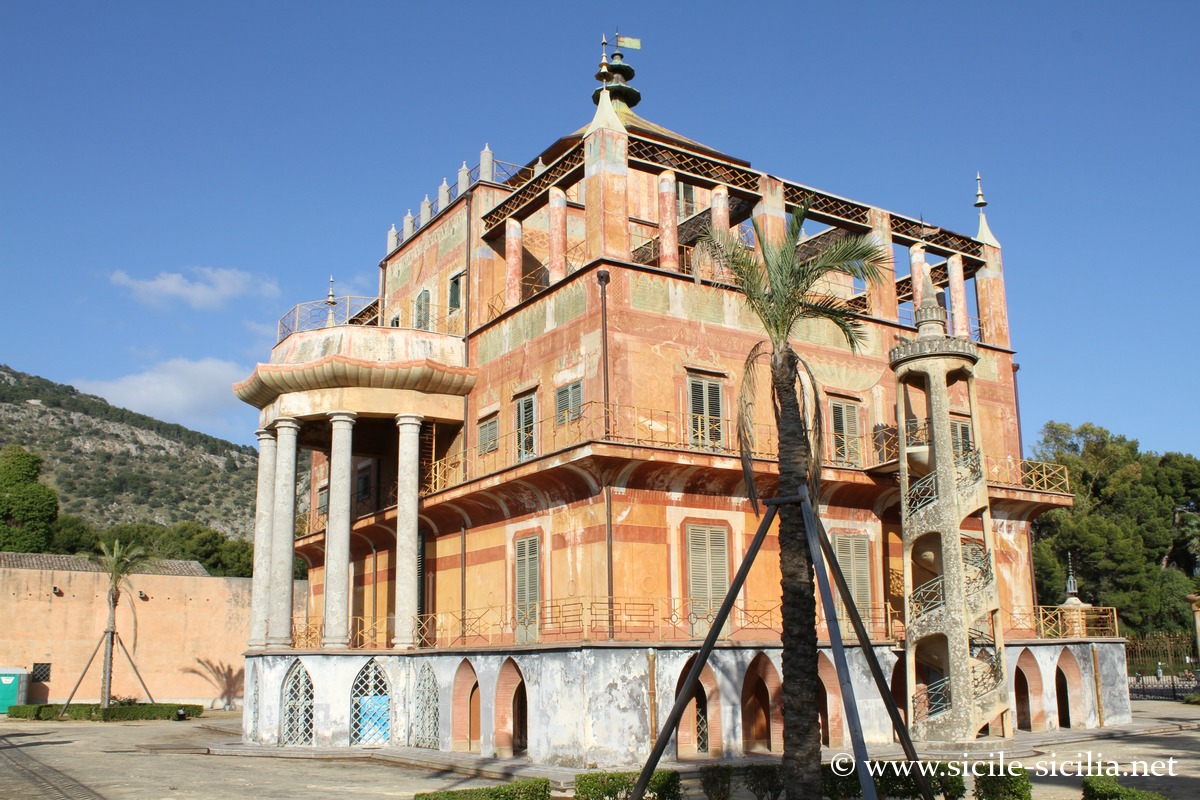
Located inside the Parco della Favorita on Mount Pellegrino, the intriguing Chinese Palace (Palazzina cinese in Italian) with its oriental style was built by the Bourbon king Ferdinand III of Sicily in 1799 (also named Ferdinand Ist of the Two Sicilies) to be his residence. The architect Venanzio Marvuglia blended neoclassical and oriental inspirations, creating […]

Located in the Kalsa district of Palermo, that of the former Arab citadel, the Mirto Palace belonged to the Filangeri family, a famous family from southern Italy of Norman origin, descended from the legendary knight Angerio, who arrived with Tancred from Normandy in the 11th century and who overthrew the Lombards of southern Italy. These […]
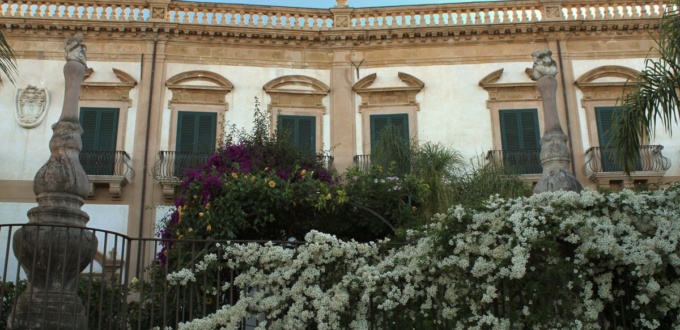
The Butera Palace was the principal residence of the Branciforte family, princes of Butera, a title linked to the town in the hinterland of Gela from 1580. The building was constructed in the 17th century and then profoundly transformed in the 18th century, when the Branciforte made it their principal residence in Palermo.The spectacular façade […]
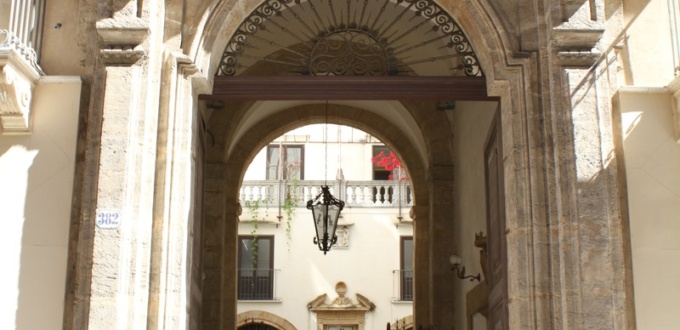
Presentation and tour The Drago Ajroldi di Santa Colomba Palace is a historic palace in the Cassaro district, located along the present-day Corso Vittorio Emanuele, a major urban axis of Palermo of ancient origin.The origin of the building is unknown, but it stands on Roman and Arab remains.In the 18th century it was a possession […]
The Palazzo Conte Federico is a historic palace in Palermo built around an ancient 12th-century Norman tower, the Torre di Scrigno, on the old walls of the original Punic city. It is still inhabited by Count Alessandro Federico, whose family descends from the Swabian emperor Frederick II. Architecture and tour What remains of the 12th-century […]
Presentation and tour The late 16th-century Branciforte Palace was owned by the Branciforte and Lanza families. The Branciforte were one of the most influential families of the Palermo nobility, connected to the political and cultural affairs of the city. It was enlarged in the early 17th century to become one of the most luxurious residences […]
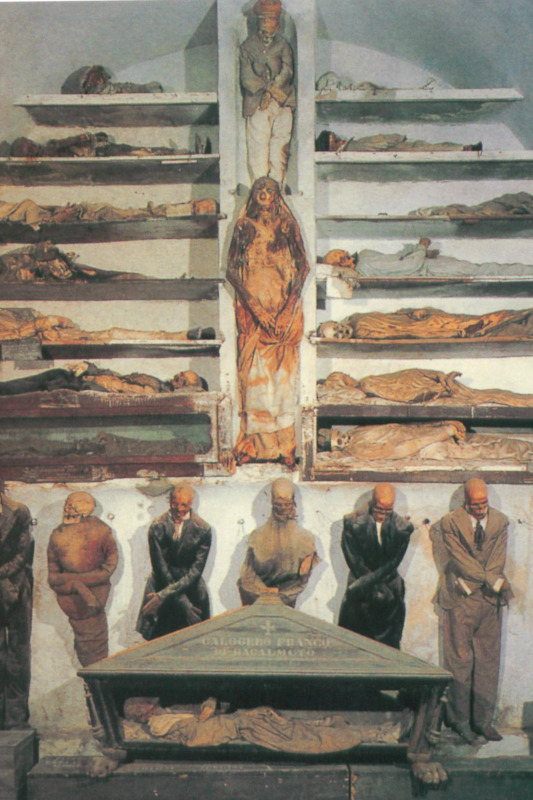
The visit to the Capuchin Catacombs in Palermo is not for the faint-hearted, with the macabre atmosphere of mummified bodies and skeletons still dressed in their period clothing. Overview and visit It was in the underground chambers of the Capuchin convent that the catacomb galleries were laid out from 1599, forming a large rectangular cemetery […]
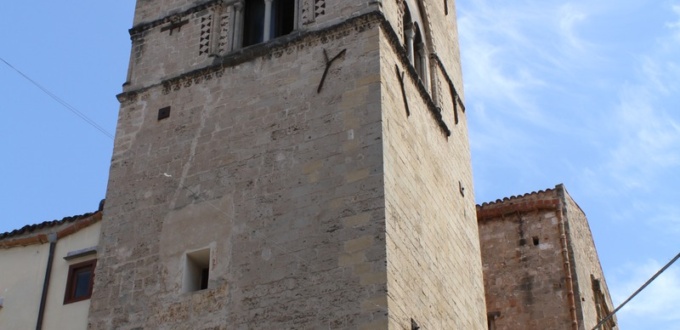
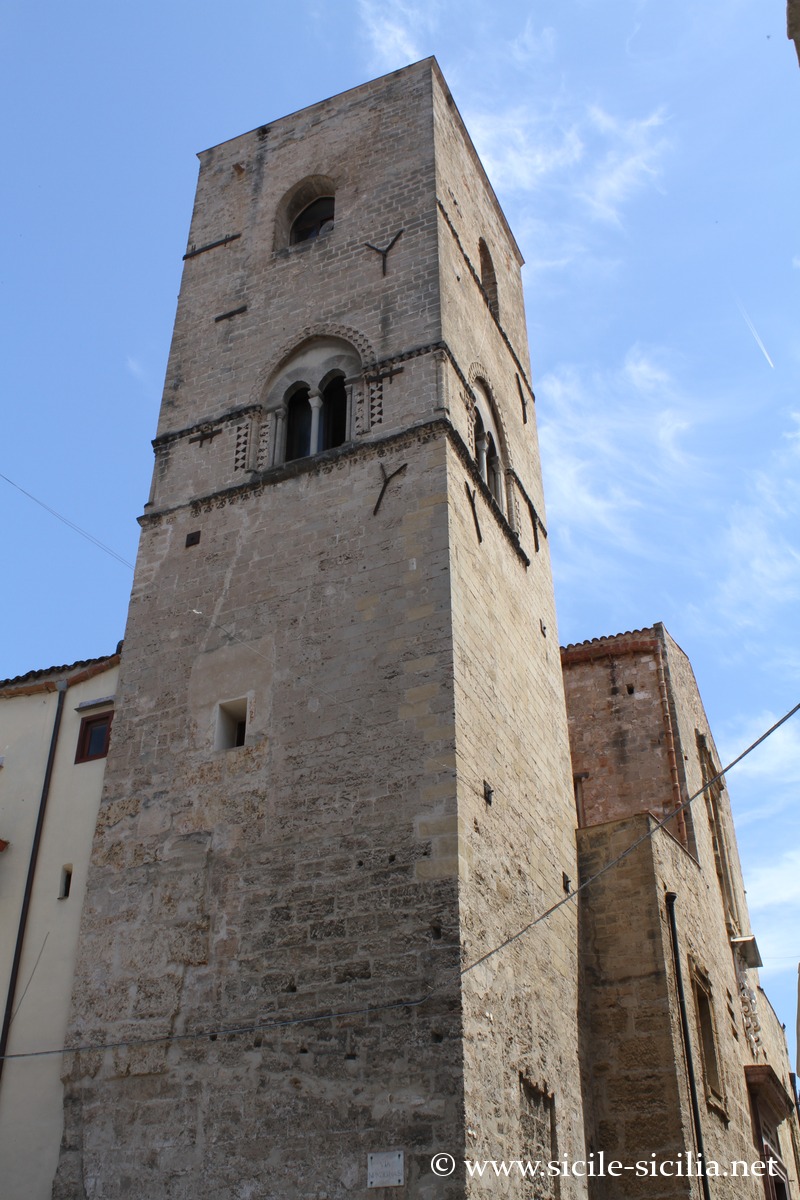
A pretty 13th-century tower that stands in the Ballaro district, now annexed to a church, but which was originally included in a fortified enclosure
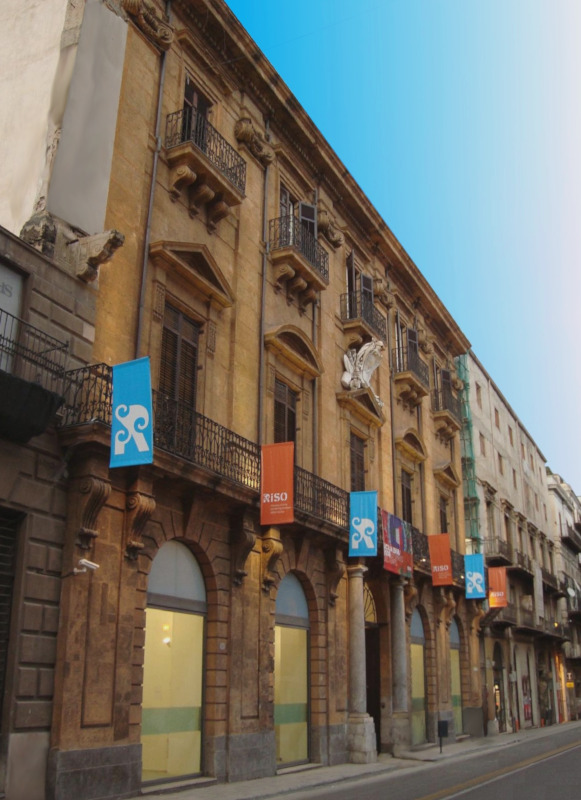
The Riso Palace is the seat of the Museum of Contemporary Art of Sicily (Museo d’Arte Contemporanea della Sicilia). Presentation of the Riso Palace Since the end of the 16th century, the Afflitto Palace stood here, rebuilt in the 18th century, and which changed owners several times, including the Baron Riso in the 19th century. […]
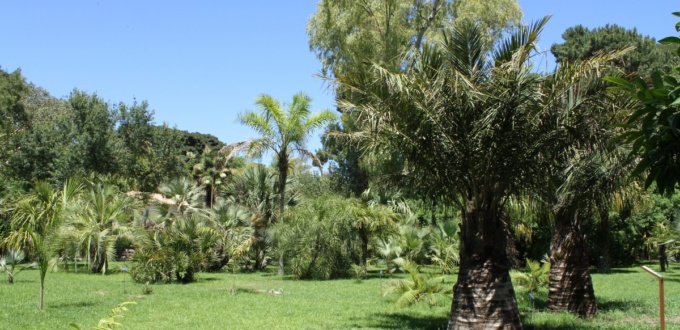

Nature
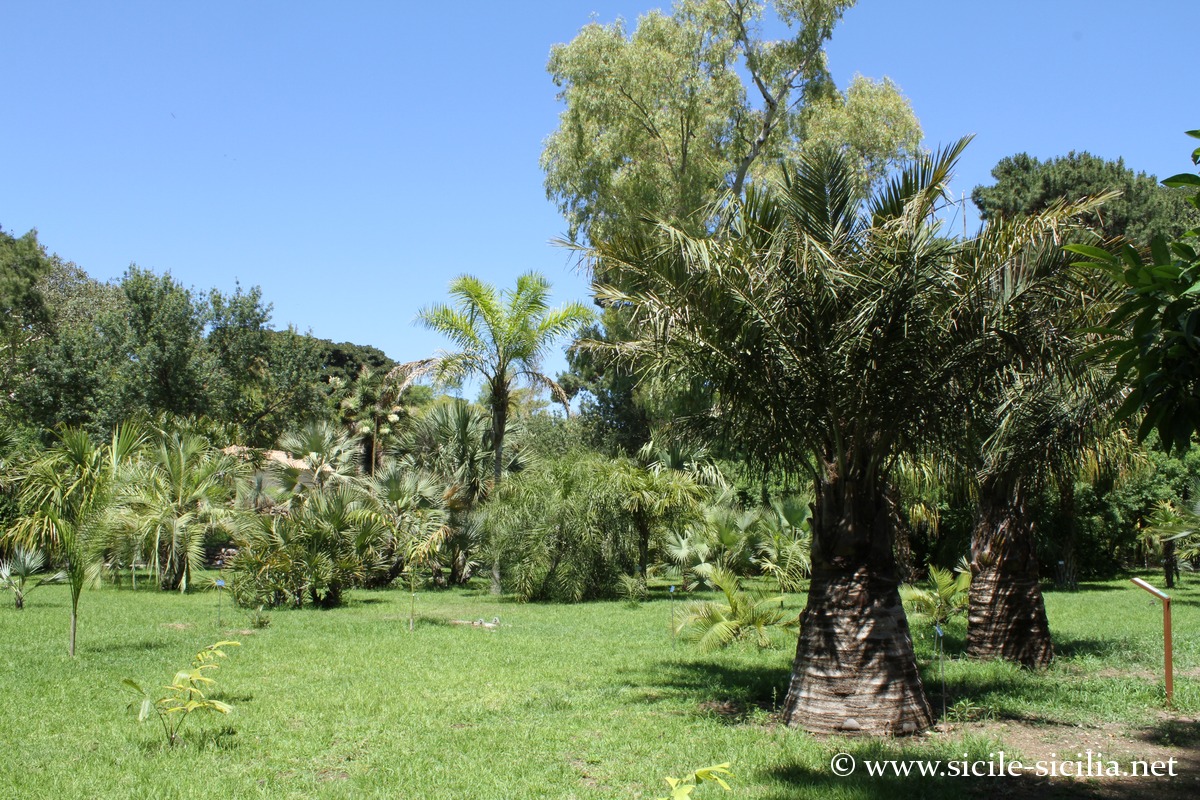
The Palermo Botanical Garden is of European interest, both historically and scientifically. Its creation in 1781 was part of the cultural climate of the “Enlightenment” followed in Sicily at the end of the 18th century, when the Accademia dei Regi Studi of Palermo (annexed to the current university) founded the chair of botany and natural […]
The Majolica Museum (Museo delle maioliche, Stanze al Genio in Italian) of Palermo occupies a “house museum” on the main floor of the Palazzo Torre Pirajno (16th century) in the historic Kalsa district. The Palazzo Torre Pirajno is an aristocratic building of Renaissance origin, remodelled in the following centuries. The name “Stanze al Genio” refers […]
International Puppet Museum of Palermo The International Puppet Museum is located in the former Hôtel de France. It was created in 1975 on the initiative of Antonio Pasqualino, a surgeon and anthropologist passionate about the popular traditions of Sicily. Pasqualino was particularly interested in the puppet theatre that was falling into disuse (l‘Opera dei Pupi […]
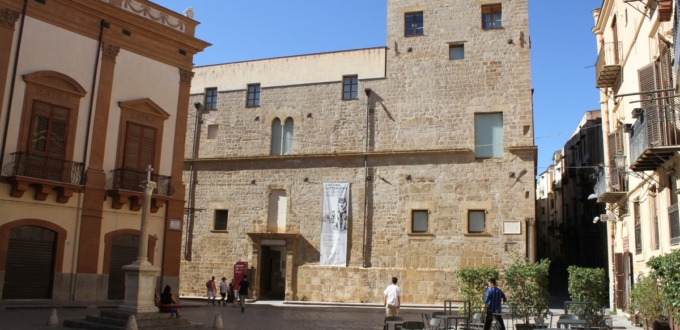
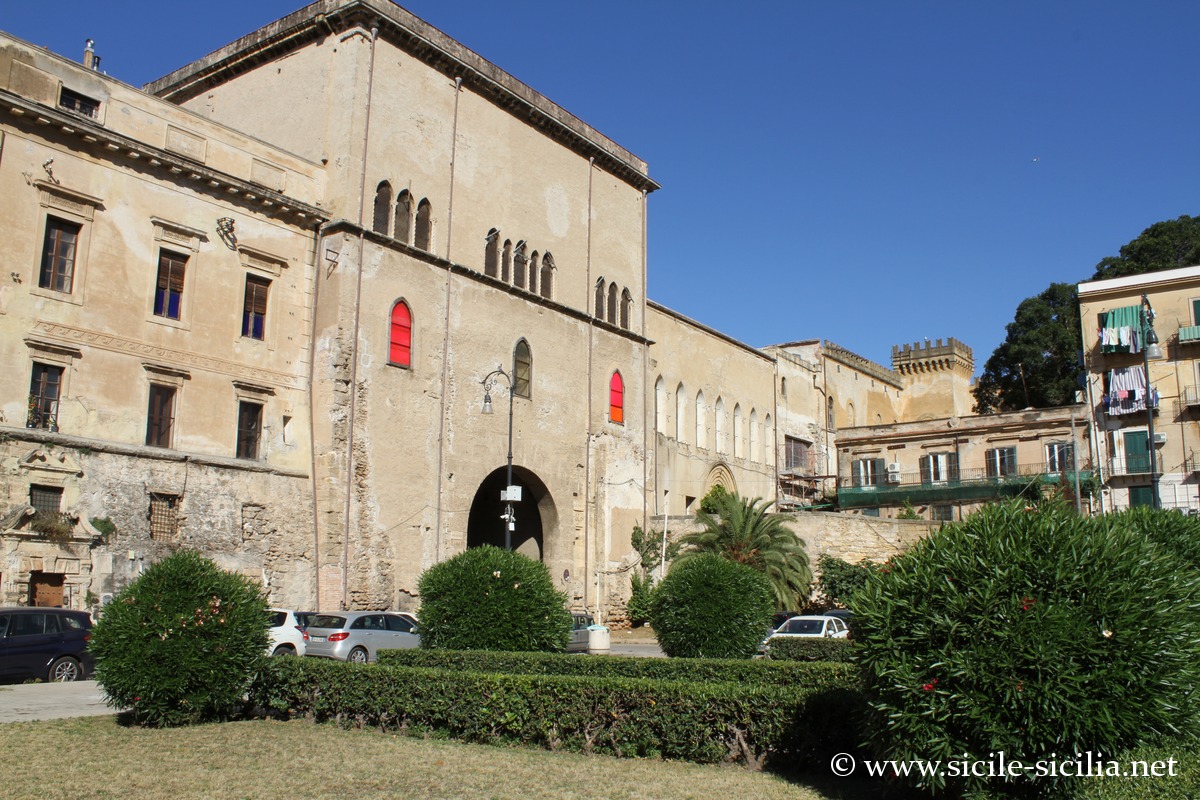
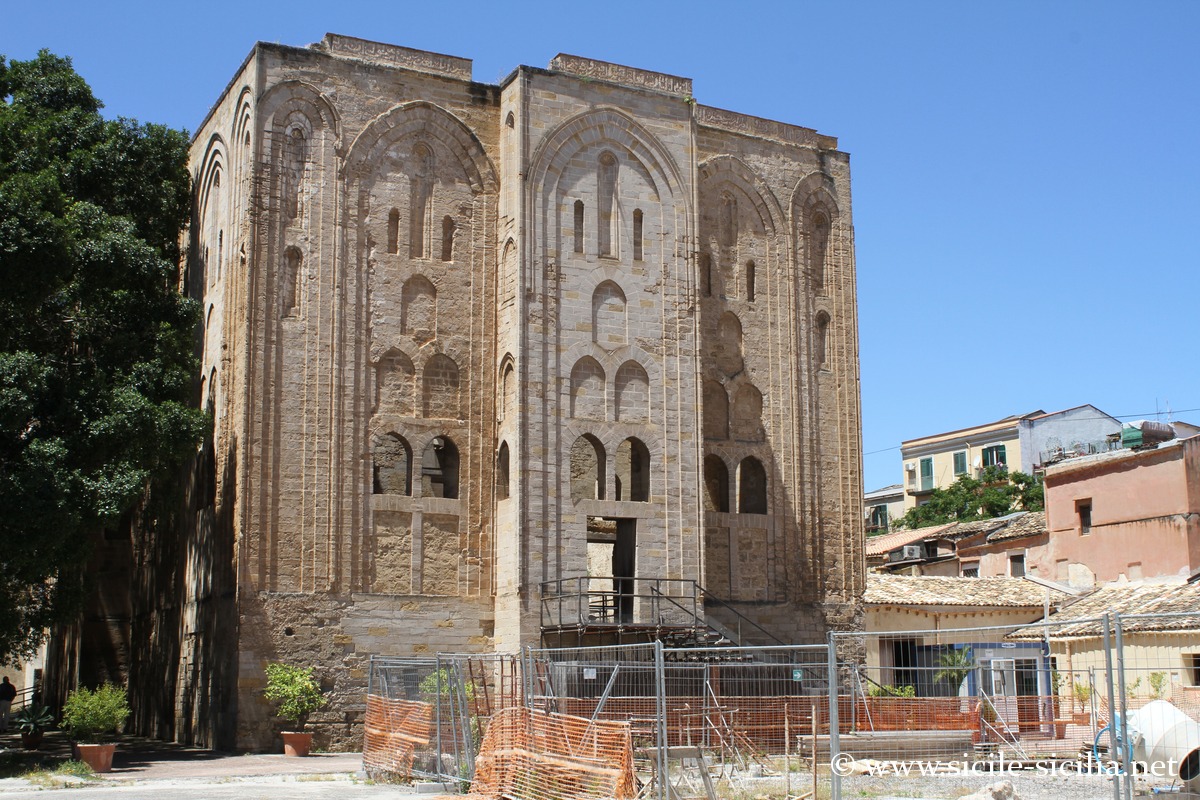
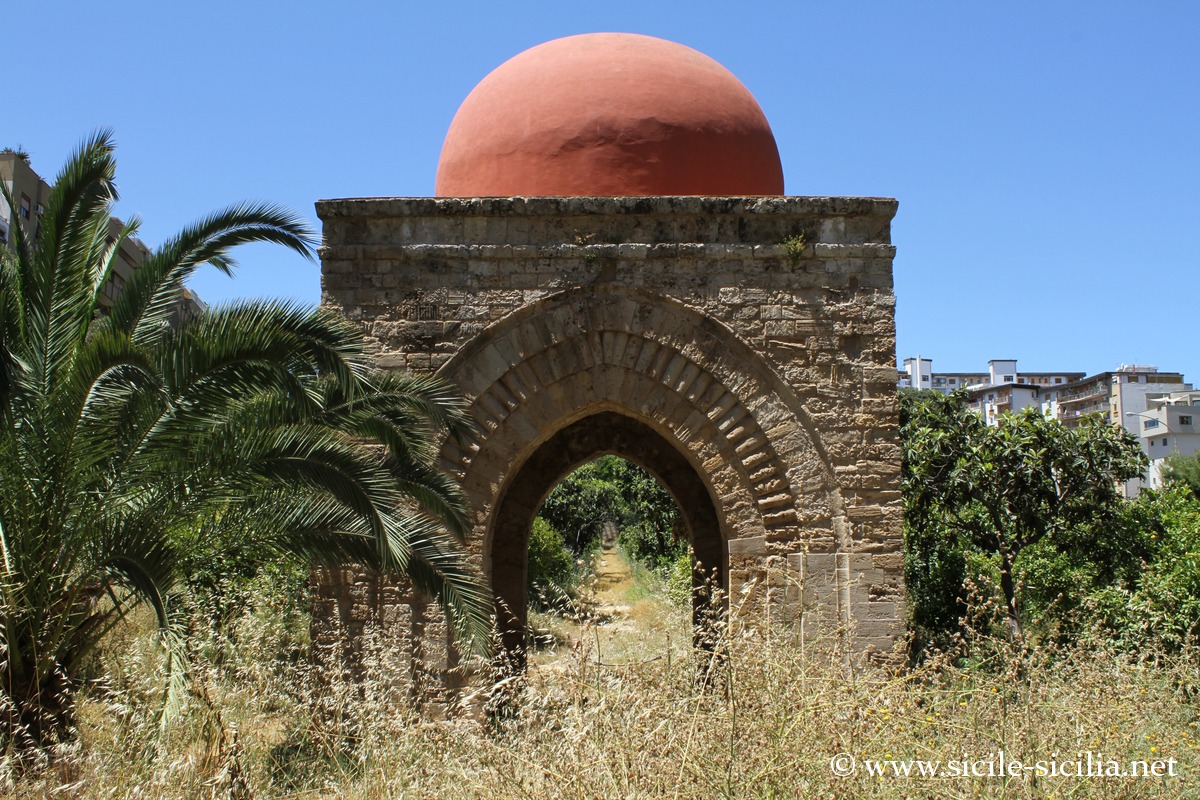
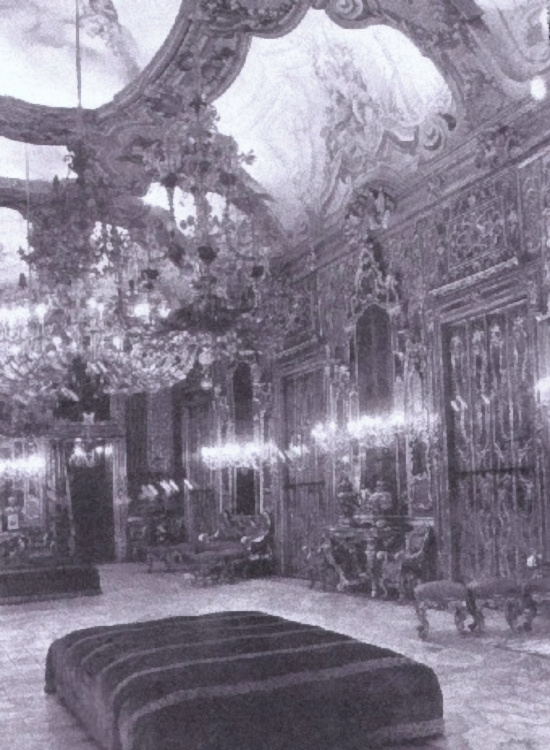
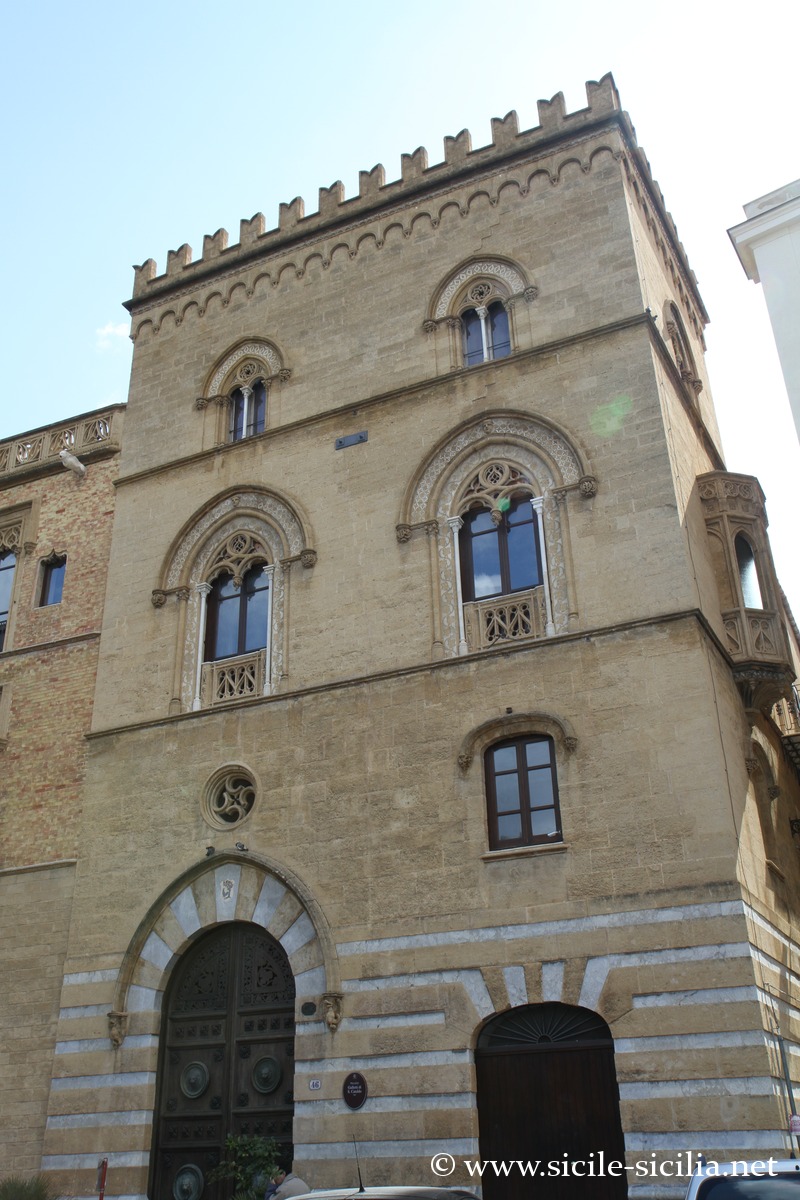
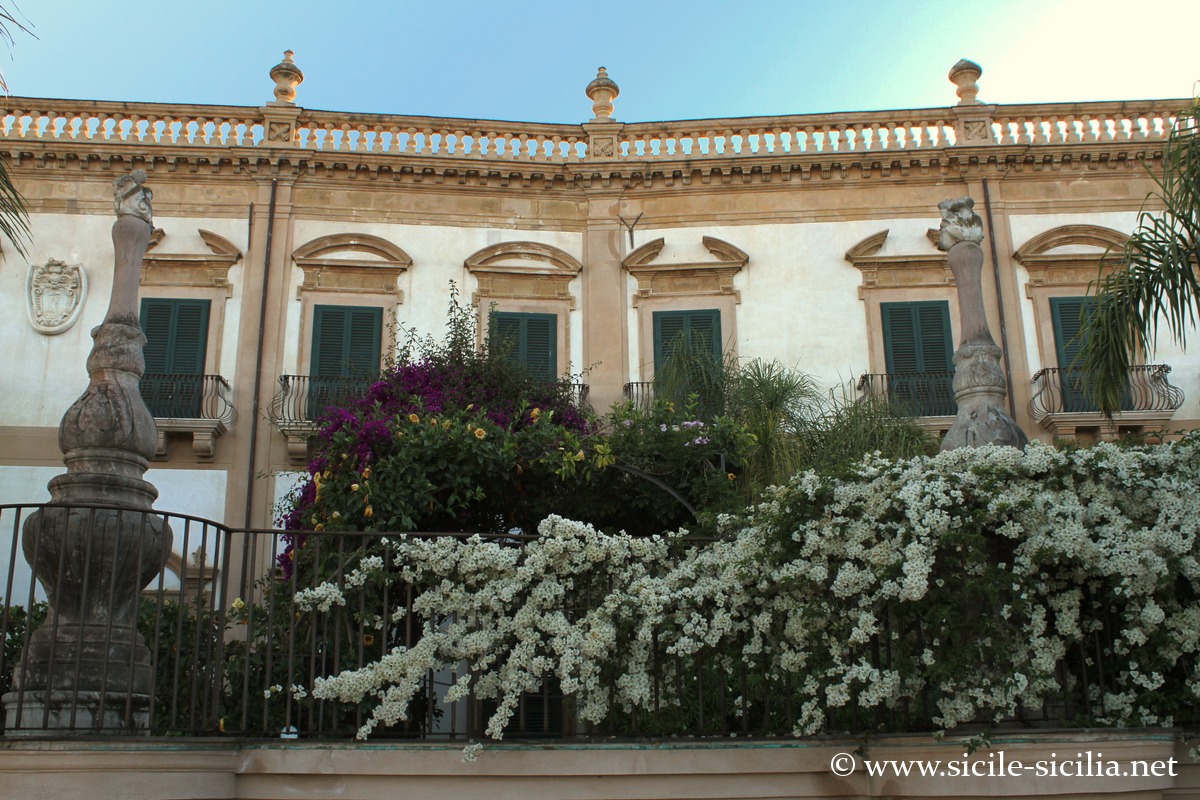
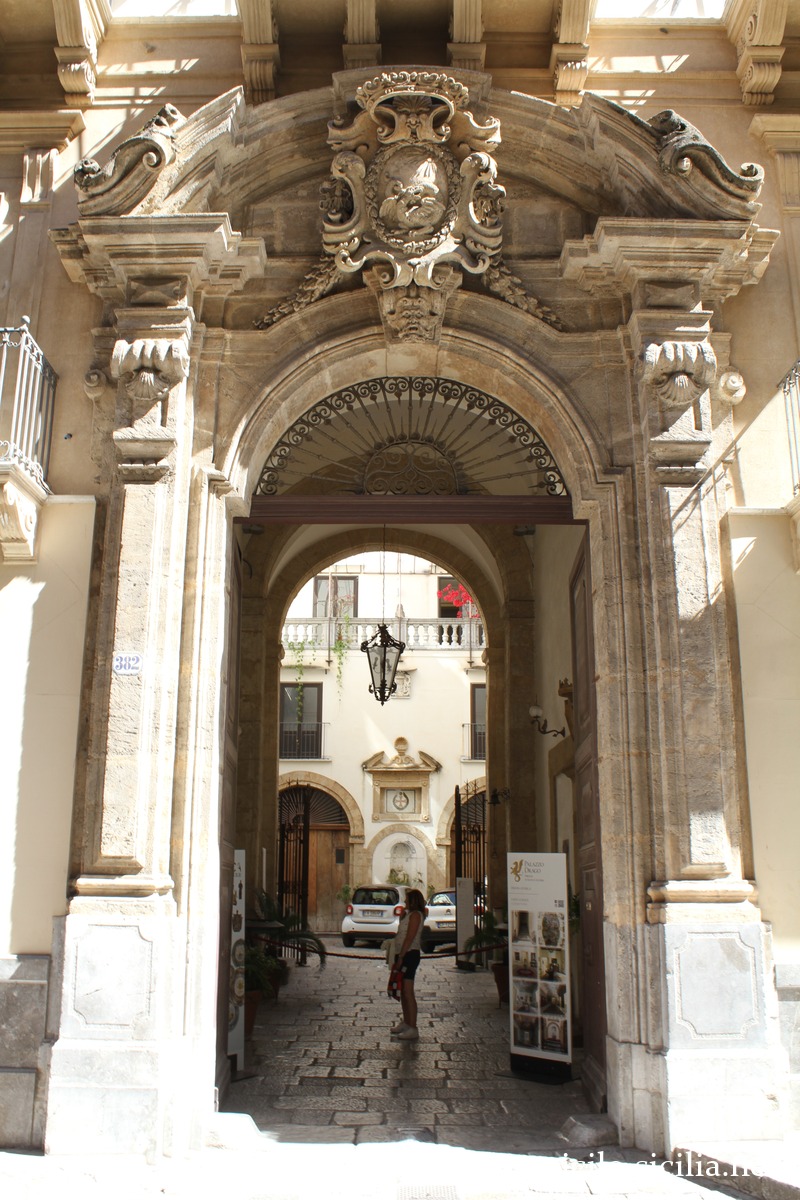
Palermo has many palaces; here is a selection to complement those presented in the main category of Palaces of Palermo. See the map with the other palaces of Palermo at the end of the page. Palazzo Alliata di VillaFranca This ancient palace, dating back to the 16th century, first belonged to the da Bologna family, […]