

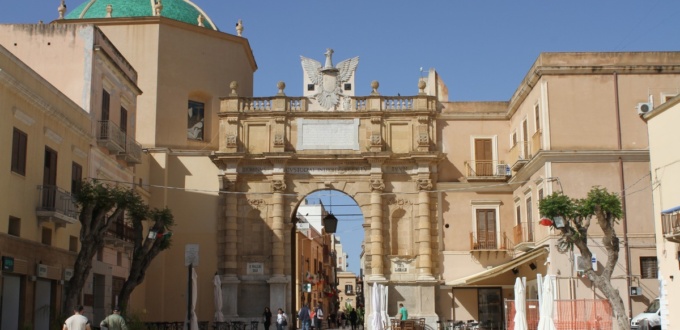
Known for its sweet wine, Marsala is also a pretty medium-sized town of about 83,000 inhabitants, with a historic center of ancient origin preserving a fine Baroque heritage.
Located at the western tip of Sicily, the town was founded by the Phoenicians in the early 4th century BCE.
It is also known for the landing of Garibaldi with a thousand men from old boats, which took place there on May 11, 1860, marking the beginning of the unification of Italy.
What to see first in Marsala
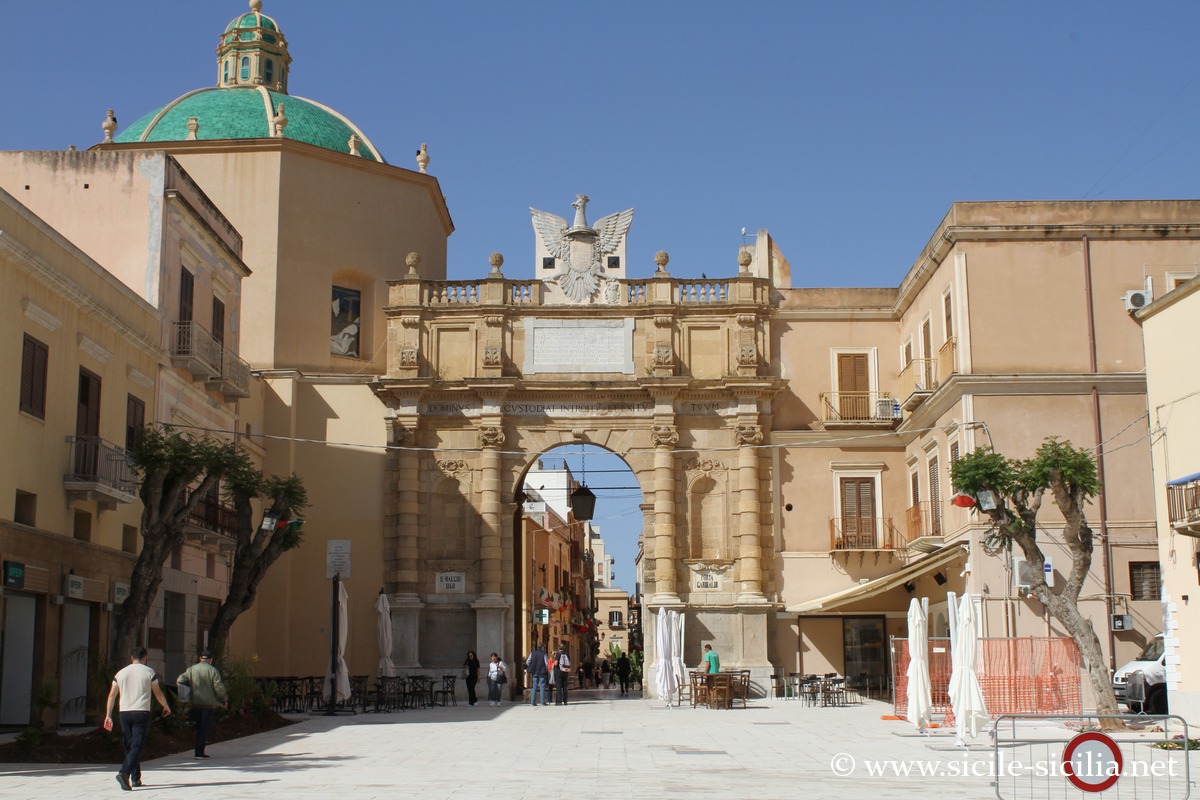
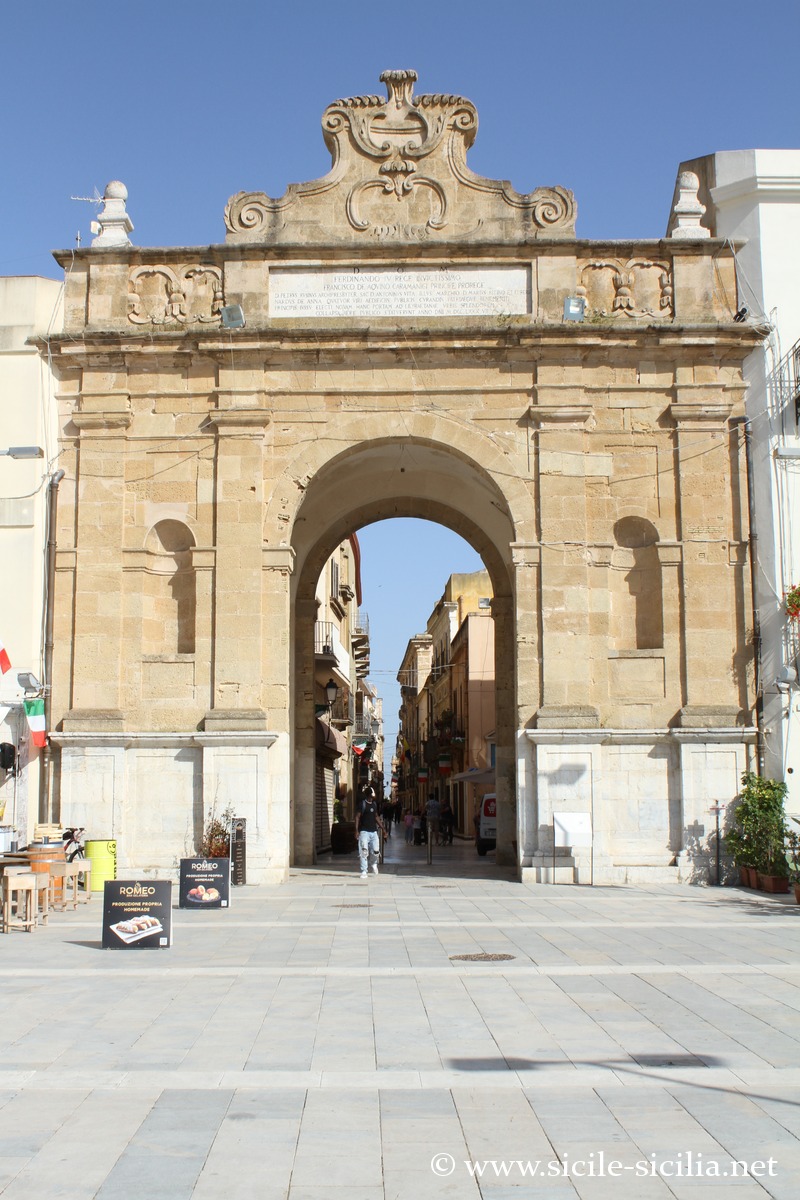
Porta Garibaldi
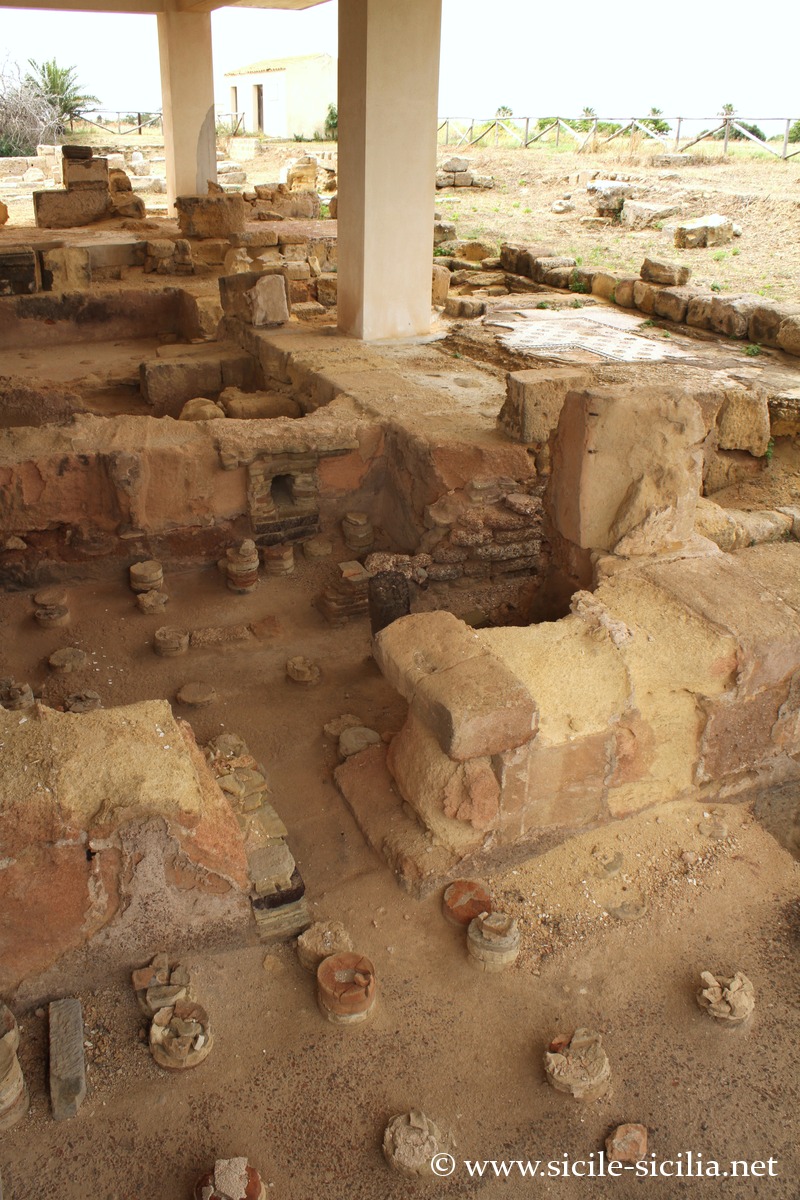
Lilibeo Archaeological Park
Remains of the ancient Punic-Roman city of Lilybaeum, baths, domus and mosaics, with the associated museum.- Municipal Museum – San Pietro Monumental Complex
Archaeological collections of Lilybaeum, Garibaldina section on the Risorgimento, and municipal library, within the former monastery. - Chiesa Madre di San Tommaso di Canterbury
17th-century Baroque architecture on a medieval plan, with 16th-century Flemish tapestries. - In the surroundings: Mozia Island and Whitaker Museum
Phoenician and Punic remains, sculptures and archaeological steles. - Historic Marsala wineries (Florio, Pellegrino, Martinez, Donnafugata)
Historic cellars illustrating the production and export of Marsala wine since the 19th century.
Brief history of Marsala
Around the 8th-7th centuries BCE, the Phoenician colony of Mozia developed on the island of San Pantaleo, a few kilometers off the coast.
In 397 BCE, the tyrant Dionysius I of Syracuse destroyed it. Its inhabitants took refuge on the coast where they founded a new colony, Lilybaeum, “the city that looks toward Libya.” Libya was the name given to the entire African coast.
The city became Roman in 241 BCE. It then became an important place in Sicily, a commercial and administrative center. Embellished with villas and public buildings, Cicero, who was quaestor there from 76 to 75 BCE, called it a “resplendent Urbs.”
Devastated by the Vandals in the 5th century, it was subsequently annexed by the Byzantine Empire. But it long experienced dark times, far from Byzantium, and fell victim to pirate incursions. The landing of the Arab-Berbers near the neighboring Mount Granitola around the year 830 marked a revival of trade and the rebirth of the city. The Arabs called it Marsa ʿAlī (Port of Ali) or Marsa ʿāliyy (Great Port), or perhaps Marsa Allāh (Port of God).
The Arabs planted new agricultural products, and spread a new gastronomic culture with, for example, couscous, sorbet, artichoke or carob.
The town’s palaces were mainly built in the 16th century, under Spanish rule, along with many churches and fortresses.
Visiting Marsala and its monuments
Historic center: Cassaro
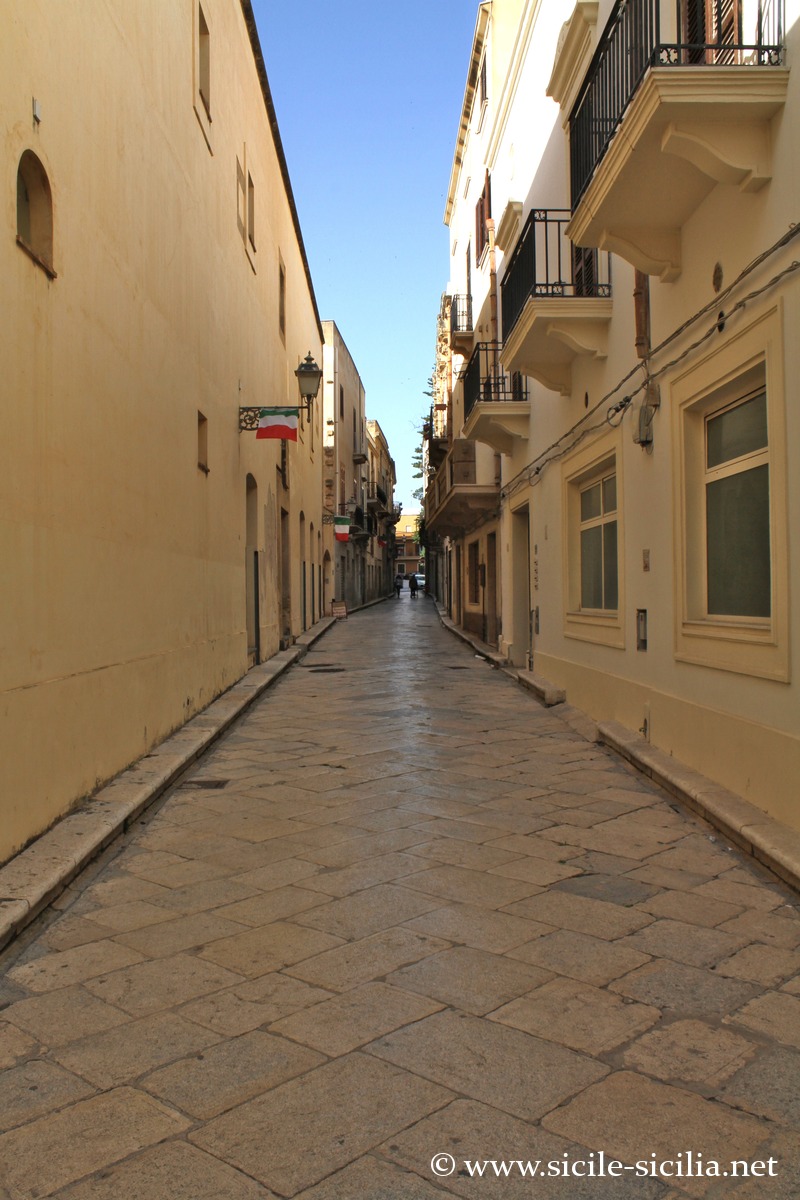
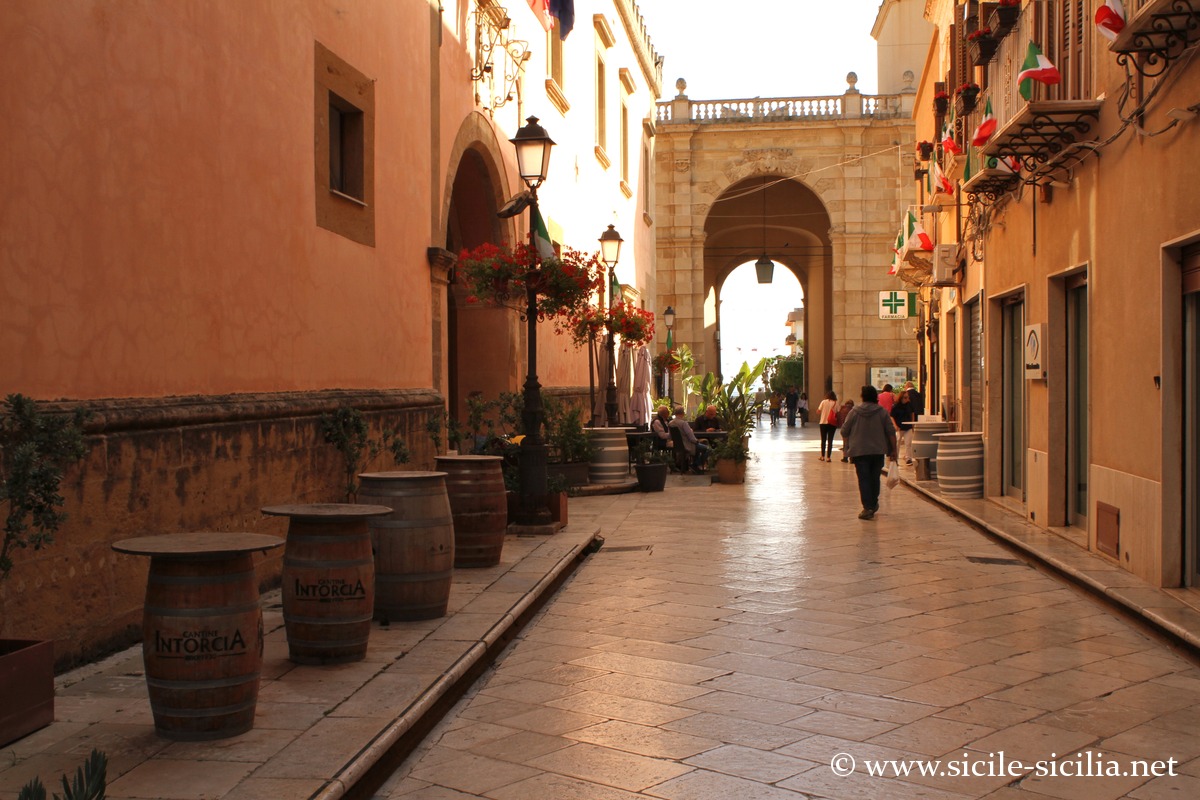
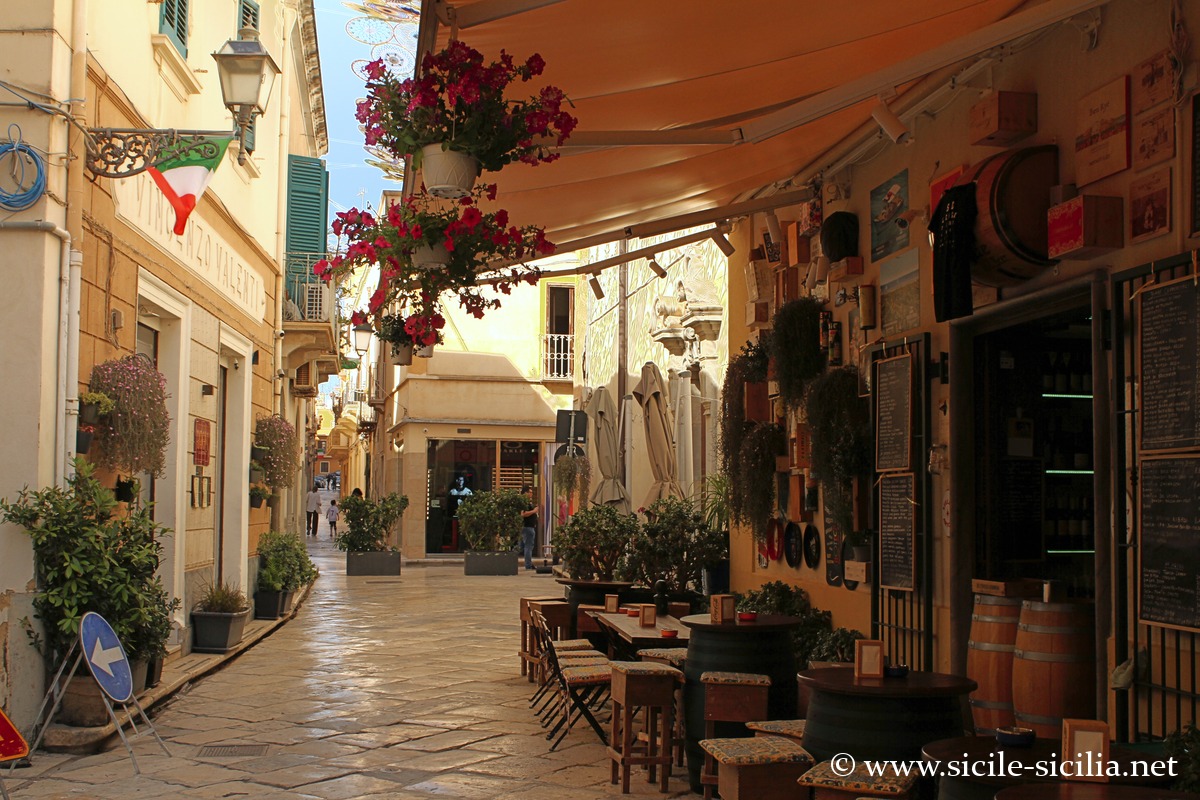
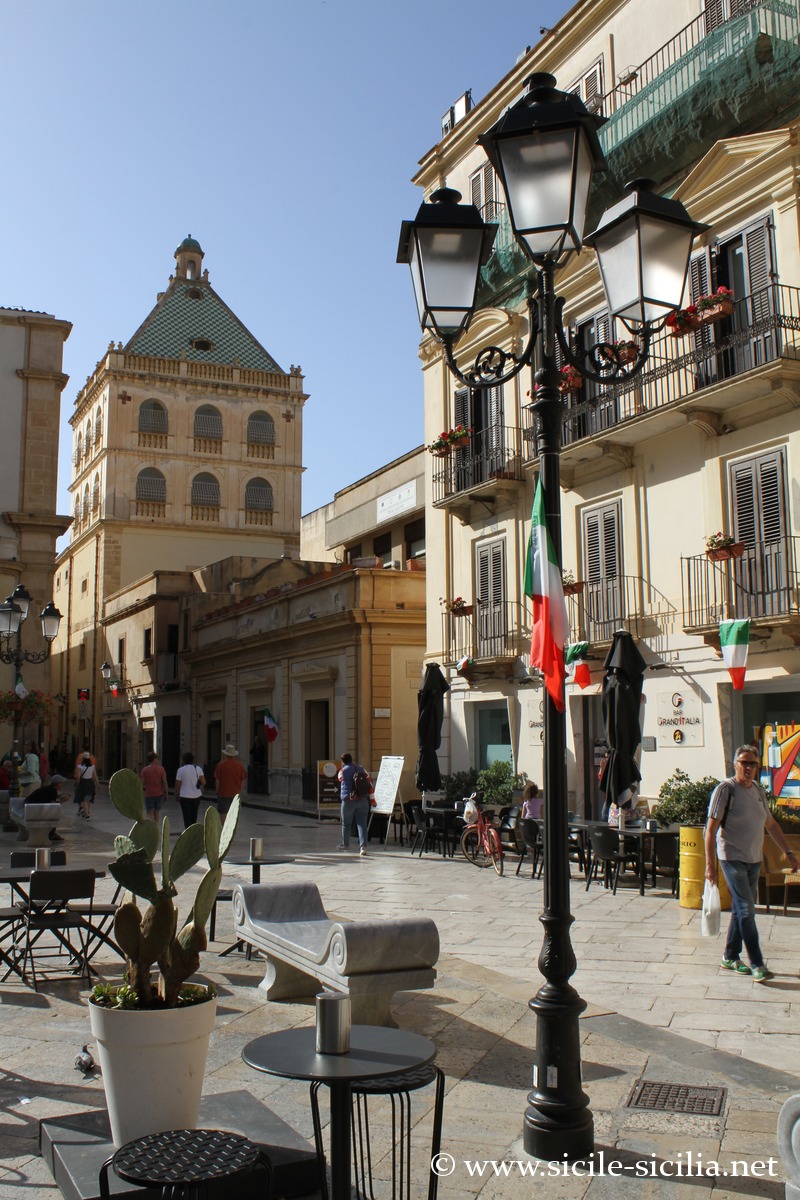
Cassaro Street
Called Cassaro, the historic center is square in shape and since antiquity was surrounded by a wall of which two bastions and a rampart remain. Its layout largely follows the Punic-Roman urban planning of Lilybaeum, with an orthogonal plan preserved despite medieval and modern reconstructions.
Two of the city’s four main gates remain, on the two main axes that crossed at the center: the Porta Nuova (rebuilt in the 18th century), and the Porta Garibaldi, which opens toward the sea. The latter is historically linked to the landing of Giuseppe Garibaldi on May 11, 1860, a major event of the Italian Risorgimento.
Inside, the 16th-century Spanish quarter preserves numerous buildings from the 16th and 18th centuries, marked for example by the use of interior patios and late Baroque decorations.
Cathedral and Piazza della Repubblica
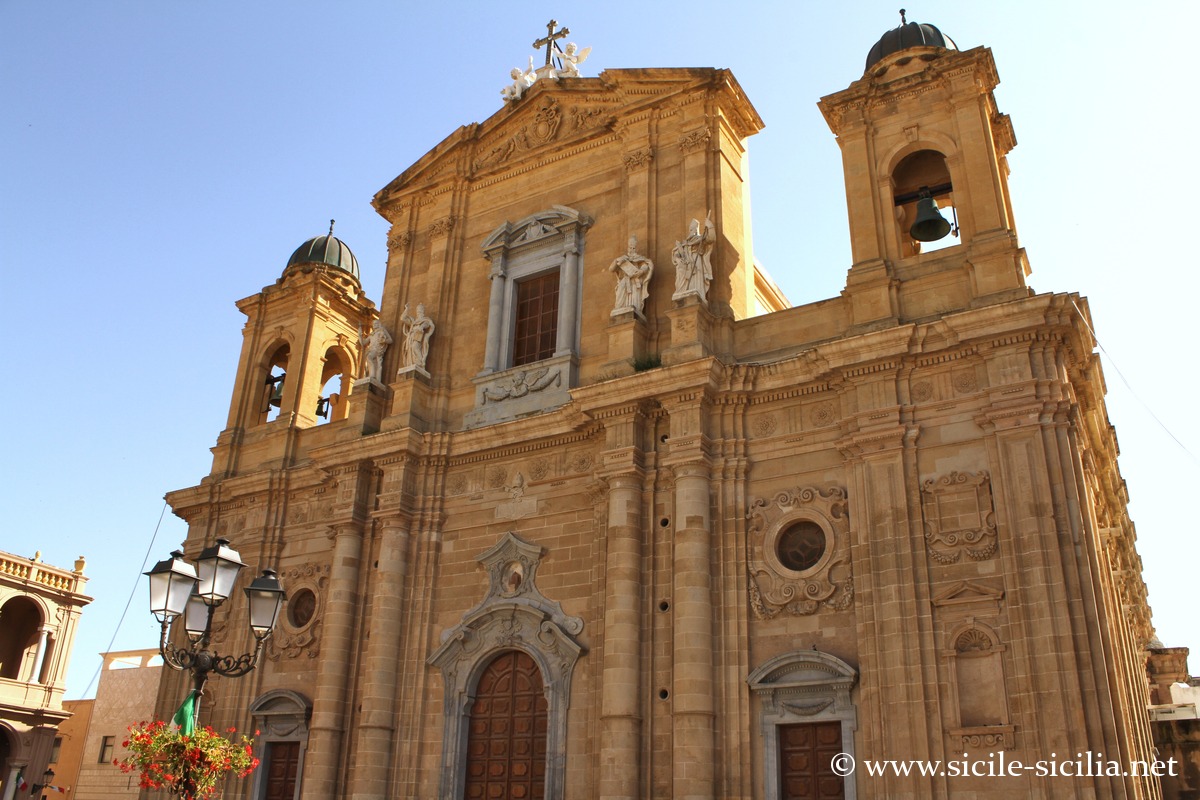
Chiesa Madre
The historic heart of the city is Piazza della Repubblica (or Piazza Loggia), a square that corresponds to the ancient forum of Lilybaeum in Roman times; it still concentrates today the main historic and civic axes of the city.
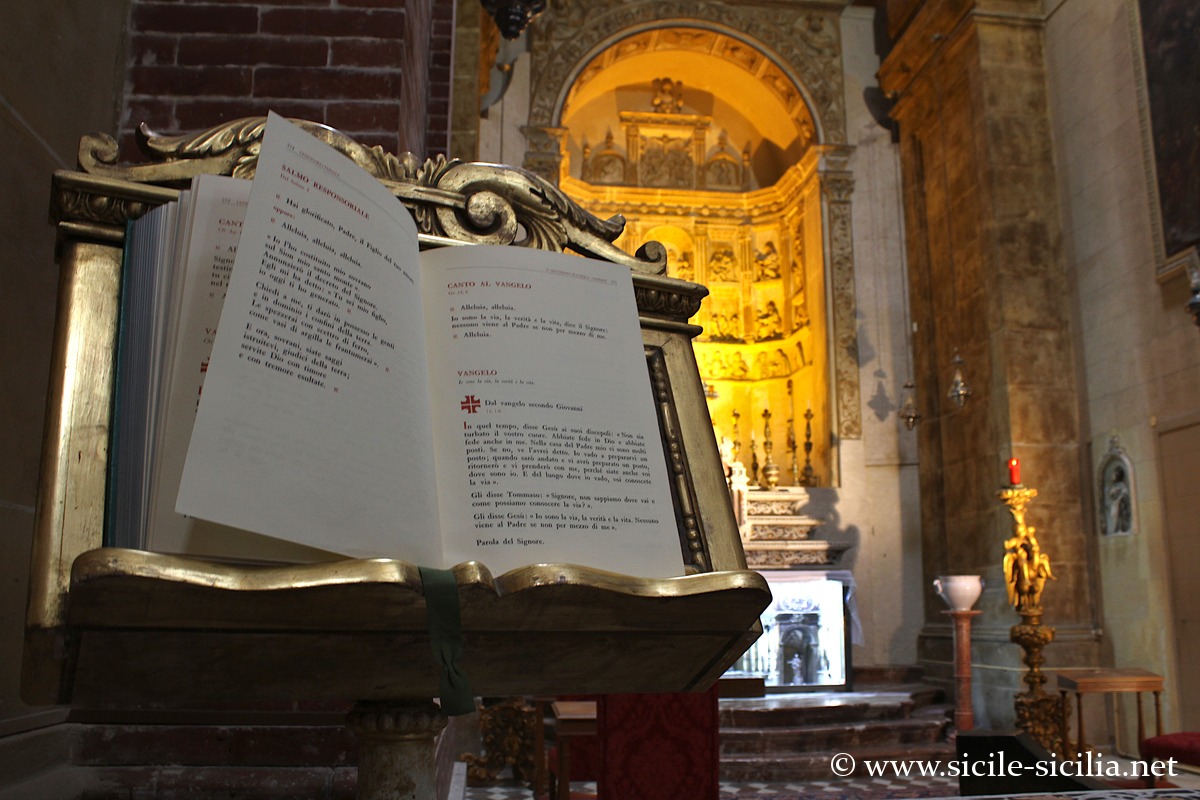
There stands the Chiesa Madre, the duomo of Marsala, dedicated to Saint Thomas Becket of Canterbury, with its beautiful Baroque facade, rebuilt in the 17th century, and whose 12th-century plan dates from the Normans. It was deeply remodeled after the 1693 earthquake, while retaining medieval structural elements.
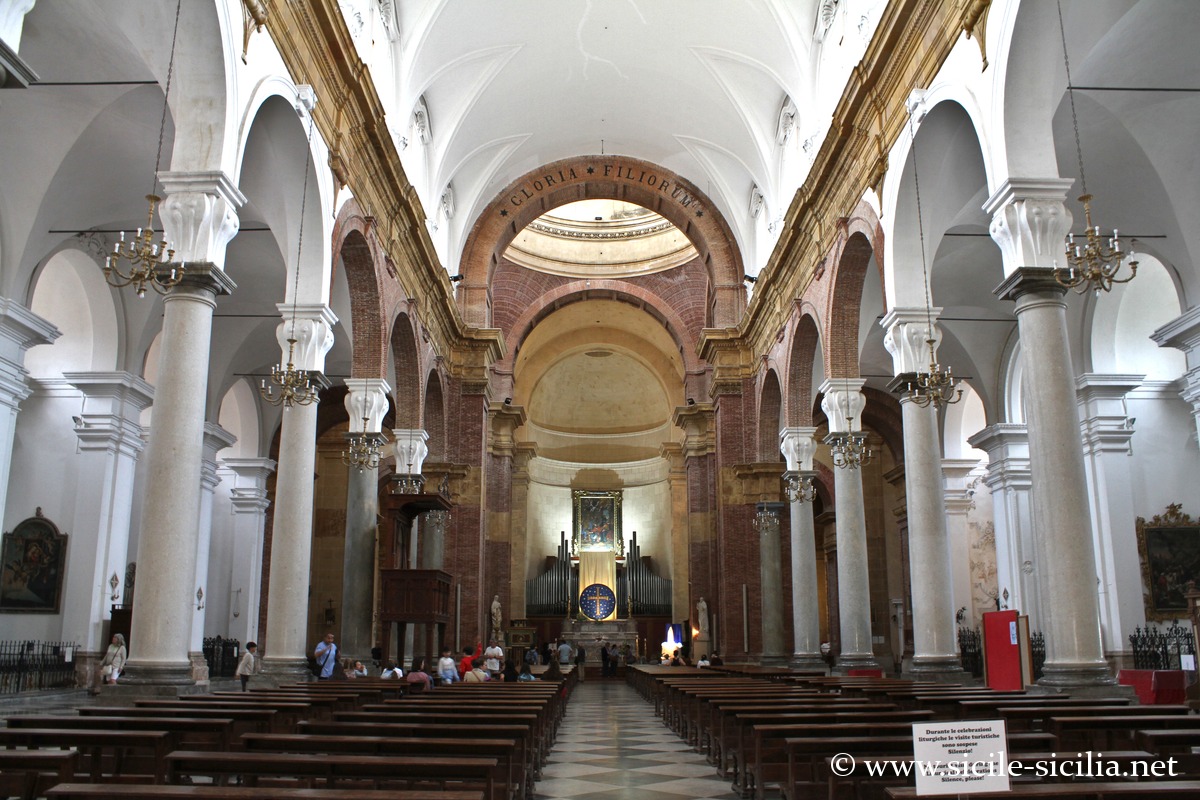
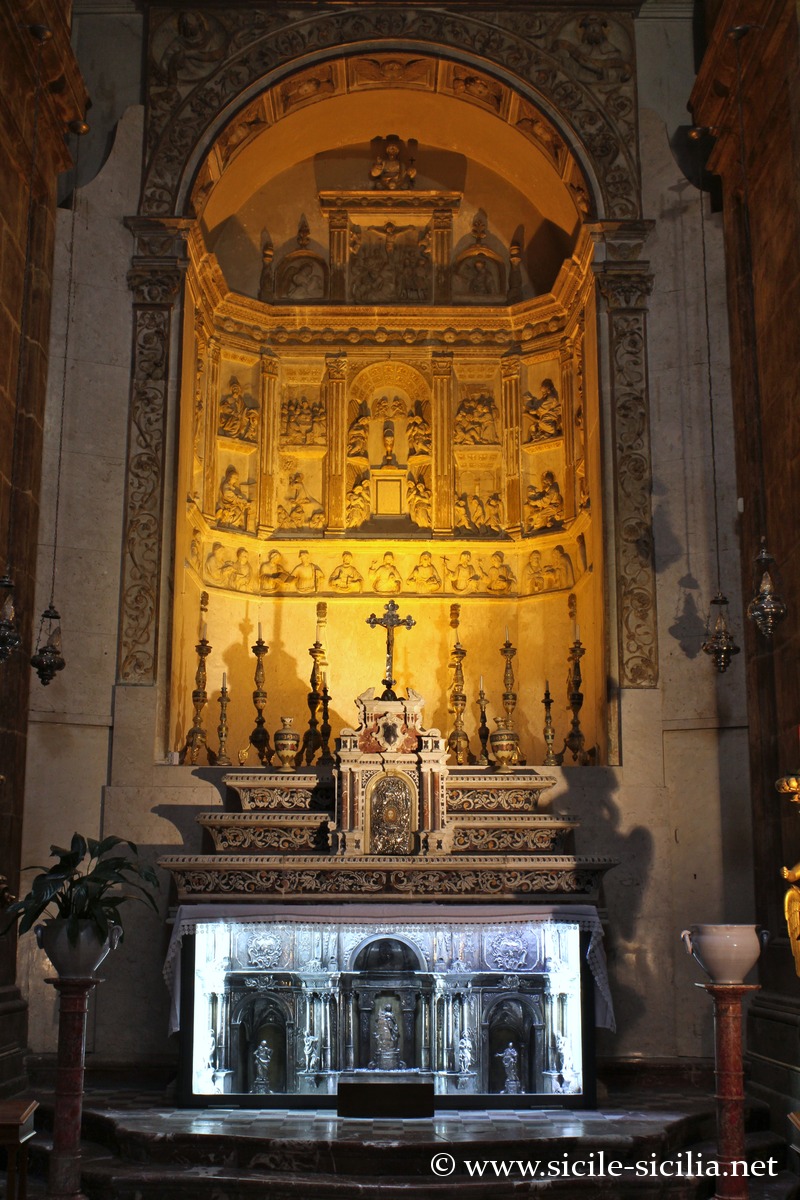
The three interior naves are separated by monolithic columns, forming a vast basilical hall. The decoration is marked by the Baroque and the modern dome was redone in the 20th century. It preserves notable works with sculptures by the Gagini and decorated chapels.
Marsala Tapestry Museum
The building adjacent to the cathedral preserves 16th-century Flemish tapestries that recount the Roman campaign in Judea in the year 66, with the Museo degli Arazzi Marsala (Marsala Tapestry Museum). These tapestries, attributed to Brussels workshops, constitute one of the most important collections of Flemish textiles preserved in Sicily. Their presence in Marsala is linked to aristocratic and ecclesiastical collecting networks in the modern era.
San Pietro Monastery Museum Complex
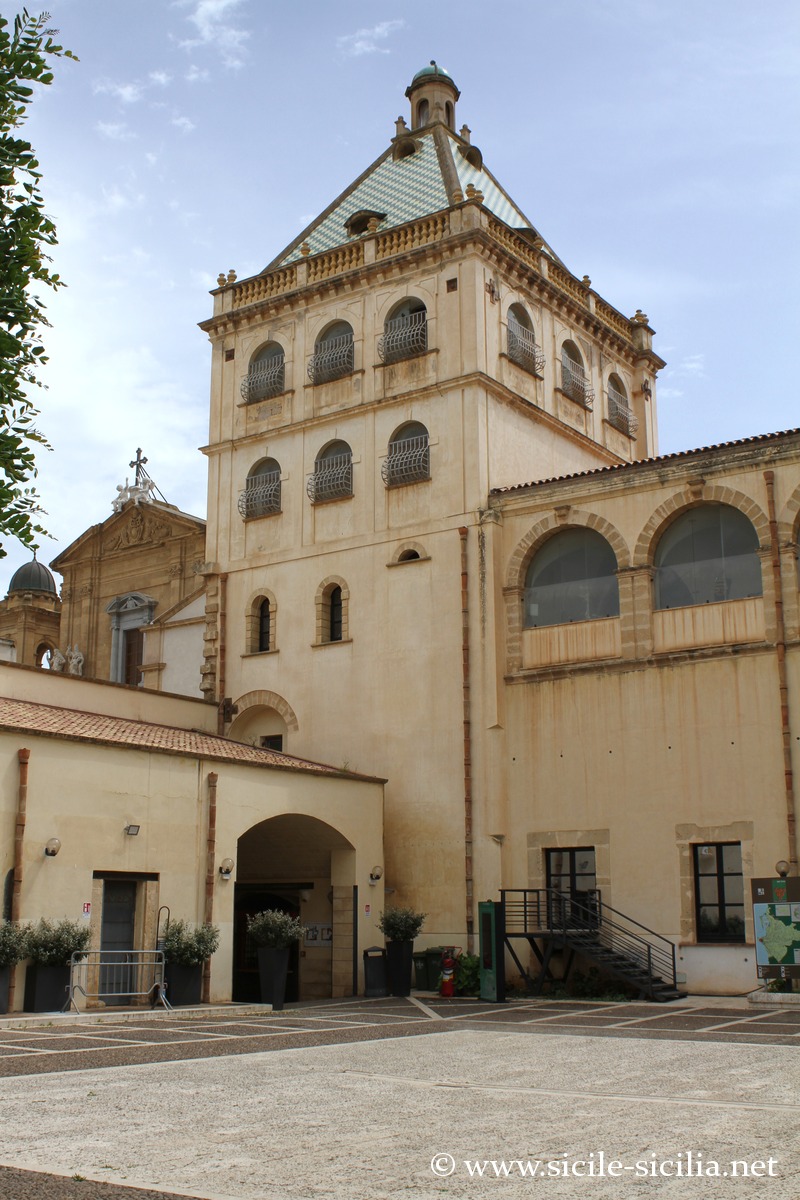
San Pietro Monumental Complex
The Benedictine monastery of San Pietro has become the seat of the municipal museum with three main sections: archaeology, Risorgimento/Garibaldino and popular traditions. It also houses the Salvatore Struppa municipal library with ancient and modern collections.
The Garibaldino section preserves documents, weapons and objects related to the Expedition of the Thousand (May 11, 1860) and to the political history of the 19th century.
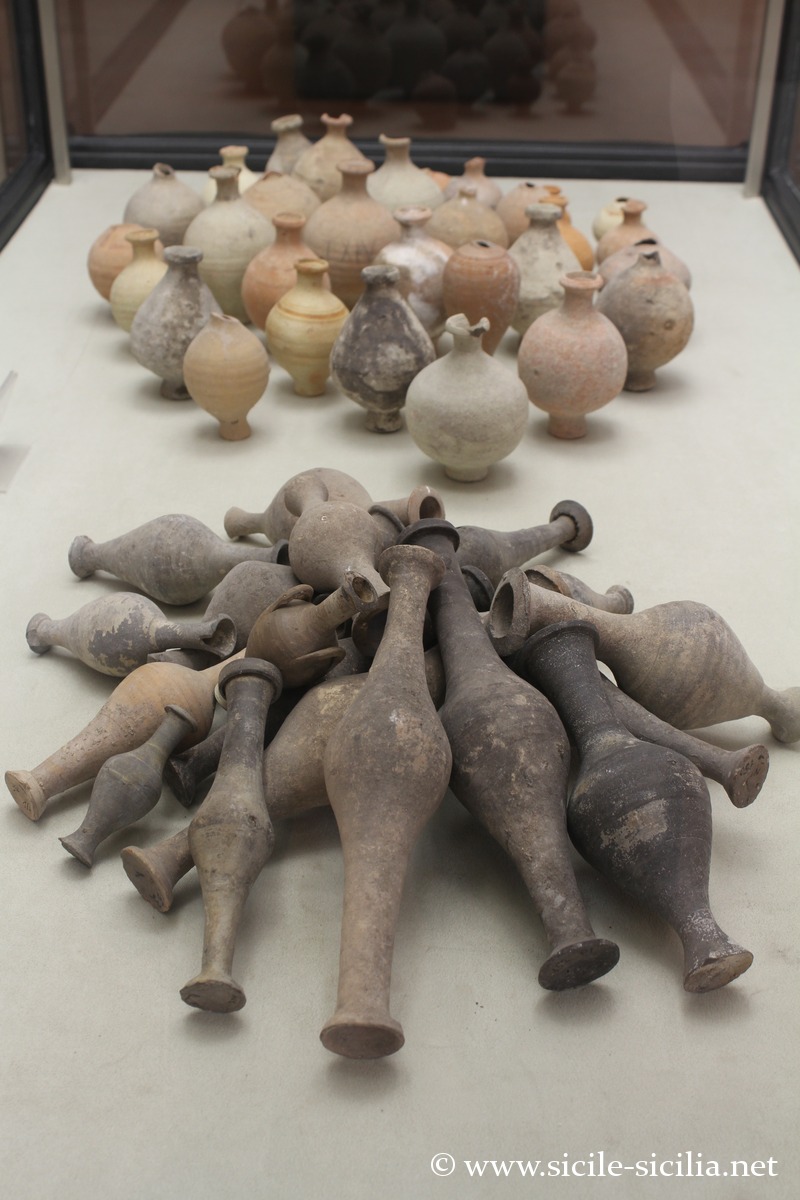
The archaeological section presents discoveries from ancient Lilybaeum (amphorae, tableware, funerary elements and mosaics), from urban excavations and the necropolis.
The complex is a former women’s convent whose main construction dates back to the 16th-17th centuries. Its origins go back to the year 595, when a local noblewoman named Adeodata had a first monastic establishment built on her land, dedicated to Saint Peter and several martyrs. It was enlarged and restructured afterward, notably by the Benedictines and then by the Dominicans in the 13th century.
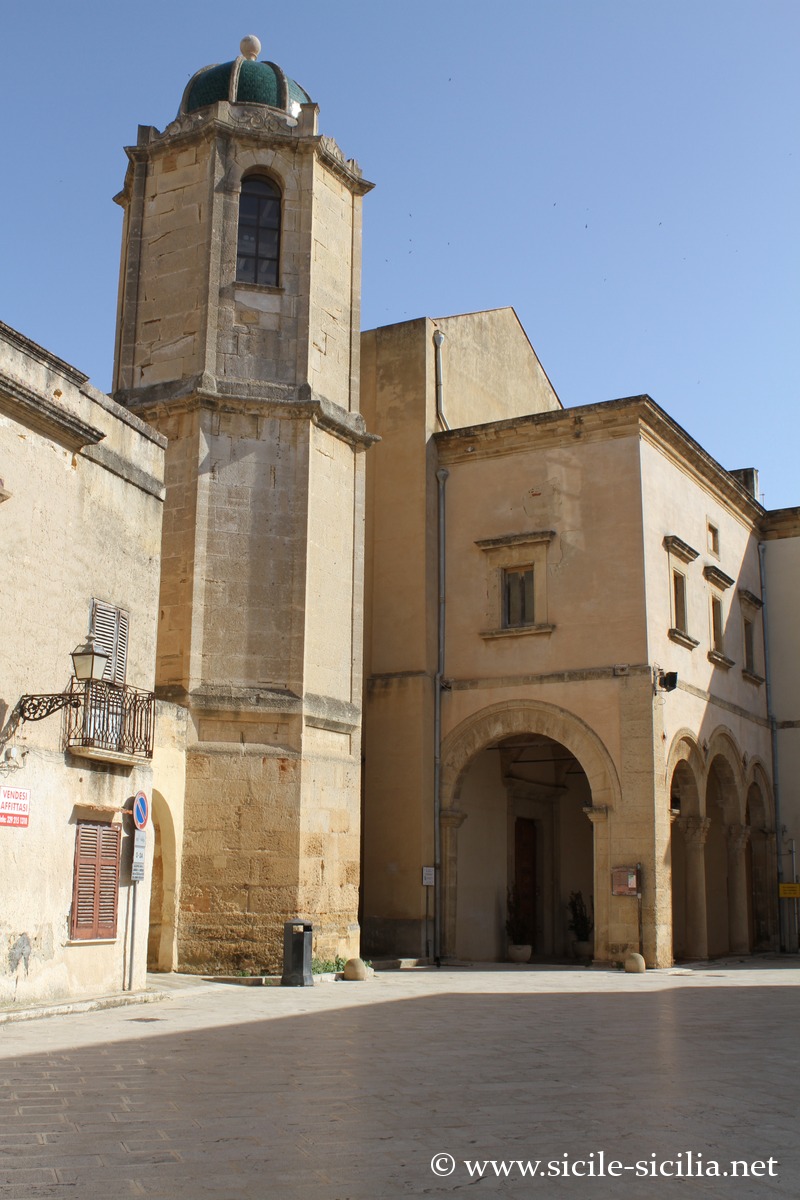
The complex features two cloisters, a quadrangular bell tower known as the “specola” covered in majolica that emerges from the urban landscape, etc. In 1998 the conventual rooms were fitted out to house the museum.
Lilibeo Archaeological Park and museum
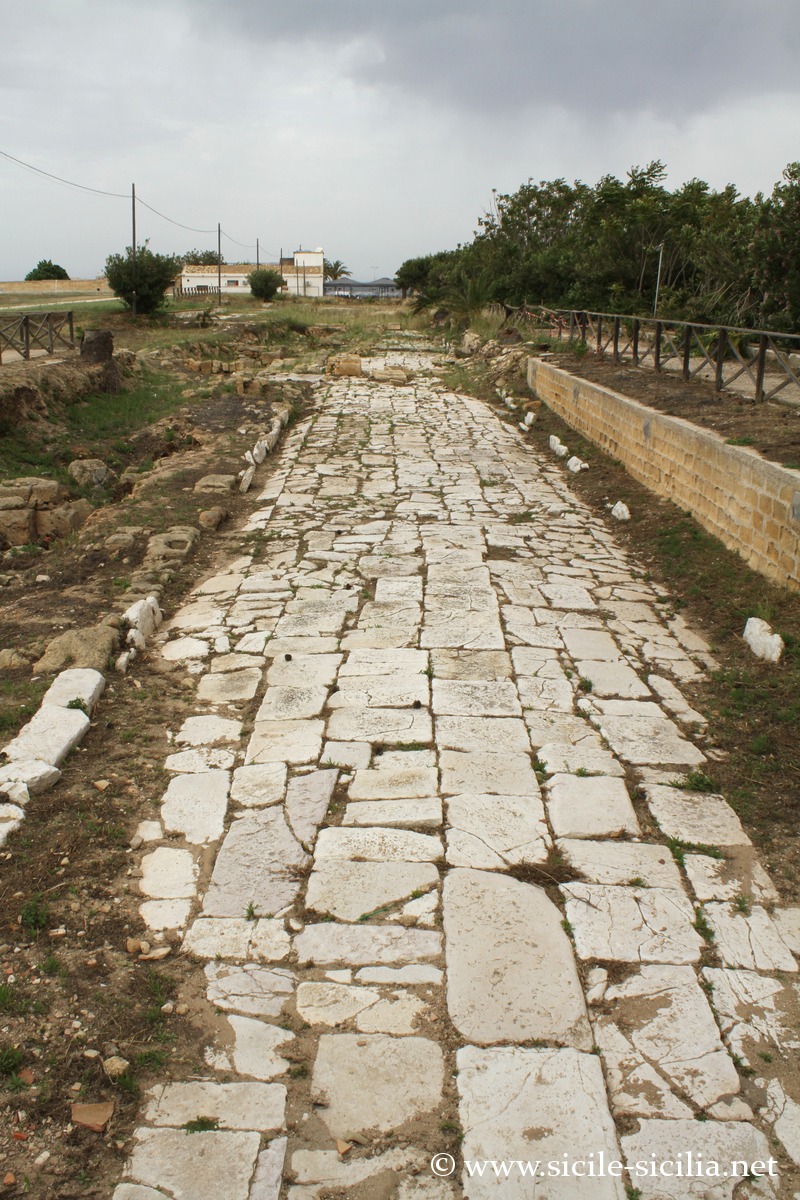
Lilibeo Archaeological Park
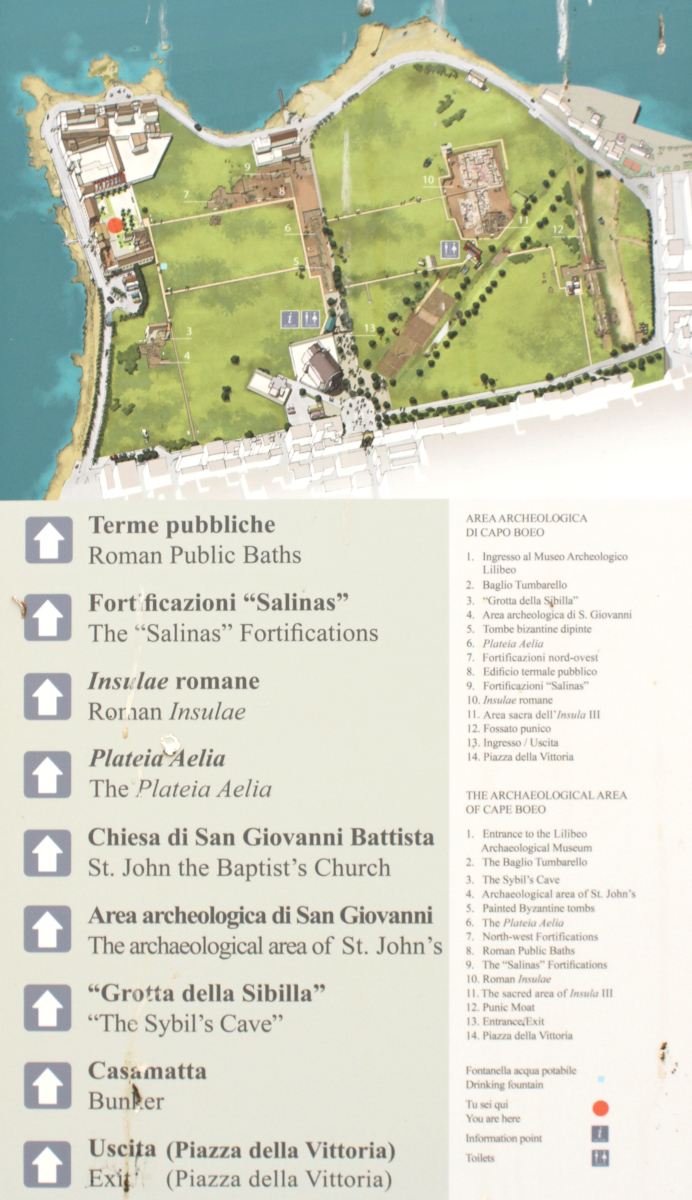
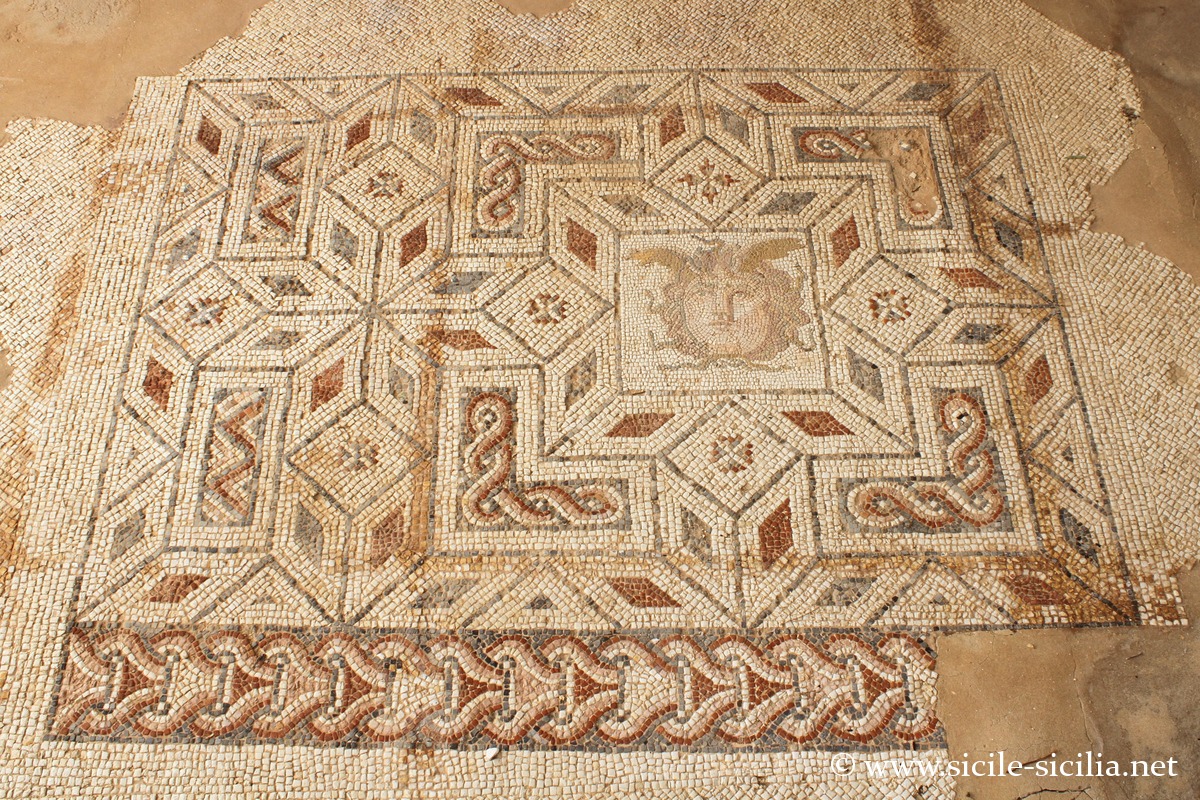
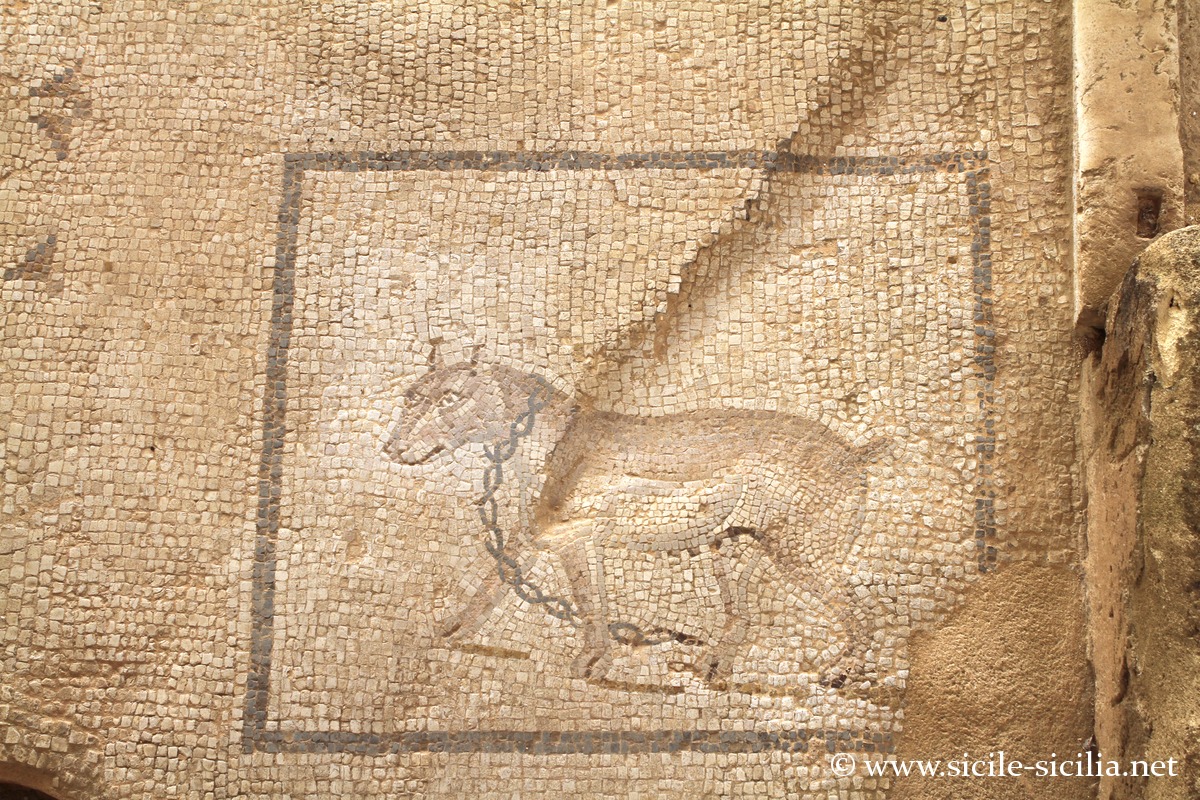
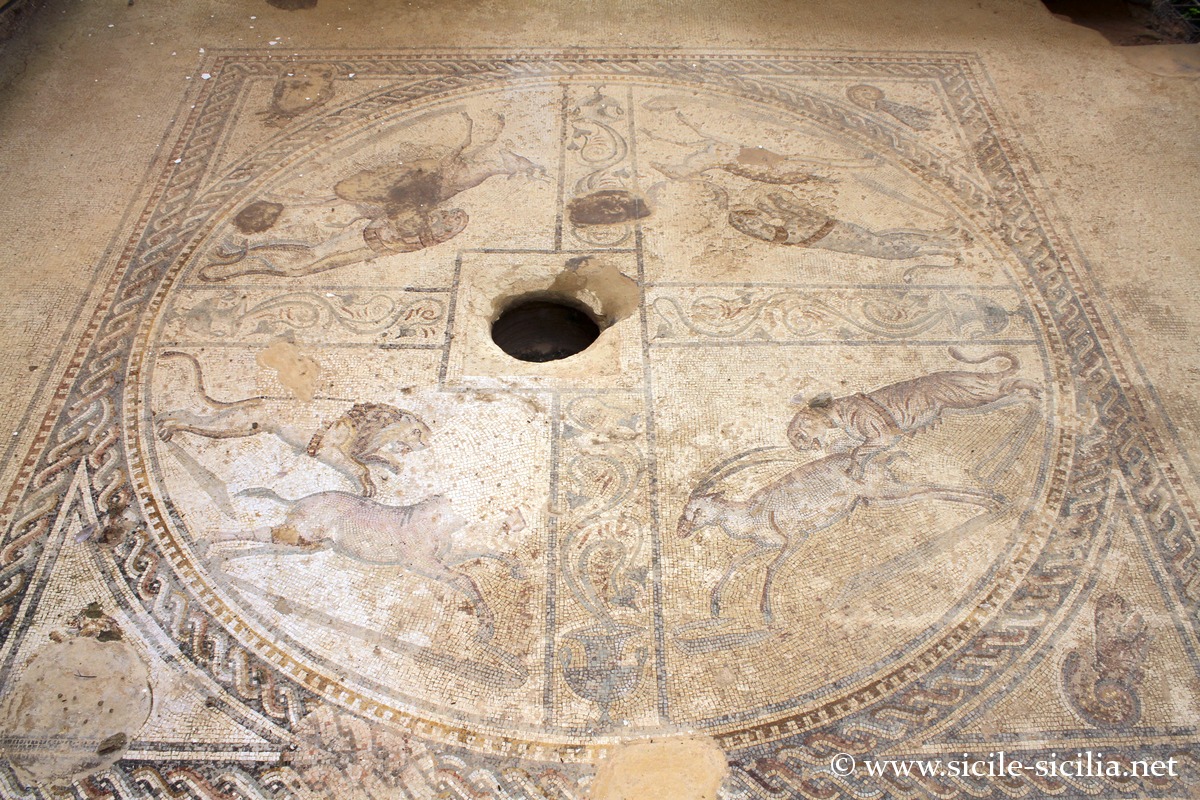
To the west of the center along the coast lies the Lilibeo Greek-Roman Archaeological Park which extends over part of the ancient city of Lilybaeum. It includes remains of dwellings, baths and ancient roads, with mosaics of urban housing, illustrations of the urban continuity between the Punic, Roman and imperial periods.
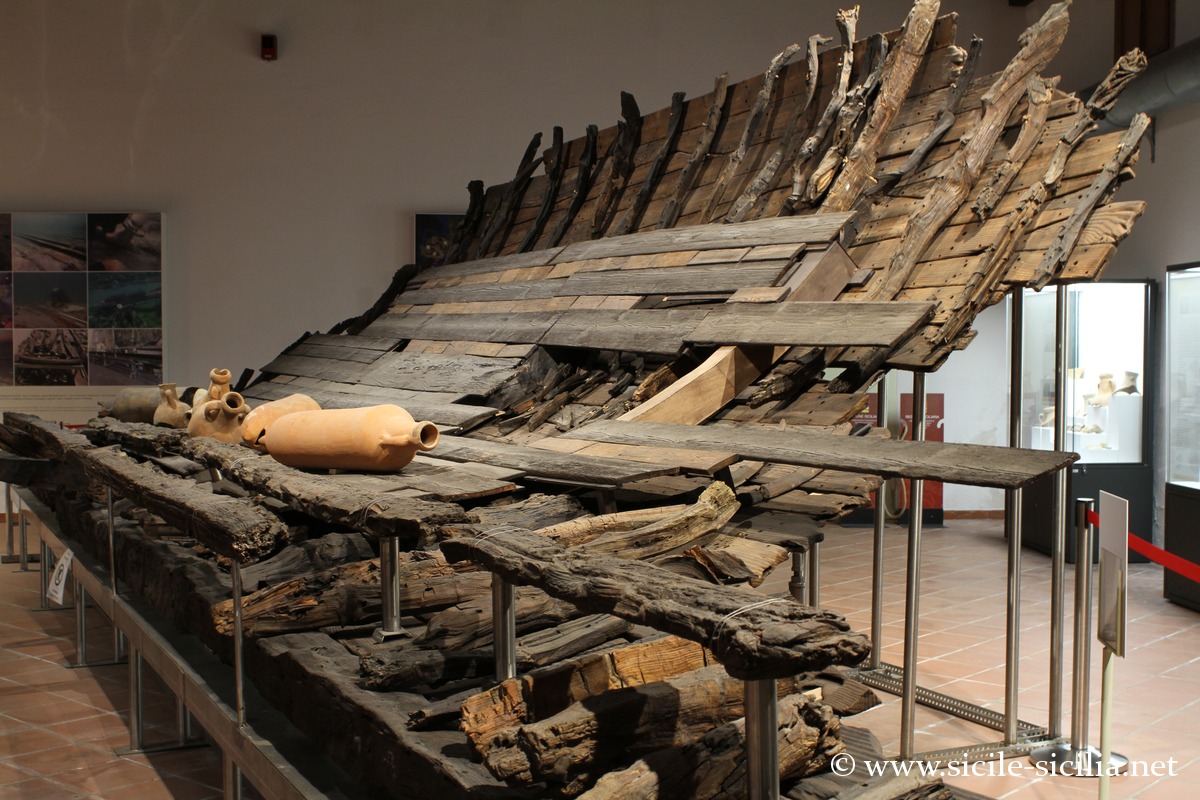
The park’s former baglio (local agricultural structure) houses the Baglio Anselmi Archaeological Museum which notably preserves the wreck of a Carthaginian ship, which sank off the Aegadian Islands during the First Punic War, in the 3rd century BCE.
There is an important collection related to the Battle of the Aegadian Islands and other Punic testimonies are preserved there, such as commercial amphorae, objects of daily life and funerary elements.
Carmel Convent
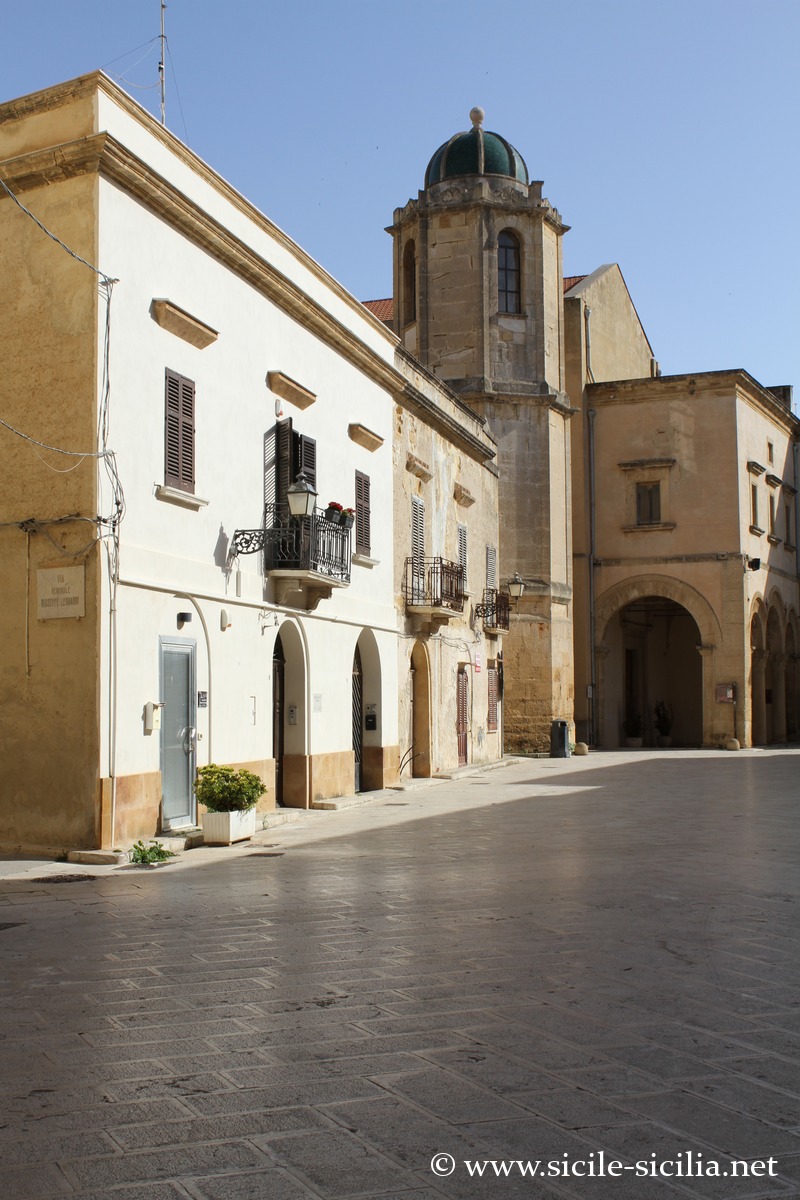
Bell tower, Carmel Convent
The Carmel Convent (Convento del Carmine) is a former Carmelite complex of the Annunziata, founded between the 13th and 14th centuries and deeply transformed over the centuries.
Restored in the 1990s, it now houses the Ente Mostra di Pittura, the Municipal Art Gallery, which displays a permanent collection of more than 750 works of Italian and international art, as well as temporary contemporary exhibitions.
The complex also includes a church with an octagonal-based bell tower with a spiral staircase, with a stratification of styles: an ancient medieval core, a cloister and 16th-17th century arcades, as well as elements rebuilt in the 19th century.
Hypogeum of Crispa Salvia
North of the center, the hypogeum of Crispia Salvia was brought to light in 1994 during the demolition of a building.
This funerary chamber from the 2nd-4th centuries was in the ancient necropolis of Lilybaeum. It features a funerary chamber carved into the rock, adorned with well-preserved wall paintings. A Latin inscription mentions Crispia Salvia, making it possible to identify the deceased and to date the ensemble. This monument constitutes an important testimony to funerary practices in Lilybaeum in Roman times.
Other buildings of Marsala
Near Porta Garibaldi, the Church of the Addolorata (Chiesa di Maria SS. Addolorata) stands out for its central circular plan, with a sober exterior architecture, while the interior is organized around a single covered space. Its current state is the result of renovations in the late 18th century. It houses the venerated statue of the Madonna Addolorata, often at the center of local processions, and whose devotion refers to a tradition linked to an episode of 1691 with the “Madonna del Fulmine”.
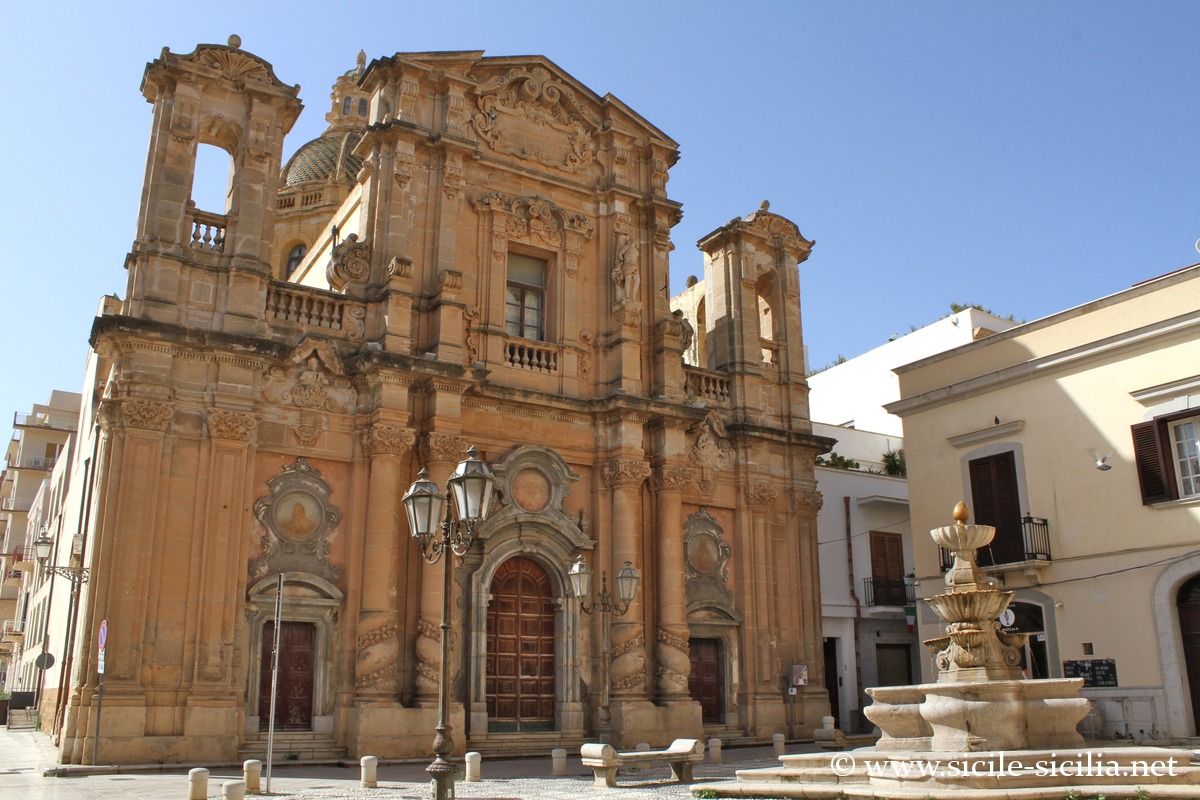
Church of Purgatory
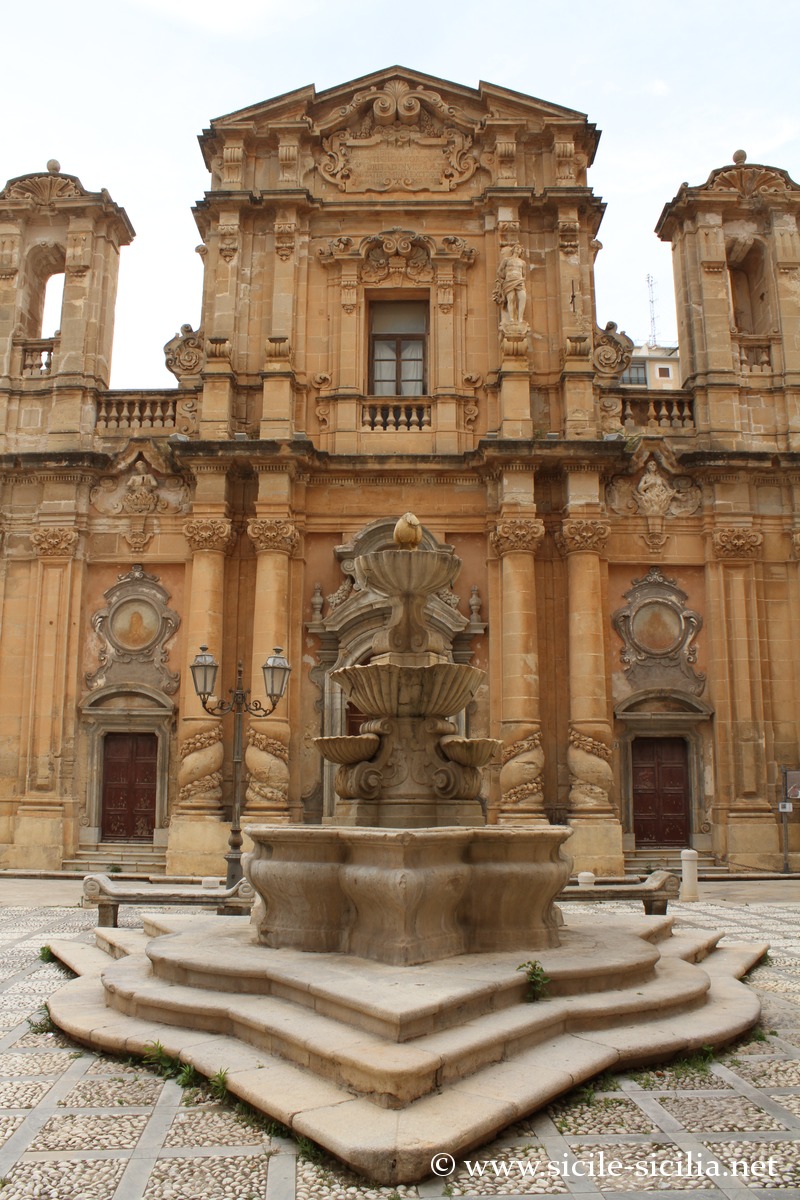
The Church of Purgatory preserves decorative elements and works linked to local confraternities. Its current architecture is the result of modern and contemporary renovations. It was rebuilt between the end of the 17th and the beginning of the 18th century on the site of an ancient chapel dedicated to Santi Fabiano e Sebastiano.
The Baroque façade is notable for four Corinthian and twisted columns and its two small side bell towers. It is crowned by a tall dome covered with majolica, preserving 18th-century stuccoes and frescoes.
Deconsecrated, it now houses the “Santa Cecilia” Auditorium and serves as a venue for concerts and cultural events.
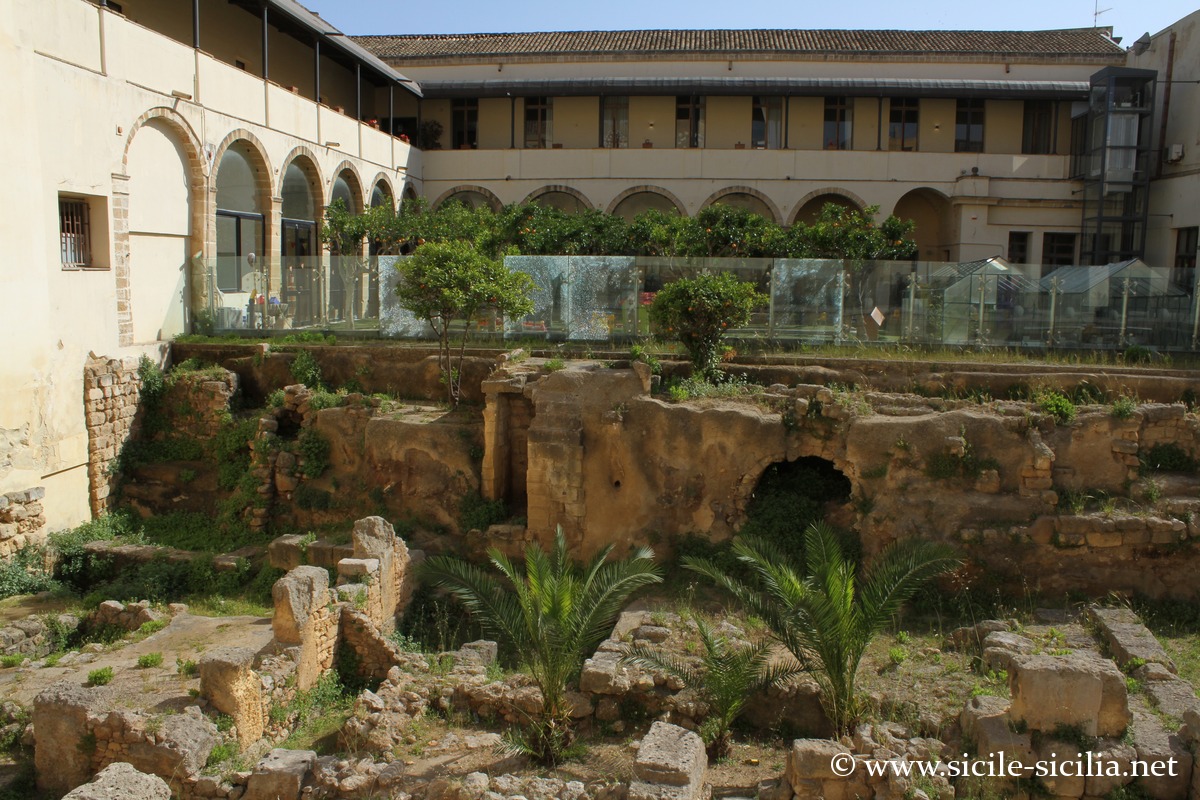
Archaeological area of San Girolamo
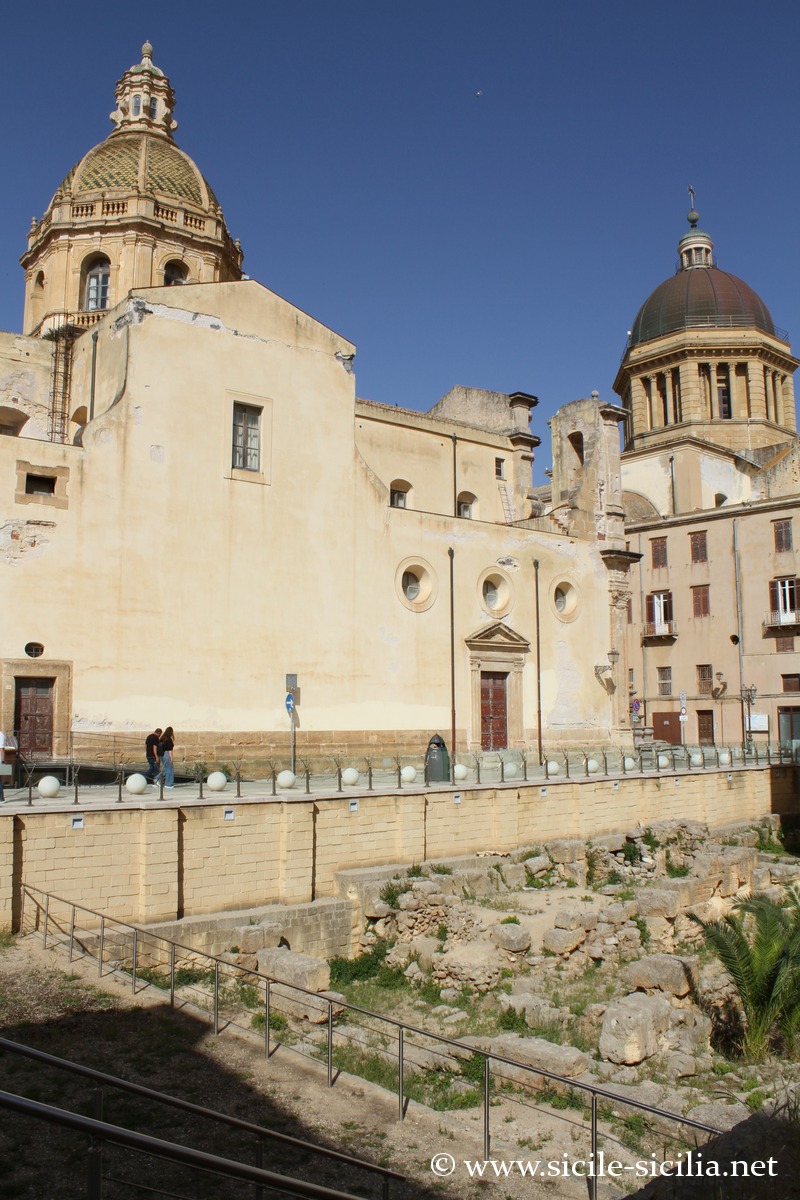
The archaeological area of San Girolamo (Area Archeologica di San Girolamo) is a sector of the ancient Lilybaeum brought to light in the center, with remains of dwellings and urban layouts from the Punic and Roman periods.
The Royal Municipal Theatre, built in the early 19th century, has an original Italian-style auditorium with several tiers of boxes and a stage framed by a monumental proscenium arch.
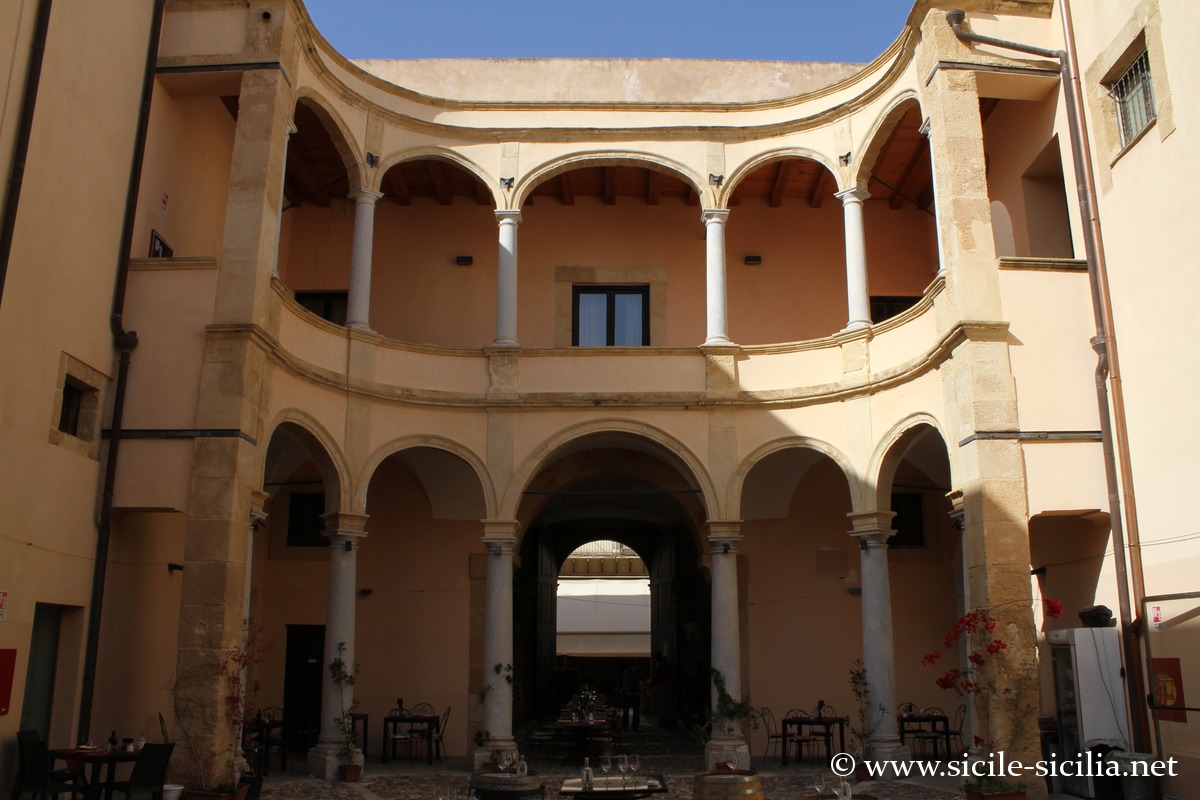
Wine museum palace
The Marsala Wine Museum “John Woodhouse” is housed in the Palazzo Fici, a historic building in the center of Marsala along via XI Maggio, which also houses the enoteca comunale and is a venue dedicated to the local wine culture.
The museum traces the history of Marsala wine and its production, named in honor of John Woodhouse, the English entrepreneur who launched the first commercial production of Marsala wine at the end of the 18th century.
The Palazzo VII aprile (today the town hall), built between the 16th and 17th centuries, has a façade marked by modern architecture. Its name refers to an episode of the Risorgimento.
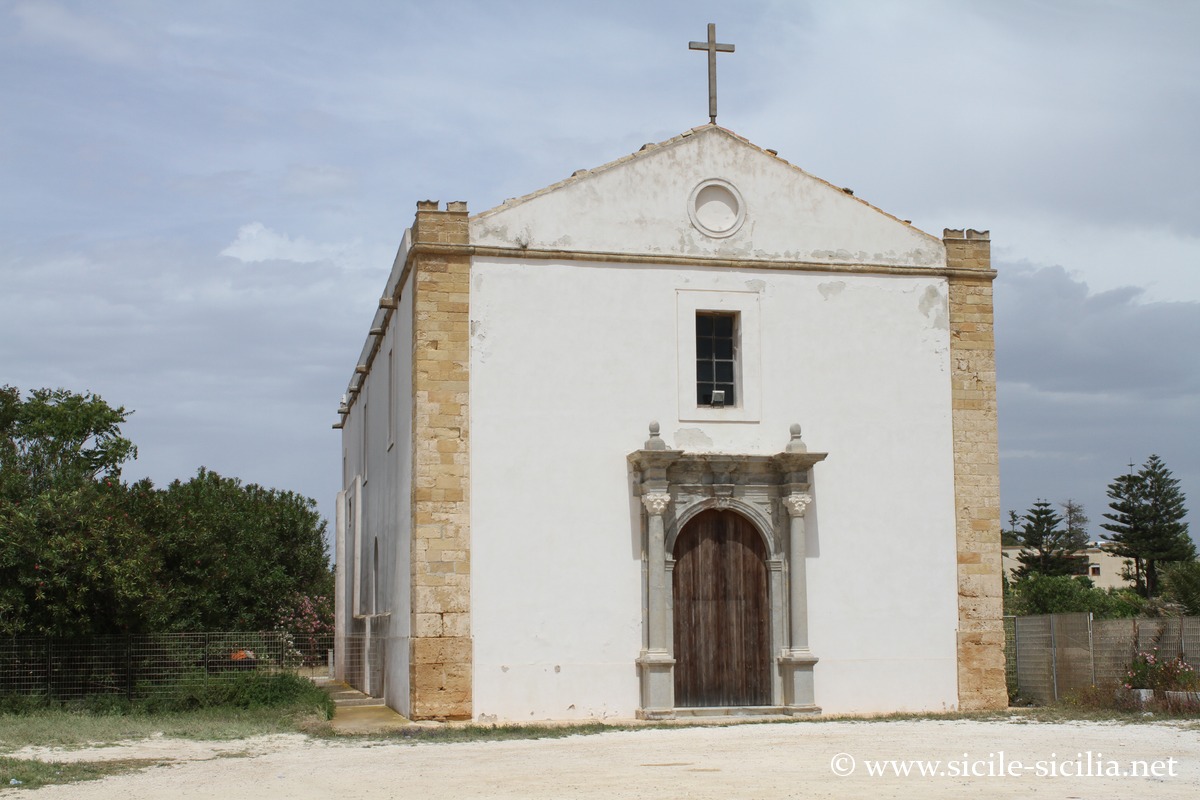
Church of San Giovanni Battista
The Grotto of the Sibyl beneath the church of San Giovanni Battista is a hypogeal space, consisting of galleries carved into the limestone. Probably of ancient origin, it was later reused, including in the Middle Ages, as an underground place of worship.
Also called Cap Boeo, Cap Lilibeo is located at the westernmost tip of Sicily, where there are also a commemorative stele and an obelisk evoking local maritime events, with panoramic observation points over the Egadi Islands.
Santa Maria della Grotta is a rupestrian complex, whose origin dates back to a Punic and then Roman necropolis later integrated into latomie (quarries) reused for religious purposes. A Baroque church was built in the 18th century by the Jesuits. The site preserves remarkable medieval frescoes produced when the Greek-rite abbey settled there after the Norman conquest.
Currently accessible by appointment (restructuring in progress).
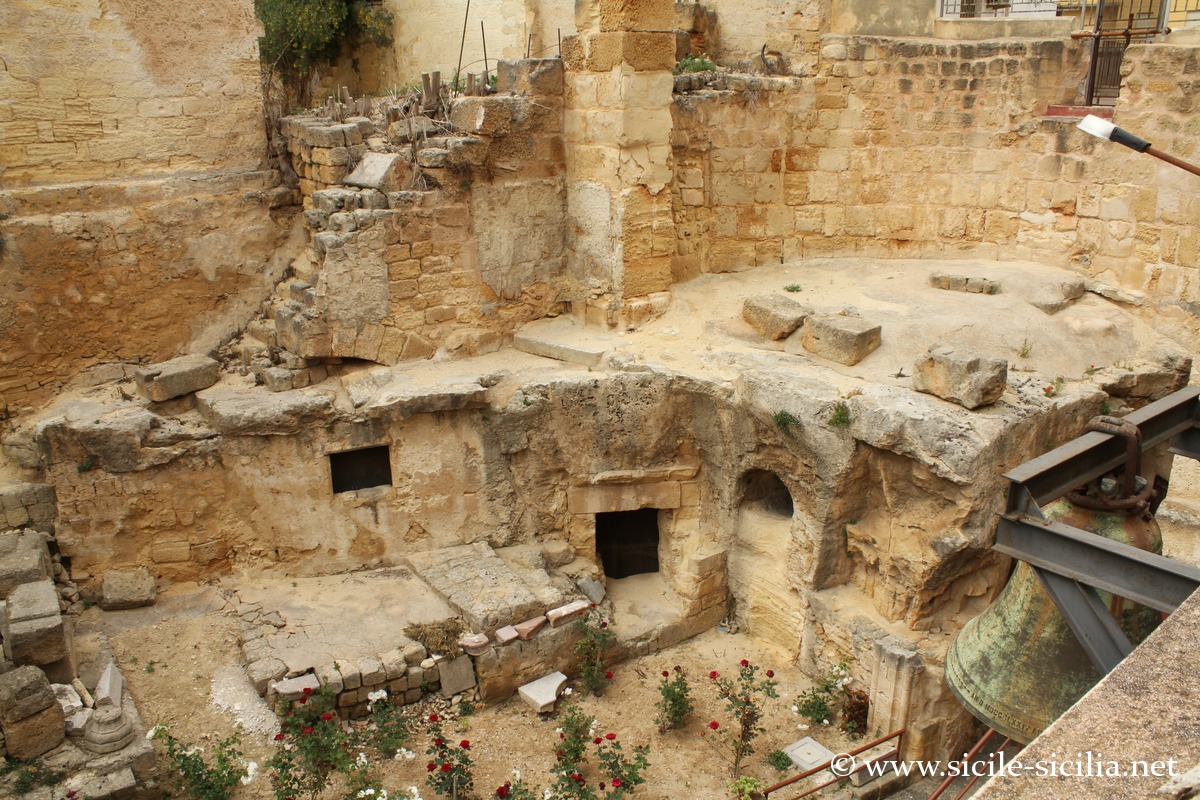
Hypogea of the Madonna della Cava
The Sanctuary Maria Santissima della Cava, located via XIX Luglio, is organized around a cave-crypt of ancient origin where the small effigy of the Virgin was found, and a contemporary church built near the historic structures of the Augustinian monastery.
The Madonna della Cava is the main patron and protector of Marsala.
The wine cellars of Marsala
Several historic wine cellars offer tours, such as the Cantine Florio, one kilometer from the center on the road to Mazara del Vallo to the south, where you can discover the history of local viticulture and the making of Marsala.
This cellar preserves vast historic wine cellars, with old barrels and traditional aging spaces. It illustrates the transition from artisanal to industrial production of Marsala wine in the 19th century.
Other popular cellars include: Cantine Pellegrino, Cantina Martinez or the historic Donnafugata cellar.
These cellars often occupy traditional bagli, fortified agricultural structures adapted for the storage and processing of wine.
Surroundings of Marsala
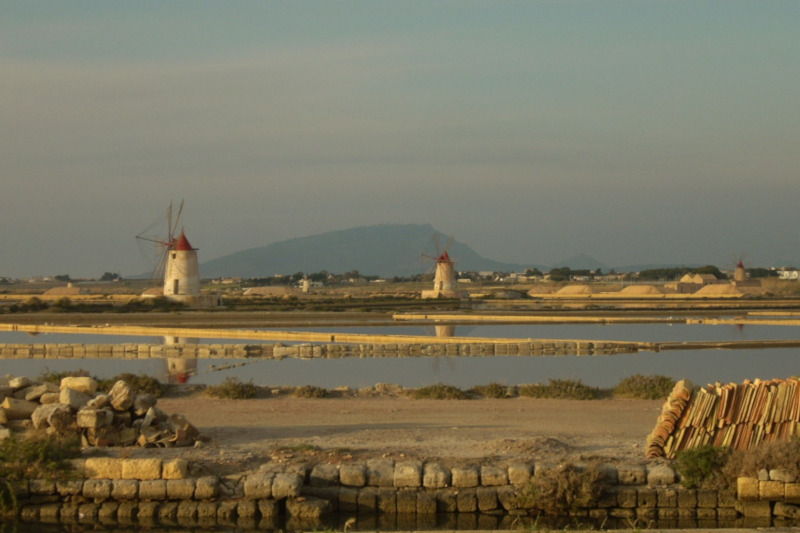
Salt pans
The salt pans of the Laguna, a few kilometers to the north, is one of the most beautiful sites in the region, within the nature reserve of the Stagnone islands, with its windmills and the island of Motya (Mothia).
A few kilometers to the south, you can relax on the beaches of Lido Marakaibbo.
On the island of San Pantaleo 5 km north of Marsala, the Whitaker Museum preserves a fine collection of Phoenician and Carthaginian artifacts, including a famous statue of a young man. Around it, you can discover the remains of the powerful Phoenician city of Motya.
Marsala photo gallery
Cassaro
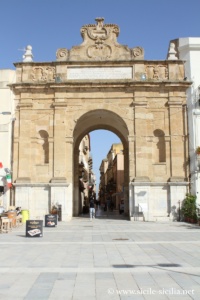

Porta Nuova 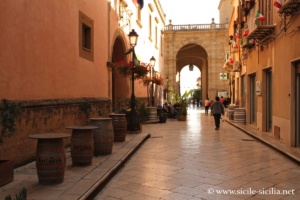

Via Garibaldi, Cassaro 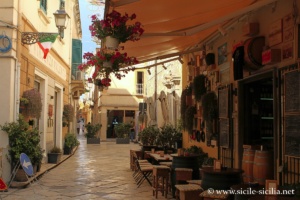
Cassaro 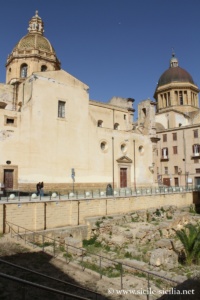
Archaeological area and churches 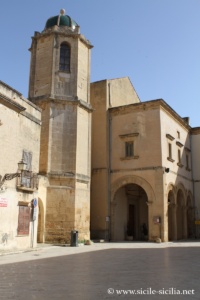
Bell tower of the Carmelite convent 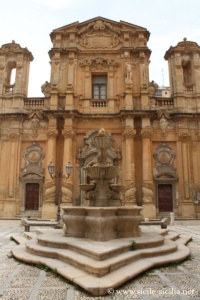
Church of Purgatory 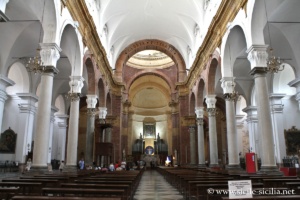
Interior of Marsala Cathedral 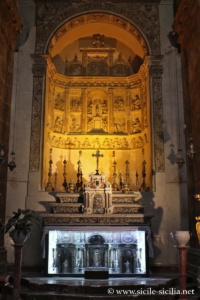
Apse of the Cathedral 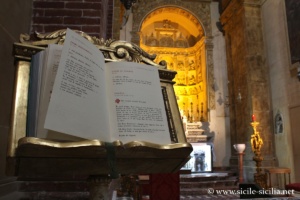
Apse of the Cathedral 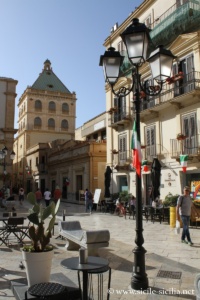
Piazza della Repubblica 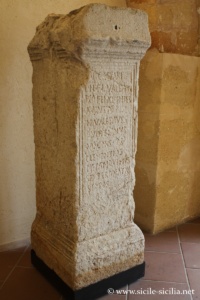
Archaeological Museum, San Pietro Complex 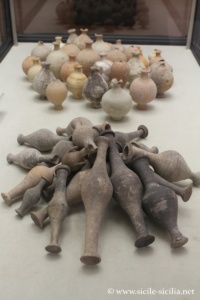
Archaeological Museum, San Pietro Complex 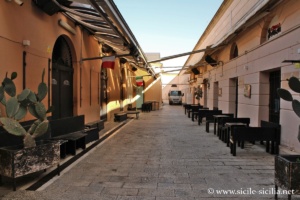
Fish market 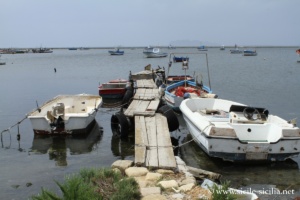
Lungomare
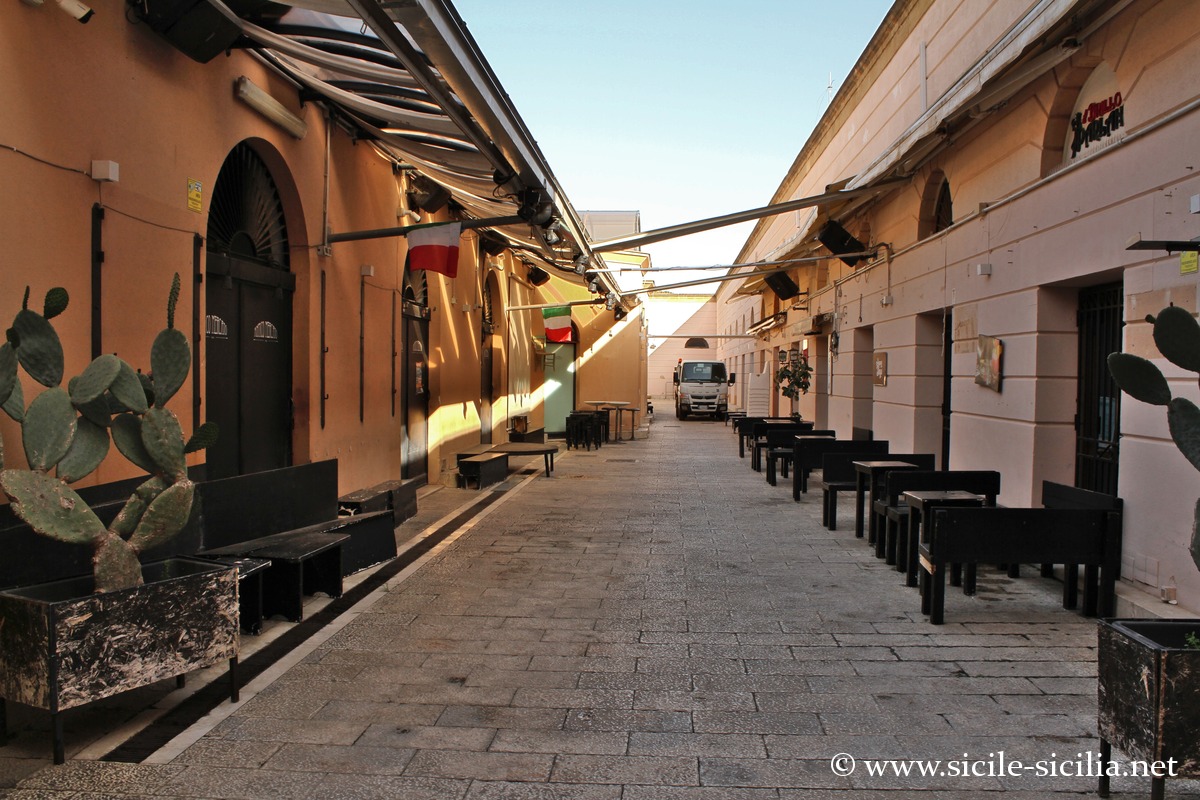
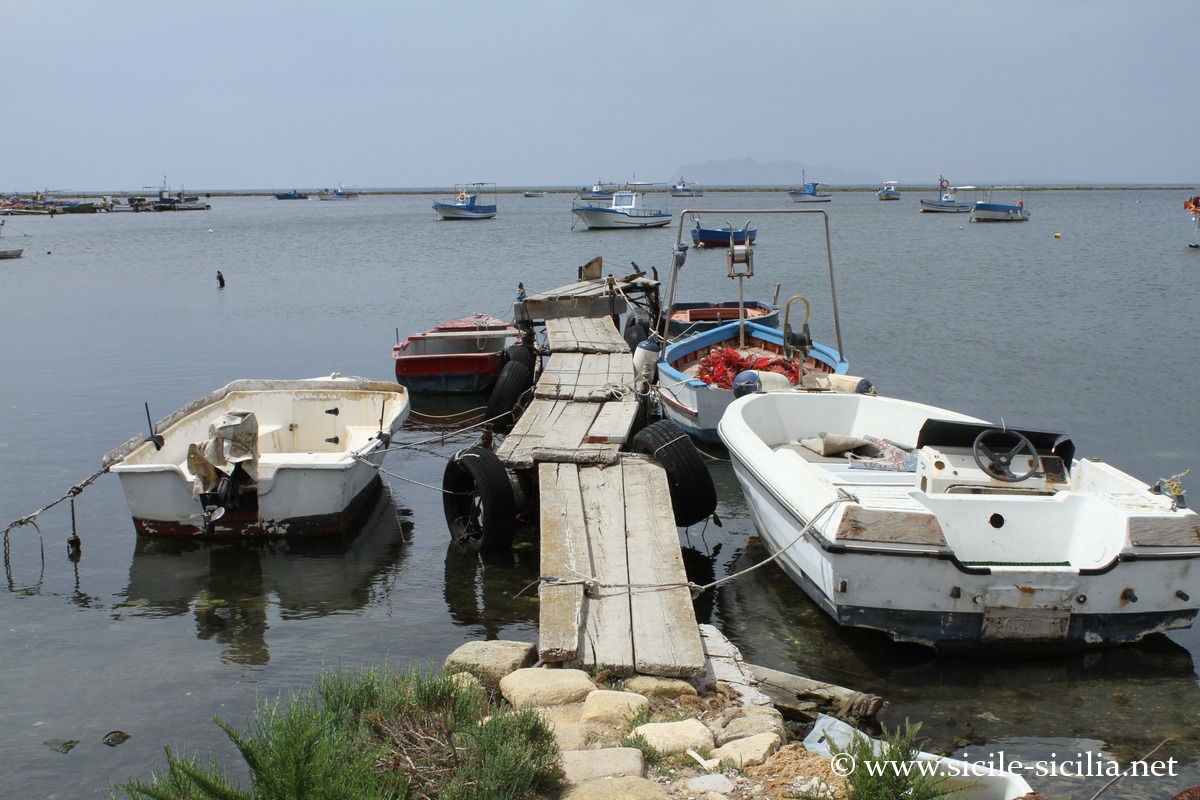
Gallery of the Lilibeo archaeological park and museum
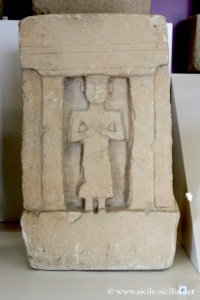
Punic stele (7th-7th century BC) 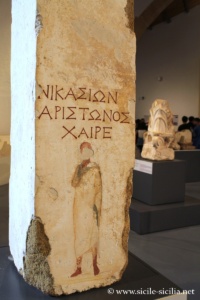
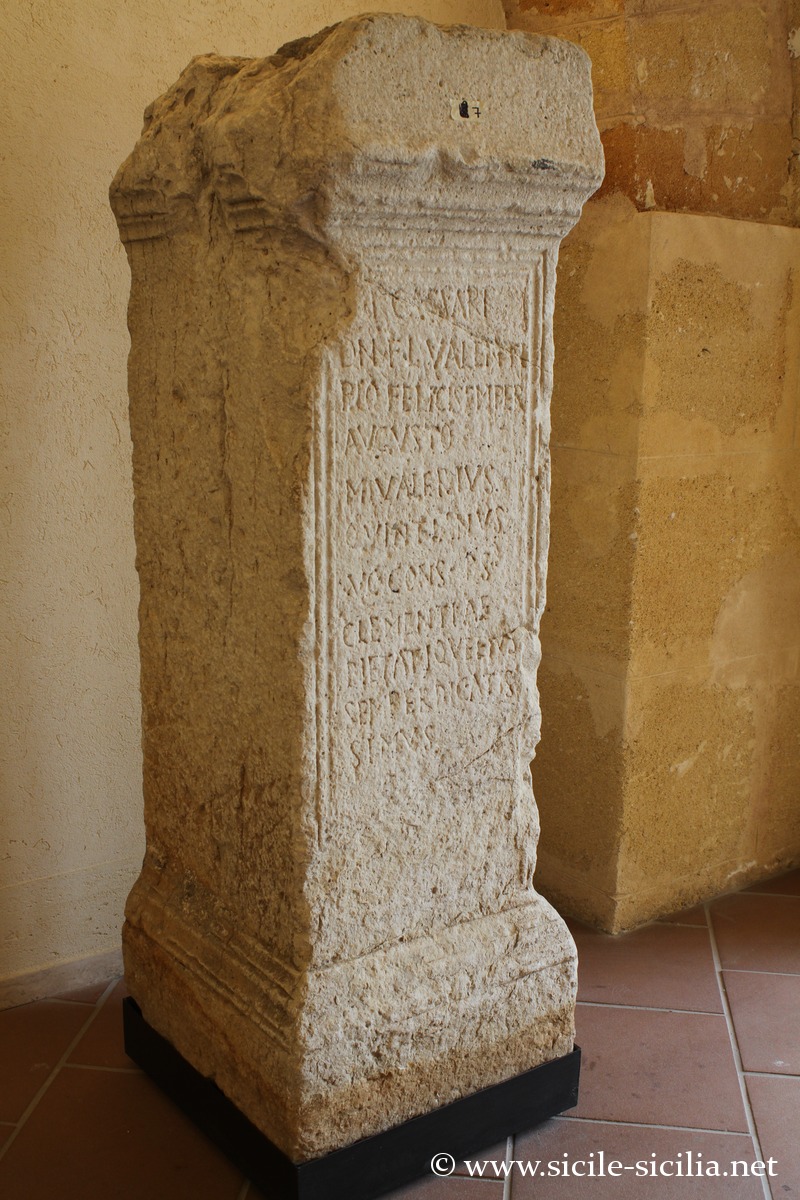
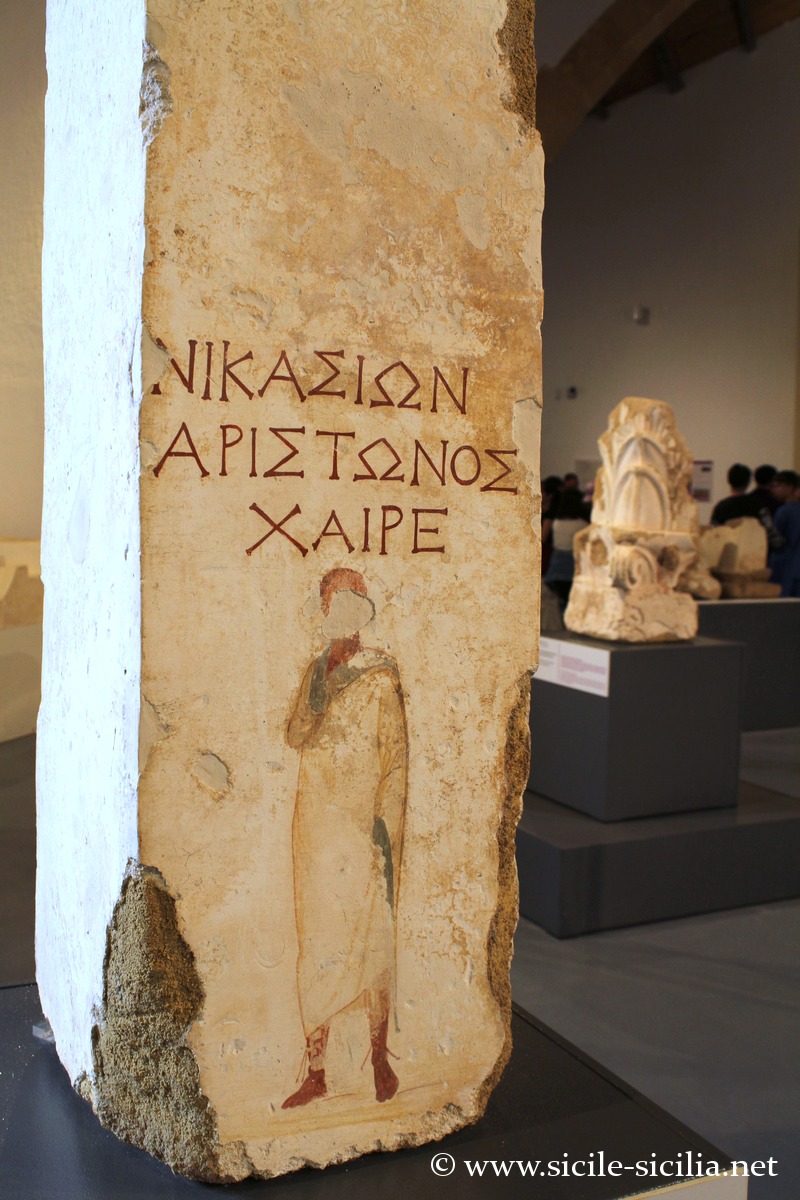
Funerary pillar (2nd century BC) 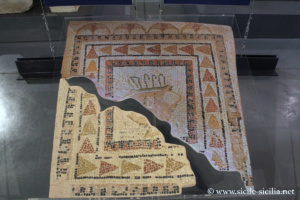
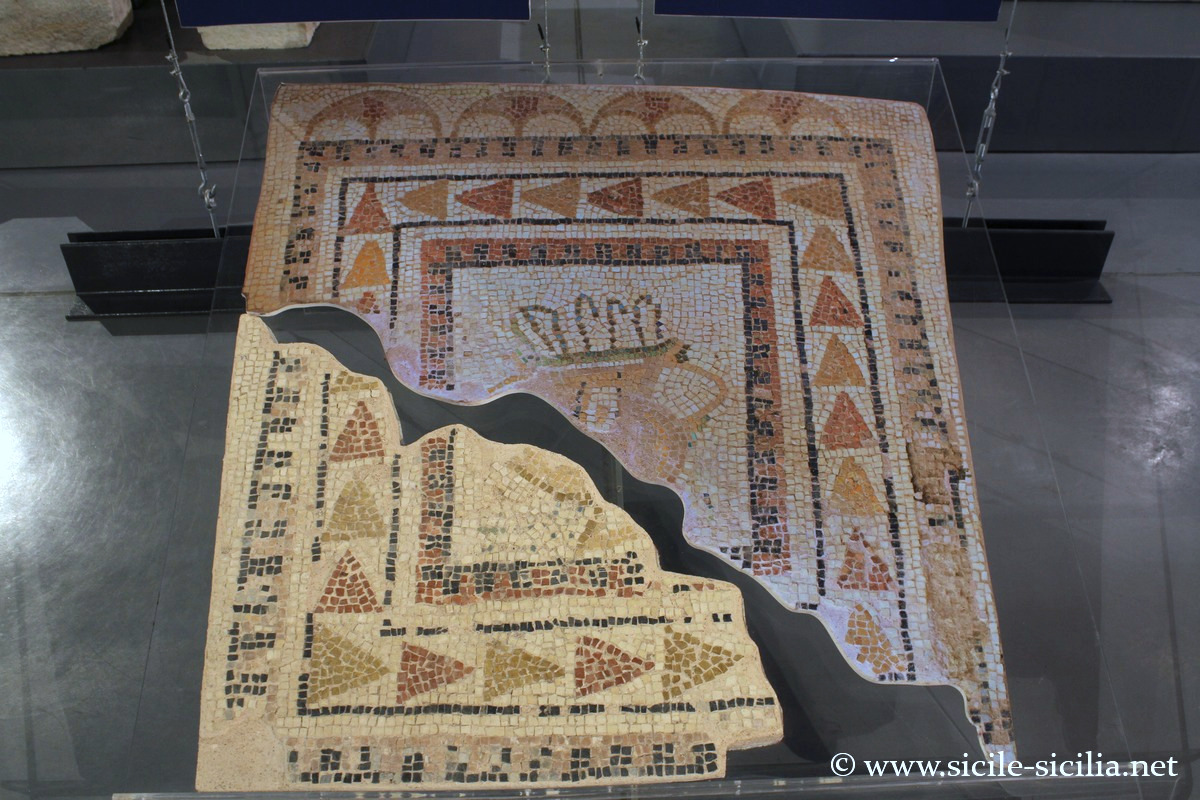
Mosaic, latomie of Niccoloini 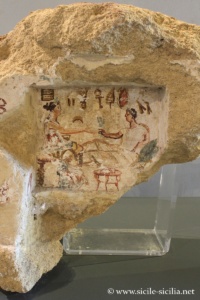
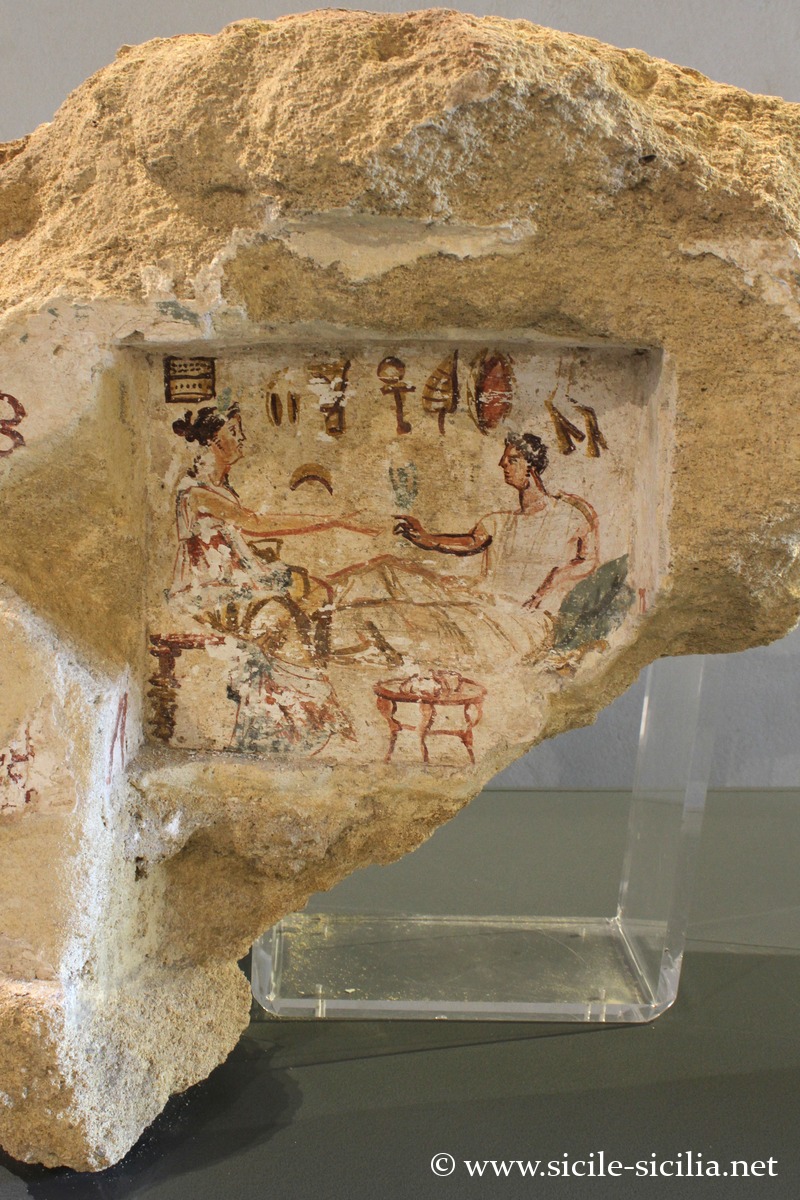
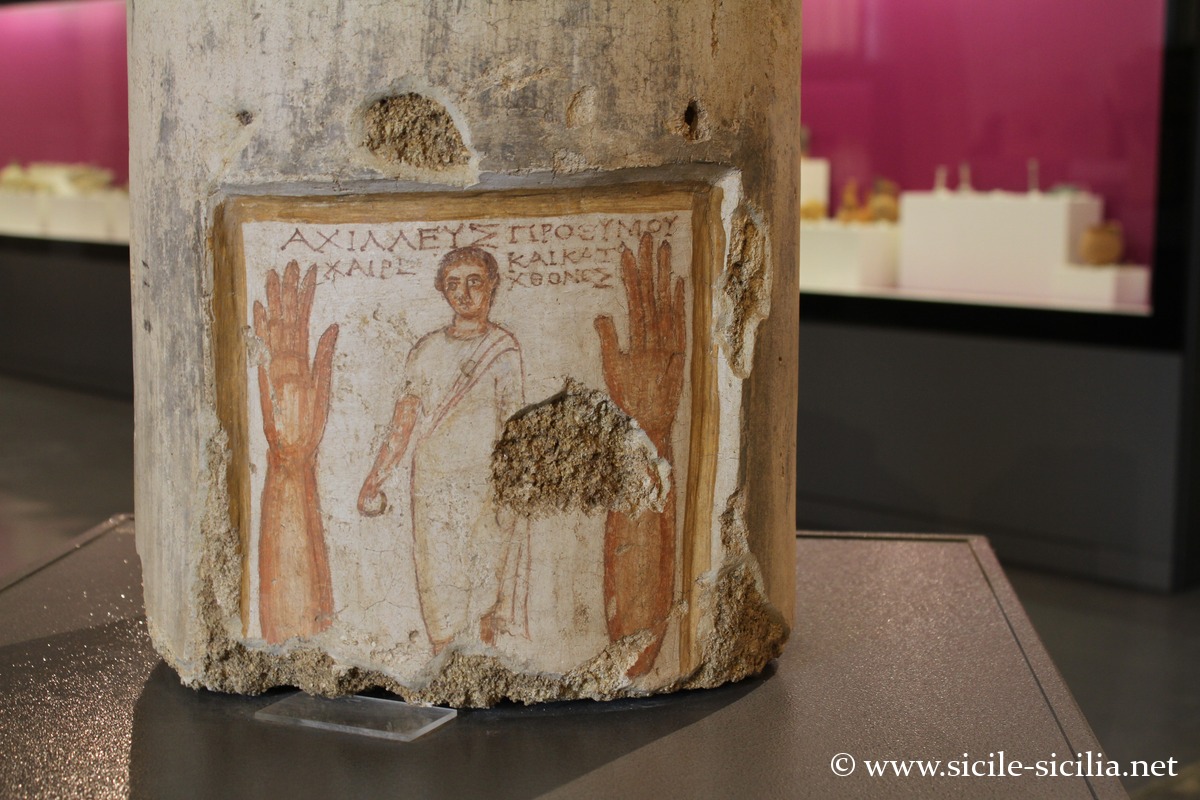
Funerary aedicule (1st century BC) 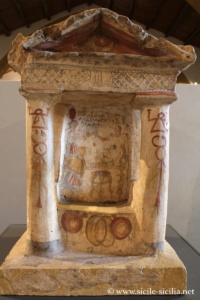
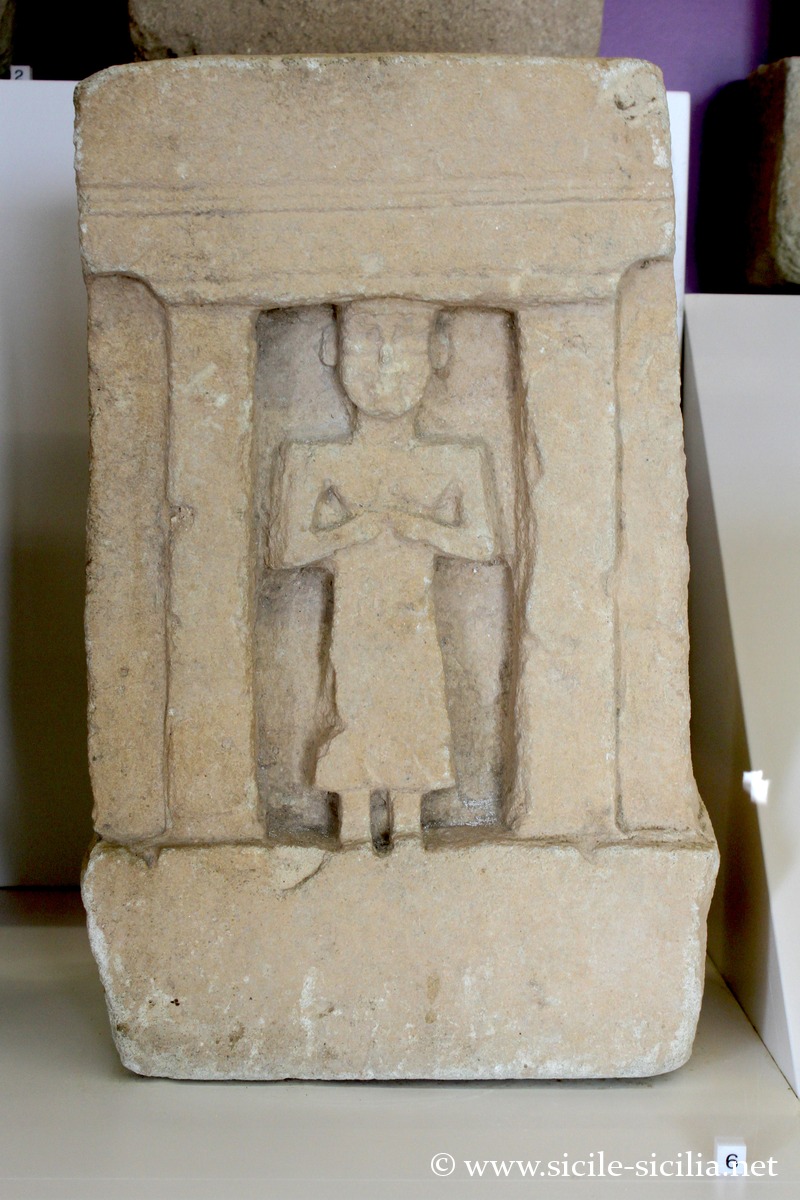
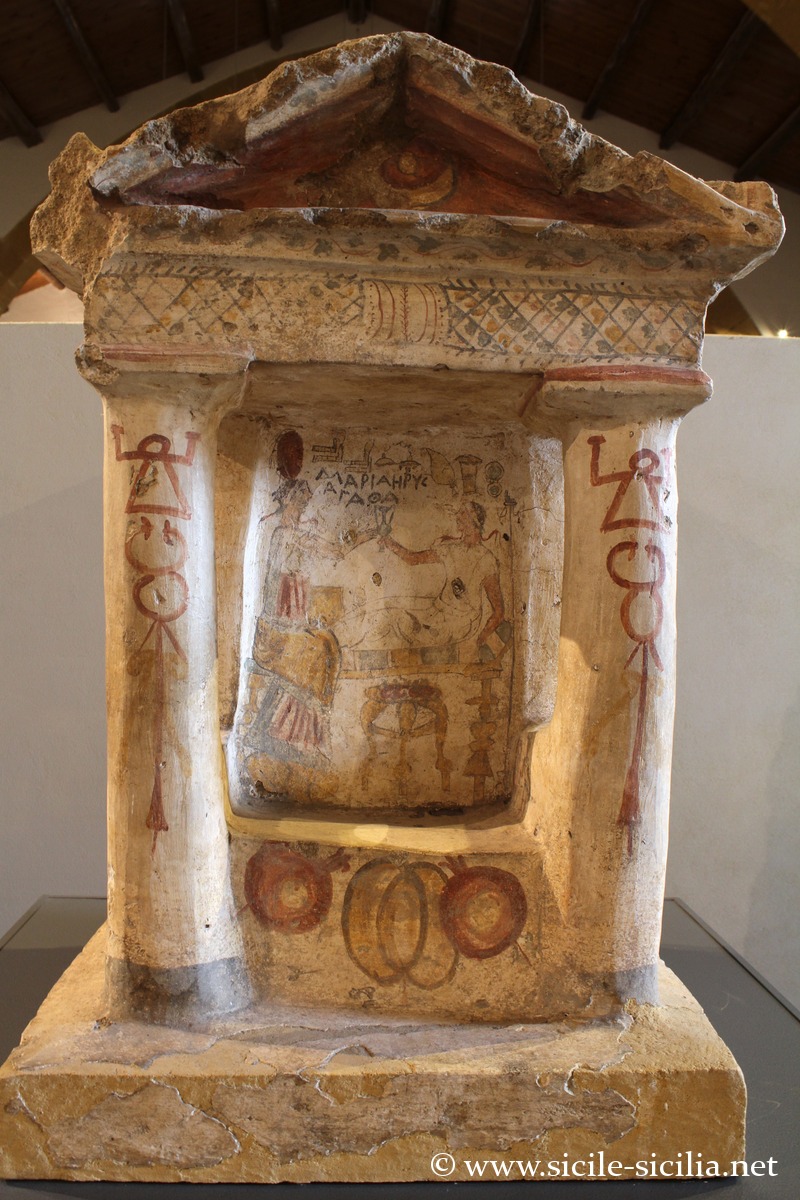
Funerary aedicule (2nd century BC), Anselmi Museum, Marsala 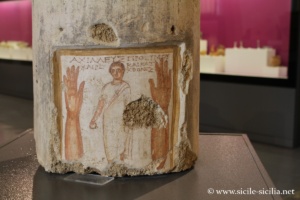
Funerary column (3rd century BC) 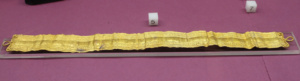

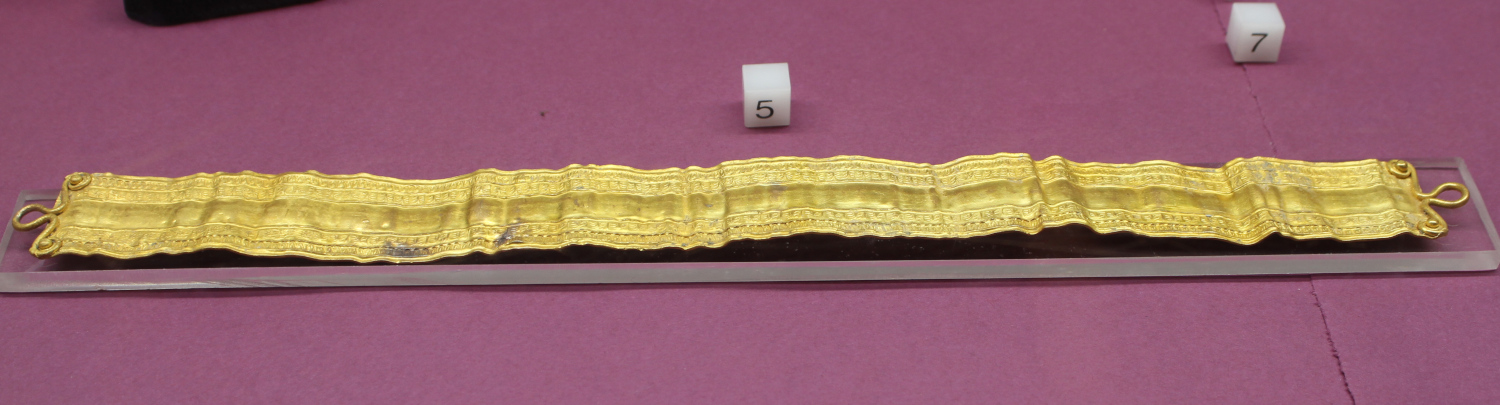
Gold treasure, Cap Boeo (3rd-2nd century BC) 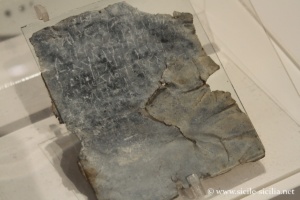
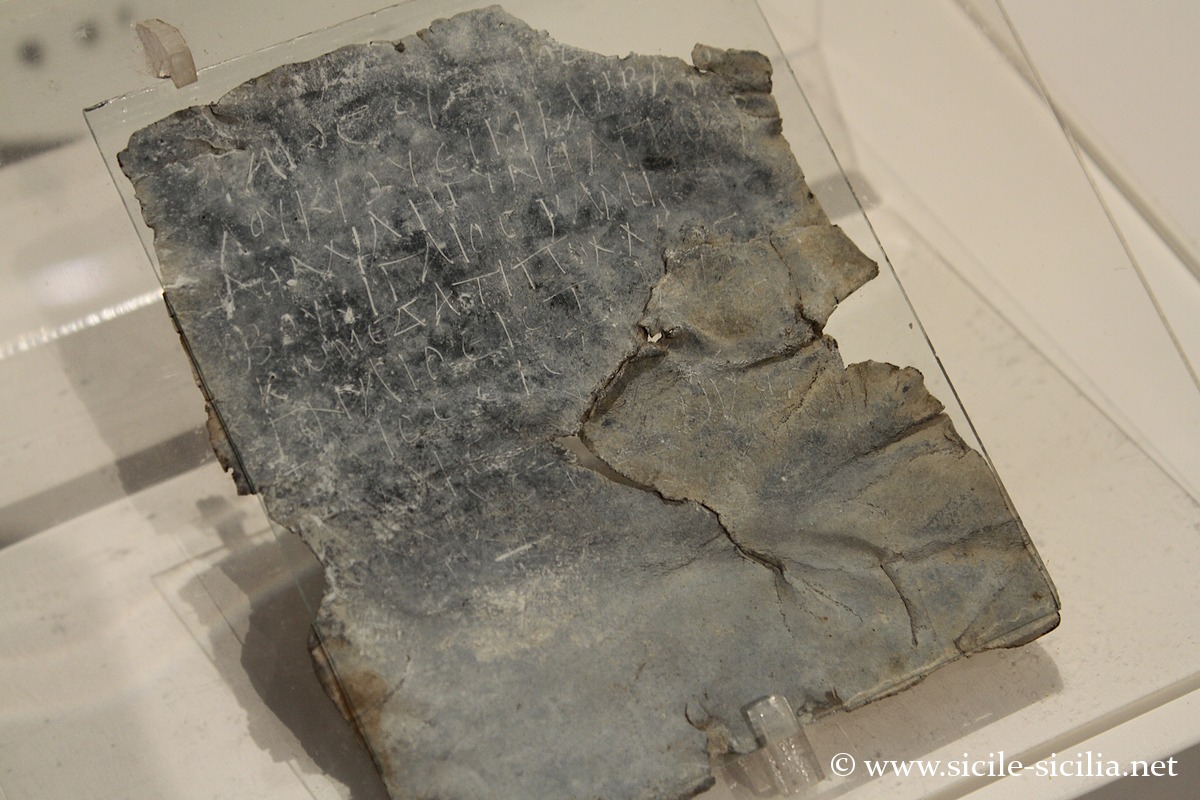
Votive tablets (1st century BC) 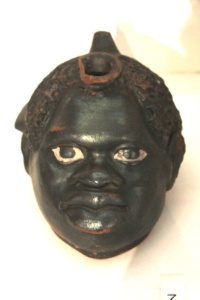
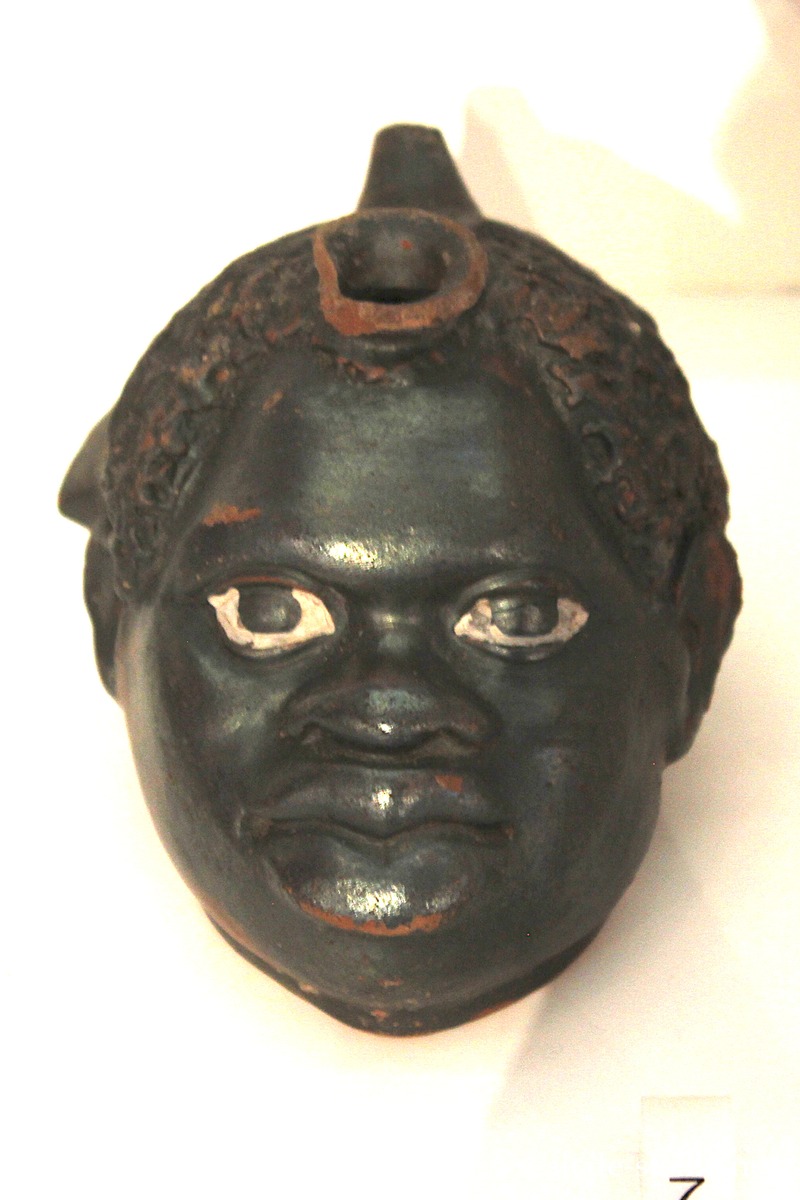
Vase with African head (4th century BC) 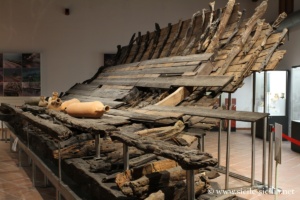
Roman-era shipwreck 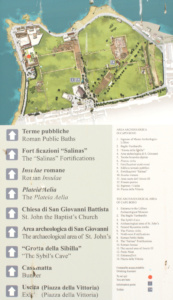

Map of the Lilibeo archaeological park 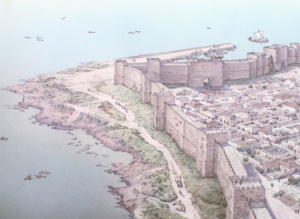

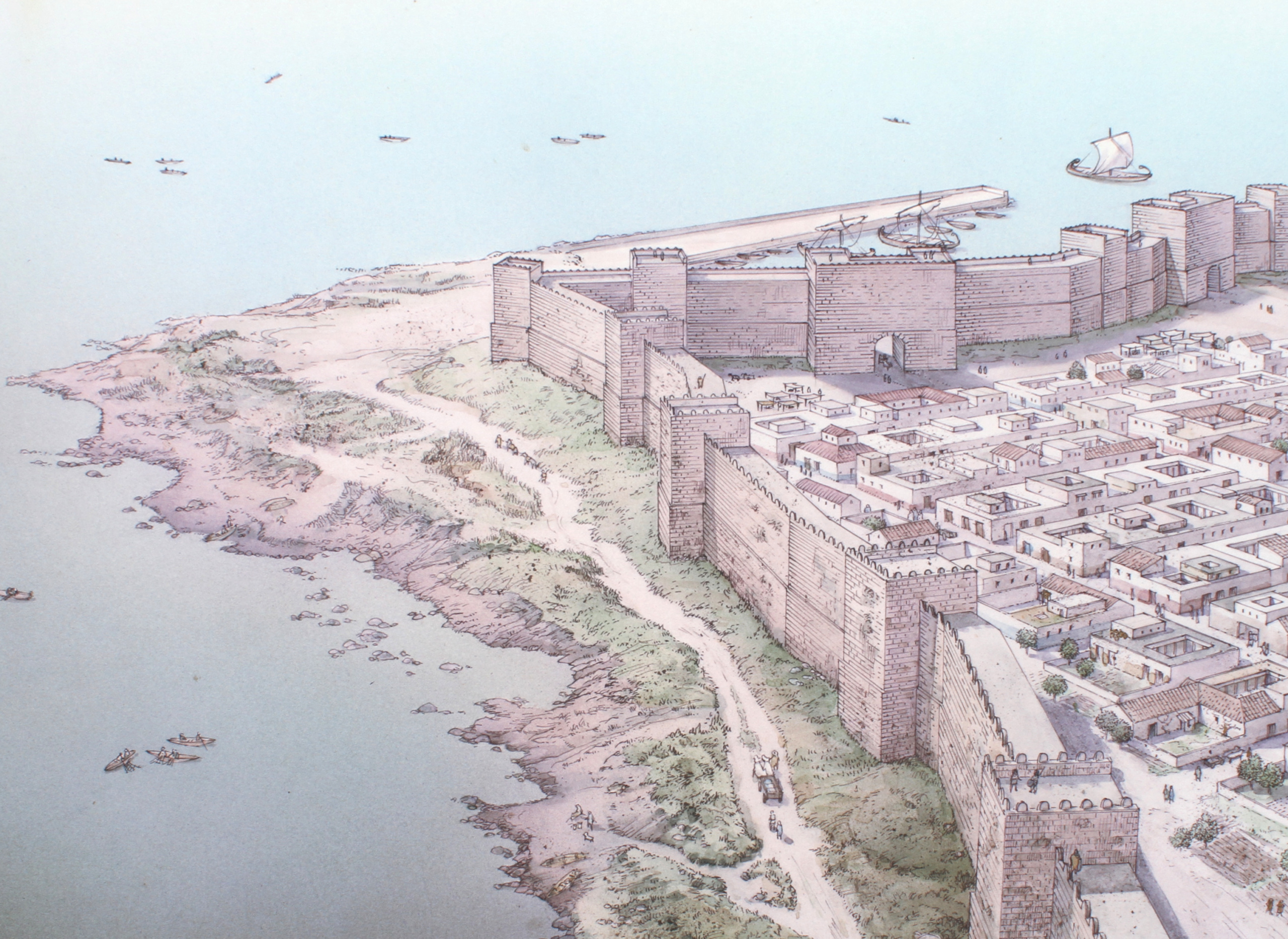
Image of the fortifications of Lilibeo 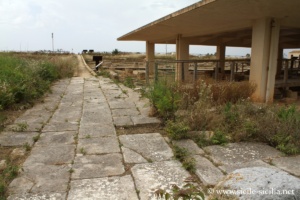
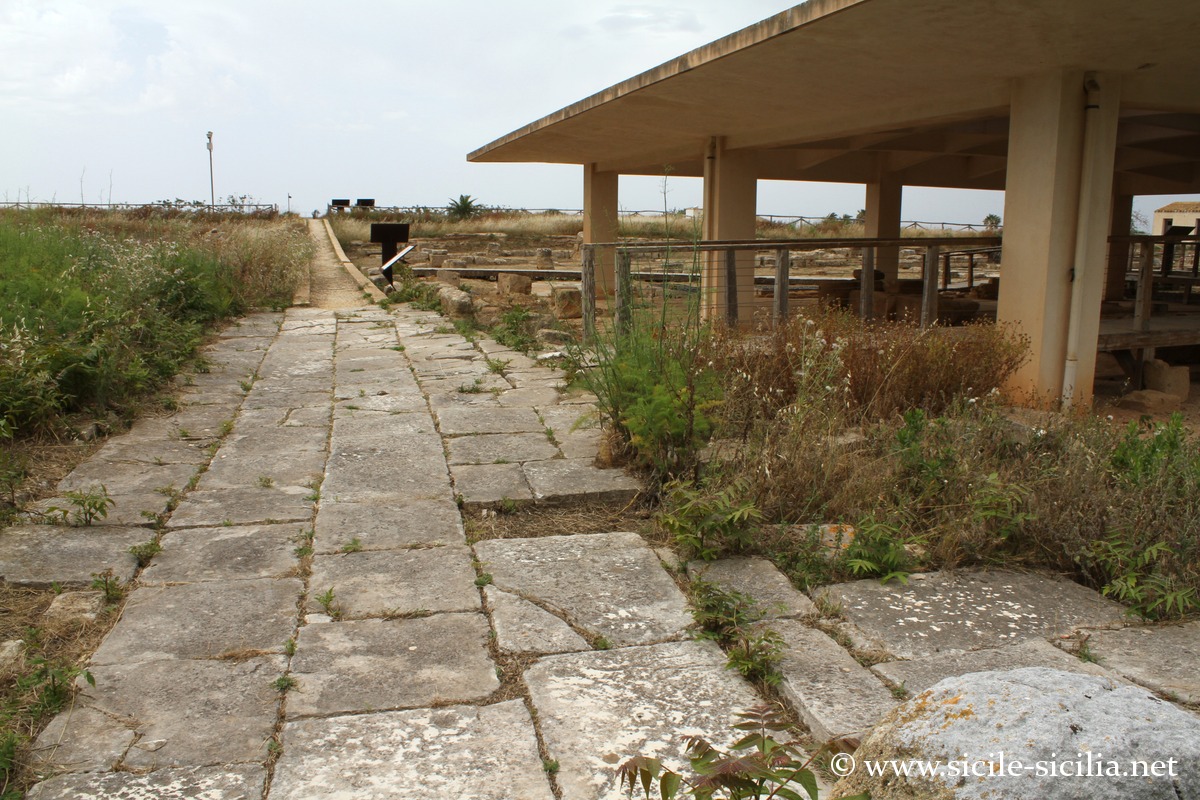
Pavement, sacred area 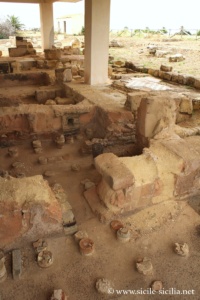
Baths of the Roman insula 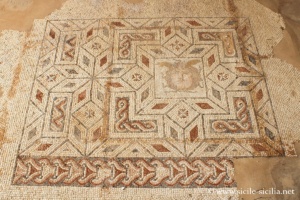
Roman mosaics, Lilibeo archaeological park 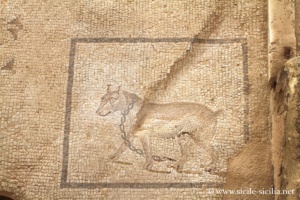
Roman mosaics, Lilibeo archaeological park 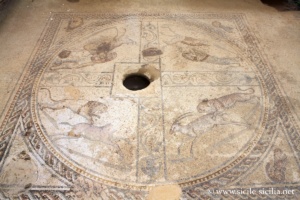
Roman mosaics, Lilibeo archaeological park
Where Marsala is located and map
If you see this after your page is loaded completely, leafletJS files are missing.
Information
Suggestions for visits and excursions
Sources and external sites
- Official website of the tourism office: www.turismocomunemarsala.com
- Sites and blogs devoted to tourism in Marsala: www.marsalaturismo.com
- Wikipedia page
Comments in other languages
Visit the fish market (Mercato del Pesce), near the port. Early in the morning, you can watch the fishermen arrive and you’ll mainly find fresh fish and seafood, later prepared in the small stalls around it (including fish pasta or couscous).
Personally, I would especially recommend the salt pans of the Stagnone lagoon, particularly at sunset. For me, it is the most beautiful site in the Marsala area, and more striking than the town center, which is nothing grand. In my humble opinion.