
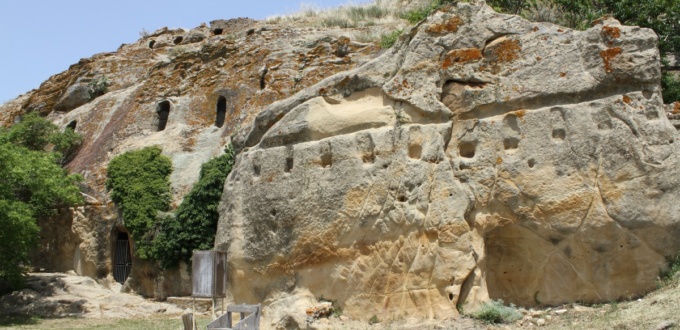
Located in the hinterland of the province of Palermo, the territory of Alia is part of a landscape of hills and reliefs between the ranges of the Sicani Mountains and the Madonie Mountains. The village was founded in the modern era on an older site and preserves a small architectural and religious heritage from the period and from Sicilian rural life. Nearby, the Gurfa Caves form an impressive major rock-cut complex, carved into the sandstone by humans in the Bronze Age, whose function and dating are still the subject of research.
If you see this after your page is loaded completely, leafletJS files are missing.
Gurfa Caves
The origins of the caves
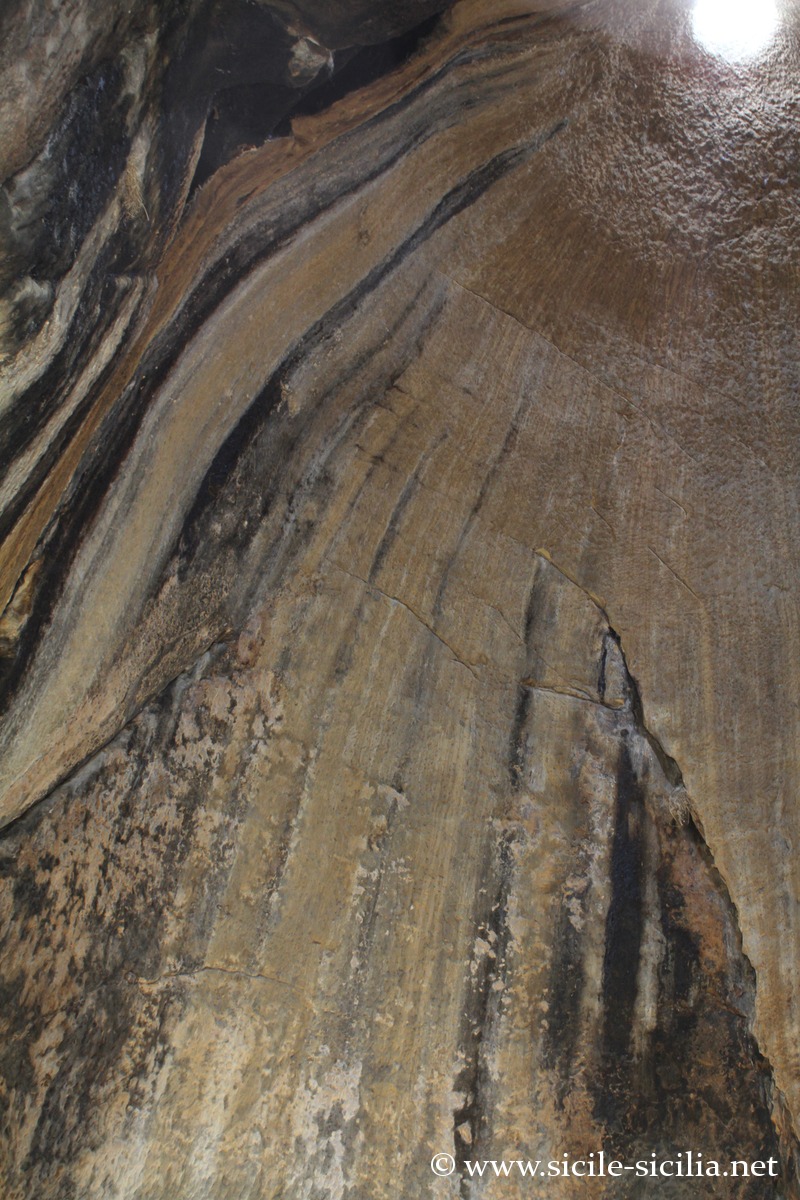
Gurfa Cave
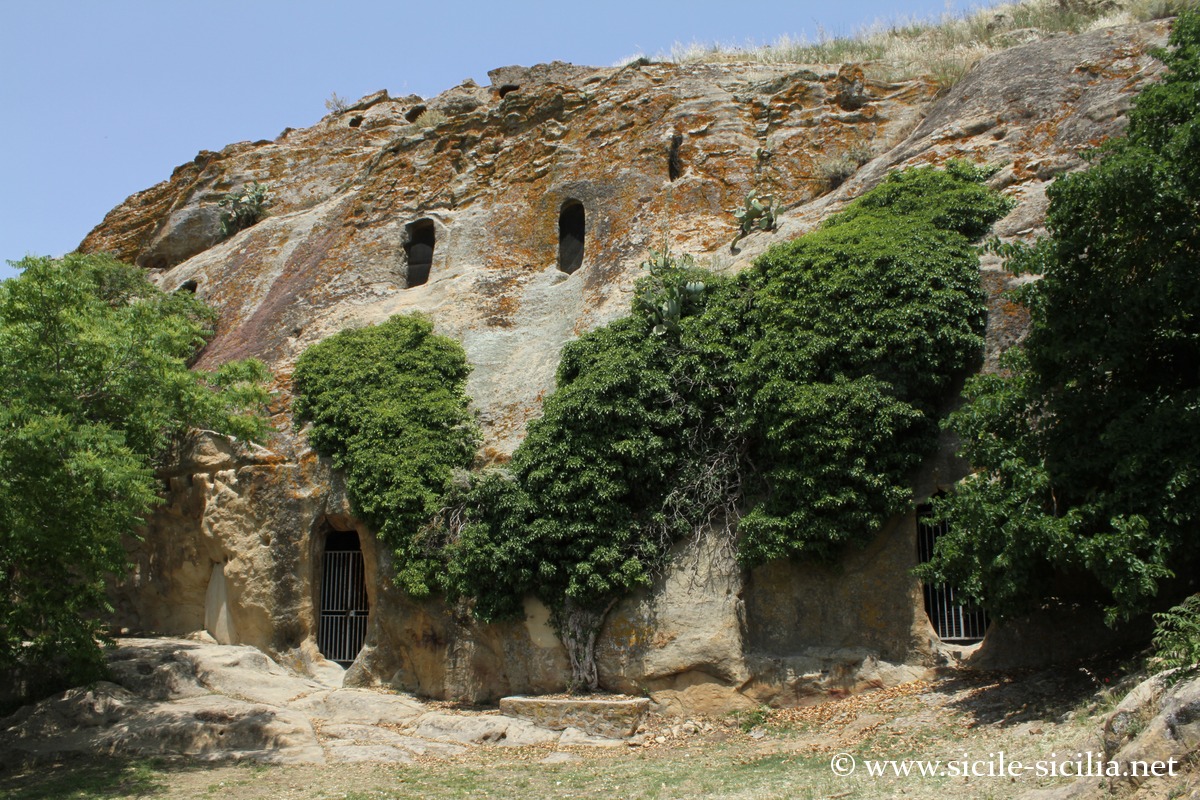
A few kilometres from Alia, the Gurfa Caves (“Grotte della Gurfa”) are an archaeological mystery, a spectacular rock-cut monument carved into sandstone rock. These are not natural cavities; they were entirely excavated by humans in a formation of red sandstone.
They are part of the Gurfa reserve along with other sites such as Cozzo Barbarà, the Cozzo Sulfara necropolis and the Gurfa Necropolis (from the Bronze Age).
The creation of this cave is estimated to date to the Bronze Age, around 2500 BC (a period corresponding to the nearby necropolis), perhaps even the Copper Age, although this assessment is not settled, as its construction could be more recent (between 2500 and 1600 BC), since no datable artefacts have been found in the structure itself. Indeed, Phoenician inscriptions are found, for example, on the outer wall.
Doubtful hypotheses date it to around 1500 BC, linking it to the oval cavity of the Tholos of Mycenae, whose function was to house the remains of prestigious deceased individuals; and why not to 1700 BC, when such tholos chambers were identified among the nuraghe of Sardinia.
The name Gurfa comes from the Arabic ghorfa, meaning room or granary, recalling its use as a place of agricultural storage in the Middle Ages.
Visit and description
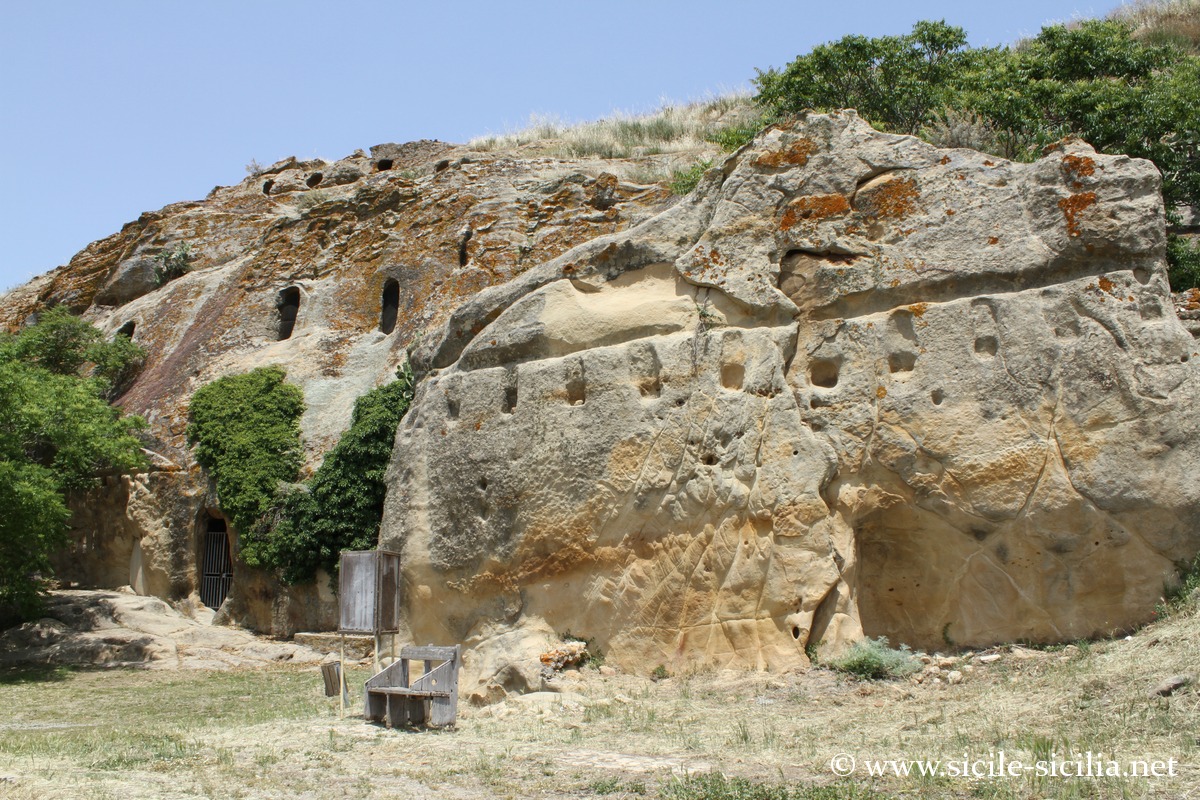
Gurfa Caves
The two levels of the cave consist of six cavities connected by galleries, all carved into the hard rock of red sandstone. The difficulty of creating such a work suggests that the site was intended for a ritual or religious function.
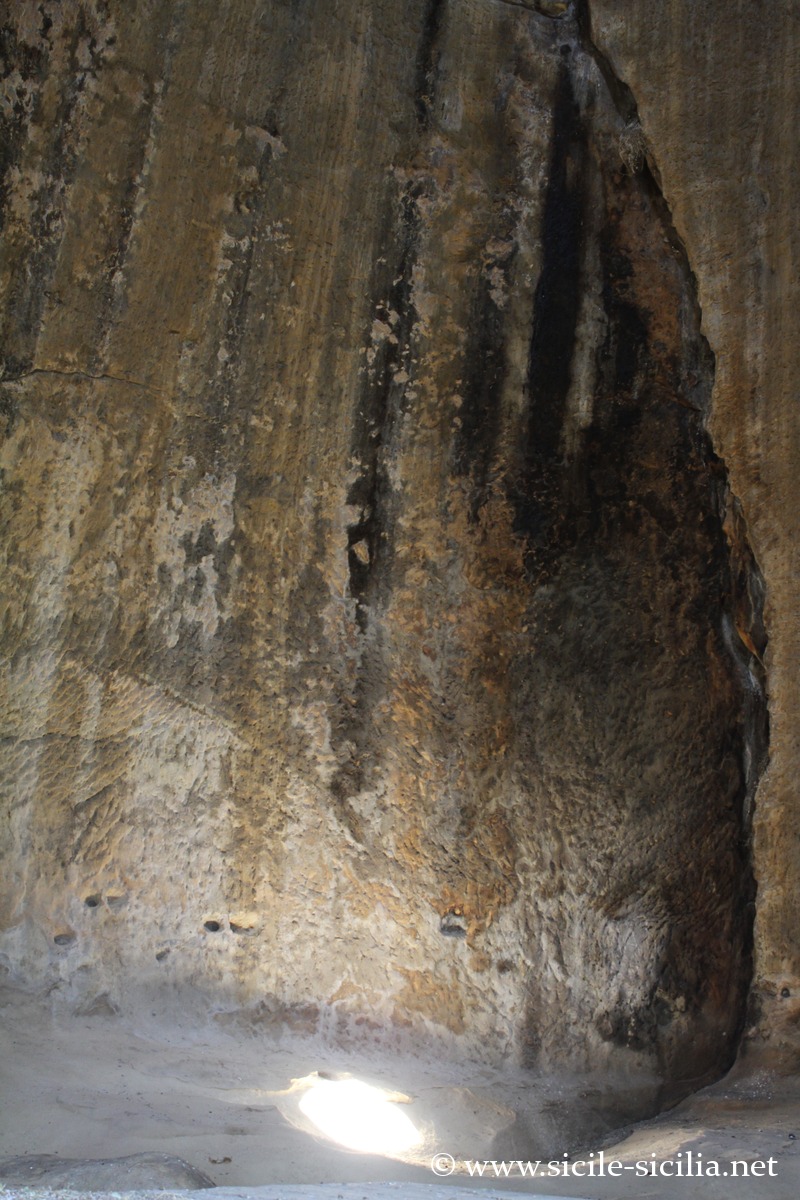
The lower level has two rooms, one trapezoidal, the other oval and grandiose, pierced by an oculus.
The first floor is the most astonishing, accessible by an external staircase carved into the rock, where tunnels lit by openings connect four cavities, one of which communicates with the large oval room. Numerous niches and alcoves can be observed. In this large room, known as “bell-shaped” or “tholos”, the height exceeds 16 metres.
Near the site, the remains of a rustic Roman villa at Cozzo Barbarà and a necropolis with pit graves have been found.
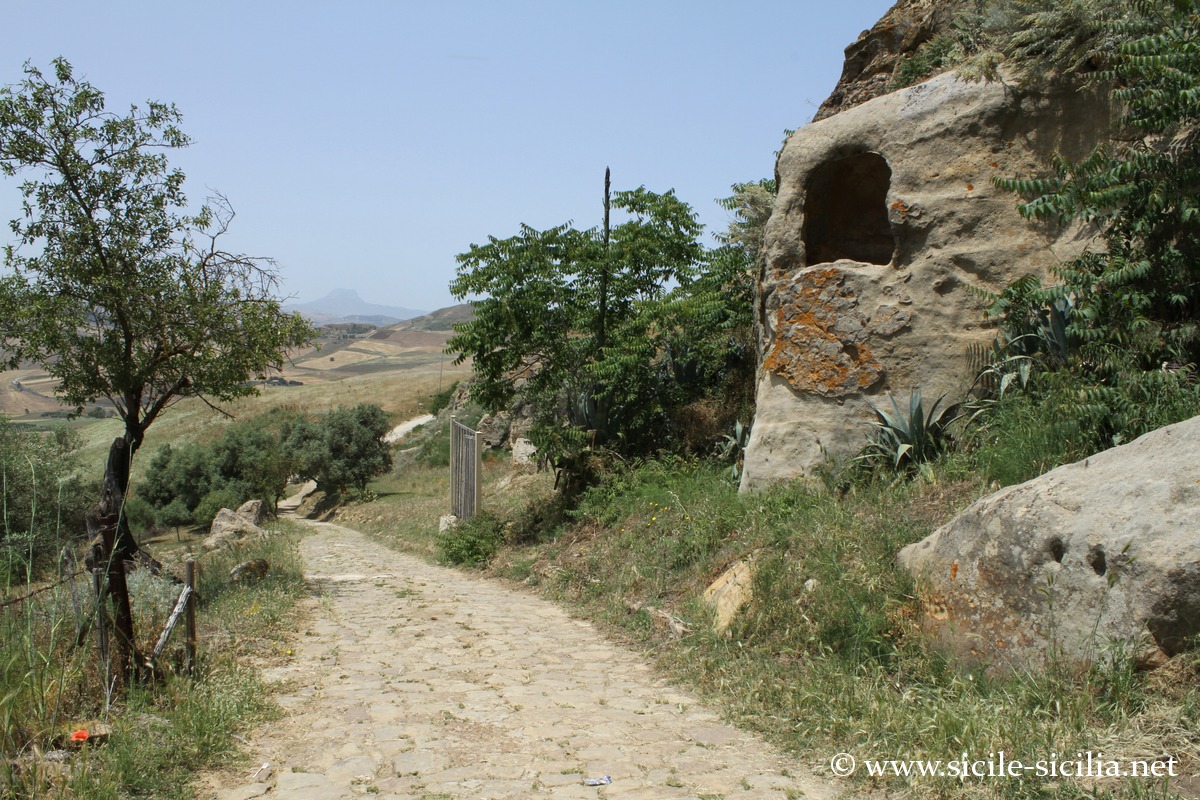
Where the Gurfa Caves are located
Alia
 Origins of Alia
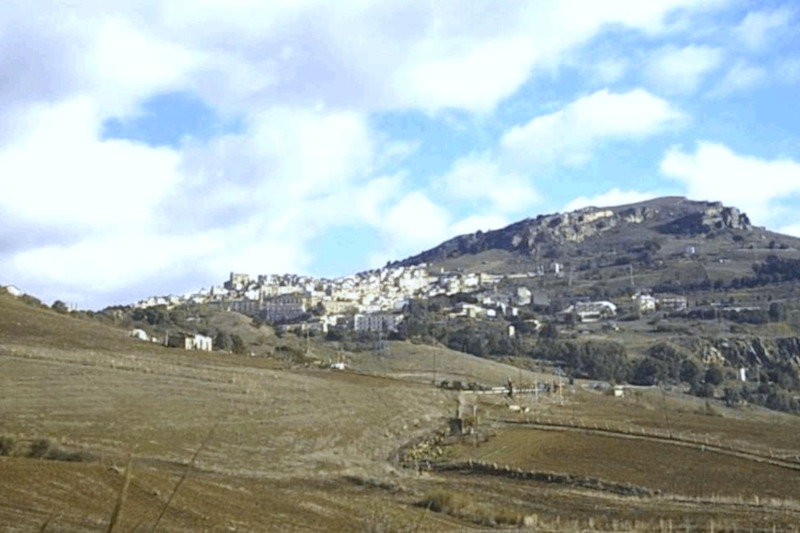
The village of Alia stands to the south-west of the Madonie mountains, near the Torto river. It is known as the “Città giardino”, garden city in English.
Its name most probably derives from the Arabic Alyah, meaning “high, elevated”.
The area was occupied since antiquity by the Sicani, then the Greeks, Phoenicians and Berbers.
The official foundation dates to 1615, when the Marquis of Santa Croce Pietro Celestri received from King Philip III of Spain a licence to populate the fief of Lalia (now Alia). ]. The town then developed in the 17th century with Francesca Cifuentes, widow of the marquis, who became baroness of the fief.
Visit and heritage
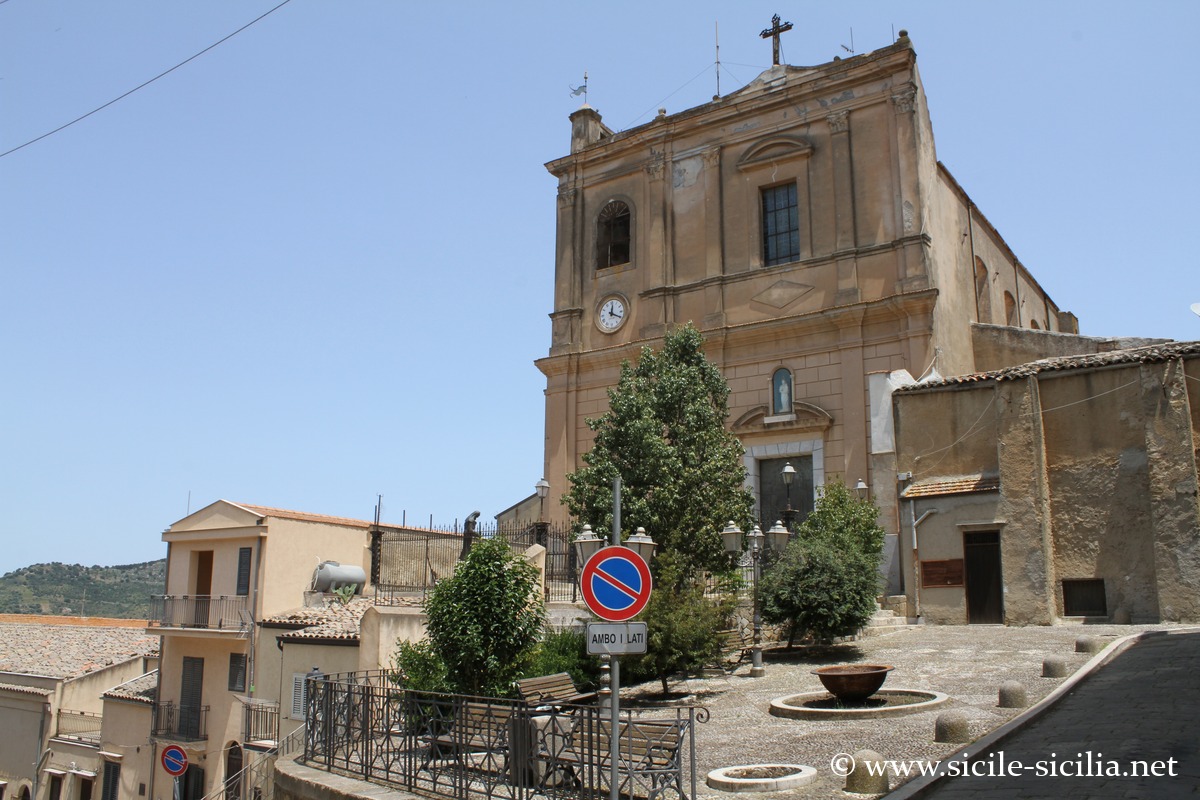
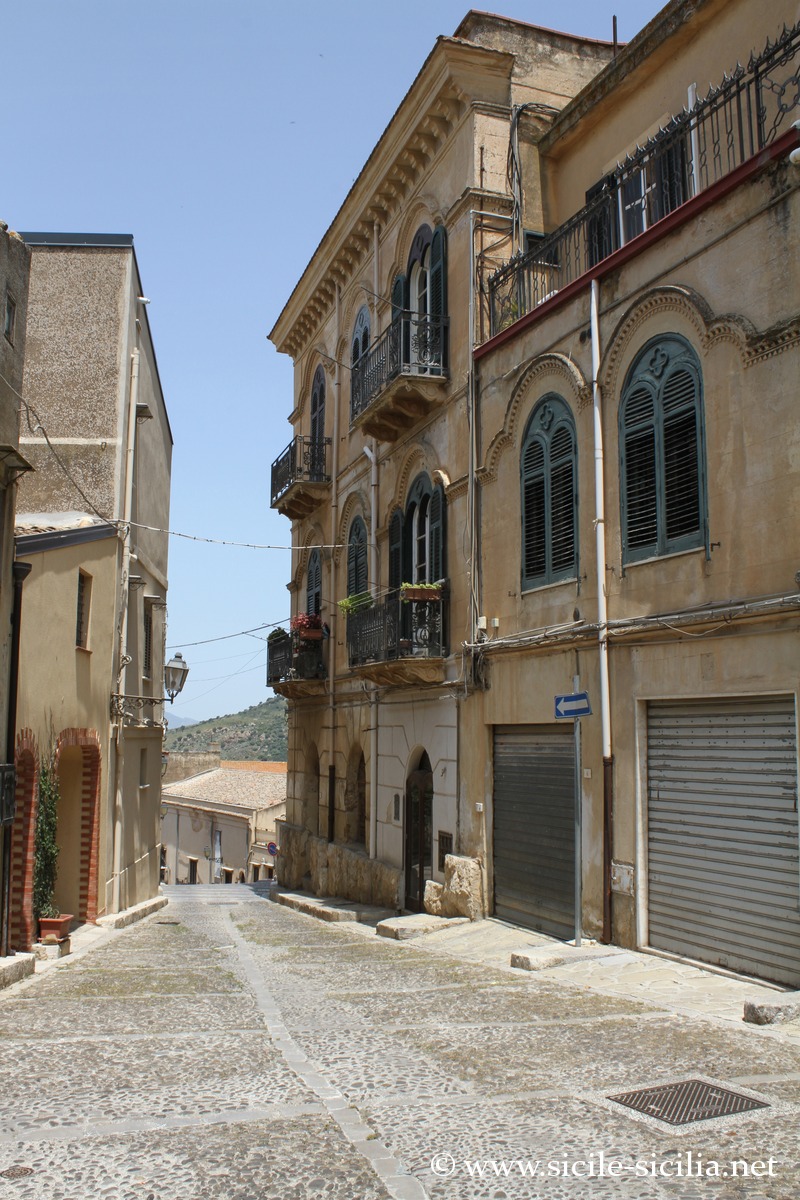
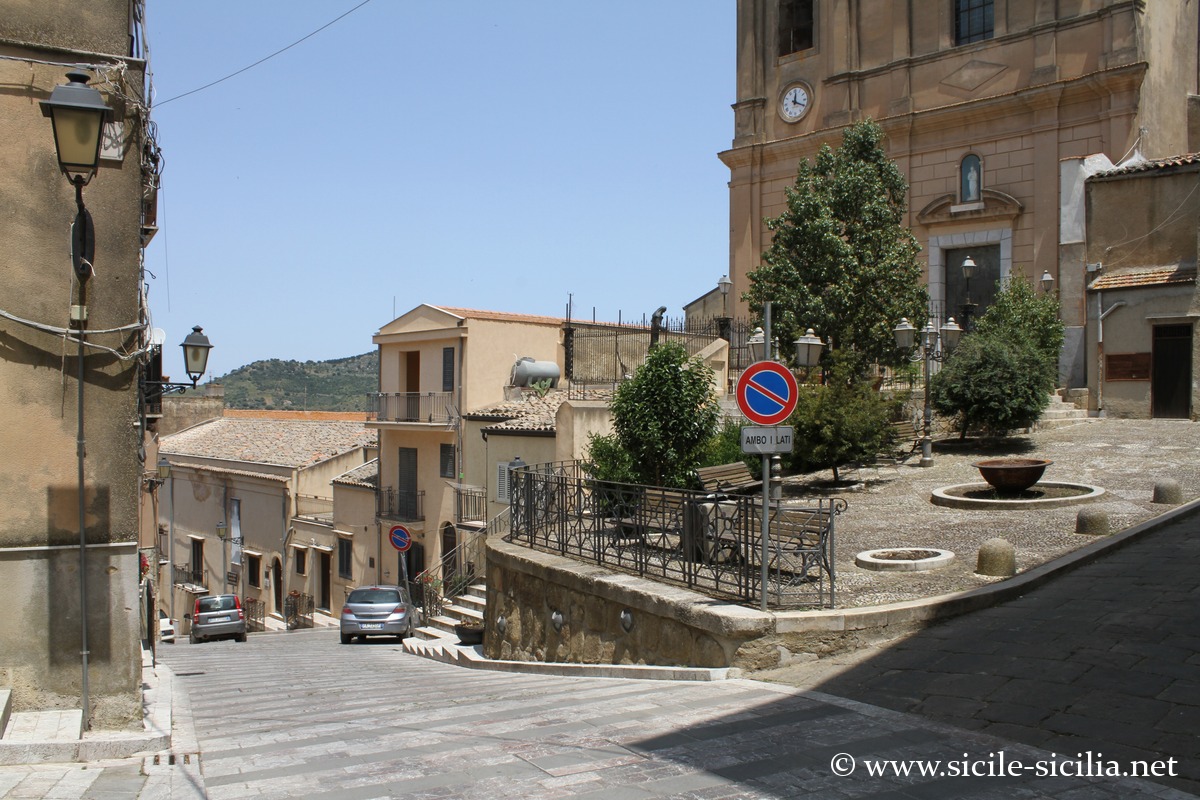
In the old Rapatello district are the major buildings, including the Chiesa Madre, the 19th-century Palazzo Guccione in Art Nouveau style which replaced the former baronial palace, and the arches built at the same time by the Guccione family to connect their holdings at the end of the 19th century.
Along the Corso Garibaldi, one discovers pretty palazzi, the 18th-century church of Sant’Anna which preserves several important works (polychrome wooden statues), then on the Corso Vittorio Emanuele the church of San Giuseppe which preserves a wooden statue of Saint Joseph attributed to the local artist Rosario Bagnasco.
Also worth mentioning is the small church of Santa Rosalia (17th century) and the Monument of Peace.
The Ethno-anthropological museum displays materials and tools from the past linked to agro-pastoral life, the processing of dairy products, ironwork, grain and traditional crafts, thus offering a material testimony of Sicilian rural culture.
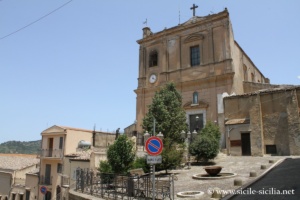
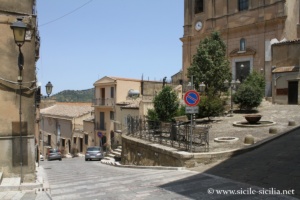
Santa Maria delle Grazie 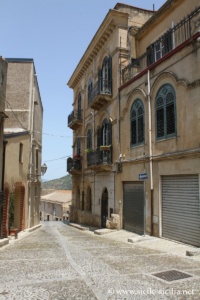

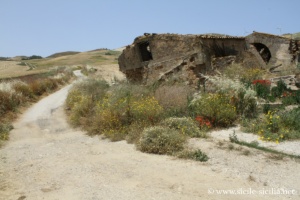
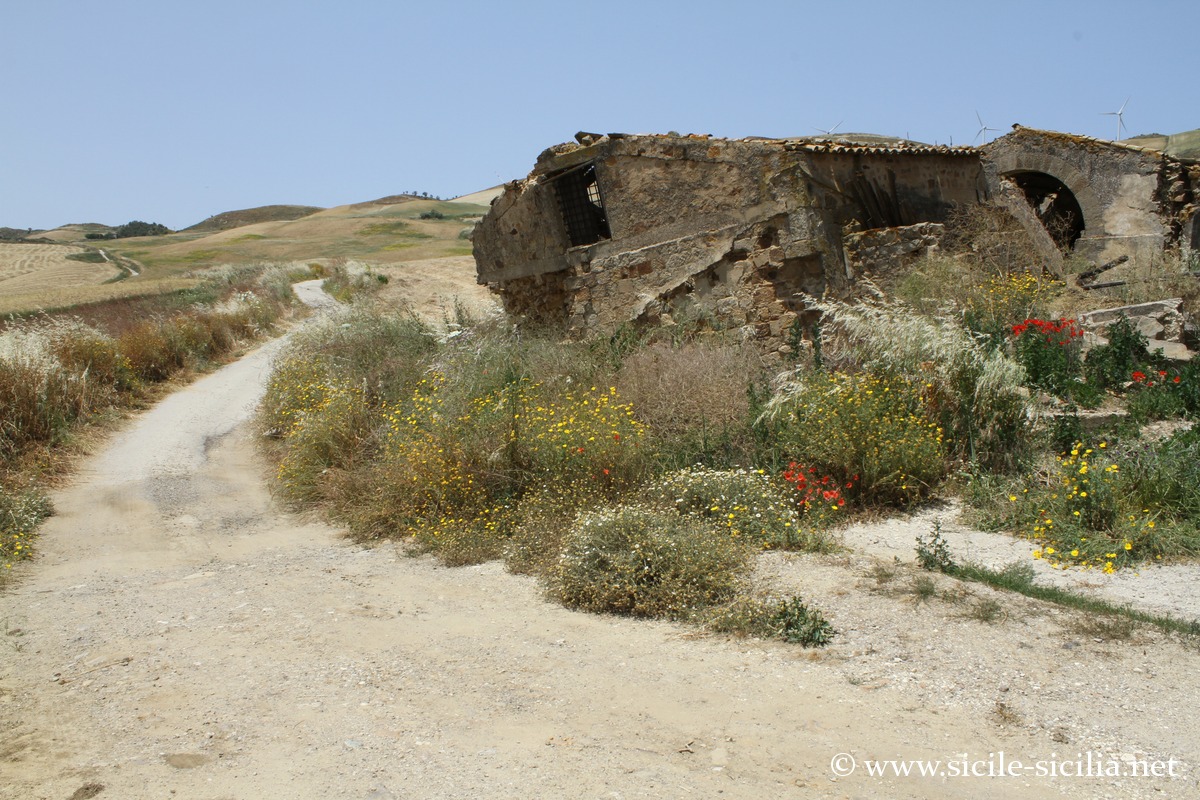
Road between Alia and Sclafani Bagni
Where Alia is located
Information
How to visit the Gurfa Caves
Visits are by mandatory reservation with the Ufficio Turistico del Comune di Alia (village tourist office), normally open Monday to Friday (9:00-13:30 and 15:00-17:30) and Saturday and Sunday (9:00-13:30).
The guided tour on site is generally coordinated with the office staff or local guides.
Price (indicative) per adult on a guided tour: €5 per person (indicative amount) / reduced: €3.Ufficio Turistico del Comune di Alia
☎️ Telephone: +39 091 8219528 (main)
✉️ Email: ufficioturisticoalia@libero.it
Sources and external sites
- Gurfa Caves: On Wikipedia (IT), official page of the municipality
- Alia: en.wikipedia.org
Articles in the Madonie category
- Madonie Natural Park
 The Madonie are a mountain range of the Sicilian Apennines in ...
 - Cefalù
 Cefalù is a small town of about 14,000 inhabitants, and a ...
 - Gangi
 Gangi is a small town with character, of 6,500 inhabitants, classified ...
 - Castelbuono and the Ventimiglia Castle
 Castelbuono is a medieval village in the hinterland of Cefalù, located ...
 - Petralia Soprana
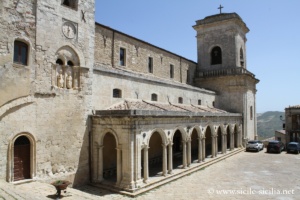 Petralia Soprana is a medieval gem of the Madonie range, located ...
 - Petralia Sottana
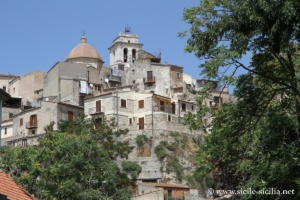 Petralia Sottana is located 3 km from Petralia Soprana, slightly lower ...
 - Sclafani-Bagni and Caltavuturo
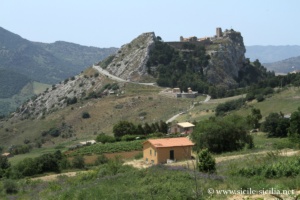 Located in the western part of the upper Himera valley, Sclafani ...
 - Favara Wood
 A few kilometres north-west of Sclafani lies the Favara Wood nature ...