

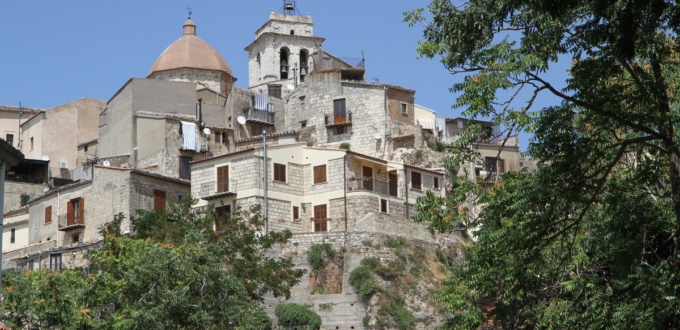
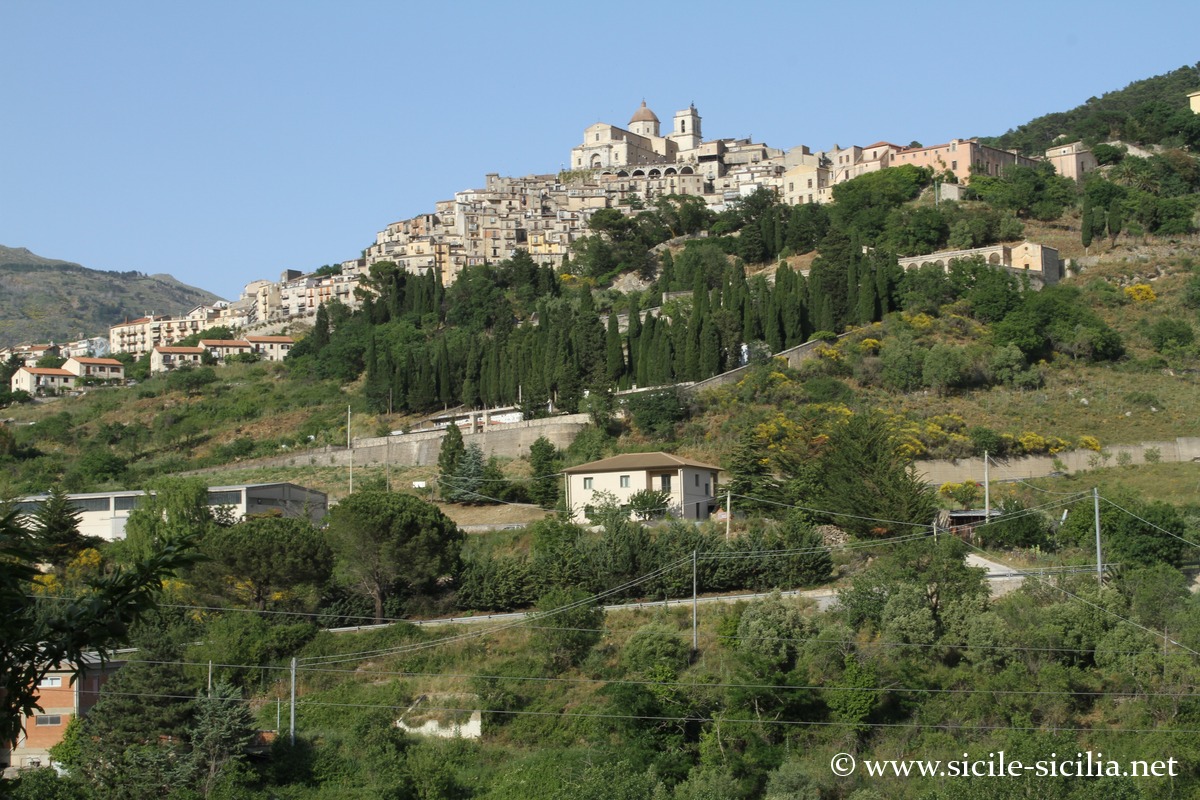
Petralia Sottana is located 3 km from Petralia Soprana, slightly lower than the latter village, at 1039 metres above sea level on the western slope of the same massif and overlooking the Imera valley in the Madonie Park.
Traces of human occupation of the territory date back to the 4th–3rd millennium BC, found in the Vecchiuzzo Cave. It was later associated with the ancient settlement of the indigenous Petra, linked to the Greek colony of Himera and mentioned by Diodorus Siculus and Cicero.
In the Middle Ages it was an Arab and then Norman settlement, as evidenced by its architectural heritage.
Visit to Petralia Sottana
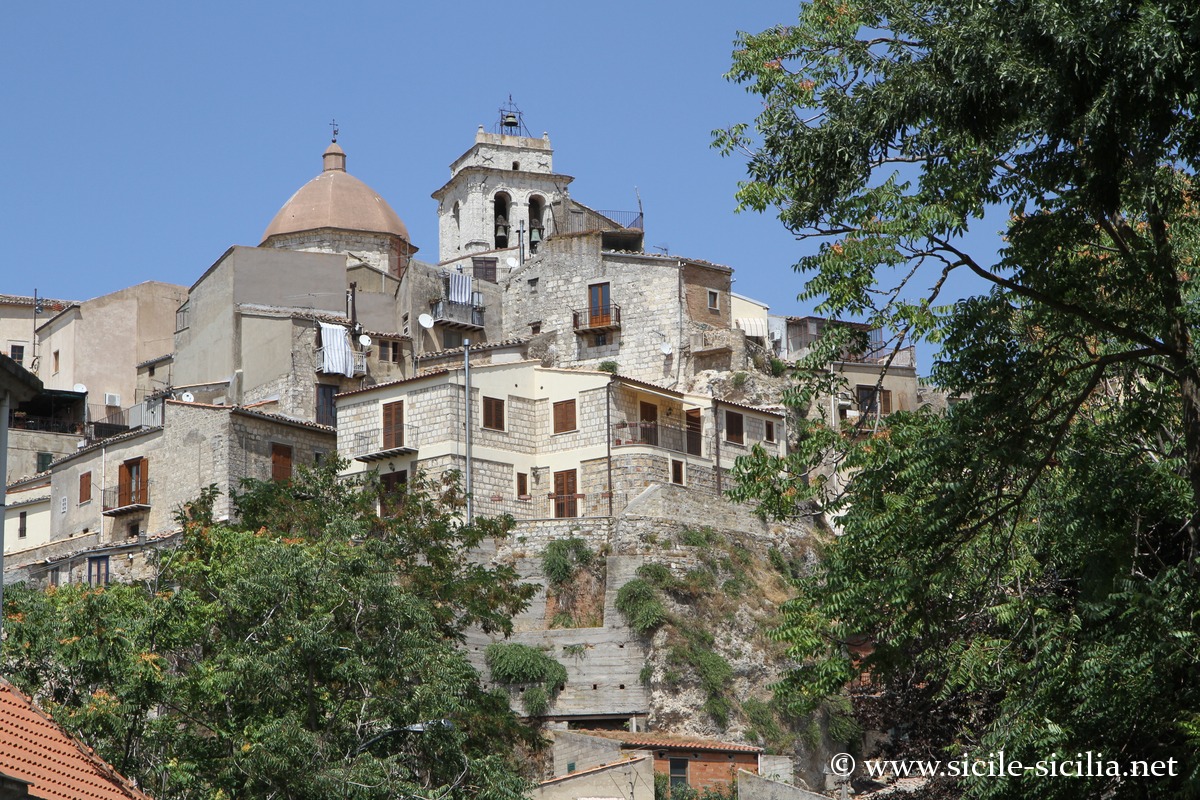
Petralia Sottana
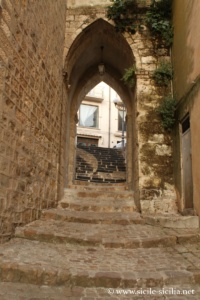
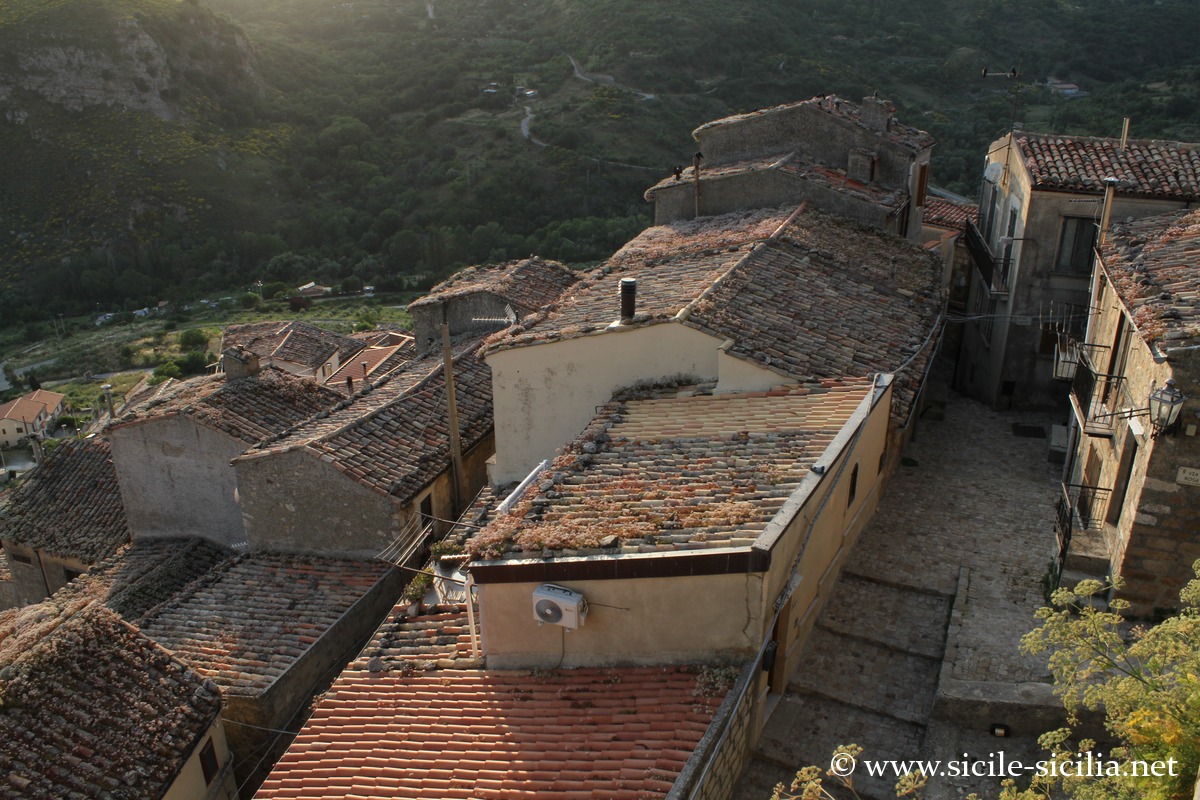
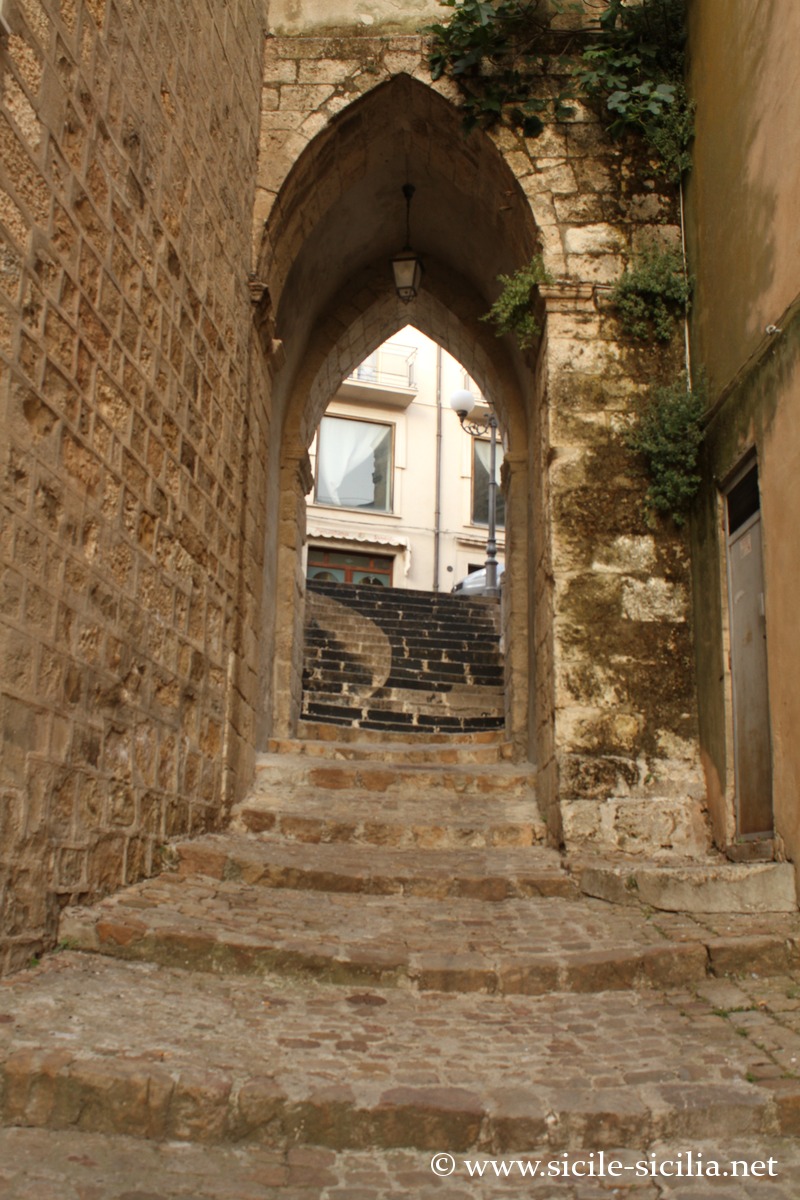
The historic centre of Petralia Sottana retains its original medieval structure, with a network of narrow alleys, stairways, porticoes and fountains, with stone houses.
It develops around the main religious buildings and reflects the architectural and stylistic evolution from the 14th to the 17th century, complemented by Baroque elements and historic palaces.
A unique urban geological trail, the only one of its kind in Europe, runs along the paving stones of the centre like an open-air museum, highlighting fossils and geological peculiarities.
The Piazza Umberto I is one of the main squares, facing the Chiesa Madre (Basilica di Maria Santissima Assunta), with a lovely terrace overlooking the Imera Meridionale valley.
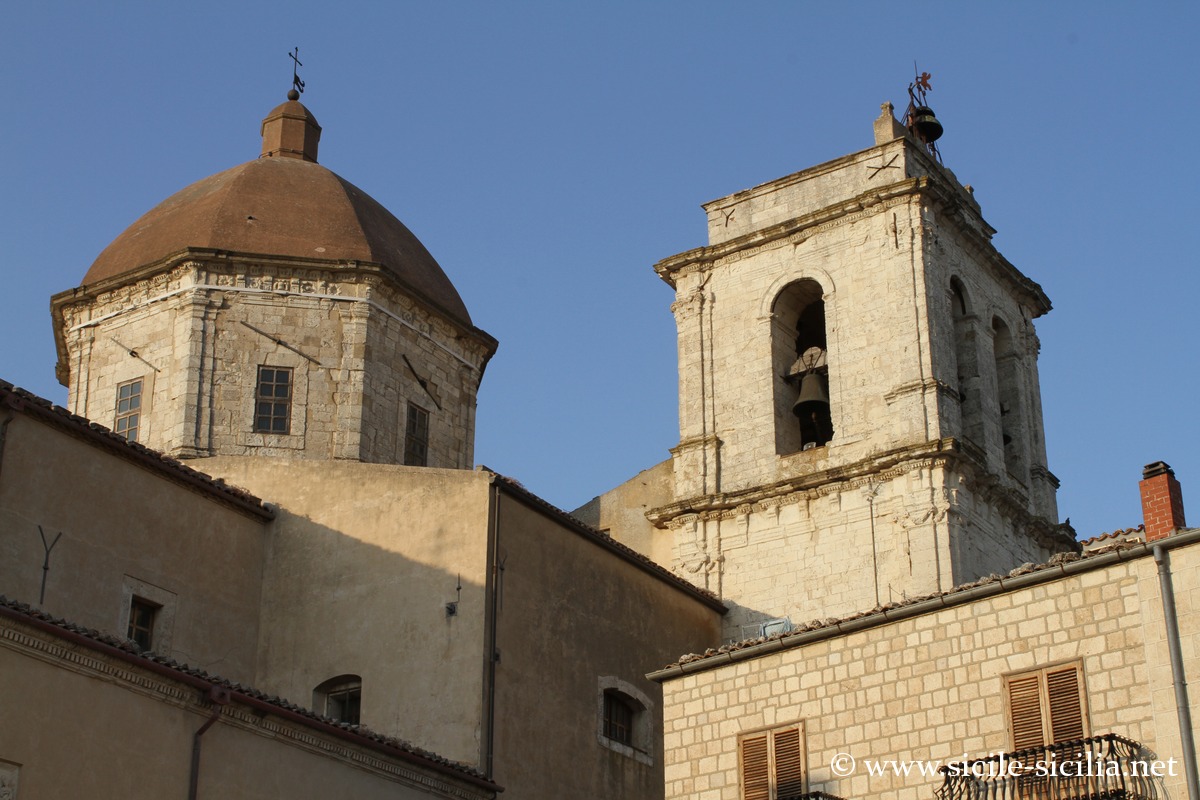
The Chiesa Madre is the main church of Petralia; it dates back to the 9th century with a reconstruction between the 14th and 16th centuries, followed by significant Baroque alterations between the 17th and 18th centuries. All that remains of the old Gothic-Catalan building is a secondary portal from the late 15th century. Dedicated to Saints Peter and Paul (Santi Pietro e Paolo), the interior is rich in sacred art, displaying several ancient polyptychs, Baroque canvases by Giuseppe Salerno (lo Zoppo di Gangi), a sculpted Nativity group from the Gagini-Berrettaro workshop, a wooden statue of San Calogero, a rich treasury of goldsmith work and a large historic organ. The side chapels feature works from the 16th–18th centuries, Baroque stuccoes and decorative frescoes.
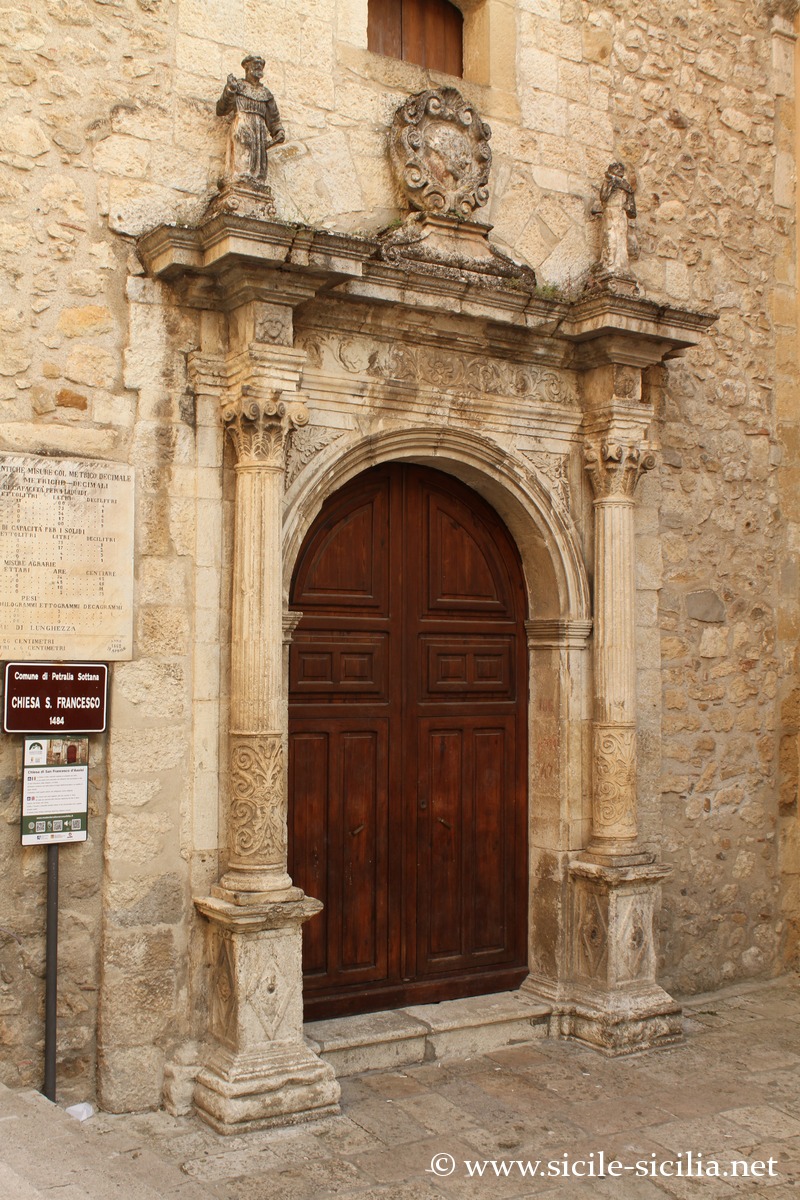
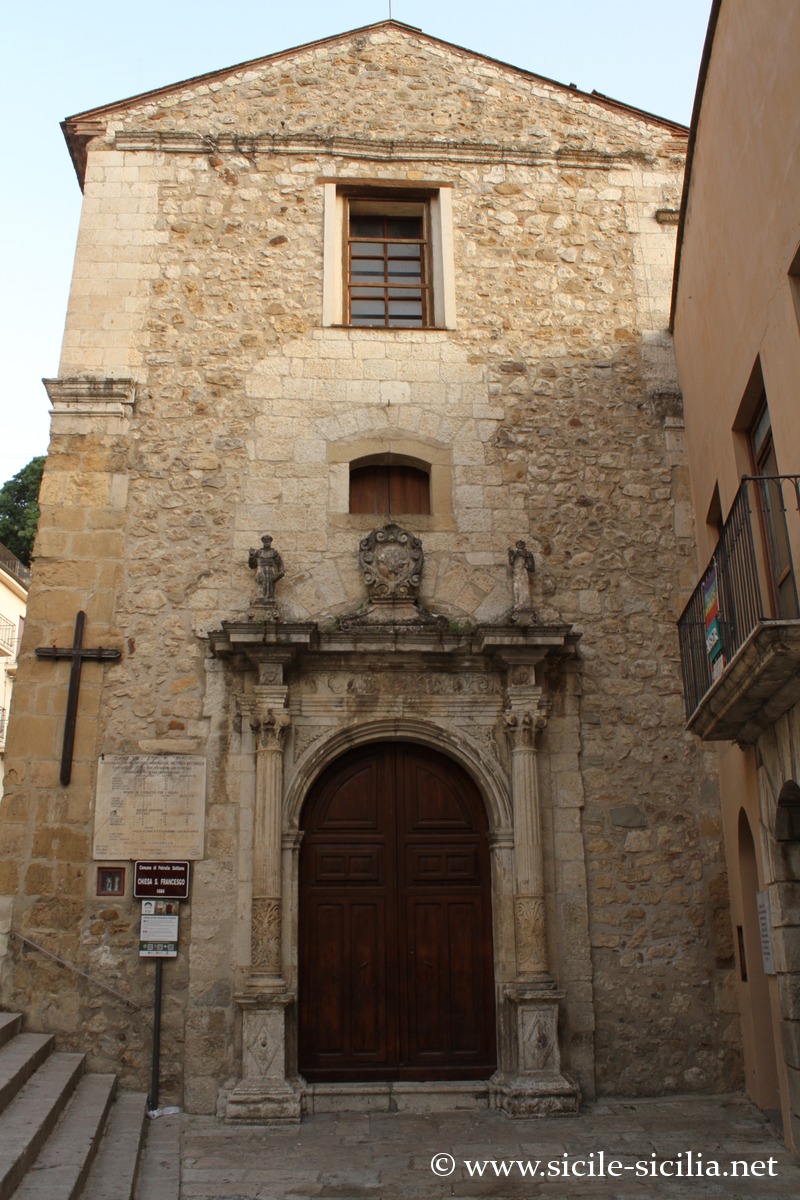
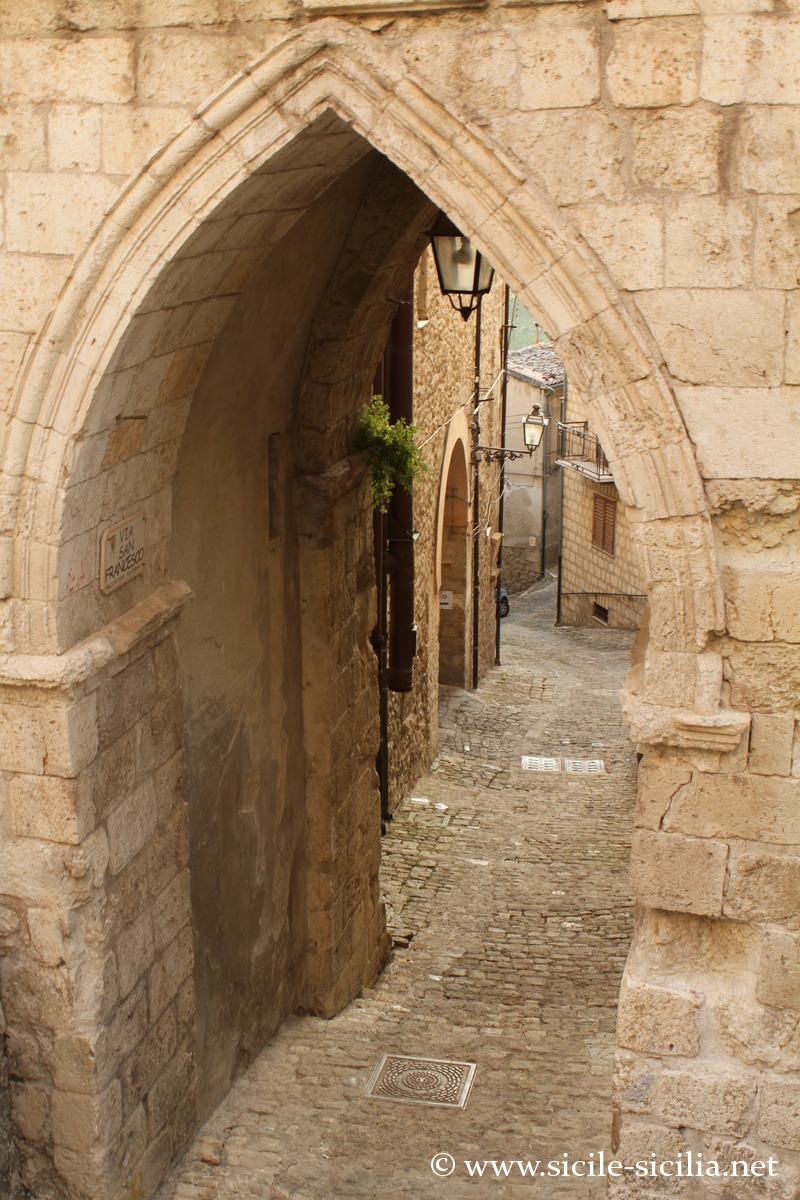 The church of San Francesco d’Assisi was built together with the adjoining Franciscan convent in the 15th century, and remodelled in the 17th. It preserves precious Baroque frescoes from pictorial cycles of the 17th–18th centuries.
The convent now houses the municipal museum (Museo Civico “Antonio Collisani”), dedicated to natural sciences, the archaeology of the Madonie and local traditions.
The historic centre also includes the church of the Santissima Trinità, the church of Purgatory (Anime Sante del Purgatorio) with its Baroque façade, as well as several aristocratic palaces from the 17th–18th centuries testifying to the importance of Petralia Sottana in the feudal system of the Madonie. The Palazzo del Giglio (seat of the Municipio) is renowned for its frescoes and paintings attributed to the workshop of Zoppo di Gangi.
The Casa du Currivu is an odd dwelling, often described as one of the narrowest houses in the world.
the Catarratti hydroelectric plant (1908) is a well-preserved industrial archaeology site.
Traditions and gastronomy
Among the popular traditions are the Ballo della Cordella dance (on the Sunday following 15 August) and the Chestnut Festival.
The Ballo della Cordella is an ancient traditional dance, performed in traditional costume during the summer patronal festivals; it is associated with the celebration of Maria SS. Assunta.
The Chestnut Festival (Sagra della Castagna) is usually held in autumn, also showcasing derivative products : chestnut flour, pastries, traditional dishes.
The local gastronomy reflects the mountain environment of the Madonie: sheep’s and goat’s cheeses, fresh ricotta, mushrooms, artisanal cured meats and cereal-based dishes.
Photo gallery
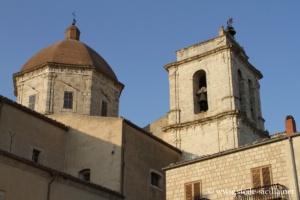

Duomo of Petralia Sottana 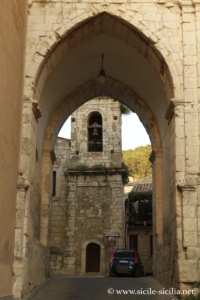

Piazza Umberto I 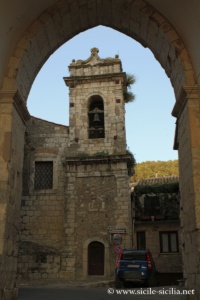
Piazza Umberto I 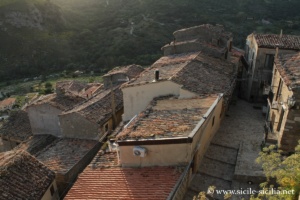
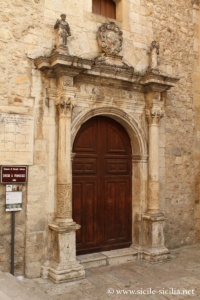
San Francesco 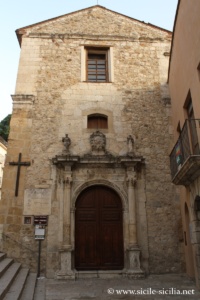
San Francesco 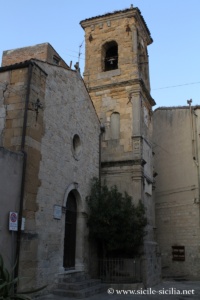
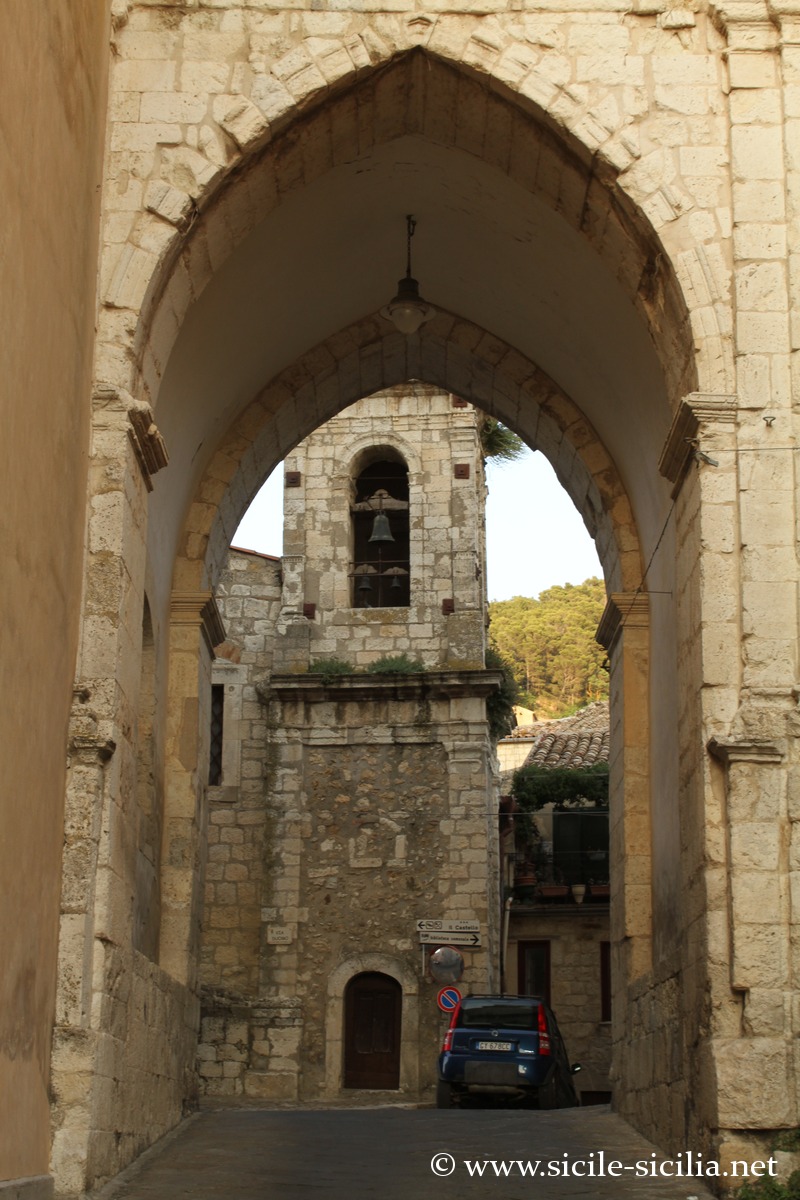
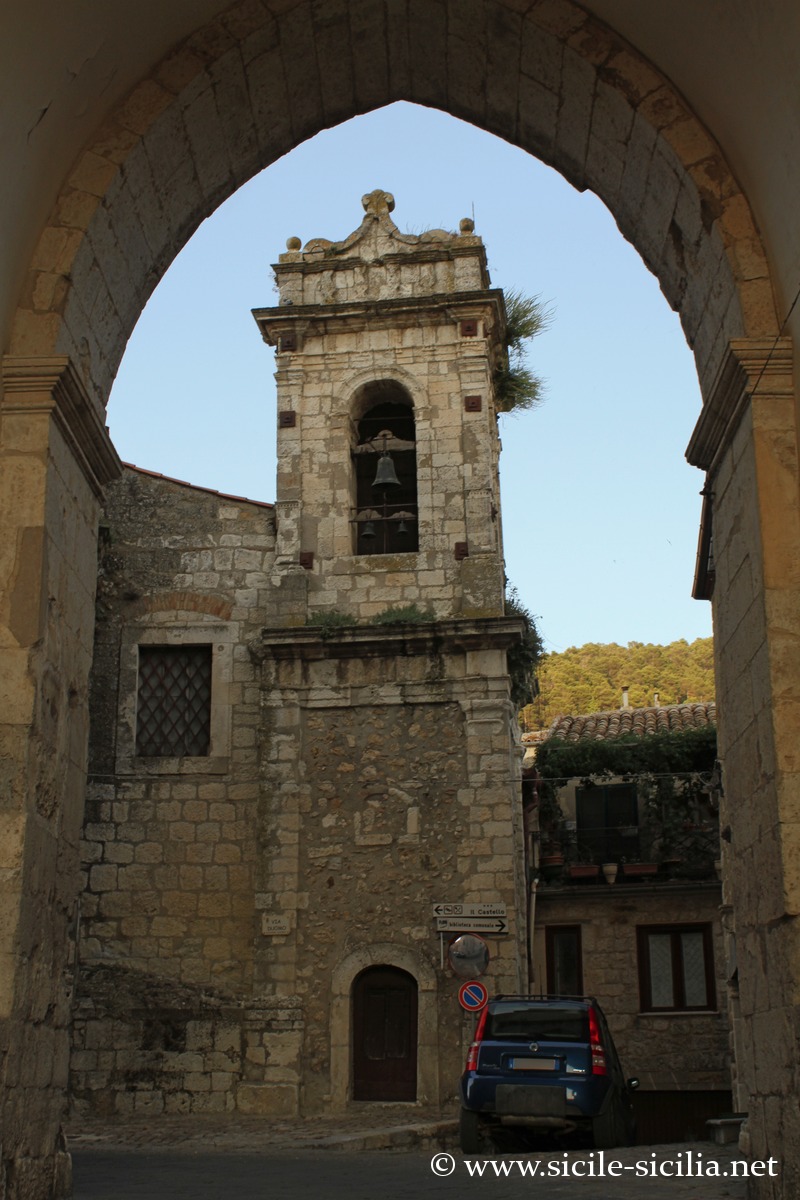
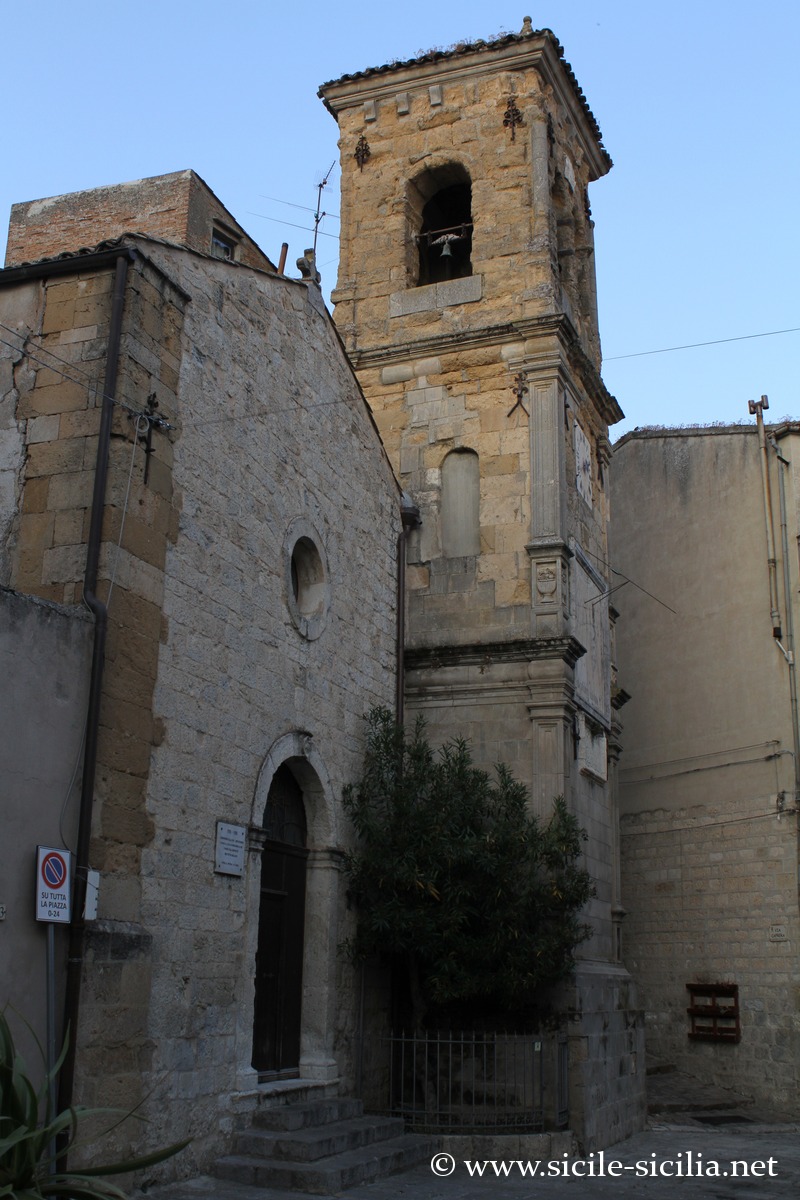
Chiesa della Misericordia e Torre Civica 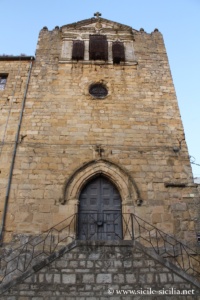
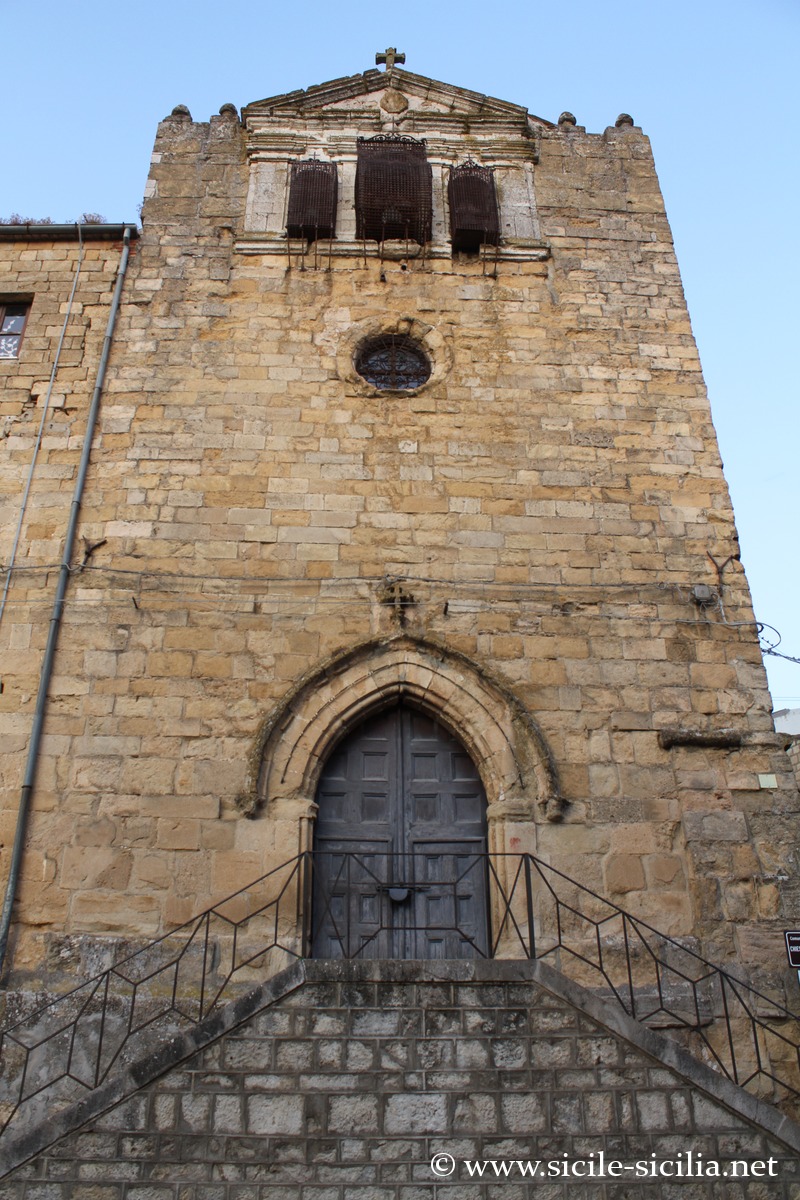
Badia, Santissima Trinità 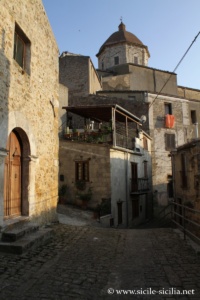
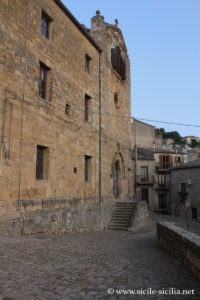
Badia, Santissima Trinità 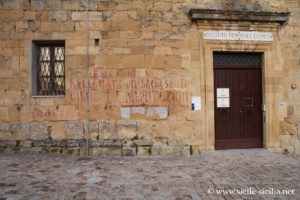
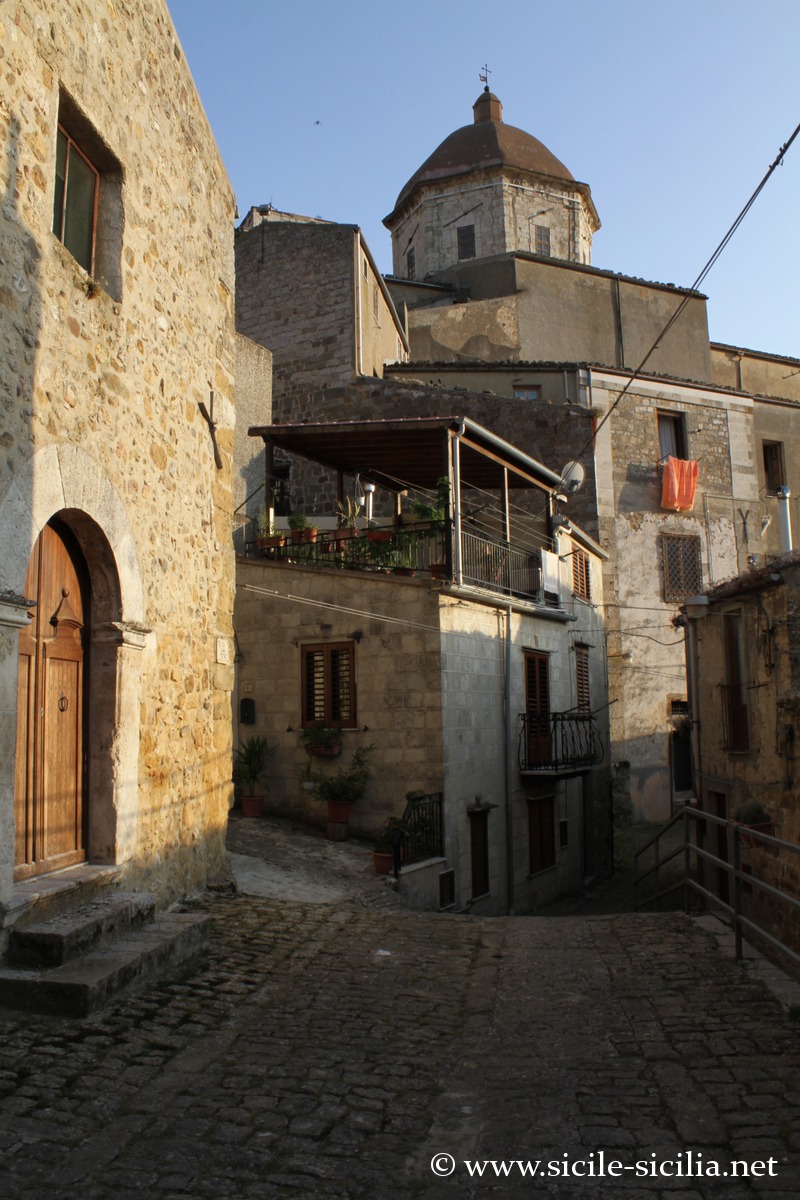
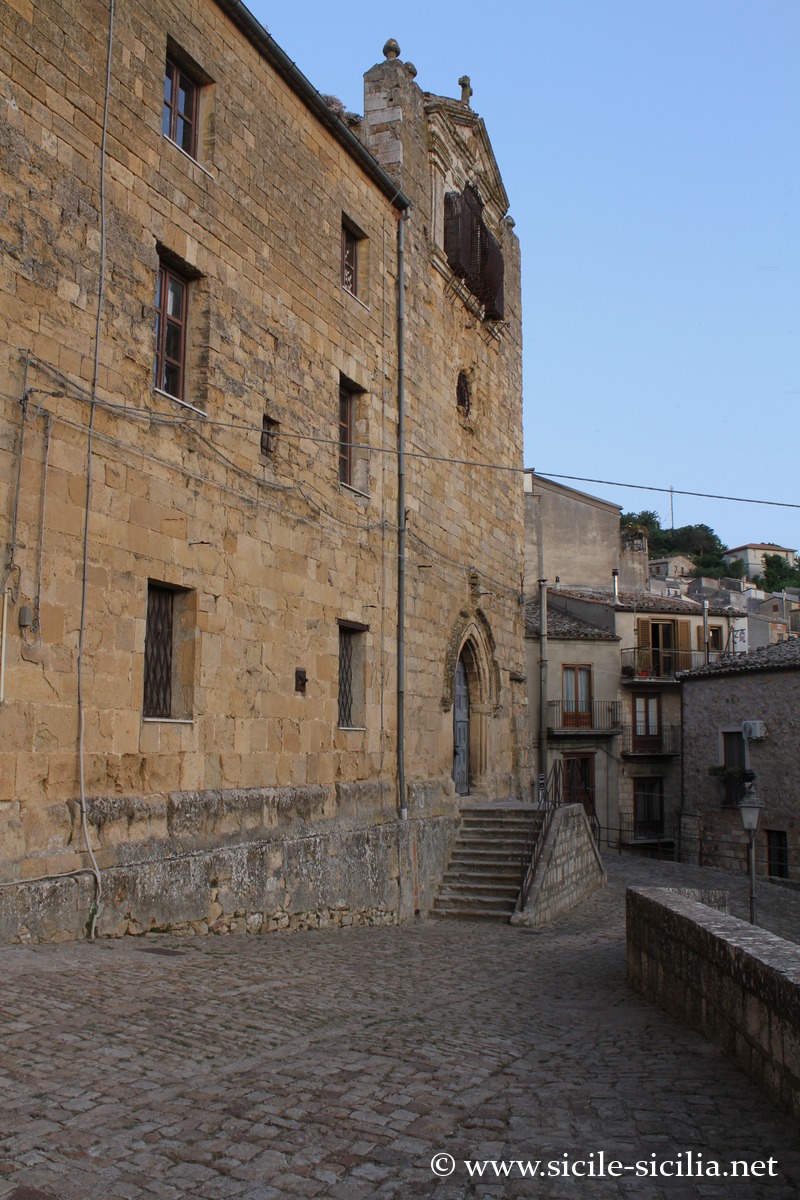
Badia
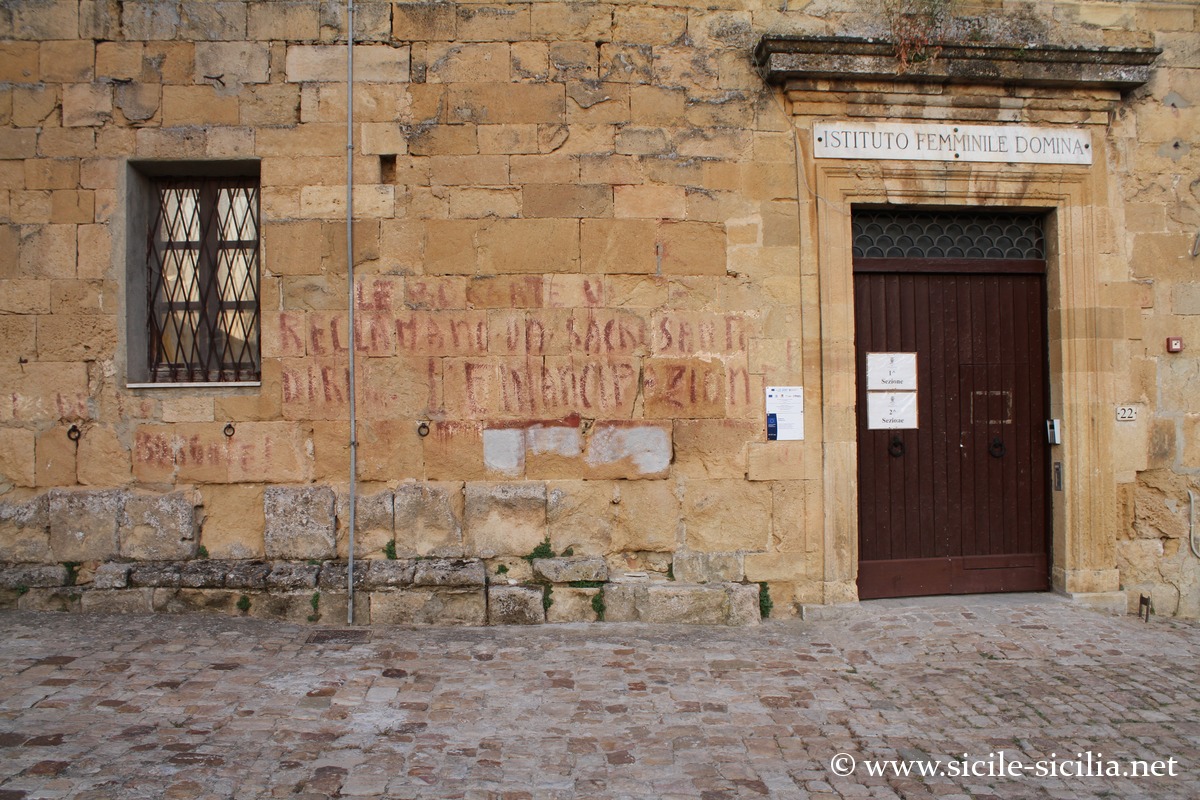
Where Petralia Sottana is located: map
If you see this after your page is loaded completely, leafletJS files are missing.
Information
Suggested visits
Sources and external sites
- Petralia Sottana tourism blog: www.petraliavisit.it
- Website of the municipality of Petralia Sottana: www.comune.petraliasottana.pa.it
- Visit Sicily – Petralia Sottana (French version) : official tourist guide of Sicily.
- Wikipedia (it) – Petralia Sottana
- Museo Civico Antonio Collisani – Petralia Sottana : official museum website.
- Madonie Park – Urban Geological Trail of Petralia Sottana : reference website of the nature park for natural history and urban geological itineraries.
Articles Madonie Mountains
- Madonie Natural Park
 The Madonie are a mountain range of the Sicilian Apennines in ...
 - Cefalù
 Cefalù is a small town of about 14,000 inhabitants, and a ...
 - Gangi
 Gangi is a small town with character, of 6,500 inhabitants, classified ...
 - Castelbuono and the Ventimiglia Castle
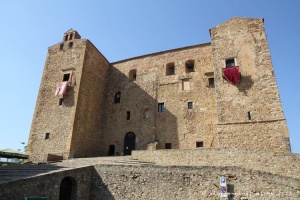 Castelbuono is a medieval village in the hinterland of Cefalù, located ...
 - Petralia Soprana
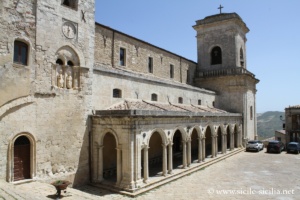 Petralia Soprana is a medieval gem of the Madonie range, located ...
 - Sclafani-Bagni and Caltavuturo
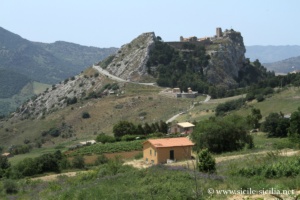 Located in the western part of the upper Himera valley, Sclafani ...
 - Favara Wood
 A few kilometres north-west of Sclafani lies the Favara Wood nature ...