

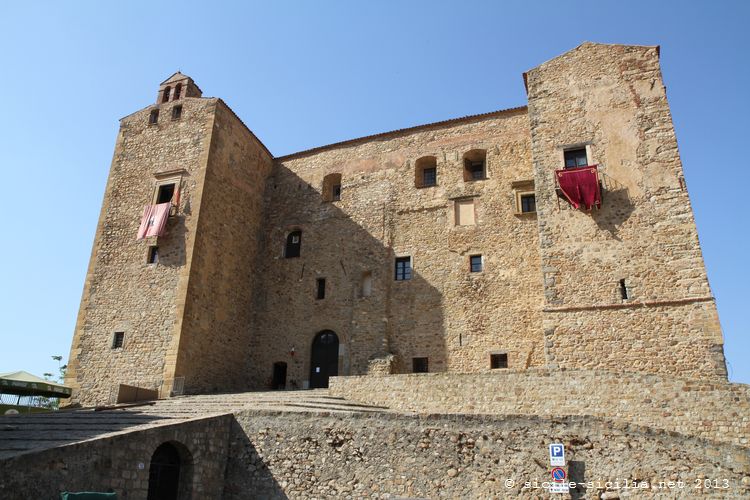
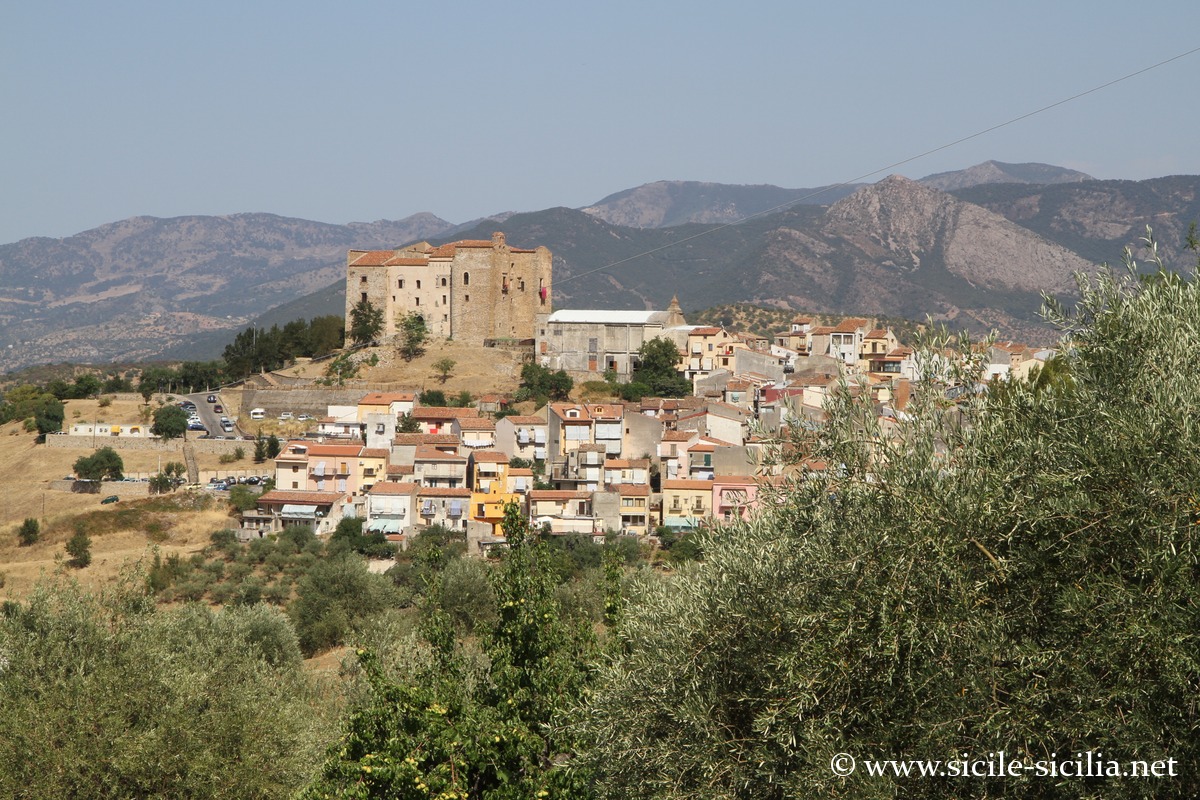
Castelbuono is a medieval village in the hinterland of Cefalù, located at about 420 metres above sea level in the hills of the Madonie range. It is listed among the most interesting historic villages in Sicily for its medieval architecture.
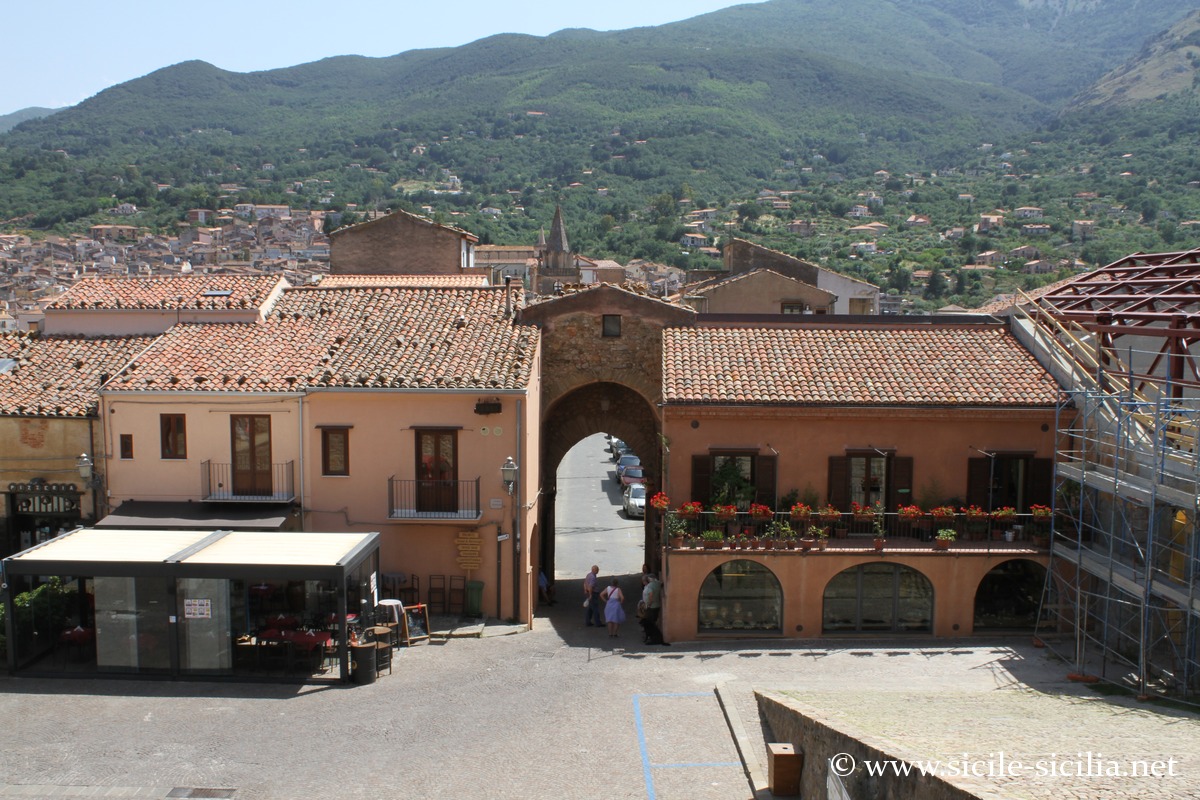
The village developed around the castle in a dominant position, built from the beginning of the 14th century near an old farm of Byzantine origin called Ypsigro, and called Castrum Bonum (“beautiful castle”), the origin of the village’s name.
At the time it was a possession of the Ventimiglia, the lords of Geraci, who held it until the 20th century. It was one of the most powerful families in Sicily (see also the section on the County of Geraci and the Ventimiglia), which gave Castelbuono a role as a seigneurial capital in the Madonie region.
Ventimiglia Castle
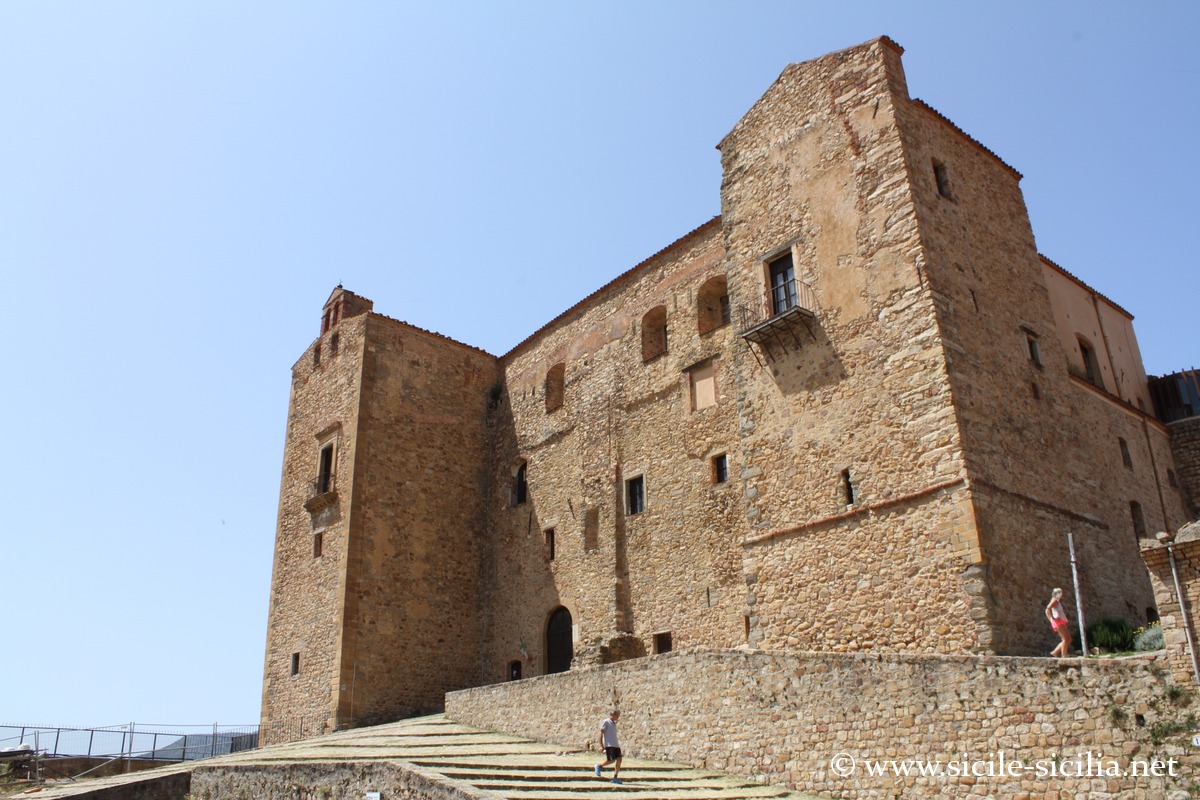
Ventimiglia Castle
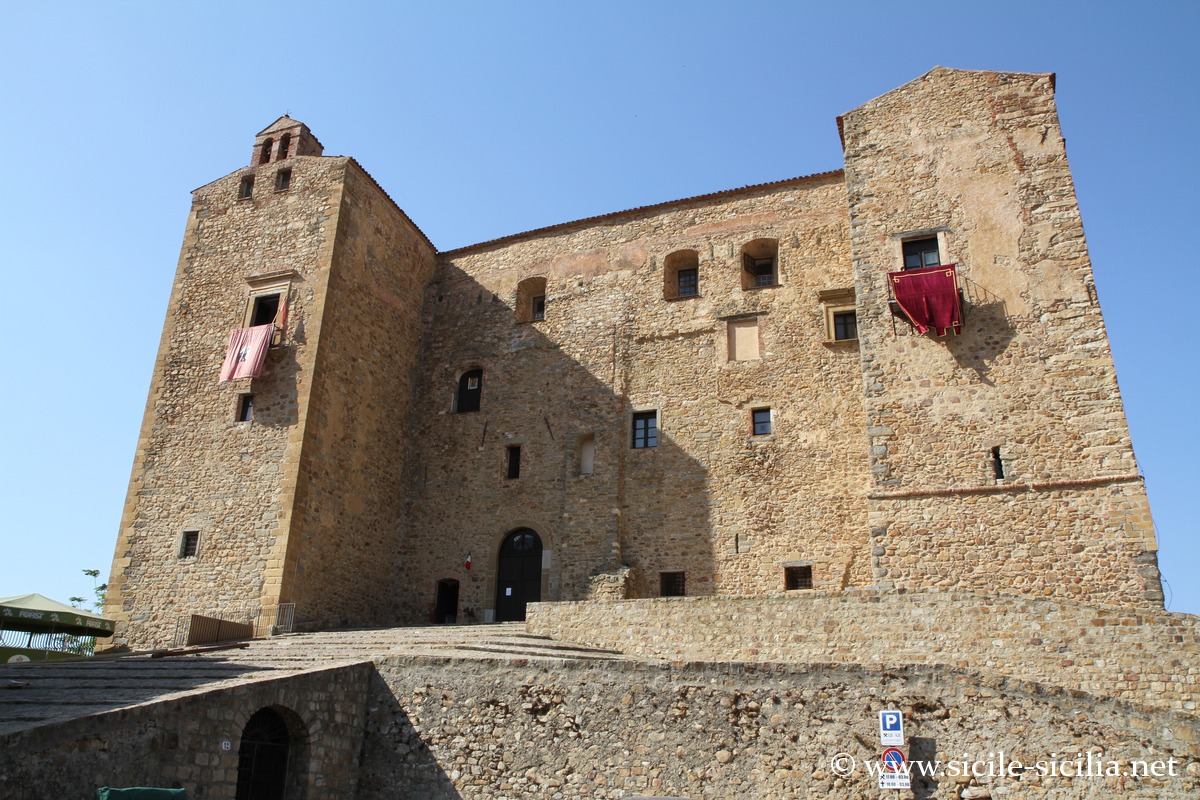
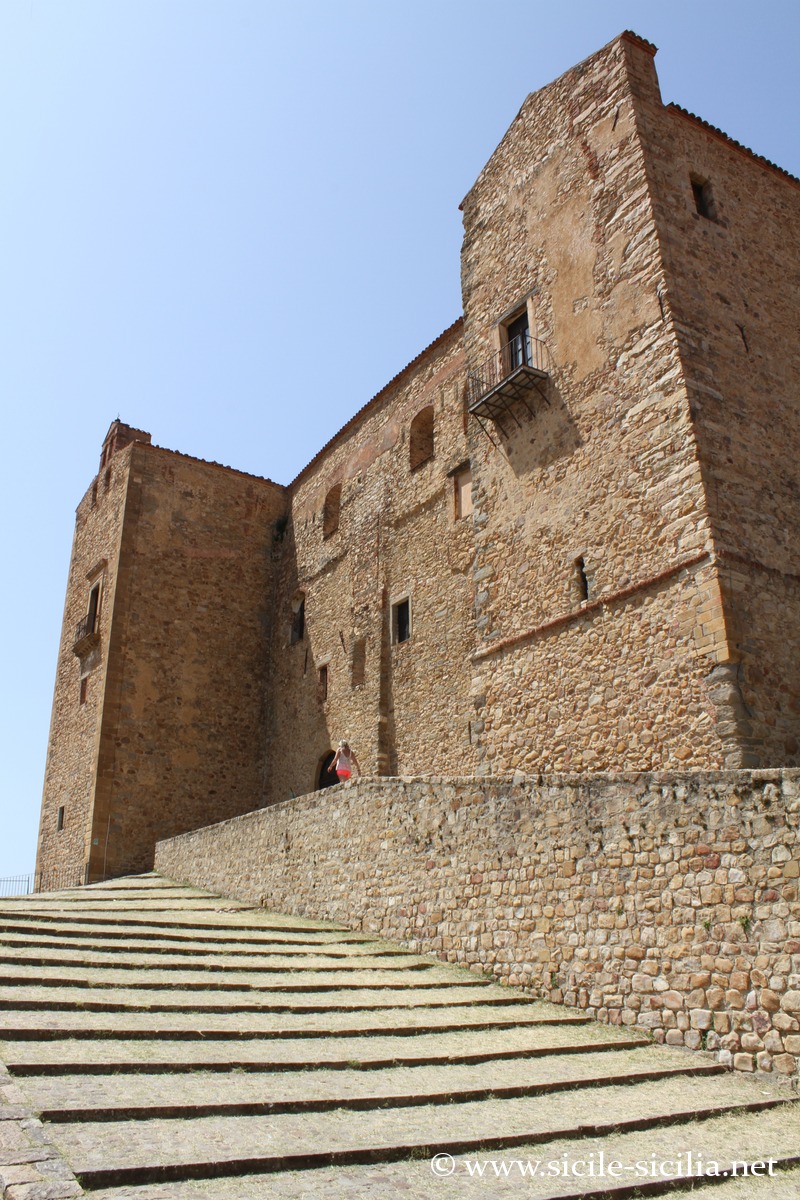
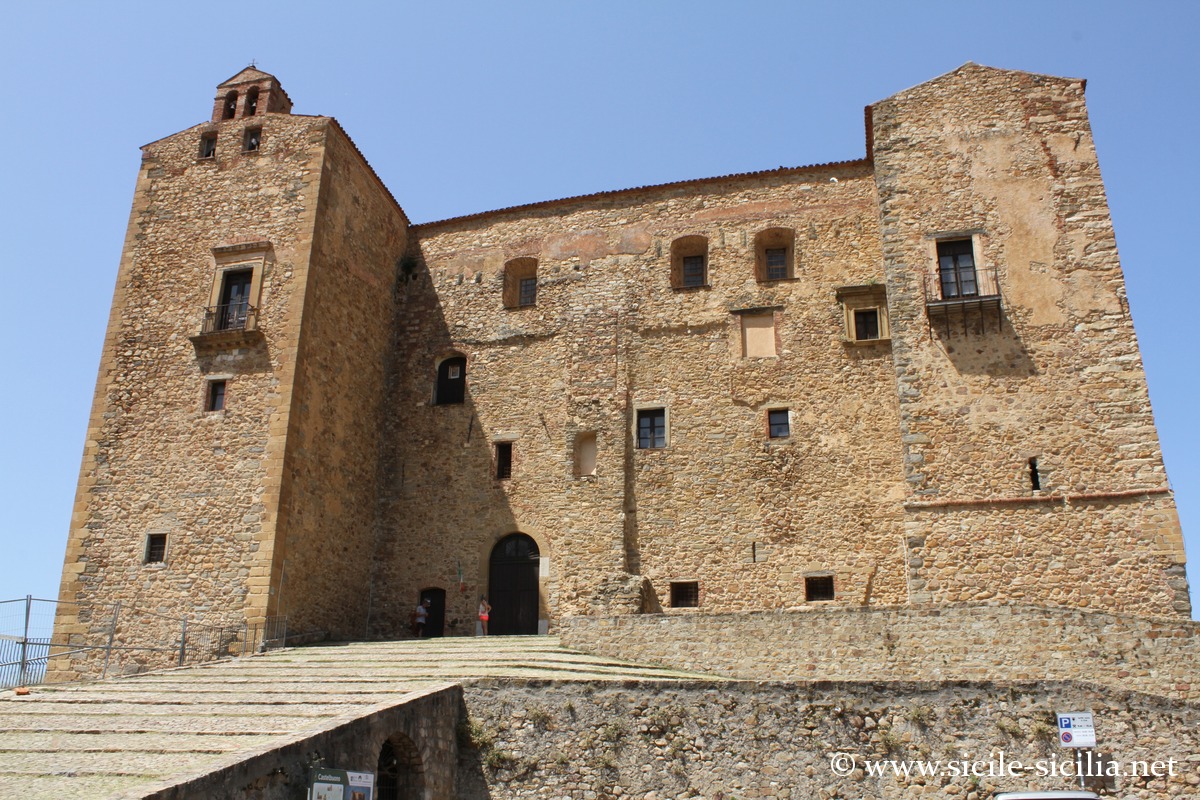
The Ventimiglia Castle, which also houses the town museum today, was begun in 1316 by Count Francesco Ventimiglia on the ruins of a 12th-century watchtower that stood on the hill overlooking the old Byzantine hamlet of Ypsigro. It was the origin of the town’s development.
The present building is the result of many alterations. Its cubic main body recalls the Arab style, the square corner towers echo the Norman style, while the round tower evokes the Swabian military style. A combination characteristic of the fortifications of southern Italy of that period.
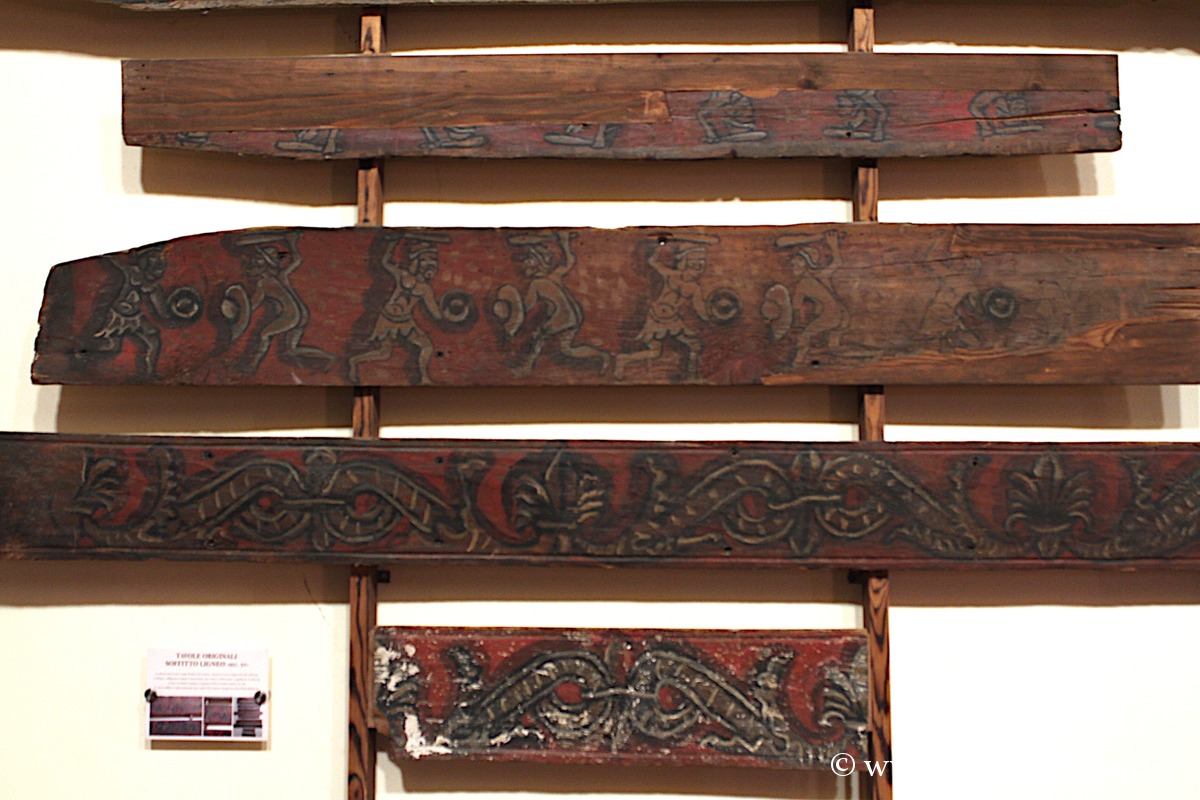
The interior rooms are decorated with rich carved wooden coffered ceilings, including the 15th-century one of the Sala Magna, and fitted with Gothic windows and doors.
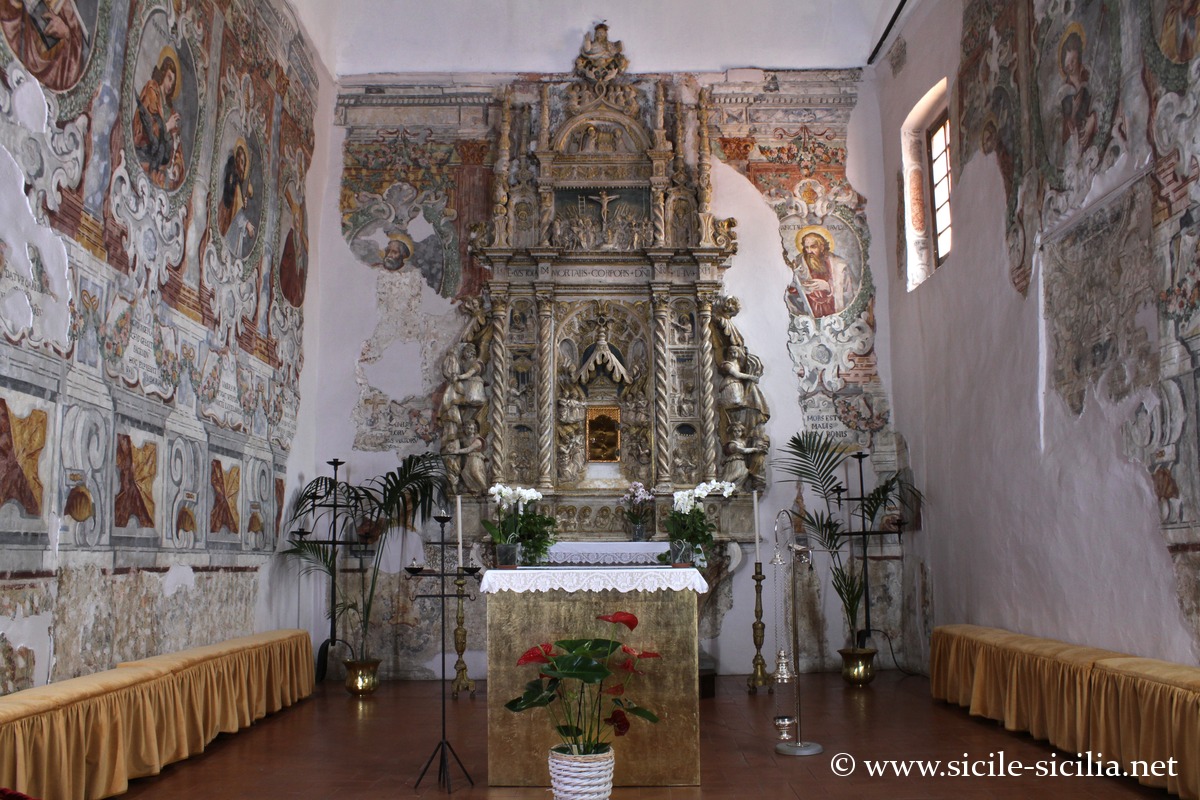
The Palatine Chapel (Cappella Palatina di Sant’Anna, late 17th century) was intended to house a relic of Saint Anne.
It is one of the most remarkable examples of Sicilian stucco Baroque art, richly decorated in a style emblematic of the Serpotta (the brothers Giuseppe and Giacomo), with representations of human figures, angels, mythological and floral elements. It contains four allegories including Mary in the Temple, the Marriage of Joseph and Mary, etc. It also houses the relic of the patron saint of Castelbuono, a skull kept in a Baroque silver reliquary.
The castle now houses the Museo Civico di Castelbuono which displays collections of archaeology, urban history, sacred art, modern art and temporary exhibitions.
What to see in Castelbuono: a visit
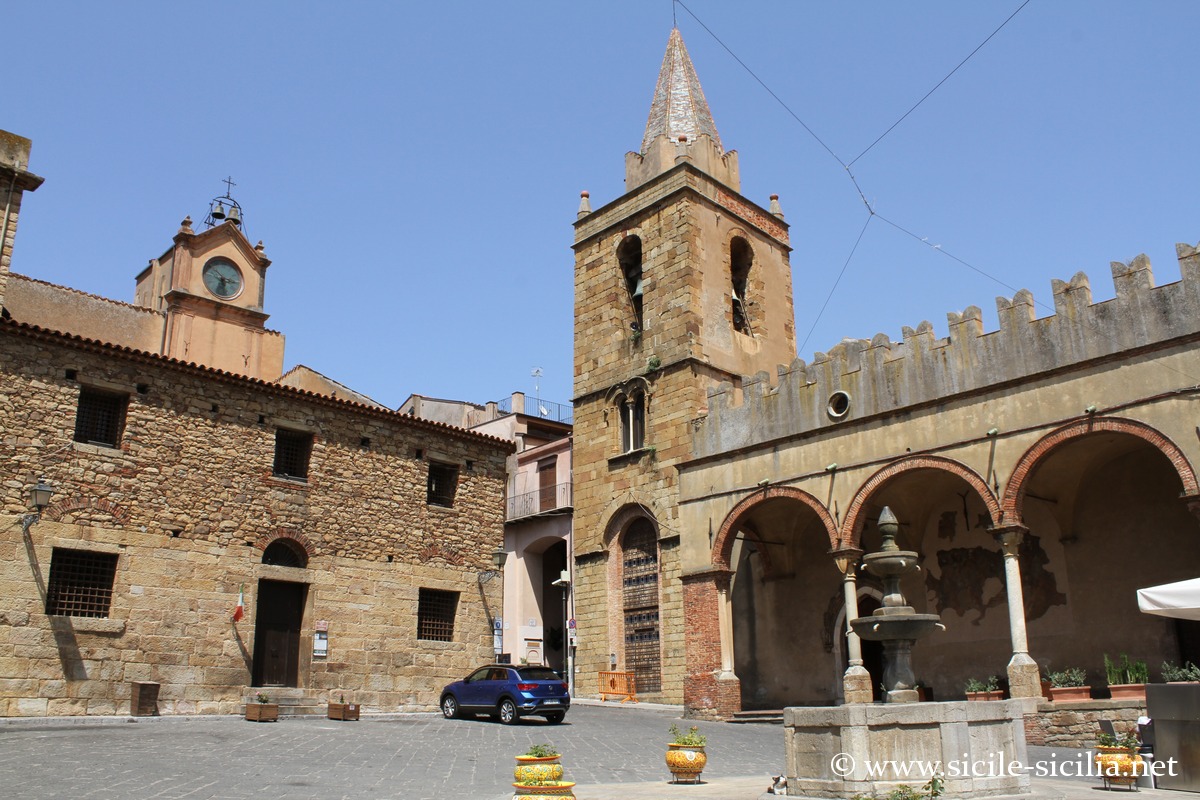
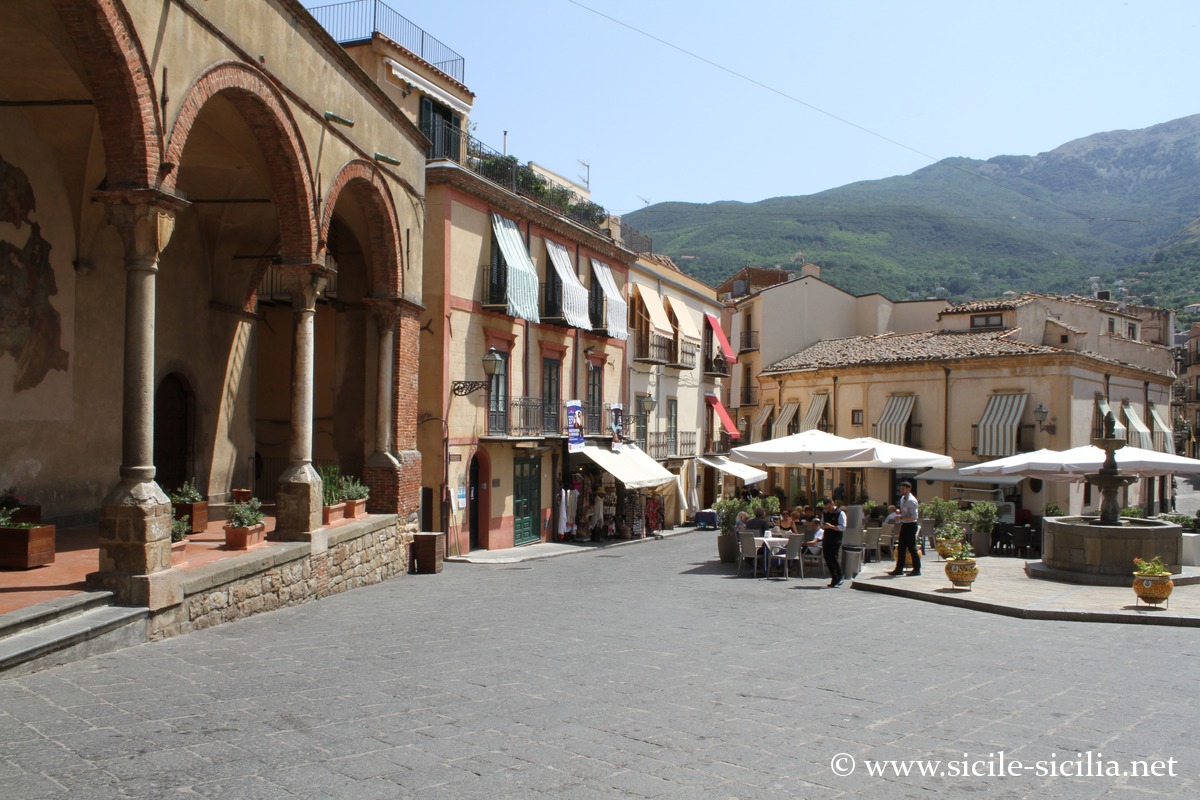
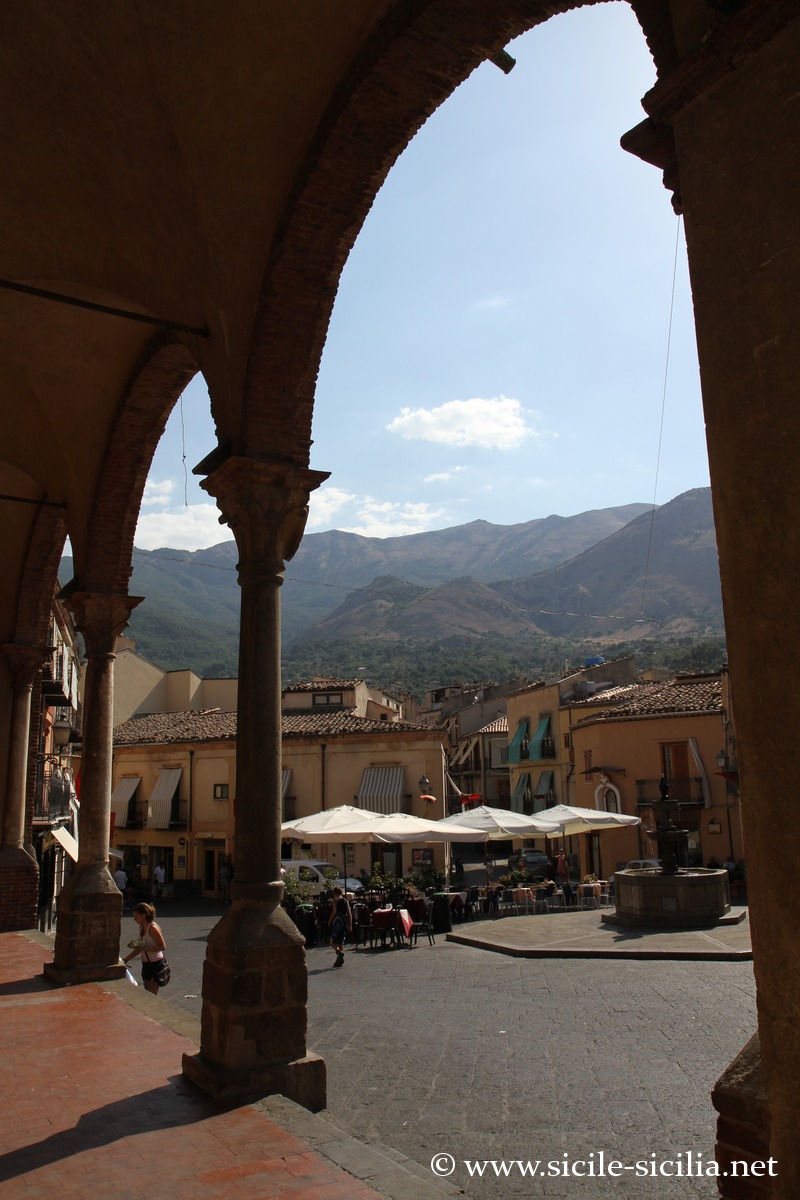
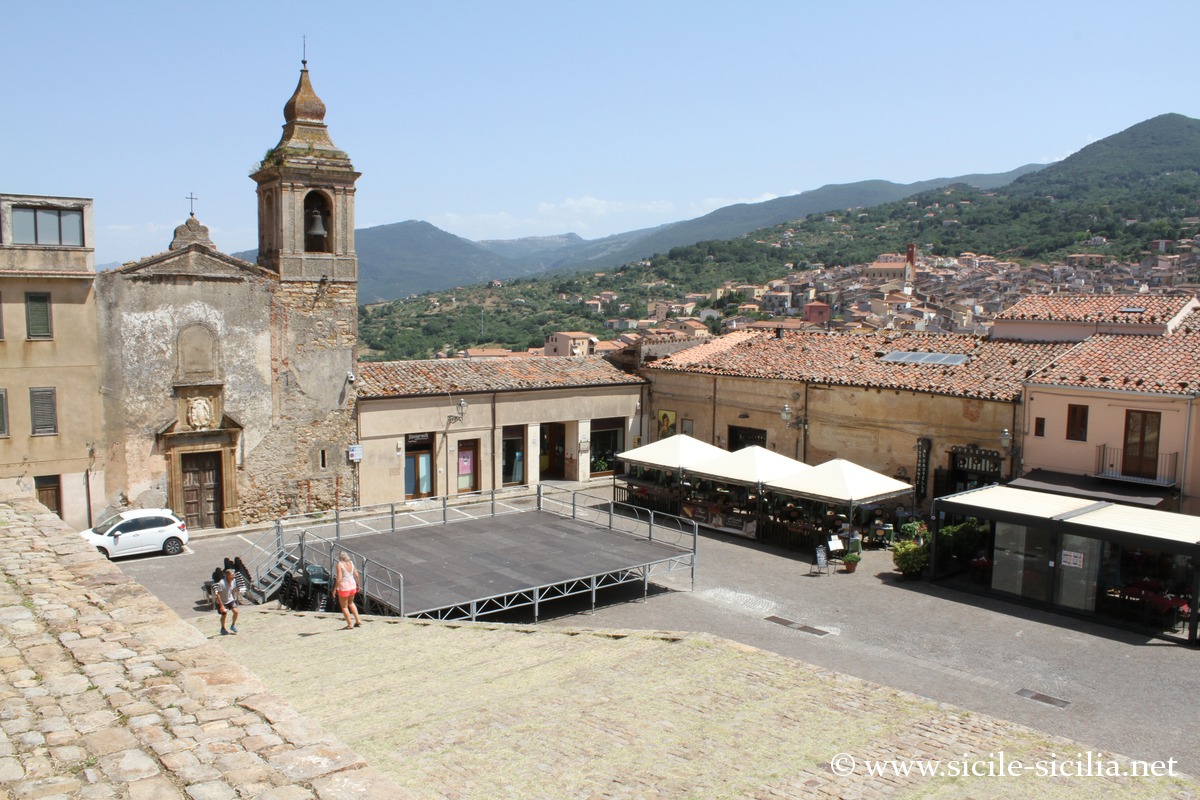
Piazza Margherita and Matrice Vecchia
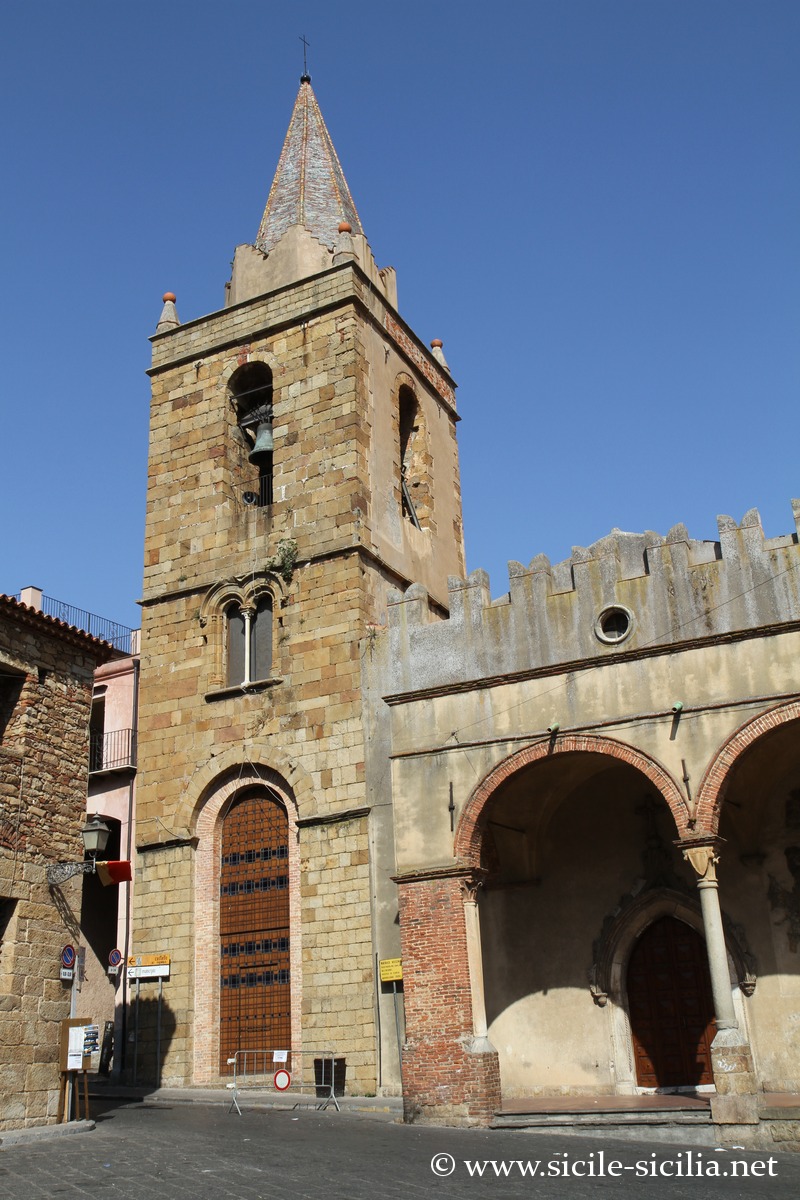
On Piazza Margherita, the Church of the Assumption of Saint Mary dates from the 14th century, the Chiesa Matrice Vecchia, was built on the probable remains of a mosque, then enlarged at the end of the 15th century. It has a Gothic-Catalan portal from the 14th century, and the bell tower and other elements are in the Romanesque-Gothic style.
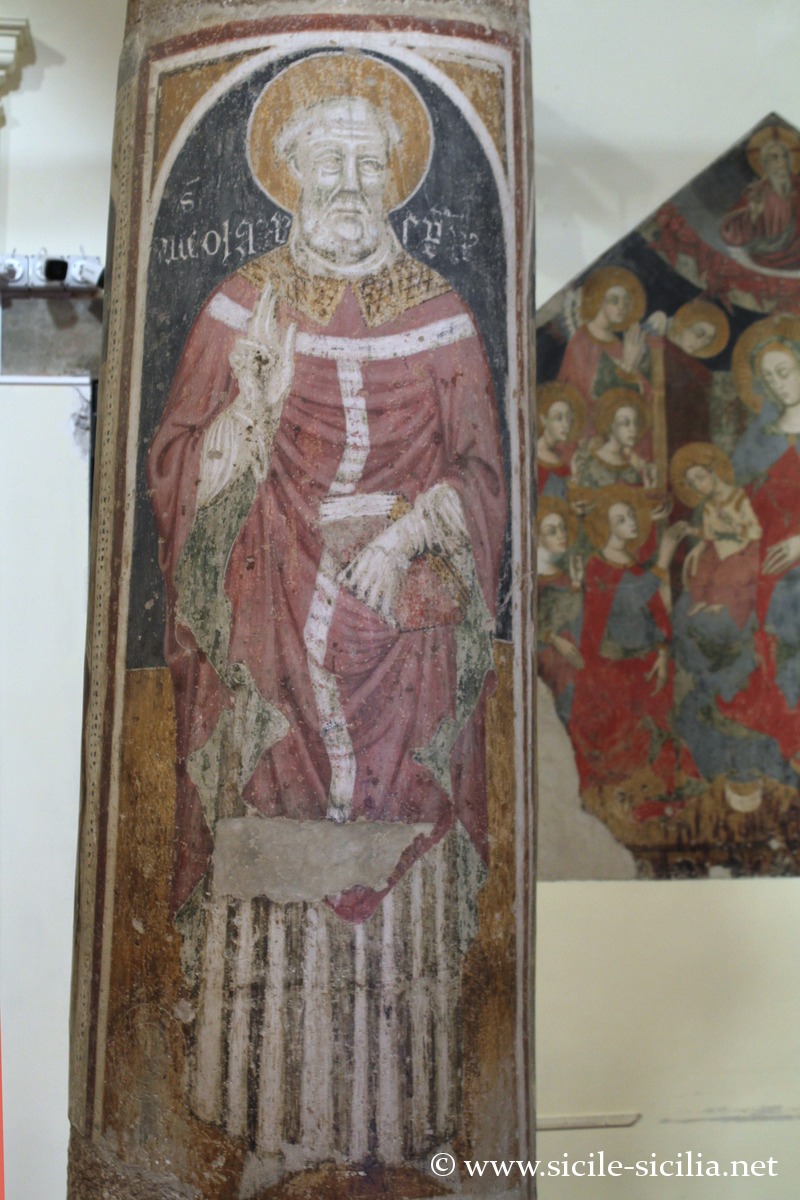
The interior preserves works of the Sicilian Renaissance including a large polyptych of 1520, a 16th-century crypt beneath the main altar, medieval and Renaissance frescoes, and the statue of the Madonna delle Grazie by Antonello Gagini.
One can also discover in the village the pretty Fontana di Venere Ciprea, made up of elements from two fountains of the late 16th century.
The Church of San Francesco built in 1332 and renovated in the 18th century, preserves the mausoleum of the Ventimiglia family. It is an octagonal construction in the late Romanesque-Gothic style, with a fine 15th-century portal. It preserves the funeral monument of Prince Francesco IV Ventimiglia, a prestigious member of the family who fought victoriously in several countries and was viceroy of the Kingdom of Sicily. It also has an elegant cloister and remarkable medieval structures.
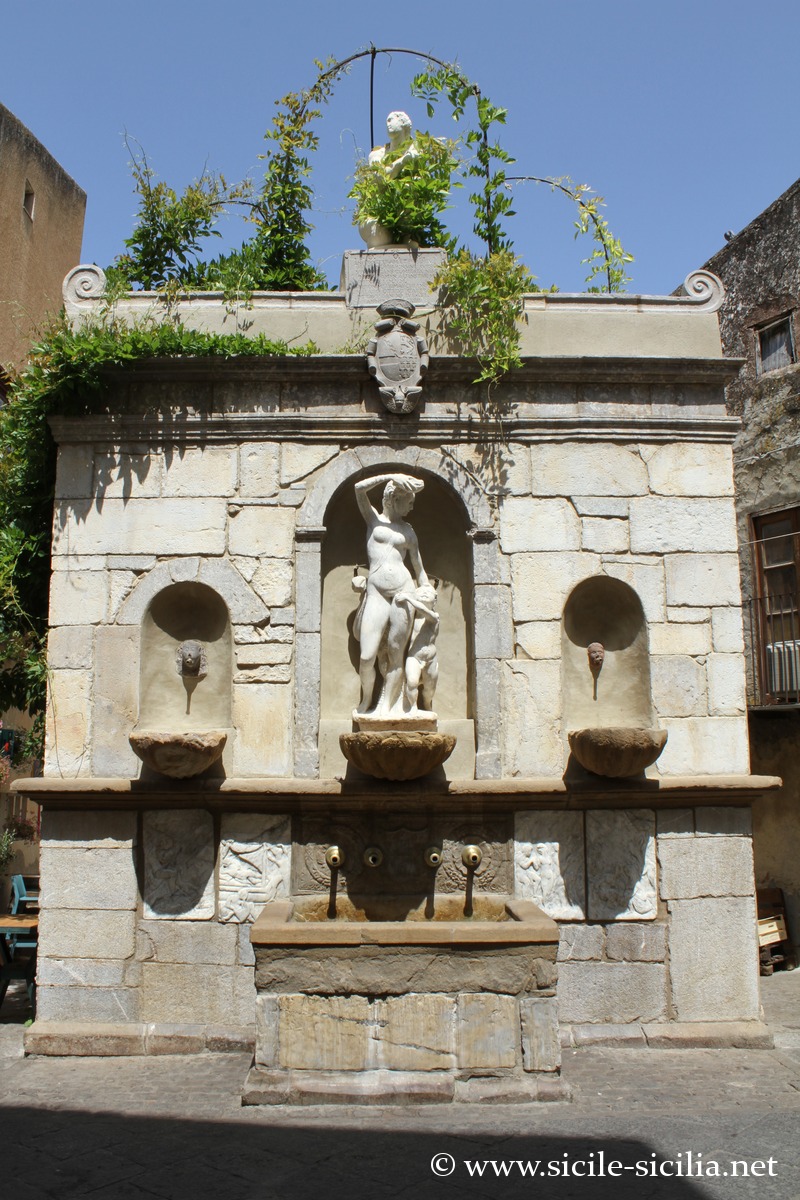
Fontana della Venere Ciprea
There are several museums including the town museum and an important museum devoted to the Madonie mountains.
The Museo Naturalistico Francesco Minà Palumbo is dedicated to the famous 19th-century Sicilian naturalist, comprising collections of natural history, entomology, ornithology, minerals and fossils of the Madonie territory.
On the main square, the Torre dell’Orologio (clock tower) houses a small historical museum.
The Chiesa della Natività di Maria (Matrice Nuova) was built from the 17th century to replace the old mother church that had become too small, largely rebuilt in the 19th century after earthquakes, in Neoclassical style and preserving several works from the disappeared medieval churches of Castelbuono.
The Chiesa di Sant’Antonino Martire, founded in the Middle Ages and remodelled in the modern era, was entrusted to the Observant Franciscans at the beginning of the 17th century, who transformed the convent complex. The building preserves ancient Gothic-Catalan elements.
Ypsigrock is an international rock and indie music festival, held in the first half of August since 1997.
Photo gallery
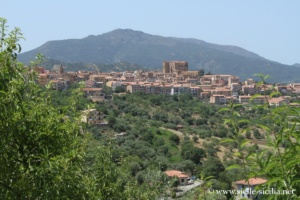

Castelbuono 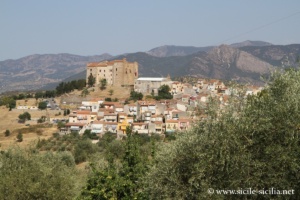
Castelbuono 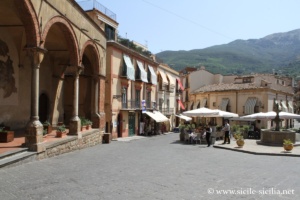
Piazza Margherita 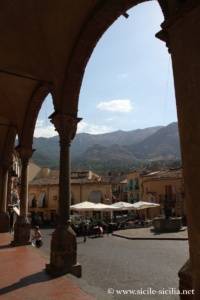

Piazza Margherita 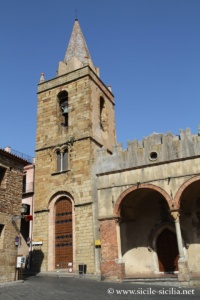
Piazza Margherita, Matrice Vecchia 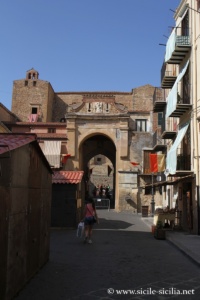
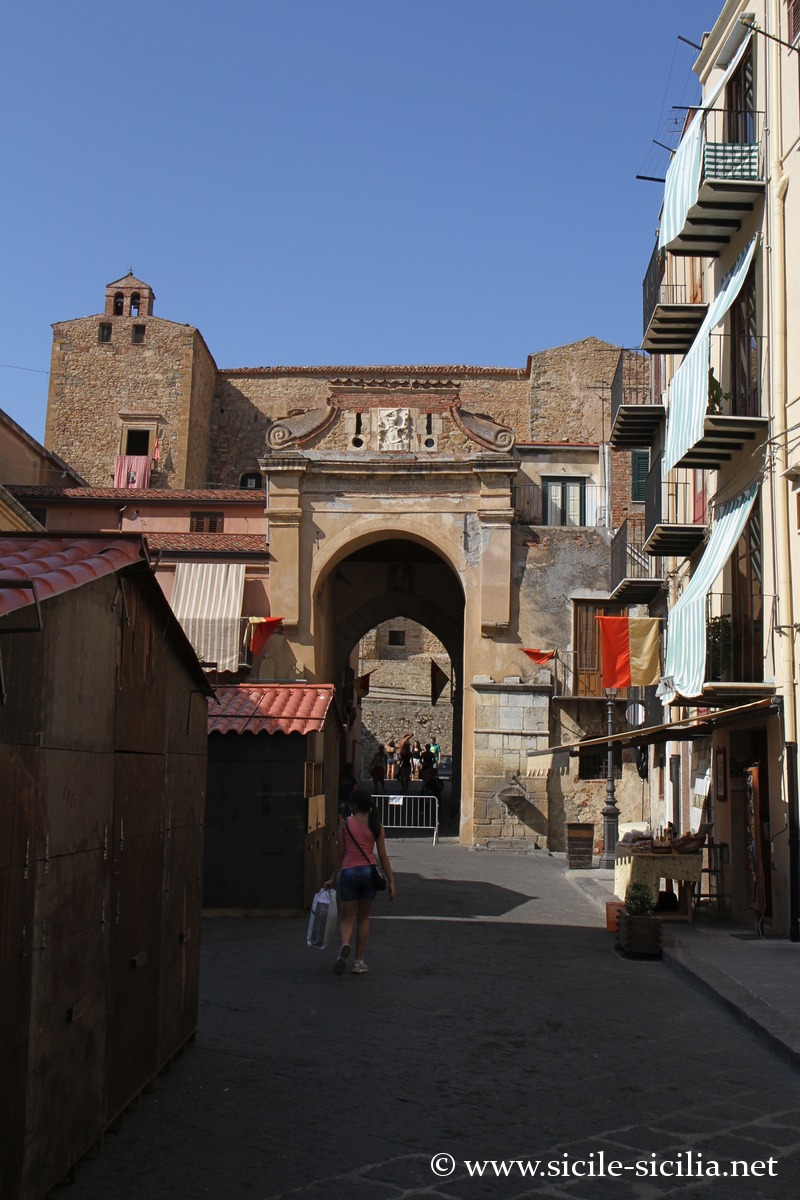
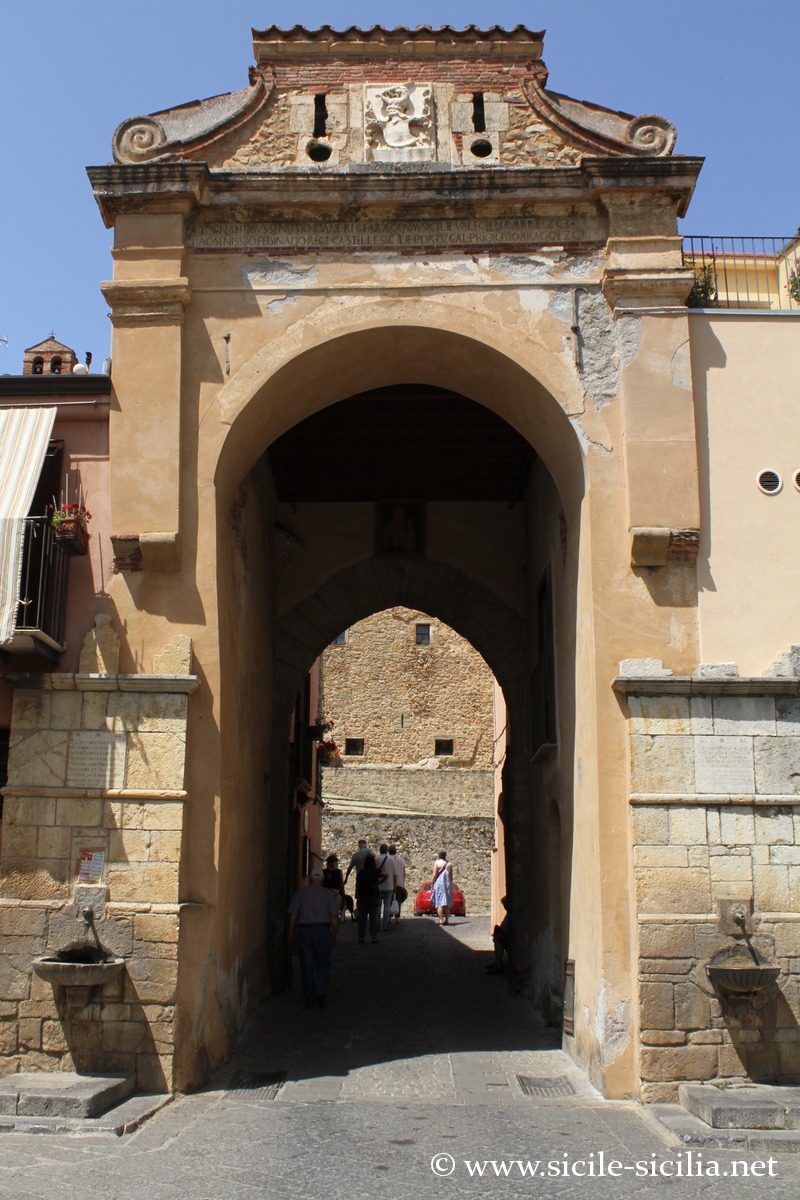
Arc Sant’Anna 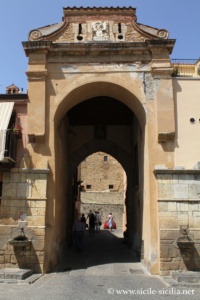
Arc Sant’Anna 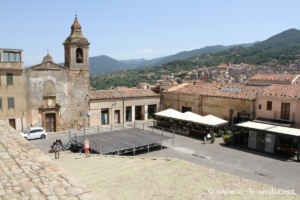
Piazza Castello 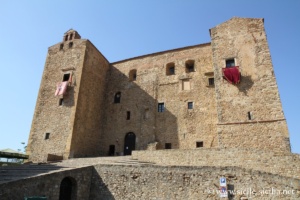
Ventimiglia Castle 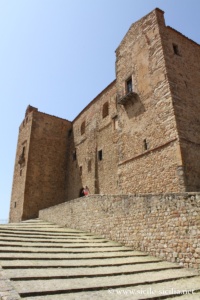
Ventimiglia Castle 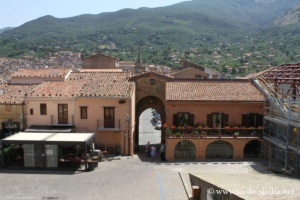
Piazza Castello 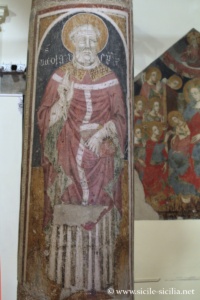
Matrice Vecchia, Castelbuono 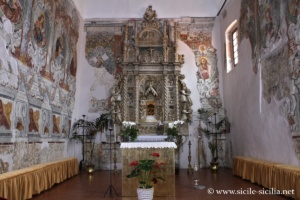
Chapel of the Matrice Vecchia 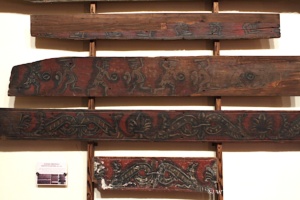
Old woodwork of the Matrice Vecchia 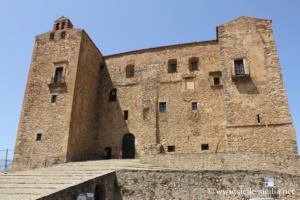
Ventimiglia Castle
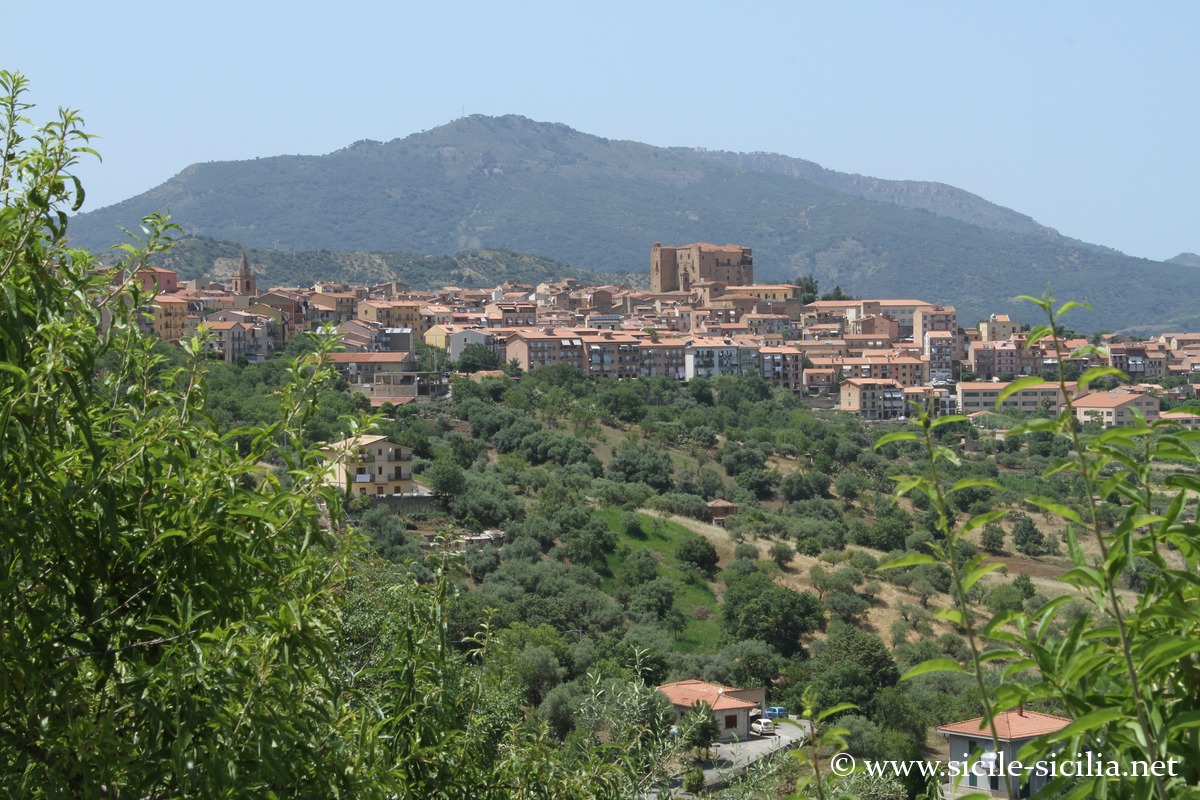
Where Castelbuono is located: map
If you see this after your page is loaded completely, leafletJS files are missing.
Information
Visit suggestions
External sites
- Castelbuono tourist association: www.prolococastelbuono.it
- Municipality of Castelbuono: www.comune.castelbuono.pa.it/EG0/EGSCHTST39.HBL
- Wikipedia page (in Italian): it.wikipedia.org/wiki/Castelbuono
Articles on the Madonie Mountains
- Madonie Natural Park
 The Madonie are a mountain range of the Sicilian Apennines in the ...
 - Cefalù
 Cefalù is a small town of about 14,000 inhabitants, and a charming ...
 - Gangi
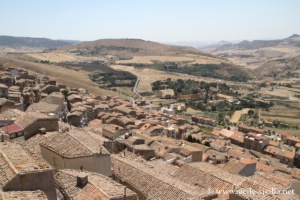 Gangi is a small town with character, of 6,500 inhabitants, classified among ...
 - Petralia Soprana
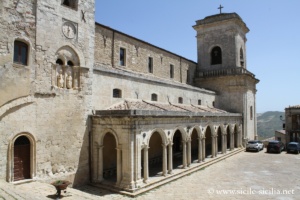 Petralia Soprana is a medieval gem of the Madonie range, located at ...
 - Petralia Sottana
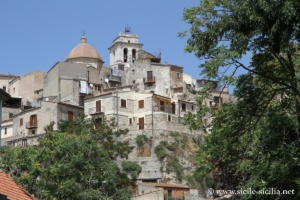 Petralia Sottana is located 3 km from Petralia Soprana, slightly lower than ...
 - Sclafani-Bagni and Caltavuturo
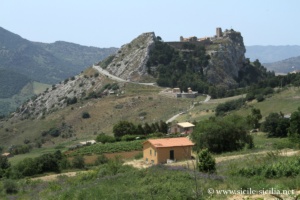 Located in the western part of the upper Himera valley, Sclafani Bagni ...
 - Favara Wood
 A few kilometres north-west of Sclafani lies the Favara Wood nature reserve ...