

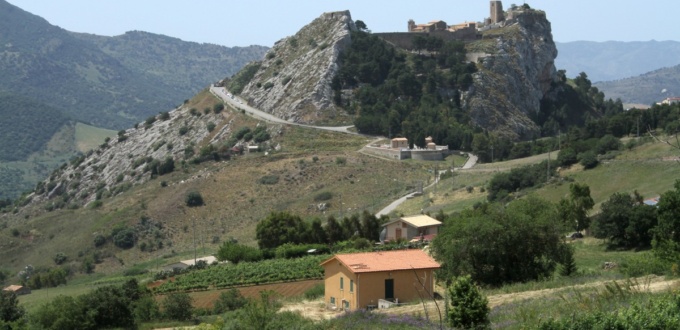
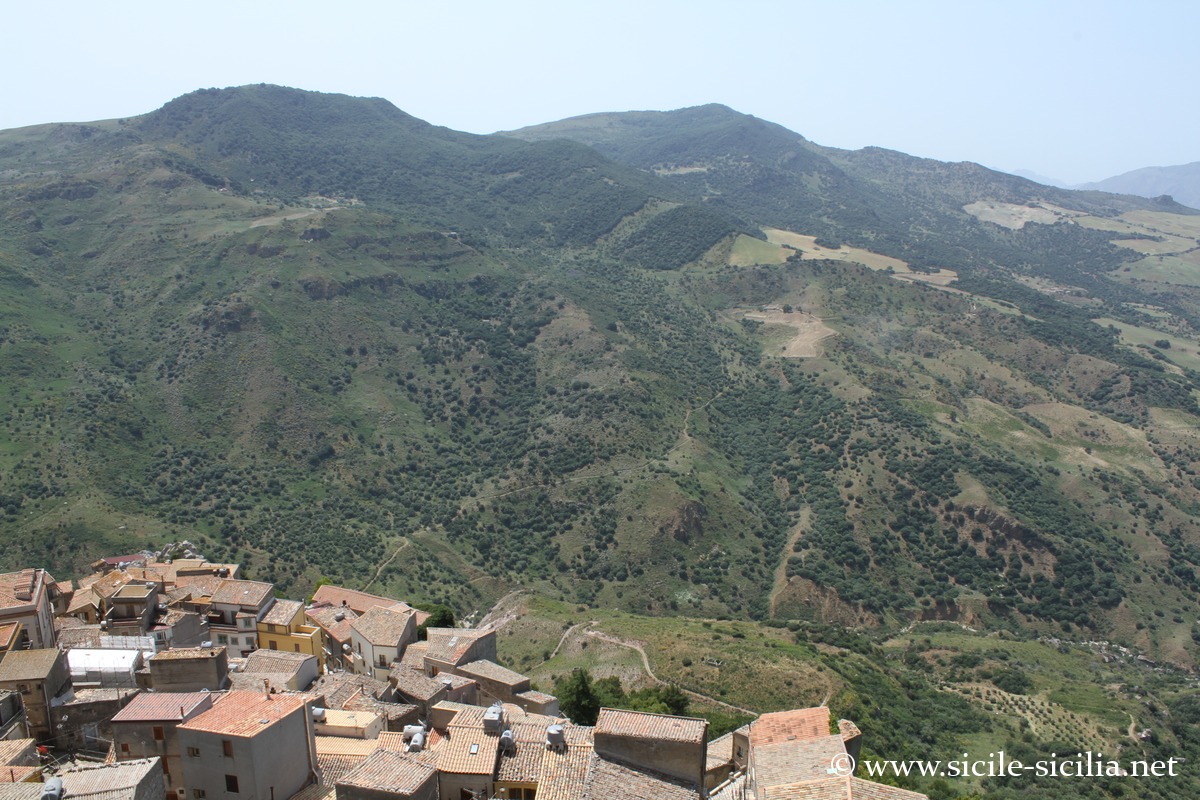
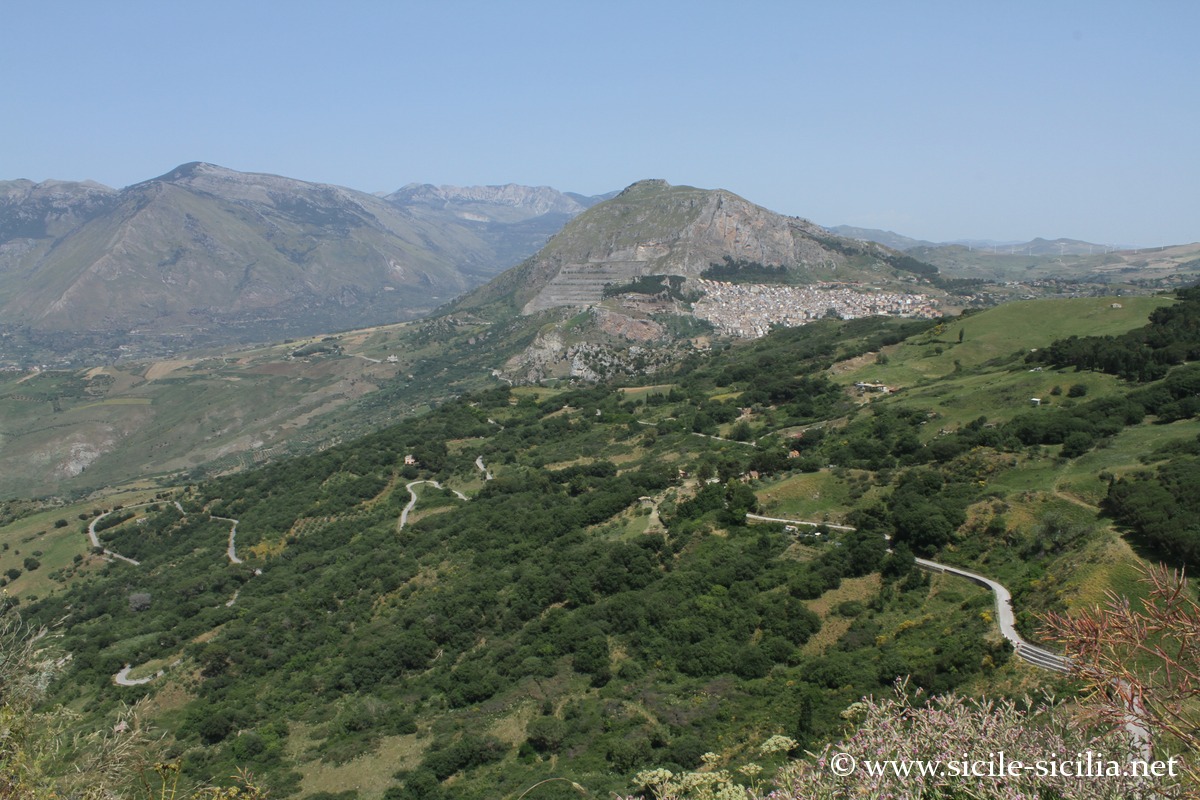
Located in the western part of the upper Himera valley, Sclafani Bagni and Caltavuturo lie on the edge of the Madonie Regional Natural Park, in a territory characterised by its limestone reliefs and its forests such as the Bosco di Favara reserve.
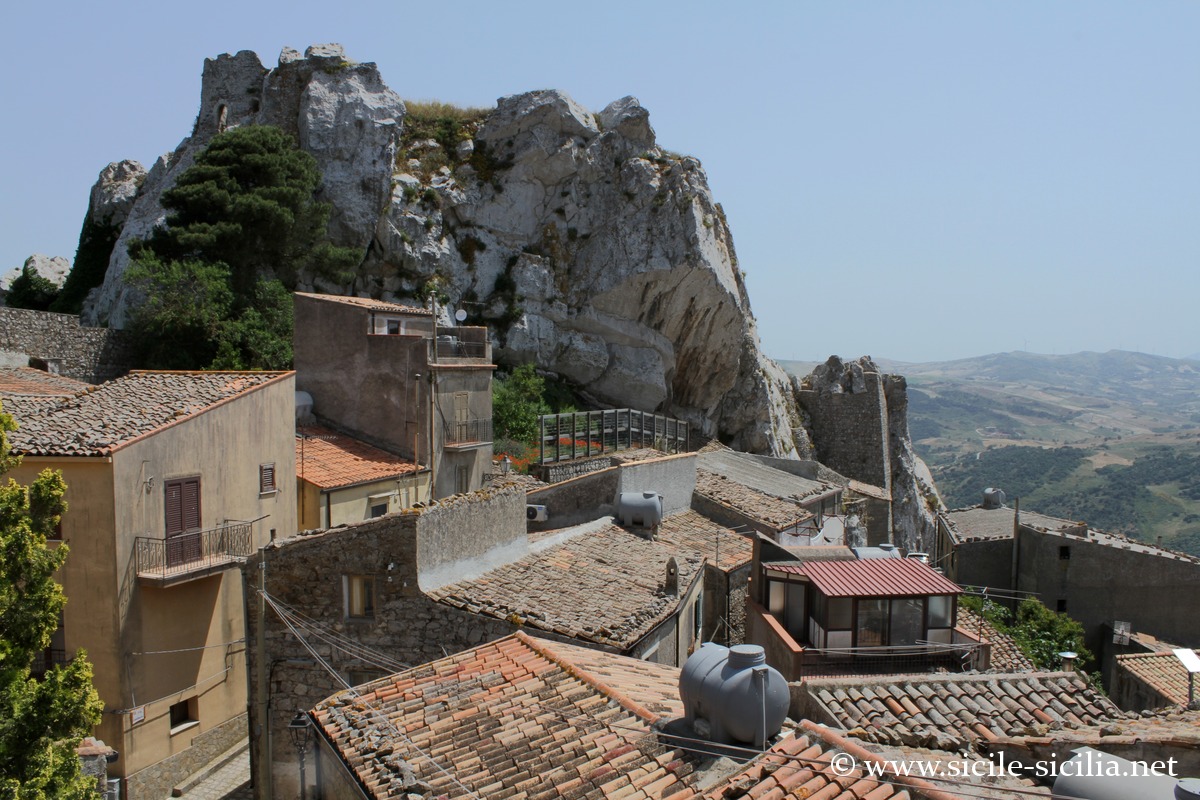
Sclafani Bagni is a small village occupying the top of a rock, with the remains of its medieval castle and its thermal springs. Caltavuturo lies below the Rocca di Sciara, whose Arab medieval remains spread over a plateau overlooking the more recent town, near the Gazzara gorges.
If you see this after your page is loaded completely, leafletJS files are missing.
Sclafani Bagni
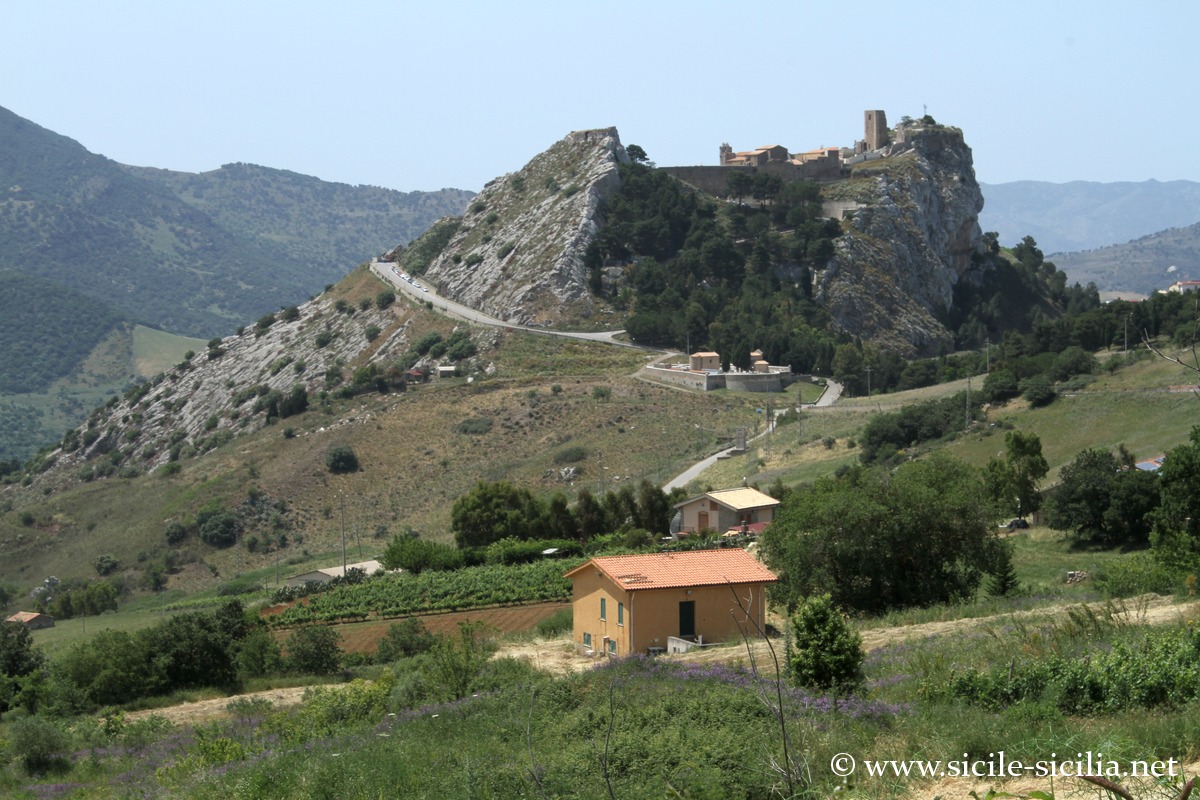
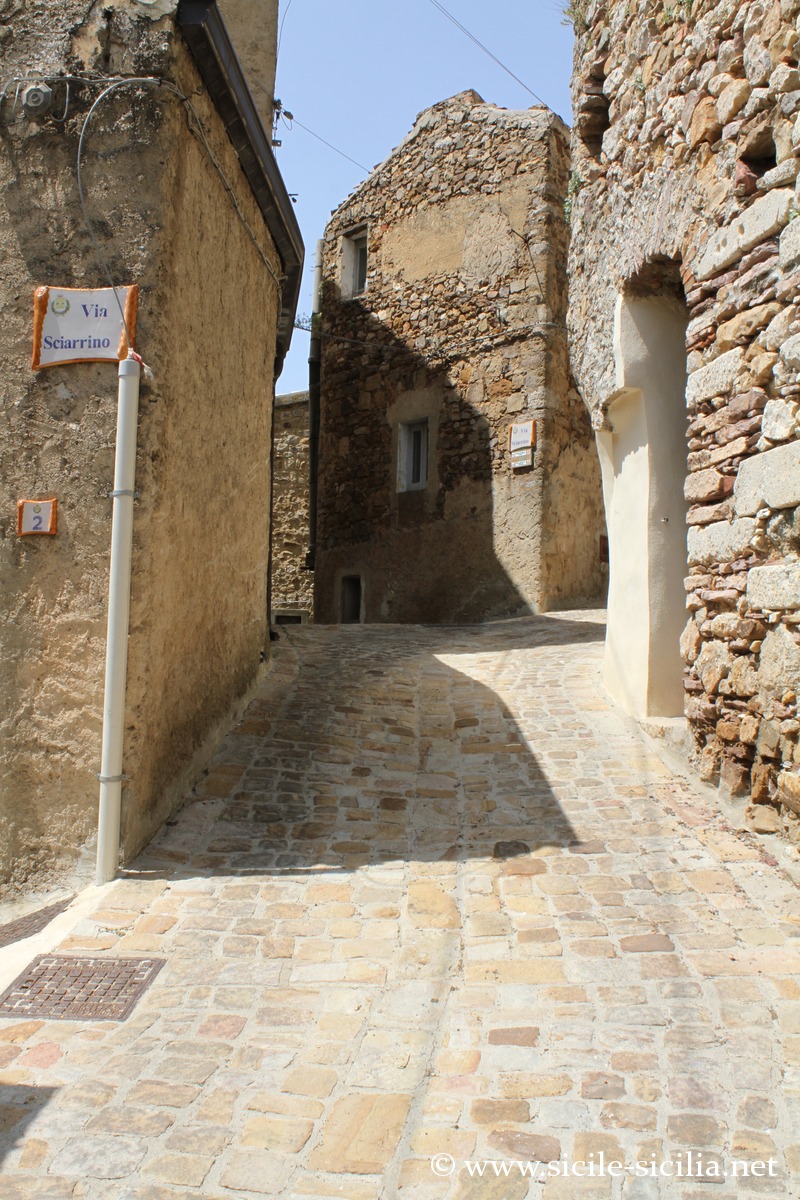
Built on a rocky mount in the Madonie relief, the small village of Sclafani Bagni (which has fewer than 500 inhabitants) is said to be of Greek origin, its name probably deriving from “Aesculapii fanum” (“sacred to Aesculapius”, the Greek god of medicine), in reference to its ancient thermal waters. In the 9th century under the Muslims, it was known as Isqlafinah.
Confraternities played a major role there in the life of the town from the end of the Middle Ages until the 17th century.
Sclafani Bagni
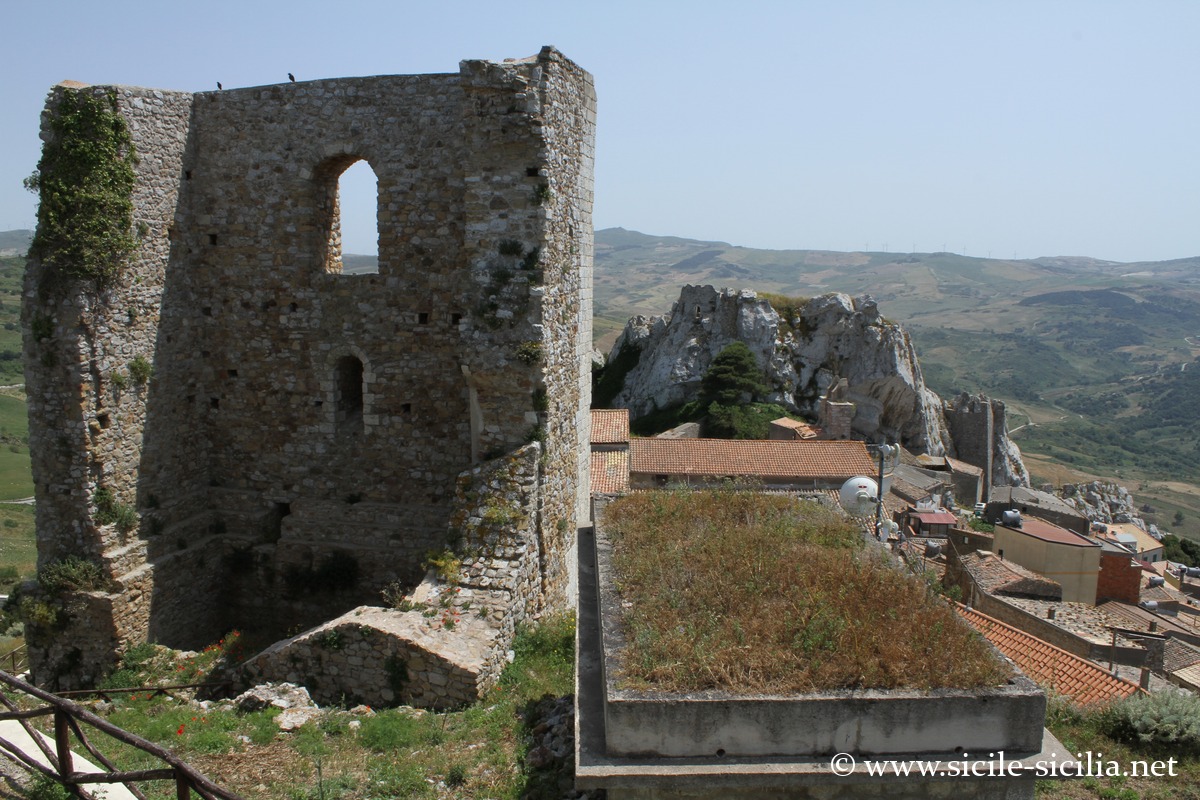
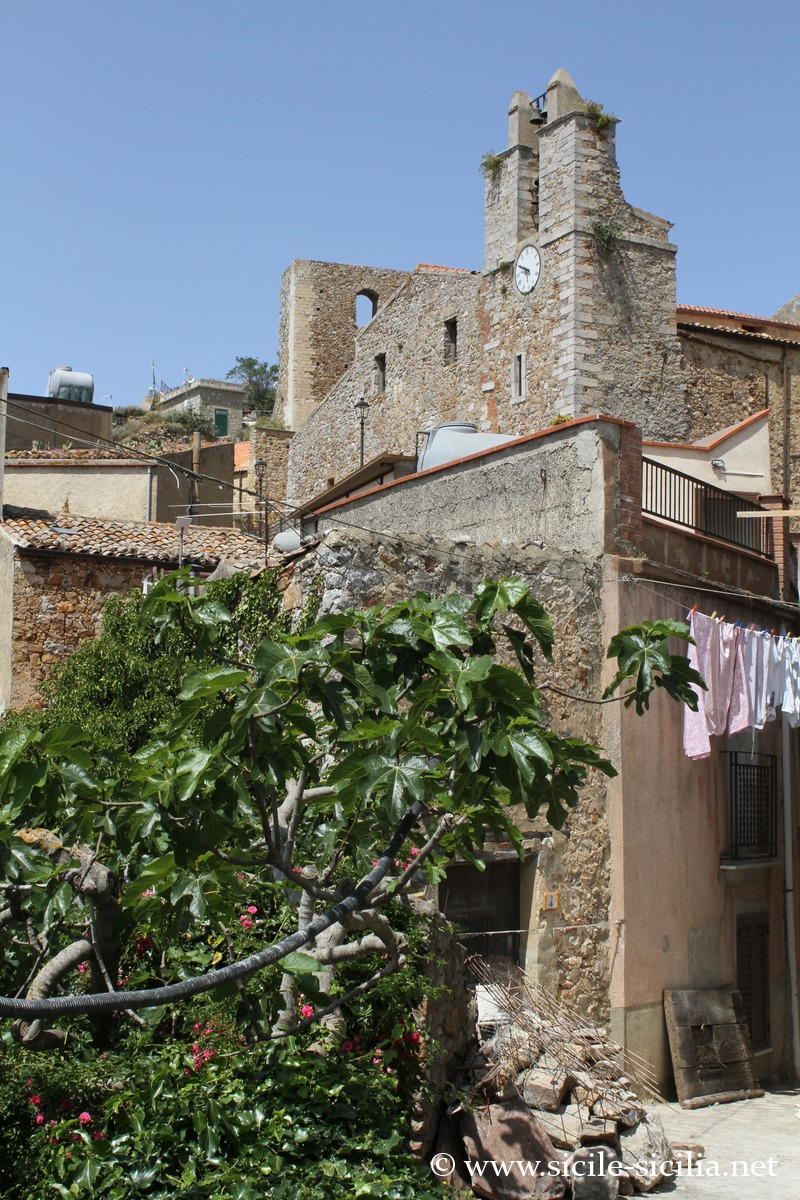
At about 750 metres of altitude, some ruins of its castle remain at the end of the rocky spur, having been restored in the 14th century by Matteo Sclafani, the Count of Adrano, along with charming little churches inherited from the era of the confraternities.
Within the old walls are also found the ruins known as Castelletto.
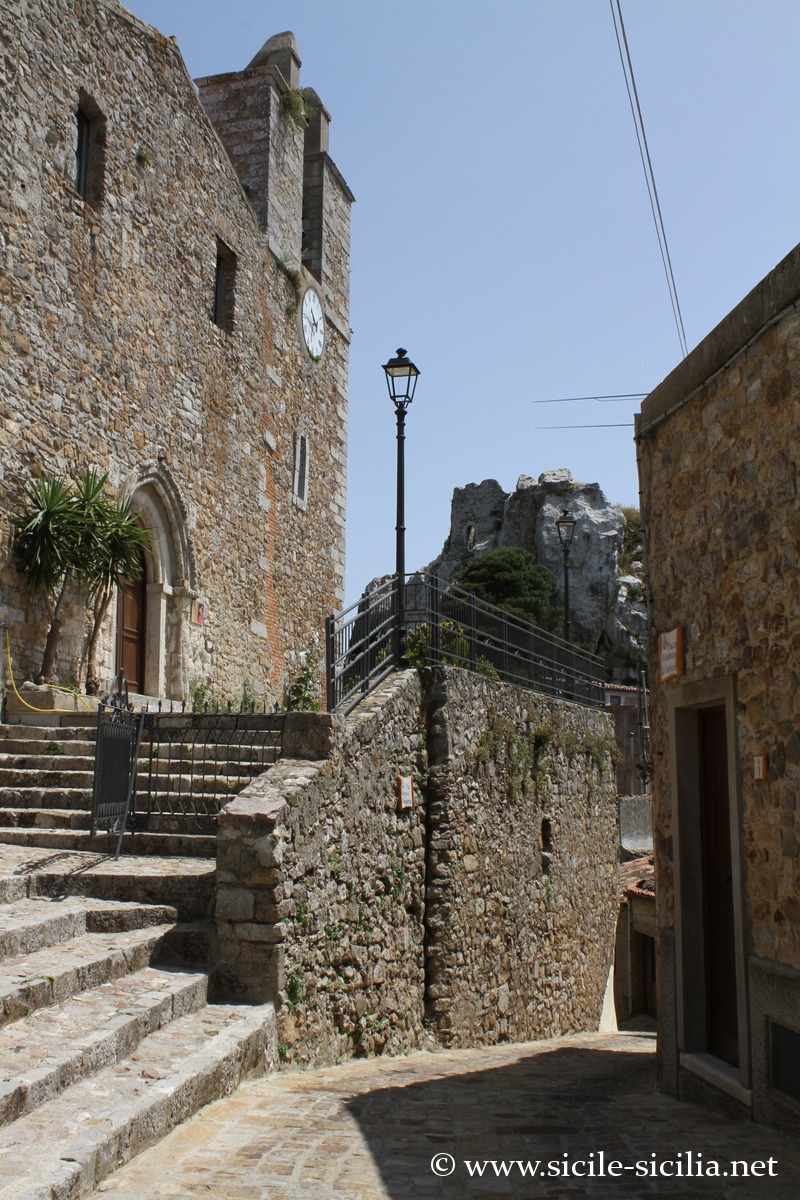
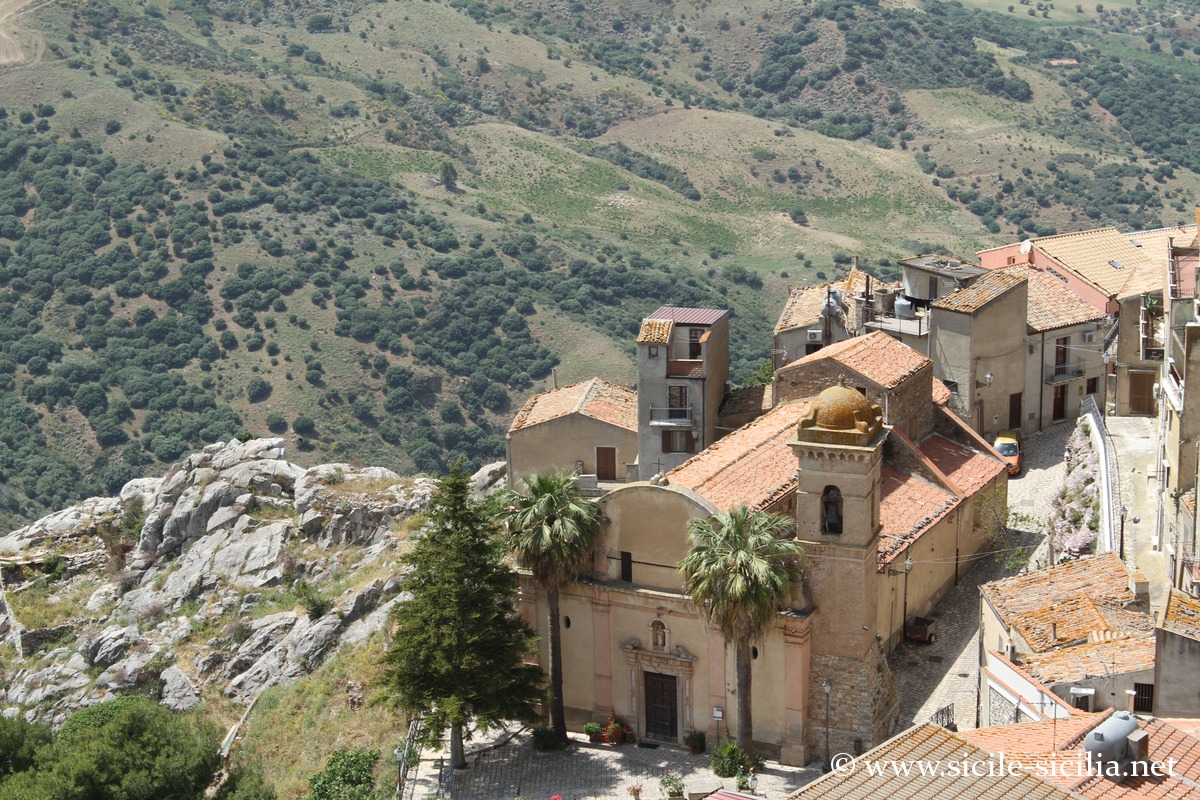
Among the religious buildings are the Chiesa Madre di Santa Maria Assunta, of medieval origin and remodelled in the 14th and 17th centuries, which houses pictorial works from the 16th-17th centuries; the Chiesa di San Filippo and the Chiesa di San Giacomo, both dating from the 16th century with various decorative elements.
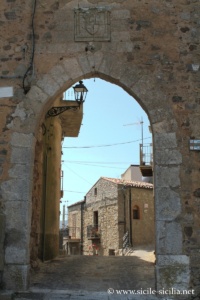
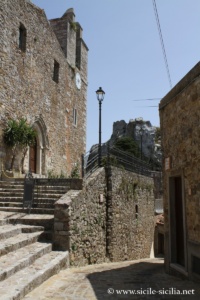
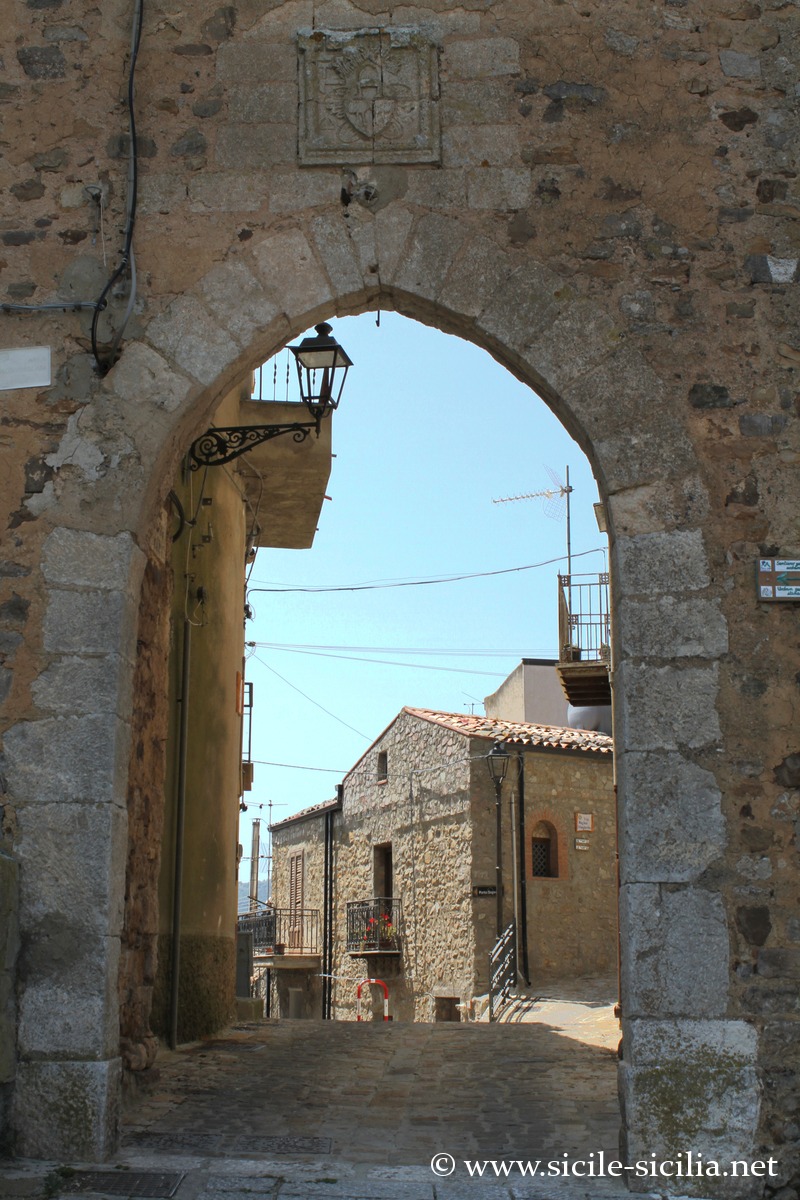
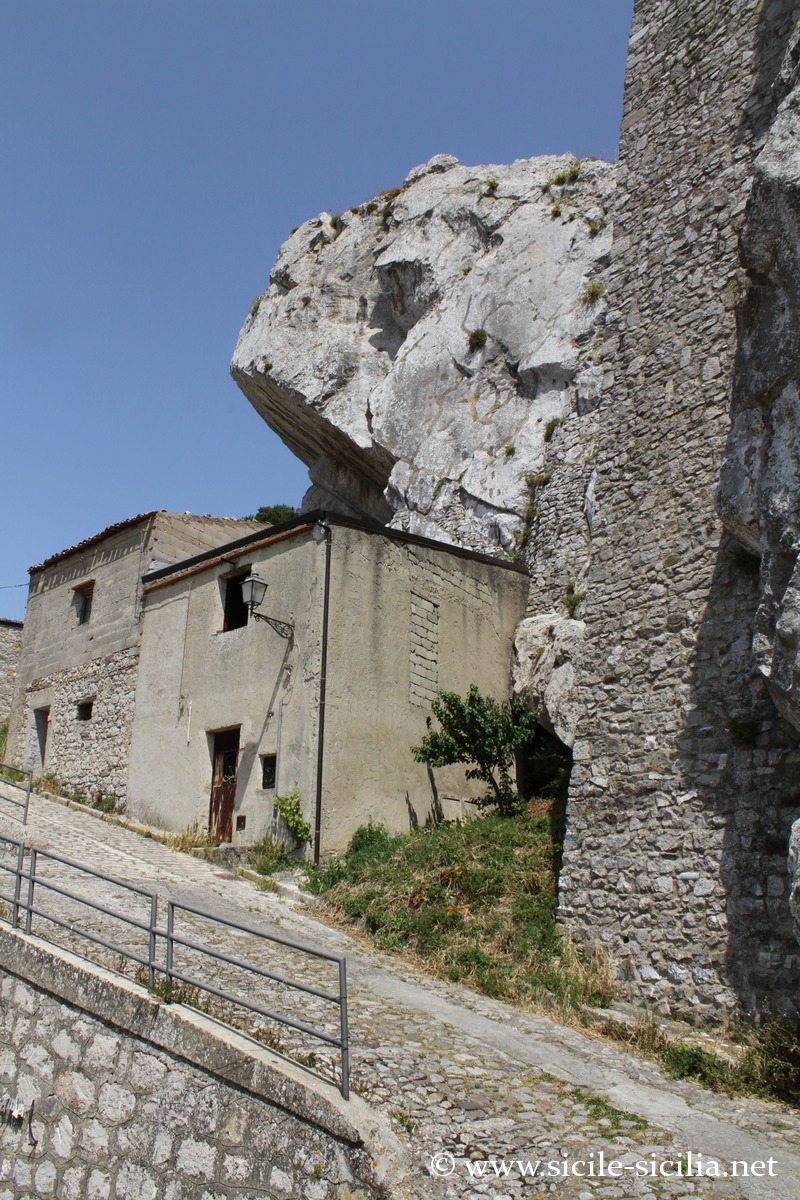
On the eastern side, the old Porta Soprana gate crosses the walls of the village dating from the 14th-century restructurings by Sclafani, with its pointed arch, topped by the emblem of the Sclafani family.
At the foot of the village 300 metres lower to the north-west, the thermal water springs at 37 °C, which was already renowned for its healing virtues since Antiquity, considered miraculous. A thermal establishment was set up from the 18th century, closed in the 1990s after landslides.
The thermal spring remains accessible and frequented, with a rustic pool in the middle of an intact landscape.
Every year, cultural events such as the Sclafani Bagni Wine & Food Festival showcase local products, wine and the gastronomic traditions of the territory.
Gallery
Porta Soprana 

Church of Santa Maria Assunta 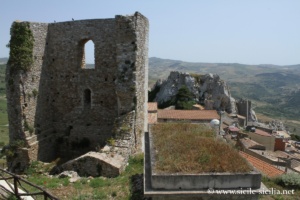

Castle 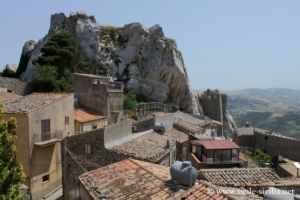
Castle and Rocca 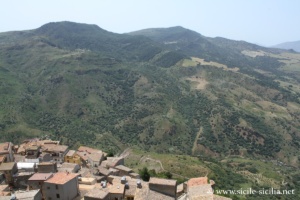
View of the Favara wood 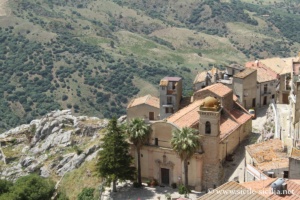
Church of San Filippo 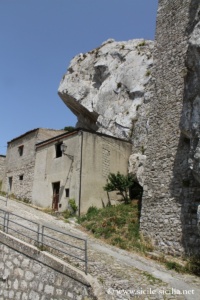
Rocca 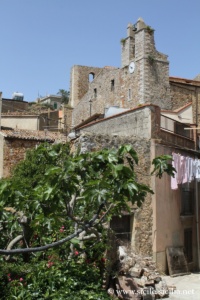
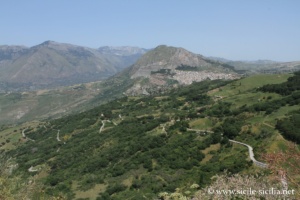
Panorama towards Caltavuturo
Where Sclafani-Bagni is located: map
Bosco di Favara Nature Reserve
A few kilometres north-west of Sclafani stretches the Bosco di Favara nature reserve (“Riserva Naturale Orientata Bosco di Favara e Bosco Granza”) over almost 3000 hectares.
Several waymarked trails allow visitors to discover its landscapes, panoramas, its fauna (wild boar, rabbits, hedgehogs, foxes, birds of prey, etc) and its flora, including various Sicilian oaks and shrubs, wild plum and apple trees, as well as meadows and wetlands.
Mount Soprana is one of the best-preserved areas of the park, and the reserve includes several peaks, including Cozzo Bomes ~1073 m, Monte Roccellito ~1145 m, and Pizzo Conca ~1002 m.
There are a few bodies of water such as the Bomes pond at 833 m of altitude, a permanent wetland despite strong seasonal variations in the water level, home to specific vegetation and fauna such as amphibians.
The park is bordered by several villages; besides Sclafani Bagni, there are Cerda, a historic farming village; Montemaggiore Belsito with its panoramas and ancient buildings; and the small village of Aliminusa.
Caltavuturo
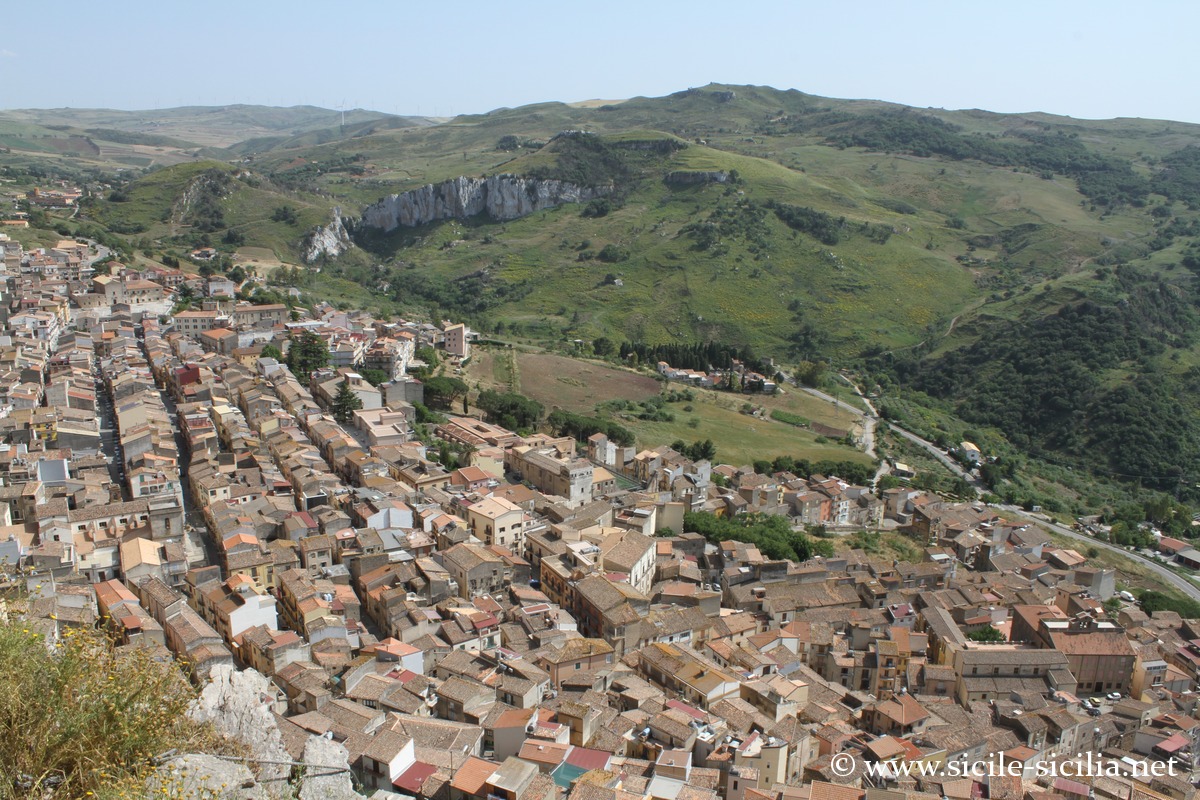
Caltavuturo from Terravecchia
Caltavuturo is a small town of Byzantine and Arab origin located in the western part of the Madonie mountains, perched at 635 metres of altitude and close to the Himera valley.
Its name would derive from the Arabic word Kalat Abu-Thur or from qalaat (fortress) and vuturu (vulture), fortress of the vultures.
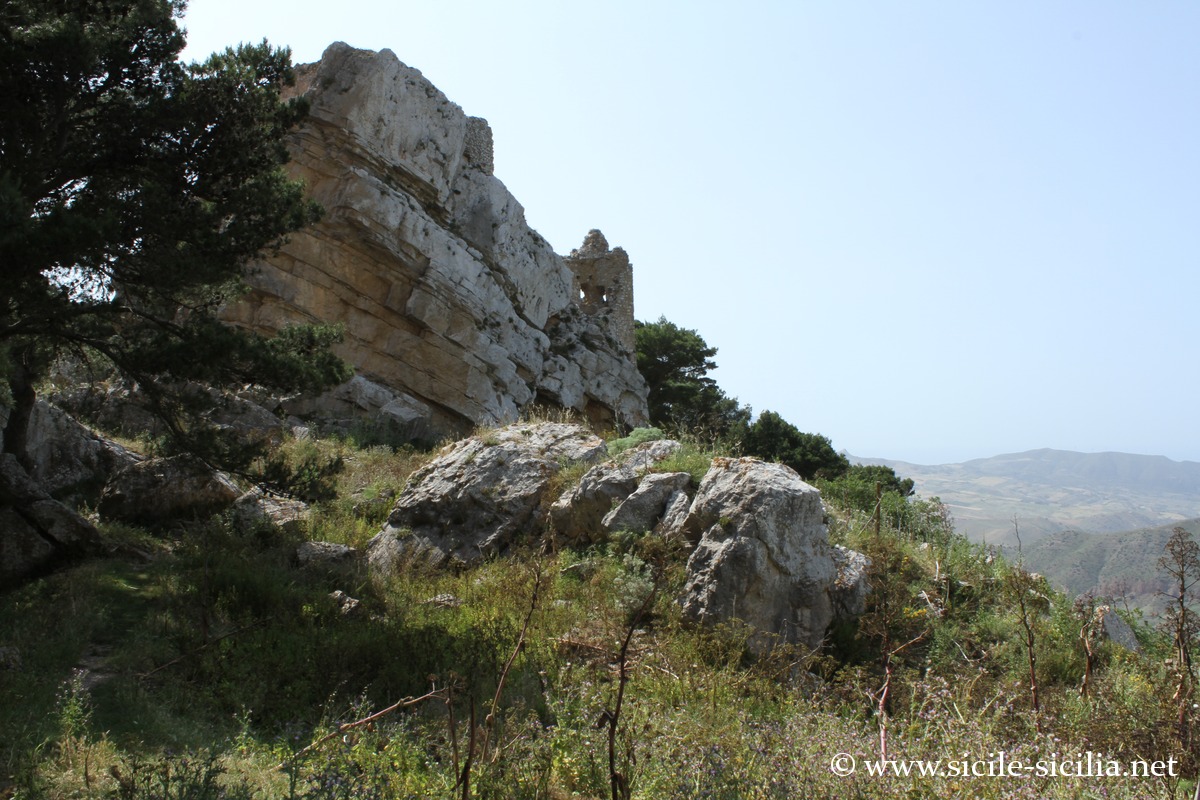
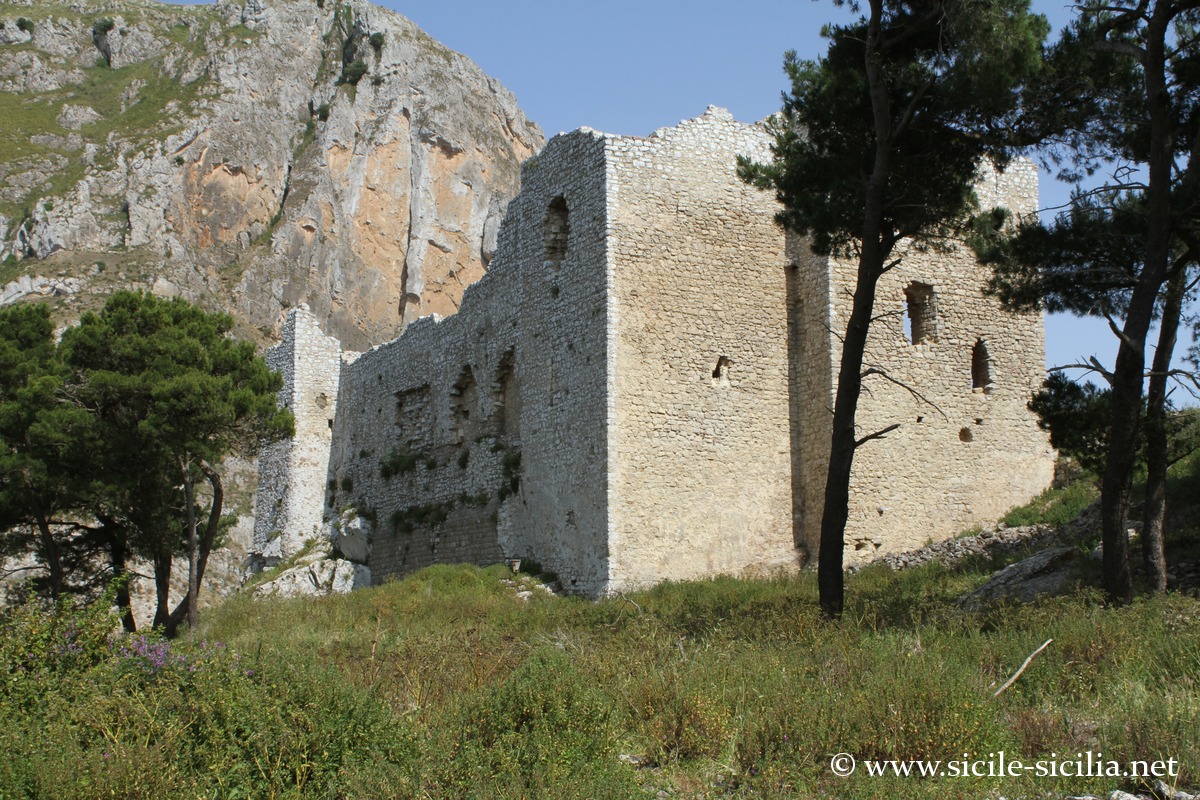
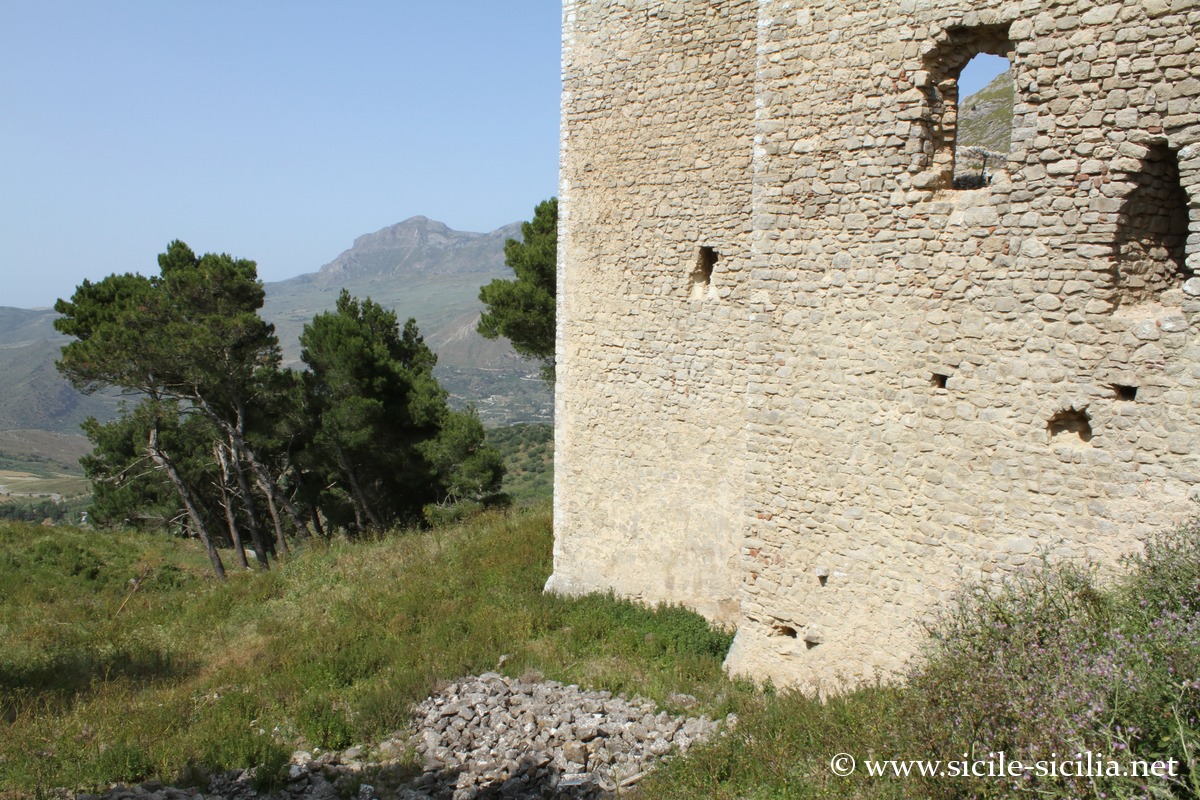
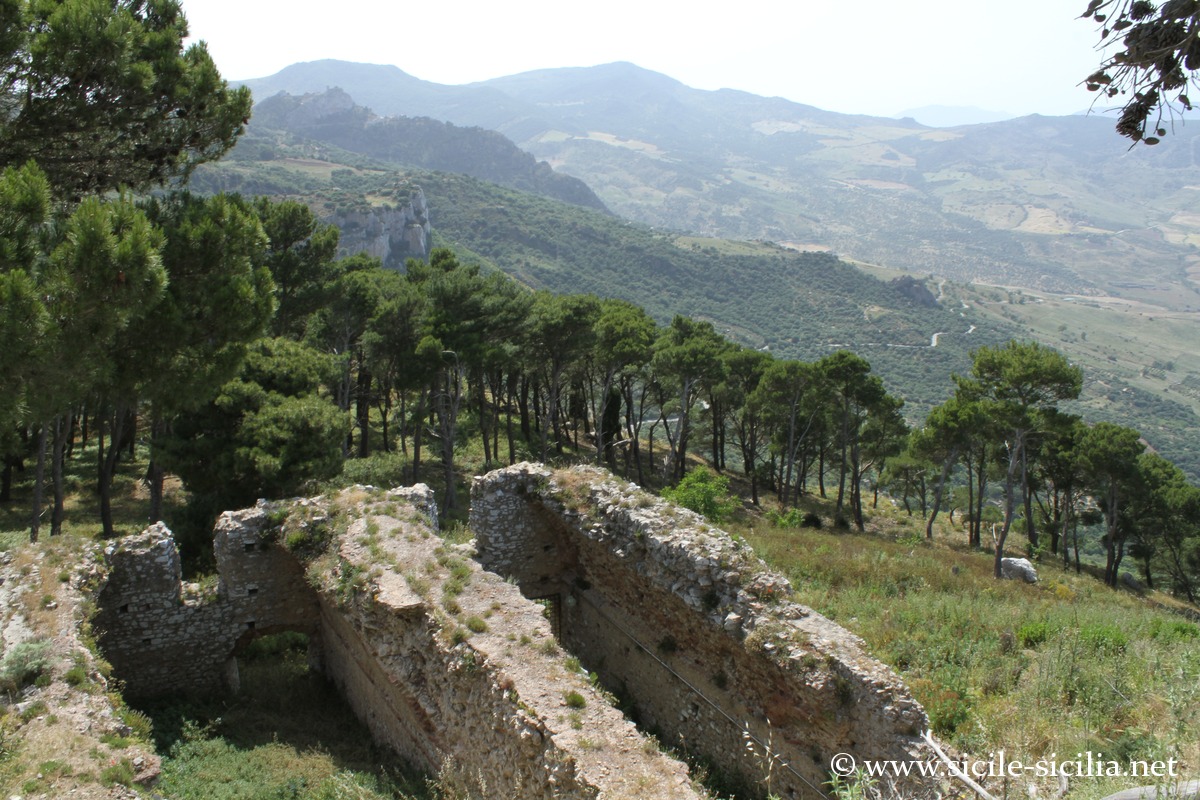
There you can discover the Castle of Terravecchia, in a panoramic position where the remains of the castle of Arab origin dominate the town from the terrace on which the medieval town stood.
Portions of walls, towers, and inhabited structures remain, at least from the 10th century of our era until the 16th century when the area was abandoned in favour of the present urban centre.
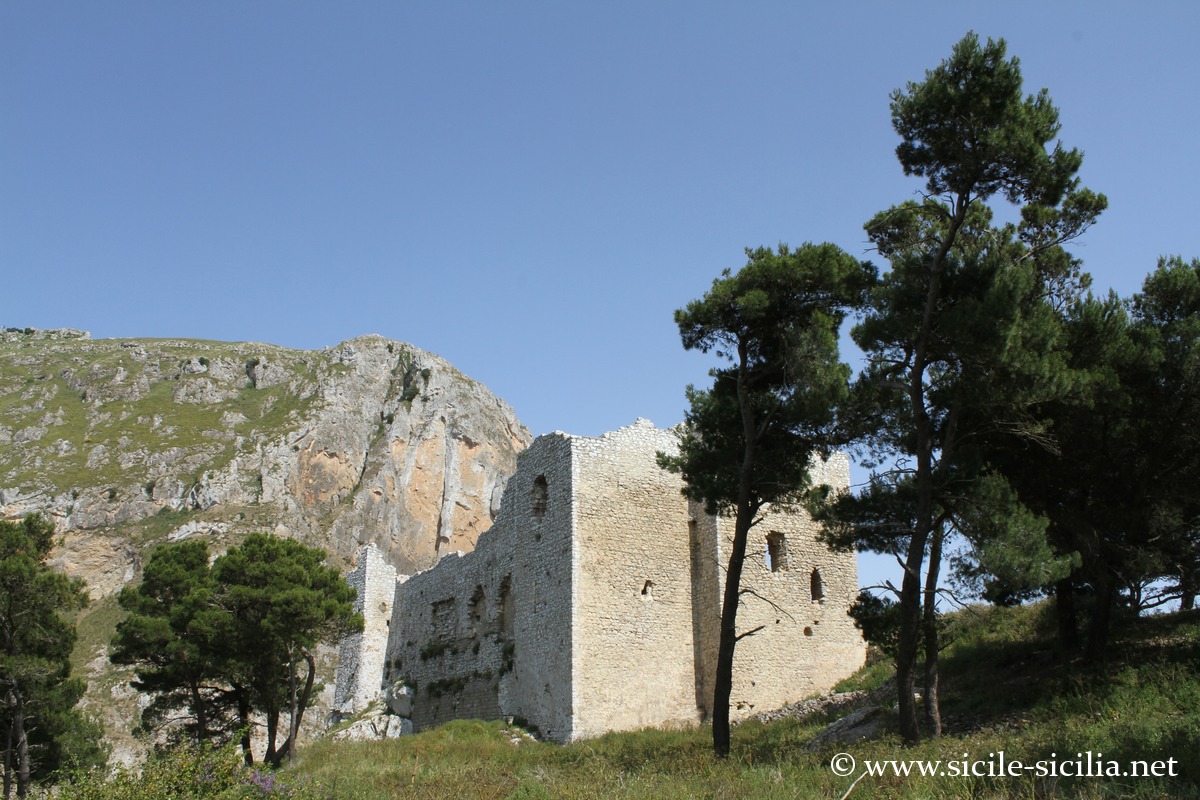
Medieval castle of Terravecchia
The village has churches such as the Chiesa Madre di Santi Apostoli from the late Renaissance (1582), which preserves precious works such as the Flemish canvas of an Adoration of the Magi, statues and a baroque organ.
The Chiesa di Santa Maria La Nova (or La Badia) from the 18th century is linked to an ancient monastic complex, characterised by a sober late-baroque architecture.
The Chiesa di Santa Maria del Gesù is a 17th-century building of conventual origin, which preserves several works of sacred art and baroque decorative elements.
The Chiesa di Sant’Agostino (or del Collegio) from the 18th century, associated with an ancient religious college.
The Civic Museum of Caltavuturo (Museo Civico di Caltavuturo) occupies the former Franciscan convent, with an archaeology section featuring finds from Monte Riparato and the territory, and another section devoted to the Opera dei pupi (traditional Sicilian puppets), and a geology section linked to the geopark of the Rocca di Sciara.
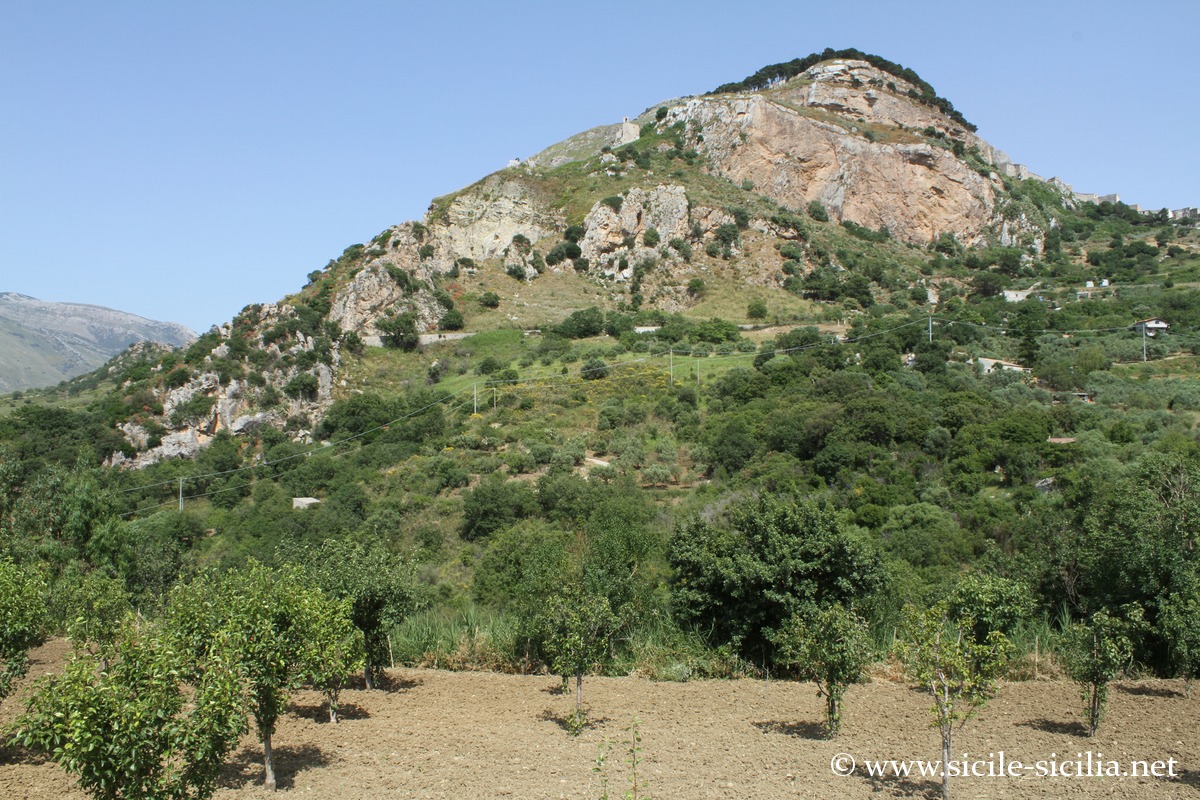
Rocca di Sciara
A trail reaches the summit of the mount of the Rocca di Sciara, the large rock that overlooks Caltavuturo, reaching 1050 metres, with the remains of the San Nicola hermitage on its western crest and the panorama over the Himera Valley and the Madonie.
South of the village you can discover the Gazzara gorges (Gole di Gazzara), a natural canyon formed by river erosion, ideal for walks and climbing.
Caltavuturo is also known for its folkloric and gastronomic traditions, including patronal festivals such as that of Maria Santissima del Soccorso (10 September) and San Calogero (July), and various local sagre that showcase local products such as cheeses and honey. The day of Saint Sebastian also commemorates 20 January 1893, the commemoration of a bloody repression against peasants who were demanding access to land, events that deeply marked the social history of the village and of inland Sicily.
Santissimo Salvatore and Terravecchia 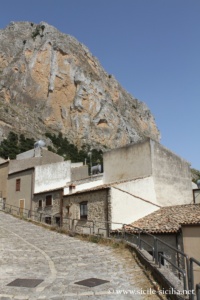
Climb to Terravecchia 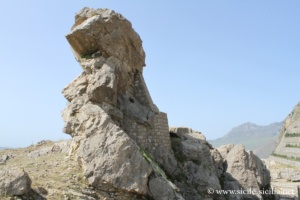
Testa del Leone, Terravecchia 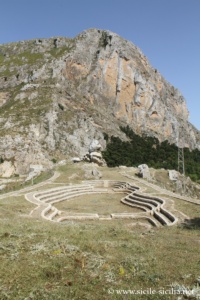
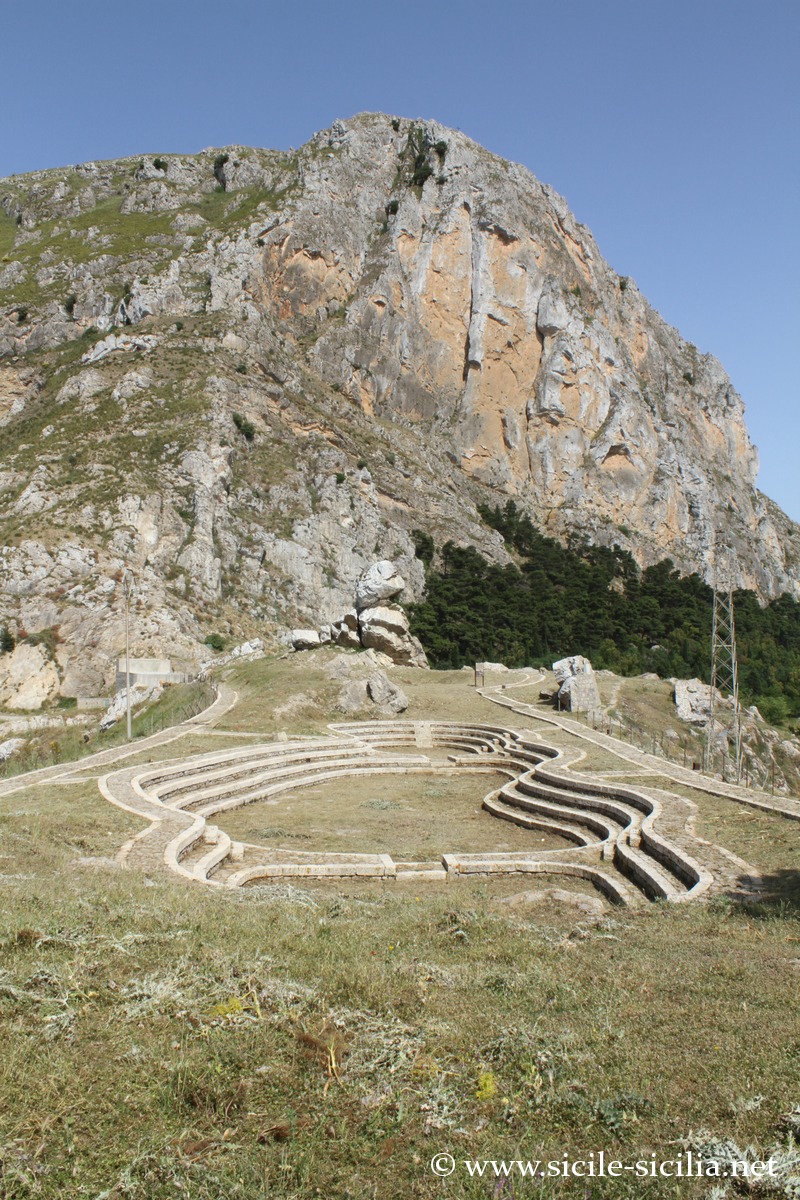
Amphitheatre of Terravecchia 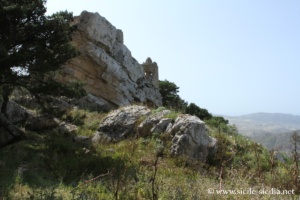
Medieval castle of Terravecchia 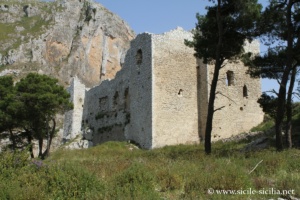
Medieval castle of Terravecchia 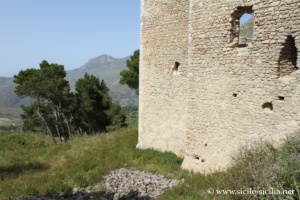
Medieval castle of Terravecchia 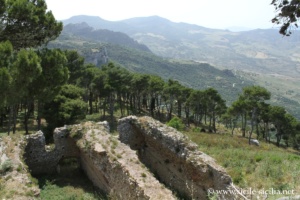
Chiesa Madre of Terravecchia
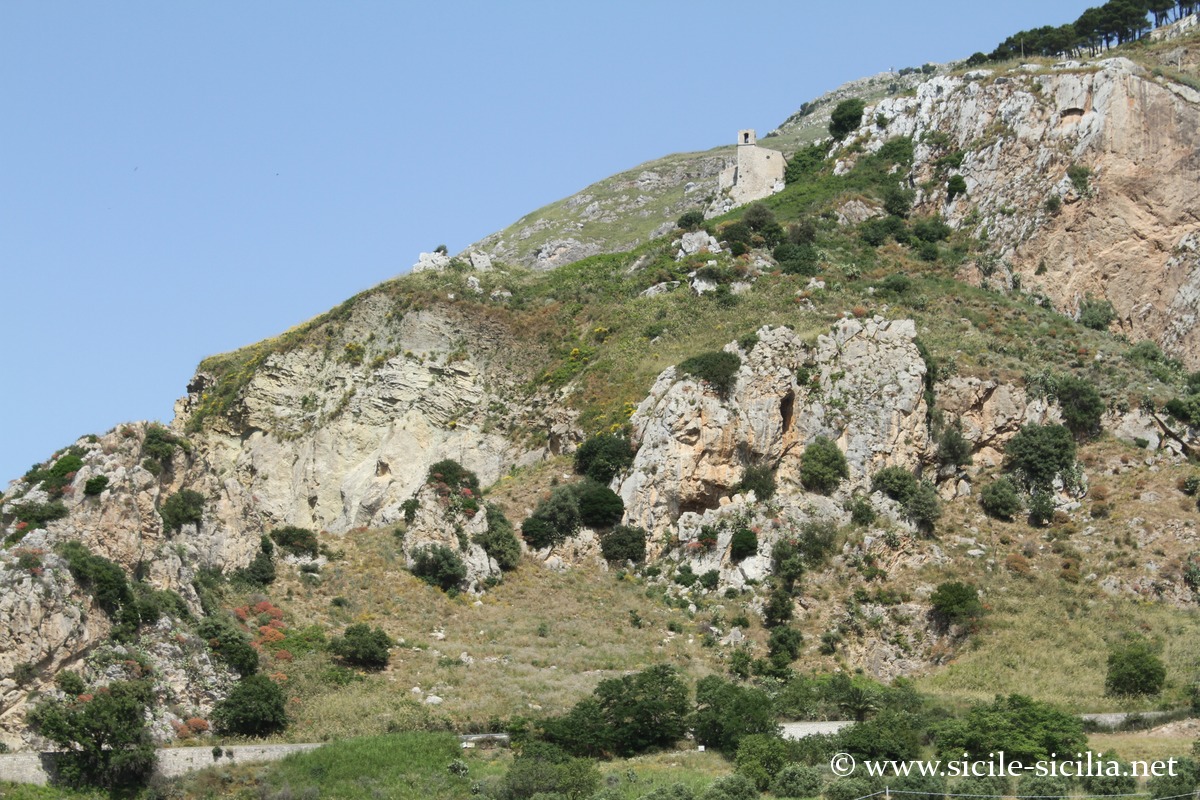
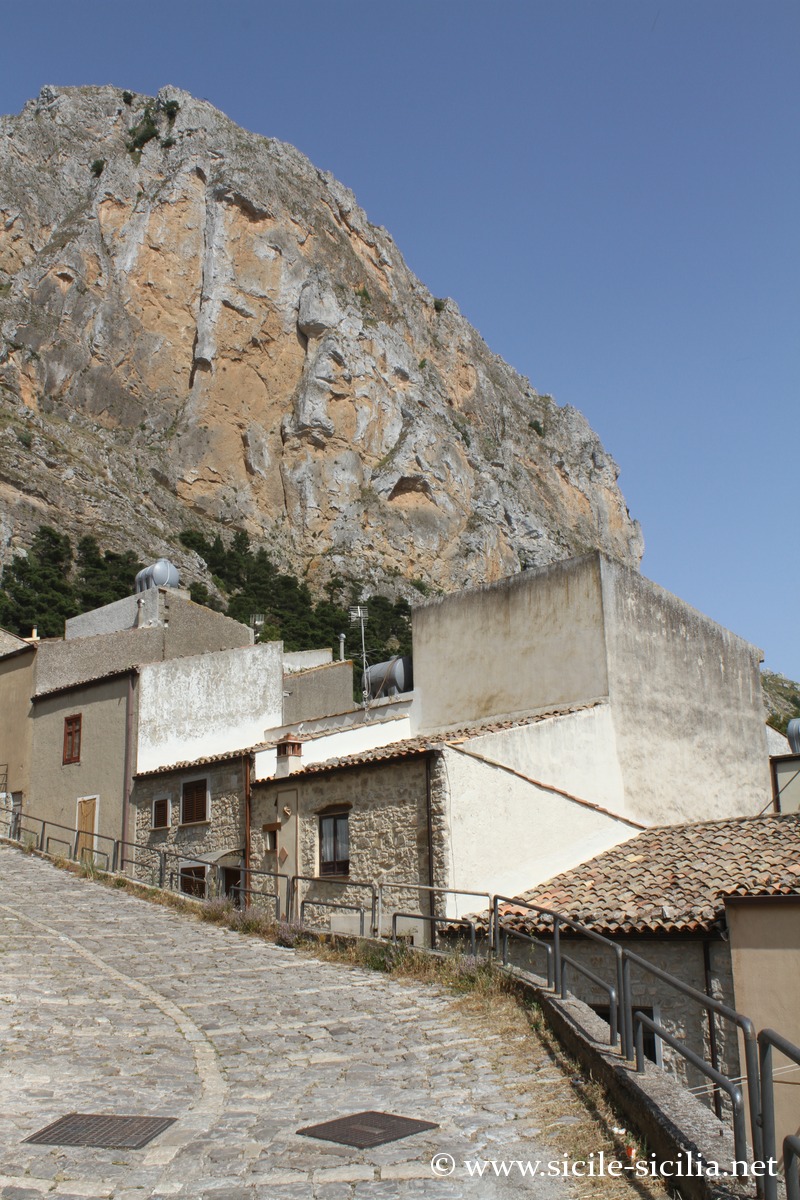
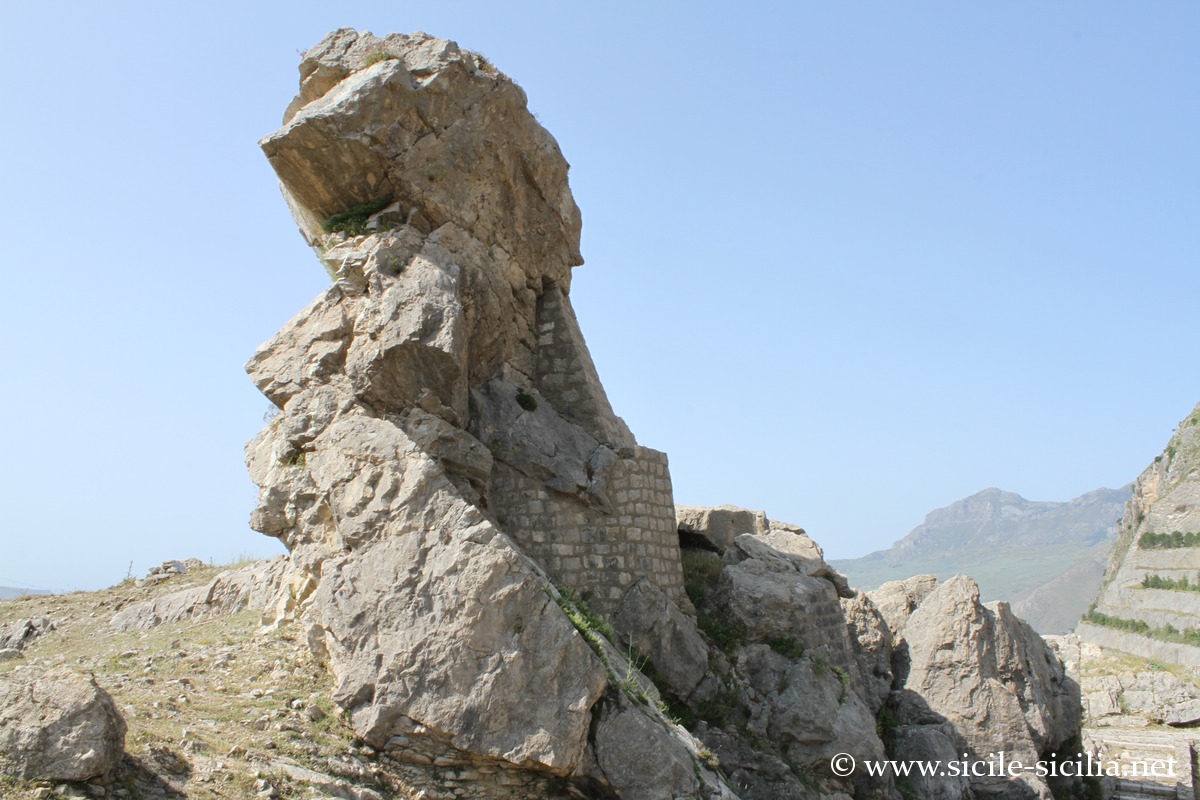
Where Caltavuturo is located: map
Information
Sources and external sites
- Caltavuturo: www.cefalumadoniehimera.it/pois/rocca-di-sciara, www.cefalumadoniehimera.it/comuni/caltavuturo, en.wikipedia.org
- Sclafani Bagni: www.cefalumadoniehimera.it/comuni/sclafani-bagni, www.discoversicilia.it, it.wikipedia.org/wiki/Sclafani_Bagni
- Favara Reserve: www.cefalumadoniehimera.it, www.guidasicilia.it, www.parks.it, it.wikipedia.org
Articles in the Madonie category
- Madonie Natural Park
 The Madonie are a mountain range of the Sicilian Apennines in ...
 - Cefalù
 Cefalù is a small town of about 14,000 inhabitants, and a ...
 - Gangi
 Gangi is a small town with character, of 6,500 inhabitants, classified ...
 - Castelbuono and the Ventimiglia Castle
 Castelbuono is a medieval village in the hinterland of Cefalù, located ...
 - Petralia Soprana
 Petralia Soprana is a medieval gem of the Madonie range, located ...
 - Petralia Sottana
 Petralia Sottana is located 3 km from Petralia Soprana, slightly lower ...
 - Favara Wood
 A few kilometres north-west of Sclafani lies the Favara Wood nature ...