
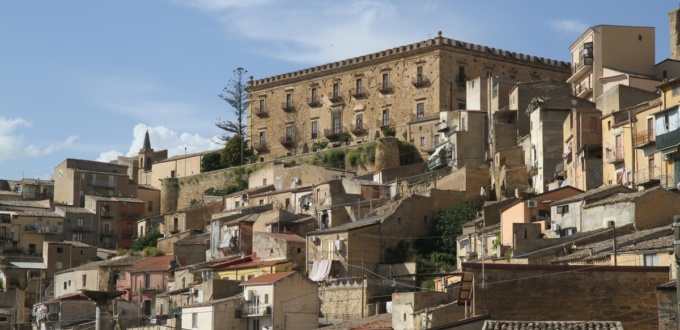
In the Heraean Mountains, about 20 kilometres north-east of Enna, lie two pretty Sicilian villages a few kilometres apart: Leonforte, founded in the 17th century by the Branciforte family, and Assoro, of ancient origin, both of which were also medieval fortresses. The first has nearly 15,000 inhabitants, the second, smaller, 5,000.
Leonforte and its territory
The small town of Leonforte lies between 600 and 700 metres above sea level, 22 km from Enna. In Arab times, its territory marked the junction of the three great administrative divisions of Sicily with the three great valleys.
It was founded at the beginning of the 17th century, when Niccolò Placido Branciforte obtained in 1610 the licentia populandi authorising the creation of a new town on the lands of the old fortress of Tavi. It was elevated to the rank of principality in 1622, allowing it major urban investments.
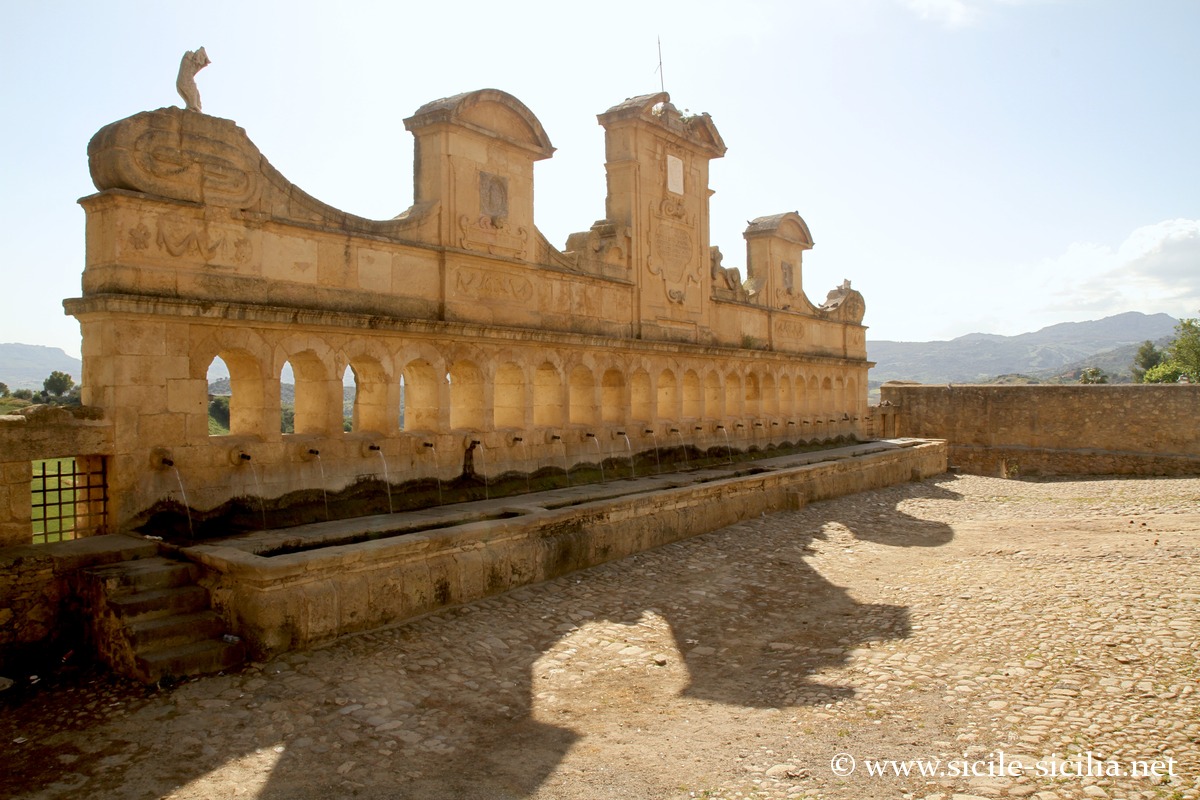
The Branciforte family structured the town with an organised layout, built the Palazzo Branciforti, several churches and the Granfonte, which became the social and hydraulic centre of the territory.
In the 17th and 18th centuries, Leonforte developed around agriculture, water mills and craft activities.
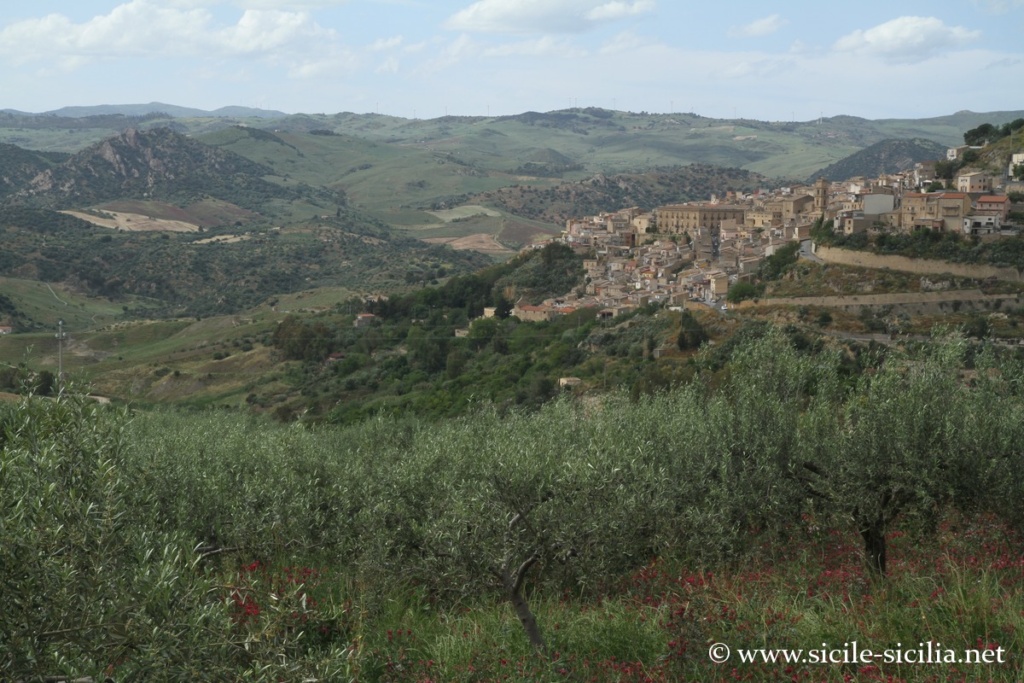
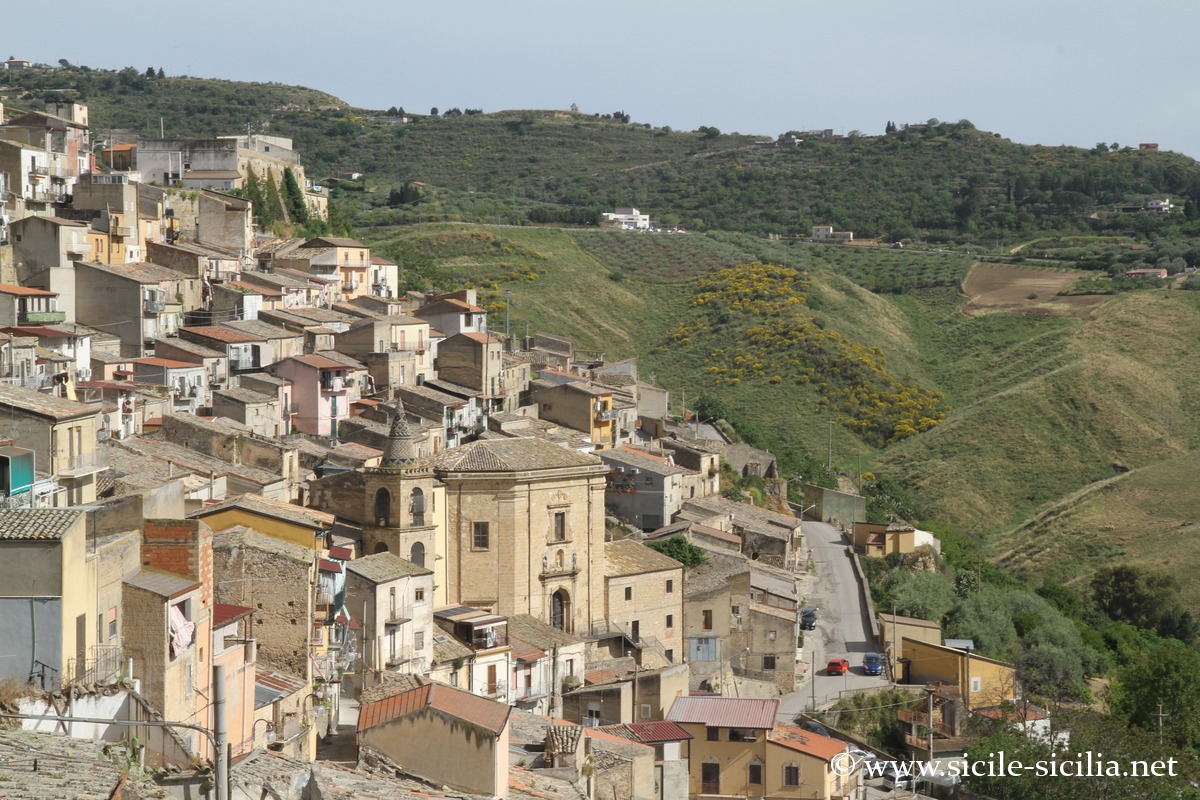
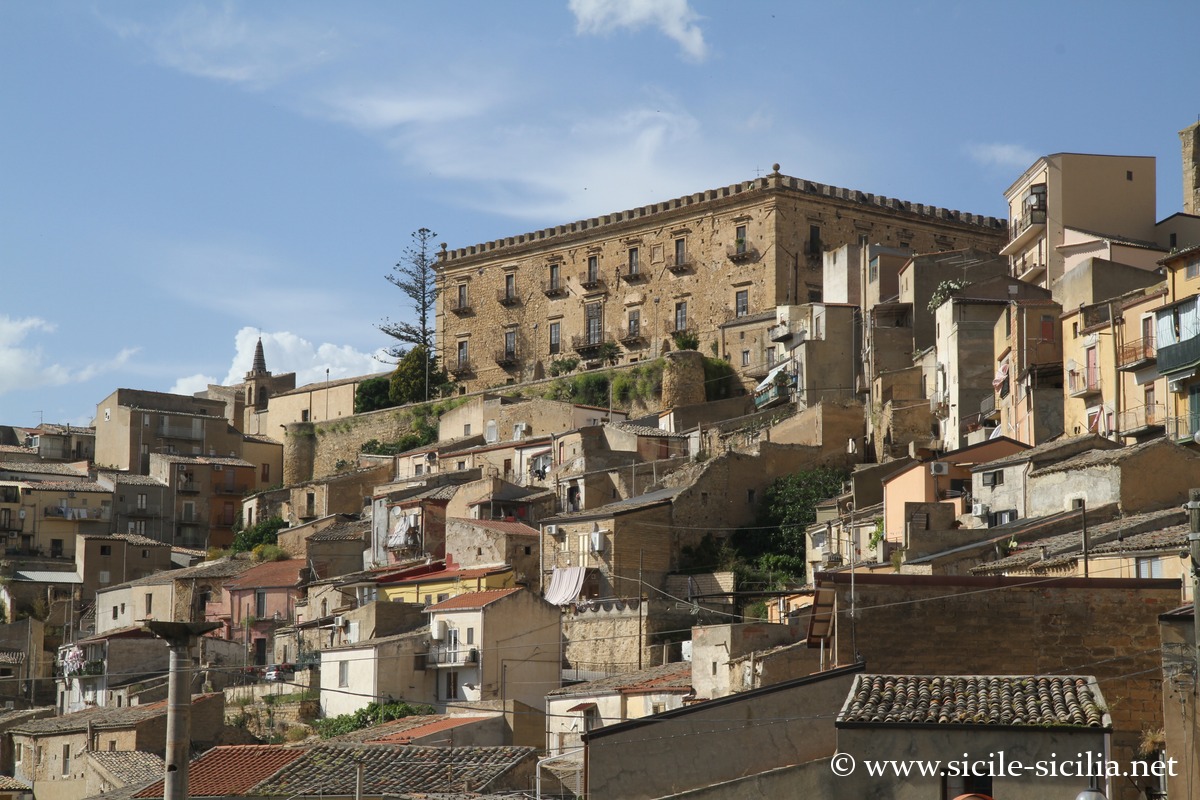
Panorama over Leonforte
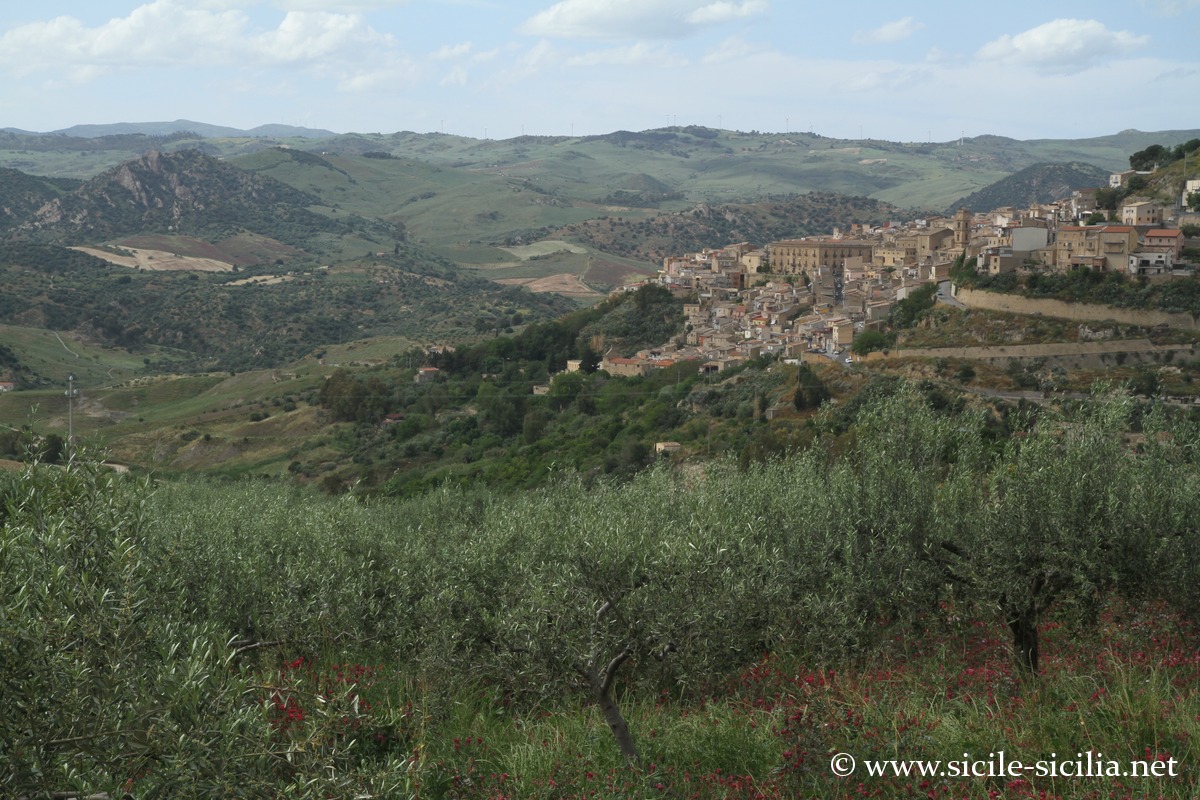
A rock two kilometres from the centre is dominated by the remains of Tavi Castle, mentioned under the Byzantines, an Arab and then Norman fortress.
Further west, portions remain of a lush forest of cork and holm oaks on the slopes of Mount Altesina (which reaches 1,192 metres), the summit of the Heraean Mountains. Towards the summit there was a prehistoric village, and on the slopes, the ruins of an ancient hermitage named San Girolamo Lartisina.
The Lake Nicoletti south of Leonforte is a particularly interesting natural habitat.
This region has several prehistoric sites. It is rich in water, which was used by many mills, and has several abandoned industrial sites, as well as a disused railway line.
Heritage of Leonforte
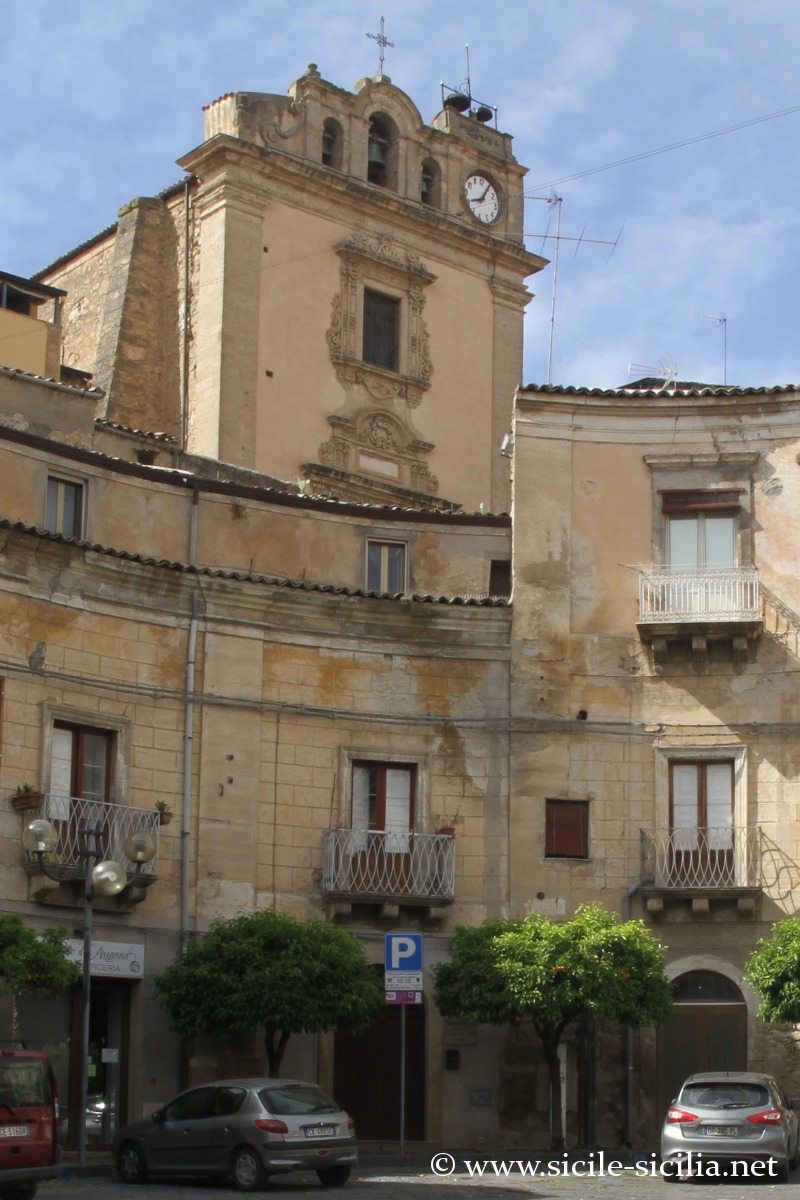
The town preserves an interesting heritage, starting with numerous churches, including the Chiesa Madre San Giovanni Battista, the Capuchin Convent, Maria Santissima del Monte Carmelo, and San Giuseppe.
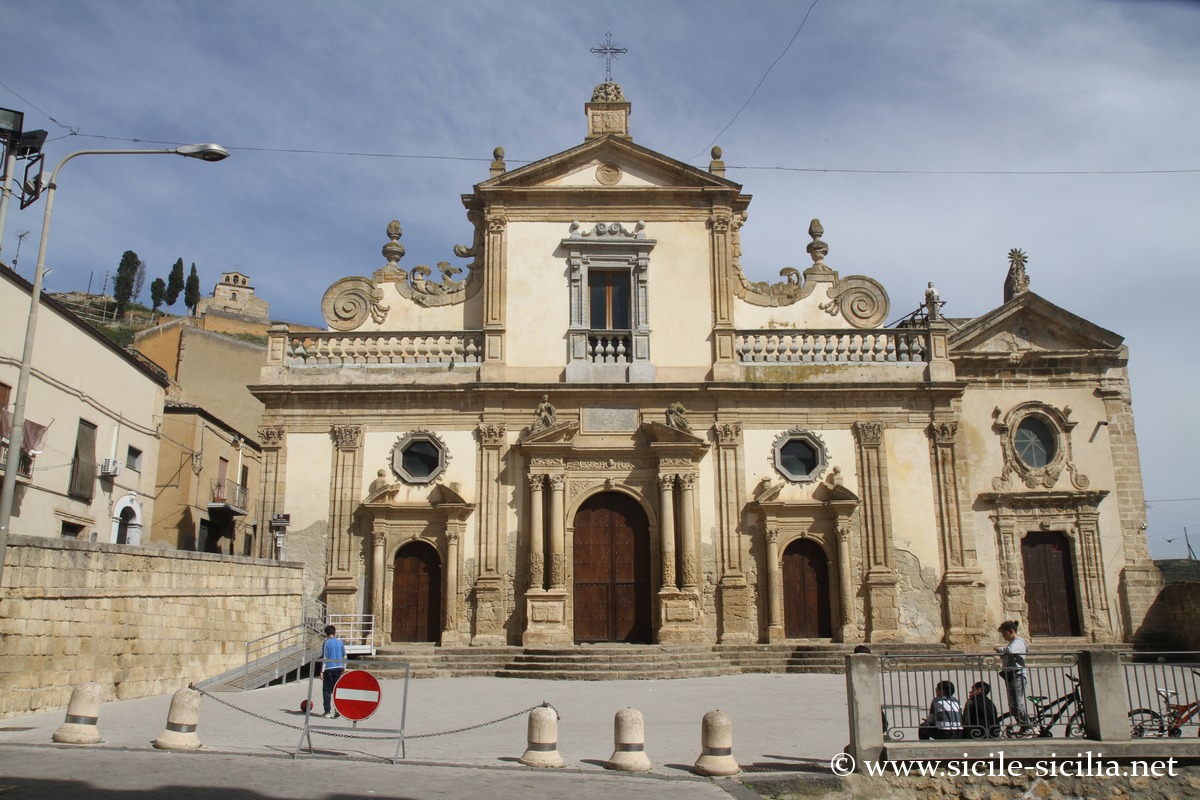
The Chiesa Madre, dedicated to San Giovanni Battista, was built around 1611 on a small pre-existing sanctuary, with its baroque façade completed in 1740. The interior has three naves with Corinthian columns, white and gilded stuccoes.
It houses a baroque pipe organ by Donato del Piano from 1740 with more than 500 pipes, a wooden statue of Christ dating from around 1650, La cacciata dal tempio by Raimondi and frescoes on the life of Saint John the Baptist in the apse.
The Capuchin Convent was founded in 1632-1634, arranged around a sober quadrangular cloister typical of the Capuchin orders. The adjoining church houses the canvas The Election of Matthias by Pietro Novelli (1640–1642) on the main altar. In the sacristy there is a large wooden ciborium finely inlaid (ivory, mother-of-pearl…) designed by fra Angelo Gagliano (1743-1809).
Maria Santissima del Monte Carmelo (Chiesa del Carmelo) already existed before the foundation of Leonforte, served by the Carmelites of Assoro, and was restored in 1661. It was rebuilt around 1785 and the interior was completed in 1899. A “Plague Stone” placed in the stoup is venerated there, linked to a local tradition.
San Giuseppe is decorated with remarkable baroque frescoes. The apse vaults bear works of the school of Guglielmo Borremans (18th century), notably The Dream of Joseph and The Flight into Egypt. A funerary crypt houses an ossuary
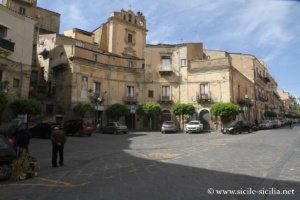
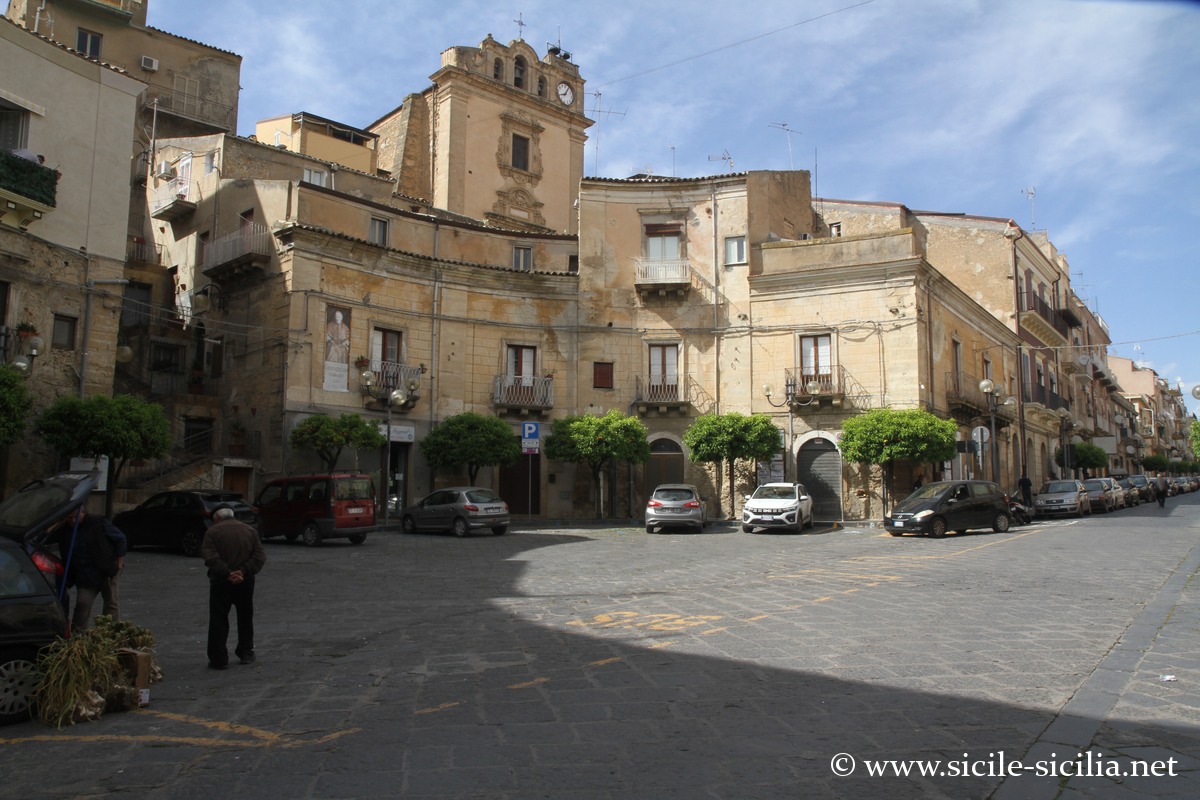
Piazza Margherita 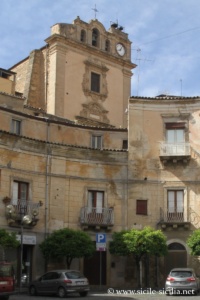
San Giuseppe Church 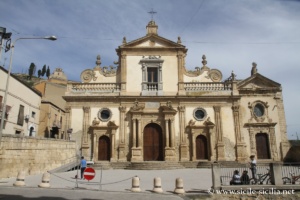
Chiesa madre San Giovanni Battista 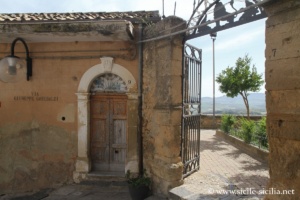

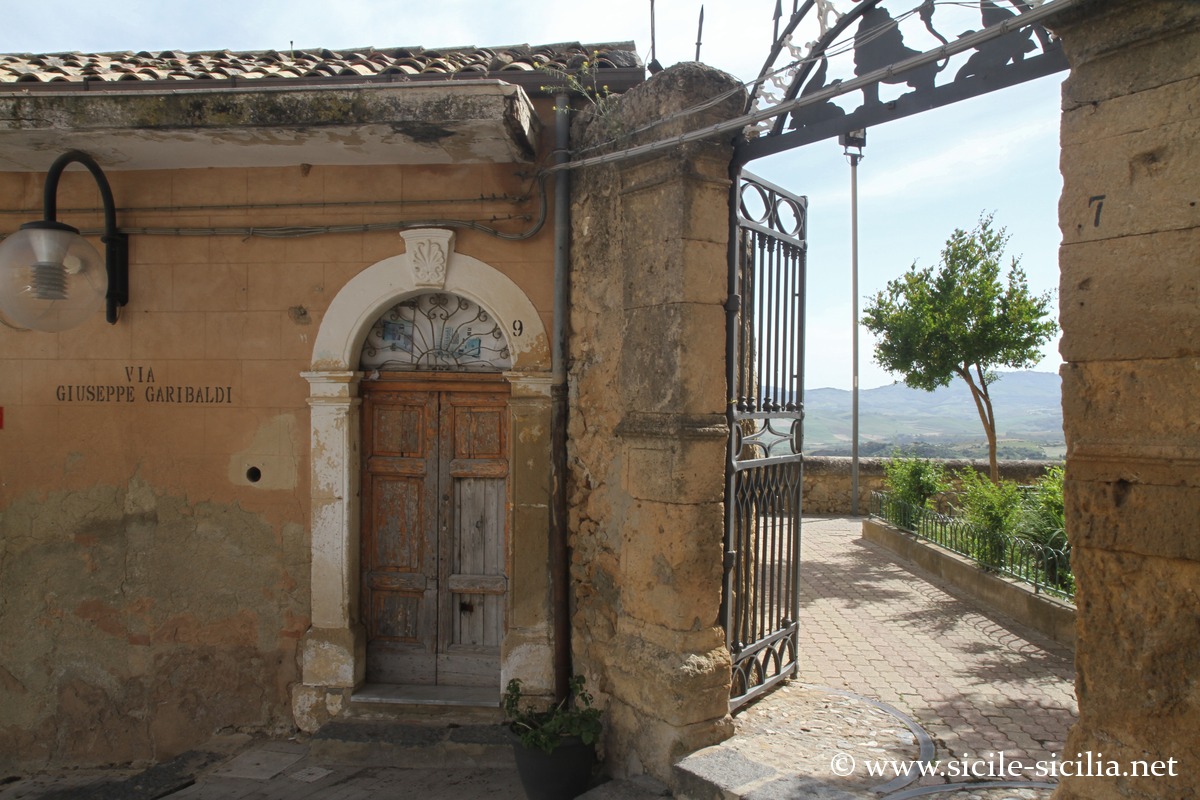
Belvedere of the Branciforte Palace 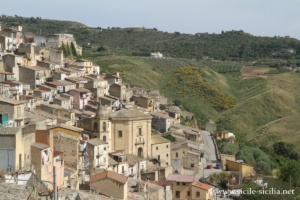
Belvedere of the Branciforte Palace
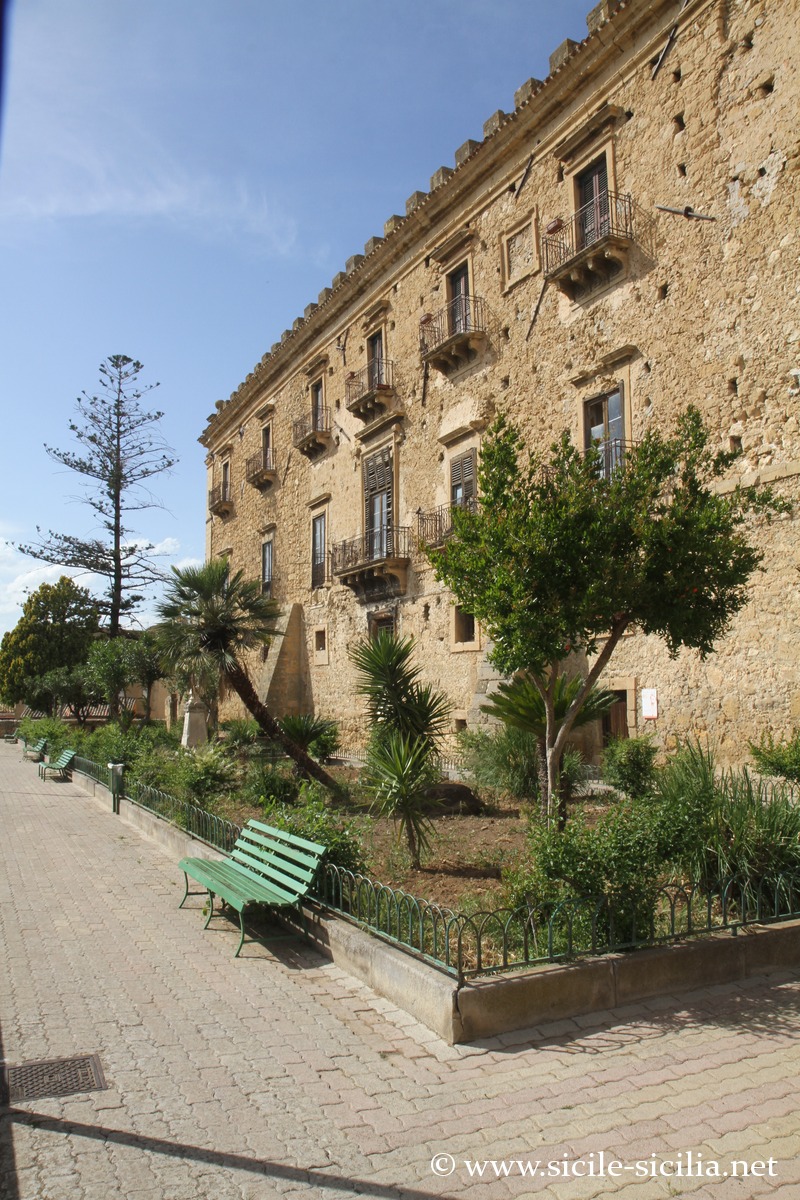
The Palazzo Branciforti is an important seigneurial palace, built on a bastion overlooking the Crisa valley, and which according to accounts had stables for 200 horses.
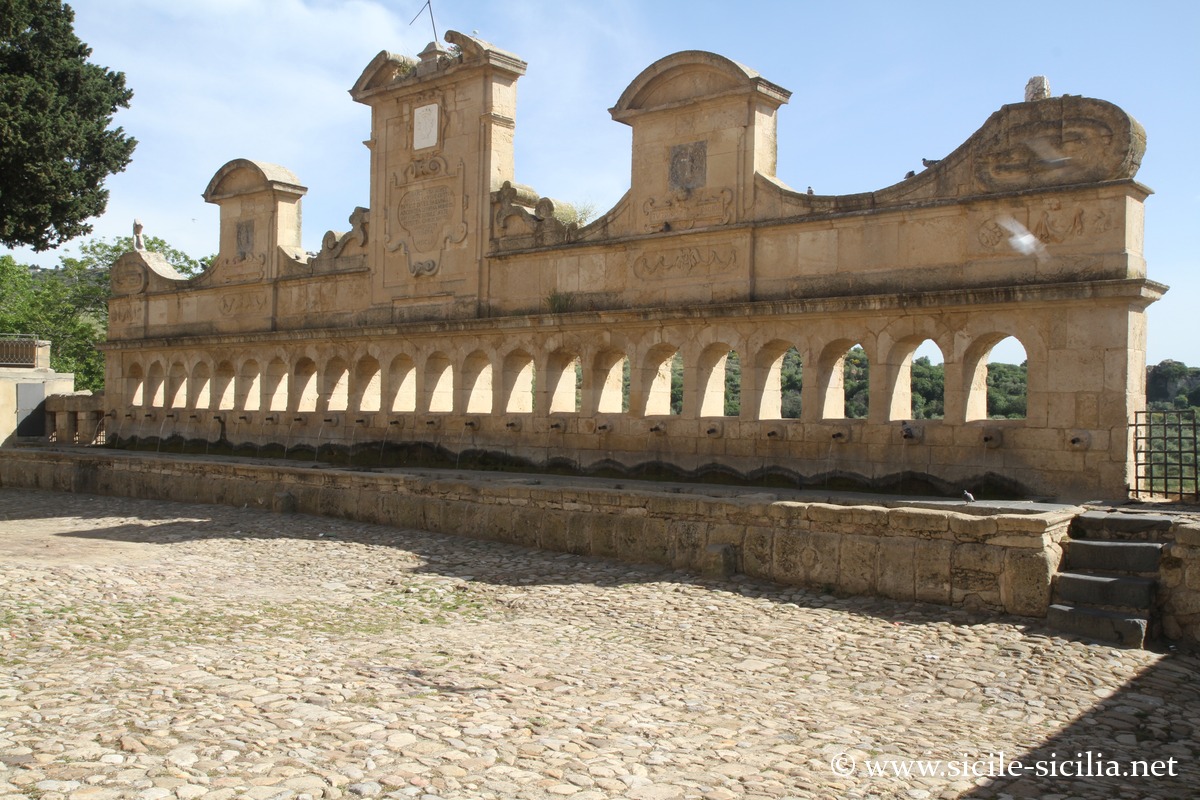
Its history has also bequeathed it fountains, the Fontana delle Ninfe (fountain of the nymphs), and above all the superb Granfonte (great fountain).
At the southern foot of Leonforte, the latter replaced an ancient Arab fountain, built by Prince Placido Branciforti in 1651, being the main public watering place. Its creation is attributed to the Palermo architect Smiriglio, inspired by Flemish creations fashionable in Sicily at the time. In baroque style, it is 24.60 metres long, with 22 arcades or vaulted niches, 24 bronze spouts and sculptures.
Not far from the latter, the Fontana delle Ninfe (Fountain of the Nymphs) is older, dating from 1636, and was also built by Prince Placido Branciforti as part of the “giardino della Sicula Tempe”. The fountain depicts the river god Crisa and the goddess Artemis sculpted in marble.
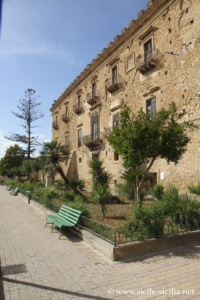

Palazzo Branciforti 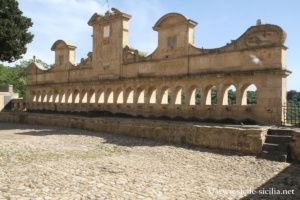
Granfonte 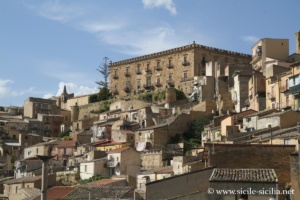
Panorama over Leonforte and the Branciforte Palace 
Granfonte
Where Leonforte is located: map
If you see this after your page is loaded completely, leafletJS files are missing.
Information
External sites
Articles: category Enna and Heraean Mountains
- Piazza Armerina
 Piazza Armerina is a pretty town of about 20,000 inhabitants, at 700 metres ...
 - Enna
 On a plateau at 948 metres above sea level, Enna is the capital ...
 - Hotels in Enna
 Hotels in Enna in Sicily and farm stays, bed and breakfasts and apartments ...
 - Visit of Enna, monuments and surroundings
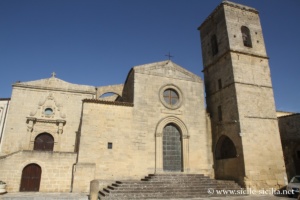
 The heritage of the city of Enna is mainly concentrated along the Via ...
 - Villa Romana del Casale
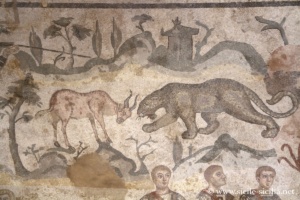 The Villa del Casale in Piazza Armerina is a unique example of a ...
 - Morgantina
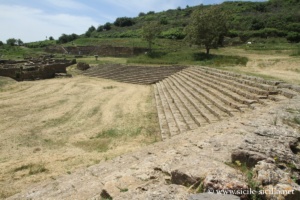 A few kilometres from Aidone lies the archaeological site of Morgantina, the remains ...
 - Assoro
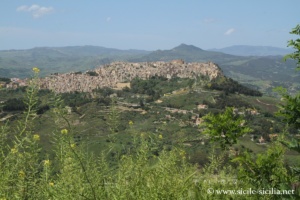
 Assoro, perched on the steep hill of Monte Stella in the Heraean Mountains, ...
 - Aidone and Pietratagliata
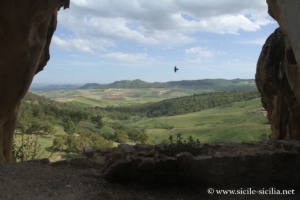 Located in the heart of the Heraean Mountains, the town of Aidone is ...
 - Caltanissetta and its surroundings
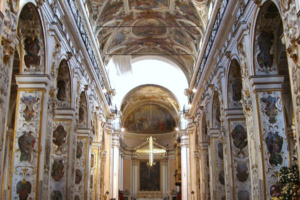 A town with little tourism in the centre of Sicily, Caltanissetta is a ...
 - Calascibetta and surroundings
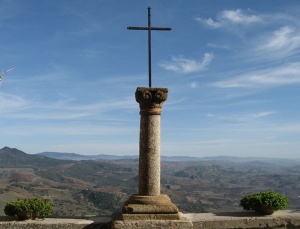
 Calascibetta is a Sicilian village of nearly 4000 inhabitants located on a promontory ...
 - In the Surroundings of Enna
 Sicilian destinations near Enna: Piazza Armerina and the Roman villa of Casale 30 ...