
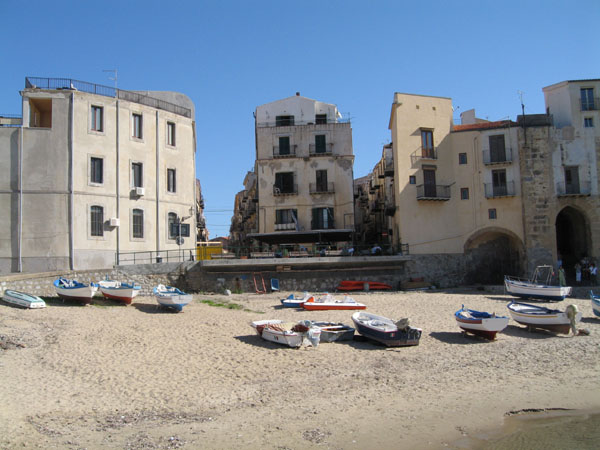
Beyond the Norman cathedral, the highlight of the show, there are many discoveries in the medieval center of Cefalù, such as an old medieval washhouse, the Osterio Magno palace, the church of purgatory or the Mandralisca museum.
Below: a list of places to discover, then an in-depth look by neighborhood and sites.
→ Read also the general presentation of Cefalù
What to see and do in Cefalù: list
- Cefalù Cathedral
This Norman basilica, built in 1131 under Roger II, which dominates the Piazza Duomo. - Rocca of Cefalù
Promontory overlooking the town with remains and its panorama. - Old town and alleys of Cefalù
Cobbled streets of the center, palaces, artisan shops (ceramics, souvenirs), medieval buildings, such as the Osterio Magno and the medieval washhouse. - Old port and Porta Pescara
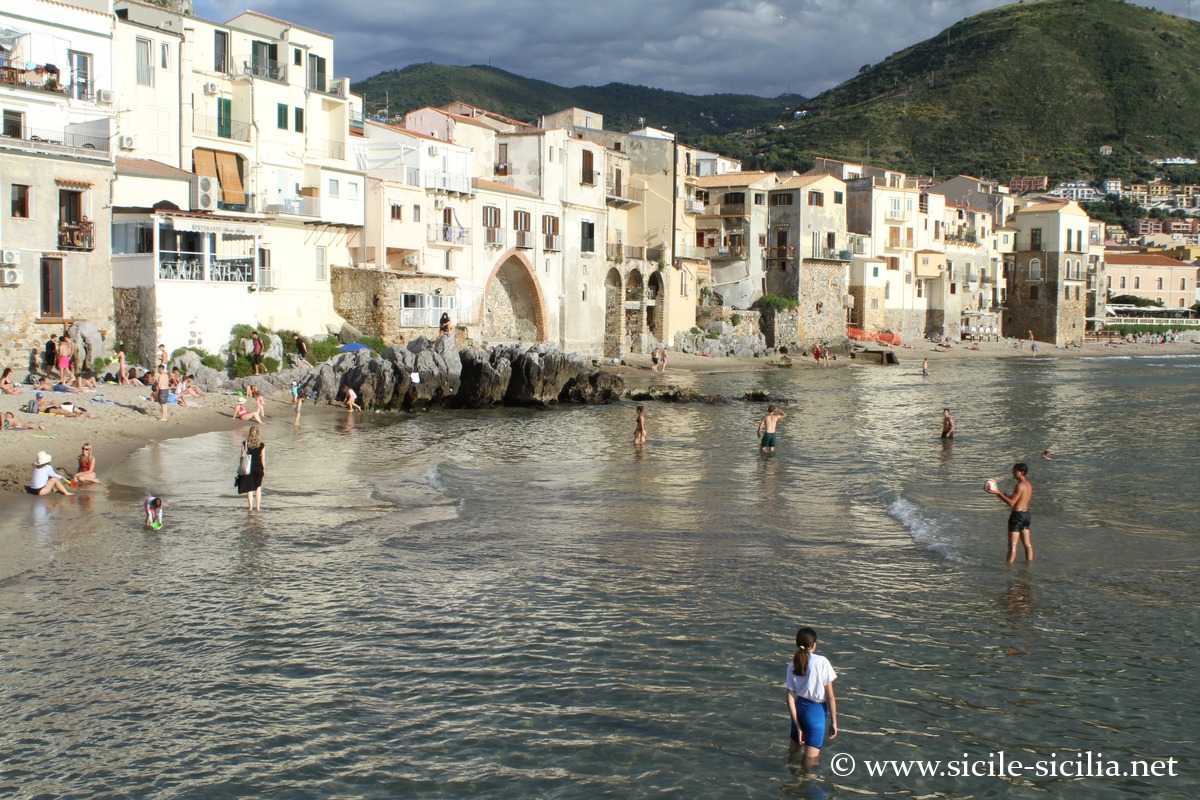
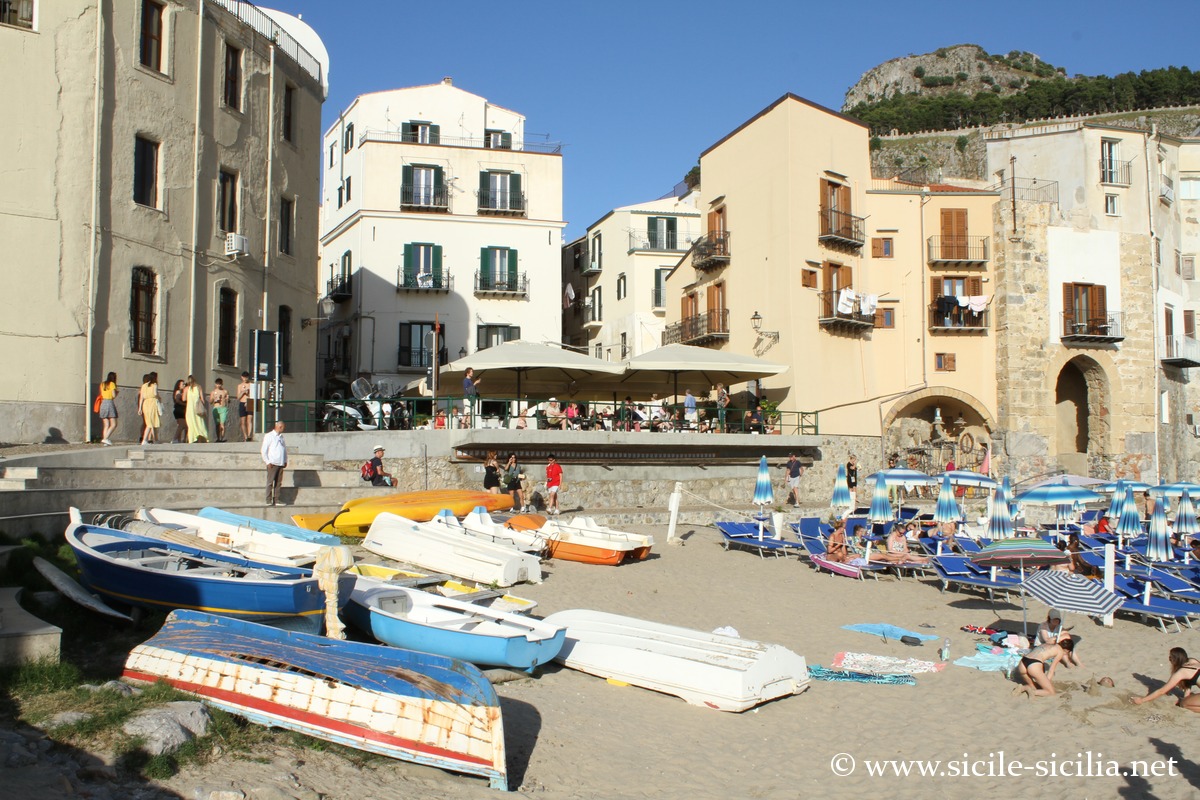
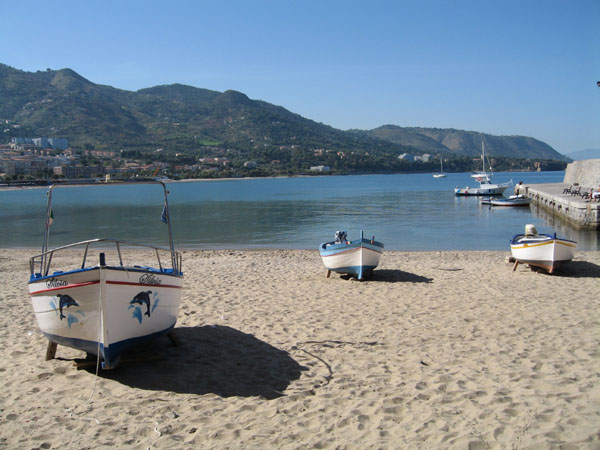
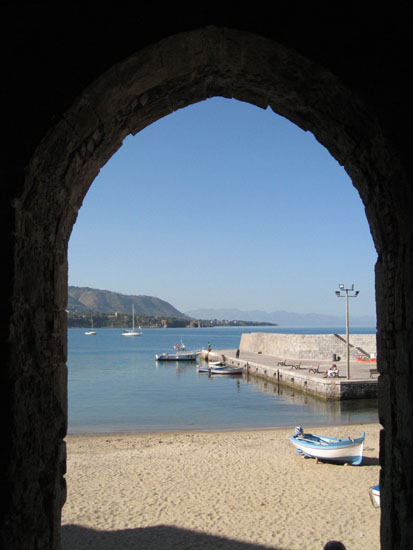
The old port is reached through a picturesque old medieval gate, with its colorful boats and picturesque houses. - Cefalù Beach
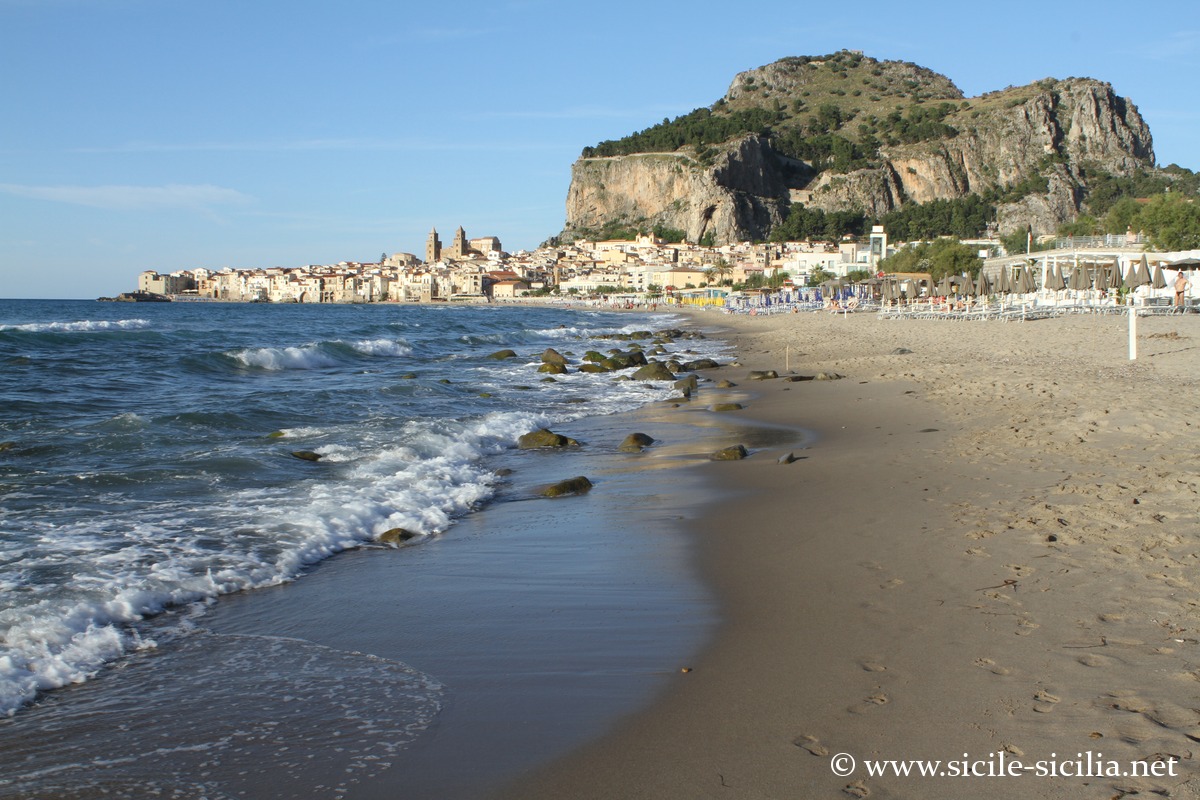
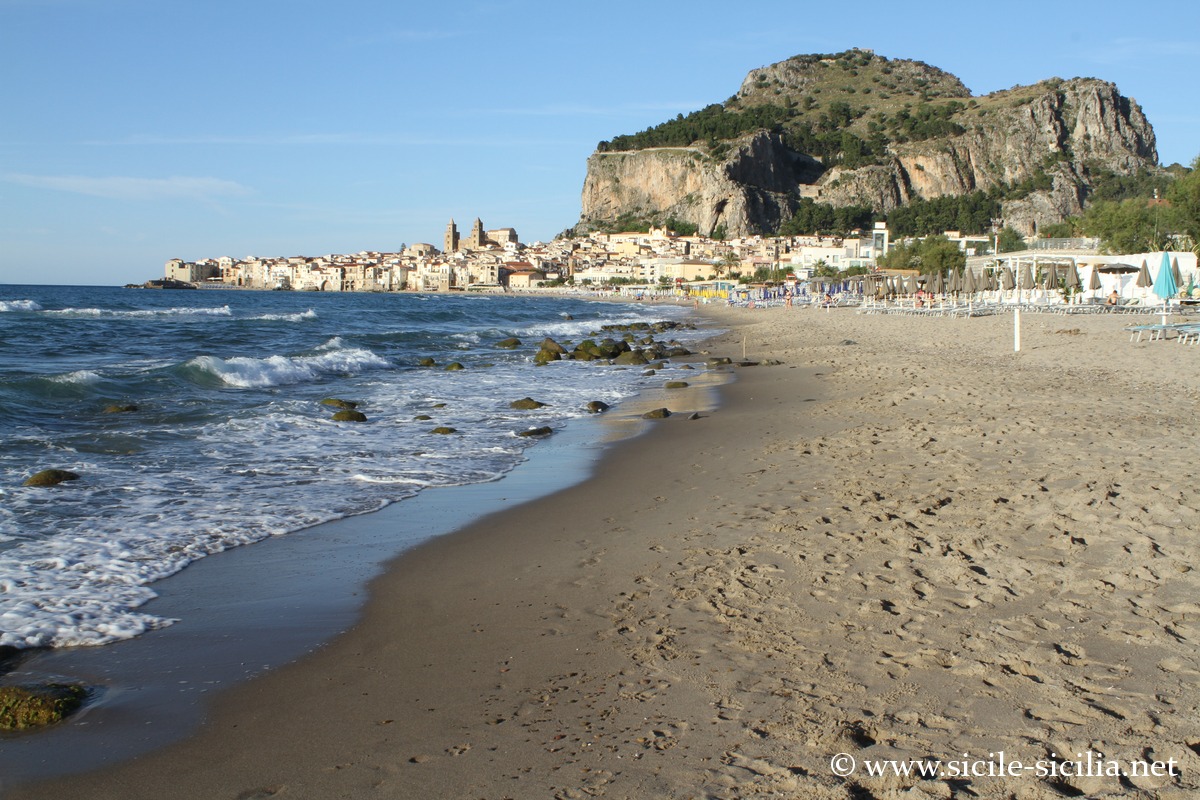
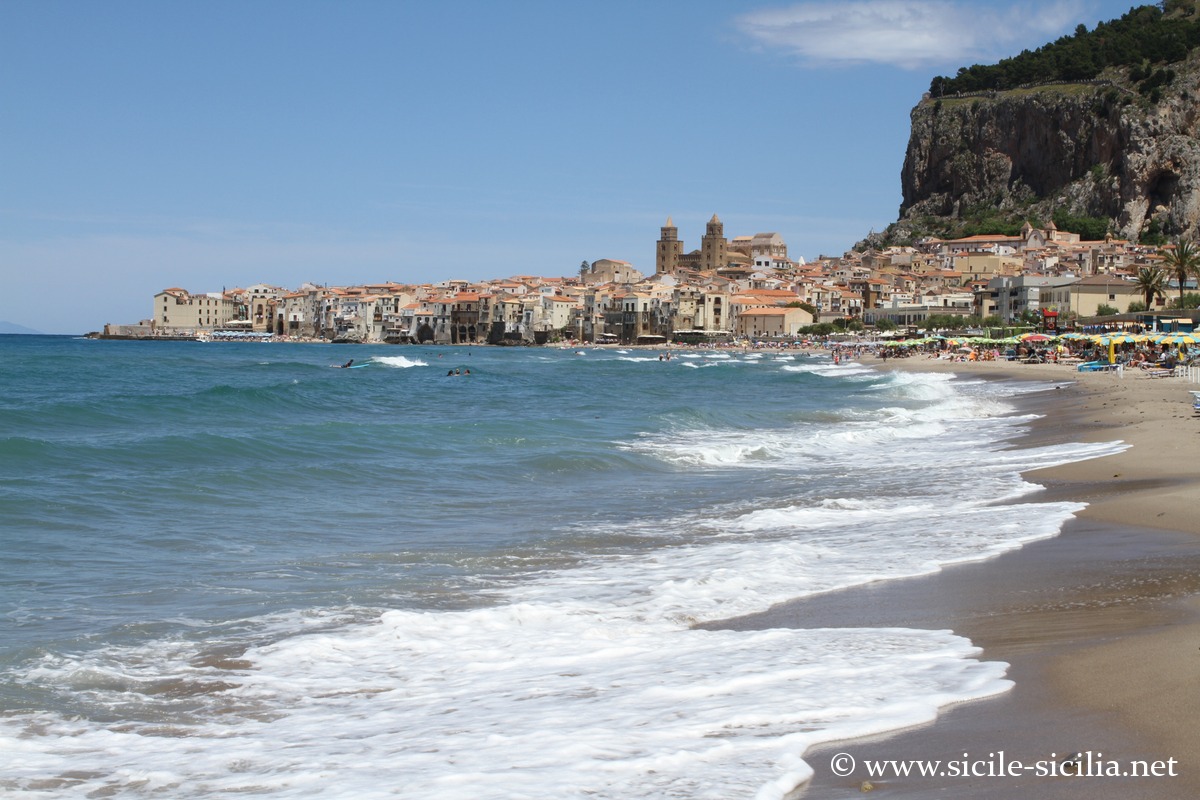
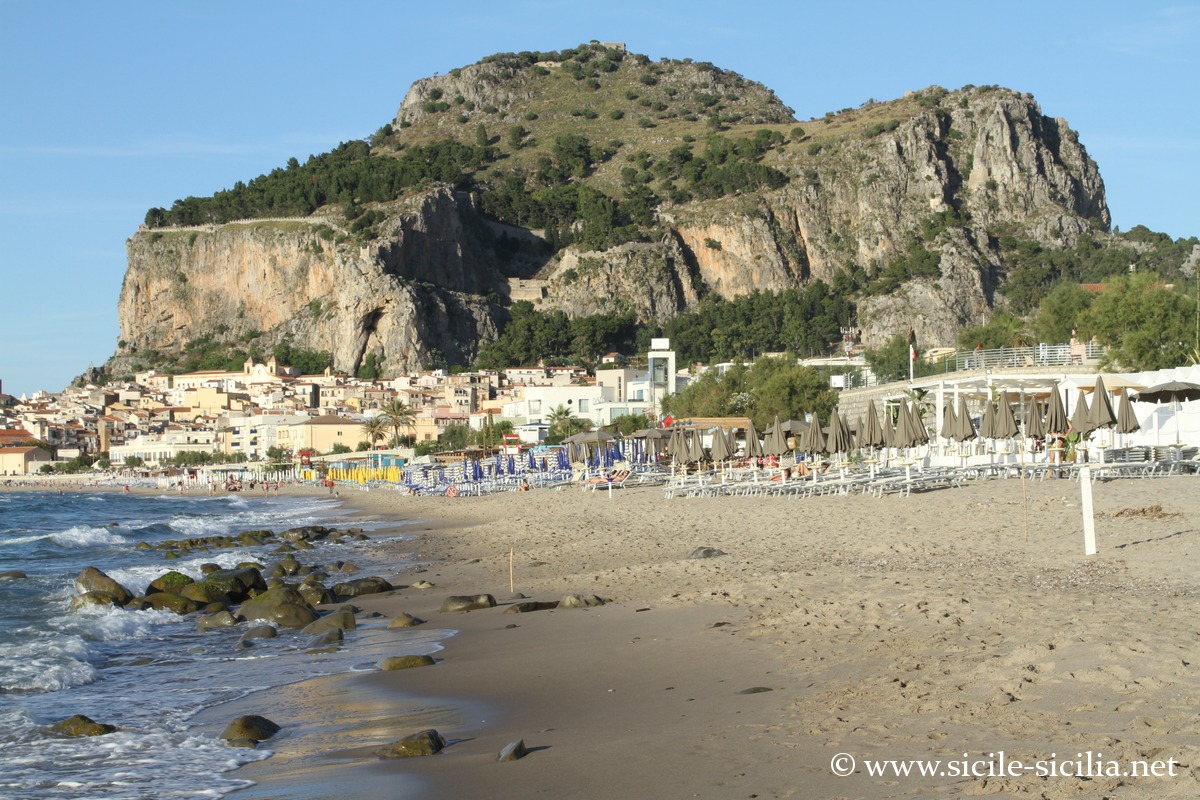
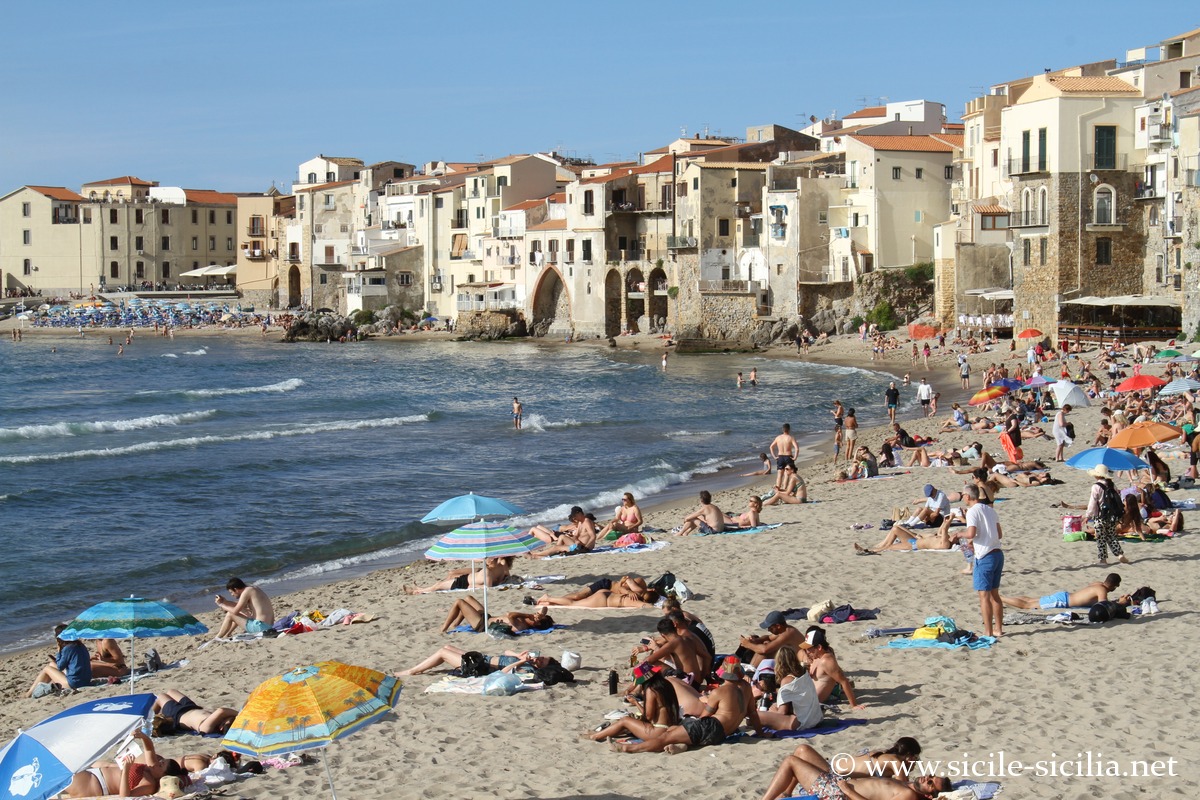
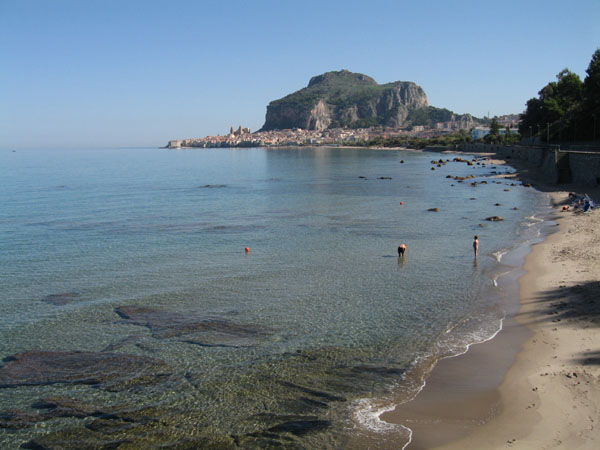
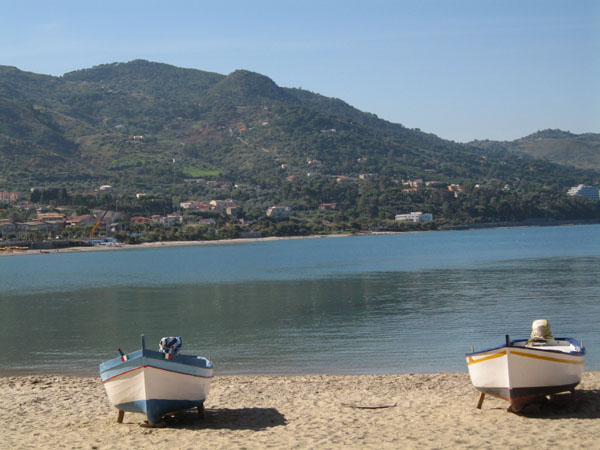
A long sandy beach stretches from the old town to the south. - Mandralisca Museum
Small museum houses the famous “Portrait of an Unknown Man” by Antonello da Messina, as well as an eclectic collection of ancient objects, ceramics and shells. - Taste Sicilian cuisine
Try local specialties such as pasta alla Norma, arancini, or pasta in Taianu (pasta cooked in a rich sauce with meat and pecorino). Fish is also featured, including anchovy pâté to spread. - Around Cefalù
– The Madonie Park : about 25 km south, a natural park with beautiful mountains culminating at nearly 2000 meters, and its villages such as Castelbuono and Geraci Siculo.
– The Sanctuary of Gibilmanna is a Benedictine monastery located 15 km away, at 800 m altitude.
– Caldura Beach, a 20-minute walk east of Cefalù, a pebble cove surrounded by rocks, near the 16th-century defensive Caldura Tower. - Boat excursion
By renting a boat or participating in an excursion you can explore the Tyrrhenian coast, such as its coves and even reach the Aeolian Islands offshore in nearly 2 hours.
Cefalù Beach 
Piazza Duomo
Visiting Cefalù
Piazza Duomo
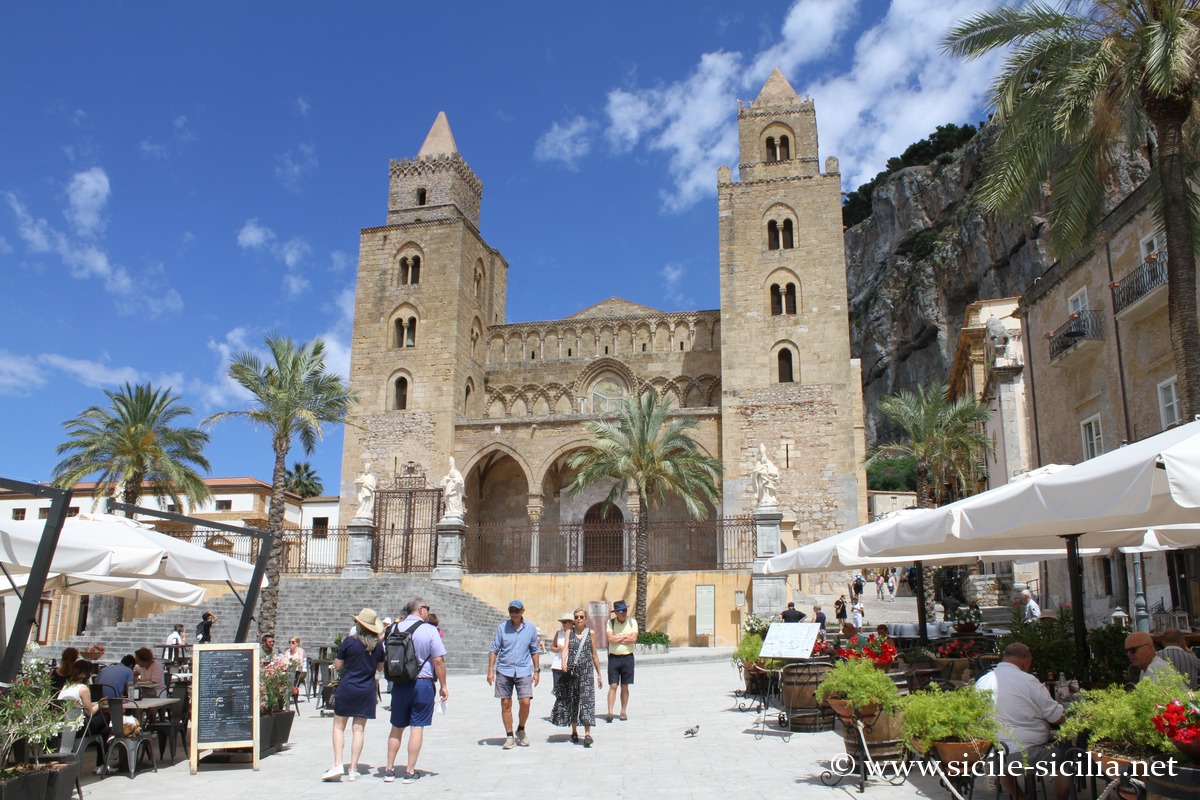
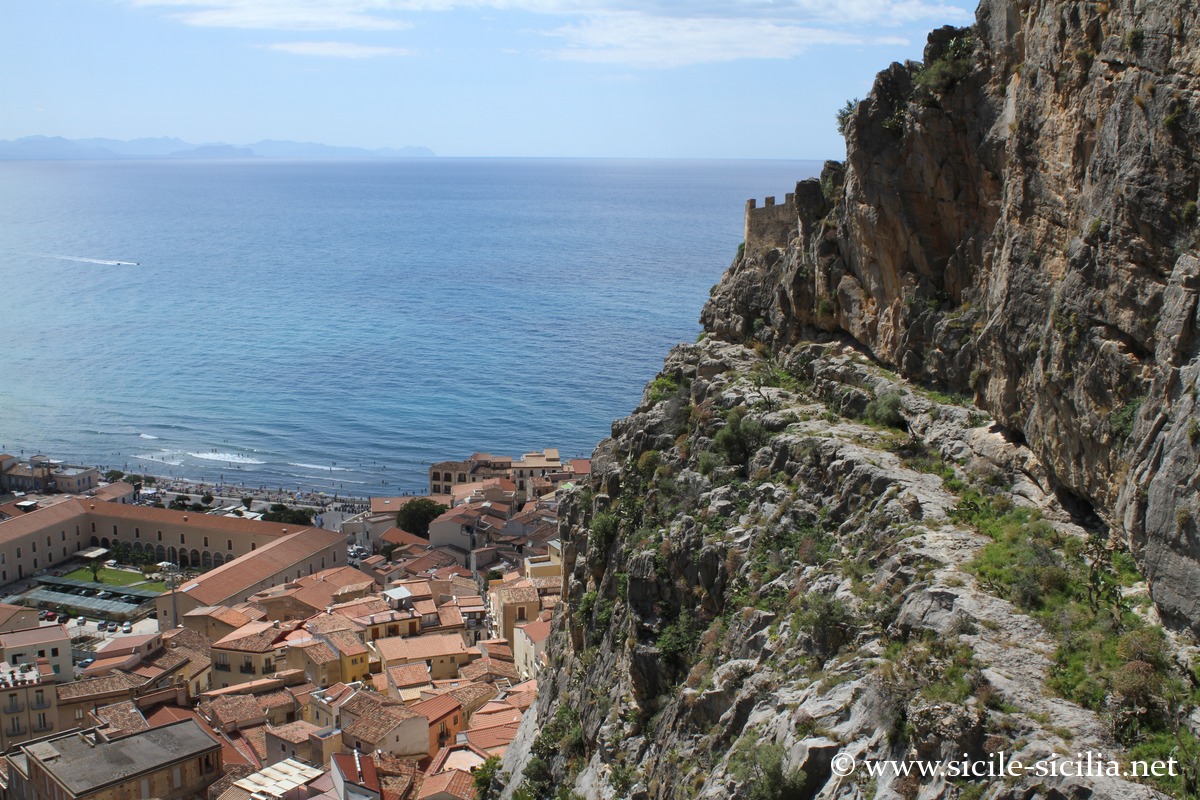
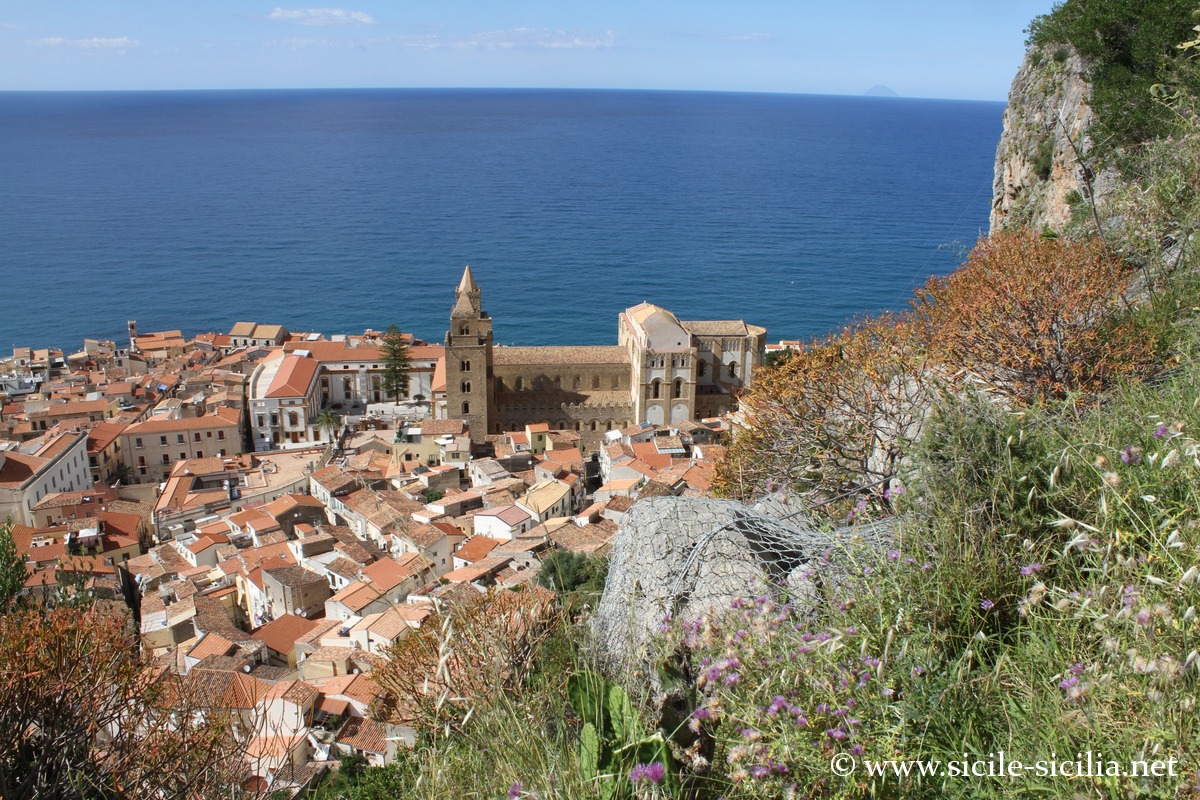
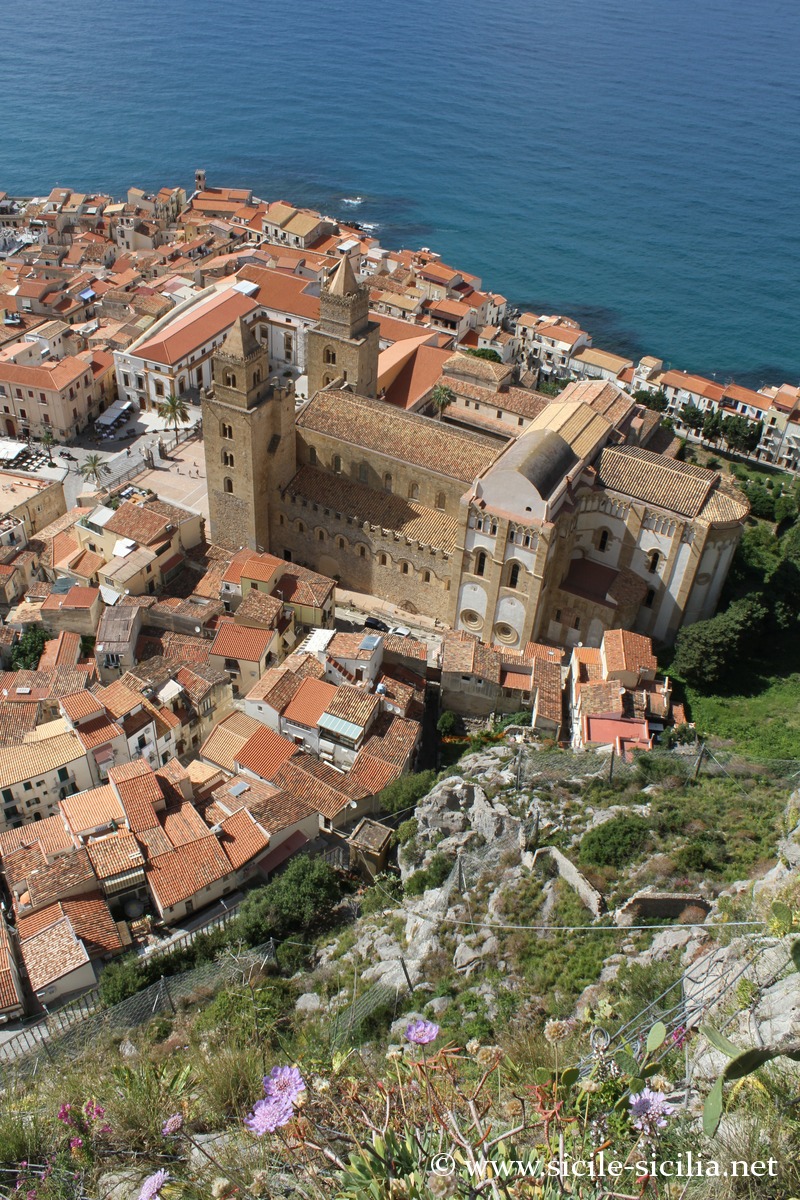
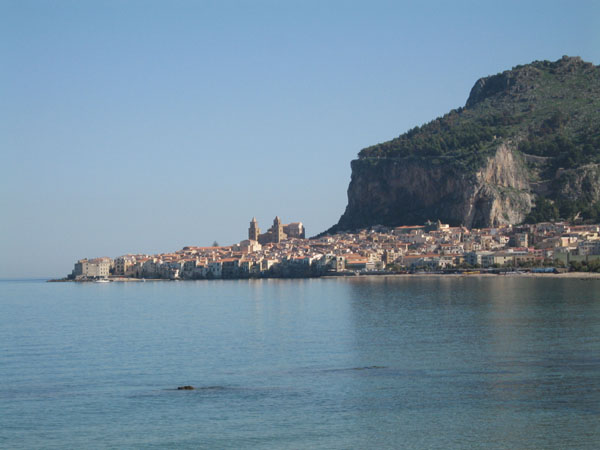
The cathedral of Cefalù is the emblematic building of the town, which stands at the foot of the Rocca, the rocky promontory that rises 270 meters above the town with the remains of the castle and the Temple of Diana.
With its fortress-like appearance, this building in the heart of Cefalù is a 12th-century Norman masterpiece, listed as a UNESCO site. It was founded in 1131 by Roger II of Hauteville, with inside one of the best-preserved ensembles of Byzantine mosaics in southern Italy, dominated by the Christ Pantocrator in the apse.
→ Read Norman cathedral of Cefalù.
On the Piazza Duomo also stand notably the Palazzo Maria and the former monastery of Saint Catherine (Santa Caterina). This square corresponds to the former medieval civic and religious center, designed as a ceremonial space, slightly sloping, highlighting the facade of the cathedral.
The square is also a place of daily life, animated by cafes and terraces around the monumental sagrato that precedes the cathedral, a market place and a convergence point of the main streets of the historic center, such as Corso Ruggero which connects the cathedral to the Porta Marina.
Rocca of Cefalù
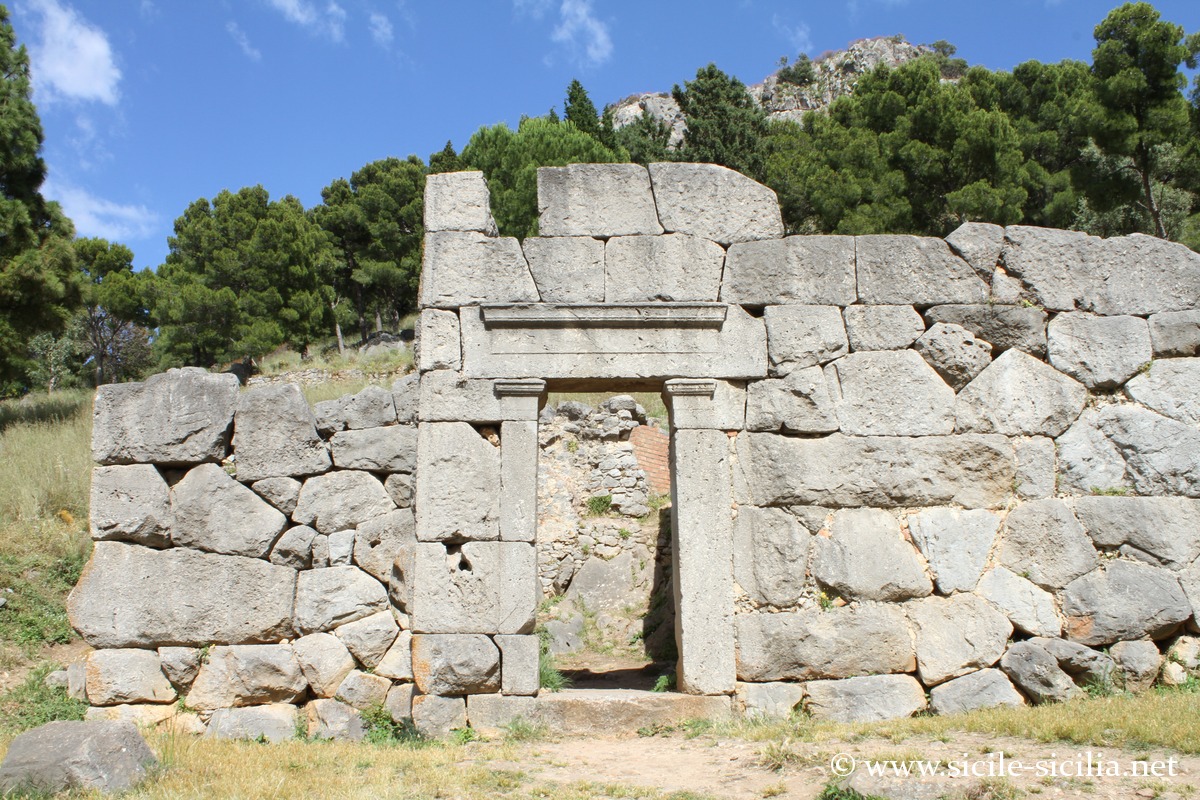
Temple of the Rocca
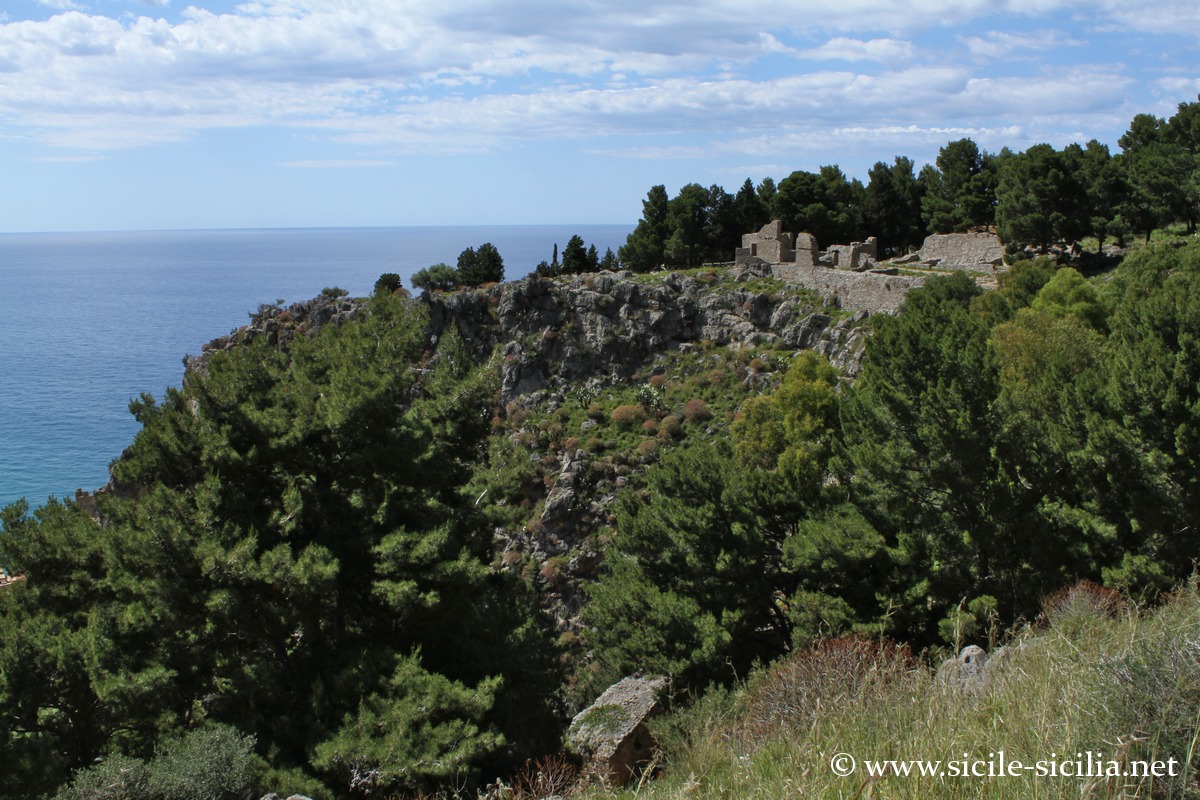
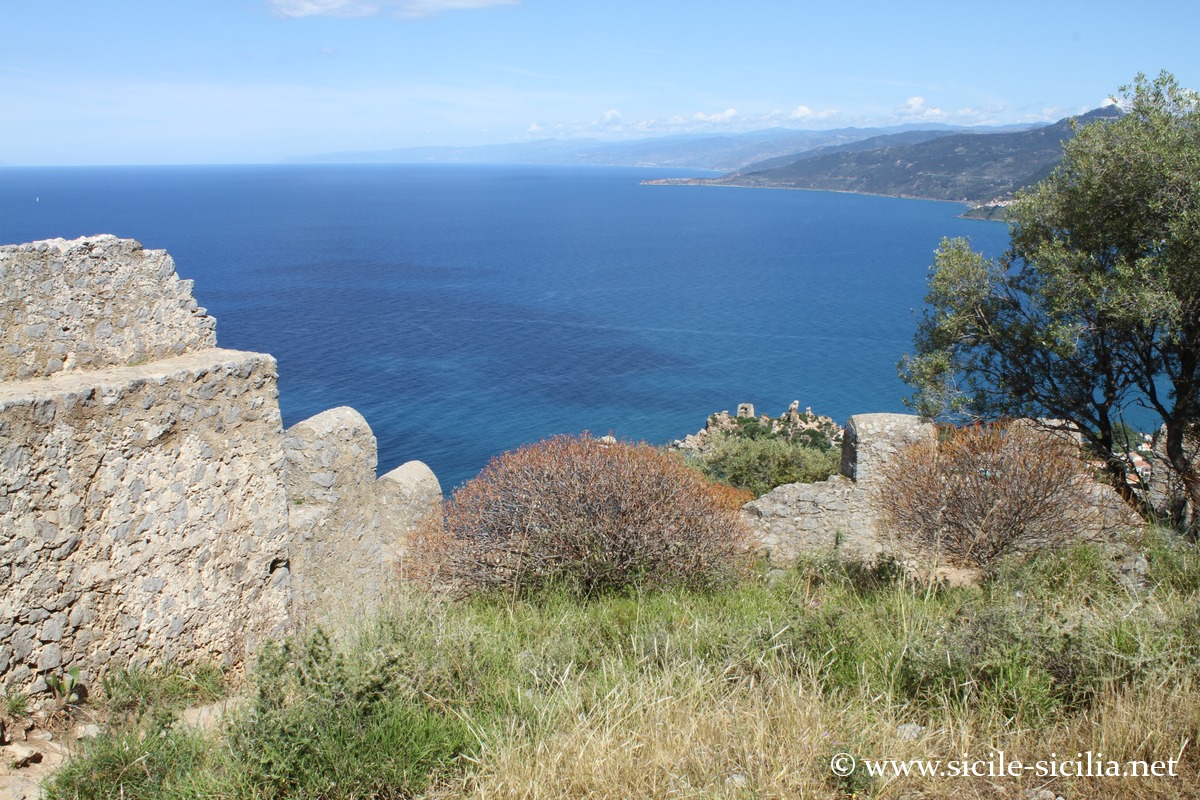
The Rocca is the rocky promontory 270 meters high, whose summit can be reached in about 30 minutes on foot. It offers a panoramic view over Cefalù and the Tyrrhenian Sea, with the remains of the castle at the top and those of the Temple of Diana on a platform.
It has been a strategic site since prehistory and up to the medieval era, which was called in Greek Kephaloidion, a name deriving from kefalis (“head, summit”), linked to the characteristic shape of the promontory.
Continuously occupied since the Bronze Age, it also preserves the remains of protohistoric dwellings such as caves on the eastern slope occupied in prehistory, ancient polygonal defensive fortifications from the Archaic and Hellenistic period (late 5th c.–4th c. BC) with the so-called megalithic walls, or the main medieval walls, with crenellations, which were consolidated and transformed until the 15th century.
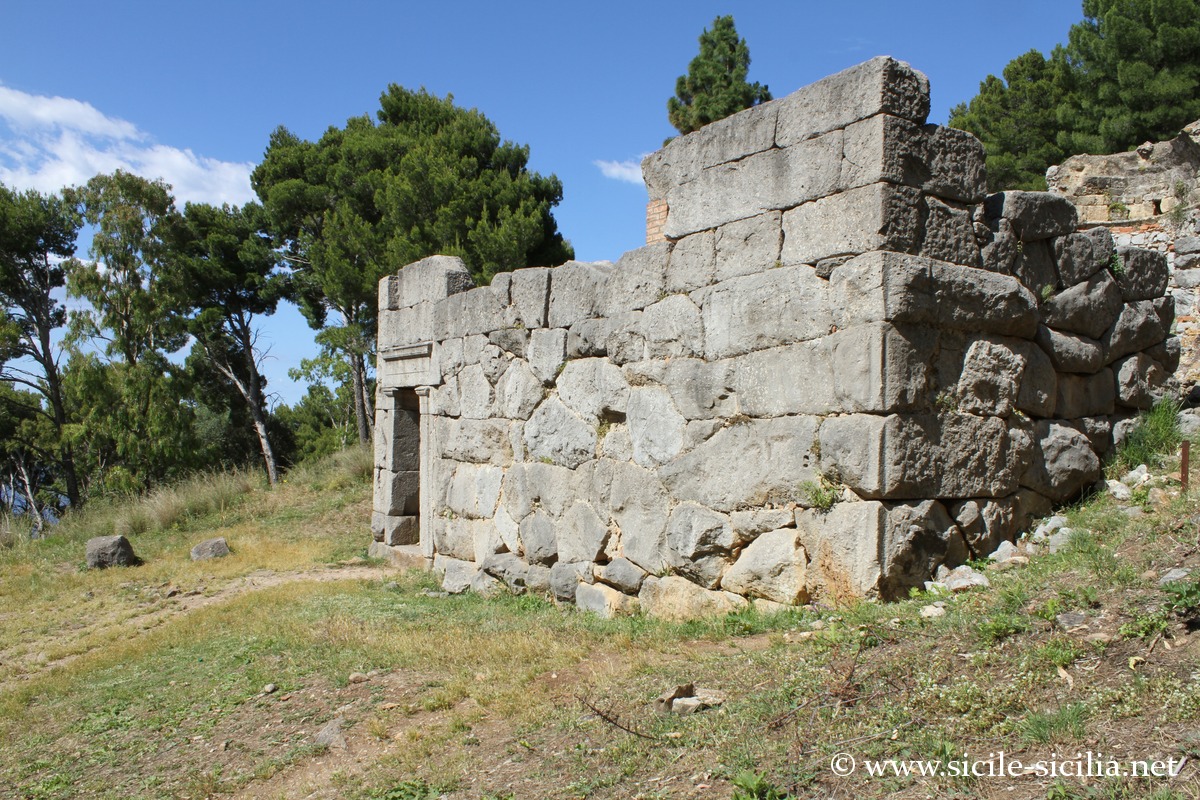
The Temple of Diana is a megalithic building probably linked to the cult of water, with an associated cistern generally dated to the period before the Greeks, probably the 9th century BC, with a possible reuse in Roman times.
It has a megalithic structure, built in successive phases, whose lower part with its irregular blocks would be from the 6th century BC, and the upper levels from the Hellenistic period (2nd century BC).
It also seems that the axis of the temple door corresponds to an alignment with the sunset at the equinoxes.
Climb to the Rocca 

Sant’Anna and temple 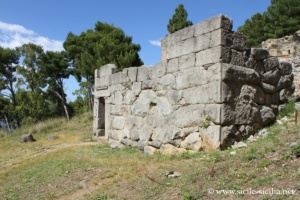
Temple of Diana 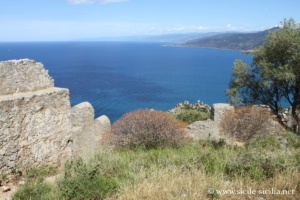
Castle of the Rocca and panorama 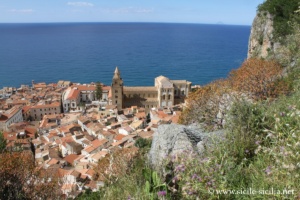
Panorama from the Rocca 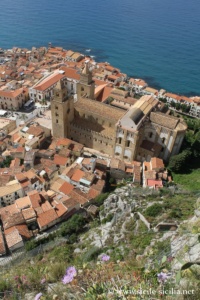

Panorama from the Rocca
Historic center of Cefalù and washhouse
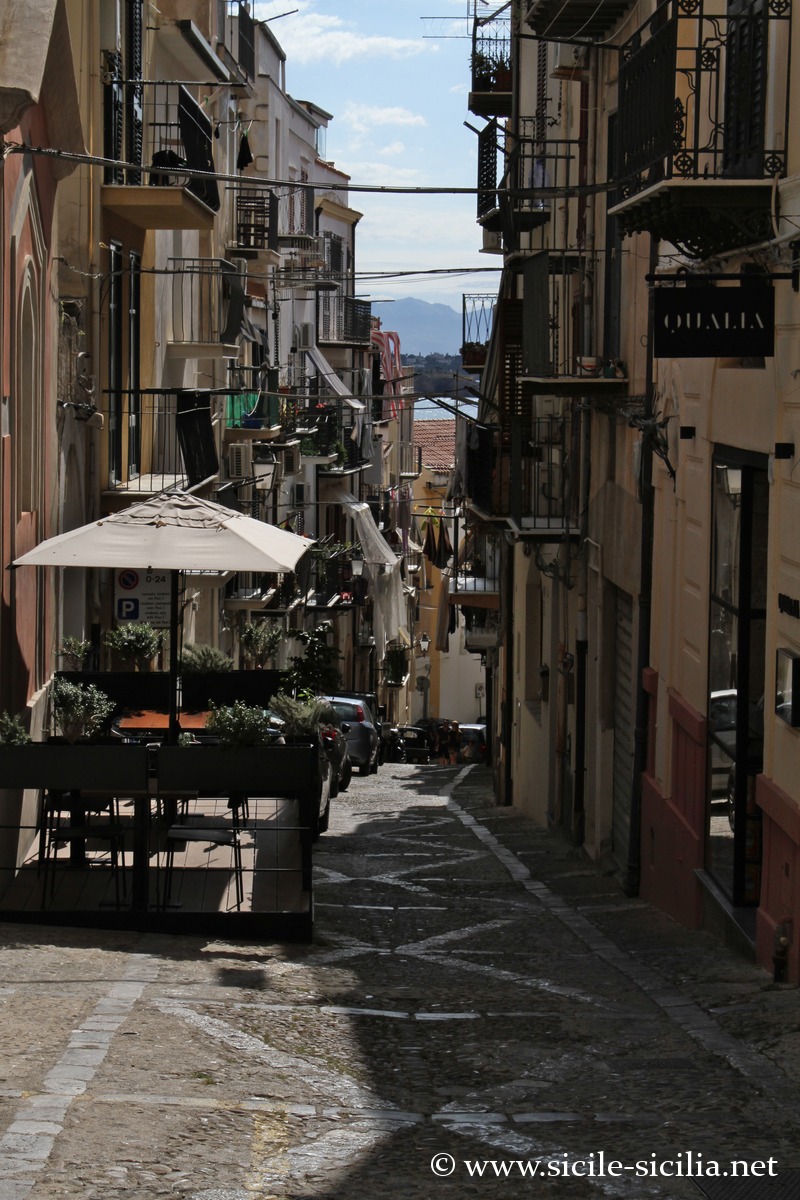
The main street of the historic center is the Corso Ruggero, lined with palaces and Baroque churches, as well as the town’s most chic shops.
Its layout largely follows the axis of the ancient road connecting the port to the hinterland.
The most prestigious building is the Osteria Magno from the 13th century, former property of the counts of Ventimiglia, preserving beautiful 13th-century mullioned windows and a 14th-century triple window, a fine example of medieval civil architecture in Sicily.
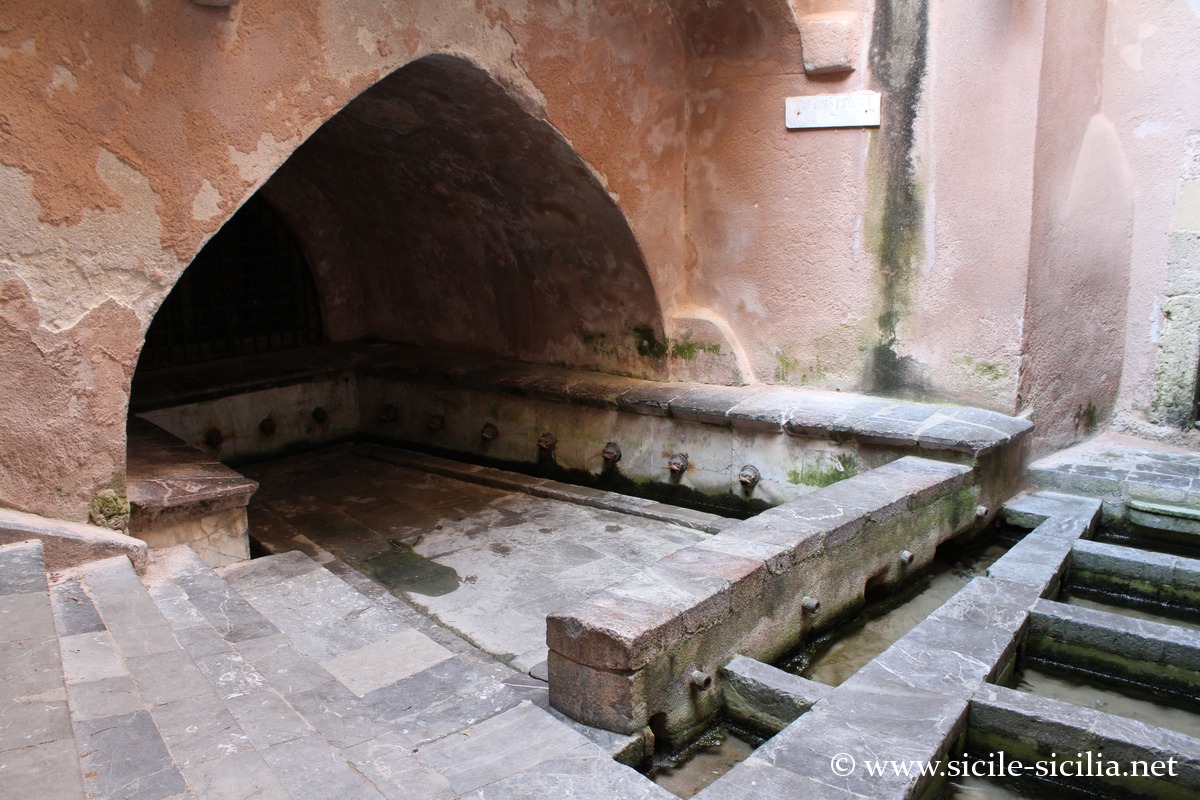
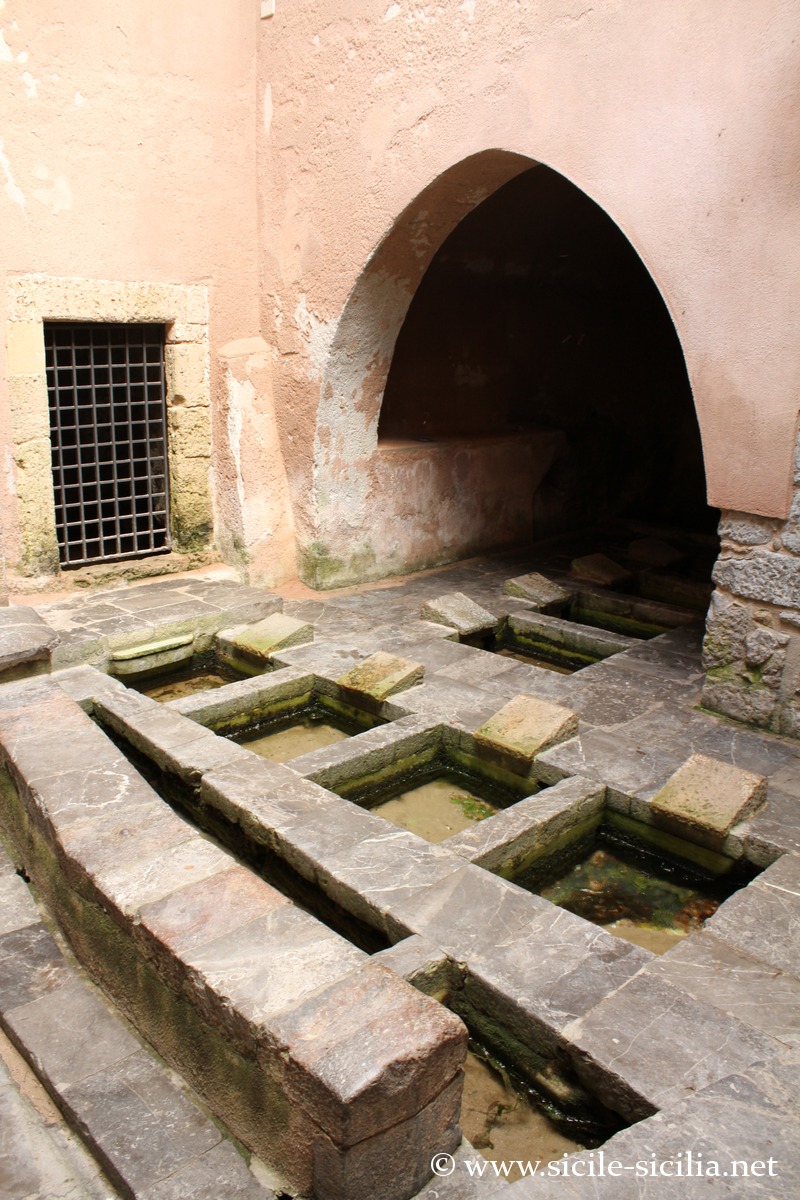
Medieval washhouse
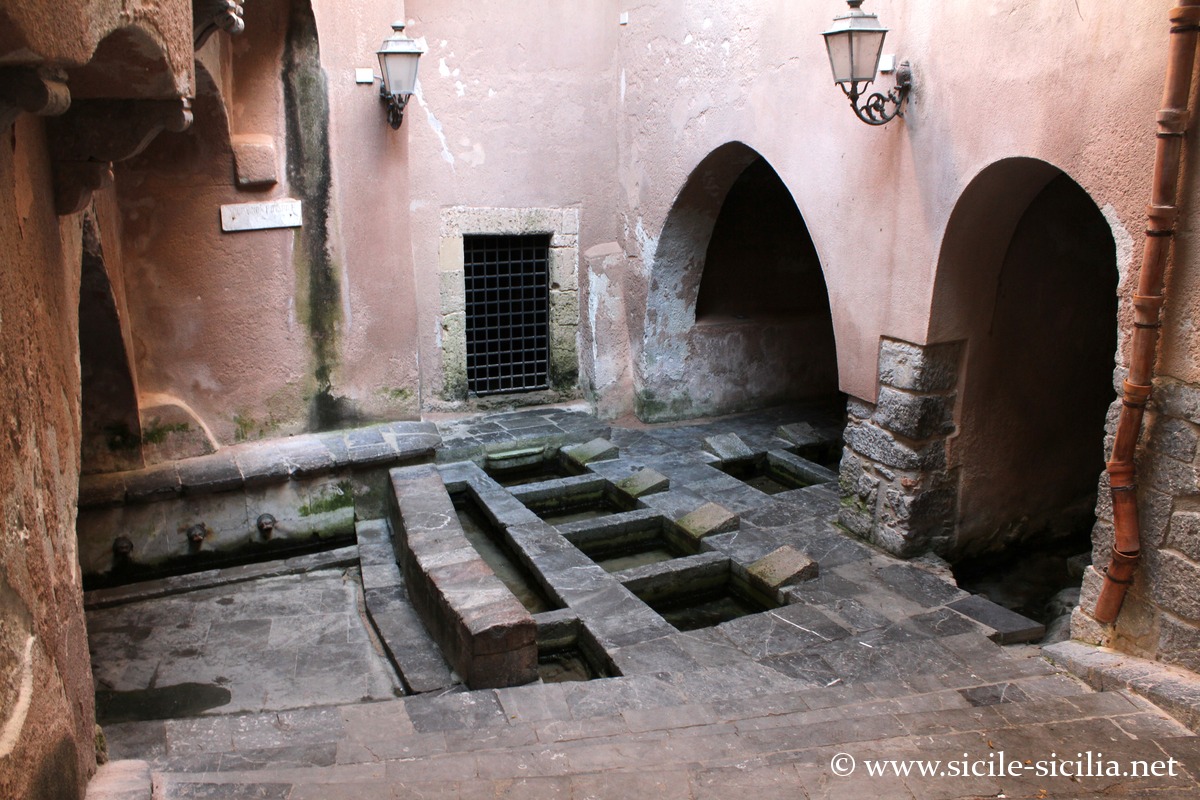
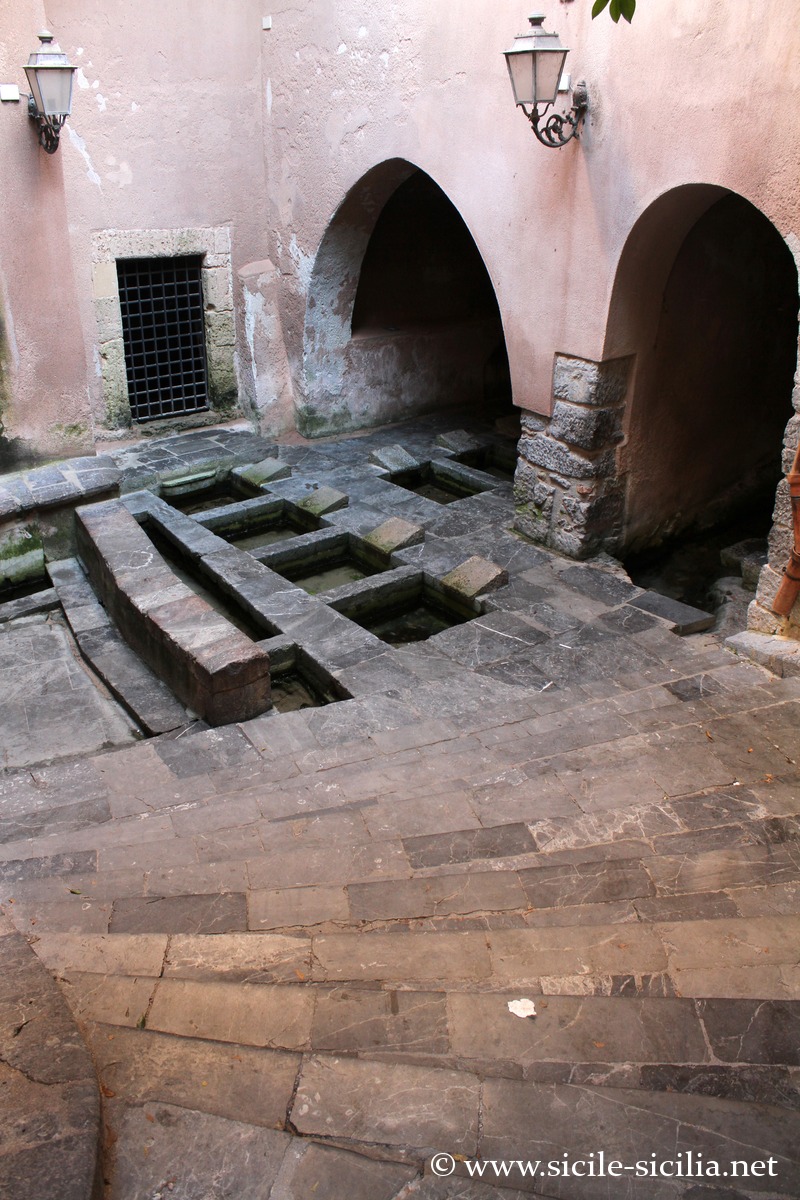
Near the port, a volcanic stone staircase leads to the medieval washhouse of Cefalù, located on Via Vittorio Emanuele, carved into the rock.
It occupies a partly covered space with a pointed arch opening and a series of old basins fed by the water of the Cefalino river flowing from 22 spouts, whose flow is fairly constant. It was rebuilt in the 16th century. It rests on a spring captured and exploited at least since Roman times.
Baroque architecture is also found in various buildings of Cefalù, with for example the Monte di Pietà (1716), whose facade stands out for its Corinthian pilasters and elaborate cornices typical of Sicilian Baroque, the interior presents a sober but harmonious decoration, centered on the main altar and ornamental stuccos.
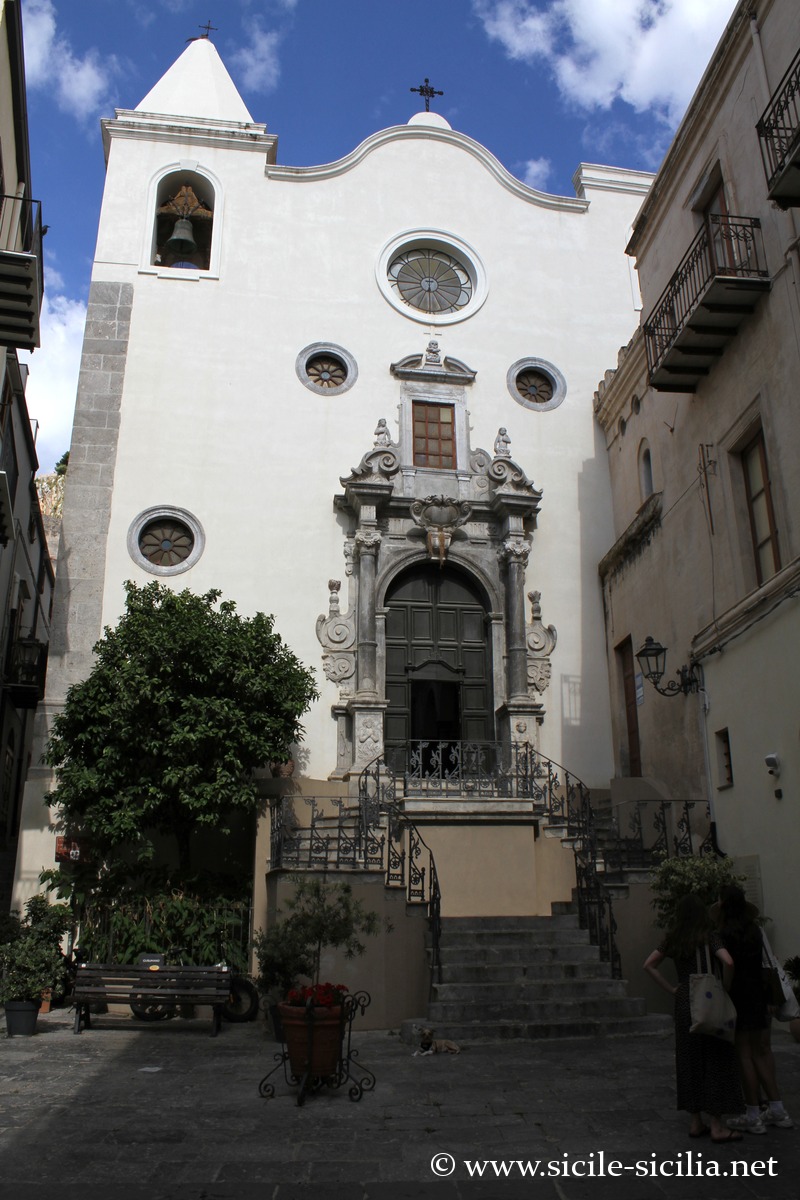
The church of Purgatory (1668) preserves an interesting vaulted crypt housing several side altars, as well as Baroque paintings and statues representing the souls of purgatory and local saints.
Santa Maria Santissima della Catena, on the site of the former Porta di Terra, was built in 1780 for the Legambi family, with its façade featuring a loggia and statues. Next to the church, the Clock Tower incorporates remains of the ancient megalithic walls at its base.
The Giudecca district, the former Jewish quarter of the city, a testament to the coexistence of communities before the expulsion of 1492.
Another notable building in the historic centre is the Palazzo Maria (14th-15th century), located near the Corso Ruggero, remarkable for its Gothic-Catalan elements and its portals in local stone.
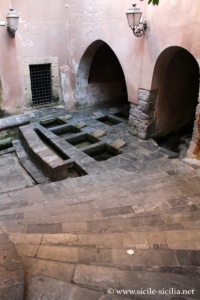
Medieval wash-house 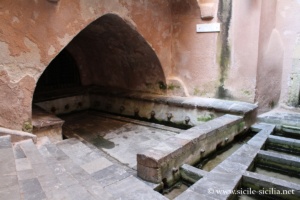
Medieval wash-house 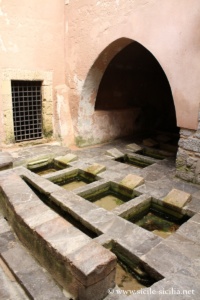
Medieval wash-house 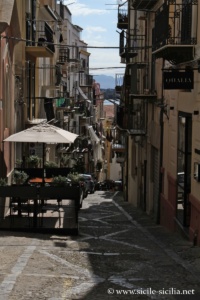
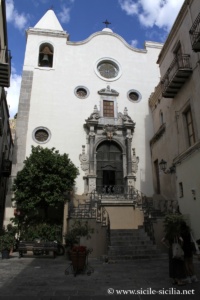
Church of Purgatory 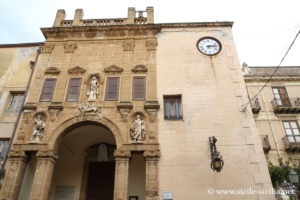
Church of Santa Maria della Catena and Clock Tower
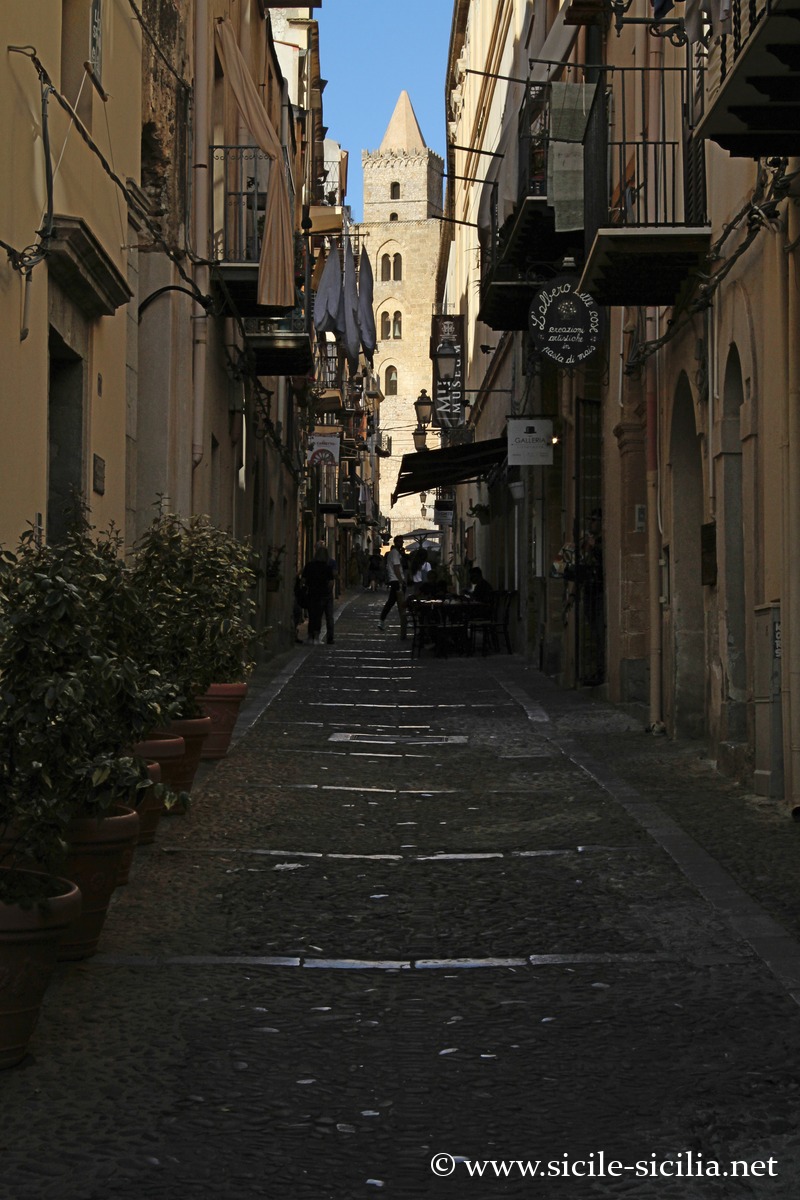
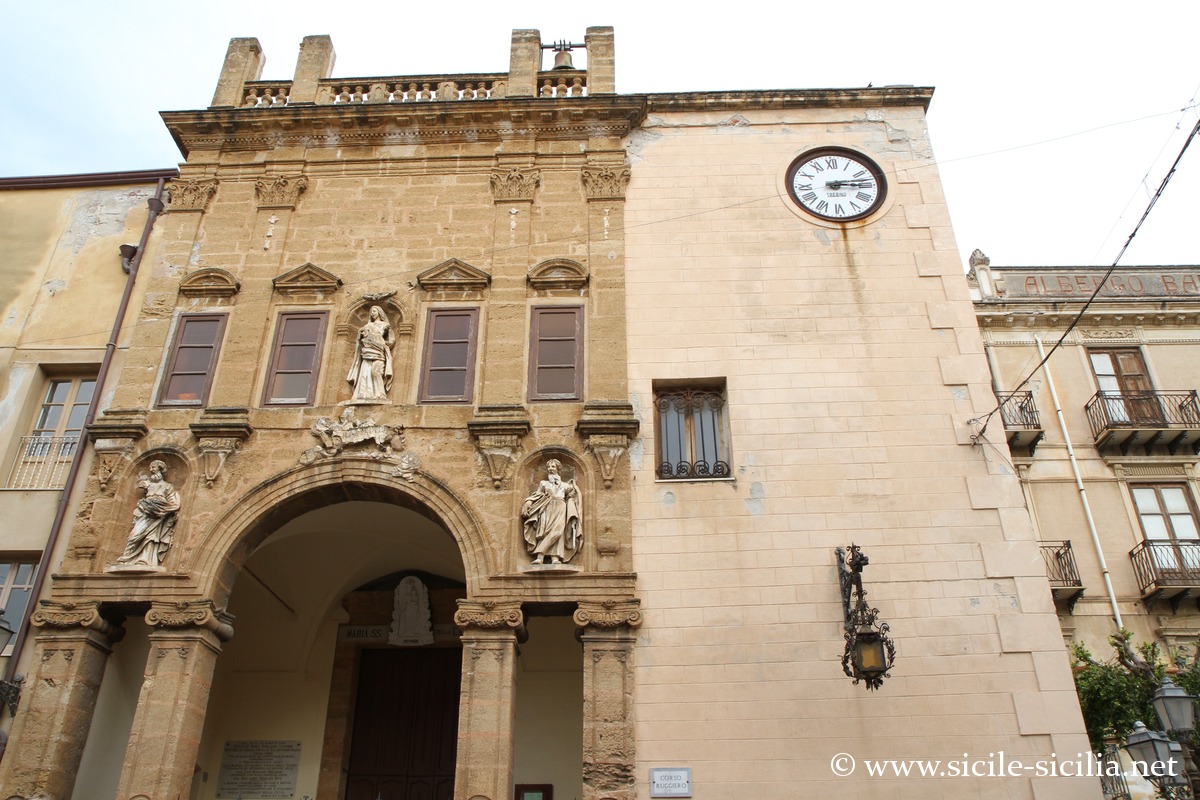
Mandralisca Museum
The main museum of the city, the Mandralisca Museum, houses archaeology and art sections, including numerous ancient coins and 15th-century paintings, with the famous canvas of the Portrait of an Unknown Sailor by Antonello da Messina. The museum notably preserves an important Siceliote red-figure krater from the 4th century BC, known as the “tuna seller”. This museum originates from the encyclopaedic collection of Baron Enrico Pirajno di Mandralisca, a figure of Sicilian positivism, a testament to the antiquarian culture of 19th-century Sicily.
Old port of Cefalù
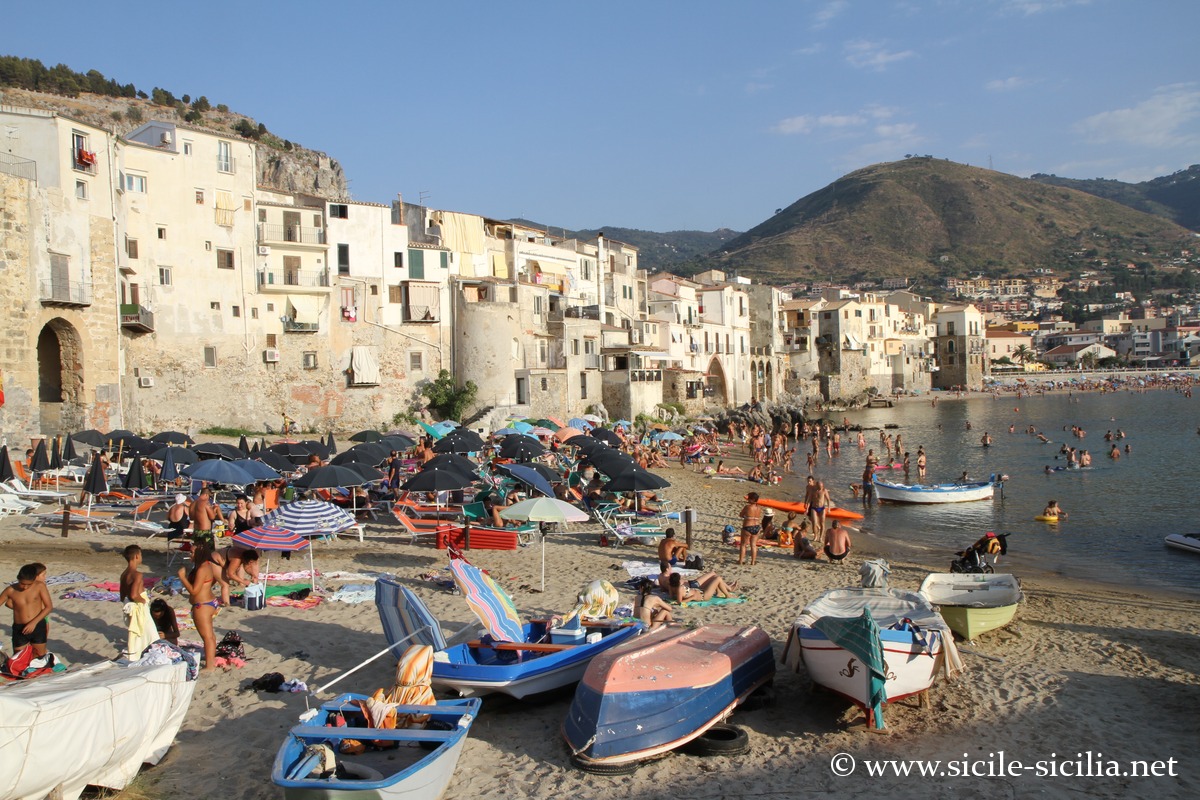
Old port of Cefalù
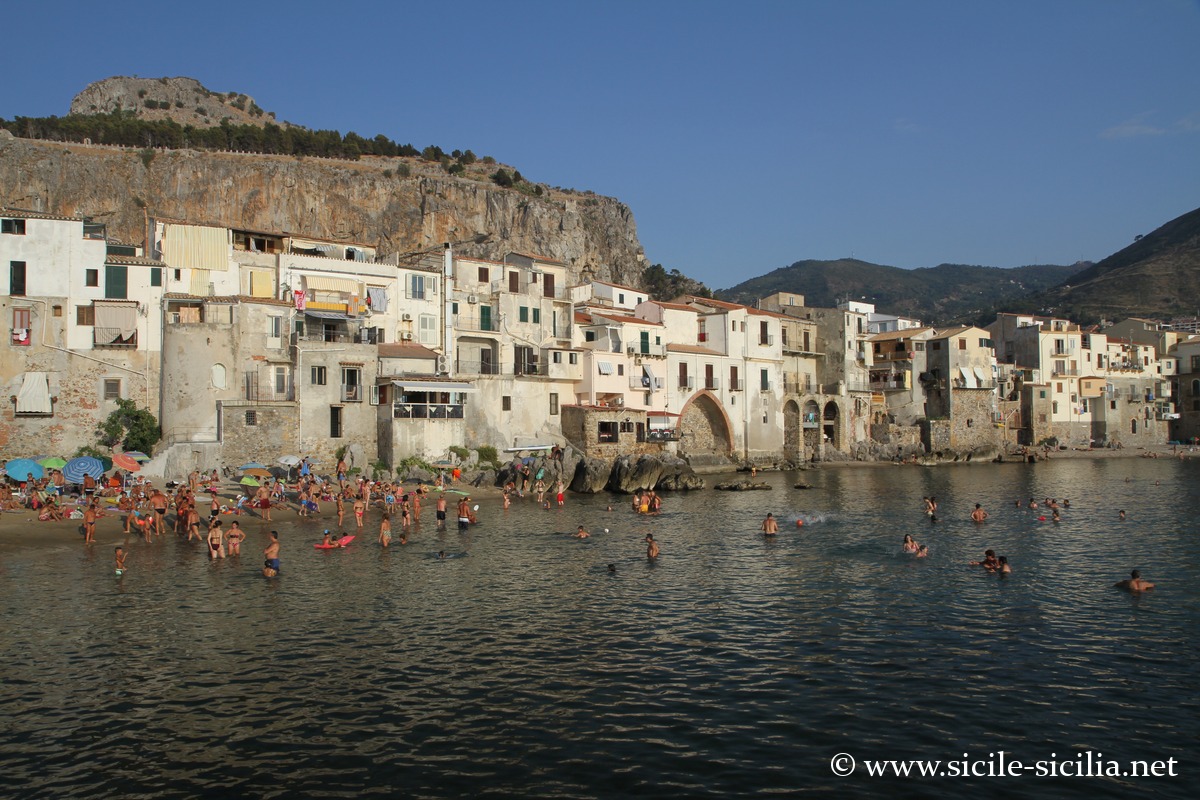
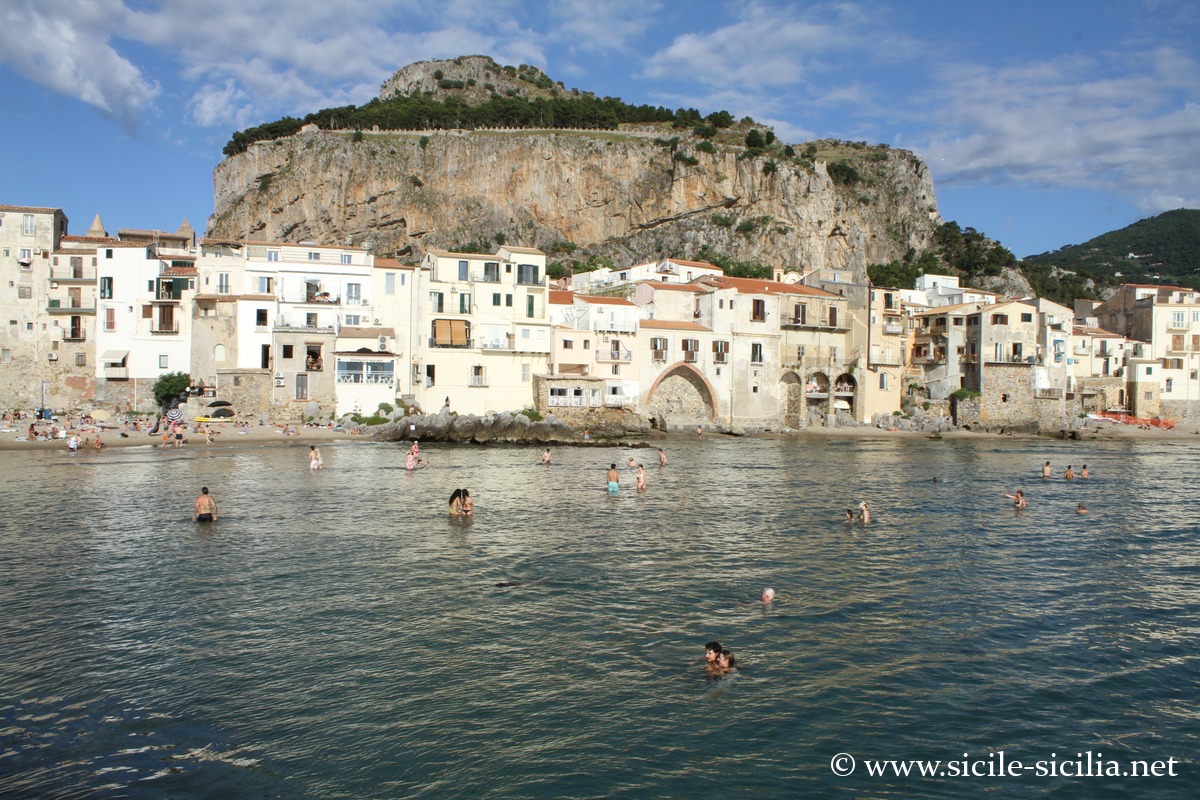
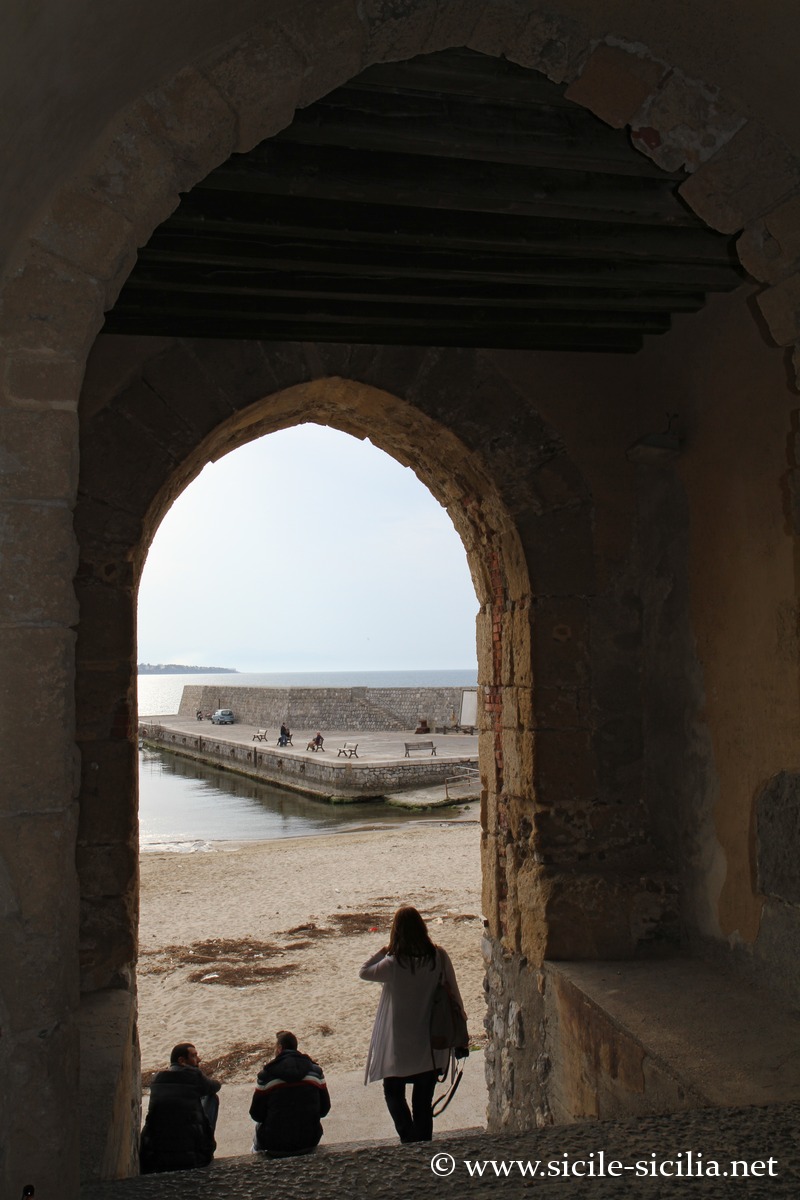
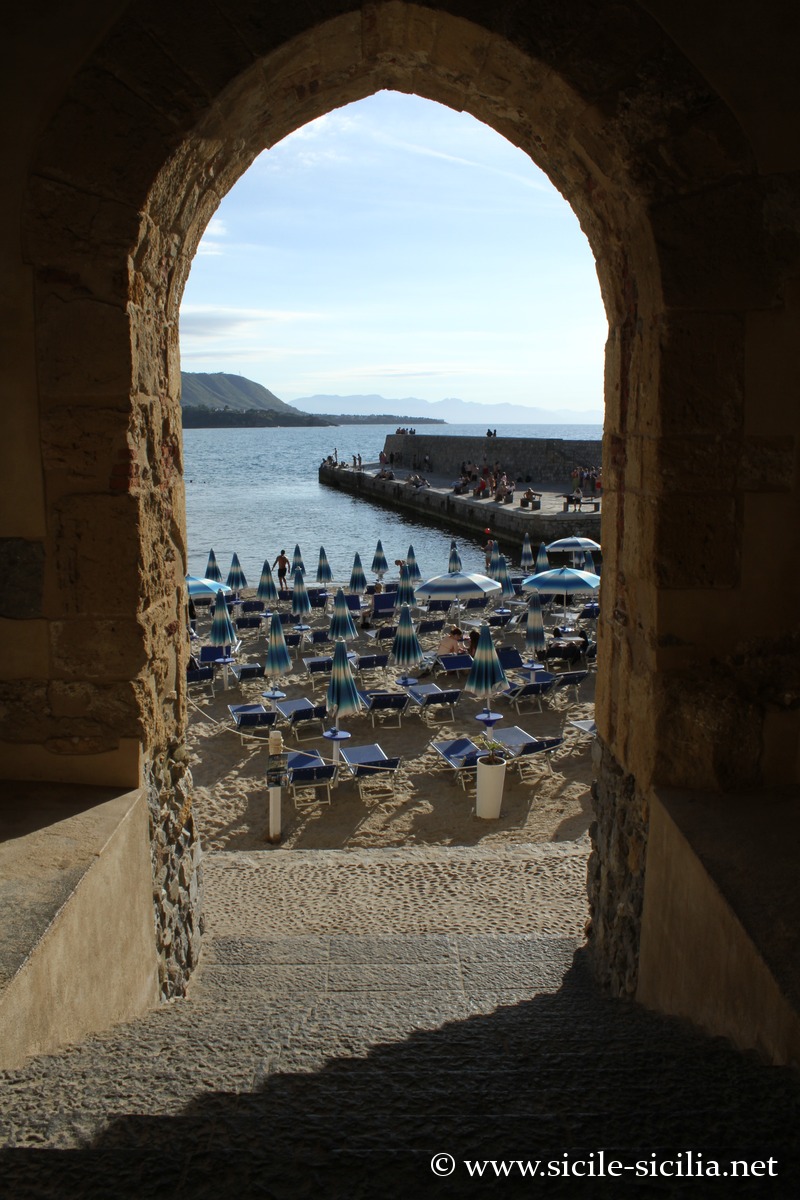
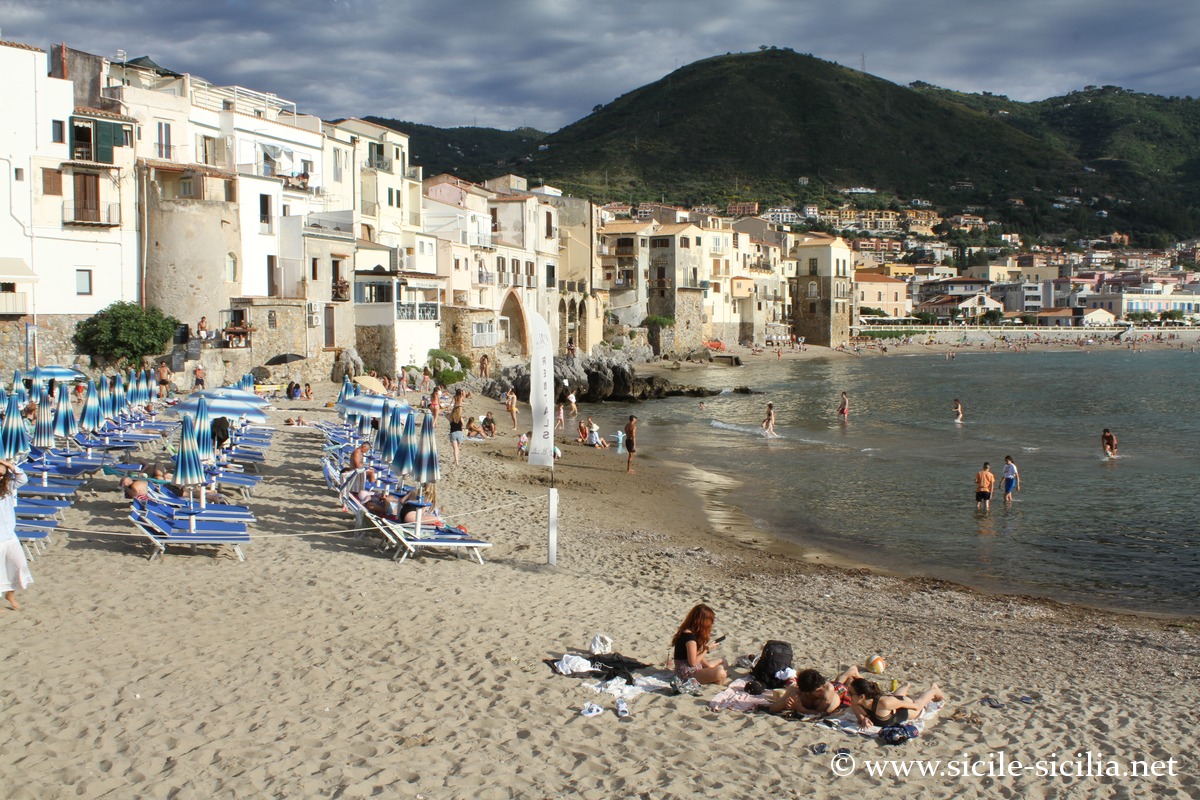
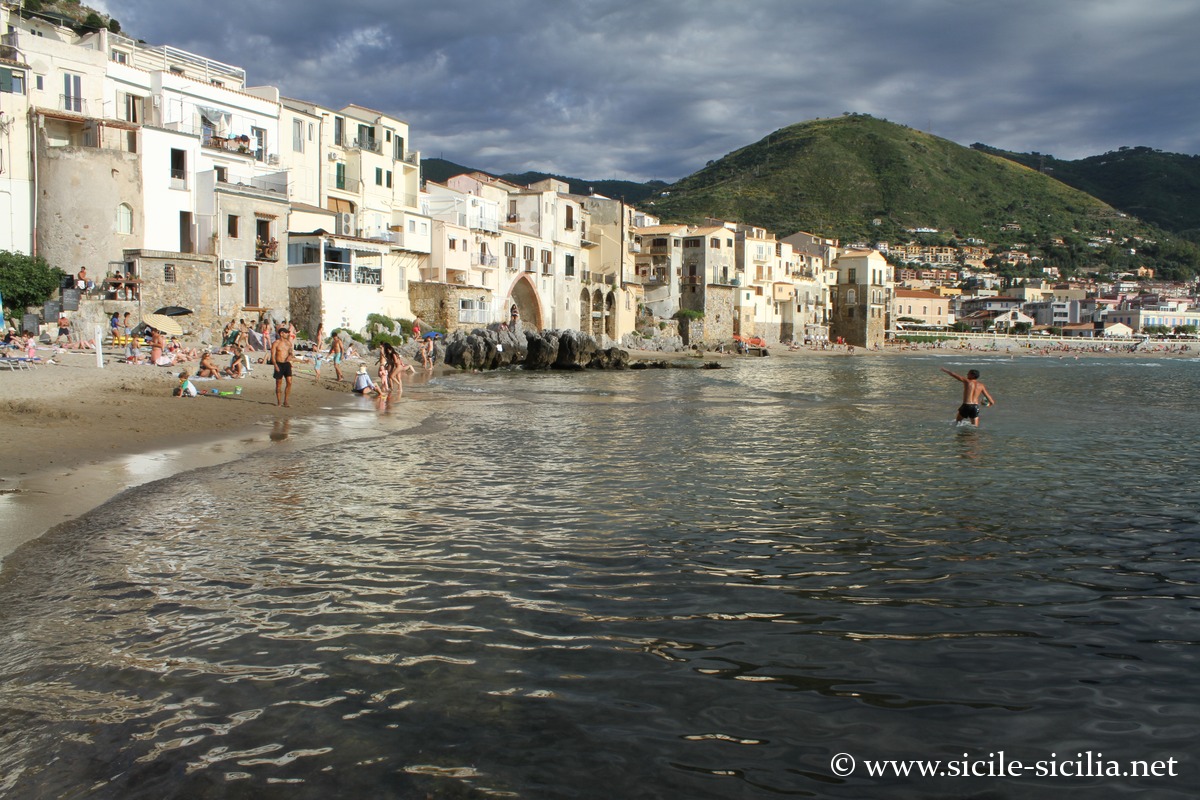
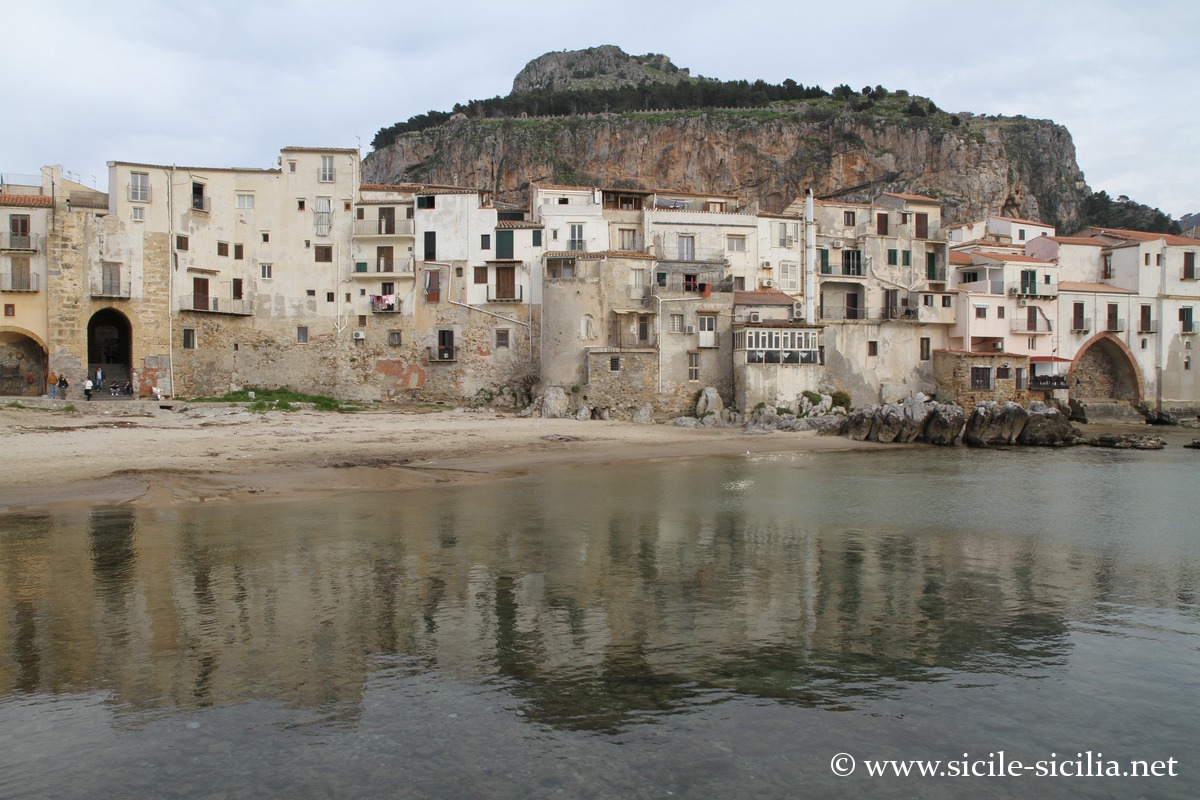
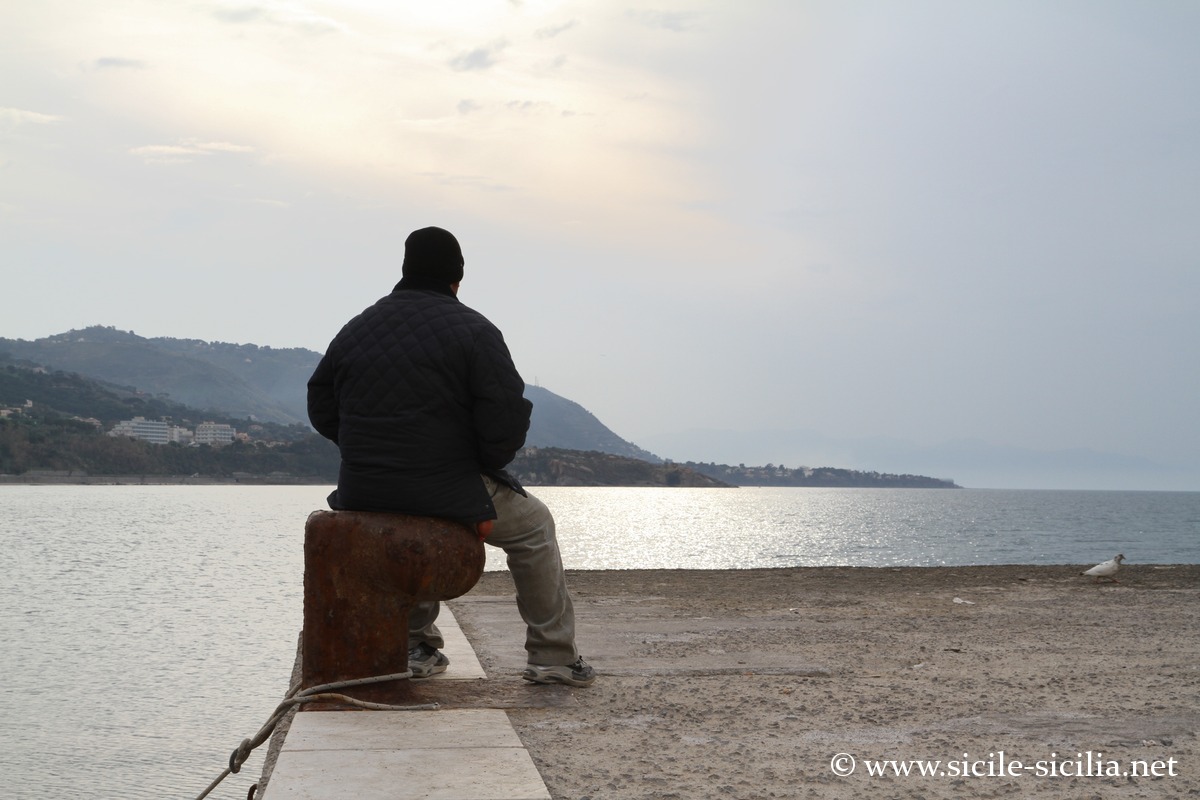
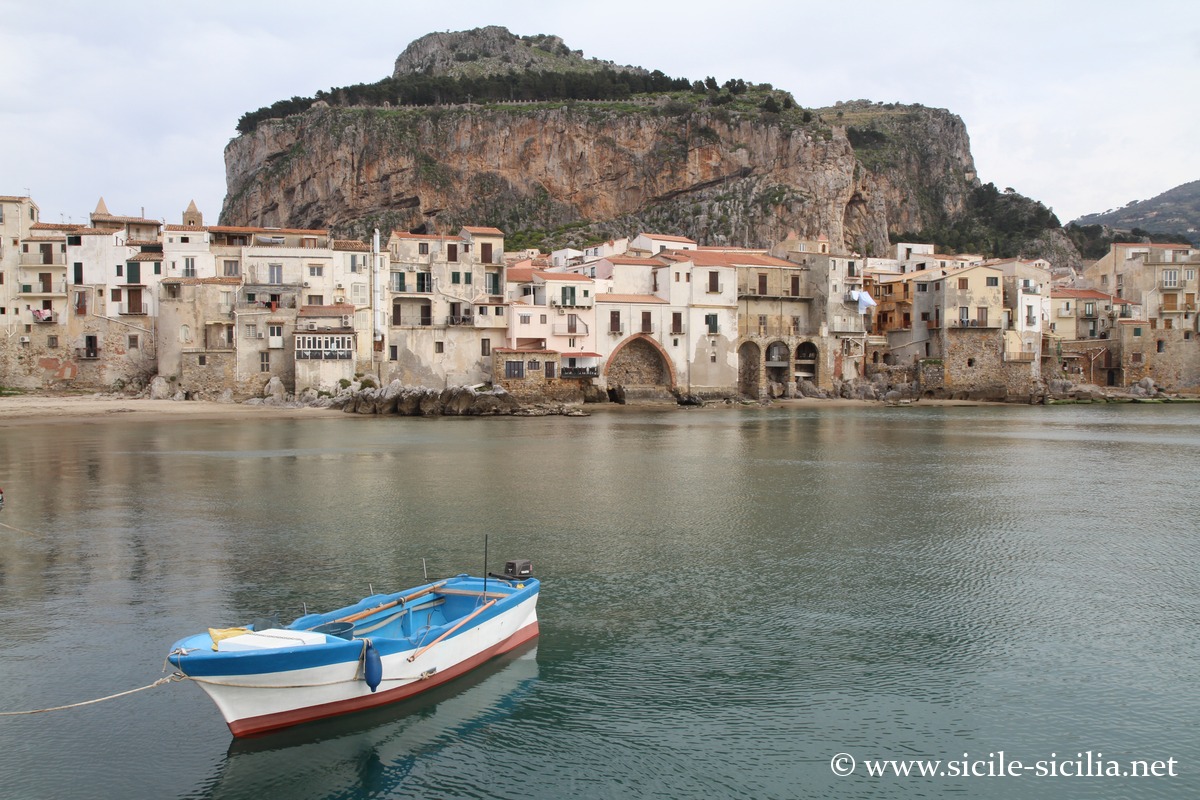
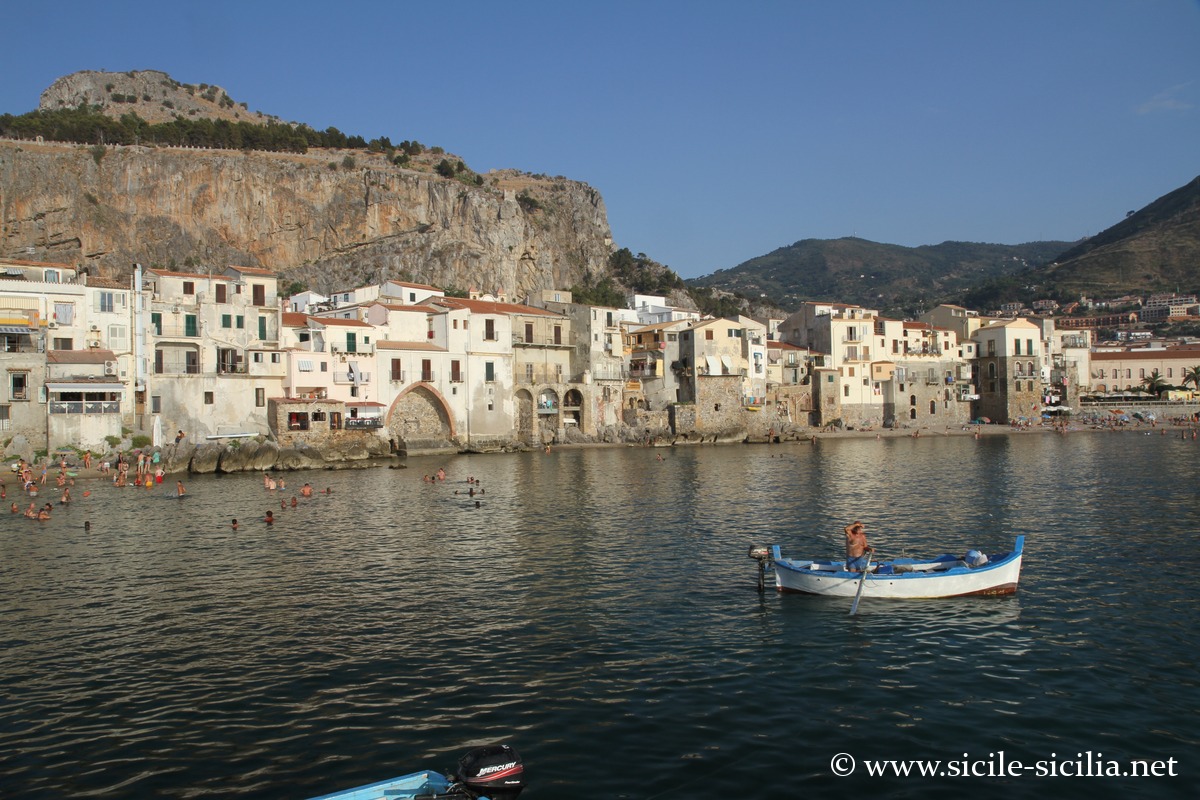
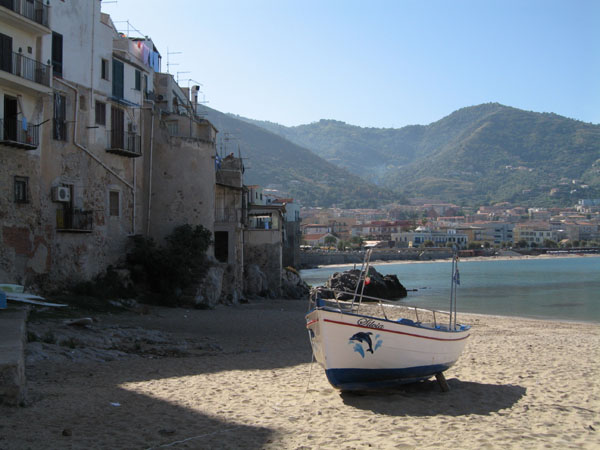
The old port is a place that lacks no charm, with its small beach and a beautiful view of the city, its walls, houses and the Rocca.
The port of Cefalù was active since Antiquity, serving as a point of embarkation for grain and agricultural products from the Madonie towards the Italian peninsula.
It can be reached through the picturesque Porta Pescara of medieval origin dating from the 17th century, the last surviving one, which was one of the direct accesses between the port and the centre with the Piazza Marina.
Old port 
Old port 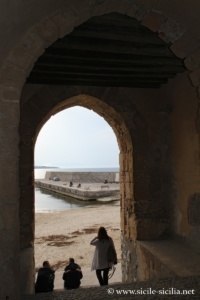
Porta Marina 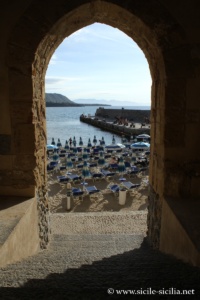
Porta Marina 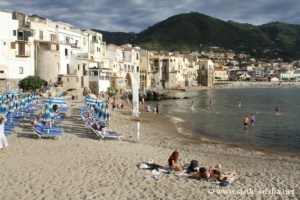
Old port 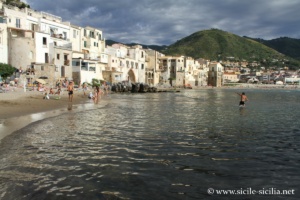
Old port 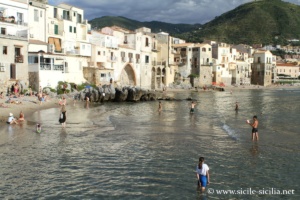
Old port 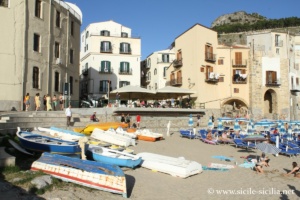
Old port 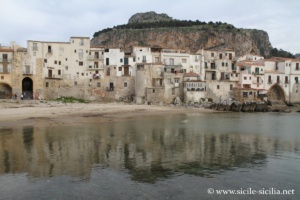
Old port 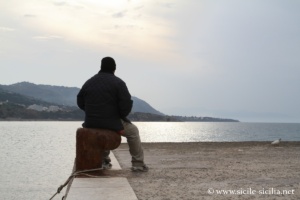
Old port 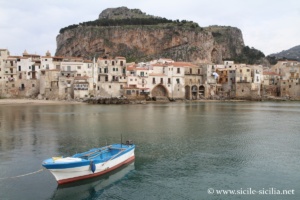
Old port 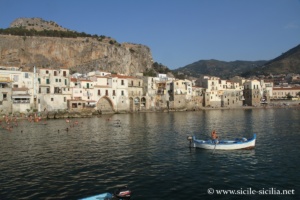
Old port
Coast to the north and east of Cefalù
Caldura Tower, Faraglioni
On the coast north of the city, the bastion of Cape Marchiafava from the 17th century. It was part of the coastal defence system established under Spanish rule to protect Cefalù from corsair raids.
It is backed against the church of Santa Maria dell’Odigitria (Itria), which preserves an iconography linked to the Byzantine cult of the Odigitria, the Virgin “who shows the way”. This building results from the unification in the 20th century of two former chapels, with a sober façade, with elements of the late Baroque of the 16th–17th centuries.
Ancient megalithic walls from the archaic Greek period can be found along the cliff near the Porta Giudecca further north (postern) and at the former Porta Terra in the city centre, at the bottom of the Corso Ruggero (Piazza Garibaldi).
The lighthouse of Cefalù is installed to the north at the foot of the Rocca, built in 1900, 80 metres high.
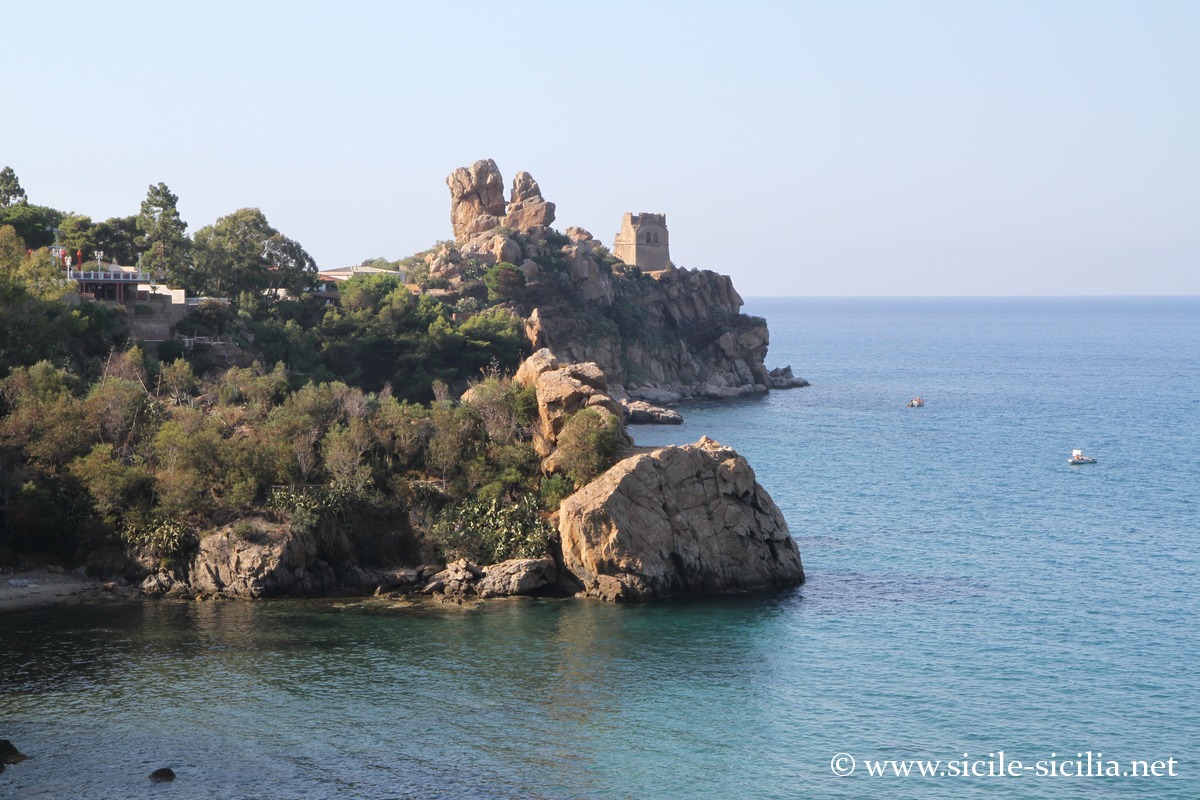
On the eastern side, Kalura Beach is located about a 20-minute walk away, a pebble cove surrounded by rocks and at the foot of the Caldura Tower, a 16th-century defensive tower now in ruins.
Cefalù Beach
Cefalù Beach 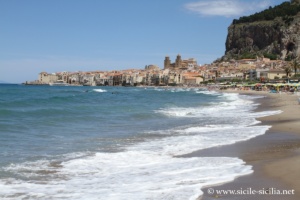
Cefalù Beach 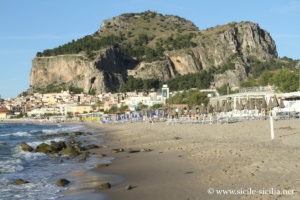
Cefalù Beach and Rocca 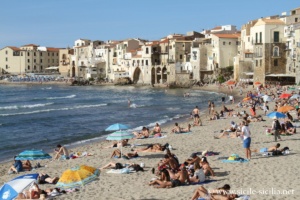
Cefalù Beach
Surroundings of Cefalù
Around Cefalù there are several natural, spiritual and picturesque sites:
Sanctuary of Gibilmanna
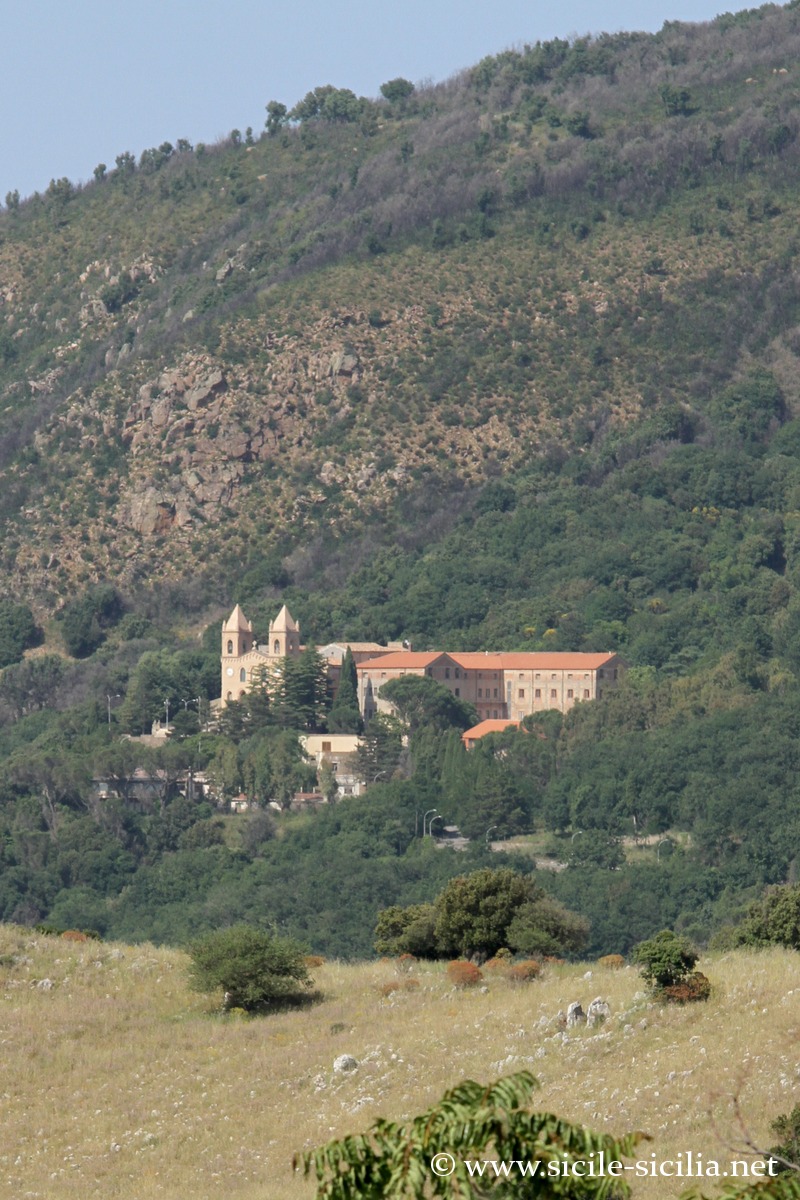
Sanctuary of Gibilmanna
About ten kilometres up the hills of the Madonie, the sanctuary of Gibilmanna rises at an altitude of about 800 metres on the slopes of Pizzo Sant’Angelo (which reaches 1080 metres), a place of pilgrimage and meditation surrounded by forests.
It houses a church with an altarpiece and a statue of the Virgin, attributed to the Gagini family, and offers extensive panoramas over the Tyrrhenian coast.
The monastic complex dates back to an ancient tradition, the oldest church would date from the 6th century AD. The convent was built in the 16th century, a new church in the 17th, whose façade was rebuilt in the 20th century.
In the chapel of the Virgin, a portion of a fresco of the Virgin and Child (approx. 13th century) has been placed, an ancient crucifix from the 14th century (link).
Sant’Ambrogio and Serra Guarneri
Above the hamlet of Sant’Ambrogio, the Serra Guarneri is a private forest estate of great landscape and ecological value, with its Mediterranean oak woods, beautiful extensive viewpoints over the coast and the Aeolian Islands.
Sant’Ambrogio is a small, fairly quiet hamlet about 6 km from Cefalù, with a small beach below the road.
Madonie – Regional Nature Park (overview)
The wooded and mountainous territory of the Madonie begins just behind Cefalù and offers many hiking trails, alpine panoramas and the discovery of a biodiversity rich in Mediterranean plant and animal species.
→ See also the section Surroundings of Cefalù to broaden the scope around Cefalù.
Photo gallery of Cefalù
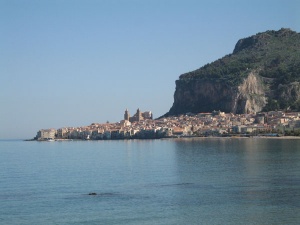

Cefalù 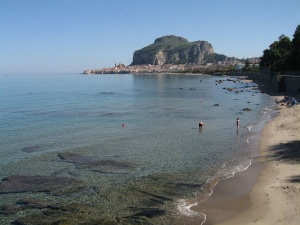
Cefalù Beach 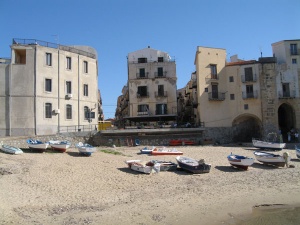
Cefalù 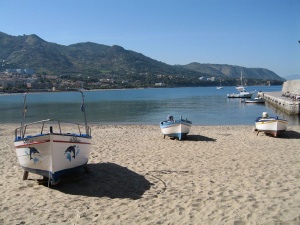
Cefalù 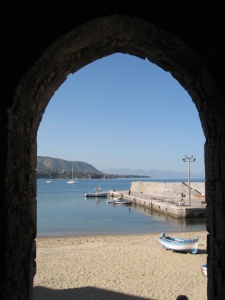

Cefalù 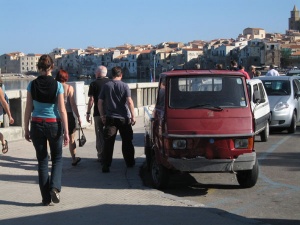
Cefalù 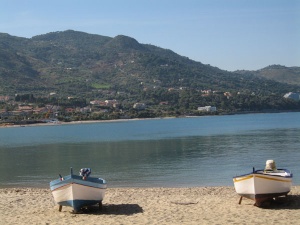
Cefalù in Sicily 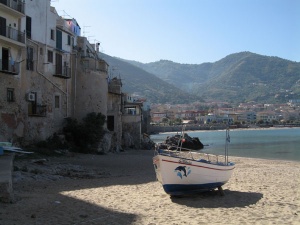
Information
Visit ideas
Sources and info
- Municipality website: www.comune.cefalu.pa.it
- Wikipedia page: en.wikipedia.org/wiki/Cefal%C3%B9
- Tourist sites: www.visitcefalu.com, www.cefalumadoniehimera.it
Articles in the category Cefalù
- Cefalù
 Cefalù is a small town of about 14,000 inhabitants, and a ...
 - Cefalù Cathedral
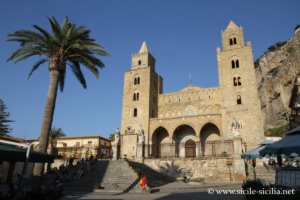 Dominating the town of Cefalù, the Norman cathedral, built in the ...
 - Himera and Termini Imerese
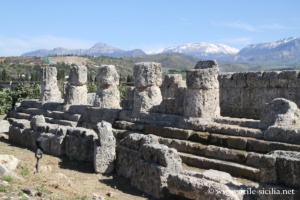 Termini Imerese, on the coast between Palermo and Cefalù, could be ...
 - Palermo Coast to Cefalù
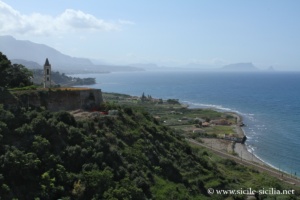 The Sicilian coast east of Palermo stretches along the fairly urbanized ...
 - Palermo Coast to CefalùThe Sicilian coast east of Palermo stretches along the fairly urbanized ...
- Hotels in Cefalù
 Hotels in Cefalù in Sicily, on the coast, in the centre ...
 - Activities in Cefalù and Excursions
 Booking of activities in Cefalù and its surroundings, guided tours, tastings, ...
 - Around Cefalù
 Sicilian destinations near Cefalù, including inland Castelbuono, then the Madonie park ...