

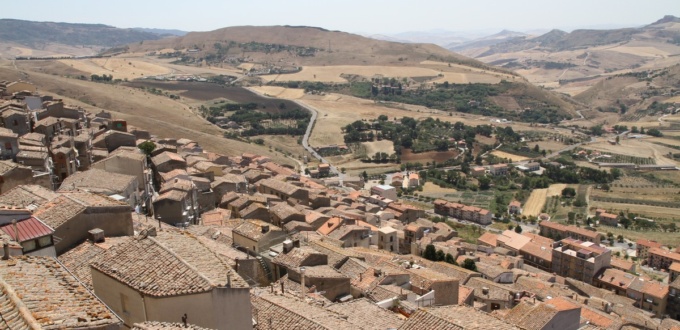
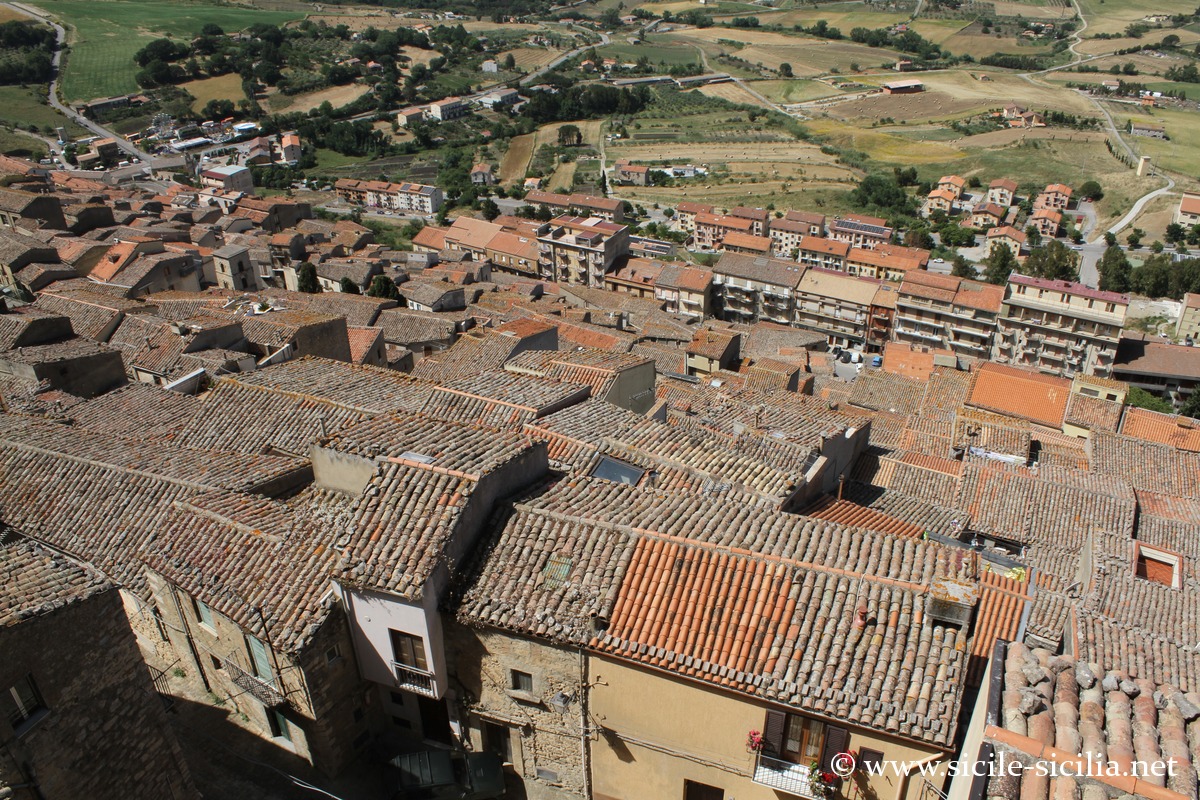
Gangi is a small town with character, of 6,500 inhabitants, classified among the most beautiful villages in Italy since 2009 (borghi più belli d’Italia), located in the Madonie region.
The historic centre is remarkable with its medieval character and its prestigious buildings such as the Mother Church dedicated to San Nicola di Bari. During the prosperous period of the 18th and 19th centuries, the late feudal nobility built several beautiful palaces, including the Palazzo Bongiorno, then those of Sgadari and Mocciaro.
Craftsmanship has remained alive and is valued in Gangi, with blacksmith, carpenter, stonemason, writing on parchment and papyrus, or fresco restorers. It is part of a local tradition of know-how linked to construction, religious decoration and heritage conservation.
Historical overview
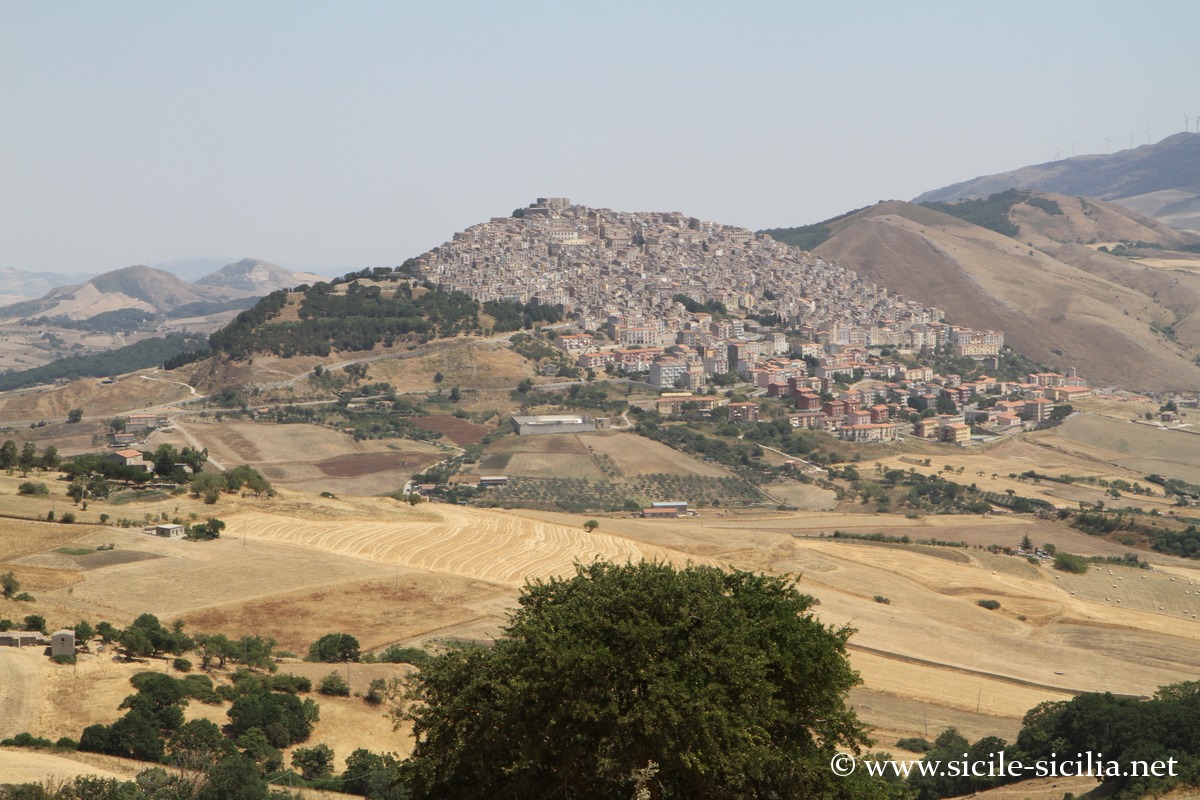
Gangi
The site was already inhabited in the Neolithic period, with traces of prehistoric occupation including carved stones and rock-cut structures.
Remains marked by a Hellenic character suggest the existence of a Greek colony that has not been identified, which one tradition links to the legendary Cretan colony of Engyon, and another to the vanished Greek city of Herbita (other villages in the region, such as Nicosia or Troina, are more likely sites).
The most probable is the founding of the town on Mount Marone under the Byzantines or the Saracens, on a steep relief corresponding to a defensive logic typical of the early Middle Ages in Sicily.
Visiting Gangi – what to see
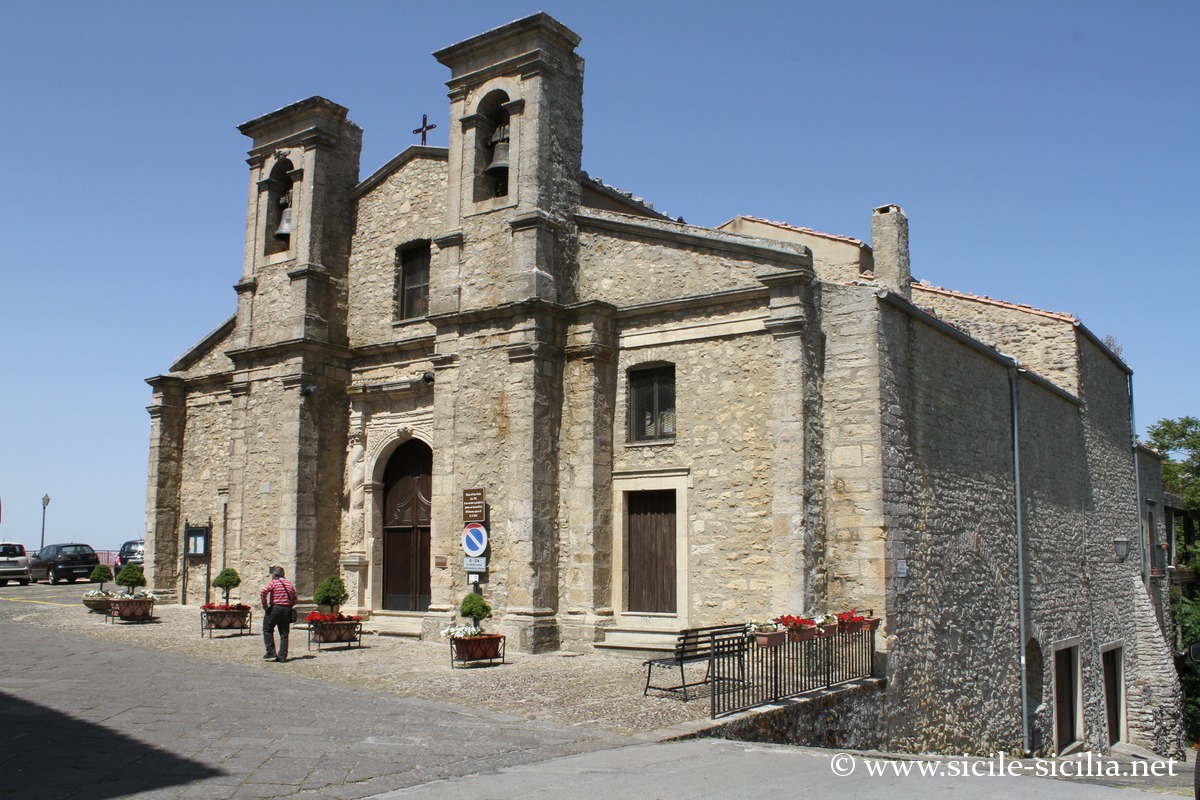
At the foot of the town, the Sanctuary of the Holy Spirit (Santo Spirito) is associated with the legend of a miraculous effigy of the Eternal Father painted on a rock found by a farmer, now placed in a niche of the Baroque-style building.
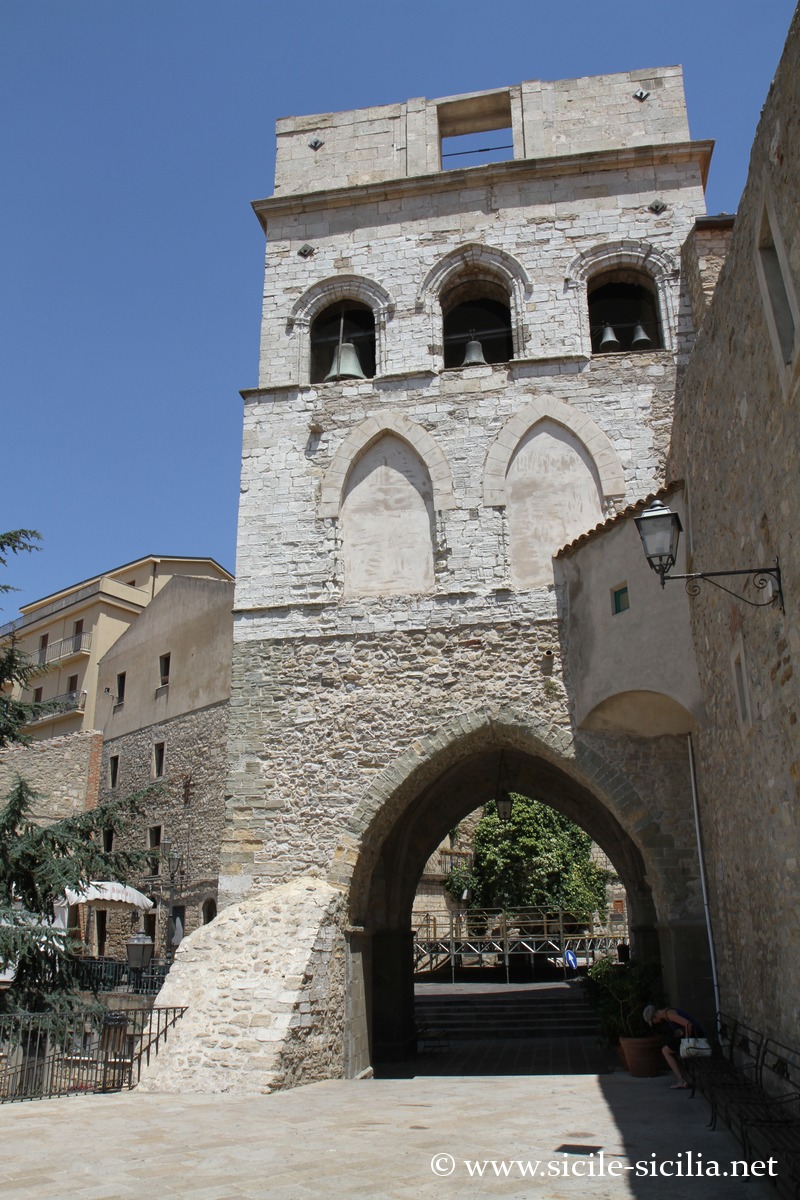
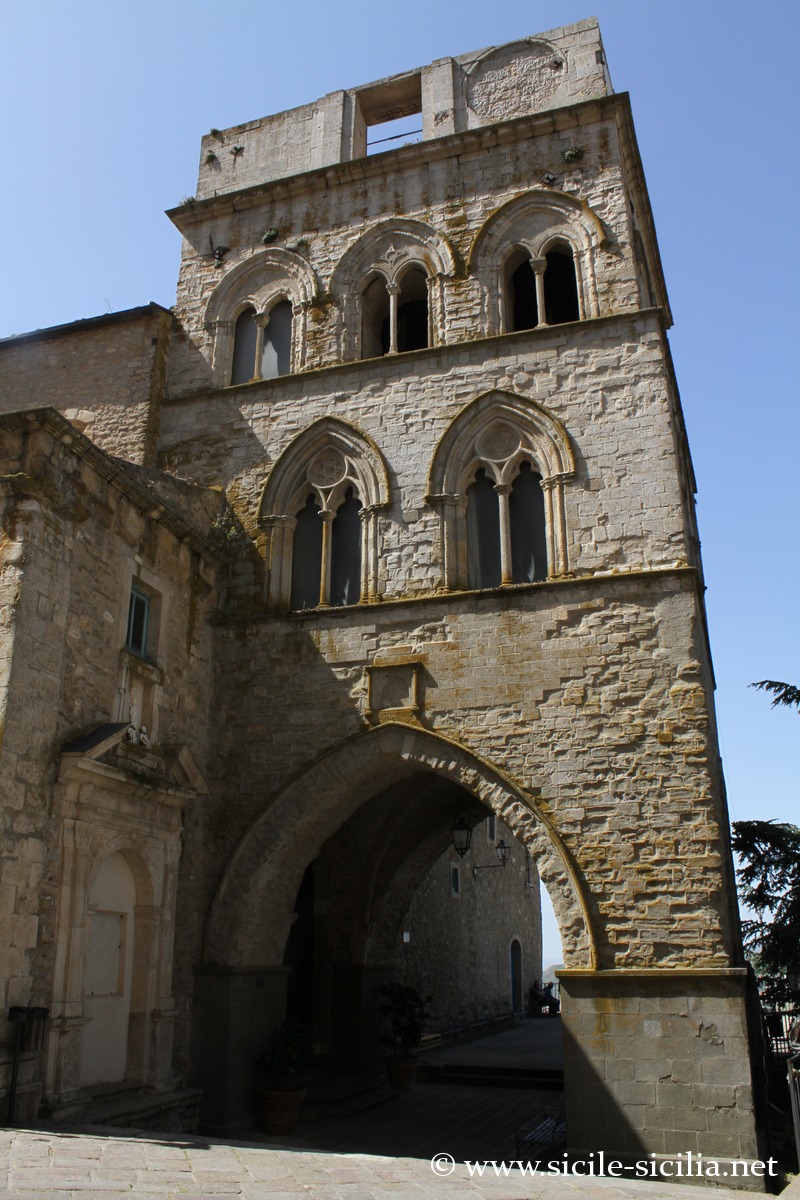
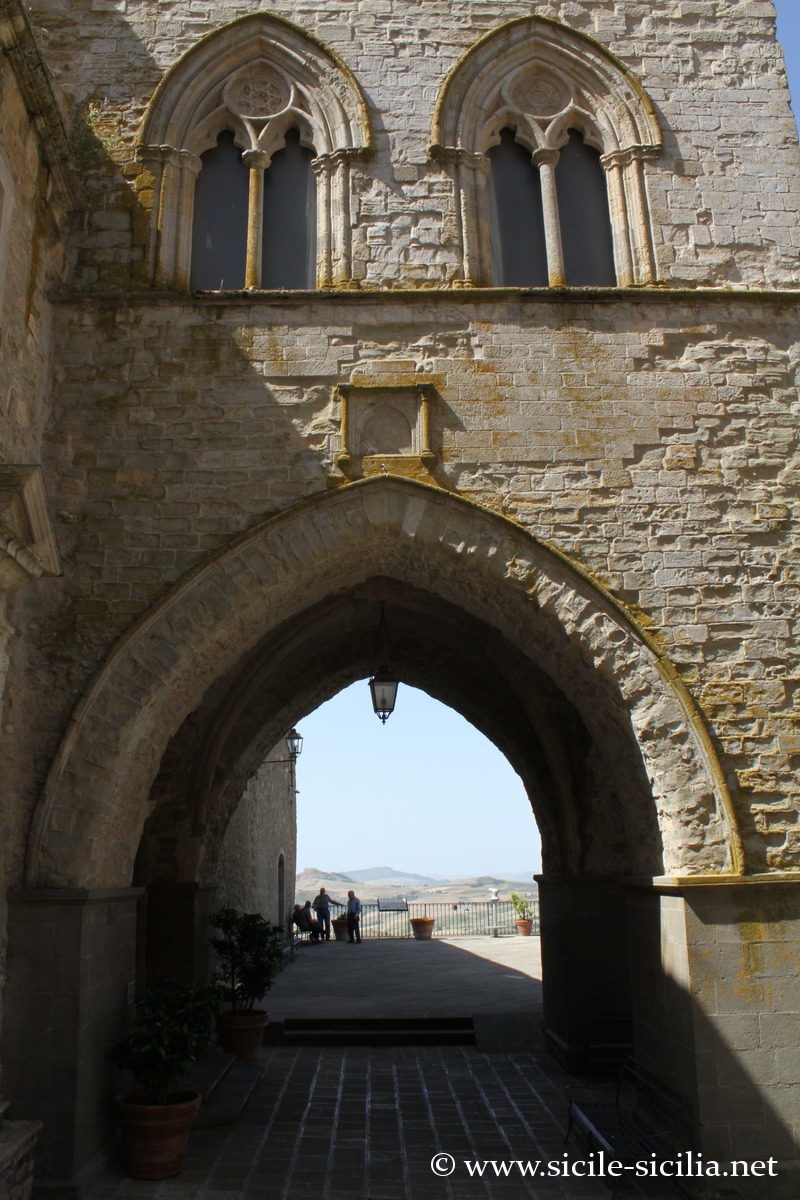
Ventimiglia Tower
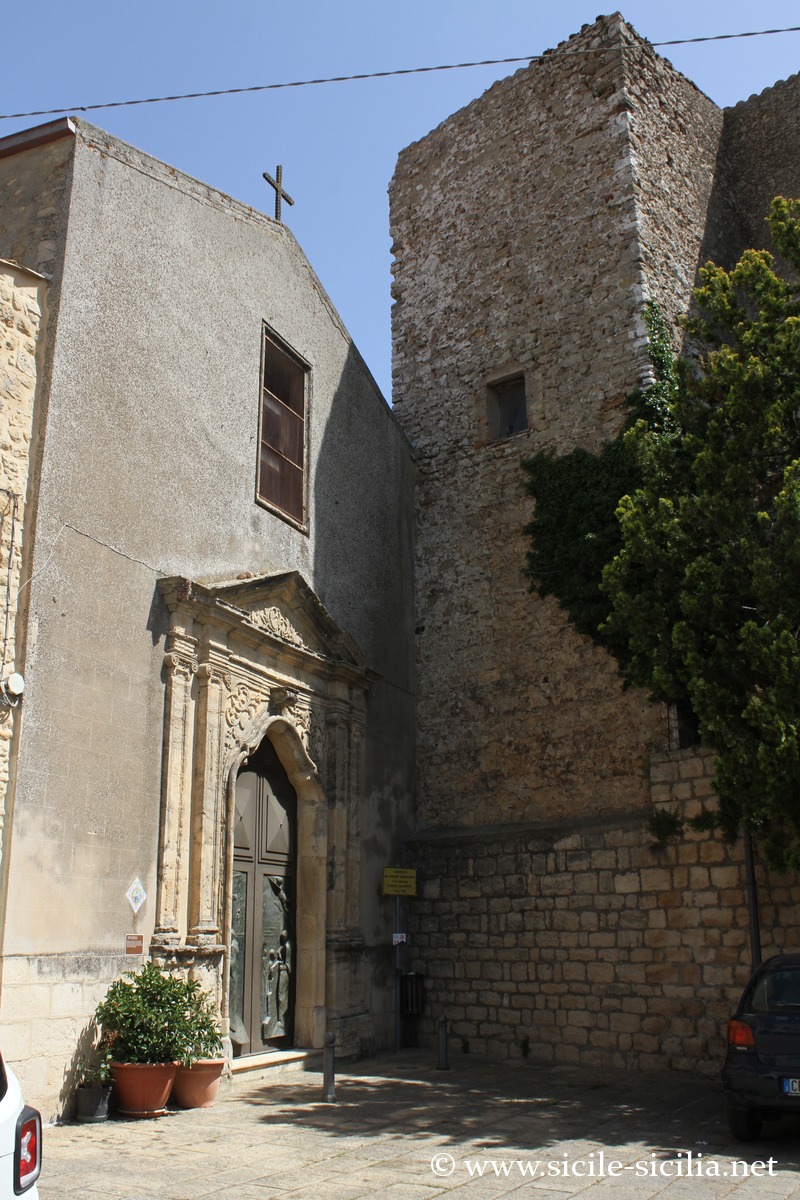
In the centre stands the Ventimiglia Tower, a feudal tower from the 14th century that was later incorporated into the cathedral with an 18th-century clock.
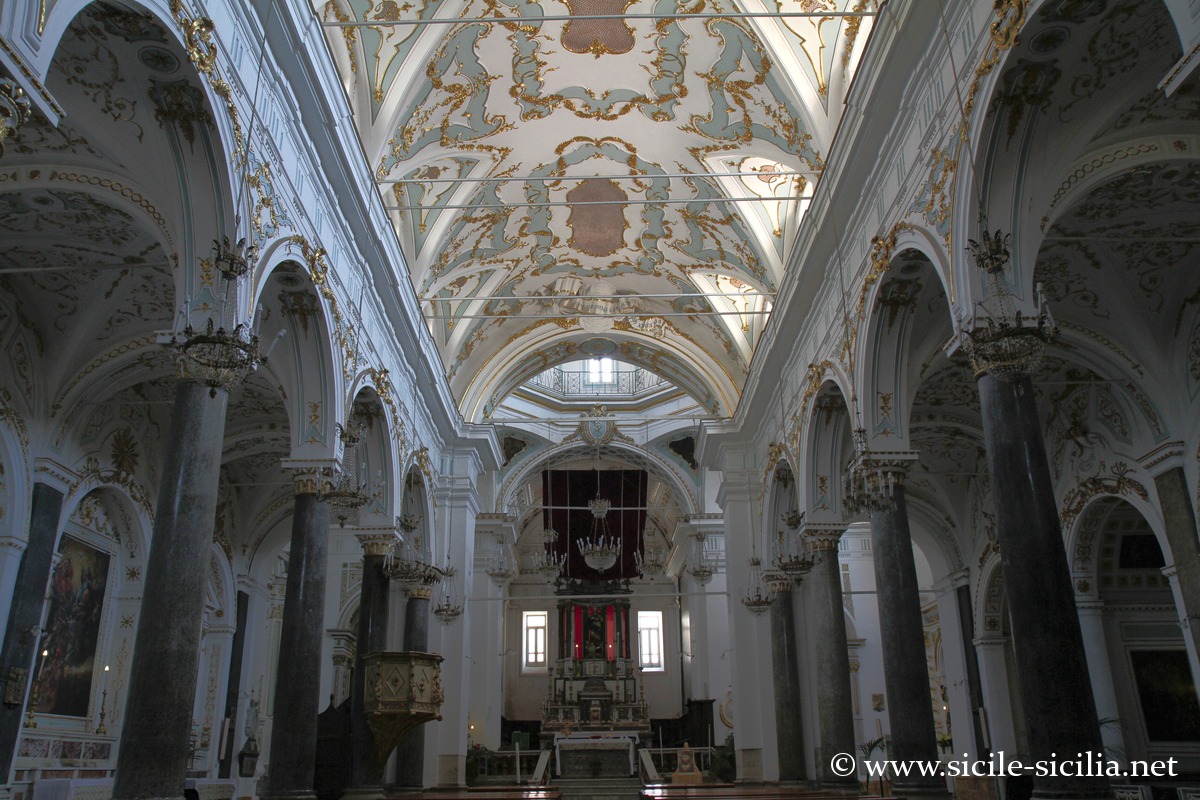
The cathedral of San Nicolò of Gangi reputedly dates originally from the Norman period. Its two side naves were built in the 16th and 17th centuries. It preserves works by the Zoppo di Gangi, a local artist known for his many works scattered in the neighbouring villages; statues by Filippo Quattrocchi; the Last Judgment by Giuseppe Salerno, and also a macabre crypt with the mummies of priests arranged between the 18th and 19th centuries.
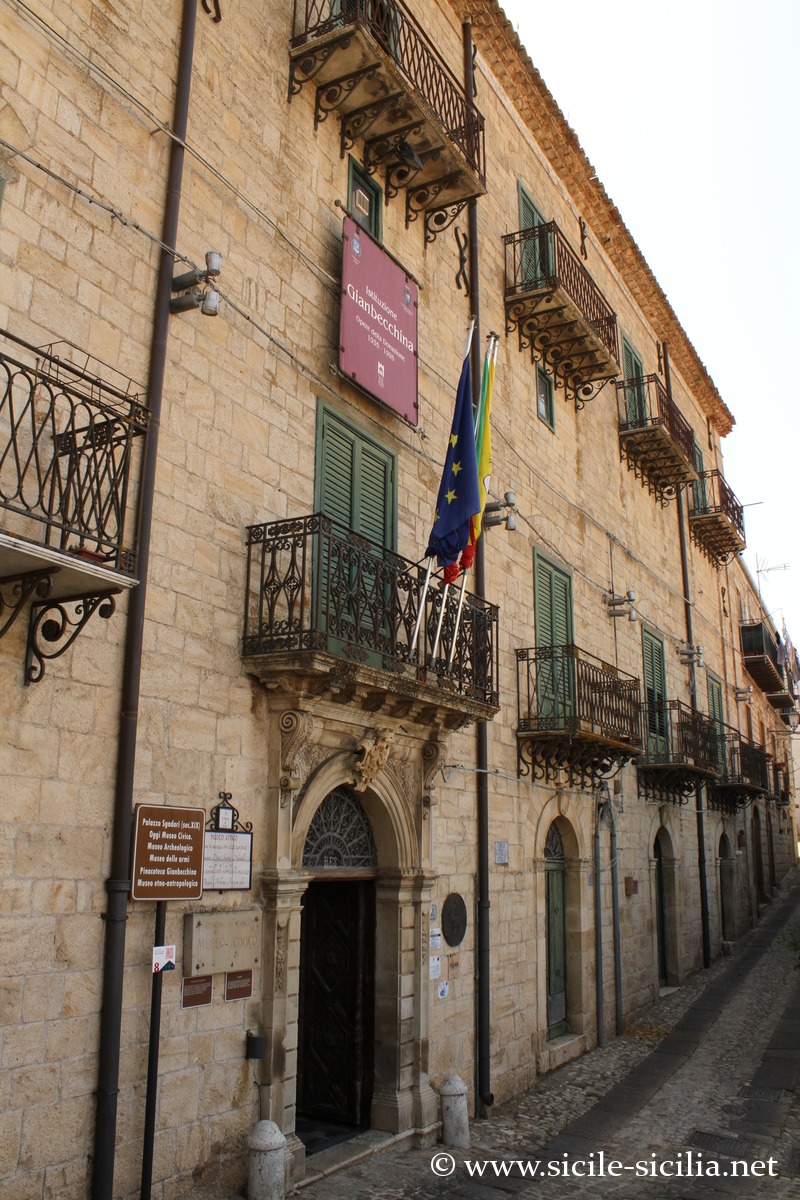
Two seigneurial palaces stand out, the Sgadari Palace whose rooms house the archaeological museum, the art gallery, sections on weapons and ethno-anthropology with objects related to baking and pastoralism, collections that illustrate the evolution of the settlement of the Madonie. This aristocratic 18th-century palace reflects the influence of Sicilian Baroque with Neoclassical elements, an interior decoration including stuccoes, frescoes and ornate ceilings.
The Bongiorno Palace is an important 18th-century building, with an austere exterior and a refined Baroque and Neoclassical interior, including ceilings, stuccoes and frescoes, and on the ground floor there are magnificent trompe-l’œil decorations. It is also used as a museum and cultural space.
Let us also mention the Mocciaro Palace from the 19th century and its rooms adorned with frescoes.
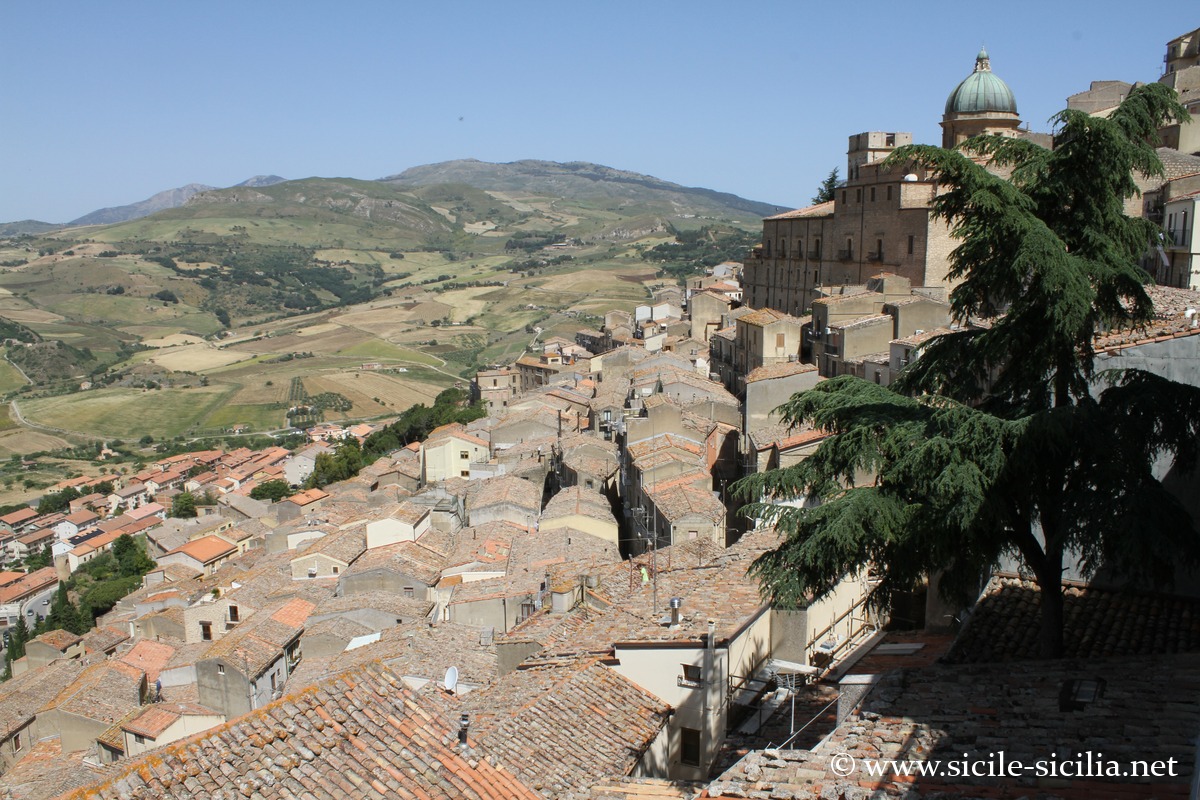 In the 16th-century streets, the Corso Fedele Vitale stands out with its shops and their arcades, the main artery of the modern town.
At the end of this street, the church of San Cataldo from the first half of the 14th century houses wooden statues by Quattrocchi and the painting by Giuseppe Salerno with the torture of the forty martyrs of 1618.
At the top of the centre rises the Ventimiglia castle, of late medieval architecture, built in the first half of the 14th century, of which the remains of two towers remain among the vestiges.
In the lower town, the church of the Holy Saviour (San Salvatore) preserves the wooden crucifix by Fra Umile da Petralia, one of the most important Franciscan sculptors of 17th-century Sicily, and the Ascent to Calvary by Giuseppe Salerno.
Folklore, traditions and gastronomy
At Easter, it is customary to eat u fasciddatu, the traditional bread, and at the feast of Sant’Isidoro (patron saint of farmers), one tastes taralli, typical biscuits.
At Christmas, cucchia are consumed, shortcrust biscuits filled with almonds, raisins and dried figs. Other local biscuits are the mastazzola with sugar, or the mastacuttè, with fig paste.
The local cheese is caciocavallo, made from raw cow’s milk. A good pecorino (with sheep’s milk) is also made there. These cheese productions are linked to extensive breeding in the pastures of the Madonie and to traditional techniques still in use.
During Lent it is customary to eat fried cod with wild fennel.
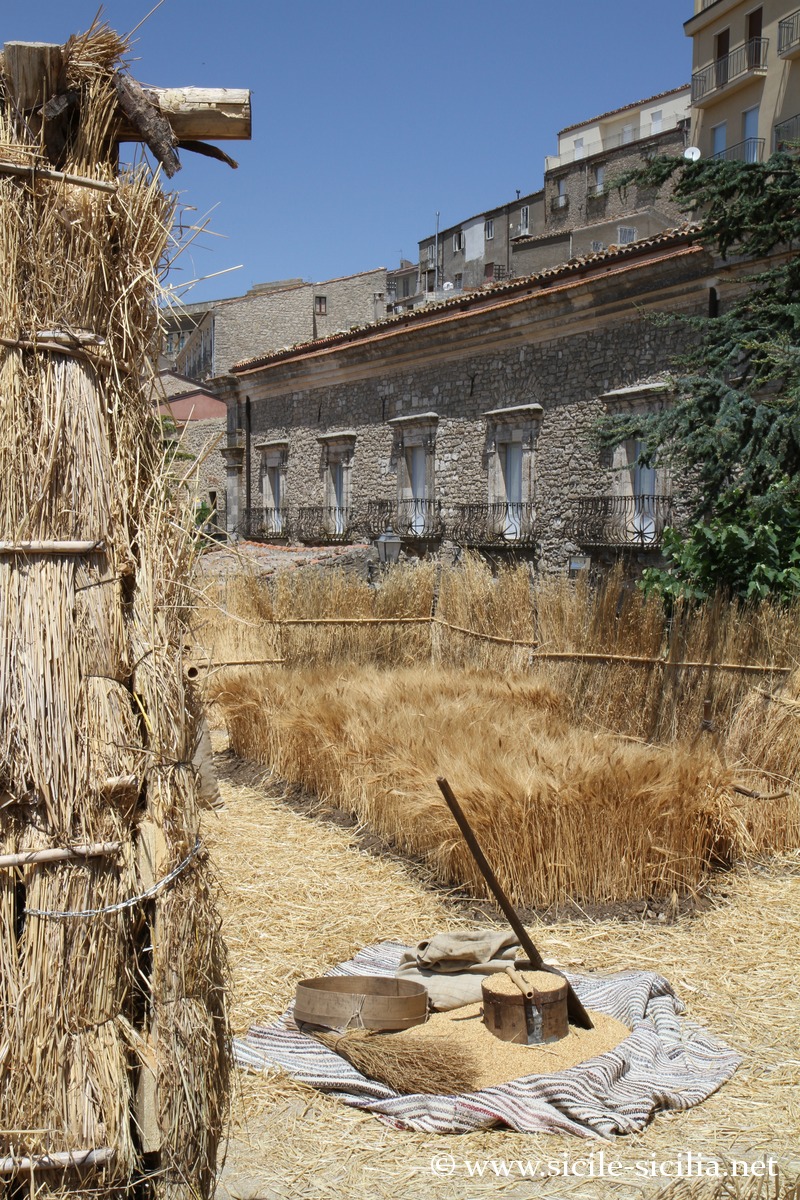
la Sagra della Spiga, very important in Gangi, is held on the 2nd Sunday of August with costumed parades and traditional dishes, celebrating wheat and the harvest.
During the Feast of the Holy Spirit, on the Monday after Pentecost, a spectacular religious procession takes place with 35 wooden statues carried on shoulders.
A living nativity scene is organised for Christmas between 26 and 29 December, involving a large part of the inhabitants.
Where Gangi is located: map
If you see this after your page is loaded completely, leafletJS files are missing.
Photo gallery
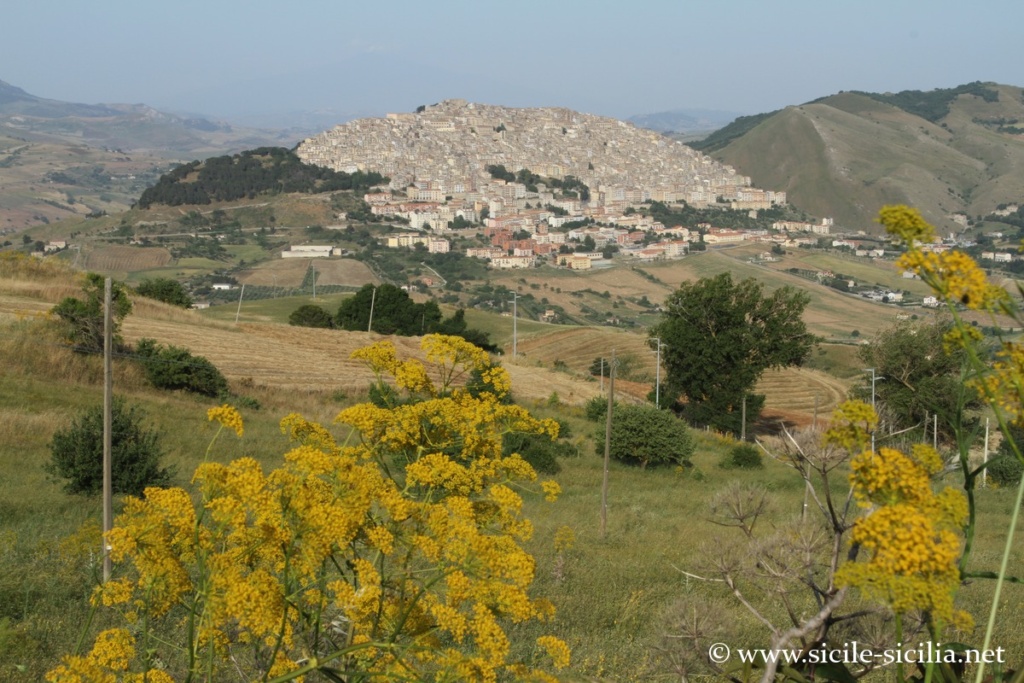

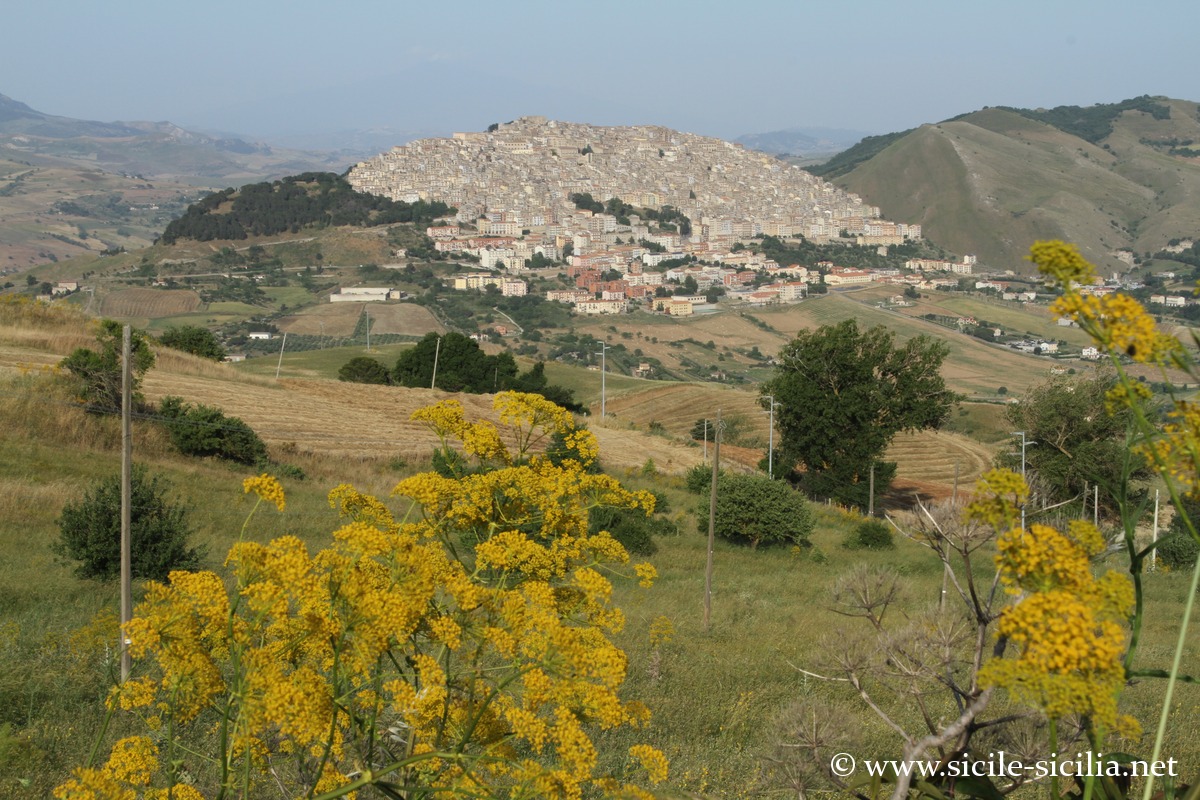
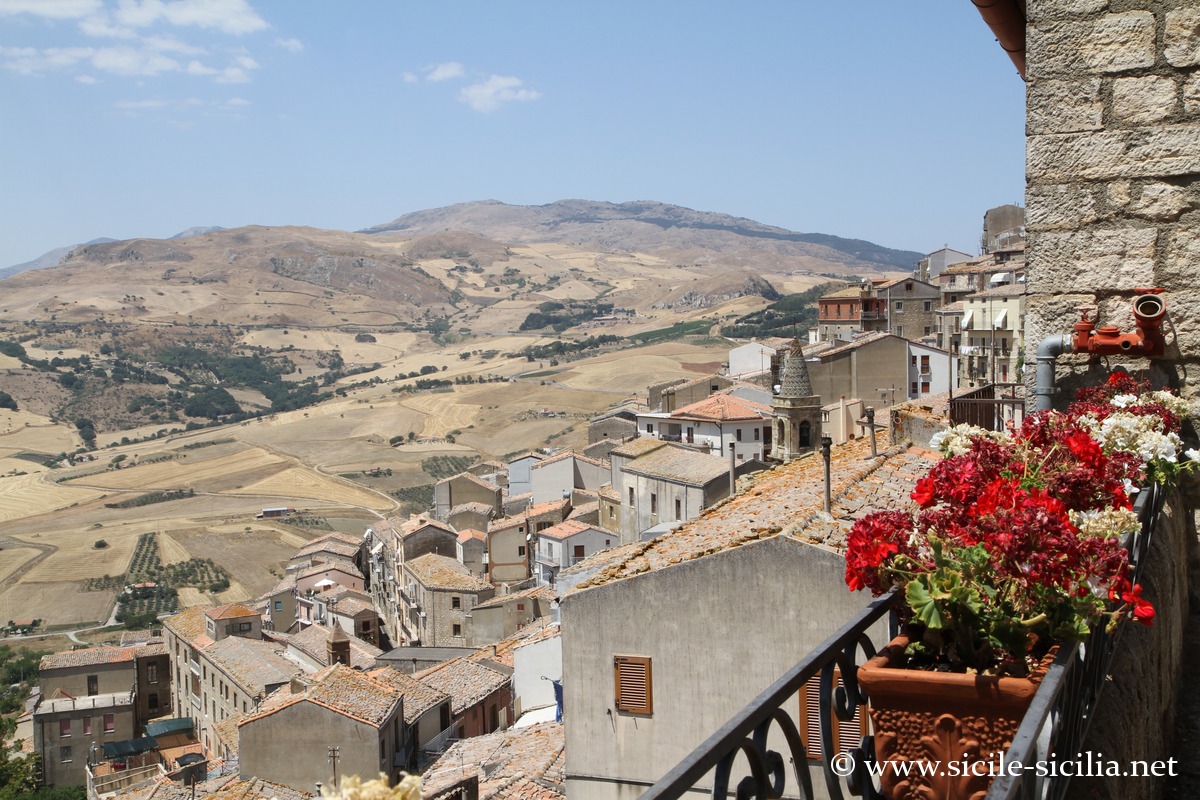
View of Gangi 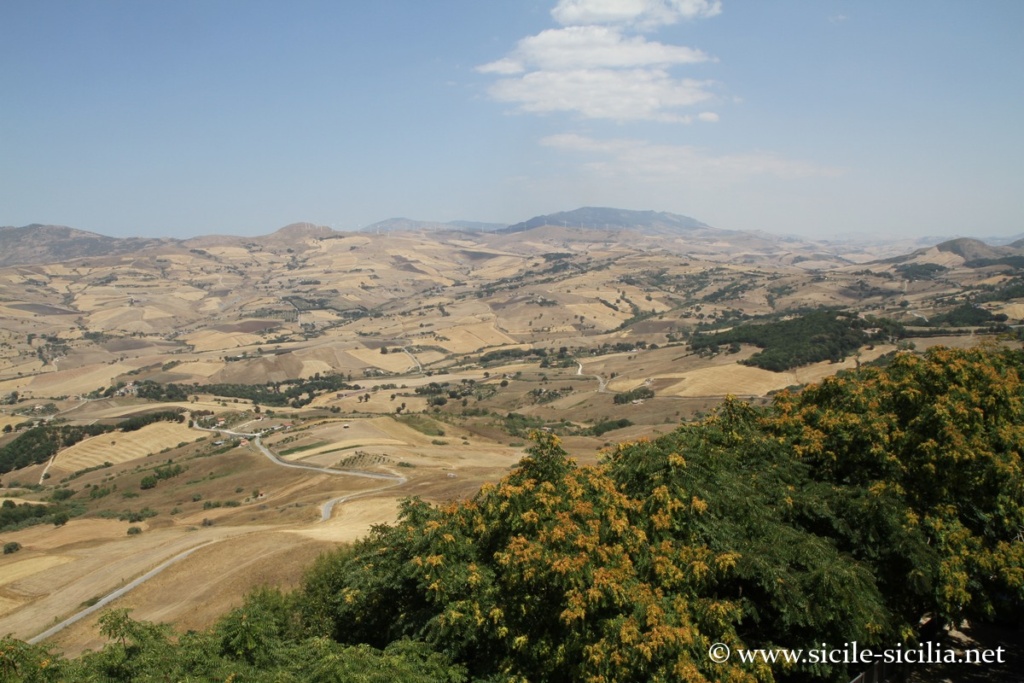
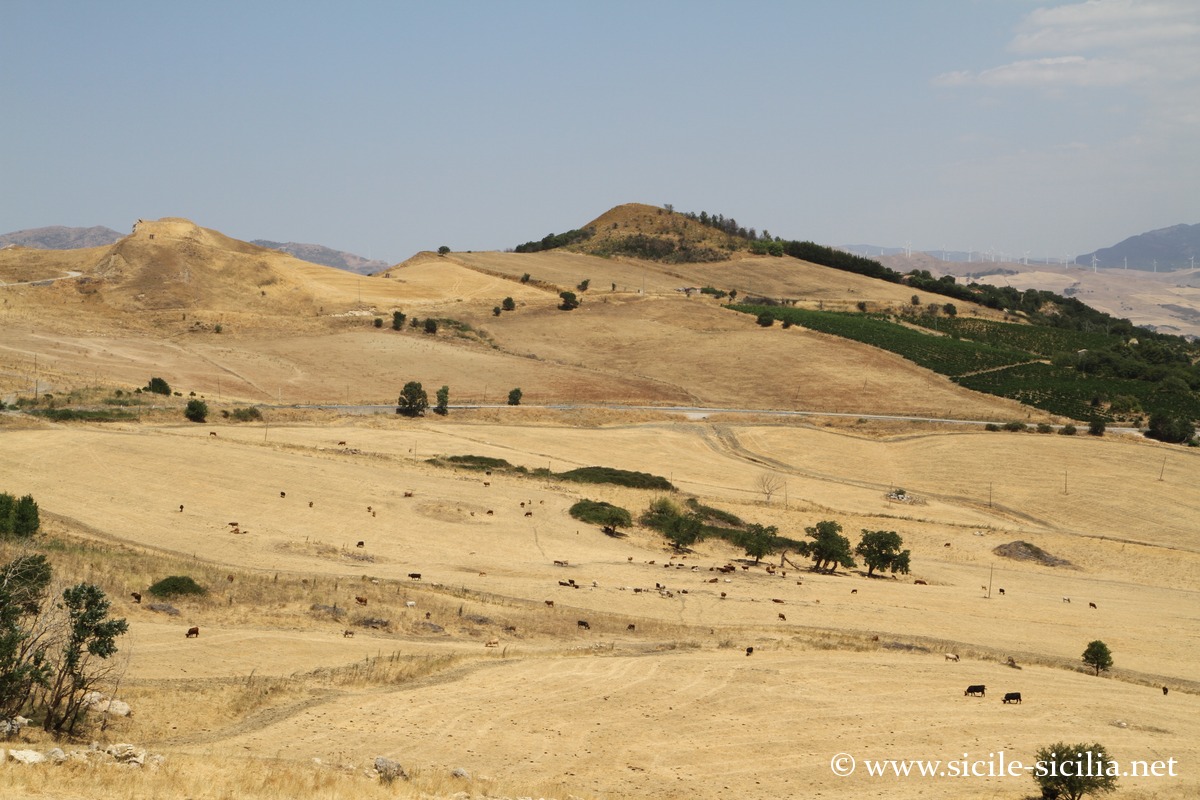
Landscape around Gangi 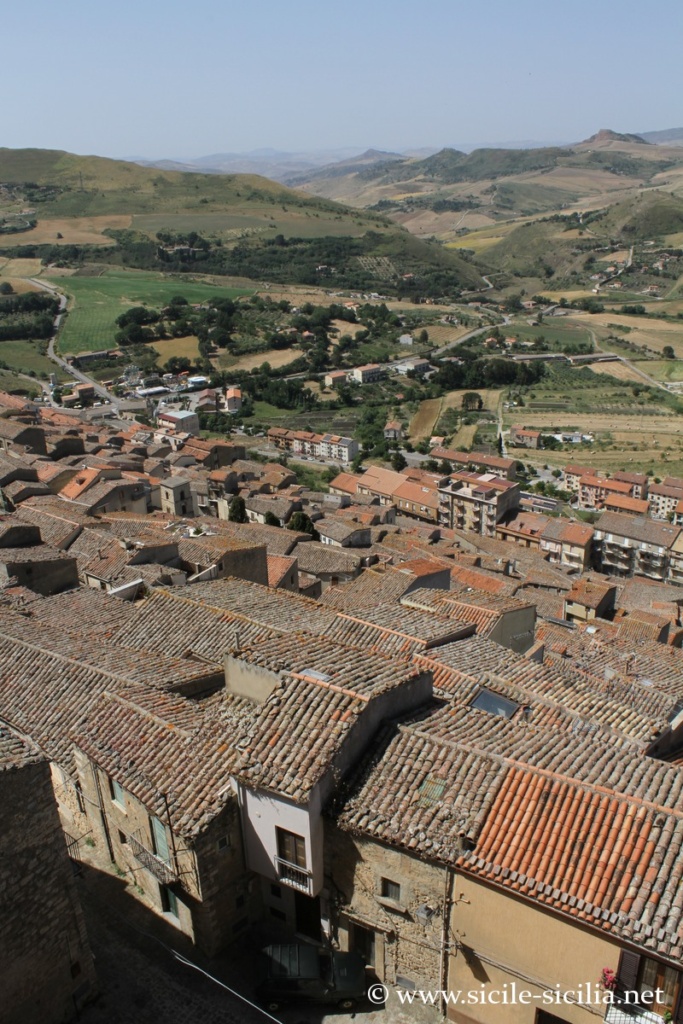

View of Gangi 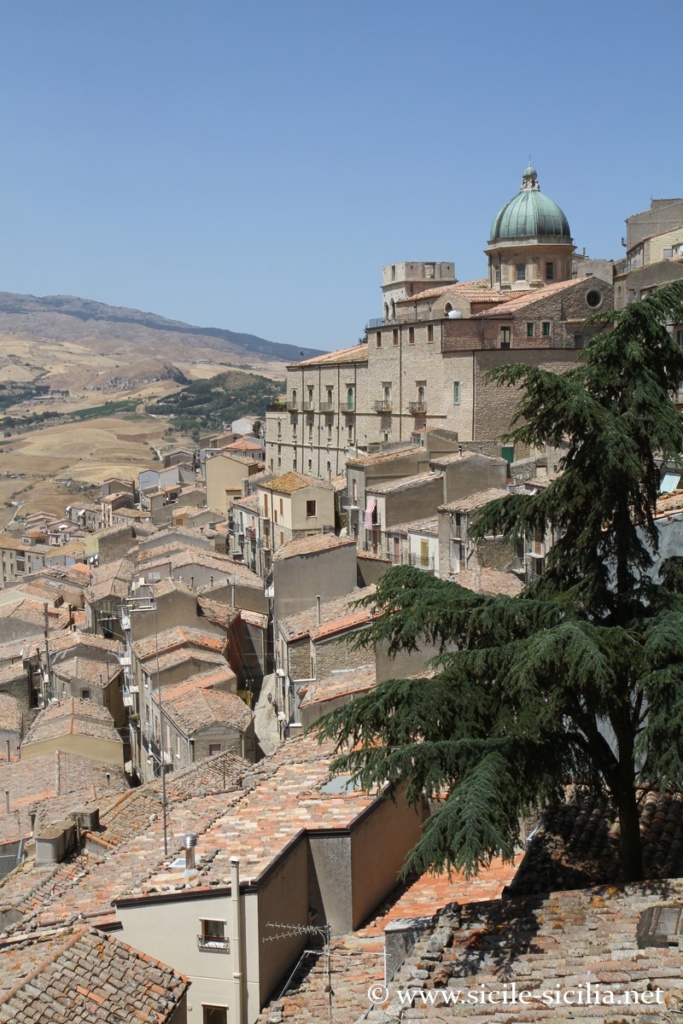
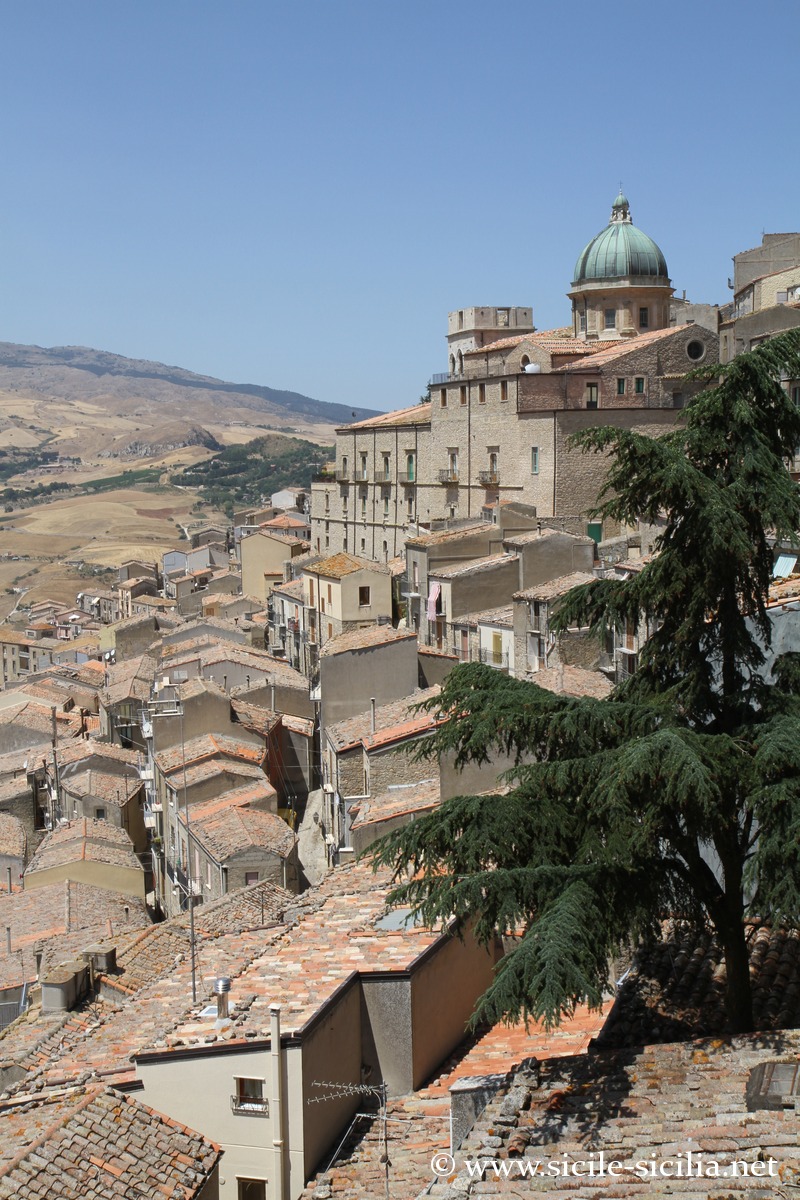
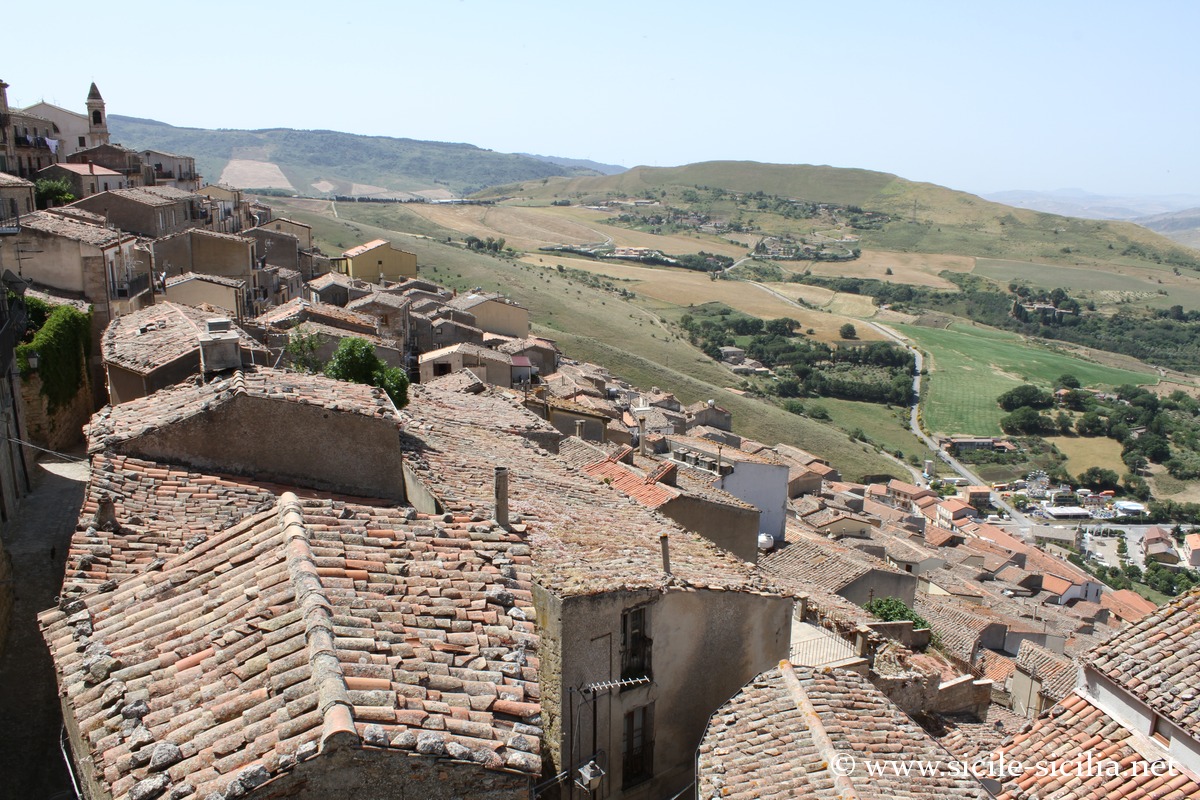
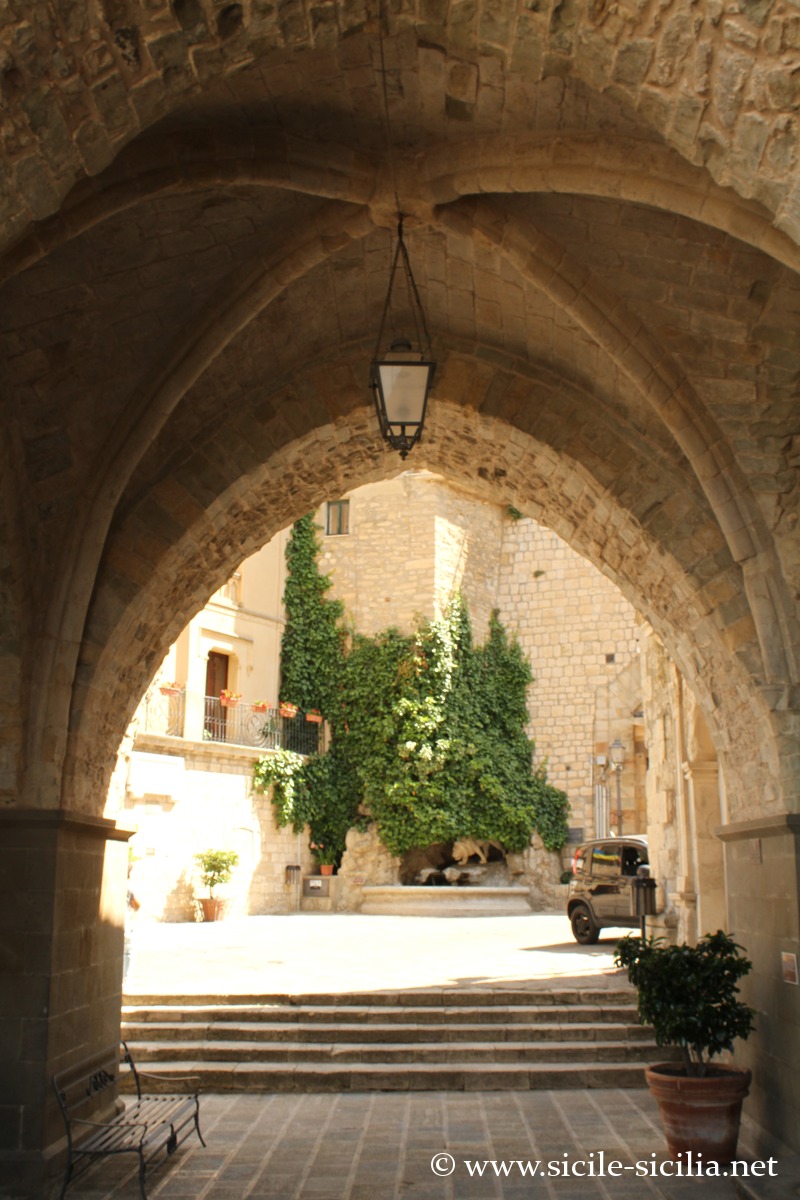
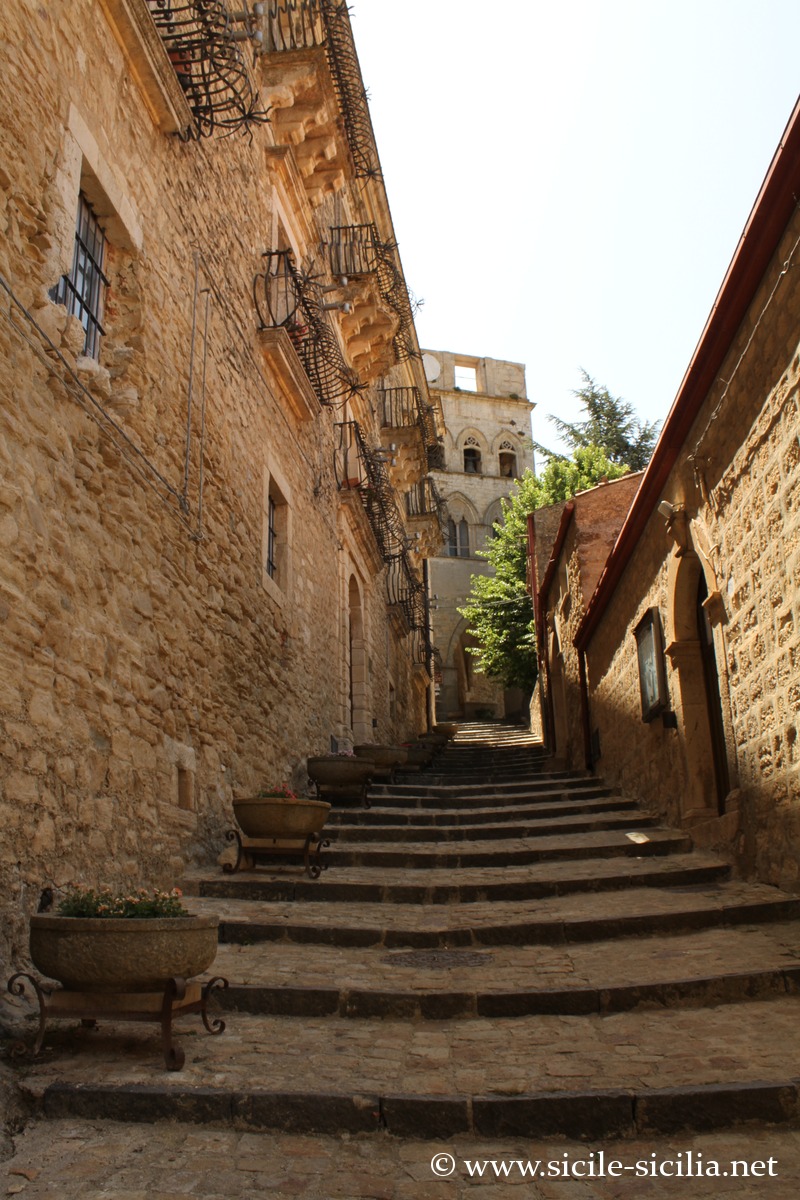
Historic centre of Gangi 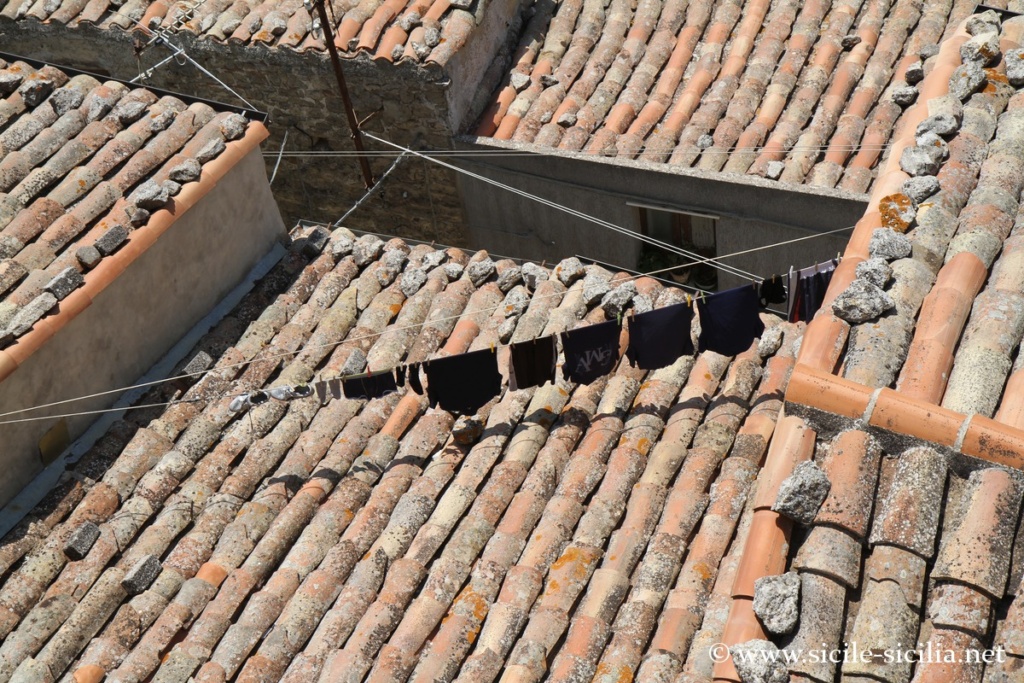
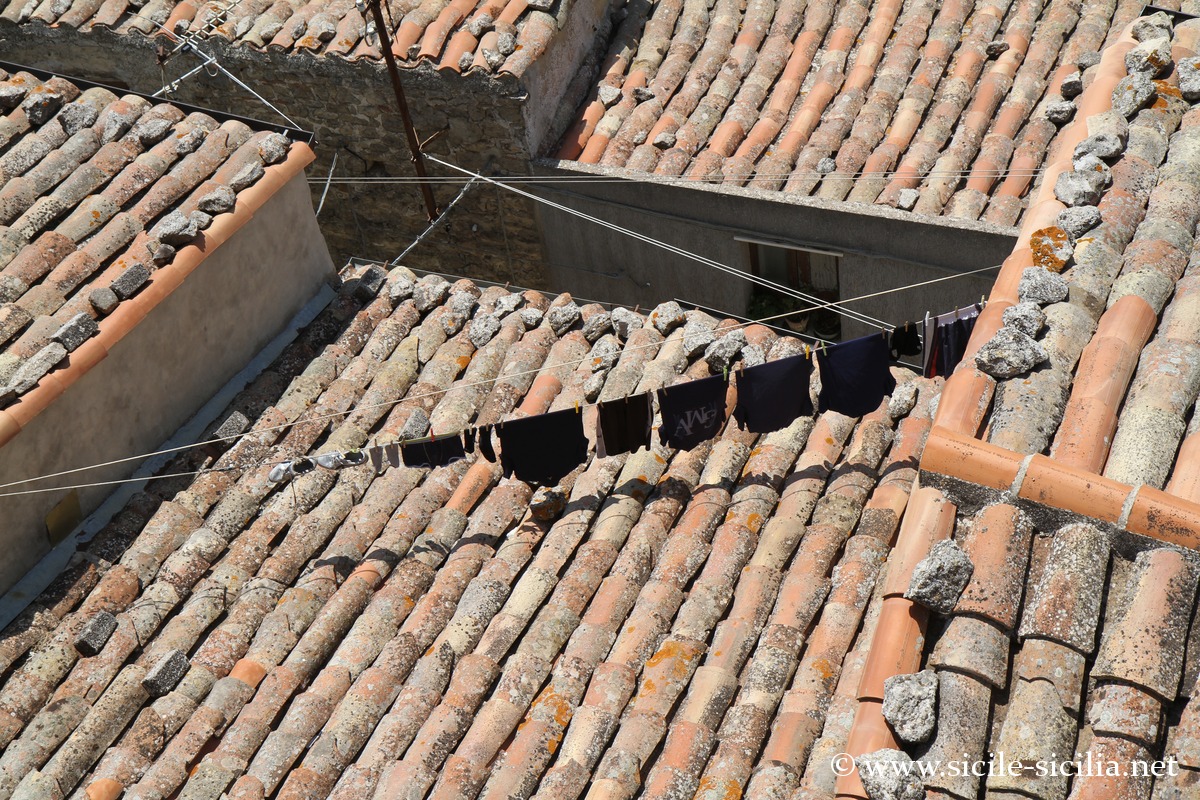
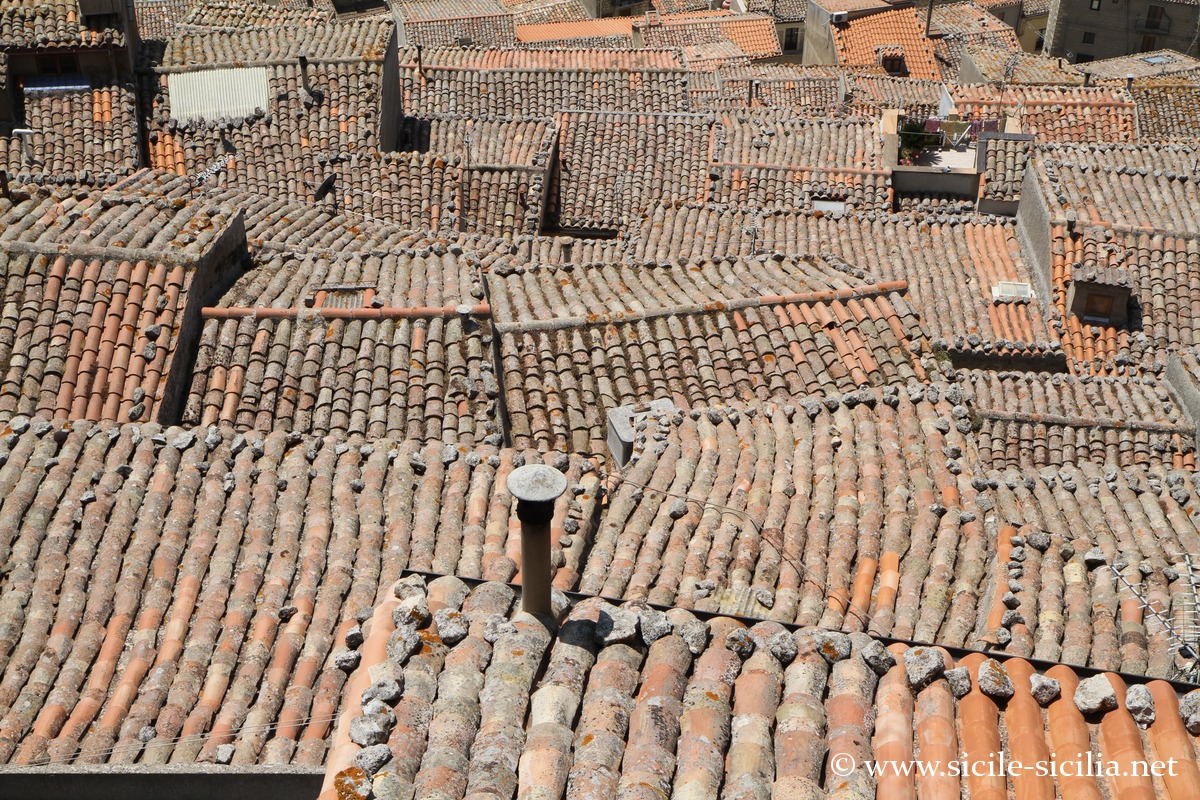
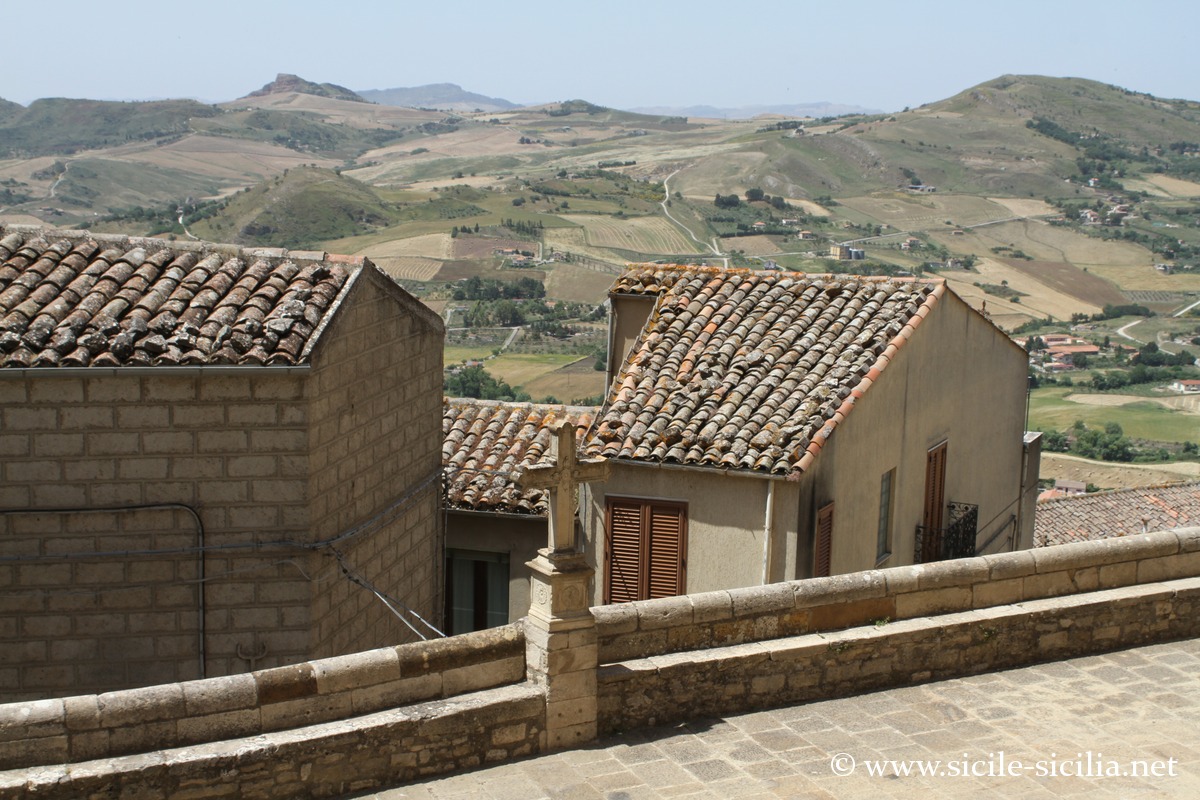
Roofs of Gangi 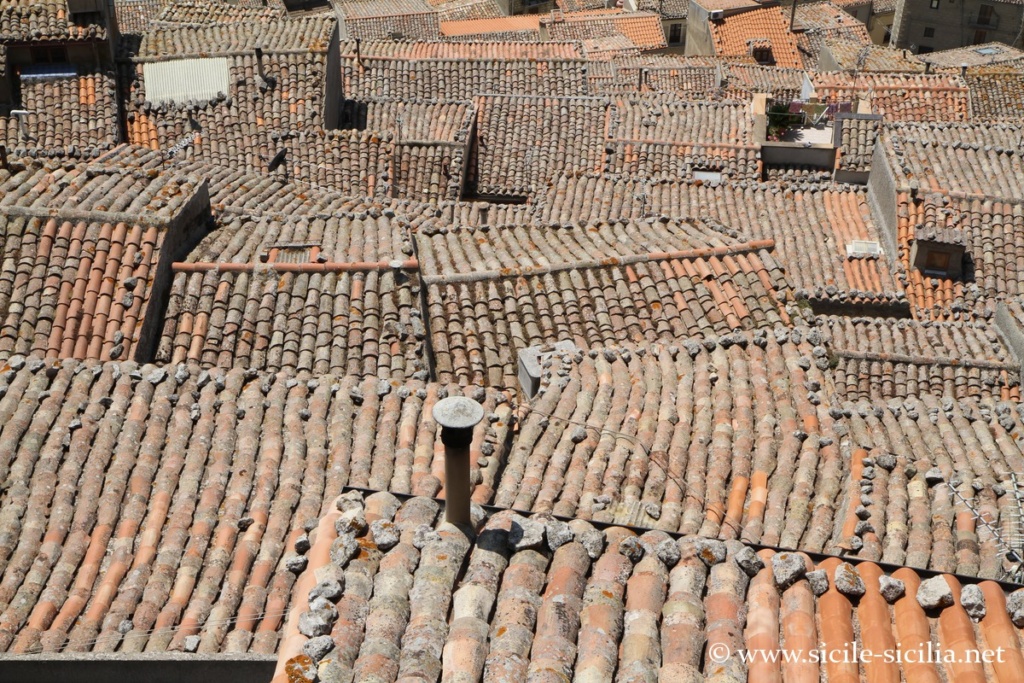
Roofs of Gangi 

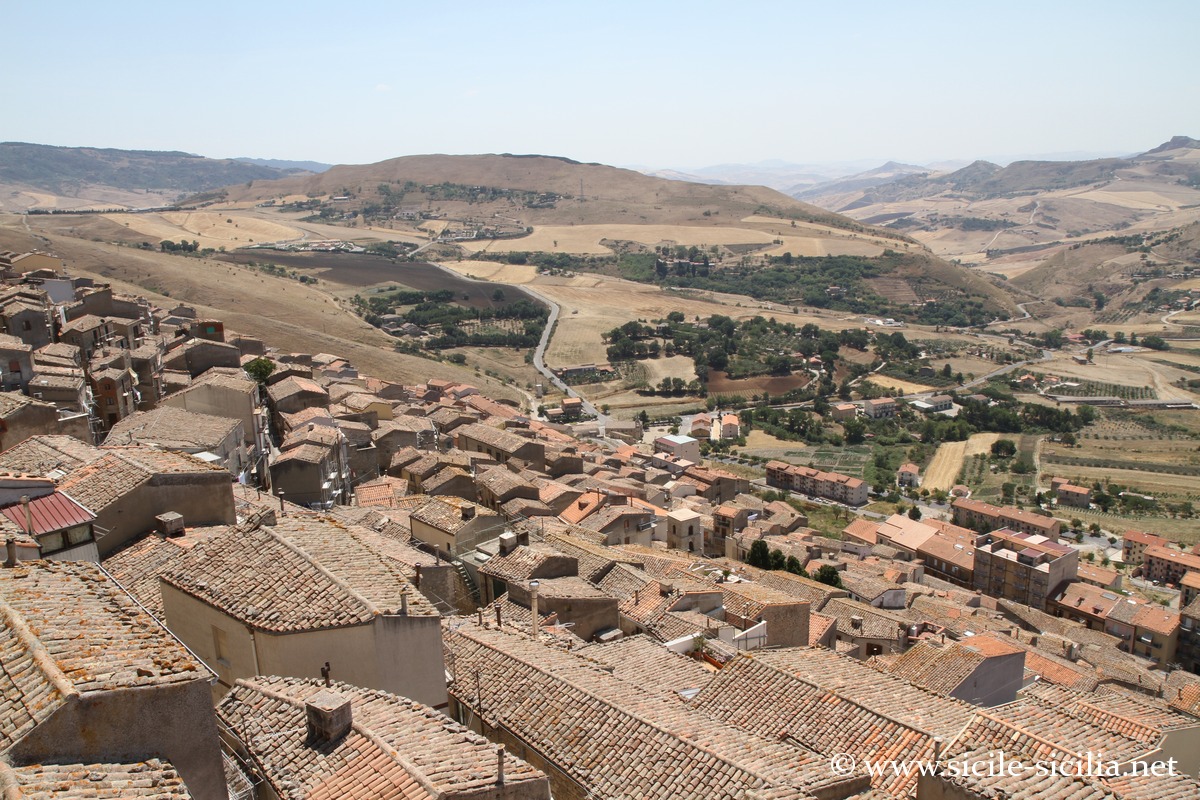
Panorama from Gangi 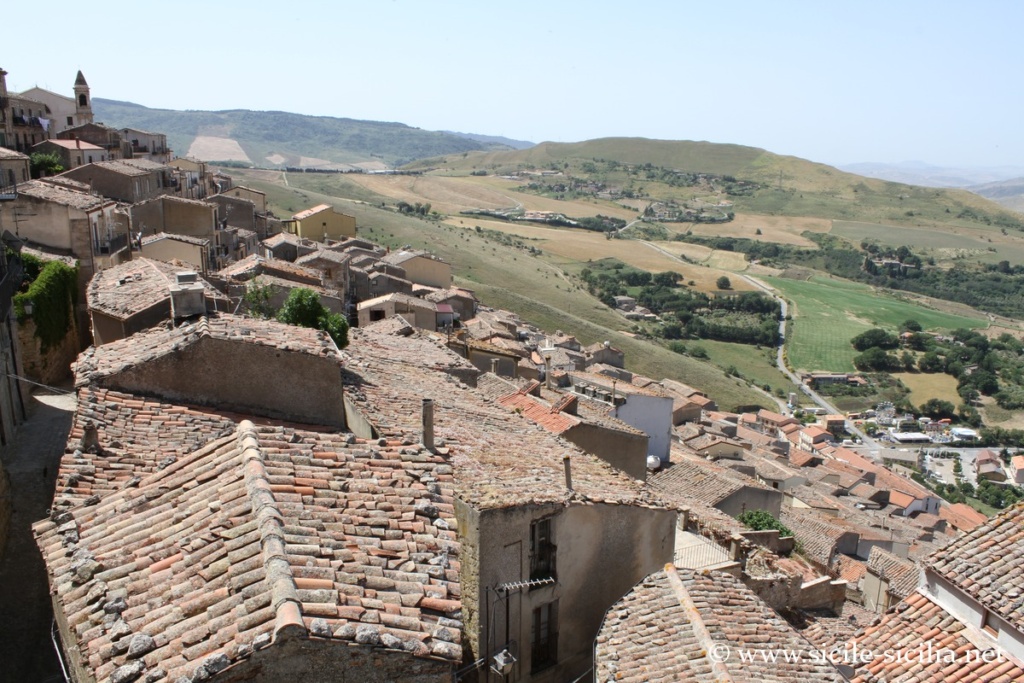
Panorama from Gangi 
Roofs of Gangi 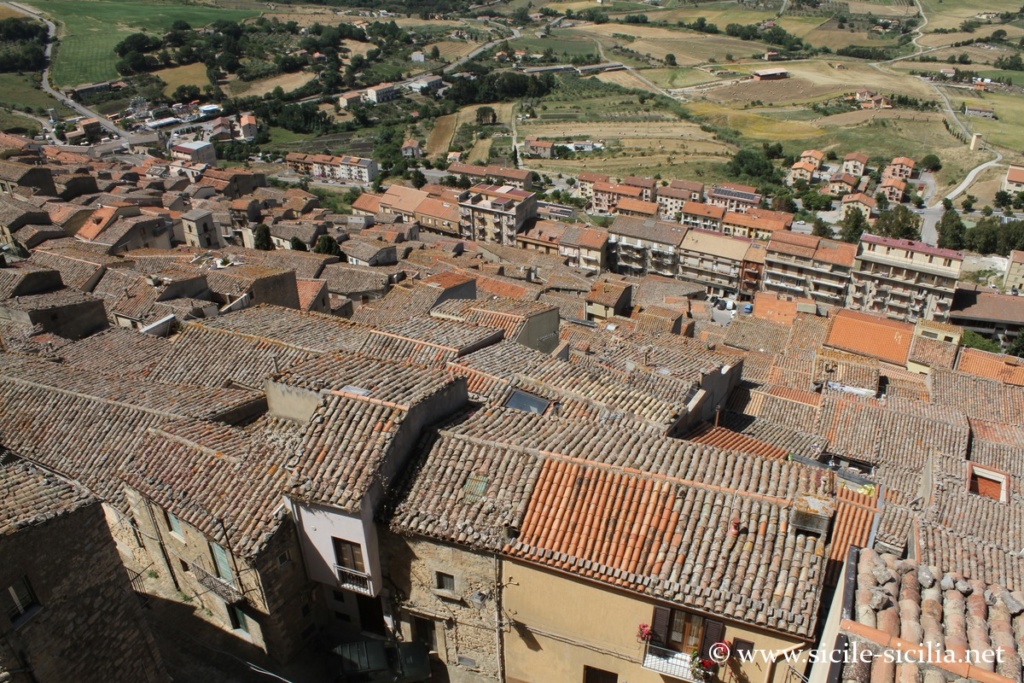
Roofs of Gangi 
Landscape of the surroundings of Gangi 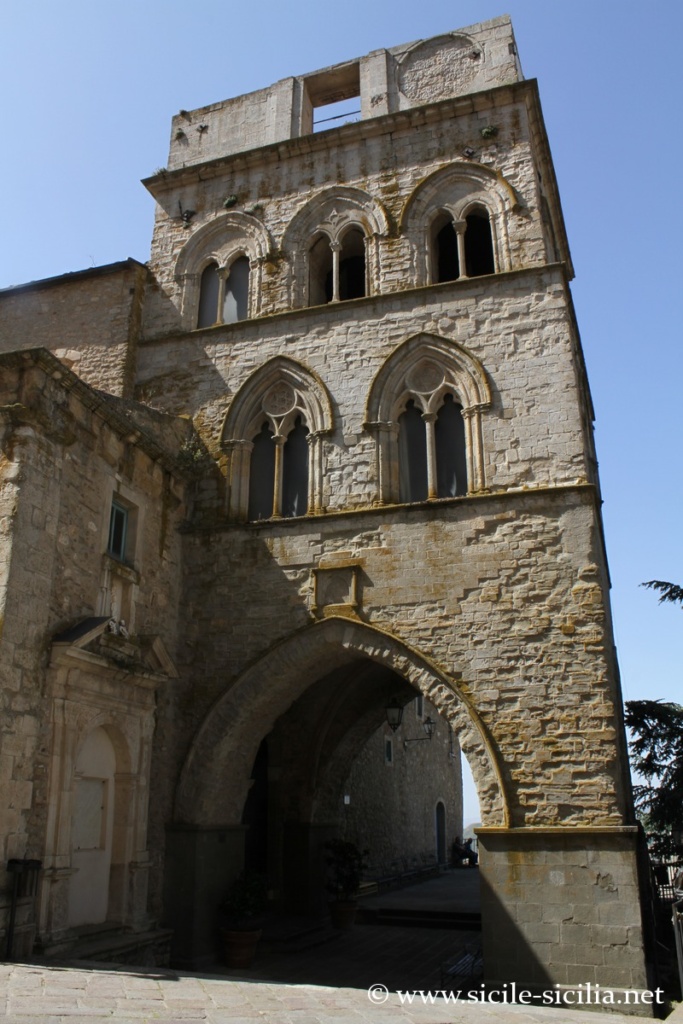
Ventimiglia Tower 

Ventimiglia Tower 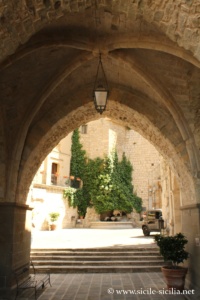
Ventimiglia Tower 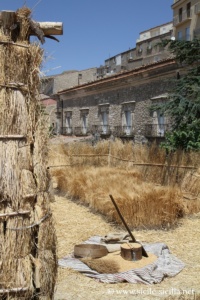
Piazza del Popolo 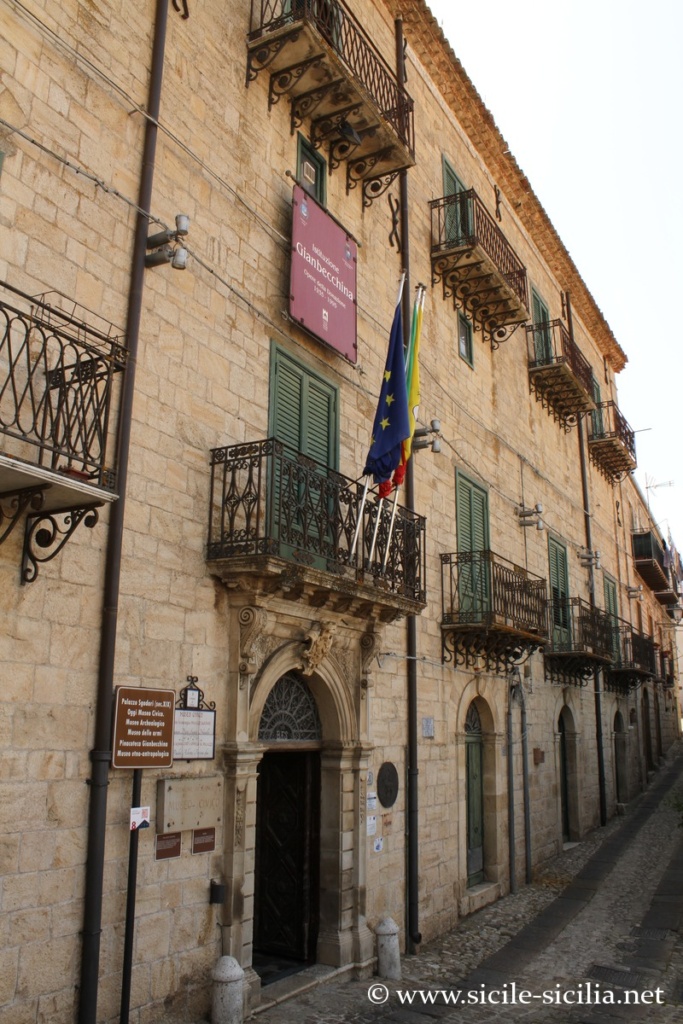
Sgadari Palace 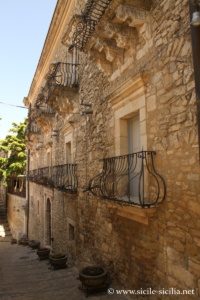
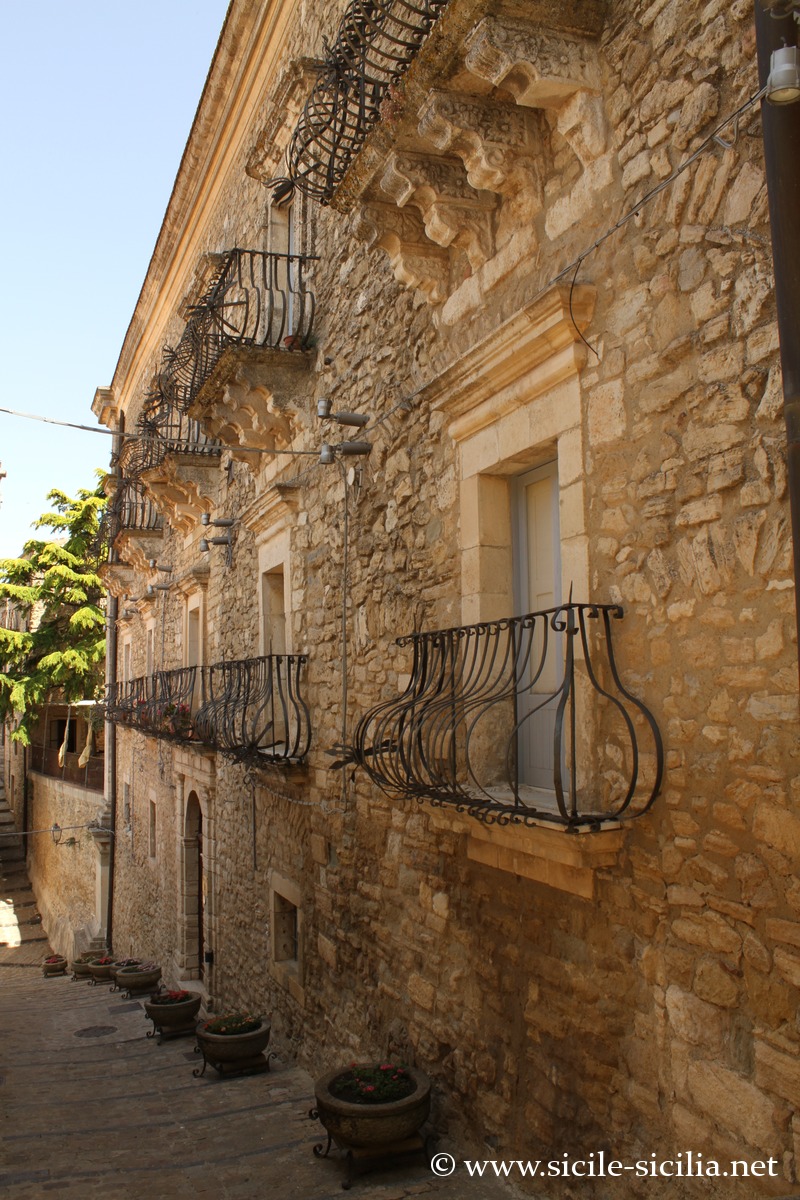
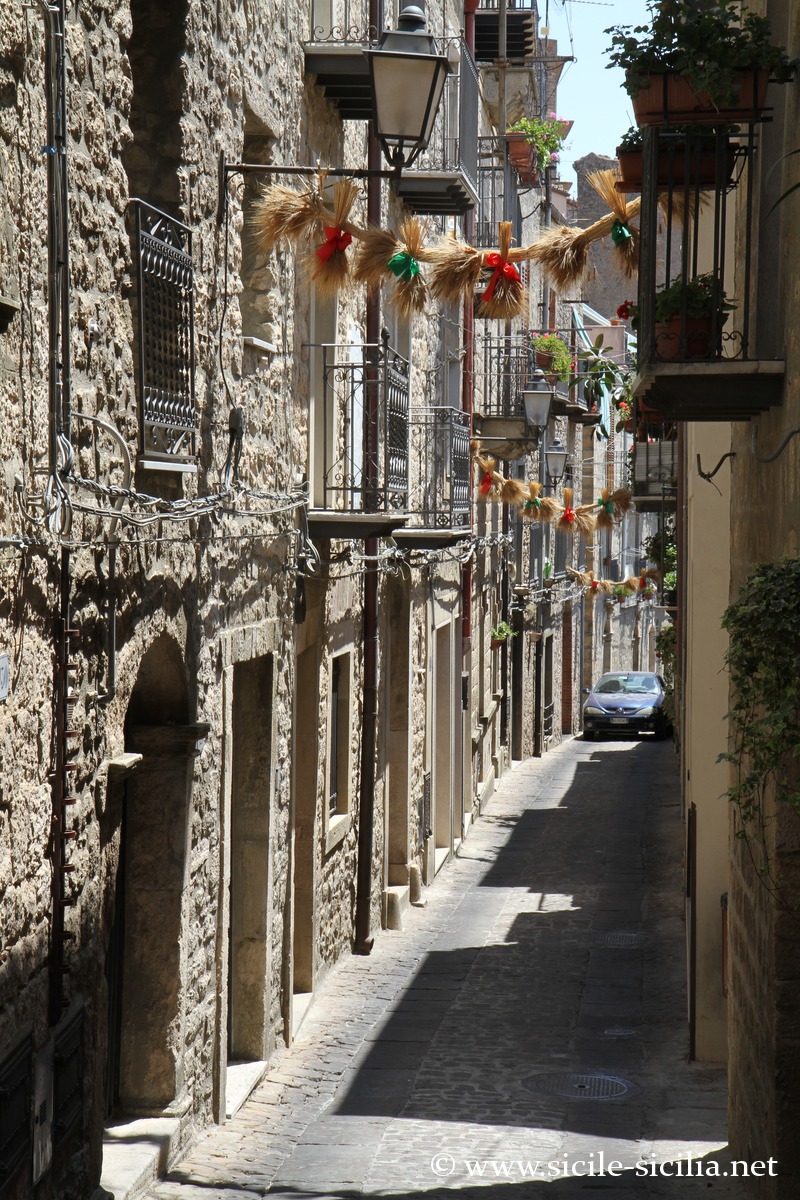
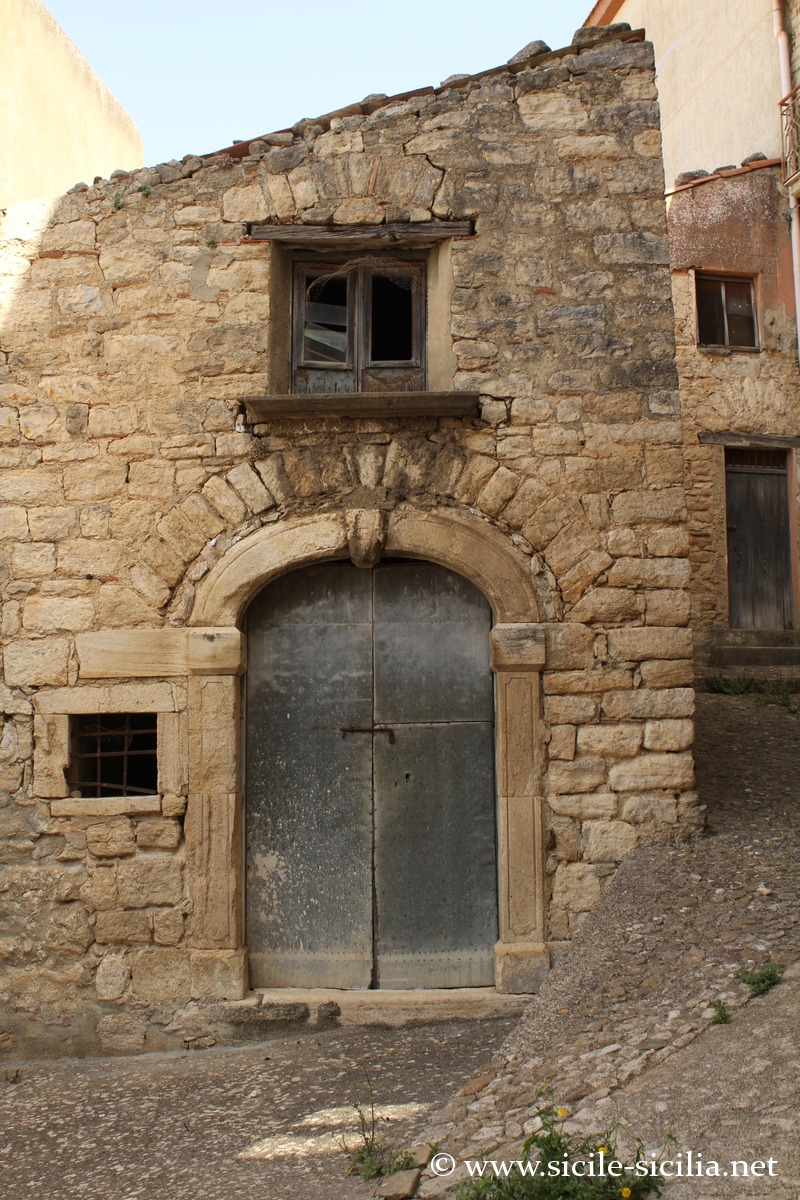
Streets of Gangi 
Streets of Gangi 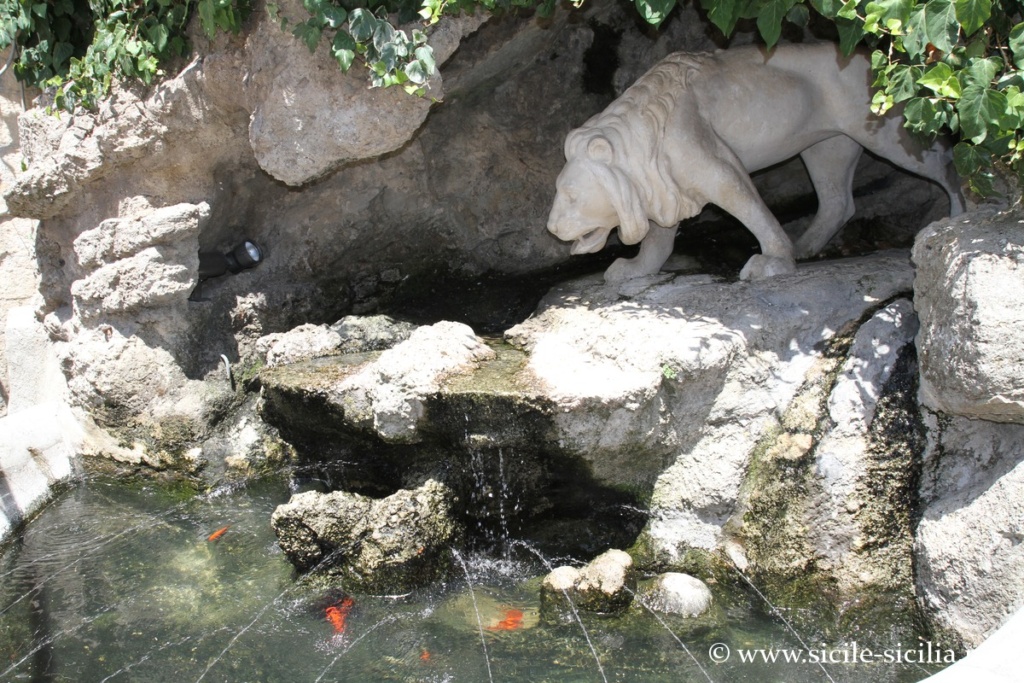
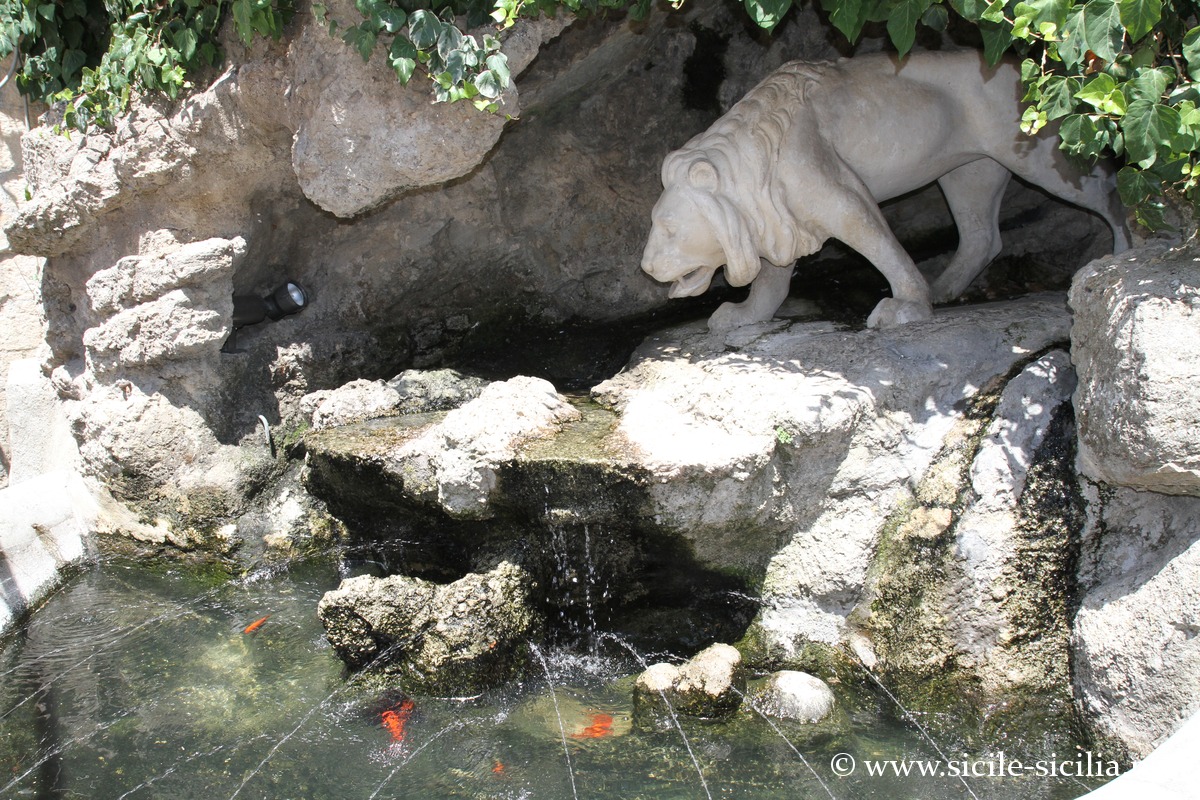
Fontana del Leone 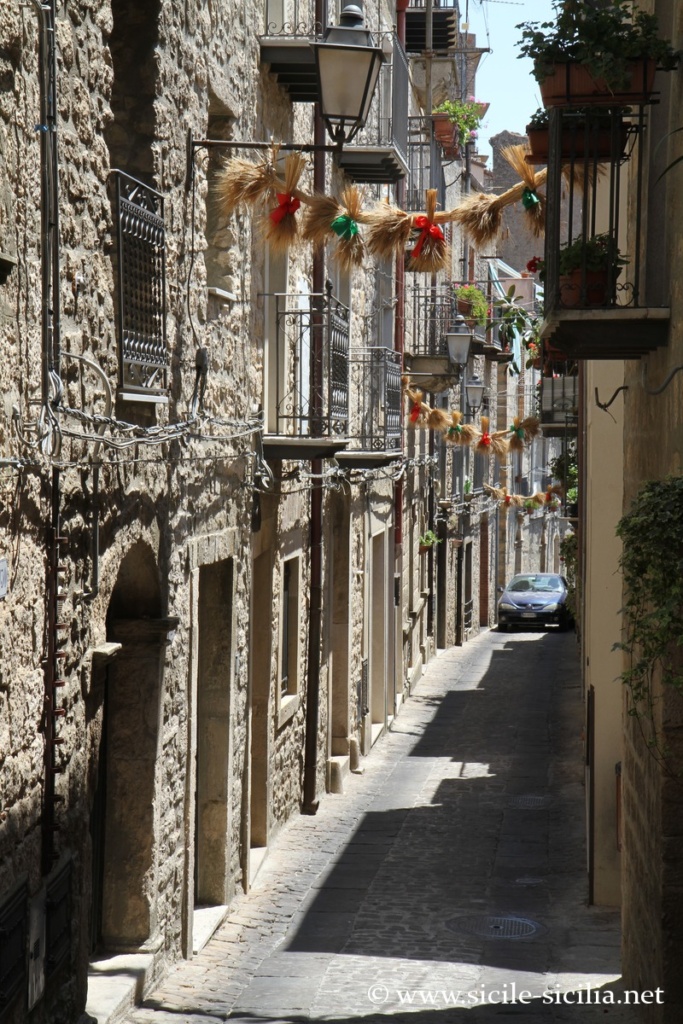
Historic centre of Gangi 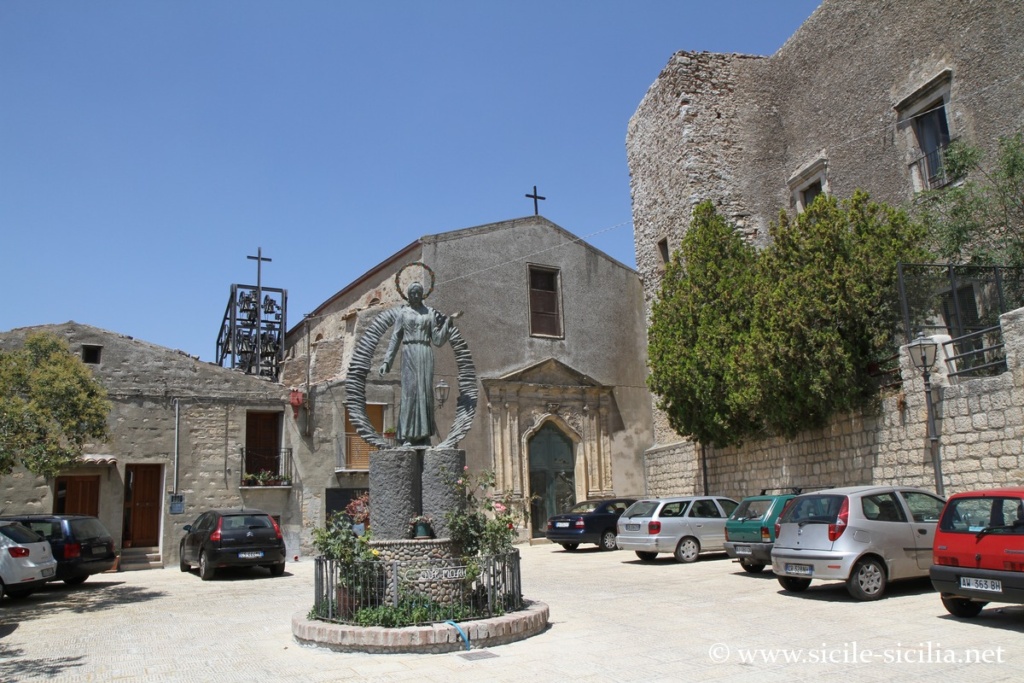
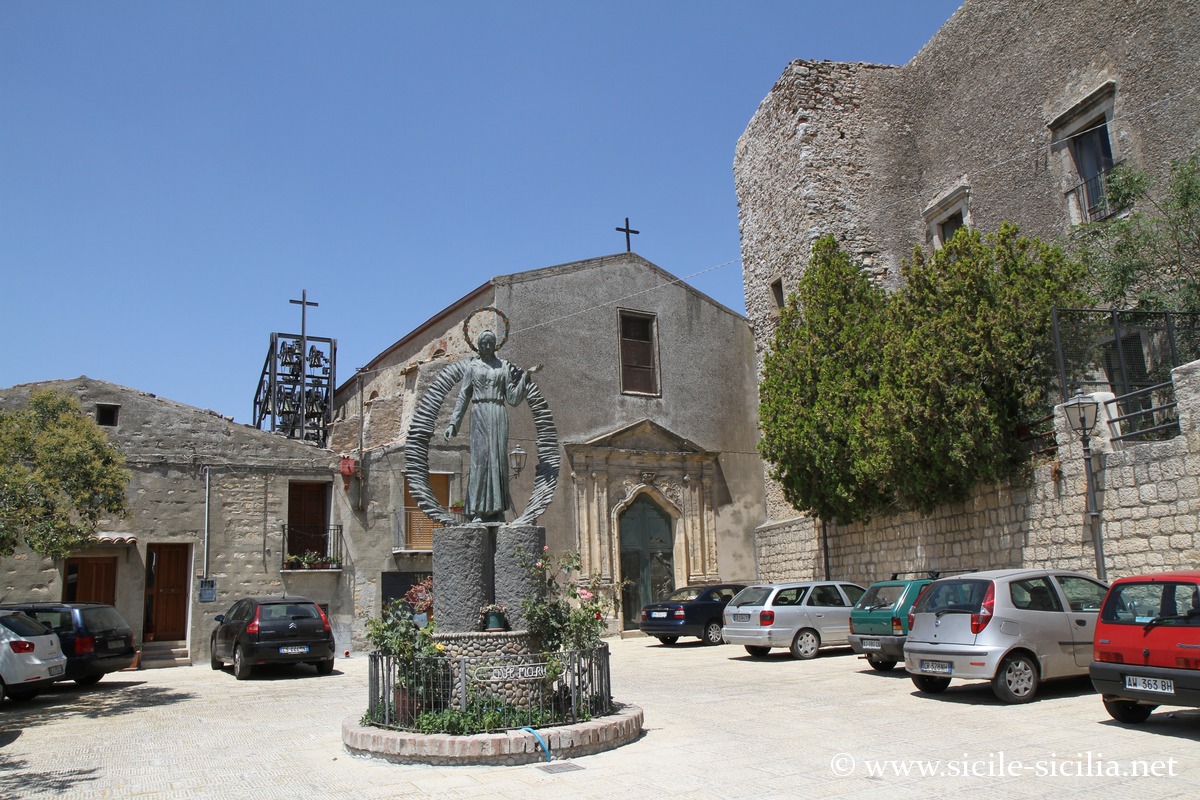
Piazza Valguarnera 
Piazza Valguarnera 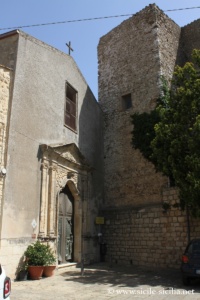
Castle of Gangi 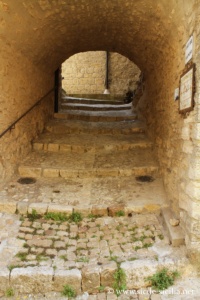
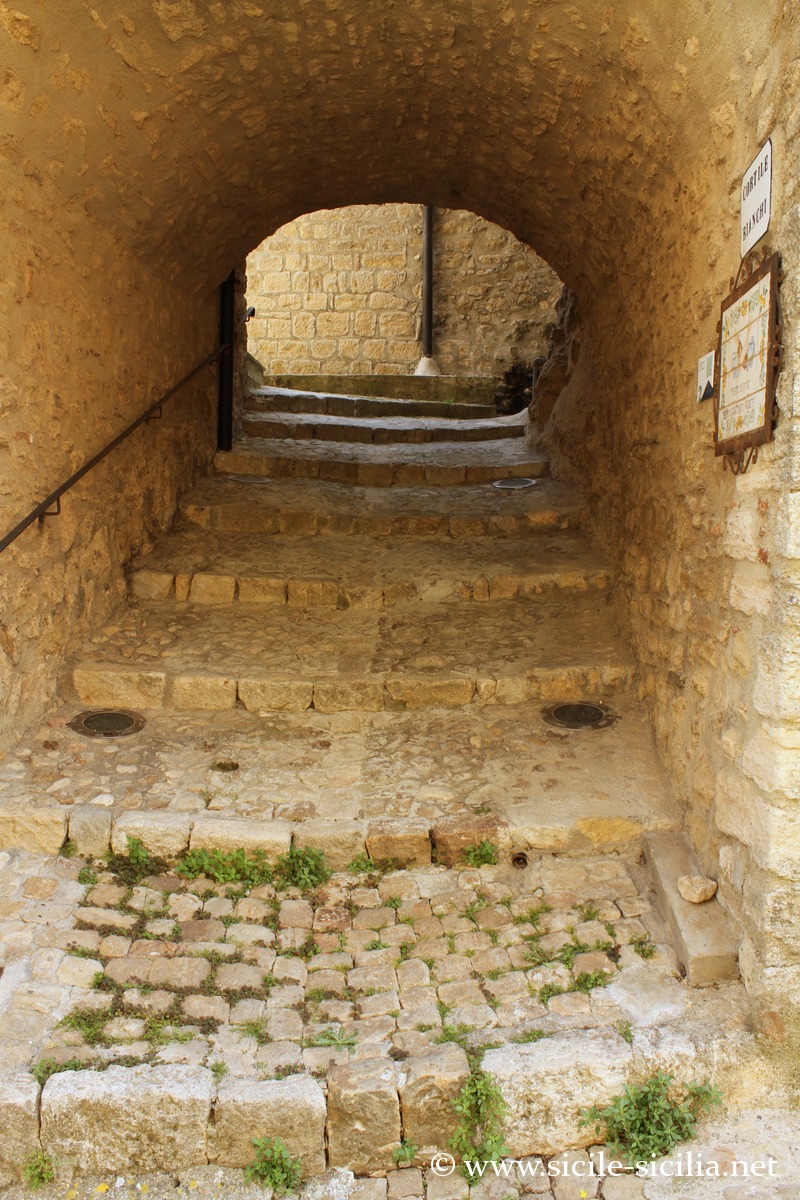
Cortile Bianchi 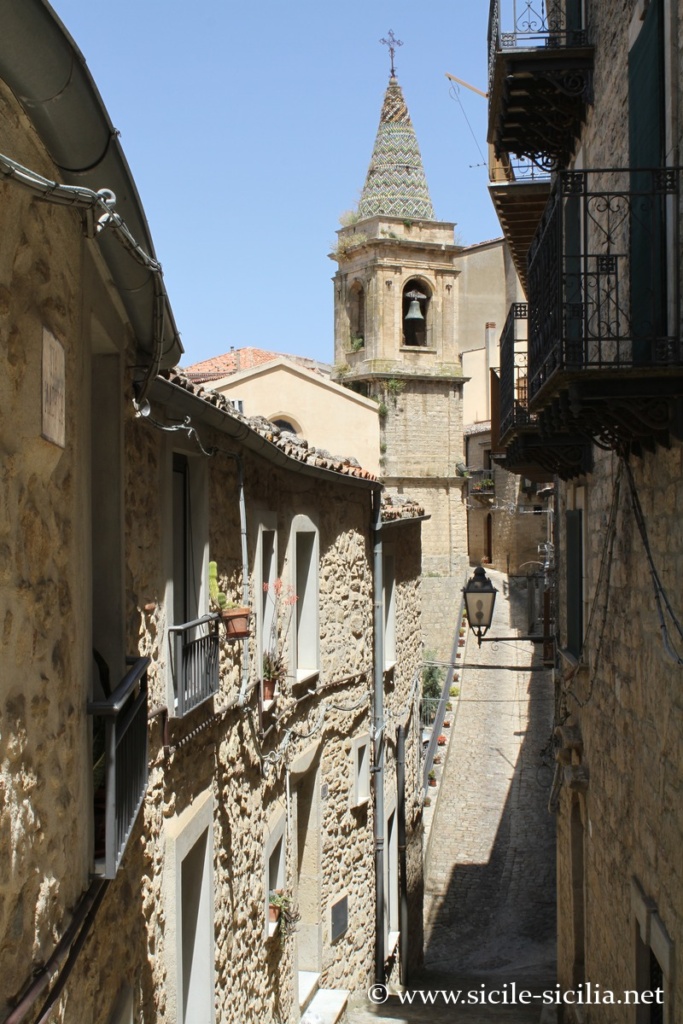
Historic centre of Gangi 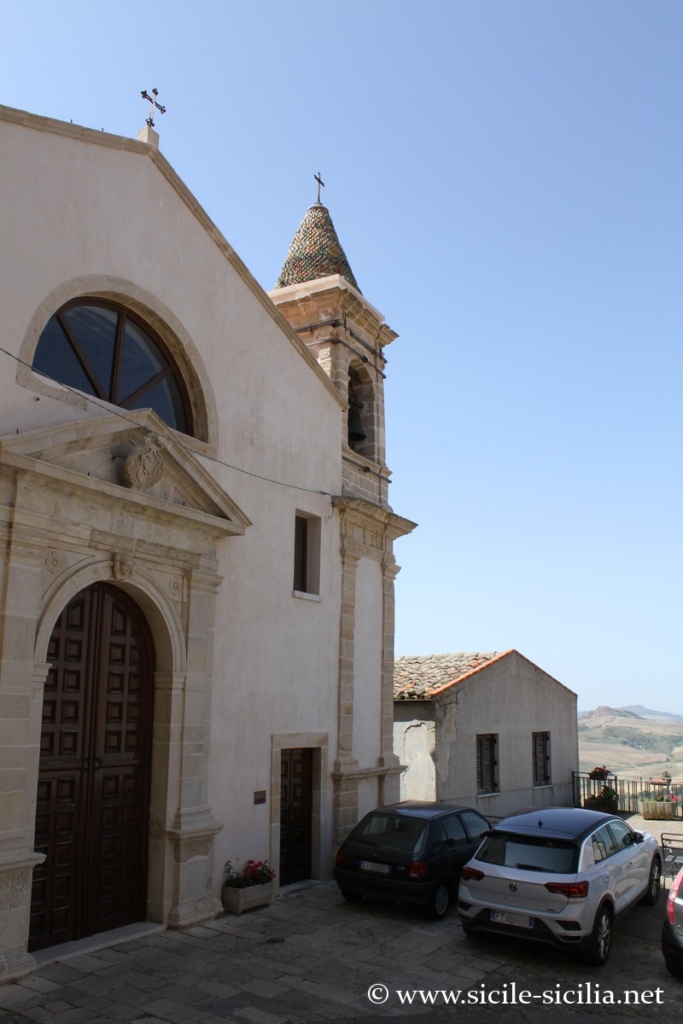
Church of San Cataldo 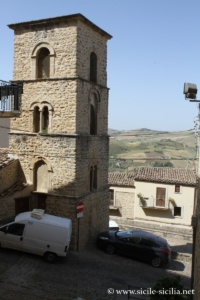
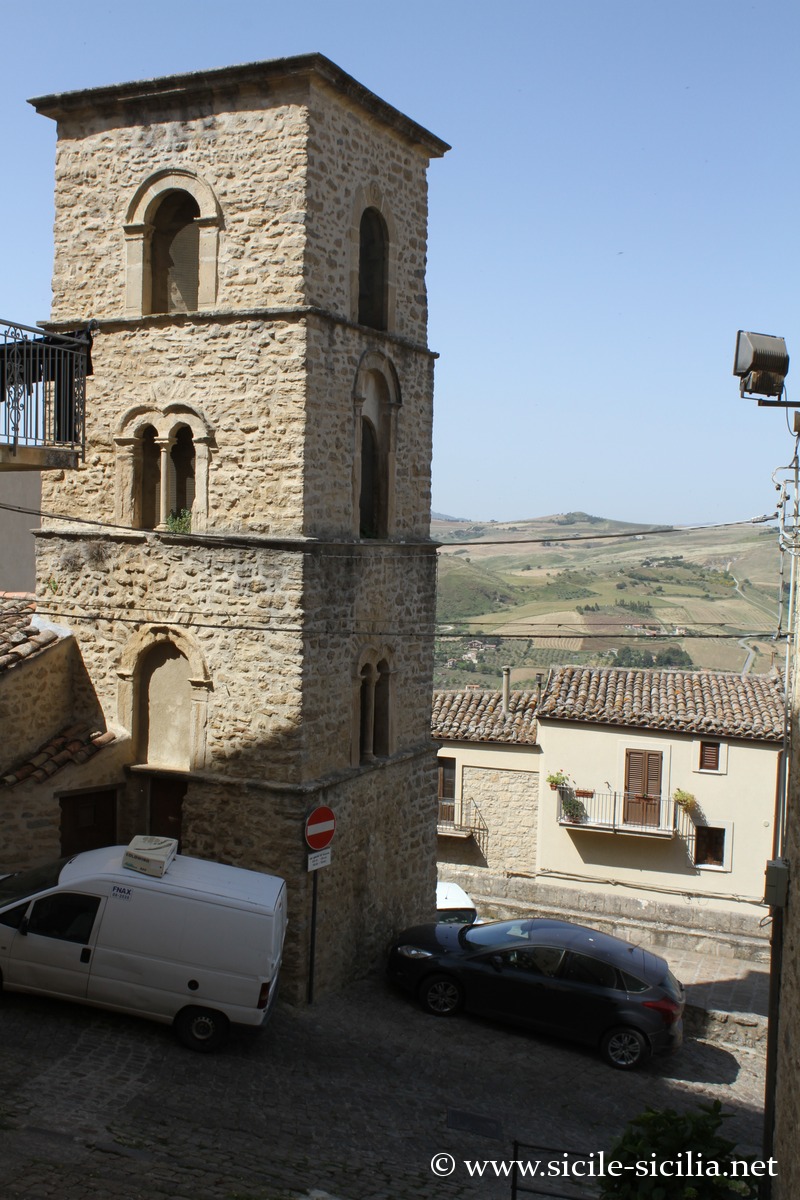
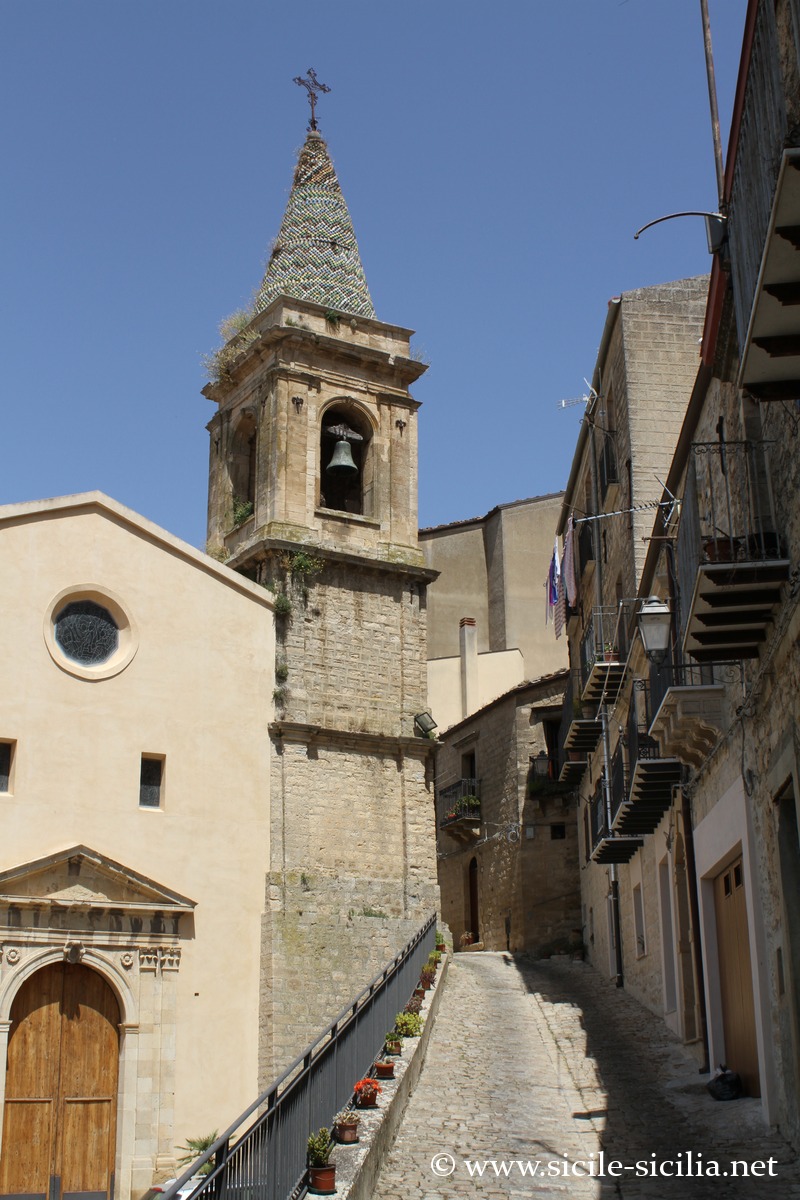
Bell tower of Santa Maria di Gesù 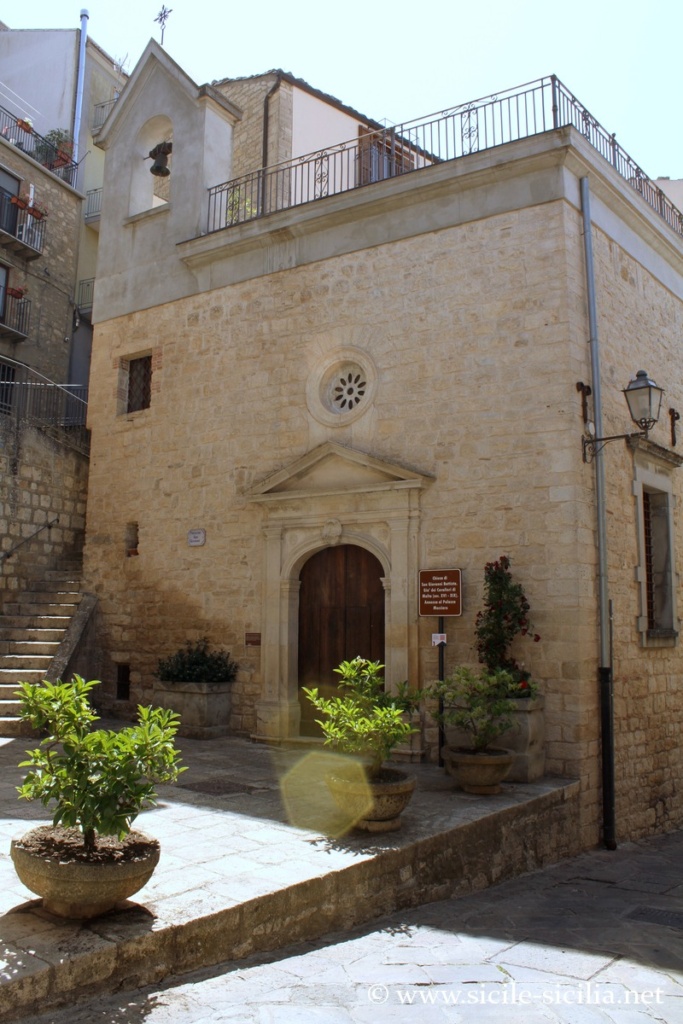
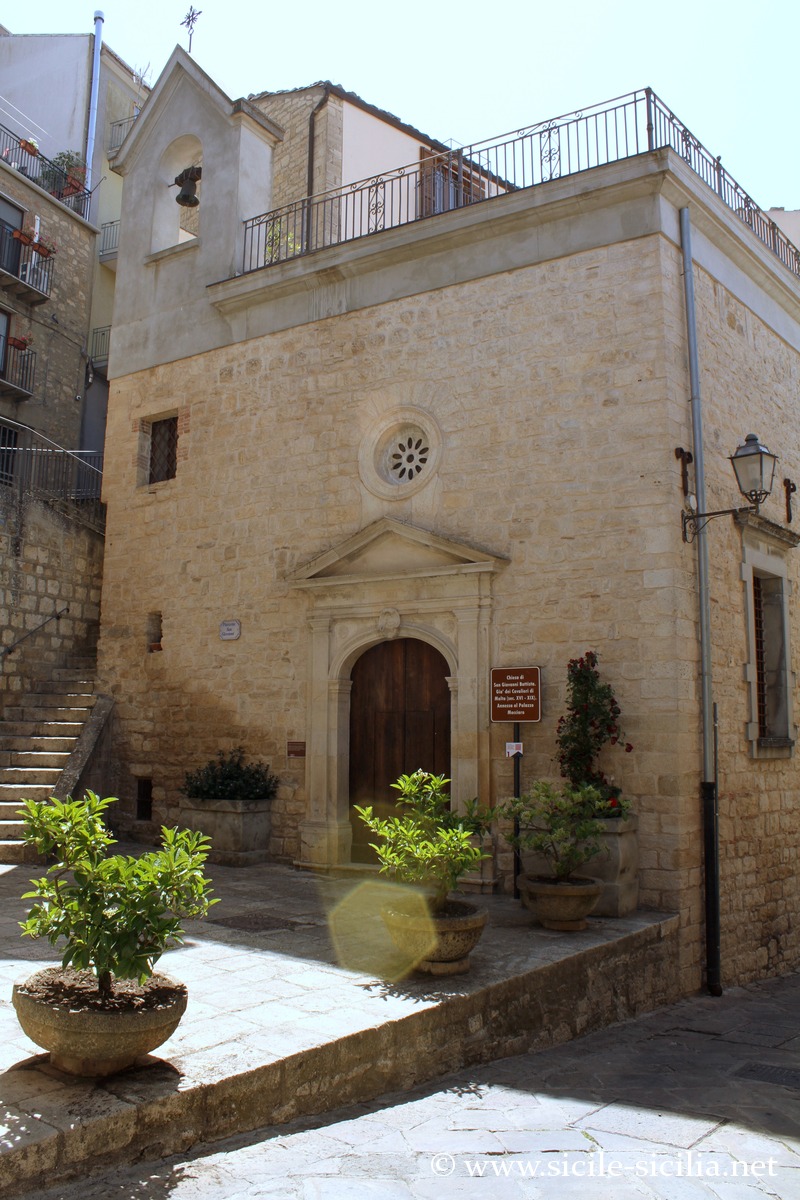
Church of San Giovanni Battista 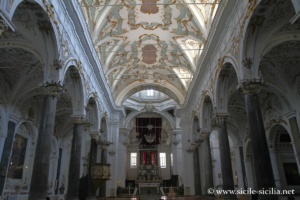
Church of San Nicolo 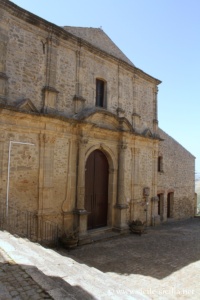
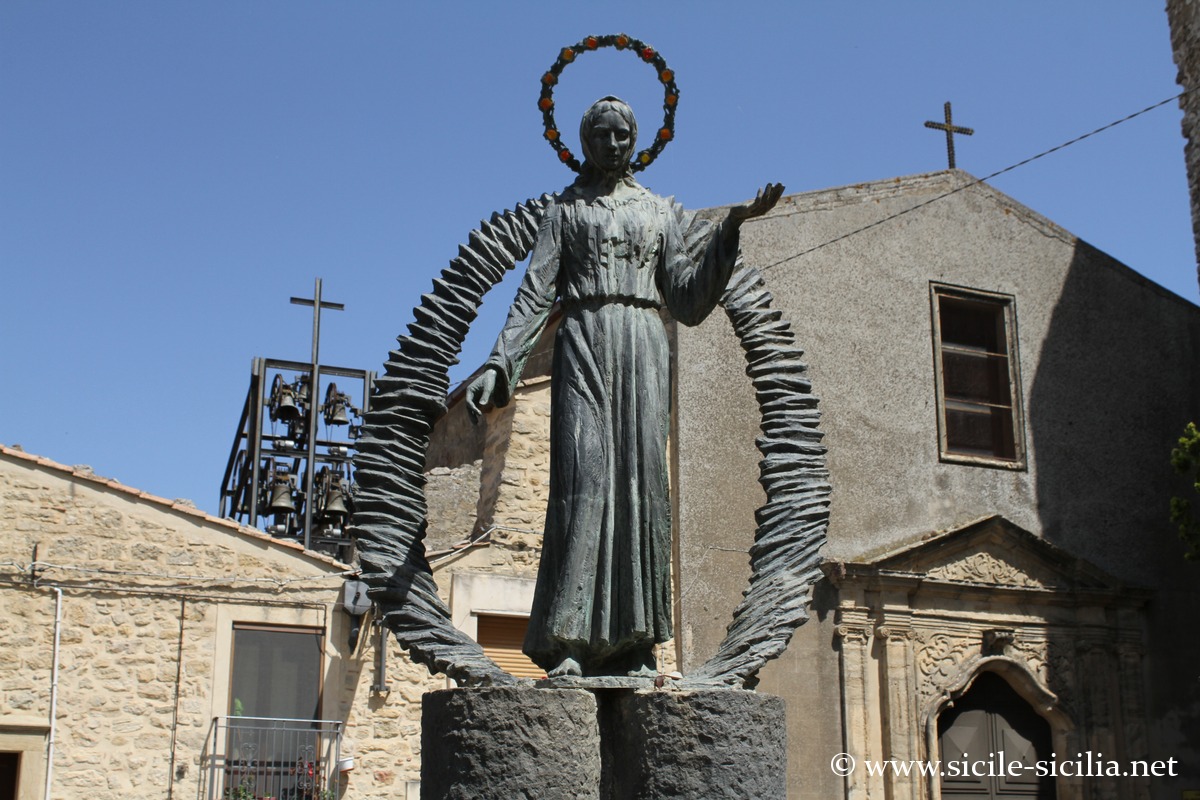
Church of Madonna della Catena, Gangi 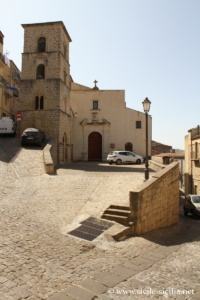
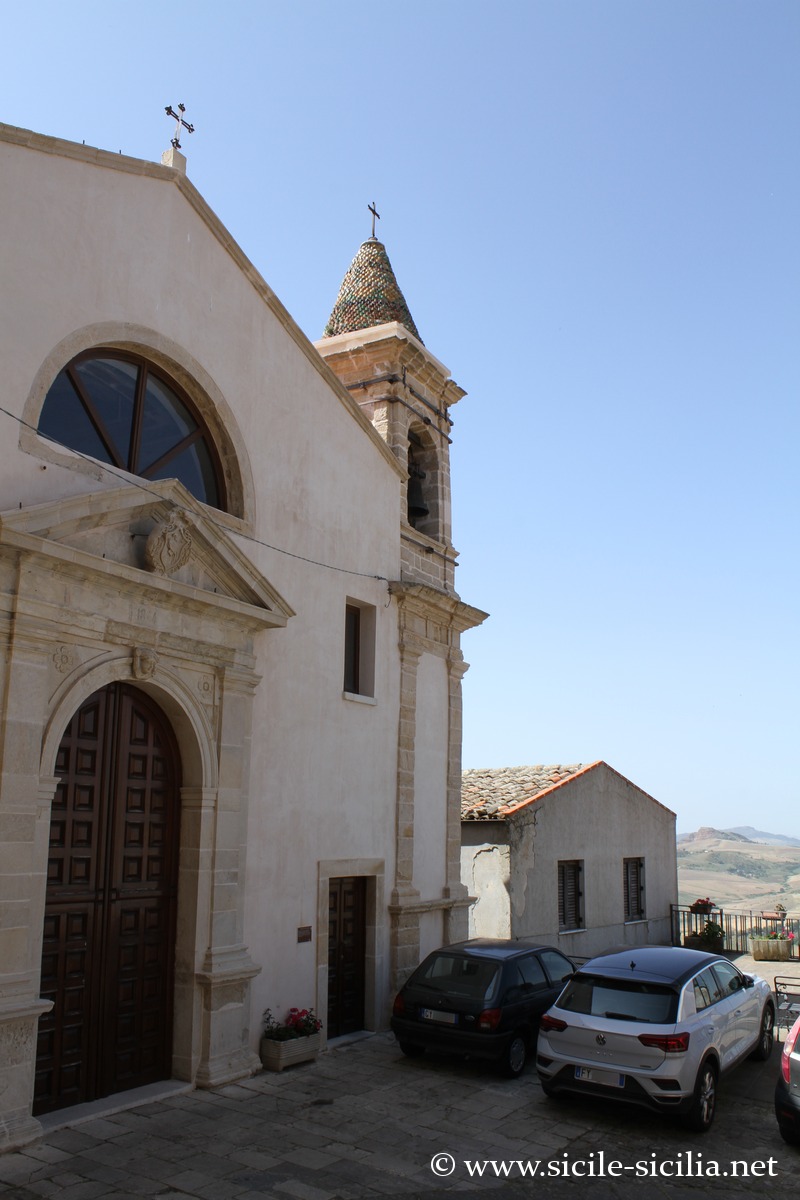
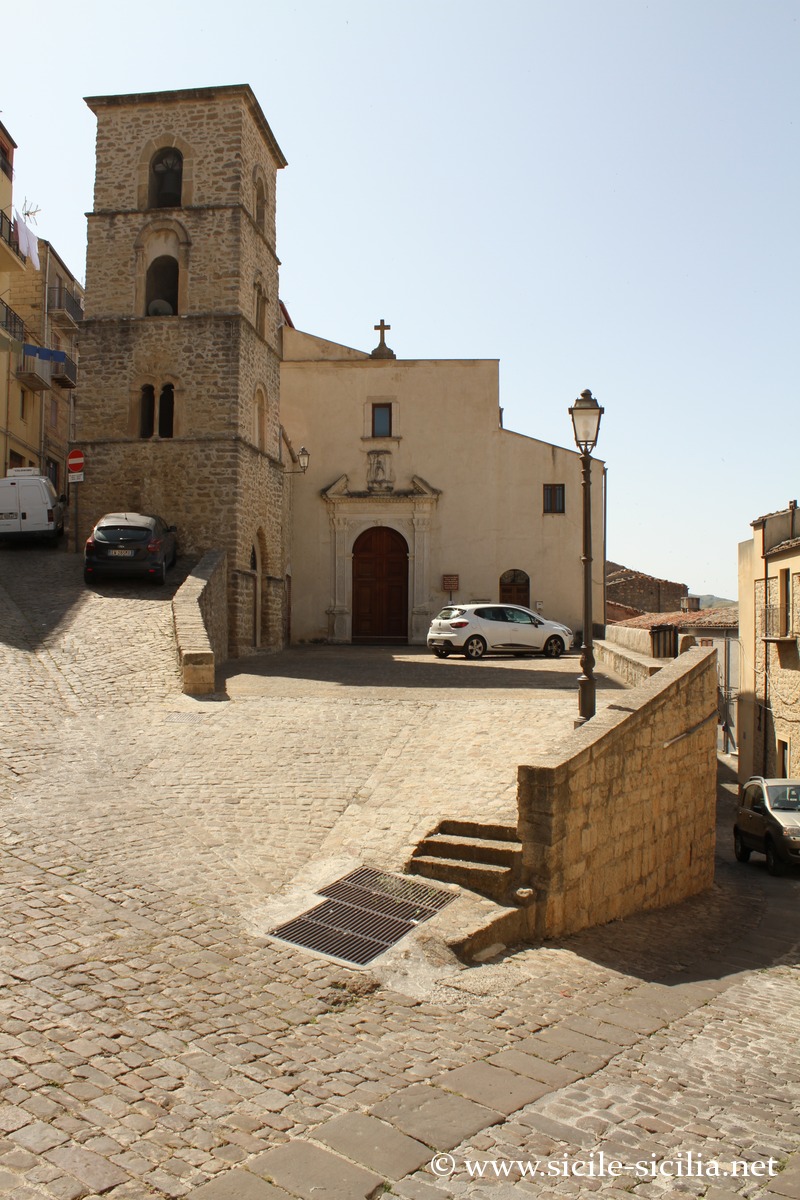
Church of Santa Maria di Gesù, Gangi 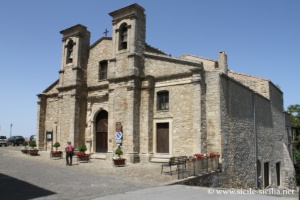
Church of San Paolo 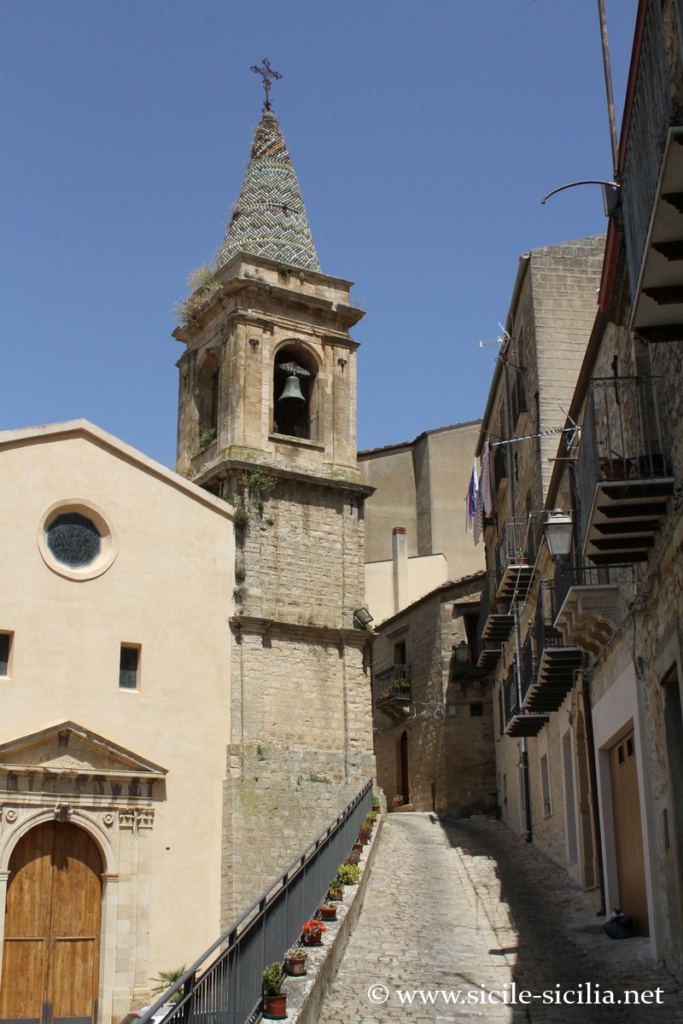
Church of San Salvatore 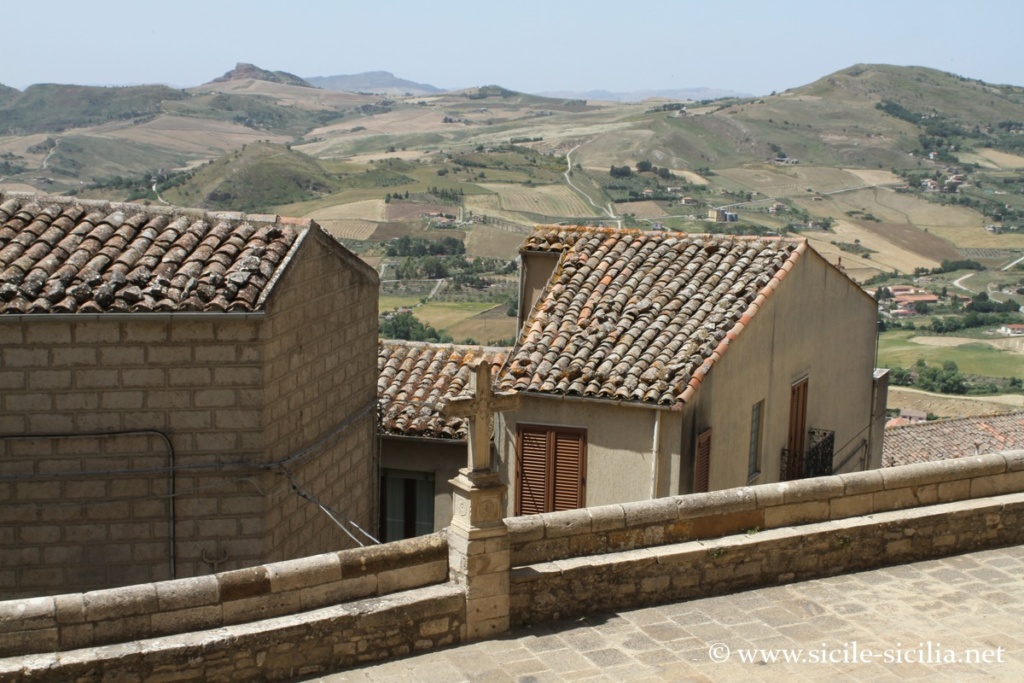
Church of San Salvatore 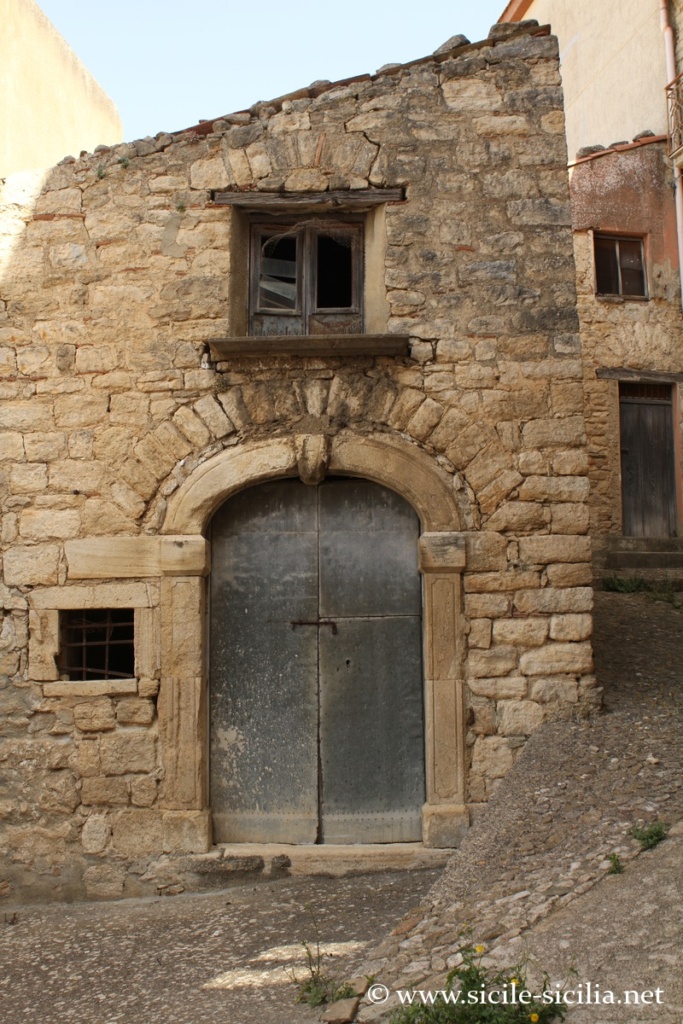




Information
Sources and external sites
- Tourism section of the municipal website: www.comune.gangi.pa.it/turismo
- Wikipedia page (in Italian): it.wikipedia.org/wiki/Gangi
- Gangi – Visit Sicily (official regional tourism website) – historical presentation, heritage and traditions.
Articles on the Madonie Mountains
- Madonie Natural Park
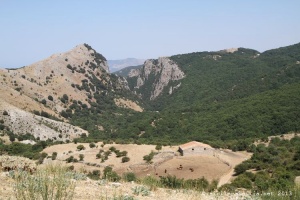
 The Madonie are a mountain range of the Sicilian Apennines in the north of the ...
 - Cefalù
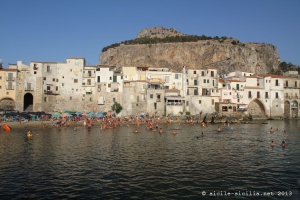 Cefalù is a small town of about 14,000 inhabitants, and a charming destination in Sicily, ...
 - Castelbuono and the Ventimiglia Castle
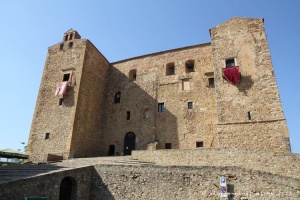 Castelbuono is a medieval village in the hinterland of Cefalù, located at about 420 metres ...
 - Petralia Soprana
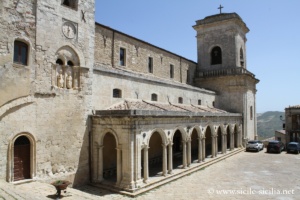 Petralia Soprana is a medieval gem of the Madonie range, located at an altitude of ...
 - Petralia Sottana
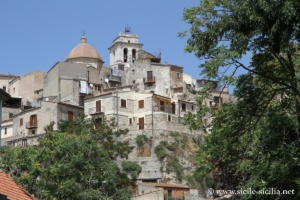 Petralia Sottana is located 3 km from Petralia Soprana, slightly lower than the latter village, ...
 - Sclafani-Bagni and Caltavuturo
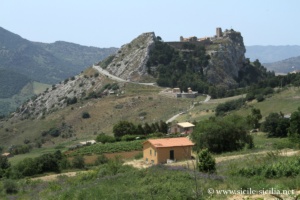 Located in the western part of the upper Himera valley, Sclafani Bagni and Caltavuturo lie ...
 - Favara Wood
 A few kilometres north-west of Sclafani lies the Favara Wood nature reserve (“Riserva Naturale Orientata ...