

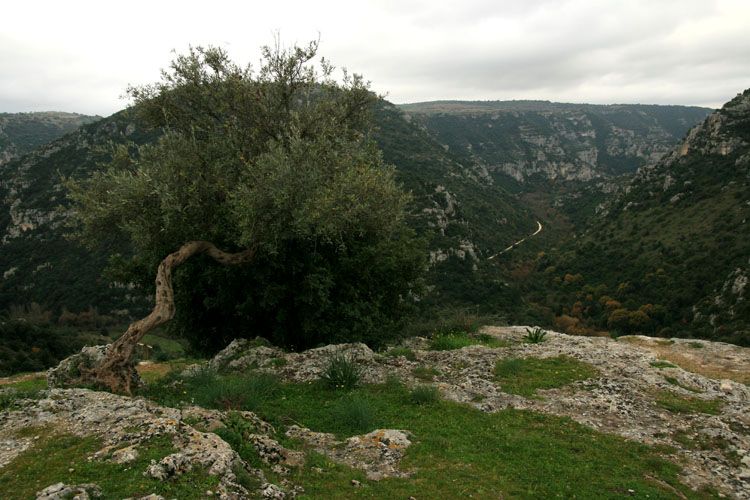
A Mediterranean limestone plateau
The limestone mountain plateau of the Hyblaean Mountains extends across part of the provinces of Catania, Syracuse and Ragusa. It is a region renowned for its olive oil and for its natural and archaeological beauty, and its peaceful villages.
The highest peak is Monte Lauro, at 987 metres, others well known are Monte Casale and Monte Arcibessi.
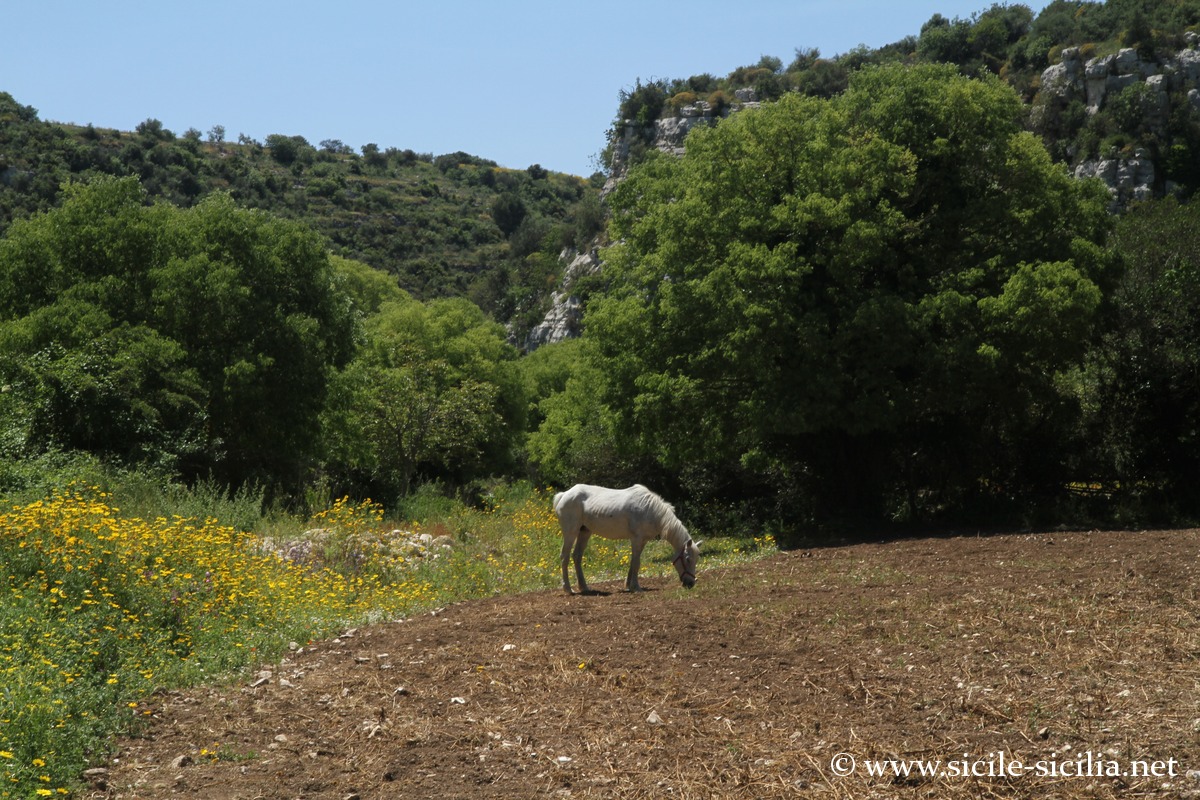
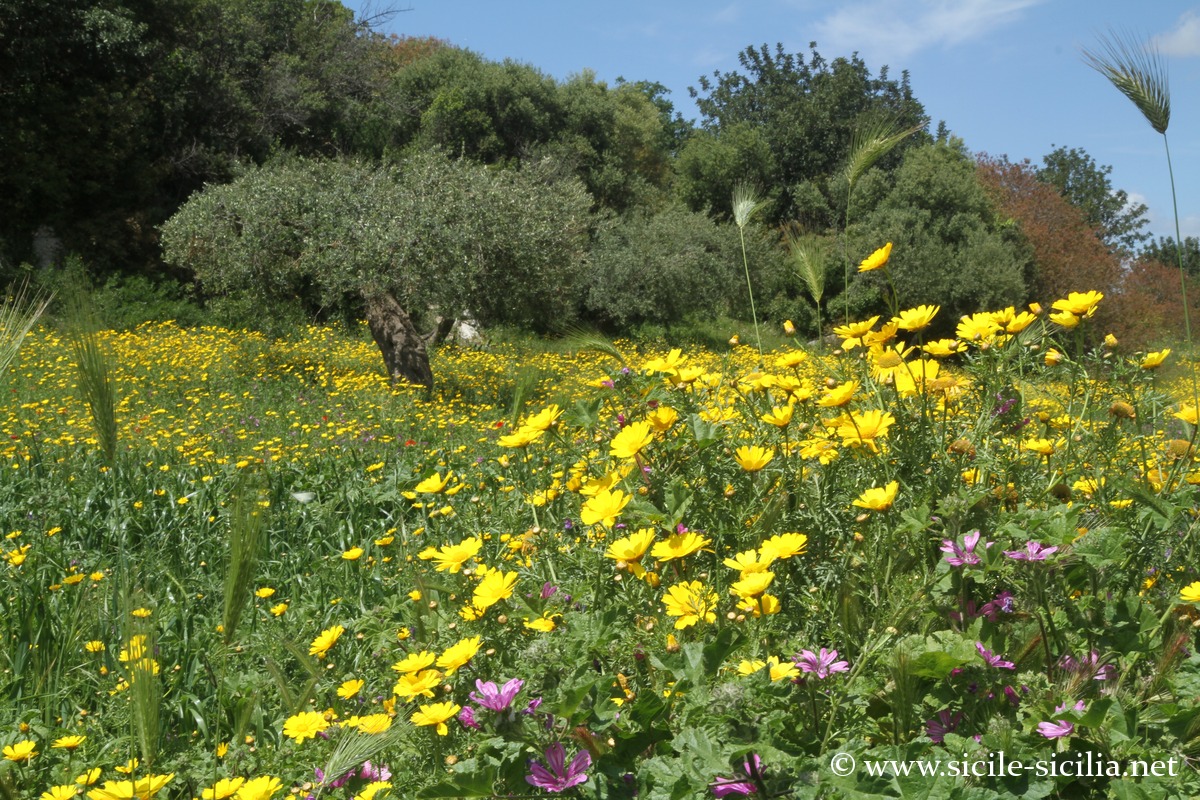
The generally gentle relief is broken by beautiful valleys, gorges and ravines. In its highest part, woods of holm oaks extend, which, descending towards the coast, are replaced by Mediterranean vegetation, then by olive groves, vineyards or orchards.
It is thus a region ideal for hiking, whose limestone plateau is cut by numerous gorges (the cave in Italian), which are charming sites endowed with rich nature and whose archaeological and historical testimonies are not to be outdone, as with the presence of necropolises, catacombs, or rock churches.
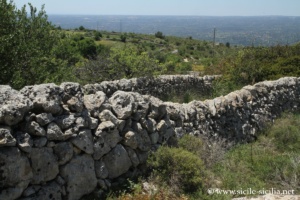
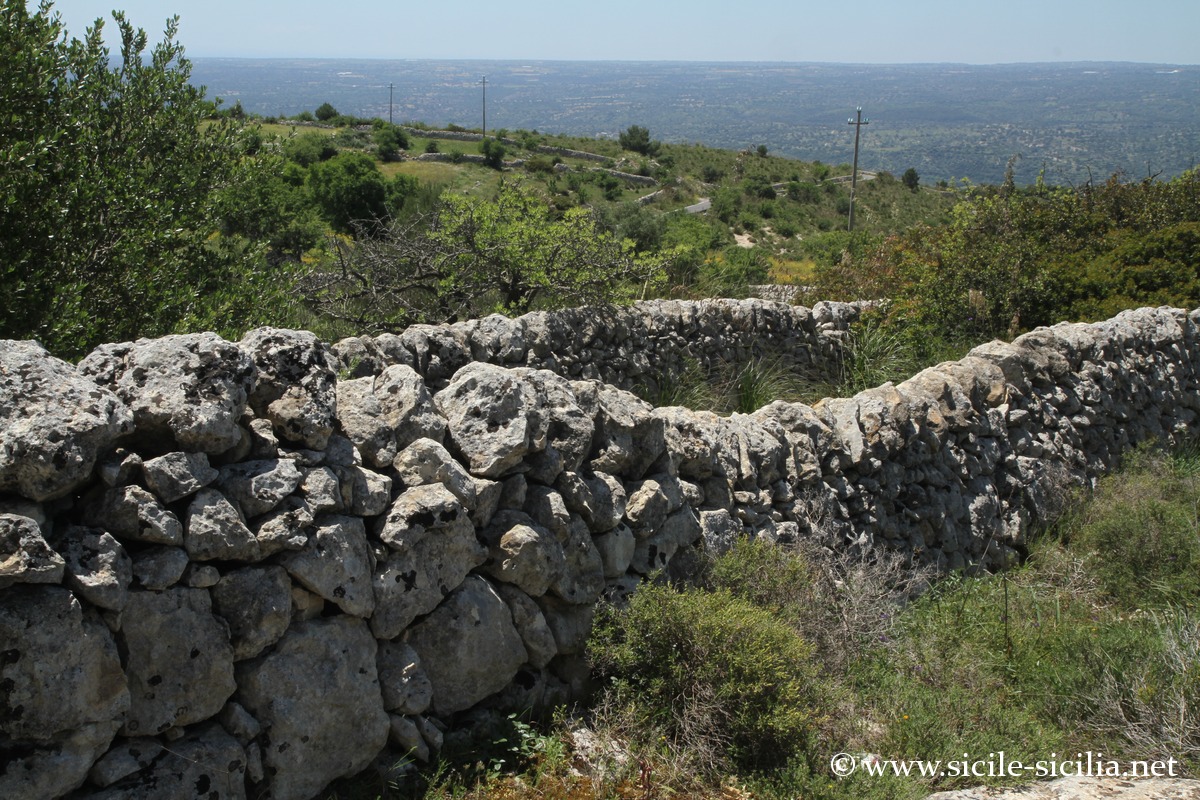
Dry stone walls of the Hyblaean Mountains 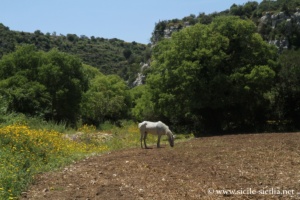
Cava d’Ispica
Towns and villages of the Hyblaean Mountains
The heart of these mountains, semi-wild, where the presence of a rudimentary peasant culture dominated, contrasts with the baroque majesty of the towns of the Val di Noto, on the edge of the massif, such as Ragusa, Modica, Scicli and Noto.
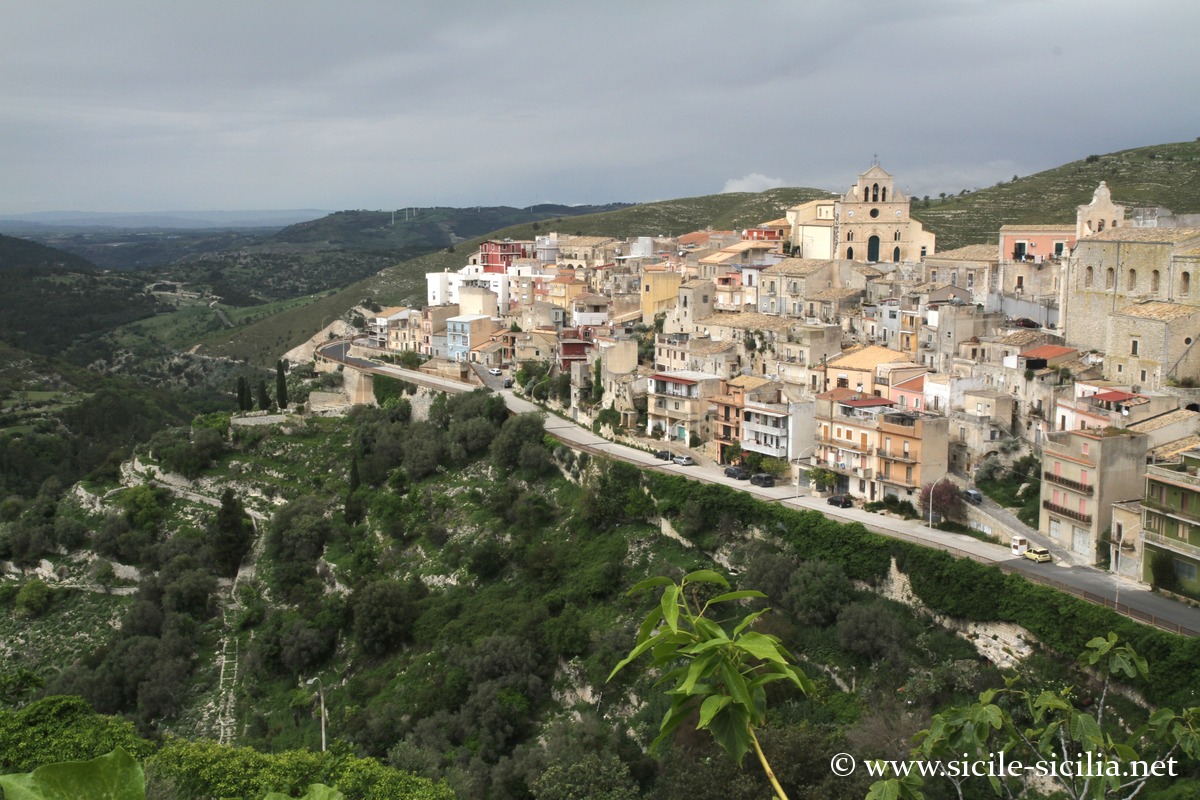
Some charming villages are among the “most beautiful villages in Italy”, such as Palazzolo Acreide and its neighbouring remains of the Greco-Roman city of Akrai, as well as Monterosso Almo and Ferla.
Among the other pretty villages found in the province of Syracuse, let us mention Cassaro, Sortino, Buccheri, Buscemi, and Canicattini Bagni; or towards Caltagirone, the small town of Vizzini.
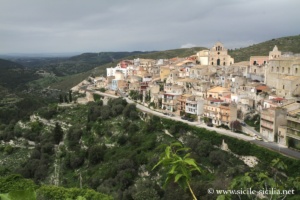
Monterosso Almo 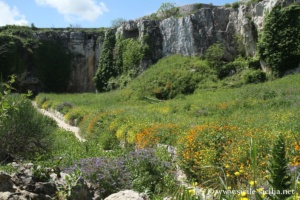

Latomies and necropolis of Akrai
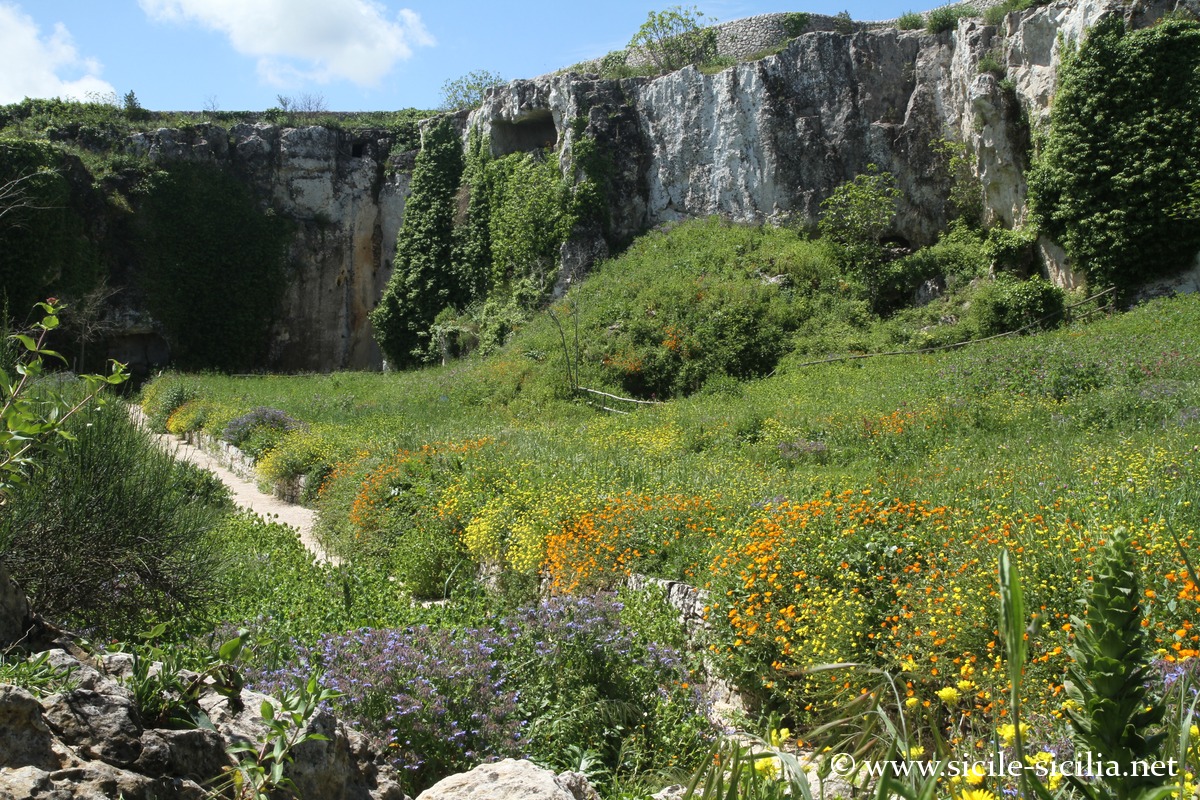
Natural and archaeological sites
Besides the peaks such as Monte Lauro which offer beautiful hikes, many beautiful valleys dot the territory.
Among these, one can for example discover the natural sites near Ragusa, such as the gorges of Cava Misericordia, of Cava Celone or the Grotta delle Trabache, and towards the south-east of the massif, to the west of Noto, the Cava Paradiso.
To the east of Modica, the Cava d’Ispica is both an imposing natural site 15 km long and an important archaeological site.
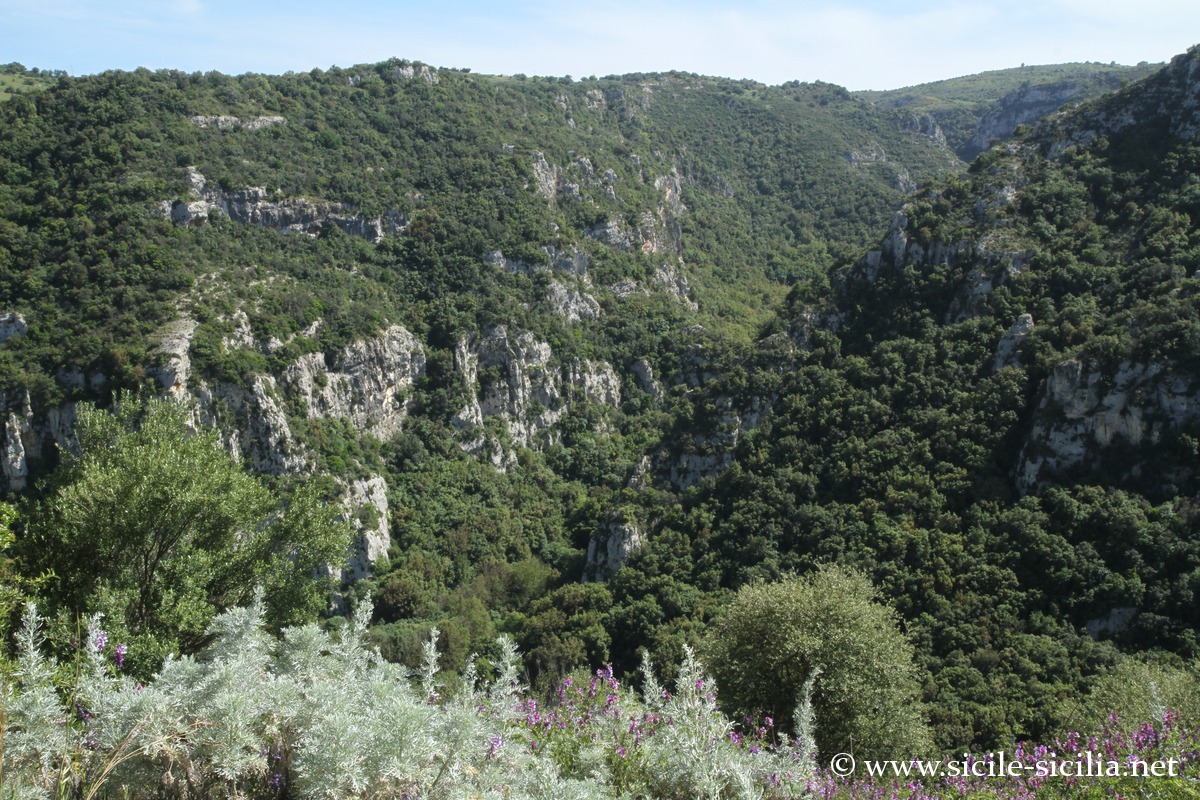
To the east of the massif, not far from Palazzolo Acreide, extends the beautiful Anapo valley with the largest necropolis in Europe carved into the rock, the necropolis of Pantalica, where the Sicels dug more than 5000 tombs between the 13th and 8th centuries BCE. A pretty nature reserve extends over part of the Anapo valley and the Torrente Cava Grande stream.
To the north of Noto, and to the south of Syracuse, the Cassibile river is, over more than 20 km, the backbone of a very beautiful nature reserve, ideal for activities such as canoeing, the Cava Grande del Cassibile.
Noto antica is the vast site of the ancient city destroyed in 1693, in a beautiful natural setting, and around it let us mention Castelluccio, a unique site dating back to the Bronze Age.
Pantalica 
At the foot of Castelluccio
Where are the Hyblaean Mountains: map
If you see this after your page is loaded completely, leafletJS files are missing.
Information
External sites
- Tourist itinerary map: www.natiblei.com/wp-content/uploads/2019/01/Mappa-per-il-turista.pdf
- Sites dedicated to the Hyblaean Mountains: www.natiblei.com, www.turismoambientalesicilia.it/siti-rupestri-degli-iblei-tour-tra-storia-e-natura, www.sicilytourist.com/blog/?sicilia-meravigliosa–altopiano-dei-monti-iblei
- Wikipedia page