
Porta Garibaldi in Catania
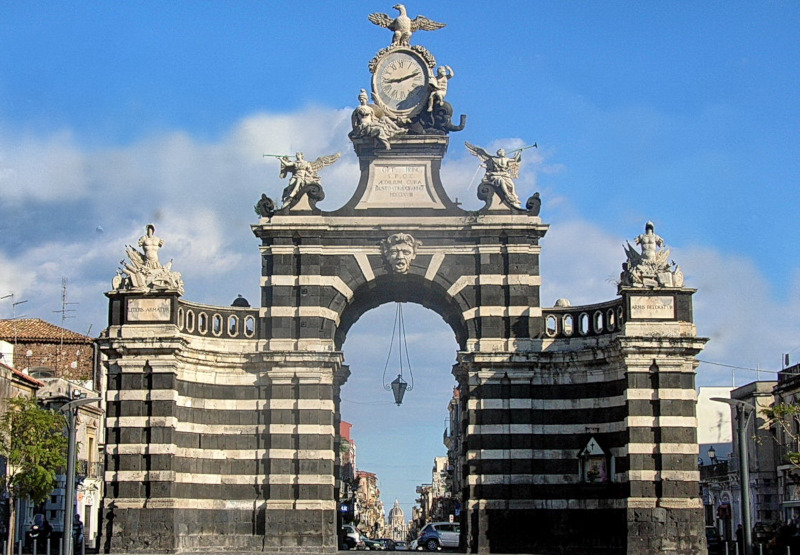 In the south-west of Catania’s centre, more than a kilometre from Piazza Duomo, the Porta Garibaldi was built in 1768 by the architect Stefano Ittar at the end of Via Garibaldi, as a wedding gift from the “people of Catania” to the union between Caroline of Austria and King Ferdinand IV.
→ External sites: en.wikipedia.org
Fountain of the Rape of Proserpina in Catania
Near Catania railway station, piazza Giovanni XXIII, and created by the sculptor Giulio Moschetti at the beginning of the 20th century, the fountain represents the goddess Proserpina kidnapped by Pluto on a chariot drawn by sirens and horses.
→ External sites: it.wikipedia.org
The pescheria, Catania’s fish market
The pescheria is an ancient fish market, where meat, fruit and vegetables are also sold, along with takeaway food and fast food. It is held near Piazza Duomo.
Mercato Fera ‘o luni in Catania
Piazza Carlo Alberto, it is the other oldest traditional market in Catania along with the Pescheria, held here since the end of the 19th century, in front of the sanctuary of the Madonna del Carmelo.
It is held every day except Sunday, with a wide range of products: from gastronomy and fruit and vegetables to clothing, household items and toys. In addition to Italian traders, many are of African and Chinese origin.
External sites: it.wikipedia.org
Kiosks of Catania
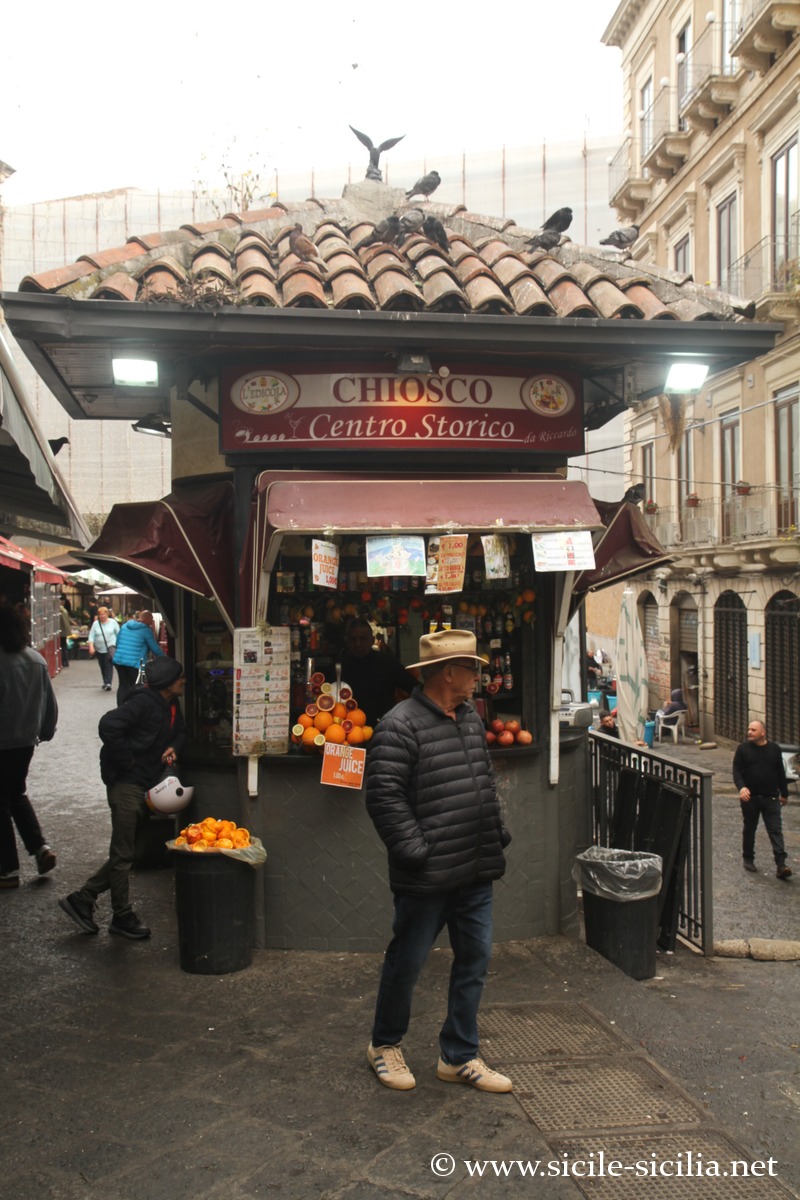
Chiosco of the pescheria
Catania’s small kiosks are emblematic of the city, having appeared at the end of the 19th century and offering refreshments, and have become traditional neighbourhood meeting points. They can be found in the main squares. They offer various thirst-quenching drinks, based on citrus fruits, sparkling water coming down from the slopes of Etna, etc
Villa Bellini and botanical garden in Catania
The Villa Bellini is the largest and most beautiful public park in Catania. Completed in 1883, it is north of the city centre, decorated with numerous statues by artists from the city, kiosks, a botanical clock, etc
→ See the description of the Villa Bellini and the botanical garden
“Borgo” station in Catania
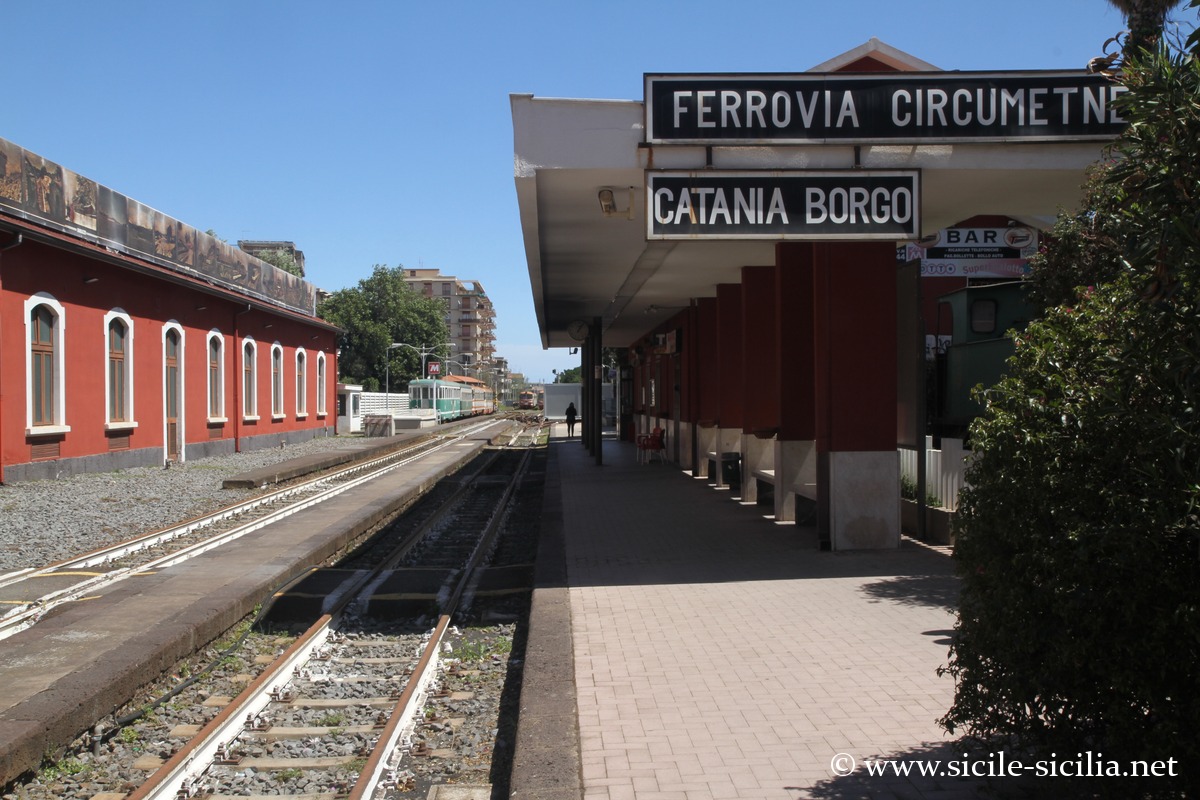
The train station of Catania Borgo is the historic starting point of the Ferrovia Circumetnea line, located via Caronda.
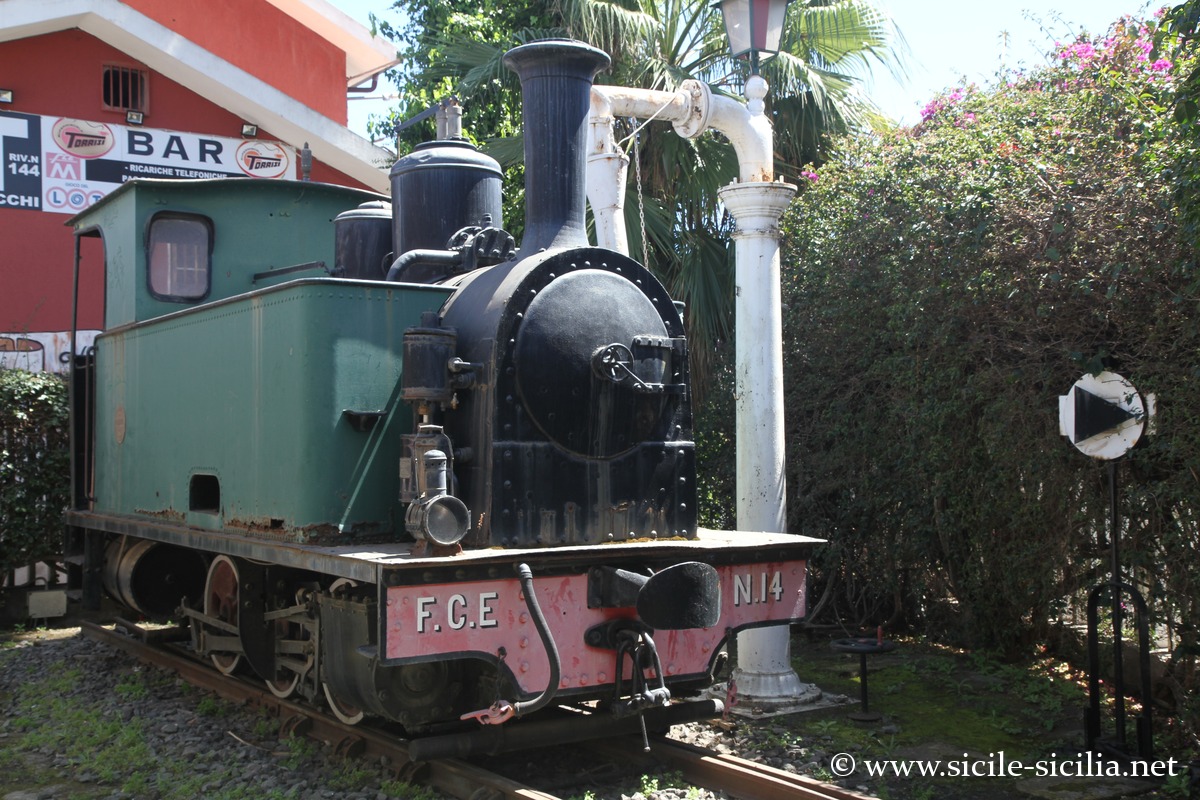
In the station garden, you can see the steam locomotive no. 14, named “Meuse”, an old machine built in Belgium at the beginning of the 20th century, restored and displayed among historic railway elements (signalling, point levers, water column).
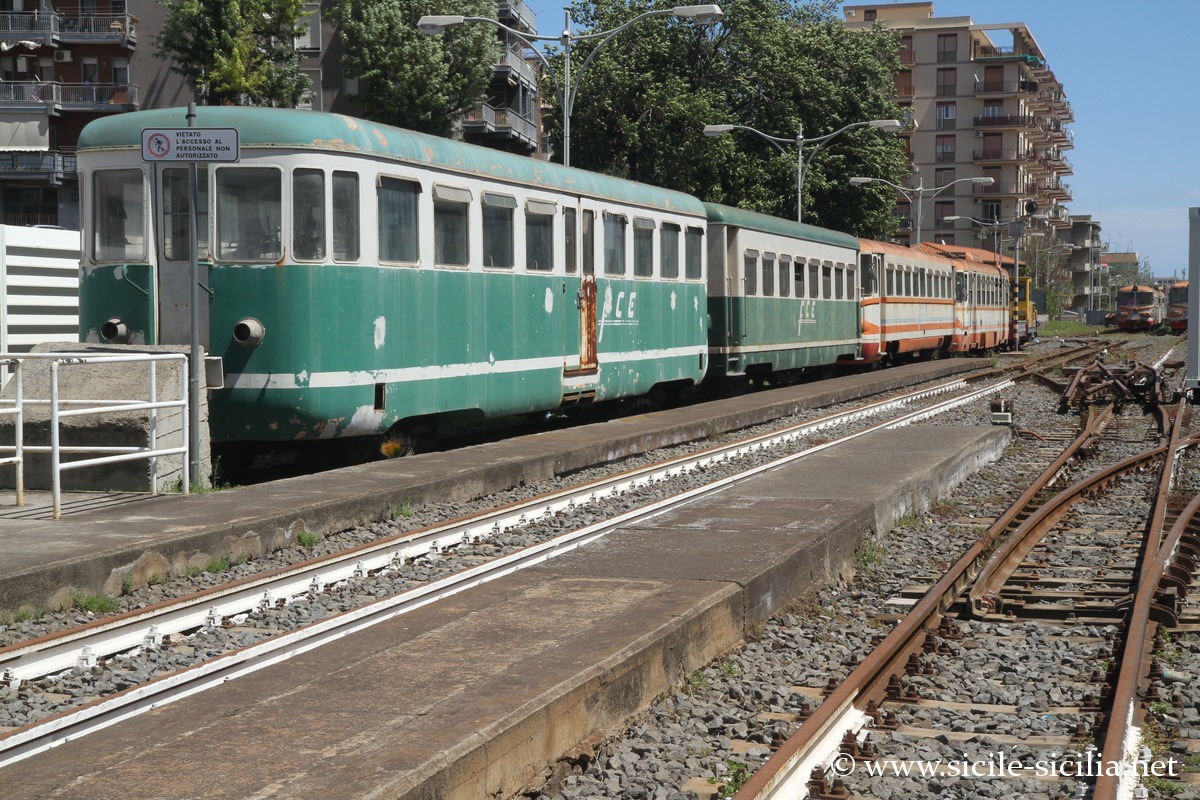
More modern railcars of the Circumetnea line still run from Borgo, allowing old-world charm and a useful service to be combined. The Ferrovia Circumetnea is a narrow-gauge railway line inaugurated in 1895, which circles the volcano Etna, crossing villages, lava flows and mountainous landscapes at the moderate speed of 35 km/h.
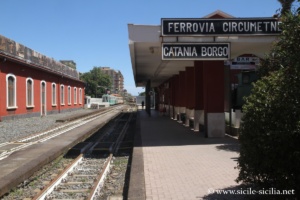
Catania Borgo 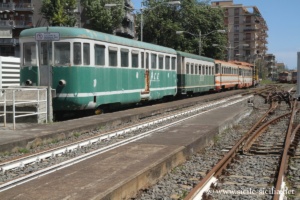
Catania Borgo 

La Meuse, Catania Borgo
Port of Catania and Ognina
Beyond the port of Catania, quite imposing, lively and full of life with the spectacular view of Etna, you can discover the picturesque little port of Ognina three kilometres north of the Central Station. The port is also an opportunity to enjoy excellent fresh fish dishes in the surrounding restaurants.
Ognina is also known as the Port of Ulysses, nestled at the foot of Catania’s suggestive rocky coast, shaped by a lava flow from 1381. It is a favourite destination for the people of Catania thanks to its atmosphere, its attractions and its panorama over the Ionian Sea.
Its history was important, founded in the 8th century BC by the Chalcidians, where the best boats were then built. In Roman times, the port of Ognina could accommodate up to 300 ships, being the main port of Katane. It is from here that Ulysses is said to have landed with his companions and escaped the wrath of the Cyclops Polyphemus who, having been blinded, hurled enormous rocks at him: the current faraglioni of Aci Trezza, near the island of Lachea.
Porta della Bellezza in Catania
In the Librino district, on the outskirts of Catania, a 3-kilometre-long concrete wall was built in the 1970s, which became an artistic and social project by Antonio Presti, a Sicilian patron of the arts.
The work extends over a 500-metre portion, using terracotta, composed of 13 monumental works and 900 smaller ones, through collaboration between artists, students of the Academy of Fine Arts and schoolchildren.
The main theme is the “mother goddess”, representing abstract subjects or women.
Commonwealth Cemetery
About 7 kilometres south-west of the city is the impressive war cemetery maintained by the Commonwealth in honour of the war dead.
Articles about Catania
- Catania
 The second most populous city in Sicily after Palermo, Catania has ...
 - Hotels in Catania
 Hotels in Catania in Sicily, at the foot of Mount Etna. ...
 - Riviera of the Cyclops
 Along the coast north of Catania, the “Riviera dei Ciclopi” (Riviera ...
 - Catania Walking Tour Itinerary
 The interesting historic centre of Catania is marked by Baroque architecture, ...
 - Piazza del Duomo and Catania Cathedral
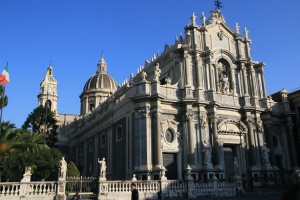 In the heart of Catania, the Piazza Duomo is the starting ...
 - Churches of Catania
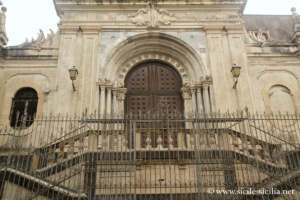 Beyond this article dedicated to the churches of the city, also ...
 - Via Crociferi in Catania: the Baroque churches
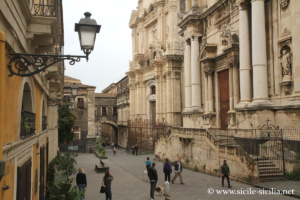 The Via Crociferi is called the “street of churches”, a monumental ...
 - Ancient sites of Catania
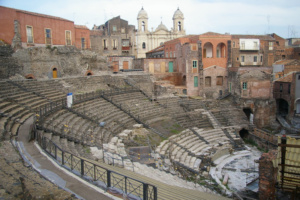 The ancient remains of Catania bear witness to the importance of ...
 - Along the Via Etnea in Catania
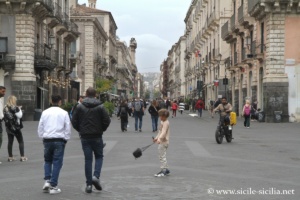 The Via Etnea is the main shopping street in the centre ...
 - Palaces of Catania to discover
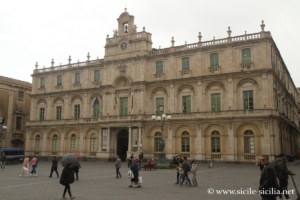 Beyond this page dedicated to the most remarkable palaces in Catania, ...
 - Bellini Square and Theatre in Catania
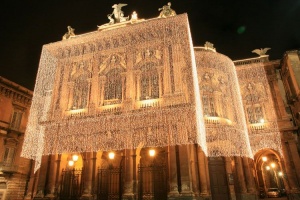 Bellini Theatre Located towards the north-east of Piazza Duomo, on the square ...
 - Ursino Castle of Catania
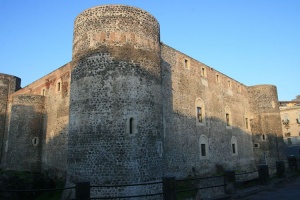 The Ursino Castle of Catania was built between 1239 and 1250 ...
 - Benedictine Monastery and San Nicolò of Catania
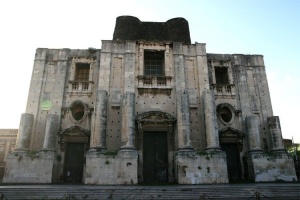 About 850 metres west of Piazza Duomo, Piazza Dante sits in ...
 - Museums of Catania

 List of the main museums of Catania, including palaces, religious and ...
 - Discovering underground Catania
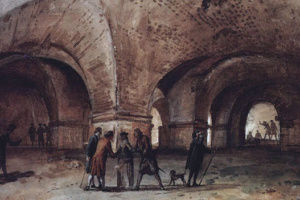 Lava flows have periodically covered entire districts of Catania, burying much ...
 - Catania Environs: Riviera and Countryside
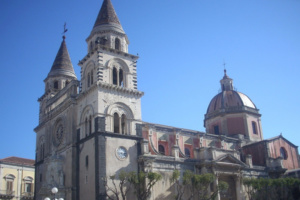 Mount Etna (overview) In the environs of Catania, the Etna park offers ...
 - Traditions and gastronomy in Catania
 Feast of Saint Agatha in Catania The main festival of Catania is ...
 - Activities in Catania, guided tours and excursions
 Booking activities in Catania and its surroundings, guided tours, tastings, outings ...
 - Around Catania
 Sicilian destinations near Catania, including Mount Etna rising to the northwest, ...